Article

Inversion Method for Chlorophyll-a Concentration in High-Salinity Water Based on Hyperspectral Remote Sensing Data


1
College of Information Engineering, Inner Mongolia University of Technology, Hohhot 010080, China
2
Inner Mongolia Key Laboratory of Radar Technology and Application, Hohhot 010051, China
3
College of Information Science and Engineering, Chongqing Jiaotong University, Chongqing 400074, China
*
Author to whom correspondence should be addressed.
Sensors 2024, 24(13), 4181; https://doi.org/10.3390/s24134181
Submission received: 9 May 2024 / Revised: 16 June 2024 / Accepted: 25 June 2024 / Published: 27 June 2024
(This article belongs to the Section Remote Sensors)

Abstract

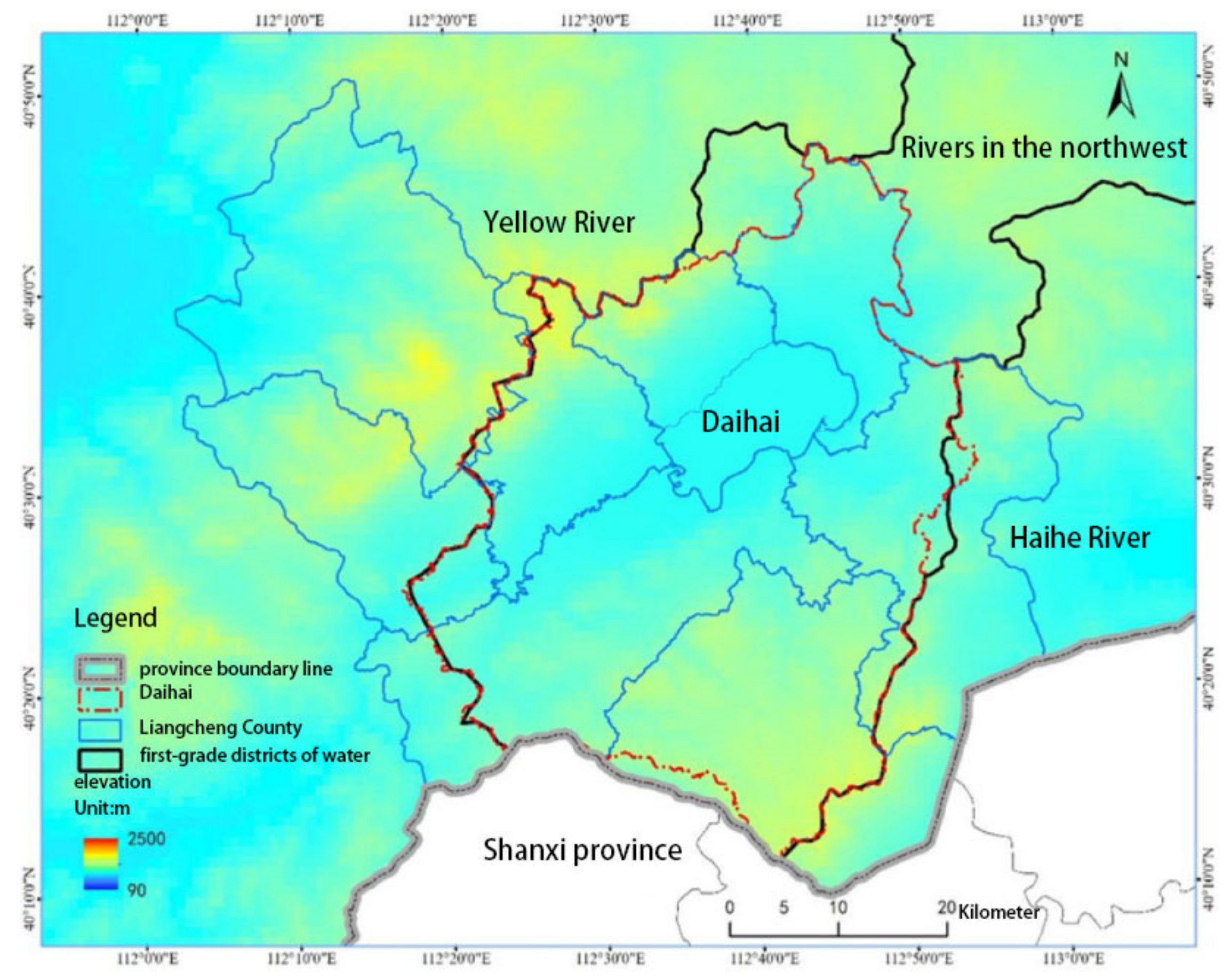
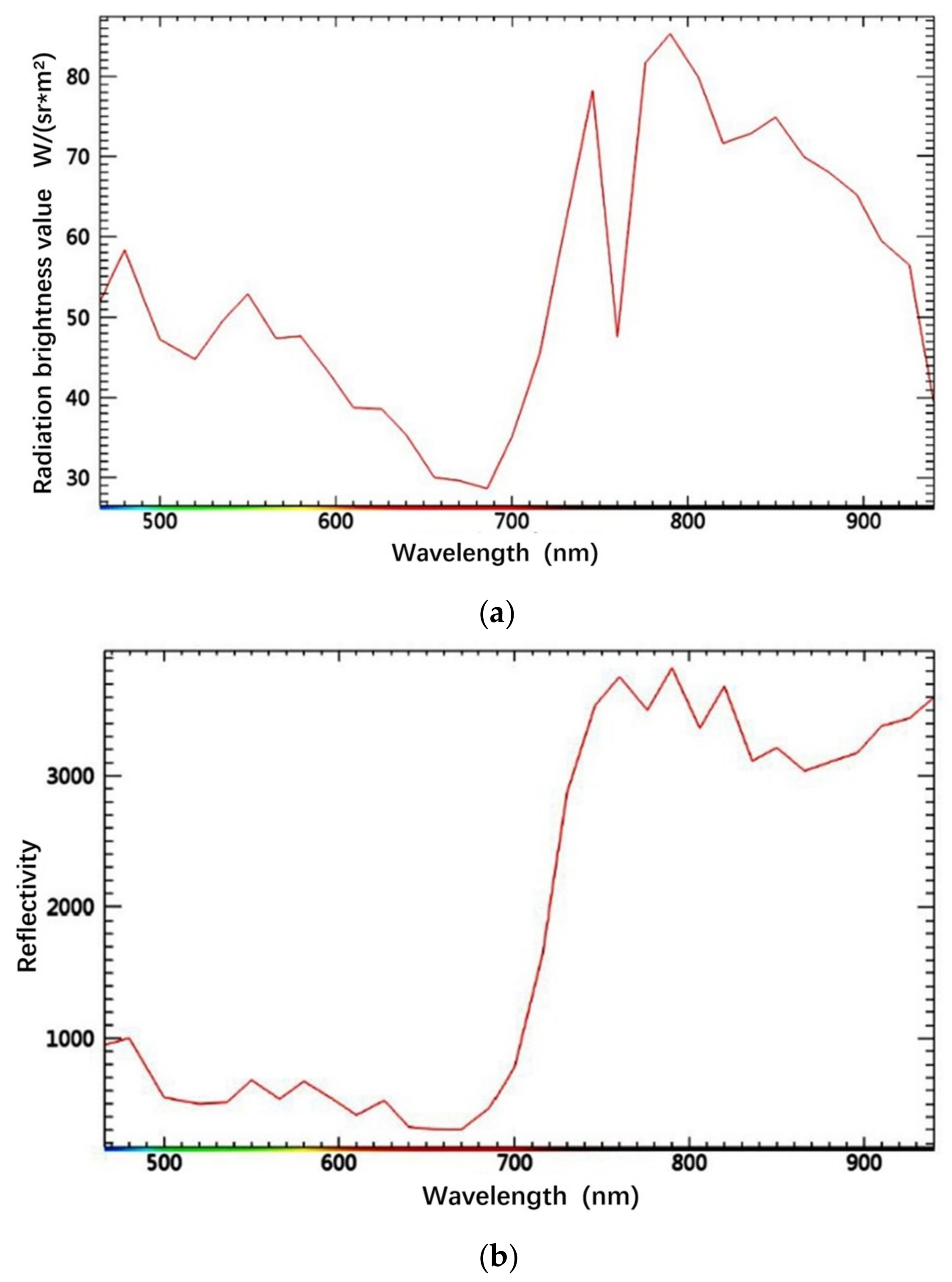
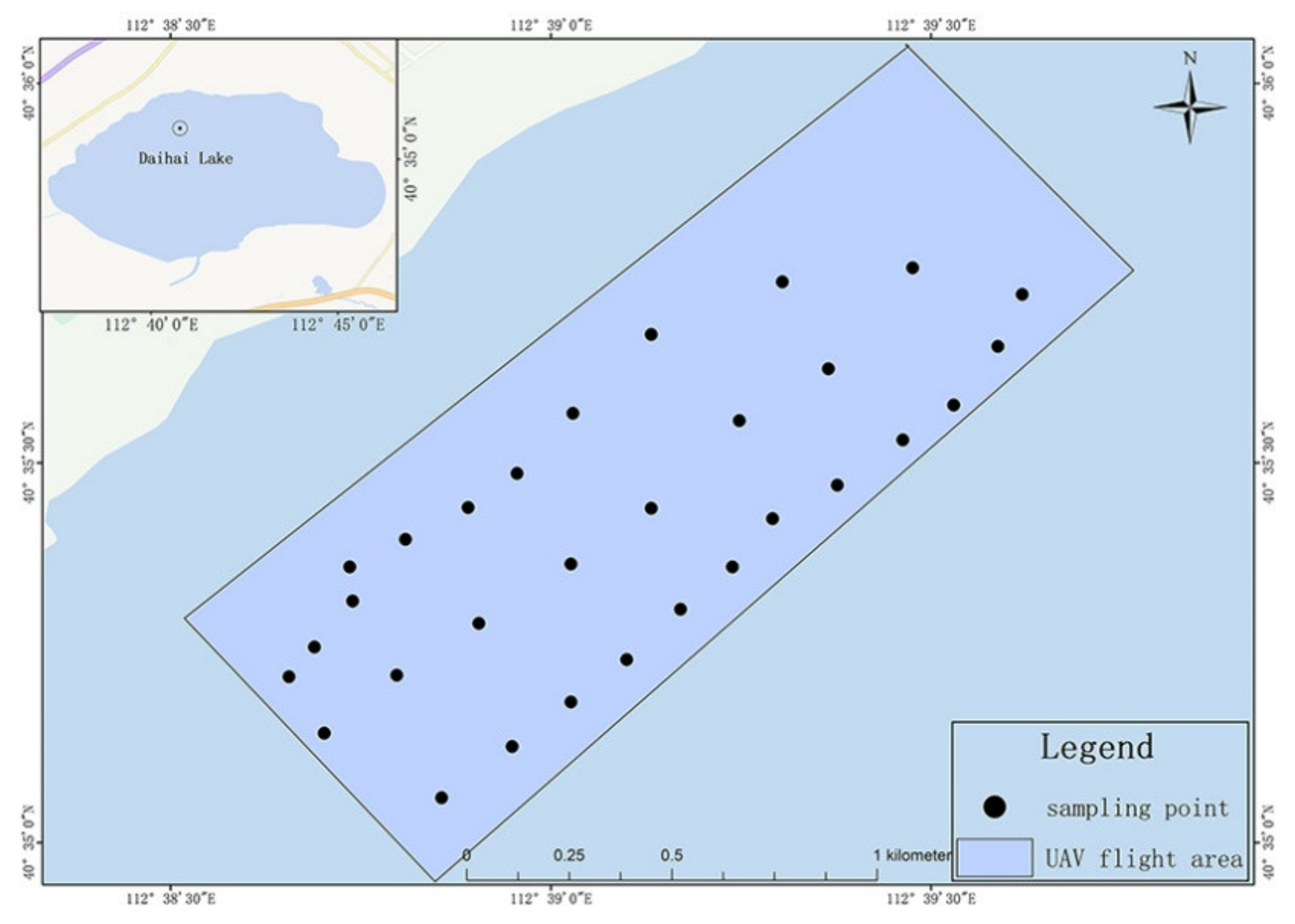
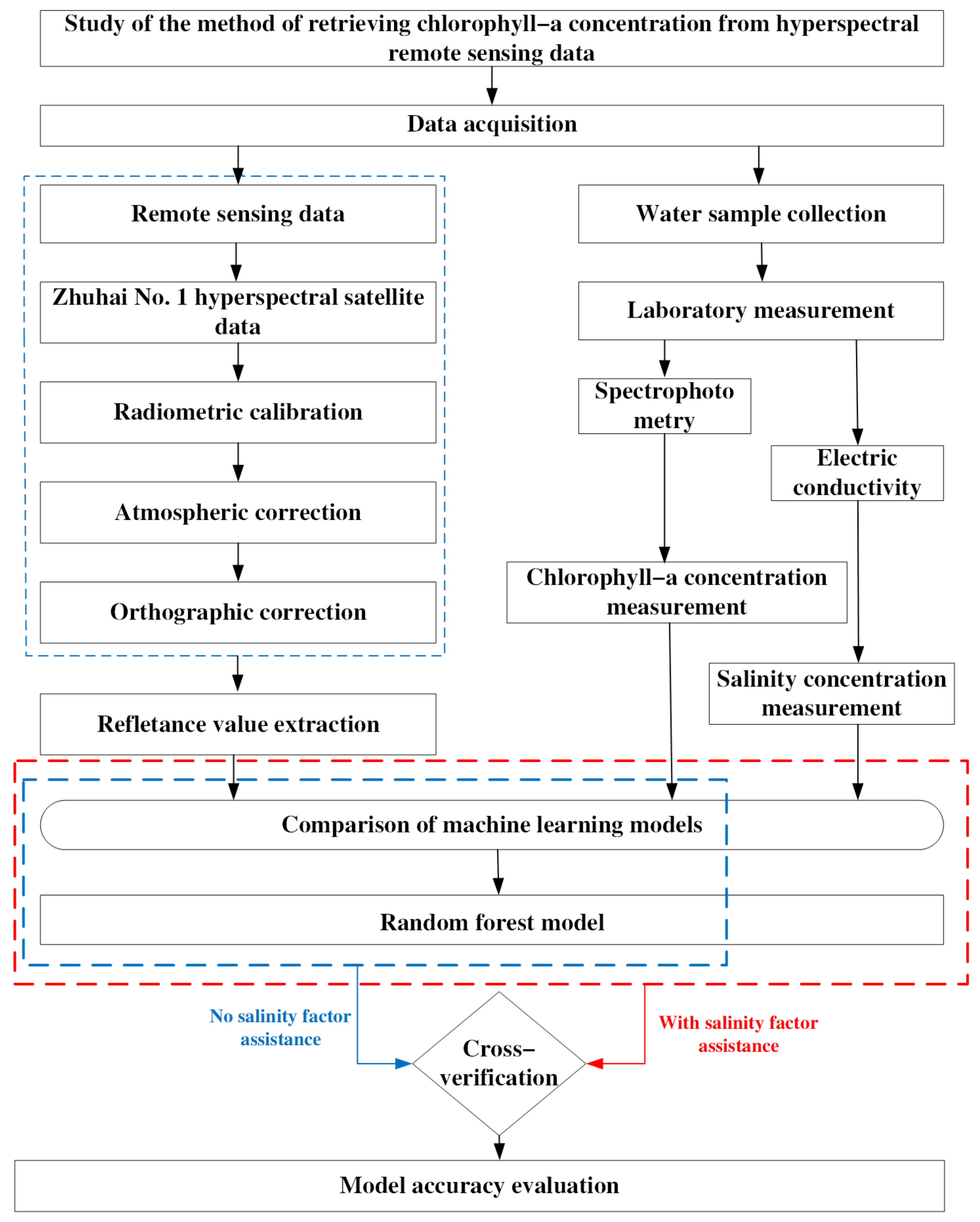
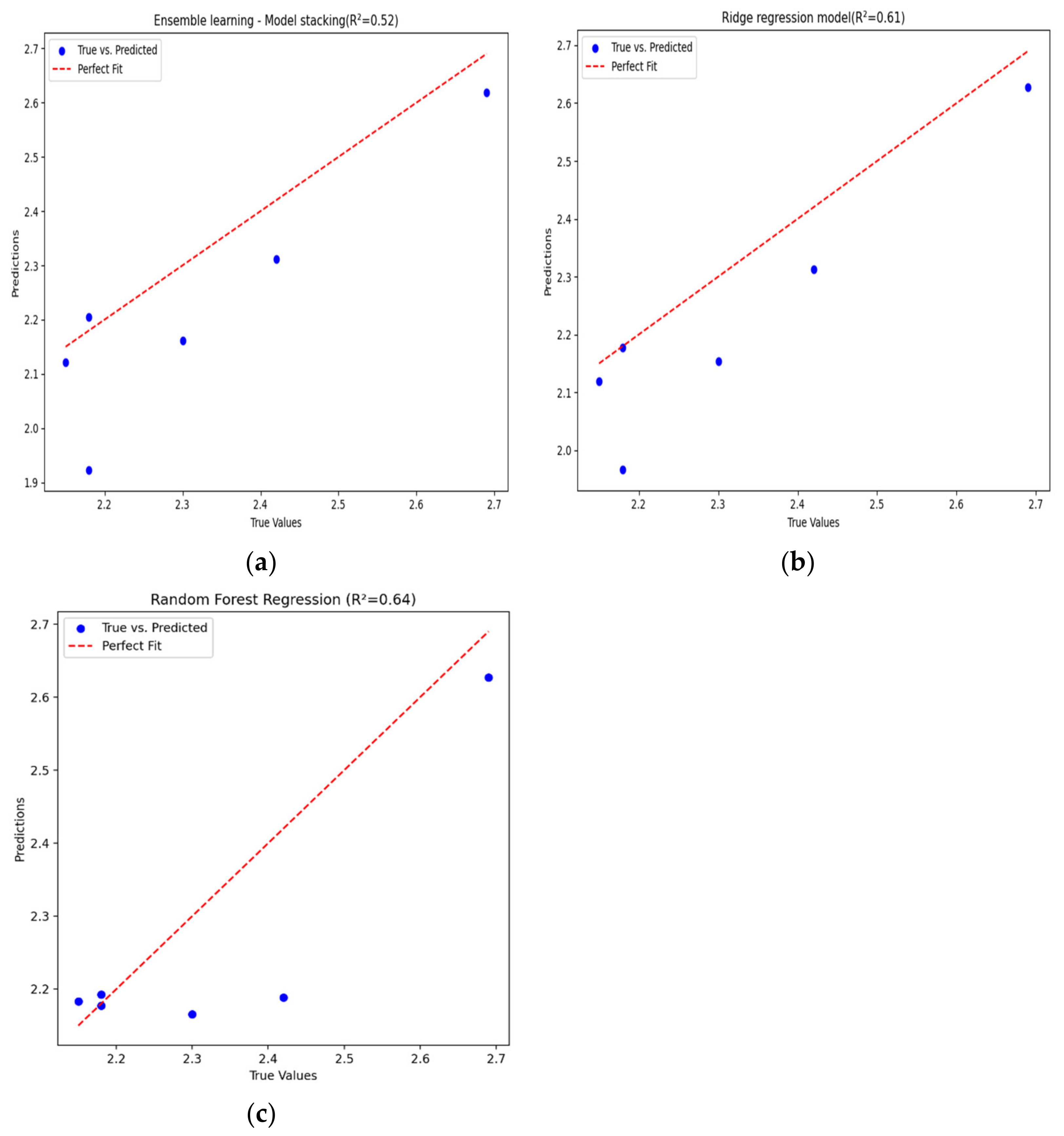
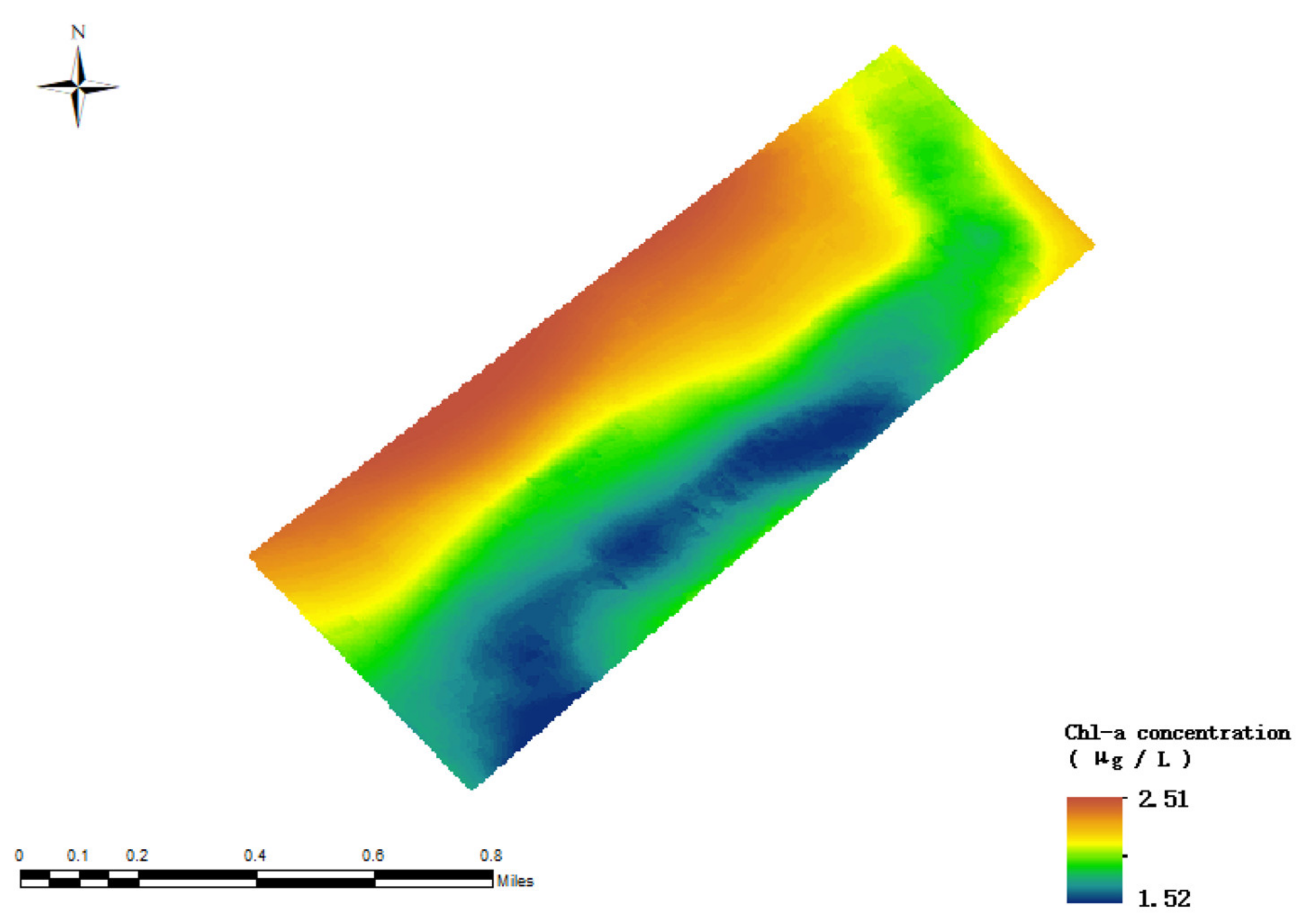
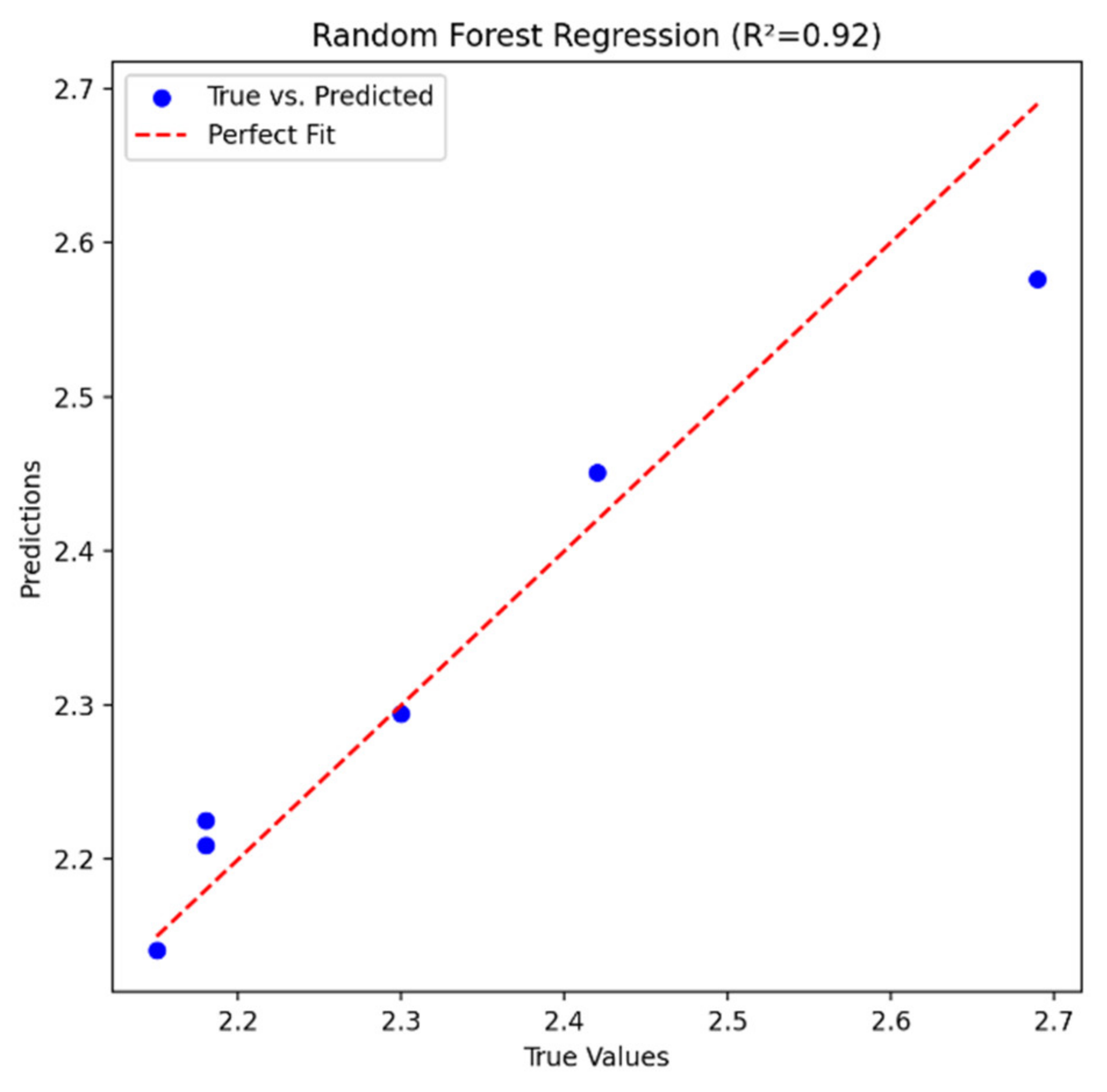
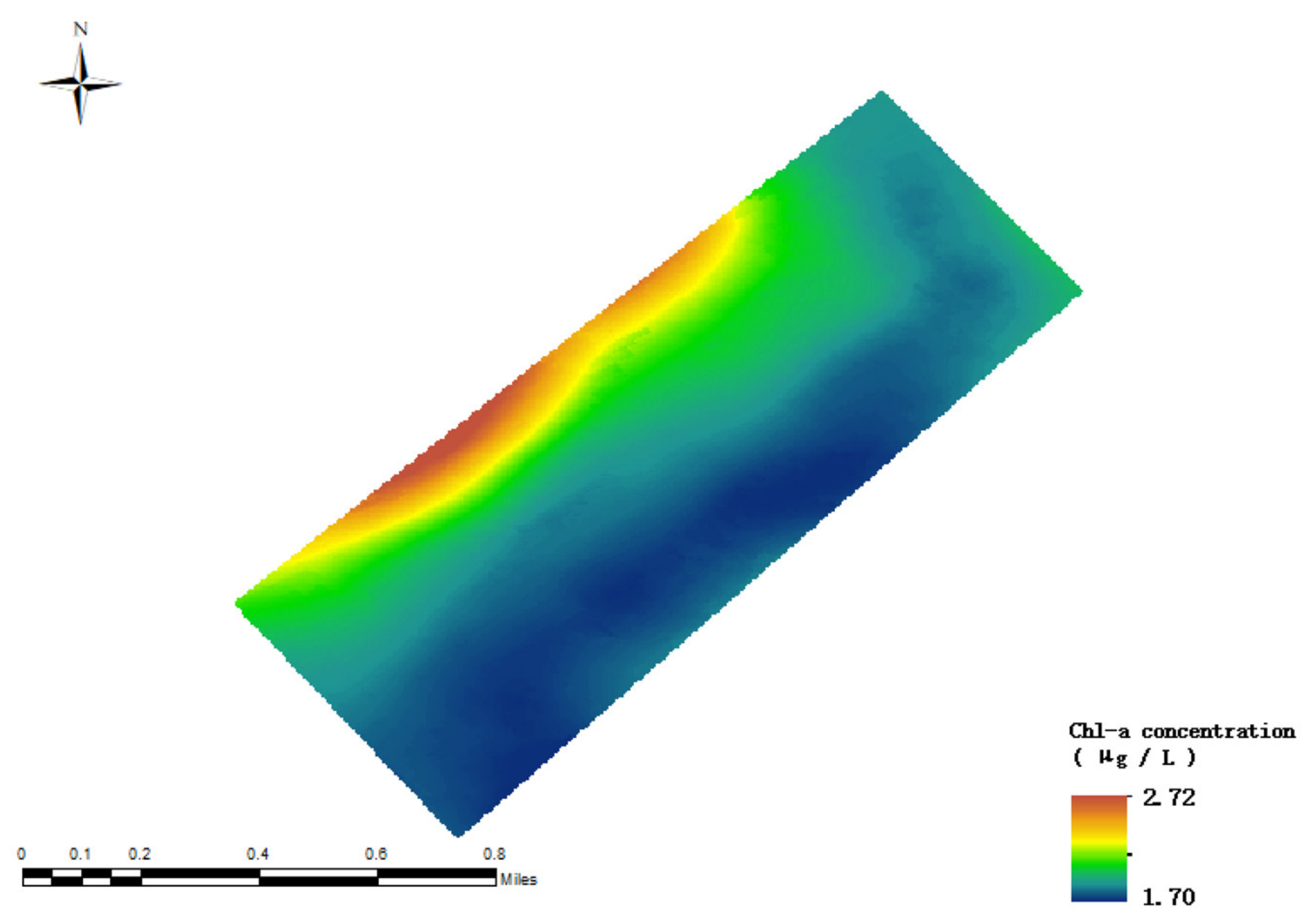
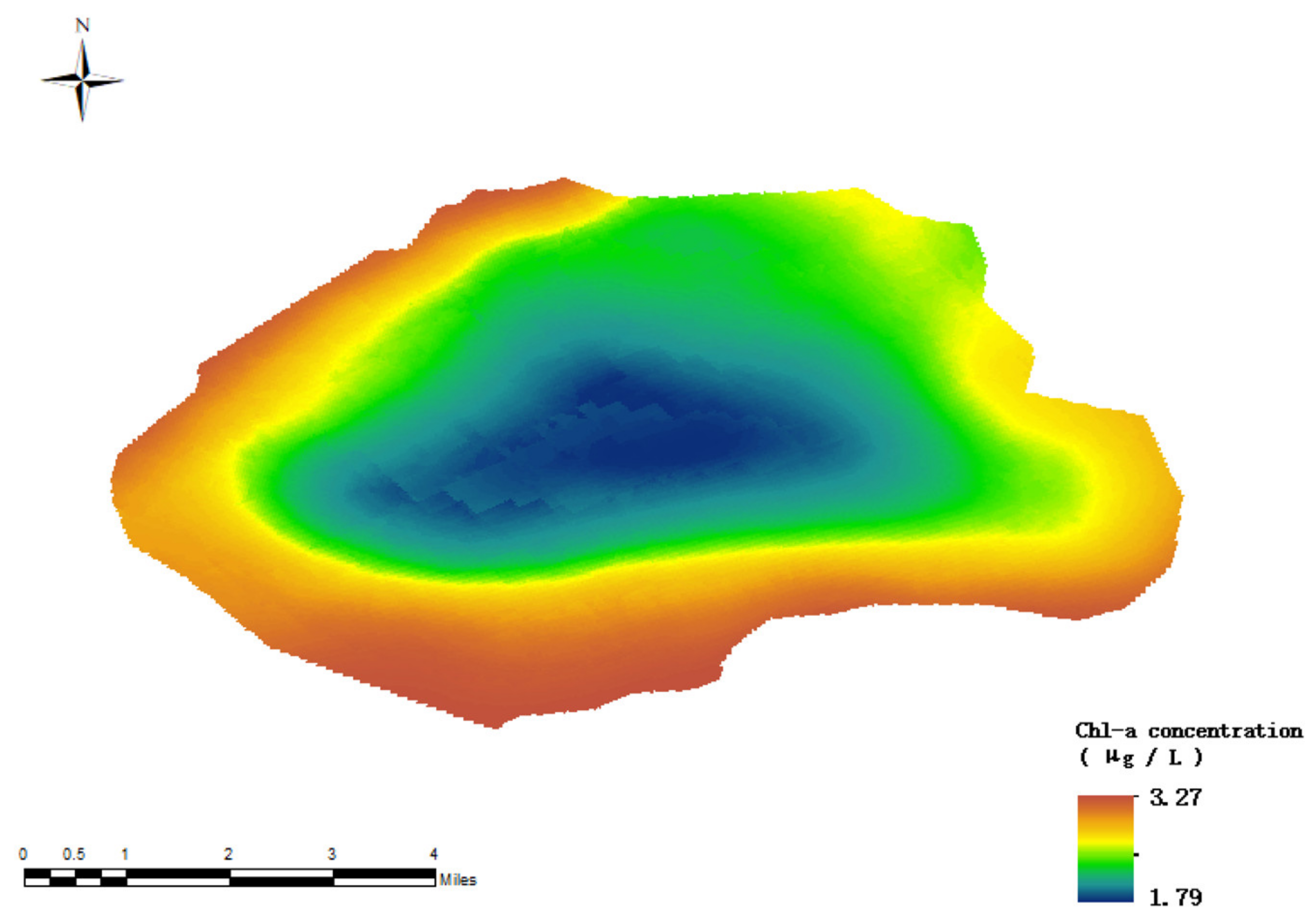
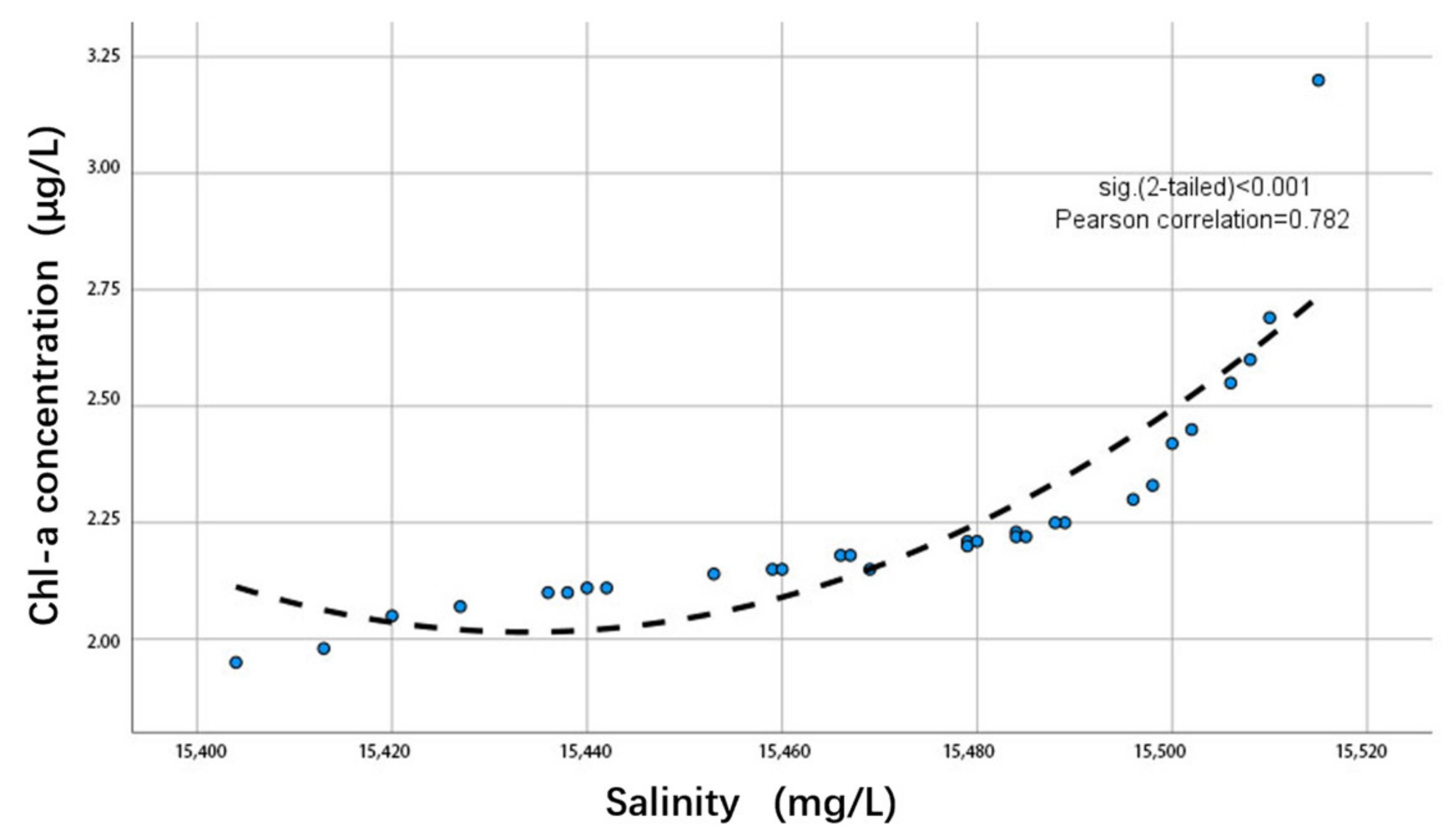
As one of the important lakes in the “One Lake and Two Seas” of the Inner Mongolia Autonomous Region, the monitoring of water quality in Lake Daihai has attracted increasing attention, and the concentration of chlorophyll-a directly affects the water quality, making the monitoring of chlorophyll-a concentration in Lake Daihai particularly crucial. Traditional methods of monitoring chlorophyll-a concentration are not only inefficient but also require significant human and material resources. Remote sensing technology has the advantages of wide coverage and short update cycles. For lakes such as Daihai with a high salinity content, salinity is considered a key factor when inverting the concentration of chlorophyll-a. In this study, machine learning models, including model stacking from ensemble learning, a ridge regression model, and a random forest model, were constructed. After comparing the training accuracy of the three models on Zhuhai-1 satellite data, the random forest model, which had the highest accuracy, was selected as the final training model. By comparing the accuracy changes before and after adding salinity factors to the random forest model, a high-precision model for inverting chlorophyll-a concentration in hypersaline lakes was obtained. The research results show that, without considering the salinity factor, the root mean square error (RMSE) of the model was 0.056, and the coefficient of determination (R2) was 0.64, indicating moderate model performance. After adding the salinity factor, the model accuracy significantly improved: the RMSE decreased to 0.047, and the R2 increased to 0.92. This study provides a solid basis for the application of remote sensing technology in hypersaline aquatic environments, confirming the importance of considering salinity when estimating chlorophyll-a concentration in hypersaline waters. This research helps us gain a deeper understanding of the water quality and ecosystem evolution in Daihai Lake.
Keywords: hyperspectral remote sensing data; Daihai water body; chlorophyll-a concentration; salinity hyperspectral remote sensing data; Daihai water body; chlorophyll-a concentration; salinity