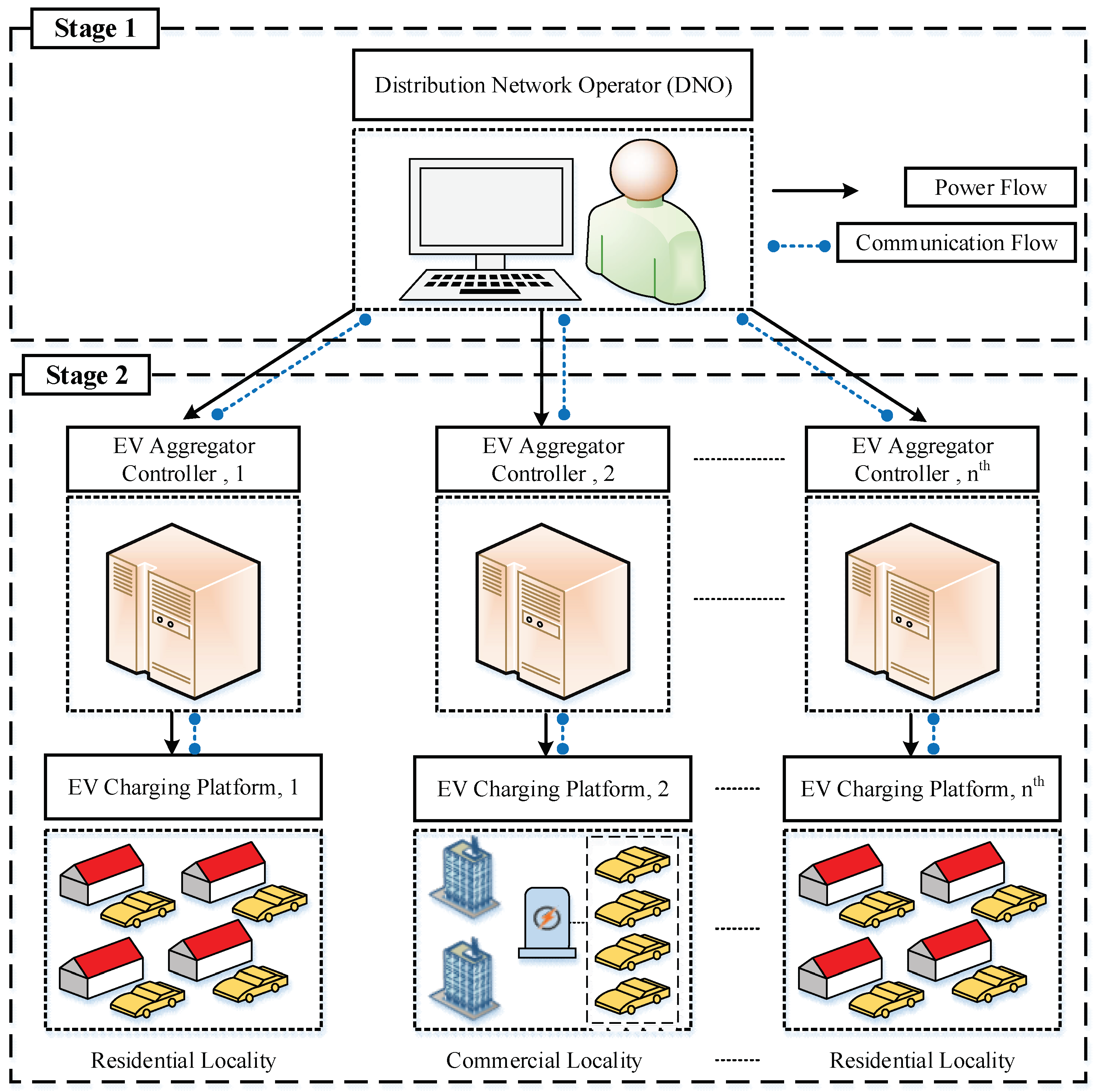
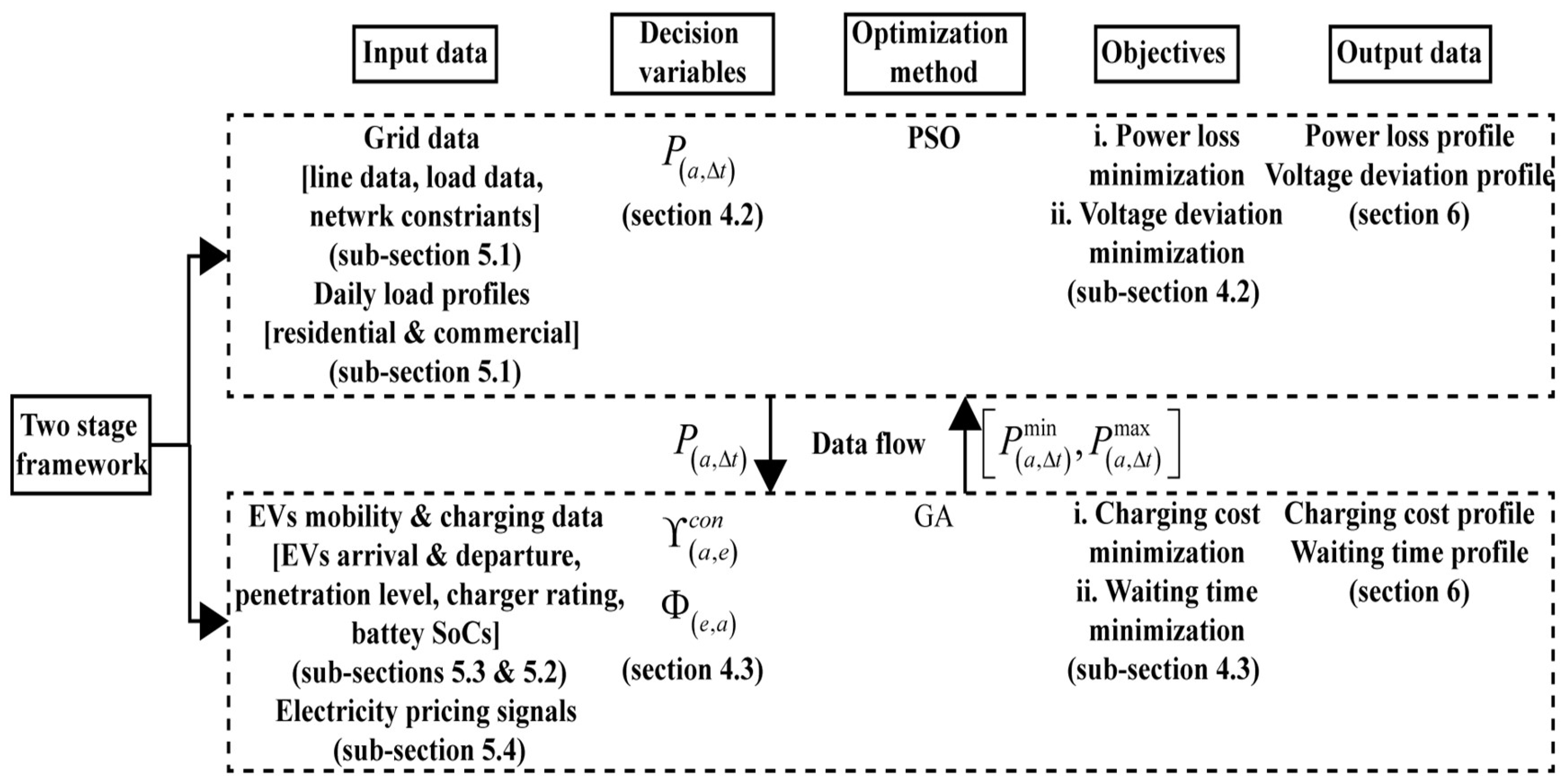
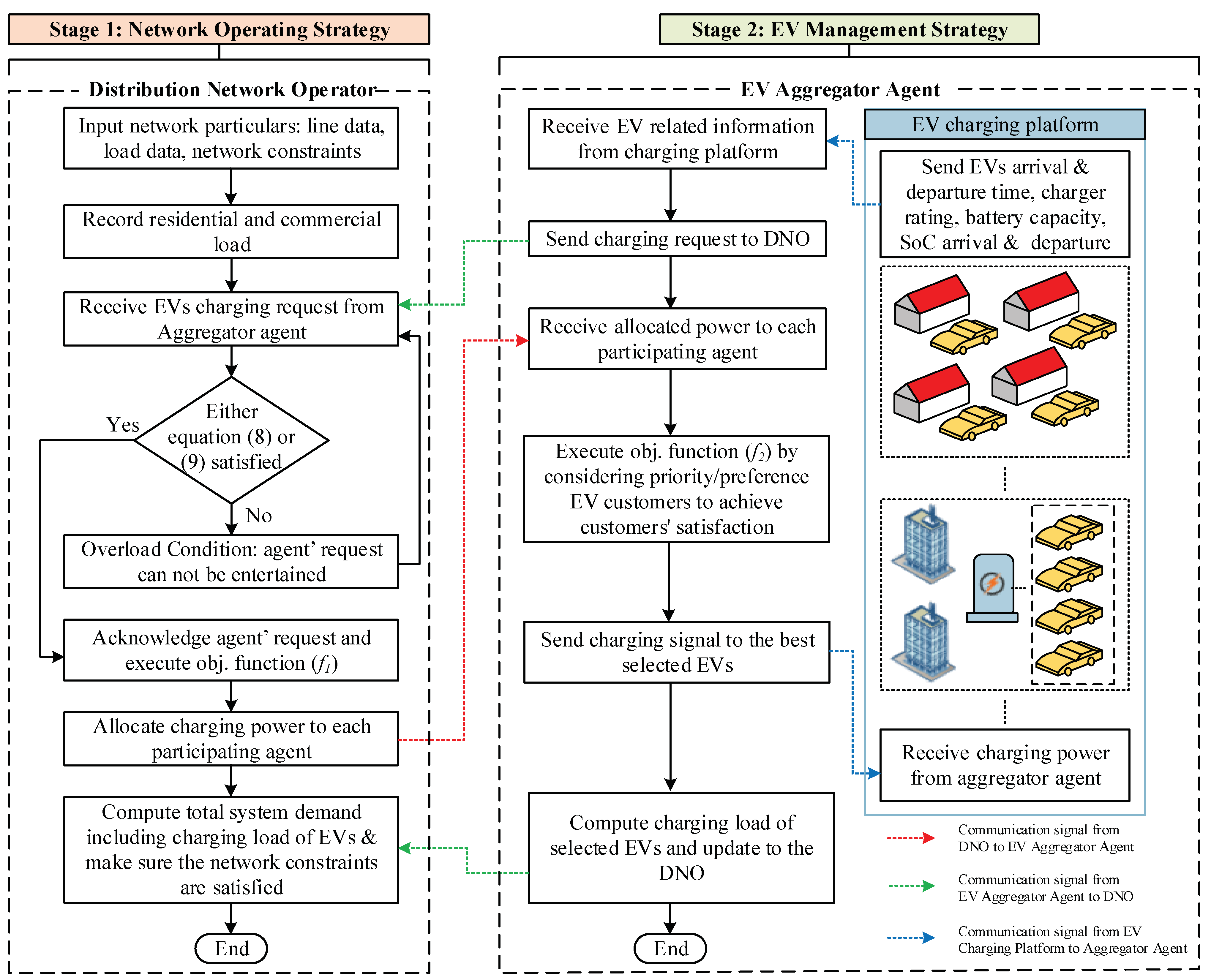
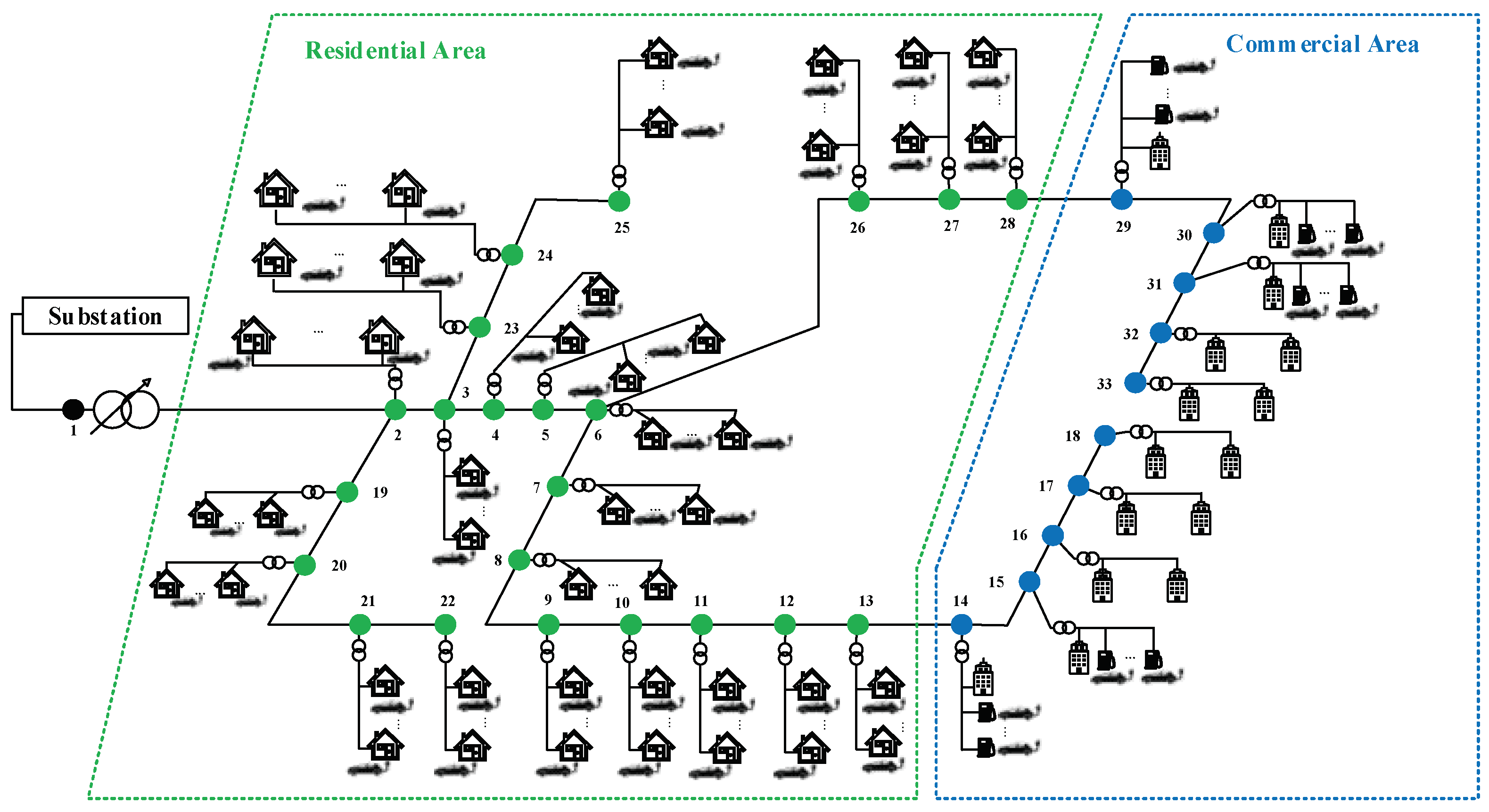
A Two-Stage Multi-Agent EV Charging Coordination Scheme for Maximizing Grid Performance and Customer Satisfaction
 , ,
, ,  ,
, 
Abstract
Share and Cite
Amin, A.; Mahmood, A.; Khan, A.R.; Arshad, K.; Assaleh, K.; Zoha, A. A Two-Stage Multi-Agent EV Charging Coordination Scheme for Maximizing Grid Performance and Customer Satisfaction. Sensors 2023, 23, 2925. https://doi.org/10.3390/s23062925
Amin A, Mahmood A, Khan AR, Arshad K, Assaleh K, Zoha A. A Two-Stage Multi-Agent EV Charging Coordination Scheme for Maximizing Grid Performance and Customer Satisfaction. Sensors. 2023; 23(6):2925. https://doi.org/10.3390/s23062925
Chicago/Turabian StyleAmin, Adil, Anzar Mahmood, Ahsan Raza Khan, Kamran Arshad, Khaled Assaleh, and Ahmed Zoha. 2023. "A Two-Stage Multi-Agent EV Charging Coordination Scheme for Maximizing Grid Performance and Customer Satisfaction" Sensors 23, no. 6: 2925. https://doi.org/10.3390/s23062925
APA StyleAmin, A., Mahmood, A., Khan, A. R., Arshad, K., Assaleh, K., & Zoha, A. (2023). A Two-Stage Multi-Agent EV Charging Coordination Scheme for Maximizing Grid Performance and Customer Satisfaction. Sensors, 23(6), 2925. https://doi.org/10.3390/s23062925