1. Introduction
There have been persistent issues in relation to the reliability of runoff and soil loss assessments and their scientific interpretations. A long-standing challenge in the field has been the observation that the cause of soil surface runoff is non-unique; i.e., the same apparent soil surface and rainfall conditions do not necessarily result in the same runoff and erosion rate [
1,
2,
3]. This is convincingly demonstrated by data from replicate plots where the variability of runoff and erosion response reaches up to two orders of magnitude difference [
4,
5]. This feature makes the robust assessment of soil runoff/erosion and subsequently landscape management difficult; more importantly, this calls for further scrutiny of other contributing factors. Small-scale experimental [
1,
6,
7,
8,
9] and modelling [
10] have suggested that micro-scale properties of the first few centimetres of the soil surface strongly affects its infiltration capacity and erodibility. These studies showed that soil physical degradation from the changes in roughness and the development of soil crusts are important factors controlling the above-mentioned variability, particularly on fine-textured soils.
The term soil crusting refers to the forming processes and the consequences of a thin layer at the soil surface with reduced porosity and high penetration resistance, favouring runoff initiation and inter-rill soil erosion. Soil crusting can be monitored directly through morphological changes (e.g., the diameter of the smallest clods not incorporated in the crust, D
lim), or indirectly through sealing indexes based on the decrease in infiltration capacity or increase in surface strength. In different studies, both D
lim and sealing indexes have been linearly related to cumulative rainfall kinetic energy [
11]. Crusts are commonly classified in two subsequent stages, “structural” and “depositional”, respectively based on the origin of soil seal formation, as the result of two complementary mechanisms [
12]: (i) physical disintegration of surface aggregates caused by wetting of the dry aggregates and/or the beating action of the raindrops, and subsequent compaction of the disintegrated aggregates by raindrop impact; (ii) the physicochemical dispersion of soil clays which migrate downward with the infiltrating water clogging pores.
Contradictory evidence has been reported for the relationship between soil surface roughness and crust generation and for the effect of roughness on the generation of runoff [
8]. The problem may reside in the fact that these two properties are highly dynamic in both space and time in response to biotic processes, the energetic input of rainfall and/or farming operations. Even under laboratory conditions, or controlled field experiments, these factors are difficult to quantify and are usually described using simplified expert-based classes [
13]. Arguably, one of the reasons that erosion modelling is still challenging [
14] is the lack of good input data that captures the heterogeneity of the soil surface characteristics. Therefore, one way to improve not only our mechanistic understanding of rainfall-runoff processes, but also erosion model performance, is to improve the accuracy and precision of model input data, using new sensor measurement methods, and to test how sensitive the model is to variations in input data [
15].
In this context, soil spectral analysis was proven to be very effective in the estimation of a wide range of soil properties [
16]. The spectral properties of crusted soils were already the subject of several studies looking at specific spectral features [
17], and this was also related to soil infiltration rates and cumulative rainfall kinetic energy [
18,
19,
20]. The recent advent of small portable sensors with multi-spectral capabilities now provide the means, the accuracy and the resolution to quantitatively and accurately assess spatial-temporal variability of soil conditions at different scales, especially if combined with low altitude flights with unmanned aerial systems (UAS) [
21]. These systems have the potential to present a better alternative to ground surveys, on one side, and satellite data on the other: they offer superior spatial and temporal resolution at a better time- resource- and cost- efficiency. For example, Croft et al. in several studies [
22,
23,
24] successfully developed and refined models of soil surface roughness using proximal hemispherical measurements of hyperspectral directional reflectance factors. Nonetheless, they recognized the difficulty of separating the contribution of soil variable like roughness, moisture, and organic carbon to soil reflectance factors, and the complexity that exists in attempting to retrieve them from optical remotely sensed data [
25]. Elucidating the factors, as well their interactions, that shape the soil spectral signature is therefore critical. This is important in the context of developing predictive models of soil crust development suitable for proximal sensing applications and/or low altitude UAS flights.
The general objective of this study is to analyse the functional relationships between soil crusting and soil surface reflectance as derived from multispectral imaging and how this can be inferred from low-altitude UAS sensors. More specifically, we aim at disentangling the effects of soil surface roughness from those of crust development on spectral reflectance factors, by establishing and evaluating a dedicated data pre-processing protocol. To this end, we carried out indoor and outdoor experiments to monitor the evolution of soil crust and micro-scale soil roughness in response to cumulative rainfall kinetic energy. We combine data from a hyperspectral sensor for spectral feature characterization at high resolution with image analysis in the spatial domain using a vis-NIR multispectral camera and high-resolution photogrammetry. The dynamics of soil crusting and soil roughness development were studied at two spatial scales: (i) at the 2 mm scale, which is the size of the small soil clods affecting micro-scale roughness, and (ii) at the 15 mm scale, which is the resolution obtainable by low-altitude UAS flights.
2. Materials and Methods
2.1. Experiment Design and Data Series
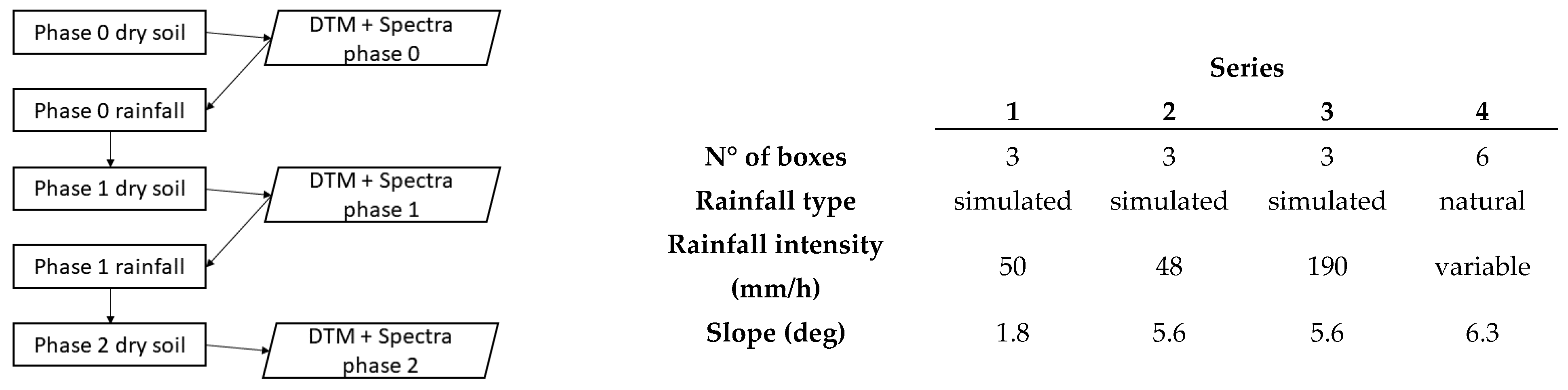
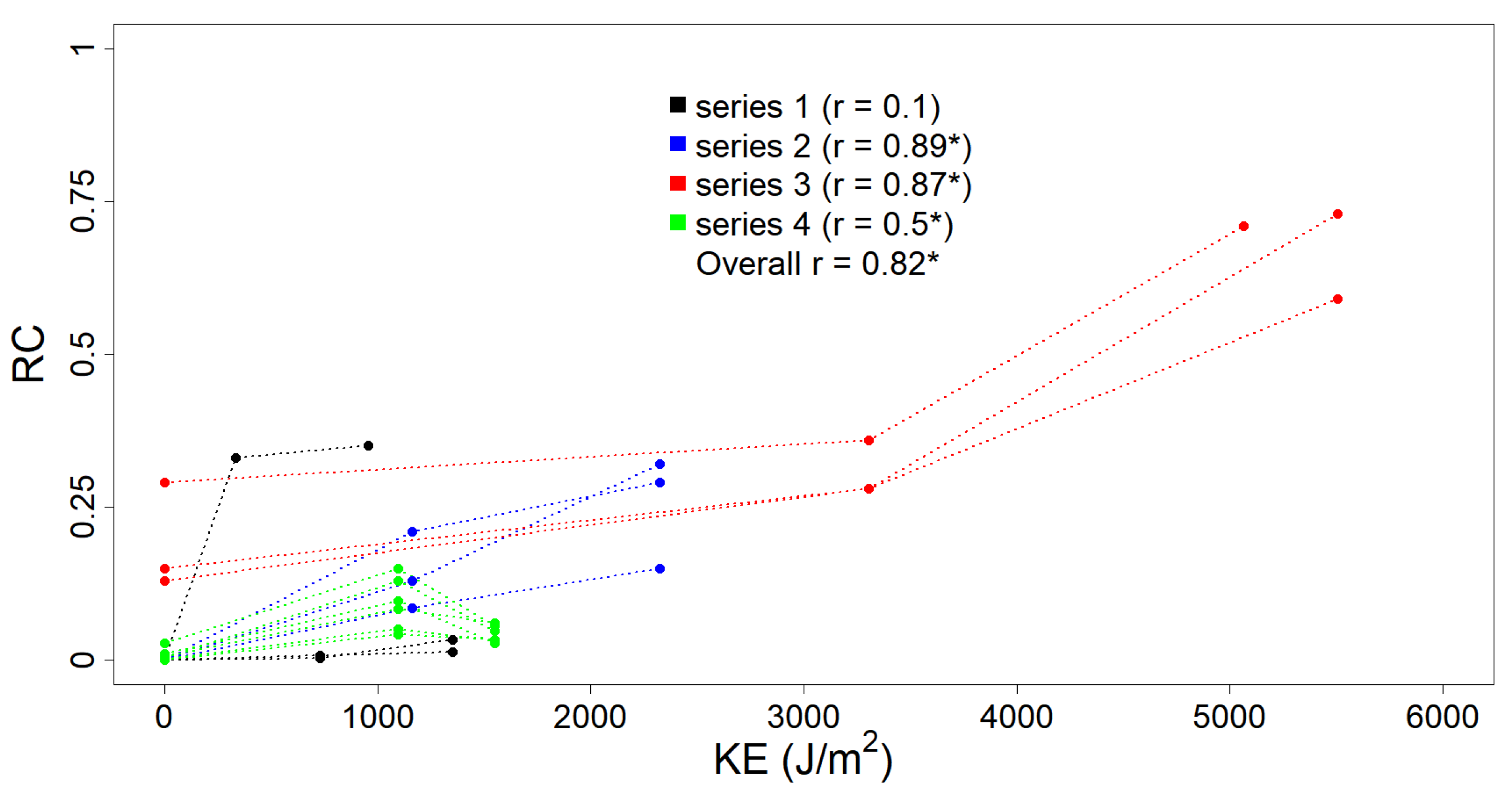
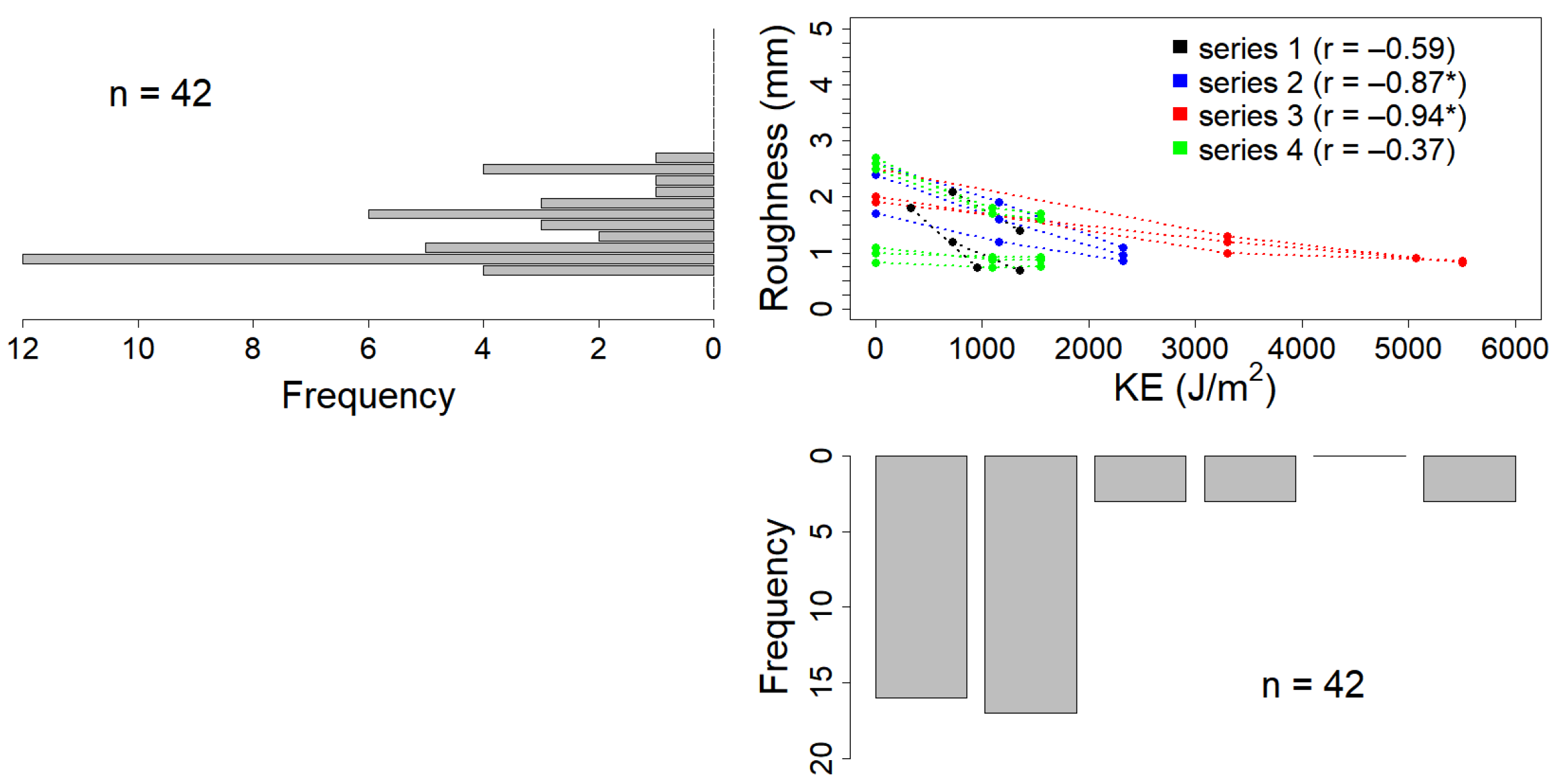
Soil samples were subjected to two separate phases of simulated or natural rainfalls: the aim was to force the evolution of soil crust and changes in surface micro-scale random roughness while controlling rainfall input. The runoff coefficient (RC) was calculated for every rainfall event as the ratio between the amount of runoff and the amount of precipitation. Soil crust development was first quantified from the changes in runoff caused by the progressive surface sealing. The amount of rainfall kinetic energy (KE) previously applied to a soil sample to generate each specific crust condition was then used as a proxy for crust development. Surface conditions were sensed under dry soil conditions at the start of the experiment and after each rainfall application phase. Sensing was executed by means of close-up photogrammetry, multispectral imaging, and hyperspectral point measurements. This data was acquired to (i) estimate surface random roughness (RG) from a high-resolution digital terrain model (DTM) and (ii) to provide a spectral descriptor for crust development. In this way, both soil crusting and roughness were related as a response to cumulative rainfall kinetic energy. Four data series, consisting of three phases of surface monitoring, were generated to obtain a range of KE/RC/RG values. Three of the data series, each with 3 replicates, were obtained under laboratory conditions using simulated rainfall, while one data series, with six replicates, was obtained outdoor under natural rainfall. The data series structure is summarized in
Figure 1.
2.2. Samples Setup
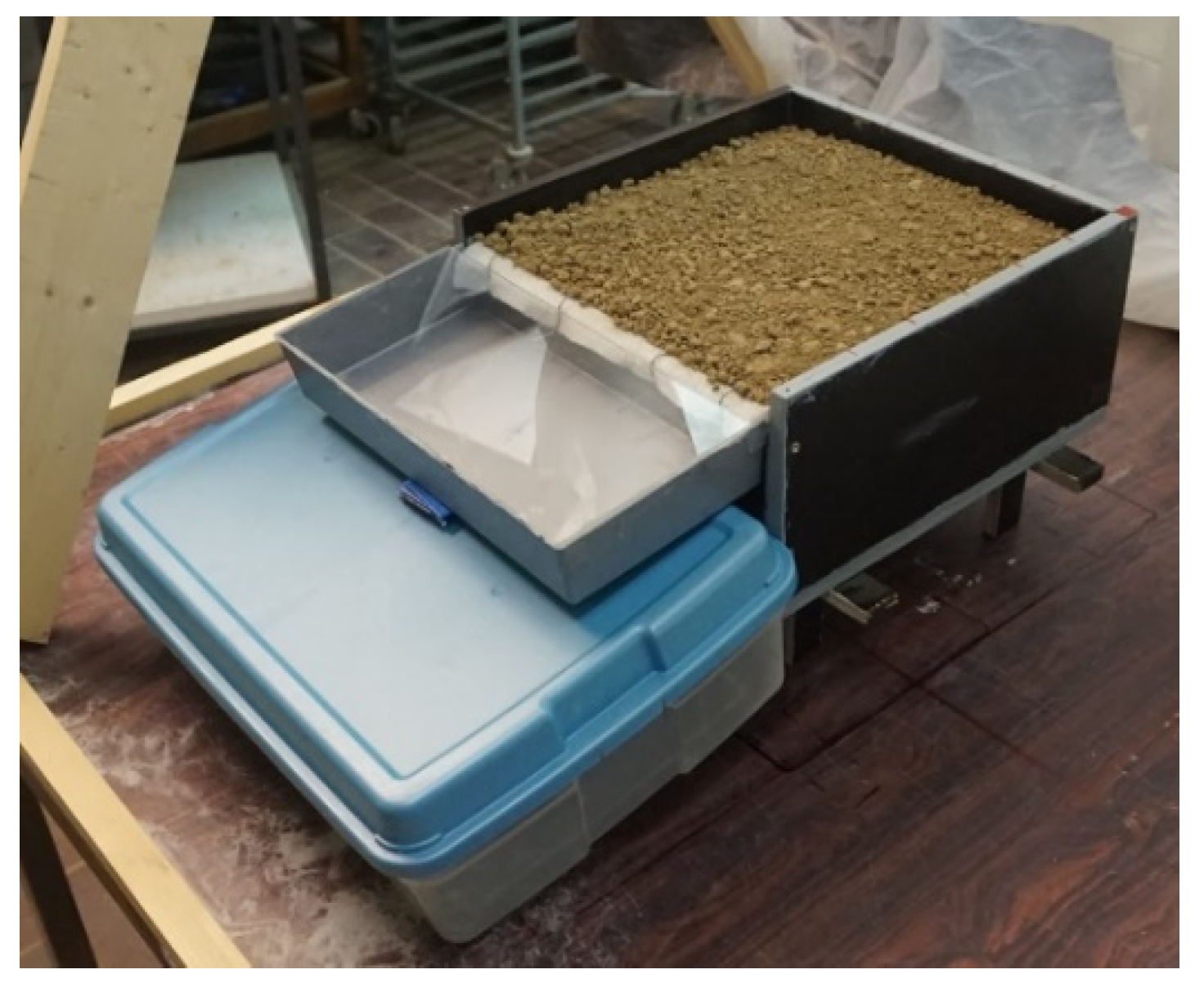
Soil samples were collected from two cultivated fields situated in the Belgian loam belt. They are classified as silt-loam by texture according to the USDA classification. Each container, from now referred to as “soilbox” (
Figure 2), consists of a wooden box of 30 cm × 30 cm wide, 15 cm tall, open on the top and filled with 14 cm of manually compacted soil. The downslope side of the soilbox accommodates two sections that allow for water outflow: (i) on the top, a rectangular broad-crested weir, 30 cm wide and 2 cm tall, levelled with the soil for surface runoff: (ii) on the bottom, a rectangular hole 30 cm wide and 2.5 cm tall, for water exfiltration. A 2.5 cm thick metallic grate covered with geo-tissue was placed on the floor of the soilbox, acting like a selective membrane toward the exfiltration hole, to prevent soil loss while allowing water outflow.
2.3. Rainfall Data
An indoor rainfall simulator, consisting of an axial-flow full cone nozzle (Series 490/491 Lechler spray nozzles and engineered systems, Lechler GmbH, Metzingen, Germany) was positioned at a height of 3 m. The nozzle was connected to the water grid through a discharge gauge in order to set and monitor the amount of litres/second of water applied. A panel of 30 cm × 30 cm with 16 small buckets, was used to calibrate the rainfall simulator by converting the measured discharge to mm/h at floor level (after a drop fall of 3 m). Natural rainfall was measured with a tipping bucket rain gauge with a time resolution of 5 min and depth resolution of 0.25 mm. Rainfall intensity was kept constant during the simulated events and was variable under natural rainfall.
To estimate the combined effect of rainfall duration and intensity on the soil surface (i.e., the destruction of clods and particle displacement), cumulative kinetic energy was chosen as an indicator. To estimate the kinetic energy KE
p (J·m
−2) applied during each measurement phase, time-specific rainfall kinetic energy KE
t (J·m
−2·h
−1) was first estimated using the universal power law proposed by [
26], for each 5 min measuring time-step. KE
p was then estimated as the sum of KE
t for each measurement time step during a phase. This method is a simplification based on the assumption that the drop-size distribution is uniform in constant rainfall intensity. The cumulated kinetic energy KE was then estimated for each dry soil phase as the sum of each antecedent KE
p since the start of the experiment.
2.4. Sensors
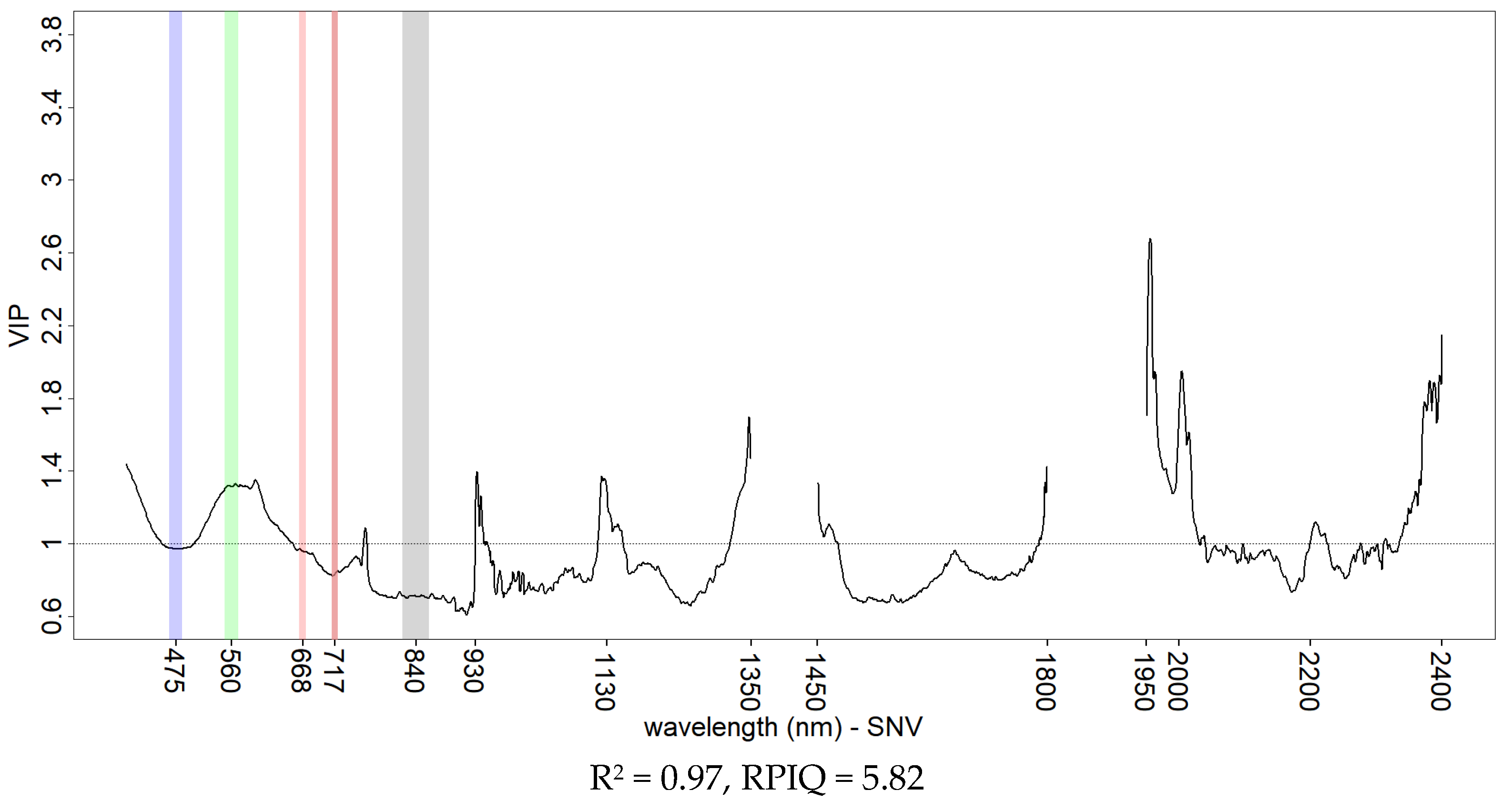
A Nikon D3100 camera (Nikon Inc., Tokyo, Japan) was used for photogrammetric soil surface reconstruction. The camera model is based on a DX format RGB CMOS sensor with a max resolution of 4608 × 3072 (14.2 effective megapixels). The camera was mounted with an 18-55 mm objective which was fixed at a focal length of 30 mm. The multispectral sensors employed was a Micasense Rededge-M multispectral camera (MicaSense Inc., Seattle, WA, USA). This camera is equipped with five imaging sensors filtering for spectral bands centred at 475, 560, 668, 717 and 840 nm wavelengths, with a bandwidth (FWHM) of 20, 20, 10, 40 and 10 nm respectively. The image resolution is 1280 × 960 pixels and the camera has a focal length of 5.4 mm. The hyperspectral sensor was an ASD Fieldspec 3 FR spectro-radiometer (Analytical Spectral Devices Inc., Boulder, CO, USA) that provides single-spot measurements of light intensity data in the vis-NIR-SWIR region (350–2500 nm) with an optical resolution of 3 nm in the 350–1000 nm region and 10 nm for the 1000–2500 nm region, all resampled at a 1 nm data output resolution.
2.5. Roughness Characterization Using Photogrammetry
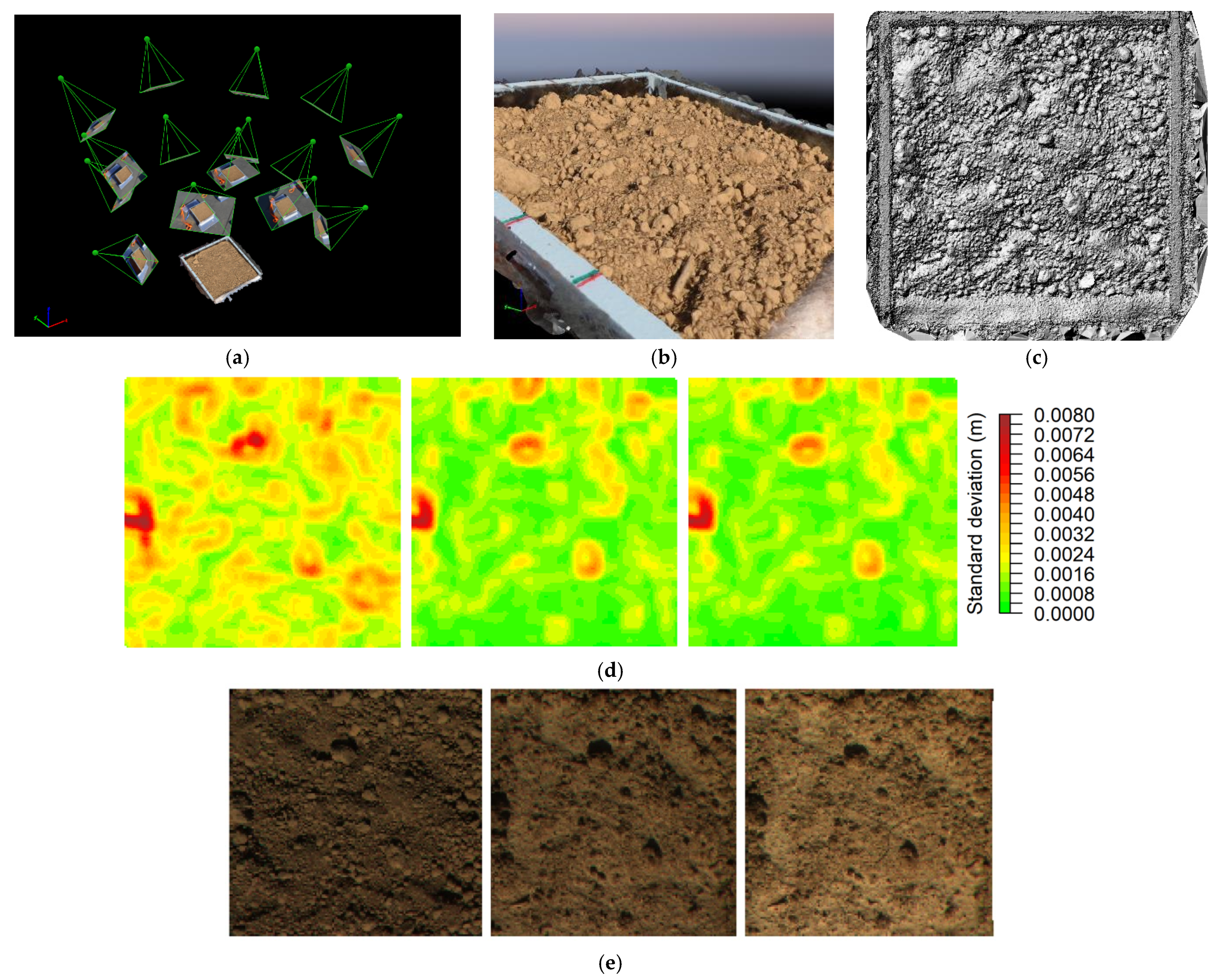
For the photogrammetric surface reconstruction, 16 images were taken with the Nikon camera from different positions regularly distributed in a dome above the soil box, between 0.5 and 1 m of distance (see
Figure 3a). A DTM with 0.2 mm resolution was then generated for each soilbox/phase with the software Pix4D [
27] (
Figure 3c), then resampled to 2 mm for calculation purposes. Four ground control points marked on the wooden frame of each soilbox were used to increase the accuracy of the DTMs and to allow the subsequent alignment of the multispectral images with the custom coordinate system of the surface elevation models. Geolocation accuracy of the control points was estimated at 1, 1, and 0.5 mm for the X, Y and Z components, respectively. The wooden frames were then cropped out of the DTMs. For each DTM, the residual topography (the DTM detrended from the effect of the general soilbox inclination) was extracted subtracting the plane of the average soilbox slope from all DTM elevations. Maps of random roughness (RG) were then generated by calculating the standard deviation of the elevations on the residual topography in a moving square window of 21 mm × 21 mm (example of roughness map series in
Figure 3d, and corresponding RGB images in
Figure 3e). The average value of random roughness for the whole box window was calculated in the same way.
2.6. Spectral Data Acquisition and Pre-Processing
Soil spectral measurements were carried out in outdoor conditions in an open area to minimize reflection from vertical objects in the surroundings, during stable, clear-sky and natural sunlight conditions for the whole duration of the measurements. Measurements were taken within two hours of solar noon. Before every sensor measurement took place, the soil-boxes were oven-dried at 60 °C for 72 h and then air-dried in open air for at least other 48 h. For the hyperspectral measures, the sensor head was set at c. 6 cm height above the soil surface, at the nadir position, providing a measurement footprint with a diameter of c. 2.6 cm. This footprint was chosen to allow for an easy individuation on the multispectral images for spectral comparison. Each single spectral acquisition with the ASD instruments was performed with an integration time of 5.4 s. 25 measurements were taken during each phase, in a regular 5 cm × 5 cm grid. Radiometric calibration for the ASD was automatically managed by its hardware + software routine. For the conversion of radiance to reflectance a Spectralon white reference surface measurement was repeated every ten samples. Bandwidths below 400 nm and above 2400 nm were removed because they typically contain excessive noise, as well as the bandwidths influenced by water vapour absorption in the intervals 1350–1450 and 1800–1950 nm. Spectra were also smoothed with a Savitzky-Golay smoothing filter [
28] using a second order polynomial fit. Spectral outliers were removed, at each box/phase level, setting a threshold of three times the standard deviation of the Mahalanobis distance of the spectra projected in the first two latent variables of the principal component space. The average of the 25 spectra (minus outliers) was then used as representative for each box/phase.
For multispectral imaging, a single picture was taken for each soilbox phase, from 1 m distance at the nadir position. Radiometric calibration, image correction and conversion to reflectance for the Rededge-M images were performed in post processing following the procedure described on the manufacturer’s website [
29] using the software R [
30]. Conversion to reflectance was possible thanks to the employment of a calibrated reflectance panel (provided by the Rededge-M manufacturer MicaSense Inc., Seattle, WA, USA), which was sampled before each sample image acquisition. Reflectance images were then scaled to true dimension (resulting in pixel size of c. 0.5 mm) and orthorectified by anchoring the 4 ground control points visible in the pictures to those identified in the photogrammetric procedure, using R software and gdal [
31] scripts. Scaling and orthorectification were executed separately for each image in the 5 spectral bands to account for the different offset of the Rededge-M sensors. Finally, images were resampled at two resolutions: 2 mm and 15 mm.
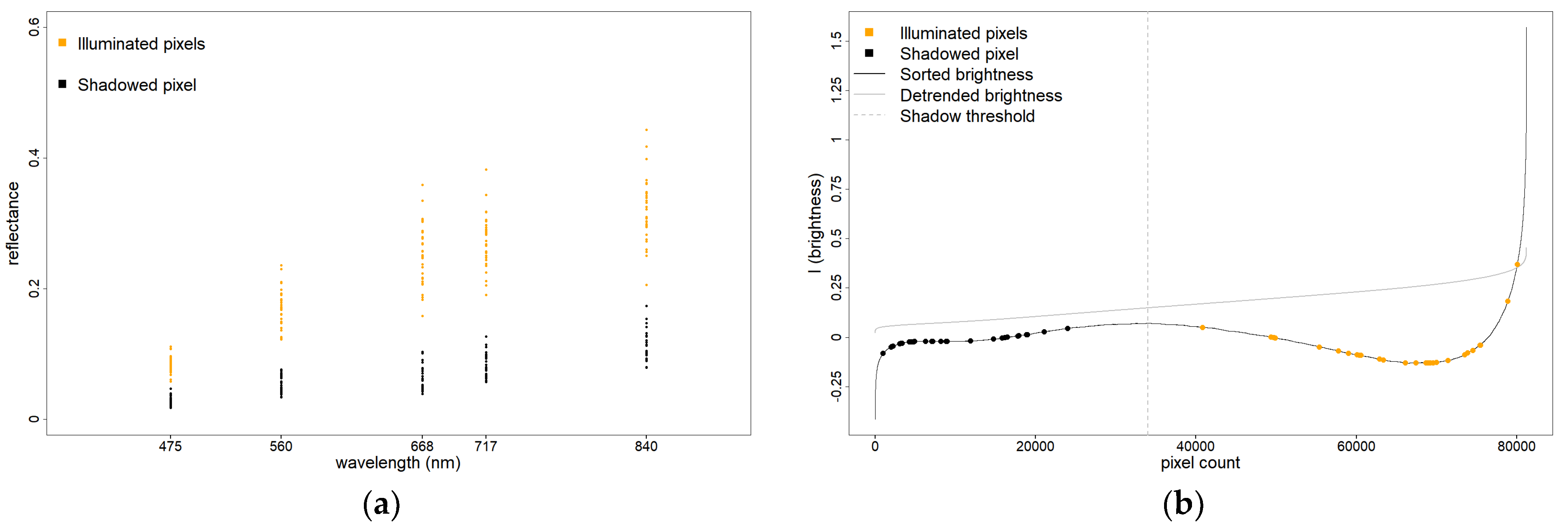
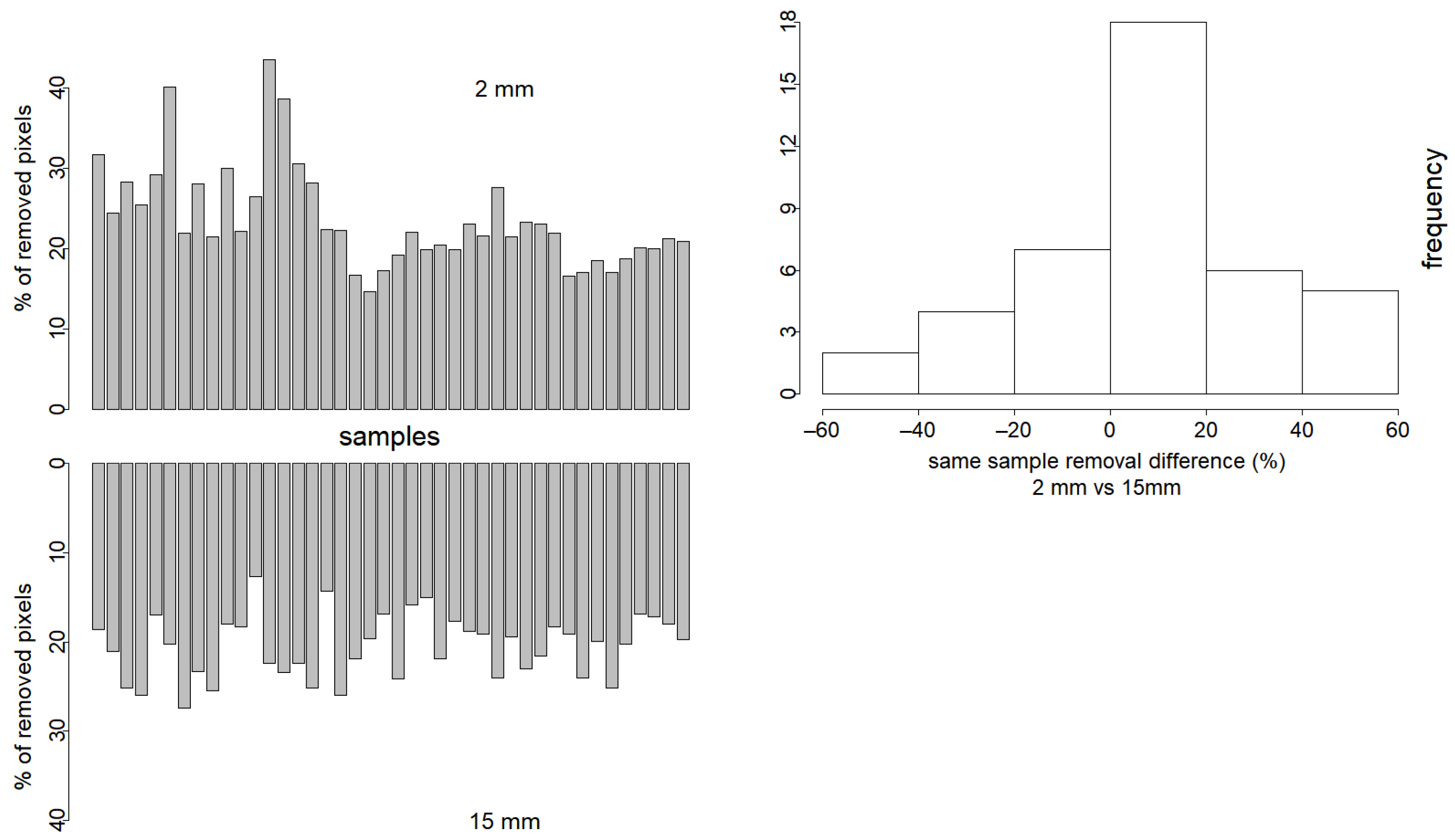
Since multispectral images were acquired at very high resolution, shadows cast on the soil surface were affecting a substantial portion of the soil surface. Shadows commonly cause partial or total loss of radiometric signature, hence shadow reduction or removal becomes important during image analysis [
32]. A threshold segmentation method applied on the intensity (also referred as brightness) component I of the HSI colour system [
33] was calibrated and found to be sufficient for shadow detection and elimination on our case study. The method is discussed in detail in the
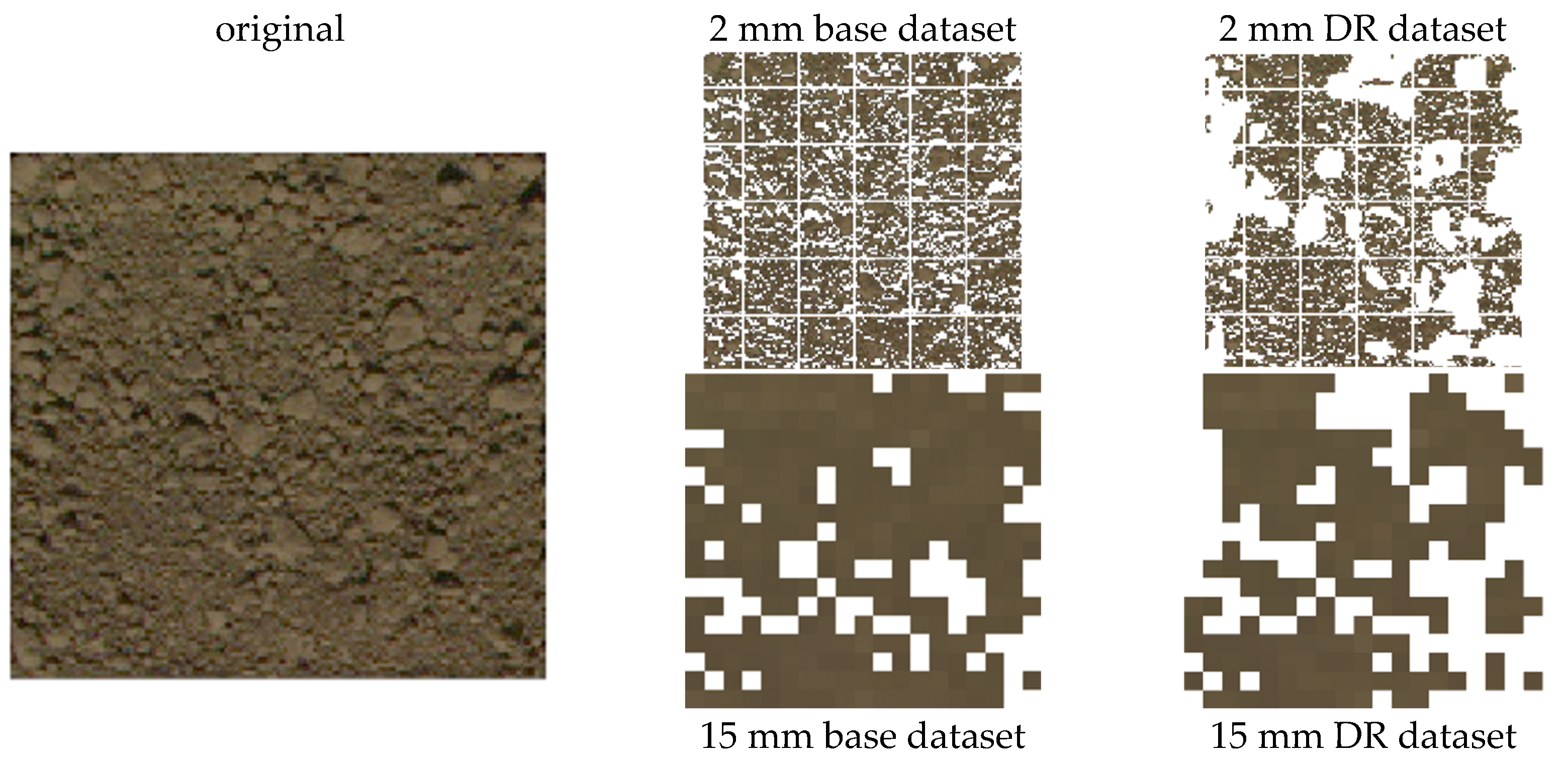
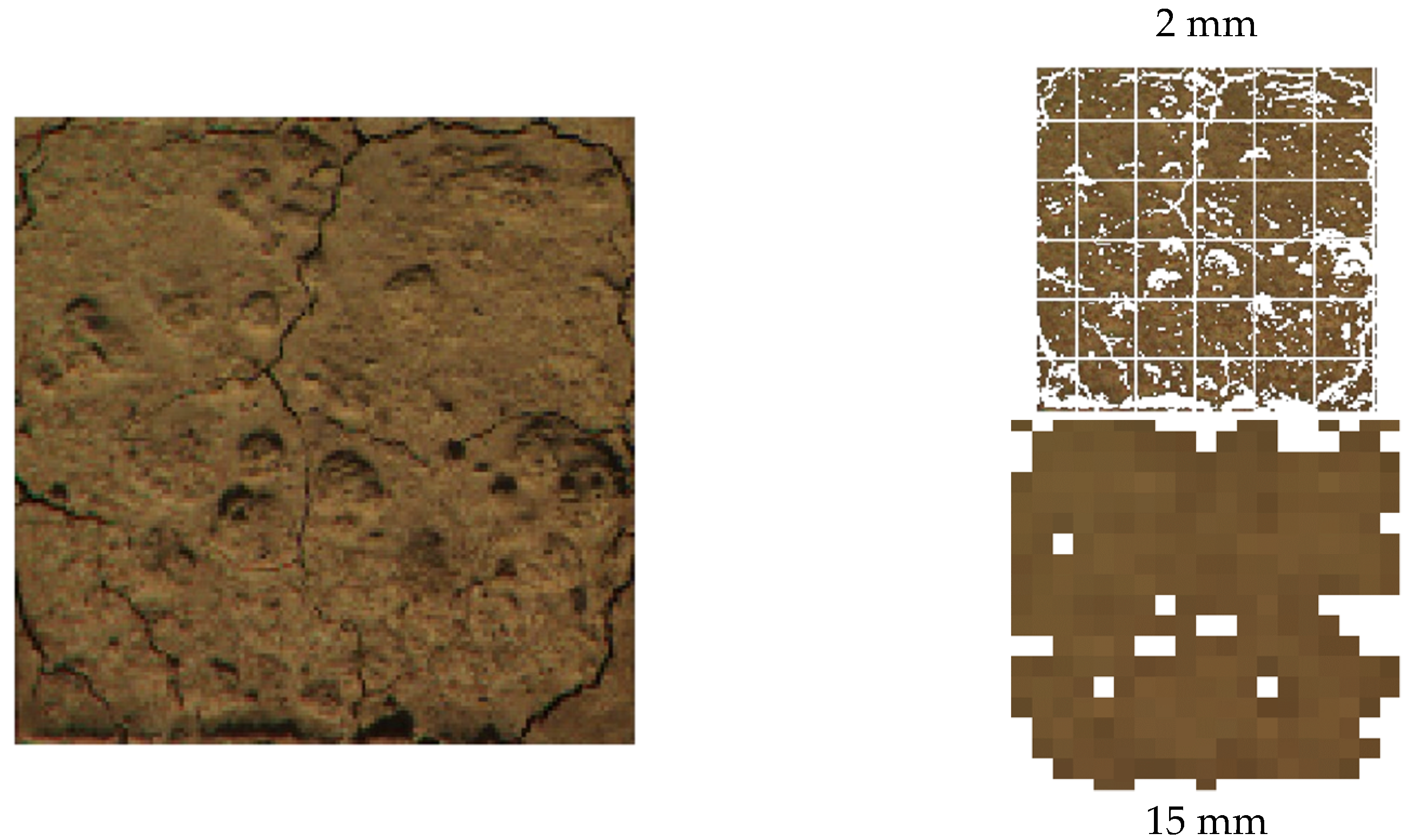
Appendix A. Shadows from micro-reliefs and soil cracks were removed from all multispectral images with this method to create the base dataset (example in
Figure 4, central column). Furthermore, a new set of multispectral maps (“DR”) was generated by removing pixels where the random roughness was above the threshold of 2 mm, which was visually assessed as appropriate to discard soil clods, and consistent with the minimum pixel size (example in
Figure 4, right columns). The underlying idea is that this allows isolating soil crust colour information from the light scattering effect of roughness.
2.7. Multispectral Data Extraction
Previous studies [
23,
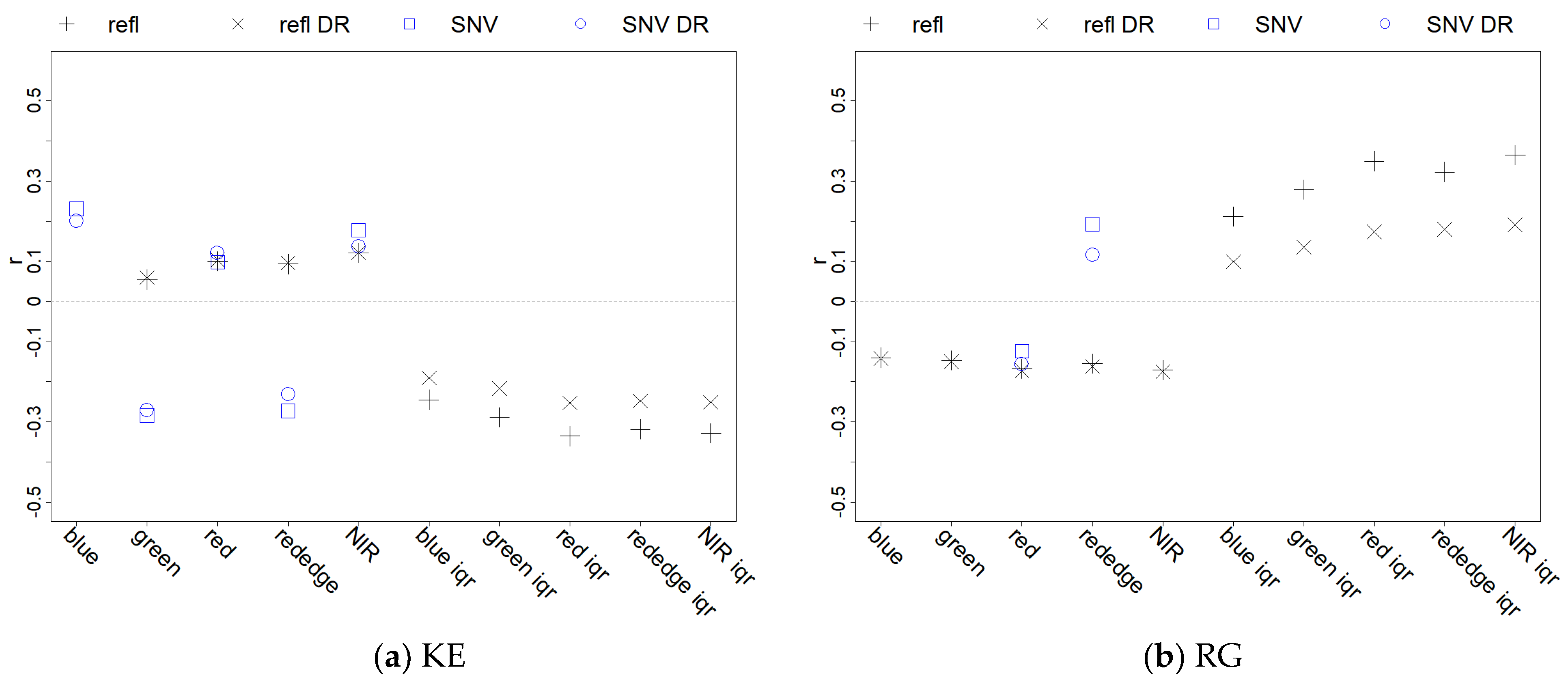
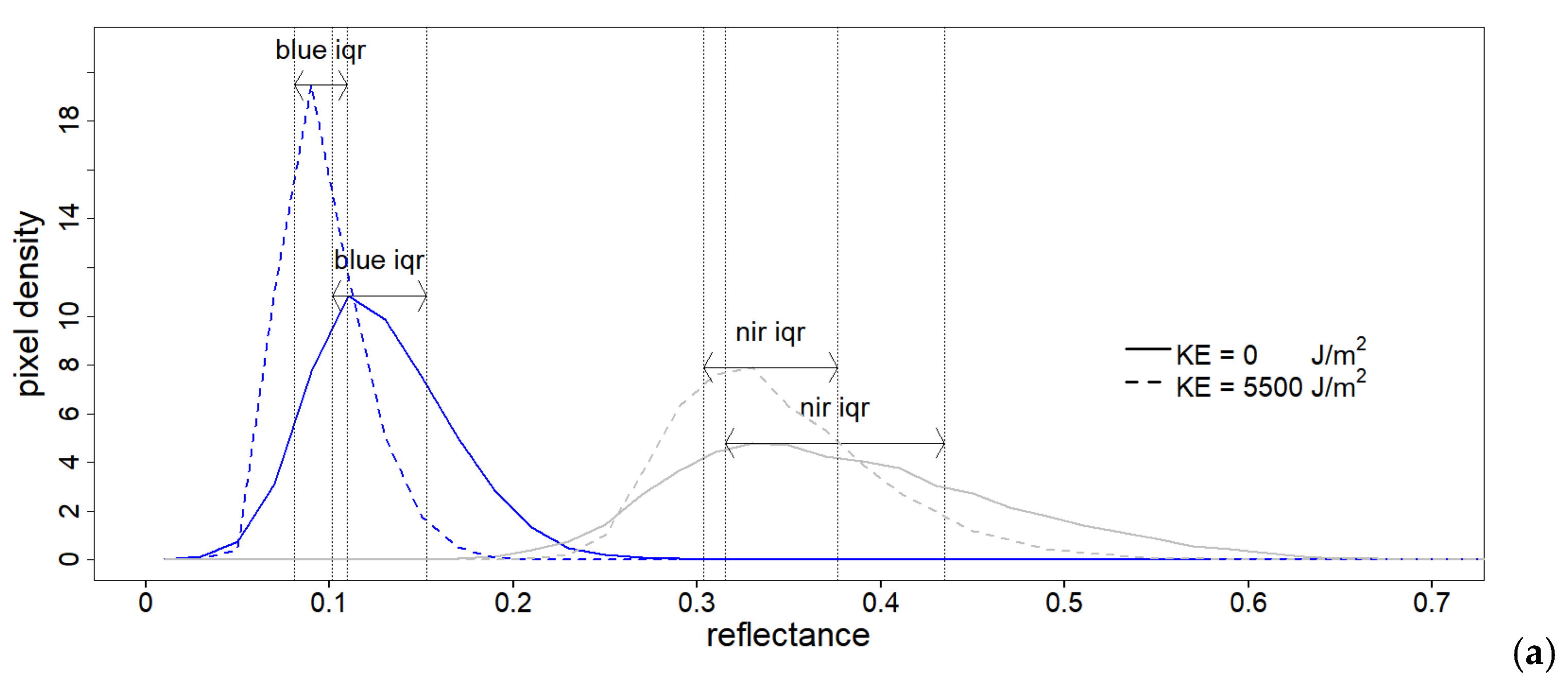
24] on the directional reflectance properties of soil surface showed that rough soils exhibit higher degrees of spectral anisotropy, resulting in wavelength-dependent spectral variability. We thus hypothesise that the residual (after de-shadowing) light scattering effect related to soil surface irregularities (i.e., roughness) in the multispectral spatial domain could be assigned to a spectral variability index in its spatial domain. We hereby propose to calculate this variability with a wavelength-specific inter-quantile range (iqr, visualized in
Figure 5) of the reflectance values on a given surface. To do so, local spectral histograms for all the multispectral bands were extracted at two spatial scales, on each soilbox,: (i) in a 5 cm × 5 cm grid (example in
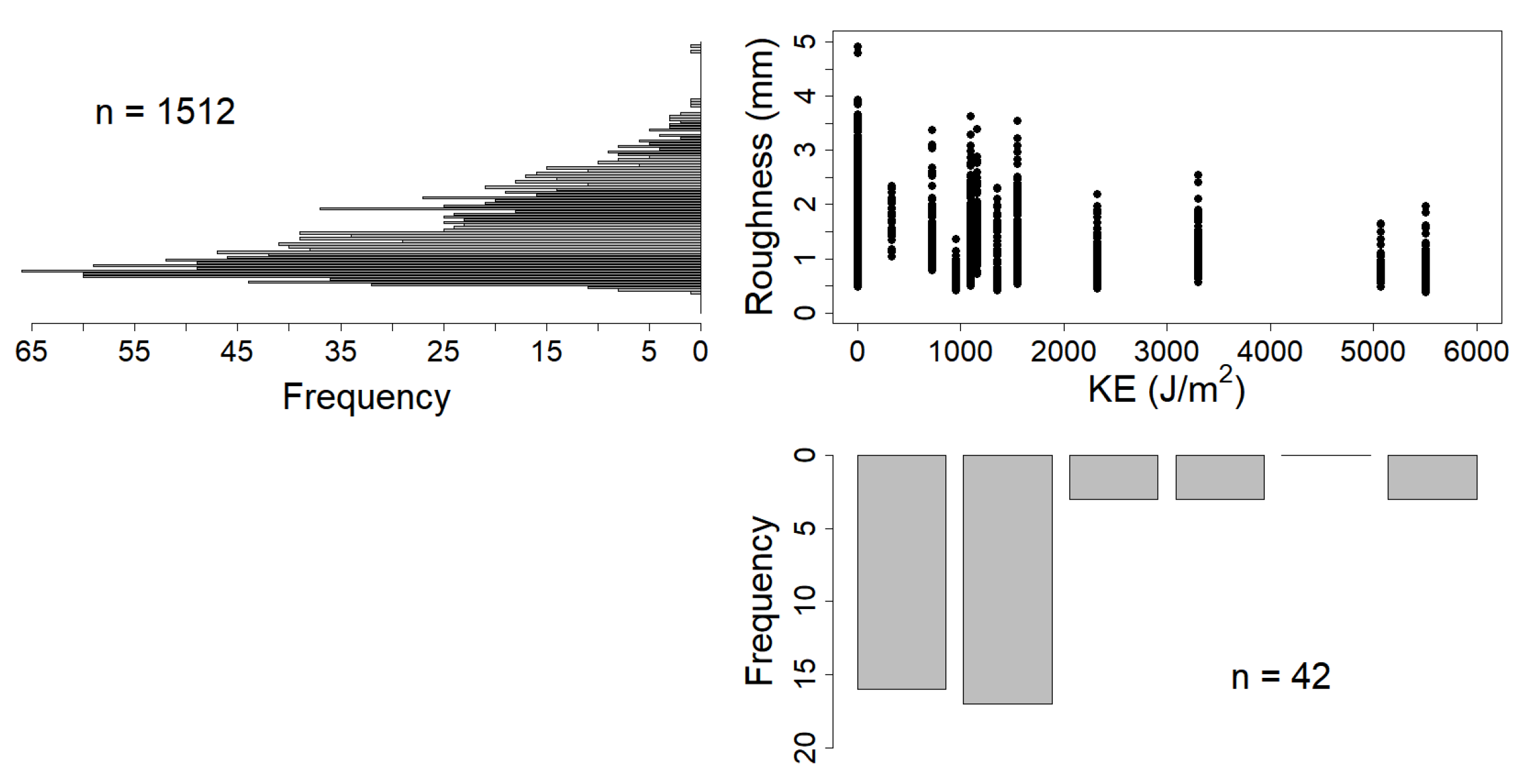
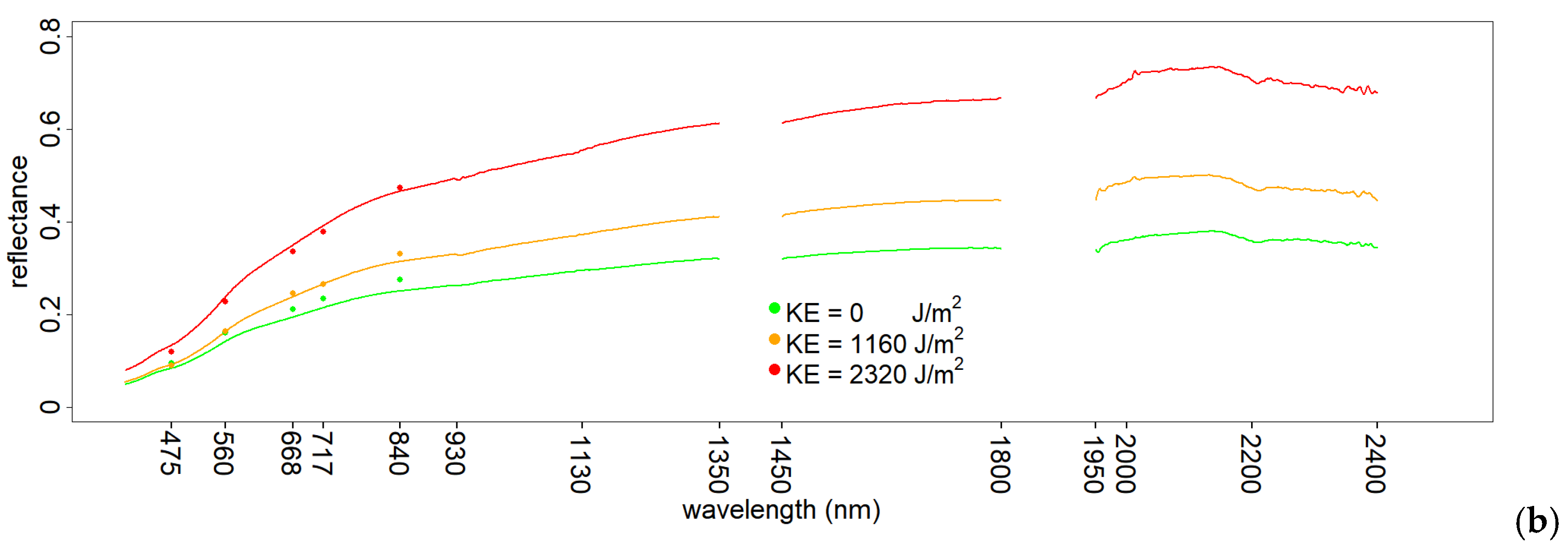
Figure 4, top-right) on the images at 2 mm resolution (total of 36 squares per soilbox, number of total sampling locations n = 36 × 42 = 1512); (ii) on the whole soilbox for the images at 15 mm resolution (number of sampling locations n = 42). From each histogram two indexes for each of the five available broad-bands were used to summarize the multispectral data: the mean reflectance value and the inter-quantile range (iqr). This information was extracted both from the base dataset and from the DR one. Mean multispectral values were also compared for consistency with hyperspectral values at the same sampling locations (
Figure 5b).
2.8. Spectral Modelling
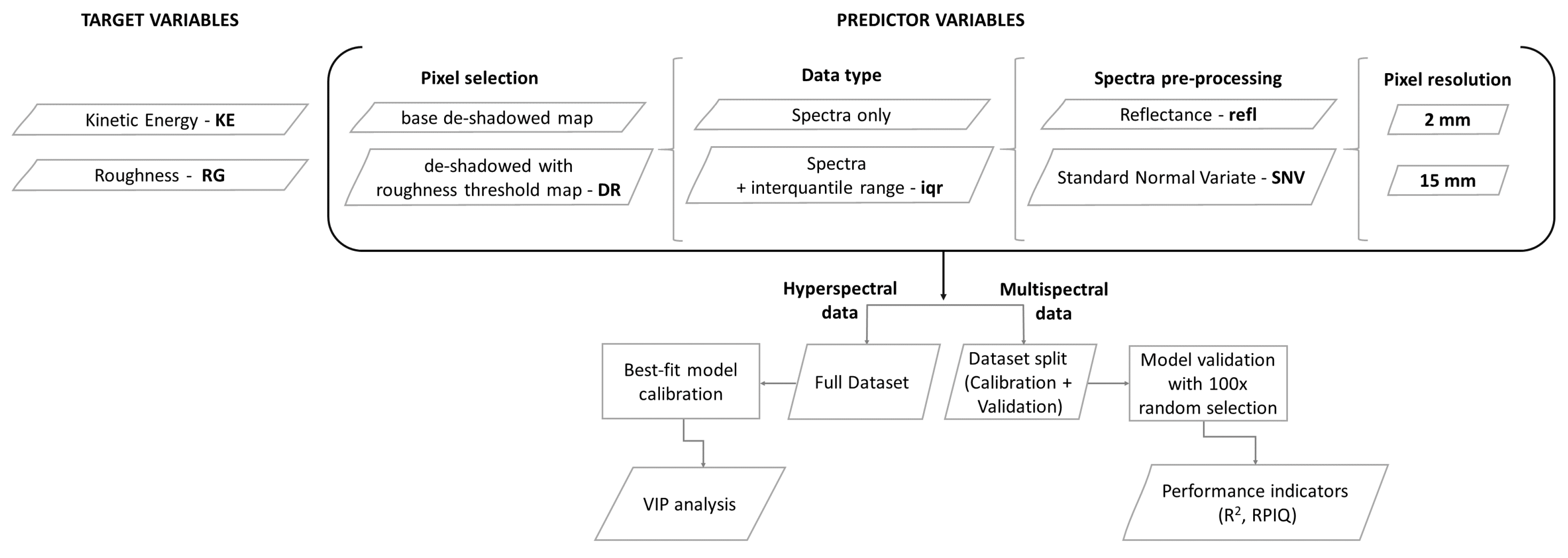
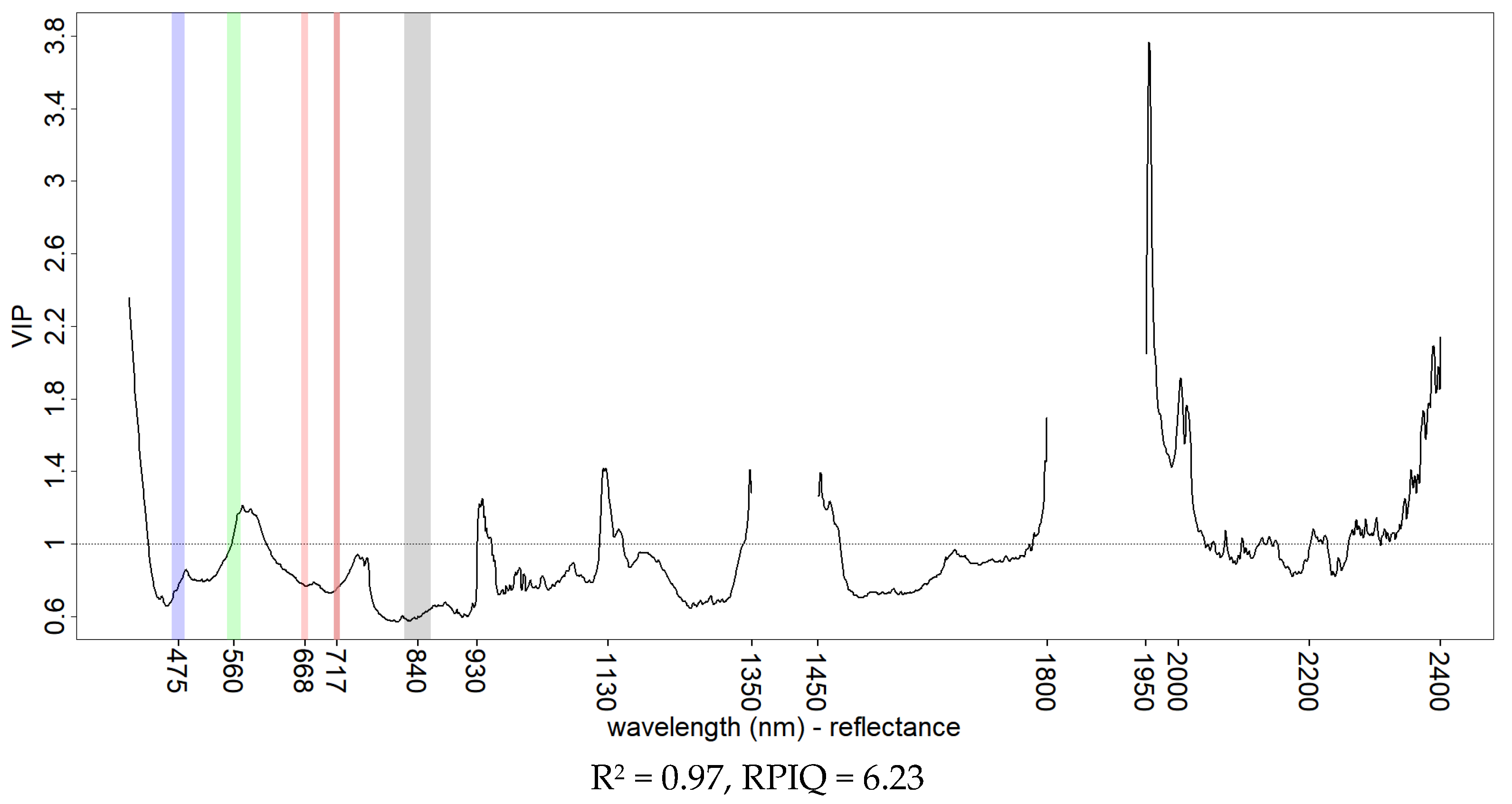
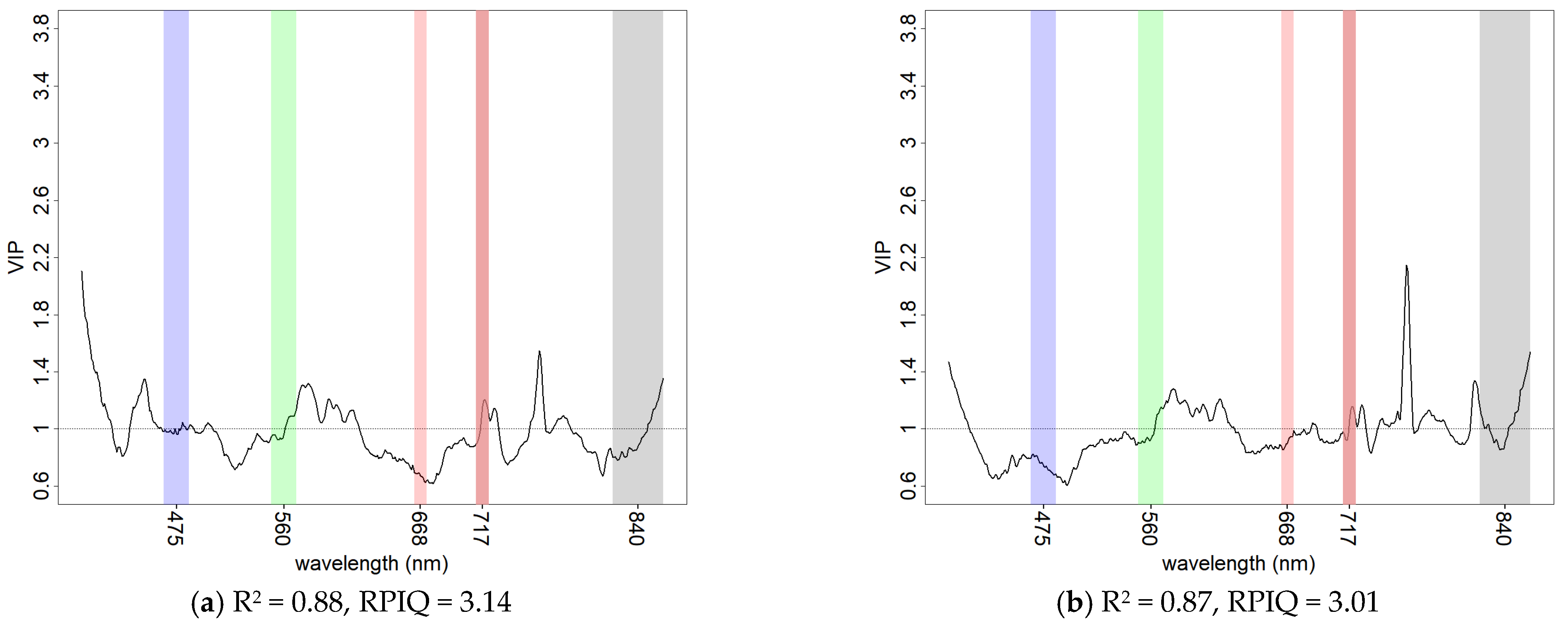
The aim of the spectral data acquisition was to build a spectral model for soil crust development and to disentangle the effects of random roughness from soil physical-chemical changes on reflectance factors. In this framework, crust development (through its proxy kinetic energy) and roughness were used as the main target variables for partial least squared regression (PLSR) spectral modelling. Hyperspectral-based models were only used to assess the relative relevance of VIS, NIR and SWIR spectral bands in KE models through the variable importance in projection (VIP) score analysis and to motivate the choice for VIS-based multispectral data. Multispectral-based models were developed and validated to find the optimal data pre-treatment techniques for KE and RG prediction and mapping purposes.
From the hyperspectral data, PLSR models were developed on both raw reflectance (refl) and reflectance transformed through standard normal variate (SNV), using the R package “pls”. Standard normal variate normalizes each vector of spectral data by subtracting its mean and dividing by its standard deviation. It is intended to normalize spectral data to correct for light scattering, normally influenced by irregular surface geometry and particle size. In this study, its intended purpose was to understand to what degree it could be used to separate colour features from roughness features.
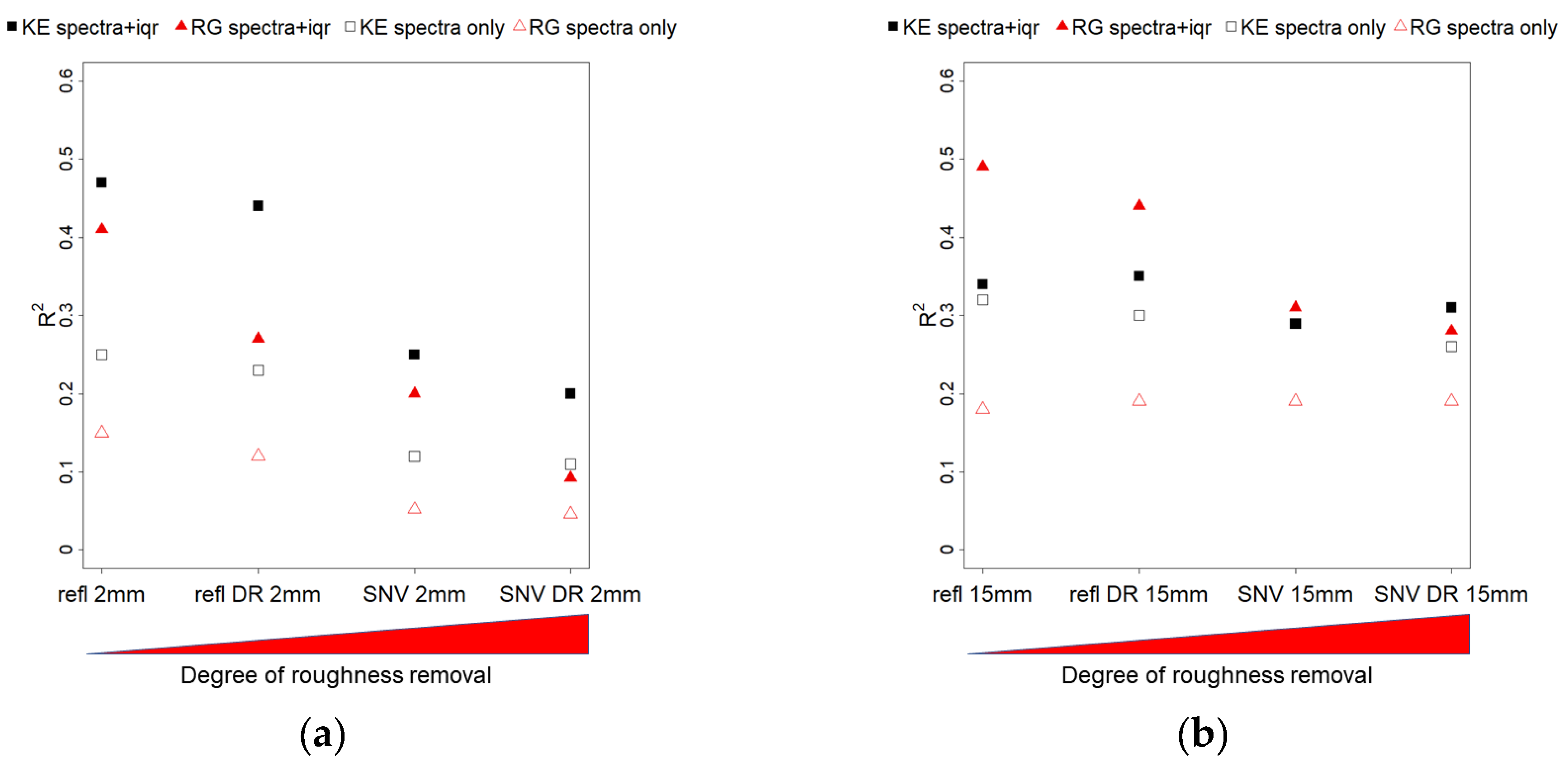
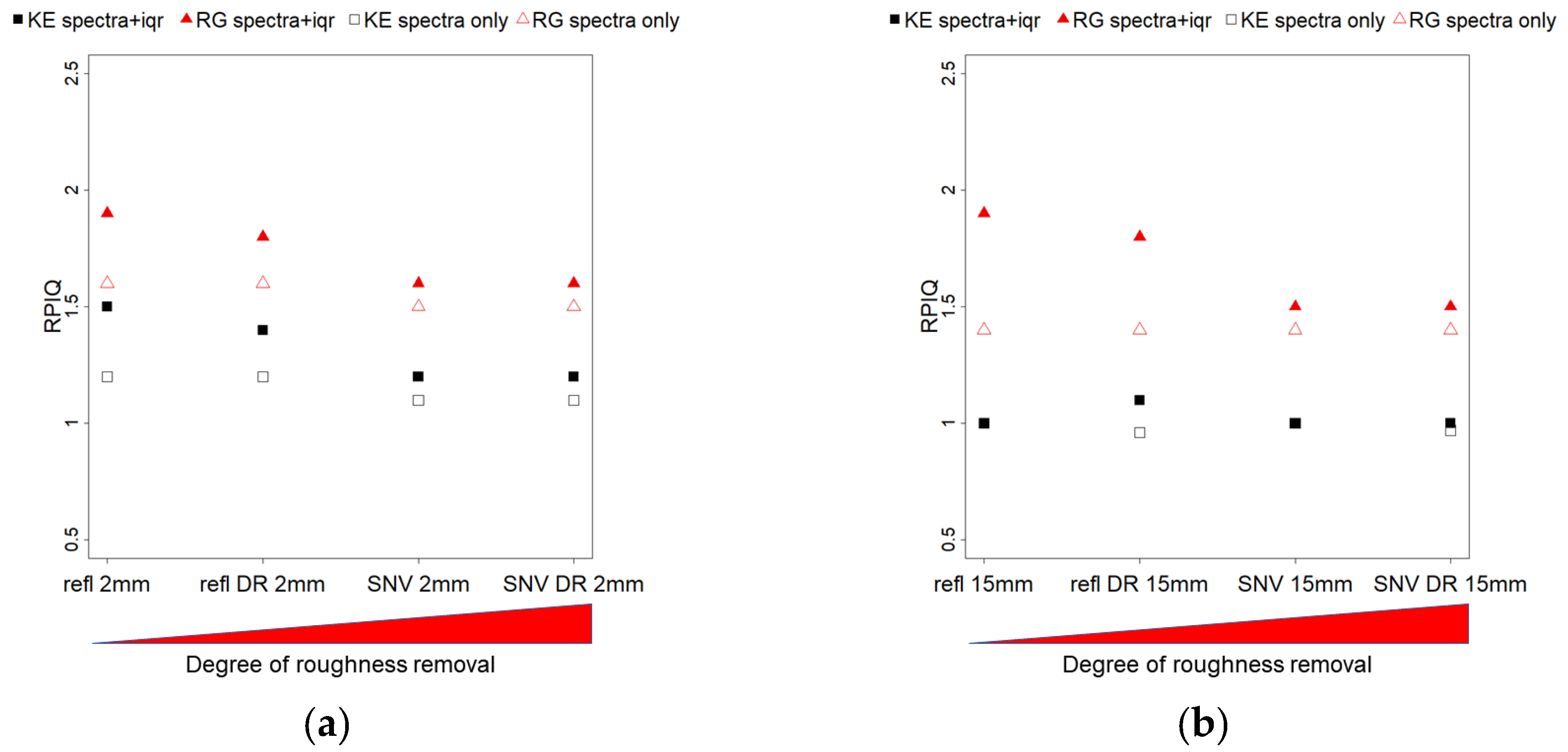
From the multispectral data, PLSR models were developed on datasets that were filtered and/or transformed to remove the effect of roughness on spectral features in a gradual way: (i) base reflectance maps; (ii) reflectance maps with DR filter; (iii) SNV transform; (iv) SNV transform and DR filter. Models were developed at a 2 mm and 15 mm resolution. A “leave-one-out” cross validation was used to select the optimal number of latent variables for each sub-dataset. The best PLSR model was selected based on the number of latent variables (PLSR components) above which a decrease in RMSE was not significative. To evaluate the stability and consistency of the models a validation was then performed splitting each dataset into calibration and validation (80% and 20%, respectively), with random selection and model re-calibration for 200 repetitions. The performance of the models was evaluated on the validation datasets using the mean of 200 simulations of the following metrics: (i) relative error percentage (RE%), (ii) root mean square error of prediction (RMSE), (iii) coefficient of determination (R2) and (iv) ratio of performance to interquartile range (RPIQ). The VIP was used to assess variable importance in the PLS regressions. A threshold VIP score of 1 was used to highlight relevant variables (ref).
The modelled datasets are summarized in flow chart (
Figure 6).
4. Conclusions
We have developed PLSR models based on vis-NIR multispectral imaging data to predict the cumulative kinetic energy received by soil samples, as a proxy for soil crust development. The combination of hyperspectral data, multispectral imaging and high-resolution topography from photogrammetry offered insights to identify a suitable data pre-treatment protocol that allows to isolate the effects of rainfall kinetic energy (and hence crusting) from micro-scale roughness in soil reflectance factors. After eliminating shadows, we assigned the residual light scattering effect related to soil surface irregularities (i.e., roughness) in the multispectral spatial domain by calculating the inter-quantile range iqr of the reflectance values in a kernel. A high resolution DTM provided a map to exclude areas where prominent roughness was present (i.e., DR sub-setting). At the 2 mm image resolution, the iqr of all multispectral bands was significantly related to soil roughness. PLSR models suggested that a model based on reflectance + iqr data with DR pre-treatment provides the best combination of high predictive performance and high discrimination between kinetic energy and roughness. SNV provided lower performance for kinetic energy prediction with multispectral data, while it did not deteriorate model performance with hyperspectral data. This suggests that hyperspectral data contains information to model kinetic energy (and thus crusting) from small, specific features and this with a high model performance. In contrast, multispectral datasets have to rely more on albedo information, which is removed by SNV. At the 15 mm image resolution, the same conclusions could not be made: models for roughness performed equally or better than those for kinetic energy and as a result, no clear discrimination between them could be made. This issue was most probably related to the limited sample size used and the non-optimal distribution of kinetic energy values for model calibration and our results are therefore not conclusive. A VIP analysis showed that the variable importance was significantly different between kinetic energy and roughness models based on reflectance + iqr sub-setting, supporting our conclusion on the preferential discrimination technique: while kinetic energy models were also relying on base reflectance information, roughness components were almost exclusively related to some specific iqr indexes.
As a general conclusion, our experiments suggest that it is possible to model the amount of rainfall kinetic energy received by a soil sample, as a proxy for crust development, from vis-NIR based multispectral imaging. However, there is a caveat: roughness effects on spectral features should be eliminated before modelling. Among the tested methods for roughness effect removal, shadow elimination was found to perform consistently at both 2 mm and 15 mm image resolution; DR sub-setting and iqr calculation can improve spectral discrimination of kinetic energy effects from roughness effects, but a fine image resolution is required (good at 2 mm, insufficient at 15 mm). Although these findings are limited to a single soil type, the methods and analysis proposed in this study provide a first workflow to interpret data from multispectral imaging for the mapping of soil crusting.