


Abstract
Nomenclatural noise is a major source of uncertainty in biodiversity research and can affect the accuracy of species distribution data. This study examines the nomenclatural history and geographical distribution of the Chilean endemic Lardizabala biternata, a culturally significant climbing plant that has accumulated numerous synonyms, orthographic variants and misapplied names since the 19th century. This accumulation has fragmented available information, limiting current knowledge of its ecology, spatial distribution patterns and conservation status. We reviewed historical literature and digital repositories to clarify its taxonomic identity and compiled occurrence records from Global Biodiversity Information Facility (GBIF), iNaturalist and virtual herbaria. Records were manually verified based on concordance between coordinates, locality descriptions and the known distributional range, excluding duplicates, spatial inconsistencies and likely misidentifications. From an initial dataset of 1320 records, 632 (48%) were removed, resulting in 688 validated occurrences used to generate a distribution map and a Kernel Density Estimation (KDE) heatmap in Quantum Geographic Information System (QGIS). Nomenclatural inconsistencies (sixteen names identified) can introduce erroneous records and distort spatial patterns, generating apparent gaps and potentially spurious clusters in raw data. After curation, we found that the distribution of L. biternata is restricted to central Chile, with concentrations in coastal and pre-Andean areas. These results show how nomenclatural noise contributes to Linnean and Wallacean shortfalls and provide a baseline for future research on this species.
1. Introduction
Nomenclatural errors and fragmented taxonomic histories are among the most persistent and underestimated sources of uncertainty in biodiversity research [1]. When a species accumulates multiple scientific names over time, including redundant synonyms, incorrectly formed combinations, orthographic variants and misapplied names, biological information becomes dispersed across unconnected sources [2]. This fragmentation reduces data reliability and affects fields that depend on taxonomic accuracy, including biogeography, conservation, risk assessment and the management of biological resources [1,2]. In botanical systems, such inconsistencies may also propagate into applied contexts such as ethnobotany, traditional medicine and wild food systems [3,4], where misidentifications can distort the interpretation and use of plant resources [5,6].
These issues are directly related to two well-established knowledge gaps in biodiversity science. The Linnean shortfall concerns the incomplete or inconsistent delimitation of species identities, whereas the Wallacean shortfall refers to the lack of reliable information on species distributions and the resulting difficulty in identifying real patterns of occurrence and environmental associations [7,8,9,10,11]. Nomenclatural inconsistencies contribute to both: they obscure the consolidation of taxonomic identities and fragment distributional data across multiple names [12,13], thereby hindering data integration and interpretation. In this study, the Linnean shortfall is addressed through the clarification and standardisation of historical names applied to a single species, whereas the Wallacean shortfall is evaluated through the identification [12,13], validation and spatial consistency of occurrence records derived from those names [8,14,15].
Despite this conceptual framework, the extent to which nomenclatural noise affects the reconstruction of species-level distributions remains poorly resolved, particularly for endemic taxa with complex historical classifications [8,16]. This issue is especially evident in species with long and entangled nomenclatural histories [8,16,17], where taxonomic ambiguity persists even after formal description.
One such case is Lardizabala biternata Ruiz & Pav. [18], a climbing plant endemic to central Chile and the sole representative of the genus Lardizabala [19,20] (Figure 1). The species occurs within the Chilean Winter Rainfall–Valdivian Forest biodiversity hotspot and is distributed between approximately 32° and 40° S, mostly between 100 and 1000 m a.s.l. [21,22], primarily in coastal ranges [23], the central valley [24] and pre-Andean foothills [25]. It typically grows along evergreen forest margins, humid ravines and watercourses, and is present in several protected areas [21,26,27]. Reports from the Juan Fernández Archipelago [28] require further taxonomic verification, as they fall outside the currently recognised distribution range.
Figure 1.
Morphological characteristics and geographic context of the vine Lardizabala biternata. (A) General climbing habit on host trees, illustrating its liana growth form (black arrows); (B) geographic distribution in central Chile, indicating its endemic range (northern and southern limits (red dotted lines); (C) stems; (D) female flower; (E) male flowers; (F) fruits; and (G) seeds. Images illustrate key traits used for species identification in the field. Photographs were taken by Jaime Herrera in the outskirts of Santa Cruz (A,C,F) and Valdivia (D,E).
In addition to its ecological distribution, L. biternata has cultural and ethnobotanical relevance [29,30]. Both the plant (voqui, meaning vine) and its fruit (coile) are known by numerous vernacular names such as cogüil, coile, coguilera, cogüilera, cohuilvoqui, collivoqui, huipinga, ñüpufoqui, cohuilera and voqui-cóguil [21,27,31], reflecting a long tradition of use but also complicating the traceability of historical records [18] and applied knowledge [21,27,31]. This multiplicity of names extends to the scientific domain, where the species has been referred to by numerous synonyms, orthographic variants and misapplied names since at least the early 19th century. Confusion with morphologically similar Chilean species, particularly Boquila trifoliolata and Lapageria rosea [29], has further contributed to inconsistent identification in historical and modern sources (see Table S1 for a comparative overview of these plant species).
Despite its phylogenetic singularity and cultural relevance, L. biternata has limited scientific visibility. Modern literature consists largely of incidental references in ethnobotanical accounts [32,33], botanical descriptions and ecological surveys [34], with only a small number of studies focusing directly on the species [35,36]. This limited attention may be partly explained by ecological and practical factors, such as sparse and fragmented populations and the difficulty of identifying individuals outside flowering or fruiting periods [27]. However, its complex nomenclatural history has also contributed to the dispersion and underrepresentation of information across scientific and grey literature, as well as in global biodiversity databases such as the Global Biodiversity Information Facility (GBIF) [37] and iNaturalist [38].
Consequently, occurrence records of L. biternata are often distributed across inconsistent designations, generating uncertainty in its documented distribution and contributing to both Linnean and Wallacean shortfalls. Addressing this problem requires an integrative approach that combines nomenclatural clarification with rigorous data curation.
In this study, we examine the nomenclatural history of L. biternata and assess how nomenclatural noise affects the interpretation of its geographical distribution. Specifically, we: (i) compile and critically review all names historically applied to the species, distinguishing among accepted synonyms, pre-Linnaean names, orthographic variants, incorrect combinations and misapplied names; (ii) curate and validate occurrence records from historical literature, virtual herbaria, the GBIF and iNaturalist using explicit spatial and taxonomic criteria; and (iii) synthesise this curated dataset to reconstruct the species’ distribution and evaluate how nomenclatural inconsistencies influence data quality, spatial patterns and scientific visibility.
This work does not aim to redefine the formal taxonomy of L. biternata. Instead, it provides a consistent and accessible framework for correct name usage and data integration, reducing the propagation of historical errors and improving the reliability of information used in ecological, biogeographical and conservation contexts. By clarifying its nomenclatural history and consolidating verified spatial information, this study contributes to mitigating key aspects of both the Linnean and Wallacean shortfalls in a species-level context.
2. Materials and Methods
2.1. Bibliographic Search Strategy of the Family Lardizabalaceae
To quantify and compare the scientific attention received by genera within the family Lardizabalaceae, with particular emphasis on the relative representation of Lardizabala and L. biternata [20], a structured bibliographic survey was conducted.
First, the taxonomic framework of the Lardizabalaceae family was compiled using the National Center for Biotechnology Information (NCBI) taxonomy database (accessed May 2025) [39], following the classification proposed by Zhang and Ren [20]. Based on this framework, a list of accepted genera (e.g., Akebia, Archakebia, Boquila, Decaisnea, Holboellia, Lardizabala, Parvatia, Stauntonia and Sinofranchetia) was established and used to define the search scope.
A standardised search strategy was applied across databases. For each genus, the exact generic name was used as the primary search term and queried consistently (e.g., “Lardizabala”). Searches were conducted using the title field when available to maximise specificity and reduce retrieval of unrelated records. Where available, searches were extended to abstracts and full texts using advanced search. The same query structure was applied across all genera and databases to ensure comparability.
Search was performed in May 2025 using default database settings, without restrictions on publication year or language, and limited to scientific publications (articles and reviews).
Three major bibliographic databases were selected: Web of Science (WoS), ScienceDirect and PubMed. These databases were chosen because they provide complementary coverage of scientific literature. WoS emphasises high-impact and indexed journals, ScienceDirect provides access to a broad range of publisher-hosted articles (primarily Elsevier) [40,41], and PubMed includes multidisciplinary records with strong representation in biological and life sciences [42]. Google Scholar was excluded due to its lack of reproducibility and limited control over search fields, which hinder comparative analyses [40]. The combined use of these platforms allows a broader and more balanced representation of scientific output than any single database alone.
Retrieved records were screened to ensure relevance and consistency. Inclusion criteria comprised: (i) scientific articles and reviews, (ii) records explicitly referring to the target genus, and (iii) publications within the biological sciences. Exclusion criteria included: (i) false positives arising from homonyms or ambiguous terms, (ii) records unrelated to the target taxon, and (iii) duplicate records within the same database. All retrieved records were manually screened to identify and remove false positives and ensure taxonomic relevance.
Duplicate records were addressed in two steps. First, duplicates within each database were identified and removed to avoid inflation of record counts. Second, records retrieved across different databases were cross-checked using titles and bibliographic metadata. Duplicates across platforms were retained only once when generating summary counts, ensuring that the dataset reflects unique publications rather than repeated entries across indexing systems.
For each genus, the number of publications was quantified per database. To ensure comparability, identical search terms and filtering procedures were applied across all genera and platforms. Data were then standardised and summarised to allow relative comparisons of scientific attention among genera.
We acknowledge that each database has inherent biases that may influence the results. WoS tends to favour high-impact and English-language journals, ScienceDirect is limited to Elsevier-hosted content, and PubMed has a strong emphasis on biomedical literature. In addition, differences in indexing policies and coverage across databases may affect record retrieval.
Therefore, results are interpreted as relative indicators of scientific attention rather than absolute measures of research output. The use of multiple databases mitigates, but does not eliminate, these biases.
2.2. Retrieval of Historical Names and Synonyms
To complement the bibliographic analysis and assess the nomenclatural complexity associated with L. biternata and B. trifoliolata, a morphologically similar species that has historically contributed to taxonomic confusion, historical names and synonyms were compiled from multiple botanical, taxonomic and bibliographic sources. We first retrieved all names associated with these taxa from World Flora Online (WFO) [39,43], Tropicos (Missouri Botanical Garden, St. Louis, MO, USA) [44], the Royal Botanic Gardens, Kew (United Kingdom) [45] and the Global Biodiversity Information Facility (GBIF) [37]. This compilation was restricted to names formally associated with these taxa in taxonomic databases and therefore does not include morphologically similar species that have been historically confused with Lardizabala but are not formally linked to these names in taxonomic databases (e.g., L. rosea). For each name, we recorded authorship, year of publication, source database and current taxonomic treatment.
Names were classified using a standardised decision framework based on database cross-validation, original sources and subsequent taxonomic treatments. First, accepted names and synonyms were assigned when this treatment was consistently reported in major taxonomic databases or supported by current taxonomic literature. When available, the distinction between homotypic and heterotypic synonyms followed the treatment provided by taxonomic databases and subsequent nomenclatural interpretations. Second, orthographic variants were defined as spelling differences or typographical variants referring to the same taxon and were standardised under the accepted spelling. Third, misapplied names were assigned when the name had been historically used for L. biternata or B. trifoliolata, but the original description, illustration, locality information or later taxonomic interpretation indicated correspondence with a different taxon. Fourth, names for which the available evidence was insufficient to assign a confident taxonomic identity were treated as names of uncertain application.
When discrepancies among sources were detected, evidence was evaluated hierarchically. Original protologues and validly published descriptions were treated as primary evidence; diagnostic morphological traits, locality information and nomenclatural authorship were compared with the current circumscription of L. biternata and B. trifoliolata. Historical illustrations were used as secondary evidence, particularly when descriptions were brief or ambiguous. Subsequent taxonomic treatments were then consulted to evaluate how later authors interpreted each name. In cases of conflict, the final interpretation followed the combination of original evidence, current database consensus and the principles of the International Code of Nomenclature for algae, fungi and plants (ICN), without proposing new nomenclatural changes. This procedure was applied consistently to all names to reduce interpretative bias and improve reproducibility.
To reconstruct historical name usage, we searched the Biodiversity Heritage Library (BHL) for all scientific names associated with these taxa, including synonyms and historical combinations [46]. Additional repositories, including the Bibliothèque nationale de France (BnF) [47] and the Biblioteca del Real Jardín Botánico (RJB-CSIC) [48], were also consulted. Each name was queried individually, and all relevant records corresponding to botanical works, floras, taxonomic monographs and related historical sources were examined. The number of occurrences per name was recorded and grouped into ten-year intervals to construct temporal series. When multiple mentions occurred within the same source, they were counted once per work to avoid overrepresentation. Apparent false positives, such as homonyms, unrelated taxa or non-botanical references, were excluded. These curated data were used to generate histograms and cumulative curves of name usage through time.
2.3. Nomenclatural and Historical Review of Lardizabala and Boquila
Building upon the compilation and classification of names described in Section 2.2, a detailed nomenclatural review was undertaken to clarify the identity of L. biternata and its relationship with B. trifoliolata and L. rosea, a morphologically similar species historically involved in taxonomic confusion with Lardizabala. This review was conducted following the standardised classification criteria and hierarchical decision framework defined in Section 2.2. In contrast to the database-driven approach in Section 2.2, this historical review also considered morphologically similar species that have contributed to taxonomic confusion. We examined original descriptions, protologues and subsequent taxonomic treatments for all names retrieved in Section 2.2. Primary sources included works by Feuillée [26], Molina [29,49], Ruiz and Pavón [18,50], Candolle [30,51], Decaisne [52], Kunze, Miers [53], Gay [54], Philippi [55] and Molina-Looser [56], among others (Table S2).
For each name, we analysed the morphology described, locality information and illustrations, and compared them with the current circumscription of L. biternata and B. trifoliolata. The classification of names as accepted synonyms, orthographic variants or misapplied names was applied consistently using the predefined criteria established in Section 2.2, avoiding ad hoc interpretations.
Special attention was given to names that predate or accompany the formal description of Lardizabala and Boquila, such as Vochi liliaceo and Dolichos funarius, as well as to later names reflecting attempts to split or reassign species to new genera (e.g., Cogylia, Boissiera and Thouinia). Historical interpretations by key authors, including the corrections and comments of Claudio Gay [54] and Rodulfo Philippi [55], were evaluated in light of original descriptions, illustrations and locality data, to determine whether each name corresponded to L. biternata, B. trifoliolata, L. rosea or other taxa.
When discrepancies among historical sources were detected, evidence was assessed hierarchically, following the procedure described in Section 2.2: original protologues were treated as primary evidence, supported by historical illustrations and subsequent taxonomic treatments. This approach ensured that all interpretations were based on consistent and reproducible criteria.
This review follows the International Code of Nomenclature for algae, fungi and plants (ICN) and provides the foundation for stabilising the taxonomic identity of L. biternata, thereby addressing the Linnean shortfall associated with inconsistent naming. Importantly, this study does not propose new nomenclatural changes but rather synthesises existing information using a transparent and standardised framework.
2.4. Compilation and Verification of Occurrence Records
To investigate the geographic distribution of L. biternata in continental Chile, occurrence records were compiled from GBIF [37], iNaturalist [38], Tropicos [44] and herbarium databases of major institutions, including the Royal Botanic Garden Edinburgh [45]. GBIF aggregates occurrence records from multiple sources, including iNaturalist and herbarium collections (e.g., Muséum National d’Histoire Naturelle, Paris, France), which may result in duplicate entries across platforms. These duplicates were identified and removed during the data-cleaning process to ensure that each record was represented only once in the final dataset. In addition, iNaturalist classifies observations into quality categories (e.g., “Research Grade”, “Needs ID” and “Casual”) based on community validation. Only records with sufficient taxonomic confidence and supporting evidence were retained.
For each record, locality descriptions, geographic coordinates, collector names, dates and associated metadata (e.g., photographs or digitised herbarium specimens) were retrieved when available.
A two-step data cleaning and validation procedure was applied. Our approach shows methodological convergence with previous studies, although it was developed independently and without direct reliance on them, Gueta et al. (2016) [57]. First, all records were subjected to an initial filtering process to remove clearly erroneous or low-quality data. Records were excluded when they met any of the following criteria: (i) duplicate records within and across databases (identified based on identical coordinates and metadata); (ii) absence of geographic coordinates; (iii) coordinates located outside continental Chile; and (iv) coordinates corresponding to clearly invalid locations (e.g., oceanic positions). Second, a spatial and ecological validation was conducted to refine the dataset. Records were excluded when: (i) coordinates fell well outside the documented distribution range of the species (approximately 32–40° S; records located >100 km beyond this range were discarded); (ii) locations were inconsistent with the species’ known ecological preferences, which include temperate forest margins, humid ravines and forested environments; (iii) coordinates were located in clearly unsuitable habitats (e.g., large water bodies or non-terrestrial environments); and (iv) occurrences were restricted to strictly anthropogenic environments (e.g., private gardens or urban areas), where natural distribution could not be reliably inferred.
To minimise taxonomic uncertainty, records lacking sufficient supporting evidence were excluded. In the case of iNaturalist, only observations classified as “Research Grade” were included. Records with lower confidence levels were retained only when photographic evidence allowed consistent identification based on diagnostic morphological traits. Geographic coordinates were standardised to decimal degrees, and a final spatial validation was performed using Google Earth Pro v7.3 (2025) to verify coordinate accuracy and consistency with locality descriptions.
From an initial dataset of 1320 occurrence records, 401 were identified as duplicates and removed, 187 records were excluded due to missing coordinates, and 44 additional records were discarded due to spatial inconsistency or taxonomic uncertainty, resulting in a final curated dataset of 688 georeferenced records.
All filtering criteria were applied consistently across datasets using a standardised and rule-based protocol. While formal inter-observer validation was not performed, the use of explicit and predefined criteria ensured a transparent and reproducible curation process. We acknowledge that this approach relies on expert-driven interpretation and may introduce a degree of uncertainty; however, it provides a conservative and robust representation of the species’ distribution by prioritising data reliability over record completeness.
2.5. Construction of the Distribution Map and Heatmap
The curated occurrence dataset was used to generate a distribution map and a Kernel Density Estimation (KDE) heatmap for L. biternata. Verified occurrence points were imported into Quantum Geographic Information System (QGIS) and visually inspected for residual spatial inconsistencies. When minor coordinate errors were detected but locality descriptions were unambiguous, coordinates were manually adjusted to match the described locations [57].
All spatial analyses were conducted in QGIS–Bratislava v3.40.11 (2025). The KDE was applied using a quartic kernel function to generate a descriptive representation of the spatial concentration of verified occurrence records. KDE was selected because the objective of this study was not to predict potential distribution or environmental suitability, but rather to synthesise and visualise the spatial structure of curated occurrence data after nomenclatural and geographic validation.
The bandwidth (smoothing radius, R) was calculated following the approach proposed by Rizzatti et al. (2020) [58], which is appropriate for irregularly distributed occurrence datasets and has been applied in previous biogeographical studies using presence-only records. The method estimates bandwidth based on the spatial configuration of the dataset (n = 688 georeferenced records), using mean inter-point distance ± standard deviation, where mean inter-point distance represents the average pairwise distance among occurrence records and standard deviation represents its associated variability. These metrics were computed from pairwise distance matrices generated using the “Distance Matrix” algorithm in QGIS. Analyses were performed in a projected coordinate system (WGS 84/UTM Zone 19S) to ensure metric consistency.
Both additive (mean inter-point distance + standard deviation) and subtractive (mean inter-point distance − standard deviation) bandwidth solutions were explored to evaluate their effects on spatial representation. The additive solution generated a highly generalised density surface that obscured regional spatial structure, whereas the subtractive solution preserved finer-scale spatial variation and improved visual discrimination among occurrence clusters. Consequently, the subtractive solution was retained for the final analysis, resulting in a bandwidth of 102.4 km.
The resulting KDE surface was overlaid on administrative boundaries, mountain systems and hydrographic features to provide geographic context.
The KDE heatmap is interpreted strictly as a descriptive representation of the spatial density of verified occurrence records and should not be interpreted as a model of habitat suitability, abundance or potential distribution. No species distribution modelling (SDM) was performed because the aim of this study was to reduce the Wallacean shortfall through the consolidation and validation of reliable occurrence data rather than to infer environmental suitability. Consequently, areas with low KDE intensity may reflect undersampling or historical data limitations rather than true absence of the species.
While KDE provides a useful visual synthesis of verified records and their relative spatial concentration, it remains sensitive to sampling intensity and record availability. Therefore, the resulting map should be interpreted as a conservative representation of the currently documented distribution of L. biternata.
2.6. Analysis of Historical Sources and Data
Historical sources, including books, journals and botanical illustrations, were analysed through a combined manual and assisted approach. Initially, selected works were screened using the BHL platform through keyword searches, primarily based on scientific names. Subsequently, downloaded documents were examined using the search function of Foxit PDF Reader (v2025.3.0.35737; Foxit Software Inc., Fremont, CA, USA), employing a comprehensive set of keywords, including scientific names, vernacular names (e.g., coquil, coile or voqui), and partial word fragments (e.g., Lardi, cogu or voqu) to identify relevant text segments.
Once relevant sections were identified, selected passages were analysed with the support of artificial intelligence (AI) tools, including ChatGPT (OpenAI, GPT-5.5 version, San Francisco, CA, USA) and Gemini (Google, Gemini 2.5 Flash version, Mountain View, CA, USA), through a standardised query-based workflow. Consistent prompts were applied across documents for: (i) literal translation, (ii) semantic interpretation and (iii) contextual interpretation of archaic botanical terminology. These tools were used exclusively to support the translation of historical texts (primarily from Latin, French and early Spanish) and to facilitate interpretation of historical terminology within a contemporary botanical context.
To ensure consistency across sources, the same query structure and controlled terminology were applied throughout the analysis. All AI-assisted outputs were systematically and critically reviewed by the authors through direct comparison with the original sources. Specifically, (i) outputs generated by different AI systems were compared to assess internal consistency; (ii) translated passages were verified against the original texts; and (iii) interpretations were cross-checked against current botanical and taxonomic literature to ensure terminological accuracy and contextual coherence.
No automated extraction, classification or analytical decisions were performed solely by AI tools. Final interpretations and nomenclatural decisions were made exclusively by the authors.
Exploratory statistical (counts, means, ranges and percentages) and graphical analyses were conducted using INFOSTAT v2020e [59] and SigmaPlot v.14 (Systat Software Inc., Erkrath, Germany), respectively.
3. Results
3.1. Bibliographic Survey of the Family Lardizabalaceae
The bibliographic survey revealed substantial differences in publication frequency across genera within the Lardizabalaceae family. The number of publications citing each genus in titles ranged from zero to 264 depending on the database consulted, with PubMed consistently yielding the highest counts (Figure 2). As shown in Figure 2, Akebia was the most frequently retrieved genus across all platforms (>58.5%), followed by Stauntonia and Sinofranchetia. In contrast, Lardizabala showed consistently low representation in title-based searches, with one record retrieved in ScienceDirect and one in PubMed, while no records were identified in Web of Science (Figure 2). When titles and abstracts were combined, the genus appeared only twice, and seventeen additional records were retrieved through full-text searches in ScienceDirect database (Figures S1 and S2). Although these values derive from databases with different coverage and indexing characteristics, they suggest comparatively limited visibility of Lardizabala relative to other genera included in the survey.
Figure 2.
Number of scientific publications mentioning each genus of the Lardizabalaceae family in article titles, based on searches conducted in Web of Science (WoS), ScienceDirect and PubMed databases. Searches were performed in May 2025 using the search parameters and advanced filtering tools available on each platform to improve search consistency and precision. Bars represent the number of records retrieved per genus in each database. Parentheses indicate the absolute number of publications and their percentage relative to the total number of records within each database. Marked differences in publication frequency were observed across genera, with Akebia showing the highest representation across all databases. In contrast, Lardizabala showed comparatively low representation, with no records retrieved from WoS and only limited representation in the other databases.
At the species level, L. biternata showed similarly low retrieval frequencies, with no records identified in Web of Science and a single publication retrieved in both ScienceDirect and PubMed. Whether expressed as absolute values or as relative percentages normalized within each database, L. biternata represented less than 1% of the total scientific publications indexed in each databases examined (Figure 2). Although publication frequencies were not normalised among databases and should therefore be interpreted cautiously, these patterns are consistent with relatively limited representation of Lardizabala and L. biternata within the surveyed literature. This pattern may partly reflect the monotypic nature of the genus, differences in research emphasis across related taxa and the restricted scope of available databases.
3.2. Historical Development of the Genus Lardizabala
The historical development of the Lardizabala genus revealed a progressive process of taxonomic reinterpretation rather than a linear sequence of isolated events (Figure 3). Early descriptions and subsequent taxonomic treatments repeatedly modified the circumscription and systematic placement of the genus, generating multiple layers of interpretation that contributed to later nomenclatural complexity (Figure 3).
Figure 3.
Timeline of the taxonomic history of Lardizabala biternata from 1700 to 1950, showing the emergence and persistence of scientific names associated with the species. The currently accepted name (L. biternata) is highlighted in bold black letters, while synonyms are indicated with their corresponding scientific name and year of publication (regular letter). Major taxonomic events, including genus designation and subsequent reclassifications, are represented by red lines and red boxes, illustrating periods of intensified nomenclatural activity.
The genus was formally established by Ruiz and Pavón in 1794 [50], who described L. biternata and L. triternata based on material collected in central Chile (Sources S1 and S2). Subsequent authors as the abbot Ignacio Molina retained the genus (Cogylia, Source S3) but proposed alternative interpretations regarding species limits [29], morphological variation and systematic placement (Sources S4–S6) [49,51,52,60]. For example, the historical narrative of L. biternata includes the unsuccessful proposal of the genus Martieneré (Sources S7 and S8), which did not attain taxonomic recognition owing to the earlier research of Ruiz and Pavón [61]. These revisions reflected broader changes in botanical classification systems rather than the recognition of clearly distinct taxa.
During the 19th century, repeated reassessments of morphological characters, together with changing taxonomic frameworks, led to the proposal of alternative names, transfers among genera and reinterpretations of previously described material (Sources S2–S8) [49,51,52,60]. authors attempted to distinguish taxa based on variable vegetative or reproductive traits, while others reassigned specimens according to evolving concepts of familial and generic relationships. Although many of these interpretations were later abandoned, they introduced additional nomenclatural layers that persisted in botanical literature.
Historical contributions by authors such as Gay [54], Philippi [55] and Looser [56] played an important role in refining species concepts and correcting earlier interpretations. Nevertheless, these successive revisions also generated a complex historical record in which multiple names and interpretations accumulated over time.
Although this process was not formally quantified as a temporal dynamic, the repeated reinterpretation and circulation of alternative names likely contributed to present-day nomenclatural noise by creating overlapping historical records and fragmented information pathways that continue to persist in digital repositories and secondary sources.
3.3. Synonyms and Nomenclatural Variants of Lardizabala biternata
The synonym analysis identified at least sixteen historical names associated with L. biternata (Table 1), revealing a complex network of reinterpretations (Sources S9 and S10) [26,29,49], orthographic variants (Sources S10) [49] and taxonomic transfers (Figure 4). Rather than representing independent taxonomic entities, these names largely reflected recurrent processes including reinterpretation of morphological variation, reassignment among genera and subsequent propagation of alternative names through historical and digital sources (Sources S11 and S12) [54,55].
Table 1.
Historical names and synonyms associated with Lardizabala biternata and their presence in major taxonomic databases.
Figure 4.
Network of nomenclatural relationships among historical names associated with Lardizabala biternata, Boquila trifoliolata, and Lapageria rosea. Lines represent different types of relationships: similar names (solid-line black), orthographic variants (dotted-line black), composite or fusion names by Gulterio Looser (medium-dash black) and taxonomic equivalence (long-dash grey). Historical corrections or misidentification identification by specific authors: Claudio Gay (solid line blue), Rodulfo Philippi (solid line yellow), abbot Ignacio Molina (solid red line) and Louis Feuillée (solid green line).
Several names, including L. triternata (Sources S2, S6 and S10) [18,29,55], L. discolor (Source S13) [53], L. trifoliolata (Sources S14 and S15) [30,64], L. infuscata (Source S16) [63] and L. sylvicola (Sources S17 and S18) [63,65,66], originated from interpretations of differences in vegetative or reproductive traits. Although originally proposed as distinct entities, these distinctions are more consistent with variation occurring within L. biternata, differences in developmental stages or confusion with morphologically similar taxa such as B. trifoliolata (Table S1). Because historical material is often incomplete, these interpretations should be viewed cautiously and not as definitive reassessments of taxonomic status.
A second source of nomenclatural complexity involved generic transfers and reinterpretations of historical collections. Names such as Boissiera triternata [30] and Thouinia volubilis [30], derived from Dombey collections, reflected alternative classification frameworks rather than recognition of clearly distinct taxa [67,68]. Despite later abandonment, these names continue to persist in digital repositories and secondary sources (Sources S19–S22; Image S1), contributing to information fragmentation (Sources S19–S22 and Image S1).
Additional complexity originated from orthographic variants and repeated reinterpretations. For example, L. infusiata represented an orthographic variant of L. infuscata (Source S23) [62], whereas Molina proposed several combinations including C. ternata, C. biternata and C. triternata (Sources S3 and S10), or unregistered names such as Bochi liliaceo [49].
A later reinterpretation by Gualterio Looser in 1934 [56] was based on his edition of the work of Luigi Carlo Giuseppe Bertero (1789–1831) [69] and on botanical clarifications provided by both C. Gay and R. Philippi. As a result, he proposed replacing L. biternata with Lardizabala funaria, conflating the names Lardizabala biternata and Dolichos funarius. This change resurfaced earlier debates concerning to nomenclatural priority, but the name proposed by Looser [56] did not gain acceptance in later works (Source S24). Although these names are currently regarded as synonyms, misapplications, or otherwise non-accepted names, their persistence in historical and digital resources continues to fragment information associated with L. biternata, contributing to nomenclatural noise and obscuring the retrieval of accumulated knowledge.
Collectively, these processes generated a network of overlapping names and interpretations associated with L. biternata (Figure 4). Their effects extend beyond historical nomenclature because multiple designations continue to occur in databases and repositories, contributing directly to fragmentation of occurrence records and retrieval of biological information.
3.4. Synonyms and Nomenclatural History of Boquila trifoliolata
Because of strong morphological overlap with L. biternata and a long history of taxonomic entanglement between the two genera, we also reviewed the nomenclatural history of Boquila trifoliolata. The Boquila genus was formally defined in 1837 [70] (Sources S25 and S26), at least ten names were historically associated with B. trifoliolata many of which overlap with those historically applied to L. biternata (Table 2).
Table 2.
Historical names and synonyms associated with Boquila trifoliolata and their presence in major taxonomic databases.
These names arose from multiple sources: early misidentifications by Molina (D. funarius) (Source S3) [49], reinterpretations of historical collections (Dombey’s collection) (L. trifoliolata, L. trifoliata and T. trifoliata) (Sources S14 and S15 and Image S2) [30], and ambiguous illustrations in classical taxonomic works (L. trifoliata–L. trifoliolata, L. discolor) [53,64] (Source S13 and S15). Additionally, later cross linked to other taxonomic names (Sources S27–S29) [52,70,71] and later botanical reinterpretations [52,54,55] reinforced by subsequent reclassifications and accumulation of synonyms (Source S30).
Several of these names represent taxonomic artefacts rather than distinct species. For instance, Figure 4 illustrates the cross-connections among names historically shared between Lardizabala, Boquila and Lapageria, highlighting pathways through which misapplication propagated.
This entangled nomenclatural history generated reciprocal confusion between L. biternata and B. trifoliolata, leading to erroneous records in which the two species were misidentified or conflated. This issue explains part of the spatial dispersion observed in raw occurrence datasets.
3.5. Accumulated Mentions of Lardizabala biternata and Boquila trifoliolata in Historical Literature
The BHL analysis recorded 1048 mentions of the genus Lardizabala and 769 mentions of L. biternata and its synonyms (Figure 5A). After cleaning duplicates across books, the number was reduced to 525 unique mentions, with the three most frequent names being L. biternata (384), L. triternata (51), and D. funarius (29). The majority of these occurred between 1820 and 1920, a period associated with intense botanical exploration and publication. Synonyms such as L. triternata and D. funarius appeared markedly less frequently, while the remaining names recorded fewer than eight mentions. The cumulative curve (Figure 6A) shows rapid growth in mentions during the 19th century and stabilisation thereafter.
Figure 5.
Temporal distribution of scientific names associated with Lardizabala biternata (A) and Boquila trifoliolata (B), including their synonyms, based on records from the Biodiversity Heritage Library (BHL). Bars represent the number of books in which each name appears per decade, after removal of duplicate mentions within the same source. The figure illustrates historical patterns of name usage and the accumulation of nomenclatural variants over time.
Figure 6.
Cumulative frequency of scientific names associated with Lardizabala biternata (A) and Boquila trifoliolata (B) in the Biodiversity Heritage Library (BHL). Curves represent the cumulative number of books in which each name appears through time, illustrating the progressive accumulation and persistence of accepted names and synonyms in the scientific literature.
For B. trifoliolata, the combined mentions of its historical names totalled 294 entries in BHL, which decreased to 150 after removing repeated citations. The most frequently cited names were B. trifoliata, D. funarius and L. trifoliata, whereas B. trifoliolata itself appeared only 17 times. Mentions peaked between 1831 and 1920, with multiple decades showing no records (Figure 5B and Figure 6B).
These temporal patterns indicate that nomenclatural instability not only generated multiple competing names but also produced uneven and fragmented bibliographic records through time. This dynamic reinforces taxonomic ambiguity and highlights a key bibliographic dimension of the Linnean shortfall.
3.6. Updated Distribution and Spatial Patterns of Lardizabala biternata
After verifying and cleaning occurrence records, we obtained the most reliable spatial representation to date of the species’ geographic distribution. The validated distribution confirms that L. biternata is restricted to central Chile, with localities concentrated in the coastal range and pre-Andean foothills. As shown in Figure 7, the verified records of L. biternata form a discontinuous but geographically coherent distribution concentrated in central Chile. After excluding erroneous, oceanic and taxonomically uncertain records, no confirmed occurrences were identified outside this range. This pattern reinforces the restricted geographic distribution of the species and supports its recognition as an endemic Chilean taxon.
Figure 7.
Geographic distribution of Lardizabala biternata in Chile. The Kernel Density Estimation (KDE) surface represents the smoothed spatial density of verified occurrence records, where darker green areas indicate higher concentrations of occurrence records and lighter tones indicate lower densities. Red dots represent major cities and reference locations in continental and insular Chile and occurrence records are displayed as black points. The inset shows the location of the study area within South America, with Chile highlighted in grey. A historical record from insular Chile (Juan Fernández Archipelago) is shown for completeness, although it requires taxonomic verification.
The KDE surface highlights two principal areas of confirmed occurrence: humid forest fragments in the coastal mountains and secondary clusters in Andean foothill zones. Wide intervening areas lacking records most likely reflect undersampling rather than true absences, given the species’ cryptic climbing habit and its historical confusion with Boquila trifoliolata and Lapageria rosea (Figure 8). As illustrated in Figure 8, although these species differ markedly in floral morphology, similarities in vegetative traits and general climbing habits may complicate field identification when reproductive structures are absent. This taxonomic ambiguity likely contributes to misidentifications and may partially explain persistent gaps and inconsistencies in occurrence records.
Figure 8.
Comparative morphology and growth habit of Lardizabala biternata, Boquila trifoliolata, and Lapageria rosea. Panels show leaves, flowers, and fruits of each species: L. biternata (A–C), B. trifoliolata (D–F), and L. rosea (G–I). Additional images illustrate growth habit and climbing behaviour in situ (J). This comparison highlights morphological similarities that have historically contributed to taxonomic confusion and misidentification.
This refined distribution provides a more accurate representation of the species’ realised range by removing erroneous or ambiguous records derived from nomenclatural confusion. In doing so, it directly contributes to reducing the Wallacean shortfall by consolidating reliable spatial information and distinguishing between true distributional patterns and artefacts generated by inconsistent taxonomy.
4. Discussion
4.1. Lardizabala biternata as a Paradigmatic Case of Compounded Linnean and Wallacean Shortfalls
A significant component of the scientific invisibility of L. biternata arises from its unusually complex nomenclatural history. From the pre-Linnaean period through the 20th century, the species has been cited under numerous names, including valid synonyms, orthographic variants, incorrect taxonomic combinations, and misapplied names. This instability has been further exacerbated by morphological similarities with other Chilean taxa, most notably Boquila trifoliolata and Lapageria rosea, which have historically led to misidentifications and compounded taxonomic confusion (Figure 8 and Table S1).
The results presented here demonstrate that L. biternata represents a paradigmatic example of how long-term nomenclatural instability is associated with multiple biodiversity knowledge shortfalls (Table 1). Our bibliographic analysis confirms that Lardizabala is among the least studied genera within Lardizabalaceae (Figure 2), especially when contrasted with Asian genera such as Akebia and Stauntonia, which have received sustained attention in applied, biochemical and agronomic research [19,73,74]. This imbalance cannot be explained by phylogenetic position or ecological relevance alone and instead reflects a deeper historical fragmentation of taxonomic identity. Importantly, the relationship between nomenclatural instability and biodiversity shortfalls was not evaluated solely at a conceptual level. Our results identified at least sixteen historical names associated with L. biternata, extensive reinterpretation of historical material and substantial occurrence filtering during database curation. Together, these findings provide empirical evidence that historical nomenclatural complexity can contribute to fragmented information pathways and reduce integration of biological knowledge across literature and databases.
The exhaustive review of historical names reveals that at least sixteen scientific names were applied to L. biternata between 1714 and 1936, excluding orthographic variants [26,29,50,51]. These names emerged from successive reinterpretations of morphology, incomplete access to comparative material and shifting generic concepts during early development of South American botany. This fragmentation of identity suggests that botanical knowledge in Chile has operated in historical silos, where the lack of communication between European and local authors crystallized errors that have persisted over time. As shown in Figure 3, Figure 5 and Figure 6, this instability produced a highly uneven bibliographic legacy, with bursts of attention during the 19th century followed by a marked decline in the 20th century. This pattern exemplifies an expanded Linnean shortfall, not in the sense of an undescribed species, but as a failure to consolidate and stabilise taxonomic identity across time.
This unresolved taxonomic fragmentation is not merely a historical artifact but continues to constrain contemporary research, as the absence of a consolidated botanical and taxonomic framework repeatedly limits the interpretation, validation and contextualization of new empirical studies.
4.2. Historical Drivers of Nomenclatural Instability in Southern South American Botany
The nomenclatural complexity documented for L. biternata must be interpreted within its historical context (Figure 3). Early botanical exploration in Chile was characterised by fragmented collections, limited communication between authors and the absence of standardised nomenclatural frameworks. Pre-Linnaean descriptions, such as Vochi liliaceo, combined traits of different taxa into composite entities, while later authors attempted to reconcile these descriptions within emerging generic systems. The repeated reassignment of L. biternata to genera such as Cogylia, Boissiera and Thouinia reflects both genuine uncertainty and the absence of stable diagnostic criteria. Furthermore, the parallel use of vernacular names derived from Mapudungun terminology such as Nipu, Coghil or Copiú contributed to perpetuating taxonomic confusion [29,55].
Confusion was further reinforced by morphological overlap with other Chilean lianas, particularly B. trifoliolata and L. rosea. As illustrated in Figure 8 and Table S1, similarities in leaf architecture, climbing habit and fruit morphology [27,31], together with shared vernacular names derived from Mapudungun terminology, facilitated persistent misidentifications [21,33].For instance, voqui meaning “vine”, is used a general vernacular term and has applied to L. biternata as well as to other morphologically similar species both examined in this study (Figure 8 and Table S1) and not analysed here, such as voqui blanco (B. trifoliolata or Proustia pyrifolia) or voqui rojo (Cissus striata) [21]. In L. biternata itself, a key driver of this instability was the misinterpretation of intraspecific phenotypic variation (Figure S3)—particularly in leaf architecture (ternata–biternata–triternata)—as evidence of distinct taxa [18,54]. This pattern further exacerbated by the absence of close congeneric references during early botanical exploration [18].
In the case of Boquila, additional complexity arises from its documented foliar mimicry [75,76], a phenomenon reported but not yet studied in L. biternata, which may further increases the likelihood of confusion even under modern field conditions, as in B. trifoliolata [75,76]. Together, these factors collectively explain why misapplied names and erroneous records continued to propagate long after the formal taxonomy of Lardizabala had stabilised.
4.3. Quantifying the Linnean Shortfall Through Historical Name Usage
The analysis of historical literature using the Biodiversity Heritage Library provides quantitative support for the qualitative patterns described above (Figure 5 and Figure 6). The uneven accumulation of mentions across synonyms, with L. biternata dominating but several alternative names persisting for decades, demonstrates how nomenclatural instability fragments scientific memory. In the case of B. trifoliolata, the situation is even more pronounced, with the currently accepted name appearing far less frequently than obsolete combinations.
These patterns show that nomenclatural noise does not simply generate redundancy but actively distorts the historical signal, obscuring early ecological, ethnobotanical and distributional observations. As a result, valuable information remains effectively hidden unless historical names are explicitly reconciled. This mechanism illustrates how the Linnean shortfall can persist even for well-known species, not through taxonomic ignorance but through unresolved synonymy and misapplication.
4.4. From Nomenclatural Confusion to Spatial Distortion: Implications for the Wallacean Shortfall
By integrating the nomenclatural framework with curated occurrence records, our study demonstrates how historical naming practices have directly contributed to spatial uncertainty. Many records previously attributed to L. biternata under alternative names were either geographically implausible or attributable to other species. Once these records were removed, the species’ distribution emerged as more coherent, restricted to central Chile and concentrated in the coastal and pre-Andean ranges. Notably, the exclusion of nearly 50% of the initial records following a systematic nomenclatural curation process, based on the verification of taxonomic identity, synonym classification, and the removal of misapplied names, demonstrates that the Wallacean shortfall in this species reflects not only limited sampling effort, but also a substantial inflation of erroneous data. This distortion becomes evident when comparing pre- and post-curation datasets, where geographically implausible and taxonomically inconsistent records disproportionately contributed to an artificially expanded distribution.
Importantly, the apparent gaps between these clusters are more parsimoniously interpreted as sampling shortfalls rather than true absences, given the species’ cryptic growth form and the documented history of misidentification. This finding illustrates how the Wallacean shortfall is not independent of taxonomy but is often a downstream consequence of nomenclatural instability. Without resolving the Linnean component, attempts to model distributions or assess conservation status are likely to be biased or misleading.
An important distinction emerging from this study is that nomenclatural instability and information fragmentation originate from different but interacting processes. Historical taxonomic practices generated the primary source of complexity through synonym proliferation, reinterpretations and orthographic variation. However, modern aggregation platforms may amplify these pre-existing inconsistencies by integrating records from multiple repositories, historical collections and community-contributed observations. Consequently, present-day nomenclatural noise does not arise solely from taxonomic uncertainty itself, but also from the recirculation and amplification of historical inconsistencies through contemporary information infrastructures.
Historical confusion with morphologically similar Chilean lianas, particularly Boquila trifoliolata, further amplified spatial uncertainty, as misapplied names propagated erroneous or implausible occurrence records that persisted into modern databases.
4.5. Consequences for Conservation, Research Visibility and Future Directions
The compounded Linnean and Wallacean shortfalls documented here may have important implications for biodiversity research and, more cautiously, for conservation assessment. The species L. biternata is currently absent from formal conservation evaluations, despite being an endemic species of central Chile. The validated distribution reconstructed in this study indicates that the remaining population centres are concentrated in areas subject to high anthropogenic pressure, suggesting that their inclusion in formal conservation assessment frameworks should be prioritised [15]. However, given the historical instability of its nomenclature and the limitations associated with occurrence data, any direct inference regarding its conservation status should be considered preliminary.
Nomenclatural inconsistencies and misapplied names can propagate through biodiversity databases, generating fragmented or unreliable occurrence records. As demonstrated in this study, such distortions can obscure the interpretation of species distributions and may complicate future conservation assessments if not explicitly addressed. In this context, resolving taxonomic ambiguity is a necessary step to improve the reliability of the baseline data upon which conservation decisions may eventually depend.
The low research visibility of Lardizabala, in contrast to the extensive agronomic development of Asian Lardizabalaceae, further highlights how historical and taxonomic factors can influence the accumulation of biological knowledge, independently of ecological or evolutionary relevance.
By clarifying the nomenclatural history and consolidating verifiable distribution data, this study provides a necessary foundation for future research. Nevertheless, additional work is required before robust conservation assessments can be undertaken. Integrative approaches combining herbarium revision, field-based morphometrics and molecular phylogenetics will be essential to evaluate intraspecific variation and to determine whether current populations represent a single taxon or a complex of distinct evolutionary lineages.
Ultimately, incorporation of curated nomenclatural frameworks into biodiversity repositories may reduce propagation of historical inconsistencies and improve the reliability of future ecological, biogeographical and conservation-oriented analyses.
4.6. Scientific Limitations
This study presents limitations that should be acknowledged. Validation of occurrence records relied partly on expert-driven interpretation and manual review procedures, which may introduce a degree of subjectivity despite the use of predefined criteria. Although extensive efforts were made to minimise errors through systematic curation and standardised filtering procedures, residual uncertainty cannot be completely excluded. Historical reconstruction was also limited by the availability and accessibility of digitised literature and archival sources, and some relevant historical documents may remain unavailable [77]. Furthermore, historical descriptions frequently lacked the level of detail expected in modern taxonomic studies. Consequently, the present synthesis should be interpreted as a conservative reconstruction of currently accessible information rather than a definitive account of all historical nomenclatural trajectories.
In addition to data-related constraints, L. biternata exhibits a naturally fragmented spatial distribution [35]. This pattern may be linked to historical contingencies, including the extinction of Pleistocene megafaunal dispersers in central Chile [78], which may have reduced long-distance seed dispersal and gene flow among populations. Reduced connectivity is known to promote genetic structuring and may ultimately lead to intraspecific differentiation, a process documented across diverse biological systems [79].
As a result, it remains unclear whether current populations represent a single, structured species or a complex of cryptic or pseudocryptic lineages. Comparable cases have been reported in Chilean fauna, where species historically considered widely distributed have been shown to comprise cryptic or pseudocryptic species complexes Pérez-Schultheiss et al. [80]. Resolving this uncertainty will require targeted genetic studies and may have important implications for interpreting distribution patterns and conservation status.
Finally, further research is needed to better characterise the potential distribution of the species and address existing geographic gaps. Ongoing efforts, including the collection of new occurrence data and the development of species distribution models, are expected to refine current estimates and provide a more robust baseline for future conservation assessments of this endemic and poorly studied species.
5. Conclusions
This study provides the first integrative historical and taxonomic synthesis of Lardizabala biternata, resolving more than two centuries of nomenclatural confusion and demonstrating how inconsistent name usage has obscured the biological understanding of the species. By clarifying its nomenclatural history, we confirm that L. biternata Ruiz & Pav. is the correct and accepted name, while previously used designations correspond to a combination of synonyms, misapplied names, orthographic variants, and names of uncertain application.
Beyond resolving a taxonomic problem, our results show that nomenclatural instability can have broader implications for biodiversity knowledge. In the case of L. biternata, confusion with morphologically similar species such as B. trifoliolata and L. rosea originated from early descriptive limitations and persisted through time, generating fragmented and inconsistent records across literature and databases. This process exemplifies how nomenclatural noise contributes to both the Linnean shortfall, by obscuring species identity; and the Wallacean shortfall, by distorting the reconstruction of species distributions.
We further demonstrate that the limited scientific attention received by Lardizabala, in contrast with its Asian relatives (e.g., Akebia and Stauntonia), may not solely reflect differences in research interest but may also be influenced by historical fragmentation of taxonomic identity. By consolidating nomenclatural, bibliographic, and spatial information, this study establishes a robust and coherent baseline that enables future ecological, evolutionary, and conservation research.
Ultimately, our findings highlight that resolving nomenclatural ambiguity is not a purely taxonomic exercise, but a necessary step for improving data reliability, advancing biogeographical understanding, and supporting conservation assessments of poorly known species. This integrative framework may be broadly applicable to other taxa affected by similar historical inconsistencies, particularly in regions where biodiversity knowledge remains incomplete.
Supplementary Materials
The following supporting information can be downloaded at: https://www.mdpi.com/article/10.3390/d18060331/s1, Figure S1: Number of publications with each genus of the Lardizabalaceae family mentioned in the full text, according to searches in Web of Science (WoS), ScienceDirect, and PubMed; Figure S2: Number of publications with each genus of the Lardizabalaceae family mentioned in the title plus abstract, according to searches in Web of Science (WoS), ScienceDirect, and PubMed; Figure S3: Leaves of Lardizabala biternata; Table S1: Comparative morphological and biological traits of three species of Lardizabalaceae: Lardizabala biternata, Boquila trifoliolata, and Lapageria rosea; Table S2: Historical botanists associated with the nomenclature and scientific understanding of Lardizabala biternata, including key bibliographic contributions; Image S1: Historical botanical records of Lardizabala biternata under the names Thouinia volubilis, Lardizabala funaria, and Boissiera triternata; Image S2: Historical botanical records of Boquila trifoliolata under the names Thouinia trifoliata and Lardizabala trifoliata.; Source S1: First taxonomic and graphic characterization of Lardizabala genus.; Source S2: First taxonomic characterization of Lardizabala biternata and Lardizabala triternata.; Source S3: Taxonomic reinterpretation of the genus Lardizabala by Abbot Ignacio Molina.; Source S4: Taxonomic reinterpretation of the genus Lardizabala as a new taxonomic order by Robert Brown; Source S5: Identification of the tribe Lardizabaleae and the species Lardizabala trifoliolata by de Candolle.; Source S6: Identification of the family Lardizabalaceae by Decaisne.; Source S7: Identification of the genus Martieneré.; Source S8: Illustration of Lardizabala biternata as a member of the genus Martieneré.; Source S9: Identification and illustration of Voqui liliaceo by Louis Feuillée.; Source S10: Identification of Dolichos funarius by Abbot Ignacio Molina.; Source S11: Commentary by Claudio Gay on Lardizabala biternata.; Source S12: Commentary by Rudolph Philippi on Lardizabala biternata and the reinterpretation proposed by Abbot Ignacio Molina; Source S13: Taxonomic characterization and illustration of Lardizabala discolor by Eduard Poeppig.; Source S14: Taxonomic characterization of Lardizabala trifoliolata.; Source S15: Taxonomic characterization of Lardizabala triternata, Lardizabala trifoliolata and illustration of Lardizabala trifoliata.; Source S16: Taxonomic characterization of Lardizabala infuscata.; Source S17: Taxonomic characterization and illustration of Lardizabala sylvicola.; Source S18: Taxonomic characterization of Lardizabala sylvicola.; Source S19: Taxonomic characterization of Lardizabala biternata, and identification of Boissiera triternata and Thouinia volubilis.; Source S20: Identification errors involving Boissiera triternata and Thouinia volubilis.; Source S21: Identification of Boissiera and Thouinia in text 1.; Source S22: Identification of Boissiera and Thouinia in text 2.; Source S23: Identification de Lardizabala infusiata in the text.; Source S24: Proposal by Gualterio Looser to identify Lardizabala biternata as Lardizabala funaria.; Source S25: Taxonomic characterization of the genus Boquila, including the species Boquila trifoliolata.; Source S26: Taxonomic identification of the genus Boquila, together to Akebia and Parvatia genus.; Source S27: Identification of Boquila trifoliolata and Lardizabala trifoliolata.; Source S28: Identification of Lardizabala discolor within the genus Boquila.; Source S29: Botanic characterization and illustration of Boquila trifoliata and Lardizabala trifoliata.; Source S30: Commentary by Claudio Gay on Boquila trifoliolata.
Author Contributions
J.H. and L.D.F. contributed equally to all stages of the study, including conceptualization, methodology, software, validation, formal analysis, investigation, and data curation. Both authors were involved in resource management, original draft preparation, review and editing, visualization, supervision, project administration, and funding acquisition. In addition, J.Z. reinforce items as methodology, validation, formal analysis and data curation as well as draft preparation and review. Conceptualization, J.H. and L.D.F.; methodology, J.H. and L.D.F.; software, J.H. and L.D.F.; validation, J.H. and L.D.F.; formal analysis, J.H., L.D.F. and J.Z.; investigation, J.H., L.D.F. and J.Z.; resources, J.H. and L.D.F.; data curation, J.H., L.D.F. and J.Z.; writing—original draft, J.H. and L.D.F.; writing—review & editing, J.H. and L.D.F.; visualization, J.H. and L.D.F.; supervision, J.H. and L.D.F.; project administration, J.H. and L.D.F.; funding acquisition, J.H. and L.D.F. All authors have read and agreed to the published version of the manuscript.
Funding
This research was supported by project PIR2026-08 awarded by the Dirección de Investigación of Universidad de Las Américas (UDLA) to L.D.F. and J.H.
Institutional Review Board Statement
This study has no conflicts of interest, whether animal, religious, political or otherwise.
Data Availability Statement
The raw data underpinning this study are available from the corresponding author upon request.
Acknowledgments
L.D.F. gratefully acknowledges the support of the Dirección de Investigación of Universidad de Las Américas. J.H. extends his heartfelt thanks to his mother, María Paredes, who first introduced him to the fruits of Lardizabala biternata; to Pablo Ramírez, a friend and field guide who assisted in locating L. biternata populations; and to the Centro de Investigación en Recursos Naturales y Sustentabilidad (CIRENYS) at Universidad Bernardo O’Higgins, for providing the institutional platform and access to multiple scientific databases.
Conflicts of Interest
The authors declare no conflicts of interest.
Abbreviations
The following abbreviations are used in this manuscript:
| m a.s.l | Meters Above Sea Level |
| GBIF | Global Biodiversity Information Facility |
| WoS | Web of Science |
| NCBI | National Center for Biotechnology Information |
| WFO | World Flora Online |
| Kew | Royal Botanic Gardens |
| BHL | Biodiversity Heritage Library |
| BnF | Bibliothèque Nationale de France |
| RJB-CSIC | Biblioteca del Real Jardín Botánico |
| ICN | International Code of Nomenclature |
| KDE | Kernel Density Estimation |
| QGIS | Quantum Geographical Information System |
| SDM | Species Distribution Modelling |
References
- Padial, J.M.; Riva, I.D.L. Taxonomy, the Cinderella of science, hidden by its evolutionary stepsister. Zootaxa 2007, 1577, 1–2. [Google Scholar] [CrossRef] [Scilit]
- Troudet, J.; Grandcolas, P.; Blin, A.; Vignes-Lebbe, R.; Legendre, F. Taxonomic bias in biodiversity data and societal preferences. Sci. Rep. 2017, 7, 9132. [Google Scholar] [CrossRef] [Scilit]
- Sartori, M.; Prakofjewa, J. Cultivating Environmental Ignorance: Non-Circulation of Ethnomedicinal Knowledge about Culén (Otholobium glandulosum) in the Atlantic World (1646–1810). Plants 2024, 13, 2861. [Google Scholar] [CrossRef] [Scilit]
- Lema, V.S. Contemporary Uses of Vilca (Anadenanthera colubrina var cebil): A Major Ritual Plant in the Andes. Plants 2024, 13, 2398. [Google Scholar] [CrossRef] [Scilit]
- Sõukand, R.; Mattalia, G.; Kolosova, V.; Stryamets, N.; Prakofjewa, J.; Belichenko, O.; Kuznetsova, N.; Minuzzi, S.; Keedus, L.; Prūse, B.; et al. Inventing a herbal tradition: The complex roots of the current popularity of Epilobium angustifolium in Eastern Europe. J. Ethnopharmacol. 2020, 247, 112254. [Google Scholar] [CrossRef] [Scilit] [PubMed]
- Kalle, R.; Belichenko, O.; Kuznetsova, N.; Kolosova, V.; Prakofjewa, J.; Stryamets, N.; Mattalia, G.; Šarka, P.; Simanova, A.; Prūse, B.; et al. Gaining momentum: Popularization of Epilobium angustifolium as food and recreational tea on the Eastern edge of Europe. Appetite 2020, 150, 104638. [Google Scholar] [CrossRef] [Scilit] [PubMed]
- Hortal, J.; de Bello, F.; Diniz-Filho, J.A.F.; Lewinsohn, T.M.; Lobo, J.M.; Ladle, R.J. Seven Shortfalls that Beset Large-Scale Knowledge of Biodiversity. Annu. Rev. Ecol. Evol. Syst. 2015, 46, 523–549. [Google Scholar] [CrossRef] [Scilit]
- Vergara-Asenjo, G.; Alfaro, F.M.; Pizarro-Araya, J. Linnean and Wallacean shortfalls in the knowledge of arthropod species in Chile: Challenges and implications for regional conservation. Biol. Conserv. 2023, 281, 110027. [Google Scholar] [CrossRef] [Scilit]
- Meyer, C. Limitations in global information on species occurrences. Front. Biogeogr. 2016, 8, e28195. [Google Scholar] [CrossRef] [Scilit]
- Fernández, L.D.; Lara, E.; Mitchell, E.A. Checklist, diversity and distribution of testate amoebae in Chile. Eur. J. Protistol. 2015, 51, 409–424. [Google Scholar] [CrossRef] [Scilit]
- Lessa, T.; Stropp, J.; Hortal, J.; Ladle, R.J. How taxonomic change influences forecasts of the Linnean shortfall (and what we can do about it)? J. Biogeogr. 2024, 51, 1365–1373. [Google Scholar] [CrossRef] [Scilit]
- Cotterill, F. Systematics, biological knowledge and environmental conservation. Biodivers. Conserv. 1995, 4, 183–205. [Google Scholar] [CrossRef] [Scilit]
- Gaston, K.J.; Mound, L.A. Taxonomy, hypothesis testing and the biodiversity crisis. Proc. R. Soc. Lond. Ser. B Biol. Sci. 1993, 251, 139–142. [Google Scholar] [CrossRef] [Scilit]
- Chaturvedi, R.K.; Pandey, S.K.; Tripathi, A.; Goparaju, L.; Nath, A.J.; Raghubanshi, A.S.; Gupta, S.R.; Singh, J.S. Disturbance Mediated Changes in Litter Turnover and Nutrient Use Efficiency Facilitate Vegetation Shifts in Tropical Dry Ecosystems: Insights From a 10-Year Vegetation Management Study. Land Degrad. Dev. 2025, 37, 3652–3672. [Google Scholar] [CrossRef] [Scilit]
- Chaturvedi, R.K.; Tripathi, A.; Raghubanshi, A.S.; Singh, J.S. Functional traits indicate a continuum of tree drought strategies across a soil water availability gradient in a tropical dry forest. For. Ecol. Manag. 2021, 482, 118740. [Google Scholar] [CrossRef] [Scilit]
- Pizarro-Araya, J.; Alfaro, F.M.; Ojanguren-Affilastro, A.A.; Moreira-Muñoz, A. A Fine-Scale Hotspot at the Edge: Epigean Arthropods from the Atacama Coast (Paposo-Taltal, Antofagasta Region, Chile). Insects 2021, 12, 916. [Google Scholar] [CrossRef] [Scilit]
- Segovia, R.A.; Sáez, J.M.; Squeo, F.A.; Marticorena, A.E.; Caro, J.; Guerrero, P.C. Digitising biological collections to advance National Species Inventories: A case study from the flora of Chile. Plants People Planet 2025, 1–13. [Google Scholar] [CrossRef] [Scilit]
- Ruiz, H.l.; Pavón, J. Systema Vegetabilium Florae Peruvianae et Chilensis, Characteres Prodromi Genericos Differentiales, Specierum Omnium Differentias, Durationem, Loca Natalia, Tempus Florendi, Nomina Vernacula, Vires et Usus Nonnullis Illustrationibus Interspersis Complectens, 1st ed.; Typis Gabrielis de Sancha: Madrid, Spain, 1798; pp. 286–288. Available online: https://bibdigital.rjb.csic.es/idurl/1/9557 (accessed on 26 May 2026).
- Wang, W.A.-O.; Xiang, X.G.; Xiang, K.L.; Ortiz, R.D.C.; Jabbour, F.; Chen, Z.D. A dated phylogeny of Lardizabalaceae reveals an unusual long-distance dispersal across the Pacific Ocean and the rapid rise of East Asian subtropical evergreen broadleaved forests in the late Miocene. Cladistics 2020, 36, 447–457. [Google Scholar] [CrossRef] [Scilit]
- Zhang, X.-H.; Ren, Y.I. Comparative floral development in Lardizabalaceae (Ranunculales). Bot. J. Linn. Soc. 2011, 166, 171–184. [Google Scholar] [CrossRef] [Scilit]
- Wilhelm de Moesbach, E. Botánica Indígena de Chile; Museo Chileno de Arte Precolombino: Santiago, Chile, 1992; pp. 28–29, 68–69, 78–79, 106–107. [Google Scholar]
- Christenhusz, M.J.M. An overview of Lardizabalaceae. Curtis’s Bot. Mag. 2012, 29, 235–276. [Google Scholar] [CrossRef] [Scilit]
- San Martín, J.; Sánchez, A. Las comunidades relictas de Gomortega keule (Gomortegaceae, Magnoliopsida) en Chile central. An. Jardín Botánico Madr. 1999, 57, 317–326. [Google Scholar] [CrossRef] [Scilit]
- Arroyo, M.T.; Matthei, O.; Marticorena, C.; Munoz, M.; Perez, F.; Humana, A.M. The vascular plant flora of the Bellotos del Melado National Reserve, VII Region, Chile: A documented checklist. Gayana 2000, 57, 117–139. [Google Scholar]
- Rodríguez, R.; Grau, J.; Baeza, C.; Davies, A. Lista comentada de las plantas vasculares de Los Nevados de Chillan, Chile. Gayana Botán. 2008, 65, 153–197. [Google Scholar] [CrossRef] [Scilit]
- Feuillée, L. Journal des Observations Physiques, Mathematiques et Botaniques, Faites par L’ordre du Roy sur les Côtes Orientales de L’amerique Me-Ridionale, & dans les Indes Occidentales, Depuis l’Année 1707. Jusques en 1712./Par le R. P. Louis Feuillée, Religieux Minime, Mathe-Maticien, Botaniste de Sa Majesté, & Correspondant de l’Académie Royale des Sciences; Tome premier; A Paris: Rue de S. Jacques, Chez Pierre Giffart, Libraire, Graveur du Roy, & de l’Academie Royale de Peinture & de Sculpture; Pierre Giffart: Paris, France, 1714; pp. XLIX, 60. [Google Scholar] [CrossRef] [Scilit]
- Marticorena, A.; Alarcón, D.; Abello, L.; Atala, C. Plantas Trepadoras, Epífitas y Parásitas Nativas de Chile. Guía de Campo; Corporación Chilena de la Madera: Concepción, Chile, 2010; pp. 25, 29–31, 33, 60–61, 134–137, 288. [Google Scholar] [CrossRef] [Scilit]
- Danton, P. Rapport de la première expédition botanique aux îles Juan Fernandez (Chili) du 16 novembre 1997 au 9 février 1998 effectuée par Philippe Danton, Emmanuel Breteau et Michel Baffray. Publ. Société Linnéenne Lyon 1999, 68, 103–124. [Google Scholar]
- Molina, G.I.; Frulli, G.B.; Rosaspina, F. Saggio Sulla Storia Naturale del Chili, Seconda Edizione/Accresciuta e Arricchita di Una Nuova Carta Geografica e del Ritratto Dell’ Autore, 2nd ed.; Tipografia de’ Fratelli Masi e Comp: Bologna, Italy, 1810; pp. 137–138, 300. [Google Scholar] [CrossRef] [Scilit]
- De Candolle, A.P. Regni Vegetabilis Systema Naturale, Sive Ordines, Genera et Species Plantarum Secundum Methodi Naturalis Normas Digestarum et Descriptarum; Treuttel et Würtz: Paris, France, 1818; Volume 1, pp. 510–513. [Google Scholar] [CrossRef] [Scilit]
- Cordero, S.; Abello, L.; Gálvez, F. Plantas Silvestres Comestibles y Medicinales de Chile y Otras Partes del Mundo; Corporación Chilena de la Madera: Concepción, Chile, 2017; pp. 268–269. [Google Scholar]
- FIA. Patrimonio Alimentario de Chile. Productos y Preparaciones de la Región del Biobío; Fundación para la Innovación Agraria: Santiago, Chile, 2016; pp. 32, 180. [Google Scholar]
- Villagrán, C. Etnobotánica indígena de los bosques de Chile: Sistema de clasificación de un recurso de uso múltiple. Rev. Chil. Hist. Nat. 1998, 71, 245–268. [Google Scholar]
- Tschischow, N. Número de cromosomas de algunas plantas chilenas. Bol. Soc. Biol. Concepción 1955, 30, 145–147. [Google Scholar]
- Herrera, J.; Fernández, L.D. First Phenotypic Characterization of the Edible Fruits of Lardizabala biternata: A Baseline for Conservation and Domestication of a Neglected and Endemic Vine. Plants 2025, 14, 3126. [Google Scholar] [CrossRef] [Scilit]
- Silva, M.; Mancinelli, P. Oleanolic Acid in Lardizabala biternata. J. Pharm. Sci. 1961, 50, 975. [Google Scholar] [CrossRef] [Scilit] [PubMed]
- Global Biodiversity Information Facility (GBIF). Available online: https://www.GBIF.org/ (accessed on 26 May 2025).
- iNaturalist. Available online: https://www.inaturalist.org/ (accessed on 26 May 2025).
- National Center for Biotechnology Information (NCBI). Available online: https://www.ncbi.nlm.nih.gov/ (accessed on 26 May 2025).
- Levine-Clark, M.; Gil, E.L. A new comparative citation analysis: Google Scholar, Microsoft Academic, Scopus, and Web of Science. J. Bus. Financ. Librariansh. 2021, 26, 145–163. [Google Scholar] [CrossRef] [Scilit]
- Martín-Martín, A.; Orduna-Malea, E.; Thelwall, M.; Delgado López-Cózar, E. Google Scholar, Web of Science, and Scopus: A systematic comparison of citations in 252 subject categories. J. Informetr. 2018, 12, 1160–1177. [Google Scholar] [CrossRef] [Scilit]
- Tarazi, A. Comparative Analysis of the Bibliographic Data Sources Using PubMed, Scopus, Web of Science, and Lens: Comparative Analysis of Bibliographic Data Sources. High Yield Med. Rev. 2024, 2. [Google Scholar] [CrossRef] [Scilit]
- World Flora Online (WFO). Available online: http://www.worldfloraonline.org/ (accessed on 26 May 2025).
- Tropicos.org. Missouri Botanical Garden. Available online: https://tropicos.org (accessed on 26 May 2025).
- Plants of the World Online (Kew). Available online: http://www.plantsoftheworldonline.org/ (accessed on 26 May 2025).
- Biodiversity Heritage Library (BHL). Available online: https://www.biodiversitylibrary.org/ (accessed on 26 June 2025).
- Bibliothèque Nationale de France (BnF). Available online: https://www.bnf.fr/ (accessed on 26 May 2025).
- Biblioteca Digital del Real Jardín Botánico (RJB-CSIC). Available online: https://bibdigital.rjb.csic.es/ (accessed on 26 May 2025).
- Molina, J.I. Saggio Sulla Storia Naturale del Chili/del Signor Abate Giovanni Ignazio Molina; Nella Stamperia di S. Tommaso d’Aquino: Bologna, Italy, 1782; pp. 155–157. Available online: https://www.biodiversitylibrary.org/bibliography/71036 (accessed on 26 May 2025).
- Ruiz, H.l.; Pavón, J. Florae Peruvianae, et Chilensis Prodromus, Sive Novorum Generum Plantarum Peruvianarum, et Chilensium Descriptiones, et Icones. = Descripciones y Láminas de los Nuevos Géneros de Plantas de la Flora del Perú y Chile; De Órden del Rey. En la Imprenta de Sancha: Madrid, Spain, 1794; pp. 143, XXXVII. Available online: https://www.biodiversitylibrary.org/bibliography/201318 (accessed on 26 May 2026).
- Candolle, A.P.d.; Candolle, A.d. Prodromus Systematis Naturalis Regni Vegetabilis, Sive, Enumeratio Contracta Ordinum Generum Specierumque Plantarum Huc Usque Cognitarium, Juxta Methodi Naturalis, Normas Digesta; Treuttel et Würtz: Paris, France, 1824; Volume 1, pp. 94–95. [Google Scholar] [CrossRef] [Scilit]
- Decaisne, J. Mémoire sur la famille des lardizabalées, précéde de rearques sur l’anatomie comparée de quelques tiges de végétaux dicotylédonés. In Archives du Muséum d’Histoire Naturelle, Paris; Tome 1; n.d.; Publications Scientifiques du Muséum National d’Histoire Naturelle: Paris, France, 1939; pp. 143–201, 207–209, XI. Available online: https://www.biodiversitylibrary.org/bibliography/35667 (accessed on 26 May 2026).
- Poeppig, E.; Bauer, M.; Bogner, A.; Endlicher, S.; Hoffmeister, F.; Poeppig, E. Nova Genera ac Species Plantarum, Quas in Regno Chilensi Peruviano et in Terra Amazonica: Annis MDCCCXXVII ad MDCCCXXXII; Sumptibus F. Hofmeister: Lipsiae [Leipzig], Germany, 1838; Volume 2, pp. 64–65. [Google Scholar] [CrossRef] [Scilit]
- Gay, C. Historia Física y Política de Chile: Botánica: Tomo Primero; Fain y Thunot: Paris, France, 1845; pp. 67–75. [Google Scholar] [CrossRef]
- Philippi, R. Comentario sobre las plantas chilenas descritas por el Abate B. Juan Ignacio Molina, por el Doctor R.A. Philippi. An. Univ. Chile 1863, 22, 699–741. [Google Scholar] [CrossRef]
- Looser, G. Lista de las plantas que han sido observadas en Chile en 1828, por el Dr. Carlos José Bertero. Rev. Asoc. Chil. Quím. Farm. 1934, 15, 8–12. [Google Scholar]
- Gueta, T.; Carmel, Y. Quantifying the value of user-level data cleaning for big data: A case study using mammal distribution models. Ecol. Inform. 2016, 34, 139–145. [Google Scholar] [CrossRef] [Scilit]
- Rizzatti, M.; Batista, N.; Cezar Spode, P.; Bouvier Erthal, D.; Faria, R.; Scotti, A.; Trentin, R.; Petsch, C.; Turba, I.; Quoos, J. Mapeamento da COVID-19 por meio da densidade de Kernel. Metodol. E Aprendizado 2020, 3, 44–53. [Google Scholar] [CrossRef] [Scilit]
- Di Rienzo, J.; Casanoves, F.; Balzarini, M.; Gonzalez, L.; Tablada, M.; Robledo, C. InfoStat, versión 2011; Facultad de Ciencias Agropecuarias, Universidad Nacional de Córdoba: Córdoba, Argentina, 2008.
- Brown, R. An Account of a New Genus of the Plants, Named Rafflesia; Richard and Arthur Taylor: London, UK, 1821; p. 212. [Google Scholar] [CrossRef] [Scilit]
- La Pérouse, J.-F.o.d.G.c.d.; Milet de Mureau, L.M.A.D.b.d.; Mourelle de la Ruéa, F.A.; Pingré, A.G.; Duboy-Laverne, P.D. Voyage de La Pérouse Autour du Monde; Imprimerie de la République: Paris, France, 1797; Volume 4, pp. 265–268. [Google Scholar]
- Darwin, C.; Hooker, J.D.; Jackson, B.D.; Royal Botanic Gardens, K. Index Kewensis Plantarum Phanerogamarum: Nomina et Synonym Omnium Generum et Specierum a Linnaeo Usque as Annum MDCCLXXXV Complectans Nomine Recepro Auctore Patria Unicuique Planta Subjectis: Sumptibus Beati Caroli Roberti Darwin Ductu et Consilio Josephi D. Hooker Tomus 1–2 = Index Kewensis: An Enumeration of the Genera and Species of Flowering Plants from the Time of Linnaeus to the Year 1885 Inclusive Together with Their Authors Names, the Works in Which They were First Published, Their Native Countries and Thei; Clarendon Press: Oxford, UK, 1893; Volume 2, Part 1. [Google Scholar]
- Miers, J. On a new species of Lardizabala, and on the Structure of the Seed in that genus (XIX) and On another new species of Lardizabala (XLV). In The Annals and Magazine of Natural History; Zoology, Botany, and Geology; Volume ser.3: 2 = no. 7–12; Taylor and Francis, Ltd.: London, UK, 1858; pp. 183–192, 431. Available online: https://www.biodiversitylibrary.org/bibliography/15774 (accessed on 26 May 2026).
- Delessert, B.b.; Candolle, A.P.d.; Turpin, P.J.F. Icones Selectae Plantarum Quas in Systemate Universali: Ex Herbariis Parisiensibus, Praesertim ex Lessertiano; Apud Fortin Masson et Sociorum: Paris, France, 1820; Volume ser.3: 2 = no. 7–12, pp. 24, XCI–CXII. [Google Scholar] [CrossRef] [Scilit]
- Baudry, J.B.; Blanchard, E.; Burty, P.; Coupvent-Desbois, A.-A.E.; Coutelot, M.; Dall, W.H.; Decaisne, J.; Dumoutier, P.-M.A.; Gide, C.; Grange, J.; et al. Voyage Au Pole Sud et dans l’Océanie sur les Corvettes l’Astrolabe et la Zélée, Exécuté par Ordre du Roi Pendant les Années 1837–1838–1839–1840, Sous le Commandement de m.J. Dumont d’Urville, Capitaine de Vaisseau, Publié par Ordonnance de Sa Majesté sous la Direction Supérieure de m. Ja Cquinot, Capitaine de Vaisseau, Commandant de la Zélée; Gide et J. Baudry, Éditeurs: Paris, France, 1842. [Google Scholar] [CrossRef] [Scilit]
- Miers, J. On a new species of Lardizabala, and on the Structure of the Seed in that genus. In Contributions to Botany: Iconographic and Descriptive Detailing the Character of Plants that Are Either New or Imperfectly Described, to Which Are Added Remarks on Their Affinities; Williams and Norgate: London, UK, 1851; Volume 1, pp. 145–155, PL28. [Google Scholar] [CrossRef] [Scilit]
- Baillon, H. Histoire des Plantes; Librairie Hachette: Paris, France, 1872; Volume 3, pp. 71–72. [Google Scholar]
- Boissier, E.; Buser, R. Flora Orientalis Sive Enumeratio Plantarum in Oriente a Graecia et Aegypto and Indiae Fines Hucusque Observatarum; Supplementum; Lugduni: Apud eumdem, 65, rue de la République (Genève, imprimerie Schuchardt); Apud H. Georg, Bibliopolam: Basileae, Switzerland; Genevae, Switzerland, 1888; p. XXXI. [Google Scholar] [CrossRef] [Scilit]
- Bertero, C.J.; Lagunas. Lista de las Plantas Que Han Sido Observadas en Chile en 1828; Lagunas, Quevedo & Co. Ltd. Printing: Santiago, Chile, 1936. [Google Scholar]
- Fortin, Masson. Annales des Sciences Naturelles Botanique; Fortin, Masson: Paris, France, 1839; Volume 2, pp. 92–108. Available online: https://www.biodiversitylibrary.org/bibliography/5010 (accessed on 26 May 2026).
- Academia Caesarea Leopoldino-Carolina Naturae, C. Nova acta physico-medica Academiae Caesareae Leopoldino-Carolinae Naturae Curiosum. Novorum actorum Academiae Caesareae Leopoldino-Carolinae Naturae Curiosorum, 1757; p. 299. Available online: https://www.biodiversitylibrary.org/bibliography/65147 (accessed on 26 May 2026).
- Muséum National d’Histoire, n. Archives du Muséum d’Histoire Naturelle, Paris; Gide: Paris, France, 1839; Volume Tom 1. [Google Scholar]
- Zou, S.; Gao, P.; Jia, T.; Huang, H. Physicochemical Characteristics and Nutritional Composition during Fruit Ripening of Akebia trifoliata (Lardizabalaceae). Horticulturae 2022, 8, 326. [Google Scholar] [CrossRef] [Scilit]
- Huang, P.; Zang, F.; Li, C.; Lin, F.; Zang, D.; Li, B.; Zheng, Y. The Akebia Genus as a Novel Forest Crop: A Review of Its Genetic Resources, Nutritional Components, Biosynthesis, and Biological Studies. Front. Plant Sci. 2022, 13, 936571. [Google Scholar] [CrossRef] [Scilit] [PubMed]
- Gianoli, E.; González-Teuber, M.; Vilo, C.; Guevara-Araya, M.J.; Escobedo, V.M. Endophytic bacterial communities are associated with leaf mimicry in the vine Boquila trifoliolata. Sci. Rep. 2021, 11, 22673. [Google Scholar] [CrossRef] [Scilit] [PubMed]
- White, J.; Yamashita, F. Boquila trifoliolata mimics leaves of an artificial plastic host plant. Plant Signal. Behav. 2022, 17, 1977530. [Google Scholar] [CrossRef] [Scilit] [PubMed]
- Fernández, L.D. Nuevos registros y ampliaciones de rango, ¿para qué? Boletín Biodivers. Chile 2011, 5, 1–2. [Google Scholar]
- Labarca, R.; González-Guarda, E.; Lizama-Catalán, Á.; Villavicencio, N.A.; Alarcón-Muñoz, J.; Suazo-Lara, F.; Oyanadel-Urbina, P.; Soto-Huenchuman, P.; Salazar, C.; Soto-Acuña, S.; et al. Taguatagua 1: New insights into the late Pleistocene fauna, paleoenvironment, and human subsistence in a unique lacustrine context in central Chile. Quat. Sci. Rev. 2020, 238, 106282. [Google Scholar] [CrossRef] [Scilit]
- Fernández, L.D.; Hernández, C.E.; Schiaffino, M.R.; Izaguirre, I.; Lara, E. Geographical distance and local environmental conditions drive the genetic population structure of a freshwater microalga (Bathycoccaceae; Chlorophyta) in Patagonian lakes. FEMS Microbiol. Ecol. 2017, 93, fix125. [Google Scholar] [CrossRef] [Scilit] [PubMed]
- Pérez-Schultheiss, J.; Fernández, L.D.; Ribeiro, F.B. Two new genera of coastal Talitridae (Amphipoda: Senticaudata) from Chile, with the first record of Platorchestia Bousfield, 1982 in the southeastern Pacific coast. Zootaxa 2024, 5477, 195–218. [Google Scholar] [CrossRef] [Scilit] [PubMed]
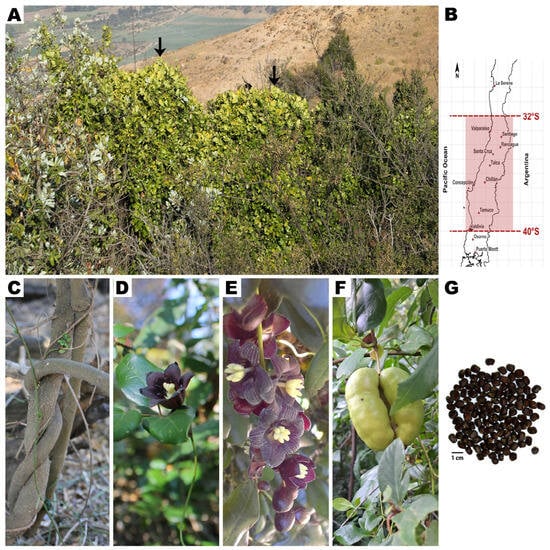
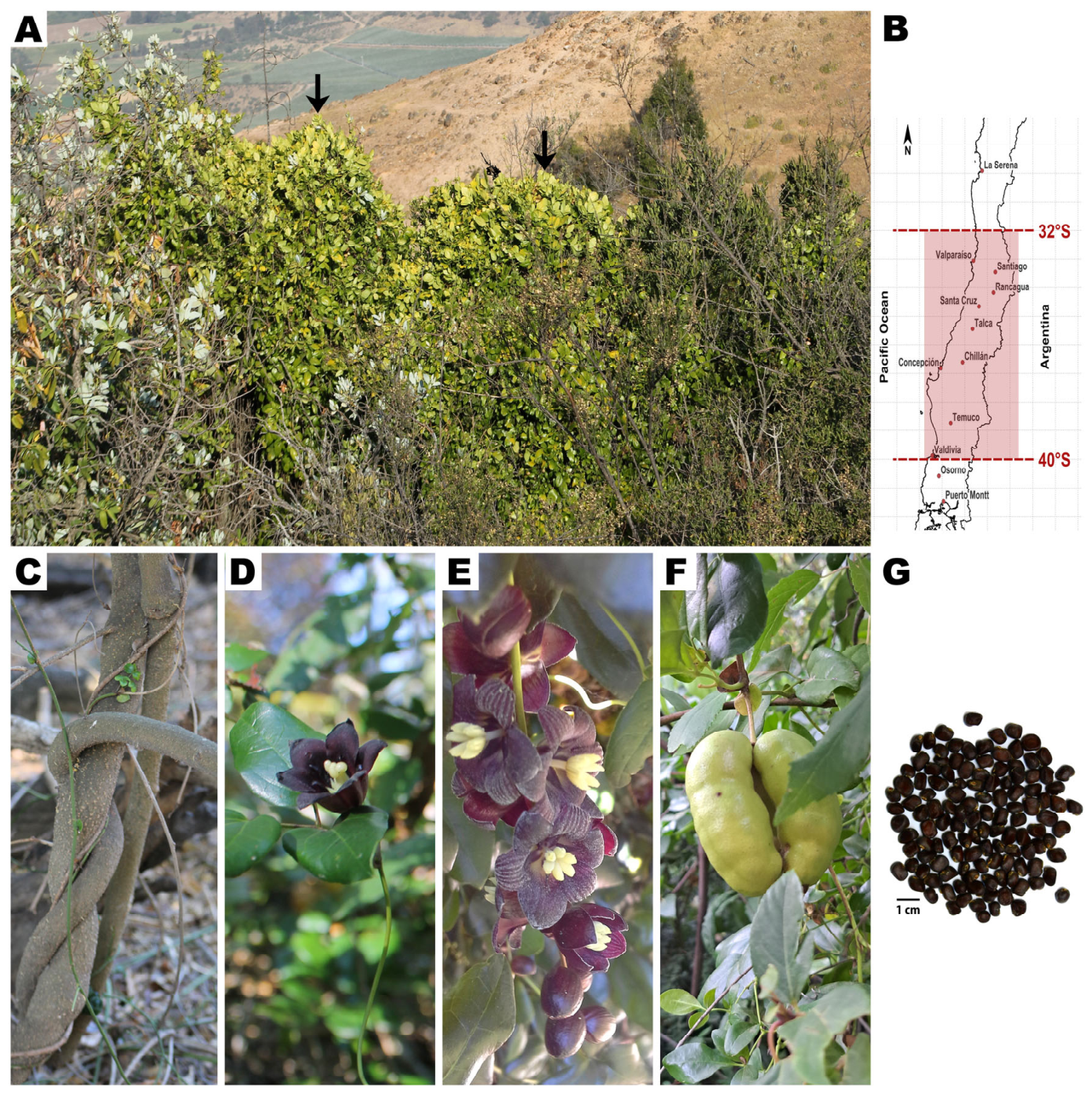
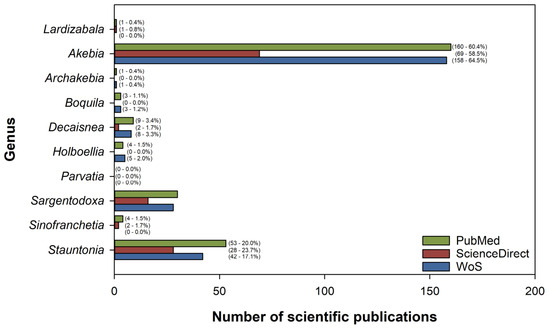
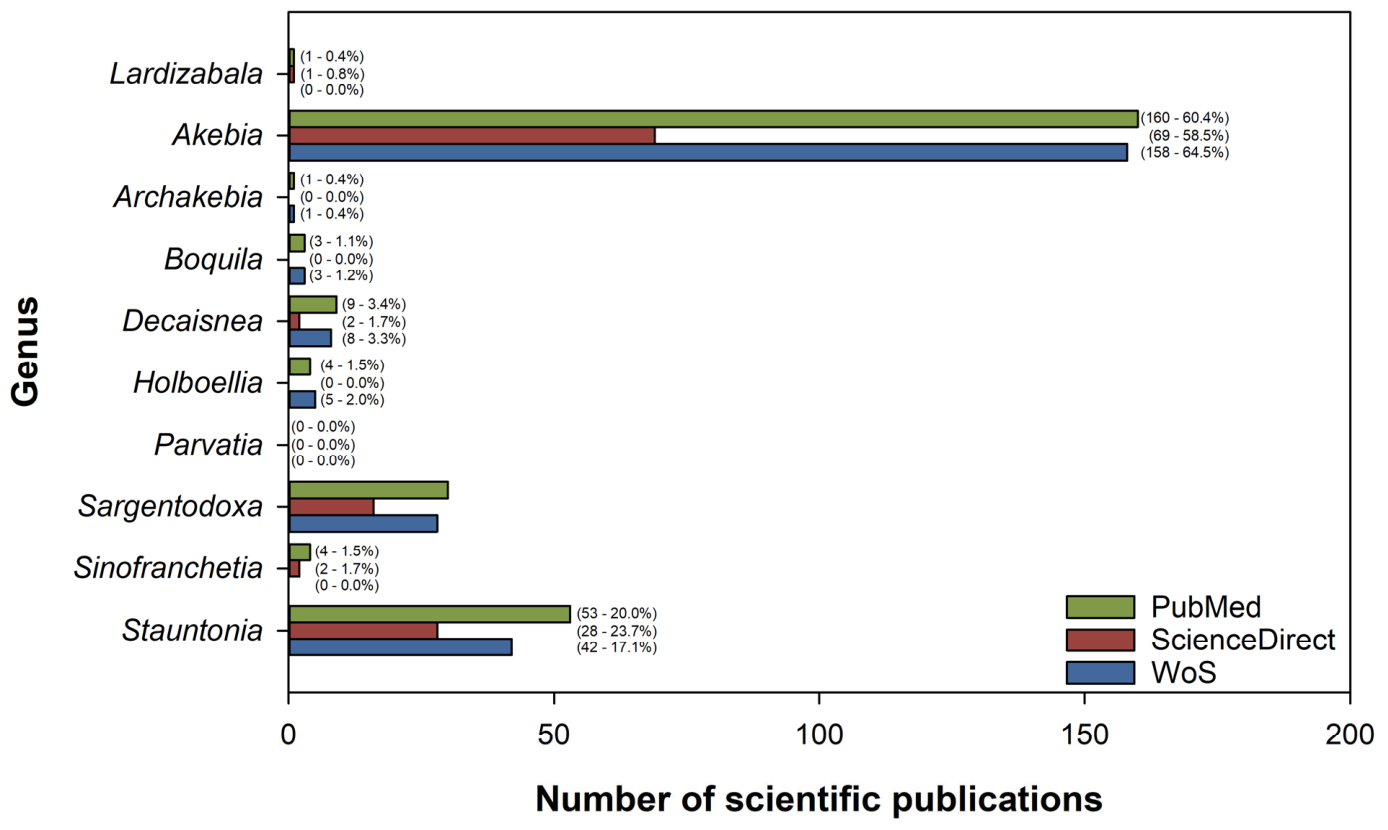
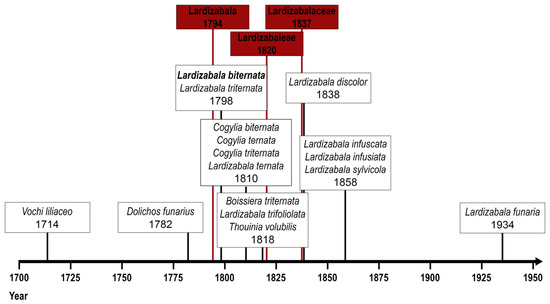
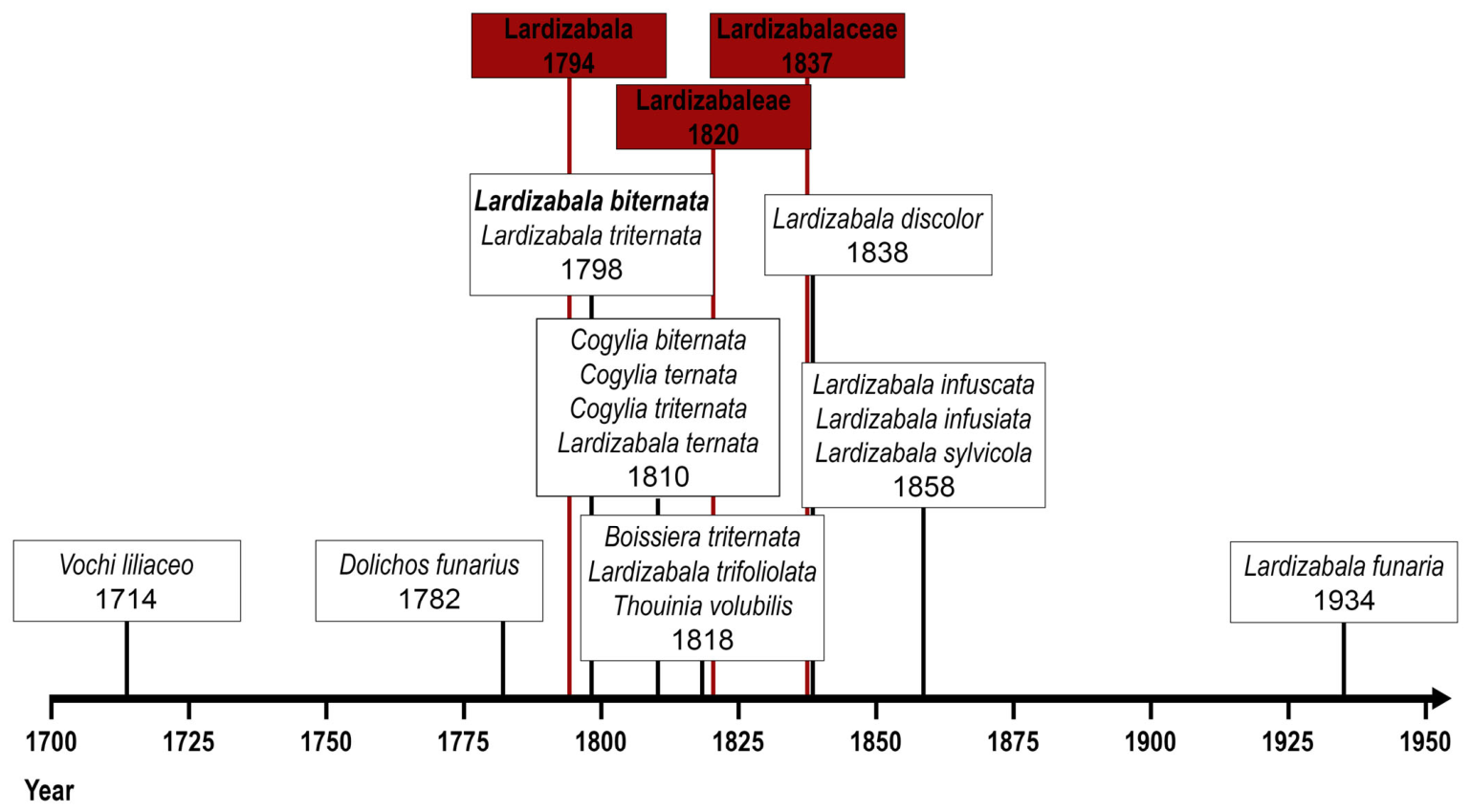
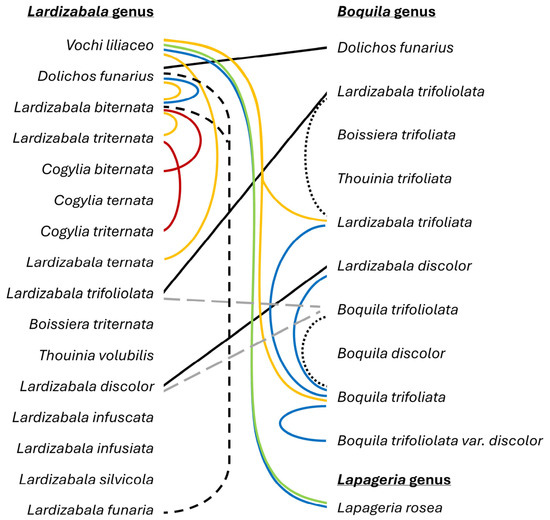
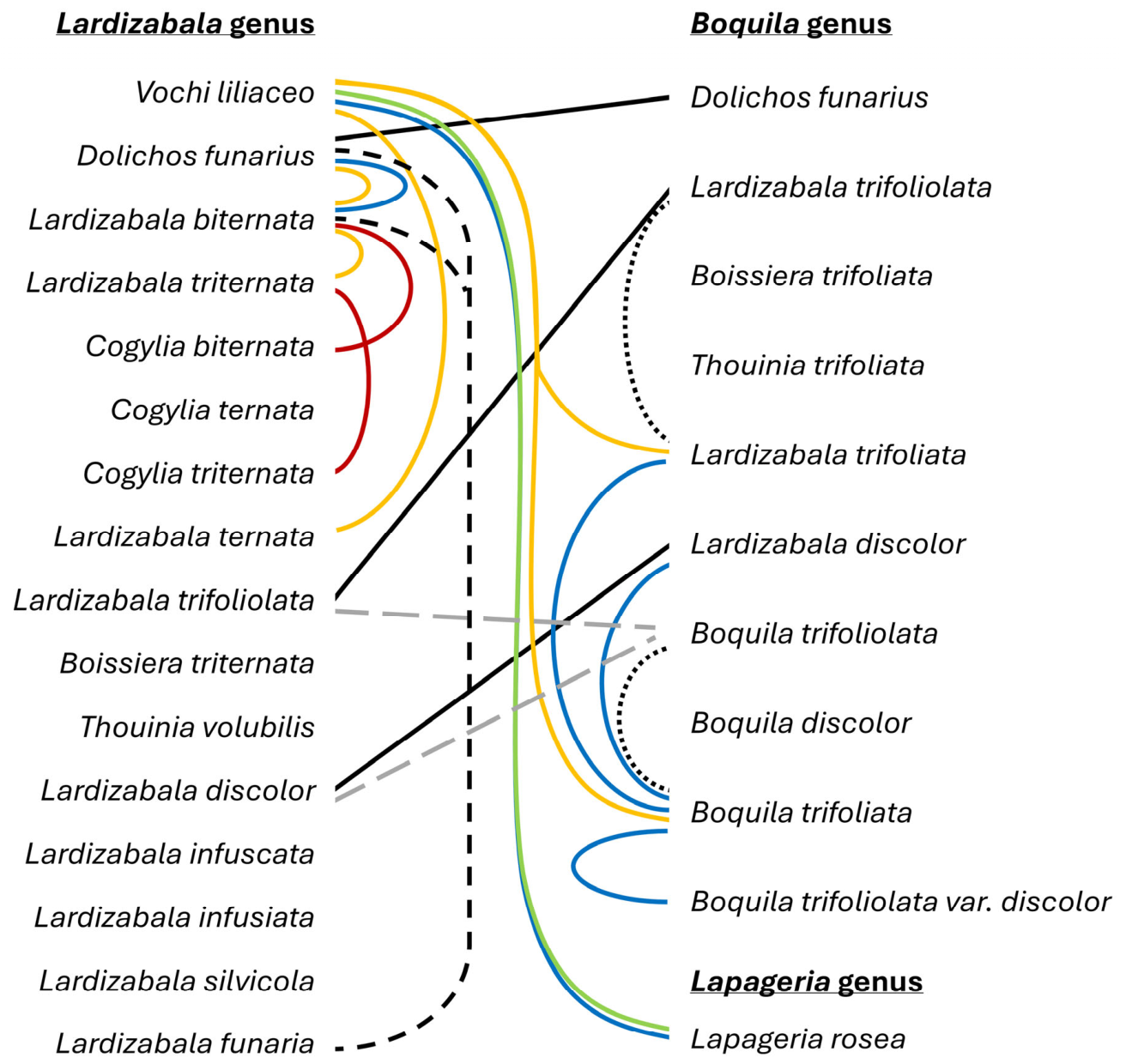
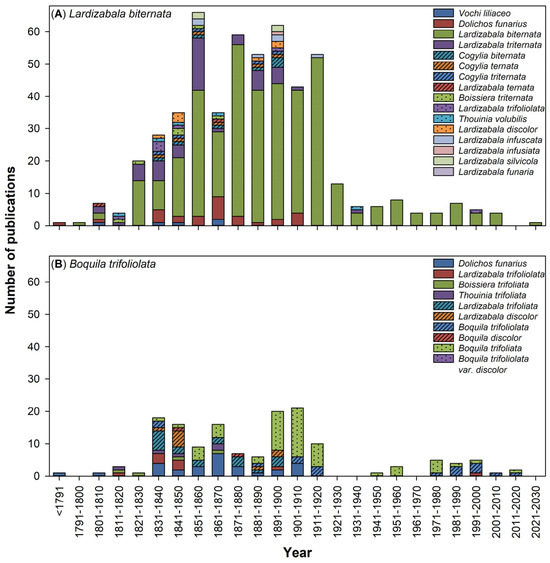
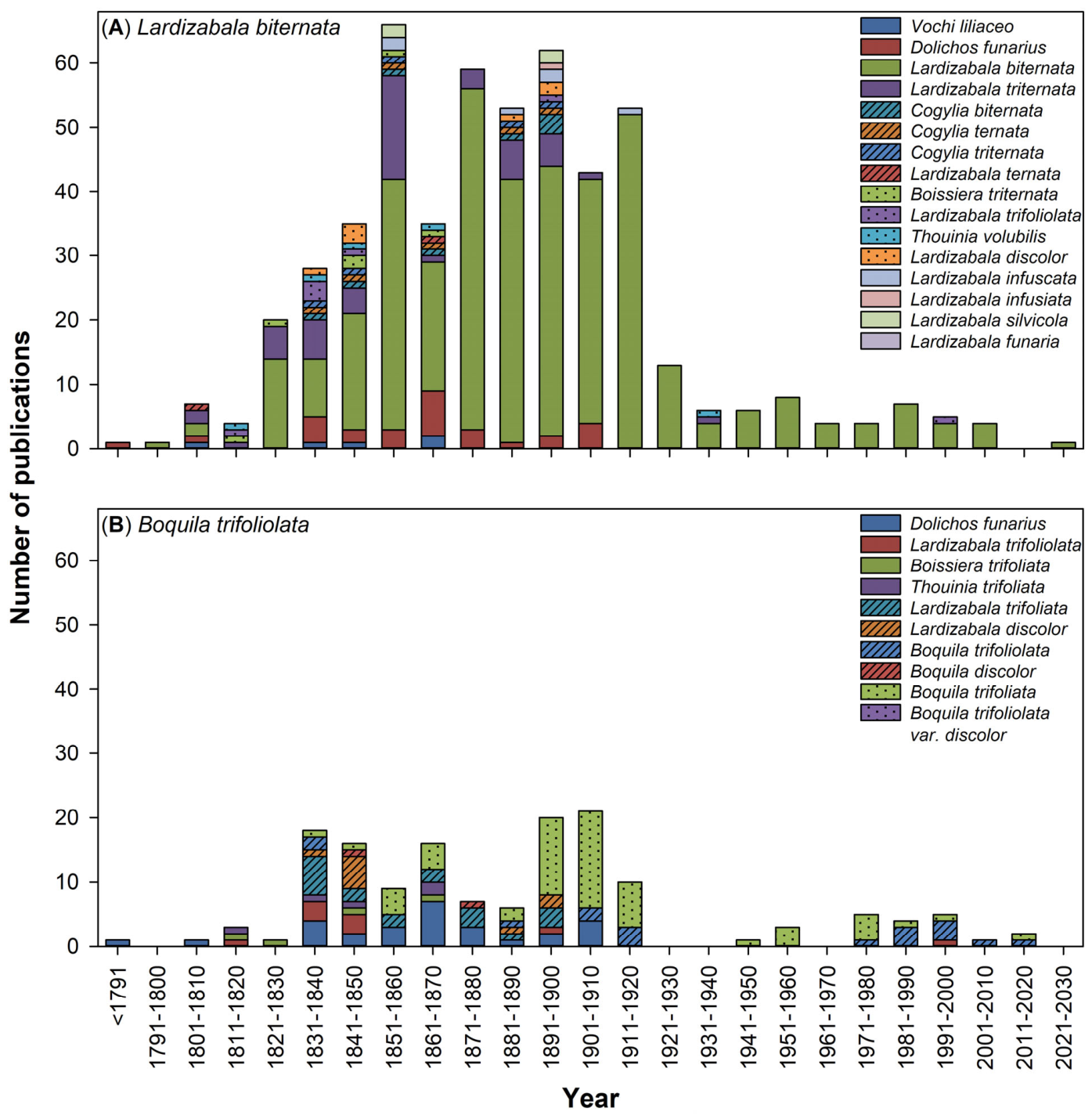
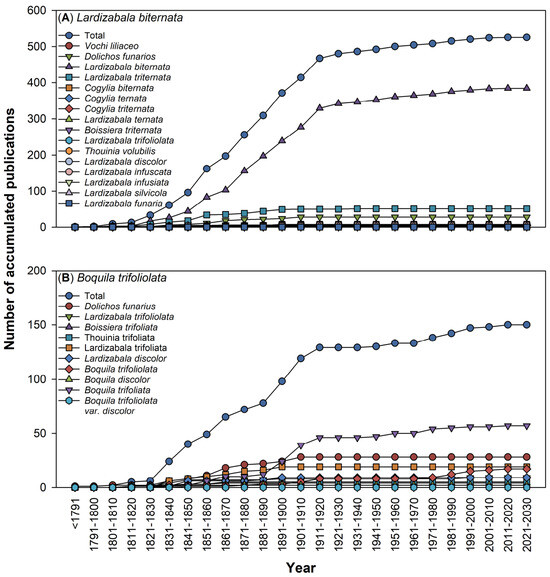
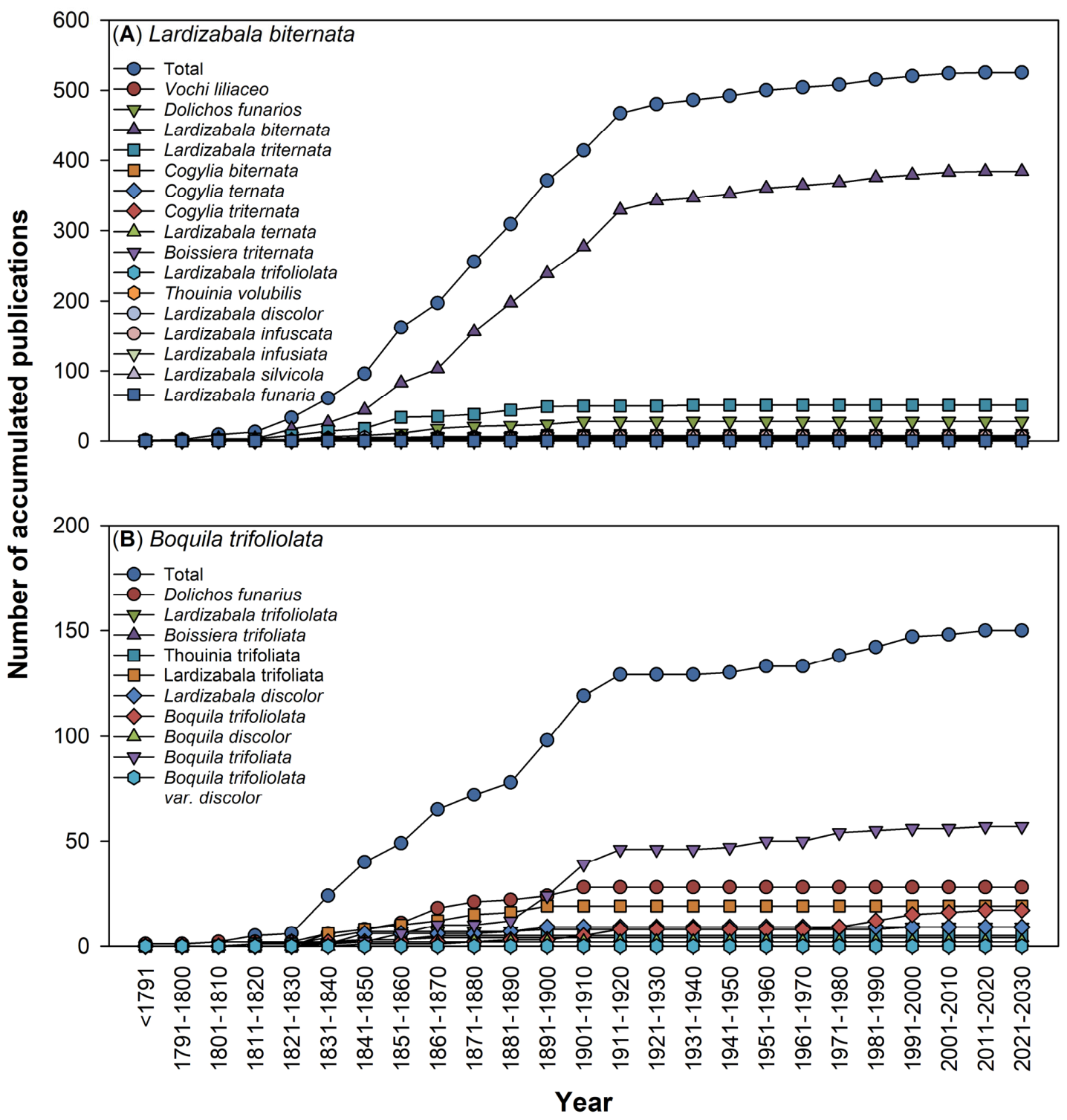
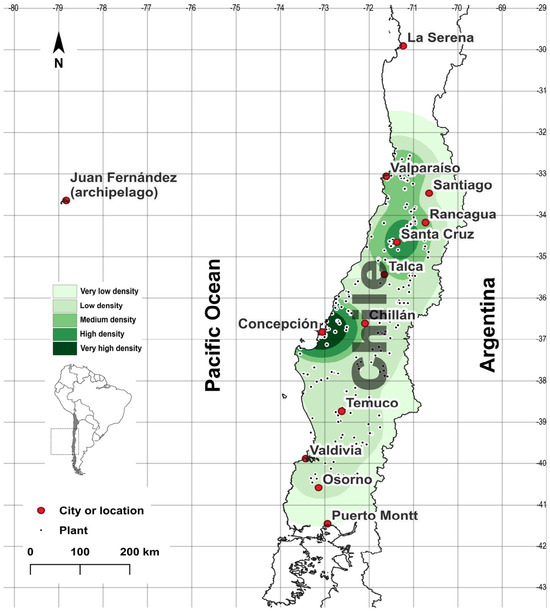
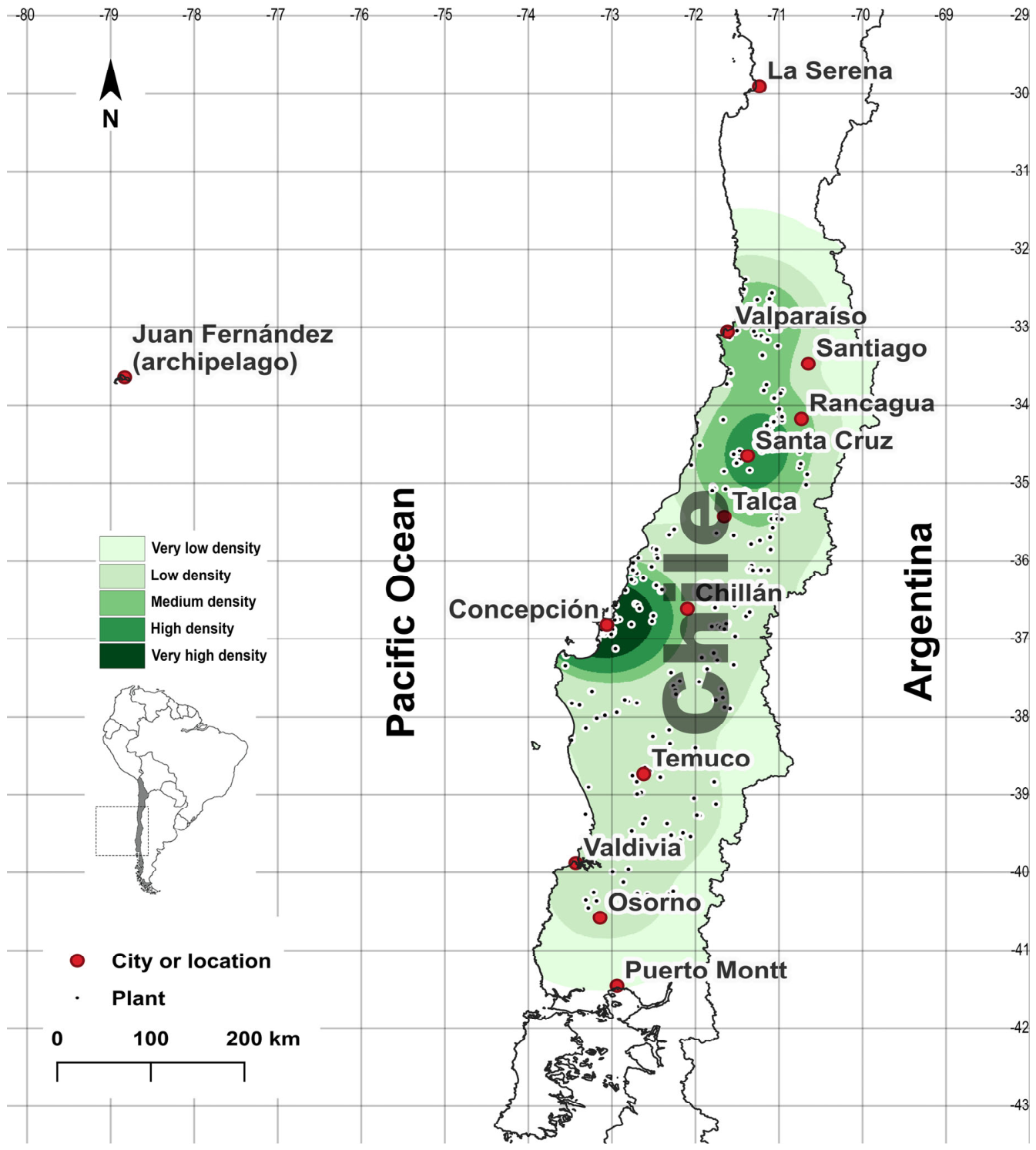
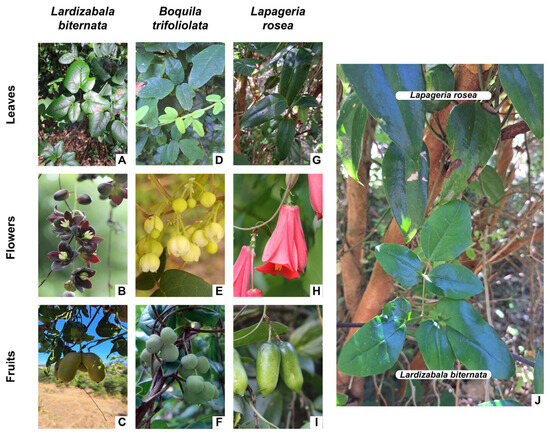
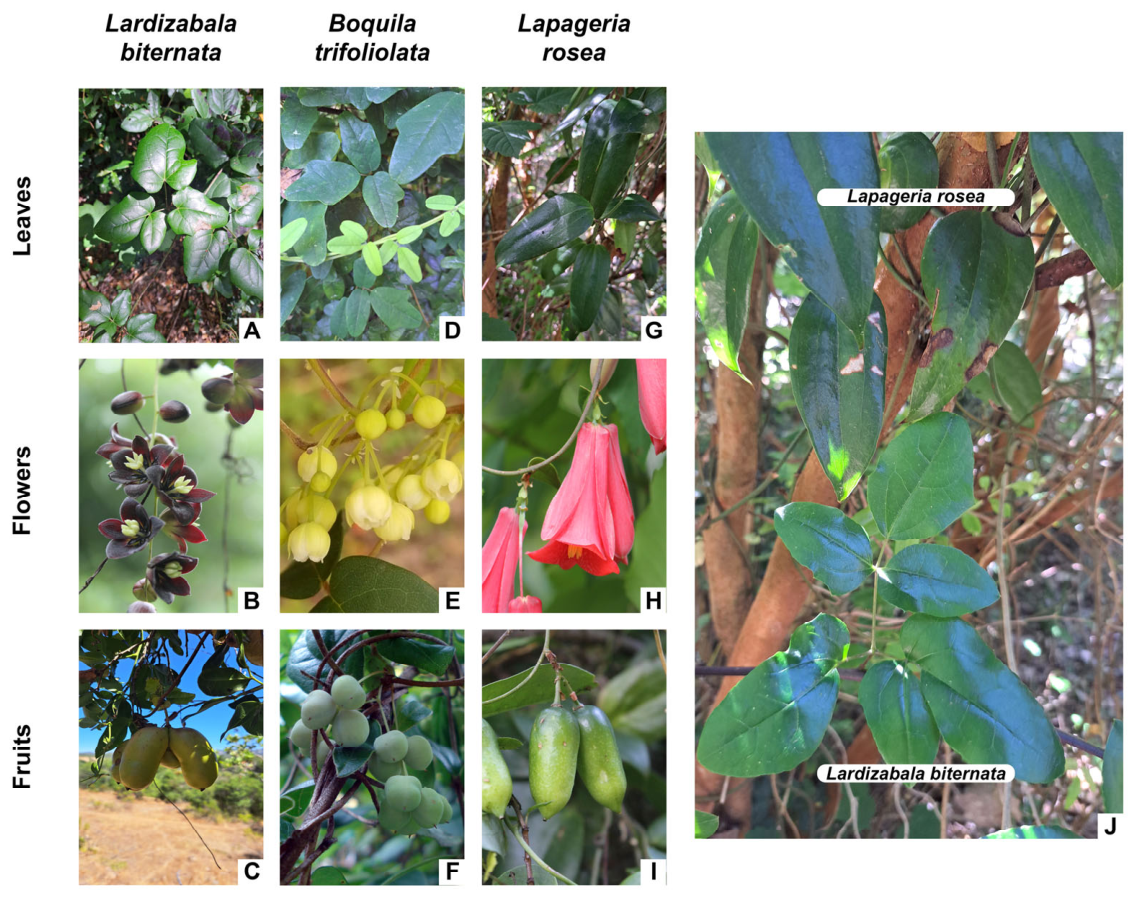

Disclaimer/Publisher’s Note: The statements, opinions and data contained in all publications are solely those of the individual author(s) and contributor(s) and not of MDPI and/or the editor(s). MDPI and/or the editor(s) disclaim responsibility for any injury to people or property resulting from any ideas, methods, instructions or products referred to in the content. |
© 2026 by the authors. Licensee MDPI, Basel, Switzerland. This article is an open access article distributed under the terms and conditions of the Creative Commons Attribution (CC BY) license.