


Abstract
The syllable is the most fundamental acoustic unit in bird vocalizations and is highly informative of species-specific behavioral characteristics. However, because syllables vary significantly across different species and environments, existing syllable extraction methods still rely on manual or semi-automatic processing, which constrains deep learning-based research on birdsong syllables. This study proposes SFWA-TweetyNet for automatic syllable annotation and applies it to the red-winged blackbird (Agelaius phoeniceus), achieving a validation accuracy of 0.978 and a loss of 0.073. Based on high-quality syllable recognition, this study conducted exploratory cross-regional and cross-seasonal acoustic comparisons at the syllable level to demonstrate a syllable-based analytical framework. Specifically: (1) Acoustic features were extracted from the principal syllables and analyzed using the Kruskal–Wallis test to explore potential variations in acoustic characteristics across regions and seasons; (2) A syllable-based frequency-weighted Acoustic Complexity Index (FW-ACI) was proposed to demonstrate how FW-ACI can be applied for acoustic analysis within the proposed framework, with the Kruskal–Wallis test used as an exploratory statistical tool. In addition, this study constructs a high-quality syllable-level dataset of red-winged blackbird vocalizations, providing important foundational data resources for automatic birdsong annotation, cross-domain soundscape analysis, and avian ecological and behavioral research.
1. Introduction
Bird vocalizations serve as important information carriers for ecological monitoring, species identification, and behavioral research. A bird’s song typically consists of sequences of syllables, which are the smallest meaningful acoustic units. These syllables exhibit strong species specificity, stable temporal rhythms, and sensitivity to environmental changes, making them a key data source for constructing ecological monitoring systems and studying cross-regional acoustic variation [1,2]. With the widespread adoption of autonomous recording devices and long-term soundscape monitoring technologies, the volume of acoustic data has increased rapidly, creating new opportunities for analyzing species activity patterns, population dynamics, ecological gradient shifts, and the impacts of human disturbance on soundscapes [3]. However, this dramatic expansion of data volume also poses significant processing challenges: soundscapes contain complex, multiscale acoustic structures with subtle cross-regional differences, highlighting the urgent need for more accurate, automated methods for syllable-level annotation of birdsong. Previous studies have explored bird vocalizations at the syllable level and examined spatial or seasonal variation in acoustic features, providing important insights into how vocal structure reflects environmental and behavioral factors [4,5,6,7]. These studies demonstrate that syllable-based analyses are valuable for understanding geographic and temporal patterns in birdsong, while also emphasizing the need to establish more systematic and large-scale frameworks that integrate automated annotation with fine-grained acoustic feature analysis.
In the bioacoustic processing workflow, automated syllable-level annotation of bird vocalizations is a core step for large-scale acoustic analysis. Traditional syllable-level annotation of bird vocalizations relies on manual Graphical User Interface (GUI) operations, fixed-threshold segmentation, and manual label assignment, which are time-consuming and exhibit limited adaptability to individual variation, environmental noise, and complex syntactic structures [8,9,10]. Early automated syllable annotation primarily relied on template matching, dynamic time warping (DTW), spectrogram features, and shallow machine learning models [11,12]. However, these methods faced several limitations under natural soundscapes, overlapping sound sources, and cross-regional acoustic variation. Specifically, segmentation was often unstable, class boundaries were ambiguous, and engineered features had limited expressiveness, which together constrained annotation performance [13]. With the development of deep learning, automated annotation has achieved significant breakthroughs. TweetyNet [14] employs a convolutional–recurrent hybrid architecture for end-to-end syllable segmentation, demonstrating stable, high-throughput annotation performance across species such as Bengalese finches and canaries, marking a transition in birdsong analysis toward a data-driven phase with adaptive feature extraction. However, the model still exhibits limitations in capturing subtle structural differences within individual syllables, particularly in songbird syllables with high-frequency concentration and stable rhythms, where its sensitivity to key frequency components is insufficient. Moreover, the interaction of acoustic background across regions, environmental noise, and dynamic spectral changes poses challenges to the model’s generalization ability. Therefore, improving the fine-grained capture of frequency structures and enhancing sensitivity to cross-regional acoustic variations remain an obstacle in building high-performance automated annotation systems, as well as an important challenge in bioacoustics.
In parallel with the development of automated annotation technologies, acoustic indices (AIs) have gained widespread application in rapid ecological assessment. By quantifying the distribution of acoustic energy across temporal and frequency dimensions, these indices enable efficient evaluation of soundscape complexity, biophonic activity, and ecosystem conditions [15,16,17,18,19]. Among them, the Acoustic Complexity Index (ACI), which captures short-term fluctuations in sound intensity, has become an important indicator for detecting vocalization dynamics, phenological rhythms, and soundscape disturbances [17,20,21]. Previous studies have been conducted in urban parks, tropical dry forests, Mediterranean old-growth forests, and grasslands, and the results indicate that ACI is associated with species richness, ecological functioning, and biodiversity [15,16,17,18,19,20,21,22,23,24,25,26,27,28,29,30,31,32]. However, the reported strength of the relationship between ACI and species richness is not always consistent across different environmental contexts, suggesting that habitat-specific soundscape characteristics may influence its ecological interpretability. In addition, traditional acoustic indices are typically derived from macro-scale spectral characteristics and exhibit limited sensitivity to subtle intra-syllabic frequency fluctuations. This limitation is particularly pronounced in bird syllables with concentrated energy and stable rhythmic patterns, where fine structural differences across regions or individuals may be overlooked [16,17,18,19,20,21]. Notably, studies have shown that the ACI’s sensitivity to ecological information varies substantially across different temporal scales, frequency resolutions, and signal-to-noise conditions [20,21,23,24,25,26,27,28,29]. Consequently, enhancing the sensitivity of acoustic indices to differences in specific frequency components caused by environmental variation, in order to accurately characterize syllable-level acoustic differences, is of great significance for understanding cross-regional acoustic variation and optimizing ecological soundscape analysis [16,17,30,31,32].
To address the two core problems—the difficulty of automatic syllable annotation and the inability of existing acoustic indices to capture fine-grained frequency-structure differences at the syllable level—this study proposes a deep-learning network termed SFWA-TweetyNet and applies it to red-winged blackbird vocalizations. The overall research objectives include: (1) designing and validating the SFWA-TweetyNet deep learning network to improve the accuracy and generalization of syllable annotation, ensuring that the model can adapt to cross-regional and cross-seasonal ecological acoustic data; (2) proposing the FW-ACI based on syllables and exploring its effectiveness in characterizing cross-regional and cross-seasonal acoustic differences at the syllable level, providing a more interpretable index system for acoustic monitoring and ecological assessment; and (3) constructing a high-quality, cross-regional syllable-level dataset suitable for fine-grained acoustic analysis, providing a reliable data foundation for cross-regional acoustic comparison. Through the above technical approaches, this study aims to establish a fine-grained syllable-based acoustic analysis framework that integrates deep learning and ecological soundscape analysis, primarily to showcase the proposed model and provide a framework for future cross-regional and cross-seasonal analyses, rather than to draw definitive ecological conclusions.
2. Materials and Methods
2.1. Study Species and Dataset
The red-winged blackbird is a migratory passerine species belonging to the family Icteridae and is considered a medium-sized icterid [33]. It exhibits pronounced sexual dimorphism, with males characterized by black plumage and distinctive red-and-yellow epaulets, while females display more cryptic brown streaking. Ecologically, the red-winged blackbird occupies a broad range of habitats, including wetlands, marshes, grasslands, shrublands, and agricultural landscapes. It is a facultative nesting species that typically prefers areas with relatively dense vegetation, frequently placing nests in shrubs or tall vegetation, often at heights exceeding 2 m [34,35,36]. Its ecological flexibility and well-defined vocal behavior make it a suitable model species for investigating geographic variability in bird vocalizations.
The audio data used in this study were obtained from the publicly available Xeno-Canto database (https://xeno-canto.org (accessed on 26 November 2025)), covering recordings of the red-winged blackbird from multiple geographic regions, including North America, Mexico, and Canada, and featuring wide spatial coverage and diverse soundscapes. Because the original recordings varied in format, sampling rate, and channel configuration, the data were rigorously standardized prior to formal analysis: all audio files were converted to WAV format. It should be noted that some recordings were originally stored in compressed formats, such as MP3. Converting these files to WAV format cannot recover fine spectral information lost during compression. As a result, certain acoustic features, particularly those evaluated at fine temporal scales within individual syllables, may be influenced by format-dependent differences. For this reason, future studies should be based on original uncompressed WAV recordings. Background noise was suppressed using the noisereduce Python library (version 3.0.0) based on spectral gating. This method estimates noise characteristics in the time–frequency domain by computing a spectrogram of the signal and deriving a frequency-specific noise threshold. Components with energy below the threshold are attenuated through a gating mask, effectively reducing background noise while retaining salient acoustic features relevant to bioacoustic analysis [37]. The sampling rate was unified to 44.1 kHz, and all files were converted to mono to minimize the effects of recording equipment and environmental differences on acoustic feature extraction. To improve temporal consistency and batch processing efficiency in subsequent analyses, all audio files were further segmented into fixed-length 10 s clips. These clips constitute the manually annotated dataset used for model training and validation. After processing, the annotated dataset contained 430 valid 10 s audio samples. This annotated dataset was used exclusively for training and evaluating the SFWA-TweetyNet model. Additional unlabeled recordings used for large-scale prediction and acoustic analysis are described in a subsequent section.
2.2. Syllable Annotation and Definition
Syllable segmentation and annotation were conducted using Praat software (version 6.4.60) [8] based on TextGrid interval annotations, with boundaries manually verified and labels corrected. Annotations were performed under combined waveform and spectrogram views to ensure accurate temporal alignment. Syllable boundaries were determined based on established bioacoustic criteria. Specifically, syllable onsets were defined by a clear increase in acoustic energy accompanied by stable spectral structure, while offsets were defined by a return to background noise or the presence of a distinct silent gap. Inter-syllable boundaries were generally identified when gaps between elements exceeded 5 ms or when abrupt changes in frequency or amplitude occurred within a continuous sound, following established practices for visual inspection of spectrograms [38]. The onset and offset times and category information of each syllable were recorded individually to ensure precise and traceable annotation. From an ecoacoustic perspective, a syllable was defined as the smallest structurally and temporally coherent vocal unit produced by the red-winged blackbird, representing a repeatable acoustic element that contributes to song structure and information transmission. Syllable classification was based on consistent differences in temporal duration, frequency range, modulation patterns, and spectral shape, which are commonly associated with species-specific vocal production mechanisms and behavioral functions. Based on these criteria, 29 syllable types of the red-winged blackbird were identified and labeled, as shown in Figure 1. This syllable-level annotation provides a biologically meaningful representation of vocal structure and serves as the fundamental unit for subsequent model training, prediction, and acoustic analysis. It should be noted that multiple syllables may originate from the same recordings or individuals, and therefore, complete statistical independence among all syllable observations cannot be assumed. This characteristic reflects the hierarchical structure of vocal data rather than an annotation artifact.
Figure 1.
Spectral representations of 29 red-winged blackbird syllables for each category. Numbers 1–29 correspond to different syllable types. The x-axis shows time (s), the y-axis shows frequency (kHz), and the color indicates relative intensity (dB, see color bar).
2.3. Self-Learning Frequency Weighted Attention TweetyNet (SFWA-TweetyNet)
To improve the accuracy of automatic syllable annotation of the red-winged blackbird under cross-domain conditions, this study introduces a self-learning frequency-weighted attention mechanism based on the existing TweetyNet [14] architecture, resulting in the SFWA-TweetyNet model. Although the original TweetyNet performs well on the Bengalese finch dataset, its strong performance largely relies on the relatively concentrated, stable frequency distribution of that species. Specifically, the syllable frequency range of the Bengalese finch is concentrated, and its acoustic structure is stable, allowing the convolutional layers’ fixed-frequency response strategy to adequately extract effective features. However, this assumption does not hold when the model is applied to red-winged blackbird data. The species exhibits a large number of syllable types with significant structural differences, and its frequency distribution spans a wider range than that of the Bengalese finch, with pronounced frame-to-frame variation, making it difficult for the original network to effectively capture key acoustic information under fixed-frequency-response conditions. In particular, the principal frequencies, harmonic structures, and energy distributions differ markedly among red-winged blackbird syllable types, while the fixed convolutional kernels’ response patterns along the frequency axis are insufficient to capture these critical differences, which may lead to feature extraction bias and class confusion.
To address these limitations, this study introduces a self-learning frequency attention layer between the convolutional feature extractor and a bidirectional long short-term memory (Bi-LSTM) network, which is used to model the temporal dependencies of acoustic features, as illustrated in Figure 2. Unlike traditional channel-attention mechanisms that operate on the channel dimension, the proposed frequency-attention layer directly targets the frequency dimension by assigning an independent trainable weight to each frequency bin, enabling point-wise adaptive weighting across the frequency axis. During the forward pass, the frequency weights are normalized through a Softmax function to obtain a probability distribution and then applied to the convolutional feature maps via element-wise multiplication along the frequency dimension. This design allows the model to dynamically emphasize informative frequency bands and suppress irrelevant or noise-dominated regions before the sequence is fed into the long short-term memory (LSTM). Through this mechanism, the network can automatically adjust its frequency-level focus based on the actual spectral energy distribution of each frame, thereby enhancing its robustness across diverse syllable types and varying acoustic environments.
Figure 2.
Architecture of SFWA-TweetyNet for automated syllable annotation of red-winged blackbird. The input waveform is transformed into a spectrogram and processed through convolutional blocks, the SFWA module, and a Bi-LSTM network to predict syllable probabilities. Feature map dimensions at each stage are indicated in brackets.
Compared with traditional channel attention, which performs weighting only along the channel dimension, the frequency attention in this study models each frequency point in a fine-grained manner, allowing the most discriminative frequency regions to be selected according to the true spectral characteristics of each frame. This optimization endows SFWA-TweetyNet with greater robustness when handling complex acoustic conditions, such as multiple syllable types, high-frequency harmonics, and cross-habitat soundscape variations.
2.4. Syllable-Based Frequency-Weighted Acoustic Complexity Index (FW-ACI)
To more precisely characterize the frequency features of red-winged blackbird syllables and, at the same time, enhance the sensitivity of cross-domain acoustic analysis, this study proposes the FW-ACI. The ACI [17] quantifies the dynamic complexity of a soundscape by calculating the absolute changes in energy between adjacent time frames, which can, to some extent, reflect the activity and variation patterns of vocalizations. However, ACI treats all frequency channels equally, failing to capture the differential contributions of specific frequency bands to syllable recognition, particularly neglecting the key frequency regions with higher discriminative power for red-winged blackbird syllables. To address this limitation, FW-ACI introduces a frequency-dependent weighting strategy to emphasize the more informative frequency bands, thereby improving sensitivity and interpretability in syllable-level acoustic analysis under complex soundscapes and across regions and seasons. Based on this design rationale, the mathematical definition of FW-ACI is given as follows.
Taking syllables as the statistical unit, let denote the linear intensity of the -th frequency band in the -th frame, and let a syllable segment consist of frames. Within each frequency band, the energy difference between adjacent frames can be expressed as:
The total amount of variation in this frequency band within the segment is defined as:
The total energy within a syllable is given by:
Based on this, the FW-ACI is obtained by multiplying the within-band variation in each frequency bin by its corresponding weight and summing across all frequency bins, which can be expressed as:
where is the total number of frequency bands, is the weight of the -th frequency band, and is a small positive constant to prevent division by zero. The frequency band weights are defined as follows:
Analysis of model-annotated red-winged blackbird spectrograms indicates that the 2–8 kHz frequency band corresponds to a region with relatively high syllable energy density and dominant harmonic activity. Accordingly, in this study, is set to 2, effectively doubling the weights of frequency bands within the 2–8 kHz range to enhance sensitivity to the key frequency regions of red-winged blackbird syllables, thereby emphasizing the contribution of the main syllables to overall acoustic complexity. The FW-ACI not only captures temporal variations in within-band energy but also accounts for the importance of different frequency bands, providing a more robust and targeted quantitative metric for cross-domain acoustic analysis. It can be combined with the outputs of SFWA-TweetyNet for syllable-level complexity analysis, enabling a more comprehensive characterization of the red-winged blackbird’s acoustic features and their cross-domain variation patterns.
2.5. Workflow and Implementation
The overall workflow of this study comprises five main components: data preparation, syllable-level annotation, model training and inference, principal syllable extraction, and principal syllable–based acoustic index computation. Active acoustic recordings collected across different regions and seasons were preprocessed and manually annotated to construct syllable-level training and validation datasets. These annotations were used to train the proposed SFWA-TweetyNet model, which extends the original TweetyNet architecture by incorporating a self-learning frequency-weighted attention mechanism to enhance sensitivity to fine-grained spectral structures. The trained model was applied to large-scale acoustic recordings to perform automated syllable-level inference, from which principal syllables were extracted to support subsequent analyses. Based on the extracted principal syllables, the frequency-weighted Acoustic Complexity Index (FW-ACI) was calculated to characterize fine-scale temporal and spectral variations at the syllable level. Statistical analyses were conducted to evaluate differences in acoustic features and index values across regions and seasons. All stages of model training, inference, and acoustic index computation were implemented in Python (version 3.9), forming an integrated and modular processing pipeline. By replacing the training data or adjusting the frequency-weighting scheme, this workflow can be readily extended to other bird species or acoustic monitoring scenarios.
3. Results
3.1. Performance of the Red-Winged Blackbird Syllable Annotation Model Based on SFWA-TweetyNet
3.1.1. Model Performance Evaluation
Based on the red-winged blackbird syllable dataset, this study systematically evaluated the SFWA-TweetyNet model in terms of network structure, training behavior, and large-scale application performance. The training parameters are summarized in Table 1, and the learning curves are illustrated in Figure 3. A comprehensive quantitative comparison between TweetyNet and the proposed SFWA-TweetyNet is reported in Table A1 (Appendix A), where both global performance metrics (training accuracy, training loss, validation accuracy, and validation loss) and task-relevant evaluation measures (Precision, Recall, F1-score, and frame error rate) are jointly considered to provide a thorough assessment of frame-level classification and temporal segmentation performance.
Table 1.
Model structure and training configuration of SFWA-TweetyNet and TweetyNet.
Figure 3.
Comparison of accuracy and loss between SFWA-TweetyNet and TweetyNet. (a) Training and validation accuracy; (b) training and validation loss. The x-axis represents training epochs, and the y-axis shows accuracy or loss values.
As shown in Table A1, TweetyNet reaches its optimal performance at epoch 13, after which no consistent improvement is observed across the main evaluation metrics. At this epoch, the model achieves a training accuracy of 0.957 with a training loss of 0.146, and a validation accuracy of 0.958 with a validation loss of 0.148. Regarding classification and segmentation quality, the corresponding Precision, Recall, and F1-score are 0.673, 0.586, and 0.612, respectively, with a frame error rate of 0.042. Additional training only causes minor fluctuations in the metrics, without bringing about systematic improvements, indicating that the baseline model has converged and reached performance saturation. In contrast, SFWA-TweetyNet continues to benefit from extended training and reaches its optimal performance at epoch 20. At this stage, the model attains a training accuracy of 0.989, a training loss of 0.032, a validation accuracy of 0.978, and a validation loss of 0.073, demonstrating both improved fitting capability and stable generalization. More importantly, task-relevant metrics exhibit substantial improvements: Precision, Recall, and F1-score increase to 0.822, 0.807, and 0.798, respectively, while the frame error rate decreases to its minimum value of 0.021. Although the validation accuracy stabilizes after approximately 15 epochs, F1-score and FER—metrics that are more sensitive to class imbalance and temporal segmentation quality—continue to improve, highlighting the advantage of the proposed SFWA module during later optimization stages.
To further analyze the frame-level classification behavior of the two models, Figure A1 and Figure A2 (Appendix A) present the confusion matrices of TweetyNet and SFWA-TweetyNet, respectively. Both confusion matrices are computed at the frame level, with rows representing ground-truth syllable classes and columns representing predicted classes. As shown in Figure A1, the confusion matrix of TweetyNet exhibits noticeable off-diagonal activations for multiple syllable classes, indicating frequent misclassifications among acoustically similar syllable types. In particular, confusion is more pronounced between neighboring classes along the diagonal, suggesting limited discriminative capability when handling subtle time–frequency variations across syllable categories. In contrast, Figure A2 demonstrates a substantially cleaner diagonal structure for SFWA-TweetyNet, with higher concentrations of correctly classified frames along the main diagonal and reduced off-diagonal errors. This improvement is consistent with the observed gains in Precision, Recall, and F1-score, and indicates that the proposed SFWA module enhances the model’s ability to distinguish between different syllable types at the frame level. Similarly, it is worth noting that syllable No. 29 shows relatively poor classification performance in both models, as indicated by weak diagonal responses and increased confusion with other classes. Some classes (e.g., No. 19) are predicted by the model even though they are not present in the true labels of the current test set. This occurs because the model outputs all trained classes regardless of their presence in a specific recording. Additionally, the distribution of classes is highly unbalanced, which may affect performance metrics for rare classes. This misclassification is attributed to the very limited number of annotated samples for this syllable, which restricts the model’s ability to learn its representative acoustic patterns and may lead to under- or over-estimation of performance metrics, particularly for rare syllables or classes absent in the test set, highlighting that evaluation metrics should be interpreted with caution. To provide a more detailed quantitative analysis, frame-level counts and classification outcomes for each syllable category—True Positives (TP), False Positives (FP), True Negatives (TN), and False Negatives (FN)—as well as normalized metrics were calculated based on the validation set. The results are summarized in Table A2 (Appendix A). For syllables with relatively high occurrence, TP% tends to be higher and FP% lower, whereas syllables with very few annotated samples show low TP% and high FN%, highlighting the challenge of learning from limited labeled data. Overall, the confusion matrix and per-syllable metrics analysis further confirm that SFWA-TweetyNet not only improves global performance metrics but also achieves more reliable and stable frame-level predictions across most syllable categories, particularly for frequently occurring and acoustically similar syllables.
To further evaluate the applicability of the proposed model, the trained SFWA-TweetyNet was applied to 982 unlabeled red-winged blackbird recordings (each typically longer than 1 min). These recordings were uniformly segmented into 10 s clips, resulting in a total of 5642 audio segments, consistent with the temporal resolution of the training data. All segments were processed by the trained network for syllable prediction. Among the predicted segments, 2300 clips contained detected red-winged blackbird vocalizations (i.e., non-background predictions) and were retained for subsequent analysis. From these valid clips, the model identified 16 syllable types, and output their corresponding temporal boundaries and category labels. Because syllable occurrence frequency reflects important aspects of avian vocal activity, the distribution of the 16 syllable types across all valid clips was quantified, as shown in Figure 4. The syllable labeled No. 1 occurred far more frequently than the others, showing clear dominance and thus representing the principal syllable of red-winged blackbird vocalizations. Accordingly, this principal syllable was selected as the basic analytical unit for cross-regional and cross-seasonal acoustic difference analyses. All subsequent analyses-including principal syllable count statistics, acoustic feature extraction, and acoustic index computation-were conducted using this principal syllable as the core research unit. As shown in Figure 5, SFWA-TweetyNet outperforms the original TweetyNet in the recognition and classification of red-winged blackbird syllables. Multiple instances of missed syllable annotations observed with the original network were successfully detected and classified by SFWA-TweetyNet. Under complex soundscape conditions, the proposed model demonstrates markedly improved segmentation and classification performance across multiple syllable types.
Figure 4.
Frequency distribution of 16 syllable types across all samples. The x-axis labels indicate different syllable categories as No. 1, No. 2, No. 4, etc., where the number corresponds to the syllable type ID. The y-axis represents the number of occurrences of each syllable type across all samples.
Figure 5.
Example of prediction results and predicted outputs. The color bars in the figure indicate the onset and offset times of syllables as well as their category labels. Syllable blocks of different colors visually reflect the differences in time–frequency structure among the various syllable types. The syllables highlighted with red rectangles represent the principal syllable type with the highest occurrence frequency. The x-axis shows time (s), the y-axis shows frequency (kHz), and the color indicates relative intensity (dB, see color bar).
3.1.2. Robustness Evaluation Under Noise and Insect Sound Interference
SFWA-TweetyNet achieves high accuracy in automatic syllable annotation of the red-winged blackbird; however, the model remains sensitive to noise and lacks robustness under complex soundscapes, indicating the need for further optimization. The network model is highly sensitive to environmental noise, a common limitation shared by many avian acoustic models, including TweetyNet. To visually verify this sensitivity, different levels of noise and insect sounds were superimposed onto the same red-winged blackbird recording, and the resulting prediction differences were compared, as shown in Figure 6. The results indicate that the superposition of noise and insect sounds significantly reduces the accuracy of syllable boundary detection and even leads to missed detections and false detections, demonstrating that the robustness of current deep learning models in complex soundscapes remains insufficient.
Figure 6.
Syllable prediction under noise and insect sound interference. (a) Original audio; (b) original audio with mild noise; (c) original audio with mild noise and mild insect sounds; (d) original audio with intense noise and intense insect sounds. The x-axis shows time (s), the y-axis shows frequency (kHz), and the color indicates relative intensity (dB, see color bar).
To more accurately quantify the impact of environmental noise and interfering insect sounds on the SFWA-TweetyNet model, the same procedure was applied to 2300 automatically identified valid audio clips. Three noise conditions were evaluated: mild noise, mild noise with mild insect sounds, and intense noise with intense insect sounds. For each condition, the missed syllable rate (mr), misclassification rate (mcr), and boundary error rate (ber) were calculated for each syllable category, and the aggregated results are summarized in Table 2. The results indicate that missed syllables constitute the most frequent type of error, with mr increasing significantly under stronger noise and insect interference, particularly for dominant syllable categories. In contrast, mcr remains low across all conditions, suggesting that when a syllable is detected, the model generally assigns the correct label. Boundary errors are overall infrequent; however, due to the high proportion of missed or misclassified syllables, in many cases ber could not be accurately determined. Therefore, a ber of 0 does not imply the absence of boundary errors but rather reflects an inability to evaluate them. Overall, the statistics demonstrate a consistent increase in error rates with increasing noise interference, indicating reduced model robustness under more challenging acoustic conditions. These trends highlight the sensitivity of SFWA-TweetyNet to overlapping environmental noise and insect sounds, and underscore the importance of noise-robust training or pre-processing for achieving reliable automatic syllable annotation in natural acoustic environments.
Table 2.
Syllable annotation error statistics of SFWA-TweetyNet under different noise conditions.
3.2. Cross-Regional Data Construction for Birdsong Syllables
Based on the automatic syllable-prediction results, data balancing was performed on audio samples from different countries in this study. After completing syllable annotation and classification for 2300 red-winged blackbird vocalization samples, the national distribution statistics are shown in Table 3. Owing to the imbalance in the dataset (with relatively large numbers of samples from Canada and the United States, and extremely limited samples from Central American countries), and to ensure the comparability of cross-regional analysis, the study used the 274 samples from Mexico as the reference and randomly down-sampled the data from Canada and the United States to the same number, so that the sample sizes of the three countries were kept consistent.
Table 3.
Results of sample distribution statistics.
This study further compared the cross-regional and cross-seasonal distributions of the principal syllables of the red-winged blackbird to reveal the seasonal and geographic variation in its singing activity. In the filtered dataset, principal syllables labeled as No. 1 were extracted and statistically analyzed from 274 audio samples for each of the three regions—Canada, the United States, and Mexico—with seasons defined as Spring (March–May), Summer (June–August), Autumn (September–November), and Winter (December–February). The resulting seasonal distribution of principal syllables is shown in Figure 7. To more intuitively compare the relative density of principal syllables across different seasons, the values labeled at the top of each bar in the figure represent the “number of syllables/sample size,” reflecting the occurrence intensity of principal syllables in each season. Figure 7 clearly illustrates the cross-regional and cross-seasonal distribution differences in the principal syllables, with syllable counts in spring and summer generally exceeding those in autumn and winter, indicating stronger vocal activity of the red-winged blackbird during the breeding season. Importantly, the timing of peak syllable abundance differed among regions, with distinct seasonal maxima observed in the three populations, suggesting region-specific patterns of seasonal vocal activity.
Figure 7.
Cross-regional and cross-seasonal distribution of principal syllables. The labels on top of each bar indicate the “total number of syllables/total number of samples,” representing the overall syllable count and the corresponding number of audio samples under each regional and seasonal condition, facilitating comparison of relative syllable intensity across conditions.
After identifying clear differences in the number of dominant syllables across regions and seasons, this study further evaluated the statistical significance of these differences at the level of acoustic features. Six commonly used acoustic features were extracted from the syllable data, including root mean square (rms), spectral centroid, bandwidth, spectral flatness, zero-crossing rate, and dominant frequency. These features characterize the energy structure, spectral shape, and complexity of bird vocalizations from both time-domain and frequency-domain perspectives, and are key indicators reflecting behavioral differences and habitat adaptation. Given the imbalance in sample sizes across regions and seasons, and the possibility that acoustic parameters may not meet the assumption of normality, the Kruskal–Wallis H test was used to conduct nonparametric significance analyses for each individual feature. Pairwise comparisons were performed for each feature, and Bonferroni correction was applied to adjust p-values for multiple comparisons. In addition, effect sizes (r) were calculated for each comparison to quantify the magnitude of group differences independent of sample size. In this study, the country was used as the grouping variable to test the six acoustic features one by one to determine whether the inter-regional acoustic differences were statistically significant. Subsequently, the season was used as the grouping factor to examine differences in these acoustic features across seasons.
The statistical analysis results indicate that the cross-regional and cross-seasonal patterns of the principal syllable in the red-winged blackbird are mainly observed in frequency-domain acoustic features, whereas time-domain features appear less responsive to macro-scale variations. The results for the regional and seasonal dimensions are presented in Table 4 and Table 5, respectively. Frequency-related indicators, such as rms, spectral centroid and dominant frequency, tend to show clearer patterns across most pairwise comparisons, often accompanied by small to moderate effect sizes, suggesting that they may serve as useful features for exploratory comparisons in cross-regional and cross-seasonal analyses. In regional comparisons, trends are more noticeable in pairs such as the United States–Mexico and United States–Canada, indicating potential variation in energy distribution and frequency structure among regions. In the seasonal dimension, the summer–winter, autumn–winter and autumn–spring comparisons show relatively stronger patterns, illustrating how seasonal rhythms could influence the spectral structure of bird songs. In contrast, bandwidth, spectral flatness, and zero-crossing rate exhibit limited variation across both regional and seasonal dimensions, with consistently small effect sizes, indicating that these features are relatively insensitive to large-scale spatial or temporal differences. This suggests that time-domain features are more influenced by individual variability or environmental noise and are therefore less informative for macro-scale patterns. These results are presented solely as an illustrative example of how syllable-level acoustic features can be compared, rather than as definitive ecological conclusions.
Table 4.
Statistical significance of six acoustic indicators based on the principal syllable across different countries.
Table 5.
Statistical significance of six acoustic indicators based on the principal syllable across different seasons.
Overall, both regional variation and seasonal rhythms are primarily manifested at the frequency-structure level. Frequency-domain features (rms, spectral centroid, and dominant frequency) consistently demonstrate noticeable patterns in both cross-regional and cross-seasonal comparisons, after correction for multiple comparisons and consideration of effect size, whereas time-domain features appear less responsive to such large-scale variations. These results suggest that, in subsequent applications such as species identification, soundscape monitoring, and ecological behavior analysis, frequency-domain features may be prioritized as key parameters, with bandwidth and spectral flatness serving as auxiliary indicators to complement the structural information of frequency features.
3.3. Acoustic Feature and Acoustic Index Analysis of Regional Data Based on Principal Syllables
To further assess the acoustic differences in the principal syllables of red-winged blackbirds at regional and seasonal scales, this study introduced and applied the FW-ACI to enhance the sensitivity and robustness of detecting complexity variations in the main vocal frequency bands. To verify syllable differences among different regions and seasons and to evaluate regional-scale variations in birdsong complexity from the perspective of acoustic indices, a syllable-based FW-ACI was proposed and applied to analyze regional data differences.
The energy of the principal syllables of the red-winged blackbird obtained through network-based automatic annotation is primarily concentrated within the 2–8 kHz frequency range. Therefore, a frequency-weighting mechanism was introduced into FW-ACI, assigning higher weights to this interval to enhance sensitivity to the primary vocal frequency band of passerine birds. The experimental results are summarized in Table 6 and Figure 8. Compared with the traditional ACI, FW-ACI shows smaller within-group standard deviations across most countries and seasons, indicating more concentrated distributions and lower internal variability. This pattern is particularly evident in regions or seasons where syllable energy exhibits large fluctuations. In such cases, the conventional ACI is more susceptible to the influence of extreme values and background noise. By emphasizing the dominant vocal frequency band, FW-ACI effectively suppresses the contribution of non-target spectral components to the index calculation, thereby reducing the impact of outliers on within-group distributions. Consequently, FW-ACI demonstrates improved robustness while maintaining good discriminative capability. Overall, compared with the ACI, FW-ACI can more stably capture variations in the spectral structure of birdsong across different ecological regions and temporal scales, providing a more stable, sensitive, and interpretable acoustic index for soundscape monitoring, species identification, and ecological rhythm analysis.
Table 6.
Comparison of Mean and Standard Deviation for ACI and FW-ACI by Country and Season.
Figure 8.
Distributions of ACI and FW-ACI across different countries and seasons: (a) comparison among countries, where the x-axis represents country categories and the y-axis represents index values; (b) comparison among seasons, with the x-axis representing seasons and the y-axis representing index values. The y-axis is shown on a logarithmic scale.
Using the Kruskal–Wallis test, this study further illustrates that FW-ACI may be more sensitive than traditional ACI in capturing patterns in soundscapes across regions and seasons. The statistical results, including Bonferroni-corrected p-values and corresponding effect sizes, are shown in Table 7 and Table 8. ACI and FW-ACI demonstrate both consistent and complementary abilities in providing exploratory comparisons across the national and seasonal dimensions. For example, in cross-regional comparisons, FW-ACI appears to detect differences that are less obvious than those with traditional ACI. In comparing Canada and Mexico, ACI did not indicate a clear difference, whereas FW-ACI suggested a potential difference, reflected by a comparatively larger effect size despite conservative multiple-comparison correction, highlighting its exploratory utility in capturing cross-regional bioacoustic variation. In the comparison between Canada and the United States, both indices indicated observable differences, with FW-ACI showing a stronger pattern and larger effect size, suggesting that under the principal frequency band weighting emphasized by FW-ACI, variation in bioacoustic activity and spectral structure may be more apparent. In contrast, the comparison between the United States and Mexico did not reveal clear differences under either index; however, FW-ACI exhibited a slightly larger effect size and a p-value closer to the corrected significance threshold, indicating a trend that may warrant further investigation rather than definitive inference. Overall, FW-ACI provides a method to highlight structural acoustic differences that may be difficult to detect with ACI, serving as an example of how frequency-weighted indices can be applied in exploratory cross-regional analyses. This enhancement arises from the weighting of the dominant bioacoustic frequency band, enabling FW-ACI to better illustrate potential patterns in the soundscape while reducing interference from low-frequency environmental noise, without implying definitive ecological conclusions. In cross-seasonal comparisons, ACI and FW-ACI were analyzed. After Bonferroni correction, the Summer–Winter and Spring–Winter comparisons showed statistically significant differences with small to moderate effect sizes. The Autumn–Spring and Autumn–Summer comparisons were not significant after correction, and the effect size of FW-ACI was small. The Autumn–Winter comparison was significant for both indices, with moderate effect sizes. Overall, ACI and FW-ACI captured similar seasonal patterns, although the effect sizes differed between the two indices.
Table 7.
Statistical significance tests among different countries.
Table 8.
Statistical significance tests among different seasons.
Based on the combined results of cross-regional and cross-seasonal analyses, FW-ACI demonstrates higher sensitivity in capturing regional soundscape patterns, enabling the detection of acoustic structural differences that traditional ACI may not fully capture. Specifically, FW-ACI not only strengthens the differences identified by ACI but also provides exploratory insights into potential regional acoustic variations. This improvement arises from the frequency-weighting strategy, which allows the index to focus more on the dominant frequency bands of biological sound sources, such as birds, while reducing interference from low-frequency noise and environmental disturbances. Therefore, FW-ACI offers a more sensitive and illustrative approach for cross-regional comparisons in bioacoustic studies, serving as a methodological example rather than providing definitive ecological conclusions, and may inform future applications in regional soundscape monitoring, ecological zoning, and acoustic biodiversity research.
4. Discussion
Environmental noise has long been recognized as a factor that can mask bird vocalization features, making it challenging for models to extract stable spectral patterns from continuous sound waves [14,39]. This sensitivity to background noise carries important ecological implications for field-based acoustic monitoring. Red-winged blackbird vocalizations in natural habitats frequently overlap with insect sounds, wind noise, and water-related background sounds, particularly during the breeding season. Our results suggest that monitoring approaches relying solely on clearly segmented syllables may underestimate actual vocal activity under realistic soundscape conditions. Such underestimation may introduce ecological monitoring bias when vocal activity is used as a proxy for breeding intensity, territory occupancy, or habitat quality. Therefore, improving noise robustness has become an important and urgent direction in the field of automatic bird sound annotation. Future improvements may include enhancing datasets, using noise-augmented training, introducing spectral enhancement strategies, or adopting attention-based sound source separation methods to improve the model’s applicability in real-world soundscapes.
Although TweetyNet, trained on a single species, performs well under active recording conditions, it still faces substantial challenges in multispecies and complex soundscapes under passive acoustic monitoring (PAM), and new approaches are needed to improve its applicability. The original authors of TweetyNet used the Bengalese finch as the training and testing datasets, and both the network architecture design and performance evaluation were conducted based on single-species audio obtained through active recording [14]. Similarly, this study also used red-winged blackbird recordings collected by active recording devices, and both the training and optimization of the model were carried out for a single species. Although this recording strategy enables the acquisition of clear target vocalizations with relatively low background interference, it remains markedly different from real PAM environments. In particular, the red-winged blackbird recordings used for acoustic analysis were obtained from the publicly available xeno-canto database, which is opportunistic in nature and may be influenced by human recording behavior. Uneven recording effort across regions and seasons, as well as preferences for easily recognizable vocalizations, may introduce sampling biases when such data are used for large-scale ecological comparisons. In this context, the present study emphasizes the methodological contribution of the proposed SFWA-TweetyNet framework, namely, evaluating whether an improved network architecture can serve as an effective analytical approach for ecoacoustic applications under heterogeneous recording conditions. The use of xeno-canto recordings enables the model to be tested across a broad range of real-world acoustic environments commonly encountered in publicly available bioacoustic datasets. At the same time, continuous PAM datasets, which provide long-term, multispecies, and systematically collected recordings, are more suitable for robust ecological inference and for assessing spatiotemporal patterns of vocal activity. Previous studies have indicated that multispecies acoustic recognition requires the simultaneous handling of interspecific differences in frequency characteristics, vocalization structures, and the interference caused by overlapping sound sources [40,41,42,43], which clearly exceeds the capability of the existing TweetyNet framework based on active recordings and single-species training. From both ecological and methodological perspectives, continuous PAM therefore remains a critical approach for long-term acoustic monitoring and for achieving unbiased assessments of spatiotemporal vocal activity patterns. Accordingly, future model development should focus on constructing multispecies joint training datasets, developing multi-task networks capable of simultaneously outputting species categories and syllable boundaries, and integrating sound source separation techniques [42,43], convolutional attention mechanisms [44,45], and weakly supervised learning methods [46,47]. Such advances are expected to enhance model performance in resolving complex soundscapes under PAM and are of great significance for practical monitoring tasks, including forest soundscape monitoring and biodiversity assessment.
To illustrate the practical implications of the SFWA-TweetyNet framework and to provide ecological context, we analyzed the seasonal and regional patterns of principal syllables in red-winged blackbird recordings. The observed cross-regional and cross-seasonal variation in principal syllable abundance highlights that the seasonal regulation of singing activity in the red-winged blackbird is not uniform across its geographic range. Instead, it appears to reflect region-specific ecological and environmental constraints. Across all three regions, syllable abundance was generally higher in spring and summer than in autumn and winter, consistent with increased vocal activity during the breeding season. The red-winged blackbird is a highly territorial songbird, with males establishing territories, performing territorial displays, and producing courtship songs primarily in spring, while maintaining relatively high-frequency singing in summer to sustain pair bonds and territorial stability [48,49,50,51,52,53,54]. In addition, during territorial defense, males frequently exhibit “song spread” behavior in spring and summer, which functions both in mate attraction and in deterring rivals and involves substantial energetic investment [55,56]. The seasonal differences in principal syllables among the three regions are also pronounced, and are jointly influenced by regional climatic conditions and breeding ecological rhythms. Notably, the timing of peak syllable abundance differed among regions, revealing a pattern that deviates from a simple expectation of spring-dominated singing activity across all populations. The principal syllables of the U.S. samples were most concentrated in spring, whereas those of the Mexican samples peaked in summer. This contrast suggests that different environmental factors may regulate the seasonal expression of singing behavior in different regions, rather than reflecting a single species-wide seasonal mechanism. In higher-latitude regions such as the United States, elevated singing activity in spring is likely associated with rising temperatures and rapid vegetation growth, which create favorable conditions for territory establishment and breeding [48]. In contrast, Mexico is located at lower latitudes, where summer is often characterized by monsoonal rainfall and higher temperatures. These conditions typically increase the availability of breeding-season food resources, particularly insects, and promote vegetation growth, thereby providing more abundant and temporally extended breeding habitats [57,58]. Field studies by Pérez-Irineo have shown that avian activity in tropical evergreen forests of Mexico is significantly enhanced during the rainy season, as seasonal changes in humidity and vegetation during this period provide advantages for both singing and breeding [59]. In addition to climatic factors, environmental pressure and behavioral strategies may further influence singing rhythms across regions [55,60,61]. In areas with higher population density or elevated predation risk, red-winged blackbirds may adjust the timing and frequency of singing to balance territorial defense and mate attraction. Previous studies have demonstrated that singing in this species functions not only as a territorial display but also as a social signal, with males maintaining sustained high-frequency vocal activity during the breeding season to signal physical condition and territorial advantage [56]. Taken together, these findings suggest that the observed cross-regional and cross-seasonal differences in principal syllable abundance reflect geographic adaptation of singing behavior under differing environmental and ecological conditions.
Previous studies of the vocal repertoire of the red-winged blackbird have documented structured song repertoires and variation in vocal elements across individuals. Early work on song repertoires highlighted variability in song types within and between males, suggesting repertoire complexity linked to territorial and mating behaviors [62]. Subsequent studies have examined specific vocal units, including introductory notes and trills, as well as functional categories of vocalizations used by females [63]. Experimental evidence also shows that male red-winged blackbirds possess two to eight distinct song types containing trills, with differences in performance levels influencing social responses [64]. Additionally, environmental factors such as urban noise have been shown to influence the structure of introductory syllables in songs [61]. The 29 syllable types identified in the present study extend these earlier characterizations by providing a systematically defined, syllable-level typology across large spatial and temporal scales. This classification captures both common foundational elements reported in the previous literature and finer subdivisions that arise from cross-regional and cross-season.
In the context of the statistical framework adopted in this study, country-level grouping was used as a coarse spatial proxy to explore the potential of syllable-level acoustic features for ecoacoustic assessment across broad geographic scales. We acknowledge that political boundaries do not represent biologically discrete units, and that recordings collected near national borders may exhibit greater acoustic similarity than those obtained from distant locations within the same country. Accordingly, the country-level analysis is intended to provide a coarse-grained ecological comparison, rather than a fine-scale biogeographic interpretation. The statistical analyses in this study are therefore intended for coarse-scale comparison and methodological illustration, rather than for fully parameterized ecological modeling incorporating multiple interaction terms. Future studies incorporating location-based or environmentally explicit analyses, particularly using continuous PAM data, will allow more refined and biologically grounded assessments of spatial variation in vocal activity.
Although the FW-ACI exhibits relatively high sensitivity in the analysis of red-winged blackbird vocalizations, further development of adaptive and data-driven weighting methods based on syllable characteristics is still required. The FW-ACI proposed in this study effectively enhances the sensitivity to structural variations in red-winged blackbird vocalizations; however, its applicability is currently limited. The weighting interval of FW-ACI was designed according to the dominant frequency range of the red-winged blackbird; therefore, it shows clear advantages for this species but may not be suitable for the vocalizations of other birds. From an ecological standpoint, emphasizing the dominant frequency band of the red-winged blackbird enables FW-ACI to more effectively capture variations in vocal activity across different regions and temporal scales. Such sensitivity is particularly valuable for comparing habitat conditions, investigating spatial heterogeneity in soundscapes, and conducting cross-regional ecological analyses of the same species. Previous studies have demonstrated that the dominant frequency bands differ substantially among bird groups, such as the low-frequency songs of thrushes, the broadband calls of bulbuls, and the high-frequency, short, and fragmented sounds of warblers, all of which exhibit distinct spectral characteristics [65,66,67,68,69]. Therefore, the weighting strategy proposed in this study is species-dependent and should be further extended to adaptive weighted acoustic indices in future research. In the future, the main energy-concentrated frequency bands of different species could be automatically determined by analyzing their long-term spectral distributions, thereby achieving species-specific dynamic frequency weighting, so that acoustic indices can maintain stable sensitivity and ecological interpretability across different avian soundscapes. In addition, machine learning methods can be integrated to automatically estimate the optimal weight distribution [70], enabling the construction of acoustic indices to shift from empirical design toward data-driven optimization.
This study summarizes the advantages and limitations of deep learning–based syllable prediction and acoustic index analysis in ecoacoustic applications, providing directions for future methodological improvements. The study discusses the vulnerability of deep learning models to noisy conditions, the limitations of current single-species models in real ecological monitoring, and the generalizability of acoustic indices across species. Despite these limitations, the improved SFWA-TweetyNet model and the FW-ACI proposed in this study still demonstrate the potential to improve prediction performance and enhance the ability to detect soundscape differences. In particular, the design of FW-ACI provides a new acoustic method for cross-regional soundscape analysis. Its strategy of emphasizing species-specific dominant frequency bands shows practical value in ecoacoustic analysis and also lays a foundation for the future development of more general and adaptive acoustic indices.
5. Conclusions
This study proposes the SFWA-TweetyNet model to improve the accuracy and stability of syllable-level automatic annotation. The experimental results show that, compared with the original TweetyNet, the proposed model achieves a 2% improvement in validation accuracy and a 7.5% reduction in loss, demonstrating stronger adaptability and robustness when processing cross-regional and cross-seasonal acoustic data, and enabling the continuous output of reliable syllable boundaries and class labels. Using the optimally trained model, large-scale red-winged blackbird vocalization data were automatically annotated at the syllable level, providing high-quality syllable segments for subsequent acoustic analyses. At the acoustic analysis level, this study takes bird syllables as the core analytical unit and conducts systematic cross-regional and cross-seasonal comparisons of acoustic features within a unified analytical framework. In the acoustic feature analysis combined with the Kruskal–Wallis significance test, root mean square, spectral centroid, and dominant frequency all exhibit significant spatial and temporal differences, revealing quantifiable variations in the vocal behavior of red-winged blackbirds driven by geographical distribution and seasonal rhythms. In terms of acoustic indices, the FW-ACI proposed in this study highlights structural changes in the dominant frequency band more effectively than the traditional ACI and effectively suppresses interference from low-frequency environmental noise. In cross-regional and seasonal comparisons, the variation trends of FW-ACI are consistent with those of syllable-based acoustic features, further validating its sensitivity and robustness under complex soundscape conditions. In addition, this study constructed and annotated a high-quality syllable dataset of red-winged blackbirds, filling the data gap of this species in fine-grained acoustic research and providing a reusable data foundation for automated acoustic monitoring and cross-domain acoustic modeling.
This study established a comprehensive technical framework for ecoacoustic research by improving syllable recognition networks, conducting syllable-level acoustic analyses, and constructing a high-quality syllable dataset. It provides a novel methodological foundation for avian behavioral ecology, population monitoring, and broader ecoacoustic applications. Future work could further explore directions such as multi-species joint modeling, enhancing model robustness to noise, and integrating sound source separation techniques, aiming to develop an automated acoustic monitoring system suitable for real-world natural soundscapes.
Author Contributions
Conceptualization, Z.Z., Z.W., T.Z. and H.X.; methodology, Z.Z., Z.W., D.L., Y.Z. and H.X.; software–validation, Z.Z. and Z.W.; formal analysis, Z.Z. and T.Z.; investigation, Z.Z.; resources, Y.Y.; data curation–writing and original draft preparation, Z.Z. and Z.W.; writing—review and editing, D.L.; visualization, Z.Z. and Z.W.; supervision, D.L., Y.Z., Y.Y. and H.X.; project administration, Y.Y. and H.X.; funding acquisition, D.L., Y.Z., Y.Y. and H.X. All authors have read and agreed to the published version of the manuscript.
Funding
This research was funded by the Agricultural Joint Fund of Yunnan Province, Grant Nos. 202301BD070001-086 and 202501BD070001-101; and by the National Natural Science Foundation of China, Grant Nos. 31860332 and 32360388.
Institutional Review Board Statement
Ethical review and approval were waived for this study because all acoustic data used in this research were obtained from the publicly available open-access database Xeno-canto (https://www.xeno-canto.org (accessed on 26 November 2025)). The recordings were originally collected through non-invasive field monitoring of wild birds, and no animal capture, handling, or experimental intervention was involved in this study. Therefore, this research does not raise any ethical issues related to animal welfare.
Data Availability Statement
The original data presented in this study are openly available in Zenodo at https://doi.org/10.5281/zenodo.17958514 [71]. The code used for analysis and modeling is publicly available on GitHub at https://github.com/zhuzhicheng000/SFWA-TweetyNet (accessed on 22 February 2026).
Acknowledgments
The authors would like to thank the Key Laboratory of Mathematical and Applied Research in Forestry of the Yunnan Provincial Department of Education for their support in this study.
Conflicts of Interest
The authors declare no conflicts of interest.
Appendix A
Figure A1.
Frame-level confusion matrix of the TweetyNet model. The x-axis represents the predicted classes, and the y-axis represents the ground-truth classes. Both axes are indexed from 0 to 29, where class 0 denotes the background category, and classes 1–29 correspond to the 29 annotated syllable types of the red-winged blackbird.
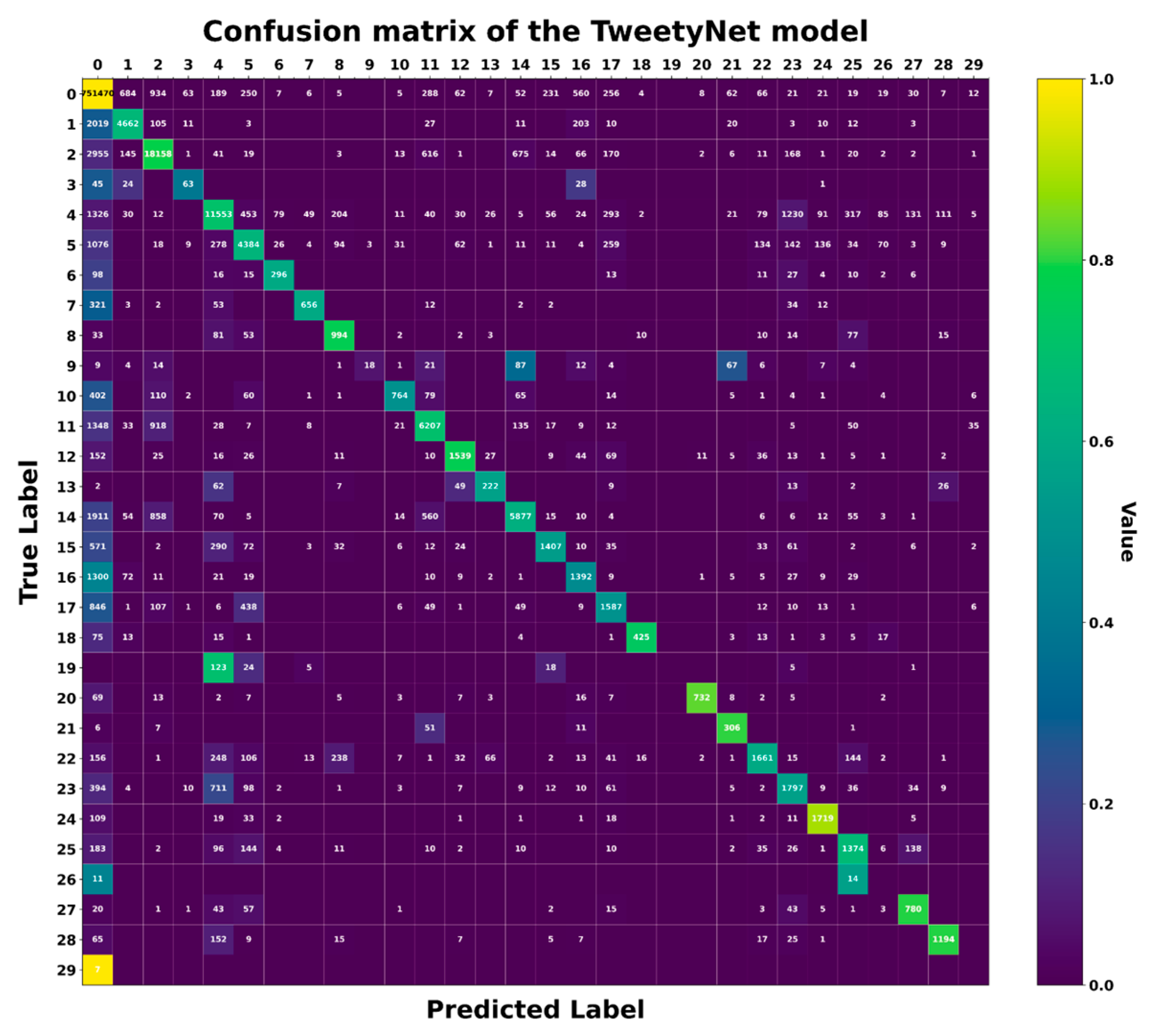
Figure A2.
Frame-level confusion matrix of the SFWA-TweetyNet model.
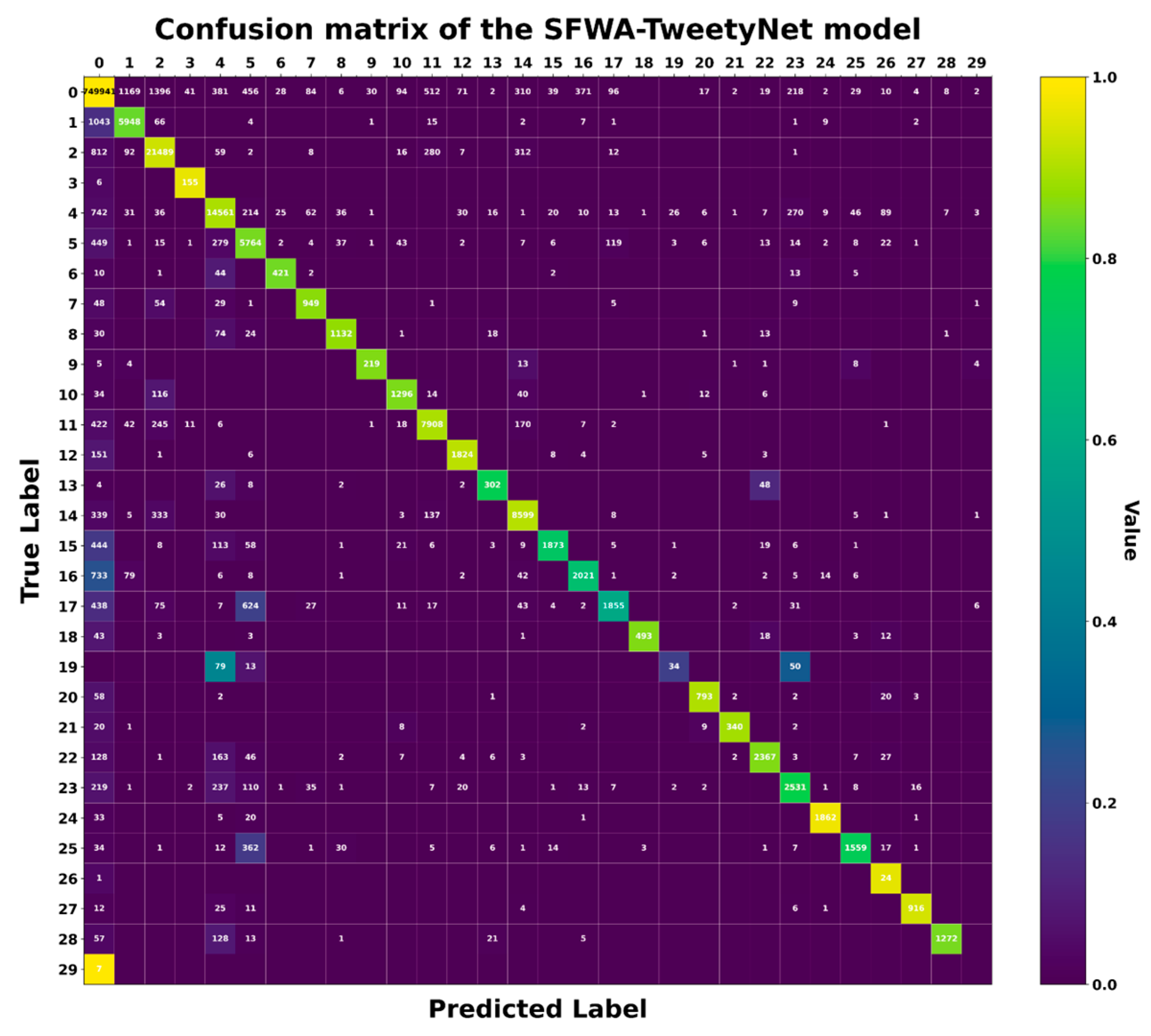
Table A1.
Training and validation performance metrics of the TweetyNet and SFWA-TweetyNet model.
Table A2.
Frame-level Classification Performance of SFWA-TweetyNet for Syllable Categories.
References
- Pijanowski, B.C.; Villanueva-Rivera, L.J.; Dumyahn, S.L.; Farina, A.; Krause, B.L.; Napoletano, B.M.; Gage, S.H.; Pieretti, N. Soundscape Ecology: The Science of Sound in the Landscape. BioScience 2011, 61, 203–216. [Google Scholar] [CrossRef] [Scilit]
- Sugai, L.S.M.; Silva, T.S.F.; Ribeiro, J.W., Jr.; Llusia, D. Terrestrial Passive Acoustic Monitoring: Review and Perspectives. BioScience 2019, 69, 15–25. [Google Scholar] [CrossRef] [Scilit]
- Farina, A.; Gage, S.H. Ecoacoustics: The Ecological Role of Sounds; John Wiley & Sons: Hoboken, NJ, USA, 2017. [Google Scholar]
- Geberzahn, N.; Aubin, T. Assessing Vocal Performance in Complex Birdsong: A Novel Approach. BMC Biol. 2014, 12, 58. [Google Scholar] [CrossRef]
- Mota, P.G.; Cardoso, G.C. Song Organisation and Patterns of Variation in the Serin (Serinus serinus). Acta Ethologica 2001, 3, 141–150. [Google Scholar] [CrossRef] [Scilit]
- Logue, D.M.; Sheppard, J.A.; Walton, B.; Brinkman, B.E.; Medina, O.J. An Analysis of Avian Vocal Performance at the Note and Song Levels. Bioacoustics 2020, 29, 709–730, Erratum in Bioacoustics 2020, 29, I–IV.. [Google Scholar] [CrossRef] [Scilit]
- Schroeder, K.M.; Podos, J. Correlated Divergence of Ecology, Morphology, and Fine-Scale Vocal Motor Performance among Sparrow Subspecies. Behav. Ecol. 2025, 36, araf084. [Google Scholar] [CrossRef] [Scilit]
- Boersma, P. Praat: Doing Phonetics by Computer [Computer Program]. Available online: https://praat.org/ (accessed on 26 November 2025).
- Searfoss, A.M.; Pino, J.C.; Creanza, N. Chipper: Open-source Software for Semi-automated Segmentation and Analysis of Birdsong and Other Natural Sounds. Methods Ecol. Evol. 2020, 11, 524–531. [Google Scholar] [CrossRef] [Scilit]
- Kershenbaum, A.; Blumstein, D.T.; Roch, M.A.; Akçay, Ç.; Backus, G.; Bee, M.A.; Bohn, K.; Cao, Y.; Carter, G.; Cäsar, C.; et al. Acoustic Sequences in Non-human Animals: A Tutorial Review and Prospectus. Biol. Rev. 2016, 91, 13–52. [Google Scholar] [CrossRef] [Scilit]
- Koumura, T.; Okanoya, K. Automatic Recognition of Element Classes and Boundaries in the Birdsong with Variable Sequences. PLoS ONE 2016, 11, e0159188. [Google Scholar] [CrossRef] [Scilit]
- Tachibana, R.O.; Oosugi, N.; Okanoya, K. Semi-Automatic Classification of Birdsong Elements Using a Linear Support Vector Machine. PLoS ONE 2014, 9, e92584. [Google Scholar] [CrossRef] [Scilit]
- Kogan, J.A.; Margoliash, D. Automated Recognition of Bird Song Elements from Continuous Recordings Using Dynamic Time Warping and Hidden Markov Models: A Comparative Study. J. Acoust. Soc. Am. 1998, 103, 2185–2196. [Google Scholar] [CrossRef] [Scilit]
- Cohen, Y.; Nicholson, D.A.; Sanchioni, A.; Mallaber, E.K.; Skidanova, V.; Gardner, T.J. Automated Annotation of Birdsong with a Neural Network That Segments Spectrograms. eLife 2022, 11, e63853. [Google Scholar] [CrossRef] [Scilit]
- Latifi, M.; Fakheran, S.; Moshtaghie, M.; Ranaie, M.; Tussi, P.M. Soundscape Analysis Using Eco-Acoustic Indices for the Birds Biodiversity Assessment in Urban Parks (Case Study: Isfahan City, Iran). Environ. Monit. Assess. 2023, 195, 629. [Google Scholar] [CrossRef] [Scilit]
- Farina, A.; Righini, R.; Fuller, S.; Li, P.; Pavan, G. Acoustic Complexity Indices Reveal the Acoustic Communities of the Old-Growth Mediterranean Forest of Sasso Fratino Integral Natural Reserve (Central Italy). Ecol. Indic. 2021, 120, 106927. [Google Scholar] [CrossRef] [Scilit]
- Pieretti, N.; Farina, A.; Morri, D. A New Methodology to Infer the Singing Activity of an Avian Community: The Acoustic Complexity Index (ACI). Ecol. Indic. 2011, 11, 868–873. [Google Scholar] [CrossRef] [Scilit]
- Diaz, S.D.U.; Gan, J.L.; Tapang, G.A. Acoustic Indices as Proxies for Bird Species Richness in an Urban Green Space in Metro Manila. PLoS ONE 2023, 18, e0289001. [Google Scholar] [CrossRef] [Scilit] [PubMed]
- Shamon, H.; Paraskevopoulou, Z.; Kitzes, J.; Card, E.; Deichmann, J.L.; Boyce, A.J.; McShea, W.J. Using Ecoacoustics Metrices to Track Grassland Bird Richness across Landscape Gradients. Ecol. Indic. 2021, 120, 106928. [Google Scholar] [CrossRef] [Scilit]
- Metcalf, O.C.; Barlow, J.; Devenish, C.; Marsden, S.; Berenguer, E.; Lees, A.C. Acoustic Indices Perform Better When Applied at Ecologically Meaningful Time and Frequency Scales. Methods Ecol. Evol. 2021, 12, 421–431. [Google Scholar] [CrossRef] [Scilit]
- Hyland, E.B.; Schulz, A.; Quinn, J.E. Quantifying the Soundscape: How Filters Change Acoustic Indices. Ecol. Indic. 2023, 148, 110061. [Google Scholar] [CrossRef] [Scilit]
- Bolgan, M.; Amorim, M.C.P.; Fonseca, P.J.; Di Iorio, L.; Parmentier, E. Acoustic Complexity of Vocal Fish Communities: A Field and Controlled Validation. Sci. Rep. 2018, 8, 10559. [Google Scholar] [CrossRef] [Scilit]
- Martini, F.; Chen, Y.-F.; Mammides, C.; Goodale, E.; Goodale, U.M. Exploring Potential Relationships between Acoustic Indices and Ecosystem Functions: A Test on Insect Herbivory. Oecologia 2024, 204, 875–883. [Google Scholar] [CrossRef] [Scilit]
- Tang, Y.; Liu, C.; Yuan, X. Recognition of Bird Species with Birdsong Records Using Machine Learning Methods. PLoS ONE 2024, 19, e0297988. [Google Scholar] [CrossRef] [Scilit]
- Jarriel, S.D.; Formel, N.; Ferguson, S.R.; Jensen, F.H.; Apprill, A.; Mooney, T.A. Unidentified Fish Sounds as Indicators of Coral Reef Health and Comparison to Other Acoustic Methods. Front. Remote Sens. 2024, 5, 1338586. [Google Scholar] [CrossRef] [Scilit]
- Budka, M.; Sokołowska, E.; Muszyńska, A.; Staniewicz, A. Acoustic Indices Estimate Breeding Bird Species Richness with Daily and Seasonally Variable Effectiveness in Lowland Temperate Białowieża Forest. Ecol. Indic. 2023, 148, 110027. [Google Scholar] [CrossRef] [Scilit]
- Ferguson, E.L.; Clayton, H.M.; Sakai, T. Acoustic Indices Respond to Specific Marine Mammal Vocalizations and Sources of Anthropogenic Noise. Front. Mar. Sci. 2023, 10, 1025464. [Google Scholar] [CrossRef] [Scilit]
- Beason, R.D.; Riesch, R.; Koricheva, J. Investigating the Effects of Tree Species Diversity and Relative Density on Bird Species Richness with Acoustic Indices. Ecol. Indic. 2023, 154, 110652. [Google Scholar] [CrossRef] [Scilit]
- Chen, L.; Xu, Z.; Zhao, Z. Biotic Sound SNR Influence Analysis on Acoustic Indices. Front. Remote Sens. 2023, 3, 1079223. [Google Scholar] [CrossRef] [Scilit]
- Bateman, J.; Uzal, A. The Relationship between the Acoustic Complexity Index and Avian Species Richness and Diversity: A Review. Bioacoustics 2022, 31, 614–627. [Google Scholar] [CrossRef] [Scilit]
- Kotian, M.; Biniwale, S.; Mourya, P.; Burivalova, Z.; Choksi, P. Measuring Biodiversity with Sound: How Effective Are Acoustic Indices for Quantifying Biodiversity in a Tropical Dry Forest? Conserv. Sci. Pract. 2024, 6, e13133. [Google Scholar] [CrossRef] [Scilit]
- Dröge, S.; Martin, D.A.; Andriafanomezantsoa, R.; Burivalova, Z.; Fulgence, T.R.; Osen, K.; Rakotomalala, E.; Schwab, D.; Wurz, A.; Richter, T. Listening to a Changing Landscape: Acoustic Indices Reflect Bird Species Richness and Plot-Scale Vegetation Structure across Different Land-Use Types in North-Eastern Madagascar. Ecol. Indic. 2021, 120, 106929. [Google Scholar] [CrossRef] [Scilit]
- Krugler, J.D.; Benham, P.M.; Bowie, R.C.K. Shared Temporal Increases in Bill Size among Songbirds of the San Francisco Bay Area Provide Evidence for Different Seasonal Selective Pressures. Ecography 2025, 2025, e07494. [Google Scholar] [CrossRef] [Scilit]
- Kiviat, E.; Whelan, C.J.; Haviland, M.L. Bird Nesting Habitat in Knotweed (Polygonum cuspidatum s.l.) in North America and Beyond. Wilson J. Ornithol. 2025, 137, 386–401. [Google Scholar] [CrossRef] [Scilit]
- Bernath-Plaisted, J.S.; Ribic, C.A.; Zuckerberg, B. Sweating the Small Stuff: Microclimatic Exposure and Species Habitat Associations Inform Climate Vulnerability in a Grassland Songbird Community. Biol. Lett. 2025, 21, 20240599. [Google Scholar] [CrossRef] [Scilit]
- Leyva-García, G.; García-Reséndiz, K.; Córdova-Robles, N.; Montalvo-Corral, M.; García-Hernández, J. Bird Community Characterization and Landscape Affinities at AN Intensive Agriculture Region in Northwest Mexico. Southwest Nat. 2025, 68, 263–275. [Google Scholar] [CrossRef] [Scilit]
- Sainburg, T.; Thielk, M.; Gentner, T.Q. Finding, Visualizing, and Quantifying Latent Structure across Diverse Animal Vocal Repertoires. PLoS Comput. Biol. 2020, 16, e1008228. [Google Scholar] [CrossRef] [Scilit]
- Lachlan, R.F.; Van Heijningen, C.A.; Ter Haar, S.M.; Ten Cate, C. Zebra Finch Song Phonology and Syntactical Structure across Populations and Continents—A Computational Comparison. Front. Psychol. 2016, 7, 980. [Google Scholar] [CrossRef] [Scilit]
- Engel, M.S.; Young, R.J.; Davies, W.J.; Waddington, D.; Wood, M.D. A Systematic Review of Anthropogenic Noise Impact on Avian Species. Curr. Pollut. Rep. 2024, 10, 684–709. [Google Scholar] [CrossRef] [Scilit]
- Clark, M.L.; Salas, L.; Baligar, S.; Quinn, C.A.; Snyder, R.L.; Leland, D.; Schackwitz, W.; Goetz, S.J.; Newsam, S. The Effect of Soundscape Composition on Bird Vocalization Classification in a Citizen Science Biodiversity Monitoring Project. Ecol. Inform. 2023, 75, 102065. [Google Scholar] [CrossRef] [Scilit]
- Briggs, F.; Lakshminarayanan, B.; Neal, L.; Fern, X.Z.; Raich, R.; Hadley, S.J.; Hadley, A.S.; Betts, M.G. Acoustic Classification of Multiple Simultaneous Bird Species: A Multi-Instance Multi-Label Approach. J. Acoust. Soc. Am. 2012, 131, 4640–4650. [Google Scholar] [CrossRef] [Scilit]
- Springer, J.; Duan, Z.; Pardo, B. Approaches to Multiple Concurrent Species Bird Song Recognition. In Proceedings of the 2nd International Workshop on Machine Listening in Multisource Environments, Vancouver, BC, Canada, 1 June 2013. [Google Scholar]
- Denton, T.; Wisdom, S.; Hershey, J.R. Improving Bird Classification with Unsupervised Sound Separation. In Proceedings of the ICASSP 2022—2022 IEEE International Conference on Acoustics, Speech and Signal Processing (ICASSP), Singapore, 23–27 May 2022; pp. 636–640. [Google Scholar]
- Guo, M.-H.; Lu, C.-Z.; Hou, Q.; Liu, Z.; Cheng, M.-M.; Hu, S.-M. Segnext: Rethinking Convolutional Attention Design for Semantic Segmentation. Adv. Neural Inf. Process. Syst. 2022, 35, 1140–1156. [Google Scholar]
- Zhu, Y.; Zhao, C.; Guo, H.; Wang, J.; Zhao, X.; Lu, H. Attention CoupleNet: Fully Convolutional Attention Coupling Network for Object Detection. IEEE Trans. Image Process. 2018, 28, 113–126. [Google Scholar] [CrossRef] [Scilit]
- Zhou, Z.-H. A Brief Introduction to Weakly Supervised Learning. Natl. Sci. Rev. 2018, 5, 44–53. [Google Scholar] [CrossRef] [Scilit]
- Zhang, M.; Zhou, Y.; Zhao, J.; Man, Y.; Liu, B.; Yao, R. A Survey of Semi- and Weakly Supervised Semantic Segmentation of Images. Artif. Intell. Rev. 2020, 53, 4259–4288. [Google Scholar] [CrossRef] [Scilit]
- Brilliant Flash: Red-Winged Blackbird Territorial Displays. Available online: https://academy.allaboutbirds.org/a-flash-of-brilliance-red-winged-blackbird-territorial-displays/ (accessed on 26 November 2025).
- Davidoff, J. 10 Fun Facts About the Red-Winged Blackbird. Available online: https://www.audubon.org/magazine/10-fun-facts-about-red-winged-blackbird (accessed on 26 November 2025).
- Red-Winged Blackbird HF&G. Holden For. Gard. Available online: https://holdenfg.org/nature-profiles/red-winged-blackbird/ (accessed on 26 November 2025).
- Red-Winged Blackbird Carves Out Spring Territory | Lyric Wild Bird Food. Available online: https://www.lyricbirdfood.com/birding-hub/behavior/red-winged-blackbird-carves-out-spring-territory/ (accessed on 26 November 2025).
- Hay, A. Red-Winged Blackbirds: An Early Sign of Spring. Buffalo Bill Center of the West 2024. Available online: https://centerofthewest.org/2024/05/21/red-winged-blackbirds-an-early-sign-of-spring/ (accessed on 26 November 2025).
- Bent, A.C. Red-Winged Blackbird, Life Histories of North American. Available online: https://birdsbybent.com/ch41-50/blackbir.html (accessed on 26 November 2025).
- Agelaius Phoeniceus (Red-Winged Blackbird) | INFORMATION | Animal Diversity Web. Available online: https://animaldiversity.org/accounts/Agelaius_phoeniceus/ (accessed on 26 November 2025).
- Ríos-Chelén, A.A.; Lee, G.C.; Patricelli, G.L. Anthropogenic Noise Is Associated with Changes in Acoustic but Not Visual Signals in Red-Winged Blackbirds. Behav. Ecol. Sociobiol. 2015, 69, 1139–1151. [Google Scholar] [CrossRef] [Scilit]
- Yasukawa, K. Territory Establishment in Red-Winged Blackbirds: Importance of Aggressive Behavior and Experience. Condor 1979, 81, 258–264. [Google Scholar] [CrossRef] [Scilit]
- Rohwer, S.; Hobson, K.A.; Rohwer, V.G. Migratory Double Breeding in Neotropical Migrant Birds. Proc. Natl. Acad. Sci. USA 2009, 106, 19050–19055. [Google Scholar] [CrossRef] [Scilit]
- Studds, C.E.; Marra, P.P. Rainfall-Induced Changes in Food Availability Modify the Spring Departure Programme of a Migratory Bird. Proc. R. Soc. B Biol. Sci. 2011, 278, 3437–3443. [Google Scholar] [CrossRef] [Scilit]
- Pérez-Irineo, G.; Santos-Moreno, A. Bird Activity Patterns in the Understorey of an Evergreen Forest in Oaxaca, Mexico. Neotrop. Biol. Conserv. 2021, 16, 1–10. [Google Scholar] [CrossRef] [Scilit]
- Hanna, D.; Blouin-Demers, G.; Wilson, D.R.; Mennill, D.J. Anthropogenic Noise Affects Song Structure in Red-Winged Blackbirds (Agelaius phoeniceus). J. Exp. Biol. 2011, 214, 3549–3556. [Google Scholar] [CrossRef] [Scilit]
- Cartwright, L.A.; Taylor, D.R.; Wilson, D.R.; Chow-Fraser, P. Urban Noise Affects Song Structure and Daily Patterns of Song Production in Red-Winged Blackbirds (Agelaius phoeniceus). Urban Ecosyst. 2014, 17, 561–572. [Google Scholar] [CrossRef] [Scilit]
- Yasukawa, K. Song Repertoires in the Red-Winged Blackbird (Agelaius phoeniceus): A Test of the Beau Geste Hypothesis. Anim. Behav. 1981, 29, 114–125. [Google Scholar] [CrossRef] [Scilit]
- Armstrong, T.A. Categorization of Notes Used by Female Red-Winged Blackbirds in Composite Vocalizations. Condor 1992, 94, 210–223. [Google Scholar] [CrossRef] [Scilit]
- Cramer, E.R.A.; Jordan Price, J. Red-winged Blackbirds Ageliaus Phoeniceus Respond Differently to Song Types with Different Performance Levels. J. Avian Biol. 2007, 38, 122–127. [Google Scholar] [CrossRef] [Scilit]
- Sagar, H.S.S.C.; Anand, A.; Persche, M.E.; Pidgeon, A.M.; Zuckerberg, B.; Şekercioğlu, Ç.H.; Buřivalová, Z. Global Analysis of Acoustic Frequency Characteristics in Birds. Proc. R. Soc. B Biol. Sci. 2024, 291, 20241908. [Google Scholar] [CrossRef] [Scilit]
- Deoniziak, K.; Osiejuk, T.S. Habitat-Related Differences in Song Structure and Complexity in a Songbird with a Large Repertoire. BMC Ecol. 2019, 19, 40. [Google Scholar] [CrossRef] [Scilit]
- Stowell, D.; Plumbley, M.D. Large-scale Analysis of Frequency Modulation in Birdsong Data Bases. Methods Ecol. Evol. 2014, 5, 901–912. [Google Scholar] [CrossRef] [Scilit]
- Kumar, A. Acoustic Communication in the Red-Vented Bulbul Pycnonotus Cafer. An. Acad. Bras. Ciênc. 2004, 76, 350–358. [Google Scholar] [CrossRef] [Scilit]
- Byers, B.E.; Akresh, M.E.; King, D.I. Song and Male Quality in Prairie Warblers. Ethology 2016, 122, 660–670. [Google Scholar] [CrossRef] [Scilit]
- Xie, J.; Xie, S.; Liu, Y.; Jing, X.; Zhu, M.; Xie, L.; Zhang, J.; Qian, K.; Schuller, B.W. Decoding Nature’s Melody: Significance and Challenges of Machine Learning in Assessing Bird Diversity via Soundscape Analysis. Artif. Intell. Rev. 2025, 59, 10. [Google Scholar] [CrossRef] [Scilit]
- Zhu, Z. Red-Winged Blackbird (Agelaius phoeniceus) Syllable-Level Annotation and Acoustic Analysis Dataset; Zenodo: Geneva, Switzerland, 2025. [Google Scholar] [CrossRef]
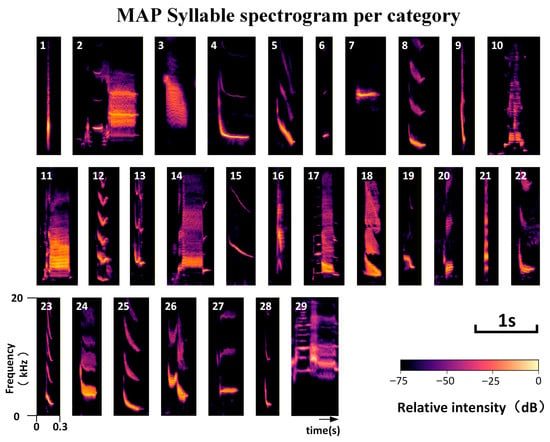
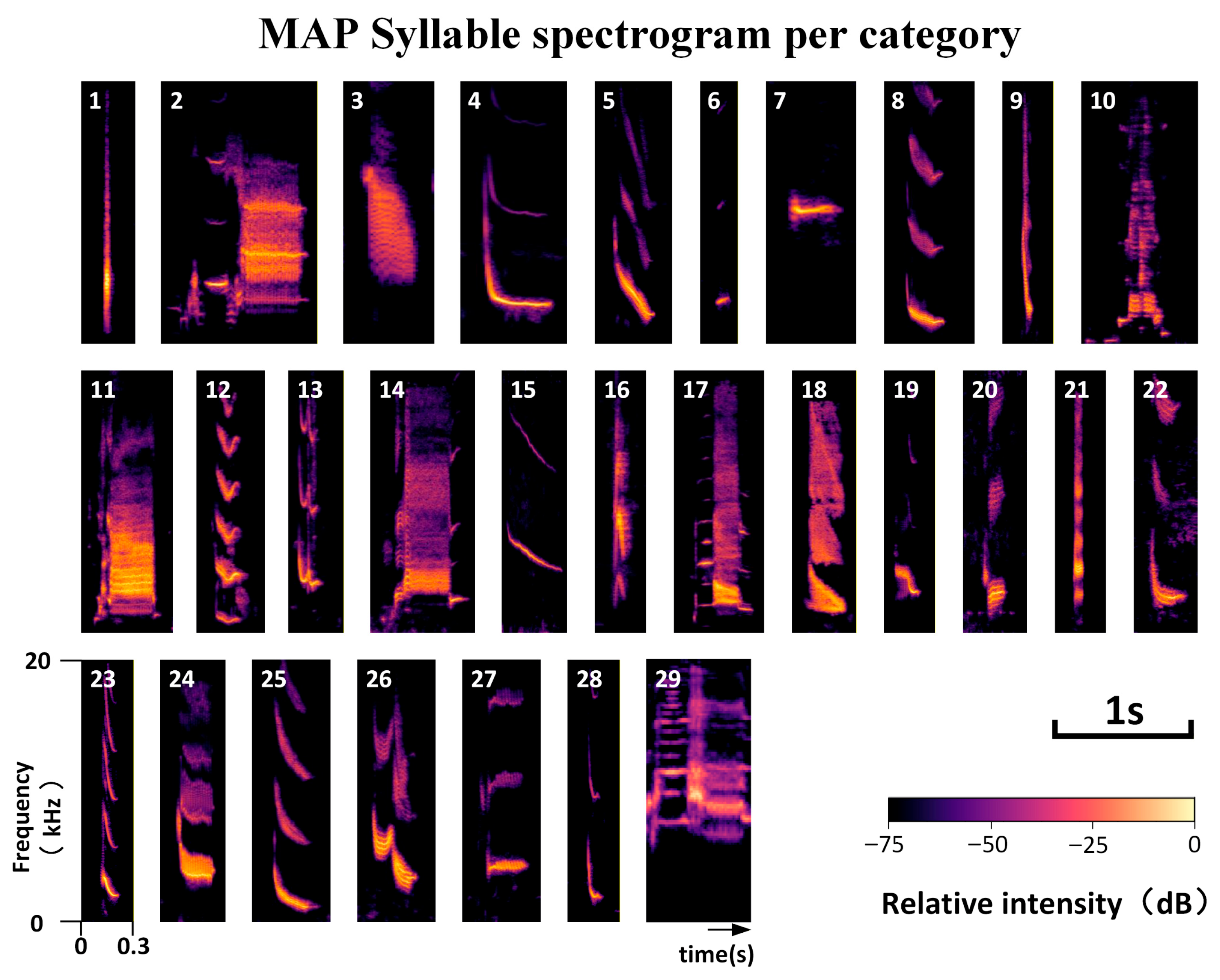
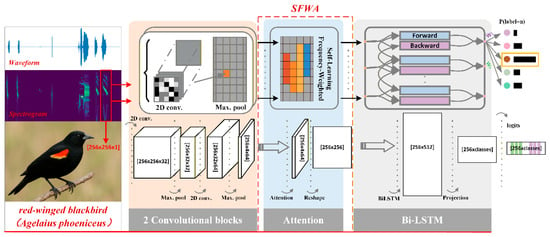
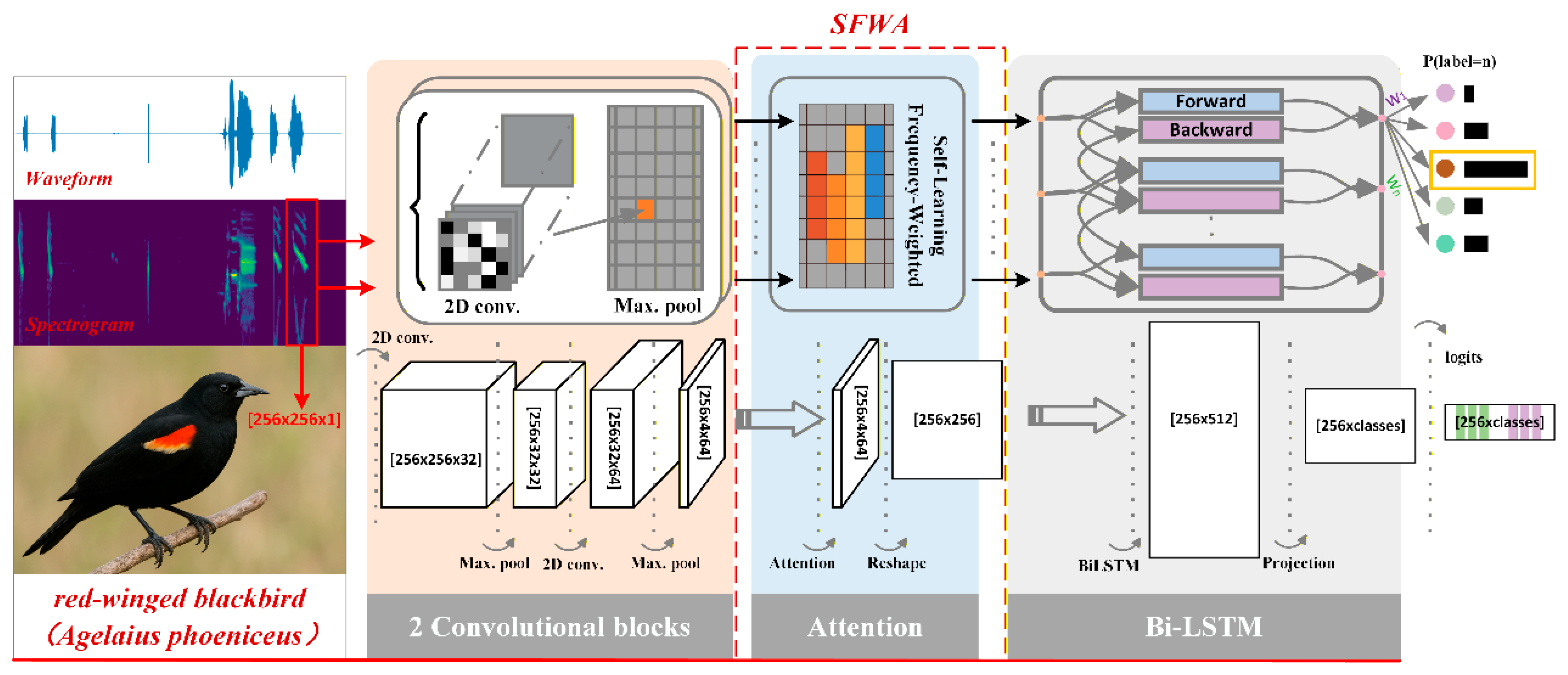
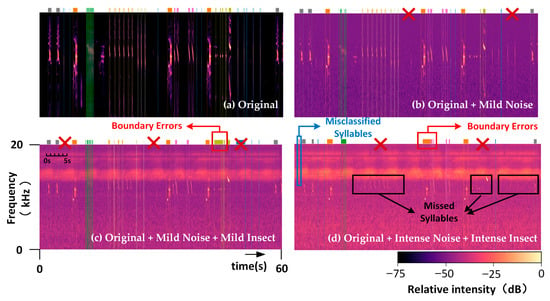
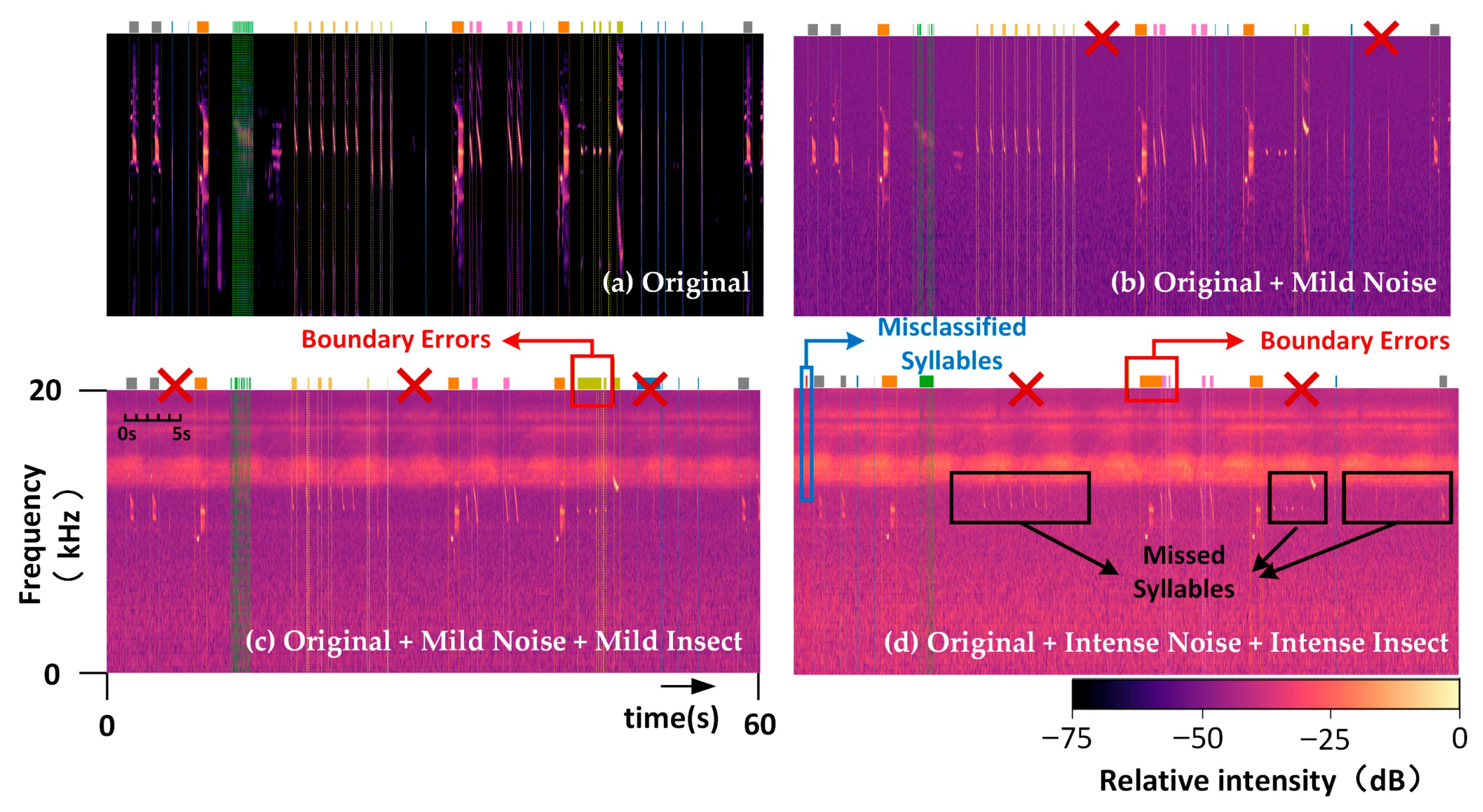
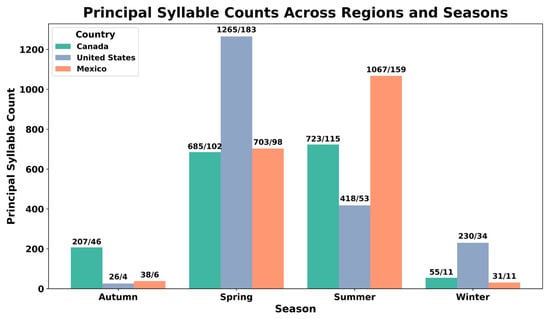
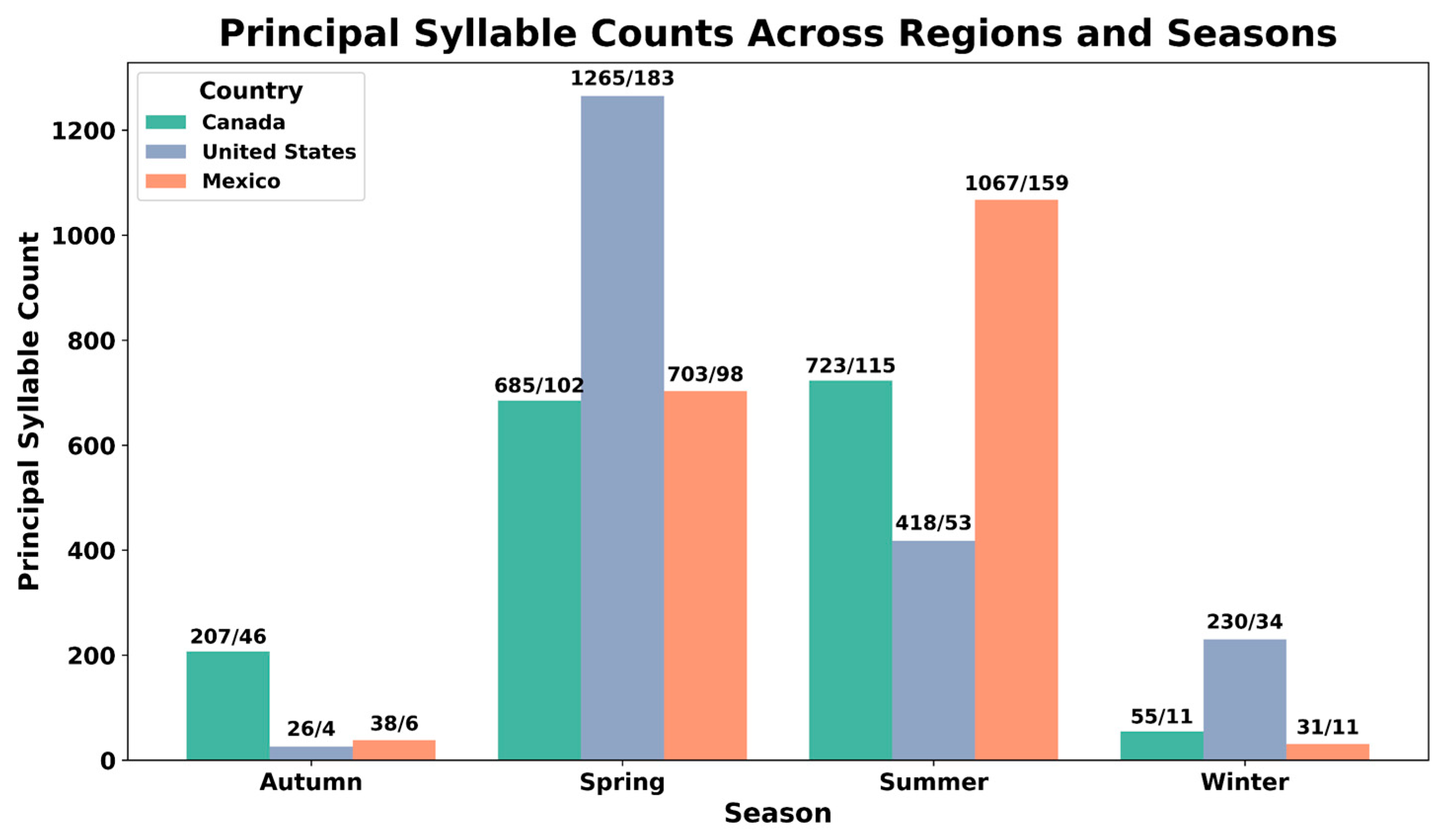
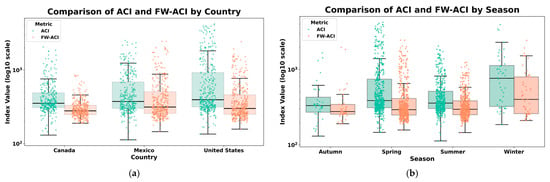
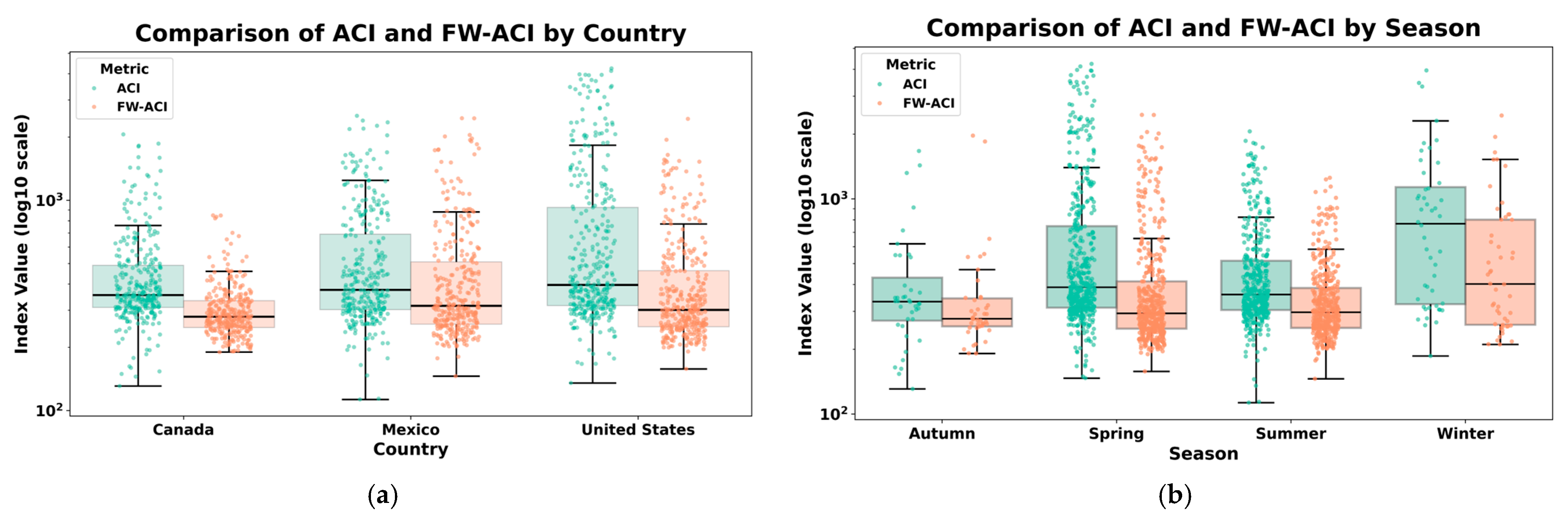
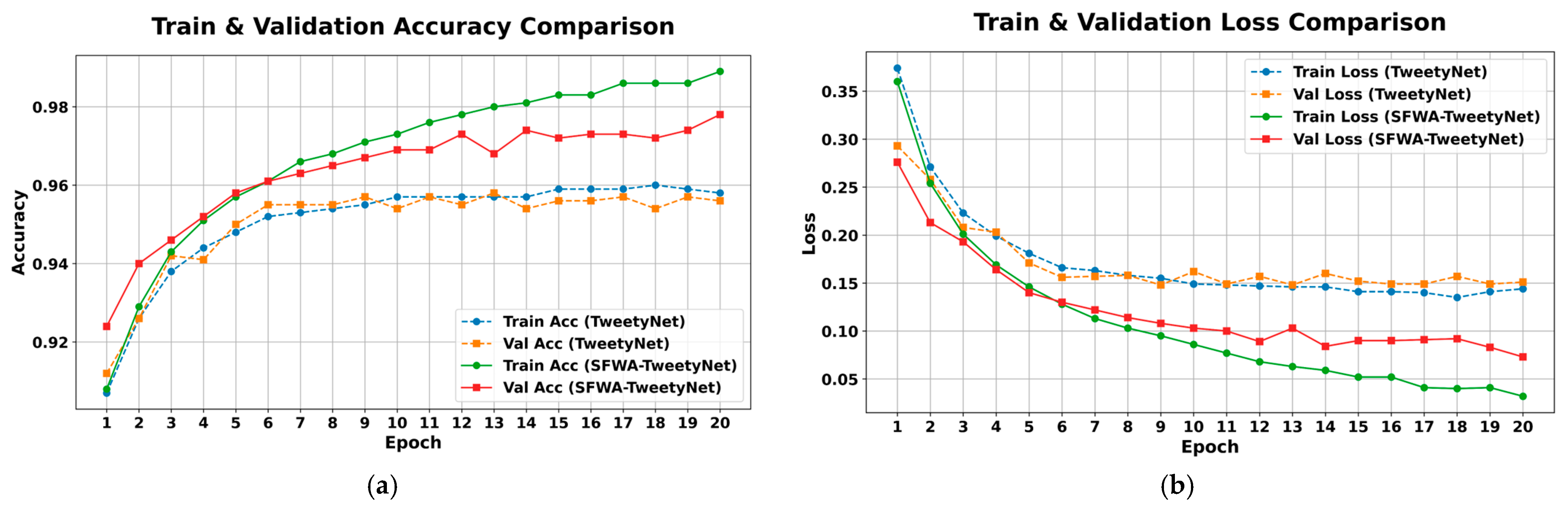
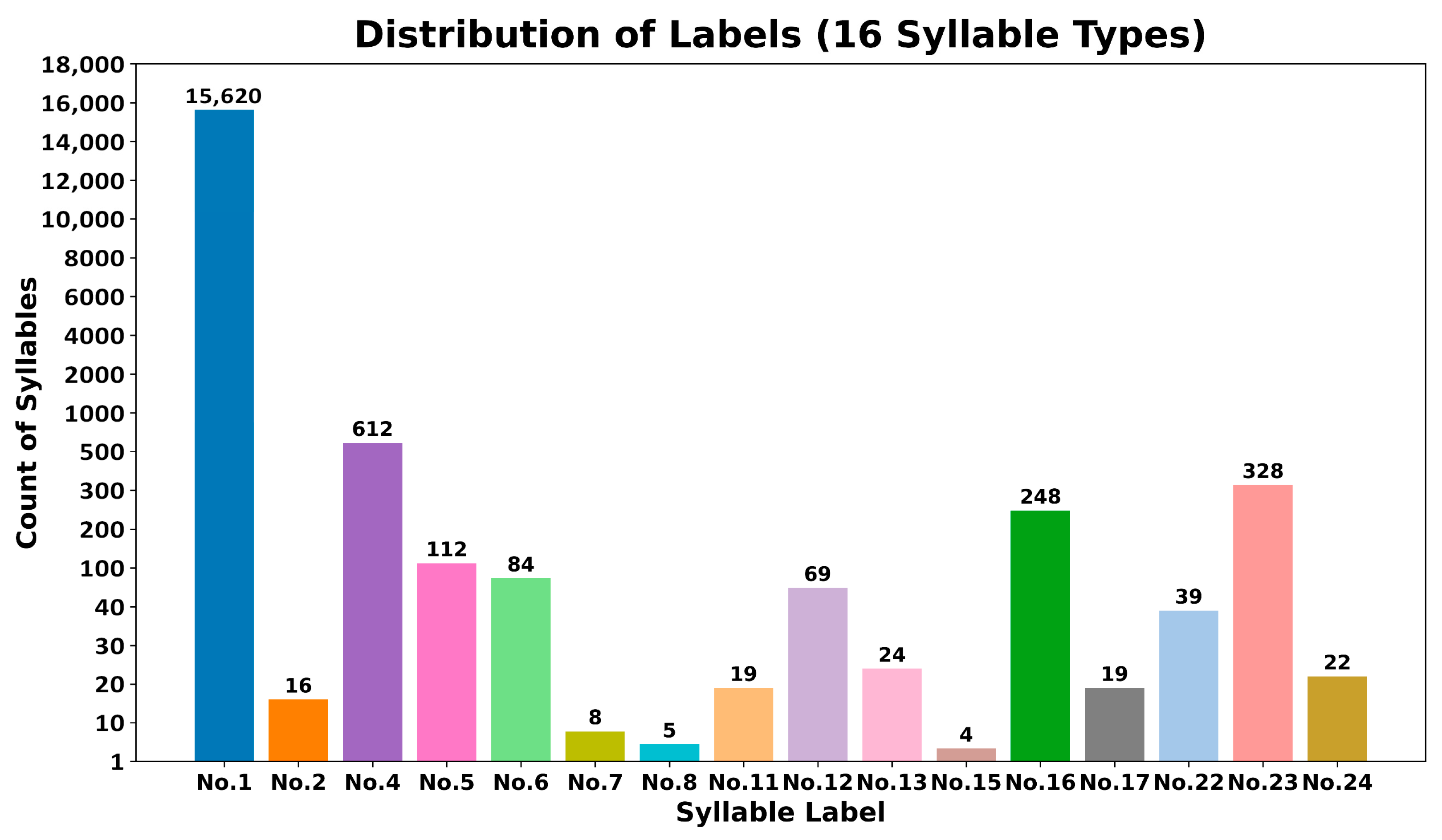
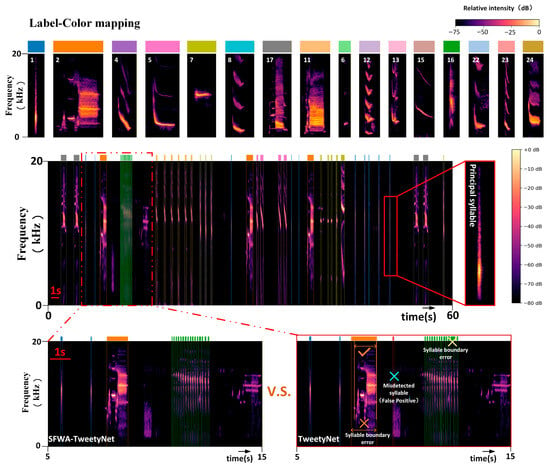
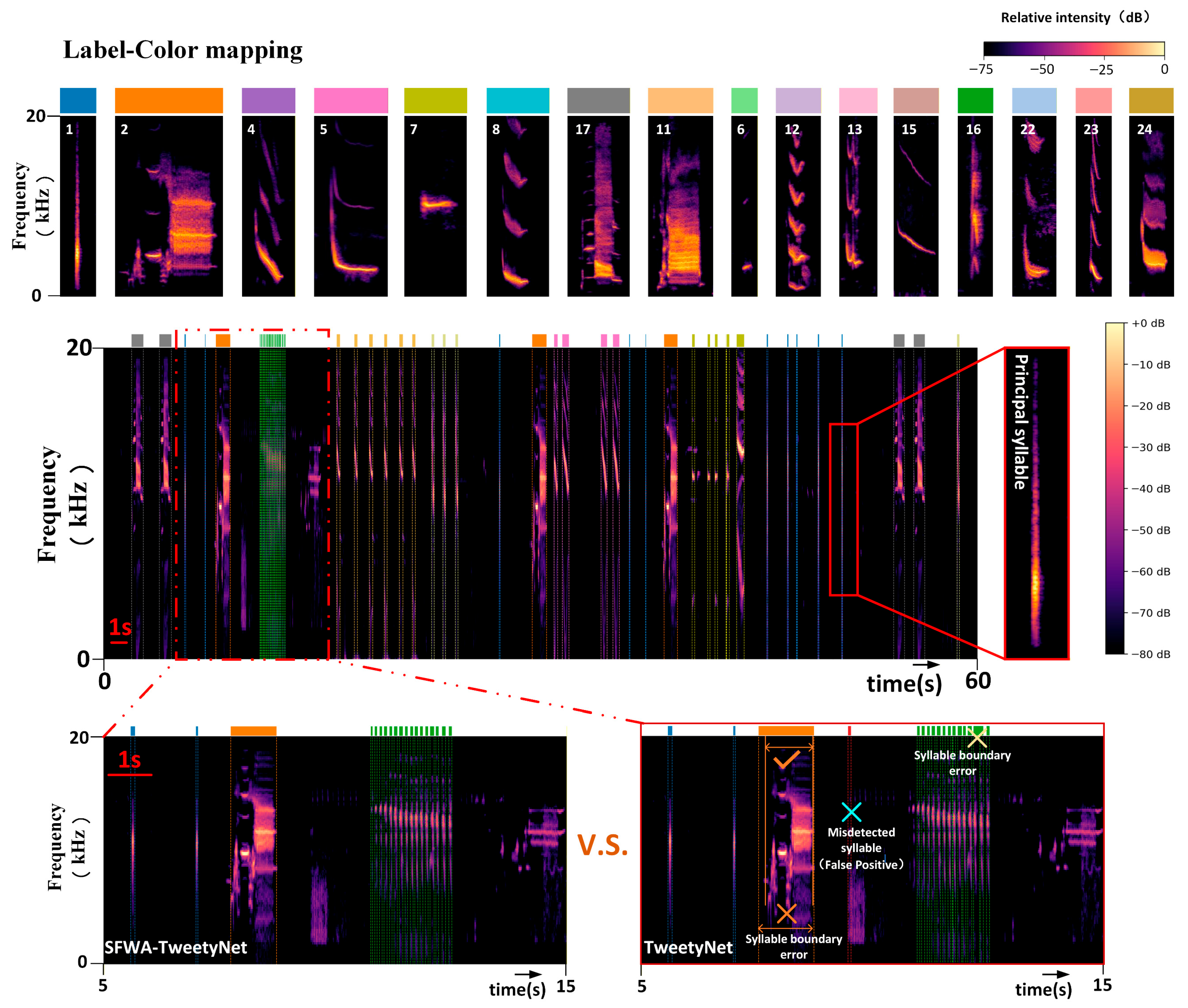

Disclaimer/Publisher’s Note: The statements, opinions and data contained in all publications are solely those of the individual author(s) and contributor(s) and not of MDPI and/or the editor(s). MDPI and/or the editor(s) disclaim responsibility for any injury to people or property resulting from any ideas, methods, instructions or products referred to in the content. |
© 2026 by the authors. Licensee MDPI, Basel, Switzerland. This article is an open access article distributed under the terms and conditions of the Creative Commons Attribution (CC BY) license.