


Abstract
Drought and salinity are among the most severe abiotic stresses limiting global agricultural productivity, and their frequency and intensity are expected to increase under ongoing climate change. Concurrently, the growing human population necessitates the development of crop varieties that combine high yield with enhanced stress tolerance. Jasmonates, including jasmonic acid (JA) and its derivatives, play pivotal roles in plant responses to abiotic stresses and are widely regarded as stress hormones. The bioactive conjugate jasmonoyl-isoleucine (JA-Ile) acts as a ligand for the coronatine insensitive 1 (COI1) receptor. Jasmonates regulate essential physiological processes, including leaf senescence, secondary metabolism, and nutrient homeostasis, which collectively contribute to plant adaptation to drought and salinity stress. In this review, we summarize recent advances in understanding the role of jasmonate signaling in plant responses to drought and salinity, with particular emphasis on the initiation and progression of leaf senescence and chlorophyll degradation pathways. By integrating genetic, biochemical, and physiological evidence, we discuss how targeted modulation of jasmonate levels and signaling components may be exploited to breed or engineer crops with improved tolerance to water-deficit and saline conditions.
1. Introduction
Jasmonates are a class of oxylipin-derived plant hormones that regulate numerous physiological processes during plant growth and development, as well as responses to environmental stress. Chemically, they are cyclic derivatives of unsaturated fatty acids. JA, a twelve-carbon cyclopentanone derivative, is the core compound of this group, and the term jasmonates encompasses JA and its derivatives, including methyl jasmonate (MeJA), one of the most extensively studied and earliest identified members of this hormone family. JA was initially isolated as a plant growth inhibitor from culture filtrates of the fungus Lasiodiplodia theobromae [1], whereas MeJA was first identified in the essential oils of Jasminum grandiflorum [2] and Rosmarinus officinalis [3]. Jasmonates are ubiquitously distributed in higher plants and can be detected in stems, roots, tubers, leaves, fruits, and floral pollen [4].
Jasmonates are often referred to as stress hormones due to their pivotal role in plant responses to both biotic and abiotic stress. They participate in defense mechanisms against herbivores, nematodes, and pathogens, as well as in responses to drought, salinity, osmotic stress, heavy metals, micronutrient toxicity, ultraviolet radiation, extreme temperatures, elevated CO2, light stress, and ozone exposure. Additionally, jasmonates mediate responses to mechanical stress, including tissue damage caused by herbivory or physical injury [4,5,6]. Through these functions, jasmonates enable plants to balance growth and defense strategies, thereby influencing survival, crop quality, and yield. Beyond stress adaptation, jasmonates regulate a wide range of developmental processes, including leaf senescence, tuber formation, seed germination, root growth inhibition, flower and reproductive organ development, lateral root formation, stamen and trichome development, cell cycle regulation, fruit ripening, stomatal movement, nutrient uptake (nitrogen and phosphorus), glucose transport, gravitropism, light signaling, flowering repression, fertility, and microbial symbioses [5,6,7]. They also play a crucial role in the biosynthesis of secondary metabolites such as alkaloids, taxol, and anthocyanins, and are involved in chlorophyll degradation and tumor suppression, highlighting potential applications in pharmaceutical production [5,8,9]. JA is a major component of floral volatiles and has commercial value in the perfume industry, as well as in the production of toiletries, chewing gum, and cigarettes [10].
Leaf senescence represents a highly coordinated developmental program that enables the remobilization of nutrients from aging leaves to growing or reproductive tissues [11,12]. Under natural conditions, senescence progression is tightly regulated by endogenous developmental cues and environmental signals [13,14]. However, under abiotic stress conditions such as drought and salinity, senescence can be prematurely induced or accelerated, resulting in reduced photosynthetic capacity and yield losses [15,16]. Because jasmonates are closely associated with both stress responses and senescence-related processes, they have been widely implicated in the regulation of stress-induced leaf senescence.
Despite this broad functional spectrum, the contribution of jasmonates to leaf senescence is strongly influenced by developmental stage, environmental conditions, and the experimental or physiological context in which senescence is studied [17,18]. Much of our current understanding of jasmonate-induced senescence has been derived from controlled experimental systems, including dark-induced leaf senescence and exogenous jasmonate treatments, which have been instrumental in elucidating core signaling components. Under abiotic stress conditions, jasmonate-induced responses frequently operate in coordination with other stress signaling pathways and hormonal networks, collectively shaping senescence progression and plant performance under field-relevant conditions [19,20]. In addition, recent studies have highlighted context-dependent jasmonate signaling modes, including both COI1-dependent and COI1-independent pathways [7,21].
Drought and salinity are among the most critical abiotic stresses affecting crop yield and performance, and ongoing climate change is expected to exacerbate their impact. Recent assessments indicate an increased frequency of temperature extremes, heatwaves, and water-related stress events across major agricultural regions, with negative consequences for crop productivity [22]. Although global agricultural productivity has improved over recent decades, climate change has moderated these gains, underscoring the need for improved understanding of stress-response mechanisms and their translation into breeding and crop management strategies [22].
The objective of this review is to summarize and integrate current knowledge on jasmonate signaling in leaf senescence induced by darkness, drought, and salinity. Particular emphasis is placed on comparing insights obtained from different experimental systems and stress contexts, with the aim of clarifying the contribution of jasmonates to stress-induced senescence and their relevance for plant performance under adverse environmental conditions.
2. Principle of Jasmonate Biosynthesis and Signaling Pathways
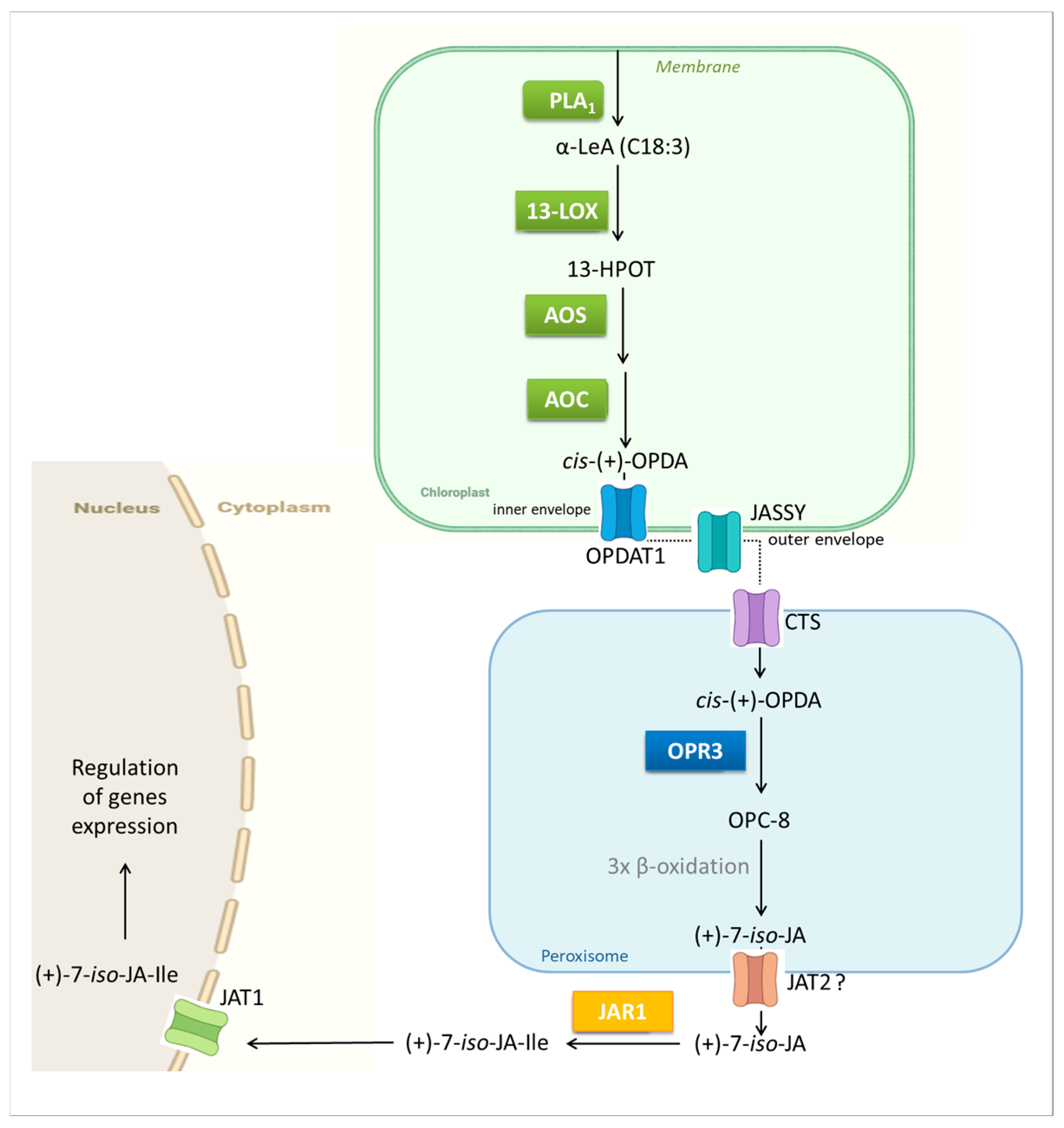
Jasmonates, including JA and MeJA, serve as precursors or derivatives of the bioactive jasmonate form. In plants, the bioactive form of jasmonates has been identified as a JA-Ile, which functions as a ligand for the JA receptor [23]. The biosynthesis of JA in plant cells is a tightly regulated, multi-step process that occurs across several cellular compartments. It begins in the chloroplasts, continues in the peroxisomes, and is completed in the cytoplasm [24]. This complexity reflects the diverse physiological roles of jasmonates and the need for precise control over their production. In most plants, JA and its derivatives are synthesized from α-linolenic acid (C18:3; α-LeA), which is released from chloroplast membranes by phospholipases such as defective in anther dehiscence 1 (DAD1) or dongle (DGL), members of the phospholipase A1 (PLA1) family. In some species, JA can also be produced from the 16-carbon substrate 7Z,10Z,13Z-hexadecatriene acid (C16:3) [24]. Both C18:3 and C16:3 fatty acids are converted through the action of lipases belonging to the 13-lipoxygenase (13-LOX) family. In Arabidopsis, four such enzymes have been identified: LOX2, LOX3, LOX4, and LOX6. Subsequently, allene oxide synthase (AOS) and allene oxide cyclase (AOC) catalyze sequential steps in the pathway, converting C18:3 to 12-oxophytodienoic acid (OPDA) and C16:3 to dinor-oxophytodienoic acid (dnOPDA). These intermediates are synthesized in the chloroplasts and transported to the peroxisomes, where they are reduced by 12-oxophytodienoic acid reductase (OPR3) and subsequently undergo three rounds of β-oxidation mediated by acetyl-CoA oxidase (ACX). These transformations yield (+)-7-iso-jasmonic acid, which can epimerize to JA. After transport to the cytoplasm, JA can be conjugated with isoleucine to form the biologically active JA-Ile (Figure 1).
In recent years, significant progress has been made in elucidating the transport mechanisms of intermediates involved in jasmonate biosynthesis. Key chloroplast transport proteins have been identified, including OPDA transporter 1 (OPDAT1), located in the inner envelope, and jasmonate-associated secretory system (JASSY), which is localized in the outer envelope membrane [25,26]. In addition, the ABC transporter comatose (CTS), located in the peroxisomal membrane, facilitates substrate import, and jasmonate transporter 2 (JAT2), a candidate for peroxisomal export, has also been identified [27,28,29,30,31]. Finally, JAT1, which is responsible for transporting JA-Ile into the nucleus, represents one component of the known pathways of jasmonate intracellular movement [30,32,33] (Figure 1).
Figure 1.
Key steps of JA biosynthesis in plants and intracellular transport of intermediates. Created in BioRender. Kurowska, M. (2026) https://BioRender.com/u2lr2xt, accessed on 10 January 2026. Based on Wasternack et al. [5] and Kamali et al. [34].
The JA signal is perceived in the cell nucleus and involves the ubiquitin–proteasome system, which also mediates signal transduction for other plant hormones. This system includes the Skp1/Cullin/F-box (SCF) complex, which functions as an E3 ubiquitin ligase, and the JA receptor COI1, which serves as the F-box component of this complex (Figure 2) [35,36]. Jasmonate ZIM-domain (JAZ) proteins, which act as negative regulators of JA-responsive gene expression, are the primary targets of SCF/COI1-mediated proteolytic degradation [37]. Under stress conditions, endogenous JA-Ile levels rise, triggering the degradation of JAZ repressors. This degradation releases transcription factors such as MYC2, allowing them to bind cis-regulatory elements in promoters of JA-responsive genes and activate their expression (Figure 2). Conversely, when JA-Ile levels are low, JAZ proteins inhibit MYC2 activity by recruiting topless (TPL) co-repressors and TPL-related proteins through interactions with the novel interactor of JAZ (NINJA) adapter proteins. This mechanism effectively blocks the transcription of JA-induced genes, maintaining the pathway in an inactive state (Figure 2).
Figure 2.
Principle of jasmonate signal transduction in vascular plants via COI1-dependent and COI1-independent signaling pathways. In the COI1-dependent pathway, jasmonic acid (JA) is conjugated with isoleucine by JAR1 to form the bioactive jasmonate JA-Ile, which is perceived by the SCF^COI1 complex. Binding of JA-Ile promotes the interaction between COI1 and JAZ repressors, leading to JAZ ubiquitination and degradation via the 26S proteasome. This releases transcription factors (TFs), enabling the recruitment of mediator complex subunit 25 (MED25) and RNA polymerase II (Pol II) and subsequent activation of jasmonate-responsive gene expression. In the COI1-independent pathway, OPDA signaling involves redox-dependent mechanisms associated with cyclophilin 20-3 (CYP20-3), cysteine (Cys), and glutathione (GSH), contributing to transcriptional regulation independently of COI1. Created in BioRender. Kurowska, M. (2026) https://BioRender.com/7oh8l9d, accessed on 10 January 2026. Based on Park et al. [38] and Wasternack et al. [5].
OPDA, a key precursor in jasmonate biosynthesis, has also been reported to participate in signaling processes that can operate independently of the canonical COI1-dependent jasmonate pathway (Figure 2) [38,39,40,41,42,43,44]. Significant accumulation of OPDA and dnOPDA has been observed across various plant species [45]. OPDA is closely linked to responses to environmental stress, with its accumulation increasing during drought and being associated with stomatal responses that differ from those mediated by JA or MeJA [46,47]. In Arabidopsis, OPDA has been shown to influence stomatal closure more effectively than MeJA under drought conditions [46] and, unlike JA, to inhibit light-triggered stomatal opening [47], underscoring the distinct functional roles of individual oxylipins. In addition to its roles in stress-associated stomatal regulation, OPDA has been implicated in developmental processes, including the differentiation of leaf primordia, seed germination, and embryo development [48,49,50,51].
CYP20-3, also known as ROC4, has been proposed as an OPDA effector involved in redox regulation (Figure 2) [38,52]. OPDA binding promotes the formation of the cysteine synthase complex (CSC), composed of serine acetyltransferase 1 (SAT1) and O-acetylserine(thiol)lyase B (OASTL-B), which enhances Cys and subsequently GSH production. These redox changes activate TGACG-binding (TGA) transcription factors that regulate OPDA-responsive genes [53]. OPDA can also covalently modify cysteinyl residues in proteins via OPDAylation, directly altering protein function [7,54,55].
Although evidence supporting OPDA-associated signaling responses is steadily growing, the underlying mechanisms remain incompletely characterized and appear to represent a regulatory layer that is at least partially distinct from canonical jasmonate pathways. Importantly, current evidence does not yet allow a clear distinction between OPDA acting as a primary regulatory signal and OPDA accumulation reflecting broader oxylipin metabolism during stress-associated tissue remodeling. Clarifying these relationships will be essential for accurately interpreting OPDA function in complex physiological contexts such as stress-induced leaf senescence.
Elucidating OPDA-specific pathways may also uncover novel regulatory elements that can be leveraged to enhance plant resilience, optimize resource use, and improve tolerance to both biotic and abiotic stresses.
3. Role of Jasmonate Signaling in Leaf Senescence Under Drought and Salt Stress
3.1. Leaf Senescence as a Developmental and Stress-Induced Process
Leaf senescence is a genetically programmed process influenced by environmental factors and occurs during the later stages of plant development [56]. It is generally categorized into three types: natural (age-dependent), starvation- or dark-induced, and stress-induced senescence [53]. Senescence is primarily regulated by endogenous developmental cues, such as plant age and reproductive growth in annual crops [57,58,59]. Phytohormones play a central role in this regulation: JA, abscisic acid (ABA), ethylene (ET), salicylic acid (SA), brassinosteroids (BRs), and strigolactones (SLs) promote senescence, whereas cytokinins (CKs), auxins (AUXs), and gibberellins (GAs) act as inhibitors [14,59,60,61,62,63,64,65,66,67,68,69,70,71] (Figure 3). Environmental stresses, including extreme temperatures, drought, salinity, ultraviolet radiation, nutrient deficiencies, low light, and pathogen attack, can accelerate senescence and induce its premature onset [72,73,74,75,76,77,78,79] (Figure 3). This process is accompanied by extensive transcriptomic and epi-transcriptomic reprogramming [80,81,82,83,84,85,86,87,88,89,90,91]. Key transcription factor families involved include WRKY, NAC (No Apical Meristem [NAM], Arabidopsis Transcription Activation Factor [ATAF], and Cup-shaped Cotyledon [CUC]), basic Helix-Loop-Helix (bHLH), APETALA2/Ethylene Response Factor (AP2/ERF), MYB, and DNA-binding with One Finger (DOF) proteins [92,93,94,95,96,97,98,99,100,101,102,103,104,105,106,107] (Figure 3). Among these, the NAC transcription factor Oresara1 (ORE1/ANAC092) and specific WRKY proteins act as central regulators [108,109,110,111] (Figure 3). Epi-transcriptomic modifications, particularly N6-methyladenosine (m6A) mRNA methylation, also influence leaf senescence by destabilizing senescence-related transcripts and preventing premature aging [112]. The molecular and biochemical changes associated with senescence collectively define the senescence syndrome, characterized by reduced photosynthetic capacity, cellular damage, macromolecule degradation, nutrient remobilization from older to developing organs, and eventual nutrient depletion [113,114,115,116]. In its terminal stage, senescence may culminate in programmed cell death [115].
Figure 3.
Examples of different factors which induced leaf senescence, associated syndromes, transcriptomic and epi-transcriptomic changes.
3.2. Molecular and Physiological Hallmarks of Leaf Senescence
In crops, premature senescence has major agronomic and economic consequences, including reduced yield and biomass, as well as altered post-harvest shelf life [15,57,79,117] (Figure 3). Mature leaves are the main sites of carbon (C) assimilation through photosynthesis and serve as sources of C, which is exported to sink tissues such as developing seeds. During senescence, leaves transition from C sources to nitrogen (N) sources, with N derived from protein degradation being exported to young, expanding leaves acting as sinks at this stage [87]. The balance between C and N during these source–sink transitions is critical not only for senescence induction but also for shaping agronomic traits, including carbohydrate/nitrogen (C/N) use efficiency and yield [118,119,120,121].
Chlorophyll (Chl) degradation and chloroplast disassembly are key hallmarks of leaf senescence, visually manifested as changes in leaf coloration [57,121,122,123,124,125]. Chl b degradation is initiated by reductase enzymes such as nonyellow coloring 1 (NYC1) and NYC1-like (NOL) [126], whereas Chl a catabolism is triggered by nonyellowing/stay-green (NYE/SGR/SGN) enzymes [127,128]. Other enzymes involved in Chl breakdown include chlorophyllase (CLH1/2), 7-hydroxymethyl chlorophyll a reductase (HCAR), pheophorbide a oxygenase 1 (PAO1), pheophytinase (PPH), and red chlorophyll catabolite reductase (RCCR) [14,122,129,130] (Figure 4).
Figure 4.
Leaf senescence symptoms and examples of genes whose expression is modulated during this process.
During chloroplast disassembly, the expression of Golden2-like transcription factors (GLK1 and GLK2), which are master regulators of chloroplast maintenance, is repressed [131]. These processes collectively result in reduced photochemical efficiency [112,125,132], increased membrane ion leakage [58,112,133], decreased carbon assimilation [133], and elevated production of reactive oxygen species (ROS) [99,134] (Figure 4).
Gene expression changes underlie these phenotypic alterations. Two main classes are particularly important: Senescence-Associated Genes (SAGs) and Photosynthesis-Associated Genes (PAGs) [135]. Among the most studied photosynthesis-related genes are Ribulose Bisphosphate Carboxylase Small Chain (RBCS), Chlorophyll a/b Binding Protein 1 (CAB1), Light-Harvesting Complex of PSII Subunits 1/4/5/6 (LHCB1/4/5/6, also referred to as ‘antenna’ proteins), and PSI Light-Harvesting Complex Gene 1 (LHCA1) [84,99,136,137]. Reduced carbon assimilation during senescence correlates with lower expression of Calvin cycle enzymes, including rubisco activase (RCA) and sedoheptulose-1,7-bisphosphatase (SBPase) [138,139].
Conversely, enhanced ROS production is linked to the upregulation of genes encoding antioxidant defense enzymes, such as Ascorbate Peroxidase (APX), Catalase (CAT), Oxidative Signal Inducible 1 (OXI1), Peroxidase (POD), Superoxide Dismutase (SOD), and Thioredoxin H5 (TRX-H5) [99] (Figure 4).
3.3. Jasmonate-Induced Regulation of Leaf Senescence
Jasmonate signaling is a key molecular mechanism regulating leaf senescence [60]. The first experimental evidence was provided by Ueda and Kato [140], who identified MeJA, the methyl ester of JA, as a senescence-promoting compound in oat (Avena sativa L.) derived from wormwood (Artemisia absinthium L.). Since then, MeJA has been widely used to induce leaf senescence in both model and crop species, including apple (Malus domestica), Arabidopsis thaliana, barley (Hordeum vulgare L.), Chinese flowering cabbage (Brassica rapa), rice (Oryza sativa), tobacco (Nicotiana tabacum L.), tomato (Solanum lycopersicum), and wheat (Triticum aestivum L.) [85,98,99,104,112,125,132,133,141,142,143,144]. MeJA is widely used as an experimental tool to activate jasmonate responses. Because evidence for jasmonate involvement in senescence comes from both induction assays (MeJA; dark-induced leaf senescence, DILS) and stress-induced senescence (drought, salinity), the following sections separate findings from standardized laboratory systems from observations made under progressive abiotic stress.
3.4. Interpreting Jasmonate Accumulation During Leaf Senescence
Exogenous MeJA accelerates senescence in both attached leaves (via spraying) and detached leaves (by floating on hormone solutions). MeJA treatment is often combined with dark incubation (DILS; Table 1), with these factors acting synergistically to promote rapid and uniform senescence. Senescence progression is typically characterized by increased JA accumulation, chlorophyll degradation, necrosis, changes in chloroplast morphology (from lenticular to spherical), thylakoid swelling, plastoglobuli formation, reduced photosynthetic efficiency, enhanced membrane ion leakage, and elevated ROS production which can further reinforce senescence-associated cellular damage [84,145] (Table 1). Photosynthetic performance is commonly assessed via parameters such as electron transport rate (ETR), maximum quantum efficiency of PSII (Fv/Fm), non-photochemical quenching (NPQ), relative fluorescence decline (RFD_Lss), and photochemical quenching (qP). Oxidative stress is measured by malondialdehyde (MDA) levels as an indicator of lipid peroxidation, 3,3′-diaminobenzidine (DAB) staining for H2O2 accumulation, and evaluation of membrane integrity. These changes are accompanied by increased activities of antioxidant enzymes, including SOD, CAT, APX, and POD (Figure 4). However, the most visible indicator of premature senescence remains leaf yellowing due to chlorophyll breakdown. While these physiological and molecular changes are reproducibly observed in MeJA- and DILS-based assays, their interpretation in terms of causal jasmonate function during senescence initiation remains challenging.
3.5. Causality Versus Correlation in Jasmonate-Induced Leaf Senescence
Genetic studies have provided key insights into the molecular mechanisms underlying JA-induced leaf senescence. Treatment with exogenous MeJA under dark conditions induces the expression of SAGs (Table 1), a phenomenon observed in several species, including apple (MdSAG18), Arabidopsis (e.g., SAG12), Chinese flowering cabbage (e.g., BrSAG12), tobacco (e.g., SAG1), and wheat (e.g., TaSAG3) [104,112,125,143,144]. Conversely, disruption of jasmonate signaling reduces SAG expression and delays leaf senescence, as demonstrated in mutants affecting the JA receptor COI1 (coi1-1 in Arabidopsis, oscoi1b in rice, and NtCOI1-RNAi in tobacco) or in transgenic plants with RNA interference (RNAi)-mediated silencing [98,144,146]. Delays in senescence have also been observed in mutants of key jasmonate signaling components, such as jaz1Δ3a (a JAZ1 mutant), and MYC transcription factor mutants (myc2, myc3, myc4, myc2/3/4 in Arabidopsis, SlMYC2-RNAi in tomato), highlighting their critical roles in jasmonate signaling [98,144,146]. Mutants exhibiting delayed senescence, often displaying a stay-green phenotype, may have significant agricultural value by extending photosynthetic activity and potentially increasing crop yields [147].
However, interpreting JA as a primary trigger of senescence is not straightforward and requires distinction between JA accumulation and jasmonate signaling activity. Evidence from drought-related studies indicates that JA can act as a regulatory signal when its accumulation occurs early and is coupled to JA-Ile formation and activation of downstream transcriptional networks, particularly under water deficit conditions [148,149,150]. In contrast, during natural or dark-induced senescence, JA accumulation often coincides with or follows senescence onset and may not activate canonical JA-responsive genes [151,152].
Biochemical evidence further suggests that, under these latter conditions, increased JA levels largely reflect chloroplast membrane lipid degradation and oxylipin metabolism rather than active hormonal signaling [151]. Accordingly, JA accumulation during senescence may represent either a causal regulatory signal or a metabolic consequence of tissue degradation, depending on stress context, developmental stage, and signaling competence.
These context dependencies indicate that framing JA as strictly “pro-senescence” or “anti-senescence” oversimplifies its role. Instead, JA functions as a conditional regulator that calibrates senescence timing according to stress severity, duration, genotype, and tissue type. Under moderate, recoverable drought, jasmonate signaling promotes protective responses that delay terminal senescence [153], whereas under severe or terminal drought, similar pathways can accelerate programmed senescence of expendable tissues to enhance whole-plant survival [154]. Thus, the central challenge is not determining whether JA causes or results from senescence, but identifying the molecular decision points that shift jasmonate signaling from a survival-promoting to a senescence-executing role as stress intensity exceeds recovery thresholds.
JA plays a context-dependent role in leaf senescence. Exogenous MeJA induces SAGs in various species, while disruption of jasmonate signaling delays senescence and can produce stay-green phenotypes. However, JA accumulation during natural or dark-induced senescence often reflects tissue degradation rather than active signaling. Under moderate stress, JA can delay senescence by promoting protective responses, whereas severe stress triggers JA-induced programmed senescence. Thus, JA acts as a conditional regulator, with its effects determined by stress, developmental stage, and signaling context.
3.6. Genetic and Transcriptomic Evidence for Jasmonate-Induced Senescence Regulation
To gain deeper insight into JA-mediated regulation of leaf senescence, transgenic lines overexpressing specific genes have been generated, exhibiting accelerated senescence phenotypes. For instance, MdZAT10/STZ-OX (Salt Tolerance Zinc Finger) and MdABI5-OX (Abscisic Acid-Insensitive 5) lines showed early senescence [132]. Further analyses revealed that MdZAT10 enhances the transcriptional activity of MdABI5, thereby promoting senescence. Conversely, the JA-responsive protein MdBT2 interacts directly with MdZAT10, reducing its stability by promoting ubiquitination and degradation, which attenuates MdZAT10 activity and delays MdZAT10-mediated leaf senescence [132]. An and colleagues [125] demonstrated that MdBBX37-OX (B-box 37) lines also exhibit accelerated senescence, indicating that MdBBX37 acts as a positive regulator. Their model suggests that MdBBX37 stabilizes MdbHLH93, which enhances transcriptional activation of MdSAG19, promoting JA-induced leaf senescence. In the absence of JA, the repressor MdJAZ2 interacts with MdBBX37, weakening its interaction with MdbHLH93 and thereby delaying senescence [125]. Interestingly, not all BBX proteins act as positive regulators; for example, heterologous expression of the chrysanthemum transcription factor CmBBX22 in Arabidopsis delays leaf senescence under ABA treatment by negatively regulating SAGs and chlorophyll catabolic genes, including SAG29, NYE1, NYE2, and NYC1 [128].
Accelerated JA-induced senescence was also observed in the mta (methyltransferase A) mutant of Arabidopsis [112]. MTA, together with Methyltransferase B (MTB) and FKBP Interacting Protein 37 (FIP37), forms the m6A writer complex, which catalyzes N6-methyladenosine (m6A) modification on mRNA, regulating gene expression at the epi-transcriptomic level [155]. The mta mutant showed over-accumulation of senescence-related transcripts, including ORE1, SAG21, NAP, and NYE1, leading to accelerated senescence during DILS (Table 1).
Transcriptomic analyses during leaf senescence have revealed that transcription factors from the NAC (20 members) and WRKY (18 members) families constitute the largest groups involved [156]. Functional studies have confirmed their roles in senescence regulation. For example, wrky57 mutants display accelerated senescence under MeJA treatment, with upregulation of SAGs, whereas WRKY57 overexpression lines (WRKY57-OX) exhibit delayed senescence. Chromatin immunoprecipitation (ChIP) experiments revealed that WRKY57 binds promoter regions of SEN4 and SAG12, repressing their transcription (Table 1) [141]. Interestingly, different WRKY family members can exert opposite effects; WRKY42 acts as a positive regulator, as overexpression of wheat TaWRKY42B (TaWRKY42B-OX) accelerates leaf senescence and upregulates SAGs. These lines also show altered expression of JA biosynthesis and signaling genes, while TaWRKY42B-silenced lines display delayed senescence, indicating that TaWRKY42B enhances JA levels to accelerate senescence [104].
Recent advances in single-cell RNA sequencing (scRNA-seq) have provided unprecedented resolution to study leaf senescence, revealing cellular heterogeneity and dynamic, cell-type-specific regulatory processes that are obscured in bulk analyses. scRNA-seq in Arabidopsis has uncovered tightly coordinated onset and progression of senescence across major cell types. Weighted Gene Co-expression Network Analyses (WGCNA) identified hundreds of hub genes likely acting in concert to orchestrate the senescence program, providing novel insights into the spatial and temporal allocation of carbon and nitrogen and the redistribution of resources from source leaves to sink tissues [157].
Transgenic and mutant studies reveal key regulators of JA-induced leaf senescence. Genes like MdZAT10, MdABI5, and MdBBX37 accelerate senescence, while repressors such as MdBT2, MdJAZ2, and some BBX proteins delay it. NAC and WRKY transcription factors further modulate senescence by controlling SAGs and JA-related genes. scRNA-seq shows coordinated, cell-type-specific regulation and identifies hub genes governing nutrient redistribution and senescence progression.
Table 1.
Examples of modulation of gene expression in different plant species during senescence induced by JA/dark or under normal light condition.
3.7. Experimental Context and Translational Limitations of DILS-Derived Mechanisms
DILS is a widely used experimental model because it triggers senescence processes quickly and reproducibly. However, it differs fundamentally from chronic drought experienced by field-grown plants. In DILS, senescence is primarily caused by sudden loss of photosynthetic carbon and acute energy starvation. In contrast, field drought develops progressively over weeks under continued photoperiodic cycling, allowing acclimation responses such as osmotic adjustment, metabolic reprogramming, and root–shoot coordination [159,160]. Consequently, DILS typically produces rapid, synchronized chlorophyll loss, while drought-associated senescence is gradual, spatially heterogeneous, and strongly dependent on genotype and environment [84,161]. It is also very important to consider leaf senescence in field-grown plants as a key adaptive mechanism to drought stress, which may be crucial for the survival of many plant species. Drought-induced senescence promotes the redistribution of nutrients from older leaves to actively growing organs, such as young leaves, flowers, or developing fruits, thereby enabling their continued growth under stress conditions. Moreover, drought-induced leaf senescence, especially when followed by leaf abscission, helps to reduce transpirational water loss and thus supports the maintenance of overall plant water balance [161].
Hormonal and signaling contexts also diverge markedly between DILS and field drought. Field drought senescence is embedded in complex multi-hormone networks dominated by abscisic acid and integrated with jasmonates, ethylene, cytokinins, and often salicylic acid [162]. In contrast, DILS imposes extreme carbon starvation and overrides normal circadian and light-dependent regulatory inputs, potentially activating signaling routes that are not dominant under drought [84,159]. This distinction is particularly relevant for jasmonates, as jasmonate accumulation in DILS frequently reflects JA-Ile–dependent signaling [24,148], whereas drought-associated oxylipin responses may differ in timing, composition, and signaling competence [46].
Importantly, DILS and field drought differ not only in stress kinetics and physiological context, but also in the predominant functional modes of JA accumulation and signaling. In DILS, JA accumulation often occurs under abrupt carbon starvation and altered circadian regulation, conditions that can favor starvation- or damage-associated oxylipin production and, in some cases, limited engagement of canonical COI1-dependent transcriptional responses. By contrast, under progressive field drought, jasmonates typically operate within an ABA-centered hormonal network and may involve OPDA-dependent and partially COI1-independent signaling branches. These differences constrain the direct extrapolation of JA-associated regulatory logic derived from DILS to chronic drought-induced senescence in field-grown plants.
Despite these limitations, DILS remains useful for dissecting conserved downstream senescence processes, including chlorophyll catabolism and core senescence-associated gene networks. However, upstream regulatory mechanisms, hormonal hierarchy, and temporal dynamics observed in DILS should be regarded as hypothesis-generating and require validation under progressive drought and field-relevant conditions before agronomic extrapolation.
3.8. ABA–Jasmonate Interactions During Drought-Induced Leaf Senescence
Drought-induced leaf senescence is governed by complex hormonal networks in which ABA and jasmonates play central but non-equivalent roles. While both hormones accumulate during water deficit and influence senescence-related processes, accumulating genetic, molecular, and physiological evidence indicates that their interaction is best described as context-dependent integration with functional hierarchy, rather than as a simple linear signaling cascade.
Several studies report rapid accumulation of jasmonates during the early phases of drought stress (within hours of stress imposition), in some cases preceding detectable increases in ABA [163,164]. These observations support a role for jasmonates and related oxylipins as early stress-responsive signals, potentially contributing to initial perception of and local adjustment to dehydration. However, as drought progresses from acute to sustained water deficit, ABA accumulation becomes dominant and more persistent. ABA biosynthesis is tightly coupled to osmotic stress perception and is rapidly amplified through transcriptional induction of key biosynthetic enzymes, enabling systemic signaling and long-term physiological reprogramming [162]. Importantly, the timing and magnitude of ABA accumulation correlate more consistently with senescence progression than jasmonate levels, particularly under progressive, field-relevant drought conditions [165].
Genetic evidence strongly supports a central and non-redundant role for ABA signaling in drought-induced leaf senescence. Disruption of core ABA signaling components, particularly the sucrose non-fermenting 1-related protein kinase 2 (SnRK2), abolishes ABA-induced senescence responses, demonstrating that ABA signaling is necessary for senescence commitment under drought [162,165]. Conversely, enhancement of ABA perception or signaling capacity is sufficient to accelerate drought-induced senescence, even in the absence of direct manipulation of jasmonate pathways [162,165]. At the molecular level, ABA promotes drought-induced senescence through pyrabactin resistance 9 (PYL9)/ABA receptor protein-protein phosphatase 2C-sucrose nonfermenting 1-related protein kinase 2s (PYL9–PP2C–SnRK2) signaling module, which activates downstream transcription factors such as ABA-responsive element-binding factors (ABFs) and related to ABA-insensitive 3/VP1 transcription factor (RAV1). These, in turn, induce senescence-induced NAC transcription factors, including ORE1 and AtNAP, leading to activation of SAGs and execution of the senescence program. The ABA receptor PYL9 promotes ABA-induced leaf senescence in both Arabidopsis and rice, whereas PYL8 regulates dark-induced leaf senescence in Arabidopsis [162,166]. PYL8-overexpressing plants exhibited enhanced leaf yellowing, increased membrane ion leakage, reduced chlorophyll content during dark-induced senescence, and elevated expression of SAGs [166]. This ABA-driven regulatory axis operates independently of jasmonate perception, underscoring ABA’s hierarchical dominance during sustained drought stress [162,164,165]. However, transcriptomic analyses show that ABA-responsive regulators such as ABA-insensitive growth 1 (ABIG1) can modulate expression of JA-pathway genes (e.g., ORA59, TIFY family), and more recent work points to synergistic ABA–JA interactions in drought tolerance and senescence, suggesting non-trivial crosstalk rather than strict pathway independence [167].
Jasmonate signaling components, particularly the COI1–JAZ–MYC module, interact with ABA signaling at multiple molecular nodes [168,169]. Degradation of JAZ repressors can enhance the activity of ABA-responsive transcription factors such as ABI5, thereby potentiating ABA-induced gene expression [169]. Interestingly, ABI5 was shown to play a role in ABA-dependent regulation of barley responses to drought stress at both the seedling and heading stages [170,171]. The basic helix–loop–helix transcription factor MYC2 emerges as a key point of convergence between the two pathways. MYC2 is transcriptionally responsive to ABA, participates in ABA-dependent stress gene regulation, and simultaneously controls jasmonate biosynthesis and signaling outputs [172,173]. A direct interaction between the ABA receptor PYL6 and MYC2 has been demonstrated and proposed as a putative link between ABA and jasmonate signaling pathways [172]. Through this dual role, MYC2 enables feedforward amplification loops in which ABA induces jasmonate production, and jasmonates in turn enhance ABA responsiveness. Such integration allows fine-tuning of senescence progression according to stress severity, duration, and developmental context [172,173].
Notably, ABA can also repress specific branches of jasmonate signaling through ABA-induced transcription factors [172,174] further emphasizing the asymmetrical nature of their interaction. This capacity for selective reinforcement or attenuation of jasmonate outputs enables ABA to coordinate senescence with other drought-adaptive processes, including stomatal regulation and antioxidant defense [149,173]. Representative examples of stress-induced changes in gene expression linked to premature leaf senescence across different plant species are shown in Table 2.
Collectively, the evidence reviewed above is consistent with a hierarchical but dynamically integrated model of ABA-jasmonate interaction during drought-induced leaf senescence. In this framework, ABA functions as the primary integrative signal that determines whether and when senescence is initiated in response to declining plant water status. Jasmonates do not generally override this ABA-driven decision but instead act as context-dependent modulators that refine the timing, spatial patterning, and physiological execution of senescence, including effects on stomatal behavior, antioxidant capacity, and stress-responsive transcription. This division of regulatory labor reconciles reports of early jasmonate accumulation during drought with the consistent requirement for intact ABA signaling to achieve irreversible senescence commitment. Thus, in most studied systems, drought-induced leaf senescence emerges as an ABA-centered process whose outcomes are fine-tuned by jasmonate signaling rather than controlled by it. Thus, drought-induced leaf senescence is the outcome of hierarchically organized yet dynamically integrated hormonal signaling, with ABA acting as the dominant regulator and jasmonates serving context-dependent modulatory roles.
Table 2.
Examples of modulation of gene expression in different plant species under stress-induced premature leaf senescence.
4. Conclusions and Future Perspectives
4.1. Summary of Current Knowledge
Jasmonates, including JA and MeJA, are central regulators of plant growth, development, and stress responses. Their bioactive form, JA-Ile, initiates signal transduction through the COI1-JAZ-MYC module, controlling the expression of genes involved in growth–defense trade-offs. Beyond canonical jasmonate signaling, OPDA serves as an independent signaling molecule, modulating stress responses and development in a COI1-independent manner. Leaf senescence, a genetically programmed process influenced by both endogenous cues and environmental stresses, is tightly regulated by jasmonate signaling. JA promotes senescence through activation of SAGs, modulation of transcription factors such as MYC, WRKY, and NAC families, and coordination with other phytohormones. Chlorophyll degradation and chloroplast disassembly, accompanied by transcriptomic and epi-transcriptomic reprogramming, are key physiological hallmarks of senescence. Recent studies using transgenic lines, mutants, and scRNA-seq have revealed the complex regulatory networks controlling JA-mediated leaf senescence, highlighting the interplay between transcriptional, post-transcriptional, and epigenetic mechanisms. In several senescence contexts, particularly during natural aging or dark-induced leaf senescence, elevated JA levels can largely reflect oxylipin production associated with chloroplast membrane turnover, rather than a direct regulatory role in senescence initiation. In contrast, under abiotic stress conditions such as drought and salinity, jasmonate signaling can function as a context-dependent regulatory module whose effects on senescence progression depend on timing, tissue competence, and interaction with upstream hormonal pathways, most notably ABA.
4.2. Gaps in Understanding and Future Research Directions
Despite significant progress, several critical gaps remain. First, the precise mechanisms underlying OPDA-specific signaling and its integration with JA-dependent pathways are not fully understood. Second, the spatiotemporal dynamics of JA and OPDA signaling in different cell types and tissues during senescence require further exploration. The role of epi-transcriptomic modifications, including m6A methylation, in fine-tuning senescence-related gene expression remains an emerging field that warrants deeper investigation. Additionally, the functional diversification within TF families, such as WRKY, NAC, and BBX, and their cross-talk with other phytohormonal pathways need to be elucidated at both cellular and tissue levels. Advanced tools, such as scRNA-seq, spatial transcriptomics, and genome-editing technologies, offer opportunities to address these gaps and reveal regulatory nodes amenable to manipulation.
A key conceptual gap is the frequent conflation of jasmonate accumulation with jasmonate signaling competence. Elevated JA levels during senescence are often interpreted as regulatory activity, although multiple studies indicate that JA can accumulate without proportionate activation of COI1-dependent transcription, particularly in dark-induced and age-dependent senescence. Distinguishing signaling-active jasmonates (such as JA–Ile) from oxylipin by-products of membrane turnover therefore remains a major unresolved experimental and conceptual challenge.
Moreover, mechanistic insights derived from DILS and acute hormone treatments remain insufficiently validated under progressive, field-relevant drought and salinity conditions. Differences in hormonal hierarchy, temporal dynamics, and tissue-specific responses under chronic stress limit direct agronomic extrapolation.
Finally, although ABA is widely regarded as the principal regulator of drought-induced senescence regulation, the quantitative and temporal rules governing ABA–jasmonate interactions, particularly the thresholds that shift jasmonate function from stress adaptation to senescence execution, remain poorly defined. Resolving these questions will require integrative, time-resolved and tissue-specific approaches under realistic stress regimes.
4.3. Potential Applications in Crop Improvement
Understanding jasmonate-mediated leaf senescence has direct implications for agriculture. Modulating jasmonate signaling or its downstream regulators can be exploited to delay premature senescence, extend photosynthetic activity, and enhance biomass and yield in crops. The stay-green phenotype, resulting from targeted manipulation of JAZ repressors, MYC transcription factors, or BBX proteins, represents a promising strategy to improve crop performance under environmental stresses, including drought, salinity, and heat. Moreover, fine-tuning OPDA and jasmonate signaling pathways could optimize stress resilience without compromising growth.
In this context, effective crop improvement strategies will require targeting jasmonate signaling competence (e.g., JA–Ile perception and COI1–JAZ–TF modules) and downstream regulatory decision nodes, rather than simply altering bulk jasmonate levels. Integration of molecular insights with breeding and biotechnological approaches, such as CRISPR/Cas-mediated genome editing or transgenic overexpression of key regulatory genes, offers potential for developing next-generation crops with improved productivity, nutrient use efficiency, and post-harvest quality.
In conclusion, jasmonate signaling constitutes a central regulatory hub linking stress responses, developmental processes, and leaf senescence. Continued research into its molecular mechanisms and cross-talk with other pathways will not only deepen our understanding of plant biology but also provide actionable strategies for sustainable crop improvement in the face of climate change.
Author Contributions
Conceptualization, M.K.; writing—original draft preparation, M.K.; writing—review and editing, B.L. All authors have read and agreed to the published version of the manuscript.
Funding
This research was supported by the project “Research and Development of Plant Genetic Resources for Sustainable Agriculture, Center of Excellence for Biodiversity and Molecular Plant Breeding (CoE CroP-Bio-Div), Zagreb, Croatia (PK.1.1.10.0008)”.
Institutional Review Board Statement
Not applicable.
Informed Consent Statement
Not applicable.
Data Availability Statement
No new data were created or analyzed in this study. Data sharing is not applicable to this article.
Conflicts of Interest
The authors declare no conflicts of interest.
Abbreviations
The following abbreviations are used in this manuscript:
| α-LeA | α-Linolenic Acid |
| ABA | Abscisic Acid |
| ABF | ABA-Responsive Element-Binding Factors |
| ABI5 | ABA Insensitive 5 |
| ABIG1 | ABA-Insensitive Growth 1 |
| ACC | 1-Aminocyclopropane-1carboxylic Acid/Ethylene Precursor |
| AOC | Allene Oxide Cyclase |
| AOS | Allene Oxide Synthase |
| AUXs | Auxins |
| APX | Ascorbate Peroxidase |
| BRs | Brassinosteroids |
| CAB1 | Chlorophyll A/B Binding Protein1 |
| CAT | Catalase |
| CHL | Chlorophyll |
| ChIP | Chromatin immunoprecipitation |
| cis-(+)-OPDA | cis-(+)-12-Oxophytodienoic Acid |
| CKS | Cytokinins |
| CLH1/2 | Chlorophyllase |
| COI1 | Coronatine-Insensitive 1 |
| CTS | Comatose |
| CP33B | PSBA RNA-Binding Protein Chloroplast Ribonucleoprotein 33b |
| CYP20-3 | Cyclophilin 20-3 |
| CYS | Cysteine |
| DAB | 3,3′-Diaminobenzidine |
| DILS | Dark-Induced Leaf Senescence |
| DIS | Dark Induced Senescence |
| EEL | Enhanced Em Level |
| ERF3/72 | Ethylene Response Factor 3/72 |
| ETR | Electron Transport Rates |
| ETR2 | Ethylene Response 2 |
| EIN3/EIL | Ethylene Insensitive 3 |
| ET | Ethylene |
| FIP37 | FKBP Interacting Protein 37 |
| Fv/Fm | Maximum Quantum Efficiency Of PSII |
| GAs | Gibberellins |
| GLK1/GLK2 | Golden 2-Like Transcription Factor 1/2 |
| GSH | Glutathione |
| HCAR | 7-Hydroxymethyl Chlorophyll a Reductase |
| 13-HPOT | (13S)-Hydroperoxyoctadecatrienoic Acid |
| IAA | Indole-3-Acetic Acid |
| I57 | 3-Ketoacyl-Coa Thiolase |
| I85 | Isocitrate Lyase |
| ICS1 | Isochorismate Synthase 1 |
| JA | Jasmonic Acid |
| JA-ILE | Jasmonic Acid–Isoleucine Conjugate |
| JAT1/2 | Jasmonate Transporter |
| JAR1 | Jasmonoyl Isoleucine Conjugate Synthase 1 |
| JASSY | Jasmonate-Associated Secretory System |
| JAZ | Jasmonate ZIM-Domain Protein |
| LHCA1 | PSI Light-Harvesting Complex Gene1 |
| LHCB1/4/5/6 | Light-Harvesting Complex of PSII Subunit 1/4/5/6 |
| 13-LOX | 13-Lipoxygenase |
| LYC | Lycopene Cyclase |
| MDA | Malondialdehyde |
| MED25 | Mediator Complex Subunit 25 |
| MeJA | Methyl Jasmonate |
| MES | 2-(N-Morpholino)ethanesulfonic acid |
| MTA | Methyltransferase A |
| MTB | Methyltransferase B |
| MYC2 | BHLH ZIP Transcription Factor MYC2 |
| NAP | NAC-Like, Activated By AP3/PI |
| NINJA | Novel INteractor of JAZ |
| NOL | NYC1-Like Chlorophyll b Reductase |
| NPQ | Non- Photochemical Quenching |
| NYC1 | Non-Yellow Coloring 1 |
| NYE1 | Nonyellowing 1/SGR1, Staygreen |
| OASTL-B | O-acetylserine(thiol)lyase B |
| OPC-8 | 3-Oxo-2-(2-Pentenyl)-Cyclopentane-1-Octanoic Acid |
| OPDA | 12-Oxo-Phytodienoic Acid |
| OPDAT1 | OPDA Transporter 1 |
| OPR3 | OPDA Reductase 3 |
| ORE1 | Oresara1 |
| OX | Lines With Overexpression Of Targeted Gene |
| OXI1 | Oxidative Signal Inducible1 |
| PAGs | Photosynthesis-Associated Genes |
| PAO1 | Pheophorbide A Oxygenase1 |
| PDF1 | Plant Defensin 1.2 |
| PDS | Phytoene Desaturase |
| PIF4 | Phytochrome-Interacting Factor 4 |
| PLA1 | Phospholipase A1 |
| POD | Peroxidase |
| POL II | RNA Polymerase II |
| PORB | Pchlide Oxidoreductase B |
| PPH1 | Pheophytin Pheophorbide Hydrolase1 |
| PP2C | Protein Phosphatase 2C |
| PSBA/C | PSII Reaction Center Protein A/C |
| PSBP | PSII Subunit P |
| PSBO | PSII Manganese-Stabilizing Protein |
| PSY | Phytoene Synthase |
| PYL9 | Pyrabactin Resistance 9 |
| qP | Photochemical Quenching |
| RAV1 | ABA-Insensitive 3/VP1 Transcription Factor |
| RBCS | Ribulose Bisphosphate Carboxylase Small Chain |
| RC | PSII Reaction Centers |
| RCA | Rubisco Activase |
| RCCR | Red Chlorophyll Catabolite Reductase |
| RFD_LSS | Relative Fluorescence Decline |
| RNAi | RNA Interference |
| ROS | Reactive Oxygen Species |
| SA | Salicylic Acid |
| SAGs | Senescence Associated Genes |
| SAT1 | Serine Acetyltransferase 1 |
| SBPase | Sedoheptulose-1,7-Bisphosphatase |
| SCF | SKP1–Cullin–F-Box Ubiquitin E3 Ligase Complex |
| scRNA-seq | single-cell RNA sequencing |
| SEN4 | Senescence 4 |
| SLS | Strigolactones |
| SnRK2 | Sucrose Non-Fermenting 1-Related Protein Kinase 2 |
| SOD | Superoxide Dismutase |
| S3H | Salicylic Acid 3 Hydroxylase |
| TFS | Transcription Factors |
| TGA | TGACG-Binding Transcription Factors |
| TPL | Topless |
| TRX-H5 | Thioredoxin H5 |
| UB | Ubiquitin |
| VSP2 | Vegetative Storage Protein 2 |
| WT | Wild-Type |
| WGCNA | Weighted Gene Co-expression Network Analyses |
| Y2H | Yeast Two-Hybrid Assay |
References
- Aldridge, D.C.; Galt, S.; Giles, D.; Turner, W.B. Metabolites of Lasiodiplodia theobromae. J. Chem. Soc. C 1971, 1971, 1623. [Google Scholar] [CrossRef] [Scilit]
- Demole, E.; Lederer, E.; Mercier, D. Isolement et détermination de la structure du jasmonate de méthyle, constituant odorant caractéristique de l’essence de jasmin. Helv. Chim. Acta 1962, 45, 675–685. [Google Scholar] [CrossRef] [Scilit]
- Crabalona, L. Presence of levorotatory methyl jasmonate (methyl cis-2-(2-penten-1-yl)-3-oxocyclopentyl acetate) in the essential oil of Tunisian rosemary. Comptes Rendus Acad. Sci. Ser. C 1967, 264, 2074–2076. [Google Scholar]
- Jarocka-Karpowicz, I.; Markowska, A. Jasmonate Compounds and Their Derivatives in the Regulation of the Neoplastic Processes. Molecules 2021, 26, 2901. [Google Scholar] [CrossRef] [Scilit]
- Wasternack, C.; Hause, B. Jasmonates: Biosynthesis, perception, signal transduction and action in plant stress response, growth and development—An update to the 2007 review in Annals of Botany. Ann. Bot. 2013, 111, 1021–1058. [Google Scholar] [CrossRef] [Scilit]
- Ali, M.S.; Baek, K.-H. Jasmonic Acid Signaling Pathway in Response to Abiotic Stresses in Plants. Int. J. Mol. Sci. 2020, 21, 621. [Google Scholar] [CrossRef] [Scilit]
- Jimenez-Aleman, G.H.; Thirumalaikumar, V.P.; Jander, G.; Fernie, A.R.; Skirycz, A. OPDA, more than just a jasmonate precursor. Phytochemistry 2022, 204, 113432. [Google Scholar] [CrossRef] [Scilit] [PubMed]
- Baldi, A.; Dixit, V.K. Yield enhancement strategies for artemisinin production by suspension cultures of Artemisia annua. Bioresour. Technol. 2008, 99, 4609–4614. [Google Scholar] [CrossRef] [Scilit]
- Bömer, M.; Pérez-Salamó, I.; Florance, H.V.; Salmon, D.; Dudenhoffer, J.; Finch, P.; Cinar, A.; Smirnoff, N.; Harvey, A.; Devoto, A. Jasmonates induce Arabidopsis bioactivities selectively inhibiting the growth of breast cancer cells through CDC6 and mTOR. New Phytol. 2021, 229, 2120–2134. [Google Scholar] [CrossRef] [Scilit] [PubMed]
- Patel, D.; Thakkar, V. Screening and characterization of hyper-jasmonic-acid-producing mutant of Lasiodiplodia theobromae. FASEB J. 2015, 29, 884.22. [Google Scholar] [CrossRef] [Scilit]
- Masclaux-Daubresse, C.; Reisdorf-Cren, M.; Orsel, M. Leaf nitrogen remobilisation for plant development and grain filling. Plant Biol. 2008, 10, 23–36. [Google Scholar] [CrossRef] [Scilit]
- Gregersen, P.L.; Holm, P.B.; Krupinska, K. Leaf senescence and nutrient remobilisation in barley and wheat. Plant Biol. 2008, 10, 37–49. [Google Scholar] [CrossRef] [Scilit] [PubMed]
- Guo, Y.; Gan, S. Leaf senescence: Signals, execution, and regulation. Curr. Top. Dev. Biol. 2005, 71, 83–112. [Google Scholar]
- Lim, P.O.; Kim, H.J.; Nam, H.G. Leaf senescence. Annu. Rev. Plant Biol. 2007, 58, 115–136. [Google Scholar] [CrossRef] [Scilit]
- Sade, N.; Rubio-Wilhelmi, M.D.M.; Umnajkitikorn, K.; Blumwald, E. Stress-induced senescence and plant tolerance to abiotic stress. J. Exp. Bot. 2018, 69, 845–853. [Google Scholar] [CrossRef] [Scilit]
- Tan, S.; Sha, Y.; Sun, L.; Li, Z. Abiotic Stress-Induced Leaf Senescence: Regulatory Mechanisms and Application. Int. J. Mol. Sci. 2023, 24, 15. [Google Scholar] [CrossRef] [Scilit]
- Shan, X.; Li, C.; Peng, W.; Gao, B. New perspective of jasmonate function in leaf senescence. Plant Signal. Behav. 2011, 6, 575. [Google Scholar] [CrossRef] [Scilit]
- Hu, Y.; Jiang, Y.; Han, X.; Wang, H.; Pan, J.; Yu, D. Jasmonate regulates leaf senescence and tolerance to cold stress: Crosstalk with other phytohormones. J. Exp. Bot. 2017, 68, 1361–1369. [Google Scholar] [CrossRef] [Scilit]
- Per, T.S.; Khan, M.I.R.; Anjum, N.A.; Masood, A.; Hussain, S.J.; Khan, N.A. Jasmonates in plants under abiotic stresses: Crosstalk with other phytohormones matters. Environ. Exp. Bot. 2017, 145, 104–120. [Google Scholar] [CrossRef] [Scilit]
- Yang, J.; Duan, G.; Li, C.; Liu, L.; Han, G.; Zhang, Y.; Wang, C. The crosstalks between jasmonic acid and other plant hormone signaling highlight the involvement of jasmonic acid as a core component in plant response to biotic and abiotic stresses. Front. Plant Sci. 2019, 10, 458580. [Google Scholar] [CrossRef] [Scilit] [PubMed]
- Monte, I.; Kneeshaw, S.; Franco-Zorrilla, J.M.; Chini, A.; Zamarreño, A.M.; García-Mina, J.M.; Solano, R. An ancient COI1-independent function for reactive electrophilic oxylipins in thermotolerance. Curr. Biol. 2020, 30, 962–971.e3. [Google Scholar] [CrossRef] [Scilit] [PubMed]
- IPCC. Climate Change 2022: Impacts, Adaptation and Vulnerability: Contribution of Working Group II to the Sixth Assessment Report of the Intergovernmental Panel on Climate Change; Cambridge University Press: Cambridge, UK; New York, NY, USA, 2022; 3056p. [Google Scholar]
- Staswick, P.E.; Tiryaki, I. The oxylipin signal jasmonic acid is activated by an enzyme that conjugates it to isoleucine in Arabidopsis. Plant Cell 2004, 16, 2117–2127. [Google Scholar] [CrossRef] [Scilit]
- Wasternack, C. Action of jasmonates in plant stress responses and development—Applied aspects. Biotechnol. Adv. 2014, 32, 31–39. [Google Scholar] [CrossRef] [Scilit]
- Guan, L.; Denkert, N.; Eisa, A.; Lehmann, M.; Sjuts, I.; Weiberg, A.; Soll, J.; Meinecke, M.; Schwenkert, S. JASSY, a chloroplast outer membrane protein required for jasmonate biosynthesis. Proc. Natl. Acad. Sci. USA 2019, 116, 10568–10575. [Google Scholar] [CrossRef] [Scilit] [PubMed]
- Zhao, X.; Li, N.; Song, Q.; Li, X.; Meng, H.; Luo, K. OPDAT1, a plastid envelope protein involved in 12-oxo-phytodienoic acid export for jasmonic acid biosynthesis in Populus. Tree Physiol. 2021, 41, 1714–1728. [Google Scholar] [CrossRef] [Scilit]
- Theodoulou, F.L.; Job, K.; Slocombe, S.P.; Footitt, S.; Holdsworth, M.; Baker, A.; Larson, T.R.; Graham, I.A. Jasmonic acid levels are reduced in COMATOSE ATP-binding cassette transporter mutants: Implications for transport of jasmonate precursors into peroxisomes. Plant Physiol. 2005, 137, 835–840. [Google Scholar] [CrossRef] [Scilit]
- Theodoulou, F.L.; Holdsworth, M.; Baker, A. Peroxisomal ABC transporters. FEBS Lett. 2006, 580, 1139–1155. [Google Scholar] [CrossRef] [Scilit]
- Nyathi, Y.; De Marcos Lousa, C.; van Roermund, C.W.T.; Wanders, R.J.A.; Johnson, B.; Baldwin, S.A.; Theodoulou, F.L.; Baker, A. The Arabidopsis peroxisomal ABC transporter COMATOSE complements the Saccharomyces cerevisiae pxa1 pxa2Δ mutant for metabolism of long-chain fatty acids and exhibits fatty acyl-CoA-stimulated ATPase activity. J. Biol. Chem. 2010, 285, 29892–29902. [Google Scholar] [CrossRef] [Scilit] [PubMed]
- Wang, F.; Yu, G.; Liu, P. Transporter-mediated subcellular distribution in the metabolism and signaling of jasmonates. Front. Plant Sci. 2019, 10, 390. [Google Scholar] [CrossRef] [Scilit]
- Liu, H.; Timko, M.P. Jasmonic Acid Signaling and Molecular Crosstalk with Other Phytohormones. Int. J. Mol. Sci. 2021, 22, 2914. [Google Scholar] [CrossRef] [Scilit]
- Li, Q.; Zheng, J.; Li, S.; Huang, G.; Skilling, S.J.; Wang, L.; Li, L.; Li, M.; Yuan, L.; Liu, P. Transporter-mediated nuclear entry of jasmonoyl-isoleucine is essential for jasmonate signaling. Mol. Plant 2017, 10, 695–708. [Google Scholar] [CrossRef] [Scilit]
- Zhang, Y.; Berman, A.; Shani, E. Plant Hormone Transport and Localization: Signaling Molecules on the Move. Annu. Rev. Plant Biol. 2023, 74, 453–479. [Google Scholar] [CrossRef] [Scilit]
- Kamali, S.; Sonkar, K.; Singh, A. Cellular Transport and Multifaceted Roles of Jasmonates in Nutrient Deficiency Response in Plants. J. Plant Growth Regul. 2025, 44, 115–130. [Google Scholar] [CrossRef] [Scilit]
- Xie, D.X.; Feys, B.F.; James, S.; Nieto-Rostro, M.; Turner, J.G. COI1: An Arabidopsis gene required for jasmonate-regulated defense and fertility. Science 1998, 280, 1091–1094. [Google Scholar] [CrossRef] [Scilit]
- Yan, J.; Zhang, C.; Gu, M.; Bai, Z.; Zhang, W.; Qi, T.; Cheng, Z.; Peng, W.; Luo, H.; Nan, F.; et al. The Arabidopsis CORONATINE INSENSITIVE1 protein is a jasmonate receptor. Plant Cell 2009, 21, 2220–2236. [Google Scholar] [CrossRef] [Scilit] [PubMed]
- Thines, B.; Katsir, L.; Melotto, M.; Niu, Y.; Mandaokar, A.; Liu, G.; Nomura, K.; He, S.Y.; Howe, G.A.; Browse, J. JAZ repressor proteins are targets of the SCF(COI1) complex during jasmonate signalling. Nature 2007, 448, 661–665. [Google Scholar] [CrossRef] [Scilit]
- Park, S.-W.; Li, W.; Viehhauser, A.; He, B.; Kim, S.; Nilsson, A.K.; Andersson, M.X.; Kittle, J.D.; Ambavaram, M.M.R.; Luan, S.; et al. Cyclophilin 20-3 relays a 12-oxo-phytodienoic acid signal during stress-responsive regulation of cellular redox homeostasis. Proc. Natl. Acad. Sci. USA 2013, 110, 9559–9564. [Google Scholar] [CrossRef] [Scilit] [PubMed]
- Wasternack, C.; Goetz, S.; Hellwege, A.; Forner, S.; Strnad, M.; Hause, B. Another JA/COI1-independent role of OPDA detected in tomato embryo development. Plant Signal. Behav. 2012, 7, 1349–1353. [Google Scholar] [CrossRef] [Scilit] [PubMed]
- Yi, R.; Li, Y.; Shan, X. OPDA/dn-OPDA actions: Biosynthesis, metabolism, and signaling. Plant Cell Rep. 2024, 43, 206. [Google Scholar] [CrossRef] [Scilit]
- Adhikari, A.; Park, S.-W. Reduced GSH acts as a metabolic cue of OPDA signaling in coregulating photosynthesis and defense activation under stress. Plants 2023, 12, 3745. [Google Scholar] [CrossRef] [Scilit]
- Adhikari, A.; Kaur, S.; Forouhar, F.; Kale, S.; Park, S.-W. OPDA signaling channels resource (e−) allocation from the photosynthetic electron transfer chain to plastid cysteine biosynthesis in defense activation. J. Exp. Bot. 2025, 76, 594–606. [Google Scholar] [CrossRef] [Scilit] [PubMed]
- Široká, J.; Ament, A.; Mik, V.; Pospíšil, T.; Králová, M.; Zhang, C.; Pernisová, M.; Karady, M.; Nožková, V.; Nishizato, Y.; et al. Amide conjugates of the jasmonate precursor cis-(+)-12-oxo-phytodienoic acid regulate its homeostasis during plant stress responses. Plant Physiol. 2024, 197, kiae636. [Google Scholar] [CrossRef] [Scilit] [PubMed]
- Ueda, M.; Saito, R.; Nishizato, Y.; Kitajima, T.; Kato, N. Downstream metabolites of (+)-cis-12-oxo-phytodienoic acid function as noncanonical bioactive jasmonates in Arabidopsis thaliana. Nat. Commun. 2025, 16, 6683. [Google Scholar] [CrossRef] [Scilit] [PubMed]
- Kourtchenko, O.; Andersson, M.X.; Hamberg, M.; Brunnström, Å.; Göbel, C.; McPhail, K.L.; Gerwick, W.H.; Feussner, I.; Ellerström, M. Oxo-phytodienoic acid-containing galactolipids in Arabidopsis: Jasmonate signaling dependence. Plant Physiol. 2007, 145, 1658–1669. [Google Scholar] [CrossRef] [Scilit]
- Savchenko, T.; Kolla, V.A.; Wang, C.-Q.; Nasafi, Z.; Hicks, D.R.; Phadungchob, B.; Chehab, W.E.; Brandizzi, F.; Froehlich, J.; Dehesh, K. Functional convergence of oxylipin and abscisic acid pathways controls stomatal closure in response to drought. Plant Physiol. 2014, 164, 1151–1160. [Google Scholar] [CrossRef] [Scilit]
- Chang, Y.; Shi, M.; Sun, Y.; Cheng, H.; Ou, X.; Zhao, Y.; Zhang, X.; Day, B.; Miao, C.; Jiang, K. Light-induced stomatal opening in Arabidopsis is negatively regulated by chloroplast-originated OPDA signaling. Curr. Biol. 2023, 33, 1071–1081.e5. [Google Scholar] [CrossRef] [Scilit]
- Goetz, S.; Hellwege, A.; Stenzel, I.; Kutter, C.; Hauptmann, V.; Forner, S.; McCaig, B.; Hause, G.; Miersch, O.; Wasternack, C.; et al. Role of cis-12-oxo-phytodienoic acid in tomato embryo development. Plant Physiol. 2012, 158, 1715–1727. [Google Scholar] [CrossRef] [Scilit]
- Dave, A.; Hernández, M.L.; He, Z.; Andriotis, V.M.E.; Vaistij, F.E.; Larson, T.R.; Graham, I.A. 12-Oxo-phytodienoic acid accumulation during seed development represses seed germination in Arabidopsis. Plant Cell 2011, 23, 583–599. [Google Scholar] [CrossRef] [Scilit]
- Dave, A.; Vaistij, F.E.; Gilday, A.D.; Penfield, S.D.; Graham, I.A. Regulation of Arabidopsis thaliana seed dormancy and germination by 12-oxo-phytodienoic acid. J. Exp. Bot. 2016, 67, 2277–2284. [Google Scholar] [CrossRef] [Scilit]
- Omidbakhshfard, M.A.; Sokolowska, E.M.; Di Vittori, V.; Perez De Souza, L.; Kuhalskaya, A.; Brotman, Y.; Alseekh, S.; Fernie, A.R.; Skirycz, A. Multi-omics analysis of early leaf development in Arabidopsis thaliana. Patterns 2021, 2, 100235. [Google Scholar] [CrossRef] [Scilit]
- Dominguez-Solis, J.R.; He, Z.; Lima, A.; Ting, J.; Buchanan, B.B.; Luan, S. A cyclophilin links redox and light signals to cysteine biosynthesis and stress responses in chloroplasts. Proc. Natl. Acad. Sci. USA 2008, 105, 16386–16391, Erratum in Proc. Natl. Acad. Sci. USA 2009, 106, 1292. [Google Scholar] [CrossRef] [Scilit] [PubMed]
- Mueller, S.; Hilbert, B.; Dueckershoff, K.; Roitsch, T.; Krischke, M.; Mueller, M.J.; Berger, S. General detoxification and stress responses are mediated by oxidized lipids through TGA transcription factors in Arabidopsis. Plant Cell 2008, 20, 768–785. [Google Scholar] [CrossRef] [Scilit]
- Maynard, D.; Viehhauser, A.; Knieper, M.; Dreyer, A.; Manea, G.; Telman, W.; Butter, F.; Chibani, K.; Scheibe, R.; Dietz, K.-J. The in vitro interaction of 12-oxophytodienoic acid and related conjugated carbonyl compounds with thiol antioxidants. Biomolecules 2021, 11, 457. [Google Scholar] [CrossRef] [Scilit] [PubMed]
- Knieper, M.; Vogelsang, L.; Guntelmann, T.; Sproß, J.; Gröger, H.; Viehhauser, A.; Dietz, K.-J. OPDAylation of thiols of the redox regulatory network in vitro. Antioxidants 2022, 11, 855. [Google Scholar] [CrossRef] [Scilit]
- Yolcu, S.; Li, X.; Li, S.; Kim, Y.J. Beyond the genetic code in leaf senescence. J. Exp. Bot. 2018, 69, 801–810. [Google Scholar] [CrossRef] [Scilit] [PubMed]
- Woo, H.R.; Kim, H.J.; Lim, P.O.; Nam, H.G. Leaf senescence: Systems and dynamics aspects. Annu. Rev. Plant Biol. 2019, 70, 347–376. [Google Scholar] [CrossRef] [Scilit]
- Woo, H.R.; Chung, K.M.; Park, J.-H.; Oh, S.A.; Ahn, T.; Hong, S.H.; Jang, S.K.; Nam, H.G. ORE9, an F-box protein that regulates leaf senescence in Arabidopsis. Plant Cell 2001, 13, 1779–1790. [Google Scholar] [CrossRef] [Scilit]
- Chen, L.; Xiang, S.; Chen, Y.; Li, D.; Yu, D. Arabidopsis WRKY45 interacts with the DELLA protein RGL1 to positively regulate age-triggered leaf senescence. Mol. Plant 2017, 10, 1174–1189. [Google Scholar] [CrossRef] [Scilit]
- He, Y.; Fukushige, H.; Hildebrand, D.F.; Gan, S. Evidence supporting a role of jasmonic acid in Arabidopsis leaf senescence. Plant Physiol. 2002, 128, 876–884. [Google Scholar] [CrossRef] [Scilit]
- Pourtau, N.; Mares, M.; Purdy, S.; Quentin, N.; Ruel, A.; Wingler, A. Interactions of abscisic acid and sugar signalling in the regulation of leaf senescence. Planta 2004, 219, 765–772. [Google Scholar] [CrossRef] [Scilit]
- Kim, J.; Chang, C.; Tucker, M.L. To grow old: Regulatory role of ethylene and jasmonic acid in senescence. Front. Plant Sci. 2015, 6, 20. [Google Scholar] [CrossRef] [Scilit] [PubMed]
- Iqbal, N.; Khan, N.A.; Ferrante, A.; Trivellini, A.; Francini, A.; Khan, M.I.R. Ethylene role in plant growth, development and senescence: Interaction with other phytohormones. Front. Plant Sci. 2017, 8, 475. [Google Scholar] [CrossRef] [Scilit]
- Wang, Y.; Mostafa, S.; Zeng, W.; Jin, B. Function and mechanism of jasmonic acid in plant responses to abiotic and biotic stresses. Int. J. Mol. Sci. 2021, 22, 8568. [Google Scholar] [CrossRef] [Scilit]
- Jeong, Y.J.; Shang, Y.; Kim, B.H.; Kim, S.Y.; Song, J.H.; Lee, J.S.; Lee, M.M.; Li, J.; Nam, K.H. BAK7 displays unequal genetic redundancy with BAK1 in brassinosteroid signaling and early senescence in Arabidopsis. Mol. Cells 2010, 29, 259–266. [Google Scholar] [CrossRef] [Scilit] [PubMed]
- Ueda, H.; Kusaba, M. Strigolactone regulates leaf senescence in concert with ethylene in Arabidopsis. Plant Physiol. 2015, 169, 138–147. [Google Scholar] [CrossRef] [Scilit]
- Dani, K.G.S.; Fineschi, S.; Michelozzi, M.; Loreto, F. Do cytokinins, volatile isoprenoids and carotenoids synergically delay leaf senescence? Plant Cell Environ. 2016, 39, 1103–1111. [Google Scholar] [CrossRef] [Scilit] [PubMed]
- Ellis, C.M.; Nagpal, P.; Young, J.C.; Hagen, G.; Guilfoyle, T.J.; Reed, J.W. AUXIN RESPONSE FACTOR1 and AUXIN RESPONSE FACTOR2 regulate senescence and floral organ abscission in Arabidopsis thaliana. Development 2005, 132, 4563–4574. [Google Scholar] [CrossRef] [Scilit]
- Zhang, H.; Zhou, C. Signal transduction in leaf senescence. Plant Mol. Biol. 2013, 82, 539–545. [Google Scholar] [CrossRef] [Scilit]
- Ahmad, S.; Guo, Y. Signal transduction in leaf senescence: Progress and perspective. Plants 2019, 8, 405. [Google Scholar] [CrossRef] [Scilit]
- Jan, S.; Abbas, N.; Ashraf, M.; Ahmad, P. Roles of potential plant hormones and transcription factors in controlling leaf senescence and drought tolerance. Protoplasma 2019, 256, 313–329. [Google Scholar] [CrossRef] [Scilit]
- Rivero, R.M.; Kojima, M.; Gepstein, A.; Sakakibara, H.; Mittler, R.; Gepstein, S.; Blumwald, E. Delayed leaf senescence induces extreme drought tolerance in a flowering plant. Proc. Natl. Acad. Sci. USA 2007, 104, 19631–19636. [Google Scholar] [CrossRef] [Scilit]
- Allu, A.D.; Soja, A.M.; Wu, A.; Szymanski, J.; Balazadeh, S. Salt stress and senescence: Identification of cross-talk regulatory components. J. Exp. Bot. 2014, 65, 3993–4008. [Google Scholar] [CrossRef] [Scilit]
- Kakani, V.G.; Reddy, K.R.; Zhao, D.; Gao, W. Senescence and hyperspectral reflectance of cotton leaves exposed to ultraviolet-B radiation and carbon dioxide. Physiol. Plant. 2004, 121, 250–257. [Google Scholar] [CrossRef] [Scilit]
- Deepika; Singh, A. Expression dynamics indicate the role of jasmonic acid biosynthesis pathway in regulating macronutrient (N, P and K+) deficiency tolerance in rice (Oryza sativa L.). Plant Cell Rep. 2021, 40, 1495–1512. [Google Scholar] [CrossRef] [Scilit]
- Shikha, D.; Jakhar, P.; Satbhai, S.B. Role of jasmonate signaling in the regulation of plant responses to nutrient deficiency. J. Exp. Bot. 2023, 74, 1221–1243. [Google Scholar] [CrossRef] [Scilit] [PubMed]
- Liebsch, D.; Keech, O. Dark-induced leaf senescence: New insights into a complex light-dependent regulatory pathway. New Phytol. 2016, 212, 563–570. [Google Scholar] [CrossRef] [Scilit] [PubMed]
- Häffner, E.; Konietzki, S.; Diederichsen, E. Keeping control: The role of senescence and development in plant pathogenesis and defense. Plants 2015, 4, 449–488. [Google Scholar] [CrossRef] [Scilit] [PubMed]
- Antonietta, M.; Martinez, D.; Guiamet, J.J. Delayed senescence and crop performance under stress: Always a functional couple? J. Exp. Bot. 2024, 75, 4244–4257. [Google Scholar] [CrossRef] [Scilit]
- Buchanan-Wollaston, V.; Page, T.; Harrison, E.; Breeze, E.; Lim, P.O.; Nam, H.G.; Lin, J.; Wu, S.; Swidzinski, J.; Ishizaki, K.; et al. Comparative transcriptome analysis reveals significant differences in gene expression and signalling pathways between developmental and dark/starvation-induced senescence in Arabidopsis. Plant J. 2005, 42, 567–585. [Google Scholar] [CrossRef] [Scilit]
- Gregersen, P.L.; Holm, P.B. Transcriptome analysis of senescence in the flag leaf of wheat (Triticum aestivum L.). Plant Biotechnol. J. 2007, 5, 192–206. [Google Scholar] [CrossRef] [Scilit]
- Woo, H.R.; Koo, H.J.; Kim, J.; Jeong, H.; Yang, J.O.; Lee, I.H.; Jun, J.H.; Choi, S.H.; Park, S.J.; Kang, B.; et al. Programming of plant leaf senescence with temporal and inter-organellar coordination of transcriptome in Arabidopsis. Plant Physiol. 2016, 171, 452–467. [Google Scholar] [CrossRef] [Scilit]
- Durgud, M.; Gupta, S.; Ivanov, I.; Omidbakhshfard, M.A.; Benina, M.; Alseekh, S.; Staykov, N.; Hauenstein, M.; Dijkwel, P.P.; Hörtensteiner, S.; et al. Molecular mechanisms preventing senescence in response to prolonged darkness in a desiccation-tolerant plant. Plant Physiol. 2018, 177, 1319–1338. [Google Scholar] [CrossRef] [Scilit]
- Sobieszczuk-Nowicka, E.; Wrzesiński, T.; Bagniewska-Zadworna, A.; Kubala, S.; Rucińska-Sobkowiak, R.; Polcyn, W.; Misztal, L.; Mattoo, A.K. Physio-genetic dissection of dark-induced leaf senescence and timing its reversal in barley. Plant Physiol. 2018, 178, 654–671. [Google Scholar] [CrossRef] [Scilit]
- Zhang, Y.; Wang, Y.; Wei, H.; Li, N.; Tian, W.; Chong, K.; Wang, L. Circadian evening complex represses jasmonate-induced leaf senescence in Arabidopsis. Mol. Plant 2018, 11, 326–337. [Google Scholar] [CrossRef] [Scilit]
- Gad, A.G.; Habiba; Zheng, X.; Miao, Y. Low light/darkness as stressors of multifactor-induced senescence in rice plants. Int. J. Mol. Sci. 2021, 22, 3936. [Google Scholar] [CrossRef] [Scilit]
- Paluch-Lubawa, E.; Stolarska, E.; Sobieszczuk-Nowicka, E. Dark-induced barley leaf senescence—A crop system for studying senescence and autophagy mechanisms. Front. Plant Sci. 2021, 12, 635619. [Google Scholar] [CrossRef] [Scilit]
- Jin, F.; Hua, M.; Song, L.; Cui, S.; Sun, H.; Kong, W.; Hao, Z. Transcriptome analysis of gene expression in the tomato leaf premature senescence mutant. Physiol. Mol. Biol. Plants 2022, 28, 1501–1513. [Google Scholar] [CrossRef] [Scilit] [PubMed]
- Ay, N.; Janack, B.; Humbeck, K. Epigenetic control of plant senescence and linked processes. J. Exp. Bot. 2014, 65, 3875–3887. [Google Scholar] [CrossRef] [Scilit] [PubMed]
- Zhang, Y.; Huang, D.; Miao, Y. Epigenetic control of plant senescence and cell death and its application in crop improvement. Front. Plant Sci. 2023, 14, 1258487. [Google Scholar] [CrossRef] [Scilit]
- Kushwaha, A.; Mishra, V.; Tripathi, D.K.; Gupta, R.; Singh, V.P. Epigenetics governs senescence. Plant Reprod. 2024, 37, 33–36. [Google Scholar] [CrossRef] [Scilit] [PubMed]
- Guo, Y.; Gan, S. AtNAP, a NAC family transcription factor, has an important role in leaf senescence. Plant J. 2006, 46, 601–612. [Google Scholar] [CrossRef] [Scilit]
- Zentgraf, U.; Laun, T.; Miao, Y. The complex regulation of WRKY53 during leaf senescence of Arabidopsis thaliana. Eur. J. Cell Biol. 2010, 89, 133–137. [Google Scholar] [CrossRef] [Scilit]
- Ahmad, Z.; Ramakrishnan, M.; Wang, C.; Rehman, S.; Shahzad, A.; Wei, Q. Unravelling the role of WRKY transcription factors in leaf senescence: Genetic and molecular insights. J. Adv. Res. 2025, 74, 191–206. [Google Scholar] [CrossRef] [Scilit]
- Kan, C.; Zhang, Y.; Wang, H.-L.; Shen, Y.; Xia, X.; Guo, H.; Li, Z. Transcription factor NAC075 delays leaf senescence by deterring reactive oxygen species accumulation in Arabidopsis. Front. Plant Sci. 2021, 12, 634040, Correction in Front. Plant Sci. 2021, 12, 691607. https://doi.org/10.3389/fpls.2021.691607. [Google Scholar] [PubMed]
- Chang, W.; Zhao, H.; Chen, H.; Jiao, G.; Yu, J.; Wang, B.; Xia, H.; Meng, B.; Li, X.; Yu, M.; et al. Transcription factor NtNAC56 regulates jasmonic acid-induced leaf senescence in tobacco. Plant Physiol. 2024, 195, 1925–1940. [Google Scholar] [CrossRef] [Scilit]
- Song, Y.; Yang, C.; Gao, S.; Zhang, W.; Li, L.; Kuai, B. Age-triggered and dark-induced leaf senescence require the bHLH transcription factors PIF3, PIF4, and PIF5. Mol. Plant 2014, 7, 1776–1787. [Google Scholar] [CrossRef] [Scilit] [PubMed]
- Qi, T.; Wang, J.; Huang, H.; Liu, B.; Gao, H.; Liu, Y.; Song, S.; Xie, D. Regulation of jasmonate-induced leaf senescence by antagonism between bHLH subgroup IIIe and IIId factors in Arabidopsis. Plant Cell 2015, 27, 1634–1649. [Google Scholar] [CrossRef] [Scilit]
- Kim, S.-J.; Tran, B.Q.; Jung, S. Methyl jasmonate-induced senescence results in alterations in the status of chlorophyll precursors and enzymatic antioxidants in rice plants. Biochem. Biophys. Res. Commun. 2023, 671, 38–45. [Google Scholar] [CrossRef] [Scilit]
- Chen, Y.; Feng, P.; Tang, B.; Hu, Z.; Xie, Q.; Zhou, S.; Chen, G. The AP2/ERF transcription factor SlERF.F5 functions in leaf senescence in tomato. Plant Cell Rep. 2022, 41, 1181–1195. [Google Scholar] [CrossRef] [Scilit] [PubMed]
- Chen, G.; Shao, T.; Zhou, Y.; Chen, F.; Zhang, D.; Gu, H.; Yue, Y.; Wang, L.; Yang, X. Analysis of the aging-related AP2/ERF transcription factor gene family in Osmanthus fragrans. Int. J. Mol. Sci. 2024, 25, 8025. [Google Scholar] [CrossRef] [Scilit]
- Bao, G.; Xu, X.; Yang, J.; Liu, J.; Shi, T.; Zhao, X.; Li, X.; Bian, S. Identification and functional characterization of the MYB transcription factor GmMYBLJ in soybean leaf senescence. Front. Plant Sci. 2025, 16, 1533592. [Google Scholar] [CrossRef] [Scilit] [PubMed]
- Shim, Y.; Kang, K.; An, G.; Paek, N.-C. Rice DNA-binding one zinc finger 24 (OsDOF24) delays leaf senescence in a jasmonate-mediated pathway. Plant Cell Physiol. 2019, 60, 2065–2076. [Google Scholar] [CrossRef] [Scilit]
- Zhao, M.-M.; Zhang, X.-W.; Liu, Y.-W.; Li, K.; Tan, Q.; Zhou, S.; Wang, G.; Zhou, C.-J. A WRKY transcription factor, TaWRKY42-B, facilitates initiation of leaf senescence by promoting jasmonic acid biosynthesis. BMC Plant Biol. 2020, 20, 444. [Google Scholar] [CrossRef] [Scilit] [PubMed]
- Qiu, T.; Wei, S.; Fang, K.; Zhang, M.; Li, Y.; Feng, Y.; Cheng, Y.; Zhang, S.; Tian, J.; Gao, A.; et al. The atypical Dof transcriptional factor OsDes1 contributes to stay-green, grain yield, and disease resistance in rice. Sci. Adv. 2024, 10, eadp0345. [Google Scholar] [CrossRef] [Scilit] [PubMed]
- Balazadeh, S.; Riaño-Pachón, D.M.; Mueller-Roeber, B. Transcription factors regulating leaf senescence in Arabidopsis thaliana. Plant Biol. 2008, 10, 63–75. [Google Scholar] [CrossRef] [Scilit]
- Cao, J.; Liu, H.; Tan, S.; Li, Z. Transcription factors-regulated leaf senescence: Current knowledge, challenges and approaches. Int. J. Mol. Sci. 2023, 24, 9245. [Google Scholar] [CrossRef] [Scilit]
- Kim, J.H.; Woo, H.R.; Kim, J.; Lim, P.O.; Lee, I.C.; Choi, S.H.; Hwang, D.; Nam, H.G. Trifurcate feed-forward regulation of age-dependent cell death involving miR164 in Arabidopsis. Science 2009, 323, 1053–1057. [Google Scholar] [CrossRef] [Scilit]
- Durian, G.; Sedaghatmehr, M.; Matallana-Ramirez, L.P.; Schilling, S.M.; Schaepe, S.; Guerra, T.; Herde, M.; Witte, C.-P.; Mueller-Roeber, B.; Schulze, W.X.; et al. Calcium-dependent protein kinase CPK1 controls cell death by in vivo phosphorylation of senescence master regulator ORE1. Plant Cell 2020, 32, 1610–1625. [Google Scholar] [CrossRef] [Scilit]
- Chun, I.; Kim, H.J.; Hong, S.; Kim, Y.-G.; Kim, M.-S. Structural basis of DNA binding by the NAC transcription factor ORE1, a master regulator of plant senescence. Plant Commun. 2023, 4, 100510. [Google Scholar] [CrossRef] [Scilit]
- Guo, Y.; Ren, G.; Zhang, K.; Li, Z.; Miao, Y.; Guo, H. Leaf senescence: Progression, regulation, and application. Mol. Hortic. 2021, 1, 5. [Google Scholar] [CrossRef] [Scilit]
- Sheikh, A.H.; Tabassum, N.; Rawat, A.; Almeida Trapp, M.; Nawaz, K.; Hirt, H. m6A RNA methylation counteracts dark-induced leaf senescence in Arabidopsis. Plant Physiol. 2024, 194, 2663–2678. [Google Scholar] [CrossRef] [Scilit]
- Wingler, A.; Marès, M.; Pourtau, N. Spatial patterns and metabolic regulation of photosynthetic parameters during leaf senescence. New Phytol. 2004, 161, 781–789. [Google Scholar] [CrossRef] [Scilit]
- Krieger-Liszkay, A.; Krupinska, K.; Shimakawa, G. The impact of photosynthesis on initiation of leaf senescence. Physiol. Plant. 2019, 166, 148–164. [Google Scholar] [CrossRef] [Scilit]
- Quirino, B.F.; Noh, Y.-S.; Himelblau, E.; Amasino, R.M. Molecular aspects of leaf senescence. Trends Plant Sci. 2000, 5, 278–282. [Google Scholar] [CrossRef] [Scilit]
- Himelblau, E.; Amasino, R.M. Nutrients mobilized from leaves of Arabidopsis thaliana during leaf senescence. J. Plant Physiol. 2001, 158, 1317–1323. [Google Scholar] [CrossRef] [Scilit]
- Distelfeld, A.; Avni, R.; Fischer, A.M. Senescence, nutrient remobilization, and yield in wheat and barley. J. Exp. Bot. 2014, 65, 3783–3798. [Google Scholar] [CrossRef] [Scilit]
- Thomas, H.; Howarth, C.J. Five ways to stay green. J. Exp. Bot. 2000, 51, 329–337. [Google Scholar] [CrossRef] [Scilit] [PubMed]
- Masclaux-Daubresse, C.; Daniel-Vedele, F.; Dechorgnat, J.; Chardon, F.; Gaufichon, L.; Suzuki, A. Nitrogen uptake, assimilation and remobilization in plants: Challenges for sustainable and productive agriculture. Ann. Bot. 2010, 105, 1141–1157. [Google Scholar] [CrossRef] [Scilit] [PubMed]
- Gregersen, P.L.; Culetic, A.; Boschian, L.; Krupinska, K. Plant senescence and crop productivity. Plant Mol. Biol. 2013, 82, 603–622. [Google Scholar] [CrossRef] [Scilit] [PubMed]
- Jagadish, K.S.V.; Kavi Kishor, P.B.; Bahuguna, R.N.; von Wirén, N.; Sreenivasulu, N. Staying alive or going to die during terminal senescence—An enigma surrounding yield stability. Front. Plant Sci. 2015, 6, 1070. [Google Scholar] [CrossRef] [Scilit] [PubMed]
- Hörtensteiner, S. Chlorophyll degradation during senescence. Annu. Rev. Plant Biol. 2006, 57, 55–77. [Google Scholar] [CrossRef] [Scilit]
- Hörtensteiner, S. Stay-green regulates chlorophyll and chlorophyll-binding protein degradation during senescence. Trends Plant Sci. 2009, 14, 155–162. [Google Scholar] [CrossRef] [Scilit]
- Izumi, M.; Ishida, H. The changes of leaf carbohydrate contents as a regulator of autophagic degradation of chloroplasts via Rubisco-containing bodies during leaf senescence. Plant Signal. Behav. 2011, 6, 685–687. [Google Scholar] [CrossRef] [Scilit]
- An, J.-P.; Zhang, C.-L.; Li, H.-L.; Wang, G.-L.; You, C.-X. Apple SINA E3 ligase MdSINA3 negatively mediates JA-triggered leaf senescence by ubiquitinating and degrading the MdBBX37 protein. Plant J. 2022, 111, 457–472. [Google Scholar] [CrossRef] [Scilit]
- Sato, Y.; Morita, R.; Katsuma, S.; Nishimura, M.; Tanaka, A.; Kusaba, M. Two short-chain dehydrogenase/reductases, NON-YELLOW COLORING 1 and NYC1-LIKE, are required for chlorophyll b and light-harvesting complex II degradation during senescence in rice. Plant J. 2009, 57, 120–131. [Google Scholar] [CrossRef] [Scilit]
- Sakuraba, Y.; Park, S.-Y.; Paek, N.-C. The divergent roles of STAYGREEN (SGR) homologs in chlorophyll degradation. Mol. Cells 2015, 38, 390–395. [Google Scholar] [CrossRef] [Scilit]
- Liu, Y.; Chen, H.; Ping, Q.; Zhang, Z.; Guan, Z.; Fang, W.; Chen, S.; Chen, F.; Jiang, J.; Zhang, F. The heterologous expression of CmBBX22 delays leaf senescence and improves drought tolerance in Arabidopsis. Plant Cell Rep. 2019, 38, 15–24. [Google Scholar] [CrossRef] [Scilit] [PubMed]
- Zhu, X.; Chen, J.; Qiu, K.; Kuai, B. Phytohormone and light regulation of chlorophyll degradation. Front. Plant Sci. 2017, 8, 1911. [Google Scholar] [CrossRef] [Scilit] [PubMed]
- Guyer, L.; Salinger, K.; Krügel, U.; Hörtensteiner, S. Catalytic and structural properties of pheophytinase, the phytol esterase involved in chlorophyll breakdown. J. Exp. Bot. 2018, 69, 879–889. [Google Scholar] [CrossRef] [Scilit]
- Waters, M.T.; Wang, P.; Korkaric, M.; Capper, R.G.; Saunders, N.J.; Langdale, J.A. GLK transcription factors coordinate expression of the photosynthetic apparatus in Arabidopsis. Plant Cell 2009, 21, 1109–1128. [Google Scholar] [CrossRef] [Scilit] [PubMed]
- Yang, K.; An, J.-P.; Li, C.-Y.; Shen, X.-N.; Liu, Y.-J.; Wang, D.-R.; Ji, X.-L.; Hao, Y.-J.; You, C.-X. The apple C2H2-type zinc finger transcription factor MdZAT10 positively regulates JA-induced leaf senescence by interacting with MdBT2. Hortic. Res. 2021, 8, 159. [Google Scholar] [CrossRef] [Scilit] [PubMed]
- Ding, F.; Wang, C.; Xu, N.; Zhang, S.; Wang, M. SlMYC2 mediates jasmonate-induced tomato leaf senescence by promoting chlorophyll degradation and repressing carbon fixation. Plant Physiol. Biochem. 2022, 180, 27–34. [Google Scholar] [CrossRef] [Scilit]
- Li, Y.-M.; Tang, X.-S.; Sun, M.-H.; Zhang, H.-X.; Xie, Z.-S. Expression and function identification of senescence-associated genes under continuous drought treatment in grapevine (Vitis vinifera L.) leaves. Physiol. Mol. Biol. Plants 2024, 30, 877–891. [Google Scholar] [CrossRef] [Scilit]
- Zhao, L.; Xia, Y.; Wu, X.-Y.; Schippers, J.H.M.; Jing, H.-C. Phenotypic analysis and molecular markers of leaf senescence. In Plant Senescence; Guo, Y., Ed.; Methods in Molecular Biology; Springer: New York, NY, USA, 2018; pp. 35–48. [Google Scholar]
- Park, J.-H.; Oh, S.A.; Kim, Y.H.; Woo, H.R.; Nam, H.G. Differential expression of senescence-associated mRNAs during leaf senescence induced by different senescence-inducing factors in Arabidopsis. Plant Mol. Biol. 1998, 37, 445–454. [Google Scholar] [CrossRef] [Scilit]
- Weaver, L.M.; Gan, S.; Quirino, B.; Amasino, R.M. A comparison of the expression patterns of several senescence-associated genes in response to stress and hormone treatment. Plant Mol. Biol. 1998, 37, 455–469. [Google Scholar] [CrossRef] [Scilit]
- Shan, X.; Wang, J.; Chua, L.; Jiang, D.; Peng, W.; Xie, D. The role of Arabidopsis Rubisco activase in jasmonate-induced leaf senescence. Plant Physiol. 2011, 155, 751–764. [Google Scholar] [CrossRef] [Scilit]
- Ding, F.; Wang, M.; Zhang, S. Sedoheptulose-1,7-bisphosphatase is involved in methyl jasmonate- and dark-induced leaf senescence in tomato plants. Int. J. Mol. Sci. 2018, 19, 3673. [Google Scholar]
- Ueda, J.; Kato, J. Isolation and identification of a senescence-promoting substance from wormwood (Artemisia absinthium L.). Plant Physiol. 1980, 66, 246–249. [Google Scholar] [CrossRef] [Scilit]
- Jiang, Y.; Liang, G.; Yang, S.; Yu, D. Arabidopsis WRKY57 functions as a node of convergence for jasmonic acid- and auxin-mediated signaling in jasmonic acid-induced leaf senescence. Plant Cell 2014, 26, 230–245. [Google Scholar] [CrossRef] [Scilit] [PubMed]
- Springer, A.; Acker, G.; Bartsch, S.; Bauerschmitt, H.; Reinbothe, S.; Reinbothe, C. Differences in gene expression between natural and artificially induced leaf senescence in barley. J. Plant Physiol. 2015, 176, 180–191. [Google Scholar] [CrossRef] [Scilit] [PubMed]
- Tan, X.-L.; Fan, Z.-Q.; Shan, W.; Yin, X.-R.; Kuang, J.-F.; Lu, W.-J.; Chen, J.-Y. Association of BrERF72 with methyl jasmonate-induced leaf senescence of Chinese flowering cabbage through activating JA biosynthesis-related genes. Hortic. Res. 2018, 5, 22. [Google Scholar] [CrossRef] [Scilit]
- Wang, C.; Ding, Y.; Wang, W.; Zhao, X.; Liu, Y.; Timko, M.P.; Zhang, Z.; Zhang, H. Insights into gene regulation of jasmonate-induced whole-plant senescence of tobacco under non-starvation conditions. Plant Cell Physiol. 2022, 63, 45–56. [Google Scholar]
- Mayta, M.L.; Hajirezaei, M.-R.; Carrillo, N.; Lodeyro, A.F. Leaf senescence: The chloroplast connection comes of age. Plants 2019, 8, 495. [Google Scholar] [CrossRef] [Scilit]
- Lee, S.-H.; Sakuraba, Y.; Lee, T.; Kim, K.-W.; An, G.; Lee, H.Y.; Paek, N.-C. Mutation of Oryza sativa CORONATINE INSENSITIVE 1b (OsCOI1b) delays leaf senescence. J. Integr. Plant Biol. 2015, 57, 562–576. [Google Scholar] [CrossRef] [Scilit]
- Kusaba, M.; Tanaka, A.; Tanaka, R. Stay-green plants: What do they tell us about the molecular mechanism of leaf senescence. Photosynth. Res. 2013, 117, 221–234. [Google Scholar] [CrossRef] [Scilit]
- de Ollas, C.; Arbona, V.; Gómez-Cadenas, A. Jasmonoyl isoleucine accumulation is needed for abscisic acid build-up in roots of Arabidopsis under water stress conditions. Plant Cell Environ. 2015, 38, 2157–2170. [Google Scholar] [CrossRef] [Scilit] [PubMed]
- de Ollas, C.; Dodd, I.C. Physiological impacts of ABA–JA interactions under water-limitation. Plant Mol. Biol. 2016, 91, 641–650. [Google Scholar] [CrossRef] [Scilit] [PubMed]
- Ubaidillah, M.; Safitri, F.A.; Jo, J.H.; Lee, S.-K.; Hussain, A.; Mun, B.-G.; Chung, I.K.; Yun, B.-W.; Kim, K.-M. Roles of plant hormones and anti-apoptosis genes during drought stress in rice (Oryza sativa L.). 3 Biotech 2016, 6, 247. [Google Scholar] [CrossRef] [Scilit] [PubMed]
- Seltmann, M.A.; Hussels, W.; Berger, S. Jasmonates during senescence: Signals or products of metabolism? Plant Signal. Behav. 2010, 5, 1493–1496. [Google Scholar]
- Wang, L.; Doan, P.P.; Chuong, N.N.; Lee, H.; Kim, J.H.; Kim, J. Comprehensive transcriptomic analysis of age-, dark-, and salt-induced senescence reveals underlying mechanisms and key regulators of leaf senescence in Zoysia japonica. Front. Plant Sci. 2023, 14, 1170808. [Google Scholar] [CrossRef] [Scilit]
- Ma, C.; Wang, Z.Q.; Zhang, L.T.; Sun, M.M.; Lin, T.B. Photosynthetic responses of wheat (Triticum aestivum L.) to combined effects of drought and exogenous methyl jasmonate. Photosynthetica 2014, 52, 377–385. [Google Scholar] [CrossRef] [Scilit]
- Yunxia, G.; Lijun, Z.; Fenghai, L.; Zhibin, C.; Che, W.; Yuncong, Y.; Zhenhai, H.; Jie, Z.; Zhensheng, S. Relationship between jasmonic acid accumulation and senescence in drought-stress. Afr. J. Agric. Res. 2010, 5, 1978–1983. [Google Scholar]
- Arribas-Hernández, L.; Brodersen, P. Occurrence and functions of m6A and other covalent modifications in plant mRNA. Plant Physiol. 2020, 182, 79–96. [Google Scholar] [CrossRef] [Scilit] [PubMed]
- Guo, Y.; Cai, Z.; Gan, S. Transcriptome of Arabidopsis leaf senescence. Plant Cell Environ. 2004, 27, 521–549. [Google Scholar] [CrossRef] [Scilit]
- Guo, X.; Wang, Y.; Zhao, C.; Tan, C.; Yan, W.; Xiang, S.; Zhang, D.; Zhang, H.; Zhang, M.; Yang, L.; et al. An Arabidopsis single-nucleus atlas decodes leaf senescence and nutrient allocation. Cell 2025, 188, 2856–2871.e16. [Google Scholar] [CrossRef] [Scilit] [PubMed]
- Park, S.-Y.; Yu, J.-W.; Park, J.-S.; Li, J.; Yoo, S.-C.; Lee, N.-Y.; Lee, S.-K.; Jeong, S.-W.; Seo, H.S.; Koh, H.-J.; et al. The senescence-induced staygreen protein regulates chlorophyll degradation. Plant Cell 2007, 19, 1649–1664. [Google Scholar] [CrossRef] [Scilit] [PubMed]
- Law, S.R.; Chrobok, D.; Juvany, M.; Delhomme, N.; Lindén, P.; Brouwer, B.; Ahad, A.; Moritz, T.; Jansson, S.; Gardeström, P.; et al. Darkened leaves use different metabolic strategies for senescence and survival. Plant Physiol. 2018, 177, 132–147. [Google Scholar] [CrossRef] [Scilit]
- Gorgues, L.; Li, X.; Maurel, C.; Martinière, A.; Nacry, P. Root osmotic sensing from local perception to systemic responses. Stress Biol. 2022, 2, 36. [Google Scholar] [CrossRef] [Scilit]
- Munné-Bosch, S.; Alegre, L. Die and let live: Leaf senescence contributes to plant survival under drought stress. Funct. Plant Biol. 2004, 31, 203–216. [Google Scholar] [CrossRef] [Scilit]
- Zhao, Y.; Chan, Z.; Gao, J.; Xing, L.; Cao, M.; Yu, C.; Hu, Y.; You, J.; Shi, H.; Zhu, Y.; et al. ABA receptor PYL9 promotes drought resistance and leaf senescence. Proc. Natl. Acad. Sci. USA 2016, 113, 1949–1954. [Google Scholar] [CrossRef] [Scilit]
- Muñoz-Espinoza, V.A.; López-Climent, M.F.; Casaretto, J.A.; Gómez-Cadenas, A. Water stress responses of tomato mutants impaired in hormone biosynthesis reveal abscisic acid, jasmonic acid and salicylic acid interactions. Front. Plant Sci. 2015, 6, 997. [Google Scholar] [CrossRef] [Scilit] [PubMed]
- Wang, G.; Liu, X.; Gan, S. The ABA–AtNAP–SAG113 PP2C module regulates leaf senescence by dephosphorylating SAG114 SnRK3.25 in Arabidopsis. Mol. Hortic. 2023, 3, 22. [Google Scholar] [CrossRef] [Scilit]
- Zhao, Y.; Gao, J.; Kim, J.I.; Chen, K.; Bressan, R.A.; Zhu, J. Control of plant water use by ABA induction of senescence and dormancy: An overlooked lesson from evolution. Plant Cell Physiol. 2017, 58, 1319–1327. [Google Scholar] [CrossRef] [Scilit]
- Lee, H.N.; Lee, K.H.; Kim, C.S. Abscisic acid receptor PYRABACTIN RESISTANCE-LIKE 8, PYL8, is involved in glucose response and dark-induced leaf senescence in Arabidopsis. Biochem. Biophys. Res. Commun. 2015, 463, 24–28. [Google Scholar] [CrossRef] [Scilit]
- Zhu, C.; Li, X.; Zhang, M.; Wang, S.; Jing, B.; Hu, C.; Thomas, H.R.; Zhou, Y.; Yu, J.; Hu, Z. ERF.D2 negatively controls drought tolerance through synergistic regulation of abscisic acid and jasmonic acid in tomato. Plant Biotechnol. J. 2025, 23, 3363–3376. [Google Scholar] [CrossRef] [Scilit]
- Fu, J.; Wu, H.; Ma, S.; Xiang, D.; Liu, R.; Xiong, L. OsJAZ1 attenuates drought resistance by regulating JA and ABA signaling in rice. Front. Plant Sci. 2017, 8, 321958. [Google Scholar] [CrossRef] [Scilit]
- Pan, J.; Hu, Y.; Wang, H.; Guo, Q.; Chen, Y.; Howe, G.A.; Yu, D. Molecular mechanism underlying the synergetic effect of jasmonate on abscisic acid signaling during seed germination in Arabidopsis. Plant Cell 2020, 32, 3846–3865. [Google Scholar] [CrossRef] [Scilit] [PubMed]
- Collin, A.; Daszkowska-Golec, A.; Kurowska, M.; Szarejko, I. Barley ABI5 (Abscisic Acid INSENSITIVE 5) is involved in abscisic acid-dependent drought response. Front. Plant Sci. 2020, 11, 1138. [Google Scholar] [CrossRef] [Scilit]
- Collin, A.; Matkowski, H.; Dewi, E.S.; Milani, L.A.F.; Ponikwia, D.; Abdulai, I.; Chmielewska, B.; Sahu, K.K.; Roetter, R.P.; Schreiber, M.; et al. HvABI5 is an important ABA-dependent regulator of drought stress response at heading time in barley. Plant Sci. 2026, 362, 112848. [Google Scholar] [CrossRef] [Scilit] [PubMed]
- Aleman, F.; Yazaki, J.; Lee, M.; Takahashi, Y.; Kim, A.Y.; Li, Z.; Kinoshita, T.; Ecker, J.R.; Schroeder, J.I. An ABA-increased interaction of the PYL6 ABA receptor with MYC2 transcription factor: A putative link of ABA and JA signaling. Sci. Rep. 2016, 6, 28941. [Google Scholar] [CrossRef] [Scilit]
- Song, C.; Cao, Y.; Dai, J.; Li, G.; Manzoor, M.A.; Chen, C.; Deng, H. The multifaceted roles of MYC2 in plants: Toward transcriptional reprogramming and stress tolerance by jasmonate signaling. Front. Plant Sci. 2022, 13, 868874. [Google Scholar] [CrossRef] [Scilit] [PubMed]
- Goossens, J.; Mertens, J.; Goossens, A. Role and functioning of bHLH transcription factors in jasmonate signalling. J. Exp. Bot. 2017, 68, 1333–1347. [Google Scholar] [CrossRef] [Scilit]
- Balazadeh, S.; Siddiqui, H.; Allu, A.D.; Matallana-Ramirez, L.P.; Caldana, C.; Mehrnia, M.; Zanor, M.-I.; Köhler, B.; Mueller-Roeber, B. A gene regulatory network controlled by the NAC transcription factor ANAC092/AtNAC2/ORE1 during salt-promoted senescence: ANAC092 gene regulatory network. Plant J. 2010, 62, 250–264. [Google Scholar] [CrossRef] [Scilit]
- Balazadeh, S.; Wu, A.; Mueller-Roeber, B. Salt-triggered expression of the ANAC092-dependent senescence regulon in Arabidopsis thaliana. Plant Signal. Behav. 2010, 5, 733–735. [Google Scholar] [CrossRef] [Scilit] [PubMed]
- Xiao, H.-J.; Liu, K.-K.; Li, D.-W.; Arisha, M.H.; Chai, W.-G.; Gong, Z.-H. Cloning and characterization of the pepper CaPAO gene for defense responses to salt-induced leaf senescence. BMC Biotechnol. 2015, 15, 100. [Google Scholar] [CrossRef] [Scilit] [PubMed]
- Luo, Y.; Pang, D.; Jin, M.; Chen, J.; Kong, X.; Li, W.; Chang, Y.; Li, Y.; Wang, Z. Identification of plant hormones and candidate hub genes regulating flag leaf senescence in wheat response to water deficit stress at the grain-filling stage. Plant Direct 2019, 3, e00152. [Google Scholar] [CrossRef] [Scilit]
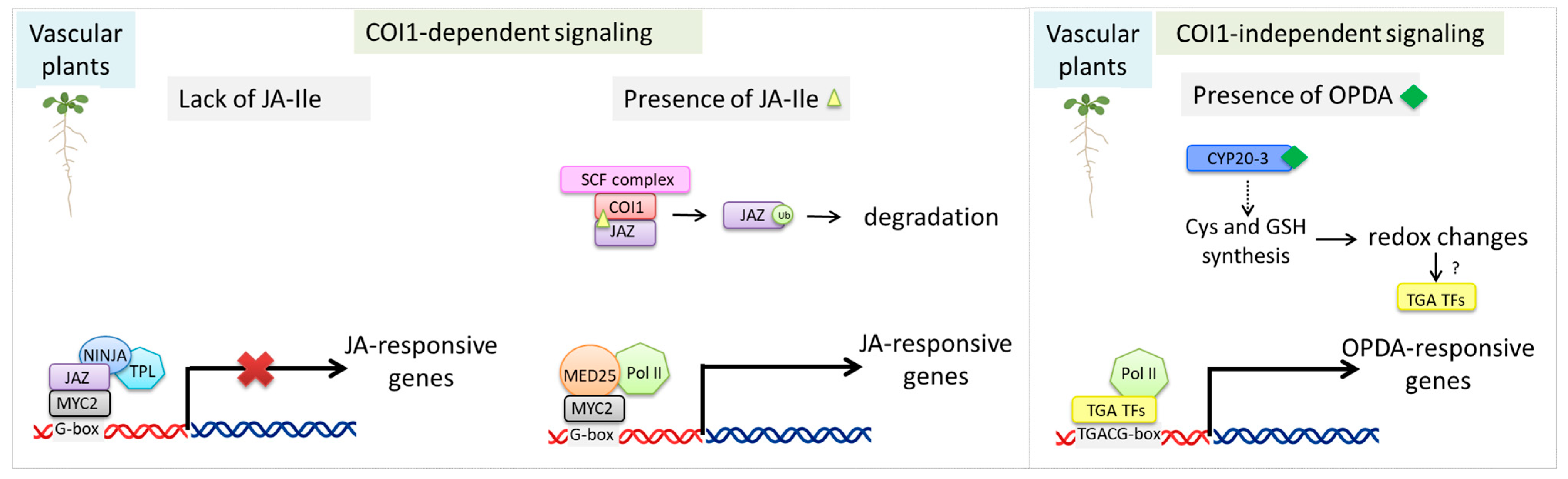
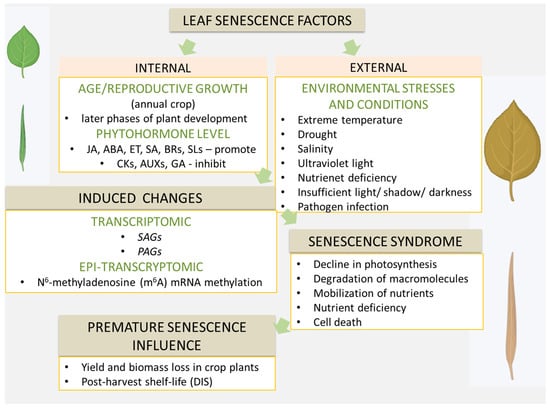
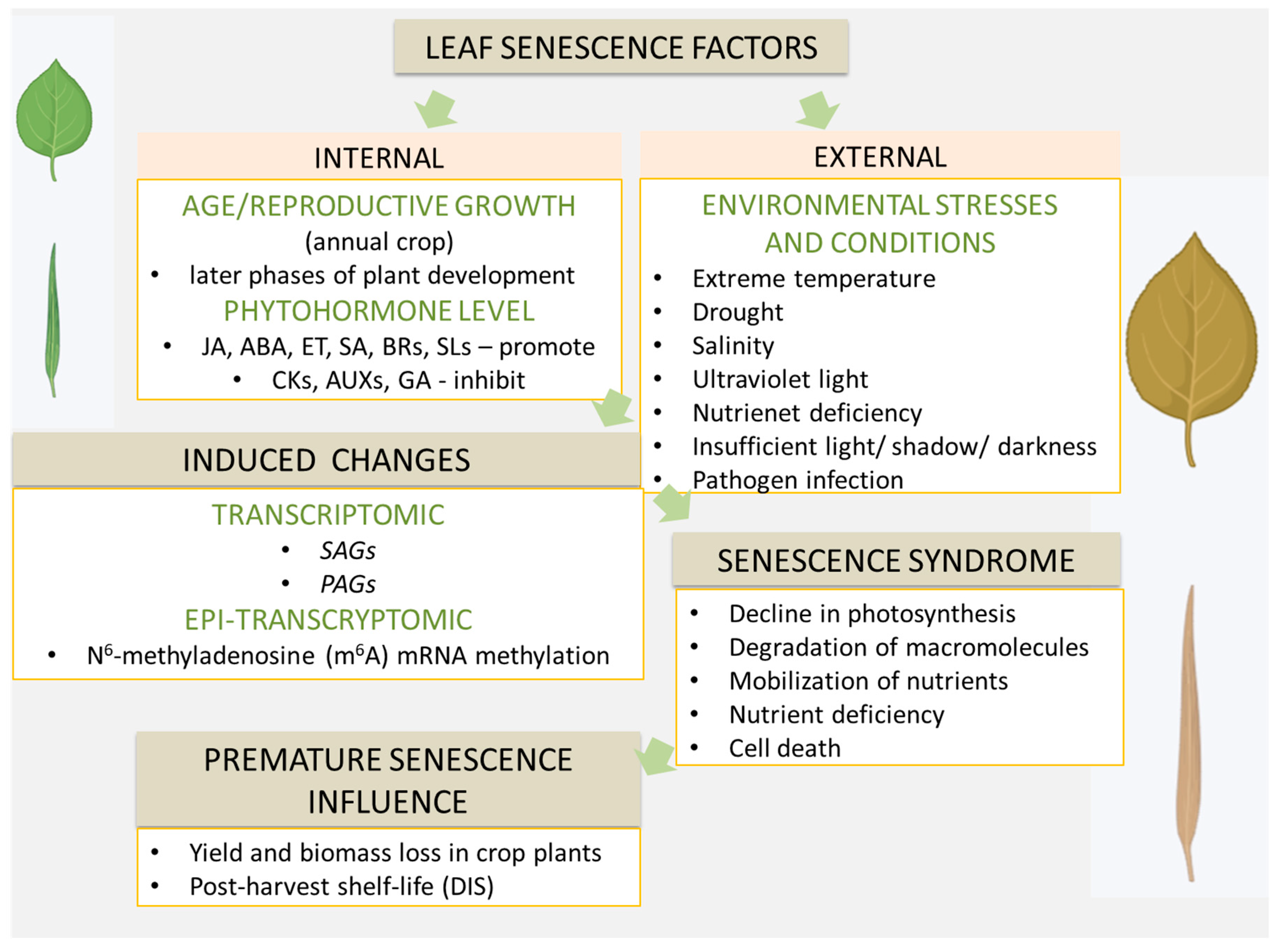
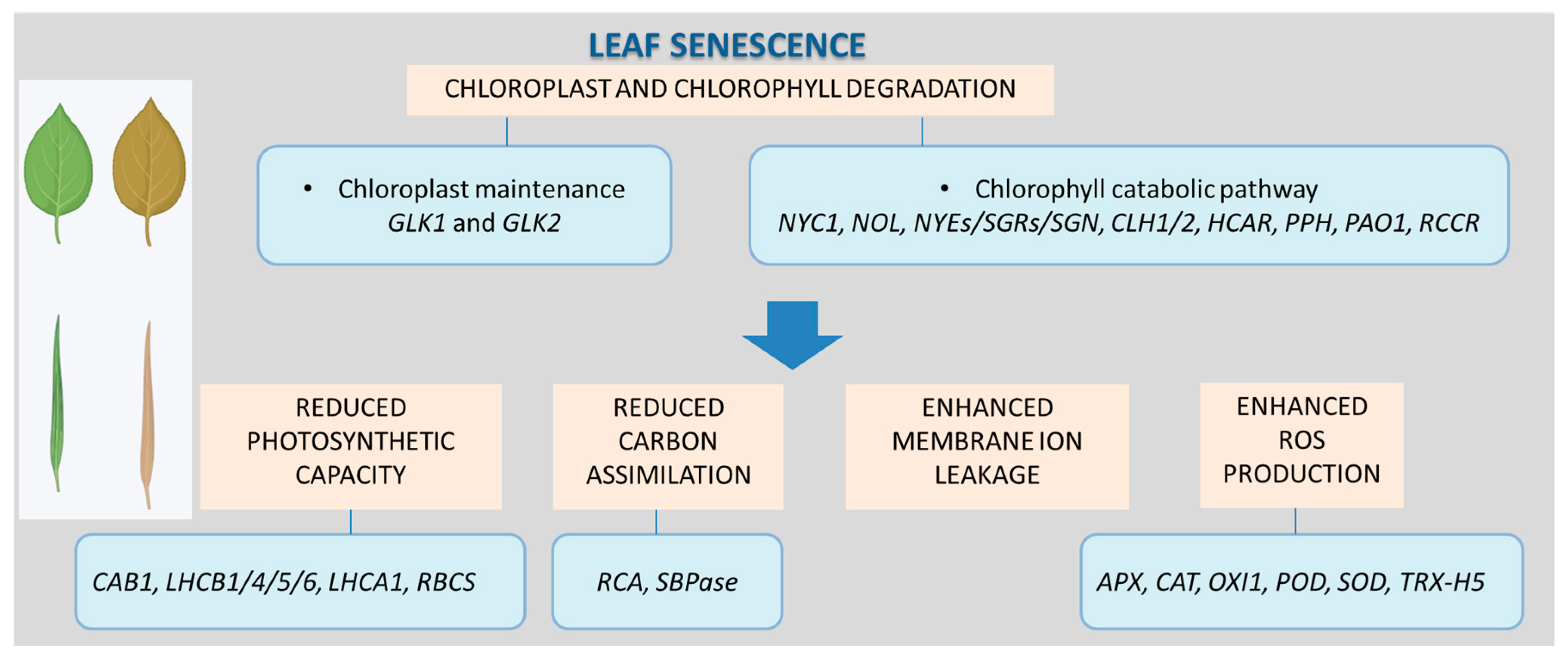
Disclaimer/Publisher’s Note: The statements, opinions and data contained in all publications are solely those of the individual author(s) and contributor(s) and not of MDPI and/or the editor(s). MDPI and/or the editor(s) disclaim responsibility for any injury to people or property resulting from any ideas, methods, instructions or products referred to in the content. |
© 2026 by the authors. Licensee MDPI, Basel, Switzerland. This article is an open access article distributed under the terms and conditions of the Creative Commons Attribution (CC BY) license.