


Abstract
High temperatures threaten plant productivity and survival worldwide. Plants respond to warming across their life cycle, but the effects of elevated temperature depend on its intensity, duration, and rate of change, and the developmental and environmental context in which it is experienced. Here, we synthesize current knowledge of temperature sensing and developmental responses from seed germination through plant architectural acclimation, floral transition, and reproduction. We distinguish thermomorphogenesis under moderately elevated ambient temperatures from heat-stress responses that protect cellular and developmental integrity under more severe conditions, while emphasizing their mechanistic overlap. Across these stages, we highlight how temperature responses are shaped by organ identity, species, genotype, and photoperiod, and discuss the trade-offs that must be resolved to translate developmental plasticity into heat-resilient crop production.
1. Introduction
Rising temperatures increasingly threaten plant growth, biodiversity, and agricultural production. Human-driven climate change has increased the risk of high-temperature events, which can alter plant distribution and phenology and may endanger species with limited heat tolerance [1,2,3,4,5,6,7]. However, plants do not respond uniformly to all elevated temperatures. Mild warming typically induces thermomorphogenesis, an adaptive developmental program that adjusts plant architecture and phenology. More severe heat triggers heat-stress responses and thermotolerance mechanisms, which protect cellular function but may constrain growth and reproduction [8]. When survival-oriented responses override growth-oriented development as temperatures exceed damaging thresholds, yield losses ensue. The consequences for crop production are particularly serious. A global analysis estimated that, for each 1 °C increase in global mean temperature, yields of rice, wheat, maize, and soybean may decline by 3.2%, 6.0%, 7.4%, and 3.1%, respectively [9]. Understanding how plants respond to elevated temperature is therefore important for both crop improvement and food security.
However, “high temperature” does not describe a single biological condition. Its effects depend on temperature intensity, duration, and timing, as well as on the species, genotype, organ, and developmental stage. For example, the reported heat-stress threshold during reproductive development is approximately 26 °C in wheat but around 34 °C in rice [10]. In Arabidopsis thaliana, moderately elevated ambient temperatures that induce thermomorphogenesis typically range from 27 to 30 °C. Temperatures of approximately 30–37 °C begin to impose heat stress. Short-term exposure above 37 °C can disrupt plant architecture and developmental transitions. Acute exposure above 40 °C can cause severe cellular damage [11]. For instance, at the thermomorphogenesis end, temperatures from 22 °C to 28 °C activate MITOGEN-ACTIVATED PROTEIN KINASE 4 (MPK4) to phosphorylate PHYTOCHROME INTERACTING FACTOR 4 (PIF4) and promote hypocotyl elongation. At 27 °C, the Mediator component Mediator25 (MED25)–PIF4/HISTONE DEACETYLASE 9 (HDA9) complex induces YUCCA8 (YUC8) expression and further supports hypocotyl growth [12,13]. At the heat-stress boundary, 37 °C is a standard priming temperature for acquired thermotolerance, which requires Heat shock transcription factor A2 (HSFA2). Priming at 37 °C followed by exposure to 40 °C leads to runaway reactive oxygen species (ROS) accumulation and cell death in hsfA2 mutants [14,15]. Under moderately elevated ambient temperatures, plants initiate thermomorphogenesis. This is an adaptive developmental response to warmer, nonstressful average temperatures. This process involves changes in organ elongation, leaf position, and flowering time, and involves signaling regulation mediated by hormones such as auxin and brassinosteroids [16]. Thermomorphogenesis is thought to aid heat dissipation. It may also accelerate growth and developmental progression. In essence, it reflects promoted growth rather than growth arrest. When temperatures rise further into the heat-stress range, plants shift from thermomorphogenesis to heat-stress responses. They activate protective mechanisms such as heat shock factors and heat shock proteins to maintain cellular function. However, these responses may also impair growth and reproduction [17,18]. These heat-stress responses, particularly the HSF–HSP regulatory network, are central to thermotolerance, helping plants maintain protein homeostasis and reproductive function under heat stress [8]. Thermotolerance relies heavily on heat shock factors and heat shock proteins, which are crucial for establishing basal and acquired thermotolerance, and also involves antioxidants and membrane-related heat perception mechanisms [19,20]. Although both thermomorphogenesis and thermotolerance are induced by rising temperatures, they differ fundamentally in ecological function and signaling output. Therefore, thermomorphogenesis and thermotolerance should not be understood as two ends of a single continuum of response intensity. Instead, they are two distinct strategies that plants adopt in response to warming. The former optimizes growth and resource acquisition under nonstressful warm conditions, while the latter activates cytoprotective mechanisms to sustain survival under heat stress. These two responses have often been investigated in separate molecular contexts [21,22,23], although recent evidence indicates that their signaling pathways can interact [24].
Previous studies have identified many temperature-responsive regulators and protective mechanisms, but the developmental consequences of temperature are often discussed separately for individual pathways, organs, or stress treatments. Here, we use the plant life cycle as the organizing framework for reviewing temperature responses. We first discuss established thermosensors and candidate temperature-sensing mechanisms in crops, and then examine how elevated temperature affects seed germination, vegetative architecture, flowering, and reproductive development. Throughout the review, we distinguish adaptive developmental plasticity under warm conditions from developmental impairment under damaging heat, while considering how temperature intensity, developmental stage, organ, species, and genotype shape these responses. This perspective connects molecular temperature sensing with developmental outcomes and highlights trait combinations that may help crops maintain growth, reproduction, and yield in a warming climate.
2. Thermosensory Molecules and Signaling Mechanisms in Plants
Plants must convert changes in temperature into molecular information before they can adjust development or activate protective responses. However, not every temperature-responsive regulator should be classified as a thermosensor. Thermosensors in plants have been identified, such as the RNA-based thermosensors, protein-based thermosensors, and plasma membrane-associated protein-based thermosensors, including photoreceptors, Ca2+-permeable channels, and other proteins. This review analyzes only thethermosensors that directly change their physical state in response to temperature [25,26]. Here, we distinguish direct or well-supported thermosensors, whose physical state changes with temperature, from thermosensory signaling components that transmit or interpret thermal information. Accordingly, this review considers only those factors as thermosensors whose physical state or conformation changes directly with temperature. Downstream components that relay or interpret thermal information are treated as thermosensory signaling elements, rather than as thermosensors themselves. This distinction is particularly important because thermomorphogenesis under moderately elevated ambient temperatures and heat-stress responses under damaging temperatures engage overlapping but non-identical regulatory networks (Figure 1).
Figure 1.
Thermosensory molecules and mechanisms. (A) Phytochrome B (phyB). Warm temperatures accelerate the Pfr-to-Pr conversion of phyB in darkness; as a result, the function of PIF4 is derepressed, thereby promoting thermomorphogenesis in plants. PHYB controls daytime thermomorphogenesis mainly through the regulation of the activity and stability of PIF4 by the interaction between HMR and PIF4. Meanwhile, SPAs stabilize PIF4 and induce the destabilization of phyB at high ambient temperature. (B) EARLY FLOWERING 3 (ELF3). At low temperatures, ELF3 inhibits the target flowering genes in the form of the evening complex (ELF3, ELF4 and LUX). High temperatures drive ELF3 to form protein condensates, relieving the transcriptional repression on target genes, showing a phase separation mechanism of the ELF3 protein, which mediates the thermal control of flowering induction. (C) THERMO-WITH ABA-RESPONSE 1 (TWA1). The increased temperatures drive the conformational changes in TWA1 that allow JAM2 binding to the carboxy-terminal part of TWA1 and TPL binding to the amino-terminal domain through EAR motifs (red). The highly variable region (HVR, yellow) is integral to thermosensing. (D) PIF7 mRNA conformer. At warmer temperatures, the hairpin structure within the 5’ untranslated region of PIF7 is disrupted, leading to enhanced protein translation initiation of PIF7, ultimately contributing to the thermomorphogenic hypocotyl elongation. Ellipses represent proteins and the rectangle represents genes.
2.1. Candidate Direct Thermosensors and Thermosensory Signaling Components in Arabidopsis
Phytochrome B (phyB) is one of the best-characterized warm-temperature sensors in Arabidopsis. Phytochromes interconvert between a red light-absorbing inactive form (Pr) and a far-red light-absorbing active form (Pfr) [27,28]. Warm temperatures accelerate Pfr-to-Pr thermal reversion, reduce the abundance of active phyB photobodies, and alleviate phyB-mediated repression of thermomorphogenic genes, including PIF4 [25,29]. phyB also contributes to daytime temperature sensing through HEMERA (HMR), which promotes PIF4 accumulation and target-gene expression [30]. In addition, SUPPRESSOR OF PHYA-105 (SPA) proteins stabilize PIF4 and promote phyB degradation under elevated ambient temperatures, thereby further reinforcing the phyB-PIF4 module [31]. Although phyB homologues are widespread in crop species, direct in vivo evidence for phyB-mediated thermosensing outside Arabidopsis remains limited.
The evening complex (EC) provides a second thermosensory mechanism that connects temperature with circadian and developmental regulation. The EC comprises EARLY FLOWERING 3 (ELF3), ELF4, and the DNA-binding protein LUX ARRHYTHMO (LUX) and represses target-gene expression during the night [32,33,34]. At elevated ambient temperatures, ELF3 undergoes reversible condensation through its polyglutamine-rich prion-like domain, relieving EC-mediated repression of PIF4 and promoting thermomorphogenesis [35]. ELF3 therefore represents a direct protein-based thermosensor whose temperature-dependent phase behavior is translated into developmental outputs.
THERMO-WITH ABA-RESPONSE 1 (TWA1) represents a recently identified thermosensory mechanism linked to stress tolerance. TWA1 encodes an intrinsically disordered protein whose amino- and carboxy-terminal regions adopt distinct conformations at different temperatures [36]. Thermal activation promotes its association with JASMONATE-ASSOCIATED MYC-LIKE (JAM), TOPLESS (TPL), and TOPLESS-RELATED (TPR) proteins and induces HSFA2 and HSP expression. TWA1 orthologues also differ in their temperature thresholds, suggesting that variation in its biophysical properties may contribute to thermal adaptation. Given the relatively recent evidence, TWA1 is best described as a strong candidate thermosensor that connects temperature perception with ABA-related transcriptional control.
Temperature can also be sensed through RNA structure. The hairpin structure within the 5′ untranslated region of PIF7 mRNA undergoes temperature-dependent conformational changes that increase PIF7 translation at warm temperatures [37,38]. PIF7 subsequently activates thermoresponsive genes either independently or together with PIF4, promoting thermomorphogenic hypocotyl elongation [37,39]. This RNA thermoswitch illustrates that plants can directly convert thermal information into changes in protein synthesis without requiring a protein-based sensor.
These four cases operate at distinct subcellular sites. phyB-Pfr thermal reversion, ELF3 condensation, and TWA1 action occur mainly in the nucleus. In contrast, the PIF7 RNA thermoswitch senses temperature in the cytosol and then signals to the nucleus. This compartmentalization suggests that different subcellular compartments can serve as independent sites of temperature perception. Nuclear and cytosolic inputs converge on shared downstream targets, where PIF4 and PIF7 act in parallel or cooperatively.
2.2. Crop- and Organelle-Associated Candidate High-Temperature Sensing Modules
Studies in crop species suggest that plants may use additional mechanisms to respond to high temperature. Candidate high-temperature sensing modules in crops can be broadly divided into those associated with warm-temperature responses (thermomorphogenesis) and those acting under damaging heat (heat-stress responses). In rice, the Thermo-tolerance 3 (TT3) locus contains two antagonistic genes, TT3.1 and TT3.2, which were identified by Quantitative Trait Locus (QTL) mapping [40]. Under severe heat stress (42 °C), the plasma membrane-localized TT3.1 protein moves to endosomes. There, TT3.1 promotes the ubiquitination of the cytosolic precursor of the chloroplast-targeted protein TT3.2, leading to its degradation in the vacuole. Consequently, less mature TT3.2 enters the chloroplast. This helps protect chloroplast function and improves heat tolerance in rice. TT3.1 has therefore been proposed as a potential high-temperature sensor. However, further work is needed to determine how TT3.1 directly detects temperature changes.
On the thermomorphogenesis side, candidate modules related to warm-temperature responses have been reported in several crops, although none has been validated as a direct thermosensor in vivo. In wheat, phyB homologues are present and conserved, and PHYB genes have been characterized alongside other phytochrome family members [41]. In maize, phyB orthologues (phyB1 and phyB2) exist, and the phyB1–PIF interaction is functionally conserved, whereas ZmphyB2 has lost PIF binding. However, heat-specific sensing by maize phyB remains untested [42]. In barley, an exotic ELF3 allele contributes to developmental acclimation at elevated temperatures. This suggests that ELF3-based temperature responsiveness may extend to crops. However, whether this reflects thermosensing sensu stricto remains unresolved [43]. PIF7 homologues are present in crop genomes, but whether their 5′ UTRs retain the temperature-responsive hairpin found in Arabidopsis remains unclear, and no functional validation of the PIF7 RNA thermoswitch has been reported outside Arabidopsis [44]. These candidates primarily operate in the warm-temperature range, but direct evidence for their thermosensing capacity remains limited. Future research should prioritize staple crops with distinct thermal strategies: rice for heat stress, and wheat or maize for thermomorphogenesis. To validate candidates, we must move beyond sequence comparison to direct functional assays. Specifically, in vivo RNA structure probing (e.g., DMS-MaPseq) is needed to check if PIF7 5′ UTRs form temperature-sensitive hairpins. Additionally, ribosome profiling should be used to verify if warming boosts translation efficiency independent of mRNA levels. Finally, reporter assays combined with mutagenesis are essential to prove that specific RNA structures directly drive thermosensing. A summary of the current evidence for crop orthologues of Arabidopsis thermosensors is presented in Table 1.
Table 1.
Crop orthologues of Arabidopsis thermosensors and candidate modules.
Under heat stress, other organelles may also act as signaling hubs. The endoplasmic reticulum (ER) detects heat-induced protein misfolding via the unfolded protein response (UPR) [45]. In rice, the transmembrane bZIP factor OsbZIP60 is encoded by OPAQUE3. It acts through a conserved mechanism to activate genes for starch and protein synthesis, as well as UPR targets, thereby maintaining ER homeostasis in endosperm cells under heat stress [46]. Beyond the ER, chloroplasts and mitochondria generate heat-induced ROS that function as retrograde messengers to reprogram nuclear gene expression. For instance, in Arabidopsis, the heat-induced chloroplast ribosomal protein RPS1 is required for the heat-responsive activation of the master regulator HSFA2 and its target genes [47]. These retrograde signaling pathways are well-documented under damaging heat. However, it remains unclear whether these organelles harbor intrinsic thermosensors capable of directly detecting temperature changes, independently of protein misfolding or ROS accumulation [45].
Overall, phyB, ELF3, TWA1 and the PIF7 RNA thermoswitch are the best-characterized thermosensors in Arabidopsis. TT3.1 in rice extends the current picture to crop species and to different developmental settings. Orthologues of these Arabidopsis regulators are present in wheat, maize, tomato, and other crops. However, none of them has yet been shown to function as a bona fide thermosensor. Therefore, direct evidence for thermosensing remains largely limited to Arabidopsis. In crops, rice TT3.1 currently stands as the most prominent candidate in the heat-stress arm. Their direct roles in temperature sensing still need to be confirmed. Nevertheless, these findings suggest that plants may use different mechanisms to respond to warm temperatures and severe heat in different tissues and at different stages of development.
3. Developmental Consequences of Elevated Temperature Across the Plant Life Cycle
After plants perceive a change in temperature, the response depends on the developmental stage, the affected organ, and the severity and duration of the heat treatment. Moderate warming can alter developmental timing and growth patterns, whereas more severe heat can damage cells and disrupt development. The following sections describe how elevated temperature affects seed germination, vegetative growth, flowering, and reproductive development.
3.1. High Temperatures Constrain Seed Germination
Seed germination is highly sensitive to temperature and is important for seedling establishment and crop yield. When temperature rises above the optimal range for germination, it can delay or inhibit this process. The severity of this effect varies with genotype, seed condition, and the temperature treatment. For example, increasing the temperature from 21 °C to 32 °C reduced Arabidopsis germination by 40%, whereas rice germination decreased from 48% at 25 °C to 14% at 30 °C [48,49].
Abscisic acid (ABA) and Gibberellic acid (GA) are the main hormonal regulators of seed germination. ABA maintains dormancy, whereas GA promotes germination. Under high temperatures, ABA accumulates through the increased expression of 9-CIS EPOXYCAROTENOID DIOXYGENASE (NCED) genes, which encode key ABA biosynthetic enzymes [49,50,51]. Several ABA- and GA-related mutants, including aba1, aba2, ga1–ga5, and ga2ox, show altered germination because of changes in hormone content [52,53,54,55]. ABA signaling components also contribute to this response. ABSCISIC ACID INSENSITIVE 3 (ABI3), ABI4, and ABI5 promote seed dormancy, and DELLA proteins reinforce ABA signaling under unfavorable conditions. For example, the DELLA protein RGA-LIKE2 (RGL2) activates ABI5 expression and suppresses germination [56,57].
High temperature can inhibit germination through the ABI3–ABI5–DELLA complex and its downstream target SOMNUS (SOM). This complex induces the expression of SOM and other heat-responsive genes in imbibed seeds [58]. Under high temperature, SOM interacts with AGAMOUS-LIKE 67 (AGL67) and EARLY BOLTING IN SHORT DAY (EBS). This interaction promotes SOM expression and alters ABA and GA metabolism [59]. The chromatin regulator Powerdress (PWR) acts in the opposite direction under non-stress conditions. PWR suppresses SOM expression by promoting histone H3 deacetylation and H2A.Z deposition at the SOM locus. High temperature reduces PWR expression and thereby releases this repression, resulting in thermoinhibition of seed germination [60].
Other signals can counteract ABA-dependent inhibition. Hydrogen sulfide (H2S) improves seed germination under high temperature by affecting the COP1–HY5–ABI5 pathway. High temperature promotes the movement of CONSTITUTIVE PHOTOMORPHOGENIC 1 (COP1) from the nucleus to the cytoplasm, allowing LONG HYPOCOTYL 5 (HY5) to accumulate in the nucleus and activate ABI5 expression. H2S retains COP1 in the nucleus, promotes HY5 degradation, reduces ABI5 expression, and improves seed thermotolerance [61].
Temperature also affects germination through hormone-independent pathways. In cotton, the mitochondrion-localized small heat shock protein GhHSP24.7 regulates germination in response to elevated temperature [62]. GhHSP24.7 competes with the cytochrome c maturation protein GhCcmFc and affects cytochrome C/C1 production and reactive oxygen species accumulation. These changes promote endosperm rupture and germination. This finding suggests that mitochondrial activity and redox signaling can also contribute to the temperature response of germinating seeds (Figure 2).
Figure 2.
Molecular regulation of seed germination under high temperature. ABA and GA are two antagonistic phytohormones involved in seed germination, in which ABA maintains seed dormancy, while GA promotes seed germination. High temperatures induce the expressions of 9 NCEDs and cause ABA accumulation. The DELLA-type transcriptional repressor RGL2 binds to the ABI5 promoter to induce ABI5 expression, thus promoting ABA biosynthesis. Meanwhile, rising temperatures accelerate the COP1 efflux from nucleus to cytosol, leading to an increased accumulation of HY5 in the nuclear, which in turn promote the expression of ABI5 and suppress seed germination. H2S signal could reverse the inhibition by stabilizing COP1 in the nuclear at high temperatures. In addition, multiple genes regulate seed germination via the pathways independent of the ABA and GA signals. For instance, seed germination is an energy-demanding process. A cotton mitochondrial localized protein GhHSP24.7 responds to the rising temperature, and alters the physical forces that bind seed germination by generating ROS to activate seed germination. Ellipses represent proteins and the rectangle represents genes.
3.2. Vegetative Growth and Plant Architecture Under High Temperatures
After germination, elevated temperatures can reshape vegetative growth and plant architecture. In Arabidopsis, warm conditions promote the elongation of stems, hypocotyls, and petioles and alter leaf angle [63,64]. These changes may raise leaves above the soil surface and help plants avoid heat radiating from the ground. In crops, however, changes in plant height, leaf size, leaf angle, and root architecture can also affect lodging, canopy water use, light interception, and ultimately yield. It is therefore important to distinguish adaptive architectural responses to warm temperatures from reduced growth caused by heat injury. The following sections discuss how high temperatures affect shoots, leaves, and roots during vegetative development (Figure 3).
Figure 3.
The mechanisms of plant architectural changes induced by high temperature. Increased ambient temperature triggers structural changes in both aboveground and belowground organs. Adaptation of the aboveground parts mainly included changes in plant height, leaf color, petiole angle, and stomatal opening, while the response of the belowground parts included changes in the length of the primary root and the number of lateral roots. The interaction between shoot and root systems under heat stress further highlights the coordinated regulation of plant structures in response to environmental warming.
3.2.1. Stem and Hypocotyl Growth
Stem elongation is highly sensitive to temperature. In maize, a 7-day heat treatment promoted internode growth before flowering, but the effect became weaker when heat was applied at a later stage [65]. Elevated temperatures also increased plant height in soybean [66]. These results suggest that the effect of heat on stem growth depends on both temperature and developmental timing. Increased elongation may help plants adjust their canopy under warm conditions, but excessive internode growth can increase lodging risk.
It is important to distinguish adaptive stem elongation from reduced plant height caused by heat injury. Rice mutants affecting OsHST1, Stvb-i, PTD1, SPL7, HSA1, or FKBP20-1b show reduced height under heat stress [67,68,69,70]. In these cases, shorter plants are more likely to result from impaired meristem function, membrane stability, or general heat tolerance than from defects in a specific heat-induced stem-elongation pathway. For example, OsHST1 encodes a β-ketoacyl carrier protein reductase, and its loss disrupts fatty acid biosynthesis and membrane stability under heat stress [67]. Similarly, Stvb-i helps maintain meristem growth under high temperature while also conferring resistance to rice stripe virus [69].
Hypocotyl elongation in Arabidopsis is one of the best-characterized examples of thermomorphogenesis. When the temperature increases from 22 °C to 28 °C, phyB thermal reversion and ELF3 phase separation relieve repression of PIF4. Warm temperatures also increase PIF7 mRNA translation [29,33,37,39]. PIF4 promotes auxin biosynthesis by activating genes such as TRYPTOPHAN AMINOTRANSFERASE OF ARABIDOPSIS 1 (TAA1), YUC8, and CYP79B2. It also activates LNG1, LNG2, and several SMALL AUXIN-UP RNA (SAUR) genes, which promote cell expansion and hypocotyl elongation [64,71,72].
Brassinosteroid signaling further promotes warm-temperature hypocotyl elongation. PIF4 interacts with BRASSINAZOLE RESISTANT1 (BZR1), and the two proteins regulate common target genes involved in cell elongation [73]. High temperature also promotes the accumulation of BZR1 in the nucleus, where it activates PIF4 expression and forms a positive regulatory loop [74]. COP1, BRASSINOSTEROID-INSENSITIVE 2 (BIN2), and HSFA1d provide another connection between brassinosteroid signaling and thermomorphogenesis [75]. In contrast, ethylene can limit excessive elongation. Ethylene-activated EIN3 induces APD7 expression and reduces the auxin response in the PIF4 pathway, thereby slowing hypocotyl elongation under warm conditions [76].
3.2.2. Leaf Traits and Canopy Architecture
Leaves are directly exposed to solar radiation and play an important role in heat avoidance and cooling. Under elevated temperatures, plants may produce smaller or fewer leaves, alter leaf angle, or change stomatal traits [63,77]. These responses can reduce heat load or improve leaf cooling, but they can also reduce photosynthesis or increase water loss.
In Arabidopsis, warm temperatures promote hyponastic growth, which raises leaf position through faster growth on the abaxial side of the petiole [71]. In rice, tiller angle is controlled by auxin distribution and can respond to heat-related signals. LAZY1 (LA1) is a key regulator of rice tiller angle [78,79]. Short-term high temperature increases the expression of HEAT SHOCK FACTOR A2D (HSFA2D), which affects tiller development through the HSFA2D–LAZY-associated pathway. This pathway changes auxin distribution and influences shoot gravitropism and tiller angle [80,81]. OsHOX1 and OsHOX28 also regulate tiller angle by suppressing HSFA2D expression [82].
Stomatal opening can cool leaves through transpiration, but this benefit comes at the cost of water loss. In Arabidopsis, overexpression of Gm1-MMP altered leaf anatomy and stomatal traits and was associated with improved heat tolerance [83]. The transgenic plants showed changes in palisade and spongy mesophyll cells as well as increased stomatal aperture and density. These changes may improve leaf cooling, although excessive transpiration can lead to water loss and wilting. In rice, the NAT1–bHLH110–CER1/CER1L pathway promotes wax deposition in leaves and reduces water loss under heat stress [84]. Together, these studies show that leaf cooling and water conservation must be balanced, especially when heat occurs together with drought.
Heat-induced leaf yellowing and stay-green traits are not strictly architectural responses, but they affect how long the canopy remains photosynthetically active. In cool-season grasses, high temperature can accelerate chlorophyll degradation and leaf senescence [85]. SGR-mediated chlorophyll degradation can help maintain photosystem stability under heat stress, whereas stay-green genotypes can maintain photosynthesis and grain filling when functional leaf area is retained [86,87,88,89,90]. Thus, the value of a stay-green phenotype depends on whether delayed senescence is accompanied by sustained photosynthetic function.
3.2.3. Root Growth and Coordination with Shoot Responses
Root systems are also highly responsive to temperature. Under moderate warming, primary-root growth and lateral-root formation can change, whereas severe heat often inhibits root growth and reduces water and nutrient uptake [91,92]. In Arabidopsis, auxin transport and signaling play central roles in root thermomorphogenesis. Elevated temperature can increase PIN2-mediated auxin efflux and reduce the abundance of the endoplasmic-reticulum-localized intracellular auxin transporter PILS6, leading to greater nuclear auxin accumulation and root elongation [93,94].
HY5 is another important regulator of root thermomorphogenesis in Arabidopsis. HY5 promotes the expression of auxin-related genes, including IAA19, SAUR40, and SAUR77, in roots [95]. High temperature also affects brassinosteroid signaling in roots. HY5 directly activates BAS1 and SOB7, whereas HY5 degradation at high temperature reduces their expression and increases the abundance of active brassinosteroids. This response promotes root elongation [95]. However, another study showed that elevated temperature reduces the abundance of the brassinosteroid receptor BRI1, which weakens brassinosteroid signaling and also promotes root elongation [96]. These results indicate that the role of brassinosteroids in root growth depends on the temperature treatment and developmental context in Arabidopsis. Two speculative explanations can be considered. One possibility is that BRI1 may exert a restraining effect on a growth-promoting pathway, even without strong canonical BR signaling. In this scenario, BRI1 downregulation at warm temperatures would relieve this restraint. This would promote root elongation, without requiring a proportional change in downstream BR signaling output. Alternatively, BR signaling may differentially regulate cell division in the meristem and cell elongation in the elongation zone. Under this model, reduced BRI1 would preferentially affect meristematic activity, while cell expansion remains less affected. Consequently, the net increase in root length would reflect a shift in the balance between zones, rather than a uniform change in elongation rate. Discriminating between these possibilities would require measuring BRI1 abundance and BR signaling output separately in meristematic and elongating root zones under matched temperature regimes.
Several crop studies link root architecture with heat tolerance. In tobacco, overexpression of rice gene OsPT8 increased the expression of auxin-related genes, including NtYUCCA6, NtYUCCA8, NtPIN1, NtPIN2, NtARF1, and NtARF2. These changes were associated with longer primary roots, more lateral roots, and improved heat tolerance [97]. Overexpression of OsRBG1, OsHYR, OsZFP350, or OsRCc3 also increased primary-root length and lateral-root number in rice under stress conditions [98,99]. By contrast, high temperatures inhibit root growth in tomato and reduce water and mineral uptake [100]. In Arabidopsis, overexpression of soybean gene GmMLP34 reduced root viability, primary-root length, lateral-root number, and antioxidant capacity under heat stress [101]. Thus, a larger root system is not always associated with greater heat tolerance; the outcome depends on species, temperature regime, and the balance between growth and stress protection.
Shoot and root responses share several regulators, but these regulators can have different roles in different organs. In shoots, the PIF4–SPA module is important for hypocotyl elongation at warm temperatures. In roots, the HY5–SPA module contributes to root thermomorphogenesis in Arabidopsis [31,95]. PIFs, HY5, and SPA proteins also affect hypocotyl thickness in response to elevated temperature [95]. In hy5 mutants of Arabidopsis, both shoot and root thermomorphogenic phenotypes can be partly rescued by reducing PIF expression, suggesting that HY5 and PIFs act together to regulate temperature-responsive growth in different tissues [102]. The DET1–COP1–HY5 pathway also regulates PIF4 expression under elevated ambient temperature in Arabidopsis and provides another connection between light signaling and thermomorphogenesis [103]. These findings support coordinated regulation of shoot and root growth, although they do not yet demonstrate a defined mobile thermosignal between the two organs.
3.2.4. DNA Methylation, Histone Modifications, and Small RNAs in Temperature Responses
Additional epigenetic layers are also involved in shaping plant temperature responses. For instance, non-CG DNA methylation is maintained by DOMAINS REARRANGED METHYLTRANSFERASE 2 (DRM2) and CHROMOMETHYLASE 3 (CMT3). This modification represses SUPPRESSOR OF drm1 drm2 cmt3 (SDC) and thereby modulates thermomorphogenic hypocotyl elongation in Arabidopsis [104]. Under heat stress, DNA methylation and the RNA-directed DNA methylation (RdDM) machinery maintain the silencing of the heat-activated ONSEN retrotransposon. In methylation-deficient plants, ONSEN is transcribed. After prolonged heating, it can even undergo transgenerational transposition [105]. Histone modifications provide a further layer of regulation. For example, the HISTONE DEACETYLASE 9 (HDA9) – POWERDRESS (PWR) complex mediates histone deacetylation at PIF4 target loci such as YUC8. This facilitates H2A.Z depletion and gene activation [106]. In addition, the H3K27 demethylase RELATIVE OF EARLY FLOWERING 6 (REF6) cooperates with PIF4 to activate thermoresponsive genes [107]. Furthermore, GCN5-mediated H3K9 and H3K14 acetylation promotes the activation of heat-shock genes, including HSFA3 and UV-HYPERSENSITIVE 6 (UVH6), thereby contributing to thermotolerance [108]. Small RNAs add another layer: the microRNA156 (miR156)/SQUAMOSA PROMOTER-BINDING-PROTEIN-LIKE 9 (SPL9) module acts downstream of PIF4 to maintain auxin sensitivity and enable warm-temperature hypocotyl elongation [109]. These mechanisms are less well-established than H2A.Z-based regulation, and much of the current evidence, especially in crops, remains correlative.
3.3. Flowering Responses to Elevated Temperature
Flowering time is strongly affected by temperature, but elevated temperature does not always produce the same outcome. The response depends on temperature intensity, photoperiod, genotype, and species. In some cases, warm temperature promotes flowering and may allow plants to complete reproduction before later heat stress. In other cases, high temperature delays flowering or disrupts the transition to reproduction.
In Arabidopsis, increasing the temperature from 22 °C to 28 °C promotes early flowering by increasing the expression of FLOWERING LOCUS T (FT) [110,111]. PIF4 contributes to this response by activating FT. At higher temperatures, the H2A.Z histone variant is less abundant at the FT locus, which increases the accessibility of PIF4 and promotes FT expression [110,112,113].
However, this response is not universal. In cabbage (Brassica rapa), a temperature increase from 21 °C to 28 °C delays flowering. In this case, H2A.Z accumulates at the FT locus and reduces FT expression [114]. This opposing direction may reflect species-specific differences in how H2A.Z dynamics at FT respond to elevated temperature, given that B. rapa carries multiple FT copies with divergent promoters and regulatory contexts. Whether the temperature dependence of H2A.Z deposition versus eviction varies with the locus-specific chromatin environment remains to be directly tested. Thus, similar regulatory components can produce opposite flowering responses in different species. This comparison shows why flowering responses should not be inferred directly from studies in Arabidopsis.
Soybean provides another example of the importance of temperature intensity. Under short-day conditions, increasing temperature from 25 °C to 30 °C increases the expression of FT2a and FT5a and accelerates flowering independently of E1 [66]. At 35 °C, however, the expression of E1, E1-Like a (E1La), and E1Lb increases, probably through phyA-dependent regulation. These genes suppress FT expression and delay flowering [61,66,115,116]. One possible interpretation is that moderate warming directly activates FT. At higher temperatures, however, E1 clade repressors may become dominant and suppress FT. In this view, the two observations fall on opposite sides of a temperature threshold, rather than reflecting contradictory regulation. In winter barley, elevated temperature promotes flowering under long days but delays flowering under short days. Under short days, this delay is associated with the induction of the flowering repressor HvODDSOC2 by FLC-family genes [117]. One possible interpretation is that moderate warming directly activates FT. At higher temperatures, however, E1 clade repressors may become dominant and suppress FT. In this view, the two observations fall on opposite sides of a temperature threshold, rather than reflecting contradictory regulation. Together, these studies show that flowering responses are determined by temperature together with photoperiod, genotype, and species-specific regulatory pathways (Figure 4).
Figure 4.
The mechanisms of different flowering responses induced by high temperature. One of the most well-known effects on plant development is the acceleration of flowering under high ambient temperatures. For example, when the temperatures rise from 22 °C to 28 °C in Arabidopsis, the occupation of H2A histone variant H2A.Z is found to be reduced at the FT locus, leading to the PIF4 abundance at the FT locus, which in turn stimulates flowering. However, contrary to that in Arabidopsis, a delayed flowering response when facing high temperatures is displayed because of the higher accumulation of H2A.Z at FT in Brassica rapa. In addition, rising temperatures might elicit diverse flowering responses. Up-regulation of FT genes induced at 30 °C leads to early flowering, which is independent of E1, while the photoperiodic pathway phyA-E1 is possibly crucial for 35 °C mediated late flowering. Ellipses represent proteins and the rectangle represents genes.
3.4. Reproductive Development Under High Temperatures
Reproductive development is one of the most heat-sensitive stages of the plant life cycle. High temperature can affect anther development, pollen release, pollen viability, pollen-tube growth, stigma function, ovule development, fertilization, and seed set [10,118,119,120]. Damage at any one of these steps can reduce final seed production.
3.4.1. Male Reproductive Development
Anther and pollen development are particularly sensitive to high temperature. Anther dehiscence is required for pollen release, but heat-induced anther indehiscence occurs in many species [121,122]. In common bean, incomplete degeneration of stomium cells contributes to this defect [123]. Studies in tomato and coffee further suggest that high temperature can alter cell-wall polymers in anthers, increasing cell-wall rigidity and preventing normal dehiscence [124,125,126].
High temperature can also disrupt pollen formation and pollen-wall development. Soybean and sorghum produce deformed pollen grains under high temperature, and the severity of pollen deformation increases as temperature rises [127]. In Arabidopsis, INOSITOL REQUIRING ENZYME 1 (IRE1) promotes pollen development under heat stress by splicing BASIC LEUCINE ZIPPER 60 (bZIP60) mRNA. The active bZIP60 protein induces genes involved in the secretion of pollen-coat materials, which are needed for normal pollen exine formation [128,129]. In ire1 mutants, this secretory process is disrupted, leading to abnormal pollen development and male sterility under high temperature.
3.4.2. Female Reproductive Development and Post-Pollination Processes
Pollen-tube growth in the pistil is essential for sperm delivery to the ovule. High temperature can inhibit pollen-tube elongation and cause pollination failure [130]. Auxin promotes pollen-tube growth in vitro, suggesting that hormone signaling contributes to pollen-tube growth in pollinated pistils [131,132]. In maize, heat stress after pollination reduces sucrose-metabolism enzyme activity and alters the expression of genes involved in sucrose degradation, trehalose biosynthesis, and hormone signaling. These changes are accompanied by increased ROS, ABA, and auxin levels and are associated with restricted pollen-tube growth [133].
High temperature also affects ovule development and function. In wheat, high temperature can increase ovule abnormalities and reduce the number of functional ovules, thereby limiting pollen-tube guidance and fertilization [134]. Cotton plants exposed to heat before anthesis produce fewer ovules and show reduced fertilization efficiency. In rice, high temperature can accelerate ovule senescence and reduce productivity [132]. These findings show that female reproductive tissues, like male tissues, are important targets of heat stress. Future studies should further examine how heat affects the later stages of fertilization, embryo development, endosperm development, and seed set.
4. Conclusions and Perspectives
Rising temperatures affect plant development throughout the life cycle, from seed germination and vegetative growth to flowering, reproduction, and seed set. However, plants do not respond to “high temperature” as a single, uniform signal. The developmental outcome depends on the temperature range, the duration and rate of warming, the developmental stage, the responding organ, the genotype, and other environmental conditions such as photoperiod and water availability. Moderate warming can promote thermomorphogenic growth, whereas more severe heat can disrupt cellular homeostasis and impair development. These responses are connected, but they should not be treated as the same process. Future studies should therefore define temperature treatments more carefully and consider whether a reported phenotype represents adaptive growth, heat acclimation, or growth impairment caused by heat injury.
An important question is how plants distinguish these different thermal conditions. phyB, ELF3, and the PIF7 RNA thermoswitch provide some of the strongest evidence for direct temperature sensing in Arabidopsis. In contrast, TT3.1 in rice is a promising candidate whose direct thermosensory roles still require further validation. It will be important to determine the physical changes through which these proteins or RNAs respond to temperature, the temperature ranges in which they function, and the developmental contexts in which they act. Such work may help explain how plants interpret a gradual increase in ambient temperature differently from a short period of damaging heat stress.
The effects of temperature on flowering and reproduction further show why developmental context must be considered. The same temperature increase can promote flowering in one species but delay it in another, and even within a species, the outcome can change with photoperiod, genotype, or heat intensity. This is evident from the contrasting flowering responses reported in Arabidopsis, Brassica, soybean, and barley [66,117]. Similarly, reproductive heat tolerance cannot be inferred from vegetative growth alone, because a crop with an apparently healthy canopy may still suffer large yield losses when heat disrupts anther development, pollen function, fertilization, or seed set. Understanding the timing and organ specificity of these responses should therefore be a priority for future work.
Crop architecture is central to both high-yield breeding and adaptation to high temperature. The Green Revolution showed that plant height can be manipulated to improve yield: semidwarf rice varieties carrying the sd1 allele had shorter, stronger culms and improved lodging resistance, and supported major yield gains under intensive cultivation [135,136]. High-yield and heat-resilient plant architectures therefore share a common objective—to maintain canopy productivity and grain yield while preventing lodging. However, their immediate requirements are not identical. Green Revolution breeding favored a relatively stable and compact architecture, whereas elevated temperature can promote internode elongation and increase plant height [65,137]. Moderate elongation or changes in leaf position may sometimes contribute to heat avoidance, but excessive elongation in crops can increase lodging risk and alter the allocation of resources between vegetative growth and reproduction. A heat-resilient ideotype should therefore not simply retain the shortest possible semidwarf phenotype, nor should it allow unrestricted stem elongation under high temperature. Instead, future breeding should build on elite semidwarf, high-yielding backgrounds while introducing architectural stability under heat, including moderate plant height, strong stems, controlled internode elongation, and an appropriate canopy structure. These traits should be combined with efficient water use and reproductive heat tolerance, because a suitable vegetative architecture alone cannot protect yield when heat damages floral development or seed set.
Natural variation in crop wild relatives and landraces provides an important source of alleles for this purpose. Wild soybean (Glycine soja), for example, is widely distributed in China and contains geographically differentiated populations that have adapted to different temperature and precipitation conditions [138]. Domestication and subsequent improvement narrowed the genetic diversity of cultivated soybean and resulted in the loss of many rare alleles present in wild soybean populations [139,140]. Wild soybean from warmer regions may therefore provide useful genetic variation for heat adaptation, but this potential should be tested directly rather than inferred from geographic origin alone. Field phenotyping, genetic mapping, and functional analysis will be needed to identify alleles that improve heat resilience without compromising yield. The same strategy can be applied to wild relatives and locally adapted germplasm in other crops.
QTL mapping, natural-allele discovery, and genome editing offer complementary routes for developing heat-resilient crops. Their value will be greatest when they are used to combine traits that act at different developmental stages, rather than to improve a single heat-response trait in isolation. For example, improved seedling establishment, thermally stable plant architecture, efficient water use, and reproductive heat tolerance may need to be combined within the same cultivar. Candidate genes and alleles should also be evaluated under fluctuating field temperatures and combined heat and drought stress, rather than only under constant conditions in controlled environments. Integrating genetic analysis with stage- and organ-specific phenotyping, transcriptomics, proteomics, and metabolomics should help identify the trait combinations that enable crops to maintain growth, reproduction, and yield in a warming climate.
Author Contributions
F.H.: Writing—original draft, W.C.: Writing—review and editing, J.W.: Writing—review and editing, S.L.: Writing—review and editing, C.F.: Writing—review and editing, L.W.: Writing—review and editing. All authors have read and agreed to the published version of the manuscript.
Funding
This work was supported by the National Natural Science Foundation of China (32372139, 32301874), National Key Research and Development Program (2022YFD1201400), the Guangdong Basic and Applied Basic Research Foundation (2024A1515011314, 2023A15150116688), and the Science and Technology Projects in Guangzhou (2025A04J3424).
Data Availability Statement
The original contributions presented in this study are included in the article. Further inquiries can be directed to the corresponding authors.
Conflicts of Interest
The authors declare no conflicts of interest.
References
- Lobell, D.B.; Schlenker, W.; Costa-Roberts, J. Climate Trends and Global Crop Production since 1980. Science 2011, 333, 616–620. [Google Scholar] [CrossRef] [Scilit]
- Sun, Y.; Zhang, X.; Zwiers, F.W.; Song, L.; Wan, H.; Hu, T.; Yin, H.; Ren, G. Rapid Increase in the Risk of Extreme Summer Heat in Eastern China. Nat. Clim. Change 2014, 4, 1082–1085. [Google Scholar] [CrossRef] [Scilit]
- Christidis, N.; Jones, G.S.; Stott, P.A. Dramatically Increasing Chance of Extremely Hot Summers since the 2003 European Heatwave. Nat. Clim. Change 2015, 5, 46–50. [Google Scholar] [CrossRef] [Scilit]
- Lesk, C.; Rowhani, P.; Ramankutty, N. Influence of Extreme Weather Disasters on Global Crop Production. Nature 2016, 529, 84–87. [Google Scholar] [CrossRef] [Scilit]
- Xu, C.; Kohler, T.A.; Lenton, T.M.; Svenning, J.C.; Scheffer, M. Future of the Human Climate Niche. Proc. Natl. Acad. Sci. USA 2020, 117, 11350–11355. [Google Scholar] [CrossRef] [Scilit]
- Challinor, A.J.; Watson, J.; Lobell, D.B.; Howden, S.M.; Smith, D.R.; Chhetri, N. A Meta-Analysis of Crop Yield under Climate Change and Adaptation. Nat. Clim. Change 2014, 4, 287–291. [Google Scholar] [CrossRef] [Scilit]
- Merow, C.; Bois, S.T.; Allen, J.M.; Xie, Y.; Silander, J.A. Climate Change Both Facilitates and Inhibits Invasive Plant Ranges in New England. Proc. Natl. Acad. Sci. USA 2017, 114, E3276–E3284. [Google Scholar] [CrossRef] [Scilit]
- Kan, Y.; Mu, X.-R.; Gao, J.; Lin, H.-X.; Lin, Y. The Molecular Basis of Heat Stress Responses in Plants. Mol. Plant 2023, 16, 1612–1634. [Google Scholar] [CrossRef] [Scilit]
- Zhao, C.; Liu, B.; Piao, S.; Wang, X.; Lobell, D.B.; Huang, Y.; Huang, M.; Yao, Y.; Bassu, S.; Ciais, P.; et al. Temperature Increase Reduces Global Yields of Major Crops in Four Independent Estimates. Proc. Natl. Acad. Sci. USA 2017, 114, 9326–9331. [Google Scholar] [CrossRef] [Scilit]
- Wahid, A.; Gelani, S.; Ashraf, M.; Foolad, M. Heat Tolerance in Plants: An Overview. Environ. Exp. Bot. 2007, 61, 199–223. [Google Scholar] [CrossRef] [Scilit]
- Liu, J.; Feng, L.; Li, J.; He, Z. Genetic and Epigenetic Control of Plant Heat Responses. Front. Plant Sci. 2015, 6, 267. [Google Scholar] [CrossRef] [Scilit]
- Verma, N.; Singh, D.; Mittal, L.; Banerjee, G.; Noryang, S.; Sinha, A.K. MPK4-Mediated Phosphorylation of PHYTOCHROME INTERACTING FACTOR4 Controls Thermosensing by Regulating Histone Variant H2A.Z Deposition. Plant Cell 2024, 36, 4535–4556. [Google Scholar] [CrossRef] [Scilit]
- Shapulatov, U.; Van Zanten, M.; Van Hoogdalem, M.; Meisenburg, M.; Van Hall, A.; Kappers, I.; Fasano, C.; Facella, P.; Loh, C.C.; Perrella, G.; et al. The Mediator Complex Subunit MED25 Interacts with HDA9 and PIF4 to Regulate Thermomorphogenesis. Plant Physiol. 2023, 192, 582–600. [Google Scholar] [CrossRef] [Scilit]
- Charng, Y.; Liu, H.; Liu, N.; Chi, W.; Wang, C.; Chang, S.; Wang, T. A Heat-Inducible Transcription Factor, HsfA2, Is Required for Extension of Acquired Thermotolerance in Arabidopsis. Plant Physiol. 2007, 143, 251–262. [Google Scholar] [CrossRef] [Scilit]
- Zhang, L.; Li, Y.; Xing, D.; Gao, C. Characterization of Mitochondrial Dynamics and Subcellular Localization of ROS Reveal That HsfA2 Alleviates Oxidative Damage Caused by Heat Stress in Arabidopsis. J. Exp. Bot. 2009, 60, 2073–2091. [Google Scholar] [CrossRef] [Scilit]
- Casal, J.J.; Balasubramanian, S. Thermomorphogenesis. Annu. Rev. Plant Biol. 2019, 70, 321–346. [Google Scholar] [CrossRef] [Scilit]
- Li, B.; Gao, K.; Ren, H.; Tang, W. Molecular Mechanisms Governing Plant Responses to High Temperatures. J. Integr. Plant Biol. 2018, 60, 757–779. [Google Scholar] [CrossRef] [Scilit]
- Ohama, N.; Sato, H.; Shinozaki, K.; Yamaguchi-Shinozaki, K. Transcriptional Regulatory Network of Plant Heat Stress Response. Trends Plant Sci. 2017, 22, 53–65. [Google Scholar] [CrossRef] [Scilit]
- Chaudhary, R.; Badoni, S.; Chauhan, H. Master Players in the Chase of Establishing Heat Tolerance: A Molecular Perspective. In Current Omics Advancement in Plant Abiotic Stress Biology; Elsevier: Amsterdam, The Netherlands, 2024; pp. 71–82. [Google Scholar]
- Crawford, T.; Pratx, L.; Bäurle, I. Principles and Mechanisms of Plant Acclimation to Heat Stress. Nat. Rev. Mol. Cell Biol. 2026, 27, 668–683. [Google Scholar] [CrossRef] [Scilit]
- Ohama, N.; Kusakabe, K.; Mizoi, J.; Zhao, H.; Kidokoro, S.; Koizumi, S.; Takahashi, F.; Ishida, T.; Yanagisawa, S.; Shinozaki, K.; et al. The Transcriptional Cascade in the Heat Stress Response of Arabidopsis Is Strictly Regulated at the Level of Transcription Factor Expression. Plant Cell 2016, 28, 181–201. [Google Scholar] [CrossRef] [Scilit]
- Park, Y.-J.; Kim, J.Y.; Lee, J.-H.; Han, S.-H.; Park, C.-M. External and Internal Reshaping of Plant Thermomorphogenesis. Trends Plant Sci. 2021, 26, 810–821. [Google Scholar] [CrossRef] [Scilit]
- Yoshida, T.; Ohama, N.; Nakajima, J.; Kidokoro, S.; Mizoi, J.; Nakashima, K.; Maruyama, K.; Kim, J.-M.; Seki, M.; Todaka, D.; et al. Arabidopsis HsfA1 Transcription Factors Function as the Main Positive Regulators in Heat Shock-Responsive Gene Expression. Mol. Genet. Genom. 2011, 286, 321–332. [Google Scholar] [CrossRef] [Scilit]
- Li, B.; Jiang, S.; Gao, L.; Wang, W.; Luo, H.; Dong, Y.; Gao, Z.; Zheng, S.; Liu, X.; Tang, W. Heat Shock Factor A1s Are Required for Phytochrome-interacting Factor 4-mediated Thermomorphogenesis in Arabidopsis. J. Integr. Plant Biol. 2024, 66, 20–35. [Google Scholar] [CrossRef] [Scilit]
- Vu, L.D.; Gevaert, K.; De Smet, I. Feeling the Heat: Searching for Plant Thermosensors. Trends Plant Sci. 2019, 24, 210–219. [Google Scholar] [CrossRef] [Scilit]
- Hayes, S.; Schachtschabel, J.; Mishkind, M.; Munnik, T.; Arisz, S.A. Hot Topic: Thermosensing in Plants. Plant Cell Environ. 2021, 44, 2018–2033. [Google Scholar] [CrossRef] [Scilit]
- Burgie, E.S.; Vierstra, R.D. Phytochromes: An Atomic Perspective on Photoactivation and Signaling. Plant Cell 2014, 26, 4568–4583. [Google Scholar] [CrossRef] [Scilit]
- Quail, P.H. Phytochromes: Photosensory Perception and Signal Transduction. Biochem. Soc. Trans. 1996, 24, 517S. [Google Scholar] [CrossRef] [Scilit]
- Jung, J.-H.; Domijan, M.; Klose, C.; Biswas, S.; Ezer, D.; Gao, M.; Khattak, A.K.; Box, M.S.; Charoensawan, V.; Cortijo, S.; et al. Phytochromes Function as Thermosensors in Arabidopsis. Science 2016, 354, 886–889. [Google Scholar] [CrossRef] [Scilit]
- Qiu, Y.; Li, M.; Kim, R.J.-A.; Moore, C.M.; Chen, M. Daytime Temperature Is Sensed by Phytochrome B in Arabidopsis through a Transcriptional Activator HEMERA. Nat. Commun. 2019, 10, 140. [Google Scholar] [CrossRef] [Scilit]
- Lee, S.; Paik, I.; Huq, E. SPAs Promote Thermomorphogenesis via Regulating the phyB-PIF4 Module in Arabidopsis. Development 2020, 147, dev189233. [Google Scholar] [CrossRef] [Scilit]
- Mizuno, T.; Nomoto, Y.; Oka, H.; Kitayama, M.; Takeuchi, A.; Tsubouchi, M.; Yamashino, T. Ambient Temperature Signal Feeds into the Circadian Clock Transcriptional Circuitry Through the EC Night-Time Repressor in Arabidopsis thaliana. Plant Cell Physiol. 2014, 55, 958–976. [Google Scholar] [CrossRef] [Scilit]
- Nieto, C.; López-Salmerón, V.; Davière, J.-M.; Prat, S. ELF3-PIF4 Interaction Regulates Plant Growth Independently of the Evening Complex. Curr. Biol. 2015, 25, 187–193. [Google Scholar] [CrossRef] [Scilit]
- Thines, B.; Harmon, F.G. Ambient Temperature Response Establishes ELF3 as a Required Component of the Core Arabidopsis Circadian Clock. Proc. Natl. Acad. Sci. USA 2010, 107, 3257–3262. [Google Scholar] [CrossRef] [Scilit]
- Jung, J.-H.; Barbosa, A.D.; Hutin, S.; Kumita, J.R.; Gao, M.; Derwort, D.; Silva, C.S.; Lai, X.; Pierre, E.; Geng, F.; et al. A Prion-like Domain in ELF3 Functions as a Thermosensor in Arabidopsis. Nature 2020, 585, 256–260. [Google Scholar] [CrossRef] [Scilit]
- Bohn, L.; Huang, J.; Weidig, S.; Yang, Z.; Heidersberger, C.; Genty, B.; Falter-Braun, P.; Christmann, A.; Grill, E. The Temperature Sensor TWA1 Is Required for Thermotolerance in Arabidopsis. Nature 2024, 629, 1126–1132. [Google Scholar] [CrossRef] [Scilit]
- Chung, B.Y.W.; Balcerowicz, M.; Di Antonio, M.; Jaeger, K.E.; Geng, F.; Franaszek, K.; Marriott, P.; Brierley, I.; Firth, A.E.; Wigge, P.A. An RNA Thermoswitch Regulates Daytime Growth in Arabidopsis. Nat. Plants 2020, 6, 522–532. [Google Scholar] [CrossRef] [Scilit]
- Kortmann, J.; Narberhaus, F. Bacterial RNA Thermometers: Molecular Zippers and Switches. Nat. Rev. Microbiol. 2012, 10, 255–265. [Google Scholar] [CrossRef] [Scilit]
- Fiorucci, A.-S.; Galvão, V.C.; Ince, Y.Ç.; Boccaccini, A.; Goyal, A.; Allenbach Petrolati, L.; Trevisan, M.; Fankhauser, C. PHYTOCHROME INTERACTING FACTOR 7 Is Important for Early Responses to Elevated Temperature in Arabidopsis Seedlings. New Phytol. 2020, 226, 50–58. [Google Scholar] [CrossRef] [Scilit]
- Zhang, H.; Zhou, J.-F.; Kan, Y.; Shan, J.-X.; Ye, W.-W.; Dong, N.-Q.; Guo, T.; Xiang, Y.-H.; Yang, Y.-B.; Li, Y.-C.; et al. A Genetic Module at One Locus in Rice Protects Chloroplasts to Enhance Thermotolerance. Science 2022, 376, 1293–1300. [Google Scholar] [CrossRef] [Scilit]
- Kiss, T.; Horváth, Á.D.; Cseh, A.; Berki, Z.; Balla, K.; Mayer, M.; Tóth, V.; Karsai, I. Ambient Temperature Influenced Co-Expression Network of Major Developmental, Circadian, and Photoreceptor Genes in Bread Wheat. Sci. Rep. 2025, 15, 27751. [Google Scholar] [CrossRef] [Scilit]
- Kumar, I.; Swaminathan, K.; Hudson, K.; Hudson, M.E. Evolutionary Divergence of Phytochrome Protein Function in Zea mays PIF3 Signaling. J. Exp. Bot. 2016, 67, 4231–4240. [Google Scholar] [CrossRef] [Scilit]
- Zhu, Z.; Esche, F.; Babben, S.; Trenner, J.; Serfling, A.; Pillen, K.; Maurer, A.; Quint, M. An Exotic Allele of Barley EARLY FLOWERING 3 (ELF3) Enhances Developmental Plasticity and Stabilizes Yield under High-Temperature Conditions. J. Exp. Bot. 2023, 74, 2912–2931. [Google Scholar] [CrossRef] [Scilit]
- Mehta, D.; Jacques-Vuarambon, D.; León Alcivar, B.A.; Hua, J.; Xiao, C.; Simões Silva, L.A.; Reis, R.S. Structure under Stress: Conserved RNA Structure in Plant-Environment Interactions. Mol. Plant 2026, 19, 699–701. [Google Scholar] [CrossRef] [Scilit]
- Zhang, L.; Li, X.; Pan, A.; Su, X.; Chen, L.; Chen, T.; Feng, B.; Ni, S. A Review of Nuclear-Organellar Communication in Response to Heat Stress. Plants 2026, 15, 2995. [Google Scholar] [CrossRef] [Scilit]
- Cao, R.; Zhao, S.; Jiao, G.; Duan, Y.; Ma, L.; Dong, N.; Lu, F.; Zhu, M.; Shao, G.; Hu, S.; et al. OPAQUE3, Encoding a Transmembrane bZIP Transcription Factor, Regulates Endosperm Storage Protein and Starch Biosynthesis in Rice. Plant Commun. 2022, 3, 100463. [Google Scholar] [CrossRef] [Scilit]
- Yu, H.-D.; Yang, X.-F.; Chen, S.-T.; Wang, Y.-T.; Li, J.-K.; Shen, Q.; Liu, X.-L.; Guo, F.-Q. Downregulation of Chloroplast RPS1 Negatively Modulates Nuclear Heat-Responsive Expression of HsfA2 and Its Target Genes in Arabidopsis. PLoS Genet. 2012, 8, e1002669. [Google Scholar] [CrossRef] [Scilit]
- Chiu, R.S.; Pan, S.; Zhao, R.; Gazzarrini, S. ABA-dependent Inhibition of the Ubiquitin Proteasome System during Germination at High Temperature in Arabidopsis. Plant J. 2016, 88, 749–761. [Google Scholar] [CrossRef] [Scilit]
- Suriyasak, C.; Oyama, Y.; Ishida, T.; Mashiguchi, K.; Yamaguchi, S.; Hamaoka, N.; Iwaya-Inoue, M.; Ishibashi, Y. Mechanism of Delayed Seed Germination Caused by High Temperature during Grain Filling in Rice (Oryza sativa L.). Sci. Rep. 2020, 10, 17378. [Google Scholar] [CrossRef] [Scilit]
- Huang, Y.; Guo, Y.; Liu, Y.; Zhang, F.; Wang, Z.; Wang, H.; Wang, F.; Li, D.; Mao, D.; Luan, S.; et al. 9-Cis-Epoxycarotenoid Dioxygenase 3 Regulates Plant Growth and Enhances Multi-Abiotic Stress Tolerance in Rice. Front. Plant Sci. 2018, 9, 162. [Google Scholar] [CrossRef] [Scilit]
- Liu, J.; Hasanuzzaman, M.; Wen, H.; Zhang, J.; Peng, T.; Sun, H.; Zhao, Q. High Temperature and Drought Stress Cause Abscisic Acid and Reactive Oxygen Species Accumulation and Suppress Seed Germination Growth in Rice. Protoplasma 2019, 256, 1217–1227. [Google Scholar] [CrossRef] [Scilit]
- Karssen, C.M.; Brinkhorst-van Der Swan, D.L.C.; Breekland, A.E.; Koornneef, M. Induction of Dormancy during Seed Development by Endogenous Abscisic Acid: Studies on Abscisic Acid Deficient Genotypes of Arabidopsis thaliana (L.) Heynh. Planta 1983, 157, 158–165. [Google Scholar] [CrossRef] [Scilit]
- Koornneef, M.; Van Der Veen, J.H. Induction and Analysis of Gibberellin Sensitive Mutants in Arabidopsis thaliana (L.) Heynh. Theor. Appl. Genet. 1980, 58, 257–263. [Google Scholar] [CrossRef] [Scilit]
- Koornneef, M.; Jorna, M.L.; Brinkhorst-van Der Swan, D.L.C.; Karssen, C.M. The Isolation of Abscisic Acid (ABA) Deficient Mutants by Selection of Induced Revertants in Non-Germinating Gibberellin Sensitive Lines of Arabidopsis thaliana (L.) Heynh. Theor. Appl. Genet. 1982, 61, 385–393. [Google Scholar] [CrossRef] [Scilit]
- Xu, Y.L.; Li, L.; Wu, K.; Peeters, A.J.; Gage, D.A.; Zeevaart, J.A. The GA5 Locus of Arabidopsis thaliana Encodes a Multifunctional Gibberellin 20-Oxidase: Molecular Cloning and Functional Expression. Proc. Natl. Acad. Sci. USA 1995, 92, 6640–6644. [Google Scholar] [CrossRef] [Scilit]
- Hu, Y.; Han, X.; Yang, M.; Zhang, M.; Pan, J.; Yu, D. The Transcription Factor INDUCER OF CBF EXPRESSION1 Interacts with ABSCISIC ACID INSENSITIVE5 and DELLA Proteins to Fine-Tune Abscisic Acid Signaling during Seed Germination in Arabidopsis. Plant Cell 2019, 31, 1520–1538. [Google Scholar] [CrossRef] [Scilit]
- Piskurewicz, U.; Jikumaru, Y.; Kinoshita, N.; Nambara, E.; Kamiya, Y.; Lopez-Molina, L. The Gibberellic Acid Signaling Repressor RGL2 Inhibits Arabidopsis Seed Germination by Stimulating Abscisic Acid Synthesis and ABI5 Activity. Plant Cell 2008, 20, 2729–2745. [Google Scholar] [CrossRef] [Scilit]
- Lim, S.; Park, J.; Lee, N.; Jeong, J.; Toh, S.; Watanabe, A.; Kim, J.; Kang, H.; Kim, D.H.; Kawakami, N.; et al. ABA-INSENSITIVE3, ABA-INSENSITIVE5, and DELLAs Interact to Activate the Expression of SOMNUS and Other High-Temperature-Inducible Genes in Imbibed Seeds in Arabidopsis. Plant Cell 2014, 25, 4863–4878. [Google Scholar] [CrossRef] [Scilit]
- Li, P.; Zhang, Q.; He, D.; Zhou, Y.; Ni, H.; Tian, D.; Chang, G.; Jing, Y.; Lin, R.; Huang, J.; et al. AGAMOUS-LIKE67 Cooperates with the Histone Mark Reader EBS to Modulate Seed Germination under High Temperature. Plant Physiol. 2020, 184, 529–545. [Google Scholar] [CrossRef] [Scilit]
- Yang, W.; Chen, Z.; Huang, Y.; Chang, G.; Li, P.; Wei, J.; Yuan, X.; Huang, J.; Hu, X. Powerdress as the Novel Regulator Enhances Arabidopsis Seeds Germination Tolerance to High Temperature Stress by Histone Modification of SOM Locus. Plant Sci. 2019, 284, 91–98. [Google Scholar] [CrossRef] [Scilit]
- Chen, Z.; Huang, Y.; Yang, W.; Chang, G.; Li, P.; Wei, J.; Yuan, X.; Huang, J.; Hu, X. The Hydrogen Sulfide Signal Enhances Seed Germination Tolerance to High Temperatures by Retaining Nuclear COP1 for HY5 Degradation. Plant Sci. 2019, 285, 34–43. [Google Scholar] [CrossRef] [Scilit]
- Ma, W.; Guan, X.; Li, J.; Pan, R.; Wang, L.; Liu, F.; Ma, H.; Zhu, S.; Hu, J.; Ruan, Y.-L.; et al. Mitochondrial Small Heat Shock Protein Mediates Seed Germination via Thermal Sensing. Proc. Natl. Acad. Sci. USA 2019, 116, 4716–4721. [Google Scholar] [CrossRef] [Scilit]
- Crawford, A.J.; McLachlan, D.H.; Hetherington, A.M.; Franklin, K.A. High Temperature Exposure Increases Plant Cooling Capacity. Curr. Biol. 2012, 22, R396–R397. [Google Scholar] [CrossRef] [Scilit]
- Franklin, K.A.; Lee, S.H.; Patel, D.; Kumar, S.V.; Spartz, A.K.; Gu, C.; Ye, S.; Yu, P.; Breen, G.; Cohen, J.D.; et al. PHYTOCHROME-INTERACTING FACTOR 4 (PIF4) Regulates Auxin Biosynthesis at High Temperature. Proc. Natl. Acad. Sci. USA 2011, 108, 20231–20235. [Google Scholar] [CrossRef] [Scilit]
- Li, B.; Chen, X.; Deng, T.; Zhao, X.; Li, F.; Zhang, B.; Wang, X.; Shen, S.; Zhou, S. Timing Effect of High Temperature Exposure on the Plasticity of Internode and Plant Architecture in Maize. J. Integr. Agric. 2024, 23, 551–565. [Google Scholar] [CrossRef] [Scilit]
- Tang, Y.; Lu, S.; Fang, C.; Liu, H.; Dong, L.; Li, H.; Su, T.; Li, S.; Wang, L.; Cheng, Q.; et al. Diverse Flowering Responses Subjecting to Ambient High Temperature in Soybean under Short-day Conditions. Plant Biotechnol. J. 2023, 21, 782–791. [Google Scholar] [CrossRef] [Scilit]
- Chen, F.; Dong, G.; Wang, F.; Shi, Y.; Zhu, J.; Zhang, Y.; Ruan, B.; Wu, Y.; Feng, X.; Zhao, C.; et al. A Β-ketoacyl Carrier Protein Reductase Confers Heat Tolerance via the Regulation of Fatty Acid Biosynthesis and Stress Signaling in Rice. New Phytol. 2021, 232, 655–672. [Google Scholar] [CrossRef] [Scilit]
- Deng, W.; Li, R.; Xu, Y.; Mao, R.; Chen, S.; Chen, L.; Chen, L.; Liu, Y.-G.; Chen, Y. A Lipid Transfer Protein Variant with a Mutant Eight-Cysteine Motif Causes Photoperiod- and Thermo-Sensitive Dwarfism in Rice. J. Exp. Bot. 2020, 71, 1294–1305. [Google Scholar] [CrossRef] [Scilit]
- Hayano-Saito, Y.; Hayashi, K. Stvb-i, a Rice Gene Conferring Durable Resistance to Rice Stripe Virus, Protects Plant Growth From Heat Stress. Front. Plant Sci. 2020, 11, 519. [Google Scholar] [CrossRef] [Scilit]
- Park, H.J.; You, Y.N.; Lee, A.; Jung, H.; Jo, S.H.; Oh, N.; Kim, H.; Lee, H.; Kim, J.; Kim, Y.S.; et al. OsFKBP20-1b Interacts with the Splicing Factor OsSR45 and Participates in the Environmental Stress Response at the Post-transcriptional Level in Rice. Plant J. 2020, 102, 992–1007. [Google Scholar] [CrossRef] [Scilit]
- Hwang, G.; Zhu, J.-Y.; Lee, Y.K.; Kim, S.; Nguyen, T.T.; Kim, J.; Oh, E. PIF4 Promotes Expression of LNG1 and LNG2 to Induce Thermomorphogenic Growth in Arabidopsis. Front. Plant Sci. 2017, 8, 1320. [Google Scholar] [CrossRef] [Scilit]
- Sun, J.; Qi, L.; Li, Y.; Chu, J.; Li, C. PIF4–Mediated Activation of YUCCA8 Expression Integrates Temperature into the Auxin Pathway in Regulating Arabidopsis Hypocotyl Growth. PLoS Genet. 2012, 8, e1002594. [Google Scholar] [CrossRef] [Scilit]
- Oh, E.; Zhu, J.-Y.; Wang, Z.-Y. Interaction between BZR1 and PIF4 Integrates Brassinosteroid and Environmental Responses. Nat. Cell Biol. 2012, 14, 802–809. [Google Scholar] [CrossRef] [Scilit]
- Ibañez, C.; Delker, C.; Martinez, C.; Bürstenbinder, K.; Janitza, P.; Lippmann, R.; Ludwig, W.; Sun, H.; James, G.V.; Klecker, M.; et al. Brassinosteroids Dominate Hormonal Regulation of Plant Thermomorphogenesis via BZR1. Curr. Biol. 2018, 28, 303–310.e3. [Google Scholar] [CrossRef] [Scilit]
- Raturi, V.; Zinta, G. HSFA1 Heat Shock Factors Integrate Warm Temperature and Heat Signals in Plants. Trends Plant Sci. 2024, 29, 1165–1167. [Google Scholar] [CrossRef] [Scilit]
- Kim, J.Y.; Park, Y.-J.; Lee, J.-H.; Kim, Z.H.; Park, C.-M. EIN3-Mediated Ethylene Signaling Attenuates Auxin Response during Hypocotyl Thermomorphogenesis. Plant Cell Physiol. 2021, 62, 708–720. [Google Scholar] [CrossRef] [Scilit]
- Wang, H.; Wang, R.; Harrison, S.P.; Prentice, I.C. Leaf Morphological Traits as Adaptations to Multiple Climate Gradients. J. Ecol. 2022, 110, 1344–1355. [Google Scholar] [CrossRef] [Scilit]
- Li, P.; Wang, Y.; Qian, Q.; Fu, Z.; Wang, M.; Zeng, D.; Li, B.; Wang, X.; Li, J. LAZY1 Controls Rice Shoot Gravitropism through Regulating Polar Auxin Transport. Cell Res. 2007, 17, 402–410. [Google Scholar] [CrossRef] [Scilit]
- Yoshihara, T.; Iino, M. Identification of the Gravitropism-Related Rice Gene LAZY1 and Elucidation of LAZY1-Dependent and -Independent Gravity Signaling Pathways. Plant Cell Physiol. 2007, 48, 678–688. [Google Scholar] [CrossRef] [Scilit]
- Liang, Y.; Yuan, Y.; Cai, Y.; Ma, M.; Lin, X.; Sun, X.; Zhao, H.; Zhai, J.; Han, N.; Zhou, J.; et al. HSFA2D–LAZY6–LAZY1 Module Regulates Shoot Gravitropism and Tiller Angle in Rice. New Phytol. 2025, 247, 625–636. [Google Scholar] [CrossRef] [Scilit]
- Zhang, N.; Yu, H.; Yu, H.; Cai, Y.; Huang, L.; Xu, C.; Xiong, G.; Meng, X.; Wang, J.; Chen, H.; et al. A Core Regulatory Pathway Controlling Rice Tiller Angle Mediated by the LAZY1-Dependent Asymmetric Distribution of Auxin. Plant Cell 2018, 30, 1461–1475. [Google Scholar] [CrossRef] [Scilit]
- Hu, Y.; Li, S.; Fan, X.; Song, S.; Zhou, X.; Weng, X.; Xiao, J.; Li, X.; Xiong, L.; You, A.; et al. OsHOX1 and OsHOX28 Redundantly Shape Rice Tiller Angle by Reducing HSFA2D Expression and Auxin Content. Plant Physiol. 2020, 184, 1424–1437. [Google Scholar] [CrossRef] [Scilit]
- Liu, S.; Liu, Y.; Jia, Y.; Wei, J.; Wang, S.; Liu, X.; Zhou, Y.; Zhu, Y.; Gu, W.; Ma, H. Gm1-MMP Is Involved in Growth and Development of Leaf and Seed, and Enhances Tolerance to High Temperature and Humidity Stress in Transgenic Arabidopsis. Plant Sci. 2017, 259, 48–61. [Google Scholar] [CrossRef] [Scilit]
- Lu, H.-P.; Liu, X.-H.; Wang, M.-J.; Zhu, Q.-Y.; Lyu, Y.-S.; Xu, J.-H.; Liu, J.-X. The NAT1–bHLH110–CER1/CER1L Module Regulates Heat Stress Tolerance in Rice. Nat. Genet. 2025, 57, 427–440, Correction in Nat. Genet. 2025, 57, 763–763. https://doi.org/10.1038/s41588-025-02106-4. [Google Scholar] [CrossRef] [Scilit]
- Jespersen, D.; Zhang, J.; Huang, B. Chlorophyll Loss Associated with Heat-Induced Senescence in Bentgrass. Plant Sci. 2016, 249, 1–12. [Google Scholar] [CrossRef] [Scilit]
- Fokar, M.; Blum, A.; Nguyen, H.T. Heat Tolerance in Spring Wheat. II. Grain Filling. Euphytica 1998, 104, 9–15. [Google Scholar] [CrossRef] [Scilit]
- Latif, S.; Wang, L.; Khan, J.; Ali, Z.; Sehgal, S.K.; Babar, M.A.; Wang, J.; Quraishi, U.M. Deciphering the Role of Stay-Green Trait to Mitigate Terminal Heat Stress in Bread Wheat. Agronomy 2020, 10, 1001. [Google Scholar] [CrossRef] [Scilit]
- Pinto, R.S.; Lopes, M.S.; Collins, N.C.; Reynolds, M.P. Modelling and Genetic Dissection of Staygreen under Heat Stress. Theor. Appl. Genet. 2016, 129, 2055–2074. [Google Scholar] [CrossRef] [Scilit]
- Sakuraba, Y.; Schelbert, S.; Park, S.-Y.; Han, S.-H.; Lee, B.-D.; Andrès, C.B.; Kessler, F.; Hörtensteiner, S.; Paek, N.-C. STAY-GREEN and Chlorophyll Catabolic Enzymes Interact at Light-Harvesting Complex II for Chlorophyll Detoxification during Leaf Senescence in Arabidopsis. Plant Cell 2012, 24, 507–518. [Google Scholar] [CrossRef] [Scilit]
- Zhang, J.; Li, H.; Huang, X.; Xing, J.; Yao, J.; Yin, T.; Jiang, J.; Wang, P.; Xu, B. STAYGREEN-mediated Chlorophyll a Catabolism Is Critical for Photosystem Stability during Heat-induced Leaf Senescence in Perennial Ryegrass. Plant Cell Environ. 2022, 45, 1412–1427. [Google Scholar] [CrossRef] [Scilit]
- Fonseca De Lima, C.F.; Kleine-Vehn, J.; De Smet, I.; Feraru, E. Getting to the Root of Belowground High Temperature Responses in Plants. J. Exp. Bot. 2021, 72, 7404–7413. [Google Scholar] [CrossRef] [Scilit]
- Huang, B.; Rachmilevitch, S.; Xu, J. Root Carbon and Protein Metabolism Associated with Heat Tolerance. J. Exp. Bot. 2012, 63, 3455–3465. [Google Scholar] [CrossRef] [Scilit]
- Feraru, E.; Feraru, M.I.; Barbez, E.; Waidmann, S.; Sun, L.; Gaidora, A.; Kleine-Vehn, J. PILS6 Is a Temperature-Sensitive Regulator of Nuclear Auxin Input and Organ Growth in Arabidopsis thaliana. Proc. Natl. Acad. Sci. USA 2019, 116, 3893–3898. [Google Scholar] [CrossRef] [Scilit]
- Hanzawa, T.; Shibasaki, K.; Numata, T.; Kawamura, Y.; Gaude, T.; Rahman, A. Cellular Auxin Homeostasis under High Temperature Is Regulated through a Sorting NEXIN1-Dependent Endosomal Trafficking Pathway. Plant Cell 2013, 25, 3424–3433. [Google Scholar] [CrossRef] [Scilit]
- Lee, S.; Wang, W.; Huq, E. Spatial Regulation of Thermomorphogenesis by HY5 and PIF4 in Arabidopsis. Nat. Commun. 2021, 12, 3656. [Google Scholar] [CrossRef] [Scilit]
- Martins, S.; Montiel-Jorda, A.; Cayrel, A.; Huguet, S.; Roux, C.P.-L.; Ljung, K.; Vert, G. Brassinosteroid Signaling-Dependent Root Responses to Prolonged Elevated Ambient Temperature. Nat. Commun. 2017, 8, 309. [Google Scholar] [CrossRef] [Scilit]
- Song, Z.; Fan, N.; Jiao, G.; Liu, M.; Wang, X.; Jia, H. Overexpression of OsPT8 Increases Auxin Content and Enhances Tolerance to High-Temperature Stress in Nicotiana Tabacum. Genes 2019, 10, 809. [Google Scholar] [CrossRef] [Scilit]
- Ambavaram, M.M.R.; Basu, S.; Krishnan, A.; Ramegowda, V.; Batlang, U.; Rahman, L.; Baisakh, N.; Pereira, A. Coordinated Regulation of Photosynthesis in Rice Increases Yield and Tolerance to Environmental Stress. Nat. Commun. 2014, 5, 5302. [Google Scholar] [CrossRef] [Scilit]
- Lo, S.; Cheng, M.; Hsing, Y.C.; Chen, Y.; Lee, K.; Hong, Y.; Hsiao, Y.; Hsiao, A.; Chen, P.; Wong, L.; et al. Rice Big Grain 1 Promotes Cell Division to Enhance Organ Development, Stress Tolerance and Grain Yield. Plant Biotechnol. J. 2020, 18, 1969–1983. [Google Scholar] [CrossRef] [Scilit]
- Giri, A.; Heckathorn, S.; Mishra, S.; Krause, C. Heat Stress Decreases Levels of Nutrient-Uptake and -Assimilation Proteins in Tomato Roots. Plants 2017, 6, 6. [Google Scholar] [CrossRef] [Scilit]
- Xianguan, Z.; Yun, L.; Wei, L.; Linying, C.; Haoran, C.; Xiaoyu, H.; Heng, W.; Ying, W.; Xiaobo, W.; Jiajia, L. Soybean Gene GmMLP34 Regulates Arabidopsis Negative Response to High Temperature Stress. Gene 2025, 933, 148983. [Google Scholar] [CrossRef] [Scilit]
- Gaillochet, C.; Burko, Y.; Platre, M.P.; Zhang, L.; Simura, J.; Willige, B.C.; Kumar, S.V.; Ljung, K.; Chory, J.; Busch, W. HY5 and Phytochrome Activity Modulate Shoot-to-Root Coordination during Thermomorphogenesis in Arabidopsis. Development 2020, 147, dev192625. [Google Scholar] [CrossRef] [Scilit]
- Delker, C.; Sonntag, L.; James, G.V.; Janitza, P.; Ibañez, C.; Ziermann, H.; Peterson, T.; Denk, K.; Mull, S.; Ziegler, J.; et al. The DET1-COP1-HY5 Pathway Constitutes a Multipurpose Signaling Module Regulating Plant Photomorphogenesis and Thermomorphogenesis. Cell Rep. 2014, 9, 1983–1989. [Google Scholar] [CrossRef] [Scilit]
- Garro, M.; Greco, E.; Vannay, G.J.; Leonova, A.; Bruno, L.; Capella, M. Non-CG DNA Methylation Represses SDC Expression to Modulate Hypocotyl Elongation during Thermormorphogenesis in Arabidopsis. J. Exp. Bot. 2025, 76, 2517–2534. [Google Scholar] [CrossRef] [Scilit]
- Ito, H.; Gaubert, H.; Bucher, E.; Mirouze, M.; Vaillant, I.; Paszkowski, J. An siRNA Pathway Prevents Transgenerational Retrotransposition in Plants Subjected to Stress. Nature 2011, 472, 115–119. [Google Scholar] [CrossRef] [Scilit]
- Van Der Woude, L.C.; Perrella, G.; Snoek, B.L.; Van Hoogdalem, M.; Novák, O.; Van Verk, M.C.; Van Kooten, H.N.; Zorn, L.E.; Tonckens, R.; Dongus, J.A.; et al. HISTONE DEACETYLASE 9 Stimulates Auxin-Dependent Thermomorphogenesis in Arabidopsis thaliana by Mediating H2A.Z Depletion. Proc. Natl. Acad. Sci. USA 2019, 116, 25343–25354. [Google Scholar] [CrossRef] [Scilit]
- He, K.; Mei, H.; Zhu, J.; Qiu, Q.; Cao, X.; Deng, X. The Histone H3K27 Demethylase REF6/JMJ12 Promotes Thermomorphogenesis in Arabidopsis. Natl. Sci. Rev. 2022, 9, nwab213. [Google Scholar] [CrossRef] [Scilit]
- Hu, Z.; Song, N.; Zheng, M.; Liu, X.; Liu, Z.; Xing, J.; Ma, J.; Guo, W.; Yao, Y.; Peng, H.; et al. Histone Acetyltransferase GCN5 Is Essential for Heat Stress-Responsive Gene Activation and Thermotolerance in Arabidopsis. Plant J. 2015, 84, 1178–1191. [Google Scholar] [CrossRef] [Scilit]
- Sang, Q.; Fan, L.; Liu, T.; Qiu, Y.; Du, J.; Mo, B.; Chen, M.; Chen, X. MicroRNA156 Conditions Auxin Sensitivity to Enable Growth Plasticity in Response to Environmental Changes in Arabidopsis. Nat. Commun. 2023, 14, 1449. [Google Scholar] [CrossRef] [Scilit]
- Kumar, S.V.; Lucyshyn, D.; Jaeger, K.E.; Alós, E.; Alvey, E.; Harberd, N.P.; Wigge, P.A. Transcription Factor PIF4 Controls the Thermosensory Activation of Flowering. Nature 2012, 484, 242–245. [Google Scholar] [CrossRef] [Scilit]
- Zheng, B.; Chenu, K.; Chapman, S.C. Velocity of Temperature and Flowering Time in Wheat—Assisting Breeders to Keep Pace with Climate Change. Glob. Change Biol. 2016, 22, 921–933. [Google Scholar] [CrossRef] [Scilit]
- Kumar, S.V.; Wigge, P.A. H2A.Z-Containing Nucleosomes Mediate the Thermosensory Response in Arabidopsis. Cell 2010, 140, 136–147. [Google Scholar] [CrossRef] [Scilit]
- Bai, L.; Morozov, A.V. Gene Regulation by Nucleosome Positioning. Trends Genet. 2010, 26, 476–483. [Google Scholar] [CrossRef] [Scilit]
- Del Olmo, I.; Poza-Viejo, L.; Piñeiro, M.; Jarillo, J.A.; Crevillén, P. High Ambient Temperature Leads to Reduced FT Expression and Delayed Flowering in Brassica rapa via a Mechanism Associated with H2A.Z Dynamics. Plant J. 2019, 100, 343–356. [Google Scholar] [CrossRef] [Scilit]
- Lin, X.; Dong, L.; Tang, Y.; Li, H.; Cheng, Q.; Li, H.; Zhang, T.; Ma, L.; Xiang, H.; Chen, L.; et al. Novel and Multifaceted Regulations of Photoperiodic Flowering by Phytochrome A in Soybean. Proc. Natl. Acad. Sci. USA 2022, 119, e2208708119. [Google Scholar] [CrossRef] [Scilit]
- Xia, Z.; Watanabe, S.; Yamada, T.; Tsubokura, Y.; Nakashima, H.; Zhai, H.; Anai, T.; Sato, S.; Yamazaki, T.; Lü, S.; et al. Positional Cloning and Characterization Reveal the Molecular Basis for Soybean Maturity Locus E1 That Regulates Photoperiodic Flowering. Proc. Natl. Acad. Sci. USA 2012, 109, E2155–E2164. [Google Scholar] [CrossRef] [Scilit]
- Hemming, M.N.; Walford, S.A.; Fieg, S.; Dennis, E.S.; Trevaskis, B. Identification of High-Temperature-Responsive Genes in Cereals. Plant Physiol. 2012, 158, 1439–1450. [Google Scholar] [CrossRef] [Scilit]
- Bita, C.E.; Gerats, T. Plant Tolerance to High Temperature in a Changing Environment: Scientific Fundamentals and Production of Heat Stress-Tolerant Crops. Front. Plant Sci. 2013, 4, 273. [Google Scholar] [CrossRef] [Scilit]
- Djanaguiraman, M.; Narayanan, S.; Erdayani, E.; Prasad, P.V.V. Effects of High Temperature Stress during Anthesis and Grain Filling Periods on Photosynthesis, Lipids and Grain Yield in Wheat. BMC Plant Biol. 2020, 20, 268. [Google Scholar] [CrossRef] [Scilit]
- Reguera, M.; Peleg, Z.; Blumwald, E. Targeting Metabolic Pathways for Genetic Engineering Abiotic Stress-Tolerance in Crops. Biochim. Biophys. Acta (BBA) —Gene Regul. Mech. 2012, 1819, 186–194. [Google Scholar] [CrossRef] [Scilit]
- Jiang, Y.; Lahlali, R.; Karunakaran, C.; Warkentin, T.D.; Davis, A.R.; Bueckert, R.A. Pollen, Ovules, and Pollination in Pea: Success, Failure, and Resilience in Heat. Plant Cell Environ. 2019, 42, 354–372. [Google Scholar] [CrossRef] [Scilit]
- Song, G.; Jiang, C.; Ge, X.; Chen, Q.; Tang, C. Pollen Thermotolerance of Upland Cotton Related to Anther Structure and HSP Expression. Agron. J. 2015, 107, 1269–1279. [Google Scholar] [CrossRef] [Scilit]
- Porch, T.G.; Jahn, M. Effects of High-temperature Stress on Microsporogenesis in Heat-sensitive and Heat-tolerant Genotypes of Phaseolus vulgaris. Plant Cell Environ. 2001, 24, 723–731. [Google Scholar] [CrossRef] [Scilit]
- Lima, R.B.; Dos Santos, T.B.; Vieira, L.G.E.; Ferrarese, M.D.L.L.; Ferrarese-Filho, O.; Donatti, L.; Boeger, M.R.T.; Petkowicz, C.L.D.O. Heat Stress Causes Alterations in the Cell-Wall Polymers and Anatomy of Coffee Leaves (Coffea arabica L.). Carbohydr. Polym. 2013, 93, 135–143. [Google Scholar] [CrossRef] [Scilit]
- Sato, S.; Peet, M.M.; Thomas, J.F. Determining Critical Pre- and Post-anthesis Periods and Physiological Processes in Lycopersicon Esculentum Mill. Exposed to Moderately Elevated Temperatures. J. Exp. Bot. 2002, 53, 1187–1195. [Google Scholar] [CrossRef] [Scilit]
- Seifert, G.J.; Roberts, K. The Biology of Arabinogalactan Proteins. Annu. Rev. Plant Biol. 2007, 58, 137–161. [Google Scholar] [CrossRef] [Scilit]
- Djanaguiraman, M.; Perumal, R.; Ciampitti, I.A.; Gupta, S.K.; Prasad, P.V.V. Quantifying Pearl Millet Response to High Temperature Stress: Thresholds, Sensitive Stages, Genetic Variability and Relative Sensitivity of Pollen and Pistil. Plant Cell Environ. 2018, 41, 993–1007. [Google Scholar] [CrossRef] [Scilit]
- Deng, Y.; Srivastava, R.; Quilichini, T.D.; Dong, H.; Bao, Y.; Horner, H.T.; Howell, S.H. IRE 1, a Component of the Unfolded Protein Response Signaling Pathway, Protects Pollen Development in Arabidopsis from Heat Stress. Plant J. 2016, 88, 193–204. [Google Scholar] [CrossRef] [Scilit]
- Liu, L.; Fan, X. Tapetum: Regulation and Role in Sporopollenin Biosynthesis in Arabidopsis. Plant Mol. Biol. 2013, 83, 165–175. [Google Scholar] [CrossRef] [Scilit]
- Shi, D.-Q.; Yang, W.-C. Pollen Germination and Tube Growth. In Plant Developmental Biology—Biotechnological Perspectives; Pua, E.C., Davey, M.R., Eds.; Springer: Berlin/Heidelberg, Germany, 2010; pp. 245–282. [Google Scholar]
- Wu, J.; Qin, Y.; Zhao, J. Pollen Tube Growth Is Affected by Exogenous Hormones and Correlated with Hormone Changes in Styles in Torenia fournieri L. Plant Growth Regul. 2008, 55, 137–148. [Google Scholar] [CrossRef] [Scilit]
- Zhang, C.; Li, G.; Chen, T.; Feng, B.; Fu, W.; Yan, J.; Islam, M.R.; Jin, Q.; Tao, L.; Fu, G. Heat Stress Induces Spikelet Sterility in Rice at Anthesis through Inhibition of Pollen Tube Elongation Interfering with Auxin Homeostasis in Pollinated Pistils. Rice 2018, 11, 14. [Google Scholar] [CrossRef] [Scilit]
- Wang, Y.; Lv, X.; Sheng, D.; Hou, X.; Mandal, S.; Liu, X.; Zhang, P.; Shen, S.; Wang, P.; Krishna Jagadish, S.V.; et al. Heat-dependent Postpollination Limitations on Maize Pollen Tube Growth and Kernel Sterility. Plant Cell Environ. 2023, 46, 3822–3838. [Google Scholar] [CrossRef] [Scilit]
- Saini, H.; Sedgley, M.; Aspinall, D. Effect of Heat Stress During Floral Development on Pollen Tube Growth and Ovary Anatomy in Wheat (Triticum aestivum L.). Funct. Plant Biol. 1983, 10, 137. [Google Scholar] [CrossRef] [Scilit]
- Khush, G.S. Green Revolution: The Way Forward. Nat. Rev. Genet. 2001, 2, 815–822. [Google Scholar] [CrossRef] [Scilit]
- Sasaki, A.; Ashikari, M.; Ueguchi-Tanaka, M.; Itoh, H.; Nishimura, A.; Swapan, D.; Ishiyama, K.; Saito, T.; Kobayashi, M.; Khush, G.S.; et al. A Mutant Gibberellin-Synthesis Gene in Rice. Nature 2002, 416, 701–702. [Google Scholar] [CrossRef] [Scilit]
- Fang, C.; Du, H.; Wang, L.; Liu, B.; Kong, F. Mechanisms Underlying Key Agronomic Traits and Implications for Molecular Breeding in Soybean. J. Genet. Genom. 2024, 51, 379–393. [Google Scholar] [CrossRef] [Scilit]
- Liu, X.; Li, P.; Ding, X.; Wang, Y.; Qi, G.; Yu, J.; Zeng, Y.; Cai, D.; Yang, X.; Yang, J.; et al. The Population Divergence and Genetic Basis of Local Adaptation of Wild Soybean (Glycine Soja) in China. Plants 2023, 12, 4128. [Google Scholar] [CrossRef] [Scilit]
- Hyten, D.L.; Song, Q.; Zhu, Y.; Choi, I.-Y.; Nelson, R.L.; Costa, J.M.; Specht, J.E.; Shoemaker, R.C.; Cregan, P.B. Impacts of Genetic Bottlenecks on Soybean Genome Diversity. Proc. Natl. Acad. Sci. USA 2006, 103, 16666–16671. [Google Scholar] [CrossRef] [Scilit]
- Guo, J.; Wang, Y.; Song, C.; Zhou, J.; Qiu, L.; Huang, H.; Wang, Y. A Single Origin and Moderate Bottleneck during Domestication of Soybean (Glycine Max): Implications from Microsatellites and Nucleotide Sequences. Ann. Bot. 2010, 106, 505–514. [Google Scholar] [CrossRef] [Scilit]
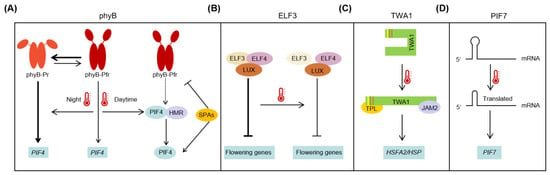
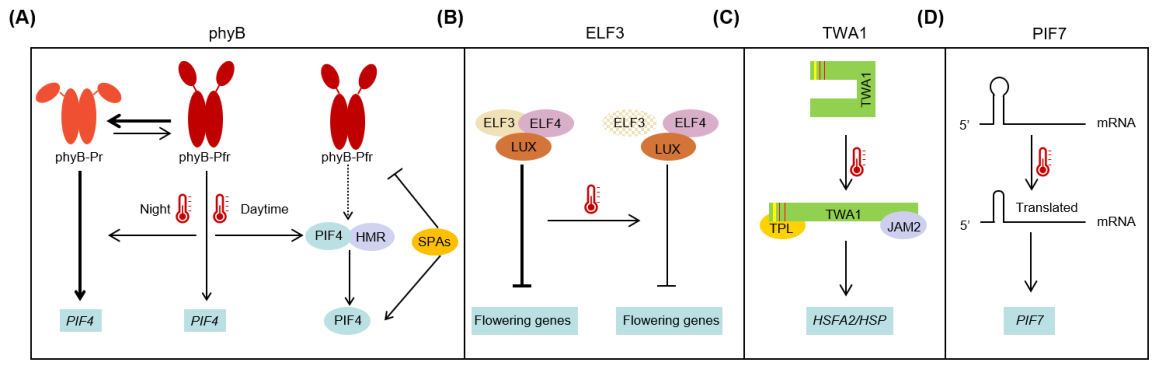
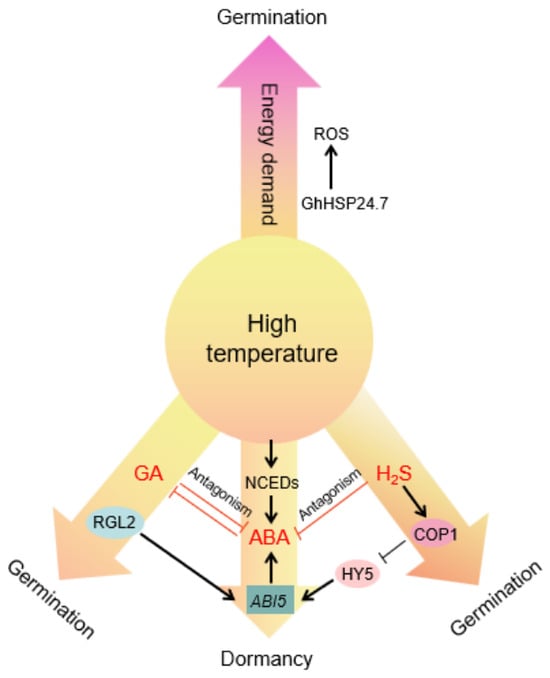
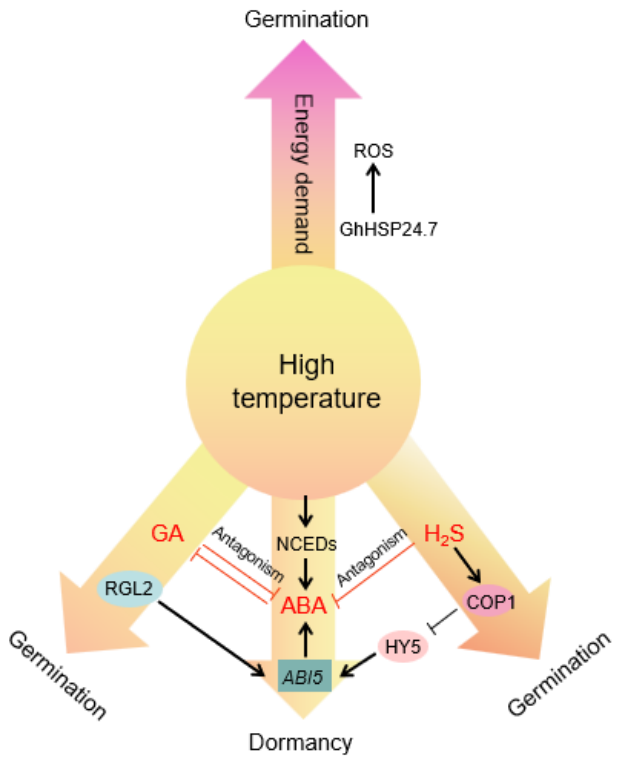
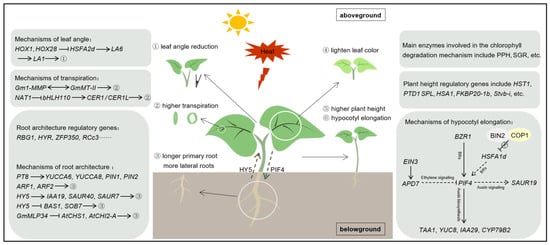
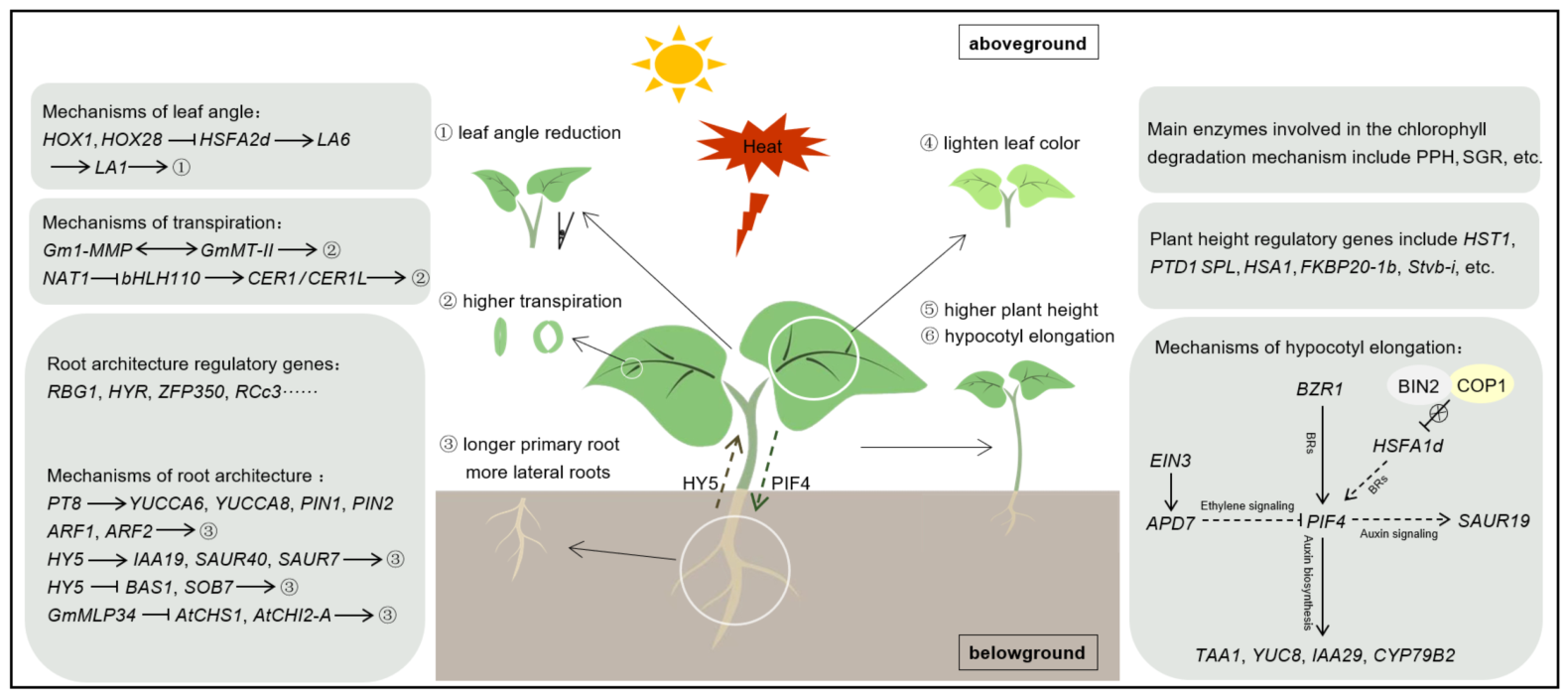
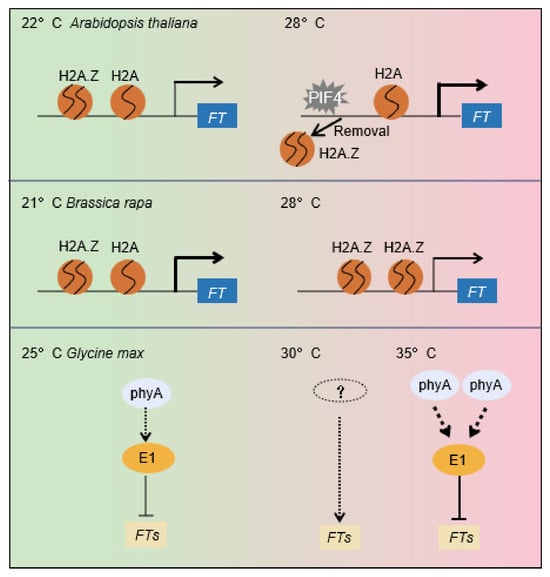
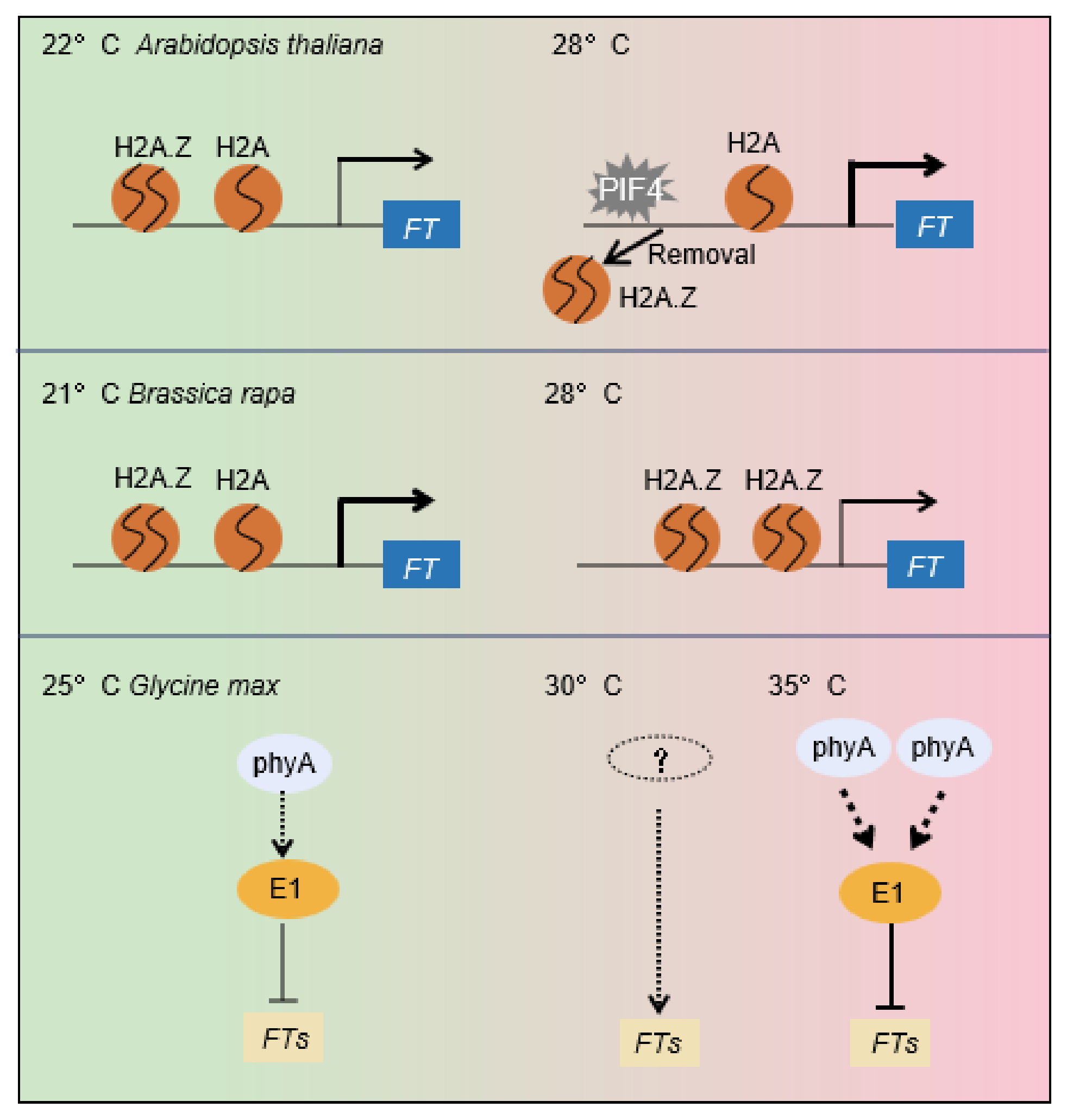

Disclaimer/Publisher’s Note: The statements, opinions and data contained in all publications are solely those of the individual author(s) and contributor(s) and not of MDPI and/or the editor(s). MDPI and/or the editor(s) disclaim responsibility for any injury to people or property resulting from any ideas, methods, instructions or products referred to in the content. |
© 2026 by the authors. Licensee MDPI, Basel, Switzerland. This article is an open access article distributed under the terms and conditions of the Creative Commons Attribution (CC BY) license.