Article

Validation and Optimization of a Stable Isotope-Labeled Substrate Assay for Measuring AGAT Activity

1
Department of Biochemistry, University of Toronto, Toronto, ON M5S 1A1, Canada
2
Genetics and Genome Biology, The Hospital for Sick Children, Toronto, ON M5G 1X8, Canada
3
Department of Pediatrics, University of Toronto, Toronto, ON M5S 1A1, Canada
*
Author to whom correspondence should be addressed.
Int. J. Mol. Sci. 2024, 25(23), 12490; https://doi.org/10.3390/ijms252312490
Submission received: 1 November 2024 / Revised: 14 November 2024 / Accepted: 18 November 2024 / Published: 21 November 2024
(This article belongs to the Section Molecular Endocrinology and Metabolism)

Abstract

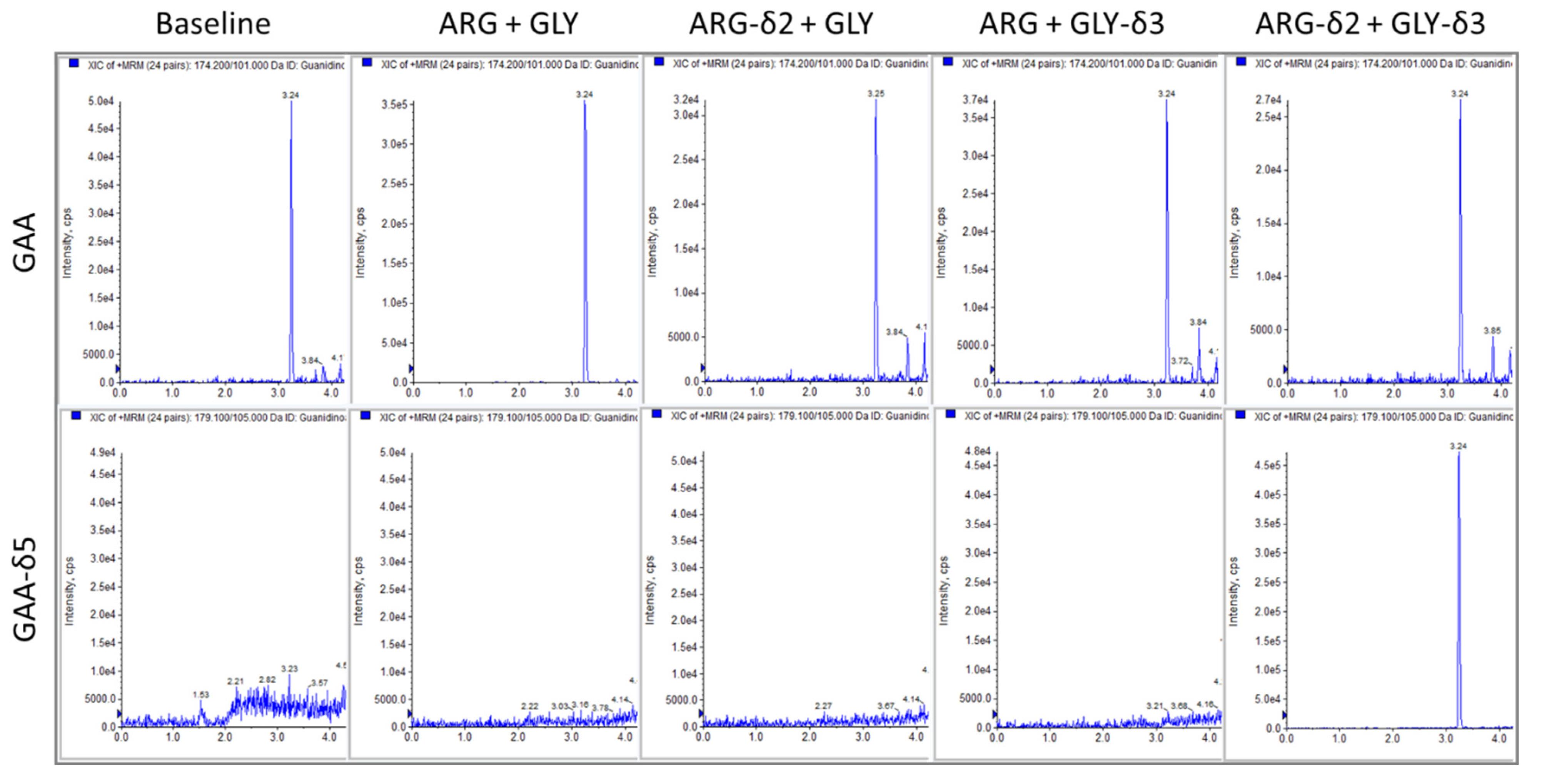
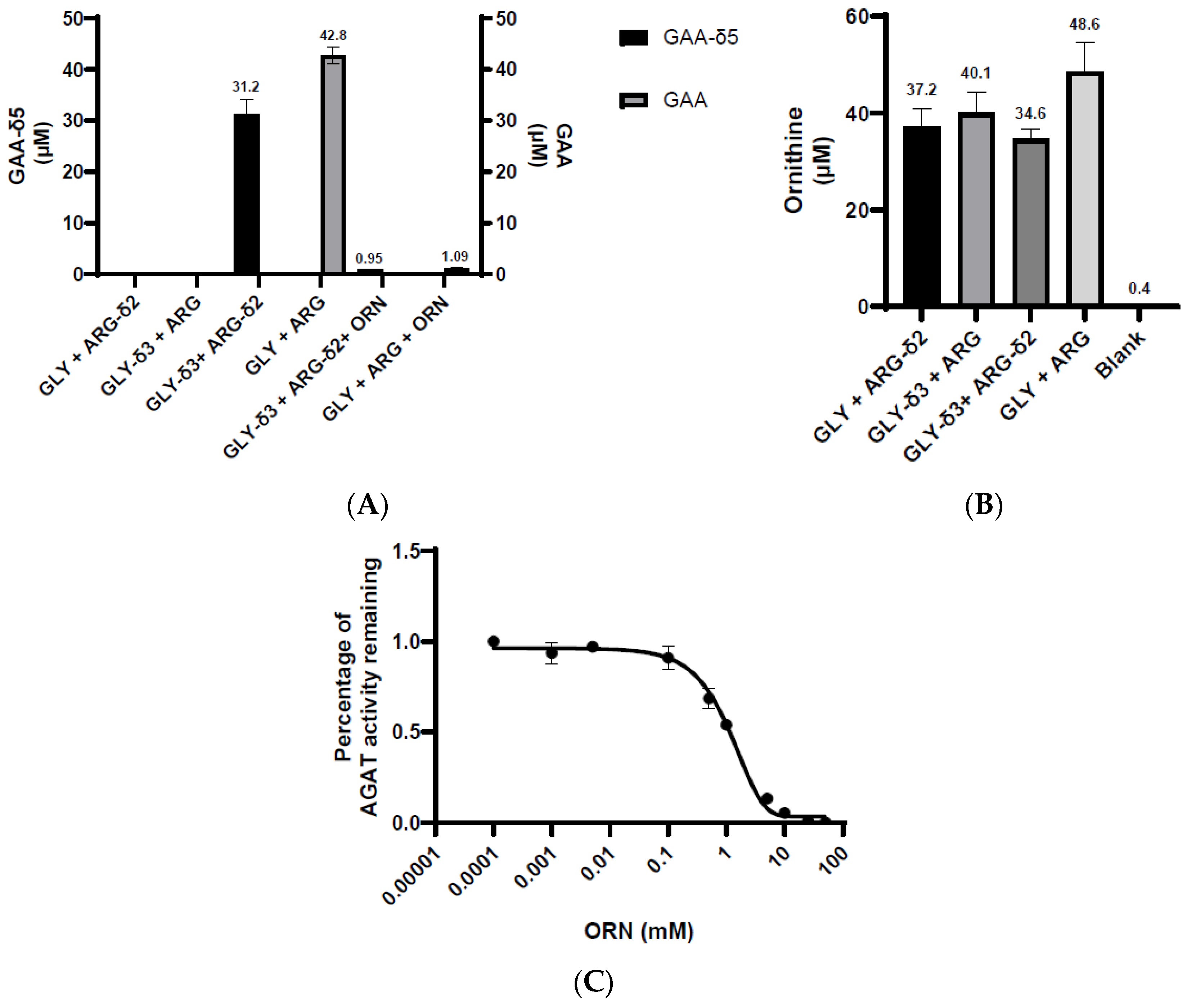
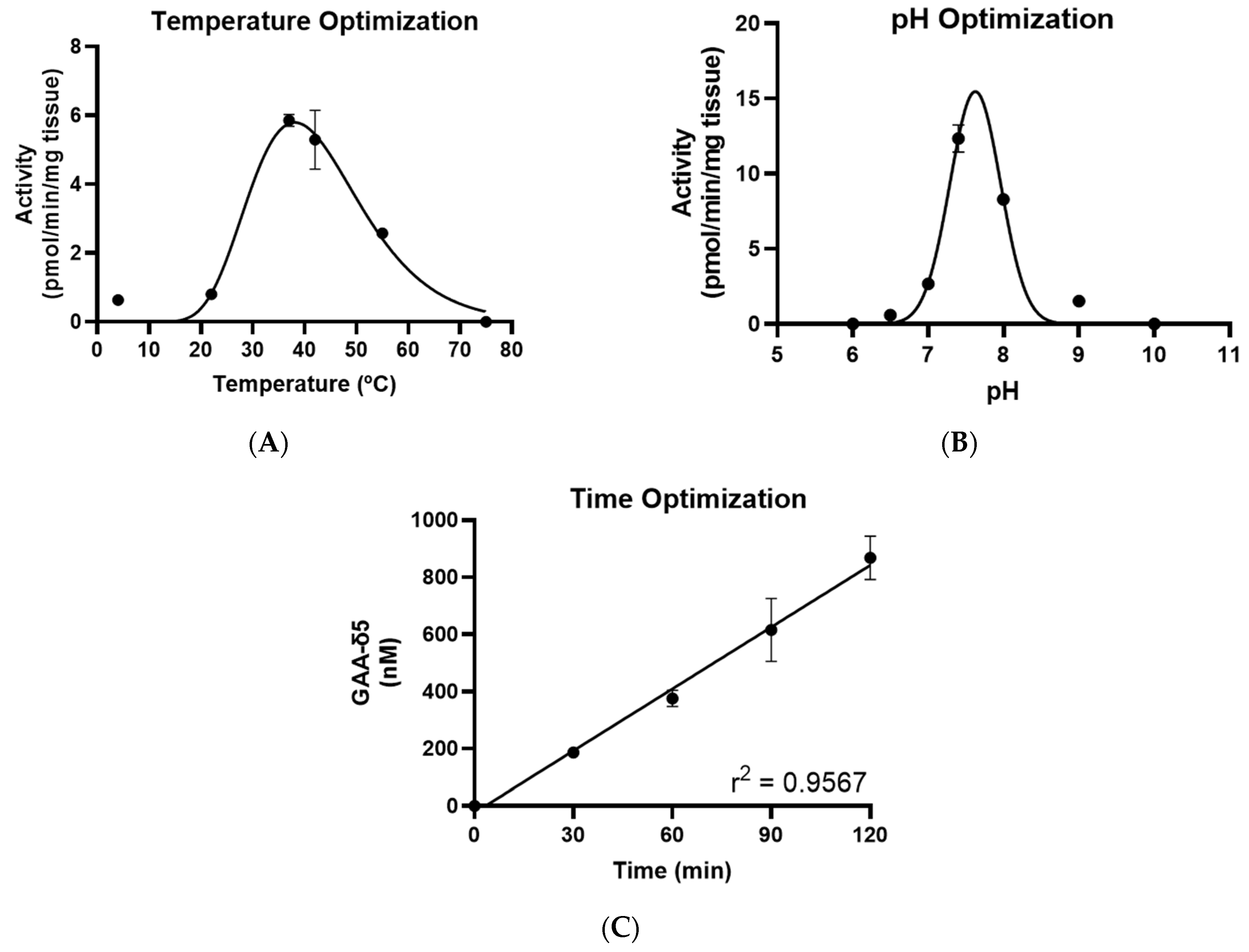
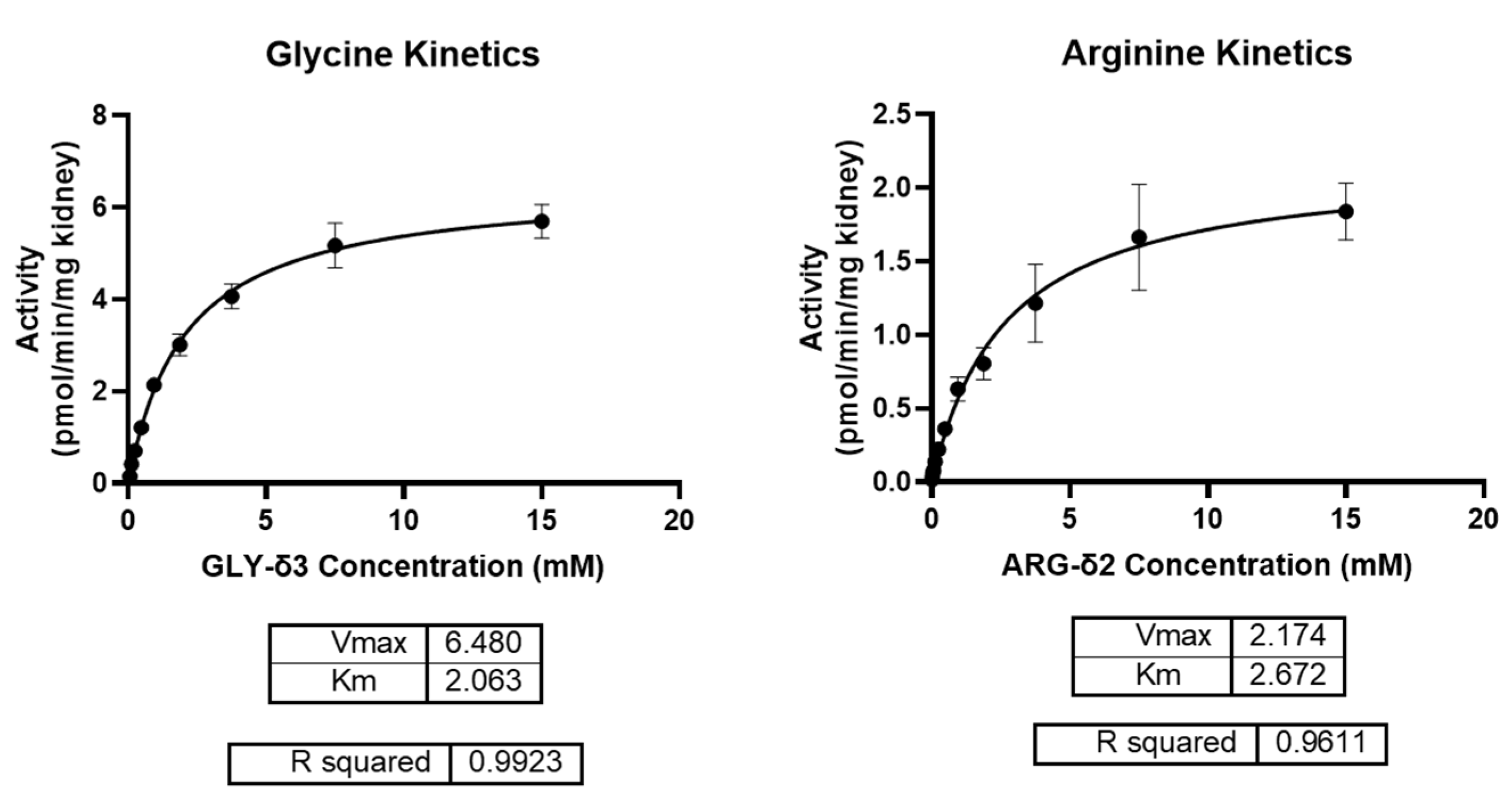
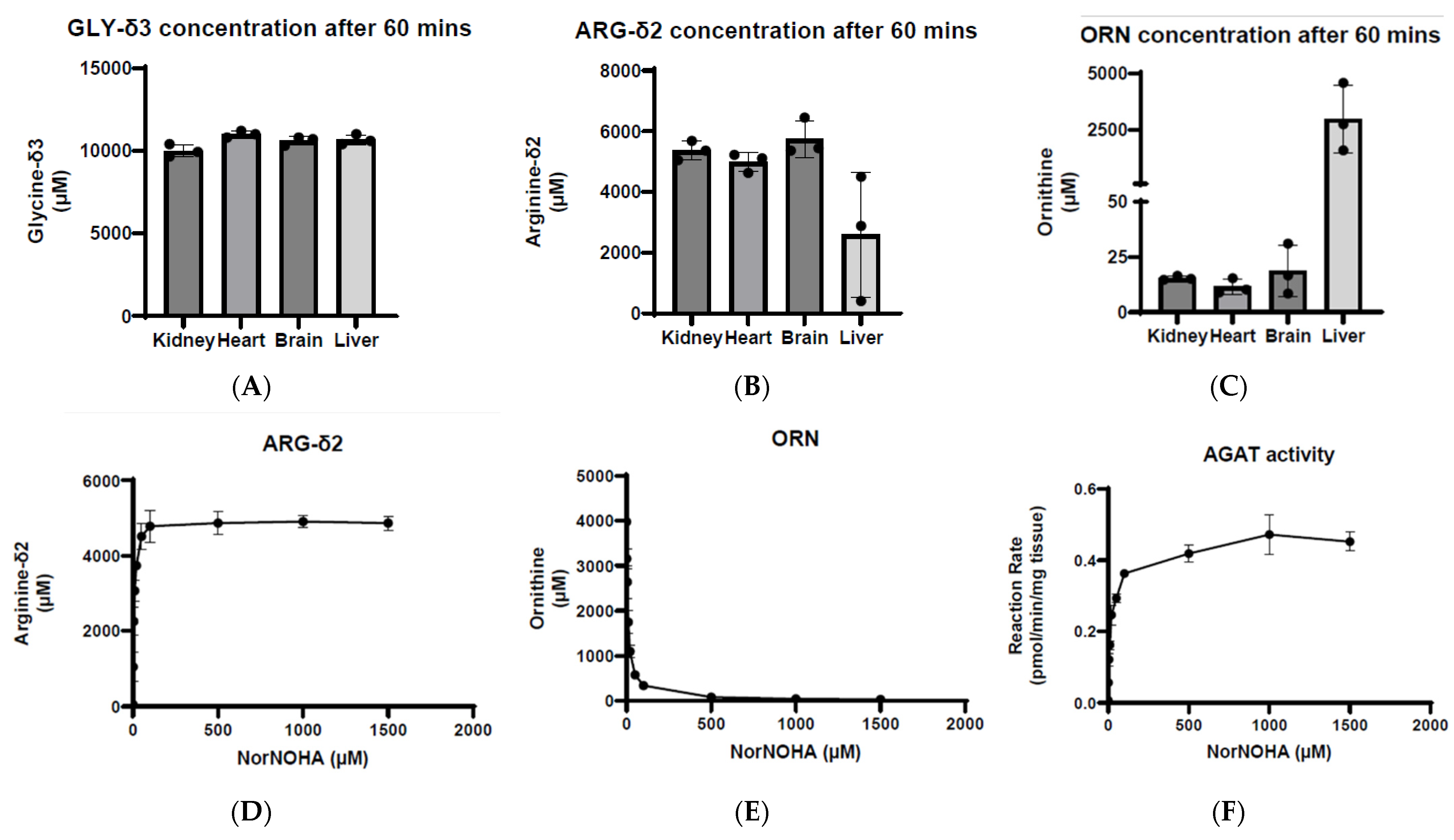
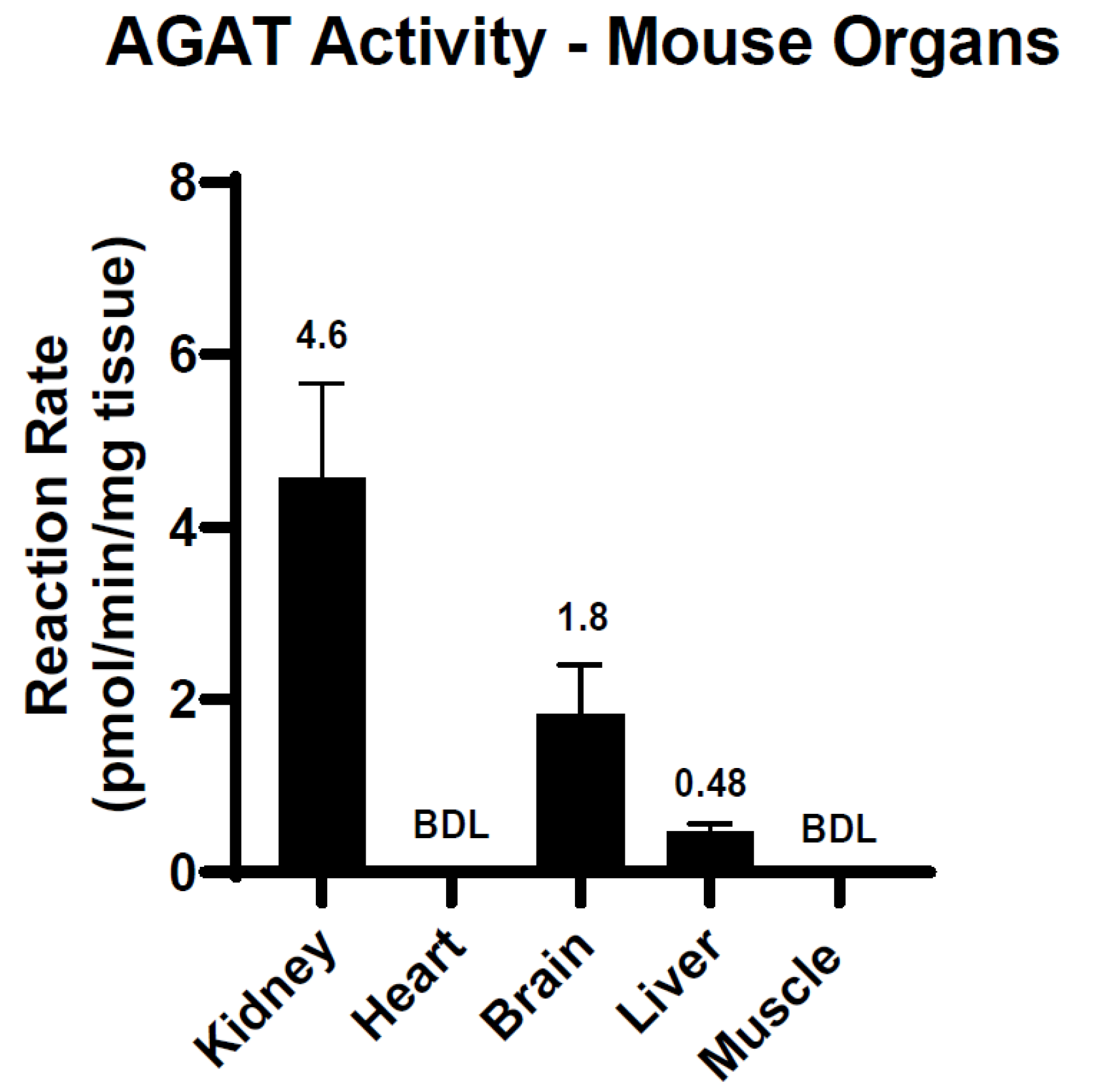
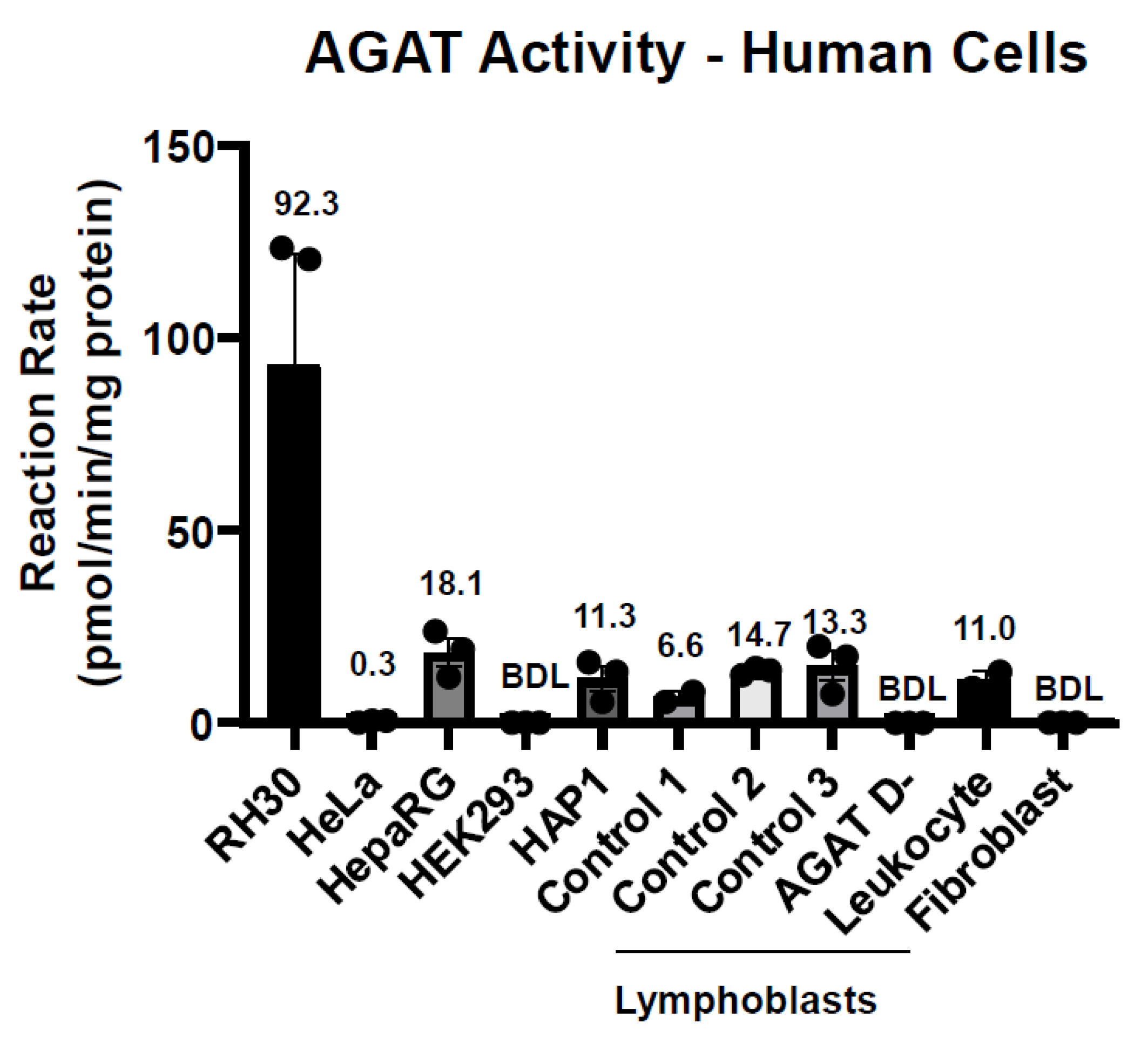
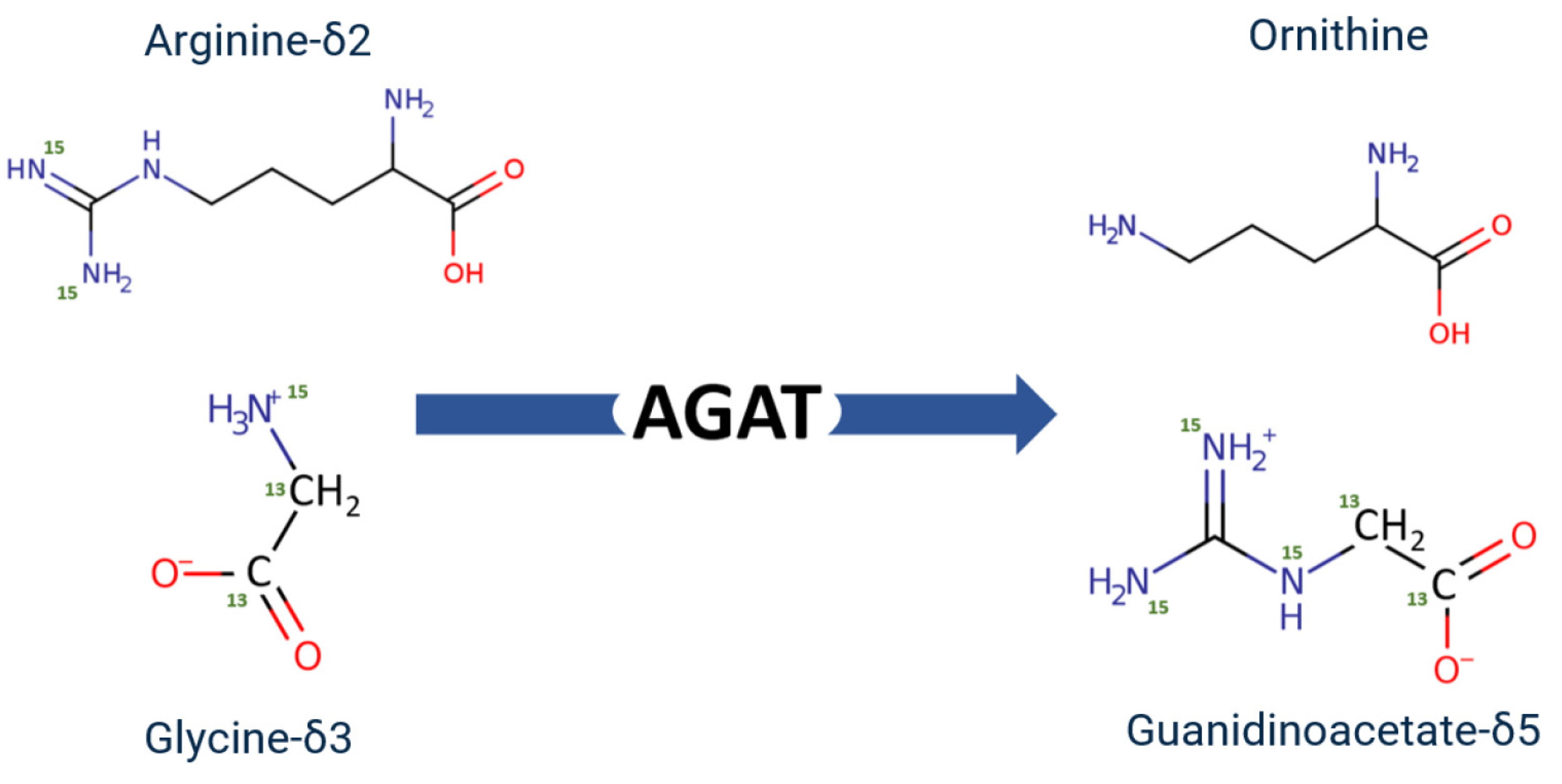
L-arginine: glycine amidinotransferase (AGAT) gained academic interest as the rate-limiting enzyme in creatine biosynthesis and its role in the regulation of creatine homeostasis. Of clinical relevance is the diagnosis of patients with AGAT deficiency but also the potential role of AGAT as therapeutic target for the treatment of another creatine deficiency syndrome, guanidinoacetate N-methyltransferase (GAMT) deficiency. Applying a stable isotope-labeled substrate method, we utilized ARG 15N2 (ARG-δ2) and GLY 13C215N (GLY-δ3) to determine the rate of 1,2-13C2,15N3 guanidinoacetate (GAA-δ5) formation to assess AGAT activity in various mouse tissue samples and human-derived cells. Following modification and optimization of the assay, we analyzed AGAT activity in several mouse organs. The Km and Vmax of AGAT in mouse kidney for GLY-δ3 were 2.06 mM and 6.48 ± 0.26 pmol/min/mg kidney, and those for ARG-δ2, they were 2.67 mM and 2.17 ± 0.49 pmol/min/mg kidney, respectively. Our results showed that mouse kidneys had the highest levels of enzymatic activity, followed by brain and liver, with 4.6, 1.8, and 0.4 pmol/min/mg tissue, respectively. Both the heart and muscle had no detectable levels of AGAT activity. We noted that due to interference with arginase in the liver, performing the enzyme assay in liver homogenates required the addition of Nor-NOHA, an arginase inhibitor. In immortalized human cell lines, we found the highest levels of AGAT activity in RH30 cells, followed by HepaRG, HAP1, and HeLa cells. AGAT activity was readily detectable in lymphoblasts and leukocytes from healthy controls. In our assay, AGAT activity was not detectable in HEK293 cells, in human fibroblasts, and in the lymphoblasts of a patient with AGAT deficiency. Our results demonstrate that this enzyme assay is capable of accurately quantifying AGAT activity from both tissues and cells for diagnostic purposes and research.
Keywords: enzyme assay; AGAT activity; creatine deficiency syndromes; isotope-labeled enzyme assay; AGAT activity; creatine deficiency syndromes; isotope-labeled