Review

Research Trends in the Efficacy of Stem Cell Therapy for Hepatic Diseases Based on MicroRNA Profiling


1
Department of Molecular and Cellular Biology, University of Glasgow, Glasgow G12 8QQ, UK
2
Department of Biomedical Science, CHA University, Seongnam 13488, Korea
*
Author to whom correspondence should be addressed.
Int. J. Mol. Sci. 2021, 22(1), 239; https://doi.org/10.3390/ijms22010239
Submission received: 25 November 2020 / Revised: 23 December 2020 / Accepted: 25 December 2020 / Published: 29 December 2020
(This article belongs to the Section Molecular Endocrinology and Metabolism)

Abstract

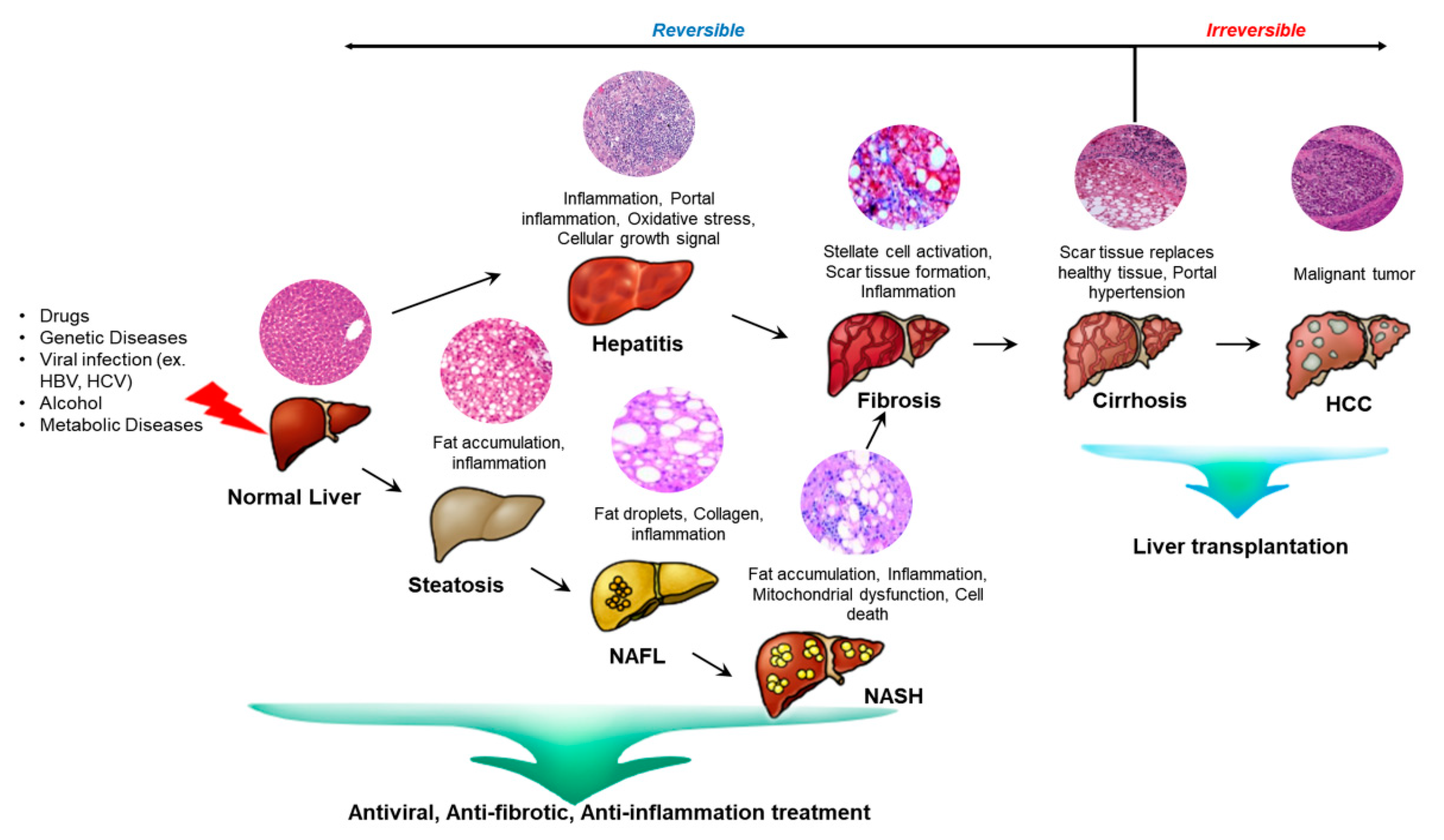
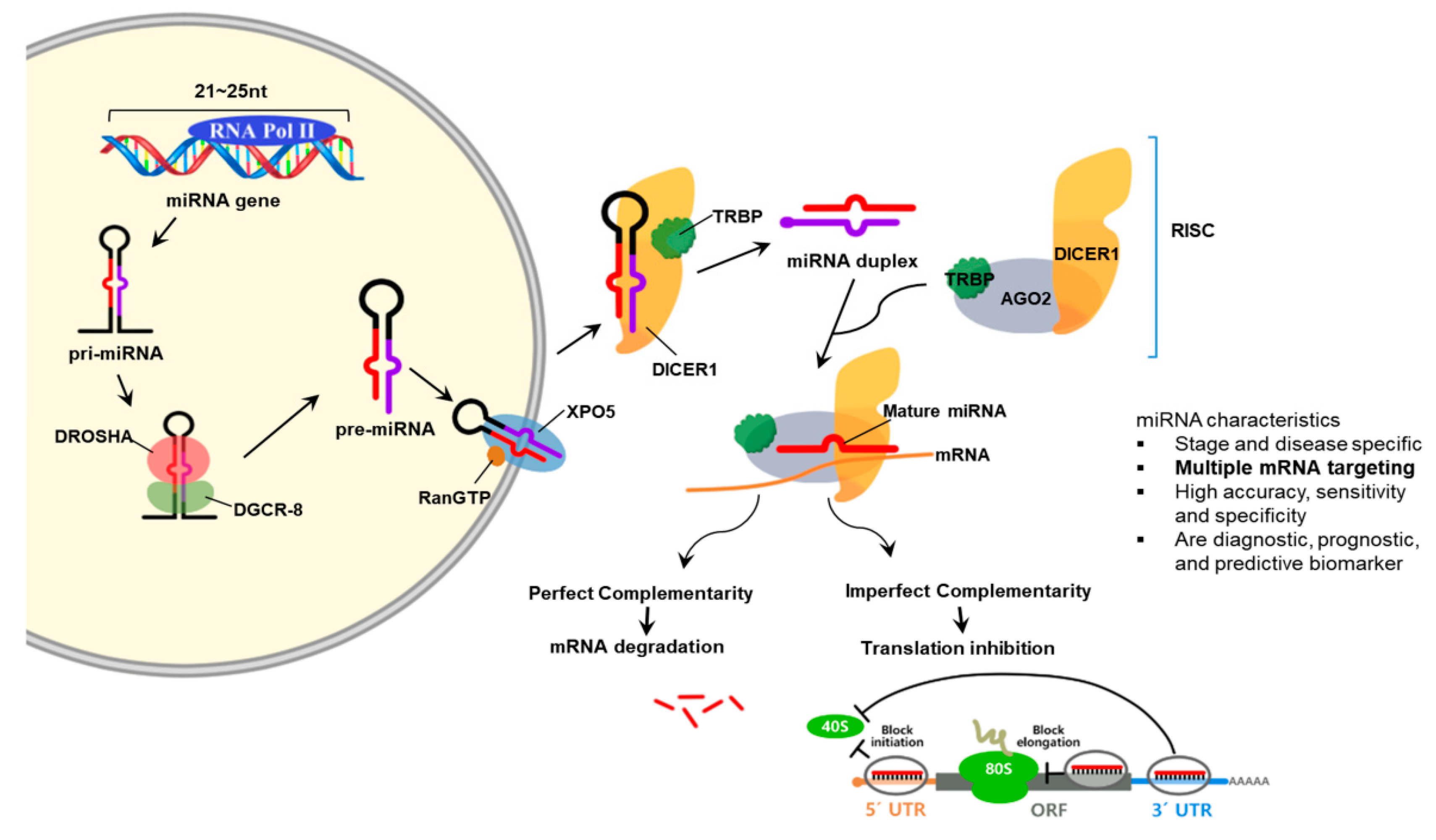
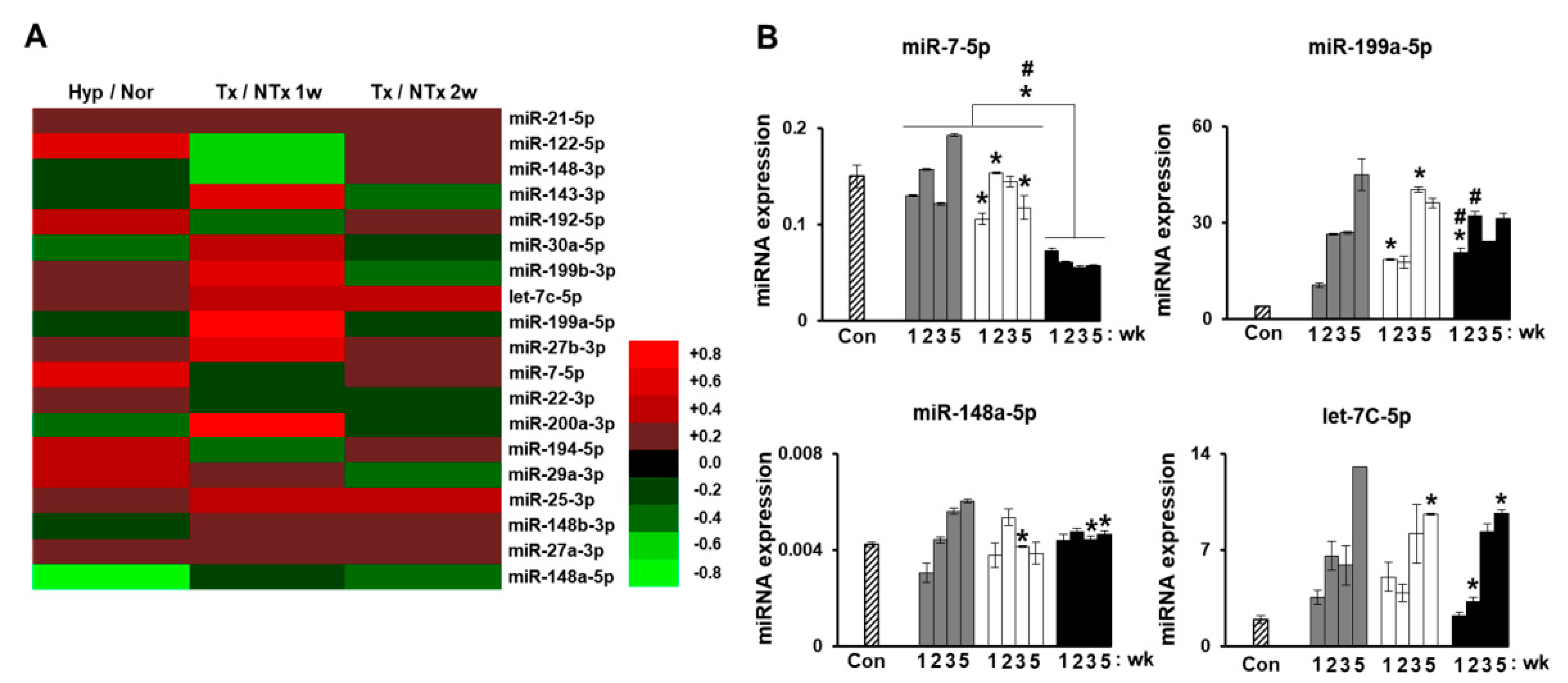
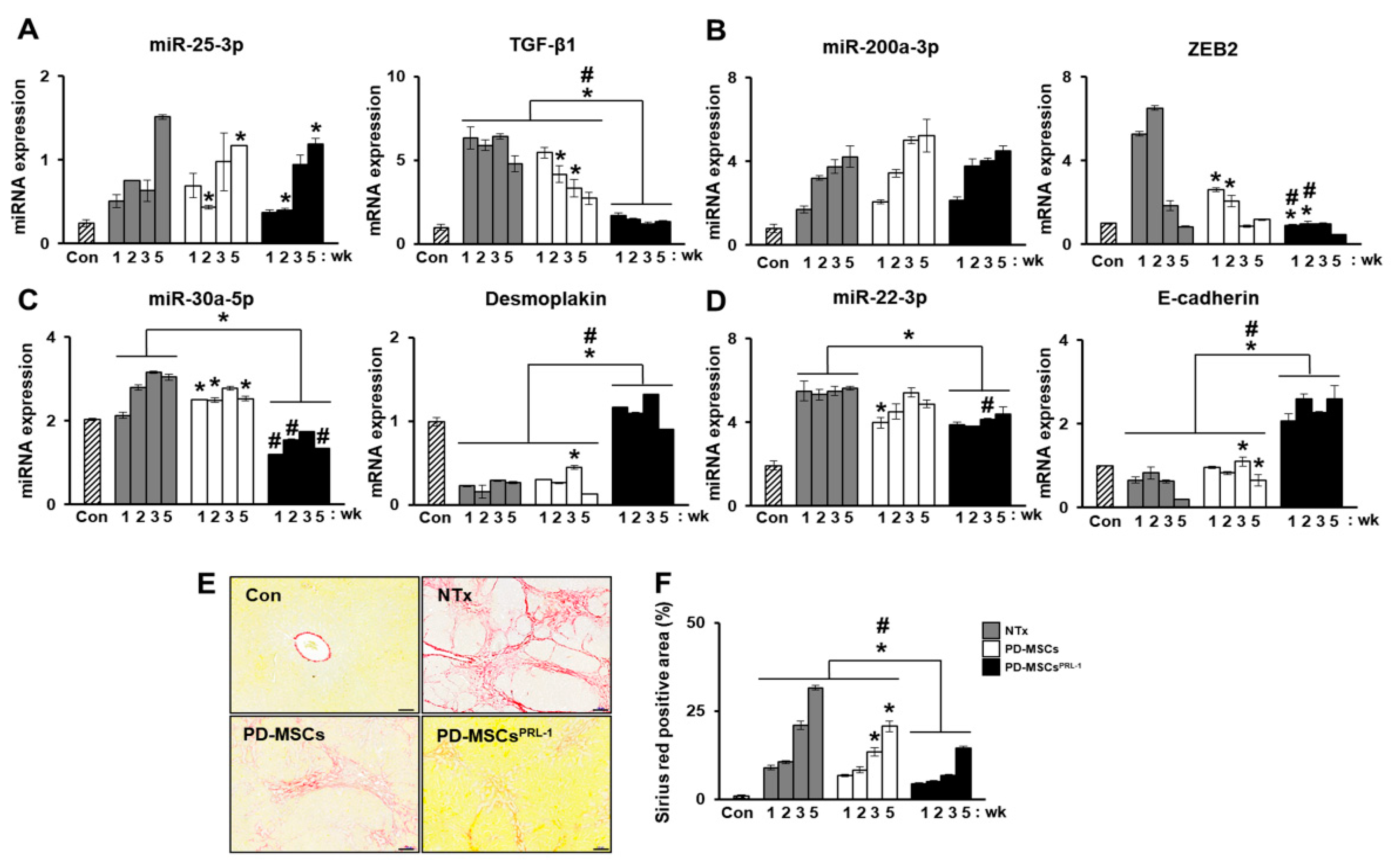
Liver diseases, despite the organ’s high regenerative capacity, are caused by several environmental factors and persistent injuries. Their optimal treatment is a liver transplantation. However, this option is limited by donor shortages and immune response issues. Therefore, many researchers have been interested in identifying the therapeutic potential in treating irreversible liver damage based on stem cells and developing suitable therapeutic agents. Mesenchymal stem cells (MSCs), which are representative multipotent stem cells, are known to be highly potential stem cell therapy compared to other stem cells in the clinical trial worldwide. MSCs have therapeutic potentials for several hepatic diseases such as anti-fibrosis, proliferation of hepatocytes injured, anti-inflammation, autophagic mechanism, and inactivation of hepatic stellate cells. There are much data regarding clinical treatments, however, the data for examining the efficacy of stem cell treatment and the correlation between the stem cell engraftment and the efficacy in liver diseases is limited due to the lack of monitoring system for treatment effectiveness. Therefore, this paper introduces the characteristics of microRNAs (miRNAs) and liver disease-specific miRNA profiles, and the possibility of a biomarker that miRNA can monitor stem cell treatment efficacy by comparing miRNAs changed in liver diseases following stem cell treatment. Additionally, we also discuss the miRNA profiling in liver diseases when treated with stem cell therapy and suggest the candidate miRNAs that can be used as a biomarker that can monitor treatment efficacy in liver diseases based on MSCs therapy.
Keywords: degenerative diseases; liver failure; microRNAs; stem cell therapy degenerative diseases; liver failure; microRNAs; stem cell therapy