


Abstract
Food by-products have gained importance as valuable sources of bioactive compounds and structural lipids, with potential applications in food packaging. These residues, such as fruit peels, seeds, and fish skin, contain polymers and natural compounds like polyphenols, carotenoids, tocopherols, and phospholipids, which possess antioxidant and antimicrobial properties highly relevant for food preservation. However, the direct incorporation of these compounds is limited by their sensitivity to environmental factors such as light, oxygen, and pH. Liposomal encapsulation has emerged as a promising strategy to overcome these challenges, providing protection, controlled release, and increased bioavailability of both hydrophilic and lipophilic bioactives. The formulation of liposomes using lipids recovered from food industry by-products introduces an additional sustainability component, in line with the principles of the circular economy. Combining liposomes with other advanced preservation technologies, such as edible coatings and films, electrospinning fibers, and cyclodextrin inclusion complexes, is a promising alternative for extending the shelf-life and safety of food products, as well as for the development of functional foods. This review discusses the latest advances in liposome formulations with food by-products and their combination with other technologies to enhance their effectiveness in food preservation.
1. Introduction
Traditional food packaging materials such as plastic, aluminum, and cardboard, although effective in protecting food, present limitations in terms of recyclability, biodegradability, and long-term environmental impact. Consequently, the search for bio-based, sustainable, and environmentally friendly alternatives has intensified in recent years, focusing on materials derived from renewable sources that not only protect food but also help reduce by-products and the environmental footprint [1,2]. An example of this is the growing interest in the development of biodegradable films and coatings made from natural biopolymers. These matrices are not only biodegradable and compostable but can also act as carriers of active compounds, such as antioxidants and antimicrobials, which extend the shelf-life of food by slowing oxidation and microbial spoilage processes [3,4].
On the other hand, the valorization of food waste and by-products has emerged as a priority area within the circular economy. Large volumes of agro-industrial by-products, such as fruit peels, seeds, pomace, crustacean shells, and cereal residues, contain high-value compounds that, instead of being discarded, can be recovered and reused to develop new food products or functional materials [5,6]. These by-products are natural sources of proteins, biopolymers, and bioactive compounds, including polyphenols, flavonoids, carotenoids, tocopherols, proteins, and structural lipids [7,8]. Such molecules possess antioxidant, antimicrobial, and anti-inflammatory properties, making them ideal candidates for incorporation into active packaging systems or functional food formulations aimed at enhancing consumers’ health [9].
However, the direct use of these bioactive compounds presents technological limitations due to their instability when exposed to environmental factors, such as light, oxygen, humidity, and pH, resulting in degradation and, consequently, the loss of functional activity [3]. The chemical stability of polyphenols and other phytochemicals is closely linked to their molecular structure, particularly the presence of hydroxyl groups, conjugated systems, and glycosylation patterns, which determine their reactivity toward environmental stressors [10]. Light exposure accelerates degradation through photoinduced reactions, including isomerization and oxidation, often mediated by photosensitizers such as riboflavin via Type I and Type II mechanisms, or through direct light absorption [10,11]. Oxygen further promotes instability through autooxidation, leading to peroxide formation and subsequent oxidative degradation, while pH variations induce structural transformations (especially in anthocyanins) where acidic conditions favor stable flavylium forms and alkaline environments accelerate degradation [12]. Elevated temperatures also contribute to instability by inducing reactions such as epimerization during processing and storage [10].
In this regard, encapsulation emerges as an effective tool for protecting sensitive compounds and ensuring their functionality during food processing and storage [13]. Among the various encapsulation techniques available, liposomes stand out for their versatility, biocompatibility, and ability to encapsulate both hydrophilic and lipophilic compounds [14]. Liposomes are spherical vesicles formed by one or more lipid bilayers, mainly composed of phospholipids and cholesterol. In the food industry, these systems have been successfully used to encapsulate bioactive compounds, such as polyphenols, essential oils, plant extracts, vitamins, and natural pigments [15]. Their structure allows for the protection of encapsulated compounds from adverse conditions, improves bioavailability, and enables controlled release, making them highly advantageous for functional foods and active packaging applications [14,16].
The possibility of formulating liposomes using lipids extracted from food by-products adds an additional dimension of resource efficiency to the encapsulation process. By-products such as fish skin and liver, shrimp shells, or egg yolk residues contain natural phospholipids that can serve as raw materials for liposome formation [17,18]. This strategy not only reduces production costs but also promotes the recovery and full valorization of agro-food residues, supporting the circular economy and reducing the environmental impact associated with the industry. Furthermore, the incorporation of liposomes into emerging technologies, such as edible coatings and films, electrospinning, and cyclodextrin inclusion, represents a promising strategy for enhancing food preservation. These combined systems facilitate the controlled release of active compounds and improve their distribution throughout the packaging matrix or on the food surface, providing additional protection against oxidation and microbial growth [3,4].
Although liposomes, edible coatings and films, electrospinning, and cyclodextrin inclusion complexes have been extensively reviewed as individual technologies, there is still limited integrative analysis addressing their combined application in food systems, particularly when liposomes are formulated using lipids recovered from food and agro-industrial by-products. Therefore, the objective of this article is to review, update and discuss the applications of liposomes in food preservation, analyzing the use of food by-products in their formulation and their combination with complementary technologies, such as edible coatings and films, electrospinning, and cyclodextrins. Finally, emphasis is given to highlight how these synergies improve the functionality of liposomes, increasing the stability of bioactive compounds and extending the shelf-life of food products.
2. Liposomes
Liposomes can encapsulate hydrophilic, lipophilic, or amphiphilic compounds within lipid bilayer vesicles, enabling diverse food applications [19]. Liposomes offer multiple benefits and are utilized in a wide range of products within the food and pharmaceutical industries. Their structure consists of lipid-based vesicles, typically composed of phospholipids and cholesterol, which can vary in size and number of layers [20]. The main advantage of employing this type of technology lies in its capacity to encapsulate and protect bioactive molecules, which is particularly beneficial for compounds, such as polyphenols, that are sensitive to light, temperature, gases, and other environmental stressors [21].
Liposomes are mainly composed of phospholipids such as phosphatidylcholine (lecithin), phosphatidylethanolamine, phosphatidylserine, and phosphatidylglycerol [22]. In some cases, liposome modulators such as cholesterol, bile salts, nonionic surfactants, and chitosan are added to enhance the structural stability and rigidity of liposomes [19]. The properties of liposomes depend on the composition of phospholipids. Unsaturated phosphatidylcholine species derived from natural sources (egg or soy) yield more permeable and less stable bilayers, whereas the use of saturated phospholipids with long acyl chains, such as dipalmitoylphosphatidylcholine, results in more rigid and impermeable bilayer structures [23].
Liposomes are primarily classified according to their lamellarity (number of bilayers) and size [24]. Based on their lamellarity, liposomes are classified as unilamellar vesicles (containing a single bilayer), oligolamellar vesicles (with two to five bilayers), and multilamellar vesicles (comprising more than five bilayers). In terms of size, unilamellar vesicles can be small (20–100 nm), large (>100 nm), or giant (>1 mm), whereas multilamellar vesicles exceed 0.5 mm, and oligolamellar vesicles range from 0.1 to 1 mm. The number of bilayers and the size of the liposomes directly influence the amount of drug or active compound that can be encapsulated [25]. Depending on the encapsulation objective, the most suitable type of liposome is selected. Large unilamellar vesicles, due to their higher internal volume, are ideal for encapsulating hydrophilic molecules, while multilamellar vesicles, with multiple hydrophobic regions in their bilayers, are particularly effective for incorporating lipophilic molecules (Figure 1) [24].
Figure 1.
Types of liposomes and their charge based on lamellarity: Unilamellar Liposome Delivery System (left) and Multilamellar Liposome Delivery System (right). Created with BioRender.com.
2.1. Liposome Production Techniques
Regarding liposome production, it is important to understand that this process is divided into two main stages: the first corresponds to liposome formation itself, and the second involves post-production techniques [26]. Liposome production methods include thin-film dehydration–hydration [27], solvent injection methods [28,29], microfluidic technologies [30], the detergent removal (depletion) method [31], and heating techniques [32]. These methodologies are comprehensively reviewed in the work by Lombardo and Kiselev [33].
Methods for obtaining liposomes generally include four stages: drying a mixture of lipids in an organic solvent, dispersing the lipids in aqueous media, separating and purifying the formed liposomes, and analyzing the final product [23]. The thin-film method is the most widely used technique for liposome preparation. It involves forming a lipid film in a rotary evaporator, which is then hydrated with water or a buffer solution preheated above the lipid phase transition temperature. This process, combined with vigorous agitation, generates multilamellar liposomes. Lipophilic compounds are mixed with the lipids, while hydrophilic compounds are added to the aqueous phase. From the multilamellar liposomes, small unilamellar liposomes can be formed through cell disruption using high-intensity ultrasound [34]. Several conventional techniques exist for liposome preparation, including reverse-phase evaporation, injection, hydration, microfluidics, and extrusion. However, these methods often present disadvantages that limit their application at an industrial level, such as complex procedures, low encapsulation efficiencies, the risk of denaturing active compounds under adverse conditions, and the use of organic solvents that must be eliminated for food applications [23]. In this regard, homogenization techniques using ultrasound and heating offer good encapsulation efficiencies, use only food-grade solvents, and employ simple, easily scalable procedures. However, energy costs at an industrial level still need to be evaluated.
2.2. Valorization of Food By-Products in Liposome Formulation
In recent years, the use of agri-food by-products and waste as sources of lipid and bioactive compounds for liposome formulation has attracted growing scientific and technological interest. Several studies have demonstrated that residues such as fish skins and viscera, shrimp shells, and by-products from the vegetable oil industry contain phospholipids, other structural lipids, and phenolic compounds that can be extracted and employed in the preparation of liposomes [35,36]. Table 1 shows works where different by-products of the food industry have been valued for the production of liposomes with different applications. This strategy not only reduces the use of high-cost or synthetic raw materials but also promotes a more sustainable approach aligned with the principles of the circular economy [37]. Furthermore, the technical feasibility of producing food-grade liposomes such as vesicles loaded with carotenoids obtained from soy lecithin has been demonstrated, highlighting the potential of combining lipids derived from by-products with liposomeapplicable in the food sector [38].
Additionally, agro-industrial residues are also an important source of bioactive compounds, such as polyphenols, carotenoids, flavonoids, tocopherols, and peptides, that possess antioxidant and antimicrobial properties of great interest to the food industry [39]. The encapsulation of these compounds in liposomes prepared from natural materials offers an effective solution to improve their stability against environmental factors, enhance their bioavailability, and enable controlled release in food matrices. This dual valorization of both structural lipids and bioactive compounds present in by-products represents a sustainable and innovative alternative for the development of functional ingredients and active packaging systems [40]. In this sense, liposomes stand out as a versatile technological tool that integrates environmental sustainability with technological functionality, supporting the transition toward a more efficient and environmentally responsible food industry.
However, a critical distinction must be made between raw material sustainability and process-level sustainability to avoid overgeneralizing the green nature of these systems. The use of biopolymers and liposomes in food applications relies primarily on the valorization of agro-industrial by-products as sustainable sources of polymers, structural lipids, and bioactive compounds, rather than on the entire manufacturing process [6] that often involves significant environmental trade-offs. For instance, conventional laboratory-scale methods for polymer and lipid extraction and liposome preparation remain heavily dependent on organic solvents and energy-intensive steps (rotary evaporation, sonication, etc.) for efficiency and reproducibility; these protocols are not classified as green technologies [41]. In this context, the ecological advantage for liposomes highlighted in this review lies in strategically replacing synthetic or high-cost compounds with waste-derived materials, thereby promoting waste reduction and a circular economy [42]. Consequently the term “sustainable” in much of the current literature predominantly refers to the sourcing of materials rather than the fabrication process. To address this gap, current research is increasingly focused on liposome production strategies that utilize reduced, solvent-free, or food-grade solvents to improve environmental compatibility and industrial scalability. These include supercritical CO2 extraction [43], ethanol-based systems using food-grade solvents suitable for large-scale production [44] and high-pressure homogenization [45], or methods like Jalilian et al.’s [46], which eliminate the use of toxic solvents and reduce energy requirements, thereby aligning the entire production chain with environmental compatibility.
Table 1.
Valorization of food by-products in liposome formulation.
Table 1 shows that residues derived from the wine industry, such as grape pomace and grape seeds, represent the most extensively explored substrates for the extraction of phenolic compounds, anthocyanins, and condensed tannins [47,48,49,50,51,52,53,54,55]. This trend extends to other plant-based residues, including spent coffee grounds [56], red onion skins [57], olive leaves and olive mill waste [36,58], fruit processing residues [58,59,60], tea waste [61,62], and Araucaria angustifolia bracts [63], where the stabilization of secondary metabolites is pursued through the use of phospholipids such as phosphatidylcholine and soy lecithin. In addition to plant sources, the recovery of functional lipids and peptides from crustacean by-products, such as shrimp waste, has also been reported, involving the incorporation of carotenoids, α-tocopherol, and bioactive peptides into liposomal matrices [35,64,65]. Furthermore, Table 1 highlights that the thin-film hydration method (or thin-layer evaporation), followed by sonication or extrusion, predominates as the standard technique to ensure particle size reduction and vesicle homogeneity in liposome [47,48].
Nevertheless, the pursuit of higher encapsulation efficiency and improved scalability has driven the implementation of alternative methodologies, such as supercritical fluid-assisted formation [56], reverse-phase evaporation [49], and ethanol injection [60]. Another relevant aspect is that, in the formulation of these liposomal systems, the addition of components such as cholesterol or polymeric coatings with chitosan has been evaluated, as these may affect membrane rigidity and the controlled release of active compounds [49,58,61,64]. Despite the advances reported in these studies, variability in the purity of the lipids used—ranging from purified fractions to commercial lecithins—and the need for controlled thermal processes suggest that the standardization of synthesis protocols remains the main challenge for transferring these systems from laboratory scale to industrial production [35,49,61].
2.3. Liposomes and Their Application in the Food Industry
Liposomes loaded with bioactive compounds (leaf and algae extracts, essential oils, and oleoresins) possessing antioxidant and antimicrobial properties have been widely investigated for the preservation of different food systems, particularly highly perishable products such as marine and dairy products (Table 2). These bioactives can be efficiently incorporated into liposomal structures, improving their stability, distribution, and controlled release within food matrices [2,66].
Table 2.
Liposomes and their application in the food industry.
Among marine products, fish filets and oysters have been studied due to their high nutritional value and susceptibility to lipid and protein oxidation. In tilapia filets, liposomes loaded with 1% ethanolic extract of Piper betle L. leaves effectively preserved the product over 12 days of storage at 4 °C, significantly reducing the proliferation of Staphylococcus aureus, Escherichia coli, Pseudomonas aeruginosa, and Shigella sonnei compared to a control without liposome addition [67]. Likewise, oysters, which are rich in high-quality proteins, polyunsaturated fatty acids, and other micronutrients, are highly susceptible to oxidative deterioration. Cheng et al. [2] utilized liposomes loaded with rosemary oleoresin to uniformly coat dried oysters by immersion for 2 min in a liposomal solution (0.5 mg/mL) [2]. This coating effectively delayed lipid and protein oxidation during 28 days of storage, as evidenced by lower peroxide and TBAR values (lipid oxidation indicators) and reduced carbonyl content (protein oxidation indicator) compared to dried oysters coated with liposomes lacking rosemary oleoresin [2].
In dairy products, liposomes have been explored as effective carriers for bioactive enrichment in cheese. Zanganeh et al. [66] reported that spirulina extract-loaded liposomes significantly reduced the growth of Staphylococcus aureus and Listeria monocytogenes in white cheese during storage at 4 and 25 °C. Gil et al. [68] incorporated Thymus capitatus L. essential oil into sheep cheese using soy lecithin-based liposomes (Lecinova® and Lipoid S75). To reduce particle size and enhance stability, the liposomal dispersions were subjected to sonication, and homogeneous distribution within the cheese matrix was achieved by injecting six aliquots of 10 mL of essential oil-loaded liposomes into different regions of each cheese [68]. As a result, the enriched cheeses containing carvacrol and thymol maintained stable antioxidant capacity throughout 60 days of storage [68]. In fresh cheeses, Siyar et al. [69] incorporated saffron-extract-loaded nanoliposomes into ricotta cheese, achieving high physical stability (91.85–98.54%) and particle sizes of 155.9–208.1 nm using 0.5–4% soy lecithin. Liposome addition did not significantly affect pH, while yellowness (b*) increased with saffron extract concentration due to its carotenoid content, and hardness and chewiness increased at a saffron extract concentration of 0.125% compared to the control cheese [69].
In yogurt systems, liposomes have been evaluated as carriers for vitamins and plant bioactives under refrigerated storage and simulated gastrointestinal digestion. Ferreira et al. [70] incorporated lyophilized liposomes co-encapsulating vitamins D3 and B12 into yogurt without adversely affecting physicochemical properties or sensory acceptance. Static in vitro digestion demonstrated enhanced intestinal bioaccessibility of vitamin D3, while vitamin B12 remained stable throughout digestion, indicating that the fortified yogurt could provide physiologically relevant amounts of both micronutrients. Amiri et al. [71] investigated the release behavior of charantin from bitter melon extract-loaded nanoliposomes incorporated into yogurt under simulated gastrointestinal conditions. Charantin release was limited during the gastric phase (20.2–30.4% within 2 h) and increased during the intestinal phase, reaching 35.3–54.3% within the first 30 min, 63.1–82.9% after 3 h, and 71.2–95.0% at the end of intestinal digestion, depending on lecithin and extract concentrations. In addition, Robles-García et al. [72] reported that anthocyanin-loaded nanoliposomes improved color stability, reduced syneresis, enhanced water-holding capacity, and provided sustained release during 21 days of refrigerated storage, while Karakuş et al. [73] showed that peptide-loaded nanoliposomes reduced syneresis, improved textural properties, modulated post-acidification, and enabled controlled gastrointestinal release over 14 days of storage.
In bakery systems, evidence on liposomal delivery remains limited. Sheikhzadeh et al. [74] reported that omega-3 fatty acids encapsulated in soy lecithin nanoliposomes showed high encapsulation efficiency (95.51%) and a mean particle size of 119 nm when incorporated into wheat–corn bread. Compared to free omega-3 addition, liposomal incorporation improved thermal stability during baking and resulted in higher moisture content and lower hardness during storage, indicating delayed staling.
In fresh pepper fruits, p-coumaric-acid-loaded liposomes applied directly to the fruit surface showed a markedly enhanced antifungal effect against Botrytis cinerea compared to the free compound, reducing lesion area by 55.2%, whereas free p-coumaric acid reduced lesion area by 36.6%, both relative to the control fruit, 6 days after incubation. This improved disease control was accompanied by reduced postharvest deterioration, contributing to an extended shelf life during storage [75].
The application of liposomes in food systems has demonstrated improvements in both oxidative and microbiological stability, thereby extending the shelf-life of various food products [42,76]. This enhancement is attributed to their ability to incorporate antioxidant and antimicrobial compounds of different natures, effectively contributing to the preservation of product quality [41,42]. Recently, the combination of liposomes with emerging technologies, including their incorporation into edible coatings and films, the use of techniques such as electrospinning, and their integration with cyclodextrins, has been explored [41,77]. These synergies have enabled the design of more effective food matrices, enhancing both the protection and functionality of the encapsulated bioactive compounds [78,79].
3. Combination of Liposomes with Other Technologies
3.1. Liposomes Combined with Edible Coatings
Edible coatings are a thin layer of biopolymeric material that covers food to protect it from physical, chemical, and biological contamination. Edible coatings can slow food spoilage and decomposition by acting as selective barriers to the migration of gases, moisture, and solutes during processing, handling, and storage [14]. It has been noted that these coatings can be made using proteins, lipids, and polysaccharides [80]. Combining edible coatings with liposomes represents a novel approach aimed at enhancing their protective and functional performance. The direct incorporation of liposomes into solid foods such as fruits and meat products presents technological challenges related to interactions with complex food matrices, physicochemical stability, and the degradation of encapsulated bioactive compounds [14,81]. Therefore, combining them with edible coatings offers the advantage of placing bioactive agents on the surface of solid products and modulating their release [14]. This approach has allowed for different improvements over traditional coatings, maintaining the functionality of encapsulated bioactive compounds such as antioxidant capacity and antimicrobial activity, thus extending the shelf-life of the foods on which the edible coating is applied [81].
Application of Liposomes Combined with Edible Coatings in Different Food Matrices
The application of edible coatings in combination with liposomes has proven to be a promising strategy for improving the preservation and quality of various food groups. The most commonly used technique for the preparation of liposomes intended for use in food products has been the thin-film hydration method (Table 3), which involves the evaporation of the organic solvent, such as chloroform, ethanol, methanol, or dichloromethane, from the lipid component of the liposome to produce a thin-film, followed by the addition of the aqueous phase. In some cases, an additional step is required to provide sufficient energy to form liposomes, for example, by applying ultrasound [82].
Table 3.
Application of liposomes combined with edible coatings in different food matrices.
Chitosan has been the main material used in the development of edible coatings. It has been reported that the incorporation of liposomes into chitosan films is effective due to the high viscosity of the chitosan solution and the complex formed by the negative (−) charge of the liposomes and the positive (+) charge of the amino groups of chitosan [83]. In the case of meat products, they are highly susceptible to microbial spoilage, color degradation, and lipid oxidation [14]. The studies presented in Table 3 employ essential oils and polyphenol extracts, taking advantage of their antioxidant and antimicrobial properties. These edible coatings delay lipid oxidation, as evidenced by lower peroxide values (PVs) and thiobarbituric acid reactive substances (TBARs) [3,4,14,83], while also reducing the proliferation of spoilage and pathogenic microorganisms such as Escherichia coli, Staphylococcus aureus, and Vibrio parahaemolyticus [4,84]. Furthermore, the sensory characteristics of meat products were not negatively affected by the application of liposome-enriched edible coatings [3,14,83,84].
Fruits are highly susceptible to physical damage and fungal spoilage, resulting in changes to their physicochemical properties and a shortened shelf-life [85]. In the studies shown in Table 3, bioactive compounds (D-limonene and rutin) and aqueous extracts of Melissa officinalis were used in the development of edible coatings to prolong the postharvest quality of strawberries, blackberries, almond and tomatoes [85,86,87,88]. This was achieved due to the antimicrobial properties of these compounds, which also contributed to reducing weight loss and ethylene production while improving visual appearance during storage [88]. The evaluated parameters, including weight loss, respiration rate, total soluble solids, titratable acidity, and pH, were not negatively affected during fruit storage with the edible coating.
Edible coatings containing liposomes have been studied in soft white cheese and Karish cheese. Karish cheese is a soft cheese commonly consumed in Egypt, which can be stored at 4 °C for only two weeks or less due to its high moisture content and low salt concentration [89]. Because of the characteristics of both cheeses, they are highly susceptible to microbiological contamination. The incorporation of an edible coating with liposomes containing thyme essential oil effectively reduced the total count of aerobic bacteria, total psychrotrophic bacteria, yeasts, and molds, thereby extending the shelf-life of Karish cheese [89]. Moreover, the addition of nisin to the edible coating was found to reduce the counts of Bacillus cereus and Enterococcus faecium in soft white cheese [90].
The studies shown in Table 3 indicate that combining liposomes with edible coatings is a promising strategy for food preservation, particularly in perishable products such as meat, fish, fruits, and fresh cheeses. Chitosan- and polysaccharide-based coatings incorporating liposomes loaded with essential oils or phenolic compounds enhance antimicrobial activity, delay lipid oxidation, and extend shelf-life under refrigerated conditions. However, most studies are limited to short-term, laboratory-scale applications, with scarce information on long-term stability, industrial scalability, and comprehensive sensory or consumer acceptance evaluations, highlighting the need for further research.
3.2. Liposomes Combined with Edible Films
Edible films are thin layers of food-grade biopolymers that provide an environmentally friendly option for food packaging. This type of packaging offers not only a mechanical barrier but also a chemical one [91]. The composition of the edible film or its combination with other technologies can enhance these chemical properties. Certain biopolymers, such as chitosan, possess antibacterial and antifungal properties, providing a greater advantage than plastic packaging by extending the shelf-life of food [92]. However, while the films themselves are biodegradable, their production often involves solvent casting, which requires energy for drying and solvent recovery. Therefore, life cycle assessments are important to validate the net environmental benefit [93].
The combination of edible films with liposomes allows for the incorporation of various bioactive compounds from essential oils, phenols, and other sources. These bioactive compounds can be introduced through liposome technology, which protects them from light, temperature, and pH [94]. The inclusion of these bioactives adds further value to the packaging, providing antioxidant and antimicrobial activity [95], thereby transforming the packaging from passive to active.
Regarding the preparation of edible films containing liposomes, both components are typically prepared separately. The most common method for liposome formation is the thin-film technique. Edible films, on the other hand, are made from biopolymers such as chitosan, gelatin, carrageenan, and starch, each offering distinct properties and advantages [96]. Chitosan is one of the most widely used biopolymers in this field, as it is a cationic polysaccharide that imparts antimicrobial and antifungal properties to the biofilm [97]. Conversely, gelatin contributes to the formation of flexible films [98]; carrageenan can form films with superior mechanical properties, such as high tensile strength and Young’s modulus [99]; and starch is used for its abundance and biodegradability [100]. These characteristics allow films to be tailored to different needs in food preservation and enhancement.
Application of Liposomes Combined with Edible Films in Different Food Matrices
The use of edible films combined with liposomes in the meat industry is extensive, ranging from beef to shrimp. The polysaccharides employed vary, indicating that there are no specific polymers required for meat products. Chitosan remains one of the most widely used polymers in the development of edible films due to its high biocompatibility and antibacterial and antifungal activity [81]. Regarding liposome suspensions, the thin-film hydration method is the most frequently used, primarily because of its simplicity [33].
In the studies reviewed, many researchers introduced modifications to the thin-film method, such as incorporating a sonication step. Sonication helps reduce liposome size and achieve a more homogeneous sample [25].
Research on this type of packaging shows that the chemical properties of meat are not negatively affected, as seen in Table 4. In meat products, Escherichia coli O157:H7 is one of the most dangerous pathogens for public health. Cui et al. [101] developed a chitosan-based edible film (400 mg/mL) combined with liposomes loaded with specific phages targeting E. coli O157:H7. After one day of storage at room temperature, samples treated with the film showed a significant 2.79 log CFU/mL reduction in the pathogen compared to untreated samples, demonstrating the effectiveness of this strategy as an antimicrobial control method [101].
Table 4.
Application of liposomes combined with edible films in different food matrices.
The use of essential garlic oil encapsulated in liposomes for the development of edible films has also been reported, showing effectiveness in preserving meat products. In refrigerated sausages, these films delayed oxidation and the growth of psychrotrophic bacteria, coliforms, and Staphylococcus aureus for up to 50 days [102]. Similar results were observed in refrigerated chicken breast filets stored for 14 days [103]. Moreover, the incorporation of essential oil did not alter the sensory properties of the products.
Amjadi et al. [104] developed edible films composed of ZnO, chitosan nanofibers, and gelatin, incorporating betanin-loaded liposomes to wrap beef. This combination of technologies enhanced the antioxidant and antimicrobial properties of betanin, proving effective during 16 days of storage at 4 °C. Treated samples exhibited less formation of secondary oxidation compounds and reduced proliferation of S. aureus and E. coli compared to samples coated with films containing nonencapsulated betanin or without betanin, highlighting the potential of this technology [104].
Similarly, Luo et al. [105] developed a liposome/chitosan-based coating film for litchi preservation by incorporating thyme essential oil and copper nanoparticles into liposomes. The combined system (liposome–essential oil–CuNPs) exhibited stronger antimicrobial and preservative effects than coatings containing liposomes alone or liposomes loaded only with essential oil, significantly inhibiting the growth of Colletotrichum and Rhizopus, as well as E. coli and S. aureus. This synergistic effect reduced browning and decay and extended the storage of litchi fruit up to 9 days compared to the uncoated control [105].
The application of this combination in dairy products is not as extensive as in meat products. However, Niaz et al. [106] developed edible films with nisin-loaded liposomes using ultrasonication, successfully extending the shelf-life of cheese. These films effectively inhibited the growth of pathogens such as Listeria monocytogenes, Staphylococcus aureus, Pseudomonas aeruginosa, and Escherichia coli during 18 days of refrigerated storage, demonstrating the potential of this technology to improve the microbiological quality of dairy products [106].
The studies shown in Table 4 demonstrate that the combination of liposomes with edible films is a promising strategy for developing active food packaging, particularly for meat products, where strong antimicrobial and antioxidant effects are consistently reported. Chitosan- and protein-based films incorporating liposomes loaded with essential oils, bacteriophages, or bioactive pigments effectively extend shelf-life without adversely affecting product quality. However, most studies are conducted under short-term and laboratory-scale conditions, and information on long-term stability, large-scale processing, and performance under real packaging and distribution scenarios is still limited. Moreover, sensory evaluation and consumer-related data are often limited or qualitative, and only a small number of studies have addressed the application of these systems in other food matrices, such as fruits and cheeses.
3.3. Liposomes Combined with Electrospinning
Electrospinning is a versatile, simple, cost-effective and efficient technique used to produce nano and microfibres with a high surface-to-volume ratio from food-compatible polymers, either natural or synthetic [107]. The application of this technology in the food area can be oriented to the development of packaging materials, food production, food analysis, and other fields [108]. The obtention of the nanofibers is based on the breaking of surface tension of a polymeric solution subjected to the application of a high electric potential. This phenomenon provokes the ejection of a polymeric jet with a conical structure known as Taylor’s cone, being the solvent evaporated to reach a solid, thin mesh material (mat) composed of nanofibers [109]. Furthermore, several factors such as: electrospinning parameters, polymeric solution properties, and environmental factors condition the dimensions and morphology of the nanofibers [110].
The high versatility of electrospinning to process natural, synthetic and thermolabile polymers allows it to electrospun them alone or blends [107,109]. Specifically, the processing of polymer blends allow to obtain nanofibers with improved properties. Among the most frequently used synthetic polymers are polyvinyl alcohol (PVA), polyethylene oxide (PEO), and ε-polylysine, all of which exhibit high biocompatibility [111]. For natural and thermolabile polymers, gelatin and chitosan are the most studied. Most nanofibers are prepared from combinations of these polymers and benefits as biocompatibility, low cost, excellent physico-chemical properties, among others, are expressed in the nanomaterials [112]. Furthermore, in alignment with green chemistry principles, green electrospinning has emerged as a key trend that utilizes solvents like acetic acid, water, and glycerol to fabricate nanofibers. While this approach significantly reduces environmental and health concerns associated with toxic organic solvents, nanofibers derived from water-based polymer solutions often exhibit inferior mechanical properties, compromising their applicability, particularly in aqueous environments [113].
Application of Liposomes Combined with Electrospinning in Different Food Matrices
At the moment, the combination of liposomes with electrospinning has been scarcely studied and applied in the food area. This fact is mainly associated with compatibility of matrixes and compounds. To achieve this combination, the liposome formulation must be mixed with the polymer solution before to be electrospun. This is the most common method for loading liposomes onto nanofibers, primarily due to its simplicity, as it requires neither additional equipment nor prolonged processing time. The thin-film hydration method is one of the most frequently used techniques for liposome formation associated with this combination, not necessarily due to compatibility between the two methods, but rather due to its reproducibility and ease of implementation. The combination of liposomes with electrospinning offers several advantages in the food packaging industry, providing antimicrobial, antioxidant, antifungal, and other functional properties [114].
Liposomes combined with electrospinning for meat products have been shown not to alter the physicochemical properties of the meat and, at the same time, to extend its shelf-life [115,116] (Table 5). Regarding encapsulated bioactive compounds, only essential oils have been used to extend the shelf-life of meat products by combining electrospinning with liposomes. The properties of these oils contribute antioxidant and antibacterial activity to biopolymer-based nanofibers. Only one study that evaluated in plant products has been found to explore this combination [117]. This study investigated the effect of nanofibrous films with liposomes on fungi. The authors describe that the use of baicalin, a flavone encapsulated in liposomes and incorporated into nanofibers made with polyvinyl alcohol, reduced weight loss by 50% compared to uncoated mushrooms, thus improving preservation and delaying bacterial growth [117].
The studies shown in Table 5 indicate that the combination of liposomes with electrospun nanofibers is a promising but still emerging strategy in the food sector, mainly explored in meat products, while applications in plant-based matrices remain limited. Systems based on biocompatible polymers such as polyvinyl alcohol, chitosan, and polyethylene oxide incorporating liposome-encapsulated essential oils show enhanced antimicrobial activity and shelf-life extension without adversely affecting food quality. However, the number of available studies remains very limited, with most applications restricted to essential oils and short-term storage evaluations. In addition, challenges related to liposome–polymer compatibility, long-term stability of encapsulated compounds, scalability of electrospinning processes, and the application of these systems to a wider range of food matrices represent important gaps that should be addressed in future research.
3.4. Liposomes Combined with Cyclodextrin
Cyclodextrins (CDs) are non-toxic cyclic oligosaccharides composed of a series of α-D-glucopyranose subunits linked by α-1,4-glycosidic bonds. Geometrically, they are characterized by a truncated conical structure with a hydrophilic exterior. Their hollow conical cavity, approximately 7.9 Å in depth, is suitable for the inclusion of hydrophobic guest molecules of appropriate size [118]. The three native cyclodextrins, alpha-CD (α-CD), beta-CD (β-CD), and gamma-CD (γ-CD), contain six, seven, and eight D-glucose subunits, respectively. They are water-stable and exhibit high stability under alkaline conditions. Essential oils have been successfully encapsulated using this system to improve their solubility in aqueous media, enhance chemical stability, reduce volatility, prevent degradation and light-induced losses during processing or storage, and allow for controlled release [119]. Among natural cyclodextrins, β-cyclodextrin is one of the most widely used, as its cavity size is suitable for encapsulating most volatile organic compounds such as essential oils [120]. Inclusion complexes of cyclodextrin/liposomes have been described, aiming to form an aqueous core encapsulating the CD inclusion complex loaded with an active compound, surrounded by one or more phospholipid bilayers [114].
Table 5.
Applications of liposomes combined with electrospinning and cyclodextrin in different food matrices.
Application of Liposomes Combined with Cyclodextrin in Different Food Matrices
To date, only two studies have reported the use of liposome–cyclodextrin combinations with applications in food systems (Table 5). Techniques such as lyophilization and spray drying have been employed to form the liposome–cyclodextrin inclusion complex. Zhu et al. [121] encapsulated nutmeg essential oil in liposomes and subsequently formed an inclusion complex with β-cyclodextrin through lyophilization. This complex was applied to pork meat batters, resulting in a reduction in microbial growth, lipid oxidation, and protein oxidation and degradation during 4 days of storage at 4 °C, compared to pork meat batters without the liposome–β-cyclodextrin inclusion complex. The authors reported an even greater reduction when nitrogen cold plasma technology was applied to the inclusion complex [121].
Additionally, Xu et al. [122] encapsulated tea tree oil in liposomes and then mixed it with a 10% (w/v) 2-hydroxypropyl-β-cyclodextrin solution (1:4, v:v), stirring for 20 min at 1000 rpm. Finally, the mixture was spray-dried and applied to peach samples. After inoculation with Monilinia fructicola L. and 4 days of storage at 20 °C, disease incidence reached 100% in both the inclusion complex and control groups, indicating that infection occurred in all fruits. However, the lesion diameter in the inclusion complex group (23 mm) was significantly smaller than that in the control group (45.80 mm), demonstrating a clear reduction in disease severity.
The studies presented in Table 5 show that the combination of liposomes and cyclodextrins is a promising but still very limited strategy for food preservation. The most promising systems are based on β-cyclodextrin inclusion complexes containing essential oils, further encapsulated within liposomes, as they demonstrate enhanced antimicrobial and antioxidant effectiveness in both meat-based and plant-based matrices. However, the extremely small number of available studies highlights significant gaps in current research, including limited food matrix diversity, scarce information on long-term stability, scalability of drying processes, and the lack of comprehensive sensory and consumer acceptance evaluations. Further studies are therefore required to validate the practical applicability of liposome–cyclodextrin systems in real food preservation scenarios.
3.5. Discussion and Future Perspectives
Despite the versatility of liposomal systems demonstrated across food applications, several challenges still limit their industrial implementation [123]. Although their structural tunability through phospholipid composition, lamellarity, and vesicle size has been extensively reported [19,124], key issues related to physicochemical stability, scalability of production methods, cost-effectiveness, and regulatory aspects remain to be addressed before liposomes can be broadly implemented at the industrial scale.
One of the primary limitations relates to the physicochemical stability of liposomes under real food-processing and storage conditions. Factors such as pH, ionic strength, temperature, and the presence of enzymes or surfactants can induce vesicle aggregation, leakage, or membrane destabilization [125,126]. Although the incorporation of modulators such as cholesterol, bile salts, and chitosan has shown potential to enhance rigidity and stability, the development of standardized strategies for stabilizing liposomes within complex food matrices remains an open research need [37,127]. Furthermore, there is limited knowledge regarding the long-term behavior of liposomes in foods with dynamic environments, particularly those undergoing fermentation, thermal treatments, or freeze–thaw cycles.
The valorization of food and agro-industrial by-products as sources of phospholipids and bioactive compounds represents a major opportunity for resource-efficient liposome production. The successful extraction and use of lipids from fish skins, shrimp shells, oilseed residues, and other waste streams support the integration of liposomal technology within the framework of a circular economy [58,128].
Applications in food preservation, particularly in marine and dairy products, have shown convincing improvements in oxidative stability, microbial control, and shelf-life extension when liposomes are loaded with essential oils, oleoresins, polyphenols, or pigments [25,129]. However, most studies remain limited to laboratory scale and often involve immersion, injection, or direct coating techniques that may not be easily scalable or economically viable [130]. A key future direction is therefore the adaptation of liposome incorporation methods to continuous industrial processes, including dipping tanks, spraying systems, and integration with automated packaging operations.
The synergistic combination of liposomes with emerging technologies such as edible coatings, edible films, electrospinning, and cyclodextrin complexes has demonstrated enhanced protection and controlled release of encapsulated compounds. These hybrid systems provide a dual or even triple barrier effect by integrating chemical, physical, and functional protection mechanisms [114,131]. Nevertheless, the interactions, particularly electrostatic interactions, diffusion behaviors, liposome compatibility with the biopolymers, and the reorganization of biopolymer networks are still poorly understood. Advanced characterization tools such as Cryogenic Transmission Electron Microscopy (Cryo-TEM), molecular dynamic simulations, and real-time spectroscopy could substantially improve the understanding of how liposomes behave when embedded in biopolymeric matrices [132,133,134].
Edible coatings and edible films share similar biopolymeric matrices (polysaccharides, proteins, and lipids) but differ in structure and application [135]. Edible coatings are thin layers applied directly onto the food surface, typically by dipping or spraying, forming a primary barrier and being especially suitable for meat, fish, poultry, and fruits and vegetables, where deterioration is mainly associated with oxygen transfer, water vapor permeability, and the growth of spoilage microorganisms at the food–environment interface [80,136]. In contrast, edible films are preformed structures obtained by casting or extrusion and function as packaging materials that wrap the product [137]. When bioactive compounds are directly incorporated into either coatings or films, limitations such as off-flavors, early loss of functionality, and uncontrolled migration away from the food surface may compromise their effectiveness [138]. Therefore, the use of edible coatings or films as encapsulating matrices can help overcome these limitations, and the selection between them depends on the intended application and delivery requirements.
When selecting between electrospinning and conventional edible films, one of the criteria to consider is the release profile of the active compounds. Göksen et al. [139] showed that essential-oil-loaded electrospun zein films, characterized by a porous nanofibrous structure with a high surface-to-volume ratio, provided a more sustained antimicrobial effect on cheese slices, reaching approximately 2 log reductions in Listeria monocytogenes and Staphylococcus aureus after 28 days at 4 °C, compared with cast zein films, which exhibited a stronger initial effect that decreased during storage. In this context, liposomal encapsulation can be combined with either films or electrospun structures to further modulate release kinetics and improve the stability of sensitive bioactives, depending on the intended application.
Cyclodextrins are primarily selected, compared with the other techniques discussed in this review, when molecular complexation of bioactive compounds is required rather than incorporation into a continuous surface layer [140]. This strategy has been reported for tea tree oil, where cyclodextrins enhance the stability of volatile compounds [122]. In the same study, liposomes were combined with HP-β-CD to obtain spray-dried solid liposomes, improving handling and stability while overcoming the physical instability of liquid liposome systems.
Finally, novel food technologies intended for commercial application must adhere to stringent and evolving safety, labeling, and nutritional regulations established by authorities like the FDA and EFSA, notably under frameworks such as the EU Novel Foods Regulation (Regulation (EU) 2015/2283). This process currently represents a primary translational bottleneck for liposome-based innovations, particularly regarding gastrointestinal fate and toxicity [141]. This regulatory challenge is intensified when liposomes are integrated with emerging technologies—such as edible films or electrospinning—that alter their physical properties, as specific compliance triggers depend heavily on the intended use. Consequently, pathways diverge based on whether the liposomes are ingested systems—potentially falling under “Novel Food” frameworks where the EU’s cross-cutting definition of “nanomaterial” [142] and EFSA’s 2021 guidance necessitate a non-binary risk assessment strategy—or used as food contact materials. For the latter, regulations like the EU Plastics Regulation explicitly require that substances in nanoform be authorized and listed with specific specifications [143]. Furthermore, “food-grade” status is not automatically interchangeable; while lecithin is GRAS in the U.S. [144], purity and process-related impurities can materially alter safety expectations. Ultimately, market deployment faces consumer-facing hurdles like mandatory EU nano-labeling, yet it is imperative that these safety standards do not become overly stringent regulations that inhibit research and development initiatives in the public and private sectors. To ensure future progress, a responsive regulatory policy is required—one that upholds high quality and safety without impeding the implementation of new technologies or stifling the creativity and innovation essential for the field.
In this context, future research should adopt a more translational and forward-looking approach to enable the industrial implementation of liposome-based systems in food applications. Key research priorities include:
- Standardization of by-products-derived liposomes: Development of reproducible protocols for lipid extraction and liposome formulation from agro-industrial by-products.
- Scaling electrospinning for food packaging: Advancement of scalable and economically viable electrospinning processes using food-grade polymers compatible with industrial packaging systems.
- Long-term stability in real food matrices: Evaluation of the physicochemical, microbiological, and functional stability of liposome-based systems under realistic processing and storage conditions.
- Regulatory and safety aspects: Assessment of toxicological safety, migration behavior, sensory impact, and regulatory compliance of systems based on the synergistic integration of liposomes.
4. Conclusions
The combination of liposomes with complementary technologies such as edible coatings and films, electrospinning, and cyclodextrin inclusion complexes represents a cutting-edge strategy for the development of sustainable and functional food systems. These hybrid approaches not only extend the shelf-life of diverse food matrices, including meat, dairy, fruits, and vegetables, but also enhance their microbiological safety and oxidative stability through the incorporation of bioactive compounds with antioxidant and antimicrobial properties. The synergistic effect of combining liposomes with biopolymeric matrices or nanostructured systems enables the controlled protection and release of sensitive compounds, improving their stability against environmental stressors such as light, oxygen, and temperature. Moreover, these technologies support the transition toward biodegradable and environmentally friendly packaging materials, offering a promising alternative to conventional plastics while maintaining product quality and sensory attributes.
From a technological readiness perspective, however, most of these approaches are still at an early stage of development and have been validated mainly at laboratory scale. Despite the promising laboratory-scale results, several challenges remain before their full industrial implementation can be achieved. Future research should focus on optimizing encapsulation efficiency; improving the physicochemical stability of the hybrid systems under real processing conditions; and developing scalable, cost-effective production methods. Interdisciplinary approaches integrating food engineering, materials science, and nanotechnology will be essential to bridge the gap between experimental findings and industrial applications, consolidating these technologies as viable tools for a more sustainable and resilient food industry.
Author Contributions
Conceptualization, J.L.-P.; investigation, J.L.-P., A.I.B., and M.A.V.C.; data curation, A.I.B., A.V. and R.O.; writing—original draft preparation, J.L.-P., C.M.-S., J.C.-M. and J.R.; writing—review and editing, M.A.V.C., C.P.V., R.A.-P. All authors have read and agreed to the published version of the manuscript.
Funding
This research was funded by ANID-Chile for the postdoctoral project [FONDECYT/Postdoctorado 3220441] and for the Installation Project in the Academy 85220046, the year 2022. López-Polo acknowledges the funding provided by the Research and Development Vice-Rectory (VID) of the University of Chile, project UI-014/23.
Institutional Review Board Statement
Not applicable.
Informed Consent Statement
Not applicable.
Data Availability Statement
The original contributions presented in this study are included in the article. Further inquiries can be directed to the corresponding author.
Acknowledgments
The graphical abstract: Created in BioRender. Villasante, A. (2026) https://BioRender.com/4sdf9r7 (accessed on 14 February 2026).
Conflicts of Interest
The authors declare no conflicts of interest.
References
- Perera, K.Y.; Jaiswal, A.K.; Jaiswal, S. Biopolymer-based sustainable food packaging materials: Challenges, solutions, and applications. Foods 2023, 12, 2422. [Google Scholar] [CrossRef] [Scilit]
- Cheng, X.; Zang, M.; Wang, S.; Zhao, X.; Zhai, G.; Wang, L.; Li, X.; Zhao, Y.; Yue, Y. Physicochemical and antioxidant properties of nanoliposomes loaded with Rosemary oleoresin and their oxidative stability application in dried oysters. Bioengineering 2022, 9, 818. [Google Scholar] [CrossRef] [Scilit] [PubMed]
- Mehdizadeh, A.; Shahidi, S.-A.; Shariatifar, N.; Shiran, M.; Ghorbani-HasanSaraei, A. Evaluation of chitosan-zein coating containing free and nano-encapsulated Pulicaria gnaphalodes (Vent.) Boiss. Extract on quality attributes of rainbow trout. J. Aquat. Food Prod. Technol. 2021, 30, 62–75. [Google Scholar] [CrossRef] [Scilit]
- Cui, H.; Yang, M.; Shi, C.; Li, C.; Lin, L. Application of xanthan-gum-based edible coating incorporated with Litsea cubeba essential oil nanoliposomes in salmon preservation. Foods 2022, 11, 1535. [Google Scholar] [CrossRef] [Scilit] [PubMed]
- Šelo, G.; Planinić, M.; Tišma, M.; Tomas, S.; Koceva Komlenić, D.; Bucić-Kojić, A. A comprehensive review on valorization of agro-food industrial residues by solid-state fermentation. Foods 2021, 10, 927. [Google Scholar] [CrossRef] [Scilit] [PubMed]
- Ahmad, T.; Esposito, F.; Cirillo, T. Valorization of agro-food by-products: Advancing sustainability and sustainable development goals 2030 through functional compounds recovery. Food Biosci. 2024, 62, 105194. [Google Scholar] [CrossRef] [Scilit]
- Ayala-Zavala, J.F.N.; Vega-Vega, V.; Rosas-Domínguez, C.; Palafox-Carlos, H.; Villa-Rodriguez, J.A.; Siddiqui, M.W.; Dávila-Aviña, J.E.; González-Aguilar, G.A. Agro-industrial potential of exotic fruit byproducts as a source of food additives. Food Res. Int. 2021, 44, 1866–1874. [Google Scholar] [CrossRef] [Scilit]
- Despoudi, S.; Bucatariu, C.; Otles, S.; Kartal, C. Food waste management, valorization, and sustainability in the food industry. In Food Waste Recovery: Processing Technologies, Industrial Techniques, and Applications, 2nd ed.; Galanakis, C.M., Ed.; Academic Press: Cambridge, MA, USA, 2020; pp. 3–19. [Google Scholar]
- Baiano, A. Recovery of biomolecules from food wastes—A review. Molecules 2014, 19, 14821–14842. [Google Scholar] [CrossRef] [Scilit]
- Deng, J.; Yang, H.; Capanoglu, E.; Cao, H.; Xiao, J. Technological aspects and stability of polyphenols. In Polyphenols: Properties, Recovery, and Applications, 1st ed.; Galanakis, C.M., Ed.; Woodhead Publishing: Sawston, UK, 2018; pp. 295–323. [Google Scholar]
- Lu, B.; Zhao, Y. Photooxidation of phytochemicals in food and control: A review. Ann. N. Y. Acad. Sci. 2017, 1398, 72–82. [Google Scholar] [CrossRef] [Scilit]
- Cao, H.; Saroglu, O.; Karadag, A.; Diaconeasa, Z.; Zoccatelli, G.; Conte-Junior, C.A.; Gonzalez-Aguilar, G.A.; Ou, J.; Bai, W.; Zamarioli, C.M.; et al. Available technologies on improving the stability of polyphenols in food processing. Food Front. 2021, 2, 109–139. [Google Scholar] [CrossRef] [Scilit]
- Estevinho, B.N.; López-Rubio, A. Recent advances in encapsulation for food applications. Foods 2024, 13, 579. [Google Scholar] [CrossRef] [Scilit]
- Pabast, M.; Shariatifar, N.; Beikzadeh, S.; Jahed, G. Effects of chitosan coatings incorporating with free or nano-encapsulated Satureja plant essential oil on quality characteristics of lamb meat. Food Control 2018, 91, 185–192. [Google Scholar] [CrossRef] [Scilit]
- Mozafari, M.R.; Khosravi-Darani, K.; Borazan, G.G.; Cui, J.; Pardakhty, A.; Yurdugul, S. Encapsulation of food ingredients using nanoliposome technology. Int. J. Food Prop. 2008, 11, 833–844. [Google Scholar] [CrossRef] [Scilit]
- Mohammadabadi, M.R.; Mozafari, M.R. Development of nanoliposome-encapsulated thymoquinone: Evaluation of loading efficiency and particle characterization. Russ. J. Biopharm. 2019, 11, 39–46. [Google Scholar]
- Kondratowicz, A.; Weiss, M.; Juzwa, W.; Majchrzycki, Ł.; Lewandowicz, G. Characteristics of liposomes derived from egg yolk. Open Chem. 2019, 17, 763–778. [Google Scholar] [CrossRef] [Scilit]
- Li, C.; Bai, M.; Chen, X.; Hu, W.; Cui, H.; Lin, L. Controlled release and antibacterial activity of nanofibers loaded with basil essential oil-encapsulated cationic liposomes against Listeria monocytogenes. Food Biosci. 2022, 46, 101578. [Google Scholar] [CrossRef] [Scilit]
- Chai, C.; Park, J. Food liposomes: Structures, components, preparations, and applications. Food Chem. 2023, 432, 137228. [Google Scholar] [CrossRef] [Scilit] [PubMed]
- Nsairat, H.; Khater, D.; Sayed, U.; Odeh, F.; Al Bawab, A.; Alshaer, W. Liposomes: Structure, composition, types, and clinical applications. Heliyon 2022, 8, e09394. [Google Scholar] [CrossRef] [Scilit] [PubMed]
- Enaru, B.; Socaci, S.; Farcas, A.; Socaciu, C.; Danciu, C.; Stanila, A.; Diaconeasa, Z. Novel delivery systems of polyphenols and their potential health benefits. Pharmaceuticals 2021, 14, 946. [Google Scholar] [CrossRef] [Scilit]
- Liu, W.; Hou, Y.; Jin, Y.; Wang, Y.; Xu, X.; Han, J. Research progress on liposomes: Application in food, digestion behavior and absorption mechanism. Trends Food Sci. Technol. 2020, 104, 177–189. [Google Scholar] [CrossRef] [Scilit]
- Maja, L.; Željko, K.; Mateja, P. Sustainable technologies for liposome preparation. J. Supercrit. Fluids 2020, 165, 104984. [Google Scholar] [CrossRef] [Scilit]
- Has, C.; Sunthar, P. A comprehensive review on recent preparation techniques of liposomes. J. Liposome Res. 2020, 30, 336–365. [Google Scholar] [CrossRef] [Scilit]
- Ajeeshkumar, K.K.; Aneesh, P.A.; Raju, N.; Suseela, M.; Ravishankar, C.N.; Benjakul, S. Advancements in liposome technology: Preparation techniques and applications in food, functional foods, and bioactive delivery: A review. Compr. Rev. Food Sci. Food Saf. 2021, 20, 1280–1306. [Google Scholar] [CrossRef] [Scilit]
- Horoiwa, T.A.; Feitosa, V.; Adelnia, H. Liposomes: Methods and protocols. In Liposomes for Functional Foods and Nutraceuticals: From Research to Application; Gopi, S., Balakrishnan, P., Eds.; Apple Academic Press: Waretown, NJ, USA, 2022; pp. 1–40. [Google Scholar]
- Zhang, H. Thin-film hydration followed by extrusion method for liposome preparation. In Liposomes. Methods and Protocols; D’Souza, G.G.M., Ed.; Humana Press: New York, NY, USA, 2017; pp. 17–22. [Google Scholar]
- Jaafar-Maalej, C.; Diab, R.; Andrieu, V.; Elaissari, A.; Fessi, H. Ethanol injection method for hydrophilic and lipophilic drug-loaded liposome preparation. J. Liposome Res. 2010, 20, 228–243. [Google Scholar] [CrossRef] [Scilit]
- Sala, M.; Miladi, K.; Agusti, G.; Elaissari, A.; Fessi, H. Preparation of liposomes: A comparative study between the double solvent displacement and the conventional ethanol injection—From laboratory scale to large scale. Colloids Surf. A Physicochem. Eng. Asp. 2017, 524, 71–78. [Google Scholar] [CrossRef] [Scilit]
- Carugo, D.; Bottaro, E.; Owen, J.; Stride, E.; Nastruzzi, C. Liposome production by microfluidics: Potential and limiting factors. Sci. Rep. 2016, 6, 25876. [Google Scholar] [CrossRef] [Scilit]
- Jiskoot, W.; Teerlink, T.; Beuvery, E.C.; Crommelin, D.J. Preparation of liposomes via detergent removal from mixed micelles by dilution: The effect of bilayer composition and process parameters on liposome characteristics. Pharm. Weekbl. 1986, 8, 259–265. [Google Scholar] [CrossRef] [Scilit] [PubMed]
- Mozafari, M.R.; Reed, C.J.; Rostron, C.; Koçum, C.; Pişkin, E. Construction of stable anionic liposome-plasmid particles using the heating method: A preliminary investigation. Cell. Mol. Biol. Lett. 2002, 7, 923–927. [Google Scholar] [PubMed]
- Lombardo, D.; Kiselev, M.A. Methods of liposomes preparation: Formation and control factors of versatile nanocarriers for biomedical and nanomedicine application. Pharmaceutics 2022, 14, 543. [Google Scholar] [CrossRef] [Scilit] [PubMed]
- Šturm, L.; Poklar Ulrih, N. Basic methods for preparation of liposomes and studying their interactions with different compounds, with the emphasis on polyphenols. Int. J. Mol. Sci. 2021, 22, 6547. [Google Scholar] [CrossRef] [Scilit]
- Pascual-Silva, C.; Alemán, A.; Montero, M.P.; Gómez-Guillén, M.C. Extraction and characterization of Argentine red shrimp (Pleoticus muelleri) phospholipids as raw material for liposome production. Food Chem. 2022, 374, 131766. [Google Scholar] [CrossRef] [Scilit] [PubMed]
- Camilleri, D.; Attard, K.; Lia, F. Formulation and Evaluation of Liposome-Encapsulated Phenolic Compounds from Olive Mill Waste: Insights into Encapsulation Efficiency, Antioxidant, and Cytotoxic Activities. Molecules 2025, 30, 2351. [Google Scholar] [CrossRef] [Scilit]
- Savoire, R.; Subra-Paternault, P.; Bardeau, T.; Morvan, E.; Grélard, A.; Cansell, M. Selective extraction of phospholipids from food by-products by supercritical carbon dioxide and ethanol and formulating ability of extracts. Sep. Purif. Technol. 2020, 238, 116394. [Google Scholar] [CrossRef] [Scilit]
- Monteiro, J.P.; Domingues, M.R.; Calado, R. Marine animal co-products—How improving their use as rich sources of health-promoting lipids can foster sustainability. Mar. Drugs 2024, 22, 73. [Google Scholar] [CrossRef] [Scilit]
- Enciso-Martínez, Y.; Zuñiga-Martínez, B.S.; Ayala-Zavala, J.F.; Domínguez-Avila, J.A.; González-Aguilar, G.A.; Viuda-Martos, M. Agro-industrial by-products of plant origin: Therapeutic uses as well as antimicrobial and antioxidant activity. Biomolecules 2024, 14, 762. [Google Scholar] [CrossRef] [Scilit] [PubMed]
- Yadav, S.; Malik, K.; Moore, J.M.; Kamboj, B.R.; Malik, S.; Malik, V.K.; Arya, S.; Singh, K.; Mahanta, S.; Bishnoi, D.K. Valorisation of agri-food waste for bioactive compounds: Recent trends and future sustainable challenges. Molecules 2024, 29, 2055. [Google Scholar] [CrossRef] [Scilit] [PubMed]
- Mankan, E.; Karakas, C.Y.; Saroglu, O.; Mzoughi, M.; Sagdic, O.; Karadag, A. Food-grade liposome-loaded delivery systems: Current trends and future perspectives. Foods 2025, 14, 2978. [Google Scholar] [CrossRef] [Scilit]
- Yang, R.; Zhang, X.; Si, J.; Zhao, X.; Song, J. Liposome technology in food science: Structure, preparation techniques, and functional applications. J. Future Foods, 2025; in press. [CrossRef] [Scilit]
- Klettenhammer, S.; Ferrentino, G.; Morozova, K.; Scampicchio, M. Novel technologies based on supercritical fluids for the encapsulation of food-grade bioactive compounds. Foods 2020, 9, 1395. [Google Scholar] [CrossRef] [Scilit]
- Hong, S.C.; Hong, C.R.; Kim, M.; Kang, Y.J.; Jung, Y.H.; Park, K.M.; Choi, J.; Chang, P.S. Process optimization for microfluidic preparation of liposomes using food-grade components. Food Chem. 2024, 451, 139437. [Google Scholar] [CrossRef] [Scilit]
- Tang, Y.; Zhou, A.; Zhou, S.; Ruan, J.; Qian, C.; Wu, C.; Ye, L. Preparation of VC nanoliposomes by high pressure homogenization: Process optimization and evaluation of efficacy, transdermal absorption, and stability. Heliyon 2024, 10, e29516. [Google Scholar] [CrossRef] [Scilit] [PubMed]
- Jalilian, Z.; Mozafari, M.R.; Aminnezhad, S.; Taghavi, E. Insight into heating method and Mozafari method as green processing techniques for the synthesis of micro- and nano-drug carriers. Green Process. Synth. 2024, 13, 20230136. [Google Scholar] [CrossRef] [Scilit]
- Marino, A.; Battaglini, M.; Desii, A.; Lavarello, C.; Genchi, G.; Petretto, A.; Ciofani, G. Liposomes loaded with polyphenol-rich grape pomace extracts protect from neurodegeneration in a rotenone-based in vitro model of Parkinson’s disease. Biomater. Sci. 2021, 9, 8171–8188. [Google Scholar] [CrossRef] [Scilit] [PubMed]
- Asensio-Regalado, C.; Alonso-Salces, R.M.; Gallo, B.; Berrueta, L.A.; Porcedda, C.; Pintus, F.; Vassallo, A.; Caddeo, C. A liposomal formulation to exploit the bioactive potential of an extract from Graciano grape pomace. Antioxidants 2022, 11, 1270. [Google Scholar] [CrossRef] [Scilit]
- Montagner, G.E.; Ribeiro, M.F.; Cadoná, F.C.; Franco, C.; Gomes, P. Liposomes loading grape seed extract: A nanotechnological solution to reduce wine-making waste and obtain health-promoting products. Future Foods 2022, 5, 100144. [Google Scholar] [CrossRef] [Scilit]
- Monasterio, A.; Osorio, F.A. Physicochemical properties of nanoliposomes encapsulating grape seed tannins formed with ultrasound cycles. Foods 2024, 13, 414. [Google Scholar] [CrossRef] [Scilit]
- Popovici, V.; Boldianu, A.B.; Pintea, A.; Caraus, V.; Ghendov-Mosanu, A.; Subotin, I.; Druta, R.; Sturza, R. In Vitro Antioxidant Activity of Liposomal Formulations of Sea Buckthorn and Grape Pomace. Foods 2024, 13, 2478. [Google Scholar] [CrossRef] [Scilit]
- Sun, L.; Wang, H.; Du, J.; Wang, T.; Yu, D. Ultrasonic-assisted extraction of grape seed procyanidins, preparation of liposomes, and evaluation of their antioxidant capacity. Ultrason. Sonochem. 2024, 105, 106856. [Google Scholar] [CrossRef] [Scilit]
- Allaw, M.; Perra, M.; Parekh, P.; Serra, M.; Marongiu, J.; Castangia, I.; Fulgheri, F.; Caboni, P.; Tolle, G.; Corrias, F.; et al. Antioxidant and neuroprotective effects of nutriosomes and grape pomace phytochemicals in a cell model of oxidative stress and mouse model of Parkinson disease. Sci. Rep. 2025, 15, 11947. [Google Scholar] [CrossRef] [Scilit]
- Morales, C.F.; Zamorano, M.; Brossard, N.; Rosenkranz, A.; Osorio, F.A. Depolymerization and Nanoliposomal Encapsulation of Grape Seed Condensed Tannins: Physicochemical Characterization, Stability, In Vitro Release and Bioaccessibility. Antioxidants 2025, 14, 1123. [Google Scholar] [CrossRef] [Scilit]
- Yahia, I.M.; Shalaby, S.O.; Ali, M.A.; El-Said, M.M. Green Extraction and Liposomal Encapsulation of Grape Pomace Polyphenols for Nutraceutical Use. Al-Azhar J. Agric. Res. 2025, 50, 123–130. [Google Scholar]
- Pettinato, M.; Trucillo, P.; Campardelli, R.; Perego, P.; Reverchon, E. Bioactives extraction from spent coffee grounds and liposome encapsulation by a combination of green technologies. Chem. Eng. Process.-Process Intensif. 2020, 151, 107911. [Google Scholar] [CrossRef] [Scilit]
- Sahin, O.I.; Dundar, A.N.; Uzuner, K.; Parlak, M.E.; Dagdelen, A.F.; Saricaoglu, F.T. Lyophilized nano-liposomal system for red onion (Allium cepa L.) peel anthocyanin: Characterization, bioaccessibility and release kinetics. Food Biosci. 2023, 53, 102702. [Google Scholar] [CrossRef] [Scilit]
- Prevete, G.; Carvalho, L.G.; del Carmen Razola-Diaz, M.; Verardo, V.; Mancini, G.; Fiore, A.; Mazzonna, M. Ultrasound assisted extraction and liposome encapsulation of olive leaves and orange peels: How to transform biomass waste into valuable resources with antimicrobial activity. Ultrason. Sonochem. 2024, 102, 106765. [Google Scholar] [CrossRef] [Scilit]
- Bassan, L.T.; Nascimento, K.R.; Iquiapaza, I.Y.C.; da Silva Ferreira, M.E.; Tapia-Blacido, D.R.; Fabi, J.P.; Martelli-Tosi, M. Chitosan suspension enriched with phenolics extracted from pineapple by-products as bioactive coating for liposomes: Physicochemical properties and in vitro cytotoxicity. Food Res. Int. 2025, 201, 115571. [Google Scholar] [CrossRef] [Scilit]
- Suzuki, R.M.; Sérgi Gomes, M.C.; Sgorlon, J.G.; Oliveira Defendi, R.; Raimundini Aranha, A.C.; Sipoli, C.C. Reusing a residue from the juice industry: Extraction of oil from passion fruit seeds and its incorporation into liposomes. J. Chem. Technol. Biotechnol. 2024, 99, 685–694. [Google Scholar] [CrossRef] [Scilit]
- Athirojthanakij, W.; Rashidinejad, A. Delivery of catechins from green tea waste in single-and double-layer liposomes via their incorporation into a functional green kiwifruit juice. Molecules 2023, 28, 575. [Google Scholar] [CrossRef] [Scilit] [PubMed]
- Jovanović, A.A.; Balanč, B.; Petrović, P.M.; Čutović, N.; Marković, S.B.; Djordjević, V.B.; Bugarski, B.M. Liposome-Based Encapsulation of Extract from Wild Thyme (Thymus serpyllum L.) Tea Processing Residues for Delivery of Polyphenols. Foods 2025, 14, 2626. [Google Scholar] [CrossRef] [Scilit] [PubMed]
- Cassini, C.; Moura, S.; de Avila e Silva, S.; Bridi, R.; Kogan, M.J.; Salvador, M.; Weiss-Angeli, V.; Branco, C.S. Liposome-Based delivery of Araucaria angustifolia aqueous extract phenolic compounds. Waste Biomass Valori. 2025, 16, 3011–3027. [Google Scholar] [CrossRef] [Scilit]
- Khalatbari, S.; Hasani, M.; Khoshvaght-Aliabadi, M. Investigating the characteristics of nanoliposomes carrying bioactive peptides obtained from shrimp waste. Int. J. Pept. Res. Ther. 2024, 30, 10. [Google Scholar] [CrossRef] [Scilit]
- Pourashouri, P.; Barzegar, M.; Shabanpour, B.; Ojagh, S.M.; Salimi, A.; Francis, D.S. Liposomal Encapsulation of Fish Oil with Whiteleg Shrimp Waste Lipid Extract: Enhancing Properties and Stability. Waste Biomass Valor. 2025, 1–13. [Google Scholar] [CrossRef] [Scilit]
- Zanganeh, E.; Mirzaei, H.; Jafari, S.M.; Javadi, A.; Afshar Mogaddam, M.R. Spirulina platensis extract nanoliposomes: Preparation, characterization, and application to white cheese. J. AOAC Int. 2022, 105, 827–834. [Google Scholar] [CrossRef] [Scilit] [PubMed]
- Tagrida, M.; Benjakul, S. Liposomes loaded with betel leaf (Piper betle L.) extract: Antibacterial activity and preservative effect in combination with hurdle technologies on tilapia slices. Food Control 2022, 138, 108999. [Google Scholar] [CrossRef] [Scilit]
- Gil, K.A.; Jerković, I.; Marijanović, Z.; Manca, M.L.; Caddeo, C.; Tuberoso, C.I.G. Evaluation of an innovative sheep cheese with antioxidant activity enriched with different thyme essential oil lecithin liposomes. LWT 2022, 154, 112808. [Google Scholar] [CrossRef] [Scilit]
- Siyar, Z.; Motamedzadegan, A.; Mohammadzadeh Milani, J.; Rashidinejad, A. The effect of the liposomal encapsulated saffron extract on the physicochemical properties of a functional ricotta cheese. Molecules 2021, 27, 120. [Google Scholar] [CrossRef] [Scilit]
- Ferreira, L.S.; Luvizzotti, E.H.; Ghiraldi, M.; Chaves, M.A.; Pinho, S.C. Yogurt fortification with lyophilized liposomes coencapsulating vitamins D3 and B12: Physicochemical characterization, sensory evaluation and static in vitro digestion. J. Food Sci. 2026, 91, e70870. [Google Scholar] [CrossRef] [Scilit]
- Amiri, Z.R.; Erami, S.R.; Jafari, S.M.; Ahmadian, S. Physicochemical properties of yogurt enriched with nanoliposomes containing bitter melon extract. LWT 2024, 198, 116091. [Google Scholar] [CrossRef] [Scilit]
- Robles-García, M.Á.; Del-Toro-Sánchez, C.L.; Tapia-Beiza, L.J.; Gutiérrez-Lomelí, M.; Avila-Novoa, M.G.; Bernal-Mercado, A.T.; Reynoso-Marín, F.J.; Villalpando-Vargas, F.V.; Vázquez-Aguilar, A.; González-Vega, R.I. Assessment of a functional yogurt enriched with anthocyanin-loaded nanoliposomes: Sensory evaluation and physicochemical stability during cold storage. Int. J. Mol. Sci. 2025, 26, 9637. [Google Scholar] [CrossRef] [Scilit]
- Karakuş, M.Ş.; Akalan, M.; Özaslan, Z.T.; Alaşalvar, H.; Başyiğit, B.; Karaaslan, M. Integration of sour cherry seed peptide-loaded nanoliposomes into yogurt: Effects on texture, aroma, and peptide bioaccessibility. J. Food Meas. Charact. 2026, 1–24. [Google Scholar] [CrossRef] [Scilit]
- Sheikhzadeh, M.; Doust, S.P.; Abolghasemian, M.R.; Zokaei, M.; Ahmadi-Dastgerdi, A. The physicochemical and textural characteristics of functional bread supplemented with corn flour and omega-3 fatty acids. J. Food Biochem. 2026, 2026, 6314373. [Google Scholar] [CrossRef] [Scilit]
- Liu, P.; Shen, J.; Cao, J.; Jiang, W. p-Coumaric acid-loaded nanoliposomes: Optimization, characterization, antimicrobial properties and preservation effects on fresh pod pepper fruit. Food Chem. 2024, 435, 137672. [Google Scholar] [CrossRef] [Scilit]
- Marsanasco, M.; Márquez, A.L.; Wagner, J.R.; Alonso, S.D.V.; Chiaramoni, N.S. Liposomes as vehicles for vitamins E and C: An alternative to fortify orange juice and offer vitamin C protection after heat treatment. Food Res. Int. 2011, 44, 3039–3046. [Google Scholar] [CrossRef] [Scilit]
- Lopez-Polo, J.; Monasterio, A.; Cantero-López, P.; Osorio, F.A. Combining edible coatings technology and nanoencapsulation for food application: A brief review with an emphasis on nanoliposomes. Food Res. Int. 2021, 145, 110402. [Google Scholar] [CrossRef] [Scilit] [PubMed]
- da Silva Malheiros, P.; Daroit, D.J.; Brandelli, A. Food applications of liposome-encapsulated antimicrobial peptides. Trends Food Sci. Technol. 2010, 21, 284–292. [Google Scholar] [CrossRef] [Scilit]
- Yan, D.; Wang, Y.; Yang, R.; Man, Y.; Tang, H.; Yu, Q.; Shao, L. Liposome-delivered natural antimicrobials in foods: Antibacterial efficacy and mechanisms. Food Biosci. 2025, 73, 107525. [Google Scholar] [CrossRef] [Scilit]
- Kumar, L.; Ramakanth, D.; Akhila, K.; Gaikwad, K.K. Edible films and coatings for food packaging applications: A review. Environ. Chem. Lett. 2022, 20, 875–900. [Google Scholar] [CrossRef] [Scilit]
- Zambrano-Zaragoza, M.L.; González-Reza, R.; Mendoza-Muñoz, N.; Miranda-Linares, V.; Bernal-Couoh, T.F.; Mendoza-Elvira, S.; Quintanar-Guerrero, D. Nanosystems in edible coatings: A novel strategy for food preservation. Int. J. Mol. Sci. 2018, 19, 705. [Google Scholar] [CrossRef] [Scilit]
- Subramani, T.; Ganapathyswamy, H. An overview of liposomal nano-encapsulation techniques and its applications in food and nutraceutical. J. Food Sci. Technol. 2020, 57, 3545–3555. [Google Scholar] [CrossRef] [Scilit] [PubMed]
- Homayonpour, P.; Jalali, H.; Shariatifar, N.; Amanlou, M. Effects of nano-chitosan coatings incorporating with free/nano-encapsulated cumin (Cuminum cyminum L.) essential oil on quality characteristics of sardine fillet. Int. J. Food Microbiol. 2021, 341, 109047. [Google Scholar] [CrossRef] [Scilit] [PubMed]
- Wu, Z.; Zhou, W.; Pang, C.; Deng, W.; Xu, C.; Wang, X. Multifunctional chitosan-based coating with liposomes containing laurel essential oils and nanosilver for pork preservation. Food Chem. 2019, 295, 16–25. [Google Scholar] [CrossRef] [Scilit]
- Dhital, R.; Mora, N.B.; Watson, D.G.; Kohli, P.; Choudhary, R. Efficacy of limonene nano coatings on post-harvest shelf life of strawberries. LWT 2018, 97, 124–134. [Google Scholar] [CrossRef] [Scilit]
- Joshi, P.; Becerra-Mora, N.; Vargas-Lizarazo, A.Y.; Kohli, P.; Fisher, D.J.; Choudhary, R. Use of edible alginate and limonene-liposome coatings for shelf-life improvement of blackberries. Future Foods 2021, 4, 100091. [Google Scholar] [CrossRef] [Scilit]
- Lopez-Polo, J.; Silva-Weiss, A.; Zamorano, M.; Osorio, F.A. Humectability and physical properties of hydroxypropyl methylcellulose coatings with liposome-cellulose nanofibers: Food application. Carbohydr. Polym. 2020, 231, 115702. [Google Scholar] [CrossRef] [Scilit] [PubMed]
- González-Cuello, R.; Fuentes, L.G.; Castellanos, H.M.; Hernández-Fernández, J.; Ortega-Toro, R. Composite coatings with liposomes of Melissa officinalis extract for extending tomato shelf life. J. Compos. Sci. 2024, 8, 283. [Google Scholar] [CrossRef] [Scilit]
- Al-Moghazy, M.; El-sayed, H.S.; Salama, H.H.; Nada, A.A. Edible packaging coating of encapsulated thyme essential oil in liposomal chitosan emulsions to improve the shelf life of Karish cheese. Food Biosci. 2021, 43, 101230. [Google Scholar] [CrossRef] [Scilit]
- Sakr, S.A.; ElShaer, M.I.; Mohamed, A.L.; Bayoumi, M.A. Preservative effect of edible chitosan coated liposomes loaded with natural antimicrobial agents in white soft cheese. J. Adv. Vet. Res. 2022, 12, 651–657. [Google Scholar]
- Díaz-Montes, E.; Castro-Muñoz, R. Edible films and coatings as food-quality preservers: An overview. Foods 2021, 10, 249. [Google Scholar] [CrossRef] [Scilit]
- Muñoz-Tebar, N.; Pérez-Álvarez, J.A.; Fernández-López, J.; Viuda-Martos, M. Chitosan edible films and coatings with added bioactive compounds: Antibacterial and antioxidant properties and their application to food products: A review. Polymers 2023, 15, 396. [Google Scholar] [CrossRef] [Scilit]
- Chung, M.M.S.; Bao, Y.; Zhang, B.Y.; Le, T.M.; Huang, J.-Y. Life cycle assessment on environmental sustainability of food processing. Annu. Rev. Food Sci. Technol. 2022, 13, 217–237. [Google Scholar] [CrossRef] [Scilit]
- Wang, M.; Wei, Z.; Zhang, Z. Antimicrobial edible films for food preservation: Recent advances and future trends. Food Bioprocess Technol. 2024, 17, 1391–1411. [Google Scholar] [CrossRef] [Scilit]
- Benbettaïeb, N.; Debeaufort, F.; Karbowiak, T. Bioactive edible films for food applications: Mechanisms of antimicrobial and antioxidant activity. Crit. Rev. Food Sci. Nutr. 2019, 59, 3431–3455. [Google Scholar] [CrossRef] [Scilit] [PubMed]
- Matloob, A.; Ayub, H.; Mohsin, M.; Ambreen, S.; Khan, F.A.; Oranab, S.; Abdul Rahim, M.; Khalid, W.; Nayik, G.A.; Ramniwas, S.; et al. A review on edible coatings and films: Advances, composition, production methods, and safety concerns. ACS Omega 2023, 8, 28932–28944. [Google Scholar] [CrossRef] [Scilit]
- Elsabee, M.Z.; Abdou, E.S. Chitosan based edible films and coatings: A review. Mater. Sci. Eng. C 2013, 33, 1819–1841. [Google Scholar] [CrossRef] [Scilit]
- Wang, H.; Ding, F.; Ma, L.; Zhang, Y. Edible films from chitosan-gelatin: Physical properties and food packaging application. Food Biosci. 2021, 40, 100871. [Google Scholar] [CrossRef] [Scilit]
- Jayakody, M.M.; Vanniarachchy, M.P.G.; Wijesekara, I. Seaweed derived alginate, agar, and carrageenan based edible coatings and films for the food industry: A review. J. Food Meas. Charact. 2022, 16, 1195–1227. [Google Scholar] [CrossRef] [Scilit]
- Dmitrenko, M.; Kuzminova, A.; Cherian, R.M.; Joshy, K.S.; Pasquini, D.; John, M.J.; Hato, M.J.; Thomas, S.; Penkova, A. Edible carrageenan films reinforced with starch and nanocellulose: Development and characterization. Sustainability 2023, 15, 15817. [Google Scholar] [CrossRef] [Scilit]
- Cui, H.; Yuan, L.; Lin, L. Novel chitosan film embedded with liposome-encapsulated phage for biocontrol of Escherichia coli O157:H7 in beef. Carbohydr. Polym. 2017, 177, 156–164. [Google Scholar] [CrossRef] [Scilit] [PubMed]
- Esmaeili, H.; Cheraghi, N.; Khanjari, A.; Rezaeigolestani, M.; Basti, A.A.; Kamkar, A.; Aghaee, E.M. Incorporation of nanoencapsulated garlic essential oil into edible films: A novel approach for extending shelf life of vacuum-packed sausages. Meat Sci. 2020, 166, 108135. [Google Scholar] [CrossRef] [Scilit] [PubMed]
- Kamkar, A.; Molaee-aghaee, E.; Khanjari, A.; Akhondzadeh-basti, A.; Noudoost, B.; Shariatifar, N.; Alizadeh Sani, M.; Soleimani, M. Nanocomposite active packaging based on chitosan biopolymer loaded with nano-liposomal essential oil: Its characterizations and effects on microbial, and chemical properties of refrigerated chicken breast fillet. Int. J. Food Microbiol. 2021, 342, 109071. [Google Scholar] [CrossRef] [Scilit]
- Amjadi, S.; Nazari, M.; Alizadeh, S.A.; Hamishehkar, H. Multifunctional betanin nanoliposomes-incorporated gelatin/chitosan nanofiber/ZnO nanoparticles nanocomposite film for fresh beef preservation. Meat Sci. 2020, 167, 108161. [Google Scholar] [CrossRef] [Scilit]
- Luo, B.; Xuan, S.; Wang, X.; Ding, K.; Jin, P.; Zheng, Y.; Wu, Z. Liposome/chitosan coating film bioplastic packaging for Litchi fruit preservation. Food Chem. 2025, 464, 141850. [Google Scholar] [CrossRef] [Scilit] [PubMed]
- Niaz, T.; Shabbir, S.; Noor, T.; Imran, M. Active composite packaging reinforced with Nisin-loaded nano-vesicles for extended shelf life of chicken breast filets and cheese slices. Food Bioprocess Technol. 2022, 15, 1284–1298. [Google Scholar] [CrossRef] [Scilit]
- Patiño Vidal, C.; Muñoz-Shugulí, C.; Guivier, M.; Puglia, D.; Luzi, F.; Rojas, A.; López-de-Dicastillo, C. PLA- and PHA-biopolyester-based electrospun materials: Development, legislation, and food packaging applications. Molecules 2024, 29, 5452. [Google Scholar] [CrossRef] [Scilit] [PubMed]
- Huang, H.; Song, Y.; Zhang, Y.; Li, Y.; Li, J.; Lu, X.; Wang, C. Electrospun nanofibers: Current progress and applications in food systems. J. Agric. Food Chem. 2022, 70, 1391–1409. [Google Scholar] [CrossRef] [Scilit]
- Lopez-Polo, J.; Muñoz-Shugulí, C.; Vidal, M.P.; Vidal, C.P. Electrospun edible films and coatings: Development, functionality and food applications. Trends Food Sci. Technol. 2024, 143, 104253. [Google Scholar] [CrossRef] [Scilit]
- Vidal, C.P.; Muñoz-Shugulí, C.; Vidal, M.P.; Galotto, M.J.; de Dicastillo, C.L. Active electrospun mats: A promising material for active food packaging. In Electrospinning—Material Technology of the Future; Tański, T., Jarka, P., Eds.; IntechOpen: London, UK, 2022; pp. 1–20. [Google Scholar]
- Rufato, K.B.; Veregue, F.R.; de Paula Medeiro, R.; Francisco, C.B.; Souza, P.R.; Popat, K.C.; Kipper, M.J.; Martins, A.F. Electrospinning of poly(vinyl alcohol) and poly(vinyl alcohol)/tannin solutions: A critical viewpoint about crosslinking. Mater. Today Commun. 2023, 35, 106271. [Google Scholar] [CrossRef] [Scilit]
- Senthil Muthu Kumar, T.; Senthil Kumar, K.; Rajini, N.; Siengchin, S.; Ayrilmis, N.; Varada Rajulu, A. A comprehensive review of electrospun nanofibers: Food and packaging perspective. Compos. B Eng. 2019, 175, 107074. [Google Scholar] [CrossRef] [Scilit]
- Gavande, V.; Nagappan, S.; Seo, B.; Lee, W.-K. A systematic review on green and natural polymeric nanofibers for biomedical applications. Int. J. Biol. Macromol. 2024, 262, 130135. [Google Scholar] [CrossRef] [Scilit]
- Muñoz-Shugulí, C.; Vidal, C.P.; Cantero-López, P.; Lopez-Polo, J. Encapsulation of plant extract compounds using cyclodextrin inclusion complexes, liposomes, electrospinning and their combinations for food purposes. Trends Food Sci. Technol. 2021, 108, 177–186. [Google Scholar] [CrossRef] [Scilit]
- Cui, H.; Bai, M.; Li, C.; Liu, R.; Lin, L. Fabrication of chitosan nanofibers containing tea tree oil liposomes against Salmonella spp. in chicken. LWT 2018, 96, 671–678. [Google Scholar] [CrossRef] [Scilit]
- Nazari, M.; Majdi, H.; Milani, M.; Abbaspour-Ravasjani, S.; Hamishehkar, H.; Lim, L.-T. Cinnamon nanophytosomes embedded electrospun nanofiber: Its effects on microbial quality and shelf-life of shrimp as a novel packaging. Food Packag. Shelf Life 2019, 21, 100349. [Google Scholar] [CrossRef] [Scilit]
- Lu, S.; Tao, J.; Liu, X.; Wen, Z. Baicalin-liposomes loaded polyvinyl alcohol-chitosan electrospinning nanofibrous films: Characterization, antibacterial properties and preservation effects on mushrooms. Food Chem. 2022, 371, 131372. [Google Scholar] [CrossRef] [Scilit]
- Poulson, B.G.; Alsulami, Q.A.; Sharfalddin, A.; El Agammy, E.F.; Mouffouk, F.; Emwas, A.-H.; Jaremko, L.; Jaremko, M. Cyclodextrins: Structural, chemical, and physical properties, and applications. Polysaccharides 2021, 3, 1–31. [Google Scholar] [CrossRef] [Scilit]
- Wang, J.; Zhang, H.H.; Liu, F.; Zhang, Y.P.; Zhao, Y.M. Preparation, characterization and antimicrobial activity of inclusion complexes of Myristica fragrans Hott. essential oil in β-cyclodextrins. Pharmazie 2019, 74, 590–594. [Google Scholar]
- Paiva-Santos, A.C.; Ferreira, L.; Peixoto, D.; Silva, F.; Soares, M.J.; Zeinali, M.; Zafar, H.; Mascarenhas-Melo, F.; Raza, F.; Mazzola, P.G.; et al. Cyclodextrins as an encapsulation molecular strategy for volatile organic compounds—Pharmaceutical applications. Colloids Surf. B Biointerfaces 2022, 218, 112758. [Google Scholar] [CrossRef] [Scilit]
- Zhu, Y.; Li, C.; Cui, H.; Lin, L. Plasma enhanced-nutmeg essential oil solid liposome treatment on the gelling and storage properties of pork meat batters. J. Food Eng. 2020, 266, 109696. [Google Scholar] [CrossRef] [Scilit]
- Xu, Y.; Wei, Y.; Jiang, S.; Xu, F.; Wang, H.; Shao, X. Preparation and characterization of tea tree oil solid liposomes to control brown rot and improve quality in peach fruit. LWT 2022, 162, 113442. [Google Scholar] [CrossRef] [Scilit]
- Akram, N.; Afzaal, M.; Saeed, F.; Shah, Y.A.; Faisal, Z.; Asghar, A.; Ateeq, H.; Nayik, G.A.; Wani, S.H.; Hussain, M.; et al. Liposomes: A promising delivery system for active ingredients in food and nutrition. Int. J. Food Prop. 2023, 26, 2476–2492. [Google Scholar] [CrossRef] [Scilit]
- Rudzińska, M.; Grygier, A.; Knight, G.; Kmiecik, D. Liposomes as carriers of bioactive compounds in human nutrition. Foods 2024, 13, 1814. [Google Scholar] [CrossRef] [Scilit] [PubMed]
- Guner, S.; Oztop, M.H. Food grade liposome systems: Effect of solvent, homogenization types and storage conditions on oxidative and physical stability. Colloids Surf. A Physicochem. Eng. Asp. 2017, 513, 468–478. [Google Scholar] [CrossRef] [Scilit]
- Lopez-Polo, J.; Silva-Weiss, A.; Giménez, B.; Cantero-López, P.; Vega, R.; Osorio, F.A. Effect of lyophilization on the physicochemical and rheological properties of food grade liposomes that encapsulate rutin. Food Res. Int. 2020, 130, 108967. [Google Scholar] [CrossRef] [Scilit]
- Pasarin, D.; Ghizdareanu, A.I.; Enascuta, C.E.; Matei, C.B.; Bilbie, C.; Paraschiv-Palada, L.; Veres, P.A. Coating materials to increase the stability of liposomes. Polymers 2023, 15, 782. [Google Scholar] [CrossRef] [Scilit]
- Borah, M.S.; Tiwari, A.; Sridhar, K.; Narsaiah, K.; Nayak, P.K.; Inbaraj, B.S. Recent trends in valorization of food industry waste and by-products: Encapsulation and in vitro release of bioactive compounds. Foods 2023, 12, 3823. [Google Scholar] [CrossRef] [Scilit]
- García-Morales, J.; Fimbres-Olivarría, D.; González-Vega, R.I.; Bernal-Mercado, A.T.; Aubourg-Martínez, S.P.; López-Gastélum, K.A.; Robles-García, M.A.; Ornelas-Paz, J.J.; Ruiz-Cruz, S.; Del-Toro-Sánchez, C.L. Nanoliposomes as effective vehicles of antioxidant compounds in food and health. Int. J. Mol. Sci. 2025, 26, 5523. [Google Scholar] [CrossRef] [Scilit]
- Rahim, M.A.; Zahran, H.A.; Jaffar, H.M.; Ambreen, S.; Ramadan, M.F.; Al-Asmari, F.; Castro-Muñoz, R.; Zongo, E. Liposomal encapsulation in food systems: A review of formulation, processing, and applications. Food Sci. Nutr. 2025, 13, e70587. [Google Scholar] [CrossRef] [Scilit]
- Tan, C.; Wang, J.; Sun, B. Biopolymer-liposome hybrid systems for controlled delivery of bioactive compounds: Recent advances. Biotechnol. Adv. 2021, 48, 107727. [Google Scholar] [CrossRef] [Scilit] [PubMed]
- Khodadadi, E.; Khodadadi, E.; Chaturvedi, P.; Moradi, M. Molecular dynamics simulations of liposomes: Structure, dynamics, and applications. Membranes 2025, 15, 259. [Google Scholar] [CrossRef] [Scilit] [PubMed]
- Doyen, C.; Larquet, E.; Coureux, P.D.; Frances, O.; Herman, F.; Sablé, S.; Burnouf, J.-P.; Sizum, C.; Lescop, E. Nuclear magnetic resonance spectroscopy: A multifaceted toolbox to probe structure, dynamics, interactions, and real-time in situ release kinetics in peptide–liposome formulations. Mol. Pharm. 2021, 18, 2521–2539. [Google Scholar] [CrossRef] [Scilit]
- Takechi-Haraya, Y. Cryogenic transmission electron microscopy for the evaluation of lipid-based nanomedicines: Principles, applications, and challenges. Biol. Pharm. Bull. 2025, 48, 1641–1651. [Google Scholar] [CrossRef] [Scilit]
- Ramos, O.L.; Fernandes, J.C.; Silva, S.I.; Pintado, M.E.; Malcata, F.X. Edible films and coatings from whey proteins: A review on formulation, and on mechanical and bioactive properties. Crit. Rev. Food Sci. Nutr. 2012, 52, 533–552. [Google Scholar] [CrossRef] [Scilit] [PubMed]
- Falguera, V.; Quintero, J.P.; Jiménez, A.; Muñoz, J.A.; Ibarz, A. Edible films and coatings: Structures, active functions and trends in their use. Trends Food Sci. Technol. 2011, 22, 292–303. [Google Scholar] [CrossRef] [Scilit]
- Nair, S.S.; Trafiałek, J.; Kolanowski, W. Edible packaging: A technological update for the sustainable future of the food industry. Appl. Sci. 2023, 13, 8234. [Google Scholar] [CrossRef] [Scilit]
- Quirós-Sauceda, A.E.; Ayala-Zavala, J.F.; Olivas, G.I.; González-Aguilar, G.A. Edible coatings as encapsulating matrices for bioactive compounds: A review. J. Food Sci. Technol. 2014, 51, 1674–1685. [Google Scholar] [CrossRef] [Scilit]
- Göksen, G.; Fabra, M.J.; Ekiz, H.I.; López-Rubio, A. Phytochemical-loaded electrospun nanofibers as novel active edible films: Characterization and antibacterial efficiency in cheese slices. Food Control 2020, 112, 107133. [Google Scholar] [CrossRef] [Scilit]
- Del Valle, E.M. Cyclodextrins and their uses: A review. Process Biochem. 2004, 39, 1033–1046. [Google Scholar] [CrossRef] [Scilit]
- McClements, D.J.; Xiao, H. Designing food structure and composition to enhance nutraceutical bioactivity to support cancer inhibition. Semin. Cancer Biol. 2017, 46, 215–226. [Google Scholar] [CrossRef] [Scilit] [PubMed]
- European Commission. Commission Recommendation (EU) 2022/C 229/01 of 10 June 2022 on the Definition of Nanomaterial. Available online: https://eur-lex.europa.eu/legal-content/EN/TXT/?uri=oj:JOC_2022_229_R_0001 (accessed on 12 February 2026).
- European Parliament and Council. Regulation (EU) No 10/2011 of 14 January 2011 on Plastic Materials and Articles Intended to Come into Contact with Food. Available online: https://eur-lex.europa.eu/legal-content/EN/TXT/PDF/?uri=CELEX:02011R0010–20250120 (accessed on 14 February 2026).
- 21 CFR § 184.1400 (Food Additives Permitted for Direct Addition to Food for Human Consumption). Available online: https://www.ecfr.gov/current/title-21/chapter-I/subchapter-B/part-184/subpart-B/section-184.1400 (accessed on 14 February 2026).
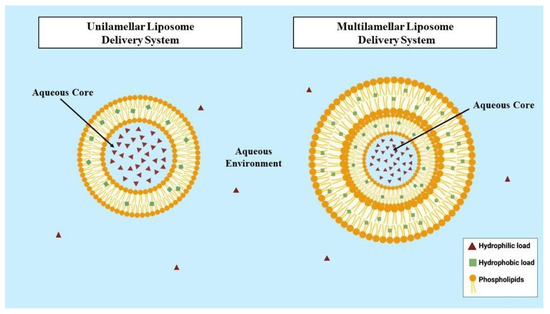
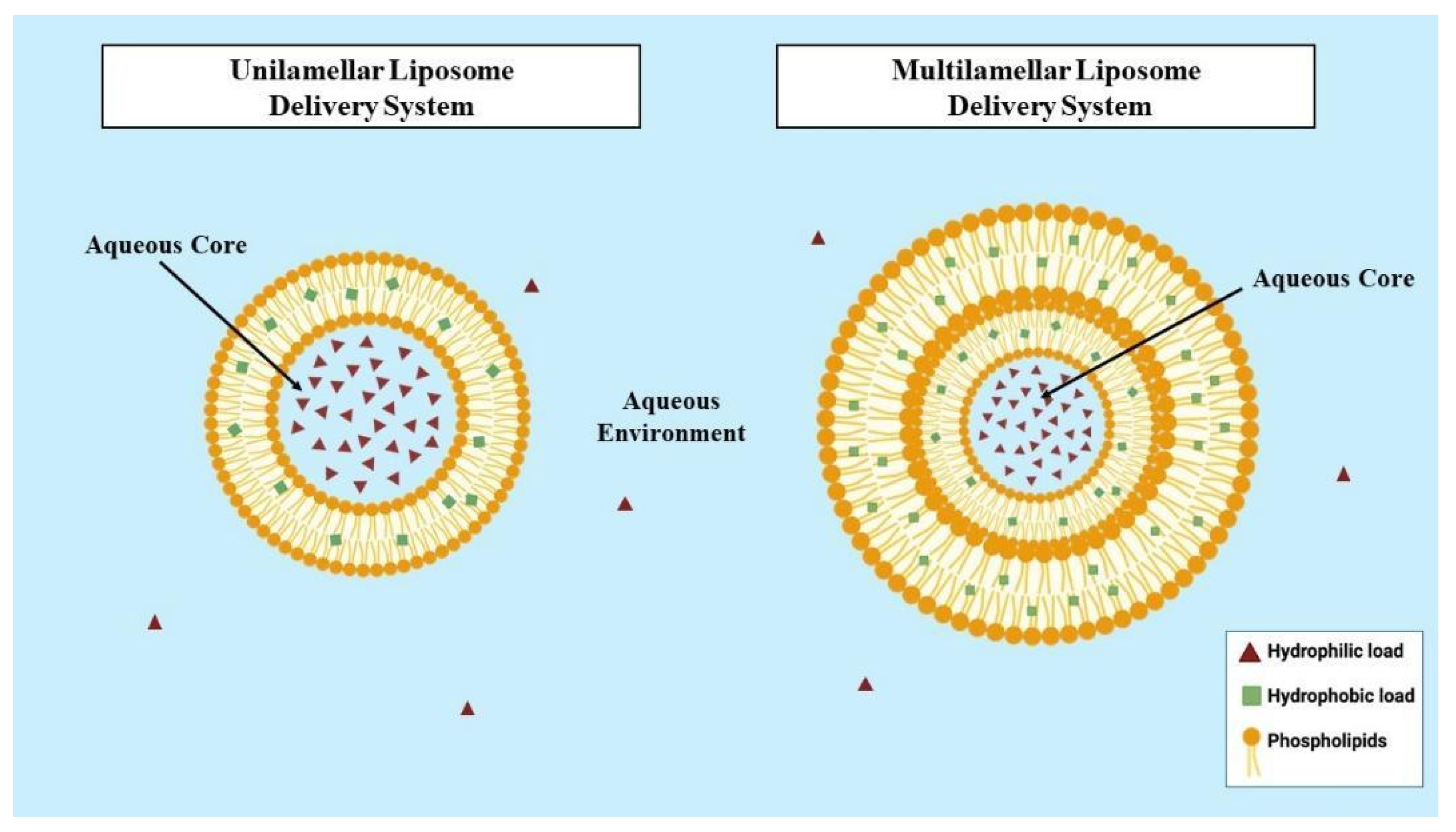

Disclaimer/Publisher’s Note: The statements, opinions and data contained in all publications are solely those of the individual author(s) and contributor(s) and not of MDPI and/or the editor(s). MDPI and/or the editor(s) disclaim responsibility for any injury to people or property resulting from any ideas, methods, instructions or products referred to in the content. |
© 2026 by the authors. Licensee MDPI, Basel, Switzerland. This article is an open access article distributed under the terms and conditions of the Creative Commons Attribution (CC BY) license.