


Abstract
The feasibility of fortifying fermented dairy milk with hydrolysed hemp seed (Cannabis sativa L.) was investigated to develop a multifunctional dairy product. Control yoghurt was prepared from cow’s milk using a commercial starter culture (Vega Harmony®) containing Bifidobacterium sp., Lactobacillus acidophilus, Lactobacillus delbrueckii subsp. bulgaricus, Lacticaseibacillus paracasei, and Streptococcus thermophilus. Fortified yoghurts were prepared by incorporating the hemp hydrolysate at 2, 4, and 6% (w/w) before fermentation. The hemp hydrolysate was obtained using an optimised controlled hydrolysis process with a food-grade enzyme UltraFlo® XL and hemp seeds of the Henola variety, which contained 21.88 g/100 g protein, a lipid fraction rich in polyunsaturated fatty acids (PUFAs; 66.15% of total fatty acids), and high concentrations of magnesium and potassium (3592 and 7455 ppm, respectively). The hemp seed hydrolysate exhibited 2.3- to 5.7-fold higher antioxidant activity than the native hemp seed, depending on the assay and approximately fourfold greater angiotensin-converting enzyme (ACE) inhibitory activity (IC50, 0.30 vs. 1.14). The resulting fermented milks were evaluated in terms of nutritional composition, microbial growth kinetics and community dynamics, antioxidant capacity, ACE-inhibitory activity, and textural and sensory properties. Hemp hydrolysate incorporation increased protein and dietary fibre contents and enhanced the proportion of unsaturated fatty acids, particularly linoleic and α-linolenic acids, compared with the control yoghurt. ACE-inhibitory activity was also increased, with IC50 values reducing from 1.97 in the control to 0.82–0.83 in enriched yoghurts. Similarly, radical-scavenging activity increased by 3- to 11-fold compared with the control. Metataxonomic analysis showed a lactic acid bacteria (LAB)-dominated community at pH 4.6, with LAB counts showing an increasing trend with hemp hydrolysate concentration, with significantly higher counts (p ≤ 0.05) in the 6% formulation (5.47 × 10⁷ CFU/g) than in the control (3.93 × 10⁶ CFU/g g). Instrumental analyses showed a concentration-dependent increase in yellow-brown chromaticity, whereas firmness was highest in the 6% formulation. Sensory evaluation indicated that the 2% and 4% formulations maintained overall acceptability, whereas the 6% formulation received lower acceptability scores. These findings indicate that hydrolysed hemp seed is a promising ingredient for the development of fermented dairy products with enhanced nutritional and bioactive properties while maintaining acceptable sensory characteristics at the 2% and 4% inclusion levels.
1. Introduction
Hemp (Cannabis sativa L.) seeds have gained increasing attention as a valuable ingredient in the functional food sector due to their well-balanced nutritional composition, favourable fatty acid profile, and content of bioactive peptides and phenolic compounds associated with antioxidant and antihypertensive activities [1,2,3]. From a nutritional perspective, hemp seeds are considered a source of complete protein, providing all essential amino acids, alongside a favourable omega-6/omega-3 fatty acid ratio of approximately 3:1. They are also characterised by relatively high levels of γ-linolenic acid and stearidonic acid, further enhancing their nutritional value [4,5].
Beyond macronutrients, hemp seed also contains a high level of minerals, especially magnesium, calcium, potassium and iron, which play important roles in vascular homeostasis and enzymatic antioxidant defence [2,6]. The bioactive potential of hemp can be increased through biotechnological processes based on enzymatic hydrolysis, which can cleave proteins into low-molecular-weight peptides or release phenolic acids esterified to cell-wall polysaccharides, thereby increasing radical-scavenging capacity and angiotensin-converting enzyme (ACE) inhibitory activity [1,7,8]. Comparative nutritional studies of whole and dehulled hemp seed have reported protein digestibility-corrected amino acid scores among the highest of plant-based sources [9,10,11]. Different studies have demonstrated that enzymatic hydrolysis of seeds and brans with food-grade enzymes increases the antioxidant capacity of the resulting hydrolysates compared with the native material, supporting the rationale for a hydrolysis-based fortification strategy [12]. The same behaviour has been observed in hemp seeds [13,14].
Within the European Union, the placement of hemp seed-derived ingredients on the market is regulated by Regulation (EU) 2015/2283 on Novel Foods, which establishes that any food or ingredient lacking a significant history of consumption within the EU prior to 15 May 1997 requires prior authorisation, following a safety evaluation by the European Food Safety Authority (EFSA), before it can be marketed [15]. Hemp seeds and their conventional derivatives—including dehulled seeds, oil, flour and protein isolates or hydrolysates obtained through standard food-processing operations such as milling, pressing or enzymatic hydrolysis, provided they originate from certified low-THC (<0.2–0.3%) cultivars—are generally considered to fall outside this scope on the basis of their history of consumption in the EU; however, this status depends on the specific ingredient and production process and should be confirmed in each case. By contrast, cannabinoid-rich extracts, such as those standardised for cannabidiol (CBD) content, are explicitly classified as novel foods under this Regulation and require formal authorisation before commercialisation [15].
The global functional food market has expanded rapidly in response to growing consumer demand for products that provide established nutritional value alongside additional health-promoting benefits [16,17]. Within this trend, dairy-based matrices have gained a central position, increasingly evolving toward the incorporation of bioactive compounds and other functional ingredients to enhance their nutritional and health-promoting properties [18,19]. Fermented dairy products represent an adequate delivery vehicle for such bioactive ingredients. Yoghurt, in particular, provides high-quality protein, calcium and B-vitamins, whilst the fermentation process itself produces additional functional metabolites including exopolysaccharides, γ-aminobutyric acid (GABA) and antihypertensive peptides derived from casein hydrolysis [18,20]. Probiotic microorganisms, particularly strains of Lactobacillus sp. and Bifidobacterium sp., are usually incorporated into fermented milk products because of their capacity to modulate the gut microbiota and confer metabolic and immunological benefits [19].
The incorporation of prebiotic ingredients, such as inulin and other fructans, has been proposed as a strategy to support probiotic viability during processing and storage. These ingredients provide selectively fermentable substrates and can therefore contribute to synbiotic formulations that combine live microorganisms with the compounds that sustain them [21]. Beyond their direct microbiological effects, these functional ingredients reshape the physicochemical behaviour of the fermented matrix, increasing dry matter content and influencing texture-related and other sensory attributes, such as flavour development, during fermentation [22].
In this context, seed-based fortification has gained increasing interest in the food industry in response to new consumer demands. The incorporation of seeds can also modify the physicochemical and sensory properties of food products, providing opportunities for innovative product development. Among seeds, quinoa, chia and, in recent years, hemp have been the most popular in food product development. Montemurro et al. [23] reported that hemp flour blended with rice flour and fermented with lactic acid bacteria produced a nutritional, functional and sensory profile comparable to conventional dairy yoghurt, confirming that hemp-derived matrices were technologically suitable to control lactic fermentation even in the absence of a dairy base.
Other studies have demonstrated that direct fermentation of whole hemp seed with Lactiplantibacillus sp. and Levilactobacillus sp. strains increased total phenolic content and phytase, amylase and protease activities, and conferred measurable antimicrobial activity against common foodborne pathogens, with the magnitude of these effects strongly dependent on the bacterial strain employed [24]. Taken together, these findings indicate that lactic acid fermentation, whether applied directly to hemp seed or to hemp flour, potentiates the bioactive and functional attributes of the raw material, thereby supporting fermentation-based fortification strategies.
However, the incorporation of hemp-derived ingredients, particularly hemp hydrolysates, into conventional cow’s milk yoghurt has not been extensively characterised from nutritional, bioactive, microbiological and metataxonomic perspectives, in contrast to conventional prebiotic compounds such as inulin, which have been studied more extensively [22,25,26]. The present study was therefore designed to (i) characterise the nutritional and bioactive profile of the hemp seed hydrolysate; (ii) study how the incorporation of the hemp hydrolysate modulates the yoghurt microbiota after fermentation; (iii) evaluate the impact of the interaction between the starter microorganisms and the hemp hydrolysate on the antioxidant and ACE-inhibitory activities of the enriched yoghurts; and (iv) evaluate the nutritional, physicochemical and sensory properties of the products obtained.
2. Results and Discussion
2.1. Nutritional Characterisation of Hemp Seed and Yoghurt Enriched with 2% Hemp Hydrolysate
The hemp seed used as raw material showed a nutritional composition characterised by high levels of protein, fat, and dietary fibre. The protein content (21.88 ± 0.18 g/100 g) was within the range reported for whole hemp seeds evaluated by the authors of previous studies [3] and other authors. Farinon et al. [9] reported that hemp seeds contained approximately 20–25% protein, although the seeds had a significant variability associated with cultivar, environmental conditions, and processing conditions. Similarly, Alonso-Esteban et al. [14], who evaluated eight whole hemp seed varieties, reported differences in macronutrient composition between genotypes, highlighting the influence of cultivar and growing conditions on the nutritional profile of hemp seeds.
The total fat content found in hemp seeds (27.80 ± 1.27 g/100 g) was also in agreement with data reported in the literature. Farinon et al. [9] reported lipid contents of approximately 25–35% for hemp seeds, with differences mainly associated with genotype and, to a lesser extent, environmental and agronomic factors. The high lipid content of hemp seeds is particularly relevant from a nutritional perspective because hemp oil is characterised by a high proportion of unsaturated fatty acids. In the present study (Table 1), polyunsaturated fatty acids (PUFAs) accounted for 66.15% of total fatty acids, with linoleic acid (C18:2 n-6) and α-linolenic acid (C18:3 n-3) representing 51.70% and 13.70%, respectively. Considering both linoleic and γ-linolenic acids as n-6 fatty acids, the resulting n-6/n-3 ratio was approximately 3.8:1. This value is consistent with the characteristic fatty acid profile of hempseed oil, which is generally rich in polyunsaturated fatty acids, particularly linoleic acid [5].
Table 1.
Nutritional characterisation of hemp seed, yoghurt control and yoghurt enriched with 2% hemp hydrolysate. Different lowercase letters for each parameter indicate statistically significant differences between samples.
Total dietary fibre (TDF) content observed in the study (36.19 ± 1.35 g/100 g) was high compared to other macronutrients but in line with values reported by authors in previous studies [3] or authors working in the area [27,28]. This value is partly attributed to the presence of the seed hull, which represents an important source of dietary fibre. Consequently, the use of whole hemp seed rather than dehulled material can substantially modify the nutritional composition of the resulting hemp hydrolysate and may provide an additional source of dietary fibre in food formulations.
The ash content (5.02 ± 0.11 g/100 g) further supports the mineral-rich nature of the raw material. This value was comparable to the range reported for hemp seeds in the literature. Farinon et al. [9] reported ash contents of approximately 4.9–6.0 g/100 g for hemp seeds and highlighted their relevance as a source of several nutritionally important minerals. The mineral profile obtained in the present study (Table 2) was characterised particularly by high concentrations of potassium (7455 mg/kg) and magnesium (3592 mg/kg), followed by calcium (1248.5 mg/kg). Iron, manganese, zinc, and copper were also detected at appreciable concentrations. These results agreed with the mineral profile described for hemp seeds by different authors [29], in which potassium, phosphorus, magnesium, and calcium are generally the predominant macroelements, while iron, manganese, zinc, and copper are among the main trace elements.
Table 2.
Mineral content of hemp seed, yoghurt control and yoghurt enriched with 2% hemp hydrolysate. Values were expressed as ppm (mg kg−1). Different lowercase letters for each parameter indicate statistically significant differences between samples.
The high mineral content observed in the present hemp seed sample may be particularly relevant when considering its incorporation into fermented or plant-based food products. However, the bioavailability of these minerals may be affected by the presence of antinutritional compounds naturally occurring in hemp seeds, and therefore mineral concentration should not be interpreted directly as equivalent to physiological mineral absorption.
Overall, the macronutrient and mineral composition obtained in the study confirms the potential of hemp seed as a nutritionally valuable ingredient for food fortification. In terms of formulation, the Henola variety provides a multifaceted nutritional profile that may be particularly advantageous for the development of nutrient-enriched fermented food products.
The most significant (p ≤ 0.05) nutritional difference was observed in total dietary fibre (TDF), which was higher in the hemp-enriched yoghurt than in the control. This increase was expected because conventional dairy yoghurt is free of dietary fibre, whereas hemp seed is naturally rich in this component. These values were consistent with the nutritional composition reported for hemp seeds in previous studies, which have described hempseed as a source of protein, dietary fibre and lipid, with considerable variation depending on cultivar, growing conditions and the proportion of hull included [5,14].
At the 2% inclusion level, the theoretical contribution of the hemp hydrolysate was approximately 0.44 g protein, 0.78 g TDF and 0.56 g fat per 100 g of product. Thus, despite the relatively low incorporation level, the hemp ingredient substantially modified the nutritional characteristics of the fermented product, particularly its dietary fibre content. Similar nutritional improvements have been reported in hemp-enriched fermented products. For example, the incorporation of hemp flour into a yoghurt-like product resulted in approximately 2.6 g/100 g fibre and 4 g/100 g protein, while fermentation further increased the soluble fibre fraction [23]. Likewise, the addition of defatted hempseed ingredient has been shown to modify the metabolic profile of fermented yoghurt, confirming the potential of hemp-derived ingredients to modify the nutritional characteristics of fermented dairy products [30].
A moderate increase in protein content (from 26.95 to 29.57 g/100 g, approximately 9.7%) was also observed in the hemp-enriched yoghurt compared with the control. However, the increase was lower than might be expected from the protein content of the hemp hydrolysate. This may be related to the proteolytic activity of the yoghurt starter cultures during fermentation. Lactic acid bacteria possess proteolytic systems capable of hydrolysing caseins into peptides and free amino acids, which can be transported into bacterial cells and used to support growth and metabolism [31,32,33]. Recent peptide-profiling studies have further demonstrated that Streptococcus thermophilus and Lactobacillus delbrueckii subsp. bulgaricus actively contribute to milk-protein hydrolysis during yoghurt fermentation, with particularly pronounced proteolytic activity associated with L. delbrueckii subsp. bulgaricus [34].
Therefore, the relatively reduced increase in protein content observed in the present study should not necessarily be interpreted as a direct reflection of the protein supplied by hemp. Instead, fermentation-associated proteolysis and microbial use of nitrogenous compounds may have contributed to changes in the measured protein fraction. This mechanism may also be relevant to the increasing trend in LAB counts observed with increasing concentrations of the hemp-derived ingredient. However, because proteolytic activity, peptide formation and free amino acid concentrations were not directly measured, this mechanism should be considered a possible explanation rather than a demonstrated causal relationship.
The incorporation of the hemp ingredient also modified the lipid profile of the fermented product. Hemp seed exhibited a high unsaturated fatty acid profile, with PUFA accounting for 66.15% of total fatty acids, compared with 18.90% SFA and 14.95% MUFA.
Linoleic acid (C18:2, 51.70%) was the predominant fatty acid, followed by oleic acid (C18:1, 14.95%) and α-linolenic acid (C18:3, 13.70%). This pattern is characteristic of hempseed and is consistent with previous studies reporting linoleic acid as the predominant fatty acid, generally followed by α-linolenic and oleic acids in varying proportions [5,14,35]. In contrast, the fatty acid profile of the 2% hemp-enriched yoghurt remained largely characterised by dairy-derived fatty acids, including palmitic acid (C16:0, 33.6%), oleic acid (C18:1, 22.6%) and stearic acid (C18:0, 7.85%), together with short- and medium-chain fatty acids such as C4:0, C6:0, C8:0 and C10:0. The appearance of these short- and medium-chain fatty acids is consistent with the contribution of milk fat to the final product. Consequently, the relatively low inclusion level of hemp did not replace the characteristic dairy fatty acid profile; rather, it provided an additional source of unsaturated fatty acids, particularly linoleic and α-linolenic acids. Previous studies investigating the incorporation of hemp oil or hemp-derived ingredients into yoghurt and fermented milk products have shown that hemp addition can influence the lipid profile of the fermented matrix without compromising the technological properties of yoghurt [36,37].
The mineral profile (Table 2) was also modified by the incorporation of the hemp-derived ingredient. The 2% hemp-enriched yoghurt showed particularly high calcium (7747.26 ± 49.20 mg/kg) and potassium (11,726.15 ± 20.71 mg/kg) concentrations compared with the hemp seed itself (1248.50 ± 27.58 and 7455.00 ± 328.10 mg/kg, respectively). The significantly (p ≤ 0.05) higher calcium concentration in the yoghurt cannot be attributed only to the 2% hemp ingredient and is more likely to reflect the substantial contribution of the dairy matrix. However, the observed decrease in calcium content following hemp incorporation during yoghurt fermentation compared to control yoghurt may be associated with interactions between calcium and naturally occurring antinutritional compounds in hemp seeds, particularly phytic acid. Phytates could chelate divalent minerals, including calcium, potentially forming insoluble complexes and reducing the amount of calcium available in the soluble fraction. Furthermore, the acidification process associated with lactic fermentation may modify calcium interactions with milk proteins and plant-derived components. Nevertheless, a decrease in measured calcium concentration does not necessarily indicate a reduction in the total calcium content of the yoghurt, as it may also reflect changes in mineral solubility, extractability, or formulation composition.
The same applies to potassium, although the hemp ingredient may contribute to the final concentration. In contrast, iron, magnesium, manganese and copper concentrations were lower in the yoghurt than in the hemp seed, consistent with the relatively low inclusion level and dilution of the mineral contribution of the hemp ingredient within the yoghurt matrix. Zinc showed a lower difference between hemp seed (51.00 ± 1.41 mg/kg) and the enriched yoghurt (39.69 ± 0.22 mg/kg), suggesting that the hemp ingredient may have contributed to maintaining the zinc concentration of the final product. Therefore, the mineral profile of the final yoghurt should be considered the result of the combined contribution of the dairy matrix and the hemp-derived ingredient rather than a direct reflection of hempseed composition.
The nutritional results show that the principal compositional change produced by the hemp ingredient was the incorporation of dietary fibre into the dairy matrix. This effect is particularly relevant because conventional yoghurt does not naturally provide the amount of fibre present in hemp seed. Hemp seed is recognised as a source of protein, dietary fibre, polyunsaturated fatty acids and several minerals, although its composition varies according to cultivar, processing and growing conditions [5]. In contrast, the changes in protein, lipid and mineral composition were small, reflecting the low inclusion level of the hydrolysate relative to the overall composition of the yoghurt.
Therefore, the nutritional contribution of the hydrolysate should be considered as complementary to that of milk rather than as a replacement for the mineral contribution of the dairy matrix [5].
2.2. Total Phenolic Content (TPC) and Total Antioxidant Activity (TAC) of Hemp Seed, Hemp Hydrolysate and Yoghurts Enriched with Hemp Hydrolysate
Total phenolic content was analysed in the hemp seed and its hydrolysate. The results confirmed that the enzymatic process increased TPC more than two-fold, from 318.4 μmol GAE/100 g in the native hemp seed to 759.7 μmol GAE/100 g in the hydrolysate (Figure 1), reflecting the enzymatic release of bound phenolic acids from the cell wall matrix during the hydrolytic process.
Figure 1.
Total phenol content (TPC) values of hemp seed and hemp hydrolysate. Different lowercase letters for each parameter indicate statistically significant differences between samples. Abbreviations: GAE, gallic acid equivalents.
This increase in TPC was accompanied by higher total antioxidant activity (TAC) across all four complementary assays (Figure 2). DPPH• capacity increased 2.9-fold (267.4 to 771.6 μmol TE/100 g), ABTS•+ activity increased 5.2-fold (1744.1 to 9033.6 μmol TE/100 g), ORAC scavenging activity increased 5.7-fold (1999.7 to 11,371.5 μmol TE/100 g) and reducing power (FRAP) increased 2.3-fold (630.8 to 1448.5 μmol Fe2+/100 g) (Figure 2). Tang et al. [13], for example, reported that the antioxidant activity of hemp protein hydrolysates varied according to the degree of hydrolysis, peptide characteristics and surface hydrophobicity, with the most active hydrolysates showing substantially greater DPPH-scavenging activity than the non-hydrolysed protein. Enzymatic hydrolysis can promote the release of bound phenolic compounds and, depending on the enzyme activities involved, of peptides from the native matrix, thereby increasing their accessibility to reactive species.
Figure 2.
Total antioxidant capacity of native hemp seed and hemp hydrolysate: (I) ORAC (oxygen radical absorbance capacity); (II) ABTS•+ radical-scavenging activity; (III) DPPH• radical-scavenging activity; (IV) FRAP (ferric reducing antioxidant power). Different lowercase letters for each parameter indicate statistically significant differences between samples. Abbreviations: TE, Trolox equivalents.
The different increases observed across antioxidant assays suggest that the compounds released or made more accessible by hydrolysis did not contribute equally to the antioxidant mechanisms evaluated. This is relevant because antioxidant activity in a complex food matrix cannot be considered a single property independent of the analytical method. Different assays involve distinct reaction mechanisms, kinetics, radical species and physicochemical conditions, and may therefore produce different responses for the same food extract. In particular, DPPH• and ABTS•+ measurements are influenced by the accessibility of antioxidant molecules to the radical species, whereas ORAC is more closely associated with hydrogen-atom-transfer mechanisms [38,39]. These results are consistent with previous observations that the antioxidant activity of plant protein hydrolysates depends on peptide and phenolic characteristics and the degree of hydrolysis [7,40].
Fermented milk (control) and fermented milks enriched with 2%, 4% and 6% hemp hydrolysate were evaluated for their antioxidant profile. The phenolic enrichment achieved in the hydrolysate was successfully transferred into the fermented dairy matrix (Figure 3). The total phenolic content of the yoghurt samples increased from 107.5 μmol GAE/100 g in the control to a maximum of 484.9 μmol GAE/100 g at 4% hydrolysate, a 4.5-fold increase; the 6% formulation showed a slightly lower value (468.0 μmol GAE/100 g) than the 4% treatment, suggesting a plateau in phenolic extractability or partial interaction of the additional phenolic load with the casein network at the highest inclusion level.
Figure 3.
Total phenol content (TPC) values of control yoghurt and yoghurt enhanced with hemp hydrolysate. Different lowercase letters for each parameter indicate statistically significant differences between samples. Abbreviations: GAE, gallic acid equivalents.
The decrease in ABTS•+ and ORAC values observed at the 6% inclusion level (Figure 4), despite the continued increase in FRAP and DPPH• values, may also be influenced by changes in the composition of the yoghurt matrix. In particular, the higher lipid content associated with increasing hemp incorporation may affect the extraction and accessibility of antioxidant compounds, potentially limiting their interaction with the radicals used in the ABTS•+ and ORAC assays. Moreover, these assays may respond differently depending on the chemical nature and polarity of the antioxidant compounds present.
Figure 4.
Total antioxidant capacity of control yoghurt and yoghurt enhanced with hemp hydrolysate: (I) ORAC (oxygen radical absorbance capacity); (II) ABTS•+ radical-scavenging activity; (III) DPPH• radical-scavenging activity; (IV) FRAP (ferric-reducing antioxidant power). Different lowercase letters for each parameter indicate statistically significant differences between samples. Abbreviations: TE, Trolox equivalents.
In contrast, FRAP primarily reflects the reducing capacity of electron-donating compounds, whereas ORAC is based on the inhibition of peroxyl-radical-induced oxidation and may be more responsive to antioxidant peptides and other hydrogen-donating compounds.
The increase in total phenolic content up to 4%, followed by the slightly lower value observed at 6%, indicates that the amount of hydrolysate incorporated was not directly proportional to the amount of Folin–Ciocalteu-reactive compounds recovered from the final product. A similar lack of linearity was observed for antioxidant activity, since ABTS•+ and ORAC values decreased at 6%, whereas FRAP and DPPH• values continued to increase. These differences are important because they indicate that the higher concentration of hydrolysate did not produce a uniformly stronger antioxidant response. Such behaviour is consistent with the fact that phenolic compounds and peptides can interact with proteins and other food components, modifying their physicochemical properties and their analytical accessibility [41,42].
One possible explanation is the interaction between hemp-derived compounds and the yoghurt matrix. Proteins and phenolic compounds can interact through non-covalent and, under certain conditions, covalent mechanisms, potentially affecting their extraction, stability, conformation and accessibility [42,43]. This possibility is particularly relevant at higher hydrolysate concentrations, when the amount of plant-derived protein and other compounds incorporated into the matrix is greater. Nevertheless, this mechanism cannot be confirmed with the present data because interactions between hemp compounds and milk proteins were not directly evaluated. The differences between antioxidant assays also indicate that the response at 6% should not be interpreted as a general loss of antioxidant potential, since the FRAP and DPPH• results did not follow the same pattern as ABTS•+ and ORAC. The use of multiple antioxidant assays is therefore important for avoiding an over-simplified interpretation of antioxidant capacity in complex food systems [38,44].
2.3. Angiotensin-Converting Enzyme (ACE) Inhibitory Activity of Hemp Seed, Hemp Hydrolysate and Yoghurts Enriched with Hemp Hydrolysate
The substantially lower IC50 obtained for the hydrolysate compared with the native seed (Table 3) indicates that enzymatic treatment increased the accessibility of compounds capable of inhibiting ACE. This response may be related to the release of ACE-inhibitory compounds from the hemp matrix during enzymatic treatment. Because UltraFlo® XL is mainly a cell-wall-degrading preparation (cellulases, xylanases, α-L-arabinofuranosidases and feruloyl esterases), the generation of ACE-inhibitory peptides through proteolysis was not demonstrated in this study and cannot be assumed, even though peptide molecular size, amino acid sequence and structural characteristics are important determinants of ACE-inhibitory activity [40,45]. In hemp seed specifically, several ACE-inhibitory peptides have been identified following hydrolysis of hemp proteins, demonstrating that hemp proteins can act as precursors of bioactive antihypertensive peptides [45]. Similarly, Teh et al. [7] reported that enzymatic hydrolysis of hemp protein isolates generated hydrolysates with ACE-inhibitory activity. The present results therefore support the use of enzymatic hydrolysis as a strategy for increasing the functional potential of hemp protein. However, because peptide sequences were not identified in this study, the contribution of specific peptides to the observed inhibition cannot be established.
Table 3.
IC50 (mg/ml) values of hemp seed, hemp hydrolysate and fortified yoghurts. Different lowercase letters for each parameter indicate statistically significant differences between samples.
The incorporation of the hemp hydrolysate into the yoghurt matrix (Table 3) resulted in a significant (p ≤ 0.05) improvement in inhibitory ACE activity, with IC50 values decreasing from 1.97 in the control yoghurt to 0.82–0.83 in the fortified formulations.
The absence of further improvement at 4% and 6% may be related to the complex yoghurt matrix, in which increasing hydrolysate concentrations may modify peptide accessibility and interactions with other components, although these mechanisms were not directly evaluated.
The ACE-inhibitory results provide an indication of a concentration threshold. The incorporation of hydrolysate produced a marked improvement compared with the control yoghurt, but no significant differences were observed among the 2%, 4% and 6% formulations. Thus, increasing the hydrolysate concentration beyond 2% did not produce an additional measurable improvement in ACE inhibition under the conditions of the present experiment. This result is particularly relevant because the control yoghurt already exhibited ACE-inhibitory activity. Fermentation of milk can generate bioactive peptides through the proteolytic activity of yoghurt microorganisms, particularly through the degradation of caseins [20,46]. Consequently, the activity measured in the enriched products should be considered as the combined result of peptides originating from both the milk matrix and the hemp hydrolysate. The results are therefore consistent with the broader evidence that fermentation can contribute to the formation of bioactive compounds in fermented foods [47].
2.4. Microbiological Analysis (Total Counts) of Control Yoghurt and Yoghurts Enriched with Hemp Hydrolysate
The microbiological analysis of the experimental yoghurts after fermentation is summarised in Table 4. Mesophilic aerobes ranged from 2.73 × 10⁶ CFU/g in the control to 7.60 × 10⁶ CFU/g in the 6% hemp hydrolysate formulation, with significantly higher counts (p ≤ 0.05) in the 4% and 6% formulations. LAB counts showed an increasing trend with increasing hemp hydrolysate concentration, from 3.93 × 10⁶ CFU/g (control) to 5.47 × 10⁷ CFU/g (6% hydrolysate), a 13.9-fold increase; only the 6% formulation exhibited significantly higher LAB counts (p ≤ 0.05) than the control and the 2% and 4% formulations.
Table 4.
Microbiological counts (CFU/g) of yoghurt samples after fermentation. Different lowercase letters in the same column indicate significant differences between samples (one-way ANOVA, Duncan’s test, p ≤ 0.05). Different lowercase letters for each parameter indicate statistically significant differences between samples.
Counts of psychrotrophic aerobes, Enterobacteriaceae, and moulds and yeasts remained below the detection limit (<10 CFU/g) under the conditions of the present study. The observed counts of lactic acid bacteria (LAB) were consistent with previous findings demonstrating the suitability of hemp-based substrates for LAB growth. Čižeikienė et al. [24] reported that hemp seed flour supported the growth of Lactiplantibacillus plantarum, Levilactobacillus brevis, and Lactobacillus acidophilus, with LAB counts exceeding 109 CFU/g following fermentation. These findings indicate that hemp-derived substrates can provide a suitable matrix for LAB proliferation. In the present study, the increasing trend in LAB counts with increasing concentrations of the hemp hydrolysate ingredient may similarly be associated with the higher availability of nutrients and fermentable compounds provided by the hemp substrate.
The hydrolysis process may have enhanced substrate accessibility by breaking down complex components into smaller molecules that could be more readily utilised by LAB. Furthermore, Čižeikienė et al. [24] described how the characteristics of fermented hemp products, including fermentation performance and biochemical properties, were influenced by the LAB strain used. Therefore, the increase in LAB counts observed in the present study may reflect an interaction between the concentration of the hemp hydrolysate ingredient and the ability of the selected LAB to utilise the available substrates. Overall, these results further support the potential of hydrolysed hemp ingredients as suitable substrates for LAB growth and fermentation.
In this regard, the UltraFlo® XL is an enzyme preparation composed mainly of cellulases, xylanases, α-L-arabinofuranosidases and feruloyl esterases; therefore, its action on the hemp cell-wall matrix would be expected to release soluble oligosaccharides and esterified phenolic acids, which are relevant fermentable substrates for LAB, which possess an extensive enzymatic repertoire for their utilisation. In addition, any smaller nitrogen-containing compound released during hydrolysis (if the enzyme preparation has proteolytic side activities) may be more accessible than intact seed proteins, which could also contribute to the greater LAB counts observed at higher concentrations. Therefore, the results demonstrate an association between hydrolysate concentration and LAB abundance but do not establish the mechanism responsible for this effect.
2.5. Metataxonomic Analysis of Microbial Succession in Control Yoghurt and Yoghurts Enriched with Hemp Hydrolysate
To characterise the taxonomic composition and relative abundance of LAB in the fortified yoghurts, a metataxonomic analysis based on partial 16S rRNA gene sequences was performed. Consistent with the higher culturable LAB counts described above, hemp hydrolysate increased the relative abundance of LAB belonging to the fermentation starter. Genera such as Bifidobacterium, Lacticaseibacillus, and Lactobacillus increased in abundance, while the relative abundance of the Streptococcus strain used as the fermentation starter decreased (from 96.85% in control yoghurts to 62.79% in the 6% hemp seed hydrolysate-fortified product). In addition, adding hemp hydrolysate also potentiated the increase in Enterococcus, which was not part of the bacterial mix composing the Vega Harmony® starter culture (Figure 5). The increase in LAB is consistent with previous studies showing that seed-flour-fortified yoghurts, such as those with chia seeds, can improve Lacticaseibacillus rhamnosus viability [48].
Figure 5.
Bacterial relative abundance in the control and 2%, 4%, and 6% hemp-enriched yoghurts (n = 4). The category “Other” includes all taxa with a mean global relative abundance below 1%.
In addition to increasing viability, hemp flour as a fortifying agent has also been associated with increased LAB relative abundance and has been used as a vehicle for incorporating LAB into the fermented product [49]. Our study also showed that fortification with hemp seed hydrolysate increased the relative abundance of LAB already present in the fermented matrix, such as Bifidobacterium, Lactobacillus, and Lacticaseibacillus, whose relative abundances increased from approximately 1% to 17.79%, 5.46% and 2.34%, respectively, in the 6% hemp-fortified ferment. In addition, hemp seed hydrolysate appears to promote inoculation and increase the abundance of other LAB genera, such as Enterococcus, which was absent in non-supplemented yoghurts and increased its relative abundance from 1.82% to 4.43% in 2% and 6% hemp seed hydrolysate-supplemented yoghurts.
A significant change corresponded to the increase in the relative abundance in Bifidobacterium, with up to 17.79% in the 6% formulation. This finding is relevant since the viability of this bacterial genus in yoghurt depends on the availability of supplementary nitrogen sources as growth factors due to their low proteolytic capacity compared with the other species comprising the starter mix. Therefore, hemp hydrolysate may have acted as a growth-promoting ingredient for the most nutritionally demanding members of the starter, which could be compatible with a potential growth-promoting effect.
Other non-LAB bacteria appeared to be inoculated when the hemp hydrolysate was added to the lactic fermentation process. This is particularly evident in Bacillus, which increased in relative abundance with hemp enrichment, rising from 0% in the control to 7.05% in 6% enriched yoghurts. Previous metataxonomic studies have identified Bacillus as one of the most abundant endophytic genera in hemp plants [50], and its incorporation in other fermentation processes through the addition of hemp seed flour has demonstrated its potential activity in reducing the harmful effects of ketones, like toxic furanones, in products for human consumption [51] and, in some cases, such as the production of hemp milk, co-fermentation of LAB strains and B. subtilis increases GABA content as well as the total phenolic content and the antioxidant activity [52]. Considering these previous results, future studies analysing the indigenous hemp seed microbiota would be valuable to determine the potential probiotic effect of the indigenous Bacillus present in the raw material used for fermentation enrichment.
Additionally, it should also be considered that DNA-based sequencing cannot differentiate between living and dead cells; therefore, part of the signal detected for both Enterococcus and Bacillus could correspond to DNA carried by the lyophilised hydrolysate rather than to an active population in the yoghurt. Similarly, the detection of Bacillus does not by itself demonstrate a probiotic or functional role, as probiotic status requires strain-level characterisation and demonstrates a health benefit.
Beta-diversity analysis corroborated the taxonomic differences in the bacterial population observed in the relative abundance analysis (Figure 6). PCoA analysis based on Bray–Curtis distances indicates that hemp enrichment drives the major effect on bacterial population variation (PERMANOVA; r2 = 0.704; Pseudo-F = 9.50; p = 0.007; PERMDISP; p = 0.339). In the same manner, pairwise analysis also showed significant differences in the population structure of control fermentation with regard to the three hemp enrichment assays (control vs. 2% hemp hydrolysate: r2 = 0.602; Pseudo-F = 9.08; p = 0.0429; control vs. 4% hemp hydrolysate: r2 = 0.712; Pseudo-F = 14.80; p = 0.0429 and control vs. 6% hemp hydrolysate: r2 = 0.769; Pseudo-F = 19.99; p = 0.0429). Similar changes in bacterial community composition have also been reported in hemp-associated fermentation processes [53].
Figure 6.
Principal Coordinates Analysis (PCoA) plot based on Bray–Curtis dissimilarities showing the differences in bacterial community structure across control and hemp-enriched yoghurts. Ellipses represent the 95% confidence intervals for each treatment group (n = 4).
The significant separation between the control and the enriched formulations in the beta-diversity analysis further supports a shift in bacterial community structure. Fermentation is known to influence microbial community composition and to modify the biochemical properties of fermented foods through microbial metabolism [18]. Importantly, these data should be considered together with the culture-dependent counts. Because the sequencing results are expressed as relative abundance, the reduction in the proportion of Streptococcus cannot be interpreted as a reduction in its absolute population. The increase in total LAB counts indicate that the community was changing within a matrix in which bacterial growth was also increasing. This distinction is important because compositional sequencing data provide relative rather than direct absolute abundance information [54,55].
These observations nevertheless indicate that the addition of the hemp ingredient influenced the microbial ecology of the fermented product, which is consistent with the significant differences observed in community structure. However, conclusions regarding absolute population changes or functional activity would require complementary approaches such as quantitative PCR, directed culture-based enumeration, metatranscriptomics or targeted metabolite analysis [54,55].
Overall, hydrolysate supplementation significantly modified the microbial community structure and tended to increase LAB counts, with a significant increase at 6% inclusion. The enrichment of Bifidobacterium suggests a potential growth-promoting effect on nutritionally demanding microorganisms within the starter culture. However, the detection of Bacillus and Enterococcus requires further investigation to establish their origin, viability and potential functional relevance.
2.6. Physicochemical (Texture and Colourimetry) and Sensory Properties
As expected, milk fermentation increased firmness as acidification reduced the electrostatic repulsion between casein micelles, promoting their aggregation and the formation of a three-dimensional gel network [56,57]. The incorporation of hemp-derived proteins and fibre may further influence gel development by modifying protein–protein interactions, water distribution and network microstructure. These effects depend on protein type, concentration, pH and processing conditions, as dairy and plant proteins may form interacting or partially independent networks [58].
Instrumental texture analysis (Figure 7, Table S1) showed that the incorporation of 6% hemp hydrolysate significantly (p ≤ 0.05) increased gel firmness and consistency compared with the formulations containing 2% and 4% hydrolysate. For consistency, the control and 6% formulations showed significantly higher values than the 2% and 4% treatments, with no significant differences between the control and the 6% formulation. The lower consistency values at 2% and 4% suggest that these inclusion levels modified the casein network without providing sufficient structural reinforcement. At 6%, the greater amount of hemp-derived material may have contributed to water immobilisation and network development, resulting in consistency values comparable to the control. This non-linear response is consistent with previous studies showing that hemp protein concentration influences gel strength, rheological behaviour and whey separation in fermented yoghurt-type systems [59]. The observed differences may therefore reflect the combined effects of casein gelation and the structural contribution of hemp-derived protein and fibre fractions.
Figure 7.
Firmness values of different yoghurt samples. Different lowercase letters for each parameter indicate statistically significant differences between samples.
Cohesiveness was also significantly affected by the incorporation of hemp hydrolysate. The control exhibited the most negative value, followed by the 6% formulation, whereas the 2% and 4% formulations showed fewer negative values and did not differ significantly from each other. All treatments differed significantly from the control, and the 6% formulation also differed significantly from the 2% and 4% treatments. These results indicate that the incorporation of hemp hydrolysate modified the cohesiveness-related response of the gel, with the 6% formulation exhibiting an intermediate value between the control and the lower-concentration treatments. These changes may be associated with modifications in protein–protein interactions, water distribution and the organisation of the developing gel network. Plant proteins exhibit pH-dependent functional properties that differ from those of dairy proteins, highlighting the importance of protein interactions during acid-induced structural development [60].
Work of cohesion also differed significantly between the control and all hemp-containing formulations. The control exhibited a more negative value, whereas the 2%, 4% and 6% formulations did not differ significantly from one another. This pattern suggests that the incorporation of hemp hydrolysate altered the work associated with the cohesive response of the gel, although increasing the hydrolysate concentration from 2% to 6% did not produce further statistically significant changes in this parameter. The differences between cohesiveness and work of cohesion also indicate that these parameters should be interpreted separately, as they describe distinct aspects of the texture profile and may respond differently to changes in gel structure [58,59,60,61,62].
Colour analysis (Table 5) showed that enriched yoghurts exhibited a significantly (p ≤ 0.05) darker hue and increased yellow-brown chromaticity compared with the control. The L* value decreased with increasing hydrolysate concentration, whilst the b* value increased, reflecting the contribution of natural chlorophyll residues and phenolic pigments from the hemp matrix. The decrease in lightness and the increase in both a* and b* yielded hue-angle and chroma values that confirm the visual shift toward a darker, more yellow-brown colour.
Table 5.
Instrumental colour parameters (CIELab*, hue angle and chroma) of control and hemp hydrolysate-enriched yoghurt samples, measured with a Konica Minolta CM-2600d spectrophotometer (SCI mode). Different lowercase letters for each parameter indicate statistically significant differences between samples.
Descriptive sensory analysis (QDA, Figure 8) indicated that the enriched yoghurts were characterised by a complex flavour profile, with perceptible characteristics derived from hemp seed. The hemp matrix was balanced by the acidic and creamy attributes typical of a fermented cow’s milk dairy product, with the inclusion of hydrolysed hemp reducing the lactic acid odour, especially at 6%. Panellists scored the 2% and 4% formulations as comparable in overall acceptability, whereas the 6% formulation received lower scores, probably associated with the dose-dependent increase in smoky taste and intensity, likely attributable to the higher concentration of phenolic compounds in the hydrolysate. Textural assessment by the sensory panel corroborated the instrumental data, with panellists perceiving the enriched yoghurts as firmer and more cohesive in the mouth, particularly at the 4% and 6% levels. This pattern of a technologically acceptable upper inclusion threshold mirrors observations in hemp-flour-based yoghurt-like products, in which the sensory and rheological profile of the fermented gel likewise depended strongly on the concentration of hemp added during fermentation [23].
Figure 8.
Spider (radar) plot of the 19-attribute Quantitative Descriptive Analysis (QDA) sensory profile of hemp hydrolysate-enriched yoghurt samples (2%, 4% and 6%), scored on a 1–5.
The 19-attribute QDA profile of the hydrolysate-enriched samples (Figure 8) showed a concentration-dependent divergence from the milder sensory pattern of the 2% formulation: herbaceous odour, herbaceous and nutty flavours and mouth granulosity increased with hydrolysate concentration, whereas colour and some odour/flavour scores decreased slightly, showing the pattern already described.
A complementary ranking test (Figure 9) of the three hydrolysate-enriched samples confirmed the acceptability pattern observed in the QDA and instrumental data: the 2% and 4% formulations obtained the highest (most preferred) mean ranks, whereas the 6% formulation was ranked significantly (p ≤ 0.05) less preferred, which may be related to the slightly higher flavour intensity, probably due to an increase in bitterness and astringency with increasing hydrolysate concentration.
Figure 9.
Mean preference rank (Friedman test) of hemp hydrolysate-enriched yoghurt samples (2%, 4% and 6%) obtained from a ranking test. Higher values indicate higher preference.
These trends were consistent with those reported by Blejan et al. [63] for stirred yoghurt fortified with blueberry pomace powder, where the incorporation of a fibre- and polyphenol-rich ingredient also modified colour and textural properties and resulted in lower acceptance at the highest inclusion level. These findings suggest that sensory acceptability may determine the practical upper inclusion level of plant-derived ingredients in fermented dairy products.
Sensory results highlight the effects of hemp hydrolysate concentration. While the 2% and 4% formulations showed comparable overall acceptability, the 6% formulation was less preferred. These changes agreed with instrumental colour and texture modifications. Protein–phenolic interactions may contribute to astringency by affecting phenolic perception and availability [41]. Similarly, hemp protein incorporation has been shown to modify the flavour and sensory properties of yoghurt-type products [59].
3. Materials and Methods
3.1. Chemicals and Reagents
Sodium carbonate decahydrate, Folin–Ciocalteu (FC) reagent, iron(III) chloride hexahydrate, fluorescein, 2,2-diphenyl-1-picrylhydrazyl (DPPH•), gallic acid (GA), iron(II) sulfate heptahydrate, cellulose, 2,2′-azino-bis(3-ethylbenzothiazoline-6-sulfonic acid) diammonium salt (ABTS•+), 2,2′-azobis(2-methylpropionamidine) dihydrochloride (AAPH), 2,4,6-tri(2-pyridyl)-s-triazine (TPTZ), N-[3-(2-furyl)acryloyl]-L-phenylalanylglycylglycine (FAPGG), captopril, 6-hydroxy-2,5,7,8-tetramethylchroman-2-carboxylic acid (Trolox), sodium carboxymethylcellulose (CMC), and angiotensin I-converting enzyme (ACE) from rabbit lung were obtained from Sigma-Aldrich (St. Louis, MO, USA). Hydrochloric acid, glacial acetic acid, formic acid, and sodium acetate were purchased from PanReac AppliChem (ITW Reagents, Darmstadt, Germany). UltraFlo® XL, a food-grade enzyme, was kindly provided by Novozymes (Bagsværd, Denmark). Molecular biology-grade water and phosphate-buffered saline (PBS) were obtained from Sigma-Aldrich (St. Louis, MO, USA). KAPA HiFi HotStart DNA Polymerase Master Mix was supplied by Cytiva (Leicestershire, UK), while Sera-Mag™ Select DNA Clean-Up was obtained from Cytiva (Leicestershire, UK). Bacteriological peptone, Tryptone Glucose Extract Agar, Plate Count Agar, de Man–Rogosa–Sharpe (MRS) agar, Dichloran Rose Bengal Chloramphenicol (DRBC) agar, Yeast Extract Glucose Chloramphenicol (YGC) agar and Violet Red Bile Glucose (VRBG) agar were supplied by Oxoid Ltd. (Oxford, UK). All other chemicals and solvents used in the study were of analytical grade.
3.2. Experimental Design
Hemp (Cannabis sativa L.) variety Henola sp. was cultivated in Valladolid, Spain under controlled agronomic practice by a collaborating producer of the Agricultural Technological Institute of Castilla y León (ITACyL) who provided the seeds for the study. The crop was harvested when it reached approximately 70% maturity. Once collected, the seeds were dried at 40 °C until their moisture content decreased to approximately 7–10%, and then maintained in the dark at room temperature until they were processed. This variety is commercial and registered with the Community Plant Variety Office (CPVO) (https://cpvo.europa.eu/en, accessed on 14 September 2026), with the reference 213958. The hemp seeds, stored at room temperature at 7–10% moisture, were manually cleaned and ground using a mill (Model Cyclotec 1093, Foss, Hilleroed, Denmark) equipped with a 0.5 mm sieve. Immediately afterward, the material was vacuum-packed in plastic bags and stored until further use. Whole milk and powdered milk were obtained from a local supermarket. VegaTM Harmony starter culture was kindly provided by Chr. Hansen (Novonesis, Lyngby, Denmark).
3.3. Enzymatic Hydrolysis and Hydrolysate Stabilisation
The enzymatic hydrolysis process was performed according to the conditions previously optimised by the authors for hemp seeds (Cannabis sativa L.) [1]. For this purpose, the ground Henola sp. hemp seed was mixed with distilled water in a ratio of 1:20 (w/v), and the pH was adjusted to 5 using 1.5 M malic acid. In total, 1% UltraFlo® XL (w/w) was added, and the mixture was incubated at 47 °C for 20 h in a thermostatic bath with shaking. Subsequently, the enzyme was inactivated in a thermostatic bath at 95 °C for 10 min. The mixture was cooled and the insoluble residues were separated using a nylon filter (200 µm mesh). Finally, the hydrolysate was freeze-dried using the Telstar LyoBeta system (Terrassa, Barcelona, Spain). The freeze-dried hydrolysate was packaged and stored at room temperature until further use.
3.4. Yoghurt Manufacture
The control yoghurt was prepared using whole cow’s milk and 3% (w/w) milk powder. Hemp hydrolysate-enriched yoghurts were manufactured by adding 2%, 4% or 6% (w/w) lyophilised hemp hydrolysate, maintaining the 3% milk powder constant across all formulations (Figure 10). The mixtures were pasteurised at 65 °C for 20 min (min) with continuous stirring, gently cooled down to 42 °C and later were inoculated with a commercial yoghurt starter culture provided by Novonesis (Vega Harmony®, Novonesis, Copenhagen, Denmark), formulated with Bifidobacterium sp., Lactobacillus acidophilus, Lactobacillus delbrueckii subsp. bulgaricus, Lactobacillus paracasei (syn. Lacticaseibacillus paracasei) and Streptococcus thermophilus. A starter culture suspension (5 g/100 mL of milk) was prepared, and 400 µL was inoculated into 100 mL of the milk formulation.
Figure 10.
Control yoghurt (I) and enriched yoghurts at 2% (II), 4% (III) and 6% (IV) with hemp hydrolysate.
Fermentation was carried out at 42 °C in a temperature-controlled chamber (SANYO MLR-350, Moriguchi, Osaka, Japan) for 7 h until a pH of 4.6 was reached. The coagulated yoghurts were stored under refrigeration at 4 °C for 24 h prior to further analysis. For nutritional and bioactive characterisation, the yoghurt was freeze-dried using the Telstar LyoBeta system (Terrassa, Barcelona, Spain) to stabilise the sample for analysis.
3.5. Proximal Characterisation
Total protein content was quantified using the Dumas method (AOAC 990.03) [64] with an elemental analyser (LECO Corp., St. Joseph, MI, USA), using a nitrogen-to-protein conversion factor [31]. Total fat was measured through petroleum ether extraction (40–60 °C) for 4 h using a Soxhlet apparatus (AOAC 2003.05) [64]. Moisture was determined by drying three grams of ground sample at 105 °C for 3 h. Ash content was obtained by incinerating the material at 550 °C for 5 h in a muffle furnace (AOAC 923.03) [64]. Carbohydrate content was calculated by difference. Total dietary fibre (TDF) was measured following the AOAC method 985.29 [64], employing the TDF100A 1KT kit from Sigma. Fatty acid (FA) profile was determined in fat extracted from yoghurt using the Bligh and Dyer (B&D) method [65]. The lipid-containing chloroform phase was separated and evaporated. The remaining phase was dissolved in 1 mL of hexane, and a methylation procedure was carried out by adding 100 μL of 0.5 M methanolic KOH and leaving the reaction for 10 min at room temperature (RT). The upper layer was transferred to a 2 mL vial. Analysis of FA methyl esters (FAME) was carried out on a gas chromatograph Agilent 7890A (Agilent Technologies, Santa Clara, CA, USA) and a flame ionization detector. For the analysis, the method was run at 50 °C to 200 °C for the first 7 min and held for 26 min. Injector and detector temperatures were 250 °C and 280 °C, respectively. The column used was an Agilent DB-23 60 m 0.250 mm 0.15 µm. Part number 122–2361. Subsequently, 1 μL of the hexane extract was injected in split mode (ratio 25:1), and FAMEs were identified by comparison of retention times with those of a 37-FAME standard mix (Supelco, Sigma-Aldrich, St. Louis, MO, USA). The fatty acid profile is expressed as a percentage. Results are reported as g per 100 g.
3.6. Total Phenol Content (TPC) and Total Antioxidant Activity (TAC)
Different approaches were evaluated to determine the overall antioxidant activity of the samples. Total phenolic content was measured as an indicator of their phenolic composition, while antioxidant activity was assessed using the 2,2-diphenyl-1-picrylhydrazyl (DPPH•), Oxygen Radical Absorbance Capacity (ORAC), and 2,2′-azino-bis (3-ethylbenzothiazoline-6-sulfonic acid) (ABTS•+) assays. In addition, reducing power was evaluated using the FRAP assay. TPC and TAC were evaluated in extracts of hemp seed, hemp hydrolysate and yoghurt samples.
3.6.1. Compound Extraction
Free phenolic compounds were extracted following the method described previously by the authors for this raw material [3] by mixing 1 g of sample with 20 mL of methanol/water (1:1, v/v; adjusted to pH 2 with 0.1 M HCl) and agitating in an orbital shaker (250 rpm, 25 °C). After centrifugation (25 °C, 18,915× g, 10 min), the supernatant was collected, re-extracted twice and filtered through a 0.22 μm membrane. Extracts were kept at −80 °C until further use.
For the angiotensin-converting enzyme (ACE) assay, samples were extracted by mixing 1 g of dried sample with 10 mL of 50 mM Tris-HCl buffer (with 2 μM ZnCl2, pH 7.5) and agitating in an orbital shaker (250 rpm, 25 °C). After centrifugation (25 °C, 18,915× g, 10 min), the supernatant was collected and filtered through a 0.22 μm membrane.
3.6.2. Total Phenol Content (TPC) and Total Antioxidant Activity (TAC)
TPC was determined by the Folin–Ciocalteu assay [66] using gallic acid as the calibration standard. Results were adjusted for moisture and expressed as μmol gallic acid equivalents (GAE) per 100 g. TAC was evaluated using four complementary assays: (i) DPPH• assay following Brand-Williams et al. [67] with modifications—sample extract (250 μL), Milli-Q water and 120 μM DPPH• solution in methanol were combined in a 1:4:5 ratio (v:v:v), and absorbance was recorded at 525 nm after 30 min; (ii) ABTS•+ assay conducted according to Re et al. [68] as modified by Martín-Diana et al. [69]—the working solution was prepared by diluting 7 mM ABTS•+/2.45 mM potassium persulfate stock (1:1, v:v) with 75 mM phosphate buffer (pH 7.4) to an absorbance of 0.70 ± 0.02 at 730 nm, and after 1 h incubation at 30 °C in darkness, absorbance was read at 730 nm; (iii) ORAC assay performed according to Ou et al. [70] with adaptations—fluorescence was monitored for 150 min at 37 °C (excitation 485 nm, emission 520 nm) using a CLARIOstar Plus microplate reader (BMG Labtech, Ortenberg, Germany), and antioxidant capacity was calculated from the area under the fluorescein decay curves; and (iv) FRAP assay carried out following Benzie and Strain [71]—the FRAP working reagent (300 mM acetate buffer pH 3.6, 10 mM TPTZ in 40 mM HCl, 20 mM FeCl3·6H2O; 10:1:1, v:v:v) was mixed with sample (20 μL) and incubated at 37 °C, and absorbance was recorded at 593 nm. Trolox was used as a standard for DPPH•, ABTS•+ and ORAC, whilst FeSO4·7H2O was used for FRAP. Results were expressed as μmol Trolox equivalents (TE) per 100 g (DPPH•, ABTS•+ and ORAC) or μmol Fe2+ equivalents per 100 g (FRAP). All analyses were performed in triplicate.
3.6.3. Angiotensin-Converting Enzyme (ACE) Inhibitory Activity
ACE-inhibitory activity was evaluated following Shalaby et al. [72] with modifications [73]. ACE from rabbit lung (2 U, Sigma-Aldrich) was reconstituted in 8 mL of a mixture of 50 mM Tris-HCl buffer (with 2 μM ZnCl2, pH 7.5) and glycerol (1:1, v:v) to produce a stock solution of 250 mU/mL. Aliquots were stored at −20 °C. Daily, the ACE working solution (25 mU/mL) was prepared by 1:9 dilution. The FAPGG substrate solution was prepared by dissolving 5.991 mg in 10 mL of 50 mM Tris-HCl buffer (0.3 M NaCl, pH 7.5). Samples were diluted (1, 2, 5, 10, 20, 30-fold) in extraction solvent. The reaction was performed by adding 50 μL of Milli-Q water (blank) or sample and 90 μL of ACE working solution in a black 96-well microplate, incubating at 37 °C for 5 min. Then, 135 μL of FAPGG solution was added (except to the blank) and absorbance was measured at 340 nm for 85 min at 37 °C. Captopril was included as a positive control. Reaction slopes were used to determine ACE activity, and the percentage of inhibition was calculated. The IC50 (Concentration Inhibiting 50% of enzyme activity) was determined by plotting the logarithm of sample concentration against ACE % inhibition. Three replicates per concentration (five concentrations from 0.84 to 16.72 g/L) were measured to determine ACE IC50 values for each sample.
3.7. Microbiological Analysis
3.7.1. Sample Preparation
10 g of each sample was suspended in 90 mL of PBS, pH 7.2, and shaken for 2 min in a Pulsifier (Microgen, Camberley, UK) to prepare an initial suspension. The sample was then divided into two portions; one for metataxonomic analysis and another for microbiological tests.
3.7.2. DNA Extraction and Amplicon Sequencing
Sample pretreatment involved homogenizing 10 g of yoghurt in 90 mL of 2% (w/v) sodium citrate, 1 mL of Triton X-100, and 1% (w/v) trypsin. The mixture was incubated under agitation for 30 min at 37 °C and subsequently centrifuged at 10,000× g for 15 min. The supernatant was discarded, and the pellet was resuspended in 2 mL of PBS, followed by a second centrifugation at 10,000× g for 10 min. After removing the supernatant, the pellet was stored at −80 °C until DNA extraction using the DNeasy PowerFood Microbial Kit (QIAGEN, Hilden, Germany).
Bacterial metataxonomic analysis was performed by analysing the V3-V4 region of the 16S rRNA gene (PCR Forward Primer: TCGTCGGCAGCGTCAGATGTGTATAAAGACAGCCTACGGGNGGCWGCAG) and reverse primer (16S Amplicon PCR Reverse Primer: GTCTCGTGGGCTCGGAGATGTGTATAAGAGACAGGACTACHVGGGTATCTAATCC). PCR amplification and sequencing library preparations were performed following the standard Illumina® protocol [74] using the Nextera XT kit according to the manufacturer’s instructions. To validate the 16S rRNA gene profiling workflow and monitor run performance, mock community positive controls (Zymo Research, Irvine, CA, USA; Cat. No. D6300 and D6305) were included. In addition, two negative blank controls (molecular biology grade water) were used to monitor contaminants inherent to the laboratory and reagents.
3.7.3. Bioinformatic Processing of 16S rRNA Gene Amplicon Data
Raw paired-end reads were processed with fastp v1.1.0 (minimum read length 100 bp; adapter trimming and quality-based filtering disabled) [75], and fastp reports were aggregated using MultiQC v1.33 [76]. Amplicon sequence variant (ASV) inferences of the resulting reads were processed using DADA2 v1.30.0 [77]. Primers were removed, and reads were truncated at positions 277 (forward) and 211 (reverse). Then, chimeric sequences were identified and removed using the consensus method implemented in DADA2. Taxonomic assignment was also performed in DADA2 (“assignTaxonomy” function) against the SILVA nr99 v138.1 database [78]. After determining the presence of the expected taxa on the mock-community samples, potential contaminants were assessed with Decontam v1.22.0 (prevalence-based method; threshold 0.1) [79]; no ASVs were identified as contaminants. After excluding negative controls and filtering out ASVs lacking domain-level assignment and sequences assigned to mitochondria or chloroplasts, the final dataset comprised 64 bacterial ASVs across 16 biological samples. Samples were evenly distributed among the four product formulations (control yoghurt and yoghurt supplemented with 2%, 4%, or 6% hemp hydrolysate) with four independent samples per formulation.
3.7.4. Diversity and Differential Abundance
After taxonomic filtering, taxonomic relative abundances were calculated from non-rarefied ASV counts across the 16 biological samples. For beta diversity analyses, samples were rarefied without replacement to 9330 sequences per sample. All 16 biological samples were retained. ASVs with zero abundance after rarefaction were removed, leaving 52 ASVs for diversity analyses [80].
3.7.5. Microbial Quantification
From 45 mL of the initial sample suspension obtained in Section 3.7.1, samples were analysed for mesophilic [81], Enterobacteriaceae [82], lactic acid bacteria [83], yeast and mould [84] and aerobic psychrotrophic total plate counts.
Microbiological analyses were performed to determine the counts of different microbial groups. Mesophilic aerobic bacteria were enumerated on Plate Count Agar (PCA) after incubation at 30 °C for 72 h, while psychrotrophic aerobic bacteria were enumerated on PCA after incubation at 4 °C for 10 days. Moulds and yeasts were counted on Yeast Extract Glucose Chloramphenicol (YGC) agar following incubation at 25 °C for 5 days. Enterobacteria were enumerated on Violet Red Bile Glucose (VRBG) agar after incubation at 37 °C for 48 h. Lactic acid bacteria were counted on de Man, Rogosa and Sharpe (MRS) agar after incubation at 30 °C for 72 h.
After incubation, all plates were read according to the corresponding protocol, and results were expressed as colony-forming units per gram (CFU/g).
3.8. Colourimetric Analysis (CIELAB Colour Space)
Colour was measured using a colourimeter (CM-2600d, Konica Minolta, Osaka, Japan) with the D65 standard illuminant, a 45°/0° geometry, and a 10° standard observer. The instrument was calibrated using a white tile standard (L* = 93.97, a* = −0.88, and b* = 1.21). The colour parameters of lightness (L*), redness/greenness (a*), and yellowness/blueness (b*) were expressed according to the CIE Lab* colour space. Measurements were taken directly from the yoghurt surface at five randomly selected points per sample. To minimise surface reflection, the specular component was excluded (SCI mode).
3.9. Texture
Texture analysis was performed using a TA.XTPlus texture analyser (Stable Micro Systems, Godalming, UK) equipped with a load cell of 5 kg.
A Miniature Ottawa Plunger was used to perform a compression test at a speed of 1.0 mm s−1, with a penetration distance of 30 mm. Cylindrical yoghurt samples (50 mm in diameter and 45 mm in height) were prepared. Firmness (g), consistency (g·s), cohesiveness (g), and work of cohesion (g·s) were measured.
The peak (maximum) force was taken as firmness; the area under the curve up to this point was taken as consistency; the maximum negative force was taken as cohesiveness; and the area of the negative region of the curve was taken as work of cohesion. All measurements were performed in duplicate.
3.10. Sensory Analysis
Quantitative Descriptive Analysis (QDA) and ranking test were used in the study to evaluate organoleptic properties of the samples. For QDA, panellists assessed 19 attributes: colour, appearance, homogeneity, odour intensity, pleasantness of odour, lactic acid odour, smoky odour, herbal odour, texture, creaminess, graininess, taste intensity, taste appeal, smoky taste, nutty taste, herbal taste, aromatic persistence, global acceptance and consumer purchase intention on a 1–5 scale. A Williams Latin Square was used to order the sample testing. An intensity scale was used, where 1 = low, 2.5 = moderate and 5 = extreme. For the ranking test, each panellist received three samples, corresponding exclusively to the enriched yoghurts, and was asked to rank them according to preference. Higher ranking values indicated a higher preference. Although the panel consisted of trained assessors, all participants were members of the Institute and regularly participated in sensory evaluation sessions. The panel comprised 7 participants aged 22–55 years, with a balanced gender distribution. The sensory evaluation forms and result-recording sheets were prepared using Smart Sensory Solution (Smart Sensory Solution S.r.l., Sassari, Italy).
3.11. Statistical Treatment and Analysis
Results are reported as mean ± standard deviation (SD). Differences in proximate composition, sensory attributes, and bioactive properties were evaluated by one-way analysis of variance (ANOVA), followed by Duncan’s multiple range test. Statistical significance was set at p ≤ 0.05. These analyses were performed using Statgraphics Centurion XVI (StatPoint Technologies, Warrenton, VA, USA). Pairwise comparisons of IC50 values were conducted using bootstrap-derived confidence intervals for the ratios between estimates. Differences were considered statistically significant when the corresponding 95% confidence interval did not include 1. Preference ranking data were analysed using the Friedman test.
Relative abundance of the bacterial taxa found in the samples was determined. Beta diversity was evaluated using Bray–Curtis dissimilarities. For phylogenetic analyses, amplicon sequence variant (ASV) sequences were aligned using MAFFT v7.526 with the L-INS-i algorithm [85]. A phylogenetic tree was then inferred using FastTree2 v2.2.0 with the “-nt-gtr-gamma” parameters [86] and midpoint-rooted using Phangorn v2.12.1 [87].
Ordination analyses were performed using principal coordinates analysis (PCoA) for distance-based metrics and principal component analysis (PCA) for Aitchison distances. Overall differences in microbial community composition among treatments were assessed using permutational multivariate analysis of variance (PERMANOVA), with treatment as the explanatory variable, implemented in the vegan package v2.6–6.1 [88]. Pairwise PERMANOVA comparisons were subsequently conducted, and the resulting p-values were adjusted separately for each beta-diversity metric using the Benjamini–Hochberg method.
4. Conclusions
The present study demonstrates that enzymatically hydrolysed hemp seed can be successfully incorporated into fermented dairy yoghurt, enhancing its bioactive, nutritional, microbiological, and technological properties while maintaining acceptable sensory characteristics at the 2% and 4% inclusion levels. Hydrolysate incorporation increased antioxidant and ACE-inhibitory activities, contributed dietary fibre, was associated with higher LAB counts at 6%, influenced the microbial community structure, and modified the textural properties of the fermented matrix. However, these effects were not directly proportional to hydrolysate concentration, highlighting the importance of the interaction between the hemp-derived ingredient and the yoghurt matrix.
Among the tested formulations, 4% provided the highest total phenolics; however, 2% achieved a similar ACE-inhibitory effect and may represent a lower-inclusion alternative. The preferred formulation therefore depends on whether phenolic enrichment or ingredient minimisation is prioritised. These findings indicate that maximising hydrolysate incorporation is not necessarily associated with optimal product performance.
Overall, hydrolysed hemp seed shows potential as a functional ingredient for fermented dairy products. Nevertheless, the antioxidant and ACE-inhibitory activities observed were determined under in vitro conditions and therefore cannot be considered evidence of physiological effects.
Further research should investigate the stability and bioaccessibility of these compounds and include gastrointestinal digestion and in vivo studies to obtain robust evidence of their physiological benefits. The yoghurt formulated with 2% hemp hydrolysate could only support a “source of fibre” nutrition claim if the fibre content of the final product, as marketed, is verified to be at least 3 g per 100 g, in accordance with Regulation (EC) No 1924/2006; this was not determined on the final product in the present study (the TDF value in Table 1 refers to dry matter). Moreover, this study focused on the use of whole seed from a certified variety as an ingredient strategy to fortify the yoghurt matrix through enzymatic hydrolysis, without cannabinoid extraction or concentration. The Novel Food status of this ingredient and process should be confirmed with the competent regulatory authorities; it is not a regulatory conclusion of this study.
Supplementary Materials
The following supporting information can be downloaded at https://www.mdpi.com/article/10.3390/molecules31234296/s1: Figure S1: Rarefaction curves obtained from metataxonomic analysis; Table S1: Consistency, cohesiveness and work of cohesion values of different yoghurt samples. Different lowercase letters indicate significant differences in the mean values (one-way ANOVA, Duncan’s test, p ≤ 0.05) between samples.
Author Contributions
Conceptualization, A.B.M.-D.; methodology, A.B.M.-D., J.G.-C., M.C.G.-G., P.G.-G., E.O. and I.J.J.-P.; software, I.J.J.-P. and J.G.-C.; validation, A.C.-O., P.G.-G., I.J.J.-P., M.C.G.-G., P.R.d.R., S.d.l.C. and E.O.; formal analysis, A.C.-O.; investigation, A.B.M.-D. and J.G.-C.; resources, A.B.M.-D.; data curation, A.C.-O. and I.J.J.-P.; writing—original draft preparation, A.B.M.-D.; writing—review and editing, A.B.M.-D. and I.J.J.-P.; visualization, A.B.M.-D. and B.d.M.S.; supervision, A.B.M.-D.; project administration, A.B.M.-D.; funding acquisition, A.B.M.-D. All authors have read and agreed to the published version of the manuscript.
Funding
The research study has received funding from the project ERASMUS + Accelerating Plant Based Food Entrepreneurship (Plant Power) 2024-1-SK01-KA220-VET-000245686.
Institutional Review Board Statement
Not applicable.
Informed Consent Statement
Not applicable.
Data Availability Statement
The datasets generated and/or analysed during the current study are not publicly available because the institute did not have an open-access repository but are available from the corresponding author on reasonable request.
Conflicts of Interest
The authors declare no conflicts of interest.
References
- Bastardo, Á.; Jiménez-Pulido, I.J.; Ordás, E.; Rico, D.; Aparicio, N.; Arjona, J.M.; Martín-Diana, A.B. Design of a Nutraceutical Gummy Candy Incorporating Hydrolysed Hemp (Cannabis sativa L.) as an Antioxidant and Antihypertensive Ingredient. Bioengineering 2025, 12, 1298. [Google Scholar] [CrossRef] [Scilit] [PubMed]
- Lim, X.Y.; Tan, T.Y.C.; Muhd Rosli, S.H.; Sa’at, M.N.F.; Sirdar Ali, S.; Syed Mohamed, A.F. Cannabis sativa Subsp. Sativa’s Pharmacological Properties and Health Effects: A Scoping Review of Current Evidence. PLoS ONE 2021, 16, e0245471. [Google Scholar] [CrossRef] [Scilit] [PubMed]
- Ordás, E.; Arjona, J.M.; Jiménez-Pulido, I.J.; Rico, D.; Aparicio, N.; Garcia-Gutierrez, M.C.; Martín-Diana, A.B. Screening of Total Antioxidant Capacity (TAC) and Angiotensin-Converting Enzyme (ACE) Inhibitory Activity of Hemp Seeds (Cannabis sativa L.). Discov. Food 2026, 6, 480. [Google Scholar] [CrossRef] [Scilit]
- Callaway, J.C. Hempseed as a Nutritional Resource: An Overview. Euphytica 2004, 140, 65–72. [Google Scholar] [CrossRef] [Scilit]
- Leonard, W.; Zhang, P.; Ying, D.; Fang, Z. Hempseed in Food Industry: Nutritional Value, Health Benefits, and Industrial Applications. Compr. Rev. Food Sci. Food Saf. 2020, 19, 282–308. [Google Scholar] [CrossRef] [Scilit] [PubMed]
- Irakli, M.; Tsaliki, E.; Kalivas, A.; Kleisiaris, F.; Sarrou, E.; Cook, C.M. Effect of Genotype and Growing Year on the Nutritional, Phytochemical, and Antioxidant Properties of Industrial Hemp (Cannabis sativa L.) Seeds. Antioxidants 2019, 8, 491. [Google Scholar] [CrossRef] [Scilit] [PubMed]
- Teh, S.-S.; Bekhit, A.E.-D.A.; Carne, A.; Birch, J. Antioxidant and ACE-Inhibitory Activities of Hemp (Cannabis sativa L.) Protein Hydrolysates Produced by the Proteases AFP, HT, Pro-G, Actinidin and Zingibain. Food Chem. 2016, 203, 199–206. [Google Scholar] [CrossRef] [Scilit] [PubMed]
- Aiello, G.; Lammi, C.; Boschin, G.; Zanoni, C.; Arnoldi, A. Exploration of Potentially Bioactive Peptides Generated from the Enzymatic Hydrolysis of Hempseed Proteins. J. Agric. Food Chem. 2017, 65, 10174–10184. [Google Scholar] [CrossRef] [Scilit] [PubMed]
- Farinon, B.; Molinari, R.; Costantini, L.; Merendino, N. The Seed of Industrial Hemp (Cannabis sativa, L.): Nutritional Quality and Potential Functionality for Human Health and Nutrition. Nutrients 2020, 12, 1935. [Google Scholar] [CrossRef] [Scilit] [PubMed]
- House, J.D.; Neufeld, J.; Leson, G. Evaluating the Quality of Protein from Hemp Seed (Cannabis sativa L.) Products through the Use of the Protein Digestibility-Corrected Amino Acid Score Method. J. Agric. Food Chem. 2010, 58, 11801–11807. [Google Scholar] [CrossRef] [Scilit] [PubMed]
- Wang, X.S.; Tang, C.H.; Yang, X.Q.; Gao, W.R. Characterization, Amino Acid Composition and in Vitro Digestibility of Hemp (Cannabis sativa L.) Proteins. Food Chem. 2008, 107, 11–18. [Google Scholar] [CrossRef] [Scilit]
- Bautista-Expósito, S.; Tomé-Sánchez, I.; Martín-Diana, A.B.; Frias, J.; Peñas, E.; Rico, D.; Casas, M.J.G.; Martínez-Villaluenga, C. Enzyme Selection and Hydrolysis under Optimal Conditions Improved Phenolic Acid Solubility, and Antioxidant and Anti-Inflammatory Activities of Wheat Bran. Antioxidants 2020, 9, 984. [Google Scholar] [CrossRef] [Scilit] [PubMed]
- Tang, C.-H.; Wang, X.-S.; Yang, X.-Q. Enzymatic Hydrolysis of Hemp (Cannabis sativa L.) Protein Isolate by Various Proteases and Antioxidant Properties of the Resulting Hydrolysates. Food Chem. 2009, 114, 1484–1490. [Google Scholar] [CrossRef] [Scilit]
- Alonso-Esteban, J.I.; Pinela, J.; Ćirić, A.; Calhelha, R.C.; Soković, M.; Ferreira, I.C.F.R.; Barros, L.; Torija-Isasa, E.; Sánchez-Mata, M.d.C. Chemical Composition and Biological Activities of Whole and Dehulled Hemp (Cannabis sativa L.) Seeds. Food Chem. 2022, 374, 131754. [Google Scholar] [CrossRef] [Scilit] [PubMed]
- European Union. Regulation (EU) 2015/2283 of the European Parliament and of the Council of 25 November 2015 on Novel Foods, Amending Regulation (EU) No 1169/2011 of the European Parliament and of the Council and Repealing Regulation (EC) No 258/97 of the European Parliament and of the Council and Commission Regulation (EC) No 1852/2001. Available online: https://eur-lex.europa.eu/legal-content/EN/TXT/?uri=CELEX%3A32015R2283 (accessed on 14 September 2026).
- Murariu, O.C.; Caruso, G.; Frunză, G.; Lipșa, F.D.; Ulea, E.; Tallarita, A.V.; Calistru, A.; Jităreanu, G. Effect of Wheat Flour Integration with Blueberry Fruits on Rheological, Quality, Antioxidant, and Sensory Attributes of ‘French’ Bread. Foods 2025, 14, 1189. [Google Scholar] [CrossRef] [Scilit] [PubMed]
- Tallarita, A.V.; Golubkina, N.; De Pascale, S.; Sękara, A.; Pokluda, R.; Murariu, O.C.; Cozzolino, E.; Cenvinzo, V.; Caruso, G. Effects of Selenium/Iodine Foliar Application and Seasonal Conditions on Yield and Quality of Perennial Wall Rocket. Horticulturae 2025, 11, 211. [Google Scholar] [CrossRef] [Scilit]
- Marco, M.L.; Heeney, D.; Binda, S.; Cifelli, C.J.; Cotter, P.D.; Foligné, B.; Gänzle, M.; Kort, R.; Pasin, G.; Pihlanto, A.; et al. Health Benefits of Fermented Foods: Microbiota and Beyond. Curr. Opin. Biotechnol. 2017, 44, 94–102. [Google Scholar] [CrossRef] [Scilit] [PubMed]
- Oudat, Q.; Okour, A. The Role of Probiotics in Modulating Gut Microbiota and Metabolic Health for Weight Management: A Mini Review. Acta Microbiol. Hell. 2025, 70, 5. [Google Scholar] [CrossRef] [Scilit]
- Korhonen, H.; Pihlanto, A. Bioactive Peptides: Production and Functionality. Int. Dairy J. 2006, 16, 945–960. [Google Scholar] [CrossRef] [Scilit]
- Widyastuti, Y.; Febrisiantosa, A.; Tidona, F. Health-Promoting Properties of Lactobacilli in Fermented Dairy Products. Front. Microbiol. 2021, 12, 673890. [Google Scholar] [CrossRef] [Scilit] [PubMed]
- Paszczyk, B.; Bielecka, M.; Kowalik, J. The Effect of Prebiotic (Inulin) Addition and Storage Time on the Fatty Acid Profile, Mineral Content, and Sensory Properties of Probiotic Fermented Drinks Produced from Cow’s Milk with Different Fat Contents. Appl. Sci. 2026, 16, 4838. [Google Scholar] [CrossRef] [Scilit]
- Montemurro, M.; Verni, M.; Rizzello, C.G.; Pontonio, E. Design of a Plant-Based Yogurt-like Product Fortified with Hemp Flour: Formulation and Characterization. Foods 2023, 12, 485. [Google Scholar] [CrossRef] [Scilit] [PubMed]
- Čižeikienė, D.; Gaidė, I.; Žadeikė, D.; Bašinskienė, L. Effects of Lactic Acid Bacterial Fermentation on the Biochemical Properties and Antimicrobial Activity of Hemp Seeds. Appl. Sci. 2024, 14, 11469. [Google Scholar] [CrossRef] [Scilit]
- Esmaeilnejad Moghadam, B.; Keivaninahr, F.; Fouladi, M.; Rezaei Mokarram, R.; Nazemi, A. Inulin Addition to Yoghurt: Prebiotic Activity, Health Effects and Sensory Properties. Int. J. Dairy Technol. 2019, 72, 183–198. [Google Scholar] [CrossRef] [Scilit]
- Hughes, R.L.; Alvarado, D.A.; Swanson, K.S.; Holscher, H.D. The Prebiotic Potential of Inulin-Type Fructans: A Systematic Review. Adv. Nutr. 2022, 13, 492–529. [Google Scholar] [CrossRef] [Scilit] [PubMed]
- Mattila, P.; Mäkinen, S.; Eurola, M.; Jalava, T.; Pihlava, J.-M.; Hellström, J.; Pihlanto, A. Nutritional Value of Commercial Protein-Rich Plant Products. Plant Foods Hum. Nutr. 2018, 73, 108–115. [Google Scholar] [CrossRef] [Scilit] [PubMed]
- Rosso, E.; Armone, R.; Costale, A.; Meineri, G.; Chiofalo, B. Hemp Seed (Cannabis sativa L.) Varieties: Lipids Profile and Antioxidant Capacity for Monogastric Nutrition. Animals 2024, 14, 2699. [Google Scholar] [CrossRef] [Scilit] [PubMed]
- Arango, S.; Kojić, J.; Perović, L.; Đermanović, B.; Stojanov, N.; Sikora, V.; Tomičić, Z.; Raffrenato, E.; Bailoni, L. Chemical Characterization of 29 Industrial Hempseed (Cannabis sativa L.) Varieties. Foods 2024, 13, 210. [Google Scholar] [CrossRef] [Scilit] [PubMed]
- Xu, J.; Xu, X.; Hua, D.; Yuan, Z.; Bai, M.; Song, H.; Yang, L.; Li, J.; Zhu, D.; Liu, H. Defatted Hempseed Meal Altered the Metabolic Profile of Fermented Yogurt and Enhanced the Ability to Alleviate Constipation in Rats. J. Sci. Food Agric. 2023, 103, 4778–4791. [Google Scholar] [CrossRef] [Scilit] [PubMed]
- Savijoki, K.; Ingmer, H.; Varmanen, P. Proteolytic Systems of Lactic Acid Bacteria. Appl. Microbiol. Biotechnol. 2006, 71, 394–406. [Google Scholar] [CrossRef] [Scilit] [PubMed]
- Tzvetkova, I.; Dalgalarrondo, M.; Danova, S.; Iliev, I.; Ivanova, I.; Chobert, J.-M.; Haertlé, T. Hydrolysis of Major Dairy Proteins by Lactic Acid Bacteria from Bulgarian Yogurts. J. Food Biochem. 2007, 31, 680–702. [Google Scholar] [CrossRef] [Scilit]
- Law, B.A.; Kolstad, J. Proteolytic Systems in Lactic Acid Bacteria. Antonie Leeuwenhoek 1983, 49, 225–245. [Google Scholar] [CrossRef] [Scilit] [PubMed]
- Beck, E.; Riedinger, L.; Dalabasmaz, S.; Stützer, J.; Bähr, L.; Pichner, R.; Pischetsrieder, M. Comprehensive Peptide Profiling Reveals the Influence of Streptococcus Thermophilus, Lactobacillus Delbrueckii Subsp. Bulgaricus, and Endogenous Milk Proteases on the Hydrolysis of Milk Proteins during Early-stage Lactic Acid Fermentation. ChemFoodChem 2026, 2, e70032. [Google Scholar] [CrossRef] [Scilit]
- Alonso-Esteban, J.I.; González-Fernández, M.J.; Fabrikov, D.; de Cortes Sánchez-Mata, M.; Torija-Isasa, E.; Guil-Guerrero, J.L. Fatty Acids and Minor Functional Compounds of Hemp (Cannabis sativa L.) Seeds and Other Cannabaceae Species. J. Food Compos. Anal. 2024, 115, 104962. [Google Scholar] [CrossRef] [Scilit]
- Wey, Y.-Y.; Li, L. Preparation and Evaluation of Solidifying Yoghurt Supplemented with Hemp Seed Oil. Mod. Food Sci. Technol. 2015, 31, 198–204. [Google Scholar] [CrossRef]
- Kanabus, J.; Bryła, M.; Kycia, K.; Markowska, J.; Roszko, M. Exploring the Presence of Cannabinoids in Hemp-Infused Fermented Milk Drinks: An Analysis of Pre- and Post-Fermentation Levels. Molecules 2024, 29, 5056. [Google Scholar] [CrossRef] [Scilit] [PubMed]
- Apak, R.; Özyürek, M.; Güçlü, K.; Çapanoğlu, E. Antioxidant Activity/Capacity Measurement. 1. Classification, Physicochemical Principles, Mechanisms, and Electron Transfer (ET)-Based Assays. J. Agric. Food Chem. 2016, 64, 997–1027. [Google Scholar] [CrossRef] [Scilit] [PubMed]
- Prior, R.L.; Wu, X.; Schaich, K. Standardized Methods for the Determination of Antioxidant Capacity and Phenolics in Foods and Dietary Supplements. J. Agric. Food Chem. 2005, 53, 4290–4302. [Google Scholar] [CrossRef] [Scilit] [PubMed]
- Samaei, S.P.; Martini, S.; Tagliazucchi, D.; Gianotti, A.; Babini, E. Antioxidant and Angiotensin I-Converting Enzyme (ACE) Inhibitory Peptides Obtained from Alcalase Protein Hydrolysate Fractions of Hemp (Cannabis sativa L.) Bran. J. Agric. Food Chem. 2021, 69, 9220–9228. [Google Scholar] [CrossRef] [Scilit] [PubMed]
- Buitimea-Cantúa, N.E.; Gutiérrez-Uribe, J.A.; Serna-Saldívar, S.O. Phenolic-Protein Interactions: Effects on Food Properties and Health Benefits. J. Med. Food 2018, 21, 188–198. [Google Scholar] [CrossRef] [Scilit] [PubMed]
- Zhang, Q.; Cheng, Z.; Wang, Y.; Fu, L. Dietary Protein-Phenolic Interactions: Characterization, Biochemical-Physiological Consequences, and Potential Food Applications. Crit. Rev. Food Sci. Nutr. 2021, 61, 3589–3615. [Google Scholar] [CrossRef] [Scilit] [PubMed]
- Wang, Y.; Xie, Y.; Wang, A.; Wang, J.; Wu, X.; Wu, Y.; Fu, Y.; Sun, H. Insights into Interactions between Food Polyphenols and Proteins: An Updated Overview. J. Food Process. Preserv. 2022, 46, e16597. [Google Scholar] [CrossRef] [Scilit]
- Munteanu, I.G.; Apetrei, C. Analytical Methods Used in Determining Antioxidant Activity: A Review. Int. J. Mol. Sci. 2021, 22, 3380. [Google Scholar] [CrossRef] [Scilit] [PubMed]
- Orio, L.P.; Boschin, G.; Recca, T.; Morelli, C.F.; Ragona, L.; Francescato, P.; Arnoldi, A.; Speranza, G. New ACE-Inhibitory Peptides from Hemp Seed (Cannabis sativa L.) Proteins. J. Agric. Food Chem. 2017, 65, 10482–10488. [Google Scholar] [CrossRef] [Scilit] [PubMed]
- Donkor, O.N.; Henriksson, A.; Singh, T.K.; Vasiljevic, T.; Shah, N.P. ACE-Inhibitory Activity of Probiotic Yoghurt. Int. Dairy J. 2007, 17, 1321–1331. [Google Scholar] [CrossRef] [Scilit]
- Peres Fabbri, L.; Cavallero, A.; Vidotto, F.; Gabriele, M. Bioactive Peptides from Fermented Foods: Production Approaches, Sources, and Potential Health Benefits. Foods 2024, 13, 3369. [Google Scholar] [CrossRef] [Scilit] [PubMed]
- Aziz, H.G.; Hekmat, S. Microbial Quality and Sensory Evaluation of Probiotic Yogurt Fortified with Functional Seeds. Explor. Foods Foodomics 2025, 3, 1010101. [Google Scholar] [CrossRef] [Scilit]
- Nionelli, L.; Montemurro, M.; Pontonio, E.; Verni, M.; Gobbetti, M.; Rizzello, C.G. Pro-Technological and Functional Characterization of Lactic Acid Bacteria to Be Used as Starters for Hemp (Cannabis sativa L.) Sourdough Fermentation and Wheat Bread Fortification. Int. J. Food Microbiol. 2018, 279, 14–25. [Google Scholar] [CrossRef] [Scilit] [PubMed]
- Ahmad, W.; Coffman, L.; Ray, R.L.; Balan, V.; Weerasooriya, A.; Khan, A.L. Microbiome Diversity and Variations in Industrial Hemp Genotypes. Sci. Rep. 2024, 14, 29560. [Google Scholar] [CrossRef] [Scilit] [PubMed]
- Nissen, L.; Bordoni, A.; Gianotti, A. Shift of Volatile Organic Compounds (VOCs) in Gluten-Free Hemp-Enriched Sourdough Bread: A Metabolomic Approach. Nutrients 2020, 12, 1050. [Google Scholar] [CrossRef] [Scilit] [PubMed]
- Karabulut, G.; Nemzer, B.V.; Feng, H. Γ-Aminobutyric Acid (GABA)-Enriched Hemp Milk by Solid-State Co-Fermentation and Germination Bioprocesses. Plant Foods Hum. Nutr. 2024, 79, 322–329. [Google Scholar] [CrossRef] [Scilit] [PubMed]
- Di Biase, M.; Scicchitano, D.; Valerio, F.; Lonigro, S.L.; Cifarelli, V.; Ostante, G.; D’Antuono, I.; Candela, M.; Ferrara, M. Microbial Ecology and Nutritional Features in Liquid Sourdough Containing Hemp Flour Fermented by Lactic Acid Bacterial Strains. Foods 2025, 14, 469. [Google Scholar] [CrossRef] [Scilit] [PubMed]
- Gloor, G.B.; Macklaim, J.M.; Pawlowsky-Glahn, V.; Egozcue, J.J. Microbiome Datasets Are Compositional: And This Is Not Optional. Front. Microbiol. 2017, 8, 2224. [Google Scholar] [CrossRef] [Scilit] [PubMed]
- Harrison, J.G.; John Calder, W.; Shuman, B.; Alex Buerkle, C. The Quest for Absolute Abundance: The Use of Internal Standards for DNA-Based Community Ecology. Mol. Ecol. Resour. 2021, 21, 30–43. [Google Scholar] [CrossRef] [Scilit] [PubMed]
- Hong, R.; Yang, H.; Guo, Y.; Liu, Q.; Xu, N.; Xie, Y.; Li, M.; Yue, X. The Application and Mechanism of Polysaccharides, Proteins and Their Complexes on Enhancing Yogurt Gel Stability: A Review. Food Sci. Anim. Prod. 2024, 2, 9240066. [Google Scholar] [CrossRef] [Scilit]
- Asaduzzaman, M.; Mahomud, M.S.; Haque, M.E. Heat-Induced Interaction of Milk Proteins: Impact on Yoghurt Structure. Int. J. Food Sci. 2021, 2021, 5569917. [Google Scholar] [CrossRef] [Scilit] [PubMed]
- Schmitt, C.; Silva, J.V.C.; Amagliani, L.; Chassenieux, C.; Nicolai, T. Heat-Induced and Acid-Induced Gelation of Dairy/Plant Protein Dispersions and Emulsions. Curr. Opin. Food Sci. 2019, 27, 43–48. [Google Scholar] [CrossRef] [Scilit]
- Xu, J.; Xu, X.; Yuan, Z.; Hua, D.; Yan, Y.; Bai, M.; Song, H.; Yang, L.; Zhu, D.; Liu, J.; et al. Effect of Hemp Protein on the Physicochemical Properties and Flavor Components of Plant-Based Yogurt. LWT-Food Sci. Technol. 2024, 172, 114145. [Google Scholar] [CrossRef] [Scilit]
- Tang, Q.; Roos, Y.H.; Miao, S. Plant Protein versus Dairy Proteins: A pH-Dependency Investigation on Their Structure and Functional Properties. Foods 2023, 12, 368. [Google Scholar] [CrossRef] [Scilit] [PubMed]
- Fang, B.; Chen, B.; Rao, J. Effect of Protein Concentration on the Structural, Functional Properties, Linear and Nonlinear Rheological Behaviors of Thermally Induced Hemp Protein Gels. J. Food Eng. 2023, 359, 111694. [Google Scholar] [CrossRef] [Scilit]
- Kowalczuk, P.; Papiewska, A.; Kowalczyk, P.A.; Klewicka, E. Effects of Sunflower, Pumpkin, and Hemp Seed Proteins on the Quality Attributes of Yogurt. Appl. Sci. 2026, 16, 9394. [Google Scholar] [CrossRef] [Scilit]
- Blejan, A.M.; Nour, V.; Corbu, A.R.; Codină, G.G. Influence of Bilberry Pomace Powder Addition on the Physicochemical, Functional, Rheological, and Sensory Properties of Stirred Yogurt. Gels 2024, 10, 616. [Google Scholar] [CrossRef] [Scilit] [PubMed]
- AOAC International. Official Methods of Analysis of AOAC International, 18th ed.; AOAC: Gaithersburg, MD, USA, 2005. [Google Scholar]
- Bligh, E.G.; Dyer, W.J. A Rapid Method of Total Lipid Extraction and Purification. Can. J. Biochem. Physiol. 1959, 37, 911–917. [Google Scholar] [CrossRef] [Scilit] [PubMed]
- Slinkard, K.; Singleton, V.L. Total Phenol Analysis: Automation and Comparison with Manual Methods. Am. J. Enol. Vitic. 1977, 28, 49–55. [Google Scholar] [CrossRef] [Scilit]
- Brand-Williams, W.; Cuvelier, M.E.; Berset, C. Use of a Free Radical Method to Evaluate Antioxidant Activity. LWT-Food Sci. Technol. 1995, 28, 25–30. [Google Scholar] [CrossRef] [Scilit]
- Re, R.; Pellegrini, N.; Proteggente, A.; Pannala, A.; Yang, M.; Rice-Evans, C. Antioxidant Activity Applying an Improved ABTS Radical Cation Decolorization Assay. Free Radic. Biol. Med. 1999, 26, 1231–1237. [Google Scholar] [CrossRef] [Scilit] [PubMed]
- Martin-Diana, A.B.; Izquierdo, N.; Albertos, I.; Sanchez, M.S.; Herrero, A.; Sanz, M.A.; Rico Camps, D. Valorization of Carob’s Germ and Seed Peel as Natural Antioxidant Ingredients in Gluten-free Crackers: Carob Antioxidant by-Products in Gluten-Free Snack. J. Food Process. Preserv. 2017, 41, e12770. [Google Scholar] [CrossRef] [Scilit]
- Ou, B.; Hampsch-Woodill, M.; Prior, R.L. Development and Validation of an Improved Oxygen Radical Absorbance Capacity Assay Using Fluorescein as the Fluorescent Probe. J. Agric. Food Chem. 2001, 49, 4619–4626. [Google Scholar] [CrossRef] [Scilit] [PubMed]
- Benzie, I.F.; Strain, J.J. The Ferric Reducing Ability of Plasma (FRAP) as a Measure of “Antioxidant Power”: The FRAP Assay. Anal. Biochem. 1996, 239, 70–76. [Google Scholar] [CrossRef] [Scilit] [PubMed]
- Shalaby, S.M.; Zakora, M.; Otte, J. Performance of Two Commonly Used Angiotensin-Converting Enzyme Inhibition Assays Using FA-PGG and HHL as Substrates. J. Dairy Res. 2006, 73, 178–186. [Google Scholar] [CrossRef] [Scilit] [PubMed]
- Del Pino-García, R.; Rico, D.; Martín-Diana, A.B. Evaluation of Bioactive Properties of Vicia narbonensis L. as Potential Flour Ingredient for Gluten-Free Food Industry. J. Funct. Foods 2018, 47, 172–183. [Google Scholar] [CrossRef] [Scilit]
- Illumina. 16S Metagenomic Sequencing Library Preparation: Preparing 16S Ribosomal RNA Gene Amplicons for the Illumina MiSeq System; Part # 15044223 Rev. B; Illumina: San Diego, CA, USA, 2013. [Google Scholar]
- Chen, S.; Zhou, Y.; Chen, Y.; Gu, J. Fastp: An Ultra-Fast All-in-One FASTQ Preprocessor. Bioinformatics 2018, 34, i884–i890. [Google Scholar] [CrossRef] [Scilit] [PubMed]
- Ewels, P.; Magnusson, M.; Lundin, S.; Käller, M. MultiQC: Summarize Analysis Results for Multiple Tools and Samples in a Single Report. Bioinformatics 2016, 32, 3047–3048. [Google Scholar] [CrossRef] [Scilit] [PubMed]
- Callahan, B.J.; McMurdie, P.J.; Rosen, M.J.; Han, A.W.; Johnson, A.J.A.; Holmes, S.P. DADA2: High-Resolution Sample Inference from Illumina Amplicon Data. Nat. Methods 2016, 13, 581–583. [Google Scholar] [CrossRef] [Scilit] [PubMed]
- Quast, C.; Pruesse, E.; Yilmaz, P.; Gerken, J.; Schweer, T.; Yarza, P.; Peplies, J.; Glöckner, F.O. The SILVA Ribosomal RNA Gene Database Project: Improved Data Processing and Web-Based Tools. Nucleic Acids Res. 2013, 41, D590–D596. [Google Scholar] [CrossRef] [Scilit] [PubMed]
- Davis, N.M.; Proctor, D.M.; Holmes, S.P.; Relman, D.A.; Callahan, B.J. Simple Statistical Identification and Removal of Contaminant Sequences in Marker-Gene and Metagenomics Data. Microbiome 2018, 6, 226. [Google Scholar] [CrossRef] [Scilit] [PubMed]
- McMurdie, P.J.; Holmes, S. Phyloseq: An R Package for Reproducible Interactive Analysis and Graphics of Microbiome Census Data. PLoS ONE 2013, 8, e61217. [Google Scholar] [CrossRef] [Scilit] [PubMed]
- ISO 4833-2:2013; Microbiology of the Food Chain—Horizontal Method for the Enumeration of Microorganisms. International Organization for Standardization: Geneva, Switzerland, 2013.
- ISO 21528-2:2017; Microbiology of the Food Chain—Horizontal Method for the Detection and Enumeration of Enterobacteriaceae. International Organization for Standardization: Geneva, Switzerland, 2017.
- ISO 15214:1998; Microbiology of Food and Animal Feeding Stuffs—Horizontal Method for the Enumeration of Mesophilic Lactic Acid Bacteria. International Organization for Standardization: Geneva, Switzerland, 1998.
- ISO 21527-1:2008; Microbiology of Food and Animal Feeding Stuffs—Horizontal Method for the Enumeration of Yeasts and Moulds. International Organization for Standardization: Geneva, Switzerland, 2008.
- Katoh, K.; Standley, D.M. MAFFT Multiple Sequence Alignment Software Version 7: Improvements in Performance and Usability. Mol. Biol. Evol. 2013, 30, 772–780. [Google Scholar] [CrossRef] [Scilit] [PubMed]
- Price, M.N.; Dehal, P.S.; Arkin, A.P. FastTree 2—Approximately Maximum-Likelihood Trees for Large Alignments. PLoS ONE 2010, 5, e9490. [Google Scholar] [CrossRef] [Scilit] [PubMed]
- Schliep, K.P. Phangorn: Phylogenetic Analysis in R. Bioinformatics 2011, 27, 592–593. [Google Scholar] [CrossRef] [Scilit] [PubMed]
- Oksanen, J.; Simpson, G.L.; Blanchet, F.G.; Kindt, R.; Legendre, P.; Minchin, P.R.; O’Hara, R.B.; Solymos, P.; Stevens, M.H.H.; Szoecs, E.; et al. Vegan: Community Ecology Package (R Package Version 2.7-6). Available online: https://CRAN.R-project.org/package=vegan (accessed on 1 September 2026).
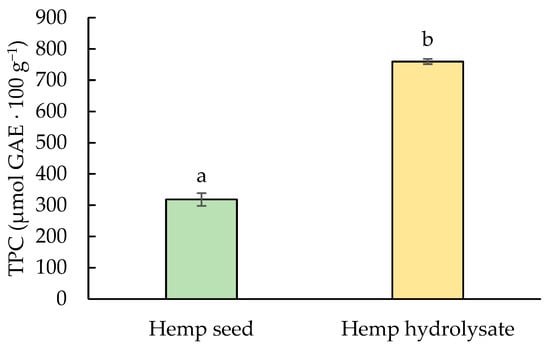
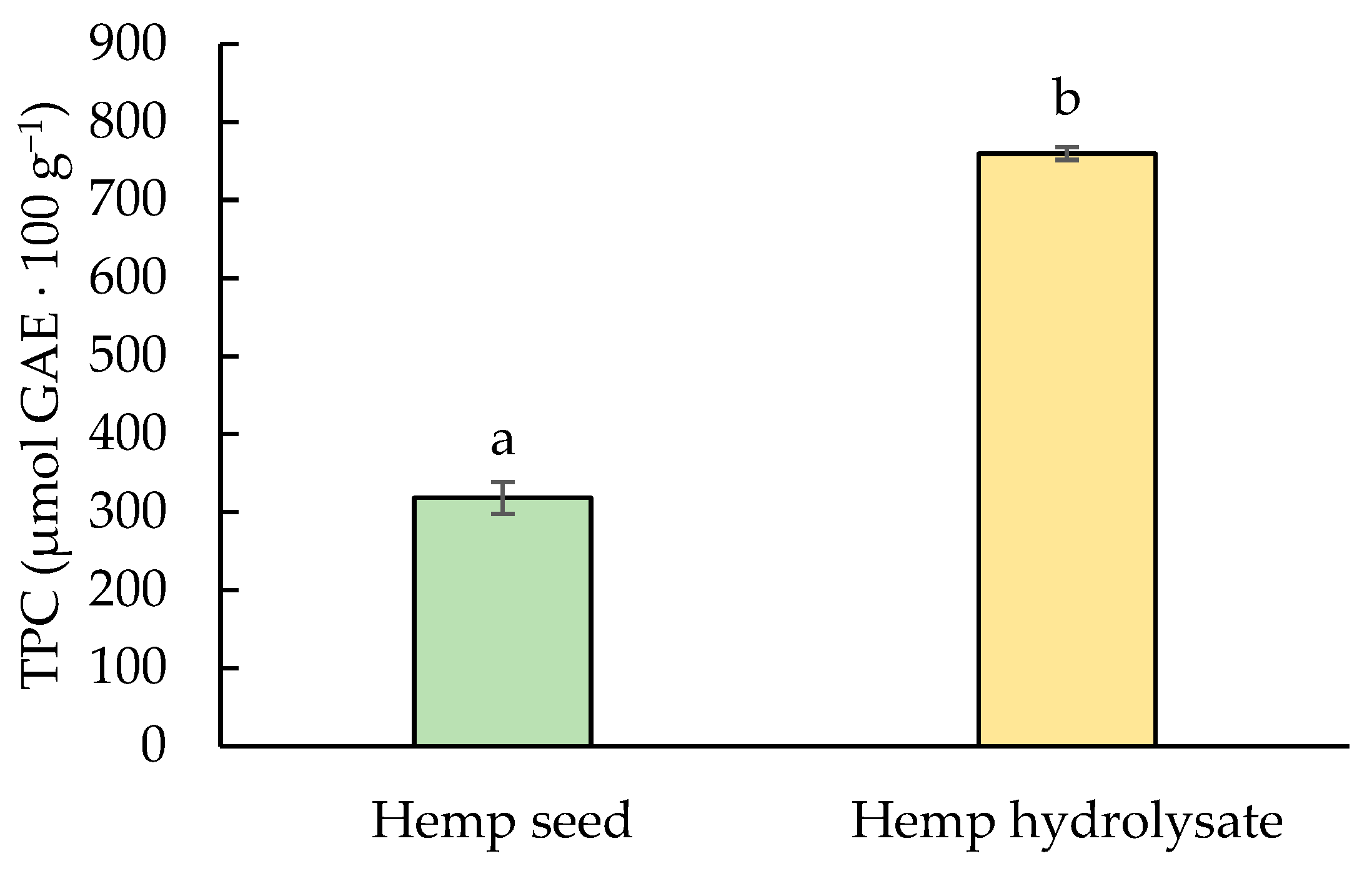
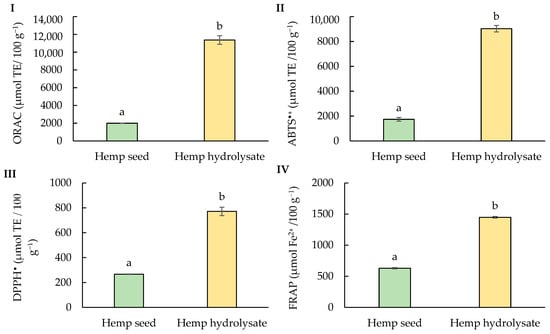
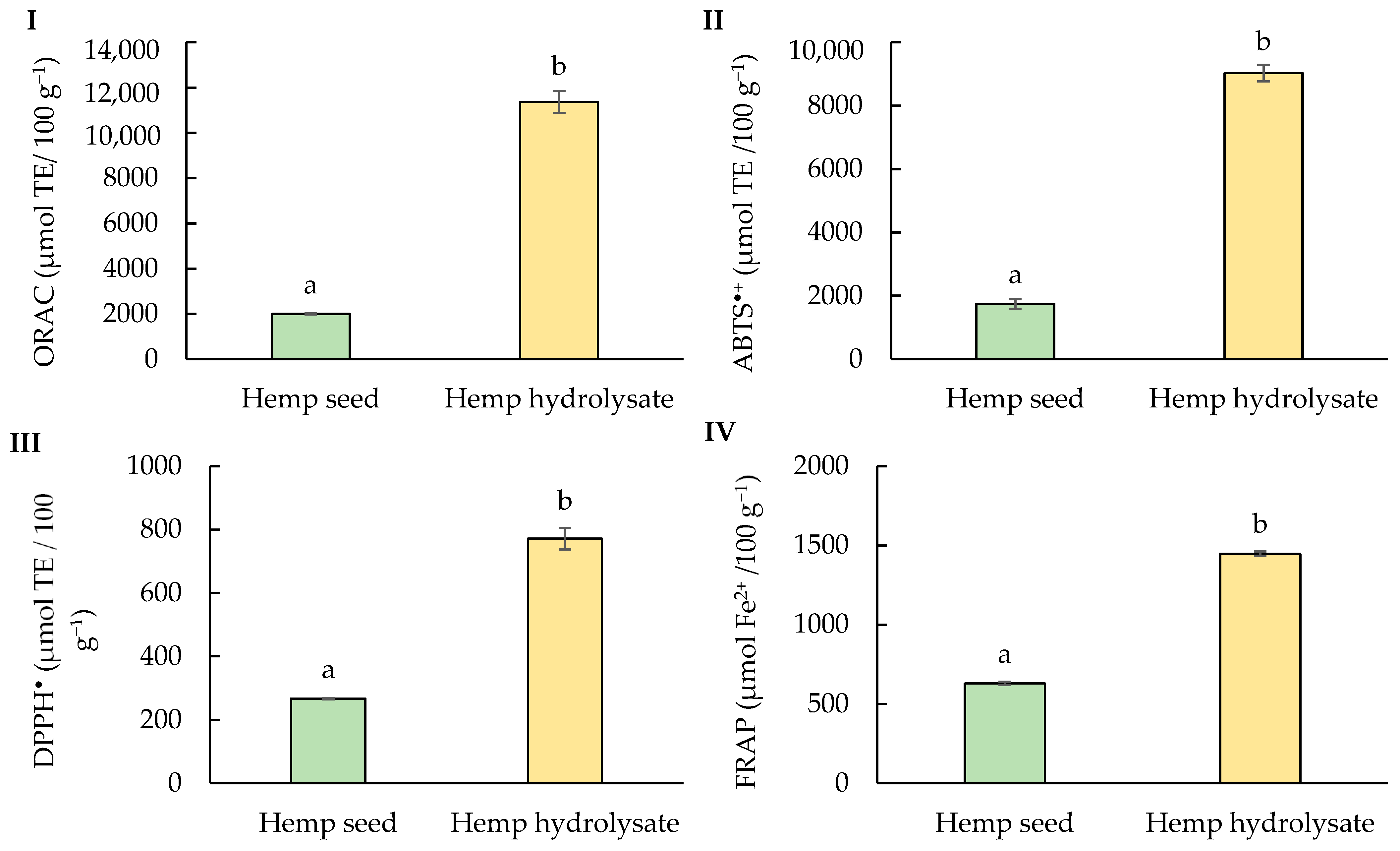
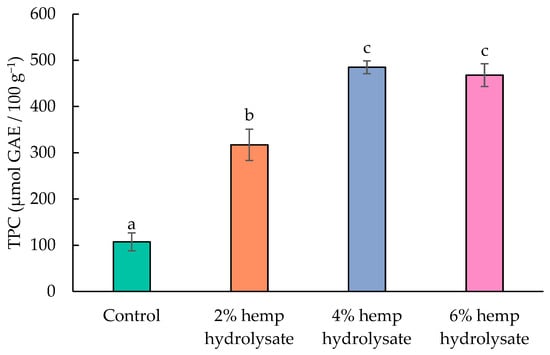
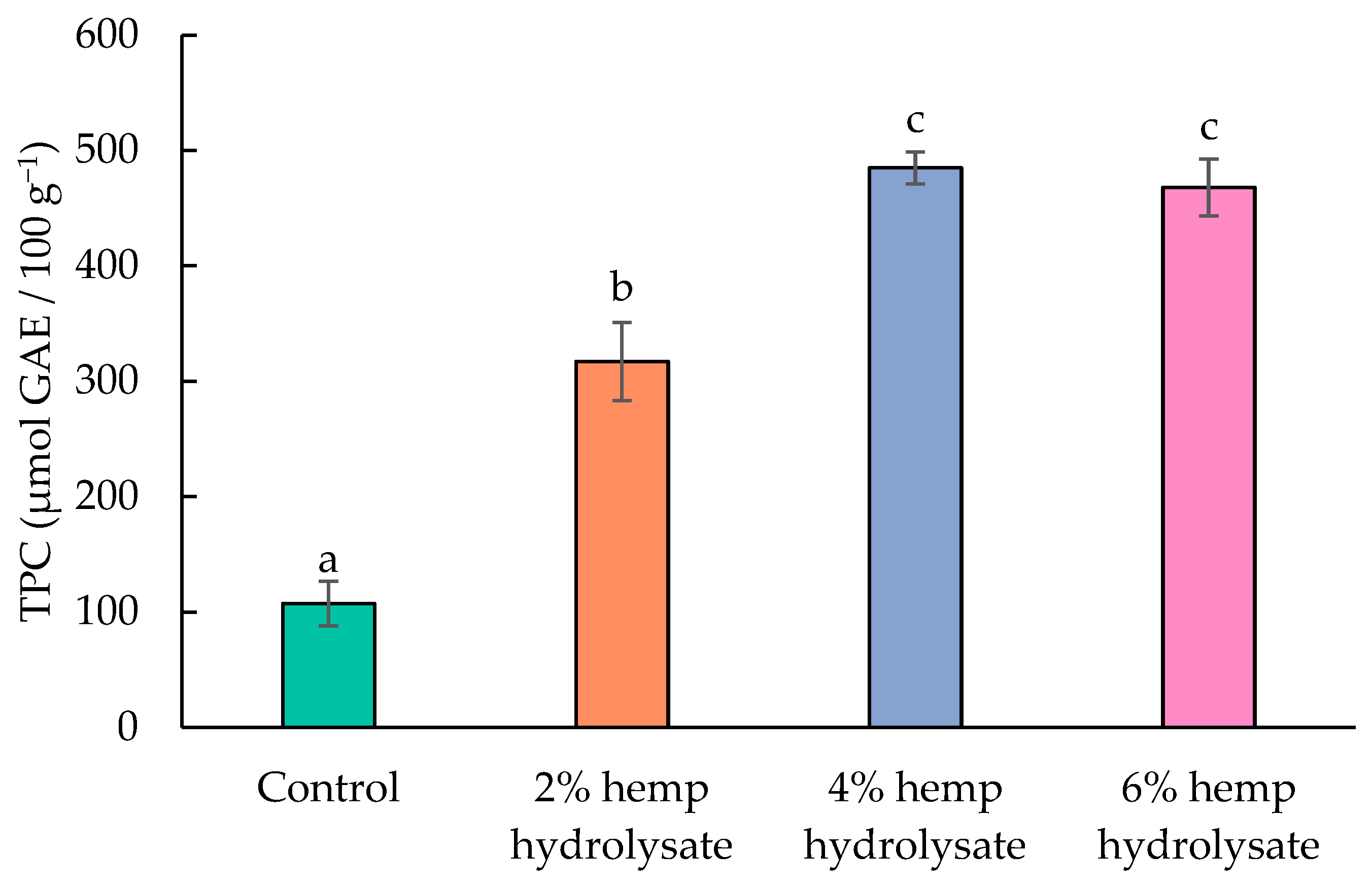
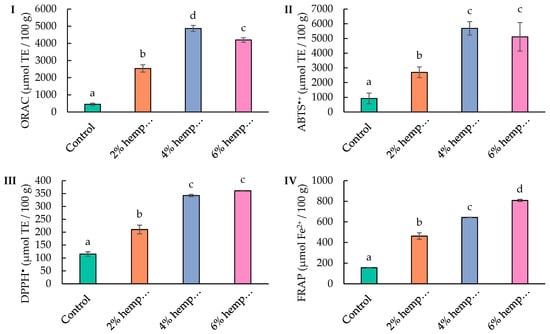
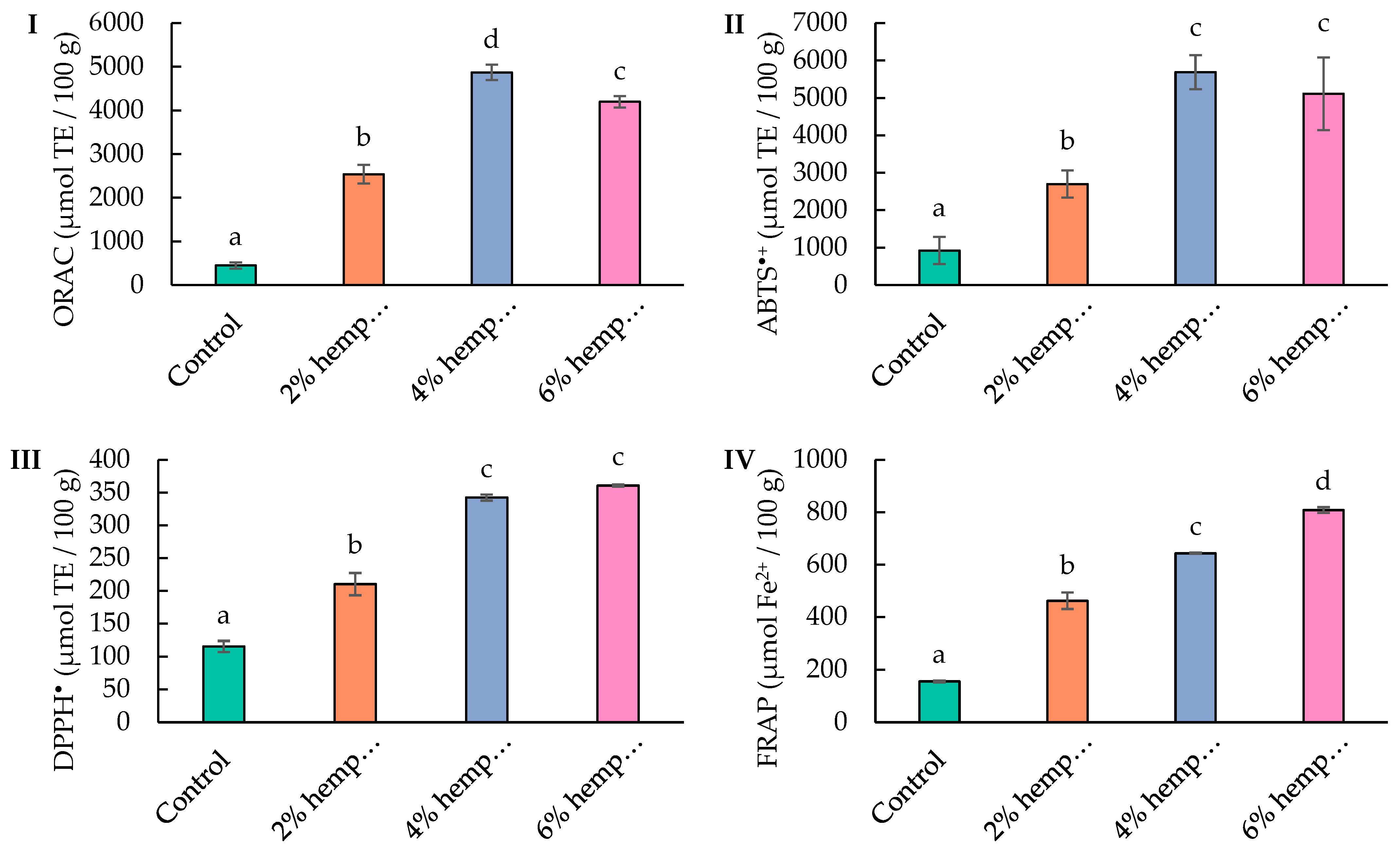
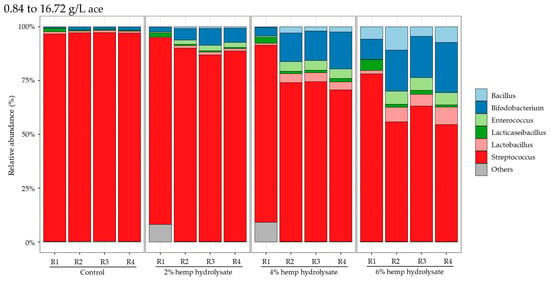
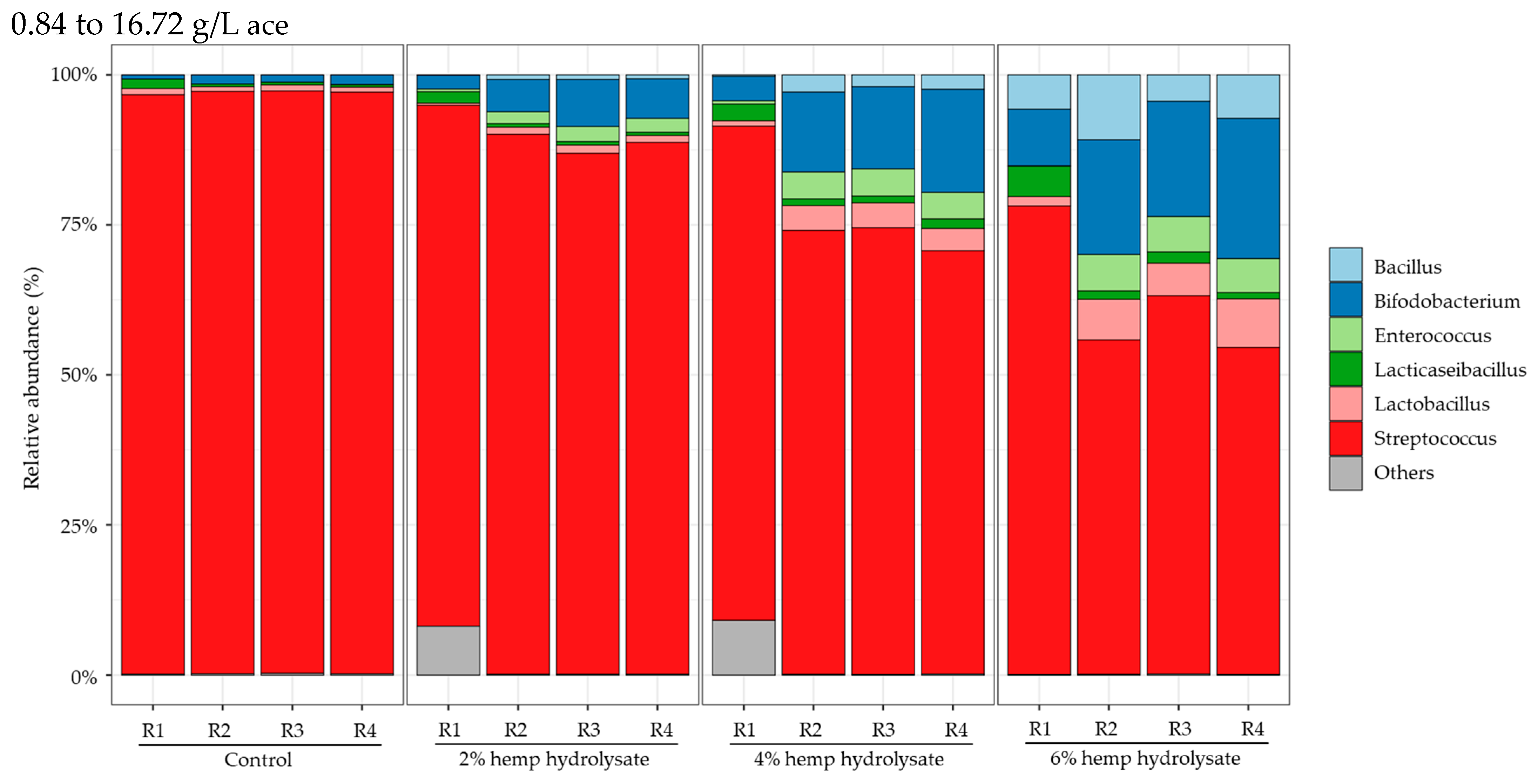
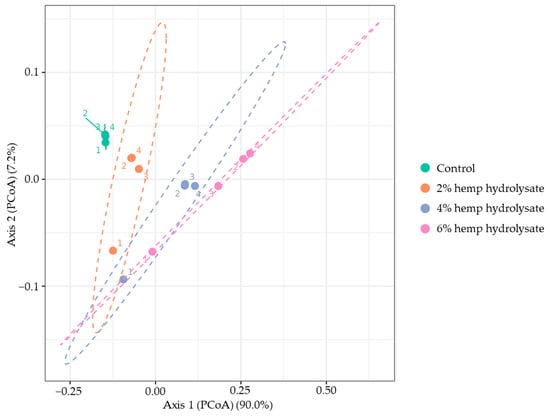
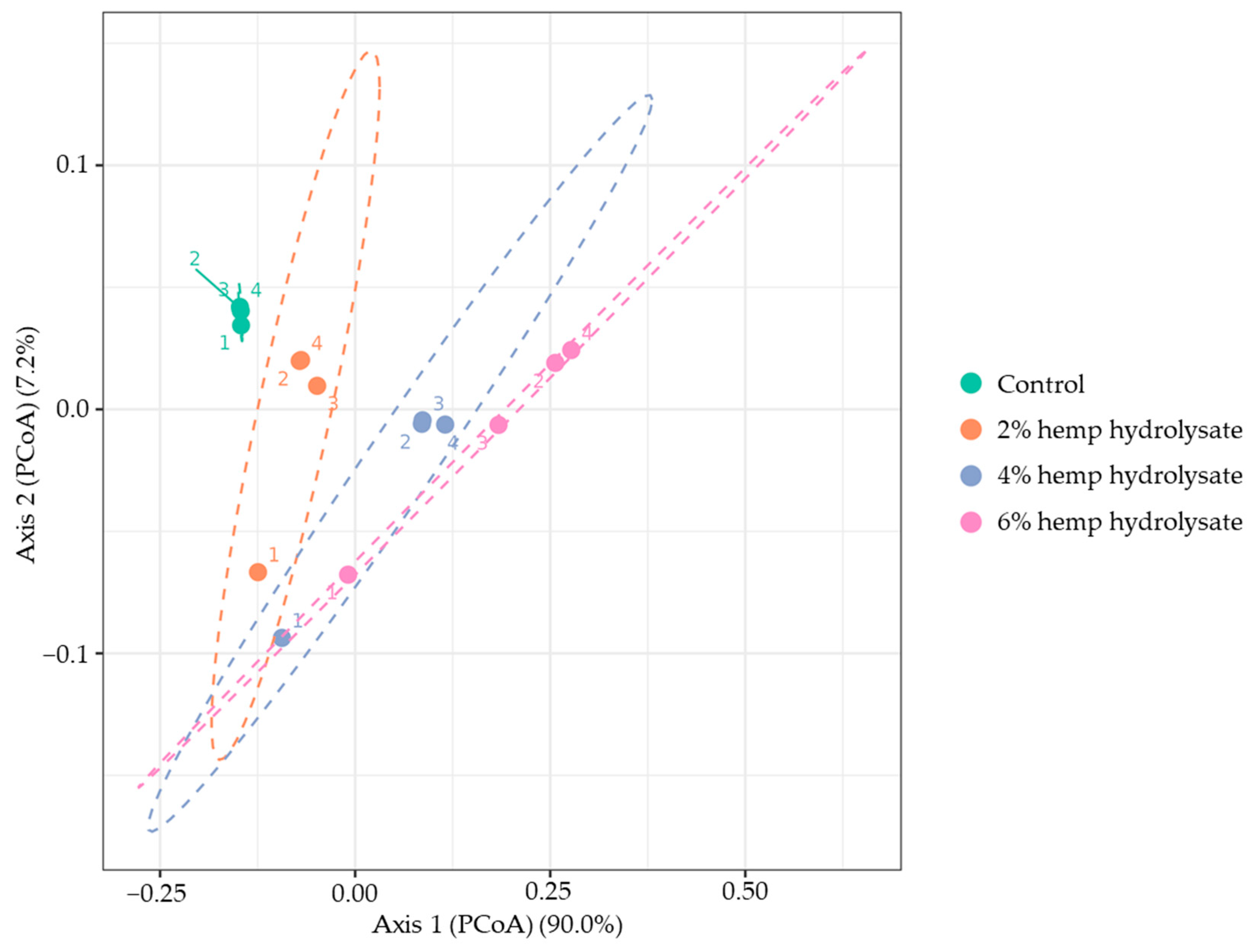
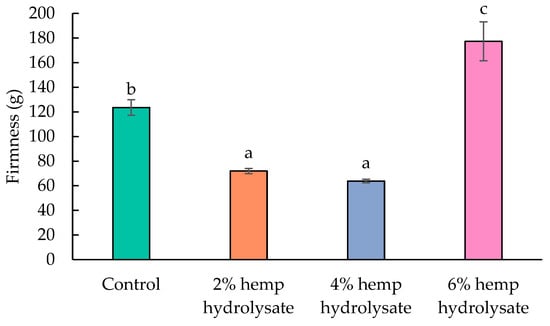
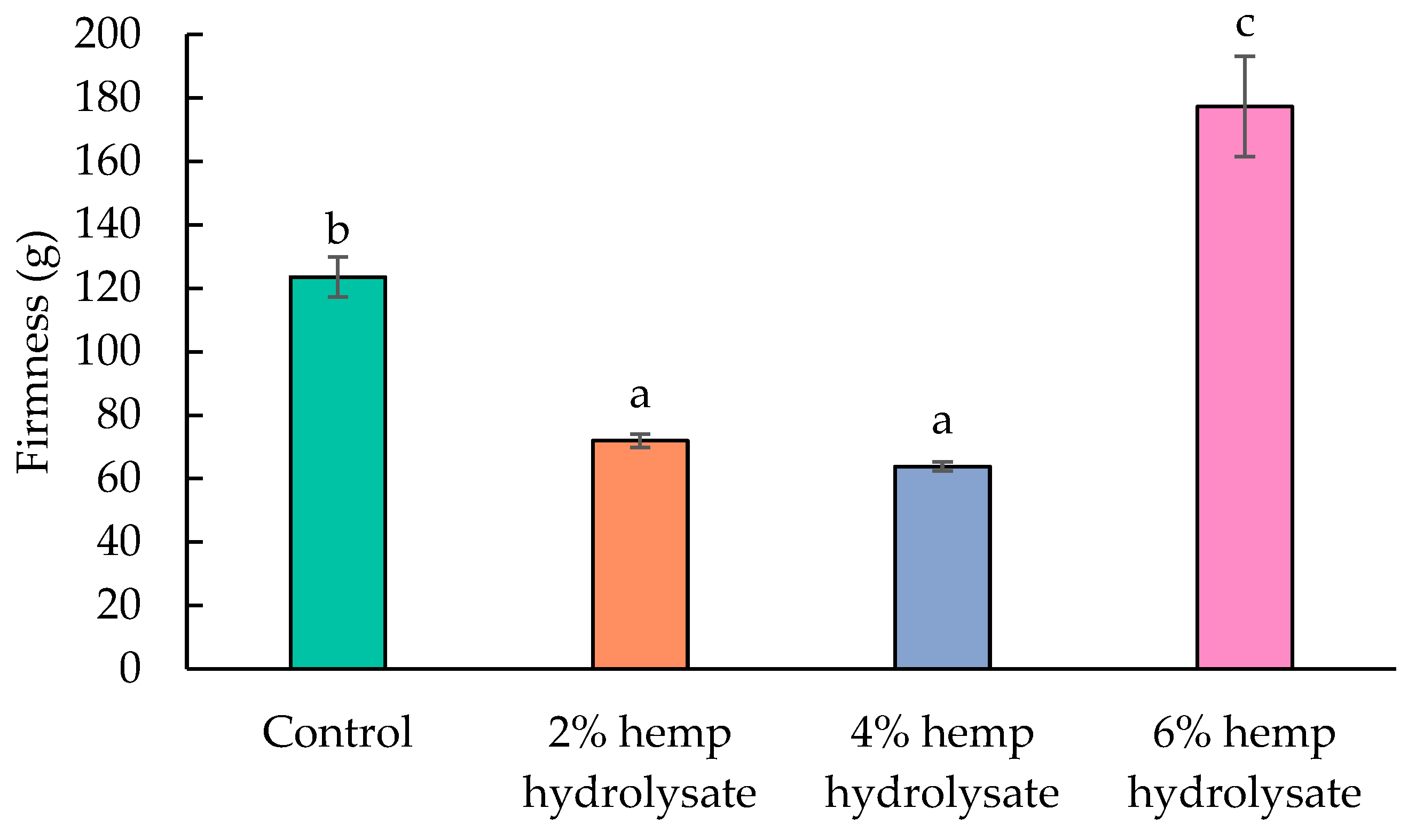
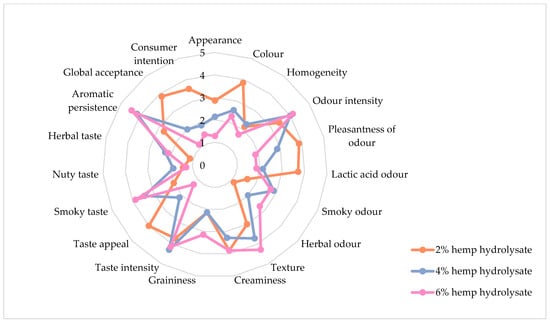
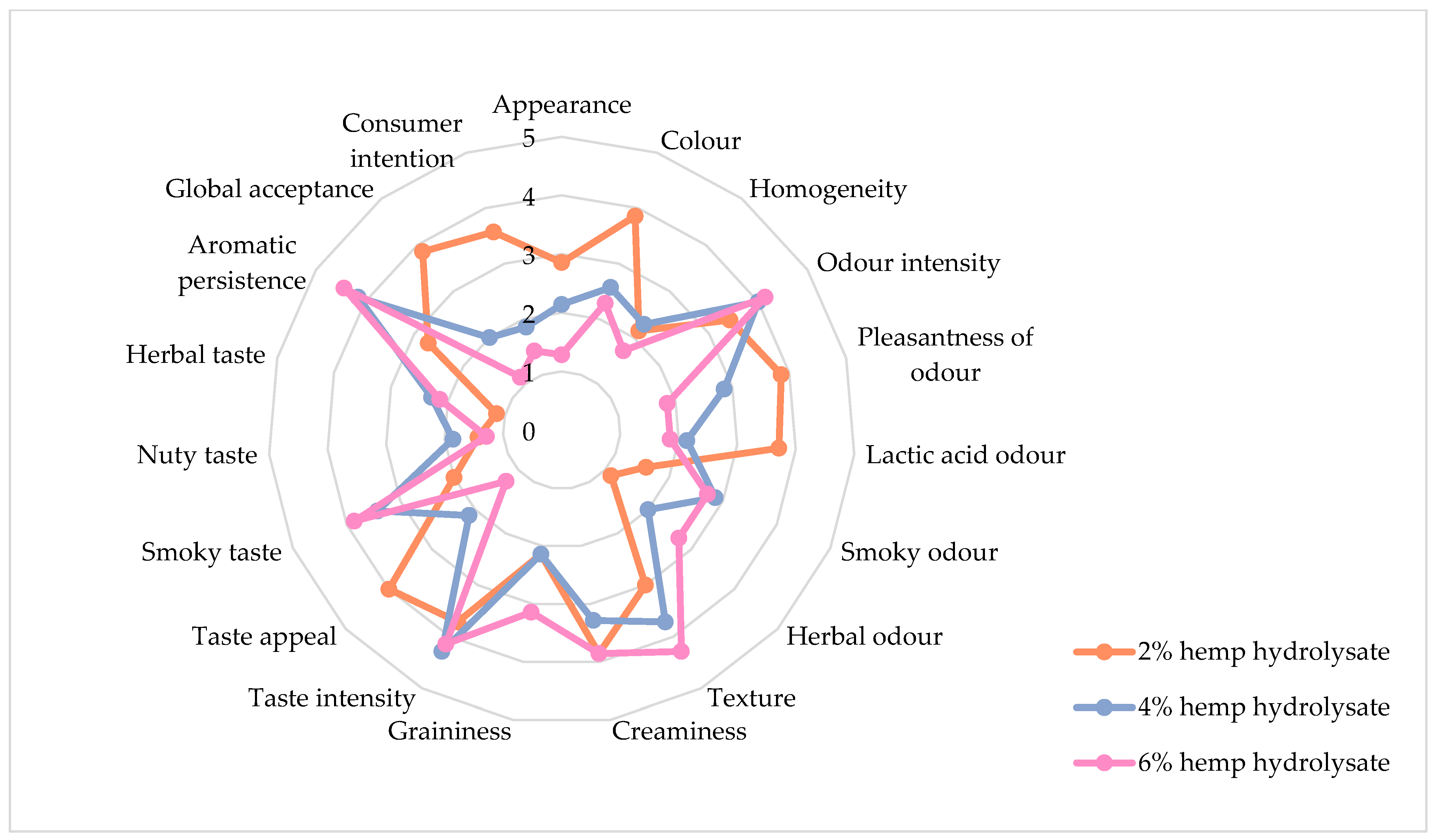
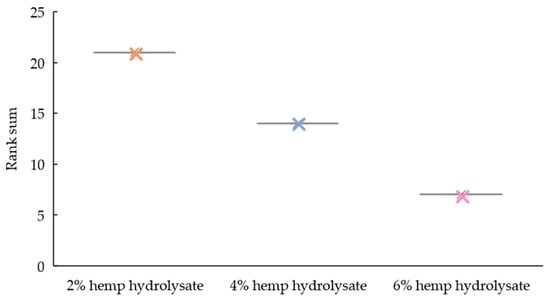
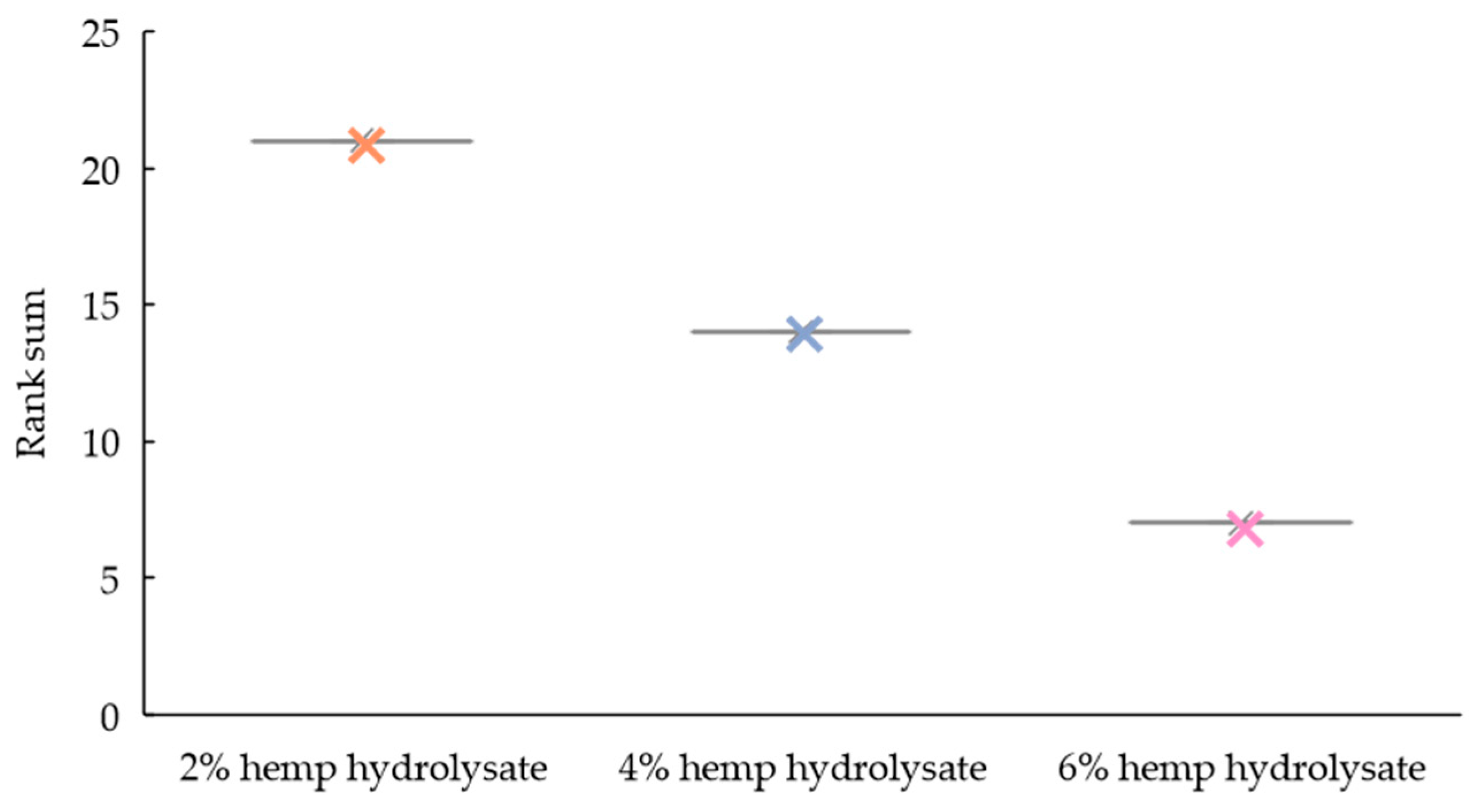
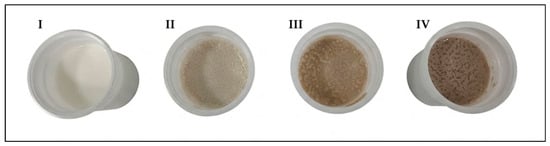
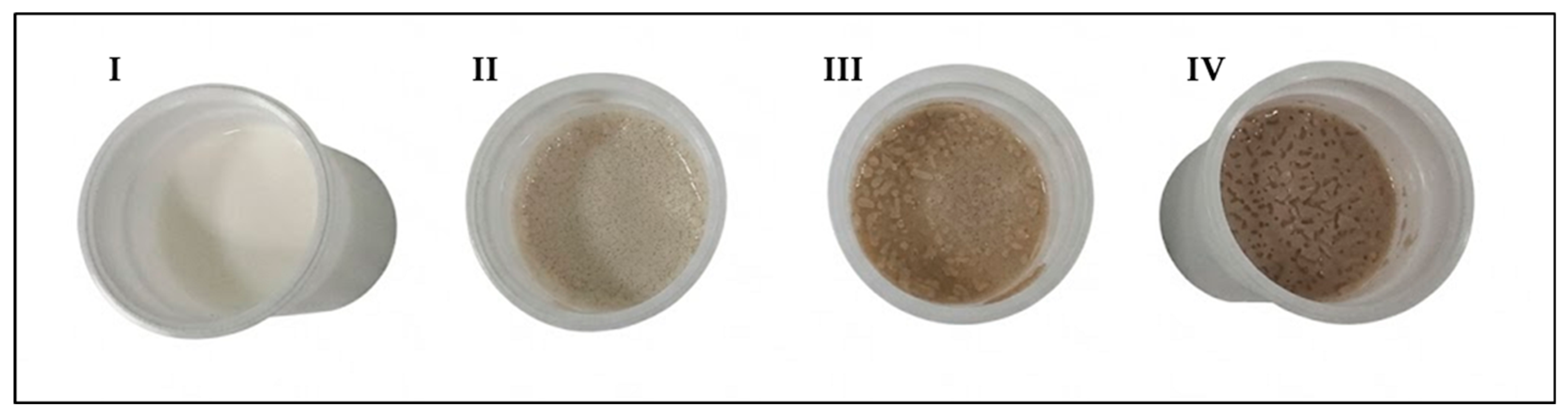

Disclaimer/Publisher’s Note: The statements, opinions and data contained in all publications are solely those of the individual author(s) and contributor(s) and not of MDPI and/or the editor(s). MDPI and/or the editor(s) disclaim responsibility for any injury to people or property resulting from any ideas, methods, instructions or products referred to in the content. |
© 2026 by the authors. Licensee MDPI, Basel, Switzerland. This article is an open access article distributed under the terms and conditions of the Creative Commons Attribution (CC BY) license.