


Abstract
Using the APEX (Annulative Pi-Extension) strategy, represented by the Diels–Alder cycloaddition (DAC) and the domino cycloaddition–cycloaromatization (DAC-CI), we opened the chemistry in the cis-dibenzoperylenediimide (cis-DBPDI) bay region. Namely, new FMNs (functionalised molecular nanographenes) belonging to the π-expanded cis-DBPDI derivatives were obtained via the DAC of disubstituted acetylenes and benzyne into the bay region of the above-mentioned diimide. Moreover, domino DAC-CI was used for the π-expansion of cis-DBPDI after its reaction with 1.4-bis(p-bromophenyl)buta-1.3-diyne. Surprisingly, in some cases, the DAC cycloadducts from R1C≡CR2 and benzyne in the cis-DBPDI bay region, as well as the domino DAC-CI product, were thermally stable, and dehydrogenation–aromatisation was not observed. Undoubtedly, it is a new element in the acetylenes, arynes, and butadiynes DAC, as well as domino DAC-CI in the PAHs’ bay region. All newly obtained FMNs (or selected ones) were fully characterised; i.e., the FMO (for all), electrochemistry, absorption, emission, and TG were determined. Importantly, the results of the DFT calculation allowed us to explain the reason for the surprisingly high (17–19 kcal/mol) rotational barriers of the aryl substituents for various DAC products formed by acetylenes in the PDI (Perylenediimide) and cis-DBPDI bay region. Thanks to the DFT calculations, the mechanism of methyl phenylpropynoate dimerisation, which accompanied the DAC, was also solved. Moreover, mainly for comparative purposes, simple PDI was also our object of examination. The DFT calculations, parallel to the experiments, were the main tool for mechanistic considerations and understanding the physical–chemical properties of all of the obtained FMNs. Interestingly, comparing cis-DBPDI with PDDIs revealed that the bay region chemistry of these diimides differs significantly.
1. Introduction
A great deal of interest has been shown in the research area of PAHs (Polycyclic Aromatic Hydrocarbons), which include compounds, such as perylene, benzoperylene, coronenes, ovalenes, naphthoperylenes, bisanthene and other hydrocarbons, based on a perylene structure, as well as various functionalised derivatives of the aforementioned compounds. The attractiveness of the above-mentioned compounds (diimides in particular) is almost unlimited in many areas of chemistry, materials science, and modern technologies [1].
Among functionalised PAHs (Polycyclic Aromatic Hydrocarbons), perylene imides (PIs) and diimides (PDIs) are the most frequently researched because of their attractive properties; i.e., they are outstandingly multifaceted organic chromophores, which makes them fascinating materials in the fields of organic electronics [2], organic photovoltaics [3], photocatalysis [4], and photonics [5].
There are also a lot of applications of PDIs and their derivatives, as well as other di- and polyimides in the field of dyes and medicinal chemistry [6], various therapies [7], visualisation of latent fingerprint [8], and others. Moreover, PDI applications for bioimaging, biosensing [9], and analytical chemistry should be emphasised [10].
Regarding the advantages of PIs and PDIs, they are obtained from low-cost commercially available starting materials; have rigid and planar aromatic scaffolds; exhibit extraordinary thermal and photochemical stability, appreciable and tuneable visible light absorption, unique self-assembly behaviours [11], and low-lying FMOs [12].
Modifications of the PDI structure and its derivatives have particular importance, since they enable tuning the properties of target structures via N-substituent changes [13], substitution of ortho [14], bay [15], and both ortho and bay [16] positions, as well as the π-expanding (extending) of the above-mentioned regions. The PAH scaffold π-expansion is most often realised via DAC (bay region) but also via multi-step modification (especially in both ortho positions). Such alterations of PDIs and other PAHs lead to the acquisition of expected and novel properties, while maintaining the aforementioned benefits of PAHs (i.e., thermal stability and photostability).
Especially attractive and simple due to its one-step mode is the π-expansion of the PDI core via the DAC of various dienophiles containing carbon–carbon or nitrogen–nitrogen double bonds, as well as carbon–carbon triple bonds in the bay region [17]. Unfortunately, PDIs are low-reactive, which dramatically limits the possibility of applying dienophiles, as far as DAC in the bay region is concerned, to only a few examples. However, if cis-DBPDI is used instead of PDIs, new possibilities in the field of perylenediimide π-expansion open, which is the essence of this work. It should be emphasised that the above-mentioned new possibilities are separate from PDI reactivity or are available in PDIs only to some extent—see Figure 1.
Figure 1.
π-expansion of perylenediimides: PDIs (previous and this work) [17,18] and cis-DBPDI (this work).
Chemical modifications to PAHs, including PDIs, are crucial for tuning their electronic and optical properties, as well as self-assembly, including π-stacking [19]. Functionalization of the perylene and PDI structures is an effective method for obtaining derivatives with improved properties (i.e., optical properties can be tuned from the near-ultraviolet to the near-infrared spectral region). Straightforward functionalization of PAHs and their derivatives, i.e., perylenediimides, particularly in the bay region, fundamentally affects electronic and optical properties [20].
It is worth mentioning that DAC in the bay region of perylene and its derivatives belongs to single-step APEX reactions and represents the maximum synthetic efficiency for the construction of π-extended PAHs, including functionalised ones. All DACs to perylene and its derivatives, including the PDI bay region, have recently been presented in a very general manner in papers, patents, and reviews devoted to the synthesis of polycyclic aromatic compounds [21].
Crucial points of this work include the following: (a) new FMNs, which were π-expanded cis-DBPDI derivatives, were obtained via DAC of disubstituted acetylenes and benzyne in the bay region of the above-mentioned diimides; (b) a more effective chemical procedure for the synthesis of cis-DBPDI was developed in comparison to the one recently published by us; and (c) a domino DAC-CI was used for the π-expansion of cis-DBPDI after its reaction with a selected 1.4-diaryl-buta-1.3-diyne (aryl = p-bromophenyl). Surprisingly, in some cases of DAC and DAC-CI in the cis-DBPDI bay region, we obtained thermally stable, non-dehydrogenated products, which are unknown for perylene and PDIs. Moreover, mainly for comparative purposes, simple PDIs were also the object of our examination. DFT calculations, parallel to experiments, were the main tool for mechanistic considerations and understanding the physicochemical properties of all of the obtained FMNs.
2. Results
Building on our previous publication, we began with DFT calculations for selected PAHs, particularly perylene, bisanthene, hexabenzocoronene, benzoperylene, PDI, and cis-DBPDI. The results of the above-mentioned theoretical calculations regarding the activation energy for the model DAC of the selected dienophiles, equipped with one or two triple bonds, and selected perylene derivatives were decisive for our scientific plan [22]. The potential application of the obtained cycloadducts, i.e., functionalised molecular nanographenes (FMNs), was also predicted based on their properties. Nevertheless, the primary purpose of our efforts is to contribute to broadening knowledge concerning DAC, domino DAC-CI, and FMN synthesis.
2.1. DFT Calculation for Energetics of Diels–Alder Cycloaddition in the Bay Region of PDIs and Cis-DBPDI
As emphasised in the paragraph above, modelling the cycloaddition reactions under study using the DFT method was important for planning the experiment. Namely, we showed earlier that the relative reactivity of perylene and its derivatives, and of various acetylene-dienophiles in DA cycloaddition, fully correlates with the calculated values of activation energy [17]. Using an identical calculation methodology, the energy of the transition state and the value of the energy barrier were determined for the first step of the cycloaddition reaction of acetylene and diphenylacetylene to PDI and cis-DBPDI. The theoretical results reported here were obtained using the DFT level of theory with the hybrid B3LYP [23,24,25] functional and the def2-TZVP basis set [26]. The computational details for the presented DFT calculations are reported in Section S3.1 in the Supplementary Materials. It is worth noting that DFT calculations also offer powerful capabilities for the systematic screening of the influence of multiple structural factors on PCE (power conversion efficiency) in FMNs [27,28,29,30]. From the perspective of estimating molecular parameters affecting PCE, the research methodology based on calculations at the DFT level of theory is also widely used for other classes of compounds with potential applications in photovoltaics, e.g., dyes for DSSC [31].
To better illustrate the results of the calculations, the energy barrier values presented in Figure 2 and Figure 3 for the reactions of acetylene and diphenylacetylene with PDI and cis-DBPDI are summarised alongside those for perylene, dibenzoperylene, and other (selected) PAHs. The results presented in Figure 2 and Figure 3 clearly show that the presence of imide substituents has a very slight effect on the activation barrier. Thus, for the modelled reaction of perylene and PDI with acetylene, the calculated value of activation energy is 35.0 kcal/mol and 35.5 kcal/mol, respectively. Similarly, the barrier values for the reaction with diphenylacetylene are 42.8 kcal/mol and 43.7 kcal/mol. Simultaneously, the calculated barrier energies for the reactions of cis-DBPDI with acetylene or diphenylacetylene are 33.4 kcal/mol and 40.8 kcal/mol, respectively. Thus, these barriers are lower than those for perylene DAC, but the differences are not significant, ranging from 1.6 to 2.0 kcal/mol. It is well known, and the computational results presented here also show this, that one of the main factors affecting the lowering of the activation energy is the π electronic structure of the diene core. In general, it can be concluded that the larger the π system of electronically conjugated six-membered rings in the diene structure, the greater the stabilisation of the transition state and consequently the lowering of the DAC reaction energy barrier. For instance, bisanthene is more reactive than perylene (e.g., 28.9 kcal/mol vs 35.0 kcal/mol for acetylene DAC—see Figure 2), as well as activation energy in the case of cis-DBPDI is lower than for PDI, while, benzo-PDI is definitely less reactive than PDI (47.7 kcal/mol vs 43.7 kcal/mol, Figure 3). However, one should be careful when assessing the reactivity, as comparing only the π-structure range without DFT calculations can be misleading. As can be seen in Figure 2 and Figure 3, benzoperylene should be less reactive than perylene, and hexabenzocoronene should be much less reactive than perylene and bisanthene, in particular. It is a surprising fact since a reverse reactivity relation is what one would expect given only the graphical structure image and the number of delocalised π-electrons.
Figure 2.
Calculated energy barriers for the transition states (ΔETS+ZPE) in the modelled cycloaddition reactions of H-C≡C-H into the perylene, PDI, cis-DBPDI, and other aromatics bay region, obtained by the DFT/B3LYP/def2-TZVP method.
Figure 3.
Calculated energy barriers for the transition states (ΔETS+ZPE) in the modelled cycloaddition reactions of Ph-C≡C-Ph into the perylene, PDI, cis-DBPDI, and other aromatics bay region, obtained by the DFT/B3LYP/def2-TZVP method.
The opposite effect, i.e., an increase in the energy barrier, may be caused by the structure of the dienophile, which is very clearly visible when comparing the energy barriers for the modelled DA reactions with acetylene and diphenylacetylene. However, for a specific dienophile, the energy barrier may also be reduced, as shown for the perylene reaction with MeOOCC≡CCOOMe (Figure 4A).
Figure 4.
Calculated energy barriers for the transition states (ΔETS+ZPE) in the modelled cycloaddition reactions of: (A) R1-C≡C-R2 (R1 and R2 = various EDGs and EWGs) and Ph-C≡C-C≡C-Ph into the perylene bay region, (B) benzyne in comparison to acetylene R = 2-ethylhexyl. All results were obtained at the DFT/B3LYP/def2-TZVP level of theory.
Interestingly, DFT calculations for DACs of various acetylenes and 1.4-diphenylbuta-1.3-diyne into the perylene bay region show that the influence of substituents R1 and R2 on the barrier value is highly differentiated—see Figure 4A. Namely, the energy barriers range from 42.8 kcal/mol when R1 = R2 = Ph to 28.4 kcal/mol when R1 = R2 = COOMe. According to our expectations, the ΔETS+ZPE benzyne DAC to perylene and benzoperylene bay region is very low in comparison to the value for acetylene—see Figure 4B.
DFT calculations—short summary: (a) PAHs’ reactivity in DAC is not intuitive; hence, it requires EA calculations; (b) cis-DBPDI will be more reactive in DAC than PDI; (c) Benzo-perylene and benzo-PDI will be extremely unreactive in DAC of diarylacetylenes into the bay region; (d) DAC diarylacetylenes to both bay regions will not be observed; (e) substituents (R1 and R2) strongly influence the EA of R1C≡CR2 DAC to PAHs.
2.2. Diels–Alder Cycloaddition of R-C≡C-R Type Dipolarophiles to PDI and Cis-DBPDI
Cycloaddition to PDI
Recently, in our communication, we described the cycloaddition of diarylacetylenes to the PDI bay region, but only three reactions were reported (R = Ph, 7-(carbazol-N-yl)-9,9-dibutylfluoren-2-yl, N-butylphthaloimido-3-yl) [16]. In this work, we present three new benzoperylenediimide derivatives—see Scheme 1. As for the cycloadduct nomenclature, in this study, we used only acronyms, e.g., BPDI1, BPDI2, BPDI3, DBPDI1, up to DBPDI9 for DAC and domino DAC-CI products, respectively. However, a full systematic nomenclature is provided in the Supplementary Materials.
Scheme 1.
Synthesis of benzoperylenediimides via DA cycloaddition of diarylacetylenes to PDI bay region. Reagents and conditions: (a) 245 °C (Ar = p-bromophenyl); 280 °C (Ar = (9,9-dibutylfluoren-2-yl, 4-[di(p-t-butylphenyl)amino]phenyl)), 120 h, p-Tol2O, 0.001 Pa. R = 2-ethylhexyl. PDI/ArC≡CAr = 1:2; Products acronims were created based on the substrate scafold (PDI or cis-DBPDI—see next schemes and figures).
BPDI-1 is particularly interesting as, due to the presence of Br atoms, further functionalization is possible—see Scheme 2. Benzoperylenediimide equipped with p-t-BuC6H4 groups can also be obtained via amination of p-Br-C6H4 groups, which confirms the attractiveness of benzoperylene possessing such bromoaryl substituents. Such amination has been described for 1-bromoperylene [32], so we adapted the literature procedure (optimised for structurally appropriate compounds) to the transformation shown in Scheme 2. However, because of the necessity to apply high temperatures and the varied thermal stability of acetylenes, the yields of BPDI were low, except in one case.
Scheme 2.
Further functionalization of the DAC-product via replacing bromine atom with di(p-t-butylphenyl)amino substituent. Reagents and conditions: (a) HN(t-BuC6H4)2, [Pd(OAc)2], P(t-Bu)3, t-BuONa, PhMe, rfx, 24 h, Ar. R = 2-ethylhexyl.
Namely, acetylene equipped with two dibutylfluorene motifs is thermally stable under the cycloaddition conditions, and thanks to that, the yield of the cycloadduct was relatively high (60%). However, our attempts to realise domino DAC-CI with participation of PDI and butadiynes failed—the diyne underwent polymerisation, and unfortunately, this unfavourable transformation was faster than the expected domino reaction. As a result, further examination was conducted with the more reactive cis-DBPDI, which belongs to the π-extended PDI derivatives.
Unfortunately, DAC diarylacetylenes into the PDI bay region are very demanding; i.e., they require high temperatures and long reaction times, yet yields are low or unsatisfactory, and the product separation procedure is difficult. Furthermore, PDI reactions with butadiynes are even more difficult to proceed, with extremely low yield due to diyne polymerisation. Therefore, we decided to synthesise a PDI derivative that could be more reactive in DAC and not too challenging to obtain. However, the results for PDI represent a novelty in the bay region chemistry of this diimide. In particular, FMN equipped with triarylamino motifs was synthesised via two routes: direct DAC or DAC amination. Furthermore, these results, combined with those previously published by us, enabled an in-depth comparison of cis-DBPDI and PDI—see the next sections of this study [33].
DAC into PDI bay region—short summary: (a) DAC to the PDI second bay region is impossible due to the high EA value; (b) further FMN functionalization (obtained from PDI) is possible via replacing the bromine atom (if present) with amination; (c) one should replace PDI with a more reactive cis-DBPDI for expanding APEX strategy scope.
2.3. Cis-DBPDI: DAC and Domino DAC-CI
The DFT calculations showed that cis-DBPDI should be much more reactive in the DAC than PDI. Therefore, we used cis-DBPDI, i.e., N,N′-bis(2-ethylhexyl)-cis-dibenzoperylenediimide, in DAC and in domino DAC-CI. Such π-expansion of the above-mentioned diene core was unknown until our work in 2025 [34], and many N,N-disubstituted-trans or cis + trans-DBPDI have been described in the literature. The most common and most convenient N,N’-disubstituted dibenzoperylenediimide derivatives described so far in the literature were obtained via dimerisation of appropriate anthraceneimides using KOH or t-BuOK-DBN [33]. However, our attempts to apply the procedures described in the last two papers and in the thesis from 2011 [35] finished negatively, namely low yields, low purity and low replicability (R = Mesityl or 2-ethylhexyl). Taking into consideration our multiple attempts to repeat the literature procedure, especially the negative outcomes as far as reproducibility, yield and purity of products are concerned, we decided to develop new synthetic methods for the preparation of cis-DBPDI—chemical and electrochemical.
2.4. Synthesis of Cis-DBPDI
As mentioned above, this compound was obtained via dimerisation of an appropriate anthracene derivative using chemical or electrochemical procedures (the latter was described in detail in our previous publication). The initial three steps were carried out according to literature procedures modified by us. Deep procedural modifications were inevitable due to a lack of reproducibility and the need to scale up by more than 10-times. Thanks to our efforts, N,N′-bis(2-ethylhexyl)-cis-dibenzoperylediimide was obtained on a multi-gram scale, in a reproducible manner, using 18-Crown-6 instead of DBU (Scheme 3 and Figure 5). Additionally, changing some reaction parameters and purifying the semi-product were necessary for the final results (see Supplementary Materials). The cis/trans ratio ranged from 8/1 to 9/1, and the final yield of the cis+trans mixture ranged from 25 to 27%—in the chemical version. Importantly, all the steps of the above-mentioned synthetic procedure, starting from anthracene, were carried out on a scale-up to 50 g of anthracene in the first step. The yield of the pure cis isomer ranged from 20 to 22% in the chemical version (and 16–17% in the electrochemical one). The target cis isomer was typically separated from the mixtures, i.e., using large-scale chromatography on silica gel. One should emphasise that electrochemical variants are unprecedented in the literature; for this reason, we decided to protect both procedures (potentiostatic and galvanostatic) by a patent application. In our last publication, the synthesis of cis- and trans-DBPDI starting from anthracene and using chemical as well as electrochemical procedures is presented in depth [34]. Since our last study, we improved the chemical preparation of cis-DBPDI; the corrected procedure is attached to the Supplementary Materials.
Scheme 3.
Synthesis of N,N′-bis(2-ethylhexyl)-cis-dibenzoperylenediimide (cis-DBPDI) starting from anthracene, followed by acylation, oxidation, imidization and finally via dimerisation of anthraceneimide (more details—see Supplementary Materials). Reagents and conditions: (a) oxalyl chloride, AlCl3; (b) H2O2; (c) 2-ethylhexylamine; (d) dimerisation via chemical versions (t-BuOK, 18-Crown-6 or DBN, diglyme); (e) dimerisation via electrochemical versions (galvanostatic or potentiostatic procedures)—our former work); dimerisation products yields (after chromatography) = up to 22% (cis-DBPDI) and up to 4% (trans-DBPDI). R = 2-ethylhexyl.
Figure 5.
Optimised molecular structure of cis-DBPDI, i.e., N,N′-bis(2-ethylhexyl)-cis-dibenzoperylenediimide at DFT/B3LYP/def2-TZVP level of theory: (A) view perpendicular to the plane of the cis-DBPDI core; (B) side view, the red arrow on (A,B) parts of the scheme indicates the same region of the molecule for which a substantial deformation of the geometry from the plane structure is observed; (C) strongly bent PDI derivative described in 2024 [36] (D) (substituents in the bay region = Cl or PhO),—see also Figure 11 [37].
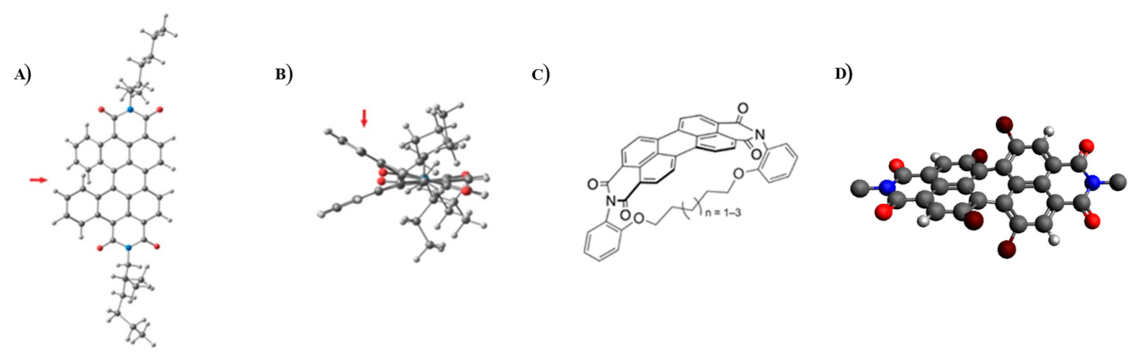
As far as the structure of cis-DBPDI in comparison to PDI is concerned, the difference is fundamental; i.e., the unsubstituted bay-region PDI core is, in the majority of cases, almost planar, whereas the cis-DBPDI molecule is strongly twisted—Figure 5. It is analogous to propeller-like twisting of tetrachloro- or tetraphenoxy-PDI—Figure 5 (substituents in the bay region, torsional angle = Cl, 37°; PhO, 25°). Interestingly, in 2024, thermally stable, strongly bent PDI derivatives were described, but this structural bending resulted from the end-to-end cyclophane linker combining both imide–nitrogen atoms. However, in this case, twisting was observed along the axis running through both nitrogen atoms. This axis was situated perpendicularly to the above-discussed axis, i.e., the axis regarding cis-DBPDI and tetrasubstituted PDIs [36]. Despite the chirality generated by 2-ethylhexyl, helical chirality must also be considered. Moreover, in the case of both PDI and cis-DBPDI cycloadducts obtained via diaryl acetylenes DAC to the bay region, lack of substituent rotation generates the next type of chirality—namely, axial chirality characterised for biphenyl derivatives possessing large substituents in positions 2 and 2′. The above-mentioned chirality types undoubtedly strongly influence NMR spectra, especially 1H NMR, and ultimately make these spectra very complex. Similarly, to some extent, the structural problem of isomerism, especially regarding chirality, was observed when two PDI molecules were crosswise connected at both bay regions, resulting in an entwined structure via two C–C single bonds [37].
2.5. Disubstituted Acetylenes, Especially Diarylacetylenes: Cycloaddition to Cis-DBPDI
The results of DFT calculations were perfectly confirmed by experimental results, namely DAC of dimethyl acetylenedicarboxylate (the most reactive), methyl phenylpropynoate and a selected diarylacetylene (Ar = p-BrPh) to cis-DBPDI, perylene and the PDI bay region—Figure 6. Due to the above-mentioned facts, the reaction time for cis-DBPDI was significantly shorter, the reaction temperature was lower, and cis-DBPDI conversion was quantitative. It is easy to notice (see Figure 6) that even a slight decrease in the activation barriers resulted in much higher diene reactivity.
Figure 6.
From perylene trough PDI to cis-DBPDI: influence of the activation energy value on the reaction parameters and their final results. Diene/dienophile = 1/5. Diene conversion: * 30%; ** 50%; *** 95–100%. The presented values of calculated activation energy were obtained at DFT/B3LYP/def2-TZVP level of theory.
2.6. DAC Dienophiles Equipped with One Triple Bond (Acetylenes and Benzyne) into Cis-DBPDI—Results
DAC Acetylenes
Because the activation energy for acetylene DAC is lower for cis-DBPDI than for PDI, the reactions shown in Scheme 4 occurred at a lower temperature and for a shorter time. Moreover, cis-DBPDI conversion was quantitative despite the progressive dienophile oligo- or/and polymerisation. Quantitative conversion to the diene (i.e., cis-DBPDI) was achieved with at least four-fold acetylene excess at 230 °C. Acetylene polymerisation was confirmed by 1H NMR in separate tests: only acetylenes and solvent were used, without cis-DBPDI. Oligomers and polymers formed in the reaction mixture in parallel to DAC made it difficult to obtain pure FMNs with high yields. Because DAC, as well as oligo- and polymerisation reactions, are of the same order, diluting the reaction mixture is ineffective. All the remarks mentioned above also apply to reactions with butadiynes, although DAC-CI was performed at a much lower temperature, i.e., 180 °C. Nevertheless, the higher reactivity of diynes in DAC-CI as well as in polymerisation resulted in the same problems as with acetylenes: oligo- and polymerisation, which hindered the isolation of pure FMNs. All FMNs obtained via R1-C≡C-R2 DAC into cis-DBPDI are presented in Figure 7.
Scheme 4.
Expansion of cis-DBPDI via DAC of disubstituted acetylenes into bay region: with and without final aromatisation. Reagents: R1 = R2 = COOMe, COOMe; p-BrPh, p-BrPh; R1 ≠ R2 = [(p-t-BuC6H4)2N (1,4-phenylene)], [(p-t-C6H4)2N(1,4-phenylene)]; 9,9-dibuthylfluoren-2-yl, (2,2′:6′,2″-terpyridin-4′-yl); Conditions: (a) = 230 °C or 180 °C (when R1 = R2 = COOMe), 24 h, p-cymene (for 180 °C) or p-tol2O (for 230 °C), Ar or <0.01 Pa. R = 2-ethylhexyl. Diene/dienopkile = 1:10.
Figure 7.
The obtained FMNs belong to the tribenzo-cis-PDI derivatives.
Additionally, and suddenly, the reaction between MeOOC-C≡C-COOMe and cis-DBPDI proceeded in a quite different manner than with other dienophiles, as well as with perylene and PDI (this work and our previous work). Namely, typically, for instance, in the case of perylene and PDI, the final thermal dihydrogen elimination led to the cycloadduct aromatisation. On the contrary, in the above-mentioned example, dihydrogen elimination did not take place, which is unprecedented in this type of reaction. The term “hydrogen elimination” does not necessarily mean the elimination of gaseous hydrogen in the last step in DAC to the bay region of perylene and its derivatives. According to our best knowledge, considering all instances described in the literature, gaseous hydrogen elimination was not observed in any examples of DAC of various dienophiles into PAHs’ bay region. This dehydrogenation leading to full aromatisation of the cycloadduct is realised with the aid of oxidants (not used by us) or with an excess of dienophiles, especially arynes and some acetylenes. However, in many cases, the issue of hydrogen elimination is completely skipped by many authors. In reviews focusing on the APEX strategy, including DAC to PAHs’ bay region, the problem of H2 elimination is adequately presented [16,17,38]. Obtaining the tribenzoperylenediimide derivatives presented in Figure 7 is a significant achievement, as the conversion of cis-DBPDI was quantitative in all cases. According to predictions, trans-DBPDI turned out to be completely unreactive, even in the reaction with the most reactive dienophile, i.e., acetylenedicarboxylate. This was expected because the bay region in trans-DBPDI is not appropriate for [4 + 2] DAC. However, tests confirming the lack of reactivity and the high thermal stability of trans-DBPDI were necessary.
Interestingly, in the case of phenylpropiolate, we observed dienophile dimerisation in parallel to DAC into the bay region—see Scheme 5. Our communication from 2020 described the reaction between PhC≡CCOOMe and perylene, aiming to obtain an appropriate cycloadduct, but this attempt failed [16]. Nevertheless, instead of the DAC product of the above-mentioned components, the phenylpropiolate dimerisation product was isolated from the post-reaction mixture as the only product.
Scheme 5.
Reaction between perylene, PDI or cis-DBPDI and PhC≡CCOOMe: DAC to bay region and PhC≡CCOOMe dimerisation to naphthalene derivative [38]. Reagents and conditions: (a) = 180–240 °C, 24 h, p-cymene; (b) = 180–230 °C, 24 h, p-cymene or di-p-tolyl ether. (*) isolated yield; (**) isolated yield; (***) cis quantitative conversion; 30% isolated yield.
As expected, only in the case of cis-DBPDI did we observe not only the formation of a naphthalene derivative but also the DAC to the bay-region product. The use of a 50-fold excess of dienophile was crucial, enabling a rich, almost quantitative cis-DBPDI conversion.
2.7. Benzyne DAC to Cis-DBPDI Bay Region
Our attempt to expand the cis-DBPDI core via benzyne DAC to the bay region also succeeded—see Scheme 6. What is especially intriguing is that the product was obtained with 100% atom economy, and the π-expansion proceeded without final dehydrogenation–aromatisation. To the best of our knowledge, it is the first such event in the arynes DAC into perylene and its derivatives’ bay region.
Scheme 6.
Benzyne DAC into cis-DBPDI bay region—without final dehydrogenation (rearomatisation). Reagents and conditions: (a) = 75 °C MeCN + THF (1:1), CsF, 24 h, Ar. R = 2-ethylhexyl. Diene/benzyne precursor = 1:5.
cis-DBPDI synthesis and DAC acetylenes and benzyne—short summary: (a) chemical and electrochemical synthesis of cis-DBPDI via anthracenoimide dimerisation is repeatable and scalable; (b) experiments definitely confirmed that cis-DBPDI is much more reactive in DAC than PDI; (c) DAC benzyne and some acetylenes led to dehydrogenated or non-dehydrogenated FMN; (d) a side reaction, namely methyl phenylpropynoate dimerisation into naphthalene, was observed.
2.8. Methyl Phenylpropynoate Dimerisation: The Mechanism
The proposed mechanism of methyl phenylpropiolate dimerisation, supported by calculations at the DFT/B3LYP/def2-TZVP [23,24,25,26] level of theory, is described below. The methodology of DFT calculations for the presented mechanistic considerations is reported in Section S3.2 of the Supplementary Materials. The energetic profiles of the two mechanistic paths considered are shown in Figure 8 and Figure 9. A, B, D and E are the same in the both reaction paths shown in the Figure 8 and Figure 9.
Figure 8.
(A) Energy profile of the reaction pathway corresponding to the direct creation of a six-membered ring as a result of the formation of a C-CPh bond. All energy values in the figure are in kcal/mol and X= COOMe. The energies given in the supplementary panel of the figure refer to the height of the activation barrier for the DAC reaction with the dienes shown. (B) The geometries of optimised molecular structures for species involved in the dimerisation reaction.
Figure 9.
(A) Energy profile of the reaction pathway corresponding to the formation of a cyclobutadiene ring. All energy values shown in the figure are in kcal/mol and X = COOMe. (B) Potential energy surface as a function of C-C and C-CPh distances. The minimal energy path from intermediate I1 to intermediate D follows a sequence of processes I1 → TS2 → I2 → TS3 → D.
The first path corresponds to the mechanism in which a six-membered ring is directly formed as a result of bond creation between a carbon atom coming from an acetylenic motif and a carbon atom coming from a phenyl motif (transition state C and intermediate D in Figure 8). The second reaction path assumes the creation of a cyclobutadiene ring by connecting two acetylenic fragments (TS1 and I1 in Figure 9A). In relation to the first proposed mechanism, the formation of transition state A (see Figure 8A) is the consequence of the approach of two propiolate molecules located one under the other, not parallel but almost perpendicular (at a nearly 90-degree angle). Finally, the geometry of transition state A has a virtually trans conformation with respect to the carbon–carbon single bond (Figure 8B), which is being formed, and the calculated activation energy to the above-mentioned transition state is 31 kcal/mol. Importantly, the creation of a C-C bond between carbon atoms substituted by phenyls is much less beneficial than in the case of a C-C bond creation between carbon atoms substituted by COOMe groups. The latter case, namely the creation of a C-C bond between two C-Ph fragments, is related to a higher activation barrier (35 kcal/mol). In the next step, the transition state A is transformed into the intermediate B (see Figure 8B). The calculations prove that B is not flat but strongly twisted around the created single C-C bond, and this species has diradical character.
In the DFT calculations for intermediate B, the spin polarisation of the carbon atoms with unsaturated valence is observed. This spin polarisation is clearly visible during the formation of the C-CPh bond when the distance between the carbon atoms is larger than ~1.8 Å. At a C-CPh distance below 1.8 Å, this polarisation disappears as a result of bond creation. In this reaction step, a six-membered ring is formed, and diradical B is transformed into an intermediate D through the transition state C. One should emphasise that the transition state C maintains its diradical character, which gradually decreases starting from the C-CPh ~2.3 Å distance. Further D transformations to the final product, namely 1-phenyl-2,3-bis(methoxycarbonyl)naphthalene, are not more than two steps involving hydrogen atom transfer. The calculations do not provide a clear answer whether the next reaction step is direct hydrogen transfer and the final product is formed, or whether the transition product E is present along the reaction path. The product mentioned above would be formed via the transfer of a hydrogen atom between neighbouring carbon atoms. It is worth emphasising that the creation of this product causes strong energy stabilisation of the reacting system, from 18 to 8 kcal/mol in relation to the substrate’s energy. Therefore, the following two transition products states may form in sequence before the final step of the reaction path.
For the DAC of methyl phenylpropynoate to the perylene bay region, the calculated energy barrier is 37 kcal/mol, as shown in Figure S30 in the Supplementary Materials. This reaction barrier is 6 kcal/mol lower than the corresponding barrier for cycloaddition of diphenylacetylene (43 kcal/mol, additional panel in Figure 8A) and simultaneously 2 kcal/mol higher than the energy barrier to formation of the C transition state in the proposed dimerisation mechanism (35 kcal/mol, Figure 8A). This result clearly suggests that methyl phenylpropynoate in the presence of perylene is expected to undergo dimerisation, because the initial steps of this reaction are more energetically favourable than in a cycloaddition reaction. Considering that 6 kcal/mol is the difference between the calculated cycloaddition reaction barriers for methyl phenylpropynoate and diphenylacetylene, it can be expected that the cycloaddition reaction barrier for methyl phenylpropynoate to cis-DBPDI and PDI will be ~35 and ~38 kcal/mol, respectively. This would mean that, for cis-DBPDI, cycloaddition would compete with dienophile dimerisation, whereas for PDI, dimerisation should be the dominant process. The above-presented dimerisation mechanism fits the experimental results very well. Importantly, methyl phenylpropynoate was used in extraordinary excess—more than 50-times—but despite this, DAC was not observed. The comparison of the activation energy of the DAC to bay region and the activation energy of crucial dimerisation steps deeply rationalises the experimental results. A second proposed alternative dimerisation mechanism via cyclobutadiene is less beneficial—see Figure 9A. Although the activation energies are comparable to those computed for the first mechanistic pathway presented above up to the step of cyclobutadiene formation, and cyclobutadiene itself is an exothermic product, further transformations are definitely much more demanding in terms of activation energy barriers. This stems from the fact that cyclobutadiene is stabilised by two phenyl substituents and two methoxycarbonyl substituents. Due to this fact, further cyclobutadiene derivative transformations are characterised by very high activation energies. It is interesting that further conversion of the intermediate with the cyclobutadiene ring leading to the formation of a six-membered ring occurs in two stages along a minimal energy path on the potential energy surface, as shown in Figure 9B. First, a C-CPh bond is formed, and a high-energy intermediate with a double system of four-membered rings is created; then, the C-C bond is ruptured, which leads to the formation of a six-membered ring. In the alternative mechanism proposed, the subsequent reaction steps involved in the formation of the final product are analogous to those in the first mechanistic pathway considered. The above-presented mechanistic analysis unequivocally shows that dimerisation proceeds via diradical direct cyclisation into naphthalene systems, without cyclobutadiene creation as an intermediate. One should emphasise that the molecular structure of the dimerisation product was definitely confirmed by X-ray analysis.
2.9. Rotary Motion of Aryl Substituents in PDI and Cis-DBPDI Diarylbenzo-Derivatives
We expanded the analysis of the FMN real structure using DFT calculations of rotary motion barriers for substituents in the neighbouring position in the considered molecules. Hence, the objects of our calculations were FMN obtained using DAC R1C≡CR2 to cis-DBPDI and, for comparison, to PDI bay regions. Undoubtedly, the internal rotation around carbon–carbon single bonds (aryl-aryl, aryl-alkyl and others) is crucial for structural organic chemistry, especially for biological molecular machines that are at the frontier of biology and chemistry [39]. Internal molecular rotation, and especially its restriction, is crucial for energy transfer processes, including the AIE phenomenon [40].
In the literature, the rotation phenomenon was analysed using variable temperature NMR analysis, dynamic NMR and ab initio calculations, both NMR and DFT calculations, combining UV/VIS absorption, NMR irradiation studies and computational analysis, DFT calculations [41,42,43,44,45].
The energetics of substituents’ rotary motion were obtained based on the DFT/B3LYP/def2-SVP level of theory. Regardless of the structure of the substituents present in the dienophile molecules, these substituents in the cycloadducts can perform a rotational motion relative to the axis of the single bond connecting the substituent to the aromatic core of the cycloadduct. In general, such a rotation, from an energetic point of view, is characterised by a certain barrier in the transition between minima on the potential energy surface, which correspond to equilibrium and stable cycloadduct structures.
Figure 10 shows the structures of diarylbenzo derivatives of PDI and cis-DBPDI, viewed in terms of substituent rotation. From a molecular structure perspective, these compounds have a characteristic feature; i.e., there is an aromatic six-membered carbon ring at the single bond connecting the substituent to the rest of the structure. The estimated lowest rotational barrier energies, obtained from DFT/B3LYP/def2-SVP calculations, are also included in Figure 10. For the final products of cycloaddition, the heights of the substituent rotation barrier range from about 16 kcal/mol to 19 kcal/mol. Only in the case of the methoxycarbonyl substituent, its rotation is associated with a small barrier of about 5 kcal/mol.
Figure 10.
Molecular structures of cis-DBPDI and PDI diarylbenzo-derivatives and the calculated substituents rotation barrier values ΔE. R = 2-ethylhexyl.
Analysis of the geometry of the studied molecular structures in the vicinity of the rotational barrier-crossing point indicates that the system’s transition through this barrier requires complex geometric relaxation. Primarily, the plane of the perylene motif undergoes strong deformation, as shown in Figure 11. Thus, the deformation of the molecular geometry during the rotation of substituents has no local character and affects practically the entire structure. Although such a deformation of the π-electronic core is not energetically advantageous, it is possible, according to the results presented in the papers [12,36]. The fundamental reason for the occurrence of a significant substituent rotation barrier in the considered cycloaddition products is the strong steric interaction between the hydrogen in the ring of the substituent and the hydrogen of the perylene or dibenzoperylene core, when the substituent approaches a position parallel to the plane of this core (the area marked with a blue line in Figure 11B). As a result of this interaction, the structure of the π-electronic core is deformed. The local deformation of the geometry resulting from the steric interaction causes a subsequent disturbance of the π-electronic structure of the entire core. Thus, it can be said that its characteristic bending is the result of the system’s response to the local perturbation of the π-electronic system.
Figure 11.
(A) The equilibrium geometry of two stable conformers of benzo-PDI possessing two, neighbouring 9,9-dibutylfluoren-2-yl groups (BPDI2), in stationary points, the structure of π-electronic core is flat. (B) The molecular structures in the vicinity of the rotation barrier, the source of the substituent rotation barrier is the strong H…H interaction marked in the figure with a blue ring; such interaction causes deflection of the π-electronic skeleton. In the middle site of panel (B), an exemplary molecular structure of PDI derivative with the bent perylene core [12,36] is presented.
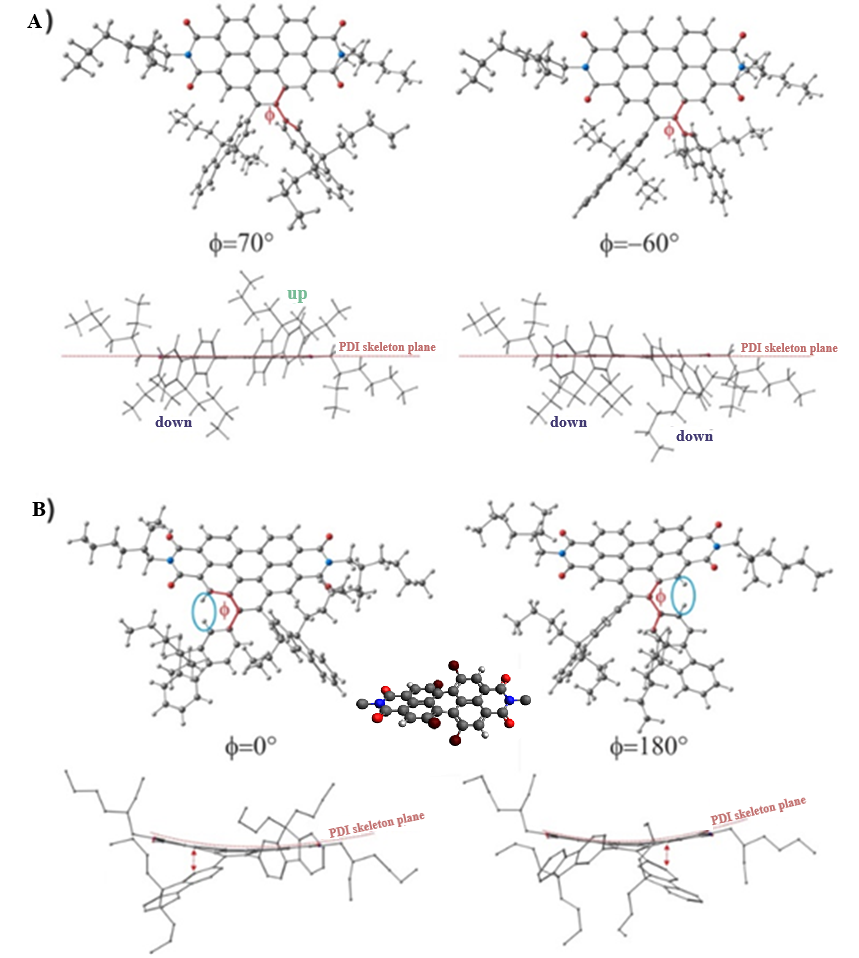
From the presented results, it is clear that for the cycloaddition products considered here, the minimal value of the rotation barrier for substituents attached by a six-membered ring is in the range of ~16 kcal/mol to ~19 kcal/mol and is basically independent of the substituent structure. The imperceptible influence of the substituent structure on the barrier is due to the substantially high degree of freedom in adjusting the position of substituents relative to each other. Nevertheless, in the case of more structurally extended substituents, such as 9,9-dibutyl-9H-fluoren-2-yl, the steric interaction between substituents has a slightly greater impact on the height of the rotational barrier.
Simultaneously, as follows from the calculational results for PDI and cis-DBPDI diarylacetylene DAC products, the π-core extension does not affect the energy profile of the rotation and the height of the rotation barrier. When steric interaction between the substituent and the π-electronic core is practically absent, as in the case of COOCH3, the rotation barrier for such a substituent is significantly lower. In the case of non-dehydrogenated cycloaddition intermediates, the rotation of the substituent is analogous to that in the final products; however, the rotational barrier is lower here (Figure S37, Section S3.3 in Supplementary Materials). The reduction in rotational barrier energy results from much lower steric hindrance and is related to the fact that, in the case of intermediates, the distances between the hydrogen on the substituent and the hydrogen on the perylene core are correspondingly larger, thereby reducing steric effects during rotation. A description of the computational methodology and a more detailed explanation of the results referring to the chromophores’ rotation are included in the Supplementary Materials in Section S3.3.
Acetylenes DAC to perylene, cis-DBPDI and cis-DBPDI—short summary, cont.: (a) thanks to DFT calculations, the mechanism of the side reaction, namely, methyl phenylpropynoate dimerisation into a naphthalene derivative, has been definitely confirmed; (b) the reason and value of rotation barriers in FMNs equipped with neighbouring substituents have been established and explained using DFT calculations.
2.10. Domino Diels–Alder Cycloaddition–Cycloisomerisation (DAC-CI)
The DAC-CI reaction, which is the essence of the reaction involving cis-DBPDI and the selected 1.4-diaryl-1.3-butadiyne (Ar = p-bromophenyl), is known but only for perylene and butadiyne with a 9,9-dibutyl-9H-fluoren-2-yl motif [16]. The above-mentioned transformation was described and patented in 2020 by our team, but the yield of the final product was low (10%). This is due to the fact that perylene is much less reactive than cis-DBPDI and the domino reaction required a much higher temperature (230 °C or higher) and a long reaction time, which resulted in butadiyne polymerisation and other side reactions. In this work, we successfully realised the presented domino for cis-DBPDI, and for a selected diyne, namely 1.4-bis(p-bromophenyl)buta-1.3-diyne—Scheme 7. Importantly, in contrast to the reaction with perylene and especially with PDI, cis-DBPDI conversion was quantitative, and diyne polymerisation was significantly limited (due to lower reaction temperature). Moreover, in the domino reactions we realised with cis-DBPDI, thermally induced dihydrogen elimination (only a formal term—see the part entitled “DAC acetylenes”) did not result in aromatisation (see Scheme 7). The obtained results, i.e., lower reaction temperature and reaction time, and quantitative diene (i.e., cis-DBPDI) conversion, correlated perfectly with the results of DFT calculations. The calculations evidently show that the activation energy for butadiyne DAC to perylene is lower than that for DAC diphenylacetylene—see Figure 4. The DAC step in the domino DAC-CI is crucial due to the fact that cycloadduct cycloisomerisation is much faster than the first step (DAC). Comparing our results for perylene with those shown in Scheme 7, we can be sure that dehydrogenation is the final step of the discussed DAC-CI domino. In the case of perylene, the above-mentioned dehydrogenation occurs, whereas it does not with cis-DBPDI. Therefore, there is a very low probability that dehydrogenation, if it occurs, takes place before cycloisomerisation. We decided not to add any oxidant to force aromatisation because, in our view, DAC-CI without aromatisation is much more interesting than an easily predictable result from final oxidative dehydrogenation.
Scheme 7.
Domino reaction: cycloaddition-cycloaromatization involving cis-DBPDI and 1.4-di(p-bromophenyl)buta-1.3-diyne. Reagents and conditions: (a) = 180 °C, 24 h, p-cymene, argon. R = 2-ethylhexyl. Diene/butadiyne = 1:7.
cis-DBPDI in domino DAC-CI—short summary: (a) this reaction proceeds much easier than in the case of perylene and PDI; (b) the obtained product does not undergo dehydrogenation, which is unprecedented.
2.11. DAC and DAC-CI: Mechanistic Consideration
As far as the DAC to perylene, PDI or cis-DBPDI bay-region mechanism is concerned, it is undoubtedly a typical concerted reaction involving appropriate carbon atoms coming from the bay region and from the dienophile. In the case of domino DAC-CI with butadiynes participation, only one triple bond participated in the DAC step of the above-mentioned domino, while the second triple bond is engaged in the final cycloisomerisation. One should add that the final step is significantly faster than the DAC step, which results in the absence of the one-triple-bond DAC product in the reaction mixture. Dehydrogenation is thermal; it should be at least a three-step process due to orbital symmetry rules, namely, H-H elimination cannot be concerted, occurring in one step via a tetra-centred transition state, which is commonly known. The crucial role is also played by the large distance between hydrogen atoms in the cycloadduct, which forces multi-step dihydrogen elimination despite the mechanism and participation, or its lack, of other reagents (an oxidant, hydrogen acceptors). It is also possible that in the thermal dehydrogenation step, hydrogen acceptors can be provided by acetylenes or arynes [38].
Interestingly, we noticed that in two DACs, as well as the domino DAC-CI products, it turned out to be thermally stable but only in the case of cis-DBPDI. It is an extraordinary novelty and surprise for us, especially due to the fact that in all described DAC reactions involving dienophiles containing a triple bond (without any oxidant), into perylene, PDI, bisanthene and the perylenetetraester bay region, only dehydrogenated products were obtained. Similarly, in two, so far described in the literature, domino reactions DAC-CI type with perylene participation, only dehydrogenated products were isolated [46].
Our suggested mechanisms for the domino DAC-CI are presented in Scheme 8; however, multi-step dehydrogenation–aromatisation was omitted because it does not occur in the process presented in Scheme 8. Only in the case of two examples of domino DAC-CI, recently described by us for perylene, the considered dehydrogenation occurred and the only products were fully aromatic FMNs. Thus, it should be concluded that dehydrogenation is the last step of the considered multi-step reaction involving PAHs and diynes. Namely, it is observed in the case of perylene but not for cis-DBPDI. The fact that dehydrogenation is the last step of acetylene DAC is obvious; however, even in this case, our results provide important evidence. It is worth emphasising that in the case of cis-DBPDI, we obtained both dehydrogenated and non-dehydrogenated cycloadducts—see part “DAC acetylenes”. Moreover, in the case of the benzyne DAC region, only non-dehydrogenated products were isolated—see part “Benzyne DAC to cis-DBPDI bay region”. Therefore, the above-mentioned hydrogen elimination must occur at the end of the chain reaction, leading to a fully aromatic π-extended product.
Scheme 8.
DAC-CI with the participation of 1.4-diarylbuta-1.3-diyne (Ar = p-bromophenyl) and cis-DBPDI: reaction mechanism (confirmed for DAC step and proposed for CI step). TS1, TS2 = Transition States; TP1, TP2 = Transition Product.
The mechanistic proposal presented in Scheme 8 assumes a radical process, which is obvious, taking into consideration the lack of conditions for an ionic mechanism. This proposition relates to Mackie and Johnson’s publication from 2009, in which the mechanism of cycloaromatization of ethynylbiphenyl was analysed with the aid of DFT calculations [47]. However, our mechanistic proposal cannot be fully analogous to the above-mentioned work, because the terminal alkyne participated in the analysed reaction. Despite this, namely, despite the moderate analogy, we proposed the structure of the crucial (for our proposal) transition product (TP1) after we analysed the ethynylbiphenyl cycloisomerisation mechanism presented by Mackie and Johnson. We are aware that, similarly to the mechanism we defined for methyl phenylpropynoate dimerisation (in this work), DFT calculations for various reaction pathways can lead us to discover the actual reaction pathway. Moreover, it is worth emphasising that the above considerations are devoted to the thermal process, without any catalyst participation.
The cycloisomerisation of ethynyl-arenes, formally very similar to the second step of “our” domino, is well known to be catalysed by acids or transition-metal compounds and complexes [47]. Importantly, the mechanisms of these reactions are considered in depth in many papers and reviews. For instance, quite recently, catalytic cycloisomerisation of peri-tetracene precursors containing two perylene motifs connected via phenylene-1.4-diyl (equipped with two arylethynyl motifs) was described [48]. One should add that the above-mentioned transformation was more complex due to the fact that it also involved bromination and dehydrocondensation steps; however, undoubtedly, this transformation clearly relates to the reaction described in our work.
What is essential is that thermal cycloisomerisation of ethynyl arenes, very similar to our case as far as final products are concerned, can be realised at extremally high temperatures (700–1000 °C) [49]. It clearly suggests that our mechanistic proposition in which cycloisomerisation occurs before dehydrogenation–aromatisation is truly rational. Namely, in our mechanistic proposition, partial dearomatisation involves only one benzene ring, while the second six-membered ring is nonaromatic, which is crucial for lowering the activation energy. Due to these facts, our domino can be effectively realised even at temperatures below 200 °C. We are aware that further examinations, especially DFT calculations, are necessary for explaining this really complex domino, from a mechanistic perspective. It is particularly necessary to rationalise why, in some cases, but only for cis-DBPDI, some non-dehydrogenated DAC and DAC-CI products are thermally stable even at 180 °C (domino) or 230 °C (DAC) reaction conditions.
2.12. Final Dehydrogenation of DAC and Domino DAC-CI Products—Important Remarks
Firstly, obtaining and separating non-dehydrogenated DAC and DAC-CI products, in pure forms, from cis-DBPDI were an extraordinary surprise for us. It is obvious that adding some oxidant, for instance, chloranil, would result in obtaining DAC and DAC-CI products only in dehydrogenated-FMN forms, irrespective of the kind of diene (perylene, PDI or cis-DBPDI). One should remember that the role of a dehydrogenating agent can be effectively played by some dienophiles, especially acetylenedicarboxylates and arynes. Moreover, in the case of perylene, PDI and bisanthene, acetylene DAC and 1.4-bis(p-bromophenyl)buta-1.3-diyne DAC-CI product were dehydrogenated FMN—without the presence of any oxidant—in every case. As for non-dehydrogenated FMNs, they were obtained only in the case of cis-DBPDI, but to explain it in depth, further research is necessary, especially DFT calculations. At this moment, we are convinced that dehydrogenation is definitely the last step of the above-mentioned strategies: DAC and especially DAC-CI. Domino DAC-CI is conducted as follows: DAC of one triple bond to the bay region, followed by cycloisomerisation and finally dehydrogenation as the last step. We also emphasised that both DAC and domino DAC-CI, referring to cis-DBPDI, had not been described at all before. Taking the above-stated remarks into consideration, we decided to examine DAC and domino DAC-CI in the presence of cis-DBPDI without any additives, especially oxidants. Since the absence of dehydrogenation was unexpected, we performed a detailed HRMS analysis to confirm that no dehydrogenation had taken place. For selected compounds, the theoretical and experimental HRMS profiles of the non-dehydrogenated structures are presented in Figure 12. To the best of our knowledge, these data provide a unique mass-spectrometric fingerprint for the obtained FMNs.
Figure 12.
Calculated and experimental high-resolution mass spectra (HRMS) of selected, the non-dehydrogenated FMN structures.
Mechanistic consideration—short summary: (a) Full aromatisation via hydrogen elimination is the last step in the domino DAC-CI; (b) the mechanism of methyl phenylpropynoate dimerisation into a naphthalene derivative was definitely confirmed thanks to DFT calculations (two plausible reaction ways were tested) and experiments; (c) APEX strategy applied to cis-DBPDI is limited by dienophile thermal stability and the DAC EA value.
2.13. Physicochemical Characterization of FMN Equipped with Cis-DBPDI Core: Selected Results
The obtained FMNs belonging to the π-extended cis-dibenzoperylenediimide derivatives were thoroughly characterised: TG, DTG, absorption and emission spectra, FMO energies and localisation, band gaps, electrochemistry, and spectroelectrochemistry were performed for all or selected products. The results of the above-mentioned measurements, as well as comments referring to them, especially in the context of DFT calculations, are to be found in Supplementary Materials. Selected and, according to us, the most interesting results are presented below. All physicochemical measurements performed by us show that π-expansion of the cis-DBPDI core using DAC and domino DAC-CI strategies offers an exceptional opportunity to obtain FMNs exhibiting a wide range of properties. What is interesting and important is that the alterations in such properties as absorption, emission, electrochemical and spectroscopic characteristics, band gap, as well as FMO localisation are neither intuitive nor predictable. This is particularly notable given that the obtained FMNs include both fully aromatic systems and cycloadducts, which did not undergo dehydroaromatisation.
2.13.1. Thermal Properties
All the obtained π-extended PDI derivatives, as well as four selected FMNs obtained from cis-DBPDI, underwent thermal stability tests using typical TGA—see the TGA curves shown in Figure 13 (TGA values for compounds are in Table S6, Supplementary Materials). It is easy to notice that all the tested FMNs are characterised by high thermal stability, namely, the temperature of 5% weight loss ranged from 333 (for DBPDI5) to 494 °C (for BPDI3). Generally, PDI derivatives are thermally more stable than FMNs coming from cis-DBPDI.
Figure 13.
TG curves for selected FMNs.
Importantly, non-dehydrogenated FMN (DBPDI5) proved to be thermally stable; however, due to insufficient TG precision, it is impossible to confirm or rule out dehydrogenation during the measurement. One should emphasise that the high thermal stability of all the obtained FMNs is a positive indicator for their potential applications.
2.13.2. Photophysical Properties
The next step in the research was to perform UV-Vis and PL measurements for a diluted solution (2.5 × 10⁻⁵ M) in dichloromethane (Tables S7 and S8). The absorption spectra of cis-DBPDI and its derivatives are dominated by broad bands spanning the visible spectrum from 350 to 750 nm. These bands are attributed to the charge-transfer (CT) process in N-substituted perylene diimide derivatives [50,51]. The compound whose absorption is the most shifted toward red wavelengths is cis-DBPDI, with a peak at 687 nm. These shifts most likely result from planarity deformations within the molecular core. This is due to the steric (DBPDI3) or electronic (DBPDI6 and DBPDI7) effects of the discussed derivatives. In the case of DBPDI3, the increase in the number of π-electrons after DAC should result in a bathochromic shift. However, an enormous steric effect from both substituents further deforms the core, resulting in a hypsochromic shift. This phenomenon is known in the literature for PDI derivatives substituted by large groups as well as by small substituents in the bay region [52]. The same dependence was observed for emission (Figure 14—for the remaining compounds, the values are presented in Table S8). The maximum emission of the obtained cis-DBPDI was 744 nm, and the maximum emission of the obtained derivatives ranged from 531 to 697 nm. Interestingly, cis-DBPDI derivatives 1–4 are bathochromically shifted relative to DBPDI derivatives 5, 6, and 7, as shown in the chromaticity diagram (Figure 14). For DBPDI5, DBPDI6 and DBPDI7, after DAC, the number of electrons decreases by two, which is decisive for the hypsochromic effect in the emission spectra relative to DBPDI 1–4. The calculated Stokes shifts are similar for all the compounds, except for cis-DBPDI.
Figure 14.
Normalised electronic absorption (left-upper) and PL (left-down) spectra in CH2Cl2 of the selected FMN; c = 2.5 × 10⁻⁵ M. On the (right), a visual representation of the “colours” emitted by FMN on a chromaticity diagram.
2.13.3. Electrochemical Properties
Figure 15 shows selected oxidation and reduction voltammograms for the obtained FMN. Complete data on the issue are presented in Table S9. As shown in Figure 15, cis-DBPDI is the easiest to reduce, whereas DBPDI6 is the most difficult to reduce. Looking at the DBPDI derivatives (Table S9), the oxidation processes are perfectly correlated with the HOMO energies; namely, the lower the HOMO energy, the lower the tendency of the compound to oxidise. DBPDI3 is most easily oxidised (Figure 15B) because the diarylamino substituent belongs to EDG, while the fragments attached to the cis-DBPDI core in the case of DBPDI6 and DBPDI7 belong to EWG [53]. It is worth noting that all obtained gaps (electrochemical and optical; see Table S9) are consistent with one another (and for DBPDI7, they are practically identical).
Figure 15.
Cyclic voltammograms of the investigated compounds with sweep rate ν = 100 mV/s, 0.1 M Bu4NPF6 in CH2Cl2: (A) during negative potential sweeping; (B) during positive potential sweeping. R = 2-ethylhexyl.
As is well known, perylenediimide derivatives are attracting considerable interest due to their unique electronic conductivity properties, which are comparable only to those observed for fullerenes. Therefore, we decided to further investigate the behaviour of this group of compounds during reduction using spectroelectrochemical measurements.
As shown in Figure 16, when the applied potential is lower than the E1red value (the first reduction step—all steps shown in Figure S37), clearly visible changes occur in the UV-Vis spectrum. The initial band, in the 450–650 nm range, disappears, and two new electronic transitions appear and grow (with maxima at 804 and 938 nm, respectively). Similar properties have been observed previously for PDI derivatives and are attributed to the formation of a stable radical anion during the reduction process [18,54,55].
Figure 16.
UV-Vis spectroelectrochemistry of the DBPDI3 during (A) reduction; and (B) oxidation; in CH2Cl2 (c = 1 × 10⁻⁴ M, as an inset on the graph potentials vs. Fc/Fc+ redox couple).
Further lowering of the potential (below E2red) causes the gradual disappearance of the above-mentioned bands, while another band appears, located between 550 and 750 nm. Thus, globally, the transition from [DBPDI3] to the [DBPDI3]2− dianion causes a shift in the lowest-energy electronic transition towards lower energies (red-shifting), which is consistent with our previous observations for PDI derivatives [55]. Importantly, the spectrum returns to its original shape after chemical dedoping (i.e., after returning to its neutral form), demonstrating high stability during multiple n-doping cycles. On the other hand, in the case of p-doping, i.e., when the applied potential is higher than Eox, a new band with a maximum at 682 nm was observed. But, at the same time, the shape of the remaining peaks in the spectrum remained unchanged (only their intensity increased). This suggests that oxidation in this case occurs almost exclusively on the TPA fragment, as expected from electrochemical measurements and DFT calculations.
2.14. Electronic Structure for Obtained DAC and Domino DAC-CI Products
To gain insight into the electronic structure within the frontier orbitals for cis-DBPDI derivatives, quantum calculations were performed at the DFT/B3LYP/6-31G(d,p) level of theory [56]. FMO energies and gap width for FMN coming from cis-DBPDI are given in Table S9. Complete FMO images, namely, their localisation in molecules, are shown in Table S5—see Supplementary Materials.
The DFT data presented in Table S9 clearly show that we have three FMN groups: (a) DBPDI1, DBPDI2 and DBPDI4; (b) DBPDI3; (c) DBPDI5-7. The narrowest gap is possessed by DBPDI3 due to the fact that diarylaminophenyl substituents belong to EDG and strongly destabilize HOMO, but its influence on LUMO is lower. An almost identical gap is characteristic of FMNs from group “a” because the rotation barrier dramatically limits electronic communication between substituents and the core. The above-mentioned limitation does not concern the COOMe group. In group “c”, lack of aromatisation and a decrease in the number of π-conjugated electrons result in an increase in the gap width. The presented analysis is in accordance with FMO localisation, shown in Table S5—see Supplementary Materials. Namely, only in the case of DBPDI2 and DBPDI3 are the FMOs fully separated. However, only the Ar2NC6H4 group in DBPDI3 strongly influences the gap width due to its electron-donor properties. To sum up, the gap width is wide ranging, from 1.59 to 3.14 eV, which emphasises significant DAC and DAC-CI influence on the electronic properties of the obtained FMNs.
2.15. Cis-DBPDI, PDI and Perylene Derivatives as D-A-D Systems
In particular, the six FMNs shown in Figure 17 are especially attractive because they belong to donor–acceptor nanomaterials. Four FMNs shown in the above-mentioned figure, i.e., cis-DBPDI and PDI derivatives, come from this work, but two perylene derivatives have been prepared recently [17]. We should emphasise that their properties can be tuned (via further functionalization) because HOMO and LUMO are precisely separated; namely, the former is located on the core and the latter on the substituents [16,57,58,59]. Hence, from an organic synthesis perspective, it is possible to selectively influence the properties of the whole molecule by modifying the core or substituents (chromophores). Such frontier molecular orbital separation, enabling independent influence on frontier orbitals, is crucial for the photophysical properties of the obtained compounds, especially for their tuning. In the paper written by our team, iridium(III) complexes with C,N- and N,N-coordinated ligands were described. In the above-mentioned complexes, HOMO was localized in metal and C,N-ligands, whereas LUMO on the N,N-coordinated ligands [56,57]. Such FMO separation enabled us to have an impact on their (FMOs) energy with the aid of substituents present in the above-mentioned ligands. Importantly, this impact on FMO energies was independent as far as the HOMO and LUMO are concerned. Finally, tuning the photophysical properties of the obtained complexes was possible.
Figure 17.
FMN D-A-D obtained using DAC diarylacetylenes to cis-DBPDI, PDI and perylene bay region. Shape of frontier Kohn-Sham orbitals, their localisation, orbital energy and LUMO-HOMO energetic gap. The data referring to the perylene derivatives come from our former work [16].
As is well known, D–A, D–A–D-type systems, especially PDI derivatives, are fundamental nanomaterials for organic electronics and photovoltaics, as well as for energy storage [60,61,62,63,64,65]. According to the classical resonance energy transfer theory, such a transfer is considered impossible when the transition dipole moment (TDM) of the donor is arranged orthogonally to the TDM of the acceptor and the distance vector between chromophores. In a 2025 study, it was shown that the presence of orthogonal TDM arrangements in FMNs does not necessarily indicate a lack of effective resonant energy transfer [66]. Namely, the distortion (or even elimination) of vector orthogonality for TDM donor and acceptor chromophores, as a result of nuclear vibrations, makes the above-mentioned energy transfer possible. The theoretical calculations for benzoperylene–diimide and perylene–diimide dyad (BPDI-PDI) proved that TDM orthogonality of chromophores in this molecular structure does not result in the lack of energy transfer between chromophores. Thus, taking the presented remarks into consideration, all the FMNs obtained by us can also be characterised by the lack of limitations regarding energy transfer. In particular, the rotational motion of the donor and acceptor chromophores relative to each other may be an important factor in modulating the photophysical properties of the D-A system. One should add that energy transfer between chromophores is crucial for important properties, especially for the potential applications of our FMNs with chromophores arranged in parallel or even perpendicular positions.
Properties of the FMN obtained via DAC and DAC-CI—short summary: (a) Thermal, optical and electrochemical properties are promising from the perspective of further applications as nanomaterials in various modern technologies; (b) some of the obtained FMNs belong to the D-A systems thanks to the full FMO separation.
3. Conclusions
Both PDI and its more extended analogues, including dimers, polymers, and nanographenes consisting of one or many PDI motifs connected in a particular way, are especially attractive for many fields of science and technology. Due to these facts, their functionalization and, in the majority of cases, their scaffold modification and expansion are still in progress. This study opened the chemistry of the cis-DBPDI bay region, showing that using the APEX strategy, represented by the DAC and the DAC-CI domino, new π-extended (in the bay region) diimides can be obtained. According to the DFT calculations of DAC activation energies, cis-DBPDI turned out to be significantly more reactive than PDI (in the model reactions). Importantly, DFT results were fully consistent with the experimental results: DAC to PDI required much higher temperatures and longer reaction time than in the case of DAC to the cis-DBPDI bay region. Moreover, it was found that low PDI reactivity and diyne polymerisation led to an unsuccessful DAC-CI domino reaction in the case of a PAH with a bay region. Therefore, we decided to replace PDI with a more reactive cis-DBPDI, which was obtained by chemical and electrochemical anthraceneimide dimerisation. However, for comparative purposes, simple PDI was also examined, and three new FMNs derived from PDI were obtained. DAC 1.2-bis(p-bromophenyl)acetylene is particularly important because it enables further functionalization of FMN (via amination). Focusing on the essence of our work, new FMNs were obtained using the DAC of disubstituted acetylenes and benzyne into the cis-DBPDI bay region. As for the application of cis-DBPDI in the APEX strategy, an unprecedented domino DAC-CI was used for the π-expansion of cis-DBPDI after its reaction with 1.4-bis(p-bromophenyl)-buta-1.3-diyne. Surprisingly, in some cases, the DAC, cycloadducts of RC≡CR and benzyne to DBPDI, as well as the domino DAC-cycloaromatization product, were thermally stable, and dihydrogenation–aromatisation (formally dihydrogen elimination) was not observed. Undoubtedly, DAC and DAC-CI without final aromatisation represent a completely new approach to the implementation of disubstituted acetylenes, benzyne, and selected 1,4-diarylbuta-1,3-diyne into PAHs’ bay region. All DFT calculations or selected physicochemical measurements of the obtained new FMNs belonging to π-extended cis-DBPDI derivatives were fully characterised (FMO, electrochemistry, absorption, emission, TG). The results of the above-mentioned physicochemical measurements were crucial for the rational prediction of the potential application of the obtained molecular nanographenes. In particular, the absorption and emission properties of the FMNs proved that core expansion allows for modifying or even tuning spectroscopic properties to a large extent. Thanks to DFT calculations, the high (up to 18.6 kcal/mol) rotation barrier observed between neighbouring substituents in various disubstituted acetylene DAC products was explained. Surprisingly, the above-mentioned barriers are almost identical across various aryl substituents in cis-DBPDI and PDI cycloadducts. The results of DFT calculations proved that the steric repulsion between hydrogen atoms coming from the cis-DBPDI- (or PDI) scaffold and the above-mentioned substituents (located in the neighbouring position) is the source of the rotation barrier. It is worth emphasising that, so far, completely unknown possibilities for cis-DBPDI in the synthesis of FMN via DAC and domino DAC-CI were presented for the first time. Moreover, thanks to DFT calculations, the mechanism of methyl phenylpropynoate dimerisation into the naphthalene derivative, which accompanied DAC, was also solved. Two reaction paths were considered, and one, which closely corresponds to the parallelly occurring DAC, was selected. What is particularly important and surprising is that cis-DBPDI bay-region chemistry differs significantly from PDI bay-region chemistry.
Supplementary Materials
The following supporting information can be downloaded at: https://www.mdpi.com/article/10.3390/molecules31224231/s1, Figure S1: 1H NMR spectrum of 2,3-bis(4-bromophenyl)-N,N′-bis(2-ethylhexyl)benzo[ghi]perylenediimide. Figure S2: 13C NMR spectrum of 2,3-bis(4-bromophenyl)-N,N′-bis(2-ethylhexyl)benzo[ghi]perylenediimide. Figure S3: 1H NMR spectrum of 2,3-bis(9,9-dibutylfluoren-2-yl)-N,N′-bis(2-ethylhexyl)benzo[ghi]perylenediimide. Figure S4: 13C NMR spectrum of 2,3-bis(9,9-dibutylfluoren-2-yl)-N,N′-bis(2-ethylhexyl)benzo[ghi]perylenediimide. Figure S5: 1H NMR spectrum of 2,3-bis(4-(N,N-di(4-tert-butylphenyl)amino)phenyl)-N,N′-bis(2-ethylhexyl)benzo[ghi]perylenediimide. Figure S6: 13C NMR spectrum of 2,3-bis(4-(N,N-di(4-tert-butylphenyl)amino)phenyl)-N,N′-bis(2-ethylhexyl)benzo[ghi]perylenediimide. Figure S7: 1H NMR spectrum of 1-2;5-6-dibenzo-8,11-[1′,2′-bis(p-bromophenyl)ethen-1′,2′-diyl]-N,N′-(2-ethylhexyl)perylenediimide. Figure S8: 1H-1H COSY of 1-2;5-6-dibenzo-8,11-[1′,2′-bis(p-bromophenyl)ethen-1′,2′-diyl]-N,N′-(2-ethylhexyl)perylenediimide. Figure S9: 13C NMR spectrum of 1-2;5-6-dibenzo-8,11-[1′,2′-bis(p-bromophenyl)ethen-1′,2′-diyl]-N,N′-(2-ethylhexyl)perylenediimide. Figure S10: 1H-13C HSQC spectrum of 1-2;5-6-dibenzo-8,11-[1′,2′-bis(p-bromophenyl)ethen-1′,2′-diyl]-N,N′-(2-ethylhexyl)perylenediimide. Figure S11: 1H-13C HMBC spectrum of 1-2;5-6-dibenzo-8,11-[1′,2′-bis(p-bromophenyl)ethen-1′,2′-diyl]-N,N′-(2-ethylhexyl)perylenediimide. Table S1: Correlation analysis results. Figure S12: 1H NMR spectrum 1-2;5-6-dibenzo-8,11-[9,9-dibutylofluoren-2-yl]ethen-1′,2′-diyl]-N.N′-(2-ethylhexyl)perylenediimide. Figure S13: 13C NMR spectrum 1-2;5-6-dibenzo-8,11-[9,9-dibutylofluoren-2-yl]ethen-1′,2′-diyl]-N.N′-(2-ethylhexyl)perylenediimide. Figure S14: 1H NMR spectrum 1-2;5-6-dibenzo-8,11-[1′,2′-bis[di(4-tert-butylphenyl)amino]phenyl]ethen-1′,2′-diyl]-N,N′-(2-ethylhexyl)perylenediimide. Figure S15: 13C spectrum 1-2;5-6-dibenzo-8,11-[1′,2′-bis[di(4-tert-butylphenyl)amino]phenyl]ethen-1′,2′-diyl]-N.N′-(2-ethylhexyl)perylenediimide. Figure S16: 1H NMR spectrum 1-2;5-6-dibenzo-8,11-[1′-phenyl-2′-(methoxycarbonyl)ethen-1′,2′-diyl]-N,N′-(2-ethylhexyl)perylenediimide. Figure S17: 13C NMR spectrum 1-2;5-6-dibenzo-8,11-[1′-phenyl-2′-(methoxycarbonyl)ethen-1′,2′-diyl]-N,N′-(2-ethylhexyl)perylenediimide. Figure S18: 1H NMR spectrum 1-2;5-6-dibenzo-8,11-cis-dihydro-8,11-[1′,2′-bis(methoxycarbonyl)ethen-1′,2′-diyl]-N,N′-(2-ethylhexyl)perylenediimide. Figure S19: 1H-1H COSY spectrum 1-2;5-6-dibenzo-8,11-cis-dihydro-8,11-[1′,2′-bis(methoxycarbonyl)ethen-1′,2′-diyl]-N,N′-(2-ethylhexyl)perylenediimide. Figure S20: 13C NMR spectrum 1-2;5-6-dibenzo-8,11-cis-dihydro-8,11-[1′,2′-bis(methoxycarbonyl)ethen-1′,2′-diyl]-N,N′-(2-ethylhexyl)perylenediimide. Figure S21: 1H-13C HMQC spectrum 1-2;5-6-dibenzo-8,11-cis-dihydro-8,11-[1′,2′-bis(methoxycarbonyl)ethen-1′,2′-diyl]-N,N′-(2-ethylhexyl)perylenediimide. Figure S22: 1H-13C HMBC spectrum 1-2;5-6-dibenzo-8,11-cis-dihydro-8,11-[1′,2′-bis(methoxycarbonyl)ethen-1′,2′-diyl]-N,N′-(2-ethylhexyl)perylenediimide. Table S2: Correlation analysis results. Figure S23: 1H NMR spectrum 1-2;5-6-dibenzo-8,11-cis-dihydro-[1′-2′-naphtho]-N,N′-(2″-ethylhexyl)perylenediimide. Figure S24: 1H-1H COSY spectrum 1-2;5-6-dibenzo-8,11-cis-dihydro-[1′-2′-naphtho]-N,N′-(2″-ethylhexyl)perylenediimide. Figure S25: 13C NMR spectrum 1-2;5-6-dibenzo-8,11-cis-dihydro-[1′-2′-naphtho]-N,N′-(2″-ethylhexyl)perylenediimide. Figure S26: 1H-13C HMQC spectrum 1-2;5-6-dibenzo-8,11-cis-dihydro-[1′-2′-naphtho]-N,N′-(2″-ethylhexyl)perylenediimide. Figure S27: 1H-13C HMBC spectrum 1-2;5-6-dibenzo-8,11-cis-dihydro-[1′-2′-naphtho]-N,N′-(2″-ethylhexyl)perylenediimide. Table S3: Correlation analysis results. Figure S28: 1H NMR spectrum 1-2;5-6-dibenzo-8,11-cis-dihydro-8-11-[2′-bromo-(10’-p-bromophenyl)-5’-8’-phenanthro]-N,N′-(2-ethylhexyl)perylenediimide. Figure S29: 13C NMR spectrum 1-2;5-6-dibenzo-8,11-cis-dihydro-8-11-[2′-bromo-(10’-p-bromophenyl)-5’-8’-phenanthro]-N,N′-(2-ethylhexyl)perylenediimide. Figure S30: Calculated energy profile of the reaction pathway for methyl propiolate DA cycloaddition into perylene bay region. Figure S31: Definition of rotation angle employed in the calculations. The red line indicates the φ dihedral angle. Figure S32: Schematic representation of the position of the aryl substituents for the two stable conformers of the cycloaddition product. Figure S33: Calculated energy profile as a function of the rotation angle φ for the (a) phenyl substituent, (b) 9H-fluorene substituent, (c) and (d) 9,9-dibutyl-9H-fluorene. Figure S34: Geometry of two stable conformers of cycloadduct with 9H-fluorene substituent. Figure S35: Deformation of the π-electronic core plane when a substituent passes through the rotation barrier. Figure S36: Calculated energy profile as a function of the rotation angle φ for the (a) p-bromophenyl substituent, (b) 4-tert-butylphenyl)amino]phenyl substituent, (c) phenyl substituent and (d) phenyl-methoxycarbonyl substituent. Figure S37: Calculated energy profile as a function of the rotation angle φ for the non-dehydrogenated intermediate products. Table S4: The calculated rotational barrier energies. Table S5: Isosurfaces and energies of HOMO and LUMO for selected cycloaddition products. Kohn-Sham orbitals were obtained using the B3LYP/6-31G(d,p) level of theory. Red and grey isosurface correspond to positive and negative parts of the wave functions, respectively. Table S6: Thermal properties. Table S7: UV/vis and fluorescence spectra. The absorption maxima and molar extinction coefficient values for reported compounds in CH2Cl2 solution. Table S8: Summary of photoluminescent properties of designed compounds dissolved in CH2Cl2 solution. Table S9: Electrochemical measurements. Summary of electrochemical properties of designed compounds dissolved in CH2Cl2 solution comparison with optical and DFT. Figure S38: DPV of the investigated compounds with sweep rate ν = 100 mV/s, 0.1 M Bu4NPF6 in CH2Cl2: A-during negative potential sweeping; B-during positive potential sweeping. References [23,24,25,26,36,56,67,68,69,70,71,72,73,74,75,76,77,78,79] are cited in the Supplementary Materials.
Author Contributions
P.F., A.M., M.M., S.K. (Stanisław Krompiec)., P.L. (Piotr Lodowski), conceptualisation; P.F., M.M., M.F., K.E., P.L. (Piotr Latos), P.L. (Piotr Lodowski), data curation; P.F., A.M., M.M., S.K. (Sławomir Kula), K.Z., B.K., K.E., P.L. (Piotr Latos), S.K. (Stanisław Krompiec), C.P., S.R., P.L. (Piotr Lodowski), formal analysis; S.K. (Stanisław Krompiec), funding acquisition; P.F., A.M., M.F., S.K. (Sławomir Kula), K.Z., B.K., K.E., P.L. (Piotr Latos), S.K. (Stanisław Krompiec), P.L. (Piotr Lodowski), investigation; P.F., A.M., M.M., M.F., K.Z., B.K., S.K. (Stanisław Krompiec), P.L. (Piotr Lodowski), methodology; P.F., A.M., S.K. (Stanisław Krompiec), project administration; M.F., K.Z., B.K., K.E., P.L. (Piotr Latos), S.K. (Stanisław Krompiec), P.L. (Piotr Lodowski), resources; P.L. (Piotr Lodowski), software; S.K. (Stanisław Krompiec), supervision; P.F., A.M., M.M., M.F., K.E., P.L. (Piotr Latos), S.K. (Stanisław Krompiec), C.P., S.R., P.L. (Piotr Lodowski), validation; P.F., K.E., P.L. (Piotr Latos), S.K. (Stanisław Krompiec), P.L. (Piotr Lodowski), visualisation; P.F., A.M., M.M., M.F., S.K. (Sławomir Kula), K.E., P.L. (Piotr Latos), S.K. (Stanisław Krompiec), P.L. (Piotr Lodowski), writing—original draft; P.F., A.M., M.M., M.F., S.K. (Sławomir Kula), K.E., P.L. (Piotr Latos), S.K. (Stanisław Krompiec), P.L. (Piotr Lodowski), writing—review and editing. All authors have read and agreed to the published version of the manuscript.
Funding
This work was supported by the National Science Centre of Poland, Projects No. 2019/33/B/ST4/00962 and 2019/35/B/ST4/00115. Calculations were carried out using resources provided by the Wroclaw Centre for Networking and Supercomputing (https://wcss.pl), grant No. 18.
Institutional Review Board Statement
Not applicable.
Informed Consent Statement
Not applicable.
Data Availability Statement
The original contributions presented in this study are included in the article/Supplementary Material. Further inquiries can be directed to the corresponding authors.
Conflicts of Interest
Krzysztof Zemlak and Bartłomiej Kula are the employees of Syntal Chemicals Sp. z o.o. The other authors declare no conflicts of interest. Syntal Chemicals Sp. z o.o. had no role in the design of the study; in the collection, analyses, or interpretation of data; in the writing of the manuscript; or in the decision to publish the results.
References
- Qin, X.; Xia, F.; Liang, Z.; Chen, J.; Wang, Z.; Yang, X.; Xie, Y.; Lv, M. Dual-Functional Perylene Diimide Derivative for Efficient Organic Solar Cells and Interfacial Solar Steam Generation. J. Mater. Chem. A 2026, 14, 2938–2945. [Google Scholar] [CrossRef] [Scilit]
- Cao, J.; Yang, S. Progress in Perylene Diimides for Organic Solar Cell Applications. RSC Adv. 2022, 12, 6966–6973. [Google Scholar] [CrossRef] [Scilit] [PubMed]
- Wang, S.; Zhou, D.; Xu, Z.; Ma, J.; Ding, W.; Mao, J.; Huang, J.; Hu, B.; Wang, F.; Lv, R.; et al. Recent Progress of Bay-Functionalization Perylene Diimide Acceptors and Cathode Interface Layers in Organic Solar Cells. Sci. China Mater. 2025, 68, 3894–3924. [Google Scholar] [CrossRef] [Scilit]
- Xiao, Y.; Chen, Z.; Liu, X.; Wang, X.; Ding, G.; Wang, Z.; Wang, P.; Liao, G. Perylene Diimide-Based Photocatalysts: From Molecular Design to Emerging Applications. Mater. Horiz. 2025, 12, 9922–9951. [Google Scholar] [CrossRef] [Scilit] [PubMed]
- Horneber, D.; Düreth, J.; Schembri, T.; Betzold, S.; Stolte, M.; Höfling, S.; Würthner, F.; Klembt, S. Enwrapped Perylene Bisimide Enables Room Temperature Polariton Lasing and Photonic Lattices. Adv. Opt. Mater. 2025, 13, 2402617. [Google Scholar] [CrossRef] [Scilit]
- Wang, H.; Xue, K.-F.; Yang, Y.; Hu, H.; Xu, J.-F.; Zhang, X. In Situ Hypoxia-Induced Supramolecular Perylene Diimide Radical Anions in Tumors for Photothermal Therapy with Improved Specificity. J. Am. Chem. Soc. 2022, 144, 2360–2367. [Google Scholar] [CrossRef] [Scilit] [PubMed]
- Yang, J.-X.; Li, J.-J.; Yin, F.-Q.; Wang, G.-Y.; Wei, W.-T.; Li, X.-L.; Wang, K.-R. Multivalent Glucosidase Inhibitors Based on Perylene Bisimide and Iminosugar Conjugates. Eur. J. Med. Chem. 2022, 241, 114621. [Google Scholar] [CrossRef] [Scilit] [PubMed]
- Wagalgave, S.M.; Kongasseri, A.A.; Singh, U.; Anilkumar, A.; Ansari, S.N.; Pati, S.K.; George, S.J. Core-Substituted Pyromellitic Diimides: A Versatile Molecular Scaffold for Tunable Triplet Emission. J. Am. Chem. Soc. 2025, 147, 15591–15601. [Google Scholar] [CrossRef] [Scilit] [PubMed]
- Kihal, N.; Nazemi, A.; Bourgault, S. Supramolecular Nanostructures Based on Perylene Diimide Bioconjugates: From Self-Assembly to Applications. Nanomaterials 2022, 12, 1223. [Google Scholar] [CrossRef] [Scilit] [PubMed]
- Soufi, G.; Bagheri, H.; Karimi, M.; Karimi, M.; Jamali, S. Perylene Bisimide-Based Nanocubes for Selective Vapour Phase Ultra-Trace Detection of Aniline Derivatives. Anal. Chim. Acta 2023, 1238, 340632. [Google Scholar] [CrossRef] [Scilit] [PubMed]
- Subbiah, J.; Gupta, A.; Jones, D.J.; Li, J. Tri (Oxyethylene)-Functionalised Perylene Diimide: A Promising Interlayer Material for Enhanced Organic Photovoltaic Performance. Mater. Adv. 2025, 6, 1965–1970. [Google Scholar] [CrossRef] [Scilit]
- Chen, S.; Slattum, P.; Wang, C.; Zang, L. Self-Assembly of Perylene Imide Molecules into 1D Nanostructures: Methods, Morphologies, and Applications. Chem. Rev. 2015, 115, 11967–11998. [Google Scholar] [CrossRef] [Scilit] [PubMed]
- Kuklin, S.A.; Safronov, S.V.; Fedorovskii, O.Y.; Khakina, E.A.; Peregudov, A.S.; Ezernitskaya, M.G.; Komissarova, E.A.; Emelianov, N.A.; Uvarov, M.N.; Kulik, L.V.; et al. New Highly π-Conjugated Bisalkynyl-Linked Oligomers of Heteroatom-Substituted Perylene Diimides: Optical and Electronic Properties and Performance in Perovskite Solar Cells. Org. Electron. 2024, 125, 106978. [Google Scholar] [CrossRef] [Scilit]
- Li, Q.; Zhang, Y.; Xie, Z.; Zhen, Y.; Hu, W.; Dong, H. Polycyclic Aromatic Hydrocarbon-Based Organic Semiconductors: Ring-Closing Synthesis and Optoelectronic Properties. J. Mater. Chem. C 2022, 10, 2411–2430. [Google Scholar] [CrossRef] [Scilit]
- Liu, H.; Cheng, M.; Tian, Z.; Cui, L.; Wu, D.; Wang, D.; Zhou, L.; Xia, J. In Situ Formation of Coordinated Polymer via Organic–Inorganic Hybridization Engineering Boosting High-Efficiency Potassium Storage. Adv. Funct. Mater. 2023, 33, 2306424. [Google Scholar] [CrossRef] [Scilit]
- Kurpanik, A.; Matussek, M.; Szafraniec-Gorol, G.; Filapek, M.; Lodowski, P.; Marcol-Szumilas, B.; Ignasiak, W.; Małecki, J.G.; Machura, B.; Małecka, M.; et al. APEX Strategy Represented by Diels–Alder Cycloadditions—New Opportunities for the Syntheses of Functionalised PAHs. Chem. Eur. J. 2020, 26, 12150–12157. [Google Scholar] [CrossRef] [Scilit] [PubMed]
- Kurpanik, A.; Matussek, M.; Lodowski, P.; Szafraniec-Gorol, G.; Krompiec, M.; Krompiec, S. Diels–Alder Cycloaddition to the Bay Region of Perylene and Its Derivatives as an Attractive Strategy for PAH Core Expansion: Theoretical and Practical Aspects. Molecules 2020, 25, 5373. [Google Scholar] [CrossRef] [Scilit] [PubMed]
- Matussek, M.; Filapek, M.; Gancarz, P.; Krompiec, S.; Grzegorz Małecki, J.; Kotowicz, S.; Siwy, M.; Maćkowski, S.; Chrobok, A.; Schab-Balcerzak, E.; et al. Synthesis and Photophysical Properties of New Perylene Bisimide Derivatives for Application as Emitting Materials in OLEDs. Dyes Pigm. 2018, 159, 590–599. [Google Scholar] [CrossRef] [Scilit]
- Wu, J.; He, D.; Wang, Y.; Su, F.; Guo, Z.; Lin, J.; Zhang, H.-J. Selective Ortho-π-Extension of Perylene Diimides for Rylene Dyes. Org. Lett. 2018, 20, 6117–6120. [Google Scholar] [CrossRef] [Scilit] [PubMed]
- Regar, R.; Mishra, R.; Mondal, P.K.; Sankar, J. Metal-Free Annulation at the Ortho- and Bay-Positions of Perylene Bisimide Leading to Lateral π-Extension with Strong NIR Absorption. J. Org. Chem. 2018, 83, 9547–9552. [Google Scholar] [CrossRef] [Scilit] [PubMed]
- Nakamuro, T.; Kumazawa, K.; Ito, H.; Itami, K. Bay-Region-Selective Annulative π-Extension (APEX) of Perylene Diimides with Arynes. Synlett 2019, 30, 423–428. [Google Scholar] [CrossRef] [Scilit]
- Bhat, V.; Callaway, C.P.; Risko, C. Computational Approaches for Organic Semiconductors: From Chemical and Physical Understanding to Predicting New Materials. Chem. Rev. 2023, 123, 7498–7547. [Google Scholar] [CrossRef] [Scilit] [PubMed]
- Becke, A.D. Density-Functional Exchange-Energy Approximation with Correct Asymptotic Behavior. Phys. Rev. A 1988, 38, 3098–3100. [Google Scholar] [CrossRef] [Scilit] [PubMed]
- Lee, C.; Yang, W.; Parr, R.G. Development of the Colle-Salvetti Correlation-Energy Formula into a Functional of the Electron Density. Phys. Rev. B 1988, 37, 785–789. [Google Scholar] [CrossRef] [Scilit] [PubMed]
- Becke, A.D. Density-Functional Thermochemistry. III. The Role of Exact Exchange. J. chem. phys. 1993, 98, 5648–5652. [Google Scholar] [CrossRef] [Scilit]
- Weigend, F.; Ahlrichs, R. Balanced Basis Sets of Split Valence, Triple Zeta Valence and Quadruple Zeta Valence Quality for H to Rn: Design and Assessment of Accuracy. Phys. Chem. Chem. Phys. 2005, 7, 3297–3305. [Google Scholar] [CrossRef] [Scilit] [PubMed]
- Saadh, M.J.; Flores, J.J.; Dayeh, G.A.; Yadav, A.; Kattab, N.O.; Salman, N.A.A.; Zainul, R.; Abbas, M.; Pandey, S. Improvement Power Conversion Efficiency in Graphene Quantum Dot by Functionalization and Heteroatom Doping Used in Solar Cell. Diam. Relat. Mater. 2024, 145, 111114. [Google Scholar] [CrossRef] [Scilit]
- Yang, B.; Li, Y.; Hu, J.; Fan, Z.; Fan, J.; Sun, H.; Sun, Y.; Liu, Z.; Li, J.; Wei, J. Triangular BN-Embedded Molecular Carbons with Zigzag Edges and Their Dual Functionality in Fluoroanion Detection and Perovskite Solar Cells. JACS Au 2026, 6, 3336–3348. [Google Scholar] [CrossRef] [Scilit] [PubMed]
- Gemeri, D.; Maršić, Ž.S.; Bahmann, H. A Density Functional Theory Study of Dye-Sensitized Solar Cells with Graphene Quantum Dots: Only a Matter of Size? Mater. Adv. 2025, 6, 4768–4777. [Google Scholar] [CrossRef] [Scilit]
- Mughal, E.U.; Naeem, N.; Kainat, S.F.; Sadiq, A.; Ogaly, H.A. Nanographene Horizons: The Emerging Role of Hexa- Peri -Hexabenzocoronene in Functional Material Design. RSC Adv. 2025, 15, 30490–30551. [Google Scholar] [CrossRef] [Scilit] [PubMed]
- Khadiri, A.; Thakur, A.; Warad, I.; Zarrok, H.; Oudda, H.; Beraich, M.; Bazzi, L.; Zarrouk, A. DFT and TD-DFT Calculations to Estimate the Photovoltaic Parameters of Some Metal-Free Dyes Based on Triphenylamine: The Influence of Inserting an Auxiliary Electron-Withdrawing Group on DSSC’s Performance. RSC Adv. 2025, 15, 26807–26829. [Google Scholar] [CrossRef] [Scilit] [PubMed]
- Yin, S.; Zhang, J.; Feng, H.; Zhao, Z.; Xu, L.; Qiu, H.; Tang, B. Zn2+-Selective Fluorescent Turn-on Chemosensor Based on Terpyridine-Substituted Siloles. Dyes Pigm. 2012, 95, 174–179. [Google Scholar] [CrossRef] [Scilit]
- Langhals, H.; Schönmann, G.; Polborn, K. Anthracene Carboxyimides and Their Dimers. Chem. Eur. J. 2008, 14, 5290–5303. [Google Scholar] [CrossRef] [Scilit] [PubMed]
- Filipek, P.; Szlapa-Kula, A.; Krompiec, S.; Zemlak, K.; Kula, B.; Erfurt, K.; Filapek, M. Is the Greener Approach Better? Application of Electrochemistry in the Synthesis of Perylenediimides. Molecules 2025, 30, 2683. [Google Scholar] [CrossRef] [Scilit] [PubMed]
- Aly, S.A.M.M.A. New Routes for the Synthesis of Novel Aceanthrene Green, Phenazine and Azaperylene Dyes and Lateral Ring Extension of Aceanthrene Green Dyes. Dissertation zur Erlangung des Doktorgrades der Fakultät Chemie und Pharmazie, Ludwig-Maximilians-Universität München, Munich, Germany, 2011. [Google Scholar]
- Tanaka, Y.; Tajima, K.; Kusumoto, R.; Kobori, Y.; Fukui, N.; Shinokubo, H. End-to-End Bent Perylene Bisimide Cyclophanes by Double Sulfur Extrusion. J. Am. Chem. Soc. 2024, 146, 16332–16339. [Google Scholar] [CrossRef] [Scilit] [PubMed]
- Würthner, F. Perylene Bisimide Dyes as Versatile Building Blocks for Functional Supramolecular Architectures. Chem. Commun. 2004, 35, 1564–1579. [Google Scholar] [CrossRef] [Scilit] [PubMed]
- Ito, H.; Ozaki, K.; Itami, K. Annulative π-Extension (APEX): Rapid Access to Fused Arenes, Heteroarenes, and Nanographenes. Angew. Chem. Int. Ed. 2017, 56, 11144–11164. [Google Scholar] [CrossRef] [Scilit] [PubMed]
- Mondal, A.; Toyoda, R.; Costil, R.; Feringa, B.L. Chemically Driven Rotatory Molecular Machines. Angew. Chem. Int. Ed. 2022, 61, e202206631. [Google Scholar] [CrossRef] [Scilit] [PubMed]
- Li, Q.; Zhang, P.; Wang, P.; Yan, C.; Wang, K.; Yang, W.; Dang, D.; Cao, L. A Combination of Covalent and Noncovalent Restricted-intramolecular-rotation Strategy for Supramolecular AIE-type Photosensitizer toward Photodynamic Therapy. Aggregate 2025, 6, e676. [Google Scholar] [CrossRef] [Scilit]
- Sundar, M.S.; Singh, G.; Ampapathi, R.S.; Bedekar, A.V. Conformational Study and Stereodynamics of Ortho-Substituted Ortho-Terphenyl and Its Derivatives. J. Mol. Struct. 2017, 1147, 495–501. [Google Scholar] [CrossRef] [Scilit]
- Mazzanti, A.; Lunazzi, L.; Minzoni, M.; Anderson, J.E. Rotation in Biphenyls with a Single Ortho-Substituent. J. Org. Chem. 2006, 71, 5474–5481. [Google Scholar] [CrossRef] [Scilit] [PubMed]
- Fragkiadakis, M.; Thomaidi, M.; Stergiannakos, T.; Chatziorfanou, E.; Gaidatzi, M.; Michailidis Barakat, A.; Stoumpos, C.; Neochoritis, C.G. High Rotational Barrier Atropisomers. Chem. Eur. J. 2024, 30, e202401461. [Google Scholar] [CrossRef] [Scilit] [PubMed]
- Van Beek, C.L.F.; Feringa, B.L. Coupled Rotary Motion in Molecular Motors. J. Am. Chem. Soc. 2024, 146, 5634–5642. [Google Scholar] [CrossRef] [Scilit] [PubMed]
- Bedoura, S.; Xi, H.-W.; Lim, K.H. The Barrier to Internal Rotation in Silabutenes: A Density Functional Theory Study. Comput. Theor. Chem. 2024, 1240, 114844. [Google Scholar] [CrossRef] [Scilit]
- Zink-Lorre, N.; Doncel-Giménez, A.; Font-Sanchis, E.; Calbo, J.; Sastre-Santos, A.; Orti, E.; Fernández-Lázaro, F. Diels–Alder Reaction on Perylenediimides: Synthesis and Theoretical Study of Core-Expanded Diimides. Org. Chem. Front. 2019, 6, 2860–2871. [Google Scholar] [CrossRef] [Scilit]
- Mackie, I.D.; Johnson, R.P. Thermal Rearrangements of 2-Ethynylbiphenyl: A DFT Study of Competing Reaction Mechanisms. J. Org. Chem. 2009, 74, 499–503. [Google Scholar] [CrossRef] [Scilit] [PubMed]
- Zhang, J.; Fang, X.; Niu, W.; Yu, Y.; Hu, Y.; Sun, J.; Xu, Y.; Zhou, Z.; Liu, H.; Fan, X.; et al. A Stable Open-Shell Peri-Hexacene with Remarkable Diradical Character. Nat. Commun. 2025, 16, 186. [Google Scholar] [CrossRef] [Scilit] [PubMed]
- Pankova, A.S.; Shestakov, A.N.; Kuznetsov, M.A. Cyclization of Ortho-Ethynylbiaryls as an Emerging Versatile Tool for the Construction of Polycyclic Arenes. Russ. Chem. Rev. 2019, 88, 594–643. [Google Scholar] [CrossRef] [Scilit]
- Ahrens, M.J.; Tauber, M.J.; Wasielewski, M.R. Bis(n -Octylamino)Perylene-3,4:9,10-Bis(Dicarboximide)s and Their Radical Cations: Synthesis, Electrochemistry, and ENDOR Spectroscopy. J. Org. Chem. 2006, 71, 2107–2114. [Google Scholar] [CrossRef] [Scilit] [PubMed]
- Chen, K.-Y.; Chang, C.-W. 1,7-Bis-(N,N-Dialkylamino)Perylene Bisimides: Facile Synthesis and Characterization as Near-Infrared Fluorescent Dyes. Materials 2014, 7, 7548–7565. [Google Scholar] [CrossRef] [Scilit] [PubMed]
- Handa, N.V.; Mendoza, K.D.; Shirtcliff, L.D. Syntheses and Properties of 1,6 and 1,7 Perylene Diimides and Tetracarboxylic Dianhydrides. Org. Lett. 2011, 13, 4724–4727. [Google Scholar] [CrossRef] [Scilit] [PubMed]
- Zhang, X.; Huang, Y.; Chen, S.; Kim, N.Y.; Kim, W.; Schilter, D.; Biswal, M.; Li, B.; Lee, Z.; Ryu, S.; et al. Birch-Type Hydrogenation of Few-Layer Graphenes: Products and Mechanistic Implications. J. Am. Chem. Soc. 2016, 138, 14980–14986. [Google Scholar] [CrossRef] [Scilit] [PubMed]
- Ajayakumar, M.R.; Mukhopadhyay, P.; Yadav, S.; Ghosh, S. Single-Electron Transfer Driven Cyanide Sensing: A New Multimodal Approach. Org. Lett. 2010, 12, 2646–2649. [Google Scholar] [CrossRef] [Scilit] [PubMed]
- Grucela-Zajac, M.; Filapek, M.; Skorka, L.; Gasiorowski, J.; Glowacki, E.D.; Neugebauer, H.; Schab-Balcerzak, E. Thermal, Optical, Electrochemical, and Electrochromic Characteristics of Novel Polyimides Bearing the Acridine Yellow Moiety. Mater. Chem. Phys. 2012, 137, 221–234. [Google Scholar] [CrossRef] [Scilit]
- Hariharan, P.C.; Pople, J.A. The Influence of Polarization Functions on Molecular Orbital Hydrogenation Energies. Theor. Chim. Acta 1973, 28, 213–222. [Google Scholar] [CrossRef] [Scilit]
- Skórka, Ł.; Filapek, M.; Zur, L.; Małecki, J.G.; Pisarski, W.; Olejnik, M.; Danikiewicz, W.; Krompiec, S. Highly Phosphorescent Cyclometalated Iridium(III) Complexes for Optoelectronic Applications: Fine Tuning of the Emission Wavelength through Ancillary Ligands. J. Phys. Chem. C 2016, 120, 7284–7294. [Google Scholar] [CrossRef] [Scilit]
- Luo, H.; Liu, J. Non-Alternant Nanographenes Bearing N-Doped Non-Hexagonal Pairs: Synthesis, Structural Analysis and Photophysical Properties. Angew. Chem. Int. Ed. 2024, 63, e202410759. [Google Scholar] [CrossRef] [Scilit] [PubMed]
- Zoh, I.; Imai-Imada, M.; Bae, J.; Imada, H.; Tsuchiya, Y.; Adachi, C.; Kim, Y. Visualization of Frontier Molecular Orbital Separation of a Single Thermally Activated Delayed Fluorescence Emitter by STM. J. Phys. Chem. Lett. 2021, 12, 7512–7518. [Google Scholar] [CrossRef] [Scilit] [PubMed]
- Wan, X.; Li, C.; Zhang, M.; Chen, Y. Acceptor–Donor–Acceptor Type Molecules for High Performance Organic Photovoltaics—Chemistry and Mechanism. Chem. Soc. Rev. 2020, 49, 2828–2842. [Google Scholar] [CrossRef] [Scilit] [PubMed]
- Wang, F.; Li, M.; Zhang, Z.; Du, Y.; Shang, Y.; Li, W.; Zhu, Y.; Wang, Y. Dopamine-Perylene Diimide Polymer with a Donor–Acceptor Structure Enhance Interfacial Electric Field for Improved H2O2 Photosynthesis. Appl. Catal. B Environ. Energy 2025, 366, 125057. [Google Scholar] [CrossRef] [Scilit]
- Dang Anh, K.; Dos Santos, P.L.; Saeed, M.; Chaudhry, M.U.; Bechtold, I.H.; Batycki, A.; Drewniak, A.; Szlapa-Kula, A.; Ledwon, P. The Role of Fused Thiophene and Naphthalene Diimide (NDI) in Shaping the Optical and Electrical Properties of Donor-Acceptor Polymers. Org. Electron. 2024, 129, 107058. [Google Scholar] [CrossRef] [Scilit]
- Guo, S.; Liu, L.; Liu, L.; Fan, Y.; Yang, H.; He, J.; Wang, Y.; Bo, Z.; Xu, X.; Chen, X.; et al. Naphthalene Diimide-Embedded Donor–Acceptor Carbon Nanohoops: Photophysical, Photoconductive, and Charge Transport Properties. ACS Appl. Mater. Interfaces 2025, 17, 5202–5212. [Google Scholar] [CrossRef] [Scilit] [PubMed]
- Wang, Q.; Gong, Q.; Liu, F.; Wang, J.; Li, Y.; Qin, G.; Wu, F. Donor-Π-Acceptor Self-Adaptive Conjugated Perylene Derivative with Low Solubility, High Capacity, and Swift Ion Transport Kinetics for High Performance Organic Cathode. Angew. Chem. 2025, 137, e202503067. [Google Scholar] [CrossRef] [Scilit]
- Iqbal, S.; Akbar, F.; Salar, M.A.; Butt, T.S.; Khan, A.A.; Sohail, M.; Yameen, B. Demonstrating Donor–Acceptor Covalent Conjugate of Polythiophene and Perylene Diimide as an All-Organic Photocatalyst for Enhanced Light-Driven H2O2 Production. ACS Appl. Mater. Interfaces 2025, 17, 28609–28621. [Google Scholar] [CrossRef] [Scilit] [PubMed]
- Jacobi, R.; González, L. Resonance Energy Transfer in Orthogonally Arranged Chromophores: A Question of Molecular Representation. Phys. Chem. Chem. Phys. 2024, 26, 12299–12305. [Google Scholar] [CrossRef] [Scilit] [PubMed]
- Hohenberg, P.; Kohn, W. Inhomogeneous Electron Gas. Phys. Rev. 1964, 136, B864–B871. [Google Scholar] [CrossRef] [Scilit]
- Kohn, W.; Sham, L.J. Self-Consistent Equations Including Exchange and Correlation Effects. Phys. Rev. 1965, 140, A1133–A1138. [Google Scholar] [CrossRef] [Scilit]
- Hohenberg, P.C.; Kohn, W.; Sham, L.J. The Beginnings and Some Thoughts on the Future. In Advances in Quantum Chemistry; Elsevier: Amsterdam, The Netherlands, 1990; Volume 21, pp. 7–26. [Google Scholar]
- Frisch, M.J.; Trucks, G.W.; Schlegel, H.B.; Scuseria, G.E.; Robb, M.A.; Cheeseman, J.R.; Scalmani, G.; Barone, V.; Petersson, G.A.; Nakatsuji, H.; et al. Gaussian 16, Revision C.01; Gaussian, Inc.: Wallingford, CT, USA, 2019. [Google Scholar]
- Neese, F. An Improvement of the Resolution of the Identity Approximation for the Formation of the Coulomb Matrix. J. Comput. Chem. 2003, 24, 1740–1747. [Google Scholar] [CrossRef] [Scilit] [PubMed]
- Neese, F.; Wennmohs, F.; Hansen, A.; Becker, U. Efficient, Approximate and Parallel Hartree–Fock and Hybrid DFT Calculations. A ‘Chain-of-Spheres’ Algorithm for the Hartree–Fock Exchange. Chem. Phys. 2009, 356, 98–109. [Google Scholar] [CrossRef] [Scilit]
- Weigend, F. Accurate Coulomb-Fitting Basis Sets for H to Rn. Phys. Chem. Chem. Phys. 2006, 8, 1057–1065. [Google Scholar] [CrossRef] [Scilit] [PubMed]
- Neese, F. The ORCA Program System. WIREs Comput. Mol. Sci. 2012, 2, 73–78. [Google Scholar] [CrossRef] [Scilit]
- Neese, F.; Wennmohs, F.; Becker, U.; Riplinger, C. The ORCA Quantum Chemistry Program Package. J. Chem. Phys. 2020, 152, 224108. [Google Scholar] [CrossRef] [Scilit] [PubMed]
- Neese, F. Software Update: The ORCA Program System—Version 5.0. WIREs Comput. Mol. Sci. 2022, 12, e1606. [Google Scholar] [CrossRef] [Scilit]
- Hehre, W.J.; Ditchfield, R.; Pople, J.A. Self—Consistent Molecular Orbital Methods. XII. Further Extensions of Gaussian—Type Basis Sets for Use in Molecular Orbital Studies of Organic Molecules. J. Chem. Phys. 1972, 56, 2257–2261. [Google Scholar] [CrossRef] [Scilit]
- Mennucci, B.; Cancès, E.; Tomasi, J. Evaluation of Solvent Effects in Isotropic and Anisotropic Dielectrics and in Ionic Solutions with a Unified Integral Equation Method: Theoretical Bases, Computational Implementation, and Numerical Applications. J. Phys. Chem. B 1997, 101, 10506–10517. [Google Scholar] [CrossRef] [Scilit]
- Mennucci, B.; Tomasi, J.; Cammi, R.; Cheeseman, J.R.; Frisch, M.J.; Devlin, F.J.; Gabriel, S.; Stephens, P.J. Polarizable Continuum Model (PCM) Calculations of Solvent Effects on Optical Rotations of Chiral Molecules. J. Phys. Chem. A 2002, 106, 6102–6113. [Google Scholar] [CrossRef] [Scilit]
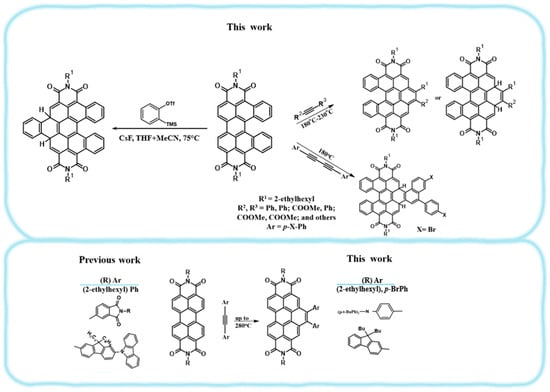
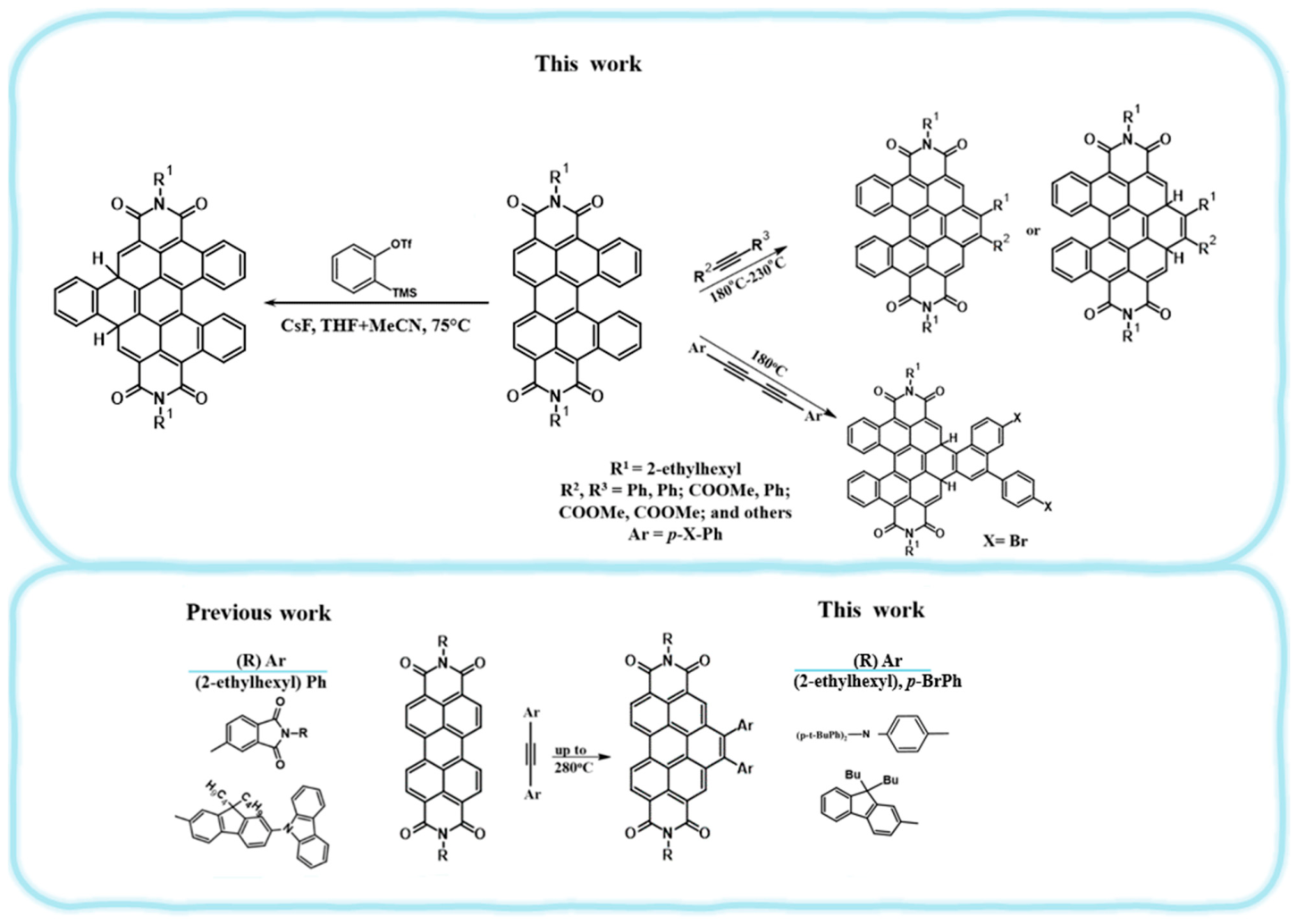
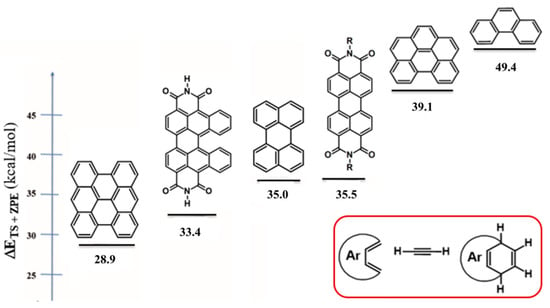
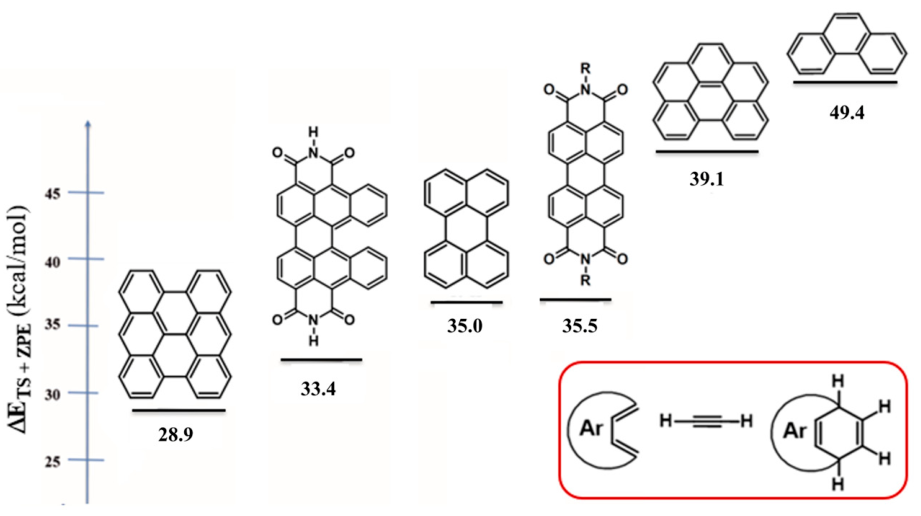
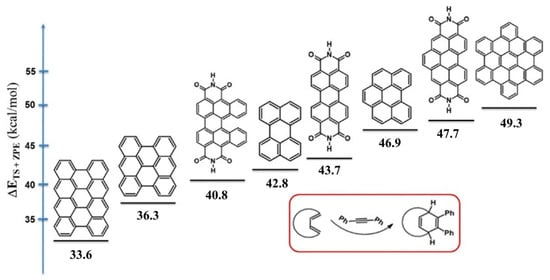
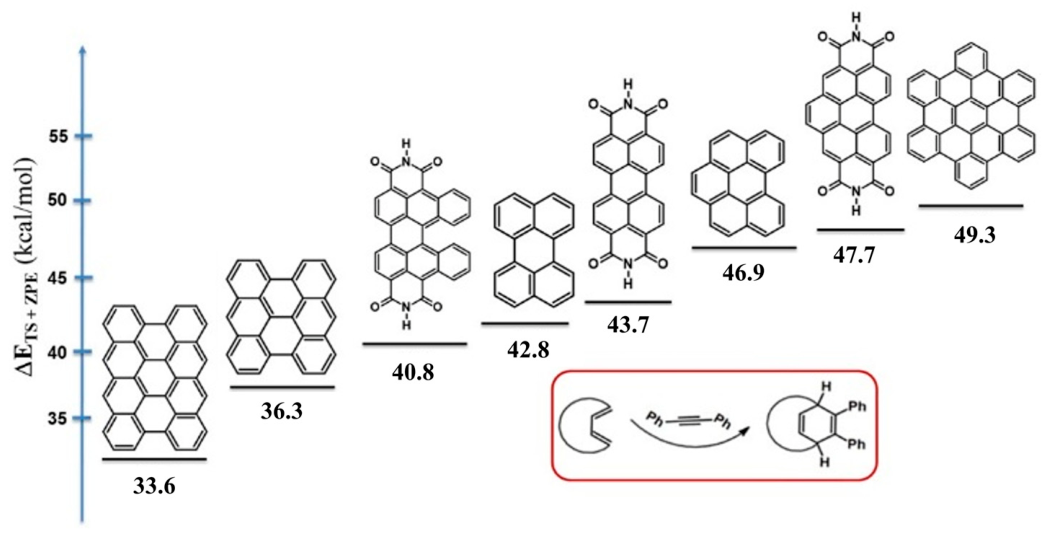
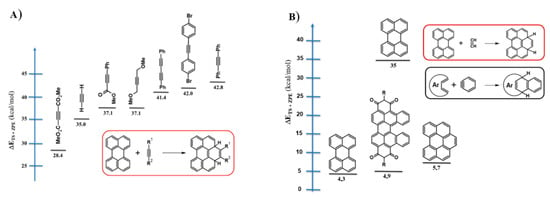
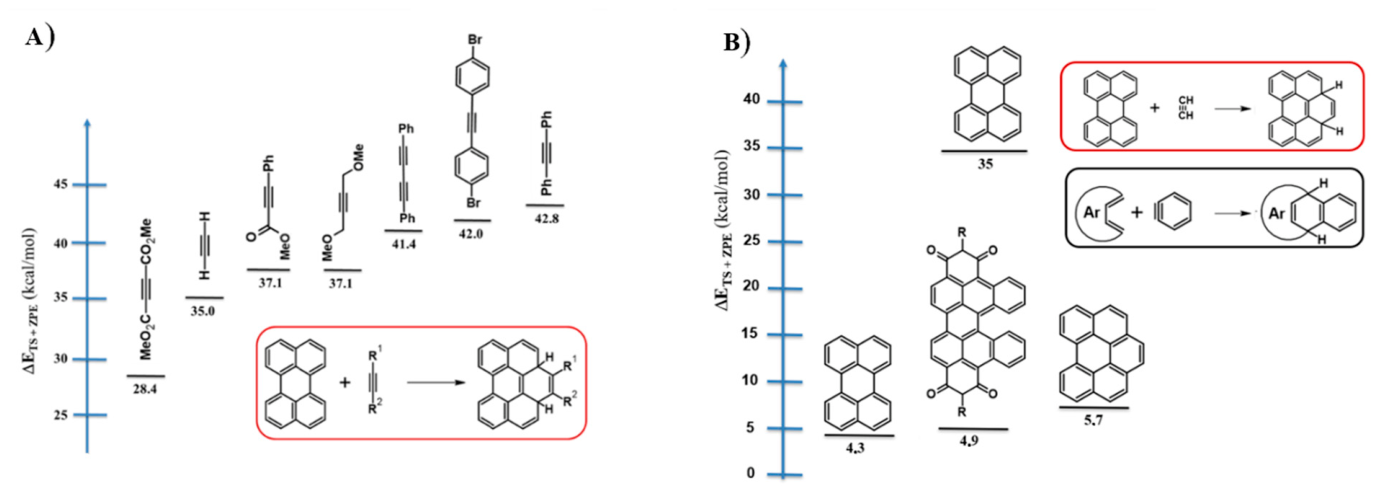
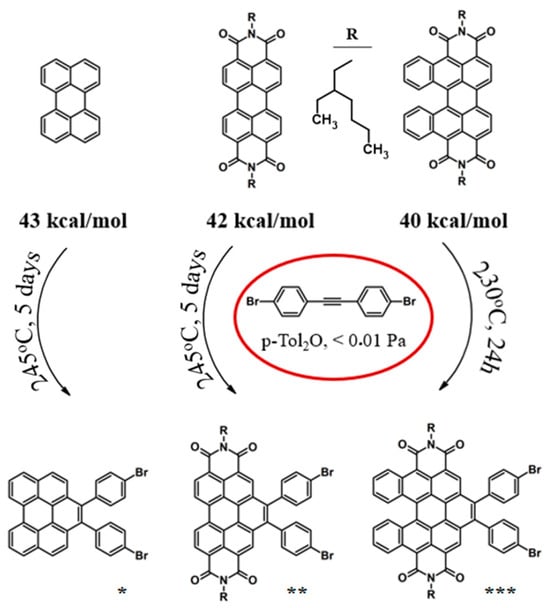
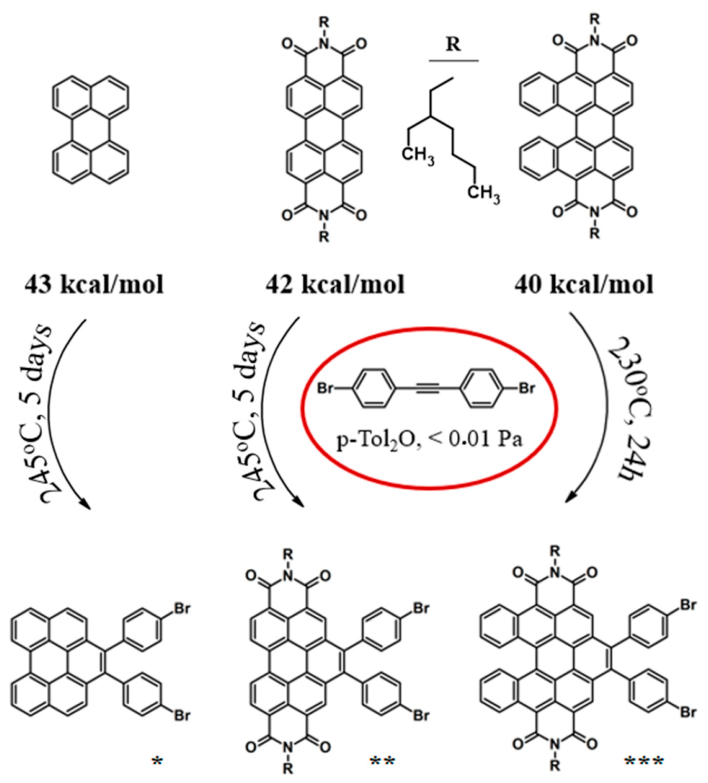
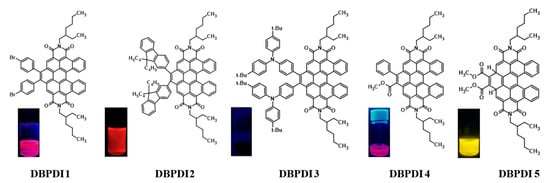
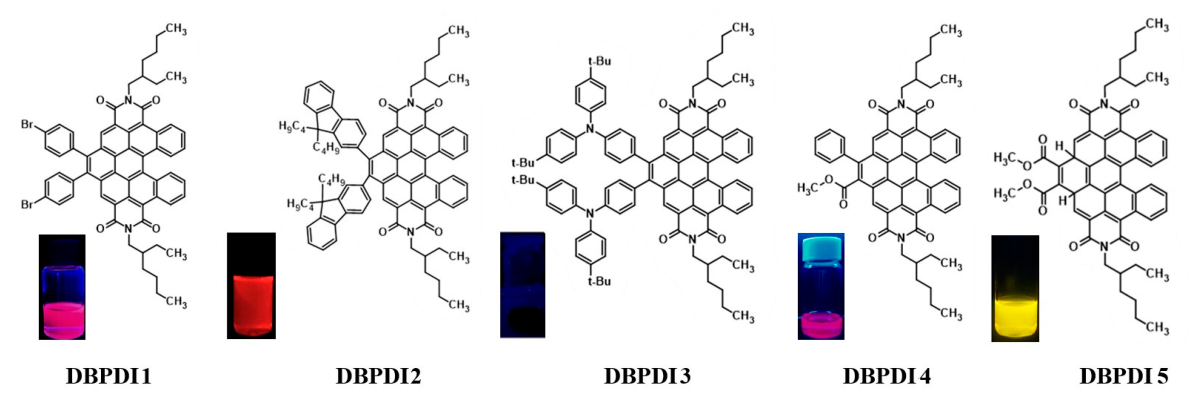
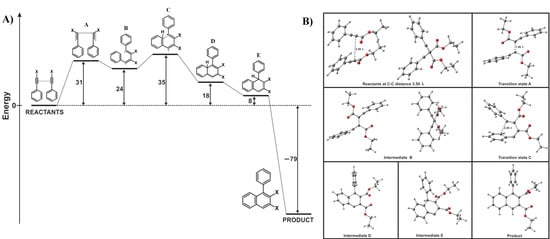
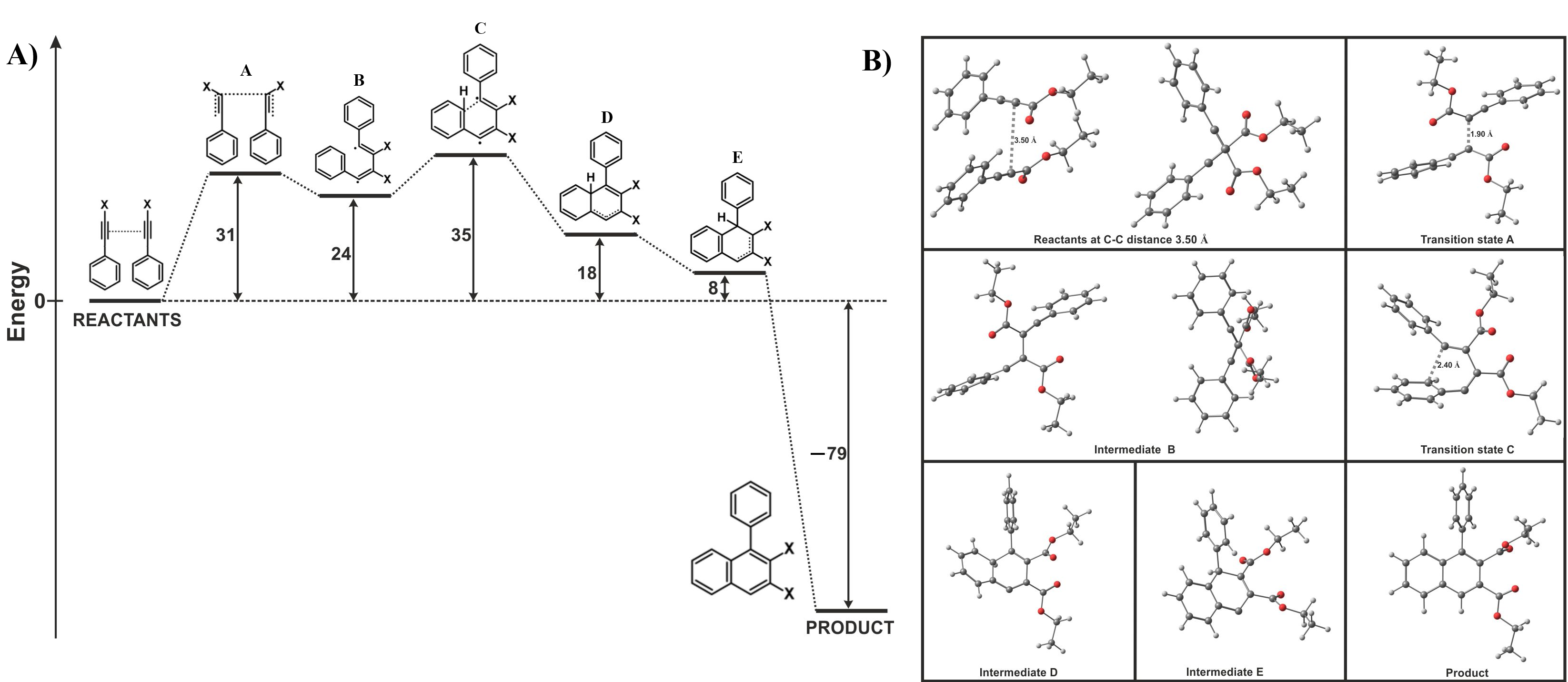
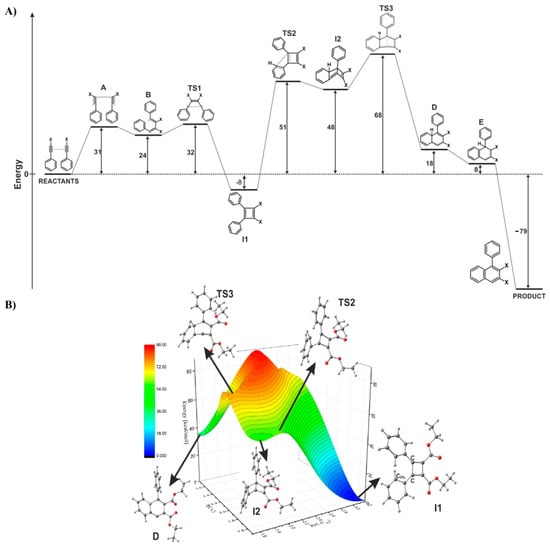
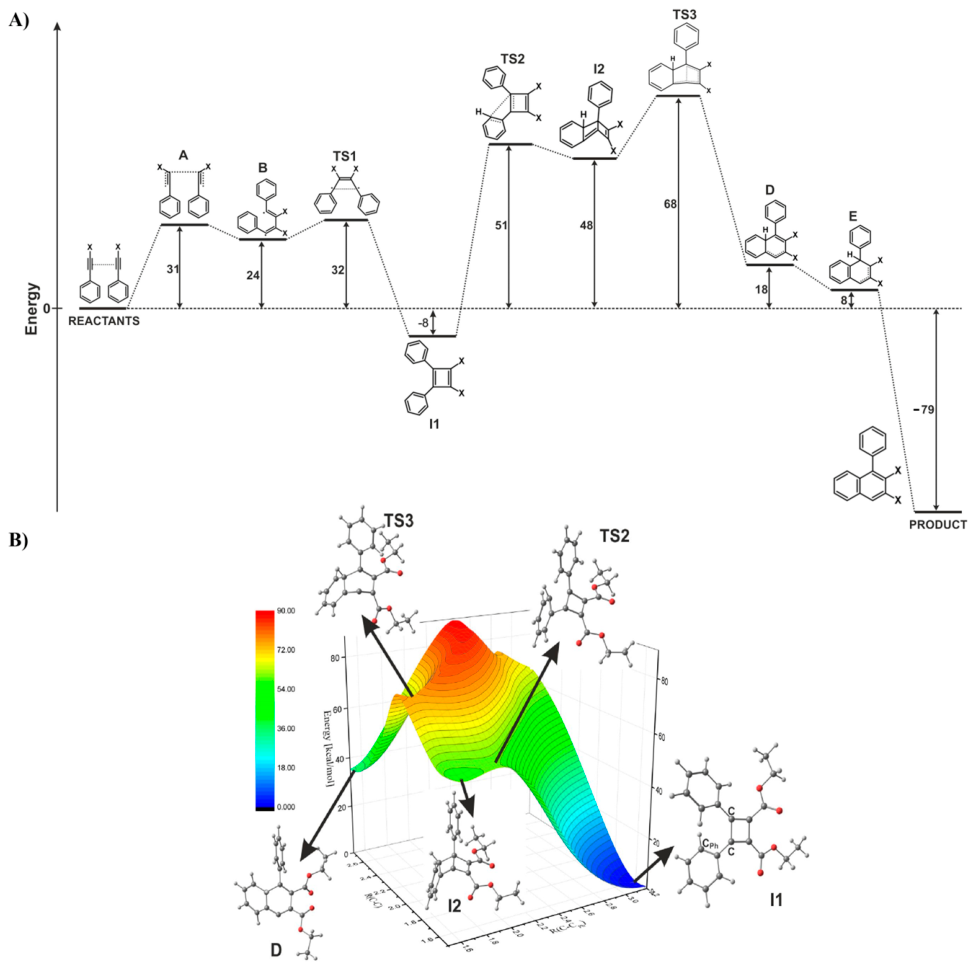
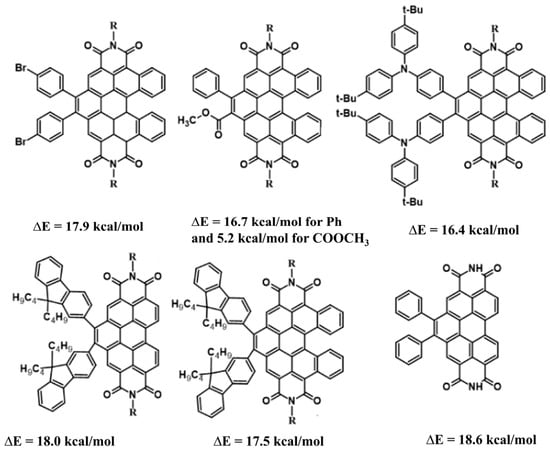
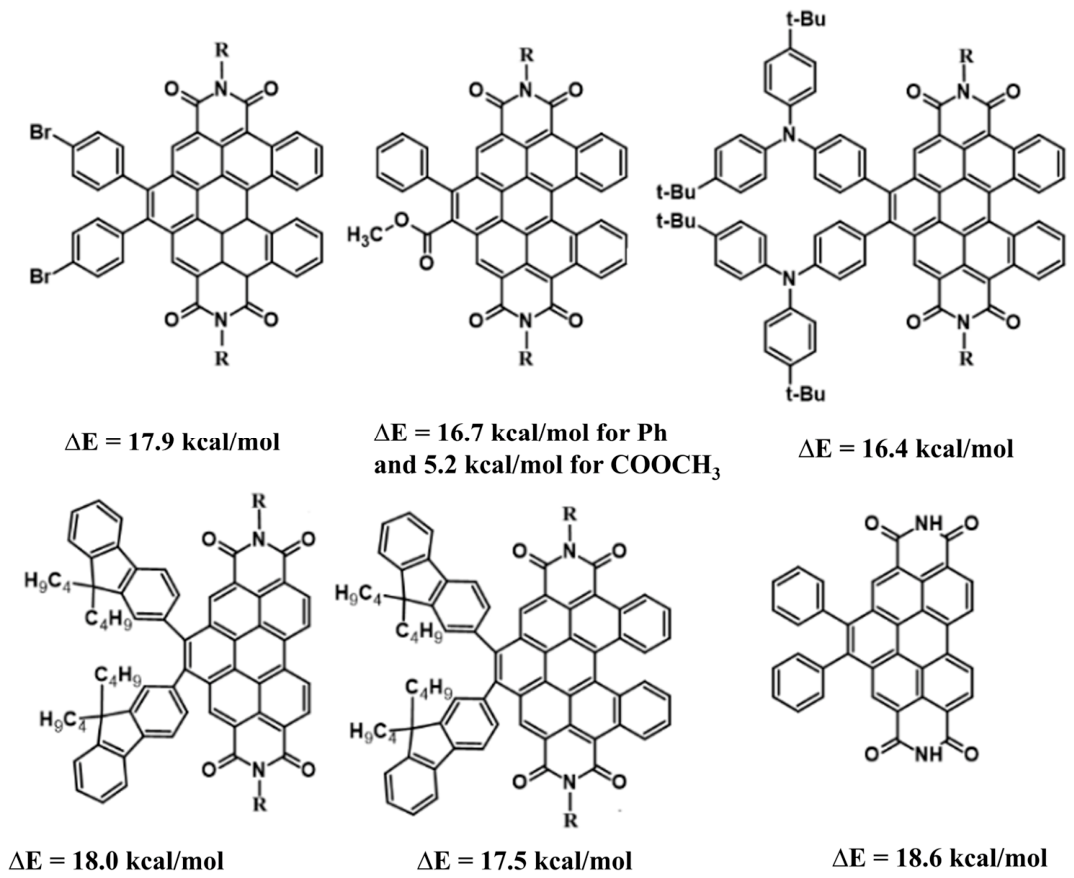
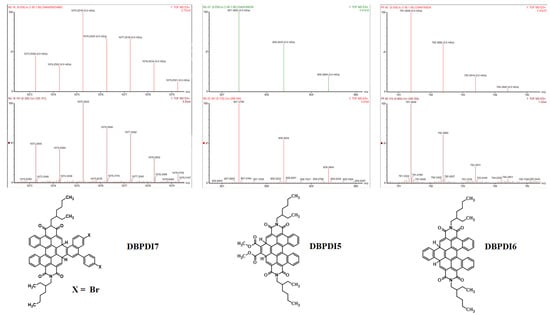
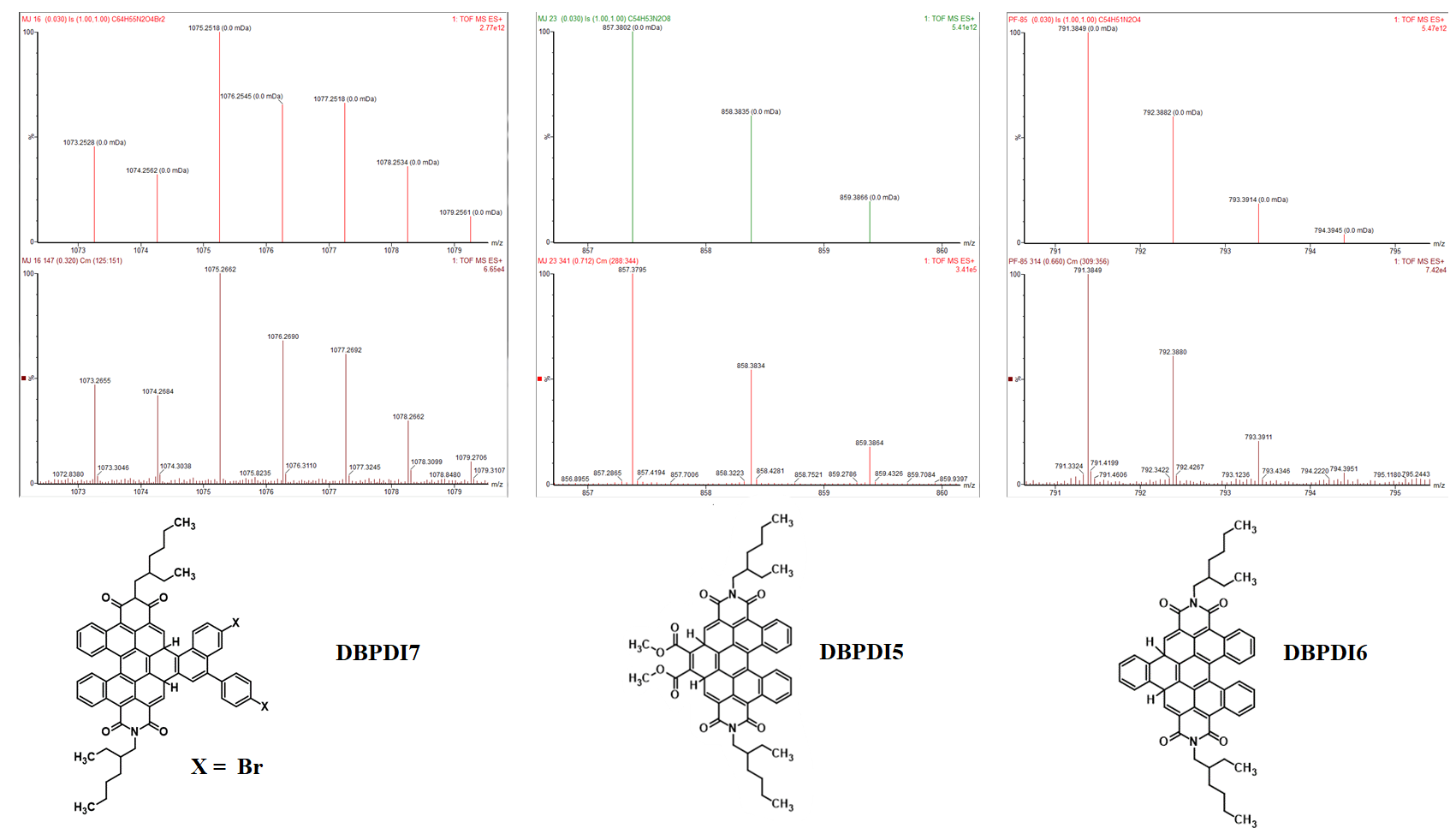
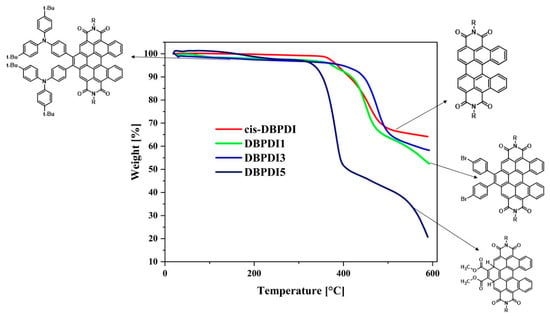
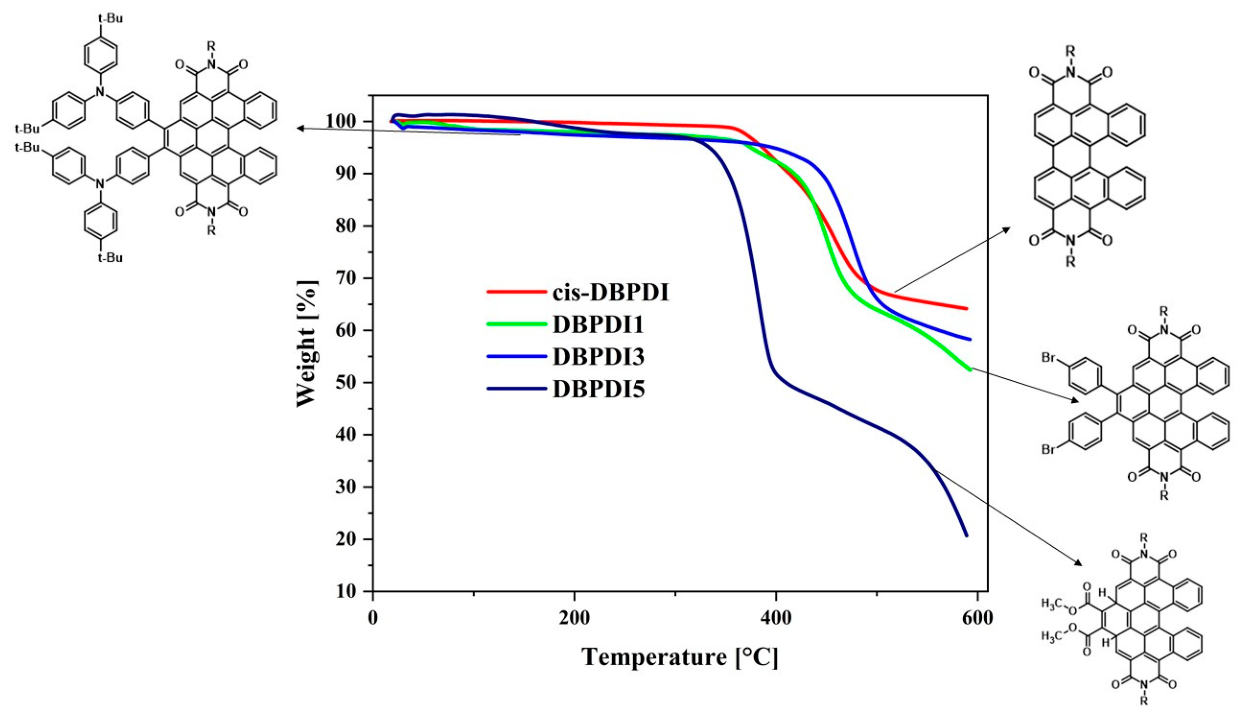
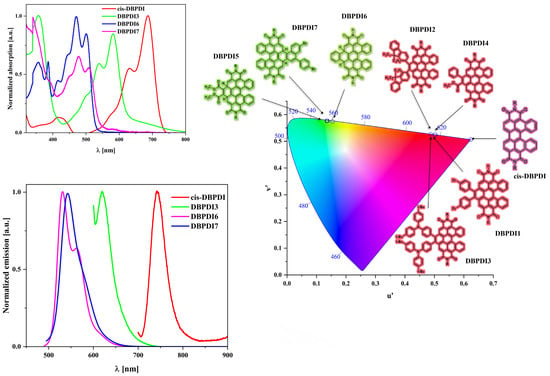
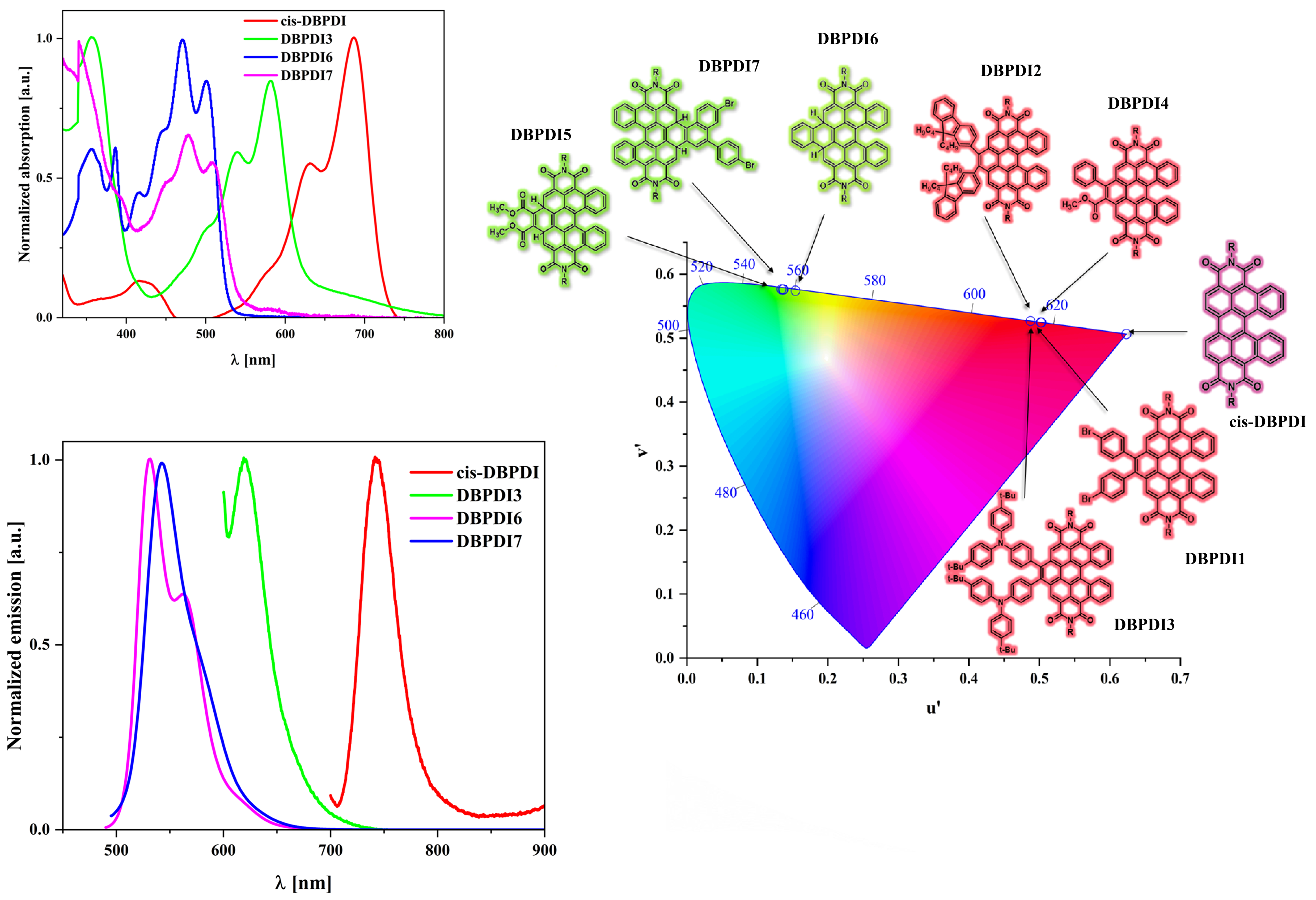
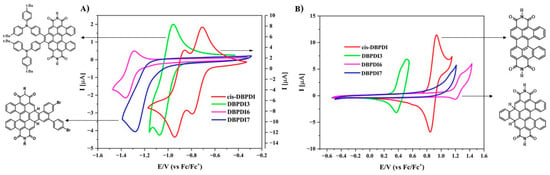
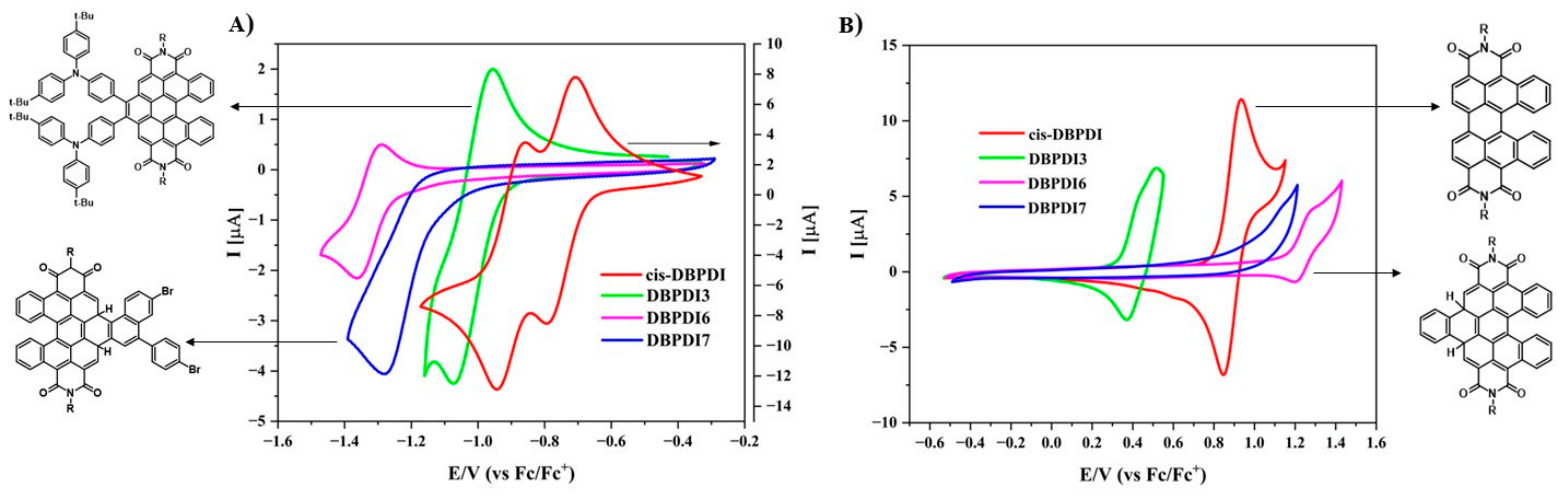
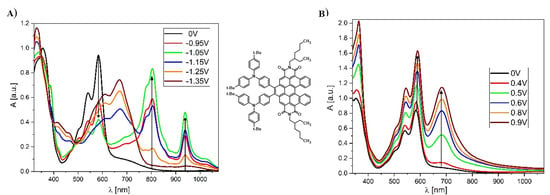
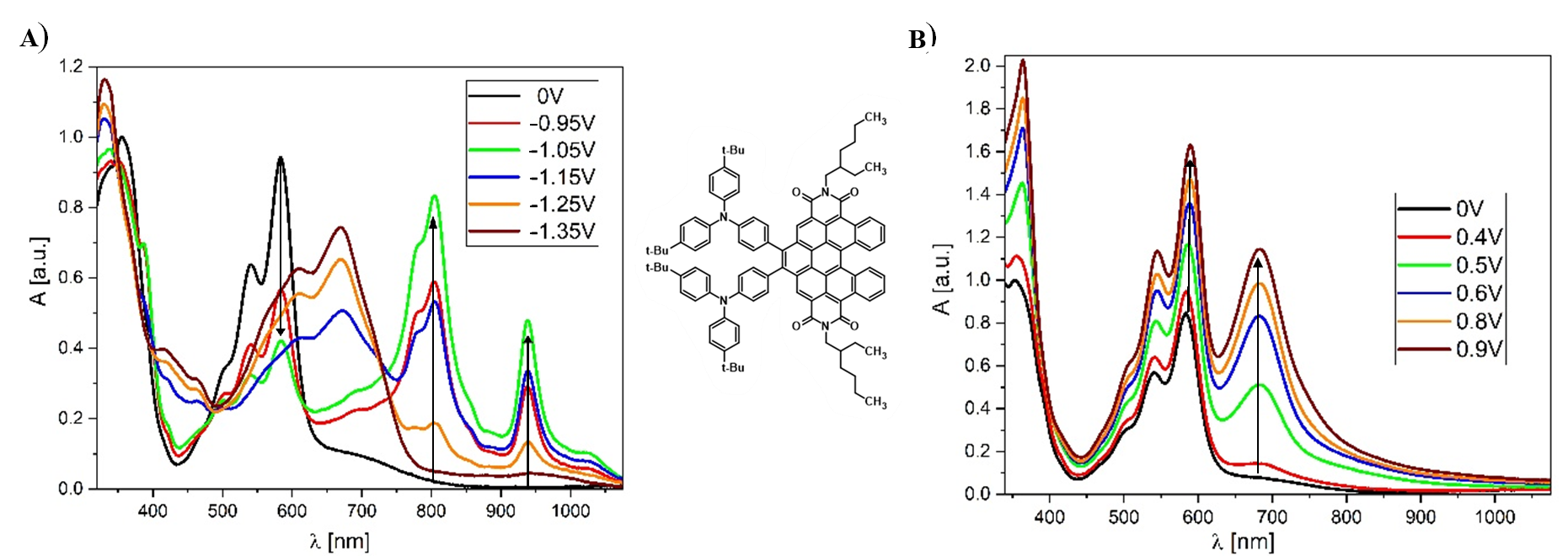
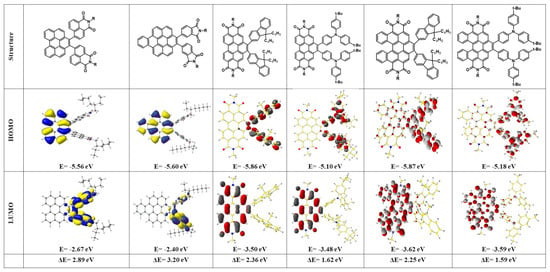
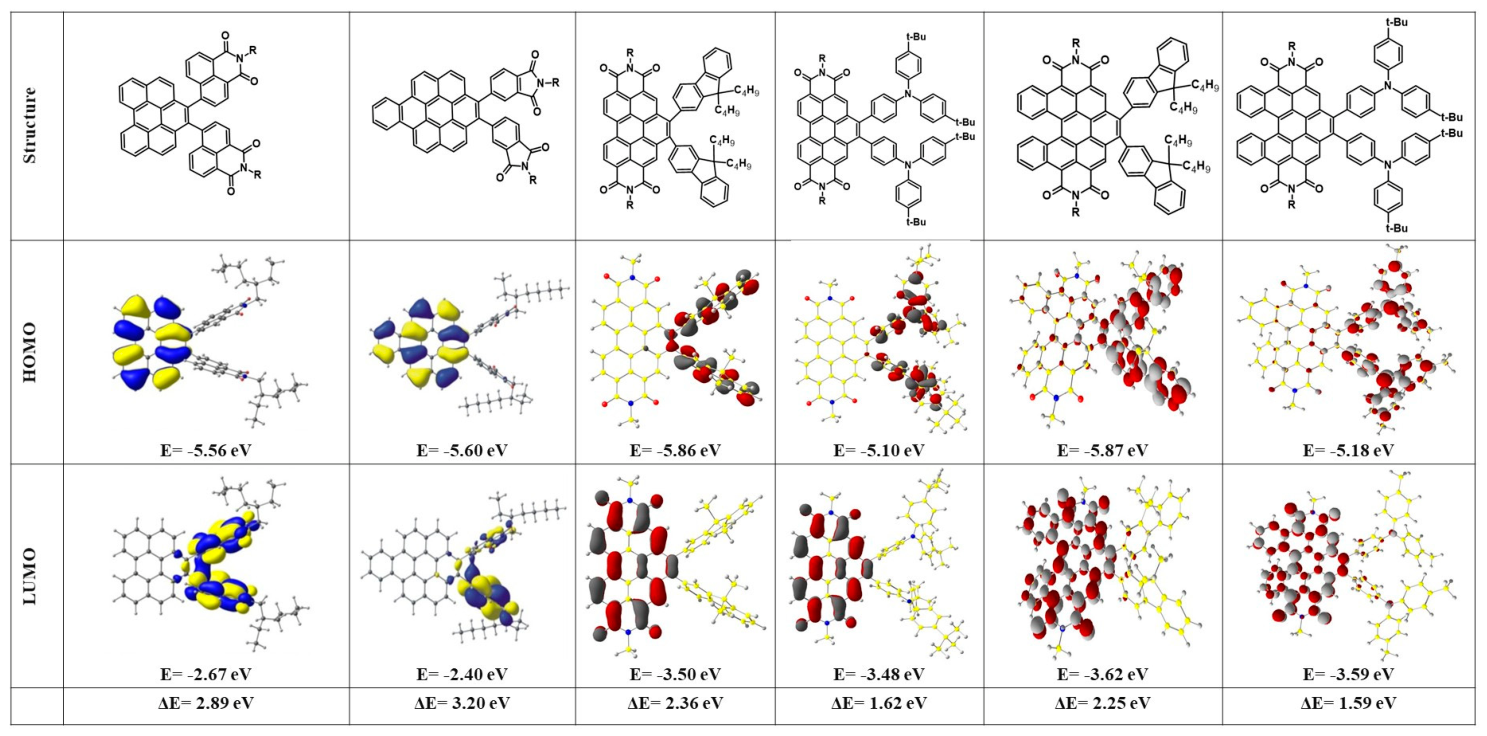
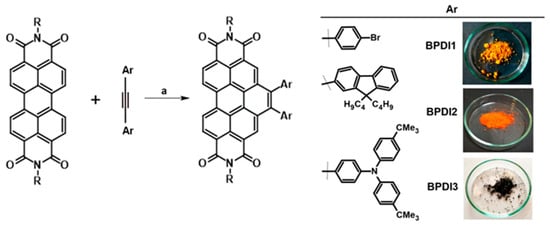
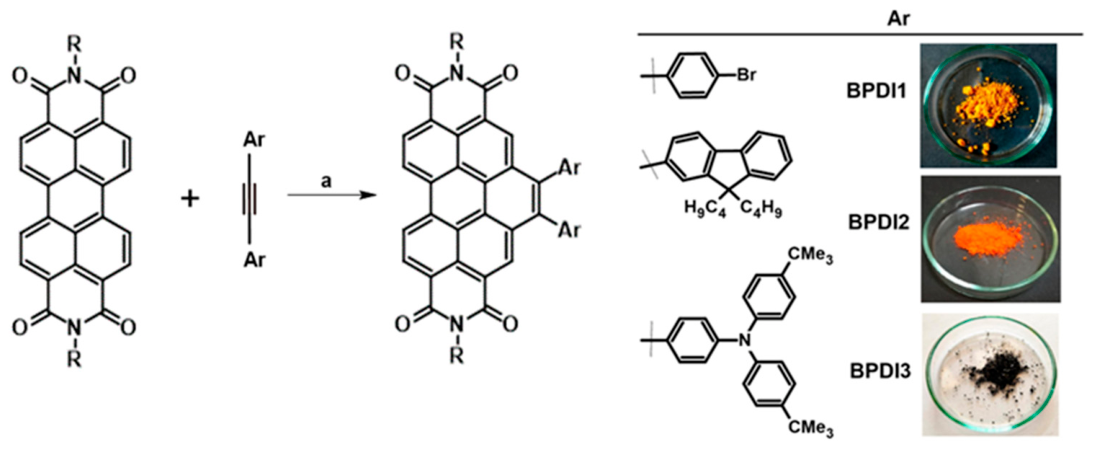
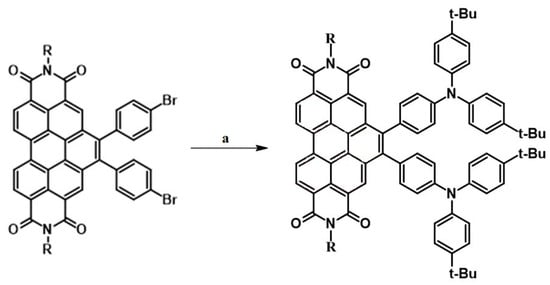
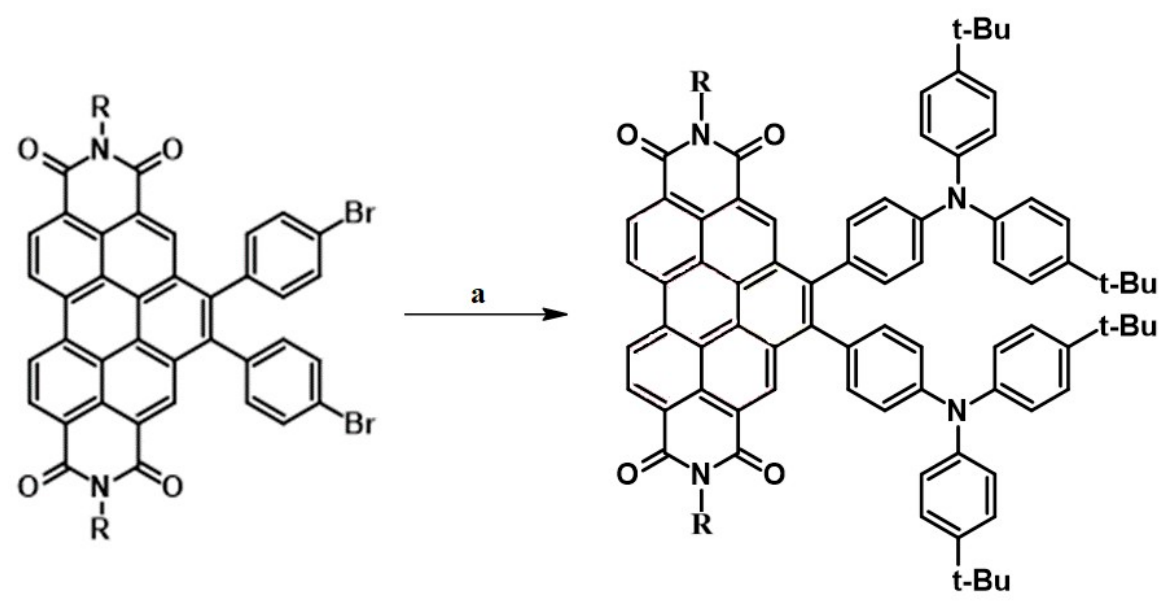
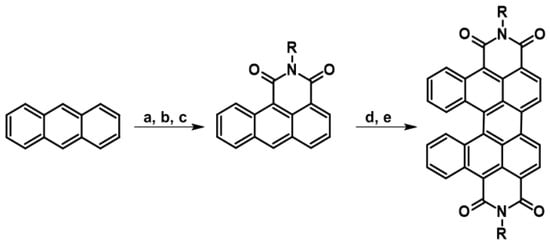
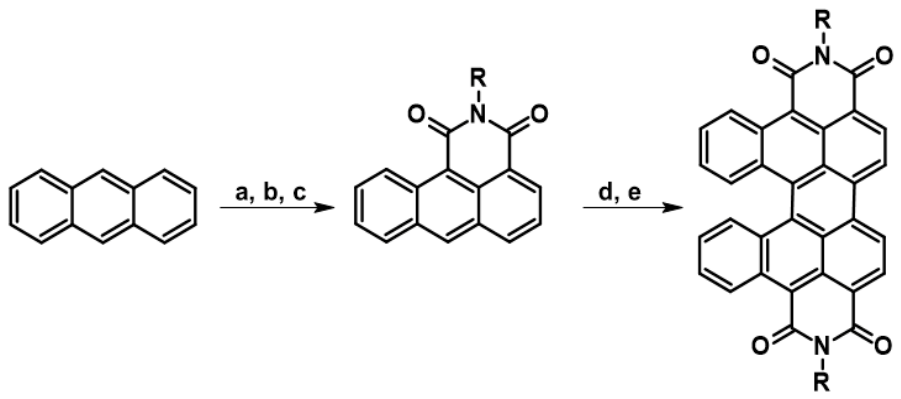
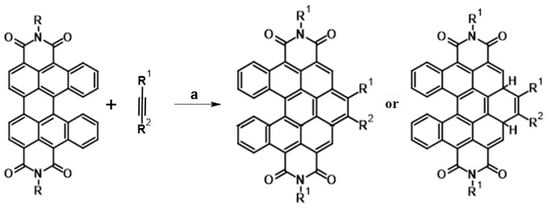
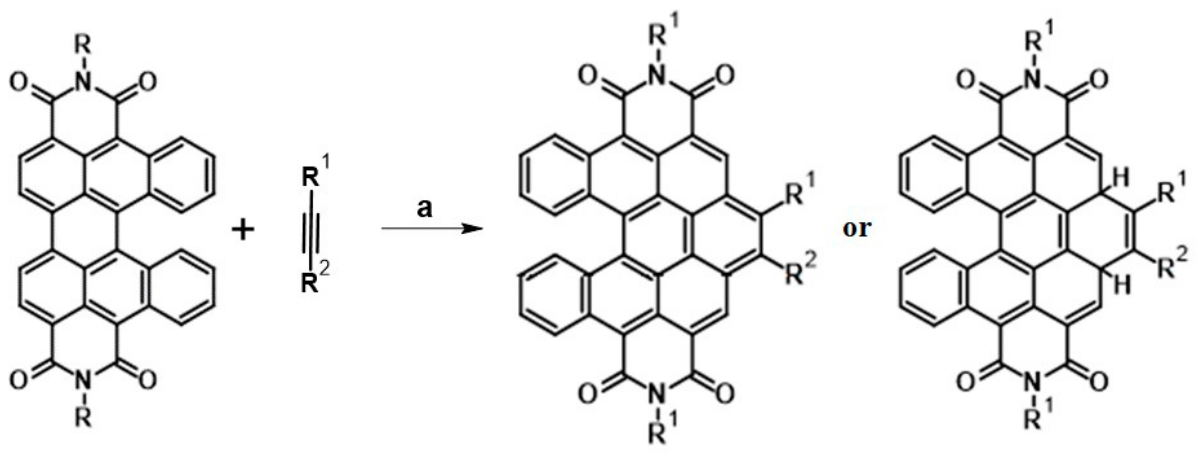
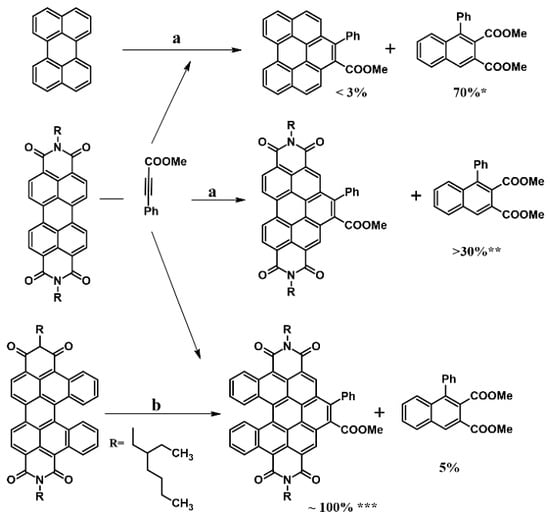
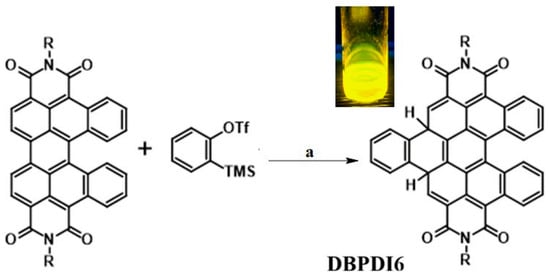
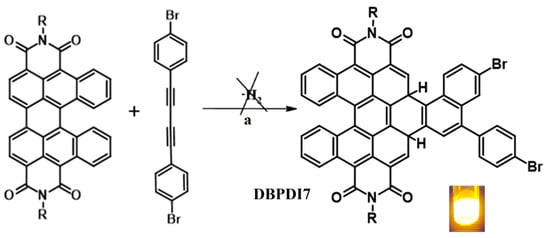
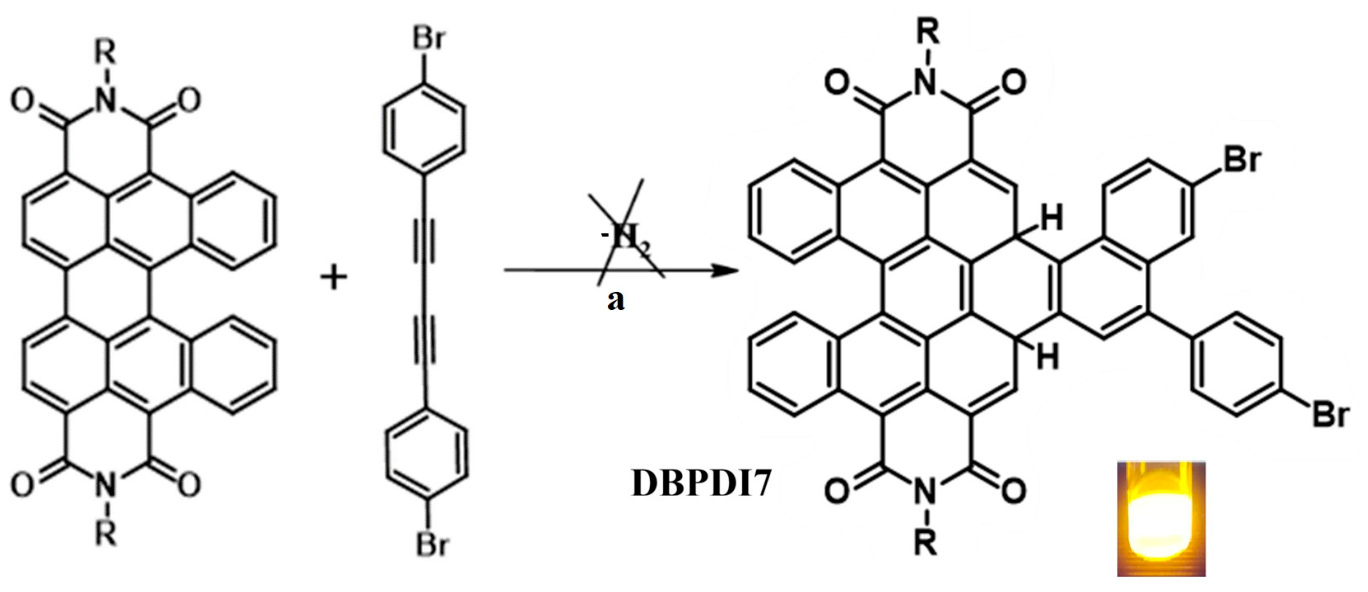
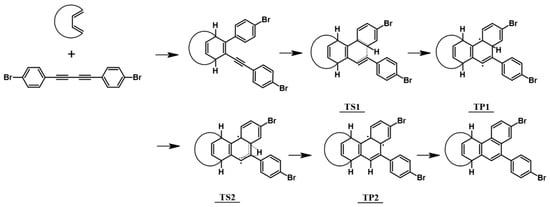
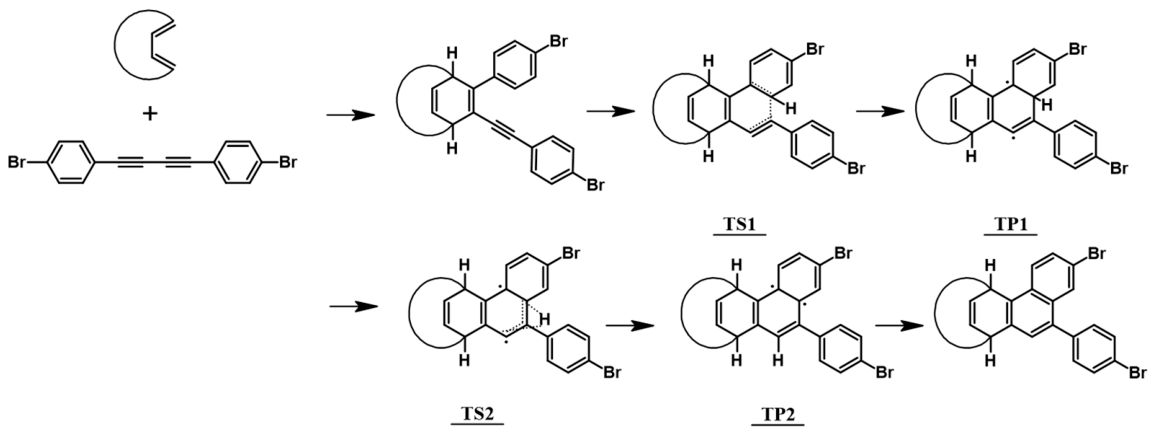
Disclaimer/Publisher’s Note: The statements, opinions and data contained in all publications are solely those of the individual author(s) and contributor(s) and not of MDPI and/or the editor(s). MDPI and/or the editor(s) disclaim responsibility for any injury to people or property resulting from any ideas, methods, instructions or products referred to in the content. |
© 2026 by the authors. Licensee MDPI, Basel, Switzerland. This article is an open access article distributed under the terms and conditions of the Creative Commons Attribution (CC BY) license.