


Abstract
Underused maloid Rosaceae fruit species, including Aronia, Crataegus, Sorbus, Cotoneaster, Pyracantha, and Eriobotrya, are being investigated as promising sources of antioxidant phytochemicals and other nutritionally relevant constituents. Their utilization varies across species and regions and can be restricted by astringency, processing requirements, and limited commercialization. This narrative review critically synthesizes evidence on the phytochemical composition, biological activities, food applications, and safety of these fruits and their by-products. Reported constituents include phenolic compounds, carotenoids, dietary fiber, vitamin C, and polyunsaturated fatty acids, with marked variation according to taxon, maturity, fruit fraction, processing, and analytical method. Cellular and animal studies suggest possible effects on oxidative stress, inflammatory signaling, endothelial function, and glucose–lipid metabolism. However, such findings do not establish efficacy following customary consumption. Randomized human evidence identified within this narrative synthesis is concentrated mainly in Aronia, with one fruit-derived Crataegus trial and no eligible trials identified for the other four genera. Clinical findings are heterogeneous, mainly involve short-term surrogate outcomes, and do not establish disease prevention or treatment. Pomace, peel, and seed-containing fractions warrant investigation as potential ingredient sources, subject to product-specific assessment of naturally occurring toxicants and other safety concerns. Standardized analyses and rigorous human investigations are needed.
1. Introduction
Rosaceae Juss. is one of the largest and most taxonomically diverse families of flowering plants, comprising approximately 90–100 genera and around 3000 species [1,2]. Current phylogenetic classifications recognize three major subfamilies: Dryadoideae, Rosoideae, and Amygdaloideae [3]. The traditionally recognized subfamilies Maloideae and Spiraeoideae are now included within Amygdaloideae, while the pome-bearing genera formerly assigned to Maloideae constitute the core pome-bearing lineage of the tribe Maleae [3]. The present review focuses on these maloid, predominantly pome-bearing taxa and their underutilized fruit resources.
The core pome-bearing lineage of Maleae, historically treated as Maloideae, is characterized predominantly by the pome, an accessory fruit in which the ovary is surrounded by fleshy tissue derived largely from the hypanthium or floral receptacle [2,4]. Fruit anatomy varies among genera, and the core Maleae includes both taxa with connate endocarps and taxa with fruits described as polypyrenous drupes [3]. Widely or regionally cultivated representatives include apple (Malus domestica), pear (Pyrus communis and other Pyrus species), quince (Cydonia oblonga), Japanese quinces (Chaenomeles spp.), and loquat (Eriobotrya japonica) [2]. Other pome-bearing genera remain less widely cultivated or commercialized, although their degree of use varies among species and geographical regions; these include hawthorns (Crataegus spp.), firethorns (Pyracantha spp.), cotoneasters (Cotoneaster spp.), rowans (Sorbus spp.), and chokeberries (Aronia spp.) [2,5,6,7,8].
In this review, the term “underused” refers to fruit resources with comparatively limited direct consumption, mainstream cultivation, commercialization, or incorporation into food products relative to widely cultivated pomes; this designation is context-dependent and does not imply that all species within a genus are underused in every geographical region [2,5,6,7,8]. Reported barriers include small fruit size, pronounced astringency or bitterness, limited consumer acceptance, and the need for processing [5,6,8]. For instance, Sorbus has been explicitly described as an underutilized genus with respect to products intended for human consumption, despite being widely grown in gardens and parks; wild rowanberries are not consumed as fresh fruits because of their tannin-derived astringency, which limits their applications in food products [6]. Similarly, the astringent taste and small size of Pyracantha fortuneana fruits have been identified as the key obstacles to product development, resulting in low consumer acceptance, while the juices, beverages, fruit vinegar, and wines developed to date remain at an early stage of development without large-scale industrial production [5]. Black chokeberry fruits are likewise rarely consumed fresh because of their sour taste and astringency and are used predominantly after processing into juices, jams, wines, and liqueurs [8]. Cotoneaster species are grown primarily as ornamental plants in landscape architecture, and the occurrence of cyanogenic glycosides, including prunasin and amygdalin, indicates that potential food applications require species- and tissue-specific compositional and safety assessments rather than assumptions of general edibility [7]. Limited standardization and product development constrain wider utilization in some taxa, although several have long histories of regional culinary or ethnomedicinal use [5,6,7]. Existing reviews have generally addressed individual genera, selected compound classes, or specific biological outcomes; consequently, the available evidence remains distributed across taxonomic, phytochemical, food-science, and biomedical literature [6,7,8,9,10]. An integrative narrative synthesis is therefore useful for comparing reported phytochemical profiles, analytical limitations, by-product applications, and the strength of biological and clinical evidence across underutilized maloid taxa. Reported barriers include small fruit size, pronounced astringency or bitterness, limited consumer acceptance, and the need for processing, as documented particularly for selected Pyracantha and Sorbus species [5,6]. In Cotoneaster, the occurrence of cyanogenic glycosides, including prunasin and amygdalin, indicates that potential food applications require species- and tissue-specific compositional and safety assessments rather than assumptions of general edibility [7]. Limited standardization and product development constrain wider utilization in some taxa, although several have long histories of regional culinary or ethnomedicinal use [5,6,7]. Existing reviews have generally addressed individual genera, selected compound classes, or specific biological outcomes; consequently, the available evidence remains distributed across taxonomic, phytochemical, food-science, and biomedical literature [6,7,8,9,10]. An integrative narrative synthesis is therefore useful for comparing reported phytochemical profiles, analytical limitations, by-product applications, and the strength of biological and clinical evidence across underutilized maloid taxa.
The relevance of these fruits extends beyond their botanical diversity because several constituent classes are associated with molecular processes implicated in chronic disease. Oxidative stress and low-grade inflammation contribute to metabolic dysfunction and cellular injury [11]. Pathways involving nuclear factor-κB (NF-κB), the NLRP3 inflammasome, phosphoinositide 3-kinase/protein kinase B (PI3K/Akt), and endothelial nitric oxide (NO) signaling have been investigated in the broader literature on dietary phytochemicals and metabolic or vascular disorders [9,12,13]. However, the evidence supporting these pathways differs according to the experimental material. Studies involving purified phenolic compounds cannot automatically be interpreted as demonstrations that whole fruits or chemically complex fruit extracts modulate the same pathways. Furthermore, evidence from cell-based experiments, animal models, and general reviews of dietary polyphenols must be distinguished from direct mechanistic investigations of the maloid fruit preparations considered here.
Some fruit-derived preparations have been investigated directly in mechanistic models. For example, an Aronia melanocarpa berry extract modulated hepatic PI3K/Akt-related signaling in diabetic rats [14], while loquat peel and flesh extracts influenced oxidative-stress-related Nrf2/Keap1 gene expression in cultured murine hepatocytes [15]. These findings provide preparation-specific preclinical evidence but do not establish that customary fruit consumption produces equivalent molecular effects in humans. Similarly, human trials reporting changes in endothelial function or inflammatory biomarkers do not necessarily identify the molecular pathway responsible for those changes. Accordingly, the present review distinguishes direct fruit-preparation evidence from results obtained using isolated constituents or unrelated botanical matrices and interprets mechanistic plausibility separately from demonstrated clinical efficacy.
Accordingly, this narrative review aims to synthesize and critically evaluate the evidence concerning the phytochemical composition and potential health relevance of underutilized maloid fruits and their processing by-products. Particular attention is given to bioactive compounds, carotenoids, phenolic compounds and flavonoids, dietary fiber, polyunsaturated fatty acids, vitamin C, and other micronutrients. This review distinguishes among compositional, in vitro, animal, observational, and interventional human evidence; examines sources of variability and limitations affecting cross-study comparisons; and evaluates the nutritional and functional food potential of these matrices without equating mechanistic plausibility with demonstrated clinical efficacy. It also identifies priorities for analytical standardization, bioavailability and dose assessment, safety evaluation, and well-designed human studies.
2. Methodology and Search Strategy
The present study was conducted as a narrative review to provide an integrative and critical synthesis of the literature concerning the phytochemical composition and potential health relevance of underutilized maloid fruits. This approach enabled the examination of taxonomically diverse species, multiple classes of bioactive compounds, and different types of evidence, including compositional studies, in vitro experiments, animal studies, and human observational and interventional research. The literature was synthesized thematically according to the principal compound classes examined, while findings were interpreted in relation to study design, botanical material, analytical methodology, and level of evidence. The preparation and presentation of the review were informed by the relevant quality domains of the SANRA (Scale for the Assessment of Narrative Review Articles) scale for narrative review articles, including the description of the literature search, referencing, presentation of the level of evidence, and reporting of relevant outcome data [16].
2.1. Literature Search Strategy and Study Selection Criteria
The literature search was conducted in PubMed, Scopus, and Web of Science for English-language publications issued between 1 January 2000 and 31 December 2025. This period was selected in relation to the principal aims of the review, for three reasons. First, it encompasses the progressive transition from aggregate spectrophotometric and colorimetric assays to compound-specific chromatographic and mass-spectrometric methods, such as HPLC-DAD, LC–MS/MS, and UHPLC–HRMS. Including both analytical generations was necessary to evaluate how methodological differences contribute to the variability of reported phytochemical concentrations, which is a central objective of this synthesis. Second, the primary literature on several underutilized maloid taxa, particularly Cotoneaster, Pyracantha, and individual Sorbus species, remains limited; a substantially narrower interval would have provided too few datasets to compare taxa, cultivars, fruit fractions, and geographical origins. Third, the current framework for interpreting polyphenol bioavailability, metabolism, and physiologically achievable exposure, which this review applies to distinguish mechanistic plausibility from demonstrated efficacy, was consolidated mainly after 2000. The search expression presented below represents the common conceptual structure, while database-specific syntax was adapted to the requirements of each platform.
(Maloideae OR Maleae OR maloid* OR Crataegus OR hawthorn* OR Aronia OR chokeberr* OR Sorbus OR rowan* OR Cotoneaster OR Pyracantha OR firethorn* OR “Eriobotrya japonica” OR loquat* OR Chaenomeles OR “Japanese quince*” OR Cydonia OR quince* OR Rhaphiolepis) AND (fruit* OR berr* OR pome* OR pomace OR peel* OR seed* OR “fruit by-product*” OR “processing by-product*”) AND (phytochemical* OR polyphenol* OR phenolic* OR flavonoid* OR anthocyanin* OR carotenoid* OR “dietary fiber” OR “dietary fibre” OR “polyunsaturated fatty acid*” OR PUFA* OR “vitamin C” OR “ascorbic acid” OR antioxidant* OR nutraceutic* OR “functional food*” OR “biological activit*” OR “health effect*” OR “health benefit*” OR bioavailab* OR safety OR toxic* OR mechanism* OR “oxidative stress” OR inflamm*).
Scientific and common taxon names were included to improve retrieval, together with American and British spelling variants where relevant. The truncated term berr* was retained exclusively as a search term because “berry” and “berries” are frequently used descriptively in the literature on these fruits, although most of the taxa examined produce pomes rather than botanical berries. Health-related and compositional terms were combined with the Boolean operator OR within the same conceptual block so that purely phytochemical studies were not excluded solely because they did not report therapeutic or clinical outcomes.
2.2. Eligibility Criteria and Study Selection
Publications were considered eligible when they: (i) were peer-reviewed and published in English language; (ii) investigated fruits or fruit-derived materials from the maloid taxa of interest, including whole fruits, pulp, peel, seeds, juice, pomace, extracts, or other processing by-products; (iii) reported relevant information on phytochemical composition, analytical characterization, antioxidant or other biological activities, bioavailability, safety, or potential food and nutraceutical applications; and (iv) provided sufficient taxonomic, botanical, and methodological information to permit meaningful interpretation. Eligible evidence comprised compositional and analytical studies, in vitro experiments, animal studies, and human observational or interventional research. Review articles and meta-analyses were used for contextual interpretation and backward citation searching but were not treated as primary evidence.
Records were excluded when they: (i) duplicated another retrieved publication; (ii) focused exclusively on non-fruit tissues, such as leaves, bark, roots, or flowers, unless they provided essential taxonomic, historical, or safety-related context; (iii) investigated Rosaceae species outside the defined scope without reporting separate data for the maloid taxa of interest; (iv) lacked sufficient information on plant identity, botanical material, analytical procedures, experimental design, or relevant outcomes to support interpretation; or (v) consisted of conference abstracts, editorials, letters, commentaries, or other non-peer-reviewed material. Publications presenting only general antioxidant or therapeutic statements without relevant compositional, experimental, or clinical evidence were also excluded. Retrieved records were initially screened on the basis of titles and abstracts, followed by full-text assessment against the specified eligibility criteria.
The selection of human intervention studies requires an additional distinction between the broad eligibility criteria of this narrative review and the narrower subset of randomized controlled trials used to assess physiological effects. Studies involving medicinal Crataegus preparations derived exclusively from leaves, flowers, or flowering tops were not considered direct evidence for the consumption of hawthorn fruits or fruit-derived products. Likewise, studies of unrelated Rosaceae taxa, investigations without identifiable fruit-derived interventions, and reports lacking sufficient information on the botanical material or relevant outcomes were not used to support fruit-specific clinical conclusions. Human observational or uncontrolled intervention studies were not treated as equivalent to randomized placebo-controlled trials, although relevant uncontrolled evidence was discussed separately where appropriate.
Importantly, the present review was designed as a narrative synthesis rather than a prospectively registered systematic review. The review documentation does not contain an auditable, record-level accounting of database-specific retrieval totals, duplicate removal, title-and-abstract exclusions, or full-text human-study exclusions by reason. Consequently, these quantities cannot be reconstructed reliably from the final reference list, and no retrospective numerical screening flow has been inferred. This constitutes a limitation of search reproducibility and of the strength of conclusions concerning the apparent absence of eligible studies for particular taxa. Statements that no controlled human interventions were identified should therefore be interpreted strictly within the fruit- and by-product-focused evidence selected for this review, rather than as proof that no such investigations exist in the wider literature. A future systematic review would require reproducible database-specific searches, preserved search exports, documented deduplication, independent eligibility assessment, and a record-level study-selection flow.
2.3. Data Extraction and Evidence Appraisal
For each eligible publication, information was recorded on the taxon and, where available, cultivar, geographical origin, ripening stage, fruit fraction or by-product, extraction procedure, analytical method, reporting basis, study design, experimental model or human population, tested concentration or administered dose, and principal outcomes. Botanical material and analytical reporting were recorded at the level of detail available in the source, rather than assuming that differently prepared products were equivalent. Evidence was classified as compositional, in vitro, animal, human observational, human interventional, or secondary. Fresh-weight (FW) and dry-weight (DW) values were retained on their original bases and were not compared directly; conversions were made only when sufficient moisture data were provided by the original study.
Methodological appraisal considered the accuracy of botanical identification, characterization of the investigated material, analytical validation, appropriateness of controls, sample size, the biological relevance of tested concentrations or doses, and suitability of reported outcomes. Tabulated data were retained when the taxon, matrix, method, reporting unit and basis, and primary source were identifiable. Where multiple datasets were available, reported ranges, divergent findings, and null results were retained whenever feasible; no value was selected solely because it represented the highest or most favorable result. Given the heterogeneity of study designs and analytical approaches, appraisal was qualitative; no common numerical risk-of-bias score was applied across all types of evidence.
Interpretation reflected the level of evidence. Compositional studies and cell-free antioxidant assays characterized constituents and chemical reactivity, not bioavailability or clinical efficacy. Cellular and animal findings were treated as mechanistic and preclinical evidence, respectively. Human observational studies could suggest associations but were not considered sufficient to establish causality. Controlled human interventions received greater interpretive weight for physiological outcomes, although study size, intervention duration, administered dose, comparator, participant characteristics, and the clinical relevance of measured endpoints were considered. No disease-prevention or therapeutic efficacy was inferred solely from nonclinical or observational evidence.
For human intervention studies, interpretive confidence was judged qualitatively using specified criteria: (i) randomization, control groups, blinding, and potential crossover carryover; (ii) sample size, duration, and completeness of reporting; (iii) botanical authentication and chemical characterization of the intervention and its dose; (iv) validity and clinical relevance of endpoints, distinguishing clinical outcomes from surrogate markers; (v) magnitude, precision, and statistical support of between-group effects rather than uncontrolled within-group changes; and (vi) consistency across positive, null, and conflicting findings. Where methodological details were inadequately reported in the original publications, the resulting uncertainty was explicitly acknowledged rather than presumed absent.
“Lower-confidence evidence” describes findings with important constraints on causal interpretation, such as absent randomization or concurrent controls, inadequately characterized interventions, or reliance on within-group changes. “Limited evidence” refers instead to the amount, consistency, or applicability of available findings, including few studies, small samples, short follow-up, heterogeneous preparations, inconsistent results, or surrogate endpoints. These qualitative descriptions were not assigned numerical thresholds or converted into validated certainty grades. A randomized controlled design was considered more informative for causal assessment than an uncontrolled intervention, but randomization alone was not treated as proof of low risk of bias. SANRA informed the reporting of this narrative review but was not used to assess individual studies. No formal Cochrane risk-of-bias assessment, GRADE (Grading of Recommendations Assessment, Development and Evaluation) evaluation, or numerical certainty classification was performed.
Operational definitions were applied consistently to biological activities. DPPH (2,2-diphenyl-1-picrylhydrazyl sau 1,1-diphenyl-2-picrylhydrazyl), ABTS (2,2′-azino-bis(3-ethylbenzothiazoline-6-sulfonic acid) and FRAP (Ferric Reducing Antioxidant Power) results were described as radical-scavenging or reducing capacity in cell-free systems, not as demonstrated biological antioxidant effects. The designation of biological antioxidant effects required appropriately controlled cellular, animal, or human evidence demonstrating changes in biologically relevant oxidative-stress or oxidative-damage endpoints, such as glutathione redox status, lipid peroxidation, protein oxidation, or oxidative DNA damage. Changes in intracellular reactive oxygen species or antioxidant enzyme activities were regarded as supportive mechanistic findings but, by themselves, did not establish an overall protective effect.
Likewise, inhibition of lipoxygenase, cyclooxygenase, or other enzymes in cell-free assays was described as enzyme-inhibitory activity, not proof of anti-inflammatory effects in vivo. Anti-inflammatory responses required controlled findings in biological models involving relevant inflammatory mediators or functional outcomes, such as TNF-α, IL-6, prostaglandin production, inflammatory-cell recruitment, or tissue inflammation, interpreted alongside cell viability, experimental context, and the biological function of individual markers. Pathway modulation, including NF-κB, was regarded as mechanistic evidence unless accompanied by functional outcomes; reductions in IL-10 were not automatically considered beneficial.
Endothelial protection in cellular and animal experiments required evidence of preservation or restoration of endothelial function or integrity through functional or structural endpoints, such as nitric oxide-dependent responses, barrier integrity, vascular relaxation, or reduced injury. Human flow-mediated dilation was interpreted as an indicator of endothelial function, not proof of cardiovascular event prevention. Likewise, neuroprotection required relevant neuronal survival, injury, or neurological functional endpoints in cellular or animal models rather than changes in chemical antioxidant assays alone; clinical neuroprotection would require controlled human studies with meaningful neurological outcomes. These definitions distinguish chemical, cellular, animal, and human findings without constituting a formal evidence-grading system.
Mechanistic plausibility was also interpreted in relation to realistic oral exposure. We distinguished (i) compositional plausibility, based on compounds identified in fruits or ingredients; (ii) experimental mechanistic plausibility, based on direct exposure of enzymes, cells, or tissues to extracts or isolated compounds; and (iii) exposure-supported physiological plausibility, requiring evidence that the relevant compounds or active metabolites attain comparable concentrations in an appropriate biological compartment after consumption. Where quantitative human pharmacokinetic evidence was available, the administered dose, chemical form, measured concentration, sampling time, and relevant biological compartment were considered. In the absence of such data, the physiological attainability of concentrations tested experimentally was considered unverified rather than assumed. Concentrations reported per gram of fruit or extract, per milliliter of culture medium, and in plasma were not treated as interchangeable; nor was the presence of a parent compound in fruit taken as evidence that its unchanged form reaches circulation or target tissues at concentrations used in vitro. No formal pharmacokinetic modeling or exposure–response analysis was undertaken.
2.4. Synthesis Strategy
The included literature was synthesized thematically across the principal compound classes addressed in the review: carotenoids, phenolic compounds and flavonoids, dietary fiber, polyunsaturated fatty acids, vitamin C, and other micronutrients. Within each thematic category, findings were compared according to taxon, fruit material, analytical basis, and level of evidence. Concordant, conflicting, and null findings were retained where available, and sources of heterogeneity were examined in relation to species, cultivar, geographical origin, ripening stage, fruit fraction, processing conditions, extraction procedure, and analytical method. Secondary sources were used to provide context, while substantive compositional or biological claims were checked against the corresponding primary studies whenever these were available. No quantitative pooling of results was undertaken.
3. Phytochemicals with Therapeutic Potential of Rosaceae Fruit Species
3.1. Carotenoids
3.1.1. Biological Functions and Mechanistic Evidence
Carotenoids detected in maloid fruits include provitamin A compounds, such as β-carotene and β-cryptoxanthin, and non-provitamin A carotenoids, including lutein and lycopene [17,18]. However, their nutritional relevance depends on the carotenoid profile, fruit matrix, processing conditions, and bioavailability. Evidence concerning redox-sensitive and inflammatory signaling largely derives from studies of isolated carotenoids in cellular or animal models [19,20,21,22]. Similarly, human research on lutein and zeaxanthin in ocular health [23] cannot be directly extrapolated to consumption of the maloid fruits reviewed here. Accordingly, reported carotenoid concentrations are interpreted primarily as compositional findings rather than evidence of fruit-specific clinical efficacy.
3.1.2. Carotenoid Profiles of Selected Underutilized Maloid Fruits
Reported carotenoid concentrations vary substantially both among maloid taxa and within individual species. Differences in cultivar, geographical origin, ripening stage, fruit tissue, sample preparation, extraction procedure, analytical method, and reporting basis complicate direct comparisons. Therefore, the values presented in Table 1 should be interpreted descriptively rather than as a definitive ranking of species.
Table 1.
Reported total carotenoid content in selected underutilized maloid fruit species.
Loquat (Eriobotrya japonica) illustrates this variability particularly well. In a comparative study of the yellow-fleshed cultivar ‘Zaozhong 6’ and the white-fleshed cultivar ‘Baiyu’, β-carotene accumulation differed markedly according to cultivar, tissue, and developmental stage. At full ripeness, β-carotene reached 68.53 mg kg−1 FW in the peel and 11.92 mg kg−1 FW in the pulp of ‘Zaozhong 6’, compared with 38.89 mg kg−1 FW in the peel and only 0.29 mg kg−1 FW in the pulp of ‘Baiyu’. β-Cryptoxanthin generally increased during ripening, although no significant change was observed in the pulp of ‘Baiyu’, whereas lutein followed cultivar- and tissue-dependent patterns [18]. These findings demonstrate why a single carotenoid value should not be generalized to an entire species.
Black chokeberry (Aronia melanocarpa (Michx.) Elliott) (Figure 1), contains carotenoids, but its phytochemical profile is dominated by polyphenolic constituents, particularly anthocyanins and procyanidins [8,34]. The dark purple–black coloration of the ripe fruits is therefore attributable primarily to anthocyanins rather than to carotenoid pigments. β-Carotene, β-cryptoxanthin, and violaxanthin have been identified among the carotenoids present. A total carotenoid content of approximately 48.6 mg kg−1 FW has been reported [24]. This value indicates that black chokeberry can contribute carotenoids, but it should not be interpreted as evidence that the fruit is exceptionally carotenoid-rich or that its overall antioxidant potential is determined mainly by this compound class. Moreover, compositional data alone do not establish carotenoid bioaccessibility or their specific contribution to physiological effects following chokeberry consumption.
Figure 1.
Ripe and harvested mature berries of Aronia melanocarpa (Michx.) Elliott (original).
Rowans (Sorbus spp.) also display substantial variability in carotenoid content because of differences among species, cultivars, and intergeneric hybrids. In an analysis of eight rowanberry cultivars and hybrids, total carotenoid concentrations ranged from approximately 72.5 to 130.4 mg kg−1, with the highest value reported for ‘Granatnaya’, a rowan–hawthorn hybrid [32]. However, the reporting basis in the original article is internally inconsistent: the Results section describes the values as referring to fresh berry weight, whereas the Methods section states that all analytical results were recalculated to 100 g DW. These values should therefore be retained as originally reported but interpreted cautiously with respect to the FW/DW basis. A separate study of fruit powders from 20 Sorbus cultivars likewise demonstrated marked differences in carotenoid content and overall phytochemical profiles [35]. In that study, carotenoids were estimated spectrophotometrically as β-carotene equivalents and expressed on a dry-weight basis, which prevents direct comparison with unequivocal fresh-weight values or with results obtained by chromatographic quantification of individual carotenoids. Measurable carotenoid concentrations have also been reported in whitebeam (Sorbus aria), including 16.91 mg kg−1 FW and 37.17 mg kg−1 DW [33]. Collectively, these studies support genotype-specific selection of rowan fruits for food applications but do not justify assigning a single representative carotenoid value to the genus.
Available carotenoid data for Cotoneaster fruits remain limited [7] and are derived largely from spectrophotometric analyses of samples collected in Romania [25,26,27]. In fresh or frozen fruit pulp, with the results expressed as dry-weight equivalents, reported total carotenoid concentrations ranged from 23.81 to 75.03 mg kg−1 DW in Cotoneaster lacteus, from 271.31 to 346.04 mg kg−1 DW in Cotoneaster salicifolius, from 315.47 to 433.62 mg kg−1 DW in Cotoneaster horizontalis Decne. (Figure 2), and from 165.57 to 189.83 mg kg−1 DW in Cotoneaster microphyllus [25,26,27]. These results suggest considerable interspecific variation, but they should be interpreted cautiously. The cited studies estimated total carotenoids following solvent extraction and spectrophotometric measurement rather than identifying and quantifying individual carotenoids through chromatographic methods. The values may therefore be influenced by extraction efficiency and the presence of other absorbing compounds. In addition, the restricted geographical origin and limited number of analyzed samples prevent extrapolation to the genus as a whole. Independent studies using validated chromatographic methods are required to confirm the carotenoid profiles and comparative relevance of these species.
Figure 2.
Mature berries of Cotoneaster horizontalis Decne. (original).
Carotenoids measurements in hawthorn fruits (Crataegus spp.) further illustrate the influence of species, genotype, fruit tissue, and analytical method. An investigation of several Crataegus species reported total carotenoid contents between 22.7 and 36.8 mg kg−1 FW in fresh fruit pulp [28]. In a study of 24 Mexican hawthorn genotypes, spectrophotometric measurements performed separately in the exocarp and mesocarp showed substantial variation, with the highest reported concentration reaching 42.35 mg kg−1 FW in the fruit exocarp [29]. More recently, Cristea et al. [30] investigated Crataegus monogyna var. pendula fruit powder using both spectrophotometric determination of total carotenoids and reverse-phase high-performance liquid chromatography with diode array detection (RP-HPLC-DAD) for individual carotenoid quantification. The spectrophotometric method, based on absorbance at 450 nm wavelength, yielded 42 ± 2 mg/100 g DW, equivalent to 420 ± 20 mg/kg DW. In contrast, RP-HPLC-DAD analysis identified seven individual carotenoids, with the following concentrations expressed as mg/100 g DW: mutatoxanthin (0.062 ± 0.010), lutein (0.064 ± 0.012), α-cryptoxanthin (0.045 ± 0.009), β-cryptoxanthin (0.046 ± 0.010), cis-β-carotene (0.028 ± 0.005), all-trans-β-carotene (0.043 ± 0.008), and lycopene (0.027 ± 0.006). Summation of the seven reported mean concentrations yields 0.315 mg/100 g DW, equivalent to 3.15 mg/kg DW. This chromatographic sum represents only approximately 0.75% of the spectrophotometric estimate, corresponding to an approximately 133-fold difference between the two reported measurements.
The substantial discrepancy indicates that the two analytical methods cannot be regarded as interchangeable. Spectrophotometry provides an aggregate absorbance-based estimate, whereas RP-HPLC-DAD quantifies selected individual carotenoids. The analytical procedures also differed: chromatographic analysis involved extraction with a methanol/ethyl acetate/petroleum ether mixture followed by alkaline saponification. Differences in extraction efficiency, spectrophotometric interference, chromatographic coverage, sample preparation losses, or calibration may have contributed to the discrepancy. However, the original study did not provide sufficient paired recovery, mass-balance, or validation data to determine the contribution of these factors. Consequently, the approximately 133-fold difference cannot be interpreted as a validated estimate of spectrophotometric overestimation or chromatographic underestimation, nor can it be attributed to unquantified carotenoids without further evidence. Future studies using matched samples, validated analytical procedures, and comprehensive carotenoid profiling are needed to resolve this methodological discrepancy [30].
Evidence on carotenoids in Pyracantha spp. fruits (Figure 3) remains limited [5,10] and is derived from a relatively small number of compositional studies. Early research identified Pyracantha angustifolia fruits as a source of pro-γ-carotene and prolycopene [36]; however, the analytical and reporting conventions used in this study limit direct comparison with more recent data. In Pyracantha coccinea, spectrophotometric estimates of total carotenoids ranged from 278 to 545 mg kg−1 when values obtained from fresh-frozen fruit pulp were expressed as DW equivalents, whereas heat-dried fruit material contained approximately 133–203 mg kg−1 DW [31]. These differences suggest that sample preparation and drying may influence the measured carotenoid content, although the absence of compound-specific chromatographic quantification prevents definitive interpretation. In Pyracantha crenulata fruit extract, β-carotene and lycopene were reported at 5.08 ± 0.253 and 16.86 ± 0.841 μg/g extract, respectively [37]. These extract-based values cannot be compared directly with concentrations expressed per unit of fresh or dry fruit mass. Overall, the available evidence confirms the presence of carotenoids in Pyracantha fruits but remains too limited and methodologically heterogeneous to support robust comparisons among species or with other maloid fruits.
Figure 3.
Mature berries of Pyracantha spp. (original).
Taken together, the available data demonstrate substantial variation in the carotenoid content of underutilized maloid fruits [18,24,25,26,27,28,29,30,31,32,33,34,35,36,37]. However, differences in genotype, ripening stage, fruit fraction, processing conditions, analytical method, and reporting basis prevent direct species rankings. Fresh-weight and dry-weight values are not directly comparable without corresponding moisture data (Table 1). Similarly, spectrophotometric estimates of total carotenoids cannot be considered quantitatively equivalent to sums of individual carotenoids determined by high-performance liquid chromatography (HPLC). Spectrophotometric methods provide aggregate absorbance-based estimates that depend on solvent, pigment composition, and potential interference from co-extracted compounds. In contrast, HPLC enables compound-specific quantification, although chromatographic sums may remain incomplete when certain carotenoids or geometric isomers are not identified or measured.
For example, Popoviciu et al. [31] reported total carotenoid estimates of 278–545 mg/kg DW equivalents for fresh-frozen Pyracantha coccinea fruit pulp using extraction with 80% acetone followed by UV–Vis spectrophotometry at 470, 647, and 663 nm wavelengths and calculation through trichromatic equations. These values represent spectrophotometric estimates rather than chromatographic sums. In a comparative investigation involving 28 fruits and vegetables, Biehler et al. [38] reported mean carotenoid concentrations of 5.1 ± 0.4 mg/100 g using one spectrophotometric method and 4.2 ± 0.5 mg/100 g using HPLC, corresponding to an approximately 21% higher spectrophotometric estimate. Two alternative spectrophotometric methods yielded 4.6 ± 0.5 and 4.3 ± 0.5 mg/100 g, confirming that analytical differences depend on the method employed. However, these findings cannot be used as a correction factor for Pyracantha because of differences in plant matrices and analytical procedures.
Furthermore, the Pyracantha study [31] did not report paired spectrophotometric and chromatographic determinations of the same samples. Consequently, the magnitude and direction of the analytical bias associated with its reported carotenoid values remain unknown. These results should therefore be interpreted as method-specific estimates rather than compared directly with HPLC-derived values from other species. Future investigations should employ paired UV–Vis and validated HPLC-DAD or LC–MS analyses of botanically authenticated samples, with appropriate calibration and extraction-recovery assessment, to establish the comparability of analytical results [31,38].
3.2. Phenolic Compounds
3.2.1. Biological Functions and Mechanistic Evidence
Phenolic compounds constitute a structurally diverse group of plant secondary metabolites, including phenolic acids, flavonols, flavan-3-ols, anthocyanins, and proanthocyanidins [39,40,41]. Their chemical structures can support electron or hydrogen donation and, under certain conditions, metal-ion chelation, contributing to antioxidant capacity measured in chemical assays [42]. DPPH (2,2-diphenyl-1-picrylhydrazyl) and ABTS (2,2′-azinobis(3-ethylbenzothiazoline-6-sulfonic acid)) primarily assess radical-scavenging capacity, whereas FRAP (ferric reducing antioxidant power) measures ferric-reducing capacity. These cell-free assays do not account for gastrointestinal transformation, absorption, metabolism, or tissue exposure and therefore cannot demonstrate biological antioxidant activity or therapeutic efficacy. Such biological effects require appropriately controlled cellular, animal, or human investigations using relevant oxidative-stress or oxidative-damage endpoints [39,40,41,42,43].
Following ingestion, phenolic compounds undergo gastrointestinal release, intestinal absorption, phase II conjugation, and microbial transformation. Consequently, circulating compounds frequently differ substantially from the native phenolics present in fruits [39,40,41]. Phenolic compounds and their metabolites may influence redox-sensitive and inflammatory signaling, endothelial nitric oxide bioavailability, metabolic regulation, and interactions with the gut microbiota, although much of the mechanistic evidence remains preclinical [41,43]. The importance of physiological exposure is illustrated by the human Aronia intervention conducted by Istas et al. [44], in which 63 plasma phenolic metabolites were quantified. Most individual metabolites occurred at nanomolar concentrations, whereas several relatively abundant phenolic acids reached micromolar concentrations, sometimes already at baseline. These findings demonstrate that systemic exposure involves a complex mixture of metabolites rather than simply the unchanged phenolic compounds present in the administered fruit preparation.
Accordingly, the effects of isolated phenolic compounds at concentrations used in cellular experiments cannot automatically be attributed to dietary consumption of the corresponding fruits. Physiological relevance requires consideration of the administered dose, chemical form, metabolism, exposure duration, and concentrations achievable in the relevant biological compartment. Detection of a circulating metabolite does not necessarily establish its concentration in target tissues or its causal contribution to observed physiological effects [39,40,41,43,44].
An additional distinction concerns the experimental material used to investigate molecular mechanisms. Direct studies of fruit-derived extracts provide preparation-specific evidence, whereas experiments involving isolated compounds establish activity under defined conditions without necessarily demonstrating equivalent effects of whole fruits. Similarly, mechanistic findings summarized in broader reviews and physiological outcomes measured in human interventions cannot automatically be considered direct evidence of pathway modulation by the maloid fruits examined here.
For example, Yan et al. [15] investigated loquat peel and flesh extracts alongside isolated phenolic and terpenoid compounds in murine AML-12 hepatocytes exposed to ethanol-induced oxidative stress. Extracts were tested at 200 µg/mL and selected individual compounds at 50 µg/mL. The study evaluated intracellular reactive oxygen species, antioxidant enzyme activities, and expression of Nrf2, Keap1, and Cul3. The extracts modulated Nrf2 and Keap1 expression, whereas Cul3 expression was not significantly affected. These results provide direct cellular evidence involving fruit-derived preparations but do not demonstrate modulation of NF-κB, NLRP3, or PI3K/Akt, nor do they establish physiologically achievable exposure following human consumption.
In another primary investigation, Mu et al. [14] administered Aronia melanocarpa berry extract to rats with experimentally induced type 2 diabetes at 100 or 400 mg/kg body weight/day for eight weeks. Treatment improved selected glucose-metabolism parameters and increased phosphorylation of insulin-signaling components, including insulin receptor substrate-2, PI3K, Akt, and glycogen synthase kinase-3β. These findings provide direct animal-model evidence of PI3K/Akt-related modulation by a fruit-derived extract. However, the experimental doses and disease-model conditions cannot be equated with customary dietary intake, and the study did not establish corresponding active-metabolite exposure in humans.
By contrast, broader discussions of NF-κB/NLRP3 regulation and endothelial nitric oxide signaling [12,13] do not constitute direct primary evidence for modulation of these pathways by the maloid fruit preparations considered here. Although the Maleae-focused review [9] describes additional preclinical investigations, an exhaustive primary-study-level count of fruit-extract versus isolated-compound experiments was not established in the present narrative synthesis. The studies by Yan et al. [15] and Mu et al. [14] are therefore illustrative rather than exhaustive. Overall, mechanistic conclusions should remain specific to the investigated botanical preparations, experimental concentrations, and measured endpoints, without extrapolation to demonstrated physiological or clinical benefits from fruit consumption.
3.2.2. Phenolic Profiles of Selected Underutilized Maloid Fruits
Among underutilized maloid fruits, species of Crataegus are among the most extensively investigated for their phenolic composition. Across the selected studies, hydroxycinnamic acids and flavonol glycosides were commonly prominent in the quantified profiles, although their relative abundance varied markedly among taxa, sample origins, and extract preparations [45,46,47]. In an analysis of 15 wild-growing Crataegus samples collected from seven provinces of Iran, total phenolic content ranged from 21.19 to 69.12 mg gallic acid equivalents (GAE) g−1 DW. Hyperoside (0.87–2.94 mg g−1 DW), chlorogenic acid (0.06–1.16 mg g−1 DW), and isoquercetin (quercetin-3-O-glucoside; 0.24–1.59 mg g−1 DW) were the most abundant among the quantified individual compounds [45]. In a separate investigation of Crataegus monogyna, the ethanolic fruit extract contained 14.9 ± 0.7 mg GAE g−1 dry extract. Targeted ultra-high-performance liquid chromatography coupled with heated electrospray ionization tandem mass spectrometry (UHPLC–HESI–MS/MS) identified protocatechuic, syringic, chlorogenic, caffeic, and p-coumaric acids, together with several quercetin derivatives; quercetin-3-O-glucoside was the predominant quantified flavonoid in that extract [46]. HPLC–DAD analysis of an ethanolic Crataegus orientalis fruit extract similarly identified hyperoside, isoquercitrin, and chlorogenic acid as its most abundant quantified phenolic constituents [47]. These findings demonstrate substantial chemical diversity within the genus, but values expressed per gram of fruit dry matter are not directly comparable with those expressed per gram of dry extract. Differences in extraction yield, solvent composition, taxon, geographical origin, maturity, and analytical method must therefore be considered when comparing the reported phenolic contents of hawthorn fruits.
The phenolic composition of loquat (Eriobotrya japonica) is characterized predominantly by caffeoylquinic acids, accompanied by smaller amounts of other phenolic acids, procyanidins, and flavonol glycosides [15,48]. HPLC analysis of fruits from six cultivars grown in China identified chlorogenic acid, neochlorogenic acid, 4-O-caffeoylquinic acid, protocatechuic acid, 4-hydroxybenzoic acid, caffeic acid, ferulic acid, ellagic acid, and o-coumaric acid, with marked differences among cultivars [48]. More recent UPLC–HRMS profiling of the peel and flesh of six loquat varieties reported 22 phenolic compounds and two triterpenoids, oleanolic and ursolic acids [15]. Across all six varieties, the overall concentrations of quantified phenolics and triterpenoids were higher in the peel than in the flesh. Specifically, 5-caffeoylquinic acid ranged from 2.73 to 7.10 mg g−1 DW in the peel but from 0.13 to 0.40 mg g−1 DW in the flesh, whereas 3-caffeoylquinic acid ranged from 1.44 to 4.28 and from 0.70 to 2.32 mg g−1 DW, respectively [15]. Procyanidin B2, procyanidin C1, quercetin-3-O-sambubioside, kaempferol-3-O-glucoside, and kaempferol-3-O-rhamnoside were detected exclusively in the peel, whereas several other quercetins and kaempferol glycosides occurred predominantly in this tissue. Conversely, 4-p-coumaroylquinic acid and chrysosplenoside B were detected exclusively in the flesh [15]. These findings identify loquat peel as a potentially valuable processing fraction while demonstrating that cultivar and fruit tissue substantially influence the reported phenolic profile. Consequently, results obtained from whole fruits, isolated flesh, peel, or extracts should be interpreted separately.
The nutritional relevance of the higher phenolic concentrations in loquat peel depends on the proportion of peel within the whole fruit and on gastrointestinal bioaccessibility. Yan et al. [15] did not quantify the peel-to-fruit mass ratio, compound intake per customary serving, or gastrointestinal bioaccessibility. In an independent morphological investigation involving 34 Moroccan loquat genotypes, mean peel and whole-fruit fresh masses were 0.79 g and 42.74 g, respectively, corresponding to an approximate peel fraction of 1.85% of fresh-fruit mass [49]. By simple proportional extrapolation, this would represent approximately 1.85 g of fresh peel per 100 g of whole fresh fruit. However, this estimate is illustrative, derives from different genetic material, and cannot be directly applied to the cultivars investigated by Yan et al. [15]. Moreover, the phenolic concentrations were reported on a dry-weight basis, whereas peel mass was measured on a fresh-weight basis. Therefore, compound intake per serving cannot be calculated reliably without cultivar-matched tissue masses and moisture contents.
A separate investigation examined the effects of processing and simulated gastrointestinal digestion on loquat products, including juice, nectar, fruit leather, pulp, and jam [50]. Although processing and gastrointestinal conditions influenced the measured phenolic profiles, this study did not establish compound-specific bioaccessibility for 5-caffeoylquinic acid from isolated loquat peel in the cultivars investigated by Yan et al. [15]. Accordingly, the enrichment of caffeoylquinic acids in peel supports its investigation as a potential source material for phenolic recovery and ingredient development but does not establish substantial dietary intake, systemic bioavailability, or physiological benefit from customary consumption. Further studies should determine cultivar-specific peel yields, moisture contents, serving-related intake, and compound-specific gastrointestinal recovery before drawing nutritional conclusions.
Aronia melanocarpa fruits are characterized by a diverse phenolic profile, including proanthocyanidins, anthocyanins-predominantly cyanidin glycosides-chlorogenic and neochlorogenic acids, and quercetin derivatives [34,51,52]. Fruit developmental stage substantially influences both total phenolic content and the distribution of individual compound classes. In a study conducted over three growing seasons, Gralec et al. [51] investigated unripe, ripening, and ripe fruits of the cultivar ‘Nero’. The highest total phenolic value, approximately 20 g gallic acid equivalents (GAE)/100 g fruit dry weight (DW), equivalent to 200 mg GAE/g DW, was reported for unripe fruits collected at approximately 30 days of development. The investigated material consisted of lyophilized and ground fruit samples extracted with acidified methanol for analytical determination. Therefore, the reported value refers to the original fruit dry-weight basis, not to the mass of a concentrated or purified extract.
Importantly, total phenolic content was estimated using the Folin–Ciocalteu colorimetric assay. Thus, the value of 200 mg GAE/g DW represents an assay-derived reducing-capacity equivalent rather than 200 mg of chemically identified phenolic compounds per gram of fruit dry matter. The same investigation reported approximately 10–15 g epicatechin equivalents/100 g DW for procyanidins and 7–11 g catechin equivalents/100 g DW for flavonoids in unripe fruits. However, these results were obtained using different class-specific colorimetric assays and calibration standards and cannot be added together or used to calculate the mass fraction of individually identified phenolics.
The authors also performed UPLC-MS analysis to characterize phenolic profiles at different developmental stages, identifying catechin, chlorogenic acids, cyanidin glycosides, and quercetin derivatives. However, the chromatographic results did not provide a comprehensively quantified sum of individual phenolic compounds for the corresponding unripe samples. Consequently, the proportion of the approximately 200 mg GAE/g DW value accounted for by chromatographically quantified compounds cannot be reliably calculated. During maturation, procyanidin levels generally declined, whereas anthocyanins accumulated during ripening, reaching approximately 2–3 g cyanidin-3-glucoside equivalents/100 g DW in mature fruits [51]. Therefore, the exceptionally high total phenolic response observed in unripe fruits should not be generalized to ripe Aronia berries or used to establish quantitative superiority over other maloid genera investigated using different analytical methods and reporting bases.
Processing residues from Aronia melanocarpa also retain substantial quantities of phenolic compounds. Saracila et al. [53] reported total phenolic contents of 27.99 mg GAE/g DW in fruits and 22.94 mg GAE/g DW in pomace. Among the individually quantified phenolics in undigested samples, chlorogenic acid was predominant, reaching 2.713 mg/g in fruits and 1.415 mg/g in pomace. The same investigation evaluated individual phenolic compounds during simulated oral, gastric, and intestinal digestion using a static in vitro model.
The reported intestinal-phase percentages of 28.84% for fruits and 31.90% for pomace refer specifically to chlorogenic acid, not to total phenolic content or the complete group of chlorogenic acid derivatives. The corresponding index for leaves was 8.81%. The authors calculated compound-specific bioaccessibility indices by dividing the concentration detected at a given digestion stage by the concentration measured in the supernatant before digestion and multiplying by 100 [53]. Following each simulated digestion stage, samples were centrifuged, and the resulting supernatants were analyzed by HPLC. Thus, these percentages represent apparent recovery of analytically detectable chlorogenic acid in the post-digestion supernatant relative to the pre-digestion reference, rather than directly measured micellarization, intestinal absorption, or systemic bioavailability.
Compound-specific recovery during simulated digestion may reflect release from the food matrix, chemical degradation or transformation, interactions with other constituents, and partitioning between soluble and insoluble fractions. The slightly higher intestinal-phase index reported for pomace does not establish greater absorption or physiological efficacy after consumption. Because the study did not assess intestinal epithelial transport, circulating metabolites, or human pharmacokinetics, its nutritional implications remain preliminary. These findings support further investigation of Aronia pomace as a potential phenolic-containing ingredient while emphasizing the need to distinguish post-digestion recovery from intestinal uptake, metabolism, and biological effects [39,40,41,53].
Sorbus species, cultivars, and interspecific hybrids exhibit substantial differences in their phenolic profiles. Comparative HPLC investigations have identified neochlorogenic and chlorogenic acids as contributors to reducing and radical-scavenging responses in post-column chemical assays [54]. In the study by Zymone et al. [35], fruit powders from 20 Sorbus cultivars and hybrids showed up to 16-fold differences in selected caffeoylquinic acids, up to 88-fold differences in certain quercetin and isorhamnetin derivatives, and up to 346-fold variation in cyanidin-3-galactoside. All cultivars were grown in the same experimental orchard in Lithuania and collected at full maturity during the same harvest season, reducing variation associated with location and cultivation conditions. Genetic background, hybrid ancestry, pigmentation, and differences in phenolic biosynthetic regulation are therefore plausible contributors to the observed variability. However, the original study did not assess gene expression or independently establish the causal contributions of genotype and developmental regulation.
The same investigation evaluated chemical antioxidant capacity using the ABTS radical-cation assay, with results ranging from 26 to 476 μmol Trolox equivalents/g DW. Antioxidant capacity showed a moderate positive correlation with total phenolic content and strong positive correlations with cyanidin-3-galactoside (r = 0.725), cyanidin-3-glucoside (r = 0.704), cyanidin-3-arabinoside (r = 0.789), peonidin-3-arabinoside (r = 0.799), and malvidin-3-arabinoside (r = 0.751). No significant correlations were reported between ABTS antioxidant capacity and the other individually investigated constituents [35]. Cultivars ‘Burka’ and ‘Likernaja’ had high anthocyanin contents, and ‘Burka’ exhibited high ABTS antioxidant capacity (464 ± 12 μmol Trolox equivalents/g DW). In contrast, ‘Dodong’ and ‘Fructo Lutea’ were characterized by higher concentrations of phenolic acids and ascorbic acid. ‘Fructo Lutea’ exhibited an ABTS value of 323 ± 8 μmol Trolox equivalents/g DW despite the absence of detectable anthocyanins in the investigated profile, indicating that other reducing or radical-scavenging constituents contributed to the assay response. By comparison, ‘Dodong’ showed a lower ABTS value of 107 ± 3 μmol Trolox equivalents/g DW despite its phenolic-acid-rich profile. These cultivar-level differences demonstrate that chemical antioxidant capacity cannot be predicted reliably from the concentration of a single phenolic class. Moreover, statistical correlations and ABTS responses do not establish biological antioxidant efficacy in vivo. Further investigations should combine standardized phytochemical profiling with controlled biological assays and bioaccessibility measurements [35].
Phenolic data for Cotoneaster fruits remain less extensive than those available for Crataegus, Aronia, or Sorbus [7,55]. In a comparative study of fruits from nine Cotoneaster species cultivated in Poland, ultra-high-performance liquid chromatography coupled with photodiode array detection and electrospray ionization triple-stage mass spectrometry (UHPLC–PDA–ESI–MS3) profiling of 70% aqueous-methanolic extracts identified 26 polyphenols, mainly phenolic acids, flavan-3-ols, proanthocyanidins, and flavonol glycosides [55]. The identified compounds included chlorogenic and other caffeoylquinic acids, (−)-epicatechin, procyanidins B2 and C1, other B-type oligomers, and the flavonol glycosides hyperoside, rutin, isoquercitrin, and quercitrin. Although the profiles were qualitatively similar, their relative compositions differed substantially. Phenolic-acid derivatives predominated particularly in C. divaricatus, C. horizontalis, and C. nanshan, whereas flavan-3-ols and proanthocyanidins were more prominent in C. zabelii, C. bullatus, and C. hjelmqvistii [55]. Total phenolic contents, normalized to fruit dry weight, ranged from approximately 26.0 to 43.5 mg GAE g−1 DW. The highest values were reported for C. hjelmqvistii (43.5 mg GAE g−1 DW), C. zabelii (43.0 mg GAE g−1 DW), C. splendens (38.5 mg GAE g−1 DW), and C. bullatus (37.3 mg GAE g−1 DW), whereas C. nanshan contained 26.0 mg GAE g−1 DW [55].
Cotoneaster extracts exhibited chemical antioxidant capacity and inhibited lipoxygenase (LOX) and hyaluronidase (HYAL) in vitro. The four extracts with the highest phenolic contents were also investigated in an in vitro human-plasma model [55]. Across the investigated fruit extracts, IC50 values ranged from 290.00 to 914.97 µg/mL for LOX inhibition and from 25.65 to 45.64 µg/mL for HYAL inhibition. In the human-plasma model, extracts were added directly to isolated donor plasma at final concentrations of 1–50 µg/mL before an experimentally induced oxidative challenge. These concentrations represent controlled experimental exposures, not concentrations measured in human plasma after fruit consumption. The original study did not provide oral pharmacokinetic data demonstrating that equivalent concentrations of the complex extracts could be achieved physiologically. Moreover, extract concentrations cannot be directly equated with circulating concentrations of individual phenolic metabolites. Accordingly, these findings support enzyme-inhibitory and plasma-protective activity under defined experimental conditions but do not establish anti-inflammatory efficacy or physiological attainability following oral consumption [55].
The absence of short-term cytotoxicity toward peripheral blood mononuclear cells in the same investigation does not establish oral safety [55]. Furthermore, cyanogenic glycosides, including prunasin and amygdalin, have been reported in certain Cotoneaster taxa and fruit materials [7]. Therefore, phenolic composition alone cannot justify unrestricted food use. Any proposed application requires verified botanical identification, characterization of the intended fruit fraction—including whether seeds are retained—and species-specific toxicological assessment.
Phenolic composition of Pyracantha fruits, also presented in Table 2, remains comparatively undercharacterized and is strongly influenced by extraction solvent and reporting basis [5,10,56,57]. In Pyracantha coccinea, an ethanol extract yielded higher assay-derived total phenolic, flavonoid, and condensed tannin contents than an aqueous extract. Syringic and p-hydroxybenzoic acids were detected in the ethanol extract, whereas gallic, protocatechuic, and trans-cinnamic acids were detected only in the aqueous extract, demonstrating the selectivity introduced by solvent polarity [56]. Seğmenoğlu and Sevindik [57] investigated two separately prepared Soxhlet extracts obtained from dried and powdered Pyracantha coccinea fruits. For each extraction, 10 g of fruit powder was treated with 200 mL of ethanol or methanol at 50 °C for 6 h, followed by solvent removal using rotary evaporation at 40 °C. Total phenolic content, determined using the Folin–Ciocalteu assay, was 3.791 ± 0.067 mg gallic acid equivalents (GAE)/g extract for the ethanol preparation and 8.684 ± 0.494 mg GAE/g extract for the methanol preparation. The methanol extract therefore showed an approximately 2.29-fold higher assay-derived value per gram of extract. However, the original investigators did not report the recovered extract masses or extraction yields. Consequently, the results cannot be converted into mg GAE/g of original dried fruit, and the higher value per gram of methanol extract does not establish greater total phenolic recovery from the starting material [57].
The same study reported liquid chromatography–tandem mass spectrometry (LC–MS/MS) profiling using a Shimadzu triple-quadrupole instrument. Table 3 of the original publication reported the following values in parts per million (ppm): catechin (265.44), syringic acid (0.62), phloridzin (2.70), quercetin (2.94), resveratrol (1.09), ellagic acid (0.41), naringenin (0.50), and luteolin (0.70). Fumaric acid (64.17 ppm) and thymoquinone (0.30 ppm) were also reported. Although the analytical procedure describes a fruit-extract sample dissolved in ethanol before LC–MS/MS analysis, the publication does not establish whether the reported profile corresponds to the ethanol Soxhlet extract, the methanol Soxhlet extract, or a separately prepared analytical sample. Table 3 provides only one set of compound values without identifying separate profiles for the two solvents. Furthermore, the publication reports retention times and mass transitions but does not adequately document compound-specific reference standards, calibration curves, linearity ranges, or limits of detection and quantification. The ppm reporting basis is also insufficiently characterized for reliable conversion to concentrations per gram of extract or fruit. Gallic acid was specified as the calibration standard for the separate Folin–Ciocalteu assay, not explicitly for LC–MS/MS quantification. Therefore, these compound-level values should be retained as published but interpreted cautiously, without attributing them to either solvent extract or using them to calculate recovery from the original fruit material [57].
The extract-based total phenolic values reported by Seğmenoğlu and Sevindik [57] must also be distinguished from the fresh-fruit-based flavonoid measurements reported by Sarikurkcu and Tepe [56]. The latter were expressed as mg rutin equivalents (RE)/g fresh weight (FW) for ethanol and aqueous fruit preparations, whereas the former were expressed as mg GAE/g extract for ethanol and methanol Soxhlet extracts. These measurements differ in analytical standard, compound class, sample matrix, and reporting denominator and cannot be directly compared as equivalent measures of extraction efficiency [56,57].
Reviews and compositional studies of P. fortuneana describe phenolic acids, flavonoids, and proanthocyanidins [5,10]. For P. crenulata, a methanolic extract of mature fruits contained 7.43 ± 0.37 mg tannic acid equivalents g−1 extract of total polyphenols and 2.26 ± 0.11 mg catechin equivalents g−1 extract of condensed tannins, although detailed chromatographic characterization was not provided [37]. Overall, the reported biological effects of phenolic-rich Pyracantha preparations derive mainly from chemical assays, enzyme or cellular systems, and animal experiments rather than controlled human studies [5,10,37,56,57]. Standardized fruit-level analyses, bioaccessibility and bioavailability investigations, toxicological assessments, and controlled human trials are therefore required before nutritional or therapeutic conclusions can be drawn.
Taken together, the available studies demonstrate distinct phenolic profiles across underutilized maloid fruits rather than a uniform composition. Aronia is characterized particularly by anthocyanins and proanthocyanidins, while caffeoylquinic acids are prominent in Sorbus and Eriobotrya. Crataegus commonly contains hydroxycinnamic acids and flavonol glycosides, whereas Cotoneaster profiles include phenolic acids, flavan-3-ols, proanthocyanidins, and flavonol glycosides. The phenolic composition of Pyracantha remains less comprehensively characterized [15,45,46,47,48,51,52,53,54,55,56,57]. Sample preparation also influences the measured results: separation of fruit tissues, freezing, drying, grinding, solvent composition, and extraction conditions can affect phenolic recovery and analytical responses. Consequently, differences among values reported per gram of fresh fruit, dry fruit, pomace, or extract cannot be attributed solely to botanical variation or used for direct interspecies rankings (Table 2) [51,53,55,56,57]. Furthermore, Folin–Ciocalteu assays measure an aggregate reducing response that may include contributions from nonphenolic substances and should not be considered equivalent to chromatographic quantification of individual phenolics [58]. High assay-derived values do not establish gastrointestinal bioaccessibility, systemic bioavailability, safety, or clinical efficacy [39,40,41,43]. Future investigations should use validated analytical methods and clearly report sample preparation, fruit maturity, moisture basis, extraction yield, and relevant bioaccessibility measurements. Representative total phenolic values and their reporting bases are summarized in Table 2.
Table 2.
Assay-derived total phenolic content in selected underutilized maloid fruits, grouped by analyzed matrix, reporting basis, and analytical calibration standard.
3.3. Flavonoids and Anthocyanins
3.3.1. Subclass-Specific Structural and Biological Considerations
Flavonoids constitute a major class of phenolic compounds characterized by a C6–C3–C6 carbon framework [40]. The subclasses most relevant to the maloid fruits considered in this review include flavonols, particularly quercetin and kaempferol glycosides [15,45,46,55]; flavan-3-ols and their oligomeric and polymeric proanthocyanidins [47,51,52,55]; flavones such as vitexin and its derivatives [47]; and anthocyanins responsible for the red, purple, and blue coloration of many fruits [51,52,54]. Their chemical form, including the degree and position of hydroxylation, methylation, glycosylation, and polymerization, influences solubility, stability, gastrointestinal release, absorption, and metabolism [40,62].
The general mechanisms involving antioxidant activity, redox and inflammatory signaling, bioavailability, and microbial metabolism have been discussed in Section 3.2.1. A relevant subclass-specific consideration is that biological exposure differs substantially according to flavonoid structure and chemical form. Most dietary flavonoid O-glycosides are deglycosylated before or during intestinal uptake, after which the released aglycones undergo extensive phase II metabolism, producing glucuronidated, sulfated, and methylated conjugates. Flavonoids not absorbed in the small intestine reach the colon, where they may undergo extensive microbial transformation into lower-molecular-weight catabolites [41,62]. Small amounts of certain intact anthocyanins may also be detected in the circulation, although anthocyanin-derived phase II conjugates and degradation products generally predominate [62]. Consequently, assay-derived total flavonoid content does not reveal the relative abundance, identity, or biological availability of individual compounds. Likewise, experiments using unmetabolized aglycones, native plant glycosides, or crude extracts at concentrations exceeding those attainable physiologically demonstrate biological plausibility rather than clinical efficacy [41,62,63].
3.3.2. Flavonoid Profiles of Selected Underutilized Maloid Fruits
Among seven selected sweet rowanberry cultivars, flavonoid concentrations varied substantially according to genotype and analytical approach. Spectrophotometrically determined total flavonoid content ranged from 15.04 g rutin equivalents (RE)/kg DW in ‘Koncentra’ to 26.85 g RE/kg DW in ‘Granatina’ [64]. Reversed-phase high-performance liquid chromatography (RP–HPLC) analysis of the same lyophilized fruit materials showed that flavan-3-ols predominated among the quantified flavonoids: epigallocatechin ranged from 244.3 to 1167.5 mg/kg DW, catechin from 23.4 to 633.6 mg/kg DW, and epicatechin from 3.3 to 31.1 mg/kg DW. Rutin ranged from 9.8 mg/kg DW in ‘Koncentra’ to 71.1 mg/kg DW in ‘Alaja Krupnaja’, whereas quercetin was detected only in ‘Alaja Krupnaja’, at 2.4 mg/kg DW, and kaempferol was not detected in any of the examined cultivars [64]. Anthocyanin content ranged from 1.19 to 51.38 mg cyanidin-3-O-glucoside equivalents/100 g DW, with the highest values recorded in ‘Granatnaja’ and ‘Titan’ [64]. The aggregate RP–HPLC total-flavonoid range reported in the original publication was not retained because it was internally inconsistent with the total-flavanol and individual-compound data. These analytically distinct measurements should not be compared directly, and the observed cultivar-specific differences should not be generalized to the entire genus.
Evidence from other Sorbus species remains more limited and depends strongly on the analytical method. In 80% aqueous-methanolic extracts prepared from air-dried fruits collected in the Sarajevo area of Bosnia and Herzegovina, spectrophotometrically determined total flavonoid contents were 0.92 ± 0.03 mg RE/g dry fruit material for S. aria, 0.87 ± 0.01 mg RE/g for S. aucuparia, and 1.82 ± 0.01 mg RE/g for S. austriaca [59]. These values were obtained using an aluminum chloride-based colorimetric assay and represent rutin-equivalent estimates rather than measured concentrations of rutin. They are therefore not directly comparable with individual flavonoid concentrations determined by RP–HPLC [59,64].
In Eriobotrya japonica, flavonoids are unevenly distributed between fruit tissues, with the peel generally containing higher concentrations and greater diversity of flavonoid glycosides than the flesh. Ultra-performance liquid chromatography coupled with electrospray ionization high-resolution tandem mass spectrometry (UPLC-ESI-HRMS/MS) analysis of phenolic-enriched fractions from freeze-dried peel and flesh of six loquat cultivars identified marked cultivar- and tissue-dependent differences [15]. The fractions were prepared using ultrasound-assisted extraction with 95% ethanol followed by C18 solid-phase purification. Across the six cultivars, maximum peel concentrations were 0.63 ± 0.02 mg/g DW for kaempferol-3-O-glucoside, 0.60 ± 0.00 mg/g DW for quercetin-3-O-galactoside, 0.60 ± 0.00 mg/g DW for quercetin-3-O-rhamnoside, 0.51 ± 0.00 mg/g DW for kaempferol-3-O-rhamnoside, and 0.28 ± 0.07 mg/g DW for quercetin-3-O-neohesperidoside [15]. Procyanidin B2, procyanidin C1, quercetin-3-O-sambubioside, kaempferol-3-O-glucoside, and kaempferol-3-O-rhamnoside were detected exclusively in the peel among the analyzed samples. These findings indicate substantial variation among cultivars and identify loquat peel as a potentially valuable phenolic-rich processing fraction.
Nevertheless, the study did not investigate human consumption of loquat peel or determine the systemic bioavailability of its individual flavonoids. As discussed in Section 3.2.1, the cellular experiments used direct exposure to fruit extracts at 200 µg/mL and selected isolated compounds at 50 µg/mL [15]. For chlorogenic acid, 50 µg/mL corresponds to approximately 141 µmol/L. These experimental concentrations were not demonstrated to be achievable in human plasma or target tissues following customary fruit consumption. Accordingly, the reported cellular effects provide mechanistic evidence under defined experimental conditions but do not establish physiological efficacy or the safety of loquat peel as a food ingredient [15,41].
Pyracantha coccinea fruits have also been evaluated using a colorimetric total-flavonoid assay. Extracts prepared from fresh fruit with ethanol and water yielded assay-derived values of 0.22 ± 0.014 and 0.03 ± 0.002 mg rutin equivalents (RE)/g FW, respectively, with the ethanol extract producing the higher value [56]. These differences illustrate the influence of extraction conditions on the analytical response. Because the values represent rutin-equivalent estimates rather than concentrations of chromatographically quantified individual flavonoids, they cannot be compared directly with compound-specific results reported for Sorbus or Eriobotrya.
The analytical approaches used in these studies have different strengths and limitations. Colorimetric total-flavonoid assays are relatively rapid, inexpensive, and suitable for comparative screening, but their responses depend on compound structure, calibration standard, and potential matrix interference; they cannot identify or quantify individual flavonoids. UV-Vis spectrophotometric anthocyanin assays similarly provide aggregate estimates without compound-specific resolution. In contrast, RP–HPLC enables chromatographic separation and quantification of individual flavonoids when appropriate standards are available, although compounds outside the targeted analytical panel may remain unquantified. UPLC-ESI-HRMS/MS provides detailed structural information and sensitive profiling of flavonoid glycosides, but quantitative accuracy depends on sample preparation, matrix effects, instrument response, and suitable reference standards [15,59,64]. Consequently, results obtained using these techniques should be interpreted according to their analytical specificity and reporting basis rather than treated as interchangeable measurements.
Overall, the available evidence identifies selected Sorbus fruits and loquat peel as compositionally distinct sources of flavonoids. Rowanberry cultivars exhibit pronounced variation in flavan-3-ols, flavonol glycosides, and anthocyanin content, while loquat peel contains several glycosylated derivatives of quercetin and kaempferol [15,64]. However, differences in fruit material, extraction procedures, analytical methods, and reporting bases prevent reliable quantitative rankings across taxa. Standardized, compound-specific analyses of clearly characterized fruit tissues and cultivars are needed to support future comparisons and ingredient-development research. Representative results are summarized in Table 3.
Table 3.
Flavonoid and anthocyanin contents in selected underutilized maloid fruits, grouped by analytical approach, analyzed matrix, and reporting basis.
3.4. Dietary Fibers and Fiber-Rich By-Products
3.4.1. Physiological Functions and Mechanistic Evidence
Under Codex-aligned definitions, dietary fiber comprises carbohydrate polymers with 10 or more monomeric units that are not hydrolyzed by endogenous enzymes in the human small intestine; national authorities may also include polymers containing 3–9 monomeric units [65]. Plant-derived dietary fiber includes cellulose, hemicelluloses, pectins, resistant starch, and certain resistant oligosaccharides, depending on the applicable definition and analytical method. Lignin and other non-carbohydrate compounds associated with plant cell-wall polysaccharides may also be included in dietary-fiber fractions, although they are not carbohydrate polymers themselves [65]. The physiological functionality of fiber depends not only on its classification as soluble or insoluble but also on viscosity, gel-forming capacity, fermentability, and particle size [66,67]. Consequently, similar total dietary fiber contents do not necessarily indicate equivalent physiological effects, particularly when whole fruits, pomaces, isolated concentrates, and differently processed materials are compared.
Unlike low-molecular-weight phytochemicals, intact dietary-fiber polymers are generally not systemically absorbed. Their physiological effects arise primarily from physicochemical interactions within the gastrointestinal tract and microbial fermentation in the colon [66,67]. Viscous gel-forming fibers may slow nutrient diffusion and glucose absorption and reduce bile acid reabsorption, whereas coarse, poorly fermentable insoluble fibers can increase fecal bulk and promote laxation [66]. Meta-analyses of randomized controlled trials indicate that supplementation with selected soluble fibers can improve glycemic-control parameters in individuals with type 2 diabetes and reduce total and LDL cholesterol concentrations in adults [68,69]. However, these effects vary with fiber type, viscosity, dose, intervention duration, and population characteristics. Moreover, findings obtained with isolated fiber supplements cannot be directly extrapolated to maloid fruits or their pomaces without corresponding physicochemical characterization and human intervention studies.
Fermentable fibers provide substrates for gut microbial metabolism, generating short-chain fatty acids (SCFAs), principally acetate, propionate, and butyrate [67,70]. Butyrate serves as an important energy substrate for colonocytes, as demonstrated particularly in experimental models [70,71]. SCFAs also participate in cellular signaling through receptors such as FFAR2/GPR43 and FFAR3/GPR41, while butyrate may additionally activate HCAR2/GPR109A and modulate gene expression through histone deacetylase inhibition [70]. These mechanisms have been implicated in epithelial barrier regulation, immune and inflammatory responses, enteroendocrine signaling, and metabolic homeostasis. Experimental evidence further suggests that SCFA signaling, particularly through FFAR2, can stimulate the release of glucagon-like peptide-1 and peptide YY [70].
However, SCFA production and the resulting physiological responses depend on fiber structure, fermentability, dose, food processing, microbial composition, and intestinal transit [67,70,72]. Because SCFAs are extensively absorbed and metabolized, fecal concentrations do not directly reflect total colonic production [70,72]. In a systematic review of 44 dietary-fiber intervention studies in healthy adults, 26 studies reported no significant differences in individual SCFAs, whereas the remaining investigations identified changes in one or more SCFAs, depending on fiber type and methodological conditions [72]. Thus, clinical findings remain heterogeneous, and much of the detailed evidence linking specific SCFAs to immune, endocrine, and metabolic pathways derives from cellular and animal models. Importantly, human studies have not established that fiber fractions obtained specifically from the underutilized maloid fruits reviewed here independently reproduce these effects or that their contributions can be separated from those of other fruit constituents.
3.4.2. Dietary Fiber in Underutilized Maloid Fruits and Processing By-Products
The highest reported dietary fiber values for the underutilized maloid taxa considered in this review generally occur in dried pomaces or fruit-fraction dietary fiber concentrates rather than in whole fresh fruits. These high values reflect the selection of fiber-rich residues during juice extraction or the separation of specific fruit tissues, together with reporting on a dry-weight basis. Drying and milling alter moisture content, particle size, and physical form but do not necessarily increase the proportion of total dietary fiber when results are already expressed on a dry basis. Consequently, these values should not be interpreted as the fiber content of an equivalent serving of fresh fruit. In Crataegus mexicana, dietary fiber concentrates prepared separately from seeds, peel, and pulp contained 92.84 ± 0.81, 59.44 ± 1.43, and 48.38 ± 0.42 g total dietary fiber/100 g dry basis, respectively [73]. Insoluble dietary fiber predominated in all three concentrates, although their water-retention, swelling, solubility, and oil-retention properties differed according to the fruit fraction. These results identify Mexican hawthorn fractions as potential materials for fiber-enriched food formulations but constitute compositional and technological evidence rather than demonstrated physiological or clinical effects [73].
Aronia melanocarpa illustrates the concentration of dietary fiber in residues generated during juice processing. A review reports approximately 5.6 g dietary fiber/100 g FW in whole black chokeberry fruits [8]. In a detailed analysis of commercial chokeberry pomace powder, total dietary fiber reached 57.8 ± 2.0 g/100 g DM, comprising predominantly insoluble dietary fiber (43.8 ± 1.4 g/100 g DM), high-molecular-weight soluble dietary fiber (11.5 ± 1.2 g/100 g DM), and a smaller low-molecular-weight soluble fraction (2.4 ± 2.2 g/100 g DM) [74]. Twin-screw extrusion did not significantly alter total dietary fiber, which remained between 58.0 and 59.6 g/100 g DM under the tested conditions, although the high-molecular-weight soluble fraction increased to as much as 16.1 ± 0.8 g/100 g DM. Conversely, extrusion reduced the chromatographically measured sum of monomeric anthocyanins, phenolic acids, and flavonols to approximately 31–48% of the amount measured in untreated pomace powder. Thus, preservation of dietary fiber does not necessarily imply equivalent stability of other bioactive constituents [74]. These findings support the potential technological use of chokeberry pomace as a fiber-rich ingredient, while its nutritional effects, acceptable incorporation levels, sensory properties, and long-term tolerability require further evaluation.
Rowanberry pomace is another concentrated source of dietary fiber, with substantial variation among cultivars. Using an enzymatic–gravimetric method based on AOAC 991.43, an analysis of lyophilized pomace from 16 rowanberry cultivars and interspecific hybrids reported total dietary fiber contents ranging from 52.71% DM in ‘Oranzevaja’ to 67.17% DM in ‘Likernaja’ [75]. The highest values occurred predominantly in hybrid cultivars, including ‘Granatnaja’ (63.04% DM), ‘Burka’ (64.52% DM), ‘Rubinovaja’ (65.66% DM), and ‘Likernaja’ (67.17% DM). Pectin content averaged 6.87% DM and reached 8.39% DM in ‘Alaja Krupnaja’, indicating additional cultivar-dependent differences in fiber composition [75]. These results support the selection of particular rowanberry cultivars and hybrids for fiber-rich ingredient development. However, the reported values apply to dried pomace rather than whole fruits, and the technological performance, sensory acceptability, safety, and physiological effects of these materials in human foods remain to be established.
Overall, Crataegus mexicana dietary fiber concentrates and pomaces derived from Aronia melanocarpa and Sorbus cultivars represent promising fiber-rich materials [73,74,75]. However, direct quantitative rankings are limited by differences in fruit fraction, preparation, fiber composition, and analytical basis. Their suitability for food applications depends on physicochemical properties, processing stability, sensory acceptability, and safety, rather than total dietary fiber content alone [66,73,74,75]. Current studies primarily provide compositional and technological evidence; controlled formulation, tolerability, and human-intervention studies are needed before specific gastrointestinal or metabolic benefits can be attributed to these ingredients. Representative dietary fiber values are summarized in Table 4.
Table 4.
Reported total dietary fiber contents in selected underutilized maloid fruit fractions and processing by-products.
3.5. Polyunsaturated Fatty Acids
3.5.1. Metabolism and Biological Relevance
Polyunsaturated fatty acids (PUFAs) contain two or more carbon–carbon double bonds and include the n-6 and n-3 fatty acid families. Linoleic acid (LA; 18:2 n-6) and α-linolenic acid (ALA; 18:3 n-3) are essential fatty acids because humans lack the Δ12 and Δ15 desaturases required for their endogenous synthesis and must therefore obtain them from the diet [76,77]. Following absorption, LA and ALA can be incorporated into membrane phospholipids and serve as precursors of biologically active lipid mediators, including oxylipins involved in inflammatory, vascular, and metabolic signaling [76,77]. LA may be elongated and desaturated to longer-chain n-6 PUFAs, including arachidonic acid, whereas ALA can undergo sequential elongation and desaturation to eicosapentaenoic acid (EPA), docosapentaenoic acid, and docosahexaenoic acid (DHA). However, the conversion of ALA to long-chain n-3 PUFAs is limited and varies with sex, metabolic status, genotype, and dietary fatty acid composition; conversion to DHA is particularly inefficient [77,78]. Consequently, the presence of ALA in plant-derived seed or pomace oils should not be considered nutritionally equivalent to preformed EPA and DHA.
ALA and its oxylipin derivatives may influence inflammatory and metabolic signaling through mechanisms involving peroxisome proliferator-activated receptor-γ (PPAR-γ) and the regulation of inflammatory mediators. However, much of the supporting mechanistic evidence derives from cellular and animal models [77]. Human findings are also heterogeneous. A meta-analysis of 19 randomized controlled trials involving 1183 adults with overweight or obesity reported significant reductions in C-reactive protein, tumor necrosis factor-α (TNF-α), serum triglycerides, and systolic blood pressure following supplementation with plant-derived ALA [79]. No significant effects were observed for interleukin-6, diastolic blood pressure, total cholesterol, or HDL cholesterol, whereas LDL cholesterol increased, with substantial between-study heterogeneity. The investigated interventions involved established ALA-rich foods and oils, including flaxseed, walnuts, chia, and rapeseed or canola products, rather than maloid fruits or their processing by-products. Therefore, these results cannot be directly extrapolated to Aronia, Sorbus, or other maloid-derived ingredients. Moreover, improvements in selected cardiovascular risk markers do not demonstrate prevention of cardiovascular events or clinical disease. The detection of ALA in maloid fruit fractions thus supports their compositional and potential nutritional relevance but does not independently establish anti-inflammatory or cardioprotective efficacy.
Linoleic acid is frequently discussed in relation to inflammation because it can be converted through the n-6 pathway to arachidonic acid and subsequently to various lipid mediators. Nevertheless, this biochemical pathway does not establish that dietary LA is inherently pro-inflammatory. Conversion to arachidonic acid is regulated, and increasing LA intake within customary dietary ranges does not necessarily increase tissue arachidonic acid or circulating inflammatory markers [76,80]. Furthermore, replacing saturated fatty acids or carbohydrates with LA-rich polyunsaturated fats can reduce total and LDL cholesterol. Higher circulating LA concentrations have also been associated with lower risks of coronary heart disease, stroke, and incident type 2 diabetes, although these observational associations do not independently establish causality [80]. The available evidence derives predominantly from studies involving conventional foods and vegetable oils rather than maloid fruit by-products. Accordingly, the predominance of LA in maloid seed and pomace oils indicates a potentially valuable fatty acid profile but does not demonstrate cardiometabolic or anti-inflammatory efficacy. Future investigations should consider realistic consumption amounts, complete fatty acid composition, oxidative stability, processing and storage conditions, and controlled human-intervention evidence.
3.5.2. PUFA-Rich Fractions of Underutilized Maloid Fruits
Among the underutilized maloid fruits considered in this review, the most relevant PUFA-containing materials are generally seeds and processing residues containing seeds and skins rather than whole fresh fruits. This distinction is particularly important for Aronia melanocarpa, whose fresh fruits contain only approximately 0.09–0.17 g fat/100 g, whereas separated seed-containing and skin fractions and dried pomace contain substantially higher lipid concentrations [52]. In a primary analysis of dried black chokeberry pomace, crude fat accounted for 5.15% of the material, while n-6 and n-3 PUFAs represented 43.60% and 29.97% of total fatty acids, respectively [81]. Together, these fractions accounted for 73.57% of total fatty acids, a value calculated from the two reported PUFA classes rather than explicitly reported as total PUFAs in the original study. In a separate gas-chromatographic investigation of wet chokeberry pomace, total lipid content was 5.50 ± 0.45 g/100 g wet pomace, while PUFAs accounted for 65.01 ± 1.35% of total fatty acids, with linoleic and oleic acids among the predominant fatty acids [82]. These differences may reflect variation in sample origin, pomace composition, moisture basis, and analytical procedures. Importantly, percentages of total fatty acids describe the relative lipid profile and should not be interpreted as the absolute PUFA content of fresh chokeberry fruit. Overall, chokeberry pomace represents a potentially valuable source of unsaturated lipids for by-product valorization, although its nutritional relevance requires further investigation of extraction yield, oxidative stability, bioaccessibility, and realistic intake levels.
Substantial cultivar-dependent variation has also been documented in rowanberry pomace. In lyophilized pomaces prepared from 16 rowanberry cultivars and interspecific hybrids, linoleic acid represented an average of 51.94% of total fatty acids, whereas α-linolenic acid represented an average of 3.36% [75]. Linoleic acid reached 57.69 ± 1.13% in ‘Oranzevaja’, while the highest α-linolenic acid proportion, 6.08 ± 0.28%, was recorded in the hybrid cultivar ‘Alaja Krupnaja’ [75]. These values describe the fatty acid fraction rather than the absolute lipid content of the pomace. The same study also identified cultivar-dependent differences in crude fat and total recovered fatty acids, indicating that cultivar selection influences both the quantity and composition of the rowanberry lipid fraction [75].
The technological recoverability of rowanberry lipids was investigated using supercritical CO2 extraction of pomace from the sweet rowanberry cultivar ‘Sahharnaja’ [83]. Pure CO2 yielded 5.55 g extract/100 g pomace, whereas the addition of 7% ethanol as a co-solvent increased the extract yield to 8.88 g/100 g [83]. The fatty acid fraction of the recovered pomace oil was dominated by linoleic acid (57.33 ± 1.36%), followed by oleic acid (22.36 ± 0.57%) and palmitic acid (9.98 ± 0.52%) [83]. The principal triacylglycerols contained multiple linoleoyl residues, while the relative triacylglycerol and fatty acid compositions were affected only marginally by the tested co-solvent concentrations and fractionation temperatures [83]. These findings demonstrate the feasibility of recovering unsaturated lipid fractions from rowanberry pomace using a potentially food-compatible extraction system. However, the study focused on extraction performance and chemical composition rather than bioavailability, safety, or physiological efficacy. Moreover, because only one cultivar and a defined range of extraction conditions were investigated, the reported yields and fatty acid profile should not be generalized to all Sorbus aucuparia materials.
Hawthorn seeds may represent another relevant lipid-containing fraction, although the available evidence remains limited and, in some cases, taxonomically insufficient. The study reported by Kwek et al. [84] investigated a commercially obtained hawthorn seed oil for which neither the botanical species nor the cultivar was specified. Table 2 of that publication reports linoleic acid at 50.84 ± 0.01%, α-linolenic acid at 4.77 ± 0.01%, total PUFAs at 55.61 ± 0.01%, and oleic acid at 24.90 ± 0.03% of total fatty acids [84]. However, the narrative results report a conflicting linoleic acid value of 58.84%. Although the tabulated linoleic acid value of 50.84% is consistent with the reported total PUFA fraction, these results are discussed only as preliminary evidence and are excluded from the comparative Table 5 because the botanical species was not identified. In hypercholesterolemic hamsters, replacing 50% or 100% of dietary lard with hawthorn seed oil reduced plasma total cholesterol by approximately 15–16% and non-HDL cholesterol by approximately 17–25% compared with the high-cholesterol control diet, while also altering the relative abundance of several gut-microbial taxa [84]. Nevertheless, the intervention involved high dietary oil concentrations (4.75% and 9.5% of the diet), and the replacement of animal fat with a PUFA-rich vegetable oil prevents the observed effects from being attributed specifically to hawthorn-derived PUFAs or other oil constituents. Furthermore, the study was conducted exclusively in an animal model. These findings therefore provide preliminary preclinical evidence but do not establish lipid-lowering efficacy, an appropriate dose, or safety in humans. Further investigations using taxonomically authenticated Crataegus seed oils and controlled human interventions are required.
Table 5.
Reported polyunsaturated fatty acid profiles of selected underutilized maloid fruit by-products.
A separate investigation evaluated cold-pressed seed oils obtained from fruits identified by the authors as Crataegus monogyna and Crataegus azarolus, collected in Constantine, Algeria [85]. The reported oil yields were 1.95% for C. monogyna seeds and 2.10% for C. azarolus seeds. In C. monogyna seed oil, linoleic acid represented 44.22%, oleic acid 28.26%, and palmitic acid 6.56% of the components identified by gas chromatography and gas chromatography–mass spectrometry (GC/GC–MS) [85]. However, the analytical procedure involved direct injection of diluted oil without describing conventional fatty acid methyl ester preparation and quantification. In addition, the chromatographic profiles contained non-fatty-acid compounds and several siloxane-related signals. Consequently, the reported percentages should be interpreted as relative proportions of identified GC/GC–MS components rather than as a validated fatty acid profile expressed as a percentage of total fatty acids. This limitation was particularly evident for C. azarolus, whose chromatogram was dominated by siloxane-related compounds and did not provide an interpretable quantitative PUFA profile [85]. Although the authors also reported activity in a β-carotene-bleaching assay and conducted antibacterial tests, these in vitro findings do not demonstrate nutritional bioavailability or therapeutic efficacy. Thus, the study provides preliminary compositional evidence for C. monogyna seed oil, but confirmation using authenticated plant materials, conventional FAME (Fatty Acid Methyl Ester) analysis, validated quantitative methods, and independent sample collections is necessary.
Taken together, the available evidence identifies Aronia melanocarpa pomace, rowanberry pomace, and selected Crataegus seed oils as potentially relevant PUFA-containing maloid by-products [75,81,82,83,84,85]. However, these materials cannot be directly ranked because the studies report analytically different outcomes, including crude fat or total lipid content, individual fatty acids, PUFA classes expressed as percentages of total fatty acids, relative GC/GC–MS peak proportions, and extraction yields relative to the original material. Differences in cultivar, anatomical fraction, sample preparation, extraction procedure, and chromatographic methodology further limit cross-study comparisons. Potential applications as functional ingredients must also consider the susceptibility of PUFA-rich oils to oxidation, co-extracted compounds, storage stability, sensory acceptability, and realistic incorporation levels in foods [76,83]. Most importantly, the available literature provides predominantly compositional, technological, and preclinical evidence, while controlled human studies evaluating these specific maloid-derived oils were not identified. Accordingly, these materials should be considered promising candidates for by-product valorization and further nutritional research rather than ingredients with established therapeutic effects. Representative PUFA-related profiles of the reviewed by-products are summarized in Table 5.
3.6. Vitamin C
3.6.1. Absorption, Redox Chemistry, and Physiological Relevance
The term vitamin C encompasses primarily L-ascorbic acid and its reversibly oxidized form, dehydroascorbic acid. Because humans lack functional L-gulonolactone oxidase (GULO), the enzyme required for the final step of endogenous ascorbic acid synthesis, they depend on dietary sources to meet their physiological requirements [86]. Intestinal absorption of ascorbate occurs predominantly through the sodium-dependent vitamin C transporter SVCT1, whereas uptake into most tissues is mediated mainly by SVCT2. Dehydroascorbic acid can enter selected cells through facilitative glucose transporters and is normally reduced intracellularly back to ascorbate, although its contribution to total intestinal vitamin C absorption is considered limited [86]. Both intestinal absorption and renal reabsorption are saturable processes, resulting in tightly regulated plasma concentrations and progressively lower fractional bioavailability at high oral doses [86]. Consequently, a high vitamin C concentration measured in a fruit does not necessarily produce a proportional increase in systemic exposure. Its nutritional contribution also depends on the quantity consumed, food matrix, processing and storage conditions, intestinal absorption, and the baseline vitamin C status of the individual [86].
At the molecular level, ascorbate functions as an electron donor and contributes to the regulation of oxidative reactions in aqueous cellular compartments. It can directly neutralize selected reactive species and participate in the recycling of other components of the antioxidant network [86]. However, antioxidant activity measured using chemical or cell-free assays should not be interpreted as direct evidence of an antioxidant effect in humans, because in vivo activity depends on absorption, tissue distribution, redox recycling, physiological concentration, and baseline nutritional status. Vitamin C also, serves as a cofactor for several metal-dependent monooxygenases and dioxygenases, partly by maintaining iron or copper in the reduced state required for catalytic activity [86]. These enzymes include prolyl and lysyl-hydroxylases involved in collagen maturation, hydroxylases involved in the regulation of hypoxia-inducible factor signaling, ten–eleven translocation (TET) dioxygenases involved in DNA demethylation, and Jumonji C-domain-containing histone demethylases [86]. Through these biochemical functions, vitamin C contributes to connective-tissue integrity, wound healing, cellular oxygen sensing, and epigenetic regulation. The physiological importance of vitamin C is particularly evident from the consequences of deficiency, especially impaired collagen maturation. However, these biochemical functions do not, by themselves, establish that increasing intake above adequate levels prevents or treats chronic disease [86].
Vitamin C also contributes to epithelial barrier integrity and to several functions of innate and adaptive immune cells. Leukocytes, including neutrophils and monocytes, actively accumulate ascorbate against a concentration gradient. In neutrophils, vitamin C has been implicated in chemotaxis, phagocytosis, the regulated oxidative burst, microbial killing, apoptosis, and the subsequent clearance of apoptotic neutrophils by macrophages during the resolution of inflammation [87]. Vitamin C deficiency can impair selected immune functions, whereas restoration of adequate vitamin C status may improve some of these processes, particularly in individuals with low baseline concentrations [86,87]. Nevertheless, evidence supporting the prevention or correction of deficiency should be distinguished from evidence concerning pharmacological supplementation in vitamin-C-replete individuals. Clinical effects beyond the prevention or correction of deficiency remain variable and depend on the studied population, baseline vitamin C status, dose, route of administration, intervention duration, and outcome examined [86]. Accordingly, vitamin C in underutilized maloid fruits should be regarded primarily as a nutritional constituent that may contribute to adequate dietary intake. Its presence alone does not establish anti-inflammatory, cardioprotective, or immune-enhancing efficacy for a particular fruit or fruit-derived product.
3.6.2. Vitamin C Content in Underutilized Maloid Fruits
Reported concentrations of vitamin C and ascorbic acid vary markedly among underutilized maloid fruits, and their interpretation requires consideration of both the analytical method and the reporting basis. In an HPLC-based investigation of eleven Crataegus taxa from Turkey, ascorbic acid concentrations ranged from 1.555 to 9.418 mg/100 g FW, equivalent to 15.55–94.18 mg/kg FW. The highest value was recorded in Crataegus pontica and the lowest in Crataegus aronia var. aronia [88]. By contrast, a short analytical study employing Lugol’s iodine titration reported 158.4 ± 14.4 mg/100 g of analyzed fruit sample for Pyracantha coccinea, equivalent to 1584 ± 144 mg/kg of sample [89]. Although this result indicates a high iodine-reducing capacity under the applied assay conditions, iodine titration is less selective than chromatographic determination and may be influenced by other reducing constituents in a phenolic-rich fruit matrix. Moreover, the publication did not clearly identify the result as being expressed on a fresh- or dry-weight basis. Consequently, this value should be regarded as a method-specific estimate requiring chromatographic confirmation rather than as definitive evidence that P. coccinea contains more vitamin C than the other taxa considered [88,89].
For Aronia melanocarpa, review-based compositional data indicate approximately 13.7–14.0 mg ascorbic acid/100 g fresh fruit, corresponding to about 137–140 mg/kg FW [8,34]. However, the broader literature compiled in these reviews includes considerable variation among samples and analytical sources. Fresh chokeberry should therefore be regarded as a moderate rather than an exceptionally concentrated source of vitamin C. Its overall antioxidant capacity is more appropriately attributed to the combined contribution of ascorbic acid, anthocyanins, proanthocyanidins, phenolic acids, and other constituents rather than to vitamin C alone [8,34]. In Cotoneaster pannosus, HPLC analysis summarized by Kicel [7] identified 0.30 mg ascorbic acid/g dry fruit, equivalent to approximately 300 mg/kg DW. Despite its numerically higher value, this result cannot be interpreted as exceeding the fresh-weight value reported for Aronia melanocarpa, because it was expressed on a dry-weight basis and the moisture content required for conversion was not provided. The FW and DW results should therefore remain in separate reporting categories.
In Eriobotrya japonica, reported vitamin C concentrations varied among cultivars, but the analytical definition of the measured fraction requires consideration. Seven commercially grown Turkish loquat cultivars contained 4.17–8.33 mg/100 g FW, equivalent to 41.7–83.3 mg/kg FW [90]. However, the available methodological information does not permit a definitive determination of whether these values include dehydroascorbic acid (DHA). In contrast, the study of five Brazilian loquat cultivars by Hasegawa et al. [91] explicitly incorporated a dithiothreitol (DTT) reduction step before HPLC-DAD analysis. Because DTT reduces DHA to ascorbic acid, the reported range of 5.28–8.20 mg/100 g FW represents ascorbic acid measured after reduction in the recoverable DHA fraction, rather than an exclusively native ascorbic acid measurement. Nevertheless, the study did not quantify the initially present ascorbic acid and DHA fractions separately. These two loquat datasets therefore should not be interpreted as analytically identical measures of vitamin C.
For immature Pyracantha crenulata fruits, Saklani et al. [92] reported 3.30 ± 0.34 mg ascorbic acid/100 g FW, equivalent to 33.0 ± 3.4 mg/kg FW, using HPLC with UV detection at 254 nm wavelength. The published methodology did not describe a DHA reduction step or separate DHA quantification. Accordingly, this result should be considered an ascorbic acid measurement rather than a demonstrated total vitamin C concentration. Differences in cultivar or genotype, geographical origin, fruit maturity, sample preparation, analytical procedure, and the inclusion or exclusion of DHA prevent direct quantitative ranking of Eriobotrya and Pyracantha species based on the available data [90,91,92].
Mexican hawthorn germplasm requires separate consideration because substantially higher values were reported than in the Turkish Crataegus samples. The study reported by García-Mateos et al. [60] evaluated fruit pulp from 20 Mexican hawthorn genotypes belonging to eight identified species using a dichloroindophenol-based spectrophotometric procedure and reported 27.51–84.15 mg ascorbic acid equivalents/100 g FW, equivalent to 275.1–841.5 mg/kg FW. Genotypes 26 (C. gracillior), 51 (C. mexicana), and 66 (C. gracillior) were highlighted among those with the highest concentrations, although the identification of the highest-ranking genotypes was not fully consistent across the original publication. Vitamin C content could not be consistently associated with a particular species or geographical origin and was not significantly correlated with DPPH antioxidant activity [60]. These results are therefore more appropriately interpreted at the genotype-group level than as representative species-level concentrations. The substantial difference between these values and those obtained by HPLC in Turkish Crataegus materials may reflect both genuine biological variation and differences in analytical selectivity and should not be attributed exclusively to taxonomy or geographical origin.
Assessment of the analytical methods confirms that the reported values do not consistently represent the same vitamin C fraction. Gundogdu et al. [88] quantified L-ascorbic acid by HPLC without a documented DHA reduction step, while the HPLC-based value summarized for Cotoneaster pannosus [7] refers to ascorbic acid, although the primary methodological details were not available for independent verification. García-Mateos et al. [60] and Doello et al. [89] used redox-based procedures that do not establish the contribution of DHA and may differ in analytical selectivity. By contrast, the Brazilian loquat study [91] incorporated DTT reduction before HPLC-DAD quantification, thereby including DHA recoverable as ascorbic acid under the applied conditions. The review-derived Aronia values [8,34] and the Turkish loquat results [90] cannot be unambiguously classified as native ascorbic acid or total vitamin C based on the available methodological information. Consequently, neither a consistent AA-to-DHA ratio nor harmonized total vitamin C concentrations can be established across these studies. Future investigations should quantify native ascorbic acid and total vitamin C after validated DHA reduction in paired aliquots, allowing DHA to be estimated by difference, with appropriate recovery and stability controls.
Commonly consumed citrus fruits provide a useful nutritional benchmark, provided that only values expressed on a fresh-weight basis are considered and analytical differences are acknowledged. Values compiled by Doseděl et al. [86] indicate approximately 41–58 mg vitamin C/100 g FW for orange, 31 mg/100 g FW for lemon, and 27 mg/100 g FW for common mandarin. On this basis, the concentrations reported for Aronia melanocarpa (approximately 13.7–14.0 mg/100 g), the examined Eriobotrya japonica cultivars (4.17–8.33 mg/100 g), immature Pyracantha crenulata fruits (3.30 mg/100 g), and the Turkish Crataegus taxa (1.555–9.418 mg/100 g) were lower than these conventional citrus benchmarks [8,34,88,90,91,92]. In contrast, the Mexican Crataegus genotypes, containing 27.51–84.15 mg/100 g FW, overlapped the cited mandarin and orange values and exceeded the orange range at the upper end [60,86]. The nominal concentration reported for P. coccinea was also considerably higher than the cited citrus values, but its superiority cannot be established without confirmation by a more selective analytical method and clarification of the moisture basis [89]. Cotoneaster pannosus cannot be included in this fresh-weight comparison because its ascorbic acid concentration was reported on a dry-weight basis [7].
Taken together, the available data demonstrate substantial variation in reported vitamin C or ascorbic acid concentrations among underutilized maloid fruits but do not support a definitive cross-species ranking. Particularly high estimates obtained using iodine titration for P. coccinea [89] and dichloroindophenol-based spectrophotometry for Mexican Crataegus genotypes [60] require cautious interpretation and further chromatographic confirmation. Differences in analytical selectivity, botanical material, maturity stage, and FW or DW reporting limit direct comparisons. Moreover, vitamin C concentration alone does not establish the overall nutritional value, safety, bioavailability, or functional efficacy of a fruit matrix. Future studies should employ standardized sampling, document cultivar or genotype and ripening stage, distinguish ascorbic acid from total vitamin C, validate analytical specificity, and report moisture content. Until such data become available, these fruits should be regarded as potential dietary sources of vitamin C, with claims of particularly high concentrations requiring methodologically robust confirmation (Table 6).
Table 6.
Reported vitamin C or ascorbic acid content in selected underutilized maloid fruit species.
3.7. Other Vitamins and Minerals
3.7.1. Biological Functions of Tocopherols and Essential Minerals
Beyond vitamin C, several underutilized maloid fruits and their processing fractions contain tocopherols, which are members of the vitamin E family, together with macroelements and trace elements. Vitamin E comprises four tocopherols and four tocotrienols, although the available compositional studies on maloid fruits and by-products have predominantly reported tocopherols. These micronutrients should not be considered a single mechanistic group. Tocopherols are lipid-soluble compounds involved primarily in protecting lipid-containing structures against free-radical-mediated oxidation, whereas minerals function variously as electrolytes, structural components, enzyme cofactors, and regulators of cellular signaling [93,94].
Among the naturally occurring vitamin E compounds, α-tocopherol is preferentially retained in human tissues and is the only form recognized as meeting human vitamin E requirements. Within biological membranes and circulating lipoproteins, α-tocopherol can interrupt the propagation of free-radical-mediated lipid peroxidation by donating a hydrogen atom to lipid peroxyl radicals. The resulting tocopheroxyl radical can subsequently participate in antioxidant-network reactions and may be reduced by compounds including ascorbate [86,93]. However, vitamin E does not inhibit all forms of lipid oxidation equally, particularly oxidation mediated by non-radical oxidants or regulated enzymatic pathways [93]. Accordingly, total tocopherol content should not be equated with nutritional vitamin E activity without considering the contribution of α-tocopherol. Furthermore, the presence of tocopherols in maloid fruits and their by-products does not establish protection against chronic disease.
The minerals reported in maloid fruits perform diverse established physiological functions. Potassium is the principal intracellular cation and contributes to cellular osmotic balance, membrane potential, neuromuscular function, and the regulation of blood pressure [94,95]. At the cellular level, potassium gradients and potassium-channel activity help determine membrane potential, while potassium channels in vascular smooth muscle influence vascular tone through their effects on membrane polarization and contraction [96]. Nevertheless, these mechanisms should not be interpreted as evidence that the potassium concentration in a particular fruit is sufficient to produce a clinically relevant blood-pressure effect.
Magnesium acts as a cofactor in numerous ATP-dependent reactions and is involved in energy metabolism, membrane transport, intracellular signaling, pancreatic β-cell electrical activity, insulin secretion, and insulin-receptor signaling [94,97]. Calcium has major structural functions in bone and teeth and also acts as a highly regulated intracellular messenger involved in processes including excitability, secretion, contraction, motility, transcription, and apoptosis [94,98].
Zinc performs catalytic, structural, and regulatory functions in numerous proteins and contributes to gene regulation and intracellular signaling. Adequate zinc status is also necessary for the normal development and function of innate and adaptive immune cells [94,99]. Iron is required for hemoglobin synthesis and oxygen transport and is incorporated into heme-containing and iron–sulfur proteins involved in mitochondrial electron transfer, intermediary metabolism, DNA synthesis, and other cellular processes [100]. However, iron in plant-derived foods occurs predominantly as non-heme iron, whose absorption is influenced by mineral speciation, gastrointestinal conditions, ascorbic acid, phytate, polyphenols, and other components of the food matrix [86,94]. Consequently, the total iron concentration measured in a fruit or by-product should not be treated as equivalent to the amount absorbed by the human body.
These established physiological roles concern the nutrients themselves and should not be interpreted as demonstrated effects of a particular maloid fruit. The nutritional relevance of tocopherols and minerals in these matrices depends on their absolute concentrations in the edible portion, customary serving size, chemical form, processing- and storage-related changes, interactions with other food constituents, and gastrointestinal bioaccessibility and bioavailability [93,94]. Meaningful nutritional interpretation also requires comparison with established dietary reference values and consideration of whether a realistic serving provides a substantial proportion of the recommended intake. Accordingly, the findings presented in Section 3.7.2 should be interpreted primarily as compositional evidence rather than as support for fruit-specific antioxidant, cardioprotective, antidiabetic, or immunomodulatory claims.
3.7.2. Micronutrient Composition of Underutilized Maloid Fruits and By-Products
Among the taxa considered, Aronia melanocarpa has been comparatively characterized in terms of both tocopherol and mineral composition. In one study, the authors reported total tocopherol concentrations of 38.48 mg/kg dry matter (DM) in the fruit and 157.19 mg/kg DM in the pomace, with α-tocopherol representing the predominant form in both matrices [53]. However, the total reported for the fruit is internally inconsistent with the individual α-, γ-, and δ-tocopherol concentrations presented in the same study, which sum to 40.60 mg/kg DM. The source-reported fruit total should therefore be interpreted cautiously pending clarification. Following microwave digestion and flame atomic absorption spectrometric analysis, iron, manganese, and zinc were reported in the fruit at 72.93, 4.54, and 6.67 mg/kg, respectively, whereas the pomace contained 94.27 mg/kg iron, 15.30 mg/kg manganese, and 10.54 mg/kg zinc [53]. Copper was not detected in either matrix under the applied analytical conditions. Within this dataset, pomace contained higher concentrations of the reported tocopherols and mineral elements than fruit, although this difference does not independently establish enrichment attributable to juice processing. Furthermore, the analyzed fruit and pomace materials contained 91.76% and 94.90% dry matter, respectively, and the reported values should not be interpreted as concentrations in an equivalent mass or customary serving of fresh fruit. These findings originate from a single compositional study and should not be generalized across cultivars, cultivation conditions, or processing methods.
In Sorbus aucuparia, the mineral composition of pomace was evaluated across 16 cultivated materials and one wild rowanberry sample, revealing substantial cultivar-dependent variation [75]. Potassium was the predominant macroelement, with an average concentration of 3.66 g/kg DM and a maximum of 4.79 g/kg DM in the pomace of the cultivar ‘Krasnaja’. Iron was the most abundant measured microelement on average, reaching a mean concentration of 8.03 mg/kg DM and a maximum of 9.92 mg/kg DM in ‘Rubinovaja’. Across the analyzed pomaces, the average magnesium concentration was higher than that of calcium, at 0.50 and 0.31 g/kg DM, respectively, while ‘Sahharnaja’ contained the highest magnesium concentration, at 1.01 g/kg DM [75]. The wild rowanberry pomace contained the highest manganese concentration, at 15.4 mg/kg DM, and showed the highest average concentration across the four measured microelements—zinc, iron, manganese, and copper. These findings identify rowanberry pomace as a potential mineral-containing food ingredient. However, the values refer to dried pomace rather than fresh fruit and should not be extrapolated across cultivars or translated directly into nutritional effects without considering realistic serving sizes and mineral bioavailability [75].
In Eriobotrya japonica, inductively coupled plasma mass spectrometry (ICP–MS) analysis quantified macroelements and trace elements in the peel, pulp, and seeds obtained from control and mineral-treated trees, demonstrating substantial tissue- and treatment-dependent variation [101]. Foliar applications of magnesium, zinc, boron, or their combination altered the concentrations of several elements in the analyzed fruit fractions. For example, magnesium treatment increased the concentrations of magnesium, calcium, zinc, and manganese in the pulp, among other elements, whereas zinc treatment increased potassium, manganese, and iron in the same tissue [101]. The mineral profile of the seeds differed from that of the pulp and was also modified by the foliar treatments. These findings demonstrate that the mineral composition of loquat fruit tissues can be influenced by agronomic mineral application. However, because the study was designed primarily to evaluate responses to foliar supplementation, its results should not be interpreted as fixed reference values for untreated loquat fruits. Furthermore, compositional data obtained from peel and seeds should not be equated directly with the nutritional composition of the ordinarily consumed pulp.
Taken together, the available evidence indicates that underutilized maloid fruits and their processing by-products contain tocopherols and several nutritionally relevant mineral elements, although their concentrations vary according to taxon, fruit fraction, cultivar, and agronomic conditions [53,75,101]. These compositional findings support further investigation of selected fruits and pomaces as potential food ingredients but do not demonstrate gastrointestinal bioavailability, physiological effects, or therapeutic efficacy. Direct nutritional comparisons remain limited by differences in the analyzed matrix, reporting basis, cultivation conditions, processing history, and analytical method. Future studies should therefore report concentrations on clearly defined fresh- or dry-weight bases and evaluate customary serving sizes, gastrointestinal bioaccessibility, nutrient stability, and safety before claims concerning micronutrient contribution or health effects are made.
Representative chemical structures of selected major compounds discussed throughout this review are shown in Figure 4.
Figure 4.
Representative chemical structures of selected compounds discussed in this review: (A) β-carotene, a carotenoid; (B) chlorogenic acid, a phenolic acid; (C) quercetin, a flavonol; and (D) RRR-α-tocopherol, the naturally occurring stereoisomer of α-tocopherol (vitamin E). Chemical structures are presented using PubChem identifiers.
3.8. Functional-Food Applications and By-Product Valorization
The functional-food potential of underutilized maloid fruits depends not only on their phytochemical composition but also on the selection of an appropriate fruit fraction, the effects of processing, and the feasibility of incorporating the resulting material into foods at realistic intake levels. Whole fruits, edible pulp, juice, peel, pomace, and seeds represent compositionally and technologically distinct matrices and should not be treated as interchangeable ingredients. Whole fruits and edible pulp retain the natural food matrix, whereas drying, juice extraction, milling, fractionation, and solvent or supercritical-fluid extraction can concentrate selected constituents while simultaneously reducing, degrading, or redistributing others. Consequently, the most phytochemically concentrated fraction is not necessarily the most technologically suitable, nutritionally relevant, or safest material for food use.
Direct consumption of some of these fruits is limited by small fruit size, pronounced astringency or bitterness, and restricted consumer familiarity, particularly in selected Sorbus and Pyracantha taxa [5,6]. Processing into juices, powders, purees, or blended products may improve usability and sensory acceptability. However, juicing can remove much of the insoluble fiber, whereas drying or concentration can increase the amounts of sugars, acids, and phytochemicals expressed per unit mass without necessarily increasing the amount consumed in an acceptable serving. Aronia-derived products, including juices, whole-fruit powders, polyphenol-rich extracts, and encapsulated preparations, have been administered in human intervention studies, demonstrating the practical feasibility of several product formats [44,102,103,104]. Nevertheless, these interventions differed substantially in botanical identity, product type, fruit-equivalent dose, polyphenol content, study population, and degree of processing. Their formulations therefore cannot be considered nutritionally or biologically interchangeable, and their use in intervention trials does not by itself establish their suitability for incorporation into conventional functional foods.
Pomace represents one of the most promising materials for by-product valorization. Aronia melanocarpa pomace retains substantial amounts of dietary fiber and phenolic compounds after juice production. Extrusion can modify the distribution of soluble and insoluble fiber without substantially reducing total dietary fiber; however, the same process may cause considerable anthocyanin losses, demonstrating that the preservation of one constituent class does not ensure the stability of the complete phytochemical profile [74]. Simulated gastrointestinal digestion has further demonstrated compound-dependent changes in the phenolic constituents retained in chokeberry pomace. In particular, chlorogenic acid showed an intestinal-phase bioaccessibility index of 31.90% in the analyzed pomace [53]. This index was calculated from the concentration measured after simulated digestion relative to that in the predigestion supernatant and should not be interpreted as the proportion absorbed in the human intestine. Other phenolic classes exhibited different stability and recovery patterns, indicating that initial phytochemical concentrations alone are insufficient for predicting gastrointestinal exposure. Overall, chokeberry pomace represents a candidate fiber- and phenolic-containing ingredient, but optimized incorporation levels, sensory acceptability, nutrient bioaccessibility, and physiological effects in finished foods remain insufficiently established.
Rowanberry pomace likewise contains substantial amounts of dietary fiber together with cultivar-dependent quantities of pectin, lipids, and minerals [75]. Its lipid fraction can be recovered using supercritical CO2 extraction, with ethanol as a co-solvent increasing extraction yield while maintaining a fatty acid profile dominated by linoleic acid [83]. This approach provides a potentially food-compatible method for recovering an unsaturated lipid fraction. Nevertheless, the available evidence concerns extraction performance and chemical composition rather than incorporation into finished foods, nutritional bioavailability, or repeated-consumption safety. In Crataegus mexicana, dietary fiber concentrates prepared separately from seeds, peel, and pulp displayed high total dietary fiber contents and fraction-dependent water-retention, swelling, solubility, and oil-retention properties [73]. These techno-functional characteristics are relevant to food formulation, but they do not establish optimal incorporation levels, sensory performance, consumer acceptance, or physiological benefits.
Peel and seed fractions require separate technological and safety evaluations. Loquat peel contains higher concentrations and a greater diversity of phenolic compounds than the flesh and may therefore represent a candidate material for recovering phenolic-rich ingredients [15]. However, the available study examined phenolic-enriched preparations obtained from freeze-dried tissues rather than the direct incorporation of untreated peel into conventional foods. Seed-derived lipid fractions from Crataegus have also shown potentially useful unsaturated fatty acid profiles, although taxonomic identification and compositional reproducibility remain inconsistent among studies [84,85]. Moreover, seed valorization cannot be generalized across maloid taxa. Powdered loquat-seed samples have been shown to contain amygdalin, prunasin, total cyanide, and free cyanide, with seven of twelve analyzed samples identified as posing a risk of exceeding the acute reference dose for cyanide [105]. Selected Cotoneaster species may contain cyanogenic glycosides such as prunasin and amygdalin, whereas Sorbus fruits or seeds may contain parasorbic acid and prunasin [6,7]. Consequently, food applications involving seeds or insufficiently characterized fruit fractions require botanical authentication, species- and tissue-specific compositional analysis, validated processing procedures, and toxicological evaluation.
Processing conditions are major determinants of ingredient functionality and product quality. Solvent selection can substantially alter the recovery of phenolic and flavonoid compounds, as demonstrated by differences among aqueous, ethanolic, and methanolic Pyracantha berry extracts [56,57]. However, extraction procedures used for analytical characterization, particularly those involving methanol, should not be assumed suitable for food production. Thermal and mechanical treatments may also modify fiber solubility and anthocyanin retention, while extracted PUFA-rich lipid fractions require evaluation of oxidative stability during processing and storage [74,83]. Product development must therefore consider phytochemical retention together with particle size, water- and oil-holding capacity, viscosity, color, acidity, bitterness, astringency, oxidative stability, storage conditions, and interactions with the intended food matrix. At present, the reviewed studies predominantly provide compositional, extraction, and technological proof-of-concept evidence rather than validated incorporation levels or customary serving sizes for most investigated materials.
For the purposes of this review, a candidate functional-food ingredient is considered a botanically authenticated, food-grade fruit or by-product fraction intended for incorporation into a conventional food matrix at a realistic consumption level. This description does not imply that a specific physiological benefit has been demonstrated. Dietary supplements are commonly supplied in measured doses as powders, capsules, or liquids, whereas concentrated nutraceutical extracts require appropriate chemical characterization and, where applicable, standardization to defined marker compounds. Evidence obtained for supplements or concentrated extracts cannot be transferred automatically to conventional foods because processing, dose, food-matrix interactions, bioavailability, and safety may differ substantially. Accordingly, the current evidence supports further development of compositionally defined maloid-derived ingredients and the valorization of selected pomace, peel, and seed fractions, but most applications remain at an early technological stage. Progress toward functional-food use will require formulation studies establishing feasible incorporation levels, sensory acceptance, storage stability, gastrointestinal bioaccessibility, nutritional contribution per serving, and safety during repeated consumption. Demonstration of specific physiological benefits will additionally require appropriately designed biological and human intervention studies using the intended food products.
3.9. Translational Evidence and Safety Considerations
The compositional and preclinical findings reviewed in the preceding sections provide a biological rationale for investigating the potential functional-food applications of underutilized maloid fruits. However, translation of these findings to humans remains limited and unevenly distributed among taxa. Human intervention evidence has been concentrated predominantly on Aronia-derived juices, powders, and extracts, with more limited fruit-specific evidence for Crataegus, and has primarily evaluated surrogate cardiometabolic, vascular, inflammatory, or exercise-related biomarkers rather than disease incidence, symptom resolution, or other clinically meaningful outcomes [44,102,103,104,106,107,108]. Moreover, substantial differences in botanical material, formulation, polyphenol content, administered dose, study population, duration, comparator, and outcome selection prevent the investigated products from being considered interchangeable. The available evidence should therefore be interpreted as product-specific evidence of possible physiological effects rather than proof that these fruits prevent or treat disease.
Clinical translation also requires consideration of bioavailability. The concentration of a constituent measured in a fruit, powder, or extract does not correspond directly to the amount that reaches the systemic circulation or target tissues. Absorption and metabolism depend on chemical form, food-matrix interactions, processing, gastrointestinal transformation, conjugation, and microbial catabolism [39,40,41,43]. Although the available human trials reported administered product doses, phytochemical characterization was inconsistent, and circulating polyphenol metabolites were measured in only selected studies. Consequently, nominal extract mass, total polyphenol content, and fruit-equivalent dose should not be treated as interchangeable measures of biological exposure. The available intervention doses therefore cannot yet be converted into standardized serving recommendations or generalized across differently processed products.
3.9.1. Evidence from Human Studies
In a 16-week single-blind randomized crossover trial, 38 adults with untreated mildly elevated blood pressure consumed cold-pressed 100% Aronia mitschurinii juice at 300 mL/day together with 3 g/day of oven-dried chokeberry powder, or matched placebo products, for eight weeks each without a washout period. The active intervention was associated with a modest reduction in daytime ambulatory diastolic blood pressure (−1.64 mmHg; p = 0.020). Significant reductions were also reported for tumor necrosis factor-alpha (TNF-α; −0.67 pg/mL; p = 0.007) and interleukin-10 (IL-10; −1.90 pg/mL; p = 0.008), whereas decreases in interleukin-4 (IL-4; −4.50 pg/mL; p = 0.084) and interleukin-5 (IL-5; −0.06 pg/mL; p = 0.059) did not reach statistical significance. No significant intervention effects were observed for other assessed inflammatory markers, including IL-6, IL-7, IL-8, IL-13, and high-sensitivity C-reactive protein. The reduction in IL-10 requires particular caution because IL-10 is predominantly an anti-inflammatory and immunoregulatory cytokine [109]. Although the concurrent decrease in TNF-α may be compatible with attenuation of selected pro-inflammatory responses, reduced IL-10 cannot independently be classified as beneficial. It might reflect diminished compensatory anti-inflammatory signaling following reduced inflammatory stimulation, but this mechanism was not investigated. Alternatively, it could indicate reduced anti-inflammatory regulation. Therefore, the biological significance of this finding remains indeterminate. Serum lipids, lipoproteins, glucose, and in vitro platelet aggregation remained unchanged. The modest blood-pressure reduction, heterogeneous cytokine responses, small sample size, and absence of a washout period limit the physiological and clinical interpretation of these findings [102].
An important taxonomic distinction must be considered when interpreting these results. The intervention investigated by Loo et al. was explicitly reported as Aronia mitschurinii, whereas several other clinical studies examined products designated as Aronia melanocarpa [44,102,103,104]. Aronia mitschurinii has also been treated taxonomically as ×Sorbaronia mitschurinii, a cultivated taxon considered to have hybrid ancestry involving Aronia melanocarpa and Sorbus aucuparia [110]. Comparative phytochemical investigations have demonstrated differences among Aronia taxonomic groups in anthocyanin content, total phenolic content, fruit moisture, and oxygen radical absorbance capacity (ORAC), with additional variability associated with genotype and growing season [111]. In particular, diploid A. melanocarpa accessions exhibited higher ORAC values than A. mitschurinii accessions in the comparative study, although anthocyanin differences varied between sampling years [111]. These findings indicate that the two taxa should not be assumed to have identical phytochemical profiles. Although the botanical material was identified as A. mitschurinii in the original clinical publication [102], independent voucher-based or molecular authentication of the intervention batches could not be confirmed from the published information. The same distinction between reported botanical identity and independently verified authentication applies to studies using products designated as A. melanocarpa. Accordingly, these investigations are discussed together at the genus level, while their taxonomic and compositional differences preclude direct species-level extrapolation.
A randomized, double-blind, placebo-controlled, three-arm parallel trial evaluated 84 adults presenting at least one cardiovascular risk factor [103]. Participants received 100 mL/day of high-polyphenol Aronia melanocarpa juice (AMJ; n = 27), 100 mL/day of fourfold-diluted low-polyphenol juice (AMJd; n = 28), or a nutritionally matched polyphenol-free placebo beverage (PLB; n = 29) for four weeks. The high-polyphenol juice supplied 1177.11 mg gallic acid equivalents (GAE)/day, compared with 294.28 mg GAE/day for the diluted preparation. These values represent assay-derived total phenolic estimates rather than the chromatographically quantified mass of individual polyphenols. Neither juice produced significant improvements in total or LDL cholesterol or systolic and diastolic blood pressure compared with placebo. Plasma phospholipid fatty-acid (PPFA) composition was evaluated in 80 participants (AMJ, n = 27; AMJd, n = 27; placebo, n = 26). Fatty-acid proportions were expressed as percentages of total detected fatty acids, with intervention-related differences reported as medians of individual changes from baseline. Total saturated fatty acids increased by 3.18 and 3.35 percentage points in the low- and high-polyphenol groups, respectively, compared with 0.85 percentage points in the placebo group; however, the overall between-group difference was not significant (p = 0.13). Palmitic acid (16:0) increased by 0.93 and 1.69 percentage points in the low- and high-dose groups, respectively, compared with 0.13 percentage points with placebo (overall between-group p = 0.05). These increases were significant within both active groups (p = 0.005 and p = 0.01, respectively), but did not differ significantly between the two juice doses. Stearic acid (18:0) also increased within both active groups, without a significant overall between-group difference (p = 0.07).
Conversely, total polyunsaturated fatty acids (PUFAs) decreased by 3.15 and 2.63 percentage points in the low- and high-dose groups, respectively, compared with 0.46 percentage points with placebo (overall between-group p = 0.01). Total n-6 PUFAs decreased by 3.97 and 2.89 percentage points, respectively, compared with 0.13 percentage points with placebo (p = 0.004). Linoleic acid (18:2n-6) decreased by 2.23 percentage points in the low-dose group and 1.42 percentage points in the high-dose group, whereas the placebo group showed an increase of 0.31 percentage points (overall between-group p = 0.03). However, a significant post hoc difference relative to placebo was observed only for the low-dose group. Reductions in dihomo-γ-linolenic acid (20:3n-6) and arachidonic acid (20:4n-6) were also reported, but their between-group comparisons were not significant (p = 0.43 and p = 0.79, respectively). No significant between-group differences were observed for total n-3 PUFAs (p = 0.38).
These findings indicate that the interventions modified selected aspects of the relative PPFA profile without establishing a consistent dose–response relationship. Total n-6 PUFA proportions also differed significantly between groups at baseline (p = 0.02), complicating interpretation. Moreover, changes in relative fatty-acid proportions do not necessarily reflect changes in absolute circulating concentrations. The increase in palmitic acid and decrease in n-6 PUFAs cannot be classified as unequivocally favorable cardiovascular responses, particularly because neither juice significantly improved the principal clinical risk markers compared with placebo. Thus, the findings demonstrate changes in plasma phospholipid composition rather than established cardiometabolic benefit [103].
Vascular function has been examined in two longer placebo-controlled trials. In a 12-week double-blind randomized controlled trial involving 66 healthy adult men, Istas et al. compared an Aronia melanocarpa extract supplying 116 ± 4.7 mg/day of HPLC-quantified (poly)phenols (equivalent to 75 g of berries), a whole-fruit powder supplying 12 ± 1.4 mg/day (equivalent to 10 g of berries), and placebo. According to the compositional characterization reported in the original study, the extract provided 30 ± 1.5 mg of anthocyanins, 16 ± 3.2 mg of proanthocyanidins, and 71 ± 1.5 mg of other phenolic compounds, including 35 ± 0.3 mg of flavonols. Major quantified phenolic acids included chlorogenic acid (21.34 mg), neochlorogenic acid (8.36 mg), and cryptochlorogenic acid (1.75 mg). The whole-fruit powder contained 3.6 ± 0.1 mg of anthocyanins, 3.3 ± 0.9 mg of proanthocyanidins, and 4.8 ± 0.6 mg of other phenolic compounds, including 2.6 ± 0.1 mg of flavonols. After 12 weeks, flow-mediated dilation (FMD) increased relative to placebo by 1.2 percentage points (95% CI: 0.36–1.97) in the extract group and 0.9 percentage points (95% CI: 0.13–1.72) in the whole-fruit group. Despite the approximately tenfold difference in quantified (poly)phenol intake, the improvements in FMD were numerically similar. However, a formal dose–response analysis relating (poly)phenol intake to FMD improvement was not reported, and the published results did not provide a dedicated extract-versus-whole-fruit effect estimate with a corresponding confidence interval. Therefore, the numerical difference between the two placebo-adjusted effects should not be interpreted as evidence of a statistically significant dose-dependent response or equivalence between the interventions.
The two preparations differed not only in their quantified (poly)phenol content but also in fruit-equivalent doses (75 versus 10 g/day), processing conditions, and food matrices. The whole-fruit powder retained matrix-associated constituents and potentially non-extractable phenolic compounds that were not represented equivalently in the concentrated extract. The original investigators proposed that these components, together with microbial transformation and possible interactions with dietary fiber, might contribute to the observed vascular effects. However, these explanations remain mechanistic hypotheses rather than demonstrated causal mechanisms. Increased circulating phenolic metabolites and their correlations with FMD changes support a possible contribution of (poly)phenol-derived metabolites but do not establish that any specific phenolic fraction was responsible for the endothelial response. Consequently, the trial provides evidence that both Aronia preparations improved a surrogate measure of endothelial function compared with placebo, without establishing a quantitative polyphenol dose–response relationship, a minimum effective dose, or prevention of cardiovascular events [44].
In a subsequent 12-week randomized, double-blind, placebo-controlled trial involving 102 middle-aged adults with prehypertension, Le Sayec et al. administered a 500 mg/day encapsulated Aronia berry extract containing approximately 105.9 mg of individually quantified (poly)phenols. Based on the compositional data provided in Table 1 of the original study, this daily dose contained approximately 31.8 mg of procyanidins, comprising 27.5 mg of polymers with a degree of polymerization greater than 10 and 4.3 mg of oligomers with a degree of polymerization between 2 and 10. Anthocyanins accounted for approximately 23.25 mg, including 15.3 mg of cyanidin-3-galactoside. The principal phenolic acids were neochlorogenic acid (17.6 mg), chlorogenic acid (17.15 mg), and caffeic acid (8.35 mg), representing a combined 43.1 mg. Additionally, the extract contained approximately 5.8 mg of quercetin-O-glycosides, 1.4 mg of rutin, and 0.6 mg of quercetin. These amounts were calculated from the percentage composition reported for the 500 mg capsule [104].
Of the 102 randomized participants, 51 were assigned to Aronia and 51 to placebo, with 97 completing all study visits (study also present in Table 7). The magnitude and physiological relevance of the vascular responses require consideration of baseline and final measurements and the corresponding between-group differences. Mean awake pulse-wave velocity (PWV) changed from 9.6 ± 1.1 to 9.6 ± 1.2 m/s in the Aronia group and from 9.4 ± 1.1 to 9.5 ± 1.0 m/s in the placebo group, with an adjusted between-group difference of −0.28 m/s (95% CI: −0.80 to −0.01; p < 0.05). For 24 h peripheral augmentation index (AIx), mean values changed from −14.5 ± 23.2% to −16.8 ± 20.8% with Aronia and from −15.7 ± 20.5% to −10.6 ± 22.4% with placebo, yielding an adjusted difference of −6.5 percentage points (95% CI: −11.0 to −2.1). Similarly, 24 h central AIx changed from 30.1 ± 12.0% to 29.1 ± 10.6% in the Aronia group and from 29.7 ± 10.4% to 32.2 ± 11.4% in the placebo group, corresponding to an adjusted difference of −3.1 percentage points (95% CI: −5.3 to −0.9). Both 24 h AIx comparisons were statistically significant (p < 0.01). However, these between-group differences were partly attributable to increases in AIx in the placebo group rather than substantial reductions within the Aronia group.
Table 7.
Selected randomized controlled human intervention studies evaluating fruit-derived Aronia and Crataegus preparations.
In contrast, 24 h brachial systolic blood pressure decreased from 121 ± 9.3 to 118 ± 7.4 mmHg with Aronia and from 120 ± 10.1 to 118 ± 8.3 mmHg with placebo, with a non-significant adjusted between-group difference of −0.24 mmHg (95% CI: −2.1 to 1.6). Corresponding diastolic blood-pressure values were 69.7 ± 5.5 to 68.0 ± 4.7 mmHg and 69.5 ± 8.4 to 68.0 ± 7.1 mmHg, respectively, with an adjusted difference of −0.48 mmHg (95% CI: −1.9 to 0.9). Flow-mediated dilation (FMD) changed from 5.1 ± 1.4% to 5.2 ± 1.4% with Aronia and from 5.1 ± 1.4% to 5.6 ± 1.6% with placebo. The adjusted between-group difference was −0.42 percentage points, with a reported 95% CI of −1.0 to 1.2; however, the published confidence limits appear inconsistent with the point estimate. No significant improvement in FMD was demonstrated, and office PWV, AIx, and blood lipids likewise showed no significant between-group treatment effects. Overall, the trial demonstrated modest improvements in selected ambulatory arterial-stiffness indices without corresponding benefits in the primary blood-pressure outcomes or endothelial function. Furthermore, because the intervention evaluated a complete extract containing several chemically distinct phenolic fractions, the observed vascular responses cannot be causally attributed to anthocyanins, procyanidins, phenolic acids, or flavonols individually. The small magnitude of the PWV difference, the contribution of placebo-group changes to the AIx contrasts, and the absence of consistent effects across vascular measurements limit the clinical interpretation of these surrogate outcomes [104].
Uncontrolled human evidence should be considered separately from randomized intervention trials. In a 28-day prospective open-label case series, Tasic et al. investigated 30 mL/day of a standardized Aronia melanocarpa extract in a reported total of 143 adults with metabolic syndrome [106]. Participants were stratified according to sex and the presence or absence of type 2 diabetes mellitus (T2DM), but all subgroups received the intervention, without a concurrent untreated or placebo-controlled group. Although the original publication was entitled a “prospective controlled trial”, its Methods section explicitly described a prospective open-label clinical case-series design.
Compared with baseline, mean systolic blood pressure decreased by 12.26–13.97 mmHg and diastolic blood pressure by 6.85–11.00 mmHg across the four subgroups. Glycemic changes were heterogeneous: fasting glucose decreased by 1.15 and 2.01 mmol/L in men and women with T2DM, respectively, but by only 0.02 mmol/L in women without diabetes. In contrast, men without diabetes showed an increase from 5.68 to 5.93 mmol/L (+0.25 mmol/L), contrary to the general statement in the original publication that glycemia decreased in all groups. Mean total cholesterol decreased by 0.29–2.08 mmol/L and LDL cholesterol by 0.28–0.41 mmol/L across the four subgroups. Triglycerides decreased by 0.13–0.30 mmol/L, with statistically significant reductions reported only in participants with T2DM. HDL cholesterol increased numerically by 0.01–0.07 mmol/L, although a significant increase was reported only in women without diabetes. Subgroup-specific changes are presented in Table 8.
Table 8.
Absolute within-group changes in cardiometabolic parameters after 28 days of standardized Aronia melanocarpa extract supplementation in an uncontrolled prospective case series [106].
An additional reporting inconsistency concerns participant numbers: although the total sample was stated to comprise 143 individuals, the four reported subgroup sizes sum to 144. These discrepancies warrant caution when interpreting the findings. More importantly, the observed changes represent within-group differences over time rather than placebo-adjusted treatment effects. Without randomization or a concurrent control group, regression to the mean, changes in lifestyle or concomitant treatment, and other time-dependent influences cannot be excluded. Consequently, despite statistically significant changes in several parameters, this study provides exploratory observational evidence and cannot establish the efficacy of Aronia supplementation for blood-pressure reduction, glycemic control, or lipid management [106].
A distinct application was investigated by Stankiewicz et al. in a double-blind randomized, placebo-controlled trial involving 22 young male football players (10 receiving the active supplement and 12 receiving placebo) [107]. The intervention consisted of 6 g/day of lyophilized Aronia melanocarpa extract administered for 90 days. The preparation was characterized using two in vitro antioxidant assays, with reported DPPH and ABTS values of 172.4 ± 0.7 and 211.1 ± 0.61 μmol Trolox equivalents/cm3, respectively. However, no compound-specific chromatographic characterization of the administered extract was provided. In particular, the concentrations of anthocyanins, proanthocyanidins, phenolic acids, and flavonols were not quantified, preventing calculation of their daily intake. Furthermore, although the methodological description of the DPPH assay refers to IC50 determination, the corresponding result in Table 1 is expressed in Trolox equivalents, indicating an inconsistency in analytical reporting. These chemical antioxidant-capacity measurements therefore cannot be used to establish the administered polyphenol dose or predict biological antioxidant effects.
The inflammatory and oxidative-stress-related outcomes require differentiation between resting measurements and responses to maximal aerobic exercise. After 90 days of supplementation, the investigators reported a 14.5% reduction in resting serum 8-hydroxy-2′-deoxyguanosine (8-OHdG; reported p < 0.05), together with an 85.2% increase in total antioxidant capacity (TAC; p < 0.01). Resting IL-6 decreased by 15.0% (p < 0.01), whereas IL-10 increased by 20.0% (p < 0.01). However, the statistical significance of the resting 8-OHdG response requires caution. Table 4 of the original publication reports F(1,20) = 1.73 together with p < 0.01 for the group-by-time interaction, which is statistically inconsistent. Consequently, although a reduction in resting 8-OHdG was reported, a significant treatment-related interaction cannot be reliably established from the published summary statistics.
Following maximal aerobic exercise after the supplementation period, significant group-by-time interactions were observed for IL-6, IL-10, and TAC (all p < 0.01), whereas the corresponding interaction for 8-OHdG was not significant (p = 0.29), despite an overall group effect (p = 0.01). No significant group-by-time interactions were reported for ferritin (p = 0.85), hepcidin (p = 0.64), iron (p = 0.47), or myoglobin (p = 0.17). These latter variables primarily reflect iron metabolism and muscle damage rather than direct oxidative damage. Within the investigated biochemical panel, 8-OHdG and TAC were the principal oxidative-stress-related endpoints; other commonly used markers, including malondialdehyde, lipid peroxidation products, and antioxidant enzyme activities, were not assessed.
Overall, this small trial provides preliminary evidence of changes in selected resting biomarkers and exercise-related inflammatory and antioxidant-capacity responses. However, it does not establish a significant supplementation-related modification of the 8-OHdG response to exercise. The absence of quantitative phytochemical standardization, limited oxidative-stress biomarker panel, and inconsistencies in statistical reporting further restrict interpretation. Consequently, the findings do not establish generalized protection against oxidative DNA damage or clinically relevant health benefits from Aronia supplementation [107].
Fruit-specific human evidence has also been reported for Crataegus. In a randomized, double-blind, placebo-controlled crossover trial, 72 participants were initially randomized, of whom 61 completed the study and were included in the per-protocol analysis [108]. Participants consumed three 250 mL servings daily (750 mL/day) of a hawthorn fruit-extract beverage or a sugar- and energy-matched placebo during two eight-week intervention periods separated by a four-week washout. The beverage was prepared by aqueous extraction of fresh Crataegus pinnatifida var. major fruits, with each 250 mL serving containing water-soluble constituents corresponding to approximately 20 g of fresh fruit (60 g fresh-fruit equivalents/day). The exact dry extract mass per serving was not reported.
The beverage was characterized by high-performance liquid chromatography (HPLC), which identified five major phenolic constituents. The quantified amounts per 250 mL serving were procyanidin B2 (63.75 mg), epicatechin (54.50 mg), chlorogenic acid (12.50 mg), isoquercitrin (1.55 mg), and hyperoside (0.25 mg). At the prescribed intake of 750 mL/day, the investigators reported approximately 191 mg procyanidin B2, 164 mg epicatechin, 37.7 mg chlorogenic acid, 4.7 mg isoquercitrin, and 0.75 mg hyperoside daily, corresponding to a combined intake of approximately 398 mg/day of these five quantified compounds. This value represents selected HPLC-quantified phenolics rather than the total phenolic content of the beverage. Despite this compositional characterization, the intervention did not produce significant improvements in blood pressure or plasma cholesterol parameters compared with placebo. Furthermore, the investigators reported carryover effects for selected outcomes, including diastolic blood pressure and LDL cholesterol, which required analysis restricted to the first treatment period. These methodological limitations, together with the absence of significant cardiometabolic benefits, prevent conclusions regarding the efficacy of the tested formulation or extrapolation to other Crataegus preparations [108].
The nutritional composition of the intervention beverages requires careful interpretation. The investigators reported approximately 19% (w/w) carbohydrate, predominantly sucrose, and 78 kcal per 250 mL serving of the hawthorn beverage, corresponding to a declared energy intake of 234 kcal/day. The formulation was also described as containing 15 g sucrose per 100 mL of water used in preparation. However, the reported carbohydrate percentage, sucrose formulation, and declared energy content are not readily consistent, and the exact sugar mass per finished serving cannot be established reliably from the published information. The placebo was designed to provide equivalent sugar and energy content, although independently measured compositional values were not reported. Importantly, this matching controlled for differences in sugar and energy between the active and placebo beverages; therefore, these components should not be considered uncontrolled confounders of the direct treatment comparison. Nevertheless, the sweetened beverage matrix limits extrapolation to unsweetened hawthorn preparations, while overall dietary energy intake was not fully controlled. The findings therefore indicate no demonstrated cardiometabolic benefit of the tested hawthorn formulation compared with its matched placebo, without establishing whether a sugar-free preparation would produce different physiological effects [108].
Selected randomized controlled human intervention studies and their principal limitations are summarized in Table 7. The prospective uncontrolled Aronia case series reported by Tasic et al. [106] is presented separately in Table 8 because its within-group changes cannot be interpreted as placebo-adjusted treatment effects.
Among the six fruit-derived randomized controlled trials selected for this narrative review, five investigated Aronia preparations [44,102,103,104,107], with reported initial sample sizes of 38, 84, 66, 102, and 22 participants, respectively, totaling 312. One trial investigated a Crataegus fruit beverage [108], with 72 participants initially randomized and 61 included in the per-protocol analysis. Thus, Aronia accounted for five of the six selected randomized trials (83.3%) and 312 of the 384 initial participant counts summed across these studies (81.3%). These descriptive totals use initial study sample sizes rather than final analytical populations, with participants in crossover trials counted once. They do not represent a pooled analysis or an exhaustive count of all published human interventions. The uncontrolled Aronia case series [106], with a reported sample of 143 participants, was excluded from these randomized-trial totals.
Aronia trials investigated blood pressure, lipid and glucose profiles, inflammatory cytokines, plasma phospholipid fatty acids, endothelial function, arterial-stiffness indices, circulating phenolic metabolites, gut microbiota, and exercise-related biomarkers. The selected Crataegus fruit trial assessed blood pressure, lipid parameters, fasting glucose, and body weight, without demonstrating significant cardiometabolic benefits over placebo [108]. Across both genera, the investigated outcomes were predominantly short-term physiological and biochemical markers rather than clinical disease endpoints. No randomized controlled human intervention involving the specified fruit-derived preparations of Sorbus, Cotoneaster, Pyracantha, or Eriobotrya was included in the present synthesis. Clinical studies involving medicinal Crataegus leaf and flower extracts were excluded from consideration because they fall outside the fruit-focused scope of this review. Moreover, because a complete record-level screening log and numerical exclusion counts were not available, the present narrative synthesis cannot establish the absolute absence of relevant human studies in the wider literature or quantify the comprehensiveness of study identification.
Safety evidence is also product-specific and is based predominantly on short-term intervention observations. The absence of reported adverse events in small trials does not establish long-term safety or equivalence among whole fruits, concentrated extracts, pomaces, peels, and seed-derived preparations. Particular caution is required for seed-containing fractions because cyanogenic glycosides and other naturally occurring toxicants have been identified in selected Eriobotrya, Cotoneaster, and Sorbus species [6,7,105]. In powdered Eriobotrya japonica seeds, mean concentrations of amygdalin, prunasin, total cyanide, and free cyanide were 5900, 760, 410, and 44 mg/kg, respectively [105]. Based on the reported mean total cyanide concentration, hypothetical intakes of 1, 5, and 10 g of seed powder would correspond to 0.41, 2.05, and 4.10 mg of total cyanide, respectively. For comparison, the acute reference dose of 0.02 mg cyanide/kg body weight corresponds to 1.4 mg for a 70 kg adult. Under a conservative assumption of complete cyanide availability, the estimated exposure from 5 or 10 g would exceed this reference value. However, substantial variation among samples and uncertainty concerning cyanide release and bioavailability prevent these calculations from defining safe intake thresholds. Accordingly, seed-derived food applications require botanical authentication, tissue-specific toxicant quantification, validated processing procedures, and exposure-based safety assessment. Potential interactions with medications and the safety of repeated consumption also require evaluation before findings obtained with one preparation can be generalized to another.
An important limitation of the clinical evidence is the incomplete characterization of the successive steps linking dietary phenolic intake, gastrointestinal release, systemic exposure, and physiological responses. Among the six controlled fruit-derived intervention studies discussed in this section [44,102,103,104,107,108], three assessed phenolic compounds or their metabolites in human biological samples [44,102,104]. Loo et al. [102] reported increased urinary excretion of polyphenols and their metabolites during the Aronia intervention, supporting dietary exposure and treatment compliance. Istas et al. [44] quantified 63 plasma phenolic metabolites by LC–MS and observed increased concentrations of selected analytes following Aronia extract or whole-fruit powder consumption. Metabolites associated with changes in flow-mediated dilation included hydroxybenzoic acid derivatives, phenylacetic acid, and several conjugated phenolic acids. However, these associations do not establish a causal role in the vascular response. Le Sayec et al. [104] quantified 92 phenolic metabolites in plasma and 24 h urine. After 12 weeks, five urinary compounds increased relative to placebo: 2,3-dihydroxybenzoic acid, 4-O-caffeoylquinic acid, 5-O-caffeoylquinic acid, 3-O-feruloylquinic acid, and 4-O-feruloylquinic acid. Acute post-consumption plasma increases were also reported for quercetin-3-glucuronide and several phenolic-acid derivatives, whereas no significant between-group differences in fasting plasma metabolites were detected at week 12, approximately 24 h after the last dose. Separately, the in vitro gastrointestinal digestion study [53] investigated apparent intestinal-phase recovery of chlorogenic acid without assessing human absorption or circulating metabolites. Collectively, these findings provide complementary but non-continuous evidence and do not establish a quantitative causal pathway linking fruit composition to clinical outcomes. Table 9 distinguishes the directly investigated stages from those for which evidence remains insufficient.
Table 9.
Evidence linking fruit phenolic composition, gastrointestinal bioaccessibility, systemic metabolite exposure, and human outcomes.
Comparison of the clinical findings requires consideration of the administered Aronia product doses and their measured phenolic composition. As summarized in Table 10, the interventions differed substantially in formulation, including juice, dried fruit powder, encapsulated whole-fruit preparations, concentrated extracts, and standardized liquid extracts. However, product mass or volume cannot be used as a direct measure of phenolic exposure. Moreover, reported phenolic amounts were determined using different analytical approaches, including Folin–Ciocalteu assays, chromatographic quantification, and sums of individual phenolic classes. These values are therefore presented together with their analytical basis and should not be interpreted as directly interchangeable measures of polyphenol intake. Where available, anthocyanin doses and selected individual constituents are also reported, while missing or uncertain compositional information is identified explicitly [44,102,103,104,106,107].
Table 10.
Daily product doses and reported phenolic composition of Aronia preparations investigated in human intervention studies.
The available human trials do not establish a reproducible dose–response relationship between administered Aronia (poly)phenols and vascular or cardiometabolic outcomes. In the four-week trial by Pokimica et al. [103], the high- and low-polyphenol preparations differed approximately fourfold in both total phenolic and anthocyanin equivalents, yet neither significantly improved the principal blood-pressure or lipid outcomes compared with placebo. Similarly, Istas et al. [44] reported improvements in flow-mediated dilation with both an extract providing 116 mg/day of chromatographically quantified (poly)phenols and a whole-fruit preparation providing 12 mg/day, despite their markedly different phenolic contents and food matrices. However, no formal dose–response analysis was conducted, and differences in processing and composition prevent interpretation of these findings as dose proportionality. The single-dose intervention reported by Le Sayec et al. [104], the uncontrolled case series [106], and the insufficiently characterized extract used by Stankiewicz et al. [107] likewise do not permit quantitative dose–response inference. Furthermore, differences in study populations, intervention duration, formulations, background diets, and outcome measures preclude reliable comparisons across trials. Consequently, no minimum effective phenolic or anthocyanin dose, dose threshold, or optimal formulation can currently be established from the available human evidence.
Overall, the strength of the human evidence remains limited. In this review, “limited” denotes the small number of selected controlled trials, generally modest sample sizes, short intervention periods, heterogeneous preparations and endpoints, and inconsistent findings; it does not represent a formal GRADE certainty assessment. Randomized placebo-controlled trials [44,102,103,104,107,108] provide more informative comparisons than the uncontrolled metabolic-syndrome case series [106], although methodological limitations and reliance on surrogate endpoints also restrict interpretation of the randomized evidence. In the uncontrolled study, changes from baseline cannot be distinguished reliably from regression to the mean, concomitant treatments, or other time-dependent influences.
Cardiometabolic and vascular endpoints have been investigated most extensively in the selected human intervention studies, while potential applications to age-related conditions have also been discussed in the broader literature [112,113]. Some controlled trials reported modest improvements in daytime diastolic blood pressure, flow-mediated dilation, or arterial-stiffness indices, whereas others found no significant treatment-related benefits for blood pressure, blood lipids, or related cardiometabolic outcomes [44,102,103,104,108]. The favorable within-group metabolic changes reported in the uncontrolled case series [106] cannot be interpreted as evidence of causal treatment effects. Collectively, these findings suggest possible physiological responses to certain Aronia preparations but do not establish consistent cardiovascular or metabolic benefits.
Human evidence for anti-inflammatory and biological antioxidant effects is similarly limited and requires endpoint-specific interpretation. Selected Aronia interventions reported changes in circulating cytokines, total antioxidant capacity, and oxidative-stress-related biomarkers [102,107]. However, these responses were not uniformly favorable or statistically consistent across endpoints. In particular, the biological significance of changes in anti-inflammatory cytokines such as IL-10 cannot be inferred from their direction alone, and chemical antioxidant-capacity measurements do not establish antioxidant efficacy in vivo. Isolated biomarker changes therefore cannot demonstrate generalized anti-inflammatory activity, protection against oxidative damage, or prevention of clinical disease.
Importantly, the six randomized fruit-derived intervention studies summarized in Table 7 [44,102,103,104,107,108] did not directly demonstrate modulation of NF-κB, NLRP3, or PI3K/Akt signaling in human target tissues. Likewise, improvements in flow-mediated dilation, pulse-wave velocity, or augmentation index [44,104] do not independently establish increased endothelial nitric oxide synthase activity or an NO-dependent molecular mechanism. Changes in circulating cytokines or oxidative-stress biomarkers are also not direct measurements of these signaling pathways. Therefore, the reported human outcomes should be distinguished from mechanistic findings obtained predominantly in cellular and animal models. Such preclinical mechanisms support biological plausibility but cannot be assumed to explain the physiological responses observed in human interventions.
For neuroprotective, antineoplastic, and other degenerative-disease-related effects, the evidence included in this review remains predominantly in vitro, animal-based, or mechanistic. None of the selected human interventions established disease prevention, clinically meaningful symptom improvement, or disease modification for these conditions. Accordingly, the available findings do not support therapeutic recommendations. A neuroprotective effect should be attributed to an investigated fruit preparation only when the underlying experiment demonstrates a relevant neuronal injury, survival, or functional endpoint in a defined biological model, with the experimental level clearly identified. General antioxidant activity, modulation of signaling pathways, or the presence of compounds previously associated with neuroprotection is insufficient to establish neuroprotective efficacy.
The relationships among the investigated fruit matrices, their principal constituent classes, proposed biological mechanisms, and current levels of evidence are summarized in Figure 5. Because the available studies generally examine complex fruit preparations or isolated constituents using heterogeneous experimental approaches, the relative contributions of dietary fiber, lipids, micronutrients, and polyphenols to the observed biological responses cannot be reliably quantified. Accordingly, Figure 5 provides a qualitative, non-weighted synthesis of the proposed relationships and available evidence rather than a quantitative model of causal effects.
Figure 5.
Conceptual overview of the investigated underutilized maloid fruit matrices, their major constituent classes, proposed biological mechanisms, and current levels of evidence. Arrows represent conceptual relationships rather than established causal pathways. Most mechanistic findings originate from cellular or animal models, whereas human intervention evidence remains limited, predominantly concerns Aronia preparations, and is largely based on surrogate endpoints. Abbreviations: FW, fresh weight; DW, dry weight; PUFA, polyunsaturated fatty acids; NO, nitric oxide; K, potassium; Ca, calcium; Mg, magnesium; Fe, iron.
3.9.2. Safety and Practical Limitations
Safety assessment requires clear differentiation among edible pulp, juice, whole-fruit material, pomace, seeds, and concentrated extracts. A history of food use for the fleshy portion of a fruit does not automatically establish the safety of seed-containing powders, concentrated by-products, or extracts manufactured using different solvents. Similarly, tolerability observed for one chemically characterized product cannot be generalized to all preparations marketed under the same botanical name.
More generally, phytochemical richness and high in vitro antioxidant activity should not be regarded as indicators of safety. A study involving methanolic extracts from four native Australian fruits combined phytochemical profiling and antioxidant assays with toxicological screening using a zebrafish embryonic model [114]. Although the investigated extracts were classified as safe according to the study-specific criteria, adverse responses varied with fruit type and concentration and were not correlated with total phenolic content or antioxidant potential. Because the investigated species were not maloid fruits, these findings do not provide direct safety evidence for the taxa reviewed here. Nevertheless, they illustrate the importance of product- and dose-specific toxicological assessment rather than relying on chemical antioxidant activity alone.
This distinction is particularly important for loquat (Eriobotrya japonica) seeds. Tanaka et al. [105] analyzed 12 powdered loquat-seed samples and reported mean concentrations of 5900 mg/kg amygdalin, 760 mg/kg prunasin, 410 mg/kg total cyanide, and 44 mg/kg free cyanide. Amygdalin and prunasin were quantified by LC–MS/MS, whereas total cyanide was determined after enzymatic treatment, steam distillation, and colorimetric analysis; free cyanide was measured without the enzymatic treatment. Thus, total cyanide and free cyanide represent different analytical fractions and must not be added together when estimating exposure.
To illustrate the practical implications, consumption of 1, 5, or 10 g of seed powder at the reported mean concentrations would provide, respectively, 5.90, 29.50, or 59.00 mg amygdalin and 0.76, 3.80, or 7.60 mg prunasin. The corresponding total cyanide potentials would be 0.41, 2.05, and 4.10 mg, while the amounts of initially free cyanide would be 0.044, 0.220, and 0.440 mg. These values are calculated from the mean concentrations reported in Tanaka et al. [105] and do not represent measured exposure in human consumers.
The European Food Safety Authority established an acute reference dose (ARfD) for cyanide of 0.02 mg/kg body weight [115], equivalent to 1.40 mg for a 70 kg adult. On a conservative total-cyanide-potential basis, the illustrative 1-, 5-, and 10 g portions would correspond to approximately 29.3%, 146.4%, and 292.9% of this ARfD, respectively. Thus, the calculated total cyanide potential from 5 or 10 g of seed powder would exceed the acute reference value for a 70 kg adult. However, these comparisons assume that the analytically determined cyanogenic potential is relevant to acute systemic exposure; actual cyanide release and absorption may depend on enzymatic hydrolysis, food processing, gastrointestinal conditions, and the specific seed preparation. The ARfD comparison therefore indicates potential toxicological concern rather than predicting clinical poisoning. Moreover, the analyzed samples showed substantial compositional variability, and seven of the twelve samples were assessed as presenting a risk of exceeding the ARfD under the exposure conditions considered in the original study [105].
These findings apply specifically to powdered loquat seeds and must not be extrapolated to the edible pulp of properly deseeded fruits. They indicate that consumption or incorporation of uncharacterized loquat-seed powders into foods or nutraceuticals cannot be considered safe solely on the basis of the fruit’s traditional use or phytochemical composition. Seed-containing preparations require batch-specific determination of cyanogenic glycosides and cyanide potential, validated processing controls, realistic exposure assessment, and product-specific toxicological evaluation before food applications can be considered.
The occurrence of cyanogenic glycosides in Cotoneaster and Sorbus requires species- and tissue-specific interpretation. In Cotoneaster, gas-chromatographic investigations summarized by Kicel [7] reported prunasin concentrations of 5.0%, 4.6%, and 4.1% in ethanolic leaf extracts of C. congesta, C. praecox, and C. integerrimus, respectively. These values refer to leaf extracts and must not be interpreted as concentrations in edible fruits or fresh plant material. Prunasin and amygdalin have also been reported in Cotoneaster fruit preparations, although reliable species-specific quantitative data for the corresponding edible fruit fractions remain limited [7]. More recent LC–MS analysis of leaf extracts identified prunasin and amygdalin in C. hissaricus at 3360 ± 127 and 1803 ± 63 µg/g dry extract, respectively, and in C. hsingshangensis at 1226 ± 61 and 555 ± 19 µg/g dry extract, respectively [116]. These quantities were reported per gram of dry extract and were determined using a surrogate glucose calibration standard. Therefore, they cannot be directly converted into concentrations per gram of fresh fruit or into cyanide exposure per dietary serving.
In Sorbus, an earlier primary investigation identified prunasin and amygdalin in S. commixta, S. gracilis, S. sambucifolia, and S. matsumurana, examining different plant organs, including leaves, bark, wood, and seeds [117]. Cyanogenic glycosides were detected across the investigated tissues, with the highest concentrations occurring in seeds; the study reported a seed-associated glycoside content of up to 0.189% in the examined Sorbus material. Prunasin was generally more abundant than amygdalin, and seed glycosidase activity was substantially higher than that observed in other tissues. However, these historical findings do not provide directly comparable compound-specific concentrations in ripe, edible fruit flesh or establish the quantity of cyanide released during human digestion. Accordingly, the evidence supports the occurrence of cyanogenic constituents in particular species and tissues but does not justify assigning uniform glycoside concentrations or safety thresholds to the genus. Food applications involving whole-fruit powders, pomaces, or seed-containing fractions therefore require botanical authentication, characterization of the intended plant material, validated analytical measurements, and product-specific exposure and toxicological assessment [6,7,116,117].
Parasorbic acid represents a distinct safety consideration in selected Sorbus fruits and should not be confused with the cyanogenic glycosides discussed above. Direct quantitative evidence is available for Sorbus aucuparia L. In a primary investigation of ripe fruits and their separated seeds, Oster et al. [118] identified parasorbic acid by chromatographic separation and mass spectrometry and quantified it using high-performance liquid chromatography. Reported concentrations ranged from 4 to 7 mg/g fresh fruit weight and from 0.08 to 0.12 mg/g fresh seed weight. These measurements refer to the investigated S. aucuparia material and should not be generalized to S. aria, S. domestica, S. torminalis, or other Sorbus species and cultivated hybrids. Moreover, the original samples were collected at ripeness and subjected to freezing and extraction procedures before analysis. The study did not establish a complete ripening-stage concentration profile or quantify the decrease in parasorbic acid after individual domestic or industrial processing treatments. Although secondary literature describes thermal treatment and frost-associated changes as possible means of reducing parasorbic acid through conversion or degradation to less hazardous products, the available evidence does not establish a uniform percentage reduction, a validated heating time and temperature, or complete removal following freezing alone [6,118]. Therefore, the safety of a particular processed Sorbus product cannot be inferred from its ripeness or processing history without compound-specific analytical verification.
The toxicological rationale for considering parasorbic acid is based principally on its chemical reactivity, historically reported gastrointestinal irritation associated with raw rowanberry consumption, and experimental toxicology rather than controlled human dose–response studies. Importantly, the available animal evidence is not uniformly indicative of adverse effects. In long-term feeding investigations, Mason et al. [119,120] evaluated diets containing sorbic acid with a low proportion of added parasorbic acid in rats and mice. Under the investigated conditions, the addition of parasorbic acid did not produce a clear increase in overall toxicity or tumor incidence relative to the corresponding sorbic-acid control diets. However, these experiments used defined, comparatively low parasorbic-acid exposure within a sorbic-acid-containing diet and did not evaluate the consumption of unprocessed rowanberry fruits or establish a safe intake level for parasorbic acid in food products. Claims of renal damage or carcinogenicity resulting from customary Sorbus consumption should therefore not be presented as demonstrated human outcomes. No parasorbic-acid-specific acute reference dose applicable to these fruit products was identified in the evidence considered here. Accordingly, parasorbic acid is retained as a compound requiring characterization and risk assessment in potentially consumed raw or inadequately processed Sorbus matrices, rather than as evidence that all Sorbus fruits are inherently unsafe [6,118,119,120].
Allergic reactions represent an additional, species-specific safety consideration for Eriobotrya japonica. Takaoka et al. [121] investigated a selected group of 15 patients with positive prick-to-prick tests to fresh loquat, rather than a population-based sample. Among these patients, 13 reported oral symptoms following loquat exposure, whereas two had experienced systemic reactions. These figures describe the clinical characteristics of previously selected, sensitized individuals and must not be interpreted as estimates of the prevalence of loquat allergy, the population incidence of anaphylaxis, or the relative probability of systemic reactions among all consumers.
Immunoblotting with patient sera identified IgE-binding loquat proteins of approximately 17 and 15 kDa, recognized by 100% and 93% of the investigated sera, respectively. Mass-spectrometric analysis matched these proteins to Mal d 1.02, an apple allergen belonging to the pathogenesis-related protein 10 (PR-10) family, which also includes the major birch pollen allergen Bet v 1 [121]. Specific IgE to Bet v 1 and Mal d 1 was detected in the patients for whom sufficient residual serum was available. These findings support a plausible molecular relationship between loquat sensitization and the established birch pollen–apple allergy system. Importantly, cross-reactivity between Bet v 1 and Mal d 1 has been demonstrated independently through allergen-specific T-cell experiments and immunological investigations [122]. However, the loquat study [121] did not directly quantify cross-inhibition of IgE binding between a purified loquat allergen and Mal d 1 or establish the clinical frequency of such cross-reactivity in an unselected population. The proteomic assignment and shared allergen-family characteristics therefore support, but do not fully establish, functional cross-reactivity between the loquat protein and Mal d 1. The findings warrant caution in individuals with established pollen-related food allergies, without implying that loquat is commonly allergenic in the general population.
Available short-term Aronia interventions did not identify major safety signals in the populations studied, and the 90-day trial involving young football players reported no adverse events [107]. However, most trials were small, of limited duration, and were not designed primarily to assess safety. Furthermore, some controlled studies excluded participants with chronic diseases, regular medication or dietary-supplement use, known berry allergy, pregnancy, or lactation [103]. The absence of adverse events under these restricted conditions does not establish safety in children, pregnant or breastfeeding women, older patients with multimorbidity, or individuals receiving multiple medications. It also does not permit firm conclusions regarding potential food–drug interactions.
Practical translation is further limited by the lack of product standardization. Species and cultivar, ripeness, geographical origin, storage, seed inclusion, processing, extraction solvent, and concentration procedures can all alter the chemical composition of a preparation. Future human studies should therefore report authenticated botanical material, the exact fruit fraction used, quantitative phytochemical characterization, contaminant and naturally occurring toxicant analyses, administered dose, and systematic adverse-event monitoring. Products intended for repeated consumption should additionally undergo appropriate stability, gastrointestinal bioaccessibility, and repeated-dose safety evaluation.
Taken together, the available evidence supports further investigation of underutilized maloid fruits as potential sources of phytochemicals and compositionally characterized food ingredients. However, the presence of bioactive constituents and the demonstration of biological activity in experimental models do not establish that the corresponding fruit-derived products confer clinically meaningful physiological benefits. Human intervention evidence remains limited and heterogeneous, while fraction-specific toxicological concerns, allergenic potential, and insufficient product standardization restrict direct translation into food and nutraceutical applications. Consequently, the current findings do not support therapeutic recommendations or the extrapolation of safety and efficacy data from one preparation to an entire species or genus. Further development requires authenticated botanical materials, standardized and toxicologically characterized preparations, and adequately powered randomized trials with clinically relevant prespecified outcomes and systematic safety monitoring.
3.10. Limitations of the Current Evidence
The evidence synthesized in this review is characterized by substantial biological and methodological heterogeneity. Phytochemical composition varies according to species, cultivar, fruit-development and ripening stage, geographical and environmental conditions, and the anatomical fraction investigated. Substantial compositional differences have been documented among Sorbus cultivars, across the ripening stages of Aronia melanocarpa, and among fruit, pomace, and other fractions obtained from the same botanical source [35,51,53,75]. Processing introduces additional variability. Extrusion of black chokeberry pomace, for example, can modify the distribution of soluble and insoluble dietary fiber and cause substantial anthocyanin losses under the investigated processing conditions [74]. Consequently, results obtained for a particular cultivar, maturity stage, geographical origin, anatomical fraction, or processed product cannot be generalized automatically to an entire species or genus.
Cross-study comparisons are further restricted by differences in sample preparation, extraction procedures, analytical selectivity, and reporting units. The reviewed literature includes concentrations expressed on fresh-weight (FW) and dry-weight (DW) bases, per mass of extract, as percentages of total fatty acids, or relative to the original processed material. These quantities represent different analytical outcomes and cannot be combined directly. Conversion between mass units, such as mg/100 g and mg/kg, is valid only when the underlying FW or DW basis remains unchanged, whereas conversion between FW and DW requires the original moisture content. Methodological differences are equally important. For example, the vitamin C studies employed chromatographic, spectrophotometric, and titrimetric approaches with different degrees of analytical specificity [60,88,89]. Likewise, total phenolic-content and chemical antioxidant-capacity assays cannot substitute for quantitative chromatographic profiling of individual compounds. These differences prevent reliable quantitative ranking or pooled estimation across the reviewed taxa.
Higher concentrations reported for pomace, peel, seed, or dried powders also require cautious interpretation. Apparent enrichment on a dry-weight basis may result partly from water removal or the concentration of constituents in particular anatomical fractions and does not necessarily indicate greater nutritional value per customary serving. Moreover, the available evidence rarely permits the physiological contribution of an individual constituent to be distinguished from that of the complete food matrix. Dietary fibers, polyphenols, lipids, vitamins, and minerals may influence gastrointestinal release, microbial transformations, absorption, and biological responses, but their individual and combined contributions have not been adequately quantified. Consequently, effects observed after administration of whole-fruit products or by-product preparations cannot be attributed confidently to a single compound class. Similarly, findings obtained using isolated constituents or concentrated extracts cannot be extrapolated directly to consumption of intact fruits. An additional limitation concerns the physiological relevance of experimental concentrations: biological activity demonstrated in vitro does not establish that comparable concentrations of the active constituents or metabolites are achievable in human plasma or target tissues following dietary intake.
The distribution of human evidence is also highly uneven. Among the fruit-derived randomized controlled interventions selected for this review, five investigated Aronia preparations [44,102,103,104,107], whereas one investigated a Crataegus fruit beverage [108]. No randomized controlled human intervention involving the specified fruit-derived preparations of Sorbus, Cotoneaster, Pyracantha, or Eriobotrya was included in the present synthesis. The available controlled trials were generally short, involved relatively small or selected populations, evaluated heterogeneous formulations, and focused predominantly on surrogate cardiometabolic, vascular, inflammatory, or exercise-related endpoints rather than clinical disease outcomes. Furthermore, favorable findings were not consistent across interventions or outcome measures. The prospective uncontrolled Aronia case series [106] provides additional observations but cannot establish causal treatment effects. The fruit-specific Crataegus crossover trial did not demonstrate significant improvements in blood pressure or plasma cholesterol parameters compared with placebo [108].
The limited fruit-specific human evidence for Crataegus and the absence of eligible randomized interventions among the selected studies for the remaining genera should not be interpreted as evidence of either inefficacy or safety. These findings identify gaps within the literature included in this narrative review rather than establishing the absolute absence of relevant investigations. Publication bias and uneven research attention across taxa and commercially developed preparations cannot be excluded. However, the small number and substantial heterogeneity of the selected controlled human studies preclude meaningful formal assessment of publication bias. Such possibilities should therefore be regarded as potential methodological limitations rather than demonstrated sources of bias.
The present work was designed as an integrative narrative review informed by the quality domains of the SANRA scale [16], rather than as a systematic review or meta-analysis. Although the databases, search period, search concepts, and eligibility criteria were specified, an auditable record-level log of retrieved records, duplicates, and excluded studies with corresponding reasons was not retained. Consequently, a complete numerical study-selection flow cannot be reconstructed reliably, limiting the reproducibility of the search and the strength of conclusions regarding the apparent absence of eligible studies for particular taxa. The review also did not include a formal study-level risk-of-bias assessment, GRADE certainty evaluation, or quantitative synthesis. As described in Section 2.3, qualitative judgments concerning limited or lower-confidence evidence were based on methodological considerations such as study design, controls, sample size, intervention characterization, endpoint relevance, statistical support, and consistency of findings; they should not be interpreted as formal certainty ratings. Furthermore, the primary search focused on English-language publications from 2000 through 2025, with selected earlier landmark sources, potentially excluding relevant regional or more recent literature. Although secondary reviews were used mainly for contextual interpretation and backward citation searching, overlap among primary studies discussed in multiple reviews remains a potential source of overrepresentation if the underlying datasets are not carefully distinguished. Accordingly, the conclusions should be interpreted as a critical qualitative synthesis of a heterogeneous and developing field, rather than as pooled effect estimates or evidence establishing therapeutic efficacy.
4. Future Perspectives
Future research should prioritize accurate taxonomic identification supported by voucher specimens, together with detailed reporting of cultivar, geographical origin, cultivation conditions, ripening stage, storage, and the exact fruit fraction analyzed. Validated and sufficiently selective analytical methods should be employed, with results reported on clearly defined fresh- or dry-weight bases and accompanied by moisture content, extraction conditions, reference standards, and analytical uncertainty. These measures are essential for improving reproducibility and enabling meaningful comparisons among studies. Once sufficiently standardized compound-level data become available, a curated, machine-readable database linking unambiguous compound identifiers and chemical structures with botanical matrices, extraction and analytical methods, reported concentrations, units, reporting bases, and primary references could further improve data traceability and comparability.
The development of candidate food ingredients from whole fruits and processing by-products should include comprehensive characterization of dietary fiber fractions, individual phytochemicals, fatty-acid profiles, micronutrients, contaminants, and relevant naturally occurring toxicants. Particular attention should be given to seed-containing preparations and other fractions with incompletely characterized safety profiles. Simulated gastrointestinal digestion, bioaccessibility, fermentation, pharmacokinetic, and metabolomic studies should distinguish gastrointestinal release from absorption, microbial transformation, systemic exposure, and biological activity. Where mechanistic effects are identified in cellular models, the physiological relevance of the tested concentrations should be evaluated against exposure levels achievable following dietary consumption. Food-formulation studies should additionally assess realistic serving sizes, sensory acceptability, storage stability, technological performance, and repeated-consumption safety rather than relying exclusively on compound concentrations measured in dried materials or concentrated extracts.
Finally, adequately powered randomized controlled trials should investigate botanically authenticated and chemically standardized fruit-derived preparations using appropriate comparators, prespecified clinically meaningful outcomes, and sufficiently long follow-up periods. Where feasible, multiple characterized dose levels should be evaluated to establish whether reproducible dose–response relationships exist and to identify effective and tolerable intake ranges. Trials should report administered doses together with compound-specific composition, systematically monitor adverse events and potential food–drug interactions, and include populations representative of the intended consumers. Such investigations are necessary to determine whether the compositional and mechanistic potential of underutilized maloid fruits can be translated into demonstrable nutritional or physiological benefits. Until these benefits are established through appropriate human studies, phytochemical richness and preclinical biological activity should not be interpreted as evidence of therapeutic efficacy.
5. Conclusions
The evidence synthesized in this review identifies selected underutilized Maloid Rosaceae fruits and their processing by-products as potential sources of nutritionally and technologically relevant constituents, including phenolic compounds, carotenoids, dietary fiber, fatty acids, vitamins, and minerals. However, their phytochemical composition varies substantially according to botanical identity, cultivar, maturity, anatomical fraction, processing conditions, and analytical methodology. Consequently, compositional richness or enrichment in particular processing fractions does not necessarily indicate greater bioavailability, nutritional superiority, or physiological efficacy. The available data support the identification and characterization of promising fruit-derived materials but do not justify definitive quantitative rankings among the investigated taxa.
For demonstrated physiological benefits in humans, the evidence is considerably more limited. Among the six fruit-derived randomized controlled trials selected for this review, five investigated Aronia preparations [44,102,103,104,107], whereas one evaluated a Crataegus fruit beverage [108]. No eligible randomized controlled interventions involving the specified fruit-derived preparations of Sorbus, Cotoneaster, Pyracantha, or Eriobotrya were identified within the selected literature. Although certain Aronia interventions reported modest improvements in selected vascular parameters, the findings were inconsistent across studies and were predominantly based on short-term surrogate endpoints. The Crataegus fruit-beverage trial did not demonstrate significant cardiometabolic benefits compared with placebo. Thus, the available human evidence does not establish consistent clinical efficacy, disease prevention, or therapeutic effects for the investigated fruit-derived preparations.
Experimental findings concerning oxidative stress, inflammation, vascular function, and metabolic regulation provide biological plausibility but cannot substitute for direct evidence of physiological benefit following dietary consumption. Many mechanistic observations originate from isolated compounds, concentrated extracts, or preclinical models, and the relevance of the tested concentrations to achievable human exposure remains uncertain. Furthermore, the available evidence does not establish a complete quantitative relationship between the content of bioactive constituents in fruit matrices, their gastrointestinal bioaccessibility, systemic availability, and clinically meaningful effects. Accordingly, the potential of these fruits as sources of bioactive compounds must be distinguished from their efficacy as functional ingredients with demonstrated physiological benefits.
The development of fruit-derived ingredients must also account for species- and fraction-specific safety considerations, including cyanogenic constituents in selected seed-containing materials, parasorbic acid in certain Sorbus fruits, and allergenic responses reported in sensitized individuals consuming loquat. These findings require product-specific assessment rather than generalized assumptions of safety or toxicity at the genus level. Future investigations should prioritize botanical authentication, standardized phytochemical and toxicological characterization, validated processing procedures, realistic exposure assessment, and adequately powered randomized human trials with clinically relevant outcomes. Overall, the reviewed fruits and by-products represent promising resources for further food and phytochemical research, but their use as functional ingredients with substantiated health benefits remains conditional on reproducible, preparation-specific human evidence. At present, neither therapeutic claims nor generalized dietary dose recommendations are justified.
Author Contributions
Conceptualization, D.R.P., T.N.-P., and B.-S.N.-P.; investigation, D.R.P., C.T.S., B.-S.N.-P., M.A.H., and R.-D.M.; writing—original draft preparation, D.R.P., C.T.S., B.-S.N.-P., F.N.R., and S.J.; writing—review and editing, T.N.-P., M.A.H.; R.-D.M., and B.-S.N.-P.; supervision T.N.-P., S.J., and B.-S.N.-P. All authors have read and agreed to the published version of the manuscript.
Funding
This research received no external funding.
Institutional Review Board Statement
Not applicable.
Informed Consent Statement
Not applicable.
Data Availability Statement
The original contributions presented in this study are included in the article. Further inquiries can be directed to the corresponding authors.
Conflicts of Interest
The authors declare no conflicts of interest.
References
- Soundararajan, P.; Won, S.Y.; Kim, J.S. Insight on Rosaceae Family with Genome Sequencing and Functional Genomics Perspective. BioMed Res. Int. 2019, 2019, 7519687. [Google Scholar] [CrossRef] [Scilit] [PubMed]
- Hummer, K.E.; Janick, J. Rosaceae: Taxonomy, economic importance, genomics. In Genetics and Genomics of Rosaceae. Plant Genetics and Genomics: Crops and Models; Folta, K.M., Gardiner, S.E., Eds.; Springer: Berlin/Heidelberg, Germany, 2009; Volume 6, pp. 1–17. [Google Scholar] [CrossRef] [Scilit]
- Sun, J.; Zhao, D.; Qiao, P.; Wang, Y.; Wu, P.; Wang, K.; Guo, L.; Huang, L.; Zhou, S. Phylogeny of genera in Maleae (Rosaceae) based on chloroplast genome analysis. Front. Plant Sci. 2024, 15, 1367645. [Google Scholar] [CrossRef] [Scilit] [PubMed]
- Xiang, Y.; Huang, C.H.; Hu, Y.; Wen, J.; Li, S.; Yi, T.; Chen, H.; Xiang, J.; Ma, H. Evolution of Rosaceae fruit types based on nuclear phylogeny in the context of geological times and genome duplication. Mol. Biol. Evol. 2017, 34, 262–281. [Google Scholar] [CrossRef] [Scilit] [PubMed]
- Wang, L.; Li, R.; Zhang, Q.; Liu, J.; Tao, T.; Zhang, T.; Wu, C.; Ren, Q.; Pu, X.; Peng, W. Pyracantha fortuneana (Maxim.) Li: A comprehensive review of its phytochemistry, pharmacological properties, and product development. Front. Sustain. Food Syst. 2022, 6, 940900. [Google Scholar] [CrossRef] [Scilit]
- Sarv, V.; Venskutonis, P.R.; Bhat, R. The Sorbus spp.- Underutilised Plants for Foods and Nutraceuticals: Review on Polyphenolic Phytochemicals and Antioxidant Potential. Antioxidants 2020, 9, 813. [Google Scholar] [CrossRef] [Scilit] [PubMed]
- Kicel, A. An Overview of the Genus Cotoneaster (Rosaceae): Phytochemistry, Biological Activity, and Toxicology. Antioxidants 2020, 9, 1002. [Google Scholar] [CrossRef] [Scilit] [PubMed]
- Jurendić, T.; Ščetar, M. Aronia melanocarpa Products and By-Products for Health and Nutrition: A Review. Antioxidants 2021, 10, 1052. [Google Scholar] [CrossRef] [Scilit] [PubMed]
- Rutkowska, M.; Olszewska, M.A. Anti-Diabetic Potential of Polyphenol-Rich Fruits from the Maleae Tribe—A Review of In Vitro and In Vivo Animal and Human Trials. Nutrients 2023, 15, 3756. [Google Scholar] [CrossRef] [Scilit] [PubMed]
- Song, S.; Li, J.; Liu, H.; Qi, Y.; Subbiah, V.; Sharifi-Rad, J.; Setzer, W.N.; Suleria, H.A.R. Pyracantha as a promising functional food: A comprehensive review on bioactive characteristics, pharmacological activity, and industrial applications. Food Front. 2023, 4, 1720–1736. [Google Scholar] [CrossRef] [Scilit]
- Masenga, S.K.; Kabwe, L.S.; Chakulya, M.; Kirabo, A. Mechanisms of Oxidative Stress in Metabolic Syndrome. Int. J. Mol. Sci. 2023, 24, 7898. [Google Scholar] [CrossRef] [Scilit] [PubMed]
- Nani, A.; Tehami, W. Targeting inflammasome pathway by polyphenols as a strategy for pancreatitis, gastrointestinal and liver diseases management: An updated review. Front. Nutr. 2023, 10, 1157572. [Google Scholar] [CrossRef] [Scilit] [PubMed]
- Di Pietro, N.; Baldassarre, M.P.A.; Cichelli, A.; Pandolfi, A.; Formoso, G.; Pipino, C. Role of Polyphenols and Carotenoids in Endothelial Dysfunction: An Overview from Classic to Innovative Biomarkers. Oxidative Med. Cell. Longev. 2020, 2020, 6381380. [Google Scholar] [CrossRef] [Scilit] [PubMed]
- Mu, J.; Xin, G.; Zhang, B.; Wang, Y.; Ning, C.; Meng, X. Beneficial effects of Aronia melanocarpa berry extract on hepatic insulin resistance in type 2 diabetes mellitus rats. J. Food Sci. 2020, 85, 1307–1318. [Google Scholar] [CrossRef] [Scilit] [PubMed]
- Yan, Q.J.; Chen, Y.Y.; Wu, M.X.; Yang, H.; Cao, J.P.; Sun, C.D.; Wang, Y. Phenolics and Terpenoids Profiling in Diverse Loquat Fruit Varieties and Systematic Assessment of Their Mitigation of Alcohol-Induced Oxidative Stress. Antioxidants 2023, 12, 1795. [Google Scholar] [CrossRef] [Scilit] [PubMed]
- Baethge, C.; Goldbeck-Wood, S.; Mertens, S. SANRA—A scale for the quality assessment of narrative review articles. Res. Integr. Peer Rev. 2019, 4, 5. [Google Scholar] [CrossRef] [Scilit] [PubMed]
- von Lintig, J. Provitamin A metabolism and functions in mammalian biology. Am. J. Clin. Nutr. 2012, 96, 1234S–1244S. [Google Scholar] [CrossRef] [Scilit] [PubMed]
- Zhang, L.; Zhang, Z.; Zheng, T.; Wei, W.; Zhu, Y.; Gao, Y.; Yang, X.; Lin, S. Characterization of Carotenoid Accumulation and Carotenogenic Gene Expression During Fruit Development in Yellow and White Loquat Fruit. Hortic. Plant J. 2016, 2, 9–15. [Google Scholar] [CrossRef] [Scilit]
- Stahl, W.; Sies, H. Antioxidant activity of carotenoids. Mol. Asp. Med. 2003, 24, 345–351. [Google Scholar] [CrossRef] [Scilit] [PubMed]
- Kaulmann, A.; Bohn, T. Carotenoids, inflammation, and oxidative stress—Implications of cellular signaling pathways and relation to chronic disease prevention. Nutr. Res. 2014, 34, 907–929. [Google Scholar] [CrossRef] [Scilit] [PubMed]
- Ahn, Y.J.; Kim, H. Lutein as a Modulator of Oxidative Stress-Mediated Inflammatory Diseases. Antioxidants 2021, 10, 1448. [Google Scholar] [CrossRef] [Scilit] [PubMed]
- Chang, M.X.; Xiong, F. Astaxanthin and its Effects in Inflammatory Responses and Inflammation-Associated Diseases: Recent Advances and Future Directions. Molecules 2020, 25, 5342. [Google Scholar] [CrossRef] [Scilit] [PubMed]
- Mrowicka, M.; Mrowicki, J.; Kucharska, E.; Majsterek, I. Lutein and Zeaxanthin and Their Roles in Age-Related Macular Degeneration—Neurodegenerative Disease. Nutrients 2022, 14, 827. [Google Scholar] [CrossRef] [Scilit] [PubMed]
- Negreanu-Pirjol, B.-S.; Oprea, O.C.; Negreanu-Pirjol, T.; Roncea, F.N.; Prelipcean, A.-M.; Craciunescu, O.; Iosageanu, A.; Artem, V.; Ranca, A.; Motelica, L.; et al. Health Benefits of Antioxidant Bioactive Compounds in the Fruits and Leaves of Lonicera caerulea L. and Aronia melanocarpa (Michx.) Elliot. Antioxidants 2023, 12, 951. [Google Scholar] [CrossRef] [Scilit] [PubMed]
- Popoviciu, D.R.; Negreanu-Pîrjol, T.; Bercu, R. Carotenoids, flavonoids and total phenolic compounds concentration in fruits of milkflower cotoneaster (Cotoneaster lacteus W.W.Sm.). Analele Univ. Craiova Ser. 2019, 24, 476–481. [Google Scholar]
- Popoviciu, D.R.; Negreanu-Pîrjol, T.; Bercu, R. Total Carotenoid, Flavonoid and Phenolic Compounds Concentration in Willowleaf Cotoneaster (Cotoneaster salicifolius Franch.) Fruits. Eur. J. Nat. Sci. Med. 2021, 4, 50–56. [Google Scholar] [CrossRef] [Scilit]
- Popoviciu, D.R.; Negreanu-Pîrjol, T.; Motelică, L.; Negreanu-Pîrjol, B.-S. Carotenoids, flavonoids, total phenolic compounds and antioxidant activity of two creeping Cotoneaster species fruits extracts. Rev. Chim. 2020, 71, 136–142. [Google Scholar] [CrossRef] [Scilit]
- Abbasova, T.Y.; Novruzov, E.N. Carotenoids from Fruits of Several Crataegus Species. Chem. Nat. Compd. 2013, 49, 965–966. [Google Scholar] [CrossRef] [Scilit]
- Pérez-Lainez, M.D.; Corona-Torres, T.; García-Mateos, M.R.; Winkler, R.; Barrientos-Priego, A.F.; Nieto-Ángel, R.; Aguilar-Rincón, V.H.; García-Velázquez, J.A. Metabolomic study of volatile compounds in the pigmented fruit from Mexico Crataegus genotypes. J. Appl. Bot. Food Qual. 2019, 92, 15–23. [Google Scholar] [CrossRef]
- Cristea, E.; Ghendov-Mosanu, A.; Pintea, A.; Sturza, R.; Patras, A. Color Stability and Antioxidant Capacity of Crataegus monogyna Jacq. Berry Extract Influenced by Different Conditions. Horticulturae 2024, 10, 1184. [Google Scholar] [CrossRef] [Scilit]
- Popoviciu, D.R.; Negreanu-Pirjol, T.; Motelica, L.; Negreanu-Pirjol, B.-S. Carotenoids, Flavonoids, Total Phenolic Compounds Content and Antioxidant Activity of Indigenous Pyracantha coccinea M. Roem. Fruits. Rev. Chim. 2020, 71, 258–266. [Google Scholar] [CrossRef] [Scilit]
- Kampuss, K.; Kampuse, S.; Berņa, E.; Krūma, Z.; Krasnova, I.; Drudze, I. Biochemical composition and antiradical activity of rowanberry (Sorbus L.) cultivars and hybrids with different Rosaceae L. cultivars. Agron. Vēstis (Latv. J. Agron.) 2009, 12, 59–65. [Google Scholar]
- Petkova, N.T.; Ognyanov, M.H.; Vrancheva, R.Z.; Zhelev, P. Phytochemical, nutritional and antioxidant characteristics of whitebeam (Sorbus aria) fruits. Acta Sci. Pol. Technol. Aliment. 2020, 19, 219–229. [Google Scholar] [CrossRef]
- Kulling, S.E.; Rawel, H.M. Chokeberry (Aronia melanocarpa)—A review on the characteristic components and potential health effects. Planta Medica 2008, 74, 1625–1634. [Google Scholar] [CrossRef] [Scilit] [PubMed]
- Zymone, K.; Raudone, L.; Raudonis, R.; Marksa, M.; Ivanauskas, L.; Janulis, V. Phytochemical Profiling of Fruit Powders of Twenty Sorbus L. Cultivars. Molecules 2018, 23, 2593. [Google Scholar] [CrossRef] [Scilit] [PubMed]
- Zechmeister, L.; Schroeder, W.A. The Fruit of Pyracantha angustifolia: A Practical Source of Pro-γ-Carotene and Prolycopene. J. Biol. Chem. 1942, 144, 315–320. [Google Scholar] [CrossRef] [Scilit]
- Pal, R.S.; Kumar, R.A.; Agrawal, P.K.; Bhatt, J.C. Antioxidant capacity and related phytochemicals analysis of methanolic extract of two wild edible fruits from North Western Indian Himalaya. Int. J. Pharma Bio Sci. 2013, 4, B113–B123. [Google Scholar]
- Biehler, E.; Mayer, F.; Hoffmann, L.; Krause, E.; Bohn, T. Comparison of 3 Spectrophotometric Methods for Carotenoid Determination in Frequently Consumed Fruits and Vegetables. J. Food Sci. 2010, 75, C55–C61. [Google Scholar] [CrossRef] [Scilit] [PubMed]
- Manach, C.; Scalbert, A.; Morand, C.; Rémésy, C.; Jiménez, L. Polyphenols: Food sources and bioavailability. Am. J. Clin. Nutr. 2004, 79, 727–747. [Google Scholar] [CrossRef] [Scilit] [PubMed]
- Crozier, A.; Jaganath, I.B.; Clifford, M.N. Dietary phenolics: Chemistry, bioavailability and effects on health. Nat. Product. Rep. 2009, 26, 1001–1043. [Google Scholar] [CrossRef] [Scilit] [PubMed]
- Del Rio, D.; Rodriguez-Mateos, A.; Spencer, J.P.E.; Tognolini, M.; Borges, G.; Crozier, A. Dietary (Poly)phenolics in Human Health: Structures, Bioavailability, and Evidence of Protective Effects Against Chronic Diseases. Antioxid. Redox Signal. 2013, 18, 1818–1892. [Google Scholar] [CrossRef] [Scilit] [PubMed]
- Huang, D.; Ou, B.; Prior, R.L. The Chemistry behind Antioxidant Capacity Assays. J. Agric. Food Chem. 2005, 53, 1841–1856. [Google Scholar] [CrossRef] [Scilit] [PubMed]
- Fraga, C.G.; Croft, K.D.; Kennedy, D.O.; Tomás-Barberán, F.A. The effects of polyphenols and other bioactives on human health. Food Funct. 2019, 10, 514–528. [Google Scholar] [CrossRef] [Scilit] [PubMed]
- Istas, G.; Wood, E.; Le Sayec, M.; Rawlings, C.; Yoon, J.; Dandavate, V.; Cera, D.; Rampelli, S.; Costabile, A.; Fromentin, E.; et al. Effects of Aronia berry (poly)phenols on vascular function and gut microbiota: A double-blind randomized controlled trial in adult men. Am. J. Clin. Nutr. 2019, 110, 316–329. [Google Scholar] [CrossRef] [Scilit] [PubMed]
- Alirezalu, A.; Ahmadi, N.; Salehi, P.; Sonboli, A.; Alirezalu, K.; Mousavi Khaneghah, A.; Barba, F.J.; Munekata, P.E.S.; Lorenzo, J.M. Physicochemical Characterization, Antioxidant Activity, and Phenolic Compounds of Hawthorn (Crataegus spp.) Fruits Species for Potential Use in Food Applications. Foods 2020, 9, 436. [Google Scholar] [CrossRef] [Scilit] [PubMed]
- Katanić Stanković, J.S.; Mićanović, N.; Grozdanić, N.; Kostić, A.Ž.; Gašić, U.; Stanojković, T.; Popović-Djordjević, J.B. Polyphenolic Profile, Antioxidant and Antidiabetic Potential of Medlar (Mespilus germanica L.), Blackthorn (Prunus spinosa L.) and Common Hawthorn (Crataegus monogyna Jacq.) Fruit Extracts from Serbia. Horticulturae 2022, 8, 1053. [Google Scholar] [CrossRef] [Scilit]
- Šavikin, K.P.; Krstić-Milošević, D.B.; Menković, N.R.; Beara, I.N.; Mrkonjić, Z.O.; Pljevljakušić, D.S. Crataegus orientalis leaves and berries: Phenolic profiles, antioxidant and anti-inflammatory activity. Nat. Prod. Commun. 2017, 12, 159–162. [Google Scholar] [CrossRef] [Scilit]
- Xu, H.X.; Li, X.Y.; Chen, J.W. Comparison of phenolic compound contents and antioxidant capacities of loquat (Eriobotrya japonica Lindl.) fruits. Food Sci. Biotechnol. 2014, 23, 2013–2020. [Google Scholar] [CrossRef] [Scilit]
- Kodad, O.; Kabiri, G.; Lachkham, F.Z.; Hernandez, F.; Faiq, Y.; Ourradi, H.; Ennahli, S.; Ercisli, S.; Hanine, H. Phenotypic and Physicochemical Assessment of Loquat (Eriobotrya japonica) Genotypes Grown in Moroccan Zegzel Valley. Int. J. Agric. Biol. 2023, 29, 40–46. [Google Scholar] [CrossRef] [Scilit]
- Ozkan, G.; Oner, M.E.; Tas, D.; Esatbeyoglu, T.; Capanoglu, E. Effect of Various Food Processing Techniques on the Retention of Loquat Phenolics and Their Antioxidant Capacity during In Vitro Digestion. J. Food Meas. Charact. 2024, 18, 428–436. [Google Scholar] [CrossRef] [Scilit]
- Gralec, M.; Wawer, I.; Zawada, K. Aronia melanocarpa berries: Phenolics composition and antioxidant properties changes during fruit development and ripening. Emir. J. Food Agric. 2019, 31, 214–221. [Google Scholar] [CrossRef] [Scilit]
- Sidor, A.; Gramza-Michałowska, A. Black Chokeberry Aronia melanocarpa L.—A Qualitative Composition, Phenolic Profile and Antioxidant Potential. Molecules 2019, 24, 3710. [Google Scholar] [CrossRef] [Scilit] [PubMed]
- Saracila, M.; Untea, A.E.; Oancea, A.G.; Varzaru, I.; Vlaicu, P.A. Comparative Analysis of Black Chokeberry (Aronia melanocarpa L.) Fruit, Leaves, and Pomace for Their Phytochemical Composition, Antioxidant Potential, and Polyphenol Bioaccessibility. Foods 2024, 13, 1856. [Google Scholar] [CrossRef] [Scilit] [PubMed]
- Raudonis, R.; Raudonė, L.; Gaivelytė, K.; Viškelis, P.; Janulis, V. Phenolic and antioxidant profiles of rowan (Sorbus L.) fruits. Nat. Product. Res. 2014, 28, 1231–1240. [Google Scholar] [CrossRef] [Scilit] [PubMed]
- Kicel, A.; Kolodziejczyk-Czepas, J.; Owczarek, A.; Rutkowska, M.; Wajs-Bonikowska, A.; Granica, S.; Nowak, P.; Olszewska, M.A. Multifunctional Phytocompounds in Cotoneaster Fruits: Phytochemical Profiling, Cellular Safety, Anti-Inflammatory and Antioxidant Effects in Chemical and Human Plasma Models In Vitro. Oxidative Med. Cell. Longev. 2018, 2018, 3482521. [Google Scholar] [CrossRef] [Scilit] [PubMed]
- Sarikurkcu, C.; Tepe, B. Biological activity and phytochemistry of firethorn (Pyracantha coccinea M.J. Roemer). J. Funct. Foods 2015, 19, 669–675. [Google Scholar] [CrossRef] [Scilit]
- Seğmenoğlu, M.S.; Sevindik, M. From nature’s pharmacy: Bioactive compounds of Pyracantha coccinea fruits and their health effects. Indian J. Exp. Biol. 2025, 63, 589–597. [Google Scholar] [CrossRef] [Scilit]
- Everette, J.D.; Bryant, Q.M.; Green, A.M.; Abbey, Y.A.; Wangila, G.W.; Walker, R.B. Thorough Study of Reactivity of Various Compound Classes toward the Folin−Ciocalteu Reagent. J. Agric. Food Chem. 2010, 58, 8139–8144. [Google Scholar] [CrossRef] [Scilit] [PubMed]
- Tahirović, A.; Mehić, E.; Kjosevski, N.; Bašić, N. Phenolics content and antioxidant activity of three Sorbus species. Bull. Chem. Technol. Bosnia Herzeg. 2019, 53, 15–21. [Google Scholar] [CrossRef] [Scilit]
- García-Mateos, M.R.; Ibarra-Estrada, E.; Nieto-Ángel, R. Antioxidant compounds in hawthorn fruits (Crataegus spp.) of Mexico. Rev. Mex. Biodivers. 2013, 84, 1298–1304. [Google Scholar] [CrossRef] [Scilit]
- Mlček, J.; Rop, O.; Juríková, T.; Sochor, J.; Fišera, M.; Balla, S.; Baron, M.; Hrabě, J. Bioactive compounds in sweet rowanberry fruits of interspecific Rowan crosses. Cent. Eur. J. Biol. 2014, 9, 1078–1086. [Google Scholar] [CrossRef] [Scilit]
- Williamson, G.; Kay, C.D.; Crozier, A. The Bioavailability, Transport, and Bioactivity of Dietary Flavonoids: A Review from a Historical Perspective. Compr. Rev. Food Sci. Food Saf. 2018, 17, 1054–1112. [Google Scholar] [CrossRef] [Scilit] [PubMed]
- Kroon, P.A.; Clifford, M.N.; Crozier, A.; Day, A.J.; Donovan, J.L.; Manach, C.; Williamson, G. How should we assess the effects of exposure to dietary polyphenols in vitro? Am. J. Clin. Nutr. 2004, 80, 15–21. [Google Scholar] [CrossRef] [Scilit] [PubMed]
- Orsavová, J.; Juríková, T.; Bednaříková, R.; Mlček, J. Total Phenolic and Total Flavonoid Content, Individual Phenolic Compounds and Antioxidant Activity in Sweet Rowanberry Cultivars. Antioxidants 2023, 12, 913. [Google Scholar] [CrossRef] [Scilit] [PubMed]
- Jones, J.M. CODEX-aligned dietary fiber definitions help to bridge the ‘fiber gap’. Nutr. J. 2014, 13, 34. [Google Scholar] [CrossRef] [Scilit] [PubMed]
- McRorie, J.W.; McKeown, N.M. Understanding the Physics of Functional Fibers in the Gastrointestinal Tract: An Evidence-Based Approach to Resolving Enduring Misconceptions about Insoluble and Soluble Fiber. J. Acad. Nutr. Diet. 2017, 117, 251–264. [Google Scholar] [CrossRef] [Scilit] [PubMed]
- Makki, K.; Deehan, E.C.; Walter, J.; Bäckhed, F. The Impact of Dietary Fiber on Gut Microbiota in Host Health and Disease. Cell Host Microbe 2018, 23, 705–715. [Google Scholar] [CrossRef] [Scilit] [PubMed]
- Xie, Y.; Gou, L.; Peng, M.; Zheng, J.; Chen, L. Effects of soluble fiber supplementation on glycemic control in adults with type 2 diabetes mellitus: A systematic review and meta-analysis of randomized controlled trials. Clin. Nutr. 2021, 40, 1800–1810. [Google Scholar] [CrossRef] [Scilit] [PubMed]
- Ghavami, A.; Ziaei, R.; Talebi, S.; Barghchi, H.; Nattagh-Eshtivani, E.; Moradi, S.; Rahbarinejad, P.; Mohammadi, H.; Ghasemi-Tehrani, H.; Marx, W.; et al. Soluble Fiber Supplementation and Serum Lipid Profile: A Systematic Review and Dose-Response Meta-Analysis of Randomized Controlled Trials. Adv. Nutr. 2023, 14, 465–474. [Google Scholar] [CrossRef] [Scilit] [PubMed]
- Koh, A.; De Vadder, F.; Kovatcheva-Datchary, P.; Bäckhed, F. From Dietary Fiber to Host Physiology: Short-Chain Fatty Acids as Key Bacterial Metabolites. Cell 2016, 165, 1332–1345. [Google Scholar] [CrossRef] [Scilit] [PubMed]
- Donohoe, D.R.; Garge, N.; Zhang, X.; Sun, W.; O’Connell, T.M.; Bunger, M.K.; Bultman, S.J. The Microbiome and Butyrate Regulate Energy Metabolism and Autophagy in the Mammalian Colon. Cell Metab. 2011, 13, 517–526. [Google Scholar] [CrossRef] [Scilit]
- Vinelli, V.; Biscotti, P.; Martini, D.; Del Bo’, C.; Marino, M.; Meroño, T.; Nikoloudaki, O.; Calabrese, F.M.; Turroni, S.; Taverniti, V.; et al. Effects of Dietary Fibers on Short-Chain Fatty Acids and Gut Microbiota Composition in Healthy Adults: A Systematic Review. Nutrients 2022, 14, 2559. [Google Scholar] [CrossRef] [Scilit] [PubMed]
- Ramírez-Aguirre, M.D.; de Jesús Montiel-López, R.; García-Cayuela, T.; Tejada-Ortigoza, V.; Eduardo Garcia-Amezquita, L. Functional properties of dietary fiber concentrates from Mexican hawthorn fruit (Crataegus mexicana). Int. J. Food Prop. 2025, 28, 2477534. [Google Scholar] [CrossRef] [Scilit]
- Schmid, V.; Steck, J.; Mayer-Miebach, E.; Behsnilian, D.; Bunzel, M.; Karbstein, H.P.; Emin, M.A. Extrusion Processing of Pure Chokeberry (Aronia melanocarpa) Pomace: Impact on Dietary Fiber Profile and Bioactive Compounds. Foods 2021, 10, 518. [Google Scholar] [CrossRef] [Scilit] [PubMed]
- Sarv, V.; Hussain, S.; Rätsep, R.; Kikas, A. The Proximate Composition, Mineral and Pectin Content and Fatty Acid Profile of the Pomace Fraction of 16 Rowanberry Cultivars. Plants 2024, 13, 1615. [Google Scholar] [CrossRef] [Scilit] [PubMed]
- Djuricic, I.; Calder, P.C. Beneficial Outcomes of Omega-6 and Omega-3 Polyunsaturated Fatty Acids on Human Health: An Update for 2021. Nutrients 2021, 13, 2421. [Google Scholar] [CrossRef] [Scilit] [PubMed]
- Cambiaggi, L.; Chakravarty, A.; Noureddine, N.; Hersberger, M. The Role of α-Linolenic Acid and Its Oxylipins in Human Cardiovascular Diseases. Int. J. Mol. Sci. 2023, 24, 6110. [Google Scholar] [CrossRef] [Scilit] [PubMed]
- Takić, M.; Pokimica, B.; Petrović-Oggiano, G.; Popović, T. Effects of dietary α-linolenic acid treatment and the efficiency of its conversion to eicosapentaenoic and docosahexaenoic acids in obesity and related diseases. Molecules 2022, 27, 4471. [Google Scholar] [CrossRef] [Scilit] [PubMed]
- Yin, S.; Xu, H.; Xia, J.; Lu, Y.; Xu, D.; Sun, J.; Wang, Y.; Liao, W.; Sun, G. Effect of Alpha-Linolenic Acid Supplementation on Cardiovascular Disease Risk Profile in Individuals with Obesity or Overweight: A Systematic Review and Meta-Analysis of Randomized Controlled Trials. Adv. Nutr. 2023, 14, 1644–1655. [Google Scholar] [CrossRef] [Scilit] [PubMed]
- Jackson, K.H.; Harris, W.S.; Belury, M.A.; Kris-Etherton, P.M.; Calder, P.C. Beneficial effects of linoleic acid on cardiometabolic health: An update. Lipids Health Dis. 2024, 23, 296. [Google Scholar] [CrossRef] [Scilit] [PubMed]
- Pieszka, M.; Gogol, P.; Pietras, M.; Pieszka, M. Valuable Components of Dried Pomaces of Chokeberry, Black Currant, Strawberry, Apple and Carrot as a Source of Natural Antioxidants and Nutraceuticals in the Animal Diet. Ann. Anim. Sci. 2015, 15, 475–491. [Google Scholar] [CrossRef] [Scilit]
- Dulf, F.V.; Andrei, S.; Bunea, A.; Socaciu, C. Fatty acid and phytosterol contents of some Romanian wild and cultivated berry pomaces. Chem. Pap. 2012, 66, 925–934. [Google Scholar] [CrossRef] [Scilit]
- Sarv, V.; Bhat, R.; Jūrienė, L.; Baranauskienė, R.; Urbonavičienė, D.; Viškelis, P.; Venskutonis, P.R. Supercritical Fluid Extraction of Lipids from Rowanberry Pomace with Pure CO2 and Its Mixtures with Ethanol Followed by the On-Line Separation of Fractions. Molecules 2025, 30, 964. [Google Scholar] [CrossRef] [Scilit] [PubMed]
- Kwek, E.; Yan, C.; Ding, H.; Hao, W.; He, Z.; Liu, J.; Ma, K.Y.; Zhu, H.; Chen, Z.Y. Effects of hawthorn seed oil on plasma cholesterol and gut microbiota. Nutr. Metab. 2022, 19, 55. [Google Scholar] [CrossRef] [Scilit] [PubMed]
- Bechkri, S.; Berrehal, D.; Semra, Z.; Bachari, K.; Kabouche, A.; Kabouche, Z. Composition and biological activities of seed oils of two Crataegus species growing in Algeria. J. Mater. Environ. Sci. 2017, 8, 1526–1531. [Google Scholar]
- Doseděl, M.; Jirkovský, E.; Macáková, K.; Krčmová, L.; Javorská, L.; Pourová, J.; Mercolini, L.; Remião, F.; Nováková, L.; Mladěnka, P. Vitamin C—Sources, Physiological Role, Kinetics, Deficiency, Use, Toxicity, and Determination. Nutrients 2021, 13, 615. [Google Scholar] [CrossRef] [Scilit] [PubMed]
- Carr, A.; Maggini, S. Vitamin C and Immune Function. Nutrients 2017, 9, 1211. [Google Scholar] [CrossRef] [Scilit] [PubMed]
- Gundogdu, M.; Ozrenk, K.; Ercisli, S.; Kan, T.; Kodad, O.; Hegedus, A. Organic acids, sugars, vitamin C content and some pomological characteristics of eleven hawthorn species (Crataegus spp.) from Turkey. Biol. Res. 2014, 47, 21. [Google Scholar] [CrossRef] [Scilit] [PubMed]
- Doello, K.; Perazzoli, G.; Peña, M.; Quiñonero, F.; Mesas, C. Determination of Vitamin C Concentration in Different Ornamental and Wild Plants. Sch. Acad. J. Biosci. 2022, 10, 258–259. [Google Scholar] [CrossRef] [Scilit]
- Ercisli, S.; Gozlekci, S.; Sengul, M.; Hegedus, A.; Tepe, S. Some physicochemical characteristics, bioactive content and antioxidant capacity of loquat (Eriobotrya japonica (Thunb.) Lindl.) fruits from Turkey. Sci. Hortic. 2012, 148, 185–189. [Google Scholar] [CrossRef] [Scilit]
- Hasegawa, P.N.; Faria, A.F.D.; Mercadante, A.Z.; Chagas, E.A.; Pio, R.; Lajolo, F.M.; Cordenunsi, B.R.; Purgatto, E. Chemical composition of five loquat cultivars planted in Brazil. Ciência E Tecnol. Aliment. 2010, 30, 552–559. [Google Scholar] [CrossRef] [Scilit]
- Saklani, S.; Badhani, A.; Mishra, A.P.; Chandra, S. Health promoting phytochemicals: Their concentration and antioxidant activity of wild edible fruits of Uttarakhand, India. Asian J. Chem. 2012, 24, 5558–5560. [Google Scholar]
- Niki, E. Lipid oxidation that is, and is not, inhibited by vitamin E: Consideration about physiological functions of vitamin E. Free Radic. Biol. Med. 2021, 176, 1–15. [Google Scholar] [CrossRef] [Scilit] [PubMed]
- Gharibzahedi, S.M.T.; Jafari, S.M. The importance of minerals in human nutrition: Bioavailability, food fortification, processing effects and nanoencapsulation. Trends Food Sci. Technol. 2017, 62, 119–132. [Google Scholar] [CrossRef] [Scilit]
- D’Elia, L. Potassium Intake and Human Health. Nutrients 2024, 16, 833. [Google Scholar] [CrossRef] [Scilit] [PubMed]
- Dogan, M.F.; Yildiz, O.; Arslan, S.O.; Ulusoy, K.G. Potassium channels in vascular smooth muscle: A pathophysiological and pharmacological perspective. Fundam. Clin. Pharmacol. 2019, 33, 504–523. [Google Scholar] [CrossRef] [Scilit] [PubMed]
- Kostov, K. Effects of Magnesium Deficiency on Mechanisms of Insulin Resistance in Type 2 Diabetes: Focusing on the Processes of Insulin Secretion and Signaling. Int. J. Mol. Sci. 2019, 20, 1351. [Google Scholar] [CrossRef] [Scilit] [PubMed]
- Clapham, D.E. Calcium Signaling. Cell 2007, 131, 1047–1058. [Google Scholar] [CrossRef] [Scilit] [PubMed]
- Wessels, I.; Maywald, M.; Rink, L. Zinc as a Gatekeeper of Immune Function. Nutrients 2017, 9, 1286. [Google Scholar] [CrossRef] [Scilit] [PubMed]
- Muckenthaler, M.U.; Rivella, S.; Hentze, M.W.; Galy, B. A Red Carpet for Iron Metabolism. Cell 2017, 168, 344–361. [Google Scholar] [CrossRef] [Scilit] [PubMed]
- Ali, M.M.; Anwar, R.; Shafique, M.W.; Yousef, A.F.; Chen, F. Exogenous Application of Mg, Zn and B Influences Phyto-Nutritional Composition of Leaves and Fruits of Loquat (Eriobotrya japonica Lindl.). Agronomy 2021, 11, 224. [Google Scholar] [CrossRef] [Scilit]
- Loo, B.M.; Erlund, I.; Koli, R.; Puukka, P.; Hellström, J.; Wähälä, K.; Mattila, P.; Jula, A. Consumption of chokeberry (Aronia mitschurinii) products modestly lowered blood pressure and reduced low-grade inflammation in patients with mildly elevated blood pressure. Nutr. Res. 2016, 36, 1222–1230. [Google Scholar] [CrossRef] [Scilit] [PubMed]
- Pokimica, B.; García-Conesa, M.T.; Zec, M.; Debeljak-Martačić, J.; Ranković, S.; Vidović, N.; Petrović-Oggiano, G.; Konić-Ristić, A.; Glibetić, M. Chokeberry Juice Containing Polyphenols Does Not Affect Cholesterol or Blood Pressure but Modifies the Composition of Plasma Phospholipids Fatty Acids in Individuals at Cardiovascular Risk. Nutrients 2019, 11, 850. [Google Scholar] [CrossRef] [Scilit] [PubMed]
- Le Sayec, M.; Xu, Y.; Laiola, M.; Gallego, F.A.; Katsikioti, D.; Durbidge, C.; Kivisild, U.; Armes, S.; Lecomte, M.; Fança-Berthon, P.; et al. The effects of Aronia berry (poly)phenol supplementation on arterial function and the gut microbiome in middle aged men and women: Results from a randomized controlled trial. Clin. Nutr. 2022, 41, 2549–2561. [Google Scholar] [CrossRef] [Scilit] [PubMed]
- Tanaka, T.; Kimura, K.; Kan, K.; Katori, Y.; Michishita, K.; Nakano, H.; Sasamoto, T. Quantification of amygdalin, prunasin, total cyanide and free cyanide in powdered loquat seeds. Food Addit. Contam. Part A 2020, 37, 1503–1509. [Google Scholar] [CrossRef] [Scilit] [PubMed]
- Tasic, N.; Jakovljevic, V.L.J.; Mitrovic, M.; Djindjic, B.; Tasic, D.; Dragisic, D.; Citakovic, Z.; Kovacevic, Z.; Radoman, K.; Zivkovic, V.; et al. Black chokeberry Aronia melanocarpa extract reduces blood pressure, glycemia and lipid profile in patients with metabolic syndrome: A prospective controlled trial. Mol. Cell. Biochem. 2021, 476, 2663–2673. [Google Scholar] [CrossRef] [Scilit] [PubMed]
- Stankiewicz, B.; Cieślicka, M.; Mieszkowski, J.; Kochanowicz, A.; Niespodziński, B.; Szwarc, A.; Waldziński, T.; Reczkowicz, J.; Piskorska, E.; Petr, M.; et al. Effect of Supplementation with Black Chokeberry (Aronia melanocarpa) Extract on Inflammatory Status and Selected Markers of Iron Metabolism in Young Football Players: A Randomized Double-Blind Trial. Nutr. 2023, 15, 975. [Google Scholar] [CrossRef] [Scilit] [PubMed]
- Zeng, W.; Chu, T.T.W.; Fok, B.S.P.; Ho, W.K.K.; Chan, J.C.N.; Tomlinson, B. Effects of Hawthorn Fruit Extract Drink in Chinese Patients with Mild Hypertension and/or Hyperlipidaemia: A Randomized, Double-Blind, Placebo-Controlled, Crossover Study. Dose-Response 2024, 22, 15593258241303136. [Google Scholar] [CrossRef] [Scilit] [PubMed]
- Saraiva, M.; O’Garra, A. The regulation of IL-10 production by immune cells. Nat. Rev. Immunol. 2010, 10, 170–181. [Google Scholar] [CrossRef] [Scilit] [PubMed]
- Sennikov, A.N.; Phipps, J.B. Atlas Florae Europaeae notes, 19–22: Nomenclatural changes and taxonomic adjustments in some native and introduced species of Malinae (Rosaceae) in Europe. Willdenowia 2013, 43, 33–44. [Google Scholar] [CrossRef] [Scilit]
- Brand, M.H.; Connolly, B.A.; Levine, L.H.; Richards, J.T.; Shine, S.M.; Spencer, L.E. Anthocyanins, total phenolics, ORAC and moisture content of wild and cultivated dark-fruited Aronia species. Sci. Hortic. 2017, 224, 332–342. [Google Scholar] [CrossRef] [Scilit]
- Negreanu-Pirjol, B.-S.; Negreanu-Pirjol, T.; Busuricu, F.; Jurja, S.; Craciunescu, O.; Oprea, O.; Motelica, L.; Oprita, E.I.; Roncea, F.N. The Role of Antioxidant Plant Extracts’ Composition and Encapsulation in Dietary Supplements and Gemmo-Derivatives, as Safe Adjuvants in Metabolic and Age-Related Conditions: A Review. Pharmaceuticals 2024, 17, 1738. [Google Scholar] [CrossRef] [Scilit] [PubMed]
- Jurja, S.; Negreanu-Pirjol, T.; Vasile, M.; Mehedinti Hincu, M.; Covilitir, V.; Negreanu-Pirjol, B.S. Xanthophyll pigments dietary supplements administration and retinal health in the context of increasing life expectancy trend. Front. Nutr. 2023, 10, 1226686. [Google Scholar] [CrossRef] [Scilit] [PubMed] [PubMed Central]
- Ali, A.; Kiloni, S.; Cáceres-Vélez, P.; Jusuf, P.; Cottrell, J.; Dunshea, F. Phytochemicals, Antioxidant Activities, and Toxicological Screening of Native Australian Fruits Using Zebrafish Embryonic Model. Foods 2022, 11, 4038. [Google Scholar] [CrossRef] [Scilit] [PubMed]
- EFSA CONTAM Panel (EFSA Panel on Contaminants in the Food Chain). Evaluation of the Health Risks Related to the Presence of Cyanogenic Glycosides in Foods Other Than Raw Apricot Kernels. EFSA J. 2019, 17, 5662. [Google Scholar] [CrossRef] [Scilit] [PubMed]
- Krzemińska, B.; Dybowski, M.P.; Klimek, K.; Typek, R.; Miazga-Karska, M.; Dos Santos Szewczyk, K. The Anti-Acne Potential and Chemical Composition of Two Cultivated Cotoneaster Species. Cells 2022, 11, 367. [Google Scholar] [CrossRef] [Scilit] [PubMed]
- Takaishi, K.; Kuwajima, H.; Hatano, H.; Go, H. Cyanogenic Glycosides and Glycosidase of Sorbus Species. Chem. Pharm. Bull. 1977, 25, 3075–3077. [Google Scholar] [CrossRef] [Scilit]
- Oster, U.; Blos, I.; Rüdiger, W. Natural Inhibitors of Germination and Growth IV. Compounds from Fruit and Seeds of Mountain Ash (Sorbus aucuparia). Z. Für Naturforschung C 1987, 42, 1179–1184. [Google Scholar] [CrossRef] [Scilit]
- Mason, P.L.; Gaunt, I.F.; Hardy, J.; Kiss, I.S.; Butterworth, K.R.; Gangolli, S.D. Long-term toxicity of parasorbic acid in rats. Food Cosmet. Toxicol. 1976, 14, 387–394. [Google Scholar] [CrossRef] [Scilit] [PubMed]
- Mason, P.L.; Gaunt, I.F.; Hardy, J.; Kiss, I.S.; Butterworth, K.R. Long-term toxicity of parasorbic acid in mice. Food Cosmet. Toxicol. 1976, 14, 395–399. [Google Scholar] [CrossRef] [Scilit] [PubMed]
- Takaoka, Y.; Kondo, Y.; Matsunaga, K.; Aoki, Y.; Hasegawa, E.; Tokuda, R.; Fujisawa, T.; Morikawa, A.; Doi, S. Allergy and Anaphylactic Reaction to Loquat (Eriobotrya japonica) Are Induced by a Bet v 1 Homolog. J. Investig. Allergol. Clin. Immunol. 2019, 29, 382–383. [Google Scholar] [CrossRef] [Scilit] [PubMed]
- Fritsch, R.; Bohle, B.; Vollmann, U.; Wiedermann, U.; Jahn-Schmid, B.; Krebitz, M.; Breiteneder, H.; Kraft, D.; Ebner, C. Bet v 1, the major birch pollen allergen, and Mal d 1, the major apple allergen, cross-react at the level of allergen-specific T helper cells. J. Allergy Clin. Immunol. 1998, 102, 679–686. [Google Scholar] [CrossRef] [Scilit] [PubMed]
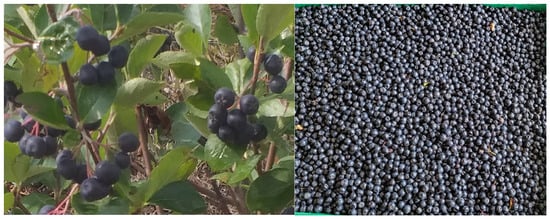
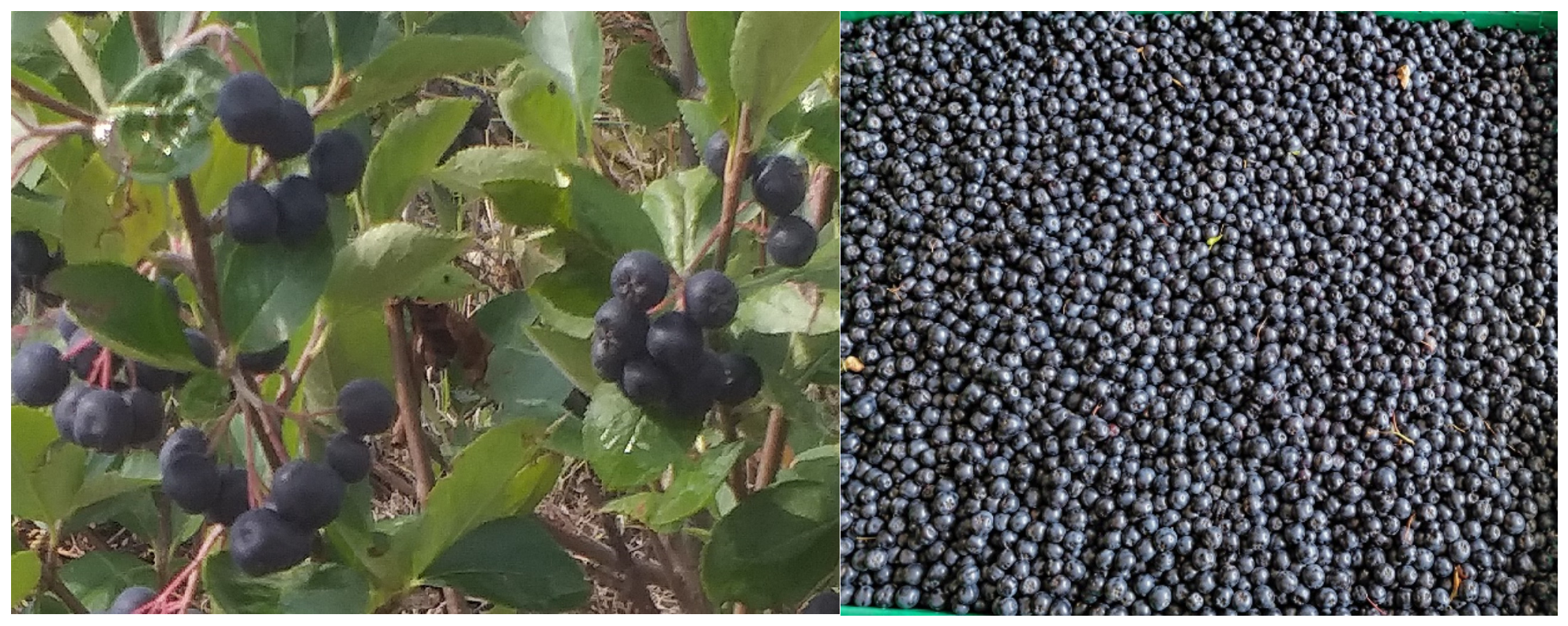
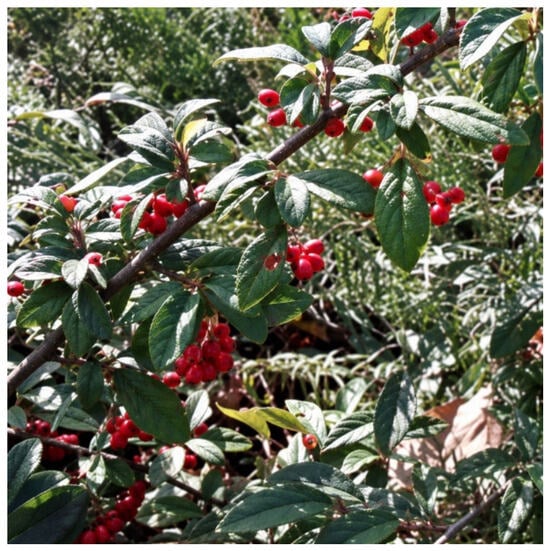
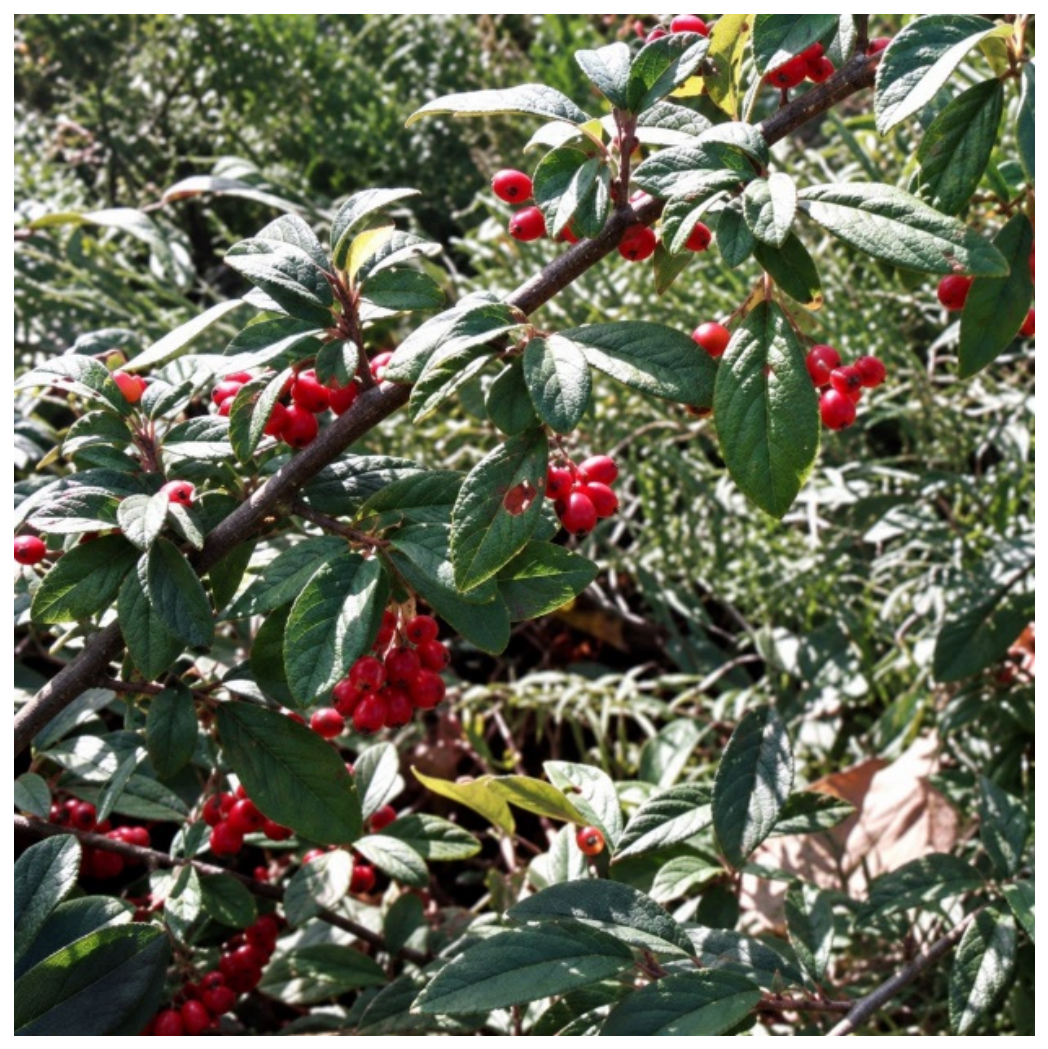
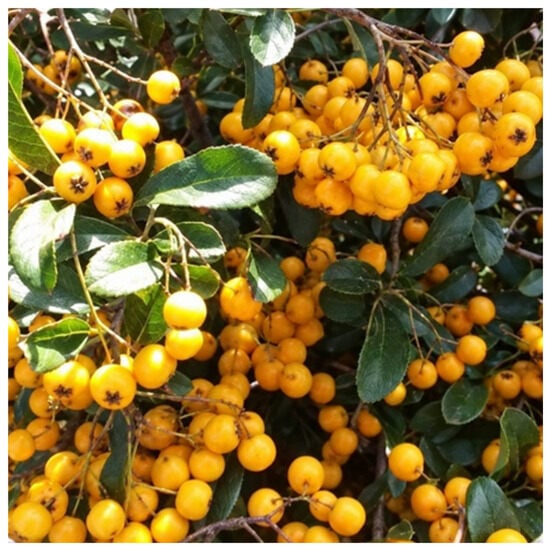
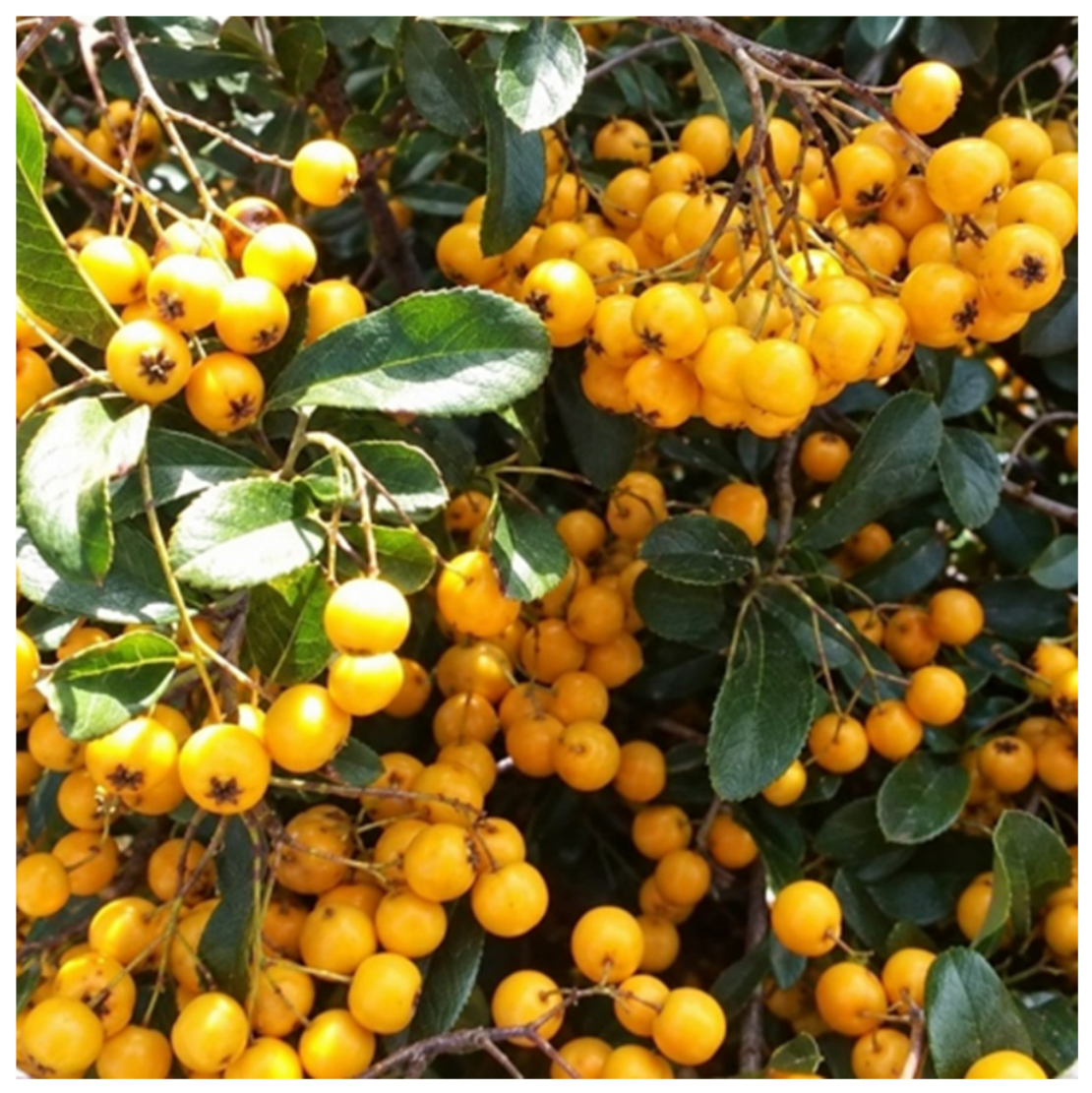
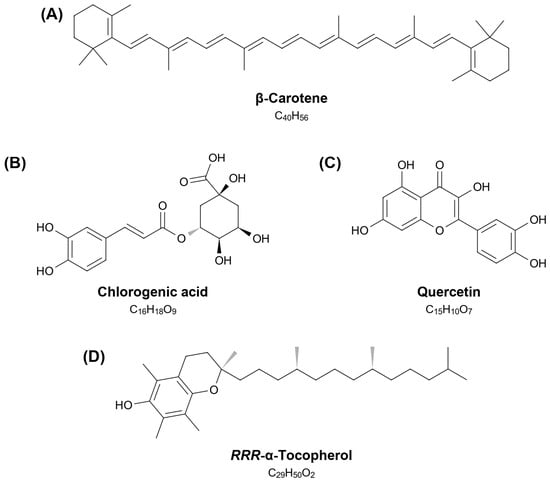
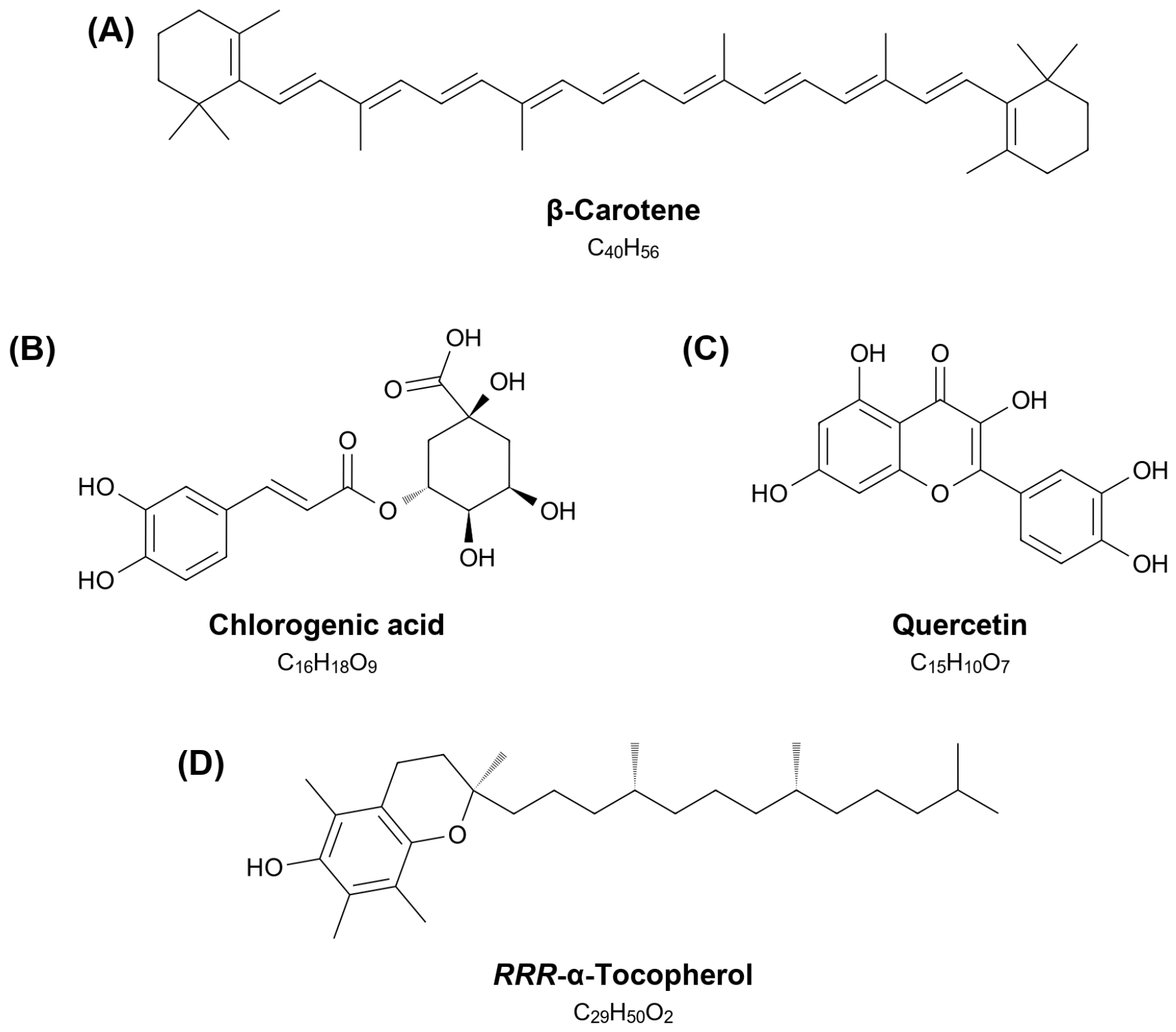
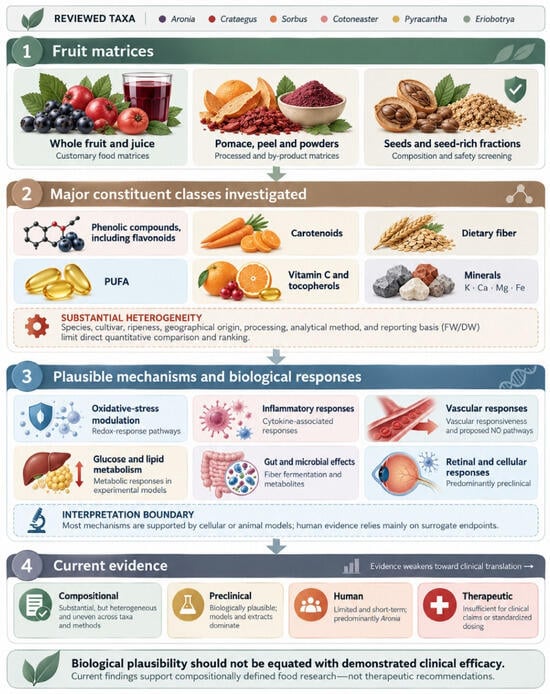
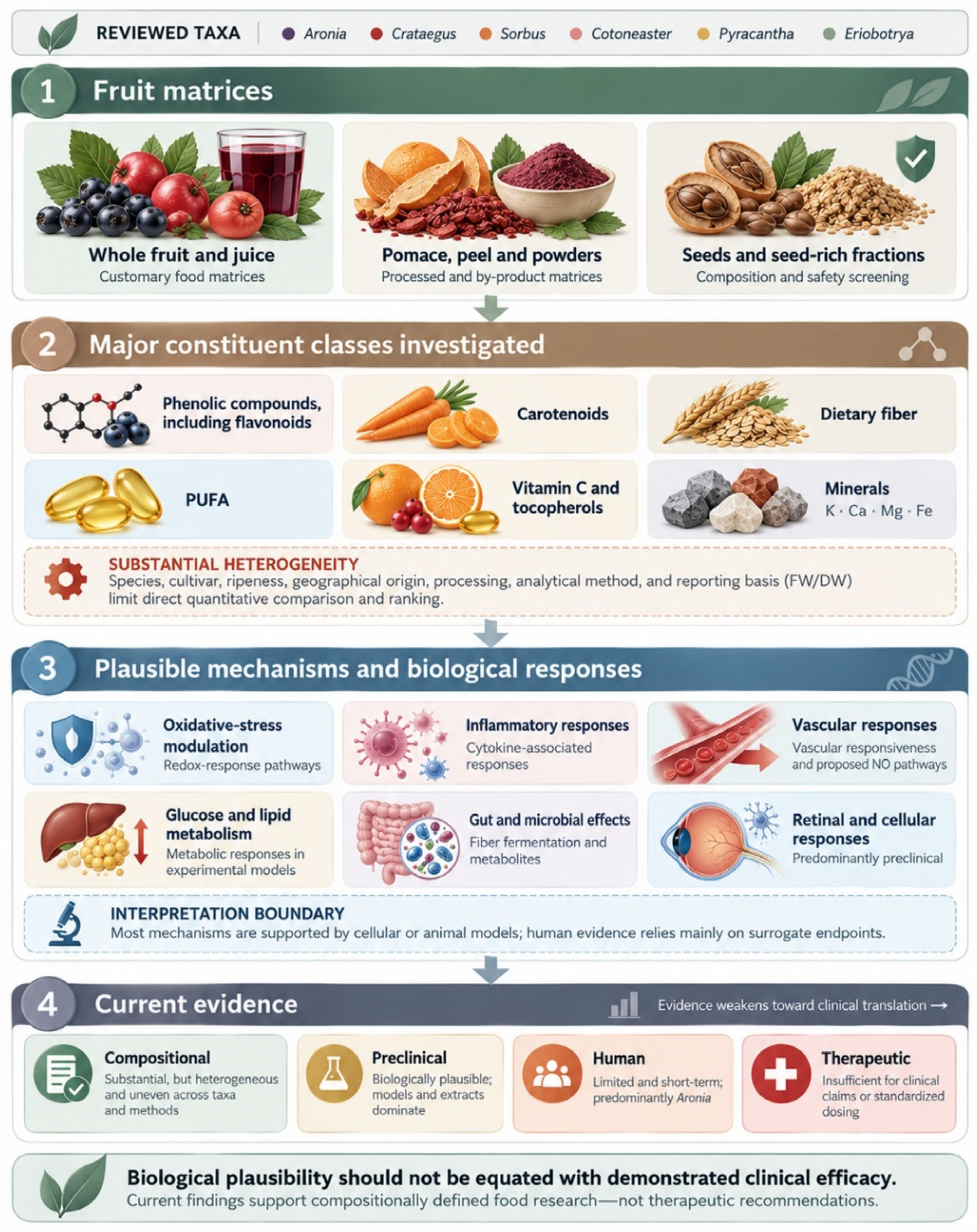

Disclaimer/Publisher’s Note: The statements, opinions and data contained in all publications are solely those of the individual author(s) and contributor(s) and not of MDPI and/or the editor(s). MDPI and/or the editor(s) disclaim responsibility for any injury to people or property resulting from any ideas, methods, instructions or products referred to in the content. |
© 2026 by the authors. Licensee MDPI, Basel, Switzerland. This article is an open access article distributed under the terms and conditions of the Creative Commons Attribution (CC BY) license.