


Abstract
“Meal-to-protein-to-peptide” is the organizing logic of this review. Moringa (Moringa oleifera Lam.) seed cake, the protein-rich (35–63% protein) by-product of oil extraction, is currently used mainly as a water-treatment coagulant, yet its proteins and peptides have rarely been assessed as food preservatives. We separate three molecular classes: seed defense proteins and peptides (2S albumins and napins, chitin-binding proteins, morintides, hevein-like peptides, lectins, and cationic coagulant peptides), peptides released by enzymatic hydrolysis, and seed-derived isothiocyanates as non-protein comparators. Evidence is graded on three tiers: direct mechanistic experiments, measured antimicrobial activity, and food-matrix validation. Membrane disruption is experimentally supported; omics data show multi-target perturbation; intracellular targets for MOp2 remain docking predictions. Matrix evidence is narrow: only MOp3 and one isothiocyanate have been validated in milk, and no purified seed peptide has been tested in an edible film. Reported minimum inhibitory concentrations span 16–32 µg/mL to about 2 mg/mL, corresponding to food-addition levels of roughly 16–2000 mg/kg. Dose feasibility and safety/regulatory clearance are therefore treated as parallel barriers to translation. We provide a minimum reporting checklist, a translational roadmap for meat, seafood, and films, and a comparison of Moringa peptides with the broader antimicrobial peptide field.
1. Introduction
1.1. Spoilage Control and the Demand for Clean-Label Preservatives
Two processes account for most of the quality loss that food undergoes. Microbial growth causes spoilage and foodborne illness. Lipid oxidation changes flavor, color, and texture in a way that cannot be reversed. Biofilm-forming pathogens on contact surfaces and in the processing environment are harder to kill with sanitizers. They persist longer. They therefore keep microbial control a running problem throughout processing and storage [1]. For many years, the preservatives and antioxidants used in processed foods were dominated by nitrite, benzoate, and the synthetic antioxidants butylated hydroxyanisole (BHA) and butylated hydroxytoluene (BHT). Concern over their health effects, together with the consumer shift toward clean labels, has since moved plant-derived antimicrobials and antioxidants to the forefront of food science [2,3]. Nisin is a bacterial peptide already in commercial use. It shows that peptide-based preservation is achievable [4]. Plant antimicrobial peptides (AMPs) are at a much earlier stage of food-grade development. Finding activity is no longer the difficult part. The difficult part is the gap between in vitro potency and the dose a food system actually needs [5,6]. The question in the field has shifted from whether inhibition happens to where it survives and at what dose. In this paper, we examine where that line falls for seed-derived proteins and peptides. We draw on this literature [2,3,6] and on the primary studies cited below. Throughout, preservation is used in the antimicrobial sense. That sense is distinct from shelf-life maintenance and its different endpoints.
1.2. Moringa: An Underused Seed Protein Resource
Moringa (Moringa oleifera Lam., Moringaceae) is a fast-growing tree indigenous to the southern Himalayan foothills of northwestern India. It is now cultivated across tropical and subtropical Asia, Africa, and the Americas. Within China, it is planted on a large scale in Yunnan, Hainan, Guangdong, and Guangxi [7,8]. Its leaves, young pods, seeds, and flowers are all eaten. More than 100 compounds have been identified across the plant [7]. The seed generates value through two product lines. Oil accounts for 30–40% of seed mass. It is rich in oleic acid (up to 78.59% of total fatty acids) and resists oxidation [9,10]. After pressing, the protein is concentrated in the meal that remains.
Industry still treats that press cake as waste. It represents 65–75% of seed mass [11]. It is mostly used as animal feed or fertilizer, or discarded. The same cake is the starting point of a meal-to-protein-to-peptide value chain and the material basis of this review.
Oil figures only make sense against a defined material. The oleic acid values in this range come from seed lots grown in temperate Pakistan [9]. Whole seed and dehulled kernel differ substantially in oil and protein content (Section 2.3). The ranges quoted in this paper therefore describe a raw material rather than constants for a cultivar.
The best-known use of Moringa seed protein lies outside food altogether. Cationic coagulant proteins clarify turbid water and remove bacteria. This use has a long folk history in developing countries [12,13]. Decades of such use have generated process knowledge about how the proteins behave. That knowledge does not transfer to oral exposure. In water treatment, the proteins are removed by coagulation and sedimentation. The exposure route, delivered dose, and residual levels all differ from those of a food ingredient. A long record in potable-water clarification cannot be a substitute for oral toxicology [12,13].
1.3. Prior Reviews and the Position of This Review
Moringa reviews are numerous and serve different purposes. Dzuvor et al. reviewed the production, functionality, and applications of seed bioactive components [14]. That paper appeared in 2021, before the recent wave of seed antimicrobial peptide (AMP) studies. Our own earlier review covered antibacterial and anti-inflammatory activity in leaves and stems, together with the underlying molecular basis [15]. Other reviews have addressed feed use [16], germination [17], functional-food uses [18], or phytochemistry and toxicology [8].
As far as we are aware, no review has yet combined these elements. The subject is seed proteins and their peptides. The setting is food preservation. The organizing criterion is validated matrix evidence together with the dose actually required. We use food-matrix validation and dose to organize the evidence. Read without this integration, an in vitro minimum inhibitory concentration (MIC) is easily mistaken for a dose that a food application can use. The underlying evidence is scattered across laboratories. Individual reports often describe activity in one system while leaving the tested matrix as an incidental detail.
1.4. Literature Search
This is a narrative review, not a systematic review or meta-analysis. PubMed and Europe PMC were searched on 18 October 2026 for records indexed up to 1 October 2026. The full search strings, record counts, duplicate removal, and screening levels are reported in Table S1. In total, 121 references were used; each DOI was checked against Crossref and doi.org, and no retraction notice was identified.
Records were eligible if they were peer-reviewed articles, academic book chapters, or technical documents from authoritative bodies that reported a Moringa seed protein, peptide, or extract, or a Moringa extract used for preservation in a food matrix. Records concerning only leaf or stem material were retained only as comparators. Conference abstracts, reports without original data, and articles in languages other than English or Chinese were excluded. Screening was performed by the authors; no independent reviewer, formal PRISMA flow, or risk-of-bias appraisal was used.
Two Europe PMC gap-check queries were screened by title only (Table S1). A null result therefore means that no matching record was retrieved up to the cutoff, not that such work is absent; all gap statements in this review are retrieval-dependent.
1.5. Evidence Tiers and the Safety Boundary
Evidence is read on three tiers. Tier 1 is direct mechanistic evidence: permeability, membrane-fusion, electron-microscopy, binding, or enzyme-inhibition experiments. Tier 2 is a measured antimicrobial endpoint, such as an inhibition zone, MIC, minimum bactericidal concentration (MBC), or inhibition of mycelial growth. Tier 3 is food-matrix validation, in which the effect is measured in a real food system with a microbiological, physicochemical, or sensory endpoint. Docking and sequence-homology predictions are labelled separately and are never counted as Tier 1 or Tier 2 evidence. This framework is applied consistently in Section 3, Section 4, Section 5 and Section 6.
Safety is treated from the outset as a parallel barrier rather than a downstream formality. Three signals define an upfront safety boundary. First, Mo-CBP3 is a 2S albumin with allergen-homologous sequence stretches and pepsin resistance [19,20]. Second, morintides share the hevein-like fold and a homology signal with the latex allergen Hev b 6.02 [21]. Third, WSMoL is a lectin that agglutinates cells and remains active after heating at 100 °C [22,23]. These are hazard signals, not demonstrated sensitization or oral toxicity; they mean that allergenicity, digestibility, and lectin inactivation must be assessed alongside dose feasibility before any seed protein or peptide is advanced as a food preservative (Section 8).
2. A Material-Based Framework: Seed Cake, Leaf Comparators, and the Evidence Chain
This section sets out the material logic once and in one place. It covers the industrial origin and heterogeneity of the seed cake, the storage-protein system and its functionality, the distinction between seed-derived evidence and leaf-derived comparators, and the routes that convert seed cake into protein isolates, hydrolysates, and purified peptides (Figure 1). The later sections assume this framework and do not repeat it.
Figure 1.
From Moringa seed cake to defined food-preservation ingredients. (A) Industrial route: dehulling and defatting of seeds yields oil and seed cake. The cake is processed by water or salt extraction to protein isolates, by controlled enzymatic hydrolysis to hydrolysates and ultrafiltration fractions, and by solvent extraction to isothiocyanate-rich preparations; chromatographic polishing yields purified peptides such as MOp2 and MOp3. (B) Application and translation: isolates, hydrolysates, and purified peptides enter dairy, meat, produce, and edible-film applications, with quality-control checkpoints for extraction yield, hydrolysis control, fractionation resolution, activity retention, and matrix validation. Boxes mark the main bottlenecks at each branch.
2.1. Industrial Logic, Raw-Material Heterogeneity, and the Value Chain
Oil and meal come out of Moringa seed processing together (Figure 1). Pressing or solvent extraction of the kernel yields the oil. The meal left behind is enriched in protein [9,24].
Anwar and Bhanger analyzed seed oil from temperate Pakistan. Oleic acid (C18:1) was the dominant fatty acid, reaching up to 78.59% of total fatty acids. The oil also contained behenic acid and other long-chain fatty acids, and its physicochemical properties were favorable [9]. Later work recorded high oxidative stability and antioxidant capacity [10]. The fatty acid profile comes from a single origin. The oleic acid share shifts with origin and cultivar. These values indicate order of magnitude rather than universal constants [9,10].
We treat the protein content of defatted meal and flour as a single band of roughly 35% to 63%. The band describes a material class, not a fixed value. The figure varies with the seed part used (kernel, whole seed, or whole seed with shell), the defatting method, and the nitrogen conversion factor. Full-fat kernel flour contained 36.18% protein and defatted kernel flour 62.76% [25]. Seeds from India contained 40.34% [26]. Published reports do not share one basis. The band is therefore not a precise parameter.
Industrial logic is documented by use as much as by composition. Vilaseca et al. used the meal, a pressing by-product, as a coagulant for textile dyeing wastewater [11]. That study both documents the valorization of oil-extraction waste and confirms the meal’s current low-value status. Extraction parameters matter too. Protein and oil yields depend on solvent polarity, the solid-to-liquid ratio, and temperature [27]. Salt-solution fractionation can enrich fractions with coagulant and antibacterial activity [28].
On paper, Moringa seed protein has an attractive resource profile. The meal is a pressing by-product; so, supply is large. The amino acid profile is complete. The protein emulsifies, gels, and forms films. Such a profile cannot be carried across studies, because raw material and process definitions are often missing. Variation enters at three points in the production chain.
First comes seed part and dehulling status. A Moringa seed consists of a shell and a kernel. The whole seed and the dehulled kernel differ in oil, protein, fiber, and antinutritional factors. Two values in the included literature illustrate the point: defatted kernel flour at 62.76% protein [25] and seeds from India at 40.34% [26]. The first describes an enriched product from dehulled kernel after defatting. The second describes a whole-seed level. The gap between them shows how much weight the part definition carries. A report naming Moringa seed without stating whether the shell was present cannot be matched to the range used in this paper. A difference of this size also changes how hydrolysis yield and the concentration of an active fraction are interpreted.
Origin, cultivar, and maturity are a second source. Fatty acid composition and protein content both respond to climate and genotype. Oleic acid values up to 78.59% come from seed lots grown in temperate Pakistan [9], while seeds from India contained 40.34% protein [26]. Material identity should be confirmed before any cross-origin comparison. Records that did not state an origin were treated as not comparable across studies.
The defatting step is a third source. Pressing and solvent extraction do not denature protein to the same extent. The degree of defatting shapes both the efficiency of later water or salt extraction and the conformational state of the product [27]. Nor are fractions interchangeable. Material obtained by salt-solution extraction, isoelectric precipitation, and ultrafiltration differs in activity [28].
More than the choice of measurement method, it is missing definitions of raw material and process that most obstruct comparability. The standardization proposal in Section 7 rests on a ten-field checklist. Five items are indispensable: seed part, dehulling status, origin, defatting method, and nitrogen conversion factor. Section 7 also discusses protein fractionation, hydrolysis, and activity enrichment.
2.2. Storage Protein System and Functional Properties
Globulins and albumins predominate among Moringa seed storage proteins. Osborne fractionation placed most of the material in the globulin fraction. The same work identified bioactive peptide sequences that enzymatic hydrolysis can release [29]. Much of the later work rests on biochemical and structural studies of the seed proteins [30]. Aderinola et al. measured the amino acid composition of a seed protein isolate and its hydrolysates. They reported a full complement of essential amino acids and a rise in antioxidant activity after hydrolysis [24]. A complete profile does not by itself establish adequate quantity. They determined neither protein content nor a digestibility-corrected score such as the Protein Digestibility-Corrected Amino Acid Score (PDCAAS) or the Digestible Indispensable Amino Acid Score (DIAAS). Ranking the isolate as a high-quality protein therefore requires digestibility data.
Processing functionality has been mapped, though mostly in model systems. Seed protein extracts emulsified and stabilized model emulsion systems effectively. This supports their use as food ingredients [31]. Heat treatment changes secondary structure and surface hydrophobicity, and with them functionality. Processing intensity has to match the intended function [32]. Peptide fractions from the seed also show emulsifying and foaming capacity [33]. They bind water and oil.
For preservation, tunable film-forming, emulsifying, and gelling behavior matters more than the nutritional profile. Even so, most of this characterization was conducted in model emulsions or in pure water rather than in foods. Defatted seed flour has been used to fortify bakery and cereal products. Bitter compounds and antinutritional factors cap the inclusion level [34,35].
2.3. Seed-Derived Evidence Versus Leaf-Derived Comparators
Treating seed-derived peptides separately changes how the evidence is read. Four reasons support this separation.
The routes differ first in chemical identity. In leaves and stems, antibacterial activity comes largely from secondary metabolites. These are polyphenols, flavonoids, alkaloids, and isothiocyanates. The last group is backed by quantitative data on water-extraction stability and antioxidant capacity from leaf material [36,37]. In seeds, the storage and defense proteins themselves carry the activity. They include the 2S albumin/napin-like proteins, with leaf napin activity [38] and seed members [19]. They also include the Moringa oleifera chitin-binding protein (Mo-CBP) family [19,39,40,41], morintides [42], and the hevein-like peptides Mo-HLPs [43]. Further groups are the water-soluble Moringa oleifera lectin (WSMoL) [22,44] and the cationic coagulant peptide MOCP (Moringa oleifera coagulant protein) [45,46,47,48]. The groups differ in molecular-weight range, conformational requirements, and inactivation conditions. A mechanistic finding for one group does not validate any other.
The starting material and industrial position of the two routes also differ. The seed route draws on the meal left after oil pressing. This is a by-product produced year-round and already available at scale. Leaves and stems depend on the harvest season and on the drying of fresh material. That dependence widens batch-to-batch variation. The industrial advantage of the seed route thus comes from its by-product status and stable supply rather than from demonstrated potency. Meal quality itself depends on pressing conditions and on how the meal is stored.
The routes also differ in how readily they lend themselves to mechanistic study. Seed AMPs act on the bacterial membrane and cell wall through permeabilization, membrane fusion, and chitin binding. They also act on intracellular target networks [46,49,50]. Leaf polyphenols work more through nonspecific redox chemistry and protein binding. A mechanistic difference does not by itself establish a difference in food efficacy. No study in our search compared the two head-to-head within the same matrix, strain, and dose framework.
Regulation and safety assessment also differ. The object of assessment is not the same. Access to the European Union (EU) market is not decided at the genus level. Moringa oleifera itself is not considered a novel food in the EU [51]. One leaf protein ingredient, however, has been listed under that category by name in the EU and the United Kingdom (UK) [21]. European legislation does not permit Moringa seed oil in food supplements [51]. Seed proteins or peptides and leaf extracts therefore require separate regulatory arguments.
These four points set the scope of the review. Seed proteins and their derived peptides form the core subject. Leaf and stem material serves as comparators. The setting is postharvest food systems, from in vitro antibacterial assays through food-matrix validation to delivery systems. In vivo feeding studies are excluded. Leaf and stem antimicrobial chemistry is covered in our earlier review [15]. That boundary applies throughout. We assess how mature the evidence for seed proteins and their peptides as food preservatives really is. We do not claim that any seed-derived molecule is ready for use as a food additive. That judgment depends on dose feasibility (Section 10) and on safety evidence (Section 8).
2.4. From Seed Cake to Isolates, Hydrolysates, and Purified Peptides
The name Moringa oleifera seed extract covers materials that differ substantially in identity. Dehulled kernels and whole seeds differ in protein content and in secondary-metabolite profile. The defatting route (cold pressing, solvent extraction, or supercritical CO2 extraction) sets both the residual oil level and the degree of protein denaturation. Protein yield and conformation shift again with the extraction medium (water, salt solution, or buffer) and with ultrasound or enzyme assistance. Isoelectric precipitation, ammonium sulfate fractionation, ultrafiltration cut-offs, and chromatography then split one hydrolysate into fractions with entirely different activity profiles [14,27,28]. Figure 1 maps these routes and the points at which activity can be lost. A report that provides an MIC of 0.5 mg/mL without full process details is not comparable; the plant part, defatting method, hydrolysis conditions, and fractionation cut-off must all be stated.
3. Seed-Derived Defense Proteins and Peptides
Moringa seeds carry a chemical defense repertoire built from defense proteins and small peptides. That investment differs from leaves and stems, which rely on secondary metabolites such as isothiocyanates and phenolics. It is what makes Moringa oleifera a distinct source of templates for AMPs. Five classes have experimental support: the 2S albumin and napin family, the Mo-CBP chitin-binding family, morintides and hevein-like peptides, WSMoL, and MOCP. Their molecular features are summarized in Table 1; measured antimicrobial values, mechanisms, and evidence tiers are compiled in Table S2. The structure of the evidence is mapped in Figure 2. One criterion applies throughout. An antibacterial or antifungal claim requires a measured activity endpoint: an inhibition zone, a MIC, or an MBC value, or inhibition of mycelial growth. Targets inferred from molecular docking or sequence homology are labelled as computational predictions (Section 5.2). They are not counted as activity evidence.
Table 1.
Overview of the protein and peptide resource system of Moringa oleifera seeds.
Figure 2.
Evidence matrix for Moringa seed proteins and bioactive peptides in food preservation, organized by food matrix and by endpoint type. Bubble area encodes the number of entries in Table S3, bubble color encodes the source of the active material (seed-derived, leaf-derived, or oil-derived/non-seed), and hollow circles flag matrix-endpoint combinations for which no study was retrieved, that is, research gaps. The numbers above the bubbles are row counts from Table S3. Source data are provided in Table S8. The 23 food-matrix entries with study data correspond to 23 of the 26 food-matrix rows; 3 further rows record the absence of matrix-level evidence, and the tomato seed-coating study is omitted because it is a whole-plant rather than a food-matrix study.
3.1. 2S Albumins and the Napin Family
2S albumins are characteristic storage proteins of seeds in the Brassicaceae and Moringaceae. They combine nutrient storage with defense. The study by Chandrashekar et al. [38] is sometimes cited as seed-derived napin evidence. It was in fact performed on leaf extracts together with a purified coagulant protein from Moringa oleifera and Brassica juncea. Combining in vitro inhibition assays with in silico screening, they identified napin-type proteins by liquid chromatography–mass spectrometry. They reported bacterial agglutination and growth inhibition across several pathogens, including Gram-negative strains. A peptide fraction below 3 kDa yielded a MIC of 0.5 mg/mL and an MBC of 1.5 mg/mL [38]. That range sits 10–100 times above the 16–32 µg/mL reported for the 6.7 kDa seed peptide discussed in Section 3.5. Chen et al. isolated an antibacterial protein of about 20 kDa from the seed and assigned it to the 2S albumin family [60]. Mo-CBP3 has likewise been identified as a 2S albumin [19]. That assignment draws on few members. Sequence identity within the family is low, and the activity of one member does not generalize to the rest. For application, the system of [38] used a purified leaf-derived protein in a bacterial suspension and did not involve a real food matrix. Napin-type proteins therefore qualify only as leaf-derived candidates with in vitro activity. They belong to the leaf-derived evidence stream.
3.2. Chitin-Binding Proteins of the Mo-CBP Family: The Antifungal Core
Of the defense proteins in Moringa seeds, the Mo-CBP family (Mo-CBP2, Mo-CBP3, Mo-CBP4) has been studied most systematically. All three members share chitin binding. The fullest record is for Mo-CBP3, a 14.3 kDa glycoprotein. It inhibited the plant pathogens Fusarium solani, F. oxysporum, Colletotrichum musae, and C. gloeosporioides in vitro. It was fungicidal against F. solani at 0.1 mg/mL [40]. Against Candida albicans and other pathogenic fungi, it disturbs the plasma membrane and drives reactive oxygen species (ROS) accumulation [19,50]. Mo-CBP2 raises membrane permeability and triggers ROS production in Candida [41]. Mo-CBP4 inhibits dermatophytes, with testing extended to a skin infection model and a hydrogel developed for possible clinical use [39]. One caveat applies to the family assignment. Only Mo-CBP3 is identified as a 2S albumin [19]. The placement of Mo-CBP2 and Mo-CBP4, summarized in Table 1, awaits a family-wide phylogenetic analysis. Chitin binding and the membrane/ROS effects are experimental [22,35]; extension of those mechanisms to Mo-CBP2 and Mo-CBP4 remains an inference until tested directly.
The family now has evidence from clinical yeast species and dermatophytes (Candida [41], dermatophytes [39]) and from plant pathogens (Fusarium, Colletotrichum [40]). A synthetic peptide derived from Mo-CBP3 is also active against Cryptococcus neoformans [61]. Colletotrichum happens to be the principal genus behind postharvest anthracnose in fruit. Even so, no family member has food-matrix validation. No systematic testing has targeted toxigenic spoilage fungi such as Aspergillus and Penicillium. A 2026 study did control Fusarium oxysporum f. sp. lycopersici in tomato with seed cake. The protective effect was attributed to glucomoringin and its myrosinase product moringin rather than to proteins [62]. That work therefore sits in a separate evidence chain. Our gap claim is accordingly narrow. Apart from the single MOp3 validation in pasteurized milk, seed-derived proteins and peptides lack food-matrix validation.
Synthetic peptides designed from Mo-CBP3 are active against several human pathogens [61]. This supports the use of defense proteins as templates for peptide design. A chitin-binding protein from a related Brassicaceae species also has insecticidal activity [63]. Mo-CBP3 isoforms share over 35% sequence identity with known allergens across an 80-amino-acid window. They resist pepsin digestion for 2 h, although they are digestible by pancreatin [20]. The source study concluded that hypothesis-based allergenicity testing and acute and repeated-dose oral toxicity studies are still required (Section 8.1).
3.3. Morintides and Hevein-like Peptides
Morintides are 8C-hevein-like chitin-binding peptides from Moringa seeds. Their precursor lacks a protein cargo in its C-terminal domain, which is why the original report called them cargo-free. The eight conserved cysteines form the structural scaffold [42]. In that report, they survived heat and proteolysis and inhibited plant pathogenic fungi [42]. These two traits suit them to thermal processing. Mo-HLPs are a second group of hevein-like defense peptides in the seed. They have flocculating activity [43] but no antimicrobial data; so, we do not count them as AMPs. The conserved chitin-binding domain of hevein-like peptides underlies broad antifungal activity [5]. The same domain carries a cross-reactivity risk. In a proteomic homology analysis of Moringa leaf protein ingredients, morintides were flagged as putative allergens through homology with the latex allergen Hev b 6.02. A nonspecific lipid transfer protein (nsLTP) was also detected. The authors noted that in vitro and in vivo validation is still needed [21]. That analysis concerned leaf protein ingredients and cannot be transferred unchanged to the seed. The allergenicity of seed morintides therefore awaits testing in seed material [21,42].
3.4. The Water-Soluble Lectin WSMoL
WSMoL affects Gram-positive and Gram-negative bacteria differently. It alters growth, membrane permeability, and protease secretion [22]. It also shows antifungal activity against Candida [52]. In Cryptococcus, it inhibits both growth and biofilm formation, with lysosomal and mitochondrial damage in yeast cells [44]. Reversible sugar binding is thought to limit adhesion and biofilm formation. Cell agglutination by lectins is a safety consideration; so, oral safety needs a dedicated assessment (Section 8.1). Our search retrieved no primary antimicrobial study of the coagulant lectin cMoL. Table 1 and Table S2 therefore do not list that molecule. Membrane-permeability and protease-secretion changes are direct experimental observations [28], whereas the antifungal and antibiofilm endpoints [29,63] are activity evidence rather than target-level mechanisms.
3.5. The Cationic Coagulant Peptide MOCP: Antimicrobial Mechanisms from Water Treatment
Moringa seeds have served as a natural coagulant for decades [12,13,64]. The active principle is a basic cationic protein or peptide of low molecular mass (MOCP). It has been purified from seed with established activity assays [45,47,48]. Reported molecular weights include about 6.5 kDa for the monomer [47], below 6.5 kDa with an isoelectric point above 9.6 [45], and about 13 kDa for the dimer [13]. The structure–function work of Suarez et al. is the most systematic [53]. Coagulation and killing are mediated by overlapping but distinct structural determinants. Coagulation depends on a glutamine-rich cationic region. Killing maps to a helix–loop–helix hydrophobic loop in which proline residues are required. The most active molecules were synthetic branched peptides tested against human pathogens [53]. In model membranes and Escherichia coli, Shebek et al. showed that membrane fusion dominates the antibacterial action [46]. Coagulation and killing are therefore not one and the same membrane-fusion process.
A long history in water treatment is not evidence of oral safety. During drinking-water clarification, MOCP is removed by coagulation and sedimentation. That record cannot substitute for oral toxicology (Section 8.1). The dose figures reported for MOCP are likewise unsupported on a food basis and are not used in this paper. The rare absolute concentration data in this field come from a 6.7 kDa basic seed peptide. Its MIC values are 16, 32, and 32 µg/mL against Salmonella typhimurium, Staphylococcus aureus, and Candida albicans, respectively. It is stable at ≤70 °C and pH 5–8. It is completely inactivated by pronase, proteinase K, and trypsin [54]. That study did not examine membrane damage. The mechanism column in Table S2 therefore reads “not reported”.
4. Bioactive Peptides Released by Enzymatic Hydrolysis
Enzymatic hydrolysis releases latent peptide sequences from seed proteins. The route is inexpensive. Defatted seed meal from oil pressing can be used without additional processing. It is compatible with existing food-processing equipment and with processes built around food-grade proteases and ultrafiltration. The sections below take up seed-derived antimicrobial peptides (Section 4.1), a non-seed comparator (Section 4.2), antioxidant peptides (Section 4.3), and antihypertensive and antihyperglycemic peptides (Section 4.4). Section 4.5 then addresses structure–activity relationships, stability, and the dose boundary. Preparation routes, the level of mechanistic evidence, measured MIC/MBC values, and matrix validation are summarized in Table S4. Leaf-derived antioxidant and anti-inflammatory peptides have been reported [65] but fall outside the scope defined in this paper and are not reviewed further. The complete entry-level evidence is compiled in Table S4.
4.1. Seed-Derived Antimicrobial Peptides: MOp2 and MOp3
The representative seed-derived sequences are MOp2 and MOp3. The non-seed comparator is treated in Section 4.2. MOp2 was isolated by Zhao et al. from a seed protein hydrolysate as an octapeptide of sequence HVLDTPLL [49]. Its MIC is 2.204 mM, about 2 mg/mL for the octapeptide (relative molecular mass, Mr, ≈ 0.91 kDa), which puts it in the mg/mL range. It retained most of its activity in 5% salt and after heating at 115 °C for 30 min. Hemolysis was negligible at 2.0 × MIC [49] (Table S4). On mechanism, permeability assays and electron microscopy showed irreversible membrane damage with leakage of the intracellular nucleotide pool [49]. The claimed intracellular targets, dihydrofolate reductase and DNA gyrase, came instead from molecular docking. They remain computational predictions awaiting experimental validation [49]. Omics work widens the picture. Tandem mass tag (TMT) proteomics showed MOp2 perturbing energy metabolism, protein synthesis, and cell wall biosynthesis and causing oxidative stress in S. aureus [55]. Transcriptomics showed differential expression of genes tied to membrane permeability, pH homeostasis, and cell-wall synthesis [56]. These data support a multi-target perturbation phenotype without naming the target proteins.
Wang et al. identified MOp3 from a seed protein hydrolysate [57]. Metabolomics described a reprogramming of bacterial metabolism [58]. The same study validated preservation in pasteurized milk contaminated with S. aureus [58]. It is one of the very few matrix-level demonstrations of preservation for a seed-derived peptide. Its limits are one strain (S. aureus) and one matrix (pasteurized milk). MOp3 yielded an MIC of 2 mg/mL against S. aureus [57]. Protection in the milk model persisted for 7 d at 25 °C and at 4 °C [58]. The MBC and the actual concentration added to milk were not reported in the accessible abstract.
Seed antimicrobial evidence clusters heavily on S. aureus, a Gram-positive model organism. The best-documented exception is the 6.7 kDa basic peptide of Section 3.5. Its MIC coverage extends to S. typhimurium (Gram-negative) and C. albicans, though no food matrix was tested [54]. WSMoL likewise acts on both Gram-positive and Gram-negative bacteria [22]. Peptide-level evidence for Gram-negative and spoilage bacteria therefore comes from a handful of in vitro reports.
4.2. A Non-Seed Comparator: The Hydrophobic Peptide FGMp11 from Fermented Goat Milk
FGMp11 is not related to MOp2 or MOp3. The abstract of [59] reports that FGMp11 was identified and screened from fermented goat milk. The peptide is strongly hydrophobic, has the sequence TPVVVPPFLQP, and adopts a β-turn structure. It damages the membrane integrity of S. aureus, alters cell morphology, and interacts with Mur enzymes (MurC–MurG) in molecular docking. It preserves pasteurized milk contaminated with S. aureus [59]. We retain it as a comparator because it shares the matrix and target organism with MOp3 and appeared in the same period. A hydrophobic peptide tested in milk was a reasonable technical choice at that stage rather than a Moringa-specific finding. Counts of seed-derived AMPs in this review, including the Abstract,Table 1 and Table S4, and Section 9, exclude FGMp11.
4.3. Antioxidant Peptides
Antioxidant evidence for Moringa seed protein hydrolysates is comparatively rich and has moved from unfractionated hydrolysates to fractions. Free-radical scavenging by Indian Moringa seed polypeptides has been quantified [26]. Globulin hydrolysates and their ultrafiltration fractions scavenge free radicals, most strongly in the <3 kDa fraction [66]. Their antioxidant and antihyperglycemic capacity as functional food ingredients has been reviewed systematically [67]. Selenium enrichment raises antioxidant activity further [68,69]. Two considerations limit how far this comparison can be pushed. The <3 kDa fraction was most active in antioxidant assays but had modest in vitro antihyperglycemic activity. No carbohydrase inhibition was detected in that fraction (Table S4). Moreover, all of these data come from in vitro chemical models. Validation of seed-derived antioxidant peptides in a food matrix, for example, thiobarbituric acid reactive substances (TBARS) trajectories in an oil system, is reviewed in Section 6.
4.4. Antihypertensive and Antihyperglycemic Peptides: The Functional Background
Seed protein hydrolysates also inhibit angiotensin-converting enzyme (ACE) [70,71,72], α-amylase and α-glucosidase [66,73,74], and glycation [75]. Preliminary structure–activity and stability data exist [76]. The wider health-promoting profile has been reviewed elsewhere [74,77,78]. These activities do not themselves preserve food. They support dual-purpose ingredients that preserve food and promote health. The main limitation is the comparability of potency values. Hydrolysates differ in the enzyme used, the degree of hydrolysis, and the fractionation cutoff; so, cross-study comparison lacks a shared basis. Reported potencies include chymotrypsin hydrolysates of seed protein with α-amylase and α-glucosidase half-maximal inhibitory concentration (IC50) values of about 0.17–1.31 and 0.46–0.70 mg/mL [73]. Pepsin hydrolysates show inhibition constants (Ki) of 0.029 and 0.333 mg/mL [75]. The purified peptide MoHpP-2 had an α-glucosidase IC50 of 109.65 µM [76]. Studies [70] and [72] reported relative gains in inhibition instead of IC50 values. One entry needs care: [71] is a leaf-derived peptide. Its dual ACE and renin inhibition data (IC50 0.29 and 0.31 mM) do not belong to the seed profile.
4.5. Structure–Activity Relationships, Stability, and the Dose Boundary
Moringa seed peptides do not all follow a single cationic, amphiphilic pattern driven by electrostatic adsorption. The charge–activity relation is not uniform. For MOCP-type cationic peptides, membrane action begins with electrostatic adsorption [53]. MOp2, by contrast, was characterized as a hydrophobic anionic β-sheet peptide [49]. Its membrane damage relies more on hydrophobic insertion than on charge-mediated initial adsorption. Hydrophobicity is the one shared requirement. The contribution of charge differs between peptides. A quantitative sequence–charge–hydrophobicity–activity relationship has yet to be established in one experimental system.
Stability data, though partial, support tolerance of routine processing intensities for some seed peptides. MOp2 retained more than 90% and about 78% of its activity in 5% salt and after heating at 115 °C for 30 min, respectively, with negligible hemolysis at 2.0 × MIC [49]. The 6.7 kDa basic peptide was stable at ≤70 °C and pH 5–8. It lost its activity completely after treatment with pronase, proteinase K, or trypsin [54]. Mo-CBP3 still inhibited fungal spore germination after 100 °C for 1 h [40]. Structural and processing stability has also been characterized for hypoglycemic peptides [76]. Evidence pointing the other way also matters. Nearly all seed-derived peptides studied so far are protease-sensitive [49,54,57]. Activity retention in the gastrointestinal tract and in protease-containing foods remains unresolved. This is a question central to oral safety (Section 8.1).
Dose is the decisive issue. Placing measured values on one scale, the 6.7 kDa seed peptide acts at 16–32 µg/mL [54], MOp2 at 2.204 mM (about 2 mg/mL) [49], and Mo-CBP3 at 0.1 mg/mL for fungicidal action [40]. Inhibitory concentrations span roughly 100-fold within the category of seed-derived antimicrobial molecules. The <3 kDa peptide fraction in which napin was identified (0.5 mg/mL, MBC 1.5 mg/mL [38]) is often cited alongside these values. It is leaf-derived rather than seed evidence, though it indicates the dose level of actives from another plant part. A review that kept only the most favorable µg/mL values, or presented MOCP without qualifying its dose, would be misleading. Our approach is to list measured MIC/MBC, units, and target organisms in Tables S2 and S4. We then convert them to food addition levels in Section 10 and compare those levels with the dose boundaries of approved preservatives. In short, the difference between µg/mL-level and mg/mL-level evidence determines translation priority.
5. Antibacterial and Antioxidant Mechanisms
The antibacterial action of Moringa seed molecules forms a layered network. It covers membrane targeting, intracellular targets, and antivirulence or antibiofilm effects. Antioxidant action proceeds differently, through radical scavenging, metal chelation, and interruption of lipid-peroxidation chains. These layers are not equally well supported. Membrane damage has permeability and electron-microscopy data behind it; omics experiments show multi-target perturbation; specific intracellular targets come mostly from molecular docking. We keep experimental evidence and computational prediction separate, and the same evidence tiers are used in Section 3 and Section 6. The broader antimicrobial-peptide literature provides the mechanistic framework [6,46,79]; a direct comparison with other AMP families is presented in Section 11.2. Section 5.6 discusses the boundary between mechanism and food endpoint. The mechanistic scheme in Figure 3 concerns seed proteins and peptide fractions.
Figure 3.
Action of Moringa oleifera seed peptides and defense proteins on the bacterial membrane and on intracellular targets, drawn as a membrane cross-section. Read the panel from the extracellular side inward: ① electrostatic adsorption of peptides at the membrane surface; ② transmembrane pore formation and membrane destabilization; ③ leakage of intracellular components (K+, ATP, proteins) through the pore into the extracellular space; ④ intracellular targets, namely reactive oxygen species (ROS) burst, inhibition of DNA replication and transcription, and enzyme inhibition; and ⑤ biofilm intervention. Solid arrows denote experimental evidence and dashed arrows denote computational predictions. Evidence grading follows Section 5: steps ① to ③ rest on experimental evidence from membrane permeability, electron microscopy, and membrane-fusion assays (Section 5.1); the intracellular targets in step ④ come mainly from molecular docking predictions (Section 5.2); and the evidence for step ⑤ in seed peptides is limited, because the antibiofilm data available so far come from a lectin and from non-peptide constituents (Section 5.3).
5.1. Membrane Targeting
Membrane damage is the most direct killing route proposed for seed peptides. It is also the mechanistic layer with the strongest experimental support. MOCP destroyed membrane integrity by inducing membrane fusion, as demonstrated in model membranes and E. coli [46]. Mo-CBP3 and synthetic peptides derived from it raised membrane permeability and drove intracellular ROS accumulation [50,61]. For MOp2 against S. aureus, membrane damage was confirmed by permeability assays (leakage of intracellular nucleotides) and electron microscopy. The effects were irreversible [49]. The classical cationic-peptide models (carpet, barrel-stave, toroidal) offer a framework [6]. No evidence assigns any of them conclusively to a seed peptide. MOp2 is an anionic β-sheet peptide [49]; so, its membrane action probably depends more on hydrophobic insertion and aggregation.
5.2. Omics Evidence: Multi-Target Perturbation
Omics evidence occupies the middle tier. TMT proteomics showed MOp2 perturbing protein synthesis, energy metabolism, and cell-wall synthesis in S. aureus [55]. Transcriptomics mapped differential gene expression across membrane permeability, pH homeostasis, and cell-wall synthesis [56]. Metabolomics described metabolic reprogramming after MOp3 treatment [58]. These datasets describe multi-target perturbation but do not identify the target molecules; they support a phenotype, not a binding event.
5.3. Docking Predictions: What They Can and Cannot Establish
Docking and sequence-homology predictions occupy the lowest tier. The interaction of MOp2 with dihydrofolate reductase and DNA gyrase comes from molecular docking, and the authors reported no target-binding or enzyme-inhibition assay [49]. The binding sites of napin-containing <3 kDa peptides on LpxC and topoisomerase also come from docking [38], as does the interaction of FGMp11 with Mur enzymes [59]. Such results can be reported as predictions awaiting experimental validation, not as demonstrated interactions. On resistance, membrane targeting and multi-target modes of action probably lower the risk of resistance selection, but this needs testing at food-relevant doses and subinhibitory concentrations; the experiments reviewed in [79] show that S. aureus can develop phenotypic resistance to membrane-active peptides through changes in membrane charge and rigidity.
5.4. Antibiofilm Effects and Quorum Sensing
Biofilm is a central problem in food processing environments [1]. Evidence for antibiofilm effects of seed proteins and peptides remains sparse. The related evidence has to be sorted by compound class. The active principle in [80] is not a seed peptide. That study used a methanolic Moringa seed extract. In it, behenic acid, a long-chain fatty acid at about 1.48% of the extract, inhibited S. aureus biofilm formation in a skin setting rather than a food setting. The effect is thought to involve surfactant properties [80]. We list it as non-peptide (fatty acid) evidence. It cannot support an antibiofilm claim for seed peptides. Among peptides, only a lectin provides evidence. WSMoL inhibited Cryptococcus biofilm with lysosomal and mitochondrial damage [44]. Antivirulence strategies at subinhibitory concentrations are thought to lower selection pressure. Moringa isothiocyanates have supporting data [15], but peptide-level evidence is absent.
5.5. Antioxidant Mechanisms
Seed peptide antioxidant mechanisms span radical scavenging and metal chelation, together with interruption of lipid-peroxidation chains [26,68]. The <3 kDa globulin fraction is the most active, though its in vitro antihyperglycemic activity is lower [66]. With isothiocyanates, the source material matters. Water extractability and antioxidant capacity have been evaluated predominantly in leaf studies [36,37]. Food application of seed-derived isothiocyanate is documented in the goat milk system (Section 6) [81]. Leaf data are therefore not counted as seed evidence in this paper. Comparisons of Moringa antioxidants with synthetic antioxidants such as butylated hydroxytoluene (BHT) rely mostly on in vitro models [15]. They cannot be extrapolated to equivalent performance in food.
5.6. The Boundary Between Mechanism and Food Endpoint
The mechanisms in Section 5.1, Section 5.2, Section 5.3, Section 5.4, Section 5.5 and Section 5.6 carry three boundary conditions. First, evidence strength falls across three levels. Membrane damage is experimentally shown. Omics-level multi-target perturbation shows effects but leaves targets unidentified. Specific intracellular targets remain docking predictions. Second, the acting system is often mismatched. MOCP data come from water treatment and synthetic branched peptides [53]. Mo-CBP4 was validated in a skin infection model [39]. The active compound in [80] is a fatty acid. Inference from such work to food systems remains unverified. A further boundary concerns concentration. MIC or sub-MIC values from mechanistic studies (µg/mL to mg/mL) have no quantitative link to acceptable food addition levels. The protein, lipid, and ion environment of a food matrix changes peptide activity. Mechanistic clarity and food feasibility are separate questions. Mechanism has reasonably firm support. Food feasibility still awaits the matrix validation and dose arguments in Section 6 and Section 10.
6. Evidence from Food Matrices
In vitro inhibition zones and MIC values demonstrate activity only. A preservative is ultimately judged by matrix-level evidence: aerobic plate counts, shelf life, TBARS, and sensory endpoints in foods. The evidence is sorted by matrix. Six elements are recorded for each entry: food matrix, target microorganism, dose, main effect, evidence type (in vitro, challenge test, real food), and source (seed, seed meal, leaf, flower, or oil). The resulting picture is that seed-derived matrix evidence concentrates on milk and dairy products. We retrieved no study that validates purified seed peptides in meat, aquatic products, fruit and vegetables, or eggs. The matrix-level work in meat and fruit rests on leaf extracts, seed meal extract, or seed oil. For aquatic products and eggs, we retrieved no matrix-level study at all. Detailed matrix entries are compiled in Table S3.
6.1. Milk and Dairy Products: The Most Complete Seed-Derived Matrix Evidence
For seed-derived isothiocyanates, Wang et al. treated goat milk with Moringa seed moringin. The moringin was formed by myrosinase hydrolysis of glucomoringin. They reported inhibition of Bacillus cereus and Cronobacter sakazakii together with the underlying mechanism [81]. Theirs is the only study in our scope to validate a non-protein seed-derived active in a milk matrix. Among purified seed peptides, MOp3 inhibited S. aureus growth in pasteurized milk during 7 d of storage at 25 °C and at 4 °C [58]. Its proposed mode of action combined irreversible membrane damage with ROS accumulation, DNA fragmentation, and nuclear disruption. These effects were accompanied by raised permeability and lower intracellular alkaline phosphatase, lactate dehydrogenase, and ATPase activities [58].
One further dataset belongs to the same pasteurized-milk paradigm, but its material source needs a separate qualifier. FGMp11 (sequence TPVVVPPFLQP) is not a seed peptide. It was identified from fermented goat milk and proved similarly active against S. aureus in pasteurized milk [59]. We include it only as a contemporary comparator for pasteurized-milk validation. It does not belong to the seed-derived evidence chain. Beyond peptides, Moringa seed oil inhibited the survival of Listeria monocytogenes in cheese. It downregulated virulence genes and left sensory evaluation unimpaired [82]. Moringa leaf and seed powder improved the quality and probiotic viability of fermented milk [83]. The endpoint there was product quality rather than pathogen or spoilage control; so, we exclude that study as antimicrobial matrix evidence. Behenic acid from a methanolic seed extract inhibited S. aureus biofilm formation, an effect attributed to surfactant properties [80]. That is neither protein nor peptide evidence, and the authors frame it as a skin application rather than a food application.
Liquid milk is in principle a favorable medium for cationic peptides. Its aqueous phase contains modest amounts of protein and fat, and its pH is close to neutral. Both peptide validations also used pasteurized milk; so, microbial loads were small and a cold chain was in place. Open questions remain. Peptide binding to milk proteins, above all casein micelles, may sap activity. Nothing is known about effects on starter cultures or about peptide partitioning and carryover. Each validation targeted S. aureus alone, and each peptide has exactly one study behind it. Even so, the dairy record is the most complete for any plant part in this field.
6.2. Meat and Meat Products: One Seed-Derived Material Study; No Purified Peptide
For meat, only one matrix-level study used seed-derived material. Sharma et al. prepared a defatted Moringa seed meal extract by ultrasound-assisted extraction (UAE) with 60% (v/v) ethanol [84]. The extract returned MIC values of 3.12 mg/g against E. coli and B. cereus on an extract basis (200 W, 20 min). It was incorporated at 1–5% into a chitosan-based coating on raw chicken sausages. The 3% level cut counts by 1.4 log at day 3 and 1.78 log at day 6. Both strains stayed inhibited to day 9 [84]. Two qualifications matter. The active material was a defatted seed meal extract, not a purified protein or peptide. Its active fraction was characterized as phenolics, with total phenols of 460 mg gallic acid equivalents per g of extract.
Leaf and flower preparations rest on a far broader record. Studies reported lower lipid oxidation and better microbial indices in ground beef [85], mutton patties [86], chicken burgers [87], and goat meat nuggets [88]. The same pattern held for beef patties prepared with ultrasound-assisted extraction and tracked for half-life and sensory quality [89]. It also held for frozen beef burgers [90] and vacuum-packed pork patties treated with an ethanolic extract of Moringa stenopetala leaves [91]. Biopackaging films enriched with leaf extract likewise extended the shelf life of minced meat [92]. In every one of these studies, the active compounds were phenolics and flavonoids, not seed proteins or their peptides.
No purified seed peptide has been applied to meat. A Europe PMC search (18 October 2026; Section 1.4 and Table S1) returned no study on purified seed peptides for the preservation of meat, seafood, or eggs at the title-screening level. We therefore state only that none was retrieved as of October 2026, not that the literature contains none. Meat is rich in protein and fat and has high water activity. All of these affect partition coefficients and the concentration that reaches the target. Typical use levels for leaf extracts in meat range from 0.5% to 4% (w/w; Table S3). Measured MIC values for seed peptides span the µg/mL to mg/mL range (Section 10).
6.3. Postharvest Fruit and Vegetable Preservation: Fast-Growing Coating Evidence with Quality Endpoints
Seed-derived preservation in fruit rests on one study: a seed-oil-based coating applied to ‘Tommy Atkins’ mango after harvest [93]. Every other fruit and vegetable evidence reviewed in this paper comes from leaf-derived material. Chitosan combined with Moringa leaf extract was tested on mango at 12 ± 1 °C over a 50 d storage period. The combined treatment (1.5% chitosan plus 1.5% leaf extract) held firmness at 6.82 N on day 50. The control measured 4.16 N after 50 d of storage [94]. Further work covers several fruit and films. Pectin-gelatin-leaf extract coatings were developed for guava [95]. Cassava starch-Moringa coatings were also reported [96]. Pectin-based films with natural deep eutectic solvent (NADES)-assisted extraction were made for strawberry [97]. γ-irradiated polyvinyl alcohol (PVA)/chitosan/Moringa coatings were tested for date quality and insect control [98]. These studies share an endpoint set built from quality attributes (weight loss, firmness, color, titratable acidity, and antioxidant enzyme activity). Fungal disease incidence or pathogen counts are not part of that set.
The antifungal gap claim also has to be checked against the literature. For ‘Maluma’ avocado, coatings combined Moringa leaf extract with gum arabic (10% and 15%) or carboxymethyl cellulose (1%). The fruit were stored at 5.5 °C and 95% relative humidity (RH) for 21 d and then moved to 21 °C for 7 d to simulate retail. The coatings reduced weight loss and held firmness. In vitro assays showed 28–33% inhibition of radial mycelial growth of Colletotrichum gloeosporioides [99]. That design pairs an in vivo coating treatment with an in vitro antifungal assay. The fungal endpoint was never measured on the fruit itself. In planta inoculation work tells a similar story. Moringa extracts have been assessed against the apple blue-mold pathogens Penicillium expansum and P. crustosum. The source reports the strongest activity from an extract of the alga Champia parvula at 100 mg/mL, with the Moringa extract less active [100]. A seed cake extract containing glucomoringin and its myrosinase product moringin inhibited spore germination and mycelial growth dose-dependently from 1 to 1000 µmol/L. Seed coating at 100 µmol/L reduced post-emergence disease severity in tomato by 70%. That extract is being developed as a plant-protection prototype against Fusarium oxysporum f. sp. lycopersici [62]. The gap is therefore specific. In situ validation is lacking where seed-derived proteins or peptides are the active ingredient and fungal disease incidence in a food matrix is the endpoint. Given that Mo-CBP antifungal activity already extends to plant pathogens such as Fusarium and Colletotrichum (Section 3.2), the question has shifted. It is no longer whether coatings have been tested. It is whether seed proteins or their peptides have been tested with disease as the endpoint.
6.4. Oils and Fat-Containing Foods: Oxidation Stability; Missing Antimicrobial Data
The record for oil and lipid systems is even weaker. Moringa seed oil itself has relatively good oxidation stability [9,10]. Its antimicrobial use in cheese is covered in Section 6.1 [82]. Elsewhere, Moringa leaf extract was added to white chocolate at 1% and 3% as a natural functional ingredient. It improved antioxidant capacity and oxidation stability. The 3% sample yielded the highest 2,2-diphenyl-1-picrylhydrazyl (DPPH) inhibition and the largest delay in lipid autoxidation after 15 d of storage. All formulations remained microbiologically safe [101]. Few studies in this section define both an addition level and a storage endpoint. This one does, but the material was a leaf extract. Microbiological safety here means the absence of detectable contamination rather than active inhibition. We do not count it as an antimicrobial effect.
One gap here deserves emphasis. We retrieved no data on the inhibition of lipid oxidation by seed peptides in oil systems. The gap is methodological rather than mechanistic. Lipid oxidation is a non-microbial endpoint. Its intermediates (hydroperoxides and aldehydes) map onto peptide antioxidant mechanisms such as radical scavenging and Fe2+/Cu2+ chelation. Section 4.3 summarizes in vitro evidence for seed antioxidant peptides. No study has placed those peptides in a real oil system.
6.5. Delivery and Processing: Crude Extracts in Films Are Established; Purified Peptides Are Not
The delivery and processing literature already establishes several points. Edible coatings and active packaging can control the release of active compounds and block external contamination [102,103,104]. Chitosan-alginate films loaded with Moringa leaf extract release antioxidants usefully [105]. Combining biopolymers from agricultural by-products with natural functional agents is an established trend in active and intelligent packaging [106,107]. Defatted seed meal extract has been introduced into chitosan coatings on raw chicken sausages [84]. Moringa leaf extract has been loaded into polysaccharide and protein coatings for fruit and vegetables [94,95,96,97,98]. Processing knowledge has also accumulated. UAE raises extract yields from seed meal and leaf tissue [84,89]. NADES-based extraction offers a greener route [97]. Response-surface optimization of hydrolysis parameters has been reported [69,108].
No study has yet validated a purified seed peptide in an edible film. Every film and coating tested so far carries an unfractionated extract, seed oil, or seed meal extract. None has loaded purified seed peptides (MOp2, MOp3) into an edible film or an active packaging system. A Europe PMC recheck on 18 October 2026 (Section 1.4 and Table S1) returned 576 records for the film/coating query. None concerned purified Moringa seed peptides in edible films. A null retrieval does not establish absence. Films loaded with antimicrobial peptides from other sources, nisin for example, are abundant and the technical route is mature. The gap therefore concerns this specific material. Film work with crude extracts is established. Shelf-life effects of crude-extract films in foods are partly validated. The loading, release behavior, activity retention in the film matrix, and migration of purified seed peptides remain open. Purified peptides also bring problems crude extracts do not: bitterness and color, thermal and pH stability, and compatibility with the film matrix.
6.6. Barriers to Cross-Study Comparability
Current evidence does not permit direct comparison. This limits the present section and motivates the standardization proposal in Section 7. Four barriers emerge when these studies are compared side by side. First, the physical form of the active material differs. Moringa seed can mean whole seed powder, defatted meal, unfractionated extract, seed oil, protein isolate, or purified peptide. The active constituents (phenolics, isothiocyanates, proteins, or peptides) and their dose–response relations are not interchangeable. Both this section and Table S3 require a source category for each entry. Second, the basis on which doses are expressed differs from study to study. Seed peptide activity is typically reported in µg/mL or mg/mL (for example, 16–32 µg/mL for the 6.7 kDa peptide [54]). Food formulation levels are reported in % (w/w), mg/kg, or mg/g (3% seed meal extract coating [84], 3% leaf extract in white chocolate [101]). Water-treatment doses are reported in mg/L. The three have no shared conversion basis, because water content, fat content, and partition coefficients all intervene. A 3% addition and an MIC of 0.5 mg/mL cannot be compared as they stand. Third, target strains and inoculation methods also vary. Studies used S. aureus [58,59], B. cereus and C. sakazakii [81], E. coli [84], and L. monocytogenes [82], with inoculation levels from 102 to 106 colony-forming units (CFU)/g. They differed in whether a mixed flora or the indigenous spoilage flora was present. Cell wall structure, membrane lipid composition, and peptide sensitivity vary by orders of magnitude among species. Finally, the shelf-life endpoints and the criteria for declaring an effect differ. Some studies used microbial counts (log CFU/g reduction) [84]. Others used physicochemical and sensory indices (weight loss, firmness, color, TBARS, DPPH) [86,89,101]. Others reported only extension to a given day [94] without a microbiological criterion. Storage conditions also differed. Shelf-life extension cannot be compared across studies. It is impossible to determine whether an effect comes from inhibition, barrier action, or antioxidant action.
Overall, the evidence points one way but is too heterogeneous for quantitative synthesis. Dairy has two matrix-level validations with purified peptides, one of them a non-seed comparator. Meat and fruit or vegetable studies each provide one matrix-level result with seed-derived material. The meat study used a seed meal extract and the fruit study a seed oil coating. Neither used a purified peptide. For oils, only leaf extract evidence exists. For seafood, eggs, and cereal or bakery products, no matrix-level Moringa evidence was retrieved as of October 2026. A minimum reporting standard should include five items. The first is the source and purification tier of the test material. The second is the absolute dose in mol/L or mg/mL, with conversion assumptions. The third is the target strain and inoculation level. The fourth is a shelf-life endpoint assessed by microbiological criteria. The fifth is storage conditions. The evidence distribution for this section appears in Table S3, the study-by-study reporting-completeness assessment is given in Table S7, and the matrix-by-endpoint map in Figure 2.
6.7. A Focused Roadmap for Meat, Seafood, and Edible Films
The absence of purified seed-peptide applications in meat, seafood, and edible films is better read as a focused roadmap than as a list of scattered negative findings. Stage 1 is a defined model system: a purified peptide or enriched fraction with a stated purity basis, tested at 0.5×, 1×, and 2× MIC against a named strain [49,54]. Stage 2 is a challenge test in the intended matrix, with absolute dose, inoculation level, and a microbiological shelf-life endpoint. Dairy already provides the template: MOp3 was validated in pasteurized milk against S. aureus [58]. Meat requires a comparable design; the seed-meal extract coating on raw chicken sausage shows that the matrix and processing route are feasible [84], but it does not test a purified peptide. Stage 3 is delivery and scale-up: edible films, coatings, and encapsulation should report loading, release, and activity retention for purified peptides rather than crude extracts [94,95,97].
This sequence deliberately asks for three well-documented matrix studies, not a broad screening campaign. Each stage should report the purity and food-addition bases defined in Table 2, and each should state whether the measured effect is microbiological or only physicochemical. Framed this way, the gap is a design problem with a clear next experiment, not an indictment of the field.
Table 2.
Minimum reporting checklist for Moringa seed protein and peptide studies, as proposed in this review.
7. Extraction, Fractionation, and Standardization
7.1. Comparability Gaps in How Dose Is Expressed
The concentration basis is the least visible variable in this literature. Four bases appear side by side. Purified monomeric peptides are quantified by chemical purity and amino acid analysis, as for the MOp2 octapeptide (sequence HVLDTPLL) [49]. Ultrafiltered peptide mixtures are reported as total peptide or total nitrogen, as for the napin-containing <3 kDa fraction [38]. Native purified proteins are reported by their own mass, as for the chitin-binding protein Mo-CBP3 [40]. Unfractionated extracts and hydrolysates are reported on a dry matter basis. These bases are not interchangeable. Treating them as equivalent would misstate the dose. A target peptide may be a few percent of a mixture. An MIC placed on total mixture mass then overstates the peptide mass needed to reach the same endpoint. An MIC placed on pure peptide does not transfer as such to an enriched fraction. Purity and the quantification method often go unstated. That makes the stated concentrations hard to compare. It is one reason dose–response data from separate laboratories cannot be pooled for meta-analysis.
7.2. A Minimum Reporting Checklist
We propose a minimum reporting checklist for food-directed work, summarized in Table 2. Its ten fields are built on one principle. We included the items whose absence makes results non-comparable and omitted the rest. The reporting burden thus stays modest. The two fields missing most often, field 6 (purity and quantification basis) and field 8 (activity assay basis), remain simple to supply.
Each of the ten fields in Table 2 corresponds to a variable that changed an outcome in the studies reviewed in this paper. Fields 1–5 define the starting material and process history. They cover plant part and defatting (field 1); cultivar, origin, and maturity (field 2); and protein extraction (field 3). They also cover hydrolysis conditions, including enzyme source and degree of hydrolysis (field 4), and the fractionation cut-off or chromatographic step (field 5). Fields 6 and 7 define the active molecule: purity and quantification basis, and sequence and identification method. Fields 8 and 9 define the biological measurement. They cover the assay basis (medium, pH, inoculum, endpoint reading time, strain accession). They also cover the dose expression: pure peptide, total peptide, total nitrogen, or dry matter, per mL or per kg of food. Field 10 records the matrix and processing conditions in which the material was finally tested.
Two features distinguish this checklist from general reporting guidance. Fields 6 and 9 make the purity basis and the food-addition basis explicit. Without them, a MIC expressed in mg/mL cannot be converted into a food addition level (Section 10). Field 10 ties the activity measurement to a defined food system. Activity data obtained only in the culture medium are marked as such throughout this review. For MOp2, sequence, MIC, salt and heat stability, and hemolysis are reported [49]. Cross-study comparison would additionally require the hydrolysis conditions, the purity and quantification basis, and the full assay conditions. The checklist is a reporting standard rather than a quality score. It records what was measured, not how well the study was designed.
8. Safety, Regulatory Status, and Sensory Attributes
8.1. The Present State of Safety Evidence
Safety is a parallel translational barrier to dose feasibility. Acute and subchronic toxicity studies on aqueous Moringa leaf extracts support their safety at customary intake levels [109,110], and one safety review concluded that the long record of food use and the toxicological data jointly support food application [111]. Those test articles were almost exclusively aqueous leaf extracts or leaf powders; extending the conclusion to seed proteins and peptides requires an additional assumption. Long use in water treatment cannot substitute for oral toxicology, because coagulant proteins are removed by flocculation and sedimentation and the exposure route differs entirely from oral intake [12,13].
Three issues arise specifically for seed-derived material. First, toxicology is sparse: subchronic toxicity, no observed adverse effect level (NOAEL), and genotoxicity data for seed proteins and peptides are still few, and the animal doses used for isothiocyanate-enriched seed extracts [112] sit far above any food-preservation exposure. Second, antinutritional factors need process control. Beyond the leaf protease inhibitor already reported [113], raw seed flour carries trypsin inhibitor activity of 11.60–30.20 U/mg protein and phytic acid at 19.29 mg/g; the extraction comparison in [114] measured reductions to 1.92–4.48 U/mg and 0.49–0.83 g/100 g. For seed lectins, quantification and inactivation conditions remain incomplete: WSMoL has an MIC of 15.6 µg/mL and an MBC of 125 µg/mL against Enterococcus faecalis [22], an MIC of 20 µg/mL and an MFC of 20–80 µg/mL against Candida [52], and hemagglutinating activity remains detectable after heating at 100 °C [23]. The complete inactivation window and an oral NOAEL are still missing. Third, WSMoL agglutinates cells and alters bacterial membrane permeability [22]; so, oral safety requires a dedicated assessment.
The 2S albumin allergen signal is summarized in Section 1.5. For development, the relevant points are that Mo-CBP3 shares more than 35% identity with known allergens within an 80-amino-acid window and resists pepsin digestion for 2 h while remaining susceptible to pancreatin; the ILSI-style assessment recommended hypothesis-based allergenicity testing and acute and repeated-dose oral toxicity studies [20]. These are hazard signals, not demonstrated sensitization.
Leaf protein ingredients also flagged morintides as putative allergens homologous to the latex allergen Hev b 6.02 and detected nonspecific lipid transfer proteins [21]; seed morintide allergenicity remains untested. In vitro digestibility of seed protein isolates ranges from 88.11% to 93.81% depending on the extraction method [114]. No study has treated gastrointestinal stability and allergenicity as pre-market endpoints for seed antimicrobial peptides; allergen-homology screening, INFOGEST digestion, and MIC determination should run in parallel at lead selection.
8.2. A Tiered View of the Regulatory Pathway
Regulatory status separates into three tiers. At the species level, status differs from that of ingredients. The EU does not consider Moringa oleifera a novel food [51]. In the United States, our search of the U.S. Food and Drug Administration (FDA) generally recognized as safe (GRAS) notice inventory [115] for Moringa returned no records on 16 October 2026. That inventory does not list self-affirmed GRAS determinations. We therefore state only that the FDA has received or published no Moringa-related GRAS notice, not that GRAS status has been denied.
Extracts and protein ingredients form the second tier. In the EU and the UK, Moringa leaf protein ingredients are explicitly listed as novel foods [21]. An isolate or concentrate route therefore requires authorization. Seed oil may not be used in food supplements in the EU [51]. Entry-by-entry status for seed protein and peptide ingredients is tracked in the EU Novel Food Status Catalogue, a search screen of the European Commission Food and Feed Information Portal [116]. It lists leaf, pod, and seed entries for M. oleifera [116]. Such an entry does not extend to a seed protein isolate or concentrate. Extracts and protein ingredients are assessed separately by processing form. The framework assessed the leaf protein ingredient of [21] as a food ingredient. A seed peptide intended as a preservative would still need authorization along the same pathway.
A purified peptide used as a preservative forms the third tier. The nisin dossier offers a template, provided the dose boundary is kept in view. At its 99th meeting in 2024, the Joint FAO/WHO Expert Committee on Food Additives (JECFA) reaffirmed an acceptable daily intake (ADI) of 0 to 2 mg/kg body weight (bw)/day for nisin A. That ADI was first established at its 77th meeting in 2013 on the basis of a NOAEL of 224.7 mg/kg bw/day and a safety factor of 100. JECFA also concluded that there is no concern about the induction of antimicrobial resistance and only a low risk of disrupting the gut microbiome. The ADI refers to nisin A alone [117]. It serves as an upper reference for dose assessment of new plant-derived peptides (Section 10).
8.3. Sensory Considerations and a Proposed Test Design
Sensory evidence for Moringa ingredients is thin and mostly indirect. Chlorophyll and phenolics in leaf extracts can shift food color and flavor [15]. Among the few studies that report sensory endpoints together with preservation data is the beef patty work [89]. For seed-derived peptides, sensory thresholds and bitterness contributions have not been quantified.
We propose a design that pairs triangle tests with quantitative descriptive analysis (QDA) and a 9-point hedonic scale for overall acceptance. It includes matrix blanks, carrier blanks, and three active levels at 0.5×, 1×, and 2× MIC. If the 2× MIC level is already unpalatable, the rejection threshold itself becomes the reported outcome. Where needed, a masking arm can rely on cyclodextrin complexation, milk protein, or a lipid carrier. Trained panelists (n = 8–10) run the descriptive work, followed by a separate consumer test (n ≥ 60). Samples are presented in a Williams design, randomized and fully blinded. Bitterness, off-flavor, and overall acceptance are analyzed with a mixed-effects model treating panelist as a random effect. The upper acceptance limit is estimated by dose–response regression. Sensory endpoints are measured alongside TBARS, color, and texture. Consumer testing requires ethical approval first.
9. Research Gaps and Future Directions
Four gaps follow from the evidence above. Each is linked to the roadmap in Section 6.7 and to the evidence tiers in Section 1.5. The searches behind these statements are documented in Section 1.4 and Table S1.
- (1)
- Sequence and spectrum coverage remain narrow. Only a few seed antimicrobial peptides have been identified, among them MOp2, MOp3, and the 6.7 kDa cationic peptide. Most originate from one research group [49,54,57,58]. Activity is centered on Staphylococcus aureus. There is one reported Gram-negative MIC (Salmonella typhimurium, 16 µg/mL) [54], and no systematic testing against toxigenic fungi such as Aspergillus and Penicillium. Computational screening [118], integrated prediction with in vitro validation [119], and multi-omics discovery offer routes to wider coverage. Most in silico work so far, however, lacks wet-lab confirmation [118].
- (2)
- Matrix validation and delivery are limited. The only real-food validation of a seed peptide is MOp3 in pasteurized milk against S. aureus [58]; meat, seafood, fruit and vegetables, and egg products have no purified seed-peptide study. The only matrix-level seed-derived material study is a defatted seed meal coating on raw chicken sausage [84]. Edible films carry crude extracts, seed oils, or seed meal extracts rather than purified peptides [84,93,94,97]. Closing this gap requires challenge tests that report absolute dose, strain and inoculation level, a microbiological shelf-life endpoint, and film loading and release data (Section 6.7).
- (3)
- Synergy with food-grade preservatives is unexplored. The one relevant result combines a methanolic seed extract with antibiotics against multidrug-resistant Escherichia coli [120]. That pairing says nothing about food-grade preservatives. We found no quantitative data on synergy or antagonism between seed peptides and nisin [4], chitosan, or volatile plant oils. Checkerboard assays with the fractional inhibitory concentration index (FICI) and isobologram confirmation are the minimum design needed.
- (4)
- Safety, digestive stability, and standardization remain the constraints that most limit translation. Mo-CBP3 combines an allergen-homologous sequence with pepsin resistance [20]. Morintides from leaf material are putative allergens [21]. Seed antinutritional factors require process control [114]. The reporting standard in Table 2 is a prerequisite for comparing safety and dose data across laboratories. These points are developed in Section 8 and Section 10 and summarized as testable hypotheses in Section Three Testable Hypotheses and Their Designs. These points are developed in Section 8 and Section 10.
Three Testable Hypotheses and Their Designs
H1: A fraction enriched in seed antimicrobial peptides, combined with a chitosan coating, will slow spoilage of chilled meat. System: chilled pork or beef slices at 4 °C over 0, 3, 7, and 10 d. Dose: peptide in the coating at 0.5×, 1×, and 2× MIC, with chitosan-alone and blank arms. Endpoints: total viable count, Pseudomonas and lactic acid bacteria counts, TBARS, pH, color, and sensory acceptance. Statistical unit: an independently wrapped package, with at least 3 independent batches and 3 replicate packages per treatment within each batch. Analysis by two-way analysis of variance (ANOVA) or a mixed-effects model (α = 0.05, effect sizes reported). Falsification: the combination does not differ from either treatment alone.
H2: Proteins or peptides of the Mo-CBP family will deliver matrix-level protection against spoilage fungi in fruit and vegetables. Test them on tomato or apple fruit, using both excised peel and whole fruit inoculated with Colletotrichum or Penicillium spore suspensions. Dose: 0.1, 0.5, and 1.0 mg/mL, with the 0.1 mg/mL in vitro fungicidal threshold of Mo-CBP3 as the lower bound [40]. Endpoints: lesion diameter, disease incidence, latent period, and fruit quality. Statistical unit: one fruit, with at least 20 fruits per treatment. Incidence is analyzed by a binomial generalized linear model and lesion diameter by ANOVA. Falsification: no difference in incidence, or a lesion-diameter difference below 10%.
H3: Seed peptides will act synergistically with nisin or volatile plant oils, lowering the dose of each. System: checkerboard broth microdilution plus a pasteurized milk challenge test. Dose: each component at 0.25×–2× MIC. Endpoints: FICI (synergy at ≤0.5, indifference between 0.5 and 4, antagonism above 4), MIC reduction, and bacterial counts in milk. Statistical un it: three independent biological replicates. Report median FICI and its 95% confidence interval together with isobologram analysis to test dose dependence. Falsification: median FICI ≥ 1.
10. Dose Feasibility: An Order-of-Magnitude Analysis
We present an order-of-magnitude analysis. It asks whether a seed-derived active remains within a usable dose range once its in vitro MIC is converted into a food addition level. The assumptions and their limitations are stated explicitly. The analysis does not claim that dose is the dominant barrier; safety and regulatory clearance are treated as parallel constraints (Section 8).
10.1. Order-of-Magnitude Conversion to Food Addition Levels
The conversion starts from the measured MIC and MBC values in Table S5 and applies five explicit assumptions. A1: The basis is 1 kg of food, with 1× MIC as the target. A2: The partition coefficient is 1, meaning that binding to protein or fat and interfacial adsorption are ignored. A3: Food density is 1 kg/L and the aqueous volume is taken as equal to food mass. A4: Activity losses during processing and storage are ignored. A5: Differences in pH, ionic strength, and inoculum between the MIC assay and a real food system are ignored. A2 to A5 are optimistic; so, the values below are lower-bound order-of-magnitude estimates rather than formulation doses. Actual requirements will generally be greater. On this basis, MOp2 requires about 2000 mg/kg (0.2% w/w), Mo-CBP3 about 100 mg/kg, and the 6.7 kDa cationic peptide 16–32 mg/kg. The non-peptide control moringin (4-(α-L-rhamnosyloxy)benzyl isothiocyanate; RBITC) requires 140–250 mg/kg. The leaf-derived control, the napin-containing <3 kDa fraction, requires about 500 mg/kg on an MIC basis and 1500 mg/kg on an MBC basis. It is not counted as seed-derived evidence and is plotted in Figure 4a. The same values appear in Table S5.
Figure 4.
Dose feasibility of seed-derived actives and comparators. (a) Reported MIC or inhibitory thresholds (µg/mL, log scale); bars show ranges across strains, and the MIC–MBC range is shown for the napin comparator. (b) Estimated food addition levels at 1× MIC (Section 10.1) against EU limits for nisin (E 234; category-specific, of the order of 10–12.5 mg/kg), nitrite (150 mg/kg) and sorbates (200–2000 mg/kg) [121]; the nisin ADI (0–2 mg/kg bw/day; ≤140 mg/day for a 70 kg adult) is per body weight and is not plotted [117]. (c) Three dose-lowering levers feed the four-stage translation sequence. Values from [22,39,40,49,52,54,81]; regulatory values from [117,121]. Source data are provided in Table S8.
10.2. Order-of-Magnitude Comparison with Nisin and Common Synthetic Preservatives
Table S6 and Figure 4b place these numbers against regulatory reference values. At the upper nisin ADI of 0–2 mg/kg bw/day, a 70 kg adult may take in about 140 mg per day. A 100 g portion of a food carrying MOp2 at its 1× MIC of 2000 mg/kg would supply about 200 mg, more than that daily ceiling. The maximum permitted levels for nisin (E 234) in EU foods are category-specific and of the order of 10–12.5 mg/kg (for example, 10 mg/kg in mascarpone). That is two orders of magnitude below the MOp2 level. Even the 6.7 kDa peptide at 16–32 mg/kg is 1.3–3.2 times above that limit. Mo-CBP3 at 100 mg/kg is 8–10 times above it. The 140–250 mg/kg needed for moringin is 11–25 times above it [121]. The same comparison against nitrite (150 mg/kg) and sorbates (200–2000 mg/kg) is more favorable for the most potent peptide but not for the mg/mL-level molecules. Whether a seed peptide can serve as a food preservative therefore depends on where it sits on the potency spectrum. It also depends on the food category in which it is used.
10.3. What a Real Food Matrix Does to the Calculation
Assumption A2 (partition coefficient 1) is the weakest part of the estimate. In dairy, caseins and whey proteins bind cationic and hydrophobic peptides; in meat, myofibrillar proteins and fat compete for the peptide; in films, the polymer matrix and migration determine the concentration at the interface [46,53,84]. pH, ionic strength, and thermal processing shift both peptide charge and matrix structure. The direction is system-specific: binding can lower the free peptide concentration below the MIC, whereas controlled release can raise the local concentration at the target.
Published matrix studies show both outcomes. MOp3 protected pasteurized milk despite a 2 mg/mL in vitro MIC [58], and a 3% seed-meal extract in a chitosan coating reduced counts on raw chicken sausage [84]. These are single examples, not a quantitative model. They justify replacing A2 with measured matrix-specific free-peptide fractions in future work. Until such data exist, the 16–2000 mg/kg range should be read as a lower-bound screening estimate, not a formulation dose. Safety and regulatory clearance remain the parallel gate (Section 8).
10.4. What the Potency Range Means for Feasibility
The measured MICs form a continuous spectrum of roughly 100-fold. It runs from 16–32 µg/mL for the 6.7 kDa cationic peptide to about 2000 µg/mL for MOp2. The intermediate values are 15.6–20 µg/mL for WSMoL, 100 µg/mL for Mo-CBP3, and 140–250 µg/mL for moringin. The leaf-derived <3 kDa fraction in which napin was identified requires 500–1500 µg/mL (Table S5 and Figure 4a; Mo-CBP2 is reported in µM only). The practical consequence is the position of a candidate on this spectrum rather than a division into two classes. A molecule in the low-µg/mL range can be considered at 0.1–0.2% w/w food addition. A molecule at 2 mg/mL would be among the largest non-bulk ingredients by mass, with sensory, cost, and regulatory consequences. The low-µg/mL end also rests on a small evidence base. The 6.7 kDa peptide has no food-matrix validation [54]. WSMoL and Mo-CBP2 were tested only in culture media [22,41,52]. For MOCP, the claim of high efficacy at low dose comes from water treatment, where dosing is expressed in mg/L. That basis cannot be set alongside the µg/mL to mg/kg basis of food preservation [12,13].
10.5. Three Technical Paths to a Lower Effective Dose
(1) Synergy. Combine the active with nisin, chitosan, plant essential oils, or chelators. Screen quantitatively by checkerboard assay and FICI, targeting a 10–100-fold reduction in each component [4] while assessing the added sensory and toxicological burden. (2) Delivery and controlled release. Edible films and coatings, nanoemulsions, liposomes, or cyclodextrin complexation concentrate the active at the food surface or interface. The system-average addition then falls well below the concentration at the target site [84,97]. The work should report loading, release kinetics, and post-processing activity retention. (3) Active-fraction enrichment and molecular optimization. Affinity adsorption, ultrafiltration, and chromatography raise the target peptide share [57]. Sequence truncation or stabilization can improve µg/mL-level leads such as the 6.7 kDa cationic peptide [54]. Translation should proceed in four stages: model system, real-food challenge test, pilot scale, then the safety and regulatory dossier, as illustrated in Figure 4c. Every stage that reports a dose should state both the purity basis and the food-addition basis, as defined in Table 2 (fields 6 and 9). Reviewers and regulators can then check the arithmetic.
11. Discussion: Comparison with Prior Reviews, Broader Context, and Limitations
11.1. Comparison with Prior Reviews
The scope and method differ from earlier surveys of Moringa. Dzuvor et al. reviewed the production, functionality, and applications of seed bioactive components [14] without grading food-matrix evidence or converting potency into food addition levels. Liu et al. covered botany, phytochemistry, pharmacology, and toxicity [8]. Hodas et al. reviewed the functional-food and natural-additive promise of Moringa [18]. Seed protein hydrolysates have been reviewed in the context of diabetes management [74]. Our own earlier review addressed leaf and stem extracts and their antibacterial and anti-inflammatory mechanisms [15]. This article takes seed proteins and peptides as its material and food preservation as its setting. It organizes the evidence around validated matrix results and the required dose. Leaf and stem data appear only as comparators.
11.2. Context Within the Broader Antimicrobial Peptide Field
Moringa seed peptides are not mechanistically unique. Polyarginine-rich cell-penetrating peptides, protamines, and many cationic antimicrobial peptides cross membranes by electrostatic adsorption followed by insertion, pore formation, or membrane fusion [122,123,124,125], and Gram-negative uptake also depends on envelope permeability and porins [126]. The Moringa molecules occupy the same mechanistic space: MOCP fuses membranes, Mo-CBP3 and WSMoL perturb membranes and cell walls, and MOp2 is an anionic β-sheet peptide that inserts hydrophobically. Their distinguishing features are material-based rather than a new mechanism: a seed storage-protein precursor, chitin-binding and lectin scaffolds, and isothiocyanate chemistry.
Whether this distinction matters for food preservation is empirical. The broader AMP literature shows that potent membrane activity rarely translates into a food-compatible dose, because protease stability, matrix binding, and cost dominate [6,122,123]. Moringa peptides therefore benefit from the same design rules as other AMPs (protease-resistant analogs, delivery systems, and combination screens) rather than from a claim of a unique mechanism. Positioning them within this framework is more defensible than presenting seed peptides as a separate mechanistic class.
11.3. AI-Assisted Discovery and Design
AI-assisted design is a realistic route to better leads, but not a substitute for matrix or safety work. Machine-learning and generative approaches have proposed antimicrobial peptides with improved potency or stability and have mined global sequence space for new candidates [127,128]. For Moringa, the practical use is narrower: learn sequence–activity rules from the 2S albumin and Mo-CBP templates, generate protease-resistant analogs, and filter designs for allergen homology, digestibility, and food-matrix compatibility before synthesis. De novo design can shorten lead optimization; it cannot replace the matrix-level validation and safety assessment that Section 6 and Section 8 define.
11.4. Limitations
The evidence base has methodological limits that bind the conclusions. The search covered PubMed and Europe PMC, with records restricted to English and Chinese. The gap-check queries were screened at title level only. Nine cells in Table S3 rely on the abstract-level record because the full text was not accessible. They are marked as not stated in the accessible record. No formal quality or risk-of-bias appraisal and no meta-analysis were performed. Consequently, statements that a study or an approach is missing hold at the retrieval level rather than proving absence. The dose estimates reflect the direction of the assumptions in Section 10.1, not a quantified uncertainty. The Supplementary Materials provide the search log, the evidence table, and a reporting-completeness assessment so that these limits can be checked.
The evidence grading applied here also has limits. Membrane damage in seed peptides and proteins is supported by permeability, electron-microscopy, and membrane-fusion experiments. Intracellular targets for MOp2 rest on molecular docking and have not been confirmed by binding or enzyme-inhibition assays. MOCP evidence comes from water treatment and synthetic branched analogs rather than food systems. Within the Mo-CBP family, only Mo-CBP3 is identified as a 2S albumin [19]. The leaf-derived <3 kDa fraction comparator [38] is not seed evidence. These distinctions are maintained in Table 1 and Tables S1 and S2 and in Section 5. They cannot compensate for the small number of independent studies.
The dose analysis is deliberately simple. It uses measured MIC or threshold values, a food basis of 1 kg, a partition coefficient of 1, no processing or storage losses, and no correction for pH, ionic strength, or inoculum. These assumptions make the estimates optimistic lower bounds. They do not model sensory thresholds, ingredient cost, or regulatory authorization. The per-body-weight nisin ADI is not comparable on the same basis with a per-kg-food concentration. A sensitivity analysis at 50, 100, and 200 g portions would strengthen the analysis once matrix-level potency data exist. At present the data support only order-of-magnitude conclusions.
The present work and our earlier survey of leaf and stem extracts [15] are complementary. They address different plant parts and evidence streams. The earlier review is cited in this paper only for leaf and stem comparisons. No other Moringa review known to us combines seed proteins and peptides, food-matrix validation, and dose feasibility in one framework.
12. Conclusions
Moringa seeds occupy two roles in the food-preservation field at once. They supply both a protein resource and a library of defense molecules. The defense proteins (Mo-CBP, morintides, WSMoL, and MOCP) supply templates whose antifungal and antibacterial mechanisms are comparatively well described. The MOCP evidence, however, comes from water treatment rather than food systems. Among the enzymatically released peptides, only MOp3 has completed proof of concept in pasteurized milk, against one strain in one matrix. MOp2 is so far supported only by culture-medium and omics evidence. Valorizing the seed cake left after oil extraction provides the route its industrial rationale. Evidence grading across this review places the field at an early translational stage. Mechanism evidence is comparatively rich, matrix validation scarce, delivery work absent, and dose and safety data thin.
Dose feasibility and safety/regulatory clearance are parallel constraints that bind translation together. Measured MICs for seed antimicrobial molecules span roughly 100-fold, from 16–32 µg/mL for the 6.7 kDa cationic peptide to about 2 mg/mL for MOp2. Under the order-of-magnitude estimate in Section 10, with 1 kg of food at 1× MIC and a partition coefficient of 1, these values correspond to food additions of about 16 to 2000 mg/kg. A 100 g portion carrying MOp2 at 2000 mg/kg would supply about 200 mg, above the 140 mg per day corresponding to the upper nisin ADI for a 70 kg adult. The 6.7 kDa peptide at 16–32 mg/kg would supply only 1.6–3.2 mg, and even this most potent molecule is about 1.3–3.2 times above the EU maximum permitted level for nisin (E 234, about 10–12.5 mg/kg) [121]. The two ends of the range therefore lead to different conclusions. Molecules at the mg/mL level are not defensible on dose. Molecules at the µg/mL level may be, provided their potency is reproduced in real food matrices and supported by allergenicity and digestive-stability data.
The safety assessment for this field needs to be reordered. Mo-CBP3 carries an allergen-homologous sequence, with more than 35% identity in an 80-amino-acid window, and resists pepsin for 2 h [20]. Homology in leaf protein ingredients points to morintides as putative allergens [21]. Allergenicity is therefore a hazard signal rather than an empty data gap. Until an allergenicity assessment exists, 2S albumin proteins such as Mo-CBP3 should not be advanced as first-choice preservation templates. They remain useful antifungal leads (Section Three Testable Hypotheses and Their Designs, H2) only when development is coupled to that assessment.
Future work can follow a path from sequence discovery through structure–activity optimization, multi-matrix validation, and delivery integration to safety and regulatory assessment. Three tasks should come first. Establish the minimum reporting standard in Table 2. Test whether synergy, controlled delivery, and active-fraction enrichment can lower the effective dose by 10–100-fold. Hold candidate peptides back from food-ingredient development until simulated digestion and allergen homology screening are complete.
Supplementary Materials
The following supporting information can be downloaded at: https://www.mdpi.com/article/10.3390/molecules31224196/s1. Table S1. Search strings, record counts, and screening levels; Table S2. Antimicrobial evidence for seed-derived defense proteins and peptides, with leaf-derived and water-treatment comparator rows; Table S3. Application evidence for Moringa bioactive molecules in food matrices, grouped by matrix; Table S4. Enzyme-derived bioactive peptides from Moringa oleifera seeds, with non-seed and leaf-derived comparator rows; Table S5. Summary of measured minimum inhibitory and bactericidal concentrations for seed-derived actives and comparators; Table S6. Order-of-magnitude comparison between food addition levels required for seed-derived actives and regulatory reference values, with 100 g food equivalents for orientation; Table S7. Reporting-completeness assessment of the food-matrix studies in Table S3; Table S8. Source data for Figure 2 and Figure 4.
Author Contributions
Conceptualization, M.X.; methodology, J.L.; investigation, C.Z., Y.L., and L.W.; data curation, J.L. and C.Z.; validation, Y.L.; resources, L.W.; writing—original draft preparation, M.X.; writing—review and editing, M.X.; visualization, M.X.; supervision, H.L.; project administration, Z.Z.; funding acquisition, H.L. and Z.Z. All authors have read and agreed to the published version of the manuscript.
Funding
This research was funded by the Youth Talent Development Fund of Yunnan Institute of Tropical Crops, grant number QNCZ2026–7; the China Agriculture Research System, grant number CARS-11; and the Yunnan Tropical Crops Science and Technology Innovation Special Funds Project, grant number RF2026–16.
Institutional Review Board Statement
Not applicable.
Informed Consent Statement
Not applicable.
Data Availability Statement
No new data were created or analyzed in this study.
Acknowledgments
The authors acknowledge the use of Doubao (ByteDance Ltd., Beijing, China, web version, accessed in 2026) for language polishing and preliminary figure layout suggestions. All scientific content, data interpretation, citations, and final figures were reviewed and approved by the authors, who take full responsibility for the accuracy, integrity, and originality of the work; quantitative values in the figures were checked item by item against the source literature.
Conflicts of Interest
The authors declare no commercial or financial conflicts of interest. Reference [15] is a review published by our own research group; the authors have no commercial interest in Moringa-derived products or related industries.
Abbreviations
ACE (angiotensin-converting enzyme); ADI (acceptable daily intake); AMP (antimicrobial peptide); BHA/BHT (butylated hydroxyanisole/butylated hydroxytoluene); bw (body weight); CFU (colony-forming unit); CMC (carboxymethyl cellulose); cMoL (coagulant Moringa oleifera lectin); DIAAS (Digestible Indispensable Amino Acid Score); DPPH (2,2-diphenyl-1-picrylhydrazyl); EFSA (European Food Safety Authority); EU (European Union); FAO (Food and Agriculture Organization of the United Nations); FDA (U.S. Food and Drug Administration); FICI (fractional inhibitory concentration index); GRAS (generally recognized as safe); IC50 (half-maximal inhibitory concentration); ILSI (International Life Sciences Institute); INFOGEST (international network of excellence on the fate of food in the gastrointestinal tract); JECFA (Joint FAO/WHO Expert Committee on Food Additives); Ki (inhibition constant); MFC (minimum fungicidal concentration); MIC/MBC (minimum inhibitory concentration/minimum bactericidal concentration). Mo-CBP (Moringa oleifera chitin-binding protein); MOCP (Moringa oleifera coagulant protein); Mo-HLP (Moringa oleifera hevein-like peptide); MOp2/MOp3 (Moringa oleifera peptide 2/peptide 3); Mr (relative molecular mass); NADES (natural deep eutectic solvent); NCBI (National Center for Biotechnology Information); NOAEL (no observed adverse effect level); NS (not stated or not searched); nsLTP (nonspecific lipid transfer protein); PDCAAS (Protein Digestibility-Corrected Amino Acid Score); PVA (polyvinyl alcohol); QDA (quantitative descriptive analysis); RBITC (4-(α-L-rhamnosyloxy)benzyl isothiocyanate); RH (relative humidity); ROS (reactive oxygen species); TBARS (thiobarbituric acid reactive substances); TMT (tandem mass tag); UAE (ultrasound-assisted extraction); UK (United Kingdom); US (United States); WHO (World Health Organization); WSMoL (water-soluble Moringa oleifera lectin).
References
- Bae, Y.-M.; Zheng, L.; Hyun, J.-E.; Jung, K.-S.; Heu, S.; Lee, S.-Y. Growth Characteristics and Biofilm Formation of Various Spoilage Bacteria Isolated from Fresh Produce. J. Food Sci. 2014, 79, M2072–M2080. [Google Scholar] [CrossRef] [Scilit] [PubMed]
- Vesković, S. Plant Extracts as Natural Food Preservatives. In Natural Food Preservation: Controlling Loss, Advancing Safety; Springer: Cham, Switzerland, 2025; pp. 193–238. [Google Scholar] [CrossRef] [Scilit]
- Xu, W. Plant-Based Antimicrobials-Innovative Natural Food Preservatives. In Bio-Based Antimicrobial Agents to Improve Agricultural and Food Safety; Bentham Science Publishers: Sharjah, United Arab Emirates, 2024; pp. 283–352. [Google Scholar] [CrossRef] [Scilit]
- Delves-Broughton, J.; Blackburn, P.; Evans, R.J.; Hugenholtz, J. Applications of the bacteriocin, nisin. Antonie Van. Leeuwenhoek 1996, 69, 193–202. [Google Scholar] [CrossRef] [Scilit] [PubMed]
- Slavokhotova, A.A.; Shelenkov, A.A.; Andreev, Y.A.; Odintsova, T.I. Hevein-like antimicrobial peptides of plants. Biochemistry 2017, 82, 1659–1674. [Google Scholar] [CrossRef] [Scilit]
- Brogden, K.A. Antimicrobial peptides: Pore formers or metabolic inhibitors in bacteria? Nat. Rev. Microbiol. 2005, 3, 238–250. [Google Scholar] [CrossRef] [Scilit] [PubMed]
- Anwar, F.; Latif, S.; Ashraf, M.; Gilani, A.H. Moringa oleifera: A food plant with multiple medicinal uses. Phytother. Res. 2007, 21, 17–25. [Google Scholar] [CrossRef] [Scilit] [PubMed]
- Liu, R.; Liu, J.; Huang, Q.; Liu, S.; Jiang, Y. Moringa oleifera: A systematic review of its botany, traditional uses, phytochemistry, pharmacology and toxicity. J. Pharm. Pharmacol. 2022, 74, 296–320. [Google Scholar] [CrossRef] [Scilit] [PubMed]
- Anwar, F.; Bhanger, M.I. Analytical Characterization of Moringa oleifera Seed Oil Grown in Temperate Regions of Pakistan. J. Agric. Food Chem. 2003, 51, 6558–6563. [Google Scholar] [CrossRef] [Scilit] [PubMed]
- Ogbunugafor, H.A.; Eneh, F.U.; Ozumba, A.N.; Igwo-Ezikpe, M.N.; Okpuzor, J.; Igwilo, I.O.; Adenekan, S.O.; Onyekwelu, O.A. Physico-chemical and Antioxidant Properties of Moringa oleifera Seed Oil. Pak. J. Nutr. 2011, 10, 409–414. [Google Scholar] [CrossRef] [Scilit]
- Vilaseca, M.; López-Grimau, V.; Gutiérrez-Bouzán, C. Valorization of Waste Obtained from Oil Extraction in Moringa oleifera Seeds: Coagulation of Reactive Dyes in Textile Effluents. Materials 2014, 7, 6569–6584. [Google Scholar] [CrossRef] [Scilit] [PubMed]
- Jahn, S.A.A. Using Moringa Seeds as Coagulants in Developing Countries. J. AWWA 1988, 80, 43–50. [Google Scholar] [CrossRef] [Scilit]
- Ndabigengesere, A.; Narasiah, K.; Talbot, B.G. Active agents and mechanism of coagulation of turbid waters using Moringa oleifera. Water Res. 1995, 29, 703–710. [Google Scholar] [CrossRef] [Scilit]
- Dzuvor, C.K.O.; Pan, S.; Amanze, C.; Amuzu, P.; Asakiya, C.; Kubi, F. Bioactive components from Moringa oleifera seeds: Production, functionalities and applications—A critical review. Crit. Rev. Biotechnol. 2022, 42, 271–293. [Google Scholar] [CrossRef] [Scilit]
- Xiao, M.; Wang, L.; Zhang, Z.; Li, H.; Gao, B. Antibacterial and Anti-Inflammatory Activities of Moringa oleifera: Extracts, Bioactive Compounds, and Mechanisms. Int. J. Mol. Sci. 2026, 27, 8633. [Google Scholar] [CrossRef] [Scilit]
- Mahfuz, S.; Piao, X. Application of Moringa (Moringa oleifera) as Natural Feed Supplement in Poultry Diets. Animals 2019, 9, 431. [Google Scholar] [CrossRef] [Scilit]
- Liu, Y.; Kai, Y.; Huang, D.; Liu, S.Q.; Lu, Y. A Comprehensive Review of Germination Impact on Moringa Seeds and Sprouts: Physiological and Biochemical Changes, Bioactive Compounds, Health Benefits, and Food Applications. Compr. Rev. Food Sci. Food Saf. 2025, 24, e70296. [Google Scholar] [CrossRef] [Scilit]
- Hodas, F.; Zorzenon, M.R.T.; Milani, P.G. Moringa oleifera potential as a functional food and a natural food additive: A biochemical approach. An. Acad. Bras. Ciênc. 2021, 93, e20210571. [Google Scholar] [CrossRef] [Scilit] [PubMed]
- Freire, J.E.C.; Vasconcelos, I.M.; Moreno, F.B.M.B.; Batista, A.B.; Lobo, M.D.P.; Pereira, M.L.; Lima, J.P.M.S.; Almeida, R.V.M.; Sousa, A.J.S.; Monteiro-Moreira, A.C.O.; et al. Mo-CBP3, an Antifungal Chitin-Binding Protein from Moringa oleifera Seeds, Is a Member of the 2S Albumin Family. PLoS ONE 2015, 10, e0119871. [Google Scholar] [CrossRef] [Scilit] [PubMed]
- Pinto, C.E.; Farias, D.F.; Carvalho, A.F.; Oliveira, J.T.; Pereira, M.L.; Grangeiro, T.B.; Freire, J.E.; Viana, D.A.; Vasconcelos, I.M. Food safety assessment of an antifungal protein from Moringa oleifera seeds in an agricultural biotechnology perspective. Food Chem. Toxicol. 2015, 83, 1–9. [Google Scholar] [CrossRef] [Scilit] [PubMed]
- D’Auria, G.; Nitride, C.; Nicolai, M.A.; Mamone, G.; Montesano, D.; Mills, E.C.; Ferranti, P. Identification of allergen encoding sequences in a novel food ingredient from Moringa oleifera leaves. Food Chem. 2023, 401, 134185. [Google Scholar] [CrossRef] [Scilit] [PubMed]
- Coriolano, M.C.; Brito, J.S.; Ferreira, G.R.S.; Moura, M.C.; Melo, C.M.L.; Soares, A.K.A.; Lorena, V.M.B.; Figueiredo, R.C.B.Q.; Paiva, P.M.G.; Napoleão, T.H.; et al. Antibacterial lectin from Moringa oleifera seeds (WSMoL) has differential action on growth, membrane permeability and protease secretory ability of Gram-positive and Gram-negative pathogens. S. Afr. J. Bot. 2020, 129, 198–205. [Google Scholar] [CrossRef] [Scilit]
- Rolim, L.A.; Macêdo, M.F.; Sisenando, H.A.; Napoleão, T.H.; Felzenszwalb, I.; Aiub, C.A.F.; Coelho, L.C.; Medeiros, S.R.; Paiva, P.M. Genotoxicity Evaluation of Moringa oleifera Seed Extract and Lectin. J. Food Sci. 2011, 76, T53–T58. [Google Scholar] [CrossRef] [Scilit] [PubMed]
- Aderinola, T.A.; Fagbemi, T.N.; Enujiugha, V.N.; Alashi, A.M.; Aluko, R.E. Amino acid composition and antioxidant properties of Moringa oleifera seed protein isolate and enzymatic hydrolysates. Heliyon 2018, 4, e00877. [Google Scholar] [CrossRef] [Scilit] [PubMed]
- Ogunsina, B.S.; Radha, C.; Govardhan Singh, R.S. Physicochemical and functional properties of full-fat and defatted Moringa oleifera kernel flour. Int. J. Food Sci. Technol. 2010, 45, 2433–2439. [Google Scholar] [CrossRef] [Scilit]
- Liang, L.; Wang, C.; Li, S.; Chu, X.; Sun, K. Nutritional compositions of Indian Moringa oleifera seed and antioxidant activity of its polypeptides. Food Sci. Nutr. 2019, 7, 1754–1760. [Google Scholar] [CrossRef] [Scilit]
- Mani, S.; Jaya, S.; Vadivambal, R. Optimization of Solvent Extraction of Moringa (Moringa oleifera) Seed Kernel Oil Using Response Surface Methodology. Food Bioprod. Process. 2007, 85, 328–335. [Google Scholar] [CrossRef] [Scilit]
- Baptista, A.T.A.; Silva, M.O.; Gomes, R.G.; Bergamasco, R.; Vieira, M.F.; Vieira, A.M.S. Protein fractionation of seeds of Moringa oleifera lam and its application in superficial water treatment. Sep. Purif. Technol. 2017, 180, 114–124. [Google Scholar] [CrossRef] [Scilit]
- Peraza-Juan, M.; Espinoza-Sánchez, E.A.; Lara-Reyes, J.A.; Sandate-Flores, L.; Méndez-Zamora, G.; Rascón-Cruz, Q.; Garcia-Zambrano, E.A.; Lara-Reyes, J.A.; Méndez-Zamora, G.; Rascón-Cruz, Q.; et al. Characterization of seed storage protein of Moringa oleifera and analyses of their bioactive peptide’s nutraceutical properties. Acta Sci. Pol. Technol. Aliment. 2022, 21, 311–320. [Google Scholar] [CrossRef] [Scilit]
- Basuny, A.M. Biochemical Studies on Moringa oleifera Seed Oil. MOJ Food Process. Technol. 2016, 2, 40–46. [Google Scholar] [CrossRef] [Scilit]
- Cattan, Y.; Patil, D.; Vaknin, Y.; Rytwo, G.; Lakemond, C.; Benjamin, O. Characterization of Moringa oleifera leaf and seed protein extract functionality in emulsion model system. Innov. Food Sci. Emerg. Technol. 2022, 75, 102903. [Google Scholar] [CrossRef] [Scilit]
- Bakwo Bassogog, C.B.; Nyobe, C.E.; Ngui, S.P.; Minka, S.R.; Mune Mune, M.A. Effect of heat treatment on the structure, functional properties and composition of Moringa oleifera seed proteins. Food Chem. 2022, 384, 132546. [Google Scholar] [CrossRef] [Scilit]
- González Garza, N.G.; Chuc Koyoc, J.A.; Torres Castillo, J.A.; García Zambrano, E.A.; Betancur Ancona, D.; Chel Guerrero, L.; Sinagawa García, S.R. Biofunctional properties of bioactive peptide fractions from protein isolates of Moringa seed (Moringa oleifera). J. Food Sci. Technol. 2017, 54, 4268–4276. [Google Scholar] [CrossRef] [Scilit]
- Oyeyinka, A.T.; Oyeyinka, S.A. Moringa oleifera as a food fortificant: Recent trends and prospects. J. Saudi Soc. Agric. Sci. 2018, 17, 127–136. [Google Scholar] [CrossRef] [Scilit]
- Yelmi, B.; Samuel, E.; Eduzor, E.; Lamido, A.U. Effect of Defatted Moringa Seed Flour on the Proximate, Mineral and Sensory Properties of Bread. Food Sci. Qual. Manag. 2021, 110, 23–29. [Google Scholar] [CrossRef] [Scilit]
- Waterman, C.; Cheng, D.; Rojas-Silva, P.; Poulev, A.; Dreifus, J.; Raskin, I. Stable, water extractable isothiocyanates from Moringa oleifera leaves attenuate inflammation in vitro. Planta Med. 2014, 80, 114–122. [Google Scholar] [CrossRef] [Scilit]
- Rojas-Silva, P.; Tumer, T.; Pulev, A.; Raskin, I.; Waterman, C. Antioxidant activity of Moringa oleifera isothiocyanates. Planta Med. 2015, 81, PX76. [Google Scholar] [CrossRef] [Scilit]
- Chandrashekar, S.; Vijayakumar, R.; Chelliah, R.; Daliri, E.B.-M.; Madar, I.H.; Sultan, G.; Rubab, M.; Elahi, F.; Yeon, S.-J.; Oh, D.-H. In Vitro and In Silico Screening and Characterization of Antimicrobial Napin Bioactive Protein in Brassica juncea and Moringa oleifera. Molecules 2021, 26, 2080. [Google Scholar] [CrossRef] [Scilit] [PubMed]
- Lopes, T.D.P.; Souza, P.F.N.; da Costa, H.P.S.; Pereira, M.L.; da Silva Neto, J.X.; de Paula, P.C.; Brilhante, R.S.N.; Oliveira, J.T.A.; Vasconcelos, I.M.; Sousa, D.O.B. Mo-CBP4, a purified chitin-binding protein from Moringa oleifera seeds, is a potent antidermatophytic protein: In vitro mechanisms of action, in vivo effect against infection, and clinical application as a hydrogel for skin infection. Int. J. Biol. Macromol. 2020, 149, 432–442. [Google Scholar] [CrossRef] [Scilit]
- Gifoni, J.M.; Oliveira, J.T.A.; Oliveira, H.D.; Batista, A.B.; Pereira, M.L.; Gomes, A.S.; Oliveira, H.P.; Grangeiro, T.B.; Vasconcelos, I.M. A novel chitin-binding protein from Moringa oleifera seed with potential for plant disease control. Biopolymers 2012, 98, 406–415. [Google Scholar] [CrossRef] [Scilit]
- Neto, J.X.; Pereira, M.L.; Oliveira, J.T.A.; Rocha-Bezerra, L.C.B.; Lopes, T.D.P.; Costa, H.P.S.; Sousa, D.O.B.; Rocha, B.A.M.; Grangeiro, T.B.; Freire, J.E.C.; et al. A Chitin-binding Protein Purified from Moringa oleifera Seeds Presents Anticandidal Activity by Increasing Cell Membrane Permeability and Reactive Oxygen Species Production. Front. Microbiol. 2017, 8, 980. [Google Scholar] [CrossRef] [Scilit] [PubMed]
- Kini, S.G.; Wong, K.H.; Tan, W.L.; Xiao, T.; Tam, J.P. Morintides: Cargo-free chitin-binding peptides from Moringa oleifera. BMC Plant Biol. 2017, 17, 68. [Google Scholar] [CrossRef] [Scilit] [PubMed]
- Sousa, A.M.P.; Salles, H.O.; Oliveira, H.D.D.; Souza, B.B.P.D.; Cardozo Filho, J.D.L.; Sifuentes, D.N.; Prates, M.V.; Bloch Junior, C.; Bemquerer, M.P.; Egito, A.S.D. Mo-HLPs: New flocculating agents identified from Moringa oleifera seeds belong to the hevein-like peptide family. J. Proteom. 2020, 217, 103692. [Google Scholar] [CrossRef] [Scilit] [PubMed]
- dos Santos, L.M.M.; Ferreira, G.R.S.; de Oliveira, W.F.; da Silva, S.P.; Coelho, L.C.B.B.; Correia, M.T.D.S.; Paiva, P.M.G.; Fontes, A.; Filho, P.E.C.; Vainstein, M.H.; et al. Moringa oleifera seed lectin (WSMoL) exerts fungistatic and antibiofilm effects on Cryptococcus yeast, causing lysosomal and mitochondrial damage. S. Afr. J. Bot. 2024, 171, 209–215. [Google Scholar] [CrossRef] [Scilit]
- Ghebremichael, K.A.; Gunaratna, K.R.; Henriksson, H.; Brumer, H.; Dalhammar, G. A simple purification and activity assay of the coagulant protein from Moringa oleifera seed. Water Res. 2005, 39, 2338–2344. [Google Scholar] [CrossRef] [Scilit] [PubMed]
- Shebek, K.; Schantz, A.B.; Sines, I.; Lauser, K.; Velegol, S.; Kumar, M. The Flocculating Cationic Polypetide from Moringa oleifera Seeds Damages Bacterial Cell Membranes by Causing Membrane Fusion. Langmuir 2015, 31, 4496–4502. [Google Scholar] [CrossRef] [Scilit] [PubMed]
- Gassenschmidt, U.; Jany, K.D.; Bernhard, T.; Niebergall, H. Isolation and characterization of a flocculating protein from Moringa oleifera Lam. Biochim. Biophys. Acta Gen. Subj. 1995, 1243, 477–481. [Google Scholar] [CrossRef] [Scilit] [PubMed]
- Okuda, T.; Baes, A.U.; Nishijima, W.; Okada, M. Isolation and characterization of coagulant extracted from Moringa oleifera seed by salt solution. Water Res. 2001, 35, 405–410. [Google Scholar] [CrossRef] [Scilit] [PubMed]
- Zhao, Q.; He, L.; Wang, X.; Ding, X.; Li, L.; Tian, Y.; Huang, A. Characterization of a Novel Antimicrobial Peptide Isolated from Moringa oleifera Seed Protein Hydrolysates and Its Membrane Damaging Effects on Staphylococcus aureus. J. Agric. Food Chem. 2022, 70, 6123–6133. [Google Scholar] [CrossRef] [Scilit] [PubMed]
- Batista, A.B.; Oliveira, J.T.A.; Gifoni, J.M.; Pereira, M.L.; Almeida, M.G.G.; Gomes, V.M.; Da Cunha, M.; Ribeiro, S.F.F.; Dias, G.B.; Beltramini, L.M.; et al. New Insights into the Structure and Mode of Action of Mo-CBP3, an Antifungal Chitin-Binding Protein of Moringa oleifera Seeds. PLoS ONE 2014, 9, e111427. [Google Scholar] [CrossRef] [Scilit] [PubMed]
- CBI (Centre for the Promotion of Imports from Developing Countries, Ministry of Foreign Affairs of the Netherlands). Entering the European Moringa Market. Available online: https://www.cbi.eu/market-information/natural-ingredients-health-products/Moringa/market-entry (accessed on 16 October 2026).
- Santos, L.M.M.; Silva, P.M.; Moura, M.C.; Carvalho Junior, A.R.; Amorim, P.K.; Procópio, T.F.; Coelho, L.C.B.B.; Silva, L.C.N.; Paiva, P.M.G.; Santos, N.D.L.; et al. Anti-Candida activity of the water-soluble lectin from Moringa oleifera seeds (WSMoL). J. Med. Mycol. 2021, 31, 101074. [Google Scholar] [CrossRef] [Scilit] [PubMed]
- Suarez, M.; Haenni, M.; Canarelli, S.; Fisch, F.; Chodanowski, P.; Servis, C.; Michielin, O.; Freitag, R.; Moreillon, P.; Mermod, N. Structure-Function Characterization and Optimization of a Plant-Derived Antibacterial Peptide. Antimicrob. Agents Chemother. 2005, 49, 3847–3857. [Google Scholar] [CrossRef] [Scilit] [PubMed]
- Sreekala, S.; Muraleedharan, U.D. A 6.7 kDa cationic antimicrobial peptide from Moringa oleifera seeds: Purification and characterisation. Indian J. Nat. Prod. Resour. 2026, 17, 266–275. [Google Scholar] [CrossRef] [Scilit]
- Huang, Z.; Dong, W.; Fan, J.; Tian, Y.; Huang, A.; Wang, X. Tandem mass tag-based proteomics technology provides insights into multi-targeted mechanism of peptide MOp2 from Moringa oleifera seeds against Staphylococcus aureus. LWT 2023, 178, 114617. [Google Scholar] [CrossRef] [Scilit]
- Huang, Z.; Dong, W.; Zou, L.; Zhao, Q.; Tian, Y.; Huang, A.; Wang, X. Study of the antibacterial properties of antimicrobial peptide MOp2 from Moringa oleifera seeds against S. aureus through transcriptomic techniques. LWT 2024, 191, 115636. [Google Scholar] [CrossRef] [Scilit]
- Wang, X.; He, L.; Huang, Z.; Zhao, Q.; Fan, J.; Tian, Y.; Huang, A. Isolation, identification and characterization of a novel antimicrobial peptide from Moringa oleifera seeds based on affinity adsorption. Food Chem. 2023, 398, 133923. [Google Scholar] [CrossRef] [Scilit] [PubMed]
- Sun, A.; Huang, Z.; He, L.; Dong, W.; Tian, Y.; Huang, A.; Wang, X. Metabolomic analyses reveal the antibacterial properties of a novel antimicrobial peptide MOp3 from Moringa oleifera seeds against Staphylococcus aureus and its application in the infecting pasteurized milk. Food Control 2023, 150, 109779. [Google Scholar] [CrossRef] [Scilit]
- Yang, T.; Zheng, W.; Wang, X.; Li, Y.; Xiao, M.; Wei, G.; Tao, G.; Huang, A.; Shi, Y. A novel hydrophobic peptide FGMp11: Insights into antimicrobial properties, hydrophobic sites on Staphylococcus aureus and its application in infecting pasteurized milk. Food Chem. Adv. 2024, 4, 100697. [Google Scholar] [CrossRef] [Scilit]
- Chen, R.; Li, X.; Xu, Q.; Xie, W. Isolation and Characterization of a Novel Antibacterial Protein From Moringa oleifera Seeds. J. Food Process. Preserv. 2025, 2025, 2934260. [Google Scholar] [CrossRef] [Scilit]
- Aguiar, T.K.B.; Mesquita, F.P.; Neto, N.A.S.; Gomes, F.Í.R.; Freitas, C.D.T.; Carneiro, R.F.; Nagano, C.S.; Alencar, L.M.R.; Santos-Oliveira, R.; Oliveira, J.T.A.; et al. No Chance to Survive: Mo-CBP3-PepII Synthetic Peptide Acts on Cryptococcus neoformans by Multiple Mechanisms of Action. Antibiotics 2023, 12, 378. [Google Scholar] [CrossRef] [Scilit] [PubMed]
- De Nicola, G.R.; Vincenzo, C.; Pane, C. Moringa oleifera Seed Cake as a Promising Prototype for Designing Phyto-Protectants Against Fusarium oxysporum f. sp. lycopersici in Tomato. Int. J. Mol. Sci. 2026, 27, 5788. [Google Scholar] [CrossRef] [Scilit] [PubMed]
- Saeed, A.; Rafiq, Z.; Saeed, Q.; Khaliq, B.; Ullah, A.N.W.A.R.; Mehmood, S.; Ali, Z.; Ashraf, M.Y.; Akrem, A. Functional characterization of a potent antimicrobial and insecticidal chitin binding protein from seeds of Iberis umbellata L. Pak. J. Bot. 2021, 53, 1515–1523. [Google Scholar] [CrossRef] [Scilit] [PubMed]
- Ghebremichael, K. Overcoming the drawbacks of natural coagulants for drinking water treatment. Water Supply 2007, 7, 87–93. [Google Scholar] [CrossRef] [Scilit]
- Avilés-Gaxiola, S.; León-Félix, J.; Jiménez-Nevárez, Y.B.; Angulo-Escalante, M.A.; Ramos-Payán, R.; Colado-Velázquez, J.; Heredia, J.B. Antioxidant and anti-inflammatory properties of novel peptides from Moringa oleifera Lam. leaves. S. Afr. J. Bot. 2021, 141, 466–473. [Google Scholar] [CrossRef] [Scilit]
- Aderinola, T.A.; Alashi, A.M.; Fagbemi, T.N.; Enujiugha, V.N.; Aluko, R.E. Amino acid composition, mineral profile, free radical scavenging ability, and carbohydrase inhibitory properties of Moringa oleifera seed globulin, hydrolysates, and membrane fractions. J. Food Biochem. 2022, 46, e14131. [Google Scholar] [CrossRef] [Scilit] [PubMed]
- Bakwo Bassogog, C.B.; Nyobe, C.E.; Sabine, F.Y.; Bruno Dupon, A.A.; Ngui, S.P.; Minka, S.R.; Laure, N.J.; Mune Mune, M.A. Protein hydrolysates of Moringa oleifera seed: Antioxidant and antihyperglycaemic potential as ingredient for the management of type-2 diabetes. Heliyon 2024, 10, e28368. [Google Scholar] [CrossRef] [Scilit] [PubMed]
- Chen, B.; Miao, J.; Ye, H.; Xia, Z.; Huang, W.; Guo, J.; Liang, X.; Yin, Y.; Zheng, Y.; Cao, Y. Purification, Identification, and Mechanistic Investigation of Novel Selenium-Enriched Antioxidant Peptides from Moringa oleifera Seeds. J. Agric. Food Chem. 2023, 71, 4625–4637. [Google Scholar] [CrossRef] [Scilit] [PubMed]
- Chen, B.; Xia, Z.; Ye, H.; Wang, Q.; Huang, W.; Zhang, L.; Chen, W.; Liang, D.; Liang, X.; Yin, Y.; et al. Response surface optimization of selenium-enriched Moringa oleifera seed peptides with antioxidant, ACEI and XOI activities. J. Food Meas. Charact. 2023, 17, 1289–1299. [Google Scholar] [CrossRef] [Scilit]
- Aderinola, T.A.; Fagbemi, T.N.; Enujiugha, V.N.; Alashi, A.M.; Aluko, R.E. In vitro antihypertensive and antioxidative properties of alcalase-derived Moringa oleifera seed globulin hydrolysate and its membrane fractions. J. Food Process. Preserv. 2019, 43, e13862. [Google Scholar] [CrossRef] [Scilit]
- Ma, K.; Wang, Y.; Wang, M.; Wang, Z.; Wang, X.; Ju, X.; He, R. Antihypertensive activity of the ACE–renin inhibitory peptide derived from Moringa oleifera protein. Food Funct. 2021, 12, 8994–9006. [Google Scholar] [CrossRef] [Scilit] [PubMed]
- Aderinola, T.A.; Alashi, A.M.; Nwachukwu, I.D.; Fagbemi, T.N.; Enujiugha, V.N.; Aluko, R.E. Antihypertensive and Antioxidant Properties of Moringa oleifera Seed Enzymatic Protein Hydrolysate and Ultrafiltration Fractions. Curr. Top. Nutraceutical Res. 2019, 17, 437–444. [Google Scholar] [CrossRef] [Scilit]
- Ekun, O.E.; Olusola, A.O.; Sanni, J.A.; Ishola, F. Peptide Fractions from Chymotrypsin-hydrolyzed Moringa oleifera Seed Proteins Inhibit α-amylase and α-glucosidase in vitro. Biol. Med. Nat. Prod. Chem. 2022, 11, 7–16. [Google Scholar] [CrossRef] [Scilit]
- Bakwo Bassogog, C.B.; Nyobe, C.E.; Meihao, S.; Minka, S.R.; Mune Mune, M.A. Moringa oleifera seed protein hydrolysate for diabetes management: A comprehensive review. Food Humanit. 2026, 6, 101163. [Google Scholar] [CrossRef] [Scilit]
- Ekun, O.E. Peptide Fractions from Pepsin-digested Moringa oleifera Seed Proteins Inhibit Hemoglobin Glycation and Carbohydrate-hydrolyzing Enzymes. Biol. Med. Nat. Prod. Chem. 2023, 12, 413–422. [Google Scholar] [CrossRef] [Scilit]
- Wang, X.; Fan, Y.; Xu, F.; Xie, J.; Gao, X.; Li, L.; Tian, Y.; Sheng, J. Characterization of the structure, stability, and activity of hypoglycemic peptides from Moringa oleifera seed protein hydrolysates. Food Funct. 2022, 13, 3481–3494. [Google Scholar] [CrossRef] [Scilit] [PubMed]
- Liu, W.; Wei, G.; He, R.; Tian, Y.; Huang, A.; Wang, X. Health-promoting activities of Moringa oleifera Lam. seeds protein hydrolysates and its ultra-filtered peptide fractions. Food Chem. Adv. 2023, 2, 100324. [Google Scholar] [CrossRef] [Scilit]
- Mezhoudi, M.; Alsalamah, S.A.; Abdelhedi, O.; Elfalleh, W.; Bendif, H.; Zouari, N.; Jridi, M. Moringa oleifera seeds extract and protein hydrolysate as anti-obesity candidates in high-fat-diet rats model. J. Food Meas. Charact. 2026, 20, 13346–13361. [Google Scholar] [CrossRef] [Scilit]
- Assoni, L.; Milani, B.; Carvalho, M.R.; Nepomuceno, L.N.; Waz, N.T.; Guerra, M.E.S.; Converso, T.R.; Darrieux, M. Resistance Mechanisms to Antimicrobial Peptides in Gram-Positive Bacteria. Front. Microbiol. 2020, 11, 593215. [Google Scholar] [CrossRef] [Scilit] [PubMed]
- Kim, S.; Kim, T.-J. Inhibitory Effect of Moringa oleifera Seed Extract and Its Behenic Acid Component on Staphylococcus aureus Biofilm Formation. Antibiotics 2025, 14, 19. [Google Scholar] [CrossRef] [Scilit] [PubMed]
- Wang, S.; Liu, S.; Hao, G.; Zhao, L.; Lü, X.; Wang, H.; Wang, L.; Zhang, J.; Ge, W. Antimicrobial activity and mechanism of isothiocyanate from Moringa oleifera seeds against Bacillus cereus and Cronobacter sakazakii and its application in goat milk. Food Control 2022, 139, 109067. [Google Scholar] [CrossRef] [Scilit]
- Cui, H.; Li, H.; Li, C.; Abdel-Samie, M.A.; Lin, L. Inhibition effect of Moringa oil on the cheese preservation and its impact on the viability, virulence and genes expression of Listeria monocytogenes. LWT 2020, 134, 110163. [Google Scholar] [CrossRef] [Scilit]
- Ebrahim, E.M. Effects of Moringa oleifera Leaf and Seed Powder on the Quality and Viability of Probiotic Fermented Milk. J. Food Dairy Sci. 2024, 15, 97–102. [Google Scholar] [CrossRef] [Scilit]
- Sharma, P.; Wichaphon, J.; Klangpetch, W. Antimicrobial and antioxidant activities of defatted Moringa oleifera seed meal extract obtained by ultrasound-assisted extraction and application as a natural antimicrobial coating for raw chicken sausages. Int. J. Food Microbiol. 2020, 332, 108770. [Google Scholar] [CrossRef] [Scilit] [PubMed]
- Abdallah, R.; Mostafa, N.Y.; Kirrella, G.A.K.; Gaballah, I.; Imre, K.; Morar, A.; Herman, V.; Sallam, K.I.; Elshebrawy, H.A. Antimicrobial Effect of Moringa oleifera Leaves Extract on Foodborne Pathogens in Ground Beef. Foods 2023, 12, 766. [Google Scholar] [CrossRef] [Scilit] [PubMed]
- Mashau, M.E.; Munandi, M.; Ramashia, S.E. Exploring the influence of Moringa oleifera leaves extract on the nutritional properties and shelf life of mutton patties during refrigerated storage. CyTA J. Food 2021, 19, 389–398. [Google Scholar] [CrossRef] [Scilit]
- Ezz El-Din Ibrahim, M.; Alqurashi, R.M.; Alfaraj, F.Y. Antioxidant Activity of Moringa oleifera and Olive Olea europaea L. Leaf Powders and Extracts on Quality and Oxidation Stability of Chicken Burgers. Antioxidants 2022, 11, 496. [Google Scholar] [CrossRef] [Scilit] [PubMed]
- Verma, A.K.; Rajkumar, V.; Kumar, M.S.; Jayant, S.K. Antioxidative effect of drumstick (Moringa oleifera L.) flower on the quality and stability of goat meat nuggets. Nutr. Food Sci. 2019, 50, 84–95. [Google Scholar] [CrossRef] [Scilit]
- Al-Baidhani, A.M.S.; Hashim, A.Z.; Al-Qutaifi, H.K.; Al-Hilphy, A.R.; Waseem, M.; Madilo, F.K.; Manzoor, M.F. Ultrasound-assisted extraction of bioactive compounds from Moringa oleifera leaves for beef patties preservation: Antioxidant and inhibitory activities, half-life, and sensory attributes. Food Sci. Nutr. 2024, 12, 7737–7750. [Google Scholar] [CrossRef] [Scilit] [PubMed]
- Yousif, A.Y. The Effect of Adding Moringa oleifera Leaf Extracts on Physicochemical and Microbial Quality of Beef Burger During Frozen Storage. Basrah J. Agric. Sci. 2026, 39, 232–249. [Google Scholar] [CrossRef] [Scilit]
- Seleshe, S.; Ameer, A.; Kim, B.-J.; Kang, S.N. Ethanolic Extract of Moringa stenopetala Leaves Enhances the Quality Characteristics and Shelf-Life of Vacuum-Packed Pork Patty during Refrigeration Storage. Prev. Nutr. Food Sci. 2021, 26, 357–365. [Google Scholar] [CrossRef] [Scilit] [PubMed]
- Moudache, M.; Yalaoui-Guellal, D.; Boukandoul, S.; Moulahcene, L.; Dahi, H.; Hamri, T.; Skiba, M. Improving the antioxidant activity and stability of food biopackaging enriched by Moringa oleifera extract to enhance the shelf life of minced meat. LWT 2025, 224, 117867. [Google Scholar] [CrossRef] [Scilit]
- Silva, S.; Sousa, A.P.; Gomes, J.; Andrade, R.; Lima, G.; Siqueira, E.; Silva, W.; Silva, C.S.E.; Filho, F.; Campos, A.R. Postharvest conservation of Tommy atkins mango fruits during storage using Moringa oleifera oil-based coating. Aust. J. Crop Sci. 2021, 15, 278–283. [Google Scholar] [CrossRef] [Scilit]
- Moqbeli, M.M.; Abdollahi, F.; Rastegar, S.; Jafari, L. Bio-based edible coatings for mango preservation: Investigating the effects of Moringa leaf extract and chitosan on shelf life and fruit quality. S. Afr. J. Bot. 2025, 187, 97–107. [Google Scholar] [CrossRef] [Scilit]
- Ali, Z.; Sophia Ijaz, S. Development and Evaluation of Edible Coatings Based on Pectin, Gelatin, and Moringa Leaves Extract for the Shelf Stability of Guava. Adv. Food Nutr. 2026, 2, 91–101. [Google Scholar] [CrossRef] [Scilit]
- Nisak, C.; Refilda, R.; Yefrida, Y. Optimization and Characterization of Moringa-Enriched Cassava Starch Coatings for Strawberry Preservation. Asian J. Appl. Res. Community Dev. Empower. 2026, 10, 795–803. [Google Scholar] [CrossRef] [Scilit]
- Braham, F.; Souza, H.K.; Magalhães, J.M.; Zaidi, F.; Gonçalves, M.P. Enhancing the quality and shelf life of strawberries: Study of pectin-based films and application of coatings with natural deep eutectic solvents and Moringa oleifera leaf extract. Int. J. Biol. Macromol. 2026, 361, 151923. [Google Scholar] [CrossRef] [Scilit] [PubMed]
- Elbarbary, A.M.; Ezz El-Dein, A.; Fouad, H.; Khozemy, E.E. Gamma-irradiated PVA/chitosan/Moringa extract edible coatings for postharvest quality and insect control in Siwi dates. J. Bioact. Compat. Polym. 2026. [Google Scholar] [CrossRef] [Scilit]
- Kubheka, S.F.; Tesfay, S.Z.; Mditshwa, A.; Magwaza, L.S. Evaluating the Efficacy of Edible Coatings Incorporated with Moringa Leaf Extract on Postharvest of ‘Maluma’ Avocado Fruit Quality and Its Biofungicidal Effect. HortScience 2020, 55, 410–415. [Google Scholar] [CrossRef] [Scilit]
- Alwaleed, E.A.; Alzain, M.N.; Loutfy, N.; El-Shahir, A.A. Analytical Characterization and Pharmacokinetic Insight of Bioactive Compounds from Champia parvula and Moringa oleifera for Biocontrol of Blue Mold in Apple Fruits. Plants 2025, 14, 2104. [Google Scholar] [CrossRef] [Scilit] [PubMed]
- Gomes, S.M.; Miranda, R.; Santos, L. Enhancing the Biological Properties of White Chocolate: Moringa oleifera Leaf Extract as a Natural Functional Ingredient. Foods 2025, 14, 359. [Google Scholar] [CrossRef] [Scilit] [PubMed]
- Rawdkuen, S. Edible Films Incorporated with Active Compounds: Their Properties and Application. In Active Antimicrobial Food Packaging; IntechOpen: London, UK, 2019. [Google Scholar] [CrossRef] [Scilit]
- Krochta, J.; Franssen, L. Edible coatings containing natural antimicrobials for processed foods. In Natural Antimicrobials for the Minimal Processing of Foods; CRC Press: Boca Raton, FL, USA, 2003. [Google Scholar] [CrossRef] [Scilit]
- Karaağaç, Y.; Büyüktuncer Demirel, Z. Food Protection to Health Promotion: A Comprehensive Review of Edible Films and Coatings as Functional Packaging. Gazi Univ. J. Sci. 2026, 39, 1596–1616. [Google Scholar] [CrossRef] [Scilit]
- Riyandari, B.A.; Multazam, M. Antioxidant Profiles of Chitosan-Alginate Films with Addition of Moringa oleifera Leaf Extract for Active Packaging. Indo. J. Chem. Res. 2023, 11, 1–7. [Google Scholar] [CrossRef] [Scilit]
- Ali, M.Q.; Ahmad, N.; Azhar, M.A.; Munaim, M.S.A.; Ruslan, N.F. Fruit and vegetable by-products: Extraction of bioactive compounds and utilization in food biodegradable material and packaging. Food Mater. Res. 2025, 5, e004. [Google Scholar] [CrossRef] [Scilit]
- Amobonye, A. Bibliometric, patent, and systematic review of waste-derived biopolymers and natural functional agents in active and intelligent packaging. Discov. Polym. 2026, 3, 20. [Google Scholar] [CrossRef] [Scilit]
- Huang, Z.; Kang, D.; Li, J.; Guo, C.; Peng, S. Study on the optimization of the enzymatic hydrolysis of antimicrobial protein from Moringa oleifera Leaves by response surface method. IOP Conf. Ser. Earth Environ. Sci. 2020, 446, 032057. [Google Scholar] [CrossRef] [Scilit]
- Awodele, O.; Oreagba, I.A.; Odoma, S.; Teixeira da Silva, J.A.; Osunkalu, V.O. Toxicological evaluation of the aqueous leaf extract of Moringa oleifera Lam. (Moringaceae). J. Ethnopharmacol. 2012, 139, 330–336. [Google Scholar] [CrossRef] [Scilit] [PubMed]
- Asiedu-Gyekye, I.J.; Frimpong-Manso, S.; Awortwe, C.; Antwi, D.A.; Nyarko, A.K. Micro- and Macroelemental Composition and Safety Evaluation of the Nutraceutical Moringa oleifera Leaves. J. Toxicol. 2014, 2014, 786979. [Google Scholar] [CrossRef] [Scilit] [PubMed]
- Stohs, S.J.; Hartman, M.J. Review of the Safety and Efficacy of Moringa oleifera. Phytother. Res. 2015, 29, 796–804. [Google Scholar] [CrossRef] [Scilit] [PubMed]
- Waterman, C.; Rojas-Silva, P.; Tumer, T.B.; Kuhn, P.; Richard, A.J.; Wicks, S.; Stephens, J.M.; Wang, Z.; Mynatt, R.; Cefalu, W.; et al. Isothiocyanate-rich Moringa oleifera extract reduces weight gain, insulin resistance, and hepatic gluconeogenesis in mice. Mol. Nutr. Food Res. 2015, 59, 1013–1024. [Google Scholar] [CrossRef] [Scilit] [PubMed]
- Bijina, B.; Chellappan, S.; Basheer, S.M.; Elyas, K.K.; Bahkali, A.H.; Chandrasekaran, M. Protease inhibitor from Moringa oleifera leaves: Isolation, purification, and characterization. Process Biochem. 2011, 46, 2291–2300. [Google Scholar] [CrossRef] [Scilit]
- Anyiam, P.N.; Tangjaidee, P.; Zhang, W.; Rawdkuen, S. A Comparative Study on Novel-Assisted Extraction Techniques for Retrieving Protein from Moringa oleifera Seeds. Foods 2025, 14, 3046. [Google Scholar] [CrossRef] [Scilit] [PubMed]
- U.S. Food and Drug Administration. Generally Recognized as Safe (GRAS) Notice Inventory. Available online: https://www.hfpappexternal.fda.gov/scripts/fdcc/index.cfm?set=GRASNotices (accessed on 16 October 2026).
- European Commission. EU Novel Food Status Catalogue. Available online: https://food.ec.europa.eu/food-safety/novel-food/novel-food-status-catalogue_en (accessed on 16 October 2026).
- WHO. Nisin A. Evaluations of the Joint FAO/WHO Expert Committee on Food Additives (JECFA), 99th Meeting. 2024. Available online: https://apps.who.int/food-additives-contaminants-jecfa-database/Home/Chemical/572 (accessed on 16 October 2026).
- Kour, V.; Singh, G.; Thakur, A.; Gupta, P. Plant-derived antimicrobial peptides from Moringa oleifera Lam. against Staphylococcus aureus and its role in treating skin infections: In silico approach. Plant Sci. Today 2026, 13, 1–10. [Google Scholar] [CrossRef] [Scilit]
- Abdul Rahman, I.; Abu Bakar, N.; Muhialdin, B.; Ibrahim, A.H.; Saari, N.; Anwar, F.; Meor Hussin, A.S. Integrated in silico and in vitro characterization of a novel anti-elastase peptide from Moringa oleifera. J. Food Meas. Charact. 2026, 20, 13324–13333. [Google Scholar] [CrossRef] [Scilit]
- Mora-Coto, D.; Moreno-Vélez, P.R.; Luna-Muñoz, J.; Jarero-Basulto, J.J.; Pérez-Galicia, A.; Moreno-Campuzano, S.; Ontiveros-Torres, M.A. Methanolic Extract of Moringa oleifera Seed Synergizes the Bactericidal Effect of Ampicillin, Cephalexin, and Amoxicillin/Clavulanic Acid Against Multidrug-Resistant Escherichia coli Isolated from Street-Vended Food. Microbiol. Res. 2025, 16, 238. [Google Scholar] [CrossRef] [Scilit]
- European Parliament and Council of the European Union. Regulation (EC) No 1333/2008 on Food Additives (Consolidated Text, Annex II). Available online: https://www.legislation.gov.uk/eur/2008/1333 (accessed on 16 October 2026).
- Hancock, R.E.W.; Sahl, H.-G. Antimicrobial and host-defense peptides as new anti-infective therapeutic strategies. Nat. Biotechnol. 2006, 24, 1551–1557. [Google Scholar] [CrossRef] [Scilit] [PubMed]
- Jenssen, H.; Hamill, P.; Hancock, R.E.W. Peptide antimicrobial agents. Clin. Microbiol. Rev. 2006, 19, 491–511. [Google Scholar] [CrossRef] [Scilit] [PubMed]
- Futaki, S.; Suzuki, T.; Ohashi, W.; Yagami, T.; Tanaka, S.; Ueda, K.; Sugiura, Y. Arginine-rich peptides. An abundant source of membrane-permeable peptides having potential as carriers for intracellular protein delivery. J. Biol. Chem. 2001, 276, 5836–5840. [Google Scholar] [CrossRef] [Scilit] [PubMed]
- Balhorn, R. The protamine family of sperm nuclear proteins. Genome Biol. 2007, 8, 227. [Google Scholar] [CrossRef] [Scilit] [PubMed]
- Nikaido, H. Molecular basis of bacterial outer membrane permeability revisited. Microbiol. Mol. Biol. Rev. 2003, 67, 593–656. [Google Scholar] [CrossRef] [Scilit] [PubMed]
- Wan, F.; Torres, M.D.T.; Peng, J.; de la Fuente-Nunez, C. Deep-learning-enabled antibiotic discovery through molecular de-extinction. Nat. Biomed. Eng. 2024, 8, 854–871. [Google Scholar] [CrossRef] [Scilit] [PubMed]
- Santos-Júnior, C.D.; Torres, M.D.T.; Duan, Y.; Rodríguez del Río, Á.; Schmidt, T.S.B.; Chong, H.; Fullam, A.; Kuhn, M.; Zhu, C.; Houseman, A.; et al. Discovery of antimicrobial peptides in the global microbiome with machine learning. Cell 2024, 187, 3761–3778.e16. [Google Scholar] [CrossRef] [Scilit] [PubMed]
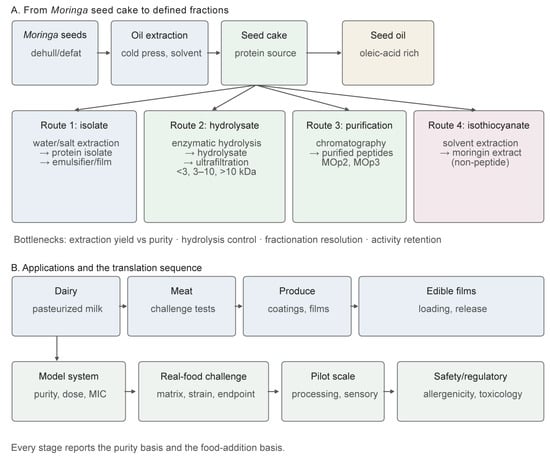
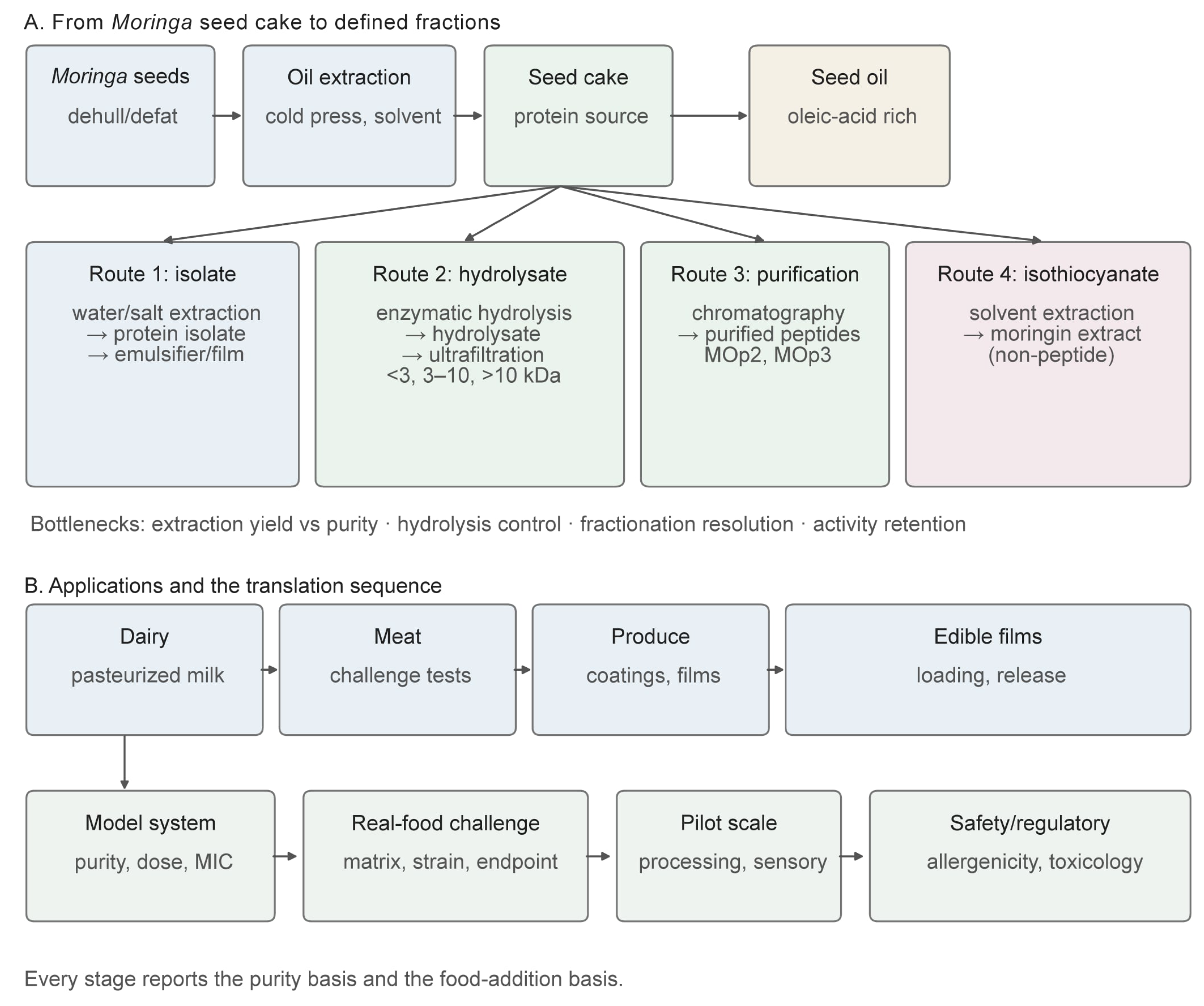
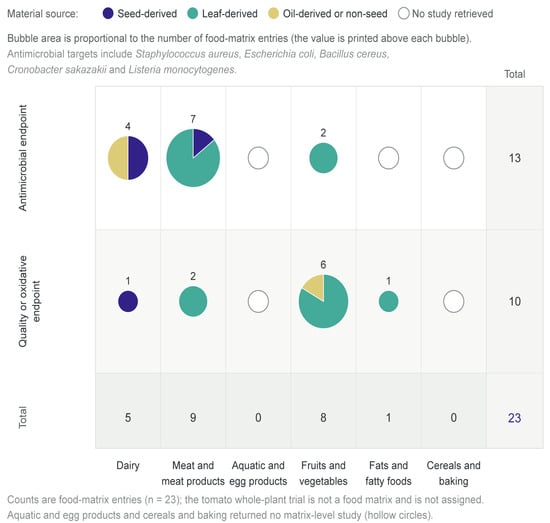
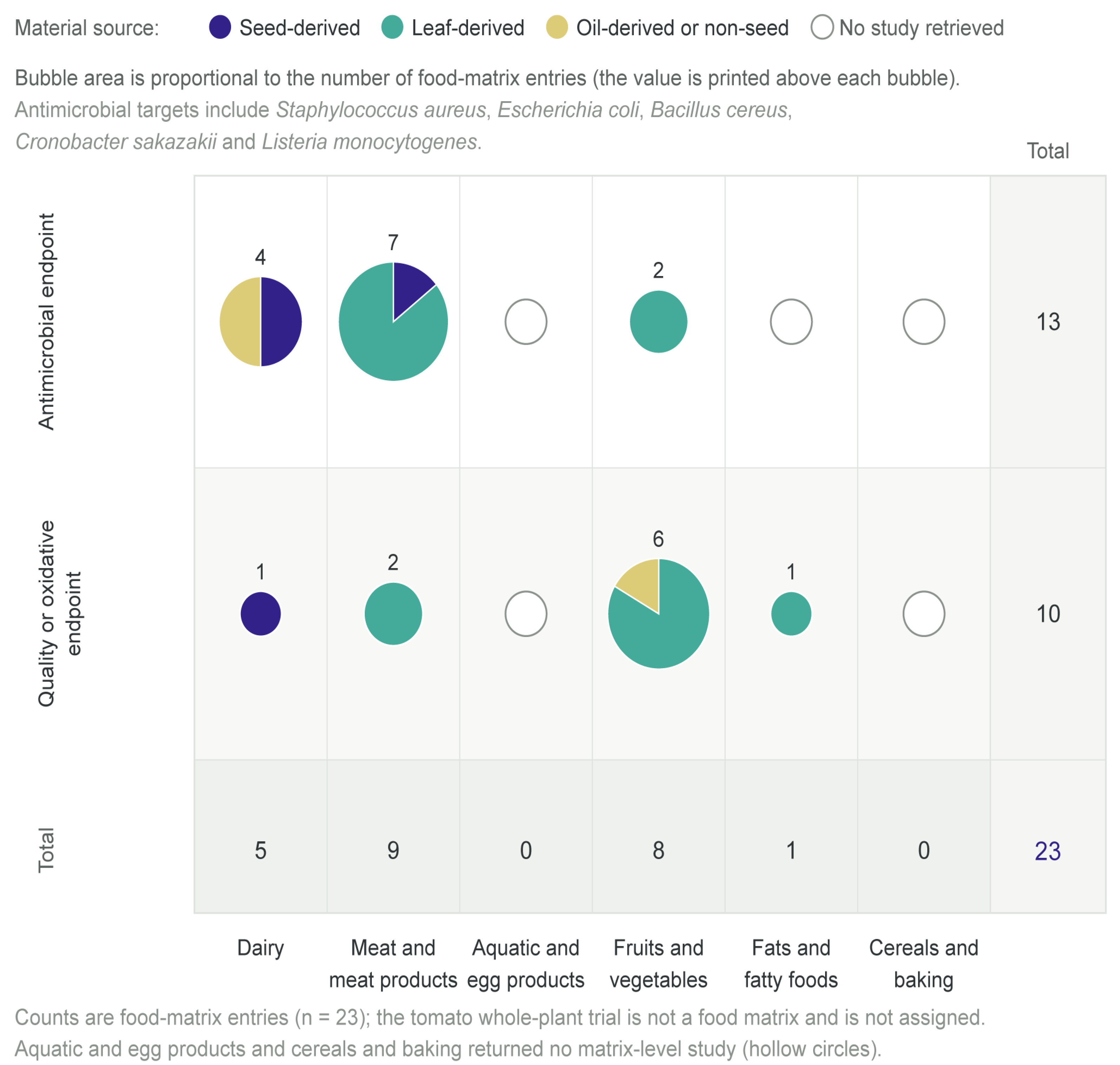
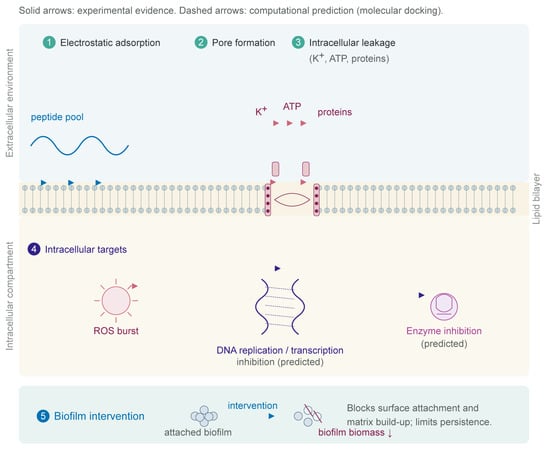
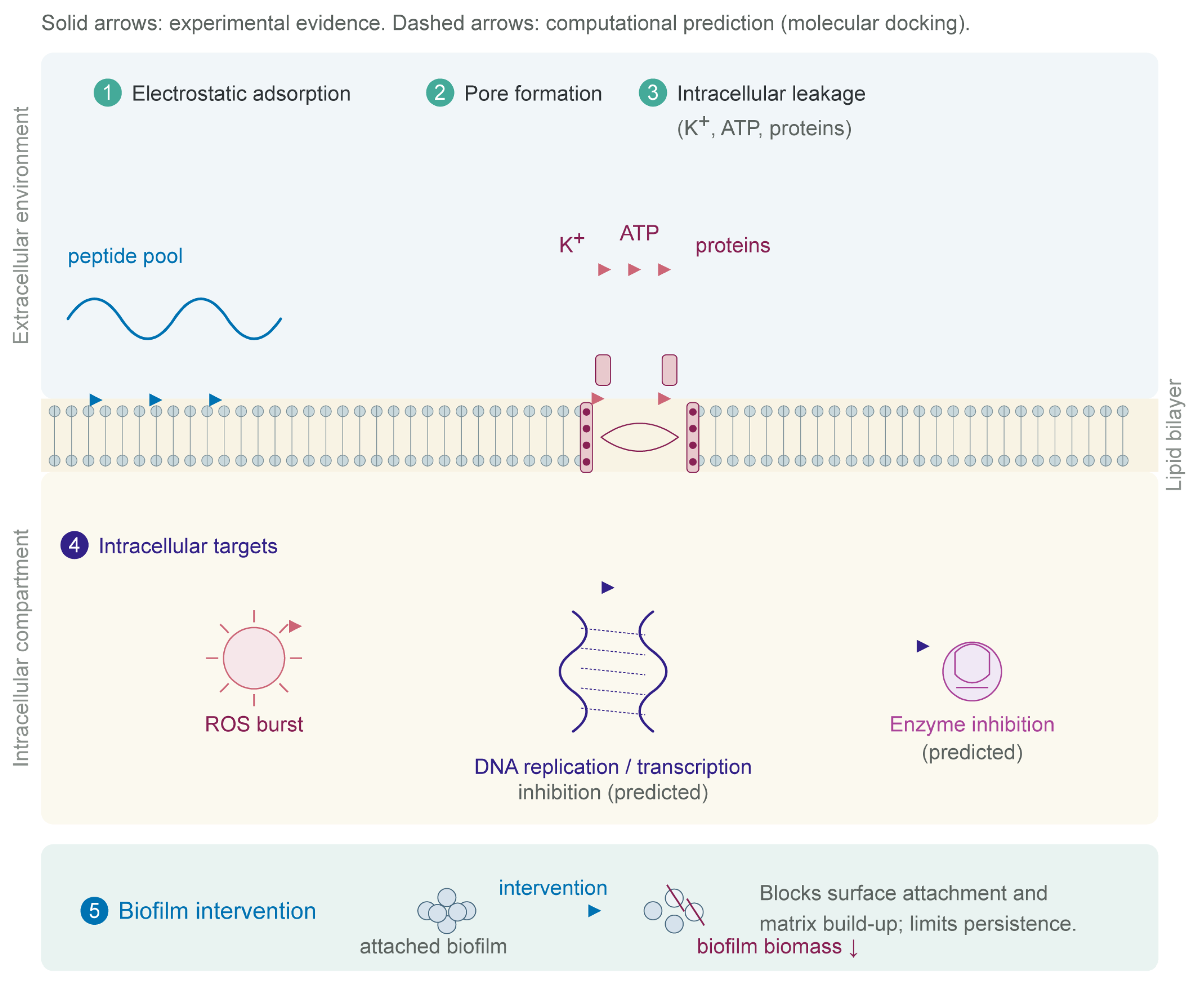
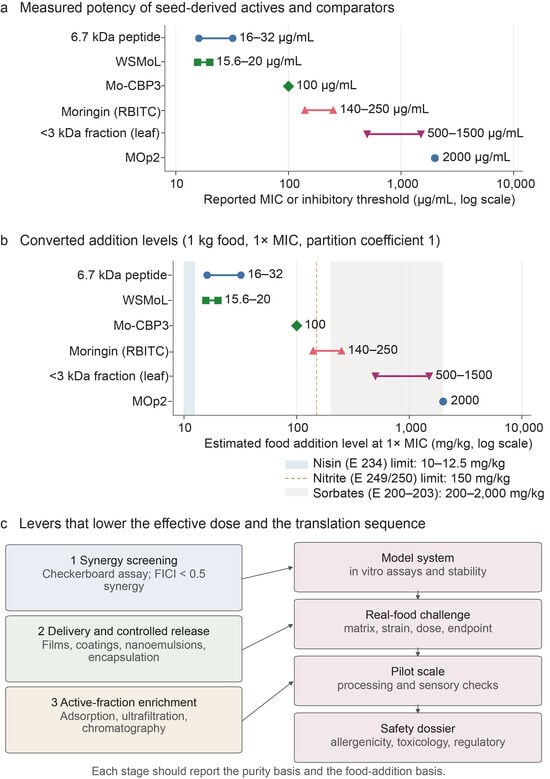
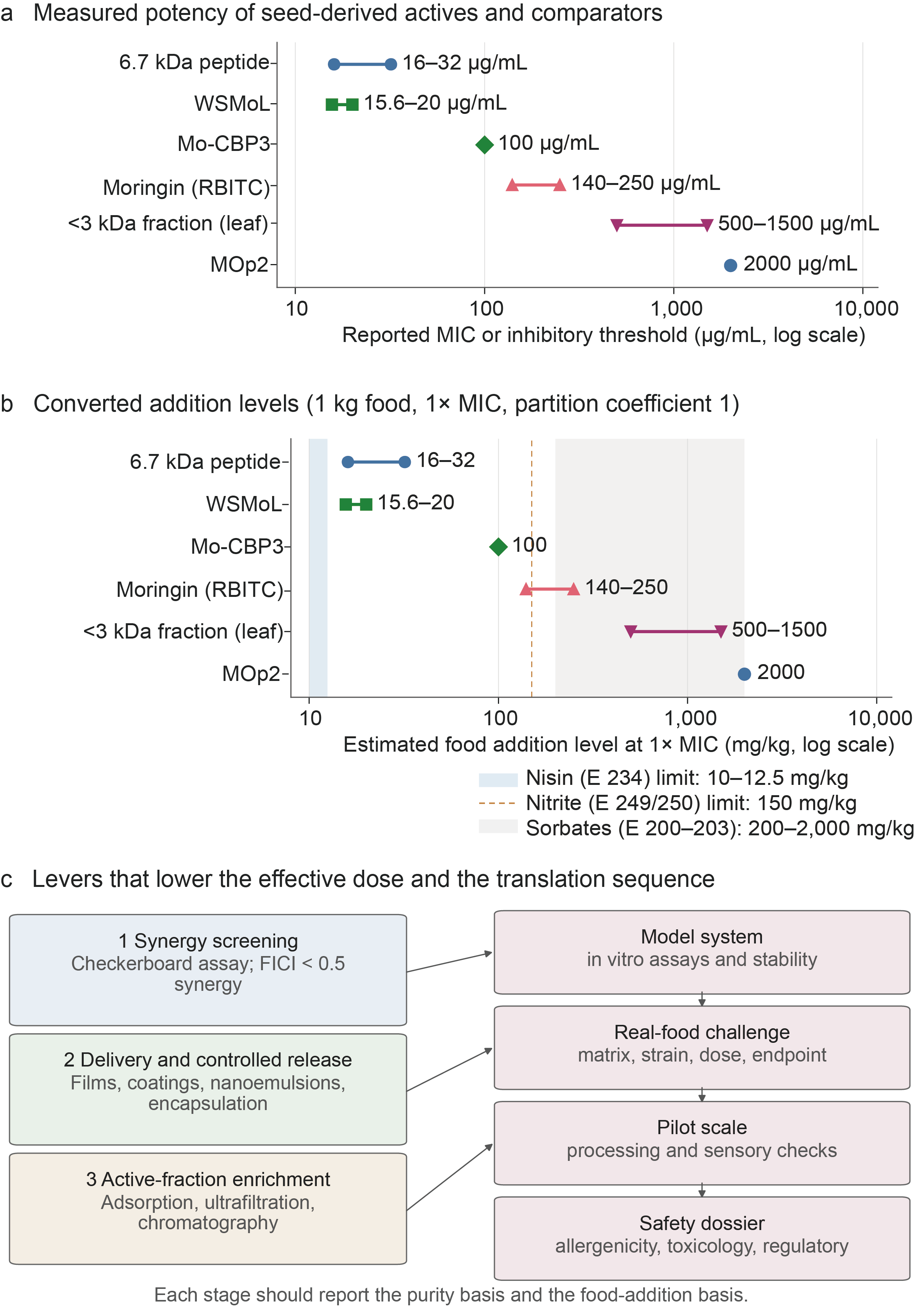

Disclaimer/Publisher’s Note: The statements, opinions and data contained in all publications are solely those of the individual author(s) and contributor(s) and not of MDPI and/or the editor(s). MDPI and/or the editor(s) disclaim responsibility for any injury to people or property resulting from any ideas, methods, instructions or products referred to in the content. |
© 2026 by the authors. Licensee MDPI, Basel, Switzerland. This article is an open access article distributed under the terms and conditions of the Creative Commons Attribution (CC BY) license.