


Abstract
Essential oils are promising sources of antimicrobial and pharmaceutical agents, but process optimization still follows a “one medicinal plant–one process model” paradigm. Drawing on the core philosophy of Quality by Design, this work developed a raw-material-aware bounded design space for microwave-assisted ionic-liquid pretreatment combined with hydro-distillation (MILT-HD) across seven medicinal plants. A 22-run D-optimal design integrated three process variables with plant microstructural descriptors characterized by mercury intrusion porosimetry and cell-wall measurement. Multi-block partial least squares regression linked porous matrix features, cell wall thickness and operational parameters to an extraction performance index (EPI). Microwave time and power were key process parameters, and cell wall thickness was a key material attribute. The three-variable multiple linear regression model explained 72% of EPI variance and defined a design space targeting EPI > 3. In-domain validation and external validation on unseen species gave absolute relative errors of 2.82–6.41% and 6.75–8.57%, respectively. Monte Carlo simulation confirmed a robust operating region with failure probability <1%. Using Amomum villosum Lour. as the case study, MILT-HD raised oil yield from 28.9 to 32.8 µL·g−1 and shortened extraction from 3.5 h to 1.1 h while largely preserving the characteristic volatile profile. The obtained oil inhibited Salmonella enteritidis, disrupting bacterial envelope integrity and reducing intracellular ATP. This cross-species bounded design space is beneficial for reducing repeated optimization workload for materials with comparable microstructural attributes and providing a data-driven strategy to produce high-quality essential oils for pharmaceutical bioactivity exploration.
1. Introduction
Essential oils are complex multicomponent bioactive substances naturally occurring in aromatic medicinal plants [1]. They possess a wide spectrum of favorable biological properties, including antibacterial, anti-inflammatory [2,3] and anxiolytic effects [4,5], and exhibit great potential for inhibiting drug-resistant pathogenic microorganisms [6]. Their favorable safety profile and functional versatility have made plant essential oils a staple in pharmaceutical manufacturing, the food industry, daily cosmetics, and other industrial sectors. Steam and hydro-distillation (HD) remain the most widely used production routes, and process intensification seeks to improve recovery while reducing processing burdens [1,7]. For example, ionic liquids (ILs) have been investigated as media that can alter biomass structure and improve microwave energy coupling before distillation [8,9,10].
Most optimization strategies reported so far are developed for a single plant species, following what amounts to a “one aromatic plant, one optimization model” research mode [11]. That approach serves local process development well, but it does not show whether material properties themselves can be used to guide operation across related aromatic plants. The question matters for researchers and manufacturers who handle multiple botanical materials, varieties, or lots: cross-species process transferability directly affects processing cost, scheduling, and economic return, and ultimately the consistent supply of pharmaceutical raw materials. Medicinal plant materials vary substantially in tissue architecture, pore networks, cell wall thickness, and the distribution of secretory oil cells [12]. Such intrinsic heterogeneity strongly affects the release of volatile constituents during extraction, leading to inconsistent processing performance across species or batches. Characterizing these material attributes provides a mechanistic link between botanical properties and downstream extraction performance. Because diffusion through porous media is sensitive to tortuosity and transport-path geometry, structural descriptors are promising explanatory variables [13,14]. Drawing on the core philosophy of quality by design (QbD) [15], quantifying these microstructural properties could support a multi-species optimization model built with multivariate statistics. The resulting bounded design space may help overcome the limits of traditional single-species modeling and provide a basis for extracting essential oils from multiple medicinal plant species.
We selected seven dried medicinal fruits for model construction based on three criteria. First, all seven are listed in the Chinese Pharmacopoeia (ChP 2025), and essential oils are their main therapeutic and functional components. They are widely used in traditional Chinese medicine preparations, natural antimicrobial products, and food additives. This makes the resulting design space directly relevant to industrial production of pharmaceutical raw materials. Second, these materials cover five botanical families, Zingiberaceae, Apiaceae, Oleaceae, Myristicaceae, and Illiciaceae. These plants differ clearly in fruit anatomy, including lignified seed coat thickness, oil cell distribution, and porous tissue structure. This taxonomic and microstructural diversity provides a wide range of critical material attributes (CMAs), which is important for building a general cross-species prediction model rather than a species-specific empirical formula. Third, the sample set includes both closely related Zingiberaceae species and phylogenetically distant taxa. This allows us to assess both prediction accuracy within the domain and extrapolation to unrelated plant groups. In addition, using uniformly dried fruit materials avoids confounding effects from different medicinal organs, such as roots, stems, leaves, and flowers. It also lets us focus on how microstructural properties affect extraction performance under the MILT-HD workflow.
Among these seven species, Amomum villosum Lour. is a particularly suitable application case. It is a medicinal and aromatic plant whose fruit oil has a well-defined profile: bornyl acetate and camphor are the main constituents [16,17], and both are used as quality markers for Amomi Fructus essential oil. The seed kernel contains large oil cells surrounded by thick-walled, lignified inner seed coat tissue. This compact structure creates strong mass-transfer resistance during conventional hydro-distillation [18]. The species is also an important medicinal resource in the Lingnan region of China. Its essential oil is used as a natural antioxidant and bioactive aromatic ingredient in pharmaceutical and nutraceutical formulations. Previous studies have tested microwave-assisted hydro-distillation and deep eutectic solvent pretreatment for Amomum villosum oil [19], providing a useful benchmark for process comparison. Overall, Amomum villosum has a clear chemical profile, a structurally challenging matrix, recognized pharmaceutical potential, and prior extraction research. These features make it a well-suited application case for the proposed extraction framework.
The study had four objectives: (i) to characterize the microstructural attributes of seven medicinal plant fruits and integrate these botanical descriptors with MILT-HD operational parameters; (ii) to construct an empirical model and establish a bounded design space linking raw-material microstructure to the extraction performance index across the selected plant species; (iii) to validate the design-space-derived conditions using Amomum villosum Lour. essential oil (AVLEO), comparing oil yield, extraction duration, and volatile composition with those obtained by conventional hydro-distillation; and (iv) to evaluate the antibacterial activity of AVLEO against Salmonella enteritidis and explore its preliminary mode of action, providing biological evidence relevant to potential pharmaceutical applications. The design space presented here is bounded and raw-material-aware: it holds only for the tested species, material attribute ranges, and process conditions. Within that scope, it is beneficial for reducing repeated single-species optimization and can support consistent supply of essential oil raw materials for downstream pharmaceutical formulation.
2. Results
2.1. Material Attributes Varied Substantially Across the Seven Aromatic Crops
The seven crop materials displayed broad variation in their porous-medium descriptors and cell-wall properties, as summarized in Supplementary Table S1. Total pore volume ranged from 0.1357 to 0.5738 mL·g−1, porosity from 15.07% to 43.72%, tortuosity from 2.25 to 6.33, cell wall thickness from 2.49 to 6.02 μm, and cellulose content from 1.21% to 14.58%. The broad variation in microstructural attributes across these seven medicinal plant fruits highlights natural raw-material heterogeneity, which should be considered when designing generalizable extraction workflows.
Figure 1 presents EPI values for all 22 design runs. The observed between-species and within-species variation indicated that extraction performance depended on both botanical material and processing conditions. This result aligned with previous reports that ionic-liquid pretreatment and microwave exposure can alter extraction efficiency, although the magnitude of improvement is matrix dependent [20,21,22].
Figure 1.
Essential oil extraction results from the 22-run D-optimal design. (The numbers in the figure indicate the run numbers).
2.2. MBPLS Identified Structural and Operational Variables Associated with EPI
To explore the effects of the physical properties of aromatic plants and process parameters on the EPI, this study established a multi-block partial least squares (MBPLS) model using leave-one-out cross-validation. The MBPLS model was evaluated by cumulative explained variance, cross-validated predictive ability, score diagnostics, residual plots, and observed-versus-predicted EPI values, as shown in Figure 2. The cumulative R2 and Q2 for the four latent variables were 0.78 and 0.54, respectively, both exceeding the 0.5 threshold. No observations fell outside the 95% Hotelling’s T2 limit, and the residuals were distributed around zero. These diagnostics support the adequacy of the fitted model.
Figure 2.
(A) MBPLS model fitting plot; (B) outlier detection by Hotelling’s T2 test; (C) MBPLS model residuals plot; (D) correlation graph of EPI observed values with predicted values.
The loading plot (Figure 3) positioned tortuosity and cell wall thickness opposite to EPI, indicating negative associations within the observed dataset. Longer and more convoluted diffusion pathways can increase transport resistance [23], while thicker walls can limit the accessibility of intracellular or secretory constituents [24]. These interpretations are physically plausible for extraction from porous biological matrices. In contrast, microwave irradiation time, microwave power, and backbone fractal dimension were aligned with EPI. Longer exposure and higher power may enhance pretreatment intensity, whereas a more complex accessible pore structure may facilitate release and transport [25,26]. These observations demonstrate that inherent tissue-level raw-material attributes of medicinal plant fruits strongly modulate volatile release during ionic liquid-microwave extraction pretreatment.
Figure 3.
The loading plot of LV1 and LV2 in the MBPLS model.
2.3. Candidate Critical Material Attributes and Process Parameters
Figure 4A presents the block importance in projection (BIP) index of each independent block. In this study, the porous media block exhibited the highest BIP value, followed by the process parameter block, while the cellulose content block had the lowest BIP value. A BIP value greater than 1 indicates that the corresponding block exerts an impact on IL-based extraction performance. This hierarchy suggests that pore-network descriptors and operating conditions accounted for more of the modeled EPI variation than cellulose content alone.
Figure 4.
(A) BIP index of each block; (B) VIP index of each independent variable.
At the variable level, the microwave irradiation time (B) and microwave irradiation power (C) exceeded the variable importance in projection (VIP) threshold and were designated candidate critical process parameters. Tortuosity (X8), cell wall thickness (X11) and backbone fractal dimension (X10) exceeded the threshold among material attributes and were designated candidate critical material attributes, as shown in Figure 4B. This finding suggests that these variables affected the extraction efficiency of IL-based extraction.
2.4. Development of a Reduced Multi-Species Regression Model
On the above basis, five pivotal variables were identified as important influencing factors: microwave irradiation time, microwave irradiation power, tortuosity, cell wall thickness, and backbone fractal dimension. These shared characteristic parameters across the seven plant species were adopted to construct a preliminary multi-species regression model. Five variables were initially screened from the MBPLS model based on a VIP threshold greater than 1. Although multicollinearity was not a concern because all VIF values remained below 10, stepwise regression using a p-value threshold of 0.05 for entry and 0.10 for removal revealed that tortuosity X8 and backbone fractal dimension X10 lacked independent statistical significance. Including all five variables reduced the adjusted R2 compared to the reduced model, indicating that the added complexity did not improve model performance. Thus, X8 and X10 were excluded, yielding a final robust model with three significant terms: B, C, and X11. The prediction equation for extraction efficiency is shown below:
The analysis of variance (ANOVA) showed that the model was highly significant (p < 0.0001). The significant model terms were C (p = 0.0002), X11 (p = 0.0001), and B (p = 0.0061). The complete ANOVA results and detailed coefficient estimates, including standard errors and 95% confidence intervals, are provided in Supplementary Tables S2 and S3. Given the limited number of 22 experimental runs, the risk of overfitting was strictly controlled by parsimoniously retaining only these three significant predictors. The model showed an R2 of 0.72 and an adjusted R2 of 0.67, with a minimal difference between them indicating no overparameterization. The adequate precision was 13.45, well above the threshold of 4, suggesting that the model is highly useful for navigating the design space. Furthermore, the lack-of-fit test was not significant with a p-value of 0.1494, and the internally studentized residuals were randomly distributed as shown in Supplementary Figure S1. These diagnostics confirm that the model adequately fits the data without capturing noise. To further ensure the statistical validity of the MLR model, key assumptions of ordinary least squares regression were verified. Linearity was confirmed by the random scatter of residuals without systematic curvature, and homoscedasticity was confirmed by the uniform spread of residuals across predicted values. The Durbin–Watson statistic was 2.41, falling well within the acceptable range of 1.5 to 2.5 and indicating the independence of residuals. Furthermore, predictor stability was ensured by retaining only significant terms with VIF values well below 10.
Crucially, by replacing species identity with microstructural descriptors, the model captures the mechanistic drivers of extraction rather than merely fitting species-specific empirical constants. This approach effectively accounts for species-specific differences while reducing the modeling limitations of single-species empirical optimization. Taken together, these results provide preliminary support for developing a cross-species design space for essential oil extraction from these materials.
2.5. Development of Preliminary Design Space for the Tested Aromatic Plants
In this study, the purpose of establishing a design space was to examine whether extraction efficiency within the studied material set could meet a predefined target when the process was operated within the proposed design space. For this preliminary multi-species dataset, the target was set as EPI > 3.
The design space was established based on the MLR model, as shown in Figure 5A. In addition, considering the uncertainty of the design space boundary, a 95% confidence interval for optimal operating conditions was introduced into the control strategy [27]. The light yellow region in Figure 5A represents an optimized design space [28], where all operating parameters within this region can meet the predefined target. In contrast, the dark yellow region denotes the uncertain area of the design space, indicating a 5% possibility of failing to meet the goal [29]. It should be noted that Figure 5A is a 2D projection at the median cell-wall thickness. Because the model incorporates continuous material attributes, the operating region dynamically adapts to the raw material. As shown in Supplementary Figure S2, projecting the design space at the minimum, median, and maximum cell-wall thicknesses reveals that an increase in wall thickness significantly shifts the reliable operating window toward higher microwave power and longer time. This bounded behavior accurately reflects the increased mass-transfer resistance imposed by thicker plant tissues.
Figure 5.
(A) Design space projected at the median X11 value. (B) Monte Carlo simulation results for the design space.
In order to investigate the robustness of the design space, MODDE 13.0 software was used to estimate the total probability of failure by Monte Carlo simulations. In the Monte Carlo simulation process, all factors were assumed to follow normal distributions. Notably, this simulation rigorously accounted for the statistical uncertainty of the model coefficients and the prediction error, which is consistent with QbD practices [30]. The defects per million opportunities (DPMO) of the set point should be close to or below a specified threshold; a DPMO value of 10,000 corresponds to a 1% failure risk. The simulation results, including the failure probability, are presented in Figure 5B. The red region indicates a high failure probability. It was observed that the failure probability increased as microwave irradiation time and power decreased, suggesting that it is difficult to achieve the preset target under low microwave irradiation time and power conditions. The green region in Figure 5B represents a 99% quality certainty [30]. The combination of process parameters located in the green area corresponds to a failure probability below 1%, indicating a robust operating space. For the aromatic plants and material characteristics investigated here, the target extraction efficiency was achieved by adjusting critical process parameters (CPPs) within the explored range.
2.6. Independent Validation of the Preliminary Design Space
To evaluate the predictive reliability within the bounded design space, two independent validation datasets were generated after the final MLR model was established. These validation trials were excluded from the original 22-run D-optimal training set. The first dataset contained three species represented within the training pool: Foeniculum vulgare Mill., Alpinia oxyphylla Miq., and Amomum villosum Lour. This subset represented in-domain independent validation, which assessed the model’s capacity to predict the EPI for previously sampled species under new experimental conditions constrained to the defined design space. The second dataset consisted of three species not incorporated during model training and served as external validation. These external species were selected based on distinct botanical characteristics and structural extremes, specifically including two species that exceed the upper training boundary, to test the model’s capability for mild extrapolation.
As shown in Table 1, for the three training-set species, experimental EPI values were consistent with model-predicted values, with absolute relative errors of 2.82–6.41%. These errors indicate acceptable in-domain predictive accuracy for newly performed validation runs within the tested material and process ranges.
Table 1.
Validation results of design space (n = 3).
For the three external species, absolute relative errors were 8.21% for Curcuma longa L., 6.75% for Alpinia katsumadai Hayata, and 8.57% for Amomum kravanh Pierre ex Gagnep. It should be noted that Alpinia katsumadai Hayata had a cell wall thickness within the training range, whereas Amomum kravanh Pierre ex Gagnep. and Curcuma longa L. slightly exceeded the upper training boundary. The latter two therefore represent mild extrapolation cases. Despite this, all external errors remained below 10%, supporting preliminary predictive ability for the tested external species within or marginally beyond the training domain. However, given the relatively small size of the external validation set, these results should be interpreted as a proof-of-concept for cross-species transferability. Establishing a rigorous applicability domain will require future testing with an expanded dataset covering broader species and structural extremes.
2.7. Chemical Profile and Processing Efficiency of Design Space-Guided AVLEO in Comparison with Conventional HD
Both HD- and MILT-HD-derived AVLEO were clear, homogeneous oily liquids free of visible precipitates or suspended impurities at 25 °C. Both oils showed colorless to pale yellow. Compared with conventional HD, MILT-HD significantly increased the total essential oil yield from 28.9 to 32.8 µL·g−1 (p < 0.05, 95% CI of the difference: 2.34 to 5.59 µL·g−1), representing a 13.5% improvement and a large effect size (Hedges’g = 5.52) in Table 2. More importantly, the total extraction time was drastically reduced from 3.5 h to approximately 1.1 h. This reduction in processing time, coupled with a lower effective electric power during pretreatment, resulted in a substantial decrease in total electricity consumption from 2.1 kW·h to 0.606 kW·h. Consequently, the energy efficiency, expressed as the yield of essential oil per kilowatt hour, was boosted from 13.8 to 54.2 μL·g−1·(kW·h)−1, a nearly 3.9-fold increase (p < 0.01). These results align with the principles of sustainable extraction processing for medicinal plants.
Table 2.
Comparison of extraction efficiency and direct operational electricity consumption of different extraction approaches (n = 3).
Regarding the chemical profile, the MILT-HD process largely maintained the characteristic composition of the essential oil while enhancing component recovery. GC-MS analysis identified bornyl acetate and camphor as the predominant constituents in both oils (Table 3). The overall volatile profile remained dominated by the same oxygenated monoterpenes and monoterpene hydrocarbons, consistent with the characteristic profile of Amomum villosum Lour. fruit oil [21]. In the MILT-HD oil, the relative contents of bornyl acetate and camphor were 41.5% and 29.58%, compared with 44.7% and 29.12% in the HD oil. Although the relative content of bornyl acetate was slightly lower in the MILT-HD oil, its estimated recovery increased from 12.911 to 13.632 µL·g−1. Similarly, the estimated recovery of camphor increased from 8.411 to 9.716 µL·g−1. This phenomenon indicates that the slight decrease in relative abundance was primarily due to a dilution effect caused by the significantly increased total oil yield, rather than selective thermal degradation or loss of these oxygenated monoterpenes.
Table 3.
Chemical components of AVLEO obtained by HD and MILT-HD (n = 3).
Notably, the MILT-HD process enhanced the release of minor sesquiterpenes, indicating improved matrix disruption. α-copaene, γ-elemene, and β-caryophyllene were detected in the MILT-HD oil but were below the detection limit in the HD oil. Given their very low absolute contents in the MILT-HD extract, these naturally occurring sesquiterpenes are likely present in the HD extract at concentrations below the GC-MS detection threshold. The ionic-liquid-assisted microwave pretreatment effectively disrupted the compact lignified tissue, promoting the release of these heavier intracellular volatiles to detectable levels.
2.8. Antibacterial Characterization of AVLEO
Salmonella enteritidis was selected as the target strain for antibacterial evaluation because it is a widespread foodborne pathogen of significant public health concern, often found contaminating agricultural and plant-based products. Furthermore, as a Gram-negative bacterium, it possesses an outer membrane that acts as a strong permeability barrier, making it inherently more resistant to lipophilic essential oils than Gram-positive bacteria. Therefore, it serves as a stringent and representative model to assess the antibacterial potential of the extracted essential oil for pharmaceutical and preservative applications.
The AVLEO obtained using the bounded design space was characterized for antibacterial activity against Salmonella enteritidis. The MIC of AVLEO against Salmonella enteritidis was 8 mg/mL, while the MBC was 16 mg/mL. Bacterial growth curves over 48 h were constructed to compare growth dynamics among the control group, AVLEO at MIC, AVLEO at MBC, and ceftriaxone as positive control (Figure 6). Normal bacterial proliferation was observed in the untreated control group. Almost no bacterial growth was detected under MIC treatment, whereas complete growth suppression was achieved at the MBC level. The positive control effectively inhibited bacterial proliferation, confirming the validity of the in vitro antibacterial assay system.
Figure 6.
Growth curves of Salmonella enteritidis treated with AVLEO at MIC and MBC, with ceftriaxone as a positive control.
To preliminarily explore the mode of antibacterial action, morphological and functional alterations of Salmonella enteritidis after AVLEO treatment were examined using SEM, TEM, membrane permeability and ATP-related assays (Figure 7 and Figure 8). SEM images showed that untreated control cells displayed a typical smooth, intact rod-shaped morphology with continuous and well-defined cell envelopes (Figure 7A), whereas AVLEO-treated cells exhibited obvious surface distortion, irregularity and collapse, losing the regular rod contour of viable bacteria (Figure 7B). TEM analysis further revealed cytoplasmic vacuolization, uneven distribution and reduced cytoplasmic density in treated cells (Figure 7D), strongly indicating severe structural damage to the bacterial envelope system including cell wall and cytoplasmic membrane. Consistently, the relative electrical conductivity of the culture medium increased in a concentration-dependent manner after AVLEO treatment (Figure 7F,G). In contrast, it remained stable in the untreated control group throughout the incubation period (Figure 7E). These results confirm the leakage of intracellular ions and macromolecular components from compromised bacterial cells. Moreover, extracellular alkaline phosphatase (ALP) activity, a periplasmic marker enzyme that can barely cross an intact cell wall under normal physiological conditions [31], was significantly elevated in AVLEO-treated groups compared with the control (Figure 7H–J). This rise in extracellular ALP further verified the impairment of cell wall integrity induced by AVLEO.
Figure 7.
Morphological and membrane-permeability-related changes in Salmonella enteritidis induced by AVLEO. (A) SEM micrographs of untreated control cells; (B) cells treated with AVLEO at the MBC; (C) TEM micrographs of untreated control cells; (D) cells treated with AVLEO at the MBC; (E–G) time-dependent changes in the relative electrical conductivity of the culture medium for the untreated control (E) and for cells treated with AVLEO at the MIC (F) and MBC (G). (H–J) Extracellular alkaline phosphatase (ALP) activity in the untreated control (H) and in AVLEO-treated cells at the MIC (I) and MBC (J). * p < 0.05, ** p < 0.01, *** p < 0.001, **** p < 0.0001 versus the control.
Figure 8.
Effects of AVLEO on ATP synthase activity and intracellular ATP content of Salmonella enteritidis. (A) ATP synthase activity; (B) intracellular ATP content of Salmonella enteritidis. *** p < 0.001 compared with the untreated control.
Beyond the membrane damage, the effect of AVLEO on bacterial energy metabolism was further evaluated. As shown in Figure 8A,B, AVLEO markedly inhibited ATP synthase activity and reduced the intracellular ATP content of Salmonella enteritidis. ATP is the primary energy currency that sustains bacterial proliferation and essential physiological processes. ATP synthase is the key enzyme responsible for ATP biosynthesis [32]. Therefore, the decrease in intracellular ATP levels indicates that AVLEO interferes with bacterial energy metabolism and disrupts cellular energy homeostasis. These findings suggest that AVLEO obtained by the optimized extraction process retains promising antibacterial potential, warranting its further development as a natural antimicrobial candidate.
3. Discussion
The results establish a mechanistic link between raw-material microstructure and essential oil extraction performance in the medicinal plant fruits studied. MBPLS identified tortuosity, cell wall thickness, and backbone fractal dimension as the dominant material-related determinants of EPI, and microwave irradiation time and power as the most influential process-related parameters, consistent with the core hypothesis that tissue microstructural features of botanical feedstock govern mass transfer and volatile release during distillation pretreatment [33]. The physical reasoning is straightforward: highly tortuous diffusion pathways raise internal mass-transfer resistance [33,34,35], thick lignified walls physically impede the release of intracellular secretory volatiles, and both variables correlated negatively with EPI in this dataset. A higher backbone fractal dimension, in contrast, indicates a more accessible and complex pore architecture that facilitates solvent penetration and volatile release under IL-assisted microwave pretreatment. These observations agree with classical mass-transfer principles for porous plant matrices [36] and with earlier reports that microwave-assisted pretreatment can disrupt plant cell structures and reduce extraction resistance [37]. They support a material-property-driven process strategy, the use of intrinsic tissue-level botanical attributes as critical material attributes (CMAs) in extraction process development, and a preliminary break from the “one medicinal plant–one optimization model” paradigm.
The empirical model and bounded design space constructed here performed acceptably within the investigated botanical materials and operational conditions. In-domain validation gave absolute relative errors of 2.82–6.41%, and external validation on phylogenetically related unseen species gave 6.75–8.57%, indicating that the design space can predict extraction performance with acceptable accuracy within its applicability domain. However, this design space remains exploratory and strictly confined to the material-attribute and process variable ranges covered by the training dataset. A truly universal multi-species extraction model cannot be realized from the current dataset alone. For instance, because the current model focuses on physical mass-transfer resistance, extending it to plants with fundamentally different chemical compositions or secretory structures will require further investigation. Further progress toward generalized predictive tools will require expanding species and batch diversity, explicitly defining the model applicability domain, and developing mechanism-driven rather than purely empirical regression formulas.
Process intensification for pharmaceutical raw materials is valuable only if biological activity is preserved, so the optimized extraction conditions defined by the design space were further checked for bioactivity. AVLEO showed detectable but moderate inhibitory activity against Salmonella enteritidis, with an MIC of 8 mg/mL and an MBC of 16 mg/mL, a result supported by multiple published studies. Gram-negative pathogens such as Salmonella enteritidis are intrinsically less susceptible to plant essential oils, mainly because of their outer-membrane permeability barrier [38,39]. The MIC magnitude also depends strongly on the dominant chemical constituents of the oil: phenol-rich oils such as oregano and clove often act at sub-mg/mL concentrations [40,41,42,43]. Several reported terpene-rich essential oils showed comparable or even weaker activity, with MICs of 9.12–17.9 mg/mL [42]. Related Amomum species behave similarly: A. kravanh Pierre ex Gagnep. oil, chemically analogous to AVLEO and also rich in oxygenated monoterpenes, has shown MICs of 1.25–10 mg/mL against various pathogens, including Gram-negative enteric bacteria [44,45]. The comparable MIC range across related Amomum species indicates that the potency measured here falls within the biologically expected range for this class of volatile products.
AVLEO appears to impair bacterial survival through two interrelated modes of action. On one hand, SEM and TEM provided morphological evidence of clear bacterial envelope disruption, corroborated by concentration-dependent increases in extracellular conductivity and periplasmic ALP leakage [46,47]. The combination of conductivity analysis, ALP release, SEM, and TEM is a standard diagnostic set for essential-oil-induced envelope damage. On the other hand, AVLEO markedly decreased ATP synthase activity and intracellular ATP level, indicating disruption of bacterial energy homeostasis [48,49,50]. Bornyl acetate, a lipophilic monoterpene and a major constituent of AVLEO, inhibits E. coli F1F0-ATP synthase through hydrophobic interactions with the enzyme [51], but it is only a partial inhibitor. Borneol, pinene, and trace amounts of terpinene in AVLEO exhibit similar inhibitory activity. At the whole-oil level, metabolomic profiling has shown that A. villosum essential oil causes metabolic dysfunction in methicillin-resistant Staphylococcus aureus, with disruption of the tricarboxylic acid (TCA) cycle and inhibition of ATP synthesis [52], evidence that the oil itself, not merely an isolated constituent, impairs bacterial energy metabolism. It is likely that the decline in ATP levels and ATP synthase activity likely stems from a synergistic combination of the direct inhibition of F1F0-ATP synthase by lipophilic AVLEO constituents, and secondary energy depletion caused by severe envelope damage. Because this study used whole-cell systems, these two mechanisms cannot be completely decoupled. Nevertheless, the time-series data indicate that envelope leakage markers precede marked ATP depletion, supporting a plausible cascade: membrane permeabilization, dissipation of ion gradients, impaired ATP homeostasis, and subsequent loss of viability. Definitive causal ordering would require future single-cell tracking assays.
Finally, regarding product safety and environmental sustainability, two limitations should be noted. First, the non-volatile nature of the IL prevents it from co-distilling with the essential oil, and GC-MS analysis retained the characteristic quality markers without introducing any IL-derived peaks, supporting a negligible carryover risk. Future targeted residue analysis will be necessary for definitive confirmation. Second, while the MILT-HD process significantly reduced operational time and direct electricity consumption, these metrics do not fully represent the overall environmental footprint. A comprehensive environmental assessment must also account for the energy required for IL synthesis and recovery, cooling water consumption, and facility-level heat losses. Therefore, a full life cycle assessment (LCA) should be conducted in future work to validate the true sustainability benefits of this method.
This work highlights the importance of plant tissue microstructure in governing essential oil extraction efficiency across different medicinal plant fruits and challenges the conventional “one medicinal plant–one process optimization” paradigm. Because the model relies on continuous microstructural descriptors rather than categorical species labels, its predictive framework is structurally adaptable to batch variations, provided that the structural attributes of new batches are measured.
Nevertheless, several challenges remain before this framework can be fully translated into practical applications. To address these remaining limitations, our future work will focus on four main areas. First, we plan to expand the dataset by testing materials from various harvests, suppliers, and batches to better define the model’s applicability boundary. Second, since conventional MIP cannot capture hydrated networks, we will adopt advanced techniques like cryo-SEM to visualize the in-situ wet-state pore structures. Third, we need to further evaluate ionic liquid reusability and environmental sustainability to ensure practical feasibility. Finally, to move AVLEO from a proof-of-concept to a real pharmaceutical candidate, future work will screen a broader panel of clinical pathogens, test human cell cytotoxicity, and validate its efficacy in vivo.
4. Materials and Methods
4.1. Plant Materials and Reagents
Dried fruits of seven medicinal plant species used for model construction were purchased from a local Chinese medicine pharmacy: Amomum villosum Lour., Alpinia oxyphylla Miq., Forsythia suspensa (Thunb.) Vahl, Foeniculum vulgare Mill., Myristica fragrans Houtt., Amomum tsaoko Crevost & Lem., and Illicium verum Hook. f. For independent validation, three additional species, including Curcuma longa L., Alpinia katsumadai Hayata, and Amomum kravanh Pierre ex Gagnep. were obtained from the same local pharmacy and were not used for model training. The dried material was ground and passed through a 10-mesh sieve to obtain a uniform particle size before extraction and mercury intrusion porosimetry analysis. All plant samples, including the seven training-set species and three external validation species, were processed following exactly the same grinding and sieving protocol to ensure consistent sample conditions across all experiments.
The ionic liquid 1-butyl-3-methylimidazolium chloride ([C4mim]Cl; lot: KCDGP56) was obtained from Innochem (Beijing, China). Salmonella enteritidis BNCC363777 was obtained from BeNa Culture Collection (Beijing, China). LB medium was purchased from Beijing Solarbio Science & Technology Co., Ltd. (Beijing, China). Deionized water was used throughout extraction experiments.
4.2. Essential Oil Extraction Process
For microwave-assisted ionic liquid treatment followed by hydro-distillation (MILT-HD) [37], the procedure was performed as described in our previous work [9]. Each run used 10.0 g of plant material in a 250 mL reaction flask. The IL-to-material ratio was controlled strictly on a mass-to-mass (w/w) basis to ensure consistent dosing despite potential viscosity changes. [C4mim]Cl was added at the assigned ionic-liquid ratio, and the mixture was subjected to microwave irradiation at the assigned time and power. The pretreated slurry was mixed with 60 mL deionized water, connected to a Clevenger apparatus, and heated at 100 °C until no further oil was collected.
The conventional HD reference was performed strictly according to the method specified in the Chinese Pharmacopoeia 2025 edition. This standardized official protocol ensures rigorous control over the extraction process, keeping the baseline highly stable and reliable against operational fluctuations. For the HD procedure, the conventional HD comparator used the same sample mass and water volume without ionic-liquid pretreatment. The yield of essential oil was calculated based on the actual weight of the air-dried materials as received. The yield of essential oil was calculated as the volume of extracted oil (µL) per gram of plant material (g), expressed as µL·g−1. The extraction efficiency was defined in the text as the extraction yield divided by the extraction time.
To quantitatively compare extraction performance across botanically diverse medicinal plant fruits, a dimensionless extraction performance index (EPI) was introduced as an evaluation metric for the extraction process. EPI was calculated as the ratio of the extraction efficiency of MILT-HD to that of conventional hydro-distillation for the same raw material. The threshold of EPI > 3 was empirically and statistically justified. Out of the 22 D-optimal runs, 6 runs achieved an actual EPI > 3, accounting for approximately 27% of the outcomes and representing the top quartile of experimental results. This threshold effectively isolates the best-performing parameter combinations from the baseline runs. Furthermore, an EPI > 3 ensures at least a tripling of extraction efficiency, providing clear industrial and economic viability.
4.3. Experimental Design of Extraction Process for Various Plants
Seven dried fruit materials were selected and coded 1–7 for presentation in Table 4: Foeniculum vulgare Mill. (1), Alpinia oxyphylla Miq. (2), Amomum villosum Lour. (3), Illicium verum Hook. f. (4), Forsythia suspensa (Thunb.) Vahl (5), Myristica fragrans Houtt. (6), and Amomum tsaoko Crevost & Lem. (7). Plant species act as a categorical source of raw material variability. Species identity is not an adjustable experimental factor in this D-optimal design.
Table 4.
D-optimal design for essential oil extraction process with various plants.
A 22-run D-optimal design was generated to sample a mixed categorical–continuous design space. Species identity was treated as a categorical factor with seven levels. Mass ratio of ionic liquid to material (A), microwave irradiation time (B), and microwave irradiation power (C) were treated as continuous process variables. The D-optimal algorithm allocated experimental runs across the seven plant matrices by maximizing the determinant of the information matrix. This feature improves parameter estimability and reduces the number of runs required for EPI modelling. The experimental matrix is shown in Table 4. Runs for the same species under different process conditions are independent experimental units, not technical replicates. One replicate point (Runs 1 and 9) was included to estimate pure error.
In the subsequent modelling stage, species identity was not included as a categorical predictor. Species-specific variation was captured instead by the measured microstructural descriptors. This approach enables a cross-species predictive model. The model combines microstructural descriptors and process variables for EPI prediction across varied plant materials.
4.4. Characterization of Material Properties for Aromatic Botanicals
Aromatic plant matrices are typical porous media, whose inherent microstructural properties strongly influence the internal mass transfer behavior during the extraction process [53]. Meanwhile, the cellulose content in plants also exerts a non-negligible effect on the solubilization and mass transfer efficiency of IL-based extraction systems. These intrinsic material properties are considered potential determinants of essential oil extraction performance, and are thus systematically characterized in this work.
The porous structural parameters of aromatic plant samples were determined via mercury intrusion porosimetry (MIP, AutoPore IV 9500, Micromeritics Instrument Corp., Norcross, GA, USA). The test was performed over a pressure range of 0.0036–227.58 MPa, corresponding to a minimum measurable pore diameter of 5 nm. To minimize potential pressure-induced collapse or deformation of porous biological materials, the upper intrusion pressure was strictly limited within this range, which is generally accepted for lignocellulosic materials. Approximately 5 g of dried plant sample was placed into a penetrometer for testing. Briefly, the penetrometer was first loaded into the low-pressure analysis station for initial mercury intrusion, then transferred to the high-pressure analysis station for subsequent testing. The test was terminated when the intrusion pressure reached 227.58 MPa, followed by pressure relief. A full set of porous media characteristic parameters was calculated, including total pore volume, total pore area, volume-based median pore diameter, area-based median pore diameter, average pore diameter, porosity, tortuosity factor, tortuosity, permeability, and backbone fractal dimension.
For the characterization of cell wall thickness, samples were taken from a well-mixed pooled fruit batch to represent the bulk material properties. The aromatic plant samples were sectioned with a sharp blade. The sliced samples were pretreated with 1 wt% sodium chlorite solution in acetate buffer (pH 4.6) at 80 °C for 12 h [54]. This pretreatment was necessary because untreated fruit tissues contain abundant intracellular inclusions that obscure cell boundaries and cause structural collapse under high SEM vacuum. After the reaction, all samples were thoroughly rinsed with deionized water and air-dried at room temperature (25 ± 2 °C) in a dark environment. The surface morphology of pretreated samples was observed under high vacuum mode using a scanning electron microscope (Quanta 250, FEI Company, Hillsboro, OR, USA) at an accelerating voltage of 15.0 kV. From multiple tissue sections observed in each sample, five distinct and intact cell-wall regions were randomly selected across different fields of view. The cell wall thickness was measured using ImageJ 1.53 software (National Institutes of Health, Bethesda, MD, USA), and the average value was adopted as the final result to minimize local structural bias.
The cellulose content of aromatic plant samples was determined using the nitric acid–ethanol method [55]. This assay quantifies the nitric acid–ethanol-insoluble residue as an operationally defined proxy for cellulose, acknowledging that minor non-cellulosic components may be co-recovered. To ensure inter-sample comparability, all seven botanical matrices were processed under strictly identical conditions. The extraction and purification of cellulose from different plant matrices were performed following the standard procedure described in previous studies [56]. Briefly, the nitric acid–ethanol solution was freshly prepared by slowly adding 100 mL concentrated nitric acid to 400 mL anhydrous ethanol under stirring, and stored in a brown bottle before use. Dried sample (m0) was accurately weighed into a 250 mL conical flask, and 25 mL of the nitric acid–ethanol solution was added. The mixture was refluxed in a boiling water bath for 1 h. After refluxing, the solvent was removed by filtration through a G4 sintered glass crucible. This reflux–filtration step was repeated five times. The residue was washed with 10 mL of the nitric acid–ethanol solution, followed by repeated washing with hot deionized water until the filtrate was neutral to methyl orange. The residue was then washed twice with anhydrous ethanol. The G4 crucible containing the residue was dried at 105 °C to constant weight (m1). The residue was subsequently ignited at 500 °C to constant weight (m2). The cellulose content was calculated based on the weight of the dried residue before and after high-temperature ignition (m1 and m2) relative to the initial sample weight (m0).
4.5. Development of a Multi-Species Optimization Model for Seven Medicinal Fruit Crops
All experimental datasets were obtained via a D-optimal experimental design, and the detailed data grouping is presented in Table 5. The D-optimal algorithm maximized the information matrix, ensuring that the 22 independent runs sufficiently captured the mixed categorical–continuous design space. Before multi-block partial least squares (MBPLS) regression, the predictors were grouped into four interpretable blocks: Block P consisted of ten characteristic parameters related to porous media properties; Block M was defined as the process parameter matrix containing three operational variables; and Block N and Block O corresponded to cell wall thickness and cellulose content, respectively. All variables were auto-scaled within each block to mitigate differences in measurement scale. Consistent with the inherent robustness of PLS-type methods to multicollinearity, no pre-modelling collinearity screening or variable deletion was conducted. The complete set of pore descriptors was retained, given their distinct mechanistic relevance to mass transfer. Pearson correlation and VIF diagnostics were performed retrospectively after modelling only for diagnostic purposes. It is noted that structural and compositional descriptors from MIP and SEM carry larger analytical uncertainty compared with controlled operational setpoints. Therefore, no uncertainty weighting was applied. Herein, multiple physical properties of aromatic plant materials and extraction operational parameters were set as independent variables, while the EPI was assigned as the dependent variable. The MBPLS model was constructed using ProSensus 11.02 software (ProSensus, Inc., Burlington, Ontario, Canada) to clarify the intrinsic correlation between inherent plant material properties and EPI values. Furthermore, a multiple linear regression (MLR) model was performed via Design-Expert 8.0 (Stat-Ease, Inc., Minneapolis, MN, USA) and MODDE 13.0 software (Sartorius Stedim Biotech., Umea, Sweden). Based on the fitted regression equations, a feasible design space was delineated. This design space specifies the reasonable ranges of CMAs and CPPs for high-efficiency essential oil extraction. The proposed modeling strategy was tested for parameter optimization of essential oil extraction across the seven aromatic plant species investigated.
Table 5.
Organization of the available data blocks.
4.6. GC-MS Analysis of AVLEO
The chemical composition of AVLEO, obtained under the developed optimization model, was determined by gas chromatography–mass spectrometry (GC-MS) using a Shimadzu GCMS-QP2010 Ultra system (Shimadzu Corporation, Kyoto, Japan) equipped with a WM-5MS capillary column (30 m × 0.25 mm × 0.25 μm film thickness) and a mass-selective detector. The injection port temperature was set at 250 °C, the injection volume was 1 μL, the split ratio was 1:20, and the helium carrier gas flow rate was 1 mL/min. The oven temperature was programmed as follows: initial hold at 60 °C for 2 min, increased to 120 °C at 5 °C/min, then to 200 °C at 10 °C/min, and finally to 250 °C at 20 °C/min with a 1 min hold. The ion source temperature was 220 °C, and mass spectra were scanned over a range of 30–500 amu. Compound identification was based on NIST08 library matching and published literature data, manual inspection of diagnostic fragment ions, and extracted ion chromatogram (EIC) checks for potential co-eluting peaks.
4.7. Antibacterial Activity of Essential Oil
To further explore the functional potential of essential oils, the antibacterial activity against Salmonella enteritidis was evaluated by determining minimum inhibitory concentration (MIC) and the bacterial cell growth curve [57,58]. The MIC was detected by the microdilution method in 96-well microtiter plates [59]. The concentration of the bacterial suspension was accurately determined by the standard plate count method. The overnight culture was adjusted to a concentration of approximately 1 × 10⁸ CFU/mL, which was then further diluted to a final working concentration of 1 × 10⁶ CFU/mL for the antibacterial assays. To overcome the hydrophobicity of the essential oil, 0.1% DMSO and 0.5% Tween 80 were used as a solvent system, which completely dissolved the oil into a clear solution in the aqueous medium without visible turbidity. Various concentrations of essential oil were co-cultured with bacterial suspension for 18 h at 37 °C and 60% RH. In order to measure MIC values of essential oil, 20 μL of 5% 2,3,5-Triphenyl-2H-Tetrazolium Chloride (TTC) solution was added. To exclude potential colorimetric interference, oil-only controls and medium-only controls were incubated in parallel. This confirmed that the intrinsic color of the oil did not mask the red formazan production, and that the TTC reagent did not spontaneously reduce. The mixed solution was cultured in the dark at 37 °C for 30 min. The MIC value of essential oil was defined as the lowest concentration that completely suppressed Salmonella enteritidis growth, indicated by no color change. For the determination of the minimum bactericidal concentration (MBC), 100 μL aliquots of Salmonella enteritidis suspension were plated onto LB agar plates and incubated at 37 °C under 60% RH for 24 h in a constant temperature and humidity incubator (HWS-150, Shaoxing Sobo Instrument Co., Ltd., Shaoxing, China). The MBC was defined as the lowest concentration with complete inhibition of visible bacterial colony formation [60,61]. This color-independent plating method provided definitive confirmation of the bactericidal endpoint. For antibacterial assays, the control group was LB broth containing 0.1% DMSO and 0.5% Tween 80. In preliminary experiments, the solvent control was confirmed to have no effect on the growth of Salmonella enteritidis. Ceftriaxone sodium (lot: O29HS199437, Shanghai Yuanye Bio-Technology Co., Ltd., Shanghai, China) was used as the positive control at a final concentration of 0.25 μg/mL. The antibacterial assays were performed with three independent biological replicates and three technical replicates per experiment.
The bacterial cell growth curve was measured to evaluate the effect of essential oil on Salmonella enteritidis growth. The Salmonella enteritidis cells were cultured overnight. Then, the Salmonella enteritidis cells were added to a 48-well microtiter plate with final concentration of essential oil at MIC and MBC. Next, the mixture was co-cultured at 37 °C and 60% RH. For the bacterial suspensions, a microplate reader (Tecan Spark, Tecan Group Ltd., Männedorf, Switzerland) was used to determine the optical density at 600 nm (OD600) at 0 h, 1 h, 2 h, 4 h, 6 h, 8 h, 10 h, 12 h, 24 h, and 48 h. Raw OD600 values were corrected using absorbance from matched oil-only controls.
4.8. SEM and TEM Observations
To estimate the effect of essential oil on morphological changes in Salmonella enteritidis, scanning electron microscopy (SEM) and transmission electron microscopy (TEM) were performed. For each group, three independent specimen grids were prepared, and multiple randomly selected fields of view were examined. Representative images were selected based on predefined morphological criteria to corroborate the biochemical findings. For SEM analysis, bacterial suspensions were mixed with AVLEO at a final concentration equal to the MBC and incubated at 37 °C for 18 h. Cells were then collected by centrifugation (4200 rpm, 4 min, 4 °C) and rinsed twice with 0.1 M PBS (pH 7.2). The pellets were re-dispersed in PBS and treated with 2.5% (v/v) glutaraldehyde at 4 °C for 12 h. After centrifugation, the samples were dehydrated through an ethanol gradient (30%, 50%, 70%, 90%, and 100%), each for 10 min at room temperature (25 ± 2 °C) [62]. The dehydrated cells were freeze-dried under vacuum, mounted on SEM stubs, and coated with gold-palladium for 5 min under vacuum. The morphology of the Salmonella enteritidis samples was then observed using a scanning electron microscope (Hitachi SU8100, Hitachi High-Tech Corporation, Tokyo, Japan).
For TEM observation, Salmonella enteritidis cells were treated with AVLEO at the MBC as described above, harvested by centrifugation, and fixed overnight with 2.5% (v/v) glutaraldehyde at 4 °C. The subsequent procedures were performed according to published literature [62]. Briefly, after post-fixation in 1% osmium tetroxide for 2 h at room temperature (25 ± 2 °C), the cells were stained with 5% (w/v) uranyl acetate in 50% (v/v) ethanol for 1 h. Following dehydration through a graded ethanol series, the samples were embedded in resin and polymerized at 60 °C for 12 h. Ultrathin sections were cut using an ultramicrotome, mounted on copper grids, and stained with 2% uranyl acetate. The sections were observed under a transmission electron microscope (Hitachi HT7800, Hitachi High-Tech Corporation, Tokyo, Japan).
4.9. Cell Wall and Membrane Permeability Assays
Cell wall permeability was assessed by monitoring alkaline phosphatase (ALP) leakage to indicate bacterial cell wall damage [63]. Exponential-phase Salmonella enteritidis suspensions were exposed to essential oil at MIC and MBC, and incubated at 37 °C under 60% RH. Samples were harvested at 0, 2, 4, 6, and 8 h, and the supernatants were collected by centrifugation. ALP activity in supernatants was quantified using an ALP assay kit (lot: 101822230103, Beyotime Biotech. Inc., Shanghai, China), with LB broth containing 0.1% DMSO and 0.5% Tween 80 set as the blank control.
Cytoplasmic leakage was further evaluated via electrical conductivity measurement [64]. The supernatants were collected using the same method described above. Aliquots were collected at designated time points, centrifuged at 10,000 rpm for 10 min, and the supernatant conductivity was determined using a conductivity meter (DDBJ-350, Hangzhou Qi Wei Instrument Co., Ltd., Hangzhou, China). LB broth containing 0.1% DMSO and 0.5% Tween 80 served as the blank control. For both assays, a blank control was prepared containing the corresponding concentration of AVLEO, 0.1% DMSO, and 0.5% Tween 80 in sterile LB broth. The background values of this blank were measured at each time point and subtracted from the experimental readings to eliminate interference from the essential oil and media.
4.10. Intracellular ATP Content and ATP Synthase Activity Assays
To understand the effect of AVLEO on the energy metabolism process, intracellular ATP levels in Salmonella enteritidis were determined. Exponential-phase Salmonella enteritidis suspensions were exposed to AVLEO at MIC and MBC and incubated at 37 °C under 60% RH. Bacterial pellets were harvested by centrifugation at 4200 rpm for 10 min at 0, 0.5, 1.0, 1.5, and 2.0 h. Intracellular ATP content was quantified using an ATP Assay Kit (Lot: 072022220930, Beyotime Biotech. Inc., Shanghai, China) following the manufacturer’s instructions.
To further investigate the impact of essential oil on bacterial ATP synthesis, ATP synthase activity was assayed. Salmonella enteritidis samples were collected at the same time points using the culture and treatment protocol described above. ATP synthase activity was measured with an ATP Synthase Assay Kit (Lot: 20230625, Shanghai Jianglai Industrial Limited by Share Ltd., Shanghai, China) in accordance with the kit manual. LB broth containing 0.1% DMSO and 0.5% Tween 80 served as the control.
4.11. Data Analysis
All experiments were performed in triplicate. The data were expressed as average values ± standard deviations. Differences between groups were analyzed by one-way ANOVA followed by Tukey’s multiple comparisons test using GraphPad Prism 9.0 (GraphPad Software, San Diego, CA, USA). A p-value < 0.05 was considered statistically significant.
5. Conclusions
In this work, a raw-material-aware framework was built across seven medicinal fruits by linking their botanical microstructure and process parameters directly to the EPI. This approach yielded a bounded cross-species design space. When applied to AVLEO, the optimized process reduced the extraction time dramatically from 3.5 h to 1.1 h, while increasing the oil yield. Importantly, this intensified process effectively retained the key quality markers within the characteristic volatile profile. Beyond the extraction step, the practical bioactivity of the obtained AVLEO was further confirmed. The oil effectively inhibited the Gram-negative pathogen Salmonella enteritidis by compromising the bacterial envelope and disrupting energy metabolism via ATP depletion.
The design space is currently bounded by the specific materials and operational ranges tested. Bringing this framework closer to industrial translation will require expanding to broader species and batches, clearly defining the applicability domain, and evaluating ionic liquid sustainability and formulation stability. Ultimately, this framework provides a practical strategy for the quality-controlled production of medicinal plant essential oils.
Supplementary Materials
The following supporting information can be downloaded at: https://www.mdpi.com/article/10.3390/molecules31224134/s1, Figure S1: Diagnostic plots for the model adequacy of MLR. (A) Normal % probability; (B) Internally studentized residuals.; Figure S2: Two-dimensional projections of the design space at different cell-wall thicknesses. (A) Minimum cell-wall thickness (2.49 μm); (B) Median cell-wall thickness (4.25 μm); and (C) Maximum cell-wall thickness (6.02 μm).; Table S1: Material property parameters of various medicinal plants.; Table S2: ANOVA results for the reduced MLR model.; Table S3: Regression coefficients and uncertainty estimate for the reduced MLR model.
Author Contributions
Conceptualization, G.S. and H.B.; methodology, Y.X.; validation, G.S. and Y.L.; formal analysis, G.S.; investigation, Y.X. and Y.L.; data curation, G.S.; writing—original draft preparation, G.S.; writing—review and editing, G.S.; visualization, G.S. and Y.L.; supervision, H.B.; project administration, H.B.; funding acquisition, G.S. and H.B. All authors have read and agreed to the published version of the manuscript.
Funding
This paper was supported by the Educational Research Project for Young and Middle-aged Teachers of Fujian Province (Grant No. JZ250059) and supported by the Natural Science Foundation of Xiamen (Grant No. 3502Z202672015).
Institutional Review Board Statement
Not applicable.
Informed Consent Statement
Not applicable.
Data Availability Statement
The original contributions presented in this study are included in the article/Supplementary Materials. Further inquiries can be directed to the corresponding author.
Acknowledgments
During the preparation of this manuscript, the author used DeepSeek V4.1 for the purposes of language polishing. The authors have reviewed and edited the output and take full responsibility for the content of this publication.
Conflicts of Interest
The authors declare no conflicts of interest.
Abbreviations
The following abbreviations are used in this manuscript:
| MBPLS | Multi-block partial least squares |
| EPI | Extraction performance index |
| AVLEO | Amomum villosum Lour. essential oil |
| SEM | Scanning electron microscopy |
| TEM | Transmission electron microscopy |
| CPPs | Critical process parameters |
| CMAs | Critical material attributes |
| ALP | Alkaline phosphatase |
| MIC | Minimum inhibitory concentration |
| MBC | Minimum bactericidal concentration |
References
- Masango, P. Cleaner production of essential oils by steam distillation. J. Clean. Prod. 2005, 13, 833–839. [Google Scholar] [CrossRef] [Scilit]
- Elaguel, A.; Kallel, I.; Gargouri, B.; Amor, I.B.; Hadrich, B.; Messaoud, E.B.; Gdoura, R.; Lassoued, S.; Gargouri, A. Lawsonia inermis essential oil: Extraction optimization by rsm, antioxidant activity, lipid peroxydation and antiproliferative effects. Lipids Health Dis. 2019, 18, 196. [Google Scholar] [CrossRef] [Scilit] [PubMed]
- Borges, R.S.; Keita, H.; Ortiz, B.L.S.; dos Santos Sampaio, T.I.; Ferreira, I.M.; Lima, E.S.; da Silva, M.D.J.A.; Fernandes, C.P.; de Faria Mota, A.E.M.; da Conceição, E.C. Anti-inflammatory activity of nanoemulsions of essential oil from Rosmarinus officinalis L.: In vitro and in zebrafish studies. Inflammopharmacology 2018, 26, 1057–1080. [Google Scholar] [CrossRef] [Scilit] [PubMed]
- de Moraes Pultrini, A.; Galindo, L.A.; Costa, M. Effects of the essential oil from Citrus aurantium L. In experimental anxiety models in mice. Life Sci. 2006, 78, 1720–1725. [Google Scholar] [CrossRef] [Scilit] [PubMed]
- Shaw, D.; Annett, J.M.; Doherty, B.; Leslie, J. Anxiolytic effects of lavender oil inhalation on open-field behaviour in rats. Phytomedicine 2007, 14, 613–620. [Google Scholar] [CrossRef] [Scilit] [PubMed]
- El Asbahani, A.; Miladi, K.; Badri, W.; Sala, M.; Addi, E.A.; Casabianca, H.; El Mousadik, A.; Hartmann, D.; Jilale, A.; Renaud, F. Essential oils: From extraction to encapsulation. Int. J. Pharm. 2015, 483, 220–243. [Google Scholar] [CrossRef] [Scilit] [PubMed]
- El Ahmadi, K.; El Allaoui, H.; El Abdouni, A.; Bouhrim, M.; Eto, B.; Dira, I.; Shahat, A.A.; Herqash, R.N.; Haboubi, K.; El Bastrioui, M.; et al. A bibliometric analysis of the supercritical co2 extraction of essential oils from aromatic and medicinal plants: Trends and perspectives. Horticulturae 2024, 10, 1185. [Google Scholar] [CrossRef] [Scilit]
- Jiao, J.; Gai, Q.-Y.; Fu, Y.-J.; Zu, Y.-G.; Luo, M.; Wang, W.; Zhao, C.-J. Microwave-assisted ionic liquids pretreatment followed by hydro-distillation for the efficient extraction of essential oil from Dryopteris fragrans and evaluation of its antioxidant efficacy in sunflower oil storage. J. Food Eng. 2013, 117, 477–485. [Google Scholar] [CrossRef] [Scilit]
- Shi, G.; Lin, L.; Liu, Y.; Chen, G.; Fu, S.; Luo, Y.; Yang, A.; Zhou, Y.; Wu, Y.; Li, H. Multi-objective optimization and extraction mechanism understanding of ionic liquid assisted in extracting essential oil from forsythiae fructus. Alex. Eng. J. 2022, 61, 6897–6906. [Google Scholar] [CrossRef] [Scilit]
- Franco-Vega, A.; Lopez-Malo, A.; Palou, E.; Ramírez-Corona, N. Effect of imidazolium ionic liquids as microwave absorption media for the intensification of microwave-assisted extraction of Citrus sinensis peel essential oils. Chem. Eng. Process.-Process Intensif. 2021, 160, 108277. [Google Scholar] [CrossRef] [Scilit]
- Pascariu, O.-E.; Dias, L.G.; Israel-Roming, F. Optimization of extraction method of bioactive compounds from elderberries (Sambucus nigra L.) and testing extract stability. Horticulturae 2024, 10, 743. [Google Scholar] [CrossRef] [Scilit]
- Yang, Y.; Hou, J.; Zeng, J.; Fang, Y.; Tian, T.; Wang, X.; Kai, R.; Zhang, S.; Liao, W.; Chang, T.; et al. The development of secretory cavities in Zanthoxylum nitidum leaves and the pattern of essential oil accumulation. Plants 2025, 14, 3449. [Google Scholar] [CrossRef] [Scilit] [PubMed]
- Theisen, J.; Penisson, C.; Rey, J.; Zemb, T.; Duhamet, J.; Gabriel, J.-C.P. Effects of porous media on extraction kinetics: Is the membrane really a limiting factor? J. Membr. Sci. 2019, 586, 318–325. [Google Scholar] [CrossRef] [Scilit]
- Huang, J.; Xiao, F.; Dong, H.; Yin, X. Diffusion tortuosity in complex porous media from pore-scale numerical simulations. Comput. Fluids 2019, 183, 66–74. [Google Scholar] [CrossRef] [Scilit]
- Khade, M.; Sunil, J. Quality by design (qbd)-a quality improvement perspective for pharmaceutical development. Int. J. Pharm. Res. Bio-Sci. 2013, 2, 144–166. [Google Scholar]
- Thinh, B.B.; Chac, L.D.; Hanh, D.H.; Korneeva, A.A.; Hung, N.; Igoli, J.O. Effect of extraction method on yield, chemical composition and antimicrobial activity of essential oil from the fruits of Amomum villosum var. xanthioides. J. Essent. Oil Bear. Plants 2022, 25, 28–37. [Google Scholar] [CrossRef] [Scilit]
- Ao, H.; Wang, J.; Chen, L.; Li, S.; Dai, C. Comparison of volatile oil between the fruits of Amomum villosum Lour. And Amomum villosum Lour. Var. xanthioides tl wu et senjen based on gc-ms and chemometric techniques. Molecules 2019, 24, 1663. [Google Scholar] [CrossRef] [Scilit] [PubMed]
- Yu, M.; Wang, S.; Zhu, H.; Wang, H.; Yao, R.; Li, F.; Bian, X. In-situ reactive heat breaking cell wall by so3 hydration: Innovative cell-wall breaking technique to enhance extraction of cinnamaldehyde from cinnamon. Prep. Biochem. Biotechnol. 2021, 51, 833–841. [Google Scholar] [CrossRef] [Scilit] [PubMed]
- Yu, G.-W.; Cheng, Q.; Nie, J.; Wang, X.-J.; Wang, P.; Li, Z.-G.; Lee, M.-R. Microwave hydrodistillation based on deep eutectic solvent for extraction and analysis of essential oil from three amomum species using gas chromatography–mass spectrometry. Chromatographia 2018, 81, 657–667. [Google Scholar] [CrossRef] [Scilit]
- Ullah, H.; Wilfred, C.D.; Shaharun, M.S. Comparative assessment of various extraction approaches for the isolation of essential oil from Polygonum minus using ionic liquids. J. King Saud Univ.–Sci. 2019, 31, 230–239. [Google Scholar] [CrossRef] [Scilit]
- Luo, X.; Wang, F.; Wang, G.; Li, H. Exploring the mechanism of ionic liquids to improve the extraction efficiency of essential oils based on density functional theory and molecular dynamics simulation. Molecules 2022, 27, 5515. [Google Scholar] [CrossRef] [Scilit] [PubMed]
- Shi, G.; Lin, L.; Liu, Y.; Chen, G.; Yang, A.; Wu, Y.; Zhou, Y.; Li, H. Study on the mechanism of ionic liquids improving the extraction efficiency of essential oil based on experimental optimization and density functional theory: The fennel (foeniculi fructus) essential oil case. Molecules 2021, 26, 3169. [Google Scholar] [CrossRef] [Scilit] [PubMed]
- Holzer, L.; Marmet, P.; Fingerle, M.; Wiegmann, A.; Neumann, M.; Schmidt, V. Tortuosity and Microstructure Effects in Porous Media: Classical Theories, Empirical Data and Modern Methods; Springer: Berlin/Heidelberg, Germany, 2023. [Google Scholar]
- Ramadhan, D.S.; Azzahra, V.O.; Kanza, S.; Wardana, D.; Mustofa, R. Review of mechanical and physicochemical pretreatments in essential oil extraction: Mass-transfer enhancement and yield optimization. Eng. Chem. 2026, 13, 51–67. [Google Scholar] [CrossRef] [Scilit]
- Mustafiah, M.; Kurniawansyah, F.; Mahfud, M. Extraction of mace (Myristica fragrans Houtt.) essential oil by microwave air-hydrodistillation: Mechanistic kinetics and chemical evaluation. Results Chem. 2026, 26, 103319. [Google Scholar] [CrossRef] [Scilit]
- Zhang, X.; Zhang, S.; He, R.; Duan, Y.; Wang, Y. Microwave-mediated pretreatment coupled with hydrodistillation extraction of high-zingiberene essential oil from ginger rhizome: Process optimization, composition, and bioactivity. Food Anal. Methods 2026, 19, 337. [Google Scholar] [CrossRef] [Scilit]
- Yeom, S.B.; Choi, D.H. Scale-up strategy in quality by design approach for pharmaceutical blending process with discrete element method simulation. Pharmaceutics 2019, 11, 264. [Google Scholar] [CrossRef] [Scilit] [PubMed]
- Sun, F.; Xu, B.; Dai, S.; Zhang, Y.; Lin, Z.; Qiao, Y. A novel framework to aid the development of design space across multi-unit operation pharmaceutical processes-a case study of Panax notoginseng saponins immediate release tablet. Pharmaceutics 2019, 11, 474. [Google Scholar] [CrossRef] [Scilit] [PubMed]
- Zhang, Y.; Cheng, B.C.-Y.; Zhou, W.; Xu, B.; Gao, X.; Qiao, Y.; Luo, G. Improved understanding of the high shear wet granulation process under the paradigm of quality by design using Salvia miltiorrhiza granules. Pharmaceutics 2019, 11, 519. [Google Scholar] [CrossRef] [Scilit] [PubMed]
- Han, J.K.; Shin, B.S.; Choi, D.H. Comprehensive study of intermediate and critical quality attributes for process control of high-shear wet granulation using multivariate analysis and the quality by design approach. Pharmaceutics 2019, 11, 252. [Google Scholar] [CrossRef] [Scilit] [PubMed]
- Yuan, Y.; Liu, L.; Guo, L.; Wang, L.; Liu, Y. Antibacterial mechanism of rose essential oil against pseudomonas putida isolated from white hypsizygus marmoreus at cellular and metabolic levels. Ind. Crops Prod. 2023, 196, 116523. [Google Scholar] [CrossRef] [Scilit]
- Amini, A.; Raheem, S.; Steiner, A.; Deeba, F.; Ahmad, Z. Insect venom peptides as potent inhibitors of Escherichia coli atp synthase. Int. J. Biol. Macromol. 2020, 150, 23–30. [Google Scholar] [CrossRef] [Scilit] [PubMed]
- Araus, K.; Uquiche, E.; del Valle, J.M. Matrix effects in supercritical co2 extraction of essential oils from plant material. J. Food Eng. 2009, 92, 438–447. [Google Scholar] [CrossRef] [Scilit]
- Kim, K.H.; Hong, J. A mass transfer model for super- and near-critical co2 extraction of spearmint leaf oil. Sep. Sci. Technol. 2002, 37, 2271–2288. [Google Scholar] [CrossRef] [Scilit]
- Tibebu, D.T.; Avramidis, S. Fractal modeling of moisture diffusion in wood cell wall. J. Wood Sci. 2025, 71, 32. [Google Scholar] [CrossRef] [Scilit]
- Allaf, T.; Allaf, K. Instant controlled pressure drop (dic) in food processing. In Proceedings of the Food Engineering Series; Springer: Berlin/Heidelberg, Germany, 2014. [Google Scholar]
- Jiao, J.; Gai, Q.-Y.; Fu, Y.-J.; Zu, Y.-G.; Luo, M.; Zhao, C.-J.; Li, C.-Y. Microwave-assisted ionic liquids treatment followed by hydro-distillation for the efficient isolation of essential oil from fructus forsythiae seed. Sep. Purif. Technol. 2013, 107, 228–237. [Google Scholar] [CrossRef] [Scilit]
- Helander, I.M.; Alakomi, H.-L.; Latva-Kala, K.; Mattila-Sandholm, T.; Pol, I.; Smid, E.J.; Gorris, L.G.M.; von Wright, A. Characterization of the action of selected essential oil components on gram-negative bacteria. J. Agric. Food Chem. 1998, 46, 3590–3595. [Google Scholar] [CrossRef] [Scilit]
- Andrade-Ochoa, S.; Chacón-Vargas, K.F.; Sánchez-Torres, L.E.; Rivera-Chavira, B.E.; Nogueda-Torres, B.; Nevárez-Moorillón, G.V. Differential antimicrobial effect of essential oils and their main components: Insights based on the cell membrane and external structure. Membranes 2021, 11, 405. [Google Scholar] [CrossRef] [Scilit] [PubMed]
- Mazzarrino, G.; Paparella, A.; Chaves-López, C.; Faberi, A.; Sergi, M.; Sigismondi, C.; Compagnone, D.; Serio, A. Salmonella enterica and Listeria monocytogenes inactivation dynamics after treatment with selected essential oils. Food Control 2015, 50, 794–803. [Google Scholar] [CrossRef] [Scilit]
- PeÑAlver, P.; Huerta, B.; Borge, C.; Astorga, R.; Romero, R.; Perea, A. Antimicrobial activity of five essential oils against origin strains of the enterobacteriaceae family. APMIS 2005, 113, 1–6. [Google Scholar] [CrossRef] [Scilit] [PubMed]
- Ebani, V.V.; Nardoni, S.; Bertelloni, F.; Tosi, G.; Massi, P.; Pistelli, L.; Mancianti, F. In vitro antimicrobial activity of essential oils against Salmonella enterica serotypes enteritidis and typhimurium strains isolated from poultry. Molecules 2019, 24, 900. [Google Scholar] [CrossRef] [Scilit] [PubMed]
- Somrani, M.; Debbabi, H.; Palop, A. Antibacterial and antibiofilm activity of essential oil of clove against Listeria monocytogenes and salmonella enteritidis. Food Sci. Technol. Int. 2022, 28, 331–339. [Google Scholar] [CrossRef] [Scilit] [PubMed]
- Li, Q.; Zhang, L.-L.; Xu, J.-G. Antioxidant, DNA damage protective, antibacterial activities and nitrite scavenging ability of essential oil of Amomum kravanh from China. Nat. Prod. Res. 2021, 35, 5415–5419. [Google Scholar] [CrossRef] [Scilit] [PubMed]
- Diao, W.-R.; Zhang, L.-L.; Feng, S.-S.; Xu, J.-G. Chemical composition, antibacterial activity, and mechanism of action of the essential oil from Amomum kravanh. J. Food Prot. 2014, 77, 1740–1746. [Google Scholar] [CrossRef] [Scilit] [PubMed]
- Wang, F.; Wei, F.; Song, C.; Jiang, B.; Tian, S.; Yi, J.; Yu, C.; Song, Z.; Sun, L.; Bao, Y.; et al. Dodartia orientalis L. Essential oil exerts antibacterial activity by mechanisms of disrupting cell structure and resisting biofilm. Ind. Crops Prod. 2017, 109, 358–366. [Google Scholar] [CrossRef] [Scilit]
- Zhang, L.-L.; Zhang, L.-F.; Hu, Q.-P.; Hao, D.-L.; Xu, J.-G. Chemical composition, antibacterial activity of Cyperus rotundus rhizomes essential oil against staphylococcus aureus via membrane disruption and apoptosis pathway. Food Control 2017, 80, 290–296. [Google Scholar] [CrossRef] [Scilit]
- Turgis, M.; Han, J.; Caillet, S.; Lacroix, M. Antimicrobial activity of mustard essential oil against Escherichia coli o157:H7 and salmonella typhi. Food Control 2009, 20, 1073–1079. [Google Scholar] [CrossRef] [Scilit]
- Rubio Ortega, A.; Guinoiseau, E.; Poli, J.-P.; Quilichini, Y.; de Rocca Serra, D.; del Carmen Travieso Novelles, M.; Espinosa Castaño, I.; Pino Pérez, O.; Berti, L.; Lorenzi, V. The primary mode of action of Lippia graveolens essential oil on Salmonella enterica subsp. Enterica serovar typhimurium. Microorganisms 2023, 11, 2943. [Google Scholar] [CrossRef] [Scilit] [PubMed]
- Cui, H.; Zhang, C.; Li, C.; Lin, L. Antimicrobial mechanism of clove oil on Listeria monocytogenes. Food Control 2018, 94, 140–146. [Google Scholar] [CrossRef] [Scilit]
- Issa, D.; Najjar, A.; Greige-Gerges, H.; Nehme, H. Screening of some essential oil constituents as potential inhibitors of the atp synthase of Escherichia coli. J. Food Sci. 2019, 84, 138–146. [Google Scholar] [CrossRef] [Scilit] [PubMed]
- Tang, C.; Chen, J.; Zhou, Y.; Ding, P.; He, G.; Zhang, L.; Zhao, Z.; Yang, D. Exploring antimicrobial mechanism of essential oil of Amomum villosum Lour through metabolomics based on gas chromatography-mass spectrometry in methicillin-resistant staphylococcus aureus. Microbiol. Res. 2021, 242, 126608. [Google Scholar] [CrossRef] [Scilit] [PubMed]
- Di, Q.; Yang, J.; Sun, M.; Wang, L. Fractal characterization of astragalus slices under various microwave assisted extraction conditions. In Proceedings of the International Conference on Micro/Nanoscale Heat Transfer, Shanghai, China, 18–21 December 2009; pp. 289–297. [Google Scholar]
- Li, K.; Wang, S.; Chen, H.; Yang, X.; Berglund, L.A.; Zhou, Q. Self-densification of highly mesoporous wood structure into a strong and transparent film. Adv. Mater. 2020, 32, 2003653. [Google Scholar] [CrossRef] [Scilit] [PubMed]
- Wang, L.-F.; Cheng, Y.-C. Determination the content of cellulose by nitric acid-ethanol method. Chem. Res. 2011, 22, 52–55. [Google Scholar]
- Kouadri, I.; Satha, H. Extraction and characterization of cellulose and cellulose nanofibers from Citrullus colocynthis seeds. Ind. Crops Prod. 2018, 124, 787–796. [Google Scholar] [CrossRef] [Scilit]
- Zhang, Y.; Wu, Y.-T.; Zheng, W.; Han, X.-X.; Jiang, Y.-H.; Hu, P.-L.; Tang, Z.-X.; Shi, L.-E. The antibacterial activity and antibacterial mechanism of a polysaccharide from Cordyceps cicadae. J. Funct. Foods 2017, 38, 273–279. [Google Scholar] [CrossRef] [Scilit]
- Li, W.-R.; Xie, X.-B.; Shi, Q.-S.; Zeng, H.-Y.; Ou-Yang, Y.-S.; Chen, Y.-B. Antibacterial activity and mechanism of silver nanoparticles on Escherichia coli. Appl. Microbiol. Biotechnol. 2010, 85, 1115–1122. [Google Scholar] [CrossRef] [Scilit] [PubMed]
- Kulnanan, P.; Chuprom, J.; Thomrongsuwannakij, T.; Romyasamit, C.; Sangkanu, S.; Manin, N.; Nissapatorn, V.; de Lourdes Pereira, M.; Wilairatana, P.; Kitpipit, W. Antibacterial, antibiofilm, and anti-adhesion activities of Piper betle leaf extract against avian pathogenic Escherichia coli. Arch. Microbiol. 2022, 204, 49. [Google Scholar] [CrossRef] [Scilit] [PubMed]
- Rodríguez-Melcón, C.; Alonso-Calleja, C.; García-Fernández, C.; Carballo, J.; Capita, R. Minimum inhibitory concentration (mic) and minimum bactericidal concentration (mbc) for twelve antimicrobials (biocides and antibiotics) in eight strains of Listeria monocytogenes. Biology 2022, 11, 46. [Google Scholar] [CrossRef] [Scilit] [PubMed]
- Rather, M.A.; Deori, P.J.; Gupta, K.; Daimary, N.; Deka, D.; Qureshi, A.; Dutta, T.K.; Joardar, S.N.; Mandal, M. Ecofriendly phytofabrication of silver nanoparticles using aqueous extract of Cuphea carthagenensis and their antioxidant potential and antibacterial activity against clinically important human pathogens. Chemosphere 2022, 300, 134497. [Google Scholar] [CrossRef] [Scilit] [PubMed]
- Wang, J.; Zhang, W.; Tang, C.; Xiao, J.; Xie, B.; Sun, Z. Synergistic effect of b-type oligomeric procyanidins from lotus seedpod in combination with water-soluble Poria cocos polysaccharides against E. coli and mechanism. J. Funct. Foods 2018, 48, 134–143. [Google Scholar] [CrossRef] [Scilit]
- Lin, Y.; Tang, X.; Xu, L.; Wang, S. Antibacterial properties and possible action mechanism of chelating peptides-zinc nanocomposite against Escherichia coli. Food Control 2019, 106, 106675. [Google Scholar] [CrossRef] [Scilit]
- Li, Y.-Q.; Han, Q.; Feng, J.-L.; Tian, W.-L.; Mo, H.-Z. Antibacterial characteristics and mechanisms of ɛ-poly-lysine against Escherichia coli and Staphylococcus aureus. Food Control 2014, 43, 22–27. [Google Scholar] [CrossRef] [Scilit]
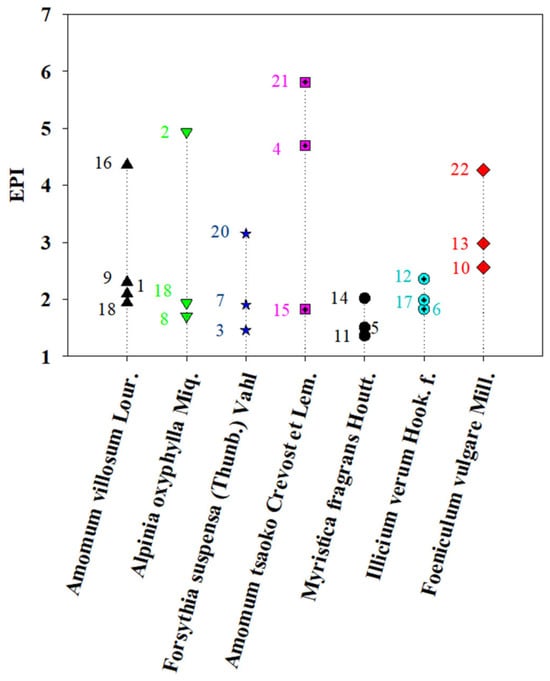
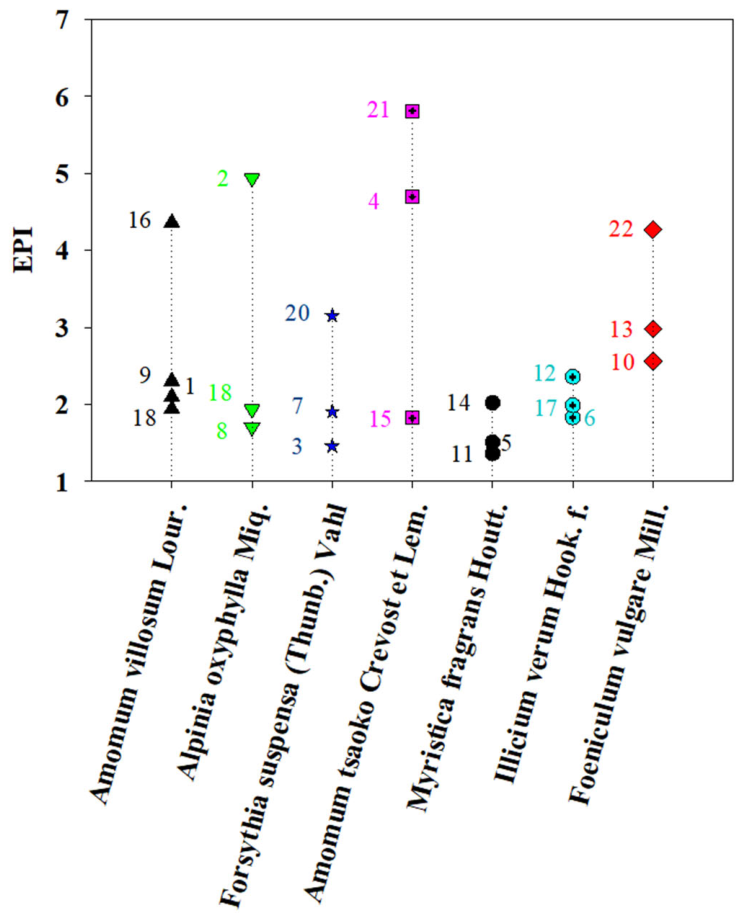
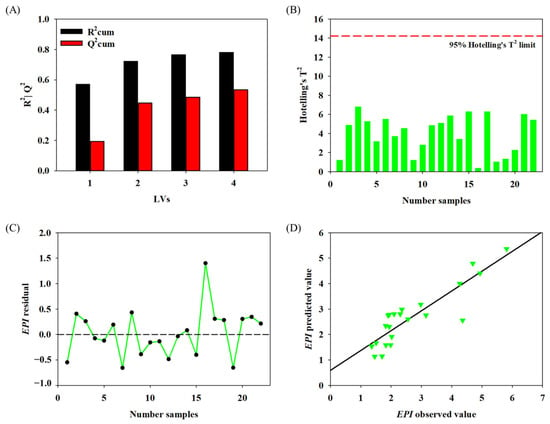
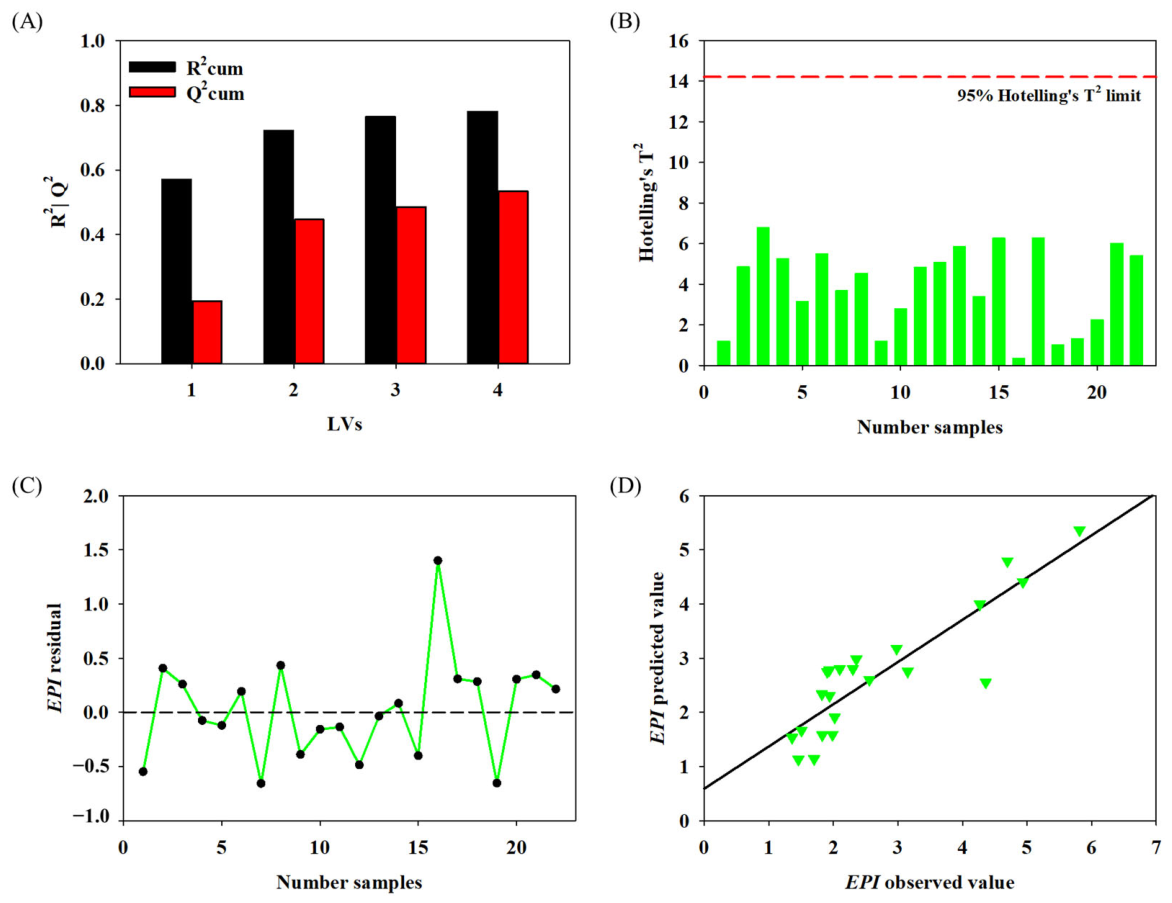
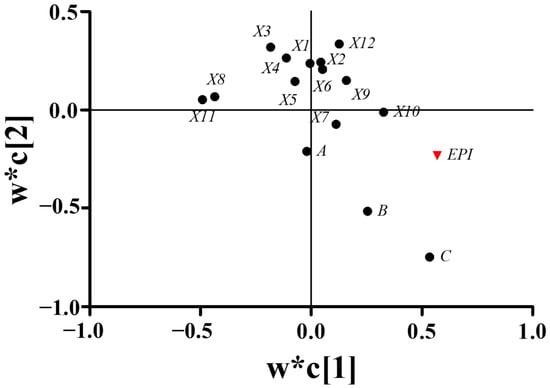
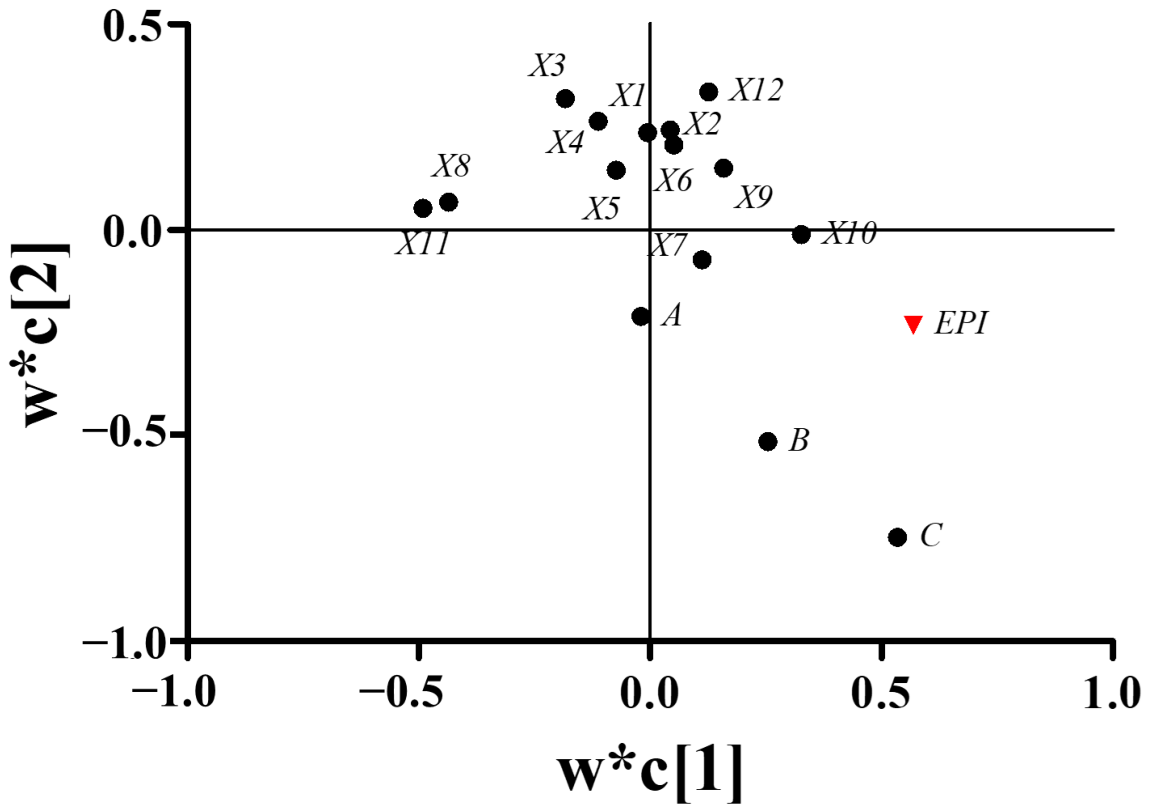
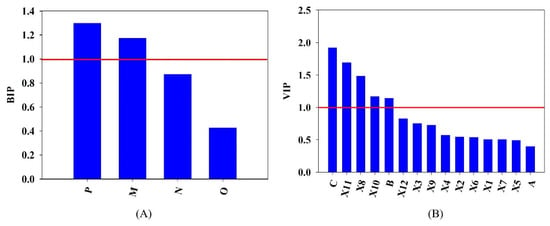
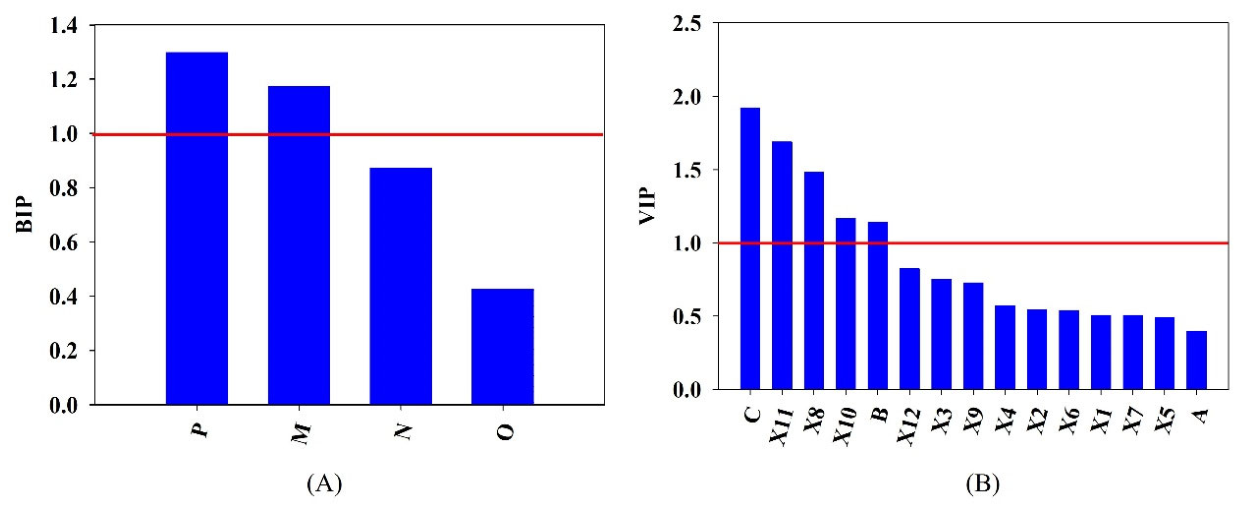
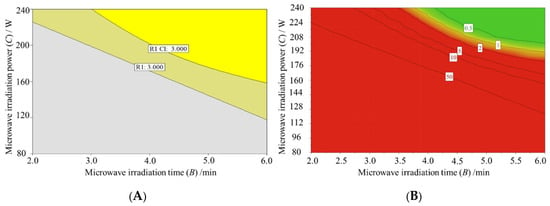
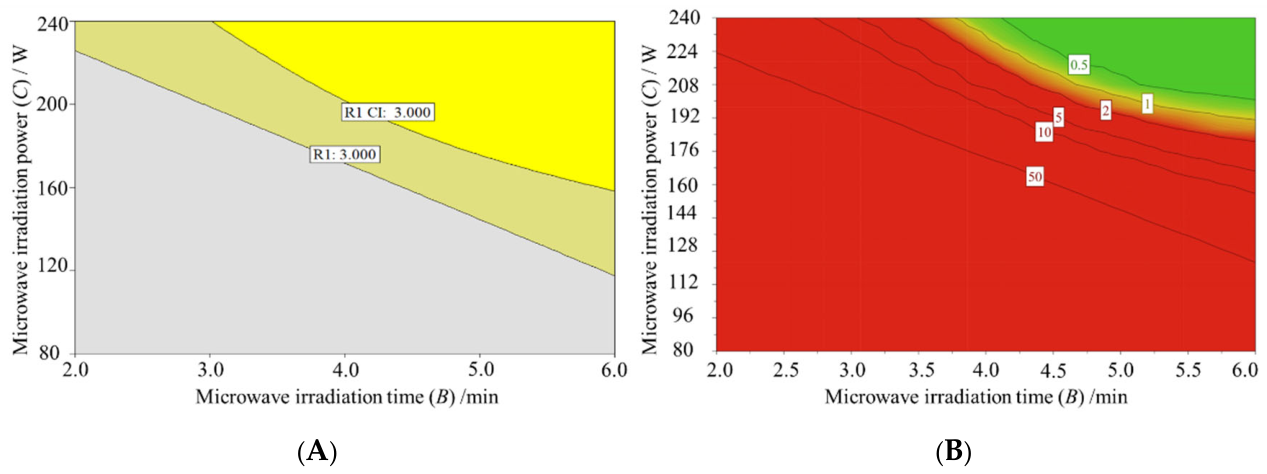
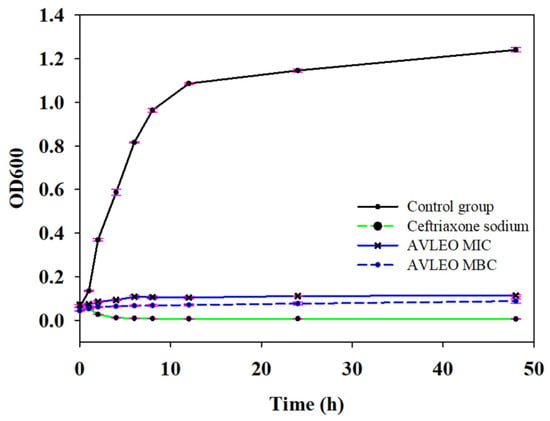
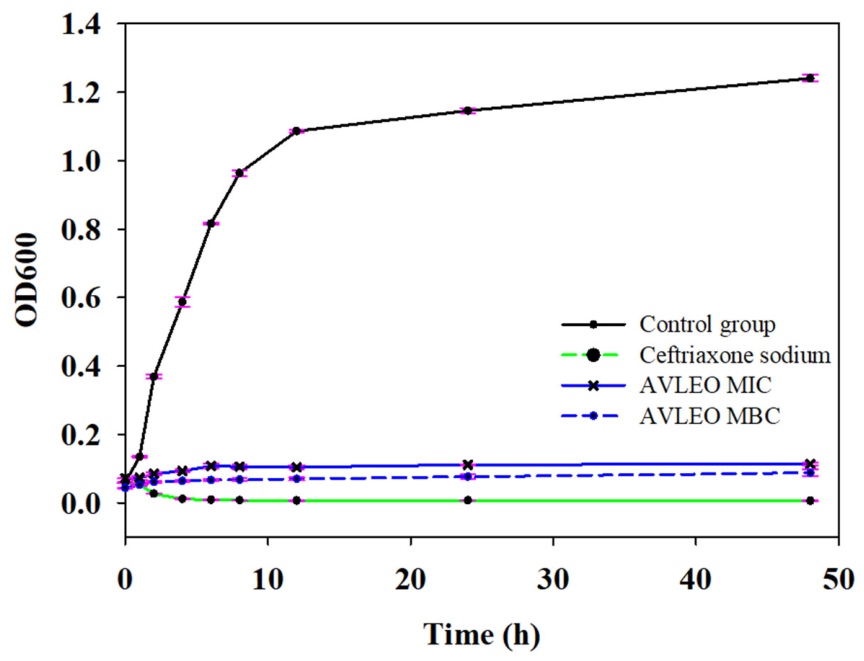
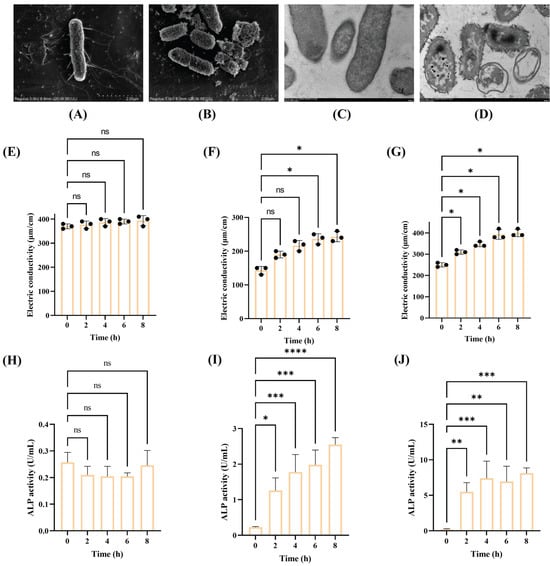
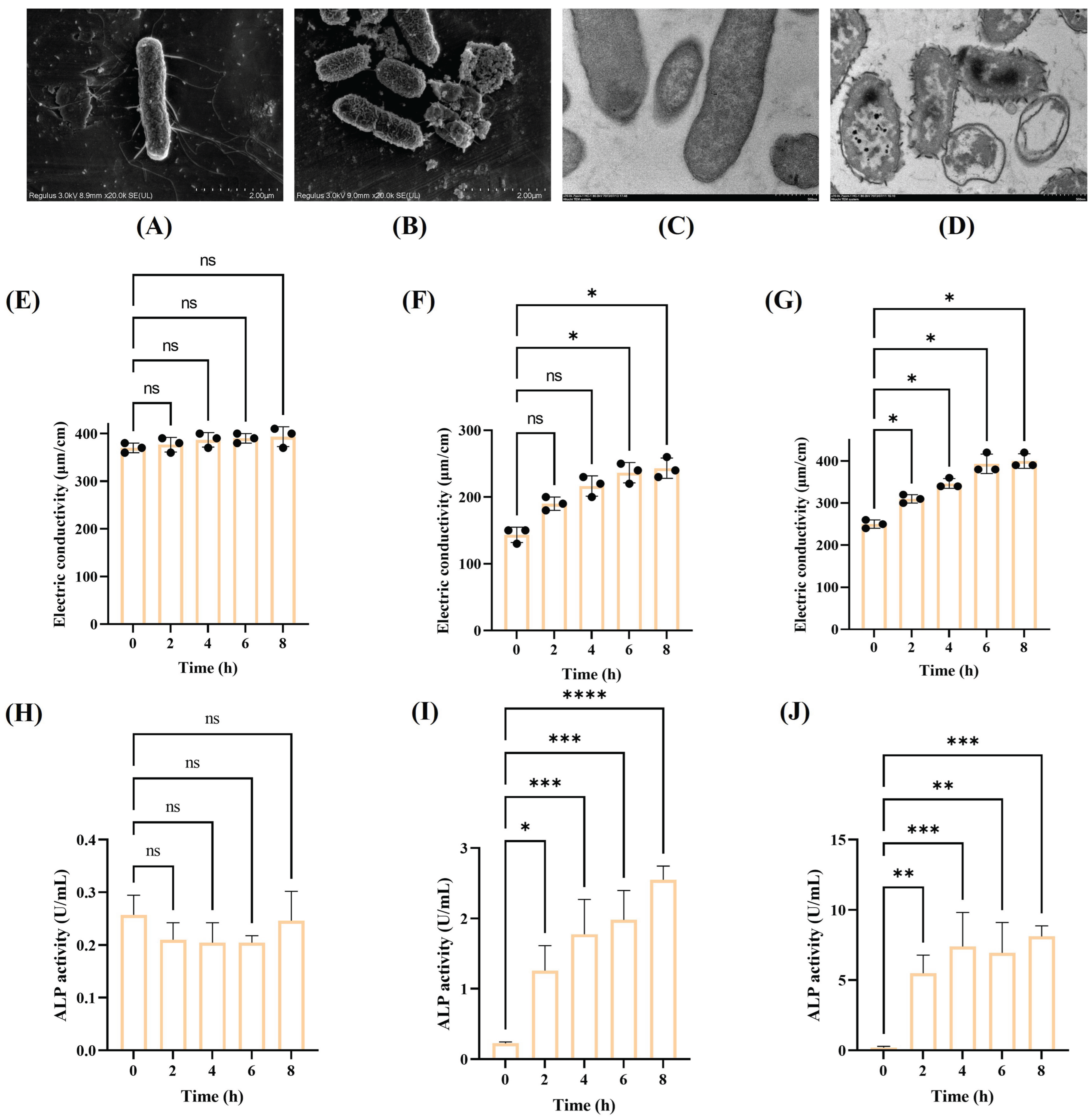
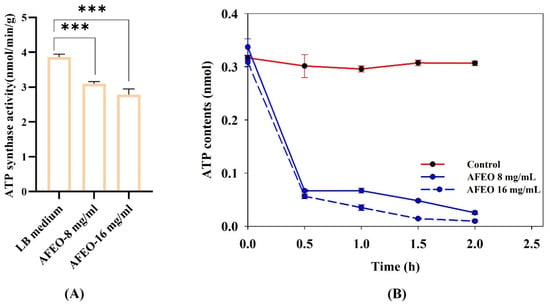
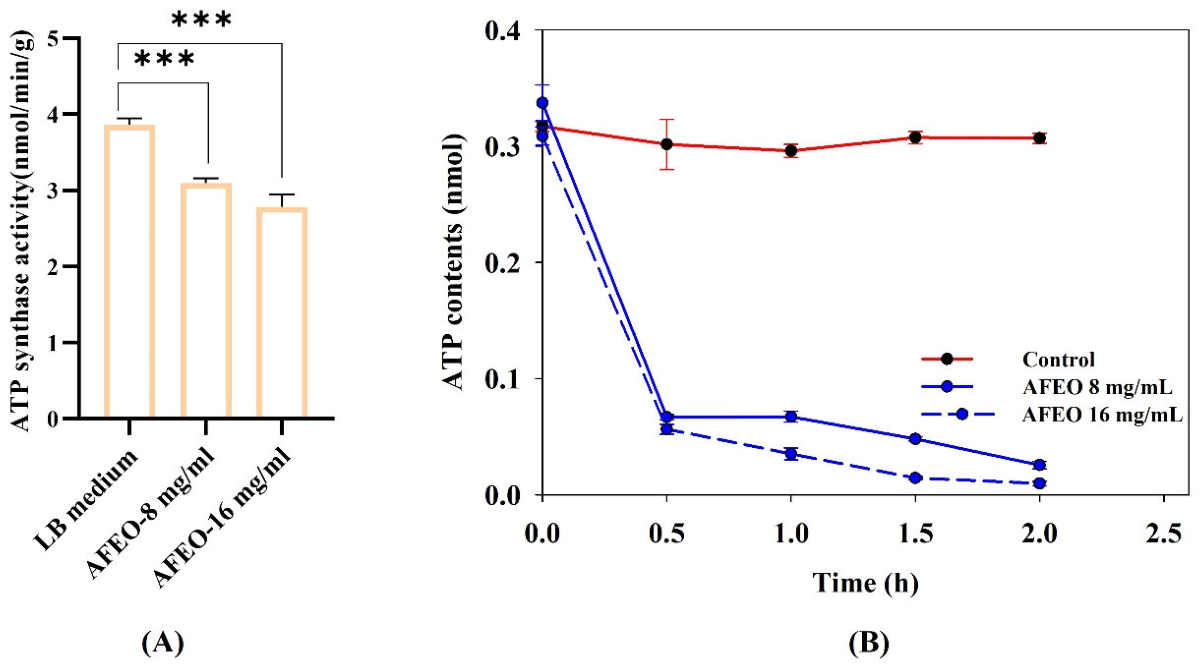

Disclaimer/Publisher’s Note: The statements, opinions and data contained in all publications are solely those of the individual author(s) and contributor(s) and not of MDPI and/or the editor(s). MDPI and/or the editor(s) disclaim responsibility for any injury to people or property resulting from any ideas, methods, instructions or products referred to in the content. |
© 2026 by the authors. Licensee MDPI, Basel, Switzerland. This article is an open access article distributed under the terms and conditions of the Creative Commons Attribution (CC BY) license.