


Abstract
Racetams are structurally related but pharmacologically heterogeneous compounds studied in relation to cognition. This narrative and critical review compares piracetam, aniracetam, oxiracetam, pramiracetam, phenylpiracetam, fasoracetam, and levetiracetam with respect to chemical structure, stereochemistry, proposed mechanisms, clinical evidence, safety, and regulatory status. Literature searches identified historical publications, preclinical studies, clinical trials, systematic reviews, and meta-analyses relevant to these compounds. The findings indicate that a shared structural scaffold does not imply a common molecular target or equivalent clinical effects. Proposed mechanisms range from membrane-related effects and glutamatergic or cholinergic signaling to dopamine-transporter activity, metabotropic glutamate receptor-associated signaling, and SV2A binding by levetiracetam. Clinical evidence varies by compound, population, and outcome; many cognitive-enhancement claims rely on small or older trials, while several mechanistic observations derive from preclinical models. Animal findings cannot establish clinical neuroprotection, neurogenesis, or cognitive enhancement in humans. Levetiracetam has an established antiseizure indication, which does not establish a nootropic indication. Current evidence does not support class-wide conclusions about efficacy or long-term safety. Generative AI was used to assist with literature discovery and the preparation of schematic figures. All AI-suggested references were independently checked against PubMed records and DOI metadata, and the authors reviewed the AI-assisted material and take full responsibility for the accuracy and integrity of the manuscript. Further well-designed clinical trials and direct pharmacological comparisons are needed.
1. Introduction to the Neuropharmacology of Nootropics and Racetams
The search for pharmacological substances capable of modulating cognitive functions, memory, and learning processes constitutes an important area of neuropharmacology and translational medicine [1,2,3,4]. Racetams comprise a group of compounds commonly discussed in relation to a 2-pyrrolidone-related structural scaffold [1,2,3,5]. Although structural similarities provide a useful basis for their chemical classification, they do not establish a shared molecular target, pharmacokinetic profile, or clinical effect. These properties may vary substantially depending on compound-specific substituents, stereochemistry, metabolism, and interactions with biological targets.
The development of this group of drugs dates back to the synthesis of piracetam (Figure 1), which initiated the new concept of “nootropic” substances [1,2,5,6]. This term, derived from Greek, was introduced into the nomenclature in 1972 to classify molecules whose pharmacodynamics are based on optimizing the functions of the higher centers of the nervous system without inducing generalized stimulation of the central nervous system [2,3,6]. The classical nootropic paradigm defines rigorous criteria: these substances must facilitate learning processes, protect neural tissue against damaging factors, and be characterized by negligible toxicity and an absence of adverse effects typical of classical stimulants, such as amphetamine [1,2,5,6,7].
Figure 1.
Piracetam featuring the 2-oxo-1-pyrrolidine ring, characteristic of the racetam group.
Advances in molecular neurobiology drove the synthesis of structurally advanced derivatives of piracetam [1,2]. The new substances were designed to overcome the pharmacokinetic limitations of the prototype, including its relatively low blood–brain barrier penetration and the necessity of administering high therapeutic doses [1,2]. Consequently, compounds with higher lipophilicity, diverse affinities for neurotransmitter systems, and distinct clinical indication profiles were synthesized [1,3,5].
This narrative and critical review examines seven selected compounds commonly discussed within the racetam group: piracetam, aniracetam, oxiracetam, pramiracetam, phenylpiracetam, fasoracetam, and levetiracetam. The compounds were purposively selected to illustrate differences in chemical structure, stereochemistry, proposed pharmacological targets, and the availability of preclinical and clinical evidence. Piracetam was included as the prototype of the group, while aniracetam, oxiracetam, pramiracetam, and phenylpiracetam were selected as structurally modified derivatives with relevant experimental or clinical literature. Fasoracetam was included because of research on metabotropic glutamate receptor-associated signaling, whereas levetiracetam provides an example of a chemically related pyrrolidone derivative with a distinct, SV2A-associated antiseizure mechanism. Other compounds described as racetams were outside the focused scope of this review and were not assessed systematically. The selection is therefore intended to support a focused comparative discussion rather than an exhaustive catalogue of all racetam-related compounds, and the conclusions are restricted to the seven compounds examined.
2. Narrative Review Methodology
The literature search covered publications concerning piracetam, aniracetam, oxiracetam, pramiracetam, phenylpiracetam, fasoracetam, and levetiracetam. Initial searches were conducted in PubMed, Scopus, Web of Science, Embase, and the Cochrane Library, with supplementary searches in PsycINFO and ScienceDirect, between January and March 2026. During the manuscript revision process, additional relevant publications were identified and incorporated into the review. The final update of the literature search and reference list was completed on 31 October 2026. Mendeley was used to manage references rather than as a bibliographic database.
The search was conducted using compound-specific search terms and combinations of related concepts. For each selected compound, searches focused on its chemical structure, stereochemistry, pharmacological targets, pharmacokinetics, preclinical effects, clinical outcomes, adverse events, and regulatory status. Search syntax and terminology were adapted to the indexing systems and search interfaces of the respective databases. The search was supplemented by examination of the reference lists of relevant reviews and original research articles to identify additional publications directly related to the objectives of this review.
Search concepts included the names of the individual compounds and terms related to chemical structure, stereochemistry, pharmacodynamics, cognition, memory, learning, molecular mechanisms, safety, adverse effects, and clinical efficacy. Boolean operators were used as appropriate for each database, and search terms were adapted to the syntax and indexing features of each database. The search strategy was designed to identify literature relevant to the scope of this narrative review. Complete database-specific search strings and the number of records retrieved were not prospectively documented; therefore, the search cannot be reproduced as a systematic search.
For this narrative synthesis, sources considered included original preclinical studies, human clinical studies, systematic reviews, meta-analyses, and historically important publications directly relevant to one or more of the seven selected compounds.
Publications were considered relevant when they directly addressed at least one of the seven selected compounds and reported information on chemical structure or stereochemistry, pharmacokinetics, molecular or cellular mechanisms, preclinical neurobiological outcomes, human efficacy or safety, or regulatory status. Priority was given to original experimental or clinical studies and to systematic reviews or meta-analyses relevant to these topics. Publications that did not provide compound-specific information relevant to the aims of this review were not included in the narrative synthesis. These relevance-based principles guided the selection of the literature but were not applied as a prospectively registered systematic screening protocol.
Human clinical findings were distinguished from animal and in vitro evidence. Greater weight was given to controlled clinical studies and systematic reviews when discussing clinical efficacy, whereas preclinical findings were interpreted primarily as evidence relevant to proposed mechanisms. Literature selection was narrative-focused and based on relevance to the objectives of the review. The number of individuals involved in literature selection, independent duplicate screening, and a formal procedure for resolving disagreements were not documented. Consequently, the possibility of selection bias cannot be excluded.
Because this was a narrative and critical review, no formal meta-analysis or standardized risk-of-bias instrument was used. The methodological quality of individual studies was considered narratively, with attention to study design, population, sample size, comparator, outcome measures, and limitations. No formal risk-of-bias ratings were assigned. The review was not designed to meet the reporting requirements of a systematic review and should not be interpreted as an exhaustive assessment of all available evidence.
No review protocol was prospectively registered, and no PRISMA flow diagram was prepared because this manuscript was designed as a narrative review rather than a systematic evidence synthesis. Accordingly, the review does not report a PRISMA-style record count or study-selection flow.
The search strategy was intended to identify representative and relevant publications for a critical narrative synthesis rather than to provide an exhaustive or reproducible systematic search. Consequently, the possibility that relevant publications were not identified cannot be excluded. The findings should therefore be interpreted as a critical overview of the selected literature, not as a complete systematic assessment of all available evidence.
All figures were prepared by the authors as original schematic representations based on the literature cited in this review. Generative AI (ChatGPT, GPT-6, OpenAI) was used to assist in the preparation of the schematic content, which was subsequently reviewed and approved by the authors. No previously published figure files were reproduced or adapted.
3. Structural Analysis, Stereochemistry, and Isomerism of 2-Pyrrolidone Derivatives
From a chemical perspective, all compounds classified within the broad class of racetams share a common core, which is the 2-pyrrolidone ring (Figure 2), and in the case of the narrower group of procognitive drugs—the 2-oxo-1-pyrrolidine acetamide structure [1,2].
Figure 2.
Structure of 2-pyrrolidone, the lactam of γ-aminobutyric acid.
The presence of a 2-pyrrolidone-related scaffold does not guarantee blood–brain barrier penetration or a specific pharmacokinetic profile. These properties depend on the physicochemical characteristics of each compound, including its substituents, ionization, lipophilicity, metabolism, and interactions with biological systems. Structural modifications may contribute to differences in pharmacological activity, but their effects must be established experimentally rather than inferred from chemical structure alone [2,5]. Chirality is important because enantiomers may differ in their interactions with biological targets, pharmacokinetics, and biological effects. Such differences should be demonstrated for each compound rather than inferred from stereochemistry alone [8,9].
From a structure–activity relationship perspective, the selected compounds illustrate several distinct types of structural modification. The hydroxyl substituent in oxiracetam introduces a stereogenic center and changes the molecule’s physicochemical properties. The aromatic substituent in aniracetam and the phenyl group in phenylpiracetam distinguish these compounds from the simpler piracetam scaffold, whereas the additional substituents in pramiracetam modify its physicochemical profile. Levetiracetam is the S-enantiomer of etiracetam and differs pharmacologically from compounds primarily discussed in relation to glutamatergic or cholinergic signaling because its established antiseizure mechanism involves SV2A binding. These structural comparisons provide a framework for discussing possible pharmacological differences but do not, by themselves, establish target affinity, potency, or clinical efficacy. Such conclusions require compound-specific experimental data and, where available, direct comparative studies [1,5,8,9,10,11,12,13].
Piracetam, being the prototypical and simplest representative of this group, is a completely achiral molecule; it lacks an asymmetric carbon atom or other chiral structures and does not form optical isomers [1,5]. The situation changes, however, with regard to its advanced structural analogs [1,5]. Oxiracetam (Figure 3) features an additional hydroxyl group substituted at position 4 of the pyrrolidone ring, which generates a stereogenic center [1,5].
Figure 3.
Chemical structure of oxiracetam, with the stereogenic center indicated by an asterisk (*).
Oxiracetam possesses a stereogenic center, and the pharmacological properties of its individual enantiomers may differ. However, claims regarding the superiority of (S)-oxiracetam over the racemic mixture should be interpreted in relation to the specific experimental model, dose, and outcome investigated. Findings from preclinical studies cannot by themselves establish greater clinical efficacy in humans. Any comparison of the isolated enantiomer with racemic oxiracetam should therefore be supported by direct comparative evidence and by clinical studies appropriate to the relevant indication [1,5].
Phenylpiracetam represents an example of a modification involving the incorporation of a phenyl ring at the 4th carbon atom of the pyrrolidone structure, which results in the formation of optical stereoisomers [5,8]. Preclinical work has characterized S-phenylpiracetam as a dopamine-transporter inhibitor and investigated related metabolic outcomes in animal models. The evidence cited here does not establish comparable DAT inhibition by the R-enantiomer or demonstrate cognitive enhancement in humans [8].
Levetiracetam (Figure 4) is the (S)-enantiomer of etiracetam and is used clinically as an antiseizure medication. Its pharmacological activity is associated with binding to synaptic vesicle protein 2A (SV2A). Although stereochemistry is relevant to its pharmacological profile, claims concerning the biological activity or toxicity of the opposite enantiomer should be restricted to outcomes directly investigated in the cited studies. The clinical use of levetiracetam should not be presented as evidence of established procognitive efficacy in healthy individuals [9,10,11].
Figure 4.
Structure of levetiracetam.
Fasoracetam (Figure 5) has been investigated for its effects on metabotropic glutamate receptor-related signaling and GABA-B receptor-associated pathways. However, its pharmacological actions should be described in terms of the specific receptor systems and experimental findings reported in the cited studies. The available evidence does not justify describing fasoracetam as a direct agonist at all mGluR subtypes without receptor-specific data. Its clinical development, including investigation in selected adolescents with ADHD and glutamatergic gene-network variants, should be distinguished from evidence of established clinical efficacy [12,13].
Figure 5.
Structure of fasoracetam.
4. The Precursor and Prototype of the Nootropic Concept: History and Discovery
Piracetam, historically the first synthesized drug of the racetam group, was developed in 1964 in the laboratories of the Belgian pharmaceutical company UCB [1,5,7]. The research project was coordinated by Corneliu E. Giurgea, a Romanian researcher working in the fields of chemistry and psychology [2,5,6]. The initial objective of the scientific team was the synthesis of cyclic derivatives of gamma-aminobutyric acid (GABA) that would have the capacity to cross the blood–brain barrier and exert sedative and sleep-inducing effects [1,5,7].
In vivo experiments conducted on rodents demonstrated a different pharmacological profile—the 2-oxo-1-pyrrolidine acetamide molecule did not directly affect GABAergic receptors and did not initiate sedation [1,5,7]. Behavioral studies, however, revealed a statistically significant facilitation of learning and memory processes in laboratory animals [1,5,7]. The observation of a lack of vegetative effects concomitant with the stimulation of cognitive processes led Giurgea to coin the new pharmacological category of “nootropic drugs” in 1972 [2,3,6]. Piracetam was introduced in Europe for the treatment of vascular disorders, vertigo, and diagnosed cortical myoclonus [1,5,7].
4.1. Membrane Fluidity, Hemorheology, and Glutamatergic Modulation
The complexity of piracetam’s pharmacodynamics stems from the fact that this drug does not exhibit significant affinity for most central nervous system receptors [1,2,5,7]. Despite being a GABA derivative, this structure does not physiologically activate either GABAA or GABAB receptors, nor does it directly modulate catecholaminergic systems [1,5].
Piracetam has been investigated for its effects on membrane properties, hemorheology, and neurotransmission (Figure 6) [1,2,4,14,15,16,17]. Experimental studies have reported changes in membrane fluidity under specific conditions, but the extent to which these observations explain its pharmacological effects in humans remains uncertain. Effects on cholinergic neurotransmission have also been proposed; however, these findings should not be interpreted as establishing a single primary molecular mechanism. The relative contributions of membrane-related, hemorheological, and neurotransmitter-associated effects to the clinical activity of piracetam remain incompletely understood [1,2,4,5,7,14,15,16,17].
Figure 6.
Proposed pharmacological mechanisms of piracetam [1,2,4,14,15,16,17,18].
In vitro studies have investigated possible interactions between piracetam and AMPA-type glutamate receptors, including effects consistent with allosteric modulation [18]. However, the extent to which these findings explain the drug’s effects in vivo remains uncertain. Piracetam’s mechanisms of action are not fully established, and findings concerning membrane properties, hemorheological effects, neurotransmission, and receptor-related processes should not be treated as equally conclusive. These findings support the view that piracetam has been investigated through several distinct experimental and clinical approaches; however, they do not establish a single validated molecular mechanism that explains its clinical effects. Evidence from hemorheological studies, clinical studies in specific patient populations, and animal models should be interpreted separately rather than combined as proof of a common neuroprotective mechanism [1,2,4,5,7,14,15,16,17,18].
4.2. Clinical Trials in Cognitive Decline, Dyslexia, and Post-Stroke Aphasia
Piracetam has been investigated in human studies assessing verbal learning and memory [1,2,19,20]. In a historical double-blind study involving healthy volunteers, Dimond and Brouwers reported no significant effect after 7 days of treatment but an improvement in verbal learning after 14 days [19]. This finding should be interpreted cautiously because the study predates contemporary standards for clinical trial reporting, and its abstract does not provide a sample size or standardized effect estimate. The absence of a sample size and standardized effect estimates in the available report limits the assessment of the magnitude and precision of the observed effect [5,19,20].
Wilsher et al. reported a 21-day double-blind crossover study involving 16 male participants with dyslexia and 14 matched student volunteers [20]. The investigators reported increases in verbal learning of 15.0% and 8.6%, respectively, relative to the placebo-associated changes. These percentages represent descriptive changes and should not be interpreted as standardized effect sizes. The available abstract does not provide exact p-values, confidence intervals, or standardized effect estimates, which limits assessment of the precision and clinical magnitude of the reported changes [20]. The small sample, historical study design, and limited reporting constrain the interpretation and generalizability of the findings.
Piracetam has also been investigated in patients with cognitive impairment, language disorders, and in selected perioperative settings [1,2,21,22,23,24,25,26,27,28,29,30]. However, findings from these populations address different clinical questions and should not be combined into a general claim of neuroprotection or cognitive enhancement. In particular, evidence concerning recovery after stroke, aphasia, or coronary artery bypass grafting should be interpreted according to the specific endpoint and clinical context. Available systematic evidence has not established a consistent, clinically meaningful benefit of piracetam across all forms of dementia or cognitive impairment. Historical positive findings require cautious interpretation in view of differences in study design, population, and outcome measures [22,26].
Piracetam has also been investigated as an adjunct to speech therapy in patients with post-stroke aphasia. In a prospective, double-blind, placebo-controlled study involving 24 patients, piracetam was administered at 2.4 g twice daily for 6 weeks alongside intensive speech therapy. The investigators reported improvements in selected language functions in the piracetam group [27]. However, a subsequent systematic review and meta-analysis of randomized controlled trials involving 261 patients found no statistically significant improvement in overall aphasia severity (SMD = 0.23, 95% CI −0.03 to 0.49; p = 0.08), although a modest benefit was reported for written-language outcomes (SMD = 0.35, 95% CI 0.04 to 0.66; p = 0.03) [28]. Other reviews have emphasized the limited and heterogeneous evidence supporting pharmacological treatment of post-stroke aphasia [29,30]. These findings relate specifically to post-stroke language rehabilitation and should not be extrapolated to second-language acquisition or general cognitive enhancement.
Piracetam has also been investigated in preclinical models of LPS-induced neuroinflammation and doxorubicin-associated cognitive deficits, as well as in selected clinical settings, including patients undergoing coronary artery bypass grafting [21,24,25,31,32]. These findings address specific experimental or perioperative outcomes and should not be interpreted as establishing a general neuroprotective effect. A Cochrane review concluded that the available published evidence did not support piracetam for the treatment of dementia or cognitive impairment, despite favorable findings on some global measures [22]. Evidence concerning stroke rehabilitation, aphasia, and perioperative cognitive outcomes should therefore be evaluated separately from evidence concerning dementia or cognitive enhancement in healthy individuals [1,2,21,22,24,25,31,32].
However, it is important to note that the clinical evidence regarding piracetam is highly heterogeneous. Many of the aforementioned positive findings, particularly those concerning healthy volunteers, dyslexia, and overall cognitive enhancement, are based on relatively old trials with small sample sizes and methodological limitations by modern standards. These historical results should be interpreted with caution, as contemporary, large-scale randomized controlled trials are needed to robustly substantiate these claims [1,2,3,22,26].
5. Aniracetam: AMPA Receptor Modulation and Preclinical Evidence
5.1. Chemical Development and Pharmacokinetic Profile
Aniracetam (Figure 7) is a nootropic compound synthesized in the 1970s in the laboratories of the Swiss pharmaceutical company Hoffmann-La Roche [1,5]. Chemically, the molecule represents a modification of piracetam, resulting from the substitution of a p-methoxybenzoyl (anisoyl) group within the pyrrolidone ring [1,5]. The synthesis is most commonly carried out via the reaction of 2-pyrrolidone with anisoyl chloride [2,3,5].
Figure 7.
Structure of aniracetam.
Aniracetam is more lipophilic than piracetam and undergoes rapid metabolism after oral administration [1,5]. In a single-dose pharmacokinetic study involving 20 healthy male volunteers, administration of 400 mg aniracetam resulted in a mean time to peak plasma concentration (Tmax) of 0.4 ± 0.1 h and a plasma elimination half-life of 0.47 ± 0.16 h [33]. These parameters describe the parent compound under the conditions of this specific study and should not be generalized to its metabolites, other formulations, or all patient populations.
A separate pharmacokinetic study also investigated aniracetam in elderly patients with cerebrovascular disease; its findings should be considered separately from the healthy-volunteer data because the studied population and clinical context differed [34].
5.2. Positive Allosteric Modulation of AMPA Receptors and BDNF Signaling
Experimental studies identify aniracetam as a positive allosteric modulator of AMPA receptors (Figure 8). In experimental systems, aniracetam has been reported to reduce receptor desensitization and prolong receptor-mediated signaling. However, the extent to which these mechanisms explain clinical outcomes remains uncertain, and the available findings should not be interpreted as establishing cognitive efficacy across human populations [1,5,35,36,37].
Figure 8.
Putative AMPA receptor- and BDNF–TrkB-mediated signaling pathways of aniracetam in vitro [38,39].
In cultured cerebellar granule cells, co-application of AMPA (500 μM) and aniracetam (1 μM) was reported to increase BDNF accumulation in the culture medium and enhance TrkB phosphorylation. This finding should be interpreted as an in vitro effect of combined AMPA and aniracetam treatment, rather than evidence that aniracetam alone increases BDNF expression in vivo. BDNF signaling is involved in neuronal survival and synaptic plasticity; however, these experimental observations do not establish clinical neuroprotection, neurogenesis, or improved memory in humans [38,39].
5.3. Clinical Studies in Alzheimer-Type and Vascular Dementia
The clinical effects of aniracetam have been investigated in several older studies involving patients with cognitive impairment. A double-blind, placebo-controlled study involving 44 patients with senile dementia of the Alzheimer type evaluated aniracetam at a dose of 1 g/day over 3 months [40]. A separate multicentre, double-blind, placebo-controlled study included 109 older patients with mild-to-moderate probable Alzheimer-type dementia and investigated treatment over a 6-month period [41]. Another multicentre, double-blind comparative study enrolled 115 patients and compared aniracetam with piracetam over 6 months [42]. A subsequent prospective, open-label comparative study evaluated 276 patients with cognitive disorders receiving aniracetam, cholinesterase inhibitors, or combinations of these treatments [43]. Although selected psychometric and psychobehavioral outcomes were reported to improve or remain stable in these studies, the differences in study design, patient populations, comparators, treatment duration, and outcome measures limit direct comparisons. In particular, the open-label design of the later study does not establish causal efficacy. These historical findings do not demonstrate a general procognitive effect in healthy individuals or establish long-term safety.
Preclinical studies have investigated the effects of aniracetam on learning- and memory-related outcomes in experimental models. The interpretation of these findings depends on the model, dose, and behavioral endpoint used. Such results may inform hypotheses about pharmacological activity, but they do not establish clinical efficacy or justify the use of aniracetam for cognitive enhancement in healthy individuals [1,5,44,45].
6. Oxiracetam: Neurotransmission, Intracellular Signaling, and Clinical Evidence
6.1. Structural Origin and Human Bioavailability
Oxiracetam (Figure 3), initially designated under the research code ISF 2522, was synthesized and introduced into experimental testing by the Italian corporation I.S.F. Laboratories in the 1970s [1,5]. The molecular innovation of this agent compared to piracetam consisted in the introduction of a hydroxyl group at position 4 of the main 2-oxo-1-pyrrolidineacetamide ring, yielding the compound 4-hydroxy-2-oxo-1-pyrrolidineacetamide [2,5].
Oxiracetam is a relatively hydrophilic compound and has been investigated for its pharmacokinetic properties following oral and intravenous administration [1,2]. In a study involving four healthy volunteers receiving a single oral dose of 2000 mg, the absolute availability of oxiracetam was 75 ± 7%, and peak serum concentrations were reached within 1–2 h [46]. These findings derive from a very small pharmacokinetic study and should not be considered universal estimates across different formulations or patient populations.
6.2. Hippocampal Neurotransmission and Protein Kinase C Activation
Experimental studies have investigated oxiracetam in relation to cholinergic signaling and memory performance. In a rat model, oxiracetam attenuated scopolamine-induced amnesia and the associated decrease in acetylcholine levels in the cortex and hippocampus. The observed effects depended on the administered dose and experimental conditions. These findings do not establish that cholinergic activation is the sole mechanism of oxiracetam or that the same effects occur in humans [1,2,47].
In rat hippocampal slice preparations, oxiracetam has also been reported to alter evoked field potentials. This electrophysiological finding is preclinical and does not identify a single receptor-level mechanism or establish a corresponding clinical effect in humans [48].
Oxiracetam has also been investigated for its effects on intracellular signaling. In learning-impaired DBA/2 mice, treatment was associated with increased hippocampal protein kinase C (PKC) activity and improved performance on hippocampally mediated learning tasks. This finding is preclinical and does not establish that PKC activation mediates cognitive effects in humans [49].
6.3. Efficacy in High-Altitude Hypoxia, Traumatic Brain Injury, and Stroke
A controlled study investigated the effects of oxiracetam in 60 healthy male military volunteers exposed to high-altitude conditions. Participants were divided into three groups: a control group, an oxiracetam-treated group, and a fastigial nucleus stimulation group. The oxiracetam group received 800 mg three times daily for 15 days. At an altitude of 4000 m, the study reported improvements in selected cognitive tests and attenuation of the prolonged P300 and N200 latencies observed under hypoxic conditions. These findings should be interpreted in the context of this specific study and should not be generalized to patients with clinical cognitive disorders or to cognitive enhancement in healthy individuals at sea level [50].
A multicentre, randomized, double-blind, placebo-controlled phase III trial investigated L-oxiracetam in patients with mild-to-moderate traumatic brain injury [51]. A total of 590 patients were enrolled and assigned to L-oxiracetam (n = 235), oxiracetam (n = 236), or placebo (n = 119). Participants received intravenous L-oxiracetam (4 g/day), oxiracetam (6 g/day), or placebo for 14 consecutive days, followed by 3 months of observation. The primary endpoint was the change in the Loewenstein Occupational Therapy Cognitive Assessment (LOTCA) score from baseline to day 90 [51]. At day 90, the least-squares mean change in the Loewenstein Occupational Therapy Cognitive Assessment (LOTCA) score was 20.45 (95% CI 17.23–23.66) in the L-oxiracetam group, 15.90 (95% CI 12.71–19.10) in the oxiracetam group, and 11.47 (95% CI 7.75–15.20) in the placebo group. The difference between L-oxiracetam and placebo was 8.97 points (95% CI 5.69–12.26; p < 0.001; Cohen’s d = 0.48). However, 146 patients did not complete the 90-day assessment, and the interpretation of results should account for this attrition. Adverse events of any grade occurred in 65.96% of patients receiving L-oxiracetam, 66.53% receiving oxiracetam, and 67.23% receiving placebo (p = 0.980). Serious adverse events were reported in 5.53%, 7.63%, and 12.60% of the respective groups (p = 0.100). Treatment-related adverse events occurred in 9.36%, 17.37%, and 9.24%, respectively (p = 0.049); no treatment-related serious adverse events were reported [51]. These findings support further evaluation of L-oxiracetam for cognitive dysfunction following traumatic brain injury, but they should not be generalized to all racetam compounds or to cognitive enhancement in healthy individuals [51].
The 2023 phase IV publication by Lim et al. [52] describes the study protocol and planned methodology, whereas the subsequent 2026 publication by Lim et al. [53] reports the results of the completed trial. The multicentre, double-blind, placebo-controlled study enrolled 500 participants at high risk of post-stroke cognitive impairment, of whom 457 completed the 36-week study. Participants received oxiracetam (800 mg twice daily) or placebo. The coprimary outcomes were changes in the Mini-Mental State Examination (MMSE) and Clinical Dementia Rating–Sum of Boxes (CDR-SB). No statistically significant between-group differences were observed for MMSE (mean change: +0.13 ± 2.27 with oxiracetam vs. +0.27 ± 2.09 with placebo; p = 0.49) or CDR-SB (−0.14 ± 0.70 vs. −0.08 ± 0.80; p = 0.38). The trial therefore did not demonstrate a significant benefit of oxiracetam in preventing post-stroke cognitive impairment in this population [53]. These results should be considered alongside earlier clinical findings and should not be generalized to other racetam compounds or patient populations.
7. Pramiracetam: Cholinergic Signaling and Clinical Evidence
7.1. Synthesis, Physicochemical Properties, and Pharmacokinetics
Pramiracetam (Figure 9) is a synthetic racetam derivative that has been investigated in experimental models and in a limited number of clinical studies involving cognitive impairment [1,2]. Research on this molecule was conducted in the late 1970s by investigators employed by the Parke-Davis corporation (currently part of the Pfizer group) [1,2,3]. The code identifying the substance at the experimental stage was CI-879 [1,5].
Figure 9.
Structure of pramiracetam.
Pramiracetam contains an additional diisopropylamino substituent relative to piracetam [1,5]. This structural modification may affect physicochemical properties, but increased lipophilicity alone does not demonstrate efficient blood–brain barrier penetration or establish a specific pharmacokinetic profile. Clinical studies involving cognitive impairment have reported mixed findings. Historical reports of marketing under specific trade names should not be interpreted as evidence of current authorization or an approved indication. Any statement concerning the present regulatory status of pramiracetam should be supported by current official information for the relevant country [1,2]. The oral pharmacokinetics of pramiracetam have also been investigated in healthy volunteers, although these data do not establish clinical efficacy in patients with cognitive disorders [54].
7.2. High-Affinity Choline Uptake in Hippocampal Pathways
Pramiracetam has been investigated for its effects on high-affinity choline uptake and cholinergic processes, particularly in hippocampal experimental systems [1,2,55]. Much of the evidence supporting this proposed mechanism comes from animal studies and ex vivo analyses. These findings do not establish absolute receptor specificity or demonstrate that the same mechanism fully explains clinical effects in humans. The available evidence should therefore be interpreted as supporting a proposed pharmacological profile rather than a completely defined molecular mechanism [1,5,55].
The effects of pramiracetam have been investigated in experimental animal models, but the magnitude and reproducibility of the findings depend on the model, dose, route of administration, and behavioral endpoint [1,2,56,57]. Reported changes in novel-object-recognition performance should be interpreted as preclinical findings. The available evidence does not establish that pramiracetam acts exclusively or selectively on memory mechanisms, and these animal results cannot by themselves demonstrate clinical efficacy in humans [1,2,56,57].
7.3. Scopolamine Challenge Studies and Post-Injury Memory Trials
Pramiracetam has been investigated in experimental studies involving scopolamine-induced memory impairment in healthy volunteers [58]. Such challenge studies provide information about performance under experimentally induced conditions, but they do not establish efficacy in the treatment of clinical cognitive disorders. A separate double-blind, placebo-controlled study investigated pramiracetam sulfate at 400 mg three times daily in men with memory and cognitive problems following head injury or anoxia [59]. The investigators reported improvements in measures of memory, particularly delayed recall. However, the subsequent 18-month open-label extension lacked a concurrent placebo control and should not be interpreted as definitive evidence of sustained treatment efficacy. In a separate placebo-controlled study, pramiracetam was evaluated in 10 patients with probable Alzheimer’s disease. Although eight patients showed an apparent best-dose response during the dose-finding phase, only two showed a similar response during the subsequent replication phase, and the study did not establish a reproducible symptomatic benefit [60]. The available clinical findings remain limited and require cautious interpretation [1,58,59,60].
8. Phenylpiracetam (Carphedon): Dopamine-Transporter Effects and Preclinical Evidence
8.1. Development and Anti-Doping Classification
Phenylpiracetam (Figure 10), also known as fonturacetam or carphedon, is a phenyl-substituted piracetam analogue developed in the Soviet Union and subsequently investigated for its pharmacological and cognitive effects [1,2]. Fonturacetam [4-phenylpiracetam (carphedon)] is listed by the World Anti-Doping Agency among stimulants prohibited in competition under category S6.A. This anti-doping classification should not be interpreted as evidence of established cognitive efficacy or clinical safety [61].
Figure 10.
Structure of phenylpiracetam.
8.2. Stereoselective Dopamine Transporter Inhibition and Metabolic Effects
The structural difference between piracetam and phenylpiracetam lies in the presence of a phenyl group attached at the fourth position of the pyrrolidone skeleton [5]. The addition of this group changes the physicochemical properties of phenylpiracetam relative to piracetam [1,2]. However, quantitative claims concerning oral bioavailability and brain penetration should be interpreted in relation to the experimental species, formulation, and route of administration. The sources cited here do not establish a precise value for absolute oral bioavailability in humans. A reliable human pharmacokinetic profile, including absolute oral bioavailability and elimination half-life, is not established by the sources considered here.
Preclinical studies have investigated S-phenylpiracetam as a dopamine transporter inhibitor (Figure 11), although the available evidence does not establish the corresponding pharmacological profile of the R-enantiomer [8]. The findings indicate that dopaminergic effects may depend on stereochemistry and the experimental model used. However, the available evidence should not be interpreted as establishing a complete mechanism of action in humans. Claims concerning selective DAT inhibition, effects on cholinergic receptors, motivation, or protection against fatigue should be included only when directly supported by the cited evidence, with animal findings clearly distinguished from human clinical outcomes [1,8].
Figure 11.
Enantiomer-specific preclinical activity and clinical evidence gaps for phenylpiracetam [8].
In a preclinical study, S-phenylpiracetam was investigated as a dopamine transporter inhibitor and was reported to reduce body-weight gain without changing locomotor activity under the tested conditions. These findings concern experimental pharmacological and metabolic outcomes and should not be interpreted as evidence of cognitive enhancement in humans [8].
8.3. Translational Gaps and Limitations of Human Data
Clinical evidence supporting the use of phenylpiracetam for cognitive enhancement in humans remains limited. Reports of use for concentration, fatigue, mood, or cognitive performance do not establish therapeutic efficacy. Findings from animal studies should not be extrapolated directly to human cognitive outcomes. Further controlled clinical trials are needed to establish efficacy, safety, appropriate indications, and the relevance of the compound’s proposed pharmacological mechanism [1,2].
9. Fasoracetam (NS-105): mGluR-Associated Signaling and Preliminary ADHD Evidence
9.1. Drug Repositioning from Vascular Dementia to Neurodevelopmental Disorders
Fasoracetam (Figure 5), initially designated NS-105, was developed in Japan and investigated as a potential nootropic compound, including in studies concerning cognitive impairment and vascular dementia. However, the available literature has not established a clinically effective indication for this compound [1].
Subsequent clinical research investigated fasoracetam in a selected group of adolescents with ADHD and variants in genes associated with metabotropic glutamate receptor signaling. The clinical study reported by Elia et al. was a small Phase I/II investigation and should be interpreted as preliminary evidence rather than confirmation of established therapeutic efficacy [62].
9.2. Adenylate Cyclase Regulation and GABAB Receptor Upregulation
Preclinical studies have investigated NS-105 (fasoracetam) in relation to metabotropic glutamate receptor-associated regulation of adenylate cyclase activity and cyclic AMP formation (Figure 12). In rat cerebral cortex preparations, NS-105 altered forskolin-stimulated cyclic AMP formation through mechanisms involving G-protein signaling associated with metabotropic glutamate receptor pathways. These findings support an association with mGluR-linked intracellular signaling in the experimental systems studied; they do not establish direct agonism at mGluR1 or mGluR5 or demonstrate clinical neuroprotection [12].
Figure 12.
Preclinical mGluR- and GABAB-associated signaling pathways of fasoracetam (NS-105) [12,13].
Two distinct preclinical observations should be distinguished. Oka et al. reported that NS-105 altered Gi- and Gs-dependent modulation of adenylate cyclase activity in rat brain preparations through mechanisms involving metabotropic glutamate receptor pathways [12]. Separately, Shimidzu et al. reported that repeated NS-105 treatment may be associated with increased GABA-B receptor expression in a rat model of learned helplessness [13]. This finding concerns a possible change in receptor expression after repeated treatment; it does not demonstrate direct agonism at GABA-B receptors or establish anxiolytic or procognitive efficacy in humans.
9.3. Preliminary Phase I/II Findings in Genetically Defined Adolescent ADHD
Elia et al. investigated fasoracetam in a 5-week open-label, single-blind study involving 30 adolescents aged 12–17 years with ADHD and variants in genes associated with metabotropic glutamate receptor signaling [62]. The study included a single-blind placebo week followed by four weeks of symptom-guided dose escalation up to 400 mg twice daily. The mean Clinical Global Impressions–Improvement (CGI-I) score decreased from 3.79 at baseline to 2.33 at week 5 (p < 0.001), while the mean Clinical Global Impressions–Severity (CGI-S) score decreased from 4.83 to 3.86 (p < 0.001). Parental Vanderbilt scores also improved among participants with mGluR Tier 1 variants (p < 0.035). The study did not detect differences in the incidence of adverse events between the placebo week and active-treatment weeks. Across the study, commonly reported treatment-emergent adverse events included headache (19/30, 63.3%), fatigue (11/30, 36.7%), abdominal pain (8/30, 26.7%), and diarrhea (7/30, 23.3%). Three serious adverse events occurred, none of which was attributed to the study drug. Because this was a small, genetically selected cohort with a sequential placebo-to-active-treatment design and no randomized parallel placebo group, the findings are preliminary and do not establish efficacy relative to placebo, comparative effectiveness, or long-term safety [62].
10. Levetiracetam: SV2A Binding, Antiseizure Activity, and Evidence on Cognition
10.1. Stereospecific Development of an Antiseizure Pyrrolidone Derivative
Levetiracetam is a pyrrolidone derivative developed by UCB as an antiseizure medication. It is the S-enantiomer of etiracetam. Although its chemical structure is related to piracetam, its established pharmacological mechanism is distinct: levetiracetam binds to synaptic vesicle protein 2A (SV2A) and modulates synaptic vesicle function [1,9,10,11].
10.2. Synaptic Vesicle Protein 2A (SV2A) Binding and Vesicular Exocytosis
Levetiracetam binds to synaptic vesicle protein 2A (SV2A), a protein involved in synaptic vesicle cycling and neurotransmitter release (Figure 13) [9,10,11]. This interaction is central to its established antiseizure mechanism. Downstream effects on neuronal signaling depend on the physiological and pathological context. The SV2A mechanism should not be interpreted as proof of clinical neuroprotection or cognitive enhancement [1,2,3,9,10,11].
Figure 13.
Mechanism of action of levetiracetam via SV2A binding and synaptic vesicle modulation [9,10,11].
10.3. Neuropsychological Outcomes in Epilepsy and Alzheimer’s Disease Trials
Levetiracetam is primarily used as an antiseizure medication. Evidence concerning its cognitive effects should be interpreted separately from its established efficacy in epilepsy [9,63]. A 2024 meta-analysis of 16 randomized controlled trials involving 545 participants reported an improvement in executive function compared with placebo (Hedges’ g = −0.390, 95% CI −0.609 to −0.172; p < 0.001). Subgroup analysis also indicated an improvement in participants without epilepsy (Hedges’ g = −0.419, 95% CI −0.647 to −0.191; p < 0.001). However, the findings were not consistent across all cognitive domains, and the analysis identified a higher incidence of somnolence with levetiracetam than with placebo (OR = 4.654, 95% CI 1.533–14.124; p = 0.007). Potential publication bias was also noted, and the results should therefore be interpreted cautiously [63]. In patients with epilepsy, cognitive outcomes may depend on seizure control, baseline neurological status, concomitant medication, and the cognitive domain assessed [64,65]. Results in these populations cannot be generalized to healthy individuals.
A 2025 systematic review and meta-analysis of six randomized controlled trials involving 283 participants with cognitive impairment found no significant improvement in global cognitive function measured by the Clinical Dementia Rating–Sum of Boxes (CDR-SB; mean difference = 0.04, 95% CI −0.23 to 0.31). A small statistically significant improvement was reported for visuospatial function (SMD = −0.25, 95% CI −0.49 to −0.01), whereas the estimated effect on executive function did not reach statistical significance (SMD = −0.29, 95% CI −0.63 to 0.05). No significant difference in overall adverse-event rates was detected between levetiracetam and placebo. These findings suggest that potential cognitive effects may vary across domains and do not establish a general improvement in cognitive function [66].
In the LEV-AD randomized, double-blind, placebo-controlled crossover trial, 34 adults with Alzheimer’s disease received low-dose levetiracetam at 125 mg twice daily or placebo during separate 4-week treatment periods. Levetiracetam did not significantly improve the primary executive-function outcome or overall cognitive performance in the full study population. Exploratory analyses indicated improvements in selected executive-function and spatial-memory measures among participants with epileptiform activity. These subgroup findings require cautious interpretation because they concern a limited, clinically selected population. These findings do not establish a general procognitive effect of levetiracetam in healthy individuals or across the broader population of patients with Alzheimer’s disease. The subgroup findings in participants with epileptiform activity should be considered exploratory and require confirmation in larger studies [67].
The ILiAD pilot crossover study investigated levetiracetam in individuals with mild-to-moderate Alzheimer’s disease without active epileptiform discharges. Eight participants completed both treatment periods. Levetiracetam was titrated to 500 mg twice daily, and no statistically significant difference from placebo was observed on the primary Oxford Memory Task. No participants withdrew from the study, and the incidence of reported adverse effects did not differ significantly between the levetiracetam and placebo periods. The very small sample and incomplete availability of cognitive-test data substantially limit the conclusions that can be drawn regarding efficacy and safety; the study does not provide evidence of a statistically significant improvement in the primary memory outcome [68].
11. Summary of Key Clinical Evidence
As discussed in the preceding sections, the clinical evidence for racetams varies significantly in terms of study design, sample size, and modern methodological rigor. To provide a structured qualitative summary of the available clinical evidence, Table 1 presents selected studies, their designs, populations, primary endpoints, findings, and key limitations.
Table 1.
Clinical evidence for the seven selected racetam-related compounds.
12. Comparative Pharmacodynamics: Does the ‘Racetam’ Class Still Exist?
The seven compounds share a 2-pyrrolidone-related scaffold, but the evidence reviewed here points to distinct and incompletely characterized pharmacological profiles. Piracetam has been investigated in relation to membrane properties, hemorheology, and possible AMPA-receptor allosteric interactions; the contribution of these findings to its clinical effects remains uncertain [1,2,4,14,15,16,17,18]. For aniracetam, positive allosteric modulation of AMPA receptors has been demonstrated in in vitro and ex vivo systems, but this does not establish a corresponding clinical effect in humans [35,36,37]. Oxiracetam has been studied in relation to cholinergic signaling, hippocampal electrophysiology, and PKC-associated pathways; current evidence does not establish direct AMPA- or NMDA-receptor agonism [47,48,49].
Pramiracetam has been associated with increased high-affinity choline uptake in experimental hippocampal systems [55]. Evidence for phenylpiracetam mainly concerns DAT-inhibitory activity of its S-enantiomer in animal models and cannot be extrapolated to the R-enantiomer or human cognition [8]. Fasoracetam has been investigated in mGluR-associated signaling and GABA-B receptor expression in preclinical models; these findings do not show direct agonism or clinical neuroprotection [12,13]. Levetiracetam differs from the other compounds in this review because its established antiseizure activity is associated with SV2A binding [9,10,11].
Taken together, these findings indicate that “racetam” is best used here as a structural and historical label, not as a pharmacologically uniform class. Differences in models, targets, populations, and outcomes, together with the lack of adequate head-to-head trials, prevent a reliable ranking of potency, cognitive efficacy, or safety. Each compound should therefore be evaluated individually, and preclinical hypotheses should remain distinct from demonstrated clinical effects [1,2,5,8,9,10,11,12,13,18,35,36,37,47,48,49,55].
13. Racetams and Foreign-Language Learning: Current Evidence and Research Gaps
Second-language acquisition involves several cognitive processes, including attention, working memory, long-term memory consolidation, and executive control. Although selected racetams have been investigated for their effects on cognitive performance, findings from studies involving memory impairment, neurological disorders, or experimental cognitive tasks cannot be directly extrapolated to second-language acquisition. Research has also examined the relationship between second-language acquisition and nonverbal cognitive abilities; however, such associations do not establish that pharmacological cognitive enhancers improve foreign-language learning [69].
Piracetam has been investigated in clinical contexts involving language dysfunction and rehabilitation [27,28,29,30], while other racetams have been studied in relation to memory, attention, or synaptic plasticity. However, improvements in these outcomes do not necessarily indicate improved foreign-language learning. In particular, evidence concerning verbal memory or verbal fluency should not be interpreted as direct evidence of improved vocabulary acquisition, grammatical learning, or overall foreign-language proficiency [19,20,44,45,55,56,57].
Available clinical evidence is insufficient to determine whether racetams improve second-language acquisition [2,69]. Within the literature identified for this review, no clinical study used a validated measure of second-language (L2) proficiency as its primary endpoint. Results from memory, attention, or verbal-fluency tasks cannot substitute for such outcomes. Any proposed effect on language learning therefore remains hypothetical and requires direct evaluation using validated L2 measures.
14. Clinical Utility and Off-Label Use of Selected Racetams
Potential effects of nootropic agents on the developing brain have been discussed in relation to neuroplasticity, but these findings cannot be generalized across compounds or age groups [70]. Reports of nonmedical racetam use for cognitive enhancement raise questions about effectiveness, safety, and the distinction between experimental use and approved therapeutic indications [71,72,73]. Evidence from healthy users should be distinguished from clinical findings in patients with neurological disorders. Table 2 compares the selected compounds with respect to their proposed or established targets, selected experimental and clinical findings, and principal safety limitations; it is not an efficacy or safety ranking [1,2,3].
Table 2.
Comparison of proposed molecular mechanisms, selected findings, and safety limitations.
The clinical utility of each compound should be assessed separately according to its indication, target population, and available evidence. Improvements in experimental cognitive tasks do not necessarily translate into clinically meaningful benefits, and findings obtained in neurological patient populations cannot be directly extrapolated to healthy individuals. In the absence of reliable head-to-head comparisons, differences in pharmacological mechanisms, efficacy, and safety should not be used to establish a comparative ranking. Current evidence does not demonstrate that racetams as a class prevent amnesia or provide superior safety compared with other pharmacological agents [1,2,3].
15. Limitations of Clinical Evidence and Safety Concerns
Nonmedical use of cognitive enhancers has been reported among university students and other populations [71,72,73]. However, available studies do not adequately characterize the long-term safety of racetams used for cognitive enhancement in healthy individuals, particularly because large controlled studies with long follow-up are lacking [1,2,3,73,75]. A review of cognitive-enhancing medications in older adults discussed fall-related risks, but this evidence should not be presented as demonstrating a racetam-specific risk [76]. Interpretation of the historical clinical literature is further limited by differences in study methods and the possibility that negative or inconclusive findings are underrepresented [22,26].
Regulatory Status and Approved Indications
Regulatory status differs by compound, product, jurisdiction, and indication. In the European Union, Keppra (levetiracetam) holds centralised marketing authorisation for specified epilepsy indications [74]. In Poland, the product information for Memotropil 800 mg lists indications for piracetam in dyslexic disorders in children when used with speech therapy, cortical myoclonus, and dizziness of central or peripheral origin [77]. Levetiracetam Accord is registered in Poland for specified antiseizure indications [78]. In the United States, the current KEPPRA prescribing information records an initial approval in 1999 [79].
A 2023 press release from the U.S. Department of Justice, District of New Hampshire, states that the FDA had not approved drugs containing racetams, including piracetam, aniracetam, and phenylpiracetam, for use in the United States [80]. FDA orphan-drug records list designations for piracetam, pramiracetam sulfate, fasoracetam monohydrate, and oxiracetam [81,82,83,84]. These designations do not constitute marketing approval for the respective indications; moreover, the pramiracetam sulfate record indicates that its orphan-drug designation was withdrawn or revoked [82].The regulatory status of the seven selected compounds is summarized in Table 3.
Table 3.
Regulatory status of the selected racetam-related compounds in the European Union, Poland, and the United States.
National regulatory records illustrate the distinction between centralised EU authorisation and national marketing authorisations. The Italian Official Gazette documents national authorisations for three pramiracetam-containing medicinal products: Pramistar, Remen, and Neupramir, published in January 1993 [88]. In Lithuania, the VAPRIS register lists Pramistar 600 mg as a prescription medicinal product, initially registered on 8 April 1999 and subsequently renewed on 18 September 2007 [87]. These records document historical and national authorisations but should not be interpreted as evidence of a current EU-wide marketing authorisation or a Polish marketing authorisation.
Fonturacetam, also known as 4-phenylpiracetam or carphedon, is listed by the World Anti-Doping Agency (WADA) among stimulants prohibited in competition under category S6.A of the 2026 Prohibited List [61]. This classification is distinct from medicinal-product authorisation and does not establish clinical efficacy or safety.
16. Future Perspectives
Future research should address the substantial heterogeneity and methodological limitations identified across the studies reviewed. For compounds with potential clinical applications, adequately powered, randomized, double-blind, placebo-controlled trials are needed to establish clinically meaningful effects and provide more reliable evidence of efficacy and safety. Such studies should use clearly defined patient populations, prespecified primary endpoints, and validated measures appropriate to the cognitive domains being investigated. Transparent reporting of sample sizes, treatment duration, dosages, concomitant interventions, adverse events, and study attrition would also improve the comparability and interpretation of clinical findings. Longer follow-up periods are particularly important for evaluating the durability of potential therapeutic effects and characterizing long-term safety.
Further research should also focus on compound-specific pharmacological properties rather than assuming a uniform class effect. Direct comparative studies, where scientifically justified, could help clarify differences in pharmacological activity, while additional pharmacokinetic and pharmacodynamic investigations may improve understanding of the relationship between chemical structure, stereochemistry, and biological activity. Proposed molecular mechanisms identified in cellular and animal models require further validation in humans, and their potential translational significance should be carefully distinguished from demonstrated clinical efficacy. These approaches may help establish more precise relationships between structural characteristics, pharmacological properties, and therapeutic potential across the seven compounds examined.
17. Conclusions
Racetams are structurally related but pharmacologically heterogeneous compounds; their shared scaffold does not imply a common mechanism of action or comparable clinical efficacy. Across the seven compounds reviewed, the strength of mechanistic evidence and the extent of clinical investigation vary substantially, with some findings based mainly on preclinical research, small clinical studies, or older trials with methodological limitations. Animal findings do not establish clinical neuroprotection, neurogenesis, or cognitive enhancement in humans, and results from selected patient populations cannot be generalized to healthy individuals. Levetiracetam has an established role in epilepsy through SV2A binding, but its cognitive effects remain indication-dependent. Overall, the available evidence does not support uniform conclusions about efficacy or safety, nor does it permit a reliable ranking of the seven compounds.
Author Contributions
Conceptualization, S.S. and M.B.; methodology, S.S.; investigation, S.S. and M.B.; resources, S.S. and M.B.; data curation, S.S.; writing—original draft preparation, S.S.; writing—review and editing, S.S. and M.B.; visualization, S.S.; supervision, M.B. All authors have read and agreed to the published version of the manuscript.
Funding
This research received no external funding.
Institutional Review Board Statement
Not applicable.
Informed Consent Statement
Not applicable.
Data Availability Statement
No new data were created or analyzed in this study. Data sharing is not applicable to this article, as this is a review based on previously published literature.
Acknowledgments
During the preparation of this manuscript, the authors used ChatGPT (GPT-6, OpenAI) to assist with literature discovery and the preparation of schematic figures. All AI-suggested references were independently checked against PubMed records and DOI metadata. The authors reviewed and edited all AI-assisted material and take full responsibility for the accuracy and integrity of the manuscript.
Conflicts of Interest
The authors declare no conflicts of interest.
References
- Malykh, A.G.; Sadaie, M.R. Piracetam and piracetam-like drugs: From basic science to novel clinical applications to CNS disorders. Drugs 2010, 70, 287–312. [Google Scholar] [CrossRef] [Scilit] [PubMed]
- Schifano, F.; Catalani, V.; Sharif, S.; Napoletano, F.; Corkery, J.M.; Arillotta, D.; Fergus, S.; Vento, A.; Guirguis, A. Benefits and harms of “smart drugs” (nootropics) in healthy individuals. Drugs 2022, 82, 633–647. [Google Scholar] [CrossRef] [Scilit] [PubMed]
- Vostrikov, V.V. Place of piracetam in the modern practice of medicine. Rev. Clin. Pharmacol. Drug Ther. 2017, 15, 14–25. [Google Scholar] [CrossRef] [Scilit]
- Müller, W.E.; Koch, S.; Scheuer, K.; Rostock, A.; Bartsch, R. Effects of piracetam on membrane fluidity in the aged mouse, rat, and human brain. Biochem. Pharmacol. 1997, 53, 135–140. [Google Scholar] [CrossRef] [Scilit] [PubMed]
- Gouliaev, A.H.; Senning, A. Piracetam and other structurally related nootropics. Brain Res. Rev. 1994, 19, 180–222. [Google Scholar] [CrossRef] [Scilit] [PubMed]
- Giurgea, C.E. Vers une pharmacologie de l’activité intégrative du cerveau. Tentative du concept nootrope en psychopharmacologie. Actual. Pharmacol. 1972, 25, 115–156. [Google Scholar]
- Winblad, B. Piracetam: A review of pharmacological properties and clinical uses. CNS Drug Rev. 2005, 11, 169–182. [Google Scholar] [CrossRef] [Scilit] [PubMed]
- Zvejniece, L.; Svalbe, B.; Vavers, E.; Makrecka-Kuka, M.; Makarova, E.; Liepins, V.; Kalvinsh, I.; Liepinsh, E.; Dambrova, M. S-phenylpiracetam, a selective DAT inhibitor, reduces body weight gain without influencing locomotor activity. Pharmacol. Biochem. Behav. 2017, 160, 21–29. [Google Scholar] [CrossRef] [Scilit] [PubMed]
- Klitgaard, H.; Verdru, P. Levetiracetam: The first SV2A ligand for the treatment of epilepsy. Expert Opin. Drug Discov. 2007, 2, 1537–1545. [Google Scholar] [CrossRef] [Scilit] [PubMed]
- Lynch, B.A.; Lambeng, N.; Nocka, K.; Kensel-Hammes, P.; Bajjalieh, S.M.; Matagne, A.; Fuks, B. The synaptic vesicle protein SV2A is the binding site for the antiepileptic drug levetiracetam. Proc. Natl. Acad. Sci. USA 2004, 101, 9861–9866. [Google Scholar] [CrossRef] [Scilit] [PubMed]
- Contreras-García, I.J.; Cárdenas-Rodríguez, N.; Romo-Mancillas, A.; Bandala, C.; Zamudio, S.R.; Gómez-Manzo, S.; Hernández-Ochoa, B.; Mendoza-Torreblanca, J.G.; Pichardo-Macías, L.A. Levetiracetam mechanisms of action: From molecules to systems. Pharmaceuticals 2022, 15, 475. [Google Scholar] [CrossRef] [Scilit] [PubMed]
- Oka, M.; Itoh, Y.; Shimidzu, T.; Ukai, Y.; Yoshikuni, Y.; Kimura, K. Involvement of metabotropic glutamate receptors in Gi- and Gs-dependent modulation of adenylate cyclase activity induced by a novel cognition enhancer NS-105 in rat brain. Brain Res. 1997, 754, 121–130. [Google Scholar] [CrossRef] [Scilit] [PubMed]
- Shimidzu, T.; Itoh, Y.; Oka, M.; Ishima, T.; Ukai, Y.; Yoshikuni, Y.; Kimura, K. Effect of a novel cognition enhancer NS-105 on learned helplessness in rats: Possible involvement of GABA-B receptor up-regulation after repeated treatment. Eur. J. Pharmacol. 1997, 338, 225–232. [Google Scholar] [CrossRef] [Scilit] [PubMed]
- Mikati, M.A.; Solh, H.M.; Deryan, D.E.; Sahli, I.F.; Dabbous, I.A. A preliminary report on piracetam in sickle cell anemia: A double-blind crossover clinical trial and effects on erythrocyte survival. King Faisal Spec. Hosp. Med. J. 1983, 3, 233–236. [Google Scholar] [CrossRef] [Scilit]
- Gini, E.K.; Sonnet, J. Use of piracetam improves sickle cell deformability in vitro and in vivo. J. Clin. Pathol. 1987, 40, 99–102. [Google Scholar] [CrossRef] [Scilit] [PubMed]
- Leuner, K.; Kurz, C.; Guidetti, G.; Orgogozo, J.M.; Müller, W.E. Improved mitochondrial function in brain aging and Alzheimer disease: The new mechanism of action of the old metabolic enhancer piracetam. Front. Neurosci. 2010, 4, 44. [Google Scholar] [CrossRef] [Scilit] [PubMed]
- Tacconi, M.T.; Wurtman, R.J. Piracetam: Physiological disposition and mechanism of action. Adv. Neurol. 1986, 43, 675–685. [Google Scholar] [PubMed]
- Ahmed, A.H.; Oswald, R.E. Piracetam defines a new binding site for allosteric modulators of alpha-amino-3-hydroxy-5-methyl-4-isoxazole-propionic acid (AMPA) receptors. J. Med. Chem. 2010, 53, 2197–2203. [Google Scholar] [CrossRef] [Scilit] [PubMed]
- Dimond, S.J.; Brouwers, E.M. Increase in the power of human memory in normal man through the use of drugs. Psychopharmacology 1976, 49, 307–309. [Google Scholar] [CrossRef] [Scilit] [PubMed]
- Wilsher, C.; Atkins, G.; Manfield, P. Piracetam as an aid to learning in dyslexia. Preliminary report. Psychopharmacology 1979, 65, 107–109. [Google Scholar] [CrossRef] [Scilit] [PubMed]
- Holinski, S.; Claus, B.; Alaaraj, N.; Dohmen, P.M.; Kirilova, K.; Neumann, K.; Uebelhack, R.; Konertz, W. Cerebroprotective effect of piracetam in patients undergoing coronary bypass surgery. Med. Sci. Monit. 2008, 14, I53–I57. [Google Scholar]
- Flicker, L.; Grimley Evans, J. Piracetam for dementia or cognitive impairment. Cochrane Database Syst. Rev. 2004, CD001011. [Google Scholar] [CrossRef] [Scilit] [PubMed]
- Novikova, M.S.; Zakharov, V.V. Treatment of non-demented vascular cognitive disorders. Med. Counc. 2021, 19, 57–65. [Google Scholar] [CrossRef] [Scilit]
- Szalma, I.; Kiss, A.; Kardos, L.; Horváth, G.; Nyitrai, E.; Tordai, Z.; Csiba, L. Piracetam prevents cognitive decline in coronary artery bypass: A randomized trial versus placebo. Ann. Thorac. Surg. 2006, 82, 1430–1435. [Google Scholar] [CrossRef] [Scilit] [PubMed]
- Fang, Y.; Qiu, Z.; Hu, W.; Yang, J.; Yi, X.; Huang, L.; Zhang, S. Effect of piracetam on the cognitive performance of patients undergoing coronary bypass surgery: A meta-analysis. Exp. Ther. Med. 2014, 7, 429–434. [Google Scholar] [CrossRef] [Scilit] [PubMed]
- Gouhie, F.A.; Barbosa, K.O.; Cruz, A.B.R.; Wellichan, M.M.; Zampolli, T.M. Cognitive effects of piracetam in adults with memory impairment: A systematic review and meta-analysis. Clin. Neurol. Neurosurg. 2024, 243, 108358. [Google Scholar] [CrossRef] [Scilit] [PubMed]
- Kessler, J.; Thiel, A.; Karbe, H.; Heiss, W.D. Piracetam improves activated blood flow and facilitates rehabilitation of poststroke aphasic patients. Stroke 2000, 31, 2112–2116. [Google Scholar] [CrossRef] [Scilit] [PubMed]
- Zhang, J.; Wei, R.; Chen, Z.; Luo, B. Piracetam for aphasia in post-stroke patients: A systematic review and meta-analysis of randomized controlled trials. CNS Drugs 2016, 30, 575–587. [Google Scholar] [CrossRef] [Scilit] [PubMed]
- Cichoń, N.; Włodarczyk, L.; Saluk-Bijak, J.; Bijak, M.; Redlicka, J.; Gorniak, Ł.; Miller, E. Novel advances to post-stroke aphasia pharmacology and rehabilitation. J. Clin. Med. 2021, 10, 3778. [Google Scholar] [CrossRef] [Scilit] [PubMed]
- Greener, J.; Enderby, P.; Whurr, R. Pharmacological treatment for aphasia following stroke. Cochrane Database Syst. Rev. 2001, 2001, CD000424. [Google Scholar] [CrossRef] [Scilit] [PubMed]
- Tripathi, A.; Paliwal, P.; Krishnamurthy, S. Piracetam attenuates LPS-induced neuroinflammation and cognitive impairment in rats. Cell. Mol. Neurobiol. 2017, 37, 1373–1386. [Google Scholar] [CrossRef] [Scilit] [PubMed]
- Mani, V.; Rabbani, S.I.; Shariq, A.; Amirthalingam, P.; Arfeen, M. Piracetam as a therapeutic agent for doxorubicin-induced cognitive deficits by enhancing cholinergic functions and reducing neuronal inflammation, apoptosis, and oxidative stress in rats. Pharmaceuticals 2022, 15, 1563. [Google Scholar] [CrossRef] [Scilit] [PubMed]
- Tian, Y.; Zhang, J.-J.; Feng, S.-D.; Zhang, Z.-J.; Chen, Y. Pharmacokinetics and bioequivalence study of aniracetam after single-dose administration in healthy Chinese male volunteers. Arzneimittelforschung 2008, 58, 497–500. [Google Scholar] [CrossRef] [Scilit] [PubMed]
- Endo, H.; Tajima, T.; Yamada, H.; Igata, A.; Yamamoto, Y.; Tsuchida, H.; Nakashima, Y.; Suzuki, Y.; Ikari, H.; Iguchi, A. Pharmacokinetic study of aniracetam in elderly patients with cerebrovascular disease. Behav. Brain Res. 1997, 83, 243–244. [Google Scholar] [CrossRef] [Scilit] [PubMed]
- Lawrence, J.J.; Brenowitz, S.; Trussell, L.O. The mechanism of action of aniracetam at synaptic α-amino-3-hydroxy-5-methyl-4-isoxazolepropionic acid (AMPA) receptors: Indirect and direct effects on desensitization. Mol. Pharmacol. 2003, 64, 269–278. [Google Scholar] [CrossRef] [Scilit] [PubMed]
- Ito, I.; Tanabe, S.; Kohda, A.; Sugiyama, H. Allosteric potentiation of quisqualate receptors by a nootropic drug aniracetam. J. Physiol. 1990, 424, 533–543. [Google Scholar] [CrossRef] [Scilit] [PubMed]
- Jin, R.; Clark, S.; Weeks, A.M.; Dudman, J.T.; Gouaux, E.; Partin, K.M. Mechanism of positive allosteric modulators acting on AMPA receptors. J. Neurosci. 2005, 25, 9027–9036. [Google Scholar] [CrossRef] [Scilit] [PubMed]
- Wu, X.; Zhu, D.; Jiang, X.; Okagaki, P.; Mearow, K.; Zhu, G.; McCall, S.; Banaudha, K.; Lipsky, R.H.; Marini, A.M. AMPA protects cultured neurons against glutamate excitotoxicity through a phosphatidylinositol 3-kinase-dependent activation in extracellular signal-regulated kinase to upregulate BDNF gene expression. J. Neurochem. 2004, 90, 807–818. [Google Scholar] [CrossRef] [Scilit] [PubMed]
- Tyler, W.J.; Alonso, M.; Bramham, C.R.; Pozzo-Miller, L.D. From acquisition to consolidation: On the role of brain-derived neurotrophic factor signaling in hippocampal-dependent learning. Learn. Mem. 2002, 9, 224–237. [Google Scholar] [CrossRef] [Scilit] [PubMed]
- Sourander, L.B.; Portin, R.; Mölsä, P.; Lahdes, A.; Rinne, U.K. Senile dementia of the Alzheimer type treated with aniracetam: A new nootropic agent. Psychopharmacology 1987, 91, 90–95. [Google Scholar] [CrossRef] [Scilit] [PubMed]
- Senin, U.; Abate, G.; Fieschi, C.; Gori, G.; Guala, A.; Marini, G.; Villardita, C.; Parnetti, L. Aniracetam (Ro 13-5057) in the treatment of senile dementia of Alzheimer type (SDAT): Results of a placebo controlled multicentre clinical study. Eur. Neuropsychopharmacol. 1991, 1, 511–517. [Google Scholar] [CrossRef] [Scilit] [PubMed]
- Parnetti, L.; Bartorelli, L.; Bonaiuto, S.; Cucinotta, D.; Cuzzupoli, M.; Erminio, F.; …; Senin, U. Aniracetam (Ro 13-5057) for the treatment of senile dementia of Alzheimer type: Results of a multicentre clinical study. Dementia 1991, 2, 262–267. [Google Scholar] [CrossRef] [Scilit]
- Koliaki, C.C.; Messini, C.; Tsolaki, M. Clinical efficacy of aniracetam, either as monotherapy or combined with cholinesterase inhibitors, in patients with cognitive impairment: A comparative open study. CNS Neurosci. Ther. 2012, 18, 302–312. [Google Scholar] [CrossRef] [Scilit] [PubMed]
- Cumin, R.; Bandle, E.F.; Gamzu, E.; Haefely, W.E. Effects of the novel compound aniracetam (Ro 13-5057) upon impaired learning and memory in rodents. Psychopharmacology 1982, 78, 104–111. [Google Scholar] [CrossRef] [Scilit] [PubMed]
- Nishizaki, T.; Matsumura, T. The aniracetam metabolite 2-pyrrolidinone induces a long-term enhancement in AMPA receptor responses via a CaMKII pathway. Mol. Brain Res. 2002, 98, 130–134. [Google Scholar] [CrossRef] [Scilit] [PubMed]
- Perucca, E.; Albrici, A.; Gatti, G.; Spalluto, R.; Visconti, M.; Crema, A. Pharmacokinetics of oxiracetam following intravenous and oral administration in healthy volunteers. Eur. J. Drug Metab. Pharmacokinet. 1984, 9, 267–274. [Google Scholar] [CrossRef] [Scilit] [PubMed]
- Spignoli, G.; Pepeu, G. Interactions between oxiracetam, aniracetam and scopolamine on behavior and brain acetylcholine. Pharmacol. Biochem. Behav. 1987, 27, 491–495. [Google Scholar] [CrossRef] [Scilit] [PubMed]
- Pugliese, A.M.; Corradetti, R.; Ballerini, L.; Pepeu, G. Effect of the nootropic drug oxiracetam on field potentials of rat hippocampal slices. Br. J. Pharmacol. 1990, 99, 189–193. [Google Scholar] [CrossRef] [Scilit] [PubMed]
- Fordyce, D.E.; Clark, V.J.; Paylor, R.; Wehner, J.M. Enhancement of hippocampally-mediated learning and protein kinase C activity by oxiracetam in learning-impaired DBA/2 mice. Brain Res. 1995, 672, 170–176. [Google Scholar] [CrossRef] [Scilit] [PubMed]
- Hu, S.; Shi, J.; Xiong, W.; Li, W.; Fang, L.; Feng, H. Oxiracetam or fastigial nucleus stimulation reduces cognitive injury at high altitude. Brain Behav. 2017, 7, e00762. [Google Scholar] [CrossRef] [Scilit] [PubMed]
- Wang, Y.; Li, X.; Zhang, L.; Chen, H.; Liu, J.; Wang, M.; Zhao, Y.; Zhou, T. Efficacy and safety of L-oxiracetam on cognitive function in patients with traumatic brain injury: A multicentre, randomised, double-blind, phase 3 clinical trial. Signal Transduct. Target. Ther. 2025, 10, 45. [Google Scholar] [CrossRef] [Scilit] [PubMed]
- Lim, J.S.; Lee, J.; Kang, Y.; Park, H.T.; Kim, D.E.; Cha, J.K.; Park, T.H.; Heo, J.H.; Lee, K.B.; Park, J.M.; et al. Efficacy and safety of oxiracetam in patients with vascular cognitive impairment: A multicenter, randomized, double-blinded, placebo-controlled, phase IV clinical trial. Contemp. Clin. Trials 2023, 126, 107108. [Google Scholar] [CrossRef] [Scilit] [PubMed]
- Lim, J.-S.; Rha, J.-H.; Park, J.-H.; Lee, K.; Chang, D.-I.; Heo, S.H.; Lee, Y.B.; Kwon, J.-H.; Kim, E.-G.; Choi, J.C.; et al. Oxiracetam and physical activity in preventing cognitive decline after stroke: A multicenter, randomized controlled trial. Eur. Stroke J. 2026, 11, 23969873251350141. [Google Scholar] [CrossRef] [Scilit] [PubMed]
- Chang, T.; Young, R.M.; Goulet, J.R.; Yakatan, G.J. Pharmacokinetics of oral pramiracetam in normal volunteers. J. Clin. Pharmacol. 1985, 25, 291–295. [Google Scholar] [CrossRef] [Scilit] [PubMed]
- Pugsley, T.A.; Shih, Y.-H.; Coughenour, L.; Stewart, S.F. Some neurochemical properties of pramiracetam (CI-879), a new cognition-enhancing agent. Drug Dev. Res. 1983, 3, 407–420. [Google Scholar] [CrossRef] [Scilit]
- Mondadori, C.; Ducret, T.; Borkowski, J. The memory-enhancing effects of the piracetam-like nootropics are dependent on experimental parameters. Behav. Brain Res. 1989, 33, 79–82. [Google Scholar] [CrossRef] [Scilit] [PubMed]
- Ennaceur, A.; Cavoy, A.; Costa, J.C.; Delacour, J. A new one-trial test for neurobiological studies of memory in rats. II: Effects of piracetam and pramiracetam. Behav. Brain Res. 1989, 33, 197–207. [Google Scholar] [CrossRef] [Scilit] [PubMed]
- Mauri, M.; Sinforiani, E.; Reverberi, F.; Merlo, P.; Bono, G. Pramiracetam effects on scopolamine-induced amnesia in healthy volunteers. Arch. Gerontol. Geriatr. 1994, 18, 133–139. [Google Scholar] [CrossRef] [Scilit] [PubMed]
- McLean, A., Jr.; Cardenas, D.D.; Burgess, D.; Gamzu, E. Placebo-controlled study of pramiracetam in young males with memory and cognitive problems resulting from head injury and anoxia. Brain Inj. 1991, 5, 375–380. [Google Scholar] [CrossRef] [Scilit] [PubMed]
- Claus, J.J.; Ludwig, C.; Mohr, E.; Giuffra, M.; Blin, J.; Chase, T.N. Nootropic drugs in Alzheimer’s disease: Symptomatic treatment with pramiracetam. Neurology 1991, 41, 570–574. [Google Scholar] [CrossRef] [Scilit] [PubMed]
- World Anti-Doping Agency. 2026 Prohibited List. Effective 1 January 2026. 2026. Available online: https://www.wada-ama.org/sites/default/files/2025-09/2026list_en_final_clean_september_2025.pdf (accessed on 8 November 2026).
- Elia, J.; Ungal, G.; Kao, C.; Ambrosini, A.; De Jesus-Rosario, N.; Larsen, L.; Chiavacci, R.; Wang, T.; Kurian, C.; Titchen, K.; et al. Fasoracetam in adolescents with ADHD and glutamatergic gene network variants disrupting mGluR neurotransmitter signaling. Nat. Commun. 2018, 9, 4. [Google Scholar] [CrossRef] [Scilit] [PubMed]
- Lin, C.Y.; Chang, M.C.; Jhou, H.J. Effect of levetiracetam on cognition: A systematic review and meta-analysis of double-blind randomized placebo-controlled trials. CNS Drugs 2024, 38, 1–14. [Google Scholar] [CrossRef] [Scilit] [PubMed]
- Kotov, A.S. Vliyanie antiepilepticheskikh preparatov na kognitivnye funktsii [The effect of antiepileptic drugs on cognitive functions]. Nevrol. Neiropsikhiatriya Psikhosomatika Neurol. Neuropsychiatry Psychosom. 2014, 5, 45–51. [Google Scholar] [CrossRef] [Scilit]
- Niu, K.; Li, Y.; Zhang, T.; Sun, J.; Sun, Y.; Shu, M.; Wang, P.; Zhang, K.; Chen, Q.; Wang, X. Impact of antiepileptic drugs on cognition and neuromagnetic activity in childhood epilepsy with centrotemporal spikes: A magnetoencephalography study. Front. Hum. Neurosci. 2021, 15, 720596. [Google Scholar] [CrossRef] [Scilit] [PubMed]
- Faini, C.; Sen, A.; Romoli, M. Effect of levetiracetam on cognition in patients with cognitive decline: A systematic review and meta-analysis of randomized controlled trials. Epilepsia Open 2025, 10, 1253–1259. [Google Scholar] [CrossRef] [Scilit] [PubMed]
- Vossel, K.; Ranasinghe, K.G.; Beagle, A.J.; La, A.; Ah Pook, K.; Castro, M.; Mizuiri, D.; Honma, S.M.; Venkateswaran, N.; Koestler, M.; et al. Effect of levetiracetam on cognition in patients with Alzheimer disease with and without epileptiform activity: A randomized clinical trial. JAMA Neurol. 2021, 78, 1345–1354. [Google Scholar] [CrossRef] [Scilit] [PubMed]
- Sen, A.; Toniolo, S.; Tai, X.Y.; Akinola, M.; Symmonds, M.; Mura, S.; Galloway, J.; Hallam, A.; Chan, J.Y.C.; Koychev, I.; et al. Safety, tolerability, and efficacy outcomes of the Investigation of Levetiracetam in Alzheimer’s disease (ILiAD) study: A pilot, double-blind placebo-controlled crossover trial. Epilepsia Open 2024, 9, 2353–2364. [Google Scholar] [CrossRef] [Scilit] [PubMed]
- Woumans, E.; Ameloot, S.; Keuleers, E.; Van Assche, E. The relationship between second language acquisition and nonverbal cognitive abilities. J. Exp. Psychol. General. 2019, 148, 1169–1177. [Google Scholar] [CrossRef] [Scilit] [PubMed]
- Urban, K.R.; Gao, W.J. Performance enhancement at the cost of potential brain plasticity: Neural ramifications of nootropic drugs in the healthy developing brain. Front. Syst. Neurosci. 2014, 8, 38. [Google Scholar] [CrossRef] [Scilit] [PubMed]
- Sharif, S.; Guirguis, A.; Fergus, S.; Schifano, F. The use and impact of cognitive enhancers among university students: A systematic review. Brain Sci. 2021, 11, 355. [Google Scholar] [CrossRef] [Scilit] [PubMed]
- Napoletano, F.; Schifano, F.; Corkery, J.M.; Guirguis, A.; Arillotta, D.; Zangani, C.; Vento, A. The psychonauts’ world of cognitive enhancers. Front. Psychiatry 2020, 11, 546796. [Google Scholar] [CrossRef] [Scilit] [PubMed]
- Schifano, F.; Bonaccorso, S.; Arillotta, D.; Corkery, J.M.; Floresta, G.; Papanti Pelletier, G.D.; Guirguis, A. Focus on cognitive enhancement: A narrative overview of nootropics and “smart drug” use and misuse. Biology 2025, 14, 1244. [Google Scholar] [CrossRef] [Scilit] [PubMed]
- European Medicines Agency. Keppra: EPAR—Product Information. Last Updated 1 April 2026. 2026. Available online: https://www.ema.europa.eu/en/medicines/human/EPAR/keppra (accessed on 8 November 2026).
- Malík, M.; Tlustoš, P. Nootropics as cognitive enhancers: Types, dosage and side effects of smart drugs. Nutrients 2022, 14, 3367. [Google Scholar] [CrossRef] [Scilit] [PubMed]
- Portlock, G.E.; Smith, M.D.; van Poelgeest, E.P.; Welsh, T.J. & EuGMS Task and Finish Group on FRIDs (Fall-Risk-Increasing Drugs). Therapeutic dilemmas: Cognitive enhancers and risk of falling in older adults—A clinical review. Eur. Geriatr. Med. 2023, 14, 721–732. [Google Scholar] [CrossRef] [Scilit] [PubMed]
- Urząd Rejestracji Produktów Leczniczych, Wyrobów Medycznych i Produktów Biobójczych. Charakterystyka Produktu Leczniczego: Memotropil, 800 mg, tabletki powlekane. Available online: https://rejestry.ezdrowie.gov.pl/api/rpl/medicinal-products/10147/characteristic (accessed on 8 November 2026).
- Urząd Rejestracji Produktów Leczniczych, Wyrobów Medycznych i Produktów Biobójczych. Charakterystyka Produktu Leczniczego: Levetiracetam Accord, 100 mg/ml, Roztwór Doustny. Available online: https://rejestry.ezdrowie.gov.pl/api/rpl/medicinal-products/39407/characteristic (accessed on 8 November 2026).
- U.S. National Library of Medicine. DailyMed: KEPPRA—Levetiracetam Tablets and Oral Solution. Initial U.S. Approval: 1999; Updated 28 January 2026. 2026. Available online: https://www.dailymed.nlm.nih.gov/dailymed/drugInfo.cfm?setid=3ca9df05-a506-4ec8-a4fe-320f1219ab21 (accessed on 8 November 2026).
- U.S. Department of Justice; U.S. Attorney’s Office; District of New Hampshire. Arizona Company and CEO Plead Guilty to the Distribution of Drugs Not Approved by the FDA and Will Pay $2.4 Million. 30 October 2023. Available online: https://www.justice.gov/usao-nh/pr/arizona-company-and-ceo-plead-guilty-distribution-drugs-not-approved-fda-and-will-pay-24 (accessed on 8 November 2026).
- U.S. Food and Drug Administration. Search Orphan Drug Designations and Approvals: Piracetam. Available online: https://www.accessdata.fda.gov/scripts/opdlisting/oopd/detailedIndex.cfm?cfgridkey=1155926 (accessed on 8 November 2026).
- U.S. Food and Drug Administration. Search Orphan Drug Designations and Approvals: Pramiracetam Sulfate. Available online: https://www.accessdata.fda.gov/scripts/opdlisting/oopd/detailedIndex.cfm?cfgridkey=61691 (accessed on 8 November 2026).
- U.S. Food and Drug Administration. Search Orphan Drug Designations and Approvals: Fasoracetam Monohydrate. Available online: https://www.accessdata.fda.gov/scripts/opdlisting/oopd/detailedIndex.cfm?cfgridkey=1041324 (accessed on 8 November 2026).
- U.S. Food and Drug Administration. Search Orphan Drug Designations and Approvals: Oxiracetam. Available online: https://www.accessdata.fda.gov/scripts/opdlisting/oopd/detailedIndex.cfm?cfgridkey=1076125 (accessed on 8 November 2026).
- European Commission. Union Register of Medicinal Products. Available online: https://health.ec.europa.eu/medicinal-products/union-register_en (accessed on 8 November 2026).
- Urząd Rejestracji Produktów Leczniczych, Wyrobów Medycznych i Produktów Biobójczych. Rejestr Produktów Leczniczych (RPL), Public Search. Available online: https://rejestrymedyczne.ezdrowie.gov.pl/rpl/ (accessed on 8 November 2026).
- State Medicines Control Agency of Lithuania (VVKT). VAPRIS: Pramistar 600 mg (pramiracetam), Medicinal Product Registration LT/1/99/0810/001. Available online: https://vapris.vvkt.lt/vvkt-web/public/medications/view/8322 (accessed on 8 November 2026).
- Ministero della Sanità. Autorizzazioni all’immissione in Commercio di Specialità Medicinali per uso Umano. Gazzetta Ufficiale della Repubblica Italiana, No. 12. 16 January 1993. Available online: https://www.gazzettaufficiale.it/atto/vediMenuHTML?atto.codiceRedazionale=093A0194&atto.dataPubblicazioneGazzetta=1993-01-16&tipoSerie=serie_generale&tipoVigenza=originario (accessed on 8 November 2026).
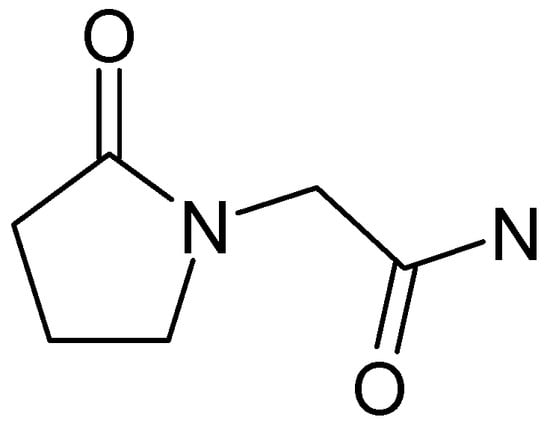
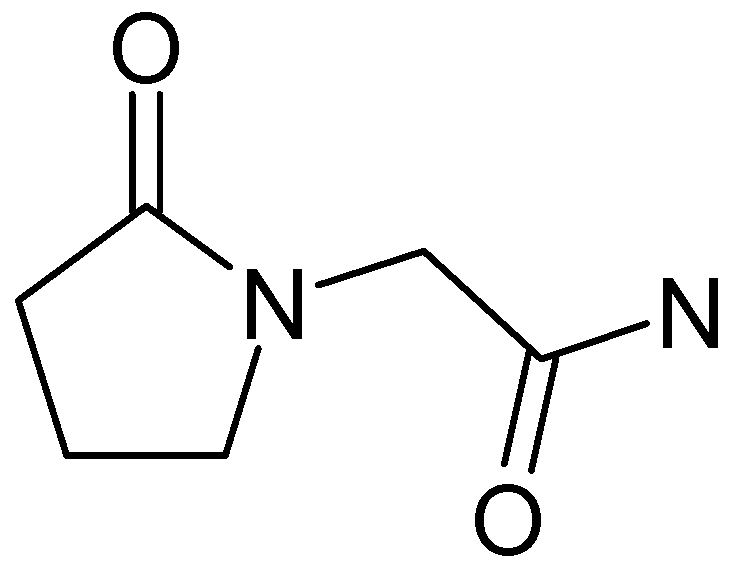
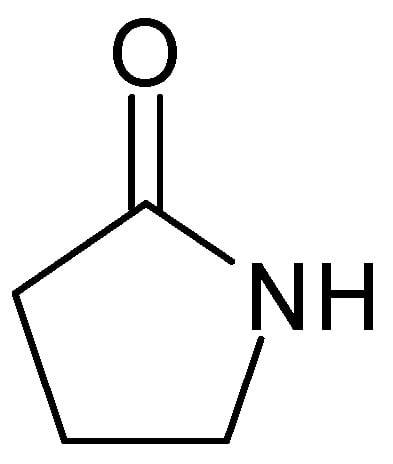
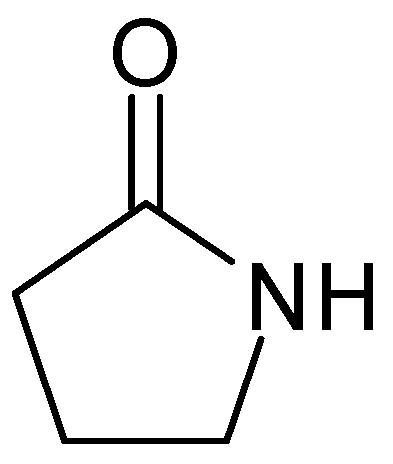
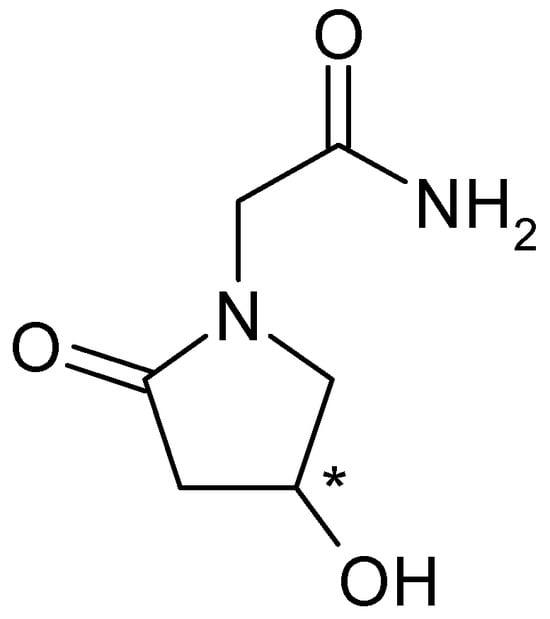
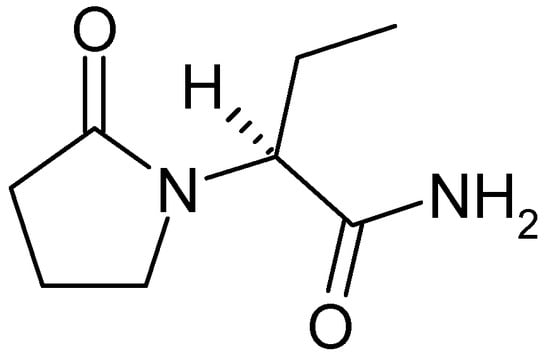
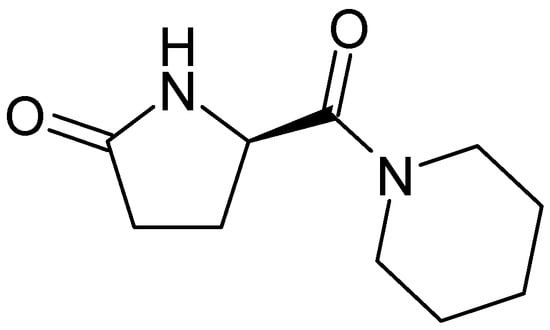
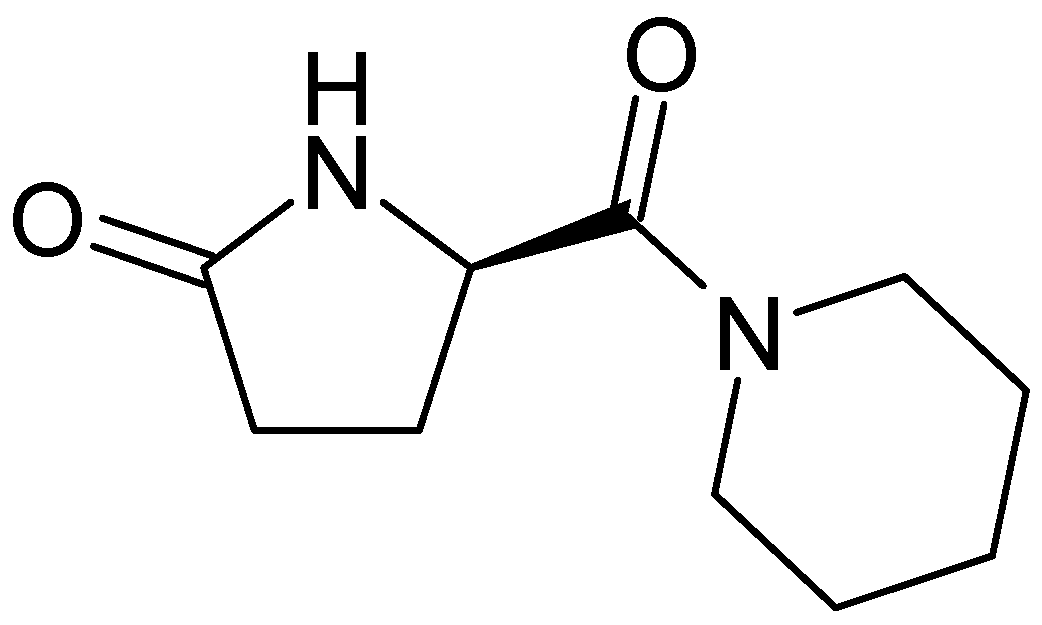
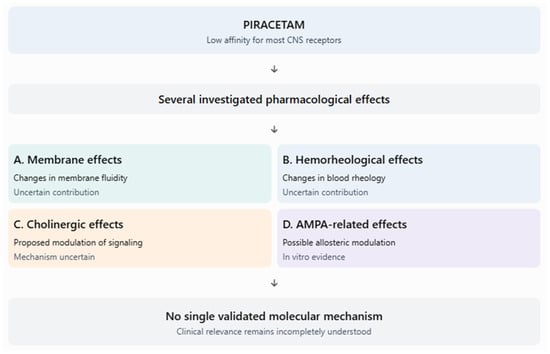
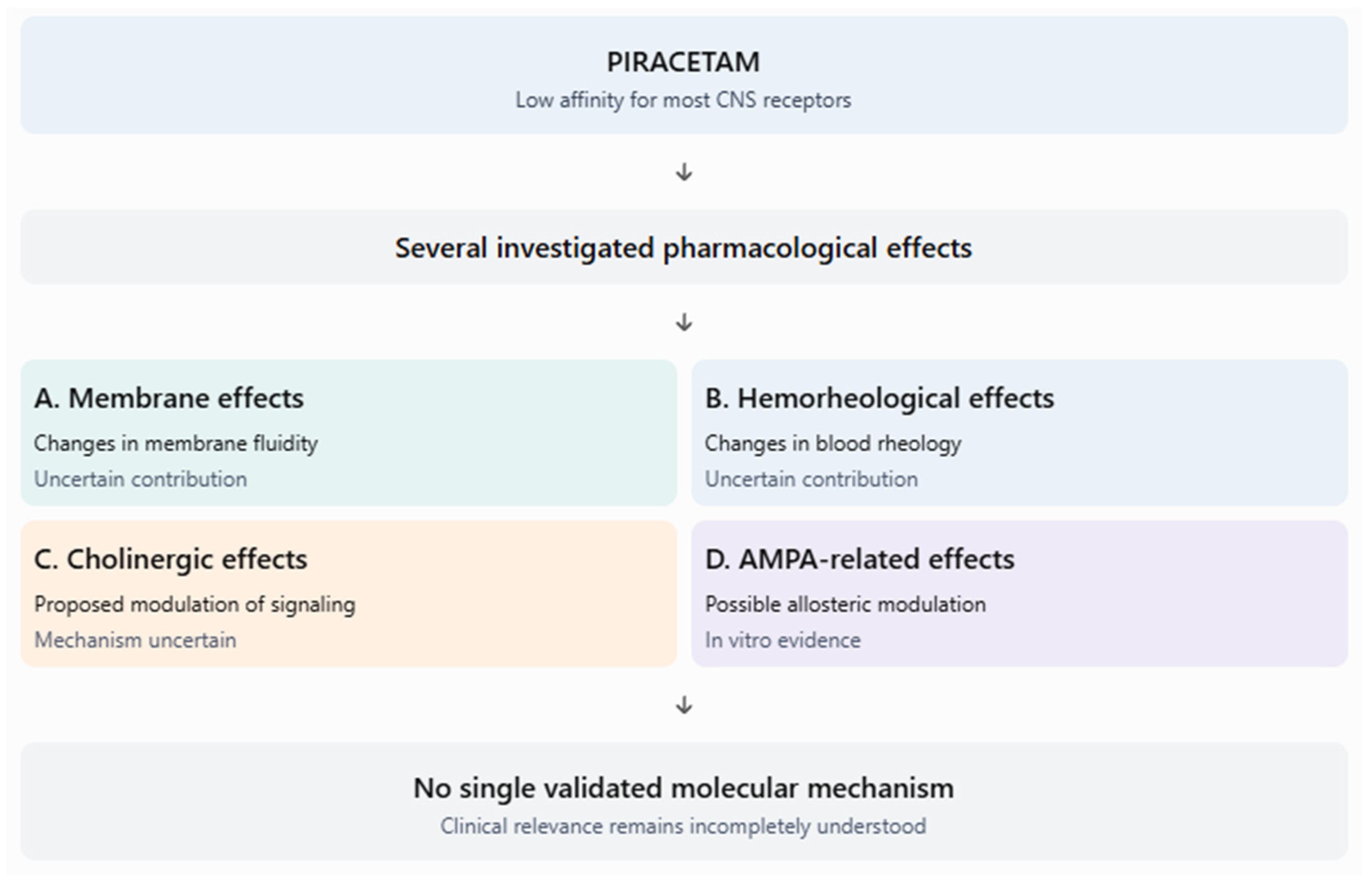
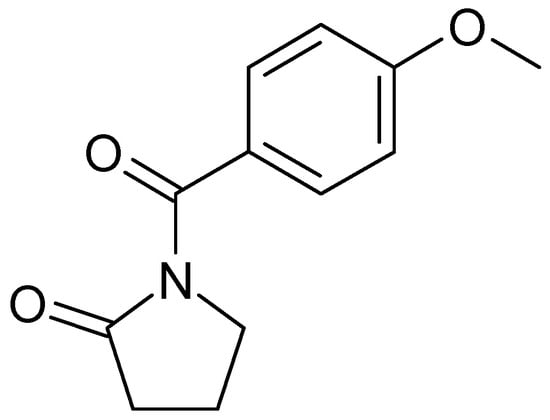
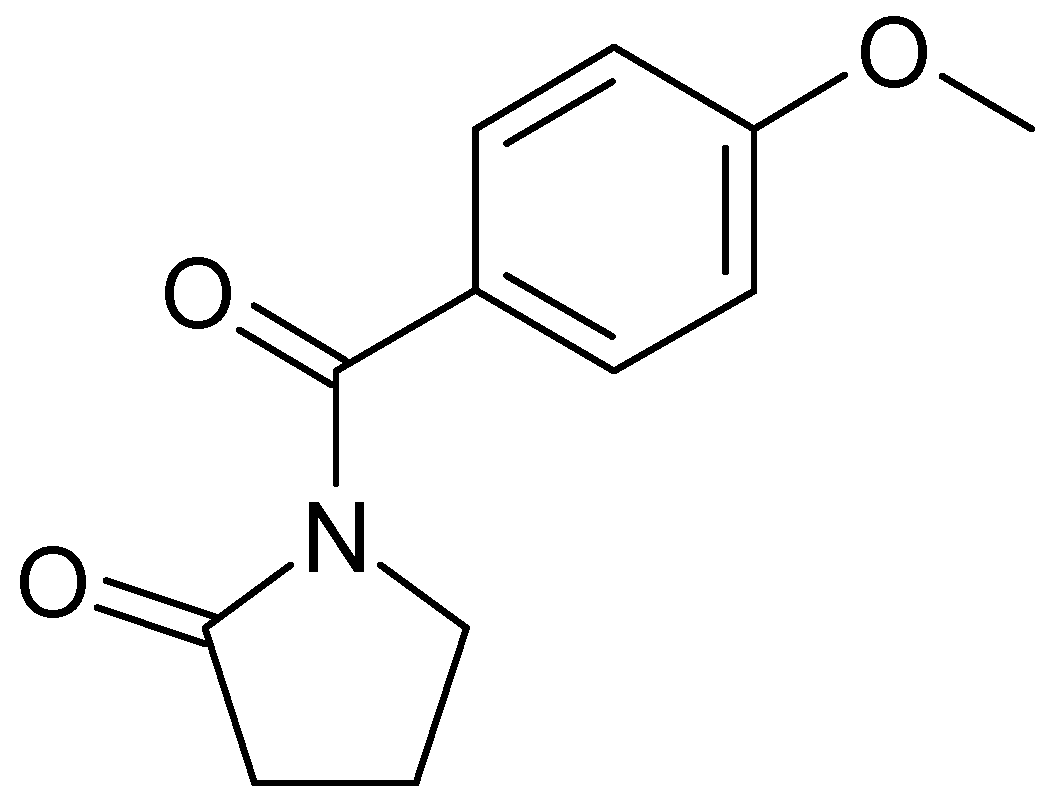
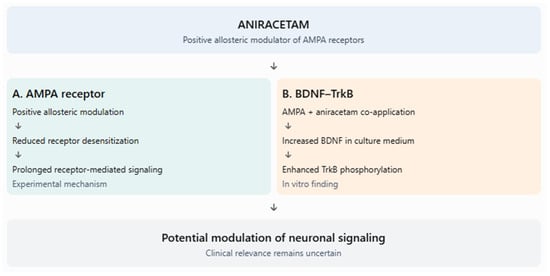
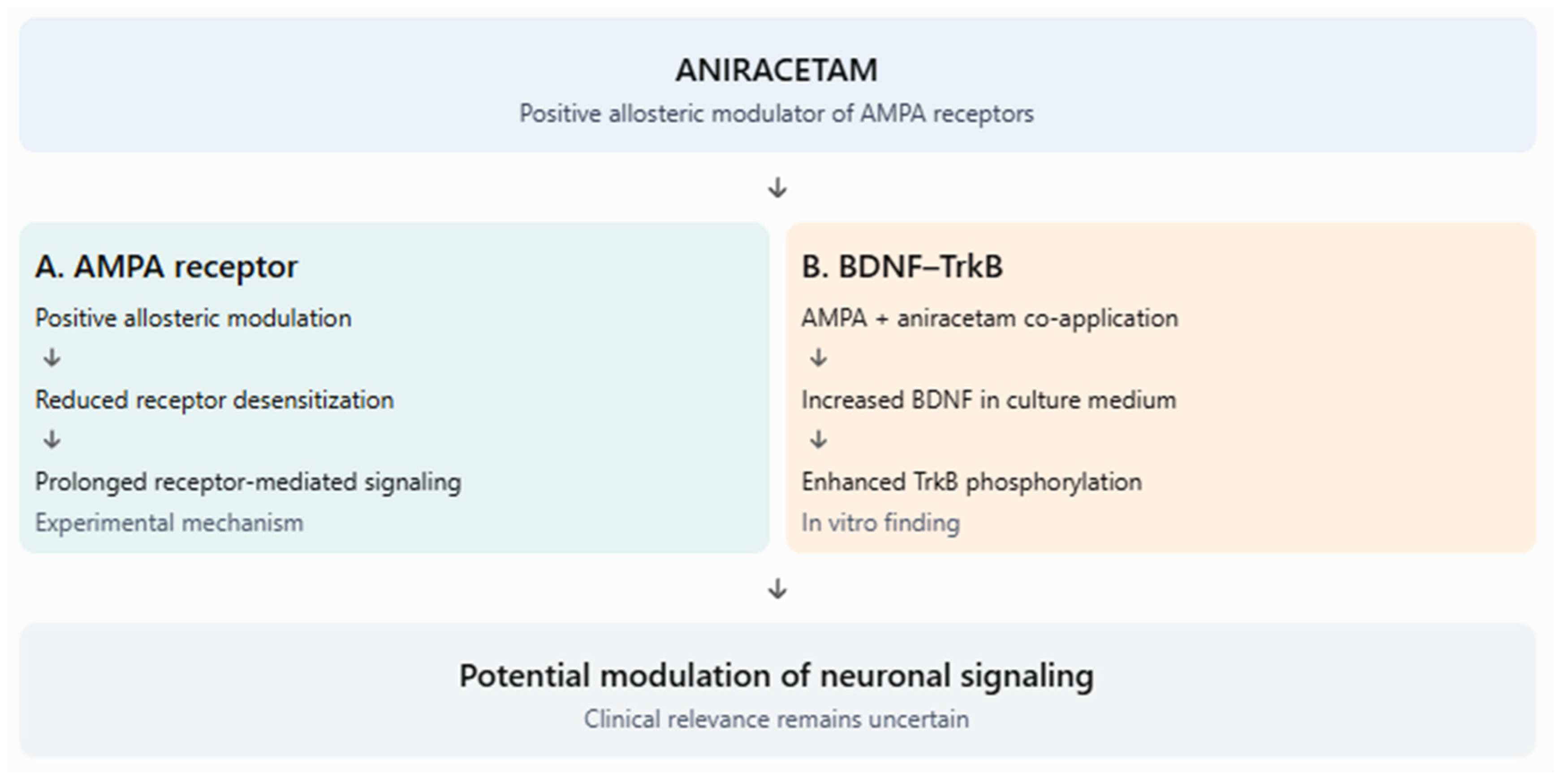
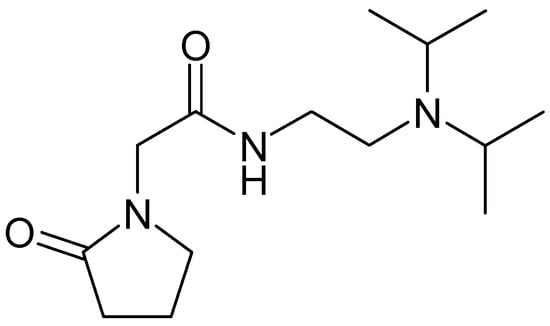
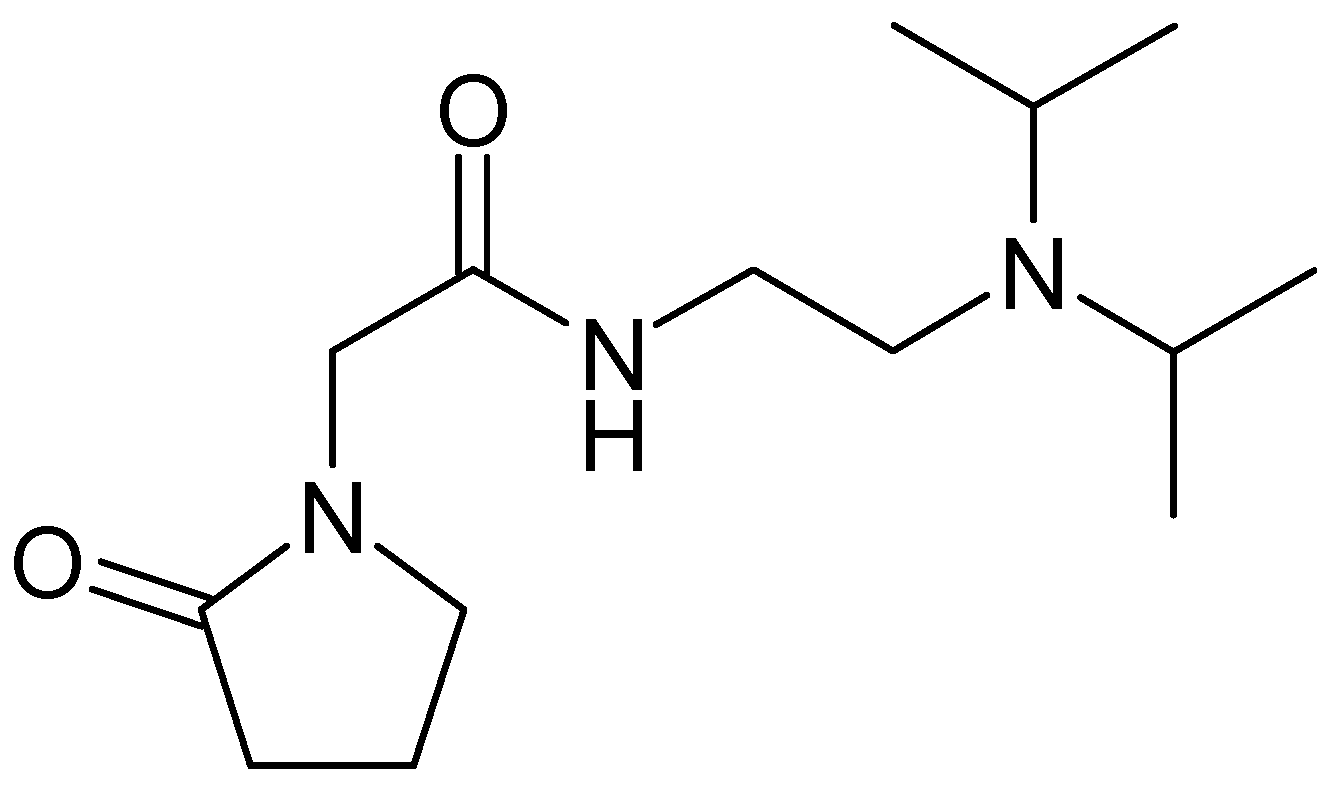
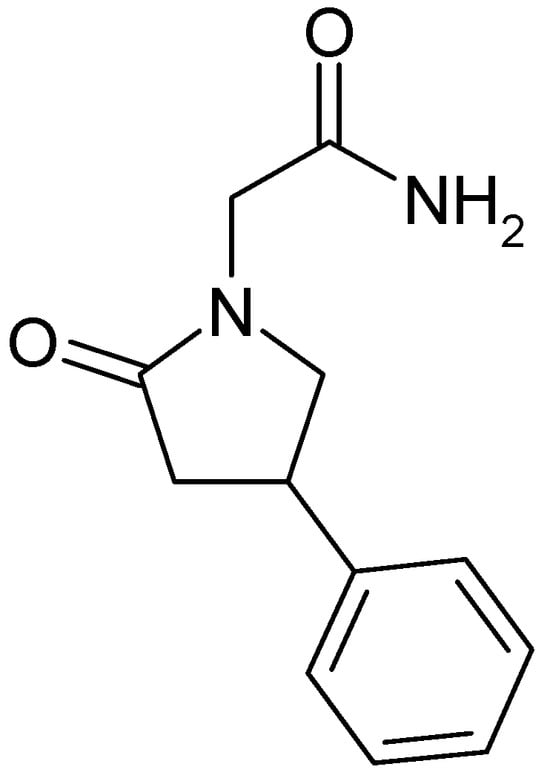
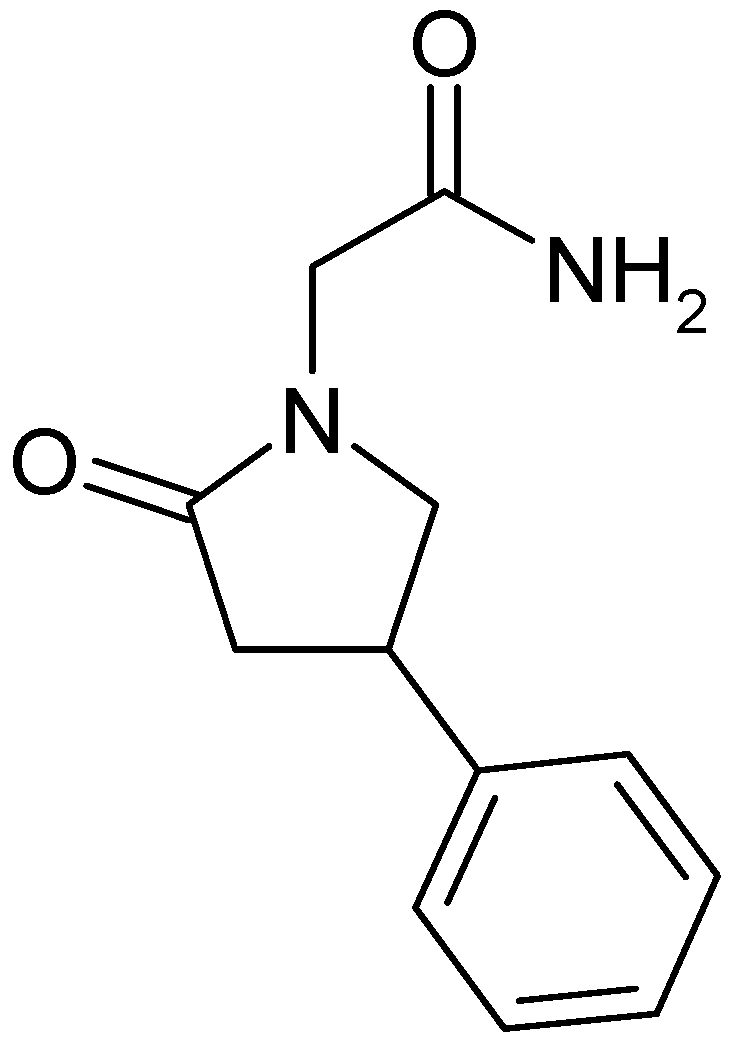
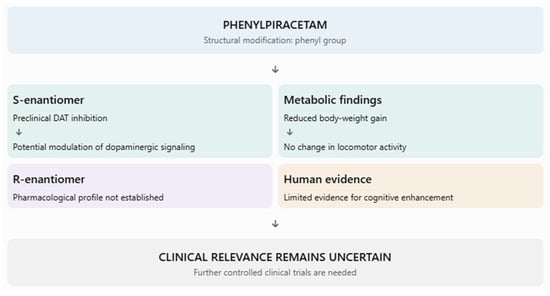
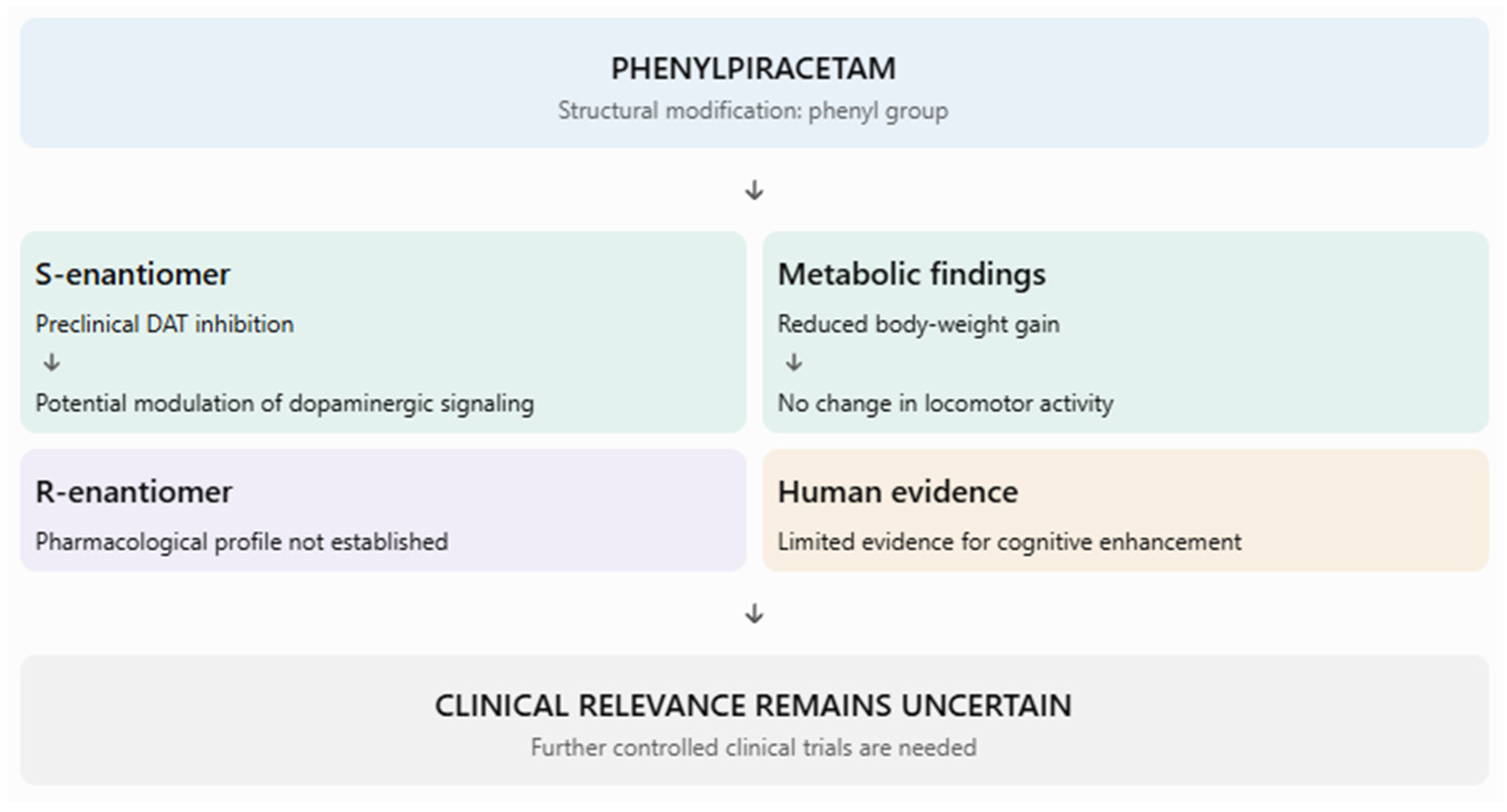
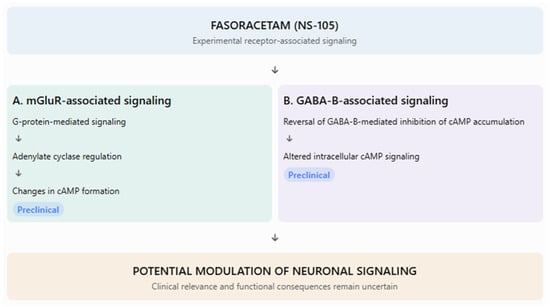
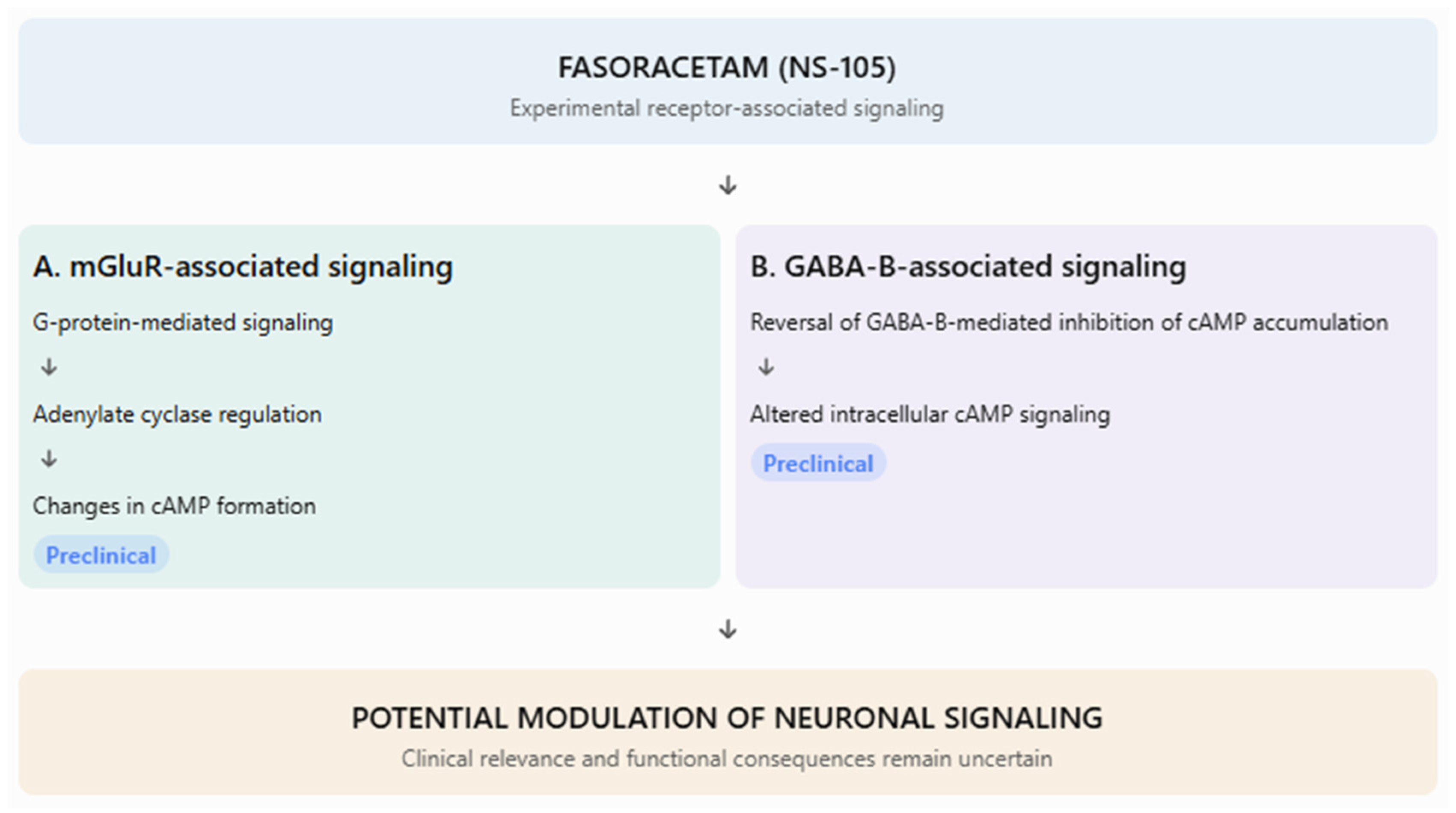
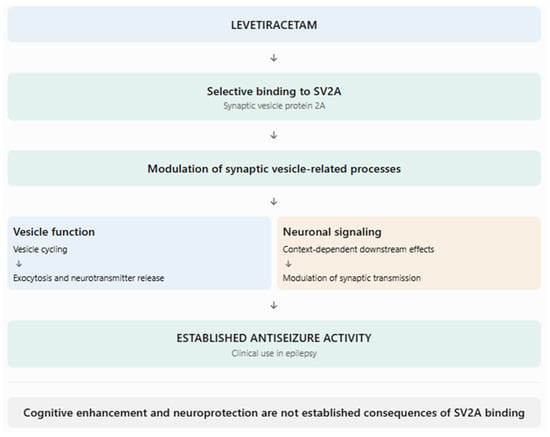
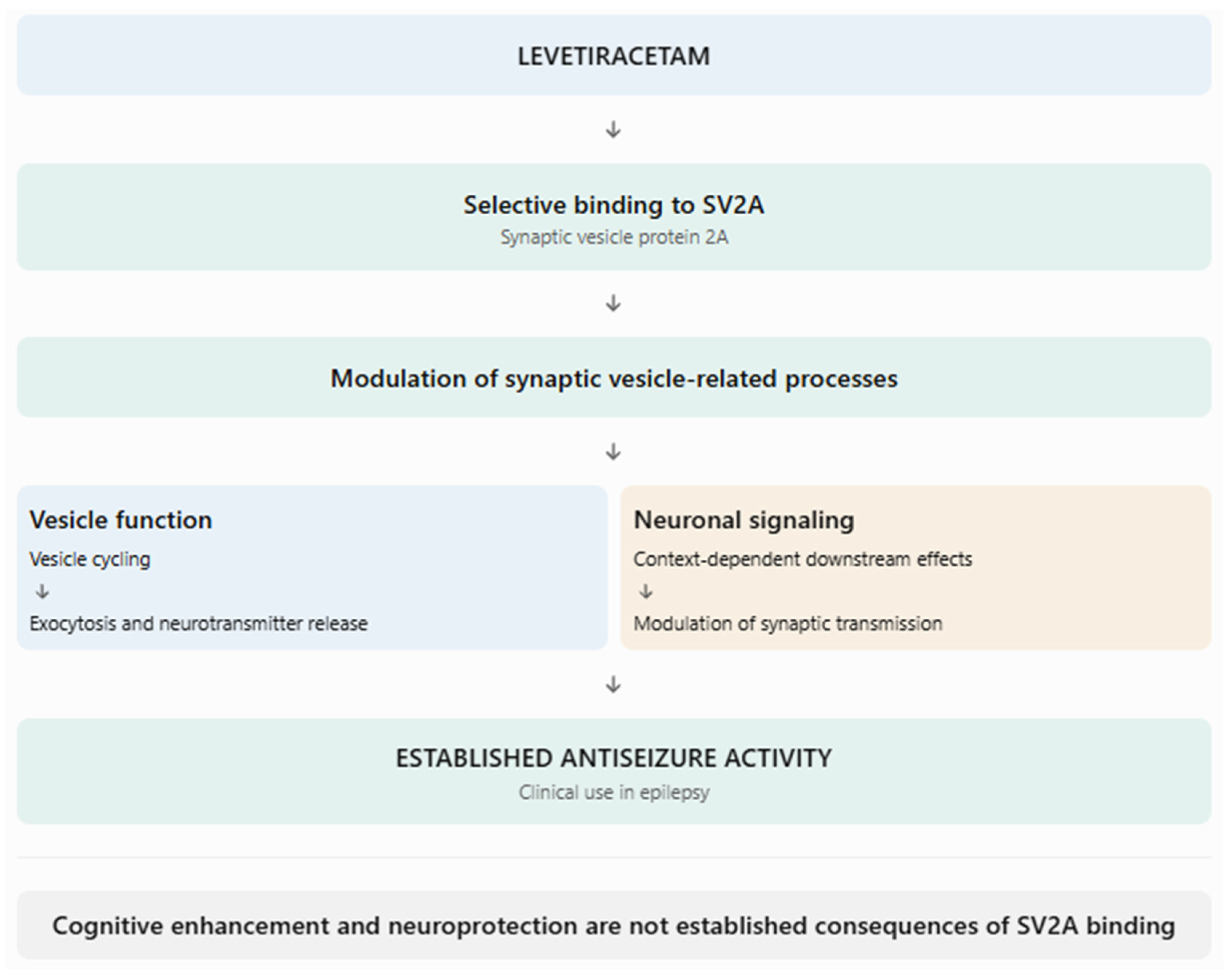

Disclaimer/Publisher’s Note: The statements, opinions and data contained in all publications are solely those of the individual author(s) and contributor(s) and not of MDPI and/or the editor(s). MDPI and/or the editor(s) disclaim responsibility for any injury to people or property resulting from any ideas, methods, instructions or products referred to in the content. |
© 2026 by the authors. Licensee MDPI, Basel, Switzerland. This article is an open access article distributed under the terms and conditions of the Creative Commons Attribution (CC BY) license.