


Abstract
Dittrichia viscosa (L.) Greuter is a Mediterranean species widely recognized for its remarkable ecological plasticity and its rich repertoire of secondary metabolites, among which volatile organic compounds (VOCs) play a central role. This review provides an integrative synthesis of current knowledge on D. viscosa, with a primary focus on its VOCs, including their extraction techniques, chemotypic variability, and biological activities, while contextualizing these compounds within the species’ broader phytochemical and ecological framework. Available evidence indicates that VOC profiles are dominated by terpenoids, particularly oxygenated sesquiterpenes and monoterpenes. The composition of volatile fractions is strongly influenced by extraction methodology, plant organ, developmental stage, and geographic origin, resulting in pronounced chemotypic variability across Mediterranean populations. Beyond their direct bioactivity, VOCs are considered in their ecological context, particularly in relation to glandular trichome-mediated secretion, plant–insect interactions, and potential applications in integrated pest management. Non-volatile metabolites are also discussed to provide a comprehensive view of the species’ bioactive potential. Overall, D. viscosa emerges as a multifunctional species in which VOCs are a pivotal, though not isolated, component of a complex phytochemical system with promising applications in agriculture, pharmacology, and environmental management. While the convergence of multiple studies supports the biological potential of D. viscosa and its metabolites, particularly in vitro, the translation of these findings into in vivo efficacy and safety remains an important area for future research. This integrative perspective highlights the need for standardized analytical approaches and chemotype-aware studies to fully exploit the biological and biotechnological potential of this Mediterranean species.
1. Introduction
Volatile organic compounds (VOCs) are low-molecular-weight metabolites that play a fundamental role in plant biology, mediating interactions with the environment, shaping ecological networks, and contributing to plant defence and communication [1,2,3,4,5]. These compounds, predominantly represented by terpenoids, benzenoids, and fatty acid derivatives, participate in plant–plant, plant–insect, and plant–microbe interactions, acting as semiochemicals that influence pollination, herbivore deterrence, and the recruitment of natural enemies [1,2,3,4,6]. In particular, the allelopathic potential of D. viscosa has been shown to be mediated by its VOCs, which significantly alter the physiological and metabolic profiles of receiving species, highlighting their role as key drivers of plant–plant communication [6].
Beyond their ecological roles, plant-derived VOCs have attracted increasing attention for their antimicrobial, antioxidant, and antiproliferative properties, as well as for potential applications in agriculture, pharmacology, and biotechnology [7,8,9,10]. Consequently, extraction, characterization, and functional analysis of VOCs have become central themes in plant science research [2,3,8].
Within this context, Mediterranean plant species are particularly rich sources of chemically diverse VOCs, reflecting adaptation to high solar radiation, drought, and other abiotic stresses that often stimulate secondary metabolite production [11,12,13]. Among these species, Dittrichia viscosa (L.) Greuter (syn. Inula viscosa) stands out for its high plasticity and resilience, with a characteristic strong odor and sticky surface indicative of active secretion via glandular trichomes and the production of volatile and semi-volatile compounds [11,12,14]. D. viscosa is repeatedly reported as a rich source of essential oils, hydrosols, and headspace volatiles, dominated by mono- and sesquiterpenes whose composition varies with geographic origin, plant organ, developmental stage, and extraction method [11,12,14].
Compared with many Mediterranean Asteraceae, D. viscosa is distinguished by a volatile profile frequently enriched in oxygenated sesquiterpenes [6], a marked chemotypic variability across geographic regions, and the coexistence of abundant volatile and non-volatile bioactive metabolites [15]. These characteristics contribute to a highly plastic and environmentally responsive phytochemical phenotype [16] and make D. viscosa an attractive model for investigating how environmental factors shape VOC composition and biological activity in Mediterranean plants. Research on D. viscosa VOCs extends beyond chemical diversity to functional ecological roles. Accumulating evidence links these compounds to stress tolerance and interactions with herbivores and beneficial insects, contributing to ecological success [11,16,17]. Emissions are tightly linked to glandular trichome activity, identifying these structures as primary sites of VOC synthesis and secretion, thereby connecting morphological traits to chemical ecology [11,14,16]. Essential oils and other volatile fractions of D. viscosa also exhibit antimicrobial, antioxidant, and cytotoxic activities, underpinning potential applications in pharmaceutical and agroecological contexts [11,12,14].
However, the chemical ecology of D. viscosa cannot be understood through VOCs alone. These compounds operate within a broader phytochemical network that includes polyphenols, flavonoids, sesquiterpene lactones, and other specialized metabolites [11,17,18]. Evidence from plant chemical ecology suggests that biological activities often emerge from interactions among multiple metabolite classes rather than from individual compounds acting independently. VOCs primarily function as long-distance signaling molecules involved in plant–plant, plant–insect, and plant–microbe interactions, whereas non-volatile metabolites frequently provide more persistent antioxidant, antimicrobial, antiherbivore, and allelopathic effects. As highlighted by [19,20], volatile terpenoids play key ecological roles in communication and defense, while non-volatile specialized metabolites contribute to sustained protection against biotic and abiotic stresses. Moreover, evidence from phytochemical and pharmacological studies indicates that interactions among different classes of plant secondary metabolites may generate additive or synergistic effects, potentially enhancing the overall biological activity of complex plant extracts relative to isolated compounds [21,22]. Nevertheless, direct experimental evidence for such synergistic interactions in D. viscosa remains limited. Therefore, VOCs should be regarded as central, but not exclusive, contributors to the species’ biological activities. This perspective underscores the need for integrative approaches that simultaneously investigate volatile and non-volatile fractions, particularly considering the marked chemotypic variability and environmental modulation that characterize D. viscosa phytochemical profiles [11,12,23]. In addition to phytochemical richness, D. viscosa exhibits ecological versatility, occupying habitats from disturbed soils to coastal and semi-arid environments. This plasticity is associated with the plant’s ability to modulate secondary metabolite production, including VOCs, in response to drought, salinity, and biotic pressures, contributing to persistence and potential use in integrated pest management and environmental remediation [11,12,17]. In agroecosystems, D. viscosa is recognized as a reservoir of beneficial arthropods, a role plausibly mediated by VOC emissions that act as chemical cues [1,11,12]. In contaminated soils, its metabolic adaptability may influence secondary metabolite production, including volatiles, under stress, though this aspect remains underexplored [11,24]. In several plant species, abiotic stresses such as drought and heavy metal exposure have been shown to alter VOC biosynthesis and emission patterns through effects on terpenoid metabolism and stress-response pathways [25,26,27]. Heavy metals may also affect the expression of terpene synthase genes and the emission of terpenoid volatiles [28]. Given the pronounced ecological plasticity of D. viscosa, similar mechanisms may occur in this species; however, direct evidence linking soil contamination to changes in VOC biosynthesis or emission in D. viscosa is currently lacking and this relationship remains largely unexplored.
Given this multifaceted profile, D. viscosa represents an ideal model for exploring the interplay between volatile and non-volatile metabolites and ecological function [16]. Therefore, this review provides a comprehensive integrative synthesis of current knowledge on D. viscosa, which combines and critically evaluates evidence from different research domains to provide a comprehensive understanding of a topic, with a primary focus on VOCs—covering extraction methods, chemical characterization, and biological activities—and situates these volatile fractions within the broader phytochemical and ecological framework of the species to offer a holistic understanding of their functional potential and to identify key gaps for future research [29,30,31].
2. Dittrichia viscosa: Taxonomy, Morphology and Mediterranean Adaptation
Dittrichia viscosa (L.) Greuter is a Mediterranean taxon whose systematic placement has long reflected the taxonomic intricacies of the Inuleae alliance within the Asteraceae (Figure 1). Historically treated within Inula as Inula viscosa, it is now accepted in the genus Dittrichia, a view supported by integrative approaches that combine morphology, micromorphology, pollen ultrastructure, and molecular insights. Across the available literature, there is a broad consensus that D. viscosa is closely related to other Inuleae taxa, yet several authors emphasize that genotype-by-phenotype data support delimitation at the genus level for Dittrichia and allied taxa. This is reinforced by phylogenetic and micromorphological work that identifies distinctive characters in fruit and pollen ultrastructure that aid circumscription within Inuleae, even though some morphological overlap persists among closely related taxa. The upshot is a nuanced taxonomy in which D. viscosa is accepted as the valid name, with Inula viscosa functioning as a historical synonym, and with delimitation anchored in a suite of characters rather than a single trait [16,32,33]. To ensure comprehensive coverage of the available literature, studies published under both D. viscosa and its historical synonym Inula viscosa were included in this review and interpreted according to the currently accepted taxonomy.
Figure 1.
Morphological characterization and life cycle of Dittrichia viscosa. (a) Adult plant growing in its natural habitat within an olive grove near Metaponto (Basilicata, Southern Italy); (b) Plant cultivated under greenhouse conditions at the University of Milan (UNIMI), showing basal leaf senescence; (c) Close-up of inflorescences with yellow capitula at anthesis from the UNIMI D. viscosa accession collection; (d) Fruiting stage with mature dry capitula bearing a well-developed pappus for anemochorous seed dispersal, photographed in the UNIMI greenhouse collection; (e) Seed germination assay on moist germination paper performed in the laboratories of the University of Milan (UNIMI), showing seedling emergence and cotyledon development.
In addition to nomenclatural history, punctilious work on fruit micromorphology supports robust species discrimination within Dittrichia and related genera. Turkish micromorphological investigations show that D. viscosa possesses oblong-elliptic achenes with rugulose surface ornamentation, a pattern that helps distinguish it from close relatives such as D. graveolens in the Mediterranean region and neighboring areas. This diagnostic potential of achene micromorphology aligns with broader taxonomic strategies in Inuleae that integrate seed surface features with vegetative anatomy and micromorphology to improve identifications in field and herbarium material [34]. The pollen ultrastructure data, drawn from ultrastructural studies of the Inulinae, further contribute to the taxonomic toolkit, as pollen exine patterns offer comparative points among Inuleae taxa; although these features can be informative, they are most powerful when used in an integrative framework with macromorphology and molecular data [32].
Morphologically, D. viscosa exhibits a growth form consistent with its Mediterranean ruderal lifestyle: a perennial shrub or herb capable of producing vigorous biomass in both disturbed and more stably managed habitats. Field descriptions consistently note its broad distribution across the western and eastern Mediterranean regions, with frequent occurrence on roadsides, anthropogenically disturbed soils, and along coastal and inland transects. This ecological breadth is repeatedly highlighted as a hallmark of the species, supporting its role as a pioneer or opportunist in the Mediterranean flora matrix. The capacity to accumulate substantial biomass and to persist in disturbed substrates is repeatedly cited and forms part of the interpretation of its ecological versatility in the Mediterranean climate [16,35,36].
From a functional morphology perspective, leaf and stem anatomy and micromorphology across Inuleae, including Dittrichia, have been scrutinized to identify characters with taxonomic significance. In a comparative study of leaf and stem anatomy and micromorphology across several Inuleae genera, the authors analysed numerous qualitative and quantitative characters using light microscopy, SEM, and other imaging modalities. The findings indicate that while certain characters can help separate taxa, the grouping of these characters does not always coincide with current taxonomic classifications, underscoring the need for integrative approaches that combine anatomy, micromorphology, and molecular data for robust delimitation. This work demonstrates the value of vegetative anatomy and micromorphology as supportive, not definitive, lines of evidence in Dittrichia-related taxonomy [16,32,33].
Adaptation to the Mediterranean climate emerges as a central theme in understanding D. viscosa’s ecological success. The species is described as a Mediterranean ruderal that has expanded into diverse habitats, including coastal salt marsh margins, reflecting a broad tolerance to drought, heat, and salt stress typical of Mediterranean landscapes. Its distribution across Tell-style Mediterranean zones and its ability to exploit adverse habitats illustrate ecological plasticity that is characteristic of many Mediterranean broad-niche species. Comparative physiological work with related taxa indicates that D. viscosa employs osmotic adjustment and ion-management strategies common to halophytes, though its tolerance is not equivalent to true halophytes; it can nonetheless persist under moderate salinity and drought conditions. These adaptive traits are particularly relevant in the context of phytochemical plasticity, as drought, salinity, and other abiotic stresses are widely recognized drivers of secondary metabolite production in Mediterranean plants [25,27,37,38]. Such environmental pressures can influence the biosynthesis and emission of terpenoids and other specialized metabolites, potentially contributing to the chemotypic variability reported for D. viscosa across different habitats and geographic regions. Although direct evidence linking drought or salinity stress to VOC modulation in D. viscosa remains limited, the species’ ecological plasticity suggests that environmental conditions may play an important role in shaping its phytochemical and volatile profiles [35,39,40].
Beyond drought and salinity stress, D. viscosa’s adaptation includes interactions with soils and microbiota that can support its stress tolerance and survival in degraded or polluted environments. In metalliferous or polluted Mediterranean soils, D. viscosa has demonstrated associations with arbuscular mycorrhizal fungi (AMF) and dark septate endophytes, which are linked to metal uptake patterns and nutrient dynamics. These microbial associations mediate stress tolerance and may influence trace-element translocation within plant tissues, thereby contributing to the plant’s resilience at contaminated sites. Several studies document AMF-DSE associations across native Mediterranean plants and highlight metal accumulation patterns that often show tissue-level partitioning and variable accumulation across plant organs, with the potential for phytostabilization benefits in polluted environments. While not a hyperaccumulator, D. viscosa’s biomass and microbial interactions position it as a candidate for gentle remediation or stabilization strategies in semi-arid, Mediterranean soils. This microbiome-mediated component of stress tolerance and metal uptake is a recurring theme that complements the plant’s intrinsic physiological adaptations [39,41,42,43,44].
In terms of ecosystem interactions and services, D. viscosa has been shown to serve as an arthropod reservoir in olive groves, highlighting potential roles in natural pest control within Mediterranean agroecosystems. The pre-flowering and flowering periods attract a diverse arthropod assemblage, including predators and parasitoids, suggesting that D. viscosa can contribute to biological control networks, particularly under climate stress, where resilient, non-crop vegetation can sustain pest regulation services. This intertwining of plant phenology, arthropod dynamics, and agricultural practice emphasizes the species’ ecological value beyond mere biomass production, particularly in Mediterranean cropping systems that contend with climatic variability [36,44].
The taxonomic and ecological synthesis of D. viscosa must also acknowledge the species’ broader biogeographical context and its behavior outside the Mediterranean core. While native to the Mediterranean, D. viscosa has exhibited invasive behavior in non-native regions such as Australia and North America, a facet that is informative for understanding the species’ adaptive capacities and potential climate-change-driven range dynamics. This invasive footprint is contextualized within its native-range ecology, with management implications that extend to Mediterranean landscapes as climate change reshapes disturbance regimes and habitat availability. Thus, the taxonomy-adaptation narrative encompasses both the Mediterranean core and extrinsic invasion contexts, underscoring the need for regionally explicit management strategies and continued integrative research to resolve remaining taxonomic ambiguities and to refine our understanding of its ecological role across diverse Mediterranean-influenced environments [15,16,35,42].
Despite the nuances and ongoing debates across the cited sources, there is broad agreement on the Mediterranean essence of D. viscosa’s taxonomy and adaptation, though some nuances warrant explicit mention. First, although macromorphology consistently supports placing D. viscosa in Dittrichia and differentiating it from Inula, several authors stress that micromorphological and pollen characters alone are not fully diagnostic. As a result, robust delimitation relies on an integrative approach that combines leaf and stem anatomy, seed/achene micromorphology, pollen ultrastructure, and molecular phylogenetics. Second, while D. viscosa exhibits considerable drought and moderate salinity tolerance, its competitive edge against true halophytes under high salinity is limited, which translates into habitat partitioning at salt marsh margins rather than the displacement of specialized halophytes. Third, the species’ role in phytoremediation and metal-contaminated soils, while promising for stabilization, remains conditional on biomass production, soil chemistry, and microbial associations, all of which can vary across the Mediterranean gradient. Finally, there is some geographic nuance in micromorphological characters (e.g., achene ornamentation) that can aid regional identification but should be used in combination with other data to avoid misinterpretation in areas with closely related taxa.
To advance a cohesive understanding of D. viscosa, future research should pursue integrative taxonomic frameworks that couple comprehensive micromorphology, vegetative anatomy, and multilocus phylogenetics across the Inuleae, including Dittrichia, Inula, Limbarda, and Pulicaria, to clarify species boundaries and phylogenetic relationships. In situ and controlled experiments comparing D. viscosa with co-occurring halophytes (e.g., Inula crithmoides) under varying salinity and drought regimes would sharpen our understanding of niche differentiation and mechanism-based adaptation to Mediterranean wetlands [32,33,34,35,36]. Longitudinal studies on AMF and DSE associations across the Mediterranean gradient would illuminate microbe-driven components of stress tolerance and metal uptake. On the applied side, phytostabilization and gentle remediation studies on contaminated Mediterranean soils could leverage D. viscosa’s biomass-microbiome partnerships while evaluating ecological risks and ecosystem-service trade-offs in semi-arid ecosystems. Taken together, an integrative battery of taxonomic, ecological, physiological, and microbiome-centered approaches will yield a more precise portrait of D. viscosa within the Mediterranean landscape and beyond [15,30,31,32,33,34,41,42,43,44].
3. Traditional and Ethnobotanical Uses of Dittrichia viscosa
Beyond its well-documented phytochemical complexity and biological activities, D. viscosa has a long history of use in traditional Mediterranean medicine, where it has been employed for various therapeutic purposes. Ethnobotanical surveys conducted across Mediterranean regions, including North Africa and the Middle East, document the use of D. viscosa in folk medicine to treat skin disorders, inflammatory conditions, infections, and metabolic ailments [45,46].
Topical applications are among the most frequently documented uses: decoctions, poultices, or macerated plant material have traditionally been applied to wounds, burns, and dermatological infections, reflecting the plant’s perceived antiseptic and healing properties. These uses are consistent with the antimicrobial and anti-inflammatory activities later demonstrated in vitro for extracts and essential oils of D. viscosa [47,48].
In addition to external applications, oral preparations such as infusions and decoctions have been used in traditional medicine to treat gastrointestinal disorders, diabetes-related symptoms, and respiratory conditions [46,49]. The reported antidiabetic and enzyme-inhibitory activities of D. viscosa extracts, particularly against α-amylase and α-glucosidase, provide a pharmacological basis that partially supports these traditional uses [49]. Furthermore, the plant has been traditionally used as a natural insect repellent and protective agent against pests, a practice that aligns with its high levels of volatile terpenoids and its ecological role in plant–insect interactions [6,16]. This traditional repellent function is scientifically supported by the plant’s rich emission of volatile terpenoids, which have been documented to mediate complex ecological defenses and interspecific interactions [6]. In some rural contexts, its sticky exudates have also been associated with protective functions against herbivores and insects, reinforcing its perception as a defensive plant species.
Despite this broad spectrum of traditional applications, it is important to note that ethnomedicinal uses are often based on empirical knowledge and are not always supported by standardized clinical evidence. Moreover, variability in phytochemical composition across regions and plant parts may influence efficacy and safety, highlighting the need for controlled pharmacological and toxicological studies to validate traditional claims [46].
Overall, the ethnobotanical relevance of D. viscosa provides a valuable framework for interpreting its pharmacological potential, as many traditional uses are increasingly corroborated by modern phytochemical and biological investigations, supporting its role as a promising source of bioactive compounds.
In Italy, D. viscosa has been traditionally integrated into rural and agro-pastoral practices, although specific ethnobotanical documentation remains comparatively limited and often overlaps with broader Mediterranean knowledge frameworks. Within this context, its medicinal use is consistent with ethnobotanical reports from other regions, where the plant has been employed in topical preparations (e.g., poultices and decoctions) for the treatment of wounds, skin infections, and inflammatory conditions, reflecting empirically recognized antiseptic and healing properties later supported by its antimicrobial and anti-inflammatory activities [46,47,48]. In Italian rural traditions, particularly in central and southern areas, D. viscosa has also been used in veterinary practices, where fresh plant material was applied to treat lesions in livestock and as a repellent against ectoparasites, a function that can be mechanistically linked to its terpene-rich secretions and glandular trichome activity, as well as to its ecological role in plant–insect interactions [6,16]. This repellent function extends to its traditional use in domestic and storage environments, where the plant was placed to deter insects, consistent with its documented volatile-mediated bioactivity [6].
Furthermore, in Mediterranean Italian agroecosystems, especially olive groves, D. viscosa has long been present as a spontaneous component of the vegetation, and recent ecological studies highlight its role as a reservoir of beneficial arthropods, including predators and parasitoids, thereby contributing to natural pest regulation and reinforcing its functional relevance within traditional low-input agricultural systems [36,44]. In addition to these better-documented uses, ethnobotanical knowledge in Italy also indicates a minor application of D. viscosa as a source of natural dyes, with aerial parts yielding yellow to brown pigments likely associated with flavonoids (Figure 2).
Figure 2.
Schematic representation of the traditional uses of D. viscosa in Mediterranean contexts with emphasis on Italy. The species has historically been used for medicinal purposes, including treating wounds, skin infections, and inflammatory conditions, and in veterinary practice for managing animal lesions and parasites. Its volatile-rich and sticky exudates underpin its traditional use as a natural insect repellent in domestic and storage environments. In agroecosystems, D. viscosa supports beneficial arthropods that provide multiple ecosystem services. Its flowers offer nectar and pollen resources for pollinators (e.g., Apis mellifera and Bombus spp.), enhancing pollination. The plant also provides resources and refuge for predators and parasitoids (e.g., ladybirds, lacewings, spiders, and braconid wasps), which contribute to biological pest control. In particular, D. viscosa supports the parasitoid wasp Psyttalia concolor, a natural enemy of the olive fruit fly (Bactrocera oleae), thereby contributing to the biological control of this key olive pest. Additional minor uses include its application as a source of yellow–brown natural dyes and as biomass or resinous material in rural practices.
4. The Ecological Significance of Viscosity in Dittrichia viscosa: Glandular Trichomes as Bio-Factories
In D. viscosa, surface viscosity is a conspicuous and ecologically meaningful trait that has attracted interest as a possible manifestation of glandular trichome activity (Figure 3). Rather than attributing stickiness merely to passive cuticular residues, an integrated view situates leaf and stem viscosity within a secretory framework driven by glandular trichomes (GTs). Across diverse taxa, GTs are well established as biosynthetic and storage organs for a broad repertoire of secondary metabolites, and their secretions often give rise to viscous, adhesive surface films that mediate a suite of ecological interactions. Converging lines of evidence from anatomy, ultrastructure, histochemistry, and ecological chemistry thus support the interpretation that the viscosity observed on D. viscosa surfaces is, at least in large part, an emergent property of GT secretion and organization, rather than a byproduct of non-secretory leaf surface chemistry alone [31,50,51].
Figure 3.
Morphological characterization of trichomes in Dittrichia viscosa. Fresh apical stem segments and associated leaves collected from field-grown plants in Montalto Uffugo (Cosenza, Italy) were examined immediately after sampling using a Leica MZ12 stereomicroscope (Leica Microsystems GmbH, Wetzlar, Germany), without fixation or further sample preparation. (a) Leaf surface: The micrograph highlights the coexistence of two distinct types of hairs: glandular trichomes, characterized by shorter stalks and rounded secretory heads responsible for the plant’s resinous exudate, and non-glandular trichomes, which appear as elongated, translucent filaments providing physical protection. (b) Stem surface: A profile view showing a high density of non-glandular trichomes. These long, unbranched hairs form a protective barrier over the epidermis, interspersed with smaller glandular structures visible at the base of the indumentum. Scale bar: 500 μm.
A generalizable glandular-trichome framework underpins the GT–viscosity link in D. viscosa. GTs are repeatedly described as true cellular factories capable of producing, storing, and secreting diverse secondary metabolites, including lipids, terpenoids, polysaccharides, and phenolics. Their strategic location at the epidermis and their secretion through subcuticular spaces or cuticular pores position GT-derived products as primary determinants of leaf and stem surface chemistry and physical properties. Within Asteraceae, GT architecture, ranging from long-stalked to multiseriate heads, correlates with secretion modes (granulocrine versus eccrine) and with classes of metabolites, which in turn shape the ecological function of the exudates. This integrated conceptual model is applicable to Inula viscosa and related taxa, in which secretory activity has been shown to involve multiple chemical components beyond lipophilic secretions alone [31,51,52,53]. The accumulation of viscous material in the subcuticular space and its subsequent deposition on organ surfaces aligns with a GT-based secretion ecology that can produce a sticky surface capable of mediating interactions with herbivores, pathogens, and abiotic environmental factors [2,31,51].
Chemically, GT secretions in the Asteraceae are complex, and their composition frequently includes lipids, terpenoids, polysaccharides, and proteins. Such components are known to contribute to surface stickiness and viscosity and to possess ecological activities such as antimicrobial, antifungal, and antifeedant effects. Documented GT secretions in Heterotheca and related taxa contain sesquiterpene lactones and diterpenes with defensive roles, illustrating how GT-derived chemical inventories translate into ecological outcomes that include deterrence of herbivores and protection against microbial colonization. Although these examples come from related taxa, they illuminate a plausible chemical substrate for D. viscosa viscosity, wherein terpenoids and lipophilic compounds are often major constituents of GT secretions that contribute to surface tackiness and ecological defence [31,51,54,55,56]. In Inula viscosa specifically, essential oils and GT secretions with antimicrobial activities have been reported, with secretion quantity and quality modulated by GT structure, tissue location, and developmental stage, further supporting a GT-centered basis for surface viscosity as a context-dependent ecological trait [31,35,51].
An ultrastructural and histochemical perspective reinforces the mechanistic interpretation. GT heads and stalks typically comprise secretory cells rich in organelles such as chloroplasts, mitochondria, ER, Golgi, and vesicles, reflecting robust biosynthetic and secretory capacity. Secretions accumulate in subcuticular spaces and exit via cuticular pores, a pattern consistent with sticky exudates observed on plant surfaces [31]. Histochemical analyses commonly reveal a mixture of lipids, polysaccharides, proteins, and polyphenolic compounds in GT secretions, sometimes accompanied by alkaloids in certain taxa. This multi-component secretion aligns well with a viscosity that serves multifaceted ecological roles, including defense against biotic stress (herbivores, pathogens) and modulation of plant–microbe and plant–insect interactions through a biochemical cocktail produced by GTs. The broader GT literature in Asteraceae corroborates that GT products are organ- and tissue-specific, with flexible secretion across leaves, stems, inflorescences, and fruits, all contributing to the surface viscosity profile of the plant [51,52,53].
Ecologically, the viscosity of D. viscosa surfaces can be interpreted as part of a defence and interaction strategy orchestrated by GTs (Table 1). The GT-driven secretion system equips the plant with a viscous matrix that can deter herbivory directly via antifeedant compounds and indirectly by trapping or repelling pests. The extreme stickiness of GT secretions is often attributed to terpenoids and related lipophilic compounds, which can serve as physical and chemical deterrents. The VOCs synthesized within these glandular structures not only contribute to surface viscosity but also serve as potent allelopathic agents; a metabolomic approach has indeed revealed how these emissions can suppress the growth of competing vegetation by interfering with primary and secondary metabolism [6]. The ecological literature on GTs across Asteraceae and related groups demonstrates antifeedant activities and antimicrobial properties of GT secretions, providing a chemical-ecological rationale for viscosity as a defensive trait [16]. This perspective is consistent with observations in D. viscosa and its relatives, where GT secretions are associated with defence and ecological plasticity across habitats, including Mediterranean and disturbed environments. Consequently, GT-produced viscosity likely contributes to D. viscosa’s invasiveness and stress tolerance by shaping interactions with herbivores, pollinators, and microbial communities [35,55,56].
Table 1.
Summary of the main taxonomic, morphological, anatomical, ecological, physiological, and functional traits of Dittrichia viscosa reported in the literature. The table highlights the species’ diagnostic characteristics, habitat preferences, stress adaptation, ecological interactions, phytoremediation potential, seed germination responses to salinity, and currently available genomic resources.
The discussion of D. viscosa in ecological and chemical terms also points to broader biotechnological implications of GTs as bio-factories. GTs are attractive targets for metabolic engineering because they naturally accumulate high concentrations of diverse metabolites and present a relatively accessible source of enzymes, transcripts, and small molecules for analytical and biotechnological exploitation [31]. This aligns with a growing consensus that glandular trichomes can serve as scalable plant-based platforms for producing terpenoids and other valuable compounds, including potential bioadhesives and antimicrobial agents. In this sense, the GT-mediated secretion system in D. viscosa not only explains its viscosity as an ecological trait but also highlights a potential route for bioengineering applications in sustainable agriculture and bioproduct development, leveraging GTs to produce and deploy functional metabolites in crop protection, biopolymer adhesives, and antimicrobial formulations [35,50,56].
It is worthwhile to acknowledge nuance and ongoing uncertainty within the GT literature. Although a consistent pattern emerges in which GTs drive secretions that underpin surface viscosity and ecological function, the precise chemical profile of a given species’ GT exudate is tissue- and context-dependent. Tissue type (leaf, stem, or reproductive organs), developmental stage, and environmental conditions (drought, salinity, herbivory pressure) can shift the relative abundance of lipid, polysaccharide, protein, and terpenoid components in the secretion. Therefore, while the GT-centric interpretation of D. viscosa viscosity is well-supported, exact molecular correlates may vary and require targeted chemical profiling to map specific metabolites to ecological outcomes in particular tissues and habitats [31,35,51].
From a practical standpoint, this perspective implies several avenues for further study. For ecology, it would be informative to quantify GT density across organs and to correlate GT secretory output with measured viscosity, organ hydration status, and herbivore pressure under different environmental scenarios. Such work would help disentangle the contribution of GT secretions versus non-secretory cuticular lipids in shaping surface stickiness. For chemistry and pharmacology, broader profiling of GT secretions in D. viscosa across tissues and developmental stages could reveal specific antimicrobial or antifeedant compounds with ecological and pharmacological relevance, aligning with reports from Inula and Dittrichia relatives that GTs host rich chemical inventories with ecological activities [31,35,56]. For biotechnology, insights into GT development and secretion pathways could inform strategies to bioengineer GT-like factories in crop species or to exploit plant-derived adhesives and antimicrobial compounds in sustainable applications, building on the conceptual and empirical foundations that GTs are robust, versatile bio-factories for secondary metabolites [31,50,56].
5. Volatile Organic Compounds: Composition and Variability in Dittrichia viscosa
Volatile organic compounds (VOCs) produced by D. viscosa display pronounced chemical diversity and dynamic variability that are tightly linked to genotype, geography, plant organ, developmental stage, and the extraction or sampling method used. Across the Mediterranean, essential oils (EOs) of D. viscosa are consistently enriched in oxygenated sesquiterpenes, yet the exact major and minor components show region-specific patterns: caryophyllene oxide, 1,8-cineole, α-muurolol, and terpenoid lactones frequently appear as prominent lipophilic constituents, but populations from Sardinia, Croatia, Spain, Algeria, and other locales can differ markedly in the relative abundances of isocostic acid, fokienol, borneol, bornyl acetate, and other terpenoids [45,60,61]. This regional chemotypic diversity underpins substantial intra- and inter-population variability in EO composition and, by extension, in biological activity, because the lipophilic fraction and the hydrosol (the aqueous distillate) partition volatiles differently and thus present distinct chemical landscapes and bioactivities [45,60,61]. In Croatian samples, for example, the total EO yield is modest (approximately 0.09% on a dry-weight basis), yet 1,8-cineole and caryophyllene oxide remain detectable lipophilic markers, while the hydrosol is enriched in polar volatiles such as p-menth-1-en-9-ol and cis-sabinene hydrate, illustrating a clear composition dichotomy between the two fractions arising from the same botanical source [60]. The divergence between essential oil and hydrosol compositions is a recurrent theme across studies and is attributed to solubility and partitioning effects that separate lipophilic and hydrophilic volatiles during distillation and phase separation [60,61].
Extraction method and harvest context further modulate VOC profiles. Differences in steam-distillation, ultrasonic-assisted extraction, and solvent extraction, combined with the plant’s provenance and phenological stage, yield distinct chemotypes and alter the balance between sesquiterpene-dominated and monoterpene-rich oil classes. In this regard, Croatian and broader Mediterranean datasets illustrate that major components such as 1,8-cineole, caryophyllene oxide, borneol, and borneyl acetate can fluctuate in relative abundance across regions and methods, underscoring the need for standardized approaches when comparing chemotypes and assessing bioactivity [60,61,62]. The literature also notes that the compositional landscape of D. viscosa EO is enriched in sesquiterpene lactones and other secondary metabolites whose prevalence varies with soil, climate, and phenology, reinforcing the view that chemotype identity is multi-factorially determined rather than monolithic across the species range [60,61,62].
The extraction methodology itself represents an important source of variability in the reported VOC composition of D. viscosa. Hydrodistillation remains the most widely employed technique for essential oil isolation, providing comprehensive profiles of mono- and sesquiterpenes, although prolonged heating may promote the degradation or loss of highly volatile constituents. In contrast, headspace solid-phase microextraction (HS-SPME) enables the analysis of volatiles released under near-native conditions without thermal processing, making it particularly suitable for profiling highly volatile compounds rather than the complete essential oil composition [63,64]. Solvent- and ultrasound-assisted extraction generally recover a broader spectrum of less volatile terpenoids and other secondary metabolites, with extraction efficiency strongly influenced by solvent polarity and operating conditions. Consequently, differences observed among published VOC profiles may reflect not only geographical origin and plant organ, but also methodological biases associated with the extraction and analytical approaches employed, highlighting the need for standardized protocols to facilitate comparisons among studies [46,60,62].
Additional evidence from Algerian, Turkish, and Spanish populations further highlights the pronounced chemotypic variability of D. viscosa. While some populations are characterized by high abundances of polygodial, phytol, intermedeol, and fokienol, others display profiles enriched in monoterpenes or oxygenated sesquiterpenes [61,62]. Similar variability has also been reported in headspace analyses, where the relative abundance of mono- and sesquiterpenes changes according to geographic origin and plant organ, reinforcing the dynamic nature of the species’ volatile metabolome [60,65].
Functionally, this chemotypic and methodological variability translates into divergent biological activities. The essential oil and hydrosol fractions exhibit antimicrobial effects that are not uniform across populations or fractions; activity profiles depend on the prevailing VOC suite, with certain chemotypes showing stronger antibacterial or antibiofilm effects, potentially owing to higher contents of active constituents such as caryophyllene oxide, 1,8-cineole, or borneol, among others [60,62,63]. Some studies report antiproliferative or antiphytoviral activities for D. viscosa volatiles, with hydrosol- and EO-specific effects indicating differential mechanisms and targets; however, the precise active constituents and their synergistic relationships remain to be fully delineated and replicated across regions [60,62,63]. Moreover, ecological and agricultural implications—such as phytotoxicity and allelopathic interactions driven by VOCs-appear contingent on chemotype and environmental context, illustrating how VOC variation can influence plant–plant and plant–pathogen interactions in situ [16,63,64].
From a practical standpoint, the pronounced VOC diversity observed in D. viscosa cautions against broad generalizations about the species’ essential oil chemistry or its bioactive potential. For applications in antimicrobial formulations, natural pesticides, or crop protection strategies, sourcing must be chemotype-characterized and regionally representative to ensure reproducible efficacy. The duality of EO and hydrosol composition further suggests complementary utilities: EO fractions may be prioritized for lipophilic antimicrobial or insecticidal activities, whereas hydrosols could offer polar, water-soluble bioactives with distinct antimicrobial or phytochemical effects. Finally, integrating cross-regional datasets with standardized extraction and analytic protocols would enable more robust chemotype mapping, clearer links between specific VOCs and bioactivities, and better-informed exploitation of D. viscosa as a source of eco-friendly bioactive compounds [60,61,62,63]. A comparative overview of the main VOC profiles reported for D. viscosa across different geographical regions, plant organs, extraction procedures, analytical approaches, and associated biological activities is provided in Table 2.
Table 2.
Comparative overview of volatile organic compounds (VOCs) reported for Dittrichia viscosa across different geographical regions. The table summarizes the plant organ analyzed, sample type (essential oil, hydrosol, or volatile fraction), extraction or sampling method, analytical technique, predominant volatile constituents, reported biological activities, and corresponding literature references, highlighting the pronounced chemotypic variability of the species.
6. Phytochemical Profile of Dittrichia viscosa: Not Only Volatiles
Phytochemical profiling of D. viscosa reveals a plant that is unusually rich in both volatile and non-volatile phytochemicals, with concerted evidence across essential oils (EOs), hydrosols, flavonoids and hydroxycinnamic acids in leaf- and root-derived extracts, and a spectrum of headspace volatiles released by the plant. The literature consistently demonstrates that the chemical landscape of D. viscosa is markedly chemotype-dependent, reflecting geographic origin, plant part, developmental stage, and extraction methodology, yet it converges on a core pattern: a terpene-heavy EO punctuated by oxygenated terpenes and sesquiterpenoids, alongside polyphenol-rich extracts that carry potent antioxidant and enzyme-inhibitory activities. This integrated view emerges from cross-referenced analyses of GC–MS, GC–FID/MS, HS-SPME, HPLC-DAD/ESI-MS, and UHPLC-MS profiling conducted on leaves, stems and roots from different Mediterranean regions and across multiple extraction workflows.
Although volatile organic compounds (VOCs) and essential oil constituents represent major components of the phytochemistry of D. viscosa and have been discussed in detail in Section 5, they represent only one aspect of the species’ chemical diversity. Previous studies have shown that both the emitted VOC profile and the composition of the essential oil are dominated by mono- and sesquiterpenes, although they vary according to geographic origin, plant organ, and analytical or extraction methodology [60,61,62,63,64,65].
However, the biological and pharmacological properties of D. viscosa cannot be explained by VOCs alone, as numerous non-volatile metabolites substantially contribute to the species’ bioactivity.
When addressing non-volatile phytochemicals, leaf- and root-derived extracts reveal a complementary and biologically meaningful dimension of D. viscosa chemistry. Ethyl acetate (EtOAc) and methanolic extracts of Moroccan and North African material yield high total polyphenol contents and substantial flavonoid pools, with HPLC-DAD/ESI-MS analyses detecting hydroxycinnamic acids, dicaffeoylquinic acids, rosmarinic acid, and a suite of flavonoids; these polyphenols underpin strong antioxidant activities in DPPH, ABTS, and FRAP assays and contribute to enzyme inhibition relevant to metabolic disorders, notably α-amylase and α-glucosidase inhibition, underscoring antidiabetic potential [48,49,68,69]. The antidiabetic potential of D. viscosa is mainly supported by in vitro α-amylase and α-glucosidase inhibition assays performed on crude leaf extracts, which have demonstrated significant enzyme inhibitory activity [48]. More recently, similar activities have also been reported for the essential oil, with the experimental findings further supported by molecular docking analyses [67]. However, evidence based on isolated compounds remains limited, and further in vivo studies are required to validate these findings. Algerian ethanolic extracts likewise reveal a rich phenolic landscape with hydroxycinnamic acids and flavonol derivatives as major constituents, supporting cytotoxic and other bioactivities; UHPLC-DAD-ESI/MS analyses document 17–21 polyphenolic compounds in leaf extracts, with hydroxycinnamates and chlorogenic derivatives often prominent [47,49,70]. Root tissues add another facet: hydromethanolic root extracts and corresponding essential oils show distinct polyphenolic signatures (e.g., hesperin, naringenin, kaempferide, tangeritin) and terpenoid predominance (β-acorenol and related esters) in the EO, with robust antioxidant activity and notable cytotoxic and antimicrobial properties, implying organ-specific partitioning of terpenoids and polyphenols that broadens potential applications from nutraceuticals to pharmaceuticals [48,66].
Beyond polyphenols and flavonoids, D. viscosa is also recognized as an important source of sesquiterpene lactones, a characteristic class of specialized metabolites widely distributed in the Asteraceae. Compounds such as tomentosin, inuviscolide, and related sesquiterpene derivatives have been identified in different organs of the plant and have attracted considerable attention because of their antimicrobial, anti-inflammatory, cytotoxic, and antiproliferative activities [71,72]. These metabolites constitute an important non-volatile component of the phytochemical profile of D. viscosa and significantly contribute to its pharmacological potential.
The integrated pattern across plant extracts, volatile emissions, and essential oil fractions indicates that non-volatile polyphenols and volatile terpenoids function in tandem to shape D. viscosa’s bioactivity profile [48,49]. The EtOAc leaf extracts, rich in polyphenolics and with strong antioxidant capacity, dovetail with essential oil fractions that are terpenoid-dense and bioactive against microbial targets and digestive enzymes. This synergy aligns with broader reviews and systematic treatments of the Inuleae-Inulinae clade, where dicaffeoylquinic acids, rosmarinic acid, and various hydroxycinnamate esters are repeatedly found alongside sesquiterpenoids and other terpenoids as major metabolite classes, collectively accounting for antioxidant, antimicrobial, anti-inflammatory, and antiproliferative activities reported for D. viscosa and related taxa [71,72]. The cross-referencing of leaf, root, and VOC profiles and essential oil compositions across regionsalso highlights a recurring theme [47]: chemotype diversity is a hallmark of D. viscosa, with major constituents shifting by country, population, plant part, and extraction method, yet the overarching narrative remains one of a terpene-rich volatile architecture coupled with polyphenol-driven non-volatile bioactives [60,61,62,66,70].
A particularly informative aspect of the phytochemistry of D. viscosa concerns the biological activities associated with its terpenoid constituents. Several studies link EO composition to antimicrobial activity and enzyme inhibition relevant to metabolic regulation; in some datasets, costic acid and other terpenoid derivatives are singled out as active components with antimicrobial or cytotoxic potential, while monoterpene VOCs, including α-pinene, β-myrcene, and p-cymene, contribute to the ecological and pharmacological relevance of the species, non-volatile terpenoids also appear to play an important role in its biological activities. The work exploring terpenoid-rich fractions of Inula viscosa for anticancer activity against lung cancer cells further exemplifies how organostructure–dependent terpenoids (e.g., lupeol, caryophyllene oxide, dearomatized terpenoids) can exert cytotoxic effects while sparing normal cells, highlighting the therapeutic potential of the diverse terpenoid repertoire of D. viscosa and the importance of considering both volatile and non-volatile constituents when evaluating its biological properties [66,72].
In sum, the phytochemical portrait of D. viscosa is best understood as a chemotype-laden mosaic in which VOC emissions, essential oil constituents, and hydrosol constituents collectively define its volatile chemical profile, whose composition varies according to geographic origin, plant organ, and analytical methodology, while leaves and roots contribute rich pools of non-volatile polyphenols and flavonoids that confer potent antioxidant and enzyme-inhibitory activities (Table 3A–D) [47,49]. The convergence of GC–MS, HS-SPME, and UHPLC-MS data across multiple studies substantiates a cohesive view of D. viscosa as a multifunctional phytochemical reservoir with clear translational potential for antimicrobial, anti-inflammatory, antidiabetic, and anticancer applications [60,61,62]. Yet the nuances are nontrivial: regional chemotypes can invert the relative dominance of monoterpenes versus oxygenated sesquiterpenes in EO composites, and plant part–dependent partitioning can shift the balance between volatile and non-volatile metabolites [66,70], a nuance that calls for standardized, cross-regional chemotype characterization to better harness the plant’s bioactive repertoire in targeted applications [68,72].
Table 3.
Summary of the chemical constituents reported in Dittrichia viscosa across different plant organs and geographical regions. The chemical profile is organized into four sections: (A) volatile organic compounds (VOCs), (B) essential oil constituents, (C) hydrosol constituents, and (D) non-volatile phytochemicals. Each section classifies the identified compounds according to their chemical family and reports the corresponding plant source, geographical context, and representative biological or ecological relevance.
7. Biological Activities of Dittrichia viscosa and Its Compounds: Antioxidant, Antibacterial, and Antitumor Properties
As previously reported, D. viscosa is characterized by a chemical repertoire that includes a rich array of polyphenols, flavonoids, terpenoids, and, notably, sesquiterpene lactones such as tomentosin and inuviscolide. An accumulating body of evidence, drawn from studies on plant extracts, essential oils, hydrosols, and isolated constituents, converges on three broad bioactivities of substantial interest: antioxidant capacity, antibacterial potential, and antiproliferative (antitumor) effects. Across independent laboratories and diverse geographic regions, the literature reveals both consistent themes and nuanced variations that reflect phytochemical diversity, extraction methods, and the model systems tested. Here, we synthesize these strands into a cohesive narrative, explicitly linking claims to supporting references in IEEE style and noting areas of agreement, as well as any disagreement or nuance, where present. Collectively, the available literature indicates that D. viscosa is a multifunctional medicinal species whose biological activities arise from the complementary action of multiple classes of secondary metabolites rather than from a single bioactive compound. Phenolic-rich methanolic and ethanolic extracts consistently exhibit strong antioxidant activity together with anti-inflammatory, antiglycation, and α-amylase/α-glucosidase inhibitory properties, which have been mainly attributed to caffeoylquinic acid derivatives, flavonoids, and other phenolic constituents [48,49,73]. In contrast, essential oils and hydrosols are primarily associated with antibacterial and antifungal activities, while also displaying antioxidant, anti-inflammatory, antiproliferative, and enzyme-inhibitory effects that are largely related to their terpene-rich composition [60,67]. Among the individual metabolites, the sesquiterpene lactones tomentosin and inuviscolide have emerged as key contributors to the antitumor potential of D. viscosa, inducing apoptosis, modulating oxidative stress, and interfering with cell-cycle progression in several in vitro models [46]. Overall, these findings reinforce the pharmacological and agricultural relevance of D. viscosa while also highlighting the considerable variability among studies, largely driven by differences in extraction procedure, plant organ, developmental stage, chemotype, and geographical origin. Future research should therefore prioritize standardized extraction protocols and integrated metabolomic and biological approaches to establish clearer relationships between phytochemical composition and biological activity, thereby facilitating the development of D. viscosa-derived products for pharmaceutical and agricultural applications.
7.1. Antioxidant Activity and Its Phytochemical Basis
A central pattern across studies is that D. viscosa exhibits robust antioxidant activity that closely tracks its polyphenol and flavonoid content. Methanolic leaf extracts consistently show high total phenolics and flavonoids, correlating with strong radical-scavenging capacity in standard assays (e.g., DPPH and ABTS) and antiglycation effects. These observations are supported by multiple investigations focusing on leaf extracts, with the methanolic preparation frequently outperforming aqueous counterparts, presumably due to greater solubility of phenolics and related antioxidants [48,67,69,72]. The emphasis on caffeoylquinic acid derivatives, particularly 3,4-dicaffeoylquinic acid, as significant contributors to antioxidant activity further solidifies the phytochemical basis for this activity, with leaf-derived extracts repeatedly highlighted for their high polyphenol content and associated radical-scavenging potential [48,72].
Beyond crude extracts, volatile and hydrophilic fractions also contribute to antioxidant capacity. Essential oils of D. viscosa, while typically studied for antimicrobial or antiproliferative actions, have shown assay-dependent antioxidant effects, attributed to monoterpenes and phenolic constituents detectable in the oil or in hydrosol fractions (e.g., borneol-related compounds, 1,8-cineole, and related terpenoids [60,62,74]. Comparative assessments indicate that essential oils can display meaningful, albeit sometimes lower or more variable, antioxidant performance relative to crude methanolic extracts, underscoring the importance of preparation type in interpreting antioxidant potential [60,62,67].
Mechanistically, the antioxidant effects are attributed to hydrogen- or electron-donating polyphenols and terpenoids that scavenge reactive oxygen species (ROS) and modulate redox status in cellular contexts. While most evidence is in vitro, the mechanistic framing is consistent with polyphenol- and terpenoid-mediated redox modulation and scavenging, which may have implications for cancer biology where oxidative stress intersects with signaling and cell fate decisions [48,62,75]. Synthesis of the literature thus supports a robust antioxidant profile for D. viscosa, appreciably influenced by plant part and solvent, with leaf methanolic extracts typically providing the strongest in vitro antioxidant responses [48,72].
7.2. Antibacterial Activity and Spectrum of Activity
D. viscosa exhibits broad antibacterial activity across several preparations, including methanolic, ethanolic, and aqueous extracts, as well as essential oil and hydrosol fractions [60,62,69]. The antimicrobial spectrum commonly includes Gram-positive bacteria such as Staphylococcus aureus and Bacillus subtilis, and Gram-negative organisms like Escherichia coli and Pseudomonas species, with potency varying by extract type and tested organism [67,76,77]. Notably, essential oils and hydrosols contribute distinct antibacterial profiles that reflect their volatile composition, including monoterpenes and sesquiterpenes such as 1,8-cineole and caryophyllene oxide, which have been associated with antimicrobial activity in several D. viscosa-based studies [60,62,67].
The variability in antibacterial efficacy across studies is plausibly linked to chemotypic diversity and geographic origin, as well as methodological differences (disc diffusion vs. MIC/MBC). For instance, essential oils from different Algerian populations or Turkish/western Mediterranean cohorts show differing spectrums and magnitudes of inhibition, consistent with reported chemotypes and the presence of compounds such as polygodial, intermedeol, phytol, and borneol derivatives that shape antimicrobial activity [60,61,71,78]. Hydrosols offer complementary, sometimes modest, antimicrobial effects and may harbor phenolic acids (e.g., 3,4-dihydroxybenzoic acid) contributing to the observed activity in hydrosol fractions [60].
In addition to direct antimicrobial effects, several studies note potential synergistic interactions between D. viscosa preparations and conventional antibiotics, suggesting that plant-derived matrices may enhance antimicrobial efficacy or enable dose-sparing strategies [60,61,62]. Such synergy has been discussed in relation to leaf matrices rich in tannins, flavonoids, saponosides, sterols, and triterpenes, which can interact with bacterial targets and membrane components [74,79,80]. Taken together, the antibacterial literature supports a consistent, though composition-dependent, antimicrobial potential for D. viscosa, with stronger activity typically arising from methanolic extracts and essential oils, and with chemotype and origin contributing to inter-study variability [67,76,77].
7.3. Antitumor (Antiproliferative) Properties and Mechanisms
Across multiple studies, D. viscosa and its constituents—particularly its sesquiterpene lactones tomentosin and inuviscolide—emerge as notable antiproliferative agents in vitro. Tomentosin, a prominent SL in D. viscosa, has demonstrated cytotoxic effects in various cancer cell lines, including leukemia, cervical cancer, and other tumor models, with evidence of apoptosis induction, ROS generation, cell-cycle arrest, and disruption of proliferation pathways [60,62,69]. Inuviscolide also contributes to cytotoxic outcomes, and in combination, these SLs in D. viscosa extracts correlate with antiproliferative effects across tested cancer cell panels [67,74,81].
The mechanistic landscape for sesquiterpene lactones (SLs) centres on covalent modification of protein cysteine residues, activation of intrinsic apoptotic programs (caspases, Bcl-2 family regulation), ROS-mediated damage, and interference with cell cycle progression and angiogenesis. Reviews of SLs highlight proapoptotic actions and potential proteasome-inhibitory effects as core antitumor mechanisms, with additional context in signalling pathways and tumor microenvironment modulation. This mechanistic breadth is echoed in discussions of tomentosin- and inuviscolide-containing extracts and their apoptotic signaling signatures, including evidence of ROS involvement and caspase activation in various tumor models [74,81].
In vitro studies of D. viscosa volatiles and terpenoid-rich fractions also report antiproliferative activity against cancer cell lines, including HeLa, HCT116, and U2OS, with reductions in viability and indications of apoptosis. Mechanistic hints from these reports include ROS perturbations and activation of intrinsic apoptotic pathways, aligning with SL-driven cytotoxic paradigms while acknowledging that the full spectrum of targets remains to be defined for different tumor models [60,67,74].
Overall, there is robust in vitro support for antitumor activity of D. viscosa and its key SLs, especially tomentosin and inuviscolide, with consistent themes of apoptosis induction and oxidative stress involvement [60,62,69]. While in vivo data are more limited relative to in vitro findings, the convergence of multiple studies and reviews across plant parts and extracts strengthens the view that D. viscosa represents a promising source of antiproliferative agents, potentially suitable for combination strategies or as lead compounds for further development. Nevertheless, the translation to in vivo efficacy and safety remains an important area for future work [67,74,81].
7.4. Nuances, Regional Variation, and Integration of Findings
A recurring theme across the antioxidant, antibacterial, and antitumor studies is regional phytochemical variability. Geographic origin, environmental conditions, and extraction methods markedly influence the chemical profiles of D. viscosa, which in turn modulate observed bioactivities. Mediterranean, North African, and adjacent regions yield different chemotypes with varying proportions of major volatiles (e.g., bornyl acetate, 1,8-cineole, caryophyllene oxide) and sesquiterpene lactones, helping to explain inconsistencies in antibacterial spectra and cytotoxic potencies reported in the literature [60,61,71]. This nuance is crucial when comparing studies and underscores the value of chemotype-aware reporting and standardized bioassays in future work [60,61,71].
A second nuance concerns preparation type. Essential oils and hydrosols can exhibit antimicrobial activity but often differ in potency and target range compared with crude methanolic or aqueous extracts. While essential oils may show pronounced antimicrobial effects, crude extracts frequently yield stronger antioxidant activity and can display notable cytotoxicity in some cancer cell lines, potentially due to the cumulative action of polyphenols, flavonoids, terpenoids, and SLs [48,60,62]. These distinctions highlight the importance of aligning preparation type with the intended bioactivity in both research and application contexts (e.g., food preservation vs. therapeutics) [67,72].
A final point of nuance relates to safety and selectivity. While some studies report cytotoxic effects on cancer cells with limited toxicity toward normal cells in certain extracts, others stress the need for comprehensive toxicological assessment given the potent bioactivity of SLs and terpenoids [48]. This balance between efficacy and safety remains to be established in vivo for most D. viscosa preparations, and careful dose-optimization studies are needed to evaluate therapeutic windows and potential side effects [69,74,77].
Synthesizing across a broad swath of evidence, D. viscosa and its chemical constituents demonstrate coherent antioxidant, antibacterial, and antitumor activities, underpinned by phytochemical diversity and influenced by regional chemotypes and extraction approaches [48] (Table 4). The antioxidant capacity is robust and closely tied to polyphenolic and flavonoid contents, particularly in methanolic leaf extracts, with essential oil and hydrosol fractions contributing in an assay-dependent manner [60,62,71,74]. Antibacterial activity is well-supported across extracts and essential oil fractions [60,61,62,69], with activity against common pathogens such as E. coli, S. aureus, and Bacillus species, though the precise spectrum and potency vary with chemotype and assay method; essential oils often provide distinct antibacterial profiles relative to methanolic extracts [67,76,77]. Antitumor activity is notably represented by tomentosin and inuviscolide [48,60,62], with in vitro evidence for apoptosis induction and ROS-mediated mechanisms; terpenoid-rich fractions and volatile constituents also show antiproliferative effects in several cancer cell lines, pointing to shared mechanistic themes of apoptosis and oxidative stress across preparations [67,74,81].
Table 4.
Summary of the biological activities reported for Dittrichia viscosa and its major phytochemicals. The table highlights the antioxidant, antibacterial, and antitumor properties described in the literature, together with the influence of chemotype, geographical origin, plant material, and extraction method on the reported biological activities.
Therefore, D. viscosa stands as a phytochemically rich and pharmacologically promising plant with demonstrated antioxidant, antimicrobial, and antiproliferative activities that are robust in vitro and supported by multiple independent lines of evidence. The field would benefit from harmonized bioscreenings, expanded in vivo studies, and a deeper elucidation of structure–activity relationships among tomentosin, inuviscolide, and the broader pool of terpenoids and polyphenols encoded in this species. Such efforts would help to translate these striking in vitro observations into clinically or industrially relevant applications, while clarifying safety profiles and therapeutic windows across regional chemotypes.
8. Agricultural Applications of D. viscosa in Integrated Pest Management and Attraction of Beneficial Insects
D. viscosa also occupies a central place in discussions of habitat management within Mediterranean agroecosystems. Rather than being treated solely as a weed, D. viscosa is increasingly recognized as a potential component of integrated pest management (IPM) and as a floral resource that can support beneficial arthropods. The evidence compiled from multiple contexts, olive groves, olive- and tomato-based cropping systems, and peri-urban or greenhouse landscapes, points to a nuanced role for D. viscosa: it can function as a reservoir and refuge for natural enemies, provide adult nectar and pollen resources, and potentially facilitate predator–prey networks that suppress pests. At the same time, the plant may harbor phytophagous species or pathogens under certain conditions, highlighting the need for context-specific deployment and monitoring within IPM programs. This synthesis integrates findings from diverse studies to discuss mechanisms, crop contexts, potential benefits, risks, and practical recommendations for integrating D. viscosa into IPM strategies in the Mediterranean and similar agroecosystems [36,84,85,86,87,88,89,90,91].
8.1. D. viscosa as a Habitat and Reservoir for Natural Enemies
Across the Mediterranean, D. viscosa has repeatedly been observed to harbor diverse natural enemies, including predatory mites (Phytoseiidae), mirid bugs, and parasitoids, thereby contributing to local pest regulation. In olive groves, D. viscosa plants border and intersperse crops and host a community of arthropods that includes Miridae, Aphididae, Hymenoptera parasitoids, Formicidae, Araneae, and Aleyrodidae, with dynamics strongly linked to plant phenology and local rust infections [36]. The Phytoseiidae assemblage, often dominated by Typhloseiella isotricha on rust-damaged D. viscosa leaves, exemplifies how rust–phytoseiid interactions can shape predator availability and prey conditioning cues, potentially supporting predation on pest mites in nearby crops [87]. The broader pattern across regions suggests that D. viscosa can function as a non-crop reservoir and habitat for beneficial arthropods, including zoophytophagous mirids and parasitoids, which can underpin conservation biological control in olive groves, tomatoes, and other crops when embedded within diversified landscapes [84,85,86,87]. However, the net pest-control effect is context-dependent, mediated by pest–enemy community composition, seasonal phenology, and landscape structure; thus, D. viscosa’s contribution to pest suppression is not universal and must be evaluated locally [84,85,86,87].
8.2. D. viscosa as a Source of Floral Resources and Convergence with Conservation Biological Control
Flowers in D. viscosa provide nectar and pollen that adult natural enemies rely on, especially during periods when crop floral resources are scarce. In olive groves and other Mediterranean systems, non-crop flowering plants, including D. viscosa, have been shown to sustain predators and parasitoids by offering nectar/pollen and alternative resources, thereby supporting pest suppression in IPM programs [85,88,89]. Flowering phenology is particularly relevant: D. viscosa often blooms in late summer and autumn, a period when crops may have reduced floral resources, which may align with parasitoid and predator activity and support year-round pest management in perennial systems such as olive groves [36,88]. Nevertheless, a limitation is that non-crop flowering plants can also harbor pests or pathogens, so the introduction or preservation of D. viscosa as a nectar source should be paired with careful monitoring and integrated into broader habitat management to maximize beneficial outcomes [88,89].
8.3. D. viscosa as a Refuge Plant and Facilitator of Predator–Prey Networks for Key Pests
In crop-specific contexts such as tomato and olive systems, D. viscosa has been reported to act as a refuge plant that supports generalist predators (notably mirids) and zoophytophagous predators, which can move into crops and contribute to pest suppression. In tomato-centered IPM programs, companion plants similar to D. viscosa can bolster predator establishment and movement into crops, complementing releases of biological control agents against pests such as Tuta absoluta, a major tomato pest [85,91,92,93]. In olive groves, nectar resources from D. viscosa flowers can sustain adult parasitoids and predators, reinforcing IPM in perennial Mediterranean systems [36,85,88]. The caveat remains that D. viscosa may attract or harbor pests under certain conditions, necessitating careful site selection and monitoring to ensure that the habitat benefits outweigh any potential pest risks. This nuanced view aligns with broader IPM literature recognizing trade-offs in habitat manipulation and the need for multilayered monitoring and adaptive management to optimize outcomes [88,89,94].
8.4. D. viscosa in the Context of Tuta Absoluta and Other Pests
The Tuta absoluta literature emphasizes habitat management and indigenous natural enemies as core components of IPM, particularly in greenhouse and field tomato systems. D. viscosa is frequently cited as a refuge plant that can support natural enemies and promote pest suppression in tomato crops within the Mediterranean context; however, direct, crop-specific experimental trials directly isolating the effect of D. viscosa on T. absoluta performance are limited in the cited materials. The broader implication is that incorporating D. viscosa within a habitat suite, alongside banker plants, companion flora, and native natural enemies, can bolster IPM by sustaining predator and parasitoid populations, especially in Mediterranean cropping systems where D. viscosa is prevalent [36,84,85,91,93]. IPPM framings further encourage the integration of habitat management with pollinator protection and monitoring, recognizing that the same flora that supports natural enemies may also influence pollinators and non-target insects [89,90].
8.5. Practical Considerations for Implementation
Landing D. viscosa within an IPM program requires careful landscape design and ongoing monitoring. Landscape planning should position D. viscosa as part of a semi-natural habitat around fields and nurseries, ensuring its floral resources are available during periods when parasitoids and predators are active in crops. Plant phenology should be synchronized with crop phenology to maximize nectar/pollen availability during times of predator and parasitoid activity, particularly late summer and autumn when crop resources may be scarce [36,88,89]. In tomato and olive systems, D. viscosa can function as a companion or banker plant to support Miridae and Phytoseiidae populations, respectively, but requires monitoring to evaluate net pest suppression and to detect any unintended pest proliferation or virus reservoirs [85,92,94]. Monitoring should be integrated with disease surveillance and pest scouting to quickly detect any adverse associations and adapt habitat management accordingly [87,88,94]. Finally, D. viscosa habitat management should be integrated with other IPM tools, including semiochemicals, banker plants, and selective biocontrol releases, to realize synergistic effects and reduce reliance on pesticides while safeguarding pollinators and beneficial insects—embodying IPPM principles in practice [89,93,95].
8.6. Nuances and Points of Disagreement
The bulk of evidence supports a beneficial role for D. viscosa as a habitat/resource for natural enemies in several Mediterranean contexts, but there is no universal outcome. The degree of pest suppression observed is context-dependent: some studies document abundant Phytoseiidae and parasitoids on D. viscosa, while others emphasize the plant’s potential to harbor phytophagous pests or pathogens under particular conditions [36]. Consequently, site-specific risk assessment and adaptive management are essential when deploying D. viscosa as part of an IPM strategy. The literature consistently advocates integrating habitat management with broader IPM tools to maximize ecosystem services and to avoid unintended consequences, a stance aligned with IPPM frameworks that aim to balance pest suppression with pollinator and biodiversity considerations [87,88,89].
Therefore, D. viscosa has potential as a multi-functional component of Mediterranean IPM by serving as a non-crop reservoir and habitat for natural enemies, providing nectar/pollen resources for adult beneficials, and functioning as a refuge plant that supports predator–prey networks in crops such as olives and tomatoes. Realizing these benefits requires landscape-level planning, phenology-aware deployment, and robust monitoring to detect any pest amplification or pathogen issues [84,85,86]. D. viscosa should be incorporated within diversified habitat-management designs that align with IPPM principles, combining it with banker plants, semiochemicals, and selective biocontrol releases to maximize pest suppression, pollinator protection, and overall biodiversity benefits. Where pest pressures are high or disease risks are present, adaptively managing the habitat mosaic and continually integrating new evidence will be essential for achieving net beneficial outcomes [88,89,90,91,93].
9. Dittrichia viscosa in the Phytoremediation of Degraded Soils: A Discursive Synthesis of Sustainability Implications
D. viscosa has also attracted attention as a candidate species for phytoremediation in degraded soils, particularly in mining-affected and semiarid Mediterranean landscapes. The sustainability of using D. viscosa for soil remediation hinges on its capacity to stabilize contaminants in situ, its biomass production, and its interactions with soil biota, which together frame a Gentle Remediation Options (GROs) approach rather than a sole emphasis on phytoextraction [40,41]. Across the available evidence, D. viscosa consistently exhibits high biomass, robust tolerance to metal stress, and a tendency to sequester metals primarily in roots and below-ground tissues, patterns that underpin its potential role in phytostabilization and broader phytomanagement strategies rather than rapid decontamination through extraction alone [96,97]. This discourse integrates the core themes from multiple sources, emphasizing both consensus and nuance, and foregrounds implications for research design and land management.
10. Biomass Traits, Valorization, and Their Role in Sustainable Circular Systems
The ecological profile of D. viscosa, its status as a pioneer shrub with vigorous biomass and a broad Mediterranean distribution, underpins its practicality for in situ stabilization. The literature characterizes D. viscosa as a metallophyte capable of thriving in soils with and without heavy-metal contamination, a trait that supports establishment on degraded lands where other vegetation might struggle. Importantly, while its bioaccumulation in leaves and roots confirms its ability to harbor trace elements, the reported bioaccumulation factor (BAF) and translocation factor (TF) values generally do not reach the thresholds required for effective phytoextraction in highly contaminated sites; instead, the high biomass combined with root- and litter-associated metal pools makes it well-suited for phytostabilization and GROs. This nuanced view—high biomass and tolerance, but limited phytoextraction efficiency—frames D. viscosa as a stabilization-oriented component of a remediation portfolio rather than a stand-alone phytoextractor [40].
In practice, this aligns with the GRO framework, which prioritizes in situ stabilization, erosion control, and long-term containment over radical ex situ decontamination when contaminated sites are extensive or when remediation costs and ecological disruption would be prohibitive. Several sources corroborate the view that D. viscosa can function effectively within photostabilization and GRO strategies, contributing to the stabilization of contaminants in the root zone and reducing pollutant mobility and dust dispersion, thereby mitigating ecological risk while allowing for continued land use and biomass production [40,96,97]. The emphasis on stabilization is not a concession to lower remediation aspirations but a recognition of the practical dynamics of field-contaminated environments and the need to balance ecological integrity with feasible management actions [40,97].
A compelling sustainability argument for using D. viscosa lies in its substantial biomass, which opens pathways for biomass valorization, most plausibly in energy or material streams compatible with a phytomanagement approach. In the Mediterranean setting, phytostabilization coupled with biomass use—such as bioenergy production—has been explored as a route to pair remediation with renewable energy outcomes, provided contaminants do not preclude safe energy recovery and ash disposal. The relevant literature documents several bioenergy pathways for TE-contaminated plant biomass, noting that energy yields and combustion properties must be weighed against contaminant loads and regulatory constraints. Notably, biomass from D. viscosa and related metallophytes has been considered suitable for energy-focused end uses within phytostabilization programs, contributing to a net environmental gain when integrated into sustainable land management and energy portfolios under Mediterranean climatic conditions [96,98].
Yet, this avenue requires site-specific assessment of contaminant loads, HHV (higher heating value), and the fate of contaminants in ash, as well as life-cycle environmental impacts. The potential to couple remediation with biomass-derived energy supports sustainability by turning remediation waste into value-added outputs, aligning with circular economy principles and land reclamation goals. However, regulatory constraints and risk management considerations regarding contaminant concentrations in harvested biomass must be carefully evaluated to avoid secondary environmental or health risks [96,98].
Site Specificity and the Limits of Phytoextraction
A key nuance across the evidence base is that D. viscosa is not a hyperaccumulator with uniformly high phytoextraction potential. In multiple field-scale assessments, TF and BAF metrics indicate limited capacity for rapid or complete removal of contaminants under high contamination. Consequently, the dominant sustainable role for D. viscosa is within GROs that prioritize stabilization and ecological restoration, particularly in degraded Mediterranean soils where erosion control, soil structure improvement, and habitat restoration are pressing objectives. This interpretation is supported by comparative studies and reviews that position D. viscosa as a robust stabilizer with significant biomass, often used in combination with soil amendments, AMF inoculation, and rhizoremediation strategies to enhance containment and soil health outcomes [40,41,97].
There is ongoing scholarly debate about the precise role of AMF and endophytic communities in modulating metal uptake for D. viscosa, with some studies indicating that AMF can inhibit certain metal translocations while others emphasize their overall positive contribution to stabilization. The variance underscores the importance of site-specific experiments and long-term monitoring when deploying D. viscosa for sustainable remediation. In practice, this means that practitioners should avoid over-relying on D. viscosa for phytoextraction in highly contaminated sites and instead plan for a portfolio of GRO strategies, where D. viscosa contributes to stabilization, habitat restoration, and potential biomass valorization within a carefully designed, monitored framework [40,41,99].
11. Mechanistic Underpinnings: Rhizosphere, Mycorrhiza, and Endophyte Interactions
A mechanistic reading of sustainability benefits highlights the role of rhizosphere processes and plant–microbe interactions in modulating metal bioavailability and plant tolerance. Arbuscular mycorrhizal fungi (AMF) and dark septate endophytes (DSE) are repeatedly implicated as important modulators of metal uptake, translocation, and stress tolerance in metallophytes, including D. viscosa. AMF associations often reduce shoot metal accumulation while enhancing root structural and physiological resilience, thereby promoting phytostabilization. Endophytic associations similarly influence metal tolerance and overall plant health, potentially altering the balance between stabilization and translocation. While the magnitude and direction of AMF effects can be site-specific, the consensus across studies is that these biotic interactions are central to the sustainability advantages of using metallophytes in polluted landscapes: they bolster plant establishment, improve nutrient and water uptake under stress, and shape metal partitioning in ways that support in situ containment rather than unabated extraction [40,41,99,100].
From a management perspective, incorporating AMF inoculation or fostering native mycorrhizal networks could be a practical lever to maximize stabilization outcomes and restore soil health. However, the literature also notes that AMF effects on metal uptake can vary with soil pH, contaminant speciation, and host species genotype, underscoring the need for context-specific design and monitoring. This nuance is essential for sustainability assessments, because the same inoculation strategy might yield different stabilization outcomes depending on local edaphic and pollution conditions [40,41,99].
12. Practical Implications for Research and Land Management
Beyond theory, actionable guidance emerges from field-oriented recommendations. Field trials should be designed to quantify stabilization efficacy by measuring changes in soil metal mobility, leachate concentrations, and plant tissue distribution over multiple years, thereby enabling a robust assessment of containment performance and the potential risks of shoot translocation under varying contamination regimes. Simultaneously, integrating AMF inocula and monitoring colonization rates can optimize stabilization outcomes, while keeping an eye on the trade-offs between root- and shoot-associated metal partitioning and harvestable biomass yields. Investigations into rhizosphere management, including bioaugmentation or designer rhizospheres, offer avenues to further support soil health restoration and stabilization in polluted substrates [40,41,99].
From an economic and policy perspective, exploring biomass-to-energy pathways as part of a broader phytomanagement strategy can contribute to the sustainability portfolio, especially if energy yields are high and contaminant handling is compliant with regulations. Life-cycle analyses and site-specific risk assessments are essential to ensure that biomass valorization does not introduce new environmental or health burdens. This approach dovetails with the broader discourse on AML (abandoned mine lands) reclamation, where plant-based remediation technologies are favored not only for their ecological compatibility but also for public acceptance and potential co-benefits in ecosystem services, biodiversity support, and climate regulation through soil carbon dynamics [96,97,98].
Nuances and Areas for Further Research
A persistent nuance across sources is the context-dependence of AMF and endophyte effects on metal uptake in D. viscosa, suggesting that generalizations should be avoided. Site-specific experiments are needed to quantify how mycorrhizal associations modulate metal immobilization in the rhizosphere and root zones, and to determine whether inoculation strategies measurably improve stabilization without compromising biomass yields or ecosystem functions. Longitudinal field studies are also needed to verify the stability of immobilized contaminants over time and across seasonal cycles, particularly in semiarid climates where erosion and hydrological fluxes can influence contaminant mobility. Finally, while biomass valorization holds promise, regulatory and safety considerations surrounding contaminated biomass—especially for energy conversion and ash disposal—must be integrated into sustainability assessments to prevent unintended environmental trade-offs [40,41,96,97,99].
13. Conclusions and Perspectives
D. viscosa emerges from the current literature as a highly versatile Mediterranean species in which volatile organic compounds (VOCs) play a central and integrative role across chemical, ecological, and functional dimensions. The evidence reviewed here highlights that its volatile fractions, primarily composed of mono- and sesquiterpenes, are not only chemically diverse and strongly influenced by geographic and environmental factors, but also deeply involved in mediating biological activities and ecological interactions.
A key insight of this review is that VOCs should not be considered isolated metabolites but rather as part of a broader, dynamic phytochemical system in which volatile and non-volatile compounds act in concert. This integrated perspective is particularly relevant for D. viscosa, where chemotypic variability, glandular trichome activity, and environmental modulation collectively shape a complex and context-dependent metabolite profile. In this framework, VOCs represent both functional drivers of ecological success, through plant–insect and plant–microbe interactions, and promising bioactive agents with applications in agriculture, pharmacology, and biotechnology.
However, the transition of D. viscosa from an empirically recognized botanical resource into a reliably exploited biotechnological agent is currently bottlenecked by five major research gaps:
- Protocol standardization: A lack of harmonized extraction, distillation, and analytical methodologies prevents the reliable cross-study comparison of VOC yields and chemical profiles.
- Chemotype classification: The pronounced geographic, seasonal, and organ-specific variability of the species requires a formalized, standardized system for mapping Mediterranean chemotypes.
- Compound activity validation: While bioactivity is widely reported for crude extracts and whole oils, targeted structure–activity relationship (SAR) studies are required to experimentally validate the specific molecular targets of individual constituents.
- Comprehensive toxicological profiling: Despite promising in vitro selectivity, systematic in vivo toxicity and dose-optimization studies remain necessary to establish safe therapeutic windows for sesquiterpene lactones and terpenoid fractions.
- Field-scale ecological testing: The semiochemical, allelopathic, and tri-trophic functions of VOC emissions must be transitioned from controlled laboratory headspaces to realistic, open-field agroecological trials.
In conclusion, D. viscosa is a compelling model species in which VOCs serve as a unifying element linking phytochemistry, ecology, and bioactivity. Fully understanding and harnessing this volatile dimension will be essential for translating the plant’s multifunctional potential into practical applications, making VOCs not only a defining feature of D. viscosa, but also a key resource for future research and innovation.
Author Contributions
Conceptualization, F.A. and L.B.; methodology, F.A. and L.B.; investigation, F.A., L.B., E.G., S.R.P., M.G., E.T. and D.-M.M.; resources, F.A.; data curation, M.G. and E.T.; writing—original draft preparation, F.A., L.B., E.G., S.R.P., M.G., E.T. and D.-M.M.; writing—review and editing, F.A., L.B., E.G., S.R.P., M.G., E.T. and D.-M.M.; visualization, F.A.; supervision, F.A.; project administration, F.A.; funding acquisition, F.A. All authors have read and agreed to the published version of the manuscript.
Funding
This research received no external funding. No research funding was required for the preparation of this article, and no publication fees were incurred.
Institutional Review Board Statement
Not applicable.
Informed Consent Statement
Not applicable.
Data Availability Statement
No new data were created or analyzed in this study. Data sharing is not applicable to this article.
Conflicts of Interest
The authors declare no conflicts of interest.
References
- Alum, E.; Obasi, D.; Abba, J.; Aniokete, U.; Okoroh, P.; Ugwu, O.; Chijioke, U.O.; Ominyi, M.C.; Eluu, S.C.; Joshua, P.E.; et al. endogenous plant signals and human health: Molecular mechanisms, ecological functions, and therapeutic prospects. Biochem. Biophys. Rep. 2025, 43, 102114. [Google Scholar] [CrossRef] [Scilit] [PubMed]
- Abbas, F.; Rothenberg, D.; Zhou, Y.; Ke, Y.; Wang, H. Volatile organic compounds as mediators of plant communication and adaptation to climate change. Physiol. Plant. 2022, 174, e13840. [Google Scholar] [CrossRef] [Scilit] [PubMed]
- Pinto-Zevallos, D.; Skaldina, O.; Blande, J. Effects of atmospheric pollutants on volatile-mediated insect ecosystem services. Glob. Change Biol. 2025, 31, e70034. [Google Scholar] [CrossRef] [Scilit] [PubMed]
- Biere, A.; Bennett, A. Three-way interactions between plants, microbes and insects. Funct. Ecol. 2013, 27, 567–573. [Google Scholar] [CrossRef] [Scilit]
- Ninkovic, V.; Marković, D.; Rensing, M. Plant volatiles as cues and signals in plant communication. Plant Cell Environ. 2020, 44, 1030–1043. [Google Scholar] [CrossRef] [Scilit] [PubMed]
- Araniti, F.; Lupini, A.; Sunseri, F.; Abenavoli, M.R. Allelopatic potential of Dittrichia viscosa (L.) W. Greuter mediated by VOCs: A physiological and metabolomic approach. PLoS ONE 2017, 12, e0170161. [Google Scholar] [CrossRef] [Scilit] [PubMed]
- Keßler, A. Introduction to a virtual special issue on plant volatiles. New Phytol. 2016, 209, 1333–1337. [Google Scholar] [CrossRef] [Scilit] [PubMed]
- Pierik, R.; Ballaré, C.; Dicke, M. Ecology of plant volatiles: Taking a plant community perspective. Plant Cell Environ. 2014, 37, 1845–1853. [Google Scholar] [CrossRef] [Scilit] [PubMed]
- Shan, Y.; Jin, S. Biosynthetic machinery to abiotic stress-driven emission: Decoding multilayer regulation of volatile terpenoids in plants. Antioxidants 2025, 14, 673. [Google Scholar] [CrossRef] [Scilit] [PubMed]
- Basit, A.; Haq, I.; Hyder, M.; Humza, M.; Younas, M.; Akhtar, M.; Rahar, S.; Shokat, S.; Ali, M.; Ahmed, N.; et al. Microbial Symbiosis in Lepidoptera: Analyzing the gut microbiota for sustainable pest management. Biology 2025, 14, 937. [Google Scholar] [CrossRef] [Scilit] [PubMed]
- Niu, D.; Xu, L.; Lin, K. Multitrophic and multilevel interactions mediated by volatile organic compounds. Insects 2024, 15, 572. [Google Scholar] [CrossRef] [Scilit] [PubMed]
- Abbas, F.; Zhou, Y.; Rothenberg, D.; Alam, I.; Ke, Y.; Wang, H. aroma components in horticultural crops: Chemical diversity and usage of metabolic engineering for industrial applications. Plants 2023, 12, 1748. [Google Scholar] [CrossRef] [Scilit] [PubMed]
- Gao, J.; Dong, A.; Li, J.; Xu, J.; Liang, Z.; Logrieco, A. Exploring fungal communication mechanisms in the rhizosphere microbiome for a sustainable green agriculture. J. Fungi 2025, 11, 726. [Google Scholar] [CrossRef] [Scilit] [PubMed]
- Alfiky, A.; Weisskopf, L. Deciphering Trichoderma–Plant–Pathogen interactions for better development of biocontrol applications. J. Fungi 2021, 7, 61. [Google Scholar] [CrossRef] [Scilit] [PubMed]
- Mamoçi, E.; Cavoski, I.; Simeone, V.; Mondelli, D.; Al-Bitar, L.; Caboni, P. Chemical composition and in vitro activity of plant extracts from Ferula communis and Dittrichia viscosa against postharvest fungi. Molecules 2011, 16, 2609–2625. [Google Scholar] [CrossRef] [Scilit] [PubMed]
- Sladonja, B.; Poljuha, D.; Krapac, M.; Uzelac, M.; Mikulič-Petkovšek, M. Dittrichia viscosa: Native-non native invader. Diversity 2021, 13, 380. [Google Scholar] [CrossRef] [Scilit]
- Rebolleda-Gómez, M.; Wood, C. Unclear Intentions: Eavesdropping in microbial and plant systems. Front. Ecol. Evol. 2019, 7, 385. [Google Scholar] [CrossRef] [Scilit]
- Hand, R. Supplementary notes to the flora of Cyprus IV. Willdenowia 2004, 34, 427–456. [Google Scholar] [CrossRef] [Scilit]
- Pichersky, E.; Gershenzon, J. The formation and function of plant volatiles: Perfumes for pollinator attraction and defense. Curr. Opin. Plant Biol. 2002, 5, 237–243. [Google Scholar] [CrossRef] [Scilit] [PubMed]
- Gershenzon, J.; Dudareva, N. The function of terpene natural products in the natural world. Nat. Chem. Biol. 2007, 3, 408–414. [Google Scholar] [CrossRef] [Scilit] [PubMed]
- Wagner, H.; Ulrich-Merzenich, G. Synergy research: Approaching a new generation of phytopharmaceuticals. Phytomedicine 2009, 16, 97–110. [Google Scholar] [CrossRef] [Scilit] [PubMed]
- Wink, M. Modes of action of herbal medicines and plant secondary metabolites. Medicines 2015, 2, 251–286. [Google Scholar] [CrossRef] [Scilit] [PubMed]
- Giuliani, C.; Bottoni, M.; Ascrizzi, R.; Milani, F.; Spada, A.; Papini, A.; Maggi, F.; Flamini, G.; Fico, G. Insight into micromorphology and phytochemistry of Lavandula angustifolia Mill. from Italy. S. Afr. J. Bot. 2023, 153, 83–93. [Google Scholar] [CrossRef] [Scilit]
- Dehimeche, N.; Buatois, B.; Bertin, N.; Staudt, M. Insights into the intraspecific variability of the above and belowground emissions of volatile organic compounds in tomato. Molecules 2021, 26, 237. [Google Scholar] [CrossRef] [Scilit] [PubMed]
- Copolovici, L.; Kännaste, A.; Remmel, T.; Niinemets, Ü. Volatile organic compound emissions from Alnus glutinosa under interacting drought and herbivory stresses. Environ. Exp. Bot. 2014, 100, 55–63. [Google Scholar] [CrossRef] [Scilit] [PubMed]
- Winter, T.R.; Borkowski, L.; Zeier, J.; Rostás, M. Heavy metal stress can prime for herbivore-induced plant volatile emission. Plant Cell Environ. 2012, 35, 1287–1298. [Google Scholar] [CrossRef] [Scilit] [PubMed]
- Midzi, J.; Jeffery, D.W.; Baumann, U.; Rogiers, S.; Tyerman, S.D.; Pagay, V. Stress-induced volatile emissions and signalling in inter-plant communication. Plants 2022, 11, 2566. [Google Scholar] [CrossRef] [Scilit] [PubMed]
- Afzal, M.; Muhammad, S.; Tan, D.; Kaleem, S.; Khattak, A.A.; Wang, X.; Chen, X.; Ma, L.; Mo, J.; Muhammad, N.; et al. The effects of heavy metal pollution on soil nitrogen transformation and rice volatile organic compounds under different water management practices. Plants 2024, 13, 871. [Google Scholar] [CrossRef] [Scilit] [PubMed]
- Haas, R.; Crișan, I.; Vârban, D.; Vârban, R. Aerobiology of the family Lamiaceae: Novel perspectives with special reference to volatiles emission. Plants 2024, 13, 1687. [Google Scholar] [CrossRef] [Scilit] [PubMed]
- Giuliani, C.; Bottoni, M.; Ascrizzi, R.; Santagostini, L.; Papini, A.; Flamini, G.; Fico, G. A novel study approach on Scutellaria altissima L. cultivated at the Ghirardi Botanic Garden (Lombardy, Italy). Plant Biol. 2020, 22, 1013–1021. [Google Scholar] [CrossRef] [Scilit] [PubMed]
- Fahn, A. Secretory tissues in vascular plants. New Phytol. 1988, 108, 229–257. [Google Scholar] [CrossRef] [Scilit] [PubMed]
- Coutinho, A.; Dinis, A. A contribution to the ultrastructural knowledge of the pollen exine in subtribe Inulinae (Inuleae, Asteraceae). Plant Syst. Evol. 2007, 269, 159–170. [Google Scholar] [CrossRef] [Scilit]
- Karanović, D.; Zorić, L.; Zlatković, B.; Luković, J. Leaf and stem anatomy and micromorphology of four Inuleae (Compositae) genera, with notes on their taxonomic significance. Nord. J. Bot. 2022, 2022, e03566. [Google Scholar] [CrossRef] [Scilit]
- Uzun, A.; Uzun, S. Micromorphological studies (achene/cypsela) on selected Asteraceae taxa native to Turkiye. Turk. J. For. Sci. 2024, 8, 219–229. [Google Scholar] [CrossRef] [Scilit]
- Hassan, M.; Chaura, J.; López-Gresa, M.; Borsai, O.; Daniso, E.; Donat-Torres, M.; Mayoral, O.; Vicente, O.; Boscaiu, M. Native-invasive plants vs. halophytes in mediterranean salt marshes: Stress tolerance mechanisms in two related species. Front. Plant Sci. 2016, 7, 473. [Google Scholar] [CrossRef] [Scilit] [PubMed]
- Herrera, R.; Castro, J.; Fernández-Sierra, M.; Campos, M. Dittrichia viscosa (Asterales: Asteraceae) as an arthropod reservoir in olive groves. Front. Sustain. Food Syst. 2019, 3, 64. [Google Scholar] [CrossRef] [Scilit]
- Haberstroh, S.; Kreuzwieser, J.; Lobo-do-Vale, R.; Caldeira, M.C.; Dubbert, M.; Werner, C. Terpenoid emissions of two Mediterranean woody species in response to drought stress. Front. Plant Sci. 2018, 9, 1071. [Google Scholar] [CrossRef] [Scilit] [PubMed]
- Kreuzwieser, J.; Meischner, M.; Grün, M.; Yáñez-Serrano, A.M.; Fasbender, L.; Werner, C. Drought affects carbon partitioning into volatile organic compound biosynthesis in Scots pine needles. New Phytol. 2021, 232, 1930–1943. [Google Scholar] [CrossRef] [Scilit] [PubMed]
- Maciá-Vicente, J.; Ferraro, V.; Burruano, S.; Lopez-Llorca, L. Fungal assemblages associated with roots of halophytic and non-halophytic plant species vary differentially along a salinity gradient. Microb. Ecol. 2012, 64, 668–679. [Google Scholar] [CrossRef] [Scilit] [PubMed]
- Jiménez, M.; Bacchetta, G.; Navarro, F.; Casti, M.; Ondoño, E. Native plant capacity for gentle remediation in heavily polluted mines. Appl. Sci. 2021, 11, 1769. [Google Scholar] [CrossRef] [Scilit]
- Sidhoum, W.; Fortas, Z. The beneficial role of indigenous arbuscular mycorrhizal fungi in phytoremediation of wetland plants and tolerance to metal stress. Arch. Environ. Prot. 2019, 45, 61–69. [Google Scholar] [CrossRef] [Scilit]
- Cuevas, J.; Faz, Á.; Martínez-Martínez, S.; Gabarrón, M.; Beltrá, J.; Martínez, J.; Zornoza, R.; Kabas, S.; Melgosa, M.; Acosta, J. Bio-monitoring of metal(loid)s pollution in dry riverbeds affected by mining activity. Plants 2023, 12, 3775. [Google Scholar] [CrossRef] [Scilit] [PubMed]
- Pane, C.; Manganiello, G.; Vitti, A.; Celano, R.; Piccinelli, A.; Falco, E. Phytochemical extracts of Dittrichia viscosa (L.) Greuter from agroecological systems: Seed antigerminative properties and effectiveness in counteracting Alternaria leaf spot disease on baby-leaf spinach. Biology 2023, 12, 790. [Google Scholar] [CrossRef] [Scilit] [PubMed]
- Azaroual, S.; Kasmi, Y.; Aasfar, A.; Arroussi, H.; Zeroual, Y.; Kadiri, Y.; Dzairi, S.; Sbaa, M.; Kadmiri, I. Investigation of bacterial diversity using 16S rRNA sequencing and prediction of its functionalities in Moroccan phosphate mine ecosystem. Sci. Rep. 2022, 12, 3765. [Google Scholar] [CrossRef] [Scilit] [PubMed]
- Hani, N.; Baydoun, S.; Nasser, H.; Ulian, T.; Arnold-Apostolides, N. Ethnobotanical survey of medicinal wild plants in the Shouf Biosphere Reserve, Lebanon. J. Ethnobiol. Ethnomed. 2022, 18, 73. [Google Scholar] [CrossRef] [Scilit] [PubMed]
- Jerada, R.; Er-Rakibi, A.; Hassani, A.; Benzeid, H.; Ouardi, A.; Harhar, H.; Bouyahya, A.; Ziyyat, A.; Doukkali, A. A comprehensive review on ethnomedicinal uses, phytochemistry, toxicology, and pharmacological activities of Dittrichia viscosa (L.) Greuter. J. Tradit. Complement. Med. 2024, 14, 355–380. [Google Scholar] [CrossRef] [Scilit] [PubMed]
- Mahmoudi, H.; Hosni, K.; Zaouali, W.; Amrı, I.; Zargouni, H.; Hamida, N.; Chriaa, J.; Ouerghi, Z. Comprehensive phytochemical analysis, antioxidant and antifungal activities of Inula viscosa Aiton leaves. J. Food Saf. 2015, 36, 77–88. [Google Scholar] [CrossRef] [Scilit]
- Mrid, R.; Bouchmaa, N.; Kabach, I.; Zouaoui, Z.; Chtibi, H.; Maadoudi, M.; Abdelkafi, S.; Nhiri, M. Dittrichia viscosa L. leaves: A valuable source of bioactive compounds with multiple pharmacological effects. Molecules 2022, 27, 2108. [Google Scholar] [CrossRef] [Scilit] [PubMed]
- Asraoui, F.; Kounnoun, A.; Cacciola, F.; El Mansouri, F.; Kabach, I.; Oulad El Majdoub, Y.; Alibrando, F.; Arena, K.; Trovato, E.; Mondello, L.; et al. Phytochemical profile, antioxidant capacity, α-amylase and α-glucosidase inhibitory potential of wild moroccan Inula viscosa (L.) Aiton leaves. Molecules 2021, 26, 3134. [Google Scholar] [CrossRef] [Scilit] [PubMed]
- Schilmiller, A.; Last, R.; Pichersky, E. Harnessing plant trichome biochemistry for the production of useful compounds. Plant J. 2008, 54, 702–711. [Google Scholar] [CrossRef] [Scilit] [PubMed]
- Konarska, A.; Łotocka, B. Glandular trichomes of Robinia viscosa Vent. var. hartwigii (Koehne) Ashe (Faboideae, Fabaceae)—Morphology, histochemistry and ultrastructure. Planta 2020, 252, 105. [Google Scholar] [CrossRef] [Scilit] [PubMed]
- Heinrich, G. Glandular Hairs of Sigesbeckia jorullensis Kunth (Asteraceae): Morphology, histochemistry and composition of essential oil. Ann. Bot. 2002, 89, 459–469. [Google Scholar] [CrossRef] [Scilit] [PubMed]
- Barreto, J.; Sancho, G.; Forte, N. On the presence of uncommon stylar glandular trichomes in Asteraceae: A Study in Kaunia R.M. King and H. Rob. (Oxylobinae, Eupatorieae). Int. J. Plant Sci. 2016, 177, 760–770. [Google Scholar] [CrossRef] [Scilit] [PubMed]
- Morimoto, M. Chemical defense against insects in Heterotheca subaxillaris and three Orobanchaceae species using exudates from trichomes. Pest Manag. Sci. 2019, 75, 2474–2481. [Google Scholar] [CrossRef] [Scilit] [PubMed]
- Tsunaki, K.; Morimoto, M. Chemical defense of Yacón (Smallanthus sonchifolius) leaves against phytophagous insects: Insect antifeedants from Yacón leaf trichomes. Plants 2020, 9, 848. [Google Scholar] [CrossRef] [Scilit] [PubMed]
- Chen, T.; Ma, Y.; Qi, J. Unraveling the complexity of plant trichomes: Models, mechanisms, and bioengineering strategies. Int. J. Mol. Sci. 2025, 26, 7008. [Google Scholar] [CrossRef] [Scilit] [PubMed]
- Grašič, M.; Anžlovar, S.; Krajšek, S. Germination rate of stinkwort (Dittrichia graveolens) and false yellowhead (D. viscosa) in relation to salinity. Acta Biol. Slov. 2016, 59, 5–11. [Google Scholar] [CrossRef] [Scilit]
- Tahri, D.; Elhouiti, F.; Ouinten, M.; Yousfi, M. Algerian Inuleae tribe species distribution modeling under influence of current and future climate conditions. Biodiv. Res. Conserv. 2020, 57, 23–31. [Google Scholar] [CrossRef] [Scilit]
- McEvoy, S.; Lustenhouwer, N.; Melen, M.; Nguyen, O.; Marimuthu, M.; Chumchim, N.; Solares, E.; Gaut, B.; Meyer, R. Chromosome-level reference genome of stinkwort, Dittrichia graveolens (L.) Greuter: A resource for studies on invasion, range expansion, and evolutionary adaptation under global change. J. Hered. 2023, 114, 561–569. [Google Scholar] [CrossRef] [Scilit] [PubMed]
- Vuko, E.; Dunkić, V.; Maravić, A.; Ruščić, M.; Nazlić, M.; Radan, M.; Soldatenko, E.; Pavela, R.; Benelli, G.; Fredotović, Ž. Not only a weed plant—Biological activities of essential oil and hydrosol of Dittrichia viscosa (L.) Greuter. Plants 2021, 10, 1837. [Google Scholar] [CrossRef] [Scilit] [PubMed]
- Ounoughi, A.; Ramdani, M.; Lograda, T.; Chalard, P.; Figuérédo, G. Chemotypes and antibacterial activities of Inula viscosa essential oils from Algeria. Biodiversitas 2020, 21, 1681–1687. [Google Scholar] [CrossRef] [Scilit]
- Mssillou, I.; Agour, A.; Allali, A.; Saghrouchni, H.; Bourhia, M.; Moussaoui, A.; Chraibi, M.; Slighoua, M.; Bari, A.; Lyoussi, B.; et al. Antioxidant, antimicrobial, and insecticidal properties of a chemically characterized essential oil from the leaves of Dittrichia viscosa L. Molecules 2022, 27, 2282. [Google Scholar] [CrossRef] [Scilit] [PubMed]
- Wajs-Bonikowska, A.; Malarz, J.; Stojakowska, A. Composition of essential oils from roots and aerial parts of Carpesium divaricatum, a traditional herbal medicine and wild edible plant from south-east asia, grown in Poland. Molecules 2019, 24, 4418. [Google Scholar] [CrossRef] [Scilit] [PubMed]
- Verdeguer, M.; Sánchez-Moreiras, A.; Araniti, F. Phytotoxic effects and mechanism of action of essential oils and terpenoids. Plants 2020, 9, 1571. [Google Scholar] [CrossRef] [Scilit] [PubMed]
- Loukili, E.; Fadil, M.; Elrherabi, A.; Er-rajy, M.; Taibi, M.; Azzaoui, K.; Al-Mutairi, A.A.; Alatawi, A.; El Barnossi, A.; Hammouti, B. Inhibition of carbohydrate digestive enzymes by a complementary essential oil blend: In silico and mixture design approaches. Front. Pharmacol. 2025, 16, 1522124. [Google Scholar] [CrossRef] [Scilit] [PubMed]
- Merah, S.; Neggad, A.; Metidji, H.; Nouasri, A.; Missoum, A.; Ainouz, L.; Akkal, S.; Figueredo, G.; Chalard, P.; Krimat, S. Chromatographic analysis, antioxidant, antimicrobial, cytotoxic, and antalgic activities of hydromethanolic extract and essential oil from Inula viscosa L. roots. Chem. Biodivers. 2025, 22, e202402804. [Google Scholar] [CrossRef] [Scilit] [PubMed]
- Benkhaira, N.; Fadili, M.; Hachlafi, N.; Abdnim, R.; Koraichi, S.; Fikri-Benbrahim, K. Essential Oil from Dittrichia viscosa L.: A potential source of bioactive substances with antioxidant, antimicrobial, and antidiabetic properties: In vitro and in silico studies. Adv. Pharmacol. Pharm. Sci. 2025, 2025, 9951847. [Google Scholar] [CrossRef] [Scilit] [PubMed]
- Prisa, D. Possible use of Inula viscosa (Dittrichia viscosa L.) for biostimulation of Oscularia deltoides and Corpuscularia lehmannii plants and protection against Aphis nerii. GSC Biol. Pharm. Sci. 2019, 9, 069–075. [Google Scholar] [CrossRef] [Scilit]
- Brahmi, N.; Boudria, A.; Pacifico, S.; Piccolella, S.; Boulekbache, L.; Madani, K. Biological activities of a local plant I. viscosa from the Kabylia of Algeria. J. Adv. Nutr. Sci. Technol. 2022, 1, 145–152. [Google Scholar] [CrossRef] [Scilit]
- Rechek, H.; Haouat, A.; Hamaidia, K.; Pinto, D.; Boudiar, T.; Válega, M.; Silva, A.M.S.; Cardozo, C.; El-Hadj, M.D.O.; Silva, A. Inula viscosa (L.) Aiton ethanolic extract inhibits the growth of human AGS and A549 cancer cell lines. Chem. Biodivers. 2023, 20, e202200890. [Google Scholar] [CrossRef] [Scilit] [PubMed]
- Malarz, J.; Michalska, K.; Stojakowska, A. Polyphenols of the Inuleae-Inulinae and their biological activities: A Review. Molecules 2024, 29, 2014. [Google Scholar] [CrossRef] [Scilit] [PubMed]
- Seglab, F.; Abou Assali, M.; AlYafei, T.; Hassan, H.; Pinto, D.C.G.A.; Baydoun, S.; Al Thani, A.A.; Shaito, A.A. Chemical composition, antioxidant capacity, and anticancerous effects against human lung cancer cells of a terpenoid-rich fraction of Inula viscosa. Biology 2024, 13, 687. [Google Scholar] [CrossRef] [Scilit] [PubMed]
- Yaagoubi, O.; Lahmadi, A.; Bouyahya, A.; Filali, H.; Samaki, H.; Antri, S.; Belhaj, S.; Elomri, A.; Elgazzar, M.; Aboudkhil, S. Antitumor effect of Inula viscosa extracts on DMBA-induced skin carcinoma are mediated by proteasome inhibition. BioMed Res. Int. 2021, 2021, 6687589. [Google Scholar] [CrossRef] [Scilit] [PubMed]
- Migheli, R.; Virdis, P.; Galleri, G.; Arru, C.; Lostia, G.; Coradduzza, D.; Carru, C.; Pintus, G.; Miglio, M. antineoplastic properties by proapoptotic mechanisms induction of Inula viscosa and its sesquiterpene lactones tomentosin and inuviscolide. Biomedicines 2022, 10, 2739. [Google Scholar] [CrossRef] [Scilit] [PubMed]
- Ullah, A.; Munir, S.; Badshah, S.; Khan, N.; Ghani, L.; Poulson, B.; Emwas, A.H.; Jaremko, M. Important flavonoids and their role as a therapeutic agent. Molecules 2020, 25, 5243. [Google Scholar] [CrossRef] [Scilit] [PubMed]
- Ponticelli, M.; Lela, L.; Russo, D.; Faraone, I.; Sinisgalli, C.; Mustapha, M.; Labanca, F.; Ostuni, A.; Milella, L. Dittrichia graveolens (L.) Greuter, a rapidly spreading invasive plant: Chemistry and bioactivity. Molecules 2022, 27, 895. [Google Scholar] [CrossRef] [Scilit] [PubMed]
- Poljuha, D.; Sladonja, B.; Šola, I.; Šenica, M.; Uzelac, M.; Veberič, R.; Mikulič-Petkovšek, M. LC–DAD–MS Phenolic characterisation of six invasive plant species in Croatia and determination of their antimicrobial and cytotoxic activity. Plants 2022, 11, 596. [Google Scholar] [CrossRef] [Scilit] [PubMed]
- Sedira, S.; Sobti, N. Silver nanoparticles bioreduction by Dittrichia viscosa leaves extract and its bactericidal effects. Int. J. Nanoparticles 2016, 9, 19–30. [Google Scholar] [CrossRef] [Scilit]
- Rana, N.; Singh, S.; Banu, A.; Hjazi, A.; Vamanu, E.; Singh, M. The ethnopharmacological properties of green-engineered metallic nanoparticles against metabolic disorders. Medicina 2023, 59, 1022. [Google Scholar] [CrossRef] [Scilit] [PubMed]
- Ansari, J.; Malik, J.; Ahmed, S.; Manzoor, M.; Ahemad, N.; Anwar, S. Recent advances in the therapeutic applications of selenium nanoparticles. Mol. Biol. Rep. 2024, 51, 514. [Google Scholar] [CrossRef] [Scilit] [PubMed]
- Moujir, L.; Callies, O.; Sousa, P.; Sharopov, F.; Seca, A. Applications of sesquiterpene lactones: A review of some potential success cases. Appl. Sci. 2020, 10, 3001. [Google Scholar] [CrossRef] [Scilit]
- Virdis, P.; Marchesi, I.; Fiorentino, F.; Migheli, R.; Sanna, L.; Bordoni, V.; Bagella, S.; Carru, C.; Pasciu, V.; Pintus, G.; et al. Tomentosin a sesquiterpene lactone induces antiproliferative and proapoptotic effects in human burkitt lymphoma by deregulation of anti- and pro-apoptotic genes. Life 2021, 11, 1128. [Google Scholar] [CrossRef] [Scilit] [PubMed]
- Brahmi-Chendouh, N.; Piccolella, S.; Crescente, G.; Pacifico, F.; Boulekbache, L.; Hamri-Zeghichi, S.; Madani, K.; Pacifico, S. A nutraceutical extract from Inula viscosa leaves: UHPLC-HR-MS/MS based polyphenol profile, and antioxidant and cytotoxic activities. J. Food Drug Anal. 2019, 27, 692–702. [Google Scholar] [CrossRef] [Scilit] [PubMed]
- Zappalà, L.; Biondi, A.; Alma, A.; Al-Jboory, I.; Arnó, J.; Bayram, A.; Chailleux, A.; El-Arnaouty, A.; Gerling, D.; Guenaoui, Y.; et al. Natural enemies of the South American moth, Tuta absoluta, in Europe, North Africa and Middle East, and their potential use in pest control strategies. J. Pest Sci. 2013, 86, 635–647. [Google Scholar] [CrossRef] [Scilit]
- Pérez-Hedo, M.; Riahi, C.; Urbaneja, A. Use of zoophytophagous mirid bugs in horticultural crops: Current challenges and future perspectives. Pest Manag. Sci. 2021, 77, 33–42. [Google Scholar] [CrossRef] [Scilit] [PubMed]
- Cotes, B.; González, M.; Benítez, E.; De Mas, E.; Clemente-Orta, G.; Campos, M.; Rodríguez, E. Spider communities and biological control in native habitats surrounding greenhouses. Insects 2018, 9, 33. [Google Scholar] [CrossRef] [Scilit] [PubMed]
- Ebrahim, W.; Barbar, Z. Mite fauna on Dittrichia species (Asteraceae) in Syrian coastal region: New records and primary observations on the behavior of Typhloseiella isotricha (Athias-Henriot) (Mesostigmata: Phytoseiidae). Acarologia 2023, 63, 529–538. [Google Scholar] [CrossRef] [Scilit]
- Nave, A.; Gonçalves, F.; Crespí, A.; Campos, M.; Torres, L. Evaluation of native plant flower characteristics for conservation biological control of Prays oleae. Bull. Entomol. Res. 2016, 106, 249–257. [Google Scholar] [CrossRef] [Scilit] [PubMed]
- Egan, P.; Dicks, L.; Hokkanen, H.; Stenberg, J. Delivering integrated pest and pollinator management (IPPM). Trends Plant Sci. 2020, 25, 577–589. [Google Scholar] [CrossRef] [Scilit] [PubMed]
- Togola, A.; Datinon, B.; Amadou, L.; Traoré, F.; Agboton, C.; Ongom, P.; Ndiaye, M.; Chamarthi, S.; Falalou, H.; Tamò, M. Recent advances in cowpea IPM in West Africa. Front. Agron. 2023, 5, 1220387. [Google Scholar] [CrossRef] [Scilit]
- Ingegno, B.; Ferracini, C.; Gallinotti, D.; Alma, A.; Tavella, L. Evaluation of the effectiveness of Dicyphus errans (Wolff) as predator of Tuta absoluta (Meyrick). Biol. Control 2013, 67, 246–252. [Google Scholar] [CrossRef] [Scilit]
- Konan, K.; Monticelli, L.; Ouali-N’Goran, S.; Ramírez-Romero, R.; Martin, T.; Desneux, N. Combination of generalist predators, Nesidiocoris tenuis and Macrolophus pygmaeus, with a companion plant, Sesamum indicum: What benefit for biological control of Tuta absoluta? PLoS ONE 2021, 16, e0257925. [Google Scholar] [CrossRef] [Scilit] [PubMed]
- Sharma, A.; Sandhi, R.; Reddy, G. A review of interactions between insect biological control agents and semiochemicals. Insects 2019, 10, 439. [Google Scholar] [CrossRef] [Scilit] [PubMed]
- Rotundo, G.; Paventi, G.; Barberio, A.; Cristofaro, A.; Notardonato, I.; Russo, M.; Germinara, G. Biological activity of Dittrichia viscosa (L.) Greuter extracts against adult Sitophilus granarius (L.) (Coleoptera, Curculionidae) and identification of active compounds. Sci. Rep. 2019, 9, 5629. [Google Scholar] [CrossRef] [Scilit] [PubMed]
- Chebbac, K.; Ouaritini, Z.; Allali, A.; Tüzün, B.; Zouirech, O.; Chalkha, M.; Eloutassi, N.; Al-Zahrani, M.; Al-Malki, W.; Guemmouh, R. Promising insecticidal properties of essential oils from Artemisia aragonensis Lam. and Artemisia negrei L. (Asteraceae) by targeting gamma-aminobutyric acid and ryanodine receptor proteins: In vitro and in silico approaches. Separations 2023, 10, 329. [Google Scholar] [CrossRef] [Scilit]
- Bernal, M.; Grippi, D.; Clemente, R. Potential of the biomass of plants grown in trace element-contaminated soils under mediterranean climatic conditions for bioenergy production. Agronomy 2021, 11, 1750. [Google Scholar] [CrossRef] [Scilit]
- Martínez-Sánchez, M.; García-Lorenzo, M.; Pérez-Sirvent, C.; Bech, J. Trace element accumulation in plants from an aridic area affected by mining activities. J. Geochem. Explor. 2012, 123, 8–12. [Google Scholar] [CrossRef] [Scilit]
- Akhtar, S.; Mohsin, A.; Riaz, A.; Mohsin, F. Worldwide efficiency of bioremediation techniques for organic pollutants in soil: A brief review. Geosfera Indones. 2023, 8, 102–122. [Google Scholar] [CrossRef] [Scilit]
- Bhatia, M.; Goyal, D. Analyzing remediation potential of wastewater through wetland plants: A review. Environ. Prog. Sustain. Energy 2014, 33, 9–27. [Google Scholar] [CrossRef] [Scilit]
- Paolis, A.; Caroli, M.; Rojas, M.; Curci, L.; Piro, G.; Sansebastiano, G. Evaluation of Dittrichia viscosa aquaporin Nip1.1 gene as marker for arsenic-tolerant plant selection. Plants 2022, 11, 1968. [Google Scholar] [CrossRef] [Scilit] [PubMed]
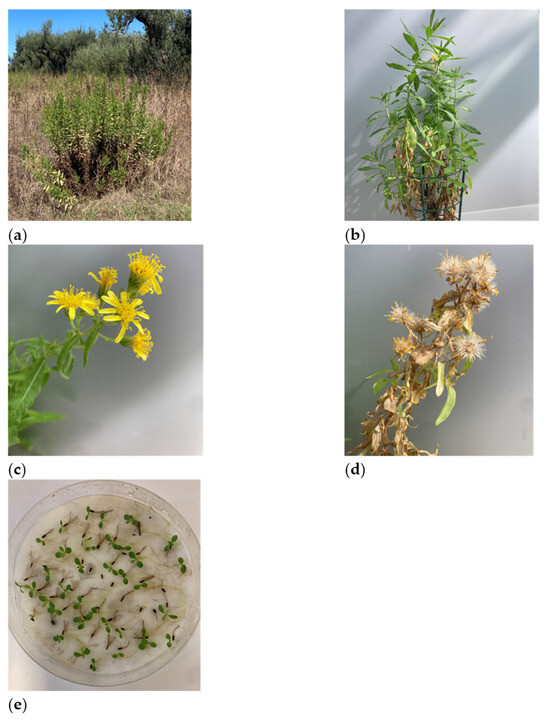
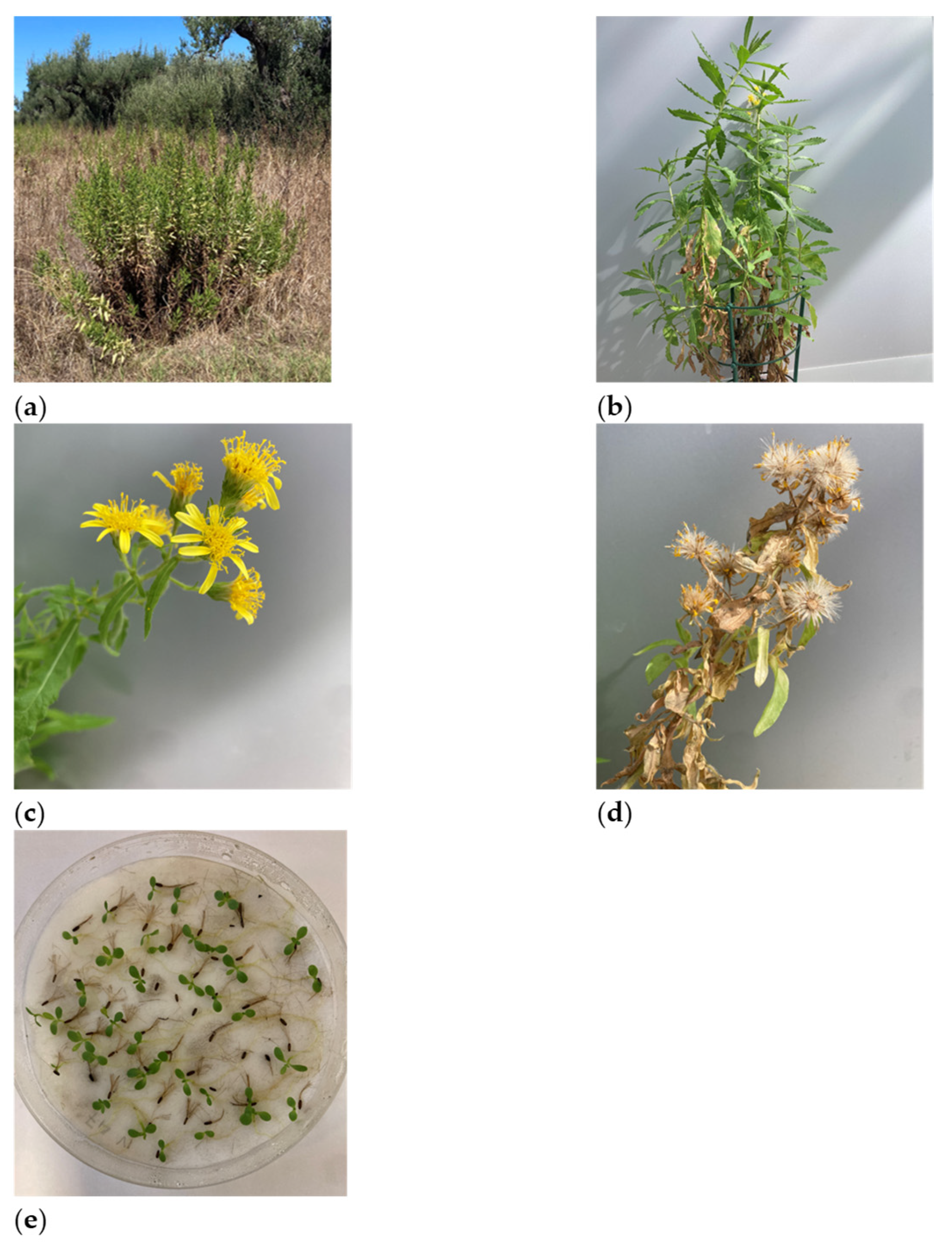
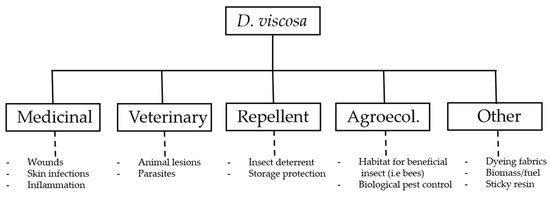
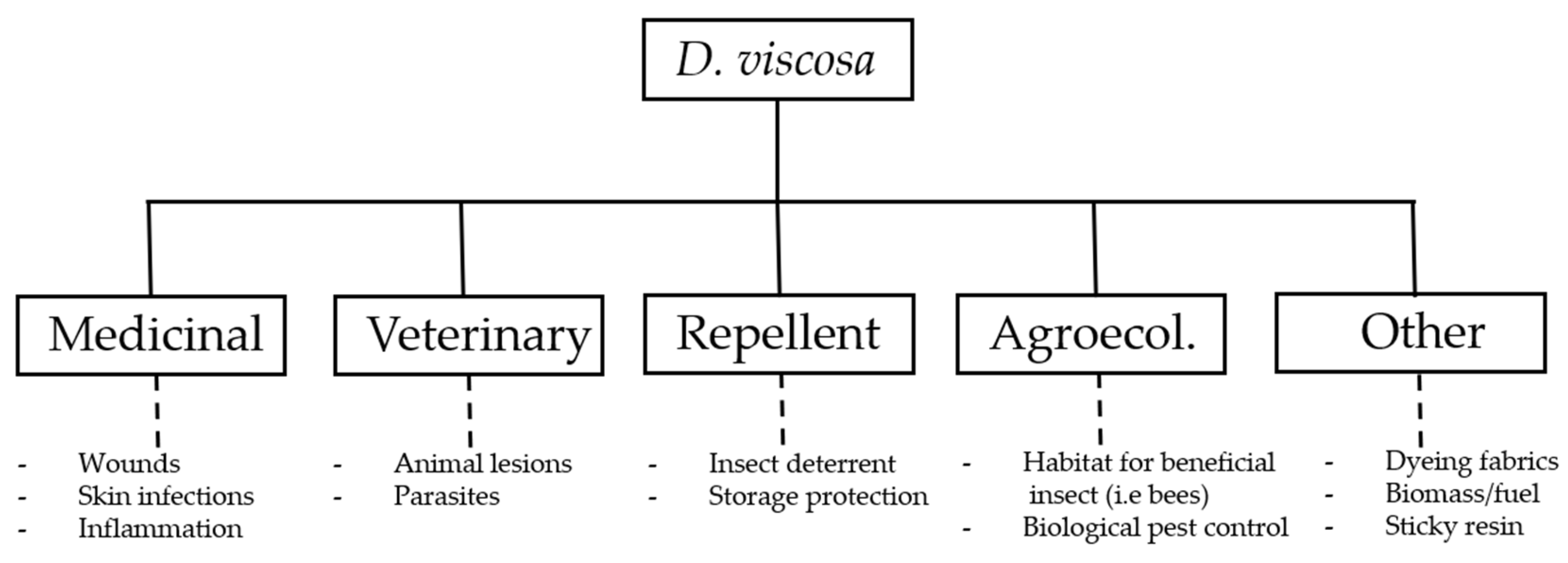
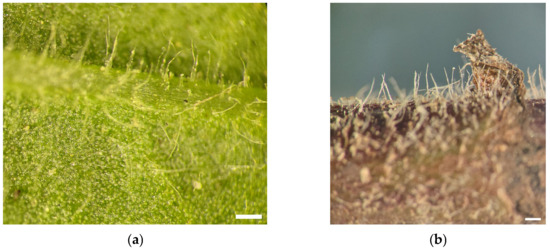
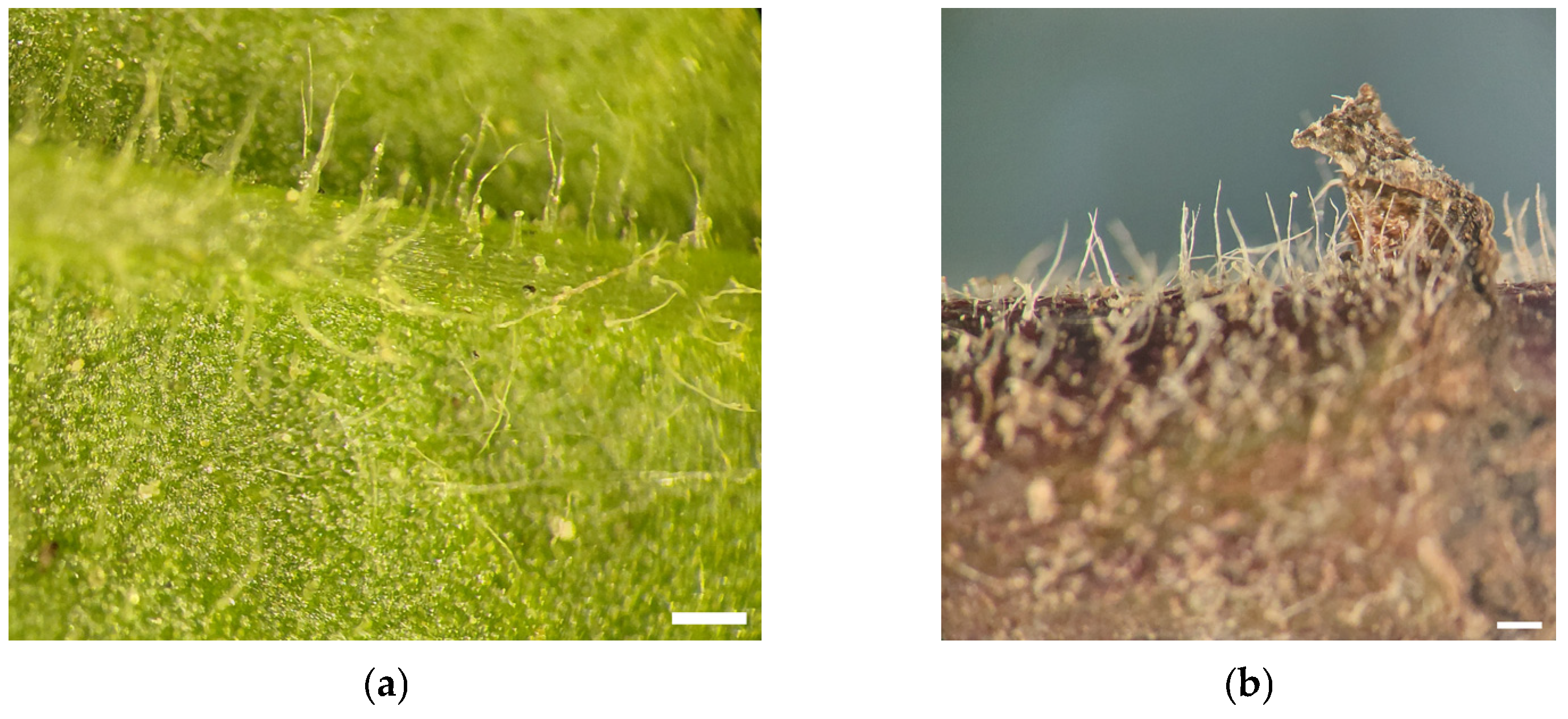

Disclaimer/Publisher’s Note: The statements, opinions and data contained in all publications are solely those of the individual author(s) and contributor(s) and not of MDPI and/or the editor(s). MDPI and/or the editor(s) disclaim responsibility for any injury to people or property resulting from any ideas, methods, instructions or products referred to in the content. |
© 2026 by the authors. Licensee MDPI, Basel, Switzerland. This article is an open access article distributed under the terms and conditions of the Creative Commons Attribution (CC BY) license.