Article

Structure and Processing Properties of Nine Yam (Dioscorea opposita Thunb) Starches from South China: A Comparison Study

1
Department of Food Science and Technology, College of Food Science and Technology, Hunan Agricultural University, No.1 Nongda Road, Furong District, Changsha 410128, China
2
Sericultural & Agri-Food Research Institute, Guangdong Academy of Agricultural Sciences, Key Laboratory of Functional Foods, Ministry of Agriculture and Rural Affairs, Guangdong Key Laboratory of Agricultural Products Processing, Guangzhou 510610, China
*
Authors to whom correspondence should be addressed.
These authors contributed equally to this work.
Molecules 2022, 27(7), 2254; https://doi.org/10.3390/molecules27072254

Submission received: 15 February 2022 / Revised: 15 March 2022 / Accepted: 28 March 2022 / Published: 30 March 2022
(This article belongs to the Special Issue Recent Advances in Food Carbohydrates)

Abstract

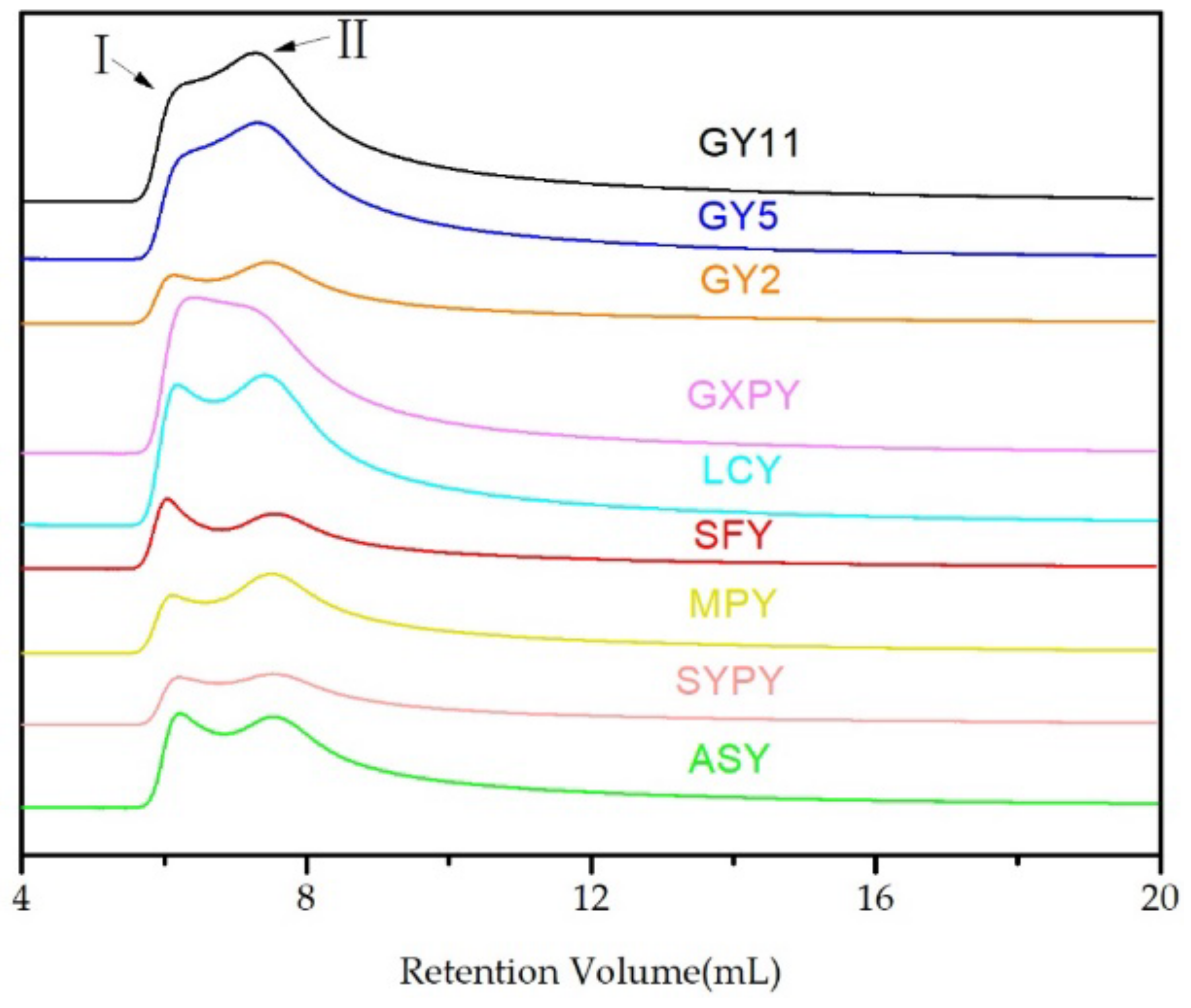
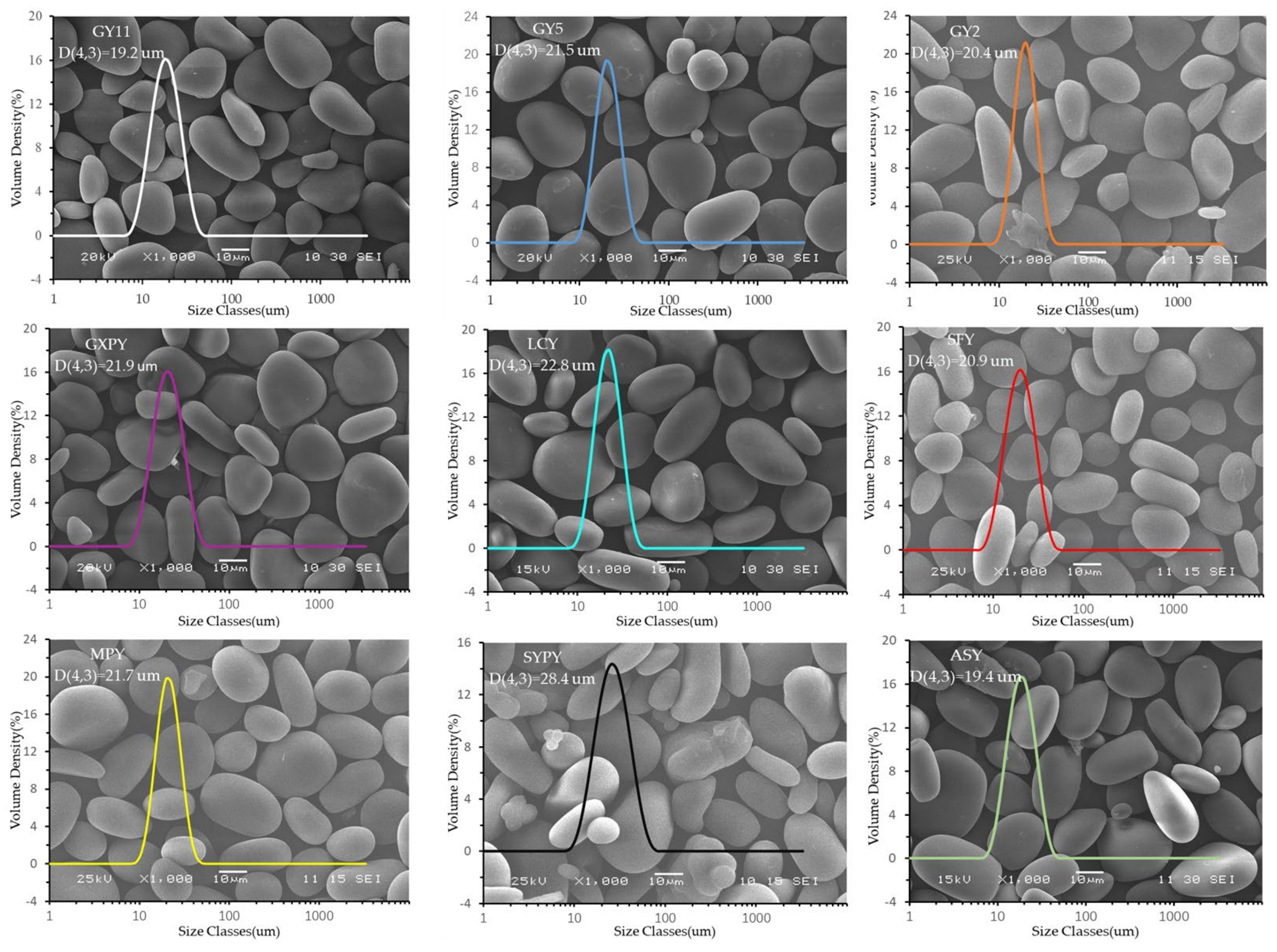
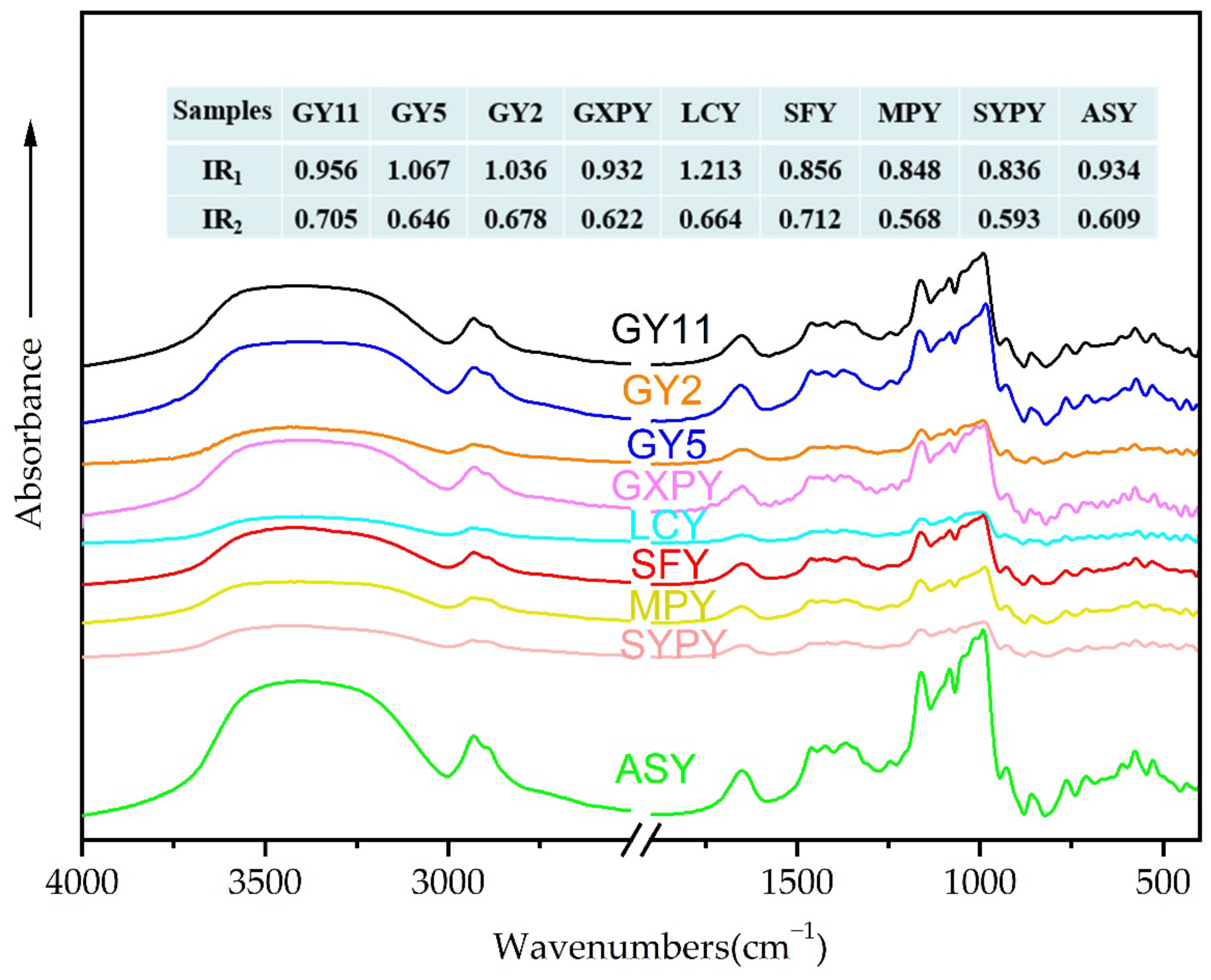
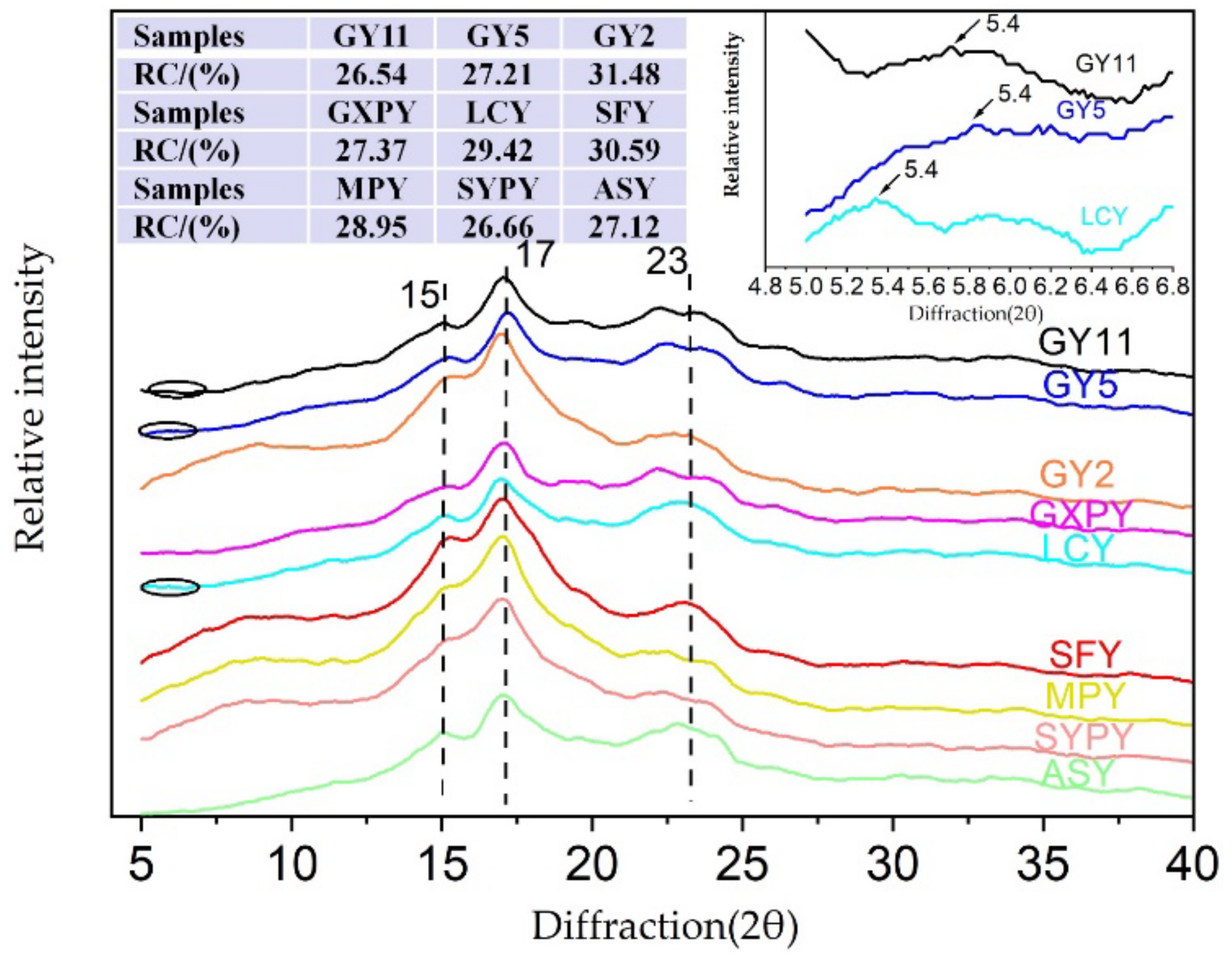
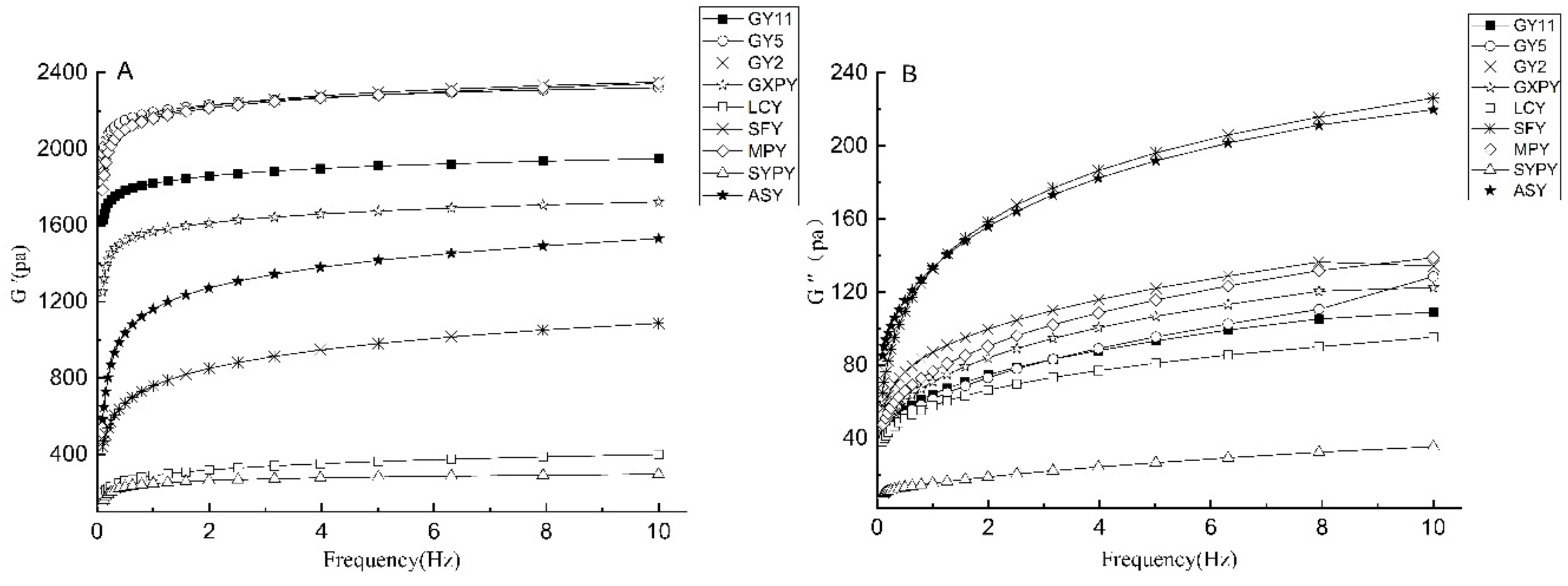
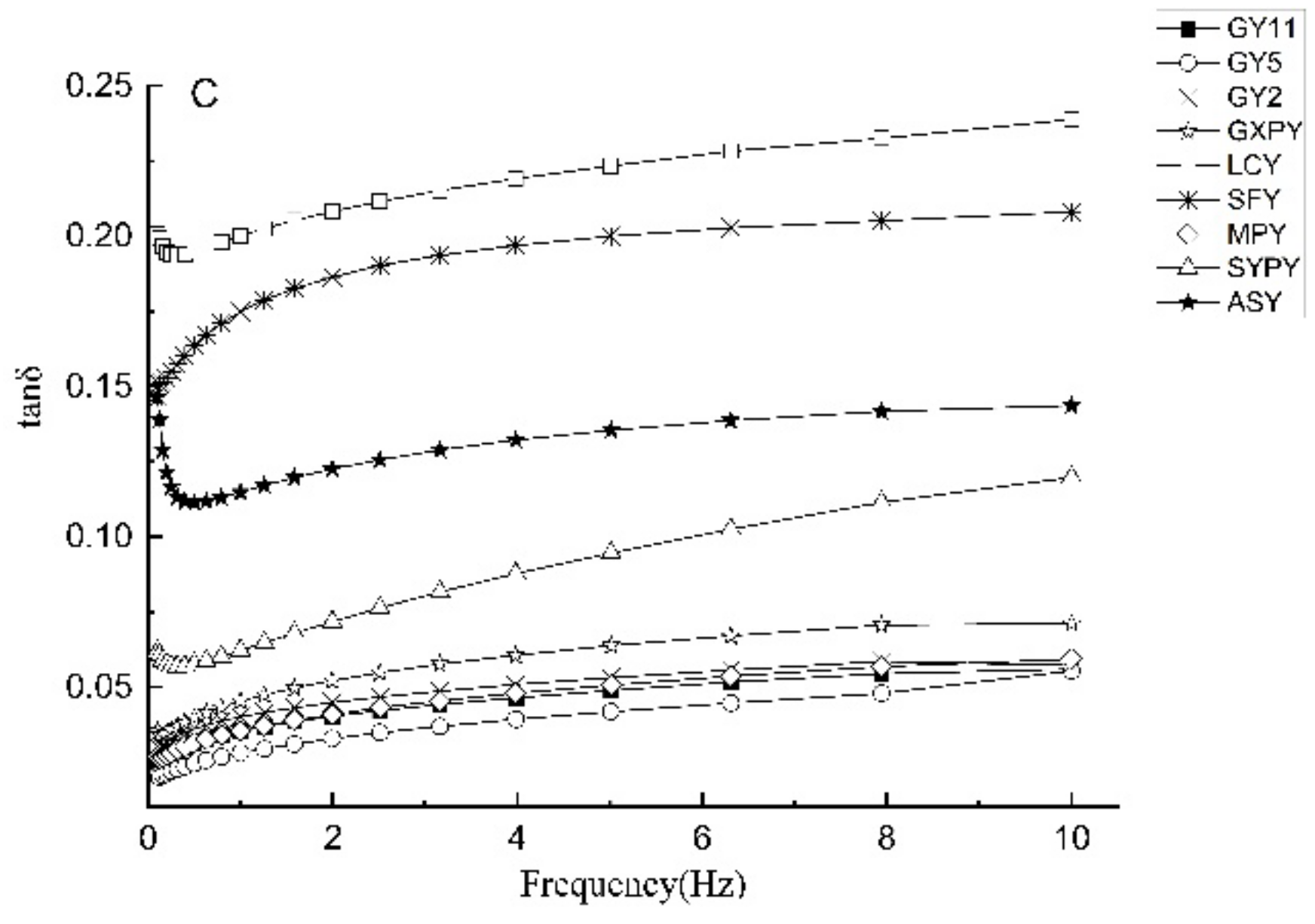
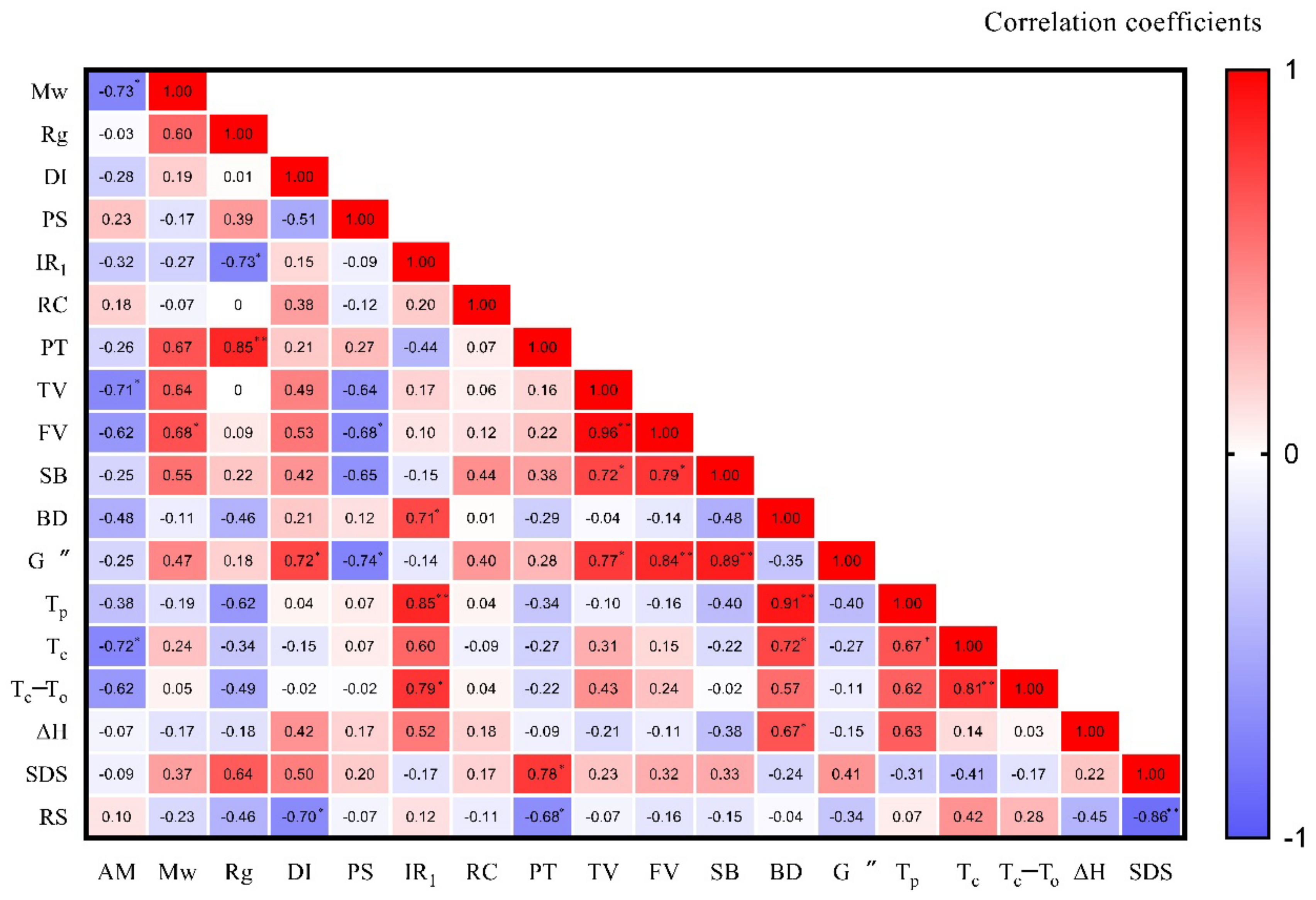
In order to explore the processing and application potential of Chinese yam starch, nine kinds of Chinese yam starch (GY11, GY5, GY2, GXPY, LCY, SFY, MPY, SYPY, ASY) from South China were collected and characterized. The chemical composition, rheological properties, thermal properties, and in vitro starch digestion were compared, and the correlation between the structure and processing properties of these yam starches was analyzed using Pearson correlation. The results show that GY2 had the highest amylose content of 28.70%. All the yam starches were similarly elliptical, and all the yam starch gels showed pseudoplastic behavior. Yam starches showed similar pasting temperatures and resistant starch content, but SYPY showed the largest particle size (28.4 μm), SFY showed the highest setback (2712.33 cp), and LCY showed the highest peak viscosity (6145.67 cp) and breakdown (2672.33 cp). In addition, these yam starches also showed different crystal types (A-type, B-type, C-type), relative crystallinity (26.54–31.48%), the ratios of 1045/1022 cm−1 (0.836–1.213), pasting properties, and rheological properties, so the yam starches have different application potentials. The rheological and pasting properties were related to the structural properties of starch, such as DI, Mw, and particle size, and were also closely related to the thermodynamic properties. The appropriate processing methods and purposes of the processed products of these yam starches can be selected according to their characteristics.
Keywords: Chinese yam starches; molecular structure; processing properties; physicochemical properties Chinese yam starches; molecular structure; processing properties; physicochemical properties