


Abstract
This study examines whether emotional bonds are essential for AI chatbots to influence consumers’ purchase intentions within online travel agencies. Utilizing the stimulus–organism–response (S-O-R) framework, this study analyzes how chatbot empathy and emotional credibility are associated with users’ emotions, subsequently impacting emotional attachment, satisfaction, customer experience, and purchase intention. Data from 409 users with prior AI chatbot experience were analyzed using Partial Least Squares Structural Equation Modeling (PLS-SEM). Results indicate that empathy and emotional credibility are significantly positively associated with positive emotional responses, which in turn strengthen emotional attachment, satisfaction, and customer experience. Notably, emotional attachment does not significantly associate with purchase intention, while satisfaction and customer experience are identified as the stronger predictors of behavioral intention. The findings extend the application of the S-O-R framework by suggesting that, in the OTA context, purchase intention is more closely associated with satisfaction and customer experience than with emotional attachment.
1. Introduction
Digital transformation in tourism involves the use of digital technologies by tour operators and tourism organizations to facilitate tourism operations, products, and services. AI-based chatbots are increasingly used by online travel agencies (OTAs) to facilitate booking processes, provide real-time customer support, and interact with customers throughout the search, evaluation, and booking journey. According to Malik, Singh, and Jha [1], AI-driven chatbots are transforming engagement strategies in OTAs by increasing bot responsiveness and enabling personalized interactions at scale. Beyond operational efficiencies, chatbots are now integrated into various stages of the tourism customer experience, from information search to after-sales services [2,3,4]. These developments indicate that AI chatbots have moved beyond purely functional tools and increasingly shape the nature of customer service interactions in tourism.
Early chatbot implementations focused mainly on operational efficiency and standardized service responses, but modern systems incorporate natural language processing, machine learning, and contextual awareness to replicate human-like behavior. Wust et al. [5] show that reservation-oriented chatbots can influence users’ decision-making, highlighting their growing role in tourism transactions. Despite these developments, the rapid evolution of AI chatbots raises important questions regarding the emotional impact of these technologies on consumers. This shift from purely functional automation toward more human-like and emotionally responsive interactions raises an important question: whether emotional engagement with AI chatbots generates meaningful relational outcomes or primarily improves consumers’ evaluations of the service experience.
Recent developments in conversational AI have moved beyond efficiency and accuracy toward more emotionally responsive and anthropomorphic interactions. In tourism settings, anthropomorphic chatbot characteristics can influence users’ emotional responses, brand-related evaluations, and acceptance of AI-mediated interactions [6,7]. This suggests that human-like communication can increase the social presence and emotional connectivity of chatbot encounters. In the OTA context, for example, Ku [8] links anthropomorphic chatbot characteristics with enhanced brand experience, while Chiengkul, Kumjorn, Tantipanichkul, and Suphan [9] emphasize the role of human-like communicative patterns in generating more intelligent and emotionally engaging tourism experiences. However, anthropomorphism should not be equated with empathy or with the emotional responses experienced by users. Rather, anthropomorphic characteristics represent design or interaction cues that may contribute to perceptions of empathy and subsequently evoke emotional responses. Despite these advances, it remains unclear whether emotionally intelligent chatbot interactions actually translate into meaningful relational outcomes or merely improve transactional service experiences. This distinction is particularly relevant in online travel agencies, where purchase decisions are often driven by efficiency, convenience, and price comparisons.
However, emotionalization goes beyond anthropomorphism. Another determinant of user feelings is emotional credibility, referring to the extent to which users perceive a chatbot’s emotional expressions and responses as authentic, believable, and trustworthy. Thus, while empathy concerns the chatbot’s perceived ability to understand and appropriately respond to users, emotional credibility concerns whether these emotional responses are perceived as genuine and credible. Huang, Sun, and Dai [10] highlight the importance of both functional and emotional cues in shaping trust in AI chatbot interactions, while Ben Cheikh and Zarrad [11] further indicate that perceptions of security and trustworthiness can shape users’ responses to chatbot services. Nevertheless, less is known about whether emotionally credible AI interactions foster stronger emotional attachment or primarily contribute to users’ evaluations of the service experience.
These developments can be theoretically understood through the stimulus–organism–response (S-O-R) framework, which conceptualizes external stimuli as antecedents of consumers’ internal affective states and subsequent behavioral responses. Mohammed and Ferraris [12] similarly argue that psychological stimuli associated with AI chatbot use can generate internal emotional conditions. In the present study, this perspective provides a basis for examining how chatbot characteristics may generate emotional responses and how these responses may subsequently relate to relational and evaluative outcomes in OTA interactions.
Although prior studies have shown that AI chatbots can enhance customer engagement, trust, and behavioral intentions, there remains an important unresolved question concerning the transition from emotional response to relational outcomes. This assumption remains largely unexplored in highly transactional digital environments such as online travel agencies, where consumers frequently prioritize functional benefits over long-term relational bonds. Consequently, it remains unclear whether emotional attachment constitutes a meaningful driver of purchase intention or whether customer experience and satisfaction represent more behaviorally relevant mechanisms through which emotionally engaging AI chatbot interactions relate to consumer decision-making [13].
To address this gap, this study examines emotionally engaging AI chatbot interactions in online travel agencies through the lens of the stimulus–organism–response (S-O-R) framework. Specifically, the study examines whether empathy and emotional credibility, conceptualized as chatbot-related stimuli, are associated with users’ emotional responses and whether these responses subsequently relate to emotional attachment, satisfaction, and customer experience. The study further examines whether these downstream organism outcomes are associated with purchase intention. This staged approach allows the study to distinguish between the generation of an immediate emotional response during an AI-mediated interaction and its subsequent relational, experiential, and behavioral relevance. Particular attention is therefore given to whether a positive emotional response necessarily develops into emotional attachment and, in turn, contributes to purchase intention, or whether satisfaction and customer experience are more closely associated with consumers’ behavioral intentions in the transactional OTA context.
This paper makes several theoretical contributions. In theoretical terms, this study uses S-O-R to distinguish immediate affective reactions from different downstream relational states and examine whether these states have equivalent behavioral relevance, providing a more focused explanation of AI-mediated consumer behavior. The study separates empathy and emotional credibility to explain the multidimensionality of the affective stimuli in AI interactions. Finally, the findings challenge the common assumption that emotional attachment necessarily translates into purchase intention, demonstrating that in online travel agencies consumers primarily rely on satisfaction and customer experience when forming purchase intentions.
2. Literature Review and Development of Hypothesis
2.1. Stimulus–Organism–Response (S-O-R) Model
The S-O-R theory of stimulus–organism–response (S-O-R) provides a well-established theoretical framework for examining the control of internal psychological conditions and, therefore, the influence of the environment on behavioral consequences [14,15]. The S-O-R paradigm, which is a product of environmental psychology, argues that an external stimulus (S) affects an individual’s internal appraisals and affective conditions (Os), which then influence behavioral responses (Rs) [16]. In online contexts, the model has found extensive utilization, as it elucidates how technological interfaces and online service elements shape consumer perceptions, affective responses, and decision-making behaviors.
The S-O-R framework presents a systematic way of conceptualizing the formation of affective engagement and experience (especially in the context of tourism), where experiential consumption is particularly relevant and affective interactions may be associated with travelers’ emotional and behavioral responses. The introduction of AI-driven chatbots to online travel agencies will create a new stimulus context, in which aspects of conversational design can serve as external stimuli that can induce internal emotional responses. As Mohammed and Ferraris [12] note, S-O-R logic can be used to understand the adoption of AI chatbots because the technological stimuli trigger cognitive and emotional reactions that influence behavioral intentions. Similarly, Alharbi, Pandit, Rosenberger III, and Miah [17] highlight the need for theory-informed studies to clarify the effect of AI-powered conversational agents on users and their perceptions and behaviors in tourism and hospitality. The applicability of S-O-R to AI chatbots is intensified by the fact that conversational agents mimic social interaction. Chatbots provide interactive service environments, unlike traditional digital interfaces that are static. As Ghasemi, Yarahmadi, and Kuhzady [18] note, AI-based chatbots in the tourism industry are intelligent service ecosystems that constantly communicate with users throughout the customer journey. Such interactions are stimuli that can influence emotional appraisals.
In the current framework, empathy and emotional credibility are theorized as chatbot-related stimuli (S) because they represent perceived characteristics of the AI interaction that users encounter during the service process, reflecting how users perceive the credibility and authenticity of the chatbot’s emotional expressions. Emotional responses, emotional attachment, satisfaction, and customer experience are conceptualized as organism (O) states because they represent users’ internal affective, relational, evaluative, and experiential reactions to the interaction. Purchase intention constitutes the response (R), as it represents the behavioral intention examined in the present study. In the present study, S-O-R is implemented to address the demands of comprehensive frameworks in AI tourism studies [19,20]. The model, which conceptualizes chatbot qualities as stimuli and responses as emotions that mediate organismic processes, provides a logical explanation of how interactions with AIs translate into behavioral intentions in OTA.
This staged conceptualization provides the theoretical extension of the S-O-R framework proposed in the present study. Existing applications of S-O-R generally examine how environmental or technological stimuli influence internal affective or cognitive states and subsequently shape behavioral responses. In the present context, however, the model explicitly distinguishes the immediate emotional reaction generated during an AI-mediated interaction from the subsequent relational and experiential outcomes associated with that reaction. Although the S-O-R framework has been widely employed to explain consumer behavior in digital environments, most applications implicitly assume that positive emotional responses translate into favorable behavioral outcomes. However, in AI-mediated service settings, particularly in transactional environments such as online travel agencies, this assumption may involve different relational and experiential evaluations. Consumers may experience positive emotions during an AI-mediated interaction without necessarily developing meaningful emotional attachment to the service provider. The present study therefore examines whether emotional responses are associated with different downstream outcomes and whether these outcomes have comparable relevance for purchase intention.
2.2. Online Travel Agency (OTA) AI Chatbots
The development of AI chatbots represents a rapid transition from rule-based scripted systems to complex conversational agents that can understand natural language and respond to context. Chatbots are used in online travel agencies to help users with flight searches, hotel suggestions, itineraries, and customer support questions. Malik, Singh, and Jha [1] believe that AI-driven chatbots are transforming online travel agency engagement through greater service responsiveness and personalization; they state that chatbots can be used both as operational tools and as strategic engagement services. These developments indicate that the role of OTA chatbots extends beyond the automation of routine service tasks to include the quality of the interaction experienced by users.
In a similar vein, Al-Aamri, Alkoud, and Gulvady [21] define AI and chatbots as part of customer engagement tactics in tourism marketing. They underline the fact that conversational agents lessen service friction and, at the same time, influence opinions about service innovation. According to Wust and Bremser [22] chatbot assistance at the booking stage can affect decision efficiency and user trust. Together, these findings suggest that the value of OTA chatbots is not limited to operational efficiency, but also depends on how users evaluate and experience the interaction [23].
In addition to transactional functions, chatbots also contribute to users’ experiential evaluations. Huang and Gursoy [13] show that different forms of chatbot artificial intelligence have varying effects on customer engagement depending on the tourism service context, suggesting that chatbot design is not behaviourally neutral. Similarly, Orden-Mejia, Carvache-Franco, Huertas, Carvache-Franco, and Carvache-Franco [24] show that conversational AI-driven chatbots can affect destination choices, indicating that conversational agents could impact not only direct booking experiences but also general intent to travel. Thus, the role of OTA chatbots extends beyond functional assistance and may involve users’ experiential and affective responses to the interaction.
However, these benefits are accompanied by important challenges. Crolic, Thomaz, Hadi and Stephen [25] address the dark side of AI-based interaction by showing that poorly designed chatbots can generate adverse consumer responses. Similarly, Balamurali, Sai, and Anand [26] point to the inability of existing tourism chatbots to interpret sarcasm and negative emotions as an important limitation. Such limitations are particularly relevant because the chatbot’s ability to recognize and respond appropriately to users’ emotional states may influence how the interaction is evaluated, including perceptions of trust and satisfaction. These findings therefore highlight that the effectiveness of chatbot interaction depends not only on what the system can accomplish functionally, but also on how users experience its interpersonal and emotional responses.
The two-sidedness of AI chatbots as agents of efficiency and increasingly emotional interaction highlights the need to examine how specific chatbot characteristics shape users’ emotional states. Tourism experiences are inherently experiential and affective, making the emotional dimension of AI-mediated interaction particularly relevant. Although previous studies demonstrate that AI chatbots can improve customer interactions, the literature provides more limited evidence regarding the psychological processes through which chatbot characteristics are translated into downstream consumer outcomes. In particular, it remains unclear whether an immediate positive emotional response to a chatbot interaction necessarily develops into emotional attachment and whether such attachment is subsequently associated with purchase intention in transactional tourism services. This distinction is important because emotional engagement may enhance the quality of the immediate service experience without necessarily creating a durable relational bond with the service provider. The present study addresses this gap by examining emotional responses as an intermediate mechanism between chatbot-related characteristics and subsequent relational, experiential, and behavioral outcomes.
2.3. Empathy as a Stimulus That Affects Emotional Reactions
AI chatbot empathy deals with how the system is perceived to identify, comprehend, and react appropriately to users’ emotional conditions. Perceptions of empathy can be supported by anthropomorphic cues, personalized responses, and emotionally supportive language. However, anthropomorphism and empathy are conceptually distinct: anthropomorphism refers to the attribution of human-like characteristics to an AI system, whereas empathy concerns the perceived ability of the chatbot to understand and appropriately respond to users’ emotional states. Kumar [6] shows that anthropomorphism of AI-based chatbots can greatly positively impact emotions and brand affection in online travel agencies, meaning that human-like qualities can facilitate emotional connection and consequently build affective bonds.
Le, Tran, Pham, Pham and Nguyen [7] also support the fact that anthropomorphism attributes enhance emotional efficacy in tourism settings by indicating that users find emotionally responsive chatbots more engaging and helpful, which in turn results in positive affective assessment. In the same vein, Ku [8] concludes that anthropomorphic chatbots contribute to brand experience by providing emotional attachments that resemble human interaction.
According to Chiengkul, Kumjorn, Tantipanichkul, and Suphan [9], the use of AI in tourism positively influences the development of emotional associations, as systems can reproduce human-type communication, which is consistent with the social presence theory, according to which perceived human-likeness contributes to emotional involvement. However, empathy should be genuine to be effective. If anthropomorphic elements seem unnatural or exaggerated, they can lose credibility and provoke skepticism. According to Crolic, Thomaz, Hadi and Stephen [25], over-automating might result in frustration and not engagement. Therefore, empathy may be conceptualized as a stimulus that is associated with users’ emotional responses, while this association may depend on perceived genuineness.
While prior studies consistently report the positive emotional effects of empathetic chatbot interactions, these studies primarily conceptualize empathy as an antecedent of favorable affective reactions rather than examining its broader behavioral implications. Therefore, empathy is expected to operate as an environmental stimulus that activates consumers’ emotional states.
According to the S-O-R theory, compassionate chatbot design is an environmental stimulus that triggers the inner state of affect. The more users consider AI chatbots to be empathetic, the more they tend to develop a positive emotional response, including comfort, trust, and enjoyment. As such, the following is the proposed hypothesis:
H1.
Empathy is positively associated with users’ emotional responses to AI chatbots within online travel agencies.
2.4. Emotional Credibility as an Antecedent of the Emotional Response
Although empathy and emotional credibility are conceptually related, they represent different aspects of AI interaction. Empathy reflects the chatbot’s perceived ability to understand users, whereas emotional credibility refers to whether these emotional expressions are perceived as authentic and trustworthy. Both characteristics are therefore expected to stimulate positive emotional reactions through different psychological mechanisms.
Emotional credibility refers to the authenticity, reliability, and trustworthiness of the emotional interaction with AI chatbots. Specifically, in this study emotional credibility is conceptualized as a perceived characteristic of the chatbot’s emotional communication rather than a general cognitive trust state. Accordingly, emotional credibility is treated as a perceived cue at the stimulus level. It reflects how the chatbot’s emotional communication is presented and perceived during the interaction, rather than a broader cognitive evaluation of the service or the OTA. Unlike empathy, which is concerned with warmth and relating clues, emotional credibility is concerned with competence, believability and the perceived authenticity and trustworthiness of those emotional expressions. In the context of AI involvement, credibility can affect the interpretation of emotional expressions as either authentic or fake. Huang, Sun, and Dai [10] suggest that trust in AI chatbots can be built based on the functional reliability and emotional design attributes. Their review reveals that perceived credibility enhances trust building in tourism and hospitality situations. Similarly, Abou-Shouk et al. [27] highlight the role of privacy and data security in shaping trust and behavioral intention toward AI-assisted travel planning, emphasizing the importance of security perceptions in chatbot acceptance.
According to Pham [28], AI chatbots mediate their effect on the intention to book a hotel first in rural locations, which means that credibility is associated with both cognitive appraisals and emotional comfort. Mohammed and Ferraris [12] argue that psychological stimuli that elicit motivational drivers of AI chatbot adoption trigger internal emotional states, which support the S-O-R framework. Positive emotional responses are the main outcome of perceiving chatbots’ responses as accurate, consistent, and trustworthy. On the other hand, the negative emotions that can occur as a result of perceived manipulation or unreliability include skepticism or anxiety. Emotional credibility is, therefore, a stimulus that predicts organismic emotional states.
H2.
Emotional credibility is positively associated with users’ emotional responses to AI chatbots.
2.5. Emotional Reaction and Emotional Attachment
Emotional responses are internal affective states that are provoked by interactions with chatbots. The positive feelings of enjoyment, comfort, and enthusiasm could be used as a source of relational connections with AI systems. According to Kumar [6], emotionally stimulating chatbots increase brand love, suggesting that affective reactions could be converted into attachment. According to Magano, Quintela, and Banerjee [29], the consumer engagement created by an AI chatbot experience involves the intermediary role of satisfaction, which means that emotional processes affect relational outcomes. According to Chiengkul, Kumjorn, Tantipanichkul and Suphan [9], emotional connections in tourism experiences can be enhanced through emotionally appealing AI interactions.
Emotional attachment is a more enduring relational state characterized by affection and psychological connection and therefore differs from the immediate affective response generated during a chatbot interaction. Traditional service environments suggest that emotional attachment normally predicts loyalty and purchase. Nevertheless, AI-mediated communications do not correspond to human relationships, and the range of emotional reactions to chatbots to provide meaningful attachment is still empirically debatable. Nevertheless, emotional attachment toward AI differs from attachment toward human service employees. AI interactions are often episodic, goal-oriented, and task-driven, potentially limiting the development of enduring relational bonds. Consequently, although positive emotions are expected to foster attachment, the strength and behavioral relevance of this attachment remain theoretically uncertain.
In S-O-R terms, emotional reactions (organism) can result in attachment (response) if affective experiences are strong and recurrent enough. Thus,
H3.
Emotional responses are positively associated with emotional attachment toward AI chatbots.
2.6. Emotional Response and Satisfaction
Satisfaction can be described as the comparison of service performance against the expectation. Emotions are important in influencing satisfaction decisions in the context of AI. Huang and Gursoy [13] show that AI type affects engagement and satisfaction in tourism service settings. According to Filrando, Fahlevi, and Sinambela [30], affective responses determine the attitude of users toward AI chatbots in the tourism industry. Satisfaction represents an evaluative outcome of the interaction and therefore may constitute a more immediate consequence of positive emotional experiences than longer-term relational constructs such as emotional attachment. Recent research further highlights the importance of trust-related and social interaction characteristics in shaping satisfaction with AI chatbot services [5].
Zhu, Zhang, Zou, and Jing [31] reveal that customer feedback towards AI chatbots in online travel agencies varies based on familiarity and emotional appraisal. These results indicate that emotional responses are antecedents of satisfaction. Similarly, Akdemir and Bulut [32] found that chatbot communication quality contributes to customer satisfaction with chatbot usage, while satisfaction positively influences online purchase intention. On this basis, it is assumed that positive emotional reactions will increase the satisfaction of chatbot interactions.
H4.
Emotional responses are positively associated with satisfaction with AI chatbots.
2.7. Emotional Reactions and Customer Experience
Customer experience refers to consumers’ holistic evaluation of the service encounter across multiple touchpoints. In the present study, customer experience is conceptualized as the user’s immediate experiential evaluation of the AI chatbot interaction, rather than as a broad evaluation encompassing multiple customer touchpoints. The construct captures the extent to which the interaction is experienced as enjoyable, interesting, and positive in the context of online travel services. This conceptualization distinguishes customer experience from emotional responses, which represent users’ immediate affective states, and from satisfaction, which reflects an evaluative judgment of the interaction. Thus, customer experience captures the experiential quality of the service encounter rather than enjoyment or positive affect alone.
Value creation in tourism is about quality of experience, and the role of emotions is critical for brand attachment and experience [33]. According to De Keyser, Verleve, Lemon, Keiningham and Klaus [34], AI applications create an impression on the customer journey, affecting experiential appraisals amongst tourists. Recent tourism research further shows that digitally mediated interactions can shape customer experience throughout the travel journey, with active engagement and co-creation strengthening experiential outcomes [35]. Alharbi, Pandit, Rosenderger III and Miah [17] emphasize that AI-powered conversational agents can affect a client’s overall service experience, since such agents can be interacted with. Unlike emotional attachment, which represents a relational bond, customer experience reflects the broader evaluation of the service encounter and may therefore be particularly relevant in digital service environments characterized by short-term interactions. Wust and Bremser [22] illustrate that chatbot-assisted booking systems are associated with perceptions of greater service efficiency and more positive experiential evaluations. Emotional reactions act as interpreters between design stimuli and experiential judgments.
H5.
Emotional responses are positively associated with customer experience in online travel agencies.
2.8. Organism Outcomes and Purchase Intention
Purchase intention is the propensity to perform booking behavior. Chatbot response strategies can influence customers’ purchase intention, with psychological distance and performance expectancy acting as underlying mechanisms [36]. The results of Orden-Mejia et al. [24] are that the use of AI-powered chatbots affects destination choices, which are behavioral implications. Mohammed and Ferraris [12] associate motivational drivers in the context of behavioral intention in the automation of AI services. Pham [28] shows that trust and presence have an impact on the booking intention.
Purchase intention has been associated with satisfaction and customer experience [32]. Related evidence from tourism research indicates that digital sources of influence can also shape travelers’ decisions during the pre-travel stage, highlighting the importance of digitally mediated interactions in the formation of travel-related behavioral intentions [37]. In OTA situations characterized by price comparison and functional decision-making, however, emotional attachment may operate differently. Although emotional attachment has traditionally been regarded as an important predictor of behavioral intentions in relationship marketing, its role may differ in AI-enabled online travel agencies. Such attachment may nevertheless be expected to increase purchase intention when users develop a stronger relational connection with the service. Consumers frequently interact with chatbots to accomplish specific tasks efficiently rather than to establish enduring relationships. Consequently, purchase decisions may depend more strongly on evaluations of customer experience and satisfaction than on emotional attachment itself.
Therefore:
H6a.
Emotional attachment is positively associated with purchase intention.
H6b.
Satisfaction is positively associated with purchase intention.
H6c.
Customer experience is positively associated with purchase intention.
These hypotheses can be combined to operationalize the S-O-R model in the case of AI-driven chatbots in online travel agencies and to offer a unified model to test how the effects of empathy and emotional credibility influence emotional reactions and resultant behavioral responses, as shown in Figure 1.
Figure 1.
Proposed conceptual framework based on the S-O-R framework.
3. Methodology
This study adopts a quantitative research design to examine the structural relationships depicted in the proposed stimulus–organism–response (S-O-R) conceptual framework. At the stimulus level, the study focuses on the key characteristics of AI chatbots used by OTAs, namely empathy and emotional credibility. At the organism level, it investigates consumers’ emotional responses as the internal psychological states triggered by these stimuli and the effects of these emotions on key affective outcomes, including emotional attachment, satisfaction, and experience. Finally, at the response level, the study explores their ultimate impact on purchase intention in OTA platforms. The proposed model enables the investigation of how AI chatbot attributes influence consumers’ emotional processes and, consequently, their attitudinal and behavioral responses. Hence, it highlights the critical role of emotions as an underlying mechanism through which AI-driven interactions shape consumer purchase intentions in the online travel context.
3.1. Measures and Measurements
The constructs in this study were operationalized using established measurement scales adapted from prior research to ensure validity and reliability. All items were measured using a five-point Likert scale, ranging from strongly disagree to strongly agree. A five-point format was selected because it provides a balanced and straightforward response range for respondents while limiting response burden and allowing sufficient sensitivity to capture variations in perceptions and emotional responses. The questionnaire was structured according to the stimulus–organism–response (S-O-R) framework and comprised three main sections:
- (a)
- Stimulus (S)—AI Chatbot Characteristics: This section measured key attributes of AI chatbots, specifically empathy and emotional credibility. Empathy was assessed using items adapted from Kim and Hur [38], capturing the chatbot’s ability to understand users’ needs, show concern, and provide individualized attention. Emotional credibility was measured using a multi-item scale adapted from Lee, Pan and Hsieh [39], reflecting the chatbot’s ability to recognize, express, and appropriately respond to the user’s emotions in a credible and trustworthy way. In the present study, emotional credibility refers specifically to the perceived genuineness, believability, authenticity, and trustworthiness of the chatbot’s emotional expressions and responses.
- (b)
- Organism (O)—Emotional Responses: The organism component captured consumers’ emotional reactions resulting from their interaction with AI chatbots. Emotions were operationalized through both emotional and informational support dimensions, adapted from Lee, Pan and Hsieh [39], as well as affective perception items from Chen, Gong, Lu and Luo [40]. These measures captured the positive emotional and supportive reactions experienced by the user as a result of interacting with the OTA AI chatbot. Internal Evaluative States: The organism component included emotional attachment, satisfaction, and customer experience as internal relational, evaluative, and experiential states associated with the chatbot interaction. Emotional attachment was measured using items adapted from Kostka and Zhou [41] and Lee, Pan and Hsieh [39], capturing the degree of users’ emotional bonding with the AI chatbot in the OTA interaction context. User satisfaction was assessed using a scale adapted from Chen, Lu, Gong and Xiong [42] as described at Fang et al. [43]. Customer experience was measured using three items adapted from Trivedi [44] and Chen, Lu, Gong and Xiong [42], focusing on the enjoyment, interest, and overall evaluation of the experience of interacting with the AI chatbot.
- (c)
- Response (R)—Behavioral Outcomes: The response section included key consumer outcomes influenced by emotional states. Finally, purchase intention was measured using a validated scale from Chen, Lu, Gong and Xiong [42], assessing the likelihood that the user will purchase or book a travel product/service recommended by the OTA AI chatbot.
3.2. Sample and Data Collection Method
After the questionnaire was developed, a pilot application was carried out, with 10 respondents who met the same basic eligibility criteria as the target population, to reveal any ambiguities, technical difficulties, and interpretative difficulties within the questions and to examine the comparability of the models. Pilot testing is particularly critical for quantitative research, as it provides the primary assessment of the usability and understanding of the measurement instrument before its collection and distribution to the study sample [45]. The pilot respondents were not included in the final analytical sample.
Data were collected through a questionnaire-based survey administered online to users located in the UK who had prior experience interacting with AI chatbots provided by online travel agencies (OTAs) or travel-booking websites and applications. The questionnaire was administered in English and was available online during the period 1 December 2025 to 15 February 2026. Participants were recruited through online channels, including social media platforms and tourism-relevant online communities, using a purposive sampling approach. No monetary or other incentives were offered for participation.
This approach enabled the empirical examination of users’ perceptions and experiences with AI chatbot interactions in an OTA context, in line with the proposed S-O-R framework. To ensure that respondents evaluated a relevant and comparable experience, eligibility was assessed through screening questions. Participants were required to (i) have previously interacted with an AI chatbot provided by an OTA or travel-booking platform, (ii) have used the chatbot for a travel-related task, and (iii) be able to recall a specific OTA AI chatbot interaction before completing the main questionnaire. The sampling strategy therefore targeted individuals with relevant prior experience of AI chatbot interactions in the online travel context. The recalled interactions involved Booking.com, Expedia, Trip.com, and eDreams, which represented the most frequently reported OTA or travel-booking platforms in the sample. Responses that did not meet the screening criteria or were incomplete were excluded from the final dataset. In total, 612 responses were received. Of these, 63 were excluded at the first screening stage because they did not report prior use of an OTA or travel-booking chatbot because they reported using the chatbot only for general question-and-answer purposes; 42 were excluded because they had not used the chatbot for a travel-related task; 77 were excluded because they could not recall a specific interaction; and 21 were excluded because the questionnaire was incomplete. Following these screening and data-quality procedures, 409 complete and eligible responses remained and were included in the final analysis.
Before accessing the questionnaire, participants were provided with information about the purpose of the study, the voluntary nature of participation, confidentiality and anonymity of responses, and their right to discontinue participation. Informed consent was obtained before respondents proceeded to the questionnaire.
3.3. Tool for Data Analysis
The collected data were analyzed using Partial Least Squares Structural Equation Modeling (PLS-SEM) with SmartPLS 4 [46]. PLS-SEM is a variance-based structural equation modeling approach that focuses on explaining the variance of endogenous constructs and estimating complex relationships among latent variables [47,48]. It was selected because the study examines a multi-construct model with several interconnected endogenous variables and emphasizes the explanatory and predictive assessment of the proposed relationships.
4. Data Analysis and Interpretation
4.1. Respondent Profile
The final sample consisted of 409 valid responses. The demographic profile of respondents indicates that the majority were male (n = 245, 59.9%). In terms of age distribution, most participants belonged to the 18–30 age group (n = 278, 68.0%), followed by respondents aged 31–44 (n = 91, 22.2%), and a smaller proportion were above 45 years old (n = 40, 9.8%). Regarding employment status, the majority of respondents were private-sector employees (n = 236, 57.7%), followed by students (n = 96, 23.5%), freelancers/self-employed individuals (n = 51, 12.5%), and others (n = 26, 6.3%).
In terms of travel behavior, most participants reported that they typically organize their trips independently (n = 287, 70.2%), visiting multiple online travel agency sites during travel planning. The travel-related tasks reported by respondents included hotel search (31.5%), flight search (29.6%), itinerary planning (14.2%), booking assistance (12.7%), destination information (7.8%), and customer support (4.2%). All respondents included in the final sample had met the study-specific screening criteria concerning prior use of an AI chatbot provided by an OTA or travel-booking website or application, use of the chatbot for a travel-related task and recall of a specific OTA AI chatbot interaction. Beyond these study-specific eligibility criteria, participants varied in their broader familiarity and level of exposure to AI technologies. Specifically, 72.6% (n = 297) reported previous experience interacting with AI chatbot platforms, whereas 27.4% (n = 112) reported more limited general AI chatbot experience. This distinction indicates variation in the intensity of participants’ broader AI exposure rather than the absence of relevant OTA chatbot experience. The sample therefore included respondents with relatively higher levels of AI familiarity as well as respondents with more limited exposure, while all participants had the specific OTA chatbot experience required for inclusion in the study.
4.2. Reliability and Validity
The reliability indicators confirm the quality of the measurements in the measurement model’s evaluation, as shown in Table 1. The internal consistency of measurement scales was assessed using Cronbach’s alpha and composite reliability to ensure the questionnaires’ reliability. Specifically, all constructs present Cronbach’s alpha and composite reliability above the recommended threshold of 0.70, indicating strong internal consistency. After removing two items to improve the measurement quality of the constructs, the remaining indicators exhibited high individual loadings (>0.70) and no excessive cross-loadings. These findings further support internal consistency and strengthen the overall reliability of the measurement model.
Table 1.
Measurement items and reliability and validity results.
To assess the validity of the structural model, convergent and discriminant validity tests were performed. Convergent validity was examined through the AVE index. The AVE values for all constructs exceed the acceptable limit of 0.50 [49], as shown in Table 1. Discriminant validity was assessed through the Fornell–Larcker criterion (Table 2) and HTMT (Table 3). According to this criterion, the square root of the AVE of each construct should exceed its intercorrelations with other constructs. Discriminant validity was further assessed using the heterotrait–monotrait ratio (HTMT). As shown in Table 3, most HTMT values were below the conservative threshold of 0.85 and below the 0.90 threshold suggested by Henseler, Ringle and Sarstedt [50]. Furthermore, the bootstrap confidence intervals did not include 1, providing additional support for discriminant validity, as shown in Table A1, the bootstrap HTMT confidence interval in Appendix A. The outer loadings further support the convergent validity of the measurement model. These consistently high loadings indicate that the indicators adequately represent their respective constructs. Overall, the results indicate that the constructs demonstrate satisfactory discriminant validity.
Table 2.
Discriminant validity assessment using the Fornell–Larcker criterion.
Table 3.
Discriminant validity assessment using the heterotrait–monotrait ratio (HTMT).
4.3. Structural Model Analysis
Table 4 presents the results of the hypothesis testing and structural path analysis. The structural model provides strong support for the proposed S-O-R framework. The results of the hypothesis testing indicate that empathy (β = 0.312, p < 0.001) and emotional credibility (β = 0.316, p < 0.001) are significantly positively associated with emotions, supporting H1 and H2 and suggesting that users evaluate both the relational warmth and the perceived authenticity of chatbot interactions as equally important emotional stimuli. Emotions, in turn, are strongly positively associated with emotional attachment (β = 0.694, p < 0.001), satisfaction (β = 0.694, p < 0.001), and experience (β = 0.562, p < 0.001), confirming H3, H4, and H5.
Table 4.
Results of hypothesis testing and structural path analysis.
Regarding purchase intention, satisfaction (β = 0.422, p < 0.001) and experience (β = 0.425, p < 0.001) show significant positive associations with purchase intention, supporting H6b and H6c. Although emotional responses significantly enhanced emotional attachment, emotional attachment itself did not significantly influence purchase intention (β = 0.050, p = 0.509). This finding represents the most noteworthy outcome of the structural model, suggesting that in AI-enabled online travel agencies, positive emotional reactions do not necessarily translate into behavioral intentions through relational attachment. Instead, purchase intention appears to be more strongly associated with customer satisfaction and overall service experience.
Overall, the findings highlight the central role of emotions as a key mechanism linking AI chatbot characteristics with consumer behavioral outcomes.
The R2 values support the above findings, as shown in Figure 2. The endogenous variable emotions is explained by 23.6% by empathy and emotional credibility. Emotional attachment presents a higher explanatory power (R2 = 0.480), while satisfaction is explained at 47.9% and experience at 31.2%. Finally, purchase intention demonstrates substantial explanatory power, with an R2 value of 0.633, indicating a strong predictive capability of the model. These values are considered moderate to substantial according to the literature [51], particularly for the main dependent variable.
Figure 2.
Structural model results. Source: Authors’ own work—PLS output.
The predictive performance of the model was further assessed using the PLS predict procedure. The results indicated positive Q2 values for all endogenous constructs, including emotions (Q2 = 0.219), emotional attachment (Q2 = 0.143), experience (Q2 = 0.150), satisfaction (Q2 = 0.176), and purchase intention (Q2 = 0.148), providing evidence of out-of-sample predictive relevance. To further assess predictive performance, the prediction errors of the PLS-SEM model were compared with those of a linear-model (LM) benchmark using CVPAT. The PLS-SEM model produced lower prediction loss than the LM benchmark for all endogenous constructs. In particular, the overall prediction loss was lower for PLS-SEM (1.078) than for the linear model (1.119), with this difference being statistically significant (p = 0.037). Furthermore, the PLS-SEM model demonstrated significantly lower prediction loss than the indicator-average (IA) benchmark, both overall and across all endogenous constructs. Overall, the PLS-SEM prediction loss was 1.078 compared with 1.253 for the IA benchmark (p < 0.001). These results provide evidence of predictive value relative to the specified benchmarks, while the magnitude of the out-of-sample predictive performance should be interpreted in conjunction with the indicator-level prediction errors and benchmark comparisons.
In addition, an effect size analysis was conducted using the f2 index to assess the contribution of each exogenous construct to the variance explained in the endogenous variables. The f2 index indicates the magnitude of the impact of an independent variable on a dependent variable. According to Cohen [52], values of 0.02, 0.15, and 0.35 represent small, medium, and large effects, respectively.
The results show that emotions have a very strong effect on emotional attachment (f2 = 0.931), satisfaction (f2 = 0.928), and experience (f2 = 0.461), highlighting their central role in the model. Emotional credibility and empathy exhibit small-to-moderate effects on emotions (f2 = 0.125 and f2 = 0.121, respectively). Regarding purchase intention, both experience (f2 = 0.285) and satisfaction (f2 = 0.177) demonstrate medium effect sizes based on the stated thresholds. In contrast, emotional attachment has a negligible effect on purchase intention (f2 = 0.002).
Overall, these findings indicate that emotions represent an important component of the affective pathway examined in the present model, while the effects of empathy and emotional credibility are primarily indirect, operating through emotions.
4.4. Mediation Analysis
Table 4 also reports the specific indirect effects examined in the mediation analysis. Mediation analysis was conducted using the bootstrapping procedure with 5000 subsamples to assess the indirect effects among the constructs of the proposed S-O-R model, following established PLS-SEM guidelines [51,53]. The results indicate that both empathy and emotional credibility have significant indirect effects on the response variables through emotions. Specifically, emotions significantly mediate the relationship between empathy and emotional attachment (β = 0.217, p < 0.001), satisfaction (β = 0.216, p < 0.001), and experience (β = 0.175, p < 0.001), as well as between emotional credibility and these outcomes (β = 0.219; β = 0.219; β = 0.177, respectively). Furthermore, significant indirect effects were observed on purchase intention through satisfaction (β = 0.293, p < 0.001) and experience (β = 0.239, p < 0.001), indicating statistically significant indirect associations through satisfaction and customer experience. Additional sequential mediation effects were also supported, such as empathy -> emotions -> satisfaction -> purchase intention (β = 0.091, p < 0.01) and emotional credibility -> emotions -> experience -> purchase intention (β = 0.075, p < 0.001).
In contrast, mediation paths involving emotional attachment leading to purchase intention were not statistically significant (emotions -> emotional attachment -> purchase intention: β = 0.034, p = 0.514), indicating that the indirect pathway through emotional attachment was not statistically significant in the present model. These findings suggest that the effects of chatbot characteristics on purchase intention are primarily indirect, operating through consumers’ emotional responses and subsequent satisfaction and customer experience.
Overall, the empirical findings consistently support the proposed emotional mechanism linking chatbot characteristics with consumer behavior. However, they simultaneously suggest that not all response variables exert equivalent behavioral influence, highlighting the distinct role of customer experience and satisfaction relative to emotional attachment.
To further examine the ordering of the constructs, a competing sequential specification was estimated using the same dataset, in which emotional responses were followed by emotional attachment, customer experience, satisfaction, and purchase intention. The alternative specification was compared with the original model using CVPAT, PLSpredict, and BIC. Although the alternative model yielded marginally lower prediction loss for emotions (1.131 vs. 1.132), experience (1.046 vs. 1.047), satisfaction (0.940 vs. 0.941), and overall model performance (1.067 vs. 1.068), none of these differences were statistically significant (p = 0.618, 0.843, 0.484, and 0.574, respectively). PLSpredict results were mixed, with small differences in RMSE and MAE across indicators and no consistent advantage for either specification. BIC results were mixed across endogenous constructs. Taken together, the results do not indicate a statistically meaningful predictive advantage of the alternative specification. Therefore, the theoretically motivated primary model is retained. Given the cross-sectional design, these findings should be interpreted as evidence of comparative predictive performance rather than causal or temporal ordering.
5. Discussion
The findings provide strong support for the S-O-R framework in explaining AI-mediated consumer behavior in online travel agencies. More importantly, they demonstrate that while AI chatbot characteristics successfully generate positive emotional responses, these responses are associated with purchase intention primarily through customer satisfaction and experience rather than through emotional attachment.
The findings confirm the suitability of S-O-R theory in explaining AI-mediated relations under tourism conditions. As Mohammed and Ferraris [12] put it, adoption and interaction with AI chatbots can be theorized as a process through which technological stimuli trigger internal emotional conditions that ultimately lead to behavioral consequences. According to the findings, two distinct chatbot traits, namely empathy and emotional credibility, are environmental stimuli that influence users’ organismic emotional states. This confirms previous claims that AI chatbots act not only as utilitarian instruments but as affective service agents [1,21]. Rather than simply confirming the S-O-R framework, the findings suggest that different response variables do not contribute equally to behavioral outcomes. This indicates that the response stage of the S-O-R model may be more context-dependent than frequently assumed.
Empathy was positively associated with users’ emotional responses, which may be compared with the findings provided by Kumar [6], as anthropomorphic features of chatbots positively affect engagement and brand love in OTAs. In line with this, Le et al. [7] argue that the anthropomorphic design enhances emotional efficacy and user acceptance. The current results build upon this body of work by placing empathy squarely as a stimulus in the S-O-R relation as opposed to a design aspect. This theoretical framing explains why empathy has a primary effect on internal emotional states but not directly on purchase intention. This finding suggests that consumers value emotionally supportive interactions even when they are fully aware that the interaction takes place with an AI system. Thus, empathy appears to function as an interaction quality rather than as an attempt to imitate human relationships.
Emotional credibility was also strongly positively associated with emotional responses, suggesting that perceived authenticity and trustworthiness are associated with users’ emotional responses in AI-mediated tourism interactions. This is in line with Huang, Sun, and Dai [10], who point out that confidence in AI chatbots is based on functional reliability and emotional design. In addition, Ben Cheikh and Zarrad [11] also show that privacy issues mediate the adoption of chatbots, which highlights the key role of credibility in acceptance. The current results point out that credibility is not merely a cognitive judgment, but a prerequisite of emotional solace and positive effect. On this note, emotional credibility appears to play a stabilizing role in increasing the perceived reality of empathetic signals. Interestingly, emotional credibility exerted an effect comparable to empathy, indicating that users evaluate not only how emotionally supportive the chatbot appears but also whether these emotional expressions are perceived as authentic and trustworthy.
The high correlation of emotional responses and satisfaction, emotional attachment, and customer experience is yet another confirmation of the organism–response sequence. Favorable evaluative and relational results were achieved through positive emotions generated in chatbot interactions. This is in line with Huang and Gursoy [13], who noted that chatbot design affects engagement and satisfaction among services based on context. Similarly, Filrando, Fahlevi, and Sinambela [30] state that user attitudes towards tourism chatbots are highly dependent on the affective reaction. These findings reinforce the view that emotions constitute the primary psychological mechanism through which AI chatbot characteristics are translated into broader consumer evaluations.
It is especially interesting to mention the beneficial impact of emotional reactions on customer experience. Tourism consumption is an experience, and AI chatbots are increasingly defining perceptions throughout the customer experience. As pointed out by Riedl [20], AI applications drive tourists’ experiences in the pre-purchase and booking phases. Likewise, Wust and Bremser [22] also show that chatbot support leads to increased perceptions of service efficiency and experience during booking. The existing results support the assumption that emotional responses are an intermediary between technological stimulus and holistic experiential assessments. The strong effect of customer experience suggests that AI chatbots should be viewed as components of the overall digital service experience rather than isolated technological tools.
The Effect of the Emotional Attachment
The most theoretically significant finding of this study concerns the non-significant relationship between emotional attachment and purchase intention. Emotional attachment was not directly associated with purchase intention, although emotional responses were positively associated with emotional attachment. This observation challenges assumptions often reinforced by the traditional service-marketing literature, where emotional attachment is typically linked to loyalty and repurchase behavior.
This outcome could be explained through several explanations. One possible explanation lies in the transactional nature of online travel agencies. Consumers often alternate among platforms to compare prices, availability, and promotions. In these settings, the main focus of decision-making is likely to be utilitarian considerations as opposed to relational relationships. Orden-Mejia et al. [24] and McLean and Osei-Frimpong [54] prove that AI-driven chatbots can affect destination choices. Still, such choices are often associated with numerous informational aspects, not just feelings of emotional attachment. Attachment may be less behaviorally relevant in cases where the price transparency in OTAs is high.
Additionally, AI chatbots do not have the continuity and relational nature of human service employees. Emotional attachment in human relationships is likely to be attained through repetitive social experiences and interactions. Conversely, chatbot talks can be task-oriented and episodic. Fickers [55] cautions that too much automation can undermine real interaction, and thus the depth of relations can be minimal in the case of AI. In addition, Balamurali, Sai, and Anand [26] note the technological constraints of chatbots in analyzing more complicated emotional signs, which may limit the ability to build strong attachment.
This distinction between human–human and human–AI interactions may also clarify why emotional attachment does not necessarily translate into purchase intention in the present context. In human service encounters, emotional attachment may develop through perceived reciprocity, interpersonal continuity, and repeated social interaction, making the relationship itself a meaningful basis for subsequent behavioral decisions. In contrast, even when an AI chatbot elicits positive emotional responses, the interaction may remain primarily instrumental and task-oriented [56]. Thus, empathy and emotional responsiveness may function primarily as interaction-quality cues that improve the user’s immediate evaluation of the service rather than as foundations for enduring relational commitment. Users may consequently feel emotionally connected to the chatbot while still basing their purchase decisions on more immediate evaluative considerations, such as satisfaction and the overall service experience. This interpretation is consistent with Chi and Vu [57] and Hu, Xiao, Hua, Fan and Li [58], who found that AI empathy response positively influences customer trust, whereas anthropomorphism and interaction do not necessarily produce direct effects on trust and may operate through communication quality. Their findings suggest that the human-like features of AI do not automatically translate into stronger relational or behavioral outcomes; rather, the quality and empathic nature of the interaction may determine how users respond to AI.
A further possible explanation concerns users’ perceptions of the chatbot’s authenticity and trustworthiness. When an AI chatbot is perceived as attempting to simulate human-like emotional interaction without being sufficiently authentic, users may experience a degree of uncertainty about the credibility of the interaction. Such perceptions may weaken the extent to which emotional attachment translates into purchase intention, even when the interaction itself generates positive emotional responses. This possibility was not directly examined in the present study, as perceived artificiality and trust were not included in the measurement model.
Moreover, the findings suggest that satisfaction and customer experience may be more directly relevant to purchase intention than emotional attachment in the present OTA context. Satisfaction and customer experience were significant predictors of purchase intention, whereas emotional attachment was not. This pattern is consistent with the view that, in transactional digital service environments, users may value positive emotional interactions while ultimately relying more strongly on their overall evaluation of the service when making a purchase decision. This only concurs with the results of Pham [28], who revealed that first-time hotel booking intentions are affected by trust and perceived presence. Although emotional attachment may contribute to downstream evaluations indirectly, the present findings do not provide evidence that it has an independent direct effect on purchase intention.
Theoretically, this result streamlines the S-O-R application to AI-mediated tourism services. Although emotional reactions might result in attachment, this does not always mean that attachment is a decisional behavior in OTA settings. Instead, its behavioral relevance appears to be context-dependent and may be weaker in transactional service environments in which users interact with AI primarily to accomplish specific travel-related tasks. This distinction extends relationship-marketing perspectives by suggesting that emotional attachment formed in AI-mediated interactions may not have the same behavioral consequences as attachment developed through enduring human–human relationships. In this sense, empathy and emotional responsiveness may enhance the quality of the service interaction without necessarily creating the relational commitment required to influence a subsequent purchase decision.
6. Conclusions
This study examined emotional responses to AI-based chatbots in online travel agencies using the stimulus–organism–response framework. The findings indicate that perceived chatbot empathy and emotional credibility are positively associated with users’ emotional responses, which in turn are positively associated with emotional attachment, satisfaction, and customer experience. Satisfaction and customer experience are also positively associated with purchase intention, whereas emotional attachment does not show a statistically significant direct association with purchase intention. Overall, eight hypotheses were tested, of which seven were supported and one was not supported.
The current findings can be used to advance theoretical insights into AI-mediated tourism interactions by confirming the S-O-R sequence and defining the contextual role of emotional attachment. The findings provide evidence consistent with an affective pathway in which perceived chatbot characteristics are associated with users’ emotional responses and subsequent experiential and relational evaluations. The current findings suggest that functional and experiential evaluations may be more closely associated with purchase intention than relational attachment within the specified OTA chatbot model.
Primarily, the research highlights the significance of emotional design, credibility, and operational excellence. Following the ongoing changes in tourism service delivery through AI chatbots [1,26], it is essential to understand the effectiveness of these systems in terms of their emotional impact to maintain a competitive position. The findings contribute to the literature by suggesting that emotional engagement with an AI chatbot does not necessarily translate into a direct behavioral intention in a transactional OTA context. Thus, emotional attachment to an AI chatbot may have a different behavioral role from attachment developed in more enduring human–human or relational service contexts. The results suggest that users may value emotionally supportive and credible chatbot interactions while still relying primarily on their overall satisfaction and service experience when considering a travel purchase.
Overall, AI-based chatbots are redefining online travel agencies not only through automation but also through their ability to engage with emotions. Emotional attachment did not show a statistically significant unique direct association with purchase intention. Rather, plausible, gratifying, and experience-endowed exchanges are the most influencing factors of purchase intention in digitally mediated tourism contexts. The findings do not indicate a significant direct relationship between emotional attachment and purchase intention in the present OTA context. Rather than suggesting that emotional bonds are unnecessary, this result indicates that their behavioral relevance may be context-dependent, particularly in transactional digital service environments.
6.1. Managerial Implications
From a managerial perspective, the findings suggest that OTA providers should develop chatbot interactions that are empathetic, emotionally credible, and capable of creating positive user experiences, while recognizing that emotional attachment alone should not be assumed to generate purchase intention. The results have significant implications for online travel agencies and designers of tourism services. To begin with, chatbot development strategies must focus more on emotional credibility and empathy. The findings also suggest that emotional credibility and empathy are relevant aspects of the chatbot interaction because both were positively associated with users’ emotional responses. Although anthropomorphic cues and friendly language increase emotional response, this will not work if the chatbot is perceived as inauthentic. To strengthen the credibility of the chatbot, OTA managers should prioritize chatbot responses that are accurate, clear, and trustworthy [10,11,59]. Managers should not assume that making chatbots increasingly human-like will automatically increase bookings.
Second, the findings suggest that OTA providers may benefit from paying attention to the quality of the overall chatbot service experience and user satisfaction, rather than assuming that emotional attachment itself will necessarily translate into purchase intention [1,22]. This implication should be interpreted within the scope of the present study.
Third, OTA managers have to be careful with anthropomorphization of chatbots. Although empathy has proven to have an impact on feelings, highly human-like qualities might not be proportionately rewarded with behavioral results.
6.2. Limitations and Future Research
This study should be interpreted in light of several limitations. First, the cross-sectional design captures respondents’ perceptions at a single point in time and therefore does not allow causal conclusions or assessment of how emotional attachment may develop through repeated chatbot interactions. Second, the study relies on self-reported responses, which may be subject to recall and common-method biases. Third, the model focuses primarily on emotional mechanisms and does not directly examine the cognitive or utilitarian evaluations that may also shape purchase intention in OTA settings. Finally, the purposive online sampling approach and the characteristics of the obtained sample may limit the generalizability of the findings to other populations, tourism markets, and types of travel decisions.
Future research could address these limitations through longitudinal and experimental designs. Longitudinal studies could examine how emotional responses and attachment develop across repeated chatbot interactions, while experimental designs could provide stronger evidence regarding causal relationships among chatbot characteristics, emotional responses, and behavioral outcomes. Further research can also document multiple bookings by the user to assess the development of emotional attachment. Additionally, experimental research designs would be able to control empathy and emotional credibility levels to determine causal associations with more accuracy. Though the existing results support the S-O-R sequence, controlled experiments would be even stronger for causal inference. For example, anthropomorphic variation or transparency as a cue may provide more evidence on the effects of stimuli.
Nevertheless, a sequential relationship in which customer experience precedes satisfaction remains theoretically plausible and should be examined through competing model specifications in future research.
The present model focuses primarily on the emotional pathway through which chatbot characteristics may influence downstream consumer responses. However, OTA chatbot interactions are also likely to involve cognitive and utilitarian evaluations, such as perceived usefulness, service efficiency, perceived value, and cognitive trust. These mechanisms were not included in the present study and may account for additional variance in purchase intention. Future research could therefore integrate emotional and cognitive mechanisms within a broader S-O-R framework and examine whether utilitarian evaluations complement or outweigh emotional responses in different OTA decision contexts.
The privacy factors and perceived risk are among the moderating variables that should be investigated further. As Ben Cheikh and Zarrad [11] show, privacy is one of the factors that affect the adoption of chatbots. Future studies may investigate whether or not privacy mediates emotional credibility and emotional response or satisfaction and purchase intent.
The generalizability would be strengthened with cross-cultural comparisons. The cultural norms may shape perceptions of AI, trust, and emotional expression. An analysis of the various tourism markets would help understand whether there is a context or universal non-significance of attachment. There are generational differences that are worth discussing. Magano, Quintela, and Banerjee [29] note cohort differences in the use of AI chatbots. Emotional design may have a different impact on the younger users compared to older travelers. Managerial strategies could be narrowed down to segment-specific analysis.
Future research could also extend the organism component of the S-O-R framework by incorporating cognitive and utilitarian mechanisms such as perceived usefulness, service efficiency, perceived value, and cognitive trust. Such an extension would allow researchers to examine whether cognitive evaluations complement or outweigh emotional responses in different OTA decision contexts.
Future studies should also examine the boundary conditions that may influence the behavioral relevance of emotional attachment. In particular, task complexity, involvement, perceived risk, product familiarity, and the type of travel decision may determine whether emotional attachment becomes more or less relevant to purchase intention. Emotional attachment may have a different role in high-involvement or higher-risk travel decisions than in relatively routine or low-risk transactions.
Future research could examine whether perceived authenticity, anthropomorphism, and trust help explain when emotional attachment to AI chatbots translates into behavioral intentions. In particular, studies could investigate whether perceiving a chatbot as excessively human-like or as attempting to simulate human emotional behavior affects trust and consequently weakens the relationship between emotional attachment and purchase intention. Examining these mechanisms could provide a more complete explanation of why emotional attachment may generate positive relational responses without necessarily producing corresponding behavioral outcomes in transactional OTA contexts.
Funding
This research received no external funding.
Institutional Review Board Statement
Regarding ethics approval, the study was not a funded research project. Under the applicable institutional and legal framework of the University of Patras, specifically Article 279(2)(b) of Law 4957/2022, the mandatory prior approval procedure of the Research Ethics and Deontology Committee (EHDE) applies to funded research projects falling within the categories specified by the legislation. For other non-funded research protocols/projects, the approval of the EHDE is explicitly optional. Therefore, based on the applicable institutional and legal framework, prior ethics approval was not mandatory for the present non-funded study.
Informed Consent Statement
Informed consent for participation was obtained from all subjects involved in the study.
Data Availability Statement
The data presented in this study are available on request from the corresponding author.
Acknowledgments
The publication fees of this manuscript have been financed by the Research Council of the University of Patras.
Conflicts of Interest
The author declares no conflicts of interest.
Appendix A
Table A1.
Bootstrapped HTMT confidence interval.
References
- Malik, G.; Singh, D.; Jha, A. Navigating the Digital Horizon: How AI-Powered Chatbots Are Redefining Engagement in Online Travel Agencies (OTAs). J. Hosp. Tour. Technol. 2026, 1–31. [Google Scholar] [CrossRef] [Scilit]
- Dwivedi, Y.K.; Kshetri, N.; Hughes, L.; Slade, E.L.; Jeyaraj, A.; Kar, A.K.; Baabdullah, A.M.; Koohang, A.; Raghavan, V.; Ahuja, M.; et al. So What If ChatGPT Wrote It? Multidisciplinary Perspectives on Opportunities, Challenges and Implications of Generative Conversational AI. Int. J. Inf. Manag. 2023, 71, 102642. [Google Scholar] [CrossRef] [Scilit]
- Van Doorn, J.; Mende, M.; Noble, S.M.; Hulland, J.; Ostrom, A.L.; Grewal, D.; Petersen, J.A. Domo Arigato Mr. Roboto: Emergence of Automated Social Presence in Organizational Frontlines and Customers’ Service Experiences. J. Serv. Res. 2017, 20, 43–58. [Google Scholar] [CrossRef] [Scilit]
- Odinukaeze, I.M. Application of Artificial Intelligence in Tourism Organisation. Doctoral Dissertation, Lietuvos Sporto Universitetas, Kaunas, Lithuania, 2025. [Google Scholar]
- Wut, T.M.; Lee, S.W.; Xu, J.; Kwok, M.L.J. Do Trusting Belief and Social Presence Matter? Service Satisfaction in Using AI Chatbots: Necessary Condition Analysis and Importance-Performance Map Analysis. Informatics 2025, 12, 91. [Google Scholar] [CrossRef] [Scilit]
- Kumar, S. How Does Anthropomorphism of AI-Powered Chatbots Shape Emotions and Brand Love? A Study on Online Travel Agencies. Asia Pac. J. Tour. Res. 2026, 31, 174–192. [Google Scholar] [CrossRef] [Scilit]
- Le, M.T.H.; Tran, C.M.; Pham, T.T.M.; Pham, C.N.L.; Nguyen, D.P. AI Chatbot: Increasing Emotional Efficacy in Tourism through Anthropomorphic Theory of Acceptance Model. Int. J. Tour. Anthropol. 2024, 9, 300–331. [Google Scholar] [CrossRef] [Scilit]
- Ku, E.C. Anthropomorphic Chatbots as a Catalyst for Marketing Brand Experience: Evidence from Online Travel Agencies. Curr. Issues Tour. 2024, 27, 4165–4184. [Google Scholar] [CrossRef] [Scilit]
- Chiengkul, W.; Kumjorn, P.; Tantipanichkul, T.; Suphan, K. Engaging with AI in Tourism: A Key to Enhancing Smart Experiences and Emotional Bonds. Asia Pac. J. Bus. Adm. 2025, 17, 1421–1440. [Google Scholar] [CrossRef] [Scilit]
- Huang, Z.A.; Sun, J.; Dai, B. Building Trust with AI Chatbots in Tourism: A Review of Functional and Emotional Design Challenges. In Proceedings of the AIoT Global Summit 2025: Economic Growth, Online, 15–16 July 2025; pp. 46–51. [Google Scholar]
- Ben Cheikh, A.; Zarrad, H. Investigating tourism chatbot adoption: The moderating role of privacy concerns. J. Hosp. Tour. Insights 2026, 9, 298–318. [Google Scholar] [CrossRef] [Scilit]
- Mohammed, A.; Ferraris, A. Exploring motivational drivers of AI chatbot adoption in emerging markets: Insights from the stimulus-organism-response model for service automation. Bottom Line 2025, 39, 299–319. [Google Scholar] [CrossRef] [Scilit]
- Huang, Y.; Gursoy, D. The impact of chatbots’ artificial intelligence type on customer engagement: Moderating role of tourism service context. J. Hosp. Tour. Technol. 2025, 1–21. [Google Scholar] [CrossRef] [Scilit]
- Donovan, R.J.; Rossiter, J.R. Store atmosphere: An environmental psychology approach. J. Retail. 1982, 58, 34–57. [Google Scholar] [CrossRef] [Scilit]
- Wu, S.; Wong, I.K.A.; Lin, Z.C. Understanding the role of atmospheric cues of travel apps: A synthesis between media richness and stimulus–organism–response theory. J. Hosp. Tour. Manag. 2021, 49, 226–234. [Google Scholar] [CrossRef] [Scilit]
- Mehrabian, A.; Russell, J.A. The basic emotional impact of environments. Percept. Mot. Ski. 1974, 38, 283–301. [Google Scholar] [CrossRef] [Scilit] [PubMed]
- Alharbi, A.; Pandit, A.; Rosenberger, P.J., III; Miah, S. Understanding AI-enabled conversational agent customer experiences in religious tourism. J. Islam. Mark. 2025, 16, 2569–2595. [Google Scholar] [CrossRef] [Scilit]
- Ghasemi, V.; Yarahmadi, P.; Kuhzady, S. AI-powered live chatbots and smart tour guide apps in tourism: A literature review and future research directions. Turyzm/Tourism 2025, 35, 217–227. [Google Scholar] [CrossRef] [Scilit]
- Alharbi, A.; Pandit, A.; Wilk, V.; Rosenberger, P.J., III; Miah, S. Artificial intelligence-enabled conversational agents in tourism & hospitality: A systematic literature review & future research directions. Asia Pac. J. Tour. Res. 2025, 31, 21–52. [Google Scholar] [CrossRef] [Scilit]
- Riedl, A. AI Applications in Tourism—Exploring Tourists’ Perspectives Across the Customer Journey. Doctoral Dissertation, University of Innsbruck, Innsbruck, Austria, 2025. [Google Scholar]
- Al-Aamri, M.S.H.; Alkoud, S.; Gulvady, S. The role of artificial intelligence and chatbots in customer engagement in tourism. In Exploring AI and Consumer Decision-Making in Tourism and Marketing; IGI Global Scientific Publishing: Hershey, PA, USA, 2026; pp. 207–232. [Google Scholar]
- Wüst, K.; Bremser, K. Artificial intelligence in tourism through chatbot support in the booking process—An experimental investigation. Tour. Hosp. 2025, 6, 36. [Google Scholar] [CrossRef] [Scilit]
- Pang, H.; Hu, Z.; Wang, L. How perceived motivations influence user stickiness and sustainable engagement with AI-powered chatbots—Unveiling the pivotal function of user attitude. J. Theor. Appl. Electron. Commer. Res. 2025, 20, 228. [Google Scholar] [CrossRef] [Scilit]
- Orden-Mejía, M.; Carvache-Franco, M.; Huertas, A.; Carvache-Franco, O.; Carvache-Franco, W. Analysing how AI-powered chatbots influence destination decisions. PLoS ONE 2025, 20, e0319463. [Google Scholar] [CrossRef] [Scilit] [PubMed]
- Crolic, C.; Thomaz, F.; Hadi, R.; Stephen, A.T. Blame the bot: Anthropomorphism and anger in customer–chatbot interactions. J. Mark. 2022, 86, 132–148. [Google Scholar] [CrossRef] [Scilit]
- Balamurali, O.; Sai, A.A.; Anand, S. Advancing tourism chatbots: Understanding irony, sarcasm, and negative emotions of users. In Proceedings of the 2024 15th International Conference on Computing Communication and Networking Technologies (ICCCNT), Kamand, India, 24–28 June 2024; pp. 1–7. [Google Scholar]
- Abou-Shouk, M.; Elbaz, A.M.; Al-Leheabi, S.M.Z.M.; AbuElEnain, E.; Shabana, M.M. Trusting ChatGPT Usage in Personalized Travel Planning: The Moderating Role of Privacy and Data Security. Tour. Hosp. Res. 2024, onlinefirst. [Google Scholar] [CrossRef] [Scilit]
- Pham, T.N. Investigating the impact of online reviews, virtual reality, and AI chatbots on first-time hotel bookings in rural destinations: The role of sense of presence and trust. Geoj. Tour. Geosites 2025, 61, 1845–1858. [Google Scholar] [CrossRef] [Scilit]
- Magano, J.; Quintela, J.A.; Banerjee, N. Driving consumer engagement through AI chatbot experience: The mediating role of satisfaction across generational cohorts and gender in travel tourism. Sustainability 2025, 17, 7673. [Google Scholar] [CrossRef] [Scilit]
- Filrando, A.; Fahlevi, R.; Sinambela, F.A. Exploring the factors influencing user attitudes and AI chatbot use in the tourism sector: Evidence from Indonesia. J. Enterp. Dev. 2026, 8, 70–83. [Google Scholar] [CrossRef] [Scilit]
- Zhu, Y.; Zhang, R.; Zou, Y.; Jin, D. Investigating customers’ responses to artificial intelligence chatbots in online travel agencies: The moderating role of product familiarity. J. Hosp. Tour. Technol. 2023, 14, 208–224. [Google Scholar] [CrossRef] [Scilit]
- Akdemir, D.M.; Bulut, Z.A. Business and customer-based chatbot activities: The role of customer satisfaction in online purchase intention and intention to reuse chatbots. J. Theor. Appl. Electron. Commer. Res. 2024, 19, 2961–2979. [Google Scholar] [CrossRef] [Scilit]
- Chatzopoulou, E.; Tsogas, M. The role of emotions to brand attachment and brand attitude in a retail environment. In Creating Marketing Magic and Innovative Future Marketing Trends: Proceedings of the 2016 Academy of Marketing Science (AMS) Annual Conference; Springer: Cham, Switzerland, 2017; pp. 43–47. [Google Scholar]
- De Keyser, A.; Verleye, K.; Lemon, K.N.; Keiningham, T.L.; Klaus, P. Moving the customer experience field forward. J. Serv. Res. 2020, 23, 433–455. [Google Scholar] [CrossRef] [Scilit]
- Chatzopoulou, E.; Poulis, A.; Rizomyliotis, I.; Konstantoulaki, K. Influencers as brand architects: Co-creation and customer experience in tourism. Rev. Mark. Sci. 2025. [Google Scholar] [CrossRef] [Scilit]
- Meng, H.; Lu, X.; Xu, J. The impact of chatbot response strategies and emojis usage on customers’ purchase intention: The mediating roles of psychological distance and performance expectancy. Behav. Sci. 2025, 15, 117. [Google Scholar] [CrossRef] [Scilit] [PubMed]
- Poulis, A.; Chatzopoulou, E. The role of social media influencers to tourists’ travel decisions. In Proceedings of the European Marketing Academy, Athens, Greece, 27–29 September 2023; Volume 117244. [Google Scholar]
- Kim, W.B.; Hur, H.J. What makes people feel empathy for AI chatbots? Assessing the role of competence and warmth. Int. J. Hum. Comput. Interact. 2024, 40, 4674–4687. [Google Scholar] [CrossRef] [Scilit]
- Lee, C.; Pan, L.-Y.; Hsieh, S.H. Artificial intelligent chatbots as brand promoters: A two-stage structural equation modeling–artificial neural network approach. Internet Res. 2021, 32, 1329–1356. [Google Scholar] [CrossRef] [Scilit]
- Chen, Q.; Gong, Y.; Lu, Y.; Luo, X. The golden zone of AI’s emotional expression in frontline chatbot service failures. Internet Res. 2024, 35, 1065–1103. [Google Scholar] [CrossRef] [Scilit]
- Kostka, G.; Zhou, H. Emotional attachment to AI chatbots: Evidence from Germany, China, South Africa, and the United States. Technol. Soc. 2026, 87, 103379. [Google Scholar] [CrossRef] [Scilit]
- Chen, Q.; Lu, Y.; Gong, Y.; Xiong, J. Can AI chatbots help retain customers? The impact of AI service quality on customer loyalty. Internet Res. 2022, 33, 2205–2243. [Google Scholar] [CrossRef] [Scilit]
- Fang, Y.; Qureshi, I.; Sun, H.; McCole, P.; Ramsey, E.; Lim, K.H. Trust, satisfaction, and online repurchase intention: The moderating role of perceived effectiveness of e-Commerce institutional mechanisms. MIS Q. 2014, 38, 407–428. [Google Scholar] [CrossRef] [Scilit]
- Trivedi, J. Examining the customer experience of using banking chatbots and its impact on brand love: The moderating role of perceived risk. J. Internet Commer. 2019, 18, 91–111. [Google Scholar] [CrossRef] [Scilit]
- Bougie, R.; Sekaran, U. Research Methods for Business: A Skill-Building Approach; Wiley: Hoboken, NJ, USA, 2025. [Google Scholar]
- Ringle, C.M.; Wende, S.; Becker, J.M. SmartPLS 4; SmartPLS: Oststeinbek, Germany, 2022; Available online: https://www.smartpls.com (accessed on 10 August 2026).
- Hair, J.F.; Sharma, P.N.; Sarstedt, M.; Ringle, C.M.; Liengaard, B.D. The shortcomings of equal weights estimation and the composite equivalence index in PLS-SEM. Eur. J. Mark. 2024, 58, 30–55. [Google Scholar] [CrossRef] [Scilit]
- Reinartz, W.; Haenlein, M.; Henseler, J. An empirical comparison of the efficacy of covariance-based and variance-based SEM. Int. J. Res. Mark. 2009, 26, 332–344. [Google Scholar] [CrossRef] [Scilit]
- Fornell, C.; Larcker, D.F. Evaluating structural equation models with unobservable variables and measurement error. J. Mark. Res. 1981, 18, 39–50. [Google Scholar] [CrossRef] [Scilit]
- Henseler, J.; Ringle, C.M.; Sarstedt, M. A new criterion for assessing discriminant validity in variance-based structural equation modeling. J. Acad. Mark. Sci. 2015, 43, 115–135. [Google Scholar] [CrossRef] [Scilit]
- Hair, J.F.; Hult, G.T.M.; Ringle, C.; Sarstedt, M. A Primer on Partial Least Squares Structural Equation Modeling (PLS-SEM), 2nd ed.; SAGE Publishing: Thousand Oaks, CA, USA, 2019. [Google Scholar]
- Cohen, J. Set correlation and contingency tables. Appl. Psychol. Meas. 1988, 12, 425–434. [Google Scholar] [CrossRef] [Scilit]
- Henseler, J.; Hubona, G.; Ray, P.A. Using PLS path modeling in new technology research: Updated guidelines. Ind. Manag. Data Syst. 2016, 116, 2–20. [Google Scholar] [CrossRef] [Scilit]
- McLean, G.; Osei-Frimpong, K. Chat now: Examining the variables influencing the use of online live chat. Technol. Forecast. Soc. Change 2019, 146, 55–67. [Google Scholar] [CrossRef] [Scilit]
- Fickers, A.; Dessart, L.; El Midaoui, Y. The Dark Side of Customer Engagement in AI-Driven Interactions: The Case of Chatbots in the Tourism Industry; University of Liège: Liège, Belgium, 2023; Available online: https://www.scirp.org/reference/referencespapers?referenceid=4209602 (accessed on 18 April 2026).
- Pentina, I.; Hancock, T.; Xie, T. Exploring relationship development with social chatbots: A mixed-method study of Replika. Comput. Hum. Behav. 2023, 140, 107600. [Google Scholar] [CrossRef] [Scilit]
- Chi, N.T.K.; Vu, N.H. Investigating the customer trust in artificial intelligence: The role of anthropomorphism, empathy response, and interaction. CAAI Trans. Intell. Technol. 2023, 8, 260–273. [Google Scholar] [CrossRef] [Scilit]
- Hu, Y.; Xiao, Y.; Hua, Y.; Fan, Y.; Li, F. The more realism, the better? How does the realism of AI customer service agents influence customer satisfaction and repeat purchase intention in service recovery. Behav. Sci. 2024, 14, 1182. [Google Scholar] [CrossRef] [Scilit] [PubMed]
- Huang, Z.A.; Sun, J.J.; Dai, B.; Fan, B. Friend, guide, or frustration? Understanding trust in AI chatbots for tourism and hospitality. Rere Āwhio-J. Appl. Res. Pract. 2025, 5, 1–11. [Google Scholar] [CrossRef] [Scilit]
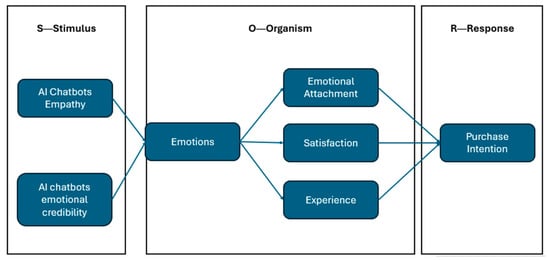
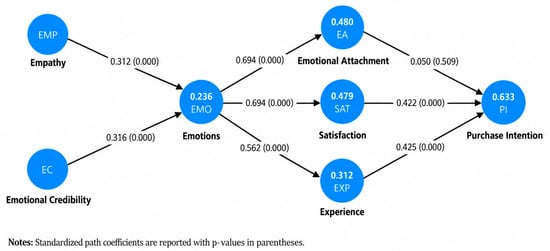

Disclaimer/Publisher’s Note: The statements, opinions and data contained in all publications are solely those of the individual author(s) and contributor(s) and not of MDPI and/or the editor(s). MDPI and/or the editor(s) disclaim responsibility for any injury to people or property resulting from any ideas, methods, instructions or products referred to in the content. |
© 2026 by the author. Licensee MDPI, Basel, Switzerland. This article is an open access article distributed under the terms and conditions of the Creative Commons Attribution (CC BY) license.