


Abstract
The AI-customer relationship management (AI-CRM) presents opportunities to reshape how firms engage, enhance their analysis of large volumes of customer data, and develop processes that improve their resilience. To bridge this gap, the present study investigates the relationship between AI-CRM and Artificial Intelligence-Driven Decision Making (AIDDM), with digital platform capabilities as a mediating factor. Furthermore, it examines whether AIDDM contributes to transformative resilience within firms by mediating the association between AI-CRM and firm resilience. A conceptual model was developed and empirically tested using survey data collected from 262 experts working in Saudi Arabian enterprises. The Partial Least Squares Structural Equation Modeling (PLS-SEM) was used to assess the hypothesized relationships and mediation effects. The results confirmed the influence of AI-CRM on AIDDM and digital platform capabilities, which significantly enhance firm resilience. Furthermore, the analysis demonstrates that AIDDM and digital platform capabilities mediate the effects of AI-CRM on resilience. This underscores the potential of AI-CRM adoption to support adaptive capabilities within organizational systems. This research advances the theories of RBV and DCV by highlighting how AI-CRM advances capabilities that support resilience in dynamic environments. It positions AI-CRM and AIDDM as capabilities associated with organizational adaptation and innovation in dynamic environments. Additionally, it offers managers theoretically grounded guidance on aligning their AI-CRM and AIDDM to enhance overall firm resilience and support socio-economic objectives, thereby enabling firms to make meaningful contributions to digital innovation.
1. Introduction
Customer Relationship Management (CRM) activities, enhanced by advanced technology solutions, play a vital role in collecting and utilizing data to build long-term relationships with customers by generating new ideas and customizing products to meet the unique needs of each customer [1,2]. In today’s dynamic digital landscape, it is essential for firms to develop new capabilities that can effectively manage the vast quantities, rapid speeds, and diverse forms of data available to unlock greater potential in their customer relationships and deliver exceptional value [1]. Alaskar [3] emphasizes the need to integrate artificial intelligence (AI) to enhance firms’ resilience in dynamic business environments. Meanwhile, Huang and Rust [4] highlight the growing significance of artificial intelligence (AI) in marketing, emphasizing its numerous applications. This rise is driven by the considerable availability of data, advancements in computing power, and declining costs, all of which create opportunities for companies to leverage AI effectively for marketing purposes [4]. Stocchi et al. [5] observed that studies often view AI as an advanced technology that enables applications to provide highly personalized experiences, which can greatly influence consumer behavior.
Gruetzemacher and Whittlestone [6] demonstrate how current AI capabilities can significantly improve various key areas, and if adopted more widely, these advancements could play a crucial role in driving transformative changes. Machado et al. [7] emphasize that while scholars have made significant contributions to integrating knowledge management with Industry 4.0 during this period of digital transformation, firms are also interested in leveraging knowledge management alongside data and process management tools to enhance the effectiveness of Industry 4.0 [8]. This effort suggests a promising direction for enhancing business practices in the evolving digital landscape by using AI-customer relationship management (AI-CRM) tools, which are also being considered valuable in augmenting the capabilities of Industry 4.0.
While Crisafulli and Guesalaga [9] describe AI-driven autonomous products as technologies that adapt to environmental inputs, this perspective aligns with AI-CRM systems, which learn from customer data to support adaptive and data-driven decision-making. However, the extent to which these AI-CRM insights contribute to firm resilience depends on firms’ capabilities to interpret, integrate, and effectively utilize them. Recognizing that technologies such as AI-CRM gain value through human engagement, these capabilities encompass both technical and socio-technical dimensions. By fostering this understanding, firms can effectively transform their routines, such as the decision-making process, redefine employee roles, and enhance customer relationships in meaningful ways [10].
The definition of CRM can be approached from several viewpoints, such as process, strategy, or information system [11]. In a similar vein, the integration of Artificial Intelligence in CRM presents various perspectives that extend across multiple fields, including business management and innovation science, which limits interdisciplinary collaboration [12]. Ledro et al. [13] emphasize that CRM encompasses essential functions like sales, service, marketing, and operations, yet research on AI-CRM remains fragmented across different business areas. To foster a more cohesive understanding, there is an opportunity for the practitioner and academic communities to collaborate in organizing the literature on integrating AI with CRM [13]. Building on these perspectives, this study aims to enhance understanding of AI-CRM by integrating insights from process, strategic, and information systems perspectives, specifically by examining how AI-CRM improves firm resilience through AIDDM and the capabilities of digital platforms.
Artificial Intelligence (AI) is being leveraged as a primary technology to enhance and optimize existing CRM systems in digitalized firms [14]. In fact, AI shows a transformative role in numerous business sectors via utilizing predictive analytics to gain insights and employs automation to enhance and streamline operations, leading to improved efficiency for firms [15,16]. This integration of AI not only drives growth but also positions businesses for future success. Also, this strategic adoption can lead to more accurate analysis of customer data and streamlined processes. For example, firms such as Amazon and Google demonstrate how AI can support personalized customer interactions and data-driven CRM processes [14]. Pearson [17] notes that innovative features of CRM, including chatbot services, personality insight tools, programmatic advertising, and facial recognition technologies, hold great potential for enhancing customer engagement. Advances in AI are crucial for realizing this potential, as significant amounts of data need to be processed in real time, enabling businesses to leverage data effectively and enhance their interactions with customers.
Nevertheless, Neiroukh et al. [15] argue that numerous studies have demonstrated the transformative power and significant impact of AI, such as the successful implementation of AI-driven chatbots that enhance client fulfillment [18]. They emphasize that further research is needed to examine the dynamic relationship between AI and organizational decision-making, thereby improving the integration of AI technologies and enhancing firms’ overall efficiency and adaptability. Similarly, Ledro et al. [13] argue that although interest in AI is growing, the existing literature predominantly emphasizes computer science and operations research, highlighting the need for greater contributions from management scholars [19]. Likewise, Giachino et al. [20] and Nguyen et al. [21] emphasize the need for more managerial research to advance the understanding and application of AI in organizational contexts. In addition, Zamani et al. [22] note that current research has primarily focused on applying big data analytics within AI to support decision-making [23,24], while calling for greater attention to the evolving role of AI in CRM and the transition from traditional data-driven strategies to AI-driven approaches [25]. Collectively, these studies highlight the need for a more integrated understanding of AI-CRM and its organizational implications [13].
Taken together, previous studies on the integration of AI in customer-focused areas have successfully explored specific elements, such as customer relationship management success factors, the influential role of big data in customer journey modeling [26,27,28], and the complexities of consumer decision-making processes [29]. Despite these advances, existing research has yet to adequately explain how AI-CRM enhances organizational capabilities that contribute to firm resilience [13]. Specifically, this study investigates the role of AI-CRM in enhancing AI-driven decision-making (AIDDM) and digital platform capabilities and how these capabilities contribute to firm resilience.
In addition, firm resilience is gaining increasing attention among both scholars and practitioners, as it highlights the necessity for firms to anticipate, cope with, and adapt to disruptions [30]. Accordingly, AI-CRM presents an opportunity for firms to adopt AI-enabled business practices that enhance organizational resilience. Consistent with this perspective, Lengnick-Hall et al. [31] and Duchek [30] argue that firm resilience enables an effective response to challenges while capitalizing on opportunities arising from unexpected disruptions. Moreover, Gruetzemacher and Whittlestone [6] note the growing academic interest in transformative AI because of its potential to reshape organizational capabilities. By adopting AI-CRM, firms can effectively reconfigure resources and improve their ability to adapt to systemic challenges.
However, limited attention has been given to whether AI-CRM strengthens AIDDM and digital platform capabilities, which enable organizations to interpret customer intelligence, respond rapidly to environmental changes, and adapt their operations during periods of uncertainty. Therefore, the unresolved theoretical issue is not simply whether AI-CRM is beneficial, but how AI-CRM-derived customer intelligence is transformed into organizational capabilities that enhance firm resilience.
Drawing on the Dynamic Capabilities perspective, this study proposes that AIDDM and digital platform capabilities serve as the organizational mechanisms through which AI-CRM contributes to firm resilience by translating AI-CRM insights into timely strategic decisions and coordinated digital responses. Building on the foundational work of Chaudhuri et al. [32], Ledro et al. [13], Chatterjee et al. [14], and Giachino et al. [20], this study examines the mediating roles of AIDDM and digital platform capabilities in explaining the association between AI-CRM and firm resilience amid rapid technological advancement and evolving market environments. To accomplish this aim, the following research questions are addressed: RQ1: How does AI-CRM influence AIDDM and digital platform capabilities? RQ2: How do AIDDM and digital platform capabilities contribute to firm resilience? RQ3: How do AIDDM and digital platform capabilities mediate the association between AI-CRM and firm resilience?
Also, to address these research questions, this study investigates the relationships among integrated AI-CRM, AIDDM, digital platform capabilities, and firm resilience within the context of Saudi Arabia. Beyond serving as an empirical setting, Saudi Arabia represents a theoretically meaningful context because its institutional environment is characterized by strong government support for AI, substantial investments in digital infrastructure, and national policies that encourage AI adoption across industries. As a G20 economy undergoing rapid digital transformation, Saudi Arabia has achieved significant improvements in digital capabilities, as reflected in its strong performance in global digital indices [33]. Such institutional conditions provide firms with the technological infrastructure and policy support needed to accelerate the development of AIDDM and digital platform capabilities. At the same time, the ongoing national digital transformation increases the strategic importance of firm resilience, thereby making Saudi Arabia a theoretically relevant boundary condition for understanding the proposed organizational mechanisms.
Vision 2030 reinforces this context by identifying artificial intelligence and digital transformation as national strategic priorities and promoting the integration of advanced digital technologies across industries [34,35]. Although the proposed theoretical relationships may extend beyond Saudi Arabia, the findings should be interpreted in light of the country’s distinctive institutional environment and digital transformation agenda. Drawing on the Resource-Based View (RBV) [36] and the Dynamic Capabilities View (DCV) [37], this study develops and empirically validates the proposed conceptual framework to explain how AI-CRM contributes to firm resilience through AI-driven decision-making (AIDDM) and digital platform capabilities, using partial least squares structural equation modeling (PLS-SEM) based on data collected from 262 respondents across Saudi firms.
2. Theoretical Background and Hypotheses Development
2.1. Theoretical Background
This research examines the relationships among AI-CRM, AIDDM, digital platform capabilities, and firm resilience, grounded in the Resource-Based View (RBV) theory [36] and the Dynamic Capabilities View (DCV) [37]. From the RBV perspective, AI-CRM is conceptualized as a strategic organizational resource, whereas AIDDM and digital platform capabilities represent dynamic capabilities that enable firms to reconfigure AI-enabled resources effectively. Firm resilience is conceptualized as the organizational outcome resulting from the effective deployment of these resources and capabilities.
The RBV framework emphasizes how firms can attain a competitive advantage by addressing unique, invaluable, and unmatched resources that are difficult to replicate, thereby distinguishing them from competitors and positioning them in a distinctive market niche [36]. Ledro et al. [13] highlight the importance of advancing research on theories of strategic management that are relevant to critical decisions about AI-CRM integration. For instance, the resource-based view (RBV) theory [36] can provide a framework for examining make-or-buy decisions in this context [13]. Moreover, by adopting RBV, the application of AI is recognized as a crucial capability that enhances our understanding of CRM and helps sustain a competitive advantage [38]. This approach can guide firms in making informed decisions that leverage AI effectively in their CRM strategies.
In addition, the RBV framework effectively illustrates how AI can serve as a crucial resource, positively influencing decision-making within a firm [39]. Furthermore, the RBV effectively explains the importance of unique firm resources, including technological infrastructure and high-quality data, which are utilized to develop AI capabilities and improve firm performance [40]. This understanding guides firms in strategically developing their resources to address the full benefits of AI technology.
Giachino et al. [20] emphasize that the RBV provides a useful theoretical framework for examining how Big Data (BD) enhances AI capabilities, demonstrating that these capabilities are closely associated with a firm’s unique and valuable resources, which form the basis for growth in rapidly evolving technological environments [41,42,43]. Consistent with the resource-based view, Chen et al. [43] suggest that firms have a significant opportunity to enhance customer service through the effective utilization of AI. By offering more relevant recommendations and cost-effective options, businesses can better meet customer needs [44]. They emphasize that the effective use of AI stems from a combination of implicit resources, which can be leveraged to drive improvements in performance [45].
In addition, Ransbotham et al. [46] emphasize the value of AI as a crucial resource for gaining a competitive advantage. By effectively leveraging AI, firms can enhance their performance positively and grow in a dynamic marketplace. Scholars have utilized the RBV as a theoretical foundation to explain several relationships. For instance, it has been applied to understand the correlation between capabilities of big data analytics and innovation of supply chain [47], the necessary AI-driven decision-making capabilities that enhance firm performance [20], the correlation between AI capability and firm performance [15], impact of AI on e-Commerce firm performance [43], and the digital capabilities required to achieve competitive advantage [48]. According to Bhatti et al. [47], the RBV theory has also been instrumental in understanding how firms relate their unique digital resources to drive transformative innovations.
AI-CRM and Dynamic Capabilities View (DCV)
The Dynamic Capabilities View (DCV) has emerged as a significant theoretical framework in the field of strategic management over the past decade that highlights the importance of a company’s capability to adapt and respond effectively to changes in the competitive environment [49,50]. The primary goal of dynamic capabilities is to enhance competitive advantages by leveraging firm resources to identify current opportunities and threats [51,52]. According to Teece [53], the resource-based view (RBV) has been expanded by a dynamic capabilities framework to emphasize the integration of both external and internal capabilities in promptly changing markets to sustain competitiveness. Also, to navigate rapid technological advancements and shifts, dynamic capabilities enable firms to react to these changes [54].
Neiroukh et al. [15] state that merging RBV theory with dynamic capabilities is essential to effectively advancing the dynamic environment of AI technology. This integration provides a framework for understanding the complexities of technological adaptation and empowers firms to leverage their unique resources in a rapidly changing environment [55,56]. Many scholars argue that the dynamic capabilities framework aligns well with artificial intelligence (AI) by highlighting the necessity for firms to effectively manage their AI resources in order to ultimately lead improved performance, drive innovation, and serve as a mechanism for transformative success in an increasingly competitive landscape [15,56,57,58].
Although a gap currently exists in research on the integration of AI and CRM to foster firm resilience, Eckstein et al. [59] highlighted that AI-CRM, in response to rapidly changing environments such as the COVID-19 pandemic, can be viewed as a dynamic capability. Additionally, the significance of firm resilience is increasingly recognized because it allows companies to anticipate and adapt to disruptions [30]. AI-CRM presents firms with a transformative opportunity to reconfigure their resources and position themselves for success in a rapidly evolving environment. This advanced capability enables firms to succeed in overcoming uncertainty, allowing them to respond effectively to shifting business conditions.
Mele et al. [60] highlight that the pandemic has encouraged firms to recognize the importance of incorporating resilience into their strategies for actual responses. This understanding can lead to more adaptable firms that can overcome future obstacles. Furthermore, Chaudhuri et al. [58] mentioned the benefits of AI-CRM technology in empowering firms to navigate the complexities of dynamic market changes. Based on the DCV, they emphasize that enhancing a firm’s performance involves cultivating three essential capabilities: sensing, seizing, and transforming. In this context, AI-CRM enhances sensing by providing real-time customer insights and predictive analytics. AIDDM strengthens seizing by enabling faster and more informed decision-making, whereas digital platform capabilities facilitate transforming by integrating and reconfiguring digital resources across organizational processes.
By developing these capabilities, firms can effectively respond to market challenges and opportunities, ultimately driving sustainable success.
Moreover, Bhatti et al. [61] emphasized the important effect of dynamic capabilities in underscoring the significance of a firm’s capabilities, which include seeking out, assimilating, and transforming knowledge from the surrounding environment [37]. These capabilities are crucial for supporting an agile framework and establishing a competitive advantage, as highlighted by Bhatti et al. [61]. In addition, AIDDM represents a valuable capability that empowers firms to effectively harness data for strategic action by recognizing patterns, predicting outcomes, and adapting decisions in real time. Building on insights from Crisafulli and Guesalaga [9], which emphasize the importance of sense-making at the individual level, this study extends the concept to the organizational domain. AIDDM acts as a powerful sense-making mechanism, allowing firms to translate insights from AI-CRM into innovative decisions that advance firm resilience and drive success.
Nevertheless, some AI-CRM studies, including those by Chaudhuri et al. [58], have highlighted the importance of the dynamic capabilities view. An opportunity remains to explore how firms can enhance their resilience in response to changing market conditions. Investigating the impact of modern tools, such as AI-CRM, on achieving sustainability could be highly beneficial. By focusing on dynamic capabilities linked to digital platforms and implementing AI-driven decision-making, firms can better position themselves to sustain success.
Based on the argument above, this study effectively integrates the RBV and the DCV framework. By leveraging these two approaches, numerous scholars have contributed to understanding the capabilities associated with big data, artificial intelligence (AI), data-driven innovation, and supply chain agility [61,62,63,64]. This synthesis of frameworks offers meaningful guidance on how firms can build and sustain their adaptability and competitiveness in an increasingly AI-driven CRM environment, particularly in a data-driven context, for addressing the resilience of the firm.
2.2. Hypotheses Development
2.2.1. Artificial Intelligence in Customer Relationship Management (AI-CRM)
Artificial Intelligence in Customer Relationship Management (AI-CRM) refers to the extent to which artificial intelligence technologies are integrated into customer relationship management (CRM) processes to enhance customer interactions, automate routine activities, generate predictive insights, personalize customer engagement, and support managerial decision-making [4]. Chatterjee et al. [28] further describe AI-CRM integration as a hybrid system that enhances organizational decision-making by enabling the automated analysis of customer data and the development of a strategic understanding of consumer behavior, thereby supporting more informed managerial decision-making. This approach streamlines CRM operations, enables firms to tailor products and services more effectively to customer needs, and ultimately drives organizational growth and customer satisfaction.
In addition, Ledro et al. [13] note that the terms “artificial intelligence,” “machine learning,” and “deep learning” are often used interchangeably. This is because AI applications are based on machine learning (ML) and its descendant, deep learning technology [65]. There are also distinctions in how artificial intelligence (AI), machine learning (ML), and Big Data analytics can be effectively utilized in CRM [13]. AI is designed to make autonomous decisions, allowing businesses to streamline their operations and respond quickly to customer needs, while Machine learning (ML) enhances the decision-making process by generating accurate predictions based on data patterns [66,67]. Furthermore, Big Data analytics plays a crucial role in CRM by extracting meaningful insights from large data sets that enable firms to make informed decisions [13].
Furthermore, the fundamental objective of CRM is to effectively analyze customer data in order to identify and retain the best customers by meeting their needs and enhancing their satisfaction to keep their loyalty [68]. This innovative approach advances the data analysis process and exposes critical insights that enable firms to take proactive steps in fostering and retaining their best clients [69]. According to San-Martína et al. [70], AI plays a significant role as an essential tool in enhancing customer relationship management (CRM) activities by identifying patterns and insights within this data.
Artificial intelligence (AI) is technology that simulates human behavior to perform tasks intelligently [1]. It encompasses the use of machine learning and deep learning to enhance applications, such as AI in customer relationship management (CRM) [13,71]. Chatterjee et al. [14] argue that while firms utilize CRM tools to analyze customer data for deeper awareness, the large volume of data can pose significant challenges. To overcome these obstacles, integrating AI can be a constructive solution, providing firms with accurate data more efficiently, which enables decision-makers to achieve greater success [72]. In addition, Chatterjee et al. [28] note that advancements in CRM applications, such as Microsoft Dynamics 365 Customer Insights, are integrating with AI algorithms to enhance their functionality and create practical applications. They point out that this integration enables firms to conduct predictive analysis based on data gathered from multiple sources, ultimately facilitating the creation of actionable matrices that can drive informed decision-making and strategic initiatives.
Furthermore, Giachino et al. [20] point out the significance of integrating AI with big data and its impact on AI-driven decision-making. They point out that big data has introduced new types of data for analysis, while AI is crucial for extracting meaningful insights from these large datasets, which can be challenging and time-consuming for human analysts alone. Therefore, the integration of AI techniques enables more informed and effective managerial decisions [73,74]. Given the significance of incorporating AI technologies into AIDDM, this study highlights the advantages of these technologies for evaluating how AI-CRM could be enhanced to address the need for informed decision-making, particularly in light of the increasing availability of CRM data.
Moreover, Chaudhuri et al. [32] emphasize that the introduction of AI-CRM, characterized by its advanced algorithms, serves as a strategic tool that significantly strengthens a firm’s dynamic capabilities. They suggest that success can be achieved by thoughtfully integrating this technology with the diverse and evolving opportunities present in the marketplace, enabling firms to leverage competitive advantages in a rapidly changing business environment. In addition, information and communication technology (ICT), which encompasses digital capabilities, is crucial for effectively analyzing large volumes of customer data. This dynamic process enables businesses to unlock insights that would be challenging and time-consuming to obtain through manual analysis alone, ultimately enhancing decision-making [69]. In addition to enhancing CRM operations, AI-CRM provides significant value by enabling firms to transform customer data into actionable insights that support AIDDM and strengthen digital platform capabilities. By building these organizational capabilities, firms can proactively recognize changes, adapt more effectively to environmental uncertainties, and strengthen resilience in their operations.
Bhatti et al. [61] argue that digital capabilities are necessary for effectively managing together structured and unstructured data. These capabilities include having the appropriate software and hardware that enhance a company’s responsiveness to consumer needs, enabling it to remain agile in a dynamic market. They further assert that new technologies, such as big data analytics, allow companies to explore various software and hardware platforms. This exploration helps firms utilize their existing resources more effectively, thereby reinforcing customer satisfaction and contributing to the development of a sustainable competitive advantage [61]. Additionally, new technologies like AI-CRM can also influence digital capabilities.
Recognizing the growing importance of the AI-CRM relationship, Ledro et al. [13] noted that researchers should concentrate more on the relationship between AI and CRM in a decision-making context. This focus is essential for understanding its impact on CRM performance, as leveraging AI to enhance automation in customer data processing enables firms to improve their CRM decision-making processes [13,75]. For a firm to achieve success, it is essential to integrate technology with the opportunities present in a dynamic marketplace, as by developing dynamic capabilities and leveraging modern technologies like AI-CRM, firms can enhance their competitiveness and adaptability [32]. This proactive approach can unlock significant growth potential, which in turn can lead to improved performance and more effective customer engagement. Given the increasing significance of AI-CRM for a firm’s success, the following hypotheses have been proposed:
H1.
AI-CRM is positively related to AIDDM.
H2.
AI-CRM is positively related to digital platform capabilities.
2.2.2. Artificial Intelligence-Driven Decision Making (AIDDM), and Firm Resilience
The concept of artificial intelligence embodies a sophisticated decision-making method that leverages a range of techniques in the realm of AI [43,76]. AI-CRM has the potential to significantly benefit organizations by streamlining the collection, integration, and analysis of customer data, thereby transforming large volumes of information into timely and actionable insights. These capabilities enable organizations to gain a better understanding of customer needs and market trends, supporting faster and more informed decision-making. Consequently, organizations that effectively integrate AI into CRM processes are better positioned to strengthen their AI-driven decision-making capabilities [43,77]. Accordingly, AIDDM is conceptualized as the organizational capability to integrate AI into decision-making processes to support managerial decision-making through data-driven insights.
Chen et al. [43] emphasize that firms dedicated to improving their AI capabilities are also likely to strengthen their decision-making processes. This enhancement aligns with the insights from Ashaari et al. [77], suggesting that by investing in AI, firms not only enhance their technological capabilities but also support a more effective framework for making decisions. According to Ashaari et al. [77], Artificial Intelligence-Driven Decision Making (AIDDM) represents a proactive approach to improving decision-making by systematically collecting, evaluating, and interpreting perceptions provided by AI tools to help firms better understand complex data and equipping them with the capability to ultimately lead to more successful outcomes.
Alaskar [78] highlights the benefits of data-driven approaches for business analytics (BA) systems and underscores the importance of leveraging data to enhance decision-making and improve overall business performance. Similarly, Neiroukh et al. [15] argue that decision-making processes are inherently complex and often involve trade-offs between decision speed and decision quality [79]. They suggest that integrating AI can play a critical part in addressing this challenge by enabling firms to access comprehensive and relevant information, which allows decision-makers to achieve both immediate responses and high-quality outcomes [80]. This innovative approach to integrating AI rationalizes the decision-making process and enhances the overall effectiveness of decisions made by empowering optimal choices while maintaining quality [15,81].
In addition, Ashaari et al. [77] demonstrate how firms can improve their operational efficiency and performance by incorporating AI into their decision-making processes. Furthermore, Chaudhuri et al. [82] highlight the potential of AI-driven decision-making (AIDDM) to advance innovation and drive firms towards achieving extraordinary performance outcomes. This approach encourages firms to embrace AI as a valuable tool for growth and success. Giachino et al. [20] highlighted the significant advantages of integrating AI with big data, demonstrating how this strategic investment enhances firm performance by supporting AIDDM. Specifically, firms can strengthen their data analysis capabilities, leading to more informed and effective managerial decisions [73,83].
Furthermore, Neiroukh et al. [15] emphasize the important role of decision-making mediation in understanding how AI influences both external and internal factors that affect firm performance [84]. They propose that by integrating AI into decision-making, firms can significantly enhance the quality and speed of their decisions, leading to improved overall performance. This forward-thinking approach highlights the potential of AIDDM as a valuable tool for developing better business outcomes.
In addition, Ledro et al. [13] argue that integrating AI with CRM has the potential to enhance the innovation process [85]. This integration aims to improve decision-making by refining targeting strategies, developing a more adaptable approach to customer engagement, accurately estimating product demand, and guiding strategic market actions [13]. These advancements enable firms to proactively respond to evolving consumer needs and drive innovation forward [86,87]. Furthermore, AIDDM represents a key capability through which AI-CRM enhances firm resilience. This perspective is consistent with the Transformative AI paradigm proposed by Gruetzemacher and Whittlestone [6], who argue that AI technologies capable of driving lasting change in a specific sector constitute Transformative AI. This perspective encourages exploration and innovation in how to implement AI solutions for meaningful impact.
Firm resilience is crucial in enabling firms to anticipate and recover effectively from disruptions, thereby ensuring sustained performance and competitiveness [88,89]. Alaskar’s [90] study emphasizes the significance of increasing firm resilience by leveraging data-driven innovation and optimizing resource utilization to enhance organizational agility. Furthermore, it stresses the essential role that BA capabilities play in driving innovation, thereby reinforcing companies’ resilience. This research provides insights for firms looking to thrive in a dynamic business environment. Nevertheless, by embracing AI-driven systems, such as AI-CRM, firms can significantly enhance their resilience by improving their predictive capabilities, allowing businesses to gain real-time customer insights, make more informed data-driven decisions, ultimately refining their decision-making processes and achieving improved outcomes [14,28].
Nevertheless, Zamani et al. [22] highlight that while there is increasing interest in the use of AI for developing and enhancing resilience, as noted by various researchers [91,92], there are still important areas that require further exploration and by addressing these gaps scholars can get more knowledge of the specific ways that AI influences the resilience for more effective applications in this field. The authors emphasize that while numerous scholars have recognized the important role of AI in developing dynamic capabilities that can enhance firm resilience [91], there remains an opportunity to better define the specific contributions of AI and Big Data Analytics (BDA) in supporting resilience beyond these capabilities. To advance this understanding, future research could focus on exploring how integrated AI can be effectively integrated into various organizational processes. This exploration could help clarify how these technologies can enhance decision-making and improve firm resilience. In doing so, scholars can provide insights into how firms can harness integrated AI and CRM to build a more resilient and adaptable framework, enabling them to navigate challenges and uncertainties more effectively.
Also, Schmitt [93] noted that while the market is increasingly influenced by the quick emergence of new disruptive technologies, many industries are turning to AI for advanced analytics in response to intense competition [94]. He further argues that by adopting data-driven decision-making powered by AI, firms can enhance their decision-making processes, better navigate complex challenges, and position themselves for future success. Moreover, based on DCV theory, AIDDM could act as a vital bridge between the AI-CRM as technological inputs and the transformative outcomes of resilience. This approach presents an opportunity to effectively address the gaps identified in current studies, as previously discussed, ultimately participating in a broader understanding of these concepts. However, Neiroukh et al. [15] argue that while topics related to AI in the decision-making process are significant, few studies address this necessity. They suggest that there is an opportunity for more research in this area, as the current body of studies addressing this dynamic relationship is limited.
AIDDM empowers firms to effectively transform AI-CRM insights into strategic and operational decisions that are both timely and impactful. By processing vast amounts of customer and market data in real time, AIDDM minimizes uncertainty and helps managers overcome the limitations associated with complex decision environments. With the support of predictive analytics and real-time customer intelligence, firms can proactively identify emerging risks, swiftly respond to changes, and optimize resource allocation [13,75]. This enhances both the speed and quality of strategic decision-making, enabling firms to adeptly adjust to evolving market dynamics. Consequently, AIDDM enhances organizational adaptability and strengthens firms’ ability to absorb disruptions and recover from unexpected events, thereby improving firm resilience [15]. Moreover, the capabilities of AI-CRM and digital platforms provide the essential data, analytical tools, and technological infrastructure necessary for effective AIDDM. As firms integrate AI into their CRM processes and strengthen their digital platform capabilities, they significantly enhance their ability to transform data into actionable decisions and improve firm resilience [13,75].
Expanding this research could enhance our understanding and practical applications of AIDDM on innovation; therefore, we hypothesize:
H3.
AIDDM is positively related to firm resilience.
H4.
AIDDM positively mediates the relation between AI-CRM and a firm’s resilience.
In addition, AIDDM may also mediate the relationship between Digital Platform Capabilities and firm resilience. Accordingly, the following hypothesis is proposed:
H5.
AIDDM positively mediates the relation between digital platform capabilities and firm resilience.
2.2.3. Mediating Role of Digital Platform Capabilities
The capabilities of digital platforms can be understood as comprising a wide variety of advanced digital technologies that include various technical elements facilitating seamless communication and integration, along with related information processing processes [95]. This definition highlights the importance of digital capabilities in enabling firms to leverage knowledge and utilize their internal resources, thereby maintaining a dynamic competitive edge and fostering innovation in a rapidly evolving environment [53].
Furthermore, Cenamor et al. [96] noted that the capabilities of a digital platform can be categorized into two main areas: digital platform reconstruction and digital platform integration. While digital platform integration (DPI) capability refers to the foundation of information interchange between firms through digital platforms that can reinforce communication, digital platform reconstruction (DPR) refers to expanding the scope of digital platforms that can improve cooperative innovation knowledge by providing firms with huge information databases and intelligent management systems [95,96]. This distinction allows for a clearer understanding of how digital platforms can be optimized and adapted to meet growing needs. Although conceptually distinct, digital platform integration and digital platform reconstruction represent complementary dimensions of Digital Platform Capabilities (DPC). Therefore, this study conceptualizes DPC as a unidimensional construct reflecting firms’ overall digital platform capability.
Additionally, Rai and Tang [97] emphasized the importance of integration capabilities and standard interfaces in digital platforms. By effectively leveraging these key components within both platform and operational systems, firms can create an efficient digital ecosystem. Bhatti et al. [61] argue that while firms utilize dynamic capabilities to enhance profitability, digital platform capabilities are vital tools of information technology, which facilitate effective knowledge sharing among various stakeholders. By optimizing these platforms, firms can create stronger networks and collaboration that drive innovation and growth. Chatterjee et al. [28] argue that achieving real-time data requires the effective integration of large information databases and applications, including CRM systems. They highlight that implementing AI tools can significantly enhance the efficiency and effectiveness of managing integrated customer data tasks. This integration presents an opportunity for firms to power new technologies for enhanced customer insights and decision-making.
In addition, Gruetzemacher and Whittlestone [6] argue that AI capabilities have the potential to drive persistent change in key sectors. This perspective is complemented by the view that digital platforms serve as effective scaling mechanisms by facilitating the integration and reuse of AI-CRM insights across organizational functions, thereby improving operational efficiency and decision-making. However, recent research has highlighted a gap in examining the impact of digital capabilities, whether direct or indirect [61]. This is notable, especially since digital platform capabilities are seen as a critical component of operations and information technology, and addressing this gap could enhance our understanding and improve practices in the field [98].
According to Bhatti et al. [61], firms can significantly benefit from developing a diverse set of dynamic competencies, as relying solely on technology may not lead to improved performance. They emphasize that effective tools for gathering, processing, and interpreting huge amounts of data can advance greater acceptance of digital platforms [99,100]. This approach enhances operational efficiency by improving automated decision-making. Ayadi et al. [33] noted that while digital platforms have broadened opportunities for innovation and success [101], numerous studies indicate that digital platform capabilities can enable companies to become more agile. By addressing essential data resources for product innovation, firms can swiftly adapt to technological advancements and evolving customer preferences, positioning themselves for sustained growth and competitiveness [33].
Digital platform capabilities and AIDDM are complementary organizational capabilities. Digital platform capabilities provide the technological foundation for integrating, managing, and exchanging data across organizational functions [33,61], thereby enabling AIDDM to exploit AI-generated insights for both strategic and operational decision-making [13,15,75]. By enhancing the capabilities of digital platforms, companies can improve their AIDDM processes. This ensures access to timely, accurate, and integrated data, which are essential for effective AI analytics and informed managerial decision-making.
This study explores the complementary roles of digital platform capabilities in supporting AIDDM and how they mediate the relationship between AI-CRM and firm resilience. The mediating effects are examined separately to clarify the distinct pathways through which AI-CRM is associated with AIDDM and firm resilience.
Building on the reasoning outlined above, the following hypothesis is presented:
H6.
Digital Platform Capabilities (DPC) have a significantly positive effect on Firm Resilience.
H7.
Digital Platform Capabilities (DPC) have a significantly positive effect on AIDDM.
Also, having established the direct effects of Digital Platform Capabilities, the following hypotheses examine their complementary mediating role in explaining the association between AI-CRM and Firm Resilience and AIDDM.
H8.
Digital Platform Capabilities (DPC) positively mediate the relation between AI-CRM and Firm Resilience.
H9.
Digital Platform Capabilities (DPC) positively mediate the relation between AI-CRM and AIDDM.
2.3. Research Model
The theoretical framework related to the hypotheses is illustrated in Figure 1. This visual provides a deeper understanding of the underlying concepts by highlighting the relationships between components.
Figure 1.
Research model. Note: Solid arrows represent the proposed direct relationships (H1, H2, H3, H6, and H7), whereas H4, H5, H8, and H9 represent the hypothesized indirect (mediation) effects.
3. Research Methodology
With well-defined parameters, this research employs a quantitative-deductive approach, which serves as a framework for collecting data. This method is widely recognized for its effectiveness in gathering data from the target population and rigorously testing hypotheses to confirm theoretical frameworks [102,103].
3.1. Measurement Scale and Data Collection
To test the research model, a questionnaire instrument was developed, incorporating questions adapted or modified from prior research, to collect numerical data in this study (Appendix A). The collection of data for this research was carried out among diverse sectors in the Saudi Arabian context and using a purposive sampling approach. This strategic approach is used to specifically engage respondents who possess the knowledge essential for achieving the research aims, as highlighted by Chaudhuri et al. [32]. Respondents were selected from managerial and professional positions based on their involvement in AI-CRM implementation, digital transformation initiatives, and organizational decision-making, including Chief Information Officers (CIOs), Business Unit Managers, Project Managers, Data Analysts, System Analysts, and Programmers/Analysts.
This sampling strategy ensured that participants possessed knowledge of their organizations’ AI-CRM implementation, digital capabilities, and decision-making processes. While the respondents came from diverse managerial and professional backgrounds, their roles provided comparable organizational-level insights into the constructs explored in this study. Thus, the constructs represent firm-level phenomena, while the unit of analysis was the individual respondent. Respondents were selected because their organizational roles provided informed perspectives on these firm-level constructs. Although multiple respondents from the same organization could participate, responses were analyzed at the individual level and were not aggregated to the organizational level. Consequently, potential non-independence among respondents from the same organization cannot be ruled out. The questionnaire was administered in English, and data collection was conducted between July 2025 and November 2025.
To further minimize the potential influence of common method bias (CMB), several procedural remedies were implemented. Participation was voluntary and anonymous; respondents were assured that their responses would remain confidential and be used only for academic study, and that no personally identifiable information would be collected. Also, Participants in the survey were provided clear information regarding the survey’s objectives, how their data would be protected to ensure their privacy and transparency, and were assured that they could withdraw at any time [14].
To enhance content validity and improve questionnaire clarity, the survey instrument was reviewed by three industry professionals with expertise in AI and digital transformation who were not part of the main sample. This review provided feedback to refine the questionnaire. The experts assessed the survey for clarity, wording, relevance, and comprehensibility, and minor revisions were made before the main data collection. A total of 780 questionnaires were distributed to professional employees with knowledge of AI-CRM implementation and organizational decision-making in Saudi companies across various industries. Of these, 262 valid responses were retained for analysis, representing a response rate of 33.6%.
The researcher effectively utilized a five-point Likert scale, ranging from “strongly disagree” to “strongly agree,” to enhance the response rate. This designed scale offers participants a range of choices, facilitating more feedback, which helps to enrich the data collected and strengthens the significance of the findings [104]. The 262 respondents represented a wide range of enterprises and professions, highlighting the rich diversity within the sample. This varied background is detailed in Table 1.
Table 1.
Characteristics of the sample.
3.2. Data Analysis
The PLS-SEM analysis technique is employed because it provides a comprehensive variance analysis and effectively manages complex models by assessing the measurement model to address instrument reliability and validity, whereas the structural model is utilized for hypothesis testing [105]. In contrast to covariance-based SEM (CB-SEM), PLS-SEM was selected because this study emphasizes prediction rather than strict theory confirmation. Moreover, the proposed model includes multiple latent constructs and mediating relationships, making PLS-SEM suitable for estimating complex models [105].
Furthermore, the PLS-SEM was applied in the domains of AI and CRM, as seen in Chaudhuri et al.’s [82] research. Also, the Giachino et al. [20] study employed PLS-SEM in the context of AI-driven decision-making. Moreover, the PLS-SEM approach is employed due to its predictive capabilities and the presence of complex models with multiple latent constructs and indirect effects [105] as all constructs in this study are specified as reflective, the measurement model was evaluated using indicator loadings, Cronbach’s alpha, composite reliability, average variance extracted (AVE), the Fornell-Larcker criterion, and the heterotrait-monotrait (HTMT) ratio.
SmartPLS version 4.1.1.4 was used to perform the PLS-SEM analyses and test the hypotheses proposed in this study. This tool is particularly effective in facilitating predictions and providing explanations within a defined theoretical framework, enabling the systematic exploration of complex interactions among various variables [105]. By using SmartPLS, the study gained a deeper understanding of the data and strengthened evidence-based conclusions.
4. Result and Discussion
4.1. Measurement Model
The findings displayed in Table 2 clearly indicate that the measures used in this study possess discriminant validity as well as convergent. By following the guidelines established by Hair et al. [105] and Fornell and Larcker [106], the researcher effectively evaluated the measurement model’s internal consistency and reliability using composite reliability and Cronbach’s alpha.
Table 2.
Average Variance Extracted (AVE), Composite Reliability (rho_a), Cronbach’s alpha, and Composite Reliability (rho_c).
To properly establish the measurement model, it is crucial that the average variance extracted (AVE) and factor loadings exceed 0.5, and that the composite reliability exceeds 0.7. These criteria ensure that the model is based on a strong and reliable foundation for measurement [107]. Importantly, the results indicate that both measures exceeded the recommended threshold for reliability and internal consistency. Additionally, the evaluation of the Average Variance Extracted (AVE) values confirms that all constructs within the model achieved acceptable scores, varying from 0.618 to 0.692.
In addition, an AVE value above 0.5 is considered satisfactory, as it indicates that the construct explains more than 50% of the variance in its indicators, thereby providing evidence of adequate convergent validity [108]. Overall, these outcomes reinforce the validity of the measurement model used in this study.
In addition, discriminant validity helps researchers determine whether a specific variable is closely aligned with its intended construct while minimizing its associations with other related constructs [106,109,110]. Discriminant validity was assessed using the correlation matrix (Table 3), the HTMT ratio, bootstrapped HTMT confidence intervals (Table 4), and cross-loadings (Appendix B). The results presented in Table 2 and Table 4 provide support for discriminant validity.
Table 3.
Correlation matrix.
Table 4.
HTMT Ratios and Bootstrapped Confidence Intervals for Discriminant Validity.
Several HTMT values exceeded the conservative threshold of 0.85, indicating that discriminant validity among some conceptually related constructs is not fully established under this stricter criterion. Although all bootstrapped HTMT confidence intervals excluded 1.00, the Fornell–Larcker criterion showed some marginal overlap between Digital Platform Capabilities and Firm Resilience, with the corresponding HTMT value also exceeding the conservative threshold of 0.85.
Furthermore, the cross-loading analysis confirmed that each indicator loaded highest on its intended construct (Appendix B). Therefore, the measurement model was retained while acknowledging the conceptual proximity between these constructs. Consequently, the structural relationships and mediation effects involving these constructs should be interpreted with corresponding caution.
Furthermore, to evaluate the potential influence of common method bias (CMB), a full collinearity assessment was conducted using construct-level variance inflation factor (VIF) values following the recommendations of Kock [111]. As shown in Table 5, the construct-level VIF values ranged from 2.406 to 3.385. While the VIF value for AIDDM (3.385) slightly exceeded the conservative threshold of 3.3 proposed by Kock [111], all values remained below the threshold of 5.0 recommended by Hair et al. [112], indicating that problematic multicollinearity is unlikely to affect the structural model. Furthermore, together with the procedural remedies implemented during questionnaire design and data collection, these findings provide additional support that common method bias is unlikely to pose a serious threat to the validity of the study. For completeness, the path-level (inner) VIF values used to assess predictor collinearity in the structural model are reported in Appendix C.
Table 5.
Construct-level full collinearity VIF values.
The outcomes presented show meaningful approval values, and the analysis will be further developed in the following section to provide deeper insights into the findings.
4.2. Structural Model
The PLS-SEM is an effective analytical approach that consists of two complementary measurement models: the outer model and the inner model. Together, the outer (measurement) and inner (structural) form a complete framework that improves our understanding of how latent variables relate to their indicators [112]. The structural model focuses on the interactions between exogenous variables, which serve as independent predictors, and endogenous variables, which are the outcomes influenced by these predictors [112]. The R2 values indicate the explanatory power of the endogenous constructs and serve as an important indicator for assessing the structural model. As noted by Falk and Miller [113], establishing a minimum threshold of 0.1 is essential for these assessments. The study demonstrates R2 values of 0.660, 0.557, and 0.673. These results exceed the minimum threshold and demonstrate that the model explains a substantial proportion of the variance in the endogenous constructs.
To enhance the robustness of the assessment of the proposed structural model, PLSpredict was conducted to evaluate the model’s out-of-sample predictive performance. As summarized in Table 6, the Q2 predict values for AIDDM (0.565), Digital Platform Capabilities (0.553), and Firm Resilience (0.456) were all positive, indicating predictive relevance for the endogenous constructs [112]. Furthermore, the PLS model exhibited lower RMSE values than the linear model (LM) across all indicators, indicating superior predictive accuracy relative to the LM benchmark. The detailed indicator-level comparison of the PLS and LM prediction errors (RMSE and MAE) is provided in Appendix D. Collectively, these findings provide strong evidence of the model’s predictive validity, consistent with the latest recommendations for PLSpredict assessment [114]. In addition, the model’s predictive performance was assessed using the Indicator Average (IA) benchmark through the CVPAT procedure implemented in SmartPLS 4 [114]. As shown in Table 6, the PLS model exhibited significantly lower prediction loss than the IA benchmark across all endogenous constructs (p < 0.001), providing further evidence of its robust out-of-sample predictive performance [114].
Table 6.
Q2 predict, RMSE, MAE values.
In addition, the overall goodness-of-fit (GoF) index was calculated to provide an overall assessment of the proposed model [115,116]. Following Wetzels et al. [117], GoF values of 0.10, 0.25, and 0.36 indicate small, medium, and large overall model fit, respectively. As presented in Table 7, the proposed model achieved a GoF value of 0.645, substantially exceeding the recommended threshold for a large effect, indicating strong overall explanatory power and an acceptable model fit.
Table 7.
R2 and goodness-of-fit measures.
Furthermore, the effect sizes (f2) were examined to evaluate the contribution of each exogenous construct to the endogenous constructs. According to Hair et al. [112], f2 values of 0.02, 0.15, and 0.35 indicate small, medium, and large effects, respectively. As shown in Table 8, AI-CRM exerted a large effect on Digital Platform Capabilities (f2 = 1.260), substantially exceeding the threshold for a large effect, reflecting its role as the sole predictor of this construct. AI-CRM also had a medium effect on AIDDM (f2 = 0.224). Furthermore, Digital Platform Capabilities exhibited a medium effect on AIDDM (f2 = 0.270) and a large effect on Firm Resilience (f2 = 0.341), while AIDDM had a medium effect on Firm Resilience (f2 = 0.159). These findings indicate that AI-CRM and Digital Platform Capabilities are the strongest contributors to the explanatory power of the proposed structural model.
Table 8.
Effect size (f2).
To evaluate the validity of the hypotheses concerning direct effects and mediation effects, it is important that the beta value aligns with the anticipated direction of each hypothesis, complemented by a t-value of 1.645 or higher and a p-value of 0.05 or lower. The data presented in Table 9 indicate that all hypotheses have met these criteria successfully, demonstrating solid support through rigorous statistical validation. This delivers a strong foundation for consideration and recognizing of the underlying relationships. The results demonstrate that AI-CRM notably enhances digital platform capabilities (H2), with a significant path coefficient of 0.747 (*** p < 0.001). Also, digital platform capabilities have a greater impact on firm resilience (H6) than AIDDM (H3), shown by a path coefficient of 0.518 and significance at *** p < 0.001. Furthermore, digital platform capabilities act as a key mediator between AI-CRM and firm resilience (H8), outperforming the mediating effect of AIDDM (H4) with a path coefficient of 0.379, also significant at *** p < 0.001. These findings suggest that prioritizing AI-CRM and digital platforms can significantly strengthen firm resilience. Also, the evidence shows that digital platform capabilities directly influence AIDDM through a significant linkage (H7), with a path coefficient of 0.445 (p < 0.001). Furthermore, these capabilities mediate the relationship between AI-CRM and AIDDM (H9), indicated by a path coefficient of 0.340 (p < 0.001). Furthermore, AIDDM mediates the association between digital platform capabilities and firm resilience (H5), supported by a path coefficient of 0.161 (p < 0.001). These findings strongly support the proposed hypotheses. For further insights, please refer to Figure 2.
Table 9.
Summary of the hypothesis development results.
Figure 2.
Fitted model.
4.3. Discussion on Results
While deeper investigation is needed regarding the integration, evolution, and implementation of AI systems in CRM [13,28,32], this paper contributes to the advancement of knowledge by methodically examining the role of AI-CRM as a strategic organizational resource that supports firms’ ability to sense, interpret, and respond to turbulent environments through AIDDM and digital platform capabilities. Furthermore, the investigation aims to provide an in-depth understanding of how AIDDM, in conjunction with digital platform capabilities, impacts a firm’s resilience. This exploration will ultimately demonstrate how these elements, collectively, may support firms in navigating challenges that include societal challenges (e.g., volatility and disruptions) and seizing new opportunities in a fast-changing market environment.
To achieve the objectives of this study, we evaluated an integrated model incorporating AI-CRM, AIDDM, and firm resilience, with a focus on the mediating role of digital platform capabilities. The study is grounded in the Resource-Based View (RBV) and dynamic capabilities theories. Specifically, RBV explains AI-CRM and digital platform capabilities as valuable organizational resources, whereas the Dynamic Capabilities View (DCV) illustrates how firms can effectively utilize these resources through AIDDM to better sense, adapt, and respond to evolving market conditions, thereby strengthening their resilience. These frameworks suggest that firms leveraging AI-CRM technology can utilize it as a unique resource, which enhances their sustainability in the global digital market and strengthens their resilience to gain a competitive advantage [32]. This approach raises growth and prepares firms to thrive and succeed in the face of challenges. While many studies have utilized both the RBV and DCV frameworks to analyse capabilities related to AI, big data, data-driven innovation, and supply chain agility [47,62,63,64], this study extends prior work by positioning AI-CRM as a strategic capability that enhances AI-driven decision-making and digital platform capabilities, ultimately strengthening firm resilience, particularly in times of uncertainty.
Integrating AI with CRM presents an opportunity for firms to enhance their decision-making processes by automating them, which leads to greater success. This integration may support automated analysis of customer data, providing significant insights into consumer behavior that support more informed decision-making [13,28,32,72], which reflects a shift toward AI-enabled decision-making by enhancing organizational decision-making processes. This research aimed to explore the potential of this integration, resulting in the formulation of a hypothesis (H1), which was subsequently verified through examination. This result supports the argument made by Giachino et al. [20] and demonstrates that integrating AI with CRM has a positive influence on AIDDM, as this integration introduces new types of data for analysis from large CRM datasets, while AI facilitates the extraction of meaningful insights.
The study results further confirm that AI-CRM, as a new technology, is positively associated with a firm’s digital platform capabilities (H2). It enhances the firm’s responsiveness to consumer needs and helps it stay agile in a dynamic market. This is achieved by allowing the firm to utilize its existing resources, including various software and hardware platforms, more effectively, as discussed by Bhatti et al. [61].
Chatterjee et al. [28] argue that in order to achieve real-time data, it is essential to properly integrate large information databases and applications, including CRM systems. They highlight that implementing AI tools can notably enhance the management of integrated customer data, presenting an opportunity to significantly boost effectiveness. Also, this integration could help firms utilize new technologies to gain better customer insights and make better decisions. Also, these findings explain how firms transition from traditional CRM automation to integrated, AI-enabled business practices, in which data, analytics, and customer processes become increasingly interconnected.
The study highlights that AIDDM is positively associated with firm resilience (H3) and identifies a significant indirect association between AI-CRM and firm resilience (H4), with AIDDM identified as a crucial resource. From a dynamic capabilities perspective, this result shows that AIDDM represents a capability that helps firms to sustain critical operations and adjust strategy in response to uncertainty. Thus, the mediation of AIDDM suggests that AI-CRM strengthens resilience primarily when it is translated into an AI-enabled decision capability that is effectively shaping the firm’s customer-facing operations sustainably. Moreover, this finding supports Giachino et al. [20] findings by showing that integrating AI influences a firm’s performance when adapting AI into its decision-making, as firms can enhance their data analysis capabilities. Also, it emphasizes the importance of collaboration between people and machines in selecting and interpreting data, which is crucial for improving overall performance.
In addition, this finding aligns with the research by Chaudhuri et al. [82], which emphasizes the potential of AIDDM to achieve outstanding performance outcomes. Additionally, it supports the studies by Neiroukh et al. [15] and Schmitt [93], which underscore the significant role of decision-making mediation in understanding how AI affects both external and internal factors that influence firm performance. These insights underscore the importance of industries adopting AI for advanced analytics to respond to intense competition and enhance their decision-making processes. Ultimately, this positions firms to better navigate complex challenges and prepare for future success.
In addition, the study presents insights into the positive association between digital platform capabilities and firm resilience (H6). Also, it emphasizes the positive indirect association between AI-CRM and firm resilience (H8), highlighting digital platform capabilities as key resources. Notably, the findings indicate that digital platform capabilities play a significant mediating role between AI-CRM and firm resilience, a conclusion supported by the research of Bhatti et al. [61] and Chatterjee et al. [28]. Moreover, aligning with the insights of Gruetzemacher and Whittlestone [6], these findings show that the capabilities of digital platforms can effectively act as a scaling mechanism. This finding suggests that digital platform capabilities constitute the technological foundation enabling firms to integrate and reconfigure digital resources across organizational functions. Consequently, digital platform capabilities may exert a stronger influence on firm resilience than AIDDM because they support organizational adaptability beyond individual managerial decisions. This approach supports the broader integration of AI-CRM outputs into decision-making processes, allowing firms to leverage AI-CRM as a reliable, ongoing resource for enhancing decision-making at all levels of the firm. In contrast, AIDDM represents a more specific managerial capability focused on translating AI-generated insights into managerial decisions. Importantly, while DPC and firm resilience are empirically associated, they remain theoretically distinct. DPC represents an enabling technological capability and infrastructure that supports organizational adaptation, whereas firm resilience represents the broader strategic outcome of responding to and recovering from challenges.
Together, these findings suggest that digital platform capabilities provide the broader organizational foundation upon which AIDDM contributes to firm resilience. This distinction also helps explain why digital platform capabilities and firm resilience, although conceptually related, represent distinct constructs. Digital platform capabilities refer to a firm’s ability to reconfigure digital resources to support organizational processes, whereas firm resilience reflects the organization’s ability to adapt and respond effectively to disruptions. Thus, digital platform capabilities represent an enabling organizational capability, while firm resilience represents the organizational outcome resulting from the effective deployment of such capabilities.
Furthermore, the results show a positive association between digital platform capabilities and enhanced AIDDM (H7), and a significant indirect association between AI-CRM and AIDDM through digital platform capabilities (H9). These insights suggest that for AI-CRM to be successful, firms should focus on integrating comprehensive information databases and applications. As proposed by Chatterjee et al. [61], it is essential for firms to support a diverse range of dynamic competencies that leverage effective tools for collecting, processing, and interpreting large datasets. By doing so, firms can maximize the benefits of digital platforms, significantly improving operational efficiency and enhancing AIDDM, as demonstrated in studies by Bhatti et al. [61], Chatterjee et al. [28], Belhadi et al. [100], and Wamba et al. [99]. Moreover, the results show that as digital platform capabilities evolve, AIDDM may further enhance its impact on customer processes. This expansion could lead to a broader range of effective AI-enabled decision routines, enhancing overall decision-making efficiency.
5. Implications
5.1. Theoretical Implication
The research offers a theoretical framework that enhances our understanding by integrating the RBV and DCV theories. It enhances the RBV and DCV by demonstrating how AI-CRM generates resources that contribute to strengthening firm resilience and highlights the role of AIDDM and digital platforms as dynamic capabilities that enable firms to effectively adapt to transformations in turbulent environments and strengthen systemic resilience. This approach showcases the potential of AI-CRM to not only enhance customer interactions but also to build a stronger and more resilient organizational framework and to lead transformative adaptation in dynamic environments once combined with AIDDM and digital platform capabilities.
The study builds on existing research in AI by highlighting the ways modern technologies, particularly AI-CRM, can contribute to enhancing firm resilience. It emphasizes the importance of leveraging dynamic capabilities linked to digital platforms and implementing AI-driven decision-making as key strategies for sustained success. The purpose is to provide a thorough analysis of how integrating AI with CRM can create value. By developing and validating a research framework, the study aims to enrich the existing literature on AI-CRM technologies and their impact on AI-driven decision-making. Additionally, this research aspires to deepen our understanding of how AIDDM, in conjunction with digital platform capabilities, enhances a firm’s resilience in today’s dynamic business environment.
While the integration of AI into managerial decision-making presents a significant opportunity for advancing management theories to better reflect the changing technological landscape and its influence on firms’ performance, this study aims to enhance our understanding and contribute to theoretical development by exploring how integrating AI into CRM positively influences AIDDM. By providing a comprehensive perspective, it illustrates the impact of AI-CRM on managerial decision-making within the CRM context [13,28,32,72].
Moreover, this study makes a contribution to the fields of Customer Relationship Management (CRM) and decision-making by providing a deeper understanding of how these processes function within firms is impacted by integrating AI into CRM practices [13,32], and addresses the existing research gap regarding the influence of AI on decision-making and firm performance [20]. This investigation highlights the transformative potential of AI in enhancing decision-making processes and suggests practical ways firms can leverage AI to improve their overall effectiveness and resilience performance.
This research emphasizes the important role that mediators play in linking AI-CRM with firm resilience. It highlights how developing strong digital platform capabilities (DPC) is crucial for empowering resilient firms to make significant advancements in AIDDM. By fostering capabilities that integrate AI-CRM within the broader context of AI, firms can enhance their decision-making and responsiveness. The study shows that AIDDM is a fundamental element in improving decision-making quality, which in turn strengthens a firm’s overall resilience. Additionally, it presents theoretical perceptions through examination of these interconnected elements in combination with the current literature, thereby contributing to fostering a better understanding of their positive impact on a firm’s success.
5.2. Practical Implication
The research offers significant insights for practitioners on how to improve firm resilience by leveraging AI effectively in customer relationship management (CRM) and decision-making. Leading companies like Google demonstrate the power of AI by refining their search capabilities, creating a more efficient experience. Similarly, Amazon exemplifies the successful integration of AI in marketing and CRM by personalizing the shopping journey, offering product recommendations that align with individual customer preferences [14]. The findings highlight an essential opportunity for executives: by actively prioritizing and developing a strategic approach to AI, firms can significantly improve their decision-making processes, ultimately strengthening their resilience in a dynamic business environment. Managers should establish an approach to incorporating AI and customer insights into strategic and operational decisions to improve organizational responsiveness and resilience, leading to more informed choices and better alignment with customer needs.
The AIDDM component is recognized as vital for enhancing firm performance [20], and this study highlights its significant potential in strengthening a firm’s resilience. The insights gained can empower practitioners to implement AI-driven initiatives and invest in AI technologies, helping firms enhance their responsiveness by analyzing customer data effectively, anticipating customer preferences, and customizing offerings to meet individual needs. The findings suggest that managers should implement AI-enabled decision-support tools, establish a governance framework for AI-decision-making, and provide employee training to ensure that AI insights are effectively interpreted and incorporated into organizational decisions.
The results indicate that managers should adopt AI-enabled decision-support tools, establish governance structures for AIDDM, and provide employee training to ensure that they can effectively interpret and incorporate AI into organizational decisions. This, in turn, helps build a more resilient organizational structure that is better equipped to navigate challenges.
The study also examines how enhancing digital platform capabilities can positively impact AI-CRM and AI decision-making, ultimately improving a firm’s resilience. This advancement is crucial for boosting a firm’s resilience in today’s competitive environment. Leaders are encouraged to strategically allocate resources and recognize the importance of acquiring essential digital platform capabilities by prioritizing investments in a solid technical infrastructure, effective data management, and seamless integration with other systems. By investing in these areas, firms can distinguish themselves from competitors and leverage the innovative applications of AI for predictive analytics. Such developments equip decision-makers with insights, ultimately enhancing the company’s adaptability and success.
In addition, the findings highlight the significant opportunity to align investments in AI with resilience strategies. In the context of Saudi Arabia’s Vision 2030 and its emphasis on digital transformation, the findings suggest that firms investing in AI-CRM, digital platform capabilities, and AIDDM may strengthen their firm resilience and competitive position. These capabilities may also support organizations’ broader digital transformation initiatives by improving customer relationship management, data integration, and decision-making processes.
6. Conclusions
The research underscores AI’s contributions to strengthening customer relationship management (CRM) and facilitating more informed decision-making, ultimately advancing resilience within firms. By utilizing the philosophies of the DCV and the RBV, this research outlines the essential capabilities that firms need to adapt effectively to today’s rapidly changing business environment. It underscores the developing and transformative potential of AI and digital platform capabilities, which will enable firms to develop their decision-making processes and build a strong foundation for long-term resilience and success.
While previous studies have primarily focused on integrated AI within the context of big data [20] and explored topics such as behavior intention, sustainability, competitive advantage, and operational firm performance within AI and CRM [13,14,28,32,72], none have explored the transformative potential impact of AI-CRM on enhancing their decision-making processes and digital platform capabilities to achieve firm resilience. This study highlights the potential benefits for firms that have previously invested in CRM. Such investments may create a strong foundation for the successful implementation of integrated AI, thereby enhancing decision-making capabilities. By developing strong digital platform capabilities, these firms position themselves well to leverage AI technology effectively, driving innovation and improving overall performance by responding quickly to market dynamics.
The study identifies certain limitations and proposes opportunities for future research to enhance academic examination. This research established a framework that was examined through a survey targeting different firms in the context of Saudi Arabia, without focusing on a specific sector. This presents an opportunity for future studies to investigate how different contexts may influence the findings. By investigating this aspect, researchers can further refine the model’s applicability across various industries. Additionally, expanding data collection to include other geographic regions would enhance the richness of the research and allow for meaningful cross-cultural comparisons, ultimately strengthening the overall insights derived from the study.
Moreover, given that this study employed a cross-sectional research design, the findings should be interpreted as evidence of statistically significant associations rather than causal relationships. Future longitudinal studies are needed to establish the temporal ordering and causal direction of the proposed relationships. Also, future research may examine the potential influence of organizational characteristics, such as firm size and industry. By incorporating them as control variables, researchers can enhance the generalizability of the proposed model.
A further limitation relates to the sampling strategy. Because multiple respondents from the same organization could participate and responses were analyzed at the individual rather than the organizational level, potential non-independence (within-organization clustering) cannot be ruled out. Future research should account for potential clustering or employ a single key informant per organization.
One area for improvement is the discriminant validity of the constructs. While the bootstrapped HTMT confidence intervals excluded the value of 1.00, the HTMT value between Digital Platform Capabilities and Firm Resilience exceeded the more conservative threshold of 0.85, suggesting some conceptual overlap between these closely related constructs. Consequently, the structural relationships and mediation effects involving these constructs should therefore be interpreted with corresponding caution. Future research should further refine and validate these constructs across different contexts and samples to improve construct distinctiveness.
Researchers in the future may have the chance to integrate quantitative methodologies with qualitative approaches, allowing them to explore the complex human factors that influence AI use in decision-making. This approach can lead to more comprehensive insights and a deeper understanding of user experiences. Future research could also examine the potential challenges associated with AI-CRM implementation, such as algorithmic bias, implementation costs, employee resistance, and socio-technical misalignment, and investigate how these factors may influence AIDDM, digital platform capabilities, and firm resilience. Furthermore, there is significant potential for researchers to investigate various dimensions of AI and its potential effects on firm resilience, particularly in decision-making contexts that align with the firm’s competencies, thereby enhancing their adaptability and strategic capabilities in a rapidly changing landscape.
Funding
This work was supported and funded by the Deanship of Scientific Research at Imam Mohammad Ibn Saud Islamic University (IMSIU) (grant number IMSIU-DDRSP2604).
Institutional Review Board Statement
This study involved an anonymous and voluntary survey of adult professionals and did not include medical or clinical interventions, biological samples, vulnerable populations, or identifiable personal data. Participants were informed about the purpose of the study, the voluntary nature of participation, anonymity, and data confidentiality. Informed consent was obtained prior to participation and was implied through completion of the questionnaire. In accordance with the Saudi research ethics framework, including the Law of Ethics of Research on Living Creatures (Royal Decree No. M/59, 2010), its Implementing Regulations issued by the National Committee of Bioethics (NCBE), and the AAHRPP International Addendum for Saudi Arabia, the study was considered a minimal-risk survey and did not require ethical review under the applicable institutional requirements.
Informed Consent Statement
The researcher provides the consent form to the participants in the data collection procedure. The participants gave their full consent, and the researchers collected the primary data.
Data Availability Statement
The data used to support the findings of this study are available from the corresponding author upon request.
Conflicts of Interest
The author declares no conflicts of interest.
Appendix A
Table A1.
Questionnaire used in the survey.
Appendix B
Table A2.
Cross Loading.
Appendix C
Table A3.
Path-level collinearity assessment (Inner VIF values).
Appendix D
Table A4.
Indicator-level PLSpredict results (PLS vs. Linear Model prediction errors).
References
- Kumar, M.; Misra, M. Evaluating the effects of CRM practices on organizational learning, its antecedents and level of customer satisfaction. J. Bus. Ind. Mark. 2021, 36, 164–176. [Google Scholar] [CrossRef] [Scilit]
- Rababah, K. Customer relationship management (CRM) processes from theory to practice: The pre-implementation plan of CRM system. Int. J. e-Educ. e-Bus. e-Manag. e-Learn. 2011, 1, 22–27. [Google Scholar]
- Alaskar, T.H. Integrating AI and Big Data for Firm Resilience: The Mediating Roles of AI Capabilities and Supply Chain Agility. Systems 2026, 14, 554. [Google Scholar] [CrossRef] [Scilit]
- Huang, M.H.; Rust, R.T. A strategic framework for artificial intelligence in marketing. J. Acad. Mark. Sci. 2021, 49, 30–50. [Google Scholar] [CrossRef] [Scilit]
- Stocchi, L.; Pourazad, N.; Michaelidou, N.; Tanusondjaja, A.; Harrigan, P. Marketing research on mobile apps: Past, present and future. J. Acad. Mark. Sci. 2022, 50, 195–225. [Google Scholar] [CrossRef] [Scilit]
- Gruetzemacher, R.; Whittlestone, J. The transformative potential of artificial intelligence. Futures 2022, 135, 102884. [Google Scholar] [CrossRef] [Scilit]
- De Bem Machado, A.; Secinaro, S.; Calandra, D.; Lanzalonga, F. Knowledge management and digital transformation for Industry 4.0: A structured literature review. Knowl. Manag. Res. Pract. 2022, 20, 320–338. [Google Scholar] [CrossRef] [Scilit]
- Bordeleau, F.E.; Mosconi, E.; de Santa-Eulalia, L.A. Business intelligence and analytics value creation in Industry 4.0: A multiple case study in manufacturing medium enterprises. Prod. Plan. Control 2020, 31, 173–185. [Google Scholar] [CrossRef] [Scilit]
- Crisafulli, B.; Guesalaga, R.; Dimitriu, R. Consumers’ adoption of autonomous cars as a personal values-directed behavior. J. Bus. Res. 2025, 189, 115106. [Google Scholar] [CrossRef] [Scilit]
- Orlikowski, W.J.; Scott, S.V. Digital work: A research agenda. In A Research Agenda for Management and Organization Studies; Edward Elgar Publishing: Cheltenham, UK, 2016; pp. 88–95. [Google Scholar]
- Khodakarami, F.; Chan, Y.E. Exploring the role of customer relationship management (CRM) systems in customer knowledge creation. Inf. Manag. 2014, 51, 27–42. [Google Scholar] [CrossRef] [Scilit]
- Loureiro, S.M.C.; Guerreiro, J.; Tussyadiah, I. Artificial intelligence in business: State of the art and future research agenda. J. Bus. Res. 2021, 129, 911–926. [Google Scholar] [CrossRef] [Scilit]
- Ledro, C.; Nosella, A.; Vinelli, A. Artificial intelligence in customer relationship management: Literature review and future research directions. J. Bus. Ind. Mark. 2022, 37, 48–63. [Google Scholar] [CrossRef] [Scilit]
- Chatterjee, S.; Chaudhuri, R.; Vrontis, D.; Thrassou, A.; Ghosh, S.K. Adoption of artificial intelligence-integrated CRM systems in agile organizations in India. Technol. Forecast. Soc. Change 2021, 168, 120783. [Google Scholar] [CrossRef] [Scilit]
- Neiroukh, S.; Emeagwali, O.L.; Aljuhmani, H.Y. Artificial intelligence capability and organizational performance: Unraveling the mediating mechanisms of decision-making processes. Manag. Decis. 2024, 63, 3501–3532. [Google Scholar] [CrossRef] [Scilit]
- McKinsey. The State of AI in 2022—And a Half Decade in Review; McKinsey & Company: New York, NY, USA, 2022; Available online: https://www.mckinsey.com/capabilities/quantumblack/our-insights/the-state-of-ai-in-2022-and-a-half-decade-in-review#/ (accessed on 15 July 2025).
- Pearson, A. Personalisation the artificial intelligence way. J. Digit. Soc. Media Mark. 2019, 7, 245–269. [Google Scholar] [CrossRef] [Scilit]
- Albrecht, T.; Rausch, T.M.; Derra, N.D. Call me maybe: Methods and practical implementation of artificial intelligence in call center arrivals’ forecasting. J. Bus. Res. 2021, 123, 267–278. [Google Scholar] [CrossRef] [Scilit]
- Raisch, S.; Krakowski, S. Artificial intelligence and management: The automation–augmentation paradox. Acad. Manag. Rev. 2021, 46, 192–210. [Google Scholar] [CrossRef] [Scilit]
- Giachino, C.; Cepel, M.; Truant, E.; Bargoni, A. Artificial intelligence-driven decision making and firm performance: A quantitative approach. Manag. Decis. 2024, 63, 3454–3476. [Google Scholar] [CrossRef] [Scilit]
- Nguyen, Q.N.; Sidorova, A.; Torres, R. Artificial intelligence in business: A literature review and research agenda. Commun. Assoc. Inf. Syst. 2022, 50, 7. [Google Scholar] [CrossRef] [Scilit]
- Zamani, E.D.; Smyth, C.; Gupta, S.; Dennehy, D. Artificial intelligence and big data analytics for supply chain resilience: A systematic literature review. Ann. Oper. Res. 2023, 327, 605–632. [Google Scholar] [CrossRef] [Scilit]
- Bag, S.; Pretorius, J.H.C.; Gupta, S.; Dwivedi, Y.K. Role of institutional pressures and resources in the adoption of big data analytics powered artificial intelligence, sustainable manufacturing practices and circular economy capabilities. Technol. Forecast. Soc. Change 2021, 163, 120420. [Google Scholar] [CrossRef] [Scilit]
- Singh, N. Developing business risk resilience through risk management infrastructure: The moderating role of big data analytics. Inf. Syst. Manag. 2020, 37, 34–52. [Google Scholar] [CrossRef] [Scilit]
- Colson, E. What AI-driven decision making looks like. Harv. Bus. Rev. 2019, 8, 2–8. [Google Scholar]
- Arco, M.; Presti, L.L.; Marino, V.; Resciniti, R. Embracing AI and big data in customer journey mapping: From literature review to a theoretical framework. Innov. Mark. 2019, 15, 102. [Google Scholar] [CrossRef] [Scilit]
- Zerbino, P.; Aloini, D.; Dulmin, R.; Mininno, V. Big data-enabled customer relationship management: A holistic approach. Inf. Process. Manag. 2018, 54, 818–846. [Google Scholar] [CrossRef] [Scilit]
- Chatterjee, S.; Ghosh, S.K.; Chaudhuri, R.; Nguyen, B. Are CRM systems ready for AI integration? A conceptual framework of organizational readiness for effective AI-CRM integration. Bottom Line 2019, 32, 144–157. [Google Scholar]
- Klaus, P.; Zaichkowsky, J. AI voice bots: A services marketing research agenda. J. Serv. Mark. 2020, 34, 389–398. [Google Scholar] [CrossRef] [Scilit]
- Duchek, S. Organizational resilience: A capability-based conceptualization. Bus. Res. 2020, 13, 215–246. [Google Scholar] [CrossRef] [Scilit]
- Lengnick-Hall, C.A.; Beck, T.E.; Lengnick-Hall, M.L. Developing a capacity for organizational resilience through strategic human resource management. Hum. Resour. Manag. Rev. 2011, 21, 243–255. [Google Scholar] [CrossRef] [Scilit]
- Chaudhuri, R.; Chatterjee, S.; Kraus, S.; Vrontis, D. Assessing the AI-CRM technology capability for sustaining family businesses in times of crisis: The moderating role of strategic intent. J. Fam. Bus. Manag. 2023, 13, 46–67. [Google Scholar] [CrossRef] [Scilit]
- Ayadi, F.M.; Alaskar, T.H.; Aloulou, W.J.; Alsadi, A.K. From digital platform capabilities to firm performance: A mediation approach based on firm agility and network capabilities. Int. J. Cust. Relatsh. Mark. Manag. 2024, 15, 1–24. [Google Scholar]
- Saudi Data and Artificial Intelligence Authority (SDAIA). Saudi Data & AI Authority and Vision 2030; SDAIA: Riyadh, Saudi Arabia, 2025. Available online: https://sdaia.gov.sa/en/SDAIA/SdaiaStrategies/Pages/sdaiaAnd2030Vision.aspx (accessed on 15 September 2025).
- Alaskar, T.H. Integrated AI and business analytics for sustaining data-driven and technological innovation: The mediating role of integration capabilities and digital platform. Sustainability 2025, 17, 8749. [Google Scholar] [CrossRef] [Scilit]
- Barney, J. Firm resources and sustained competitive advantage. J. Manag. 1991, 17, 99–120. [Google Scholar] [CrossRef] [Scilit]
- Teece, D.J.; Pisano, G.; Shuen, A. Dynamic capabilities and strategic management. Strateg. Manag. J. 1997, 18, 509–533. [Google Scholar] [CrossRef] [Scilit]
- Grover, V.; Chiang, R.H.L.; Liang, T.P.; Zhang, D. Creating strategic business value from big data analytics: A research framework. J. Manag. Inf. Syst. 2018, 35, 388–423. [Google Scholar] [CrossRef] [Scilit]
- Ristyawan, M.R.; Putro, U.S.; Siallagan, M. Decision making mechanism in resource based theory: A literature review, synthesis, and future research. Cogent Bus. Manag. 2023, 10, 2247217. [Google Scholar] [CrossRef] [Scilit]
- Krakowski, S.; Luger, J.; Raisch, S. Artificial intelligence and the changing sources of competitive advantage. Strateg. Manag. J. 2023, 44, 1425–1452. [Google Scholar] [CrossRef] [Scilit]
- Cekuls, A. AI-driven competitive intelligence: Enhancing business strategy and decision making. J. Intell. Stud. Bus. 2022, 12, 4–5. [Google Scholar] [CrossRef] [Scilit]
- Stroumpoulis, A.; Kopanaki, E.; Varelas, S. Role of artificial intelligence and big data analytics in smart tourism: A resource-based view approach. WIT Trans. Ecol. Environ. 2022, 256, 99–108. [Google Scholar]
- Chen, D.; Esperança, J.P.; Wang, S. The impact of artificial intelligence on firm performance: An application of the resource-based view to e-commerce firms. Front. Psychol. 2022, 13, 884830. [Google Scholar] [CrossRef] [Scilit]
- Payne, E.H.M.; Peltier, J.; Barger, V.A. Enhancing the value co-creation process: Artificial intelligence and mobile banking service platforms. J. Res. Interact. Mark. 2021, 15, 68–85. [Google Scholar] [CrossRef] [Scilit]
- Bag, S.; Gupta, S.; Kumar, A.; Sivarajah, U. An integrated artificial intelligence framework for knowledge creation and B2B marketing rational decision making for improving firm performance. Ind. Mark. Manag. 2021, 92, 178–189. [Google Scholar] [CrossRef] [Scilit]
- Ransbotham, S.; Khodabandeh, S.; Kiron, D.; Candelon, F.; Chu, M.; LaFountain, B. Expanding AI’s impact with organizational learning. MIT Sloan Manag. Rev. 2020. [Google Scholar] [CrossRef] [Scilit]
- Bhatti, S.H.; Hussain, W.M.H.W.; Khan, J.; Sultan, S.; Ferraris, A. Exploring data-driven innovation: What’s missing in the relationship between big data analytics capabilities and supply chain innovation? Ann. Oper. Res. 2024, 333, 799–824. [Google Scholar] [CrossRef] [Scilit]
- Elia, G.; Margherita, A.; Passiante, G. Digital entrepreneurship ecosystem: How digital technologies and collective intelligence are reshaping the entrepreneurial process. Technol. Forecast. Soc. Change 2021, 150, 119791. [Google Scholar] [CrossRef] [Scilit]
- Mikalef, P.; Conboy, K.; Krogstie, J. Artificial intelligence as an enabler of B2B marketing: A dynamic capabilities micro-foundations approach. Ind. Mark. Manag. 2021, 98, 80–92. [Google Scholar] [CrossRef] [Scilit]
- Schilke, O. On the contingent value of dynamic capabilities for competitive advantage: The nonlinear moderating effect of environmental dynamism. Strateg. Manag. J. 2014, 35, 179–203. [Google Scholar] [CrossRef] [Scilit]
- Singh, D.; Sharma, A.; Singh, R.K.; Rana, P.S. Augmenting supply chain resilience through AI and big data. Bus. Process Manag. J. 2025, 31, 631–657. [Google Scholar] [CrossRef] [Scilit]
- Soluk, J.; Decker-Lange, C.; Hack, A. Small steps for the big hit: A dynamic capabilities perspective on business networks and non-disruptive digital technologies in SMEs. Technol. Forecast. Soc. Change 2023, 191, 122490. [Google Scholar] [CrossRef] [Scilit]
- Teece, D.; Peteraf, M.; Leih, S. Dynamic capabilities and organizational agility: Risk, uncertainty, and strategy in the innovation economy. Calif. Manag. Rev. 2016, 58, 13–35. [Google Scholar] [CrossRef] [Scilit]
- Shamim, S.; Zeng, J.; Shariq, S.M.; Khan, Z. Role of big data management in enhancing big data decision-making capability and quality among Chinese firms: A dynamic capabilities view. Inf. Manag. 2019, 56, 103135. [Google Scholar] [CrossRef] [Scilit]
- Chen, M.J.; Michel, J.G.; Lin, W. Worlds apart? Connecting competitive dynamics and the resource-based view of the firm. J. Manag. 2021, 47, 1820–1840. [Google Scholar] [CrossRef] [Scilit]
- Almheiri, H.M.; Ahmad, S.Z.; Abu Bakar, A.R.; Khalid, K. Artificial intelligence capabilities, dynamic capabilities and organizational creativity: Contributing factors to the United Arab Emirates Government’s organizational performance. J. Model. Manag. 2024, 19, 953–979. [Google Scholar] [CrossRef] [Scilit]
- Sullivan, Y.; Wamba, S.F. Artificial intelligence and adaptive response to market changes: A strategy to enhance firm performance and innovation. J. Bus. Res. 2024, 174, 114500. [Google Scholar] [CrossRef] [Scilit]
- Chowdhury, S.; Dey, P.; Joel-Edgar, S.; Bhattacharya, S.; Rodriguez-Espindola, O.; Abadie, A.; Truong, L. Unlocking the value of artificial intelligence in human resource management through AI capability framework. Hum. Resour. Manag. Rev. 2023, 33, 100899. [Google Scholar] [CrossRef] [Scilit]
- Eckstein, D.; Goellner, M.; Blome, C.; Henke, M. The performance impact of supply chain agility and supply chain adaptability: The moderating effect of product complexity. Int. J. Prod. Res. 2015, 53, 3028–3046. [Google Scholar] [CrossRef] [Scilit]
- Mele, C.; Russo-Spena, T.; Corsaro, D.; Kleinaltenkamp, M. Guest editorial: Crisis management in the COVID-19 pandemic waves. J. Bus. Ind. Mark. 2022, 37, 1949–1958. [Google Scholar] [CrossRef] [Scilit]
- Bhatti, S.H.; Ahmed, A.; Ferraris, A.; Hirwani Wan Hussain, W.M.; Wamba, S.F. Big data analytics capabilities and MSME innovation and performance: A double mediation model of digital platform and network capabilities. Ann. Oper. Res. 2022, 350, 729–752. [Google Scholar] [CrossRef] [Scilit]
- Sultana, S.; Akter, S.; Kyriazis, E. How data-driven innovation capability is shaping the future of market agility and competitive performance? Technol. Forecast. Soc. Change 2022, 174, 121260. [Google Scholar] [CrossRef] [Scilit]
- Singh, R.K.; Agrawal, S.; Modgil, S. Developing human capital 4.0 in emerging economies: An Industry 4.0 perspective. Int. J. Manpow. 2022, 43, 286–309. [Google Scholar] [CrossRef] [Scilit]
- Wu, L.Y. Applicability of the resource-based and dynamic-capability views under environmental volatility. J. Bus. Res. 2010, 63, 27–31. [Google Scholar] [CrossRef] [Scilit]
- Libai, B.; Bart, Y.; Gensler, S.; Hofacker, C.F.; Kaplan, A.; Kötterheinrich, K.; Kroll, E.B. Brave New World? On AI and the Management of Customer Relationships. J. Interact. Mark. 2020, 51, 44–56. [Google Scholar] [CrossRef] [Scilit]
- Davenport, T.H.; Ronanki, R. Artificial intelligence for the real world. Harv. Bus. Rev. 2018, 96, 108–116. [Google Scholar]
- Holmlund, M.; Van Vaerenbergh, Y.; Ciuchita, R.; Ravald, A.; Sarantopoulos, P.; Ordenes, F.V.; Zaki, M. Customer Experience Management in the Age of Big Data Analytics: A Strategic Framework. J. Bus. Res. 2020, 116, 356–365. [Google Scholar] [CrossRef] [Scilit]
- Li, M.; Nguyen, B. When Will Firms Share Information and Collaborate to Achieve Innovation? A Review of Collaboration Strategies. Bottom Line 2017, 30, 65–86. [Google Scholar] [CrossRef] [Scilit]
- Molinillo, S.; Japutra, A. Organizational Adoption of Digital Information and Technology: A Theoretical Review. Bottom Line 2017, 30, 33–46. [Google Scholar] [CrossRef] [Scilit]
- San-Martín, S.; Jiménez, N.H.; López, C.B. The Firms Benefit of Mobile CRM from the Relationship Marketing Approach and the TOE Model. Span. J. Mark.-ESIC 2016, 20, 18–29. [Google Scholar] [CrossRef] [Scilit]
- Brynjolfsson, E.; McAfee, A. Artificial Intelligence, for Real. Harv. Bus. Rev. 2017, 1, 1–31. [Google Scholar]
- Gnizy, I. Big Data and Its Strategic Path to Value in International Firms. Int. Mark. Rev. 2019, 36, 318–341. [Google Scholar] [CrossRef] [Scilit]
- Gupta, S.; Kar, A.K.; Baabdullah, A.; Al-Khowaiter, W.A. Big Data with Cognitive Computing: A Review for the Future. Int. J. Inf. Manag. 2018, 42, 78–89. [Google Scholar] [CrossRef] [Scilit]
- Cao, G.; Duan, Y.; Edwards, J.S.; Dwivedi, Y.K. Understanding Managers’ Attitudes and Behavioral Intentions towards Using Artificial Intelligence for Organizational Decision-Making. Technovation 2021, 106, 102312. [Google Scholar] [CrossRef] [Scilit]
- Davenport, T.; Guha, A.; Grewal, D.; Bressgott, T. How artificial intelligence will change the future of marketing. J. Acad. Mark. Sci. 2020, 48, 24–42. [Google Scholar] [CrossRef] [Scilit]
- Verganti, R.; Vendraminelli, L.; Iansiti, M. Innovation and Design in the Age of Artificial Intelligence. J. Prod. Innov. Manag. 2020, 37, 212–227. [Google Scholar] [CrossRef] [Scilit]
- Ashaari, M.A.; Singh, K.S.D.; Abbasi, G.A.; Amran, A.; Liebana-Cabanillas, F.J. Big Data Analytics Capability for Improved Performance of Higher Education Institutions in the Era of IR 4.0: A Multi-Analytical SEM and ANN Perspective. Technol. Forecast. Soc. Change 2021, 173, 121119. [Google Scholar] [CrossRef] [Scilit]
- Alaskar, T. The Impact of Organizational Capabilities on Business Analytics Use: The Moderating Role of Environmental Dynamism. Inf. Syst. E-Bus. Manag. 2024, 22, 1–23. [Google Scholar] [CrossRef] [Scilit]
- De Smet, A.; Jost, G.; Weiss, L. Three Keys to Faster, Better Decisions. McKinsey Q. 2019, 24, 1–12. [Google Scholar]
- Wamba-Taguimdje, S.L.; Fosso Wamba, S.; Kala Kamdjoug, J.R.; Tchatchouang Wanko, C.E. Influence of Artificial Intelligence (AI) on Firm Performance: The Business Value of AI-Based Transformation Projects. Bus. Process Manag. J. 2020, 26, 1893–1924. [Google Scholar] [CrossRef] [Scilit]
- Gupta, K.; Mane, P.; Rajankar, O.S.; Bhowmik, M.; Jadhav, R.; Yadav, S.; Rawandale, S.; Chobe, S.V. Harnessing AI for Strategic Decision-Making and Business Performance Optimization. Int. J. Intell. Syst. Appl. Eng. 2023, 11, 893–912. [Google Scholar]
- Chaudhuri, R.; Chatterjee, S.; Vrontis, D.; Thrassou, A. Adoption of Robust Business Analytics for Product Innovation and Organizational Performance: The Mediating Role of an Organizational Data-Driven Culture. Ann. Oper. Res. 2021, 339, 1757–1791. [Google Scholar] [CrossRef] [Scilit]
- Saura, J.R.; Ribeiro-Soriano, D.; Palacios-Marqués, D. From User-Generated Data to Data-Driven Innovation: A Research Agenda to Understand User Privacy in Digital Markets. Int. J. Inf. Manag. 2021, 60, 102331. [Google Scholar] [CrossRef] [Scilit]
- Adomako, S.; Frimpong, K.; Amankwah-Amoah, J.; Donbesuur, F.; Opoku, R.A. Strategic Decision Speed and International Performance: The Roles of Competitive Intensity, Resource Flexibility, and Structural Organicity. Manag. Int. Rev. 2021, 61, 27–55. [Google Scholar] [CrossRef] [Scilit]
- Tekic, Z.; Cosic, I.; Katalinic, B. Manufacturing and the Rise of Artificial Intelligence: Innovation Challenges. In Proceedings of the 30th DAAAM International Symposium; DAAAM International: Vienna, Austria, 2019; Volume 30, pp. 192–196. [Google Scholar] [CrossRef] [Scilit]
- Campbell, C.; Sands, S.; Ferraro, C.; Tsao, H.Y.J.; Mavrommatis, A. From Data to Action: How Marketers Can Leverage AI. Bus. Horiz. 2020, 63, 227–243. [Google Scholar] [CrossRef] [Scilit]
- Yi, Z. The Application of Clustering in Customer Management Based on Big Data. IPPTA Q. J. Indian Pulp Pap. Tech. Assoc. 2018, 30, 718–722. [Google Scholar]
- Ye, F.; Ke, M.; Ouyang, Y.; Li, Y.; Li, L.; Zhan, Y.; Zhang, M. Impact of Digital Technology Usage on Firm Resilience: A Dynamic Capability Perspective. Supply Chain Manag. Int. J. 2024, 29, 162–175. [Google Scholar] [CrossRef] [Scilit]
- Hillmann, J.; Guenther, E. Organizational Resilience: A Valuable Construct for Management Research? Int. J. Manag. Rev. 2021, 23, 7–44. [Google Scholar] [CrossRef] [Scilit]
- Alaskar, T.H. Data-Driven Innovation and Innovation Ambidexterity for Sustaining Firm Resilience: The Mediating Role of BA Capabilities and Digital Culture. Discov. Sustain. 2025, 6, 888. [Google Scholar] [CrossRef] [Scilit]
- Modgil, S.; Singh, R.K.; Hannibal, C. Artificial Intelligence for Supply Chain Resilience: Learning from COVID-19. Int. J. Logist. Manag. 2022, 33, 1246–1268. [Google Scholar] [CrossRef] [Scilit]
- Baryannis, G.; Validi, S.; Dani, S.; Antoniou, G. Supply chain risk management and artificial intelligence: State of the art and future research directions. Int. J. Prod. Res. 2019, 57, 2179–2202. [Google Scholar] [CrossRef] [Scilit]
- Schmitt, M. Automated Machine Learning: AI-Driven Decision Making in Business Analytics. Intell. Syst. Appl. 2023, 18, 200188. [Google Scholar] [CrossRef] [Scilit]
- Warner, K.S.R.; Wäger, M. Building Dynamic Capabilities for Digital Transformation: An Ongoing Process of Strategic Renewal. Long Range Plan. 2019, 52, 326–349. [Google Scholar] [CrossRef] [Scilit]
- Liu, L.; Long, J.; Fan, Q.; Wan, W.; Liu, R. Examining the Functionality of Digital Platform Capability in Driving B2B Firm Performance: Evidence from Emerging Market. J. Bus. Ind. Mark. 2023, 38, 1941–1957. [Google Scholar] [CrossRef] [Scilit]
- Cenamor, J.; Parida, V.; Wincent, J. How Entrepreneurial SMEs Compete through Digital Platforms: The Roles of Digital Platform Capability, Network Capability and Ambidexterity. J. Bus. Res. 2019, 100, 196–206. [Google Scholar] [CrossRef] [Scilit]
- Rai, A.; Tang, X. Leveraging IT Capabilities and Competitive Process Capabilities for the Management of Interorganizational Relationship Portfolios. Inf. Syst. Res. 2010, 21, 516–542. [Google Scholar] [CrossRef] [Scilit]
- Xiao, X.; Tian, Q.; Mao, H. How the Interaction of Big Data Analytics Capabilities and Digital Platform Capabilities Affects Service Innovation: A Dynamic Capabilities View. IEEE Access 2020, 8, 18778–18796. [Google Scholar] [CrossRef] [Scilit]
- Wamba, S.F.; Dubey, R.; Gunasekaran, A.; Akter, S. The Performance Effects of Big Data Analytics and Supply Chain Ambidexterity: The Moderating Effect of Environmental Dynamism. Int. J. Prod. Econ. 2020, 222, 107498. [Google Scholar] [CrossRef] [Scilit]
- Belhadi, A.; Kamble, S.S.; Jabbour, C.J.C.; Ndubisi, N.O.; Venkatesh, M. Manufacturing and Service Supply Chain Resilience to the COVID-19 Outbreak: Lessons Learned from the Automobile and Airline Industries. Technol. Forecast. Soc. Change 2021, 163, 120447. [Google Scholar] [CrossRef] [Scilit] [PubMed]
- Khan, A.; Tao, M. Knowledge Absorption Capacity’s Efficacy to Enhance Innovation Performance through Big Data Analytics and Digital Platform Capability. J. Innov. Knowl. 2022, 7, 100201. [Google Scholar] [CrossRef] [Scilit]
- Hashmi, A.R.; Amirah, N.A.; Yusof, Y.; Zaliha, T.N. Mediation of Inventory Control Practices in Proficiency and Organizational Performance: State-Funded Hospital Perspective. Uncertain Supply Chain Manag. 2021, 9, 89–98. [Google Scholar] [CrossRef] [Scilit]
- Rashid, A.; Baloch, N.; Rasheed, R.; Ngah, A.H. Big Data Analytics-Artificial Intelligence and Sustainable Performance through Green Supply Chain Practices in Manufacturing Firms of a Developing Country. J. Sci. Technol. Policy Manag. 2025, 16, 42–67. [Google Scholar] [CrossRef] [Scilit]
- Hashmi, A.R.; Amirah, N.A.; Yusof, Y.; Zaliha, T.N. Exploring the Dimensions Using Exploratory Factor Analysis of Disruptive Factors and Inventory Control. Econ. Financ. Lett. 2020, 7, 247–254. [Google Scholar] [CrossRef] [Scilit]
- Hair, J.F.; Risher, J.J.; Sarstedt, M.; Ringle, C.M. When to use and how to report the results of PLS-SEM. Eur. Bus. Rev. 2019, 31, 2–24. [Google Scholar] [CrossRef] [Scilit]
- Fornell, C.; Larcker, D.F. Evaluating Structural Equation Models with Unobservable Variables and Measurement Error. J. Mark. Res. 1981, 18, 39–50. [Google Scholar] [CrossRef] [Scilit]
- Hair, J.F.; Ringle, C.M.; Sarstedt, M. Partial Least Squares Structural Equation Modeling: Rigorous Applications, Better Results and Higher Acceptance. Long Range Plan. 2013, 46, 1–12. [Google Scholar] [CrossRef] [Scilit]
- Hair, J.F.; Hollingsworth, C.L.; Randolph, A.B.; Chong, A.Y.L. An Updated and Expanded Assessment of PLS-SEM in Information Systems Research. Ind. Manag. Data Syst. 2017, 117, 442–458. [Google Scholar] [CrossRef] [Scilit]
- Alexandre, P.; Duarte, O.; Raposo, L.B. A PLS Model to Study Brand Preference: An Application to the Mobile Phone Market. In Handbook of Partial Least Squares: Concepts, Methods and Applications; Esposito Vinzi, V., Chin, W.W., Henseler, J., Wang, H., Eds.; Springer: Berlin/Heidelberg, Germany, 2010; pp. 449–485. [Google Scholar] [CrossRef] [Scilit]
- Henseler, J.; Ringle, C.M.; Sarstedt, M. A New Criterion for Assessing Discriminant Validity in Variance-Based Structural Equation Modeling. J. Acad. Mark. Sci. 2015, 43, 115–135. [Google Scholar] [CrossRef] [Scilit]
- Kock, N. Common Method Bias in PLS-SEM: A Full Collinearity Assessment Approach. Int. J. E-Collab. 2015, 11, 1–10. [Google Scholar]
- Hair, J.F.; Hult, G.T.M.; Ringle, C.M.; Sarstedt, M. A Primer on Partial Least Squares Structural Equation Modeling (PLS-SEM), 3rd ed.; SAGE Publications: Thousand Oaks, CA, USA, 2021; ISBN 978-1544396408. [Google Scholar]
- Falk, R.F.; Miller, N.B. A Primer for Soft Modeling; University of Akron Press: Akron, OH, USA, 1992. [Google Scholar]
- Sharma, P.N.; Liengaard, B.; Hair, J.F.; Sarstedt, M.; Ringle, C.M. Predictive Model Assessment and Selection in Composite-Based Modeling Using PLS-SEM: Extensions and Guidelines for Using CVPAT. Eur. J. Mark. 2023, 57, 1662–1677. [Google Scholar] [CrossRef] [Scilit]
- Peng, D.X.; Lai, F. Using Partial Least Squares in Operations Management Research: A Practical Guideline and Summary of Past Research. J. Oper. Manag. 2012, 30, 467–480. [Google Scholar] [CrossRef] [Scilit]
- Tenenhaus, M.; Vinzi, V.E.; Chatelin, Y.M.; Lauro, C. PLS Path Modeling. Comput. Stat. Data Anal. 2005, 48, 159–205. [Google Scholar] [CrossRef] [Scilit]
- Wetzels, M.; Odekerken-Schröder, G.; van Oppen, C. Using PLS path modeling for assessing hierarchical construct models: Guidelines and empirical illustration. MIS Q. 2009, 33, 177–195. [Google Scholar] [CrossRef] [Scilit]
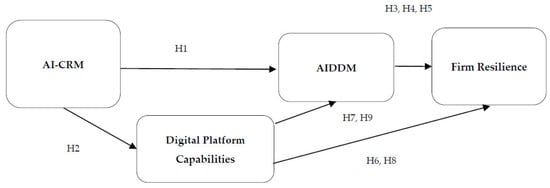
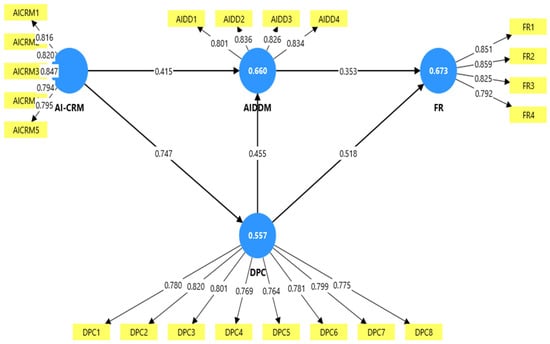

Disclaimer/Publisher’s Note: The statements, opinions and data contained in all publications are solely those of the individual author(s) and contributor(s) and not of MDPI and/or the editor(s). MDPI and/or the editor(s) disclaim responsibility for any injury to people or property resulting from any ideas, methods, instructions or products referred to in the content. |
© 2026 by the author. Licensee MDPI, Basel, Switzerland. This article is an open access article distributed under the terms and conditions of the Creative Commons Attribution (CC BY) license.