


Abstract
Virtual influencers have emerged as an important marketing tool in social commerce and digital consumer engagement. However, limited research has examined how virtual influencer characteristics shape consumers’ green purchase intention through underlying emotional and relational mechanisms. Drawing upon Parasocial Interaction Theory and Affect-as-Information Theory, this study investigates the effects of perceived authenticity, social presence, and interactivity on consumers’ green purchase intention, with parasocial intimacy and emotional arousal serving as mediating variables. A mixed-method approach integrating Partial Least Squares Structural Equation Modeling (PLS-SEM) and fuzzy-set Qualitative Comparative Analysis (fsQCA) was employed. Data were collected from 346 consumers who had prior experience interacting with virtual influencers and purchasing green products. The PLS-SEM results indicate that perceived authenticity, social presence, and interactivity significantly enhance parasocial intimacy and emotional arousal, which subsequently increase green purchase intention. Furthermore, the fsQCA findings reveal multiple configurational pathways leading to high green purchase intention, suggesting that different combinations of virtual influencer characteristics can generate similar consumer outcomes. This study contributes to the electronic commerce and influencer marketing literature by extending the understanding of virtual influencer effectiveness in sustainable consumption contexts. Methodologically, the integration of symmetrical and asymmetrical analytical approaches provides a more comprehensive explanation of consumer decision-making in virtual influencer marketing environments. The findings also offer practical implications for marketers seeking to leverage virtual influencers to promote green consumption in digital commerce settings.
1. Introduction
Influencer marketing has become a central trend in the field of digital communication that can be confirmed by the global investments in the field that reach up to 21+ billion USD during recent years [1]. This area has been redefined by the recent accelerated development of artificial intelligence (AI) with the spread of virtual influencers (VIs), computer-generated personas that mimic human looks, speech, and even emotions [2]. The prominent examples, LilMiquela, who works with the leading luxury brands and is ranked among the most influential personalities on the Internet [3], demonstrate the growing cultural and business prominence of these digital representatives. Therefore, with VIs playing a more dominant role in brand communications, however, empirical research has begun to question their psychological processes and their marketing effectiveness.
For example, recent research predominantly explores two key domains of VIs. The first examines anthropomorphism and concludes that anthropomorphic traits enhance consumer trust, perceived social presence, and attitudes towards VIs and brands they promote [4,5]. The second considers the issues of authenticity, recognition in advertising, and persuasion effectiveness, and it is observed that anthropomorphic properties can enhance engagement but also evoke the fear of artificiality or loss of transparency [6]. Further, the importance of parasocial relations is highlighted in recent research, with the findings showing that parasocial intimacy with VIs leads to user acceptance and persuasion [7,8].
Even though these studies bring into the limelight important aspects of VI efficacy, they do not provide substantial evidence on the practice of VIs in the context of sustainability-based marketing [9]. Therefore, there is an emerging and yet developing body of research aiming at studying VIs in the context of green/sustainable consumption paradigms; however, the literature is still scattered. Recent studies have determined the effect of VI characteristics, message framing, and influencer typology on green purchase intention [9,10,11]. Although virtual influencers have increasingly been adopted by brands to promote sustainable products, the effectiveness of such digital endorsers in encouraging green consumption remains underexplored. Green purchase decisions involve not only consumers’ evaluations of product attributes but also their perceptions of credibility, emotional connection, and social influence. Therefore, understanding how virtual influencers shape consumers’ green purchase intention provides important insights into the intersection between digital marketing and sustainable consumption. Nevertheless, prior research mostly focuses on the message and human vs. virtual influence comparisons, but they fail to explain the psychological processes underlying the development of VIs to promote environmentally responsible behavior. Most notably, rare studies have so far presented a unified model that explains how consumer perceptions of VIs evolve into green purchase intention through relational or affective channels. This gap limits theoretical knowledge on the influence of VIs as persuasive agents of sustainability communication.
To fill this gap, this research paper examines three interdependent VI attributes, including perceived authenticity, perceived social presence, and perceived interactivity, which are the pillars of social cognition among consumers in virtual settings. Perceived authenticity is hypothesized to strengthen the perception of sincerity and trustworthiness [12]. However, the meaning of perceived authenticity requires further clarification in the context of virtual influencers. Unlike human influencers, virtual influencers are computer-generated entities designed and managed by organizations. Therefore, authenticity in this context does not refer to biological existence or genuine human intention. Instead, it represents consumers’ perceptions that the virtual influencer’s digital persona, communication style, expressed values, and commercial messages are coherent, credible, and consistent. Although consumers are aware of the artificial nature of virtual influencers, they may still perceive them as authentic when the presented identity and behaviors appear believable and trustworthy. Perceived social presence is theorized to strengthen the impression of the warmth and sharing of an agent in a social set-up, and perceived interactivity is expected to increase user participation in a responsive, two-way communication [13]. According to prior literature, the constructs interrelate synergistically to influence both immersion and relational bonding during the mediated interaction process. However, the cumulative effect of them has not been studied in relation to VI-based green marketing, and researchers have not been investigating how these antecedents can interact to cause parasocial intimacy and emotional arousal as the mediating variables.
The study at hand thus hypothesizes and provides empirical evidence on a hypothetical model explaining the effect of the three perceptual antecedents on green purchase intention mediated by parasocial intimacy and emotional arousal. The study incorporates these psychological mediators, thereby contributing to three aspects of research. First, it transfers the VI scholarship to the sustainability field, providing a more extensive theoretical concept in comparison to antecedent research. Second, it determines the mediating twofold role of the parasocial intimacy and emotional arousal in green purchase intention. Third, it makes a conceptualization of authenticity, social presence, and interactivity as unified antecedents of consumer reactions to VIs. Combined, all these contributions contribute to a deeper view of the possibilities of VIs acting as effective tools towards an environmentally responsible consumption. Despite their potential benefits, virtual influencers may also generate several ethical and social concerns. Unlike human influencers, virtual influencers are intentionally designed digital entities whose appearance, personality, and communication styles can be strategically controlled by commercial organizations. Previous discussions have raised concerns regarding unrealistic beauty standards, artificial perfection, and potential consumer manipulation, particularly when highly idealized virtual representations are used to promote lifestyle, beauty, or health-related products. These concerns highlight the importance of understanding not only the persuasive potential of virtual influencers but also the conditions under which consumers perceive them as credible and trustworthy.
2. Literature Review
2.1. Virtual Influencers
As digital technology and artificial intelligence continue to evolve, brand communication strategies are undergoing profound changes. In addition to the systematic development of the marketing potential of social media influencers (SMIs), companies are also increasingly viewing virtual influencers (VIs) as highly efficient and forward-looking brand communication vehicles [10,11]. Virtual influencers are virtual images, partially or completely generated by digital technology, which exhibit behavioural characteristics like real influencers, such as publishing content, interacting with users, and building fan groups [14]. Virtual influencers are broadly defined as artificial media characters created by anonymous program developers or media agencies [15]. Certain studies used the term “artificial intelligence influencer,” defining it as computer-generated virtual personalities with human-like appearances capable of performing social media activities and brand promotion tasks similar to real influencers [16].
At present, research on VIs and purchase intention mainly focuses on the perspectives of image characteristics and human factors of virtual Internet celebrities, as well as the psychological mechanisms, and perception paths. From the perspective of anthropomorphism, existing research primarily explores the impact of varying degrees and dimensions of anthropomorphic characteristics in VIs on consumer responses. For example, Lin et al. (2023) distinguished between behavioural anthropomorphism, cognitive anthropomorphism, and emotional anthropomorphism in virtual influencers and found that emotional and cognitive anthropomorphic cues significantly enhanced purchase intention through cognitive trust [17]. Similarly, Lin et al. (2025) studied the positive influence of anthropomorphic cues on consumers’ purchase decisions in a social commerce environment by enhancing social presence and telepresence [18]. In addition, Dabiran et al. (2024) divided anthropomorphism into four dimensions moral virtue, cognitive ability, appearance, and emotional awareness and discovered that moral and cognitive characteristics have a greater impact on trust and parasocial relationships, which in turn drive purchase intention [19]. Appearance-based anthropomorphism has also been shown to affect purchase intention, albeit indirectly, while emotional awareness cues appear to have a lesser effect. Furthermore, Pan et al. (2024) investigated how different levels of anthropomorphism (cartoon style, medium realism, and hyperrealism) of VIs’ appearance affect consumers’ purchase intention [20]. They found that both highly stylised and hyperrealistic avatars enhance purchase intention, while medium-realistic avatars reduce purchase intention due to algorithmic aversion and reduced self-efficacy [20].
From the perspective of credibility, numerous studies have concluded that the attractiveness, professionalism, and credibility of VIs will significantly and positively affect consumers’ trust and brand attitude, thereby enhancing purchase intention. For example, Kim and Park (2023) constructed a moderated mediation model and found that the attractiveness of VIs indirectly affects purchase intention through imitation desire and brand attachment and is moderated by the fit between the product and the spokesperson [4]. Zaharia and Asici (2024) further highlighted that the credibility and authenticity of VIs are key to driving consumer purchasing behaviour [21]. Credibility has an important influence on the perceived pseudo-social relationship, promoting the formation of purchase intention [21]. In addition, Bouvier and Cho (2022) conducted a comparison of the endorsement effects of VIs on fast fashion and luxury brands; they found that the authenticity of VIs has a significant effect on both brand image and trust, while attractiveness has a greater influence on fast fashion brands, and desire identification has a more obvious effect on luxury brands [22]. Dondapati and Dehury (2024) emphasised the significance of authenticity as a moderating variable in the relationships between anthropomorphism and pseudosocial, with particular importance given to its effect on VIs [23]. Nevertheless, authenticity in the virtual influencer context differs from traditional authenticity associated with human influencers. Since virtual influencers are recognized by consumers as artificial characters, their authenticity cannot be evaluated based on human attributes such as personal sincerity or genuine intentions. Instead, perceived authenticity reflects whether consumers perceive the virtual influencer’s constructed identity as internally consistent, believable, and aligned with its communicated values. This conceptualization is consistent with the idea that authenticity is socially constructed through audience interpretation rather than solely determined by the objective nature of the influencer. Therefore, this study defines perceived authenticity as consumers’ perception of the credibility, consistency, and genuineness of a virtual influencer’s digital persona.
In addition to the humanised characteristics of VIs, researchers have also studied psychological mechanisms such as self-consistency and social presence. Brahmana and Kontesa (2025) discovered that the NFT of VIs is consistent with the self-image of fans (such as self-image congruence) [24]. However, in the context of high financial literacy, this consistency does not significantly increase purchase intentions, but rational evaluation may inhibit impulsive consumption [24]. Zourrig et al. (2025) also noted that the “animism” and stereotype evaluations (such as warmth and ability) of VIs affect social presence, and social presence indirectly affects purchase intentions through “willingness to accept suggestions.” [25].
2.2. Green Purchase Intention
Green purchase intention refers to the tendency of consumers to purchase ecologically friendly products due to ecological beliefs and sustainability issues [26]. As opposed to the general purchase intention, which has been theorized as basing its arguments on functional value and personal preference, green purchase decisions are based on moral responsibility, perceived environmental impact, and increased sensitivity to eco-labels and social norms. This, in turn, makes the decision-making process by the consumers more deliberate and more dependent on reliable information. The existing body of knowledge distinguishes a diverse range of antecedents, such as perceived green value, trust, environmental knowledge, subjective norms, collectivism, and green attitudes, and influencer-related factors, such as credibility, environmental messaging, and content characteristics [27]. In the recent past, researchers have also started questioning the importance of VIs in the context of sustainability. Jiang et al. (2024) prove that VI imagery and emotional appeal can form green purchase intentions [10]; Nazir and Wani (2025) discover that VIs promote environmental awareness with the help of the message framing [9]; and Wang et al. (2025) identify circumstances within which VIs are effective to support green products [8]. However, these articles primarily concentrate on the effects of messages or cues and offer little information on the effects of consumer perceptions of VIs causing the intention to purchase green through relational or emotional processes. To fill this research gap, this study examines the role of perceived authenticity, social presence, and interactivity in determining parasocial intimacy and emotional arousal of consumers and how the mediators affect green purchase intention in VI-based marketing. Such an integrative approach helps to come closer to the psychological processes of VI effectiveness in facilitating sustainable consumption.
2.3. Parasocial Interaction Theory and Parasocial Intimacy
In parasocial interaction, the concept of parasocial intimacy is based on parasocial interaction (PSI) theory, which explains the unidirectional intimacy that an audience has towards media personalities due to repeated exposure [28]. Parasocial intimacy is an apparent interpersonal relationship that resembles real social relationships, even though it is based on the one-sided nature of the relationship. The perceived proximity in digital space is a salient psychological process that affects attitudes, trust, and behavioral consequences. According to previous studies, the presence of influencers who portray authenticity, expressiveness of emotions, as well as consistency of personality, encourages audiences to have greater parasocial intimacy that subsequently forecasts brand engagement and purchase intention [29]. Recent research also demonstrates that it is possible to develop parasocial intimacy not only with human influences but also with VIs. In the absence of bodily representations, the anthropomorphic signatures of VIs, behavioral expressions, and identity expressions can evoke similar beliefs of intimacy and attachment. As an example, Arroyo-López et al. (2021) discovered that virtual characters who reflect the values of users, including sustainability or inclusiveness, can produce strong parasocial relationships and increase trust and brand loyalty [30]. Accordingly, parasocial intimacy is theoretically appropriate to explain psychological reactions to VIs.
2.4. Affect as Information Theory
The Affect-as-Information Theory holds that people use their emotional states as a source of information during the formation of judgment or behavioral choices [31]. Emotional arousal is one of the key psychological processes that define ratings of advertising messages, brand messages, and communication by influencers. High-arousal emotions like excitement and curiosity have been empirically proven to increase message processing, improve memory, and increase purchase intention [32]. In addition, persuasive effectiveness is enhanced further by emotional compatibility between message text and arousal level [33]. In online and interactive communications, emotional arousal is particularly sensitive to the communication elements of imagery, personality expression, and interactivity. Ballantine and Fortin (2009) illustrate that consumers have enhanced emotional involvement when interacting with interfaces, thus increasing the chances of making a purchase [34]. This corresponds to the features of VIs, the interaction of which, based on its dynamic content, anthropomorphic expressiveness, and real-time communication affordances, can provoke emotional arousal and form consumer attitudes. Embracing this theoretical background, the current research adopts emotional arousal as an affective mechanism explaining how consumers interpret and respond to virtual influencer communication cues. Specifically, Affect-as-Information Theory explains that consumers use emotional arousal generated by authenticity, social presence, and interactivity as internal information when forming green purchase intentions.
3. Hypotheses Development and Research Framework
3.1. Parasocial Intimacy
Parasocial intimacy refers to the unidirectional belief of closeness and emotional companionship that viewers develop towards media personalities due to repetitive viewing [28]. In their arguments, Rubin and McHugh (1987) argue that parasocial intimacy is the emotional aspect of parasocial relationships, which resembles the warmth of genuine interpersonal relationships, albeit in a one-sided relationship [35]. Modern research points out that genuineness, expressiveness, and consistency of personalities are some of the cues shaping parasocial intimacy [36]. Although the VIs are not human, they may trigger a similar emotional proximity when they possess human-like characteristics, identity signals, and interesting affective actions [30]. Based on this, three characteristics of VIs, which include authenticity, social presence, and interactivity, are hypothesized to be unique antecedents that enable the development of parasocial intimacy.
In the context of virtual influencers, perceived authenticity refers to consumers’ evaluation of whether the virtual influencer’s constructed persona, communication behavior, and value expression appear credible and consistent. It does not indicate that consumers believe virtual influencers possess human authenticity; rather, it reflects the perceived genuineness of the character representation and the coherence between the influencer’s identity and its online activities.
Because virtual influencers rely on designed personalities and digitally mediated interactions, consistent self-presentation and trustworthy communication can reduce psychological distance and facilitate emotional connection. When consumers perceive that a VI maintains a stable and believable identity, they are more likely to develop parasocial intimacy with the virtual character. Authenticity cues will reduce psychological distance and promote emotional connection, hence allowing parasocial proximity. Empirical studies of VIs have shown that in cases where this presentation is coherent, emotionally expressive, and believable, the audience will give them person-like credibility and feel like companionship [13]. Consequently:
H1.
Perceived authenticity of virtual influencers has a positive effect on parasocial intimacy.
Perceived social presence reflects how much the user believes that a virtual agent is real, warm, and socially accessible. High social presence increases the perceived immediacy, interpersonal warmth, and the feeling of being involved in a pseudo-social dialogue [13]. Research shows that the presence of strong social presence by influencers (be they virtual or human) with anthropomorphic behaviors, eye-gaze cues, and personalised communication causes audiences to feel familiar to them, trust them, and connect emotionally [29]. Thus:
H2.
Perceived virtual influencer social presence has a positive impact on parasocial intimacy.
Perceived interactivity refers to the degree of perceived ability to engage a user in rich two-way communication with a media agent. Interactive communications in the form of commenting back, the use of conversational tones, and showing responsiveness strengthen interaction and trigger relational illusory phenomena. Dondapati and Dehury (2024) shows that VIs that are highly interactive significantly improve the feelings of users regarding their social connectedness and parasocial bonding [23]. Therefore:
H3.
Virtual influencers perceived to have high interactivity positively affect the parasocial intimacy.
3.2. Emotional Arousal
Emotional arousal is the strength in affective activation of an event, a message or a stimulus [37]. According to Affect-as-Information Theory, people use their emotional conditions as a source of information during judgment, which makes emotional arousal the focus during persuasive and decision-making scenarios [38]. In the field of VIs, authenticity, social presence, and interactivity all create emotional arousal through various psychological channels. To better understand these mechanisms, the effects of each antecedent on emotional arousal are discussed separately.
Authenticity can increase emotional resonance, as virtual agents are made human by making them relatable. Once users feel a VI is honest and emotionally expressive, they elicit the greatest affective responses. Yu et al. (2024) state that emotional arousal of VI-driven content is high in the context of authenticity, especially when authenticity is in line with narrative cues [39]. Accordingly:
H4.
Perceived authenticity of virtual influencers has a positive effect on emotional arousal.
Social presence amplifies emotional involvement as it creates the effect of immediacy and personal warmth. High social presence means that the users will experience themselves being addressed by the VI, and the level of affective activation can increase. According to Dabiran et al. (2024), social presence intensifies feelings during VI interactions, particularly in the immersive digital environment [19]. Thus:
H5.
Perceived social presence of virtual influencers has a positive influence on emotional arousal.
Additional emotional stimulation by interactive interactions (direct replies, conversational style, adaptive responses) is built by building dynamic and engaging experiences. Brahmana and Kontesa (2025) proves that interactive VIs have a significant increase in emotional arousal, which, therefore, strengthens their persuasive effect [24]. Therefore:
H6.
There is a positive effect of perceived interactivity of virtual influencers on emotional arousal.
3.3. Determinants of Green Purchase Intention
Green purchase intention is the feeling of consumers to participate in eco-friendly buying activities [40]. The emotional and relational processes are especially relevant in the context of green consumption because green choices can be characterized as value-based and, in many cases, require a moral commitment. The two different pathways that VIs can induce such intentions are parasocial intimacy and emotional arousal. Emotional proximity of consumers to a VI that expresses environmental values increases the chances of internalizing sustainability messages and the credibility of environmentally themed endorsements. Parasocial relationships enhance perceived social responsibility, credibility, and identification with green advocacy. Empirical evidence suggests that the process of establishing parasocial relationships with virtual figures can affect pro-environmental behavior and supportive attitudes in a meaningful way [23]. Accordingly:
H7.
Parasocial intimacy has a beneficial effect on green purchase intention.
Emotional arousal improves the processing on the message, increases the memory and motivation to act on sustainability signals. Emotional stimuli are high-arousal and may include things like excitement, hope, or urgency to enhance the interest in green messages and increase the intentions of buying products that are environmentally responsible. The existing research on virtual AI presenters and VI content proves that emotional arousal is a strong predictor of the behavioral results, such as eco-friendly purchasing [6,19]. Thus:
H8.
Emotional arousal has a positive impact on green purchase intention.
3.4. Mediating Role of Parasocial Intimacy and Emotional Arousal
Beyond their direct associations with the three virtual influencer (VI) characteristics and green purchase intention, parasocial intimacy and emotional arousal are theorized to operate as psychological mediating mechanisms, rather than as parallel outcome variables, linking VI characteristics to green purchase intention. Drawing on Parasocial Interaction Theory, perceived authenticity, social presence, and interactivity are conceptualized as relational cues that consumers use to build a one-sided sense of closeness with the VI; it is this relational bond, rather than the source cues themselves, that is expected to translate into behavioural intention, since consumers act on the relationship they perceive to have formed with the VI rather than directly on its surface characteristics [28,29]. Similarly, drawing on Affect-as-Information Theory, the three VI characteristics are expected to shape green purchase intention primarily by influencing consumers’ affective state, which is then used as information in forming purchase judgments [31]; that is, the persuasive impact of VI characteristics is expected to operate largely through the emotional reactions they evoke, rather than through a direct, unmediated cognitive evaluation of the source cues. Accordingly, rather than being hypothesized as parallel outcome variables, parasocial intimacy and emotional arousal are proposed as indirect (mediating) mechanisms through which the effects of perceived authenticity, social presence, and interactivity are transmitted to green purchase intention. In this framework, H1–H3 (the effects of the three VI characteristics on parasocial intimacy) and H4–H6 (their effects on emotional arousal), taken together with H7 and H8 (the effects of parasocial intimacy and emotional arousal on green purchase intention), jointly imply six indirect paths—for example, perceived authenticity → parasocial intimacy → green purchase intention—through which each VI characteristic is expected to exert an indirect effect on green purchase intention via the two mediators. These indirect effects are formally tested via mediation (bootstrapping) analysis rather than as separate hypotheses, and the results are reported in Section 5.3.
4. Methodology
4.1. Measures
All the measurement tools in this study were modified accordingly based on the development of previous studies to apply to the field of VIs. The independent variables, perceived authenticity, were adapted from Lee and Eastin [41]; perceived social presence, from Kim and Park [4]; and perceived interactivity, from McMillan and Hwang [42] and Bağrıacık and Karataş [43]. The mediating variable, parasocial intimacy, was adapted from Zhang et al. [44], as the original items were worded around interactions among members of an online community, all items were reworded so that the referent of each item is the virtual influencer rather than other community members, ensuring that the measure captures the one-directional, user–VI bond implied by parasocial interaction theory rather than a sense of community belonging, and emotional arousal was adapted from Batra and Holbrook [45]. The dependent variable, green purchase intention, was adapted from J. Lin et al. [17]. To enhance the validity of this survey, we considered six general control variables: gender, age, education, work, green product type, and factors influencing purchase. To measure all variables, this study used a 5-point Likert scale, ranging from strongly disagree (1) to strongly agree (5). Subsequently, the questionnaire was translated into Chinese by English experts to fit the context of Chinese respondents. Finally, a pre-test was conducted with 50 respondents prior to the main data collection to assess item clarity and preliminary reliability; the pretest results are reported in Section 4.3.
4.2. Data Collection
The data was gathered through Wenjuanxing (WJX), the largest online survey platform of China, 9–18 May 2025. The screening questions helped to screen the respondents in that: (1) they had been exposed to VIs previously, and (2) they had already purchased green products. Four hundred and twenty-one questionnaires were distributed, and three hundred and forty-six valid responses were received (response rate = 82.2%). The demographic profile of the final sample and the results of the non-response bias test are reported in Section 5.1.
4.3. Common Method Bias
This study employed a survey method to collect data, which may be subject to reliability concerns such as common method bias (CMB). To minimise potential CMB, the questionnaire was first pretested, revealing that all constructs had Cronbach’s alpha values above 0.7 across 50 valid responses, exceeding the generally accepted threshold of 0.6. Furthermore, Harman’s single-factor test was performed, and the results showed that the largest variance explained by a single factor was 34.48%, well below the recommended threshold of 50%. Additionally, a CFA single-factor model showed poor fit compared to the six-factor model, and a marker variable test using an unrelated construct (perceived task difficulty) confirmed that CMB was not a major concern. These findings suggest that common method bias is not a significant concern in this dataset.
4.4. Data Analysis
In this research, the data were analyzed using a combined approach to Partial Least Squares Structural Equation Modeling (PLS-SEM) and Fuzzy-set Qualitative Comparative Analysis (fsQCA). SmartPLS 3.0 was used to conduct the PLS-SEM analysis, while fsQCA 4.1 was used for the configurational analysis. These two approaches are complementary methods in terms of their analytical power. PLS-SEM concentrates on net effects, which measure the degree and importance of individual causal paths on the assumption of symmetrical causality. Conversely, fsQCA reveals configurational causality, which depicts that there can be several qualitatively different assemblages of antecedent conditions that can result in the same outcome, thus representing asymmetrical causal regularities. PLS-SEM offers prediction-oriented analysis of the linear relationships when combined, whereas fsQCA offers complexity-oriented explanations of the joint influence of conditions on the consumer responses. As recommended by Rasoolimanesh et al. [46], and Pappas and Woodside [47], it is likely that a combination of these approaches provides a deeper and more theoretical insight into how consumer behaviour is shaped by virtual influences than any other method.
5. Results
5.1. Sample Characteristics
The final sample comprised 346 valid respondents. This sample comprised 54.6 percent female and 45.4 percent male participants. The age distribution included 18–25 (41.0 percent), 26–35 (37.9 percent), 36–45 (15.6 percent), and above 45 (5.5 percent). The respondents were highly educated (77.2% of them have bachelor’s degrees and higher) and geographically spread throughout eastern (41.9%), central (31.5%), and western China (26.6%). Table 1 presents the full demographic profile of the sample. To assess non-response bias, an early-versus-late respondent comparison was conducted; the results did not show significant differences (p > 0.05), indicating that non-response bias was not a major concern in this dataset.
Table 1.
Demographic Profile.
5.2. Measurement Model
To ensure the validity of all measurement models, this study used the method proposed by Hair et al. [48] to test content validity, convergent validity, and discriminant validity. All measurement items were derived from mature scales and verified by pretests to ensure good content validity. Next, this study tested the factor loading, composite reliability (CR), Cronbach’s alpha (α), and average variance extracted (AVE) to evaluate convergent validity (Table 2). The loadings of all measurement items were greater than 0.6, indicating that the measurement had good internal consistency. In addition, according to the standards proposed by Hair et al. [48], the recommended lower limits of α, CR, and AVE are 0.7, 0.7, and 0.5, respectively. Table 1 shows that all facets meet the standards of α > 0.7, CR > 0.7, and AVE > 0.5, so the convergent validity of this study is good.
Table 2.
Cronbach’s alpha, CR, and AVE.
For the test of discriminant validity, this study used three methods for verification. First, based on the method of Fornell and Larcker [49], the square root of AVE of each dimension should be greater than the correlation coefficient with other dimensions. As shown in Table 3, the diagonal values (square root of AVE) of all dimensions are greater than the correlation coefficients in other dimensions, which meets the requirements of discriminant validity.
Table 3.
Correlation and square root of AVE.
Second, this study conducted a cross-load analysis. The factor loadings of each indicator on its own dimension are significantly higher than those on other dimensions, indicating that the measurement items have good discriminant validity, as shown in Table 4.
Table 4.
Factor loading, VIF, and cross-loading.
Third, the heterogeneous-homogeneous ratio (HTMT) was used to further confirm discriminant validity. According to the standards of Henseler et al. [50], when the HTMT value is lower than 0.85, the dimensions are considered to have good discrimination. Table 5 shows that the HTMT values of all dimensions are lower than 0.85, which further confirms the discriminant validity of this study. In summary, all reflective facets used in this article have good content validity, convergent validity, and discriminant validity.
Table 5.
Heterotrait-monotrait ratio (HTMT).
5.3. Structural Model
To verify hypotheses H1 to H8, this study used SmartPLS 3.0 and bootstrapping technology to improve the robustness and credibility of the results [51]. As shown in Table 6, the results of path analysis show that: Perceived Authenticity (PA) has a significant positive impact on Parasocial Intimacy (PAI) (β = 0.255, t = 5.082, p < 0.001) and Emotional Arousal (EA) (β = 0.319, t = 6.099, p < 0.001), supporting hypotheses H1 and H4. Perceived Social Presence (PSP) also has a significant positive impact on PAI (β = 0.255, t = 4.718, p < 0.001) and EA (β = 0.193, t = 3.998, p < 0.001), verifying hypotheses H2 and H5. Perceived Interaction (PIT) has a statistically significant impact on PAI (β = 0.111, t = 2.095, p = 0.018) and has a significant positive impact on EA (β = 0.222, t = 4.222, p < 0.001), supporting hypotheses H3 and H6. For the result, PAI has a significant positive impact on Green Purchase Intention (GPI) (β = 0.282, t = 5.884, p < 0.001), while EA also has a significant and positive impact on GPI (β = 0.319, t = 6.381, p < 0.001), thus supporting hypotheses H7 and H8. Overall, the path coefficients in the model are statistically significant, indicating that the causal relationship proposed in this study is established.
Table 6.
Results of the path analysis.
With regard to R2 values, the endogenous constructs in the structural model yielded R2 values of 0.325 for emotional arousal (EA), 0.196 for parasocial intimacy (PAI), and 0.312 for green purchase intention (GPI). Following the thresholds proposed by Hair [52], the R2 values for EA and GPI exceed the 0.25 benchmark, indicating a weak-to-moderate level of explanatory power, whereas the R2 value for PAI falls slightly below this threshold, suggesting that parasocial intimacy is also likely to be shaped by additional individual-difference or contextual factors beyond perceived authenticity, social presence, and interactivity.
The effect size (f2) analysis further reveals that perceived interactivity (PIT) has the largest effect among the three antecedents on both mediators (f2 = 0.176 on EA and 0.152 on PAI), reaching a medium effect size and highlighting its comparatively important role in shaping consumers’ emotional and relational responses toward the virtual influencer. Perceived authenticity (PA) also exerts a small-to-medium effect on both EA (f2 = 0.163) and PAI (f2 = 0.136), while perceived social presence (PSP) shows the smallest effect on both mediators (f2 = 0.098 and 0.102, respectively), indicating that PSP exerts an incremental rather than dominant influence within the model. Moreover, parasocial intimacy shows a slightly stronger effect on green purchase intention (f2 = 0.184) than emotional arousal (f2 = 0.147), with both approaching the medium-effect threshold, suggesting that the relational bond consumers form with the virtual influencer plays a marginally more decisive role in driving green purchase intention than momentary emotional arousal.
The predictive relevance of the model was assessed using Stone–Geisser’s Q2 values. The results indicate that the model exhibits satisfactory predictive relevance for all endogenous constructs, with Q2 values of 0.211 for emotional arousal (EA), 0.168 for parasocial intimacy (PAI), and 0.183 for green purchase intention (GPI). All Q2 values are comfortably greater than zero, confirming that the proposed model has meaningful predictive capability for each of the endogenous constructs.
5.4. Mediation Test Results
The mediation analysis reveals that the indirect effects of the VI attributes on the green purchase intention mediated by the PAI and EA are statistically significant and positive, with only one exception. The insignificant pathway is PIT 0.031 GPI (b 0.072), which indicates that perceived interactivity by itself does not increase green purchasing by means of parasocial intimacy. The rest of the indirect effects have significant mediation values: authenticity and social presence have an impact on GPI both via PAI and EA, whereas the impact of interactivity is significant via EA. The most significant mediation can be found in the following pathway: PA → EA → GPI (b = 0.102, p = 0.001), which highlights emotional arousal as the major pathway by which authenticity influences green purchase intentions. Altogether, the results justify two psychological processes, relational bonding (PAI) and emotional activation (EA), mediating the impact of the traits of virtual influences on the green purchase behavior of consumers.
5.5. fsQCA
The fsQCA method is employed in this study to analyse the collected data, aiming to further examine the impact of different variable combinations on green purchase intention. First, the data is calibrated, and necessary condition analysis is performed. This study uses a direct calibration method to set the three-value fuzzy set threshold based on the theoretical anchor point and data distribution. Specifically, the 75% quantile, 50% quantile (which is the median), and 25% quantile are used as calibration standards for full membership (0.95), crossover point (0.5), and full non-membership (0.05), respectively. This method ensures theoretical significance and makes full use of the data distribution characteristics, providing a reliable basis for fsQCA analysis. The results show that the consistency values of the presence and absence of all five candidate conditions (perceived authenticity, perceived social presence, perceived interactivity, parasocial intimacy, and emotional arousal) for high and low green purchase intention range from 0.79 to 0.88 (see Table A2). As none of the consistency coefficients exceeds the conventional 0.9 threshold [53,54], no single condition was identified as necessary for high or low green purchase intention. This finding is consistent with the sufficient condition analysis reported below (Table 7 and Table 8), in which the most parsimonious solution term shows that perceived authenticity and perceived interactivity can each independently produce high green purchase intention without the presence of perceived social presence, further confirming the absence of a necessary condition. A sufficient condition analysis is then performed based on the truth table. Finally, the study reaches a conclusion based on the intermediate solution.
Table 7.
High Green Purchase Intention Configurations.
Table 8.
Low Green Purchase Intention.
This study uses the intermediate solution for the final interpretation. Table 9 presents the research results of the intermediate solution of high green purchase intention. The consistency of the overall solution is 0.841, indicating that the following causal combinations affect green purchase intention to a considerable extent. In addition, the research results also reveal that the overall solution has a high coverage rate (0.909). This shows that more than 90% of the high green purchase intention cases contain six path combinations.
Table 9.
Mediation Analysis.
Path A demonstrates that VIs can effectively promote consumers’ green purchase intention under the combined effect of perceived authenticity and parasocial intimacy. This path is independent of emotional arousal and perceived interactivity because consumers can ignore these constructs when the core constructs are strong enough, especially in the context of establishing emotional connection. Path B shows that the combination of perceived social presence and parasocial intimacy can produce strong green purchase intention, even without the support of other perceived dimensions. This is applicable to decision-making scenarios that focus on emotional experience. In these scenarios, consumers prioritise presence and intimacy, making other factors non-essential conditions. Path C indicates that VIs may positively influence consumers’ green purchase intention when they perform well in perceived authenticity and perceived social presence while lacking emotional arousal. This configuration emphasises the important role of rational cognition in green consumption decisions.
Path D shows that emotional arousal, combined with perceived authenticity and perceived interactivity, can significantly promote green purchase intention, even when social presence is not prominent. Path E demonstrates that the synergy of perceived social presence, perceived interactivity, and emotional arousal is equally effective. Finally, Path F has the highest consistency (92.03%), representing a full range of positive purchase scenarios. The comprehensive combination of perceived interactivity, parasocial intimacy, and emotional arousal has the strongest positive impact on green purchase intention. However, this path is only applicable to VIs with high-quality performance in all dimensions.
The fsQCA output of low green purchase intention (low GPI) with a consistency threshold of 0.82 and a minimum of 3 shows a clear causal asymmetry in that the configurations resulting in weak green intentions are not the reciprocal of those resulting in high intentions. Two ascending directions become apparent. Path A’ the combination of the lack of social presence and parasocial intimacy, and emotional arousal, is the best fit in low GPI (consistency = 0.889). Hence, when VIs cannot create such emotional interactions with consumers or a perception of a person-to-person bond, the consumer is unlikely to show pro-environmental purchasing intentions. Path B’ reveals that perceived lack of authenticity, perceived lack of interactivity, as well as lack of emotional arousal (consistency = 0.862) also lead to lesser green purchase intention, highlighting the significance of both cognitive credibility cues and interactive affordances. Conclusively, this evidence underscores the fact that low emotional arousal and low social presence are the most lethal combination towards weak green purchase intention, and the asymmetry was identified as a directing force in identifying multimodal causal behavior that cannot be observed solely in the framework of variance-based techniques.
6. Discussion
This study developed a conceptual model grounded in Parasocial Interaction Theory and Affect-as-Information Theory to explain how different perceptual characteristics of virtual influencers (VIs) influence consumers’ green purchase intention through the mediating effects of parasocial intimacy and emotional arousal. Additionally, this study provided complementary insights into both linear and configurational pathways toward sustainable consumption behaviour by using the hybrid method of PLS-SEM and fsQCA. As depicted in Figure 1, the three perceptual antecedents are not proposed as having a uniform effect on green purchase intention; rather, they operate through two parallel yet conceptually distinct pathways, a relational pathway represented by parasocial intimacy and an affective pathway represented by emotional arousal, and it is this dual-pathway structure that anchors the discussion and the theoretical contributions presented below.
Figure 1.
Research Framework.
First, the results from PLS-SEM indicated that perceived authenticity, social presence, and interactivity of VIs all had significant positive effects on parasocial intimacy (H1–H3) and emotional arousal (H4–H6). These findings confirm that, despite being non-human agents, virtual influencers can successfully elicit emotional intimacy and arousal in consumers when they are perceived as authentic, socially present, and interactive. Unlike previous studies that mainly examine isolated VI characteristics or their direct effects on consumer responses, the present framework explains the underlying psychological mechanisms through which VI characteristics are transformed into sustainable consumption motivation. These results are consistent with previous research indicating that anthropomorphic and credible VIs can foster meaningful consumer-brand relationships through emotional bonding and presence cues [23,36]. The overall structural model results are presented in Figure 2.
Figure 2.
Structural Model Results.
Secondly, the results further demonstrated that both parasocial intimacy and emotional arousal significantly increased consumers’ green purchase intention (H7–H8). These results highlight that affective and relational experiences with virtual influencers are critical drivers of eco-conscious consumption. This is consistent with prior literature suggesting that emotional resonance and social identification are key pathways linking influencer engagement to pro-environmental behaviours [6,55].
Finally, the fsQCA results revealed six distinct configurations (Paths A to F) that lead to high green purchase intention. Among these, several paths highlighted the critical role of parasocial intimacy (Paths A, B, and F), confirming its status as a core condition in building sustainable purchase intentions. Emotional arousal was also identified as a core contributor in most configurations (Paths D, E, and F), which further reinforced its motivational role. Notably, certain paths (e.g., Path C) demonstrated that high green purchase intention can be achieved even in the absence of emotional arousal, provided that rational cues such as authenticity and presence are sufficiently strong. This underscores the dual-process nature of green purchase behaviour, combining both emotional and cognitive drivers.
In summary, VIs should be strategically designed to enhance users’ perceptions of authenticity, social presence, and interactivity to cultivate parasocial intimacy and stimulate emotional arousal. These psychological mechanisms subsequently drive consumers’ intentions to engage in sustainable consumption. Brands can select the most suitable path configuration based on their product characteristics and audience segments. This may involve strengthening rational identification, promoting emotional engagement, or building comprehensive immersive experiences.
6.1. Theoretical Implications
The paper presents some sophisticated theoretical contributions to the current advances in the literature on VI and green consumption. To begin with, including the recent research, which explores the effects of VIs on sustainable consumption [9,10,11], the current research study places itself in the role of an in-depth exploration of the psychological processes underlying them. Unlike previous studies, which have mainly focused on message framing, image realism, or product fit as an independent variable, our results propose a theoretically based model that identifies identifies two theoretically distinct psychological mechanisms, parasocial intimacy and emotional arousal, as mapped in Figure 1. Rather than treating these two processes as an incidental pair of mediators, the present study advances VI persuasion research by proposing a dual-path psychological mechanism model, demonstrating that virtual influencer effectiveness emerges jointly through a relational bonding pathway and an affective activation pathway, as the fundamental mediating factors as to why VI characteristics can affect green purchase intention. This leads to a more comprehensive and complex understanding of VI persuasion beyond the superficial characteristics that have been analyzed in previous studies.
Second, the literature contributes to the study of the theoretical knowledge of parasocial processes in green marketing. Contrary to other previous studies of VI, which consider parasocial responses as general affective by-products, our results empirically confirm the existence of parasocial intimacy as a specific relational process where the anthropomorphic messages of VIs are linked to sustainable behaviour. By explaining its theoretical roots in the parasocial interaction theory and by establishing the difference between it and other processes of social identification, the research provides conceptual clarity and extends Parasocial Interaction Theory from explaining media-based interpersonal relationships to explaining AI-mediated sustainable consumption decisions, stretching the theory into environmentally driven decision-making. This proves that the phenomenon of one-sided emotional intimacy, which has been traditionally seen when dealing with human celebrities, can be created successfully by artificial agents and redirected to pro-environmental decisions. This contribution corresponds to the relational pathway of Figure 1 (H1–H3, H7), through which authenticity, social presence, and interactivity are each channelled into green purchase intention via parasocial intimacy.
Third, the findings enhance the theoretical consideration of Affect-as-Information Theory into virtual and sustainable consumption. Emotional arousal appears as a strong mediator, which turns the perceptual assessment of the users towards VIS to the sustainable behavioural intentions. It builds on prior literature as it establishes that the effect of emotional arousal is not only to amplify overall advertising effectiveness but also has a critical contribution to the responsiveness of consumers to green product advertising by non-human persuasion agents. As a result, the research contributes to the general discussion of the emotional processes of AI-mediated persuasion. This finding extends Affect-as-Information Theory by demonstrating that emotional signals generated by non-human digital agents can serve as informational cues in sustainable consumption decisions, rather than merely as by-products of conventional advertising exposure. This contribution corresponds to the affective pathway of Figure 1 (H4–H6, H8), through which the same three antecedents are alternatively channelled into green purchase intention via emotional arousal.
Finally, the combination of PLS-SEM and fsQCA is a valuable methodological contribution. PLS-SEM aspires to the net impact of authenticity, social presence, and interactivity on psychological mediators and subsequent green purchase intention, whereas fsQCA discloses numerous equifinal causal settings that result in high (and low) green purchase intention. Relational-oriented paths (e.g., intimacy-oriented) and the simultaneous presence of affectively oriented paths (e.g., arousal-oriented) highlight the point that there are various psychological paths towards sustainable behaviour in VI contexts, as opposed to a single dominant process. Revealing this asymmetry and complexity, the study proves the usefulness of multimethod methods in promoting theory on digitally mediated sustainable consumption and gives a basis to future studies examining differentiated psychological or situational pathways. These configurational findings further complement Figure 1 by showing that the two psychological pathways it depicts do not necessarily operate independently but may combine differently across consumer segments, thereby revealing a layer of causal complexity that the dual-path model alone cannot capture.
6.2. Practical Implications
This study utilises Parasocial Interaction Theory and Affect-as-Information Theory to empirically demonstrate that the perceptual characteristics of VIs play a critical role in enhancing consumers’ green purchase intention by influencing emotional and relational psychological mechanisms. The findings offer actionable insights for virtual influencer developers, brand managers, and sustainability-oriented marketers in the era of AI-driven social commerce.
First, virtual influencer development and marketing strategies should prioritise constructing parasocial intimacy as a core psychological lever. The fsQCA results indicated that parasocial intimacy was present in four of the six high green purchase intention configurations (Paths A, B, F, and partially in D), underscoring its pivotal role in shaping pro-environmental consumption. PLS-SEM analysis further confirmed that parasocial intimacy significantly promotes green purchase intention (β = 0.282, p < 0.001). To build such intimacy, VIs should be designed with relatable personalities and emotionally expressive behaviours. Brands should enable VIs to share simulated “life stories,” use informal language, and engage in direct communication with audiences through Q&As, personalised responses, or emotionally resonant narratives to trigger psychological proximity and emotional belonging.
Second, brands should focus on stimulating emotional arousal through immersive and interactive content. The fsQCA results revealed that emotional arousal appeared in multiple effective paths (Paths D, E, and F), and PLS-SEM showed its significant positive effect on green purchase intention (β = 0.319, p < 0.001). Therefore, VIs should deliver content that evokes excitement, curiosity, and inspiration, such as through storytelling, gamified product demonstrations, or emotional appeals around environmental causes. Users are more likely to respond positively to green marketing messages when they are emotionally engaged. Additionally, brands can schedule emotionally themed campaigns during significant environmental events (e.g., Earth Day) to intensify resonance.
Third, virtual influencer marketing should adopt a multi-feature synergy approach, rather than focusing on isolated traits. The fsQCA configurations show that combinations of authenticity, interactivity, social presence, intimacy, and emotional arousal jointly influence green purchase intention. For example, Path F demonstrated that even without authenticity or social presence, the combination of high interactivity, intimacy, and emotional arousal can effectively drive green purchases. This indicates that high-quality performance across several psychological dimensions can compensate for shortcomings in others. Practitioners should develop comprehensive virtual influencer personas, which are not only visually appealing but also perceived as authentic, responsive, and emotionally engaging. For instance, a virtual influencer created for sustainable fashion could combine a hyper-realistic appearance (to enhance authenticity), interactive live shopping features (to boost interactivity), and climate-related storytelling (to stimulate emotion and intimacy).
Finally, brands should tailor virtual influencer strategies to different product types and target audience characteristics. Authenticity and intimacy are key to building consumer trust in eco-luxury brands; thus, VIs should emphasise long-term storytelling and value alignment. In the case of daily-use sustainable products, emotional arousal and interactivity may be more effective, enabling VIs to engage users with energetic content and user participation. For tech-related green products, a rational configuration such as Path C (authenticity, social presence, and low emotional arousal) might work better, as consumers rely more on cognitive cues and less on emotion. Marketers should avoid a one-size-fits-all approach and instead align their virtual influencer personality design and content strategy with the psychological path that is most suitable for their product and audience. The fsQCA results further demonstrate the potential success of multiple combinations of virtual influencer characteristics, offering brands strategic flexibility in crafting their virtual influencer personas.
In short, the success of virtual influencer marketing in promoting green consumption depends not only on the character’s lifelikeness or trendiness but also on its ability to evoke emotional intimacy and psychological resonance through strategically coordinated persona traits. Brands should move beyond superficial design and invest in the emotional and relational architecture of their VIs to cultivate long-term, value-driven consumer engagement.
6.3. Limitations and Future Research
This study collected data through a self-reported questionnaire to examine how the perceptual characteristics of Vis, including authenticity, social presence, and interactivity, influence consumers’ green purchase intention via parasocial intimacy and emotional arousal. However, several limitations should be acknowledged, which also open up opportunities for future research. First, the study adopted a cross-sectional design and collected all responses within a relatively short time window of one week. As such, the findings reflect consumer perceptions and psychological states at a specific moment. Future research could apply longitudinal or panel designs to track the evolving influence of VIs on green consumption over time, particularly as user familiarity, technological innovation, or environmental trends change. Second, this study primarily focused on the perceptual characteristics of VIs. While perceived authenticity, social presence, and interactivity are critical constructs, future studies could explore additional or emerging characteristics of VIs, such as visual realism, narrative coherence, or AI transparency. Furthermore, it would be valuable to investigate the role of platform-specific features (e.g., TikTok vs. Instagram) or product types (e.g., fashion vs. electronics) to determine the extent to which platform- or product–influencer fit moderates consumer responses.
Third, this study mainly focused on the positive persuasive effects of VIs by examining perceived authenticity, social presence, and interactivity. However, virtual influencers may also generate potential negative consequences and ethical concerns. For example, highly idealized virtual representations may contribute to unrealistic appearance standards, artificial perceptions of perfection, or consumer skepticism regarding commercial intentions. In addition, the lack of human experience and the potential ambiguity regarding AI-generated identities may influence consumers’ perceptions of transparency and trust. Future research should adopt a more balanced perspective by investigating both the positive and negative effects of VIs, including perceived manipulation, ethical concerns, and resistance toward virtual influencer marketing.
Moreover, since this study measured perceived authenticity, social presence, and interactivity through self-reported items rather than manipulating the visual presentation of VIs, future studies could adopt an experimental design in which respondents are exposed to pictures of different types of VIs (e.g., realistic human-like avatars, stylised cartoon-like avatars, and animal- or object-based avatars) to directly test the proposed hypotheses. Such visual manipulation would allow researchers to establish stronger causal evidence and examine whether the effects of perceived authenticity, social presence, and interactivity on parasocial intimacy and emotional arousal vary across different VI appearance types.
Lastly, although this study integrated emotional arousal and parasocial intimacy as key mediators, the scope of psychological variables was limited. Future research may consider expanding the emotional dimension to include more nuanced affective states such as admiration, envy, or moral elevation, which are increasingly relevant in influencer marketing. On the rational side, cognitive variables like value congruence, cost-benefit evaluation, or goal alignment could offer further insight into how consumers assess and justify green purchases endorsed by virtual agents. In conclusion, even though this study provides a foundational framework for understanding the impact of VIs on green purchase intention, the theoretical landscape and practical relevance of future research will be enhanced by expanding the methodological scope, exploring additional psychological constructs, and considering contextual moderators.
Author Contributions
Conceptualization, X.M.; writing—original draft preparation, X.M.; writing—review and editing, M.X. and L.H.; supervision, K.M.N. All authors have read and agreed to the published version of the manuscript.
Funding
This research received no external funding.
Institutional Review Board Statement
This study was conducted under the supervision of Universiti Teknologi Malaysia (UTM) and involved an anonymous online questionnaire survey of adult consumers recruited in China in 2025. Participants were recruited through Wenjuanxing, an online survey service provider, and no Chinese university, hospital, governmental organization, or other local research institution was involved in participant recruitment, supervision, or conduct of the study. The study was a non-interventional social science survey and involved minimal ethical risk, with no clinical intervention, biological samples, vulnerable populations, or directly identifying personal information. The ethical conduct of the study was considered in light of the applicable Chinese science and technology ethics framework, including the Measures for Ethical Review of Science and Technology Activities (Trial Implementation) (Guo Ke Fa Jian [2023] No. 167) [56], as well as the applicable institutional ethical requirements of Universiti Teknologi Malaysia. Particular attention was given to voluntary participation, informed consent, privacy protection, data minimization, and secure data handling.
Informed Consent Statement
Before participating in the survey, all participants were informed of the purpose and nature of the study, the voluntary nature of participation, their right to discontinue participation, and the confidential and anonymous handling of their responses. Informed consent was obtained electronically by requiring participants to select the “I agree” option before proceeding with the questionnaire. No directly identifying personal information was collected, and the responses were used solely for academic research purposes.
Data Availability Statement
The data supporting the findings of this study are available from the corresponding author upon reasonable request.
Conflicts of Interest
The authors declare no conflicts of interest.
Appendix A
Table A1.
Measurement Items.
Table A2.
Necessary Condition Analysis for High and Low Green Purchase Intention.
References
- Hub, I.M. Influencer Marketing Hub. 2024. Available online: https://influencermarketinghub.com (accessed on 15 March 2025).
- Mertens, F.; Goetghebuer, J. Virtual Reality, Real Responsibility: The Regulatory Landscape for Virtual Influencers. 2024. Available online: https://ssrn.com/abstract=4718820 (accessed on 21 April 2025).
- Kim, M.; Lee, J. Exploring Communication Characteristics of Virtual Fashion Influencer Lil Miquela through Everydayness from a Semiotic Perspective. Arch. Des. Res. 2024, 37, 197–213. [Google Scholar] [CrossRef] [Scilit]
- Kim, H.; Park, M. Virtual influencers’ attractiveness effect on purchase intention: A moderated mediation model of the Product–Endorser fit with the brand. Comput. Hum. Behav. 2023, 143, 107703. [Google Scholar] [CrossRef] [Scilit]
- Wan, C.; Lee, D.; Ng, P. The role of anthropomorphism and racial homophily of virtual influencers in encouraging low-versus high-cost pro-environmental behaviors. Psychol. Mark. 2024, 41, 1833–1853. [Google Scholar] [CrossRef] [Scilit]
- Zhang, L.; Ren, J. Virtual influencers: The effects of controlling entity, appearance realism and product type on advertising effect. Paper Presented at the International Conference on Human-Computer Interaction, Virtual Event, 26 June–1 July 2022. [Google Scholar]
- Liu, F.; Wang, R. Fostering parasocial relationships with virtual influencers in the uncanny valley: Anthropomorphism, autonomy, and a multigroup comparison. J. Bus. Res. 2025, 186, 115024. [Google Scholar] [CrossRef] [Scilit]
- Wang, X.; Zhang, Y. Product-independent or product-dependent: The impact of virtual influencers’ primed identity on purchase intention. J. Retail. Consum. Serv. 2025, 84, 104088. [Google Scholar] [CrossRef] [Scilit]
- Nazir, M.; Wani, T.A. Human vs. virtual influencers and message framing: Enhancing environmental awareness, activism and sustainable purchase intentions through effective messaging. Manag. Res. Rev. 2025, 48, 685–708. [Google Scholar] [CrossRef] [Scilit]
- Jiang, K.; Zheng, J.; Luo, S. Green power of virtual influencer: The role of virtual influencer image, emotional appeal, and product involvement. J. Retail. Consum. Serv. 2024, 77, 103660. [Google Scholar] [CrossRef] [Scilit]
- Wang, J.; Ye, G.; Yang, J. Not a human, not for green? The effectiveness of virtual influencers endorsing green products. J. Prod. Brand Manag. 2025, 34, 468–485. [Google Scholar] [CrossRef] [Scilit]
- Lee, H.; Shin, M.; Yang, J.; Chock, T.M. Virtual influencers vs. human influencers in the context of influencer marketing: The moderating role of machine heuristic on perceived authenticity of influencers. Int. J. Hum.–Comput. Interact. 2025, 41, 6029–6046. [Google Scholar] [CrossRef] [Scilit]
- Liu, J. Virtual presence, real connections: Exploring the role of parasocial relationships in virtual idol fan community participation. Glob. Media China 2023, 10, 490–511. [Google Scholar] [CrossRef] [Scilit]
- Meng, L.M.; Bie, Y.; Yang, M.; Wang, Y. Watching it motivates me to become stronger: Virtual influencers’ impact on consumer self-improvement product preferences. J. Bus. Res. 2024, 178, 114654. [Google Scholar] [CrossRef] [Scilit]
- Deng, F.; Tuo, M.; Chen, S.; Zhang, Z. Born for marketing? The effects of virtual versus human influencers on brand endorsement effectiveness: The role of advertising recognition. J. Retail. Consum. Serv. 2024, 80, 103904. [Google Scholar] [CrossRef] [Scilit]
- Jayasingh, S.; Sivakumar, A.; Vanathaiyan, A.A. Artificial Intelligence Influencers’ Credibility Effect on Consumer Engagement and Purchase Intention. J. Theor. Appl. Electron. Commer. Res. 2025, 20, 17. [Google Scholar] [CrossRef] [Scilit]
- Lin, J.; Huang, Y.; Li, M. Enhancing Green purchase intentions: The effects of product transformation salience and consumer traceability knowledge. Sustainability 2023, 15, 12612. [Google Scholar] [CrossRef] [Scilit]
- Lin, Q.; Li, Y.; Li, L.; Yu, X. Anthropomorphism effect of virtual influencers on purchase intention in social commerce: A presence perspective. Soc. Behav. Personal. Int. J. 2025, 53, 1–10. [Google Scholar] [CrossRef] [Scilit]
- Dabiran, E.; Farivar, S.; Wang, F.; Grant, G. Virtually human: Anthropomorphism in virtual influencer marketing. J. Retail. Consum. Serv. 2024, 79, 103797. [Google Scholar] [CrossRef] [Scilit]
- Pan, S.; Qin, Z.; Zhang, Y. More realistic, more better? How anthropomorphic images of virtual influencers impact the purchase intentions of consumers. J. Theor. Appl. Electron. Commer. Res. 2024, 19, 3229–3252. [Google Scholar] [CrossRef] [Scilit]
- Zaharia, S.; Asici, J. Exploring the Impact of Virtual Influencers on Social Media User’s Purchase Intention in Germany: An Empirical Study. In Proceedings of the International Conference on Human-Computer Interaction, Washington, DC, USA, 29 June–4 July 2024. [Google Scholar]
- Bouvier, L.; Cho, E. How do virtual social media influencers affect Millennial and Gen Z female consumers’ purchase intentions? A comparison of fast fashion versus luxury fashion brands. In International Textile and Apparel Association Annual Conference Proceedings; International Textile and Apparel Association (ITAA): Tallahassee, FL, USA, 2022. [Google Scholar]
- Dondapati, A.; Dehury, R.K. Virtual vs. human influencers: The battle for consumer hearts and minds. Comput. Hum. Behav. Artif. Hum. 2024, 2, 100059. [Google Scholar] [CrossRef] [Scilit]
- Brahmana, R.K.; Kontesa, M. Does self-congruity matter for virtual influencer’s non-fungible token (NFT) purchase intentions? The role of financial literacy. Inf. Technol. People 2025, 39, 615–634. [Google Scholar] [CrossRef] [Scilit]
- Zourrig, H.; Park, J.; Becheur, I. How Does Humanoid Virtual Influencers’ Appearance Convey Social Presence? The Underlying Process and Path to Purchase Intention. Int. J. Consum. Stud. 2025, 49, e70013. [Google Scholar] [CrossRef] [Scilit]
- Naalchi Kashi, A. Investigating the relationship between customer experience components on commitment and customer engagement behaviors in the retail industry. J. Value Creat. Bus. Manag. 2024, 4, 169–200. [Google Scholar]
- Rizomyliotis, I.; Konstantoulaki, K.; Giovanis, A. Social media influencers’ credibility and purchase intention: The moderating role of green consumption values. Am. Behav. Sci. 2024, 70, 620–634. [Google Scholar] [CrossRef] [Scilit]
- Horton, D.; Richard Wohl, R. Mass communication and para-social interaction: Observations on intimacy at a distance. Psychiatry 1956, 19, 215–229. [Google Scholar]
- Koay, K.Y.; Satyadi, M.A. How fashion influencers drive consumers’ online brand-related activities (COBRAs). J. Fash. Mark. Manag. Int. J. 2025, 30, 115–132. [Google Scholar] [CrossRef] [Scilit]
- Arroyo-López, P.; Velázquez-Martínez, J.C.; Gámez-Pérez, K.M. Past behavior as a predictor of eco-driving practices: The case of a sustained intervention in a Mexican transportation company. Int. J. Sustain. Transp. 2021, 16, 989–1002. [Google Scholar] [CrossRef] [Scilit]
- Clore, G.L.; Gasper, K.; Garvin, E. Affect as information. In Handbook of Affect and Social Cognition; Psychology Press: London, UK, 2012; pp. 122–145. [Google Scholar]
- Anastasiei, B.; Chiosa, R. Emotional response to advertising. EuroEconomica 2014, 33, 49–56. [Google Scholar]
- Riemer, H.; Noel, H. The effect of emotionally-arousing ad appeals on memory: Time and fit matter. Int. J. Advert. 2021, 40, 1024–1046. [Google Scholar] [CrossRef] [Scilit]
- Ballantine, P.W.; Fortin, D.R. The effects of interactivity and product information on consumers’ emotional responses to an online retail setting. Int. J. Internet Mark. Advert. 2009, 5, 260–271. [Google Scholar] [CrossRef] [Scilit]
- Rubin, R.B.; McHugh, M.P. Development of parasocial interaction relationships. J. Broadcast. Electron. Media 1987, 31, 279–292. [Google Scholar] [CrossRef] [Scilit]
- Koay, K.Y.; Cheah, C.W.; Yap, J.Y. Self-influencer congruence, parasocial relationships, credibility, and purchase intentions: A sequential mediation model. J. Relatsh. Mark. 2024, 23, 1–20. [Google Scholar] [CrossRef] [Scilit]
- Bagozzi, R.P.; Dholakia, U. Goal setting and goal striving in consumer behavior. J. Mark. 1999, 63, 19–32. [Google Scholar] [CrossRef] [Scilit]
- Antonetti, P.; Valor Martínez, C.; Baghi, I.; González-Gómez, H.V. Consumer emotional ambivalence: A state-of-the-art review. J. Mark. Manag. 2025, 42, 355–383. [Google Scholar] [CrossRef] [Scilit]
- Yu, J.; Baah, N.G.; Kim, S.; Moon, H.; Chua, B.-L.; Han, H. Effects of green authenticity on well-being, customer engagement and approach behavior toward green hospitality brands. Int. J. Contemp. Hosp. Manag. 2024, 36, 3129–3150. [Google Scholar] [CrossRef] [Scilit]
- Zhuang, W.; Luo, X.; Riaz, M.U. On the factors influencing green purchase intention: A meta-analysis approach. Front. Psychol. 2021, 12, 644020. [Google Scholar] [CrossRef] [Scilit]
- Lee, J.A.; Eastin, M.S. Perceived authenticity of social media influencers: Scale development and validation. J. Res. Interact. Mark. 2021, 15, 822–841. [Google Scholar] [CrossRef] [Scilit]
- McMillan, S.J.; Hwang, J.-S. Measures of perceived interactivity: An exploration of the role of direction of communication, user control, and time in shaping perceptions of interactivity. J. Advert. 2002, 31, 29–42. [Google Scholar] [CrossRef] [Scilit]
- Bağrıacık Yılmaz, A.; Karataş, S. Development and validation of perceptions of online interaction scale. Interact. Learn. Environ. 2018, 26, 337–354. [Google Scholar] [CrossRef] [Scilit]
- Zhang, S.; Li, Z.; Chen, X. Cultural Identity and Virtual Consumption in the Mimetic Homeland: A Case Study of Chinese Generation Z Mobile Game Players. Soc. Sci. 2025, 14, 362. [Google Scholar] [CrossRef] [Scilit]
- Batra, R.; Holbrook, M.B. Developing a typology of affective responses to advertising. Psychol. Mark. 1990, 7, 11–25. [Google Scholar] [CrossRef] [Scilit]
- Rasoolimanesh, S.M.; Ringle, C.M.; Sarstedt, M.; Olya, H. The combined use of symmetric and asymmetric approaches: Partial least squares-structural equation modeling and fuzzy-set qualitative comparative analysis. Int. J. Contemp. Hosp. Manag. 2021, 33, 1571–1592. [Google Scholar] [CrossRef] [Scilit]
- Pappas, I.O.; Woodside, A.G. Fuzzy-set Qualitative Comparative Analysis (fsQCA): Guidelines for research practice in Information Systems and marketing. Int. J. Inf. Manag. 2021, 58, 102310. [Google Scholar] [CrossRef] [Scilit]
- Hair Risher, J.; Sarstedt, M.; Ringle, C.M. When to use and how to report the results of PLS-SEM. Eur. Bus. Rev. 2019, 31, 2–24. [Google Scholar] [CrossRef] [Scilit]
- Fornell, C.; Larcker, D.F. Evaluating structural equation models with unobservable variables and measurement error. J. Mark. Res. 1981, 18, 39–50. [Google Scholar] [CrossRef] [Scilit]
- Henseler, J.; Ringle, C.M.; Sarstedt, M. A new criterion for assessing discriminant validity in variance-based structural equation modeling. J. Acad. Mark. Sci. 2015, 43, 115–135. [Google Scholar] [CrossRef] [Scilit]
- Hair, J.F., Jr.; Hult, G.T.M.; Ringle, C.M.; Sarstedt, M. A Primer on Partial Least Squares Structural Equation Modeling (PLS-SEM), 2nd ed.; Sage: Thousand Oaks, CA, USA, 2016. [Google Scholar]
- Hair, J.F.; Ringle, C.M.; Sarstedt, M. PLS-SEM: Indeed a silver bullet. J. Mark. Theory Pract. 2011, 19, 139–152. [Google Scholar] [CrossRef] [Scilit]
- Ragin, C.C. Redesigning Social Inquiry: Fuzzy Sets and Beyond; University of Chicago Press: Chicago, IL, USA, 2008. [Google Scholar]
- Schneider, C.Q.; Wagemann, C. Set-Theoretic Methods for the Social Sciences: A Guide to Qualitative Comparative Analysis; Cambridge University Press: Cambridge, UK, 2012. [Google Scholar]
- Li, J.; Ma, Y. Virtual influencers in advertisements: Examining the role of authenticity and identification. J. Interact. Advert. 2024, 24, 1–12. [Google Scholar] [CrossRef] [Scilit]
- Ministry of Science and Technology of the People’s Republic of China. Measures for Ethical Review of Science and Technology Activities (Trial Implementation) (Guo Ke Fa Jian [2023] No. 167). (2023). Available online: https://www.most.gov.cn/xxgk/xinxifenlei/fdzdgknr/fgzc/gfxwj/gfxwj2023/202310/t20231008_188309.html (accessed on 24 May 2025).
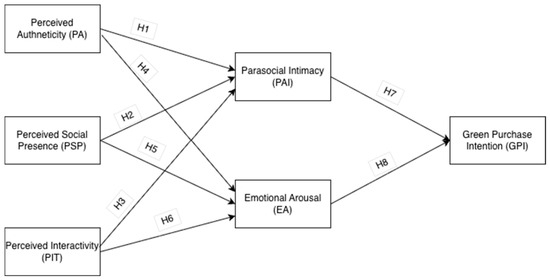
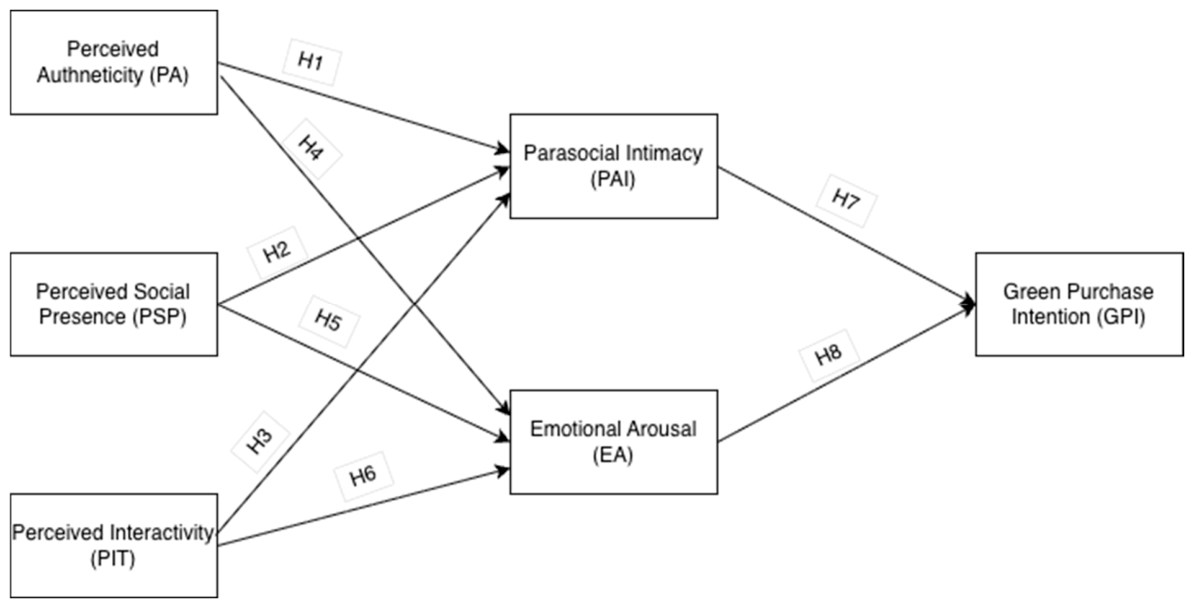
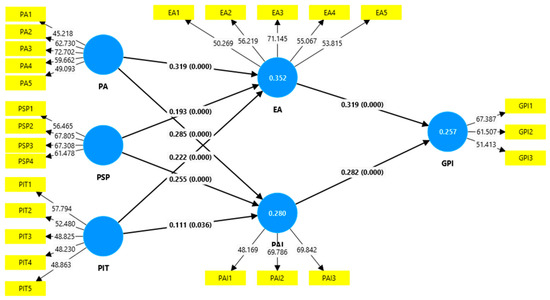
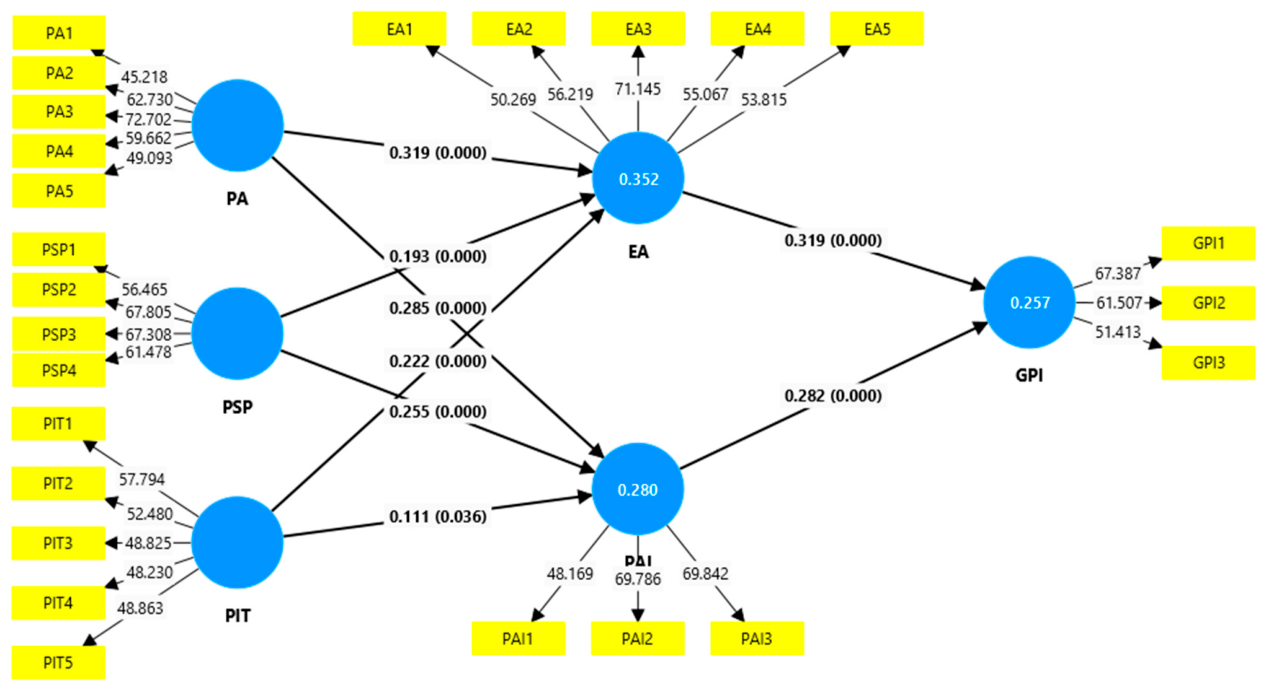

Disclaimer/Publisher’s Note: The statements, opinions and data contained in all publications are solely those of the individual author(s) and contributor(s) and not of MDPI and/or the editor(s). MDPI and/or the editor(s) disclaim responsibility for any injury to people or property resulting from any ideas, methods, instructions or products referred to in the content. |
© 2026 by the authors. Licensee MDPI, Basel, Switzerland. This article is an open access article distributed under the terms and conditions of the Creative Commons Attribution (CC BY) license.