


Abstract
This study examines the complex dynamics of advertising avoidance in the social media context, with particular emphasis on the roles of psychological reactance perceived surveillance, privacy concerns, and algorithmic fatigue. It delineates the intricate interplay between personalization technologies and users’ surveillance, privacy awareness, and exhaustion from continuous media consumption, which may contribute to the rising tendency of users to avoid digital advertisements. Drawing on the psychological reactance theory (PRT), the study proposes that perceived algorithmic personalization increases perceptions of surveillance, privacy concerns, and algorithmic fatigue, which trigger defensive responses—advertising avoidance. Furthermore, the study examines the moderating role of perceived privacy control in the relationships between reactance-related antecedents and ad avoidance. An online survey of Instagram users was conducted over a one-month period starting from the 15th of December to empirically test the hypotheses. The findings reveal that perceived algorithmic personalization has a significant positive effect on algorithmic fatigue, privacy concerns, and surveillance. Moreover, perceived control weakens the impact of algorithmic fatigue on ad avoidance, highlighting its role as a critical boundary condition. This study contributes to the literature by integrating technological and psychological determinants of ad avoidance into a unified framework, offering a more comprehensive understanding of user resistance in algorithm-driven environments.
1. Introduction
Emerging technologies, particularly AI, have reshaped the advertising ecosystem by increasing the effectiveness of advertising through optimized audience segmentation, targeted personalization of ad content based on consumer preferences, and improved ad creation and design [1]. In the past two decades, the rapid growth of social media platforms (SMPs) has redesigned the world of online communication and commerce. The nature of these platforms has enabled immediate and continuous interactions between brands and consumers, allowing firms to collect extensive personal consumer data that can be stored in databases and used to create highly personalized advertisements [2]. The accelerated growth of social media usage, together with the transformational increase in advertising expenditure on social media platforms, underscores the increasing importance of these platforms in digital marketing [3].
With the ever-increasing volume of content on social media platforms, capturing and maintaining user attention has become a significant challenge. To address this issue, social media platforms have adopted sophisticated algorithms designed to enhance and personalize the advertising experience. By aligning advertisements more closely with individual consumer preferences, these algorithms increase the likelihood of consumer engagement [4]. Consequently, current research has focused on examining consumers’ perceptions and acceptance of personalized advertising, as well as its influence on consumers’ willingness to engage with and respond positively to such advertisements [5].
Algorithms play a crucial role in regulating the flow of information and shaping both individual and societal perceptions [6]. Despite the benefits associated with increased precision and personalization, algorithm-driven advertising also presents several concerns. In particular, the implicit and data-driven nature of personalization may fundamentally influence consumers’ perceptions of autonomy, privacy, and control [7]. Unlike traditional advertising, algorithmically personalized automated ads target consumers while treating them as passive recipients. Consumers are aware that they are being preyed upon by algorithmic logics; however, their psychological reactance is constrained by their limited control over the ad content, which results from the complexity and ambiguity of such algorithmic settings [8]. Nevertheless, despite the importance of perceived control in restoring users’ sense of autonomy, its potential role in mitigating the negative effects of ad avoidance remains insufficiently explored, particularly in algorithm-driven environments [9]. Within this context, it is important to understand the pivotal role of perceived control in confining the adverse repercussions and emotional responses associated with artificial intelligence [10].
Meanwhile, the continuous exposure to algorithmically generated content contributes to what is increasingly conceptualized as social media fatigue (SMF)—a state of cognitive overload and emotional exhaustion resulting from constant digital engagement [11]. This phenomenon represents a significant challenge for brands that rely extensively on social media platforms to reach their target audiences [12]. As of early 2026, the adoption of ad-blocking technologies designed to prevent advertisements from loading and minimize exposure to digital advertising has increased substantially, with approximately 42.7% of users installing ad blockers on devices such as smartphones, computers, and tablets [13]. This growing trend has contributed to an estimated loss of $78 billion in advertising revenue annually [14].
This suggests a need for further investigation into the psychological and behavioral consequences of algorithmic personalization, which have become essential determinants of the effectiveness of digital marketing strategies and customer response in personalized environments. Previous studies have revealed that excessive exposure to personalized ads can result in various forms of psychological discomfort for audiences; it can be perceived as surveillance of their online behavior [7,15] and an invasion of their privacy [10]. Therefore, consumers may react defensively when they encounter personalized ads covertly embedded in their personal social media feeds [16,17]. Consumers’ reactance to algorithmic personalized advertisements can be explained through the theory of psychological reactance. This theory assumes that consumers value their freedom and may develop a motivational state aimed at restoring their sense of autonomy when they perceive it to be threatened [18]. Applying this theory to advertising research will help measure and assess the efficacy of reactance as an antecedent of ad avoidance [19].
In this setting, advertising avoidance has emerged as a defensive behavioral response through which users attempt to mitigate perceived interference and restore control over their online experiences. Research on ad avoidance in social media settings reveals two key theoretical streams that significantly shape our understanding in this context: consumer-related factors and advertising-related factors. The first category focuses on factors linked to consumers, such as personality traits; these studies stress the significant impact of matching the personalized ads to consumers’ personality traits [2,20], and others highlight the role of peer validation in shaping consumer by examining the influence of peers as socialization agents along with human traits on ad avoidance [21]. Notably, Baek & Morimoto [22] and Cho & as- [23] found that consumer negative perceptions of online advertising, including intrusiveness and privacy risks, might increase the likelihood of ad avoidance. The second category investigates ad-oriented cues on ad avoidance; for instance, the study by Bang, Kim, & Choi [24] examined the influence of ad relevance and ad salience on ad avoidance; it reported the importance of user motivation and cognitive vs. entertainment seeking in ad processing. Similarly, Kim et al. [25] highlighted the significance of perceived ad value in shaping consumers’ attitudes toward ads and their avoidance.
This study aims to develop and test a comprehensive model that explains psychological reactance toward algorithmically personalized social media advertisements and its role in shaping the antecedents of ad avoidance. Specifically, users’ perceptions of surveillance, privacy concerns, and algorithmic fatigue are conceptualized as psychological reactance-inducing factors that explain algorithmic ad avoidance. To enhance this understanding, the moderating role of perceived privacy control is also examined. Accordingly, this study sheds light on reactance-related antecedents to ad avoidance, focusing on algorithmic personalized ads, a different format of interruptive ads compared to those examined in previous research, such as social media newsfeed ads [19], web page ads [24], ads on social networking sites [20], online ads on video sites [25], and online advertising [2]. Psychological Reactance Theory (PRT) conceptualizes resistance responses as being triggered by perceived surveillance threats, privacy concerns, and emotional exhaustion arising from algorithmic targeting. Therefore, this study presents a framework that implies that algorithmic personalization indirectly affects advertising avoidance through varied psychological mechanisms. In particular, perceived surveillance (perceptual), privacy concerns (cognitive), and algorithmic fatigue (affective) are mediators through which algorithmic personalization translates into avoidance. In addition, this study assumes that perceived privacy control may reduce reactance by weakening the impact of perceived threats on avoidance behavior [26].
2. Literature Review
2.1. Advertising Avoidance
The reasons behind people’s avoidance of advertising have often been a subject of inquiry for both researchers and practitioners in marketing and advertising domains. Ad avoidance refers to all actions by media users that differentially reduce their exposure to ad content [27]. A great deal of research has been conducted on avoidance across different media. Early research on advertising avoidance has primarily focused on traditional media contexts, such as television, radio, magazines, and newspapers. This body of work conceptualizes avoidance as a multi-dimensional behavior involving cognitive (e.g., ignoring ads), physical (e.g., leaving the viewing context), and mechanical strategies (e.g., channel switching) [23,28]. Moreover, studies have empirically shown that advertising avoidance behaviors are affected by factors such as demographic characteristics, media consumption patterns, negative advertising perceptions such as irritation, and structural communication barriers [27].
Recent empirical investigations have extended this line of inquiry to digital environments, demonstrating that online advertisement avoidance is driven by multiple factors ranging from ads characteristics, like format and content, to more subjective determinants, such as perceived relevance, perceived intrusiveness, prior negative experiences, and the associated privacy concerns [29,30,31,32]. While these studies have provided valuable insights, they have examined determinants of avoidance in isolation, focusing on factors such as privacy concerns, perceived risk, or intrusiveness separately, thus offering a fragmented understanding of how users respond to advertising in an algorithmically mediated environment.
Likewise, in an algorithmic setting, users are exposed to more simultaneous and sophisticated psychological experiences that are attributable to algorithmic personalization, data tracking, and continuous content exposure [33]. Therefore, in contrast to the traditional media context, users are vulnerable to a huge number of cues—rather than a single persuasive influence—that collectively shape their perceptions and responses [34].
To address this gap, the present study adopts an integrative approach based on psychological reactance theory (PRT) that captures a spectrum of psychological mechanisms through which reactance is processed toward behavior. This research extends the application of psychological reactance theory (PRT) to algorithmic environments where advertising avoidance is conceptualized as the behavioral outcome of resistance that emerges when individuals perceive threats to their autonomy [35,36]. In algorithmically mediated environments, these threats are multi-sourced and system-embedded rather than confined to a single persuasive message [7,33].
Drawing on existing literature, the study incorporates perceptual (perceived surveillance), cognitive (privacy concerns), and affective (algorithmic fatigue) responses as determinants of avoidance behavior in a unified framework to provide an explanation of how algorithmic personalization translates into behavioral resistance. Furthermore, perceived privacy control is included to examine its moderating effect, thereby providing a comprehensive understanding of context-sensitive advertising avoidance in algorithmic environments. Figure 1 shows the conceptual model.
Figure 1.
Conceptual model.
2.2. Psychological Reactance Theory in Algorithmic Environments
Psychological reactance theory (PRT) [35] posits that people experience a motivational state of resistance when their perceived freedom is threatened or eliminated. At its core, this motivational state, referred to as psychological reactance, is commonly operationalized as a combination of anger and negative cognitions. Empirical evidence demonstrates that these two components mediate the effects of perceived threats to freedom on subsequent behavior that helps restore lost freedom [36]. Thus, PRT has been widely used to explain why consumers develop resistance toward persuasive attempts that are perceived as threats to their autonomy.
In a traditional advertising and persuasive communication context, PRT has focused on explicit persuasive messages, where the source of persuasion is clearly identifiable to users and directly attributable to a specific source, such as intrusive or forced advertising formats [4,15,19,23,31,37]. While this body of research has provided valuable insights, it primarily examined reactance as a response to message characteristics, including intrusive appeals, or persuasive strategies that limit perceived freedom of choice.
However, persuasive influence in algorithmically mediated environments differs fundamentally from traditional message-based persuasion. In algorithmically personalized environments, persuasive influence is no longer confined to identifiable persuasive messages but is increasingly embedded within continuous processes of data collection, algorithmic profiling, personalization, and content curation [38]. Consequently, consumers may find it difficult to attribute perceived threats to a single persuasive source because influence emerges from the broader technological system rather than from an isolated advertising message [39]. As a result, threats to autonomy may no longer arise solely from identifiable messages but instead emerge from ongoing interactions with algorithmic systems [31,33,40]. This makes the source of persuasive influence less visible to users. Thus, the mechanisms through which users perceive threats to their autonomy may differ from those traditionally examined in PRT.
In communication research, psychological reactance is commonly manifested through anger and negative cognitions, which together represent the dominant operationalization of reactance in empirical studies [19,36] These negative affect and cognitions have been shown to mediate the effect of perceived threat to freedom on attitudes and behavioral intentions [36,41]. Furthermore, PRT suggests that resistance responses depend on individuals’ perceptions of the extent to which their freedom is threatened, rather than on the objective characteristics of the persuasive attempt [42]. Although PRT was originally developed to explain resistance toward explicit persuasive attempts, its core assumption that perceived threats to freedom motivate resistance provides a useful theoretical lens for understanding consumer responses to algorithmically personalized advertising.
However, because algorithmic persuasion differs fundamentally from traditional message-based persuasion, the present study extends the application of PRT by examining platform-specific psychological mechanisms through which algorithmic personalization may contribute to advertising avoidance. Specifically, the present study proposes that algorithmic personalization may trigger users’ perceived surveillance, privacy concerns, and algorithmic fatigue, which represent three context-specific pathways through which perceived threats associated with perceived algorithmic personalization may ultimately contribute to advertising avoidance.
Although prior studies [22,30,36,43] have examined perceived surveillance, privacy concerns, and fatigue as important predictors of avoidance or resistance behavior, these mechanisms have rarely been integrated within a single PRT-based framework in the context of algorithmically personalized advertising. Accordingly, the present study addresses this gap by extending prior work and proposing that, before avoidance behavior, users may experience perceived threats through multiple, conceptually distinct psychological mechanisms: a perceptual mechanism (perceived surveillance), a cognitive mechanism (privacy concerns), and an affective mechanism (algorithmic fatigue) to explain how perceived algorithmic personalization may contribute to advertising avoidance. Thereby extending the application of PRT in the realm of contemporary algorithmic advertising environments.
2.3. Algorithmic Personalization and the Personalization–Intrusion Paradox
Algorithmic personalization involves using machine learning and data-driven approaches to examine users’ behaviors and anticipate the type of content that aligns with their interests [38,44]. Social media platforms (SMP) such as Facebook, Instagram, and TikTok use highly developed algorithms that are continuously updated in response to users’ online interactions, leading to maximum engagement through tailored recommendations [45].
Algorithmic personalization has transformed the way users engage with social media platforms, increasing perceived relevance and enhancing advertising effectiveness. These algorithms rely on behavioral data, such as search history, interactions, and interests, to provide users with a nonstop stream of personalized content [7,15]. While this approach has enhanced users’ engagement, perceived usefulness, and digital marketing efficiency, it has also raised questions about its extensive psychological and social consequences [38,44].
Recent studies highlight a critical tension, often referred to as the personalization—intrusion paradox, a critical dilemma in modern marketing where consumers value the relevance of tailored experiences but feel uncomfortable with the use and collection of personal information [32]. Intensive personalization has been shown to increase concerns about privacy and surveillance [46]. As the precision of algorithmic curation increases, users infer an extensive—yet implicit—tracking of their data, leading to perceptions of intrusion and a diminishing sense of control [32]. At the same time, these practices compromise users’ autonomy by limiting exposure to diverse information, thereby constraining independent decision-making and ultimately reinforcing the perception of surveillance [34,46].
In the same vein, algorithmic personalization has been criticized for its role in sustaining user prolonged engagement. Appel et al. [47] found that algorithmically driven content maximizes the time users spend on platforms by fostering “omni-social presence”, where users are immersed in content aligned with their immediate interests. While such mechanisms enhance engagement, they may also contribute to cognitive and emotional exhaustion over time.
Nevertheless, it has been evidenced that platforms not only personalize content but also shape users’ experiences. Platforms depend on manipulative emotional simulators—such as limited-time offers and filtered social comparisons—to drive continued engagement. In addition, algorithmic technologies enable real-time personalization across media channels, which is known as synced advertising [48]. This form of personalization enables the synchronization of content on one media channel (e.g., mobile phone) with other media channels (e.g., TV, radio, outdoor) that are simultaneously consumed. This persistent engagement not only costs users their time and well-being but also leads algorithms to gradually create “echo chambers” or “filter bubbles,” where users are predominantly exposed to content and information that aligns with their pre-existing beliefs and preferences. Consequently, limiting exposure to alternative perspectives and thus reinforces biased worldviews and limits users’ ability to engage in balanced information processing [34,38].
3. Hypotheses Development
3.1. Algorithmic Personalization and Perceived Surveillance
Perceived surveillance refers to individuals’ perceptions that their online activities are being watched, tracked, or recorded by digital systems and platforms [46]. It reflects users’ subjective interpretations, which do not necessarily have to correspond to actual data collection practices [48]. This distinction highlights the critical role of perceived surveillance in shaping responses within digital environments.
A growing body of research indicates that algorithmic personalization relies on algorithmic profiling or data compilation, which can induce perceived surveillance and affect advertising effectiveness [7,15]. Algorithmic personalization mainly depends on collecting large amounts of data and tracking users’ behavior, which may heighten the feeling of being observed. As personalized content becomes increasingly specific and contextually relevant, users may infer permanent monitoring of their online behavior, thereby raising perceptions of surveillance [46,49]. Such inferences serve as perceptual cues of data tracking practices, making the algorithmic influence salient to users.
In algorithmically mediated environments, these inferences are initial signals to users that their actions are continuously surveilled. The importance of surveillance perception is driven by its ability to shape how users interpret algorithmic activities [48]; it increases users’ sensitivity to personalized content, framing it as a monitoring process [50]. Therefore, when individuals encounter personalized ads, they may perceive that their online activities are being monitored, resulting in heightened perceptions of surveillance [50,51]. Accordingly, perceived surveillance is shaped not only by algorithmic practices but also by socially constructed expectations and interpretations of everyday engagement with algorithm-driven platforms [52].
Empirical research suggests that when users perceive that their data are being monitored, they respond by lowering their trust in advertising messages, limiting their engagement with the advertising content, or actively avoiding it [32,52,53,54]; this specifically happens when they lack sufficient control or transparency [49,55].
Based on the core logic of PRT [35,36], resistance responses are expected to emerge through internal psychological mechanisms rather than directly from the perceived threat itself. While previous PRT research has operationalized these internal mechanisms as anger and negative cognitions, the present study proposes that, within algorithmically personalized advertising, perceived surveillance represents one context-specific psychological mechanism through which perceived algorithmic personalization contributes to advertising avoidance.
Drawing on the previous discussion, the present study proposes that algorithmic profiling may be interpreted by consumers as threatening their autonomy, leading to a high perception of surveillance experienced by users, resulting in avoidance of personalized advertising content. Accordingly, perceived surveillance is proposed as the mediating mechanism linking perceived algorithmic personalization to advertising avoidance. Consequently, the present study postulates the following hypotheses:
H1a.
Perceived algorithmic personalization positively influences consumers’ perceptions of surveillance.
H1b.
Perceived surveillance positively influences ad avoidance.
H1c.
Perceived surveillance mediates the relationship between perceived algorithmic personalization and ad avoidance.
3.2. Algorithmic Personalization and Privacy Concerns
Prior research empirically showed that privacy violation risk is one of the main reasons for ad resistance [22,50]. Privacy concerns are defined as the lack of control individuals experience regarding the disclosure of their personal information [22]. Perceived surveillance and privacy concerns represent psychological responses that may arise when users interpret algorithmic personalization practices as threatening their autonomy [22,50]; however, they capture distinct dimensions of user experience. Perceived surveillance reflects a perceptual awareness of monitoring [46], whereas privacy concerns represent a cognitive appraisal of data-related risks [22]. The two constructs have been widely examined in the literature on personalized advertising, but they have typically been studied in isolation rather than in conjunction with one another.
Within digital and algorithmically mediated environments, privacy threats often stem from data-driven practices, including personalization and user tracking. Although users prefer customized and relevant information to make better decisions, they feel uncomfortable with many companies’ practices that involve the use of their personal information without permission; this is referred to as the personalization-privacy paradox [38].
Privacy concerns are theoretically important because they capture consumers’ cognitive evaluation of the collection and use of their personal information underlying algorithmic personalization [55]. Due to the large amounts of data collected and recorded by social media, privacy issues have become more severe in the context of social media advertising. Resistance is more likely to occur if advertising is perceived as too personal and attempts to control users’ choices [19]. Previous research has shown that personalized advertising can increase consumers’ privacy concerns, particularly when personalization relies on the extensive collection and use of personal information [7,22,53]. In turn, heightened privacy concerns have been associated with less favorable evaluations of personalized advertising and greater tendencies to avoid advertising content [22]. Building on these findings, the present study proposes that privacy concerns explain how perceived algorithmic personalization contributes to advertising avoidance.
In addition, this proposition can also be supported through the theoretical lens of PRT [36], which argues that resistance is expected to emerge through internal psychological mechanisms rather than directly from the perceived stimulus itself. Building on this logic, privacy concerns are proposed to represent a cognitive appraisal mechanism through which perceived algorithmic personalization leads to advertising avoidance. Specifically, as consumers are exposed to algorithmically personalized ads, their cognitive evaluation of the collection and use of their personal information raises privacy concerns, leading to advertising avoidance.
Accordingly, this study posits the following hypotheses:
H2a.
Perceived algorithmic personalization positively influences consumers’ privacy concerns.
H2b.
Privacy concerns positively influence ad avoidance.
H2c.
Privacy concerns mediate the relationship between perceived algorithmic personalization and ad avoidance.
3.3. Algorithmic Personalization and Algorithmic Fatigue
In the digital era, users’ increasing reliance on sophisticated algorithmic systems has raised concerns about their potential negative mental health impacts, particularly in the form of algorithmic fatigue, which describes the phenomenon where users’ mental and emotional exhaustion results from prolonged interaction with algorithms [56]. Su et al. [57] identified fatigue as a primary appraisal of psychological reactance arising from excessive interactions, which subsequently exerts a negative influence on individuals’ behavioral responses.
Prior research indicates that algorithmic personalization relies on keeping users engaged for prolonged periods, thus collecting as much information as possible and enhancing content relevance. During this, users may become fatigued from excessive exposure to repetitive and overloaded content, leading to frustration, exhaustion, and reduced cognitive abilities [45,58]. Similarly, da Silva et al. [59] found that prolonged exposure to algorithm-driven content leads to psychological disorders through amplifying feelings of inadequacy and exclusion [58,59,60]. More recent evidence further suggests that algorithmic mechanisms—such as repetitive content exposure and information cocoons—can directly contribute to algorithmic fatigue by limiting content diversity and increasing psychological exhaustion [30,61]. In this context, extensive personalization and the associated opaque recommendations and notifications across social media are frequently reported as key triggers of mental exhaustion [61]. Collectively, these findings suggest that algorithms tend to compromise well-being by over-stimulating attention and reinforcing biases, making users both drained and less thoughtful [7,11].
Furthermore, current research in the advertising literature provides growing evidence of the positive influence of algorithmic fatigue on resistance actions. As fatigue accumulates, psychological exhaustion is often behaviorally manifested as disengagement, resistance, or content avoidance; users are more likely to engage in resistance behaviors to limit negative affective stressors [19,30,62]. Advertisement saturation and algorithmic overload have eroded the new charm of personalization, leading to distrust and tiredness on the users’ side [11,58,63].
Extending PRT theoretical logic to algorithmically personalized advertising, the present study proposes that algorithmic fatigue provides additional insight into how repeated perception of algorithmic personalization contributes to advertising avoidance. Rather than assuming that repeated personalization directly results in avoidance, the proposed mediation suggests that prolonged interaction with algorithmically personalized content gradually generates psychological exhaustion, which subsequently encourages consumers to avoid personalized advertising. The present study therefore proposes that algorithmic fatigue explains how perceived algorithmic personalization contributes to advertising avoidance.
Therefore, the study posits the following hypotheses:
H3a.
Perceived algorithmic personalization positively influences consumers’ algorithmic fatigue.
H3b.
Algorithmic fatigue positively influences ad avoidance.
H3c.
Algorithmic fatigue mediates the relationship between perceived algorithmic personalization and ad avoidance.
3.4. The Moderating Role of Perceived Privacy Control
According to psychological reactance theory (PRT), a state of reactance arises when individuals perceive that an external agent attempts to restrict their behavioral freedom or personal autonomy [35,64]. This state encourages individuals to restore their threatened freedom, often through resistance behaviors directed toward the source of the perceived threat [26].
In algorithmically mediated environments, personalized advertising content is generated through continuous data collection, behavioral tracking, and the ambiguous utilization of users’ personal information, which may induce perceived surveillance, privacy concerns, and algorithmic fatigue. Consequently, users may respond defensively by avoiding personalized advertising. However, previous privacy research suggests that consumers’ perceptions of control over their personal information influence how they respond to such data-driven practices rather than eliminating these perceptions [7,9]. Perceived privacy control reflects consumers’ beliefs that they can regulate the collection and use of their personal information when interacting with digital platforms [55]. Previous privacy research found that greater perceived control reduced negative responses toward personalization practices [7,43,65] as well as enhanced users’ confidence when interacting with algorithmically driven systems [55].
Based on these findings and drawing upon the core assumptions of psychological reactance theory, the present study argues that perceived privacy control (PPC) may be considered as an autonomy-restoring condition; it enhances users’ perceived ability to manage their interactions with algorithm-driven systems. As a result, PPC may reduce users’ tendency to respond defensively. Specifically, higher levels of perceived privacy control should weaken the positive influence of perceived surveillance, privacy concerns, and algorithmic fatigue on advertising avoidance because users perceive themselves as having greater capacity to regulate and protect their personal information. Therefore, the study formulates the following hypotheses:
H4a.
Perceived privacy control (PPC) moderates the relationship between perceived surveillance and advertising avoidance, such that the relationship is weaker when PPC is high.
H4b.
Perceived privacy control (PPC) moderates the relationship between privacy concerns and advertising avoidance, such that the relationship is weaker when PPC is high.
H4c.
Perceived privacy control (PPC) moderates the relationship between algorithmic fatigue and advertising avoidance, such that the relationship is weaker when PPC is high.
4. Research Methods
4.1. Sample and Participants
Ethical approval for this study was obtained in December 2025. Thereafter, data were collected from active Instagram users in Egypt using a convenience sampling approach. This study was conducted in accordance with the approval of the ethical committee of the Faculty of Commerce, Tanta University. Informed consent was obtained electronically from all respondents before their participation. Participants were informed of the purpose of the study, the voluntary nature of their participation, and the right to withdraw or log out at any time without any consequences. To maximize the response rate, the questionnaire was designed so that respondents were required to answer each question before proceeding to the next question [66]. In addition, the period of data collection was extended to one month, during which participants were encouraged to share the survey link with others. Over this period, a total of 337 responses were obtained, which was considered a satisfactory sample size. A common limitation of online surveys is that the response rate cannot be calculated [66].
The popularity of Instagram is growing worldwide; marketers are now spending a great portion of their advertising budget on Instagram ads due to its multiple formats [67]. In early 2018, Instagram’s algorithm was implemented using a systematic arrangement of big data. It works after 60 min of creating the content: stories, hashtags, or posts. Initially, only 20% of the audience is exposed to the content, and this number increases depending on the analysis of users’ interactions, preferences, and behaviors [68]. Instagram usage is distributed across different age groups. In 2026, Instagram users in Egypt reached 19.4 million, with about 87% of this number aged between 18 and 44 [69].
Screening questions were used to ensure that all participants were Instagram users and were exposed to advertisements. The final sample comprised 337 respondents, 38.3% male and 56.7% female. Most participants were aged 18–24 (22.6%), 25–34 (35.6%), and 19% were aged 35 to 44. That is, 77% of participants were aged from 18 to 44. Moreover, respondents included in the sample reported daily use of Instagram; 81% used it daily, with 37.1% spending 30 min or less, and 31.5% spending 30 min to 1 h. These figures reflect that the participants can be described as active and highly engaged Instagram users, appropriate for the study purpose [70]. It is worth noting that a small number of respondents discontinued participation before completing the demographic section. Therefore, valid percentages are reported based on available responses for each variable. A summary of the sample characteristics is provided in Table 1.
Table 1.
Sample characteristics.
4.2. Measures
The model comprises 4 endogenous variables and 2 exogenous variables. All latent variables were measured using adapted scales from previous studies and scored on a 7-point Likert scale ranging from 1 = “strongly disagree” to 7 = “strongly agree”. Algorithmic personalization was measured using a four-item scale adapted from [70,71]. These items address the personalization of Instagram advertisements owing to users’ preferences and online behaviors. Segijn et al. [43] developed a four-item scale to measure perceived surveillance; the items address an individual’s feeling of being tracked, watched, or recorded. This scale was validated in other studies, such as Zhang et al. [72]. Scale measures for privacy concern and algorithmic fatigue are adopted from Yang et al. [62]. Participants were asked to assess their concern about losing their privacy due to the information they disclose and share on Instagram using five items. Algorithmic fatigue was assessed through six items measuring individuals’ exhaustion from algorithms. For ad avoidance, a three-item measurement scale with statements regarding ignoring and hating algorithm-based ads was used to capture passive and active ad avoidance; thus, following the conceptualization of Alavi [30] and Ketelaar [73]. Finally, perceived privacy control was borrowed from Xu et al. [55].
Common method bias—To avoid suffering from common method bias, firstly, Podsakoff et al. [74] guidelines were followed by ensuring the anonymity of participants while assuring them of the confidentiality of their information. Secondly, Harman’s single-factor test was conducted; the total variance explained by the first factor accounted for 47% of the total variance, which is less than 50%. In addition, the full collinearity variance inflation factor (VIF) of the constructs scored values that ranged from 1 to 2.9, which is less than the cutoff point of 5. Therefore, common method bias is unlikely to be of significant concern in this study.
4.3. Data Analysis
To analyze the data, PLS-SEM was employed, a widely used multivariate analysis technique in behavioral and social science research. A structural model allows the estimation of complex structural models involving multiple mediators and moderators; it can also estimate the mediating effects among latent variables [75].
4.3.1. Assessment of Measurement Model
Cheah et al. [76] suggested that model fit can be assessed using the standardized root mean square residual (SRMR) and the normed fit index (NFI), with (SRMR < 0.08) indicating good fit and (NFI > 0.9) reflecting adequate fit. However, Singh [77] accepted NFI values that fall in the range between 0.6 and 0.9. For this study, the values of SRMR = 0.061 and NFI = 0.814 were close to 0.9, suggesting a reasonable fit. The measurement model was assessed using PLS-SEM version 4.1 by evaluating the reliability and validity of the constructs. Cronbach’s alpha values ranged from 0.840 to 0.873, and composite reliability (rho_c) values ranged from 0.8 to 0.92; thus, supporting the high internal consistency among the measurement items. Average variance extracted (AVE) values exceeded the 0.5 threshold, ranging from 0.611 to 0.7; thus, convergent validity was established as presented in Table 2. All retained items exhibited factor loadings greater than 0.70, exceeding the recommended minimum threshold of 0.50. Items with factor loadings below this threshold were removed because they demonstrated weak correlations with their respective constructs, as recommended by Hair et al. [75] and Henseler et al. [78]. Discriminant validity was confirmed using the Heterotrait–Monotrait ratio (HTMT) with all coefficient values below 0.9 [78], and the Fornell–Larcker criterion, where the square root of AVE surpasses the correlation coefficient between constructs, as provided in Table 3 and Table 4, respectively.
Table 2.
Reliability and validity of the measurement scale.
Table 3.
Discriminant validity using HTMT.
Table 4.
Discriminant validity using the Fornell–Larcker criterion.
4.3.2. Data Analysis—Structural Model
Before testing the hypotheses, the model’s explanatory power was assessed using the coefficient of determination (R2 for ad avoidance = 52.8%) and predictive relevance (Q2 for ad avoidance = 40.5%), which indicates that the model has satisfactory in-sample predictive relevance. In addition, PLS-Predict results show that the model exhibits positive out-of-sample predictive relevance. The values of Q2 for all endogenous constructs are above zero, ranging from 0.319 to 0.566. Furthermore, the root mean squared error (RMSE) and mean absolute error (MAE) values suggest acceptable predictive accuracy across all endogenous constructs, with perceived surveillance showing the strongest predictive performance (RMSE = 0.663, MAE = 0.489), and perceived privacy concern showing the weakest (RMSE = 0.834, MAE = 0.592). Therefore, the model has moderate out-of-sample predictive ability [75]. Using a 5000-times PLS bootstrapping method, the hypotheses were tested; the results are summarized in Table 5. The findings support the statistical significance of the positive direct effect of algorithmic personalization on perceived surveillance (β = 0.755, t = 27.064, p < 0.01), privacy concern (β = 0.574, t = 12.677, p < 0.01), and algorithmic fatigue (β = 0.717, t = 21.831, p < 0.01); therefore, H1a, H2a, and H3a are supported. In addition, algorithmic personalized ads explain a considerable proportion of variance in perceived surveillance (R2 = 0.570), perceived privacy concern (R2 = 0.329), and algorithmic fatigue (R2 = 0.513). Ad avoidance was explained by perceived surveillance (β = 0.216, t = 3.038, p < 0.01) and algorithmic fatigue (β = 0.480, t = 6.010, p < 0.01) only; the results revealed positive relationships and supported H1b and H3b. Figure 2 provides a summary of the significant relationships proposed in the conceptual model.
Table 5.
Hypotheses testing (direct paths).
Figure 2.
Final structural model of the hypothesized relationships.
Mediation analysis—As shown in Table 6, notably, the indirect path between perceived algorithmic personalization and ad avoidance is mediated by perceived surveillance (β = 0.163, t = 2.903, p < 0.01) and algorithmic fatigue (β = 0.344, t = 5.664, p < 0.01); thus, supporting H1c and H3c. The results did not support the mediating role of privacy concern due to the insignificance of its direct impact on ad avoidance. In conclusion, the pivotal role of perceived surveillance and algorithmic fatigue in ad avoidance due to perceived algorithmic personalization is emphasized.
Table 6.
Testing mediation on the relationship between perceived algorithmic personalization and ad avoidance.
Moderation analysis
This study examines how perceived privacy control can moderate the relationship between perceived surveillance, privacy concern, and algorithmic fatigue, as independent variables, and ad avoidance as the dependent variable. The results, as summarized in Table 7, revealed that hypothesis H4a, suggesting that the direct influence of perceived surveillance on ad avoidance is not affected, strengthened, or weakened due to variations in the level of perceived privacy control. Moreover, the direct effect of perceived privacy concern on ad avoidance was not supported; hypothesis H4b was not supported. Nevertheless, findings revealed the significance of perceived privacy control as a moderator of the relationship between algorithmic fatigue and ad avoidance (β = −0.182, t = 2.049, p < 0.05). The negative coefficient suggests that high perceived privacy control decreases the positive effect of perceived fatigue on ad avoidance. The findings show support only for H4c; the moderating effect is depicted in Figure 3, where high levels of perceived privacy control weaken the effect of algorithmic fatigue on ad avoidance. The simple slope analysis, shown in Table 7, provides further insight into the moderating role of perceived privacy control. The positive effect of algorithmic fatigue on ad avoidance is strong when perceived privacy control is low (−1SD, β = 0.662). The strength of this relationship decreases at the mean level of perceived privacy control (β = 0.480) and is weakened when perceived privacy control is high (+1SD, β = 0.298).
Table 7.
Simple slope analysis of the moderating effect of PPC on the relationship between algorithmic fatigue and ad avoidance.
Figure 3.
Perceived privacy control moderating effect on the relationship between algorithm fatigue and ad avoidance (source: PLS-SEM).
5. Discussion and Conclusions
Drawing on Psychological Reactance Theory (PRT), the present study examined how perceived algorithmic personalization contributes to consumers’ ad avoidance behavior through the underlying mechanisms of perceived surveillance, privacy concern, and algorithmic fatigue. Unlike earlier advertising studies that primarily inferred reactance through outcomes such as intrusiveness, skepticism, or avoidance behavior [18,19,37], the current study provides a more comprehensive explanation of consumers’ resistance toward algorithmically personalized advertising by focusing on the process, not the outcome, through empirically examining multiple psychological mechanisms underlying ad avoidance in a digital advertising context. The findings, therefore, contribute to the growing literature on algorithmic advertising by clarifying how consumers cognitively and emotionally respond to increasingly data-driven and highly personalized advertising systems.
In line with expectations, the findings showed that perceived algorithmic personalization of Instagram ads positively influences perceived surveillance, privacy concern, and algorithmic fatigue. Among these relationships, the strongest association was observed between algorithmic personalization and perceived surveillance, indicating that consumers tend to relate personalized advertising to behavioral monitoring and unconsented data collection practices. This finding supports prior research arguing that advanced algorithmic advertising systems increasingly blur the boundary between personalization and surveillance [46,48,52,54,71]. This finding is consistent with the personalization-intrusion paradox. It shows that personalization strategies, while improving advertising relevance and targeting accuracy [15], provide users with evidence that digital platforms possess excessive knowledge regarding users’ online activities, interests, and consumption patterns [49,79]. Consequently, highly algorithmic personalized advertisements are perceived not only as useful and convenient, but also as a monitoring tool that threatens their autonomy [1,47].
Further results support the significant impact of perceived surveillance on ad avoidance behavior. Users’ perception of surveillance increases feelings of being watched, vulnerable, and out of control; this perception leads to defensive responses such as ignoring, skipping, or actively avoiding advertisements [19,37,80]. From the perspective of PRT, this finding suggests that consumers become more resistant toward algorithm-based personalized advertisements when they feel continuously monitored or behaviorally tracked by digital platforms. The result aligns with previous studies demonstrating that surveillance perceptions increase consumers’ defensive reactions toward online advertising practices [50,51,54].
More importantly, the mediation analysis revealed that perceived surveillance significantly mediates the relationship between algorithmic personalization and ad avoidance. This finding reveals the indirect impact that algorithmic personalization has on advertising avoidance through intensifying users’ feelings of behavioral surveillance. The current findings add to previous reactance literature by empirically showing that perceived surveillance is a fundamental perceptual mechanism linking algorithmic personalization to advertising avoidance. This implies that consumers may avoid personalized Instagram advertisements, not because personalization is inherently undesirable, but because personalization in algorithmic environments intensifies perceptions that digital platforms constantly surveil and exploit personal data for persuasive purposes.
Further results of the current study confirmed the significant effect of algorithmic personalization on algorithmic fatigue, while showing that algorithmic fatigue was significantly associated with avoidance behavior. This finding suggests that prolonged exposure to highly curated recommendations, continuous targeting, and persistent algorithmic interventions may mentally and emotionally exhaust consumers over time. Such findings align with prior research on social media fatigue, information overload, and digital well-being, which suggests that excessive exposure to algorithmically supported content gradually diminishes users’ emotional well-being and cognitive engagement [11,58,62,81].
Moreover, the mediation analysis demonstrates that algorithmic fatigue significantly mediates the relationship between algorithmic personalization and ad avoidance. Compared to privacy concerns, algorithmic fatigue represents the strongest indirect path within the model. This implies that algorithmic fatigue emerged as the most significant psychological mechanism underlying consumers’ ad avoidance behavior. These findings suggest that consumers may initially demonstrate cognitive tolerance toward algorithmic targeting practices, yet repeated and persistent algorithmic exposure may gradually diminish this tolerance as such interventions decrease the sense of autonomy and emotional comfort [11,61,73]. Thus, algorithmic fatigue reflects not merely temporary irritation that emerges instantaneously, but rather, it is a deeper deterioration in consumers’ psychological state that accumulates progressively over time due to excessive engagement with algorithmically curated advertising environments.
From the PRT perspective, ad avoidance functions as a self-protective reactance mechanism through which consumers attempt to regain their mental well-being in algorithmically curated settings, as well as to reduce the psychological deterioration that emerges from excessive algorithmic intervention. In this regard, the findings extend traditional applications of PRT within advertising research by suggesting that reactance in algorithmic advertising environments may not only result from instant perceptions of intrusiveness but also may accumulate gradually through continuous experiences of cognitive overload, emotional exhaustion, and reduced autonomy. Accordingly, algorithmic fatigue represents a slower and more cumulative psychological mechanism that may emerge not as an immediate reaction to personalization itself, but as a defensive coping response to the accumulated psychological burden associated with manipulative algorithmic advertising systems.
Consistent with most of the previous studies, e.g., [7,51,54,55], existing findings revealed that perceived algorithmic personalization significantly increases privacy concerns, although privacy concerns did not exert a significant direct influence on ad avoidance and consequently failed to mediate the relationship between algorithmic personalization and avoidance. This finding appears inconsistent with prior literature that linked privacy concerns to advertising avoidance [49,82]. From the perspective of psychological reactance theory, privacy concerns primarily represent a cognitive evaluation of potential risks associated with the collection and use of personal information. While such evaluations increase consumers’ awareness of privacy threats, they may not be sufficient to induce the motivational state of reactance required to trigger advertising avoidance. Instead, the present findings indicate that more immediate and experiential psychological responses—namely perceived surveillance and algorithmic fatigue—constitute stronger autonomy-threatening experiences and therefore exert a more direct influence on advertising avoidance.
This contradiction may be due to the specific characteristics of the Egyptian digital context, which differs from the settings examined in most previous studies. As a rapidly developing digital market, users’ understanding of algorithmic data collection and privacy management practices may still vary considerably across consumer groups. Users may perceive algorithmic tracking and data collection as inherent features of contemporary digital platforms rather than immediate threats to their personal autonomy. Consequently, although consumers may become cognitively aware of potential privacy risks, such awareness may not necessarily translate into defensive behavioral responses.
Furthermore, given the sophistication of algorithmic processes, many users still lack a comprehensive apprehension of how data are collected, how algorithmic targeting systems operate, and how privacy management functions in practice. This results in consumers’ beliefs that protecting personal privacy is largely ineffective or beyond their control. This phenomenon aligns with what recent literature describes as privacy resignation or privacy cynicism [51], whereby behavioral adaptation requires not only risk awareness but also perceived self-efficacy to respond. Therefore, privacy concern alone, without strong perceived control, is unlikely to translate into behavioral advertising avoidance.
It is worth mentioning that these findings extend existing literature related to the personalization-privacy paradox [6,32]. Previous studies explained this paradox as a contradiction between consumers’ stated concerns about privacy and their actual disclosure behavior. The present findings provide a more nuanced interpretation of algorithmically personalized environments, suggesting that privacy concerns alone may not be sufficient to elicit advertising avoidance. Instead, consumers may acknowledge that their personal information is being collected and utilized for advertising purposes without necessarily perceiving each personalized advertisement as an autonomy threat. Consistent with Psychological Reactance Theory, advertising avoidance appears to be driven more strongly by immediate psychological experiences, such as perceived surveillance, and affective responses, such as algorithmic fatigue, than by cognitive evaluations of potential privacy risks.
This finding also contributes to a deeper understanding of the difference between privacy concerns and perceived surveillance, two constructs that are frequently treated in isolation within the algorithmic advertising literature. Findings suggest that privacy practices proved to be an insufficient trigger for resistance behavior. However, perceived surveillance was found to be an adequate stimulator to drive protective reactance in algorithm-based environments. From the perspective of Psychological Reactance Theory, privacy concerns primarily reflect cognitive evaluations of potential information-related risks. Although consumers may recognize that their personal information is being collected and processed, such evaluations alone may not generate sufficient motivational arousal to restore threatened autonomy through advertising avoidance. In contrast, perceived surveillance represents a more immediate and psychologically salient experience of being monitored, making the perceived threat to autonomy more concrete and personally relevant. Consequently, perceived surveillance is more likely to trigger defensive reactance and avoidance behavior. These findings extend the application of Psychological Reactance Theory by demonstrating that reactance toward algorithmically personalized advertising is driven more strongly by immediate perceptions of surveillance than by general privacy concerns.
The findings additionally provide a more nuanced explanation by addressing the moderating role of perceived privacy control (PPC), which was found to exert different moderation effects across reactance-related responses toward personalized ads. Specifically, PPC significantly moderated the relationship between privacy concern and ad avoidance, which is consistent with previous privacy literature [46]. Interestingly, PPC also moderated the relationship between algorithmic fatigue and ad avoidance, suggesting that perceived control may lessen defensive responses even when users experience emotional exhaustion. However, no significant moderating effect was found in the relationship between perceived surveillance and ad avoidance.
5.1. Theoretical Implications
This research contributes to the existing literature on algorithmic personalization and ad avoidance using the lens of psychological reactance theory. It aimed to explain consumers’ reactance toward algorithmic personalization and outcomes against Instagram ads while examining the moderating role of privacy control. The first theoretical contribution of this study is made by using the psychological process to elaborate consumers’ perceptions of surveillance, privacy concern, and algorithmic fatigue toward personalized ads. Most importantly, personalized ads are conceptualized in this study as a stimulus that triggers consumers’ psychological reactions within AI-driven digital environments. Unlike prior studies that conceptualized psychological reactance either as a unidimensional construct encompassing perceived threats to freedom and motivational resistance [57,83], or as parallel pathways involving negative cognitions and emotions [19], the present study empirically examined multiple psychological mechanisms that underlie ad avoidance, which advances the understanding of the ambivalent nature of reactance within the context of artificial intelligence (AI)-driven advertising.
The findings suggest that consumers develop psychological resistance toward algorithmically personalized Instagram ads when they perceive themselves as targets of intangible and persistent monitoring practices. Specifically, users’ perceptions of surveillance significantly shape their responses to algorithmic activities, particularly in situations where they perceive limited control over their personal information and online preferences. Consumers cognitively evaluate such practices as potential violations of privacy, thereby intensifying privacy-related concerns. Furthermore, repeated exposure to algorithmically personalized advertisements on Instagram contributes to emotional and mental exhaustion, commonly referred to as algorithmic fatigue. In this regard, psychological reactance theory explains how perceptions of surveillance amplify consumers’ cognitions, emotions, and feelings of being continuously monitored and targeted. The findings therefore enhance current applications of PRT by showing that not all autonomy-threatening experiences lead to equal behavioral outcomes.
Second, the study also examined the mediating role of psychological reactance in the relationship between algorithm-driven personalized advertising on Instagram and ad avoidance. The insignificance of privacy concern theoretically indicates a potential normalization of data disclosure practices among social media users, suggesting that privacy-related concerns may no longer directly translate into personalized ad resistance, whereas perceived surveillance represents a substantial autonomy-threatening experience of behavioral monitoring that has a more direct influence in provoking defensive and adverse consumer responses toward personalized advertisements within interactive, data-driven environments. Accordingly, the current study provides a key theoretical contribution through empirically differentiating privacy concerns from surveillance experiences, two constructs that are frequently treated interchangeably in personalization research.
Furthermore, findings show that repeated exposure to highly personalized advertising stimuli generates negative emotional reactions, which subsequently reinforce consumers’ propensity to engage in ad avoidance behavior. This finding adds to the emerging literature on algorithmic fatigue by highlighting its role as a central mechanism linking algorithmic personalization to advertising resistance. In addition, it adds to reactance theory by revealing that reactance may result not only from immediate threats to autonomy, such as perceived surveillance, but also from cumulative psychological depletion and emotional exhaustion due to prolonged exposure to repetitive algorithmic interventions.
The third contribution underscores the moderating role of privacy control in mitigating the influence of negative emotional responses and mental exhaustion on consumers’ ad avoidance behavior. Specifically, the ability to exercise control over personalized advertising content appears to mitigate psychological and emotional reactance; however, it does not entirely alleviate perceived threats to individual autonomy.
This finding provides deeper theoretical insight into the intersection between privacy concerns and psychological reactance, suggesting that emotional exhaustion and privacy-related apprehensions may coexist within algorithm-driven advertising environments. Moreover, the results imply that privacy concerns do not necessarily produce indiscriminate resistance toward personalized advertising. Instead, they may intensify consumers’ evaluative scrutiny and critical discrimination of advertising content, particularly when personalization practices are perceived as excessively intrusive or autonomy-threatening.
Finally, this study revives the psychological reactance theory by introducing a new set of constructs that explain the limited effectiveness of algorithm-driven personalized ads. The findings demonstrate that perceptions of surveillance, privacy concerns, and mental exhaustion assess the efficacy of psychological reactance in digital advertising environments. This subsequently leads consumers to engage in ad-blocking and advertisement avoidance behavior. Consequently, the study advances theoretical knowledge on consumer responses to personalized advertising and offers a more comprehensive explanation of advertising avoidance behaviors in the era of data-driven marketing.
5.2. Managerial Implications
The findings provide several important managerial and policy implications for organizations that rely on algorithmically personalized advertising. From a managerial perspective, although algorithmic personalization enhances the relevance and effectiveness of advertising, the findings indicate that excessive or surveillance-oriented personalization is more likely to trigger psychological reactance, leading consumers to skip, block, or ignore personalized advertisements. Therefore, marketers should adopt balanced personalization strategies that deliver relevant content while avoiding excessive behavioral targeting and repetitive advertising exposure, and resolving the problems associated with annoying and forced ads. Organizations should also ensure algorithmic transparency in data collection practices; in other words, users should be informed about how algorithms collect, process, and use their personal information to generate personalized recommendations, advertisements, or decisions. Helping users understand why they are seeing a particular advertisement and how the platform’s algorithm made that decision provides users with greater control over the advertisements they receive. Such transparency may reduce perceptions of surveillance and mental exhaustion, thereby improving consumer engagement and advertising effectiveness.
Second, organizations should strengthen privacy protection practices by providing users with meaningful control over their personal information. Since perceived privacy control was found to mitigate the negative effects of privacy concerns and algorithmic fatigue on advertising avoidance, companies should implement transparent privacy settings, clear consent mechanisms, and user-friendly options for managing data collection and personalized advertising preferences. Such practices may enhance users’ sense of control and reduce defensive reactions toward personalized advertising.
Third, from a policy perspective, the findings support the development of regulatory frameworks in the algorithmic advertising context that encourage greater transparency and responsible personalization practices while protecting consumer autonomy and privacy. Policymakers should promote transparency standards, strengthen informed consent requirements, and encourage organizations to provide users with the needed mechanisms to control the collection and use of their personal information. Such initiatives may contribute to a healthier algorithmic advertising ecosystem that balances commercial personalization with consumer autonomy and privacy protection.
Finally, from a social perspective, consumers are increasingly aware of data-driven targeting practices and are trying to avoid such content through different forms of psychological reactance, which ultimately manifests in various ad avoidance behaviors. Therefore, marketers should continually assess personalized advertising content to ensure that it is informative, engaging, brief, and aligned with users’ preferences. Algorithmic personalization, along with other AI tools, should be considered supportive tools that enhance content effectiveness while incorporating transparency features that allow users to maintain a sense of control.
5.3. Limitations and Future Research
This study has several limitations, which will outline the agenda for future research. First, the study focused on Instagram advertisements in Egypt; this may limit the applicability of the findings to other social media platforms and different cultural contexts. Future research could replicate this study in different contexts while incorporating the effects of cultural factors. Second, since the present study relied on an online survey, future studies could employ an experimental design to capture different forms of ad avoidance. Rather than treating ad avoidance as a uniform response, researchers could examine whether consumers engage in passive avoidance (e.g., ignoring or scrolling past advertisements) or active avoidance (e.g., blocking, hiding, or reporting advertisements), as well as assess the intensity of these behaviors. Third, to provide a comprehensive understanding of how communication strategies affect consumers’ acceptance of personalized ads in algorithm-based contexts, the moderating effect of other boundary conditions could be further investigated. Specifically, perceived transparency may represent an important moderating variable affecting consumers’ interpretation of data collection practices and algorithmic targeting. Finally, although the results suggest that common method bias is not significant in this study, it cannot be entirely ruled out due to the self-reported nature of the data. Moreover, the cross-sectional nature of the study limits the ability to establish causal relationships and to examine how individuals’ opinions change over time. Future research may employ longitudinal designs or multi-source data to minimize potential method bias.
Author Contributions
Conceptualization, R.M.H. and R.S.E.; methodology, R.S.E.; validation, R.S.E.; formal analysis, R.S.E.; data curation, R.S.E.; writing—original draft, R.M.H. and R.S.E.; writing—review and editing, R.M.H. and R.S.E.; visualization, R.M.H., Y.A.E. and R.S.E.; supervision, Y.A.E. and R.S.E. All authors have read and agreed to the published version of the manuscript.
Funding
This research received no external funding.
Institutional Review Board Statement
This study was conducted in accordance with the ethical requirements and procedures of the authors’ institution. Ethical approval was obtained through the institutional ethics review process of the Faculty of Commerce, Tanta University, which requires the submission of an ethics application form, the research questionnaire, and other supporting documentation for review. The ethical approval document issued by this institution does not include a reference number or approval code. Approval is granted upon review and acceptance of the study’s ethical measures by the designated ethics committee, after which the approval form is signed and officially stamped.
Informed Consent Statement
Informed consent was obtained from all subjects involved in the study.
Data Availability Statement
The data that support the findings of this study are available from the corresponding author upon reasonable request.
Conflicts of Interest
The authors declare no conflicts of interest.
References
- Ford, J.; Jain, V.; Wadhwani, K.; Gupta, D.G. AI advertising: An overview and guidelines. J. Bus. Res. 2023, 166, 114124. [Google Scholar] [CrossRef] [Scilit]
- Odoom, P.T.; Odoom, R.; Braimah, S.M. Minimising display advertising avoidance on social media platforms—The role of exposure condition, personalisation, and personality traits. Int. J. Electron. Mark. Retail. 2023, 16, 104–132. [Google Scholar] [CrossRef] [Scilit]
- Statista. Social Media & User-Generated Content; Statista: Hamburg, Germany, 2022. [Google Scholar]
- Knoll, J. Advertising in social media: A review of empirical evidence. Int. J. Advert. 2016, 35, 266–300. [Google Scholar] [CrossRef] [Scilit]
- Guo, B.; Jiang, Z. Influence of personalised advertising copy on consumer engagement: A field experiment approach. Electron. Commer. Res. 2025, 25, 1281–1310. [Google Scholar] [CrossRef] [Scilit]
- Perel, M.; Elkin-Koren, N. Accountability in algorithmic copyright enforcement. Stanf. Technol. LAW Rev. 2015, 19, 473. [Google Scholar]
- Aguirre, E.; Mahr, D.; Grewal, D.; de Ruyter, K.; Wetzels, M. Unraveling the Personalization Paradox: The Effect of Information Collection and Trust-Building Strategies on Online Advertisement Effectiveness. J. Retail. 2015, 91, 34–49. [Google Scholar] [CrossRef] [Scilit]
- Xu, Y.; Chen, L. Personalized recommendations and consumer trust: The role of perceived control and locus of control. Acta Psychol. 2025, 261, 105936. [Google Scholar] [CrossRef] [Scilit]
- Xu, H.; Teo, H.-H.; Tan, B.C.Y.; Agarwal, R. The Role of Push-Pull Technology in Privacy Calculus: The Case of Location-Based Services. J. Manag. Inf. Syst. 2009, 26, 135–174. [Google Scholar] [CrossRef] [Scilit]
- Rohden, S.F.; Espartel, L.B. Consumer reactions to technology in retail: Choice uncertainty and reduced perceived control in decisions assisted by recommendation agents. Electron. Commer. Res. 2024, 24, 901–923. [Google Scholar] [CrossRef] [Scilit]
- Bright, L.F.; Kleiser, S.B.; Grau, S.L. Too much Facebook? An exploratory examination of social media fatigue. Comput. Hum. Behav. 2015, 44, 148–155. [Google Scholar] [CrossRef] [Scilit]
- Logan, K.; Bright, L.F.; Grau, S.L. “Unfriend Me, Please!”: Social media fatigue and the theory of rational choice. J. Mark. Theory Pract. 2018, 26, 357–367. [Google Scholar] [CrossRef] [Scilit]
- Statista. Number of Adblock Users Worldwide in Selected Quarters from 2012 to 2023. Available online: https://www.statista.com/statistics/435252/adblock-users-worldwide/?srsltid=AfmBOoqqQb4k9onVoTlOcchaKBbOYizd-P4sSh6_-wERIJWbZgJgNkCn (accessed on 11 May 2026).
- Krivec, R. 50+ Advertising Statistics: Spend, Platforms & Trends; Colorlib: Riga, Latvia, 2026. [Google Scholar]
- Bleier, A.; Eisenbeiss, M. Personalized Online Advertising Effectiveness: The Interplay of What, When, and Where. Mark. Sci. 2015, 34, 669–688. [Google Scholar] [CrossRef] [Scilit]
- Malhotra, N.K.; Kim, S.S.; Agarwal, J. Internet Users’ Information Privacy Concerns (IUIPC): The Construct, the Scale, and a Causal Model. Inf. Syst. Res. 2004, 15, 336–355. [Google Scholar] [CrossRef] [Scilit]
- Smith, H.J.; Dinev, T.; Xu, H. Information Privacy Research: An Interdisciplinary Review1. MIS Q. 2011, 35, 989-A27. [Google Scholar] [CrossRef] [Scilit]
- Rosenberg, B.D.; Siegel, J.T. A 50-year review of psychological reactance theory: Do not read this article. Motiv. Sci. 2018, 4, 281–300. [Google Scholar] [CrossRef] [Scilit]
- Youn, S.; Kim, S. Understanding ad avoidance on Facebook: Antecedents and outcomes of psychological reactance. Comput. Hum. Behav. 2019, 98, 232–244. [Google Scholar] [CrossRef] [Scilit]
- Dodoo, N.A.; Wen, J. A Path to Mitigating SNS Ad Avoidance: Tailoring Messages to Individual Personality Traits. J. Interact. Advert. 2019, 19, 116–132. [Google Scholar] [CrossRef] [Scilit]
- Chinchanachokchai, S.; de Gregorio, F. A consumer socialization approach to understanding advertising avoidance on social media. J. Bus. Res. 2020, 110, 474–483. [Google Scholar] [CrossRef] [Scilit]
- Baek, T.H.; Kim, J.; Kim, J.H. Effect of disclosing AI-generated content on prosocial advertising evaluation. Int. J. Advert. 2024, 45, 171–192. [Google Scholar] [CrossRef] [Scilit]
- Cho, C.-H.; University of Texas at Austin. Why do People Avoid Advertising on the Internet? J. Advert. 2004, 33, 89–97. [Google Scholar] [CrossRef] [Scilit]
- Bang, H.; Kim, J.; Choi, D. Exploring the effects of ad-task relevance and ad salience on ad avoidance: The moderating role of internet use motivation. Comput. Hum. Behav. 2018, 89, 70–78. [Google Scholar] [CrossRef] [Scilit]
- Kim, E.; Marina Choi, S.; Kim, S.; Yeh, Y.-H. Factors Affecting Advertising Avoidance on Online Video Sites. Korean J. Advert. 2013, 2, 87–121. [Google Scholar] [CrossRef] [Scilit]
- Rains, S.A. The Nature of Psychological Reactance Revisited: A Meta-Analytic Review. Hum. Commun. Res. 2013, 39, 47–73. [Google Scholar] [CrossRef] [Scilit]
- Elliott, M.T.; Speck, P.S. Consumer Perceptions of Advertising Clutter and Its Impact Across Various Media. J. Advert. Res. 1998, 38, 29–41. [Google Scholar] [CrossRef] [Scilit]
- Clancey, M. Special Insert: 1994 Annual Richard L. Lysaker Competition Winner: The Television Audience Examined. J. Advert. Res. 1994, 34, RC. [Google Scholar] [CrossRef] [Scilit]
- Van den Broeck, E.; Poels, K.; Walrave, M. Older and Wiser? Facebook Use, Privacy Concern, and Privacy Protection in the Life Stages of Emerging, Young, and Middle Adulthood. Soc. Media Soc. 2015, 1, 1–11. [Google Scholar] [CrossRef] [Scilit]
- Alavi, S.; Iyer, P.; Bright, L.F. Advertisement avoidance and algorithmic media: The role of social media fatigue, algorithmic literacy and privacy concerns. J. Digit. Soc. Media Mark. 2024, 12, 276. [Google Scholar] [CrossRef] [Scilit]
- Amarnath, D.D.; Jaidev, U.P. Personality and Psychological Predictors of Instagram Personalized Ad Avoidance. Int. J. E-Bus. Res. 2023, 19, 1–22. [Google Scholar] [CrossRef] [Scilit]
- Cloarec, J. The personalization–privacy paradox in the attention economy. Technol. Forecast. Soc. Change 2020, 161, 120299. [Google Scholar] [CrossRef] [Scilit]
- Zeng, R.; Guo, S.; Evans, R. Intentional news avoidance on short-form video platforms: A moderated mediation model of psychological reactance and relative entertainment motivation. Humanit. Soc. Sci. Commun. 2024, 11, 248. [Google Scholar] [CrossRef] [Scilit]
- Anker, T.B. Consumer Autonomy and Social Technology: The Case of Social Media Algorithms and the Metaverse. In Welcome to The New Normal: Life After The Chaos: Proceedings of the 2023 AMS Annual Conference, New Orleans, LA, USA, 17–19 May 2023; Jeseo, V., Allen, J., Eds.; Springer: Cham, Switzerland, 2024; pp. 99–110. [Google Scholar] [CrossRef] [Scilit]
- Brehm, J. A Theory of Psychological Reactance; Academic Press: Oxford, UK, 1966. [Google Scholar]
- Dillard, J.P.; Shen, L. On the Nature of Reactance and its Role in Persuasive Health Communication. Commun. Monogr. 2005, 72, 144–168. [Google Scholar] [CrossRef] [Scilit]
- Edwards, S.M.; Li, H.; Lee, J.-H. Forced Exposure and Psychological Reactance: Antecedents and Consequences of the Perceived Intrusiveness of Pop-Up Ads. J. Advert. 2002, 31, 83–95. [Google Scholar] [CrossRef] [Scilit]
- Letras, B.M.R. The Ethical Implications of Social Media Algorithm Personalization in Digital Marketing on Well-Being: The Role of FOMO in Social Media. Master’s Thesis, Universidade NOVA de Lisboa, Lisboa, Portugal, 2025. [Google Scholar]
- Luo, Y.; Kumar, N.; Yazdanmehr, A. AI nudging and decision quality: Evidence from randomized experiments in online recommendation setting. Decis. Support Syst. 2026, 200, 114565. [Google Scholar] [CrossRef] [Scilit]
- Snyder, E.C.; Sundar, S.S.; Lee, J.-G. Reducing Reactance to Ads by Voice Assistants: The Role of Ad Customization, Ad Personalization, and Privacy Customization. J. Interact. Mark. 2025, 60, 161–179. [Google Scholar] [CrossRef] [Scilit]
- Clayton, R.B. On the psychophysiological and defensive nature of psychological reactance theory. J. Commun. 2022, 72, 461–475. [Google Scholar] [CrossRef] [Scilit]
- Kim, S.-Y.; Levine, T.R.; Allen, M. The Intertwined Model of Reactance for Resistance and Persuasive Boomerang. Communic Res. 2017, 44, 931–951. [Google Scholar] [CrossRef] [Scilit]
- Kim, H.; Han, S. Triggering the Personalization Backfire Effect: The Moderating Role of Situational Privacy Concern. Behav. Sci. 2025, 15, 1323. [Google Scholar] [CrossRef] [Scilit] [PubMed]
- Gombar, M.M. Algorithmic Personalization in Social Media Marketing: Shaping Public Perception and Driving Consumer Behavior. Glovento J. Integr. Stud. 2025, 1, 23–45. [Google Scholar] [CrossRef] [Scilit]
- Przybylski, A.K.; Murayama, K.; DeHaan, C.R.; Gladwell, V. Motivational, emotional, and behavioral correlates of fear of missing out. Comput. Hum. Behav. 2013, 29, 1841–1848. [Google Scholar] [CrossRef] [Scilit]
- Segijn, C.M.; Opree, S.J.; Van Ooijen, I. The validation of the Perceived Surveillance Scale. Cyberpsychology J. Psychosoc. Res. Cyberspace 2022, 16, 9. [Google Scholar] [CrossRef] [Scilit]
- Appel, G.; Grewal, L.; Hadi, R.; Stephen, A.T. The future of social media in marketing. J. Acad. Mark. Sci. 2020, 48, 79–95. [Google Scholar] [CrossRef] [Scilit] [PubMed]
- Segijn, C.M. A new mobile data driven message strategy called synced advertising: Conceptualization, implications, and future directions. Ann. Int. Commun. Assoc. 2019, 43, 58–77. [Google Scholar] [CrossRef] [Scilit]
- Lee, S.; Moon, W.-K.; Song, Y.G. Is It Transparent or Surveillant? The Effects of Personalized Advertising and Privacy Policy on Advertising Effectiveness. J. Interact. Advert. 2025, 25, 1–21. [Google Scholar] [CrossRef] [Scilit]
- Segijn, C.M.; Kim, E.; Sifaoui, A.; Boerman, S.C. When you realize that big brother is watching: How informing consumers affects synced advertising effectiveness. J. Mark. Commun. 2023, 29, 317–338. [Google Scholar] [CrossRef] [Scilit]
- Segijn, C.M.; Kim, E.; van Ooijen, I. The Role of Perceived Surveillance and Privacy Cynicism in Effects of Multiple Synced Advertising Exposures on Brand Attitude. J. Curr. Issues Res. Advert. 2024, 45, 506–522. [Google Scholar] [CrossRef] [Scilit]
- Lyon, D. Surveillance Culture: Engagement, Exposure, and Ethics in Digital Modernity. Int. J. Commun. 2017, 11, 824–842. [Google Scholar]
- Segijn, C.M.; Voorveld, H.A.M.; Vakeel, K.A. The Role of Ad Sequence and Privacy Concerns in Personalized Advertising: An Eye-Tracking Study into Synced Advertising Effects. J. Advert. 2021, 50, 320–329. [Google Scholar] [CrossRef] [Scilit]
- Farman, L.; Comello, M.L.; Edwards, J.R. Are Consumers Put off by Retargeted Ads on Social Media? Evidence for Perceptions of Marketing Surveillance and Decreased Ad Effectiveness. J. Broadcast. Electron. Media 2020, 64, 298–319. [Google Scholar] [CrossRef] [Scilit]
- Xu, H.; Dinev, T.; Smith, J.; Hart, P. Information Privacy Concerns: Linking Individual Perceptions with Institutional Privacy Assurances. J. Assoc. Inf. Syst. 2011, 12, 798–824. [Google Scholar] [CrossRef] [Scilit]
- Wu, C.; Liu, S.; Zeng, Z.; Chen, M.; Alhudhaif, A.; Tang, X.; Alenezi, F.; Alnaim, N.; Peng, X. Knowledge graph-based multi-context-aware recommendation algorithm. Inf. Sci. 2022, 595, 179–194. [Google Scholar] [CrossRef] [Scilit]
- Su, X.; Cheng, H.; Liu, F. The impact of perceived crowding on revisit intentions: Role of tourism fatigue and psychological reactance. Curr. Issues Tour. 2026, 29, 928–951. [Google Scholar] [CrossRef] [Scilit]
- Qin, C.; Li, Y.; Wang, T.; Zhao, J.; Tong, L.; Yang, J.; Liu, Y. Too much social media? Unveiling the effects of determinants in social media fatigue. Front. Psychol. 2024, 15, 1–19. [Google Scholar] [CrossRef] [Scilit] [PubMed]
- da Silva, F.P.; Jerónimo, H.M.; Henriques, P.L.; Ribeiro, J. Impact of digital burnout on the use of digital consumer platforms. Technol. Forecast. Soc. Change 2024, 200, 123172. [Google Scholar] [CrossRef] [Scilit]
- Lina, L.F.; Setiyanto, A. Privacy Concerns in Personalized Advertising Effectiveness on Social Media. Sriwij. Int. J. Dyn. Econ. Bus. 2021, 5, 147–156. [Google Scholar] [CrossRef] [Scilit]
- Yang, H.; Li, D.; Hu, P. Decoding algorithm fatigue: The role of algorithmic literacy, information cocoons, and algorithmic opacity. Technol. Soc. 2024, 79, 102749. [Google Scholar] [CrossRef] [Scilit]
- Çelik, F.; Çam, M.S.; Koseoglu, M.A. Ad avoidance in the digital context: A systematic literature review and research agenda. Int. J. Consum. Stud. 2023, 47, 2071–2105. [Google Scholar] [CrossRef] [Scilit]
- Ragolane, M.; Patel, S. Too Much, Too Fast: Understanding Ai Fatigue In The Digital Acceleration Era. Int. J. Arts Humanit. Soc. Sci. 2025, 6, 53–60. [Google Scholar] [CrossRef] [Scilit]
- Steindl, C.; Jonas, E.; Sittenthaler, S.; Traut-Mattausch, E.; Greenberg, J. Understanding Psychological Reactance. Z. Psychol. 2015, 223, 205–214. [Google Scholar] [CrossRef] [Scilit] [PubMed]
- Tucker, C.E. Social Networks, Personalized Advertising, and Privacy Controls. J. Mark. Res. 2014, 51, 546–562. [Google Scholar] [CrossRef] [Scilit]
- Regmi, P.R.; Waithaka, E.; Paudyal, A.; Simkhada, P.; Van Teijlingen, E. Guide to the design and application of online questionnaire surveys. Nepal J. Epidemiol. 2017, 6, 640–644. [Google Scholar] [CrossRef] [Scilit] [PubMed]
- Kim, K.; Chung, T.-L.; Fiore, A.M. The role of interactivity from Instagram advertisements in shaping young female fashion consumers’ perceived value and behavioral intentions. J. Retail. Consum. Serv. 2023, 70, 103159. [Google Scholar] [CrossRef] [Scilit]
- Ferina Ananda Agung, N.; Sri Darma, G. Opportunities and Challenges of Instagram Algorithm in Improving Competitive Advantage. Int. J. Innov. Sci. Res. Technol. 2019, 4, 743–747. [Google Scholar]
- Thuy, D. Distribution of Instagram users in Egypt as of January 2026, by Age Group; Statista: Hamburg, Germany, 2026. [Google Scholar]
- Ul Haq, I.; Mazhar, B.; Maqsood, F.; Pokharel, M.; Tareen, H.K.; Maaz Ul Hassan, M. Understanding Algorithmic Personalization in Instagram Ads: The Role of Perceived Creativity, Authenticity & Need for Cognition in Shaping Generation Z’s Purchase Intentions. Telemat. Inform. Rep. 2026, 21, 100287. [Google Scholar] [CrossRef] [Scilit]
- Kim, Y.J.; Han, J. Why smartphone advertising attracts customers: A model of Web advertising, flow, and personalization. Comput. Hum. Behav. 2014, 33, 256–269. [Google Scholar] [CrossRef] [Scilit]
- Zhang, D.; Strycharz, J.; Boerman, S.C.; Araujo, T.; Voorveld, H. Google knows me too well! Coping with perceived surveillance in an algorithmic profiling context. Comput. Hum. Behav. 2025, 165, 108536. [Google Scholar] [CrossRef] [Scilit]
- Ketelaar, P.E.; Konig, R.; Smit, E.G.; Thorbjørnsen, H. In ads we trust. Religiousness as a predictor of advertising trustworthiness and avoidance. J. Consum. Mark. 2015, 32, 190–198. [Google Scholar] [CrossRef] [Scilit]
- Podsakoff, P.M.; Podsakoff, N.P.; Williams, L.J.; Huang, C.; Yang, J. Common Method Bias: It’s Bad, It’s Complex, It’s Widespread, and It’s Not Easy to Fix. Annu. Rev. Organ. Psychol. Organ. Behav. 2024, 11, 17–61. [Google Scholar] [CrossRef] [Scilit]
- Hair, J.F.; Sarstedt, M.; Ringle, C.M. Rethinking some of the rethinking of partial least squares. Eur. J. Mark. 2019, 53, 566–584. [Google Scholar] [CrossRef] [Scilit]
- Cheah, J.-H.; Sarstedt, M.; Hair, J.F.; Ringle, C.M. Consistent Partial Least Squares Structural Equation Modeling Using SmartPLS. Struct. Equ. Model. 2026, 1–14. [Google Scholar] [CrossRef] [Scilit]
- Singh, R. Does my structural model represent the real phenomenon? A review of the appropriate use of Structural Equation Modelling (SEM) model fit indices. Mark. Rev. 2009, 9, 199–212. [Google Scholar] [CrossRef] [Scilit]
- Henseler, J.; Ringle, C.M.; Sarstedt, M. A new criterion for assessing discriminant validity in variance-based structural equation modeling. J. Acad. Mark. Sci. 2015, 43, 115–135. [Google Scholar] [CrossRef] [Scilit]
- Strycharz, J.; Segijn, C.M. The Future of Dataveillance in Advertising Theory and Practice. J. Advert. 2022, 51, 574–591. [Google Scholar] [CrossRef] [Scilit]
- Baek, T.H.; Morimoto, M. Stay Away From Me. J. Advert. 2012, 41, 59–76. [Google Scholar] [CrossRef] [Scilit]
- Logan, K.; Bright, L.F.; Gangadharbatla, H. Facebook versus television: Advertising value perceptions among females. J. Res. Interact. Mark. 2012, 6, 164–179. [Google Scholar] [CrossRef] [Scilit]
- Van den Broeck, E.; Poels, K.; Walrave, M. A Factorial Survey Study on the Influence of Advertising Place and the Use of Personal Data on User Acceptance of Facebook Ads. Am. Behav. Sci. 2017, 61, 653–671. [Google Scholar] [CrossRef] [Scilit]
- Duan, H.; Dawod, A.Y.; Wan, G. The Personalization Paradox in AI-Driven Tourism E-Commerce: Psychological Reactance, Threat-Substitution, and the Moderating Role of Privacy Concerns. J. Theor. Appl. Electron. Commer. Res. 2026, 21, 127. [Google Scholar] [CrossRef] [Scilit]
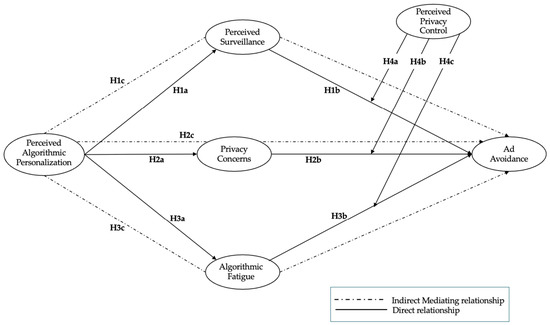
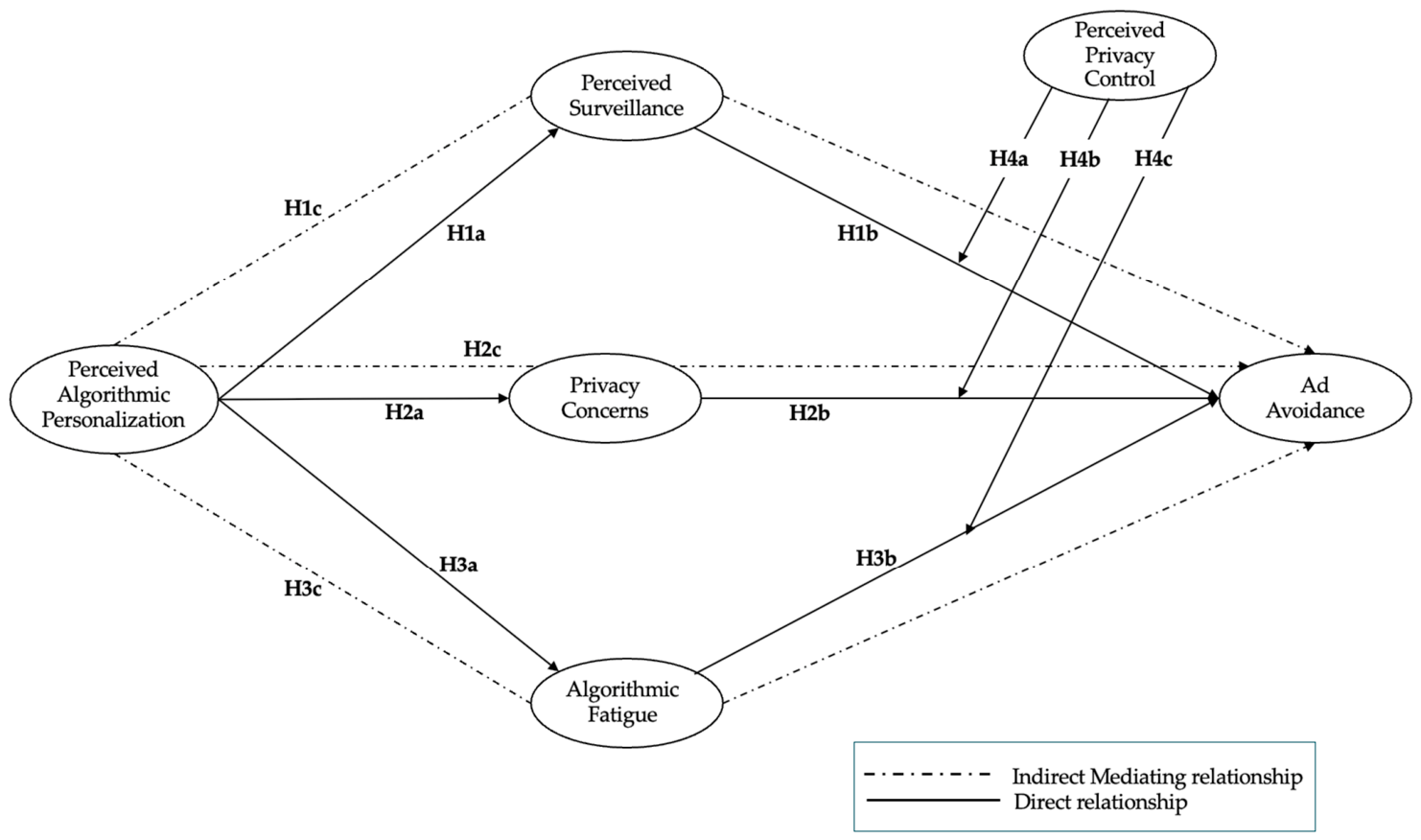
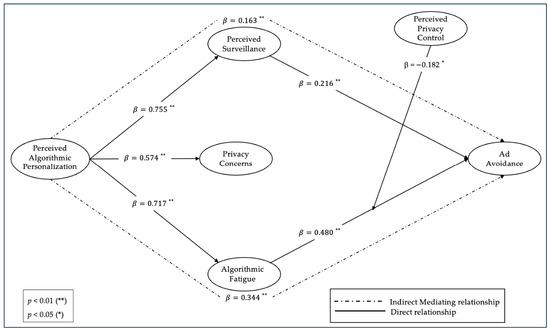
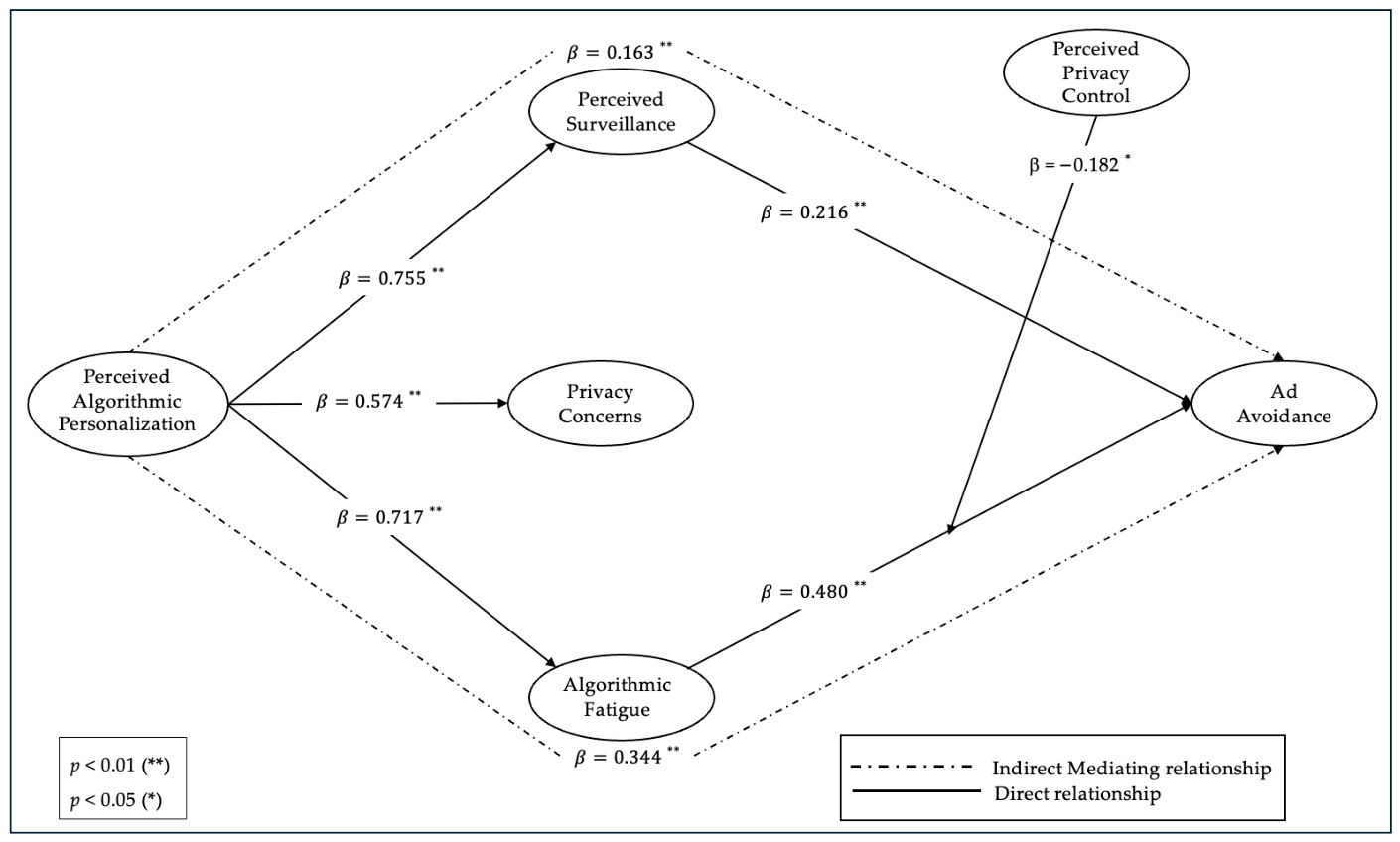
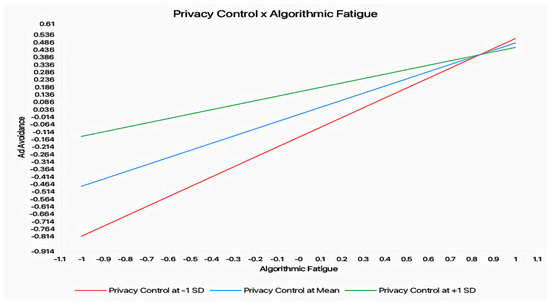
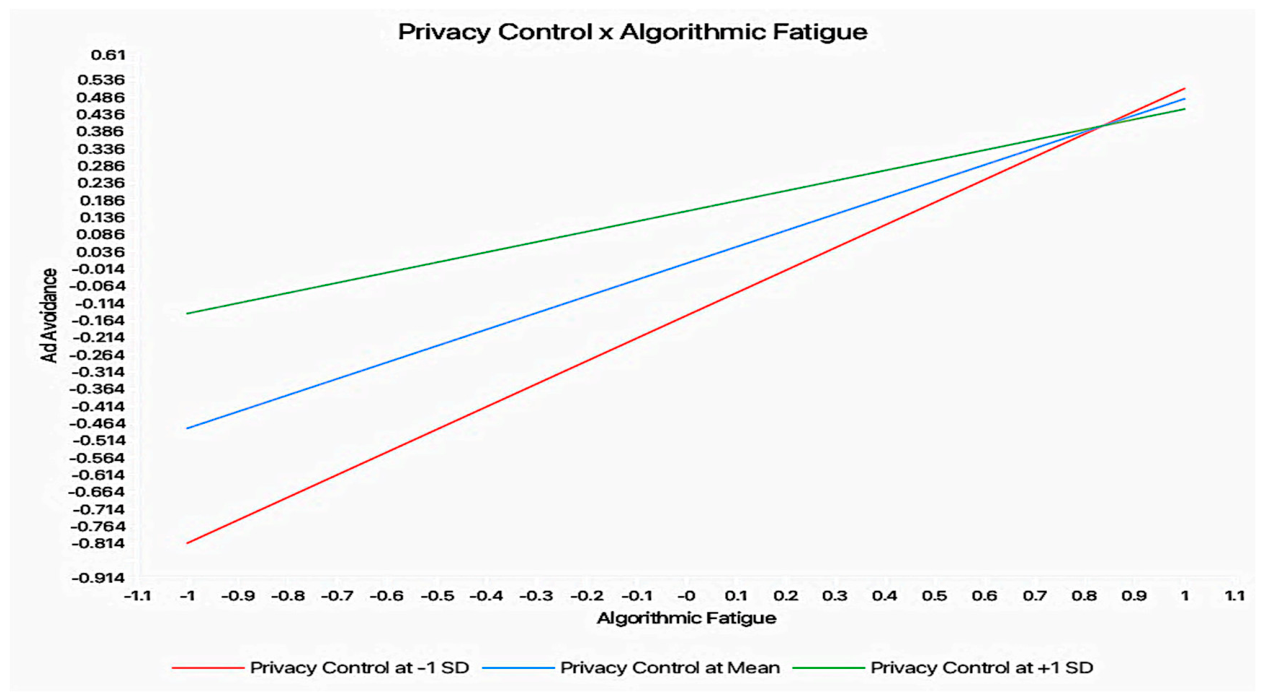

Disclaimer/Publisher’s Note: The statements, opinions and data contained in all publications are solely those of the individual author(s) and contributor(s) and not of MDPI and/or the editor(s). MDPI and/or the editor(s) disclaim responsibility for any injury to people or property resulting from any ideas, methods, instructions or products referred to in the content. |
© 2026 by the authors. Licensee MDPI, Basel, Switzerland. This article is an open access article distributed under the terms and conditions of the Creative Commons Attribution (CC BY) license.