


Abstract
Despite the popularity of AI-powered virtual streamers in live streaming commerce as persistent and customizable digital intermediaries, the dynamic role of virtual streamer features across the decision journey remains unclear. Grounded in the integrated AIDA-HSM framework, this study aims to systematically investigate the multi-stage mechanism through which virtual streamer features guide consumers from attention to action in virtual live streaming commerce (VLSC) marketing. We adopt a three-stage hybrid research approach, integrating a systematic literature review, structural equation modeling (SEM), and fuzzy-set qualitative comparative analysis (fsQCA). The SEM results reveal the differential impact of distinct virtual streamer features across various stages of the consumer journey. Furthermore, the fsQCA indicates that every sufficient configuration must draw upon factors from each of the AIDA stages. This study not only pioneers the validation and contextualization of the AIDA-HSM framework in VLSC marketing, but also offers actionable guidance for practitioners to optimize their virtual streamer strategies.
1. Introduction
With rapid advancements in artificial intelligence, the landscape of live streaming commerce (LSC) is undergoing a significant transformation [1,2]. “Hyper-realistic digital humans” have moved beyond the realm of science fiction and are now making their way into live streaming platforms, initiating a 24/7 sales revolution [3]. In 2024, the global market size of virtual streamer e-commerce reached $49.282 billion, and the market value is projected to reach $76.793 billion by 2026 [4]. IiMedia research indicated that more than 70% of respondents expressed optimism about the future development of virtual streamers [5]. Thus, practitioners and researchers believe that virtual streamers have huge potential in live streaming commerce marketing activities.
As LSC evolves, marketers utilize virtual streamers as persuasive guides, converting viewers into buyers through their diverse features across the marketing funnel [2]. Marketers can tailor virtual streamers’ performance, including their image, personality, and non-repetitive behaviors, to better attract viewers’ attention. Deeper interest can be evoked in the viewer through the strategic enhancement of the streamers’ warmth, expertise, and social interaction, prompting them to engage in cognitive evaluation towards the customized virtual streamer. In the evaluation stage, the viewer’s focus is transformed from the external traits of the streamer to appraising the processing fluency and positive effect elicited by the streamer’s presentation. Subsequently, when viewers perceive the virtual streamer as highly credible and feel a strong emotional connection with them, their purchase desire is consequently evoked. Thus, the consumer journey guided by virtual streamers spans multiple stages from attention and interest to evaluation, desire, and action, making the hierarchical model an effective framework for interpreting such marketing strategies. Notably, different features of virtual streamers exert distinct influences on consumer decision-making at each stage. Moreover, the interplay of multiple features across these stages can give rise to multiple distinct decision pathways.
Early research primarily focused on comparisons between virtual and human streamers, or on examining differences in effectiveness among various types of virtual streamers [6,7]. Existing studies have examined the technological aspects of virtual live streaming commerce (VLSC), streamer features, and the mechanisms through which it shapes cognitive, emotional, and behavioral responses [8,9]. However, three research gaps remain unexplored in the existing research. First, there remains a lack of thorough understanding regarding which virtual streamer features are critical at which decision stage. By applying several theoretical perspectives, such as the stimulus-organism-response model [1,7,8], the computers as social actors theory [10], and the avatar theory [11], several studies have investigated the influence of virtual streamer features on consumer decisions in the VLSC marketing. However, this body of work has largely been confined to examining the traits of virtual streamers from a specific theoretical lens rather than deconstructing the dynamic role of specific virtual streamer features across the decision journey.
Second, the existing literature lacks a suitable funnel-based framework to carefully interpret the mechanisms through which virtual streamer features exert their influence at different stages of the customer journey. By focusing predominantly on static outcomes (e.g., final purchase intention) rather than the dynamic progression from attraction to purchase, existing studies fail to document how the influence of specific features evolves and interacts across stages. Consequently, the central question of how these discrete effects are integrated into a cohesive decision pathway remains unanswered, highlighting the critical need to move beyond traditional frameworks and uncover the complex, multi-stage mechanisms.
Third, little is known about how these critical streamer features can be differentially combined to predict purchase decisions. Specifically, it remains unclear whether the influence of these features aligns with a multi-stage theoretical framework, or if their impact is consistent and critical at every stage. Therefore, systematic verification is needed to determine whether these features serve as necessary or sufficient conditions at various stages, and to uncover the configurational effects that drive purchase intention.
Three questions were developed to fill these research gaps. (1) What are the key features of virtual streamers that influence consumers’ behavioral decisions at each stage of VLSC marketing? (2) What is the underlying mechanism that drives consumers’ purchase intentions in VLSC marketing? (3) What configurations of pivotal factors are effective in predicting consumers’ purchase intentions in VLSC marketing? To answer these research questions, the attention-interest-desire-action (AIDA) model and heuristic systematic model (HSM) were integrated to develop a research model, which explains how virtual streamer features drive consumers from initial attraction to final purchase. Moreover, a three-stage analytical approach, which incorporated systematic literature review (SLR), structural equation modeling (SEM), and fuzzy-set qualitative comparative analysis (fsQCA), was utilized to obtain a more holistic and extensive view of the research phenomena.
This study makes two key contributions to the existing literature. First, as an early endeavor to implement the AIDA model, this study theoretically explains the multi-stage consumer decision-making process in VLSC marketing by mapping the dynamic influence of diverse virtual streamer features across each stage. Second, using a mixed analytic method incorporating both SEM and fsQCA, this study not only elucidates the complexity of multi-stage consumer decision-making but also provides a novel and comprehensive examination of the AIDA model’s validity in the context of virtual streamer e-commerce. For VLSC managers, this research provides not only practical and feasible theoretical guidance, but also offers precise strategic insights and resource optimization pathways by identifying the varying importance of streamer features across marketing stages.
2. Literature Review and Theoretical Framework
2.1. Literature in Virtual Live Streaming Commerce
Virtual streamers/anchors are influential applications of (AI-powered) digital humans in LSC. In this study, we use the term virtual streamer. Most of the existing research has highlighted the features of virtual streamers in determining the consumers’ decisions [8,9], which can be divided into two streams. First, many scholars focus on the differential effects of streamer features between virtual streamers and human streamers on consumers’ decisions. For instance, Yan et al. (2025) examined how streamer type and product type interact to influence purchase intention by comparing the effects of virtual and human streamers [12]. Xie et al. (2024) focused on how the two streamer types (human and virtual) differentially influence consumer brand forgiveness after they make inappropriate remarks [13]. Second, some studies have examined the effects of virtual streamer features on consumers’ behavioral intention. For instance, Gao et al. (2023) conducted a study on the relationship between three virtual streamer features (likeability, animacy, and responsiveness) and consumer perceptions of social presence, telepresence, and subsequent purchase intention [8]. Similarly, Hu and Ma (2023) investigated how virtual streamers’ employment of sensory language influences consumer responses to sponsored products [7].
However, the existing literature fails to reveal the dynamic mechanism through which distinct virtual streamer features influence multi-stage decision-making pathways [3,14]. Especially, the influence of virtual streamers is built cumulatively through live, real-time interactions. This makes traditional static analytical models inadequate for capturing such dynamic synergy. Consequently, a multi-stage framework is essential for analyzing how different features exert their distinct effects dynamically across the consumer journey, thereby revealing the complete decision-integration pathway. Moreover, existing studies on virtual streamer traits (e.g., cuteness, sociability) are fragmented, typically examining their impact only on isolated stages of the consumer journey, such as gift-giving or purchase intention [7,8]. For example, through the lens of mind perception theory, Gong and Sun (2025) investigated how the language style of virtual streamers shapes consumer behavioral intention [15]. Similarly, Gao et al. (2025) highlighted the role of coolness factors in shaping purchase intention by employing the stereotype content model [3]. To conclude, although existing studies have offered useful knowledge regarding the effect of virtual steamers’ features in VLSC, little research has adopted a multi-stage perspective framework to explore how these elements collectively drive behavioral decisions throughout the entire customer journey in VLSC.
Given the complexity of decision-making processes in VLSC, the purchase intentions may be realized through different decision routes [7,8]. The dynamic, multi-stage nature of consumer decision-making in VLSC suggests that purchase intention can be achieved through different combinations of streamer features, a phenomenon known as causal asymmetry. However, conventional methods like SEM are designed to test a single, dominant theoretical path and net effects, inherently assuming symmetric relationships. This methodological premise is misaligned with the configurational reality of VLSC, as SEM cannot detect how the same outcome may arise from distinct, alternative combinations of antecedents. Hence, to analyze the dynamic mechanisms through which distinct virtual streamer features influence multi-stage decision-making pathways, a hierarchical model is adopted in this study to capture the complexity of VLSC by exploring how consumers transition from initial captivation to final purchase. By applying SEM and fsQCA to the AIDA framework, we examine both the net effects of virtual streamer features and their causal combinations across decision stages, thereby offering a holistic understanding of the entire decision sequence.
2.2. Attention-Interest-Desire-Action (AIDA) Model
The AIDA model has been successfully applied in marketing communication studies to systematically capture the underlying psychological process that guides consumers from attention to action [16]. A similar argument has been posited by other scholars who followed the AIDA model to investigate the impact of various marketing stimuli across consumer cognitive stages. For instance, drawing on the AIDA model, Sharma et al. (2022) examined how social media influences consumers’ cognitive stages in the context of mobile banking adoption [17]. Xu and Schrier (2019) analyzed the influence of website aesthetics on booking intention through the lens of the AIDA model’s hierarchical framework [18]. Thus, the AIDA model is particularly appropriate for this study because it aligns fundamentally with marketing communication channels like VLSC, which aim to guide consumers from attention to purchase.
Specifically, as a classic hierarchical model, the AIDA model posits that advertisers can transform shoppers into purchasers through the following sequence of steps: (1) capture the viewer’s attention; (2) obtain interest of viewer towards products or services; (3) stimulate viewer’ desire through positive belief formation; and (4) induce viewers to perform a purchase [16]. Advertisers initiate the consumer journey from the attention phase by capturing the awareness of potential consumers and sparking their initial curiosity about a product or service [19]. The interest stage evokes the consumer’s emotional responses to the product or service [20], where they become curious and want to know more about the company’s product(s). If a successful transition occurs from attention to interest, consumers are likely to cultivate a desire for the product or service. According to the AIDA model, individuals who reach this desire stage subsequently proceed to the final action stage and make a purchase decision.
However, scholars have identified two primary limitations of this model. First, the traditional AIDA structure lacks a dedicated evaluation stage [20,21]. For example, Wei et al. (2022) suggested that the traditional AIDA model should be extended to include an evaluation step, thereby enabling a deeper investigation into the gradual decision-making process fueled by sensory stimulation within destination advertising [21]. In other words, the absence of a consumer evaluation mechanism prevents the transformation of interest generated by virtual streamers’ external features into a stable purchase desire.
Second, a comprehensive explanation of the AIDA model requires both examining the relationships between variables and identifying the configurational pathways formed by multiple factors. The AIDA model essentially interprets consumers’ multi-stage decision paths through the association of factors across stages. Although SEM is commonly used in AIDA studies to examine the correlations between features, it falls short in exploring the complex decision pathways that lead to the outcome [18,22]. To address this, the fsQCA-based configurational approach constitutes a more suitable lens for untangling the multi-stage decision paths characterized by the AIDA model. Therefore, this study applies both SEM and fsQCA to interpret the AIDA framework, thereby achieving a more holistic understanding of how virtual streamer features shape the consumer decision process in VLSC marketing.
Thereby, we believe that the application of the AIDA model with integrated stage (evaluation) and mixed method design is appropriate for interpreting the phenomenon of interest in this study [20]. A key strength of the AIDA model is its inherent alignment with the funnel-like decision-making process observed in consumer behavior. The AIDA model’s defined steps are followed by VLSC customers in the process leading up to a product purchase. This stage-wise progression makes AIDA a particularly suitable framework for examining how virtual streamers, through a combination of their distinctive characteristics, effectively guide consumers through each stage. In addition, the AIDA model can yield novel understandings of emerging fields, particularly the rapidly evolving LSC environments enabled by new technologies. Unlike mature technologies where consumer paths may be truncated or leapfrog stages, new technologies often prompt a more complete and observable progression through the entire AIDA process. This makes the models’ structured, funnel-like approach provide a clear lens to dissect complex and dynamic consumer journeys. In the context of VLSC, virtual streamers, through a combination of their distinctive characteristics, effectively facilitate consumers’ movement through this marketing funnel. Therefore, applying the AIDA model underlying mechanism can yield a unique and contextual interpretation of consumers’ multi-stage decision-making in this novel setting.
2.3. The Integration of AIDA Model and Heuristic Systematic Model: AIDA-HSM
The heuristic systematic model is a foundational framework for understanding information processing in information science and marketing. It posits that individuals utilize two primary modes to process information: systematic and heuristic approaches. Systematic information processing in the HSM indicates that” people scrutinize all relevant information, elaborate on these points in detail, and draw conclusions from this analytical process” [23,24]. Heuristic processing involves forming judgments by relying on a limited set of informational cues, or even a single cue, which typically results in less deliberative reasoning [25]. From a persuasion standpoint, the heuristic route suggests that minimal cognitive effort is expended, with conclusions drawn based on readily accessible cues such as source characteristics. In contrast, systematic processing demands significantly greater cognitive investment from the individual to evaluate available information thoroughly [26]. Thus, the HSM constitutes a particularly valuable framework for examining the cognitive strategies individuals adopt to interpret and assess information effectively [26].
The HSM offers a valuable lens for understanding how viewers evaluate streamer features in VLSC marketing. The integration of the AIDA model and HSM exhibits a synergistic relationship and forms a holistic hierarchy model encompassing attention-interest-evaluation-desire-action. Since the AIDA model does not incorporate the critical stage of consumers’ evaluation towards the streamer features in VLSC [20,27]. Meanwhile, although the HSM provides a robust theoretical analysis and classification for the importance of evaluation processing, it offers limited exploration into the specific antecedents and the resulting contextual outcomes. Therefore, the integration of the AIDA model and HSM constructs a systematic analytical framework, which offers the potential to interpret the completed marketing funnel in VLSC. This framework not only identifies the specific pathways and influence mechanisms of virtual streamer characteristics on the consumer decision journey, but also clearly reveals the complete, dynamic underlying psychological sequence that underlies it. Accordingly, the structural differences between the traditional AIDA model and the proposed AIDA-HSM model are clearly illustrated in Figure 1.
Figure 1.
Comparison of the traditional AIDA model and the AIDA-HSM model in our study.
To elucidate the structural and conceptual advantages of the AIDA-HSM model, Table 1 presents a comparative analysis of the classic AIDA model, its existing extensions, and the proposed AIDA-HSM model, highlighting its tailored applicability to the present research context.
Table 1.
Comparison of the classic AIDA model, existing extensions of the AIDA model, and the AIDA-HSM Framework.
3. Research Design: A Three-Staged Approach
For the construction of research models, we employed an SLR to identify key variables and classify them through mapping to the stages of the AIDA-HSM model. To test the research model, we employed both SEM and fsQCA in data analysis. SEM was used to examine the hypothesized relationships, while fsQCA served as a complementary method to identify configurations of antecedent conditions leading to high purchase intention. The research design of this study is shown in Figure 2.
Figure 2.
Research design.
Stage 1 aims to address sub-research question 1: “What are the key features of virtual streamers that influence consumers’ behavioral decisions at each stage of VLSC marketing?” To uncover the multi-stage decision-making mechanisms of VLSC consumers, this study conducts a systematic literature review of VLSC, the AIDA model, and HSM. It then identifies key constructs and develops a conceptual framework that categorizes potential factors based on their conceptual nature.
Stage 2 aims to address sub-research question 2 of “What is the underlying mechanism that drives consumers’ purchase intentions in VLSC marketing?” A research model grounded in the AIDA-HSM framework was developed and empirically tested through SEM, enabling an exploration of the complex associations among variables. The results serve to both validate and contextualize the stage 1 conceptual model, while also illuminating the relationships between factors, thus uncovering the underlying AIDA-HSM mechanisms driving consumer behavior in VLSC marketing.
Stage 3 aims to address sub-research question 3: “What configurations of pivotal factors are effective in predicting consumers’ purchase intentions in VLSC marketing?” To capture the complex causal patterns shaping consumers’ purchase intention, this research utilizes fsQCA to develop a configurational model of its antecedent conditions within VLSC. In particular, including all the attention factors, interest factors, evaluation factors, and desire factors in VLSC, this study adopts a configurational perspective to identify multiple antecedent combinations that result in purchase intention, rather than testing only one predefined model. In addition, stage 3 further complements the SEM analysis from stage 2 by using fsQCA to verify the necessity of each stage and to determine if their importance differs across various causal configurations.
4. Stage 1: The Development of a Conceptual Framework
In stage 1, a systematic literature review was conducted to identify key virtual streamer characteristics and map them to the corresponding stages of the AIDA-HSM framework. This process yielded a conceptual model that offers a holistic perspective on the critical factors in VLSC and establishes a theoretical foundation for empirically examining their differential effects across stages.
4.1. Systematic Literature Review
Systematic literature reviews (SLR) provide a systematic (non-randomized) review and analysis of existing research, proposing specific research questions based on secondary analysis of the existing literature [28]. This approach is selected for the present study as it aligns with the following objectives. First, SLR assists scholars in collecting, identifying, reviewing, examining, analyzing, interpreting, and critically evaluating multiple studies within the emerging domain of VLSC marketing through systematic steps of planning, conducting the review, and the description of findings [28,29]. Second, SLR has the potential to enhance the legitimacy of data analysis, reduce biases in interpreting the fragmented literature on virtual streamers’ influence, and prevent any potential errors related to the system [30,31]. Third, it assists researchers in determining the research gaps and limitations in the context of virtual streamer features and their impact on consumer decision journeys, and converting these gaps and limitations into suggestions for future research [28].
4.2. Research Process
The initial step of the SLR process involves searching databases with clearly defined and precise search terms, followed by screening titles, keywords, and abstracts to choose eligible articles, and then reviewing each article’s full text for final sample selection. Specifically, an SLR was conducted to search for relevant literature within the Web of Science bibliographic databases, which represent the largest collection of research publications. Using the keyword “virtual streamer” or “virtual streamers” or “virtual anchor” or “virtual anchors” combined with several other keywords (such as “live streaming commerce” or “live-streaming commerce” or “livestreaming commerce” or “live e-commerce” or “e-commerce live broadcast” or “e-commerce livestreaming” or “e-commerce live broadcasting” or “live streaming shopping”). By providing a clear framework for focusing the search within the Web of Science database, this syntax ensured that the materials gathered for the literature review were of the highest quality and directly pertinent to the subject under investigation.
Based on the SPAR-4-SLR protocol [32], a multi-stage screening and selection process was conducted as follows. First, focusing on the business domain, we collected academic articles from the core collection of the databases. This initial search yielded 71 papers, all empirical studies on VLSC published from 2023 onwards. Second, still in the selection phase, we included only English-language papers that had navigated thorough peer-review processes and progressed to the final publication phase, excluding conference papers, book chapters, and editorials [33,34]. Third, we conducted a rigorous screening and preliminary assessment by reading the abstracts of articles published in reputable journals to ensure their quality. Based on their topical relevance, 58 papers were subsequently selected and reviewed, as illustrated in Appendix A.
4.3. Data Analysis
As shown in Appendix A, our systematic review of this literature reveals that prior research has largely compared how human and virtual streamers differ in their influence on consumers’ purchase intention in VLSC, while more recent studies shift attention to how specific attributes of virtual streamers shape purchase decisions. This review thereby integrating previously fragmented findings, we can see that theoretically, the stimulus-organism-response framework is most frequently employed, and methodologically, SEM remains the predominant analytic approach (see Appendix A for details).
Moreover, we synthesized the VLSC literature to determine the most frequently studied variables (see Table 2). We identified the ten most frequently studied constructs, each examined in no less than seven (approximately 20%) of the 58 qualified VLSC articles. In addition, factors outside the top ten were excluded due to limited generalizability, as they were either infrequently studied or confined to niche contexts such as specific linguistic or emotional expression features. Importantly, to provide greater clarity regarding construct selection, Table 2 presents a summary of each variable’s theoretical origins and major empirical findings from prior VLSC research. To ensure conceptual clarity, synonymous or related terms for the variables were consolidated in the present study. For instance, perceived enjoyment was conceptually integrated into the construct of affective fluency [35,36]; perceived usefulness was incorporated into cognitive fluency [37]; and parasocial interaction was regarded as a core manifestation of social presence (see Appendix B for details).
Table 2.
Number of variable studies in the VLSC article.
To support the in-depth advancement of the stage 2 research, this study not only systematically reviewed the literature on VLSC and identified the key variables (see Table 2), but also identified “novelty” as a key construct, based on existing theoretical frameworks and adapted to the VLSC context. Despite being examined in two prior studies, novelty remains understudied in this field [3,41]. The reason for this inclusion is twofold. On the one hand, novelty is the key advantage that distinguishes virtual streamers from human streamers. While human streamers offer authenticity and relatability, their appearance and modes of interaction are constrained by physical reality. In contrast, virtual streamers leverage technology and creativity to achieve continuous innovation in avatar design, character persona, interactive patterns, and content expression. It provides a novel experience that is difficult for human streamers to replicate, thereby forming the fundamental basis for attracting user attention and establishing a distinctive cognitive advantage. Importantly, novelty serves as an effective strategy to counteract the homogenization prevalent in LSC. The current landscape of LSC is often characterized by repetitive content formats, leading to consumer fatigue with overused narratives and marketing tactics. Through their unique content presentation and interactive design, virtual streamers can transform conventional transactional scenarios into highly exploratory experiences, which effectively reignite user participation, enhance attention retention, and foster greater curiosity.
On the other hand, based on existing literature and theoretical foundations, novelty has been proven as an indispensable factor in studies addressing new technology adoption and consumer behavior [46,47]. For example, Yuan et al. (2021) argue that novelty in AR can attract consumers’ attention, thereby reducing distraction and inducing flow [48]. Ma and Huo (2023) emphasize the novelty value of ChatGPT, positing that it reduces users’ psychological resistance to new technologies, which in turn helps to attract and sustain their attention [49]. As a result, Li et al. (2024) and Gao et al. (2025) further demonstrate that novelty significantly enhances users’ engagement and concentration in VLSC marketing [3,41]. Brannon Barhorst et al. (2021) noted that novelty is a distinguishing feature of new technologies or phenomena, which has the capacity to attract consumers’ attention, thereby sparking curiosity and fostering deep engagement [50].
Based on those, we employ the AIDA-HSM framework to identify the variables most relevant to each stage and most capable of capturing the distinctive features of VLSC. Specifically, the attention stage is characterized by the immediate capture of consumer focus, which in the AIDA model often relies on intuitive, surface-level visual cues rather than deliberate consideration. In the VLSC context, initial attention can be captured through three key aspects. First, consumers are attracted to a virtual streamer based on their intuitive feeling of likability toward it. Second, novelty is the key distinguishing feature of VLSC compared to human streamers. Third, anthropomorphism can attract consumer visual attention during the first impression. Together, likeability, novelty, and anthropomorphism function as primary visual cues that capture attention at first glance. All three operate at an intuitive, surface level of perception, aligning with the AIDA framework’s emphasis on effortless and initial attentional capture.
The interest stage is characterized by sustained engagement and the cultivation of positive affect. Once attention is captured, the objective shifts to maintaining it and nurturing a favorable disposition. This is a process that requires constructs capable of transforming an initial impression into a stable and positive perception. Crucially, such constructs must emerge through interaction and evoke a sense of interpersonal engagement [18]. Perceived warmth, perceived competence, and social presence fulfill this role precisely because they represent core dimensions of social perception. These dimensions translate attentional cues into enduring inferences about the virtual streamer’s intent and capability, thereby converting passive exposure into active involvement. As such, these constructs provide a theoretically grounded account of how interest is sustained through relational depth, making them well-suited to operationalize the interest stage.
The evaluation stage centers on fluent cognitive and affective processing, where information and emotions are integrated to form preferences. Grounded in the HSM, which posits dual processing routes for evaluation, this stage in the VLSC context demands efficient handling of both real-time recommendations (systematic-cognitive) and social-emotional cues (heuristic-affective). Consequently, the clear, professional presentation of virtual streamers enhances cognitive fluency by providing coherent information, while their novel design fosters affective fluency through an engaging aesthetic. This dual fluency represents the core psychological mechanism in this stage, as it enables efficient and smooth processing of product information and emotional cues, thereby reducing cognitive effort and creating a positive subjective experience that directly links interest to subsequent desire.
The desire stage involves the formation of acquisition motivation. Trust mitigates perceived risk and uncertainty, fostering cognitive approval and thereby establishing a rational foundation for purchase intention. At the same time, emotional arousal generates a sense of urgency and attraction, transforming favorable affect into an active state of wanting. Moreover, the desire stage constitutes the outcomes of the evaluation stage. The perceived trust (cognitive outcome) and emotional arousal (affective outcome) are naturally built upon a fluent and positive evaluation towards the virtual streamer and the product. They directly translate a positive evaluation into a strong motivation to acquire the product or service. The action stage manifests as the final behavioral outcome. The cumulative psychological outcomes from the preceding stages culminate in purchase intention, signifying the completion of the psychological decision process and its transition into behavioral intent. To conclude, the attention stage encompasses likeability, novelty, and anthropomorphism; the interest stage includes perceived warmth, perceived competence, and social presence; the evaluation stage consists of cognitive fluency and affective fluency; the desire stage involves perceived trust and emotional arousal; and the action stage is represented by purchase intention.
5. Stage 2: Research Model Development and SEM Analysis
Based on the findings of stage 1, we developed a research model in stage 2. This model is designed to examine the distinct roles and relative effects of these key variables on consumer decision-making across the AIDA stages. To achieve this, a quantitative analysis based on SEM was conducted to empirically test the hypothesized relationships and validate the proposed research model.
5.1. Research Model and Hypotheses Development
5.1.1. Effect of the Attention Factors
Virtual streamer’s friendliness and kindness serve as a critical relational signal that reduces viewers’ perceived risk and fosters their sense of interpersonal security [51]. Consequently, it reinforces the consumer’s perceived warmth of the virtual streamer. Similarly, virtual streamers’ likeability serves to create a favorable first impression [52]. Through the halo effect, the positive impression can extend to consumers’ perceived competence of the virtual streamer (i.e., “I like you, therefore I believe you are capable”). In addition, the positive feelings evoked by a likeable streamer not only shorten the perceived psychological distance but also enhance the sense of human contact, thereby strengthening the viewer’s social presence in the VLSC [8]. Therefore, this paper proposes the hypothesis.
H1a:
likeability is positively associated with perceived warmth.
H1b:
likeability is positively associated with perceived competence.
H1c:
likeability is positively associated with social presence.
The novelty of virtual streamers acts as a key driver of viewer intrigue and exploratory interest [50]. In the interest stage, perceived warmth, competence, and social presence are key constructs. The interest in virtual streamers effectively promotes the aforementioned constructs. For example, the heightened interest fosters greater psychological receptivity toward the virtual streamer, which leads to more benign attributions of the virtual streamer’s performance, thereby enhancing perceived warmth [41]. Similarly, the heightened interest promotes deeper cognitive processing, enabling a more thorough appreciation of the virtual streamer’s skill, thereby enhancing perceived competence [3]. Furthermore, the novelty of virtual streamers stimulates more active and sustained interaction, which cultivates a stronger sense of parasocial connection and, in turn, enhances the consumer’s perception of social presence. Thus, we propose the following:
H2a:
novelty is positively associated with perceived warmth.
H2b:
novelty is positively associated with perceived competence.
H2c:
novelty is positively associated with social presence.
Previous research provides evidence of a link between AI virtual streamers’ anthropomorphism and consumers’ perceptions of their warmth, competence, and social presence [53,54]. When a streamer displays human-like traits (e.g., emotional expressions, personalized greetings), consumers perceive the virtual streamer as more caring and genuine, which fosters a sense of warmth [49]. Moreover, when a streamer is perceived as human-like, its responsive and informative behaviors are interpreted not as robotic responses but as the output of understanding, judgment, and adaptable intelligence [53]. This attribution of a human-like “mind” allows consumers to see its demonstrations as expert actions, thereby directly strengthening the perceived competence of the virtual streamer. Furthermore, anthropomorphism effectively bridges the “human–machine gap,” making the virtual streamer more social and responsive, which in turn fosters a stronger sense of social presence. Accordingly, the following hypothesis is proposed.
H3a:
anthropomorphism is positively associated with perceived warmth.
H3b:
anthropomorphism is positively associated with perceived competence.
H3c:
anthropomorphism is positively associated with social presence.
5.1.2. Effect of the Interest Factors
The perception of warmth reflects viewers’ impressions of the virtual streamer as honest, friendly, and sincere [3,55]. By enhancing the credibility of virtual streamer, this perception makes consumers less skeptical toward the information presented by the virtual streamer [40]. Consequently, consumers can process the virtual streamer’s messages and product explanations with less cognitive resistance and greater ease, thereby enhancing cognitive fluency [56,57]. Additionally, the perceived warmth of a virtual streamer creates an atmosphere of emotional support and positive interaction. Such an environment facilitates harmonious emotion during the consumer’s decision-making process, directly enhancing affective fluency [58]. Therefore, we propose the following hypotheses.
H4a:
perceived warmth is positively associated with cognitive fluency.
H4b:
perceived warmth is positively associated with affective fluency.
When a streamer demonstrates expertise, it provides clear, credible, and coherent information [59]. This helps consumers understand products more efficiently by reducing their uncertainty and cognitive load, thereby enhancing cognitive fluency (i.e., making the experience smoother and more effortless) [39]. Moreover, a competent streamer evokes confidence and a sense of security in consumers. This positive emotional response fosters a more comfortable and enjoyable interaction, which in turn facilitates affective fluency [60]. Thus, we propose the following:
H5a:
perceived competence is positively associated with cognitive fluency.
H5b:
perceived competence is positively associated with affective fluency.
Drawing on social presence theory, a viewer’s perception of interactions (e.g., between a streamer and other viewers) in a shared virtual environment significantly influences user cognition and affect [61]. In the VLSC context, social presence simplifies information processing by giving consumers reliable behavioral references from the virtual streamer and other viewers [62]. For instance, a streamer’s responsive replies and observed peer reactions serve as clear cues that reduce uncertainty, thereby enhancing cognitive fluency [63]. Simultaneously, this immersive social presence facilitates affective fluency by fostering an atmosphere of emotional support. The immediacy, and sense of belonging experienced in the interaction elicit positive emotional responses and reduce uncertainty, thereby promoting smoother affective processing [64]. Thus, we propose the following:
H6a:
social presence is positively associated with cognitive fluency.
H6b:
social presence is positively associated with affective fluency.
5.1.3. Effect of the Evaluation Factors
In the context of VLSC, cognitive fluency denotes the ease with which consumers process information [65], which stems from the virtual streamer’s professional and reliable explanations, thereby directly fostering consumers’ perceived trust in the virtual streamer [66]. Moreover, by making the shopping process effortless and efficient, cognitive fluency creates a more positive and relaxed state for consumers. This pleasant experience directly heightens their emotional arousal [67]. Therefore, we put forward the following hypotheses.
H7a:
cognitive fluency is positively associated with perceived trust.
H7b:
cognitive fluency is positively associated with emotional arousal.
Virtual streamers foster affective fluency by being accessible, responsive, and human-like, which leads consumers to perceive the interaction as more natural, coherent, and effortlessly engaging. This fluent experience functions as a positive heuristic cue. It reduces the cognitive effort for critical evaluation, thereby lowering skepticism and enhancing their perceived trust [68]. Crucially, affective fluency fosters a state of relaxation and pleasantness, making emotional responses to be experienced more fully and vividly, and thus heightened arousal [69]. Consequently, we propose the following hypotheses.
H8a:
affective fluency is positively associated with perceived trust.
H8b:
affective fluency is positively associated with emotional arousal.
5.1.4. Effect of the Desire Factors
Extensive research provides evidence for the positive link connecting trust with consumers’ purchase intention. For example, Wang et al. (2024) highlighted the significant effect of virtual streamer credibility on purchase intention in the LSC context [6], as perceived trust reduces consumers’ perceived risk and increases their reliance on the streamer’s recommendations, making them more inclined to act on those endorsements [44].
Excitation transfer theory provides an explanation of how arousal can guide behavioral outcomes [42]. According to this view, arousal does not cease abruptly; it can persist and transfer to subsequently influence behaviors such as purchasing, watching, or sharing [45,53]. We argue that the heightened arousal elicited by virtual streamers transfers to and amplifies the motivational impulse to act, thereby directly strengthening purchase intention in the context of VLSC. Thus, we propose the following hypotheses.
H9:
perceived trust is positively associated with purchase intention.
H10:
emotional arousal is positively associated with purchase intention.
5.2. Measurements and Data Collection
5.2.1. Data Collection
Being one of China’s largest live streaming shopping platforms, Taobao Live was adopted as the primary research context for this study, given its sustained leadership position within the industry. Using an online survey administered in China, we collected data to examine the conceptual model and hypotheses. We created the questionnaire using Wenjuanxing, a professional Chinese online survey platform with a large respondent database and substantial experience in randomly selecting appropriate participants for academic research. The data collection was conducted from 15 to 31 May 2025. Anonymity was ensured in the data collection process to protect respondents’ personal information. Monetary rewards were provided to motivate survey completion. Moreover, an initial screening question (“Have you ever shopped via a virtual streamer on a live streaming platform?”) was used to identify qualified participants.
To enhance question comprehension and improve data reliability, a video was provided to participants, which demonstrated typical VLSC scenarios commonly encountered on major live streaming shopping platforms. Respondents were asked to complete the questionnaire based on their most recent experience of viewing a VLSC session. To ensure respondents had a genuine shopping experience via VLSC and to enhance questionnaire quality, attention-check questions, including repeated items and reverse-worded questions, were designed to detect invalid responses. Finally, we received 552 questionnaires. After excluding invalid responses (reverse-coded items gap > 3, incomplete responses, responses completed too quickly, and responses with identical answers for all items), we obtained 431 valid responses, yielding an effective response rate of 78.08%.
As shown in Appendix C, the sample consisted predominantly of female respondents (62.8%), with 94.5% of participants aged 45 years or younger. Among the participants, 60.3% were aged between 18 and 25, and 65.9% held a bachelor’s degree or above, indicating that the sample largely comprised young, highly educated consumers. In addition, 25.9% of the respondents have been using virtual live shopping for six months to a year, while 13.9% have used it for over a year. Similar sample distributions have been observed in prior research [3,38]. Thus, the sample demonstrated adequate representativeness of the target customer group.
5.2.2. Measurement Development
The measurement items used in the questionnaire were drawn from empirically validated scales. Specifically, the items for measuring likeability were adapted from the work of Gao et al. (2023) and Bartneck et al. (2009) [8,70]. Novelty was modified from the work of Brannon Barhorst et al. (2021), Prebensen and Xie (2017), and Yim et al. (2017) [50,71,72]. Anthropomorphism of virtual streamers was measured using the scale from Aggarwal and McGill (2007) and Xiao et al. (2025) [53,73]. Perceived warmth was obtained from El Hedhli et al. (2023) and Lee et al. (2017) [74,75]. The items for measuring perceived competence were adapted from the work of Mudambi and Schuff (2010) and Fan et al. (2024) [76,77]. The items of social presence were extracted from the work of Gao et al. (2023) and Wang et al. (2024) [6,8]. In addition, cognitive fluency was obtained from Fan et al. (2020) and Lee and Aaker (2004) [65,78]. Affective fluency and emotional arousal were modified based on the study of Jaud and Melnyk (2020) and Xu et al. (2020) [79,80], respectively. Perceived trust was obtained from Janssen et al. (2022) and Li et al. (2023) [81,82]. The purchase intention scale used in this study was based on items from Guo et al. (2022) [58]. Responses were collected via a 5-point Likert scale for all measurement items. All measured question items are detailed in Appendix D.
A two-stage approach was adopted to ensure the content validity of the questionnaire. The first stage involved a panel of six experts (LSC practitioners and professors), who assessed the questionnaire’s wording and comprehensibility, resulting in initial revisions. The second stage comprised a pilot test with 98 LSC-experienced consumers, which informed additional refinements to wording and phrasing, ultimately enhancing the clarity and suitability of the measures.
5.3. PLS-SEM Analysis
5.3.1. Measurement Model Analysis
Using SmartPLS 4 software (version 4.1.1.4), we applied partial least squares structural equation modeling (PLS-SEM) for data analysis and hypothesis testing. PLS-SEM is advantageous for this study primarily because it is well-suited for exploratory research and theory development, which aligns with our objective of testing the AIDA-HSM framework. Additionally, its strength in handling complex model structures and explaining the variance (R2) of key endogenous variables makes it particularly appropriate for examining our multi-stage conceptual model and identifying the dominant drivers of purchase intention [83].
The factor loadings for all items, ranging from 0.723 to 0.863, exceeded the 0.7 threshold [84] (see Appendix D). Moreover, the measurement model’s acceptability was further confirmed through assessments of reliability, convergent validity, and discriminant validity. As indicated in Appendix D, the values of Cronbach’s α ranged from 0.790 to 0.853, the average variance extracted (AVE) scores ranged from 0.614 to 0.694, and the composite reliability (CR) scores varied between 0.864 and 0.901. Reliability and convergent validity were deemed satisfactory, as all constructs surpassed the established criteria: CR > 0.7, Cronbach’s alpha > 0.7, and AVE > 0.5 [85].
Moreover, this study employed a two-step approach to ensure discriminant validity. First, using the Fornell-Larcker criterion, we examined the discriminant validity of the constructs. Appendix E showed that the square root of the AVE for each construct exceeded the inter-construct correlations, indicating satisfactory discriminant validity [85]. Second, the heterotrait–monotrait (HTMT) ratio of correlations method was applied as a complementary test [86]. The results in Appendix F revealed that all HTMT values were below the cut-off of 0.85, indicating adequate discriminant validity. In summary, both methods confirm that all study constructs exhibit good reliability and validity.
5.3.2. Common Method Bias
Given the reliance on self-reported data from a single source, potential common method bias (CMB) was evaluated using three methods. First, an assessment of CMB was conducted following Kock’s [87] guidelines by examining the variance inflation factor (VIF) scores for each item. As shown in Appendix D, the obtained VIF values ranged from 1.373 to 2.070, well below the recommended cutoff of 3.3, suggesting that CMB is not a significant issue in this research. Second, Harman’s single-factor test yielded a maximum explained variance of approximately 37.993% for the unrotated factors, below the 50% benchmark [88]. Third, following the suggestion of Lindell and Whitney (2001), the common method bias test was conducted using the marker variable method [89]. As shown in Appendix G, the correlations between the marker variable and all other constructs did not exceed 0.281, which is below the accepted threshold of 0.30. Furthermore, there is no significant change in the path coefficients and their significance levels before and after adding the marker variable.
5.3.3. Structural Equation Model Analysis
As illustrated in Figure 3, the SEM analysis yielded results that inform the evaluation of the structural model. The model’s explanatory capability is typically gauged by its R2 values and the significance of the paths linking the constructs. The R2 values for perceived trust (0.540), emotional arousal (0.337), and purchase intention (0.508) suggest a substantial proportion of the variance. According to the classification of R2 explanatory power proposed by Hair et al. (2019), R2 values of 0.75, 0.50, and 0.25 can be considered substantial, moderate, and weak, respectively [90]. As shown in Figure 3, most R2 values in the research model exceed or approach 0.50. For instance, the variance explained for perceived trust and purchase intention is 54% and 50.8%, respectively. The results confirm the proposed model’s validity and explanatory power, as the dependent variables are well explained by the hypothesized relationships.
Figure 3.
The results of SEM. Notes: ** p < 0.01; *** p < 0.001.
All proposed hypotheses were supported by the empirical analysis (see Appendix H for details). Specifically, the influence of likeability, novelty and anthropomorphism of virtual streamer on perceived warmth, perceived competence and social presence were supported by the empirical data (H1a: β = 0.234; p < 0.001; H1b: β = 0.217; p < 0.001; H1c: β = 0.293; p < 0.001; H2a: β = 0.385; p < 0.001; H2b: β = 0.382; p < 0.001; H2c: β = 0.210; p < 0.001; H3a: β = 0.239; p < 0.001; H3b: β = 0.177; p < 0.001; H3c: β = 0.257; p < 0.001). Regarding the systematic cue, perceived competence (β = 0.348; p < 0.001) is the key determinant of cognitive fluency, followed by perceived warmth (β = 0.285; p < 0.001), and social presence (β = 0.147; p < 0.01). In the heuristic cue, the perceived warmth (β = 0.304; p < 0.001) is the most influential variable on affective fluency, followed by the perceived competence (β = 0.268; p < 0.001) and social presence (β = 0.245; p < 0.001). Moreover, the influence of cognitive fluency and affective fluency on perceived trust and emotional arousal was both supported by the empirical data (H7a: β = 0.465; p < 0.001; H7b: β = 0.176; p < 0.01; H8a: β = 0.353; p < 0.001; H8b: β = 0.447; p < 0.001). Additionally, both perceived trust (β = 0.411, p < 0.001) and emotional arousal (β = 0.390, p < 0.001) have significant effects on purchase intention, verifying H9 and H10. Overall, perceived trust, emotional arousal, and purchase intention were explained by 54.0%, 33.7%, and 50.8% variances, respectively.
6. Stage 3: Fuzzy-Set Qualitative Comparative Analysis (fsQCA)
The PLS-SEM method captures the causal links that exist between different constructs. Many prior scholarly works have highlighted some issues linked to the implementation of such an approach. These, among others, include the limitations of the PLS-SEM method, such as capturing compensatory relationships and the issue of presenting a configuration model. fsQCA is utilized in this study to overcome the linear limitations of PLS-SEM and to evaluate the asymmetric, equifinal, and conjunctural aspects of causation present in the proposed model. A key objective is to determine the necessity of each stage and their relative importance, thus gaining a deeper understanding of purchase intention in VLSC marketing.
6.1. Analysis Process
The fsQCA analysis follows a sequential procedure: data are calibrated using the fsQCA software, necessary condition analysis is performed, and configurations are derived by sorting the truth table based on frequency and consistency. See Appendix I for the detailed analysis process.
6.2. Analysis Results
As shown in Table 3, consistency denotes the degree to which all configurations together result in the outcome, and coverage represents the proportion of observations explained by the solution. The recommended thresholds are 0.45 [91] for overall solution coverage and 0.8 for overall solution consistency [92]. The results in Table 3 show that the overall coverage (0.518) and consistency (0.912) both exceed these recommended values.
Table 3.
Solutions that lead to high levels of outcomes.
Table 3 illustrates four sufficient configurations for achieving high purchase intention. These solutions are summarized into three categories that enhance purchase intention in VLSC. In Category 1, solution 1 (Rational Evaluation-Driven Strategy) incorporates all the interest and evaluation stage factors, and highlights the importance of likeability, anthropomorphism, perceived competence, cognitive fluency, and affective fluency, while the peripheral factors include perceived warmth, social presence, perceived trust, and the absence of emotional arousal. This finding indicates that strong performance in the early and middle stages can compensate for the absence of key factors in the later desire stage, still leading to high purchase intention.
In Category 2, all factors except for perceived trust are included in solution 2 (Emotional Resonance Enhancement Strategy). Among them, novelty, perceived warmth, social presence, and emotional arousal act as peripheral conditions. Solution 2 provides insight into the importance of likeability, anthropomorphism, perceived competence, cognitive fluency and affective fluency in LSC. In other words, when the first three stages exhibit strong performance across their respective factors, this condition can enhance consumers’ purchase intention when complemented by emotional arousal. Specifically, the solutions that include all factors from the first three stages of the AIDA-HSM model are a useful approach to predicting purchase intention.
In Category 3, solutions 3a and 3b (Multi-dimensional Immersive Complementary Strategy) are characterized by the presence of all factors from the attention, evaluation, and desire stages. Specifically, except for perceived warmth, all other factors are included in solution 3a; similarly, except for social presence, all other factors are included in solution 3b. Importantly, five factors including likeability, anthropomorphism, perceived competence, cognitive fluency and affective fluency are core factors, while novelty, perceived trust and emotional arousal are peripheral factors. The two solutions differ in their peripheral conditions: social presence serves as a peripheral condition in solution 3a, whereas perceived warmth serves as a peripheral condition in solution 3b. Overall, social presence and perceived warmth play similar roles across both paths, demonstrating configural equivalence within these specific pathways.
These fsQCA results demonstrate three major findings. First, all solutions highlight that likeability, anthropomorphism, perceived competence, cognitive fluency, and affective fluency are key constructs for predicting purchase intention. Second, the leading role in shaping purchase intention is played by factors related to the evaluation stage. The analysis of the core factors in the attention stage shows that the co-presence of likeability and anthropomorphism is crucial in the parsimonious solutions. Third, a comparative analysis between category 2 and category 3 reveals that differences lie solely in perceived warmth, social presence, and perceived trust. Specifically, perceived warmth, social presence, and perceived trust play functionally similar roles in leading to high purchase intention, which suggests a pattern of configural equivalence.
6.3. Robustness Checks
Following the approach of prior research, this study conducted supplementary checks to ensure the robustness of the sufficiency analyses [93,94]. First, the analysis was rerun using a higher consistency threshold of 0.88, and the results showed that the obtained configurations were a perfect subset of the original solutions [95]. Second, in line with Lewellyn [94], a robustness check was performed by applying the 90th and 10th percentile values, which also produced similar sufficient configurations. The results from these various robustness checks confirmed the robustness of the study’s findings.
7. Discussion and Implications
7.1. Discussion
A three-stage hybrid research design was employed in this study to identify the key constructs within VLSC and to assess their impact on purchase intentions. The analysis incorporates a qualitative analysis based on a systematic literature review, an SEM-based hypotheses test, and the analysis employing fsQCA to complement and validate the stage 1 and stage 2. The three phases of this study were designed to be complementary and for cross-validation.
The findings from stage 1 and stage 2 provide cross-validated evidence on the key influencing factors of the consumer decision journey in the VLSC context. Stage 1 developed the theoretical framework by systematically identifying key constructs and mapping them to respective stages of the AIDA-HSM model. Stage 2 then empirically supported and complemented stage 1 in three critical ways. First, by demonstrating the significant effects of all constructs identified in stage 1, stage 2 provided empirical support for the selection of the construct. Second, the results from stage 2 are consistent with the theoretical framework by supporting all hypothesized relationships, thereby also strengthening the stage-based construct taxonomy from stage 1. Third, stage 2 further supplemented the conclusions of stage 1 by quantifying the correlations and strengths of the relationships between these constructs.
Importantly, the results derived from stage 3 not only support and compensate for stage 2, but also yield several interesting findings. We will elaborate on these findings following the flow of the AIDA model. Stage 2 results demonstrated that three factors in the attention stage (likeability, novelty, and anthropomorphism) exerted statistically significant effects on perceived warmth, competence, and social presence. Stage 3 confirmed these results and provided richer and more comprehensive interpretations of the underlying mechanism. Notably, the stage 3 results highlight the significance of likeability and anthropomorphism, which acted as core conditions in all identified solutions. These two constructs are key in driving the psychological transition from superficial attention to deeper interest. The results align with prior studies, which suggested that higher likeability and anthropomorphism can effectively reduce the problem of resistance to new technologies, thereby fostering deeper interest or engagement [8].
The findings from stage 2 indicated that factors in the interest stage exerted statistically significant effects on both cognitive and affective fluency in VLSC, which is explained by the 44.6% and 47.1% variances, respectively. Specifically, in terms of the determinants of cognitive fluency, perceived competence exerted the strongest effect. While, for affective fluency, perceived warmth exerted the strongest effect. These results reveal notable differences between the key factors that predict cognitive fluency and those that predict affective fluency. This pattern is explained by prior research, indicating that perceived warmth primarily drives affective responses such as emotional engagement [8,58], while perceived competence mainly supports cognitive processes such as understanding product information. Moreover, the key role of perceived competence is reinforced in stage 3, as it is identified as a core condition across all configurations.
The results of stage 2 confirm the significant effects of the cognitive and affective fluency on perceived trust and emotional arousal, which is explained by the 54.0% and 33.7% variance, respectively. The stage 3 results also highlight the significance of cognitive and affective fluency in every route, which provides robust evidence for the necessity of integrating an evaluation stage into the AIDA model. These results are in accordance with prior studies [66,96], which suggested that cognitive and affective fluency are pivotal drivers of consumer desire. This is because they play a fundamental role in reducing processing effort and fostering emotional comfort, both of which are critical for building trust and stimulating emotional arousal within VLSC [97].
Both stage 2 and stage 3 yielded rich findings concerning the factors shaping purchase intention. Specifically, stage 2 results demonstrated that perceived trust and emotional arousal significantly influence purchase intention, which is explained by the 50.8% variance. Prior studies provide evidence for the joint influence of these two types of positive belief on consumers’ responses [98,99]. As shown in Table 3 from stage 3, solutions 3a and 3b emphasize the indispensable role of perceived trust and emotional arousal in the desire stage.
In addition, the results from stage 2 indicated that all proposed hypotheses were supported, implying that purchase intention is jointly determined by a multi-stage pathway encompassing attention, interest, evaluation, and desire. This finding is consistent with the basic assumptions of the AIDA model and is further reinforced by stage 3, which revealed that all stage factors are indispensable for predicting purchase intention in all the solutions identified. Overall, both the stage 2 and stage 3 results imply that factors from any single stage alone are insufficient to engender purchase intention.
7.2. Theoretical Implications
Three theoretical contributions to the literature emerge from this study. First, the study substantively advances the AIDA model in three ways.
- (1)
- This study represents one of the pioneering efforts to adopt the AIDA model as a theoretical lens for examining consumers’ multi-stage decision-making processes in the VLSC context. Prior studies mainly focused on specific outcomes or factors but have overlooked the sequential process from attention to action [3,8]. This study enriches the explanatory power of the AIDA model by mapping the consumer journey from initial attention to purchase intention.
- (2)
- By integrating the AIDA model and the HSM, this study provides a more nuanced framework for comprehensively interpreting the multi-stage consumer decision process in VLSC. Our approach not only advances the exploration of the AIDA model, but also compensates for the theoretical assumptions of the HSM. On the one hand, this study extends the AIDA model by explicitly incorporating an evaluation stage. Prior applications of the AIDA model describe a sequential progression but overlook the critical role of information evaluation in the cognitive process, particularly in interactive digital contexts such as VLSC. On the other hand, existing research employing HSM mainly lacks solid theoretical support and empirical evidence to identify the antecedents and outcomes of the evaluation stage. Our study integrates the AIDA model’s multi-stage framework with the HSM’s dual-process theory, thereby offering a more systematic and complete theoretical explanation for the consumer decision journey in VLSC than either model could provide independently.
- (3)
- We endeavor to provide empirical support for the basic underlying assumptions of the AIDA model using two distinct research methods. The SEM analysis confirms the relationships between all stage factors, while the fsQCA results underscore the importance of the complete multi-stage sequence by demonstrating that no single stage alone is sufficient to make behavioral decisions. Cross-validated results are utilized in this study to demonstrate the essential role of both the hierarchical model and the interconnections among its components. This approach advances the literature by confirming the AIDA model’s validity and reliability, accompanied by rich and thorough theoretical interpretations.
Second, this study provides a novel perspective by verifying that distinct virtual streamer features play specific roles at different AIDA stages. Although the significance of virtual streamer features has been widely acknowledged, most research has overlooked the dynamic nature of their influence across different decision stages in VLSC marketing [7,11]. This study is one of the pioneers in examining the effects of virtual streamer features across different stages, thereby elucidating the mechanism through which virtual streamer features influence consumer decisions. Importantly, these findings deepen our theoretical understanding of virtual streamer influence by conceptualizing the decision journey in VLSC marketing as a process driven by the stage-specific features of virtual streamers.
Finally, a holistic and comprehensive understanding of the intricate decision-making processes in VLSC was achieved through the application of an innovative three-stage hybrid approach. By integrating a systematic literature review, SEM-based hypothesis testing, and fsQCA analysis, this research design facilitated the exploration of the emerging VLSC marketing phenomenon, generated insights extending beyond conventional models, and yielded findings validated through both linear and configurational analytical approaches. A unique contribution to the VLSC marketing literature is thus provided by this study through its demonstration of a robust and systematic research design.
7.3. Practical Implications
This study yields a range of practical and valuable implications relevant to streamer designers, marketers, and practitioners. First, virtual streamers should be designed with heightened affinity, novelty, and animacy to capture and retain consumer attention in the initial stage. Utilizing AI voice technology, virtual reality, and motion capture for the creation of verbal and non-verbal behaviors, such as timely responses and encouraging gestures (e.g., head nods and smiles), designers can enhance virtual streamers’ likeability, animacy, and novelty.
Second, the research identifies core factors for marketers to enhance consumer interest and facilitate positive evaluations in VLSC, including perceptual warmth, competence, and social presence. To stimulate consumers’ interest in VLSC, managers should improve the virtual streamer’ s expertise and authenticity while incorporating unexpected and entertaining elements, such as interactive AR effects, real-time on-screen overlays, and immersive 3D product displays, thereby further improving the quality of the interactive experience.
Third, LSC operators and sellers should tailor their marketing strategy based on their available resources. The fsQCA results identify four configurations conducive to achieving high purchase intention, offering actionable pathways for live streaming practitioners with varying resource endowments. To more effectively operationalize the fsQCA findings of this study, an actionable strategic guide has been formulated (see Table 4). This guide is designed to help practitioners select the optimal configuration of virtual streamer features based on their specific resources and market context. For example, it is more cost-effective for operators with a relative advantage in the attention and interest stage to prioritize the enhancement of cognitive and affective fluency (solution 2). Conversely, for sellers lacking such advantages, stimulating cognitive and affective fluency among their customers and improving the perceived credibility and emotional arousal may prove more cost-effective (solution 3a).
Table 4.
Strategic action plan for virtual streamer configuration.
7.4. Limitations and Future Research
By employing a mixed-methods approach, this study yields reliable and comprehensive insights into the multi-stage decision-making process in VLSC marketing. However, this research has certain limitations that indicate potential future research directions. First, while this study explored the representative factors influencing consumers’ multi-stage decision-making mechanism in VLSC, it did not offer an exhaustive account of all potential antecedent variables. For example, this study did not incorporate other factors that may influence consumers’ behavior in VLSC, such as demographic factors and product type. We encourage future studies to further investigate how consumers with different characteristics perceive and react to customized experiences, as well as the moderating effects of product type. Moreover, this study employs a holistic framework to explore the multi-stage decision-making journey in VLSC. Future research could investigate more targeted mechanisms underlying specific variables, such as the boundary conditions of the uncanny valley effect related to anthropomorphism and the potential mediating roles of trust and arousal.
Second, although hybrid methods were employed to enhance the robustness, limitations remain concerning the data type and analytical approaches. The reliance on cross-sectional survey data for model testing restricts our ability to draw conclusions about long-term behavioral outcomes, including clickstream activity and actual purchases. Accordingly, future studies are encouraged to employ longitudinal research designs that can better capture temporal effects and reveal the mechanisms underlying changes in consumer attitudes and behaviors over time. Moreover, constructs such as social presence, novelty, and trust may influence decision-making processes across multiple stages. Future research could employ longitudinal tracking, dynamic measurement, or cross-stage path testing to further elucidate their underlying mechanisms. From a measurement perspective, future research could consider modeling second-order latent constructs for each AIDA stage (e.g., attention as a higher-order factor). This would provide a more direct alignment with the stage-level conceptualization of the AIDA-HSM framework and complement the first-order approach adopted in the current study.
Third, data collection was restricted to China Taobao. Given that the empirical data were drawn exclusively from Chinese users, caution should be exercised when generalizing the findings to other geographical contexts. While the relevance and expertise of the interviewees were ensured, and the qualitative results were subsequently examined through quantitative analysis, future research is encouraged to extend the investigation to diverse cultural settings. Such cross-cultural replication would facilitate testing of the conceptual model and enhance the generalizability of the results. Specifically, given the mature ecosystem of Taobao live streaming platform, future studies should examine the robustness and adaptability of the AIDA-HSM framework and the identified fsQCA configurations across diverse markets (e.g., western markets with varying acceptance of virtual streamers) and platform ecosystems (e.g., recommendation algorithms, promotion mechanisms), exploring potential shifts in the salience of core constructs and the contextual adaptation of effective pathways.
Author Contributions
Conceptualization, X.X. and H.S.; methodology, X.X. and H.S.; software, H.S.; validation, X.X. and H.S.; formal analysis, X.X. and H.S.; investigation, H.S.; resources, H.S.; data curation, X.X. and H.S.; writing—original draft preparation, H.S.; writing—review and editing, X.X. and H.S.; supervision, X.X. and S.J.; project administration, X.X. and S.J. All authors have read and agreed to the published version of the manuscript.
Funding
This research received no external funding.
Institutional Review Board Statement
This research was carried out via an online questionnaire survey, ensuring complete anonymity for participants. In accordance with the “Notice on the Issuance of the Measures for Ethical Re-view of Life Science and Medical Research Involving Human Beings” jointly published by the National Health Commission, the Ministry of Education, the Ministry of Science and Technology, and the National Administration of Traditional Chinese Medicine, research utilizing anonymized information data is exempt from ethical review to alleviate unnecessary burdens on researchers (Article.32). Furthermore, the study was conducted in accordance with the Declaration of Helsinki, and approved by the Ethics Committee of School of Economics and Finance, Xi’an Jiaotong University.
Informed Consent Statement
Informed consent was obtained from all subjects involved in the study.
Data Availability Statement
The data presented in this study are available on request from the corresponding author.
Acknowledgments
The authors have reviewed and edited the output and take full responsibility for the content of this publication.
Conflicts of Interest
The authors declare no conflicts of interest.
Appendix A
Table A1.
Prior research on VLSC.
Appendix B
To ensure conceptual clarity, synonymous or related terms for the variables were consolidated in the present study. For example, we have compiled synonymous or similar terms corresponding to each variable. And we have also supplemented the discussion on synonym merging to clarify and strengthen our argument. For instance, perceived enjoyment was conceptually integrated into the construct of affective fluency. Specifically, the measurement items for perceived enjoyment closely resemble those for affective fluency, as Yan et al. (2023) [35] demonstrated through the following items: “Using live streaming to go shopping is enjoyable”; “Using live streaming to go shopping is pleasurable”; “I find using live streaming to go shopping to be interesting”. Moreover, perceived enjoyment is defined as the degree of enjoyment that individuals perceive (Akdim et al., 2022) [36], which is similar to the definition of affective fluency (A pleasurable and enjoyable state experienced during information). Similarly, perceived usefulness was incorporated into cognitive fluency. Specifically, as Wang and Zhang (2025) [37] indicated, the measurement items for perceived usefulness are similar to those for cognitive fluency. The items are as follows: “The virtual streamer provides good quality information”; “The virtual streamer increases my effectiveness for informed choices online”; “The virtual streamer is useful for assessing information choices online”; “The virtual streamer improves my performance in assessing information choices”. Parasocial interaction was regarded as a core manifestation of social presence in the VLSC context. This integration was undertaken based on conceptual overlap and to ensure theoretical conciseness.
Appendix C
Table A2.
Demographic information (N = 431).
Appendix D
Table A3.
Measurement model.
Appendix E
Table A4.
Discriminant validity (Fornell–Larcker criterion).
Appendix F
Table A5.
Discriminant validity (HTMT).
Appendix G
Table A6.
Correlation of marker variables with other variables.
Appendix H
Table A7.
Hypothesis testing results.
Appendix I
Appendix I.1. Calibration
Data calibration constitutes a critical step in this analytical procedure. The study variables must be calibrated and transformed into fuzzy-set membership scores ranging from 0 to 1. The value of one signifies complete inclusion within a group, whereas a value of zero signifies complete exclusion. A value of 0.5 is regarded as an intermediate state. Each tier of membership is comprehensively delineated as either inclusive, intermediate, or exclusive. Drawing on recommendations from existing literature, this study employed the 95th, 50th, and 5th percentiles as calibration thresholds in fsQCA, a choice supported by the normal distribution of the data and the use of a five-point Likert scale. Variable calibration was performed using fsQCA 4.1 software. Following the procedures recommended by Ragin and Fiss [134], the calibrate function was applied with the 5th, 50th, and 95th percentiles serving as the three anchors for each construct. These anchor values are presented in Table A8. Given the difficulty of interpreting conditions with exact membership scores of 0.5, cases falling precisely at this threshold (i.e., intermediate-set membership) were excluded from the analysis, in accordance with standard fsQCA practice [135]. To address this issue, the study followed Fiss’s (2011) recommendation by adding 0.001 to the value that was exactly 0.5 after calibration [135].
Table A8.
Anchors of calibration.
Appendix I.2. Necessary Conditions Analysis
A necessary condition analysis was conducted following standard QCA procedures and prior research recommendations, employing a consistency threshold of 0.90. The analysis sought to determine whether any antecedent condition is always present (or absent) in cases where the outcome is present (or absent), with consistency above 0.9 denoting necessity [134]. Nikou et al. (2022) emphasize that in asymmetric analyses, both high and low levels of conditions must be examined, as the necessity of one level does not imply the irrelevance of its converse [136]. All conditions were therefore assessed for both consistency and coverage. Table A9 reveals that the maximum consistency achieved by any individual antecedent was 0.831, below the 0.9 benchmark, indicating that no necessary conditions exist for purchase intention and supporting the need for subsequent configurational investigation.
Table A9.
Analysis of the necessary condition.
Appendix I.3. Sufficient Condition Analysis
Building on the necessary condition analysis, a sufficiency analysis was undertaken to identify all configurations sufficient for inducing the outcome, facilitated by the construction of a truth table. The truth table presents all potential condition combinations, though not all are genuinely sufficient for outcome occurrence. Therefore, frequency, raw consistency, and proportional reduction in inconsistency (PRI) thresholds were applied to extract qualified configurations. At first, following the instruction of Fiss [135], the frequency threshold should be ≥3 when the sample size is over 150 [137]. Thus, rows with a frequency below 5 were eliminated in this study to enhance the reliability of the results. Additionally, PRI consistency, an alternative consistency measure, was also applied. In line with Pappas and Woodside (2021) and Rihoux (2006), rows exhibiting raw consistency below 0.85 and PRI below 0.75 were excluded from the analysis [137,138].
Finally, the fsQCA yielded complex, parsimonious, and intermediate solutions. Following prior recommendations [137], parsimonious and intermediate solutions were prioritized for interpretation, as they balance generalizability with detail. The complex solution, while exhaustive, is less concise. The intermediate solution, nested within the complex solution and containing the parsimonious solution, was therefore presented. Comparing parsimonious and intermediate solutions distinguishes core conditions (present in both) from peripheral conditions (present only in the intermediate solution) [137]. This study thus selected both solutions for final interpretation, ensuring robust and interpretable findings.
References
- Zhou, T.; Li, S. Examining consumer impulsive purchase intention in virtual AI streaming: A SOR perspective. J. Theor. Appl. Electron. Commer. Res. 2025, 20, 204. [Google Scholar] [CrossRef] [Scilit]
- Liu, H.; Zhang, P.; Cheng, H.; Hasan, N.; Chiong, R. Impact of AI-generated virtual streamer interaction on consumer purchase intention: A focus on social presence and perceived value. J. Retail. Consum. Serv. 2025, 85, 104290. [Google Scholar] [CrossRef] [Scilit]
- Gao, W.; Jiang, N.; Guo, Q. How cool virtual streamer influences customer in live-streaming commerce? An explanation of stereotype content model. J. Retail. Consum. Serv. 2025, 82, 104139. [Google Scholar] [CrossRef] [Scilit]
- iiMedia Report. Global Digital Human Live-Streaming E-Commerce Industry Trend Report 2025. 2025. Available online: https://www.iimedia.cn/c400/106532.html (accessed on 8 October 2025).
- iiMedia Report. White Paper on the Development of China’s Virtual Digital Human Industry in 2024. 2024. Available online: https://www.iimedia.cn/c1088/103224.html (accessed on 8 October 2025).
- Wang, K.; Wu, J.; Sun, Y.; Chen, J.; Pu, Y.; Qi, Y. Trust in human and virtual live streamers: The role of integrity and social presence. Int. J. Hum.–Comput. Interact. 2024, 40, 8274–8294. [Google Scholar] [CrossRef] [Scilit]
- Hu, H.H.; Ma, F. Human-like bots are not humans: The weakness of sensory language for virtual streamers in livestream commerce. J. Retail. Consum. Serv. 2023, 75, 103541. [Google Scholar] [CrossRef] [Scilit]
- Gao, W.; Jiang, N.; Guo, Q. How do virtual streamers affect purchase intention in the live streaming context? A presence perspective. J. Retail. Consum. Serv. 2023, 73, 103356. [Google Scholar] [CrossRef] [Scilit]
- Zhang, R.; Fang, J.; Han, L.; Liao, M. Is more human-like better? The impact of virtual streamer language naturalness on user engagement. Technol. Forecast. Soc. Change 2026, 222, 124392. [Google Scholar] [CrossRef] [Scilit]
- Li, Y.; Lin, Q.; Luo, X.; Liu, B. Investigating the Impact of Virtual Streamers on the Engagement of Generation Z Consumers: The Moderating Effect of Congruence. J. Organ. End User Comput. (JOEUC) 2025, 37, 1–23. [Google Scholar] [CrossRef] [Scilit]
- Li, C.; Huang, F. The impact of virtual streamer anthropomorphism on consumer purchase intention: Cognitive trust as a mediator. Behav. Sci. 2024, 14, 1228. [Google Scholar] [CrossRef] [Scilit]
- Yan, R.; Tang, Z.; Liu, D. Can virtual streamers replace human streamers? The interactive effect of streamer type and product type on purchase intention. Mark. Intell. Plan. 2025, 43, 297–322. [Google Scholar] [CrossRef] [Scilit]
- Xie, J.; Wu, H.; Liu, K.; Cui, Y.; Zhang, X. Is virtual streamer useful? Effect of streamer type on consumer brand forgiveness when streamers make inappropriate remarks. J. Retail. Consum. Serv. 2024, 79, 103899. [Google Scholar] [CrossRef] [Scilit]
- Duan, M.; Zhang, Q.; Zhang, Y.; Zhang, C. When emotions don’t match: Effects of multimodal emotional misalignment in virtual streamers on viewer engagement. Inf. Manag. 2025, 62, 104222. [Google Scholar] [CrossRef] [Scilit]
- Gong, X.; Sun, P. Can virtual streamers express emotions? Understanding the language style of virtual streamers in livestreaming e-commerce. J. Retail. Consum. Serv. 2025, 82, 104148. [Google Scholar] [CrossRef] [Scilit]
- Fan, S.; Wei, L.; Liang, S.; Li, S. From encounter to action: Understanding consumer information encountering behavior on short video platforms using the AIDA model. Aslib J. Inf. Manag. 2025. ahead of print. [Google Scholar] [CrossRef] [Scilit]
- Sharma, M.; Banerjee, S.; Paul, J. Role of social media on mobile banking adoption among consumers. Technol. Forecast. Soc. Change 2022, 180, 121720. [Google Scholar] [CrossRef] [Scilit]
- Xu, X.; Schrier, T. Hierarchical effects of website aesthetics on customers’ intention to book on hospitality sharing economy platforms. Electron. Commer. Res. Appl. 2019, 35, 100856. [Google Scholar] [CrossRef] [Scilit]
- Petit, C.; Dubois, C.; Harand, A.; Quazzotti, S. A new, innovative and marketable IP diagnosis to evaluate, qualify and find insights for the development of SMEs IP practices and use, based on the AIDA approach. World Pat. Inf. 2011, 33, 42–50. [Google Scholar] [CrossRef] [Scilit]
- Song, H.; Ruan, W.J.; Jeon, Y.J.J. An integrated approach to the purchase decision making process of food-delivery apps: Focusing on the TAM and AIDA models. Int. J. Hosp. Manag. 2021, 95, 102943. [Google Scholar] [CrossRef] [Scilit]
- Wei, M.; Liu, M.; Xu, J.; Li, S.; Cao, J. Understanding the influence of sensory advertising of tourism destinations on visit intention with a modified AIDA model. Asia Pac. J. Tour. Res. 2022, 27, 259–273. [Google Scholar] [CrossRef] [Scilit]
- Leong, L.Y.; Hew, T.S.; Ooi, K.B.; Chong, A.Y.L. Predicting the antecedents of trust in social commerce—A hybrid structural equation modeling with neural network approach. J. Bus. Res. 2020, 110, 24–40. [Google Scholar] [CrossRef] [Scilit]
- Dillard, J.P. The Persuasion Handbook: Developments in Theory and Practice; Sage: Thousand Oaks, CA, USA, 2002. [Google Scholar]
- Zhang, K.Z.; Zhao, S.J.; Cheung, C.M.; Lee, M.K. Examining the influence of online reviews on consumers’ decision-making: A heuristic-systematic model. Decis. Support Syst. 2014, 67, 78–89. [Google Scholar] [CrossRef] [Scilit]
- Abedin, E.; Mendoza, A.; Karunasekera, S. Exploring the moderating role of readers’ perspective in evaluations of online consumer reviews. J. Theor. Appl. Electron. Commer. Res. 2021, 16, 3406–3424. [Google Scholar] [CrossRef] [Scilit]
- Chaiken, S. Heuristic versus systematic information processing and the use of source versus message cues in persuasion. J. Personal. Soc. Psychol. 1980, 39, 752–766. [Google Scholar] [CrossRef]
- Hassan, S.; Nadzim, S.Z.A.; Shiratuddin, N. Strategic use of social media for small business based on the AIDA model. Procedia-Soc. Behav. Sci. 2015, 172, 262–269. [Google Scholar] [CrossRef] [Scilit]
- Denyer, D.; Tranfield, D. Producing a systematic review. In The Sage Handbook of Organizational Research Methods; Buchanan, D., Bryman, A., Eds.; Sage Publications: Thousand Oaks, CA, USA, 2009; pp. 671–689. [Google Scholar]
- Thorisdottir, T.S.; Johannsdottir, L. Sustainability within fashion business models: A systematic literature review. Sustainability 2019, 11, 2233. [Google Scholar] [CrossRef] [Scilit]
- Tabagchi Milan, S.; Navimipour, N.J. Nature inspired metaheuristic algorithms for solving the load balancing problem in the cloud environments: Systematic literature review and future trends. J. Netw. Syst. Manag. 2017, 97, 23–34. [Google Scholar]
- Milani, B.A.; Navimipour, N.J. A systematic literature review of the data replication techniques in the cloud environments. Big Data Res. 2017, 10, 1–7. [Google Scholar] [CrossRef] [Scilit]
- Paul, J.; Lim, W.M.; O’Cass, A.; Hao, A.W.; Bresciani, S. Scientific procedures and rationales for systematic literature reviews (SPAR-4-SLR). Int. J. Consum. Stud. 2021, 45, O1–O16. [Google Scholar] [CrossRef] [Scilit]
- Lim, W.M. Systematic literature reviews: Reflections, recommendations, and robustness check. J. Consum. Behav. 2025, 24, 1498–1510. [Google Scholar] [CrossRef] [Scilit]
- Lim, Y.; Edelenbos, J.; Gianoli, A. Identifying the results of smart city development: Findings from systematic literature review. Cities 2019, 95, 102397. [Google Scholar] [CrossRef] [Scilit]
- Yan, Y.; Chen, H.; Shao, B.; Lei, Y. How it affordances influence customer engagement in live streaming commerce? A dual-stage analysis of pls-sem and fsqca. J. Retail. Consum. Serv. 2023, 74, 103390. [Google Scholar] [CrossRef] [Scilit]
- Akdim, K.; Casalo, L.V.; Flavian, C. The role of utilitarian and hedonic aspects in the continuance intention to use social mobile apps. J. Retail. Consum. Serv. 2022, 66, 102888. [Google Scholar] [CrossRef] [Scilit]
- Wang, X.; Zhang, Y. The influence of virtual streamer on purchase intention: The moderated mediating effect of message strategy and live-streaming environment. Electron. Commer. Res. Appl. 2025, 73, 101520. [Google Scholar] [CrossRef] [Scilit]
- Sun, Y.; Zhong, Y.; Zhang, Z.; Wang, Y.; Zhu, M. How technical features of virtual live shopping platforms affect purchase intention: Based on the theory of interactive media effects. Decis. Support Syst. 2024, 180, 114189. [Google Scholar] [CrossRef] [Scilit]
- Yao, R.; Qi, G.; Wu, Z.; Sun, H.; Sheng, D. Digital human calls you dear: How do customers respond to virtual streamers’ social-oriented language in e-commerce livestreaming? A stereotyping perspective. J. Retail. Consum. Serv. 2024, 79, 103872. [Google Scholar] [CrossRef] [Scilit]
- Qin, M.; Liu, M. How consumer perceptions of virtual streamers affect purchase intention in live streaming commerce: Based on cognition-affect-behavior model. Asia Pac. J. Mark. Logist. 2025, 37, 1679–1695. [Google Scholar] [CrossRef] [Scilit]
- Li, L.; Zhou, W.; Chen, Y. Factors influencing users’ watching intention in virtual streaming: The perspective of flow experience. Kybernetes 2024, 55, 895–921. [Google Scholar] [CrossRef] [Scilit]
- Wen, J.; Li, X. AI digital human responsiveness and consumer purchase intention: The mediating role of trust. J. Theor. Appl. Electron. Commer. Res. 2025, 20, 246. [Google Scholar] [CrossRef] [Scilit]
- Gong, X.; Jiang, X.; Wang, M. How virtual streamers controlling entities and product sensitivity shape consumer purchase intention. Electron. Commer. Res. 2025, 1–26. [Google Scholar] [CrossRef] [Scilit]
- Liu, L.; Sheng, S.; Man, S.S. Trust, emotion, and purchase: Why human streamers still matter in the age of virtual commerce. Telemat. Inform. 2025, 101, 102307. [Google Scholar] [CrossRef] [Scilit]
- Gu, Y.; Guo, Z.; Hao, J. Decoding virtual streamers: Exploring emotional and cognitive drivers of consumer patronage intentions in live-streaming commerce. Asia Pac. J. Mark. Logist. 2026, 38, 1061–1076. [Google Scholar] [CrossRef] [Scilit]
- McLean, G.; Wilson, A. Shopping in the digital world: Examining customer engagement through augmented reality mobile applications. Comput. Hum. Behav. 2019, 101, 210–224. [Google Scholar] [CrossRef] [Scilit]
- Ngo, T.T.A.; Tran, T.T.; An, G.K.; Nguyen, P.T. Investigating the influence of augmented reality marketing application on consumer purchase intentions: A study in the E-commerce sector. Comput. Hum. Behav. Rep. 2025, 18, 100648. [Google Scholar] [CrossRef] [Scilit]
- Yuan, C.; Wang, S.; Yu, X.; Kim, K.H.; Moon, H. The influence of flow experience in the augmented reality context on psychological ownership. Int. J. Advert. 2021, 40, 922–944. [Google Scholar] [CrossRef] [Scilit]
- Ma, X.; Huo, Y. Are users willing to embrace ChatGPT? Exploring the factors on the acceptance of chatbots from the perspective of AIDUA framework. Technol. Soc. 2023, 75, 102362. [Google Scholar] [CrossRef] [Scilit]
- Brannon Barhorst, J.; McLean, G.; Shah, E.; Mack, R. Blending the real world and the virtual world: Exploring the role of flow in augmented reality experiences. J. Bus. Res. 2021, 122, 423–436. [Google Scholar] [CrossRef] [Scilit]
- Blut, M.; Wang, C.; Wünderlich, N.V.; Brock, C. Understanding anthropomorphism in service provision: A meta-analysis of physical robots, chatbots, and other AI. J. Acad. Mark. Sci. 2021, 49, 632–658. [Google Scholar] [CrossRef] [Scilit]
- Nagel, D.M.; Giunipero, L.; Jung, H.; Salas, J.; Hochstein, B. Purchaser perceptions of early phase supplier relationships: The role of similarity and likeability. J. Bus. Res. 2021, 128, 174–186. [Google Scholar] [CrossRef] [Scilit]
- Xiao, Q.; Li, X.; Huang, W.; Zhang, X. Gimmick or genuineness? Exploring the antecedents of AI virtual streamers aversion in live-streaming commerce. Technol. Forecast. Soc. Change 2025, 212, 123981. [Google Scholar] [CrossRef] [Scilit]
- Huang, Z.; Yan, X.; Deng, J. How social presence influences consumer well-being in live video commerce: The mediating role of shopping enjoyment and the moderating role of familiarity. J. Theor. Appl. Electron. Commer. Res. 2024, 19, 725–742. [Google Scholar] [CrossRef] [Scilit]
- Fiske, S.T.; Cuddy, A.J.; Glick, P. Universal dimensions of social cognition: Warmth and competence. Trends Cogn. Sci. 2007, 11, 77–83. [Google Scholar] [CrossRef] [Scilit]
- Ehrke, F.; Bruckmüller, S.; Steffens, M.C. A double-edged sword: How social diversity affects trust in representatives via perceived competence and warmth. Eur. J. Soc. Psychol. 2020, 50, 1540–1554. [Google Scholar] [CrossRef] [Scilit]
- Kolbl, Ž.; Diamantopoulos, A.; Arslanagic-Kalajdzic, M.; Zabkar, V. Do brand warmth and brand competence add value to consumers? A stereotyping perspective. J. Bus. Res. 2020, 118, 346–362. [Google Scholar] [CrossRef] [Scilit]
- Guo, Y.; Zhang, K.; Wang, C. Way to success: Understanding top streamer’s popularity and influence from the perspective of source characteristics. J. Retail. Consum. Serv. 2022, 64, 102786. [Google Scholar] [CrossRef] [Scilit]
- Huang, R.; Kim, M.; Lennon, S. Trust as a second-order construct: Investigating the relationship between consumers and virtual agents. Telemat. Inform. 2022, 70, 101811. [Google Scholar] [CrossRef] [Scilit]
- Zhang, M.; Liu, Y.; Wang, Y.; Zhao, L. How to retain customers: Understanding the role of trust in live streaming commerce with a socio-technical perspective. Comput. Hum. Behav. 2022, 127, 107052. [Google Scholar] [CrossRef] [Scilit]
- Wongkitrungrueng, A.; Assarut, N. The role of live streaming in building consumer trust and engagement with social commerce sellers. J. Bus. Res. 2020, 117, 543–556. [Google Scholar] [CrossRef] [Scilit]
- Zhang, M.; Sun, L.; Qin, F.; Wang, G.A. E-service quality on live streaming platforms: Swift guanxi perspective. J. Serv. Mark. 2021, 35, 312–324. [Google Scholar] [CrossRef] [Scilit]
- Xue, J.; Liang, X.; Xie, T.; Wang, H. See now, act now: How to interact with customers to enhance social commerce engagement? Inf. Manag. 2020, 57, 103324. [Google Scholar] [CrossRef] [Scilit]
- Xu, X.; Sun, H.; Jia, Q. A meta-analytic review of live streaming commerce research through the lens of means-end-chain. J. Bus. Res. 2025, 195, 115405. [Google Scholar] [CrossRef] [Scilit]
- Fan, X.; Chai, Z.; Deng, N.; Dong, X. Adoption of augmented reality in online retailing and consumers’ product attitude: A cognitive perspective. J. Retail. Consum. Serv. 2020, 53, 101986. [Google Scholar] [CrossRef] [Scilit]
- Schwarz, N.; Jalbert, M.; Noah, T.; Zhang, L. Metacognitive experiences as information: Processing fluency in consumer judgment and decision making. Consum. Psychol. Rev. 2021, 4, 4–25. [Google Scholar] [CrossRef] [Scilit]
- Kumar, A.; Shankar, A.; Behl, A.; Arya, V.; Gupta, N. Should I share it? Factors influencing fake news-sharing behaviour: A behavioural reasoning theory perspective. Technol. Forecast. Soc. Change 2023, 193, 122647. [Google Scholar] [CrossRef]
- Kim, H.; Park, M. When digital celebrity talks to you: How human-like virtual influencers satisfy consumer’s experience through social presence on social media endorsements. J. Retail. Consum. Serv. 2024, 76, 103581. [Google Scholar] [CrossRef] [Scilit]
- Zhu, Z.; Hall, C.M.; Tao, L.; Qin, Z.; Li, Y. When AI meets livestreaming: Exploring the impact of virtual anchor on tourist travel intention. J. Theor. Appl. Electron. Commer. Res. 2025, 20, 239. [Google Scholar] [CrossRef] [Scilit]
- Bartneck, C.; Kuli’c, D.; Croft, E.; Zoghbi, S. Measurement instruments for the anthropomorphism, animacy, likeability, perceived intelligence, and perceived safety of robots. Int. J. Soc. Robot. 2009, 1, 71–81. [Google Scholar] [CrossRef] [Scilit]
- Prebensen, N.K.; Xie, J. Efficacy of co-creation and mastering on perceived value and satisfaction in tourists’ consumption. Tour. Manag. 2017, 60, 166–176. [Google Scholar] [CrossRef] [Scilit]
- Yim, M.Y.C.; Chu, S.C.; Sauer, P.L. Is augmented reality technology an effective tool for e-commerce? An interactivity and vividness perspective. J. Interact. Mark. 2017, 39, 89–103. [Google Scholar] [CrossRef] [Scilit]
- Aggarwal, P.; McGill, A.L. Is that car smiling at me? Schema congruity as a basis for evaluating anthropomorphized products. J. Consum. Res. 2007, 34, 468–479. [Google Scholar] [CrossRef] [Scilit]
- El Hedhli, K.; Zourrig, H.; Al Khateeb, A.; Alnawas, I. Stereotyping human-like virtual influencers in retailing: Does warmth prevail over competence? J. Retail. Consum. Serv. 2023, 75, 103459. [Google Scholar] [CrossRef] [Scilit]
- Lee, S.; Bolton, L.E.; Winterich, K.P. To profit or not to profit? The role of greed perceptions in consumer support for social ventures. J. Consum. Res. 2017, 44, 853–876. [Google Scholar] [CrossRef] [Scilit]
- Mudambi, S.M.; Schuff, D. What makes a helpful online review? A study of customer reviews on Amazon.com. MIS Q. 2010, 34, 185–200. [Google Scholar] [CrossRef] [Scilit]
- Fan, L.; Wang, Y.; Mou, J. Enjoy to read and enjoy to shop: An investigation on the impact of product information presentation on purchase intention in digital content marketing. J. Retail. Consum. Serv. 2024, 76, 103594. [Google Scholar] [CrossRef] [Scilit]
- Lee, A.Y.; Aaker, J.L. Bringing the Frame into focus: The influence of regulatory fit on processing fluency and persuasion. J. Personal. Soc. Psychol. 2004, 86, 205–218. [Google Scholar] [CrossRef] [Scilit]
- Jaud, D.A.; Melnyk, V. The effect of text-only versus text-and-image wine labels on liking, taste and purchase intentions. The mediating role of affective fluency. J. Retail. Consum. Serv. 2020, 53, 101964. [Google Scholar] [CrossRef] [Scilit]
- Xu, X.; Wu, J.H.; Li, Q. What drives consumer shopping behavior in live streaming commerce? J. Electron. Commer. Res. 2020, 21, 144–167. [Google Scholar]
- Janssen, L.; Schouten, A.P.; Croes, E.A.J. Influencer advertising on Instagram: Product-influencer fit and number of followers affect advertising outcomes and influencer evaluations via credibility and identification. Int. J. Advert. 2022, 41, 101–127. [Google Scholar] [CrossRef] [Scilit]
- Li, H.; Lei, Y.; Zhou, Q.; Yuan, H. Can you sense without being human? Comparing virtual and human influencers endorsement effectiveness. J. Retail. Consum. Serv. 2023, 75, 103456. [Google Scholar] [CrossRef] [Scilit]
- Fang, Y.H. An app a day keeps a customer connected: Explicating loyalty to brands and branded applications through the lens of affordance and service-dominant logic. Inf. Manag. 2019, 56, 377–391. [Google Scholar] [CrossRef] [Scilit]
- Hair, J.J.F.; Black, W.C.; Babin, B.J.; Anderson, R.E. Multivariate Data Analysis; Vectors: Upper Saddle River, NJ, USA, 2010. [Google Scholar]
- Fornell, C.; Larcker, D.F. Evaluating structural equation models with unobservable variables and measurement error. J. Mark. Res. 1981, 18, 39–50. [Google Scholar] [CrossRef] [Scilit]
- Henseler, J. Is the Whole More than the Sum of Its Parts? On the Interplay of Marketing and Design Research; University of Twente: Enschede, The Netherlands, 2015. [Google Scholar]
- Kock, N. Common method bias in PLS-SEM: A full collinearity assessment approach. Int. J. E-Collab. 2015, 11, 1–10. [Google Scholar] [CrossRef] [Scilit]
- Xu, J.; Benbasat, I.; Cenfetelli, R.T. The nature and consequences of trade-off transparency in the context of recommendation agents. MIS Q. 2014, 38, 379–406. [Google Scholar] [CrossRef] [Scilit]
- Lindell, M.K.; Whitney, D.J. Accounting for common method variance in cross-sectional research designs. J. Appl. Psychol. 2001, 86, 114–121. [Google Scholar] [CrossRef] [Scilit]
- Hair, J.F.; Risher, J.J.; Sarstedt, M.; Ringle, C.M. When to use and how to report the results of PLS-SEM. Eur. Bus. Rev. 2019, 31, 2–24. [Google Scholar] [CrossRef] [Scilit]
- Duarte, P.; Pinho, J.C. A mixed methods UTAUT2-based approach to assess mobile health adoption. J. Bus. Res. 2019, 102, 140–150. [Google Scholar] [CrossRef] [Scilit]
- Woodside, A.G. The Complexity Turn: Cultural, Management, and Marketing Applications; Springer: Berlin, Germany, 2017. [Google Scholar]
- Du, Y.; Kim, P.H. One size does not fit all: Strategy configurations, complex environments, and new venture performance in emerging economies. J. Bus. Res. 2021, 124, 272–285. [Google Scholar] [CrossRef] [Scilit]
- Lewellyn, K.B. Income inequality, entrepreneurial activity, and national business systems: A configurational analysis. Bus. Soc. 2018, 57, 1114–1149. [Google Scholar] [CrossRef] [Scilit]
- Schneider, C.Q.; Wagemann, C. Standards of good practice in qualitative comparative analysis (QCA) and fuzzy-sets. Comp. Sociol. 2010, 9, 397–418. [Google Scholar] [CrossRef] [Scilit]
- Zhuo, S.; Oh, J. Rounding for warmth, angling for fluency: How shapes, cognitive load, and privacy risk influence App adoption. Int. J. Hum.-Comput. Interact. 2025, 41, 7202–7217. [Google Scholar] [CrossRef] [Scilit]
- Yu, J.; Xie, C.; Huang, S.; Guo, C. Configuring the value-versus-attachment combinations in determining consumer purchase intention in tourism e-commerce live streaming: A fsQCA approach. Curr. Issues Tour. 2023, 26, 3023–3039. [Google Scholar] [CrossRef] [Scilit]
- Wen, J.; Li, X.; Han, H. Emotional resonance and buying behavior in live streaming: A study on KOL influence and the mediation of purchase intentions. J. Theor. Appl. Electron. Commer. Res. 2025, 20, 108. [Google Scholar] [CrossRef] [Scilit]
- Meng, L.M.; Duan, S.; Zhao, Y.; Lü, K.; Chen, S. The impact of online celebrity in livestreaming E-commerce on purchase intention from the perspective of emotional contagion. J. Retail. Consum. Serv. 2021, 63, 102733. [Google Scholar] [CrossRef] [Scilit]
- Imanuddin, K.A.; Handayani, P.W. User continuance intention to use social commerce livestreaming shopping based on stimulus-organism-response theory. Cogent Bus Manag. 2025, 12, 2479178. [Google Scholar] [CrossRef] [Scilit]
- Tong, Y.; Diao, Y.; Liu, B. The effect of anthropomorphic features of virtual streamers on consumers’ purchase intention-the mediating role of sense of trust. In Wuhan International Conference on E-Business; Springer Nature: Cham, Switzerland, 2024; pp. 265–276. [Google Scholar]
- Peng, Y.; Wang, Y.; Li, J.; Yang, Q. Impact of AI-oriented live-streaming E-commerce service failures on consumer disengagement—empirical evidence from China. J. Theor. Appl. Electron. Commer. Res. 2024, 19, 1580–1598. [Google Scholar] [CrossRef] [Scilit]
- Zhou, Z.; Wen, S.; Li, T.T.; Zhang, X.; Chi, M. Virtual streamer and destination visitation: An attractiveness transfer perspective. J. Destin. Mark. Manage. 2024, 33, 100922. [Google Scholar] [CrossRef] [Scilit]
- Shao, Z. Understanding the switching intention to virtual streamers in live streaming commerce: Innovation resistances, shopping motivations and personalities. J. Res. Interact. Mark. 2025, 19, 333–357. [Google Scholar] [CrossRef] [Scilit]
- Sun, L.; Tang, Y. Avatar effect of AI-enabled virtual streamers on consumer purchase intention in e-commerce livestreaming. J. Consum. Behav. 2024, 23, 2999–3010. [Google Scholar] [CrossRef] [Scilit]
- Chen, Y.; Li, X. Expectancy violations and discontinuance behavior in live-streaming commerce: Exploring human interactions with virtual streamers. Behav. Sci. 2024, 14, 920. [Google Scholar] [CrossRef] [Scilit]
- Xu, B.; Dastane, O.; Aw, E.C.X.; Jha, S. The future of live-streaming commerce: Understanding the role of AI-powered virtual streamers. Asia Pac. J. Mark. Logist. 2025, 37, 1175–1196. [Google Scholar] [CrossRef] [Scilit]
- Zhang, L.; Zhang, J.; Wang, D.; Mu, J. Development and validation of an AI virtual streamer scale for live-streaming E-commerce. Int. J. Hum.-Comput. Interact. 2025, 41, 8525–8538. [Google Scholar] [CrossRef] [Scilit]
- Liu, X.; Zhang, L. Virtual streamer responsiveness and consumer purchase intention in live streaming commerce: Social presence as a mediator. Soc. Behav. Pers. 2024, 52, 1–7. [Google Scholar] [CrossRef] [Scilit]
- Liu, Y.; Liu, M. The interactive effect of affectionate nicknames and streamer type on streamer attitude in E-commerce live streaming: The mediating role of psychological closeness. Front. Psychol. 2024, 15, 1498235. [Google Scholar] [CrossRef] [Scilit]
- Chang, Y.; Wang, H.; Guo, Z. Artificial intelligence in live streaming: How can virtual streamers bring more sales? J. Retail. Consum. Serv. 2025, 84, 104247. [Google Scholar] [CrossRef] [Scilit]
- Tang, Q.; Liu, L.; Liu, Z. Understanding how the Chinese youth engages with virtual streamers in digital era: An approach of affordance. Int. Commun. Chin. Cult. 2025, 12, 17–35. [Google Scholar] [CrossRef] [Scilit]
- Chen, Y.; Li, L.; Zhou, W. Impact of viewer-streamer-content congruence on users’ behavioral intention in virtual streaming: The moderating effect of role-playing. Electron. Commer. Res. Appl. 2025, 70, 101492. [Google Scholar] [CrossRef] [Scilit]
- Yu, T.; Teoh, A.P.; Bian, Q.; Liao, J.; Wang, C. What drives purchase intention in live streaming e-commerce? The perspectives of virtual streamers. Int. J. Hum.-Comput. Interact. 2025, 41, 14689–14708. [Google Scholar] [CrossRef] [Scilit]
- Shao, Z.; Ho, J.S.Y. Revealing the resistance of virtual streamers: Intrusiveness, privacy disclosure and perceived justice. Asia Pac. J. Mark. Logist. 2025, 37, 3758–3781. [Google Scholar] [CrossRef] [Scilit]
- Li, Q.; He, W. Empathy and emotional labor: The role of virtual streamers in driving PC game players’ in-game purchases. Asia Pac. J. Mark. Logist. 2025, 37, 3984–4002. [Google Scholar] [CrossRef] [Scilit]
- Lee, H.; Weng, J.Y.; Chen, K.Y. Interactive marketing and instant donations: Psychological drivers of virtual YouTuber followers’ contributions. J. Res. Interact. Mark. 2026, 20, 232–249. [Google Scholar] [CrossRef] [Scilit]
- Liu, X.; Zhang, L. Virtual streamer anthropomorphism affects consumers’ purchase intention: The mediating role of social presence. Soc. Behav. Pers. 2025, 53, 1–7. [Google Scholar] [CrossRef] [Scilit]
- Han, L.; Fang, J.; Xie, C.; Liao, M.; Zhang, Y. Breaking CSR skepticism: How virtual streamer disclosure influences consumer purchases in livestreaming. J. Bus. Ethics. 2025, 204, 907–931. [Google Scholar] [CrossRef] [Scilit]
- Na, R.; Hu, A.; Zeng, Q.; Ge, R.; Hao, R.; Alt, R.; Zimmermann, H.D. Unveiling the relationship between virtual streamer characteristics and consumer purchase intention in live streaming commerce: Insights from source credibility perspective. Electron. Mark. 2025, 35, 68. [Google Scholar] [CrossRef] [Scilit]
- Li, T.T.; Zhou, Z.; Zhang, X.; Zhou, Y.; Wen, S. Ai-powered virtual streamers and viewer behavior: An image-inspiration-behavior framework. Entertain. Comput. 2025, 55, 101000. [Google Scholar] [CrossRef] [Scilit]
- Zhong, L.; Yang, Y.; Mei, Z.; Xie, Y.; Yu, A. Exploring consumer citizenship behavior by personification of E-commerce virtual anchors based on shopping value. IEEE Access. 2024, 12, 76469–76477. [Google Scholar] [CrossRef] [Scilit]
- Jiang, L.; Li, M. Research on the impact path of virtual streamers characteristics on agricultural product consumers’ purchase intention. PLoS ONE 2025, 20, e0330021. [Google Scholar] [CrossRef] [Scilit] [PubMed]
- Yu, W.; Ji, S.; Liao, X. When destination meets cuteness: Effect of virtual streamers’ cute anthropomorphic appearance on viewers’ travel intention. Asia Pac. J. Mark. Logist. 2026, 1–21. [Google Scholar] [CrossRef] [Scilit]
- Li, J.; Li, Y.; Wang, X. The interaction effect of virtual streamer anthropomorphism and price expectation discrepancy on purchase intention: The mediating role of inferred intentions. J. Retail. Consum. Serv. 2026, 90, 104684. [Google Scholar] [CrossRef] [Scilit]
- Xiong, S.; Wu, R.; Li, Y. The effect of e-commerce live streamer partner type on consumers’ approach intention: An empirical study based on live streaming studios. J. Consum. Behav. 2026, 25, 579–602. [Google Scholar] [CrossRef] [Scilit]
- Wang, Q.; Li, X.; Yan, X. Digital charisma or human appeal: A comparative study on how streamers’ multidimensional signals affect viewers’ impulsive purchases in live commerce. Decis. Support Syst. 2025, 201, 114581. [Google Scholar] [CrossRef] [Scilit]
- Xie, Y.; Gao, L.; Cui, F.; Zhang, W. When virtual meets authenticity: How virtual streamers shape consumer decision-making confidence. Int. J. Consum. Stud. 2025, 50, e70152. [Google Scholar] [CrossRef] [Scilit]
- Zhong, L.; Xie, Y.; Yang, Y.; Zhao, Y. Measuring the intelligence of virtual anchors in e-commerce: Scale development and validation from a human–computer interaction perspective. J. Theor. Appl. Electron. Commer. Res. 2025, 20, 326. [Google Scholar] [CrossRef] [Scilit]
- Shui, X.; Bian, S.; Zhang, P. How can ai virtual streamers gain consumer trust to influence purchase intention in live-streaming e-commerce? J. Theor. Appl. Electron. Commer. Res. 2025, 20, 325. [Google Scholar] [CrossRef] [Scilit]
- Su, Z.; Kuang, Z.; Wang, W.; Chen, M.H. Virtual vs. human streamers: Unlocking effective recovery strategies in livestreaming e-commerce. J. Hosp. Tour. Manag. 2025, 65, 101352. [Google Scholar] [CrossRef] [Scilit]
- Yin, Y.; Xu, S. When virtual anchors eclipse the product: How form realism draws attention away but increases purchase intention in live-streaming commerce. J. Res. Interact. Mark. 2025, 1–17. [Google Scholar] [CrossRef] [Scilit]
- Liu, Z.; Zhong, S.; Jia, N.; Zhang, J.; Lee, L. When feeling takes a backseat in livestream commerce: The effects of virtual versus human streamers on consumers’ impulsive buying. J. Retail. Consum. Serv. 2026, 88, 104517. [Google Scholar] [CrossRef] [Scilit]
- Ragin, C.C.; Fiss, P.C. Net effects analysis versus configurational analysis: An empirical demonstration. Redesigning Soc. Inq. Fuzzy Sets Beyond 2008, 240, 190–212. [Google Scholar]
- Fiss, P.C. Building better causal theories: A fuzzy set approach to typologies in organization research. Acad. Manag. J. 2011, 54, 393–420. [Google Scholar] [CrossRef] [Scilit]
- Nikou, S.; Mezei, J.; Liguori, E.W.; El Tarabishy, A. FsQCA in entrepreneurship research: Opportunities and best practices. J. Small Bus. Manag. 2024, 62, 1531–1548. [Google Scholar] [CrossRef] [Scilit]
- Pappas, I.O.; Woodside, A.G. Fuzzy-set qualitative comparative analysis (fsQCA): Guidelines for research practice in information systems and marketing. Int. J. Inf. Manag. 2021, 58, 102310. [Google Scholar] [CrossRef] [Scilit]
- Rihoux, B. Qualitative comparative analysis (QCA) and related systematic comparative methods. Int. Sociol. 2006, 21, 679–706. [Google Scholar] [CrossRef] [Scilit]
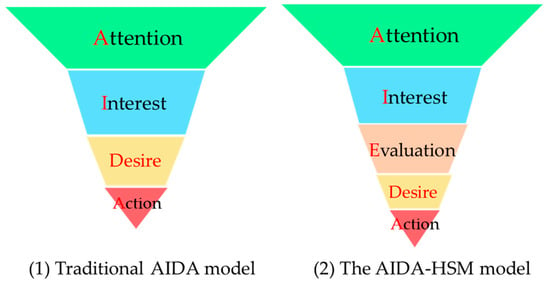
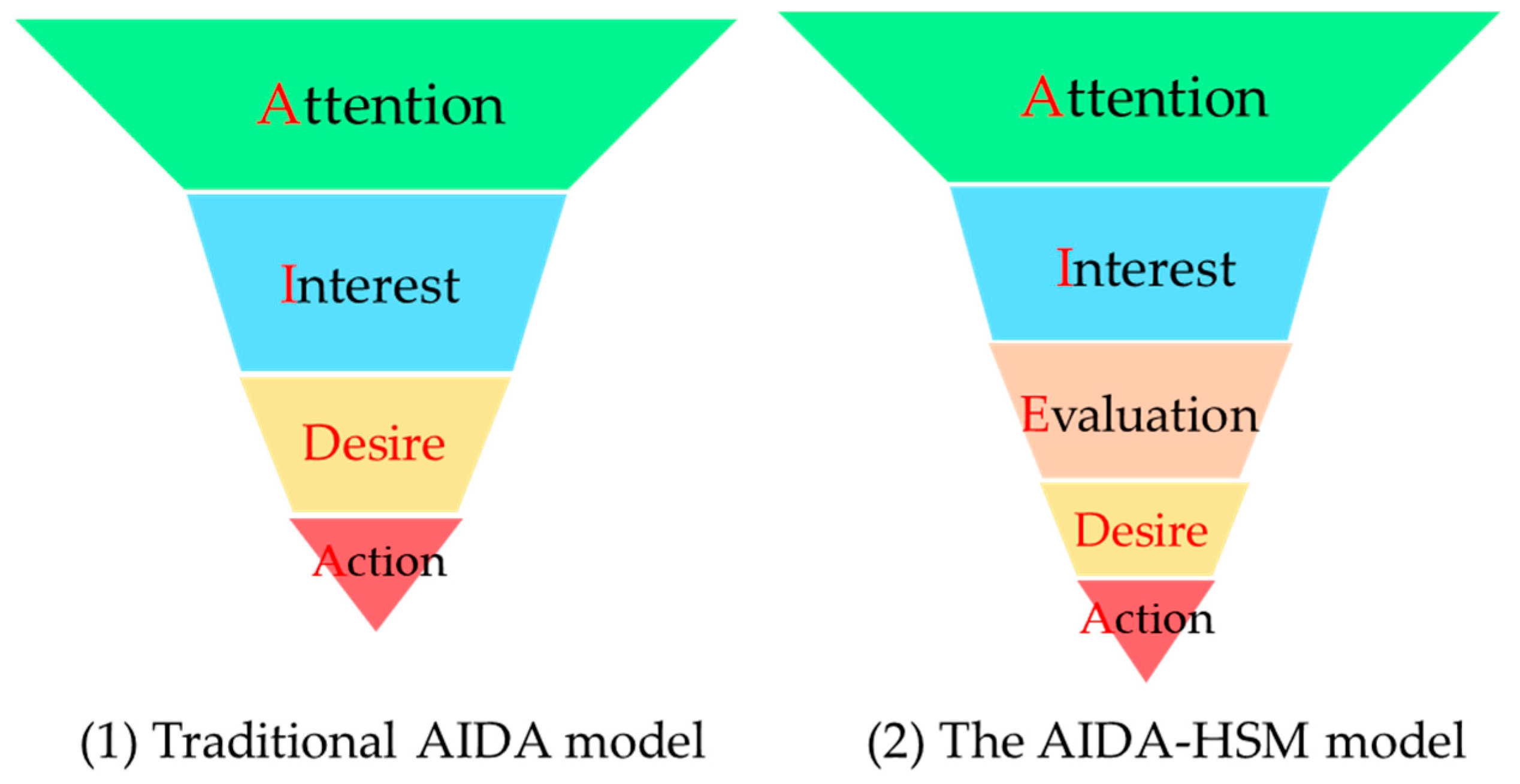
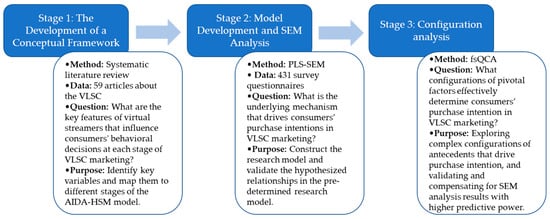
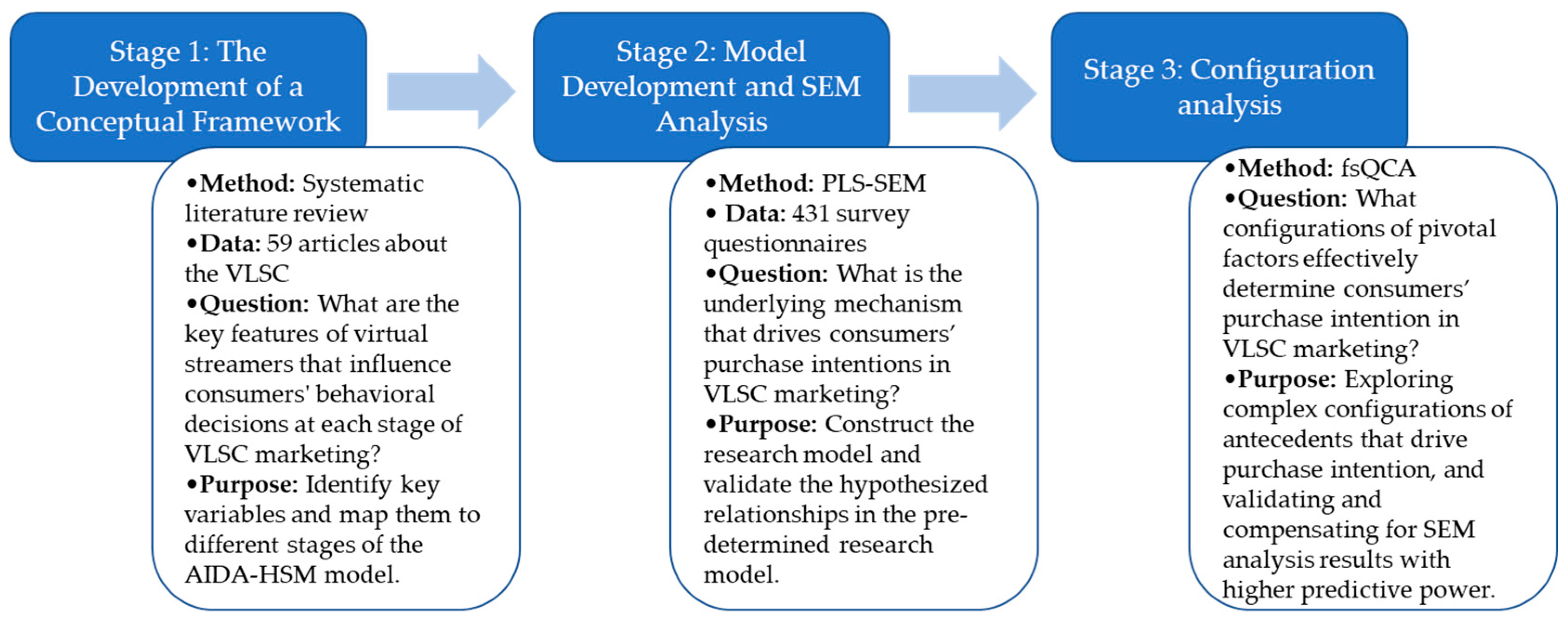
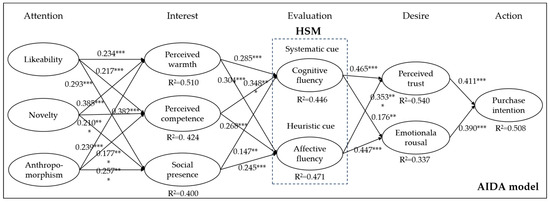

Disclaimer/Publisher’s Note: The statements, opinions and data contained in all publications are solely those of the individual author(s) and contributor(s) and not of MDPI and/or the editor(s). MDPI and/or the editor(s) disclaim responsibility for any injury to people or property resulting from any ideas, methods, instructions or products referred to in the content. |
© 2026 by the authors. Licensee MDPI, Basel, Switzerland. This article is an open access article distributed under the terms and conditions of the Creative Commons Attribution (CC BY) license.