


Abstract
This study compares the effects of user-generated (UGC) and firm-generated memes (FGC) on brand loyalty, addressing a gap in meme marketing research that has primarily focused on FGC. Guided by cue utilization theory and the persuasion knowledge model, this study examines the mediating roles of perceived playfulness and brand intimacy, as well as the moderating role of perceived intent (profit-driven vs. fun-driven). Through three scenario-based experiments conducted in China (Study 1: n = 170; Study 2: n = 195; Study 3: n = 240), the results show that UGC leads to higher brand loyalty than FGC. Perceived playfulness and brand intimacy serve as serial mediators in this relationship, while fun-driven intent strengthens the positive effect of UGC on perceived playfulness. These findings extend the understanding of meme marketing effectiveness and provide practical insights into the use of UGC in brand communication.
1. Introduction
Memes have become a common medium for self-expression and an important part of modern society and the internet [1]. Memes with brand elements integrated are seen as an effective and widely used marketing method [2]. The soundtrack from Jet2’s “Nothing beats a Jet2 holiday” went viral on TikTok, with users pairing its cheerful tune with chaotic vacation scenes, generating over 1.3 million videos and boosting Jet2’s brand visibility [3]. Wendy’s used memes and the remix album We Beefin? to boost mentions by 113% and profits by 50% [4]. Such meme marketing deepens customer engagement and strengthens brand impressions [5]. These two cases show that both company-created content (FGC) like Wendy’s and user-generated content (UGC) like Jet2, which serves as a kind of unconscious advertisement, can achieve remarkable marketing results. To keep up with the fast pace of meme trends, brands are putting in significant effort to adopt meme marketing strategies to enhance consumer engagement and brand cultural identity. Therefore, research on meme marketing strategies and their effects holds important managerial significance.
Previous studies have acknowledged the beneficial impact of meme marketing on brands [6,7,8]. Meme can shape brand image [9] and create spreadable and iconic marketing content [5]. However, current studies on meme marketing mainly focus on firm-created memes [10], with less attention on the marketing effect of user-generated memes. In fact, user-generated memes can also drive social media interaction [11]. Although Brubaker et al. [11] examined the influence of user-generated memes on brands, their focus was on exploring how these memes evolve in brand communication. The marketing effects of user-generated memes, and how they differ from those of firm-generated memes, still remain unclear. Therefore, this study compares FGC and UGC effects on brand loyalty and underlying mechanisms.
This study focuses on three research questions: (1) How do meme marketing contents from different sources influence brand loyalty? (2) What are the underlying mechanisms behind this effect? (3) Does this relationship change across different marketing contexts? To address these questions, this study draws on cue utilization theory (CUT) and the persuasion knowledge model (PKM). According to CUT, consumers use relevant cues in marketing information to form judgments, which subsequently shape their evaluations and behavioral responses [12]. In meme marketing, content source can serve as an important cue through which consumers interpret and evaluate marketing messages. Meanwhile, PKM emphasizes that consumers draw on their existing persuasion knowledge to recognize and evaluate marketers’ persuasive intentions and strategies [13]. Accordingly, memes from different sources may not only provide different informational cues but also lead consumers to make different judgments about their underlying persuasive intentions. Drawing on these two theoretical perspectives, this study compares the effectiveness of firm-generated content (FGC) and user-generated content (UGC) in meme marketing. Together, CUT and PKM provide a framework for understanding how consumers interpret and respond to meme marketing from different sources. Humor is a form of playfulness [14]. Humorous marketing content can trigger positive emotional experiences in consumers [15], which can help enhance brand loyalty. Compared with FGC, UGC often involves more personal feelings and is more likely to evoke empathy from other users. UGC may elicit more positive emotional responses than FGC under certain conditions, which, by increasing perceived playfulness, can further deepen customers’ emotional bond with the business. Brand intimacy reflects the connection among customers and a brand [16]. It can drive the development of brand loyalty [17]. Based on this, this study proposes that meme marketing type positively influences brand loyalty by enhancing perceived playfulness and brand intimacy, putting forward a serial mediation process involving perceived playfulness and brand intimacy. Although UGC is generally defined as content created by users, consumers may attribute different motives to its creation and dissemination. For instance, UGC may be perceived as driven by personal enjoyment or commercial incentives, and these perceived motives may shape consumers’ responses to the content. Customer skepticism toward brands or companies is a common issue in marketing [18]. This study examines how perceived intent (profit- vs. fun-driven) moderates the relationship between meme type and perceived playfulness.
This study makes several contributions to the existing literature. First, research on meme marketing has mostly focused on the brand as the main content creator, while overlooking the impact of user-created memes on brands. This study examines how memes created by firms and those generated by users differently influence brand loyalty. Second, this study examines the mediating roles of perceived playfulness and brand intimacy as well as their sequential mediation to identify the underlying process through which memes influence brand loyalty. Third, although meme marketing is generally considered an effective promotional strategy, its outcomes may vary depending on how audiences interpret a brand’s motives. To address this, the study examines the moderating influence of perceived intent when exploring the boundary conditions of meme marketing’s effects. Through these discussions, this study provides practical insights for brands on how to use internet trends for marketing.
2. Theoretical Background and Hypotheses
2.1. Cue Utilization Theory and Persuasion Knowledge Model
Cue Utilization Theory suggests that consumers use available information cues about products or services to form judgments [19], which in turn shape their evaluations of products or brands and their behavioral responses [12,20]. Consumers may rely on different types of cues, either individually or in combination, and the importance of these cues depends on the information they provide and the specific evaluation context [21]. In digital marketing environments, consumers can use visual, textual, and contextual cues to interpret marketing messages, which may influence their judgments [12]. Similarly, the visual, textual, and cultural elements of memes can serve as important cues for consumers when evaluating brands [20]. Specifically, the understandability, novelty, and brand congruence of brand memes can influence consumers’ brand attitudes and brand relationships [22], while cues such as humor and cultural resonance in memes can enhance consumers’ perceptions of brand playfulness and encourage consumer engagement [23].
The Persuasion Knowledge Model emphasizes that consumers gradually develop persuasion knowledge through repeated exposure to marketing and social interactions. They use this knowledge to recognize and respond to marketers’ persuasive intentions and strategies [24]. Persuasion knowledge includes consumers’ understanding of persuasive goals and strategies, as well as their judgments about whether these strategies are appropriate. An important mechanism of this theory is the change in meaning, which occurs when consumers recognize marketers’ persuasive intentions and shift their attention from the message itself to the marketers’ motives and persuasive strategies, leading them to reevaluate the marketing message [13]. The activation of persuasion knowledge may increase consumers’ skepticism toward marketing messages and influence their evaluations of message credibility and marketers’ motives [25,26]. However, activating persuasion knowledge does not necessarily lead to negative responses, as its effects may also depend on factors such as the persuasive strategies used [27]. In digital marketing environments, consumers can identify persuasive intentions through commercial cues in advertisements and marketing content, which in turn shape their evaluations and responses [26,28].
Although both theories focus on how consumers interpret and evaluate marketing information, they differ in their main areas of emphasis. In marketing communication, information cues not only help consumers understand and evaluate marketing content but may also shape their judgments about information sources and underlying persuasive intentions. Therefore, combining these two theories allows us to consider both the cues provided by marketing information and consumers’ understanding of its persuasive purposes, offering a more comprehensive theoretical perspective for explaining consumers’ psychological and behavioral responses to different marketing messages.
2.2. Meme Marketing Type and Brand Loyalty
Brand loyalty is usually seen as an outcome that reflects the relationship between consumers and a brand. Specifically, brand loyalty is often shown as a stable preference for a particular brand, along with repeated purchases or continued use over time. This tendency can remain relatively stable even when situations change or when competing brands are present [29]. Existing studies have examined the formation of brand loyalty from different perspectives, showing that it is influenced not only by individual traits, such as risk propensity, but also by factors like the relationship between consumers and brands, as well as value co-creation and social interaction within brand communities [30].
Memes, as a form of content that is both humorous and highly shareable, have been widely used in brand marketing. Branded memes embed both brand elements and humor. By making consumers feel humor, they can cultivate emotional connections such as brand love [31]. In addition, memes’ expressivity and publicity can attract imitation and participation, spreading widely on the internet [32]. Existing research shows that continued exposure to brand content helps build positive brand attitudes among consumers, which in turn leads to brand loyalty [33].
In terms of content source, meme marketing content can be created by either brands or consumers. Meme marketing is usually led by brands, with brand-related messages embedded in memes [34]. This type of content is considered firm-generated content (FGC). Current research recognizes the beneficial impact of FGC on brand loyalty [35]. These contents trigger customer engagement and communication on social media through the internet, improving brand loyalty [36]. Especially for entertainment content, they can bring higher levels of engagement, which helps cultivate brand loyalty [37].
Meanwhile, user-generated content (UGC) is also an important part of brand marketing. Whether users create or simply view content, UGC positively influences brand attitudes and loyalty [38]. Compared with FGC, UGC is often perceived as more authentic and credible, which may lead to more positive marketing outcomes [39,40]. From the perspective of cue utilization theory, content source can serve as an important cue for consumers to interpret and evaluate marketing messages. Since memes can influence brand image through emotion and entertainment, and UGC often carries personal emotions [41], user-created memes may elicit more favorable brand responses than firm-generated memes. Therefore, the following hypothesis is proposed:
H1.
UGC memes lead to higher brand loyalty than FGC memes.
2.3. The Mediating Role of Perceived Playfulness
Perceived playfulness in marketing and consumer behavior research is usually viewed as an important psychological experience, reflecting the fun and entertainment consumers perceive during their interaction with a brand. Playfulness can be understood as a cognitive tendency, where people interpret and reframe a situation in a more entertaining and playful way [42]. Existing studies show that playfulness can positively influence consumers’ emotional experiences and behavioral responses, such as increasing enjoyment and positive emotions, and further strengthening their attitudes toward and engagement with a brand [43]. Compared with non-meme brand-related content, messages containing memes make customers more likely to perceive humor [44]. Humor is often built on playfulness and can be regarded as an expression of playfulness [14]. Therefore, brand content that includes memes can trigger consumers’ perceived playfulness.
In addition, playfulness can not only provide immediate positive experiences but may also influence long-term brand relationships by enhancing consumer satisfaction and positive emotions. Playfulness can further improve brand loyalty by increasing customer satisfaction [45,46] and eliciting positive emotions in customers [47]. For example, entertainment marketing methods such as AR applications and gamification in brand apps can increase loyalty [48]. When playfulness helps consumers develop self-congruence with a brand, it may further strengthen their positive feelings toward the brand [49]. Therefore, the playfulness consumers experience when engaging with branded marketing content may contribute to more favorable brand evaluations and continued brand preference.
Consumers’ perceived playfulness of memes may depend not only on the content itself but also on its source. According to cue utilization theory, consumers use relevant cues in marketing messages to interpret and evaluate content. Thus, differences in content source between UGC and FGC may shape how consumers interpret memes. Compared with FGC, UGC often has more personal characteristics and may be perceived as more authentic and credible [39,41]. As a result, user-generated memes may be more readily interpreted as spontaneous expressions of humor, encouraging consumers to respond to them in a more relaxed and playful way. Furthermore, UGC and FGC differ in their effects on consumer perceptions and behaviors [50]. Considering the humorous nature of memes and the personal characteristics of UGC, we propose that user-generated memes are more likely to enhance consumers’ perceived playfulness and, in turn, contribute to brand loyalty. Based on this, the following hypothesis is proposed:
H2.
Perceived playfulness mediates the relationship between meme marketing type (FGC vs. UGC) and brand loyalty.
2.4. The Mediating Role of Brand Intimacy
Brand intimacy refers to an emotional connection and relational bond that consumers develop during their interactions with a brand, reflecting how close they feel to the brand psychologically [17]. For example, after long-term exposure to a brand, consumers may develop a sense of familiarity and dependence, forming an emotional link similar to interpersonal relationships. Based on this, prior research has further explored the factors that contribute to the formation of brand intimacy. At the content level, entertaining content is considered one of the factors that can strengthen the consumer–brand connection. Studies show that brand-related entertainment content can significantly enhance brand intimacy [51]. As a form of content that combines entertainment and brand communication, meme marketing therefore has the potential to enhance brand intimacy. From an interaction perspective, interactions between customers and brands, as well as interactions among users on social media platforms, are key drivers of brand intimacy [52,53]. Compared with content consumption and other forms of participation, consumer content creation may play a more significant role in enhancing brand intimacy [17]. Therefore, as a highly interactive form of content, we suggest that user-created memes can create more emotional resonance and opportunities for communication between brands and customers, thereby further increasing brand intimacy.
Brand intimacy can directly influence brand loyalty [54]. Brand intimacy and loyalty often coexist in consumer–brand relationships [55]. Brand intimacy is very important to promoting love and trust towards brand, which in turn drive behavioral and attitudinal loyalty [56]. Therefore, compared with FGC, UGC meme marketing may be more effective in enhancing brand intimacy, which may, in turn, contribute to greater brand loyalty. Accordingly, we propose:
H3.
Brand intimacy mediates the relationship between meme marketing type (FGC vs. UGC) and brand loyalty.
2.5. The Serial Mediating Role of Perceived Playfulness and Brand Intimacy
The impact of meme marketing type on brand loyalty may be sequentially mediated by perceived playfulness and brand intimacy. Compared with non-meme content, memes are more likely to trigger humorous experiences. Since humor is built on playfulness, memes can stimulate a higher level of perceived playfulness [14,44]. In addition, UGC may elicit more positive brand-related responses than FGC under certain conditions [50], potentially contributing to consumers’ playful experiences with meme content.
Perceived playfulness not only provides consumers with positive emotional experiences but may also contribute to the development of brand intimacy. Playfulness is the basis of humor, and humor helps build emotional bonds [57]. For example, playful interactions between consumers and brands, such as prosocial teasing, can enhance self-brand connection by encouraging consumers to anthropomorphize the brand [58]. Such connection is often closely linked to intimacy, and together they deepen the relationship between customers and the brand. When customers’ attachment to a brand reaches a certain level, emotional bonds such as love for the brand are more likely to form. In the context of meme marketing, when consumers perceive greater playfulness, they may be more likely to interpret brand-related content in a relaxed and positive way and extend these positive experiences to their emotional evaluations of the brand, thereby strengthening brand intimacy. Furthermore, brand intimacy can strengthen the emotional connection between consumers and brands and contribute to brand loyalty by fostering brand love and trust [54,56]. Therefore, meme marketing type may be associated with brand loyalty through a sequential process involving perceived playfulness and brand intimacy. Based on this, we propose the following hypothesis:
H4.
The relationship between meme marketing type (FGC vs. UGC) and brand loyalty is serially mediated by perceived playfulness and brand intimacy.
2.6. The Moderating Role of Perceived Intent
Consumers draw on their existing persuasion knowledge to recognize marketers’ persuasive intentions and strategies, which helps them interpret and evaluate marketing messages [24]. Existing research shows that when consumers are exposed to marketing content, they often pay attention to the motives behind it, and this perceived motivation can further influence their attitudes and behaviors [59,60]. When interpreting marketing activities, consumers usually try to infer the reasons and purposes behind them [59]. They also assess marketers’ intentions to determine whether they are engaging in unethical manipulation of consumers [61].
Similarly, the positive effects of humorous content on customer emotions can be limited by different contextual factors [62]. Although memes can be humorous and evoke positive emotions, consumers’ attributions regarding the motives behind meme creation can critically shape the effectiveness of meme marketing. Specifically, when customers believe that a company’s actions are firm-serving rather than customer-serving, the customer–company relationship can be negatively affected [63]. When customers attribute a brand’s marketing content to a primary goal of gaining economic benefits rather than simply sharing information, their positive responses are reduced [64]. In social media marketing, consumers may also interpret brand collaborations as being driven by commercial interests, which can weaken their positive perceptions of the motives behind such content [65]. In addition, consumers’ tendency toward advertising skepticism can lower their liking for and attention to ads [66]. For example, even entertaining advertising content may be evaluated negatively when consumers question its authenticity or credibility [67]. Therefore, when memes are perceived as being primarily created for profit, consumers may pay greater attention to their underlying commercial intent, potentially weakening the positive experiences and perceived playfulness associated with humorous content. Therefore, we propose the following hypothesis:
H5.
Perceived intent (profit-driven vs. fun-driven) moderates the relationship between meme marketing type (FGC vs. UGC) and perceived playfulness. Specifically, when customers perceive a meme as fun-driven (vs. profit-driven), UGC is expected to generate higher perceived playfulness compared to FGC.
Based on the above five hypotheses, the theoretical framework guiding this study is illustrated in Figure 1.
Figure 1.
Theoretical Framework.
3. Study Methods and Results
3.1. Study Overview
We conducted three scenario-based experiments (Study 1 to Study 3) separately to examine the effect of different meme marketing types on brand loyalty (see Table 1). First, Study 1 aimed to examine the main effect of meme marketing type on brand loyalty (H1), as well as the mediating roles of perceived playfulness (H2) and brand intimacy (H3). Study 2 tested the serial mediation effect of perceived playfulness and brand intimacy (H4) and re-examined H1 to H3. Study 3 aimed to test whether perceived intent moderates the relationship between meme marketing type and perceived playfulness and to re-verify H1 to H4.
Table 1.
Study overview.
All experiments were conducted using online participant recruitment through Credamo (www.credamo.com). All participants were from China. Considering that memes are highly culturally embedded, this sample provides an appropriate cultural context for the present study.
Before formally participating in the study, all participants were informed of the research purpose, procedure, expected duration, and data confidentiality measures. It was clearly stated that participation was entirely voluntary and that participants could withdraw at any time without any consequences. Only after participants had been fully informed and had given their consent were they allowed to proceed to the questionnaire, thereby ensuring informed consent was obtained. In addition, the study did not involve sensitive topics, deceptive procedures, or any interventions that could cause psychological discomfort. Therefore, the research design minimized potential risks to participants as much as possible.
3.2. Study 1: The Effect of Meme Marketing Type on Brand Loyalty and the Mediating Roles of Perceived Playfulness and Brand Intimacy
Study 1 aims to test whether UGC (vs. FGC) memes would lead to higher brand loyalty (H1). In addition, this study examined the mediating roles of perceived playfulness (H2) and brand intimacy (H3) to explain the process through which different meme marketing content affects brand loyalty. In addition, confirmatory factor analysis (CFA) was conducted to assess the measurement model fit of the main constructs, and their reliability and validity were further examined.
3.2.1. Pretest
A pretest was conducted to confirm that participants could accurately distinguish the source of the text-based memes (FGC vs. UGC) used in Study 1. We recruited 88 participants online and randomly assigned them to two equal groups (52.3% female; 43.2% aged 18–24; 51.1% with a four-year university education).
Participants first read a text-based meme and were then asked to choose whether the meme was firm-generated content or user-generated content. Both versions of the meme were adapted from the popular “V50” meme in China, which originated from KFC China’s “Crazy Thursday” promotion. During the promotion, consumers posted humorous and exaggerated messages on social media, asking friends to transfer 50 RMB via WeChat so that they could buy KFC.
In this study, the FGC version was adapted from an official post on KFC China’s social media account, whereas the UGC version was adapted from a compilation of “V50” memes created by users on Chinese social media platforms. Both versions included the key elements “V50” and “Thursday,” but neither explicitly mentioned the brand name “KFC.” In addition, to control for text length, both versions were kept to approximately 40 Chinese characters (see Appendix C). Specifically, in this study, UGC is operationally defined as content created by users, without further distinguishing the underlying motivations for its creation.
Following the manipulation check method of Bigne et al. [68] for FGC and UGC, participants were asked to identify the source of the text meme after reading it (FGC vs. UGC). The results showed that among the 88 participants, five failed to correctly identify the source of the meme. Specifically, in the FGC condition, 93.2% correctly identified the source, while in the UGC condition, 95.5% did so. A chi-square test revealed a significant difference in participants’ perception of meme type across the two conditions (χ2 (1, 88) = 69.17, p < 0.001). Therefore, the experimental materials were effective in manipulating the type of meme marketing.
3.2.2. Main Experiment
Experimental Design
Study 1 used a single-factor experimental design (meme marketing type: FGC vs. UGC) to examine the effect of different meme types on brand loyalty. Participants were randomly assigned to the experimental conditions. After excluding participants who failed the attention check, the final sample consisted of 170 participants. According to the G*Power 3.1.9.7 analysis, a sample size of 170 was sufficient for the subsequent analyses (effect size = 0.25, power = 0.80). The text-based experimental materials used in the main experiment were the same as those in the pretest.
Participants were first asked to read the text meme materials and select the source they believed the text came from. Among the 170 participants (56.5% female, 41.8% aged 25–34, and 40.0% with a four-year university education), 12 incorrectly identified the meme type. Participants were then asked to rate perceived playfulness, brand intimacy, and brand loyalty. A 7-point Likert scale was used to assess all the items. Finally, participants completed a brief demographic questionnaire.
Brand loyalty was measured using a 4-item scale adopted from Razzaq et al. [2] (α = 0.78). In this study, brand loyalty was assessed in terms of consumers’ future-oriented loyalty intentions. Perceived playfulness was adapted from Li and Chang’s [69] scale to fit the experimental context, including 3 items. (α = 0.74) Brand intimacy was adapted from Zhang and Zhu’s [70] 4-item scale (α = 0.77), with the original references to “KFC” changed to “brand” to suit the experimental context.
Results
Confirmatory Factor Analysis. A confirmatory factor analysis (CFA) was first conducted to assess the measurement model. The results indicated a good model fit (χ2/df = 1.05, CFI = 0.995, TLI = 0.994, RMSEA = 0.018, SRMR = 0.040). All standardized factor loadings exceeded 0.50 and were statistically significant. In addition, Cronbach’s α values for all constructs exceeded 0.70, indicating acceptable internal consistency. Composite reliability (CR) values ranged from 0.741 to 0.781, while average variance extracted (AVE) values ranged from 0.461 to 0.490. Although the AVE values were slightly below the recommended threshold of 0.50, the CR values and standardized factor loadings indicated acceptable measurement reliability (see Table 2).
Table 2.
Results of confirmatory factor analysis for Study 1.
Effect of Meme Marketing Type on Brand Loyalty. A one-way ANOVA showed that participants who viewed customer-generated memes displayed higher brand loyalty toward the brand involved in the meme than those who viewed firm-generated memes (MFGC = 4.41, SD = 0.95; MUGC = 4.83, SD = 0.76; F(1, 168) = 9.98, p < 0.01; η2 = 0.06, see Table 3). This result supports H1, which predicted a stronger main effect of UGC on brand loyalty.
Table 3.
ANOVA results for the effect of meme marketing type on brand loyalty of Study 1.
Mediating Role of Perceived Playfulness. Using PROCESS Model 4 (5000 bootstrap samples), perceived playfulness was tested as a mediator between meme marketing type and brand loyalty. Results showed a significant mediation effect (Effect = 0.076, SE = 0.043, 95% CI [0.009, 0.172]), consistent with H2. Therefore, H2 was supported (see Figure 2).
Figure 2.
Mediation effect of perceived playfulness in Study 1. Note: * p < 0.05, ** p < 0.01.
Mediating Role of Brand Intimacy. Similarly, the mediation effect of brand intimacy was tested using PROCESS Model 4. The results showed a significant mediation effect (Effect = 0.140, SE = 0.057, 95%CI [0.037, 0.257]). Thus, brand intimacy mediated the relationship between meme marketing type and brand loyalty, supporting H3 (see Figure 3).
Figure 3.
Mediation effect of brand intimacy in Study 1. Note: * p < 0.05, ** p < 0.01, *** p < 0.001.
Robustness Check. To assess the robustness of the findings, we repeated the main effect and mediation analyses after excluding 12 participants who incorrectly identified the meme source (N = 158). The results of these additional analyses are reported in Appendix D.
3.3. Study 2: The Serial Mediation of Perceived Playfulness and Brand Intimacy
Based on the results of the first study (H1–H3), Study 2 further explores the serial mediation effect of perceived playfulness and brand intimacy (H4), thereby adding to the understanding of the underlying mechanism between different meme marketing types and brand loyalty.
3.3.1. Experimental Design
Similarly, Study 2 used the same single-factor experimental design as Study 1 (meme marketing type: FGC vs. UGC) and the same text meme materials. After excluding participants who failed the attention check, 195 participants (57.4% female, 36.4% aged 18–24, and 36.4% with a four-year university education) were randomly assigned to two groups to view either the FGC or UGC experimental materials. According to the G*Power 3.1.9.7 analysis, a sample size of 195 was sufficient for the subsequent analyses (effect size = 0.25, power = 0.80).
After reading the materials, participants were asked to choose the source they believed the text came from. Among the 195 participants, 11 incorrectly identified the source. All participants were then asked to rate perceived playfulness, brand intimacy, and brand loyalty, using a 7-point Likert scale for all items. Finally, participants completed a brief demographic questionnaire.
Study 2 used the same scales as Study 1. Brand loyalty was measured with a 4-item scale from Razzaq et al. [2] (α = 0.71). Perceived playfulness was adapted from Li and Chang [69] with 3 items (α = 0.70). Brand intimacy was adapted from Zhang and Zhu [70] with 4 items (α = 0.70).
3.3.2. Results
Main Effect. A one-way ANOVA was used to test the effect of meme marketing type on brand loyalty. Results showed that brand loyalty was significantly higher when the marketing type was UGC compared to FGC (MFGC = 4.56, SD = 0.82; MUGC = 5.06, SD = 0.62; F(1, 193) = 23.73, η2 = 0.11, p < 0.001; see Table 4). This supports H1, which predicted that UGC would generate higher brand loyalty than FGC.
Table 4.
ANOVA results for the effect of meme marketing type on brand loyalty of Study 2.
Serial Mediation Effect. PROCESS Model 6 (5000 bootstrap samples) was used to test the serial mediation effect. Meme marketing type was entered as the independent variable (0 = FGC, 1 = UGC), perceived playfulness and brand intimacy as the first and second mediators, respectively, and brand loyalty as the dependent variable. First, perceived playfulness was found to significantly mediate the relationship between meme marketing type and brand loyalty (Effect = 0.070, SE = 0.042, 95% CI [0.005, 0.169]), again supporting H2. Similarly, brand intimacy also significantly mediated this relationship (Effect = 0.057, SE = 0.035, 95% CI [0.003, 0.136]), providing further support for H3. Second, results showed a significant serial mediation process from meme marketing type → perceived playfulness → brand intimacy → brand loyalty (Effect = 0.026, SE = 0.017, 95% CI [0.001, 0.065]), supporting the prediction of H4 regarding this sequential mediation. Therefore, H4 was supported (see Figure 4).
Figure 4.
Serial mediation effect in Study 2. Note: * p < 0.05, ** p < 0.01, *** p < 0.001.
Robustness Check. To assess the robustness of the findings, we repeated the main effect and mediation analyses after excluding 11 participants who incorrectly identified the meme source (N = 184). The results of these additional analyses are reported in Appendix D.
3.4. Study 3: The Moderating Role of Perceived Intent
The main goal of Study 3 is to test the moderating effect of perceived intent between meme marketing type and perceived playfulness (H5). This further explores the boundary conditions of how meme marketing, through potential psychological processes, ultimately affects brand loyalty. At the same time, the study also aims to further validate the results of Study 1 and Study 2 by re-examining H1 to H4.
3.4.1. Pretest
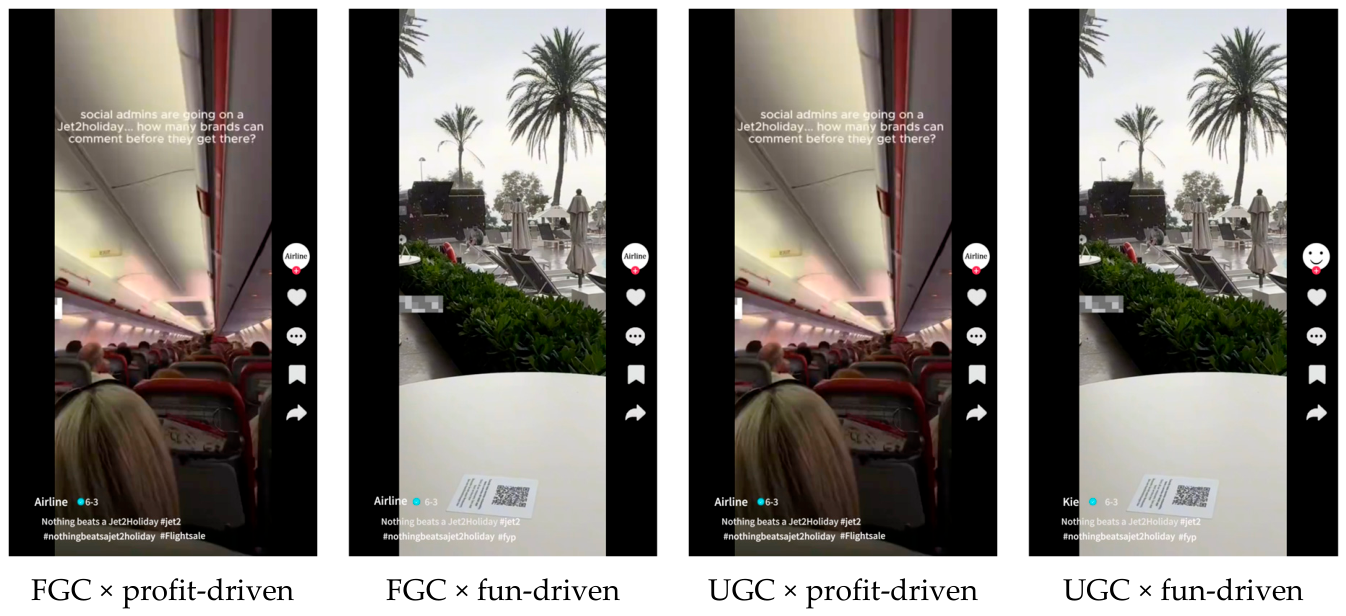
To ensure the robustness of the study, Study 3 used new experimental materials and conducted a pretest before the main experiment to confirm the effectiveness of the manipulation. This study selected the popular “Nothing beats a Jet2 holiday” video meme as the experimental stimulus.
The manipulation of meme marketing type (FGC vs. UGC) was achieved through cues about the identity of the video publisher. Specifically, in the FGC condition, the video was posted by an official account featuring the brand name and a brand logo as the profile picture. In contrast, in the UGC condition, the video was posted by an individual user, with a username and profile picture reflecting personal user characteristics.
Perceived intent (profit-driven vs. fun-driven) was manipulated through video content and captions. The profit-driven video, obtained from Jet2’s official TikTok account, featured the original “Nothing beats” background music, promotional text, and brand-related hashtags. The fun-driven video, uploaded by a user (16k likes), used the same music but depicted a man lying on a beach chair in the rain, with fewer brand-related hashtags. Rather than examining creators’ actual motivations, this study focused on consumers’ perceived intent. Within each perceived intent condition, the video and accompanying text were identical across FGC and UGC.
As the study was conducted in China, participants received a brief introduction to the Jet2 meme to reduce the potential influence of meme literacy [23]. After viewing the video, participants identified its perceived source (FGC or UGC) and completed the perceived intent manipulation check using a 7-point Likert scale. The items were adapted from Güntürkün et al. [63] (see Appendix B).
Results showed that among 95 participants, five incorrectly identified the meme type. Specifically, 95.8% of participants in the FGC condition and 93.6% in the UGC condition correctly identified the content source. A chi-square test revealed a significant association between the experimental condition and participants’ identification of the video publisher (χ2(1) = 76.08, p < 0.001). Therefore, the results indicated that the manipulation of meme marketing type was successful.
A two-way ANOVA was conducted to examine the manipulation of perceived intent. The results revealed a significant main effect of perceived intent condition on perceived profit-driven intent (F(1, 91) = 16.016, p < 0.001). Specifically, participants who viewed profit-driven content reported higher perceived profit-driven intent (M = 4.67, SD = 0.82) than those who viewed fun-driven content (M = 3.91, SD = 1.09). Similarly, a significant main effect of perceived intent condition was found on perceived fun-driven intent (F(1, 91) = 11.994, p = 0.001). Participants who viewed fun-driven content reported higher perceived fun-driven intent (M = 4.97, SD = 0.87) than those who viewed profit-driven content (M = 4.34, SD = 0.90). Neither the main effect of meme marketing type nor its interaction with perceived intent was significant (see Appendix D). These results supported the effectiveness of the perceived intent manipulation.
3.4.2. Main Experiment
Experimental Design
Study 3 used a 2 (meme marketing type: FGC vs. UGC) × 2 (perceived intent: profit-driven vs. fun-driven) experimental design. After excluding participants who failed the attention check, a final sample of 240 participants was retained and randomly assigned to four groups. After watching the videos, participants were first asked to identify the meme type. Among the 240 participants (50.4% female, 39.6% aged 18–24, and 39.6% with a four-year university education), 11 incorrectly identified the meme type. All participants were then asked to rate perceived intent, perceived playfulness, brand intimacy, and brand loyalty. According to the G*Power 3.1.9.7 analysis, a sample size of 240 was sufficient for the subsequent analyses (effect size = 0.25, power = 0.80). All measures were adapted from previously established scales and assessed using 7-point Likert scales. Finally, participants completed a demographic questionnaire.
Brand loyalty was measured using four items adapted from Razzaq et al. [2] (α = 0.70). Perceived playfulness was measured using three items adapted from Li & Chang [69] (α = 0.70). Brand intimacy was measured using four items adapted from Zhang & Zhu [70] (α = 0.74).
Results
Manipulation Check. Separate two-way ANOVAs were conducted to examine the manipulation of perceived intent. The results showed significant main effects of perceived intent condition on both profit-driven intent (F(1, 236) = 32.269, p < 0.001) and fun-driven intent (FI; F(1, 236) = 8.292, p = 0.004), both in the expected directions. Neither the main effect of meme marketing type nor its interaction with perceived intent was significant for either dependent variable (see Appendix D). These results supported the effectiveness of the perceived intent manipulation.
Main Effect. A one-way ANOVA was used to test the effect of meme marketing type on brand loyalty. Results showed that, compared to FGC, UGC significantly increased brand loyalty (MFGC = 4.36, SD = 0.87; MUGC = 5.03, SD = 0.91; F(1, 238) = 34.34, η2 = 0.13, p < 0.001; see Table 5). This supports H1 as predicted.
Table 5.
ANOVA results for the effect of meme marketing type on brand loyalty of Study 3.
Moderation Effect. A two-way ANOVA was conducted with meme marketing type and perceived intent as fixed factors, and perceived playfulness as the dependent variable. The results showed a significant interaction between meme marketing type and perceived intent (F(1, 236) = 5.61, p < 0.05, = 0.02; see Table 6). This indicates that perceived intent significantly moderates the relationship between meme marketing type and perceived playfulness. Further simple effects analysis revealed that when perceived intent was profit-driven, the effect of meme marketing type on perceived playfulness was significant (F(1, 236) = 4.59, p < 0.05) but with a small effect size ( = 0.02). However, when perceived intent was fun-driven, the effect was significantly stronger (F(1, 236) = 29.83, p < 0.001, = 0.11). H5 predicted a significant moderating role of perceived intent in the model, with a stronger effect under the fun-driven condition, which supports H5.
Table 6.
Simple Effects of Meme Marketing Type on Perceived Playfulness by Perceived Intent in Study 3.
Moderated Mediation. PROCESS Model 83 (5000 bootstrap samples) was used to analyze the mediation effects of perceived playfulness and brand intimacy, as well as the moderation effect of perceived intent. Meme marketing type was entered as the independent variable (0 = FGC, 1 = UGC), perceived playfulness and brand intimacy as the first and second mediators, respectively, brand loyalty as the dependent variable, and perceived intent (0 = profit-driven, 1 = fun-driven) as the moderator.
First, Study 3 further confirmed the significant mediation effects of perceived playfulness and brand intimacy between meme marketing type and brand loyalty. For participants who perceived meme creation as profit-driven (Effect = 0.120, SE = 0.060, 95%CI [0.011, 0.249]) and fun-driven (Effect = 0.308, SE = 0.085, 95%CI [0.155, 0.483]), the mediation effect of perceived playfulness was significant, supporting H2. Similarly, the mediation effect of brand intimacy was also significant (Effect = 0.100, SE = 0.039, 95%CI [0.034, 0.186]), supporting H3.
Second, the serial mediation pathway from meme marketing type → perceived playfulness → brand intimacy → brand loyalty was significant under both perceived intent conditions (profit-driven: Effect = 0.057, SE = 0.031, 95%CI [0.005, 0.127]; fun-driven: Effect = 0.146, SE = 0.046, 95%CI [0.068, 0.247]), supporting H4.
Further analysis revealed that perceived intent significantly moderated the relationship between meme marketing type and perceived playfulness (β = 0.615, SE = 0.260, t = 2.368, p < 0.05). Moreover, the index of moderated mediation was significant (Index = 0.089, SE = 0.045, 95% CI [0.013, 0.190]). The conditional serial indirect effects were greater under the fun-driven condition (Effect = 0.146, SE = 0.046, 95% CI [0.068, 0.247]) than under the profit-driven condition (Effect = 0.057, SE = 0.031, 95% CI [0.005, 0.127]). This indicates that the mediation effect of perceived playfulness was stronger under the fun-driven condition than under the profit-driven condition. These findings were consistent with the predicted conditional pattern in H5 (see Figure 5).
Figure 5.
Moderated Mediation Effects in Study 3. Note: * p < 0.05, *** p < 0.001.
Robustness Check. To assess the robustness of the findings, we repeated the main effect and mediation analyses after excluding 11 participants who incorrectly identified the meme source (N = 229). The results of these additional analyses are reported in Appendix D.
4. Discussions
4.1. Theoretical Implications
First, this study offers a broader understanding of the effectiveness of meme marketing created by different creators. Although the effectiveness of meme marketing has been proven and recognized [71], existing research mostly focuses on how brands create more impactful memes [23]. Similarly, social media marketing research has examined the characteristics and marketing effects of firm-generated content [72]. In contrast, the role of users as creators of meme content remains relatively underexplored. Memes not only have humorous and entertaining characteristics, but their sources may also influence how consumers interpret and evaluate the content [35]. By comparing FGC and UGC, this study incorporates content source into the discussion of meme marketing effectiveness and provides further insights into how memes from different sources relate to consumers’ brand responses. These findings extend the predominantly brand-centered perspective in meme marketing research and provide additional evidence for understanding the role of user-created content in brand communication.
Second, this study uncovers the psychological mechanisms behind the influence of meme marketing type. Although existing research has highlighted the importance of playful experiences in digital marketing [73], as well as the relationship between entertaining experiences and brand intimacy [51,74], less is known about how perceived playfulness and brand intimacy jointly operate in the context of meme marketing. Specifically, perceived playfulness reflects consumers’ enjoyable experiences with meme content, whereas brand intimacy captures their emotional closeness to a brand. These constructs therefore represent two distinct aspects of consumer responses: content experience and brand relationships. By examining the serial mediating roles of perceived playfulness and brand intimacy, this study provides empirical evidence of how consumers’ playful experiences with meme content are associated with emotional connections to brands and brand loyalty.
Third, this study introduces consumers’ perceived posting intent as a moderator, examining how different motive attributions affect the impact of meme marketing on perceived playfulness. Previous research has shown that motive attributions regarding brand actions can influence their attitudes and responses [75,76]. Furthermore, social media marketing research suggests that content source, sponsorship, and content type may jointly influence consumer responses, with inferences about commercial intent playing an important role [77]. However, less is known about how perceived posting intent shapes the relative effectiveness of UGC and FGC memes. From a consumer perception perspective, this study distinguishes between profit-driven and fun-driven intent attributions and finds that the relationship between meme marketing type and perceived playfulness varies across perceived intent conditions. This finding suggests that the role of content source may depend on how consumers interpret the purpose of the message and on the characteristics of the content itself, providing a further perspective on the contextual differences in meme marketing effectiveness.
4.2. Managerial Implications
First, this study compares the marketing effects of FGC and UGC in meme marketing. It provides a basis for brands to flexibly use memes created by different parties. This may help enhance brand loyalty. In social media operations, brands should not rely solely on internal marketing teams to produce content [78] but could also encourage users to participate in creating meme content. At the same time, brands should consider different content sources and communication contexts and select appropriate communication approaches based on their marketing objectives and content characteristics to encourage more favorable brand responses.
Second, the study reveals a serial mediation by perceived playfulness and brand intimacy, suggesting that brands should pay attention not only to the entertaining aspects of meme content but also to the emotional connections it may foster with consumers. Accordingly, when designing memes, brands could combine humorous expressions with their own brand characteristics, allowing consumers to enjoy the content while also developing a sense of emotional closeness to the brand. This may help create favorable conditions for more positive consumer responses to the brand.
Third, the study finds that consumers’ attributions regarding the motives behind meme creation influence their perceived playfulness. Therefore, when developing meme marketing strategies, brands should consider not only who publishes the content but also how consumers interpret its purpose. In practice, brands could seek to balance commercial messages with entertaining expressions and avoid overly direct promotional approaches. However, the effectiveness of such strategies should be evaluated in light of the specific content characteristics and communication context.
5. Limitation and Prospects
First, this study has certain limitations in external validity. The research was conducted in a controlled experimental setting, which allows for better control of variables; however, the generalizability of the findings to real market environments still needs further validation. Although this study employed existing memes to enhance ecological validity, differences in wording, humor, and content quality across the experimental stimuli may have influenced participants’ responses. Future research could use more closely matched stimuli to better isolate the effects of meme type and perceived intent. In addition, brand names were removed from the experimental materials in Studies 1 and 2 to reduce the influence of prior brand knowledge, which may have introduced ambiguity regarding the focal brand. Moreover, all samples in this study were collected from China. In addition, prior brand familiarity, brand attitudes, and meme familiarity were not directly measured or controlled, which may have influenced participants’ responses. Future research could extend the investigation to different cultural contexts and account for prior brand familiarity, brand attitudes, and meme familiarity to improve the generalizability of the findings.
Second, the boundary conditions of the model could be further expanded. This study does not distinguish whether UGC creators are actual users of the product, and different creators may have different brand usage experiences and attitudes. Furthermore, this study focuses on consumers’ subjective perceptions of the motives behind meme content rather than the creators’ actual motivations. In practice, UGC may also be created for commercial purposes, while FGC may likewise be perceived as entertainment-oriented. Future research could examine how user identity influences the results. In addition, individual differences such as consumers’ humor perception and social media usage habits may also affect their responses to different meme types. Future research could incorporate these individual characteristics into the model to explore their roles in the mechanisms and boundary conditions of meme marketing effects.
Third, measurement validation was primarily conducted in Study 1, and the use of self-reported data may introduce common method bias. Future research could conduct more comprehensive validity assessments and incorporate multi-source data to strengthen the findings.
Fourth, this study primarily examined consumers’ loyalty-related behavioral intentions, without further investigating whether these intentions translate into actual purchase or repurchase behavior. Therefore, future research could incorporate behavioral data to more comprehensively assess the long-term effects of meme marketing on consumer behavior.
Author Contributions
Validation, N.D.; Formal analysis, N.D.; Writing—original draft, T.D. and N.D.; Writing—review and editing, T.D., Y.W. and W.G.K.; Visualization, Y.W.; Project administration, J.L.; Funding acquisition, J.L. All authors have read and agreed to the published version of the manuscript.
Funding
This research received no external funding.
Institutional Review Board Statement
Ethical approval was obtained from the Ethics Committee of the School of Tourism Management at South China Normal University (approval number: 1158579; date of approval: 9 June 2026). The study was conducted in accordance with the Declaration of Helsinki. The study did not involve any physical or psychological harm to participants. All participants voluntarily participated in the online survey after providing informed consent.
Informed Consent Statement
All participants voluntarily participated in the study and gave written informed consent.
Data Availability Statement
The data that support the findings of this study are available from the corresponding author upon reasonable request.
Conflicts of Interest
The authors declare they have no conflicting financial or non-financial interests.
Appendix A. Demographic Profile
Demographic Characteristics of the Participants in Pretest
| Study 1 Pretest | Study 3 Pretest | ||||
| n | % | n | % | ||
| Gender | Female | 46 | 52.3 | 55 | 57.9 |
| Male | 42 | 47.7 | 40 | 42.1 | |
| Age | 18–24 | 38 | 43.2 | 46 | 48.4 |
| 25–34 | 27 | 30.7 | 31 | 32.6 | |
| 35–44 | 14 | 15.9 | 15 | 15.8 | |
| 45–60 | 8 | 9.1 | 3 | 3.2 | |
| 61 or over | 1 | 1.1 | 0 | 0.0 | |
| Education level | High school or below | 6 | 6.8 | 4 | 4.2 |
| 3-year College | 14 | 15.9 | 18 | 18.9 | |
| 4-year University | 45 | 51.1 | 48 | 50.5 | |
| Postgraduate | 23 | 26.1 | 25 | 26.3 | |
| Personal monthly income | Below $417 | 28 | 31.8 | 26 | 27.4 |
| $418–$694 | 25 | 28.4 | 28 | 29.5 | |
| $695–$972 | 20 | 22.7 | 26 | 27.4 | |
| $973–$1389 | 12 | 13.6 | 10 | 10.5 | |
| Above $1390 | 3 | 3.4 | 5 | 5.3 | |
Demographic Characteristics of the Participants in Main Experiments
| Study 1 | Study 2 | Study 3 | |||||
| n | % | n | % | n | % | ||
| Gender | Female | 96 | 56.5 | 112 | 57.4 | 121 | 50.4 |
| Male | 74 | 43.5 | 83 | 42.6 | 119 | 49.6 | |
| Age | 18–24 | 55 | 32.4 | 71 | 36.4 | 82 | 34.2 |
| 25–34 | 71 | 41.8 | 68 | 34.9 | 95 | 39.6 | |
| 35–44 | 27 | 15.9 | 27 | 13.8 | 42 | 17.5 | |
| 45–60 | 13 | 7.6 | 22 | 11.3 | 17 | 7.1 | |
| 61 or over | 4 | 2.4 | 7 | 3.6 | 4 | 1.7 | |
| Education level | High school or below | 16 | 9.4 | 22 | 11.3 | 24 | 10.0 |
| 3-year College | 36 | 21.2 | 39 | 20.0 | 45 | 18.8 | |
| 4-year University | 68 | 40.0 | 71 | 36.4 | 95 | 39.6 | |
| Postgraduate | 50 | 29.4 | 63 | 32.3 | 76 | 31.7 | |
| Personal monthly income | Below $417 | 37 | 21.8 | 35 | 17.9 | 64 | 26.7 |
| $418–$694 | 52 | 30.6 | 63 | 32.3 | 62 | 25.8 | |
| $695–$972 | 33 | 19.4 | 41 | 21.0 | 55 | 22.9 | |
| $973–$1389 | 34 | 20.0 | 38 | 19.5 | 39 | 16.3 | |
| Above $1390 | 14 | 8.2 | 18 | 9.2 | 20 | 8.3 | |
Note: The monthly income categories reported above were converted based on the prevailing exchange rate between the US dollar (USD) and the Chinese yuan (RMB). As of the time of the study, the exchange rate was approximately 1 USD = 7.2 RMB. The original income brackets were as follows: below 3000 RMB; 3000–4999 RMB; 5000–6999 RMB; 7000–9999 RMB; and 10,000 RMB or above.
Appendix B. Measurement Scales
| Variable | Item (Seven-Point Likert Scale) | Reference |
| Brand loyalty | I would say positive things about this brand to other people | [2] |
| I would recommend this brand to someone who seeks my advice | ||
| I would encourage friends and relatives to participate in this brand’s similar contests | ||
| I would do more business with this brand in the next few years | ||
| Perceived playfulness | I felt enjoyable when I interacting with the meme marketing content provided by this social network site. | [69] |
| It is interesting to engage with the meme marketing and promotion activities provided by this social network site. | ||
| When engaging with meme marketing content on this social network site, I am not aware of the time as it elapses. | ||
| Brand intimacy | I felt that I really understood this brand. | [70] |
| I felt that I really could trust this brand. | ||
| I had a comfortable relationship with this brand. | ||
| I mentally felt close to this brand. | ||
| Perceived intent: profit-driven | This meme was created to generate more profits for the brand. | [63] |
| This video meme is created to bring advantage to the brand. | ||
| This meme was created because it offers benefits for the brand. | ||
| Perceived intent: fun-driven | This meme was created to meet the entertainment needs of their audience | |
| This video meme is created to offers fun for audience |
Appendix C. Experimental Materials
Appendix C.1. Study 1 & Study 2
UGC condition (English translation):
It is said that in ancient times, people made wishes on the Qixi Festival. Nowadays, people look for the taste of love by asking for “V me 50” every Thursday. Do you believe it?
FGC condition (English translation):
Today is Crazy Thursday again. I heard everyone is playing the “V50” game, so... would anyone be willing to “V me 50”? It’s time to test our friendship!
Appendix C.2. Study 3
Jet2 is a UK-based airline and holiday company. Recently its advertising slogan “Nothing beats a Jet2 holiday,” paired with cheerful background music, has gained widespread popularity on the social media platform TikTok. Many users incorporate this music and slogan into their videos to share travel and holiday moments, and sometimes combine them with everyday situations to create humorous contrasts. This trend has evolved into an online meme, inspiring extensive imitation and user-generated remixes.
Video links:
FGC × profit-driven: https://www.bilibili.com/video/BV1HZ8qzPEKx/ (accessed on 11 November 2026).
FGC × fun-driven: https://www.bilibili.com/video/BV1cZ8qzPENr/ (accessed on 11 November 2026).
UGC × profit-driven: https://www.bilibili.com/video/BV1HZ8qzPELE/ (accessed on 11 November 2026).
UGC × fun-driven: https://www.bilibili.com/video/BV1HZ8qzPE3w/ (accessed on 11 November 2026).
Figure A1.
Screenshots of the experimental stimuli used in Study 3.
Appendix D. Supplementary Analyses
Appendix D.1. Study 3 Pretest: Manipulation Check of Perceived Intention
To examine the effectiveness of the perceived intent manipulation in the pretest and determine whether meme marketing type influenced participants’ perceptions of intent, separate 2 (meme marketing type: FGC vs. UGC) × 2 (perceived intent condition: profit-driven vs. fun-driven) ANOVAs were conducted, with perceived profit-driven intent (PI) and perceived fun-driven intent (FI) as the dependent variables.
For PI, the results revealed a significant main effect of perceived intent condition (F(1, 91) = 16.016, p < 0.001, = 0.150), with participants in the profit-driven condition reporting higher PI than those in the fun-driven condition. Neither the main effect of meme marketing type (F(1, 91) = 2.812, p = 0.097, = 0.030) nor its interaction with perceived intent condition was significant (F(1, 91) = 0.397, p = 0.530, = 0.004).
For FI, the main effect of perceived intent condition was also significant (F(1, 91) = 11.994, p = 0.001, = 0.116), with participants in the fun-driven condition reporting higher FI than those in the profit-driven condition. Neither the main effect of meme marketing type (F(1, 91) = 0.062, p = 0.804, = 0.001) nor the interaction effect was significant (F(1, 91) = 1.063, p = 0.305, = 0.012).
Overall, the pretest results supported the effectiveness of the perceived intent manipulation. No significant main effects of meme marketing type or interaction effects between meme marketing type and perceived intent condition were observed for either PI or FI.
Table A1.
Descriptive statistics and ANOVA results for the manipulation check in the pretest.
Appendix D.2. Study 3 Main Experiment: Manipulation Check of Perceived Intention
To further examine the effectiveness of the perceived intent manipulation in the main experiment, the same 2 × 2 ANOVAs were conducted with PI and FI as the dependent variables, using data from all 240 participants.
For PI, the results revealed a significant main effect of perceived intent condition (F(1, 236) = 32.269, p < 0.001, = 0.120), with participants in the profit-driven condition reporting higher PI than those in the fun-driven condition. Neither the main effect of meme marketing type (F(1, 236) = 0.003, p = 0.958, < 0.001) nor its interaction with perceived intent condition was significant (F(1, 236) = 0.910, p = 0.341, = 0.004).
For FI, the main effect of perceived intent condition was also significant (F(1, 236) = 8.292, p = 0.004, = 0.034), with participants in the fun-driven condition reporting higher FI than those in the profit-driven condition. Neither the main effect of meme marketing type (F(1, 236) = 0.291, p = 0.590, = 0.001) nor the interaction effect was significant (F(1, 236) = 2.599, p = 0.108, = 0.011).
Overall, consistent with the pretest findings, the main experiment results supported the effectiveness of the perceived intent manipulation. No significant main effects of meme marketing type or interaction effects between meme marketing type and perceived intent condition were observed for either PI or FI.
Table A2.
Descriptive statistics and ANOVA results for the manipulation check in main experiment.
Robustness check of Study 1, 2 and 3
| Effect | Full Sample | Excluding Failed Checks |
| Study 1 (n = 170 vs. n = 158) | ||
| Main effect (H1) | F = 9.98, p < 0.01 | F = 7.50, p < 0.01 |
| Indirect effect via PP (H2) | Effect = 0.069, 95% CI [0.001, 0.166] | Effect = 0.093, 95% CI [0.012, 0.209] |
| Indirect effect via BI (H3) | Effect = 0.105, 95% CI [0.018, 0.218] | Effect = 0.147, 95% CI [0.033, 0.281] |
| Study 2 (n = 195 vs. n = 184) | ||
| Main effect (H1) | F = 23.73, p < 0.001 | F = 19.80, p < 0.001 |
| Indirect effect via PP (H2) | Effect = 0.070, 95% CI [0.005, 0.169] | Effect = 0.077, 95% CI [0.004, 0.186] |
| Indirect effect via BI (H3) | Effect = 0.057, 95% CI [0.003, 0.136] | Effect = 0.059, 95% CI [0.002, 0.146] |
| Serial indirect effect (H4) | Effect = 0.026, 95% CI [0.001, 0.065] | Effect = 0.028, 95% CI [0.001, 0.072] |
| Study 3 (n = 240 vs. n = 229) | ||
| Main effect (H1) | F = 34.34, p < 0.001 | F = 36.70, p < 0.001 |
| Indirect effect via PP (H2), profit-driven | Effect = 0.120, 95% CI [0.011, 0.249] | Effect = 0.123, 95% CI [0.010, 0.257] |
| Indirect effect via PP (H2), fun-driven | Effect = 0.308, 95% CI [0.155, 0.483] | Effect = 0.329, 95% CI [0.167, 0.514] |
| Indirect effect via BI (H3) | Effect = 0.100, 95% CI [0.034, 0.186] | Effect = 0.114, 95% CI [0.043, 0.214] |
| Serial indirect effect (H4), profit-driven | Effect = 0.057, 95% CI [0.005, 0.127] | Effect = 0.057, 95% CI [0.004, 0.130] |
| Serial indirect effect (H4), fun-driven | Effect = 0.146, 95% CI [0.068, 0.247] | Effect = 0.153, 95% CI [0.071, 0.262] |
| Interaction effect (H5) | β = 0.615, p < 0.05 | β = 0.676, p < 0.05 |
| Index of moderated mediation | Index = 0.089, 95% CI [0.013, 0.190] | Index = 0.095, 95% CI [0.016, 0.204] |
References
- Iloh, C. Do it for the culture: The case for memes in qualitative research. Int. J. Qual. Methods 2021, 20, 16094069211025896. [Google Scholar] [CrossRef] [Scilit]
- Razzaq, A.; Shao, W.; Quach, S. Towards an understanding of meme marketing: Conceptualisation and empirical evidence. J. Mark. Manag. 2023, 39, 670–701. [Google Scholar] [CrossRef] [Scilit]
- Banfield-Nwachi, M. A PR Dream or Disaster? Jet2’s Holiday Advert Finds New Life as Joke Meme. The Guardian. 19 July 2025. Available online: https://www.theguardian.com/media/2025/jul/19/a-pr-dream-or-disaster-jet2s-holiday-advert-finds-new-life-as-joke-meme (accessed on 13 November 2026).
- Kao, G.; Hong, J.; Perusse, M.; Sheng, W. Memes as Marketing. In Turning Silicon into Gold: The Strategies, Failures, and Evolution of the Tech Industry; Apress: Berkeley, CA, USA, 2020; pp. 99–107. [Google Scholar]
- Malodia, S.; Dhir, A.; Bilgihan, A.; Sinha, P.; Tikoo, T. Meme marketing: How can marketers drive better engagement using viral memes? Psychol. Mark. 2022, 39, 1775–1801. [Google Scholar] [CrossRef] [Scilit]
- Yang, G. Using funny memes for social media marketing: The moderating role of bandwagon cues. J. Promot. Manag. 2022, 28, 944–960. [Google Scholar] [CrossRef] [Scilit]
- Kolar, T.; Gidaković, P.; Culiberg, B. “Airbnb be like...”: Examining the impact of memetic doppelgängers on meme virality and brand image. J. Travel Res. 2026, 65, 99–120. [Google Scholar] [CrossRef] [Scilit]
- Mercer, J.; Sarson, C. Fifteen seconds of fame: Rupaul’s drag race, camp and ‘memeability’. Celebr. Stud. 2020, 11, 479–492. [Google Scholar] [CrossRef] [Scilit]
- Teng, H.; Lo, C.-F.; Lee, H.-H. How do internet memes affect brand image? Online Inf. Rev. 2022, 46, 304–318. [Google Scholar] [CrossRef] [Scilit]
- Chuah, K.-M.; Kahar, Y.M.; Ch’ng, L. We “Meme” Business: Exploring Malaysian youths’ interpretation of internet memes in social media marketing. Int. J. Bus. Soc. 2020, 21, 931–944. [Google Scholar] [CrossRef] [Scilit]
- Brubaker, P.J.; Church, S.H.; Hansen, J.; Pelham, S.; Ostler, A. One does not simply meme about organizations: Exploring the content creation strategies of user-generated memes on Imgur. Public Relat. Rev. 2018, 44, 741–751. [Google Scholar] [CrossRef] [Scilit]
- He, J. The power of photographs: The impact of marketer- and user-generated photographs on consumers’ online hotel booking. Asia Pac. J. Mark. Logist. 2023, 35, 2145–2163. [Google Scholar] [CrossRef] [Scilit]
- Liu, D.; Wang, H.; Zhu, Y. You plan to manipulate me: A persuasion knowledge perspective for understanding the effects of AI-assisted selling. J. Bus. Res. 2025, 200, 115598. [Google Scholar] [CrossRef] [Scilit]
- Ruch, W.; Platt, T.; Proyer, R.T.; Chen, H.-C. Editorial: Humor and laughter, playfulness and cheerfulness: Upsides and downsides to a life of lightness. Front. Psychol. 2019, 10, 730. [Google Scholar] [CrossRef] [Scilit] [PubMed]
- Rauwers, F.; Remmelswaal, P.; Fransen, M.L.; Dahlén, M.; Van Noort, G. The impact of creative media advertising on consumer responses: Two field experiments. Int. J. Advert. 2018, 37, 749–768. [Google Scholar] [CrossRef] [Scilit]
- Yim, C.K.; Tse, D.K.; Chan, K.W. Strengthening customer loyalty through intimacy and passion: Roles of customer–firm affection and customer–staff relationships in services. J. Mark. Res. 2008, 45, 741–756. [Google Scholar] [CrossRef] [Scilit]
- Wang, T.; Lee, F.-Y. Examining customer engagement and brand intimacy in social media context. J. Retail. Consum. Serv. 2020, 54, 102035. [Google Scholar] [CrossRef] [Scilit]
- Ma, L.; Bentley, J.M. Can strategic message framing mitigate the negative effects of skeptical comments against corporate-social-responsibility communication on social networking sites? Public Relat. Rev. 2022, 48, 102222. [Google Scholar] [CrossRef] [Scilit]
- Li, Y.; Deng, X.; Wu, B. The impact of mobile advertising cue types on consumer response behaviors: Evidence from a field experiment. J. Theor. Appl. Electron. Commer. Res. 2025, 20, 244. [Google Scholar] [CrossRef] [Scilit]
- Ou, C.E.; Wong, I.A.; Lian, Q.L. Understanding the effectiveness of meme marketing in foodservice: The roles of language style and meme literacy. Int. J. Hosp. Manag. 2026, 135, 104641. [Google Scholar] [CrossRef] [Scilit]
- Mishra, S.; Malhotra, G.; Saxena, G. In-store marketing of private labels: Applying cue utilisation theory. Int. J. Retail Distrib. Manag. 2020, 49, 145–163. [Google Scholar] [CrossRef] [Scilit]
- Shen, Y.-C.; Lee, C.T.; Lin, W.-Y. Meme marketing on social media: The role of informational cues of brand memes in shaping consumers’ brand relationship. J. Res. Interact. Mark. 2024, 18, 588–610. [Google Scholar] [CrossRef] [Scilit]
- Razzaq, A.; Shao, W.; Quach, S. Meme marketing effectiveness: A moderated-mediation model. J. Retail. Consum. Serv. 2024, 78, 103702. [Google Scholar] [CrossRef] [Scilit]
- Qiu, X.; Wang, Y.; Zeng, Y.; Cong, R. Artificial intelligence disclosure in cause-related marketing: A persuasion knowledge perspective. J. Theor. Appl. Electron. Commer. Res. 2025, 20, 193. [Google Scholar] [CrossRef] [Scilit]
- Evans, N.J.; Park, D. Rethinking the persuasion knowledge model: Schematic antecedents and associative outcomes of persuasion knowledge activation for covert advertising. J. Curr. Issues Res. Advert. 2015, 36, 157–176. [Google Scholar] [CrossRef] [Scilit]
- Liao, J.; Ye, Y.; Li, F.; He, K. The impact of product evaluation on appreciative engagement in social free sampling: A persuasion knowledge model perspective. J. Res. Interact. Mark. 2025, 19, 936–951. [Google Scholar] [CrossRef] [Scilit]
- Isaac, M.S.; Grayson, K. Beyond skepticism: Can accessing persuasion knowledge bolster credibility? J. Consum. Res. 2017, 43, 895–912. [Google Scholar] [CrossRef] [Scilit]
- Ryu, S.; Park, Y.-N. How consumers cope with location-based advertising (LBA) and personal information disclosure: The mediating role of persuasion knowledge, perceived benefits and harms, and attitudes toward LBA. Comput. Hum. Behav. 2020, 112, 106450. [Google Scholar] [CrossRef] [Scilit]
- Eryandra, A.; Sjabadhyni, B.; Mustika, M.D. How older consumers’ perceived ethicality influences brand loyalty. SAGE Open 2018, 8, 2158244018778105. [Google Scholar] [CrossRef] [Scilit]
- Lou, C.; Xie, Q. Something social, something entertaining? How digital content marketing augments consumer experience and brand loyalty. Int. J. Advert. 2021, 40, 376–402. [Google Scholar] [CrossRef] [Scilit]
- Kim, M.; Baek, T.H. Fostering brand love through branded memes on social media. J. Prod. Brand Manag. 2025, 34, 486–499. [Google Scholar] [CrossRef] [Scilit]
- Schlaile, M.P.; Knausberg, T.; Mueller, M.; Zeman, J. Viral ice buckets: A memetic perspective on the ALS Ice Bucket Challenge’s diffusion. Cogn. Syst. Res. 2018, 52, 947–969. [Google Scholar] [CrossRef] [Scilit]
- Lou, C.; Xie, Q.; Feng, Y.; Kim, W. Does non-hard-sell content really work? Leveraging the value of branded content marketing in brand building. J. Prod. Brand Manag. 2019, 28, 773–786. [Google Scholar] [CrossRef] [Scilit]
- Benaim, M. From symbolic values to symbolic innovation: Internet-memes and innovation. Res. Policy 2018, 47, 901–910. [Google Scholar] [CrossRef] [Scilit]
- Tyrväinen, O.; Karjaluoto, H.; Ukpabi, D. Understanding the role of social media content in brand loyalty: A meta-analysis of user-generated content versus firm-generated content. J. Interact. Mark. 2023, 58, 400–413. [Google Scholar] [CrossRef] [Scilit]
- Hernández-Ortega, B.I.; Stanko, M.A.; Rishika, R.; Molina-Castillo, F.-J.; Franco, J. Brand-generated social media content and its differential impact on loyalty program members. J. Acad. Mark. Sci. 2022, 50, 1071–1090. [Google Scholar] [CrossRef] [Scilit]
- Bazi, S.; Filieri, R.; Gorton, M. Social media content aesthetic quality and customer engagement: The mediating role of entertainment and impacts on brand love and loyalty. J. Bus. Res. 2023, 160, 113778. [Google Scholar] [CrossRef] [Scilit]
- Shulga, L.V.; Busser, J.A.; Bai, B.; Kim, H. Branding co-creation with consumer-generated advertising: Effect on creators and observers. J. Advert. 2023, 52, 5–23. [Google Scholar] [CrossRef] [Scilit]
- Ntousi, E.; Lazaris, C.; Katiaj, P.; Koukopoulos, A. Directed consumer-generated content (DCGC) for social media marketing: Analyzing performance metrics from a field experiment in the publishing industry. Systems 2025, 13, 124. [Google Scholar] [CrossRef] [Scilit]
- Busser, J.A.; Shulga, L.V. Involvement in consumer-generated advertising: Effects of organizational transparency and brand authenticity on loyalty and trust. Int. J. Contemp. Hosp. Manag. 2019, 31, 1763–1784. [Google Scholar]
- Sykora, M.; Elayan, S.; Hodgkinson, I.R.; Jackson, T.W.; West, A. The power of emotions: Leveraging user generated content for customer experience management. J. Bus. Res. 2022, 144, 997–1006. [Google Scholar] [CrossRef] [Scilit]
- Shen, X.; Crawley, Z. How does playfulness (re)frame the world? Evidence for selective cognitive and behavioral redirecting in times of adversity. Front. Psychol. 2025, 15, 1462980. [Google Scholar] [CrossRef] [Scilit] [PubMed]
- Yuan, Y.; Surachartkumtonkun, J.; Shao, W. Playful TikTok videos: Investigating the role of mental imagery in customers’ social media sharing and destination attitude. Asia Pac. J. Mark. Logist. 2025, 37, 1871–1893. [Google Scholar] [CrossRef] [Scilit]
- Sewak, S.; Lee, J.; Haderlie, T.C. Brand posts with memes on social media: Perceived humor and consumer engagement. J. Consum. Mark. 2025. ahead of print. [Google Scholar] [CrossRef] [Scilit]
- Irshad, W.; Zhou, E.; Rasheed, H.M.W.; Mumtaz, M.U.; Khurshid, R. Does augmented reality apps trigger loyalty toward the brand? A myth or reality: The case of UK and UAE consumers. J. Consum. Behav. 2025, 24, 1154–1178. [Google Scholar] [CrossRef] [Scilit]
- Kim, Y.J.; Park, J.S.; Jeon, H.M. Experiential value, satisfaction, brand love, and brand loyalty toward robot barista coffee shop: The moderating effect of generation. Sustainability 2021, 13, 12029. [Google Scholar] [CrossRef] [Scilit]
- Lin, C.-W.; Chien, C.-Y.; Ou Yang, C.-P.; Mao, T.-Y. Encouraging sustainable consumption through gamification in a branded app: A study on consumers’ behavioral perspective. Sustainability 2023, 15, 589. [Google Scholar] [CrossRef] [Scilit]
- Hwang, J.; Choi, L. Having fun while receiving rewards?: Exploration of gamification in loyalty programs for consumer loyalty. J. Bus. Res. 2020, 106, 365–376. [Google Scholar] [CrossRef] [Scilit]
- Ahn, J. Cognitive antecedents and affective consequences of customers’ self-concept in brand management. Int. J. Contemp. Hosp. Manag. 2019, 31, 2114–2128. [Google Scholar] [CrossRef] [Scilit]
- Colicev, A.; Kumar, A.; O’Connor, P. Modeling the relationship between firm and user generated content and the stages of the marketing funnel. Int. J. Res. Mark. 2019, 36, 100–116. [Google Scholar] [CrossRef] [Scilit]
- Guttena, R.K.; Wu, C.H.-J.; Atmaja, F.T. The influence of brand-related social media content on customer extra-role behavior: A moderated moderation model. J. Prod. Brand Manag. 2024, 33, 220–233. [Google Scholar] [CrossRef] [Scilit]
- Almubarak, A.F.; Pervan, S.J.; Johnson, L.W. A conceptual analysis of brand intimacy on social media platforms. J. Strateg. Mark. 2018, 26, 463–478. [Google Scholar] [CrossRef] [Scilit]
- Simon, F.; Tossan, V. Does brand-consumer social sharing matter? A relational framework of customer engagement to brand-hosted social media. J. Bus. Res. 2018, 85, 175–184. [Google Scholar] [CrossRef] [Scilit]
- Song, H.; Bae, S.Y.; Han, H. Emotional comprehension of a name-brand coffee shop: Focus on lovemarks theory. Int. J. Contemp. Hosp. Manag. 2019, 31, 1046–1065. [Google Scholar] [CrossRef] [Scilit]
- Nobre, H.; Simões, C. NewLux brand relationship scale: Capturing the scope of mass-consumed luxury brand relationships. J. Bus. Res. 2019, 102, 328–338. [Google Scholar] [CrossRef] [Scilit]
- Zhang, S.; Peng, M.Y.-P.; Peng, Y.; Zhang, Y.; Ren, G.; Chen, C.-C. Expressive brand relationship, brand love, and brand loyalty for tablet PCs: Building a sustainable brand. Front. Psychol. 2020, 11, 231. [Google Scholar] [CrossRef] [Scilit] [PubMed]
- Iveson, A.; Harris, L.C. We’re not better, we’re just different: How brand-customer disparagement humor helps to build brand communities. Psychol. Mark. 2025, 42, 3221–3235. [Google Scholar] [CrossRef] [Scilit]
- Oba, D.; Howe, H.S.; Fitzsimons, G.J. Brand teasing: How brands build strong relationships by making fun of their consumers. J. Consum. Res. 2025, 52, 70–92. [Google Scholar] [CrossRef] [Scilit]
- Tourky, M.; Ebeid, M.; Shaalan, A.; Agag, G. Winning over the sceptics: How end-consumers view the motives and authenticity of customer-entrepreneurs over time. J. Bus. Res. 2026, 206, 115939. [Google Scholar] [CrossRef] [Scilit]
- Foreh, M.R.; Grier, S. When is honesty the best policy? The effect of stated company intent on consumer skepticism. J. Consum. Psychol. 2003, 13, 349–356. [Google Scholar] [CrossRef] [Scilit] [PubMed]
- Arango-Kure, M.; Garz, M. Manipulation: An integrative framework of unethical influence in marketing. J. Bus. Res. 2025, 197, 115476. [Google Scholar] [CrossRef] [Scilit]
- Eisend, M. The influence of humor in advertising: Explaining the effects of humor in two-sided messages. Psychol. Mark. 2022, 39, 962–973. [Google Scholar] [CrossRef] [Scilit]
- Güntürkün, P.; Haumann, T.; Edinger-Schons, L.M.; Wieseke, J. How attributions of coproduction motives shape customer relationships over time. J. Acad. Mark. Sci. 2023, 51, 990–1018. [Google Scholar] [CrossRef] [Scilit] [PubMed]
- Kim, M.; Song, D.; Jang, A. Consumer response toward native advertising on social media: The roles of source type and content type. Internet Res. 2021, 31, 1656–1676. [Google Scholar] [CrossRef] [Scilit]
- Aw, E.C.-X.; Chuah, S.H.-W. “Stop the unattainable ideal for an ordinary me!” fostering parasocial relationships with social media influencers: The role of self-discrepancy. J. Bus. Res. 2021, 132, 146–157. [Google Scholar] [CrossRef] [Scilit]
- Obermiller, C.; Spangenberg, E.; MacLachlan, D.L. AD SKEPTICISM: The consequences of disbelief. J. Advert. 2005, 34, 7–17. [Google Scholar] [CrossRef] [Scilit]
- Jamil, R.A.; Qayyum, A.; Lodhi, M.S. Skepticism toward online advertising. Int. J. Online Mark. 2022, 12, 1–21. [Google Scholar] [CrossRef] [Scilit]
- Bigne, E.; Ruiz, C.; Curras-Perez, R. How consumers process online review types in familiar versus unfamiliar destinations. A self-reported and neuroscientific study. Technol. Forecast. Soc. Change 2024, 199, 123067. [Google Scholar] [CrossRef] [Scilit]
- Li, C.-H.; Chang, C.-M. The influence of trust and perceived playfulness on the relationship commitment of hospitality online social network-moderating effects of gender. Int. J. Contemp. Hosp. Manag. 2016, 28, 924–944. [Google Scholar] [CrossRef] [Scilit]
- Zhang, W.Q.; Zhu, D.H. I’m “KFC”: How brand-exclusive digital human influences brand intimacy. J. Bus. Res. 2025, 197, 115451. [Google Scholar] [CrossRef] [Scilit]
- Kamath, C.; Alur, S. Internet memes and social media marketing: A review of theories. Online Inf. Rev. 2025, 49, 225–245. [Google Scholar] [CrossRef] [Scilit]
- Li, Y.; Yin, Y.; Wang, Z. How does the relevance of firm-generated content to products affect consumer brand attitudes? J. Theor. Appl. Electron. Commer. Res. 2025, 20, 19. [Google Scholar] [CrossRef] [Scilit]
- Wang, H.-J. The drivers of intimacy toward social media-based brand communities: Perspective of attachment theory. Internet Res. 2026, 36, 873–892. [Google Scholar] [CrossRef] [Scilit]
- McShane, L.; Pancer, E.; Poole, M.; Deng, Q. Emoji, playfulness, and brand engagement on Twitter. J. Interact. Mark. 2021, 53, 96–110. [Google Scholar] [CrossRef] [Scilit]
- Cheah, I.; Teah, M.; Lee, S.; Davies, Z. Straight eye for the queer ad: Attitudes, skepticism, inferences of manipulative intent and willingness to buy. Asia Pac. J. Mark. Logist. 2021, 33, 1220–1238. [Google Scholar] [CrossRef] [Scilit]
- Chen, R.; Yuan, R.; Huang, B.; Liu, M.J. Feeling warm or skeptical? An investigation into the effects of incentivized eWOM programs on customers’ eWOM sharing intentions. J. Bus. Res. 2023, 167, 114178. [Google Scholar] [CrossRef] [Scilit]
- Boerman, S.C.; Müller, C.M. Understanding which cues people use to identify influencer marketing on Instagram: An eye tracking study and experiment. Int. J. Advert. 2022, 41, 6–29. [Google Scholar] [CrossRef] [Scilit]
- Nohutlu, Z.D.; Englis, B.G.; Groen, A.J.; Constantinides, E. Innovating with the customer: Co-creation motives in online communities. Int. J. Electron. Commer. 2023, 27, 523–557. [Google Scholar] [CrossRef] [Scilit]
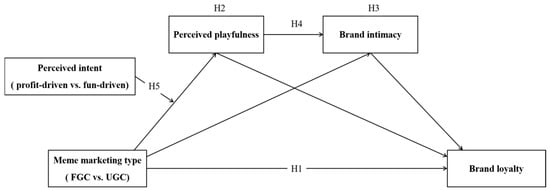
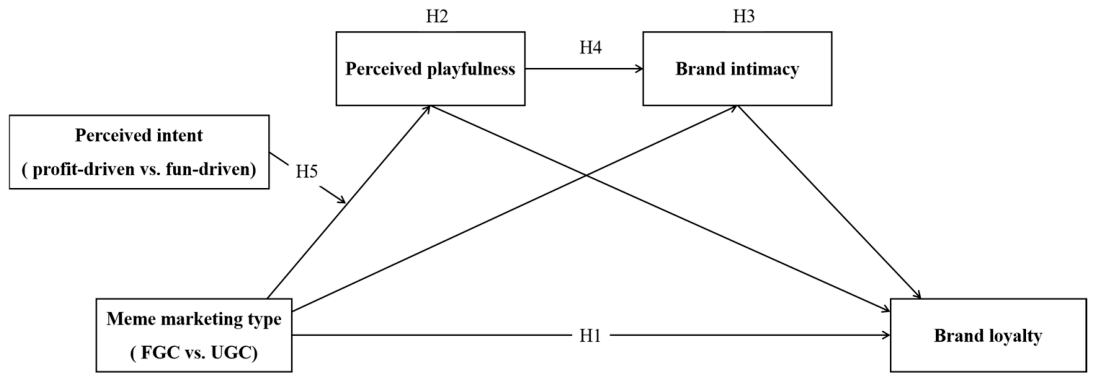
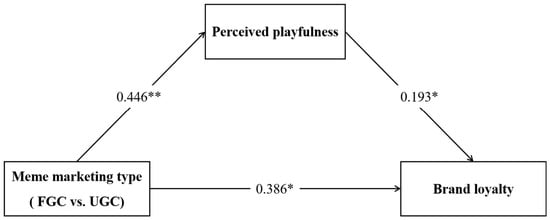
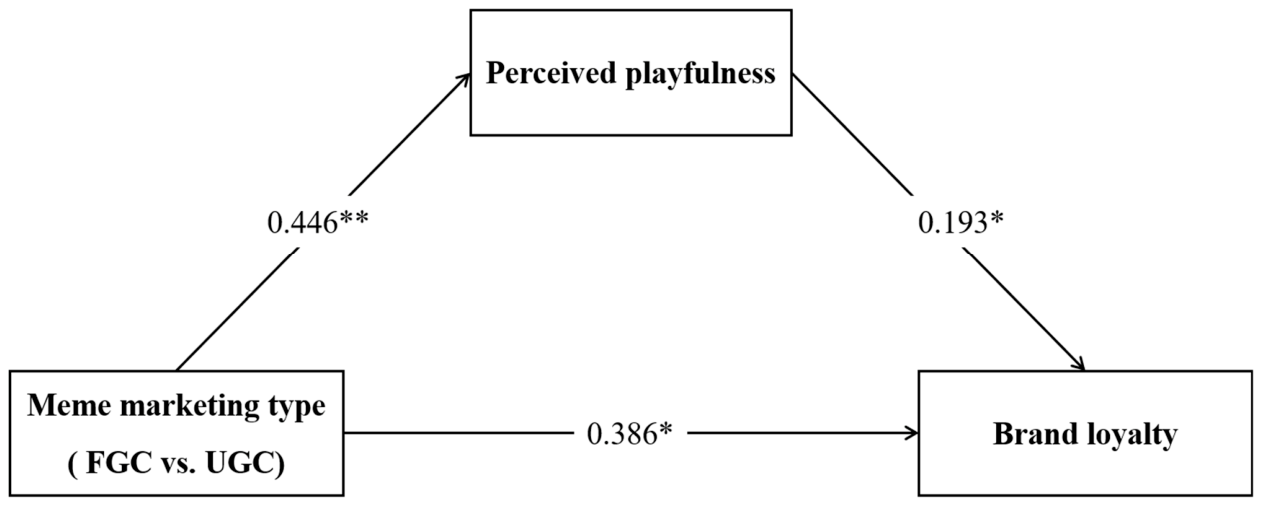
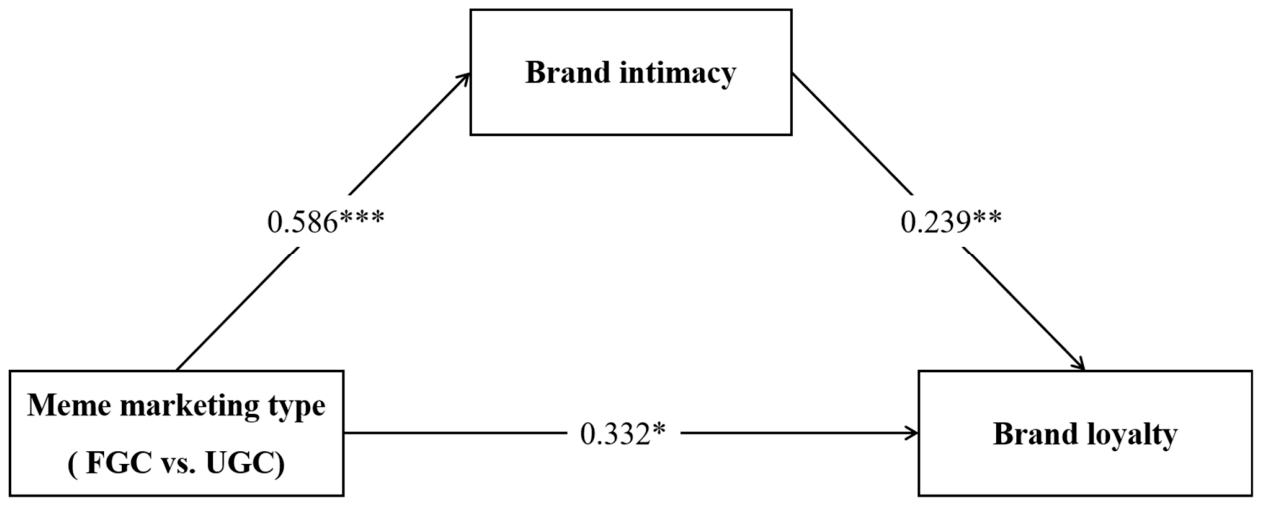
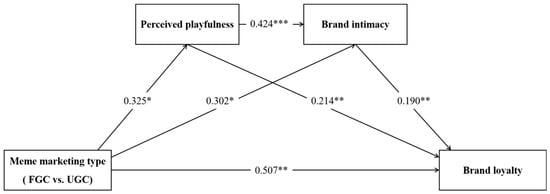
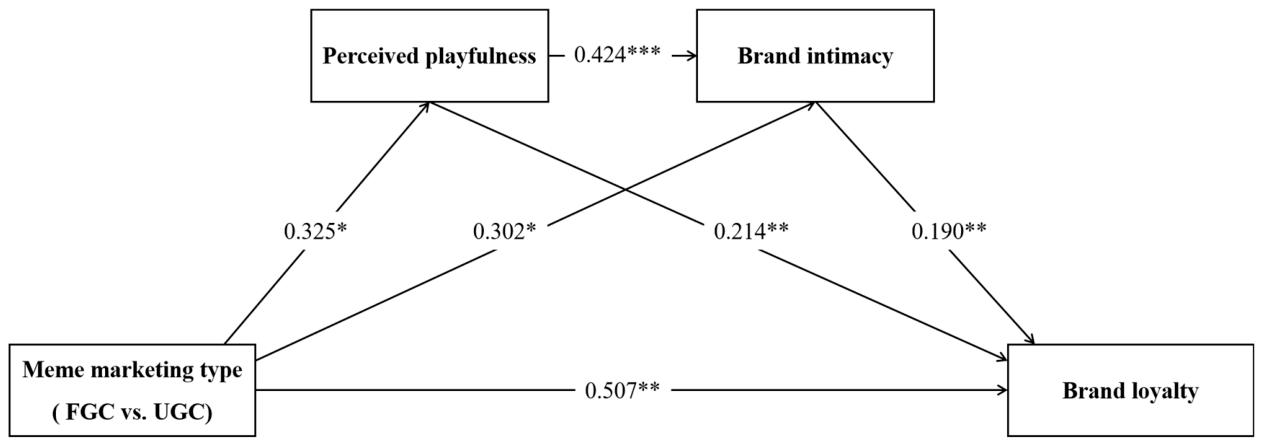
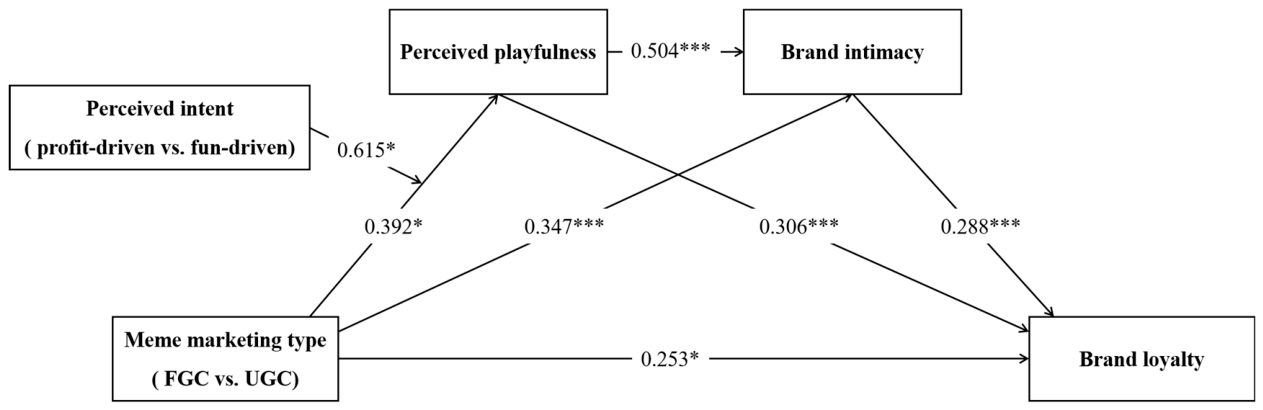

Disclaimer/Publisher’s Note: The statements, opinions and data contained in all publications are solely those of the individual author(s) and contributor(s) and not of MDPI and/or the editor(s). MDPI and/or the editor(s) disclaim responsibility for any injury to people or property resulting from any ideas, methods, instructions or products referred to in the content. |
© 2026 by the authors. Licensee MDPI, Basel, Switzerland. This article is an open access article distributed under the terms and conditions of the Creative Commons Attribution (CC BY) license.