


Toxins 2024, 16(2), 68; https://doi.org/10.3390/toxins16020068 - 30 Jan 2024
Cited by 16 | Viewed by 4223
Abstract
►
Show Figures
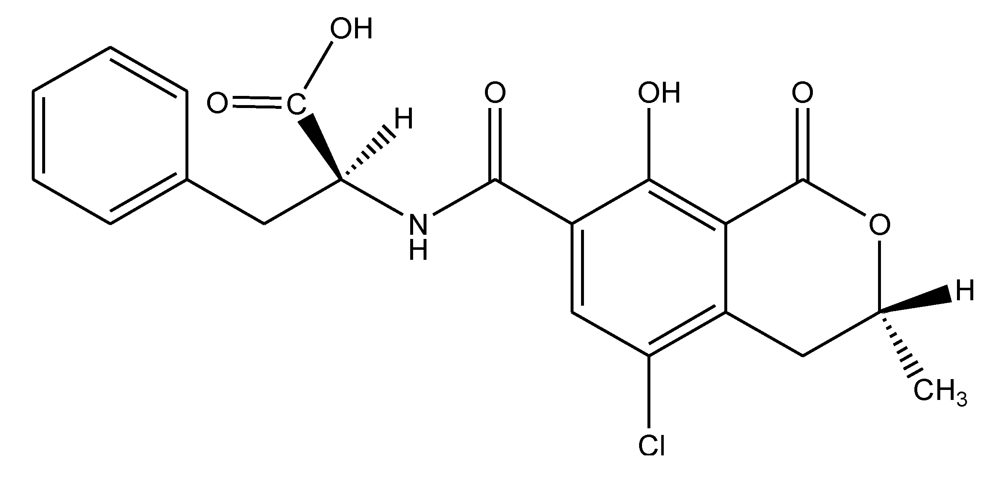
Ochratoxin A (OTA), a common mycotoxin, can contaminate food and feed and is difficult to remove. Astaxanthin (ASTA), a natural antioxidant, can effectively protect against OTA-induced hepatotoxicity; however, its mechanism of action remains unclear. In the present study, we elucidate the protective effects
[...] Read more.
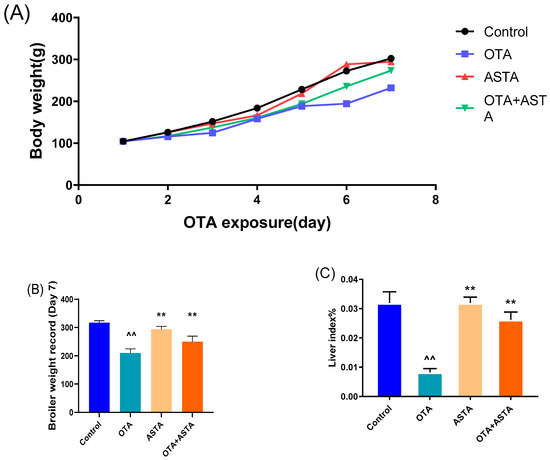
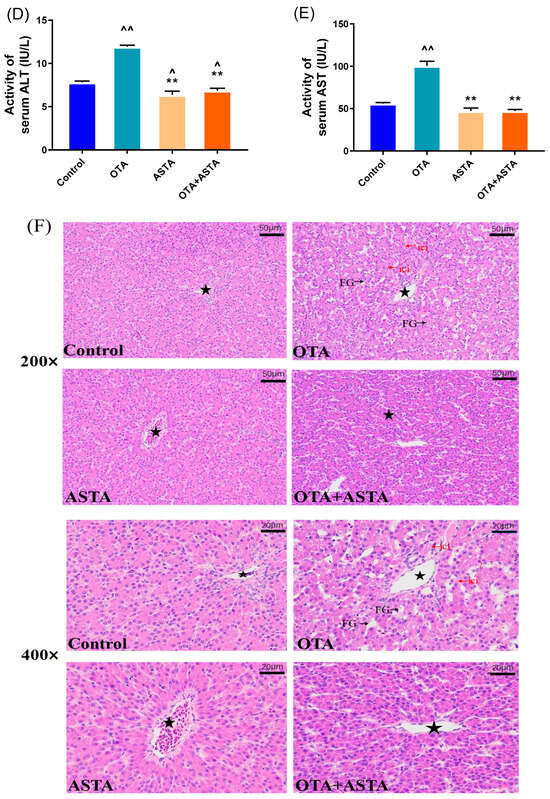
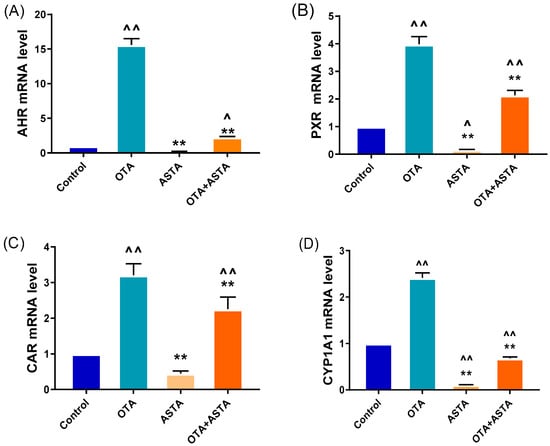
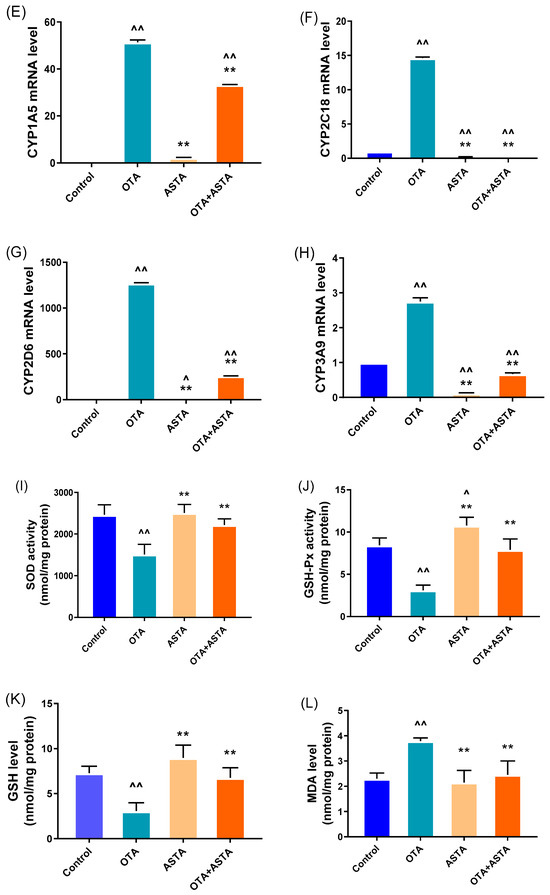
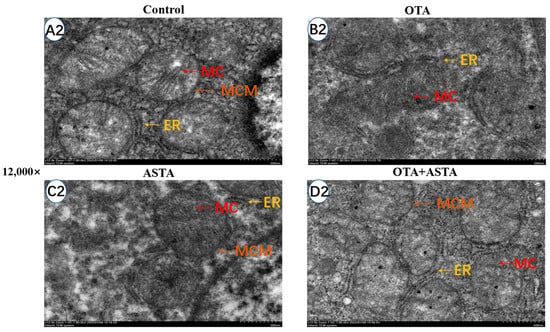
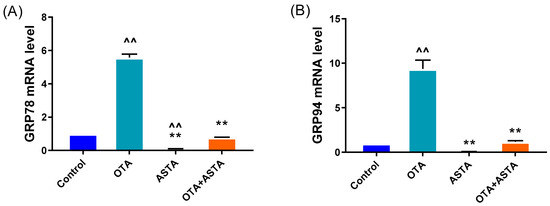
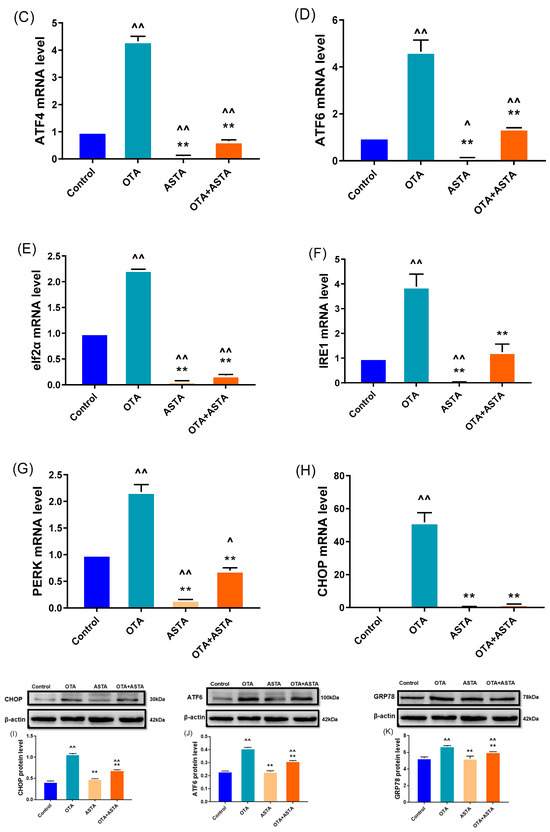
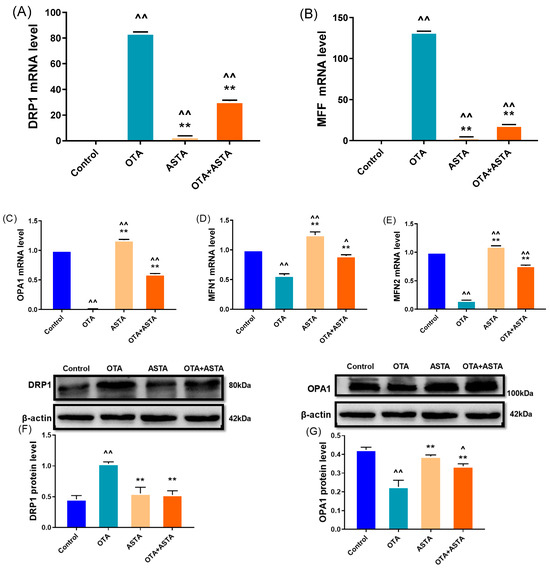
Ochratoxin A (OTA), a common mycotoxin, can contaminate food and feed and is difficult to remove. Astaxanthin (ASTA), a natural antioxidant, can effectively protect against OTA-induced hepatotoxicity; however, its mechanism of action remains unclear. In the present study, we elucidate the protective effects of ASTA on the OTA-induced damage of the endoplasmic reticulum and mitochondria in broiler liver samples by serum biochemical analysis, antioxidant analysis, qRT-PCR, and Western blot analysis. ASTA inhibited the expressions of ahr, pxr, car, cyp1a1, cyp1a5, cyp2c18, cyp2d6, and cyp3a9 genes, and significantly alleviated OTA-induced liver oxidative damage (SOD, GSH-Px, GSH, MDA). Furthermore, it inhibited OTA-activated endoplasmic reticulum stress genes and proteins (grp94, GRP78, atf4, ATF6, perk, eif2α, ire1, CHOP). ASTA alleviated OTA-induced mitochondrial dynamic imbalance, inhibited mitochondrial division (DRP1, mff), and promoted mitochondrial fusion (OPA1, MFN1, MFN2). In conclusion, ASTA can decrease OTA-induced oxidative damage, thereby alleviating endoplasmic reticulum stress and mitochondrial dynamic imbalance.
Full article
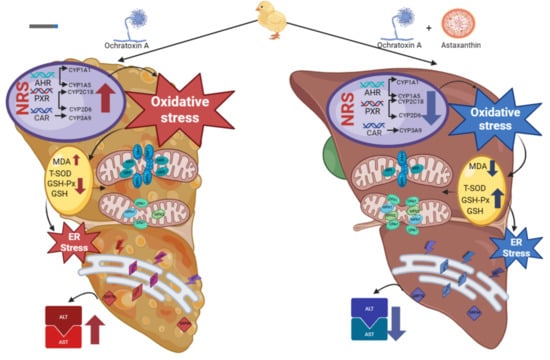
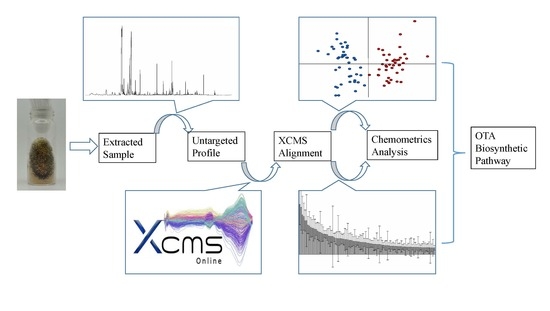
Graphical abstract