
The journal award 'Early Career Investigator Award' is not open for applications.
Journal Description
Taxonomy
Taxonomy
is an international, peer-reviewed, open access journal published quarterly online by MDPI. It covers the conception, naming, and classification of groups of organisms, including but not limited to animals, plants, viruses, and microorganisms.
- Open Access— free for readers, with article processing charges (APC) paid by authors or their institutions.
- High Visibility: indexed within ESCI (Web of Science), Scopus, AGRIS, and other databases.
- Journal Rank: JCR - Q2 (Zoology)
- Rapid Publication: manuscripts are peer-reviewed and a first decision is provided to authors approximately 25.3 days after submission; acceptance to publication is undertaken in 5.6 days (median values for papers published in this journal in the second half of 2025).
- Recognition of Reviewers: APC discount vouchers, optional signed peer review, and reviewer names published annually in the journal.
Impact Factor:
1.5 (2024);
5-Year Impact Factor:
1.4 (2024)
Latest Articles
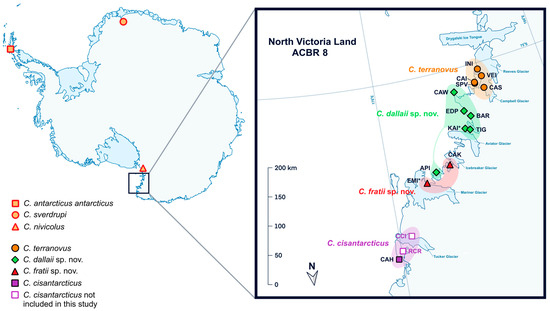
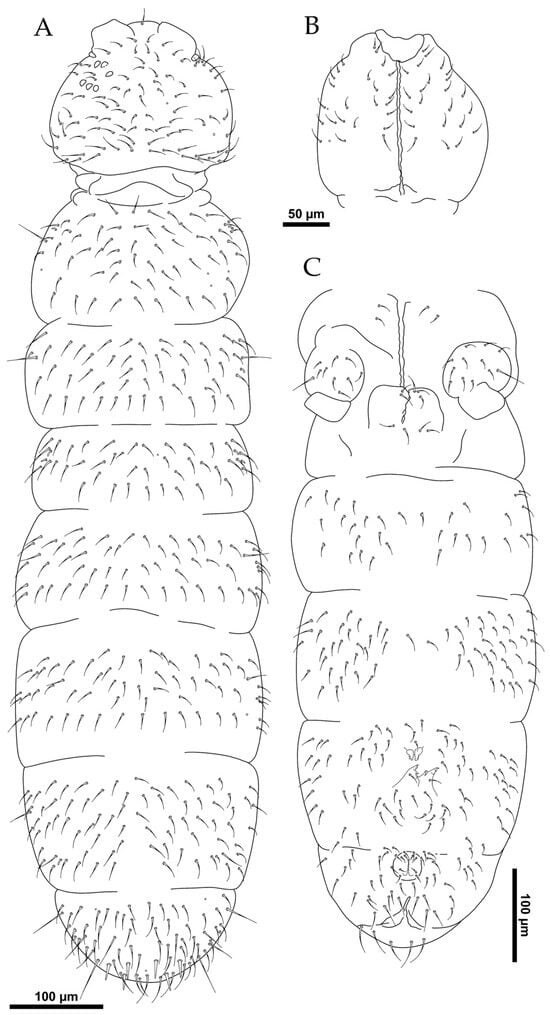
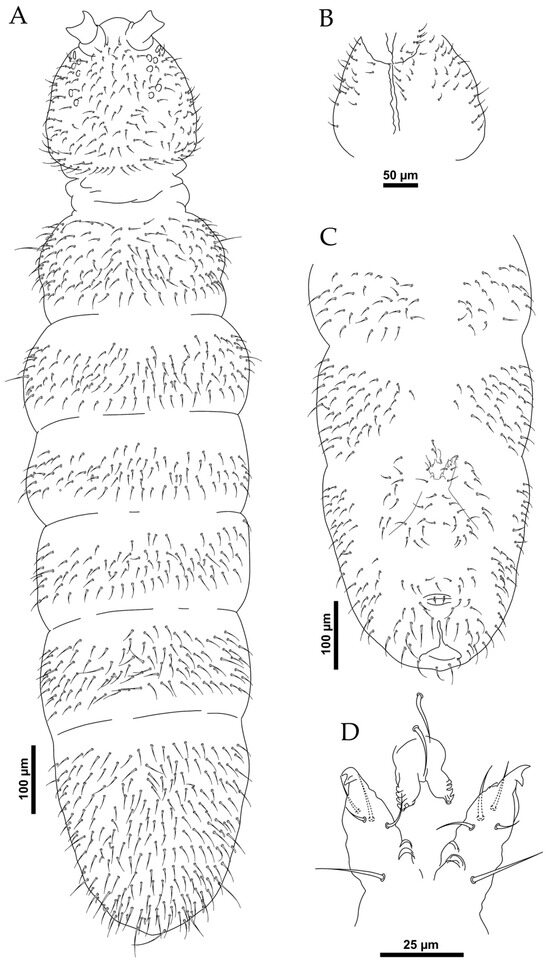
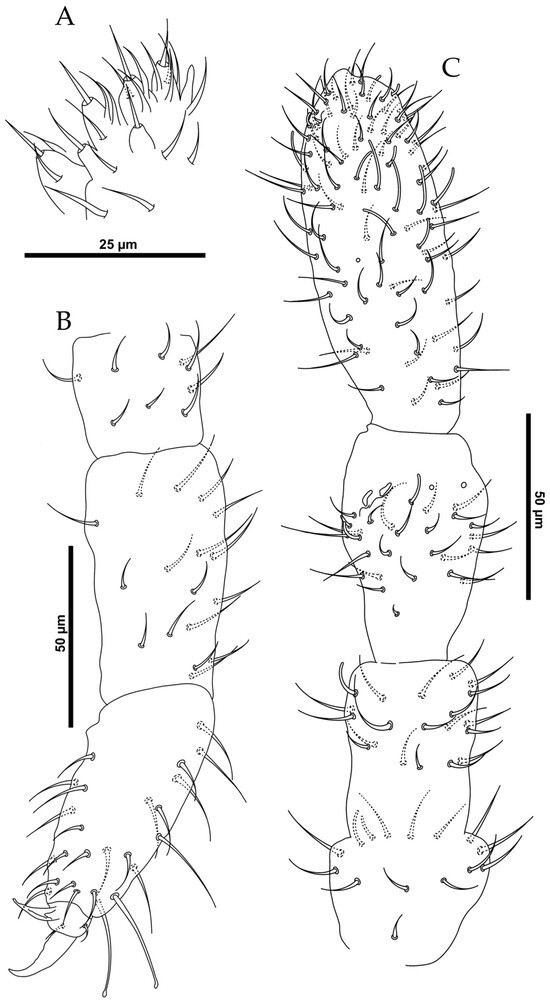
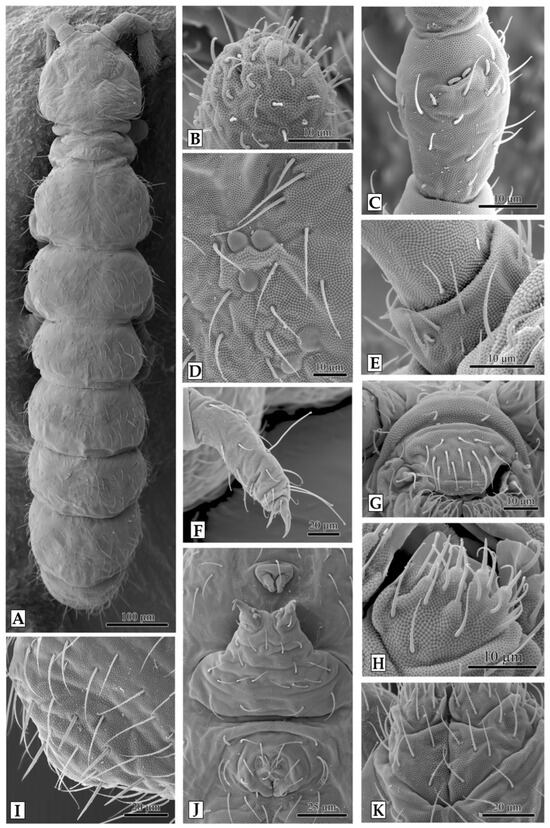
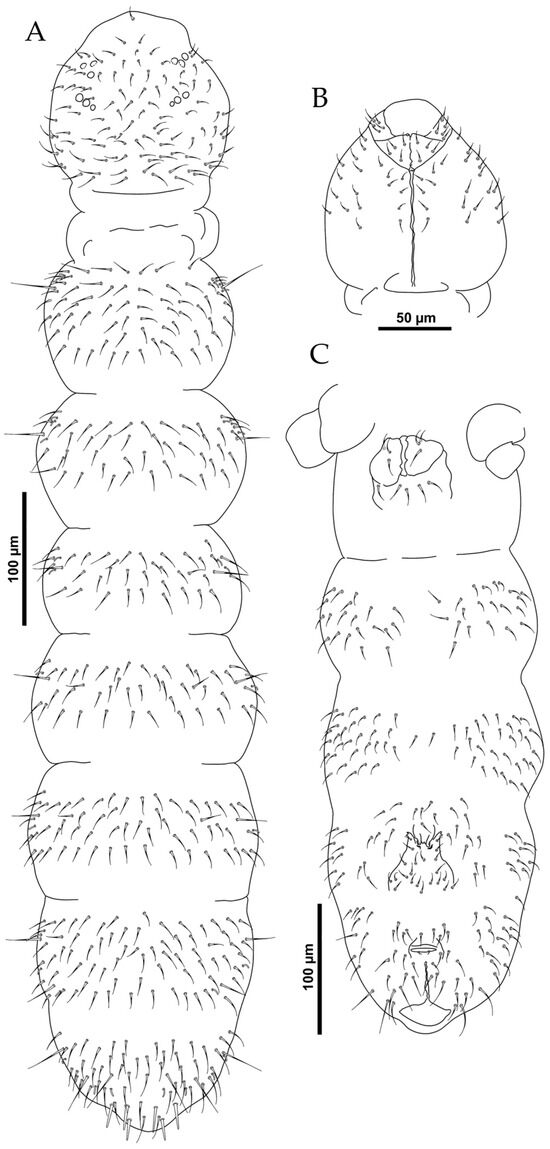
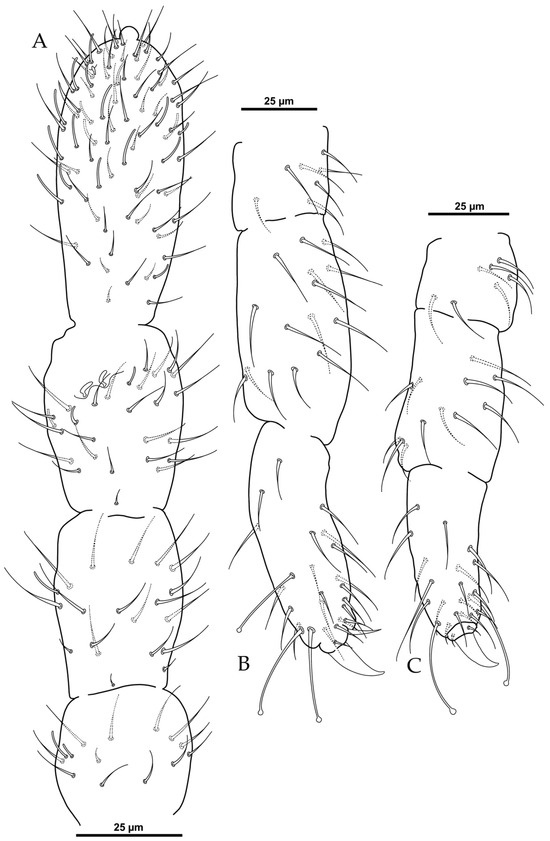
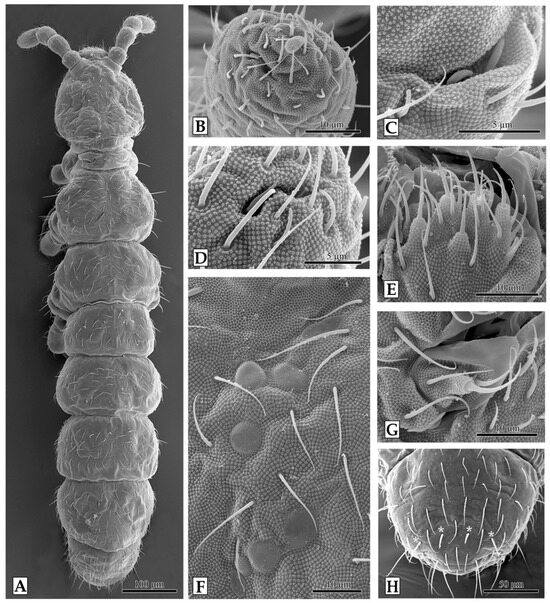
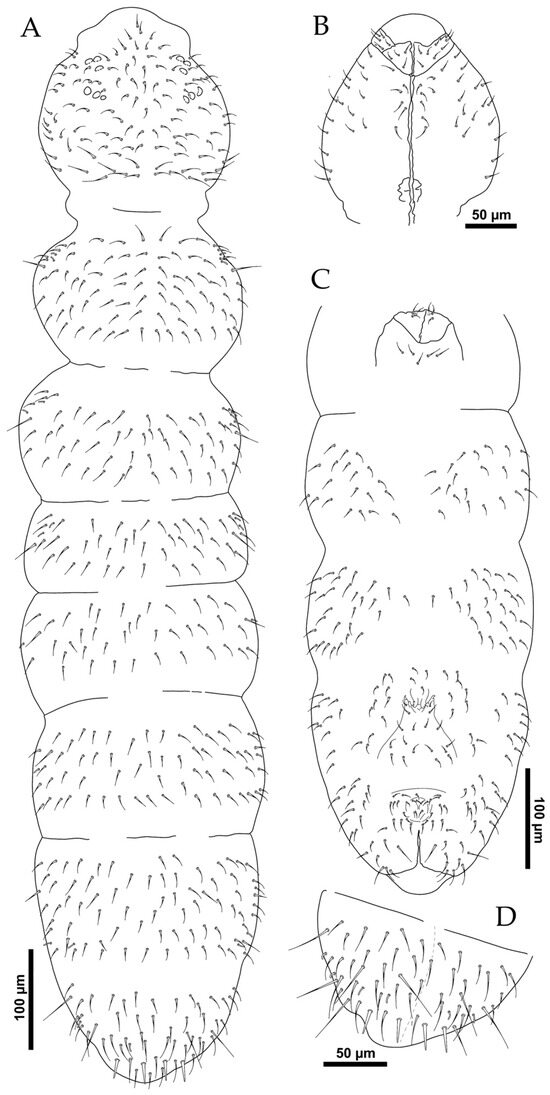
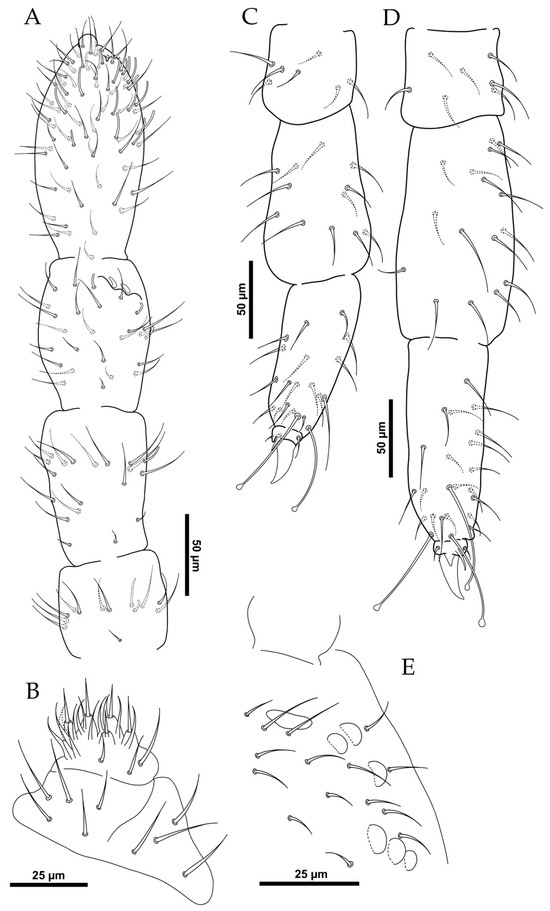
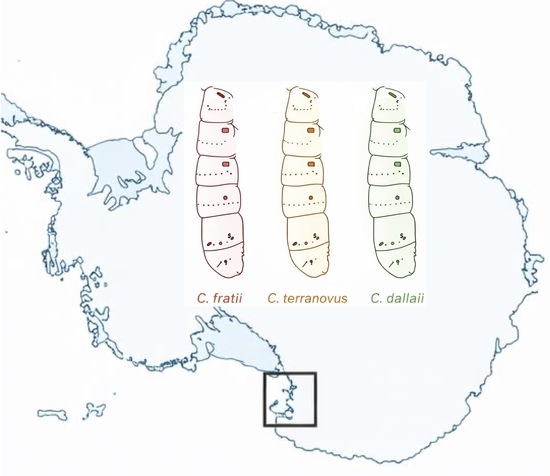
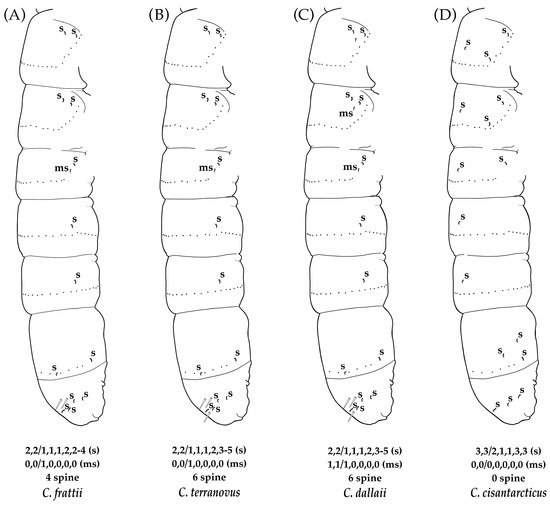
Fine-Scale Morphological Analysis Reveals Two New Endemic Species of Cryptopygus (Collembola; Isotomidae) from Victoria Land, Antarctica
Taxonomy 2026, 6(2), 29; https://doi.org/10.3390/taxonomy6020029 - 12 May 2026
Abstract
►
Show Figures
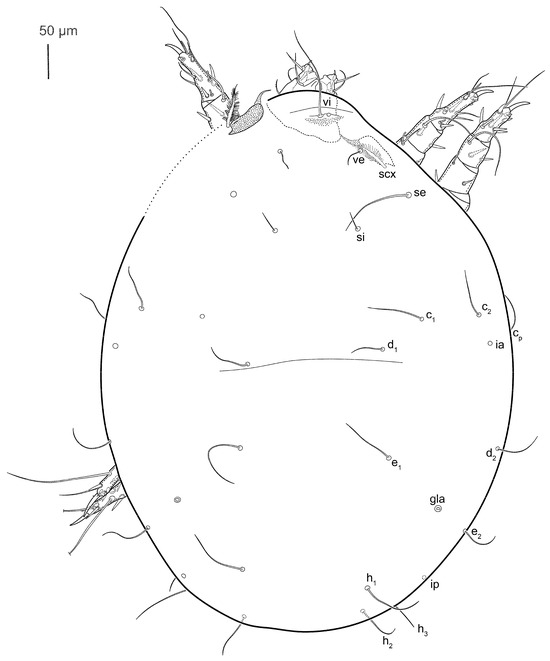
Among the life forms that have adapted to the harsh Antarctic environment, springtails and mites are the most abundant arthropod groups of the terrestrial ecosystem, both in continental and maritime Antarctica. The study of the systematics of these organisms originates at the beginning
[...] Read more.
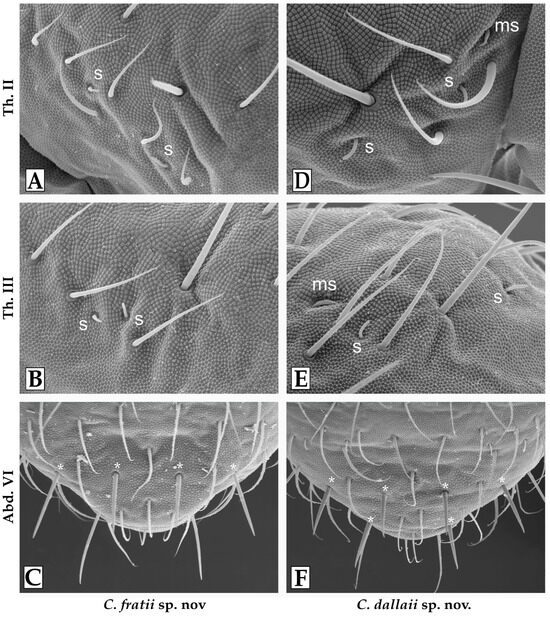
Among the life forms that have adapted to the harsh Antarctic environment, springtails and mites are the most abundant arthropod groups of the terrestrial ecosystem, both in continental and maritime Antarctica. The study of the systematics of these organisms originates at the beginning of the last century and, in recent years, has received considerable contributions. The taxonomy of springtail species from continental Antarctica has undergone more systematic revisions by way of the integration of modern morphological characters and molecular techniques, the latter of which prompted us to further investigate the morphology of supposed “cryptic species” within the springtail Cryptopygus terranovus from Victoria Land, Antarctica. In this study, a careful morphological analysis was conducted to parse these strongly divergent genetic lineages in order to characterize, from a morphological point of view, these new taxonomic entities. Results from our investigation reveal consistent morphological differences that strongly coincide with geographic and previously reported molecular evidence. With this, we have described two new species, C. fratii sp. nov. and C. dallaii sp. nov., bringing the total number of species of Cryptopygus within continental Antarctica to six.
Full article
Open AccessArticle
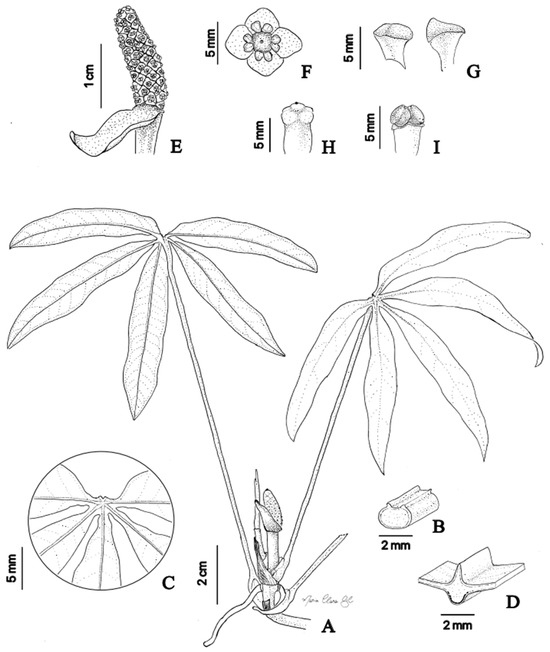
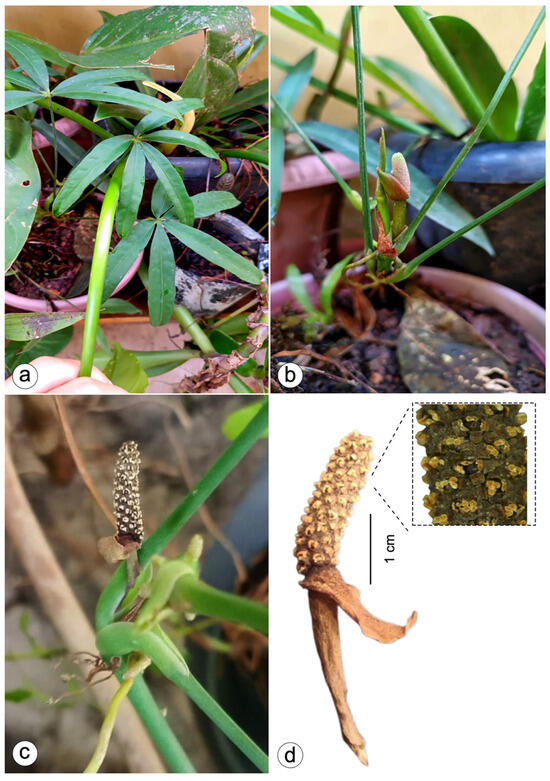
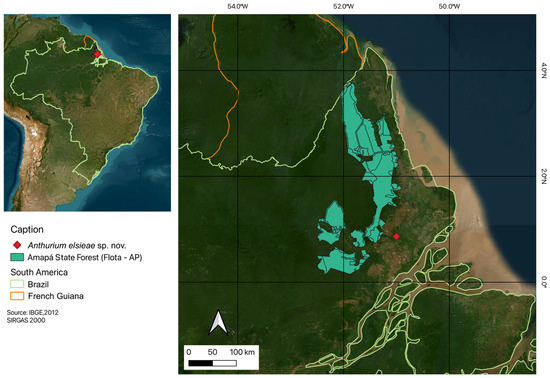
Anthurium elsieae (Araceae), A New Species from the Eastern Amazon Domain
by
Mel de Castro Camelo, Luciano Araujo Pereira and Micheline Carvalho-Silva
Taxonomy 2026, 6(2), 28; https://doi.org/10.3390/taxonomy6020028 - 6 May 2026
Abstract
A new species, Anthurium elsieae, from the Amapá State Forest in the Eastern Brazilian Amazon is described and illustrated. Belonging to the Anthurium sect. Schizoplacium, the species differs from its Amazonian congeners, A. pentaphyllum and A. eminens, by a unique
[...] Read more.
A new species, Anthurium elsieae, from the Amapá State Forest in the Eastern Brazilian Amazon is described and illustrated. Belonging to the Anthurium sect. Schizoplacium, the species differs from its Amazonian congeners, A. pentaphyllum and A. eminens, by a unique combination of morphological characters, including a short petiole (10–13 cm), inconspicuous venation with a marginal collective vein, and a notably short spadix (ca. 1.7 cm long). Detailed morphological descriptions, habitat information, and diagnostic features are provided. The species appears to be narrowly distributed, occurring at approximately 30 m elevation in terra firme forest. An identification key to the species of Anthurium sect. Schizoplacium is also presented. The discovery of this species highlights the relevance of continued taxonomic and floristic efforts for improving biodiversity knowledge in the Amazon domain and supporting conservation planning.
Full article
(This article belongs to the Special Issue Taxonomy in the 21st Century: Celebrating a New Chapter—First Impact Factor Received)
►▼
Show Figures

Figure 1
Open AccessArticle
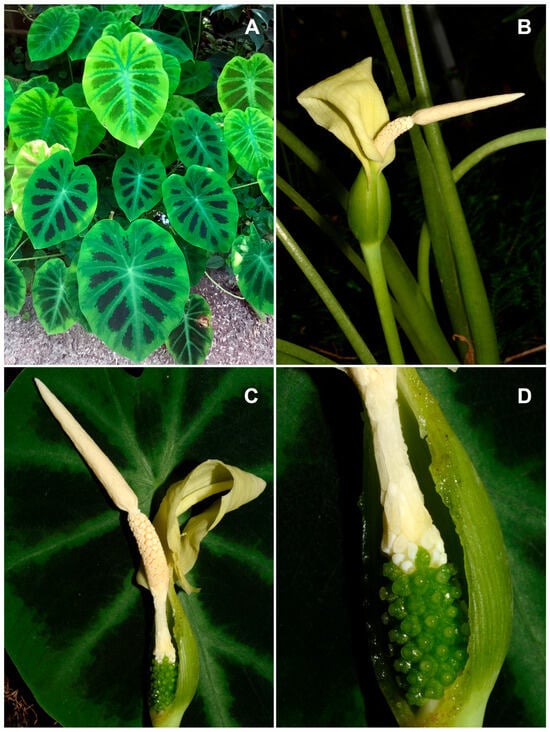
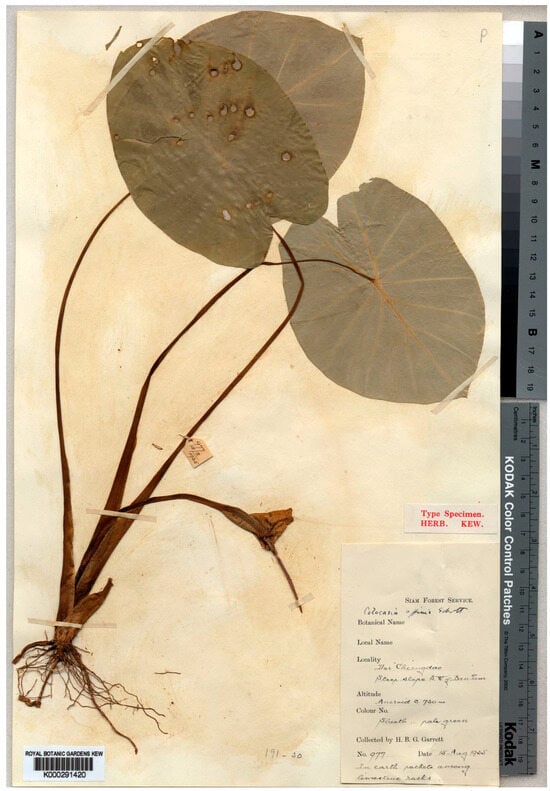
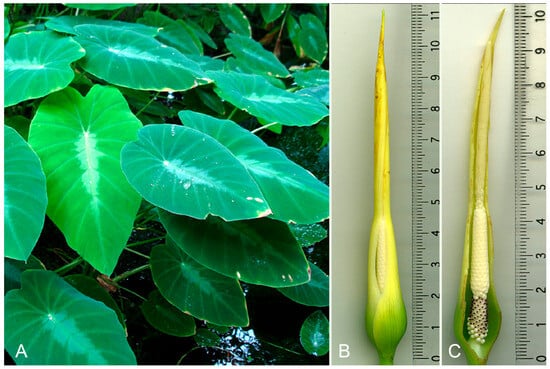
Notes on the Tribe Colocasieae (Araceae)—Reinstatement and Typification of Colocasia kerrii Gagnep
by
Khant Zaw Hein, Piyaporn Saensouk, Sarayut Rakarcha, Khamfa Chanthavongsa and Surapon Saensouk
Taxonomy 2026, 6(2), 27; https://doi.org/10.3390/taxonomy6020027 - 30 Apr 2026
Abstract
►▼
Show Figures
Colocasia kerrii Gagnep. has been treated as a synonym of C. fallax Schott in both the Flora of China and the Flora of Thailand accounts of Colocasia. However, detailed examination of the type material and additional specimens clearly demonstrates that C. kerrii
[...] Read more.
Colocasia kerrii Gagnep. has been treated as a synonym of C. fallax Schott in both the Flora of China and the Flora of Thailand accounts of Colocasia. However, detailed examination of the type material and additional specimens clearly demonstrates that C. kerrii is a distinct species. It can be readily distinguished from C. fallax and other species of Colocasia by the combination of the following characters: a spathe that is only strongly constricted between the spathe base and limb; a spathe limb reflexed and slightly coiled at staminate anthesis; a sessile or subsessile spadix; subsessile stigmas with very short styles; and a sterile zone between the pistillate and staminate zones nearly as long as the pistillate zone and covered with elongate, rhombo-hexagonal synandrodes. The specific status of C. kerrii is therefore reinstated. It is compared with the later described C. bicolor C.L.Long & L.M.Cao, which is here placed in synonymy. The name Colocasia kerrii Gagnep. is lectotypified, and an amended description, updated distribution data, ecological notes, and a preliminary IUCN conservation assessment are provided.
Full article

Figure 1
Open AccessArticle
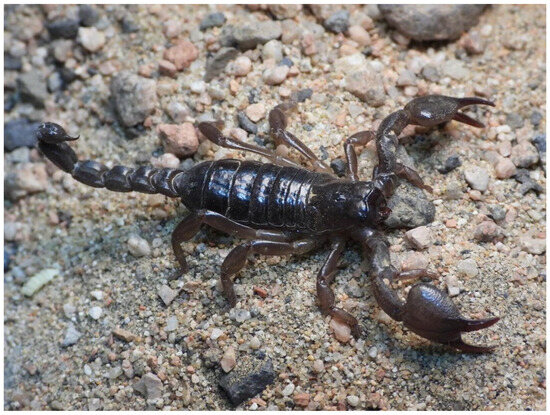
A New Species of Scorpio from Saudi Arabia (Scorpiones: Scorpionidae)
by
Abdulhadi Aloufi, Bassam Abu Afifeh, Mohammad Al-Saraireh and Zuhair S. Amr
Taxonomy 2026, 6(2), 26; https://doi.org/10.3390/taxonomy6020026 - 30 Apr 2026
Abstract
►▼
Show Figures
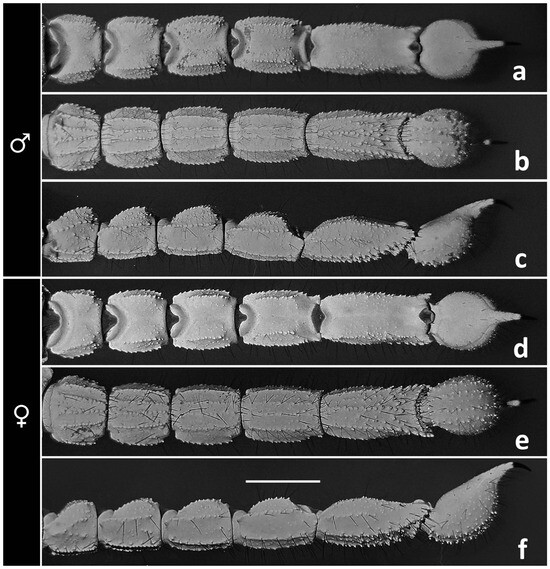
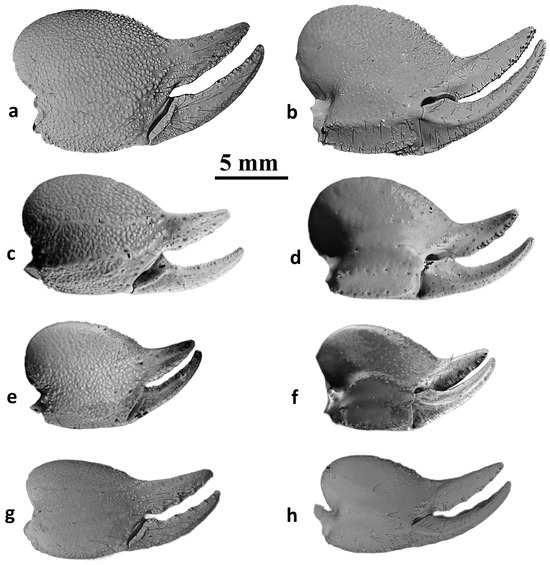
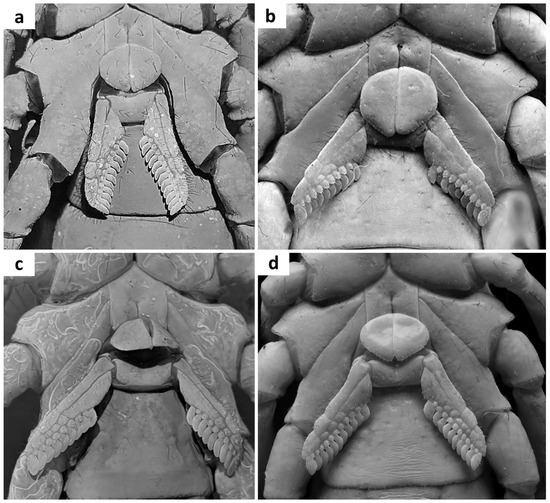
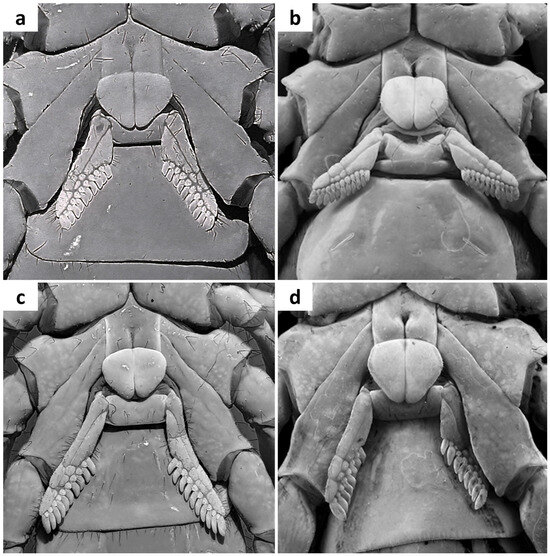
A new species of Scorpio Linnaeus, 1758 is described from Al Ula Governorate, Al Madinah Province, Saudi Arabia. Scorpio furvus sp. nov. is distinguished from closely related congeners, including S. fuscus, S. kruglovi, S. palmatus, S. jordanensis, and S.
[...] Read more.
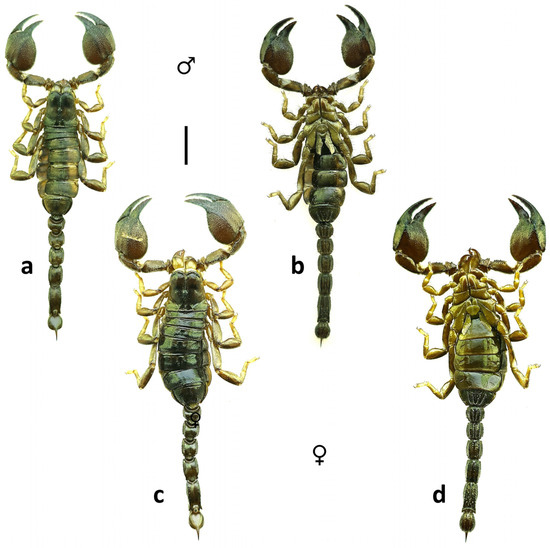
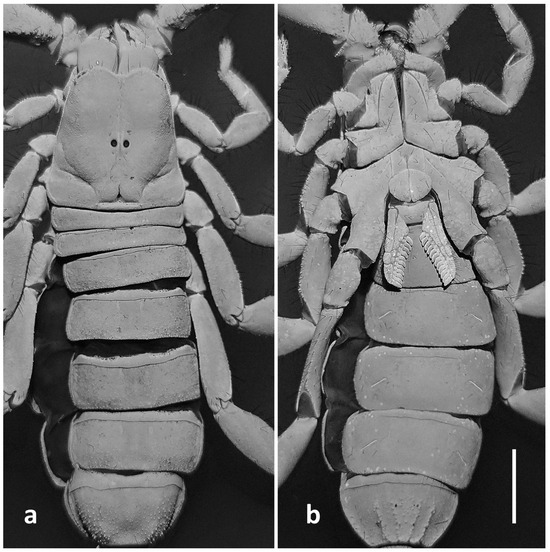
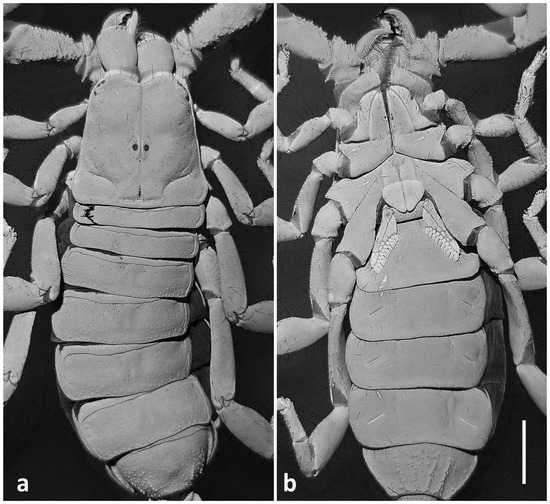
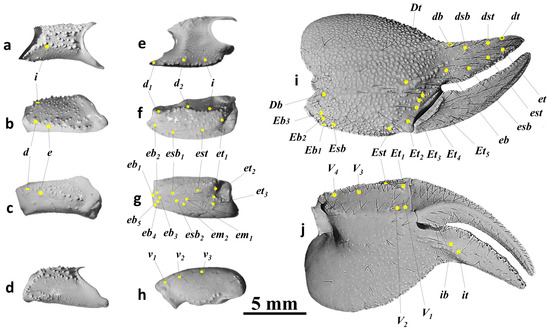
A new species of Scorpio Linnaeus, 1758 is described from Al Ula Governorate, Al Madinah Province, Saudi Arabia. Scorpio furvus sp. nov. is distinguished from closely related congeners, including S. fuscus, S. kruglovi, S. palmatus, S. jordanensis, and S. yemenensis, by a unique combination of morphological characters notably the granulation pattern of the pedipalp chela, metasomal proportions, pectinal structure and length, and overall dark coloration. Morphometric comparisons further support its distinct status. The discovery of this species highlights the underestimated diversity of the genus Scorpio in the Arabian Peninsula and reinforces the view that the Scorpio maurus complex comprises multiple geographically restricted taxa requiring continued integrative taxonomic investigation.
Full article

Figure 1
Open AccessArticle
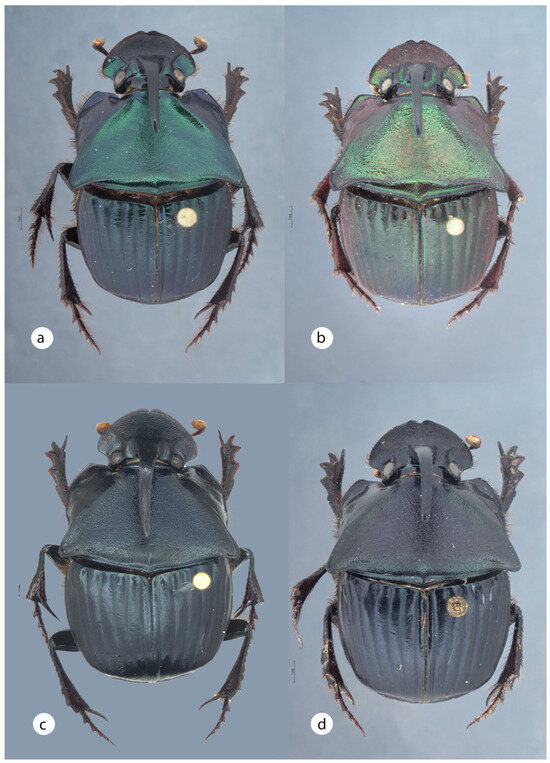
Mycophagous Phanaeus MacLeay, 1819 (Coleoptera: Scarabaeidae: Scarabaeinae) in Mexico, with Notes on the Taxonomy of the Genus
by
Bert Kohlmann, Matthias Rös, Eder F. Mora-Aguilar, Paola A. González-Vanegas, Ciro Rodríguez-Pérez, Bruna R. Bordin and Alfonso Díaz-Rojas
Taxonomy 2026, 6(2), 25; https://doi.org/10.3390/taxonomy6020025 - 27 Apr 2026
Abstract
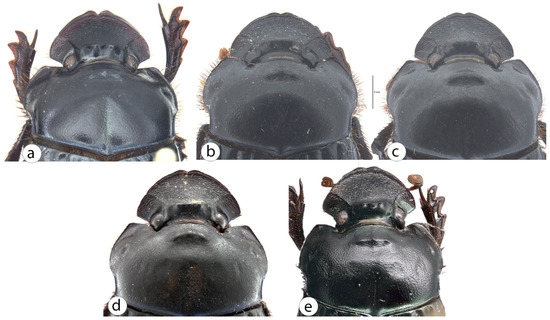
We report fungal species used as food sources by mycophagous scarab beetles, with special emphasis on Phanaeus MacLeay, 1819, and confirm that Phanaeus zapotecus Edmonds, 2006 and Phanaeus bravoensis Moctezuma, Sánchez-Huerta & Halffter, 2017 are mycophagous. Mycophagy is confirmed in the P. endymion
[...] Read more.
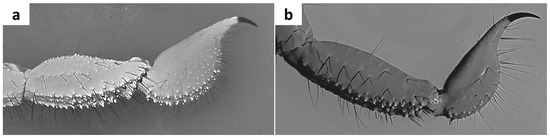
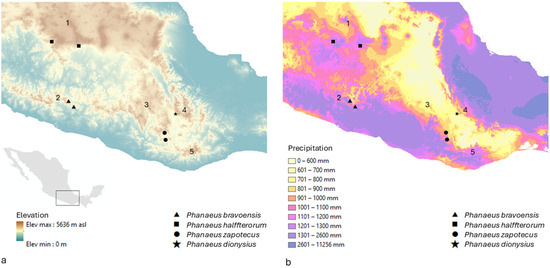
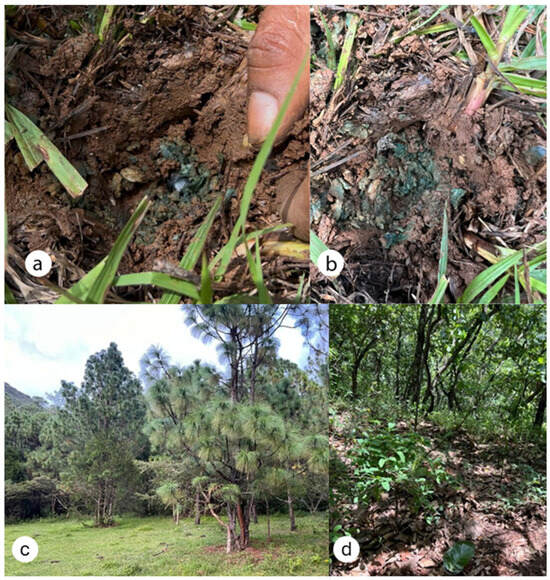
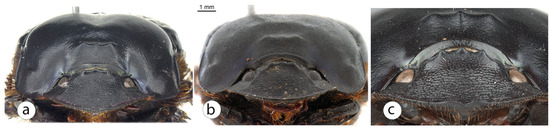
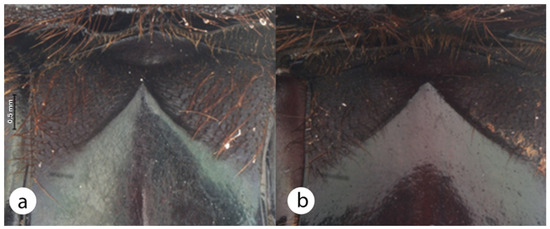
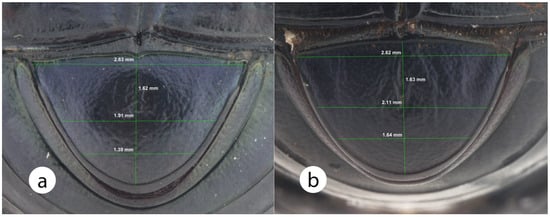
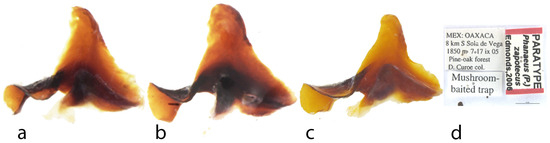
We report fungal species used as food sources by mycophagous scarab beetles, with special emphasis on Phanaeus MacLeay, 1819, and confirm that Phanaeus zapotecus Edmonds, 2006 and Phanaeus bravoensis Moctezuma, Sánchez-Huerta & Halffter, 2017 are mycophagous. Mycophagy is confirmed in the P. endymion and P. tridens species groups. We propose a vicariant speciation process for the mycophagous species of the P. endymion species group (P. halffterorum Edmonds, 1979; P. zapotecus; and P. bravoensis) in the mountains of central Mexico, driven by competition, glaciation-induced climatic change, biome and faunal shifts, and access to a new food resource (fleshy fungi) in a new environment (pine–oak forest). We reiterate the revalidation of Phanaeus dionysius Kohlmann, Arriaga-Jiménez & Rös, 2018 as a distinct species and confirm its coprophagous habits. Based on morphological characteristics, we establish the Phanaeus halffterorum species complex within the Phanaeus endymion species -group.
Full article
(This article belongs to the Special Issue Diversity and Taxonomy of Scarabaeoidea)
►▼
Show Figures

Figure 1
Open AccessArticle
Getting Back to the Sources: New Insights on the Phylogenetic Placement and Circumscription of Sclerosiphon (Iridaceae) and Its Relationships to the Re-Circumscribed Cryptobasis
by
Manuel B. Crespo, Mario Martínez-Azorín and Evgeny V. Mavrodiev
Taxonomy 2026, 6(2), 24; https://doi.org/10.3390/taxonomy6020024 - 23 Apr 2026
Abstract
►▼
Show Figures
The ‘Tenuifoliae irises’ are a distinctive group of beardless, rhizomatous perennial irises, which are characterised by their somewhat vertical rhizomes, typically clothed at the apex with long maroon-brown, sharp fibrous remains of leaf sheaths; perianth tube long, filiform to scapiform; stigma bilobed; capsules
[...] Read more.
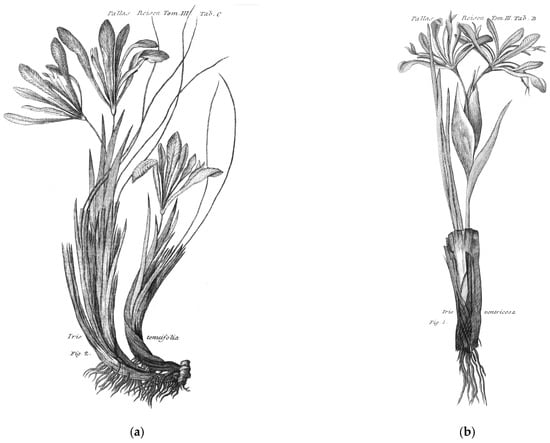
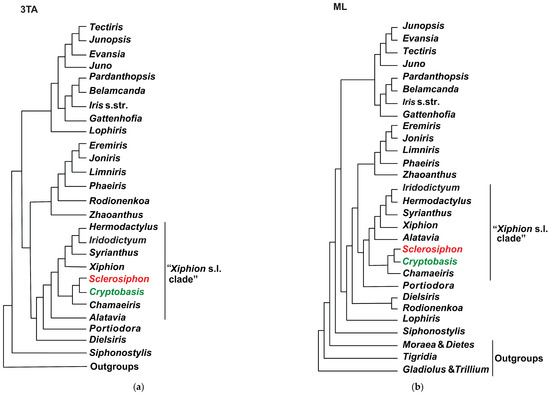
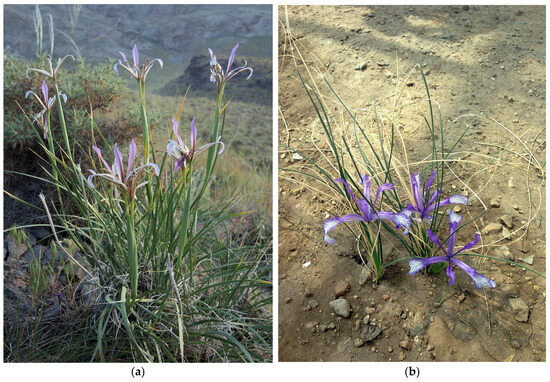
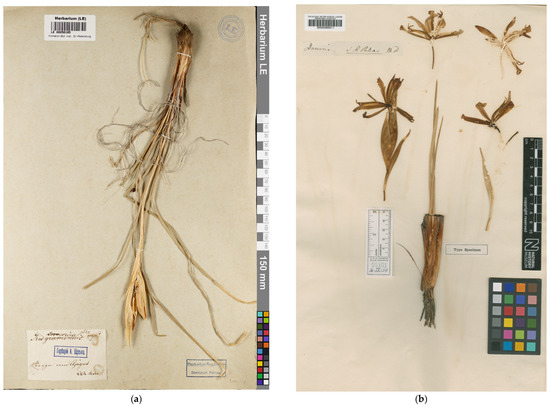
The ‘Tenuifoliae irises’ are a distinctive group of beardless, rhizomatous perennial irises, which are characterised by their somewhat vertical rhizomes, typically clothed at the apex with long maroon-brown, sharp fibrous remains of leaf sheaths; perianth tube long, filiform to scapiform; stigma bilobed; capsules often trigonous to six-ribbed, apically beaked; and seeds angulose to subcubic or pyriform, lacking fleshy appendages, and with testa hard, irregularly wrinkled. The representatives of the aggregate are mostly native to the dry steppes and grasslands from lowland to high mountain habitats of Central and Eastern Asia, extending westwards to the Black Sea and Caspian regions. Morphological classification of the ‘Tenuifoliae irises’ recognises about ten to eleven species, which are arranged into two genera, Sclerosiphon and Cryptobasis. Diverse molecular research recovered members of the ‘Tenuifoliae irises’ in contrasting placements within the ‘Iris-flower clade’. Sometimes, Sclerosiphon was sister to Eremiris, but Cryptobasis aligned with the ‘Spuria irises’ (Chamaeiris) and the ‘Spanish irises’ (Xiphion and related genera); in other cases, both Sclerosiphon and Cryptobasis formed a clade sister to Chamaeiris, or Cryptobasis alone was identified as the basal member of the Iris s.l. clade, positioned immediately after Siphonostylis. To examine these taxonomic discrepancies within a rigorous molecular systematic framework and using 12 reliably authenticated specimens, we generated 24 sequences of the matK gene (12) and the trnL (UAA)–trnF (GAA) loci (12) from members of the ‘Tenuifoliae irises’. These sequences were subsequently incorporated into a comprehensive dataset of the ‘Iris-flower clade’, enabling a broader analytical assessment. The obtained three-taxon statement hierarchy of patterns and maximum likelihood phylogenetic trees both recover the ‘Tenuifoliae irises’ as monophyletic and sister to Chamaeiris, and in turn to the ‘Xiphion s.l. clade’. We also found Sclerosiphon and Cryptobasis as sister genera. The morphological and karyological data supporting those relationships are discussed, which allow getting back to Rodionenko’s sources and recovering Sclerosiphon in his original sense, alongside Cryptobasis. Furthermore, the molecular results allow us to expand Sclerosiphon to include the Eastern Chinese members of the aggregate. In consequence, five new combinations (one series and four species) are established in the genus, one lectotype is designated, and data on nomenclature, distribution and ecology of the accepted species are reported.
Full article

Figure 1
Open AccessArticle
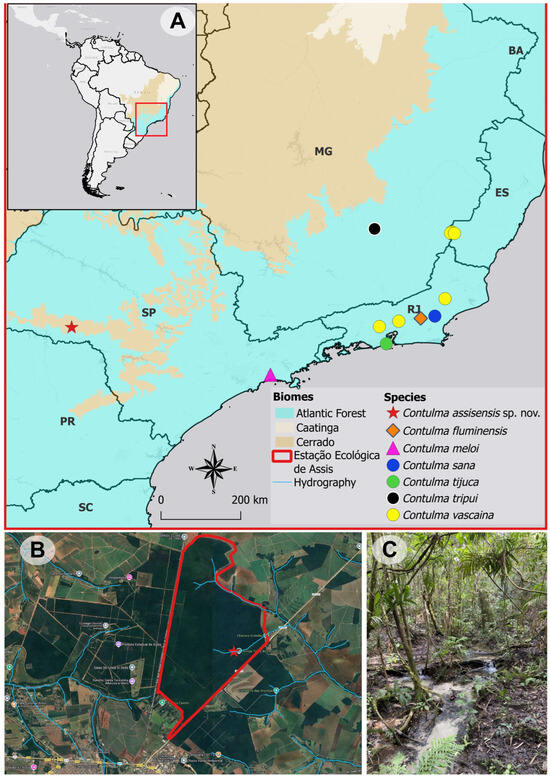
The Caddisfly Genus Contulma Flint, 1969 (Trichoptera: Anomalopsychidae) in Brazil: A New Species, Distribution, and an Identification Key
by
Gleison R. Desidério, Lívia Piovezani, Maria C. L. Ghirardello and Pitágoras C. Bispo
Taxonomy 2026, 6(2), 23; https://doi.org/10.3390/taxonomy6020023 - 10 Apr 2026
Abstract
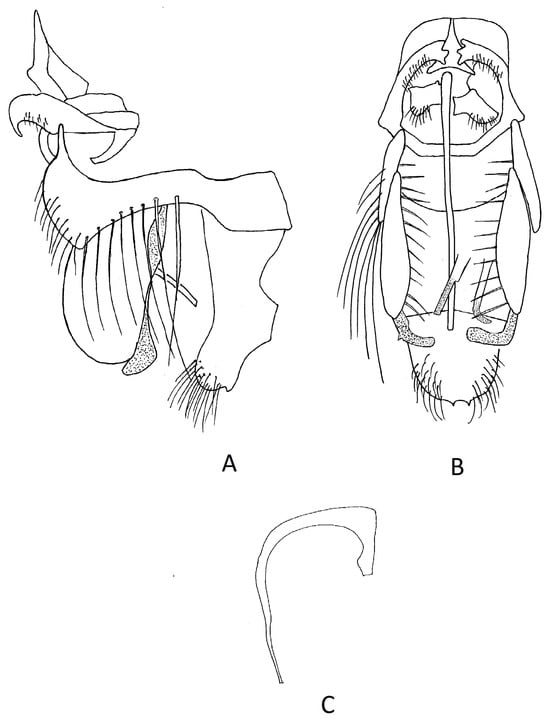
Anomalopsychidae Flint, 1981, is a small family of caddisflies comprising two genera: the monotypic Anomalopsyche Flint, 1967, and Contulma Flint, 1969, including 31 described species grouped into the cranifer and spinosa species groups. The genus Contulma is distributed across Costa Rica, the Andes,
[...] Read more.
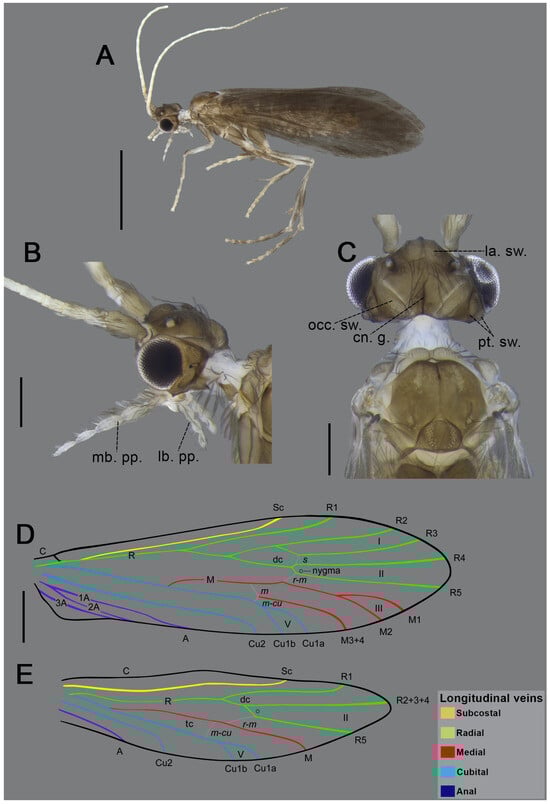
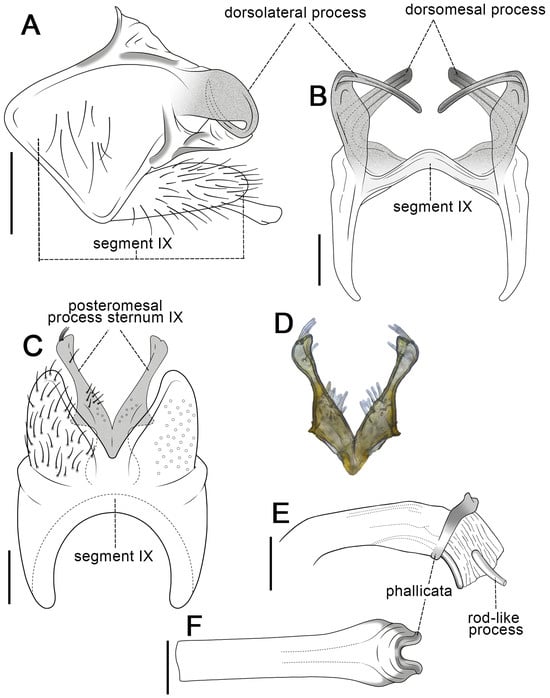
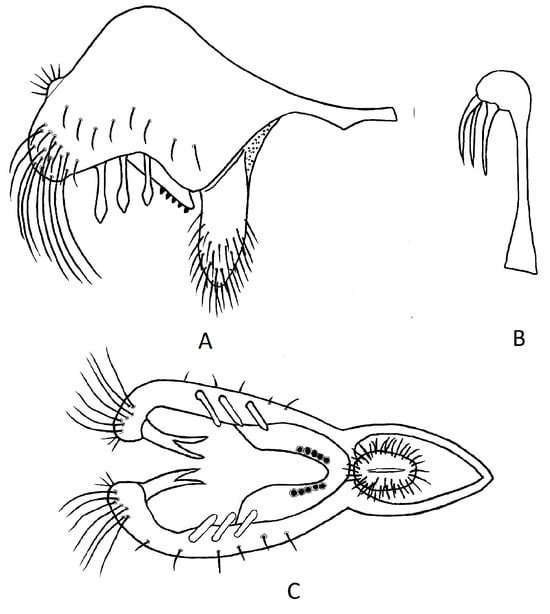
Anomalopsychidae Flint, 1981, is a small family of caddisflies comprising two genera: the monotypic Anomalopsyche Flint, 1967, and Contulma Flint, 1969, including 31 described species grouped into the cranifer and spinosa species groups. The genus Contulma is distributed across Costa Rica, the Andes, and the mountainous areas of Brazil and Chile, with six species recorded in Brazil, primarily from the Atlantic Forest biome in the southeastern region. In this study, we describe and illustrate a new species of Contulma from the Cerrado biome of São Paulo State, representing the first record of the genus in this biome. Male specimens were collected using Malaise traps in a stream within a protected area. The new species is distinguished by the presence of both a strongly sclerotized dorsomesal process and a strongly dorsolateral process on tergum IX and by an extremely deep cleft in the posteromesal process of sternum IX, dividing it into two narrow, digitated lobes. Based on its unique combination of characters, the new species cannot be placed unambiguously in either of the species groups. Consequently, C. assisensis sp. nov. is here treated as incertae sedis within Contulma. With this addition, seven species of Contulma are now known from Brazil, most of which are recorded from the Atlantic Forest (6 spp.), especially in the mountainous areas of southeastern Brazil. The discovery of this new species in the Cerrado highlights the underestimated diversity of the genus in Brazil and underscores the importance of regional taxonomic studies for addressing biogeographic and diversity knowledge gaps. The identification key provided enables the differentiation of the seven Contulma species now known from Brazil.
Full article
(This article belongs to the Special Issue Taxonomy in the 21st Century: Celebrating a New Chapter—First Impact Factor Received)
►▼
Show Figures

Figure 1
Open AccessArticle
Taxonomy, Taxa Richness, and Distribution of the Tribes Astragaleae, Crotalarieae, Genisteae, Indigofereae, and Loteae (Fabaceae) in Northeastern Mexico
by
Eduardo Estrada Castillón, Gilberto Ocampo, Juan Antonio Encina Domínguez, Arturo Mora-Olivo, Jaime Sánchez Salas, George Sebastian Hinton, Gisela Muro Pérez, Eduardo Alanís Rodríguez, José Isidro Uvalle Sauceda and Renata Aide Valdes Alameda
Taxonomy 2026, 6(2), 22; https://doi.org/10.3390/taxonomy6020022 - 1 Apr 2026
Abstract
►▼
Show Figures
Background: The species richness and endemism of the species of the tribes Astragaleae, Crotalarieae, Genisteae, Indigofereae, and Loteae in northeastern Mexico are poorly documented and the systematics of these groups in the study area have not been updated according to the new
[...] Read more.
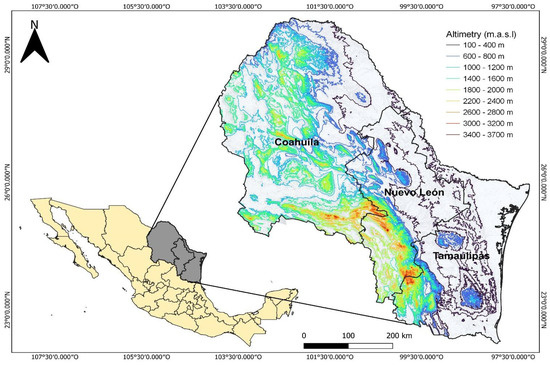
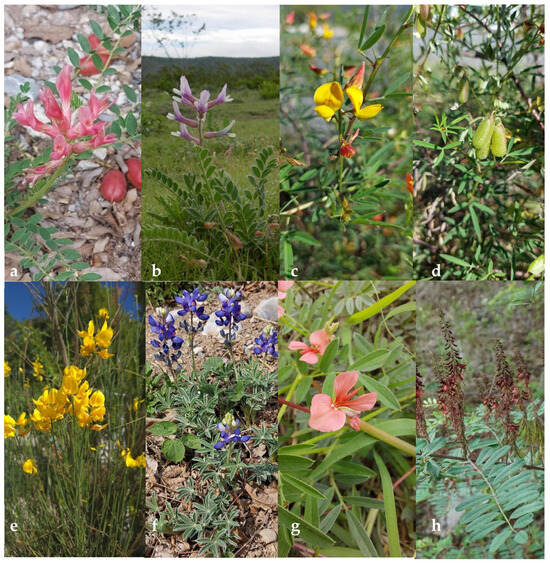
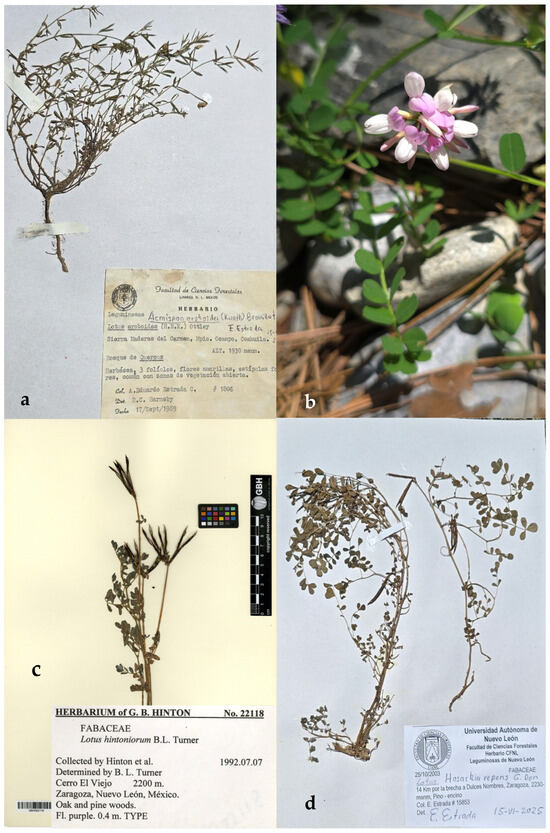
Background: The species richness and endemism of the species of the tribes Astragaleae, Crotalarieae, Genisteae, Indigofereae, and Loteae in northeastern Mexico are poorly documented and the systematics of these groups in the study area have not been updated according to the new taxonomic modifications proposed by the LPWG. Objective: Our objective is to update the taxonomy and to document the richness and endemism of legumes of the tribes Astragaleae, Crotalarieae, Genisteae, Indigoferae, and Loteae distributed in northeastern Mexico. Methods: This work is based primarily on fieldwork conducted by some of the authors over the past 40 years, and on the review of botanical specimens held in national and international herbaria. Results: Five tribes, eight genera, and 60 species of legumes were recorded and distributed as follows: Astragaleae, one genus (Astragalus), 29 species, and eight infraspecific categories; Crotalarieae, one genus (Crotalaria), 10 species, and three infraspecific categories; Genisteae, two genera (Lupinus and Spartium) and 11 species; Indigofereae, one genus (Indigofera), six species; Loteae, three genera (Acmispon, Coronilla, and Hosackia), and four species. Four introduced species were recorded: Coronilla varia, Crotalaria retusa var. retusa, Indigofera subulata var. scabra, and Spartium junceum, all of them with few records in the wild or cultivated as ornamentals, with no reports of weedy behavior or threats of population expansion. Twenty-nine species and two infraspecific categories are endemic to Mexico, of which 18 are exclusive to the northeastern region. Half and one-third of the recorded species are endemic to Mexico and northeastern Mexico, respectively, demonstrating their uniqueness and importance for conservation purposes. Astragalus and Lupinus constitute up to 95% of the endemic species for the northeastern part of the country. The taxa richness of legumes in NE Mexico is unique, because almost half of them are endemic to the country and a third are endemic to this region, which requires the creation of appropriate measures for the conservation of the specific ecosystems where these species grow.
Full article

Figure 1
Open AccessArticle
A New Species of Marasmius Sect. Globulares Growing in Grassland from Japan
by
Kaito Oguchi and Kentaro Hosaka
Taxonomy 2026, 6(1), 21; https://doi.org/10.3390/taxonomy6010021 - 11 Mar 2026
Abstract
►▼
Show Figures
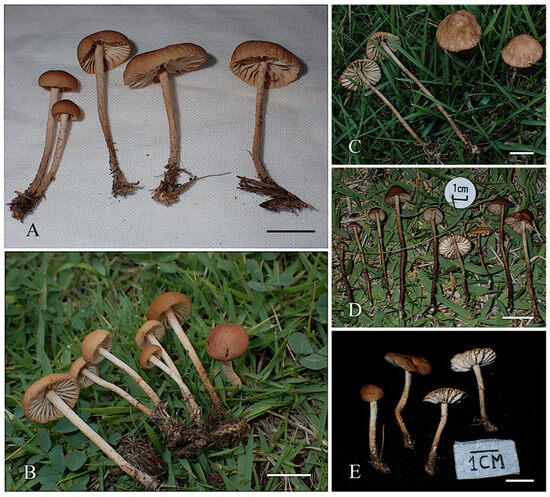
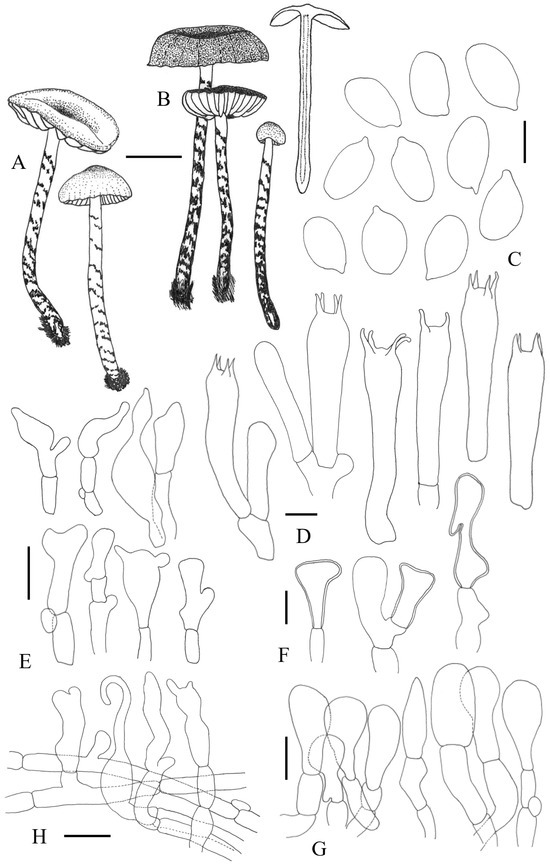
Marasmius neooreades sp. nov. from Japan is described. This species produces fleshy, medium-sized basidiomata that are macromorphologically similar to M. oreades, with a pileus ranging from wheat-colored to dark brown and a tough stipe covered with brownish tomentose squamules. The gill edges
[...] Read more.
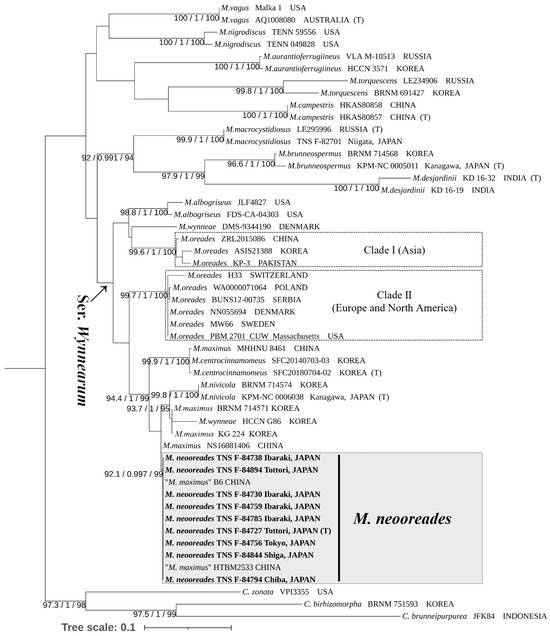
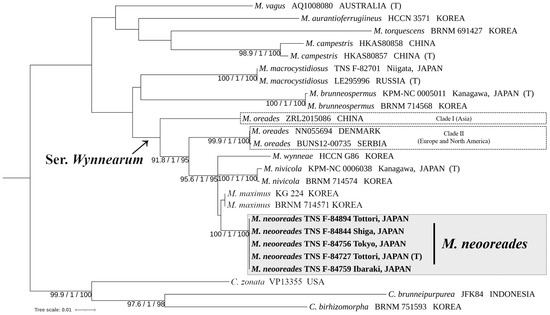
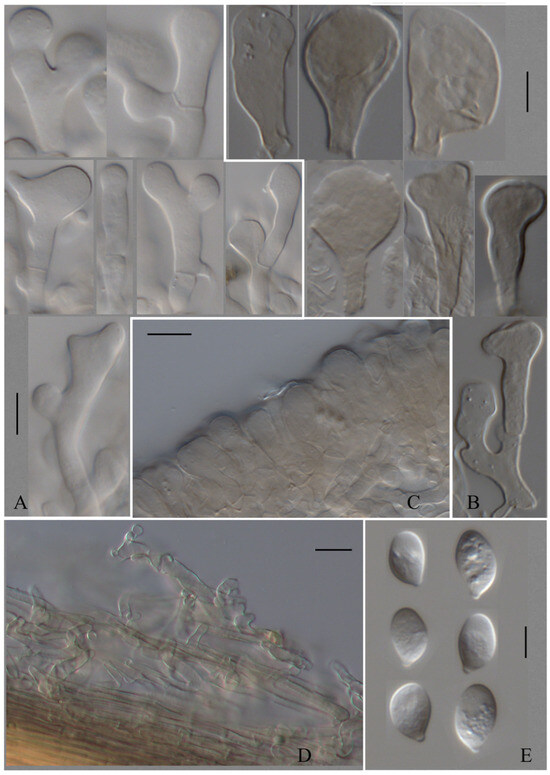
Marasmius neooreades sp. nov. from Japan is described. This species produces fleshy, medium-sized basidiomata that are macromorphologically similar to M. oreades, with a pileus ranging from wheat-colored to dark brown and a tough stipe covered with brownish tomentose squamules. The gill edges bear cheilocystidia that are clavate to diverticulate. The pileipellis is hymeniform and composed of Globulares-type elements containing brown pigments. The species typically occurs gregariously in grasslands and occasionally forms fairy rings. Phylogenetic analyses based on ITS and LSU sequences indicated that M. neooreades forms a well-supported, independent clade distinct from previously described species of Marasmius. In addition, a combination of morphological characters clearly differentiates this species from all described taxa. An illustrated description and the phylogenetic placement of the new species are provided.
Full article

Figure 1
Open AccessArticle
Comparative Morphology and Generic Classification of Catfishes of the Trichomycterus Lineage (Siluriformes: Trichomycteridae)
by
Wilson J. E. M. Costa
Taxonomy 2026, 6(1), 20; https://doi.org/10.3390/taxonomy6010020 - 4 Mar 2026
Abstract
►▼
Show Figures
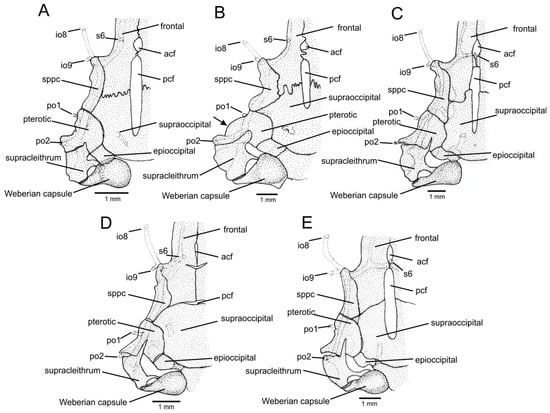
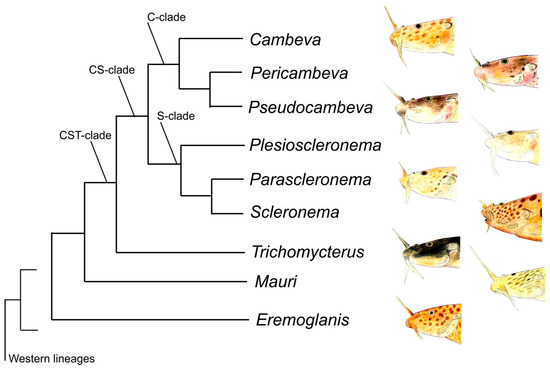
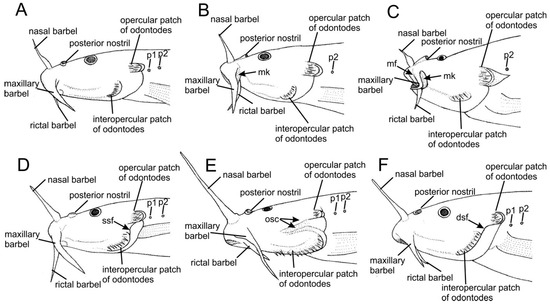
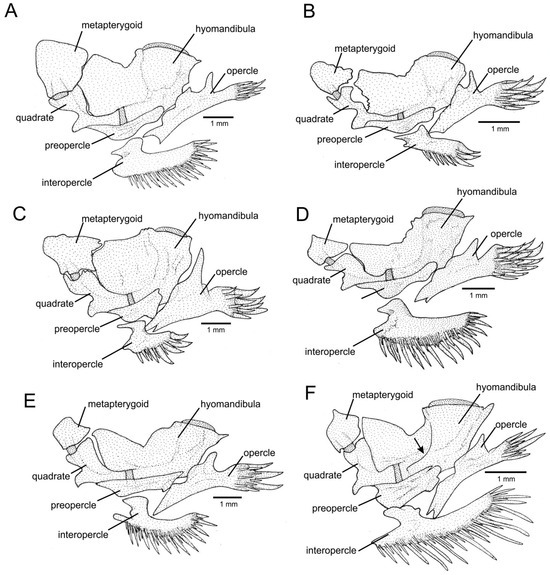
Recent genomic phylogenies have generated new robust classifications of actinopterygian fishes, making possible greater nomenclatural stability, but genus-level classifications of groups like the diverse catfish subfamily Trichomycterinae are still unclear, containing ill-defined paraphyletic taxa. The focus of the present study is the Trichomycterus
[...] Read more.
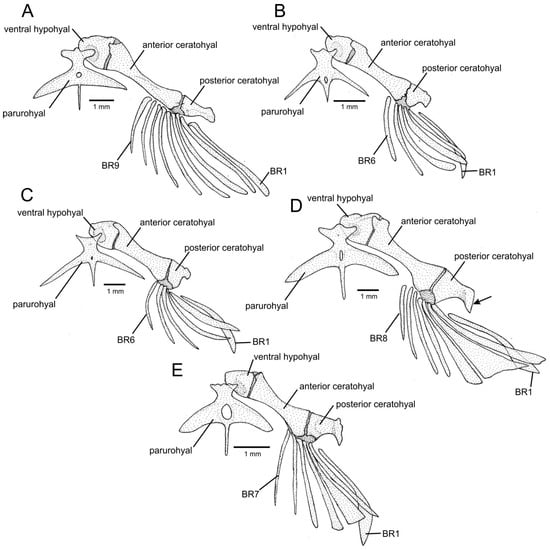
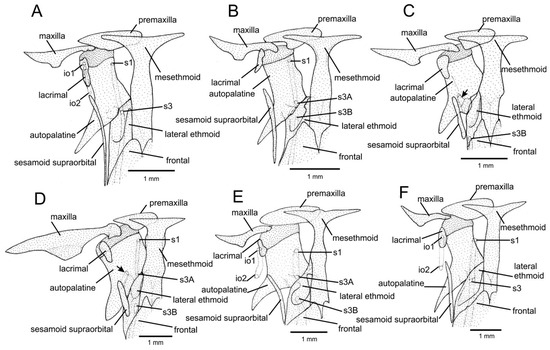
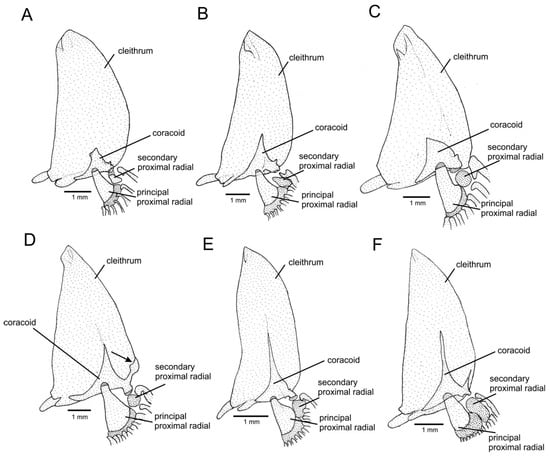
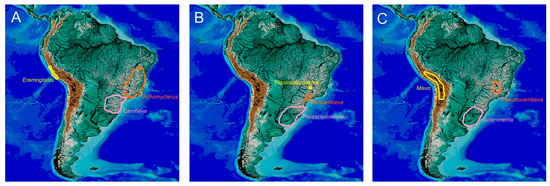
Recent genomic phylogenies have generated new robust classifications of actinopterygian fishes, making possible greater nomenclatural stability, but genus-level classifications of groups like the diverse catfish subfamily Trichomycterinae are still unclear, containing ill-defined paraphyletic taxa. The focus of the present study is the Trichomycterus Lineage (TL), a clade with great morphological diversity, containing about 170 species widely distributed in South America, occurring in the most important biodiversity hotspots of the world, such as the Atlantic Forest, Cerrado, and the Tropical Andes. Most species are small, but at least one reaches about 400 mm of total length, being used as food and depicted in pre-Hispanic Andean ceramics. Based on a comparative morphological analysis, mainly using osteological characters, supported by concordant genomic phylogenies, a new classification at the genus level is here provided. Many morphological features delimiting TL genera seem to be related to ecological adaptations. Nine genera are here recognised of which five are new. Recognition of the new genera will allow easier descriptions of new species and consequently better biodiversity estimates.
Full article

Figure 1
Open AccessArticle
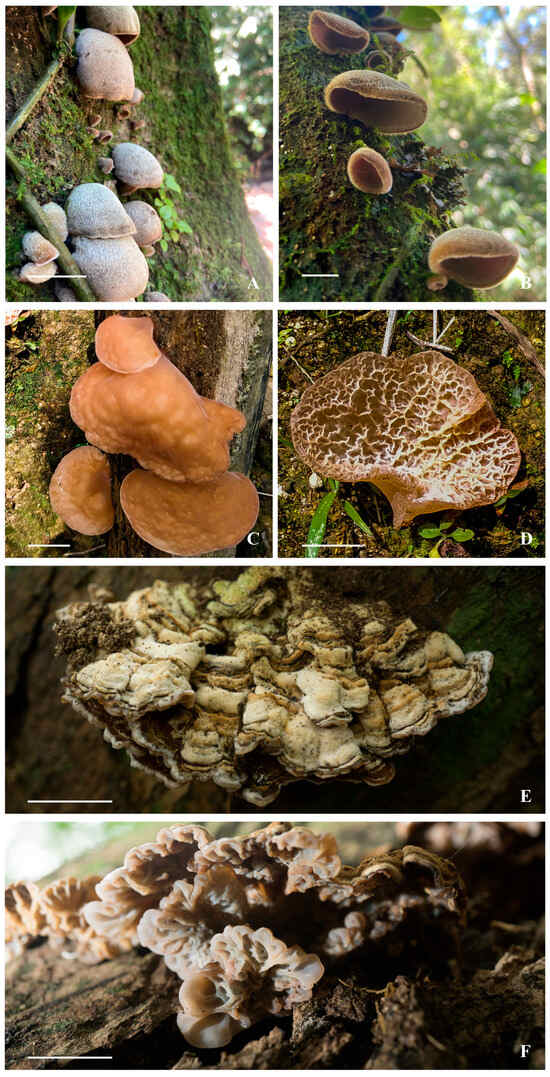
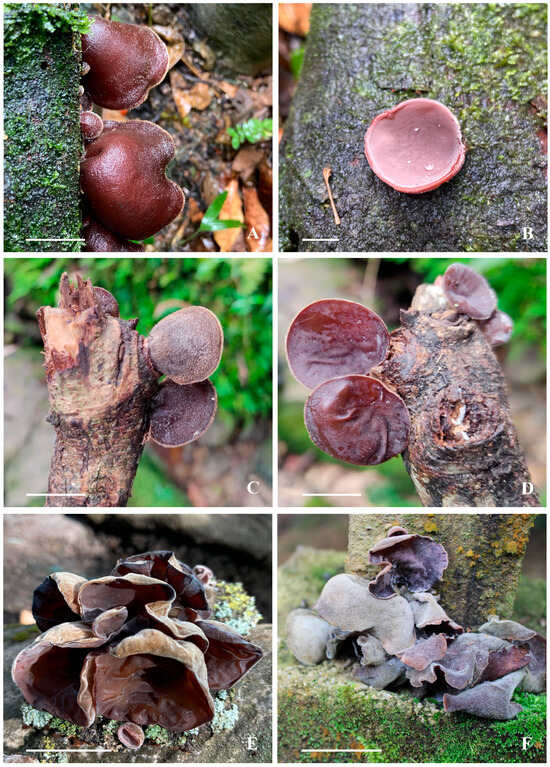
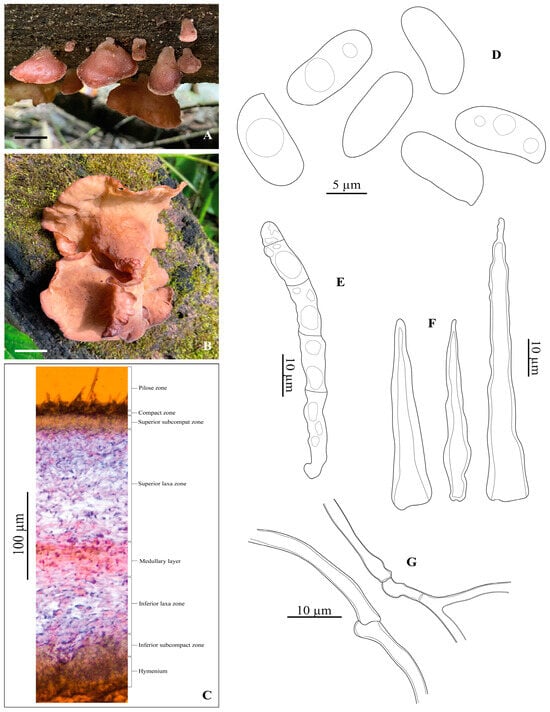
New Perspectives in Auricularia Bull. (Auriculariales, Basidiomycota) in Colombia, with the Description of a New Species
by
Laura Ximena Castillo-Balaguera, María Paula Herrera-Sánchez, Lina Rocío Dávila-Giraldo, Walter Murillo-Arango, Iang Rondón-Barragán and Cristian Zambrano-Forero
Taxonomy 2026, 6(1), 19; https://doi.org/10.3390/taxonomy6010019 - 2 Mar 2026
Abstract
►▼
Show Figures
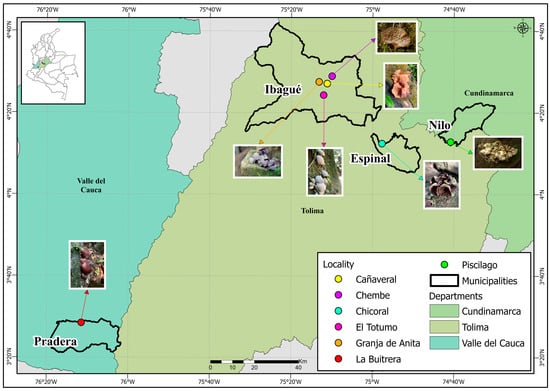
The genus Auricularia holds significant ecological importance due to its role in wood decaying and notable economic value as both an edible and medicinal resource. This study investigates the diversity of Auricularia species in Colombian Andes using an integrative approach. Species identification was
[...] Read more.
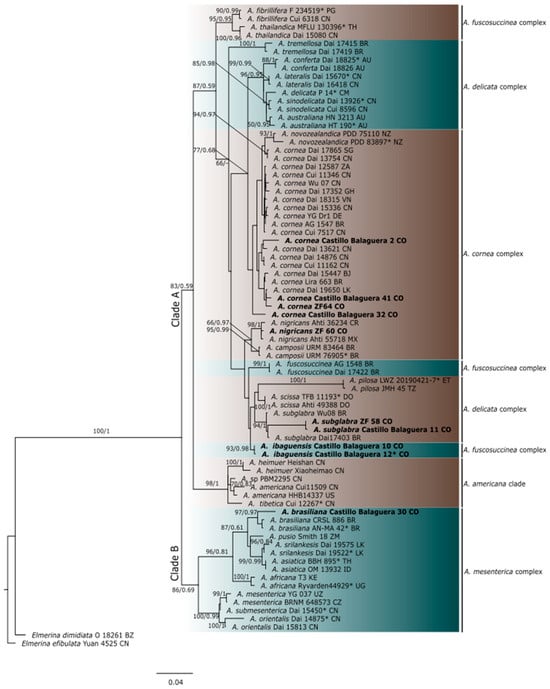
The genus Auricularia holds significant ecological importance due to its role in wood decaying and notable economic value as both an edible and medicinal resource. This study investigates the diversity of Auricularia species in Colombian Andes using an integrative approach. Species identification was based on macromorphological and micromorphological characteristics, alongside molecular analyses employing ITS and LSU markers. A total of 184 sequences of 81 specimens and 30 species were used to construct a phylogenetic tree including RPB2 marker sequences taken from GenBank. The results revealed six Auricularia species in the Colombian Andes: A. subglabra, A. cornea, A. fuscosuccinea, A. nigricans, A. brasiliana, and the newly described A. ibaguensis. This study provides morphological descriptions, distribution records, and interspecific distinctions, aligning these taxa with four out of the five recognized Auricularia species complexes. Novel sequences deposited in GenBank enhance taxonomic resolution, particularly within the A. cornea complex. These findings contribute new insights into the taxonomy of Auricularia in the Colombian Andes and emphasize the need for further research on Neotropical species, which may show significant differences from taxa in other biogeographic regions.
Full article

Figure 1
Open AccessArticle
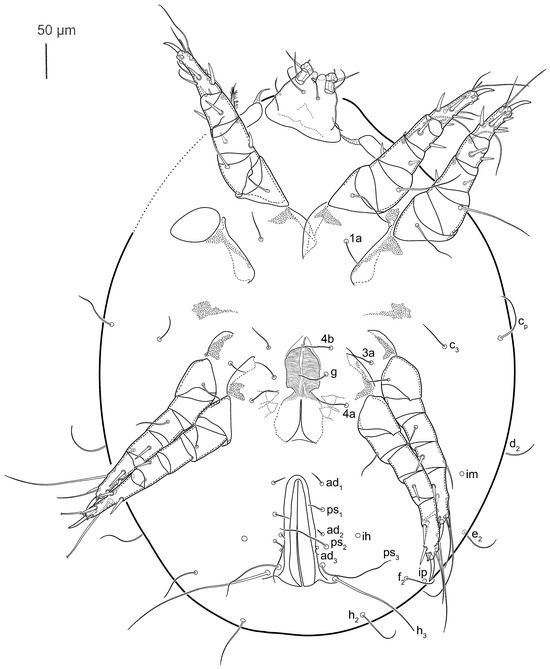
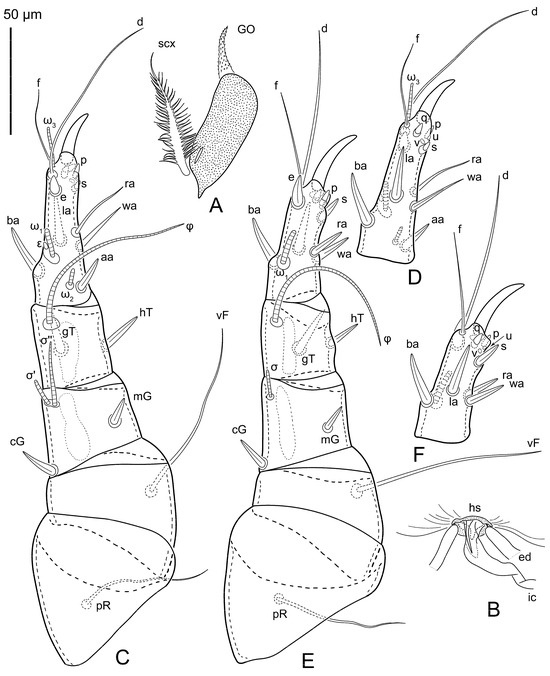
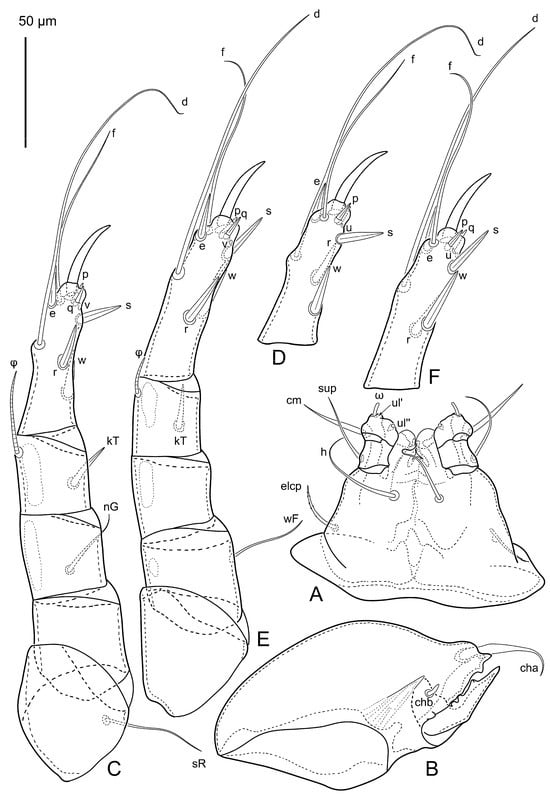
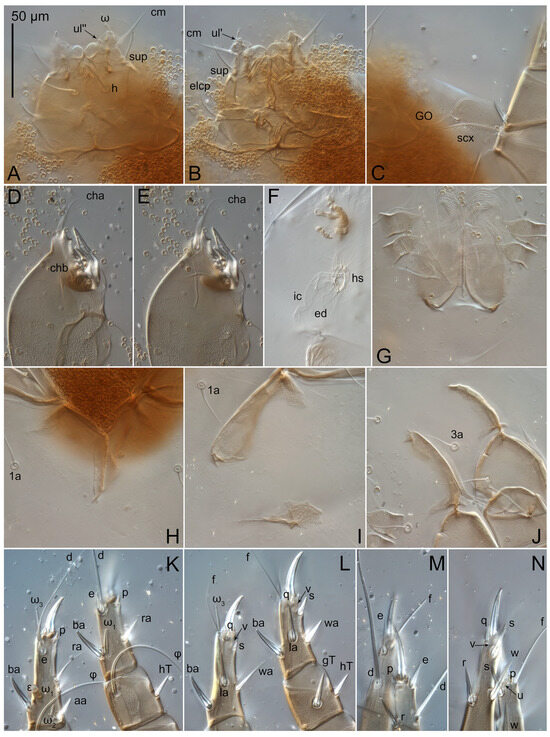
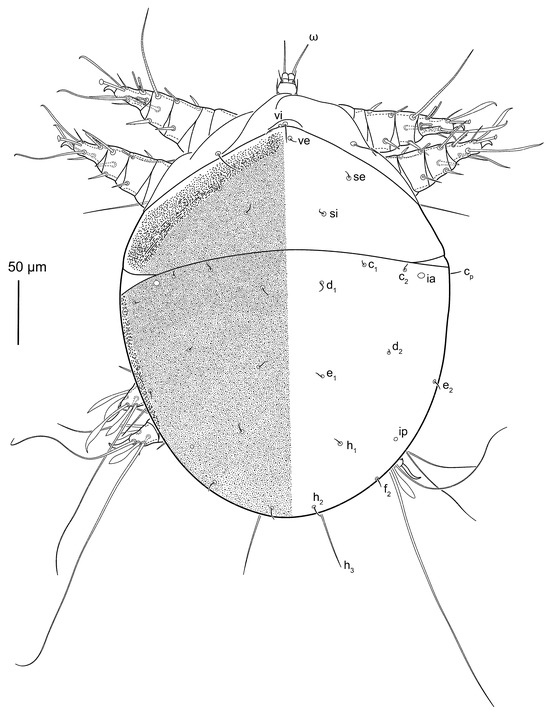
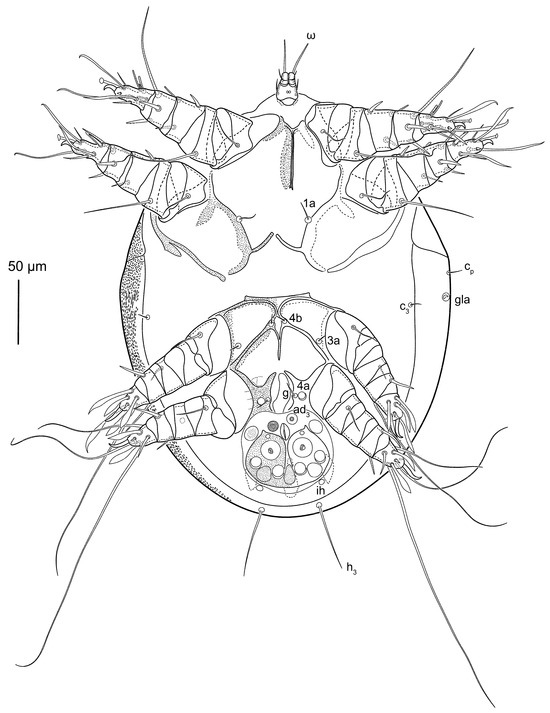
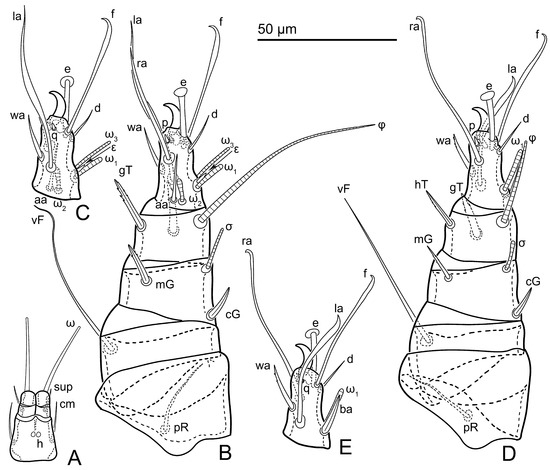
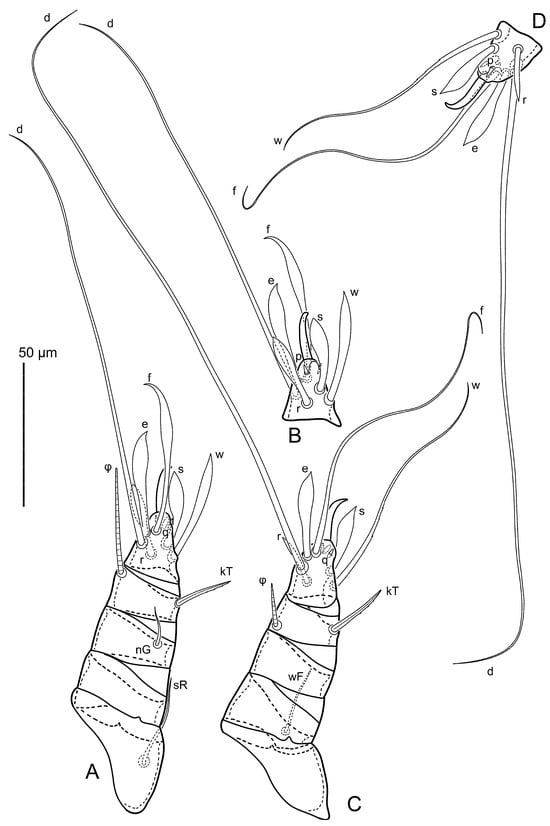
Phylogeny and Systematics of Astigmata with Description of Lycoglyphidae fam. nov. and a Comprehensive Identification Key to Acaroidea
by
Pavel B. Klimov, Vasiliy B. Kolesvikov and Barry M. OConnor
Taxonomy 2026, 6(1), 18; https://doi.org/10.3390/taxonomy6010018 - 20 Feb 2026
Cited by 1
Abstract
►▼
Show Figures
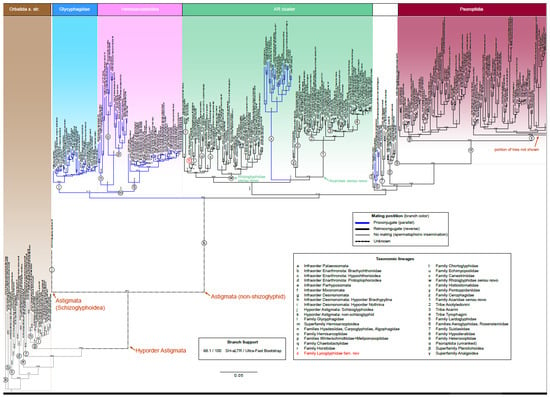
Astigmata is a diverse lineage of mites with significant ecological, medical, and economic importance, yet higher-level relationships within the group remain contentious due to incongruent morphological and molecular data. Here, we integrate multigene data with comparative morphology and ecological traits to reassess phylogenetic
[...] Read more.
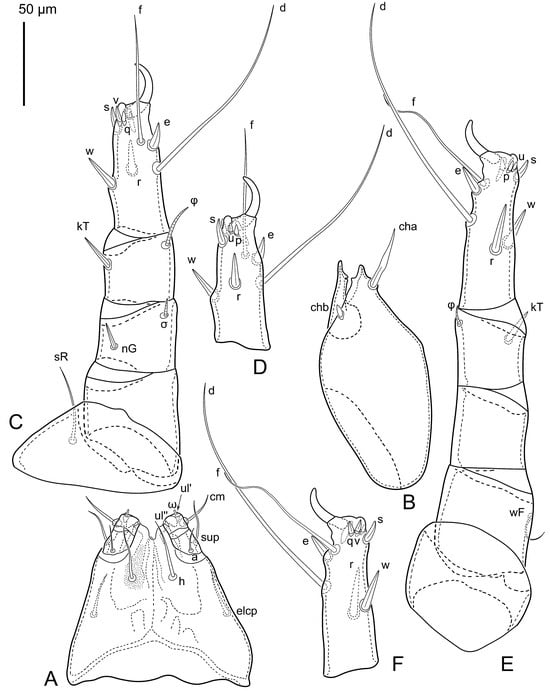
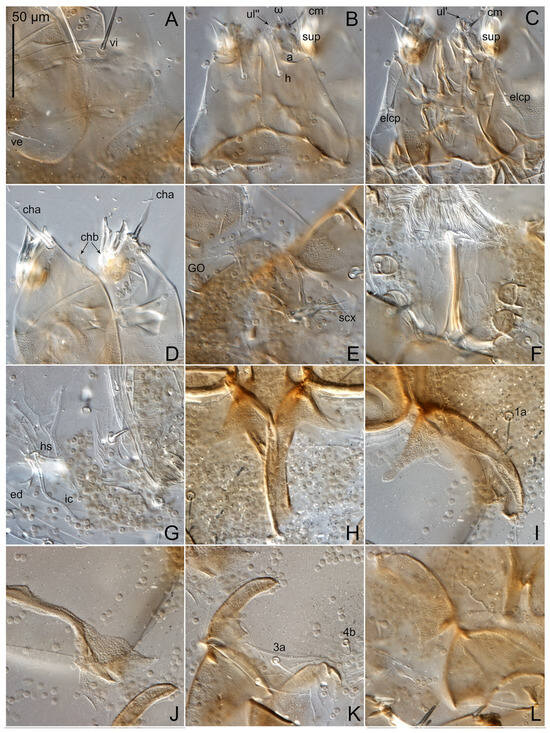
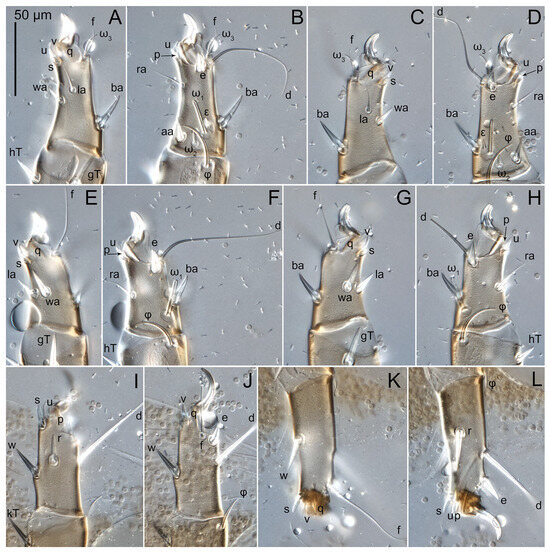
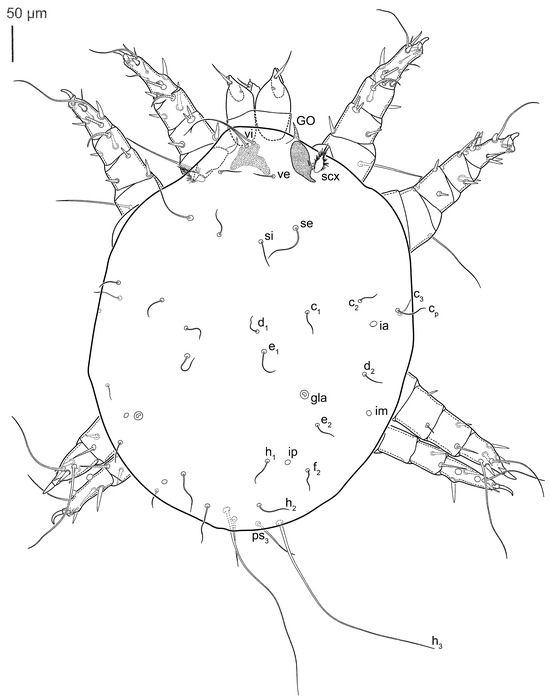
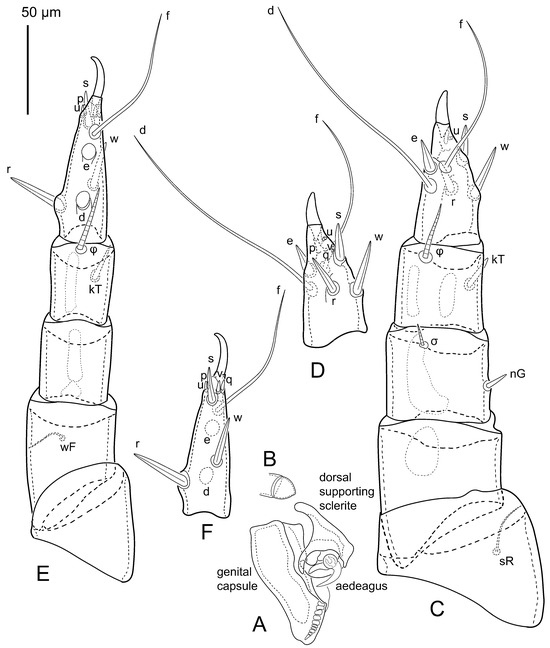
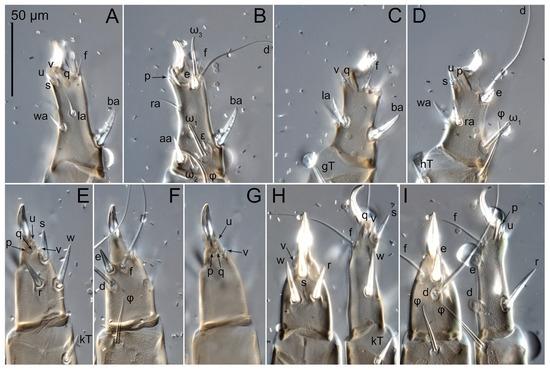
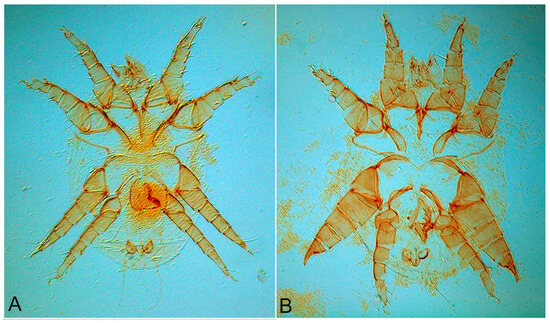
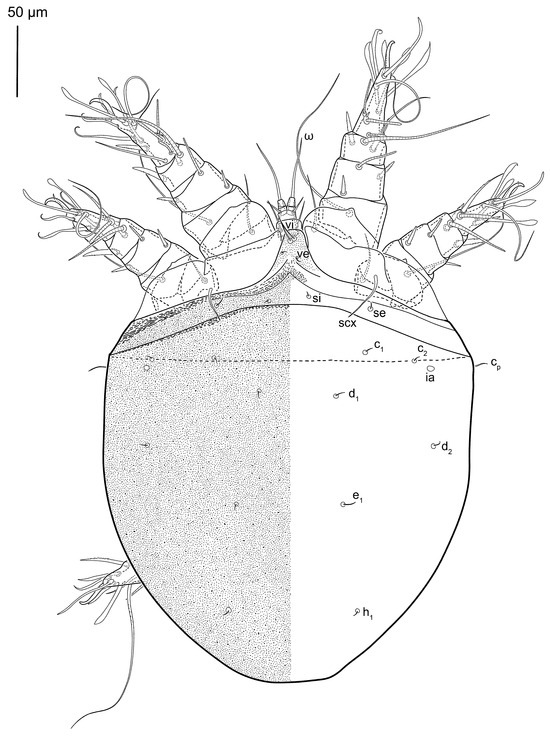
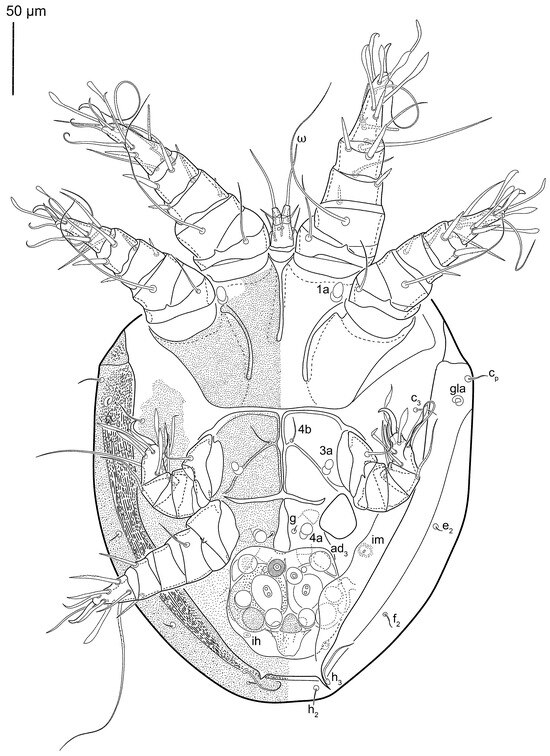
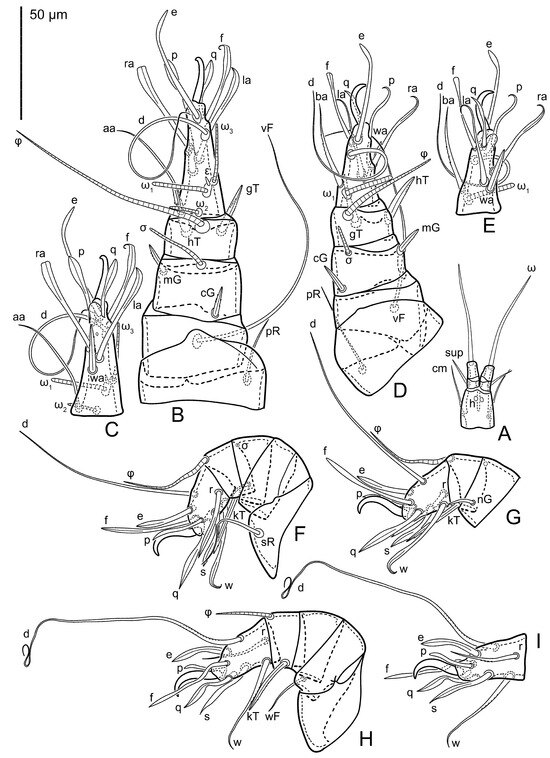
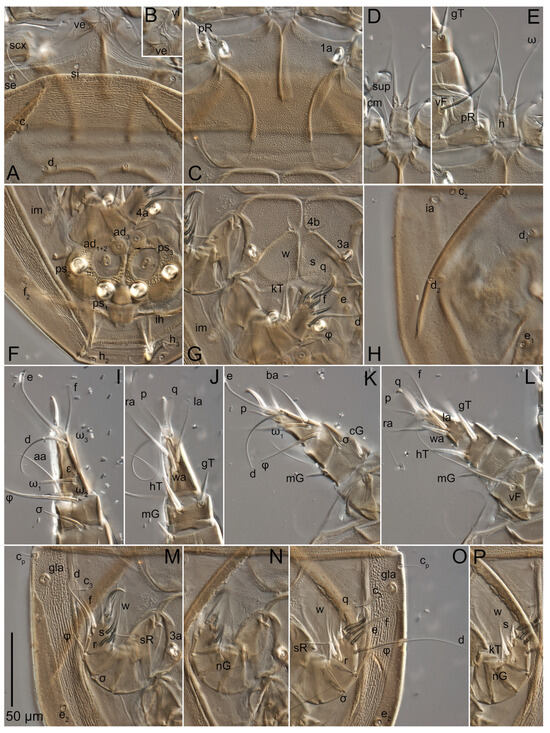
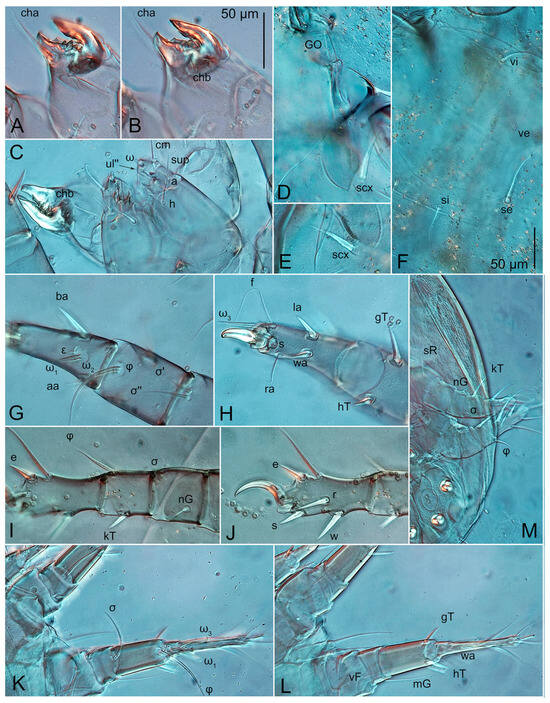
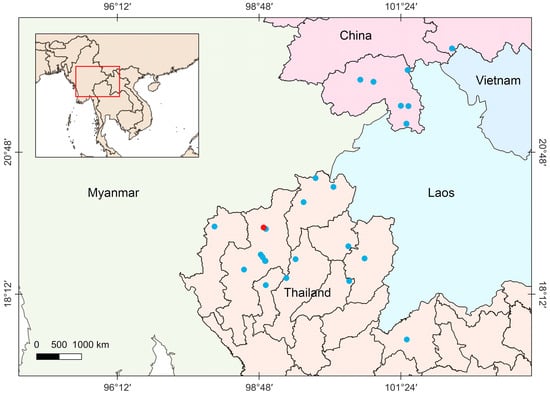
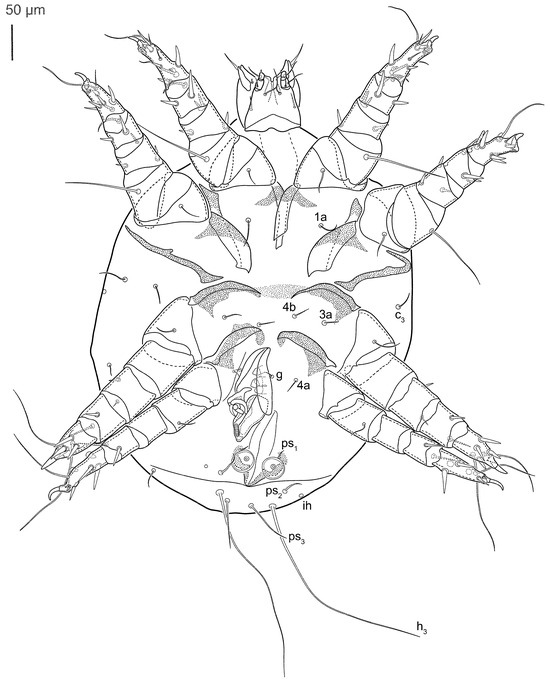
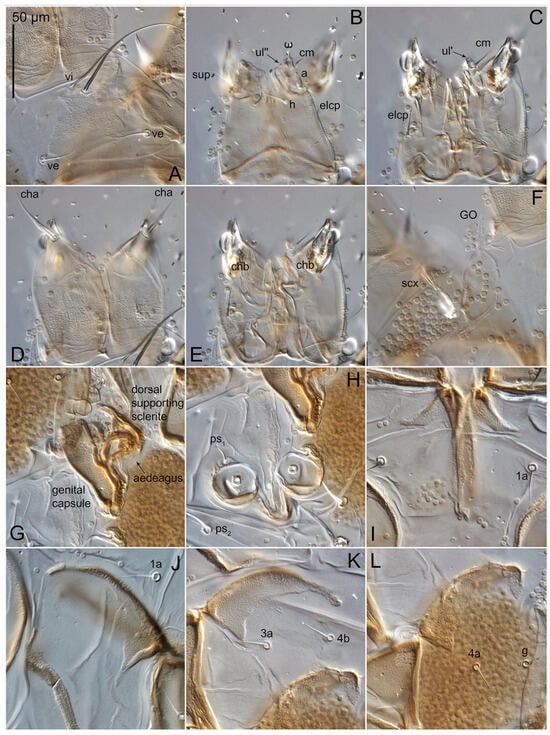
Astigmata is a diverse lineage of mites with significant ecological, medical, and economic importance, yet higher-level relationships within the group remain contentious due to incongruent morphological and molecular data. Here, we integrate multigene data with comparative morphology and ecological traits to reassess phylogenetic relationships, with a focus on the newly described family Lycoglyphidae fam. nov. associated with puffball fungi. Phylogenetic analyses recover Lycoglyphidae within a well-supported cluster—the AR cluster—comprising Acaridae sensu novo, Rhizoglyphidae sensu novo, and several additional related lineages. Within this framework, previously unrecognized lineages such as Pontoppidaniidae (intertidal seaweed habitats) and Cerophagidae (bee-associated) are supported as monophyletic, showing ecological conservatism. Our phylogeny indicates that mating position is phylogenetically structured, with retroconjugate mating prevalent in the AR cluster (except Histiostomatoidea) and many other lineages, while proconjugate mating is present only in two lineages, Hemisarcoptoidea+Glycyphagidae and Rosensteiniidae+Aeroglyphidae. Finally, to facilitate identification and future research, we provide a taxonomic description of new taxa (Lycoglyphidae with Lycoglyphus gen. nov., Obelacarus gen. nov., and Viedebanttia) and a comprehensive key to the families and genera of Acaroidea based on both adults and deutonymphs. Our results clarify some higher-level relationships within Astigmata, indicate the importance of integrating molecular, morphological, and ecological evidence, and provide a practical resource for identification and comparative studies.
Full article

Figure 1
Open AccessArticle
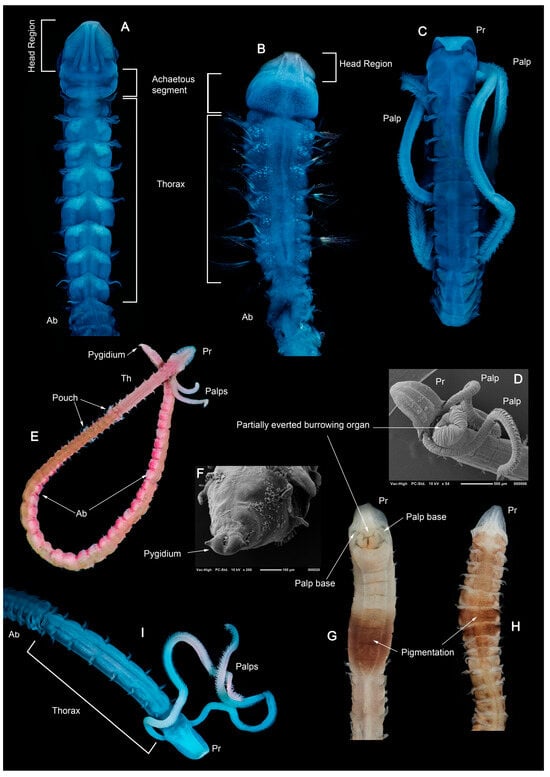
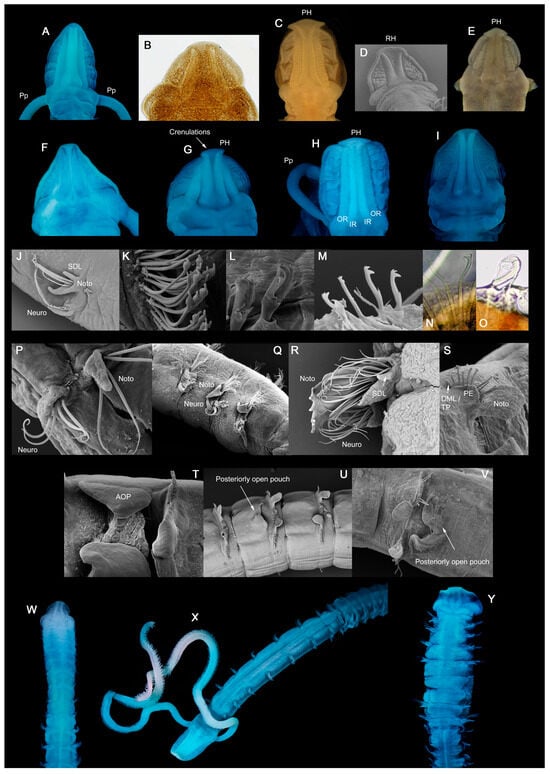
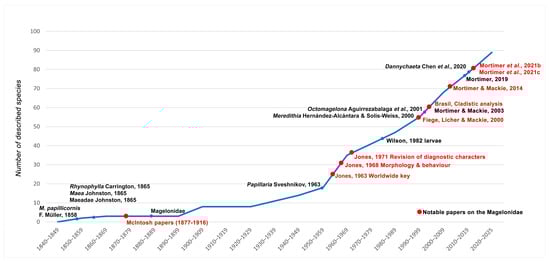
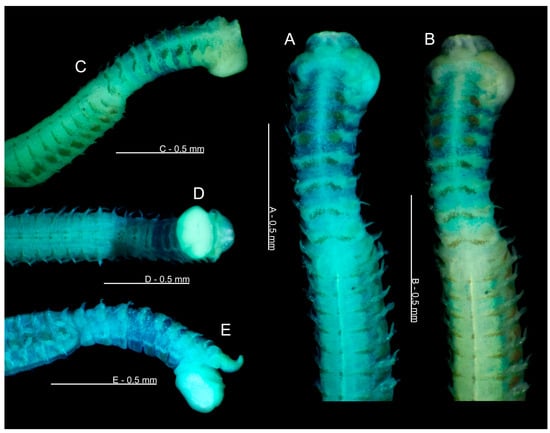
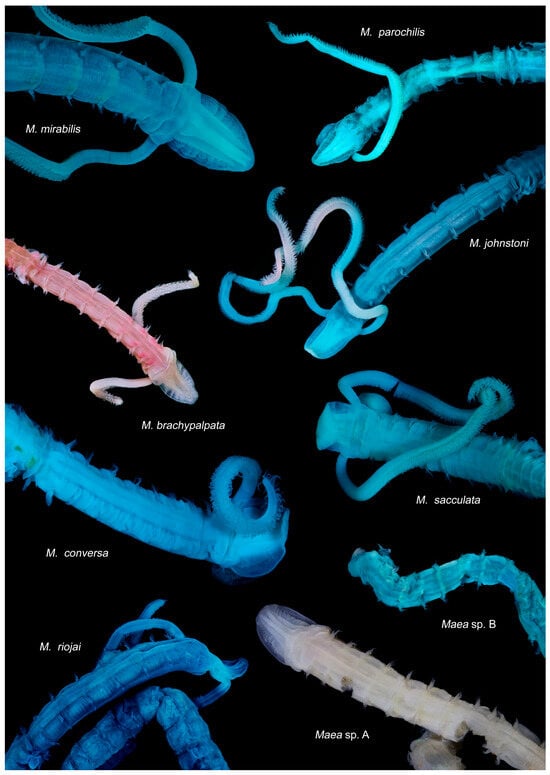
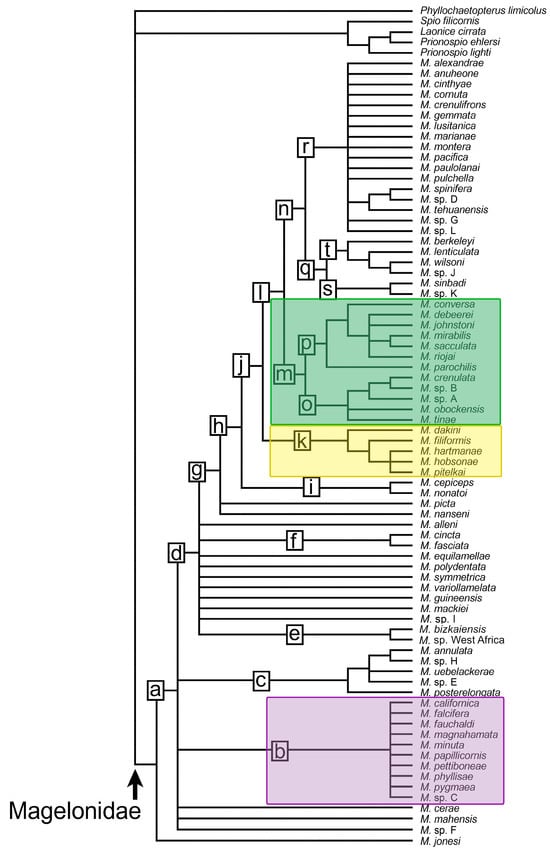
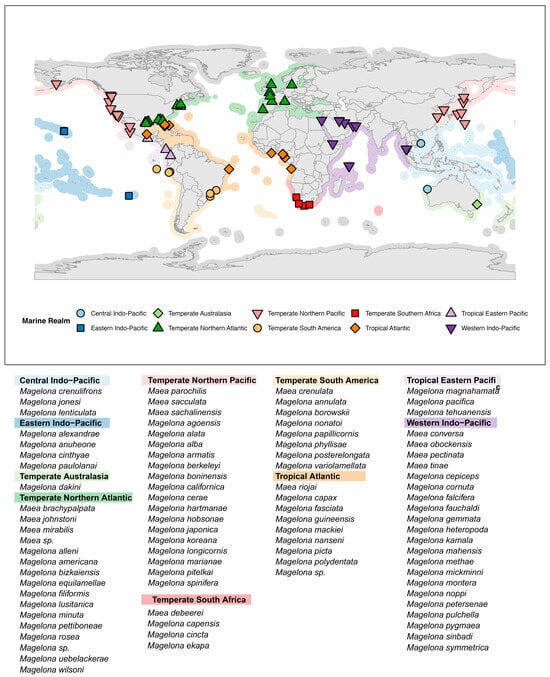
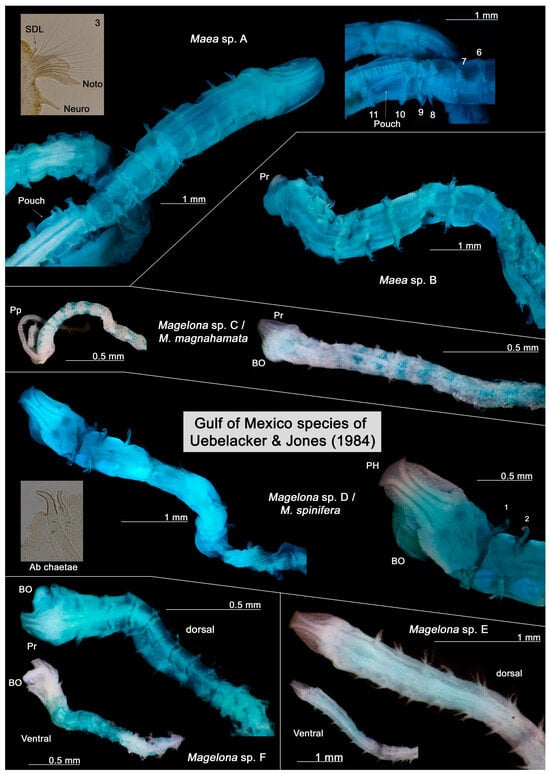
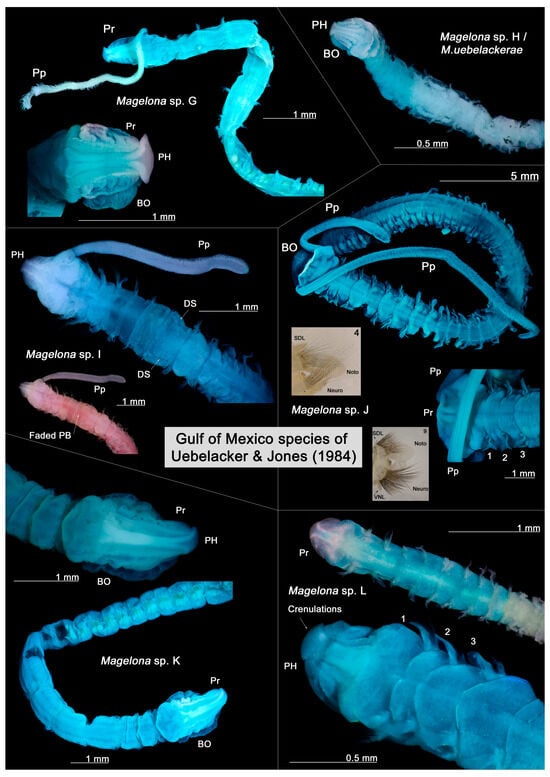
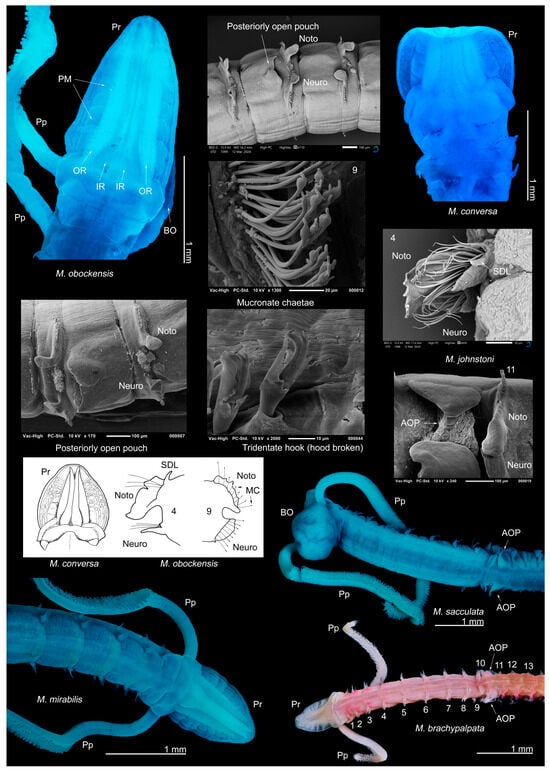
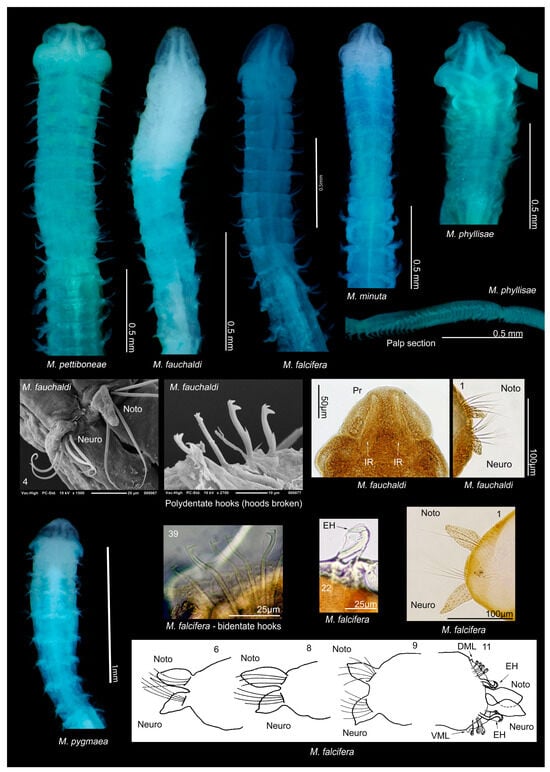
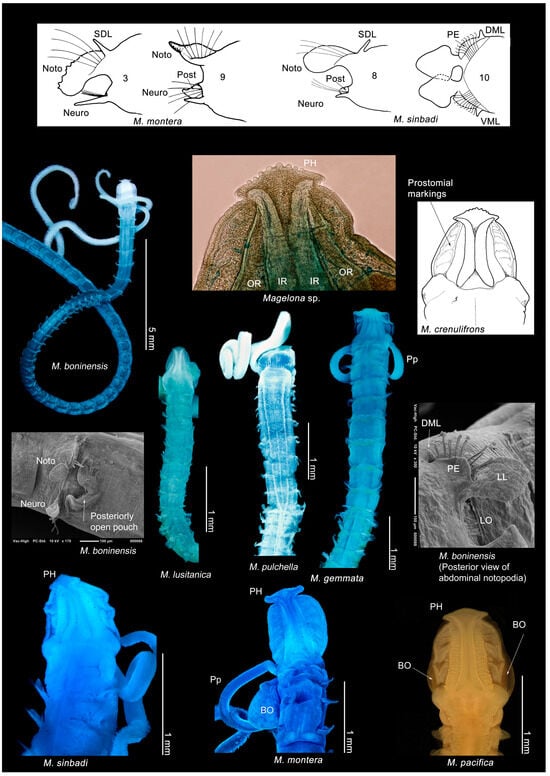
Magelonidae Cunningham & Ramage, 1888 (Annelida, Polychaeta)—Worldwide Identification Keys and the Re-Establishment of Maea Johnston, 1865
by
Kate Mortimer, Kimberley Mills and Craig M. Robertson
Taxonomy 2026, 6(1), 17; https://doi.org/10.3390/taxonomy6010017 - 14 Feb 2026
Abstract
►▼
Show Figures
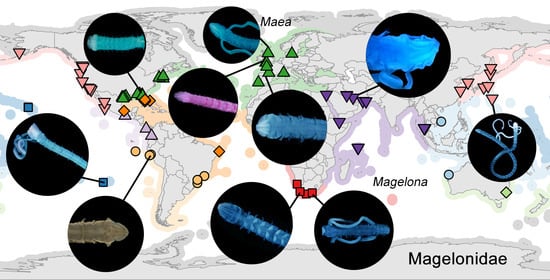
Shovel head worms (Annelida: Magelonidae) have long presented challenges to polychaete systematists due to their unique morphology and relative uniformity. This has been compounded by a lack of taxonomic work across key biogeographic regions. However, over the past few decades, a series of
[...] Read more.
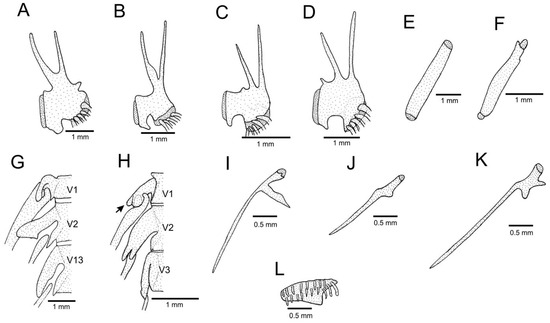
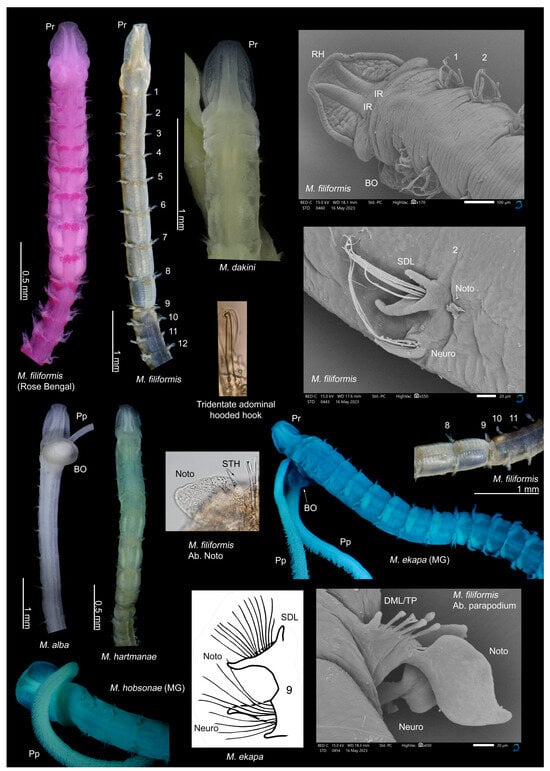
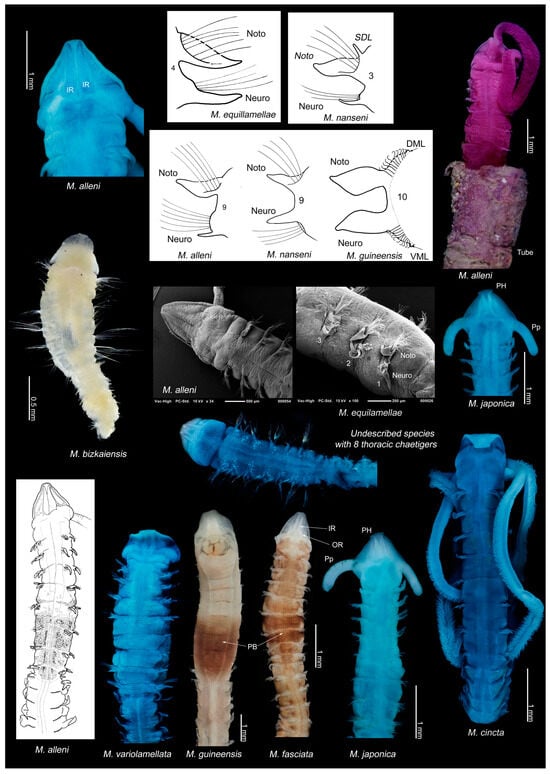
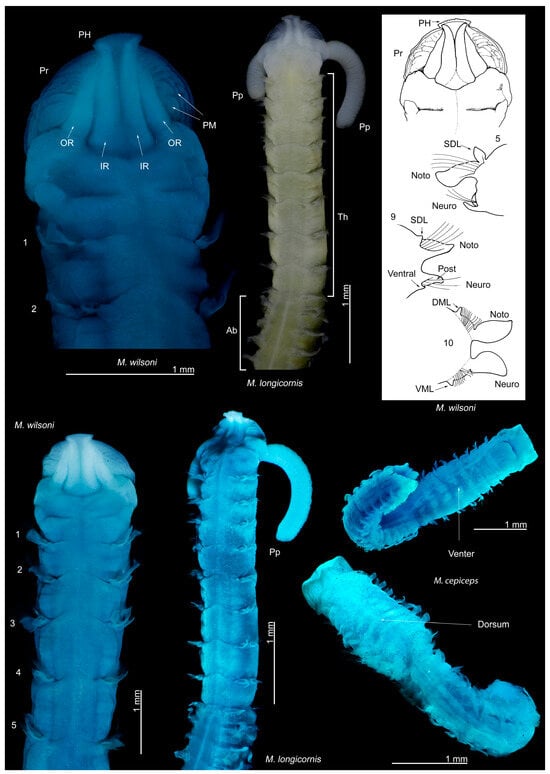
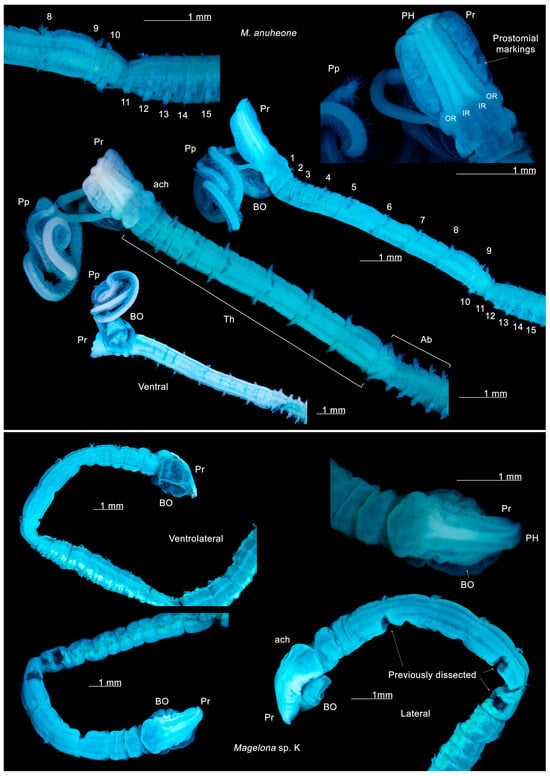
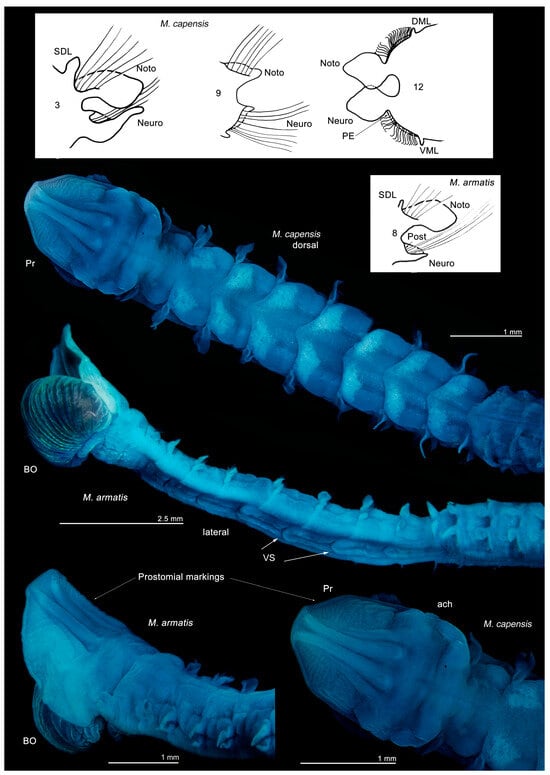
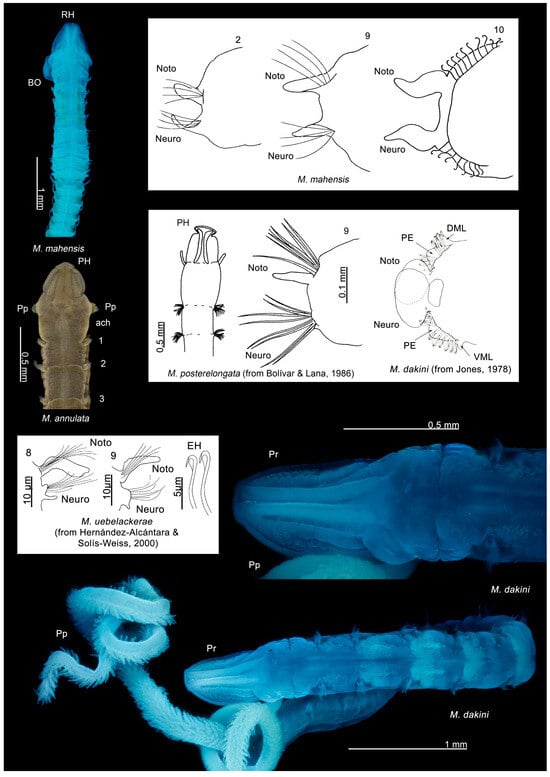
Shovel head worms (Annelida: Magelonidae) have long presented challenges to polychaete systematists due to their unique morphology and relative uniformity. This has been compounded by a lack of taxonomic work across key biogeographic regions. However, over the past few decades, a series of studies has progressively addressed these issues, refining our understanding of magelonid taxonomy and making taxonomic revisions of several regions. Whilst a standardised framework for morphological characters across the family has been produced, a worldwide review of taxonomic knowledge has been warranted. The information is herein presented alongside the first worldwide identification key in over 50 years. The much-needed key is presented in two formats: a dichotomous key divided by marine realms, and a pictorial key based on putative morphological groups. The key is additionally supplemented by the provision of an interactive map providing type locality data and links to taxonomic works. The pictorial key provides additional support for the unique terminology historically applied to the group. The genus Maea Johnston, 1865 is herein re-established for fifteen species possessing long rounded prostomia without horns, but possessing mucronate chaetae of the ninth chaetiger, and lateral abdominal pouches.
Full article

Graphical abstract
Open AccessCorrection
Correction: Liu et al. A New Species of the Genus Gracixalus (Anura, Rhacophoridae) from Central Western Yunnan, China. Taxonomy 2025, 5, 66
by
Shuo Liu, Zhongfu Yang, Chunhua Wang, Nengping Li, Mian Hou, Zengyang Luo and Dingqi Rao
Taxonomy 2026, 6(1), 16; https://doi.org/10.3390/taxonomy6010016 - 14 Feb 2026
Abstract
In the original publication [...]
Full article
Open AccessArticle
The Megalopa Stage in Grapsidae Crabs (Decapoda, Brachyura), a First Complete Overview Based on New Data from Plankton-Collected Megalopae Identified by DNA Barcodes
by
Elena Marco-Herrero, Juan Ignacio González-Gordillo and Jose A. Cuesta
Taxonomy 2026, 6(1), 15; https://doi.org/10.3390/taxonomy6010015 - 5 Feb 2026
Abstract
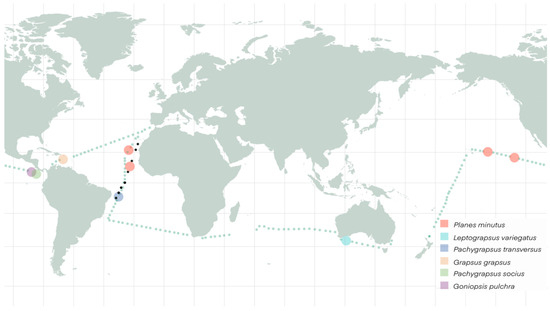
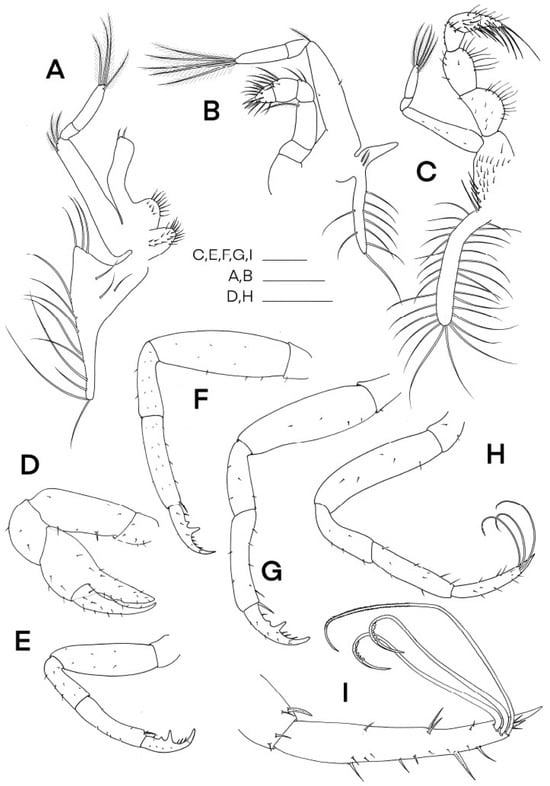
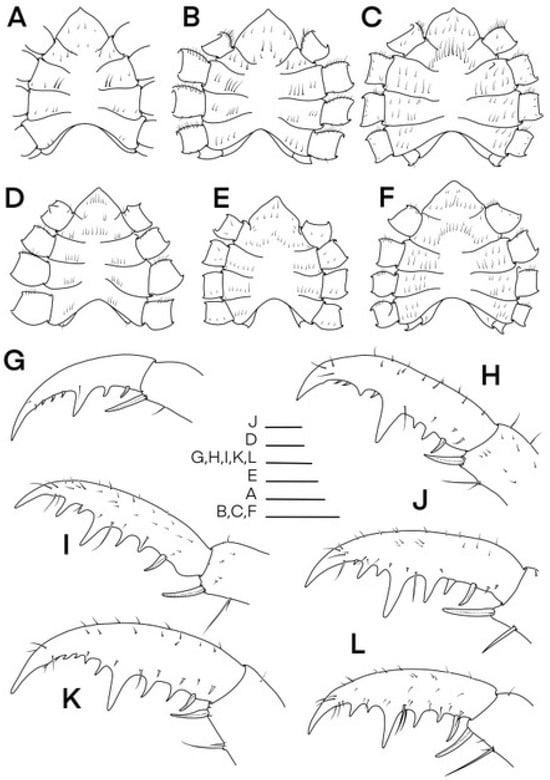
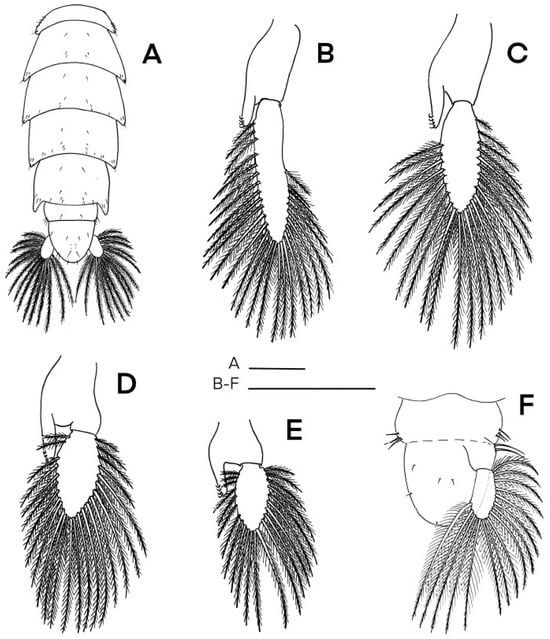
The family Grapsidae is composed of 39 species belonging to seven genera. Currently, larval data are known for 24 out of the 39 species, but the megalopa stage remains unknown for the genera Goniopsis, Grapsus, Leptograpsus, and Planes, although
[...] Read more.
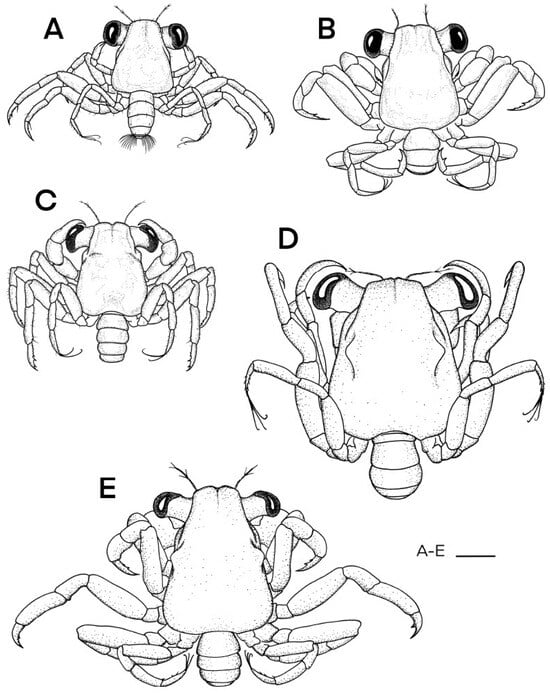
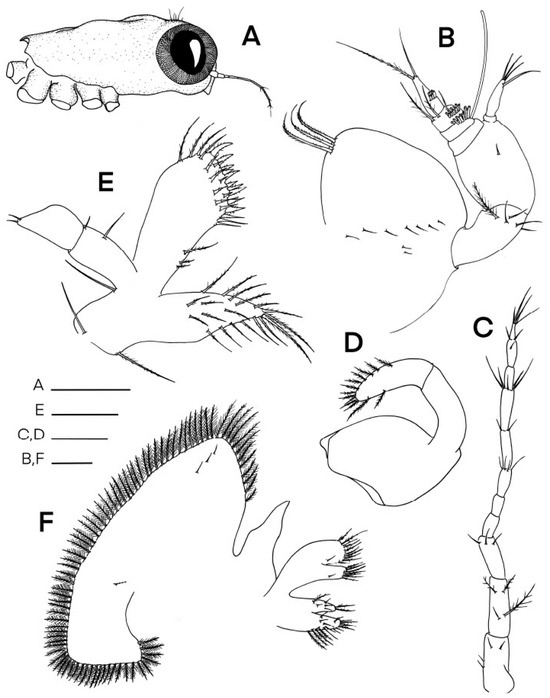
The family Grapsidae is composed of 39 species belonging to seven genera. Currently, larval data are known for 24 out of the 39 species, but the megalopa stage remains unknown for the genera Goniopsis, Grapsus, Leptograpsus, and Planes, although megalopae collected in the plankton have been tentatively attributed to Grapsus and Planes. Thanks to the MALASPINA and MAF research projects, a significant number of megalopae were collected from open-ocean plankton worldwide, and, using DNA barcoding (16S and/or COI genes), a high percentage of them were identified. At the molecular level, Grapsidae have been widely studied, so the availability of barcode sequences in public databases has allowed us to identify the megalopa of Goniopsis pulchra, Grapsus grapsus, Leptograpsus aff. variegatus, Pachygrapsus socius, P. transversus, and Planes minutus. In the present work, these megalopae are described in detail and compared with those previously known. Consequently, for the first time, the morphology of the megalopa stage can be compared across all grapsid genera, and a set of characteristics is defined to identify the grapsid megalopa from the rest of the brachyuran megalopae.
Full article
(This article belongs to the Special Issue Taxonomy in the 21st Century: Celebrating a New Chapter—First Impact Factor Received)
►▼
Show Figures

Figure 1
Open AccessArticle
The Identity of Crambe suecica (Brassicaceae), an Obscure Garden Plant That Caused Nomenclatural Chaos in Taxonomic Botany
by
Alexander Sennikov and Stoyan Stoyanov
Taxonomy 2026, 6(1), 14; https://doi.org/10.3390/taxonomy6010014 - 2 Feb 2026
Abstract
►▼
Show Figures
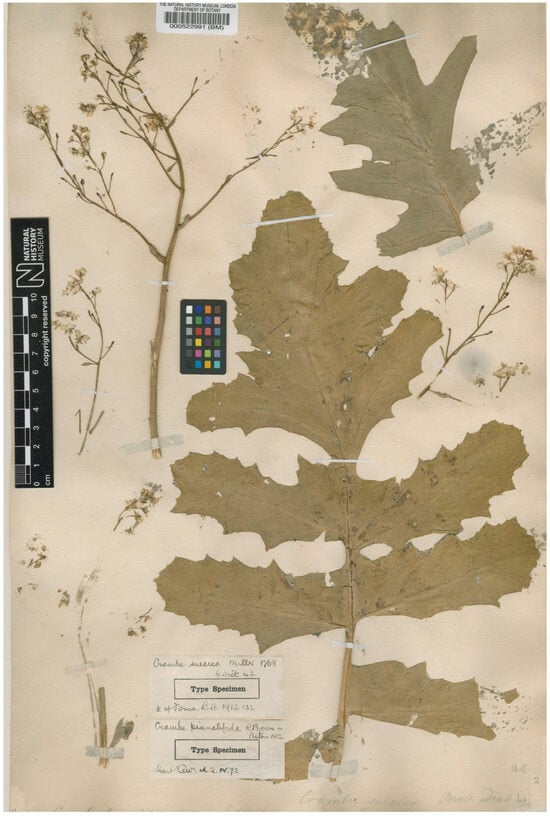
Plant species established on the basis of early garden cultivation may have lacked the original information about their native geographical origin. Crambe suecica was originally described from its 18th-century cultivation in the Chelsea Physic Garden in London, raised from seeds without provenance that
[...] Read more.
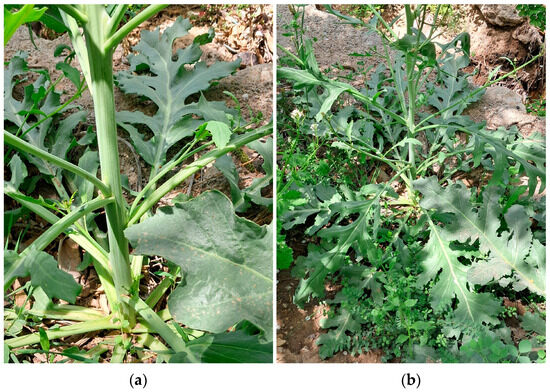
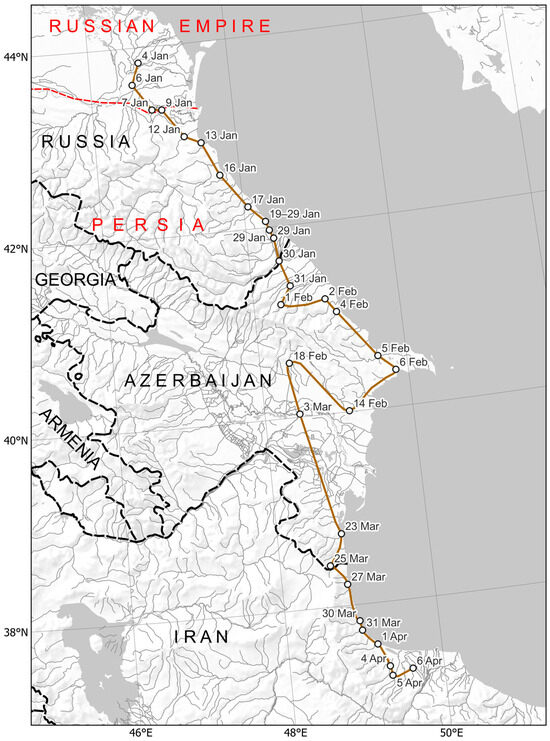
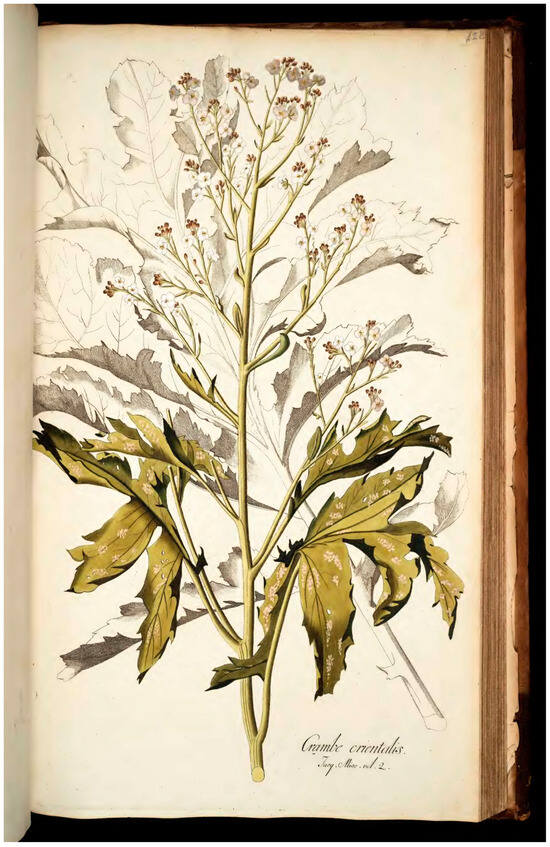
Plant species established on the basis of early garden cultivation may have lacked the original information about their native geographical origin. Crambe suecica was originally described from its 18th-century cultivation in the Chelsea Physic Garden in London, raised from seeds without provenance that were sent from Saint Petersburg. This species has been misunderstood as native to the Baltic Sea coasts and, consequently, misinterpreted as a taxonomic synonym of C. maritima. We infer from plant morphology and the history of Russian botany that seeds of C. suecica were originally collected by Johann Christian Buxbaum in 1726 when he travelled across the Ottoman Empire and then-Russian Transcaucasia, most likely in the Gilan or Mazandaran provinces of present-day Iran. According to the morphology of its type specimen, this taxon represents a glabrous variant of C. orientalis and is hereby reduced to a synonym of the latter species. The name C. pinnatifida has been misapplied to a species native to south-eastern Europe and the north-western Caucasus. This species name is nomenclaturally superfluous and illegitimate because its protologue includes a reference to C. suecica, which is to be treated as its type-bearing synonym. This case underlines the importance of historical research in nomenclatural studies, which may be required to reach a correct taxonomic decision.
Full article

Figure 1
Open AccessEditorial
Success Across the Board—Taxonomy Comes of Age!
by
Mathias Harzhauser
Taxonomy 2026, 6(1), 13; https://doi.org/10.3390/taxonomy6010013 - 19 Jan 2026
Abstract
In an age of gene editing and artificial intelligence, taxonomy—the science of naming, describing, and classifying living organisms—can seem old-fashioned, even quaint [...]
Full article
Open AccessArticle
New Species and New Details of Lonchaeidae (Diptera) from the Australasia–Oceania and Indo-Malayan Realms
by
Iain MacGowan
Taxonomy 2026, 6(1), 12; https://doi.org/10.3390/taxonomy6010012 - 16 Jan 2026
Abstract
►▼
Show Figures
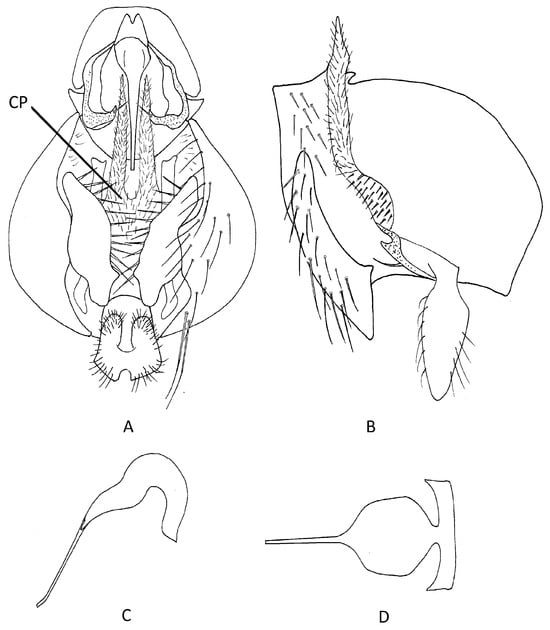
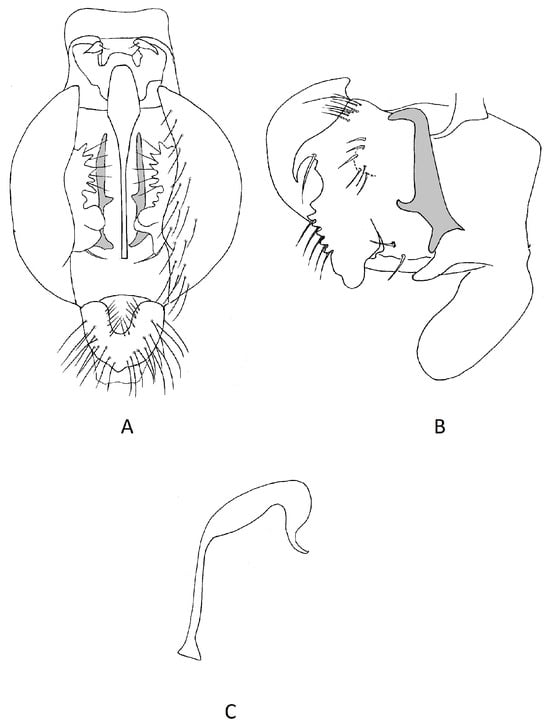
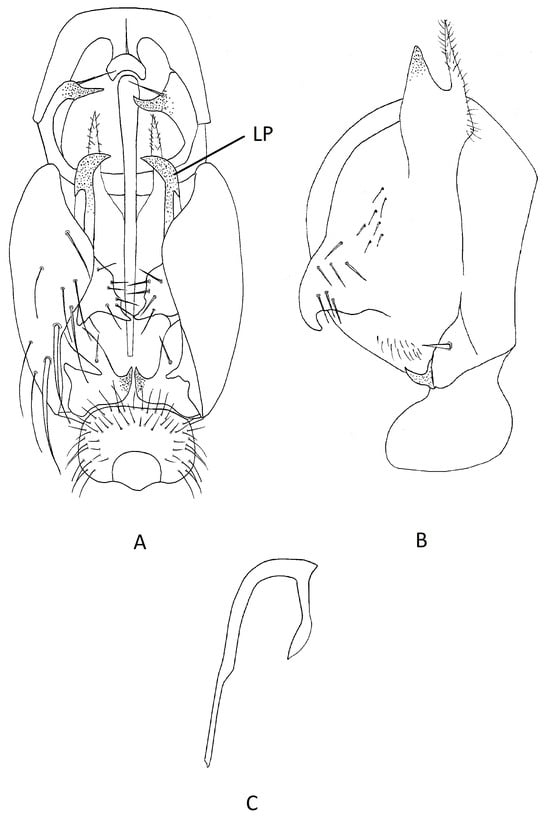
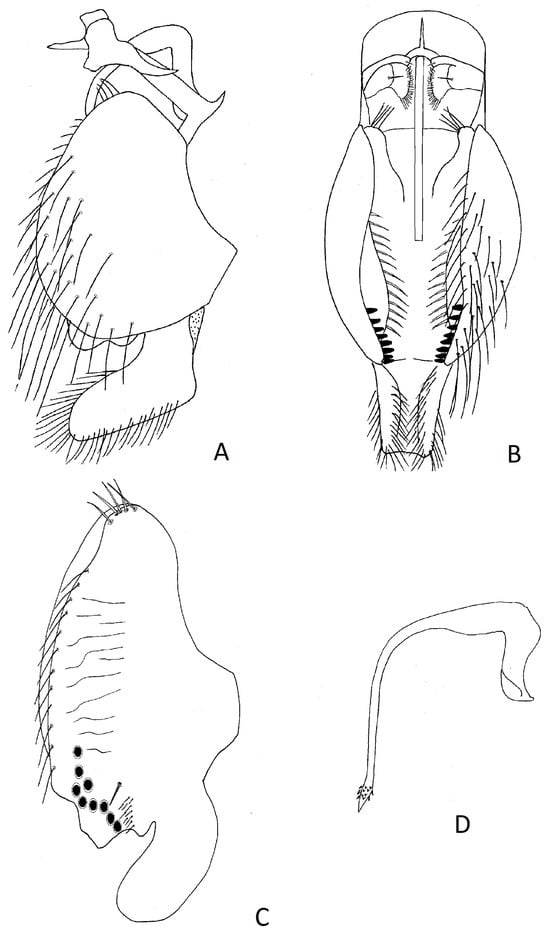
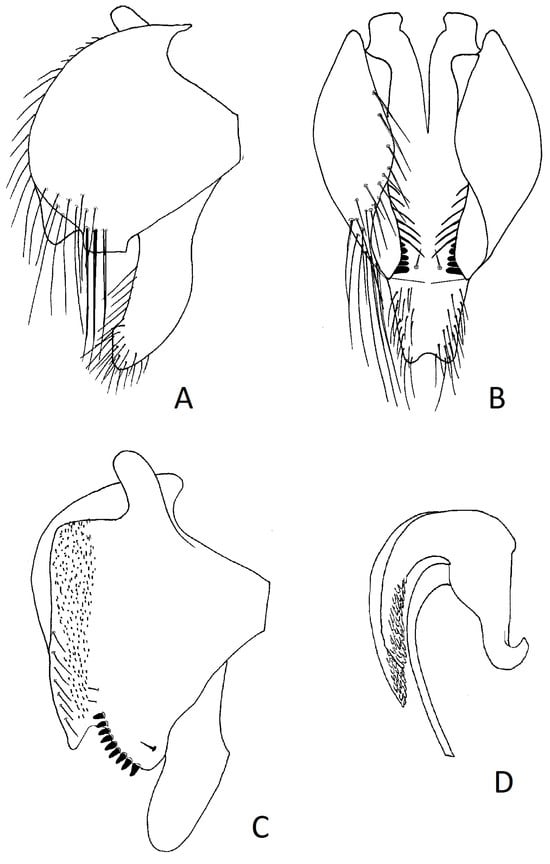
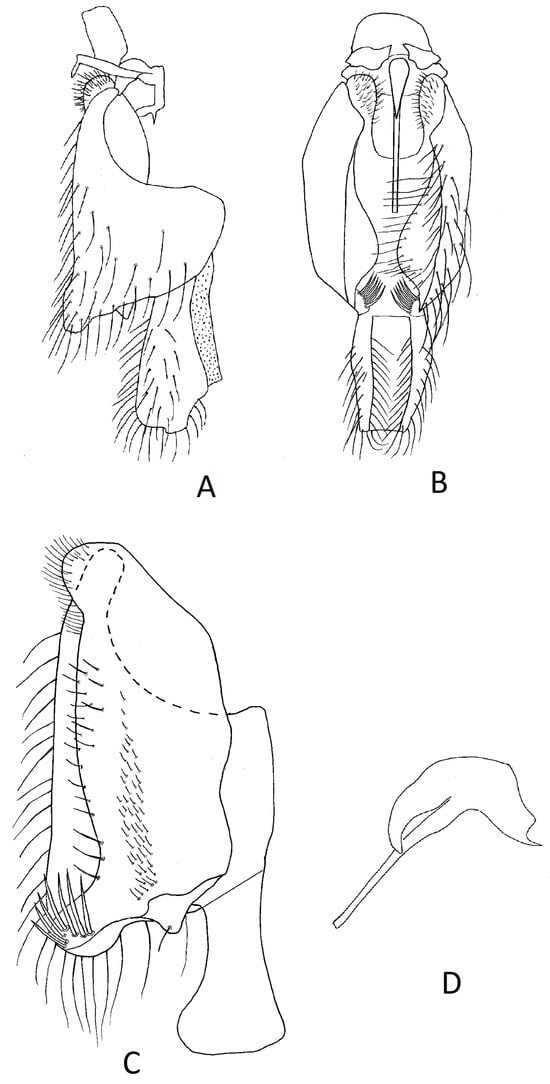
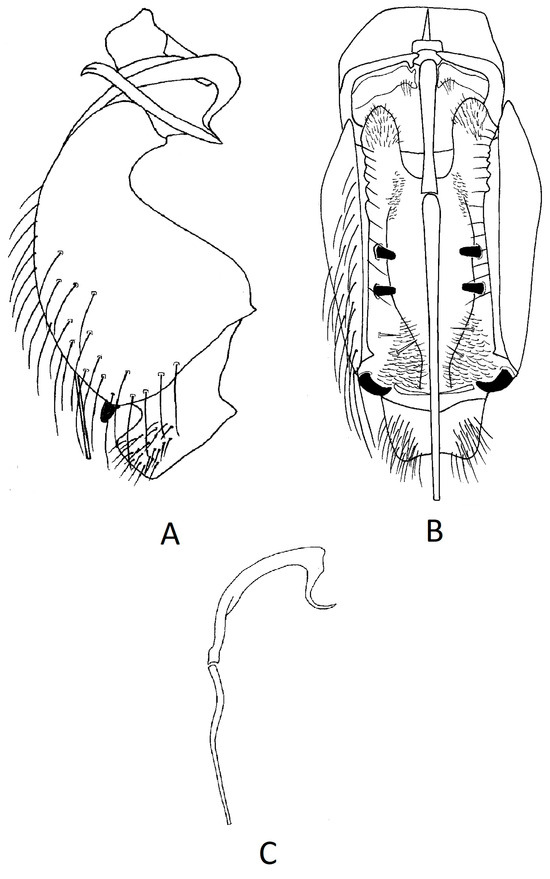
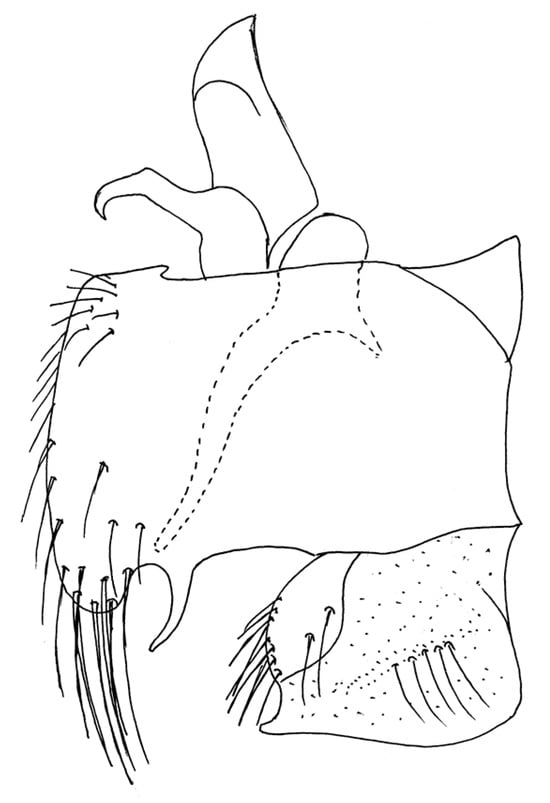
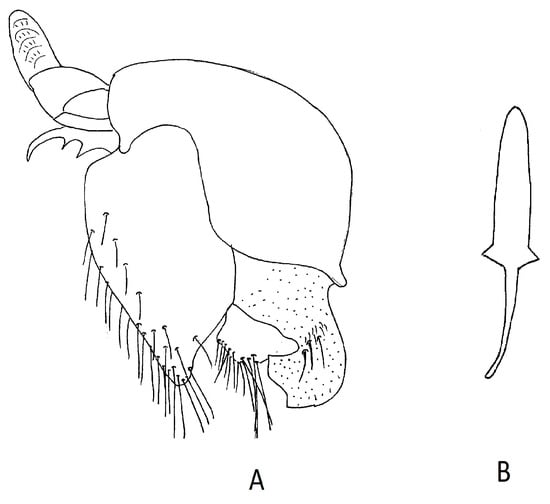
Ten new species of Lonchaeidae in the genera Lonchaea Fallen and Silba Macquart are described, nine from the Australasia–Oceania realm—Papua New Guinea (7 species), Solomon Islands (1 species), and Sulawesi (1 species)—and one from Sumatra in the Indo-Malayan realm. The new species are
[...] Read more.
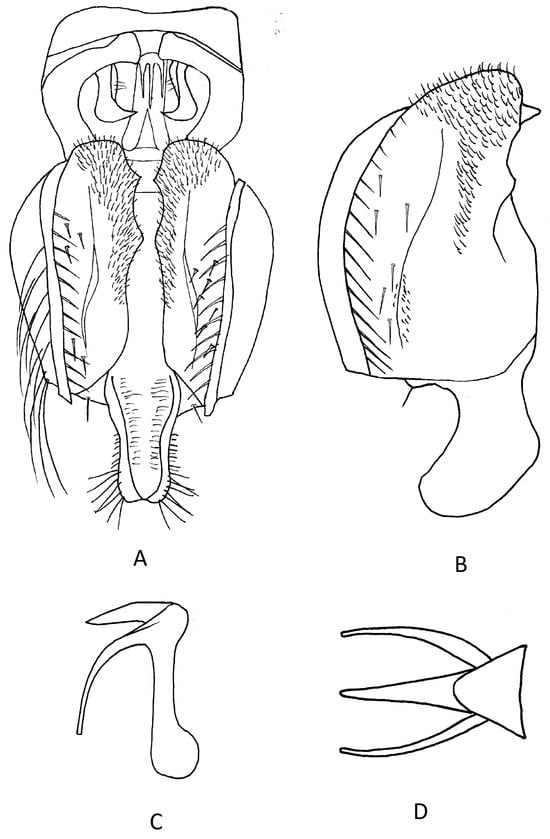
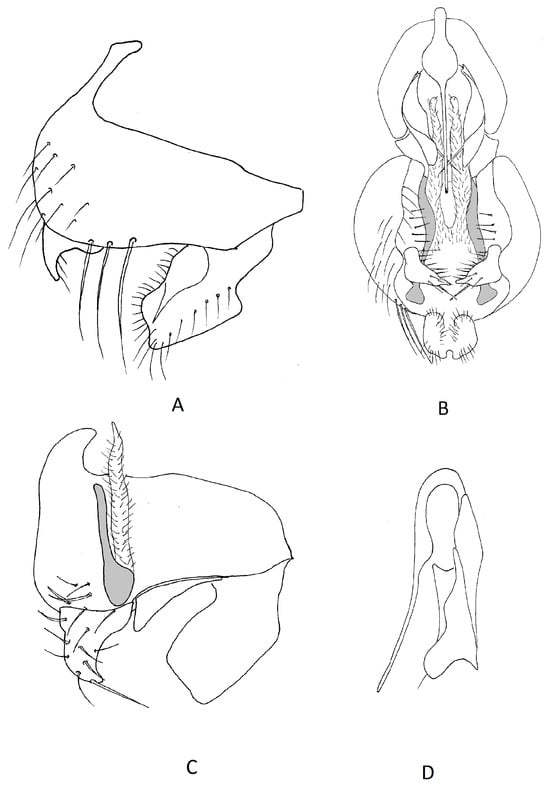
Ten new species of Lonchaeidae in the genera Lonchaea Fallen and Silba Macquart are described, nine from the Australasia–Oceania realm—Papua New Guinea (7 species), Solomon Islands (1 species), and Sulawesi (1 species)—and one from Sumatra in the Indo-Malayan realm. The new species are Lonchaea bacchusi sp. nov., Lonchaea herzogi sp. nov., Lonchaea morobe sp. nov., Lonchaea spenceri sp. nov., Lonchaea sulawesi sp. nov., Silba guineai sp. nov., Silba honiara sp. nov., Silba ismayi sp. nov., Silba kokoda sp. nov., and Silba papua sp. nov. The male genitalia are illustrated, and the diagnostic features that distinguish these species are presented. The male genitalia of Lonchaea uniseta Malloch, 1930, from Samoa are described and illustrated for the first time, and the male genitalia of two species from Micronesia, Lonchaea belua McAlpine, 1964, and Lonchaea sabroski McAlpine, 1964, are illustrated for the first time. A checklist of the Lonchaeidae of Papua New Guinea is provided.
Full article

Figure 1
Open AccessArticle
Two New Species of Philodendron from the Atlantic Forest of Southeastern Brazil
by
Juliana Ribeiro de Mattos, Marcus Alberto Nadruz Coelho and Thays Felipe da Silva
Taxonomy 2026, 6(1), 11; https://doi.org/10.3390/taxonomy6010011 - 16 Jan 2026
Abstract
►▼
Show Figures
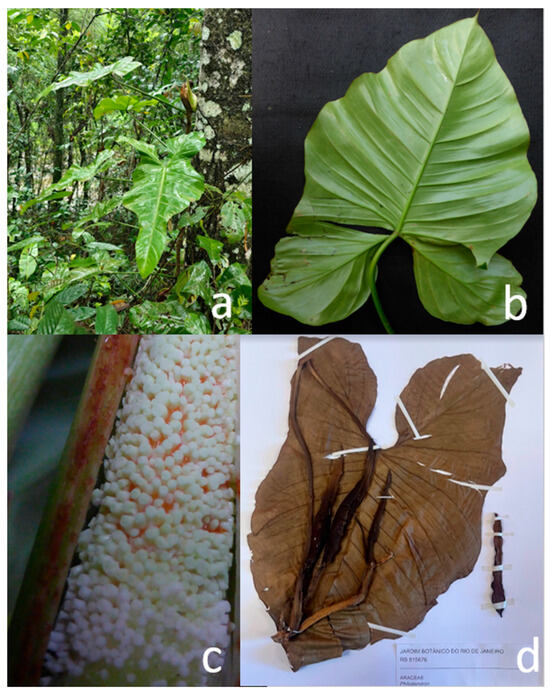
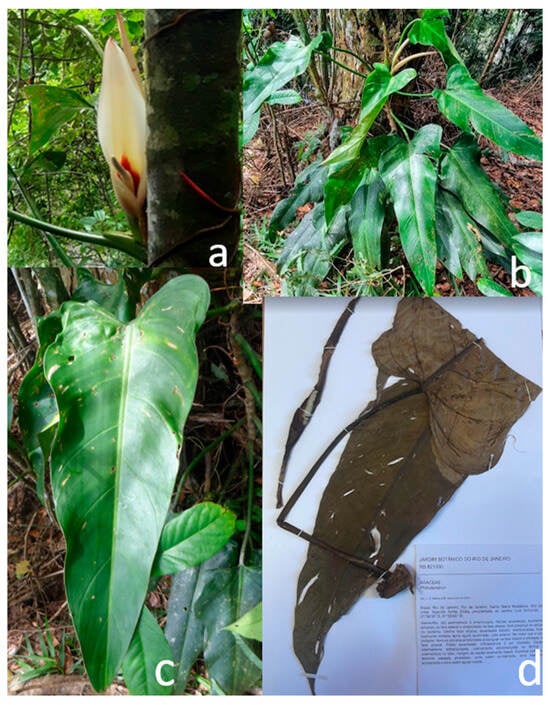
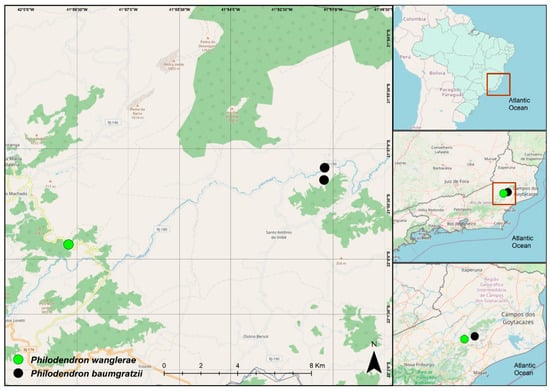
Two new endemic species from the Atlantic Forest, Philodendron baumgratzii and Philodendron waenglerae, are described herein. Both species belong to the subgenus Philodendron, assigned to sections Schizophyllum and Macrobelium, respectively. Detailed taxonomic descriptions, nomenclatural notes, and geographic distribution data are provided.
Full article

Figure 1
Open AccessArticle
Two New Fungal Species in the Hypocreales from the Soil in Ngari Prefecture, Xizang, China
by
Shu-Yang Xia, Peng-Wei Su, Xiao-Jian Wang, Shi-Liang Liu, Ling Liu and Li-Wei Zhou
Taxonomy 2026, 6(1), 10; https://doi.org/10.3390/taxonomy6010010 - 13 Jan 2026
Abstract
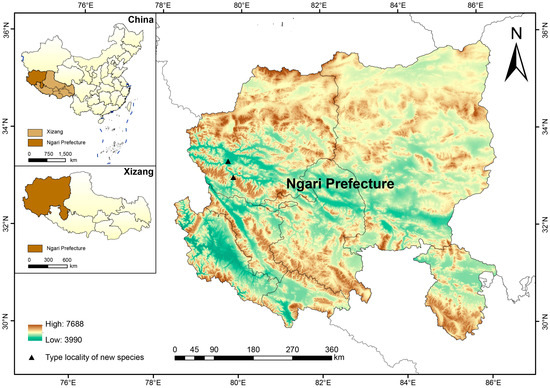
Fungal diversity has been well explored worldwide, but such knowledge in special environments remains limited. Here, we focus on the soil from Ngari Prefecture with high altitude in the northwestern part of Xizang, China. Among the 514 fungal strains isolated from the soil
[...] Read more.
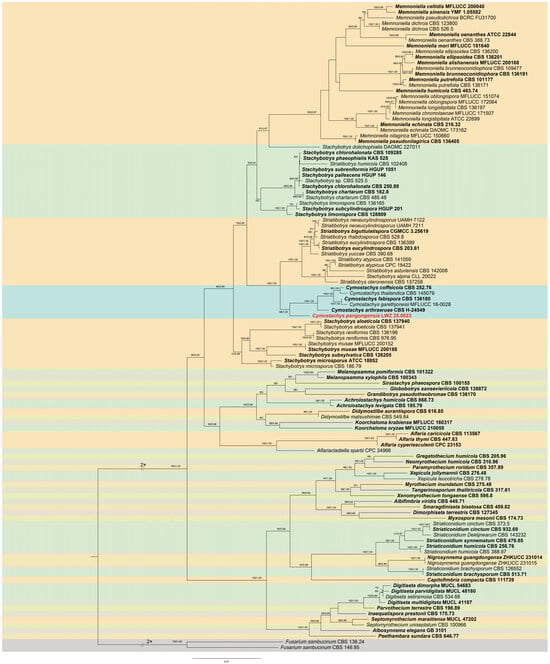
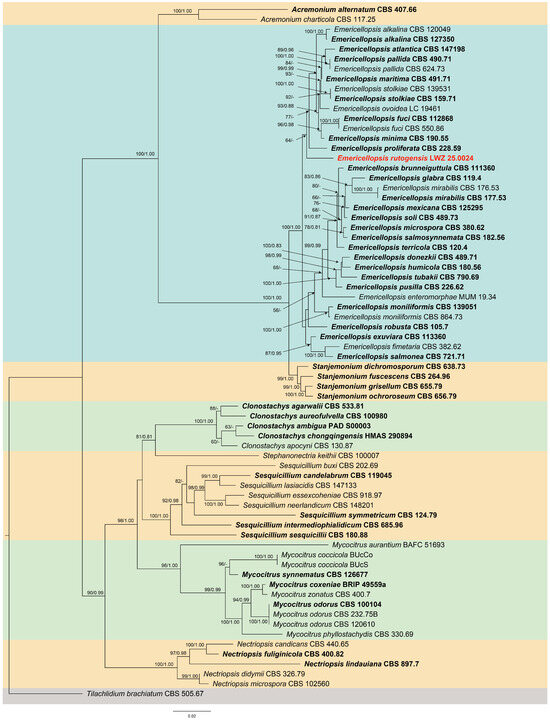
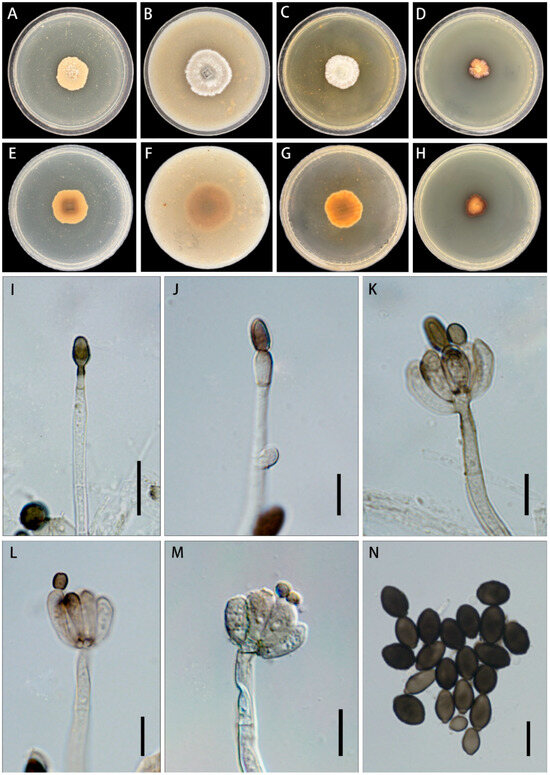
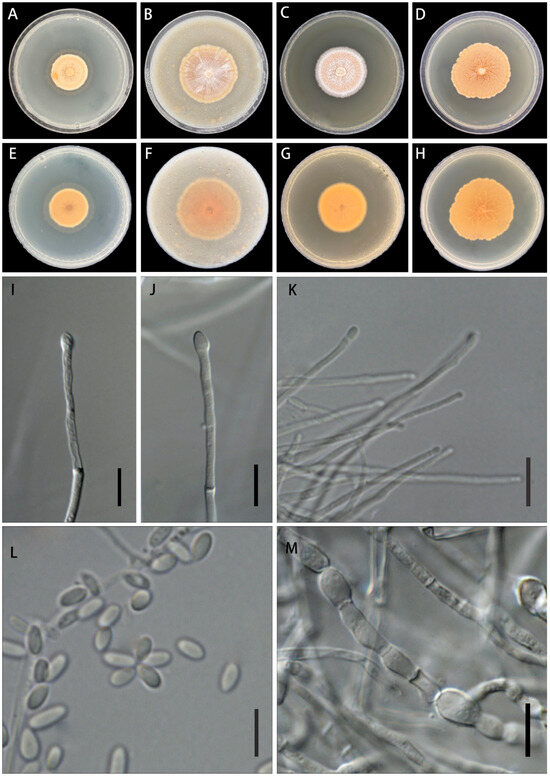
Fungal diversity has been well explored worldwide, but such knowledge in special environments remains limited. Here, we focus on the soil from Ngari Prefecture with high altitude in the northwestern part of Xizang, China. Among the 514 fungal strains isolated from the soil samples, two strains are newly described as Cymostachys pangongensis and Emericellopsis rutogensis in the Hypocreales on the basis of both morphological and phylogenetic evidence. Cymostachys pangongensis exhibits typical characteristics of Cymostachys, viz., irregularly cymosely branched conidiophores and olivaceous brown to dark brown, fabiform conidia. It represents the sixth known species of Cymostachys and the first species isolated from soils in this genus. Emericellopsis rutogensis has typical chlamydospores and conidia of Emericellopsis, although its sexual ascomata and ascospores were not observed. Notably, these two new species belong to interesting fungal genera, whose members are well known for rich medicinal natural products. In summary, this study enriches the knowledge of fungal diversity in special environments, and the isolated strains may provide important bioresources for future applications.
Full article
(This article belongs to the Special Issue Microbial Taxonomy: With an Emphasis of Lesser-Studied Taxonomic Groups)
►▼
Show Figures

Figure 1
Highly Accessed Articles
Latest Books
E-Mail Alert
News
Topics
Topic in
Diversity, JMSE, Sustainability, Taxonomy, Water
Taxonomy and Ecology of Zooplankton
Topic Editors: Manuel Elias-Gutierrez, Alexey A. KotovDeadline: 30 April 2027
Special Issues
Special Issue in
Taxonomy
Taxonomy in the 21st Century: Celebrating a New Chapter—First Impact Factor Received
Guest Editor: Mathias HarzhauserDeadline: 15 June 2026
Special Issue in
Taxonomy
Diversity and Taxonomy of Scarabaeoidea
Guest Editor: Frank-Thorsten KrellDeadline: 30 June 2026
Special Issue in
Taxonomy
Selected Papers from the 1st International Online Conference on Taxonomy (IOCTX 2025)
Guest Editor: Mathias HarzhauserDeadline: 31 August 2026
Special Issue in
Taxonomy
Microbial Taxonomy: With an Emphasis of Lesser-Studied Taxonomic Groups
Guest Editor: Li-Wei ZhouDeadline: 31 December 2026