




You are currently viewing a new version of our website. To view the old version click .
  • 1.8Impact Factor
  • 24 daysTime to First Decision

Pharmacy

Pharmacy is an international, scientific, peer-reviewed, and open access journal dealing with pharmacy education and practice, and is published bimonthly online by MDPI. 
The Academy of Pharmaceutical Sciences (APS) is affiliated with Pharmacy and its members receive discounts on the article processing charges.
Indexed in PubMed | Quartile Ranking JCR - Q3 (Pharmacology and Pharmacy)

All Articles (1,666)

Benzodiazepine (BZD) Use and Patient Safety: Opportunities for Community Pharmacy Involvement in the Management of Drug Interactions

  • Juan Ramón Santana Ayala,
  • Daida Alberto Armas and
  • Veronica Hernández García
  • + 5 authors

Introduction: During pharmaceutical care, community pharmacists play a crucial role by carrying out interventions aimed at preventing, detecting, and resolving drug-related problems (DRPs) and negative outcomes associated with medication (NOM), simultaneously enhancing patients’ knowledge about their treatments. The chronic use of Benzodiazepines (BZDs) is known to be associated with risks such as tolerance, dependence, and cognitive impairment. Furthermore, the combined use of BZDs with other medications or alcohol may expose patients to significant drug interactions. Objectives: This study aimed to characterize and describe the clinical profile of patients using BZDs, to evaluate the extent of polypharmacy and potential drug interactions, to investigate their level of knowledge regarding BZD treatment, and ultimately, to propose evidence-based interventions from the community pharmacy to contribute to improving patient safety and minimizing risks associated with BZD use. Method: A cross-sectional, descriptive study was conducted in a single community pharmacy in Gran Canaria (Canary Islands, Spain). The study population comprised 125 adult patients with active BZD prescriptions. Data collection was performed through pharmacist–patient structured interviews using a questionnaire that included sociodemographic, clinical, and BZD knowledge variables. Results: Lormetazepam and alprazolam were the BZDs most frequently prescribed and dispensed. Potential drug interactions with other medications were detected in 38.4% of BZD users. Notably, 61.5% of patients using BZDs also reported the concurrent use of opioid analgesics, with tramadol being the most common opioid (48.1% of BZD users were also treated with tramadol). Statistically significant differences were observed between patients with and without BZD and other drug interactions in several adverse outcome variables, including the risk of falls (p = 0.003), cognitive impairment (p = 0.047), and urinary incontinence (p = 0.016). Existing BZD dependence is detected in 25% and 22.1% of cases, respectively. Patients’ knowledge of their BZD treatment revealed critical gaps, which are identified as a challenge and a clear opportunity for intervention through pharmaceutical care services. Conclusions: The findings underscore the essential and proactive role of community pharmacists in identifying and managing drug interactions, as well as in supporting deprescribing strategies through collaborative and interprofessional care models.

11 December 2025
Distribution of BZD–other active drugs/treatment interactions with percentages representing the total number of interactions recorded (n = 52).
  • Perspective
  • Open Access

The transition toward wide-scale use of single-dose administration systems such as prefilled syringes has primarily occurred in high-income countries due to economic considerations. This has resulted in a disparity of access to such technologies in low- and middle-income countries, which continue to utilize multi-dose vial-based presentations and syringes for parenteral delivery. Single-dose innovations currently available or in the product development pipeline represent the promise of enhanced access globally and the potential for public health impact. This perspective article discusses the reported benefits of pre-filled single-dose delivery systems compared to multi-dose vials, as well as the higher standards of infection control regulations and practices that resulted in the increasing use of and benefit from single-dose administration systems in high-income countries. We evaluated how these benefits and standards could enhance health initiatives in low- and middle-income countries. Finally, we explored the potential for making pre-filled single-dose delivery methods both accessible and affordable in low- and middle-income countries.

10 December 2025

ApiJect design for LMIC use. (A) Pre-assembly, (B) assembled device, and (C) device ready for injection.

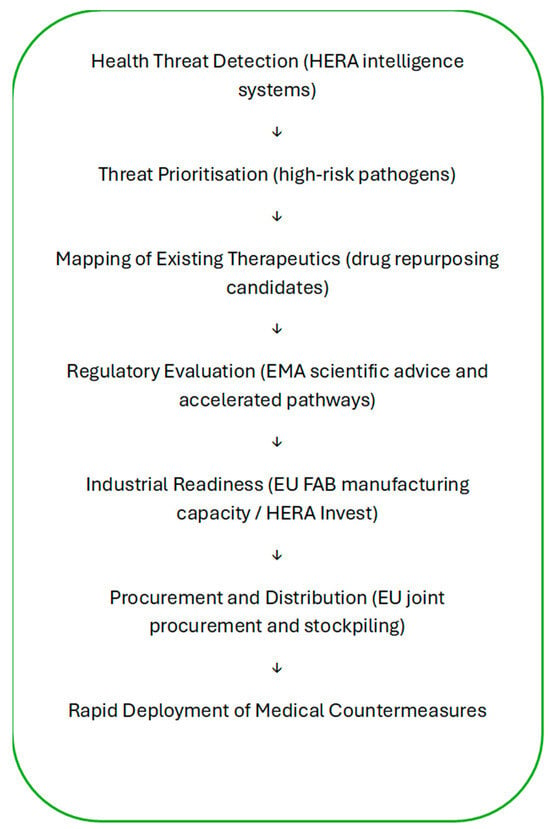
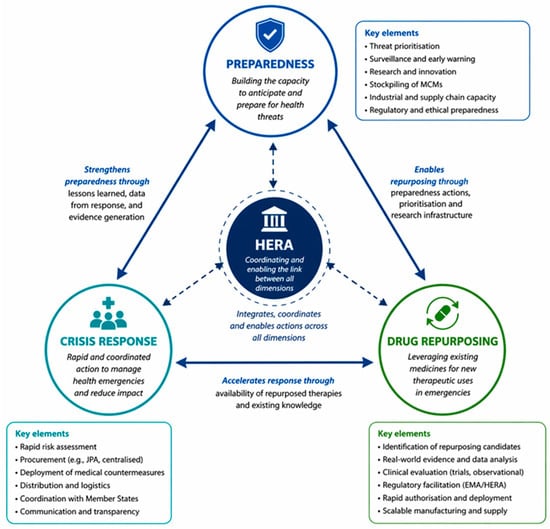
As one of the biggest challenges for healthcare in the 21st century, COVID-19 placed a sustained and intense demand on the European Medicines Agency’s resources and required constant adaptation and mobilization of different regulatory processes. In this situation, drug repurposing appeared as a promising potential approach in quickly emerging health crises due to its main advantage of reducing the time and cost for addition of new indications since it uses products proven to be of high quality, safe, and effective. We performed an analysis of European Public Assessment Reports for medicinal products authorized for the SARS-CoV-2 infection by the European Medicines Agency, showing a total of eight products with this indication, three (37.5%) of which used repurposing as a mechanism for development (remdesivir, tocilizumab, and anakinra). The application of this mechanism by these medicines highlights the importance of the life cycle stage at which repositioning is undertaken, which resulted in different volumes of data submitted in the respective European Public Assessment Reports. The participation of organizations other than the marketing authorization holder in key stages in the drug development process of repurposed products was once again confirmed, which emphasizes the need to regulate this interaction.

10 December 2025

Clinical trials included in EPAR (* Medicinal product subject to repurposing).

Chronic obstructive pulmonary disease (COPD) is a major global health burden. The fluticasone furoate (FF)/umeclidinium (UMEC)/vilanterol (VI) triple therapy provides new treatment, but its long-term real-world safety lacks evidence. A post-marketing analysis used the FAERS database to identify adverse event (AE) signals for FF/UMEC/VI. Disproportionality methods including reporting odds ratio (ROR), proportional reporting ratio (PRR), information component (IC), and empirical Bayesian geometric mean (EBGM), were applied to detect AE signals, focusing on reports from third quarter (Q3) 2019 to Q3 2024. Among 16,238 reports listing FF/UMEC/VI as primary suspect, significant AE signals occurred in ‘injury, poisoning and procedural complications’ (n = 9067, ROR 2.46, PRR 2.08, IC 1.06, EBGM 2.08), and ‘respiratory, thoracic and mediastinal disorders’ (n = 6567, ROR 4.87, PRR 4.15, IC 2.05, EBGM 4.13). A total of 196 significantly disproportionate preferred terms (PTs) were identified, including previously undocumented AEs such as chronic eosinophilic rhinosinusitis, dysphonia, and vocal cord dysfunction. This post-marketing safety study revealed significant signals for dysphonia and vocal cord dysfunction associated with FF/UMEC/VI, suggesting that clinicians should remain vigilant for these events.

10 December 2025

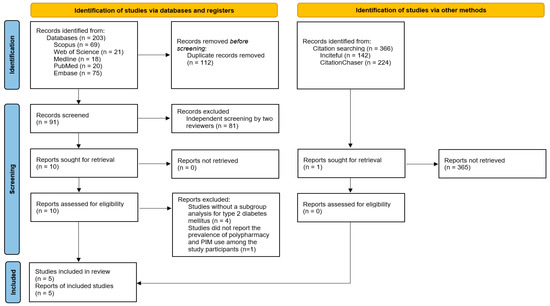
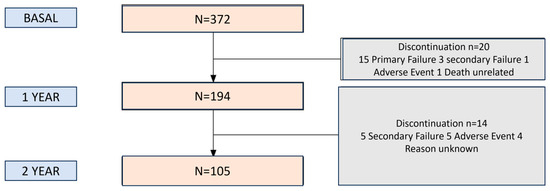
Flowchart of data collection process. FF, fluticasone furoate; UMEC, umeclidinium; VI, vilanterol; DEMO, Demographic/administrative file; DRUG, Drug information file; REAC, Reaction file; PS, primary suspect.

News & Conferences

Issues

Open for Submission

Editor's Choice

Reprints of Collections

Medicines Reuse
Reprint

Medicines Reuse

Editors: Parastou Donyai
Embedded Pharmacists in Primary Care
Reprint

Embedded Pharmacists in Primary Care

Editors: George E. MacKinnon III, PhD, MS, RPh, Nathan Lamberton, PharmD, BCPS

Get Alerted

Add your email address to receive forthcoming issues of this journal.

XFacebookLinkedIn
Pharmacy - ISSN 2226-4787