

-
Educational Applications of AI-Based Chatbots in Nursing: A Scoping Review -
Factors Associated with Mental Health Literacy Among Undergraduate Health Students in Portuguese Higher Education: The Role of Psychological Well-Being -
Secondary Traumatic Stress Among Emergency Medical Personnel: A Cross-Sectional Study in Romania
Journal Description
Nursing Reports
Nursing Reports
is an international, peer-reviewed, open access journal on nursing sciences published monthly online by MDPI (since Volume 10, Issue 1 - 2020).
- Open Access— free for readers, with article processing charges (APC) paid by authors or their institutions.
- High Visibility: indexed within Scopus, ESCI (Web of Science), PMC, PubMed, and other databases.
- Rapid Publication: manuscripts are peer-reviewed and a first decision is provided to authors approximately 22.6 days after submission; acceptance to publication is undertaken in 2.9 days (median values for papers published in this journal in the second half of 2025).
- Journal Rank: JCR - Q2 (Nursing) / CiteScore - Q2 (General Nursing)
- Recognition of Reviewers: APC discount vouchers, optional signed peer review, and reviewer names published annually in the journal.
- Journal Cluster of Healthcare Sciences and Services: Geriatrics, Journal of Ageing and Longevity, Healthcare, Hospitals, Hygiene, International Journal of Environmental Research and Public Health and Nursing Reports.
Impact Factor:
2.0 (2024);
5-Year Impact Factor:
2.5 (2024)
Latest Articles
Culturally Responsive Counseling and Tuberculosis Treatment Adherence: Development and Validation of an Integrated Model
Nurs. Rep. 2026, 16(6), 190; https://doi.org/10.3390/nursrep16060190 - 29 May 2026
Abstract
►
Show Figures
Background/Objectives: Tuberculosis (TB) treatment adherence remains suboptimal globally, contributing to relapse, transmission, and drug-resistant TB. Adherence is a culturally embedded behavioral process shaped by psychological readiness, social relationships, and structural conditions. This study aimed to validate a culturally grounded counseling model integrating
[...] Read more.
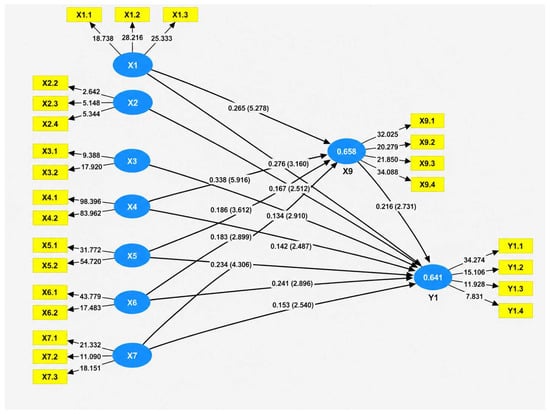
Background/Objectives: Tuberculosis (TB) treatment adherence remains suboptimal globally, contributing to relapse, transmission, and drug-resistant TB. Adherence is a culturally embedded behavioral process shaped by psychological readiness, social relationships, and structural conditions. This study aimed to validate a culturally grounded counseling model integrating the Sunrise Model of transcultural nursing and the Information–Motivation–Behavioral Skills (IMB) framework for TB treatment adherence in Kupang City, Indonesia. Methods: A cross-sectional study enrolled 172 pulmonary TB patients across all 11 primary healthcare centers in Kupang City (June–September 2025). A validated questionnaire measuring eight transcultural determinants, culturally grounded counseling (mediator), and adherence (outcome) was developed through expert validation, cognitive interviewing, and pilot testing. Structural Equation Modeling–Partial Least Squares (SEM-PLS) tested structural and mediation relationships via bootstrapped indirect effects (p < 0.05). Results: Reliability (CR: 0.842–0.959; ρA: 0.791–0.957), convergent validity (AVE: 0.577–0.921), and discriminant validity (all HTMT < 0.85) were confirmed. The model showed strong explanatory power (R2 = 0.649 for adherence; SRMR = 0.074). Culturally grounded counseling was positively associated with adherence (β = 0.245, p = 0.003) and statistically mediated five antecedent–adherence relationships, including full mediation for economic conditions. Cultural values and lifestyle showed the strongest counseling association (β = 0.345, p < 0.001). Conclusions: Cross-sectional evidence supports a culturally grounded counseling model for TB adherence in diverse settings. Causal conclusions require longitudinal and interventional validation. The model offers a foundation for nurse-led intervention development and multi-site validation.
Full article
Open AccessArticle
Feasibility of Escape Room Simulation in Community Health Nursing Education: A Quasi-Experimental Study of Student Perceptions of Competence and Confidence
by
Lufei Young, Xi Ning, Yinghao Pan, Tiffany Jackson and Meredith Troutman-Jordan
Nurs. Rep. 2026, 16(6), 189; https://doi.org/10.3390/nursrep16060189 - 29 May 2026
Abstract
►▼
Show Figures
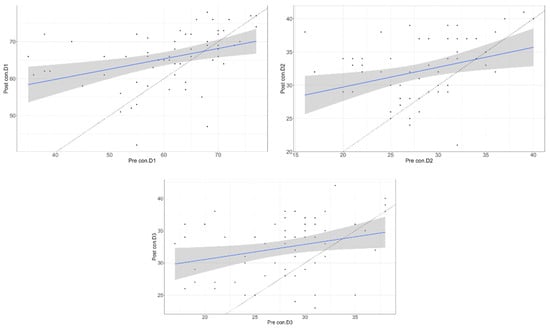
Background/Objectives: Community health nursing (CHN) clinical experiences are essential for preparing undergraduate nursing students to deliver safe and effective home-based care; however, access to placements is often limited. Escape room simulation (ERS) has been used in nursing education, yet its feasibility in CHN
[...] Read more.
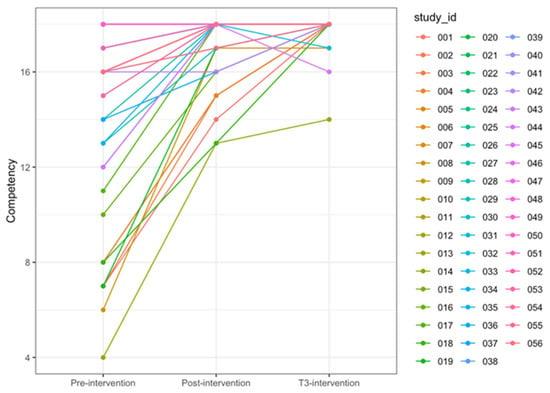
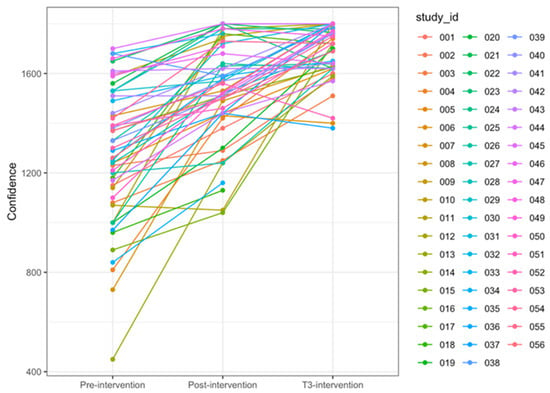
Background/Objectives: Community health nursing (CHN) clinical experiences are essential for preparing undergraduate nursing students to deliver safe and effective home-based care; however, access to placements is often limited. Escape room simulation (ERS) has been used in nursing education, yet its feasibility in CHN remains underexplored. This exploratory study aimed to examine the feasibility of using ERS in undergraduate CHN education by evaluating students’ perceived competence, confidence, and learning experiences following participation in the simulation. Methods: A quasi-experimental, single-group pre–post design was conducted with 56 undergraduate nursing students. Data were collected at three time points: prior to the simulation, immediately after, and ten weeks post-intervention. Measures included standardized assessments of CHN competence and confidence, as well as student perceptions of the simulation experience. Linear mixed-effects modeling was used to examine changes over time. Results: Significant improvements were observed in both competence (t = 6.413, p < 0.001) and confidence (t = 8.142, p < 0.001) following the simulation, with gains maintained at ten weeks. Variability in competence decreased across participants over time, while confidence gains varied individually, with larger improvements among participants with lower baseline scores. Participants reported high levels of satisfaction with the simulation despite limited prior exposure. Conclusions: ERS was associated with improvements in undergraduate nursing students’ perceived competence and confidence, suggesting that it may represent a feasible and acceptable supplemental educational strategy for undergraduate CHN education. Additional research is needed to better evaluate the educational impact and underlying mechanisms of ERS in CHN education, and to support the development of evidence-based ERS approaches that enhance student preparedness for community-based nursing practice in settings where clinical placements are limited.
Full article

Figure 1
Open AccessArticle
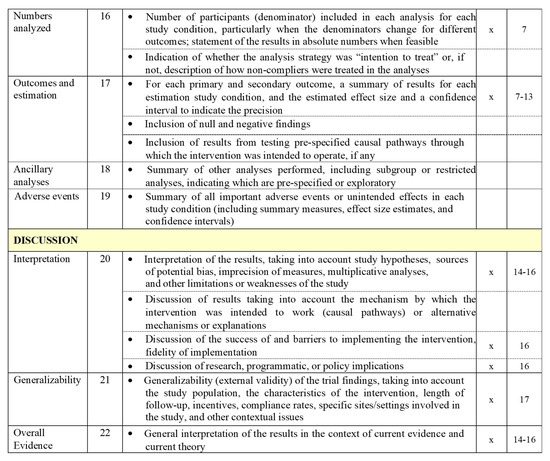
Improving Hepatocellular Carcinoma Surveillance in Ambulatory Hepatology: A PDSA Quality Improvement Initiative
by
Anjana Mary Jacob, Satheesh Nair, Drew A. Wells, Beatrice Bailey and M. Dennis Leo
Nurs. Rep. 2026, 16(6), 188; https://doi.org/10.3390/nursrep16060188 - 29 May 2026
Abstract
Background: Hepatocellular carcinoma (HCC) is the third leading cause of cancer-related mortality worldwide. Despite established guidelines recommending semiannual surveillance for high-risk patients, real-world adherence remains inconsistent. Gaps in healthcare personnel knowledge and care coordination are recognized contributors to this implementation failure. Methods: Under
[...] Read more.
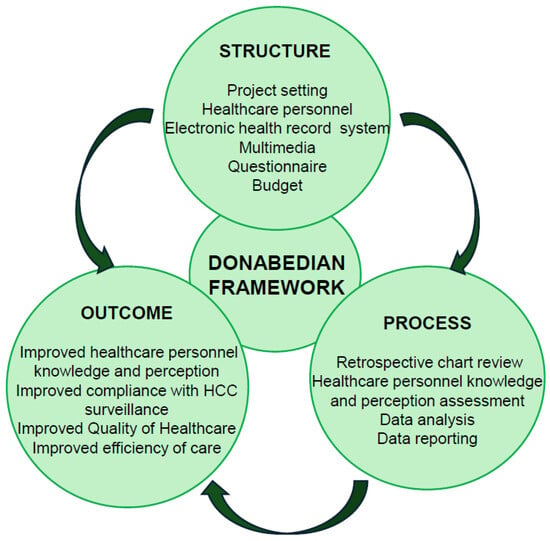
Background: Hepatocellular carcinoma (HCC) is the third leading cause of cancer-related mortality worldwide. Despite established guidelines recommending semiannual surveillance for high-risk patients, real-world adherence remains inconsistent. Gaps in healthcare personnel knowledge and care coordination are recognized contributors to this implementation failure. Methods: Under IRB approval, a quality improvement project using the Plan-Do-Study-Act (PDSA) framework was conducted in an ambulatory liver clinic in the southwestern United States. One PDSA cycle was completed. Retrospective and prospective chart reviews (n = 50 charts each) were conducted to assess HCC surveillance ordering and scheduling rates. Thirty healthcare personnel completed investigator-developed pre- and postintervention surveys measuring knowledge and perceptions. Intervention: A structured educational session grounded in current American Association for the Study of Liver Diseases (AASLD) surveillance guidelines was delivered to the full interdisciplinary clinic team, incorporating clinic-specific compliance data and role-specific coordination responsibilities. Results: Knowledge scores improved significantly from a mean of 41.67% to 95.33% (t [29] = −20.27, p < 0.001, d = 3.70). Perception scores improved (Wilcoxon z = −4.30, p < 0.001). Surveillance ordering increased from 88% to 94% and scheduling from 60% to 80%. Conclusions: A single structured educational PDSA cycle was associated with significant improvements in healthcare personnel knowledge and perceptions and with improved ordering and scheduling of HCC surveillance imaging. Postintervention imaging completion and result review rates were not assessed within the available follow-up period. Run chart monitoring of surveillance metrics across subsequent PDSA cycles is planned to evaluate sustainment and guide iterative improvement.
Full article
(This article belongs to the Section Nursing Education and Leadership)
►▼
Show Figures

Figure 1
Open AccessArticle
Nephrology Nurses’ Nutritional Competence in Chronic Kidney Disease Care: A Qualitative Study
by
Sofia Matteucci, Gaetano Ferrara, Giovanni Cangelosi, Ciro Pozzuoli, Sara Morales Palomares, Pasquale Di Fronzo, Anna Grimaldi, Angela Durante, Marco Sguanci, Stefano Mancin and on behalf of the Italian Society of Nephrology Nurses (SIAN) Research Group
Nurs. Rep. 2026, 16(6), 187; https://doi.org/10.3390/nursrep16060187 - 28 May 2026
Abstract
►▼
Show Figures
Background/Objectives: Nutritional management is a core component of care for patients with chronic kidney disease (CKD), and nephrology nurses play a key role in education and clinical monitoring. However, how nurses develop and enact nutritional competence in daily practice remains insufficiently explored. This
[...] Read more.
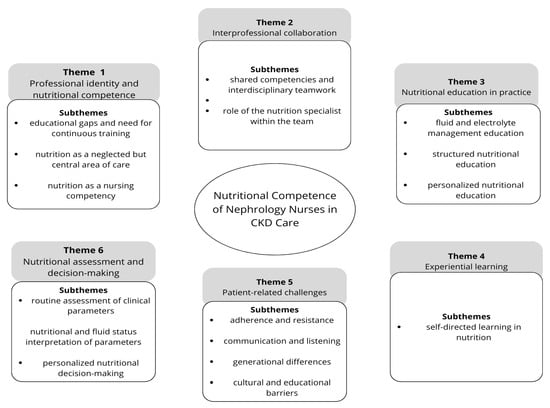
Background/Objectives: Nutritional management is a core component of care for patients with chronic kidney disease (CKD), and nephrology nurses play a key role in education and clinical monitoring. However, how nurses develop and enact nutritional competence in daily practice remains insufficiently explored. This study aimed to explore nephrology nurses’ perceptions and experiences of nutritional management in CKD care. Methods: A qualitative descriptive study was conducted through semi-structured interviews with 22 nephrology nurses. Data were analyzed using thematic analysis according to Braun and Clarke. Methodological rigor was ensured following trustworthiness criteria, and reporting adhered to the Consolidated Criteria for Reporting Qualitative Research (COREQ) guidelines. Results: The thematic analysis of the interviews identified six main themes: (1) Professional identity and nutritional competence, largely developed through clinical experience rather than structured education. (2) Interprofessional collaboration, perceived as essential but inconsistently implemented. (3) Nutritional education in practice, embedded in daily care and tailored to individual needs. (4) Experiential learning through self-directed nutrition updating. (5) Patient-related challenges, including adherence issues, generational differences, and cultural/educational barriers. (6) Nutritional assessment and decision-making, grounded in routine clinical monitoring and personalized judgment. Participants also highlighted the potential of decision-support tools to enhance personalized nutritional management. Conclusions: Strengthening structured nutritional training, improving interprofessional integration, and implementing shared protocols may enhance the consistency, quality, and safety of nutritional care for patients with CKD, supporting more effective translation of evidence into clinical practice.
Full article

Figure 1
Open AccessArticle
Service-Learning for Cardiopulmonary Resuscitation Training in Nursing Students: A Qualitative Study
by
Verónica V. Márquez-Hernández, Jessica García-González, Miguel Company-Morales, Diego Ruiz-Salvador, José Miguel Garrido-Molina, Alba García-Viola, María Margarita Lirola-González and Mª Carmen Rodríguez-García
Nurs. Rep. 2026, 16(6), 186; https://doi.org/10.3390/nursrep16060186 - 28 May 2026
Abstract
Background/Objective: Service-learning is an educational methodology that has demonstrated benefits and effectiveness in nursing education, generating positive outcomes for both students and the community. However, its application in cardiopulmonary resuscitation (CPR) training remains underexplored. This study explored nursing students’ perceptions of CPR training
[...] Read more.
Background/Objective: Service-learning is an educational methodology that has demonstrated benefits and effectiveness in nursing education, generating positive outcomes for both students and the community. However, its application in cardiopulmonary resuscitation (CPR) training remains underexplored. This study explored nursing students’ perceptions of CPR training through service-learning, focusing on dimensions of learning, emotional experience, professional identity, and perceived difficulties in implementation. Methods: A descriptive qualitative study was conducted with 30 nursing students selected through purposive sampling. Data were collected via semi-structured interviews, which were audio-recorded, transcribed verbatim, and thematically analyzed using ATLAS.ti. Results: Four main themes emerged: (1) meaningful learning and consolidation of competencies; (2) emotional impact associated with teaching CPR; (3) increased social awareness and strengthening of professional identity; and (4) perceived difficulties and barriers in implementing service-learning. Conclusions: The results suggest that nursing students perceived service-learning in CPR training as a meaningful learning experience, associated with greater self-confidence, greater emotional engagement, and greater social awareness, despite the perceived barriers.
Full article
(This article belongs to the Section Nursing Education and Leadership)
Open AccessArticle
Binational Analysis of Maternal Mortality Between Brazil and Portugal in 2020–2023: A Population-Based Epidemiological Study
by
Gustavo Gonçalves dos Santos, Mónica Alexandra Pinho da Silva, Maria João Jacinto Guerra, Júlia Maria das Neves Carvalho, Ana Cristina Ribeiro da Fonseca Dias, Maria Luísa Santos Bettencourt, Cely de Oliveira, Bruna Feichas Renó, Eneida Tramontina Cerqueira and Katucha Rocha de Almeida Farias
Nurs. Rep. 2026, 16(6), 185; https://doi.org/10.3390/nursrep16060185 - 28 May 2026
Abstract
Background/Objectives: Maternal mortality remains an important indicator of health inequities, reflecting social, regional, and racial inequalities, as well as the responsiveness of health systems. This study aimed to analyze and compare maternal mortality between Brazil and Portugal from 2020 to 2023. Methods
[...] Read more.
Background/Objectives: Maternal mortality remains an important indicator of health inequities, reflecting social, regional, and racial inequalities, as well as the responsiveness of health systems. This study aimed to analyze and compare maternal mortality between Brazil and Portugal from 2020 to 2023. Methods: This is a binational ecological and observational study based on secondary data from official records of live births and maternal deaths in both countries. Maternal mortality rates were calculated per 100,000 live births and stratified by sociodemographic and regional variables. Poisson regression models offset by the logarithm of live births were used to estimate adjusted incidence ratios (IRR) and 95% confidence intervals. Analyses were conducted using R and Stata software. Results: Brazil presented rates between 55 and 62 per 100,000 live births, while Portugal maintained lower values, ranging from 8 to 20 per 100,000. In Brazil, higher risks were observed among Black and Indigenous women, residents of the North and Northeast regions, and in age groups above 30 years. Direct and indirect causes showed similar proportions, with an increase in indirect causes during the pandemic. In Portugal, mortality showed low magnitude, but annual fluctuation was attributed to the small number of events and the limitation of microdata. Conclusions: The study highlights strong structural and racial inequalities in Brazilian maternal mortality, contrasting with the lower magnitude and greater stability observed in Portugal. This reinforces the need for intersectoral actions, strengthening the obstetric network, and continuous surveillance to reduce preventable deaths and promote equity in maternal care.
Full article
Open AccessArticle
Characteristics and Risk Factors for Delirium in Critically Ill Cardiac Surgery Patients: An Observational Study
by
Simone Amato, Vincenza Giordano, Giuliano Anastasi, Lisa Scaramozzino, Michela Maccari, Giulia Fattore, Caterina Mercuri, Maria Catone and Francesco Gravante
Nurs. Rep. 2026, 16(6), 184; https://doi.org/10.3390/nursrep16060184 - 28 May 2026
Abstract
►▼
Show Figures
Background/Objectives: Delirium is a frequent and clinically significant complication in cardiac surgery patients and is associated with prolonged mechanical ventilation, longer Intensive Care Unit (ICU) stay, increased mortality, and long-term cognitive impairment. However, evidence regarding perioperative factors associated with delirium occurrence in
[...] Read more.
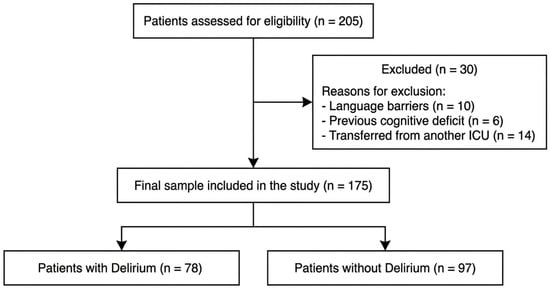
Background/Objectives: Delirium is a frequent and clinically significant complication in cardiac surgery patients and is associated with prolonged mechanical ventilation, longer Intensive Care Unit (ICU) stay, increased mortality, and long-term cognitive impairment. However, evidence regarding perioperative factors associated with delirium occurrence in cardiac surgery ICU patients remains limited. This study aims to investigate clinical factors associated with postoperative delirium in cardiac surgery patients admitted to the ICU. Methods: A single-center, prospective, observational study was conducted in a 14-bed cardiothoracic ICU in central Italy. Consecutively enrolled adult patients undergoing cardiac surgery were assessed for delirium using the Italian-validated Intensive Care Delirium Screening Checklist (ICDSC) every eight hours for five days. Univariate analysis and multivariate logistic regression were performed to identify factors associated with delirium occurrence. Results: A total of 175 patients were included, and delirium occurred in 44.6%. In the univariate analysis, patients with delirium presented significantly longer mechanical ventilation (10.5 vs. 8.0 h; p = 0.04) and higher APACHE II scores (p = 0.01). In the multivariable analysis, lower Glasgow Coma Scale (GCS) scores were independently associated with delirium occurrence (OR = 0.84; 95% CI: 0.71–0.99; p = 0.04). Urgent admission (OR = 2.02; p = 0.06) and mean arterial pressure (OR = 0.97; p = 0.08) did not reach statistical significance in the multivariable model. Conclusions: Delirium is highly prevalent after cardiac surgery. Lower postoperative GCS scores may represent an early marker of postoperative neurological vulnerability associated with delirium occurrence. Further multicenter studies are warranted to improve delirium risk stratification and clarify the mechanisms underlying postoperative cognitive dysfunction.
Full article

Figure 1
Open AccessArticle
Evidence-Based Practice Implementation in a Pediatric Inpatient Unit: Nurses’ Experiences of Organizational Change
by
Cânia Torres, Francisco Mendes, Paula Duarte and Maria Barbieri-Figueiredo
Nurs. Rep. 2026, 16(6), 183; https://doi.org/10.3390/nursrep16060183 - 27 May 2026
Abstract
Background: Sustained implementation of evidence-based practice (EBP) remains a challenge in complex clinical environments. Structured knowledge translation frameworks, such as the Knowledge-to-Action model (KTA), have been proposed to facilitate integration of evidence into care. However, less is known about how nurses experience the
[...] Read more.
Background: Sustained implementation of evidence-based practice (EBP) remains a challenge in complex clinical environments. Structured knowledge translation frameworks, such as the Knowledge-to-Action model (KTA), have been proposed to facilitate integration of evidence into care. However, less is known about how nurses experience the consolidation of KTA-guided implementation in clinical practice. This study aimed to explore nurses’ experiences of changes in clinical practice and professional development following consolidation of KTA guided implementation in a pediatric inpatient unit. Methods: A qualitative descriptive study was conducted using two focus groups with 20 pediatric nurses who had participated in the implementation process. One year after consolidation of the implementation process, data were collected via videoconference using a semi-structured interview guide and analyzed through thematic content analysis following Bardin’s methodological framework. Results: Four themes emerged: (1) contribution of the KTA to the clinical context; (2) influence on EBP competencies; (3) impact on professional development; and (4) sustainability within the organizational context. The implementation was experienced as a shift in care philosophy, with evidence becoming central to clinical reasoning, team alignment, and service structures. Conclusions: Participants perceived that the implementation of the KTA framework extended beyond competence development, influencing clinical practice, professional interactions, and organizational routines within the unit. Sustainability was associated with contextual adaptation, leadership alignment, and structural integration of evidence-based practices into care. These findings contribute to understanding mechanisms supporting durable EBP implementation in pediatric settings.
Full article
Open AccessArticle
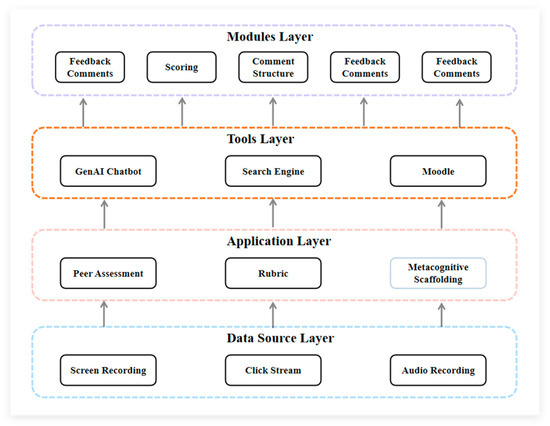
Exploring a Metacognitive Scaffolding-Based GenAI-Assisted Peer Feedback Provision Approach to Enhance Feedback Engagement Among Nursing Students
by
Shuling Wei and Wei Wei
Nurs. Rep. 2026, 16(6), 182; https://doi.org/10.3390/nursrep16060182 - 27 May 2026
Abstract
Background: Providing effective peer feedback is a challenge in nursing education. While Generative AI (GenAI) can assist, students often struggle with the task. Metacognitive scaffolding may help guide students through this complex process. Aim: This study aimed to evaluate the effects of a
[...] Read more.
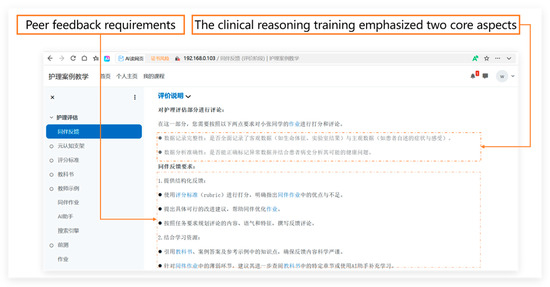
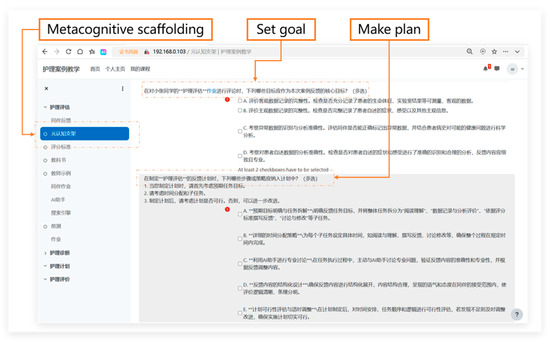
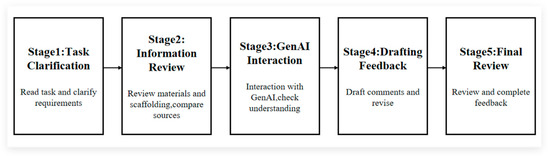
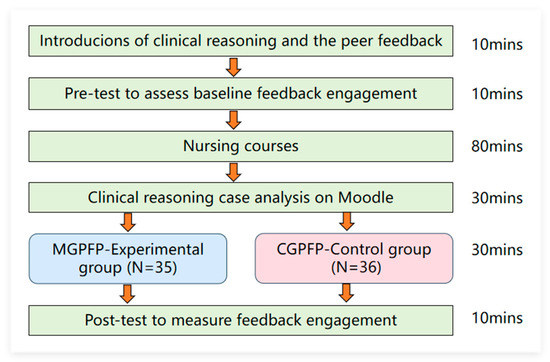
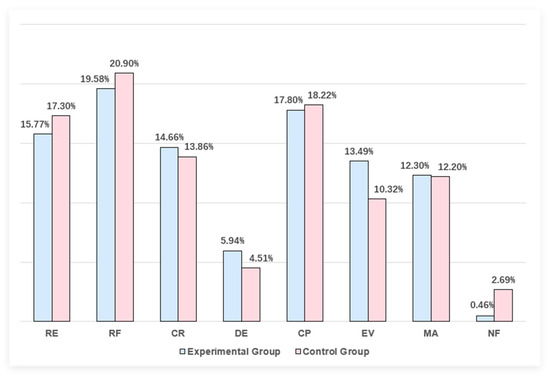
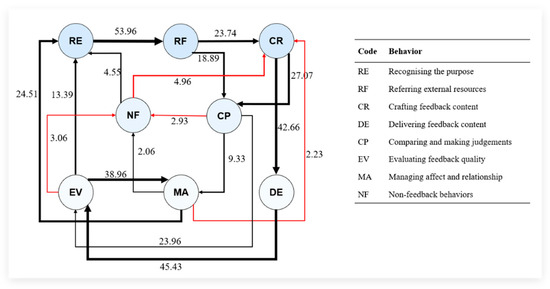
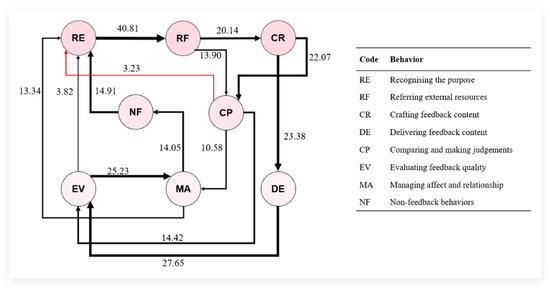
Background: Providing effective peer feedback is a challenge in nursing education. While Generative AI (GenAI) can assist, students often struggle with the task. Metacognitive scaffolding may help guide students through this complex process. Aim: This study aimed to evaluate the effects of a metacognitive scaffolding-based GenAI-assisted peer feedback provision (MGPFP) approach on nursing students’ feedback engagement and behavioral patterns. Methods: A quasi-experimental study was conducted with 71 nursing students. The experimental group (n = 35) used the MGPFP approach, while the control group (n = 36) used a standard GenAI-assisted approach without scaffolding. A Mann–Whitney U test was used to compare feedback engagement. Lag sequential analysis was used to examine feedback giving behavior patterns based on coded video data. Results: The experimental group reported significantly higher engagement than the control group across four dimensions: behavioral, cognitive, social, and emotional engagement. The experimental group generated 5219 coded behaviors, while the control group generated 1861. In the experimental group, common behaviors included referring external resources (19.58%), comparing and making judgements (17.80%), and recognizing the purpose (15.77%). Non-feedback behaviors were much higher in the control group (2.69%). Lag sequential analysis identified 17 significant sequences in the experimental group and 14 in the control group. Conclusions: Integrating metacognitive scaffolding into GenAI-assisted peer feedback can improve nursing students’ engagement and promote more productive and structured feedback behaviors. This approach is a valuable strategy for enhancing the quality of peer feedback in nursing education.
Full article
(This article belongs to the Section Nursing Education and Leadership)
►▼
Show Figures

Figure 1
Open AccessArticle
Effects of Simulated Video Consultation Training on Nursing Students’ Clinical Decision Making, Self-Confidence, and Anxiety: A Quasi-Experimental Study
by
Glòria Tort-Nasarre, Alícia Baltasar-Bagué, Maria del Carmen Malagón-Aguilera, Mariona Vilar-Pont, Carla Camí and Glòria Reig-Garcia
Nurs. Rep. 2026, 16(6), 181; https://doi.org/10.3390/nursrep16060181 - 26 May 2026
Abstract
►▼
Show Figures
Background: The expansion of telenursing in primary care requires undergraduate nursing programmes to prepare students for clinical decision making in virtual care. However, evidence on educational interventions integrating clinical reasoning with managing uncertainty, anxiety, and self-confidence in telenursing remains limited. Objective:
[...] Read more.
Background: The expansion of telenursing in primary care requires undergraduate nursing programmes to prepare students for clinical decision making in virtual care. However, evidence on educational interventions integrating clinical reasoning with managing uncertainty, anxiety, and self-confidence in telenursing remains limited. Objective: This study aims to assess changes in nursing students’ self-confidence and anxiety related to clinical decision making following a simulation-based video consultation intervention, and to explore their satisfaction and perceived learning regarding this educational experience. Methods: A quasi-experimental pretest–post-test study with a comparison group was conducted at two public universities during the 2024–2025 academic year. Undergraduate nursing students (N = 115) were included. The intervention consisted of theoretical training on video consultations, complemented by structured simulated consultations based on primary care scenarios. The control group received no intervention. Outcomes were assessed before and after, with self-confidence and anxiety measured using the Nursing Anxiety and Self-Confidence with Clinical Decision Making (NASC-CDM©) scale. Satisfaction and perceived learning were evaluated in the intervention group using the Student Satisfaction and Self-Confidence in Learning Scale. Results: At baseline, students had high digital competence but limited preparedness for telenursing, with heterogeneous self-confidence and moderate anxiety in virtual decision making. After the intervention, the intervention group showed significant increases in self-confidence and reductions in anxiety, particularly in global clinical judgement and autonomous decision making. Students reported high satisfaction and perceived learning. Conclusions: Simulation-based video consultations may improve nursing students’ self-confidence and reduce anxiety in virtual care decision making, suggesting a potentially valuable strategy for integrating psychoeducational dimensions into nursing curricula on digital health.
Full article

Figure 1

Open AccessArticle
How Much Does a Home Care Nursing Visit Cost? A National Micro-Costing Study from the AIDOMUS-IT Project
by
Marco Di Nitto, Paolo Landa, Paolo Iovino, Rosaria Alvaro, Alessandra Burgio, Valeria Caponnetto, Stefano Domenico Cicala, Giancarlo Cicolini, Manuele Cesare, Loreto Lancia, Duilio Fiorenzo Manara, Ilaria Marcomini, Beatrice Mazzoleni, Alvisa Palese, Laura Rasero, Gennaro Rocco, Francesco Zaghini, Loredana Sasso and Annamaria Bagnasco
Nurs. Rep. 2026, 16(6), 180; https://doi.org/10.3390/nursrep16060180 - 26 May 2026
Abstract
►▼
Show Figures
Background/Objectives. Country-level evidence on the economic footprint of home care nursing is still scarce, particularly in systems where tariffs for community-based nursing are lacking. In Italy, recent laws have expanded home care; yet planning and funding remain constrained by the absence of
[...] Read more.
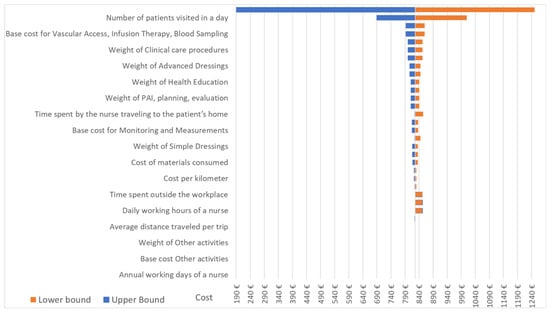
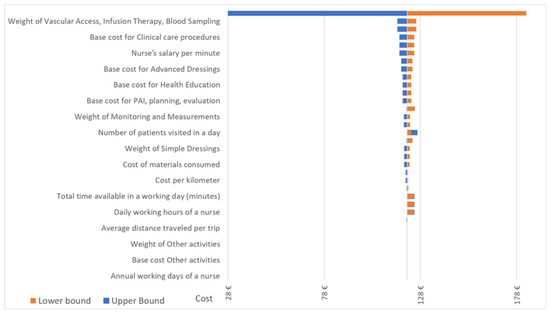
Background/Objectives. Country-level evidence on the economic footprint of home care nursing is still scarce, particularly in systems where tariffs for community-based nursing are lacking. In Italy, recent laws have expanded home care; yet planning and funding remain constrained by the absence of robust micro-costing evidence. Objectives. To estimate the accounting cost of home care nursing visits in Italy using a bottom-up micro-costing approach and to identify the main cost drivers influencing expenditure. Methods. A multicentre, cross-sectional study was conducted. Data were collected in two phases: (1) a national survey of 3949 home care nurses from 70 Local Health Authorities (April–October 2023), describing workload, travel time, and the most frequently performed activities; and (2) a time-and-motion study of 527 consecutive home visits performed by 83 nurses in three Local Health Authorities (March 2024). Direct costs were estimated from the Italian National Health Service perspective and included nursing time, travel time and transportation, back-office activities, and materials. Personnel costs were derived from national collective labour agreements and inflation-adjusted. A base-case scenario estimated accounting costs directly measured in the study. An extended, illustrative scenario explored the economic value of nursing activities by applying existing outpatient tariffs. Deterministic and probabilistic sensitivity analyses (10,000-iteration Monte Carlo simulation) were performed. Results. The mean accounting cost of home care nursing was €27.78 per patient per day. At the provider level, the corresponding daily cost per nurse was €190.00, assuming a mean caseload of 6.84 patients per nurse per shift. In the extended scenario, the imputed economic value of nursing activities increased the estimated daily cost to €120.81 per patient and €826.32 per nurse. Sensitivity analyses identified organizational factors (particularly the number of patients per shift and the number of activities per visit) as the dominant cost drivers, while material and transportation costs had a comparatively limited impact. Conclusions. Home care nursing in Italy appears to be delivered at a relatively low accounting cost, with organizational factors playing a greater role than unit prices in determining expenditure. The absence of a dedicated reimbursement framework for nursing activities may result in a substantial under-recognition of the economic value of home-based nursing care. These findings provide preliminary evidence to support workforce planning, reimbursement policies, and the sustainable development of territorial care services.
Full article

Figure 1
Open AccessProtocol
Nurse Practitioner Care for Hospitalized Children: A Scoping Review Protocol
by
Juliana Choueiry, Catherine Chong, Stephanie Lemay, James S. Hutchison and Megan Greenough
Nurs. Rep. 2026, 16(6), 179; https://doi.org/10.3390/nursrep16060179 - 25 May 2026
Abstract
Background: Nurse Practitioners (NPs) are increasingly integrated into pediatric inpatient teams in response to evolving healthcare needs and workforce challenges. However, evidence describing how NP roles are operationalized, implemented, and sustained in general pediatric ward settings remain fragmented. Objective: This scoping
[...] Read more.
Background: Nurse Practitioners (NPs) are increasingly integrated into pediatric inpatient teams in response to evolving healthcare needs and workforce challenges. However, evidence describing how NP roles are operationalized, implemented, and sustained in general pediatric ward settings remain fragmented. Objective: This scoping review will synthesize international literature on NP roles in general pediatric inpatient settings, with a focus on determinants of role implementation. Guided by the Participatory, Evidence-based, Patient-focused Process for Advanced Practice Nursing (PEPPA) framework, this review will examine implementation strategies, outcomes, timelines, facilitators, barriers, and required resources to inform future integration and evaluation. Methods: This scoping review will be conducted in accordance with Joanna Briggs Institute (JBI) methodology and reported following PRISMA-ScR guidelines. A PRESS-reviewed search strategy will be applied to Scopus, MEDLINE, PsycInfo, CINAHL, Cochrane Central, ProQuest, grey literature, and reference lists for English and French language studies published from 2016 onward. Studies relating to NP roles in general pediatric wards internationally will be included. Data extraction and synthesis will be structured using the PEPPA framework’s implementation domain. Findings will be summarized descriptively and presented in tables and narrative synthesis. Conclusions: A targeted synthesis focused on determinants of NP role implementation in this context is needed. This review will clarify how NPs roles have been integrated in general pediatric wards, highlight enabling and constraining factors, and will identify gaps to guide future research, practice redesign, and policy development.
Full article
(This article belongs to the Special Issue Advanced Nursing Practice: Expanding Roles, Improving Outcomes)
Open AccessArticle
Motives of Indian Nurses Moving to Germany in the Context of Skilled Labor Migration in Healthcare
by
Matthias Pilz, Lydia Sterzenbach and Annabell Albertz
Nurs. Rep. 2026, 16(5), 178; https://doi.org/10.3390/nursrep16050178 - 21 May 2026
Abstract
Background/Objectives: Skilled labor migration of nurses from low- and middle-income to high-income countries is a growing global phenomenon. While Germany increasingly recruits internationally trained nurses to address severe nursing shortages, existing research has predominantly focused on post-migration experiences, leaving the pre-migration phase unexplored.
[...] Read more.
Background/Objectives: Skilled labor migration of nurses from low- and middle-income to high-income countries is a growing global phenomenon. While Germany increasingly recruits internationally trained nurses to address severe nursing shortages, existing research has predominantly focused on post-migration experiences, leaving the pre-migration phase unexplored. Drawing on the case of Kerala, India, this study examines the motives driving Indian nurses to migrate to Germany during the preparatory phase of migration. Methods: The qualitative study draws on individual and group interviews with 22 Indian nurses from Kerala participating in a pre-migration preparatory course. Data were analyzed using qualitative content analysis, with Herzberg’s two-factor theory serving as a theoretical lens. Results: In total, the findings demonstrate that nurses’ decisions to migrate to Germany are shaped by a complex and interrelated set of motives encompassing personal fulfillment, socio-cultural aspirations and professional development. The intrinsic motivation to engage with a new language and culture emerged as a particularly salient finding, representing a dimension frequently overlooked in existing research. Applying Herzberg’s theory, migration decisions appear to result from an interplay of intrinsic motivators like career advancement and the perceived absence of fundamental extrinsic conditions such as adequate salary and social security in the country of origin. Conclusions: The findings have practical implications for practitioners, policymakers, employers and training providers. Preparatory programs could extend beyond language and professional training to include cultural preparation and realistic expectation management, while integration measures in Germany could be tailored to the actual needs and motives of internationally recruited nurses.
Full article
(This article belongs to the Section Nursing Education and Leadership)
Open AccessArticle
Self-Reported Digital Health Literacy and Work Engagement Among Nurses in UAE Hospitals
by
Rasha Kadri Ibrahim, Noor Hafiz Saleem, Ruba Mohd Salameh, Amal Abdullah Alali, Bushra Ali Alnaqbi and Ahmed Yahya Ayoub
Nurs. Rep. 2026, 16(5), 177; https://doi.org/10.3390/nursrep16050177 - 20 May 2026
Abstract
Aim: This study aimed to evaluate self-reported digital health literacy levels and work engagement among nurses in the United Arab Emirates (UAE), while also examining associations with demographic factors and the interplay between digital health literacy and work engagement. Background: The integration of
[...] Read more.
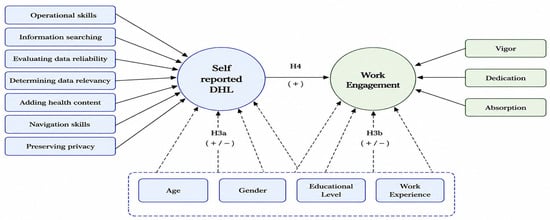
Aim: This study aimed to evaluate self-reported digital health literacy levels and work engagement among nurses in the United Arab Emirates (UAE), while also examining associations with demographic factors and the interplay between digital health literacy and work engagement. Background: The integration of digital technologies into healthcare has transformed patient care, clinical practice, and administration. Nurses, as frontline practitioners, play a crucial role in utilizing digital tools to enhance patient interactions and navigate complex healthcare systems. Methods: Between May and August of 2024, 364 nurses in the United Arab Emirates participated in a cross-sectional design study. A standardized 21-item self-reported Digital Health Literacy questionnaire and a 9-item Utrecht Work Engagement Scale were administered. Descriptive statistics were used, with t-tests, ANOVA, correlations, and multiple linear regression applied. Results: The average score for self-reported digital health literacy (3.05 ± 0.57) and work engagement (4.83 ± 1.13) was high. Gender, age, work experience, and education level showed varying patterns of association with self-reported DHL and work engagement across total and subscale scores. Education level was significantly associated with self-reported DHL but not with work engagement. The overall work engagement score and its subscales were positively correlated with self-reported DHL. Conclusions: Our findings provide a robust basis for subsequent research on DHL and work engagement. These findings support the relevance of self-reported DHL as a factor associated with nurses’ work engagement in digitally intensive healthcare settings. The study reveals that nurses reported high levels of digital health literacy and work engagement.
Full article
(This article belongs to the Special Issue Nursing Leadership: Contemporary Challenges)
►▼
Show Figures

Figure 1
Open AccessArticle
Eliciting Nursing Students’ Preferred Designs for Pre-Class Preparation in Large-Group Teaching: An Action Research Study
by
Anne Kristin Snibsøer, Christin Thompson and Venke Klubben Prytz
Nurs. Rep. 2026, 16(5), 176; https://doi.org/10.3390/nursrep16050176 - 20 May 2026
Abstract
Background: The flipped classroom is an innovative student-centered teaching approach frequently applied in nursing education. The success of the approach relies on students coming prepared to class. Faculties play a critical role in facilitating students’ pre-class preparation. Objective: The objective of this study
[...] Read more.
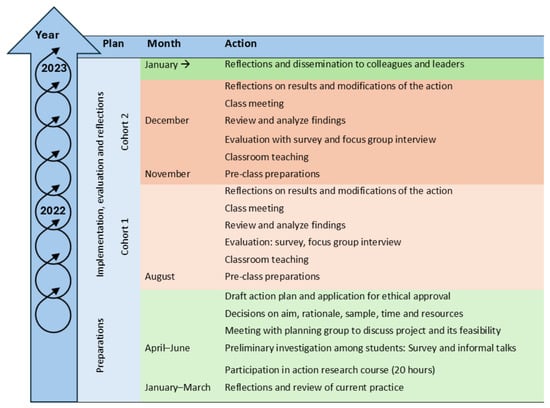
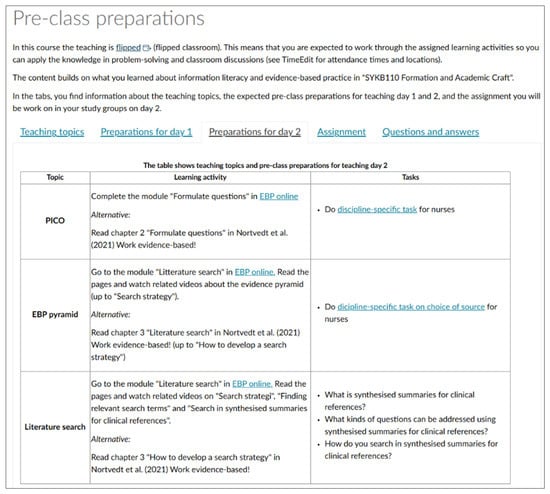
Background: The flipped classroom is an innovative student-centered teaching approach frequently applied in nursing education. The success of the approach relies on students coming prepared to class. Faculties play a critical role in facilitating students’ pre-class preparation. Objective: The objective of this study was to elicit nursing students’ preferred designs for pre-class preparation in large-group, flipped-classroom teaching in evidence-based practice, and to use these insights to inform practical, faculty-driven changes to course design and delivery. Methods: An action research study was conducted among bachelor’s students in nursing at a Norwegian university college. Data were collected through questionnaires with closed and open-ended questions, focus group interviews, and class meetings. Descriptive statistics and thematic analysis were applied to analyze data. Data were analyzed sequentially, and findings provided guidance for further actions. Results: The action was carried out and evaluated in two cohorts. The thematic analysis revealed one main theme—students need motivation for pre-class preparation—and three associated sub-themes: (1) Information: Communicate relevance and provide timely reminders, (2) Organization: Learning platform and workload, and (3) Engage learners: Diverse, interactive and aligned learning activities. Conclusions: Faculties can support motivation through clear communication of relevance, a well-organized learning platform, activating pre-class activities, and timely reminders. Successfully accommodating pre-class preparation for large-group teaching also appears to require coordinated faculty engagement and a shared commitment to student-centered approaches. Further evaluation is needed to determine which specific configurations work best in different contexts.
Full article
(This article belongs to the Section Nursing Education and Leadership)
►▼
Show Figures

Figure 1
Open AccessArticle
Formal Educational Preparation and Continuing Professional Development Needs in Specialized Palliative Care Nursing: A Nationwide, Cross-Sectional Study
by
Tina Košanski, Marijana Neuberg, Mateja Križaj Grabant and Tomislav Meštrović
Nurs. Rep. 2026, 16(5), 175; https://doi.org/10.3390/nursrep16050175 - 19 May 2026
Abstract
Background: Specialized palliative care requires nursing professionals to address the complex physical, psychological, social and spiritual needs of patients with advanced incurable illness. This study aimed to assess the perceived adequacy of formal educational preparation among nurses working in specialized palliative care services
[...] Read more.
Background: Specialized palliative care requires nursing professionals to address the complex physical, psychological, social and spiritual needs of patients with advanced incurable illness. This study aimed to assess the perceived adequacy of formal educational preparation among nurses working in specialized palliative care services in the Republic of Croatia and examine its association with self-assessed knowledge and the perceived need for additional education. Methods: A nationwide cross-sectional survey was conducted among nursing professionals employed in specialized palliative care services across Croatia. Data were collected using a structured questionnaire assessing sociodemographic characteristics, perceived adequacy of formal education, self-assessed knowledge, as well as the need for additional education in physical, psychological, social and spiritual care domains. An Educational Sufficiency Discrepancy Index (ESDI) was calculated to quantify the difference between perceived educational sufficiency and continuing education needs. For inferential statistics significance was set at p < 0.05 (two-tailed). Results: Among the 194 nursing professionals who participated in the study, perceived educational sufficiency was highest in the physical domain (87.5%), where it exceeded the reported need for additional education (31.6%). Negative discrepancies were observed in social (−12.9) and spiritual care (−17.6), indicating perceived educational deficits. Representation of physical care content in formal education was significantly associated with higher self-assessed knowledge across several domains (physical p < 0.001; psychological p = 0.008; social p < 0.001; spiritual p = 0.008). No significant associations were found between self-assessed knowledge and age, work experience or level of education. Conclusions: Formal nursing education alone may not fully meet the multidimensional competency requirements of specialized palliative care practice. Strengthening structured continuing professional development, particularly in psychosocial and spiritual care, may support holistic palliative care delivery and sustained professional competence.
Full article
(This article belongs to the Special Issue Nursing Leadership: Contemporary Challenges)
Open AccessArticle
Promoting Well-Being in Community-Dwelling Older Adults: Effects of a Creative-Dance-Mediated Psychomotor Intervention on Life Satisfaction and Affect
by
Hugo Rosado, Patrícia Motta, Ana Cruz-Ferreira and Catarina Pereira
Nurs. Rep. 2026, 16(5), 174; https://doi.org/10.3390/nursrep16050174 - 19 May 2026
Abstract
Background/Objectives: Dance-based programs have been shown to support psychological well-being in later life, yet evidence remains limited for dance-mediated psychomotor interventions. This study examined the effects of a 12-week creative-dance-mediated psychomotor intervention on life satisfaction and positive and negative affect in community-dwelling
[...] Read more.
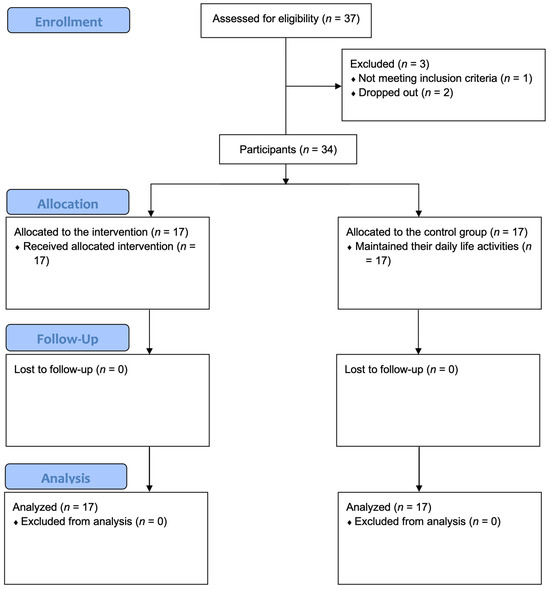
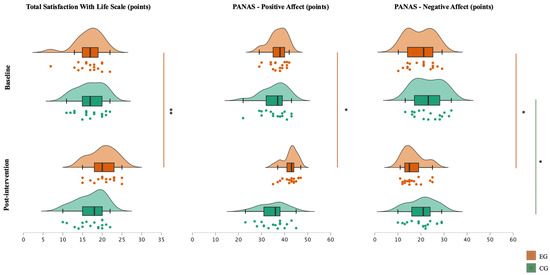
Background/Objectives: Dance-based programs have been shown to support psychological well-being in later life, yet evidence remains limited for dance-mediated psychomotor interventions. This study examined the effects of a 12-week creative-dance-mediated psychomotor intervention on life satisfaction and positive and negative affect in community-dwelling older adults. Methods: This 12-week non-randomized controlled trial involved 34 participants (74.6 ± 6.6 years), allocated by convenience to an experimental group (EG) or control group (CG). The EG participated in a creative-dance-mediated psychomotor intervention (3×/week; 60 min/session; 36 sessions), while the CG maintained usual daily activities. Life satisfaction was assessed using the Satisfaction With Life Scale (SWLS), and affective experience was assessed using the Positive and Negative Affect Schedule (PANAS) at baseline and post-intervention. Results: No adverse events occurred; attendance was 89.8%. Within-group comparisons showed significant improvements in the EG for SWLS (20.4%), PANAS positive affect (14.3%), and PANAS negative affect (−13.9%), p < 0.05. In the CG, a significant improvement was observed only for PANAS negative affect (−11.5%), p < 0.05. Post-intervention comparisons between groups revealed significant differences favoring the EG for SWLS (p = 0.018) and PANAS positive affect (p < 0.001), with no significant between-group differences at baseline. Conclusions: Over 12 weeks, the intervention was associated with higher life satisfaction and positive affect in the EG compared with the CG. These findings suggest that this intervention format is safe and feasible and may support psychological well-being in community-dwelling older adults.
Full article
(This article belongs to the Section Nursing Care for Older People)
►▼
Show Figures

Figure 1
Open AccessArticle
Loneliness and Sleep Quality Among Older Adults Living in Nursing Homes
by
Rui Novais, Cláudia Rodrigues, Fátima Braga, Rui Pereira, Carlos Sequeira, Núria Albacar-Riobóo, Silvana Martins and Odete Araújo
Nurs. Rep. 2026, 16(5), 173; https://doi.org/10.3390/nursrep16050173 - 19 May 2026
Abstract
Background: Population ageing has increased the number of older adults living in nursing homes, where loneliness and sleep disturbances are prevalent and negatively affect well-being. Evidence suggests a bidirectional relationship between loneliness and sleep quality, although research in institutionalised populations remains limited. Objectives:
[...] Read more.
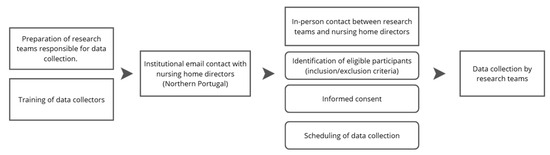
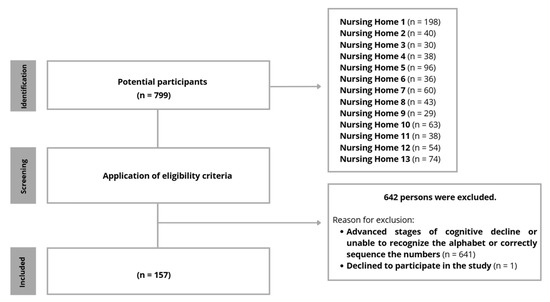
Background: Population ageing has increased the number of older adults living in nursing homes, where loneliness and sleep disturbances are prevalent and negatively affect well-being. Evidence suggests a bidirectional relationship between loneliness and sleep quality, although research in institutionalised populations remains limited. Objectives: This study aimed to characterise the sociodemographic and health profile of nursing home residents in Northern Portugal and examine associations between sleep quality, loneliness, sociodemographic and health variables. Methods: A cross-sectional study was conducted with 157 older adults (≥65 years) across 13 nursing homes. Data were collected using a sociodemographic questionnaire and the Portuguese version of UCLA Loneliness Scale, Pittsburgh Sleep Quality Index and Montreal Cognitive Assessment. Pearson correlations and hierarchical multiple regression analyses were performed. Results: Participants were predominantly female (72.6%), widowed (55.4%), and aged ≥80 years. Most reported chronic conditions (98.7%) and limitations in activities of daily living (75.2%). Age showed modest positive correlations with loneliness. Loneliness dimensions were strongly associated with poorer sleep quality and greater daytime dysfunction. Hierarchical regression revealed that sociodemographic variables explained only a small proportion of variance in sleep quality. The addition of loneliness variables increased explained variance to 38.1%, highlighting loneliness as a key psychosocial predictor. Conclusions: Loneliness significantly influences sleep quality among older adults living in nursing homes. Interventions should integrate strategies to enhance social engagement alongside sleep hygiene measures. Longitudinal studies are recommended to clarify causal pathways.
Full article
(This article belongs to the Section Nursing Care for Older People)
►▼
Show Figures

Figure 1
Open AccessSystematic Review
Measurement Instruments Used to Assess Caregiver Burden in Informal Caregivers of Adult Cancer Patients: A Systematic Review
by
Valentina Cerrone, Rocco Capasso, Marco Cascella, Ivan Rubbi, Anna Di Gisi, Pierpaolo Di Santo and Vincenzo Andretta
Nurs. Rep. 2026, 16(5), 172; https://doi.org/10.3390/nursrep16050172 - 19 May 2026
Abstract
►▼
Show Figures
Background/Objectives: Caregiver burden is a relevant dimension of the caregiving experience among informal caregivers of cancer patients and is associated with psychological, physical, and social consequences. Although several instruments are available to assess the phenomenon, there is still limited consistency in the
[...] Read more.
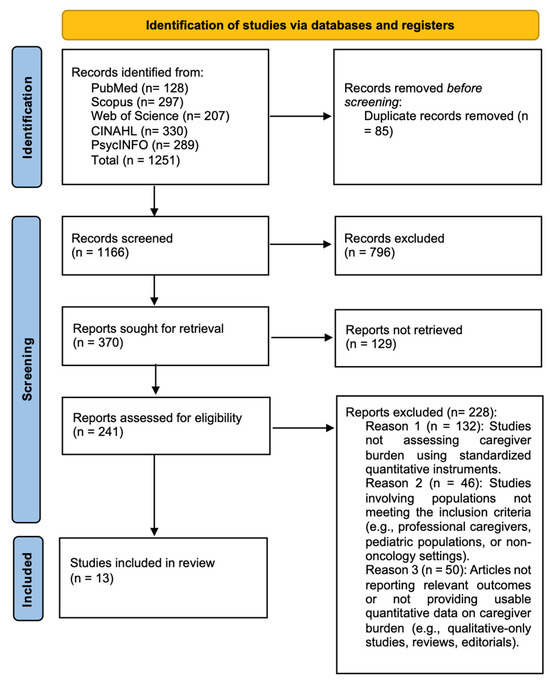
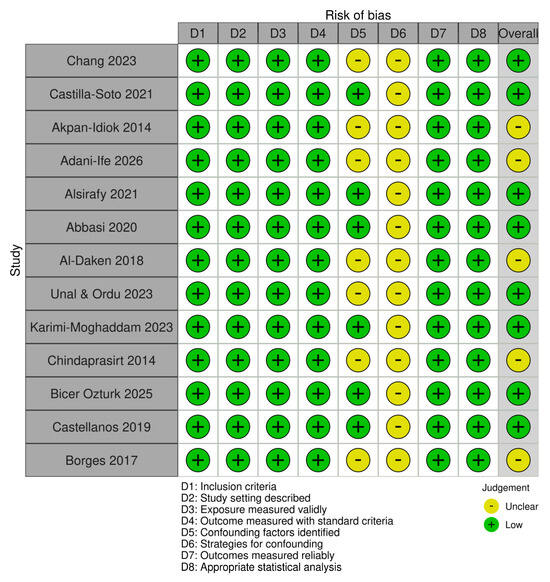
Background/Objectives: Caregiver burden is a relevant dimension of the caregiving experience among informal caregivers of cancer patients and is associated with psychological, physical, and social consequences. Although several instruments are available to assess the phenomenon, there is still limited consistency in the tools used across empirical oncology studies. Methods: A systematic review was conducted according to the PRISMA 2020 statement. A literature search was carried out in PubMed, Scopus, Web of Science, CINAHL, and PsycINFO up to February 2026. Quantitative studies assessing caregiver burden using standardized instruments in informal caregivers of adult cancer patients were included. Results: Thirteen studies met the eligibility criteria. The most frequently used instruments were the Zarit Burden Interview, followed by the Caregiver Burden Inventory. Less frequently used instruments included the Caregiver Reaction Assessment and the Caregiver Burden Scale. Most included studies relied on generic caregiver burden instruments originally developed outside oncology-specific contexts. Conclusions: Considerable heterogeneity exists in the instruments used to assess caregiver burden in oncology research. Empirical studies continue to rely predominantly on generic caregiver burden scales, while oncology-specific tools appear to be underused. Greater consistency in instrument selection may improve comparability across studies and support the integration of caregiver assessment into oncology practice.
Full article

Figure 1

Open AccessArticle
Humanization and Communication Skills: A Cross-Sectional Study in Spanish Nursing Students
by
Paola Guzmán-De Santa Ana, Alexis Serna-Menor, Ana Martínez-García, Raquel Moreno-Sánchez, Carlos Ruíz-Núñez, Andrés Ignacio García-Notario, Juan Pablo Hervás-Pérez and Ivan Herrera-Peco
Nurs. Rep. 2026, 16(5), 171; https://doi.org/10.3390/nursrep16050171 - 18 May 2026
Abstract
Introduction: Humanized care is a core indicator of nursing quality, yet its prevalence and determinants among Spanish undergraduates remain unclear. Methods: A cross-sectional survey was administered to fourth-year nursing students from public and private universities. Instruments included the Health Professional’s Humanization Scale (HUMAS),
[...] Read more.
Introduction: Humanized care is a core indicator of nursing quality, yet its prevalence and determinants among Spanish undergraduates remain unclear. Methods: A cross-sectional survey was administered to fourth-year nursing students from public and private universities. Instruments included the Health Professional’s Humanization Scale (HUMAS), the Communication Styles Inventory-Revised (CSI-R) and a sociodemographic questionnaire that captured prior training: completion of ≥6 h role-playing seminars in patient–family communication. Results: Mean scores were 3.62 ± 0.48 for HUMAS and 2.50 ± 0.52 for CSI-R. Women exceeded men on HUMAS total (p = 0.025) and on Sociability, Emotional Understanding, Dispositional Optimism and Self-Efficacy (all p ≤ 0.013), but not on Affect-Regulation or CSI-R. Age correlated weakly with Optimism (r = 0.24) and Self-Efficacy (r = 0.21). Students who had completed the role-playing seminars recorded higher HUMAS totals (d = 0.50; p = 0.001) and sub-scores, with only a modest gain in Affect-Regulation, and showed a trend towards better CSI-R performance (p = 0.06). No differences emerged by university type. HUMAS and CSI-R correlated moderately (r = 0.32; p = 0.001). In multivariate analysis, training (β = 0.36; p = 0.001) and CSI-R (β = 0.26; p = 0.001) jointly explained 27.9% of humanization variance; male sex exerted a small negative effect (β = −0.19; p = 0.001), whereas age was nonsignificant. Conclusions: Structured communication seminars are a key factor associated with higher levels of humanization in senior nursing students, whereas sociodemographic influences are modest. Embedding longitudinal, simulation-rich modules in communication and emotional intelligence is therefore recommended to cultivate truly person-centered nurses and to narrow observed sex disparities.
Full article
Journal Menu
► ▼ Journal Menu-
- Nursing Reports Home
- Aims & Scope
- Editorial Board
- Reviewer Board
- Topical Advisory Panel
- Early Career Editorial Board
- Instructions for Authors
- Special Issues
- Topics
- Sections & Collections
- Article Processing Charge
- Indexing & Archiving
- Most Cited & Viewed
- Journal Statistics
- Journal History
- Journal Awards
- Editorial Office
Journal Browser
► ▼ Journal BrowserHighly Accessed Articles
Latest Books
E-Mail Alert
News
26 May 2026
Meet Us at the 18th World Congress on Public Health, 6–8 September 2026, Cape Town, South Africa
19 May 2026
Meet Us at the 23rd IAGG World Congress of Gerontology and Geriatrics, 5–8 July 2026, Amsterdam, The Netherlands
Topics
Topic in
Hospitals, IJERPH, Nursing Reports, Healthcare
Health Services Optimization, Improvement, and Management: Worldwide Experiences
Topic Editors: Alexandre Morais Nunes, Diogo Filipe da Cunha FerreiraDeadline: 30 April 2027
Topic in
Brain Sciences, Geriatrics, Healthcare, IJERPH, JAL, Nursing Reports, JGG, Nutrients
Healthy, Safe and Active Aging, 3rd Edition
Topic Editors: Antonella Lopez, Andrea Bosco, Alessandro Oronzo Caffò, Elisabetta Ricciardi, Luigi Tinella, Giuseppina SpanoDeadline: 31 August 2027
Topic in
EJIHPE, IJERPH, Nursing Reports, Sci
Health Literacy and eHealth: New Challenges and Developments
Topic Editors: Nikki Shaw, Alan GilliesDeadline: 31 December 2027
Special Issues
Special Issue in
Nursing Reports
Quiet Quitting: An Alarming Issue for Healthcare Professionals and Services
Guest Editor: Petros GalanisDeadline: 30 May 2026
Special Issue in
Nursing Reports
Nursing Leadership: Contemporary Challenges
Guest Editors: João Miguel Almeida Ventura Da Silva, Samuel Spiegelberg ZugeDeadline: 31 May 2026
Special Issue in
Nursing Reports
Sustainable Practices in Nursing Education
Guest Editors: Cristina Álvarez-García, Maria Dolores López FrancoDeadline: 31 May 2026
Special Issue in
Nursing Reports
Quality of Life in Care Homes
Guest Editors: Stephanie Craig, Gary MitchellDeadline: 1 June 2026
Topical Collections
Topical Collection in
Nursing Reports
Feature Review Papers in Mental Health Nursing Section
Collection Editors: Daniel Bressington, Martin Jones, Allison Wang, Daisy Dexing Zhang, Worku Animaw Temesgen
Topical Collection in
Nursing Reports
Feature Review Papers in “Artificial Intelligence and Digital Innovations in Nursing Care” Section
Collection Editors: Niall Higgins, Xujuan Zhou