




Next Issue
Volume 16, July
Previous Issue
Volume 16, May


Nurs. Rep., Volume 16, Issue 6 (June 2026) – 31 articles
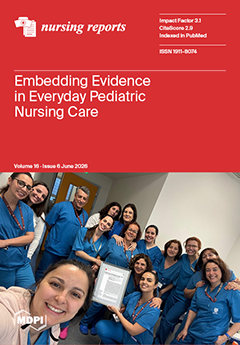
Cover Story (view full-size image): Translating research into clinical practice extends beyond individual knowledge or skills. This study explores how the Knowledge-to-Action framework supported the long-term integration of evidence-informed practices by nurses in a pediatric inpatient unit. Participants described a process in which locally identified clinical problems, contextual adaptation of evidence, and structured mechanisms, such as journal clubs and research initiatives, supported the incorporation of evidence into everyday practice. The findings suggest that sustainable evidence-based practice emerges through the gradual integration of evidence into everyday professional and organizational life, with leadership alignment, and contributes to high-quality care for children and families. View this paper
  • Issues are regarded as officially published after their release is announced to the table of contents alert mailing list.
  • You may sign up for e-mail alerts to receive table of contents of newly released issues.
  • PDF is the official format for papers published in both, html and pdf forms. To view the papers in pdf format, click on the "PDF Full-text" link, and use the free Adobe Reader to open them.
Order results
Result details
Section
Select all
Export citation of selected articles as:
17 pages, 1471 KB  
Systematic Review
Virtual Reality to Improve Breastfeeding Outcomes: A Systematic Review and Meta-Analysis
by Alok Raghav, Geetanjali Kalyan, Soumya Jyoti Raha, Jitendra Meena, Jogender Kumar and Praveen Kumar
Nurs. Rep. 2026, 16(6), 209; https://doi.org/10.3390/nursrep16060209 - 22 Jun 2026
Viewed by 453
Abstract
Background: Breastfeeding enhances infant and maternal health, but global breastfeeding rates remain suboptimal. Virtual reality (VR) emerges as a promising tool for breastfeeding education. The objective of this review was to assess the effectiveness of VR-based interventions on breastfeeding outcomes in pregnant [...] Read more.
Background: Breastfeeding enhances infant and maternal health, but global breastfeeding rates remain suboptimal. Virtual reality (VR) emerges as a promising tool for breastfeeding education. The objective of this review was to assess the effectiveness of VR-based interventions on breastfeeding outcomes in pregnant and postpartum women. Methods: PubMed, Embase, Web of Science, Scopus, and CENTRAL were searched until 10 January 2026, for randomized controlled trials (RCTs) and quasi-experimental studies comparing VR-based interventions (immersive simulations, 360° videos, or head-mounted displays) with standard care or non-VR comparators in pregnant or postpartum women. Primary outcomes included breastfeeding self-efficacy, motivation, and breastfeeding technique (LATCH score). Secondary outcomes included exclusive breastfeeding rates, milk production, and maternal anxiety. Risk of bias was assessed using the RoB 2.0 and ROBINS-I tools for RCTs and non-RCTs, respectively. A random-effects meta-analysis was conducted, with results reported as mean differences (MD) or risk ratios (RR), along with 95% confidence intervals (CIs). Certainty of the evidence was assessed using the GRADE approach. Results: Five studies (4 RCTs and 1 quasi-experimental; n = 344) were included. VR improved prenatal breastfeeding self-efficacy (2 studies, MD: 13.93; 95% CI: 10.96–16.90), motivation (1 study, MD: 2.88; 95% CI: 1.66–4.10), and LATCH score (1 study, MD: 1.72; 95% CI: 1.37–2.07), and reduced time to breastfeeding initiation (1 study, MD: −22.4 min; 95% CI: −29 to −15.9), the certainty of evidence was low to very low for these outcomes. No significant effects were observed for postnatal self-efficacy, exclusive breastfeeding, or maternal anxiety. Formal assessment of publication bias could not be done. The small sample sizes for most outcomes, heterogeneity, the open-label nature of the trials, and the subjective nature of the outcomes should be considered when interpreting these results. Conclusions: VR-based interventions may improve process outcomes, such as prenatal breastfeeding self-efficacy, motivation, breastfeeding technique, and early breastfeeding initiation; the certainty of evidence is low to very low. Evidence for clinically important outcomes, including exclusive breastfeeding and maternal anxiety, remains inconsistent. Larger, well-designed RCTs are warranted before these interventions can be considered in routine practice. Full article
(This article belongs to the Special Issue AI in Nursing: Promoting Patient Safety and Care Quality)
Show Figures

Figure 1

14 pages, 422 KB  
Article
Linking Work Environment to Turnover Intention: The Mediating Role of Moral Distress Among Emergency Nurses
by Habib Alrashedi, Omar Almaslamani, Nader Alnomasy, Khalil A. Saleh, Hamdi Lamine and Sameer A. Alkubati
Nurs. Rep. 2026, 16(6), 208; https://doi.org/10.3390/nursrep16060208 - 22 Jun 2026
Viewed by 497
Abstract
Background/Objectives: While previous research has explored the effects of moral distress and the work environment separately, there is limited evidence on how these two factors are associated with nurses’ turnover intention. Therefore, in this study, we assessed the mediating role of moral [...] Read more.
Background/Objectives: While previous research has explored the effects of moral distress and the work environment separately, there is limited evidence on how these two factors are associated with nurses’ turnover intention. Therefore, in this study, we assessed the mediating role of moral distress in the correlation between nurses’ work environments and turnover intention. Methods: This study employed a multicenter cross-sectional design of emergency nurses from April to June 2025. The Measure of Moral Distress—Healthcare Professionals, Practice Environment Scale of the Nursing Work Index (PES-NWI), and Turnover Intention Scale were used to collect data. The mediating effect was analyzed using Hayes’ PROCESS macro (Model 4, Version 4.2) software with the bootstrap technique (5000 repetitions, 95% bias-corrected confidence interval). Statistical significance was set at a threshold of p < 0.05. Results: Mediation analysis revealed that work environment had a significant negative effect on moral distress (β = −0.251, B = −45.293, 95% CI [−70.376, −20.210], p < 0.001). Moral distress significantly increased nurse turnover (β = 0.202, B = 0.008, 95% CI [0.003, 0.012], p = 0.003), while the work environment had a significant negative direct effect on turnover (β = −0.391, B = −2.629, 95% CI [−3.507, −1.751], p < 0.001). The total effect of work environment on nurse turnover was also significant (β = −0.442, B = −2.970, 95% CI [−3.837, −2.102], p < 0.001). Bootstrapping confirmed a significant indirect effect of moral distress (β = −0.051, 95% CI [−0.092, −0.016]), indicating partial mediation. Conclusions: This study revealed that nurses’ work environment was significantly associated with turnover intention, both directly and indirectly, through moral distress. Moral distress acted as a statistically significant but modest partial mediator of the association between the work environment and turnover intention, suggesting that it may partially explain this relationship. Strategies by healthcare organizations should be organized to optimize proactive work environments and mitigate moral distress among nurses. Full article
Show Figures

Figure 1

16 pages, 255 KB  
Article
Exploring Personal and Relational Competencies for Enhancing Nursing Performance: Focusing on Communication Skills, Grit, and Leader–Member Exchange
by Hyunmin Lee, Sukjae Park and Eunhee Shin
Nurs. Rep. 2026, 16(6), 207; https://doi.org/10.3390/nursrep16060207 - 22 Jun 2026
Viewed by 302
Abstract
Background: This study examined how clinical nurses’ communication competence, grit, and leader–member exchange (LMX) contribute to nursing performance, aiming to identify key predictors to support workforce development and organizational policy planning. Methods: This study was conducted as a descriptive correlation study [...] Read more.
Background: This study examined how clinical nurses’ communication competence, grit, and leader–member exchange (LMX) contribute to nursing performance, aiming to identify key predictors to support workforce development and organizational policy planning. Methods: This study was conducted as a descriptive correlation study targeting 190 clinical nurses working at a general hospital in S City. Data were collected through a self-report questionnaire and analyzed using descriptive statistics, t-test, ANOVA, Pearson correlation coefficient, and hierarchical regression analysis using the IBM SPSS/WIN 25.0 program. Results: On a 5-point scale, the mean score of nursing performance was 4.05. Communication skills (β = 0.52, p < 0.001), grit (β = 0.23, p = 0.002), and clinical experience (β = 0.18, p = 0.022) significantly affected nursing work performance, with communication skills having the greatest effect. This model explained 47.3% of the nursing performance. Conclusions: To improve the nursing performance of nurses, strengthening communication skills and grit, supporting professional development, and recognizing clinical experience are crucial. These findings suggest that integrating such programs into ward nurse training may contribute to improved nursing performance and organizational effectiveness. To develop these competencies and evaluate their effectiveness, follow-up research is continuously needed. Full article
20 pages, 1111 KB  
Review
Mapping Nursing Competencies Described for Disaster Response Within the Civil Defense Context: A Scoping Review
by Gabriele Caggianelli, Marco Iorfida, Fabio Petrelli, Maurizio Fiorda, Marco Ricci, Samanda Pettinari, Francesca Marfella, Roberto Accettone, Valentina Vanzi, Gennaro Rocco, Francesco Scerbo, Stefano Mancin, Maurizio Zega and Giovanni Cangelosi
Nurs. Rep. 2026, 16(6), 206; https://doi.org/10.3390/nursrep16060206 - 18 Jun 2026
Viewed by 684
Abstract
Background/Aims: The increasing complexity of disasters requires effective integration of nurses into Civil Defense (CD) systems. Despite their crucial role, the competencies needed to operate within these multi-agency frameworks remain fragmented and insufficiently defined. The main aim of the study was to map [...] Read more.
Background/Aims: The increasing complexity of disasters requires effective integration of nurses into Civil Defense (CD) systems. Despite their crucial role, the competencies needed to operate within these multi-agency frameworks remain fragmented and insufficiently defined. The main aim of the study was to map nursing competencies for disaster response within the CD context, identifying essential skills, contextual variations, and barriers to application. Methods: A scoping review was conducted following the JBI methodology and reported according to PRISMA-ScR guidelines. Major databases (PubMed, CINAHL, Scopus, Embase) were searched without time limits, resulting in the inclusion of 27 studies published between 2011 and 2025. Results: 12 core competency domains were identified. Clinical care was the most cited competency (70% of studies), followed by communication (63%), leadership (60%), triage (48%), and psychosocial support (48%). The lack of specific training emerged as the primary individual barrier (44%), while the absence of standardized curricula was the leading systemic obstacle (41%). Competency requirements varied significantly based on the hazard type and organizational setting. Conclusions: Disaster nursing is emerging as an essential specialized field in response to the increasing frequency of climate-related events and global conflicts. There is an urgent need to move beyond purely clinical training to integrate “organizational literacy” and psychological resilience, harmonizing educational pathways with national CD policies and competency-based disaster preparedness programs. Full article
Show Figures

Figure 1

11 pages, 831 KB  
Article
Measurement Equivalence of Diabetes Self-Management, Distress, and Quality-of-Life Measures in Adults with Type 2 Diabetes in Vietnam
by Thu-Thuy Thi Nguyen, Huu Thuan Vo, Thi Tuong Vi Nguyen, Pham Minh Son, Vu Thi Xim, Thi My Nhung Pham, Mieu An Phan and Thi Anh Nguyen
Nurs. Rep. 2026, 16(6), 205; https://doi.org/10.3390/nursrep16060205 - 18 Jun 2026
Viewed by 449
Abstract
Background: Patient-reported outcome comparisons require measurement equivalence, which is seldom tested in low- and middle-income country (LMIC) diabetes research. We examined equivalence of the Diabetes Self-Management Instrument-35 (DSMI-35), Diabetes Distress Scale-17 (DDS-17), and Asian Diabetes Quality of Life (AsianDQOL) scale across sex, fasting-glucose [...] Read more.
Background: Patient-reported outcome comparisons require measurement equivalence, which is seldom tested in low- and middle-income country (LMIC) diabetes research. We examined equivalence of the Diabetes Self-Management Instrument-35 (DSMI-35), Diabetes Distress Scale-17 (DDS-17), and Asian Diabetes Quality of Life (AsianDQOL) scale across sex, fasting-glucose stratum, and educational attainment in Vietnamese adults with type 2 diabetes. Methods: We conducted a secondary analysis of 374 adults (female 152, male 222; lower-FBG < 154 mg/dL, n = 212; higher-FBG n = 162; secondary-or-lower n = 202; tertiary-or-higher n = 172). Multi-group CFA (lavaan) tested configural, metric, and scalar equivalence of a parcel-level three-factor model (parcel-level equivalence does not imply item-level equivalence). Path equality was evaluated with scaled Satorra–Bentler likelihood-ratio tests; indirect effects were bootstrapped (n = 5000). Results: Scalar-equivalence change-index criteria (ΔCFI ≤ 0.010; ΔRMSEA ≤ 0.015) were met for all groupings; however, for fasting glucose the configural baseline fit was weak (RMSEA 0.117–0.119), so fasting-glucose equivalence is reported only as provisional and is not interpreted at the level of the sex and education findings. McDonald’s ω was ≥ 0.959 in every subgroup. Structural paths did not differ by sex (Δχ2(3) = 1.18, p = 0.758; not powered for equivalence) but differed by education (Δχ2(3) = 71.16, p < 0.001), with the cross-sectional association structure differing by education (distress-channelled in tertiary-or-higher and partly direct in secondary-or-lower participants); because the data are cross-sectional, these are differences in association structure, not established mediation. The fasting-glucose structural comparison was not interpretable because the lower-FBG subgroup (FBG < 154 mg/dL, n = 212) had a non-positive-definite latent covariance matrix. Conclusions: Scalar equivalence criteria were met for sex and education and only preliminarily supported for fasting-glucose stratum, where elevated configural RMSEA (0.119) cautions against firm interpretation. The self-management → distress → quality-of-life pathway showed no detected sex difference but differed by educational attainment. Measurement equivalence testing, including configural-fit assessment, should be routine in LMIC patient-reported outcome validation. Full article
(This article belongs to the Special Issue Health Questionnaires in Nursing)
Show Figures

Figure 1

18 pages, 862 KB  
Article
Addressing the Impacts of New Racism on Mental Health Service Use Among Culturally and Racially Marginalised (CaRM) Communities: A Q Methodology Study
by Eric Lim, Takeshi Hamamura, Jaya Dantas, Sender Dovchin, Stephanie Dryden and Ana Tankosić
Nurs. Rep. 2026, 16(6), 204; https://doi.org/10.3390/nursrep16060204 - 17 Jun 2026
Viewed by 518
Abstract
Background: Culturally and Racially Marginalised (CaRM) communities in Australia encounter subtle and covert forms of prejudice, commonly referred to as “new racism”. Within healthcare settings, these experiences can shape trust, engagement, and patterns of help-seeking. Mental health nurses are often the first point [...] Read more.
Background: Culturally and Racially Marginalised (CaRM) communities in Australia encounter subtle and covert forms of prejudice, commonly referred to as “new racism”. Within healthcare settings, these experiences can shape trust, engagement, and patterns of help-seeking. Mental health nurses are often the first point of contact in care delivery, and their ability to recognise, respond to, and mitigate the impacts of new racism is critical for fostering therapeutic relationships and supporting equitable access. Understanding how CaRM communities perceive the conditions that influence their mental health service use is fundamental for informing more equitable and culturally responsive care. Objective: This study explored the viewpoints of CaRM community members regarding the factors they consider important for addressing new racism in healthcare systems and supporting engagement with mental health services. Design: Q methodology was used to identify statistically derived viewpoints that reflect shared viewpoints about the conditions perceived as critical for addressing the impacts of new racism on mental health service use. Setting: Participants were recruited from culturally and linguistically diverse communities across Australia through community settings, social media, and professional networks. Participants: Thirty-five individuals from CaRM backgrounds completed the Q-sort. Methods: This Q methodology consisted of five steps: (1) set up of the Q-sorting instrument, (2) selection of participants, (3) data collection, (4) factor analysis, and (5) factor interpretation. Results: Three distinct viewpoints were identified: (1) raising awareness of mental health issues within CaRM communities (community-focused), (2) providing visible anti-racism and culturally safe services (service-focused), and (3) recognising and formally addressing new racism within healthcare systems (policy-focused). Conclusions: This study offers the first empirically derived, community-informed set of viewpoints on addressing new racism in Australian mental healthcare. While exploratory, the findings highlight multi-level considerations that are potentially relevant to mental health nursing practice, and may be useful to inform future research, policy development, and service redesign aimed at strengthening cultural responsiveness and equity in mental health systems. Full article
(This article belongs to the Section Mental Health Nursing)
Show Figures

Figure 1

29 pages, 964 KB  
Article
Remote Patient Education for People Living with an Ostomy: An Italian Expert Consensus Using a Modified Delphi Method
by Giulia Villa, Andrea Poliani, Alessia Campoli, Annarita Coppola, Francesco Carlo Denti, Rossella Guzzi, Danila Maculotti, Marina Perrotta, Clara Salazar, Giovanni Sarritzu, Monica Sgherri, Antonio Valenti, Pier Raffaele Spena and Duilio Fiorenzo Manara
Nurs. Rep. 2026, 16(6), 203; https://doi.org/10.3390/nursrep16060203 - 15 Jun 2026
Viewed by 471
Abstract
Introduction: Remote education is increasingly used in ostomy care, but its components, timing, governance, and evaluation remain inconsistently defined. This study aimed to develop practice-oriented recommendations for implementing remote patient education for people living with an ostomy. Methods: An Italian expert consensus using [...] Read more.
Introduction: Remote education is increasingly used in ostomy care, but its components, timing, governance, and evaluation remain inconsistently defined. This study aimed to develop practice-oriented recommendations for implementing remote patient education for people living with an ostomy. Methods: An Italian expert consensus using a modified Delphi method and reported according to the ACCORD guidelines was conducted. An expert panel (n = 11), recruited nationally, included stomatherapists (n = 6) and people living with an ostomy (n = 5). Round 1 comprised a remotely conducted focus group to generate and refine statements informed by a targeted literature search. Rounds 2 and 3 were anonymous online surveys in which panelists rated statements on a four-point Likert scale and could provide comments or propose additional items. Consensus was predefined as ≥75% agreement. Results: Response rates were 100% across the three rounds (October–November 2025). The panel achieved consensus on 8 definitions and 14 statements, organized into six domains: (1) model of care and eligibility; (2) privacy and data protection; (3) program structure, outcomes, and evaluation; (4) educational content and teaching strategies; (5) timing, intensity, follow-up, and caregiver involvement; and (6) dignity, relational quality, and professional and organizational requirements. Recommendations supported a hybrid-by-default model with eligibility criteria, privacy-by-design using secure platforms and traceable documentation, structured programs with tailored multimodal content, staged pathways lasting 2–6 months after an initial in-person foundation, dignity-preserving options during remote encounters, professional training in communication and digital empathy, and integration into clinical planning and records. Conclusions: This consensus provides the first ostomy-specific, implementation-focused recommendations for standardizing remote patient education in Italy, with an emphasis on equity, privacy, dignity, evaluation, and workforce competencies. Full article
Show Figures

Figure 1

16 pages, 915 KB  
Systematic Review
Effects of Community-Based Health and Social Interventions on Mental Health Outcomes Among People Experiencing Homelessness: A Systematic Review
by Elena Andina-Díaz, Bárbara Santamarta-Fernández and Elena Fernández-Martínez
Nurs. Rep. 2026, 16(6), 202; https://doi.org/10.3390/nursrep16060202 - 12 Jun 2026
Viewed by 1025
Abstract
Background: Community-based mental health and social interventions focusing on housing stability, integrated care and psychosocial support are being increasingly recognised as essential for improving the mental health and wellbeing of people experiencing homelessness. However, evidence regarding the effectiveness of these interventions remains fragmented [...] Read more.
Background: Community-based mental health and social interventions focusing on housing stability, integrated care and psychosocial support are being increasingly recognised as essential for improving the mental health and wellbeing of people experiencing homelessness. However, evidence regarding the effectiveness of these interventions remains fragmented across different models of care and study designs. This review synthesises how these interventions address mental health and social determinants of health. Methods: Following PRISMA 2020 guidelines, a systematic search of six electronic databases (2019–2025) was conducted (PROSPERO: CRD420250653260). The review included 29 quantitative, qualitative, and mixed-methods studies examining community-based interventions for people experiencing homelessness and mental health conditions according to predefined eligibility criteria. Methodological quality was assessed using the Mixed Methods Appraisal Tool. Results: Community-based interventions, particularly Housing First models, were frequently associated with improved housing stability, mental health outcomes, and programme retention. Integrated multidisciplinary services and outreach promote psychosocial wellbeing, continuity of care and reducing emergency service use. Peer-led programmes support social integration, although evidence regarding technology-based interventions was inconsistent, with some studies reporting improved engagement and access to support, while others found limited effects on mental health outcomes. Conclusions: Addressing social determinants of health through structured community-based interventions is essential to tackle mental health inequalities. The findings support the implementation of integrated community-based services combining housing, mental health, and social support. These results may inform policymakers, healthcare providers, and community organisations seeking to reduce mental health inequalities among people experiencing homelessness. Full article
(This article belongs to the Section Mental Health Nursing)
Show Figures

Figure 1

14 pages, 355 KB  
Article
The Grieving Process of a Family Caregiver: Experience Before Influences What Happens Next—A Grounded Theory
by Catarina Simões, Margarida Vieira and Ana Paula Sapeta
Nurs. Rep. 2026, 16(6), 201; https://doi.org/10.3390/nursrep16060201 - 12 Jun 2026
Viewed by 370
Abstract
Background/Objectives: Recognizing and managing grief is particularly important in nursing, especially from the perspective of family caregivers. In this qualitative study, we aim to understand the grieving process of family caregivers, focusing on what happens before the death of an adult family [...] Read more.
Background/Objectives: Recognizing and managing grief is particularly important in nursing, especially from the perspective of family caregivers. In this qualitative study, we aim to understand the grieving process of family caregivers, focusing on what happens before the death of an adult family member due to chronic illness, and to identify the factors influencing the grieving process in this context. Methods: This study is an outcome of a broader study which aimed to understand how family caregivers grieve during the first year following the death of an adult family member due to a chronic illness. This article will only address the influencing conditions that emerged from data related to events that occurred prior to the person’s death. A theoretical sample was gathered through semi-structured interviews with 20 bereaved family caregivers. Data were collected and then analyzed independently by the research team using the three stages and principles of Strauss and Corbin’s grounded theory. Results: Adaptation was identified as the central category. Before death, the family caregiver undergoes two adaptive processes: adapting to their new role and preparing for the imminent loss. As they adapt to this loss, they become aware of the seriousness of the illness and the inevitability of death, opening the possibility for the grieving process to begin. The process is influenced by personal and contextual factors as well as interaction-related factors, including access to information, satisfaction with the care provided, recognition of their efforts, and feelings of abandonment or interaction with healthcare professionals. A wide range of emotions and feelings are experienced. This experience is colored by hope and anticipatory grief. The meaning of the dying process is explored and expectations are redefined. Conclusions: The grieving process experienced by family caregivers is an adaptive process that begins before the patient’s death. Some conditions can be modified before the patient’s death; in this case, nurse interventions can enhance the experience of family caregivers. Full article
Show Figures

Figure 1

25 pages, 648 KB  
Article
Legal Literacy in Clinical Nursing Practice: A Walker and Avant Concept Analysis
by Yufei Xing, Xiaolong Wang, Enming Zhang, Jiajia Yu and Qiong Fang
Nurs. Rep. 2026, 16(6), 200; https://doi.org/10.3390/nursrep16060200 - 12 Jun 2026
Viewed by 641
Abstract
Background: The legal dimensions of nursing practice have become increasingly complex, yet the concept of legal literacy in clinical nurses remains insufficiently defined. Existing studies use terms such as legal knowledge, legal awareness, legal cognition, and law-based practice capacity inconsistently, which hinders conceptual [...] Read more.
Background: The legal dimensions of nursing practice have become increasingly complex, yet the concept of legal literacy in clinical nurses remains insufficiently defined. Existing studies use terms such as legal knowledge, legal awareness, legal cognition, and law-based practice capacity inconsistently, which hinders conceptual clarity, valid measurement, and targeted educational intervention. This study aimed to clarify the conceptual boundaries, defining attributes, antecedents, consequences, empirical referents, and operational definition of legal literacy in clinical nurses. Methods: A concept analysis was conducted using Walker and Avant’s eight-step method. A systematic literature search was performed across six databases and supplemented by searches in JSTOR and HeinOnline for non-clinical uses of the concept. The search covered database inception to December 2024. Screening and reporting followed PRISMA 2020 guidelines. Fifty-six papers were included. Data extraction and analysis were conducted using content analysis with independent dual-reviewer coding. Results: Legal literacy in clinical nurses was distinguished from four related concepts: legal knowledge, legal awareness, legal cognition, and medical ethics. Three defining attributes were identified: normative understanding, value internalization oriented toward rights and responsibilities, and law-based situational practice. Antecedents were identified at macro, meso, and micro levels, while consequences were observed for individual nurses, healthcare organizations, and patient rights. Analysis of empirical referents revealed a persistent gap between conceptualization and measurement, particularly in assessing law-based situational practice. An operational definition was developed accordingly. Conclusions: Legal literacy in clinical nurses is a multidimensional professional competency integrating legal understanding, rights- and responsibility-oriented value internalization, and the ability to translate these into lawful clinical action. The findings provide a conceptual basis for future instrument development and targeted educational and management interventions. Full article
Show Figures

Figure 1

16 pages, 625 KB  
Article
Learning Autonomy and Group Cohesion in Clinical Simulation: A Quasi-Experimental Comparison of Two Training Approaches
by José Manuel García-Álvarez, Alfonso García-Sánchez and José Luis Díaz-Agea
Nurs. Rep. 2026, 16(6), 199; https://doi.org/10.3390/nursrep16060199 - 11 Jun 2026
Viewed by 344
Abstract
Background/Objectives: Given the complexity of current healthcare, working in highly cohesive teams is essential. Clinical simulation can promote group cohesion among healthcare teams. There are different learning methodologies in simulated environments capable of developing group cohesion in healthcare teams. The objective of [...] Read more.
Background/Objectives: Given the complexity of current healthcare, working in highly cohesive teams is essential. Clinical simulation can promote group cohesion among healthcare teams. There are different learning methodologies in simulated environments capable of developing group cohesion in healthcare teams. The objective of this study was to compare group cohesion outcomes between two clinical simulation learning models—self-directed (Self-Learning Methodology in Simulated Environments, MAES©) and non-self-directed (Simulation-Based Learning, SBL)—in nursing student teams. Methods: A quasi-experimental pre–post study with a control group was conducted among 311 fourth-year nursing students from two Spanish universities. The primary outcome was group cohesion, assessed using the Spanish short version of the Group Environment Questionnaire (GEQ) total score and its dimensions. The questionnaire was administered twice, before and after participation in clinical simulation sessions. The experimental group used the MAES© methodology, while the control group used SBL. Between-group differences were analyzed using analysis of covariance (ANCOVA), adjusting post-intervention scores for baseline values. Within-group pre-post changes were explored as a secondary analysis using the Wilcoxon signed-rank test. Results: No significant differences in baseline group cohesion were found. After the intervention, both methodologies were associated with improvements in group cohesion over time. Adjusted analyses (ANCOVA) showed statistically significant between-group differences favoring MAES© across all dimensions, with small-to-medium effect sizes (ηp2 = 0.036–0.138). Conclusions: Both simulation methodologies were associated with improvements in group cohesion among nursing students. Adjusted between-group differences were observed across all dimensions, associated with higher adjusted scores in the MAES© group. However, given the non-randomized design these findings should be interpreted as associations rather than evidence of causality. Further randomized controlled trials are needed to confirm these results. Full article
Show Figures

Figure 1

13 pages, 499 KB  
Article
Experiences of Nursing Teams Responding to Crisis Situations in the Psychosocial Care Network Services
by Marciana Fernandes Moll, Lucas Duarte Silva, Giovana Pires Borges, Ana Paula Rigon Francischetti Garcia, Erika Christiane Marocco Duran, Joaquim Manuel de Oliveira Lopes and Vanessa Pellegrino Toledo
Nurs. Rep. 2026, 16(6), 198; https://doi.org/10.3390/nursrep16060198 - 9 Jun 2026
Viewed by 480
Abstract
Background/Objectives: The escalation of psychiatric symptoms can pose risks to the safety of the patients and members of the health care team, particularly nursing staff who are in direct and constant contact with these patients whilst providing care. This study aimed to [...] Read more.
Background/Objectives: The escalation of psychiatric symptoms can pose risks to the safety of the patients and members of the health care team, particularly nursing staff who are in direct and constant contact with these patients whilst providing care. This study aimed to describe the reality experienced by nursing teams responding to crisis situations in Psychosocial Care Network services. Methods: Action research was conducted, for which data were collected using the focus group technique, with the participation of 10 to 11 nursing professionals. Twelve sessions were held using this technique, two for each of the six groups. For data analysis, full transcription and coding were performed using the Atlas TI Software (Version 23) to identify themes. Data analysis was developed using the thematic analysis technique. Results: The identified data categories are as follows: professionals’ perceptions of nursing team performance in caring for people in crisis; meanings attributed by professionals to situations of aggression during crises; and needs to be met for better management of people in crisis. Conclusions: Decentralizing responsibilities among the team and within the Network, including interdisciplinary care, makes it possible to provide comprehensive care for people in crisis. It is necessary to put integrated measures in place to safeguard the health of nursing staff working in Psychosocial Care Network services. Full article
(This article belongs to the Special Issue Psychiatric Nursing and Mental Health Service)
Show Figures

Figure A1

23 pages, 465 KB  
Systematic Review
Structured Clinical Supervision in Perioperative Nursing: A Systematic Review of Its Impact on Professional Development and Patient Safety
by Marisa de Paula, Diogo Folgado, Ana João and Ana Madeira
Nurs. Rep. 2026, 16(6), 197; https://doi.org/10.3390/nursrep16060197 - 8 Jun 2026
Viewed by 746
Abstract
Background: The perioperative context is characterized by high complexity and a significant risk of adverse events, requiring highly developed technical and non-technical competencies. Structured clinical supervision has been identified as a relevant strategy for professional development and for promoting the quality and [...] Read more.
Background: The perioperative context is characterized by high complexity and a significant risk of adverse events, requiring highly developed technical and non-technical competencies. Structured clinical supervision has been identified as a relevant strategy for professional development and for promoting the quality and safety of care, although the specific evidence in this context remains dispersed. Objective: To analyze the available scientific evidence on the impact of structured clinical supervision on nurses’ professional development and on the quality and safety of care delivered in the perioperative setting. Methods: A systematic literature review was conducted in accordance with PRISMA 2020 recommendations. The search was performed in the PubMed, Web of Science, EBSCO, SciELO, BVS, and CONSENSUS databases and included studies published between January 2020 and October 2025 in Portuguese, English, or Spanish with full-text availability. The research question was structured according to the PICO strategy. Study selection was carried out in multiple stages (duplicate removal, screening by title and abstract, and full-text review), performed by two independent reviewers. Methodological quality was assessed using the Joanna Briggs Institute (JBI) checklists. Data synthesis was conducted through thematic narrative analysis, given the methodological heterogeneity of the included studies. Results: Twelve studies were included, predominantly qualitative and observational in nature, as well as psychometric validation studies, one Delphi study, and one quasi-experimental study. The findings show consistent convergence regarding the association between structured clinical supervision and the development of technical and non-technical competencies, namely communication, leadership, teamwork, situational awareness, and decision-making. The use of structured assessment instruments demonstrated good psychometric reliability and improved the quality of supervisory feedback. Organizational factors, such as protected time, specific training for supervisors, and role clarification, were identified as determinants of the effectiveness of the supervisory process. However, the predominance of non-experimental designs and the scarcity of objective clinical outcomes limit direct causal inference between structured supervision and measurable reduction in adverse events. Conclusions: The available evidence suggests that structured clinical supervision is a relevant component for the professional development of perioperative nurses and for strengthening the safety culture in the operating room. Despite the high conceptual consistency of the findings, the overall strength of evidence is moderate, and experimental and longitudinal studies are needed to consolidate the impact of supervision on objective clinical indicators of care quality and safety. Full article
Show Figures

Figure 1

34 pages, 966 KB  
Review
Perceptions, Reporting, and Responses to Depression Among Black Sub-Saharan African Immigrant Adults in the United States: A Scoping Review
by Kechi Iheduru-Anderson, Christiana O. Akanegbu, Chimezie J. Agomoh and Roop C. Jayaraman
Nurs. Rep. 2026, 16(6), 196; https://doi.org/10.3390/nursrep16060196 - 8 Jun 2026
Viewed by 331
Abstract
Background: Black Sub-Saharan African immigrants are among the fastest-growing immigrant populations in the United States, and their mental health needs, particularly with respect to depression, remain understudied. Cultural beliefs, linguistic frameworks, and coping practices in this population often diverge from Western psychiatric models, [...] Read more.
Background: Black Sub-Saharan African immigrants are among the fastest-growing immigrant populations in the United States, and their mental health needs, particularly with respect to depression, remain understudied. Cultural beliefs, linguistic frameworks, and coping practices in this population often diverge from Western psychiatric models, suggesting that conventional approaches may fail to capture how distress is experienced and expressed. Objective: This scoping review mapped literature on how Black Sub-Saharan African immigrant adults in the United States perceive, report, and respond to depression. Methods: Following PRISMA-ScR guidelines, six electronic databases were systematically searched for empirical studies published between 2000 and 2026. Two reviewers independently screened and extracted data using a standardized form. Data were analyzed using a narrative synthesis approach combining deductive thematic categorization across three predefined review domains with inductive identification of subthemes through iterative team discussion and consensus, with sociocultural, religious, linguistic, and structural factors examined as cross-cutting themes. Findings were synthesized narratively across three domains: perceptions of depression, reporting and communication, and responses to depression. Results: A total of 19 studies met the inclusion criteria (7 quantitative, 10 qualitative, 2 mixed methods; total N ≈ 1900), generating 24 themes. Perception themes highlighted cultural non-recognition of depression (12 of 19 studies), absence of equivalent terms in African languages (7 studies), spiritual explanatory models, and profound stigma. Reporting patterns showed predominant somatic symptom expression and very low disclosure to providers (2.6–4.2%), with depression prevalence ranging from 8.1% to 100% and no validated screening instrument identified for this population. Response themes emphasized religion and social support as primary coping strategies, with formal mental health utilization virtually absent due to structural, cultural, and intersectional barriers. Conclusions: Depression among Black Sub-Saharan African immigrants is widely experienced yet rendered invisible through interlocking cultural, linguistic, somatic, and institutional mechanisms, which this review terms an architecture of invisibility, leaving it largely unaddressed by formal mental health systems. The identification of only one intervention study underscores a substantial gap between documenting the burden of depression and advancing evidence-informed solutions. Culturally validated measures, faith-based intervention models, longitudinal designs, and attention to structural determinants are urgently needed. Full article
(This article belongs to the Special Issue Culturally Safe and Responsive Mental Health Nursing)
Show Figures

Figure 1

15 pages, 1391 KB  
Systematic Review
Effectiveness of Expressed Breast Milk Mouthwash for Infant Oral Hygiene
by Reda Elsahy and Thaer Momani
Nurs. Rep. 2026, 16(6), 195; https://doi.org/10.3390/nursrep16060195 - 8 Jun 2026
Viewed by 538
Abstract
Background/Objectives: Maintaining oral hygiene in infants in neonatal and pediatric intensive care is essential for preventing ventilator-associated pneumonia (VAP). Chlorhexidine (CHX) is widely used in adults but its safety and efficacy in infants remain uncertain, and it is not recommended for children under [...] Read more.
Background/Objectives: Maintaining oral hygiene in infants in neonatal and pediatric intensive care is essential for preventing ventilator-associated pneumonia (VAP). Chlorhexidine (CHX) is widely used in adults but its safety and efficacy in infants remain uncertain, and it is not recommended for children under 6 years due to rinsing difficulties and mucosal irritation risk. Expressed breast milk (EBM), rich in immunological and antimicrobial components, has been explored as a biologically appropriate alternative. This review synthesizes evidence on EBM effectiveness and safety and contextualizes it against limited indirect evidence for CHX, as no head-to-head comparative trials were identified. Methods: A systematic search of PubMed, EMBASE, Cochrane Library, CINAHL, and Web of Science (January 2015–January 2026) identified randomized and non-randomized studies involving infants ≤ 12 months receiving EBM, colostrum, or CHX for oral care. Risk of bias was assessed using RoB 2 for RCTs and ROBINS-I for non-RCTs. Due to substantial clinical and methodological heterogeneity (differing populations, dosages, frequencies, delivery methods, and outcome definitions), a narrative synthesis was performed. Results: Seventeen studies met inclusion criteria (11 RCTs, n = 1185; 6 non-RCTs, n > 3000). EBM and oropharyngeal colostrum were associated with trends toward lower VAP incidence trends (0–4%), reduced bacterial colonization, improved oral health indices, shorter mechanical ventilation time, and reduced ICU/hospital stays, with no reported adverse events. Evidence for CHX in infants was limited to a single paediatric RCT and bundled interventions, showing no significant VAP reduction and associations with mucosal irritation. The risk of bias was generally low to moderate. Conclusions: Indirect evidence suggests EBM is a potentially beneficial option for infant oral hygiene, with favourable trends for infection-related outcomes and recovery parameters. However, all EBM–CHX comparisons are indirect, and CHX evidence in infants is limited by the risk of bias and heterogeneity. High-quality head-to-head randomized controlled trials are needed to determine optimal strategies and inform guidelines. Full article
(This article belongs to the Special Issue Advances in Critical Care Nursing)
Show Figures

Figure 1

17 pages, 3315 KB  
Review
Interactive mHealth Applications for Caregiver Training in Urinary Catheterization: A Scoping Review
by Hortência Fernandes, Layze Braz de Oliveira, Marília Duarte Valim, Herica Emilia Félix de Carvalho, Daniela Reis Joaquim de Freitas, André Luiz Silva Alvim, Daniel de Macedo Rocha, Aires Garcia dos Santos Júnior, Beatriz Maria Jorge, Inês Fronteira and Álvaro Francisco Lopes de Sousa
Nurs. Rep. 2026, 16(6), 194; https://doi.org/10.3390/nursrep16060194 - 5 Jun 2026
Viewed by 623
Abstract
Background/Objectives: Urinary catheterization is common across care settings, but safe management at home and during care transitions often depends on caregivers who receive limited and inconsistent training. Mobile health (mHealth) applications may support caregiver education and decision-making. This review mapped and synthesized evidence [...] Read more.
Background/Objectives: Urinary catheterization is common across care settings, but safe management at home and during care transitions often depends on caregivers who receive limited and inconsistent training. Mobile health (mHealth) applications may support caregiver education and decision-making. This review mapped and synthesized evidence on interactive mobile applications for caregiver training in urinary catheterization and developed a conceptual framework to inform nursing practice. Methods: A scoping review was conducted according to Joanna Briggs Institute guidance and reported following PRISMA-ScR. Searches were performed in PubMed/MEDLINE, Scopus, Web of Science, and LILACS, with complementary grey literature searches. Studies evaluating interactive mobile applications for caregiver training in urinary catheterization were included. Data were extracted and synthesized descriptively and narratively. Results: Five studies published between 2020 and 2025 were included. Most were early-stage studies with small samples and heterogeneous designs. Interventions generally combined educational content with interactive features, such as decision-support tools, and less often behavioral strategies, including reminders and feedback. Outcomes mainly addressed knowledge, skills, and self-efficacy, while clinical outcomes, such as infection reduction, were rarely assessed. A conceptual framework was developed showing how intervention components may influence caregiver competence and care outcomes, moderated by contextual factors such as health literacy and digital access. Conclusions: Interactive mobile applications may represent a promising approach to support caregiver training and improve the safety of urinary catheter management. However, current evidence remains preliminary and limited. Full article
Show Figures

Figure 1

10 pages, 215 KB  
Article
The Relationship Between Self-Esteem and Burnout Among Operating Room Nurses
by Viktorija Zalpyte and Indre Cergelyte-Podgrusiene
Nurs. Rep. 2026, 16(6), 193; https://doi.org/10.3390/nursrep16060193 - 5 Jun 2026
Viewed by 534
Abstract
Background: Operating room nurses are exposed to high levels of occupational stress, making them particularly vulnerable to burnout. Psychological resources such as self-esteem may play a protective role; however, evidence in perioperative settings remains limited. Objective: This study aimed to examine the relationship [...] Read more.
Background: Operating room nurses are exposed to high levels of occupational stress, making them particularly vulnerable to burnout. Psychological resources such as self-esteem may play a protective role; however, evidence in perioperative settings remains limited. Objective: This study aimed to examine the relationship between self-esteem and burnout among operating room nurses. Methods: A quantitative cross-sectional study was conducted among 261 operating room nurses working in public healthcare institutions in Vilnius, Lithuania. Self-esteem was measured using the Rosenberg Self-Esteem Scale (RSES), and burnout was assessed using the Burnout Assessment Tool (BAT-23). Data were analyzed using non-parametric tests, Spearman’s correlation, hierarchical regression analysis, and Bonferroni correction for multiple comparisons. Results: A statistically significant negative association was found between self-esteem and burnout (p < 0.001). Higher self-esteem was associated with lower levels of exhaustion (r = −0.326), emotional distress (r = −0.357), cognitive impairment (r = −0.398), and psychological disengagement (r = −0.331). The strongest associations were observed for secondary symptoms (r = −0.420) and overall burnout (r = −0.410). In regression analysis, self-esteem remained a significant predictor of burnout (β = −0.438, p < 0.001), explaining a substantial proportion of variance. Conclusions: Self-esteem is a significant protective factor against burnout among operating room nurses. Interventions aimed at strengthening psychological resources may contribute to reducing burnout in high-intensity clinical environments. Full article
14 pages, 267 KB  
Article
Associations of Environmental Modifications and Collaborative Care Environments with Positive Health in Families of Children with Medical Complexity: A Secondary Analysis
by Yumi Mizuochi, Yukako Shigematsu, Yoshitomo Fukuura and Kyoko Miwa
Nurs. Rep. 2026, 16(6), 192; https://doi.org/10.3390/nursrep16060192 - 5 Jun 2026
Viewed by 322
Abstract
Background/Objectives: Improved survival rates have led to an increase in the number of children with medical complexity (CMC) receiving home-based care. However, there is a lack of clarity regarding the relationships among collaborative environments, environmental modifications, and positive family health among families [...] Read more.
Background/Objectives: Improved survival rates have led to an increase in the number of children with medical complexity (CMC) receiving home-based care. However, there is a lack of clarity regarding the relationships among collaborative environments, environmental modifications, and positive family health among families of CMC in daily living settings. This study aimed to examine these relationships and identify their associated factors. Methods: This study was a secondary analysis of data derived from a self-administered questionnaire that was distributed to the families of CMC with experience in organizing the care environment. Ninety responses were included in the study, and regression analyses were performed using complete cases (n = 41–63). Results: Family-led environmental modifications (β = 0.670, p < 0.001) and physical environmental modifications (β = 0.679, p = 0.015) were positively associated with the collaborative environment, whereas professional-facilitated family-led environmental modifications were negatively associated with the collaborative environment (β = −0.775, p = 0.009). Regarding positive health in families, family-led environmental modifications (β = 0.487, p = 0.018), environmental modifications for care improvement (β = 0.597, p = 0.031), pre-modification family well-being (β = 0.464, p < 0.001), and the presence of someone to consult (β = 0.330, p = 0.011) were significantly associated with positive health in families. Because this study employed a cross-sectional design, causal relationships cannot be inferred. Conclusions: Collaborative environments in daily living settings may be associated with family involvement, physical environmental conditions, and professional engagement. Healthcare professionals may support family autonomy and participation in environmental modification processes. Full article
19 pages, 599 KB  
Review
Nurses’ Roles in Supporting Digital Engagement and Self-Management in Adults with Type 2 Diabetes: A Scoping Review
by Jalal Uddin, Tazveen Fariha, Shahida Sultana Shumi, Farzana Rahman, Md Ariful Islam, Susmita Saha Proma and Bishwajit Sarker
Nurs. Rep. 2026, 16(6), 191; https://doi.org/10.3390/nursrep16060191 - 4 Jun 2026
Viewed by 1528
Abstract
Background: Adults with type 2 diabetes increasingly use patient portals, telemonitoring systems, mobile applications, text messaging programs, and other digital services to support self-management. In practice, however, these approaches often still depend on nursing support to help patients understand, use, and sustain [...] Read more.
Background: Adults with type 2 diabetes increasingly use patient portals, telemonitoring systems, mobile applications, text messaging programs, and other digital services to support self-management. In practice, however, these approaches often still depend on nursing support to help patients understand, use, and sustain digital care in everyday settings. This scoping review mapped how nurses are involved in supporting adults with type 2 diabetes to use digital tools, information, and services for self-management across care settings. Methods: This scoping review followed Joanna Briggs Institute methodology and was reported in line with the Preferred Reporting Items for Systematic Reviews and Meta-Analyses extension for Scoping Reviews. The review question was guided by the Population, Concept, and Context framework. A literature search was conducted in January 2026 in PubMed, Scopus, Embase, and EBSCO/CINAHL. A total of 230 records were identified, 71 duplicates were removed, and 159 records underwent title and abstract screening. Fifty-three full-text articles were assessed for eligibility, and 15 studies met the inclusion criteria. Data were extracted using a structured charting table and synthesized descriptively and thematically. Results: The 15 included studies were published between 2021 and 2026 and represented evidence from 10 countries across primary care, community health centers, telehealth programs, and hospital-linked services. Five interrelated themes were identified: nurses as digital self-management educators; nurses as remote monitors and care coordinators; nurses as facilitators of digital engagement, confidence, and supported use; nurses as implementation partners in digital diabetes care; and equity, access, and context as shaping conditions of digital diabetes support. Only one study directly measured digital health literacy, whereas the remaining studies addressed digital engagement more indirectly through onboarding, portal communication, telemonitoring, reminders, tailored feedback, and implementation work. Common barriers included workload, unclear responsibilities, technical difficulties, age- or literacy-related access challenges, language needs, and uneven infrastructure. Conclusions: The included studies suggest that nurses commonly contributed to making digital diabetes care more understandable, usable, and actionable for adults with type 2 diabetes. Their roles were described across education, monitoring, coordination, implementation, and support for digital engagement. Future studies could measure digital health literacy more explicitly, describe nursing tasks in greater detail, and examine how equity-related factors shape digital diabetes care. Full article
Show Figures

Figure 1

14 pages, 482 KB  
Article
Culturally Responsive Counseling and Tuberculosis Treatment Adherence: Development and Validation of an Integrated Model
by Era Dorihi Kale, Nursalam Nursalam, Makhfudli Makhfudli, Rapin Polsook and I Gede Juanamasta
Nurs. Rep. 2026, 16(6), 190; https://doi.org/10.3390/nursrep16060190 - 29 May 2026
Cited by 1 | Viewed by 650
Abstract
Background/Objectives: Tuberculosis (TB) treatment adherence remains suboptimal globally, contributing to relapse, transmission, and drug-resistant TB. Adherence is a culturally embedded behavioral process shaped by psychological readiness, social relationships, and structural conditions. This study aimed to validate a culturally grounded counseling model integrating [...] Read more.
Background/Objectives: Tuberculosis (TB) treatment adherence remains suboptimal globally, contributing to relapse, transmission, and drug-resistant TB. Adherence is a culturally embedded behavioral process shaped by psychological readiness, social relationships, and structural conditions. This study aimed to validate a culturally grounded counseling model integrating the Sunrise Model of transcultural nursing and the Information–Motivation–Behavioral Skills (IMB) framework for TB treatment adherence in Kupang City, Indonesia. Methods: A cross-sectional study enrolled 172 pulmonary TB patients across all 11 primary healthcare centers in Kupang City (June–September 2025). A validated questionnaire measuring eight transcultural determinants, culturally grounded counseling (mediator), and adherence (outcome) was developed through expert validation, cognitive interviewing, and pilot testing. Structural Equation Modeling–Partial Least Squares (SEM-PLS) tested structural and mediation relationships via bootstrapped indirect effects (p < 0.05). Results: Reliability (CR: 0.842–0.959; ρA: 0.791–0.957), convergent validity (AVE: 0.577–0.921), and discriminant validity (all HTMT < 0.85) were confirmed. The model showed strong explanatory power (R2 = 0.649 for adherence; SRMR = 0.074). Culturally grounded counseling was positively associated with adherence (β = 0.245, p = 0.003) and statistically mediated five antecedent–adherence relationships, including full mediation for economic conditions. Cultural values and lifestyle showed the strongest counseling association (β = 0.345, p < 0.001). Conclusions: Cross-sectional evidence supports a culturally grounded counseling model for TB adherence in diverse settings. Causal conclusions require longitudinal and interventional validation. The model offers a foundation for nurse-led intervention development and multi-site validation. Full article
Show Figures

Figure 1

17 pages, 2054 KB  
Article
Feasibility of Escape Room Simulation in Community Health Nursing Education: A Quasi-Experimental Study of Student Perceptions of Competence and Confidence
by Lufei Young, Xi Ning, Yinghao Pan, Tiffany Jackson and Meredith Troutman-Jordan
Nurs. Rep. 2026, 16(6), 189; https://doi.org/10.3390/nursrep16060189 - 29 May 2026
Viewed by 663
Abstract
Background/Objectives: Community health nursing (CHN) clinical experiences are essential for preparing undergraduate nursing students to deliver safe and effective home-based care; however, access to placements is often limited. Escape room simulation (ERS) has been used in nursing education, yet its feasibility in CHN [...] Read more.
Background/Objectives: Community health nursing (CHN) clinical experiences are essential for preparing undergraduate nursing students to deliver safe and effective home-based care; however, access to placements is often limited. Escape room simulation (ERS) has been used in nursing education, yet its feasibility in CHN remains underexplored. This exploratory study aimed to examine the feasibility of using ERS in undergraduate CHN education by evaluating students’ perceived competence, confidence, and learning experiences following participation in the simulation. Methods: A quasi-experimental, single-group pre–post design was conducted with 56 undergraduate nursing students. Data were collected at three time points: prior to the simulation, immediately after, and ten weeks post-intervention. Measures included standardized assessments of CHN competence and confidence, as well as student perceptions of the simulation experience. Linear mixed-effects modeling was used to examine changes over time. Results: Significant improvements were observed in both competence (t = 6.413, p < 0.001) and confidence (t = 8.142, p < 0.001) following the simulation, with gains maintained at ten weeks. Variability in competence decreased across participants over time, while confidence gains varied individually, with larger improvements among participants with lower baseline scores. Participants reported high levels of satisfaction with the simulation despite limited prior exposure. Conclusions: ERS was associated with improvements in undergraduate nursing students’ perceived competence and confidence, suggesting that it may represent a feasible and acceptable supplemental educational strategy for undergraduate CHN education. Additional research is needed to better evaluate the educational impact and underlying mechanisms of ERS in CHN education, and to support the development of evidence-based ERS approaches that enhance student preparedness for community-based nursing practice in settings where clinical placements are limited. Full article
Show Figures

Figure 1

14 pages, 597 KB  
Article
Improving Hepatocellular Carcinoma Surveillance in Ambulatory Hepatology: A PDSA Quality Improvement Initiative
by Anjana Mary Jacob, Satheesh Nair, Drew A. Wells, Beatrice Bailey and M. Dennis Leo
Nurs. Rep. 2026, 16(6), 188; https://doi.org/10.3390/nursrep16060188 - 29 May 2026
Viewed by 364
Abstract
Background: Hepatocellular carcinoma (HCC) is the third leading cause of cancer-related mortality worldwide. Despite established guidelines recommending semiannual surveillance for high-risk patients, real-world adherence remains inconsistent. Gaps in healthcare personnel knowledge and care coordination are recognized contributors to this implementation failure. Methods: Under [...] Read more.
Background: Hepatocellular carcinoma (HCC) is the third leading cause of cancer-related mortality worldwide. Despite established guidelines recommending semiannual surveillance for high-risk patients, real-world adherence remains inconsistent. Gaps in healthcare personnel knowledge and care coordination are recognized contributors to this implementation failure. Methods: Under IRB review, a quality improvement project using the Plan-Do-Study-Act (PDSA) framework was conducted in an ambulatory liver clinic in the southwestern United States. One PDSA cycle was completed. Retrospective and prospective chart reviews (n = 50 charts each) were conducted to assess HCC surveillance ordering and scheduling rates. Thirty healthcare personnel completed investigator-developed pre- and postintervention surveys measuring knowledge and perceptions. Intervention: A structured educational session grounded in current American Association for the Study of Liver Diseases (AASLD) surveillance guidelines was delivered to the full interdisciplinary clinic team, incorporating clinic-specific compliance data and role-specific coordination responsibilities. Results: Knowledge scores improved significantly from a mean of 41.67% to 95.33% (t [29] = −20.27, p < 0.001, d = 3.70). Perception scores improved (Wilcoxon z = −4.30, p < 0.001). Surveillance ordering increased from 88% to 94% and scheduling from 60% to 80%. Conclusions: A single structured educational PDSA cycle was associated with significant improvements in healthcare personnel knowledge and perceptions and with improved ordering and scheduling of HCC surveillance imaging. Postintervention imaging completion and result review rates were not assessed within the available follow-up period. Run chart monitoring of surveillance metrics across subsequent PDSA cycles is planned to evaluate sustainment and guide iterative improvement. Full article
(This article belongs to the Section Nursing Education and Leadership)
Show Figures

Graphical abstract

16 pages, 446 KB  
Article
Nephrology Nurses’ Nutritional Competence in Chronic Kidney Disease Care: A Qualitative Study
by Sofia Matteucci, Gaetano Ferrara, Giovanni Cangelosi, Ciro Pozzuoli, Sara Morales Palomares, Pasquale Di Fronzo, Anna Grimaldi, Angela Durante, Marco Sguanci, Stefano Mancin and on behalf of the Italian Society of Nephrology Nurses (SIAN) Research Group
Nurs. Rep. 2026, 16(6), 187; https://doi.org/10.3390/nursrep16060187 - 28 May 2026
Viewed by 1018
Abstract
Background/Objectives: Nutritional management is a core component of care for patients with chronic kidney disease (CKD), and nephrology nurses play a key role in education and clinical monitoring. However, how nurses develop and enact nutritional competence in daily practice remains insufficiently explored. This [...] Read more.
Background/Objectives: Nutritional management is a core component of care for patients with chronic kidney disease (CKD), and nephrology nurses play a key role in education and clinical monitoring. However, how nurses develop and enact nutritional competence in daily practice remains insufficiently explored. This study aimed to explore nephrology nurses’ perceptions and experiences of nutritional management in CKD care. Methods: A qualitative descriptive study was conducted through semi-structured interviews with 22 nephrology nurses. Data were analyzed using thematic analysis according to Braun and Clarke. Methodological rigor was ensured following trustworthiness criteria, and reporting adhered to the Consolidated Criteria for Reporting Qualitative Research (COREQ) guidelines. Results: The thematic analysis of the interviews identified six main themes: (1) Professional identity and nutritional competence, largely developed through clinical experience rather than structured education. (2) Interprofessional collaboration, perceived as essential but inconsistently implemented. (3) Nutritional education in practice, embedded in daily care and tailored to individual needs. (4) Experiential learning through self-directed nutrition updating. (5) Patient-related challenges, including adherence issues, generational differences, and cultural/educational barriers. (6) Nutritional assessment and decision-making, grounded in routine clinical monitoring and personalized judgment. Participants also highlighted the potential of decision-support tools to enhance personalized nutritional management. Conclusions: Strengthening structured nutritional training, improving interprofessional integration, and implementing shared protocols may enhance the consistency, quality, and safety of nutritional care for patients with CKD, supporting more effective translation of evidence into clinical practice. Full article
Show Figures

Figure 1

17 pages, 1371 KB  
Article
Service-Learning for Cardiopulmonary Resuscitation Training in Nursing Students: A Qualitative Study
by Verónica V. Márquez-Hernández, Jessica García-González, Miguel Company-Morales, Diego Ruiz-Salvador, José Miguel Garrido-Molina, Alba García-Viola, María Margarita Lirola-González and Mᵃ Carmen Rodríguez-García
Nurs. Rep. 2026, 16(6), 186; https://doi.org/10.3390/nursrep16060186 - 28 May 2026
Viewed by 754
Abstract
Background/Objective: Service-learning is an educational methodology that has demonstrated benefits and effectiveness in nursing education, generating positive outcomes for both students and the community. However, its application in cardiopulmonary resuscitation (CPR) training remains underexplored. This study explored nursing students’ perceptions of CPR training [...] Read more.
Background/Objective: Service-learning is an educational methodology that has demonstrated benefits and effectiveness in nursing education, generating positive outcomes for both students and the community. However, its application in cardiopulmonary resuscitation (CPR) training remains underexplored. This study explored nursing students’ perceptions of CPR training through service-learning, focusing on dimensions of learning, emotional experience, professional identity, and perceived difficulties in implementation. Methods: A descriptive qualitative study was conducted with 30 nursing students selected through purposive sampling. Data were collected via semi-structured interviews, which were audio-recorded, transcribed verbatim, and thematically analyzed using ATLAS.ti. Results: Four main themes emerged: (1) meaningful learning and consolidation of competencies; (2) emotional impact associated with teaching CPR; (3) increased social awareness and strengthening of professional identity; and (4) perceived difficulties and barriers in implementing service-learning. Conclusions: The results suggest that nursing students perceived service-learning in CPR training as a meaningful learning experience, associated with greater self-confidence, greater emotional engagement, and greater social awareness, despite the perceived barriers. Full article
(This article belongs to the Section Nursing Education and Leadership)
Show Figures

Figure 1

21 pages, 323 KB  
Article
Binational Analysis of Maternal Mortality Between Brazil and Portugal in 2020–2023: A Population-Based Epidemiological Study
by Gustavo Gonçalves dos Santos, Mónica Alexandra Pinho da Silva, Maria João Jacinto Guerra, Júlia Maria das Neves Carvalho, Ana Cristina Ribeiro da Fonseca Dias, Maria Luísa Santos Bettencourt, Cely de Oliveira, Bruna Feichas Renó, Eneida Tramontina Cerqueira and Katucha Rocha de Almeida Farias
Nurs. Rep. 2026, 16(6), 185; https://doi.org/10.3390/nursrep16060185 - 28 May 2026
Viewed by 623
Abstract
Background/Objectives: Maternal mortality remains an important indicator of health inequities, reflecting social, regional, and racial inequalities, as well as the responsiveness of health systems. This study aimed to analyze and compare maternal mortality between Brazil and Portugal from 2020 to 2023. Methods [...] Read more.
Background/Objectives: Maternal mortality remains an important indicator of health inequities, reflecting social, regional, and racial inequalities, as well as the responsiveness of health systems. This study aimed to analyze and compare maternal mortality between Brazil and Portugal from 2020 to 2023. Methods: This is a binational ecological and observational study based on secondary data from official records of live births and maternal deaths in both countries. Maternal mortality rates were calculated per 100,000 live births and stratified by sociodemographic and regional variables. Poisson regression models offset by the logarithm of live births were used to estimate adjusted incidence ratios (IRR) and 95% confidence intervals. Analyses were conducted using R and Stata software. Results: Brazil presented rates between 55 and 62 per 100,000 live births, while Portugal maintained lower values, ranging from 8 to 20 per 100,000. In Brazil, higher risks were observed among Black and Indigenous women, residents of the North and Northeast regions, and in age groups above 30 years. Direct and indirect causes showed similar proportions, with an increase in indirect causes during the pandemic. In Portugal, mortality showed low magnitude, but annual fluctuation was attributed to the small number of events and the limitation of microdata. Conclusions: The study highlights strong structural and racial inequalities in Brazilian maternal mortality, contrasting with the lower magnitude and greater stability observed in Portugal. This reinforces the need for intersectoral actions, strengthening the obstetric network, and continuous surveillance to reduce preventable deaths and promote equity in maternal care. Full article
13 pages, 515 KB  
Article
Characteristics and Risk Factors for Delirium in Critically Ill Cardiac Surgery Patients: An Observational Study
by Simone Amato, Vincenza Giordano, Giuliano Anastasi, Lisa Scaramozzino, Michela Maccari, Giulia Fattore, Caterina Mercuri, Maria Catone and Francesco Gravante
Nurs. Rep. 2026, 16(6), 184; https://doi.org/10.3390/nursrep16060184 - 28 May 2026
Viewed by 593
Abstract
Background/Objectives: Delirium is a frequent and clinically significant complication in cardiac surgery patients and is associated with prolonged mechanical ventilation, longer Intensive Care Unit (ICU) stay, increased mortality, and long-term cognitive impairment. However, evidence regarding perioperative factors associated with delirium occurrence in [...] Read more.
Background/Objectives: Delirium is a frequent and clinically significant complication in cardiac surgery patients and is associated with prolonged mechanical ventilation, longer Intensive Care Unit (ICU) stay, increased mortality, and long-term cognitive impairment. However, evidence regarding perioperative factors associated with delirium occurrence in cardiac surgery ICU patients remains limited. This study aims to investigate clinical factors associated with postoperative delirium in cardiac surgery patients admitted to the ICU. Methods: A single-center, prospective, observational study was conducted in a 14-bed cardiothoracic ICU in central Italy. Consecutively enrolled adult patients undergoing cardiac surgery were assessed for delirium using the Italian-validated Intensive Care Delirium Screening Checklist (ICDSC) every eight hours for five days. Univariate analysis and multivariate logistic regression were performed to identify factors associated with delirium occurrence. Results: A total of 175 patients were included, and delirium occurred in 44.6%. In the univariate analysis, patients with delirium presented significantly longer mechanical ventilation (10.5 vs. 8.0 h; p = 0.04) and higher APACHE II scores (p = 0.01). In the multivariable analysis, lower Glasgow Coma Scale (GCS) scores were independently associated with delirium occurrence (OR = 0.84; 95% CI: 0.71–0.99; p = 0.04). Urgent admission (OR = 2.02; p = 0.06) and mean arterial pressure (OR = 0.97; p = 0.08) did not reach statistical significance in the multivariable model. Conclusions: Delirium is highly prevalent after cardiac surgery. Lower postoperative GCS scores may represent an early marker of postoperative neurological vulnerability associated with delirium occurrence. Further multicenter studies are warranted to improve delirium risk stratification and clarify the mechanisms underlying postoperative cognitive dysfunction. Full article
Show Figures

Figure 1

14 pages, 256 KB  
Article
Evidence-Based Practice Implementation in a Pediatric Inpatient Unit: Nurses’ Experiences of Organizational Change
by Cânia Torres, Francisco Mendes, Paula Duarte and Maria Barbieri-Figueiredo
Nurs. Rep. 2026, 16(6), 183; https://doi.org/10.3390/nursrep16060183 - 27 May 2026
Viewed by 1301
Abstract
Background: Sustained implementation of evidence-based practice (EBP) remains a challenge in complex clinical environments. Structured knowledge translation frameworks, such as the Knowledge-to-Action model (KTA), have been proposed to facilitate integration of evidence into care. However, less is known about how nurses experience the [...] Read more.
Background: Sustained implementation of evidence-based practice (EBP) remains a challenge in complex clinical environments. Structured knowledge translation frameworks, such as the Knowledge-to-Action model (KTA), have been proposed to facilitate integration of evidence into care. However, less is known about how nurses experience the consolidation of KTA-guided implementation in clinical practice. This study aimed to explore nurses’ experiences of changes in clinical practice and professional development following consolidation of KTA guided implementation in a pediatric inpatient unit. Methods: A qualitative descriptive study was conducted using two focus groups with 20 pediatric nurses who had participated in the implementation process. One year after consolidation of the implementation process, data were collected via videoconference using a semi-structured interview guide and analyzed through thematic content analysis following Bardin’s methodological framework. Results: Four themes emerged: (1) contribution of the KTA to the clinical context; (2) influence on EBP competencies; (3) impact on professional development; and (4) sustainability within the organizational context. The implementation was experienced as a shift in care philosophy, with evidence becoming central to clinical reasoning, team alignment, and service structures. Conclusions: Participants perceived that the implementation of the KTA framework extended beyond competence development, influencing clinical practice, professional interactions, and organizational routines within the unit. Sustainability was associated with contextual adaptation, leadership alignment, and structural integration of evidence-based practices into care. These findings contribute to understanding mechanisms supporting durable EBP implementation in pediatric settings. Full article
16 pages, 2403 KB  
Article
Exploring a Metacognitive Scaffolding-Based GenAI-Assisted Peer Feedback Provision Approach to Enhance Feedback Engagement Among Nursing Students
by Shuling Wei and Wei Wei
Nurs. Rep. 2026, 16(6), 182; https://doi.org/10.3390/nursrep16060182 - 27 May 2026
Viewed by 655
Abstract
Background: Providing effective peer feedback is a challenge in nursing education. While Generative AI (GenAI) can assist, students often struggle with the task. Metacognitive scaffolding may help guide students through this complex process. Aim: This study aimed to evaluate the effects of a [...] Read more.
Background: Providing effective peer feedback is a challenge in nursing education. While Generative AI (GenAI) can assist, students often struggle with the task. Metacognitive scaffolding may help guide students through this complex process. Aim: This study aimed to evaluate the effects of a metacognitive scaffolding-based GenAI-assisted peer feedback provision (MGPFP) approach on nursing students’ feedback engagement and behavioral patterns. Methods: A quasi-experimental study was conducted with 71 nursing students. The experimental group (n = 35) used the MGPFP approach, while the control group (n = 36) used a standard GenAI-assisted approach without scaffolding. A Mann–Whitney U test was used to compare feedback engagement. Lag sequential analysis was used to examine feedback giving behavior patterns based on coded video data. Results: The experimental group reported significantly higher engagement than the control group across four dimensions: behavioral, cognitive, social, and emotional engagement. The experimental group generated 5219 coded behaviors, while the control group generated 1861. In the experimental group, common behaviors included referring external resources (19.58%), comparing and making judgements (17.80%), and recognizing the purpose (15.77%). Non-feedback behaviors were much higher in the control group (2.69%). Lag sequential analysis identified 17 significant sequences in the experimental group and 14 in the control group. Conclusions: Integrating metacognitive scaffolding into GenAI-assisted peer feedback can improve nursing students’ engagement and promote more productive and structured feedback behaviors. This approach is a valuable strategy for enhancing the quality of peer feedback in nursing education. Full article
(This article belongs to the Section Nursing Education and Leadership)
Show Figures

Figure 1

20 pages, 2285 KB  
Article
Effects of Simulated Video Consultation Training on Nursing Students’ Clinical Decision Making, Self-Confidence, and Anxiety: A Quasi-Experimental Study
by Glòria Tort-Nasarre, Alícia Baltasar-Bagué, Maria del Carmen Malagón-Aguilera, Mariona Vilar-Pont, Carla Camí and Glòria Reig-Garcia
Nurs. Rep. 2026, 16(6), 181; https://doi.org/10.3390/nursrep16060181 - 26 May 2026
Viewed by 571
Abstract
Background: The expansion of telenursing in primary care requires undergraduate nursing programmes to prepare students for clinical decision making in virtual care. However, evidence on educational interventions integrating clinical reasoning with managing uncertainty, anxiety, and self-confidence in telenursing remains limited. Objective: [...] Read more.
Background: The expansion of telenursing in primary care requires undergraduate nursing programmes to prepare students for clinical decision making in virtual care. However, evidence on educational interventions integrating clinical reasoning with managing uncertainty, anxiety, and self-confidence in telenursing remains limited. Objective: This study aims to assess changes in nursing students’ self-confidence and anxiety related to clinical decision making following a simulation-based video consultation intervention, and to explore their satisfaction and perceived learning regarding this educational experience. Methods: A quasi-experimental pretest–post-test study with a comparison group was conducted at two public universities during the 2024–2025 academic year. Undergraduate nursing students (N = 115) were included. The intervention consisted of theoretical training on video consultations, complemented by structured simulated consultations based on primary care scenarios. The control group received no intervention. Outcomes were assessed before and after, with self-confidence and anxiety measured using the Nursing Anxiety and Self-Confidence with Clinical Decision Making (NASC-CDM©) scale. Satisfaction and perceived learning were evaluated in the intervention group using the Student Satisfaction and Self-Confidence in Learning Scale. Results: At baseline, students had high digital competence but limited preparedness for telenursing, with heterogeneous self-confidence and moderate anxiety in virtual decision making. After the intervention, the intervention group showed significant increases in self-confidence and reductions in anxiety, particularly in global clinical judgement and autonomous decision making. Students reported high satisfaction and perceived learning. Conclusions: Simulation-based video consultations may improve nursing students’ self-confidence and reduce anxiety in virtual care decision making, suggesting a potentially valuable strategy for integrating psychoeducational dimensions into nursing curricula on digital health. Full article
Show Figures

Figure 1

19 pages, 1063 KB  
Article
How Much Does a Home Care Nursing Visit Cost? A National Micro-Costing Study from the AIDOMUS-IT Project
by Marco Di Nitto, Paolo Landa, Paolo Iovino, Rosaria Alvaro, Alessandra Burgio, Valeria Caponnetto, Stefano Domenico Cicala, Giancarlo Cicolini, Manuele Cesare, Loreto Lancia, Duilio Fiorenzo Manara, Ilaria Marcomini, Beatrice Mazzoleni, Alvisa Palese, Laura Rasero, Gennaro Rocco, Francesco Zaghini, Loredana Sasso and Annamaria Bagnasco
Nurs. Rep. 2026, 16(6), 180; https://doi.org/10.3390/nursrep16060180 - 26 May 2026
Viewed by 658
Abstract
Background/Objectives. Country-level evidence on the economic footprint of home care nursing is still scarce, particularly in systems where tariffs for community-based nursing are lacking. In Italy, recent laws have expanded home care; yet planning and funding remain constrained by the absence of [...] Read more.
Background/Objectives. Country-level evidence on the economic footprint of home care nursing is still scarce, particularly in systems where tariffs for community-based nursing are lacking. In Italy, recent laws have expanded home care; yet planning and funding remain constrained by the absence of robust micro-costing evidence. Objectives. To estimate the accounting cost of home care nursing visits in Italy using a bottom-up micro-costing approach and to identify the main cost drivers influencing expenditure. Methods. A multicentre, cross-sectional study was conducted. Data were collected in two phases: (1) a national survey of 3949 home care nurses from 70 Local Health Authorities (April–October 2023), describing workload, travel time, and the most frequently performed activities; and (2) a time-and-motion study of 527 consecutive home visits performed by 83 nurses in three Local Health Authorities (March 2024). Direct costs were estimated from the Italian National Health Service perspective and included nursing time, travel time and transportation, back-office activities, and materials. Personnel costs were derived from national collective labour agreements and inflation-adjusted. A base-case scenario estimated accounting costs directly measured in the study. An extended, illustrative scenario explored the economic value of nursing activities by applying existing outpatient tariffs. Deterministic and probabilistic sensitivity analyses (10,000-iteration Monte Carlo simulation) were performed. Results. The mean accounting cost of home care nursing was €27.78 per patient per day. At the provider level, the corresponding daily cost per nurse was €190.00, assuming a mean caseload of 6.84 patients per nurse per shift. In the extended scenario, the imputed economic value of nursing activities increased the estimated daily cost to €120.81 per patient and €826.32 per nurse. Sensitivity analyses identified organizational factors (particularly the number of patients per shift and the number of activities per visit) as the dominant cost drivers, while material and transportation costs had a comparatively limited impact. Conclusions. Home care nursing in Italy appears to be delivered at a relatively low accounting cost, with organizational factors playing a greater role than unit prices in determining expenditure. The absence of a dedicated reimbursement framework for nursing activities may result in a substantial under-recognition of the economic value of home-based nursing care. These findings provide preliminary evidence to support workforce planning, reimbursement policies, and the sustainable development of territorial care services. Full article
Show Figures

Figure 1

Previous Issue
Next Issue
Back to TopTop
