





-
Simultaneous In Vivo Electrophysiology, Two-Photon Imaging, and Optogenetics for Probing Neurovascular Coupling -
Standardized Workflow for the Generation of Patient-Derived Glioblastoma Spheroids -
Click Reactions in Kinetic Target-Guided Synthesis: Progress in the Discovery of Inhibitors for Biological Targets -
A Sensitized 3D Spheroid Model for Anti-Cancer Drug Discovery
Journal Description
Methods and Protocols
is an international, peer-reviewed, open access journal aiming to establish and describe new experimental techniques in the fields of Life Sciences, Chemistry, and Biomedical Sciences, published bimonthly online by MDPI.
- Open Access— free for readers, with article processing charges (APC) paid by authors or their institutions.
- High Visibility: indexed within Scopus, ESCI (Web of Science), PubMed, PMC, CAPlus / SciFinder, and other databases.
- Journal Rank: CiteScore - Q2 (Biochemistry, Genetics and Molecular Biology (miscellaneous))
- Rapid Publication: manuscripts are peer-reviewed and a first decision is provided to authors approximately 26.7 days after submission; acceptance to publication is undertaken in 4.8 days (median values for papers published in this journal in the first half of 2026).
- Recognition of Reviewers: reviewers who provide timely, thorough peer-review reports receive vouchers entitling them to a discount on the APC of their next publication in any MDPI journal, in appreciation of the work done.
Impact Factor:
2.5 (2025);
5-Year Impact Factor:
2.6 (2025)
Latest Articles
Selection and Characterization of Cell Line–Virus Pairs for Sensitive Viral Detection Assays in Biopharmaceutical Testing
Methods Protoc. 2026, 9(4), 107; https://doi.org/10.3390/mps9040107 - 8 Jul 2026
Abstract
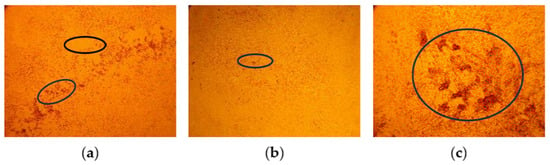
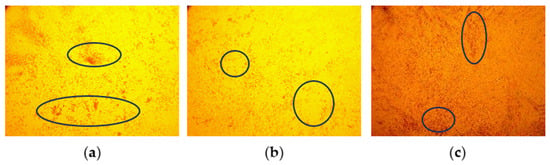
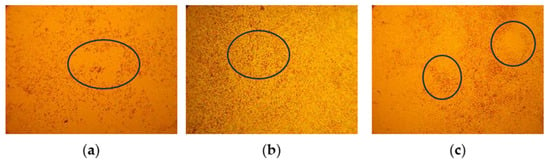
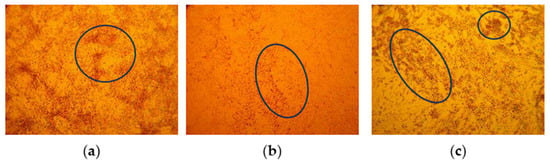
Ensuring viral safety is a critical aspect of biopharmaceutical production, requiring sensitive and reliable methods for detecting adventitious agents. In this study, we systematically evaluated the performance of selected cell line–virus combinations to identify optimal models for in vitro viral detection assays. Three
[...] Read more.
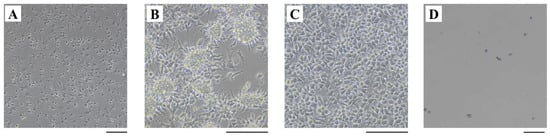
Ensuring viral safety is a critical aspect of biopharmaceutical production, requiring sensitive and reliable methods for detecting adventitious agents. In this study, we systematically evaluated the performance of selected cell line–virus combinations to identify optimal models for in vitro viral detection assays. Three cell lines (Vero, MRC-5 and BHK-21 [C-13]) and representative model viruses (Reovirus type 3, Adenovirus type 5, Human parainfluenza virus type 3, and Herpes simplex virus) were analyzed in terms of cytopathic effect (CPE) kinetics, morphology, and detection sensitivity. All tested systems demonstrated high analytical sensitivity, with limits of quantification (LOQ) reaching 0.01 TCID50/mL for selected viruses. However, substantial differences were observed in infection dynamics and CPE morphology depending on the cell line–virus combination. BHK-21 [C-13] cells exhibited the most rapid and pronounced CPE for Reovirus type 3, enabling early and unambiguous detection. Vero cells provided robust and reproducible detection of Adenovirus type 5, characterized by well-defined cytopathic progression. MRC-5 cells showed controlled and consistent infection kinetics for both Human parainfluenza virus type 3 and Herpes simplex virus, allowing improved temporal resolution and interpretability. These findings demonstrate that assay performance depends not only on sensitivity but also on the kinetics and morphology of infection. Based on combined evaluation criteria, the following optimal cell line–virus pairs were identified: BHK-21 [C-13]/Reovirus type 3, Vero/Adenovirus type 5, and MRC-5/Human parainfluenza virus type 3 and Herpes simplex virus. The proposed approach supports rational selection of detection models and provides a preliminary descriptive framework for the development of routine visual screening assays in biopharmaceutical quality control.
Full article
(This article belongs to the Section Molecular and Cellular Biology)
►
Show Figures
Open AccessProtocol
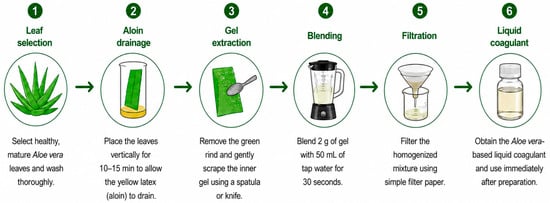
Simplified and Rapid Preparation Protocol for Producing Aloe Vera-Based Natural Coagulant for Water Treatment
by
Danieli Soares de Oliveira and Clainer Bravin Donadel
Methods Protoc. 2026, 9(4), 106; https://doi.org/10.3390/mps9040106 - 8 Jul 2026
Abstract
Natural coagulants have emerged as potential alternatives to synthetic chemicals in water treatment, especially for decentralized and low-resource applications. However, many previously reported Aloe vera-based coagulant preparation methods rely on drying, powder production, distilled water extraction, refrigeration, or other laboratory-dependent procedures that
[...] Read more.
Natural coagulants have emerged as potential alternatives to synthetic chemicals in water treatment, especially for decentralized and low-resource applications. However, many previously reported Aloe vera-based coagulant preparation methods rely on drying, powder production, distilled water extraction, refrigeration, or other laboratory-dependent procedures that increase operational complexity and limit practical implementation. This study presents a simplified and rapid protocol for producing an Aloe vera-based natural coagulant using accessible materials and simplified preparation steps. The proposed methodology consists of extracting Aloe vera g13el, homogenizing 2 g of fresh gel with 50 mL of tap water using a household blender, and applying simple paper filtration to obtain the liquid coagulant. The protocol can be completed in less than 10 min without specialized laboratory infrastructure, energy-intensive processing, or laboratory-grade reagents. Coagulation performance was evaluated using synthetic turbid water with initial turbidity levels of 100, 200, and 300 NTU. Significant turbidity reduction was observed under all tested conditions, with several samples reaching residual turbidity values close to or equal to 0 NTU after 50–60 min of sedimentation. The results demonstrate the potential of the proposed protocol as a rapid, reproducible, and accessible approach for future investigation in point-of-use and decentralized water treatment applications.
Full article
(This article belongs to the Section Biochemical and Chemical Analysis & Synthesis)
►▼
Show Figures

Figure 1

Open AccessProtocol
An Improved Method for the Isolation of Extrachromosomal DNA from the Pathogenic Free-Living Amoeba Naegleria fowleri
by
Colm P. Roster and James C. Morris
Methods Protoc. 2026, 9(4), 105; https://doi.org/10.3390/mps9040105 - 7 Jul 2026
Abstract
The pathogenic free-living amoeba Naegleria fowleri is the cause of primary amebic meningoencephalitis (PAM), a central nervous system infection that is almost always lethal. One of the unusual features of the amoebae is the presence of ~4000 copies of a nucleolar-localized closed circular
[...] Read more.
The pathogenic free-living amoeba Naegleria fowleri is the cause of primary amebic meningoencephalitis (PAM), a central nervous system infection that is almost always lethal. One of the unusual features of the amoebae is the presence of ~4000 copies of a nucleolar-localized closed circular extrachromosomal ribosomal DNA element (CERE) that encodes the cell’s ribosomal RNA repertoire. It has historically been challenging to purify large quantities of CERE, limiting our understanding of the nucleic acid. Here, we describe a methodology for CERE purification that improves yield, reduces processing times, and maintains the integrity of the plasmid. This approach will enable the study of this unique DNA architecture, advancing our understanding of the pathobiology of the organism.
Full article
(This article belongs to the Section Molecular and Cellular Biology)
Open AccessArticle
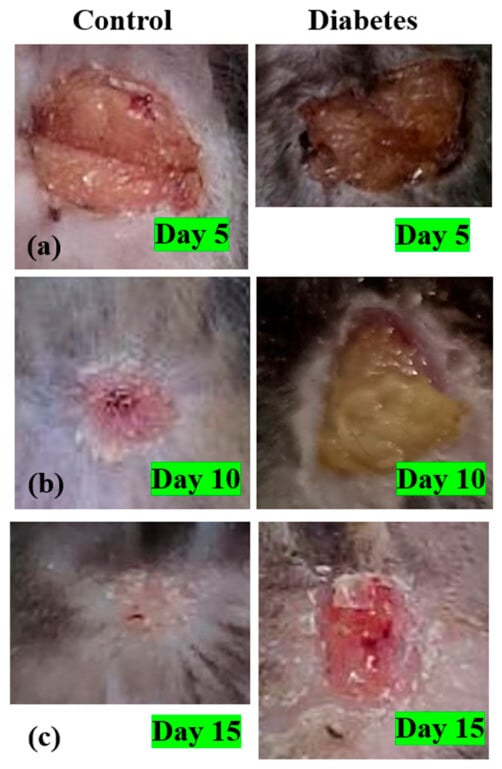
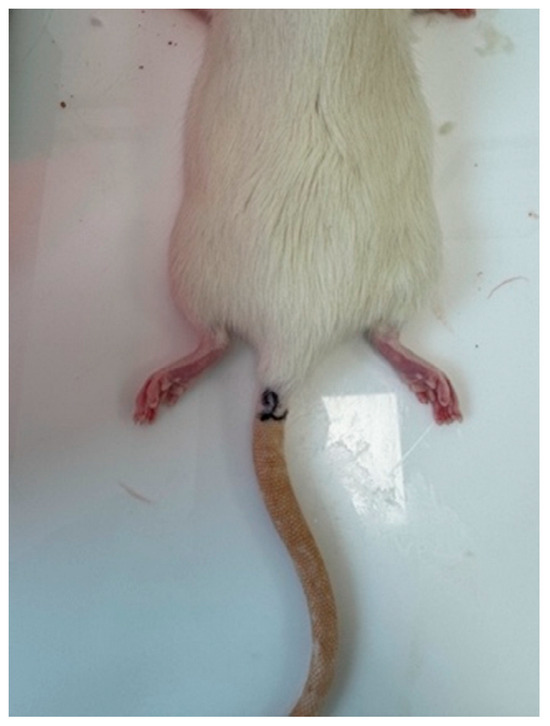
Non-Healing Wound Model in Diabetic C57BL/6 Mice
by
Lyubov A. Rzhanova, Ekaterina V. Kuzmenko, Alena A. Permyakova, Andrei A. Riabinin, Evgenii S. Ruchko, Maria B. Chernysheva, Ekaterina A. Vorotelyak and Elena I. Morgun
Methods Protoc. 2026, 9(4), 104; https://doi.org/10.3390/mps9040104 - 3 Jul 2026
Abstract
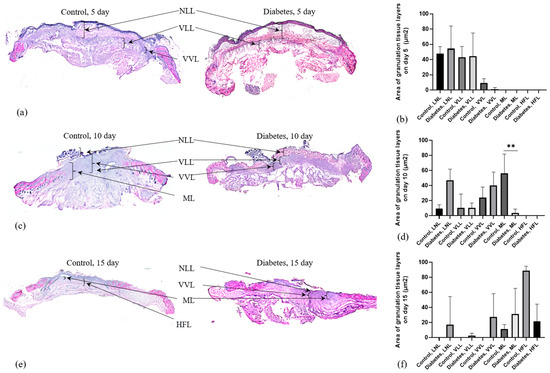
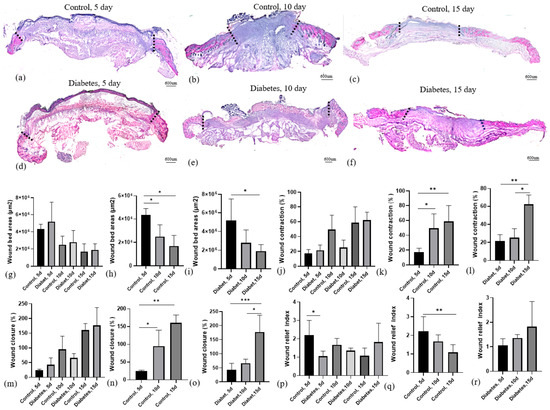
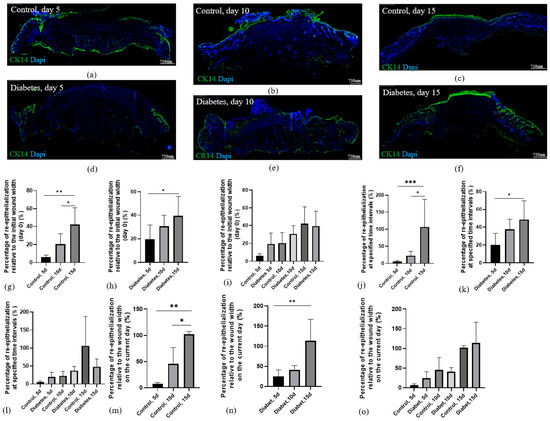
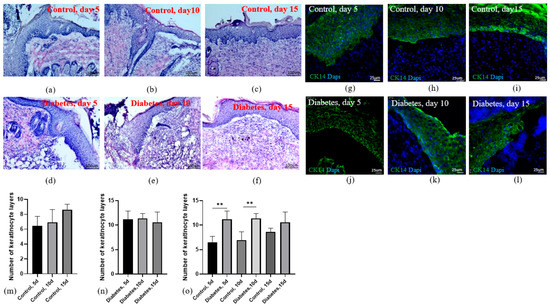
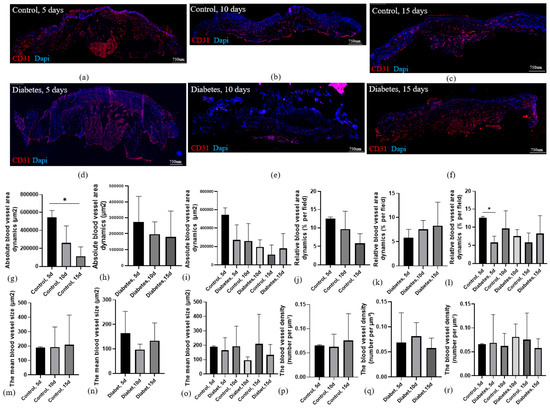
Background: This study focuses on developing a model of a non-healing wound that recapitulates the pathogenesis of the corresponding human pathology. Methods: A non-healing wound was modeled in mice with streptozotocin-induced diabetes. The following parameters were assessed: re-epithelialization, epidermal hypertrophy, wound
[...] Read more.
Background: This study focuses on developing a model of a non-healing wound that recapitulates the pathogenesis of the corresponding human pathology. Methods: A non-healing wound was modeled in mice with streptozotocin-induced diabetes. The following parameters were assessed: re-epithelialization, epidermal hypertrophy, wound contraction, relief index, angiogenesis, and granulation tissue maturation. These parameters were compared between diabetic mice and healthy controls. Results: The proposed model demonstrated a significant delay in regenerative processes compared to healthy animals. Conclusions: These findings support the relevance of this model to human pathology and indicate that it may be applicable for preclinical studies of drugs aimed at promoting wound regeneration.
Full article
(This article belongs to the Section Biomedical Sciences and Physiology)
►▼
Show Figures

Figure 1
Open AccessProtocol
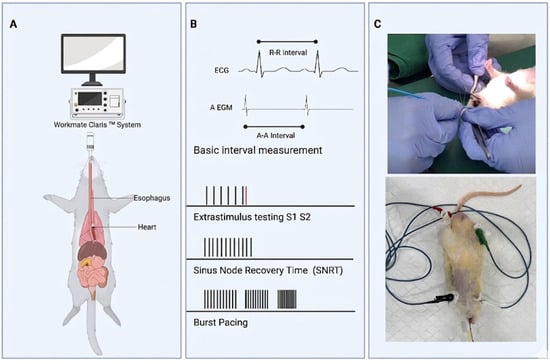
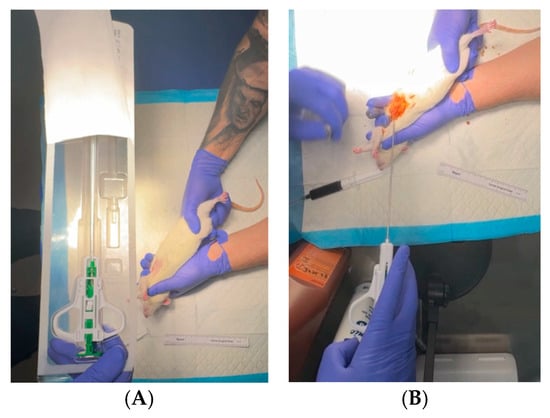
Standardized Protocol for Comprehensive, Non-Invasive Phenotyping of Atrial Myopathy in Sprague-Dawley Rat Models of Metabolic Syndrome Using Clinical-Grade Echocardiography and Electrophysiology Systems
by
Ardian Rizal, Mohammad Saifur Rohman, Fatchiyah Fatchiyah, Hidayat Sujuti, Anna Fuji Rahimah, Wella Karolina, Victor Alvianoes Guterez Hose and Mokhammad Afifudin
Methods Protoc. 2026, 9(4), 103; https://doi.org/10.3390/mps9040103 - 2 Jul 2026
Abstract
Background: Small animal models are essential for atrial fibrillation (AF) research. Researchers in AF use an electrocardiogram (ECG), echocardiography and invasive electrophysiology study (EPS) to assess atrial structural and electrical remodeling. In relatively smaller cardiac structures and rapid heart rates, the examination can
[...] Read more.
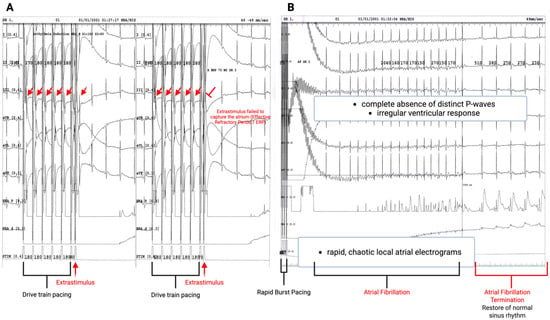
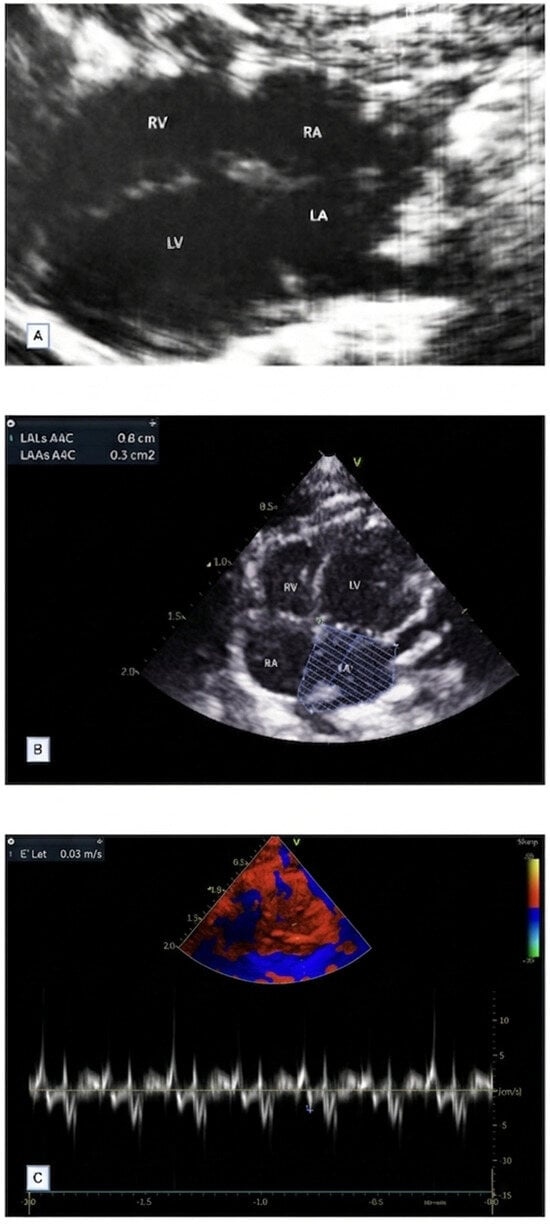
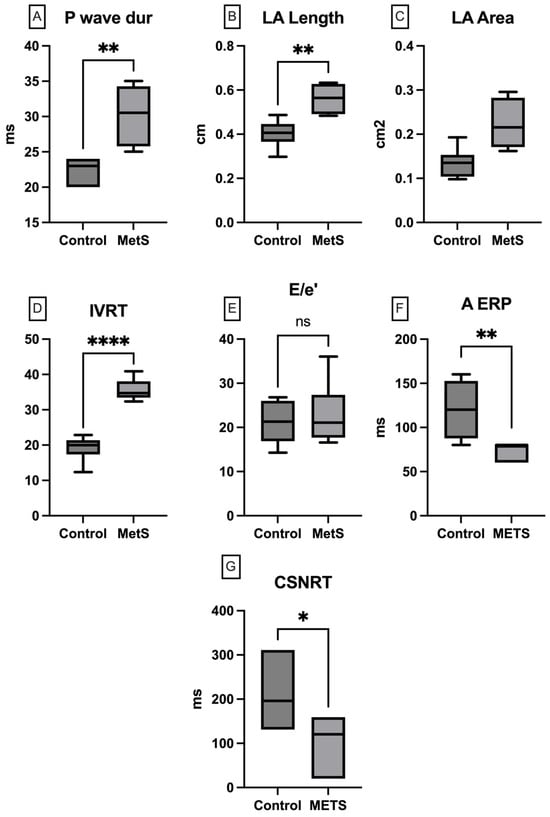
Background: Small animal models are essential for atrial fibrillation (AF) research. Researchers in AF use an electrocardiogram (ECG), echocardiography and invasive electrophysiology study (EPS) to assess atrial structural and electrical remodeling. In relatively smaller cardiac structures and rapid heart rates, the examination can be challenging without special tools designed for animal study. Moreover, conventional invasive EPSs often cause significant trauma, alter autonomic tone, and limit longitudinal evaluations. This study aimed to evaluate the feasibility of repurposing hospital-grade medical devices for the non-invasive, multi-modality assessment of atrial myopathy in a rat model of metabolic syndrome (MetS). Methods: A total of 12 male Sprague-Dawley rats underwent the multi-modality assessment. Structural remodeling was evaluated using hospital-grade echocardiography (8–12 MHz) to measure left atrial (LA) dimensions and volume. Surface ECG was used to determine P-wave duration. Electrical remodeling and AF inducibility were assessed using transesophageal pacing (TEP)-based EPS, evaluating the atrial effective refractory period (AERP), sinus node recovery time (SNRT), and response to rapid atrial burst pacing. Results: The protocols showed high procedural safety (survival rate 91.67%) and successfully characterized atrial myopathy. Surface ECG showed marked intra-atrial conduction delay with prolonged P-wave duration in the MetS group (30.17 ± 4.62 vs. 22.33 ± 1.86 ms, p < 0.05). Echocardiography revealed signs of structural remodeling in the MetS group, evidenced by marked prolonged Isovolumic Relaxation Time (IVRT: 35.602 ± 3.043 vs. 19.187 ± 3.631 ms; p < 0.001) and increased Left Atrial Area (0.223 ± 0.0556 vs. 0.134 ± 0.033; p = 0.007). Furthermore, TEP-based EPS quantified electrical remodeling. The MetS group had shorter AERP (73.33 ± 10.33 ms vs. 120.00 ± 34.06 ms; p = 0.010) and Corrected SNRT (100.67 ± 53.98 ms) versus controls (208.33 ± 76.97 ms; p = 0.018). The MetS group exhibited a higher absolute AF inducibility rate (50%, three out of six rats) compared to the SH group (33.3%, two out of six rats). Conclusions: The integration of surface ECG, echocardiography, and TEP-based EPS provides a safe, highly reproducible, and comprehensive method for evaluating both structural and electrical components of atrial myopathy in small animal models, allowing for robust longitudinal studies.
Full article
(This article belongs to the Section Biomedical Sciences and Physiology)
►▼
Show Figures

Figure 1

Open AccessProtocol
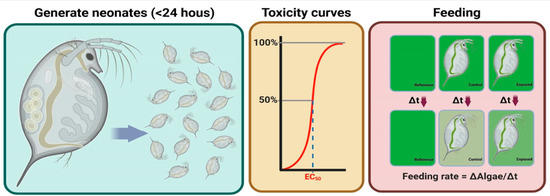
A Miniaturised Protocol for Feeding Measurements in Daphnids
by
Izabela Antepowicz, Antonia Despotidi, Emma Rowan, Mbuyiselwa Shadrack Moloi, Silke Aulhorn, Harry Esmonde, Konstantinos Grintzalis and Eberhard Küster
Methods Protoc. 2026, 9(4), 102; https://doi.org/10.3390/mps9040102 - 1 Jul 2026
Abstract
Daphnids, commonly known as water fleas, are freshwater planktonic microcrustacean species used as model organisms in ecotoxicology, particularly in regulatory frameworks that adhere to OECD and ISO standards. Mortality is the most common endpoint in toxicity testing; however, more sensitive indicators are required
[...] Read more.
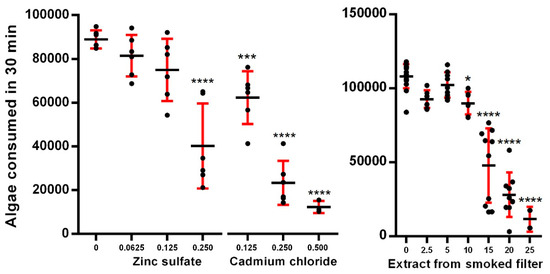
Daphnids, commonly known as water fleas, are freshwater planktonic microcrustacean species used as model organisms in ecotoxicology, particularly in regulatory frameworks that adhere to OECD and ISO standards. Mortality is the most common endpoint in toxicity testing; however, more sensitive indicators are required to assess sublethal acute effects of pollutants. The use of feeding impairment as a toxicity phenotypic endpoint in daphnids is considered a cost-effective approach that aligns with the 3Rs principle (Replace, Reduce, Refine) and is more physiologically and environmentally relevant. Current feeding methods are inefficient due to the large test volumes and extended incubation periods required. In this paper, we present a miniaturised protocol to assess feeding behaviour following exposure to chemicals in daphnids. The method is based on the consumption of algae, which is measured with chlorophyll fluorescence. The optimised protocol is more robust and rapid, and results can be obtained in 30 min and in a 96-well plate. Responses in feeding rate were investigated using this miniaturised protocol following exposure to a range of prevalent pollutants, which include two metals and, as a more realistic sample, a leachate from smoked cigarette filters. All three pollutants were tested at sublethal concentrations. This method provides an efficient approach to assess the toxicity of chemicals and water quality.
Full article
(This article belongs to the Section Biomedical Sciences and Physiology)
►▼
Show Figures

Figure 1

Open AccessStudy Protocol
Evaluating Effectiveness of the FiTeens Intervention for Health Behavior Change in Students: A Study Protocol
by
Taavi Rand, Henri Tilga, Ángel Abós, Luis García-González, Sergio Diloy Peña, Rafael Burgueño-Mengibar and Andre Koka
Methods Protoc. 2026, 9(4), 101; https://doi.org/10.3390/mps9040101 - 1 Jul 2026
Abstract
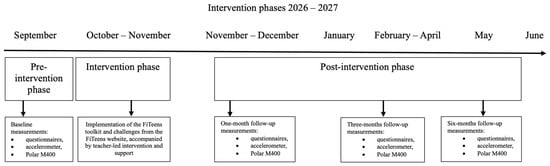
(1) Background: Previous school-based interventions have addressed adolescent health behaviors such as physical activity, screen time, and sleep, but have predominantly targeted these behaviors independently rather than simultaneously. The Erasmus+ project FiTeens developed an integrated intervention combining theoretical content, videos, infographics, and interactive
[...] Read more.
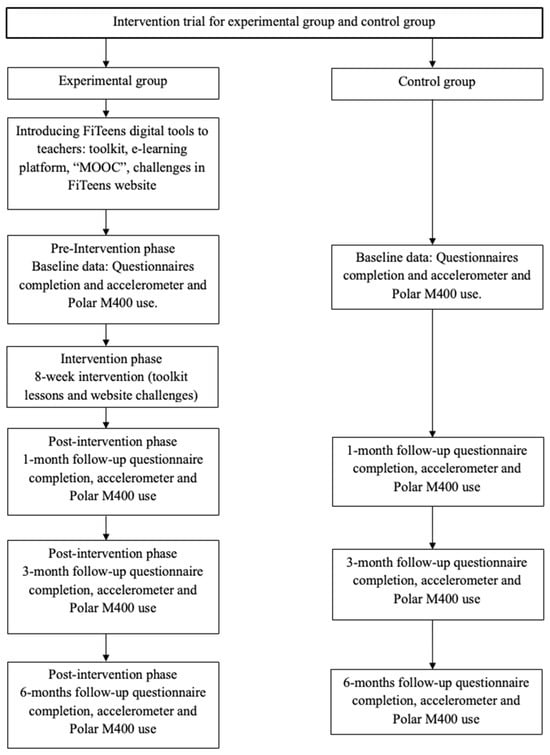
(1) Background: Previous school-based interventions have addressed adolescent health behaviors such as physical activity, screen time, and sleep, but have predominantly targeted these behaviors independently rather than simultaneously. The Erasmus+ project FiTeens developed an integrated intervention combining theoretical content, videos, infographics, and interactive tasks to promote multiple health behaviors concurrently. The objective of the current article is to present the protocol for a school-based intervention study designed to examine the effects of the FiTeens program on adolescents’ physical activity, screen time, and sleep behaviors. We hypothesize that students receiving the FiTeens intervention will demonstrate increased physical activity, reduced screen time, and improved sleep outcomes compared with students in the control group. (2) Methods: Teachers will be introduced to the FiTeens tools prior to delivering the intervention to students in grades 5–9. Students will participate in an eight-week intervention program combining structured lessons and behavior-change challenges. Primary outcomes include changes in physical activity, screen time, and sleep duration and quality. Secondary outcomes include psychological determinants such as motivation and behavioral intentions. Data will be collected at baseline and at 1-, 3-, and 6-month follow-ups and analyzed using repeated measures ANOVA. (3) Expected results: The study will evaluate whether the intervention may contribute to improvements in health-related behaviors among adolescents, including increased physical activity, reduced screen time, and improved sleep outcomes. (4) Conclusions: The intervention based on FiTeens tools could have the potential to promote healthier lifestyle behaviors among students by increasing physical activity during leisure time, supporting the effective limitation of screen time and enhancing bedtime routines to improve sleep quality.
Full article
(This article belongs to the Section Public Health Research)
►▼
Show Figures

Figure 1

Open AccessArticle
An Efficient TetR/TetO-Integrated Packaging System for Fowl Adenovirus 4 Vector Carrying Toxic Transgene
by
Qian-Wen Ma, Zhi Li, Zhi-Chao Zhang, Xiao-Juan Guo, Xiao-Hui Zou, Tao Hung and Zhuo-Zhuang Lu
Methods Protoc. 2026, 9(3), 100; https://doi.org/10.3390/mps9030100 - 22 Jun 2026
Abstract
Adenoviral vectors are widely used for gene therapy and vaccine development. To circumvent pre-existing immunity against commonly used human adenovirus type 5, vectors based on rare human serotype or animal adenoviruses have attracted increasing interest. Previously, we constructed vectors based on fowl adenovirus
[...] Read more.
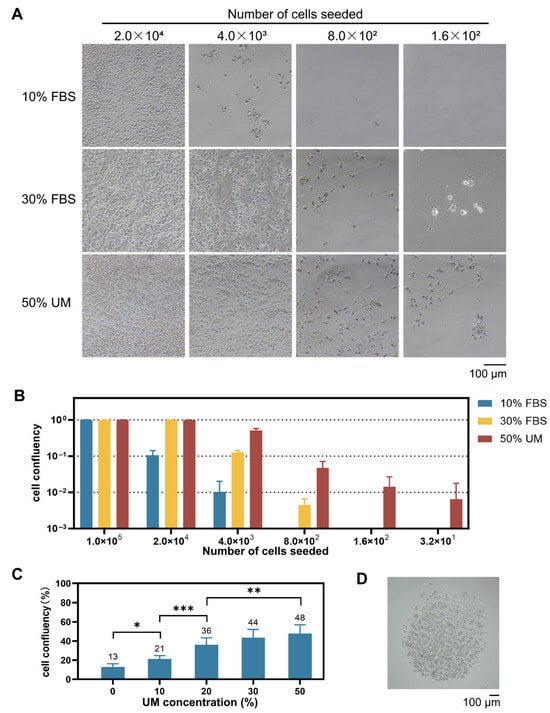
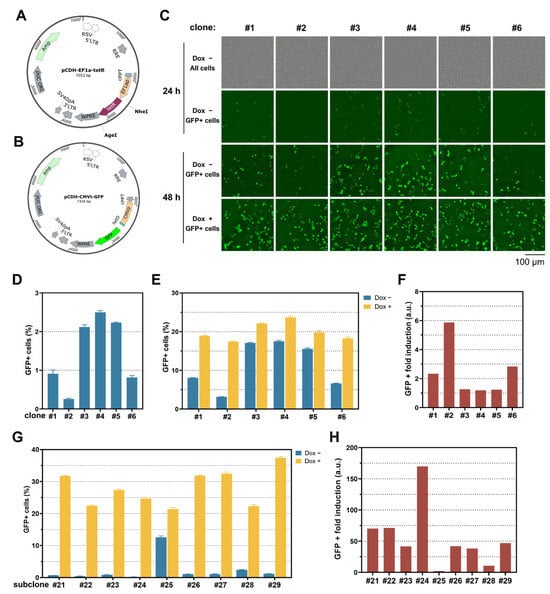
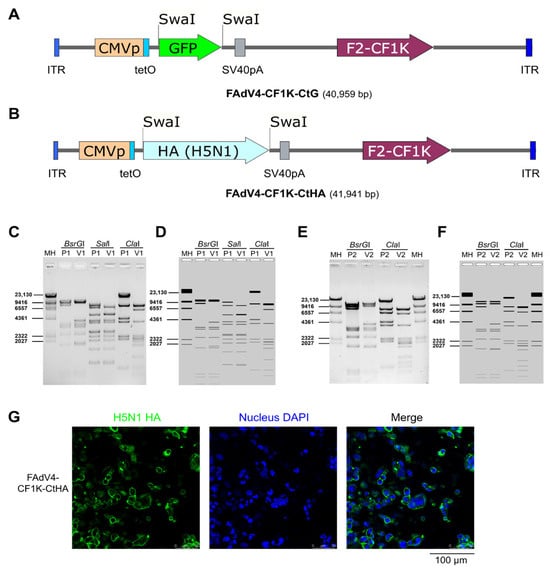
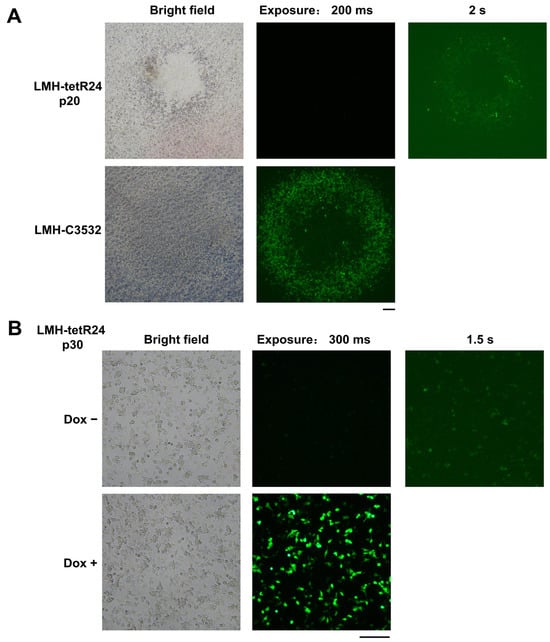
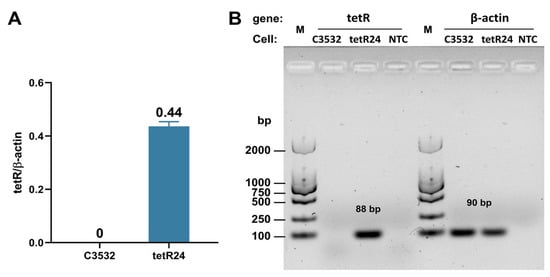
Adenoviral vectors are widely used for gene therapy and vaccine development. To circumvent pre-existing immunity against commonly used human adenovirus type 5, vectors based on rare human serotype or animal adenoviruses have attracted increasing interest. Previously, we constructed vectors based on fowl adenovirus 4 (FAdV-4) and replaced the knob of FAdV-4 fiber2 with that of FAdV-1 fiber1 to generate FAdV4-CF1K vectors with enhanced transduction efficiency in human cells. In this study, we aimed to modify the packaging system to efficiently produce FAdV-4 vectors carrying transgenes toxic to viral replication. Chicken LMH cells failed to form colonies at low seeding densities. We collected used medium from LMH cell cultures and used it as a supplement to adapt LMH cells, generating the colony-competent subclone LMH-C3532. A lentiviral vector encoding a codon-optimized tetracycline repressor (tetR) was transduced into LMH-C3532 to establish a tetR-integrated cell line, LMH-tetR24. An adenoviral plasmid, pKFAV4-CF1K-CtG, was constructed in which a tetracycline operator (tetO)-bearing CMV promoter controlled GFP expression. The SwaI-flanked GFP in this plasmid was replaced with the HA gene from an H5N1 influenza virus to generate pKFAV4-CF1K-CtHA. Linearized adenoviral plasmids were transfected into LMH-tetR24 cells, and recombinant FAdV4-CF1K-CtG and FAdV4-CF1K-CtHA viruses were successfully rescued, amplified, and purified. When infected with FAdV4-CF1K-CtG at various multiplicities of infection (MOI), the progeny virus yield from LMH-tetR24 cells was 4–10 times higher than that from LMH-C3532 cells. For FAdV4-CF1K-CtHA, the yield difference between the two cell lines was even more pronounced, reaching 3–4 orders of magnitude. Overexpression of HA in LMH-C3532 cells negatively affected FAdV4-CF1K-CtHA replication, resulting in smaller and fewer plaques. In conclusion, by separately integrating tetR into packaging cells and TetO into the adenoviral plasmid, we established a system that can be routinely used to package FAdV-4 vectors. Notably, this system facilitates the propagation of FAdV-4 vectors carrying toxic transgenes.
Full article
(This article belongs to the Section Molecular and Cellular Biology)
►▼
Show Figures

Figure 1
Open AccessStudy Protocol
Exploring Barriers and Facilitators to COVID-19 Vaccination Uptake Among Individuals with Mental Illness in the Australian Healthcare System: A Qualitative Study Protocol
by
Soumitra Das, James Killian, Mahesh Jayaram, Naveen Thomas and Chi Jonasi
Methods Protoc. 2026, 9(3), 99; https://doi.org/10.3390/mps9030099 - 16 Jun 2026
Abstract
Individuals living with mental illness face disproportionately higher COVID-19 morbidity and mortality than the general population. Despite their prioritisation in Australia’s national vaccination rollout, vaccination rates among this population are significantly lower than those without mental illness. No previous study has employed a
[...] Read more.
Individuals living with mental illness face disproportionately higher COVID-19 morbidity and mortality than the general population. Despite their prioritisation in Australia’s national vaccination rollout, vaccination rates among this population are significantly lower than those without mental illness. No previous study has employed a qualitative research paradigm to explore the barriers and facilitators to COVID-19 vaccination among people with mental illness in the Australian context. This qualitative study will employ Braun and Clarke’s reflexive thematic analysis framework. Participants will be recruited through Western Health Mental Health and Wellbeing Services in Victoria, Australia. Semi-structured individual interviews will be conducted with approximately 17–20 participants (aged 18–65) who have a DSM-5 diagnosed mental illness and any experience (vaccinated or unvaccinated) with COVID-19 vaccination. Interviews will be audio-recorded, transcribed, and then analysed and collated into themes using NVivo software. Code saturation will guide the final sample size. This study aims to produce a rich thematic map that captures the experience of individual, illness, and system-level barriers and facilitators to COVID-19 vaccination in this cohort. Findings are anticipated to inform targeted public health interventions to improve equitable vaccine uptake and contribute to closing the mortality gap for those with mental illness. This protocol has been approved by the Western Health Low Risk Ethics Panel (ERM ID: 113351).
Full article
(This article belongs to the Section Public Health Research)
Open AccessArticle
In Vitro Capacitation in Boar Sperm: Evaluation of Selected Detection Techniques
by
Barbora Klusackova, Zuzana Pilsova, Katerina Nemeckova, Aneta Pilsova and Pavla Postlerova
Methods Protoc. 2026, 9(3), 98; https://doi.org/10.3390/mps9030098 - 15 Jun 2026
Abstract
Sperm capacitation is essential for fertilization and involves coordinated changes in membrane organization, ion fluxes, and intracellular signaling. However, commonly used detection methods may reflect different biological events, which can be strongly influenced by experimental methodology. This study critically evaluated fluorescence-based approaches for
[...] Read more.
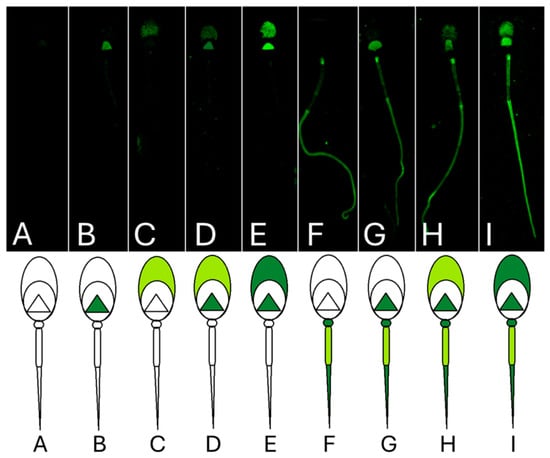
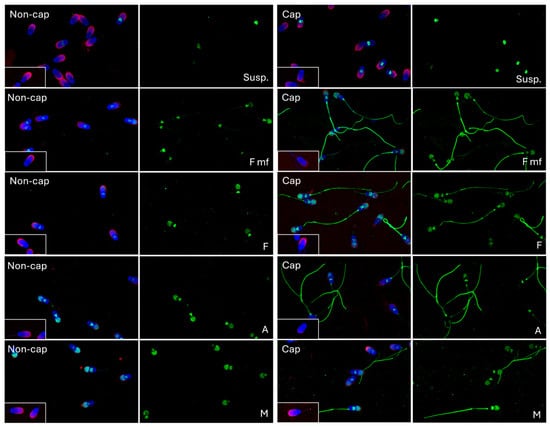
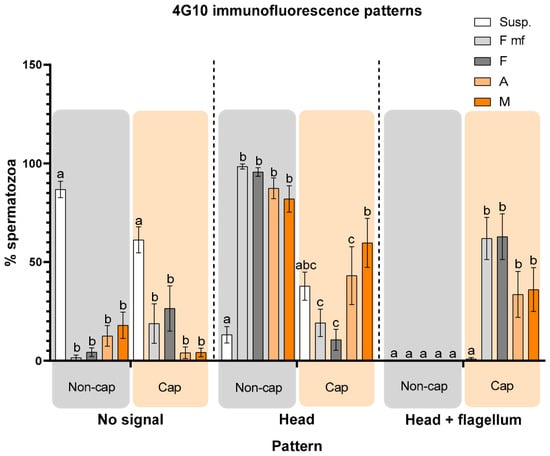
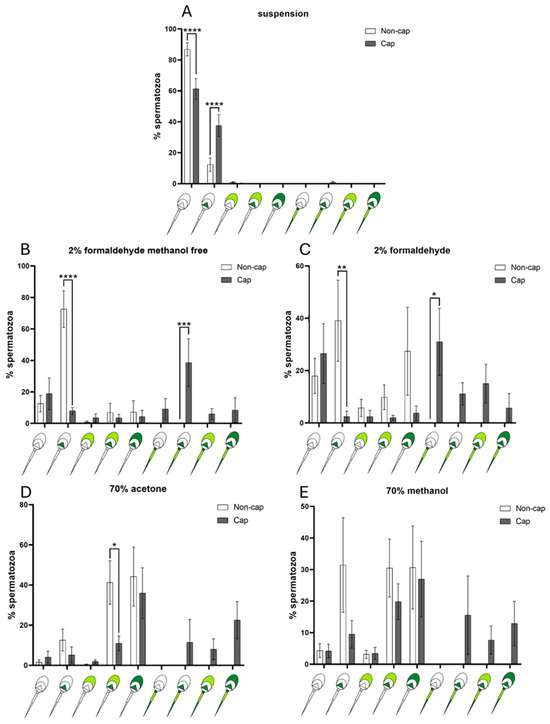
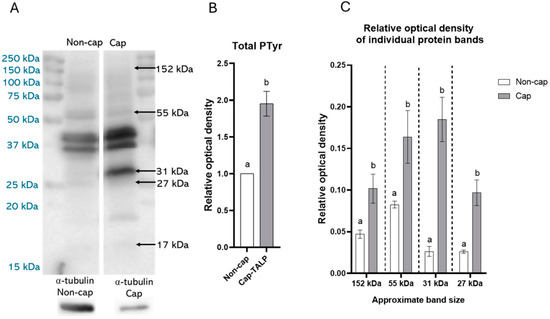
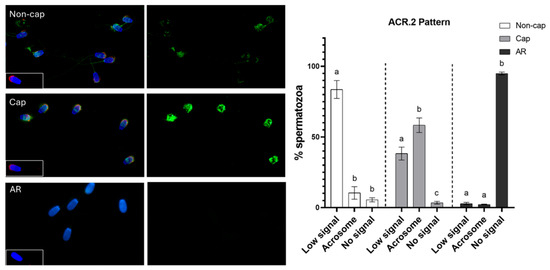
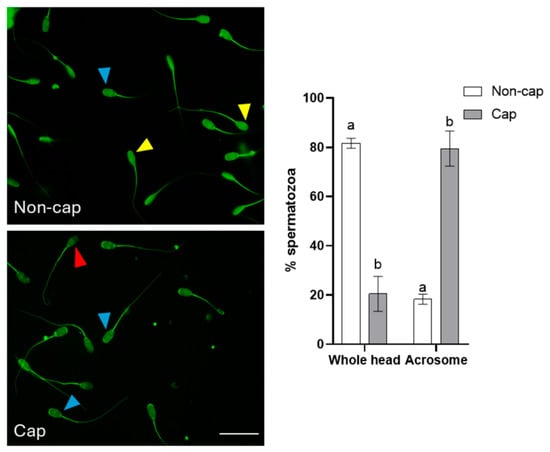
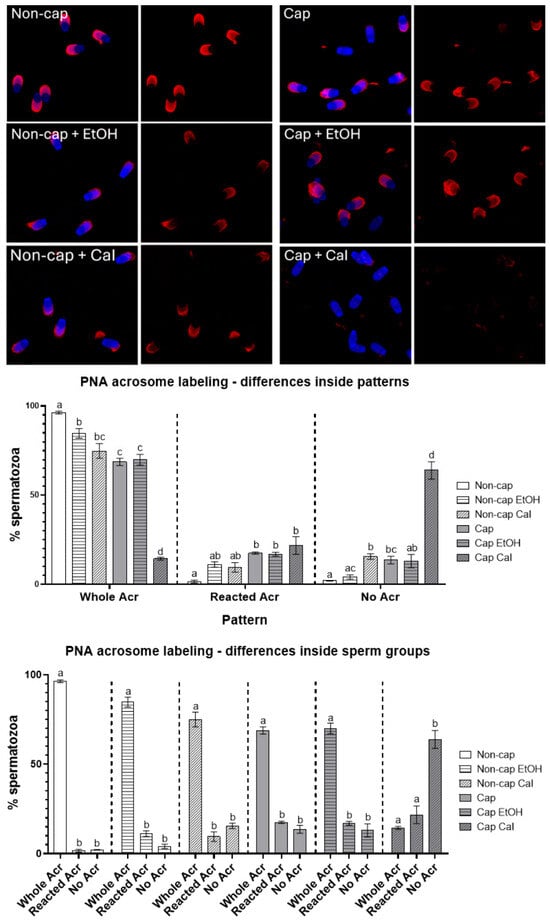
Sperm capacitation is essential for fertilization and involves coordinated changes in membrane organization, ion fluxes, and intracellular signaling. However, commonly used detection methods may reflect different biological events, which can be strongly influenced by experimental methodology. This study critically evaluated fluorescence-based approaches for assessing capacitation in boar spermatozoa, focusing on their specificity, interpretative limits, and methodological sensitivity. Ejaculated boar spermatozoa were incubated under in vitro capacitating conditions in TALP medium. Selected samples were subsequently treated with calcium ionophore to induce the acrosome reaction (AR). Phosphotyrosine (PTyr) immunofluorescence was assessed using five fixation and labeling protocols, acrosin redistribution was evaluated with the ACR.2 antibody, calcium ion redistribution was assessed using chlortetracycline (CTC) fluorescence, and acrosomal responsiveness was monitored by peanut agglutinin (PNA) lectin labeling. PTyr immunofluorescence was highly dependent on fixation protocol, indicating marked methodological sensitivity. Acrosin immunodetection revealed a clear capacitation-associated redistribution from weak or diffuse staining to a well-defined acrosomal pattern, whereas ionophore treatment caused a pronounced signal loss consistent with acrosomal exocytosis. PNA labeling confirmed that capacitation alone did not increase spontaneous acrosome loss, whereas ionophore treatment induced a robust AR. CTC staining showed a significant shift from whole-head pattern to acrosome in TALP-treated spermatozoa, indicating capacitation-associated Ca2+ redistribution. Together with CTC and Western blot data, these findings show that sperm capacitation status should be evaluated using multiple complementary markers rather than a single gold-standard assay.
Full article
(This article belongs to the Section Molecular and Cellular Biology)
►▼
Show Figures

Figure 1

Open AccessProtocol
Multiparametric Flow Cytometry Panel for Characterization of Mouse T Cell Differentiation and NK Cell Maturation Following Inflammatory Challenge
by
Tim Bozic, Bostjan Markelc, Simona Kranjc Brezar, Ziva Pisljar, Tanja Jesenko and Maja Cemazar
Methods Protoc. 2026, 9(3), 97; https://doi.org/10.3390/mps9030097 - 12 Jun 2026
Abstract
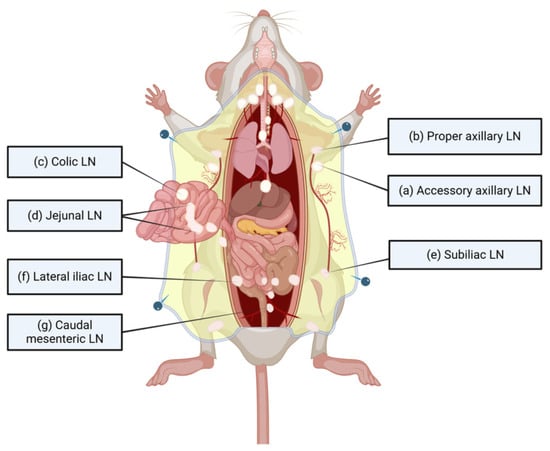
Lymph nodes are central hubs of immune regulation and coordination, serving as primary sites for antigen presentation, lymphocyte activation, and the orchestration of adaptive immune responses. The composition and activation state of lymph node-resident immune cells critically shape both local and systemic immunity.
[...] Read more.
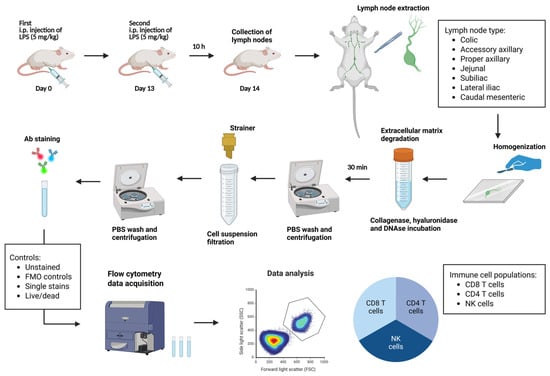
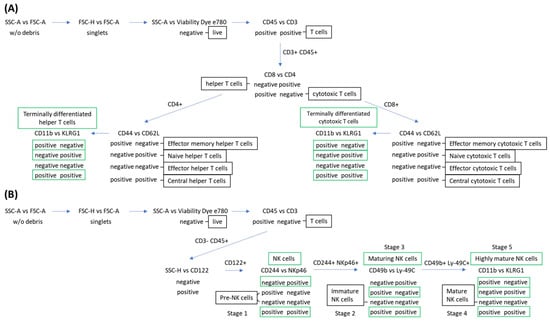
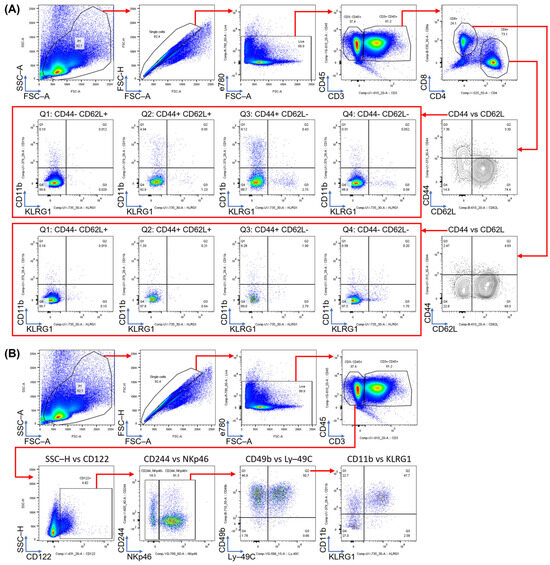
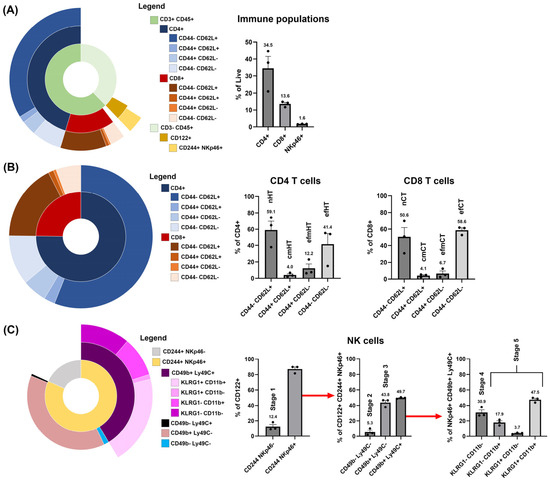
Lymph nodes are central hubs of immune regulation and coordination, serving as primary sites for antigen presentation, lymphocyte activation, and the orchestration of adaptive immune responses. The composition and activation state of lymph node-resident immune cells critically shape both local and systemic immunity. Comprehensive immunophenotyping of these populations is therefore essential for understanding immune organization and functional heterogeneity. Here, we present an optimized protocol for the characterization of mouse lymph node-associated immune populations using 14-color multiparametric flow cytometry. The method combines lymph node isolation based on anatomical landmarks with mechanical dissociation and enzymatic digestion to generate high-quality single-cell suspensions suitable for downstream analysis. Furthermore, the described flow cytometry panel and gating strategy enable reliable identification and quantification of major lymphoid subsets, including helper CD4+ and cytotoxic CD8+ T cells with their differentiation states, as well as natural killer (NK) cells across distinct maturation stages. Although optimized for assessing lymphocyte maturation after lipopolysaccharide (LPS) challenge, the protocol serves as a reproducible platform for broad immunophenotyping of T and NK cell subsets in mouse lymphoid tissues under experimental conditions.
Full article
(This article belongs to the Section Molecular and Cellular Biology)
►▼
Show Figures

Figure 1
Open AccessStudy Protocol
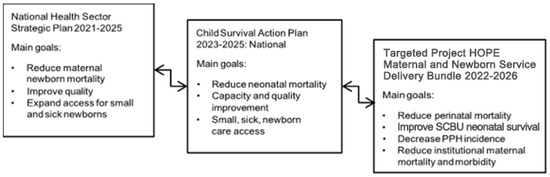
Protocol for the Implementation of a Targeted Maternal and Newborn Service Delivery Bundle in Sierra Leone
by
Robert B. Clark, Joseph Odu, Annette Ofodum and Rondi Anderson
Methods Protoc. 2026, 9(3), 96; https://doi.org/10.3390/mps9030096 - 10 Jun 2026
Abstract
Sierra Leone faces persistently high neonatal and maternal mortality rates, driven largely by delayed recognition and treatment of newborn respiratory distress and postpartum hemorrhage. In this protocol, we describe the planned implementation of a bundle of maternal and newborn clinical practices over a
[...] Read more.
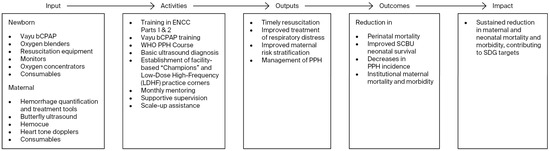
Sierra Leone faces persistently high neonatal and maternal mortality rates, driven largely by delayed recognition and treatment of newborn respiratory distress and postpartum hemorrhage. In this protocol, we describe the planned implementation of a bundle of maternal and newborn clinical practices over a 36-month period across nine public health facilities in the Greater Freetown area and Bo District to address these critical gaps. The service delivery improvements include the World Health Organization (WHO) Essential Newborn Care Course (ENCC) Parts 1 and 2; Vayu bubble continuous positive airway pressure (bCPAP) and oxygen blenders for respiratory support; the WHO Postpartum Hemorrhage package; and obstetric risk stratification using point-of-care ultrasound (POCUS) and complementary diagnostics for maternal care improvement. We anticipate that this bundle of evidence-based clinical tools and training, reinforced by mentorship, structured checklists, and low-dose high-frequency (LDHF) practice, will significantly reduce perinatal and maternal mortality and morbidity. The bundle will be evaluated using a Hybrid Type 1 effectiveness-implementation design, utilizing routine health information system data, supplemented by project registers, skills assessments, and observations. By aligning with the Ministry of Health’s Child Survival Action Plan, the aim of this project protocol is to provide a sustainable and scalable model for reducing preventable maternal and newborn deaths in resource-constrained settings.
Full article
(This article belongs to the Section Public Health Research)
►▼
Show Figures

Figure 1
Open AccessReview
Contact Lens-Associated Ocular Surface and Corneal Disorders
by
Omar Abdelaziz, Seyyedehfatemeh Ghalibafan, Raul E. Ruiz-Lozano, Jeffrey C. Peterson, Ryan A. Gallo and Ali R. Djalilian
Methods Protoc. 2026, 9(3), 95; https://doi.org/10.3390/mps9030095 - 10 Jun 2026
Abstract
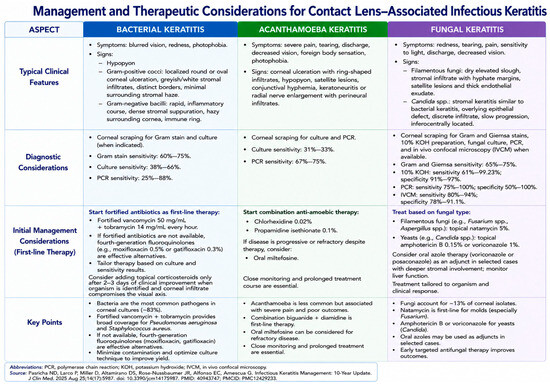
Contact lens wear is widely used for vision correction by millions of individuals worldwide; however, it remains associated with a spectrum of ocular complications ranging from mild inflammatory conditions to vision-threatening infections. Common contact lens-related complications are predominantly noninfectious, including contact lens discomfort,
[...] Read more.
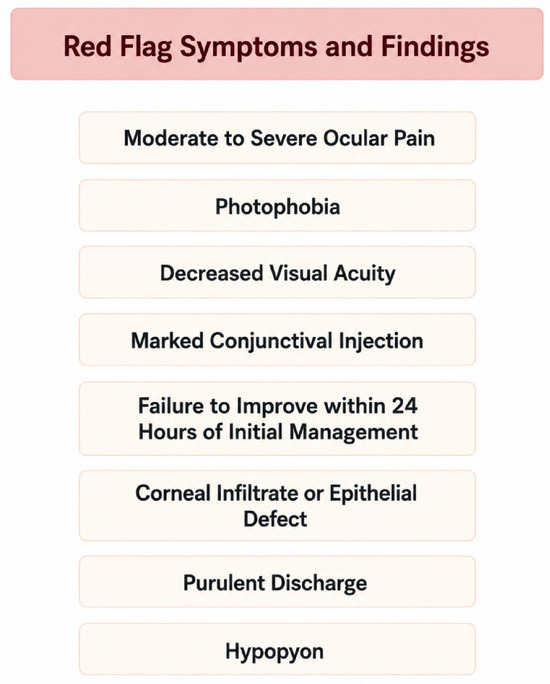
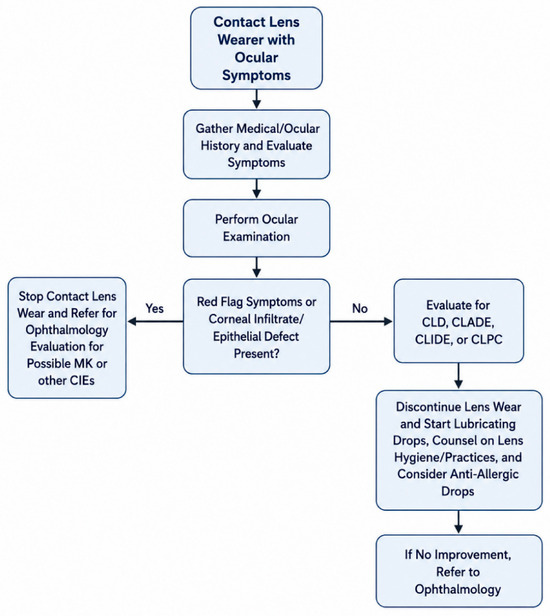
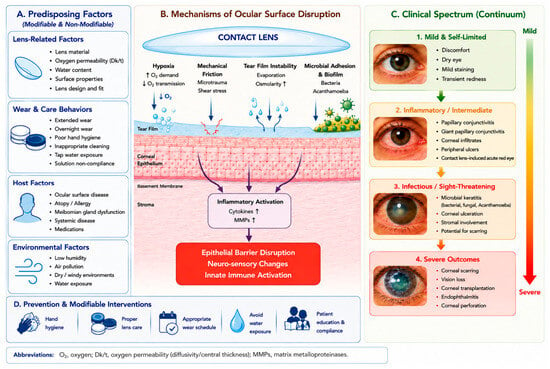
Contact lens wear is widely used for vision correction by millions of individuals worldwide; however, it remains associated with a spectrum of ocular complications ranging from mild inflammatory conditions to vision-threatening infections. Common contact lens-related complications are predominantly noninfectious, including contact lens discomfort, dry eye syndromes, and papillary conjunctivitis. These conditions are typically mild and manageable with conservative measures. In contrast, corneal inflammatory conditions, such as contact lens-induced acute red eye and peripheral ulcers, represent an intermediate spectrum and may clinically overlap with early infection, creating diagnostic uncertainty. The most serious complication is microbial keratitis, a vision-threatening infection that remains challenging to recognize in its early stages due to its variable and often subtle presentation. Delayed identification may lead to rapid progression and significant visual morbidity. Patients with contact lens-related complaints often present to frontline settings, where early recognition is essential. Distinguishing benign from infectious conditions can be challenging; a risk-based approach with prompt triage and referral, along with proper lens hygiene and patient education, is key.
Full article
(This article belongs to the Section Public Health Research)
►▼
Show Figures

Figure 1
Open AccessProtocol
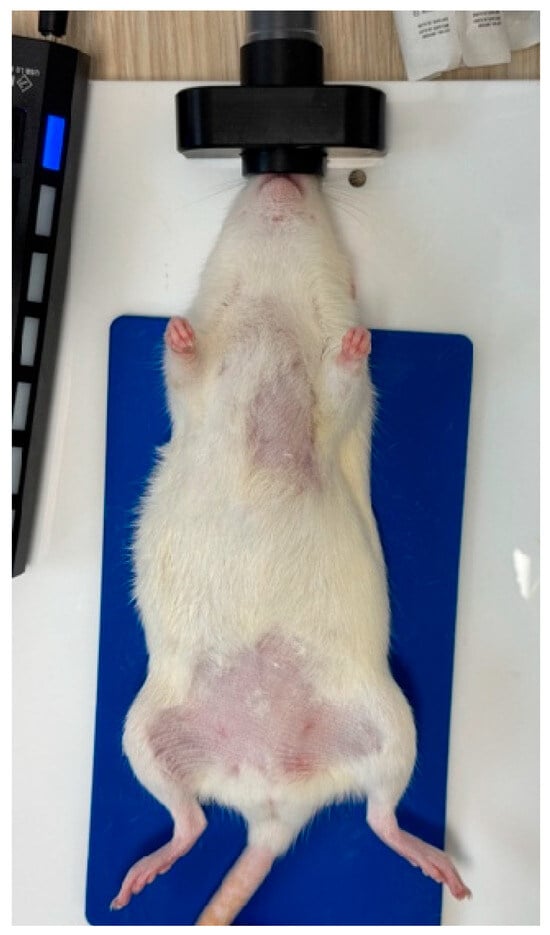
Methodological Framework for a Multimodal Rat Model of Bleomycin-Induced Fibrosis and Autologous Tissue Grafting
by
Razvan George Bogdan, Iulian-Alexandru Ciprian Blidisel, Ionut Ciobota, Anca Maria Campean, Alina Helgiu, Claudiu Helgiu, Ioan Catalin Bodea, Dan Ionel Orbulescu, Rodica Elena Heredea and Zorin Petrisor Crainiceanu
Methods Protoc. 2026, 9(3), 94; https://doi.org/10.3390/mps9030094 - 10 Jun 2026
Abstract
Reproducible experimental models of localized dermal–hypodermal fibrosis are essential for standardized investigation of regenerative interventions. Variability in bleomycin dosing, anatomical targeting, and assessment strategies limits cross-study comparability. This study describes a methodological framework for standardized induction of early dermal–hypodermal remodeling in a rat
[...] Read more.
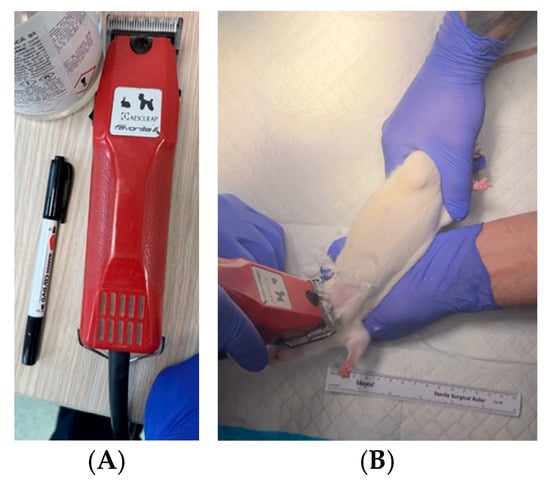
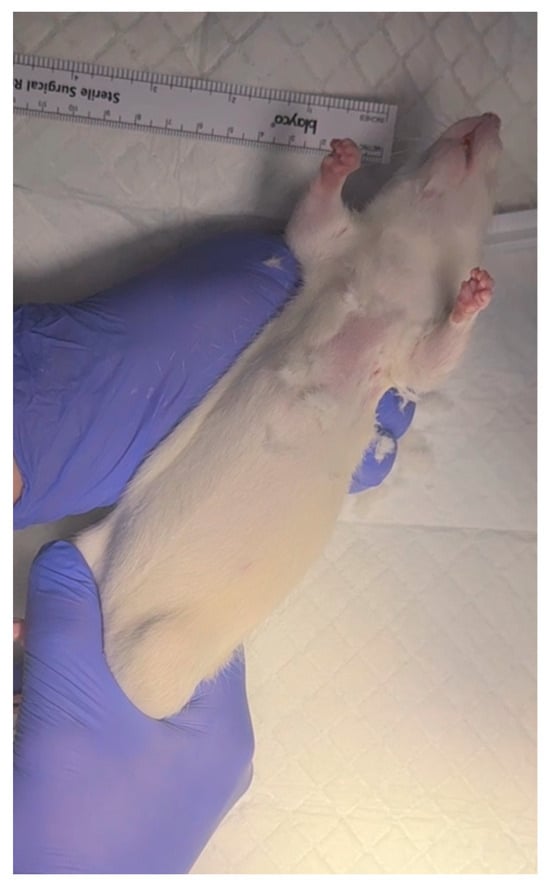
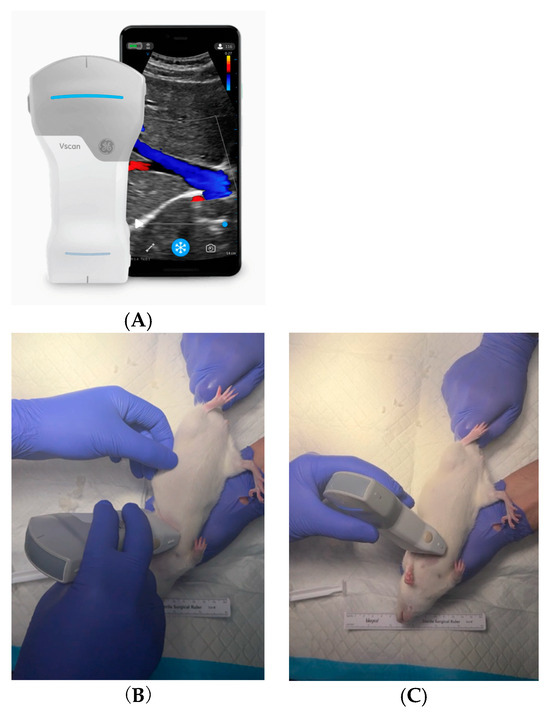
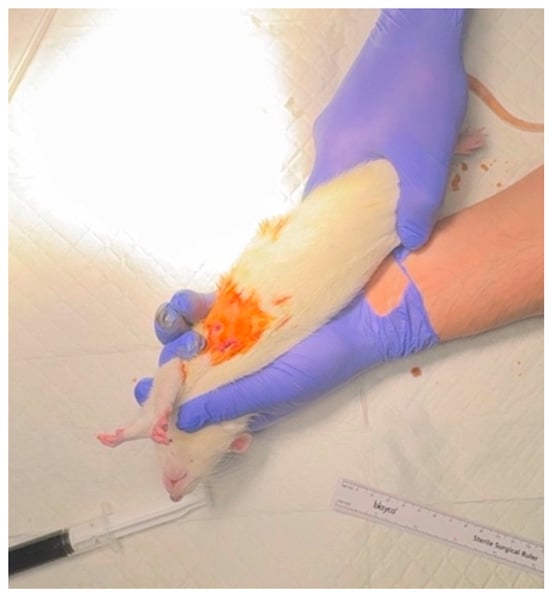
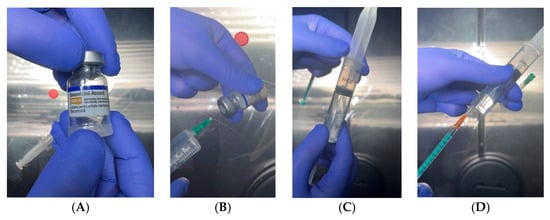
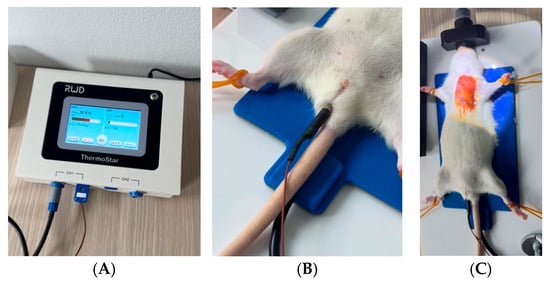
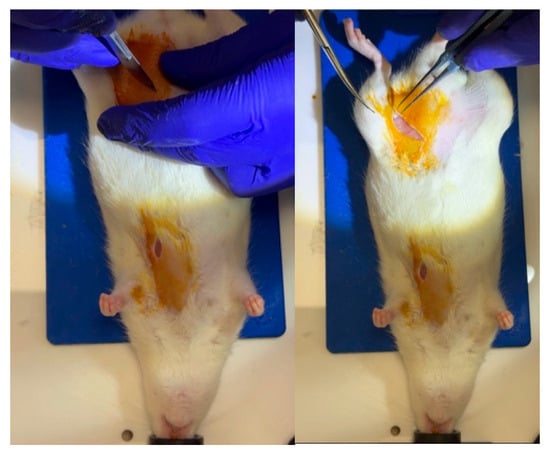
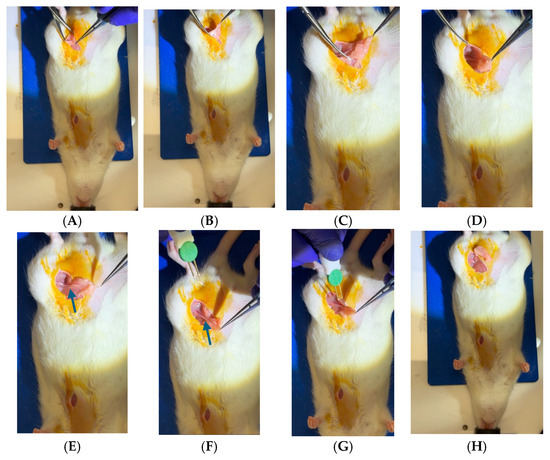
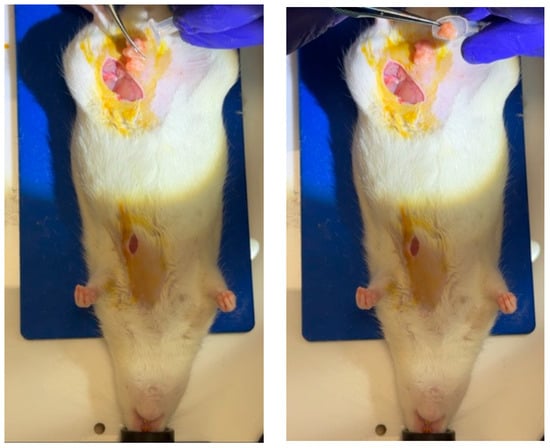
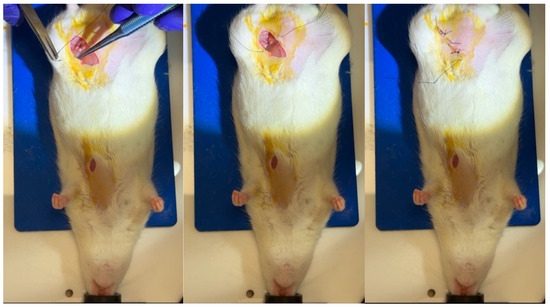
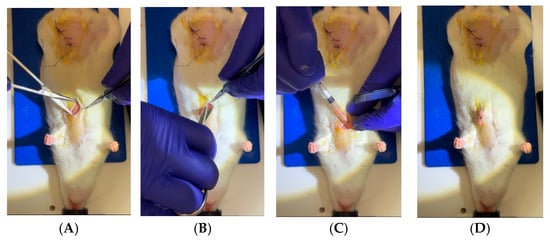
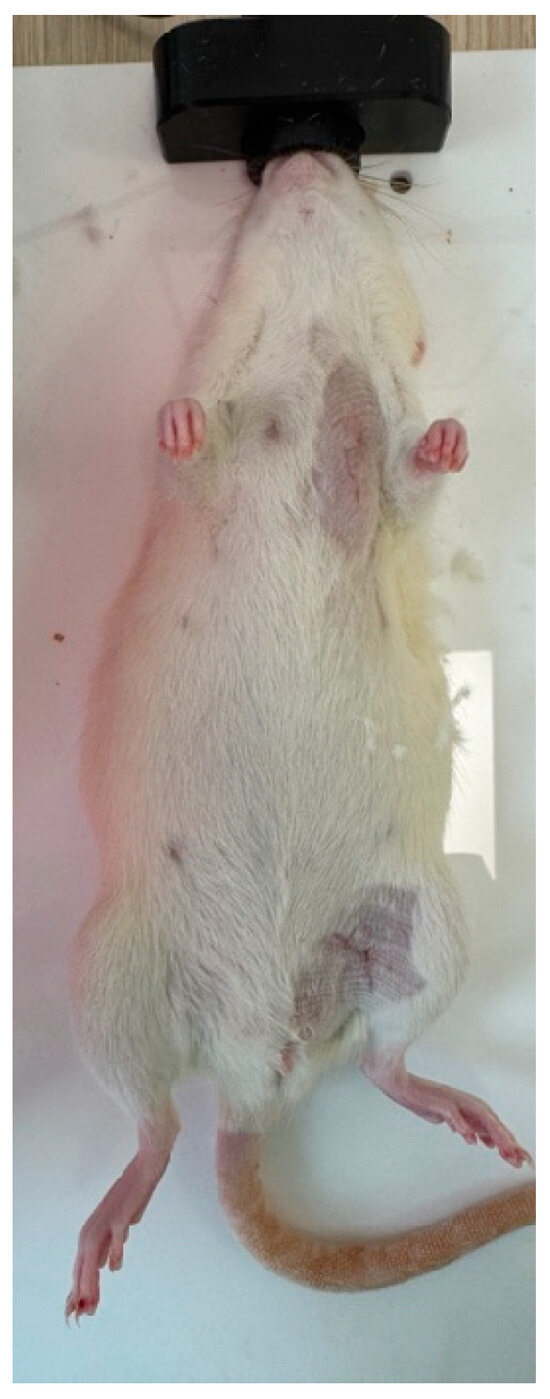
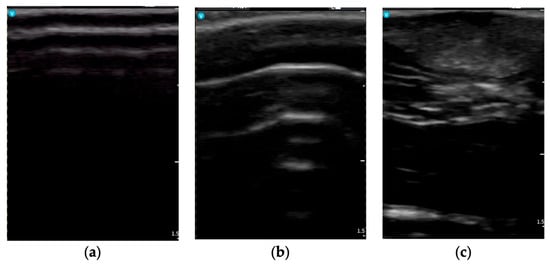
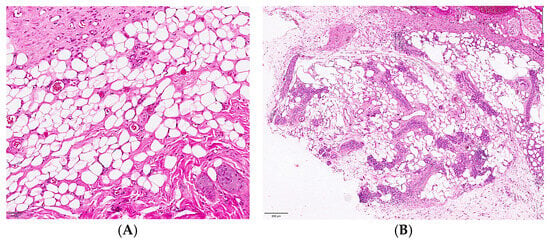
Reproducible experimental models of localized dermal–hypodermal fibrosis are essential for standardized investigation of regenerative interventions. Variability in bleomycin dosing, anatomical targeting, and assessment strategies limits cross-study comparability. This study describes a methodological framework for standardized induction of early dermal–hypodermal remodeling in a rat model followed by autologous subcutaneous tissue grafting and multimodal longitudinal evaluation. Female Wistar rats underwent subcutaneous bleomycin administration at 1 mg/kg/day for three consecutive days. Clinical documentation, high-frequency ultrasonography with fixed imaging parameters, and sequential biopsies from a predefined thoracic anatomical site were performed at baseline, intermediate reassessment, and final evaluation. Autologous subcutaneous tissue grafting was conducted at Day 17 after study initiation. The protocol enabled controlled induction of early structural remodeling and consistent longitudinal documentation of dermal–hypodermal thickness, echogenicity changes, and histological architecture within a standardized anatomical region. This protocol development study establishes a reproducible and spatially consistent experimental platform integrating imaging and histological assessment, facilitating future hypothesis-driven investigations of fibrotic remodeling and regenerative strategies.
Full article
(This article belongs to the Section Tissue Engineering and Organoids)
►▼
Show Figures

Figure 1
Open AccessArticle
Design, Preparation and Characterization of Nationally Representative Synthetic Food Waste for Reproducible Waste Valorization Research
by
Ryan Scott Anderson, Sybil Sharvelle and Susan K. De Long
Methods Protoc. 2026, 9(3), 93; https://doi.org/10.3390/mps9030093 - 10 Jun 2026
Cited by 1
Abstract
Food waste is a readily digestible and fermentable feedstock for waste to energy bioprocesses. Approximately one third of food is wasted, thus making improvements in food waste valorization is essential for a circular economy. Laboratory results must be reproducible and as representative of
[...] Read more.
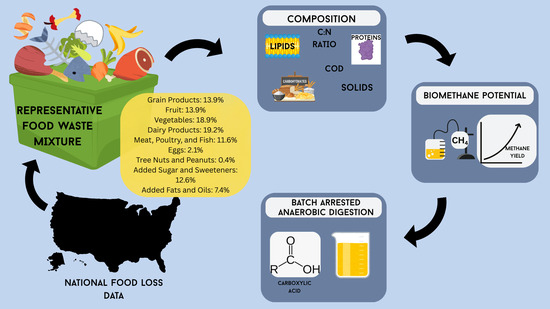
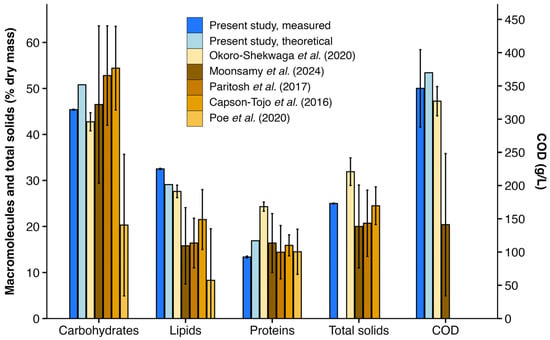
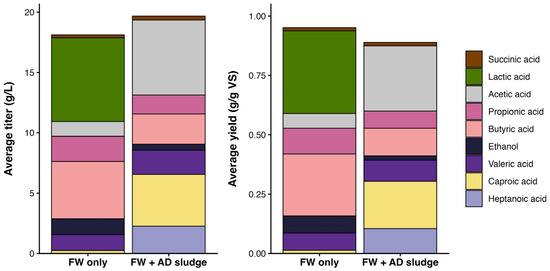
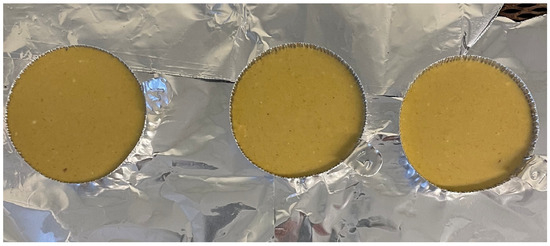
Food waste is a readily digestible and fermentable feedstock for waste to energy bioprocesses. Approximately one third of food is wasted, thus making improvements in food waste valorization is essential for a circular economy. Laboratory results must be reproducible and as representative of scaled performance as possible to facilitate knowledge sharing between research groups. Food waste used in laboratory studies is often collected in situ or overly simplistic synthetic mixtures are used. Food waste collected in situ from any one local source at a single time point (e.g., grab samples from a cafeteria or restaurant) are not reproducible or nationally representative; additionally, overly simple synthetic mixtures are reproducible, but lack the complexity of real food waste and are not nationally representative. Thus, an adequately complex, reproducible, and nationally representative food waste recipe is needed to standardize the feedstocks used in laboratory scale food waste digestion and fermentation studies. In this work, we developed a food waste recipe made from widely and commercially available ingredients which is based on national-scale food wastage data in the United States. The nationally representative food waste mixture was 45.4% carbohydrates, 32.5% lipids, and 13.4% proteins. The biomethane potential was 495 ± 44 mL CH4/g VS and the food waste mixture was suitable for use in low-pH bench-scale arrested anaerobic digesters. This design approach can be adapted for other regions and countries where food loss data are available.
Full article
(This article belongs to the Section Biochemical and Chemical Analysis & Synthesis)
►▼
Show Figures

Graphical abstract
Open AccessArticle
Cumulative Frameworks as a Pragmatic Alternative to Multivariable Modeling in Rare-Event Clinical Settings: A Coronary Care Unit Case Study
by
Daniela Mirela Vîrtosu, Simina Crișan, Oana Pătru, Angela Dragomir, Silvia Luca, Ruxandra-Maria Băghină, Mihai-Andrei Lazăr, Alina-Ramona Cozlac, Stela Iurciuc and Constantin Tudor Luca
Methods Protoc. 2026, 9(3), 92; https://doi.org/10.3390/mps9030092 - 10 Jun 2026
Abstract
Background: Risk stratification models are widely used in clinical research; however, their development becomes methodologically challenging in settings characterized by low outcome incidence. In coronary care unit (CCU) populations, healthcare-associated infections (HAIs) occur relatively infrequently, limiting the feasibility of conventional multivariable predictive
[...] Read more.
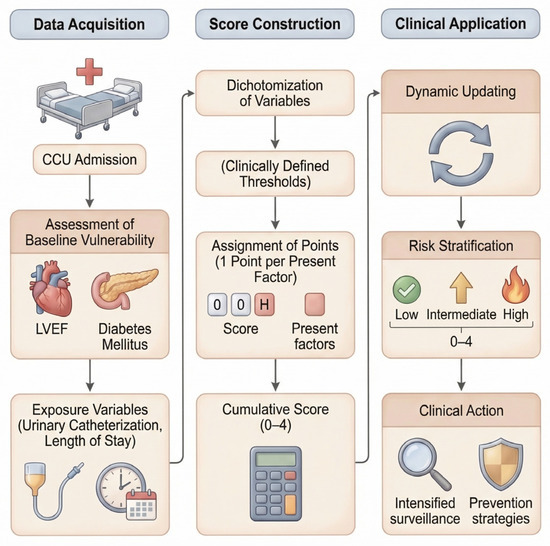
Background: Risk stratification models are widely used in clinical research; however, their development becomes methodologically challenging in settings characterized by low outcome incidence. In coronary care unit (CCU) populations, healthcare-associated infections (HAIs) occur relatively infrequently, limiting the feasibility of conventional multivariable predictive modeling. Methods: A retrospectively assembled CCU cohort comprising 870 patients with 16 HAI events (1.8%) was used as an illustrative example to examine methodological constraints associated with low events-per-variable (EPV) ratios. The implications of limited event frequency for multivariable logistic regression were evaluated, including risks of overfitting, coefficient instability, and reduced reproducibility. As an alternative strategy, a prespecified cumulative additive framework integrating baseline vulnerability and exposure-related variables was conceptually and analytically explored. Results: With four candidate predictors and 16 outcome events, the resulting EPV was approximately four, indicating a high risk of instability for conventional multivariable modeling. The cumulative framework allowed structured cumulative stratification without coefficient optimization. Infection occurrence increased progressively across cumulative framework levels, illustrating a graded pattern of increasing HAI occurrence with accumulating vulnerability and exposure-related burden. Conclusions: In clinical datasets with limited outcome events, modeling strategies should be aligned with the informational capacity of the data. Cumulative additive frameworks may represent a pragmatic structural alternative to coefficient-based modeling approaches in rare-event clinical settings. The present work provides a structured methodological framework for risk stratification under low-events-per-variable conditions rather than proposing a novel clinical scoring system.
Full article
(This article belongs to the Section Public Health Research)
►▼
Show Figures

Figure 1
Open AccessArticle
A Lightweight Workflow for Targeted Long-Read Transcriptomic Profiling Using Oxford Nanopore Sequencing
by
Mariya Levkova
Methods Protoc. 2026, 9(3), 91; https://doi.org/10.3390/mps9030091 - 4 Jun 2026
Abstract
Long-read sequencing technologies provide portable and flexible service, making them attractive for small-scale sequencing studies. However, many existing RNA-sequencing analysis frameworks are designed for transcriptome-wide analyses and require substantial computational resources. Here we present a lightweight and reproducible computational pipeline for targeted long-read
[...] Read more.
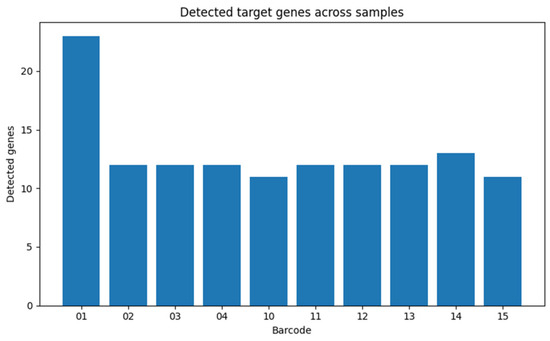
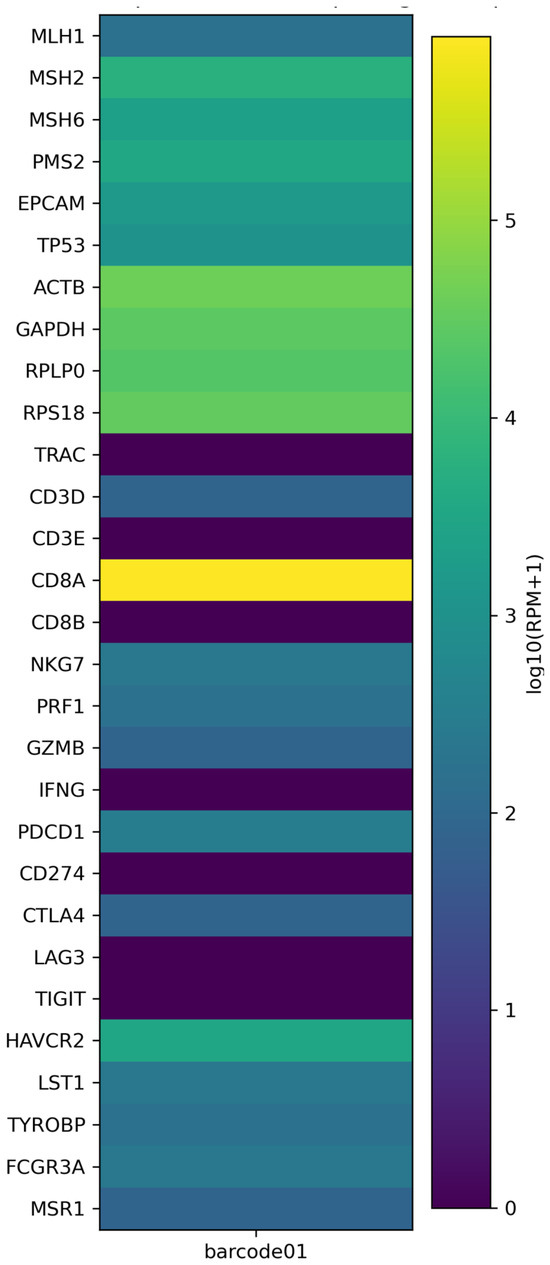
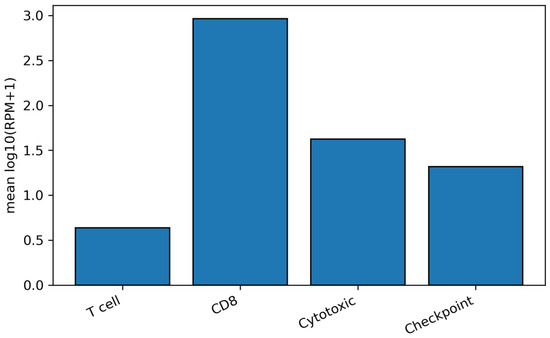
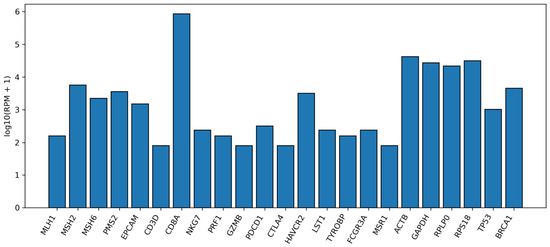
Long-read sequencing technologies provide portable and flexible service, making them attractive for small-scale sequencing studies. However, many existing RNA-sequencing analysis frameworks are designed for transcriptome-wide analyses and require substantial computational resources. Here we present a lightweight and reproducible computational pipeline for targeted long-read transcriptomic profiling using Oxford Nanopore Technologies (ONT) cDNA sequencing data. The pipeline was evaluated using targeted long-read transcriptomic datasets generated from formalin-fixed paraffin-embedded (FFPE) colorectal carcinoma samples previously classified as microsatellite instability—high (MSI-high) by PCR-based testing. Libraries were sequenced on the Oxford Nanopore MinION platform using R10.4.1 flow cells. Application of the workflow enabled rapid quantification of mismatch repair gene expression and detection of immune-related transcripts including CD8A, PDCD1, and HAVCR2 across multiplexed barcode samples. The pipeline performs targeted alignment of long-read sequencing data to a custom transcript reference panel using minimap2, followed by gene-level read counting and normalization using reads-per-million (RPM). Optional modules enable immune marker profiling, detection of reads aligning to multiple genes, exploratory variant analysis, and visualization of expression patterns. By combining simplicity, reproducibility, and minimal computational overhead, the present pipeline provides an accessible framework for targeted transcriptomic analysis of long-read sequencing data. It may facilitate adoption of ONT-based transcriptomic profiling in settings with restricted computational resources.
Full article
(This article belongs to the Section Synthetic and Systems Biology)
►▼
Show Figures

Figure 1
Open AccessTechnical Note
Content Generalizability: Generalizing Qualitative Research to the General Study Population
by
Costas S. Constantinou
Methods Protoc. 2026, 9(3), 90; https://doi.org/10.3390/mps9030090 - 4 Jun 2026
Abstract
This paper highlights an important topic in qualitative research: the generalizability of qualitative findings to the general study population. While the concept of generalizability in qualitative inquiry has been discussed, with types such as analytical generalizability and transferability being proposed, the direct generalization
[...] Read more.
This paper highlights an important topic in qualitative research: the generalizability of qualitative findings to the general study population. While the concept of generalizability in qualitative inquiry has been discussed, with types such as analytical generalizability and transferability being proposed, the direct generalization of qualitative results to the general population has received limited attention. This oversight stems largely from the prevailing belief among researchers that qualitative research cannot be generalized due to its reliance on small, non-randomized samples. This perception has led many scientists, particularly those outside the social sciences, to regard qualitative research primarily as exploratory or supplementary to quantitative findings. This paper is a technical note that presents a new concept and procedure. Based on concept analysis, content generalizability is proposed, which offers a new type of generalizability through which qualitative findings can be applied to the general population, thereby enabling them to inform policy and drive social change. Content generalizability could expand the uses of qualitative research within the scientific community by providing knowledge and insights into the experiences of the general study population. This paper also contributes to developing empirical research by testing and applying content generalizability.
Full article
(This article belongs to the Section Public Health Research)
Open AccessArticle
Comparative Study of Bacteriophage Pharmacokinetics by Different Enteral Administration Routes
by
Maria Anurova, Aleksey Kuzmin, Aleksey Vorobev, Nataliya Feldman, Elena Zinurova and Andrey Aleshkin
Methods Protoc. 2026, 9(3), 89; https://doi.org/10.3390/mps9030089 - 3 Jun 2026
Abstract
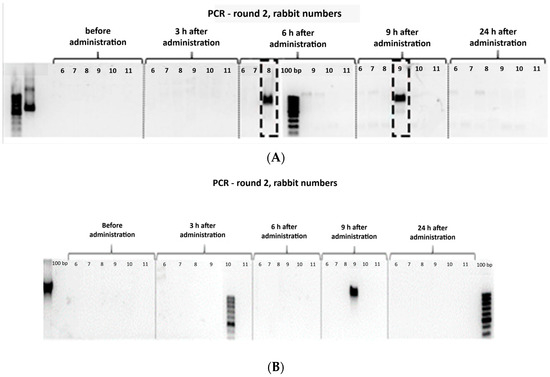
The effect of administration routes (oral and rectal) on the pharmacokinetics of Salmonella phage SE40 and Escherichia phage V18 was studied. To detect phages in biomaterial (blood, urine, and feces), the Spot-test, Gratia, and double-nested polymerase chain reaction methods were used. Systemic action
[...] Read more.
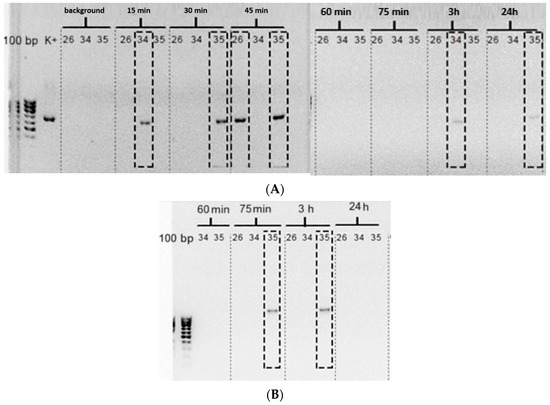
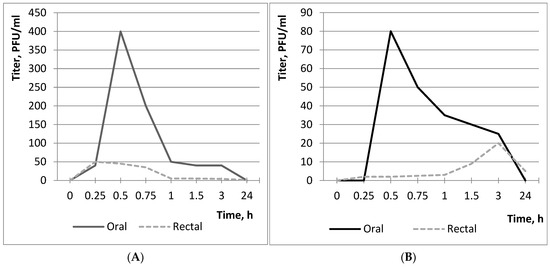
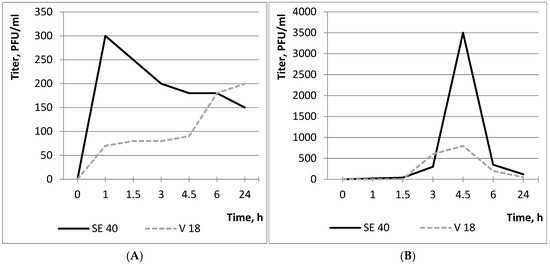
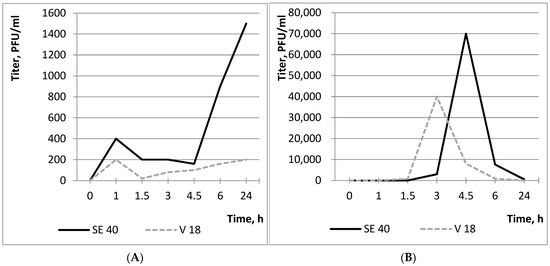
The effect of administration routes (oral and rectal) on the pharmacokinetics of Salmonella phage SE40 and Escherichia phage V18 was studied. To detect phages in biomaterial (blood, urine, and feces), the Spot-test, Gratia, and double-nested polymerase chain reaction methods were used. Systemic action of the studied phages with both routes of administration, beginning 15–30 min after administration, was demonstrated. The phages persisted for up to 24 h after both oral and rectal administration. However, the concentration in the blood was higher after oral administration, while concentrations in urine and feces were higher after rectal administration. The need to protect phages from the acidic contents of the stomach was confirmed.
Full article
(This article belongs to the Special Issue Advanced Methods and Technologies in Drug Discovery)
►▼
Show Figures

Figure 1
Open AccessArticle
A Multiresolution Breast Cancer CIBERSORTx Resource Validated for Accuracy, Interpretive Limits, and Biological and Clinical Coherence in Tumor Microenvironment Deconvolution
by
Toru Hanamura, Akinori Takase, Masanori Oshi and Naoki Niikura
Methods Protoc. 2026, 9(3), 88; https://doi.org/10.3390/mps9030088 - 2 Jun 2026
Abstract
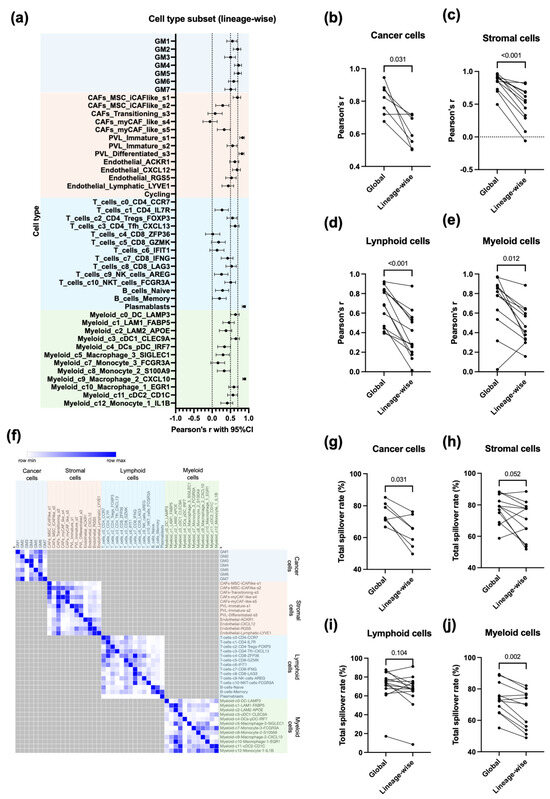
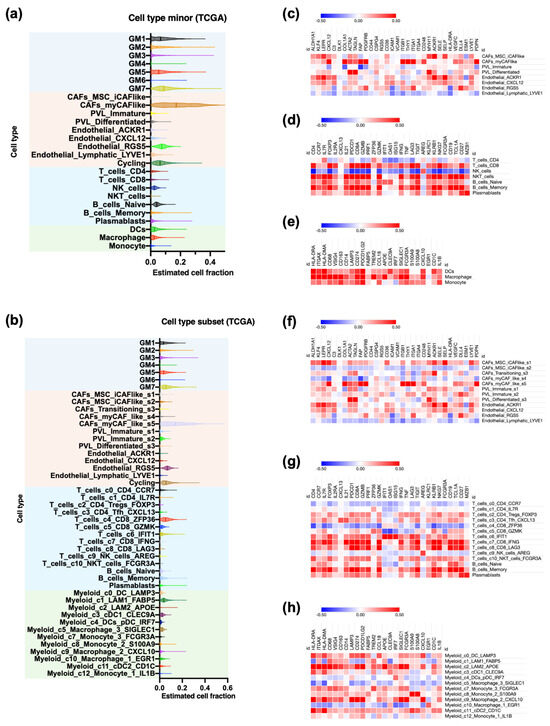
Accurate deconvolution of bulk transcriptomes is essential for characterizing the breast cancer tumor microenvironment (TME), yet existing reference matrices incompletely capture tumor-specific cellular diversity. Here, we developed breast cancer–specific multiresolution CIBERSORTx signature matrices from single-cell RNA sequencing data and systematically evaluated their analytical
[...] Read more.
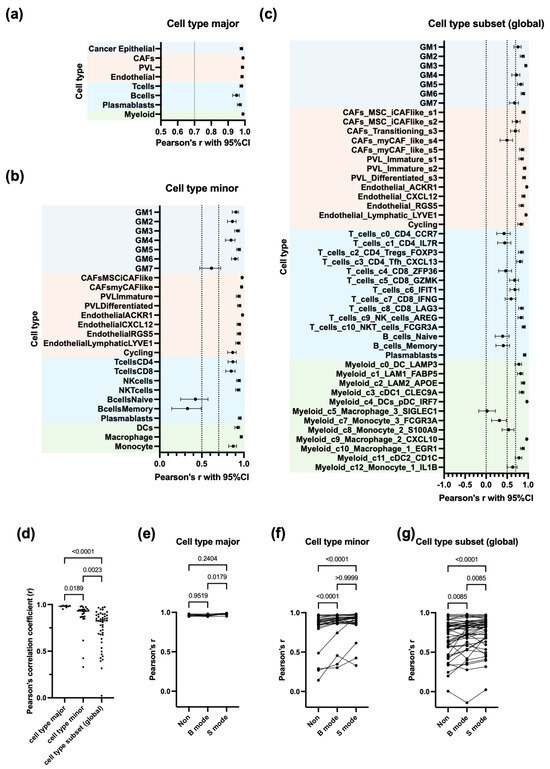
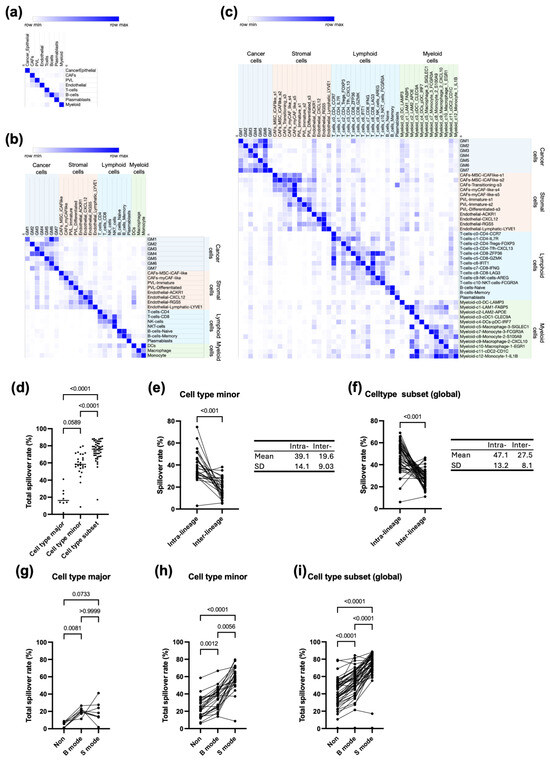
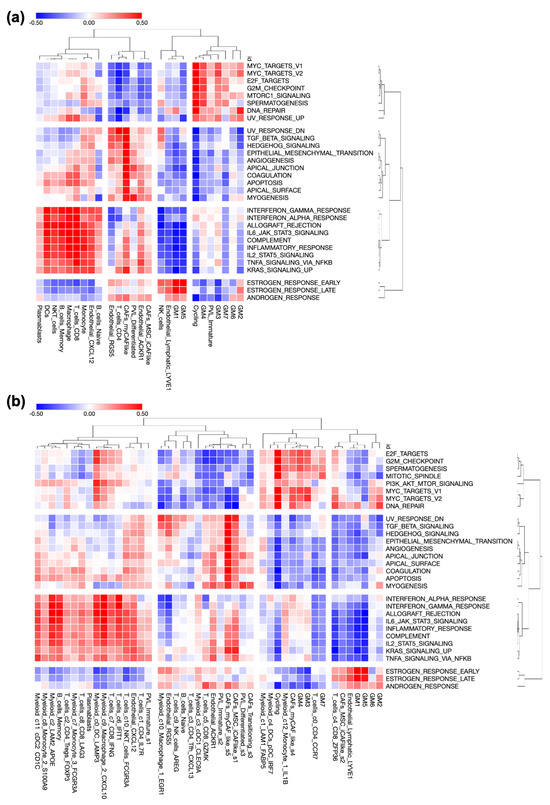
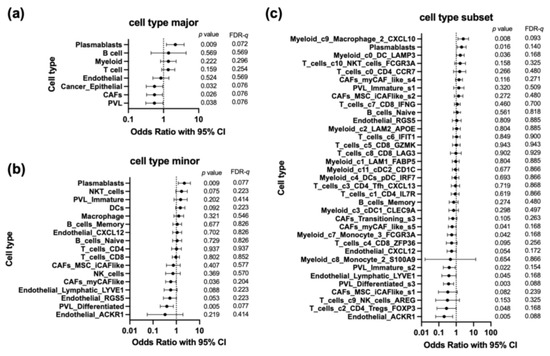
Accurate deconvolution of bulk transcriptomes is essential for characterizing the breast cancer tumor microenvironment (TME), yet existing reference matrices incompletely capture tumor-specific cellular diversity. Here, we developed breast cancer–specific multiresolution CIBERSORTx signature matrices from single-cell RNA sequencing data and systematically evaluated their analytical performance and interpretability. Major-, minor-, and subset-level matrices were constructed and assessed using pseudo-bulk mixtures and pure cell profiles, while biological and clinical coherence were evaluated in TCGA-BRCA and the I-SPY2 cohort. All matrices demonstrated high accuracy in reconstructing pseudo-bulk compositions, with performance declining at finer resolution. Spillover increased with granularity but was largely restricted within related lineages. Lineage-wise deconvolution modestly reduced spillover but consistently decreased accuracy, highlighting the importance of cross-lineage transcriptional contrast. In external datasets, most inferred cell populations showed biologically coherent associations with canonical markers and pathways, whereas some fine-resolution subsets exhibited non-canonical patterns, likely reflecting intra-lineage trade-offs or context-dependent transcriptional states. In the I-SPY2 cohort, plasmablasts and selected myeloid populations were positively associated with pathological complete response, whereas fibroblastic and perivascular-like populations showed negative associations. These findings establish a validated and interpretable resource for breast cancer TME deconvolution and clarify its performance characteristics and limitations.
Full article
(This article belongs to the Section Biomedical Sciences and Physiology)
►▼
Show Figures

Figure 1
Journal Menu
► ▼ Journal Menu-
- MPs Home
- Aims & Scope
- Editorial Board
- Topical Advisory Panel
- Early Career Editorial Board
- Instructions for Authors
- Special Issues
- Topics
- Sections & Collections
- Article Processing Charge
- Indexing & Archiving
- Editor’s Choice Articles
- Most Cited & Viewed
- Journal Statistics
- Journal History
- Journal Awards
- Editorial Office
Journal Browser
► ▼ Journal BrowserHighly Accessed Articles
Latest Books
E-Mail Alert
News
Topics
Topic in
Applied Microbiology, Fermentation, Hydrogen, Microorganisms, MPs, Resources, Water
Microbial Advances in a Sustainable Environment: Biological Waste Treatment and Bioconversion Technology
Topic Editors: Guangli Cao, Lili DongDeadline: 31 March 2027
Topic in
Molecules, Sustainability, Foods, MPs, Sci, Nutrients, Toxins, Biosensors
Ensuring Food Safety and Sustainability Under Climate Change and Globalization
Topic Editors: Daniela Araújo, Joana Castro, José Pinela, Ricardo OliveiraDeadline: 31 December 2027
Special Issues
Special Issue in
MPs
Methods on Sport Biomechanics—2nd Edition
Guest Editors: Didier Pradon, Jean Slawinski, Arnaud FaupinDeadline: 31 July 2026
Special Issue in
MPs
Spectroscopic Methods of Analysis
Guest Editors: Daniel Cozzolino, James Chapman, Aoife PowerDeadline: 20 August 2026
Special Issue in
MPs
Advanced Methods and Technologies in Drug Discovery
Guest Editors: Fernando Albericio, Philip Hublitz, Ivana ŠagudDeadline: 31 August 2026
Special Issue in
MPs
Analytical Methods in Natural Sciences and Archaeometry
Guest Editors: Nikolaos A. Kazakis, Lamprini Malletzidou, Nikolaos LaskarisDeadline: 30 September 2026
Topical Collections
Topical Collection in
MPs
Current Advances and Methodologies in Gene Editing
Collection Editors: Philip Hublitz, Antónia Monteiro
Topical Collection in
MPs
Green Chemistry
Collection Editors: Artur M. S. Silva, Diana Cláudia Gouveia Alves Pinto
Topical Collection in
MPs
Analytical Chemistry Methods and Protocols: From Standard Practices to New Sustainable Approaches
Collection Editors: Victoria Samanidou, Verónica Pino, Natasa Kalogiouri