Dear Colleagues,
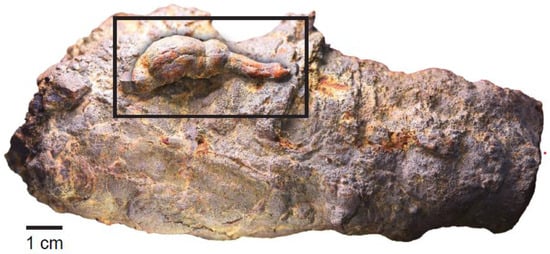
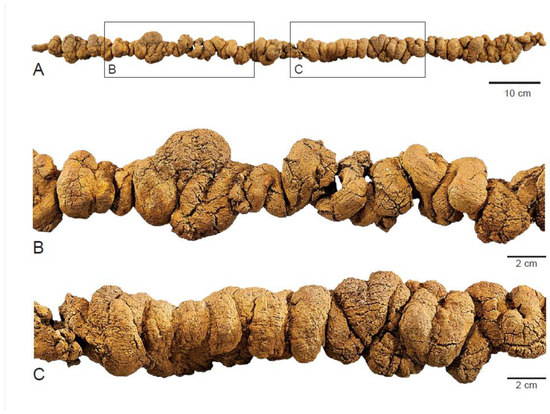
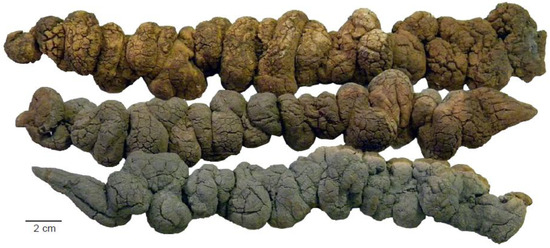
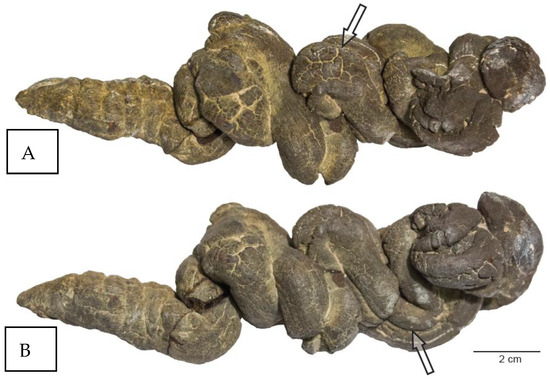
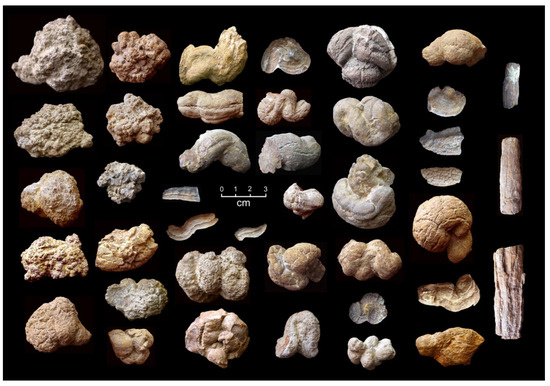
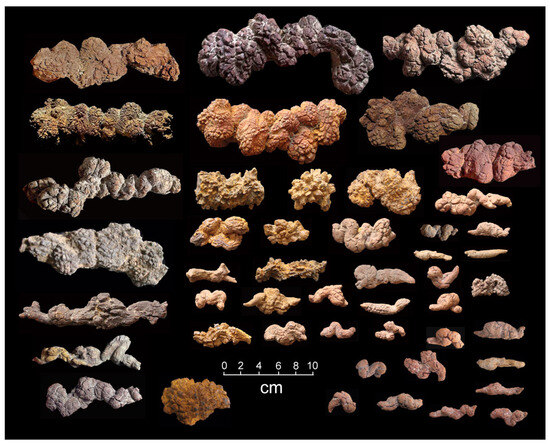
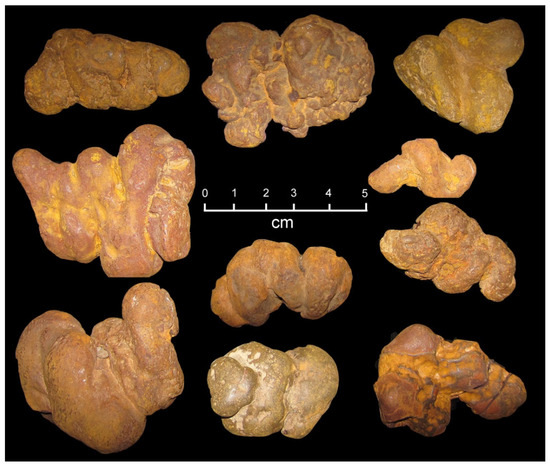
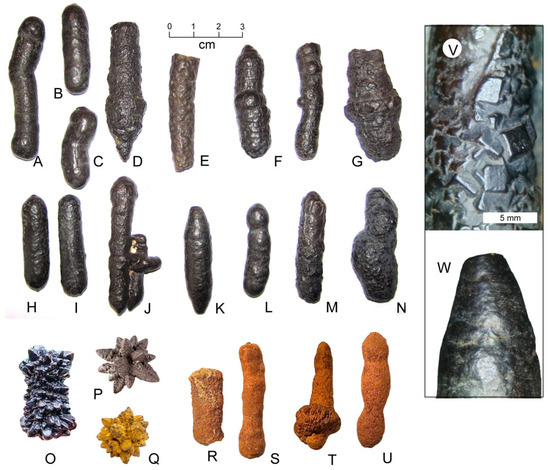
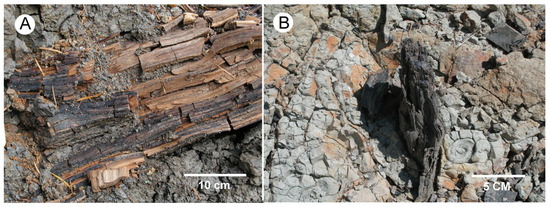
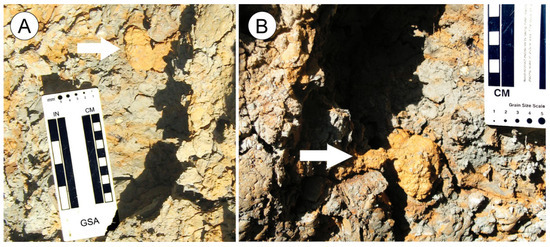
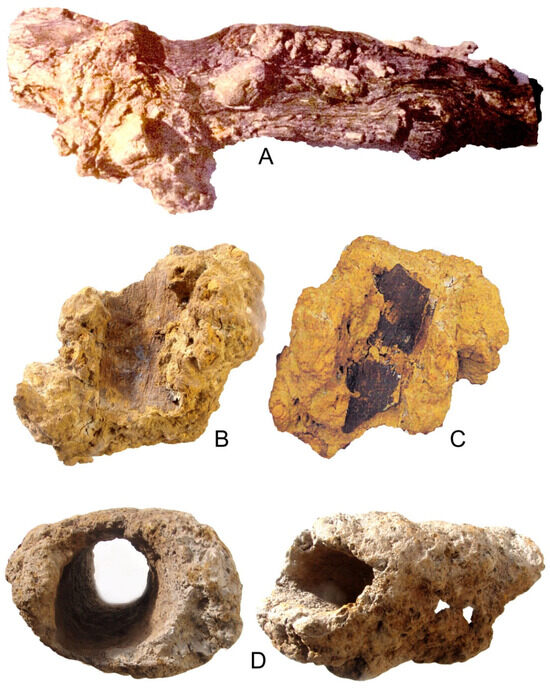
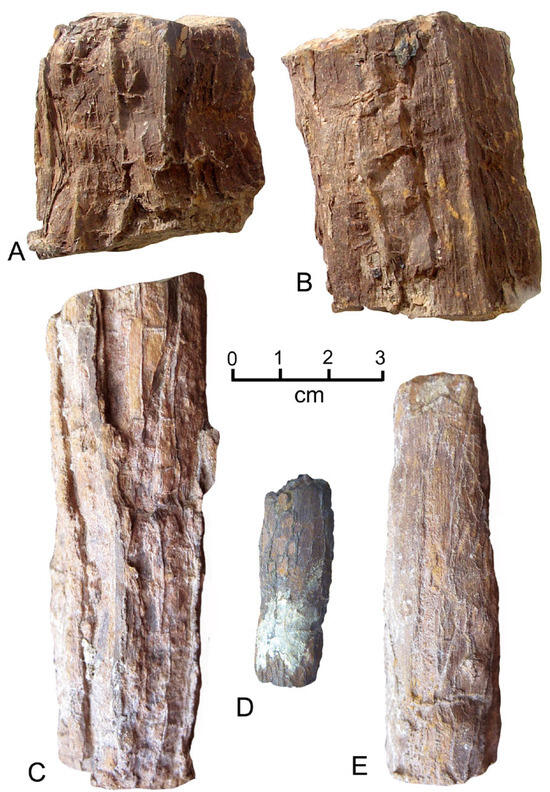
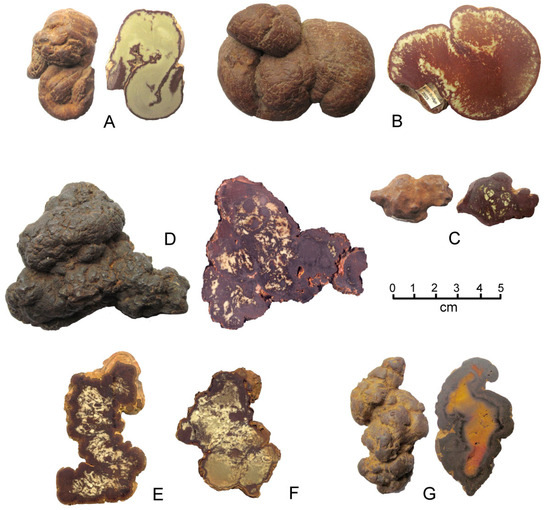
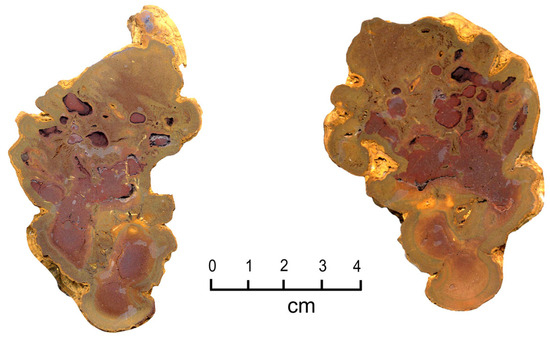
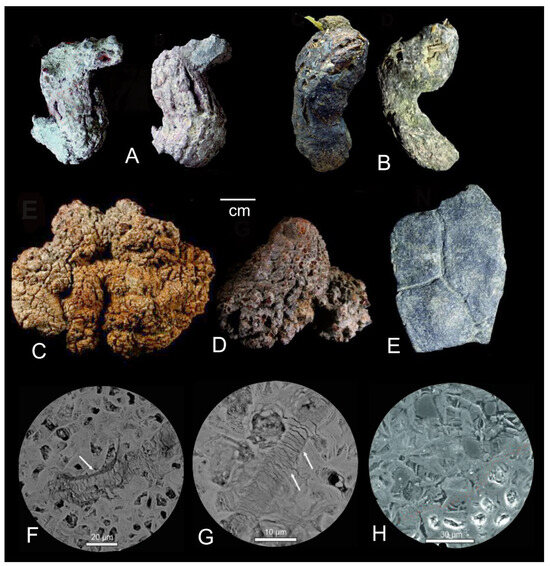
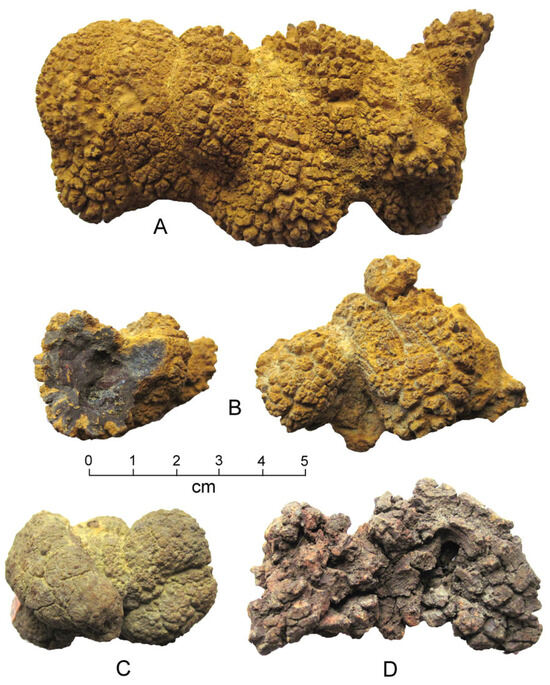
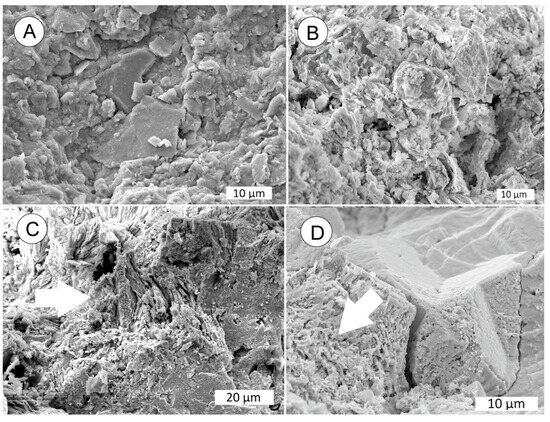
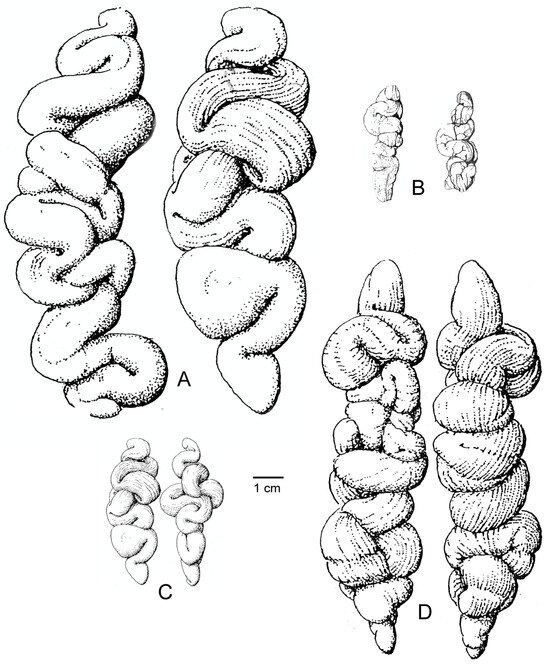
A fossil is evidence of life preserved in a geologic context, including the preserved remains or traces of an animal, plant, or other organism from a past geologic age. The presence of biominerals in fossils has two main origins: (1) biogenic origin—biominerals were directly produced by the living organism (e.g., teeth or mollusk shells; (2) diagenetic changes resulting from modifications that occurred during the geological history of a preserved organism, as when a plant leaf becomes mineralized after its death.
A third category is the “living fossil”, when an organism is firstly known as fossil record and later discovered in living form.
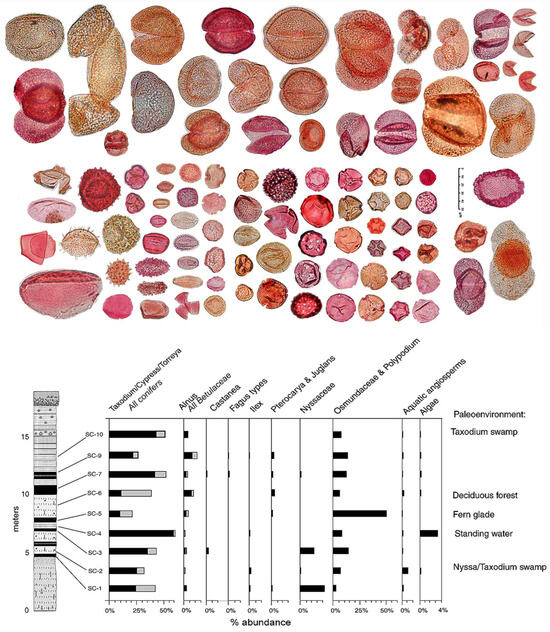
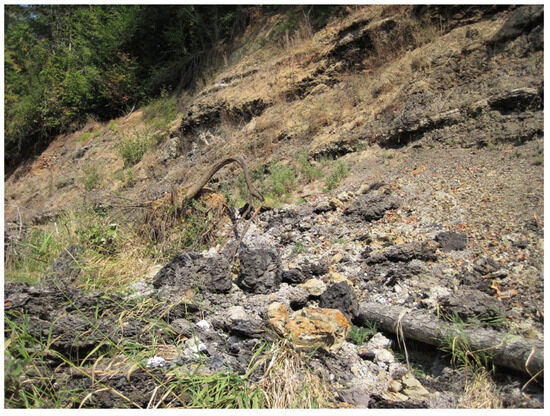
Fossils are not rare in archaeological and geological sites, whatever the category. They are used for paleoenvironmental reconstructions, paleoclimatology, paleophysiology, and for phylogenetic purposes. Fossil shells and skeletons are also a source of inspiration to create new biomaterials.
Nevertheless, many questions remain regarding the factors that determine the formation, structure, and composition of both biogenic and diagenetic minerals. Consequently, this topical collection on the “Structure and Composition of Fossils” will feature recent advances and reviews related to research focusing on these mineral types.
Dr. Yannicke Dauphin
Dr. Jean-Pierre Cuif
Collection Editors
Manuscript Submission Information
Manuscripts should be submitted online at www.mdpi.com by registering and logging in to this website. Once you are registered, click here to go to the submission form. All submissions that pass pre-check are peer-reviewed. Accepted papers will be published continuously in the journal (as soon as accepted) and will be listed together on the collection website. Research articles, review articles as well as short communications are invited. For planned papers, a title and short abstract (about 250 words) can be sent to the Editorial Office for assessment.
Submitted manuscripts should not have been published previously, nor be under consideration for publication elsewhere (except conference proceedings papers). All manuscripts are thoroughly refereed through a single-blind peer-review process. A guide for authors and other relevant information for submission of manuscripts is available on the Instructions for Authors page. Minerals is an international peer-reviewed open access monthly journal published by MDPI.
Please visit the Instructions for Authors page before submitting a manuscript.
The Article Processing Charge (APC) for publication in this open access journal is 2400 CHF (Swiss Francs).
Submitted papers should be well formatted and use good English. Authors may use MDPI's
English editing service prior to publication or during author revisions.