
Journal Description
Journal of Nanotheranostics
is an international, peer-reviewed, open access journal on nanotheranostics published quarterly online by MDPI.
- Open Access—free for readers, with article processing charges (APC) paid by authors or their institutions.
- Rapid Publication: manuscripts are peer-reviewed and a first decision is provided to authors approximately 24.1 days after submission; acceptance to publication is undertaken in 4.2 days (median values for papers published in this journal in the second half of 2025).
- Recognition of Reviewers: APC discount vouchers, optional signed peer-review and reviewer names published annually in the journal.
Latest Articles
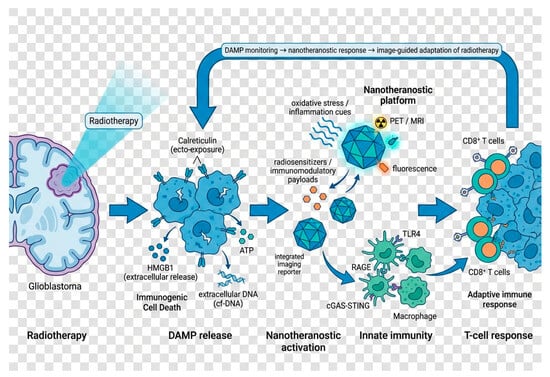
Dual Immune-Regulatory Role of DAMPs in Glioblastoma Radiotherapy
J. Nanotheranostics 2026, 7(2), 8; https://doi.org/10.3390/jnt7020008 - 8 Apr 2026
Abstract
►
Show Figures
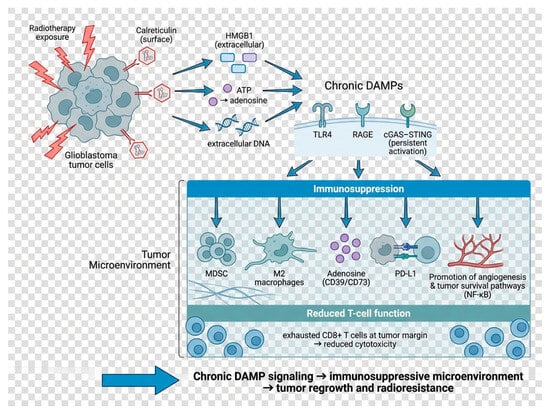
Glioblastoma (GBM) remains among the most treatment-refractory human malignancies. It is characterized by profound radioresistance and a highly immunosuppressive tumor microenvironment, limiting the durable efficacy of radiotherapy. Beyond direct cytotoxicity, ionizing radiation can induce immunogenic cell death and the release of damage-associated molecular
[...] Read more.
Glioblastoma (GBM) remains among the most treatment-refractory human malignancies. It is characterized by profound radioresistance and a highly immunosuppressive tumor microenvironment, limiting the durable efficacy of radiotherapy. Beyond direct cytotoxicity, ionizing radiation can induce immunogenic cell death and the release of damage-associated molecular patterns (DAMPs), including surface-exposed calreticulin, HMGB1, extracellular ATP/adenosine, and tumor-derived DNA. These signals engage pattern-recognition receptors and cGAS–STING–type I interferon pathways, transiently promoting antigen presentation and immune activation. In GBM, however, DAMP signaling frequently evolves toward chronic inflammation and immune suppression, characterized by myeloid cell recruitment, adenosine accumulation, and immune checkpoint upregulation, thereby contributing to tumor regrowth and radioresistance. This dual immune-regulatory role of DAMPs highlights the importance of temporal and contextual interpretation of radiation-induced immune responses. In this review, we summarize current mechanistic and translational evidence on DAMP-mediated immunomodulation in GBM radiotherapy; discuss modality-dependent considerations across photon, proton, and high-LET irradiation; and evaluate the emerging potential of DAMPs as dynamic biomarkers of treatment response. We further outline how integration of DAMP profiling with liquid biopsy, imaging, and nanotheranostic platforms may support biologically informed and adaptive radiotherapy strategies for glioblastoma.
Full article
Open AccessReview
Magnetic Nanoparticles in Theranostics: From Controlled Synthesis and Surface Engineering to Biological Performance and Clinical Translation
by
Gabriel Tolardo Colombo, Ruan Rompato Vieira, Gustavo Sanguino Dias, Marcia Edilaine Lopes Consolaro, Ivair Aparecido dos Santos, Raquel Dosciatti Bini and Luiz Fernando Cotica
J. Nanotheranostics 2026, 7(1), 7; https://doi.org/10.3390/jnt7010007 - 11 Mar 2026
Abstract
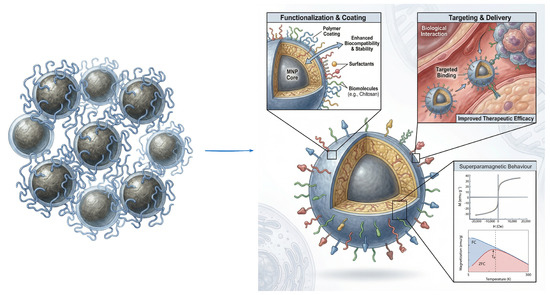
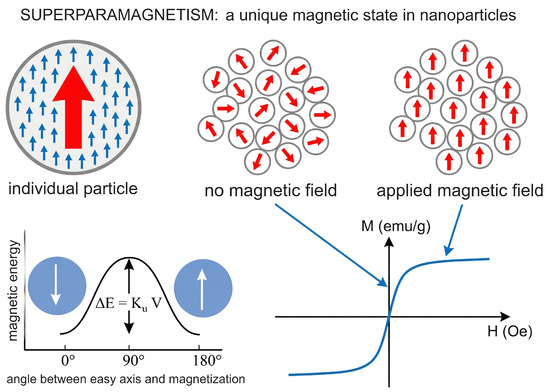
The usage of magnetic nanoparticles (MNPs), particularly iron oxide-based systems such as magnetite ( ) and maghemite ( - ), has significantly advanced the field of theranostics. These nanoparticles unite therapeutic and diagnostic capabilities
[...] Read more.
The usage of magnetic nanoparticles (MNPs), particularly iron oxide-based systems such as magnetite ( ) and maghemite ( - ), has significantly advanced the field of theranostics. These nanoparticles unite therapeutic and diagnostic capabilities due to their favorable magnetic properties and surface engineering potential. However, the path from synthesis to clinical application poses substantial challenges, including optimization of structure–property–function relationships, biocompatibility issues, and effective surface functionalization. Various synthesis methods, such as co-precipitation and thermal decomposition, aim to achieve specific nanoparticle characteristics, although they encounter obstacles related to scalability and reproducibility. Furthermore, characterizing these systems through structural, microstructural and spectroscopic techniques is vital to determine their functional efficacy and ensure their safe biomedical usage. This review comprehensively examines recent advancements and identifies existing challenges in the clinical translation of MNPs, highlighting the need for refined methods and standardized protocols to effectively exploit their theranostic potential. It outlines future directions, emphasizing the importance of green synthesis and robust characterization frameworks to enhance the integration of MNPs in personalized medicine.
Full article
(This article belongs to the Special Issue Feature Review Papers in Nanotheranostics)
►▼
Show Figures

Graphical abstract
Open AccessReview
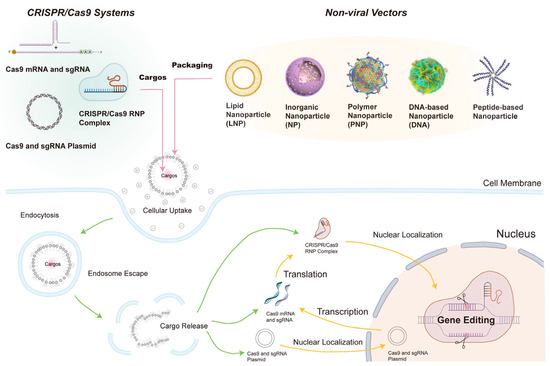
Nano-Enabled CRISPR-Cas Gene Editing for Cancer Therapeutics
by
Liangzhi Luo, Pengjun Sun, Tianyi Zhang, Ziyao Zhou, Tianle Zhang and Ziyang Hao
J. Nanotheranostics 2026, 7(1), 6; https://doi.org/10.3390/jnt7010006 - 9 Mar 2026
Abstract
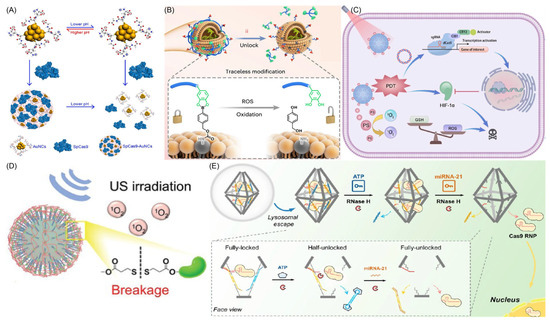
While CRISPR-Cas9 enables precise targeting of cancer-driving genetic aberrations, its clinical application is impeded by instability, delivery inefficiencies, and immunogenicity. Nanotechnology addresses these challenges by engineering nanocarriers that facilitate enhanced cellular uptake, promote efficient endosomal escape, and ensure targeted delivery. This review summarizes
[...] Read more.
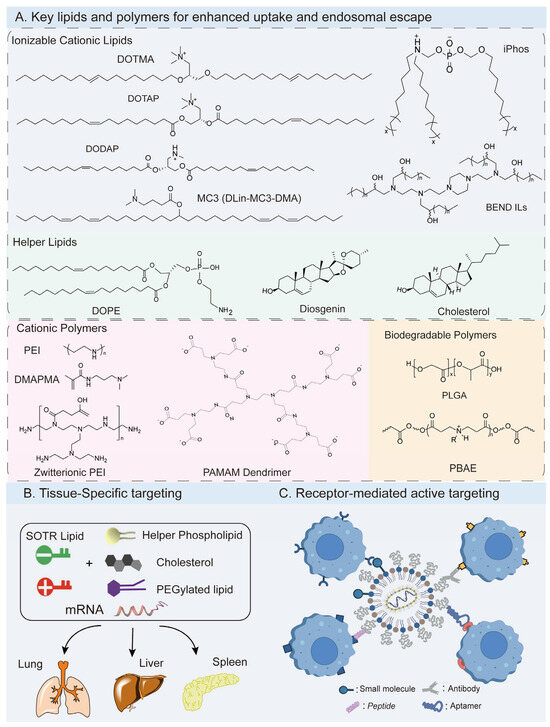
While CRISPR-Cas9 enables precise targeting of cancer-driving genetic aberrations, its clinical application is impeded by instability, delivery inefficiencies, and immunogenicity. Nanotechnology addresses these challenges by engineering nanocarriers that facilitate enhanced cellular uptake, promote efficient endosomal escape, and ensure targeted delivery. This review summarizes current progress in nano-integrated CRISPR-Cas systems for cancer therapeutics, highlighting recent advancements in stimuli-responsive nanoplatforms for precise genome editing and their prospects for clinical application.
Full article
(This article belongs to the Special Issue Feature Review Papers in Nanotheranostics)
►▼
Show Figures

Figure 1
Open AccessCorrection
Correction: Pang et al. Nanotechnology-Enhanced Orthopaedic Surgery. J. Nanotheranostics 2024, 5, 167–187
by
Alexander Shao-Rong Pang, Zi Qiang Glen Liau, Jacob Yoong-Leong Oh and Dinesh Kumar Srinivasan
J. Nanotheranostics 2026, 7(1), 5; https://doi.org/10.3390/jnt7010005 - 26 Feb 2026
Abstract
In the original publication [...]
Full article
Open AccessReview
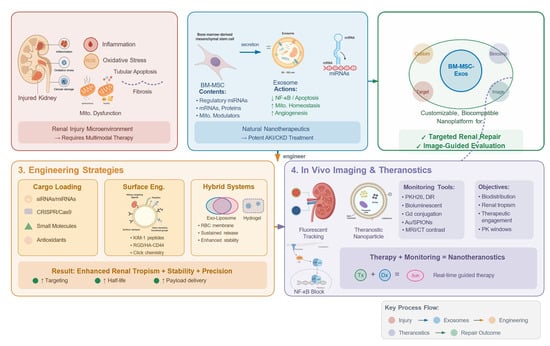
A Comprehensive Review of Engineered Bone Marrow Mesenchymal Stem Cell-Derived Exosomes as Nanotheranostic Platforms for Acute and Chronic Kidney Diseases
by
Marcia Bastos Convento and Fernanda Teixeira Borges
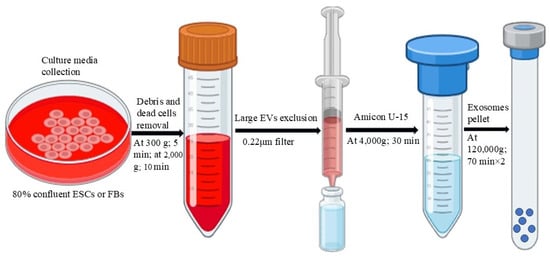
J. Nanotheranostics 2026, 7(1), 4; https://doi.org/10.3390/jnt7010004 - 13 Feb 2026
Abstract
Acute and chronic kidney diseases remain significant challenges in regenerative medicine, with few therapies capable of reversing tissue injury or preventing progression. Bone marrow mesenchymal stem cell-derived exosomes (BM-MSC-Exos) are nanosized vesicles (30–150 nm) that have emerged as multifunctional nanotheranostic platforms, combining targeted
[...] Read more.
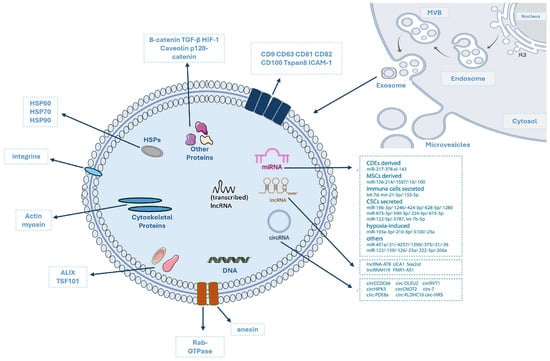
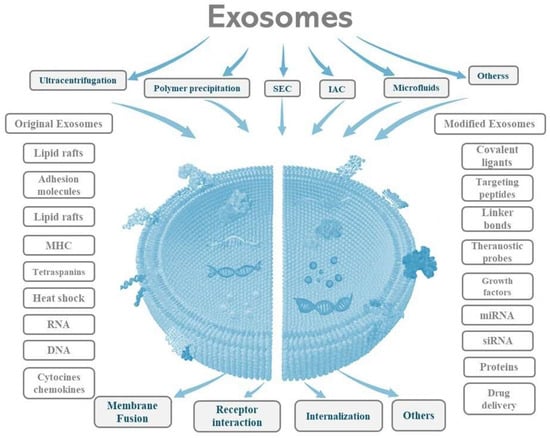
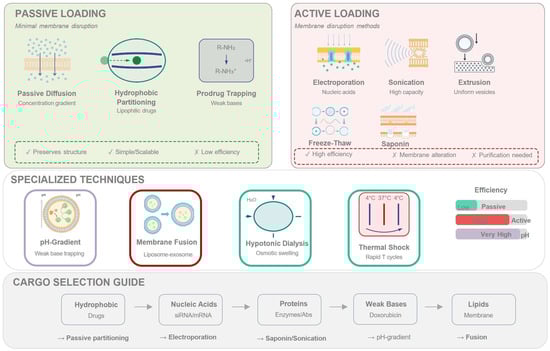
Acute and chronic kidney diseases remain significant challenges in regenerative medicine, with few therapies capable of reversing tissue injury or preventing progression. Bone marrow mesenchymal stem cell-derived exosomes (BM-MSC-Exos) are nanosized vesicles (30–150 nm) that have emerged as multifunctional nanotheranostic platforms, combining targeted therapeutic activity with imaging-enabled monitoring. In renal pathophysiology, BM-MSC-Exos exert anti-inflammatory, anti-fibrotic, angiogenic, and pro-regenerative effects. These actions are mediated by microRNAs, messenger RNAs, mitochondrial regulators, and bioactive proteins that modulate epithelial repair and immune responses. Recent bioengineering advances enable more precise BM-MSC-Exos design, including enrichment with synthetic RNAs or gene-editing components and membrane functionalization to enhance kidney tropism. In parallel, fluorescence, bioluminescence, and nanoparticle-based approaches support in vivo tracking. These tools allow real-time assessment of biodistribution and tubular uptake, strengthening evidence for target engagement. This review synthesizes current knowledge on BM-MSC-Exos in renal repair. We summarize contemporary strategies for cargo and surface engineering, outline imaging methodologies for in vivo tracking, and discuss how administration routes influence renal targeting. We also provide an updated overview of clinical trials evaluating exosomes as therapeutic agents or biomarkers in nephrology. Collectively, engineered BM-MSC-Exos represent a promising and increasingly sophisticated platform for precision-guided kidney therapy, supported by monitoring tools that facilitate preclinical evaluation of biodistribution and efficacy.
Full article
(This article belongs to the Special Issue Feature Review Papers in Nanotheranostics)
►▼
Show Figures

Graphical abstract
Open AccessReview
From Words to Frameworks: Transformer Models for Metal–Organic Framework Design in Nanotheranostics
by
Cristian F. Rodríguez, Paula Guzmán-Sastoque, Juan Esteban Rodríguez, Wilman Sanchez-Hernandez and Juan C. Cruz
J. Nanotheranostics 2026, 7(1), 3; https://doi.org/10.3390/jnt7010003 - 6 Feb 2026
Abstract
►▼
Show Figures
Metal–organic frameworks (MOFs) are among the most structurally diverse classes of crystalline nanomaterials, offering exceptional tunability, porosity, and chemical modularity. These characteristics have positioned MOFs as promising platforms for nanomedicine, bioimaging, and integrated nanotheranostic applications. However, the rational design of MOFs that satisfy
[...] Read more.
Metal–organic frameworks (MOFs) are among the most structurally diverse classes of crystalline nanomaterials, offering exceptional tunability, porosity, and chemical modularity. These characteristics have positioned MOFs as promising platforms for nanomedicine, bioimaging, and integrated nanotheranostic applications. However, the rational design of MOFs that satisfy stringent biomedical requirements, including high drug loading capacity, controlled and stimuli responsive release, selective targeting, physiological stability, biodegradability, and multimodal imaging capability, remains challenging due to the vast combinatorial design space and the complex interplay between physicochemical properties and biological responses. The objective of this review is to critically examine recent advances in artificial intelligence approaches based on Transformer architectures for the design and optimization of MOFs aimed at next-generation nanotheranostics. In contrast to prior reviews that broadly survey machine learning methods for MOF research, this article focuses specifically on Transformer-based models and their ability to capture long-range, hierarchical, and multiscale relationships governing MOF structure, chemistry, and functional behavior. We review state-of-the-art models, including MOFormer, MOFNet, MOFTransformer, and Uni MOF, and discuss graph-based and sequence-based representations used to encode MOF topology and composition. This review highlights how Transformer-based models enable predictive assessment of properties directly relevant to nanotheranostic performance, such as adsorption energetics, framework stability, diffusion pathways, pore accessibility, and surface functionality. By explicitly linking these predictive capabilities to drug delivery efficiency, imaging performance, targeted therapeutic action, and combined diagnostic and therapeutic applications, this work delineates the specific contribution of Transformer-based artificial intelligence to biomedical translation. Finally, we discuss emerging opportunities and remaining challenges, including generative Transformer models for inverse MOF design, self-supervised learning on hybrid experimental and computational datasets, and integration with autonomous synthesis and screening workflows. By defining the scope, novelty, and contribution of Transformer-based design strategies, this review provides a focused roadmap for accelerating the development of MOF-based platforms for next-generation nanotheranostics.
Full article

Figure 1
Open AccessArticle
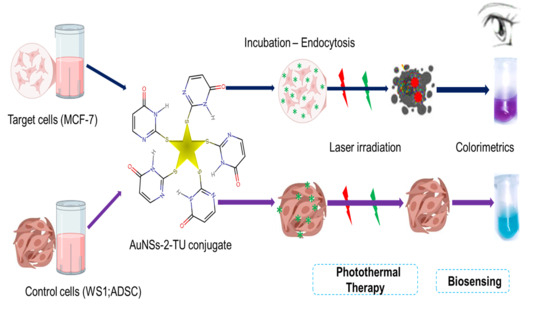
Anisotropic Gold Nanostars Functionalized with 2-Thiouracil: A Multifunctional Platform for Colorimetric Biosensing and Photothermal Cancer Therapy
by
Tozivepi Aaron Munyayi, Anine Crous and Heidi Abrahamse
J. Nanotheranostics 2026, 7(1), 2; https://doi.org/10.3390/jnt7010002 - 8 Jan 2026
Cited by 1
Abstract
This study presents a multifunctional theranostic platform based on anisotropic gold nanostars (AuNSs) functionalized with 2-thiouracil (2-TU) for cancer diagnostics and photothermal therapy (PTT). The unique plasmonic properties of AuNSs, combined with the anticancer and photothermal potential of 2-TU, were harnessed to create
[...] Read more.
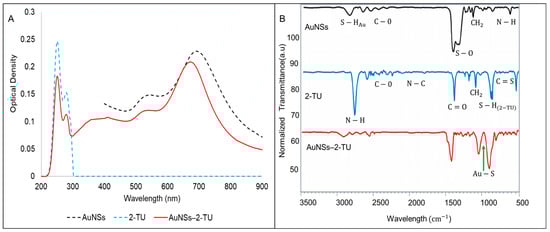
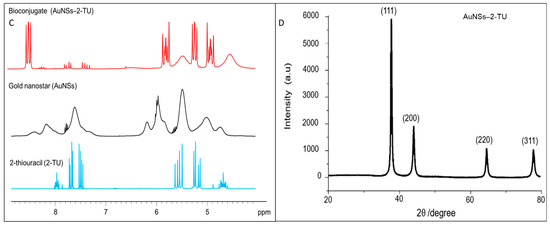
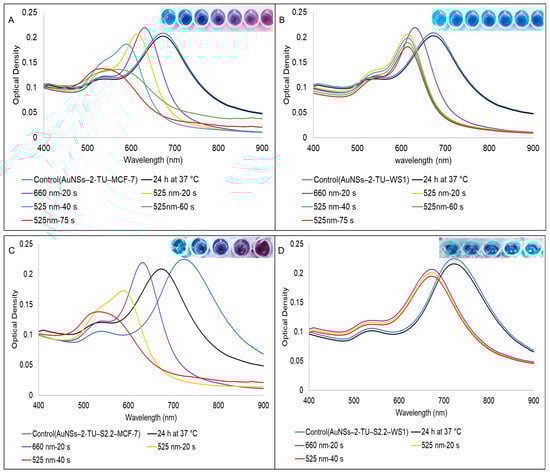
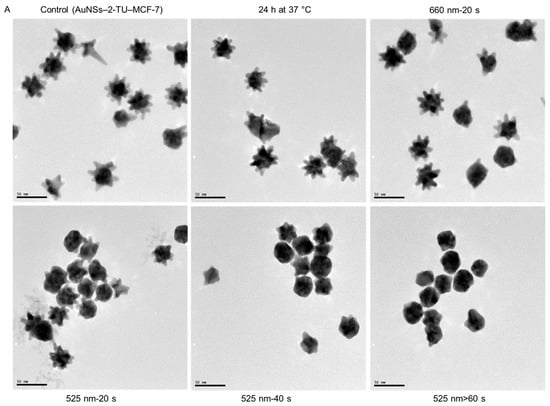
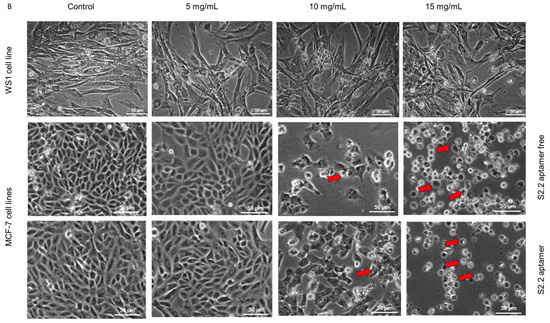
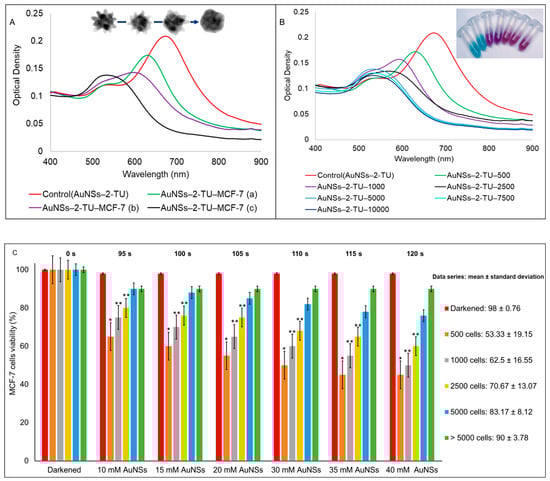
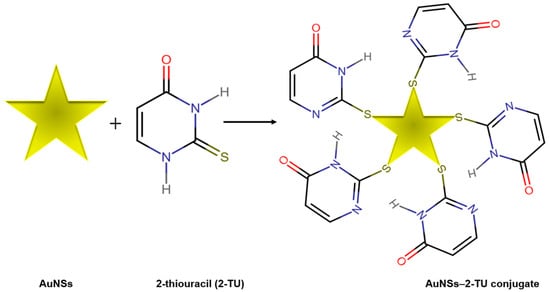
This study presents a multifunctional theranostic platform based on anisotropic gold nanostars (AuNSs) functionalized with 2-thiouracil (2-TU) for cancer diagnostics and photothermal therapy (PTT). The unique plasmonic properties of AuNSs, combined with the anticancer and photothermal potential of 2-TU, were harnessed to create a system capable of simultaneous colorimetric biosensing and therapeutic action. Under dual-wavelength irradiation (660 nm and 525 nm), the AuNSs–2-TU conjugate demonstrated enhanced photothermal conversion efficiency, selective cancer cell targeting, and signal amplification, resulting in a significant reduction in the IC50 for MCF-7 breast cancer cells. The system exhibited minimal cytotoxicity to normal fibroblasts (WS1), ensuring therapeutic precision. Compared to conventional spherical gold nanoparticles, this platform provides superior multifunctionality, including real-time biosensing with simple, naked-eye colorimetric readouts. These results highlight the potential of the AuNSs–2-TU conjugate as an innovative, minimally invasive nanotheranostic platform suitable for integrated cancer detection and treatment, particularly in resource-constrained settings.
Full article
(This article belongs to the Special Issue Advances in Nanoscale Drug Delivery Technologies and Theranostics)
►▼
Show Figures

Graphical abstract
Open AccessReview
Stem Cell-Derived Exosomes for Diabetic Wound Healing: Mechanisms, Nano-Delivery Systems, and Translational Perspectives
by
Sumsuddin Chowdhury, Aman Kumar, Preeti Patel, Balak Das Kurmi, Shweta Jain, Banty Kumar and Ankur Vaidya
J. Nanotheranostics 2026, 7(1), 1; https://doi.org/10.3390/jnt7010001 - 6 Jan 2026
Abstract
Diabetic wounds remain chronically non-healing due to impaired angiogenesis, persistent inflammation, and defective extracellular matrix remodelling. In recent years, stem cell-derived exosomes have emerged as a potent cell-free regenerative strategy capable of recapitulating the therapeutic benefits of mesenchymal stem cells while avoiding risks
[...] Read more.
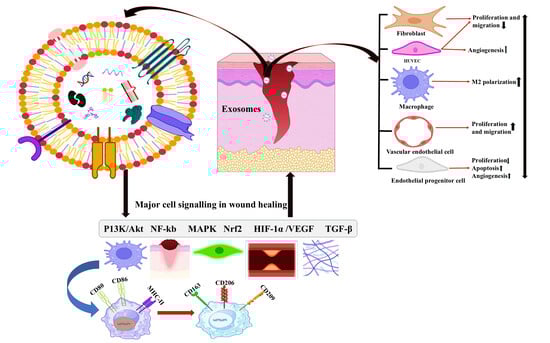
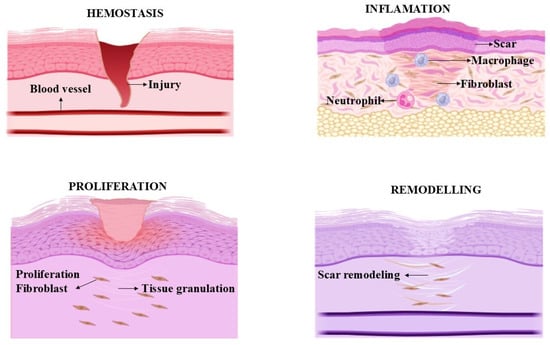
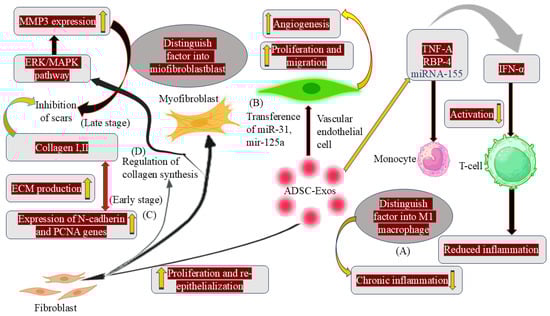
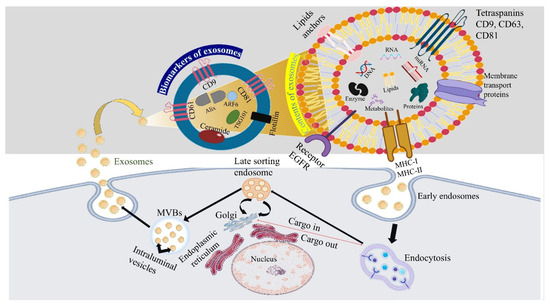
Diabetic wounds remain chronically non-healing due to impaired angiogenesis, persistent inflammation, and defective extracellular matrix remodelling. In recent years, stem cell-derived exosomes have emerged as a potent cell-free regenerative strategy capable of recapitulating the therapeutic benefits of mesenchymal stem cells while avoiding risks associated with direct cell transplantation. This review critically evaluates the preclinical evidence supporting the use of exosomes derived from adipose tissue, bone marrow, umbilical cord, and induced pluripotent stem cells for diabetic wound repair. These exosomes deliver bioactive cargos such as microRNAs, proteins, lipids, and cytokines that modulate key signalling pathways, including Phosphatidylinositol 3-kinase/Protein kinase (PI3K/Akt), Nuclear factor kappa B (NF-κB), Mitogen-activated protein kinase (MAPK), Transforming growth factor-beta (TGF-β/Smad), and Hypoxia inducible factor-1α/Vascular endothelial growth factor (HIF-1α/VEGF), thereby promoting angiogenesis, accelerating fibroblast and keratinocyte proliferation, facilitating re-epithelialization, and restoring immune balance through M2 macrophage polarization. A central focus of this review is the recent advances in exosome-based delivery systems, including hydrogels, microneedles, 3D scaffolds, and decellularized extracellular matrix composites, which significantly enhance exosome stability, retention, and targeted release at wound sites. Comparative insights between stem cell therapy and exosome therapy highlight the superior safety, scalability, and regulatory advantages of exosome-based approaches. We also summarize progress in exosome engineering, manufacturing, quality control, and ongoing clinical investigations, along with challenges related to standardization, dosage, and translational readiness. Collectively, this review provides a comprehensive mechanistic and translational framework that positions stem cell-derived exosomes as a next-generation, cell-free regenerative strategy with the potential to overcome current therapeutic limitations and redefine clinical management of diabetic wound healing.
Full article
(This article belongs to the Special Issue Feature Review Papers in Nanotheranostics)
►▼
Show Figures

Graphical abstract
Open AccessReview
Application of Metal-Doped Nanomaterials in Cancer Diagnosis and Treatment
by
Xinhao Jin and Qi Sun
J. Nanotheranostics 2025, 6(4), 35; https://doi.org/10.3390/jnt6040035 - 17 Dec 2025
Abstract
Cancer remains a severe global health threat, with traditional therapies often plagued by limited efficacy and significant side effects. The emergence of nanotechnology, particularly metal-doped nanomaterials, offers a promising avenue for integrating diagnostic and therapeutic functions into a single platform, enabling a theranostic
[...] Read more.
Cancer remains a severe global health threat, with traditional therapies often plagued by limited efficacy and significant side effects. The emergence of nanotechnology, particularly metal-doped nanomaterials, offers a promising avenue for integrating diagnostic and therapeutic functions into a single platform, enabling a theranostic approach to oncology. This article explores the design and application of various metal-doped nanosystems, including gadolinium-doped selenium molybdenum nanosheets for magnetic resonance/photoacoustic dual-mode imaging and photothermal therapy, and metal-doped hollow mesoporous silica nanoparticles that leverage the tumor’s acidic microenvironment to release ions for catalytic generation of reactive oxygen species. Despite their promise, the limited enzyme-like activity of some nanozymes, insufficient endogenous hydrogen peroxide in tumors, and the tumor microenvironment’s defensive mechanisms, such as high glutathione levels, can restrict therapeutic efficacy. Looking forward, the outlook for the field is contingent upon advancing material engineering strategies. Future research should prioritize the development of intelligent, multifunctional nanoplatforms that can dynamically respond to and remodel the tumor microenvironment. Innovations in surface modification for enhanced targeting, alongside rigorous preclinical studies focused on safety and standardized manufacturing, are crucial for bridging the gap between laboratory research and clinical application, ultimately paving the way for personalized cancer medicine.
Full article
(This article belongs to the Special Issue Feature Review Papers in Nanotheranostics)
►▼
Show Figures

Figure 1
Open AccessReview
The Applications of Nanocellulose and Its Modulation of Gut Microbiota in Relation to Obesity and Diabetes
by
Tai L. Guo, Ayushi Bhagat and Daniel J. Guo
J. Nanotheranostics 2025, 6(4), 34; https://doi.org/10.3390/jnt6040034 - 3 Dec 2025
Abstract
►▼
Show Figures
Obesity and type 2 diabetes are closely linked and often referred to as diabesity. Therapies of diabesity include improving intestinal health and reducing intake of fat and sugars. Diagnosis of diabesity-related metabolic disorders would involve monitoring of glucose and other factors. Nanocellulose, also
[...] Read more.
Obesity and type 2 diabetes are closely linked and often referred to as diabesity. Therapies of diabesity include improving intestinal health and reducing intake of fat and sugars. Diagnosis of diabesity-related metabolic disorders would involve monitoring of glucose and other factors. Nanocellulose, also known as cellulose nanomaterials, is emerging as a potential material for various applications. It has unique properties, such as high surface area, biodegradable, biocompatibility and tunable surface chemistry. In this review, we initially provided a brief description of differently produced nanocellulose and their potential applications in different areas, including therapeutics and diagnostics, by focusing on obesity and diabetes. Then, the uptake, absorption, distribution, metabolism and excretion of nanocellulose were discussed. Further, the mechanisms of nanocellulose in modulating diabesity were summarized by emphasizing the role of gut microbiota. Finally, we discussed gut microbiota-related health effects of nanocellulose, both beneficial and detrimental. It was found that the interactions between nanocellulose and gut were complex, with alterations of microbial composition, metabolic activity, and the immune functions both locally and systemically. There seemed to be many beneficial changes following short-term exposure to nanocellulose (e.g., increased beneficial bacteria and decreased pathogenic ones); however, some of these effects were no longer seen after long-term consumption. Importantly, long-term nanocellulose consumption may be associated with certain detrimental health effects, e.g., malnutrition and its associated neurotoxicity, although additional studies are needed to substantiate such health implications. This information is critical for developing safe and effective nanocellulose derivatives that can be applied in food and medicine as well as to harness the benefits of the gut microbiota.
Full article

Figure 1
Open AccessReview
Advancements in Nanotheranostic Approaches for Tuberculosis: Bridging Diagnosis, Prevention, and Therapy Through Smart Nanoparticles
by
Renée Onnainty and Gladys E. Granero
J. Nanotheranostics 2025, 6(4), 33; https://doi.org/10.3390/jnt6040033 - 1 Dec 2025
Abstract
►▼
Show Figures
Tuberculosis (TB), caused by Mycobacterium tuberculosis, continues to be a leading cause of death from a single infectious agent worldwide. Conventional antibiotic therapies face significant limitations, including multidrug resistance, poor treatment adherence, limited penetration into granulomas, and systemic toxicity. Recent advances in
[...] Read more.
Tuberculosis (TB), caused by Mycobacterium tuberculosis, continues to be a leading cause of death from a single infectious agent worldwide. Conventional antibiotic therapies face significant limitations, including multidrug resistance, poor treatment adherence, limited penetration into granulomas, and systemic toxicity. Recent advances in nanomedicine have paved the way for nanotheranostic approaches that integrate therapeutic, diagnostic, and preventive functions into a single platform. Nanotheranostic systems enable targeted drug delivery to infected macrophages and granulomatous lesions, real-time imaging for disease monitoring, and controlled, stimuli-responsive release of antitubercular agents. These platforms can be engineered to modulate host immune responses through host-directed therapies (HDTs), including the induction of autophagy, regulation of apoptosis, and macrophage polarization toward the bactericidal M1 phenotype. Additionally, nanocarriers can co-deliver antibiotics, immunomodulators, or photosensitizers to enhance intracellular bacterial clearance while minimizing off-target toxicity. The review also discusses the potential of nanotechnology to improve TB prevention by enhancing vaccine efficacy, stability, and targeted delivery of immunogens such as BCG and novel subunit vaccines. Key nanoplatforms, including polymeric, lipid-based, metallic, and hybrid nanoparticles, are highlighted, along with design principles for optimizing biocompatibility, multifunctionality, and clinical translatability. Collectively, nanotheranostic strategies represent a transformative approach to TB management, bridging diagnosis, therapy, and prevention in a single, adaptable platform to address the unmet needs of this global health challenge.
Full article

Figure 1
Open AccessReview
Magnetic Particle Imaging in Oncology: Advances and Prospects for Tumor Progression Monitoring and Targeted Therapy
by
Panangattukara Prabhakaran Praveen Kumar
J. Nanotheranostics 2025, 6(4), 32; https://doi.org/10.3390/jnt6040032 - 5 Nov 2025
Cited by 1
Abstract
►▼
Show Figures
Magnetic Particle Imaging (MPI) is a cutting-edge noninvasive imaging technique that offers high sensitivity, quantitative accuracy, and operates without the need for ionizing radiation compared to other imaging techniques. Utilizing superparamagnetic iron oxide nanoparticles (SPIONs) as tracers, MPI enables direct and precise visualization
[...] Read more.
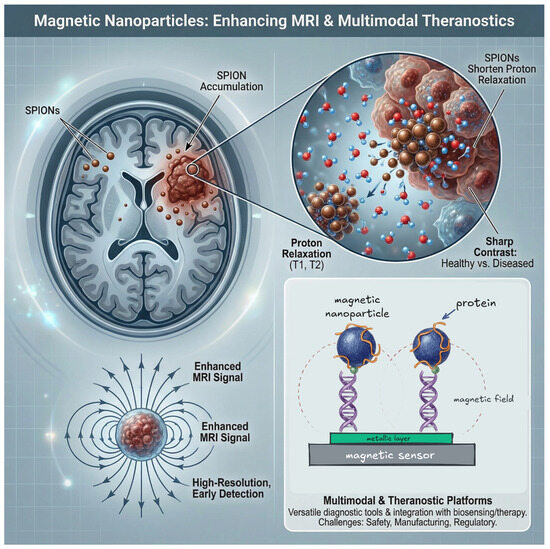
Magnetic Particle Imaging (MPI) is a cutting-edge noninvasive imaging technique that offers high sensitivity, quantitative accuracy, and operates without the need for ionizing radiation compared to other imaging techniques. Utilizing superparamagnetic iron oxide nanoparticles (SPIONs) as tracers, MPI enables direct and precise visualization of target sites with no limitation on imaging depth. Unlike magnetic resonance imaging (MRI), which relies on uniform magnetic fields to produce anatomical images, MPI enables direct, background-free visualization and quantification of SPIONS within living organisms. This article provides an in-depth overview of MPI’s applications in tracking tumor development and supporting cancer therapy. The distinct physical principles that underpin MPI, including its ability to produce high-contrast images devoid of background tissue interference, facilitating accurate tumor identification and real-time monitoring of treatment outcomes, are outlined. The review outlines MPI’s advantages over conventional imaging techniques in terms of sensitivity and resolution, and examines its capabilities in visualizing tumor vasculature, tracking cellular movement, evaluating inflammation, and conducting magnetic hyperthermia treatments. Recent progress in tracer optimization and magnetic navigation has expanded MPI’s potential for targeted drug delivery, along with deep machine learning procedures for MPI applications. Additionally, considerations around safety and the feasibility of clinical implementation are also discussed in the present review. Overall, MPI is positioned as a promising tool in advancing cancer diagnostics, personalized therapy assessment, and noninvasive treatment strategies.
Full article

Graphical abstract
Open AccessReview
Nanotheranostics in Periodontitis: Bridging Diagnosis and Therapy Through Smart Integrated Nanosystems
by
Poornima Ramburrun, Theresa P. K. Varughese and Yahya E. Choonara
J. Nanotheranostics 2025, 6(4), 31; https://doi.org/10.3390/jnt6040031 - 3 Nov 2025
Cited by 1
Abstract
►▼
Show Figures
Periodontitis is a chronic, multifactorial inflammatory disease characterized by the progressive destruction of the tooth-supporting structures. Conventional therapeutic approaches, including mechanical debridement and systemic antibiotics, often fall short in achieving complete bacterial eradication or tissue regeneration, particularly in deep periodontal pockets. Nanotheranostics—an integrated
[...] Read more.
Periodontitis is a chronic, multifactorial inflammatory disease characterized by the progressive destruction of the tooth-supporting structures. Conventional therapeutic approaches, including mechanical debridement and systemic antibiotics, often fall short in achieving complete bacterial eradication or tissue regeneration, particularly in deep periodontal pockets. Nanotheranostics—an integrated platform combining diagnostics and therapeutics within a single nanosystem—holds promise in advancing periodontal care through targeted delivery, real-time disease monitoring, and site-specific therapy. This narrative review examines the potential of various nanomaterials for building nanotheranostic systems to overcome current clinical limitations, including non-specific drug delivery, insufficient treatment monitoring, and delayed intervention, and their functionalization and responsiveness to the periodontal microenvironment are discussed. Their application in targeted antimicrobial, anti-inflammatory, and regenerative therapy is discussed in terms of real-time monitoring of disease biomarkers and pathogenic organisms. Although nanoparticle-based therapeutics have been extensively studied in periodontitis, the integration of diagnostic elements remains underdeveloped. This review identifies key translational gaps, evaluates emerging dual-function platforms, and discusses challenges related to biocompatibility, scalability, and regulatory approval. In particular, inorganic nanomaterials exhibit potential for theranostic functions such as antimicrobial activity, biofilm disruption, immunomodulation, tissue regeneration, and biosensing of microbial and inflammatory biomarkers. Finally, we propose future directions to advance nanotheranostic research toward clinical translation. By consolidating the current evidence base, this review advocates for the development of smart, responsive nanotheranostic platforms as a foundation for personalized, minimally invasive, and precision-guided periodontal care.
Full article

Figure 1
Open AccessReview
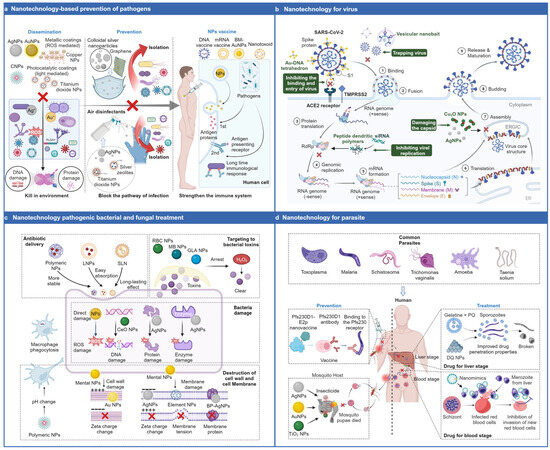
Nanotechnological Innovations in the Treatment and Diagnosis of Viral Pathogens: Biomedical and Macromolecular Insights
by
Marco Chávez-Tinoco, Bruno Solis-Cruz, Edgar R. López-Mena, Karla S. García-Salazar, Daniel Hernández-Patlán and Jorge L. Mejía-Méndez
J. Nanotheranostics 2025, 6(4), 30; https://doi.org/10.3390/jnt6040030 - 1 Nov 2025
Abstract
►▼
Show Figures
Viral diseases remain a persistent threat to global health, agriculture, and biodiversity, as demonstrated by recent pandemics. The high mutation rates, diversity, and intricate replication mechanisms within a host can often challenge conventional detection and therapeutic approaches. The emergence of novel viruses underscores
[...] Read more.
Viral diseases remain a persistent threat to global health, agriculture, and biodiversity, as demonstrated by recent pandemics. The high mutation rates, diversity, and intricate replication mechanisms within a host can often challenge conventional detection and therapeutic approaches. The emergence of novel viruses underscores the critical importance of innovative and multidisciplinary strategies to outpace these diseases. In this context, nanotechnology has emerged as a transformative frontier, offering unique tools to address the limitations of traditional virology. This review examines the latest nanotechnological innovations designed to combat viral diseases. Like the development of advanced nanoplatforms, metallic and polymeric nanostructures, and carbon-based materials, and evaluating their roles in viral theranostics. This article provides critical biomedical insights into the function and relationship of nanomaterials, mechanisms of action, and their interaction with biological systems. This work aims to provide a valuable resource for guiding future research toward the clinical translation of nanomaterial-based strategies for the prevention, diagnosis, and treatment of viral infections.
Full article

Figure 1
Open AccessReview
Advances in Cancer Treatment Through Nanotheranostics and Emerging Therapies
by
Victor Akpe and Ian E. Cock
J. Nanotheranostics 2025, 6(4), 29; https://doi.org/10.3390/jnt6040029 - 23 Oct 2025
Cited by 6
Abstract
►▼
Show Figures
The integration of nanotheranostics into cancer treatment represents a transformative shift in oncology, combining precision diagnostics with targeted therapeutic interventions. This manuscript explores the advancements in nanotechnology-driven cancer therapies, highlighting the role of engineered nanoparticles, such as liposomes, dendrimers, polymeric micelles, and virus-like
[...] Read more.
The integration of nanotheranostics into cancer treatment represents a transformative shift in oncology, combining precision diagnostics with targeted therapeutic interventions. This manuscript explores the advancements in nanotechnology-driven cancer therapies, highlighting the role of engineered nanoparticles, such as liposomes, dendrimers, polymeric micelles, and virus-like particles, in enhancing drug delivery, real-time imaging, and tumor-specific targeting. Additionally, emerging therapies, including immunotherapy, gene editing, and chromophore-assisted light inactivation (CALI), are discussed in the context of personalized medicine. The convergence of these strategies is poised to redefine cancer treatment paradigms, improving therapeutic efficacy while minimizing systemic toxicity. This review outlines the key challenges, current limitations, and future directions in nanotheranostic applications, emphasizing the need for interdisciplinary collaboration to optimize their clinical translation.
Full article

Graphical abstract
Open AccessReview
Nanoceria as Next-Generation Immunotherapeutics: Applications in Chronic Inflammation, Cancer, and Tissue Repair
by
Kay Hadrick, Panangattukara Prabhakaran Praveen Kumar and Taeho Kim
J. Nanotheranostics 2025, 6(4), 28; https://doi.org/10.3390/jnt6040028 - 4 Oct 2025
Abstract
►▼
Show Figures
The immune system is crucial in protecting against disease, but it can also contribute to chronic illnesses when it malfunctions, with different conditions involving either inflammation or immune suppression. Current treatments often fall short due to limited effectiveness and side effects. Nanomedicine, particularly
[...] Read more.
The immune system is crucial in protecting against disease, but it can also contribute to chronic illnesses when it malfunctions, with different conditions involving either inflammation or immune suppression. Current treatments often fall short due to limited effectiveness and side effects. Nanomedicine, particularly cerium oxide nanoparticles (nanoceria), offers promising potential due to its unique therapeutic properties and role in modulating macrophages. Nanoceria (<5 nm) possess the catalytic ability to mimic natural enzymes such as superoxide dismutase, peroxidase, and catalase, enabling effective scavenging of reactive oxygen species (ROS), which play a central role in the pathogenesis of chronic inflammation and cancer. This review comprehensively summarizes the current advances in the application of nanoceria for inflammatory and anti-inflammatory therapy, including their modulatory effects on immune cell activation, cytokine production, and resolution of inflammatory responses. We discuss the mechanisms underlying their immunomodulatory actions in various disease contexts, such as rheumatoid arthritis, women’s health conditions (e.g., endometriosis), wound healing, and cancer. Additionally, the review highlights biocompatibility, therapeutic efficacy, adaptability in imaging (theranostics), and challenges in translating nanoceria-based therapies into clinical practice. The multifunctionality of nanoceria positions them as innovative candidates for next-generation immunotherapy aimed at efficiently controlling inflammation and promoting tissue repair.
Full article

Graphical abstract
Open AccessReview
Theranostic Nanoplatforms in Nuclear Medicine: Current Advances, Emerging Trends, and Perspectives for Personalized Oncology
by
María Jimena Salgueiro and Marcela Zubillaga
J. Nanotheranostics 2025, 6(4), 27; https://doi.org/10.3390/jnt6040027 - 3 Oct 2025
Cited by 5
Abstract
►▼
Show Figures
The convergence of nanotechnology with nuclear medicine has led to the development of theranostic nanoplatforms that combine targeted imaging and therapy within a single system. This review provides a critical and updated synthesis of the current state of nanoplatform-based theranostics, with a particular
[...] Read more.
The convergence of nanotechnology with nuclear medicine has led to the development of theranostic nanoplatforms that combine targeted imaging and therapy within a single system. This review provides a critical and updated synthesis of the current state of nanoplatform-based theranostics, with a particular focus on their application in oncology. We explore multifunctional nanocarriers that integrate diagnostic radionuclides for SPECT/PET imaging with therapeutic radioisotopes (α-, β-, or Auger emitters), chemotherapeutics, and biological targeting ligands. We highlight advances in nanomaterial engineering—such as hybrid architectures, surface functionalization, and stimuli-responsive designs—that improve tumor targeting, biodistribution, and therapeutic outcomes. Emphasis is placed on translational challenges including pharmacokinetics, toxicity, regulatory pathways, and GMP-compliant manufacturing. The article closes with a forward-looking perspective on how theranostic nanoplatforms could reshape the future of personalized oncology through precision-targeted diagnostics and radiotherapy.
Full article

Figure 1
Open AccessArticle
Synthesis and Characterization of Multifunctional Mesoporous Silica Nanoparticles Containing Gold and Gadolinium as a Theranostic System
by
André Felipe Oliveira, Isabela Barreto da Costa Januário Meireles, Maria Angela Barros Correia Menezes, Klaus Krambrock and Edésia Martins Barros de Sousa
J. Nanotheranostics 2025, 6(4), 26; https://doi.org/10.3390/jnt6040026 - 26 Sep 2025
Abstract
►▼
Show Figures
Among the many nanomaterials studied for biomedical uses, silica and gold nanoparticles have gained significant attention because of their unique physical and chemical properties and their compatibility with living tissues. Mesoporous silica nanoparticles (MSNs) have great stability and a large surface area, while
[...] Read more.
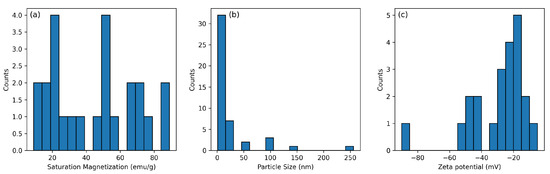
Among the many nanomaterials studied for biomedical uses, silica and gold nanoparticles have gained significant attention because of their unique physical and chemical properties and their compatibility with living tissues. Mesoporous silica nanoparticles (MSNs) have great stability and a large surface area, while gold nanoparticles (AuNPs) display remarkable optical features. Both types of nanoparticles have been widely researched for their individual roles in drug delivery, imaging, biosensing, and therapy. When combined with gadolinium (Gd), a common contrast agent, these nanostructures provide improved imaging due to gadolinium’s strong paramagnetic properties. This study focuses on incorporating gold nanoparticles and gadolinium into a silica matrix to develop a theranostic system. Various analytical techniques were used to characterize the nanocomposites, including infrared spectroscopy (FTIR), ultraviolet-visible spectroscopy (UV-Vis), thermogravimetric analysis (TGA), nitrogen adsorption, scanning electron microscopy (SEM), dynamic light scattering (DLS), X-ray fluorescence (XRF), X-ray diffraction (XRD), vibrating sample magnetometry (VSM), and neutron activation analysis (NAA). Techniques like XRF mapping, XANES, nitrogen adsorption, SEM, and VSM were crucial in confirming the presence of gadolinium and gold within the silica network. VSM and EPR analyses confirmed the attenuation of the saturation magnetization for all nanocomposites. This validates their potential for biomedical applications in diagnostics. Moreover, activating gold nanoparticles in a nuclear reactor generated a promising radioisotope for cancer treatment. These results indicate the potential of using a theranostic nanoplatform that employs mesoporous silica as a carrier, gold nanoparticles for radioisotopes, and gadolinium for imaging purposes.
Full article

Figure 1
Open AccessReview
Au QDs in Advanced Biomedicine: Fluorescent, Biocompatible, and Multifunctional Nanoprobes for Imaging, Diagnostics, and Targeted Drug Delivery
by
Nutan Shukla, Aayushi Chanderiya, Ratnesh Das, Elizaveta A. Mukhanova, Alexander V. Soldatov and Sabrina Belbekhouche
J. Nanotheranostics 2025, 6(3), 25; https://doi.org/10.3390/jnt6030025 - 8 Sep 2025
Abstract
►▼
Show Figures
AuQDs (Au quantum dots) are ultrasmall nanostructures that combine the size-tunable fluorescence and photostability of semiconductor quantum dots with the chemical stability, low toxicity, and versatile surface chemistry of gold nanoparticles. This unique combination endows AuQDs with exceptional biocompatibility and multifunctionality, making them
[...] Read more.
AuQDs (Au quantum dots) are ultrasmall nanostructures that combine the size-tunable fluorescence and photostability of semiconductor quantum dots with the chemical stability, low toxicity, and versatile surface chemistry of gold nanoparticles. This unique combination endows AuQDs with exceptional biocompatibility and multifunctionality, making them ideal for biomedical applications such as cellular imaging, real-time tracking, targeted drug delivery, diagnostics, therapeutic monitoring, and biosensing. Various synthesis methods—including chemical reduction, hydrothermal, laser ablation, and microwave-assisted techniques—allow for precise control over size and surface properties, optimizing fluorescence and electronic behavior for high-resolution imaging and sensitive detection. Compared to traditional quantum dots, AuQDs offer enhanced safety and biocompatibility, while surpassing larger gold nanoparticles by enabling fluorescence-based imaging. Their surfaces can be functionalized with diverse ligands for targeted delivery and specific biological interactions. In summary, AuQDs are multifunctional nanoprobes that combine superior optical properties, chemical stability, and biocompatibility, making them powerful tools for advanced biomedical diagnostics, therapy, and biosensing.
Full article

Figure 1
Open AccessReview
Conjugate Nanoparticles in Cancer Theranostics
by
Hossein Omidian, Erma J. Gill and Luigi X. Cubeddu
J. Nanotheranostics 2025, 6(3), 24; https://doi.org/10.3390/jnt6030024 - 4 Sep 2025
Cited by 1
Abstract
Nanotheranostics combines therapeutic and diagnostic functions within multifunctional nanoparticle platforms to enable precision medicine. This review outlines a comprehensive framework for engineering nanotheranostic systems, focusing on core material composition, surface functionalization, and stimuli-responsive drug delivery. Targeting strategies—from ligand-based recognition to biomimetic interfaces—are examined
[...] Read more.
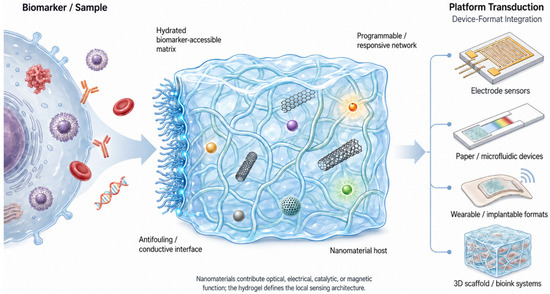
Nanotheranostics combines therapeutic and diagnostic functions within multifunctional nanoparticle platforms to enable precision medicine. This review outlines a comprehensive framework for engineering nanotheranostic systems, focusing on core material composition, surface functionalization, and stimuli-responsive drug delivery. Targeting strategies—from ligand-based recognition to biomimetic interfaces—are examined alongside therapeutic modalities such as chemotherapy, photothermal and photodynamic therapies, gene silencing via RNA interference, and radio sensitization. We discuss advanced imaging techniques (fluorescence imaging FI), magnetic resonance imaging (MRI), positron emission tomography (PET), and photoacoustic imaging for real-time tracking and treatment guidance. Key considerations include physicochemical characterization (e.g., article size, surface charge, and morphology), biocompatibility, in-vitro efficacy, and in-vivo biodistribution. We also address challenges such as rapid biological clearance, tumor heterogeneity, and clinical translation, and propose future directions for developing safe, adaptable, and effective nanotheranostic platforms. This review serves as a roadmap for advancing next-generation nano systems in biomedical applications.
Full article
(This article belongs to the Special Issue Advances in Nanoscale Drug Delivery Technologies and Theranostics)
►▼
Show Figures

Figure 1
Highly Accessed Articles
Latest Books
E-Mail Alert
News
Topics
Topic in
Biomedicines, Cancers, JCM, Nanomaterials, Pharmaceutics, JNT
Application of Nanomaterials and Nanobiotechnology in Cancer
Topic Editors: Ayan Kumar Barui, Susheel Kumar NethiDeadline: 31 May 2026
Special Issues
Special Issue in
JNT
Feature Review Papers in Nanotheranostics
Guest Editors: Dmitri Simberg, Peng HuangDeadline: 31 October 2026
Special Issue in
JNT
Advances in Nanoscale Drug Delivery Technologies and Theranostics
Guest Editors: Anne-Marie Caminade, Valérie MaravalDeadline: 31 October 2026
Special Issue in
JNT
Smart Technology: Nano- and Micro-Devices for Real-Time, Minimally Invasive In Vitro and In Vivo Sensing and Monitoring
Guest Editors: Chiara Martinelli, Carlotta PucciDeadline: 30 November 2026