

New Approaches to Ending Skin Problems in Persons with Fecal Incontinence: A Systematic Review

Objective
Methods
Results
Conclusions
INTRODUCTION
METHODS
DETERMINING THE TIME FRAME OF THE LITERATURE REVIEW
PARTICIPANTS
TYPES OF INTERVENTIONS
BIAS RISK IN INDIVIDUAL STUDIES
RESULTS
JUSTIFICATION FOR TIME FRAME LIMITATION
GENERAL CHARACTERISTICS OF THE RANDOMIZED CONTROLLED TRIALS
GENERAL FEATURES OF EXPERIMENTAL AND QUASI-EXPERIMENTAL STUDIES
DISCUSSION
CONCLUSIONS
Acknowledgements
Conflict of interest statement
Funding
Author contributions
Ethical consideration
History
Figures and tables
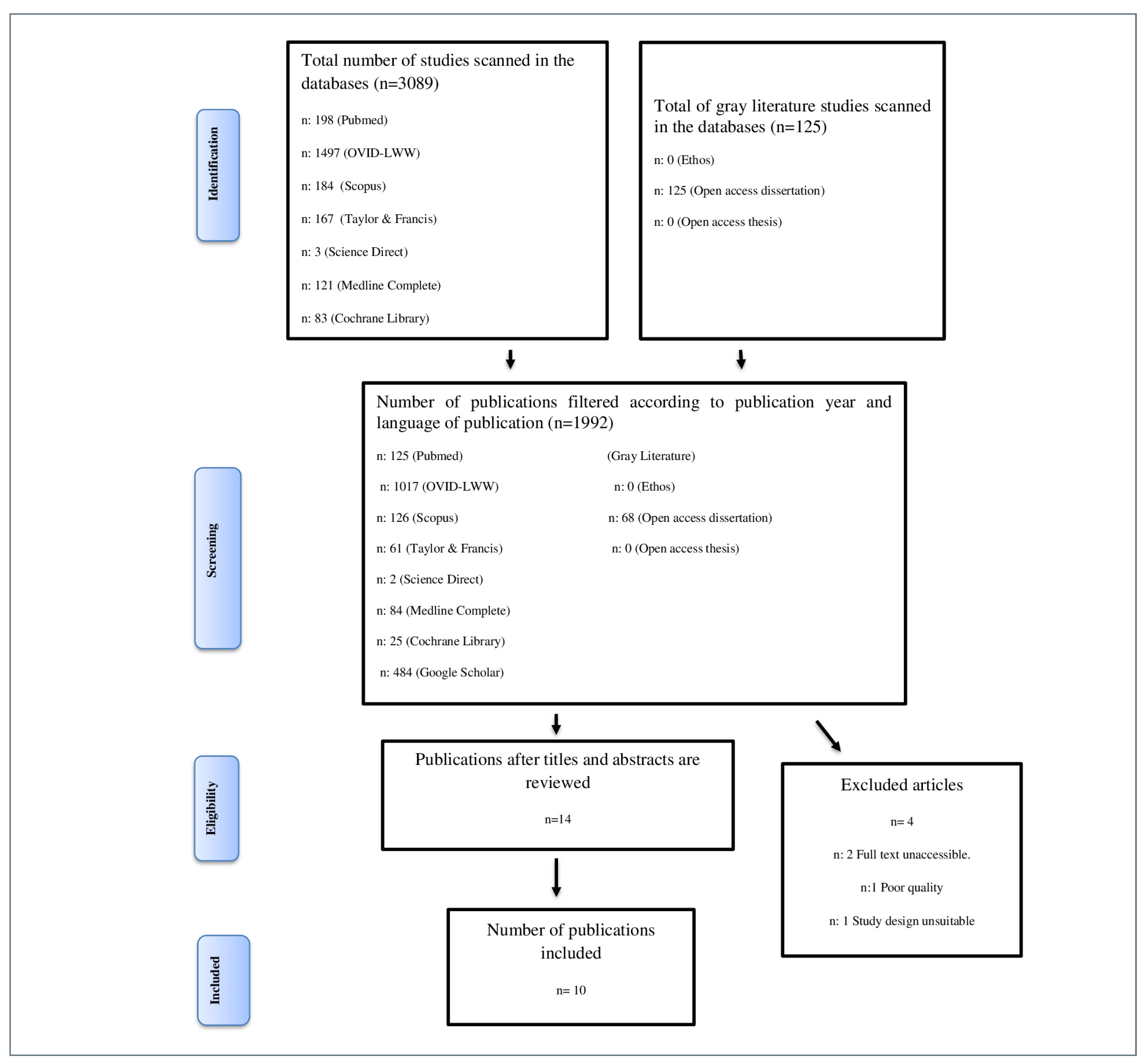
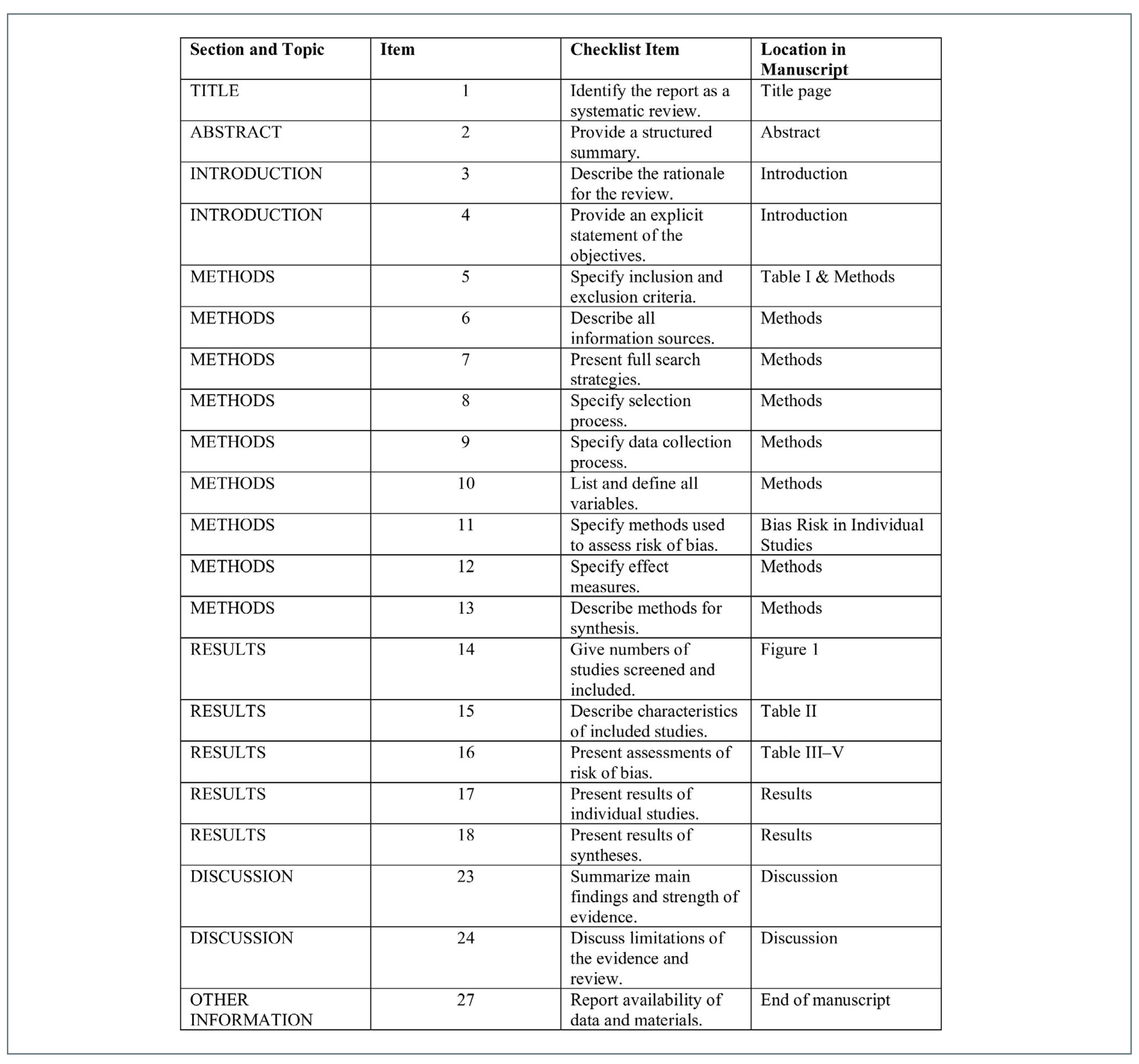

| Inclusion criteria | Exclusion criteria |
|---|---|
|
|
| Authors/year/country | Methodological quality assessment evaluator 1 | Methodological quality assessment evaluator 2 | Final decision of evaluators |
|---|---|---|---|
| Glass et al. (2021) Singapore | 10/13 | 13/13 | 11/13 |
| Coyer et al. (2020) Australia | 9/13 | 11/13 | 10/13 |
| Kon et al. (2017) Japan | 8/13 | 11/13 | 9/13 |
| Francis et al. (2017) U.S. | 7/13 | 9/13 | 8/13 |
| Shin et al. (2012) Korea | 7/13 | 7/13 | 7/13 |
| Bliss et al. (2017) U.S. | 6/9 | 9/9 | 7/9 |
| Brunner et al. (2012)/ U.S. | 7/9 | 8/9 | 8/9 |
| Kyung Hee Park (2014) South Kore | 7/9 | 8/9 | 7/9 |
| Zhou X et al. (2017) | 6/9 | 6/9 | 6/9 |
| Bakarat et al. (2018) Australia | 5/9 | 7/9 | 6/9 |
| U.S.: United States, Korea: Republic of Korea, Final Decision of Evaluators: Average of scores given by two evaluators, Scoring Format: X/13 or X/9 indicates the number of criteria met out of 13 or 9 total items assessed, depending on the evaluation tool used. | |||
| Glass et al. (2021) | Coyer et al. (2020) | Kon et al. (2017) | Francis et al. (2017) | Shin et al. (2012) | |
|---|---|---|---|---|---|
| 1. Was real randomization carried out in the appointment/removal of the participants to/from the treatment groups? | √ | √ | √ | √ | √ |
| 2. Was the assignments to the treatment groups kept secret? | √ | √ | × | ? | ? |
| 3. Were the treatment groups similar in the beginning? | √ | √ | √ | √ | √ |
| 4. Were the participants blinded when being appointed to/included in the treatment group? | ? | √ | ? | ? | ? |
| 5. Were the treatment providers blinded to being appointed to the treatment group? | ? | ? | × | × | × |
| 6. Were the evaluators blinded to the groups/treatment groups? | √ | ? | ? | ? | ? |
| 7. Were the treatment groups handled the same outside of the intervention? | √ | √ | √ | √ | √ |
| 8. Was the follow-up completed? If not, were the differences between the groups sufficiently defined and analyzed? | √ | √ | √ | √ | √ |
| 9. Were the participants analyzed in the groups they were randomized to? | √ | √ | √ | √ | √ |
| 10. Were the results measured in the same way in the treatment groups? | √ | √ | √ | √ | ? |
| 11. Were the results reliably measured? | √ | × | ? | ? | ? |
| 12. Were the appropriate statistical analyses used? | ? | ? | √ | ? | √ |
| 13. Is the study design appropriate, is there any deviation in terms of the conduct of the study or from the standard RCT design (individual randomization, parallel groups)? | √ | √ | √ | √ | √ |
| Total evaluation | 10 | 9 | 8 | 7 | 7 |
| Symbols: √: Yes (Criterion met), ×: No (Criterion not met), ?: Unclear or not specified in the study | |||||
| RCT: randomized controlled trial | |||||
| Bliss et al. (2017) | Brunner et al. (2012) | Kyung Hee Park (2014) | Zhou et al. (2017) | Bakarat et al. (2018) | ||
|---|---|---|---|---|---|---|
| 1. Are the “causes” and “effects” clear in the study? (That is, there should be no confusion about which variable is prioritized) | √ | √ | √ | √ | √ | |
| 2. Were the participants compared in the groups similar? | √ | √ | √ | √ | √ | |
| 3. Were participants who were receiving similar treatment/care for reasons outside of exposure or intervention included in the comparison groups? | × | √ | × | ? | × | |
| 4. Was there a control group? | √ | × | √ | √ | √ | |
| 5. Were there results for repeated measurements before and after the intervention or exposure (pretest and posttest)? | √ | √ | √ | √ | ? | |
| 6. Were the follow-ups complete? If not, were the differences between the groups sufficiently defined and analyzed? | √ | √ | √ | √ | √ | |
| 7. Were the results measured in the same way in the compared groups? | √ | √ | √ | √ | √ | |
| 8. Were the results reliably measured? | ? | ? | ? | ? | ? | |
| 9. Were the appropriate statistical analyses used? | ? | √ | √ | ? | ? | |
| Total evaluation | 6 | 7 | 7 | 6 | 5 | |
| Symbols: √: Yes (Criterion met), ×: No (Criterion not met), ?: Unclear or not reported | ||||||
| Author(s)-year & country | Type of study | Aim of study | Measures used | Sample size and characteristics | Products used in the elimination of skin problems | Monitoring and treatment time | Findings | |
|---|---|---|---|---|---|---|---|---|
| Glass et al. 2021/Singapore | RCT | Comparative evaluation of two different skin cleansing and protection regimes on improving and preventing further skin deterioration in incontinence-associated dermatitis | Braden Scale Bristol Stool Scale GLOBIAD Scale | n:84 1. Treatment group: 23 2. Treatment group: 37 Controls: 24 Mostly Chinese individuals, average age in each group 75 and over, BMI within normal range (13.3-14.2 kg/m2) | Two different skin cleansing and protection regimes were used in the study: 1. 3M Cavilon No-Rinse Skin Cleanser: This product combines a layer of protective liquid acrylic terpolymer containing moisturizer with 3M Cavilon Advanced Skin Protectant 2. Conveen Easi Cleanse: This skin cleanser contains a barrier cream formulated on a moisturizing zinc oxide base | Patients were monitored for a seven-day treatment period or until discharged (whichever came first) | IAD improvement in Group T1: 8 (34%), 12 (34%) in Group T2, and 5 (21%) in the control group. Compared to controls, probability of improvement in seven days in Groups T1 and T2 was 1.54 and 1.55 times higher, respectively (p = 0.66). The conclusion therefore was that the treatment method in both treatment groups increased the probability of improving IAD in seven days as compared to the controls | |
| Coyer et al. 2020/Australia | RCT | Testing durable cyanoacrylate skin protectant barrier film and assessing its applicability in preventing incontinence-associated dermatitis in critical patients | Skin Zone Assessment Tool Bristol Stool Scale | n: 36 Intervention Group: 18 Controls: 18 Ages 59 ± 13.9 50% obese, 67% male and 36% smokers. Stay in intensive care at least 5 days. Age 18 and over | Intervention Group: 3M Cavilon Advanced Skin Protectant (Minneapolis, Minnesota) is an ultra-thin, transparent, waterproof and unremovable barrier film made of polymeric cyanoacrylate solution designed to protect healthy or damaged skin for up to 7 days Controls: Standard care, routine skin cleansing (daily bed bath) | Patients were monitored for the seven-day treatment period | 4 persons in the control group, 2 in the intervention group were found to have IAD. A comparison of the control and intervention groups revealed a decrease in the incidence of IAD by one-third (17% versus 11%, respectively) | |
| Kon et al. 2017/Japan | RCT | Assessing the healing effect of a moisturizing and protectant skin barrier cream in dealing with the severity of incontinence-associated dermatitis | Bristol Stool Scale | n: 33 Intervention: 18 Control: 15 Average age above 80 | Intervention Group: Treated with Standard care + (3M Cavilon Skin Barrier Cream). The cream contains an acrylate terpolymer and dimethicone combined with isopropyl palmitate (a skin softener that strengthens the skin’s moisture barrier), working as a skin protectant Control Group Standard care (a wet towel was used at each pad changing; a moisturizer and protective skin cleanser were used once a day) | Patients were monitored for a 14-day treatment period, and all data were collected on the study’s 1st and 14th days. The cream was applied 3 times a day (8 a.m., 2 p.m., 8 p.m.) following changes of absorbent products | It was found that the intervention group recorded a lower erythema index than the controls on the 14th day (p = .004). Multivariate analysis showed that the skin barrier cream increased hydration in the stratum corneum (p = .031), decreased skin pH (p = .020) and displayed significant relationships between erythema values (p = .018) It was observed that the skin barrier cream with its moisturizing and protective features reduced inflammation, improved hydration in stratum corneum and decreased cutaneous pH, demonstrating that it could be effective in the treatment of mild IAD | |
| Francis et al. 2017/U.S. | RCT | Assessing whether single-use and reusable absorbent underpads can make a difference in the development of incontinent-associated dermatitis and hospital-related pressure wounds in adults | Braden Scale Moisture subscale | n: 462 Intervention: 210 Controls: 252 Significantly more women in the intervention group (66% vs. 50% (p < .001). Average age 65 and over, individuals similar in terms of age and ethnic background | Single-use underpads were used in the intervention group. (Featuring an anti-moisture and breathable back layer of super-absorbent material) The control group used reusable underpads (quilted, medium absorbent and waterproof with polyvinyl chloride) Single-use pads, designed for adults of up to 300 (136 kg) | Patients were monitored for an average seven- day treatment period | Patients treated with single-use underpads had a lower rate of pressure sores (4.8% vs. 11.5%; p = .02). The hospital stay of those using the single-use underpads was less (p = .02). Cases of incontinence-associated dermatitis (IAD) did not display significant differences between groups (17.1% vs. 12.9%; p = .022) | |
| Brunner et al. 2012/U.S. | Nonran-domized compar-ative cohort (quasi-experimental) study | Evaluating the effectiveness and cost-effectiveness of two skin products in preventing the development of incontinence-associated dermatitis. | Braden Scale | n: 64 nA: 33 nB: 31 Average age: 67.3 (18-88 years). 67.2% male (n = 43) and 32.8% female patients (n = 21) | Product A: a one-step cloth impregnated with a 3% dimethicone formula used for cleansing, moisturizing and forming a barrier. Product B: A Prodnet-brand, two-step cleansing and moisturizing barrier film spray containing a polymer solution, pH-balanced and not needing rinsing. | Patients were monitored for an average four/five- day treatment period | It was found that there were no significant differences between the two product groups in terms of age distribution, BRASS index, gender, skin tone, number of urinary and/or fecal incontinence attacks, or degree of skin deterioration. Cost per working day was $2.67 for Product A vs. $6.59 for Product B (p = .006). The time it took for skin deterioration was [n = 6; 91.1 hour) in Product A and longer in Product B [n = 6; 213.3 hours (p = .045). | |
| Bliss et al. 2017/U.S. | Experi-mental | Evaluating the effectiveness of Incontinence briefs containing a spiral-shaped fiber. | Incontinence-associated Skin Damage and Severity (IASD.D) | n: 26 Average age: 87, 77% female (n = 20). Most are considered overweight according to BMI | Incontinence briefs containing a spiral-shaped fiber moistened with alkaline solution | Skin pH measurements were taken for three days. Patients were monitored for an average treatment day | Skin pH exposed to the incontinence briefs containing a spiral-shaped fiber was significantly more acidic compared to industrial-standard underpants not containing the spiral-shaped fiber (mean = 5.7). When the fiber was moistened with the same alkaline solution, mean pH was 6.4. Since alkaline skin pH is a risk factor for incontinence-associated dermatitis (IAD), the results show that the briefs containing the spiral-shaped fiber can be of help in preventing IAD | |
| Kyung Hee Park 2014/South Kore | Nonran-domized compar-ative cohort (quasi-experi-mental) study | Evaluating the effect of silicone bordered foam dressing on the development of pressure ulcers and incontinence-associated dermatitis in patients under intensive care | Braden Scale Incontinence-associated Skin Damage and Severity (IASD.D) | n: 102 Intervention: 52 Controls: 50 Average age 64; more than half over 65 | Participants in the intervention group were applied the standard pressure ulcer (PU) protective care routine and silicone bordered foam dressings (Mepilex Border, Mölnlycke Health Care, Göteborg, Sweden). Only standard PU protective care was applied to the control group | Patients were followed up throughout the nine-day treatment period. Dressings were changed every three days or more frequently when dirty or accidentally detached; surrounding skin was cleansed and dried at each change of dressing | The incidence of developing pressure ulcers (PU) in the patients assigned to the intervention group and incontinence-associated dermatitis (IAD) scores were significantly lower compared to the control group (respectively, χ2 = 21.722, p < .001 and t = 2.166, p < . 033) | |
| Zhou et al. 2017/China | Compar-ative cohort (quasi-experimental) -study | Evaluating effect of one-piece drainable bag vs standard care in developing incontinence associated dermatitis in patients in the intensive care unit | Bristol Stool Scale, Incontinence-associated Dermatitis Intervention Tool (IAD-IT) | n: 62 Intervention: 31 Controls: 31 Average age 58 ± 20 years (mean ± SD); 51.7% women | Standard incontinence-associated dermatitis (IAD) protective care and one-piece drainable bags (fecal collector) were applied. Only standard IAD protective care was applied to the control group | Patients were followed up daily for the seven-day treatment period by two nurses | Participants in the intervention group displayed significantly lower rates of developing incontinence-associated dermatitis (IAD) compared to the controls (12.9%vs. 41.9%, p < .05). However, IAD severity measured with the IAD-IT bedside tool did not display any significant difference between the two groups. The perianal skin IAD rate after the pouch was removed in the study group was significantly lower than in the control group (p < .05) | |
| Shin et al. 2012/Kora | RCT | Evaluation of skin moisture and transepidermal fluid loss after the use of uncoated paper single-use underpads in patients with incontinence | Glasgow Coma Scale Corneo-meter 825 Tewameter 300 | n: 20 Intervention: 10 Controls: 10 Ages 18-79, 10 males and 10 women, totaling 20 patients | Uncoated paper (made of 77% mechanical pulp and 23% unprinted paper of sulfite-treated chemical pulp) was used in the intervention group. Two-ply uncoated paper sheets of the dimensions 55×39 cm, relative weight 48×8 g/m2, thickness 0×9 mm and density 403 kg/m2 were used A single-use polypropylene-supported underpad with a fluffy upper layer that is procured on the commercial market was applied to the control group | Average stay in hospital was 36 ± 0 days (IQR 16 ± 0-70 ± 8). Average monitoring period of patients unspecified | Skin moisture after the application of the uncoated paper was observed to be significantly less than with the application of a single-use underpad (p < .001). Transepidermal moisture loss after the use of uncoated (mean 11 ± 1 and standard deviation 5 ± 7 g/m2/hour), and after application of single-use underpad (mean 23 ± 2 and standard deviation 11±1 g/m2/hour, p < .001) showed lower values. It was concluded that applying uncoated paper to bedridden patients could prevent extreme moisture and would function as a better skin barrier in the sacrum compared to single-use underpads | |
| Bakarat et al. 2018/Australia | Quasi-experimental | The effect of preventive interventions on the prevalence of incontinence associated dermatitis and incontinence applications | GLOBIAD Scale | n= 259 Male: 132 Female: 124 The gender of three patients was not specified. Average age 73.2±16.8 years | Cloths with barrier cream containing 3% dimethicone were used to cleanse, moisturize and protect the skin | Data collection period: November 2015-January 2016; Implementation: June 2016-May 2017; post-implementation: June 2017 – October 2017. Average patient follow-up time unspecified. | The prevalence of IAD was found to be significantly lower after the implementation compared to prior to the implementation (p = .015). The importance of cleansing, moisturizing and protecting the skin in patients who are unable to control their urination or stools with a 3-in-1 barrier cream cloth was stressed. It was reported that there was positive feedback on the effect of the product on time efficiency and improving the skin condition of incontinent patients, especially those with IAD. Instead of using the traditional method of cleansing, moisturizing and applying barrier cream, all the steps may be combined by preferring to use barrier cream cloths | |
| RCT: Randomized Controlled Trial, IAD: Incontinence-Associated Dermatitis, BMI: Body Mass Index, GLOBIAD: Ghent Global IAD Categorisation Tool, IASD.D: Incontinence-Associated Skin Damage and Severity, IAD-IT: Incontinence-Associated Dermatitis Intervention Tool, PU: Pressure Ulcer | ||||||||
References
- Bilge Ç, Beji NK. Fekal inkontinans ve hemşirelik yaklaşımı. Kadın Sağlığı Hemşireliği Dergisi 2018;4.
- Assmann SL, Kimman ML, Breukink SO, et al. The burden of fecal incontinence: evaluating the societal impact in terms of economic burden and health-related quality of life. Neurogastroenterol Moti 2025;e70036. https://doi.org/10.1111/nmo.70036 10.1111/nmo.70036
- Carryer J, Weststrate J, Yeung P, et al. Prevalence of key care indicators of pressure injuries, incontinence, malnutrition, and falls among older adults living in nursing homes in New Zealand. Res Nurs Health 2017;40:555-563. https://doi.org/10.1002/nur.21835 10.1002/nur.21835
- Beeckman D, Campbell J, Campbell K, et al. Incontinence-associated dermatitis: moving prevention forward. Wounds International 2015.
- Francis K, Pang SM, Cohen B, et al. Disposable versus reusable absorbent underpads for prevention of hospital-acquired incontinence-associated dermatitis and pressure injuries. J Wound Ostomy Contin Nurs 2017;44:374-379. https://doi.org/10.1097/WON.0000000000000337 10.1097/WON.0000000000000337
- Sugama J, Sanada H, Shigeta Y, et al. Efficacy of an improved absorbent pad on incontinence-associated dermatitis in older women: cluster randomized controlled trial. BMC Geriatr 2012;12:1-7. https://doi.org/10.1186/1471-2318-12-22 10.1186/1471-2318-12-22
- Campbell JL, Coyer FM, Osborne SR. Incontinence-associated dermatitis: a cross-sectional prevalence study in the Australian acute care hospital setting. Int Wound J 2016;13:403-411. https://doi.org/10.1111/iwj.12322 10.1111/iwj.12322
- Yılmaz B, Aslan E. Fekal inkontinans ve hemşirelik yaklaşımı. Süleyman Demirel Üniversitesi Sağlık Bilimleri Dergisi 2018;9:39-44. https://doi.org/10.22312/sdusbed.362880 10.22312/sdusbed.362880
- Willson M, Angyus M, Beals D, et al. Executive summary: A quick reference guide for managing fecal incontinence (FI). J Wound Ostomy Contin Nurs 2014;41:61-69. https://doi.org/10.1097/WON.0000000000000004 10.1097/WON.0000000000000004
- Bliss DZ, Bland P, Wiltzen K, et al. Incontinence briefs containing spiral-shaped fiber acidify skin pH of older nursing home residents at risk for incontinence-associated dermatitis. J Wound Ostomy Contin Nurs 2017;44:475-480. https://doi.org/10.1097/WON.0000000000000362 10.1097/WON.0000000000000362
- Dissemond J, Assenheimer B, Gerber V, et al. Moisture-associated skin damage (MASD): A best practice recommendation from Wund-DA CH. J Dtsch Dermatol Ges 2021;19:815-825. https://doi.org/10.1111/ddg.14388 10.1111/ddg.14388
- Van den Bussche K, Verhaeghe S, et al. Minimum Data Set for Incontinence-Associated Dermatitis (MDS-IAD) in adults: design and pilot study in nursing home residents. J Tissue Viability 2018;27:191-198. https://doi.org/10.1016/j.jtv.2018.10.004 10.1016/j.jtv.2018.10.004
- Phipps L, Gray M, Call E. Time of onset to changes in skin condition during exposure to synthetic urine: a prospective study. J Wound Ostomy Contin Nurs 2019;46:315-320. https://doi.org/10.1097/WON.0000000000000549 10.1097/WON.0000000000000549
- Pather P, Hines S, Kynoch K, et al. Effectiveness of topical skin products in the treatment and prevention of incontinence-associated dermatitis: a systematic review. JBI Evid Synth 2017;15:1473-1496. https://doi.org/10.11124/JBISRIR-2016-003015 10.11124/JBISRIR-2016-003015
- Mugita Y, Minematsu T, Nakagami G, et al. Influence of digestive enzymes on development of incontinence-associated dermatitis: inner tissue damage and skin barrier impairment caused by lipidolytic enzymes and proteases in rat macerated skin. Int Wound J 2018;15:623-632. https://doi.org/10.1111/iwj.12906 10.1111/iwj.12906
- Page BP, Boyce SA, Deans C, et al. Significant rectal bleeding as a complication of a fecal collecting device: report of a case. Dis Colon Rectum 2008;51:1427-1429.
- Motta G, Milne CT. A prospective, multicenter study to compare a disposable, high-fluid capacity underpad to nonpermeable, disposable, reusable containment products on incontinence-associated dermatitis rates among skilled nursing facility residents. Ostomy Wound Manage 2017;63:22-28.
- Brunner M, Droegemueller C, Rivers S, et al. Prevention of incontinence-related skin breakdown for acute and critical care patients: comparison of two products. Urol Nurs 2012;32:214-221. https://doi.org/10.7257/1053-816x.2012.32.4.214 10.7257/1053-816x.2012.32.4.214
- Yates A. Incontinence-associated dermatitis in older people: prevention and management. Br J Community Nurs 2018;23:218-224. https://doi.org/10.12968/bjcn.2018.23.5.218 10.12968/bjcn.2018.23.5.218
- Falloon SS, Abbas S, Stridfeldt C, et al. The impact of microclimate on skin health with absorbent incontinence product use: an integrative review. J Wound Ostomy Contin Nurs 2018;45:341-348. https://doi.org/10.1097/WON.0000000000000449 10.1097/WON.0000000000000449
- MJ, McKenzie JE, Bossuyt PM, Boutron I, et al. PRISMA 2020 statement: updated guidance for reporting systematic reviews. BMJ 2021;372:n71. https://doi.org/10.1136/bmj.n71 10.1136/bmj.n71
- Joanna Briggs Institute. The Joanna Quality Appraisal Score Sheet. Accessed January 25, 2024 (HYPERLINK "http://www.joannabriggs.edu.au/.../Quality%20Appraisal%20Score%20Sheet.doc"www.joannabriggs.edu.au/.../Quality%20Appraisal%20Score%20Sheet.doc).
- Glass GFJr, Goh CCK, Cheong R, et al. Effectiveness of skin cleanser and protectant regimen on incontinence-associated dermatitis outcomes in acute care patients: a cluster randomised trial. Int Wound J 2021;18:862-873. https://doi.org/10.1111/iwj.13588 10.1111/iwj.13588
- Coyer F, Campbell J, Doubrovsky A. Efficacy of incontinence-associated dermatitis intervention for patients in intensive care: an open-label pilot randomized controlled trial. Adv Skin Wound Care 2020;33:375-382. https://doi.org/10.1097/01.ASW.0000666904.35944.a3 10.1097/01.ASW.0000666904.35944.a3
- Kon Y, Ichikawa-Shigeta Y, Iuchi T, et al. Effects of a skin barrier cream on management of incontinence-associated dermatitis in older women: a cluster randomized controlled trial. J Wound Ostomy Contin Nurs 2017;44:481-486. https://doi.org/10.1097/WON.0000000000000353 10.1097/WON.0000000000000353
- Shin YS, Kim HJ, Moon NK, et al. The effects of uncoated paper on skin moisture and transepidermal water loss in bedridden patients. J Clin Nurs 2012;21:2469-2476. https://doi.org/10.1111/j.1365-2702.2012.04160.x 10.1111/j.1365-2702.2012.04160.x
- Park KH. The effect of a silicone border foam dressing for prevention of pressure ulcers and incontinence-associated dermatitis in intensive care unit patients. J Wound Ostomy Contin Nurs 2014;41:424-429. https://doi.org/10.1097/WON.0000000000000046 10.1097/WON.0000000000000046
- Barakat-Johnson M, Lai M, Wand T, et al. Cultivating incontinence-associated dermatitis prevention practices in an Australian local health district: a quasi-experimental study. Ostomy Wound Manage 2018;64:16-28.
- Zhou XL, He Z, Chen YH, et al. Effect of a 1-piece drainable pouch on incontinence-associated dermatitis in intensive care unit patients with fecal incontinence: a comparison cohort study. J Wound Ostomy Contin Nurs 2017;44:568-571. https://doi.org/10.1097/WON.0000000000000375 10.1097/WON.0000000000000375
- Avşar P, Karadağ A. İnkontinansa bağlı dermatit: Değerlendirme, önleme ve tedavi. Hacettepe Üniversitesi Hemşirelik Fakültesi Dergisi 2018;5:69-77.
- Black JM, Gray M, Bliss DZ, et al. MASD part 2: incontinence-associated dermatitis and intertriginous dermatitis: a consensus. J Wound Ostomy Contin Nurs 2011;38:359-370. https://doi.org/10.1097/WON.0b013e31822272d9 10.1097/WON.0b013e31822272d9
- Page BP, Boyce SA, Deans C, et al. Significant rectal bleeding as a complication of a fecal collecting device: report of a case. Dis Colon Rectum 2008;51:1427-1429.
- Kottner J, Kolbig N, Bültemann A, et al. Incontinence-associated dermatitis: a position paper. Hautarzt 2020;71:46-52.
- Beeckman D, Verhaeghe S, Defloor T, et al. A 3-in-1 perineal care washcloth impregnated with dimethicone 3% versus water and pH neutral soap to prevent and treat incontinence-associated dermatitis: a randomized, controlled clinical trial. J Wound Ostomy Contin Nurs 2011;38:627-634. https://doi.org/10.1097/WON.0b013e31822efe52 10.1097/WON.0b013e31822efe52
- Maskan Bermudez N, Sa BC, Yaghi M, et al. Incontinence-associated dermatitis: a practical guide for the consulting dermatologist. Curr Dermatol Rep 2023;12:291-295.
- Beeckman D, Van Damme N, Schoonhoven L, et al. Interventions for preventing and treating incontinence-associated dermatitis in adults. Cochrane Database Syst Rev 2016;11:CD011627. https://doi.org/10.1002/14651858.CD011627.pub2 10.1002/14651858.CD011627.pub2
- Park KH, Kim KS. Effect of a structured skin care regimen on patients with fecal incontinence: a comparison cohort study. J Wound Ostomy Contin Nurs 2014;41:161-167. https://doi.org/10.1097/WON.0000000000000005 10.1097/WON.0000000000000005
- Conley P, McKinsey D, Ross O, et al. Does skin care frequency affect the severity of incontinence-associated dermatitis in critically ill patients? Nursing 2024;44:27-32. https://doi.org/10.1097/01.NURSE.0000456382.63520.24 10.1097/01.NURSE.0000456382.63520.24
- Gunasegaran N, Ang SY, Ng YZ, et al. The effectiveness of a hydrocolloid crusting method versus standard care in the treatment of incontinence-associated dermatitis among adult patients in an acute care setting: a randomised controlled trial. J Tissue Viability 2023;32:171-178. https://doi.org/10.1016/j.jtv.2023.01.007 10.1016/j.jtv.2023.01.007
- Hall KD, Clark RC. A prospective, descriptive, quality improvement study to decrease incontinence-associated dermatitis and hospital-acquired pressure ulcers. Ostomy Wound Manage 2015;61:26-30.
- Guest JF, Greener MJ, Vowden K, et al. Clinical and economic evidence supporting a transparent barrier film dressing in incontinence-associated dermatitis and peri-wound skin protection. J Wound Care 2011;20:76-84. https://doi.org/10.12968/jowc.2011.20.2.76 10.12968/jowc.2011.20.2.76
- Chen AT, Huang MH, Chen CC, et al. Using teamwork to reduce the incidence of incontinence-associated dermatitis. Hu Li Za Zhi 2020;67:89-97. https://doi.org/10.6224/JN.202002_67(1).11 10.6224/JN.202002_67(1).11
- Singh S, Bhargava B, Vasantha P, et al. Clinical evaluation of a novel intrarectal device for management of fecal incontinence in bedridden patients. J Wound Ostomy Contin Nurs 2018;45:156-162. https://doi.org/10.1097/WON.0000000000000408 10.1097/WON.0000000000000408
- Reynolds MG, Van Haren F. Pressure ulcer and associated bleeding in a patient using a faecal management system. Aust Crit Care 2012;25:188-194.
- Ousey K, Gillibrand WP. Using faecal collectors to reduce wound contamination. Wounds UK 2010;6:86-91. https://doi.org/10.1016/j.aucc.2012.02.001 10.1016/j.aucc.2012.02.001
- Echols J, Friedman BC, Mullins RF, et al. Clinical utility and economic impact of introducing a bowel management system. J Wound Ostomy Contin Nurs 2007;34:664-670. https://doi.org/10.1097/01.WON.0000300279.82262.07 10.1097/01.WON.0000300279.82262.07
- Morris AR, Ho MT, Lapsley H, et al. Costs of managing urinary and faecal incontinence in a sub-acute care facility: a “bottom-up” approach. Neurourol Urodyn 2005;24:56-62. https://doi.org/10.1002/nau.20079 10.1002/nau.20079
- Keshava A, Renwick A, Stewart P, et al. A nonsurgical means of fecal diversion: the Zassi Bowel Management System. Dis Colon Rectum 2007;50:1017-1022. https://doi.org/10.1007/s10350-006-0882-x 10.1007/s10350-006-0882-x
Società Italiana di Gerontologia e Geriatria (SIGG) This is an open access article distributed in accordance with the CC-BY-NC-ND (Creative Commons Attribution-NonCommercial-NoDerivatives 4.0 International) license. The article can be used by giving appropriate credit and mentioning the license, but only for non-commercial purposes and only in the original version. For further information: https://creativecommons.org/licenses/by-nc-nd/4.0/deed.en
Share and Cite
Aygin, D.; Aydoğmuş, H.K.; Kubilay, C.; Kumru, B.E. New Approaches to Ending Skin Problems in Persons with Fecal Incontinence: A Systematic Review. J. Gerontol. Geriatr. 2025, 73, 109-124. https://doi.org/10.36150/2499-6564-N855
Aygin D, Aydoğmuş HK, Kubilay C, Kumru BE. New Approaches to Ending Skin Problems in Persons with Fecal Incontinence: A Systematic Review. Journal of Gerontology and Geriatrics. 2025; 73(3):109-124. https://doi.org/10.36150/2499-6564-N855
Chicago/Turabian StyleAygin, Dilek, Hilal Kaynak Aydoğmuş, Cansu Kubilay, and Büşra Ecem Kumru. 2025. "New Approaches to Ending Skin Problems in Persons with Fecal Incontinence: A Systematic Review" Journal of Gerontology and Geriatrics 73, no. 3: 109-124. https://doi.org/10.36150/2499-6564-N855
APA StyleAygin, D., Aydoğmuş, H. K., Kubilay, C., & Kumru, B. E. (2025). New Approaches to Ending Skin Problems in Persons with Fecal Incontinence: A Systematic Review. Journal of Gerontology and Geriatrics, 73(3), 109-124. https://doi.org/10.36150/2499-6564-N855

