


Abstract
Iron deficiency (ID) is highly prevalent in older adults and remains frequently underdiagnosed despite its relevant prognostic impact. ID may be absolute or functional and is observed across multiple geriatric clinical settings, including heart failure, chronic kidney disease, malnutrition, fragility fractures and long-term care facilities. Beyond anaemia, ID contributes to impaired mitochondrial function, reduced exercise capacity, frailty, cognitive and functional decline, increased hospitalizations and mortality. In heart failure and CKD, ID – irrespective of haemoglobin – worsens clinical outcomes. Systematic assessment of iron status should be integrated into geriatric evaluation. Oral iron therapy is often limited by poor tolerance and hepcidin-mediated malabsorption, whereas intravenous formulations show greater efficacy in selected patients. Early identification and targeted correction of ID may improve symptoms, quality of life and functional recovery in elderly populations, although further large trials in very old and frail subjects are needed.
INTRODUCTION
Iron Deficiency (ID) is a frequent condition in elderly patients, but often underdiagnosed despite its negative prognostic impact. In this context, it appears crucial to identify the pathophysiological mechanisms, all clinical implications and possible therapeutic options in order to improve the quality of life and prognosis of elderly patients with ID. This review summarizes the most recent epidemiological evidence on ID in different clinical settings, highlighting the need for systematic screening and targeted treatment strategies.
EPIDEMIOLOGY OF ID IN THE ELDERLY
ID is a condition in which the body’s iron reserves are insufficient to meet the physiological needs. It is classified as follows: absolute deficiency (ferritin < 100 ng/ml) or functional deficiency (ferritin 100-300 ng/ml and transferrin saturation < 20%) 1.
The prevalence of ID in the elderly population varies widely depending on the setting and diagnostic criteria used, ranging from about 8-25% in community-dwelling older adults to over 50% in hospitalized or institutionalized patients 2.
The most common consequence of ID is ID related anaemia diagnosed by evaluating blood chemistry parameters such as haemoglobin (Hb), serum ferritin and transferrin saturation (TSAT). The prevalence of anaemia in the elderly ranges between 10% and 24% among individuals aged ≥ 65 years, with higher rates observed in hospitalised or institutionalized patients 3. In many cases, anaemia is secondary to ID or has an iron-deficient component 4. Predisposing factors include reduced dietary intake, impaired intestinal absorption (atrophic gastritis, hypochlorhydria, gastrectomy), chronic gastrointestinal blood loss. Of particular interest, in elderly subjects, the presence of chronic inflammatory processes is associated with an increased hepcidin production with a reduced release of iron component from the storage 5. The “inflamm-aging” phenomenon typical of advanced age further alters iron metabolism, reducing its bioavailability even in the absence of overt anaemia 6. ID, irrespective of haemoglobin concentration, has been associated with reduced physical performance, increased frailty, higher hospitalisation rates and increased mortality 7. Consequently, systematic evaluation of iron status should be an integral part of geriatric assessment, allowing early identification and correction of ID before the onset of haematological or functional complications.
ID IN OLDER PEOPLE WITH HEART FAILURE
ID related anaemia is highly prevalent in patients with chronic HF, particularly in the elderly. Observational studies report a prevalence of up to 50% among elderly people hospitalized for HF decompensation 8,9.
In HF patients, ID is associated with increased hospitalisations and increased mortality 10,11. In addition, ID, even in the absence of overt anaemia, compromises mitochondrial function and muscle metabolism, aggravating dyspnoea and exercise intolerance, that results in worsening symptoms and reduced functional capacity.
It is imperative to emphasize that ID adversely affects the prognosis of HF patients regardless of the concomitant presence of anaemia 11 ID, whether absolute or functional, is an independent predictor of a worse NYHA functional class, reduced exercise capacity (e.g., in the 6-minute walk test), and poor quality of life (QoL) 12,13. These functional limitations are largely due to the impairment of skeletal muscle and myocardial metabolism, independent of the blood’s oxygen-carrying capacity 14. In addition, ID, even in non-anaemic patients, significantly increases the risk of HF hospitalizations and all-cause mortality 11,15. The success of ID correction with intravenous (IV) iron in improving exercise tolerance, QoL, and reducing hospitalizations represents a further therapeutic option in patients with ID and HF to improve quality of life 15,16.
At the cellular level, ID directly contributes to myocardial dysfunction by disrupting the mitochondrial electron transport chain (ETC). Iron is essential for ETC enzymes, and its deficiency leads to diminished ATP production and metabolic inefficiency. This contributes directly to ventricular remodeling and the progression of cardiac dysfunction 14,15.
In the elderly, the development of ID is driven by a vicious cycle involving HF, aging, and multimorbidity, which collectively amplify the mechanisms of iron dysregulation 15. Physiological aging is associated with a state of chronic, low-grade inflammation (termed Inflammaging), characterized by elevated circulating levels of pro-inflammatory cytokines, especially Interleukin-6 (IL-6) 17,18. HF related systemic inflammation and inflammaging stimulate the hepatic production of the key iron-regulating hormone, Hepcidin 18. Elevated Hepcidin levels induce the degradation of Ferroportin on macrophages and enterocytes, leading to iron sequestration and making iron unavailable for erythropoiesis and mitochondrial enzymes. This results in functional ID, which is highly prevalent in the elderly HF cohort 19.
In addition, in older adults with multimorbidity, factors like frailty and malnutrition complicate the diagnosis of ID. Frail individuals, in particular, are more than twice as likely to present with anaemia, underscoring this critical association 20,21.
The frequent use of antiplatelet and anticoagulant medications in the elderly, due to high rates of atrial fibrillation and coronary artery disease, increases the risk of chronic occult gastrointestinal bleeding, which is a leading cause of Absolute ID in this population 22.
Coexisting Chronic Kidney Disease (CKD) (Cardio-Renal Syndrome) contributes to ID and anaemia by reducing Erythropoietin (EPO) production; and common HF medications such as ACE inhibitors or ARBs may further exacerbate anaemia by suppressing EPO synthesis 23,24.
In recent years, several randomised clinical trials have evaluated the impact of intravenous iron supplementation in this population. In the IRONMAN study, after a median follow-up period of 2.7 years, treatment with ferric derisomaltose vs standard care was associated with a reduction in cardiovascular hospitalizations and an improvement in quality of life, although the primary composite endpoint did not reach statistical significance, probably also due to the COVID-19 pandemic, which affected the study. In this study, the geriatric population was well represented, in fact 1137 patients were enrolled, with a median age of 73.4 years (IQR 66.9-79.4) 10. The IRONMAN study did not meet the primary endpoint, although FCM therapy was associated with a lower risk of hospitalisation for heart failure and cardiovascu.lar death (rate ratio [RR] 0-82 [95% CI 0-66 to 1-02]; p = 0-070) 10.
The AFFIRM-AHF trial, conducted in patients hospitalized for acute HF with ID related anaemia and concomitant ejection fraction ≤ 50%, produced similar results. In this study, 1525 patients were randomly assigned to receive intravenous ferric carboxymaltose (FCM) or placebo for up to 24 weeks, with mean age of 71 ± 10 years. The stidy did not meet the primary composite endpoint represented by cardiovascular death and heart failure hospitalization (RR 0·80, 95% CI 0·64-1·00, p = 0·050), however, the study showed that, in patients with ID and anaemia, and ejection fraction ≤ 50%, stabilized after an episode of acute HF, treatment with FCM significantly reduced rehospitalisations for CHF (RR 0·74; 95% CI 0·58–0·94, p = 0·013). In addition, were observed an improvement of symptoms, without impacting short-term mortality. In addition, in this population, treatment with FCM resulted in clinically meaningful beneficial effects on quality of life as early as 4 weeks after treatment initiation that last up to Week 24 25.
Noteworthy, in the CONFIRM-HF study, outpatients with symptomatic HF with an ejection fraction ≤ 45%, elevated natriuretic peptides and ID related anaemia were enrolled, and randomized 1:1 to treatment with intravenous FCM or placebo for 52 weeks. In this study, there was no apparent difference between ferric carboxymaltose and placebo with respect to the hierarchical composite of death, hospitalizations for heart failure, or 6-minute walk distance. Treatment with FCM for a period of 1 year in symptomatic patients with HF and ID anaemia demonstrated a significant improvement in functional capacity, symptoms and quality of life, as assessed by the 6-minute walk test (6MWT), NYHA class, patient global assessment (PGA), health-related quality of life (QoL) and Fatigue Score. The improvement was statistically significant from week 24 and maintained until week 52, with an acceptable side-effect profile in the group treated with ferric carboxymaltose regardless of the presence of an anaemic status. Moreover, the CONFIRM-HF trial as secondary endpoint, reported a significant reduction in the risk of hospitalizations for worsening HF, whereas the number of deaths were comparable between groups 11.
The HEART-FID (Ferric Carboxymaltose in HF With ID) study enrolled symptomatic outpatients with stable chronic HF, EF ≤ 40% and ID related anaemia, NYHA functional class II-IV, and documented HF or elevated NT-proBNP serum levels. After a follow-up period of 12 months, there was no apparent difference between the FCM -treated group and the placebo group with regard to the primary outcome, that was a hierarchical composite of death within 12 months after randomization, hospitalizations for heart failure within 12 months after randomization, or change from baseline to 6 months in the 6-minute walk distance 26. There was no apparent difference between ferric carboxymaltose and placebo with respect to the hierarchical composite of death, hospitalizations for heart failure, or 6-minute walk distance. A recent meta-analysis evaluated the efficacy of FCM on symptoms and exercise capacity in patients with ID and HF. This meta-analysis enrolled 4501 patients. The co-primary efficacy endpoints were (i) composite of total/recurrent cardiovascular hospitalisations and cardiovascular death and (ii) composite of total HF hospitalisations and cardiovascular death, through 52 weeks. FCM was associated with a significantly reduced risk of co-primary endpoint 1 (rate ratio 0.86; 95% confidence interval 0.75-0.98; p = .029; Cochran Q: 0.008), with a trend towards a reduction of co-primary endpoint 2 (rate ratio 0.87; 95% confidence interval 0.75-1.01; p = .076; Cochran Q: 0.024). Treatment effects appeared to result from reduced hospitalisation rates, not improved survival. Treatment appeared to have a good safety profile and was well tolerated. Treatment efficacy was most relevant in patients with transferrin saturation < 15 % and an ischaemic aetiology of HF 27.
Finally, the most recent FAIR-HF2 trial evaluated the efficacy of FCM in patients with chronic HF and ID. In this setting, FCM did not significantly reduce the time to hospitalization for HF or cardiovascular death in the overall cohort or in patients with transferrin saturation below 20%, nor it reduced the total number of hospital admissions for HF compared with placebo. However, the treatment was safe and showed a significant trend towards improvement in symptoms and quality of life 28.
Nowadays, international guidelines recommend periodic screening of iron status in all patients with HF, particularly in the elderly, to early identify ID and optimize therapeutic management 29. However, no reliable data are currently available on the effects of FCM on major cardiovascular outcomes and long-term prognosis in elderly patients with HF; in this context, large-scale randomised studies are needed to complement the clinical benefit of intravenous iron supplementation with a relevant prognostic role.
ID IN OLDER PEOPLE WITH CHRONIC KIDNEY DISEASE (CKD)
Iron deficiency is highly prevalent in older adults with CKD and represents a major, potentially modifiable contributor to anaemia, functional decline, and adverse cardiovascular outcomes. In this population, iron deficiency arises from a complex interplay of aging-related changes, CKD-specific mechanisms, chronic inflammation, and multiple comorbidities. This review summarizes the epidemiology, pathophysiology, clinical impact, diagnostic approach, and management of iron deficiency in elderly patients with CKD, integrating recent guideline recommendations and new clinical trial data. Particular attention is paid to the distinction between absolute and functional iron deficiency, the role of hepcidin, the choice between oral and intravenous iron therapy, and geriatric-specific issues such as frailty, multimorbidity, polypharmacy, and treatment goals in late life.
Anaemia is one of the most frequent complications of CKD and is also highly prevalent in older adults, in whom it is often multifactorial. Iron deficiency – both absolute and functional – is a leading cause or cofactor of anaemia in CKD and is particularly common in elderly patients due to the convergence of renal impairment, chronic inflammation, poor nutritional status, and high comorbidity burden 30,31. In older people with CKD, iron deficiency and anaemia are not merely laboratory abnormalities. They are linked to fatigue, reduced physical performance, frailty, cognitive impairment, increased hospitalization, and higher cardiovascular and all-cause mortality 31,32. At the same time, overly aggressive correction of anaemia carries its own risks, particularly in frail older adults. Thus, the management of iron deficiency in this setting requires a nuanced, individualized approach that balances potential benefits and harms.
EPIDEMIOLOGY
Iron deficiency and anaemia are highly prevalent in both the geriatric and CKD populations, and their coexistence is frequent. In a large geriatric cohort (mean age > 85 years) admitted to acute geriatric units, the prevalence of iron deficiency was 57.6%, with iron deficiency present in 62.6% of anemic and 53.3% of non-anemic patients 33. Chronic diseases, elevated C-reactive protein, and polypharmacy were strongly associated with iron deficiency 33. Among patients with non-dialysis CKD in the CARENFER multicenter observational study, the overall prevalence of iron deficiency was ~47%, with absolute iron deficiency in 13-14% and functional iron deficiency in ~17% 34. Other large cohorts of non-dialysis CKD have consistently shown high rates of anaemia (around 25-50% depending on CKD stage and definition) and suboptimal treatment with iron and erythropoiesis-stimulating agents (ESAs) 35,36.
Older age is a major risk factor for both CKD and anaemia. Recent work on renal aging indicates that mild anaemia is highly prevalent in older CKD patients, although its relationship with renal prognosis may differ from that in younger individuals 30. Nevertheless, observational data suggest that iron deficiency – independent of haemoglobin – portends worse outcomes in chronic diseases including CKD 32.
In elderly patients with CKD, iron deficiency arises from multiple, often coexisting mechanisms:
- Decreased dietary intake and malnutrition: advanced age is associated with reduced appetite, sarcopenia, and poor protein-energy intake. CKD-related dietary restrictions and anorexia further limit iron intake, especially in advanced stages 30,31;
- Impaired intestinal absorption: CKD is characterized by chronic low-grade inflammation and elevated hepcidin levels. Hepcidin, produced mainly in the liver, inhibits intestinal iron absorption and iron release from macrophages and hepatocytes, leading to so-called functional iron deficiency 37. Reduced renal clearance of hepcidin in CKD amplifies this effect 37,38. In older adults, widespread use of proton-pump inhibitors, H2 blockers, and other drugs that alter gastric pH further diminishes absorption of oral iron preparations 30.
- Increased iron losses: occult gastrointestinal bleeding from peptic disease, angiodysplasia, colorectal neoplasia, and antiplatelet/anticoagulant therapy is common in elderly CKD patients 39. Frequent phlebotomy for laboratory tests and blood loss during dialysis (in those on hemodialysis) contribute to cumulative iron loss;
- Inflammation-driven functional iron deficiency: pro-inflammatory cytokines increase hepcidin and suppress erythropoiesis, trapping iron in the reticuloendothelial system despite apparently “normal” or even elevated ferritin levels 40. This functional iron deficiency is a major cause of ESA hyporesponsiveness in CKD;
- Erythropoietin deficiency and bone marrow changes: reduced synthesis of erythropoietin by damaged kidneys is a central feature of CKD anaemia, often superimposed on age-related bone marrow changes and clonal hematopoiesis. Without adequate iron availability, the response to endogenous or exogenous erythropoietin is blunted.
These factors together explain why iron deficiency in elderly CKD patients is often mixed (both absolute and functional) and why correction may require parenteral iron and control of underlying inflammation in addition to simple iron replacement.
CLINICAL CONSEQUENCES
Iron deficiency, with or without overt anaemia, has significant clinical implications:
- symptoms and quality of life (QoL): fatigue, exertional dyspnea, reduced exercise tolerance, and impaired health-related QoL are frequent 31,41. In geriatric CKD cohorts, anaemia and iron deficiency are associated with reduced activities of daily living and increased dependency 30;
- Physical performance and frailty: randomized trials and prospective studies suggest that intravenous iron can improve haemoglobin and iron indices in CKD, and may confer short-term benefits in physical performance and patient-reported outcomes, although evidence in very old, frail populations remains limited and sometimes neutral 34,42;
- Cardiovascular outcomes: iron deficiency and anaemia in CKD are associated with left ventricular hypertrophy, heart failure, and increased cardiovascular mortality 32,45. A recent systematic review and meta-analysis suggests that iron therapy in CKD may reduce the risk of heart failure events and cardiovascular death, though data are heterogeneous and predominantly in non-elderly populations 43;
- renal outcomes: in non-elderly CKD patients, lower haemoglobin levels are associated with faster progression of CKD and worse renal outcomes. In contrast, recent evidence indicate that mild anaemia may be less clearly associated with renal prognosis in elderly CKD patients, and the benefit-risk ratio of aggressive correction may differ with age 30;
- ESA response and treatment burden: iron deficiency is the leading cause of hyporesponsiveness to ESAs, necessitating higher doses that are associated with increased cardiovascular risk 44,45. In older adults, this may translate into a particularly unfavorable balance between benefit and harm.
DIAGNOSIS
Definitions and standard markers: current guidelines, including the Kidney Disease: Improving Global Outcomes (KDIGO) 2025, as well as the 2024-2025 UK Kidney Association (UKKA) anaemia guideline, define iron deficiency in CKD primarily using transferrin saturation (TSAT) and serum ferritin 44-46:
- absolute iron deficiency: characterized by depleted iron stores: low ferritin and low TSAT. In non-dialysis CKD and peritoneal dialysis, cut-offs commonly used are ferritin < 100 ng/mL and TSAT < 20% 47;
- functional iron deficiency: iron stores are apparently adequate or high (normal or elevated ferritin), but TSAT is low because iron is sequestered in the reticuloendothelial system and not available for erythropoiesis. KDIGO and UKKA consider TSAT ≤ 20-30% with ferritin up to 500 ng/mL (sometimes 800 ng/mL in hemodialysis) as consistent with iron-IVrestricted erythropoiesis 44,46.
In elderly patients, ferritin interpretation is complicated by inflammation, liver disease, and malignancy, which are common and can mask underlying iron deficiency. Therefore, TSAT remains essential, and repeated measurements over time are often necessary 33.
Additional and emerging markers:
- reticulocyte haemoglobin content and percentage of hypochromic red cells can detect iron-restricted erythropoiesis earlier than ferritin or TSAT and are useful in dialysis and non-dialysis CKD when available 48;
- Hepcidin levels reflect iron sequestration and inflammation, but remain research tools rather than routine clinical tests 37.
WORK-UP IN THE ELDERLY CKD PATIENT
For an older patient with CKD and suspected iron deficiency, evaluation should include:
- complete blood count, reticulocyte count;
- serum ferritin, TSAT, C-reactive protein;
- renal function, markers of inflammation and malnutrition;
- assessment for blood loss (stool occult blood, endoscopy as appropriate);
- review of medications (anticoagulants, antiplatelets, PPIs, NSAIDs).
In elderly patients, the threshold to investigate for gastrointestinal bleeding or malignancy should remain low, particularly when iron deficiency is absolute 33.
Therapeutic principles
Management of iron deficiency in elderly CKD patients is guided by several core principles:
- Address reversible causes (blood loss, nutritional deficiency, drug-induced bleeding);
- Optimize iron availability before and during ESA therapy;
- Balance benefits of anaemia correction (symptoms, QoL, function) with risks of therapy, especially in frail older adults;
- Individualize targets based on age, comorbidity, frailty, and life expectancy instead of rigid haemoglobin thresholds 30.
Current KDIGO (draft) and UKKA guidelines emphasize that iron therapy should be considered in anemic CKD patients with TSAT ≤ 30% and ferritin ≤ 500 ng/mL (non-hemodialysis and hemodialysis), aiming to raise haemoglobin or reduce ESA dose, while avoiding iron overload 44,46.
ORAL IRON THERAPY
Oral iron remains a common first-line approach in non-dialysis CKD, including older patients, because it is inexpensive, widely available, and avoids the logistical and safety issues associated with intravenous administration 44,46.
However, several limitations are particularly relevant in the elderly CKD population:
- reduced intestinal absorption due to inflammation, high hepcidin, achlorhydria, and PPIs;
- gastrointestinal side effects (constipation, nausea, abdominal discomfort) that may compromise adherence;
- slow and sometimes incomplete correction of iron deficiency and anaemia.
Randomized trials and observational studies suggest that oral iron is often less effective than intravenous iron in CKD for achieving target haemoglobin and iron indices, especially when ESA therapy is required 49. Systematic reviews across conditions, including CKD, confirm that IV iron leads to more rapid and robust correction of iron deficiency, although not all studies show clear benefits in hard clinical outcomes 50.
In practice, oral iron may be reasonable in:
- earlier stages of CKD (G3-G4);
- mild anaemia or isolated iron deficiency;
- patients without significant inflammation or malabsorption;
- situations where intravenous access is difficult or where patient preference strongly favors oral therapy.
Even in these circumstances, close monitoring is needed, with a low threshold to switch to intravenous iron if response is inadequate or side effects are problematic.
INTRAVENOUS IRON THERAPY
Intravenous (IV) iron is recommended by KDIGO and UKKA as the preferred route in hemodialysis patients and in non-dialysis CKD when oral iron is ineffective, not tolerated, or when a rapid increase in haemoglobin is desired 44,46.
Key advantages in elderly CKD patients include:
- bypassing the intestinal barrier and hepcidin-mediated absorption block;
- faster and more predictable repletion of iron stores;
- potential to reduce ESA dose and improve ESA responsiveness;
- less gastrointestinal intolerance.
Trials such as FIND-CKD and others comparing ferric carboxymaltose with oral iron in non-dialysis CKD demonstrated superior efficacy of IV iron in increasing ferritin, TSAT and haemoglobin, with acceptable safety profiles 49. More recent studies, including those focusing on borderline anaemia and iron deficiency, show that IV iron improves biochemical markers but yield mixed results regarding functional capacity (e.g., 6-minute walk test) and QoL endpoints 37.
Potential risks of IV iron, especially in older adults, include: infusion reactions (now rare with modern formulations), transient hypotension or hypertension, iron overload with cumulative high doses, ypophosphatemia, particularly with ferric carboxymaltose, uncertain long-term effects on infection and oxidative stress.
However, contemporary meta-analyses and safety reviews have not demonstrated a clear excess of serious infections or cardiovascular events with guideline-concordant IV iron dosing in CKD.
In elderly CKD patients, IV iron is often appropriate when TSAT ≤ 20-25% and ferritin < 100-300 ng/mL despite oral iron, there is ESA hyporesponsiveness with biochemical evidence of iron-restricted erythropoiesis, rapid improvement in haemoglobin is needed (e.g., pre-surgery, severe symptomatic anaemia), oral iron is not tolerated or is clearly ineffective.
Dosing should follow product-specific recommendations, with careful monitoring of ferritin, TSAT, haemoglobin, and phosphate levels, and with attention to cumulative lifetime iron dose.
INTERACTION WITH ESA AND HIF-PHI THERAPY
Guidelines emphasize that iron deficiency should be corrected – and iron status maintained – when ESA therapy is initiated or intensified 16,18. Inadequate iron availability leads to ESA hyporesponsiveness, higher ESA doses, and greater risk of adverse events.
Hypoxia-inducible factor prolyl hydroxylase inhibitors (HIF-PHIs) are an emerging class of oral anaemia therapies in CKD. Although not yet widely adopted in all regions and age groups, they modulate iron metabolism, partly by lowering hepcidin and enhancing endogenous erythropoietin. Elderly CKD patients receiving HIF-PHIs still require careful monitoring of iron status, and iron supplementation may be needed to sustain hematologic response.
For older adults, clinicians should avoid high ESA doses when possible, prefer correcting iron deficiency first, using IV iron when appropriate, consider lower haemoglobin targets and accept mild anaemia in frail individuals with limited life expectancy, focusing on symptom control rather than normalization of values.
GERIATRIC-SPECIFIC CONSIDERATIONS
Iron deficiency in elderly CKD patients must be managed within a broader geriatric framework:
- Frailty and functional status: even modest improvements in haemoglobin and iron status may translate into clinically meaningful gains in endurance, mobility, or independence. However, treatment goals should be realistic and aligned with patient priorities (e.g., walking without dyspnea, maintaining autonomy at home);
- Multimorbidity and polypharmacy: drug-drug interactions and cumulative pill burden may limit the feasibility of oral iron. IV iron offers a way to reduce daily medication load, but requires coordination of outpatient infusions;
- Risk of falls and cardiovascular events: severe anaemia contributes to hypotension, dizziness, and falls, while high ESA doses and very high haemoglobin targets increase thromboembolic risk. A moderate haemoglobin target (often 10-11.5 g/dL) is generally preferred, with individualized adjustment;
- Cognition and adherence: cognitive impairment may hinder adherence to oral iron or attendance at infusion appointments; involving caregivers and simplifying regimens is essential;
- Shared decision-making and palliative considerations: in advanced frailty or limited life expectancy, the burden of repeated investigations and IV infusions may outweigh benefits; in such settings, a conservative strategy focusing on symptom relief rather than correction of iron indices is often appropriate.
FUTURE DIRECTIONS
Iron deficiency is extremely common in elderly patients with CKD and represents a key, modifiable contributor to anaemia, functional decline, and adverse cardiovascular outcomes. Its pathogenesis is multifactorial, involving absolute iron depletion, functional iron sequestration driven by hepcidin, and age-related changes in nutrition, inflammation, and bone marrow function. Current KDIGO and UKKA guidelines highlight the central role of iron therapy – preferably intravenous in many CKD settings – to correct iron deficiency and support ESA or HIF-PHI treatment, while emphasizing careful monitoring to avoid iron overload and overtreatment.
However, evidence specifically focused on very old, frail CKD patients remains limited. Observational studies suggest that the relationship between anaemia and renal prognosis may differ in the elderly, and the optimal haemoglobin and iron targets in this population are not fully defined 30.
Future research should include larger numbers of very old and frail patients in iron and anaemia trials, clarifying the impact of correcting iron deficiency (with and without anaemia) on functional outcomes, QoL, cognition, and falls, efine personalized treatment targets based on biological age, frailty, and patient priorities and explore how newer agents such as HIF-PHIs can be safely integrated into geriatric CKD care while ensuring adequate iron availability.
In clinical practice today, a pragmatic, patient-centered strategy is warranted: systematically screen for iron deficiency in elderly CKD patients; investigate and treat reversible causes; favor IV iron when oral therapy is unlikely to succeed; and tailor the intensity of anaemia management to each patient’s functional status, comorbidities, and goals of care.
ID IN OLDER PEOPLE WITH OSTEOPOROTIC FRAGILITY FRACTURES
Fragility fractures represent one of the leading causes of loss of functional decline, disability, and mortality in older adults, constituting the clinical expression of a multisystem vulnerability typical of advanced age 53. In this context, anaemia and ID emerge as common comorbid conditions that are frequently overlooked and undertreated.
In orthogeriatric care, clinical attention has traditionally focused on bone metabolism and calcium-vitamin D homeostasis. In recent years, however, it has become evident that iron status and erythropoietic function play a relevant role in skeletal homeostasis, muscle strength, and recovery capacity following a fracture 52,53.
ID, even in the absence of anaemia, is associated with reduced physical performance, increased fall risk, poorer rehabilitation recovery, and worse surgical outcomes. At the cellular level, iron is an essential cofactor for several enzymes involved in oxidative phosphorylation and collagen synthesis; its deficiency compromises muscular and skeletal bioenergetics, promotes cellular senescence processes, and increases tissue frailty 54,55.
PREVALENCE
Anaemia and ID are highly prevalent in the geriatric population, with reported rates ranging from 17 to 60% among hospitalized older adults and reaching up to 70% in those with hip fractures 56. Data from the Italian Orthogeriatric Study Group (GIOG 2.0) indicate that more than half of patients admitted for fragility fractures present haemoglobin levels < 12 g/dL or ferritin < 30 μg/L. In the European community-dwelling older adults enroklled in the DO-HEALTH trial, iron deficiency, defined as ferritin < 30 μg/L or a soluble transferrin receptor (sTfR)/ferritin ratio > 1.5, was identified in 35.3% of individuals aged ≥ 70 years 3. Furthermore, preoperative anaemia was an independent predictor of 30- and 90-day mortality in older patients with hip fracture 57.
Evidence consistently links anaemia with increased fracture risk. A meta-analysis of over 147,000 participants found that anaemia increased the risk of hip fracture by 71% in men and 31% in women 58, while a Swedish cohort study of 1,005 older men showed that anaemia doubled the risk of non-vertebral fractures independently of bone mineral density 59.
Further analyses from the GIOG cohort reported that 58% of older Italian adults hospitalized with hip fracture were anemic on admission; these patients had longer hospital stays, a higher incidence of delirium, and nearly double the 30-day mortality compared with non-anemic individuals. In addition, exploratory data from the multicenter GIOG 2.0 cohort showed that non-anemic ID independently predicted higher rehospitalization rates and poorer rehabilitation response during the follow-up. Figure 1 illustrates the distribution of ID anaemia and other anaemia subtypes in older adults with hip fracture enrolled in the GIOG 2.0 study.
PATHOPHYSIOLOGICAL MECHANISMS: INTERACTION BETWEEN IRON METABOLISM, BONE FRAGILITY, AND MUSCLE FUNCTION
ID exerts pleiotropic biological effects, influencing mitochondrial function, collagen synthesis, tissue oxygenation, and the regulation of systemic inflammation. Iron is an essential cofactor for complexes I, II, and III of the electron transport chain; its deficiency reduces oxidative phosphorylation and induces a compensatory shift toward glycolysis, leading to the accumulation of reactive oxygen species, oxidative stress, and mitochondrial injury 60. These alterations contribute to impaired muscle function and the development of sarcopenia, thereby amplifying the skeletal vulnerability characteristic of frail older adults. Notably, the mitochondrial dysfunction associated with ID mirrors that observed in experimental models of frailty and cellular aging (“mitochondrial senescence”) 61. Iron homeostasis also directly affects bone biology. Experimental studies demonstrate that iron overload enhances osteoclast activity and bone resorption, whereas ID compromises collagen synthesis and osteoblast differentiation 62. Chronic ID disrupts trabecular microarchitecture and impairs mineralization, resulting in reduced bone density independently of calcium-vitamin D pathways 63.
In older adults, anaemia frequently reflects a state of low-grade chronic inflammation, characterized by elevated hepcidin and sequestration of iron within macrophages 64. This inflammatory milieu reduces iron availability for erythropoiesis despite normal or increased iron stores, leading to “functional iron deficiency”. Figure 2 illustrates systemic dysregulation promoting muscle catabolism, metabolic slowing, and deterioration of bone quality 65.
FUNCTIONAL IMPLICATIONS: SARCOPENIA, BALANCE AND VULNERABILITY
Iron deficiency impairs muscle strength, power, and endurance by disrupting mitochondrial function in type I muscle fibers 66. In older adults, this reduction in bioenergetic capacity contributes to impaired postural stability, increased fall risk, and diminished rehabilitation potential following fracture. Iron also modulates mitochondrial biogenesis through the PGC-1α/NRF1 axis, and its depletion attenuates these regulatory pathways, limiting muscle regeneration after trauma or prolonged immobilization 67.
A substantial body of evidence links ID and anaemia to higher rates of postoperative complications, prolonged hospital stays, increased short- and mid-term mortality, and delayed functional recovery. Additionally, cohort studies have shown that anaemia at admission or in the preoperative period independently predicts greater in-hospital mortality and poorer functional outcomes after hip fracture in older adults 68-70.
THERAPEUTIC STRATEGIES
Correction of ID and anaemia in older adults with hip fractures aims to:
- Improve tissue oxygenation and functional recovery;
- Reduce oxidative stress and mitochondrial dysfunction;
- Optimize immune response and wound healing;
- Prevent immobilization-related sarcopenia;
- Support Patient Blood Management strategies.
Oral iron is the first-line therapy; however, in older adults with malabsorption, multimorbidity, or chronic inflammation, traditional bivalent ferrous salts (ferrous sulfate, fumarate, gluconate) often show limited efficacy and poor gastrointestinal tolerability. Their bioavailability is reduced by hepcidin overexpression and interactions with intestinal mucosa and microbiota, contributing to dyspepsia, low adherence, and suboptimal clinical response 71,72. Hepcidin-mediated downregulation of DMT1 and ferroportin degradation further impair enterocyte iron transport, rendering conventional oral supplementation ineffective in many patient 73. In such cases, intravenous iron has historically been considered the treatment of choice, allowing rapid repletion of haemoglobin and iron stores, particularly in severe anaemia or impaired intestinal absorption 74. Nevertheless, intravenous therapy carries practical and clinical limitations, including organizational complexity, systemic adverse reactions, and higher healthcare costs, reducing its feasibility in frail populations 75.
The introduction of new-generation oral formulations (“third-generation” iron), such Iron hydroxide adipate tartrate (IHAT), ferric polymaltose, liposomal iron, nanoparticulate iron, and sucrosomial iron, has reshaped the therapeutic landscape 76. These formulations are absorbed through pathways that are less dependent on DMT1 and less sensitive to hepcidin inhibition, improving iron utilization in the presence of chronic inflammation 77.
Overall, these findings support the use of new-generation oral formulations as an effective and safer option in frail or multimorbid patients for whom intravenous therapy may pose additional risks. Treatment should be individualized according to the severity of ID, presence of inflammation, gastrointestinal function, and patient tolerability. In this context, sucrosomial, nanoparticulate, and liposomal iron offer a favorable efficacy-safety profile, with potential reductions in anaemia-related rehospitalizations and improved adherence, representing a significant advance in the integrated management of iron-deficiency anaemia in orthogeriatric care 78-81.
With regards to intravenous therapy, the use of FCM has proven effective and safe in the geriatric population, including adults over 80 years. In a prospective single-center observational study, older hospitalized patients with ID anaemia (mean age 82 ± 7 years) were evaluated with serial monitoring of haemoglobin, ferritin, and transferrin saturation levels. Following intravenous FCM administration (mean cumulative dose 1000 mg), a mean Hb increase of +1.7 g/dL at 4 weeks was observed, with no serious adverse events or infusion reactions 81.
Similar results have been reported in several prospective multicenter European analyses in orthogeriatric cohorts, where correction of ID with FCM resulted in a significant reduction in postoperative transfusion requirements (30-40%) and decrease in hospital length of stay by an average of 2-3 days compared with controls receiving oral therapy or no iron supplementation 82. These studies adopted observational or randomized controlled designs, evaluating clinical endpoints such as haemoglobin increase, restoration of iron stores, reduction in infectious complications, and improvement in functional performance (ADLs, early mobilization).
In the post-fracture orthogeriatric context, intravenous administration enables clinicians to overcome limitations associated with intestinal malabsorption and achieve rapid restoration of iron balance within a timeframe compatible with the postoperative rehabilitation window 83. FCM administration has also been associated with good tolerability and a favorable safety profile, even in patients with polypharmacy or cardiovascular comorbidities 84 (Tab. I).
PRACTICAL IMPLICATIONS
Within the multidimensional orthogeriatric model, the integration of hematologic assessment into the care pathway is strategically relevant. ID and anaemia should not be regarded as isolated laboratory abnormalities, but rather as biomarkers of systemic vulnerability with functional, prognostic, and rehabilitative implications.
The geriatrician should prioritize the following actions:
- Early screening: measure Hb, ferritin, TSAT, and sTfR (when available) in all patients with fragility fractures at admission;
- Diagnostic-functional classification: differentiate iron-deficiency anaemia, anaemia of inflammation, and isolated ID to guide appropriate treatment;
- Targeted intervention: initiate timely correction of ID, with preference for intravenous therapy in cases of documented ID, inadequate response to oral supplementation, or concomitant inflammation;
- Structured monitoring: re-evaluate Hb and ferritin every 2-4 weeks during the perioperative and postoperative period, adjusting therapy according to clinical course;
- Multidisciplinary management: coordinate care with nutritionists, physiatrists, and nursing staff to address hematologic, nutritional, and functional needs through an integrated approach.
FUTURE PERSPECTIVES
Growing interest in the role of iron in aging and in the regulation of musculoskeletal homeostasis is opening new avenues for clinical and translational research. In recent years, attention has shifted from traditional hematologic parameters toward the molecular and bioenergetic mechanisms linking ID with frailty, sarcopenia, and mitochondrial dysfunction.
Among emerging diagnostic tools, hepcidin measurement has gained prominence as a biomarker capable of distinguishing absolute from functional or inflammatory iron deficiency, given its cytokine-mediated overexpression and its role in promoting iron sequestration within macrophages, thereby limiting availability for erythropoiesis 85. Likewise, the sTfR/log ferritin index, leukocyte mitochondrial DNA copy number, and assessments of mitochondrial function – such as oxygen consumption rate and glycolytic rate – are increasingly used to characterize “bioenergetic frailty” and enable more refined phenotyping of iron-deficient frail individuals 86,87.
From a pathophysiological perspective, preclinical evidence indicates that IDdisrupts mitochondrial dynamics (fusion and fission), reduces oxidative capacity, and heightens cellular vulnerability to metabolic stress. Modulation of mitochondrial metabolism by iron may therefore represent a critical intersection between frailty, sarcopenia, and osteoporosis 88.
Clinically, there is a clear need for randomized prospective trials evaluating whether early correction of ID – including through new-generation oral formulations – can improve functional, rehabilitative, and prognostic outcomes after fragility fracture. Overall, advancing our understanding of the interactions among iron metabolism, mitochondrial function, and chronic inflammation represents a crucial frontier for developing innovative diagnostic and therapeutic strategies to prevent and treat frailty in older adults.
ID IN OLDER PEOPLE WITH MALNUTRITION
Malnutrition in older population is a highly prevalent geriatric syndrome, defined as a state of imbalance between nutrient intake/uptake and the body’s requirements, resulting in altered body composition, diminished physical and mental function, and adverse clinical outcomes. Its prevalence in older people changes according to care setting and diagnostic criteria. Among community-dwelling older adults, malnutrition prevalence can vary from 7 to 13% using the Global Leadership Initiative on Malnutrition (GLIM) criteria. The prevalence in hospital inpatients is 20-40% by conventional criteria and can be as high as 50% in those patients with cancer, heart failure, or in geriatric rehabilitation settings. In nursing homes and long-term care facilities, it can vary from 30 to 50% 89,90. Several etiological factors contribute to the determination of malnutrition in older adults, and include age-related physiological changes, physical and mental impairments, chronic diseases, polypharmacy, social isolation, and inadequate dietary intake. Malnutrition encompasses both global deficiencies (calories, protein) and micronutrient deficits, with clinical manifestations ranging from specific symptoms and organ complications to functional complication including frailty and sarcopenia 91. Worldwide, iron deficiency is the most common nutritional deficiency affecting hundreds of millions of people, with the prevalence, in large European cohorts of community-dwelling adults aged 70 years and over, ranging from 4.2 to 35.3%, depending on the biomarker and cut-off used 92,93. Currently, there are no guidelines for iron intake specific to older adults (> 65 years old). According to the LARN (Livelli di Assunzione di Riferimento di Nutrienti ed energia per la popolazione italiana), the current Italian recommended intake level for iron in adults is 7 mg/day for men and 6 mg/day for women 94.
The clinical pathway for assessing malnutrition and micronutrient deficiencies has been defined by the European Society for Clinical Nutrition and Metabolism (ESPEN) 95,96. The diagnosis of malnutrition, known multifaceted geriatric syndrome, is currently based on the Global Leadership Initiative on Malnutrition (GLIM) criteria 97. These criteria require a holistic two-step diagnostic approach and include phenotypic features reflecting the physical manifestations of malnutrition and etiological features identifying the underlying causes.
Malnutrition according to the GLIM phenotypic (weight loss, low Body Mass Index, reduced muscle mass) and etiological (reduced intake or assimilation, inflammation or disease burden) criteria, can contribute to iron deficiency through several mechanisms. From a phenotypic point of view, loss of lean mass and body weight is often associated with a reduction in overall food intake and includes a decrease in iron intake, especially if the diet is low in foods rich in Heme iron (e.g., meat, fish) or if food variety is limited. Predominantly plant-based diets and protein-energy malnutrition reduce the bioavailability of iron, increasing the risk of deficiency 98,99. From an aetiological point of view, malnutrition can be caused by conditions reducing intestinal iron absorption, such as atrophic gastritis, chronic intestinal inflammation or medications altering gastric acidity (e.g. proton pump inhibitors) 100. In addition, the presence of systemic inflammation, typical of many chronic conditions associated with malnutrition, increases the production of hepcidin, which inhibits intestinal absorption and the release of iron from stores, promoting the onset of inflammatory anaemia and functional iron deficiency (Fig. 3) 101.
Diagnosis of iron deficiency in older population should be based on appropriate laboratory tests, with consideration for age-related changes and comorbidities. In fact, the laboratory assessment of micronutrient serum levels is complex since measured concentrations do not necessarily reflect adequacy. For example, an acute phase response can affect the concentration reported. Therefore, the main biomarkers to be analysed for the study of iron nutritional status are haemoglobin, serum ferritin, serum iron, transferrin saturation, soluble transferrin receptor, and C-reactive protein. Diagnosis relies on laboratory assessment: low serum ferritin and transferrin saturation indicate absolute iron deficiency, while functional iron deficiency (often during chronic inflammation) may show normal or elevated ferritin but low transferrin saturation. Despite malnutrition and iron deficiency are both high prevalent conditions, there is a paucity of research investigating their associated prevalence and outcomes, specifically related to their coexistence. The most direct evidence comes from a prospective observational study of 156 malnourished older hospitalized patients from Herne, Germany, which found that 31% had iron deficiency as assessed by serum iron levels. The investigators also found that weight loss occurring before hospitalization was significantly associated with a higher prevalence of multiple micronutrient deficiencies, including iron deficiency. Additionally, a cross-sectional retrospective study conducted in long-term care hospitals showed that nutritional risk (measured by the Geriatric Nutritional Risk Index, GNRI) was significantly associated with lower blood iron and haemoglobin concentrations. The study suggests that malnutrition and anaemia in older adults are strongly correlated with worse clinical outcomes, including higher hospitalization rates, longer stays, and increased mortality 102.
Management of iron deficiency, especially in malnourished older people, requires both the identification and correction of underlying causes of iron deficiency and iron supplementation following the principal guidelines. For iron repletion, oral iron remains the standard first-line therapy, but its use is frequently limited by gastrointestinal side effects (e.g., constipation, nausea, and diarrhoea) which lead to poor adherence and incomplete repletion of iron stores in older population. Recent evidence supports the use of lower or alternate-day dosing (e.g., 60-120 mg elemental iron every other day) as strategy to optimize absorption and minimize gastrointestinal side effects. This option could be particularly intriguing in frail or malnourished older adults. Slow-release or novel oral formulations (e.g., ferric maltol, sucrosomial iron) may be considered in those with intolerance to conventional ferrous salts. However, data in the elderly are very limited. Intravenous iron is indicated for those with intolerance, malabsorption or severe deficiency. However, ferric carboxymaltose is associated with a high incidence of hypophosphatemia, which may be clinically significant in severe malnourished older patients at risk of refeeding syndrome 103. However, nutritional intervention, including increased dietary protein and iron intake, should be integrated into geriatric management.
Despite the scarcity of studies in the older population which specifically analyse outcomes of the combination of protein-energy malnutrition and iron deficiency, it is likely that the coexistence of these two conditions has a more than additive impact on the health status of this population, because of different pathophysiological mechanisms already mentioned. Thus, it becomes important, after the identification of protein-energy malnutrition and iron deficiency by appropriate diagnostic tools, to adopt an integrated therapeutic approach correcting macronutrients and micronutrients deficiency. An example is provided by the use of ferrous salts as common strategy used to restore iron deficiency in older patients with multimorbidity and polypharmacy. These patients do not always adhere to the recommendations provided by the geriatricians because of the gastrointestinal side effects (dyspepsia, appetite loss) that compromise the essential intake of macronutrients. The effective treatment of malnutrition and iron deficiency should result from a combination of in-depth knowledge of the pharmacokinetics and pharmacodynamics of iron-based drugs. The fundamentals of diet therapy should be adapted to the context of the older patient, where multimorbidity, polypharmacy, and bio-psycho-social complexity often represent significant barriers to optimizing nutritional intake and modifying eating habits. Finally, the response to iron supplementation in malnourished older adults should be monitored by assessing blood exam in addiction to functional outcomes evaluation, such as improvement in fatigue, physical performance and nutritional status 104.
ID IN OLDER PEOPLE IN LONG-TERM CARE FACILITIES (LTCFS)
EPIDEMIOLOGY
Older adults living in Long-term Care Facilities (LTCFs) represent one of the most clinically fragile and complex populations within the healthcare system. A recent Italian study describe a highly vulnerable LTCFs residents: the mean age exceeds 84 years, with a predominance of women, the burden of chronic disease is extremely high, with multimorbidity affecting nearly all individuals. Conditions such as dementia, cerebrovascular disease, heart failure, diabetes, chronic kidney disease, musculoskeletal disorders, and severe mobility limitations are widespread. Functional dependence is profound: many residents require assistance with most or all activities of daily living. Frailty affects nearly half of residents, while polypharmacy reaches nearly 85% of all individuals 105. This combination of advanced age, high comorbidity, functional impairment, inflammation, and complex therapeutic regimens makes LTCF residents particularly susceptible to anaemia and iron deficiency. Anaemia prevalence in LTCFs is consistently higher than in community-dwelling older adults. While community prevalence ranges from 10 to 20% in individuals over 65, studies conducted in long-term care consistently report rates between 25 and 63%. A Spanish cross-sectional study found anaemia in 25.4% of residents 106. A Norwegian multicenter analysis of more than 2400 LTCFs residents reported anaemia in 42% of older adults 107. In Turkish LTCFs, prevalence reached 54.9% among residents with a mean age of 78.5 years 108. Brazilian facilities demonstrated similar rates: 41% of residents were anemic, with a predominance of normocytic and normochromic forms 109. In the United States and Italy were 57 and 63 %, respectively 110,111.
The prevalence increases with advancing age and correlates strongly with frailty, cognitive impairment, malnutrition, and functional dependence. In a Turkish LTCF cohort of 257 residents, anaemia prevalence reached 70% in adults aged ≥ 85 years, significantly higher than in younger residents 108. Similar patterns were documented in other investigations where haemoglobin levels and iron-related indices declined progressively with age, likely reflecting cumulative chronic disease, polypharmacy, low-grade inflammation, and decreased nutrient intake 106. Anaemia in LTCFs is typically mild to moderate, but its clinical consequences are substantial. Lower haemoglobin levels are associated with reduced mobility, greater risk of falls, impaired cognition, worsened sarcopenia, heart failure and mortality. Evidence from large epidemiological cohorts demonstrates that anaemia independently predicts hospitalization and death, even after adjusting for comorbidities 112. Moreover, anaemia in this population is dynamic: up to 16% of older adults may develop new anaemia within six months, and as many as 40% may experience spontaneous recovery due to changes in inflammation, acute illness, hydration status, or medication use 113.
This variability underscores the importance of regular monitoring in LTC settings. Multiple studies indicate that anaemia is often underdiagnosed and undertreated in this population, partly because its manifestations overlap with those of multimorbidity, frailty, and functional decline. Iron deficiency, in particular, shows markedly variable prevalence estimates depending on the diagnostic criteria applied. A Spanish study found that 8.7% of residents showed evidence of iron deficiency, while 4.8% met criteria for iron deficiency anaemia according to Cook et al. 114. Only 3.6% had ferritin values below 15 ng/mL, the threshold at which iron depletion is considered certain 115. However, ferritin is frequently elevated during inflammation, and the unexpectedly high values observed in this cohort compared with previous reports 115 suggest a strong acute-phase effect, limiting its diagnostic usefulness. Using total Iron-Binding Capacity (TIBC), which typically exceeds 72 μmol/L in classic iron deficiency anaemia, 19.8% of subjects were classified as iron-deficient 106. The discrepancy reflects the challenge of interpreting iron indices in the presence of inflammation, infection, and chronic disease - conditions that are extremely common among LTCF residents. Studies note that soluble Transferrin Receptor (sTfR) is a more sensitive and specific marker for iron deficiency in the elderly, because unaffected by inflammation 106. The most recent methods include the determinations of hepcidin, zinc protoporphyrin, and soluble transferrin receptor 115, unfortunately, these biomarkers are often not available in LTC settings. On the other hand, microcytosis (low MCV) and hypochromia (low MCHC) are characteristic of advanced iron deficiency, but in the residents mixed nutritional deficiencies (folate/B12) may normalize MCV or chronic inflammation can produce normocytic anaemia. Thus, these indices must be interpreted with caution. Even so, iron deficiency continues to represent one of the principal contributors to anaemia in LTCFs, together with anaemia of chronic disease and renal insufficiency.
CAUSES OF IRON DEFICIENCY IN LTCFS RESIDENTS
The etiology of iron deficiency in LTCFs is multifactorial. Poor dietary intake plays a significant role: although some residents meet recommended energy and macronutrient requirements, micronutrient deficiencies - including folate, vitamin B12, and iron – are common. In one study, 89% of older adults residents consumed inadequate folate, and many had suboptimal iron intake despite apparently sufficient diets 106. Malnutrition, present in up to 8% of residents with an additional 36% at risk, increases anaemia risk more than twofold. Residents suffering from malnutrition, low BMI, or frailty exhibit significantly lower haemoglobin and iron parameters 108.
Chronic blood loss is one of the most important contributors. Gastrointestinal (GI) bleeding accounts for a large proportion of iron deficiency cases in older adults. Studies show that between 40 and 60% of elderly patients with iron deficiency anaemia have an underlying GI lesion, from gastric ulcers to colorectal cancer. In LTCFs, chronic use of NSAIDs, antiplatelet agents, anticoagulants, and corticosteroids compounds this risk. Occult bleeding may go unnoticed for long periods due to cognitive impairment or communication barriers.
Chronic inflammation is another major cause. Long-term care residents frequently suffer from low-grade inflammation related to chronic diseases, infections, pressure ulcers, and multimorbidity. Elevated inflammatory cytokines (IL-6, TNF-α, IL-1) stimulate hepcidin production, which blocks intestinal iron absorption and sequesters iron in macrophages. This results in functional iron deficiency: iron is unavailable for erythropoiesis despite adequate body stores. This condition, known as anaemia of chronic inflammation, is the most common anaemia subtype in many LTCFs. The Turkish LTC study reported that anaemia of chronic disease accounted for 46-57% of all anaemia cases 108. Reduced iron absorption is also significant. Age-related changes such as achlorhydria, gastric atrophy, and reduced intestinal transport capacity impair iron uptake. Polypharmacy exacerbates the picture: 84.8% of LTC residents take five or more medications, many of which interfere with nutrient absorption, contribute to gastrointestinal bleeding, or induce metabolic changes. Proton pump inhibitors, which are widely used in LTCFs 105, substantially decrease non-heme iron absorption. Conditions such as celiac disease, chronic gastritis, and Helicobacter pylori infection further worsen malabsorption. The ESPEN micronutrient guideline emphasizes that iron absorption declines in inflammatory and malnourished states, making deficiency common despite “adequate” intake 95. Together, these factors contribute to persistent iron deficiency despite apparently adequate oral intake.
Renal insufficiency, present in 10-20% of LTC residents, leads to decreased erythropoietin production and contributes to both anaemia and iron dysregulation. CKD-related anaemia frequently coexists with iron deficiency, particularly functional iron restriction driven by inflammation 112. Finally, micronutrient deficiencies overlap. Folate and vitamin B12 deficiencies contribute to anaemia; however, recent research in LTCFs indicates that subnormal B12 levels are not strongly associated with anaemia unless pernicious anaemia is present 107. This finding cautions against empirical supplementation without diagnostic confirmation.
DIAGNOSIS: LABORATORY PARAMETERS AND CRITICAL ISSUES
Diagnosing iron deficiency in LTC residents is challenging because traditional iron markers are strongly influenced by inflammation, chronic disease, and aging. Haemoglobin is the standard screening test, but it offers no information about etiology.
Ferritin, the primary marker of iron stores, becomes unreliable in LTCF populations because it is an acute-phase reactant. Elevated ferritin levels can mask iron deficiency, particularly in residents with infections, chronic inflammatory diseases, or malignancies. TIBC and transferrin saturation provide additional information but are also affected by inflammation, which depresses transferrin production and alters iron distribution.
Transferrin saturation below 20% may indicate iron deficiency, but interpretation remains difficult in chronic disease. Soluble transferrin receptor (sTfR) is a more accurate marker unaffected by inflammation, yet it is not routinely available in many LTC settings. CRP is essential for contextualizing ferritin and iron indices: elevated CRP suggests that normal or high ferritin may not exclude iron deficiency.
Peripheral indices such as MCV, MCH, and RDW are informative but non-specific. Iron deficiency typically produces microcytosis, but mixed nutrient deficiencies and chronic disease often result in normocytic anaemia.
Although guidelines recommend a full diagnostic multi-marker workup for any older people with unexplained anaemia, fatigue, or functional decline 95, such evaluations are not always feasible in long-term care settings due to restricted access to laboratory testing, reduced availability of advanced assays. Therefore, clinicians must integrate the evaluation of iron status (at least ferritin, serum iron, transferrin saturation) and the other available laboratory including data with clinical assessment to guide diagnosis and management.
Across all sources, anaemia – particularly iron-related anaemia – is a prevalent and clinically significant issue in long-term care facilities. The high burden reflects the interaction of aging physiology, chronic comorbidities, inflammation, nutritional deficits, and medication effects. Iron deficiency results from reduced intake, poor absorption, GI blood loss, and inflammatory blockade of iron metabolism. Diagnosis is complex due to the unreliability of traditional markers such as ferritin in inflammatory environments, underscoring the need for multi-marker approaches. Recognizing and addressing iron deficiency in institutionalized elderly individuals requires careful interpretation of laboratory parameters, awareness of inflammatory confounders, and attention to nutritional and functional status.
A feasible approach in this setting involves utilizing a first-line diagnostic panel consisting of Hb, MCV, serum iron, ferritin, TSAT, and CRP, potentially supplemented by the assessment of other micronutrients such as folic acid and vitamin B12 when a mixed deficiency is suspected. This is particularly relevant in malnourished patients, where the MCV may appear within the normal range despite an underlying iron deficiency. This panel allows for a more accurate evaluation of ferritin and TSAT levels, facilitating the identification of cases associated with acute or chronic inflammatory states.
Consequently:
- Ferritin < 30 ng/mL: initiate treatment;
- Ferritin > 100 ng/mL or elevated CRP: Suggests a likely inflammatory state. Treat the underlying pathology and investigate other potential causes of anemia;
- Ferritin levels 30-100 ng/mL with normal CRP: Iron deficiency is suspected. Considering TSAT is useful. Rule out other possible causes of anemia, then proceed with a sTfR test if available. If further testing is not feasible, initiate a trial of therapy and in cases of inadequate therapeutic response or diagnostic uncertainty, refer the patient to a hematologist.
NEW THERAPEUTIC FRONTIERS IN IRON SUPPLEMENTATION
Despite the clear clinical relevance of ID across these settings, current therapeutic options often fail to address the complexity of iron metabolism in older or chronically ill patients. Conventional oral ferrous salts, such as ferrous sulfate or fumarate, remain widely used because of their low cost and availability. However, they are poorly tolerated and show limited efficacy in inflammatory states due to hepcidin-mediated blockade of intestinal absorption 116. Gastrointestinal intolerance occurs in up to 40-50% of older adults, often leading to discontinuation. Moreover, absorption of ferrous iron requires reduction to Fe2+, a process hindered by the common use of proton pump inhibitors and age-related hypochlorhydria 116.
IV iron formulations, particularly ferric carboxymaltose and ferric derisomaltose, bypass intestinal absorption entirely and have shown robust efficacy in HF and CKD. Clinical trials demonstrated improvements in quality of life, exercise capacity, and HF-related hospitalization following IV iron repletion 117. Yet IV therapy has limitations: it requires access to infusion facilities, monitoring for rare hypersensitivity reactions, and carries the risk of hypophosphatemia through Fibroblast Growth Factor 23 (FGF23) dysregulation 118. These barriers make IV iron logistically challenging for frail older adults, long-term care residents, and individuals living in remote settings.
These limitations have driven the development of next-generation oral iron formulations aimed at improving gastrointestinal tolerability and, in some cases, mitigating hepcidin-mediated malabsorption. Novel ferric compounds, including ferric maltol, sucrosomial iron, and liposomal iron, have demonstrated improved tolerability and bioavailability compared with traditional ferrous salts; however, the supporting clinical evidence remains heterogeneous and is largely derived from small trials or selected patient populations 119.
Within this evolving therapeutic landscape, iron hydroxide adipate tartrate (IHAT) represents an additional investigational approach. IHAT is based on a multi-ligand ferric structure that stabilizes iron in its ferric (Fe3+) form through adipate and tartrate coordination 120,121. Preclinical and mechanistic studies suggest that this complexation enhances aqueous solubility and limits the generation of catalytically active iron, potentially reducing oxidative injury to the intestinal mucosa. Unlike ferrous salts, which require reduction and absorption via divalent metal transporter 1 (DMT1) – a process tightly regulated by hepcidin – IHAT appears to utilize alternative absorption pathways that may be less dependent on these regulatory mechanisms. Experimental data indicate that uptake may occur, at least in part, through paracellular diffusion or ligand-facilitated transport, potentially allowing some degree of absorption during inflammatory states associated with elevated hepcidin levels 120. It should be noted, however, that these observations are largely based on experimental models and early-phase human studies, and robust clinical confirmation is still lacking.
From a theoretical standpoint, these properties may be relevant in clinical conditions in which elevated hepcidin represents a major barrier to effective oral iron therapy. In addition, because IHAT releases minimal free iron into the gastrointestinal lumen, it may be associated with improved tolerability. This aspect is particularly relevant in older adults, in whom even mild gastrointestinal adverse effects can negatively affect appetite, nutritional intake, and adherence to treatment. Nevertheless, data specifically evaluating tolerability and efficacy in geriatric populations remain limited.
Several potential clinical applications for IHAT have been proposed 121. In heart failure, for example, patients often require long-term maintenance therapy following initial iron repletion with intravenous formulations. As ferrous salts are frequently poorly tolerated in this population, IHAT could represent an alternative oral option, although comparative studies with other oral formulations or standard care are currently unavailable. In chronic kidney disease, where excess hepcidin commonly limits the effectiveness of oral iron, IHAT may theoretically reduce dependence on intravenous iron and high-dose erythropoiesis-stimulating agents; however, this hypothesis has not yet been validated in adequately powered clinical trials. Similar considerations apply to post-fracture rehabilitation, where restoration of iron-dependent mitochondrial function has been hypothesized to support muscle strength and functional recovery.
Potential implications have also been suggested for long-term care facilities, in which anemia and iron deficiency are prevalent but often undertreated due to diagnostic limitations and logistical challenges associated with intravenous therapy. A well-tolerated oral formulation could, in principle, facilitate management in these settings. However, the real-world impact of IHAT will depend on practical considerations such as cost, availability, and regulatory approval, which currently vary across regions.
An additional and important consideration for any novel iron therapy is its alignment with the physiological characteristics of older adults. Aging is associated with altered gastric acidity, slower gastrointestinal transit, polypharmacy, and a higher inflammatory burden – all factors that can impair absorption of conventional oral iron. The chemical stability, solubility, and proposed hepcidin-independent absorption mechanisms of IHAT have been designed with these challenges in mind. Even so, its role within comprehensive geriatric care – addressing anemia, frailty, recovery after hospitalization, and prevention of functional decline – remains to be defined.
In summary, while the mechanistic rationale supporting IHAT is scientifically plausible, its clinical effectiveness, long-term safety, optimal dosing, and comparative value relative to existing oral and intravenous iron therapies require confirmation in well-designed human trials. The broader shift from traditional ferrous salts to more complex ferric formulations reflects an evolving approach to iron therapy, moving beyond simple replacement toward strategies better aligned with molecular physiology and patient-specific needs. Whether IHAT will ultimately represent a meaningful advance in the management of iron deficiency across aging and chronic disease populations remains an open question pending further clinical evidence.
Conflict of interest statement
The authors declare no conflict of interest.
Funding
This research did not receive any specific grant from funding agencies in the public, commercial, or not-for-profit sectors.
Author contributions
The authors contributed equally to the work.
Ethical consideration
Not applicable
History
Received: December 2, 2025
Accepted: January 7, 2026
Figures and tables
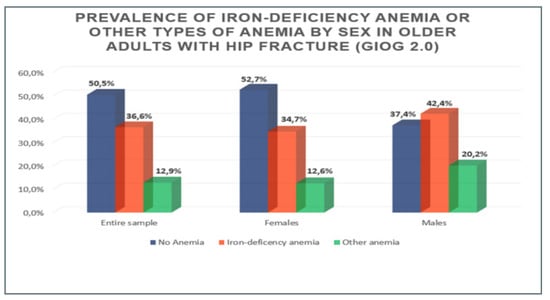
Figure 1.
Diagnostic and therapeutic algorithm for the assessment and management of iron deficiency and anemia in orthogeriatric patients with fragility fractures.
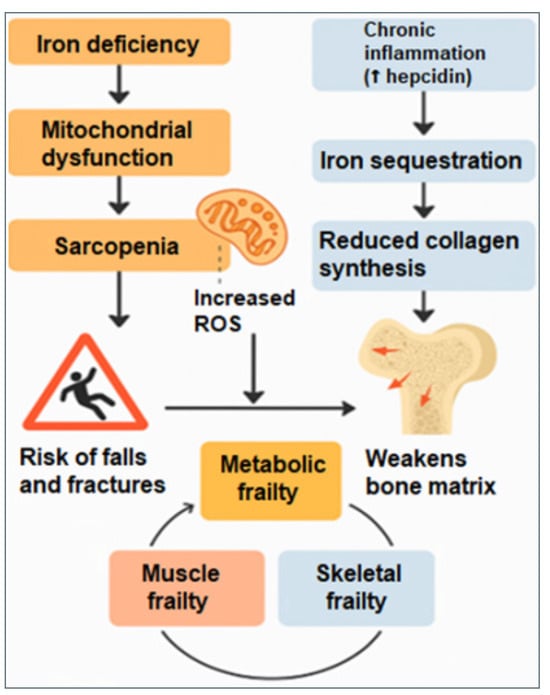
Figure 2.
Pathophysiological interactions between iron deficiency, mitochondrial dysfunction, sarcopenia, and frailty in older adults.
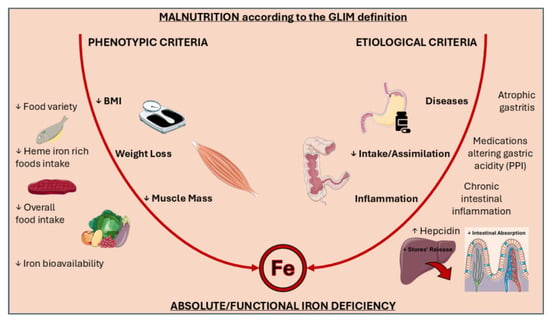
Figure 3.
Pathophysiological mechanisms of iron deficiency in malnourished older people. GLIM: Global Leadership Initiative on Malnutrition; BMI: Body Mass Index; PPI: Proton Pump Inhibitors.
Adapted from Servier Medical Art (https://smart.servier.com), licensed under CC BY 4.0 (https://creativecommons.org/licenses/by/4.0/).
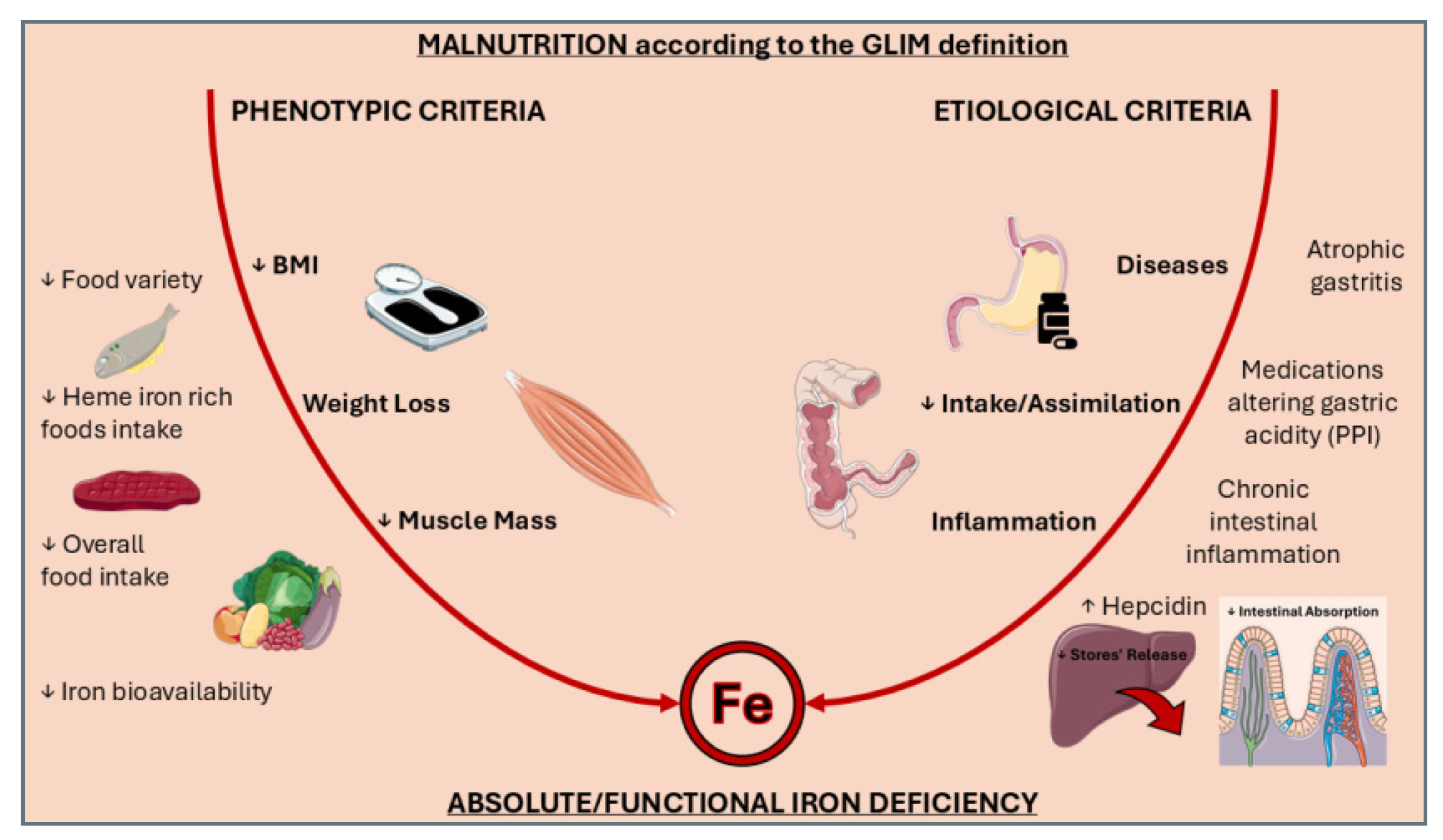

Table I.
Clinical evidence on iron supplementation in older adults with fragility fractures and safety of intravenous therapy.
References
- Camaschella C. Id. Blood 2019;133:30-39. https://doi.org/10.1182/blood-2018-05-815944. Erratum in: 9 February 2023;141(6):682. https://doi.org/10.1182/blood.2022018610 10.1182/blood-2018-05-815944
- Stauder R, Valent P, Theurl I, et al. Anemia at older age: etiologies, clinical implications, and management. Blood 2018;131:505-514. https://doi.org/10.1182/blood-2017-07-746446 10.1182/blood-2017-07-746446
- Guralnik JM, Eisenstaedt RS, Ferrucci L, et al. Prevalence of anaemia in persons 65 years and older in the united states: evidence for a high percentage of unexplained anaemia. Blood 2004;104:2263-2268. https://doi.org/10.1182/blood-2004-05-1812 10.1182/blood-2004-05-1812
- Price EA, Mehra R, Holmes TH, et al. Anaemia in older persons: etiology and evaluation. J Am Geriatr Soc 2011;59:286-291. https://doi.org/10.1111/j.1532-5415.2010.03261.x 10.1111/j.1532-5415.2010.03261.x
- Corti MC, Guralnik JM. Unexplained anaemia of aging: etiology, health consequences, and future research. J Am Geriatr Soc 2021;69:598-607. https://doi.org/10.1111/jgs.17565 10.1111/jgs.17565
- Arosio P. Iron and aging: molecular mechanisms and clinical implications. Biomedicines 2023;11:718. https://doi.org/10.3390/biomedicines11030718 10.3390/biomedicines11030718
- Röhrig G, Gütgemann I, Kolb G. Id in the elderly: a review. Clin Interv Aging 2014;9:1187-1196. https://doi.org/10.2147/CIA.S56925 10.2147/CIA.S56925
- Jankowska EA, von Haehling S, Anker SD, et al. Id and hf: diagnostic dilemmas and therapeutic perspectives. Eur Heart J 2013;34:816-29. https://doi.org/10.1093/eurheartj/ehs224 10.1093/eurheartj/ehs224
- Grote Beverborg N, Klip IT, Meijers WC, et al. Definition of id based on the gold standard of bone marrow iron staining in hf patients. Circ Heart Fail 2018;11:E004519. https://doi.org/10.1161/CIRCHEARTFAILURE.117.004519 10.1161/CIRCHEARTFAILURE.117.004519
- Kalra PR, Cleland JGF, Petrie MC, et al. Intravenous ferric derisomaltose in patients with hf and id in the uk (ironman): an investigator-initiated, prospective, randomised, open-label, blinded-endpoint trial. Lancet 2022;400:2199-2209. https://doi.org/10.1016/S0140-6736(22)02083-9 10.1016/S0140-6736(22)02083-9
- Ponikowski P, van Veldhuisen DJ, Comin-Colet J, et al. Rationale and design of the confirm-hf study: a double-blind, randomised, placebo-controlled study to assess the effects of intravenous ferric carboxymaltose on functional capacity in patients with chronic hf and id. ESC Heart Fail 2014;1:52-58. https://doi.org/10.1002/ehf2.12006 10.1002/ehf2.12006
- Wieczorek M, Schwarz F, Sadlon A, et al. Iron deficiency and biomarkers of inflammation: a 3-year prospective analysis of the DO-HEALTH trial. Aging Clin Exp Res 2022;34:515-525. https://doi.org/10.1007/s40520-021-01955-3 10.1007/s40520-021-01955-3
- Ganz T, Nemeth E, et al. Iron metabolism and the regulation of hepcidin. Annu Rev Physiol 2011;73:195-211. https://doi.org/10.1146/annurev-med-050109-142444 10.1146/annurev-med-050109-142444
- Opis MR, Miron S, Lupu R, et al. Iron and heart failure: from pathophysiology to therapeutic perspectives. J Clin Med 2023;12:13. https://doi.org/10.3390/jcm12010013 10.3390/jcm12010013
- Varghese J, Anker SD, et al. Iron deficiency in heart failure: a global health problem. Eur J Heart Fail 2023;25:2231-2240. https://doi.org/10.1002/ejhf.2796 10.1002/ejhf.2796
- Anker SD, Comin Colet J, et al. Ferric carboxymaltose in patients with heart failure and iron deficiency. N Engl J Med 2018;378:130-137. https://doi.org/10.1056/NEJMoa1708984 10.1056/NEJMoa1708984
- Palmer CI, Gutterman P, et al. Iron deficiency anaemia in the elderly: a review of the literature. J Community Health 1990;15:223-233. https://doi.org/10.1007/BF01321331 10.1007/BF01321331
- Goral J, Kostecka P, et al Immunosenescence and inflammaging in chronic heart failure. Cells 2022;11:23. https://doi.org/10.3390/cells11010023 10.3390/cells11010023
- Markousis-Mavrogenis G, Tromp J, et al. The clinical significance of interleukin-6 in heart failure: results from the BIOSTAT-CHF study. Eur J Heart Fail 2019;21:965-973. https://doi.org/10.1002/ejhf.1490 10.1002/ejhf.1490
- Ferrucci L, Semba RD, et al. Proinflammatory state, hepcidin, and anaemia in older persons. Blood 2010;115:3810-3816. https://doi.org/10.1182/blood-2009-10-248143 10.1182/blood-2009-10-248143
- Zhang H, Dhalla NS, et al. The role of pro-inflammatory cytokines in the pathogenesis of cardiovascular disease. Int J Mol Sci 2024;25:1082. https://doi.org/10.3390/ijms25041082 10.3390/ijms25041082
- Palmer K, Vetrano DL, et al. The relationship between anaemia and frailty: a systematic review and meta-analysis of observational studies. J Nutr Health Aging 2018;22:965-974. https://doi.org/10.1007/s12603-018-1064-7 10.1007/s12603-018-1064-7
- Anker SD, Veldhuisen DJ, et al. Iron deficiency in heart failure: a novel therapeutic target. J Heart Lung Transplant 2023;42:1917-1927. https://doi.org/10.1016/j.healun.2023.08.004 10.1016/j.healun.2023.08.004
- Vlahakos DV, Tsioufis C, et al. Inhibition of the renin angiotensin system in the cardiorenal syndrome with anaemia: a double-edged sword. J Hypertens 2019;37:2145-2153. https://doi.org/10.1097/HJH.0000000000002144 10.1097/HJH.0000000000002144
- OBrien PK, Shishido A, et al. Anaemia in heart failure: an important comorbidity. Am J Med 2015;128:449-455. https://doi.org/10.1016/j.amjmed.2014.10.007 10.1016/j.amjmed.2014.10.007
- Ponikowski P, Kirwan BA, Anker SD, et al. Ferric carboxymaltose for id at discharge after acute hf: a multicentre, double-blind, randomised, controlled trial. Lancet. 12 December 2020;396(10266):1895-1904. https://doi.org/10.1016/S0140-6736(20)32339-4 Erratum in: 27 November 2021;398(10315):1964. https://doi.org/10.1016/S0140-6736(21)02492-2 10.1016/S0140-6736(20)32339-4
- Mentz RJ, Ambrosy AP, Ezekowitz JA, et al. Randomised placebo-controlled trial of ferric carboxymaltose in hf with id: rationale and design. Circ Heart Fail. 2021 May;14:e008100. https://doi.org/10.1161/CIRCHEARTFAILURE.120.008100 10.1161/CIRCHEARTFAILURE.120.008100
- Ponikowski P, Mentz RJ, Hernandez AF, et al. Efficacy of ferric carboxymaltose in hf with id: an individual patient data meta-analysis. Eur Heart J 2023;44:5077-5091. https://doi.org/10.1093/eurheartj/ehad586 10.1093/eurheartj/ehad586
- Anker SD, Friede T, Butler J, et al. Intravenous ferric carboxymaltose in hf with id: the fair-hf2 dzhk05 randomised clinical trial. JAMA 2025;333:1965-1976. https://doi.org/10.1001/jama.2025.3833 10.1001/jama.2025.3833
- McDonagh TA, Metra M, Adamo M, et al. 2021 esc guidelines for the diagnosis and treatment of acute and chronic hf. Eur Heart J 2021;42:3599-3726. https://doi.org/10.1093/eurheartj/ehab368 10.1093/eurheartj/ehab368
- Santos S, Lousa I, Carvalho M, et al. Anaemia in elderly patients: contribution of renal aging and chronic kidney disease. Geriatrics (Basel). 2025;10:43. https://doi.org/10.3390/geriatrics10020043 10.3390/geriatrics10020043
- Badura K, Janc J, Wąsik J, et al. Anaemia of chronic kidney disease-a narrative review of its pathophysiology, diagnosis, and management. Biomedicines. 2024;12:1191. https://doi.org/10.3390/biomedicines12061191 10.3390/biomedicines12061191
- Soraci L, de Vincentis A, Aucella F, et al. Prevalence, risk factors, and treatment of anaemia in hospitalized older patients across geriatric and nephrological settings in italy. Sci Rep 2024;14:19721. https://doi.org/10.1038/s41598-024-70644-8 10.1038/s41598-024-70644-8
- Fougère B, Puisieux F, Chevalet P, et al. Prevalence of iron deficiency in patients admitted to a geriatric unit: a multicenter cross-sectional study. BMC Geriatr 2024;24:112. https://doi.org/10.1186/s12877-024-04719-6 10.1186/s12877-024-04719-6
- Choukroun G, Kazes I, Dantal J, et al. Prévalence de la carence martiale dans une population de patients insuffisants rénaux chroniques non dialysés: étude nationale multicentrique observationnelle carenfer (prevalence of iron deficiency in patients with non-dialysis chronic kidney disease: the carenfer national, multicentre, observational study). Nephrol Ther 2022;18:195-201. French. https://doi.org/10.1016/j.nephro.2021.12.003 10.1016/j.nephro.2021.12.003
- Kovesdy CP, Davis JR, Duling I, et al. Prevalence of anaemia in adults with chronic kidney disease in a representative sample of the united states population: analysis of the 1999-2018 national health and nutrition examination survey. Clin Kidney J 2022;16:303-311. https://doi.org/10.1093/ckj/sfac240 10.1093/ckj/sfac240
- Dardim K, Fernandes J, Panes A, et al. Incidence, prevalence, and treatment of anaemia of non-dialysis-dependent chronic kidney disease: a retrospective database study in france. PLoS One 2023;18:E0287859. https://doi.org/10.1371/journal.pone.0287859 10.1371/journal.pone.0287859. ; .
- Öneç K, Altun G, Özdemir Aytekin Ş, et al. Erythroferrone, hepcidin, and erythropoietin in chronic kidney disease: associations with haemoglobin and renal function. J Clin Med 2025;14:7789. https://doi.org/10.3390/jcm14217789 10.3390/jcm14217789
- Portolés J, Martín L, Broseta JJ, et al. Anaemia in chronic kidney disease: from pathophysiology and current treatments, to future agents. Front Med (Lausanne) 2021;8:642296. https://doi.org/10.3389/fmed.2021.642296 10.3389/fmed.2021.642296
- Hain D, Bednarski D, Cahill M, et al. Iron-deficiency anaemia in ckd: a narrative review for the kidney care team. Kidney Med 2023;5:100677. https://doi.org/10.1016/j.xkme.2023.100677 10.1016/j.xkme.2023.100677
- Heng J, Li ZT, Yao DD, et al. Anaemia in cardiorenal disease: from pathogenesis to treatment. Eur J Intern Med 2025:106506. https://doi.org/10.1016/j.ejim.2025.106506 10.1016/j.ejim.2025.106506
- Minutolo R, Berto P, Liberti ME, et al. Ferric carboxymatose in non-hemodialysis ckd patients: a longitudinal cohort study. J Clin Med 2021;10:1322. https://doi.org/10.3390/jcm10061322 10.3390/jcm10061322
- Bhandari S, Allgar V, Lamplugh A, et al. A multicentre prospective double blinded randomised controlled trial of intravenous iron (ferric derisomaltose (fdi)) in iron deficient but not anaemic patients with chronic kidney disease on functional status. BMC Nephrol 2021;22:115. https://doi.org/10.1186/s12882-021-02308-y 10.1186/s12882-021-02308-y
- Chan B, Varghese A, Badve SV, et al. Systematic review of the effects of iron on cardiovascular, kidney, and safety outcomes in patients with ckd. Kidney Int Rep 2025;10:1037-1049. https://doi.org/10.1016/j.ekir.2025.01.029 10.1016/j.ekir.2025.01.029
- Kidney Disease: Improving Global Outcomes (KDIGO) Anaemia Work Group. Kdigo 2025 clinical practice guideline for anaemia in chronic kidney disease (ckd): public review draft. November 2024. Available online: https://kdigo.org.
- Kang SH, Park SY, Lim YJ, et al. The association between erythropoiesis resistance index and clinical outcomes in hemodialysis patients: a nationwide study. J Clin Med 2025;14:2812. https://doi.org/10.3390/jcm14082812 10.3390/jcm14082812
- Bhandari S, Spencer S, Oliveira B, et al. Uk kidney association clinical practice guideline: update of anaemia of chronic kidney disease. BMC Nephrol 2025;26:193. https://doi.org/10.1186/s12882-025-04115-1 10.1186/s12882-025-04115-1
- Aoun M, Karam R, Sleilaty G, et al. Iron deficiency across chronic kidney disease stages: is there a reverse gender pattern? Plos One 2018;13:E0191541. https://doi.org/10.1371/journal.pone.0191541 10.1371/journal.pone.0191541
- Dinh NH, Cheanh Beaupha SM, Tran LTA. The validity of reticulocyte haemoglobin content and percentage of hypochromic red blood cells for screening iron-deficiency anaemia among patients with end-stage renal disease: a retrospective analysis. BMC Nephrol 2020;21:142. https://doi.org/10.1186/s12882-020-01796-8 10.1186/s12882-020-01796-8
- Qunibi WY, Martinez C, Smith M, et al. A randomized controlled trial comparing intravenous ferric carboxymaltose with oral iron for treatment of iron deficiency anaemia of non-dialysis-dependent chronic kidney disease patients. Nephrol Dial Transplant 2011;26:1599-607. https://doi.org/10.1093/ndt/gfq613 10.1093/ndt/gfq613
- Zhao C, He W. Efficacy of oral vs. intravenous iron for the treatment of iron deficiency anaemia in different conditions: a systematic review and meta-analysis. Biomed Rep 2025;24:11. https://doi.org/10.3892/br.2025.2084 10.3892/br.2025.2084
- Cummings SR, Melton LJ. Epidemiology and outcomes of osteoporotic fractures. Lancet 2002;359:1761-1767. https://doi.org/10.1016/S0140-6736(02)08657-9 10.1016/S0140-6736(02)08657-9
- Toxqui L, Vaquero MP. Chronic iron deficiency as an emerging risk factor for osteoporosis: a hypothesis. Nutrients 2015;7:2324-2344. https://doi.org/10.3390/nu7042324 10.3390/nu7042324
- Haas JD, Brownlie T4th. Iron deficiency and reduced work capacity: a critical review of the research to determine a causal relationship. J Nutr 2001;131:676S-688S. https://doi.org/10.1093/jn/131.2.676S 10.1093/jn/131.2.676S
- Soppi ET. Iron deficiency without anaemia – A clinical challenge. Clin Case Rep 2018;6:1082-1086. https://doi.org/10.1002/ccr3.1529 10.1002/ccr3.1529
- Penninx BW, Guralnik JM, Onder G, et al. Anaemia and decline in physical performance among older persons. Am J Med. 2003;115:104-110. https://doi.org/10.1016/s0002-9343(03)00263-8 10.1016/s0002-9343(03)00263-8
- Stahl-Gugger A, de Godoi Rezende Costa Molino C, Wieczorek M, et alDo-health research group. Prevalence and incidence of iron deficiency in European community-dwelling older adults: an observational analysis of the DO-HEALTH trial. Aging Clin Exp Res 2022;34:2205-2215. https://doi.org/10.1007/s40520-022-02093-0 10.1007/s40520-022-02093-0
- Haddad BI, Hamdan M, Alshrouf MA, et al. Preoperative haemoglobin levels and mortality outcomes after hip fracture patients. BMC Surg 2023;23:266. https://doi.org/10.1186/s12893-023-02174-5 10.1186/s12893-023-02174-5
- Teng Y, Teng Z, Xu S, et al. The analysis for anaemia increasing fracture risk. Med Sci Monit 2020;26:E925707. https://doi.org/10.12659/MSM.925707 10.12659/MSM.925707
- Kristjansdottir HL, Mellström D, Johansson P, et al. Anaemia is associated with increased risk of non-vertebral osteoporotic fractures in elderly men: the mros sweden cohort. Arch Osteoporos 2022;23:85. https://doi.org/10.1007/s11657-022-01130-9 10.1007/s11657-022-01130-9
- Hoes MF, Grote Beverborg N, Kijlstra JD, et al. Iron deficiency impairs contractility of human skeletal muscle through reduced activity of iron-sulfur cluster-containing complexes i, ii and iii. Eur J Heart Fail 2018;20:1316-1325. https://doi.org/10.1002/ejhf.1154 10.1002/ejhf.1154
- Jing JL, Ning TCY, Natali F, et al. Iron supplementation delays aging and extends cellular lifespan through potentiation of mitochondrial function. Cells 2022;11:862. https://doi.org/10.3390/cells11050862 10.3390/cells11050862
- Von Brackel F, Niederwieser D, et al. Iron overload inhibits osteoblast formation and promotes osteoclast-driven bone resorption: mechanistic insights and clinical implications. J Bone Miner Res 2024;39:678-692. https://doi.org/10.1002/jbmr.3975 10.1002/jbmr.3975
- Parelman M, Stoecker B, Baker A, et al. Iron restriction negatively affects bone in female rats and mineralization of hfob osteoblast cells. Exp Biol Med (Maywood). 2006;231:378-386. https://doi.org/10.1177/153537020623100403 10.1177/153537020623100403
- Ganz T, Nemeth E. Hepcidin regulation in the anaemia of inflammation. J Clin Invest 2006;116:1812-1818. https://doi.org/10.1172/JCI28549 10.1172/JCI28549
- Wacka E, Nicikowski J, Jarmużek P, et al. Anaemia and its connections to inflammation in older adults: a review. J Clin Med 2024;13:2049. https://doi.org/10.3390/jcm13072049 10.3390/jcm13072049
- Rineau E, Gueguen N, Procaccio V, et al. Iron deficiency without anaemia decreases physical endurance and mitochondrial complex i activity of oxidative skeletal muscle in the mouse. Nutrients 2021;13:1056. https://doi.org/10.3390/nu13041056 10.3390/nu13041056
- Takaragawa M, Hata T, Yamazaki S, et al. Genotype score for iron status is associated with muscle fiber composition and mitochondrial function in healthy adults. Genes (Basel). 2021;13:5. https://doi.org/10.3390/genes13010005 10.3390/genes13010005
- Jiang Y, Yang Z, Fang C, et al. Preoperative anaemia is associated with increased postoperative complications, in-hospital mortality and prolonged length of stay after hip fracture surgery: a retrospective cohort study. Clin Interv Aging 2023;18:1421-1431. https://doi.org/10.2147/CIA.S375836 10.2147/CIA.S375836
- Sim YE, Sim SD, Seng C, et al. Preoperative anaemia, functional outcomes, and quality of life after hip fracture surgery. J Am Geriatr Soc 2018;66:1524-1531. https://doi.org/10.1111/jgs.15428 10.1111/jgs.15428
- Rohr M, Brandeburg W, Brunner-La Rocca HP. How to diagnose iron deficiency in chronic disease: a review of current methods and potential marker for the outcome. Eur J Med Res 2023;28:15. https://doi.org/10.1186/s40001-022-00922-6 10.1186/s40001-022-00922-6
- Moretti D, Goede JS, Zeder C, et al. Oral iron supplementation in the presence of high hepcidin: comparative absorption of ferrous salts and ferric maltol in healthy adults. Haematologica 2015;100:E438-E441. https://doi.org/10.3324/haematol.2015.129153 10.3324/haematol.2015.129153
- Tolkien Z, Stecher L, Mander AP, et al. Ferrous sulfate exacerbates gastrointestinal symptoms in iron-deficient women due to unabsorbed iron: a randomized double-blind study. PLoS One 2015;10:E0117383. https://doi.org/10.1371/journal.pone.0117383 10.1371/journal.pone.0117383
- Nemeth E, Tuttle MS, Powelson J, et al. Hepcidin regulates cellular iron efflux by binding to ferroportin and inducing its internalization. Science 2004;306:2090-2093. https://doi.org/10.1126/science.1104742 10.1126/science.1104742
- Qunibi WY, Martinez C, Smith M, et al. A randomized controlled trial comparing intravenous ferric carboxymaltose with oral iron for the treatment of iron deficiency anaemia in elderly patients with chronic comorbidities. Am J Kidney Dis 2011;57:524-532. https://doi.org/10.1053/j.ajkd.2010.09.027 10.1053/j.ajkd.2010.09.027
- Auerbach M, Macdougall IC, Birgegard G, et al. Intravenous iron: from anathema to standard of care. Am J Hematol 2020;95:113-122. https://doi.org/10.1002/ajh.25695 10.1002/ajh.25695
- Cancelo-Hidalgo MJ, Castelo-Branco C, Palacios S, et al. Tolerability of different oral iron supplements: a systematic review. Curr Med Res Opin 2013;29:291-303. https://doi.org/10.1185/03007995.2012.761599 10.1185/03007995.2012.761599
- Ebea-Ugwuanyi PO, Vidyasagar S, Connor JR, et al. Oral iron therapy: current concepts and future prospects for improving efficacy and outcomes. Br J Haematol 2024;204:759-773. https://doi.org/10.1111/bjh.19268 10.1111/bjh.19268
- Bernabeu-Wittel M, Romero M, Ollero-Baturone M, et al. Investigators. Ferric carboxymaltose with or without erythropoietin in anemic patients with hip fracture: a randomized clinical trial. Transfusion 2016;56:2199-2211. https://doi.org/10.1111/trf.13624 10.1111/trf.13624
- Montagud-Marrahi E, Biosca M, Monami M, et al. Liposomal iron in moderate chronic kidney disease: enhanced oral iron delivery in patients with gastrointestinal intolerance to conventional oral iron. Nefrología (English Edition) 2020;40:490-495. https://doi.org/10.1016/j.nefroe.2020.03.007 10.1016/j.nefroe.2020.03.007
- Fabiano A, Cantu L, De Franceschi L, et al. Efficacy and tolerability of sucrosomial iron in patients with iron deficiency: real-world experience in a geriatric population. Nutrients 2018;10:711. https://doi.org/10.3390/nu10060711 10.3390/nu10060711
- Tagliafico L, Parodi MN, Odetti P, et al. Safety and tolerability of intravenous ferric carboxymaltose in the oldest old patients: a prospective cohort study in a university italian geriatrics department. J Gerontol Geriatr 2021;69:123-130.
- Muñoz M, Laso-Morales MJ, Gómez-Ramírez S, et al. Pre-operative haemoglobin levels and iron status in a large multicentre cohort of patients undergoing major elective surgery. Anaesthesia 2017;72:826-834. https://doi.org/10.1111/anae.13840 10.1111/anae.13840
- Bisbe E, García-Erce JA, Díez-Lobo AI, et al. A multicentre, observational study on the effectiveness and safety of ferric carboxymaltose in iron-deficient surgical patients. Transfus Altern Transfus Med 2011;12:166-173. https://doi.org/10.1111/j.1778-428X.2011.01156.x 10.1111/j.1778-428X.2011.01156.x
- Berger MM, Shenkin A, Schweinlin A, et al. Espen micronutrient guideline. Clin Nutr 2022;41:1357-1424. https://doi.org/10.1016/j.clnu.2024.03.004 10.1016/j.clnu.2024.03.004
- Ferrucci L, Guerra F, Bucci C, et al. Mitochondria break free: mitochondria-derived vesicles in aging and associated conditions. Ageing Res Rev 2024;102:102549. https://doi.org/10.1016/j.arr.2024.102549 10.1016/j.arr.2024.102549
- Locatelli E, Torsello B, De Marco S, et al. Mitochondrial dysfunction as a biomarker of frailty: the framito study protocol. Arch Gerontol Geriatr 2025;133:105803. https://doi.org/10.1016/j.archger.2025.105803 10.1016/j.archger.2025.105803
- Bastian TW, McVey M, Moore TL, et al. J neurosci. 2018;38:43-56. https://doi.org/10.1523/JNEUROSCI.1504-18.2018 10.1523/JNEUROSCI.1504-18.2018
- Cruz-Jentoft AJ, Volkert D, et al. Malnutrition in older adults. N Engl J Med 2025;392:2244–2255. https://doi.org/10.1056/NEJMra2412275 10.1056/NEJMra2412275
- Cederholm T, Bosaeus I, et al. Malnutrition in adults. N Engl J Med 2024;391:155–165. https://doi.org/10.1056/NEJMra2212159 10.1056/NEJMra2212159
- Norman K, Haß U, Pirlich M. Malnutrition in older adults-recent advances and remaining challenges. Nutrients 2021;13:2764. https://doi.org/10.3390/nu13102764 10.3390/nu13102764
- Stahl-Gugger A, de Godoi Rezende Costa Molino C, Wieczorek M, et al. Prevalence and incidence of iron deficiency in European community-dwelling older adults: an observational analysis of the DO-HEALTH trial. Aging Clin Exp Res 2022;34:2205-2215. https://doi.org/10.1007/s40520-022-02227-3 10.1007/s40520-022-02227-3
- Yilmaz K, Wirth R, Daubert D, et al. Prevalence and determinants of micronutrient deficiencies in malnourished older hospitalized patients. J Nutr Health Aging 2024;28:100039. https://doi.org/10.1016/j.jnha.2024.100039 10.1016/j.jnha.2024.100039
- LARN- Livelli di Assunzione di Riferimento di Nutrienti ed energia per la popolazione italiana. V revisione. Biomedia, Milano 2024.
- Volkert D, Beck AM, Cederholm T, et al. ESPEN practical guideline: clinical nutrition and hydration in geriatrics. Clin Nutr 2022;41:958-989. https://doi.org/10.1016/j.clnu.2021.11.034 10.1016/j.clnu.2021.11.034
- Berger MM, Shenkin A, Schweinlin A, et al. ESPEN micronutrient guideline. Clin Nutr 2022;41:1357–1424. https://doi.org/10.1016/j.clnu.2022.01.024 10.1016/j.clnu.2022.01.024
- Cederholm T, Jensen GL, Correia MITD, et al. GLIM criteria for the diagnosis of malnutrition – a consensus report from the global clinical nutrition community. Clin Nutr 2019;38:1-9. https://doi.org/10.1016/j.clnu.2018.08.002 10.1016/j.clnu.2018.08.002
- Pasricha SR, Tye-Din J, Muckenthaler MU, et al. Iron deficiency. Lancet 2021;397:233-248. https://doi.org/10.1016/S0140-6736(20)32594-0 10.1016/S0140-6736(20)32594-0
- Zimmermann MB, Hurrell RF, et al. Nutritional iron deficiency. Lancet 2007;370:511-520. https://doi.org/10.1016/S0140-6736(07)61235-5 10.1016/S0140-6736(07)61235-5
- Auerbach M, DeLoughery TG, Tirnauer JS, et al. Iron deficiency in adults: a review. JAMA 2025;333:1813-1823. https://doi.org/10.1001/jama.2025.0452 10.1001/jama.2025.0452
- Busti F, Campostrini N, Martinelli N, et al. Iron deficiency in the elderly population, revisited in the hepcidin era. Front Pharmacol 2014;5:83. https://doi.org/10.3389/fphar.2014.00083 10.3389/fphar.2014.00083
- Zeilinger EL, Sturtzel B, Meyer AL, et al. Anaemia and malnutrition in geriatric hospitalized patients: a cross-sectional retrospective study. BMC Geriatr 2025;25:643. https://doi.org/10.1186/s12877-025-06287-9 10.1186/s12877-025-06287-9
- Schaefer B, Meindl E, Wagner S, et al. Intravenous iron supplementation therapy. Mol Aspects Med 2020;75:100862. https://doi.org/10.1016/j.mam.2020.100862 10.1016/j.mam.2020.100862
- Zeidan RS, Martenson M, Tamargo JA, et al. Iron homeostasis in older adults: balancing nutritional requirements and health risks. J Nutr Health Aging 2024;28:100212. https://doi.org/10.1016/j.jnha.2024.100212 10.1016/j.jnha.2024.100212
- Malara A, Zucchelli A, Trevisan C, et al. Polypharmacy appropriateness in Italian long-term care facilities: the nationwide prescription day point survey. Aging Clin Exp Res 2025;37:291-297. https://doi.org/10.1007/s40520-025-03183-5 10.1007/s40520-025-03183-5
- López-Contreras MJ, Zamora-Portero S, López MA, et al. Dietary intake and iron status of institutionalized elderly people: relationship with different factors. J Nutr Health Aging 2010;14:816-822. https://doi.org/10.1007/s12603-010-0104-x 10.1007/s12603-010-0104-x
- Abid SA, Gravenstein S, Nanda A, et al. Anaemia in the long-term care setting. Clin Geriatr Med 2019;35:381-389. https://doi.org/10.1016/j.cger.2019.05.006 10.1016/j.cger.2019.05.006
- Sahin S, Tosun Tasar P, Simsek H, et al. Prevalence of anaemia and malnutrition and their association in elderly nursing home residents. Aging Clin Exp Res 2015;27:857-864. https://doi.org/10.1007/s40520-015-0358-7 10.1007/s40520-015-0358-7
- Silva EC, Roriz AK, Eickemberg M, et al. Factors associated with anaemia in the institutionalized elderly. PLoS One 2016;11:E0162240. https://doi.org/10.1371/journal.pone.0162240 10.1371/journal.pone.0162240
- Reardon G, Pandya N, Bailey RA, et al. Falls in nursing home residents receiving pharmacotherapy for anaemia. Clin Interv Aging 2012;7:397-407. https://doi.org/10.2147/CIA.S33840 10.2147/CIA.S33840
- Landi F, Russo A, Danese P, et al. Anaemia status, haemoglobin concentration, mortality in nursing home older residents. J Am Med Dir Assoc 2007;8:322-327. https://doi.org/10.1016/j.jamda.2007.01.028 10.1016/j.jamda.2007.01.028
- Patel KV. Epidemiology of anaemia in older adults. Semin Hematol 2008;45:210-217. https://doi.org/10.1053/j.seminhematol.2008.04.005 10.1053/j.seminhematol.2008.04.005
- Cook JD, Finch CA, Smith NJ, et al. Evaluation of the iron status of a population. Blood 1976;48:449-455. https://doi.org/10.1182/blood.V48.3.449.449 10.1182/blood.V48.3.449.449
- Smith DL. Anaemia in the elderly. Am Fam Physician 2000;62:1565-1572.
- Milman N, Andersen HC, Pedersen NS, et al. Serum ferritin and iron status in ‘healthy’ elderly individuals. Scand J Clin Lab Invest 1986;46:19-26. https://doi.org/10.3109/00365518609086476 10.3109/00365518609086476
- Lo JO, Benson AE, Martens KL, et al. The role of oral iron in the treatment of adults with iron deficiency. Eur J Haematol 2023;110:123-130. https://doi.org/10.1111/ejh.13892 10.1111/ejh.13892
- McDonagh TA, Metra M, Adamo M, et al. 2023 focused update of the 2021 ESC guidelines for the diagnosis and treatment of acute and chronic heart failure. Eur Heart J 2023;44:3627-3639. https://doi.org/10.1093/eurheartj/ehad195 10.1093/eurheartj/ehad195
- Wolf M, Chertow GM, Macdougall IC, et al. Randomized trial of intravenous iron-induced hypophosphatemia. JCI Insight 2018;3:E124486. https://doi.org/10.1172/jci.insight.124486 10.1172/jci.insight.124486
- Pantopoulos K. Oral iron supplementation: new formulations, old questions. Haematologica 2024;109:2790-2801. https://doi.org/10.3324/haematol.2024.284967 10.3324/haematol.2024.284967
- Pereira DI, Bruggraber SF, Faria N, et al. Nanoparticulate iron(III) oxo-hydroxide delivers safe iron that is well absorbed and utilised in humans. Nanomedicine 2014;10:1877-1886. https://doi.org/10.1016/j.nano.2014.06.012 10.1016/j.nano.2014.06.012
- EFSA Panel on Nutrition, Novel Foods, Food Allergens (NDA). Safety of iron hydroxide adipate tartrate as a novel food pursuant to Regulation (EU) 2015/2283 and as a source of iron in the context of Directive 2002/46/EC. EFSA J 2021;19:e06935. https://doi.org/10.2903/j.efsa.2021.6935 10.2903/j.efsa.2021.6935
Società Italiana di Gerontologia e Geriatria (SIGG) This is an open access article distributed in accordance with the CC-BY-NC-ND (Creative Commons Attribution-NonCommercial-NoDerivatives 4.0 International) license. The article can be used by giving appropriate credit and mentioning the license, but only for non-commercial purposes and only in the original version. For further information: https://creativecommons.org/licenses/by-nc-nd/4.0/deed.en