



Feature Papers in Journal of Functional Morphology and Kinesiology

Editor


E-Mail Website
Collection Editor
Department of Biomedical and Biotechnological Sciences, Anatomy, Histology and Movement Sciences Section, School of Medicine, University of Catania, 95123 Catania, Italy
Interests: anatomy; histology; kinesiology; musculoskeletal disorders; sports medicine; cartilage; osteoarthritis; physical activity; aging; nutrition
Special Issues, Collections and Topics in MDPI journals

Topical Collection Information

Dear Colleagues,

This Topical Collection, Feature Papers in Journal of Functional Morphology and Kinesiology, is dedicated to gathering the highest quality research articles and and review papers from renowned authors in the fields of human movement sciences, sports medicine, digital health and rehabilitation. We invite contributions from our esteemed Editorial Board Members as well as leading experts and practitioners to share their cutting-edge innovations and technological advancements. Topics of interest include, but are not limited to, novel methodologies in human biomechanics, digital monitoring and assessment techniques, advanced rehabilitation strategies, integrative approaches in sports medicine, and emerging computational and experimental models in movement analysis. This topical collection aims to collect contributions from the most impactful researchers in the field.

Prof. Dr. Giuseppe Musumeci
Collection Editor

Manuscript Submission Information

Manuscripts should be submitted online at www.mdpi.com by registering and logging in to this website. Once you are registered, click here to go to the submission form. All submissions that pass pre-check are peer-reviewed. Accepted papers will be published continuously in the journal (as soon as accepted) and will be listed together on the collection website. Research articles, review articles as well as short communications are invited. For planned papers, a title and short abstract (about 250 words) can be sent to the Editorial Office for assessment.

Submitted manuscripts should not have been published previously, nor be under consideration for publication elsewhere (except conference proceedings papers). All manuscripts are thoroughly refereed through a single-blind peer-review process. A guide for authors and other relevant information for submission of manuscripts is available on the Instructions for Authors page. Journal of Functional Morphology and Kinesiology is an international peer-reviewed open access quarterly journal published by MDPI.

Please visit the Instructions for Authors page before submitting a manuscript. The Article Processing Charge (APC) for publication in this open access journal is 1800 CHF (Swiss Francs). Submitted papers should be well formatted and use good English. Authors may use MDPI's English editing service prior to publication or during author revisions.

Keywords

  • sports medicine
  • digital health
  • kinesiology
  • rehabilitation
  • biomechanics
  • movement analysis
  • injury prevention
  • sport performance
  • physical activity
  • posture

Published Papers (10 papers)

2026

Jump to: 2025

16 pages, 6778 KB  
Article
Regional Expression of Vimentin, S100, and Epithelial Membrane Antigen in the Human Medial Collateral Ligament: A Robust Two-Way Analysis of Variance
by Nikola Stamenov, Boycho Landzhov, Maria Piagkou, Ahmed Al-Sadek, Lyubomir Gaydarski, Kristina Petrova, Georgi Luchev, Julian Ananiev, Iva N. Dimitrova and Georgi P. Georgiev
J. Funct. Morphol. Kinesiol. 2026, 11(2), 173; https://doi.org/10.3390/jfmk11020173 (registering DOI) - 25 Apr 2026
Viewed by 24
Abstract
Background: The epiligament (EL) of the medial collateral ligament (MCL) has recently attracted increasing attention as a biologically active structure. Emerging evidence suggests that it may contribute to ligament healing by providing progenitor cells, vascular components, and signaling mediators. However, its cellular [...] Read more.
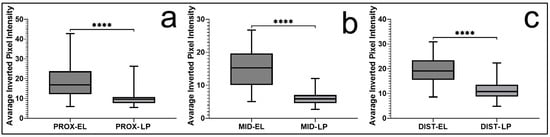
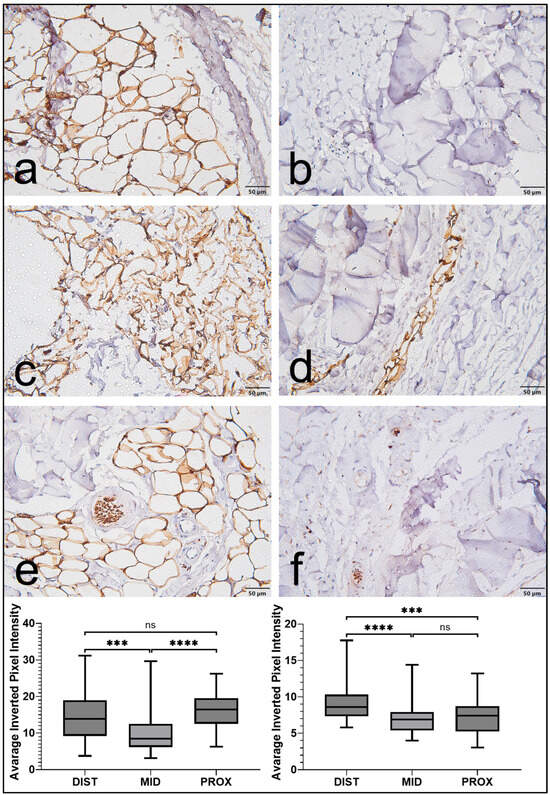
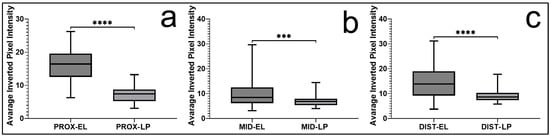
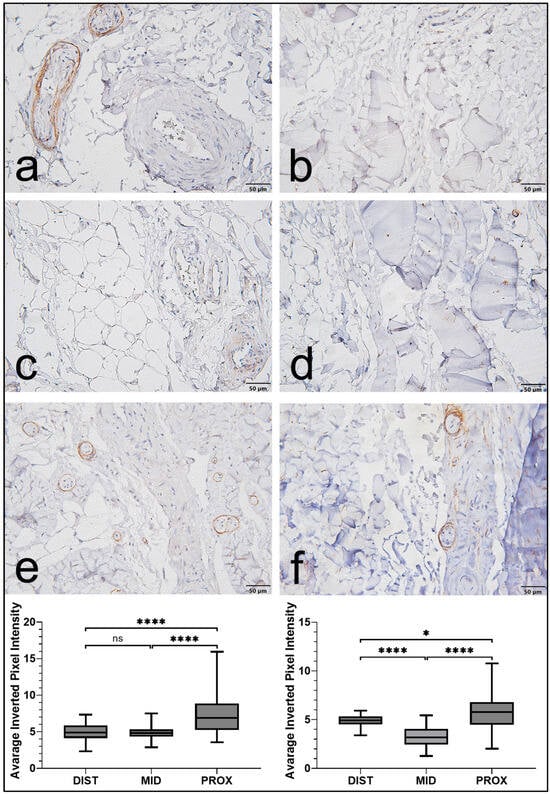
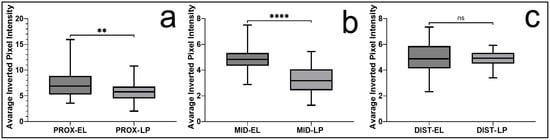
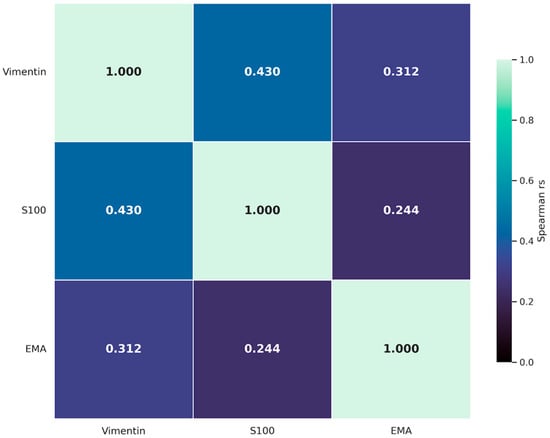
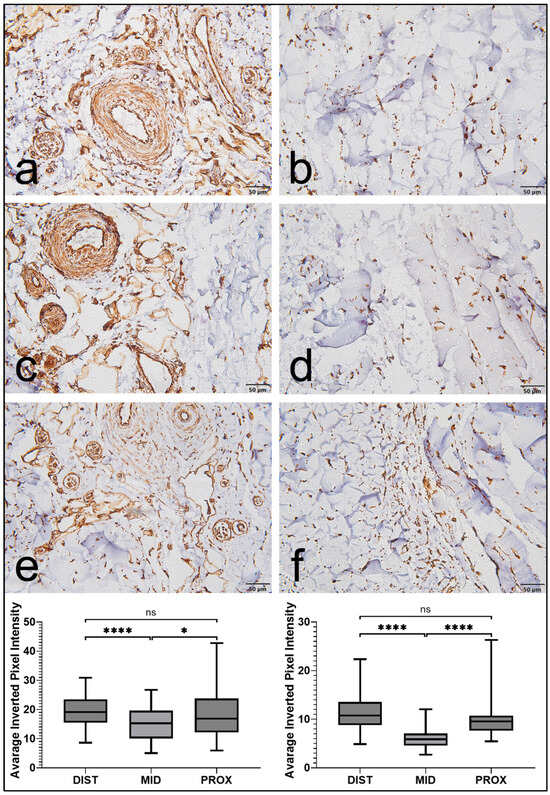
Background: The epiligament (EL) of the medial collateral ligament (MCL) has recently attracted increasing attention as a biologically active structure. Emerging evidence suggests that it may contribute to ligament healing by providing progenitor cells, vascular components, and signaling mediators. However, its cellular composition and possible regional variability remain insufficiently characterized. Aim: This study evaluated the expression of vimentin, S100 protein, and epithelial membrane antigen (EMA) to better characterize the EL compared with the ligament proper (LP). Methods: Twelve human MCLs obtained from twelve deceased donors were divided into proximal, middle, and distal segments. Thirty-six paraffin blocks were prepared, from which 180 sections were obtained and equally assigned for immunohistochemical staining of vimentin, S100 protein, and EMA (60 slides for each marker). Systematic quantification of seven to eight non-overlapping microscopic fields per slide generated 900 standardized observations for each investigated marker. This sampling strategy provided 150 measurements for each sub-region (EL and LP across the three anatomical segments). Immunoreactivity was quantified using ImageJ software. Statistical differences were analyzed using a robust two-way analysis of variance (ANOVA), while biological associations between markers were assessed using Spearman’s rank correlation analysis. Results: Vimentin and S100 expression were consistently higher in the EL than in the LP across all anatomical regions (p < 0.0001). The highest vimentin values were observed in the proximal region (median 17.34 vs. 10.14) and distal region (median 19.34 vs. 11.23), whereas S100 showed the greatest expression in the proximal (median 16.9 vs. 7.2) and distal regions (median 14.1 vs. 8.9). EMA expression was generally lower overall; however, it remained significantly higher in the EL than in the LP within the proximal (median 6.87 vs. 5.77) and middle regions (median 4.80 vs. 3.26). No significant difference was identified in the distal region. Spearman rank correlation analysis demonstrated significant positive associations among all investigated markers (p < 0.001), with the strongest relationship observed between vimentin and S100 protein (Spearman correlation coefficient = 0.430). Conclusions: The EL of the MCL is a structurally and biologically distinct component, characterized by significantly higher expressions of vimentin, S100, and EMA than the LP. The significant positive correlations observed among these markers support the concept that the EL functions as an integrated biological microenvironment with clear regional heterogeneity, particularly within the proximal and distal segments. Further studies are warranted to clarify the functional relevance of these findings and their potential implications for clinical management and ligament healing strategies. Full article
Show Figures

Figure 1
47 pages, 2150 KB  
Review
Eccentric Exercise and Muscle Damage: An Introductory Guide
by Vassilis Paschalis, Nikos V. Margaritelis, Panagiotis N. Chatzinikolaou, Anastasios A. Theodorou and Michalis G. Nikolaidis
J. Funct. Morphol. Kinesiol. 2026, 11(2), 139; https://doi.org/10.3390/jfmk11020139 - 26 Mar 2026
Viewed by 1840
Abstract
At the dawn of the 20th century, seminal studies revealed that muscle fibers produce less heat and generate greater force during elongation than during shortening actions, laying the foundation for contemporary research on eccentric exercise. Today, eccentric exercise is widely used by athletes [...] Read more.
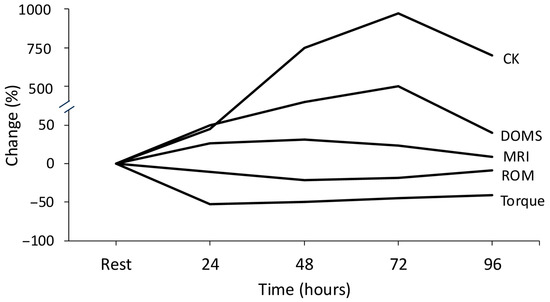
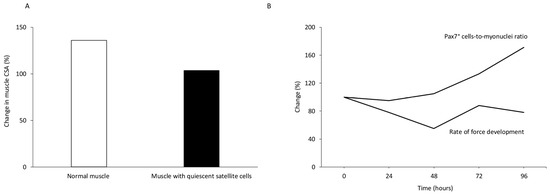
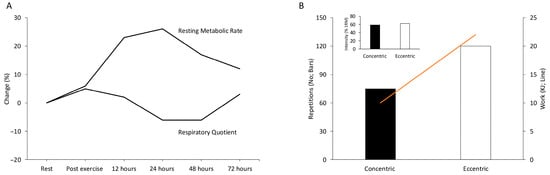
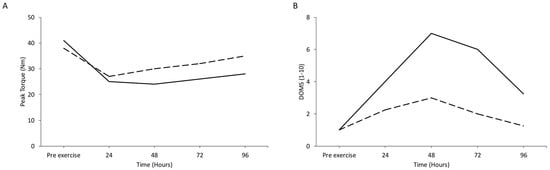
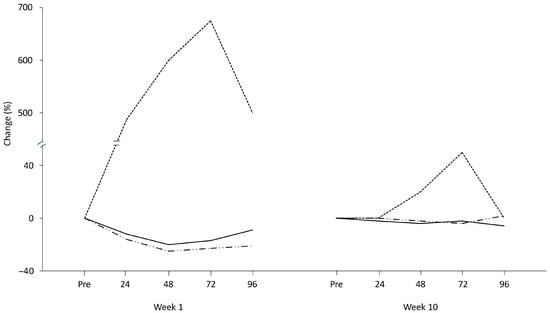
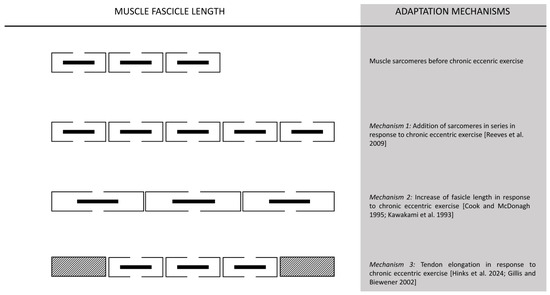
At the dawn of the 20th century, seminal studies revealed that muscle fibers produce less heat and generate greater force during elongation than during shortening actions, laying the foundation for contemporary research on eccentric exercise. Today, eccentric exercise is widely used by athletes to enhance strength and by older adults to maintain functional capacity, yet it may cause muscle damage, particularly in unaccustomed muscles. Despite more than a century of investigation, the precise mechanisms of eccentric exercise-induced muscle damage remain incompletely resolved. Nevertheless, eccentric exercise serves as a valuable model for studying muscle injury and repair and adaptation. This review organizes current evidence into nine key themes: (1) eccentric exercise-induced muscle damage and flawed biomarkers, (2) satellite cell-mediated and alternative repair pathways, (3) high-force, low-cost contractions and metabolic impact, (4) repeated bout effect and protective adaptations, (5) architectural remodeling of fascicles, sarcomeres and tendon, (6) distinct neural control, proprioception, and cross-education adaptations, (7) mitochondrial, sarcoplasmic reticulum, and cytoskeletal stress remodeling, (8) connective tissue perturbation, remodeling, and joint stability, and (9) targeted, cautious use of antioxidant supplementation. Rather than offering a comprehensive overview, this review highlights pivotal experiments, concepts, and controversies within these themes to guide readers to the most impactful discoveries in eccentric exercise and muscle damage. Full article
Show Figures

Figure 1
18 pages, 2918 KB  
Review
A Narrative Review of Shockwave Therapy in Plantar Fasciitis
by Yunfeng Sun, Caterina Fede, Xiaoxiao Zhao, Federico Giordani, Hannes Müller-Ehrenberg, Carmelo Pirri and Carla Stecco
J. Funct. Morphol. Kinesiol. 2026, 11(1), 123; https://doi.org/10.3390/jfmk11010123 - 17 Mar 2026
Viewed by 920
Abstract
This narrative review synthesizes evidence from 108 studies to provide the first comprehensive overview of extracorporeal shockwave therapy (ESWT) for plantar fasciitis across three key domains. First, assessment methodologies were evaluated, identifying 36 distinct tools classified into six categories, including pain (with the [...] Read more.
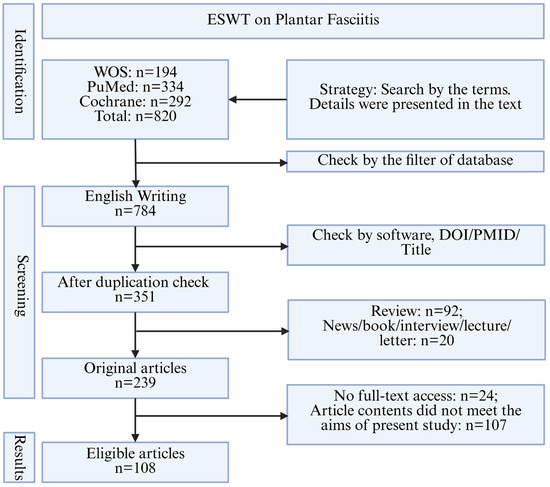
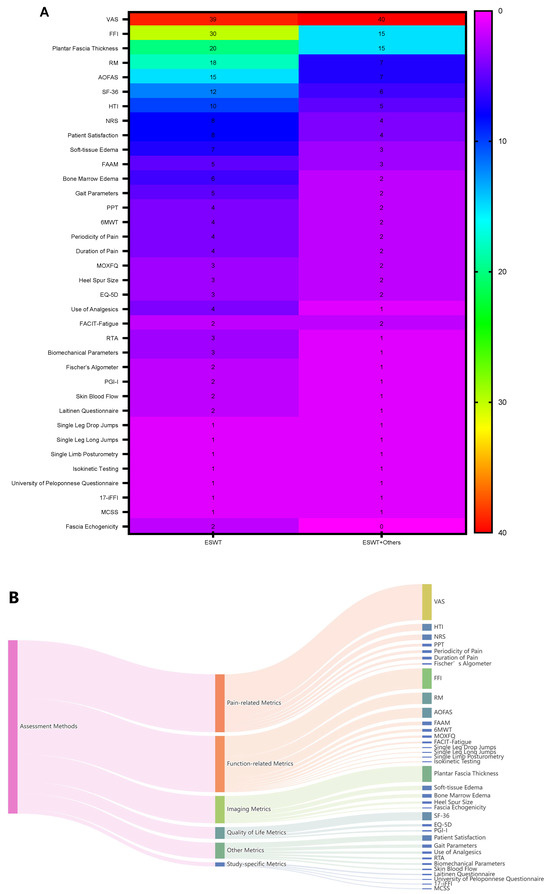
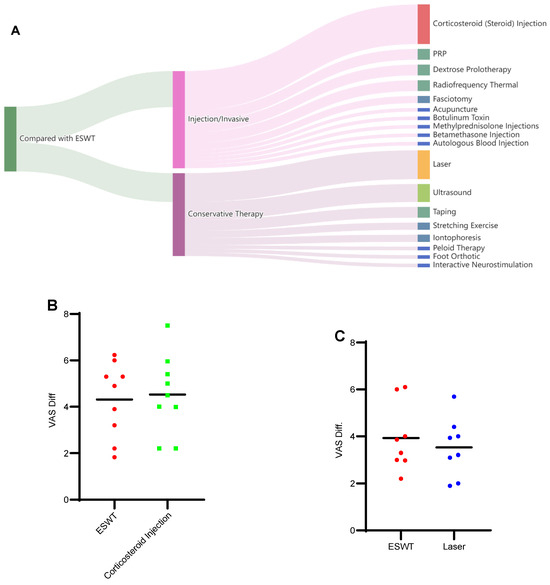
This narrative review synthesizes evidence from 108 studies to provide the first comprehensive overview of extracorporeal shockwave therapy (ESWT) for plantar fasciitis across three key domains. First, assessment methodologies were evaluated, identifying 36 distinct tools classified into six categories, including pain (with the Visual Analog Scale being the most frequently used), function (most commonly the Foot Function Index), plantar fascia thickness, and other measures. Second, treatment protocols were analyzed, revealing commonly applied parameters of 2000 impulses per session and an energy flux density of 0.2 mJ/mm2 or 3.0 bar. Third, the comparative status of ESWT relative to other interventions was examined. Across 18 alternative treatments, corticosteroid injections, platelet-rich plasma (PRP), dextrose prolotherapy, laser therapy, and ultrasound were the most frequently compared modalities. ESWT and comparator interventions demonstrated differential advantages across specific outcomes; however, these findings cannot be directly translated into clinical recommendations, due to the limitations of the available evidence. By consolidating fragmented data, the present review clarifies the current research landscape and provides a foundational reference to support outcome evaluation and individualized treatment selection. Full article
Show Figures

Figure 1
17 pages, 7435 KB  
Hypothesis
The Hidden Anatomy of Low Back Pain: Uncovering the Impact of Mamillo-Accessory Ligament Ossification
by Jordan Allan Piper, Koko Faen, Andy Cai, Ali Ghahreman, Samuel Rajadurai, Giuseppe Musumeci and Alessandro Castorina
J. Funct. Morphol. Kinesiol. 2026, 11(1), 100; https://doi.org/10.3390/jfmk11010100 - 27 Feb 2026
Viewed by 757
Abstract
Low back pain (LBP) remains a leading cause of disability worldwide, imposing substantial socioeconomic burdens. Among its many causes, facetogenic pain accounts for a significant proportion of cases and is generally attributed to irritation of the richly innervated facet joint capsule, mediated by [...] Read more.
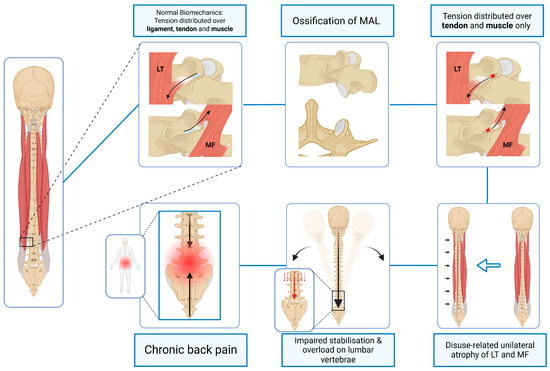
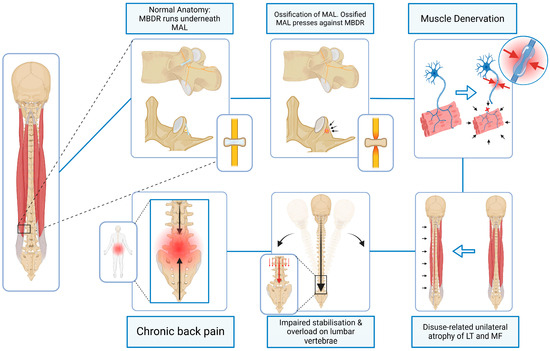
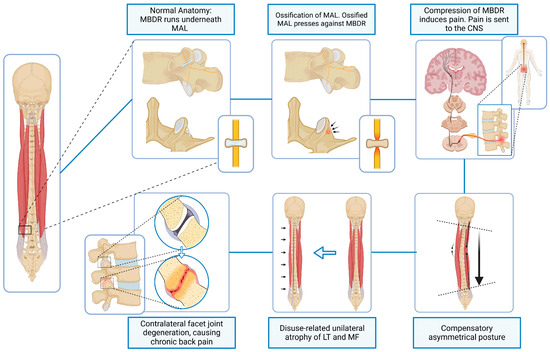
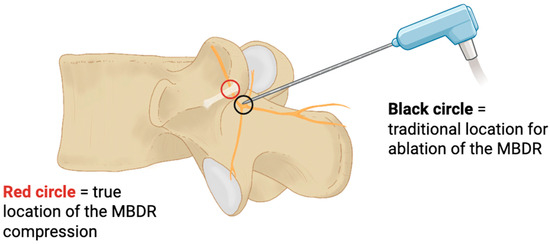
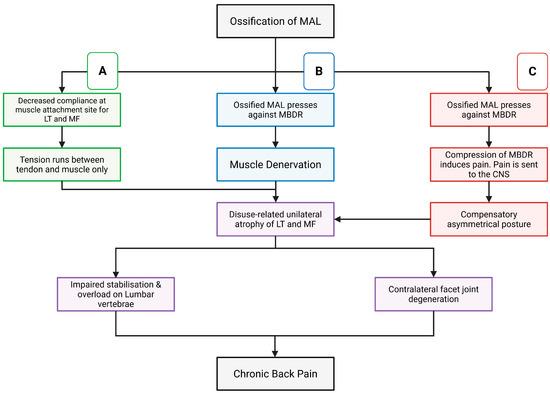
Low back pain (LBP) remains a leading cause of disability worldwide, imposing substantial socioeconomic burdens. Among its many causes, facetogenic pain accounts for a significant proportion of cases and is generally attributed to irritation of the richly innervated facet joint capsule, mediated by the medial branches of the dorsal rami. This narrative, hypothesis-driven review synthesises the current anatomical, biomechanical, neurophysiological, and clinical literature and advances a conceptual framework proposing a novel anatomical mechanism that may contribute to LBP. We hypothesise that ossification of the mamillo-accessory ligament (MAL) may be a plausible but under-recognised anatomical variant that may influence lumbar biomechanics and neural interfaces. The MAL connects the mammillary and accessory processes of lumbar vertebrae, serving as a stabilising anchor for deep paraspinal muscles and forming a conduit for the medial branch of the dorsal ramus (MBDR). Ossification of the MAL, resulting in a mamillo-accessory foramen, may theoretically impair spinal biomechanics via three principal mechanistic domains: (1) disruption of muscle attachment and segmental stabilisation, (2) potential compression of the MBDR causing denervation and muscle atrophy, and (3) chronic nerve entrapment leading to asymmetrical postural adaptations and persistent pain. Collectively, these pathways may contribute to spinal instability, facet degeneration, and variable response to standard interventional treatments such as radiofrequency ablation. Recognition of MAL ossification may have potential implications for clinical assessment, targeted imaging strategies, and treatment stratification in patients with chronic, non-specific LBP. Full article
Show Figures

Figure 1
2025

Jump to: 2026

21 pages, 4585 KB  
Article
High-Density Surface Electromyography Excitation of Prime Movers Across Scapular Positions in the Seated Row
by Riccardo Padovan, Emiliano Cè, Stefano Longo, Gianpaolo Tornatore, Fabio Esposito and Giuseppe Coratella
J. Funct. Morphol. Kinesiol. 2026, 11(1), 6; https://doi.org/10.3390/jfmk11010006 - 24 Dec 2025
Viewed by 975
Abstract
Objectives: The present study compared the amplitude and spatial distribution of muscle excitation between a seated row performed with a fixed scapular position (fixed-SR) and a free scapular position (free-SR) in resistance-trained men, analyzing concentric and eccentric phases separately using high-density surface [...] Read more.
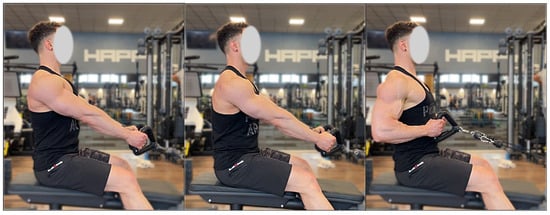
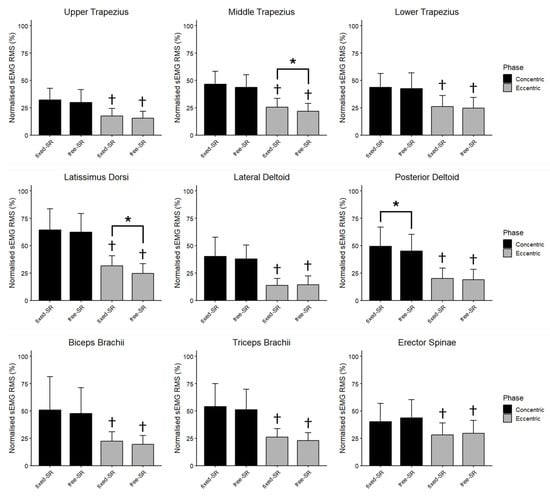
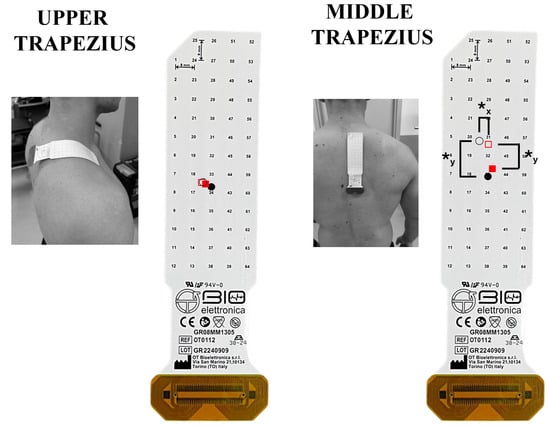
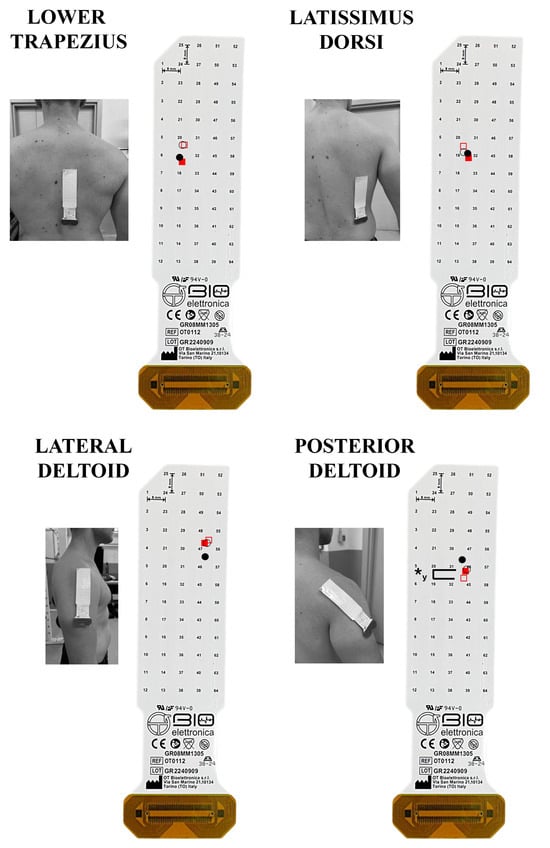
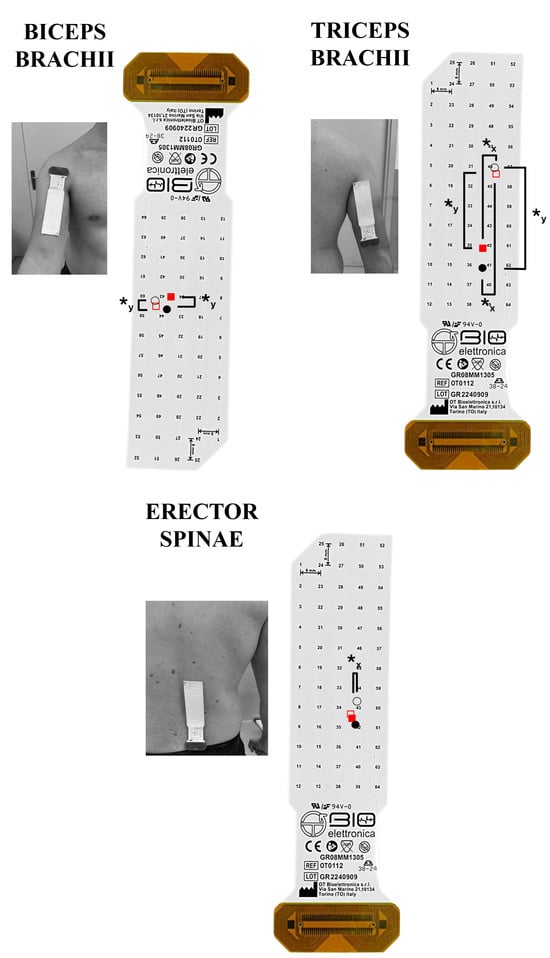
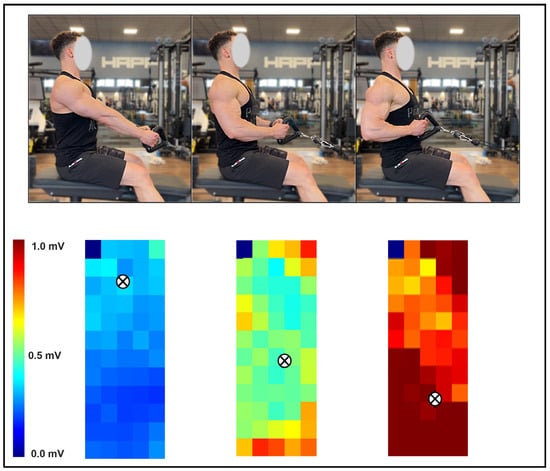
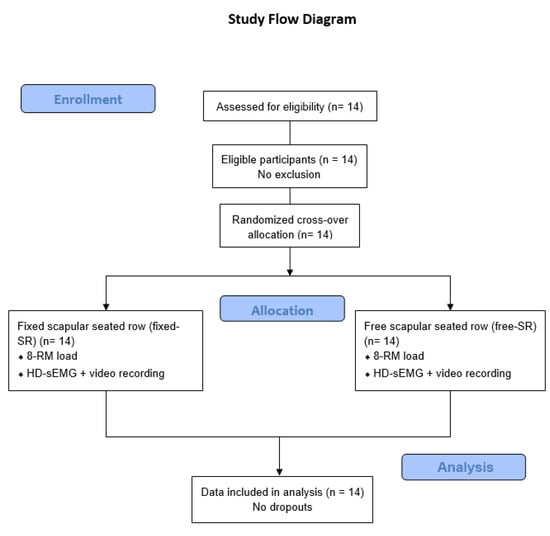
Objectives: The present study compared the amplitude and spatial distribution of muscle excitation between a seated row performed with a fixed scapular position (fixed-SR) and a free scapular position (free-SR) in resistance-trained men, analyzing concentric and eccentric phases separately using high-density surface EMG (HD-sEMG). Methods: Fourteen resistance-trained males (age: 25 ± 4 years; stature: 1.74 ± 0.06 m; body mass: 76.22 ± 5.73 kg) performed fixed-SR and free-SR in a randomized cross-over design using 8-repetition maximum as the load for both variations. HD-sEMG grids recorded the activity from the upper/middle/lower trapezius, latissimus dorsi, lateral/posterior deltoid, biceps brachii, triceps brachii, and erector spinae. Normalized root mean squared (RMS) amplitude and excitation centroids in the mediolateral and craniocaudal planes were computed for the concentric and eccentric phases. Data were analyzed using repeated-measures statistical models, with significance set at p < 0.05. Results: During the concentric phase, nRMS amplitude was greater for the posterior deltoid in fixed-SR compared with free-SR (effect size [ES] = 0.66), whereas no between-condition difference was observed for the remaining muscles. During the eccentric phase, nRMS amplitude was greater in the fixed-SR for the middle trapezius (ES = 0.67) and the latissimus dorsi (ES = 0.85), with no between-condition differences detected for the remaining muscles. The centroid position analysis revealed that, during the eccentric phase, the middle trapezius centroid was located more laterally in the fixed-SR condition (ES = 0.54), while the posterior deltoid centroid was positioned more caudally in the fixed-SR compared with the free-SR condition (ES = 0.22). Conclusions: The fixed-SR and free-SR conditions produce comparable overall muscle excitation patterns, while showing some quantitative and spatial differences in selected upper-back muscles. These results suggest that scapular constraint influences the distribution of muscular excitation rather than overall excitation levels. Accordingly, both variations can be effectively used in resistance training, selecting to fix or free the scapulae depending on the emphasis on the scapular movements rather than a substantial difference in muscle excitation. Full article
Show Figures

Figure 1
29 pages, 4268 KB  
Review
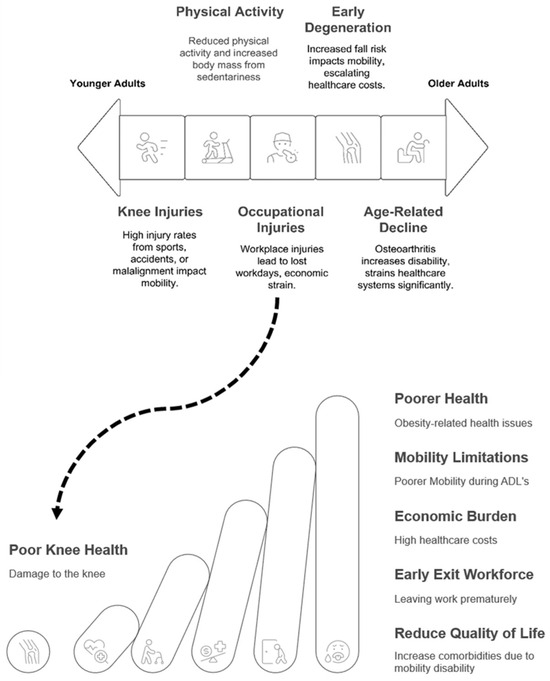
Knee Health Is a Major Determinant of Mobility Across the Healthspan
by Brandon Marshall Peoples, Kenneth D. Harrison, Michael A. Samaan, Christopher B. Mobley, David T. Redden and Jaimie A. Roper
J. Funct. Morphol. Kinesiol. 2025, 10(4), 454; https://doi.org/10.3390/jfmk10040454 - 20 Nov 2025
Viewed by 1906
Abstract
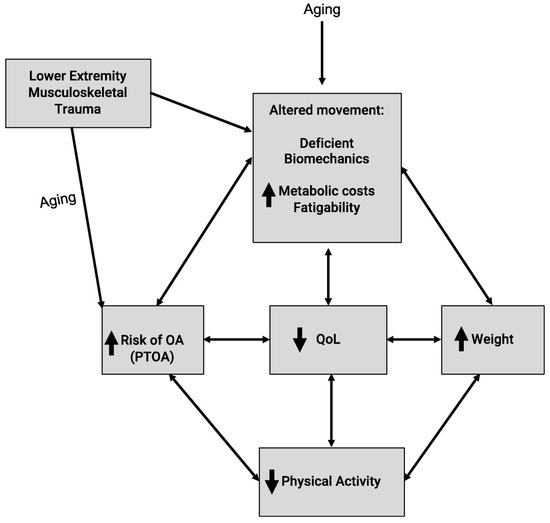
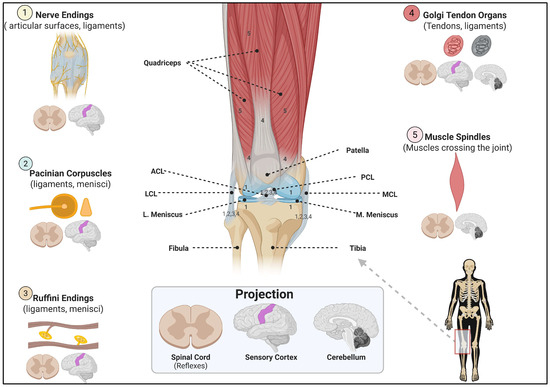
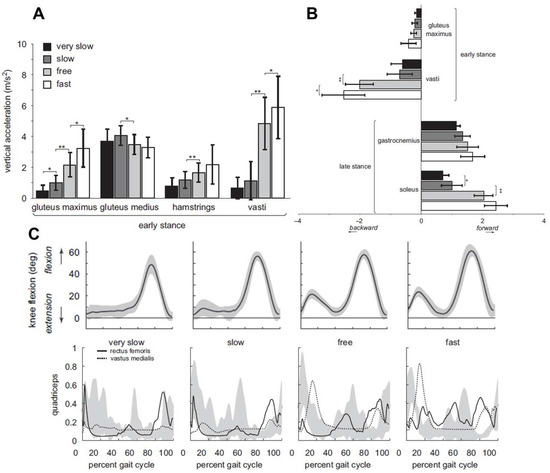
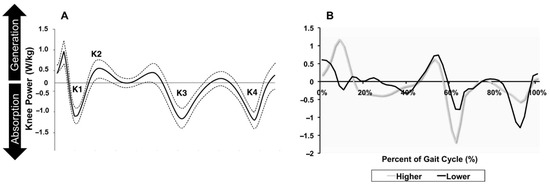
Knee health constitutes a pivotal determinant of locomotor function and overall mobility throughout the healthspan. Impairments in knee function lead to a series of biomechanical and physiological alterations that pose substantial public health challenges and economic burdens worldwide. This review synthesizes evidence that [...] Read more.
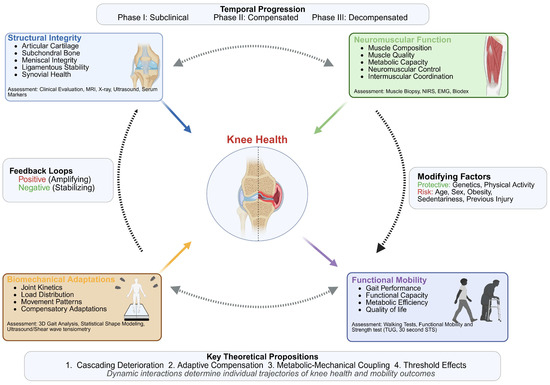
Knee health constitutes a pivotal determinant of locomotor function and overall mobility throughout the healthspan. Impairments in knee function lead to a series of biomechanical and physiological alterations that pose substantial public health challenges and economic burdens worldwide. This review synthesizes evidence that delineates the complex and multifaceted relationship between knee health and mobility, emphasizing the interplay across various domains in adult populations. Knee health is conceptualized as a dynamic, interconnected system whereby structural integrity, neuromuscular mechanisms, biomechanical adaptations, and functional mobility are intricately interrelated through cascades of mechanistic processes operating across different temporal stages. A comprehensive understanding of these interrelationships is necessary for developing precise and targeted interventions that aim to preserve mobility and functional independence throughout the healthspan. Full article
Show Figures

Figure 1
15 pages, 843 KB  
Article
Long-Term Cumulative Effects of Repeated Concussions in Cyclists: A Neurophysiological and Sensorimotor Study
by Alan J. Pearce and Doug King
J. Funct. Morphol. Kinesiol. 2025, 10(4), 414; https://doi.org/10.3390/jfmk10040414 - 22 Oct 2025
Viewed by 1077
Abstract
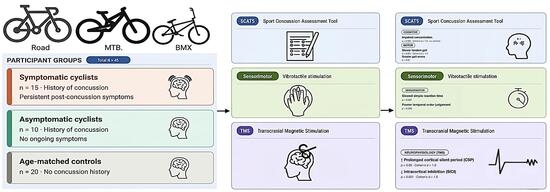
Objectives: Sports-related concussion (SRC) is mostly associated with contact and combat sports. However, emerging evidence suggest that cyclists are also at risk of repeated concussion injury. Moreover, long-term neurophysiological outcomes in cycling cohorts remain underexplored. This novel study investigated the long-term effect [...] Read more.
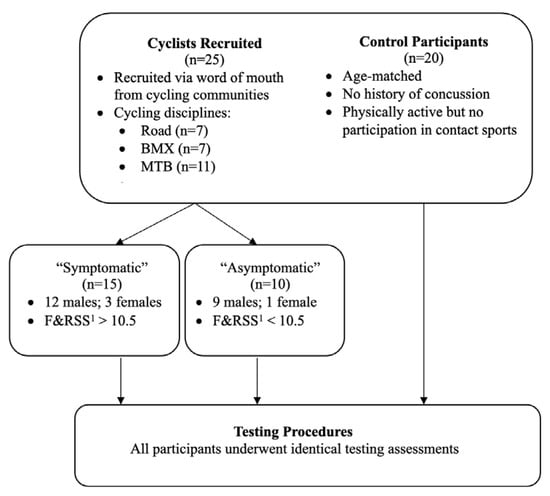
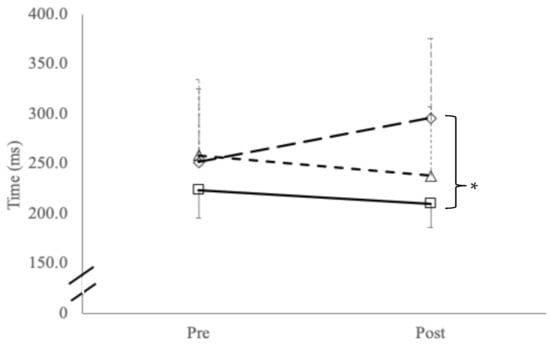
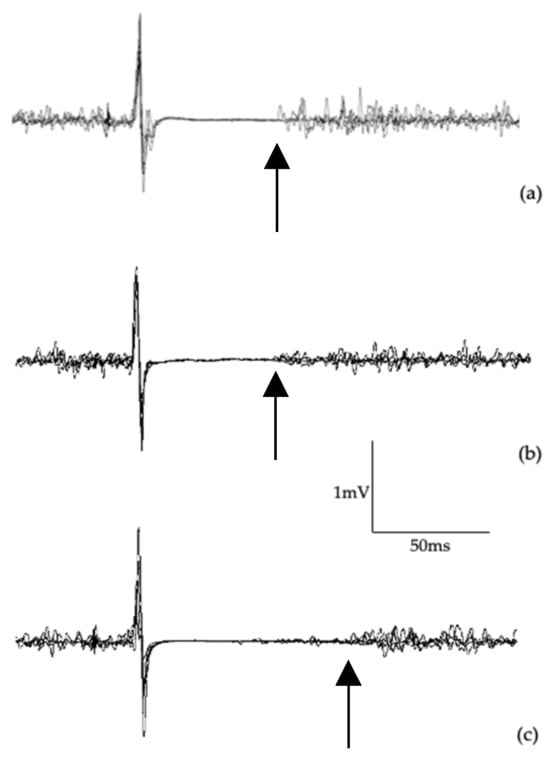
Objectives: Sports-related concussion (SRC) is mostly associated with contact and combat sports. However, emerging evidence suggest that cyclists are also at risk of repeated concussion injury. Moreover, long-term neurophysiological outcomes in cycling cohorts remain underexplored. This novel study investigated the long-term effect of repetitive concussions in cyclists. Road, mountain biking (MTB), and BMX riders with a history of concussions and self-reported persistent symptoms were assess for neurophysiology and cognitive–motor performance compared to previously concussed cyclists with no ongoing symptoms. Both groups were compared to age-matched with controls. Methods: Using a cross-sectional between-group design, 25 cyclists with a history of concussions (15 symptomatic, 10 asymptomatic) and 20 controls completed symptom reporting, cognitive and balance assessments (SCAT5), sensorimotor testing using vibrotactile stimulation, and neurophysiological assessments via transcranial magnetic stimulation (TMS). Results: Symptomatic cyclists reported a higher number of concussions compared to asymptomatic cyclists (p = 0.041). Cognitive testing revealed large effects (d > 1.0), with impaired concentration in symptomatic cyclists compared to controls (p = 0.005). Motor assessments demonstrated large effects (d > 1.0), with slower tandem gait times (p < 0.001) and greater errors (p = 0.02) in the symptomatic group. Sensorimotor testing indicated slowed simple reaction times (p = 0.001) and poorer temporal order judgement (p = 0.038). TMS showed large effects (d > 1.0) in increased cortical inhibition in the symptomatic group, with prolong cortical silent periods (p < 0.05) and large effects (d > 1.0), and reduced short interval intracortical inhibition (p = 0.001) compared to asymptomatic cyclists and controls. Conclusions: Cyclists reporting persistent symptoms showed greater cortical inhibition and impaired cognitive–motor performance, consistent with findings in contact sport athletes. These results suggest that repeated concussions in cycling carry risk of chronic neurophysiological alterations. Cycling disciplines should consider more rigorous concussion identification protocols and stricter management strategies to mitigate persistent and long-term consequences. Full article
Show Figures

Graphical abstract

36 pages, 3474 KB  
Review
What Is ‘Muscle Health’? A Narrative Review and Conceptual Framework
by Katie L. Boncella, Dustin J. Oranchuk, Daniela Gonzalez-Rivera, Eric E. Sawyer, Dawn M. Magnusson and Michael O. Harris-Love
J. Funct. Morphol. Kinesiol. 2025, 10(4), 367; https://doi.org/10.3390/jfmk10040367 - 25 Sep 2025
Cited by 1 | Viewed by 5229
Abstract
Background: Muscle health is an emerging concept linked to physical performance and functional independence. However, the term lacks a standardized definition and is often used as a broad muscle-related outcome descriptor. Clinical communication and research would benefit from a conceptual model of [...] Read more.
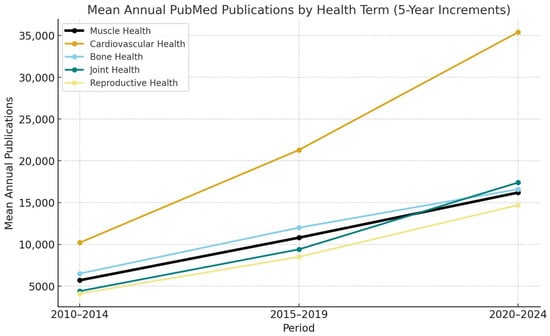
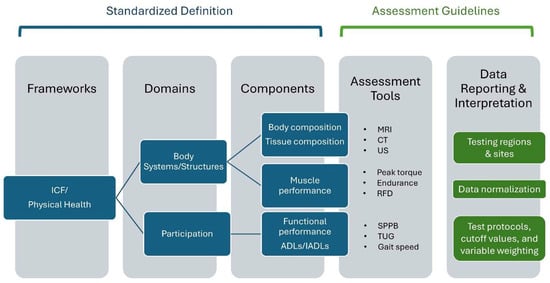
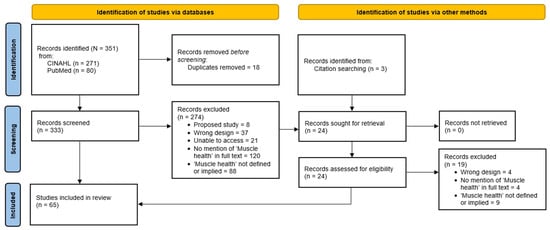
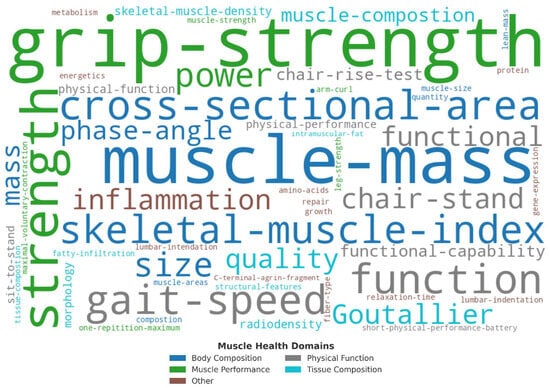
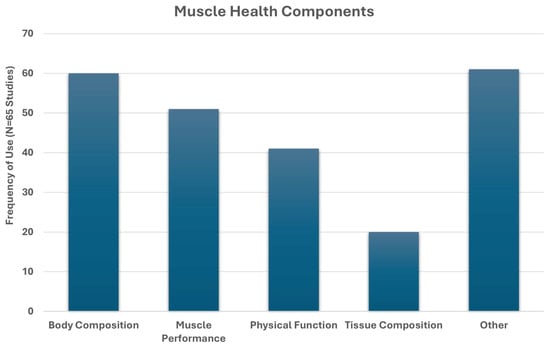
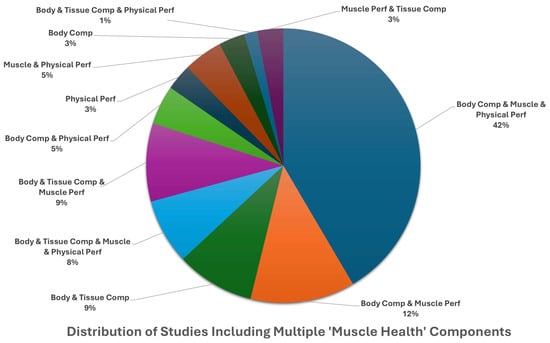
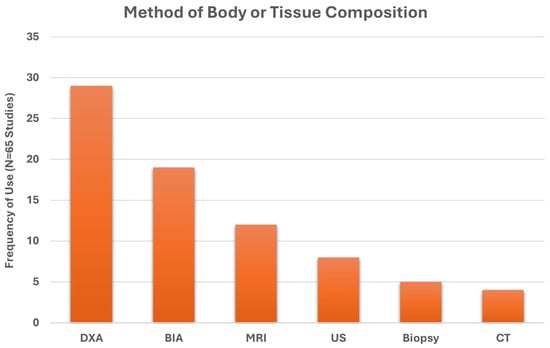
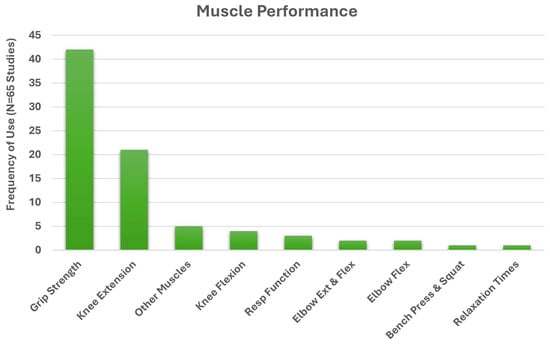
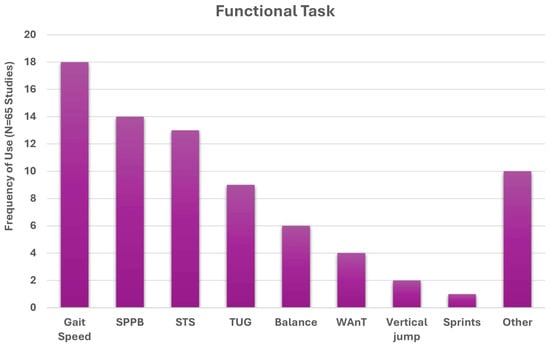
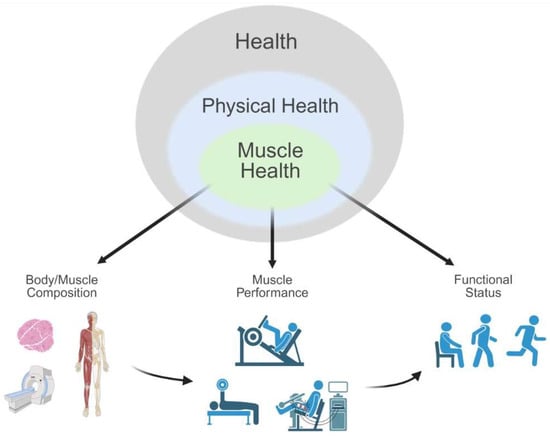
Background: Muscle health is an emerging concept linked to physical performance and functional independence. However, the term lacks a standardized definition and is often used as a broad muscle-related outcome descriptor. Clinical communication and research would benefit from a conceptual model of muscle health grounded in an established framework. Methods: We conducted systematic search and narrative synthesis to identify multifactorial measurement approaches explicitly described under ‘muscle health’. PubMed and CINAHL were searched for clinical and randomized controlled trials published in the past 5 years (final search: March 2025) that used the term “muscle health.” Studies were reviewed for explicit definitions of “muscle health,” and all identified outcomes (e.g., strength, mass) and measurement tools (e.g., grip strength, ultrasound) were synthesized. This review was retrospectively registered (INPLASY202580069). Results: Of the 65 clinical or randomized controlled trials that met inclusion criteria, 29 provided an operational definition of ‘muscle health’, while 36 inferred measurements without a clear definition. The identified measurements spanned four primary categories, with body composition/muscle mass being the most common (92.3%), followed by muscle performance (78.5%), physical function (63.1%), and tissue composition (30.8%). Most studies included more than one muscle health metric (93.9%). Common assessment methods included DXA (44.6%), grip strength (64.6%), and gait speed (27.7%). Conclusions: While there are common measurement approaches, the definition of muscle health varies widely in the cited works. The framework of the International Classification of Functioning, Disability and Health, was used to identify domains aligned with muscle health components of muscle morphology/morphometry (e.g., mass and composition), functional status (performance-based tasks), and physical capacity (muscle performance). This framework provides a structured basis for evaluating muscle health in research and clinical practice. Consistent use of these domains could enhance assessment and support efforts to standardize testing and interpretation across settings. Full article
Show Figures

Figure 1
12 pages, 4591 KB  
Article
Toward a Better Understanding of Hip Adductor Function: Internal Rotation Capability Revealed by Anatomical and MRI Evaluation
by Kazuhiro Hirano, Kazuo Kinoshita, Atsushi Senoo and Masaru Watanabe
J. Funct. Morphol. Kinesiol. 2025, 10(3), 354; https://doi.org/10.3390/jfmk10030354 - 16 Sep 2025
Viewed by 3452
Abstract
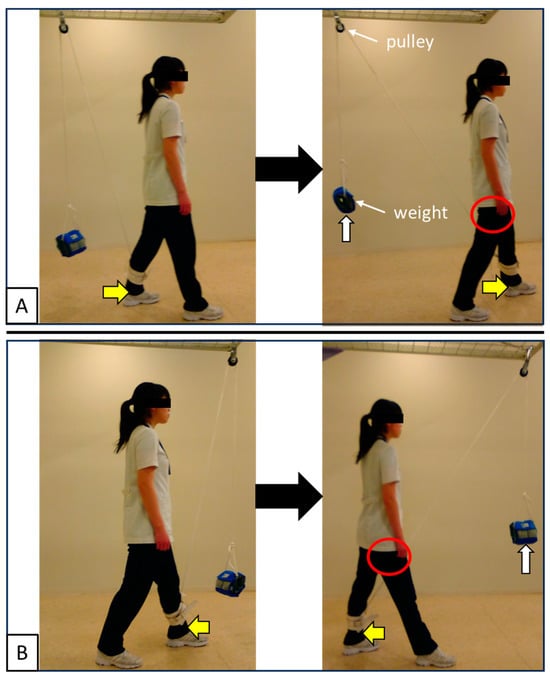
Background: At present, the rotational function of the hip adductor muscle group remains unclear. This study aimed to clarify the rotational function and stabilizing role of the pectineus, adductor longus, and adductor brevis (adductor muscle group) based on anatomical findings and T [...] Read more.
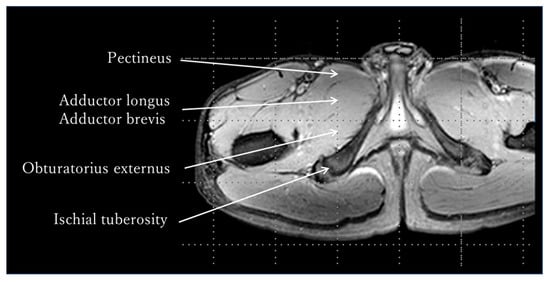
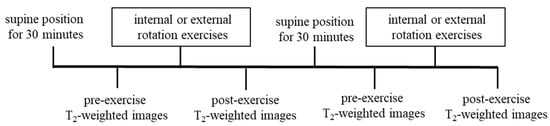
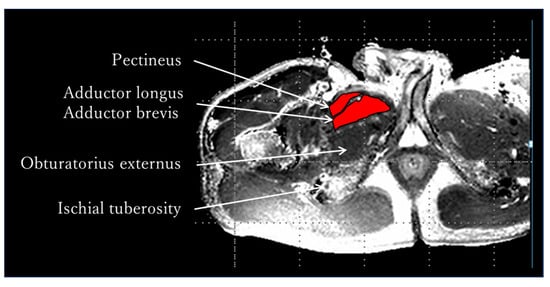
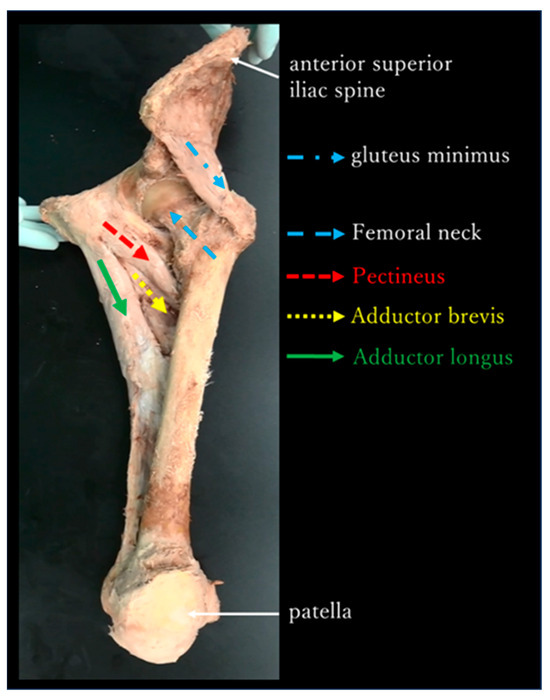
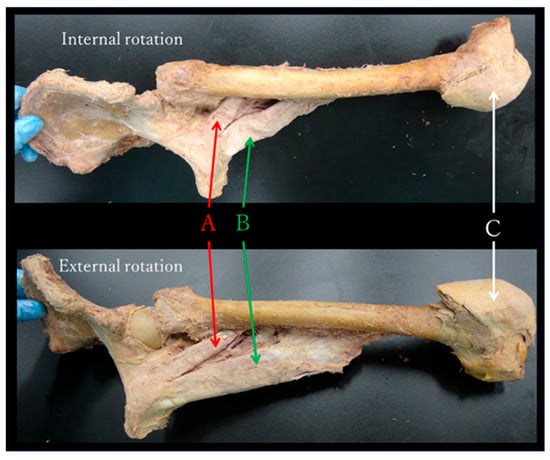
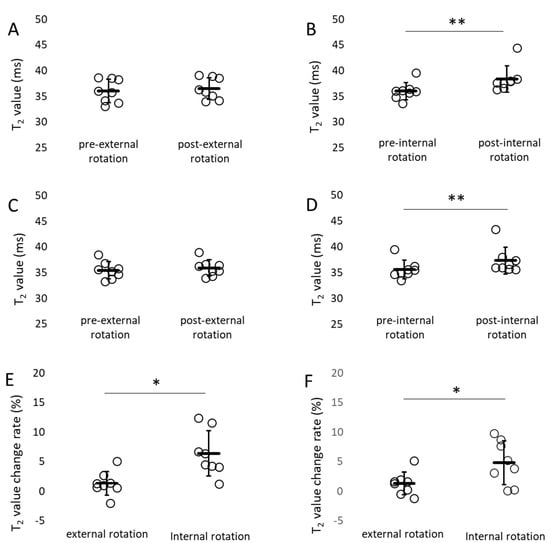
Background: At present, the rotational function of the hip adductor muscle group remains unclear. This study aimed to clarify the rotational function and stabilizing role of the pectineus, adductor longus, and adductor brevis (adductor muscle group) based on anatomical findings and T2 values (ms) obtained from magnetic resonance imaging (MRI). T2 values are prolonged in tissues with higher water content, and in skeletal muscle, it has been demonstrated that T2 values increase in proportion to exercise intensity. Methods: Using fixed specimens (n = 6, aged 61–96 years), we observed the three-dimensional arrangement of muscles in the neutral position of the hip joint and observed the extension or shortening of muscles associated with passive maximum internal and external rotation of the hip joint. In addition, we evaluated the activity of the adductor muscle group by T2 values (ms) from MRI pre- and post-internal rotation (forward step with the left leg) and pre- and post-external rotation (backward step with the left leg) movements of the right hip joint in a standing position (n = 8, healthy adult subjects, mean age 29.1 ± 5.3 years). Results: Regarding functional anatomy, the arrangement of the gluteus minimus and adductor muscle groups was almost parallel across the femoral neck. In the evaluation of adductor muscle group activity using MRI, the percent change in T2 values (%) of the pectineus was 6.38 ± 1.35 pre- and post-internal rotation and 1.35 ± 0.71 pre- and post-external rotation, whereas that of the adductor longus and brevis was 4.84 ± 1.31 pre- and post-internal rotation and 1.31 ± 0.68 pre- and post-external rotation. The percent change in T2 values pre- and post-internal rotation exercise was significantly greater than that pre- and post-external rotation exercise in the pectineus, adductor longus, and brevis muscles (p < 0.05). Conclusions: The adductor muscle groups are suggested to contribute to joint stability in the coronal plane and provide joint internal rotation in the standing position. Full article
Show Figures

Figure 1
12 pages, 250 KB  
Article
Young Athletes Perceiving Greater Improvement After Return to Sport Bridge Program Sustained More Ipsilateral ACL Graft or Contralateral ACL Injuries During Their First Season Back: An Observational Study
by John Nyland, Brandon Pyle, Samuel Carter, Ryan Krupp and David N. M. Caborn
J. Funct. Morphol. Kinesiol. 2025, 10(3), 335; https://doi.org/10.3390/jfmk10030335 - 30 Aug 2025
Viewed by 2770
Abstract
Objective: Anterior cruciate ligament (ACL) graft failure or contralateral ACL injury after returning to sport (RTS) post-ACL reconstruction remains problematic. Re-injury prevention programs that “bridge” standard physical therapy and release to unrestricted sports participation can help. This observational study evaluated the characteristics of [...] Read more.
Objective: Anterior cruciate ligament (ACL) graft failure or contralateral ACL injury after returning to sport (RTS) post-ACL reconstruction remains problematic. Re-injury prevention programs that “bridge” standard physical therapy and release to unrestricted sports participation can help. This observational study evaluated the characteristics of athletes who sustained an ipsilateral ACL graft or contralateral ACL injury after RTS bridge program participation. Materials and Methods: Comparisons were made between RTS bridge program participants who either had or had not sustained an ipsilateral ACL graft or contralateral ACL injury following RTS. Post-program objective physical function tests, pre- and post-program Knee Outcome Survey Sports Activity Scale (KOS-SAS), global sports activities knee function scores, sports activities knee function rating improvements, and post-program sport performance ability perceptions were evaluated. Results: A total of 204 athletes (19.7 ± 6 years of age, 108 males) completed the RTS bridge program and were released back to sports at 8.5 ± 2.3 months post-surgery. Groups had similar pre-morbid performance level restoration perceptions. Taller and heavier male athletes displayed greater single leg triple hop for distance magnitude, and quicker single leg timed hop, single leg timed crossover hop, and NFL 5-10-5 and NFL “L” times. Bilateral physical function test symmetry results did not differ between groups. By 7.8 ± 4 years post-surgery, 17 subjects sustained either ipsilateral ACL graft injury (n = 6) or contralateral ACL injury (n = 11), with a similar frequency between males and females (p = 0.30). Athletes who sustained an ipsilateral ACL graft or contralateral ACL injury were younger, and more often scored ≥ 25th percentile for post-program global sports activities knee function and KOS-SAS scores; more frequently had two-level overall sports activities knee function rating improvements; and tended to sustain this new knee injury during the initial RTS season. Conclusions: Factors other than physical function or performance capability may possess a strong influence on ipsilateral ACL graft or contralateral ACL injury following RTS bridge program participation. Full article
Back to TopTop