



Encyclopedia 2025, 5(4), 172; https://doi.org/10.3390/encyclopedia5040172 - 18 Oct 2025
Cited by 1 | Viewed by 1273
Abstract
►
Show Figures
Biosurfactants are amphipathic compounds produced by various microorganisms, including fungi and yeasts, with those produced by the latter being of particular interest as they are considered microorganisms of low or no sanitary risk. This article presents an analysis of the available information regarding
[...] Read more.
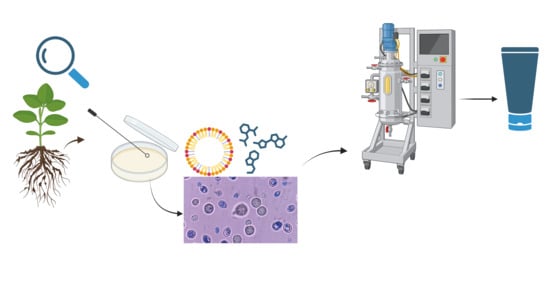
Biosurfactants are amphipathic compounds produced by various microorganisms, including fungi and yeasts, with those produced by the latter being of particular interest as they are considered microorganisms of low or no sanitary risk. This article presents an analysis of the available information regarding the role these compounds play within the ecological habitat where yeasts inhabit, as well as their potential biotechnological applications in commercial areas. Some of the biological roles that biosurfactants play for their producing microorganisms are unknown and can be highly diverse, depending on the adaptive needs microorganisms have to survive the environmental conditions prevalent in their habitat. However, some of these roles that have been reported are related to nutrient availability, cellular communication, and competition, as well as surface colonization. The structures of biosurfactant molecules produced by yeasts are highly diverse, and so far, have been reported as sophorolipids, carbohydrate–protein–lipid complexes, carbohydrate–protein polymers, mixtures of lactones, and mannosylerythritol lipids. In addition to their properties as surfactants and/or emulsifiers, many of these molecules have also been reported to possess biological activities, including antimicrobial, antifungal, antitumoral, antioxidant, antiadhesive, antiviral, ultraviolet (UV)-protectant, anti-aging agent, moisturizing, and enzyme-activator/inhibitor properties. By understanding the functions that biosurfactants perform in nature, novel and efficient methods for their production can be proposed, as well as new applications in areas such as pharmaceuticals, food, and cosmetics. The latter is of particular interest due to the growing biosurfactant market and the processes that demand greater knowledge about their production, biological, and environmental interactions for their management and disposal.
Full article
Graphical abstract