Dear Colleagues,
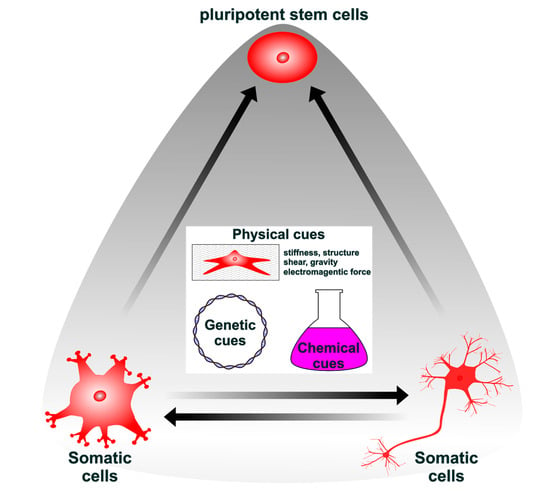
Waddington’s epigenetic concept is widely supported as the cause of hierarchical restrictions and robustness of cell differentiation during normal development. However, pluripotency can be achieved artificially by transplanting the nuclei of frog somatic cells into eggs, suggesting the presence of molecule(s) that reprogram the intrinsic epigenetic information of the egg.
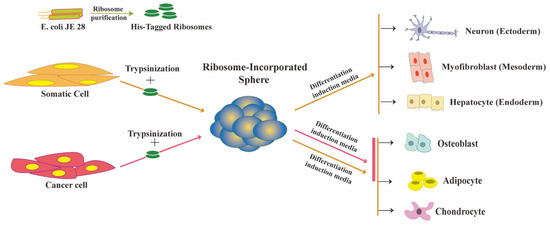
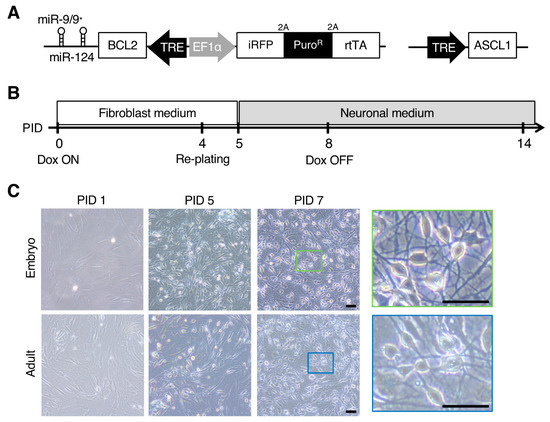
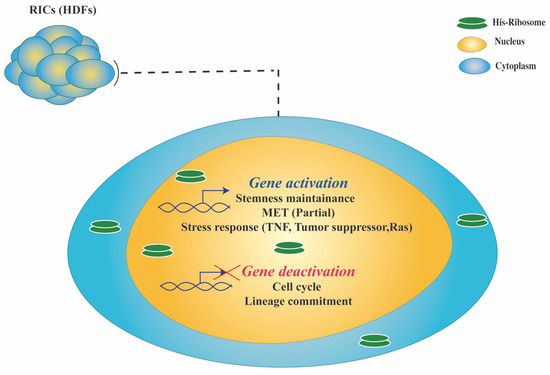
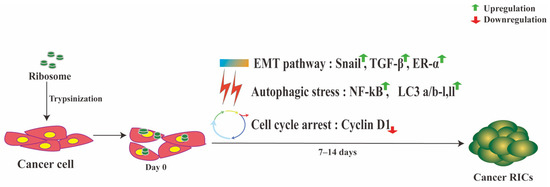
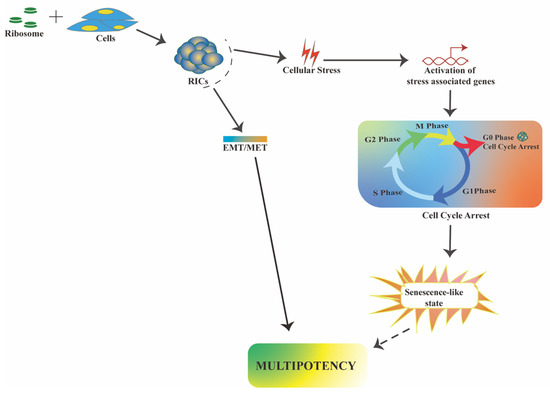
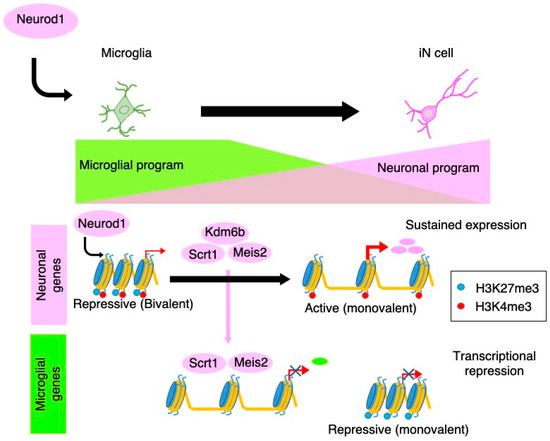
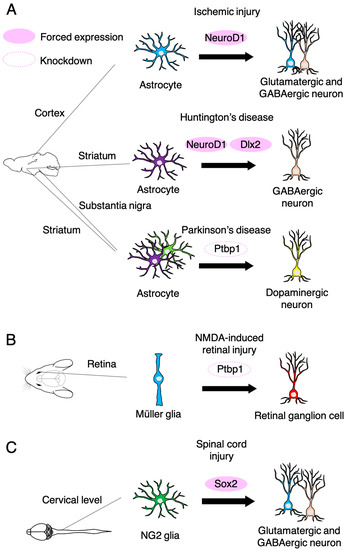
In this Topical Collection, the focus will be on the creation of multipotent cells using extrinsic materials. To date, generated using several different kinds of methods, including forced expression of specific transcription factors, incorporating ribosomes into fibroblasts, infection of leprosy bacilli into adult Schwann cells, and applying a cocktail of small-molecule compounds or cell-penetrating peptides to fibroblasts. Though these cells have both advantages or disadvantages regarding their use in either basic research or clinical application, we realize that even terminally differentiated cells possess the potential to be reprogrammed by extrinsic materials. Therefore, precise knowledge of the specific cellular and molecular signaling behind such reprogramming is a priority of the scientific community.
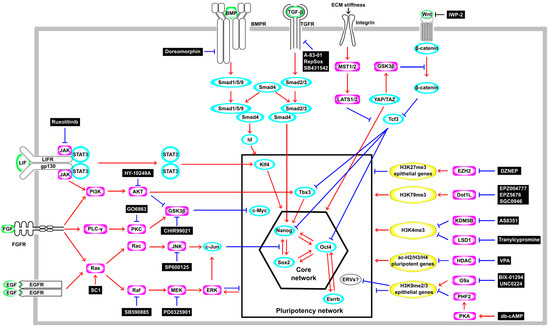
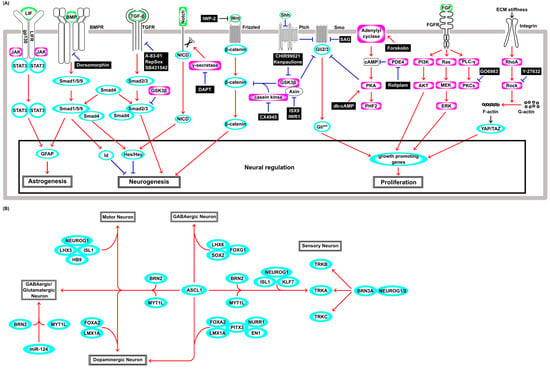
The aim of this Topical Collection is to provide an overview of the signaling pathways and molecules involved in the process of cell generation and reprogramming by extrinsic materials.
Dr. Kunimasa Ohta
Collection Editor
Manuscript Submission Information
Manuscripts should be submitted online at www.mdpi.com by registering and logging in to this website. Once you are registered, click here to go to the submission form. All submissions that pass pre-check are peer-reviewed. Accepted papers will be published continuously in the journal (as soon as accepted) and will be listed together on the collection website. Research articles, review articles as well as communications are invited. For planned papers, a title and short abstract (about 250 words) can be sent to the Editorial Office for assessment.
Submitted manuscripts should not have been published previously, nor be under consideration for publication elsewhere (except conference proceedings papers). All manuscripts are thoroughly refereed through a single-anonymized peer-review process. A guide for authors and other relevant information for submission of manuscripts is available on the Instructions for Authors page. Cells is an international peer-reviewed open access semimonthly journal published by MDPI.
Please visit the Instructions for Authors page before submitting a manuscript.
The Article Processing Charge (APC) for publication in this open access journal is 2700 CHF (Swiss Francs).
Submitted papers should be well formatted and use good English. Authors may use MDPI's
English editing service prior to publication or during author revisions.