


Topical Collection "Current Advances in Poultry Research"

A topical collection in Animals (ISSN 2076-2615). This collection belongs to the section "Poultry".

Editors

Prof. Dr. John Michael Gonzalez
E-Mail Website
Guest Editor
Department of Animal & Dairy Science, University of Georgia, Athens, GA, USA
Interests: broiler; development; growth; layer; meat palatability; meat quality; welfare/well-being
Dr. Casey M. Owens
E-Mail Website
Guest Editor
Department of Poultry Science, University of Arkansas, Fayetteville, AR 72701, USA
Interests: poultry; meat quality; myopathy; food safety; eggs
Special Issues and Collections in MDPI journals

Topical Collection Information

Dear Colleagues,

Over the past 60 years, global per capita meat and egg consumption increased drastically due to a variety factors; an increase in disposable income was a major catalyst. During this time, poultry consumption was one of the major contributors to the expansion in per capita meat consumption. In order to meet the demand associated with the increase in consumption, the poultry industry made advancements in all aspects in production including development, growth, nutrition, management, and welfare. While most of the advancements have been positive, challenges such as incidence of myopathies and leg conformity are issues the industry is facing today. The demand for poultry products does not seem to be slowing; therefore, scientists and the industry must continue to explore production practices that will optimize poultry egg and meat production.

We invite original research papers that address improved management and production methods involved in the production of eggs and poultry meat. Areas of interest include embryo growth and development, nutrition, housing conditions, reproduction, myopathy origins and prevention, meat quality/further processing, and welfare/well-being.

Prof. Dr. John Michael Gonzalez
Dr. Casey M. Owens
Guest Editors

Manuscript Submission Information

Manuscripts should be submitted online at www.mdpi.com by registering and logging in to this website. Once you are registered, click here to go to the submission form. Manuscripts can be submitted until the deadline. All papers will be peer-reviewed. Accepted papers will be published continuously in the journal (as soon as accepted) and will be listed together on the collection website. Research articles, review articles as well as short communications are invited. For planned papers, a title and short abstract (about 100 words) can be sent to the Editorial Office for announcement on this website.

Submitted manuscripts should not have been published previously, nor be under consideration for publication elsewhere (except conference proceedings papers). All manuscripts are thoroughly refereed through a single-blind peer-review process. A guide for authors and other relevant information for submission of manuscripts is available on the Instructions for Authors page. Animals is an international peer-reviewed open access monthly journal published by MDPI.

Please visit the Instructions for Authors page before submitting a manuscript. The Article Processing Charge (APC) for publication in this open access journal is 1800 CHF (Swiss Francs). Submitted papers should be well formatted and use good English. Authors may use MDPI's English editing service prior to publication or during author revisions.

Keywords

  • broiler
  • development
  • egg
  • growth
  • layer
  • meat palatability
  • meat quality
  • reproduction
  • welfare/well-being

Published Papers (26 papers)

2021

Jump to: 2020

Article
Evaluation of Simulated Shelf-Life Conditions for Food Service Applications on Chicken Tenderloins
Animals 2021, 11(7), 2028; https://doi.org/10.3390/ani11072028 - 07 Jul 2021
Viewed by 932
Abstract
The objective of this study was to validate the shelf-life of marinated and frozen chicken tenderloins. Treatments were randomly assigned to the age of the tenderloins post-harvest, days aged (DA): DA4, DA5, DA6, DA7, and DA8. Microbial analyses were used to analyze the [...] Read more.
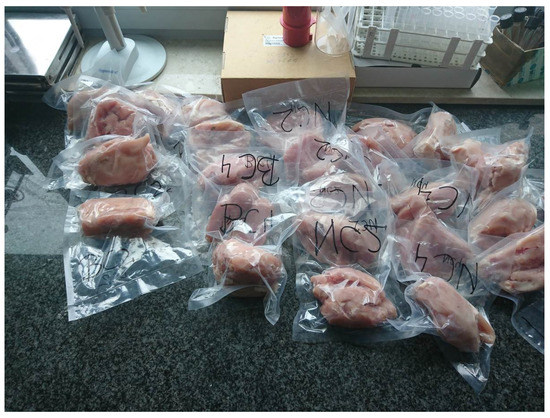
The objective of this study was to validate the shelf-life of marinated and frozen chicken tenderloins. Treatments were randomly assigned to the age of the tenderloins post-harvest, days aged (DA): DA4, DA5, DA6, DA7, and DA8. Microbial analyses were used to analyze the growth of aerobic, psychotropic, and lactobacilli bacteria to assess the shelf-life of bulk-packaged chicken tenderloins. Tenderloins were sampled fresh, then vacuum tumbled in a marinade. After marination, the tenderloins were sampled with the remaining tenderloins packaged and frozen (−25 °C). After freezing the chicken tenderloins were slacked in a refrigerated cooler (2.2 °C) for up to 132 h (h) and sampled at 36 h, then every 24 h following. After marination, each treatment significantly (p < 0.05) decreased in aerobic and psychotropic counts except DA4. During slacking, no treatment crossed the threshold of 106 CFU/mL (Log 6) set for this study. Though none crossed the threshold, treatments DA4, DA5, and DA6 had significant (p < 0.05) increases in aerobic bacteria after 7 days of age. The psychotropic bacteria continuously grew at each sampling period, with DA4 and DA5 surpassing the other treatments (p < 0.05) at 108 h and 132 h reaching 105 CFU/mL. Every treatment remained below the spoilage threshold, suggesting that this method of storage is suitable for chicken tenderloin shelf-life. Full article
Article
Royal Jelly Improves the Morphology of the Reproductive Tract, Internal Egg Quality, and Blood Biochemical Parameters in Laying Hens at the Late Stage of Production
Animals 2021, 11(7), 1861; https://doi.org/10.3390/ani11071861 - 23 Jun 2021
Viewed by 511
Abstract
The purpose of this study was to evaluate the effects of royal jelly (RJ) on the morphology of the reproductive tract, egg production, and blood biochemical indices of aged laying hens. In total, 120 Lohman Brown laying hens at week 58 of age [...] Read more.
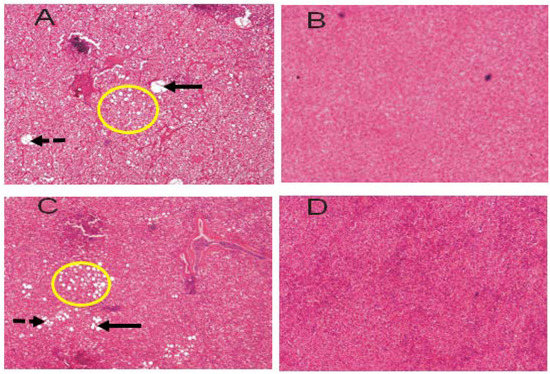
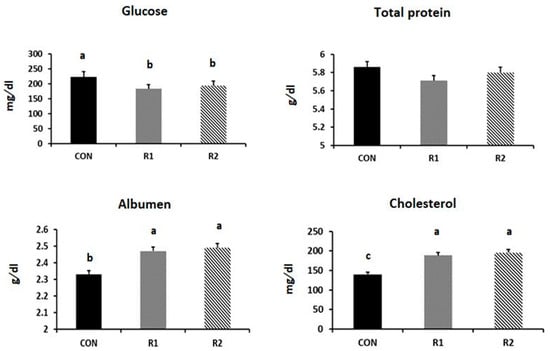
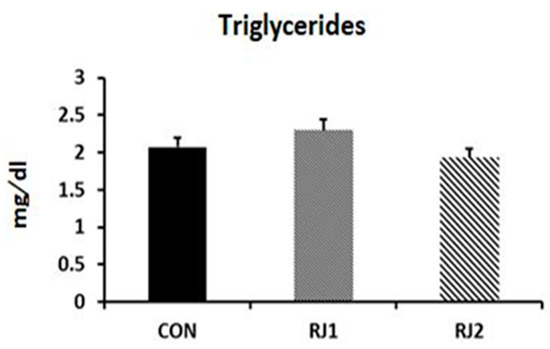
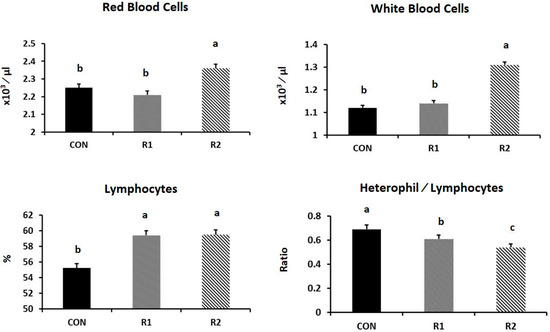
The purpose of this study was to evaluate the effects of royal jelly (RJ) on the morphology of the reproductive tract, egg production, and blood biochemical indices of aged laying hens. In total, 120 Lohman Brown laying hens at week 58 of age were randomly assigned into three equal groups. Pure RJ was dissolved in distilled water and injected subcutaneously as follows: the first treatment (R1; 100 mg RJ kg−1); the second treatment (R2; 200 mg RJ kg−1); the control treatment (CON; 1 mL distilled water). Both RJ-treated groups exhibited a significantly higher number of large yellow follicles (LYFs), small yellow follicles (SYFs), and large white follicles (LWFs) (p ˂ 0.05). Furthermore, RJ treatment significantly increased the diameter and weight of the F1 follicles. However, only the R2 group exhibited significantly greater ovary and uterus weights. RJ treatment did not affect the percentage of oviduct and weight of ovarian stroma. In addition, RJ increased the hen–day egg production rate compared with the CON group; however, only the R2 group showed greater egg weight (p = 0.032). RJ treatment also improved the albumen height, Haugh units, and yolk index. The administration of RJ significantly decreased the serum glucose, but increased the levels of serum albumen and cholesterol. In conclusion, RJ treatment may improve the morphology of the reproductive tract (including follicular growth and oviduct morphology), egg production rate, and internal egg quality traits of aged laying hens. Full article
Show Figures

Figure 1
Article
Oxytetracycline and Florfenicol Concentrations in Food-Additive Premixes Authorised for Broiler Chickens: Assessing Degree of Agreement with Manufacturers Labelling
Animals 2021, 11(6), 1797; https://doi.org/10.3390/ani11061797 - 16 Jun 2021
Viewed by 357
Abstract
Antimicrobials premixes are the presentation of choice to administer drugs simultaneously to groups of animals in intensive husbandry systems that require treatment for pathologies of bacterial origin. Among the premixes available for use in poultry, florfenicol and oxytetracycline are commonly administered via food [...] Read more.
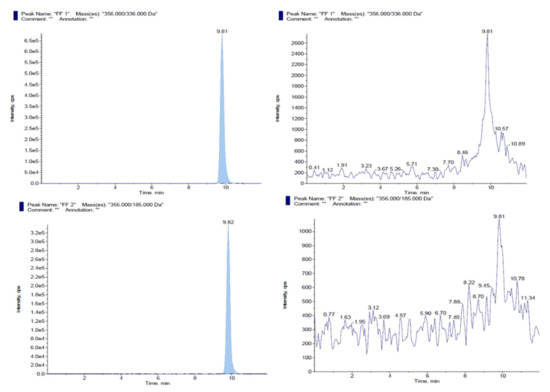
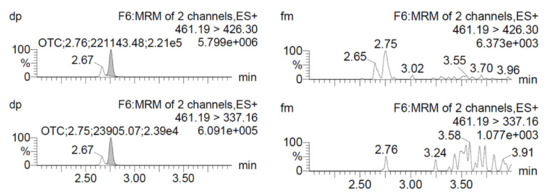
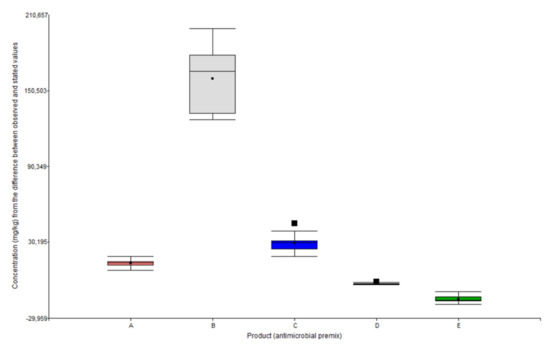
Antimicrobials premixes are the presentation of choice to administer drugs simultaneously to groups of animals in intensive husbandry systems that require treatment for pathologies of bacterial origin. Among the premixes available for use in poultry, florfenicol and oxytetracycline are commonly administered via food or water. However, their actual concentration in premixes must meet on-label statements to ensure plasma concentrations reach effective therapeutic levels. Hence, this work was designed for the purpose of verifying whether the concentration of antimicrobial present in five premixes matched their on-label statement. Three oxytetracycline premixes, and two of florfenicol, were analysed using a Xevo TQ-S micro UPLC-MS/MS, and an ABSciex API4000 HPLC-MS/MS, respectively. Analytical methodologies were implemented and validated, showing an R2 ≥ 0.99 for the calibration curves. Oxytetracycline was detected in these premixes at concentrations exceeding on-label statements by 13.28%, 21.54%, and 29.68%, whereas florfenicol concentrations detected in premixes were 13.06% and 14.75% lower than expected. Consequently, this work shows that the concentration of active ingredients that are present in commercial formulations effectively differ from those stated on premix labels, and it also highlights how unpredictable their range of variability might be. This must be addressed through solid and updated laws that guarantee an effective pharmaceutical product. Full article
Show Figures

Figure 1
Article
Evaluation of a Product Derived from Porcine Plasma Protein and a Yeast Product with Similar Biological Activity in Diets of Growing Broilers
Animals 2021, 11(6), 1751; https://doi.org/10.3390/ani11061751 - 11 Jun 2021
Viewed by 1005
Abstract
The post-hatch period of a broiler is an integral point in their development and for the programming of musculoskeletal and immune cells. Therefore, the efficacy of two bioactive protein products, betaGRO® (BG) and celluTEIN® (CT) to impact post-hatch and lifelong development [...] Read more.
The post-hatch period of a broiler is an integral point in their development and for the programming of musculoskeletal and immune cells. Therefore, the efficacy of two bioactive protein products, betaGRO® (BG) and celluTEIN® (CT) to impact post-hatch and lifelong development was evaluated. Birds were grown under a low stress environment using clean wood shavings litter and a high stress environment with used litter from a commercial farm that had suffered high mortality. Each additive was fed at 300 g/ton from day 1–14 and 50 g/ton from day 15–42. Growing birds in the high stress environment had a negative impact on performance (p < 0.05); however, addition of either BG or CT successfully mitigated the detriments of the high stress environment (p < 0.05), and in many cases, the performance was equal to or better than the performance of birds on the control diet in the low stress environment. Birds fed BG and CT experienced improvements in 42-day feed conversion, and were more uniform than birds grown consuming the control diet (p < 0.05). Mortality of birds in the high stress environment was reduced by addition of BG or CT (p < 0.05). Addition of BG and CT resulted in improvements in carcass and breast meat yield (p < 0.05). Together, these data suggest that BG and CT can be used interchangeably to improve broiler health and performance. Full article
Article
Assessment of Lippia origanoides Essential Oils in a Salmonella typhimurium, Eimeria maxima, and Clostridium perfringens Challenge Model to Induce Necrotic Enteritis in Broiler Chickens
Animals 2021, 11(4), 1111; https://doi.org/10.3390/ani11041111 - 13 Apr 2021
Viewed by 585
Abstract
The objective of the present research was to evaluate dietary supplementation of essential oils from Lippia origanoides (LEO) on necrotic enteritis (NE). Chickens were randomly assigned to three groups. Group 1: negative control; Group 2: positive control challenged with Salmonella typhimurium (day 1), [...] Read more.
The objective of the present research was to evaluate dietary supplementation of essential oils from Lippia origanoides (LEO) on necrotic enteritis (NE). Chickens were randomly assigned to three groups. Group 1: negative control; Group 2: positive control challenged with Salmonella typhimurium (day 1), Eimeria maxima (day 18), and C. perfringens (CP, days 22-23); Group 3: dietary supplementation LEO and challenged. On d 25 of age, serum samples were collected to evaluate fluorescein isothiocyanate-dextran (FITC-d), superoxide dismutase (SOD), gamma interferon (IFN-γ), Immunoglobulin A (IgA). Group 3 showed a significant reduction of the harmful effects of induced infection/dysbiosis and a significant reduction in NE lesion scores, morbidity and mortality compared with the positive challenge control group (p < 0.05) compared with Group 2. Digested feed supernatant, supplemented with LEO and inoculated with CP, reduced CP burden (p < 0.05). Group 3 also exhibited a significant reduction in FITC-d, IFN-γ and IgA compared with Group 2. However, a significant increase SOD was observed in Group 3 compared with both control groups. Further investigation to compare the effect of LEO and the standard treatment of clostridial NE is required. Full article
Article
EZ-DripLoss Assessment in Chicken Breast Meat Using Different Sample Areas, Fiber Orientation, and Measurement Intervals
Animals 2021, 11(4), 1095; https://doi.org/10.3390/ani11041095 - 12 Apr 2021
Viewed by 312
Abstract
Although the EZ-DripLoss method has been performed in numerous studies, there is a deficiency in our knowledge of the EZ-DripLoss method’s suitability for poultry meat analysis. This study aimed to research the effect of different sample areas (10, 20, and 30 mm; n [...] Read more.
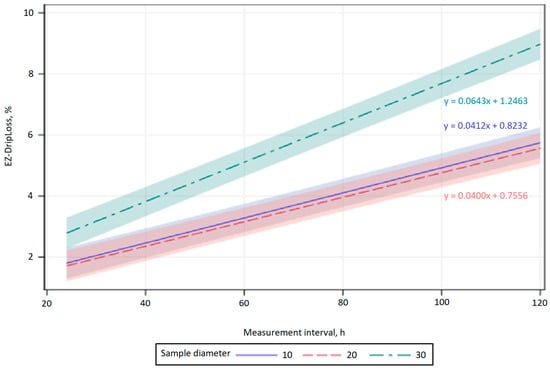
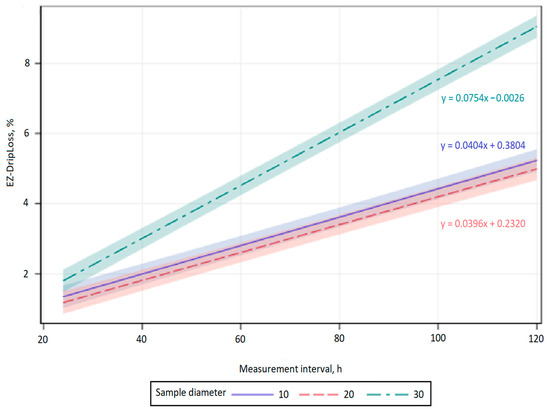
Although the EZ-DripLoss method has been performed in numerous studies, there is a deficiency in our knowledge of the EZ-DripLoss method’s suitability for poultry meat analysis. This study aimed to research the effect of different sample areas (10, 20, and 30 mm; n = 240), and fiber orientations (vertical vs. horizontal) on the EZ-DripLoss in chicken breast meat measured across a period of five days. The influence of sample area on the EZ-DripLoss of chicken breast meat with respect to the fiber orientation and across the five-day measurement interval was significant between 10 and 30 mm samples, and between 20 and 30 mm samples (p < 0.001). The estimated regression coefficient showed that EZ-DripLoss for the samples with horizontal and vertical fiber direction of 10 and 20 mm, significantly increased by 0.04% per hour, while for the samples with vertical fiber direction whose diameter was 30 mm, it significantly increased by 0.06% per hour, and for the horizontal fiber direction, it significantly increased by 0.07% per hour. The samples with vertical fiber orientation had 0.50% greater EZ-DripLoss compared to the samples with horizontal fiber orientation. EZ-DripLoss evaluation in chicken breast should be performed with a sample core diameter of 20 mm, a vertical fiber orientation, and over the course of longer measurement intervals. Full article
Show Figures

Figure 1
Communication
Evaluation of Three Formulations of Essential Oils in Broiler Chickens under Cyclic Heat Stress
Animals 2021, 11(4), 1084; https://doi.org/10.3390/ani11041084 - 10 Apr 2021
Cited by 1 | Viewed by 634
Abstract
The objective of the present research was to assess the dietary supplementation of three formulations of essential oils (EO) in chickens under heat stress (HS). Day-of-hatch Cobb 500 chicks (n = 500) were randomly distributed into four groups: 1. HS control + [...] Read more.
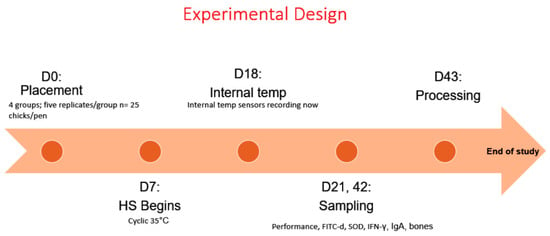
The objective of the present research was to assess the dietary supplementation of three formulations of essential oils (EO) in chickens under heat stress (HS). Day-of-hatch Cobb 500 chicks (n = 500) were randomly distributed into four groups: 1. HS control + control diets; 2. HS + control diets supplemented with 37 ppm EO of Lippia origanoides (LO); 3. HS + control diets supplemented with 45 ppm LO + 45 ppm EO of Rosmarinus officinalis (RO) + 300 ppm red beetroot; 4. HS + 45 ppm LO + 45 ppm RO + 300 ppm natural betaine. Chickens that received the EO showed significant (p < 0.05) improvement on BW, BWG, FI, and FCR compared to control HS chickens. Average body core temperature in group 3 and group 4 was significantly (p < 0.05) reduced compared with the HS control group and group 2. Experimental groups showed a significant reduction in FITC-d at 42 days, a significant increase in SOD at both days but a significant reduction of IFN-γ and IgA compared with HS control (p < 0.05). Bone mineralization was significantly improved by EO treatments (p < 0.05). Together these data suggest that supplemental dietary EO may reduce the harmful effects of HS. Full article
Show Figures

Figure 1
Article
Expeller-Pressed Canola (Brassica napus) Meal Modulates the Structure and Function of the Cecal Microbiota, and Alters the Metabolome of the Pancreas, Liver, and Breast Muscle of Broiler Chickens
Animals 2021, 11(2), 577; https://doi.org/10.3390/ani11020577 - 23 Feb 2021
Cited by 1 | Viewed by 720
Abstract
The inoculation of one-day-old broiler chicks with the cecal contents from a mature broiler breeder resulted in a highly diverse and uniform cecal bacterial community. CM did not affect feed consumption, weight gain, nor the richness, evenness, or diversity of the cecal bacterial [...] Read more.
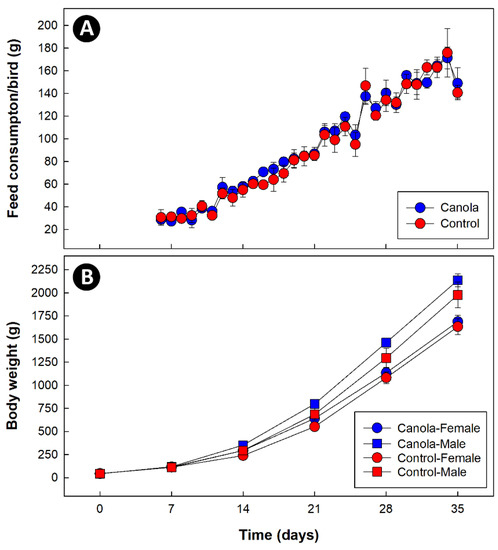
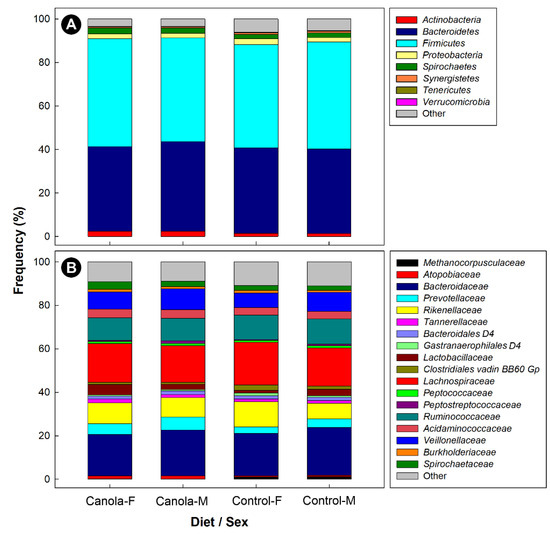
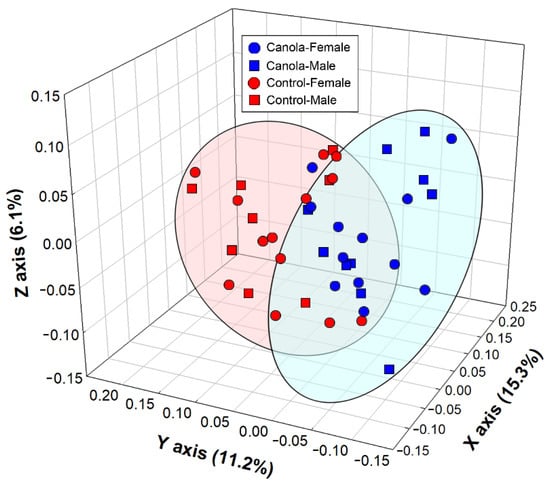
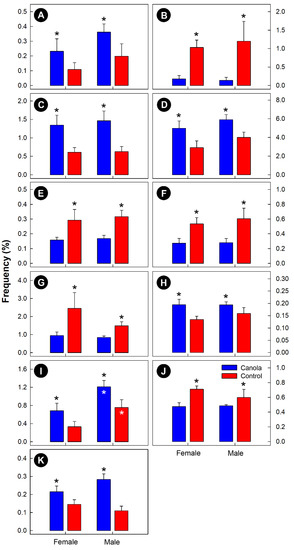
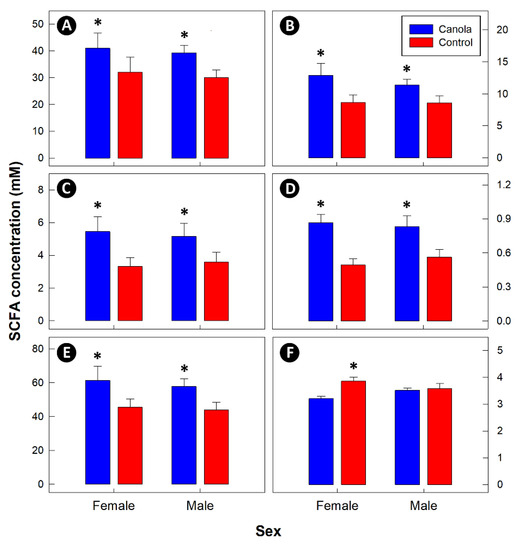
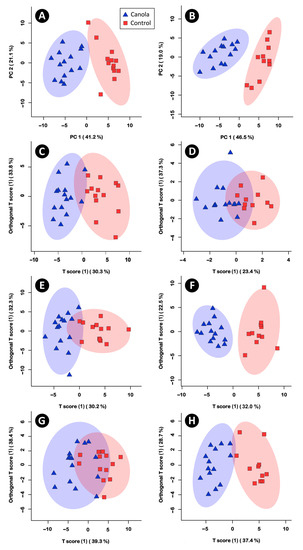
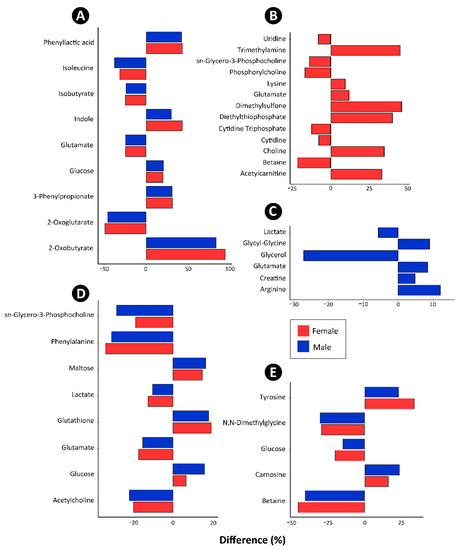
The inoculation of one-day-old broiler chicks with the cecal contents from a mature broiler breeder resulted in a highly diverse and uniform cecal bacterial community. CM did not affect feed consumption, weight gain, nor the richness, evenness, or diversity of the cecal bacterial community. However, the structure of the bacterial community was altered in birds fed the CM diet. Although the CM diet was formulated to contain equivalent metabolizable energy to the control diet, it contained more dietary fiber. The abundance of bacterial families, including those that are known to contain species able to metabolize fiber was altered (e.g., bacteria within the families, Methanobacteriaceae, Atopobiaceae, Prevotellaceae, Clostridiales Family XIII, Peptostreptococcaceae, and Succinivibrionaceae), and concentrations of SCFAs were higher in the ceca of birds fed the CM diet. Moreover, concentrations of isoleucine, isobutyrate, glutamate, and 2-oxoglutarate were higher, whereas concentrations of phenyllactic acid, indole, glucose, 3-phenylpropionate, and 2-oxobutyrate were lower in the digesta of chickens that were fed CM. The metabolic profiles of pancreas, liver, and breast muscle tissues of birds fed the CM diet differed from control birds. Metabolites that were associated with energy production, protection against oxidative stress, and pathways of amino acid and glycerophospholipid metabolism had altered concentrations in these tissues. Some of the observed changes in metabolite levels may indicate an increased disease risk in birds fed the CM diet (e.g., pancreatitis), and others suggested that birds mounted metabolic response to offset the adverse impacts of CM (e.g., oxidative stress in the liver). Full article
Show Figures

Figure 1
Article
Effect of Age on Bone Structure Parameters in Laying Hens
Animals 2021, 11(2), 570; https://doi.org/10.3390/ani11020570 - 22 Feb 2021
Viewed by 742
Abstract
Changes in medullary and cortical bone structure with age remain unclear. Twenty Hy-Line W36 hens, 25 or 52 weeks of age, were euthanized, and both tibiae were collected when an egg was present in the magnum. Serial cross sections of the tibiae were [...] Read more.
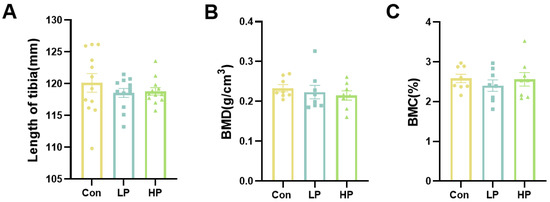
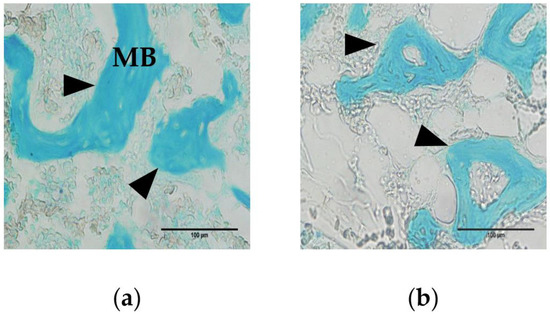
Changes in medullary and cortical bone structure with age remain unclear. Twenty Hy-Line W36 hens, 25 or 52 weeks of age, were euthanized, and both tibiae were collected when an egg was present in the magnum. Serial cross sections of the tibiae were stained with Alcian blue. The bones were scanned using micro-computed tomography. Trabecular width (Tb.Wi) was significantly higher (p < 0.05) in 25-week-old hens, whereas medullary bone tissue volume (TV) was significantly higher (p < 0.01) in 52-week-old hens. 25-week-old hens had significantly higher (p < 0.01) bone volume fraction (BVF = calcified tissue / TV). Moreover, the cortical bone parameters were significantly higher (TV and bone mineral content (BMC) at p < 0.05, and bone volume (BV) and BVF at p < 0.01) in younger hens. Open porosity and total porosity, which indicate less density, were significantly higher (p < 0.01) in older hens. Older hens showed significantly higher (p < 0.01) tibial diaphysis TV than younger hens. Younger hens had significantly higher (p < 0.01) BV, BVF and bone mineral density (BMD) of the tibial diaphysis. These findings reveal that reductions in medullary bone quality might be associated with age-related low estrogen levels and stimulation of osteoclastic bone resorption by parathyroid hormone. Cortical bone quality decreased with enlargement of the Haversian canals and loss of volume, with a longer egg-laying period leading to osteoporosis. Full article
Show Figures

Figure 1
Review
Role of Dietary Fiber in Poultry Nutrition
Animals 2021, 11(2), 461; https://doi.org/10.3390/ani11020461 - 09 Feb 2021
Cited by 2 | Viewed by 1337
Abstract
Dietary fiber (DF) is an intrinsic component in plant feedstuffs that has been associated with physiological, structural, and functional changes in the gastrointestinal tract. DF is composed of non-starch polysaccharides (NSP), oligosaccharides, and lignin that scape digestion and enzymatic hydrolysis. In general terms, [...] Read more.
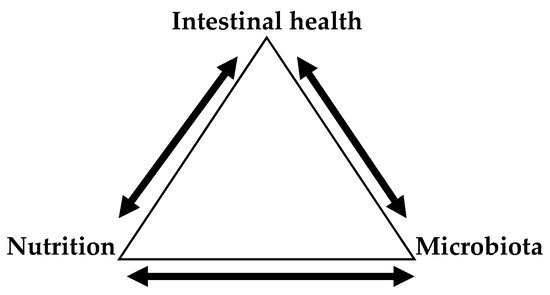
Dietary fiber (DF) is an intrinsic component in plant feedstuffs that has been associated with physiological, structural, and functional changes in the gastrointestinal tract. DF is composed of non-starch polysaccharides (NSP), oligosaccharides, and lignin that scape digestion and enzymatic hydrolysis. In general terms, fiber can be classified as insoluble or soluble based on their solubility in water. Both fiber types have direct nutritional implications in broiler diets. Inclusion of insoluble DF in broiler diets modulates intestinal morphology, digestive organ development, nutrient absorption, growth performance, and intestinal microbiota. Soluble DF is thought to increase intestinal viscosity and is associated with negative changes in intestinal microflora and reduction in nutrient absorption. Nevertheless, there is a group of soluble fibers, integrated by oligosaccharides, that function as prebiotics positively modulating intestinal microbiota. Due to the changes in chemical structure and subsequent variation in functionality, it is a difficult task to assign clear attributes to DF as a whole. Therefore, the following review paper compiles data from research conducted using DF and tries to unify such information into practical decisions to be considered when using DF as a functional nutrient in poultry nutrition. Full article
Show Figures

Figure 1
Article
Effect of a Synbiotic Supplement on Fear Response and Memory Assessment of Broiler Chickens Subjected to Heat Stress
Animals 2021, 11(2), 427; https://doi.org/10.3390/ani11020427 - 07 Feb 2021
Cited by 1 | Viewed by 646
Abstract
The aim of this study was to evaluate the effect of a synbiotic containing a probiotic (Enterococcus faecium, Pediococcus acidilactici, Bifidobacterium animalis, and Lactobacillus reuteri) and a prebiotic (fructooligosaccharides) on fear response, memory assessment, and selected stress indicators [...] Read more.
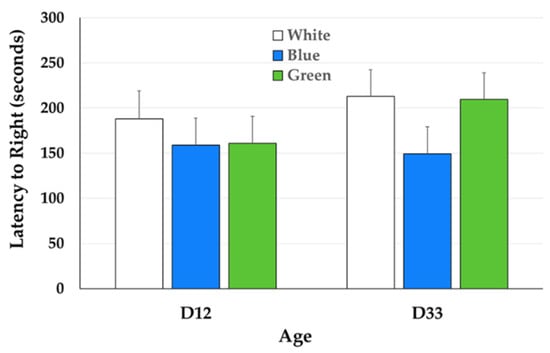
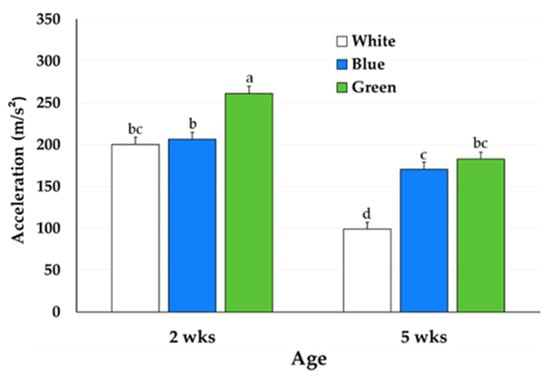
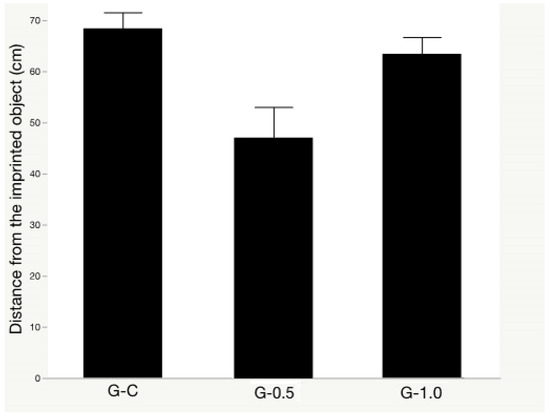
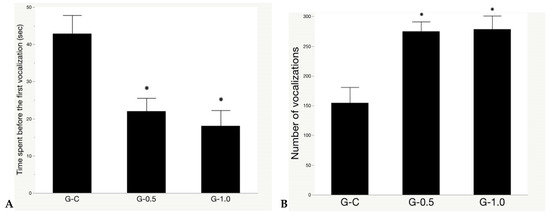
The aim of this study was to evaluate the effect of a synbiotic containing a probiotic (Enterococcus faecium, Pediococcus acidilactici, Bifidobacterium animalis, and Lactobacillus reuteri) and a prebiotic (fructooligosaccharides) on fear response, memory assessment, and selected stress indicators in broilers subjected to heat stress. A total of 360 1-day-old Ross 708 chicks were evenly divided among three treatments: a basal diet mixed with a synbiotic at 0 (G-C), 0.5 (G-0.5X), and 1.0 (G-1.0X) g/kg. After 15 d, the broilers were exposed to 32 °C for 9 h daily until 42 d. The object memory test was conducted at 15 day; touch, novel object, and isolation tests were conducted at 35 day; tonic immobility (TI) took place at 41 day. At 42 day, plasma corticosterone and tryptophan concentrations and heterophile/lymphocyte (H/L) ratios were measured. Compared to controls, synbiotic-fed broilers, regardless of concentration, had a shorter latency to make the first vocalization, with higher vocalization rates during the isolation test (p = 0.001). the G-1.0 group had the lowest H/L ratio (p = 0.001), but higher plasma tryptophan concentrations and a greater number of birds could reach the observer during the touch test (p = 0.001 and 0.043, respectively). The current results indicate that the synbiotic can be used as a growth promoter to reduce the fear response and stress state of heat-stressed broilers. Full article
Show Figures

Figure 1
Article
The Effect of Dietary Supplementation with Inorganic or Organic Selenium on the Nutritional Quality and Shelf Life of Goose Meat and Liver
Animals 2021, 11(2), 261; https://doi.org/10.3390/ani11020261 - 21 Jan 2021
Cited by 1 | Viewed by 725
Abstract
Ninety-six male goslings were allocated and assigned to treatment using a completely randomized design. Dietary treatments included a basal diet consisting of corn, wheat, and soybean meal with either no additional selenium (CON), 0.3 mg/kg of inorganic selenium (I-Se; sodium selenite), or 0.3 [...] Read more.
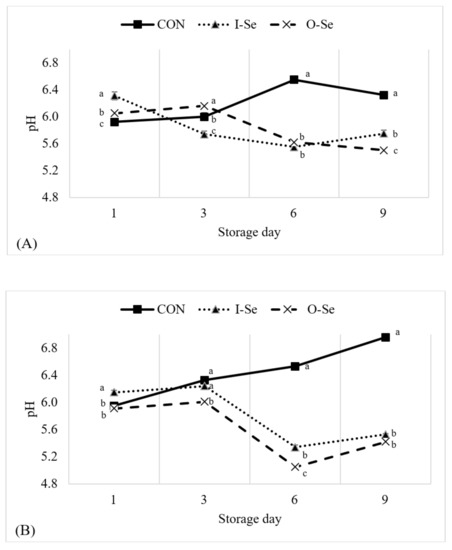
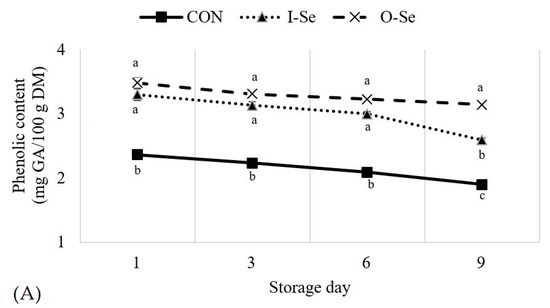
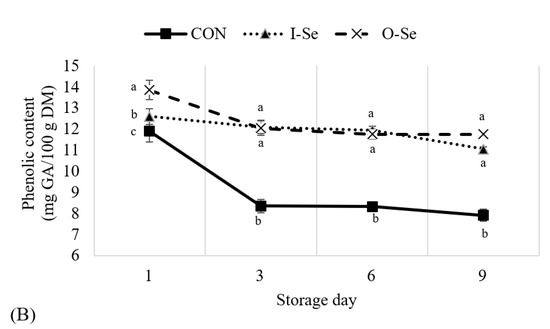
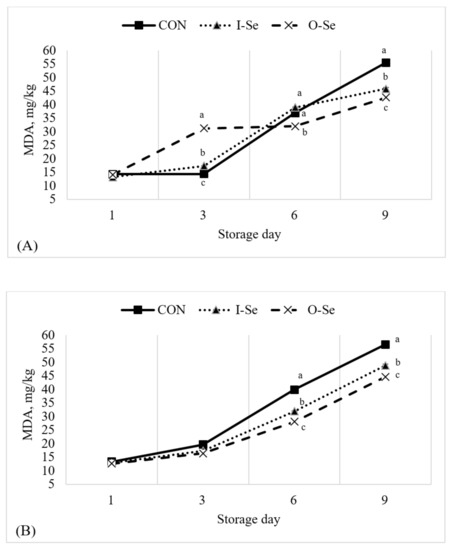
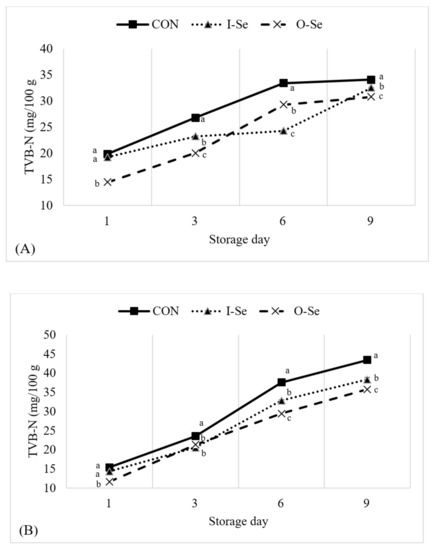
Ninety-six male goslings were allocated and assigned to treatment using a completely randomized design. Dietary treatments included a basal diet consisting of corn, wheat, and soybean meal with either no additional selenium (CON), 0.3 mg/kg of inorganic selenium (I-Se; sodium selenite), or 0.3 mg/kg of organic selenium (O-Se; selenium-enriched yeast). After a 56-day feeding period, geese were slaughtered on a common ending day and two geese per pen (n = 24) were used for the analyses conducted in this study. Meat (equal portions of the breast and thigh meat) and liver were collected and evaluated for proximate composition, fatty acid profile, pH, phenolic content, thiobarbituric acid reactive substances (TBARS), and total volatile basic nitrogen (TVB-N) over a 9-day storage period at 4 °C. The meat and liver samples from geese supplemented I-Se or O-Se had greater (p < 0.01) lipid content compared with geese not supplemented with additional selenium. At the conclusion of the 9-day storage period, meat and liver samples from geese supplemented I-Se or O-Se had lower (p < 0.05) pH values, greater (p < 0.05) phenolic content, lower (p < 0.05) TBARS values, and lower (p < 0.05) TVB-N compared with geese not supplemented with additional selenium (CON). Full article
Show Figures

Figure 1

2020

Jump to: 2021

Review
Dietary Application of Tannins as a Potential Mitigation Strategy for Current Challenges in Poultry Production: A Review
Animals 2020, 10(12), 2389; https://doi.org/10.3390/ani10122389 - 14 Dec 2020
Cited by 4 | Viewed by 890
Abstract
The poultry industry has an important role in producing sources of protein for the world, and the size of global poultry production continues to increase annually. However, the poultry industry is confronting diverse challenges including bacterial infection (salmonellosis), coccidiosis, oxidative stress, including that [...] Read more.
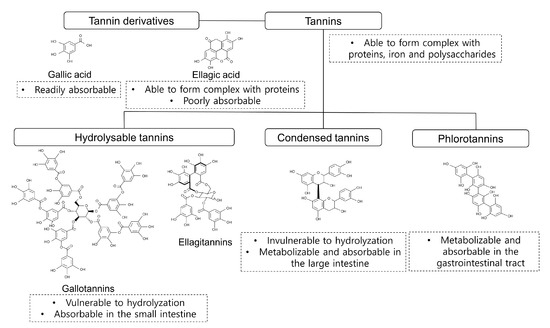
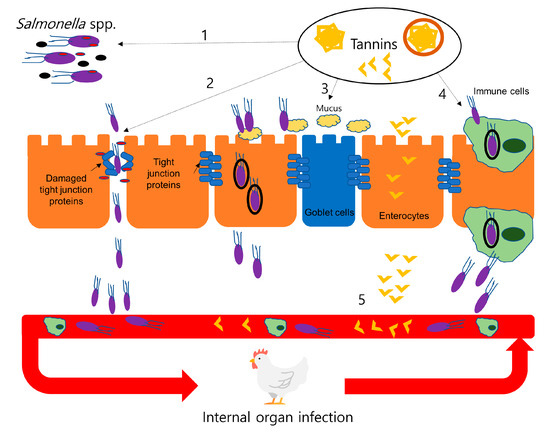
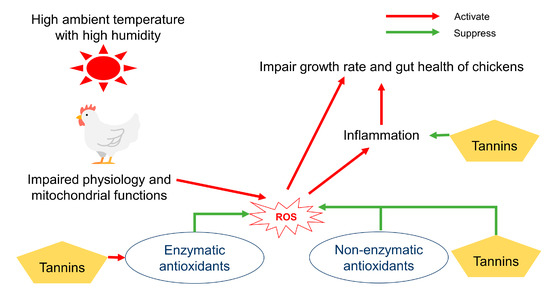
The poultry industry has an important role in producing sources of protein for the world, and the size of global poultry production continues to increase annually. However, the poultry industry is confronting diverse challenges including bacterial infection (salmonellosis), coccidiosis, oxidative stress, including that caused by heat stress, welfare issues such as food pad dermatitis (FPD) and nitrogen and greenhouse gasses emissions that cumulatively cause food safety issues, reduce the efficacy of poultry production, impair animal welfare, and induce environmental issues. Furthermore, restrictions on the use of AGP have exacerbated several of these negative effects. Tannins, polyphenolic compounds that possess a protein precipitation capacity, have been considered as antinutritional factors in the past because high dosages of tannins can decrease feed intake and negatively affect nutrient digestibility and absorption. However, tannins have been shown to have antimicrobial, antioxidant and anti-inflammatory properties, and as such, have gained interest as promising bioactive compounds to help alleviate the challenges of AGP removal in the poultry industry. In addition, the beneficial effects of tannins can be enhanced by several strategies including heat processing, combining tannins with other bioactive compounds, and encapsulation. As a result, supplementation of tannins alone or in conjunction with the above strategies could be an effective approach to decrease the need of AGP and otherwise improve poultry production efficiency. Full article
Show Figures

Figure 1
Article
GC-TOF-MS-Based Metabolomics Analyses of Liver and Intestinal Contents in the Overfed vs. Normally-Fed Geese
Animals 2020, 10(12), 2375; https://doi.org/10.3390/ani10122375 - 11 Dec 2020
Cited by 1 | Viewed by 546
Abstract
No overt pathological symptoms are observed in the goose liver with severe steatosis, suggesting that geese may host unique protective mechanisms. Gas chromatography time-of-flight mass spectrometry-based metabolomics analyses of liver and intestinal contents in overfed vs. normally fed geese (26 geese in each [...] Read more.
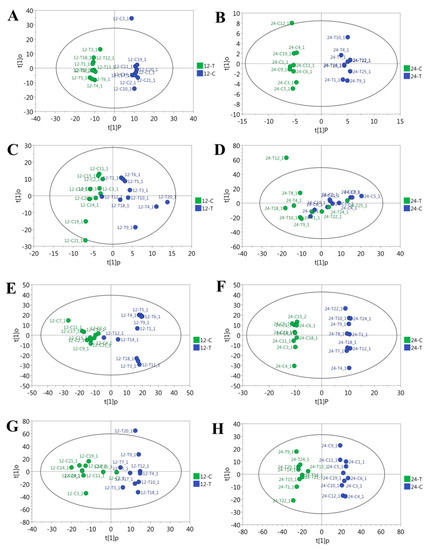
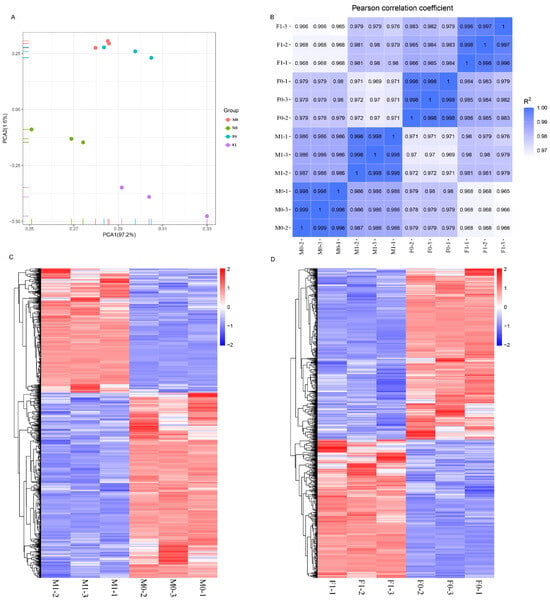
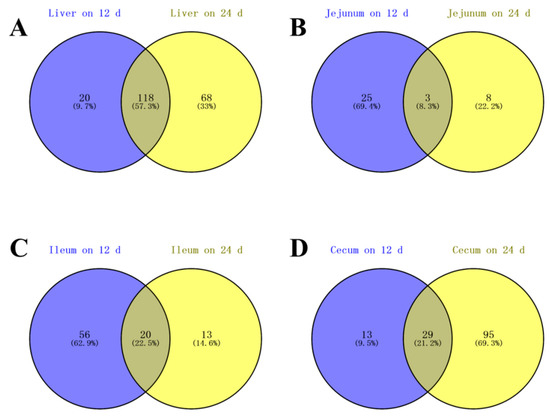
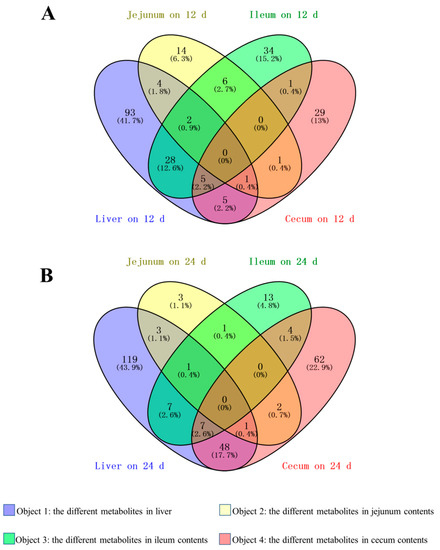
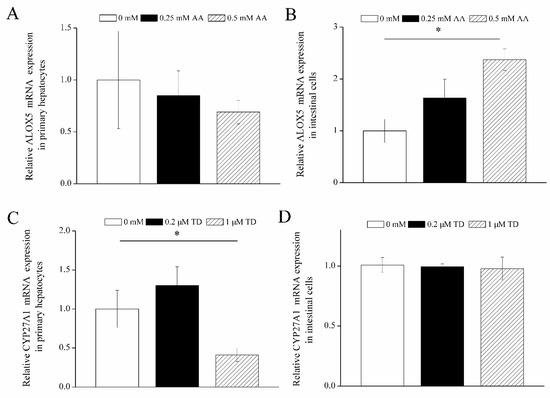
No overt pathological symptoms are observed in the goose liver with severe steatosis, suggesting that geese may host unique protective mechanisms. Gas chromatography time-of-flight mass spectrometry-based metabolomics analyses of liver and intestinal contents in overfed vs. normally fed geese (26 geese in each treatment) were investigated. We found that overfeeding significantly changed the metabolic profiles of liver and intestinal contents. The differential metabolites mainly belong to fatty acids, amino acids, organic acids, and amines. The differential metabolites were involved in glycolysis/gluconeogenesis, glycerolipid metabolism, the pentose phosphate pathway, fatty acid degradation, the sphingolipid signaling pathway, and the biosynthesis of unsaturated fatty acids. Moreover, we determined the biological effects of arachidonic acid (ARA) and tetrahydrocorticosterone (TD) in goose primary hepatocytes and intestinal cells. Data showed that the mRNA expression of arachidonate 5-lipoxygenase (ALOX5) in goose primary intestinal cells was significantly induced by 0.50 mM ARA treatment. Cytochrome P-450 27A1 (CYP27A1) mRNA expression was significantly inhibited in goose primary hepatocytes by 1 µM TD treatment. In conclusion, the formation of goose fatty liver is accompanied by significant changes in the metabolic profiles of liver and intestinal contents, and the changes are closely related to the metabolisms of glucose and fatty acids, oxidative stress, and inflammatory reactions. Full article
Show Figures

Figure 1

Article
Effects of Different Laying Hen Species on Odour Emissions
Animals 2020, 10(11), 2172; https://doi.org/10.3390/ani10112172 - 21 Nov 2020
Viewed by 555
Abstract
Odour is one of the main environmental concerns in the laying hen industry and may also influence animal health and production performance. Previous studies showed that odours from the laying hen body are primarily produced from the microbial fermentation (breakdown) of organic materials [...] Read more.
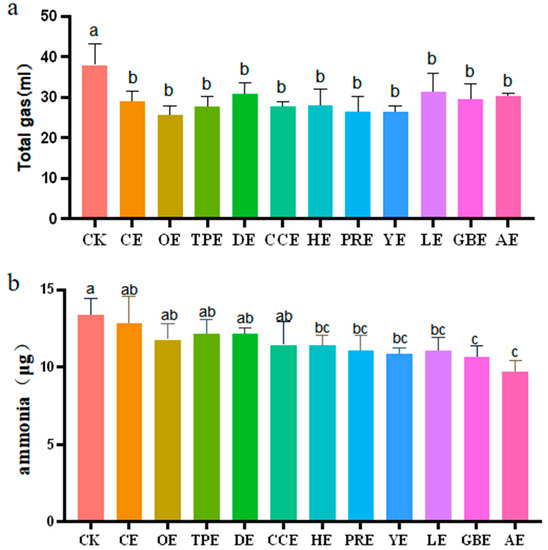
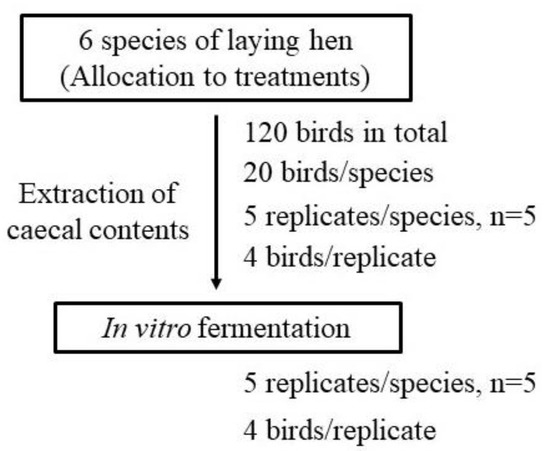
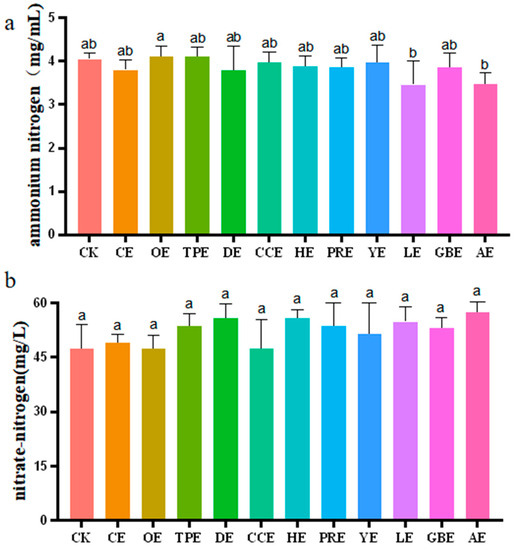
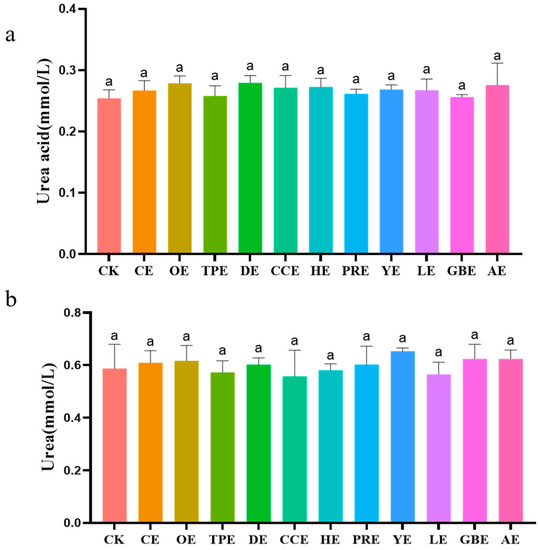
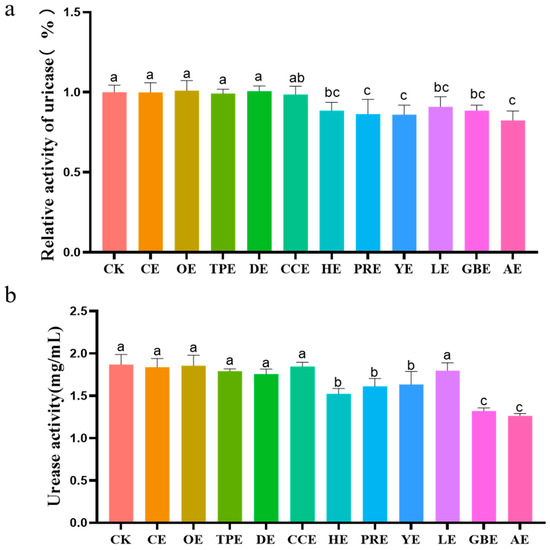
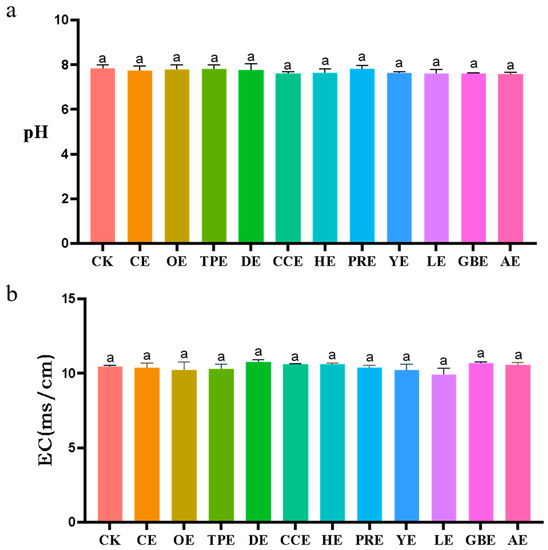
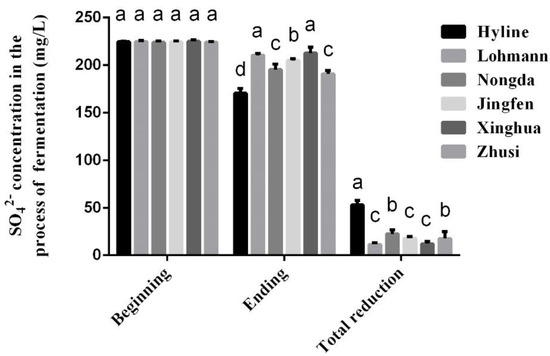
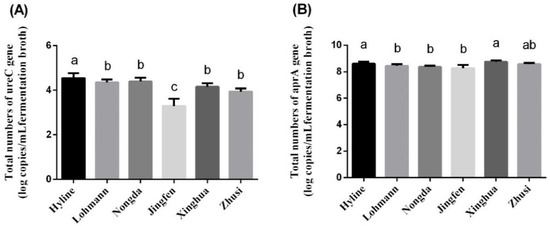
Odour is one of the main environmental concerns in the laying hen industry and may also influence animal health and production performance. Previous studies showed that odours from the laying hen body are primarily produced from the microbial fermentation (breakdown) of organic materials in the caecum, and different laying hen species may have different odour production potentials. This study was conducted to evaluate the emissions of two primary odorous gases, ammonia (NH3) and hydrogen sulphide (H2S), from six different laying hen species (Hyline, Lohmann, Nongda, Jingfen, Xinghua and Zhusi). An in vitro fermentation technique was adopted in this study, which has been reported to be an appropriate method for simulating gas production from the microbial fermentation of organic materials in the caecum. The results of this study show that Jingfen produced the greatest volume of gas after 12 h of fermentation (p < 0.05). Hyline had the highest, while Lohmann had the lowest, total NH3 emissions (p < 0.05). The total H2S emissions of Zhusi and Hyline were higher than those of Lohmann, Jingfen and Xinghua (p < 0.05), while Xinghua exhibited the lowest total H2S emissions (p < 0.05). Of the six laying hen species, Xinghua was identified as the best species because it produced the lowest total amount of NH3 + H2S (39.94 µg). The results for the biochemical indicators showed that the concentration of volatile fatty acids (VFAs) from Zhusi was higher than that for the other five species, while the pH in Zhusi was lower (p < 0.01), and the concentrations of ammonium nitrogen (NH4+), uric acid and urea in Xinghua were lower than those in the other species (p < 0.01). Hyline had the highest change in SO42− concentration during the fermentation processes (p < 0.05). In addition, the results of the correlation analysis suggested that NH3 emission is positively related to urease activities but is not significantly related to the ureC gene number. Furthermore, H2S emission was observed to be significantly related to the reduction of SO42− but showed no connection with the aprA gene number. Overall, our findings provide a reference for future feeding programmes attempting to reduce odour pollution in the laying hen industry. Full article
Show Figures

Figure 1
Review
Secondary Functions of Arginine and Sulfur Amino Acids in Poultry Health: Review
Animals 2020, 10(11), 2106; https://doi.org/10.3390/ani10112106 - 13 Nov 2020
Cited by 3 | Viewed by 725
Abstract
Amino acids such as arginine, methionine, and cysteine are the precursors of essential molecules that regulate growth and health, being classified as functional amino acids. This review describes the metabolism of arginine and the sulfur amino acids and how they modulate, directly or [...] Read more.
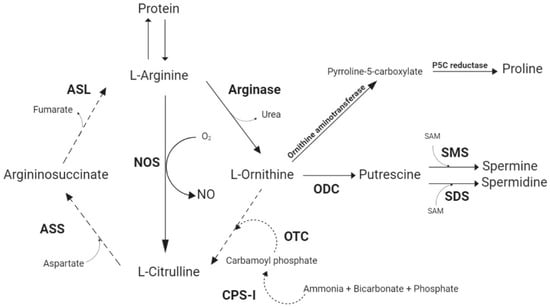
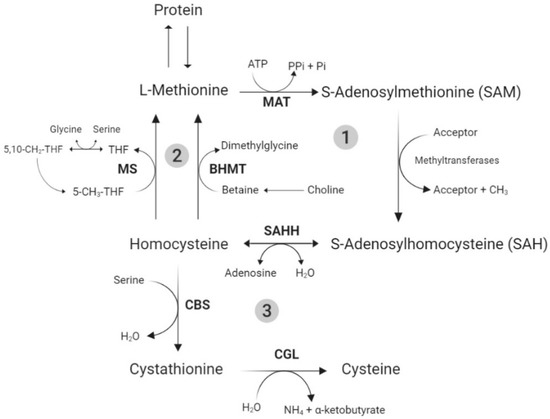
Amino acids such as arginine, methionine, and cysteine are the precursors of essential molecules that regulate growth and health, being classified as functional amino acids. This review describes the metabolism of arginine and the sulfur amino acids and how they modulate, directly or indirectly, different tissues. Emphasis is placed on their effects in supporting health during challenging conditions, such as heat stress and Eimeria infection. The use of arginine has been shown to reduce abdominal fat pad in ducks and increase lean tissue and bone mineral density in broilers. Additionally, the sulfur amino acids have been shown to improve bone development and are beneficial during heat stress. The use of L-methionine increased the cortical and trabecular bone mineral densities, in laying hens. Moreover, the dietary inclusion of these amino acids could reduce the damage caused by Eimeria spp. infection by regulating the antioxidant system and cell repair. Understanding how these amino acids can mitigate stressful conditions may provide us novel insights of their use as nutritional strategies to modulate the health status of chickens. Full article
Show Figures

Figure 1
Review
Understanding of Colistin Usage in Food Animals and Available Detection Techniques: A Review
Animals 2020, 10(10), 1892; https://doi.org/10.3390/ani10101892 - 16 Oct 2020
Cited by 5 | Viewed by 1014
Abstract
Progress in the medical profession is determined by the achievements and effectiveness of new antibiotics in the treatment of microbial infections. However, the development of multiple-drug resistance in numerous bacteria, especially Gram-negative bacteria, has limited the treatment options. Due to this resistance, the [...] Read more.
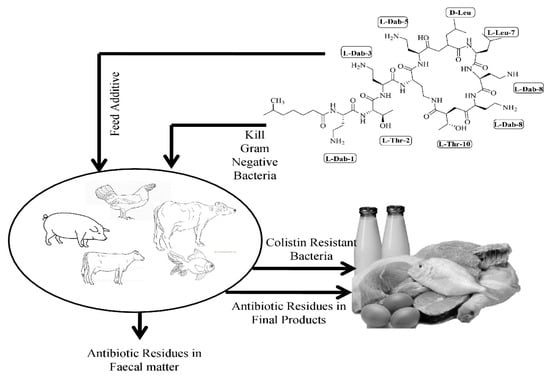
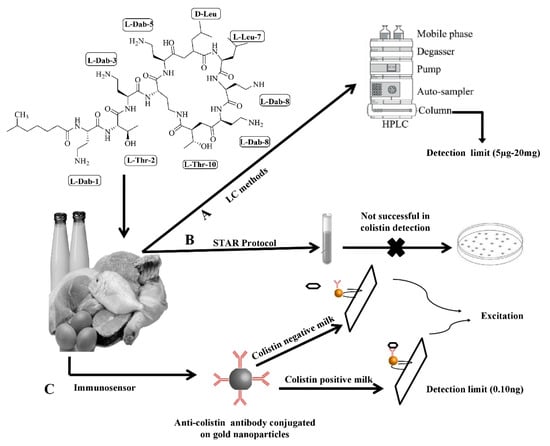
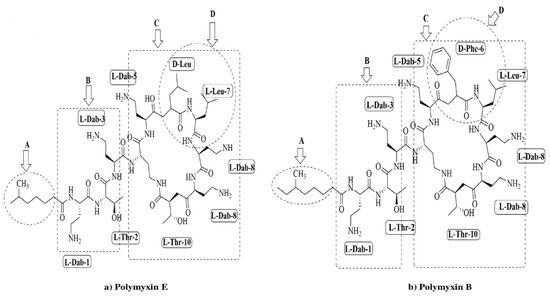
Progress in the medical profession is determined by the achievements and effectiveness of new antibiotics in the treatment of microbial infections. However, the development of multiple-drug resistance in numerous bacteria, especially Gram-negative bacteria, has limited the treatment options. Due to this resistance, the resurgence of cyclic polypeptide drugs like colistin remains the only option. The drug, colistin, is a well-known growth inhibitor of Gram-negative bacteria like Acinetobacter baumanni, Enterobacter cloacae, Klebsiella pneumoniae, and Pseudomonas aeruginosa. Technological advancements have uncovered the role of the mcr-1(mobilized colistin resistance) gene, which is responsible for the development of resistance in Gram-negative bacteria, which make them distinct from other bacteria without this gene. Additionally, food animals have been determined to be the reservoir for colistin resistance microbes, from which they spread to other hosts. Due to the adverse effects of colistin, many developed countries have prohibited its usage in animal foods, but developing countries are still using colistin in animal food production, thereby imposing a major risk to the public health. Therefore, there is a need for implementation of sustainable measures in livestock farms to prevent microbial infection. This review highlights the negative effects (increased resistance) of colistin consumption and emphasizes the different approaches used for detecting colistin in animal-based foods as well as the challenges associated with its detection. Full article
Show Figures

Figure 1
Article
Effect of Pre-Blended Phosphates on the Freezing Quality Characteristics of Ground Woody Breast Meat Compared to Normal Meat
Animals 2020, 10(10), 1880; https://doi.org/10.3390/ani10101880 - 15 Oct 2020
Viewed by 497
Abstract
Woody breast (WB) myopathy affected meat has a tough texture, higher cook loss, and decreased water holding capacity (WHC), and thus lower consumer acceptability. The WB meat can be ground and further converted into further processed products or frozen, stored, and shipped to [...] Read more.
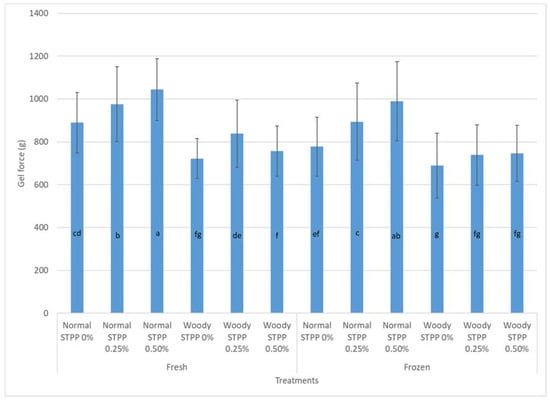
Woody breast (WB) myopathy affected meat has a tough texture, higher cook loss, and decreased water holding capacity (WHC), and thus lower consumer acceptability. The WB meat can be ground and further converted into further processed products or frozen, stored, and shipped to further processors. Freezing and thawing of ground WB meat may further affect the quality of WB meat products. Hence, research is required to determine the effect of pre-blended phosphates on the quality of ground WB meat as well as its cryoprotective effect during frozen storage. The objective of this experiment was to investigate the effect of pre-blended phosphate levels on meat quality in WB and normal breast (NB) fillets before and after freezing. NB fillets and severely affected WB fillets were procured from a local commercial processor. The meat was separated into various treatment groups according to the sodium tripolyphosphate (STPP) inclusion levels (0, 0.25, and 0.5% w/w). The meat was ground with respective phosphate treatments and subdivided into vacuum-sealed bags (n = 240; 1 kg each). Half of the bags (n = 120) from each treatment were taken for meat quality analysis, while the other bags were placed in a freezer (−18 °C) for 6 days. Fresh samples were analyzed within 6–8 h while the frozen samples were thawed for 18 h at 4°C prior to analysis. Samples (n = 10) were analyzed for gel strength, pH, color (L* a* b*), proximate composition, and randomly selected samples (n = 5) were analyzed for aerobic plate count (APC). Experiments were repeated in two separate replications and the data was analyzed using the Proc Glimmix model procedure in SAS (v. 9.4) (Cary, NC, USA) with LSMeans Separation at p ≤ 0.05. The gel strength (g) of the fresh ground NB meat (883.7 g) was higher than the gel strength of woody meat (720.8 g) with 0% phosphate (p ≤ 0.05). Addition of phosphate (0.25 and 0.5%) significantly increased the gel strength of fresh woody meat but it was significantly lower than NB meat added with 0.25 and 0.5% phosphate treatment. After freezing, ground NB meat samples with 0.25 and 0.5% phosphate had higher gel strength compared to fresh and frozen ground WB meat (p ≤ 0.05). Pre-blended STPP raised the pH in all treatments (p < 0.05). Treatments did not have any clear impact on APC of ground WB or NB meat. Addition of pre-blended sodium tripolyphosphate increases the functionality of fresh and frozen ground WB meat, as well as NB meat. Full article
Show Figures

Figure 1
Communication
Impact of Rotten Eggs on Hatchery Performances: A Multicentric Study
Animals 2020, 10(10), 1725; https://doi.org/10.3390/ani10101725 - 23 Sep 2020
Viewed by 729
Abstract
Day-old chick quality is an essential element for the overall profitability of the broiler productive cycle and has been associated with the growth performance and feed conversion rate. An effect on the development of the immune system was also reported, which could likely [...] Read more.
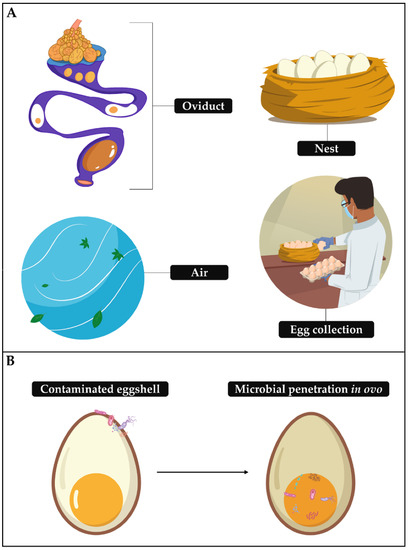
Day-old chick quality is an essential element for the overall profitability of the broiler productive cycle and has been associated with the growth performance and feed conversion rate. An effect on the development of the immune system was also reported, which could likely account for reduced susceptibility to infectious diseases and improved animal welfare parameters. Besides direct cost reduction, lower antimicrobial use and improved animal welfare are crucial in the directive of European Union legislation and are at the forefront of customer choices. Several factors contribute to determining the chick quality. Breeder flocks genetics, health, and management affect the egg features, quality, and bacterial load. However, hatchery practices play a pivotal role, since adequate hygiene and handling are fundamental in reducing egg contamination and cross-contamination. The presence of rotten eggs is often regarded as a major risk, since the internal bacterial load can contaminate the needle used for in-ovo vaccination, the nearby eggs, and the whole incubator/hatching room when broken. In the present multicentric study, representative of 40 hatcheries located in 11 European countries, a remarkable impact of the rotten egg percentage on the hatchery productive parameters, representative of the hatchability, embryo mortality, and level of contamination, was demonstrated. Efficient rotten egg removal and the application of appropriate detection and removal tools should thus provide remarkable benefits for hatchery performance and indirectly for downstream poultry production. Full article
Article
Interactions between Egg Storage Duration and Breeder Age on Selected Egg Quality, Hatching Results, and Chicken Quality
Animals 2020, 10(10), 1719; https://doi.org/10.3390/ani10101719 - 23 Sep 2020
Cited by 3 | Viewed by 844
Abstract
Egg storage duration and breeder age are probably interacting to influence egg quality, hatchability, and hatchling quality. To evaluate this interaction, the impact of breeder age (31, 42, 66 weeks) and storage duration (2, 5, 12, 19 days) was investigated on broiler breeder [...] Read more.
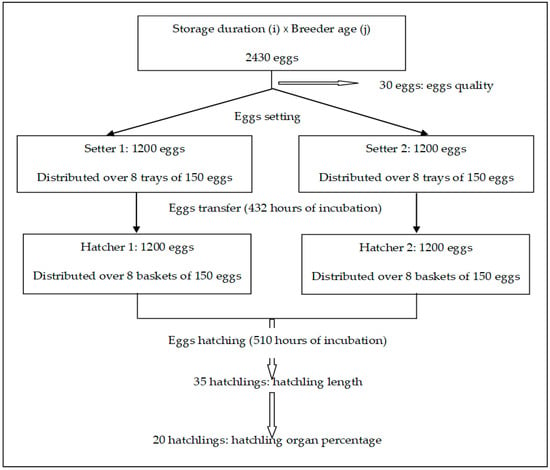
Egg storage duration and breeder age are probably interacting to influence egg quality, hatchability, and hatchling quality. To evaluate this interaction, the impact of breeder age (31, 42, 66 weeks) and storage duration (2, 5, 12, 19 days) was investigated on broiler breeder eggs (Arbor Acres). Thick albumen diameter and pH increased, and yolk dry matter decreased between 2 and 19 days of storage. With the increase of breeder age from 31 to 66 weeks, albumen height, percentage and dry matter and shell percentage decreased and the egg weight and yolk percentage, dry matter and diameter increased. Prolonged egg storage increased the yolk pH in all breeder ages, but earlier and steeper in the oldest breeders. Prolonged egg storage resulted in a lower hatchability of set and fertile eggs due to a higher percentage of embryonic mortality. Early mortality increased earlier and steeper with prolonged egg storage in the oldest compared to younger breeders. Between 5 and 19 days of storage, yolk free body mass, liver and proventriculus + gizzard percentages decreased, as well as hatchling length and yolk efficiency (yolk absorption per initial yolk weight). The latter effects were most pronounced in the younger than in the older breeders. Therefore, eggs are preferably stored shorter than 7 d, but if long storage (≥12 days) cannot be avoided, we recommend to store eggs of older breeders when egg quality and hatchability are most important. In case hatchling quality is most important, it would be better to store eggs of younger breeders (31 weeks) for a prolonged period. Full article
Show Figures

Figure 1
Article
Genotyping of Infectious Laryngotracheitis Virus (ILTV) Isolates from Western Canadian Provinces of Alberta and British Columbia Based on Partial Open Reading Frame (ORF) a and b
Animals 2020, 10(9), 1634; https://doi.org/10.3390/ani10091634 - 11 Sep 2020
Cited by 2 | Viewed by 682
Abstract
Infectious laryngotracheitis virus (ILTV) causes an acute upper respiratory disease in chickens called infectious laryngotracheitis (ILT). Live attenuated vaccines are effective in disease control; however, they have residual virulence, which makes them able to replicate, cause disease and revert to the original virulent [...] Read more.
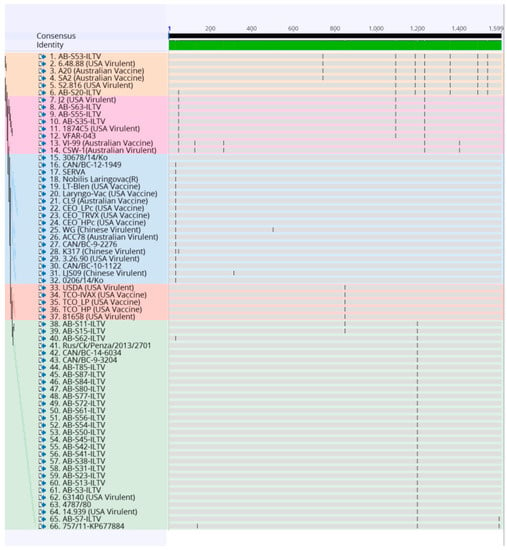
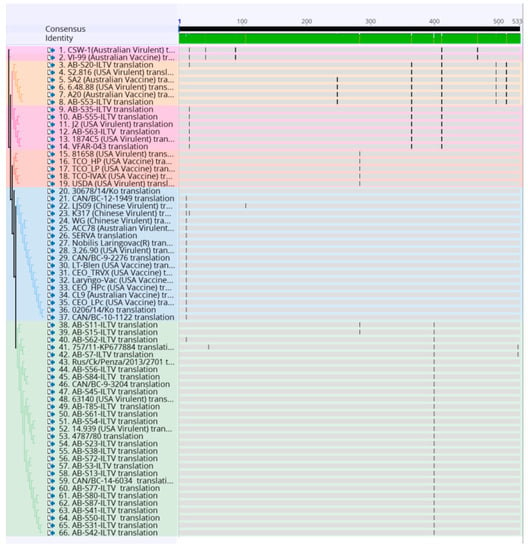
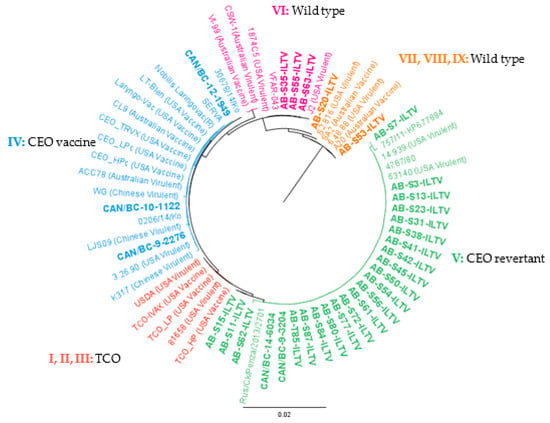
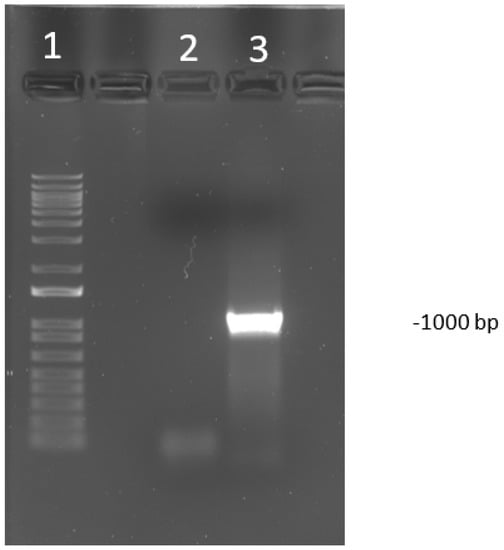
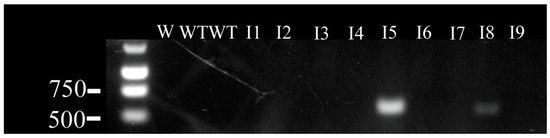
Infectious laryngotracheitis virus (ILTV) causes an acute upper respiratory disease in chickens called infectious laryngotracheitis (ILT). Live attenuated vaccines are effective in disease control; however, they have residual virulence, which makes them able to replicate, cause disease and revert to the original virulent form. Information is scarce on the molecular nature of ILTV that is linked to ILT in Canada. This study aims to determine whether isolates originating from ILT cases in Western Canada are a wild type or vaccine origin. Samples submitted for the diagnosis of ILT between 2009–2018 were obtained from Alberta (AB, n = 46) and British Columbia (BC, n = 9). For genotyping, a Sanger sequencing of open reading frame (ORF) a and b was used. A total of 27 from AB, and 5 from BC samples yielded a fragment of 1751 base pairs (bp). Three of the BC samples classified as group IV (CEO vaccine strains) and 2 as group V (CEO revertant). Of the AB samples, 22 samples clustered with group V, 3 with group VI (wild type), and 2 with group VII, VIII, and IX (wild type). Overall, 17 non-synonymous single nucleotide polymorphisms (SNPs) were detected. Further studies are underway to ascertain the virulence and transmission potential of these isolates. Full article
Show Figures

Figure 1
Communication
Studying the Effects of Collagenase (Type 1) on the Collagen in Woody Breast Meat
Animals 2020, 10(9), 1602; https://doi.org/10.3390/ani10091602 - 09 Sep 2020
Viewed by 617
Abstract
Abnormal collagen infiltration in the Pectoralis major, breast muscle, of fast-growing big broilers has led to woody breast (WB) myopathy resulting in meat quality issues. Mechanisms to degrade the collagen were investigated to potentially improve WB texture. Freshly deboned WB fillets ( [...] Read more.
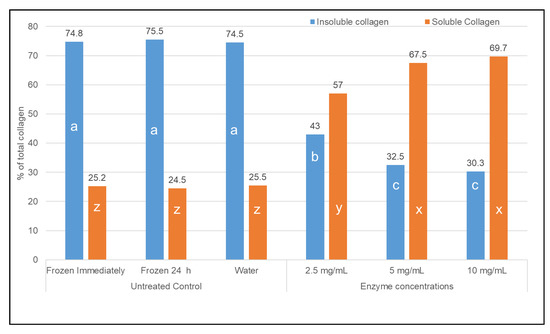
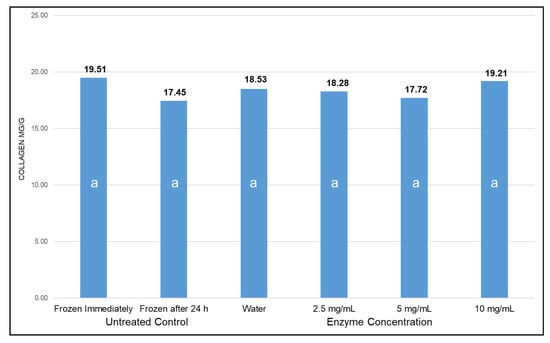
Abnormal collagen infiltration in the Pectoralis major, breast muscle, of fast-growing big broilers has led to woody breast (WB) myopathy resulting in meat quality issues. Mechanisms to degrade the collagen were investigated to potentially improve WB texture. Freshly deboned WB fillets (n = 5 per trial; 3 trials) were ground and divided in to 25 g portions. Aqueous collagenase Type I solution (1 mL) from concentrations of 2.5, 5, and 10 mg/mL were incorporated in ground WB samples (n = 3 samples/treatment × 3 trials). Ground WB with 1 mL water acted as a control. All the samples were placed at 4 °C for 24 h and frozen at −80 °C. Control samples without any treatment or water addition (n = 3/trial) were frozen immediately upon grinding. Data collected on total (TC), soluble (SC), and insoluble collagen (IC) content was analyzed using one-way ANOVA with Tukey’s honestly significant difference (HSD) (p ≤ 0.05). Fresh WB fillets had TC, SC, and IC content of 19.5, 4.9, and 14.6 mg/g, respectively. The addition of collagenase decreased (p ≤ 0.05) the IC to 5.8 mg/g in the 10 mg/mL treatment after 24 h. Converting IC to SC using collagenase can potentially help the poultry industry to reduce WB toughness. Full article
Show Figures

Figure 1
Article
Effects of RAC1 on Proliferation of Hen Ovarian Prehierarchical Follicle Granulosa Cells
Animals 2020, 10(9), 1589; https://doi.org/10.3390/ani10091589 - 06 Sep 2020
Cited by 1 | Viewed by 758
Abstract
RAC1 belongs to the small G protein Rho subfamily and is implicated in regulating gene expression, cell proliferation and differentiation in mammals and humans; nevertheless, the function of RAC1 in growth and development of hen ovarian follicles is still unclear. This study sought [...] Read more.
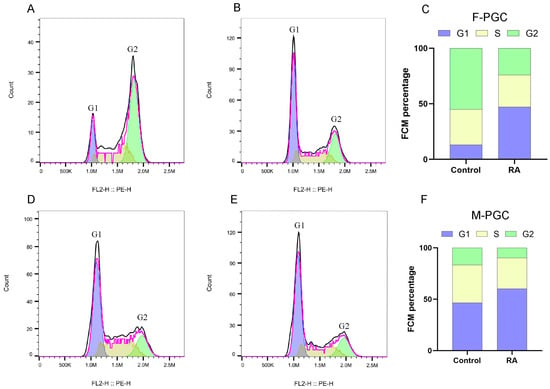
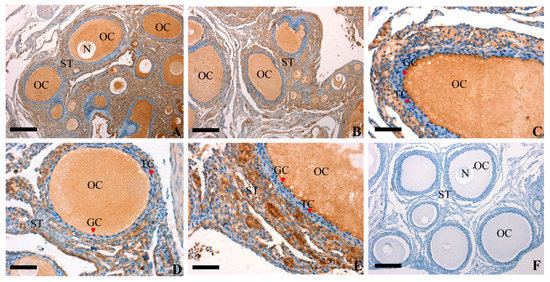
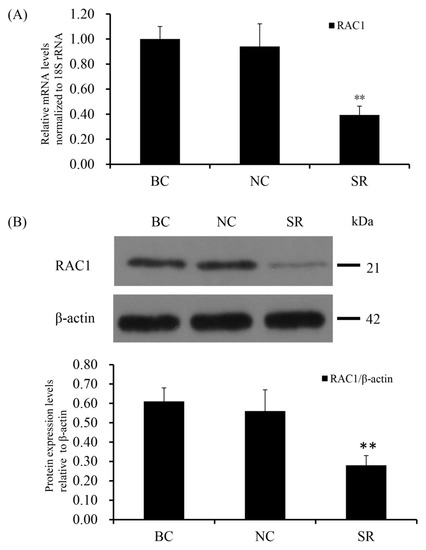
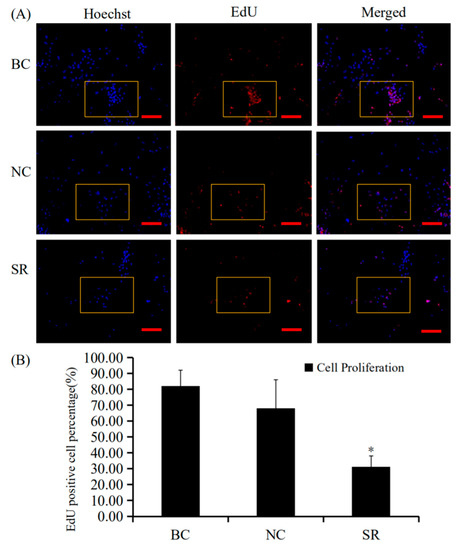
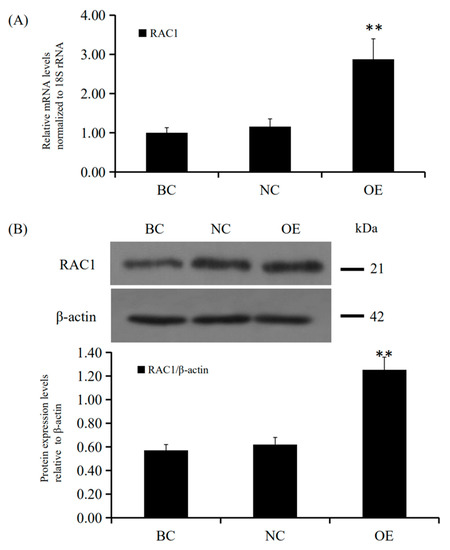
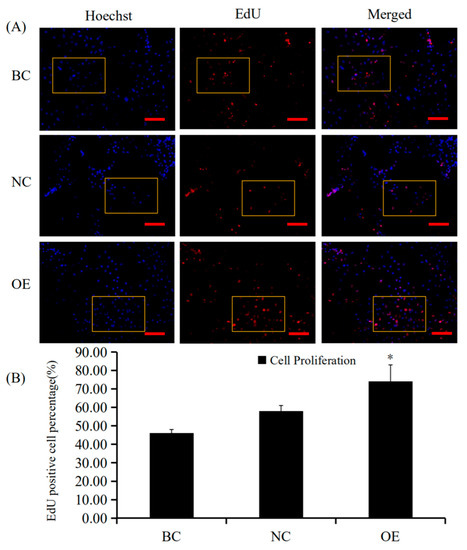
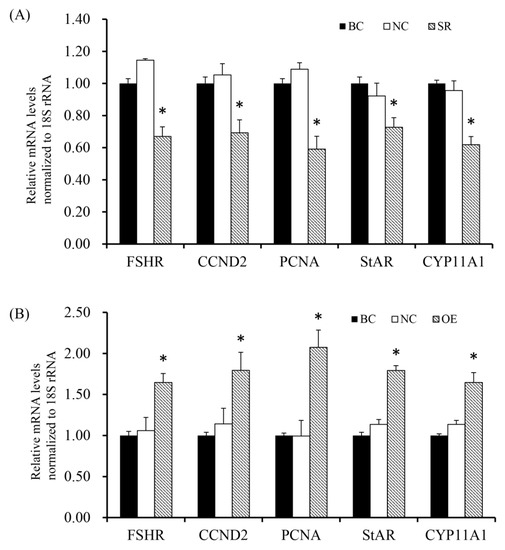
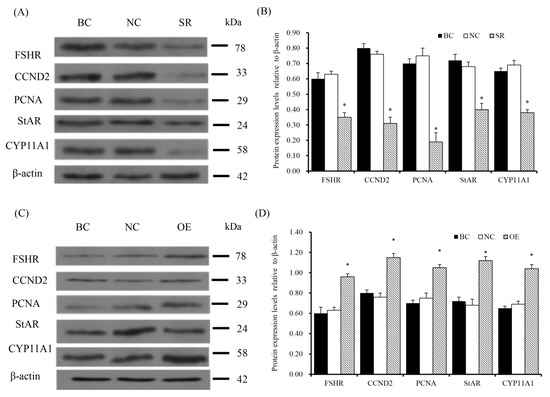
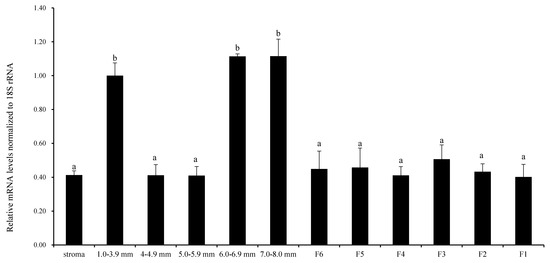
RAC1 belongs to the small G protein Rho subfamily and is implicated in regulating gene expression, cell proliferation and differentiation in mammals and humans; nevertheless, the function of RAC1 in growth and development of hen ovarian follicles is still unclear. This study sought to understand the biological effects of RAC1 on granulosa cell (GC) proliferation and differentiation of hen ovarian prehierarchical follicles. Firstly, our results showed expression levels of RAC1 mRNA in the follicles with diameters of 7.0–8.0 mm, 6.0–6.9 mm and 1.0–3.9 mm were greater than other follicles (p < 0.05). The RAC1 protein was mainly expressed in oocyte and its around GCs and stromal tissues of the prehierarchical follicles by immunohistochemistry. Further investigation revealed the RAC1 gene remarkably enhanced the mRNA and protein expression levels of FSHR (a marker of follicle selection), CCND2 (a marker of cell-cycle progression and GC differentiation), PCNA (a marker of GC proliferation), StAR and CYP11A1 (markers of GC differentiation and steroidogenesis) (p < 0.05). Furthermore, our data demonstrated siRNA interference of RAC1 significantly reduced GC proliferation (p < 0.05), while RAC1 gene overexpression enhanced GC proliferation in vitro (p < 0.05). Collectively, this study provided new evidence that the biological effects of RAC1 on GC proliferation, differentiation and steroidogenesis of chicken ovary follicles. Full article
Show Figures

Figure 1

Article
Effect of Biochar Diet Supplementation on Chicken Broilers Performance, NH3 and Odor Emissions and Meat Consumer Acceptance
Animals 2020, 10(9), 1539; https://doi.org/10.3390/ani10091539 - 01 Sep 2020
Cited by 2 | Viewed by 1211
Abstract
The aim of this research was to evaluate the effect of biochar diet supplementation for broiler chickens on (1) ammonia and odor emissions from manure, (2) feed conversion ratio and daily weight gain, and (3) selected meat quality and sensory parameters. Beechwood biochar [...] Read more.
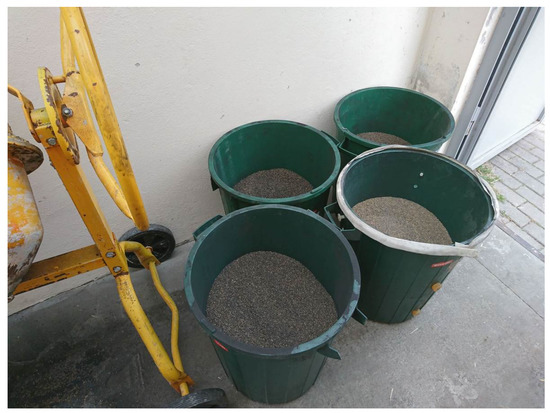
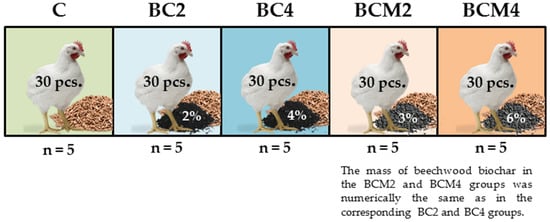
The aim of this research was to evaluate the effect of biochar diet supplementation for broiler chickens on (1) ammonia and odor emissions from manure, (2) feed conversion ratio and daily weight gain, and (3) selected meat quality and sensory parameters. Beechwood biochar (BC, 2 and 4%) and BC–glycerin–aluminosilicates mix (BCM, 3 and 6%) were tested as dietary additives. A total of 750 chicken broilers (Ross 308) were divided into five dietary groups with five replicates per group (n = 5, 30 birds in each replicate) and reared on a littered floor for 5 weeks. Both feed additives showed a significant reduction of ammonia emissions by up to 17%, while the reduction of odor emissions was not statistically significant. The feed conversion ratio increased by 8% for the highest concentration of the mixture. The change of the treated broilers’ average body weight ranged in the last week of the experiment from 0 to −7%, with the most negative effect for the highest dose of the mixture. Sensory analysis of the sous-vide cooked breasts showed no significant differences. Full article
Show Figures

Figure 1

Article
Avian Satellite Cell Plasticity
Animals 2020, 10(8), 1322; https://doi.org/10.3390/ani10081322 - 31 Jul 2020
Viewed by 839
Abstract
Adult myogenesis is dependent on a population of precursor cells, located between the sarcolemma and the basal lamina of the muscle fiber. These satellite cells, usually present in a quiescent state, become activated in response to mechanical muscle strain, differentiating and fusing to [...] Read more.
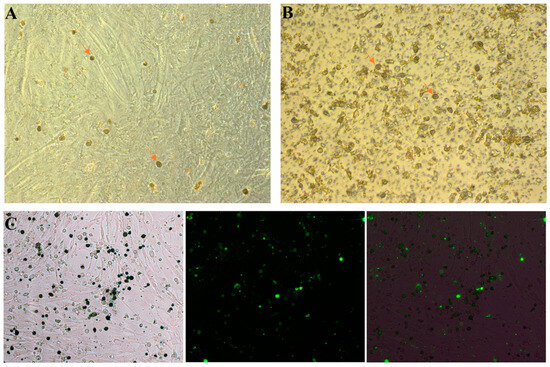
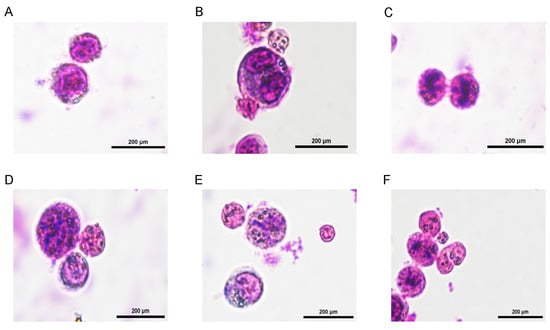
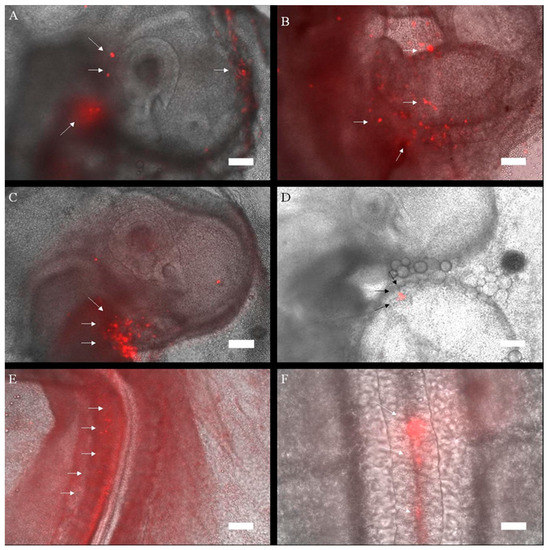
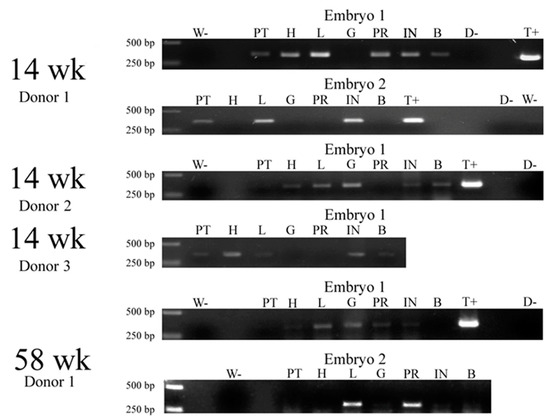
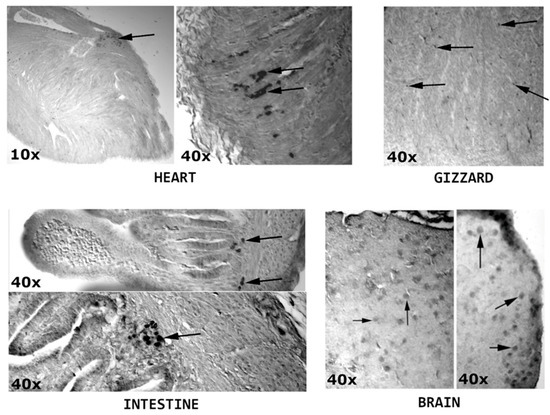
Adult myogenesis is dependent on a population of precursor cells, located between the sarcolemma and the basal lamina of the muscle fiber. These satellite cells, usually present in a quiescent state, become activated in response to mechanical muscle strain, differentiating and fusing to add new nuclei to enlarging muscles. As their myogenic lineage commitment is induced on demand, muscle satellite cells exhibit a certain amount of plasticity, possibly being able to be directed to differentiate into non-myogenic fates. In this study, myosatellite cells were isolated from chicken muscle samples, characterized in vitro and introduced into developing blastoderms. They were further investigated using fluorescence microscopy, immunohistochemistry and PCR, to determine their location in embryos after three and eighteen days. The results of the in vitro analysis confirmed that the cells obtained from the Pectoralis thoracicus are highly myogenic, based on the expression of Pax7, Myogenin, MyoD, Desmin and the myotube assay. Furthermore, the investigation of satellite cells within the embryo showed their migration to the regions of Pectoralis thoracicus, heart, liver, gizzard, proventriculus, intestine and brain. Overall, the results of the study proved the high myogenicity of chicken Pectoralis thoracicus cell isolates, as well as provided new information about their migration pathways following introduction into the blastocyst. The presence of the introduced LacZ or eGFP transgenes across the embryo, even 20 days after myosatellite cell injection, further supports the notion that satellite cells exhibit significant plasticity, potentially transdifferentiating into non-muscle lineages. Full article
Show Figures

Figure 1

Article
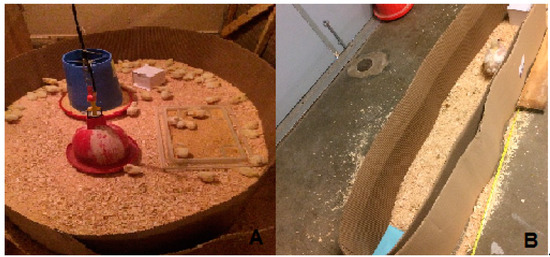
The Effects of Feed Particle Size and Floor Type on the Growth Performance, GIT Development, and Pododermatitis in Broiler Chickens
Animals 2020, 10(8), 1256; https://doi.org/10.3390/ani10081256 - 24 Jul 2020
Cited by 3 | Viewed by 809
Abstract
The aim of the present study was to evaluate the effects of feed particle size and flooring designs on organ traits, performance and pododermatitis in broilers. A total of 480 broilers (Ross 308) of both sexes were randomly assigned to two feeding groups [...] Read more.
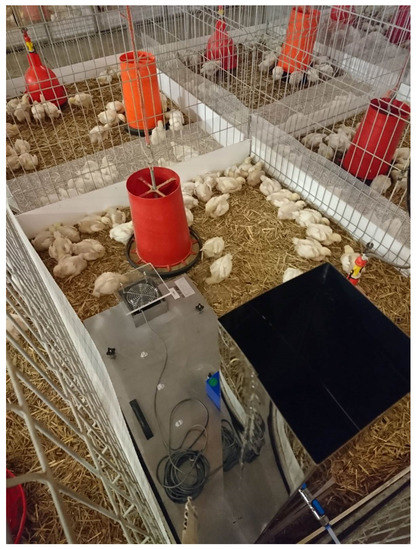
The aim of the present study was to evaluate the effects of feed particle size and flooring designs on organ traits, performance and pododermatitis in broilers. A total of 480 broilers (Ross 308) of both sexes were randomly assigned to two feeding groups (finely or coarsely ground pelleted diets; with addition of 5% to 10% intact wheat in coarsely diets) and four different housing systems (litter; litter with floor heating; partially or fully slatted floor) with three subgroups each. A coarse diet increased the final gizzard and pancreas weights (p < 0.001) while decreasing the risk of Isthmus gastrici dilatation compared to a fine diet (p < 0.001). Broilers fed a coarse diet displayed an increased final body weight (p = 0.023) and led to a favourable feed conversion ratio. Final body weight was the highest (p < 0.001) for birds housed on partially or fully slatted floor. Housing birds on litter with floor heating showed the lowest pododermatitis scoring (p < 0.001). It seems to be favourable to use coarse diets for organ development, whereas slatted floors seem to foster enlargement of the Isthmus gastrici. Increasing growth performance was possible both when using coarse diets or slatted floors. Full article
Show Figures

Figure 1

Planned Papers

The below list represents only planned manuscripts. Some of these manuscripts have not been received by the Editorial Office yet. Papers submitted to MDPI journals are subject to peer-review.

1. Effects of dietary fibre on nutrients utilisation and gut health of poultry: challenges and opportunities

K. Singh1 and W. K. Kim1*

1Department of Poultry Science, University of Georgia, Athens, GA 30602

*Correspondence: W. K. Kim [email protected]

Abstract

Inclusion of non-conventional feedstuffs and agricultural co-products have been increased in recent times to keep the poultry feed price low and to exploit the value of nutrients in these feed ingredients that otherwise would go un-utilised and be considered as wastes. The use of exogenous feed enzymes along with the advancement in feed milling, feed formulation, and processing of these ingredients to improve their digestibility and utilisation have played an emphatic role in boosting their use globally. Despite such developments in the use of these alternative feedstuffs, the presence of a high level of dietary fibres (DF) that act as an anti-nutritive factor still poses challenges in poultry feeding. Moreover, all plant-based fibres are not the same and exert variable physiological effects on the host including but not limited to digestibility, growth performance, and microbial fermentation. Several types of fibres, especially oligosaccharides when supplemented in poultry diets in isolated forms have exhibited prebiotic effects by enhancing beneficial gut microbiota, modulating gut immunity, boosting intestinal mucosal health and increasing the production of short-chain fatty acids (SCFA) in the gut. Besides formulating for balanced levels of nutrients in feed, poultry producers are facing challenges to limit the use of antibiotics as growth promoters (AGP) in poultry feed. Various isolated forms of fibre or the use of feed enzymes to break DF into fermentable substrates are being used extensively to provide potential prebiotics to support beneficial gut microbiota or probiotics to improve the gut health of poultry raised without AGP. This review presents a holistic approach to put forward the existing challenges in incorporating high fibre ingredients in poultry feed along with the approaches that should be considered as strategies to utilise the potential of such ingredients in improving feed efficiency and gut health of poultry.

Keywords: antinutrient; fermentation; fibre; gut health; microbiota; poultry; prebiotic Fibre utilisation in poultry

Back to TopTop