Due to scheduled maintenance work on our servers, there may be short service disruptions on this website between 11:00 and 12:00 CEST on March 28th.
Journal Description
Adolescents
Adolescents
is an international, peer-reviewed, open access journal on adolescent development and health sciences published bimonthly online by MDPI.
- Open Access— free for readers, with article processing charges (APC) paid by authors or their institutions.
- High Visibility: indexed within ESCI (Web of Science), Scopus and other databases.
- Journal Rank: CiteScore - Q2 (Health Professions (miscellaneous))
- Rapid Publication: manuscripts are peer-reviewed and a first decision is provided to authors approximately 44.3 days after submission; acceptance to publication is undertaken in 5.5 days (median values for papers published in this journal in the second half of 2025).
- Recognition of Reviewers: APC discount vouchers, optional signed peer review, and reviewer names published annually in the journal.
- Journal Cluster of Education and Psychology: Adolescents, AI in Education, Behavioral Sciences, Education Sciences, International Journal of Cognitive Sciences, Journal of Intelligence, Psychology International and Youth.
Impact Factor:
0.8 (2024);
5-Year Impact Factor:
1.0 (2024)
Latest Articles
Gender and Sex Differences in Adolescents’ Interpersonal Emotion Regulation: A Multi-Method Study
Adolescents 2026, 6(2), 28; https://doi.org/10.3390/adolescents6020028 - 18 Mar 2026
Abstract
►
Show Figures
Background: Interpersonal emotion regulation (iER) is the process of managing others’ emotions and is critical during early adolescence, when social awareness and peer dependence increase. Little is known about how sex and gender role orientation shape adolescents’ iER. This study examined whether early
[...] Read more.
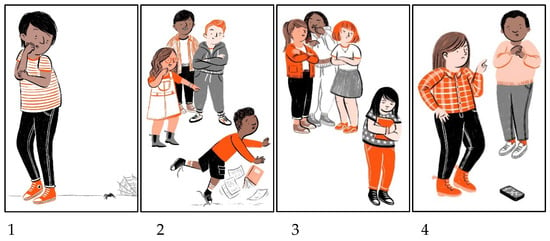
Background: Interpersonal emotion regulation (iER) is the process of managing others’ emotions and is critical during early adolescence, when social awareness and peer dependence increase. Little is known about how sex and gender role orientation shape adolescents’ iER. This study examined whether early adolescents differ in their use of person-focused (acceptance) versus problem-focused (positive engagement) strategies and whether these differences depend on context and measurement method. Methods: Data were collected from 322 adolescents (141 girls, 181 boys; aged 10–14 years, M = 12.47, SD = 1.55). The cross-sectional online study used a multi-method design comprising open-ended visual vignettes, a standardised questionnaire, and a serious game task. Participants also completed a validated gender-role self-concept measure assessing femininity and masculinity. Analyses were conducted using Poisson and logistic regressions with sex, femininity, and masculinity as predictors. Results: Across tasks, adolescents preferred problem-focused over person-focused strategies. Girls and those higher in femininity reported or generated more acceptance-based strategies, whereas boys and those higher in masculinity favoured positive engagement. These effects were evident in reflective measures (vignettes and questionnaire) but not in the interactive game, where sex and gender differences were absent. Conclusions: Findings suggest that gendered socialisation processes shape how adolescents regulate others’ emotions, particularly when behaviour is consciously reported. However, in ecologically valid contexts, these differences diminish, indicating shared capacities for adaptive interpersonal regulation across genders.
Full article
Open AccessArticle
Enhancing Self-Awareness in Late Adolescents and Emerging Adults in Pakistan: A Randomized Controlled Trial of UNICEF’s Basic Life Skills Program
by
Urooj Sadiq, Ayesha Irfan, Khawer Bilal Baig and Luca Flesia
Adolescents 2026, 6(2), 27; https://doi.org/10.3390/adolescents6020027 - 9 Mar 2026
Abstract
►▼
Show Figures
Background: Self-awareness is a core psychosocial competence supporting emotional regulation, adaptive coping, and psychological well-being during late adolescence and emerging adulthood—a developmental period marked by identity exploration and heightened vulnerability to stress. Life skills education programs, such as UNICEF’s Basic Life Skills Training
[...] Read more.
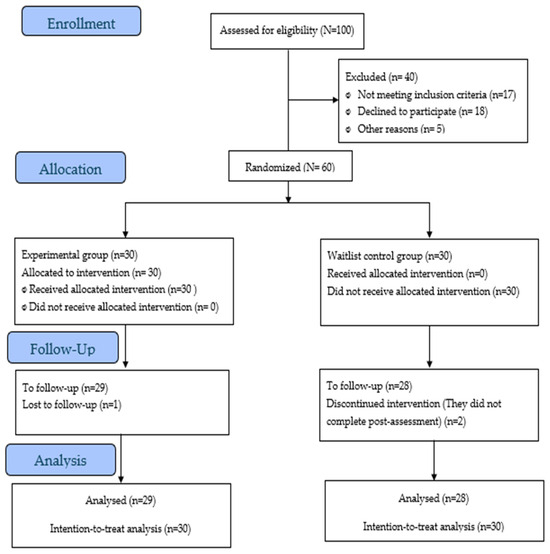
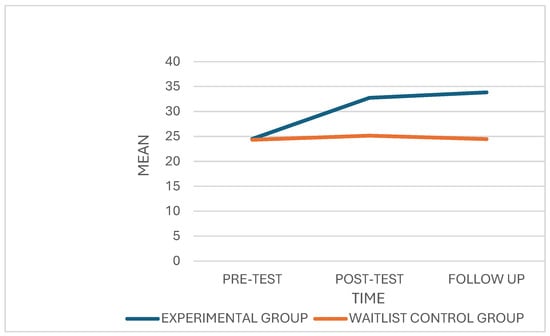
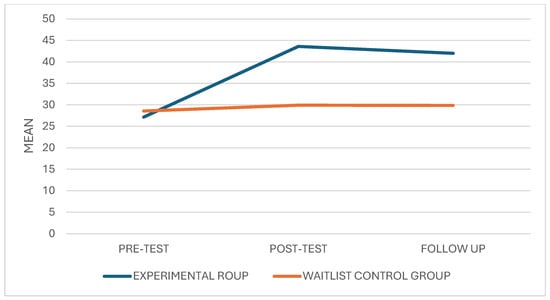
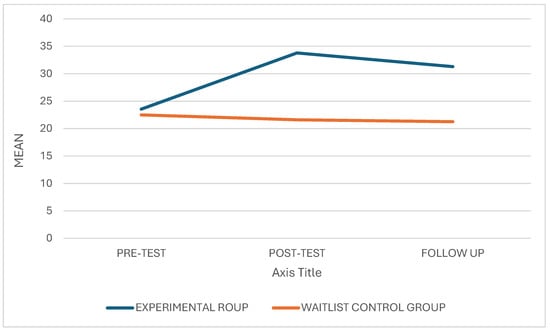
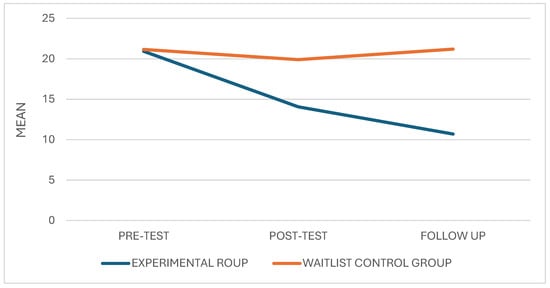
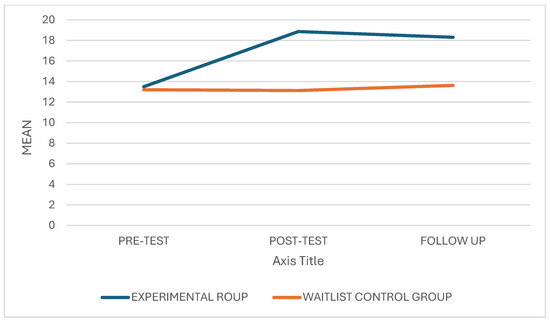
Background: Self-awareness is a core psychosocial competence supporting emotional regulation, adaptive coping, and psychological well-being during late adolescence and emerging adulthood—a developmental period marked by identity exploration and heightened vulnerability to stress. Life skills education programs, such as UNICEF’s Basic Life Skills Training Program (BLSTP), aim to strengthen these competencies; however, empirical evidence on the effectiveness of structured self-awareness interventions remains limited in low- and middle-income countries, leaving a significant gap in culturally grounded preventive research. Methods: A randomized controlled trial was conducted with 60 Pakistani university students aged 18–24 years, randomly assigned to an experimental group or a waitlist control group. The experimental group received the self-awareness module of the BLSTP, targeting self-esteem, stress management, emotional regulation, and positive thinking through structured group sessions. Standardized self-report measures were administered at pre-test, post-test, and follow-up. Data were analyzed using repeated-measures ANOVA. Results: Compared to the control group, participants in the experimental group showed significant improvements across all self-awareness subdomains, with large effect sizes (partial η2 = 0.46–0.84). Gains were maintained at follow-up, indicating sustained intervention effects. Conclusions: The BLSTP self-awareness module appears to be an effective and culturally appropriate preventive intervention for enhancing key psychosocial competencies in late adolescents and emerging adults.
Full article

Figure 1

Open AccessArticle
The Burden of Child and Adolescent Firearm Homicide
by
Gregory M. Zimmerman
Adolescents 2026, 6(2), 26; https://doi.org/10.3390/adolescents6020026 - 2 Mar 2026
Abstract
►▼
Show Figures
Firearm homicide is a leading cause of death among children and adolescents. This study examined variability in the correlates of firearm homicide across child and adolescent firearm homicide victims. U.S. firearm homicide victims comprising three developmental groups were identified in the National Violent
[...] Read more.
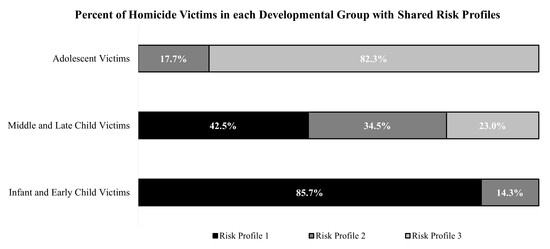
Firearm homicide is a leading cause of death among children and adolescents. This study examined variability in the correlates of firearm homicide across child and adolescent firearm homicide victims. U.S. firearm homicide victims comprising three developmental groups were identified in the National Violent Death Reporting System (2003–2021): infant and early child victims aged 0–5 years (N = 3992); middle and late child victims aged 6–12 years (N = 996); and adolescent victims aged 13–19 years (N = 8350). Descriptive statistics and multivariate regression analysis demonstrated strong support for the study hypotheses. First, firearm homicide victimization peaked among young children (0–5) and adolescents (13–19). Second, older victims were disproportionately male and overwhelmingly had male perpetrators. Third, younger victims were more likely to be killed by their caregivers, family members, and in the home. Finally, situational characteristics were more relevant for adolescent victims. The results suggest that the correlates of child and adolescent firearm homicide are developmentally patterned and reflect age-graded differences in familial reliance, autonomy, and social involvement.
Full article

Graphical abstract
Open AccessObituary
William Herbert “Bill” Foege, MD, MPH (1936–2026)
by
David A. Sleet and Lloyd Kolbe
Adolescents 2026, 6(2), 25; https://doi.org/10.3390/adolescents6020025 - 1 Mar 2026
Abstract
In the original article [...]
Full article
Open AccessArticle
Narcissism and Selfie Addiction Among Young Mexicans: Factorial Structure and Associations
by
Anaís Sánchez-Domínguez, Leticia del Carmen Ríos-Rodríguez, Jorge de la Torre y Ramos, Francisco Eneldo López-Monteagudo, José Berumen-Enríquez, Angélica Colín-Mercado, Adrián Gerardo Nevaréz-Esparza and Leonel Ruvalcaba-Arredondo
Adolescents 2026, 6(2), 24; https://doi.org/10.3390/adolescents6020024 - 25 Feb 2026
Abstract
Background: The relationship between selfie addiction and narcissism in students at the Universidad Autónoma de Zacatecas (UAZ, Autonomous University of Zacatecas), Mexico, was analysed. The aim of this study was to identify the narcissistic factors associated with students’ selfie taking addiction. Methods: To
[...] Read more.
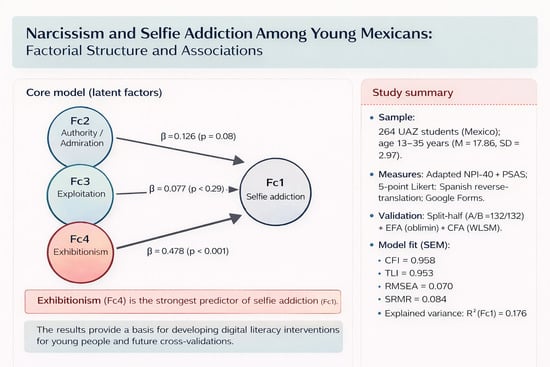
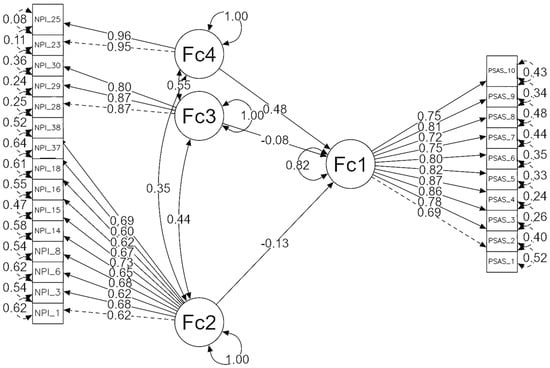
Background: The relationship between selfie addiction and narcissism in students at the Universidad Autónoma de Zacatecas (UAZ, Autonomous University of Zacatecas), Mexico, was analysed. The aim of this study was to identify the narcissistic factors associated with students’ selfie taking addiction. Methods: To identify the relationship between narcissism and selfie addiction, the Narcissistic Personality Inventory (Adapted NPI-40) and the Psychometric Selfie Addiction Scale (PSAS) were used. A structural equation model (SEM) was employed. Exploratory factor analysis (EFA) and confirmatory factor analysis (CFA) were used for structural validation. EFA and CFA confirmed adequate fit and reliability indicators regarding the robust unidimensional structure of the PSAS. Results: The SEM results indicated significant associations between the latent dimensions of the narcissistic traits of superiority, authority, need for admiration, exhibitionism, and exploitation and selfie addiction. This research provides structural and psychometric evidence for the relationship between narcissism and selfie addiction in the Mexican student population, integrating Adapted NPI-40 and PSAS, as well as a parsimonious explanatory structural equation model that demonstrates the relationship between different narcissistic traits and social media practices. Conclusions: The results provide a basis for developing digital literacy interventions for young people and future cross-validations.
Full article
(This article belongs to the Section Adolescent Health and Mental Health)
►▼
Show Figures

Graphical abstract
Open AccessArticle
Does Coercive Process Play a Role in Teen Dating Violence?
by
Danielle M. Mitnick, Amy M. S. Slep, Stacey S. Tiberio, Kelly A. Daly, Richard E. Heyman and Michael F. Lorber
Adolescents 2026, 6(1), 23; https://doi.org/10.3390/adolescents6010023 - 18 Feb 2026
Abstract
►▼
Show Figures
Coercion theory posits that a vicious cycle of negative reinforcement traps both parents and children, shaping young children to become stably aggressive in conflicts with their parents. Research on intimate partner violence has found some evidence supporting the application of coercion theory in
[...] Read more.
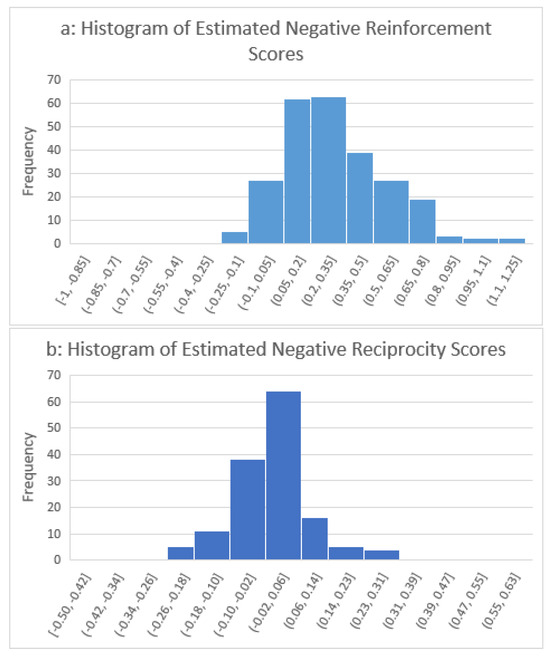
Coercion theory posits that a vicious cycle of negative reinforcement traps both parents and children, shaping young children to become stably aggressive in conflicts with their parents. Research on intimate partner violence has found some evidence supporting the application of coercion theory in explaining aggressive escalation in adult conflicts as well. It is unclear whether the same processes are at play during teens’ early dating relationships. On the one hand, dating aggression emerges as soon as dating relationships do. On the other hand, we also know that if aggression presents extremely early in relationships, dissolution is the most likely path. We explored the role of coercion in 209 teen dating couples who were observed in a laboratory series of problem-solving discussions and analogue conflict tasks. All data were coded by trained coders blind to hypotheses. Analyses suggest that the negative reinforcement of hostility is indeed significantly associated with both psychological and physical aggression in an adolescent dating sample. Implications for prevention and intervention are discussed, as well as developmental processes that may contribute to dating aggression in light of our findings.
Full article

Figure 1
Open AccessArticle
Youth Life After the Pandemic: An Exploratory Study on Mental Health, Online Behaviours, and Daily Functioning of Italian Early Adolescents
by
Virginia Pupi, Gianluca Santoro, Giorgia Varallo, Antonio Albano, Alessandro Guarnieri, Giancarlo Condello, Antonio Ozzimo, Monica Pacetti, Alessandro Musetti and Christian Franceschini
Adolescents 2026, 6(1), 22; https://doi.org/10.3390/adolescents6010022 - 16 Feb 2026
Abstract
Early adolescence is a critical developmental period marked by emotional, behavioral, and biological changes. The COVID-19 pandemic disrupted adolescents’ daily routines, potentially producing lasting effects on mental and physical health. This study investigated anxiety and depressive symptoms, risk of extreme social withdrawal, use
[...] Read more.
Early adolescence is a critical developmental period marked by emotional, behavioral, and biological changes. The COVID-19 pandemic disrupted adolescents’ daily routines, potentially producing lasting effects on mental and physical health. This study investigated anxiety and depressive symptoms, risk of extreme social withdrawal, use of technological devices, physical activity, and sleep–wake functioning in 276 early adolescents (54% females; Mage = 12.28, SD = 0.81) living in a forested and geographically isolated area of Emilia-Romagna in Italy. Participants completed validated self-report questionnaires assessing internalizing symptoms, use of technological devices (including problematic online gaming and smartphone use), gaming motivations, physical activity, chronotype, sleep disturbances, and daytime sleepiness. Scores on the anxiety and depressive symptom scales were within the normative range, except for scores on certain scales suggesting a moderate degree of severity that was not clinically significant. Females reported higher levels of anxiety, depressive symptoms, and problematic smartphone use, whereas males showed greater involvement in problematic online gaming and stronger achievement-, social-, and immersion-related motives. A substantial proportion of participants reported excessive daytime sleepiness (42.4% of females; 26.1% of males). Significant patterns of association were found among internalizing symptoms, domains of sleep–wake functioning, use of technological devices, and risk of extreme social withdrawal. Overall, these findings support the relevance of predisposing preventive strategies aimed at improving different domains of physical and mental health among youth in underserved or geographically isolated communities.
Full article
Open AccessArticle
Parents’ Perceptions of College Student Posttraumatic Growth During COVID-19
by
Jodi Dworkin, Ting Xu and Elizabeth Hruska
Adolescents 2026, 6(1), 21; https://doi.org/10.3390/adolescents6010021 - 14 Feb 2026
Abstract
It is undeniable that COVID-19 has impacted all aspects of college student and family life. However, the posttraumatic growth (PTG) framework suggests there are opportunities for growth after traumatic or highly stressful events. To explore PTG in college students during the COVID-19 pandemic,
[...] Read more.
It is undeniable that COVID-19 has impacted all aspects of college student and family life. However, the posttraumatic growth (PTG) framework suggests there are opportunities for growth after traumatic or highly stressful events. To explore PTG in college students during the COVID-19 pandemic, this study recruited parents of college students (N = 1655) from across the U.S. Hierarchical multiple regression analyses revealed that when parents reported that their student experienced more positive impacts of COVID-19 on their relationships and health, received more career support, and when parents reported that their own well-being improved, they were more likely to report that their student experienced PTG. Additionally, parent gender, student first-generation status, and student year in school were also associated with PTG. This is consistent with past research; when parents were well supported during the pandemic, their college students did better and were more likely to uphold academic and graduation plans. Findings underscore the important role of both university resources such as career support, and family resources such as parental well-being in buffering the negative effects of the pandemic and supporting PTG.
Full article
Open AccessArticle
Relationship of Internet Addiction and Gambling Craving with Personality and Psychological Well-Being
by
Joan García-Perales, Isabel Martínez and Elena Delgado
Adolescents 2026, 6(1), 20; https://doi.org/10.3390/adolescents6010020 - 13 Feb 2026
Abstract
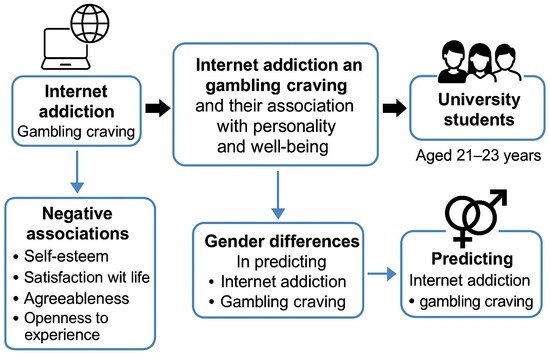
The availability of the Internet in current society has brought about the development of Internet addiction and participation in online gambling. This study aimed to examine the associations between Internet addiction and gambling craving with personality traits and psychological well-being (self-esteem and life
[...] Read more.
The availability of the Internet in current society has brought about the development of Internet addiction and participation in online gambling. This study aimed to examine the associations between Internet addiction and gambling craving with personality traits and psychological well-being (self-esteem and life satisfaction), controlling for gender differences. The sample consisted of 517 Spanish university students (28.6% males), aged 21–23 years (mean age = 21.53 years; SD = 3.76). Participants were administered the Internet Addiction Test (IAT), Gambling Craving Scale, Self-Esteem Scale, Mini-IPIP Scale, and Satisfaction with Life Scale (SWLS). The results show that Internet addiction is negatively related to self-esteem, satisfaction with life, and personality traits of agreeableness, conscientiousness, emotional stability, and openness to experience. In line with these findings, the results concerning gambling craving are particularly noteworthy, revealing significant negative associations with self-esteem, life satisfaction, and the personality traits of agreeableness and openness to experience. This pattern suggests that heightened craving may be linked to broader deficits in psychological well-being and adaptive personality functioning. Finally, the results indicate differences by gender when predicting Internet addiction and gambling craving through personality and psychological well-being.
Full article
(This article belongs to the Topic Behavioral Addictions and Risk-Taking in the Digital Age: Gambling, Sports Betting, and Emerging Challenges)
►▼
Show Figures

Graphical abstract
Open AccessArticle
Lifetime Exposure to Digital Victimization and Depressive Symptoms in Adolescents in Chile: The Mediating Role of Self-Esteem
by
Rodrigo Moya-Vergara, Diego Portilla-Saavedra, Jennifer Marín Medina, Catalina Carvallo Parraguez, Katherin Castillo-Morales and Ricardo Espinoza-Tapia
Adolescents 2026, 6(1), 19; https://doi.org/10.3390/adolescents6010019 - 12 Feb 2026
Abstract
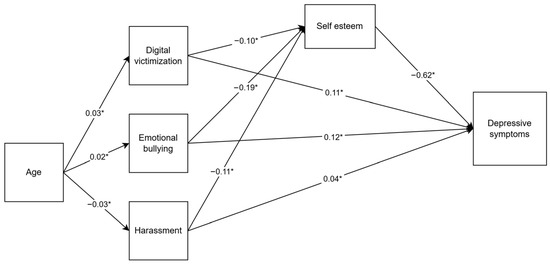
Digital victimization has been increasingly linked to adverse mental health outcomes during adolescence; however, less is known about its association with depressive symptoms when accounting for other forms of peer victimization and underlying psychological mechanisms. This study examined the relationship between lifetime digital
[...] Read more.
Digital victimization has been increasingly linked to adverse mental health outcomes during adolescence; however, less is known about its association with depressive symptoms when accounting for other forms of peer victimization and underlying psychological mechanisms. This study examined the relationship between lifetime digital victimization and depressive symptoms in a nationally representative sample of Chilean adolescents (N = 11,439) and tested the mediating role of self-esteem. Lifetime exposure to digital victimization, emotional bullying, and harassment were assessed using dichotomous indicators. Depressive symptoms were measured with the Birleson Depression Self-Rating Scale, and self-esteem with the Rosenberg Self-Esteem Scale. Overall, 27.2% of Chilean adolescents reported lifetime digital victimization. The proposed model showed an adequate fit to the data (CFI = 0.992; TLI = 0.942; RMSEA = 0.065; SRMR = 0.012). Lifetime exposure to digital victimization was directly associated with higher depressive symptoms and lower self-esteem, and self-esteem significantly mediated this association after controlling for age and in-person peer victimization. These findings highlight the importance of self-esteem as a key mechanism linking digital victimization and depressive symptoms in adolescents.
Full article
(This article belongs to the Section Adolescent Health and Mental Health)
►▼
Show Figures

Figure 1
Open AccessArticle
Increasing Suicide Mortality of Female Students Became Greater than Males in Current Japan
by
Ryusuke Matsumoto, Tomoka Oka, Eishi Motomura and Motohiro Okada
Adolescents 2026, 6(1), 18; https://doi.org/10.3390/adolescents6010018 - 10 Feb 2026
Abstract
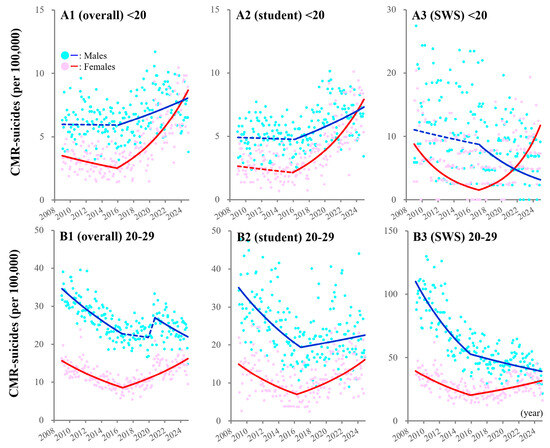
In Japan, national crude suicide mortality rates (CMR-suicides) consistently decreased during the 2010s, whereas adolescent CMR-suicides have increased from the mid-2010s. However, the high-risk groups and their causalities remain to be clarified. Temporal fluctuations of adolescent CMR-suicides disaggregated by gender, age, social standing,
[...] Read more.
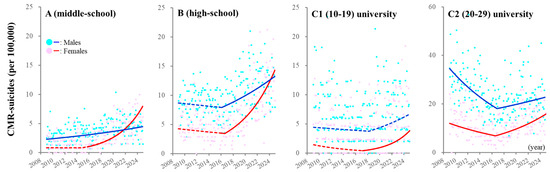
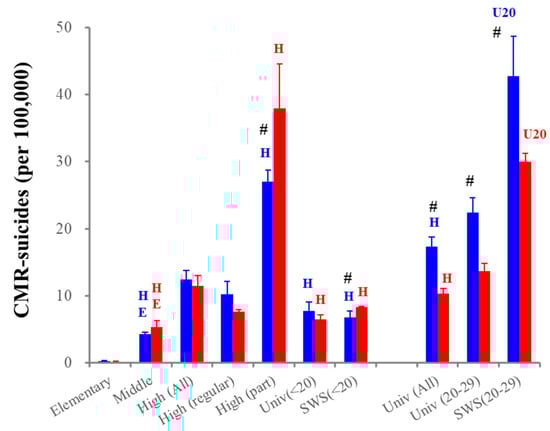
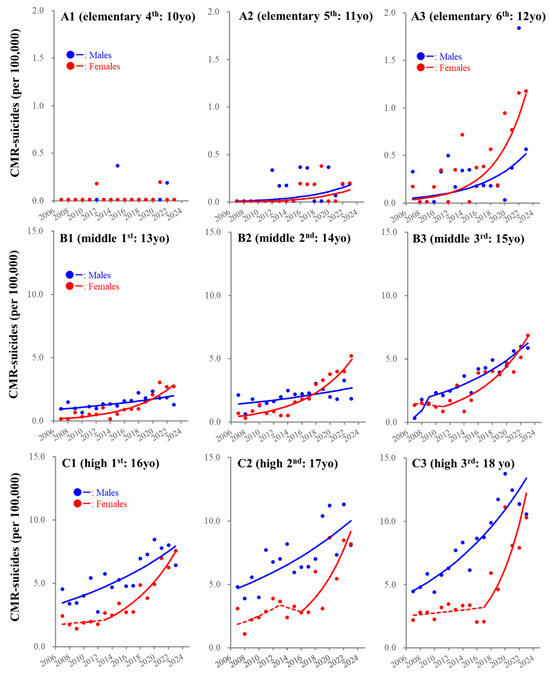
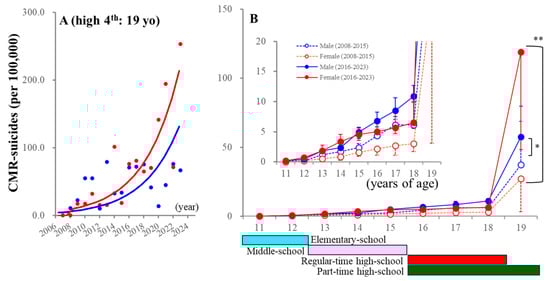
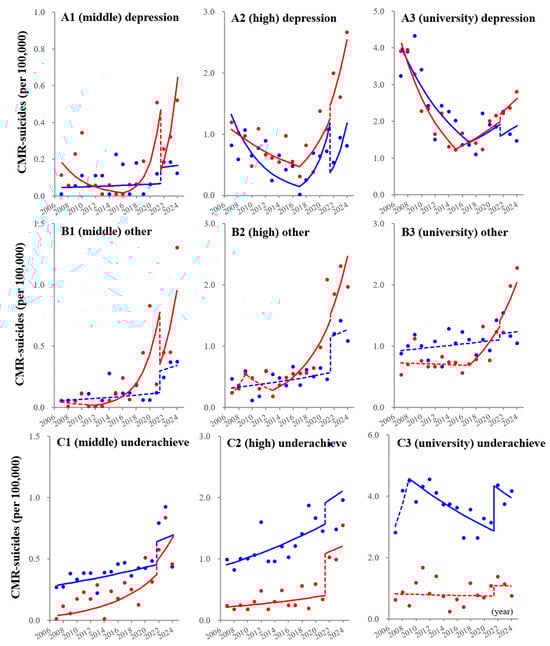
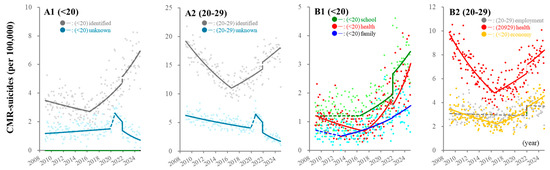
In Japan, national crude suicide mortality rates (CMR-suicides) consistently decreased during the 2010s, whereas adolescent CMR-suicides have increased from the mid-2010s. However, the high-risk groups and their causalities remain to be clarified. Temporal fluctuations of adolescent CMR-suicides disaggregated by gender, age, social standing, and suicide motive were analyzed with joinpoint regression and linear mixed-effect models using two government suicide databases. CMR-suicides among female elementary school students, middle school students, high school students, university students, and <20-year-old individuals with social withdrawal syndrome (SWS) increased from the mid-2010s. CMR-suicides among male elementary school, middle school, and high school students also increased from the mid-2010s, while those of university students were unchanged. In contrast, CMR-suicides of males aged <20 and 20–29 with SWS unexpectedly decreased. Surprisingly, the increasing trends of CMR-suicides of female students were greater than males; consequently, CMR-suicides of female students in middle school and high school became greater than those of male students in the 2020s. The highest suicide risk among those under 20 years of age was observed among part-time high school students. Among individuals 20–29 years of age, those with SWS were in the highest-risk group for suicide, while CMR-suicides of individuals with SWS aged under 20 years were almost equivalent to those of middle school students. The leading suicide motives for elementary school students were family-related, including family discord and parental reprimand (there was no difference in gender in terms of leading suicide motive). Among middle school female students and older, the leading suicide motives were mental issues followed by school-related problems. Among male middle school students and older, the leading suicide motives were underachievement followed by mental issues. CMR-suicides caused by mental issues (for both genders) and underachievement (in males) increased from the mid-2010s. These results suggest that increasing internalizing problems may be a fundamental factor contributing to the currently increasing suicides among adolescents (particularly females) in Japan. Although the recent promotion of inclusive education in Japan has successfully provided educational opportunities for individuals with internalizing problems, these statistics highlight the need for a further enhancement of psychosocial support for adolescents with internalizing problems who are at a high risk for suicide.
Full article
(This article belongs to the Section Emerging and Contemporary Issue in Adolescence)
►▼
Show Figures

Figure 1
Open AccessArticle
A Participatory Evaluation of the No le entres App Prototype for Tobacco Prevention Among Mexican Adolescents
by
Rosa Dabinia Uribe-Madrigal, Betzaida Salas-García, María del Carmen Gogeascoechea-Trejo, Xóchilt de San Jorge-Cárdenas, Juan Manuel Gutiérrez-Méndez and María Cristina Ortiz-León
Adolescents 2026, 6(1), 17; https://doi.org/10.3390/adolescents6010017 - 4 Feb 2026
Abstract
►▼
Show Figures
Adolescent tobacco use remains a critical public health challenge, requiring innovative early prevention strategies. This study participatively evaluated a medium-fidelity prototype of the No le entres app, designed to prevent tobacco use among adolescents. The prototype was developed based on user-centered design and
[...] Read more.
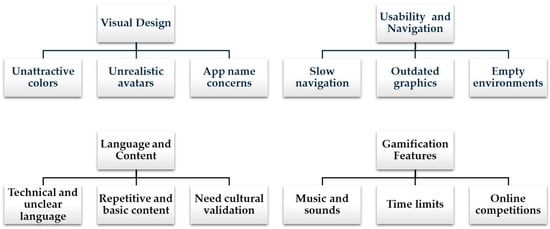
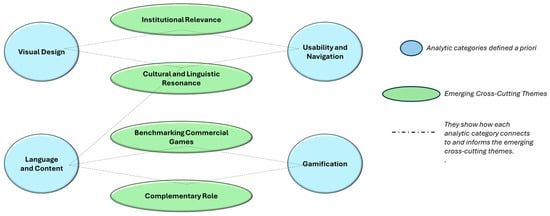
Adolescent tobacco use remains a critical public health challenge, requiring innovative early prevention strategies. This study participatively evaluated a medium-fidelity prototype of the No le entres app, designed to prevent tobacco use among adolescents. The prototype was developed based on user-centered design and gamification frameworks, with the aim of ensuring cultural relevance and active user engagement. Qualitative design with content analysis was employed. Four focus groups were conducted in Xalapa, Veracruz: two with health professionals from Medical Specialty Units—Community Mental Health and Addiction Centers (UNEME CECOSAMA), and two with secondary school students. Nineteen professionals and twenty-two adolescents participated. Data were analyzed using MAXQDA 2022, applying both a priori and emergent categories. Professionals valued the app’s innovative approach but recommended improvements in navigation speed, visual design, message clarity, and cultural validation. Adolescents emphasized the need for more engaging features, such as music, rewards, team competitions, and updated graphics. Both groups highlighted the importance of interactivity, personalization, and contextualized content. Findings underscore the value of participatory methods in designing digital health interventions and confirm that involving end users enhances usability and acceptability. The app demonstrates potential for integration into school settings as a preventive tool, with implications for influencing adolescent knowledge, attitudes, and behaviors regarding tobacco use.
Full article

Graphical abstract
Open AccessReview
Building Relational Permanence to Support the Transition to Adulthood Among System-Involved Youth
by
Cara Lucke, Kristine Piescher and Traci LaLiberte
Adolescents 2026, 6(1), 16; https://doi.org/10.3390/adolescents6010016 - 2 Feb 2026
Abstract
The transition to adulthood is challenging for all youth, but this developmental period can present substantial difficulties for youth involved in child-serving systems due to a constellation of adversities and a lack of protective factors present in their lives. Notably, many system-involved youth
[...] Read more.
The transition to adulthood is challenging for all youth, but this developmental period can present substantial difficulties for youth involved in child-serving systems due to a constellation of adversities and a lack of protective factors present in their lives. Notably, many system-involved youth are disconnected from important relationships and are tasked to navigate the increased demands of adulthood without sufficient support. There is a spectrum of services available for youth transitioning out of system-involvement, but the majority focus on independent living skills, which alone are often insufficient to facilitate a successful transition to adulthood. This paper provides details regarding the importance of building relational permanence—relationships with permanent-supportive individuals—among young adults transitioning out of system involvement. Authors review evidence-based approaches, used by community agencies, which build relational permanence for system-involved youth, while discussing future directions to improve the rigor of research on relational permanence, and action for necessary policy change.
Full article
(This article belongs to the Special Issue Youth in Transition)
Open AccessArticle
Making Choices Amidst Chaos—The Operationalization of Agency Following Forced Displacement for Syrian Adolescent Girls Living in Lebanon
by
Shaimaa Helal, Saja Michael, Colleen M. Davison and Susan A. Bartels
Adolescents 2026, 6(1), 15; https://doi.org/10.3390/adolescents6010015 - 2 Feb 2026
Abstract
►▼
Show Figures
The Syrian conflict has created one of the largest displacement crises of the twenty-first century, disproportionately affecting adolescent girls. Syrian girls have been primarily portrayed as victims of war or “the lost generation”, neglecting the plurality of their experiences. Building on Bandura’s social
[...] Read more.
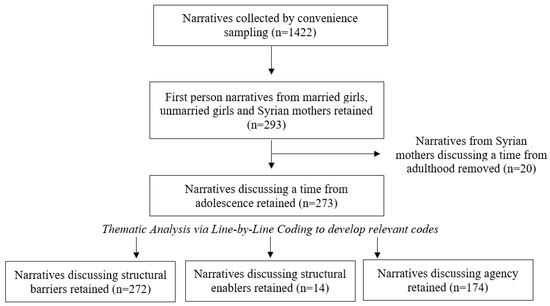
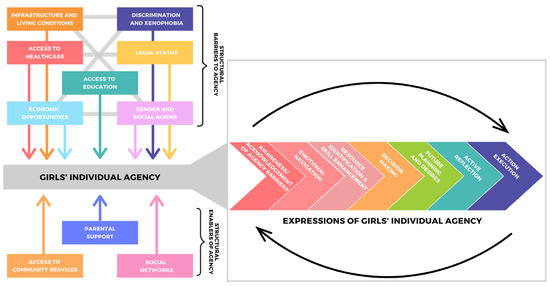
The Syrian conflict has created one of the largest displacement crises of the twenty-first century, disproportionately affecting adolescent girls. Syrian girls have been primarily portrayed as victims of war or “the lost generation”, neglecting the plurality of their experiences. Building on Bandura’s social cognitive theory, Giddens’ structuration theory, Kabeer’s empowerment framework, and Mahmood’s modalities of agency, this study examines how Syrian refugee adolescent girls in Lebanon enact agency within contexts of forced displacement and how structural factors shape these processes. We conducted a secondary analysis of 293 first-person narratives from Syrian girls and mothers collected in 2016 using Cognitive Edge’s SenseMaker®. Thematic analysis revealed seven structural barriers—restricted access to education, economic insecurity, inadequate infrastructure/living conditions, limited healthcare, gender and social norms, xenophobia, and lack of legal status—as well as key enablers including community services, parental support, and peer networks. Girls expressed agency through seven interconnected processes: awareness/acknowledgement of barriers, emotional navigation, resource identification, decision-making, future planning, reflection, and action execution. These processes were adaptive and recursive, highlighting that agency during displacement is dynamic, relational, and conditioned by structural forces. These findings inform approaches that both reduce structural barriers and enable refugee girls’ agency.
Full article

Figure 1

Open AccessSystematic Review
The Role of Family Cohesion and Health Literacy in Parents’ and Adolescents’ Health: A Systematic Review
by
Konstantina Arseniou, Charalambos Gnardellis, Areti Lagiou and Venetia Notara
Adolescents 2026, 6(1), 14; https://doi.org/10.3390/adolescents6010014 - 1 Feb 2026
Abstract
►▼
Show Figures
This systematic review explores the role of family cohesion and health literacy in shaping the physical, mental, and behavioral health of parents and adolescents. Family cohesion and health literacy are recognized social determinants that influence communication, shared decision-making, and engagement in preventive health
[...] Read more.
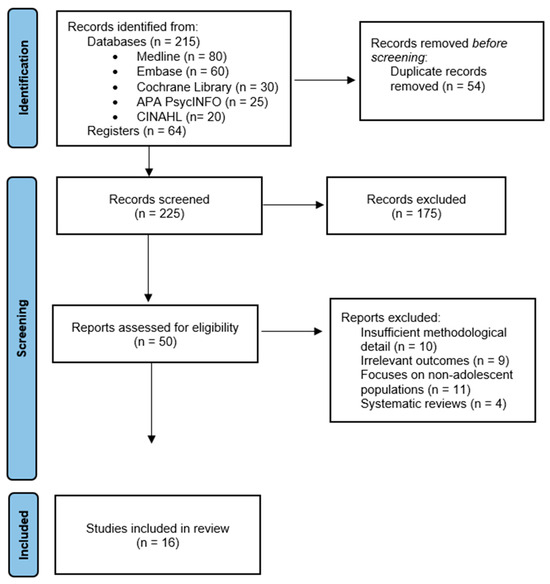
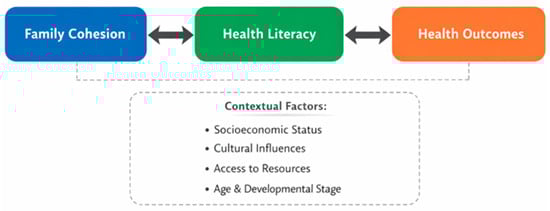
This systematic review explores the role of family cohesion and health literacy in shaping the physical, mental, and behavioral health of parents and adolescents. Family cohesion and health literacy are recognized social determinants that influence communication, shared decision-making, and engagement in preventive health behaviors. Following PRISMA 2021 guidelines, a comprehensive search across major databases identified 16 eligible studies meeting the inclusion criteria between 2010 and 2025. The findings indicate that higher levels of family cohesion promote healthier behaviors, strengthen emotional regulation, and enhance adolescents’ perceived well-being, while also increasing parental involvement in health-related decisions. Health literacy emerged as a key explanatory and contextual factor in the association between family cohesion and health outcomes. However, socioeconomic disadvantages—such as low income, limited access to healthcare, and lower parental education—were shown to weaken these protective pathways, creating disparities in health outcomes. Cultural and contextual factors also influenced the effectiveness of health literacy interventions. Overall, the review underscores the relevance of family-centered, culturally tailored public health strategies that simultaneously strengthen family cohesion and health literacy to support equitable health outcomes for parents and adolescents.
Full article

Figure 1
Open AccessArticle
“Somebody Is Watching, Somebody Still Loves You:” Spirituality and Religion in Mental Health and Substance Use Care for Youth of African Descent
by
Ifeyinwa Mbakogu and Brad Richards
Adolescents 2026, 6(1), 13; https://doi.org/10.3390/adolescents6010013 - 26 Jan 2026
Abstract
Spirituality and religion are underrecognized components of mental health and substance use (MHSU) care for youth of African descent. This study explores the dual role of spirituality and religion in influencing the help-seeking behaviors, recovery journeys, and care outcomes of youth of African
[...] Read more.
Spirituality and religion are underrecognized components of mental health and substance use (MHSU) care for youth of African descent. This study explores the dual role of spirituality and religion in influencing the help-seeking behaviors, recovery journeys, and care outcomes of youth of African descent aged 18 to 25 residing in Nova Scotia, Canada. Drawing on findings from a Canadian Institutes of Health Research (CIHR) funded community-based study using mixed methods, including interviews, focus groups, and arts-based approaches, the research highlights both the supportive and ambivalent roles spirituality plays in MHSU care. Participants shared themes such as spiritual reflection as a turning point, the assurance of a higher power, the culturally responsive support of faith-informed providers, and the significance of meditation and unseen connection as healing tools. While the narratives of research participants attested to the role of spiritual and religious practices in offering a sense of belonging, hope, and culturally aligned care, they may also reinforce stigma or act as a barrier to accessing formal MHSU services. These themes were derived from qualitative analysis of in-depth interviews with 60 youth participants. Through the lens of Ubuntu and Afrocentric paradigms, this paper calls for a more holistic and culturally inclusive approach to care, one that respects or honors the spiritual and communal lives of youth of African descent. It also reinforces the importance of training MHSU care providers to recognize, respect, and integrate spirituality as a legitimate component of wellness and recovery for help-seeking youth of African descent.
Full article
Open AccessArticle
Psychosocial Variables Related to Problematic Internet Use Among Adolescents
by
Esther Fernández-García, Sofía Buelga and María-Jesús Cava
Adolescents 2026, 6(1), 12; https://doi.org/10.3390/adolescents6010012 - 16 Jan 2026
Abstract
Problematic Internet use is a major health issue among adolescents, underscoring the need for further research on the variables related to this dysfunctional usage pattern. This study examined the predictive capacity of four indicators of psychosocial adjustment (depressed mood, perceived stress, loneliness, and
[...] Read more.
Problematic Internet use is a major health issue among adolescents, underscoring the need for further research on the variables related to this dysfunctional usage pattern. This study examined the predictive capacity of four indicators of psychosocial adjustment (depressed mood, perceived stress, loneliness, and life satisfaction) for different dimensions of problematic Internet use (preference for online social interaction, Internet use for mood regulation, deficient self-regulation of Internet use, and negative consequences) in male and female adolescents. A sample of 628 adolescents, aged 12 to 18 years (M age = 14.11; SD = 1.52), participated. The results indicated that all dimensions of problematic Internet use were positively correlated with depressive mood, perceived stress, and loneliness, and negatively correlated with life satisfaction. However, notable differences emerged in how these psychosocial variables related to the four PIU dimensions. Loneliness and life satisfaction showed the strongest and most consistent associations. Loneliness predicted Internet use for mood regulation in both males and females and, additionally, predicted preference for online social interaction and negative consequences among males. Life satisfaction was a significant negative predictor of three PIU dimensions among females. Perceived stress stood out as the only predictor of deficient self-regulation in males and females. Finally, depressive mood predicted only the Internet-use-for-mood-regulation dimension among males. These findings may be useful for developing intervention programs aimed at reducing problematic Internet use among adolescents.
Full article
(This article belongs to the Section Adolescent Health and Mental Health)
Open AccessCommentary
An Urgent Call for Collective Advocacy Against Child Marriage: Advancing Adolescent Girls’ Rights and Health
by
Yvette Efevbera, Anshu Banerjee and Nuray Kanbur
Adolescents 2026, 6(1), 11; https://doi.org/10.3390/adolescents6010011 - 16 Jan 2026
Abstract
Child marriage remains a major threat to adolescent girls’ health, development, and rights worldwide. Despite decades of progress, recent policy backsliding and sociopolitical instability have created new risks, with examples from Iraq, Afghanistan, and The Gambia illustrating how legal and political shifts are
[...] Read more.
Child marriage remains a major threat to adolescent girls’ health, development, and rights worldwide. Despite decades of progress, recent policy backsliding and sociopolitical instability have created new risks, with examples from Iraq, Afghanistan, and The Gambia illustrating how legal and political shifts are reshaping vulnerabilities for girls. This paper presents an integrated framework linking developmental science with legal and policy advocacy, emphasizing how evolving capacities and psychosocial maturity should inform marriage laws and protection mechanisms. It reframes advocacy and rights-based action as essential components of adolescent health systems, drawing on recent policy analyses and country examples to identify actionable, multisectoral strategies. The paper highlights an urgent need for collective, evidence-informed advocacy to protect adolescent girls and advance gender equality, an issue of growing importance amid renewed global attention to legal reforms on child marriage.
Full article
Open AccessSystematic Review
Impact of Service-Learning Among Adolescents: A Systematic Review
by
Francisco D. Fernández-Martín and Patricia Ayllón-Salas
Adolescents 2026, 6(1), 10; https://doi.org/10.3390/adolescents6010010 - 15 Jan 2026
Abstract
►▼
Show Figures
Service-learning has emerged as a promising pedagogical approach to address social challenges while fostering students’ academic, socioemotional, and civic development. Despite the growing body of literature, there is a lack of systematic reviews evaluating its effectiveness in secondary education beyond the United States.
[...] Read more.
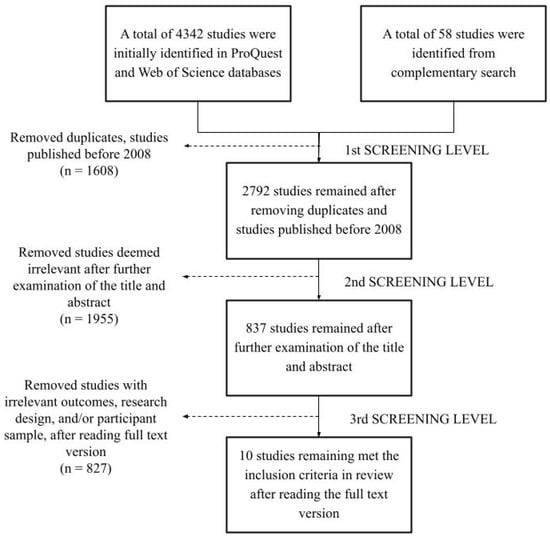
Service-learning has emerged as a promising pedagogical approach to address social challenges while fostering students’ academic, socioemotional, and civic development. Despite the growing body of literature, there is a lack of systematic reviews evaluating its effectiveness in secondary education beyond the United States. Therefore, this systematic review aimed to synthesize the available empirical research on service-learning interventions implemented with secondary education students (grades 7–10) outside United States. Following The Campbell Collaboration guidelines, a comprehensive search was conducted across Web of Science and ProQuest, supplemented by other resources (general web search, hand searches, ongoing research, open access and relevant institutions and networks). Inclusion criteria required quantitative empirical studies (randomized controlled trials, quasi-experimental designs, or pretest–posttest designs) published from 2008 to June 2025 that measured academic, cognitive, socio-emotional, civic, and community outcomes using quantitative procedures. After screening, 10 studies met the inclusion criteria. The findings indicate that service-learning programs can generate positive outcomes on academic performance and non-cognitive skills. Nevertheless, methodological weaknesses and heterogeneity across studies prevent drawing robust conclusions. The review highlights the need for more rigorous research to strengthen the evidence base for service-learning among adolescents in systems worldwide.
Full article

Figure 1

Open AccessReview
Analysis of Factors Associated with Active and Sedentary Behaviors of Children and Adolescents Considering Bronfenbrenner’s Bioecological Theory: A Scoping Review Protocol
by
Vinícius Tenório Moraes da Silva, Rafael dos Santos Henrique, José Ywgne, Francisco Salviano Sales Nobre, Paulo Henrique Guerra and Leonardo Gomes de Oliveira Luz
Adolescents 2026, 6(1), 9; https://doi.org/10.3390/adolescents6010009 - 14 Jan 2026
Abstract
The present study proposes to identify information from health, educational and sports science studies that used Bronfenbrenner’s theory of human development to verify the complex relationship between factors associated with physical activity (PA) and sedentary behavior (SB) in children and adolescents. The scoping
[...] Read more.
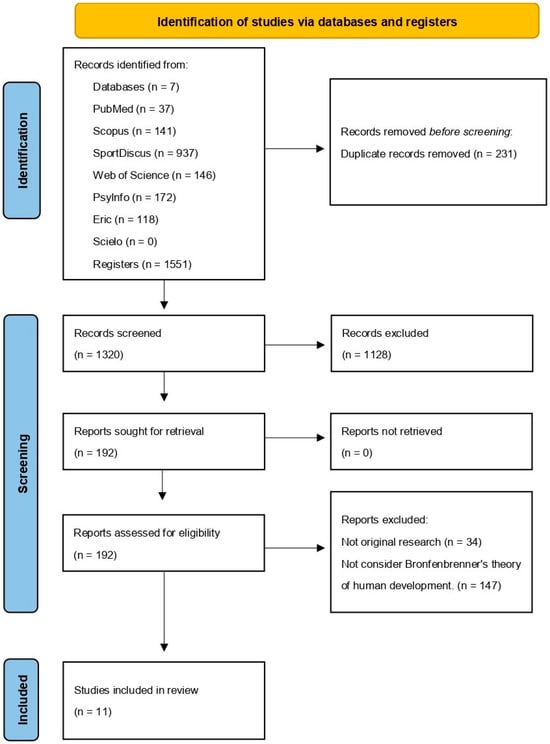
The present study proposes to identify information from health, educational and sports science studies that used Bronfenbrenner’s theory of human development to verify the complex relationship between factors associated with physical activity (PA) and sedentary behavior (SB) in children and adolescents. The scoping review will be developed across seven databases (PubMed, Scopus, SPORTDiscus, Web of Science, PsycINFO, ERIC, and Scielo). The inclusion criteria were formulated based on the PCC (Population, Concept, Context) framework: (a) children and adolescents (5–17 years); (b) studies on PA and/or SB that used Bronfenbrenner’s theory; (c) any context. Only peer-reviewed journal articles published in English, Spanish, or Portuguese will be included; grey literature will not be included. Finally, two reviewers will screen studies using Rayyan. A standardized charting form will be used to extract data on study characteristics and the factors mapped considering Bronfenbrenner’s theory components. This study is expected to show how Bronfenbrenner’s theory has been applied to explain PA and SB in children and adolescents, as well as to map the methodological tools used in this area, identifying gaps and providing a clear framework for future research on the complex and multilevel determinants of PA and SB in children and adolescents.
Full article
(This article belongs to the Section Adolescent Health Behaviors)
►▼
Show Figures

Figure 1
Highly Accessed Articles
Latest Books
E-Mail Alert
News
Topics
Topic in
Behavioral Sciences, Healthcare, Psychiatry International, Adolescents, Social Sciences, Children
Behavioral Addictions and Risk-Taking in the Digital Age: Gambling, Sports Betting, and Emerging Challenges
Topic Editors: André Luiz Monezi Andrade, Denise De MicheliDeadline: 31 August 2026
Topic in
Behavioral Sciences, Education Sciences, Societies, Youth, Adolescents, Social Sciences
Emotional Well-Being and Assessment in Multicultural Educational Contexts: Interdisciplinary Research and Perspectives
Topic Editors: Enrique Riquelme, Daniel Quilaqueo, Héctor Torres, Ignacio MonteroDeadline: 28 February 2027
Conferences
Special Issues
Special Issue in
Adolescents
Dentistry for Adolescents
Guest Editor: Ziad D. BaghdadiDeadline: 13 November 2026
Topical Collections
Topical Collection in
Adolescents
Featured Research in Adolescent Health
Collection Editor: Laura L. Hayman