Journal Description
Therapeutics
Therapeutics
is an international, peer-reviewed, open access journal on all the modern as well as established traditional therapeutic techniques published quarterly online by MDPI.
- Open Access— free for readers, with article processing charges (APC) paid by authors or their institutions.
- Rapid Publication: first decisions in 19 days; acceptance to publication in 8 days (median values for MDPI journals in the second half of 2025).
- Recognition of Reviewers: APC discount vouchers, optional signed peer review, and reviewer names published annually in the journal.
- Therapeutics is a companion journal of JCM.
subject
Imprint Information
Open Access
ISSN: 2813-9909
Latest Articles
Multimodal Management of Spinal Cord Hemangioblastomas: A Comprehensive Review
Therapeutics 2026, 3(2), 12; https://doi.org/10.3390/therapeutics3020012 - 12 May 2026
Abstract
►
Show Figures
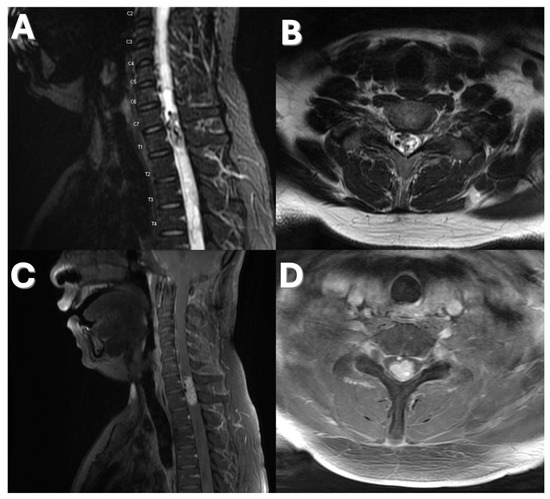
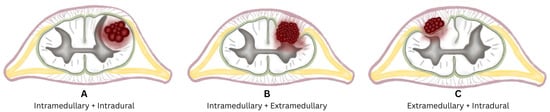
Spinal cord hemangioblastomas are rare, benign, and highly vascular tumors that occur sporadically or in association with von Hippel–Lindau disease. Despite their histological benignity, they often cause significant morbidity due to progressive neurological deficits, syrinx formation, and recurrence in the von Hippel-Lindau population.
[...] Read more.
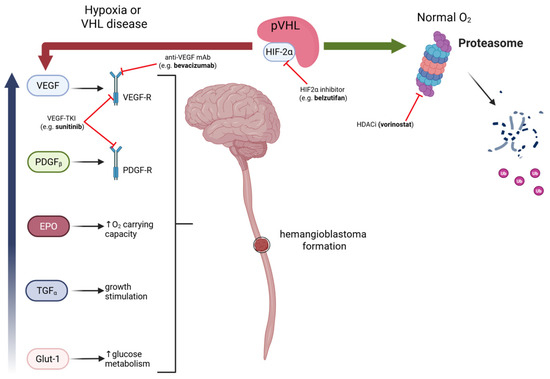
Spinal cord hemangioblastomas are rare, benign, and highly vascular tumors that occur sporadically or in association with von Hippel–Lindau disease. Despite their histological benignity, they often cause significant morbidity due to progressive neurological deficits, syrinx formation, and recurrence in the von Hippel-Lindau population. We performed a comprehensive review of the literature by searching PubMed, EMBASE, and Scopus for studies published in English on spinal cord hemangioblastomas. Eligible studies included original research, case series, and case reports with explicit clinical outcomes or management strategies for pathologically or radiographically confirmed SCHb. Gross total resection is feasible in most cases, leading to durable tumor control and favorable neurological outcomes. Preoperative embolization has been employed selectively to reduce intraoperative bleeding. Radiotherapy, particularly stereotactic radiosurgery, has shown promising local control for surgically inaccessible or recurrent lesions, while conventional external beam approaches provide less consistent results. Anti-angiogenic agents have demonstrated anecdotal benefit, and the HIF-2α inhibitor belzutifan represents the first systemic therapy approved by the FDA for VHL-associated hemangioblastomas. The management of SCHb requires an individualized, multimodal strategy. Microsurgery remains the cornerstone of treatment; radiotherapy and pharmacotherapy are valuable adjuncts for specific clinical scenarios. Further prospective studies are needed to optimize patient selection and integration of these therapies.
Full article
Open AccessReview
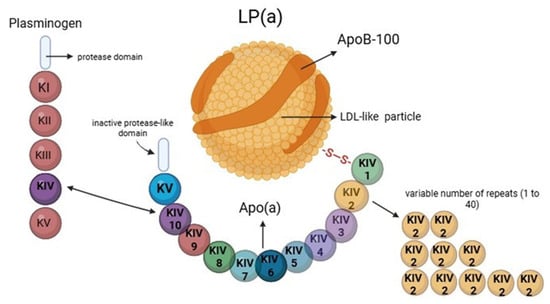
Lipoprotein(a) in Cardiovascular Disease: What Clinicians Need to Know: A Narrative Review
by
Elisabetta Ricottini, Nicolò Graziano Ciavaroli, Anna Di Cristo, Antonio Emanuele Lentini, Teresa Trunfio, Luca D’Antonio, Fabio Mangiacapra, Annunziata Nusca, Valeria Cammalleri, Rosetta Melfi, Nino Cocco, Paolo Gallo, Raffaele Rinaldi, Annamaria Tavernese, Francesco Piccirillo, Martina Gelfusa, Giorgio Antonelli, Laura Gatto, Saverio Muscoli and Gian Paolo Ussia
Therapeutics 2026, 3(2), 11; https://doi.org/10.3390/therapeutics3020011 - 7 Apr 2026
Abstract
►▼
Show Figures
Extensive evidence now confirms Lipoprotein(a) [Lp(a)] as a causal, independent risk factor for atherosclerotic cardiovascular disease. Elevated Lp(a) levels are detected in approximately 20% of the global population, positioning it as a major contributor to residual cardiovascular risk. Circulating Lp(a) levels are determined
[...] Read more.
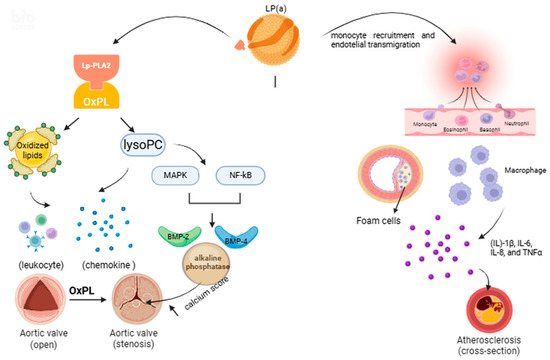
Extensive evidence now confirms Lipoprotein(a) [Lp(a)] as a causal, independent risk factor for atherosclerotic cardiovascular disease. Elevated Lp(a) levels are detected in approximately 20% of the global population, positioning it as a major contributor to residual cardiovascular risk. Circulating Lp(a) levels are determined predominantly by genetic factors, so they are largely unresponsive to lifestyle modifications or conventional lipid-lowering therapies. Therefore, multiple international guidelines now endorse a one-time, lifetime measurement of Lp(a), as lowering Lp(a) concentrations is expected to have a positive impact on the reduction of cardiovascular risk. Currently, the therapeutic landscape of Lp(a) lowering drugs is rapidly evolving. Some RNA-based therapies (antisense oligonucleotides (ASOs) and small interfering RNAs (siRNAs)) have been demonstrated to reduce plasma Lp(a) concentrations by up to 98% in early-phase clinical trials. The efficacy and safety of these compounds are currently being evaluated in large-scale cardiovascular outcome trials. The results of these studies will be critical in validating the “Lp(a) hypothesis”: specific reduction of Lp(a) levels can lead to a measurable decrease in cardiovascular events. The purpose of this narrative review is to examine and discuss the available evidence on the role of Lp(a) as a risk factor and pharmacological target to provide a practical tool for decision-making in clinical practice.
Full article

Figure 1
Open AccessSystematic Review
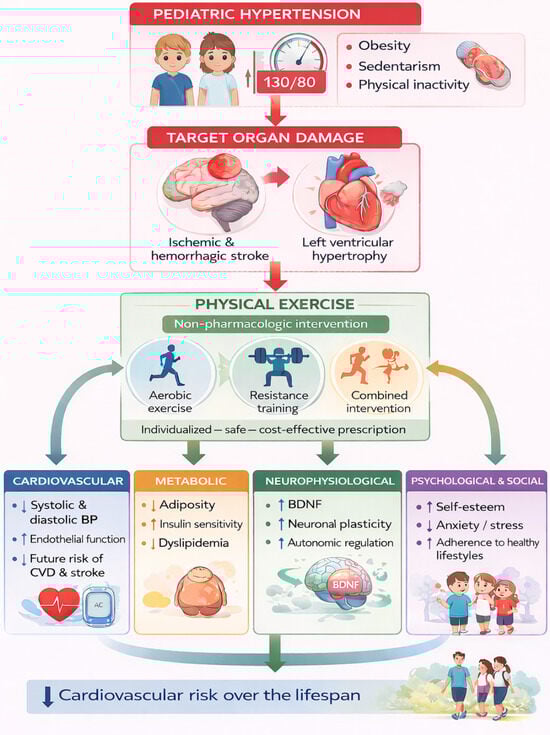
Effectiveness of Physical Activity and Lifestyle Interventions in Pediatric Populations at Cardiovascular Risk: A Systematic Review and Meta-Analysis
by
Katherine Estephani Contreras Zapata, Nadia Ximena Cruz Hidalgo, Nicole Constanza Villalobos González, Alejandro Rubio-Zarapuz, Vicente Javier Clemente-Suárez, Isidro Miguel Martín Pérez and Sebastián Eustaquio Martín Pérez
Therapeutics 2026, 3(2), 10; https://doi.org/10.3390/therapeutics3020010 - 7 Apr 2026
Abstract
►▼
Show Figures
Background/Objectives: Children at cardiovascular risk require effective non-pharmacological strategies to improve cardiometabolic health. This study aimed to evaluate the effectiveness of physical activity and lifestyle-based interventions on blood pressure and related cardiovascular risk markers in children and adolescents. Materials and Methods:
[...] Read more.
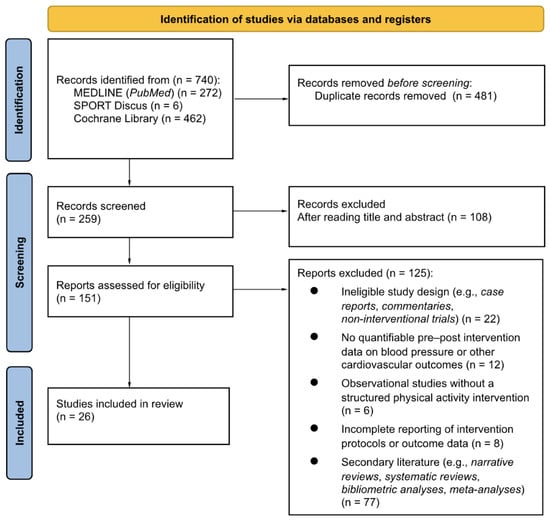
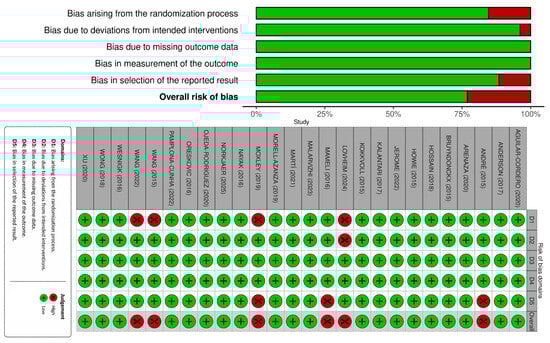
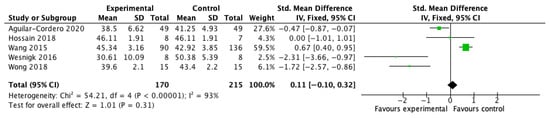
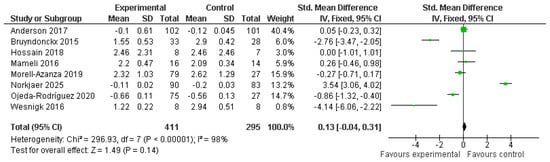
Background/Objectives: Children at cardiovascular risk require effective non-pharmacological strategies to improve cardiometabolic health. This study aimed to evaluate the effectiveness of physical activity and lifestyle-based interventions on blood pressure and related cardiovascular risk markers in children and adolescents. Materials and Methods: A systematic review and meta-analysis were conducted in accordance with PRISMA guidelines and registered in PROSPERO (CRD42025644256). Searches were performed in MEDLINE (PubMed), SPORTDiscus (EBSCO), and the Cochrane Library from January 2015 to March 2025. Methodological quality and risk of bias were evaluated using the PEDro scale, RoB 2.0, and GRADE. Results: Twenty-nine studies were included, showing overall high methodological quality. Pooled analyses showed a statistically significant reduction in systolic blood pressure (SMD = −0.35; 95% CI: −0.40 to −0.31; p < 0.00001, I2 = 83%). Diastolic blood pressure also showed a small but statistically significant reduction (SMD = −0.06; 95% CI: −0.11 to −0.01; p = 0.01; I2 = 93%), equivalent to an estimated decrease of about 1 mmHg. Fasting insulin levels were significantly reduced (SMD = −0.92; 95% CI: −1.27 to −0.56; p < 0.00001), suggesting improvements in metabolic regulation despite considerable heterogeneity (I2 = 95%). In contrast, pooled effects for body fat percentage (%) (SMD = 0.11; 95% CI: −0.10 to 0.32; p = 0.31) and BMI z-score (standardized units) (SMD = 0.13; 95% CI: −0.04 to 0.31; p = 0.14) were not statistically significant, with very high between-study variability. Conclusions: Multicomponent interventions integrating physical activity with lifestyle modification appear effective in reducing systolic and diastolic blood pressure and improving insulin sensitivity in children and adolescents at elevated cardiovascular risk. Although the magnitude of blood pressure reductions is modest, even small decreases at the population level may contribute to meaningful long-term cardiovascular risk reductions.
Full article

Graphical abstract
Open AccessReview
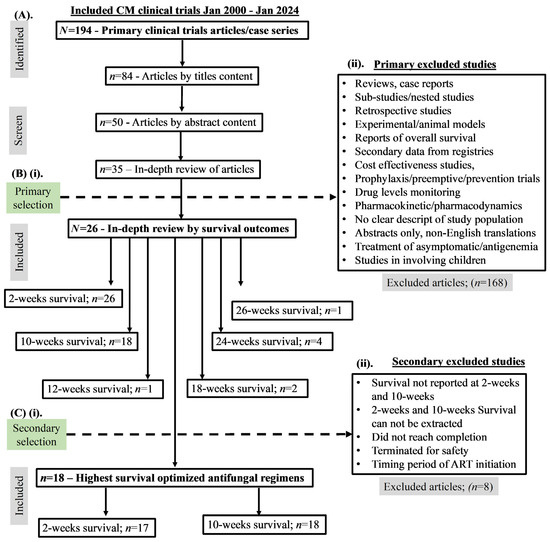
HIV-Associated Cryptococcal Meningitis: A Call for Action for New Treatment Options
by
Samuel Okurut and David B. Meya
Therapeutics 2026, 3(2), 9; https://doi.org/10.3390/therapeutics3020009 - 31 Mar 2026
Abstract
►▼
Show Figures
Cryptococcal meningitis occurs in 62% of persons with HIV-associated meningitis, making Cryptococcus an important cause of meningitis among adults with advanced HIV disease in regions with elevated prevalence of HIV. Despite efforts to advance treatment, the in-hospital death rate of 19% remains unprecedentedly
[...] Read more.
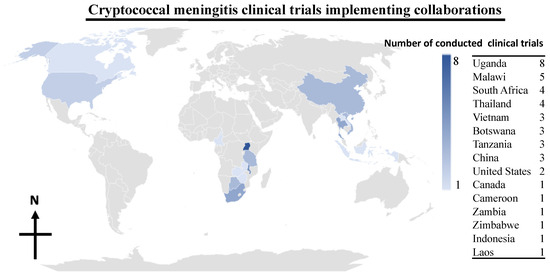
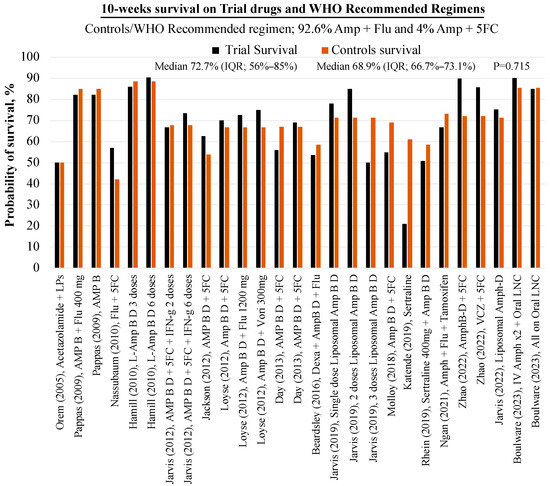
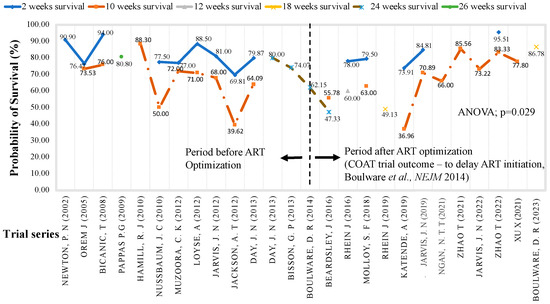
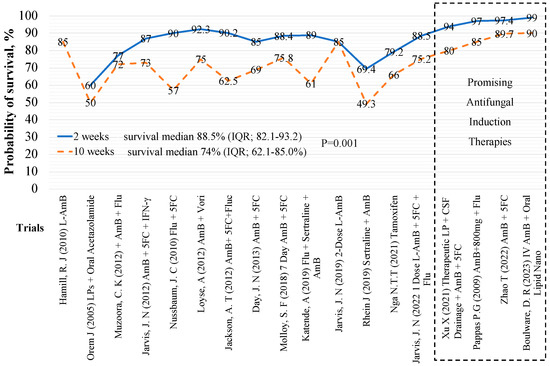
Cryptococcal meningitis occurs in 62% of persons with HIV-associated meningitis, making Cryptococcus an important cause of meningitis among adults with advanced HIV disease in regions with elevated prevalence of HIV. Despite efforts to advance treatment, the in-hospital death rate of 19% remains unprecedentedly high. Aggregate published clinical trial data evaluating cryptococcosis treatment with survival as the primary endpoint show a significant reduction in the proportion of survivors from diagnosis to 88.5% at 2 weeks of treatment and further to 74% survival at 10 weeks of follow-up (p = 0.001). Disease complications concomitant with unveiling symptoms and reoccurrence of fungal infections, deferment in treatment, and high prevalence of other comorbidities increase the risk of individuals succumbing to cryptococcal meningitis. Among clinical trials of cryptococcal meningitis, the World Health Organization-recommended standard of care was used to randomize participants to the control trial arm. The proportion of participants surviving in the trial was not statistically different between trial randomization arms. In summary, high in-hospital death rates and continued participants’ deterioration post-hospital discharge are challenges for evidence-based new therapies seeking to improve outcomes.
Full article

Figure 1
Open AccessArticle
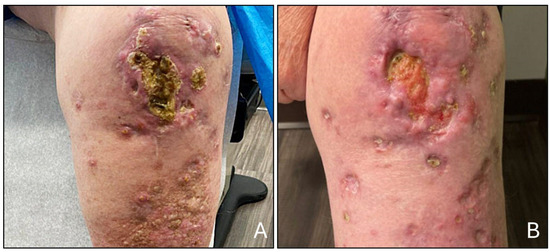
The Use of Human Placental Allografts for Pyoderma Gangrenosum
by
Nicholas Chin, Joel Kallarackal, Jomana Shenouda, Adrianne Pan and Lilia Correa-Selm
Therapeutics 2026, 3(1), 8; https://doi.org/10.3390/therapeutics3010008 - 11 Mar 2026
Abstract
►▼
Show Figures
Background/Objectives: Pyoderma gangrenosum (PG) is a rapidly progressive, ulcerating condition that can cause large, painful lesions when uncontrolled. There is currently no standard of care treatment for severe PG ulcers refractory to systemic treatment. The present study aims to characterize the outcomes
[...] Read more.
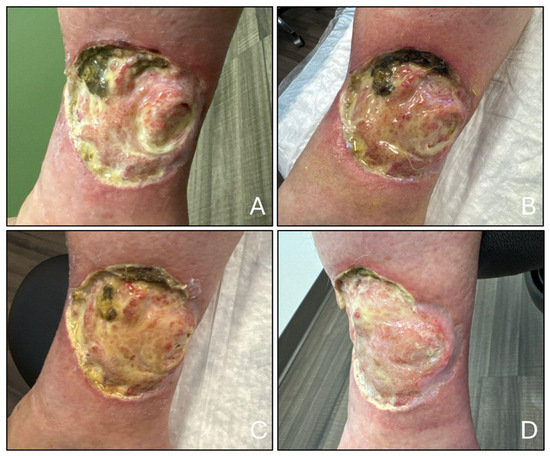
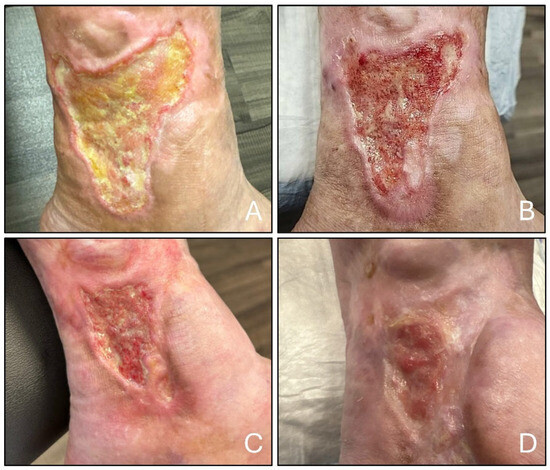
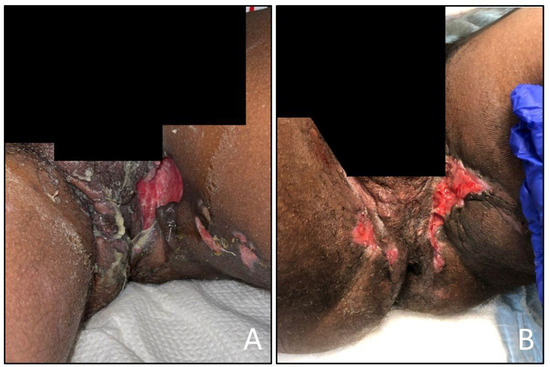
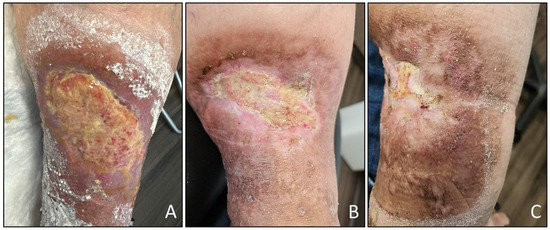
Background/Objectives: Pyoderma gangrenosum (PG) is a rapidly progressive, ulcerating condition that can cause large, painful lesions when uncontrolled. There is currently no standard of care treatment for severe PG ulcers refractory to systemic treatment. The present study aims to characterize the outcomes of placental allografts in treating severe PG lesions. Methods: A single institution retrospective chart review was conducted at the University of South Florida affiliated sites examining PG patients that received placental allograft treatment. Results: The review returned five patients with clinically diagnosed or biopsy-proven PG treated with placental allograft. In all five patients, application of placental allograft resulted in varying degrees of short-term (<1 month) improvement. Near-complete resolution was observed in one patient. Out of the 20 total allografts placed between the 5 patients, only one had an adverse event of infection within one week of placement. Grafts were otherwise very well tolerated by all patients. Conclusions: Placental allografts show promising adjunctive therapeutic potential for severe PG lesions with preliminary findings showing good viability and safety profiles. Future prospective controlled studies should be performed to further examine the viability of this adjunctive treatment in this disease.
Full article

Figure 1
Open AccessArticle
Galectin-3 (Gal-3) Inhibitors as Radiosensitizers for Prostate Cancer
by
Renato M. Rodrigues, Bárbara Matos, Vera Miranda-Gonçalves, Carmen Jerónimo and Margarida Fardilha
Therapeutics 2026, 3(1), 7; https://doi.org/10.3390/therapeutics3010007 - 3 Feb 2026
Abstract
►▼
Show Figures
Introduction: Radioresistance in prostate cancer (PCa) poses a major therapeutic challenge. Galectin-3 (Gal-3) is overexpressed in aggressive PCa and may contribute to resistance mechanisms. This study evaluated the role of Gal-3 in radioresistance and assessed the effect of its pharmacological inhibition using
[...] Read more.
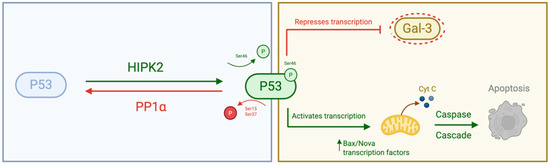
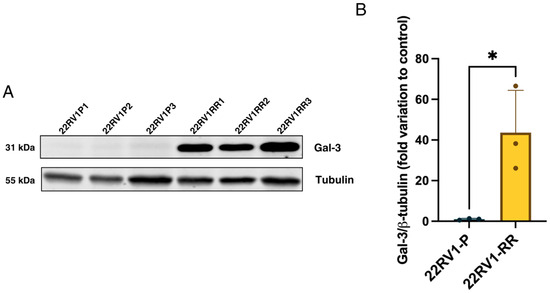
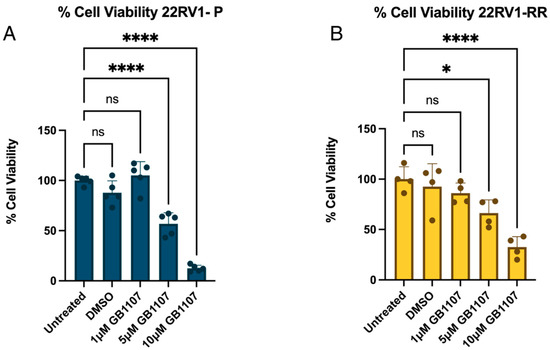
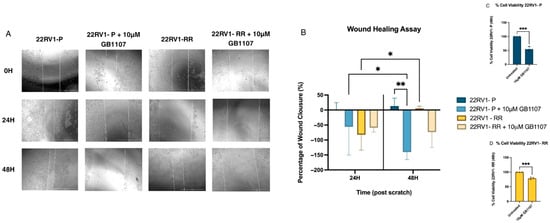
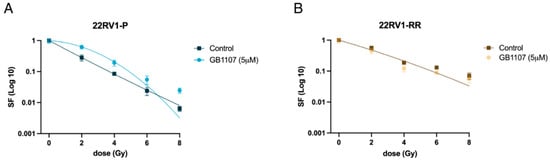
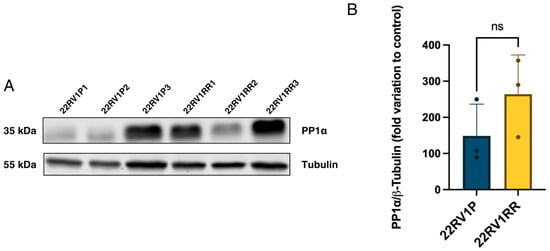
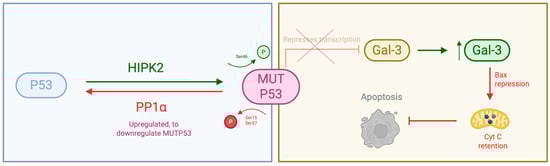
Introduction: Radioresistance in prostate cancer (PCa) poses a major therapeutic challenge. Galectin-3 (Gal-3) is overexpressed in aggressive PCa and may contribute to resistance mechanisms. This study evaluated the role of Gal-3 in radioresistance and assessed the effect of its pharmacological inhibition using GB1107. Methods: Parental (22RV1-P) and radioresistant (22RV1-RR) PCa cell lines were treated with GB1107. Western blotting assessed Gal-3 and Protein Phosphatase 1 alpha (PP1α) expression. Cell viability (PrestoBlue™), migration (wound assay), and clonogenic survival post-irradiation were evaluated. Statistical significance was set at p < 0.05. Results: Gal-3 was significantly upregulated in 22RV1-RR cells (p = 0.0237). GB1107 reduced viability and impaired migration in both cell lines. Radiosensitisation was observed in 22RV1-P cells (p < 0.0001) but was not significant in 22RV1-RR cells (p = 0.1258). A non-significant increase in PP1α expression was detected in RR cells. Conclusion: Gal-3 contributes to radioresistance. Further studies are needed to clarify the role of PP1α and optimise Gal-3-targeted strategies.
Full article

Figure 1
Open AccessReview
Artificial Intelligence and Precision Pharmacotherapy in Pediatrics: A New Paradigm in Therapeutic Decision-Making
by
Gianluca Mondillo, Alessandra Perrotta, Mariapia Masino, Simone Colosimo, Vittoria Frattolillo and Fabio Giovanni Abbate
Therapeutics 2026, 3(1), 6; https://doi.org/10.3390/therapeutics3010006 - 2 Feb 2026
Cited by 1
Abstract
►▼
Show Figures
Artificial Intelligence (AI) and Precision Medicine are increasingly influencing pediatric pharmacotherapy, where age-dependent pharmacokinetic variability demands highly individualized therapeutic strategies. This review examines current applications of AI in pediatric precision medicine and evaluates their clinical relevance and translational challenges. Recent evidence shows substantial
[...] Read more.
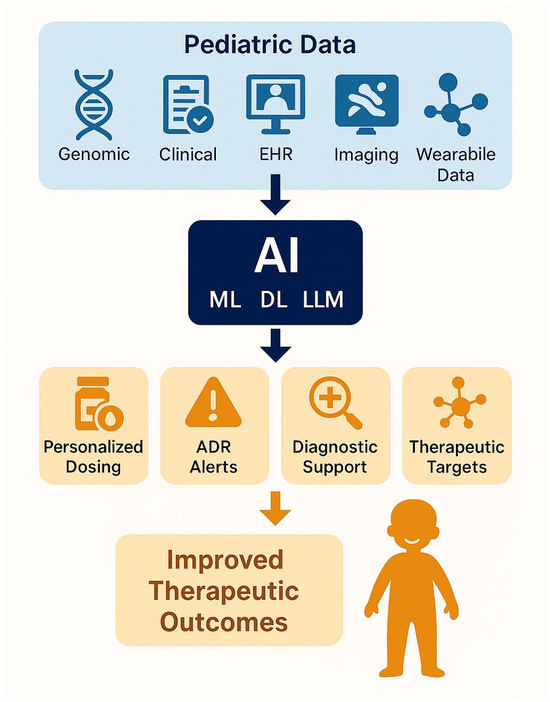
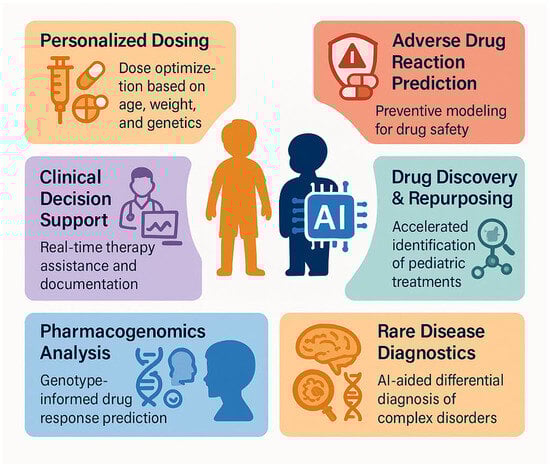
Artificial Intelligence (AI) and Precision Medicine are increasingly influencing pediatric pharmacotherapy, where age-dependent pharmacokinetic variability demands highly individualized therapeutic strategies. This review examines current applications of AI in pediatric precision medicine and evaluates their clinical relevance and translational challenges. Recent evidence shows substantial progress across multiple domains. In pharmacogenomics, predictive models have reached R2 = 0.95 for drug exposure. Tools for adverse drug reaction detection report sensitivities of 81.5% and specificities of 79.5%. Clinical decision support systems for pediatric epilepsy have achieved diagnostic accuracies of 93.4%. Real-world implementations have been associated with a 75% reduction in prescription distribution errors and a 65% improvement in adverse drug reaction detection. Despite these advances, clinical translation remains limited: only 0.38% of pediatric AI models progress to testing in real patients, and 77% of published studies carry a high risk of bias. These gaps highlight the need for rigorous validation, improved data quality, and careful consideration of ethical and algorithmic constraints. Overall, AI has the potential to shift pediatric pharmacotherapy from empirically driven decisions toward predictive, precision-based approaches. Achieving this goal will require well-designed pediatric studies and sustained interdisciplinary collaboration to ensure safe and effective integration into clinical practice.
Full article

Figure 1
Open AccessReview
Signal Peptide-CUB-EGF-like Domain-Containing Protein 3 (SCUBE3): From Molecule to Therapy
by
Ayooluwa Ilesanmi, Casey Stevens-Washington, Shelby Jones, Karina Alarcon, Anush Aryal, Panneerdoss Subbarayalu, Terry J. Shackleford, Davida Crossley and Benjamin C. Onyeagucha
Therapeutics 2026, 3(1), 5; https://doi.org/10.3390/therapeutics3010005 - 28 Jan 2026
Cited by 1
Abstract
►▼
Show Figures
Background: The signal peptide-CUB-EGF-like domain-containing protein 3 (SCUBE3) is a secretory protein that plays a role in cancer, cardiovascular, and immune disorders. SCUBE1, SCUBE2, and SCUBE3 belong to the SCUBE family. They contain multiple copies of EGF-like repeats at the amino acid terminal,
[...] Read more.
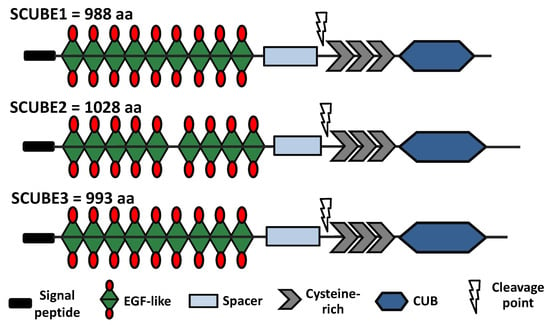
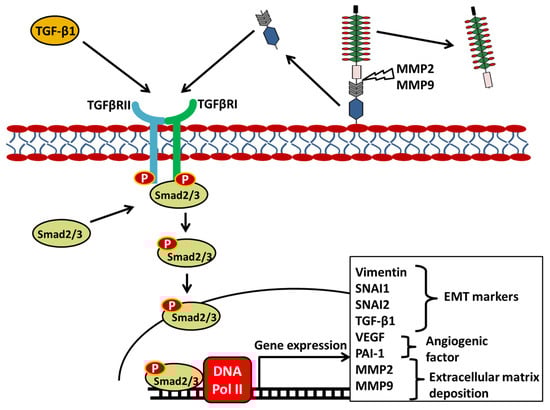
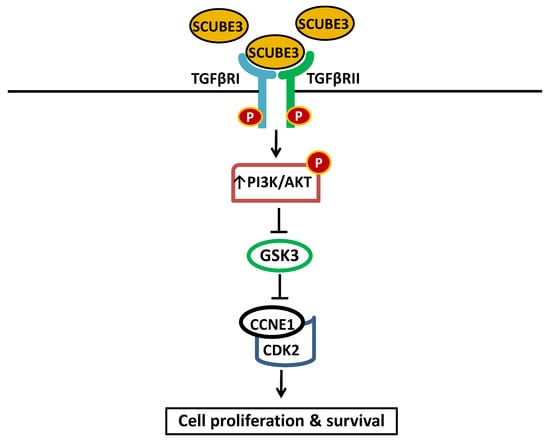
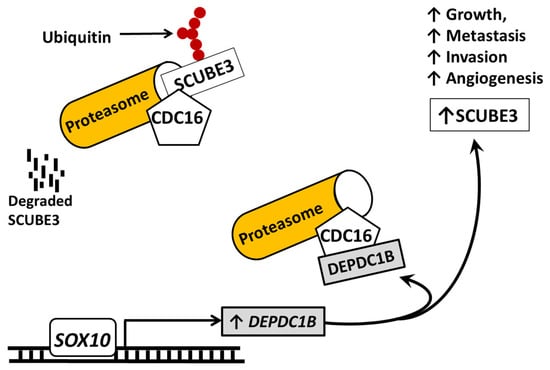
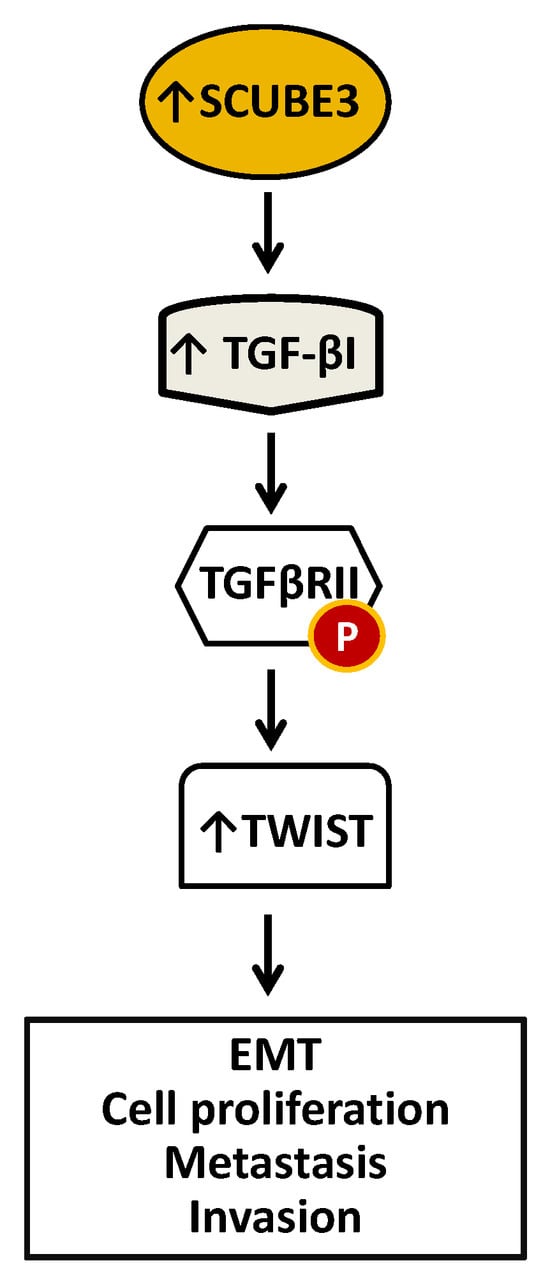
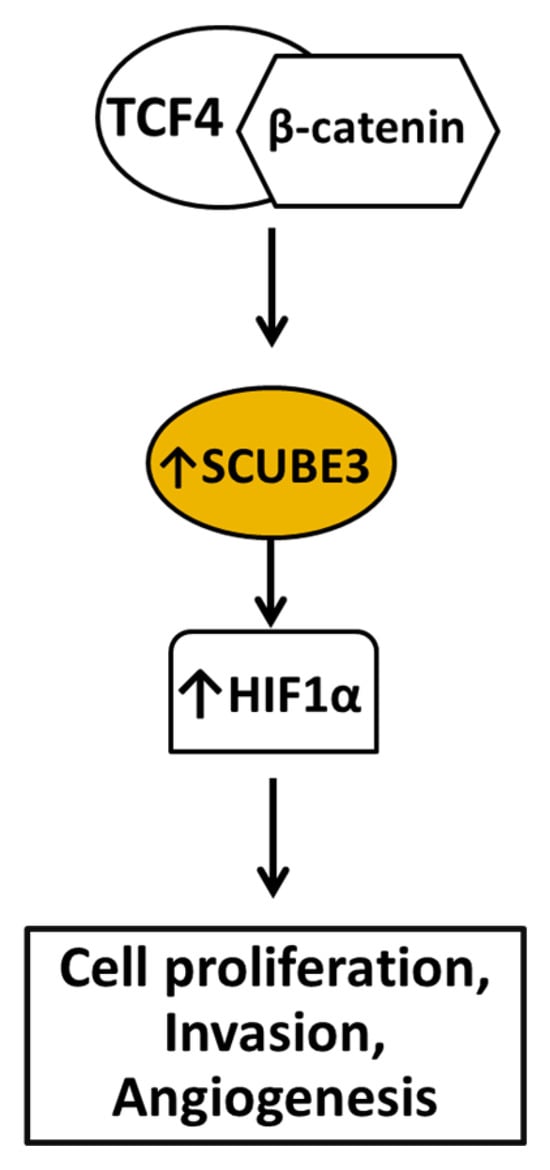
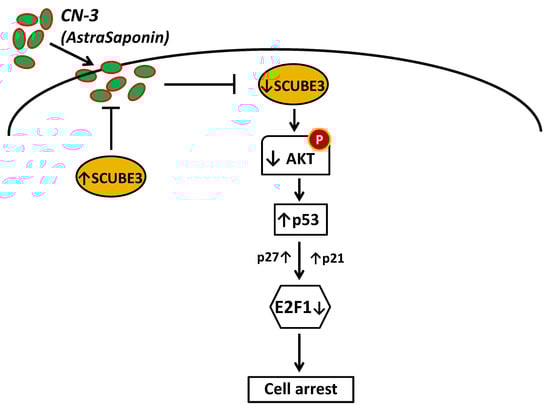
Background: The signal peptide-CUB-EGF-like domain-containing protein 3 (SCUBE3) is a secretory protein that plays a role in cancer, cardiovascular, and immune disorders. SCUBE1, SCUBE2, and SCUBE3 belong to the SCUBE family. They contain multiple copies of EGF-like repeats at the amino acid terminal, a spacer region, three cysteine-rich motifs, and a CUB domain at the carboxyl terminus. The SCUBE family members are multifunctional proteins that act primarily as extracellular ligands or co-receptors in various cells. Methods: In this study, we examined the expression pattern and role of SCUBE3 in various cancers, as well as other diseases such as cardiovascular disease and immune disorders, and its impact on growth and development. Results: SCUBE3 expression is upregulated and secreted by the cells of lung cancer, hepatocellular carcinoma (HCC), melanoma, osteosarcoma, ovarian cancer, glioma, and breast cancer. Extracellular SCUBE3 protein often binds to TGFβRII or acts as a co-receptor for TGFβ and BMP2/BMP4 in regulating cellular signaling. Through the TGFβRII signaling, SCUBE3 activities promote tumor growth, metastasis, invasion, angiogenesis, and poor clinical outcomes. Conversely, in renal cell carcinoma, SCUBE3 expression suppresses growth. Altered SCUBE3 activity is associated with cardiovascular diseases, immune disorders, and hair growth. Conclusions: The review presents mechanistic evidence that SCUBE3 plays a crucial regulatory role in multiple cancers and other diseases. The evidence suggests the SCUBE3 protein could serve as a potential molecular target for various diseases and highlights its usefulness as a minimally invasive diagnostic marker, as it is a secreted protein.
Full article

Figure 1
Open AccessBrief Report
A Comparative Study of the Use of Half-Dose (7.5 MG) Versus Full-Dose (15 MG) of Tolvaptan in the Treatment of Hyponatremia Caused by the Syndrome of Inappropriate Antidiuresis (SIAD)
by
Vincenzo Bassi, Valentina Apuzzi, Ciro Salzano and Olimpia Fattoruso
Therapeutics 2026, 3(1), 4; https://doi.org/10.3390/therapeutics3010004 - 26 Jan 2026
Abstract
►▼
Show Figures
Background: Hyponatremia (serum sodium levels below 135 mEq/L) is the most prevalent electrolyte imbalance, with the syndrome of inappropriate antidiuresis (SIAD) being the most common cause among inpatients. Fluid restriction is the primary treatment for SIAD, yet its efficacy is inconsistent. A novel
[...] Read more.
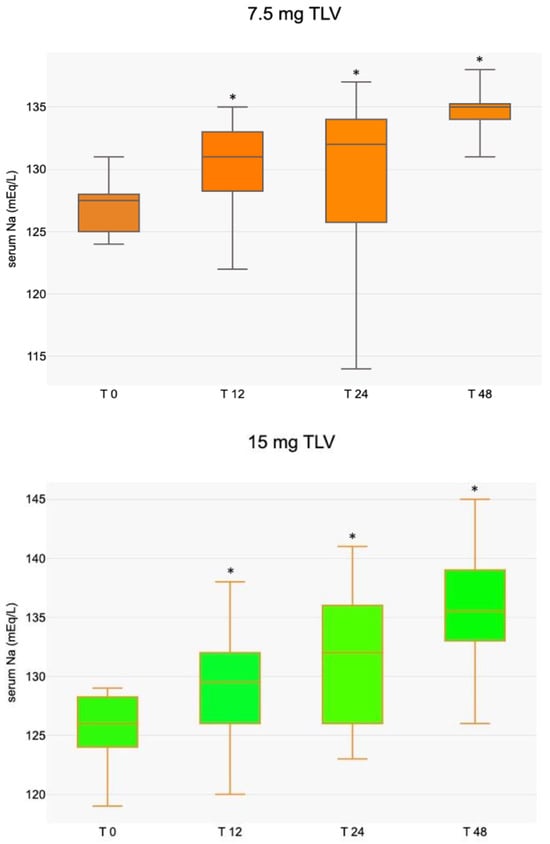
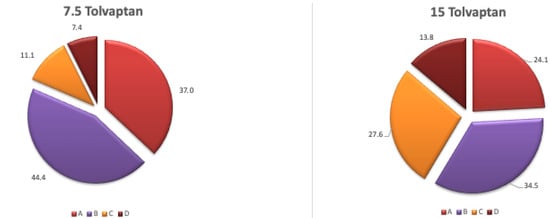
Background: Hyponatremia (serum sodium levels below 135 mEq/L) is the most prevalent electrolyte imbalance, with the syndrome of inappropriate antidiuresis (SIAD) being the most common cause among inpatients. Fluid restriction is the primary treatment for SIAD, yet its efficacy is inconsistent. A novel therapeutic approach involves the use of oral vaptans, such as tolvaptan (TLV), which are non-peptide antagonists of arginine vasopressin receptors. The recommended daily dose of TLV is 15 mg; however, the risk of overcorrection and osmotic demyelination syndrome must be considered. Methods: Consequently, a more cautious approach involving a 7.5 mg dose of TLV was studied in SIAD patients to determine its safety and efficacy compared with a 15 mg dose. Results: The findings of our investigation show that the results obtained from the two doses are highly similar. However, it is important to note that the risk of overcorrection was lower in the 7.5 mg TLV group than in the 15 mg group. Furthermore, a more gradual increase in serum Na was observed in the 7.5 mg group than in the 15 mg group after the most critical first 24 h. Conclusions: TLV therapy can be initiated with a 7.5 mg dose, with serum sodium levels monitored at 12 and 24 h to confirm or adjust the TLV dose as required.
Full article

Figure 1
Open AccessArticle
The Effect of Pes Planus on Balance Ability in Individuals with Chronic Ankle Instability—A Pilot Study
by
Anna Christakou, Ioannis Kyrosis, Konstantinos Michopoulos, Ioannis Fytanidis and Ioannis Siakabenis
Therapeutics 2026, 3(1), 3; https://doi.org/10.3390/therapeutics3010003 - 31 Dec 2025
Abstract
►▼
Show Figures
Background/Objectives: Pes planus is characterized by loss of medial longitudinal foot arch, resulting potentially in dysfunction in balance. Chronic ankle instability (CAI) is related to sensorimotor control deficits. Both of these two musculoskeletal disorders have a diminishing effect on joint proprioception. The
[...] Read more.
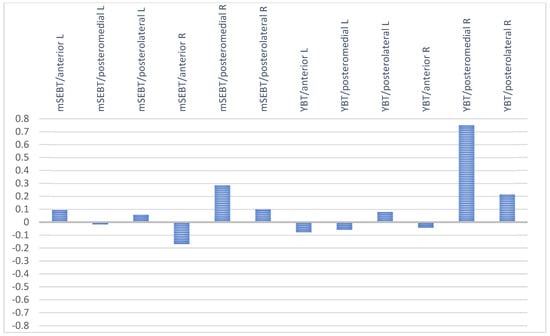
Background/Objectives: Pes planus is characterized by loss of medial longitudinal foot arch, resulting potentially in dysfunction in balance. Chronic ankle instability (CAI) is related to sensorimotor control deficits. Both of these two musculoskeletal disorders have a diminishing effect on joint proprioception. The present study examined the impact of flatfoot on balance in individuals with CAI. Methods: A total of 28 students (15 men, 13 women; 18–23 years, M = 20.46, SD = 1.07) were assigned to CAI with pes planus (n = 15) or CAI only (n = 13). Balance was assessed using the Y-balance test (YBT) and modified star excursion balance test (mSEBT) in three directions (anterior, posteromedial, and posterolateral), alongside the Cumberland ankle instability tool (CAIT). Group differences were analyzed with independent t tests or Mann–Whitney U tests (α = 0.05). Results: The findings of the study did not show statistically significant differences between the two groups in the balance variable [mSEBT/anterior left foot (t = 0.239, p = 0.865); mSEBT/posteromedial left foot (t = −0.048, p = 0.562); mSEBT/posterolateral left foot (t = 0.164, p = 0.258); mSEBT/anterior right foot (t = −0.433, p = 0.748); mSEBT/posteromedial right foot (t = 0.745, p = 0.606); mSEBT/posterolateral right foot (t = 0.263, p = 0.680); YBT/anterior left foot (U = 96.00, p = 0.93); YBT/posteromedial left foot (U = 94.50, p = 0.87); YBT/posterolateral left foot (U = 96.00, p = 0.93); YBT/anterior right foot (U = 95.50, p = 0.92); YBT/posterolateral right foot (U = 82.50, p = 0.45)]. However, a trend towards significance was found as patients with flatfeet had a weaker performance in balance tests [posteromedial direction of the YBT for the right foot (U = 70.00, p = 0.12)]. Conclusions: Although pes planus did not seem to affect the balance ability of individuals with CAI, future studies should confirm the relationship of pes planus and CAI with a larger group, including variables such as ankle range of motion, muscle strength, and functional activity level. A better understanding of the above relationship may lead to more precise diagnostic processes and more efficient therapies in CAI.
Full article

Figure 1
Open AccessReview
Fecal Microbiota Transplant in Alcoholic Liver Disease: A Review of Current Literature
by
Alexander Grieme, Yizhong Wu, Kalee Moore, Manuel Garza, Eric R. Smith, Erica Yatsynovich, Thomas J. Egeland and Rajesh Shah
Therapeutics 2026, 3(1), 2; https://doi.org/10.3390/therapeutics3010002 - 23 Dec 2025
Abstract
►▼
Show Figures
Alcohol-associated liver disease, particularly severe alcoholic-associated hepatitis (AH), remains a major cause of morbidity and mortality worldwide. Conventional treatments, including corticosteroids, offer limited short-term benefit and are contraindicated in many patients, necessitating exploration of alternative therapies. Fecal microbiota transplant (FMT) has emerged as
[...] Read more.
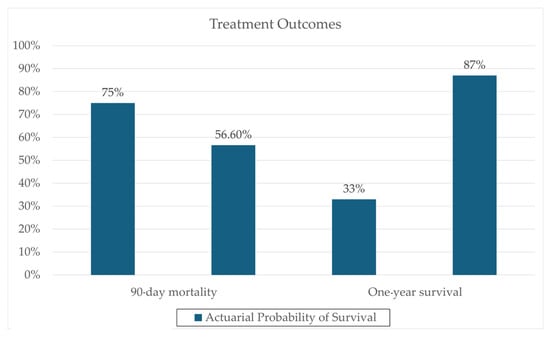
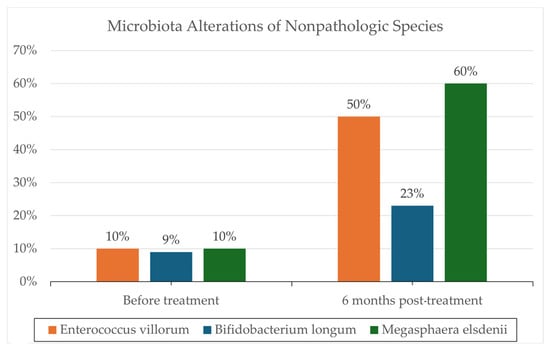
Alcohol-associated liver disease, particularly severe alcoholic-associated hepatitis (AH), remains a major cause of morbidity and mortality worldwide. Conventional treatments, including corticosteroids, offer limited short-term benefit and are contraindicated in many patients, necessitating exploration of alternative therapies. Fecal microbiota transplant (FMT) has emerged as a novel therapeutic intervention, targeting the gut–liver axis that is disrupted in AH. This review synthesizes the current literature on FMT in the management of alcohol-induced liver injury, examining its pathophysiological basis, clinical efficacy, and implementation challenges. Dysbiosis and increased gut permeability in patients with alcohol use disorder contribute to systemic endotoxemia and hepatic inflammation. FMT aims to restore microbiota diversity and gut barrier integrity, mitigating the progression of liver injury. Some clinical trials have demonstrated encouraging survival benefits and modulation of gut microbiota composition in patients with severe AH. These studies report improved one-year survival rates and reductions in pathogenic bacterial taxa following FMT. However, the field remains nascent, with unresolved questions regarding optimal donor selection, sample preparation, administration routes, and long-term safety. Despite limited large-scale randomized data, FMT shows potential as an adjunct or alternative to existing therapies. Continued research is needed to establish standardized protocols and fully elucidate its role in the treatment algorithm for AH. Given the high mortality associated with untreated severe AH and limitations of current therapies, FMT represents a promising frontier in the management of alcohol-associated liver disease.
Full article

Figure 1
Open AccessEditorial
Electrophysical Agents Are Active Physical Therapy Modalities
by
Dimitrios Stasinopoulos
Therapeutics 2026, 3(1), 1; https://doi.org/10.3390/therapeutics3010001 - 20 Dec 2025
Abstract
Electrophysical Agents (EPAs) are commonly used in physical therapy to treat musculoskeletal and orthopedic conditions [...]
Full article
Open AccessArticle
Combination Therapy for Enterococcus faecalis Bloodstream Infections: An Observational Study and Narrative Review of Dogmatic Practice
by
Amber D. Fraley, Joshua Eudy and Daniel T. Anderson
Therapeutics 2025, 2(4), 21; https://doi.org/10.3390/therapeutics2040021 - 19 Nov 2025
Abstract
►▼
Show Figures
Background: Combination therapy for Enterococcus faecalis was established in the 1940s due to high rates of treatment failure, especially for infective endocarditis (IE). However, during this period antimicrobials were limited, optimal dosing was unknown, and development of resistance was rapid. Today, nearly 80
[...] Read more.
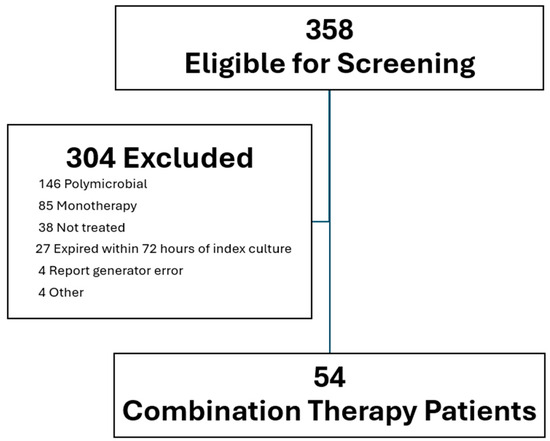
Background: Combination therapy for Enterococcus faecalis was established in the 1940s due to high rates of treatment failure, especially for infective endocarditis (IE). However, during this period antimicrobials were limited, optimal dosing was unknown, and development of resistance was rapid. Today, nearly 80 years later, combination therapy is still the standard practice for IE caused by E. faecalis despite improvements in antimicrobial availability, activity, and evidence-based, optimized antimicrobial dosing. These treatment decisions are guided by in vitro synergy principles and are frequently extrapolated to E. faecalis bloodstream infections (BSI) without IE. The paucity of clinical data to support this practice, paired with the known risks from unnecessary antibiotic exposure, makes further research and clinical guidance necessary. Methods: This single-center retrospective observational study of hospitalized adult patients with E. faecalis BSI treated with combination therapy aimed to describe treatment approaches and outcome data. Results: Between 1 January 2017, and 30 September 2024, 358 patients were screened, and 54 met study inclusion criteria. IE was present in 53.7% of patients, and 25.9% met the composite outcome (30-day mortality, 60-day hospital readmission, and/or 60-day recurrence). Adverse events were noted in 5.6% of patients. Conclusions: Observational data from this review supports the hypothesis that guideline recommendations for the use of combination therapy in E. faecalis IE are occasionally extrapolated to patients without IE. Given the in vitro and dated observational data used as the basis for these recommendations and the risks associated with unnecessary antibiotic exposure, more extensive, prospective, interventional studies are needed to address this dogmatic practice surrounding a high-morbidity, high-mortality disease state.
Full article

Figure 1
Open AccessArticle
Droxidopa for Intravenous Vasopressor Weaning in the Intensive Care Unit: A Descriptive Study
by
Calvin Diep, Daniella Veloria and Amy Kloosterboer
Therapeutics 2025, 2(4), 20; https://doi.org/10.3390/therapeutics2040020 - 6 Nov 2025
Abstract
►▼
Show Figures
Background/Objectives: Our objective was to describe the safety and efficacy of enteral droxidopa, a norepinephrine prodrug, for intravenous (IV) vasopressor weaning in intensive care unit (ICU) patients. Methods: This was a single-center, retrospective descriptive study of adult ICU patients. Patients who
[...] Read more.
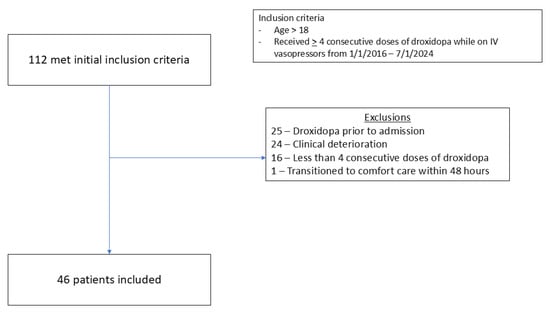
Background/Objectives: Our objective was to describe the safety and efficacy of enteral droxidopa, a norepinephrine prodrug, for intravenous (IV) vasopressor weaning in intensive care unit (ICU) patients. Methods: This was a single-center, retrospective descriptive study of adult ICU patients. Patients who received ≥ 4 consecutive doses of droxidopa for IV vasopressor weaning were included. The cessation of the IV vasopressor without re-initiation within 72 h of droxidopa initiation was the primary outcome. The adverse events assessed included hypotension, hypertension, and arrhythmias. Results: Forty-six patients were included, with a median age of 61. Forty-two patients (91%) were on midodrine at the time of droxidopa initiation. The median daily midodrine dose was 80 mg. The median time from ICU admission to droxidopa initiation was 17 days. Patients were on a median of one IV vasopressor at the time of droxidopa initiation, with norepinephrine as the most common agent (50%). The median initial daily droxidopa dose was 300 mg, with a median maximum daily dose of 900 mg. Vasopressor support was discontinued within 72 h of droxidopa initiation in 46% of patients, with a median time to IV vasopressor cessation of 3.3 days. There were no incidences of hypotension, hypertension, arrhythmias, or ICU readmissions related to droxidopa. Droxidopa was continued upon discharge in 29% of patients. Conclusions: Droxidopa may be a safe and effective option to facilitate the weaning of IV vasopressor support in patients who are refractory or intolerant to midodrine. Larger prospective studies are needed to confirm these findings.
Full article

Figure 1
Open AccessArticle
Using Conjoint Analysis to Elicit Benefit–Risk Preferences for Different Treatment Options Among Psoriasis Patients Receiving Systemic Therapy
by
Antonios Tsartsarakis, Eleftheria Tampouratzi, Christos Moulias, Konstantinos Sfaelos and Vassilis Aletras
Therapeutics 2025, 2(4), 19; https://doi.org/10.3390/therapeutics2040019 - 31 Oct 2025
Abstract
Background: Psoriasis has a huge impact on a patient’s life. Treatment dissatisfaction and non-adherence are common among patients with psoriasis, partly due to discordance between individual preferences and recommended treatments. The modern strategy for psoriasis should be focused on human-centric treatment that recognizes
[...] Read more.
Background: Psoriasis has a huge impact on a patient’s life. Treatment dissatisfaction and non-adherence are common among patients with psoriasis, partly due to discordance between individual preferences and recommended treatments. The modern strategy for psoriasis should be focused on human-centric treatment that recognizes the needs and preferences of patients with a goal for safe, effective, quality and acceptable health services for a lifetime. The aim of this analysis was to capture patients’ preferences with moderate-to-severe psoriasis regarding various treatment attributes. Methods: A specialized questionnaire containing four attributes with three levels, each, was used, followed by an orthogonal plan based on conjoint analysis. Nine combinations of therapeutic scenarios were produced as a result, to investigate participants’ preferences. Respondents were asked to rank alternatives from best to worst. Results: The risk of developing pneumonia or other serious infections within a decade seems to be higher in patients with an implied assigned value of 37. The second attribute was the type and frequency of the administration with a value of 27, followed by the treatment effectiveness with great improvement of body surface with a value of 25. The lowest utility (11) was the sustainability of early remission of psoriasis. Conclusions: Psoriasis patients want safe, effective and easy to administer treatments.
Full article
(This article belongs to the Special Issue Skin Disease and Inflammation: Current Treatment and Future Options)
Open AccessReview
Advancements in Hematopoietic Stem Cell Therapy: From Biological Pathways to Emerging Therapeutic Strategies
by
Viviana Cortiana, Harshal Chorya, Rabab Hunaid Abbas, Jade Gambill, Adhith Theyver, Chandler H. Park and Yan Leyfman
Therapeutics 2025, 2(4), 18; https://doi.org/10.3390/therapeutics2040018 - 15 Oct 2025
Cited by 1
Abstract
►▼
Show Figures
Hematopoietic stem cell (HSC) therapy remains essential in treating blood disorders, autoimmune diseases, neurodegenerative conditions, and cancers. Despite its potential, challenges arise from the inherent heterogeneity of HSCs and the complexity of their regulatory niche. Recent advancements in single-cell RNA sequencing and chromatin
[...] Read more.
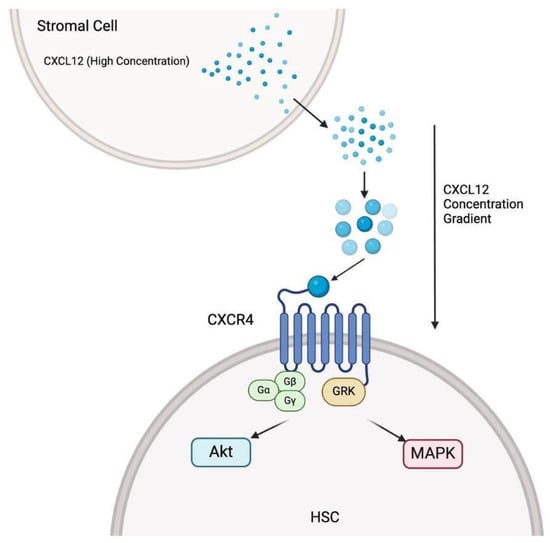
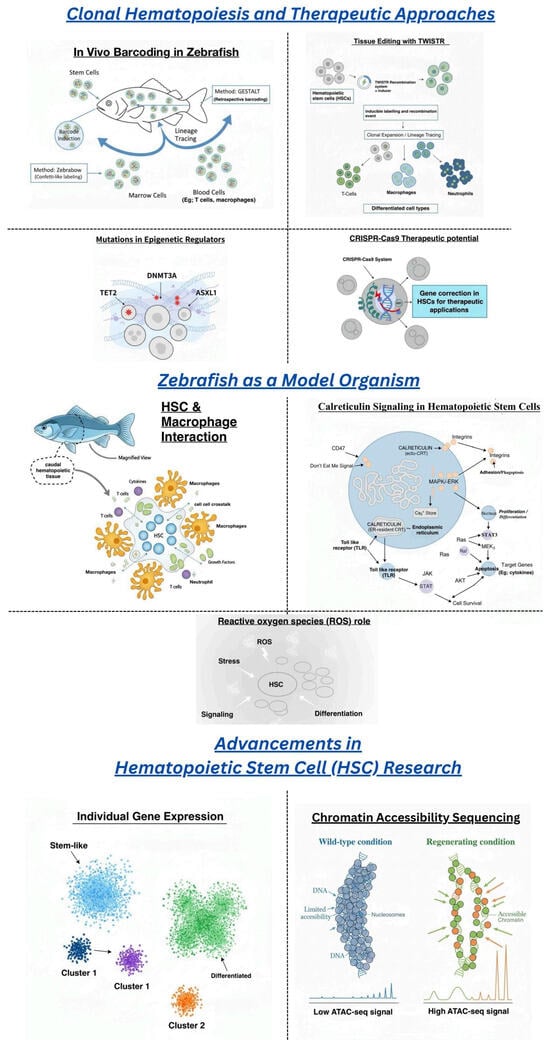
Hematopoietic stem cell (HSC) therapy remains essential in treating blood disorders, autoimmune diseases, neurodegenerative conditions, and cancers. Despite its potential, challenges arise from the inherent heterogeneity of HSCs and the complexity of their regulatory niche. Recent advancements in single-cell RNA sequencing and chromatin accessibility sequencing have provided deeper insights into HSC markers and chromatin dynamics, highlighting the intricate balance between intrinsic and extrinsic regulatory mechanisms. Zebrafish models have emerged as valuable tools in HSC research, particularly through live imaging and cellular barcoding techniques. These models have allowed us to describe critical interactions between HSCs and embryonic macrophages, involving reactive oxygen species and calreticulin signaling. These are essential for ensuring HSC quality and proper differentiation, with implications for improving HSC transplant outcomes. Furthermore, the review examines clonal hematopoiesis, with a focus on mutations in epigenetic regulators such as DNMT3A, TET2, and ASXL1, which elevate the risk of myelodysplastic syndromes and acute myeloid leukemia. Emerging technologies, including in vivo cellular barcoding and CRISPR-Cas9 gene editing, are being investigated to enhance clonal diversity and target specific mutations, offering potential strategies to mitigate these risks. Additionally, macrophages play a pivotal role in maintaining HSC clonality and ensuring niche localization. Interactions mediated by factors such as VCAM-1 and CXCL12/CXCR4 signaling are crucial for HSC homing and the stress response, opening new therapeutic avenues for enhancing HSC transplantation success and addressing clonal hematopoiesis. This review synthesizes findings from zebrafish models, cutting-edge sequencing technologies, and novel therapeutic strategies, offering a comprehensive framework for advancing HSC biology and improving clinical outcomes in stem cell therapy and the treatment of hematologic diseases.
Full article

Figure 1
Open AccessArticle
Real-Life Experience with Cytomegalovirus Hyperimmune Globulin in a Lung Transplant Unit: Long-Term Outcomes
by
Raquel Sanabrias Fernández de Sevilla, Sarela García-Masedo Fernández, Rosalía Laporta Hernández, Myriam Aguilar Pérez, Christian García Fadul, María Teresa Lázaro Carrasco de la Fuente, Enrique Rodríguez Rubio, Amelia Sánchez Guerrero, Carlos Almonacid Sánchez and María Piedad Ussetti Gil
Therapeutics 2025, 2(4), 17; https://doi.org/10.3390/therapeutics2040017 - 30 Sep 2025
Abstract
►▼
Show Figures
Background/Objectives: Cytomegalovirus (CMV) infection is a frequent complication after lung transplantation, especially in high-risk donor-positive/recipient-negative (D+/R−) patients. CMV-specific hyperimmunoglobulin (CMV-HIG), administered either with antivirals or as monotherapy, may be beneficial for preventing or treating CMV infection in selected clinical scenarios. This study
[...] Read more.
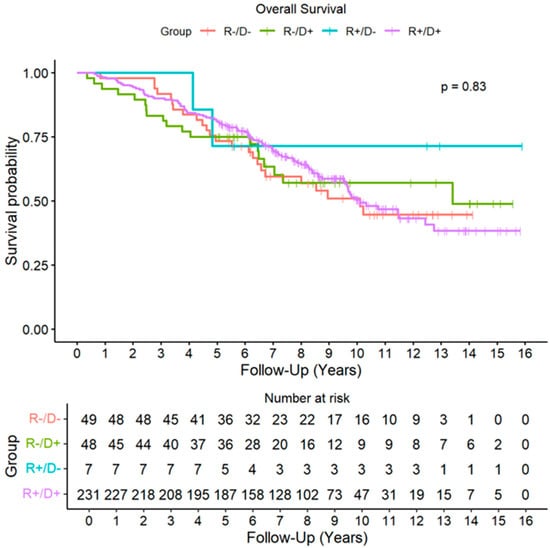
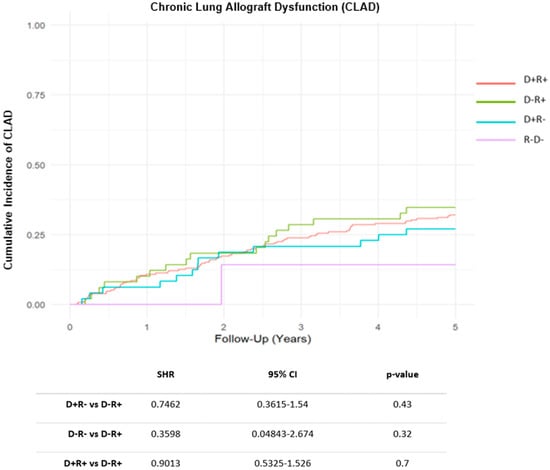
Background/Objectives: Cytomegalovirus (CMV) infection is a frequent complication after lung transplantation, especially in high-risk donor-positive/recipient-negative (D+/R−) patients. CMV-specific hyperimmunoglobulin (CMV-HIG), administered either with antivirals or as monotherapy, may be beneficial for preventing or treating CMV infection in selected clinical scenarios. This study evaluated CMV-HIG indications and their impact on clinical outcomes in our lung transplant unit. Methods: We retrospectively analyzed adult lung transplant recipients (2010–2023) who received ≥2 doses of CMV-HIG for universal prophylaxis, monotherapy prophylaxis, preemptive therapy, or treatment of invasive disease. Results: CMV-HIG was administered to 204 out of 336 recipients (61%). CMV-HIG was well tolerated, with no treatment-related adverse events. Indications were preemptive therapy (63%), universal prophylaxis (24%), monotherapy prophylaxis (7%), and treatment of invasive disease (6%). CMV-HIG was well tolerated, with no treatment-related adverse events. No patients developed invasive disease during combination prophylaxis or preemptive treatment. The combination treatment of patients with invasive disease was also effective, and no cases of VGC resistance were detected. CMV-HIG monoprophylaxis has allowed us to delay or prevent viral replication in recipients who developed VGC side effects. Rates of acute rejection, Chronic Lung Allograft Dysfunction (CLAD), and overall survival were similar across CMV risk groups. Conclusions: Our results showed that the combined use of CMV-HIG and antiviral agents is effective in preventing CMV infection and disease in high-risk lung transplant recipients. This combination is also useful in treating invasive disease and preventing VGC resistance. Additionally, CMV-HIG monoprohylaxis can delay or prevent viral replication in recipients experiencing VGC-related side effects. These findings support the use of CMV-HIG in selected clinical settings, although prospective studies are needed to define its potential benefits within the current therapeutic armamentarium.
Full article

Figure 1
Open AccessReview
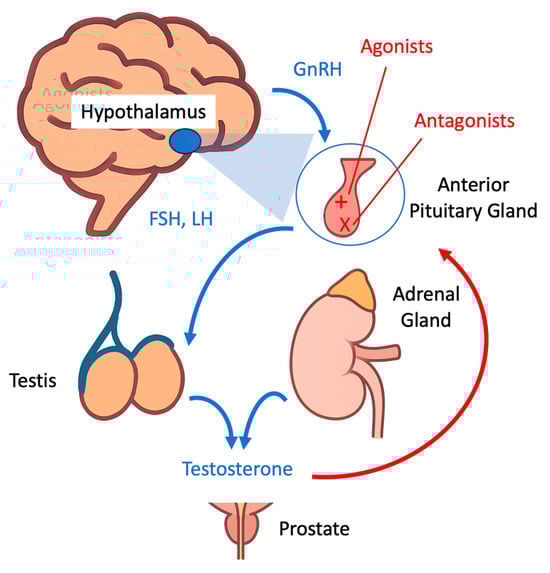
Androgen Deprivation Therapy and Salvage Radiotherapy in Post-Radical Prostatectomy Biochemical Recurrence of Prostate Cancer: Current Evidence
by
Paula Simon-Silva, Rocio del Castillo-Acuña, Jonathan Saavedra-Bejarano, Angeles Sanchez-Galvez, Antonio Lazo-Prados and Manuel Luis Blanco-Villar
Therapeutics 2025, 2(4), 16; https://doi.org/10.3390/therapeutics2040016 - 24 Sep 2025
Abstract
►▼
Show Figures
Background/Objectives: Biochemical recurrence (BCR) occurs in 15–40% of men within five years of radical prostatectomy (RP), presenting a major challenge for long-term disease control. While salvage radiotherapy (SRT) and androgen deprivation therapy (ADT) are established post-RP interventions, the optimal integration of ADT
[...] Read more.
Background/Objectives: Biochemical recurrence (BCR) occurs in 15–40% of men within five years of radical prostatectomy (RP), presenting a major challenge for long-term disease control. While salvage radiotherapy (SRT) and androgen deprivation therapy (ADT) are established post-RP interventions, the optimal integration of ADT with SRT—regarding timing, duration, and patient selection—remains unclear. We aimed to synthesize current clinical evidence on the efficacy and safety of combining ADT with SRT in patients experiencing BCR after RP. Methods: A narrative review was conducted, encompassing retrospective cohort studies, prospective randomized controlled trials (notably RTOG 9601, GETUG-AFU 16, RADICALS-HD, and SPPORT), and meta-analyses. Studies were selected based on relevance to combined ADT + SRT versus SRT alone, with outcomes of interest including biochemical progression-free survival (bPFS), metastasis-free survival (MFS), and overall survival (OS). Trial characteristics, ADT duration (short-term [4–6 months] versus long-term [≥24 months]), radiation scheme, and prostate specific antigen (PSA) thresholds at SRT initiation were extracted and compared. Results: The combination of ADT and SRT represents a promising strategy for the treatment of prostate cancer with BCR after RP. Current evidence supports its benefit in terms of disease control and survival, particularly in high-risk patients. Conclusions: Differences in inclusion criteria, ADT duration, and the heterogeneous quality of the available studies limit the formulation of universal recommendations. Well-designed prospective trials are needed to optimize therapeutic approaches and personalize treatment based on each patient’s risk profile.
Full article

Figure 1

Open AccessCommunication
Low-Dose Dimethyl Sulfoxide (DMSO) Suppresses Androgen Receptor (AR) and Its Splice Variant AR-V7 in Castration-Resistant Prostate Cancer (CRPC) Cells
by
Namrata Khurana, Hogyoung Kim, Talal Khan, Shohreh Kahhal, Amar Bukvic, Asim B. Abdel-Mageed, Debasis Mondal and Suresh C. Sikka
Therapeutics 2025, 2(3), 15; https://doi.org/10.3390/therapeutics2030015 - 27 Aug 2025
Abstract
►▼
Show Figures
Background: The outgrowth of castration-resistant prostate cancer (CRPC) dictates patient morbidity and mortality. Recurrence of prostate cancer (PC) following androgen-deprivation therapy (ADT) often occurs due to constitutively active androgen receptor (AR) splice variants (AR-Vs), primarily AR-V7. Therefore, safe and effective therapies enabling
[...] Read more.
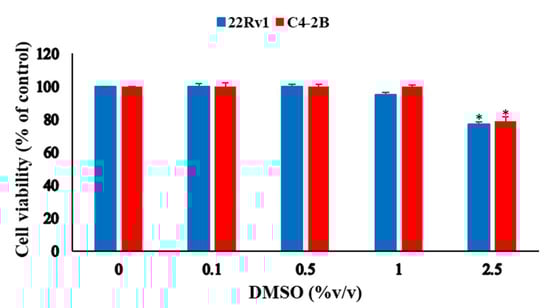
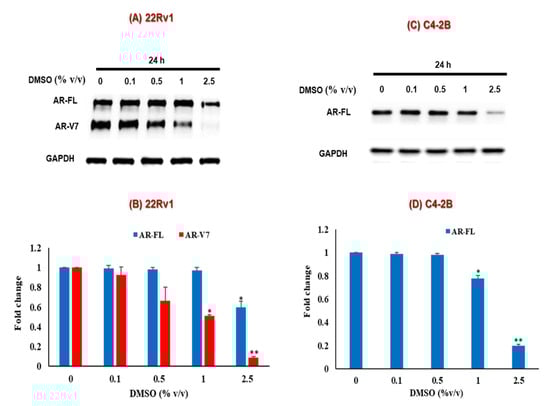
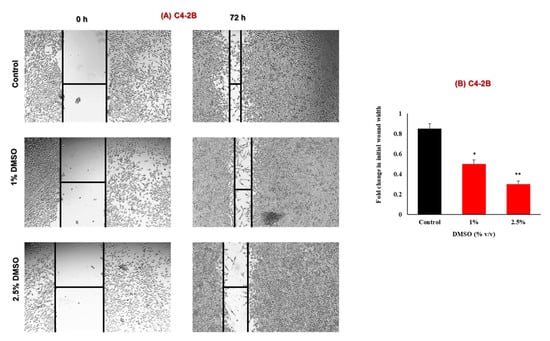
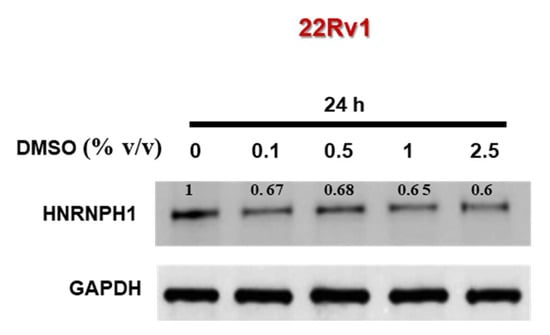
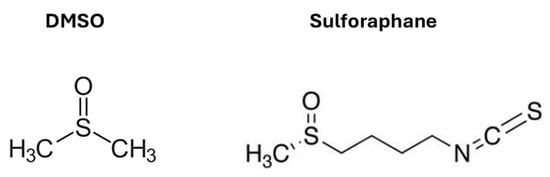
Background: The outgrowth of castration-resistant prostate cancer (CRPC) dictates patient morbidity and mortality. Recurrence of prostate cancer (PC) following androgen-deprivation therapy (ADT) often occurs due to constitutively active androgen receptor (AR) splice variants (AR-Vs), primarily AR-V7. Therefore, safe and effective therapies enabling the suppression of both full-length AR (AR-FL) and AR-Vs are urgently needed. The natural compound dimethyl sulfoxide (DMSO) has negligible cytotoxicity at concentrations below 5% and has anticancer potential. DMSO has been broadly used in biomedical research as a solvent for pharmaceuticals, as a cryoprotectant for cells, and as a topical treatment to suppress pain and inflammation. We investigated the effect of low-dose DMSO on AR expression, cell viability, and metastatic ability in PC cell lines expressing both AR-FL and AR-V7 (e.g., 22Rv1) and those expressing only AR-FL (e.g., C4-2B). Methods: MTT cell viability assays were performed to measure DMSO-induced cytotoxicity. Wound-healing assays were conducted to monitor the effect of DMSO on the migratory phenotype of cancer cells. Western blot analyses were performed to study the efficacy of DMSO in suppressing the protein levels of AR-FL and AR-V7, and expression of heterogeneous nuclear ribonucleoprotein H1 (hnRNPH1) was measured as a possible mechanism. Results: At concentrations of 0.1–1% (v/v), DMSO treatment showed minimal cytotoxicity, whereas the highest concentration used (2.5%) showed approximately 20% cytotoxicity at 96 h. Interestingly, however, DMSO treatment at concentrations of 1.0 and 2.5% significantly inhibited the migration of PC cells. Treatment with DMSO led to a dose-dependent inhibition of both AR-FL and AR-V7. Notably, in 22Rv1 cells, DMSO potently downregulated the expression of hnRNPH1, a splicing factor often associated with AR expression and signaling. Conclusions: Our findings suggest that low concentrations of DMSO may have potential as an effective anticancer agent, both at the initial and later stages when PC cells become castration resistant.
Full article

Figure 1
Open AccessArticle
The Impact of Prior Substance Use on Postoperative Outcomes Following Gender-Affirming Surgery
by
Chrishaun Alexander, Akeem Henry, Derek Nuamah, Joshua Lewis, Bryce Gantt, Kelsey M Green, Malory Alexis and Oyetokunbo Ibidapo-Obe
Therapeutics 2025, 2(3), 14; https://doi.org/10.3390/therapeutics2030014 - 21 Aug 2025
Abstract
Background/Objectives: Gender-affirming surgery (GAS) is associated with improved mental health outcomes in transgender and gender-diverse (TGD) individuals. However, TGD populations experience disproportionately high rates of substance use disorders (SUDs), which are established risk factors for surgical complications. Despite this, the relationship between preoperative
[...] Read more.
Background/Objectives: Gender-affirming surgery (GAS) is associated with improved mental health outcomes in transgender and gender-diverse (TGD) individuals. However, TGD populations experience disproportionately high rates of substance use disorders (SUDs), which are established risk factors for surgical complications. Despite this, the relationship between preoperative SUDs and postoperative outcomes following GAS has not been studied. Our objective was to evaluate how specific SUD subtypes, including tobacco, alcohol, and cannabis, impact short- and medium-term postoperative complications following GAS. Methods: A retrospective cohort study was conducted using the TriNetX Research Network, which includes de-identified electronic health records from over 100 million U.S. patients. Adults with documented gender dysphoria who underwent GAS between April 2015 and April 2025 were included. Patients were divided into four groups: no SUD, tobacco use, alcohol use, and cannabis use. Propensity score matching was used to control for demographic variables. Postoperative complications were assessed at 30 days and 6 months. Results: Alcohol use was significantly associated with increased rates of delayed wound healing, wound dehiscence, gastrointestinal symptoms, and postoperative pain at both 30 days and 6 months. Cannabis use was linked to higher rates of wound dehiscence, infections, GI symptoms, and pain. Tobacco use showed the broadest impact, significantly associated with nearly all complications measured except pain at 30 days. These associations persisted at six months. Conclusions: This is the first study to quantify the relationship between substance use and GAS outcomes. Preoperative use of tobacco, alcohol, and cannabis was independently associated with increased postoperative complications. These findings underscore the need for systematic preoperative screening and the development of SUD-specific perioperative care pathways to improve outcomes and advance equity in surgical care for TGD patients.
Full article
Highly Accessed Articles
Latest Books
E-Mail Alert
News
Topics
Topic in
JFMK, Medicina, Therapeutics, Healthcare, JCM, Rheumato
New Trends in Physiotherapy Care: Improvements in Functionality, Pain Management, and Quality of Life
Topic Editors: Carlos Bernal-Utrera, Ernesto Anarte-Lazo, Juan José González GerezDeadline: 30 June 2026
Topic in
Applied Sciences, Diagnostics, JCM, Clinics and Practice, Therapeutics
Advances in Diagnosis and Treatment of Dental Diseases and Temporomandibular Joints
Topic Editors: Rafał Obuchowicz, Małgorzata Pihut, Karolina Nurzynska, Andrzej UrbanikDeadline: 31 July 2026
Topic in
Cancers, Diagnostics, JCM, Biomedicines, Gastrointestinal Disorders, Current Oncology, Therapeutics
Hepatobiliary and Pancreatic Diseases: Novel Strategies of Diagnosis and Treatments—Second Edition
Topic Editors: Alessandro Coppola, Roberta Angelico, Chiara MazzarelliDeadline: 25 November 2026
Topic in
Brain Sciences, Cancers, JCM, Neurology International, Diagnostics, Therapeutics, Current Oncology
Innovations in Brain Tumor Surgery: Techniques and Outcomes
Topic Editors: Maria Caffo, Teresa SommaDeadline: 20 July 2027