Systematic Review

Effectiveness of Physical Activity and Lifestyle Interventions in Pediatric Populations at Cardiovascular Risk: A Systematic Review and Meta-Analysis


by
Katherine Estephani Contreras Zapata
1,2,3,
Nadia Ximena Cruz Hidalgo
2,3,
Nicole Constanza Villalobos González
3,
Alejandro Rubio-Zarapuz
1,
Vicente Javier Clemente-Suárez
1,4,
Isidro Miguel Martín Pérez
5,6 and
Sebastián Eustaquio Martín Pérez
1,7,*
1
Faculty of Medicine, Health and Sports, Universidad Europea de Madrid, 28670 Villaviciosa de Odón, Madrid, Spain
2
Grupo de Estudios en Educación, Actividad Física y Salud (GEEAFyS), Universidad Católica del Maule, Talca 3460000, Chile
3
Grupo de Investigación en Ciencias del Ejercicio Físico y la Salud Molina (GICESM), Ilustre Municipalidad de Molina, Molina 3380000, Chile
4
Grupo de Investigación en Cultura, Educación y Sociedad, Universidad de la Costa, Barranquilla 080002, Colombia
5
Faculty of Health Sciences, Universidad del Atlántico Medio, 35017 Tafira Baja, Las Palmas, Spain
6
Hospital Universitario Vithas Las Palmas, 35005 Las Palmas de Gran Canaria, Las Palmas, Spain
7
Faculty of Health Sciences, Universidad Europea de Canarias, 38300 La Orotava, Santa Cruz de Tenerife, Spain
*
Author to whom correspondence should be addressed.
Therapeutics 2026, 3(2), 10; https://doi.org/10.3390/therapeutics3020010
Submission received: 6 February 2026 / Revised: 13 March 2026 / Accepted: 30 March 2026 / Published: 7 April 2026

Abstract

Background/Objectives: Children at cardiovascular risk require effective non-pharmacological strategies to improve cardiometabolic health. This study aimed to evaluate the effectiveness of physical activity and lifestyle-based interventions on blood pressure and related cardiovascular risk markers in children and adolescents. Materials and Methods: A systematic review and meta-analysis were conducted in accordance with PRISMA guidelines and registered in PROSPERO (CRD42025644256). Searches were performed in MEDLINE (PubMed), SPORTDiscus (EBSCO), and the Cochrane Library from January 2015 to March 2025. Methodological quality and risk of bias were evaluated using the PEDro scale, RoB 2.0, and GRADE. Results: Twenty-nine studies were included, showing overall high methodological quality. Pooled analyses showed a statistically significant reduction in systolic blood pressure (SMD = −0.35; 95% CI: −0.40 to −0.31; p < 0.00001, I2 = 83%). Diastolic blood pressure also showed a small but statistically significant reduction (SMD = −0.06; 95% CI: −0.11 to −0.01; p = 0.01; I2 = 93%), equivalent to an estimated decrease of about 1 mmHg. Fasting insulin levels were significantly reduced (SMD = −0.92; 95% CI: −1.27 to −0.56; p < 0.00001), suggesting improvements in metabolic regulation despite considerable heterogeneity (I2 = 95%). In contrast, pooled effects for body fat percentage (%) (SMD = 0.11; 95% CI: −0.10 to 0.32; p = 0.31) and BMI z-score (standardized units) (SMD = 0.13; 95% CI: −0.04 to 0.31; p = 0.14) were not statistically significant, with very high between-study variability. Conclusions: Multicomponent interventions integrating physical activity with lifestyle modification appear effective in reducing systolic and diastolic blood pressure and improving insulin sensitivity in children and adolescents at elevated cardiovascular risk. Although the magnitude of blood pressure reductions is modest, even small decreases at the population level may contribute to meaningful long-term cardiovascular risk reductions.

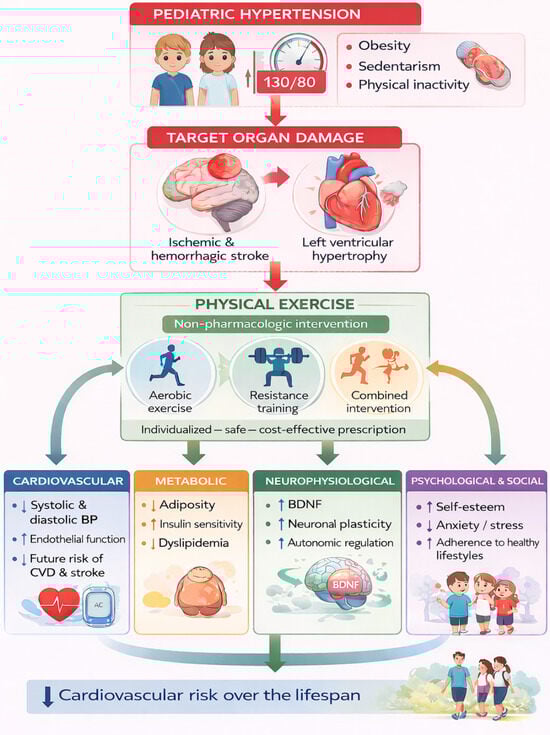
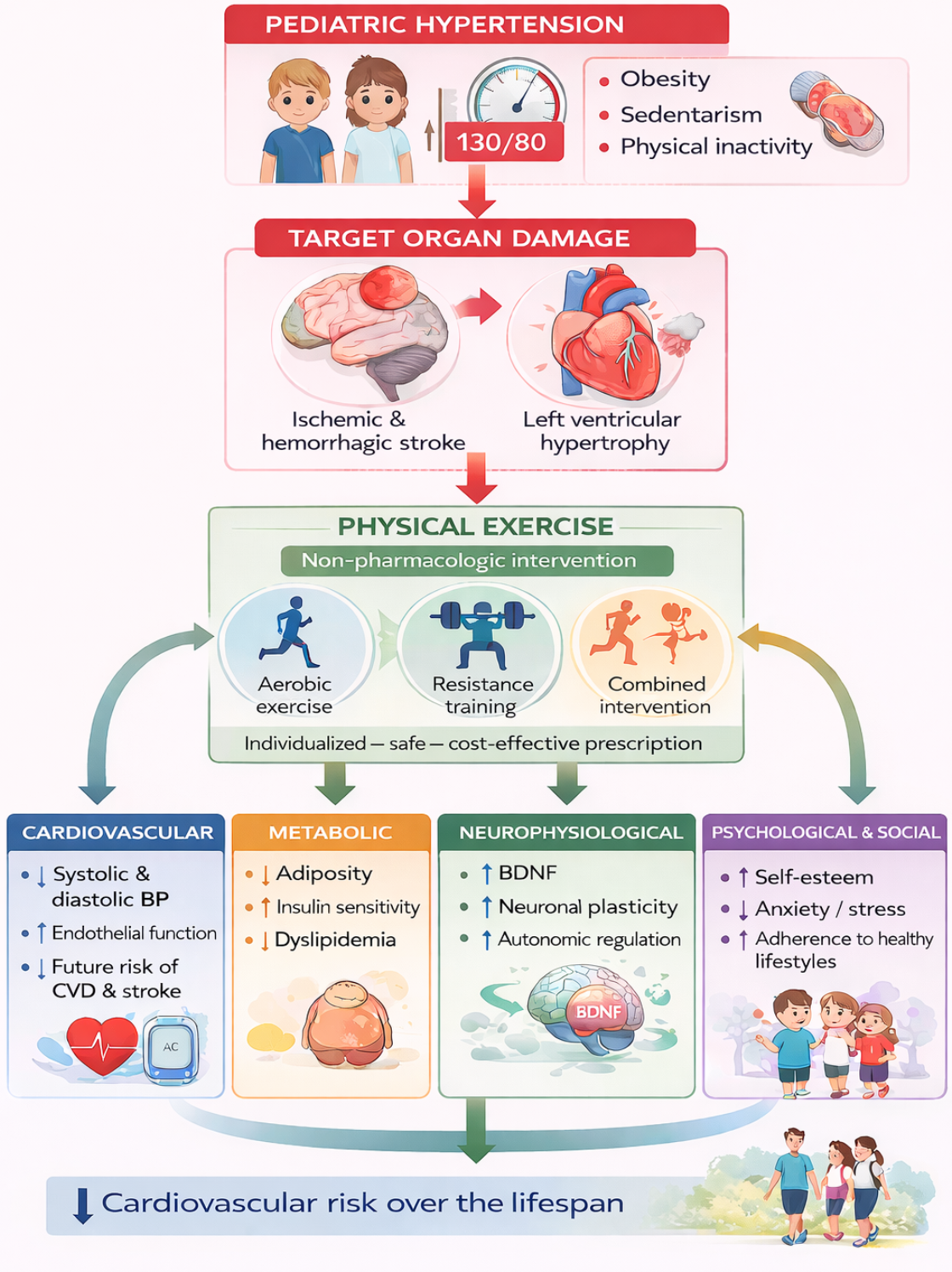
Graphical Abstract

1. Introduction

Arterial hypertension (AH) is one of the most prevalent chronic non-communicable diseases worldwide and represents a major contributor to cardiovascular morbidity and mortality [1]. Its clinical relevance lies in its largely asymptomatic progression, which frequently delays diagnosis and limits opportunities for early prevention [1]. Sustained elevations in blood pressure (BP) are strongly associated with cerebrovascular complications, particularly stroke, a condition with major clinical and epidemiological implications across the lifespan [2].
Although AH has traditionally been regarded as an adult condition, accumulating evidence indicates that its pathophysiological origins often emerge during childhood adolescence and early adulthood. Nevertheless, hypertension remains substantially underdiagnosed, mainly due to the absence of overt symptoms and the limited routine assessment of BP in pediatric practice [3,4]. Children who experience cerebrovascular events at early ages present a considerable risk of recurrence, with approximately 25% developing a subsequent stroke following the initial episode [5]. Epidemiological data further indicate a higher incidence of stroke in boys compared with girls, with pediatric mortality rates reaching up to 25%. While ischemic stroke predominates in high-income countries, its incidence in low- and middle-income regions is estimated to be four to five times higher [6].
The growing burden of pediatric hypertension is closely associated with modifiable lifestyle-related factors, particularly the increasing prevalence of overweight and obesity, low levels of physical activity, and sedentary behaviors. Children and adolescents with excess body weight may present up to a fivefold greater risk of developing AH, thereby accelerating early vascular and metabolic alterations [7]. In line with this, the American Heart Association reports that approximately 15% of adolescents with BP values above normal thresholds (≥120/80 mmHg) already exhibit signs of coronary or cerebrovascular involvement [8]. Pediatric hypertension has also been linked to early target-organ damage, including left ventricular hypertrophy, vascular remodeling, and functional cardiovascular alterations, which may become evident within the first year after diagnosis [9].
Pharmacological management is indicated in selected cases and is based on individualized treatment strategies according to age, pubertal stage, and underlying pathophysiological mechanisms [10]. In this line, common therapeutic agents include angiotensin-converting enzyme inhibitors, angiotensin II receptor blockers, and diuretics. However, considerable interindividual variability in treatment response has been reported, often requiring prolonged clinical follow-up and dose adjustment, with potential somatic and psycho-emotional adverse effects [11]. Furthermore, long-term pharmacological exposure during critical growth periods has been associated with metabolic disturbances, such as dyslipidemia and impaired glucose metabolism, which may further increase cardiometabolic risk [12].
Given these limitations, increasing attention has been directed toward non-pharmacological strategies. Physical activity (PA) has emerged as a cornerstone intervention in the prevention and management of pediatric hypertension. Regular aerobic activity performed in accordance with international recommendations has been associated with clinically meaningful reductions in systolic (SBP) and diastolic blood pressure (DBP), as well as improvements in overall cardiovascular health [7,13]. Moreover, combined aerobic and resistance training programs appear to provide additional benefits, contributing to favorable adaptations in body composition, endothelial function, and metabolic regulation [11,13,14,15].
Despite these advances, important gaps remain regarding the optimal PA dose, training modality, and implementation strategies required to maximize both effectiveness and long-term adherence in pediatric populations with hypertension [16]. Childhood and adolescence represent critical developmental windows for preventive intervention, as early lifestyle modifications may substantially reduce the future burden of cardiovascular disease [17,18]. Given that AH remains one of the leading risk factors for cardiovascular mortality worldwide [1], the promotion of healthy lifestyle behaviors—particularly regular PA and appropriate dietary habits—from early life constitutes a major public health priority.
In this context, a comprehensive synthesis of current evidence is required. Therefore, the objective of this systematic review and meta-analysis was to evaluate the effectiveness of PA and lifestyle interventions in children and adolescents at cardiovascular risk, assessing their impact on BP and related anthropometric and metabolic outcomes, in order to support evidence-based preventive and therapeutic strategies in pediatric populations.

2. Materials and Methods

2.1. Data Source and Search Strategy

A systematic review and meta-analysis of the literature were conducted in accordance with the PRISMA (Preferred Reporting Items for Systematic Reviews and Meta-Analyses) guidelines [19] (see Table S1: PRISMA 2020 Checklist). The protocol was prospectively registered in the International Prospective Register of Systematic Reviews (PROSPERO;CRD42025644256 https://www.crd.york.ac.uk/PROSPERO/view/CRD42025644256, accessed on 1 February 2026). The bibliographic search was carried out between 28 January 2025 and 30 March 2025, with the aim of identifying relevant studies on the effectiveness of physical activity–based interventions and lifestyle modifications in children at cardiovascular risk.
The databases searched included MEDLINE (PubMed), SPORTDiscus (EBSCO), and the Cochrane Library. In MEDLINE, the following search strategy was applied. Population-related terms: (“children” OR “adolescents” OR “pediatric population”) AND (“cardiovascular risk” OR “hypertension” OR “obesity” OR “metabolic syndrome”). Intervention-related terms: (“physical activity” OR “exercise therapy” OR “aerobic exercise” OR “strength training” OR “lifestyle modification” OR “combined interventions”). In addition, Medical Subject Headings (MeSH) terms such as “Hypertension,” “exercise,” “lifestyle,” and “obesity” were included, along with keywords such as “exercise intervention”, “cardiovascular risk”, and “pediatric”. Similar search strategies were applied in SPORTDiscus and the Cochrane Library.
Three independent investigators (K.C.Z., S.E.M.P., V.J.S.) conducted the literature search, while a fourth investigator, blinded to the process (N.C.H.), screened all retrieved articles by title and abstract. Articles deemed potentially eligible were subsequently assessed through full-text review to determine final inclusion. The complete search strategy is presented in Table S2.

2.2. Selection of Studies

The eligibility criteria for inclusion in the systematic review and meta-analysis comprised: (1) randomized controlled trials, non-randomized trials, quasi-experimental studies, as well as case series and case reports; (2) studies published between 1 January 2015 and 30 March 2025; and (3) articles written in English, Spanish, or Portuguese with full-text availability. The target population included (4) children and adolescents aged between 5 and 17 years (5) presenting cardiovascular risk factors, such as AH, overweight or obesity, and metabolic syndrome.
Eligible studies were required to involve (6) participation in physical activity–based rehabilitation or intervention programs, implemented either as standalone approaches or combined with complementary components, including educational, psychological, and/or nutritional strategies. Furthermore, studies were required to report (7) at least one outcome related to physical functioning, cardiometabolic or metabolic health indicators, and/or qualitative lifestyle-related variables—such as physical activity behavior or dietary habits—reported as primary or secondary outcomes.
Duplicate publications or studies reporting overlapping data were also excluded. In addition, investigations presenting substantial methodological limitations, insufficient scientific rigor, or incomplete datasets were not considered eligible, particularly when the required information could not be retrieved for analysis.

2.3. Data Extraction

To ensure consistency and resolve potential discrepancies, a standardized data extraction form based on the Population, Intervention, Comparison, and Outcomes (PICO) framework was employed. Relevant information was systematically collected, including authorship, year and country of publication, study design, research objectives, assessed outcomes, and participant characteristics (e.g., sample size, sex, clinical conditions, among others). In addition, detailed data regarding the intervention protocols, control conditions, and main study conclusions were extracted.
The structure and development of the data extraction sections followed the methodological recommendations of the Cochrane Handbook for Systematic Reviews of Interventions (version 6.5.) [20]. To ensure the reliability and internal consistency of the extraction process, the data extraction table was pilot-tested using a representative sample of the included studies.

2.4. Methodological Quality Assessment: PEDro Scale

The methodological quality of the included clinical trials was evaluated using the Physiotherapy Evidence Database (PEDro) scale [21], a validated instrument widely applied in rehabilitation and clinical research. The PEDro scale comprises 11 items, of which items 2–9 assess internal validity, while items 10–11 evaluate the adequacy of statistical reporting necessary for the interpretation of study outcomes. Based on the total PEDro score, studies were classified into three categories: excellent methodological quality (9–10 points), good methodological quality (6–8 points), and poor methodological quality (<4 points).

2.5. Risk of Bias Assessment: RoB 2.0

The risk of bias in randomized controlled trials was assessed using the Cochrane Risk of Bias Tool for Randomized Trials (RoB 2.0) [22]. This instrument evaluates five methodological domains: (1) the randomization process; (2) deviations from intended interventions; (3) missing outcome data; (4) measurement of the outcomes; and (5) selection of the reported results. A judgment of low risk of bias indicates that bias is unlikely to substantially affect the study findings, whereas a high risk of bias reduces confidence in the reported results. Discrepancies between reviewers were resolved through discussion, and in cases of persistent disagreement, the second reviewer (S.E.M.P.) made the final decision.

2.6. Quality of Evidence: GRADE

The certainty of the evidence was assessed using the Grading of Recommendations, Assessment, Development, and Evaluation (GRADE) framework [23]. This approach evaluates five domains: (1) study design; (2) imprecision; (3) indirectness in relation to the research question; (4) inconsistency; and (5) publication bias. Based on these criteria, the overall quality of evidence was classified into four levels: high quality (all domains met), moderate quality (one domain not met), low quality (two domains not met), and very low quality (three or more domains not met).

2.7. Data Synthesis

When two or more studies reported the same outcome, a meta-analysis was performed using Review Manager software (RevMan version 5.3; The Cochrane Collaboration, London, UK) [24]. Study data were pooled according to the variable of interest, in line with the predefined study objectives. When outcome measures were reported using different units or assessment scales and direct conversion was not feasible, the standardized mean difference (SMD) was calculated. Pooled effect sizes are presented as SMDs with corresponding 95% confidence intervals (CIs).
Statistical heterogeneity among studies was evaluated using the I2 statistic and interpreted as follows: might not be important (0–40%), moderate heterogeneity (30–60%), substantial heterogeneity (50–90%), and considerable heterogeneity (75–100%). When heterogeneity exceeded 40%, a random-effects model was applied to account for between-study variability. To evaluate the robustness and stability of the pooled results, a sensitivity analysis was conducted by excluding studies classified as having poor methodological quality. The consistency of the findings was assessed by comparing pooled effect estimates derived from analyses with and without these studies, thereby determining the potential influence of methodological quality on the overall results.

3. Results

3.1. Study Selection

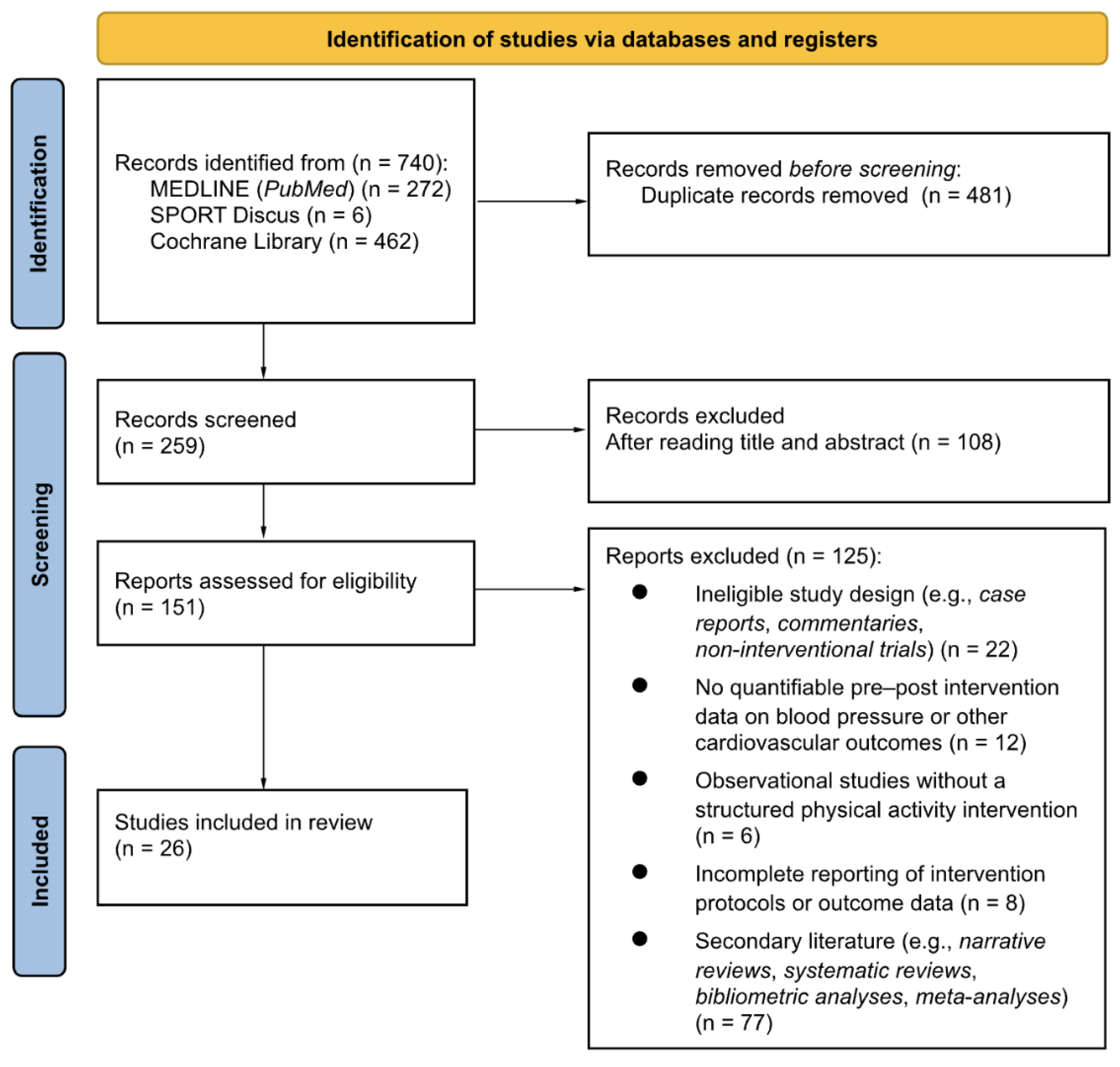
A systematic search of the electronic databases identified a total of 740 records. The databases consulted were MEDLINE (PubMed) (n = 272), EBSCO (SPORTDiscus) (n = 6), and the Cochrane Library (n = 462). After the removal of 481 records, 259 studies remained for title and abstract screening. During this phase, 108 records were excluded due to the inclusion of adult populations, absence of a PA-based intervention, lack of BP outcome measures, or absence of a control group. Consequently, 151 articles were retrieved for full-text assessment.
Following full-text assessment, 125 studies were excluded for methodological reasons: ineligible study design (n = 22), lack of quantifiable pre- and post-intervention BP data (n = 12), observational designs without a structured intervention (n = 6), incomplete interventions (n = 8), and conference abstracts or review articles (n = 77). A total of 26 studies met the inclusion criteria and were included in the qualitative synthesis. The selection process is presented in Figure 1, which depicts the PRISMA 2020 flow diagram.

3.2. Characteristics of the Included Studies

This systematic review included 26 studies published between 2015 and 2025 [25,26,27,28,29,30,31,32,33,34,35,36,37,38,39,40,41,42,43,44,45,46,47,48,49,50], comprising randomized controlled trials (RCTs), quasi-experimental studies, and non-randomized controlled trials that evaluated the effects of PA and lifestyle-based interventions in pediatric and adolescent populations with cardiovascular risk factors. The main clinical conditions addressed were overweight and obesity [25,26,27,28,29,33,34,35,36,37,38,39,40,41,44,45,46,47,48,49,50], AH or elevated BP [25,41,46,50], dyslipidemia and altered lipid profiles [38,45,48,49], and early features of metabolic syndrome [29,36,38].
Across all included studies, the total sample size exceeded 3500 participants, with substantial variability between investigations. Several trials involved small clinical cohorts, including intensive mechanistic or physiological studies with fewer than 30 participants [27,30,36,48,49], whereas others were conducted in large school-based or multicenter populations comprising hundreds or thousands of children and adolescents [26,40,46,47,50]. Participant ages ranged from early childhood (5 to 7 years) [26,35,41] to late adolescence (17 to 18 years) [29,30,48,49], with most studies focusing on children and adolescents between 10 and 17 years of age [25,28,31,32,33,34,37,38,39,42,43,44,45,50]. Both sexes were included in nearly all studies, and several authors reported sex-specific responses or subgroup effects related to age, sex, or baseline adiposity [30,32,34,49].
Concerning study design, the vast majority of included research were RCTs (n = 20) [25,26,27,28,30,31,32,33,34,35,36,38,39,41,42,43,45,49,50], which strengthens the internal validity of the evidence. These trials commonly compared structured lifestyle interventions with usual care or minimal-intensity control conditions [25,26,28,31,34,36,41,43,49,50]. In contrast, quasi-experimental and non-randomized designs were mainly implemented in school- or community-based programs, where random allocation was not feasible due to organizational or ethical constraints [29,35,40,44,46,47,48].
The duration of the interventions varied considerably, ranging from short-term programs of 8 weeks [31,39] to medium-term interventions lasting 12 to 24 weeks [27,28,33,37,41,49], and long-term lifestyle programs extending from 10 to 22 months [29,34,42,43,46,50]. Thus, this wide variability allowed evaluation of both short-term physiological responses and longer-term behavioral and cardiometabolic adaptations.
Most interventions were primarily centered on PA promotion, including aerobic [25,30,37,46,50] and resistance training [49], or combined aerobic–resistance programs [28,29,31,36,42]. In many studies, PA interventions were complemented by structured nutritional education or dietary counseling aimed at improving diet quality, reducing sugar-sweetened beverage consumption, and promoting adherence to healthy eating patterns [25,28,33,37,41,45,46,50]. Furthermore, several trials further incorporated behavioral or psychological management strategies, such as motivational interviewing [27], self-determination-based education [31], parental guidance programs [26,40,41], or counseling approaches designed to reduce sedentary behavior and screen time [32,44,47].
Interventions were predominantly implemented within family-based, school-based, or community-based settings [26,34,35,40,41,42,46,47,50], emphasizing the importance of multilevel strategies involving children, caregivers, educators, and the broader social environment. Studies adopting family-centered approaches frequently reported better adherence and sustained behavioral changes compared with child-only interventions [26,34,40,41]. Most of the included studies used a comparator group consisting of usual care, health education, or low-intensity lifestyle advice [25,26,28,31,34,36,41,43,49,50]. Other studies compared different intervention modalities, such as PA alone versus PA combined with nutritional counseling [45], or comprehensive lifestyle interventions versus isolated diet or PA programs [46]. A very small number of studies applied within-subject designs, enabling the assessment of pre–post changes over time [31].
The primary outcomes assessed were SBP and DBP [25,41,46,50], BMI and BMI z-score [26,29,33,34,35,36,40,41,42], body fat percentage and skinfold thickness [29,33,41,46,49], and waist circumference [34]. Secondary outcomes included cardiorespiratory fitness and aerobic functional capacity [31,37,39], objectively measured moderate-to-vigorous PA [32,39,43,44], metabolic and inflammatory biomarkers such as lipid profile, insulin sensitivity, lipopolysaccharide-binding protein, chemerin, adipokines, and endothelial function markers [38,48,49], as well as health-related quality of life and psychosocial outcomes [26,35,42]. Follow-up duration differed notably among studies. Several studies assessed only immediate effects [27,28,31,37,39,49], while others included ≥12-month follow-up to evaluate sustained adaptations [29,31,34,42,43,50].
The included studies were conducted across a wide range of geographical contexts, including Spain [25,28,38,39,43], the United States [30,32,40,44,49], New Zealand [26], France [27], Italy [36], Belgium [29], Norway [34,35], Denmark [42], Germany [48], Iran [33], India [37,41], Brazil [45], Australia [31], and China [46,47,50]. This geographical diversity enhances the external validity of the findings, although differences in cultural norms, dietary patterns, and school systems may partially explain variability in intervention effectiveness across regions [34,41,47].
To sum up, the findings indicate that lifestyle interventions—particularly those integrating structured PA with nutritional guidance and behavioral or family-based support—are effective in improving cardiovascular risk profiles in children and adolescents. Significant benefits were reported in BP reduction [25,46,50], improvements in body composition [29,33,41,46,49], increases in physical fitness and daily PA levels [31,37,39,43,44], and favorable modulation of metabolic and inflammatory biomarkers [38,48,49]. The detailed characteristics of the included studies are presented in Table S3.

3.3. Methodological Quality Assessment: PEDro Scale

Across all included studies were therefore rated as having excellent methodological quality. Across the 26 included studies, most trials satisfied the principal methodological criteria, including random allocation, baseline comparability between groups, adequate follow-up, between-group statistical comparisons, and reporting of point estimates and variability measures.
Blinding of participants and therapists was rarely feasible due to the nature of the physical activity and lifestyle interventions evaluated. However, most studies employed objective outcome measures such as cardiometabolic biomarkers, anthropometric parameters, or vascular function indicators, which reduces the potential influence of performance or detection bias. Minor methodological limitations were observed in a small number of studies.
Specifically, some researchers did not clearly report eligibility criteria, which may limit the assessment of external validity [35,40,46,47]. In addition, two studies did not fully report variability measures or between-group comparisons for certain outcomes [27,36]. These limitations were infrequent and did not substantially affect the overall methodological transparency of the included trials.
Importantly, no major methodological concerns were identified in key domains such as randomization procedures, outcome assessment, or statistical analysis. All trials employed validated measurement instruments and appropriate analytical strategies, with clearly defined primary outcomes and consistent reporting of results. Several studies also reported clinically meaningful improvements in cardiometabolic parameters following physical activity and lifestyle-based interventions, including reductions in body fat percentage, BMI or BMI z-score, BP, adverse lipid profiles, inflammatory biomarkers, and improvements in vascular function [25,28,29,33,38,45,46,48,49,50].
Overall, the included studies showed a generally robust methodological profile, with most key internal validity domains adequately addressed. A detailed breakdown of the PEDro items fulfilled by each study is presented in Table S4.

3.4. Risk of Bias Assessment: RoB 2.0

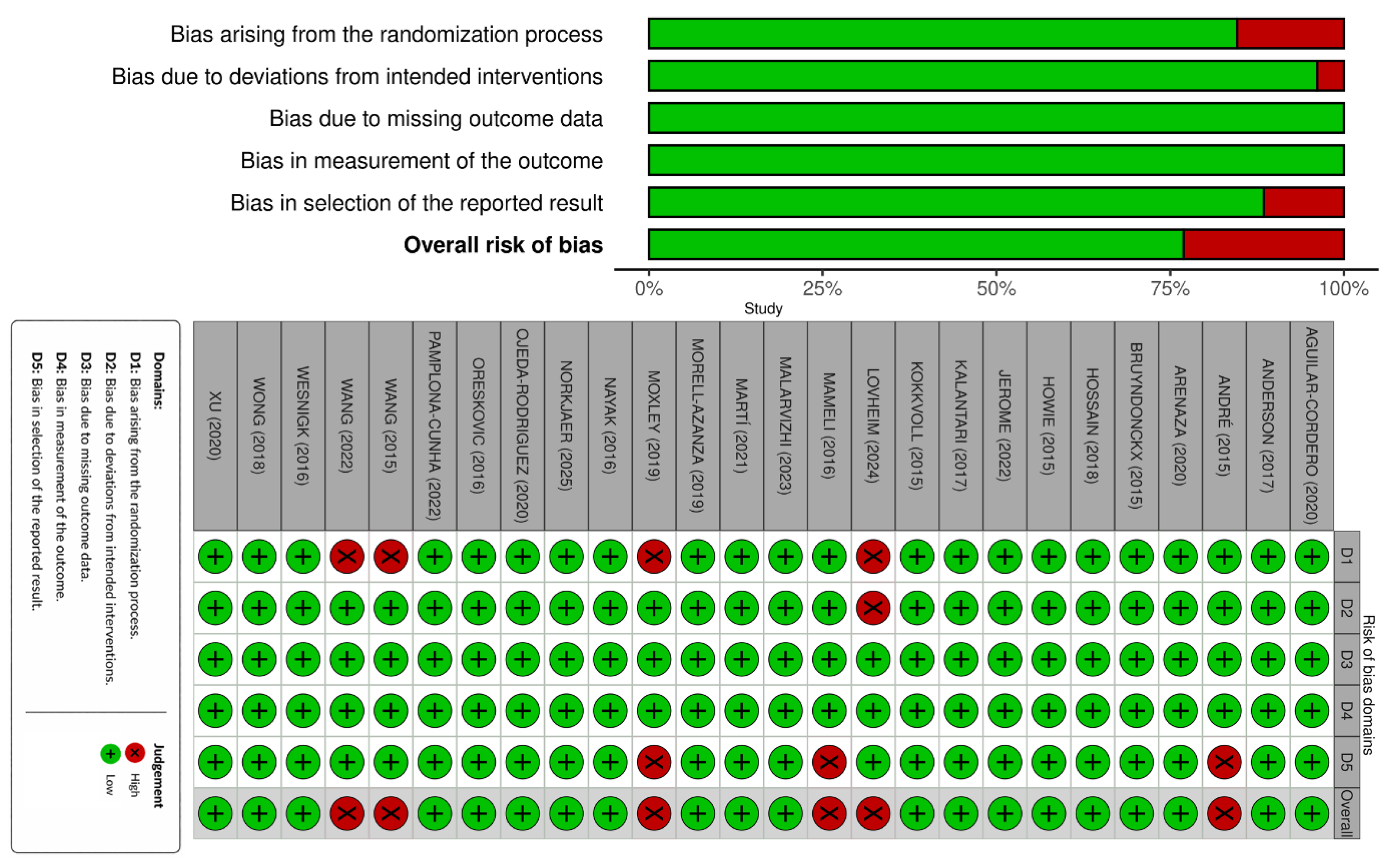
Overall, the majority of the included studies were judged to present a low risk of bias across most domains. In particular, bias arising from the randomization process was rated as low in most randomized controlled trials, indicating appropriate generation of allocation sequences and acceptable baseline comparability between intervention and control groups [25,26,27,28,29,30,31,32,33,34,36,37,38,39,41,42,43,44,45,48,49,50]. However, a small number of studies showed concerns or high risk in this domain, mainly due to insufficient reporting of allocation procedures or non-randomized designs [35,40,46,47].
Bias due to deviations from intended interventions was predominantly assessed as low across studies, suggesting adequate adherence to intervention protocols and minimal contamination between groups [25,26,27,28,29,30,31,32,33,34,36,37,38,39,41,42,43,44,45,48,49,50]. Studies conducted in school- or community-based settings generally maintained intervention fidelity despite the inherent challenges of behavioral interventions [40,46,47]. Regarding bias due to missing outcome data, most studies demonstrated a low risk, with acceptable follow-up rates and appropriate handling of attrition, indicating that incomplete outcome data were unlikely to meaningfully affect the reported findings [25,26,27,28,29,30,31,32,33,34,36,37,38,39,41,42,43,44,45,48,49,50]. Only isolated cases reported incomplete follow-up without sufficient justification [35].
Bias in measurement of the outcome was also largely rated as low. Most works employed validated measurement instruments, standardized assessment procedures, and outcomes such as BP, anthropometry, biochemical markers, or accelerometer-based physical activity measurements, supporting the reliability of outcome assessment [25,29,31,38,39,43,44,48,49,50]. Finally, bias related to the selection of the reported results was generally low, reflecting transparent reporting and consistency between predefined outcomes and reported findings [25,26,27,28,29,30,31,32,33,34,36,37,38,39,41,42,43,44,45,48,49,50]. Nevertheless, a small number of studies showed a higher risk in this domain due to limited alignment between reported results and stated study objectives, or insufficient reporting of non-significant outcomes [27,36,40].
Overall risk-of-bias judgments indicated that most studies were classified as having a low overall risk of bias. A limited number of investigations were rated as having high overall risk, primarily those with deficiencies in the randomization process or selective outcome reporting, including Løvheim Kleppang et al. (2024) [35], André and Béguier (2015) [27], Mameli et al. (2016) [36], Moxley et al. (2019) [40], and Wang et al. (2015; 2022) [46,47]. These limitations should be considered when interpreting the magnitude and consistency of their reported effects. In summary, the RoB 2.0 assessment indicates a predominantly favorable methodological profile across the included studies, with low risk of bias in most domains. Despite some concerns being identified in a small subset of trials—particularly related to randomization procedures and selective reporting—the overall confidence in the body of evidence remains high. Detailed risk-of-bias judgments for each study are presented in Figure 2.

3.5. Grade of Recommendation (GRADE)

The GRADE assessment indicates that the certainty of evidence for physical activity and lifestyle interventions in children and adolescents with overweight or obesity ranges from moderate to low, depending on the outcome evaluated [25,26,27,28,29,30,31,32,33,34,35,36,37,38,39,40,41,42,43,44,45,46,47,48,49,50]. Moderate certainty was observed for SBP [25,46,48,50], insulin levels [49], cardiorespiratory fitness [31,37,49], and lipid profile [45,48], reflecting consistent beneficial effects despite heterogeneity across studies. In contrast, the certainty of evidence was rated as low for DBP [25,46,50], body fat [25,29,33,40,45,49], BMI z-score [26,27,29,33,34,36,40,41,42], and quality of life or sleep outcomes [26,35,42], mainly due to substantial inconsistency, imprecision, and variability in intervention characteristics.
Overall, multicomponent lifestyle interventions improve selected cardiometabolic outcomes, particularly SBP and physical fitness [25,31,37,45,46,47,48,49,50]. Nevertheless, the low certainty observed for several anthropometric and psychosocial outcomes highlights the need for future high-quality and methodologically homogeneous trials. Detailed GRADE ratings are presented in Table 1.

3.6. Main Results

3.6.1. Systolic Blood Pressure (SBP)

The meta-analysis demonstrated a statistically significant reduction in SBP in children and adolescents with overweight or obesity following physical activity and multicomponent lifestyle interventions. This effect corresponds approximately to a reduction of about 4 mmHg in SBP, assuming the pooled standardized mean difference (SMD = −0.35; 95% CI −0.40 to −0.31).
At the individual study level, Aguilar-Cordero et al. (2020) [25] reported a small but statistically significant reduction in SBP (standardized mean difference [SMD] = −0.67; 95% CI: −1.08 to −0.26), whereas Wang et al. (2015) [46] observed a modest and non-significant effect (SMD = −0.24; 95% CI: −0.51 to 0.03). In contrast, Wesnigk et al. (2016) [48] documented a large reduction in SBP (SMD = −4.21; 95% CI: −6.15 to −2.26), while Xu et al. (2020) [50], which contributed the greatest statistical weight, reported a small but statistically significant effect favoring the intervention group (SMD = −0.35; 95% CI: −0.40 to −0.30).
When results were pooled, data from a total of 7104 participants (3578 in the experimental groups and 3526 in the control groups) showed a statistically significant overall effect, with a pooled standardized mean difference of −0.35 (95% CI: −0.40 to −0.31; p < 0.00001).
A high degree of statistical heterogeneity was observed (χ2 = 18.17, df = 3, p = 0.0004; I2 = 83%), indicating substantial variability among studies in terms of intervention clinical characteristics, duration, and participant profiles. Despite this heterogeneity, the direction of effect consistently favored the intervention groups. These findings support the effectiveness of multicomponent lifestyle strategies—combining structured physical activity with dietary modification—in reducing SBP among pediatric populations at increased cardiovascular risk. The corresponding Forest plot is presented in Figure 3.

3.6.2. Diastolic Blood Pressure (DBP)

The meta-analysis showed a statistically significant reduction in DBP in children and adolescents undergoing multicomponent lifestyle interventions. This effect corresponds approximately to a reduction of about 0.7 mmHg in DBP, assuming the pooled standardized mean difference (SMD = −0.06; 95% CI −0.11 to −0.01).
At the individual study level, Aguilar-Cordero et al. (2020) [25] reported a moderate and statistically significant reduction in DBP (SMD = −0.79; 95% CI: −1.20 to −0.38). Similarly, Wang et al. (2015) [46] observed a significant decrease favoring the intervention group (SMD = −0.58; 95% CI: −0.86 to −0.31). In contrast, Xu et al. (2020) [50], which contributed the greatest statistical weight to the meta-analysis, reported a very small and non-significant effect (SMD = −0.03; 95% CI: −0.08 to 0.01).
When results were pooled, data from a total of 7088 participants (3570 in the experimental groups and 3518 in the control groups) demonstrated a small but statistically significant overall reduction in DBP, with a pooled standardized mean difference of −0.06 (95% CI: −0.11 to −0.01; p = 0.01). A substantial degree of statistical heterogeneity was observed (χ2 = 27.40, df = 2, p < 0.00001; I2 = 93%), indicating marked variability across studies. Despite the modest magnitude, the direction of effect consistently favored the intervention groups.
Overall, these findings suggest that PA-based and multicomponent lifestyle interventions may lead to small but statistically significant reductions in DBP in pediatric populations with overweight or obesity. The corresponding Forest plot is presented in Figure 4.

3.6.3. Body Fat Percentage

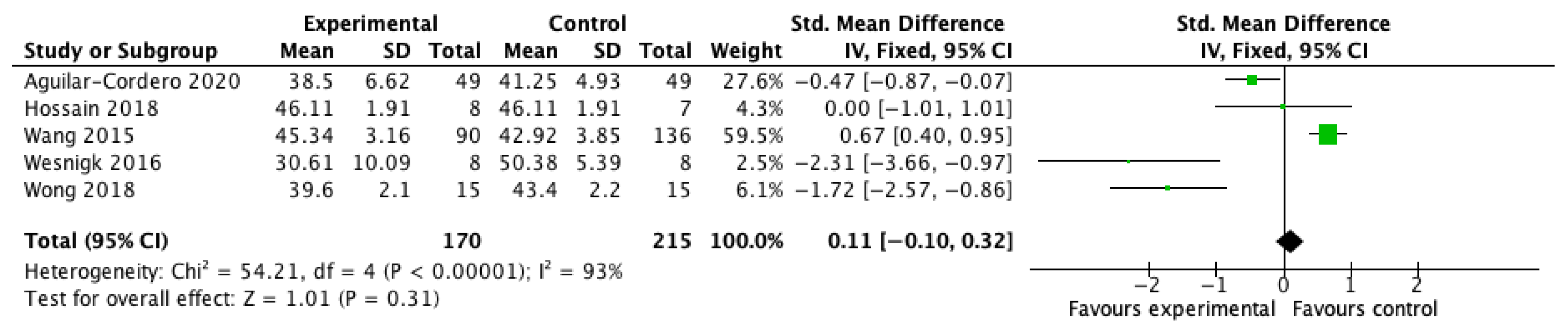
With respect to body fat percentage, individual studies showed heterogeneous effects following PA-based and multicomponent lifestyle interventions. Wesnigk et al. (2016) [48] reported a large and statistically significant reduction in body fat percentage, with an SMD of −2.31 (95% CI: −3.66 to −0.97), indicating a pronounced effect of the intervention. Significant reductions were also observed in the studies conducted by Aguilar-Cordero et al. (2020) [25] (SMD = −0.47; 95% CI: −0.87 to −0.07) and Wong et al. (2018) [49] (SMD = −1.72; 95% CI: −2.57 to −0.86), both favoring the intervention groups.
In contrast, Hossain et al. (2018) [30] reported no significant changes in body fat percentage following the intervention (SMD = 0.00; 95% CI: −1.01 to 1.01), while Wang et al. (2015) [46] demonstrated a non-significant increase in body fat percentage in the intervention group (SMD = 0.67; 95% CI: −0.40 to 0.95), indicating considerable variability in intervention effects across studies.
When pooled, the meta-analysis including 385 participants (170 in the experimental groups and 215 in the control groups) yielded a non-significant overall effect, with a pooled standardized mean difference of 0.11 (95% CI: −0.10 to 0.32; p = 0.31). A very high level of statistical heterogeneity was observed (χ2 = 54.21, df = 4, p < 0.00001; I2 = 93%), reflecting substantial differences in intervention characteristics, intensity, duration, and participant profiles.
Although several individual studies showed clinically meaningful reductions in body fat percentage—particularly those involving structured and intensive physical activity programs—the pooled estimate did not reach statistical significance. These findings suggest that PA-based and multicomponent lifestyle interventions may be effective in reducing body fat percentage under specific conditions; however, the marked inconsistency across studies and the substantial heterogeneity considerably limit the robustness and generalizability of the combined effect estimate. The corresponding Forest plot is presented in Figure 5.

3.6.4. Insulin

Regarding fasting insulin levels, individual studies consistently showed reductions following PA-based and multicomponent lifestyle interventions, although with varying magnitudes. Pamplona-Cunha et al. (2022) [45] reported a large and statistically significant decrease in fasting insulin levels (standardized mean difference [SMD] = −1.15; 95% CI: −1.78 to −0.52), indicating a strong intervention effect. Similarly, Wong et al. (2018) [49] observed a pronounced and statistically significant reduction (SMD = −7.21; 95% CI: −9.29 to −5.12). In contrast, Morell-Azanza et al. (2019) [39] documented a more modest but still statistically significant decrease in insulin levels (SMD = −0.52; 95% CI: −0.96 to −0.08).
When results were pooled, data from 182 participants (117 in the experimental groups and 65 in the control groups) demonstrated a statistically significant overall reduction in fasting insulin, with a pooled standardized mean difference of −0.92 (95% CI: −1.27 to −0.56; p < 0.00001). A very high level of statistical heterogeneity was observed (χ2 = 38.66, df = 2, p < 0.00001; I2 = 95%), indicating substantial variability across studies in intervention characteristics, duration, and baseline metabolic status.
Despite this heterogeneity, the direction of effect consistently favored the intervention groups. Overall, these findings support the effectiveness of physical activity-based and multicomponent lifestyle interventions in reducing fasting insulin levels and improving insulin sensitivity in children and adolescents with overweight or obesity. The corresponding Forest plot is presented in Figure 6.

3.6.5. Body Mass Index

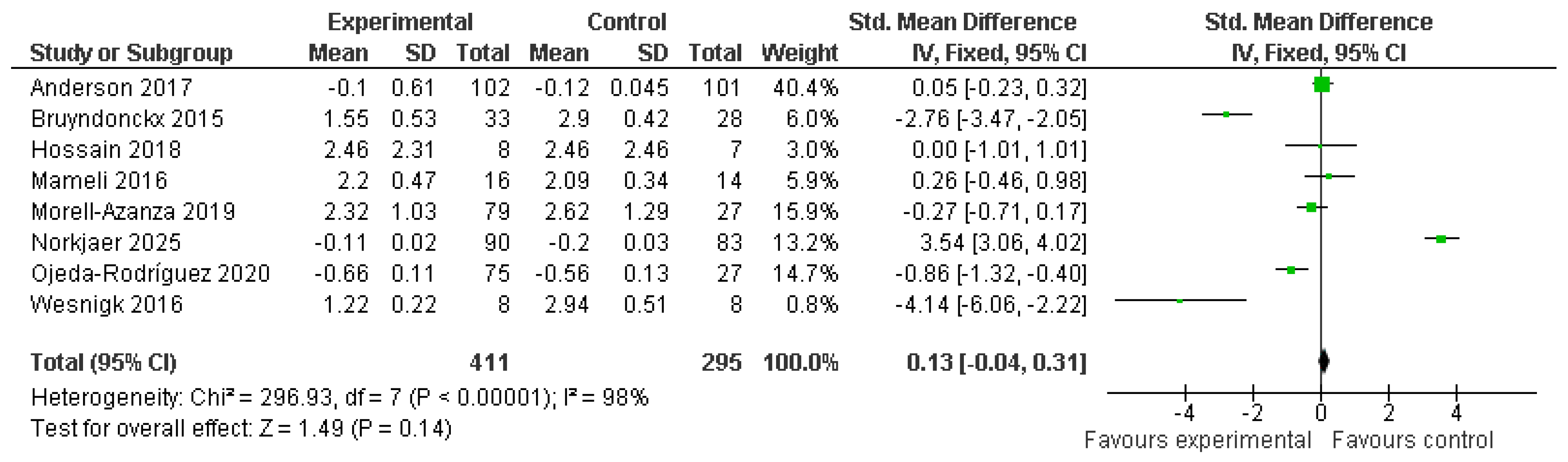
The BMI-z showed heterogeneous effects across studies evaluating physical activity-based and multicomponent lifestyle interventions in children and adolescents [26,29,30,36,39,42,43,48]. When data were pooled, the meta-analysis, which included 706 participants (411 in the experimental groups and 295 in the control groups), did not demonstrate a statistically significant overall effect, yielding a pooled standardized mean difference of 0.13 (95% CI: −0.04 to 0.31; p = 0.14), indicating no clear advantage of the intervention over control conditions.
A very high level of statistical heterogeneity was observed (χ2 = 296.93, df = 7, p < 0.00001; I2 = 98%), reflecting substantial variability in intervention characteristics, duration, baseline adiposity, and population profiles. Individual studies reported effects ranging from modest reductions in BMI z scores to null or even opposing trends, underscoring the inconsistency of intervention outcomes.
Given the lack of a significant pooled effect and the extreme heterogeneity observed, these results should be interpreted with caution. Although multicomponent lifestyle interventions may lead to improvements in BMI z scores in specific contexts, the aggregated evidence does not support a consistent or robust reduction at the population level. The corresponding Forest plot is presented in Figure 7.

4. Discussion

The present study suggests that a structured, multicomponent, and supervised PA intervention may contribute to improvements across hemodynamic, body composition, and metabolic domains in children and adolescents with overweight or obesity, although the magnitude and consistency of these effects varied across outcomes.
Following 12 weeks of moderate-intensity aerobic training, reductions in both SBP and DBP were observed, which may indicate improvements in cardiovascular regulation. The pooled effect corresponded approximately to a reduction of about 4 mmHg in SBP and 0.7 mmHg in DBP, based on the standardized mean differences obtained in the meta-analysis (SMD = −0.35 and SMD = −0.06, respectively). These findings may suggest an early improvement in cardiovascular regulation in a pediatric population already exposed to elevated cardiometabolic risk. Although the absolute magnitude of these reductions may appear modest, even small improvements in pediatric BP have been suggested to translate into meaningful long-term cardiovascular benefits at the population level, particularly when achieved during developmental stages characterized by high vascular plasticity and adaptive capacity.
These findings are broadly consistent with previous studies suggesting that structured PA interventions may contribute to the mitigation of cardiometabolic risk factors in pediatric populations with excess adiposity [51,52,53,54,55]. The convergence of evidence across several studies may support the physiological plausibility of PA as an important non-pharmacological strategy for the prevention and early management of cardiovascular risk in youth [56,57]. In contrast to pharmacological treatments—which are often limited in pediatric populations due to safety considerations and challenges related to long-term adherence—lifestyle-based interventions may represent a scalable and physiologically grounded approach capable of simultaneously targeting multiple interconnected cardiometabolic pathways [58].
From a mechanistic perspective, several physiological adaptations may explain the hemodynamic improvements. One of the primary mechanisms may involve enhanced endothelial function induced by repeated exposure to laminar shear stress during aerobic exercise. This mechanical stimulus is known to activate endothelial nitric oxide synthase (eNOS), increasing nitric oxide bioavailability and promoting vasodilation [59,60]. Improved nitric oxide signaling may enhance arterial compliance and may reduce peripheral vascular resistance, thereby contributing to the observed reductions in BP [61]. These vascular adaptations may be particularly relevant in the case of pediatric obesity, a condition frequently characterized by early endothelial dysfunction, oxidative stress, and low-grade vascular inflammation [62,63].
In addition to endothelial adaptations, regular PA may also influence autonomic nervous system regulation, which plays a critical role in BP homeostasis. Exercise training has been associated with reduction in sympathetic nervous system overactivity and may enhance parasympathetic tone, leading to improved heart rate variability and more efficient cardiovascular control. This shift toward greater autonomic balance may contribute to reductions in resting BP and improved cardiovascular resilience during stress [64]. Moreover, repeated exposure to exercise-induced hemodynamic stimuli may promote vascular remodeling, including improvements in arterial elasticity and structural adaptations within the vascular wall, which could support long-term cardiovascular health [65,66].
Beyond cardiovascular regulation, the intervention appeared to be associated with favorable changes in body composition, characterized by a significant reduction in fat mass (−3.2 kg) alongside an increase in lean mass (+1.4 kg). These findings are in line with previous reports in the literature that structured PA may promote beneficial tissue redistribution in obese children [67]. Given that excess adiposity—particularly visceral fat—is recognized as an active endocrine organ driving insulin resistance, chronic inflammation, and cardiometabolic dysregulation [68,69], reductions in fat mass percentage may represent a central therapeutic target in pediatric obesity management.
At the molecular level, the observed changes in body composition may be partially explained by the activation of key metabolic and anabolic pathways induced by regular PA [70]. In adipose tissue, PA may enhance lipolytic activity through the upregulation of hormone-sensitive lipase and adipose triglyceride lipase, thereby facilitating triglyceride hydrolysis and promoting fatty acid mobilization and oxidation [71]. Concurrently, PA may stimulate skeletal muscle remodeling, increasing mitochondrial density, oxidative capacity, and lean tissue accretion.
A central regulator of these adaptations is the activation of AMP-activated protein kinase (AMPK), a key cellular energy sensor that promotes fatty acid oxidation and improves metabolic flexibility and adipose tissue metabolism [72,73]. Through these coordinated mechanisms, PA may facilitate shifts in substrate utilization and energy balance, ultimately contributing to favorable changes in body composition. These adaptations may be further reinforced by exercise-induced thermogenic responses and coordinated adrenergic signaling pathways, which together support sustained improvements in metabolic health.
Consistent with these metabolic adaptations, the intervention was also linked to a favorable modulation of the lipid profile, including significant reductions in low-density lipoprotein cholesterol (LDL-C) and concomitant increases in high-density lipoprotein cholesterol (HDL-C) [74]. Such changes may be clinically relevant, as atherogenic lipid trajectories often originate during childhood and tend to track into adulthood [75]. In parallel, improvements in insulin sensitivity—potentially mediated by increased skeletal muscle GLUT4 expression and translocation—may support improved glucose homeostasis and contribute to a broader attenuation of cardiometabolic risk [76,77,78].
In contrast, the effects on BMI z-scores were inconsistent across studies. The pooled estimate slightly favored the control conditions and did not reach statistical significance, while extremely high heterogeneity (I2 = 98%) was observed. This pattern suggests that BMI may be a relatively insensitive outcome for detecting short-term changes in adiposity during lifestyle interventions in pediatric populations. Variability in intervention intensity, baseline adiposity, developmental stage, and adherence levels may further contribute to the divergent findings observed across studies [79,80]. Consequently, the evidence regarding BMI reduction following PA-based interventions should be interpreted cautiously and remains inconclusive.
A notable strength of the analyzed intervention was the high adherence rate, exceeding 85%, which contrasts with the commonly reported challenges related to long-term adherence in lifestyle-based cardiovascular interventions. This high level of participation underscores the importance of behavioral, psychosocial, and environmental determinants in the design of pediatric lifestyle programs. In particular, the integration of supervised PA sessions, structured goal setting, and active parental involvement may have played a key role in maintaining engagement throughout the intervention period.
These findings appear to be consistent with family-centered behavioral models, which emphasize parental modeling, shared responsibility, and continuous motivational support as critical determinants of adherence and intervention success [81,82]. Within a broader socioecological framework, supportive home environments and active parental participation have been associated with higher levels of daily moderate-to-vigorous PA, improved self-efficacy, and greater long-term adherence to physically active lifestyles among children and adolescents [83,84,85,86,87,88].

4.1. Limitations

Several limitations should be considered when interpreting the findings of this systematic review and meta-analysis. Although the overall methodological quality of the included studies was acceptable [21,22], substantial heterogeneity was observed for key outcomes such as SBP and DBP. This heterogeneity was evident not only in the wide variability in intervention duration, but also in differences in exercise modality, setting, level of supervision, and baseline cardiometabolic risk profiles among all participants [25,26,27,28,29,30,31,32,33,34,35,36,37,38,39,40,41,42,43,44,45,46,47,48,49,50]. Moreover, additional variability arose from differences in adherence strategies and the presence of co-interventions, such as dietary or behavioral components. These factors impede identifying an optimal exercise dose or a clearly defined implementation model for clinical practice [16,25,26,27,28,29,30,31,32,33,34,35,36,37,38,39,40,41,42,43,44,45,46,47,48,49,50].
The certainty of evidence ranged from low to moderate across outcomes, particularly for DBP and several anthropometric measures, owing to inconsistency and imprecision [23,25,26,27,28,29,30,31,32,33,34,35,36,37,38,39,40,41,42,43,44,45,46,47,48,49,50]. Furthermore, the pooled effect on DBP was small, and its clinical relevance may depend on baseline BP status, pubertal stage, and intervention intensity—factors inconsistently reported across studies [3,4,10,16]. While most trials used objective cardiometabolic outcomes, some lifestyle-related measures relied on self-report, increasing the risk of measurement bias [22,32,35,40,44]. Blinding was also inherently challenging in behavioral interventions, potentially increasing performance bias [22].
Additionally, variability in study design and sample size, including the inclusion of some non-randomized studies to enhance ecological validity, may have increased susceptibility to confounding and selection bias [22,23,29,35,40,44,46,47,48]. Follow-up durations were often short, limiting conclusions on the long-term sustainability of BP and metabolic improvements. Finally, restricting inclusion to studies published between 2015 and 2025 and to English, Spanish, or Portuguese full texts may have increased the risk of publication and language bias, despite PROSPERO registration and PRISMA adherence [19,23]. Overall, these limitations highlight the need for longer-term, adequately powered trials with standardized intervention reporting and stratified analyses by sex, pubertal status, baseline BP, and adiposity phenotype to ensure clinical applicability [3,4,10,16,23].

4.2. Implications for Clinical Practice

These findings support the use of structured PA and multicomponent lifestyle interventions as first-line strategies for children and adolescents at cardiovascular risk, particularly those with overweight or obesity and elevated BP. Given the frequent underdiagnosis of pediatric hypertension [3,4], clinicians should emphasize routine BP screening, early risk identification, and timely referral to lifestyle-based programs to prevent early vascular and cardiac damage [9].
The evidence favors structured, supervised, and family-integrated interventions, as higher adherence is linked to sustained cardiometabolic benefits [26,34,40,41,81,82,83,84,85]. Accordingly, clinical practice should move beyond child-only advice toward family-centered counseling, supported by motivational strategies, exercise “prescriptions,” and coordinated follow-up involving pediatricians, exercise professionals, and nutrition specialists [11,13,14,15,27,31,32,44].
From a therapeutic perspective, lifestyle interventions should be prioritized whenever possible, either as a standalone treatment in mild cases or as an adjunct to pharmacological therapy in more severe presentations, given concerns related to long-term medication exposure during growth [10,11,12]. At a broader level, these results reinforce the importance of integrating PA-based interventions within primary care, school, and community settings to reduce long-term cardiovascular risk trajectories from early life [1,2,16,17,18].

5. Conclusions

Our findings indicate that PA and lifestyle interventions can significantly improve cardiometabolic markers in children and adolescents at risk. Despite limitations related to study heterogeneity, the limited evidence base for certain outcomes, and the influence of large-scale trials, our analysis suggests that structured physical activity is a promising, evidence-based strategy for early cardiovascular risk management in this population.

Supplementary Materials

The following supporting information can be downloaded at https://www.mdpi.com/article/10.3390/therapeutics3020010/s1, Table S1. PRISMA 2020 Checklist [89]; Table S2. Search strategy; Table S3. Characteristics of included studies; Table S4: Methodological Quality Analysis (PEDro Scale).

Author Contributions

Conceptualization, K.E.C.Z. and S.E.M.P.; methodology, S.E.M.P., I.M.M.P. and V.J.C.-S.; software, S.E.M.P.; validation, S.E.M.P. and I.M.M.P.; formal analysis, K.E.C.Z., N.X.C.H. and N.C.V.G.; investigation, K.E.C.Z., N.X.C.H., N.C.V.G., A.R.-Z. and V.J.C.-S.; resources, S.E.M.P.; data curation, S.E.M.P. and I.M.M.P.; writing—original draft preparation, K.E.C.Z., N.X.C.H. and N.C.V.G.; writing—review and editing, S.E.M.P., I.M.M.P., K.E.C.Z., N.X.C.H., N.C.V.G., A.R.-Z. and V.J.C.-S.; visualization, S.E.M.P.; supervision, I.M.M.P.; project administration, S.E.M.P.; funding acquisition, I.M.M.P. All authors have read and agreed to the published version of the manuscript.

Funding

No external funding was received for this research.

Institutional Review Board Statement

Not applicable.

Informed Consent Statement

Not applicable.

Data Availability Statement

The data supporting the results reported are included in the manuscript.

Conflicts of Interest

The authors declare no conflicts of interest. Funders had no influence on the study design, data collection, analysis, interpretation, manuscript preparation, or the decision to publish.

Abbreviations

The following abbreviations are used in this manuscript:
6MWT6-Minute Walk Test
AHArterial Hypertension
AKTProtein Kinase B
AMPKAMP-Activated Protein Kinase
BMIBody Mass Index
BMI zBody Mass Index z-score
BPBlood Pressure
BQIBeverage Quality Index
CIConfidence Interval
DASHDietary Approaches to Stop Hypertension
DBPDiastolic Blood Pressure
eNOSEndothelial Nitric Oxide Synthase
GLUT4Glucose Transporter Type 4
HBPHigh Blood Pressure
HDL-CHigh-Density Lipoprotein Cholesterol
KIDMEDMediterranean Diet Quality Index for children and adolescents
LBPLipopolysaccharide-Binding Protein
LDL-cLow-Density Lipoprotein Cholesterol
mTORMechanistic Target of Rapamycin
MVPAModerate-to-Vigorous Physical Activity
PAPhysical Activity
SBPSystolic Blood Pressure
SMDStandardized Mean Difference
TCTotal Cholesterol
TLTelomere Length
VO2Oxygen Uptake

References

  1. Kario, K.; Okura, A.; Hoshide, S.; Mogi, M. The WHO global report 2023 on hypertension warning the emerging hypertension burden in the globe and its treatment strategy. Hypertens. Res. 2024, 47, 1099–1102. [Google Scholar] [CrossRef]
  2. Fuchs, F.D.; Whelton, P.K. High blood pressure and cardiovascular disease. Hypertension 2020, 75, 285–292. [Google Scholar] [CrossRef]
  3. Chiang, K.-L.; Cheng, C.-Y. Epidemiology, risk factors and characteristics of pediatric stroke: A nationwide population-based study. QJM 2018, 111, 445–454. [Google Scholar] [CrossRef] [PubMed]
  4. Xi, B.; Zhang, T.; Li, S.; Harville, E.; Bazzano, L.; He, J.; Chen, W. Can pediatric hypertension criteria be simplified? A prediction analysis of subclinical cardiovascular outcomes from the Bogalusa Heart Study. Hypertension 2017, 69, 691–696. [Google Scholar] [CrossRef]
  5. deVeber, G.A.; Kirton, A.; Booth, F.A.; Yager, J.Y.; Wirrell, E.C.; Wood, E.; Shevell, M.; Surmava, A.-M.; McCusker, P.; Massicotte, M.P.; et al. Epidemiology and outcomes of arterial ischemic stroke in children: The Canadian Pediatric Ischemic Stroke Registry. Pediatr. Neurol. 2017, 69, 58–70. [Google Scholar] [CrossRef]
  6. Hollist, M.; Au, K.; Morgan, L.; Shetty, P.A.; Rane, R.; Hollist, A.; Amaniampong, A.; Kirmani, B.F. Pediatric stroke: Overview and recent updates. Aging Dis. 2021, 12, 1043. [Google Scholar] [CrossRef]
  7. González Sánchez, R.; Llapur Milián, R.; Díaz Cuesta, M.; Illa Cos, M.R.; yee López, E.; Pérez Bello, D. Estilos de vida, hipertensión arterial y obesidad en adolescentes. Rev. Cuba. Pediatr. 2015, 87, 273–284. [Google Scholar]
  8. Writing Group Members; Lloyd-Jones, D.; Adams, R.J.; Brown, T.M.; Carnethon, M.; Dai, S.; De Simone, G.; Ferguson, T.B.; Ford, E.; Furie, K.; et al. Heart disease and stroke statistics—2010 update: A report from the American Heart Association. Circulation 2010, 121, e46–e215. [Google Scholar] [CrossRef] [PubMed]
  9. Rosas-Peralta, M.; Medina-Concebida, L.E.; Borrayo-Sánchez, G.; Madrid-Miller, A.; Ramírez-Arias, E.; Pérez-Rodríguez, G. Hipertensión arterial sistémica en el niño y adolescente. Rev. Med. IMSS 2016, 54, 52–66. [Google Scholar]
  10. Williams, B.; Mancia, G.; Spiering, W.; Agabiti Rosei, E.; Azizi, M.; Burnier, M.; Clement, D.L.; Coca, A.; de Simone, G.; Dominiczak, A.; et al. 2018 ESC/ESH guidelines for the management of arterial hypertension. Rev. Esp. Cardiol. 2019, 72, 160–185. [Google Scholar] [CrossRef]
  11. De la Cerda Ojeda, F.; Herrero Hernando, C. Hipertensión arterial en niños y adolescentes. Protoc. Diagn. Ter. Pediatr. 2014, 1, 171–189. [Google Scholar]
  12. Lurbe, E.; Cifkova, R.; Cruickshank, J.K.; Dillon, M.J.; Ferreira, I.; Invitti, C.; Kuznetsova, T.; Laurent, S.; Mancia, G.; Morales-Olivas, F.; et al. Manejo de la hipertensión arterial en niños y adolescentes: Recomendaciones de la Sociedad Europea de Hipertensión. An. Pediatr. 2010, 73, 51.e1–51.e14. [Google Scholar] [CrossRef]
  13. Briones Arteaga, E.M. Ejercicios físicos en la prevención de hipertensión arterial. Medisan 2016, 20, 35–41. [Google Scholar]
  14. Pérez Caballero, M.D.; León Álvarez, J.L.; Dueñas Herrera, A.; Alfonzo Guerra, J.P.; Navarro Despaigne, D.A.; de la Noval García, R.; del Pozo Jerez, H.A.; Pérez Moreno, R.R.; Llapur Milián, J.R.; González Sánchez, R.; et al. Guía cubana de diagnóstico, evaluación y tratamiento de la hipertensión arterial. Rev. Cuba. Med. 2017, 56, 242–321. [Google Scholar]
  15. Durán Parrondo, C.; Rueda Núñez, F. Recomendaciones Para la Práctica de Ejercicio Físico en Pacientes Cardiópatas en Edad Escolar; Xunta de Galicia: Galicia, Spain, 2020.
  16. Gamero, M.A.; Idarreta, M.A.; Vargas, E.L. Cribado, diagnóstico y tratamiento de la hipertensión arterial en niños y adolescentes. FMC 2022, 29, 536–544. [Google Scholar] [CrossRef]
  17. Falkner, B.; Gidding, S.S.; Baker-Smith, C.M.; Brady, T.M.; Flynn, J.T.; Malle, L.M.; South, A.M.; Tran, A.H.; Urbina, E.M. Pediatric primary hypertension: An underrecognized condition: A scientific statement from the American Heart Association. Hypertension 2023, 80, e101–e111. [Google Scholar] [CrossRef]
  18. Weaver, D.J., Jr. Pediatric hypertension: Review of updated guidelines. Pediatr. Rev. 2019, 40, 354–358. [Google Scholar] [CrossRef]
  19. Page, M.J.; McKenzie, J.E.; Bossuyt, P.M.; Boutron, I.; Hoffmann, T.C.; Mulrow, C.D.; Shamseer, L.; Tetzlaff, J.M.; Moher, D. Updating guidance for reporting systematic reviews: Development of the PRISMA 2020 statement. J. Clin. Epidemiol. 2021, 134, 103–112. [Google Scholar] [CrossRef]
  20. Higgins, J.P.; Thomas, J.; Chandler, J.; Cumpston, M.; Li, T.; Page, M.J.; Welch, V.; Flemyng, E. (Eds.) Cochrane Handbook for Systematic Reviews of Interventions; Version 6.5 (updated August 2024); Cochrane: London, UK, 2024; Available online: https://www.cochrane.org/handbook (accessed on 21 February 2026).
  21. Maher, C.G.; Sherrington, C.; Herbert, R.D.; Moseley, A.M.; Elkins, M. Reliability of the PEDro scale for rating quality of randomized controlled trials. Phys. Ther. 2003, 83, 713–721. [Google Scholar] [CrossRef] [PubMed]
  22. Higgins, J.P.T.; Altman, D.G.; Gøtzsche, P.C.; Jüni, P.; Moher, D.; Oxman, A.D.; Savović, J.; Schulz, K.F.; Weeks, L.; Sterne, J.A.C.; et al. The Cochrane Collaboration’s tool for assessing risk of bias in randomised trials. BMJ 2011, 343, d5928. [Google Scholar] [CrossRef] [PubMed]
  23. Guyatt, G.H.; Oxman, A.D.; Vist, G.E.; Kunz, R.; Falck-Ytter, Y.; Alonso-Coello, P.; Schünemann, H.J. GRADE: An emerging consensus on rating quality of evidence and strength of recommendations. BMJ 2008, 336, 924–926. [Google Scholar] [CrossRef]
  24. Higgins, J.P.T.; Green, S. Cochrane Handbook for Systematic Reviews of Interventions; Version 5.1.0; The Cochrane Collaboration: London, UK, 2019. [Google Scholar]
  25. Aguilar-Cordero, M.J.; Rodríguez-Blanque, R.; León-Ríos, X.; Expósito-Ruiz, M.; García-García, I.; Sánchez-López, A.M. Influence of physical activity on blood pressure in children with overweight/obesity: A randomized clinical trial. Am. J. Hypertens. 2020, 33, 131–136. [Google Scholar] [CrossRef] [PubMed]
  26. Anderson, Y.C.; Wynter, L.E.; Grant, C.C.; Cave, T.L.; Derraik, J.G.B.; Cutfield, W.S.; Hofman, P.L. A novel home-based intervention for child and adolescent obesity: The results of the Whānau Pakari randomized controlled trial. Obesity 2017, 25, 1965–1973. [Google Scholar] [CrossRef]
  27. André, N.; Béguier, S. Using motivational interviewing as a supplement to a physical activity program in obese adolescents: A randomized controlled trial. Eat. Weight. Disord. 2015, 20, 519–523. [Google Scholar] [CrossRef]
  28. Arenaza, L.; Medrano, M.; Oses, M.; Amasene, M.; Díez, I.; Rodríguez-Vigil, B.; Labayen, I. Effect of a family-based lifestyle education program on dietary habits, hepatic fat and adiposity markers in children with overweight/obesity. Nutrients 2020, 12, 1443. [Google Scholar] [CrossRef]
  29. Bruyndonckx, L.; Hoymans, V.Y.; De Guchtenaere, A.; Van Helvoirt, M.; Van Craenenbroeck, E.M.; Frederix, G.; Lemmens, K.; Vissers, D.K.; Vrints, C.J.; Ramet, J.; et al. Diet, exercise and endothelial function in obese adolescents. Pediatrics 2015, 135, e653–e661. [Google Scholar] [CrossRef]
  30. Hossain, M.J.; Levinson, A.; George, D.; Canas, J.; Kumar, S.; Balagopal, P.B. Vitamin D status and cardiovascular risk in obesity: Effect of physical activity in nonvitamin D-supplemented adolescents. Metab. Syndr. Relat. Disord. 2018, 16, 197–203. [Google Scholar] [CrossRef] [PubMed]
  31. Howie, E.K.; McVeigh, J.A.; Abbott, R.A.; Olds, T.S.; Straker, L.M. Multiple components of fitness improved among overweight and obese adolescents following a community-based lifestyle intervention. J. Sports Sci. 2016, 34, 1581–1587. [Google Scholar] [CrossRef]
  32. Jerome, G.J.; Fink, T.; Brady, T.; Young, D.R.; Dickerson, F.B.; Goldsholl, S.; Findling, R.L.; Stepanova, E.A.; Scheimann, A.; Dalcin, A.T.; et al. Physical activity levels and screen time among youth with overweight/obesity using mental health services. Int. J. Environ. Res. Public Health 2022, 19, 2261. [Google Scholar] [CrossRef] [PubMed]
  33. Kalantari, N.; Mohammadi, N.K.; Rafieifar, S.; Eini-Zinab, H.; Aminifard, A.; Malmir, H.; Ashoori, N.; Abdi, S.; Gholamalizadeh, M.; Doaei, S. Indicator for success of obesity reduction programs in adolescents: Body composition or body mass index? Int. J. Prev. Med. 2017, 8, 73. [Google Scholar] [CrossRef]
  34. Kokkvoll, A.; Grimsgaard, S.; Steinsbekk, S.; Flægstad, T.; Njølstad, I. Health in overweight children: 2-year follow-up of Finnmark Activity School—A randomised trial. Arch. Dis. Child. 2015, 100, 441–448. [Google Scholar] [CrossRef]
  35. Løvheim Kleppang, A.; Abildsnes, E.; Haraldstad, K.; Stea, T.H. Changes in health-related quality of life and sleep habits after a 6-month non-randomised cluster-controlled trial among children with overweight or obesity. Eur. Child Adolesc. Psychiatry 2024, 33, 3179–3187. [Google Scholar] [CrossRef]
  36. Mameli, C.; Brunetti, D.; Colombo, V.; Bedogni, G.; Schneider, L.; Penagini, F.; Borsani, B.; Zuccotti, G.V. Combined use of a wristband and a smartphone to reduce body weight in obese children: A randomized controlled trial. Pediatr. Obes. 2018, 13, 81–87. [Google Scholar] [CrossRef]
  37. Malarvizhi, D.; Pasupathy, S. Long-term lifestyle modifications on submaximal exercise tolerance test in overweight children, Tamil Nadu, India. Int. J. Nutr. Pharmacol. Neurol. Dis. 2023, 13, 32–39. [Google Scholar] [CrossRef]
  38. Marti, A.; Martínez, I.; Ojeda-Rodríguez, A.; Azcona-Sanjulian, M.C. Higher lipopolysaccharide binding protein and chemerin concentrations were associated with metabolic syndrome features in pediatric subjects with abdominal obesity during a lifestyle intervention. Nutrients 2021, 13, 289. [Google Scholar] [CrossRef]
  39. Morell-Azanza, L.; Ojeda-Rodríguez, A.; Ochotorena-Elicegui, A.; Martín-Calvo, N.; Chueca, M.; Marti, A.; Azcona-San Julian, C. Changes in objectively measured physical activity after a multidisciplinary lifestyle intervention in children with abdominal obesity: A randomized controlled trial. BMC Pediatr. 2019, 19, 90. [Google Scholar] [CrossRef]
  40. Moxley, E.; Habtzghi, D.; Klinkhamer, N.; Wang, H.; Donnelly, S.; Dykhuizen, J. Prevention and treatment of pediatric obesity: A strategy involving children, adolescents and the family for improved body composition. J. Pediatr. Nurs. 2019, 45, 13–19. [Google Scholar] [CrossRef] [PubMed]
  41. Nayak, B.S.; Bhat, V.H. School-based multicomponent intervention for obese children in Udupi district, South India: A randomized controlled trial. J. Clin. Diagn. Res. 2016, 10, SC24–SC28. [Google Scholar] [CrossRef] [PubMed]
  42. Nørkjær Eggertsen, C.; Larsen, R.G.; Duch, K.; Simonsen, M.B.; Christensen, C.B.; Warner, T.C.; Frøkjær, J.B.; Handberg, A.; Stjernholm, T.; Vestergaard, E.T.; et al. Feasibility and efficacy of adding high-intensity interval training to a multidisciplinary lifestyle intervention in children with obesity—A randomized controlled trial. Int. J. Obes. 2025, 49, 269–277. [Google Scholar] [CrossRef]
  43. Ojeda-Rodríguez, A.; Morell-Azanza, L.; Martín-Calvo, N.; Zalba, G.; Chueca, M.; Azcona-Sanjulian, M.C.; Marti, A. Association between favourable changes in objectively measured physical activity and telomere length after a lifestyle intervention in pediatric patients with abdominal obesity. Appl. Physiol. Nutr. Metab. 2021, 46, 205–212. [Google Scholar] [CrossRef] [PubMed]
  44. Oreskovic, N.M.; Winickoff, J.P.; Perrin, J.M.; Robinson, A.I.; Goodman, E. A multimodal counseling-based adolescent physical activity intervention. J. Adolesc. Health 2016, 59, 332–337. [Google Scholar] [CrossRef] [PubMed]
  45. Pamplona-Cunha, H.; Rosini, N.; Caetano, R.; Machado, M.J.; Silva, E.L.D. Lifestyle intervention in reducing cardiometabolic risk factors in students with dyslipidemia and abdominal obesity: A randomized study. Int. J. Cardiovasc. Sci. 2021, 35, 68–79. [Google Scholar] [CrossRef]
  46. Wang, J.J.; Lau, W.C.; Wang, H.J.; Ma, J. Evaluation of a comprehensive intervention with a behavioural modification strategy for childhood obesity prevention: A nonrandomized cluster controlled trial. BMC Public Health 2015, 15, 1206. [Google Scholar] [CrossRef]
  47. Wang, X.; Liu, J.; Gao, D.; Li, Y.; Ma, Q.; Chen, L.; Chen, M.; Ma, T.; Ma, Y.; Zhang, Y.; et al. Effectiveness of national multicentric school-based healthy lifestyles intervention among Chinese children and adolescents on knowledge, belief, and practice toward obesity at individual, family and schools’ levels. Front. Pediatr. 2022, 10, 917376. [Google Scholar] [CrossRef]
  48. Wesnigk, J.; Bruyndonckx, L.; Hoymans, V.Y.; De Guchtenaere, A.; Fischer, T.; Schuler, G.; Vrints, C.J.; Adams, V. Impact of lifestyle intervention on HDL-induced eNOS activation and cholesterol efflux capacity in obese adolescents. Cardiol. Res. Pract. 2016, 2016, 2820432. [Google Scholar] [CrossRef]
  49. Wong, A.; Sanchez-Gonzalez, M.A.; Son, W.M.; Kwak, Y.S.; Park, S.Y. The effects of a 12-week combined exercise training program on arterial stiffness, vasoactive substances, inflammatory markers, metabolic profile, and body composition in obese adolescent girls. Pediatr. Exerc. Sci. 2018, 30, 480–486. [Google Scholar] [CrossRef]
  50. Xu, H.; Li, Y.; Shang, X.; Du, S.; Zhang, Q.; Liu, A.; Ma, G. Effect of comprehensive interventions including nutrition education and physical activity on high blood pressure among children: Evidence from a school-based cluster randomized controlled trial in China. Int. J. Environ. Res. Public Health 2020, 17, 8944. [Google Scholar] [CrossRef]
  51. Busnatu, S.S.; Serbanoiu, L.I.; Lacraru, A.E.; Andrei, C.L.; Jercalau, C.E.; Stoian, M.; Stoian, A. Effects of Exercise in Improving Cardiometabolic Risk Factors in Overweight Children: A Systematic Review and Meta-Analysis. Healthcare 2022, 10, 82. [Google Scholar] [CrossRef]
  52. Piszka, M.; Kubicka, M.; Zerdka, J.; Brasse, P.; Owczarska, A.; Dacyl, H.; Bartkowski, J.; Banach, J.; Kwapień, E. The Impact of Regular Physical Activity on Children’s Health Parameters: A Critical Literature Analysis of Metabolism, the Musculoskeletal System, Respiratory System Diseases, and Neuropsychiatry. Cureus 2025, 17, e98198. [Google Scholar] [CrossRef]
  53. Dias, K.A.; Green, D.J.; Ingul, C.B.; Pavey, T.G.; Coombes, J.S. Exercise and Vascular Function in Child Obesity: A Meta-Analysis. Pediatrics 2015, 136, e648–e659. [Google Scholar] [CrossRef] [PubMed]
  54. Zhou, J.; Sun, W.; Tang, S.; Jiang, D.; Tan, B.; Li, S.; Zhao, D.; Zhang, R.; Song, P. Effects of Exercise Interventions on Blood Pressure in Children and Adolescents with Overweight or Obesity: A Systematic Review and Meta-Analysis of Randomized Controlled Trials. J. Adolesc. Health 2025, 76, 361–369. [Google Scholar] [CrossRef] [PubMed]
  55. Tozo, J.V.A.; Tadiotto, M.C.; Tozo, T.A.A.; de Menezes-Junior, F.J.; Mota, J.; de Pereira, B.O.; Rosário, R.; Leite, N. Effects of Different Physical Exercise Programs on Blood Pressure in Overweight Children and Adolescents: Systematic Review and Meta-Analysis. BMC Pediatr. 2025, 25, 252. [Google Scholar] [CrossRef]
  56. Men, J.; Zhu, G.; Li, Y.; Wu, S.; Yu, Z.; Wang, P.; Zhang, Y.; An, W.; Wang, J.; Huang, X.; et al. Impact of exercise on cardiovascular disease risk in overweight or obese children and adolescents: A systematic review and meta-analysis. BMC Sports Sci. Med. Rehabil. 2025, 17, 225. [Google Scholar] [CrossRef]
  57. Delisle Nyström, C.; Migueles, J.H.; Henriksson, P.; Löf, M. Physical activity and cardiovascular risk factors in children from 4 to 9 years of age. Sports Med. Open 2023, 9, 99. [Google Scholar] [CrossRef]
  58. Mao, D.; Li, B. Evaluating the Role of School-Based Physical Activity in Mitigating Cardiometabolic Risk Factors in Children and Adolescents with Overweight or Obesity: A Systematic Review and Meta-Analysis. Children 2025, 12, 439. [Google Scholar] [CrossRef]
  59. Venkatesan, S.; Smirne, C.; Aquino, C.I.; Surico, D.; Remorgida, V.; Ola Pour, M.M.; Pirisi, M.; Grossini, E. Nitric Oxide Signaling in Cardiovascular Physiology and Pathology: Mechanisms, Dysregulation, and Therapeutic Frontiers. Int. J. Mol. Sci. 2026, 27, 629. [Google Scholar] [CrossRef]
  60. Zhang, Y.; Zhang, Y.J.; Zhang, H.W.; Ye, W.B.; Korivi, M. Low-to-moderate-intensity resistance exercise is more effective than high-intensity at improving endothelial function in adults: A systematic review and meta-analysis. Int. J. Environ. Res. Public Health 2021, 18, 6723. [Google Scholar] [CrossRef]
  61. Backston, K. Oxidative Stress and Endothelial Dysfunction. Int. J. Mol. Sci. 2025, 26, 5355. [Google Scholar] [CrossRef]
  62. Hertiš Petek, T.; Petek, T.; Močnik, M.; Marčun Varda, N. Systemic Inflammation, Oxidative Stress and Cardiovascular Health in Children and Adolescents: A Systematic Review. Antioxidants 2022, 11, 894. [Google Scholar] [CrossRef] [PubMed]
  63. Kajikawa, M. Obesity and Endothelial Function. Biomedicines 2022, 10, 1745. [Google Scholar] [CrossRef] [PubMed]
  64. Carter, J.R.; Ray, C.A. Sympathetic neural adaptations to exercise training in humans. Auton. Neurosci. 2015, 188, 36–43. [Google Scholar] [CrossRef] [PubMed]
  65. Ługowska, K.; Baczewska, B.; Trafiałek, J.; Kolanowski, W. The Impact of Physical Activity at School on the Nutritional Behavior of Overweight Children. Nutrients 2025, 17, 3905. [Google Scholar] [CrossRef] [PubMed]
  66. Rico-González, M.; Gómez-Carmona, C.D.; González-Devesa, D.; Ardigò, L.P.; Moreno-Villanueva, A. The Effects of Physical Activity Programs with Nutritional Supplementation in Children Until 12 Years Old Recruited from Schools: A Systematic Review of Randomized Controlled Trials. Nutrients 2025, 17, 2878. [Google Scholar] [CrossRef] [PubMed]
  67. Dettlaff-Dunowska, M.; Brzeziński, M.; Zagierska, A.; Borkowska, A.; Zagierski, M.; Szlagatys-Sidorkiewicz, A. Changes in Body Composition and Physical Performance in Children with Excessive Body Weight Participating in an Integrated Weight-Loss Programme. Nutrients 2022, 14, 3647. [Google Scholar] [CrossRef]
  68. Sarzani, R.; Landolfo, M.; Di Pentima, C.; Ortensi, B.; Falcioni, P.; Sabbatini, L.; Massacesi, A.; Rampino, I.; Spannella, F.; Giulietti, F. Adipocentric Origin of the Common Cardiometabolic Complications of Obesity in the Young up to the Very Old: Pathophysiology and New Therapeutic Opportunities. Front. Med. 2024, 11, 1365183. [Google Scholar] [CrossRef]
  69. Cimini, F.A.; Sentinelli, F.; Oldani, A.; Barchetta, I.; Cavallo, M.G. Adipose Tissue Dysfunction and Metabolic Diseases: The Role of Vitamin D/Vitamin D Receptor Axis. Int. J. Mol. Sci. 2025, 26, 10256. [Google Scholar] [CrossRef] [PubMed]
  70. Xie, Y.; Gu, Y.; Li, Z.; He, B.; Zhang, L. Effects of Different Exercises Combined with Different Dietary Interventions on Body Composition: A Systematic Review and Network Meta-Analysis. Nutrients 2024, 16, 3007. [Google Scholar] [CrossRef]
  71. Zhu, J.Y.; Guo, L. Exercise-Regulated Lipolysis: Its Role and Mechanism in Health and Diseases. J. Adv. Res. 2025, 75, 291–309. [Google Scholar] [CrossRef]
  72. Wang, Q.; Sun, J.; Liu, M.; Zhou, Y.; Zhang, L.; Li, Y. The New Role of AMP-Activated Protein Kinase in Regulating Fat Metabolism and Energy Expenditure in Adipose Tissue. Biomolecules 2021, 11, 1757. [Google Scholar] [CrossRef]
  73. Wu, L.; Zhang, L.; Li, B.; Jiang, H.; Duan, Y.; Xie, Z.; Shuai, L.; Li, J.; Li, J. AMP-Activated Protein Kinase (AMPK) Regulates Energy Metabolism through Modulating Thermogenesis in Adipose Tissue. Front. Physiol. 2018, 9, 122. [Google Scholar] [CrossRef]
  74. Hossain, M.A. Thermogenesis in Adipose Tissue: Adrenergic and Non-Adrenergic Pathways and Their Potential for Obesity Management. Cells 2026, 15, 131. [Google Scholar] [CrossRef]
  75. Moreno-Díaz, M.I.; Vaquero-Solís, M.; Tapia-Serrano, M.Á.; Sánchez-Miguel, P.A. Physical Activity, Body Composition, Physical Fitness, and Body Dissatisfaction in Physical Education of Extremadura Adolescents: An Exploratory Study. Children 2024, 11, 83. [Google Scholar] [CrossRef]
  76. Migueles, J.H.; Cadenas-Sanchez, C.; Lubans, D.R.; Henriksson, P.; Torres-Lopez, L.V.; Rodriguez-Ayllon, M.; Plaza-Florido, A.; Gil-Cosano, J.J.; Henriksson, H.; Escolano-Margarit, M.V.; et al. Effects of an exercise program on cardiometabolic and mental health in children with overweight or obesity: A secondary analysis of a randomized clinical trial. JAMA Netw. Open 2023, 6, e2324839. [Google Scholar] [CrossRef]
  77. Andersen, L.B.; Riddoch, C.; Kriemler, S.; Hills, A.P. Physical activity and cardiovascular risk factors in children. Br. J. Sports Med. 2011, 45, 871–876. [Google Scholar] [CrossRef]
  78. Neil-Sztramko, S.E.; Caldwell, H.; Dobbins, M. School-based physical activity programs for promoting physical activity and fitness in children and adolescents aged 6 to 18. Cochrane Database Syst. Rev. 2021, 9, CD007651. [Google Scholar] [CrossRef] [PubMed]
  79. Jiménez-Peláez, C.C.; Fernández-Aparicio, Á.; Montero-Alonso, M.A.; González-Jiménez, E. Effect of Dietary and Physical Activity Interventions Combined with Psychological and Behavioral Strategies on Preventing Metabolic Syndrome in Adolescents with Obesity: A Meta-Analysis of Clinical Trials. Nutrients 2025, 17, 2051. [Google Scholar] [CrossRef]
  80. Hassan, M.A.; McDonough, D.J.; Ryu, S.; Zhou, W.; Oginni, J.; Gao, Z. Comparative effectiveness of school-based obesity prevention programs for children and adolescents: A systematic review and network meta-analysis. Front. Public Health 2024, 12, 1504279. [Google Scholar] [CrossRef]
  81. Favari, E.; Chroni, A.; Tietge, U.J.; Zanotti, I.; Escolà-Gil, J.C.; Bernini, F. Cholesterol efflux and reverse cholesterol transport. Handb. Exp. Pharmacol. 2015, 224, 181–206. [Google Scholar] [CrossRef]
  82. Hawley, J.A.; Lessard, S.J. Exercise training-induced improvements in insulin action. Acta Physiol. 2008, 192, 127–135. [Google Scholar] [CrossRef] [PubMed]
  83. Richter, E.A.; Hargreaves, M. Exercise, GLUT4, and skeletal muscle glucose uptake. Physiol. Rev. 2013, 93, 993–1017. [Google Scholar] [CrossRef] [PubMed]
  84. Epstein, L.H.; Paluch, R.A.; Roemmich, J.N.; Beecher, M.D. Family-based obesity treatment, then and now: Twenty-five years of pediatric obesity treatment. Health Psychol. 2007, 26, 381–391. [Google Scholar] [CrossRef] [PubMed]
  85. Golan, M.; Crow, S. Parents are key players in the prevention and treatment of weight-related problems. Nutr. Rev. 2004, 62, 39–50. [Google Scholar] [CrossRef] [PubMed]
  86. Sallis, J.F.; Prochaska, J.J.; Taylor, W.C. A review of correlates of physical activity of children and adolescents. Med. Sci. Sports Exerc. 2000, 32, 963–975. [Google Scholar] [CrossRef] [PubMed]
  87. Davison, K.K.; Birch, L.L. Childhood overweight: A contextual model and recommendations for future research. Obes. Rev. 2001, 2, 159–171. [Google Scholar] [CrossRef]
  88. Trost, S.G.; Loprinzi, P.D. Parental influences on physical activity behavior in children and adolescents. Sports Med. 2011, 41, 89–111. [Google Scholar] [CrossRef]
  89. Page, M.J.; McKenzie, J.E.; Bossuyt, P.M.; Boutron, I.; Hoffmann, T.C.; Mulrow, C.D.; Shamseer, L.; Tetzlaff, J.M.; Akl, E.A.; Brennan, S.E.; et al. The PRISMA 2020 statement: An updated guideline for reporting systematic reviews. BMJ 2021, 372, n71. [Google Scholar] [CrossRef]
Figure 1. Flow diagram of study selection (PRISMA, 2020) [19].
Therapeutics 03 00010 g001
Figure 2. Risk of bias assessment (RoB 2.0) [25,26,27,28,29,30,31,32,33,34,35,36,37,38,39,40,41,42,43,44,45,46,47,48,49,50]. Risk of bias was evaluated across five domains: D1, bias arising from the randomization process; D2, bias due to deviations from intended interventions; D3, bias due to missing outcome data; D4, bias in outcome measurement; and D5, bias in the selection of the reported result. The plus symbol (+) in green indicates a low risk of bias, whereas the cross symbol (×) in red denotes a high risk of bias. The “overall” column summarizes the overall risk of bias for each included study.
Therapeutics 03 00010 g002
Figure 3. Forest plot of the effectiveness of PA and lifestyle interventions on SBP in children at cardiovascular risk. Squares represent individual study effects with size proportional to weight; horizontal lines indicate 95% confidence intervals; the vertical line indicates no effect; the diamond represents the pooled estimate. Included studies: Aguilar-Cordero et al. (2020) [25]; Wang et al. (2015) [46]; Wesnigk et al. (2016) [48]; Xu et al. (2020) [50].
Therapeutics 03 00010 g003
Figure 4. Forest plot of the effectiveness of PA and lifestyle interventions on DBP reduction in children at cardiovascular risk. Squares represent individual study effects with size proportional to weight; horizontal lines indicate 95% confidence intervals; the vertical line indicates no effect; the diamond represents the pooled estimate. Included studies: Aguilar-Cordero et al. (2020) [25]; Wang et al. (2015) [46]; Xu et al. (2020) [50].
Therapeutics 03 00010 g004
Figure 5. Forest plot of the effectiveness of PA and lifestyle interventions on body fat percentage reduction in children at cardiovascular risk. Squares represent individual study effects with size proportional to weight; horizontal lines indicate 95% confidence intervals; the vertical line indicates no effect; the diamond represents the pooled estimate. Included studies: Aguilar-Cordero et al. (2020) [25]; Hossain et al. (2018) [30]; Wang et al. (2015) [46]; Wesnigk et al. (2016) [48]; Wong et al. (2018) [49].
Therapeutics 03 00010 g005
Figure 6. Forest plot of the effectiveness of PA and lifestyle interventions on insulin reduction (µU/mL) in children at cardiovascular risk. Squares represent individual study effects with size proportional to weight; horizontal lines indicate 95% confidence intervals; the vertical line indicates no effect; the diamond represents the pooled estimate. Included studies: Morell-Azanza et al. (2019) [39] Pamplona-Cunha et al. (2022) [45]; Wong et al. (2018) [49].
Therapeutics 03 00010 g006
Figure 7. Forest plot of the effectiveness of PA and lifestyle interventions on BMI z score reduction in children at cardiovascular risk. Squares represent individual study effects with size proportional to weight; horizontal lines indicate 95% confidence intervals; the vertical line indicates no effect; the diamond represents the pooled estimate. Included studies: Anderson et al., 2017 [26]; Bruyndonckx et al. 2015 [29]; Hossain et al., 2018 [30]; Mameli et al., 2018 [36]; Morell-Azanza et al. 2019 [39]; Norkjaer et al. 2025 [42]; Ojeda-Rodríguez et al. 2021 [43]; Wesnigk et al. 2016 [48].
Therapeutics 03 00010 g007
Table 1. Grade of recommendation (GRADE).
OutcomeNo. of Studies (Design)/NRisk of BiasInconsistencyIndirectnessImprecisionGlobal Certainty
Systolic blood pressure (SBP)
[25,46,48,50]
4 (RCTs/non-randomized)
N = 7104
Not seriousSerious Not seriousNot seriousModerate
Diastolic blood pressure (DBP)
[25,46,50]
3 (RCT/non-randomized)
N = 7088
Not seriousSeriousNot seriousSerious Low
BMI-z
[26,27,29,33,34,36,40,41,42]
9 (RCT/quasi)
N = 2528
Not seriousVery serious Not seriousSerious Low
Body fat percentage (%)
[25,29,33,40,45,49]
6 (RCT/quasi)
N = 1299
Not seriousVery serious Not seriousSerious Low
Quality of life/sleep
[26,35,42]
3 (RCT/non randomized)
N = 502
Not seriousModerate PossibleSerious Low
Cardiorespiratory fitness
[31,37,49]
3 (RCT/quasi)
N = 231
Not seriousNot serious Not seriousMinorModerate
Lipid profile
[45,48]
2 (RCT)
N = 130
Not seriousModerateNot seriousMinorModerate
Insulin (µU/mL)
[49]
1 (RCT/quasi)
N = 30
Not seriousSerious Not seriousNot seriousModerate
Table 1 Grade of recommendation (GRADE). GRADE evaluation of physical activity and lifestyle interventions in children and adolescents with overweight or obesity and cardiovascular risk. The table summarizes the number of included studies, total sample size, and the GRADE domains—risk of bias, inconsistency, indirectness, and imprecision—together with the overall certainty of evidence (high, moderate, low, or very low).
Disclaimer/Publisher’s Note: The statements, opinions and data contained in all publications are solely those of the individual author(s) and contributor(s) and not of MDPI and/or the editor(s). MDPI and/or the editor(s) disclaim responsibility for any injury to people or property resulting from any ideas, methods, instructions or products referred to in the content.