


Topical Advisory Panel applications are now closed. Please contact the Editorial Office with any queries.
-
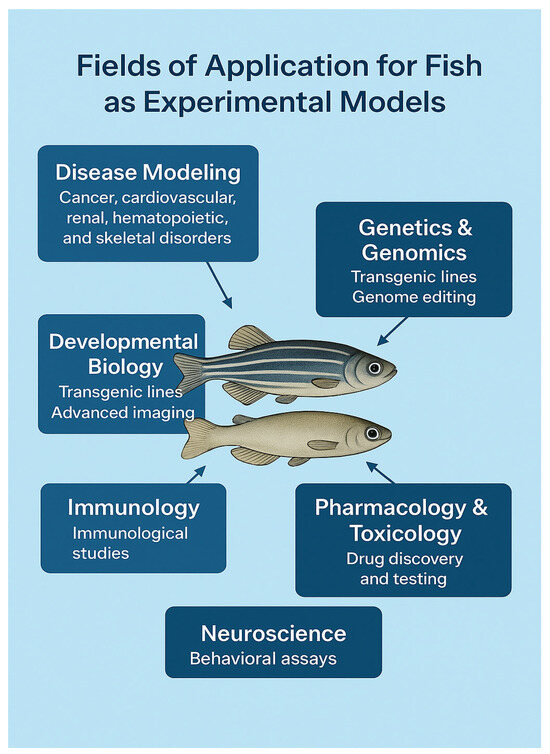
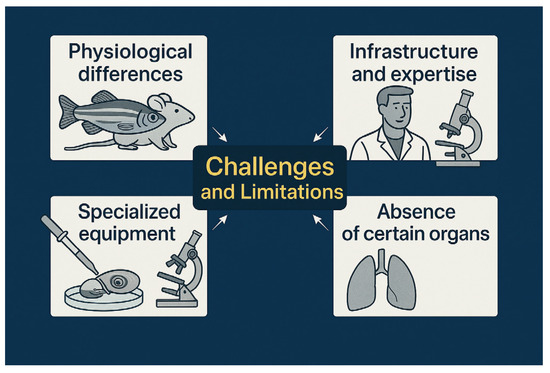
Experimental Fish Models in the Post-Genomic Era: Tools for Multidisciplinary Science -
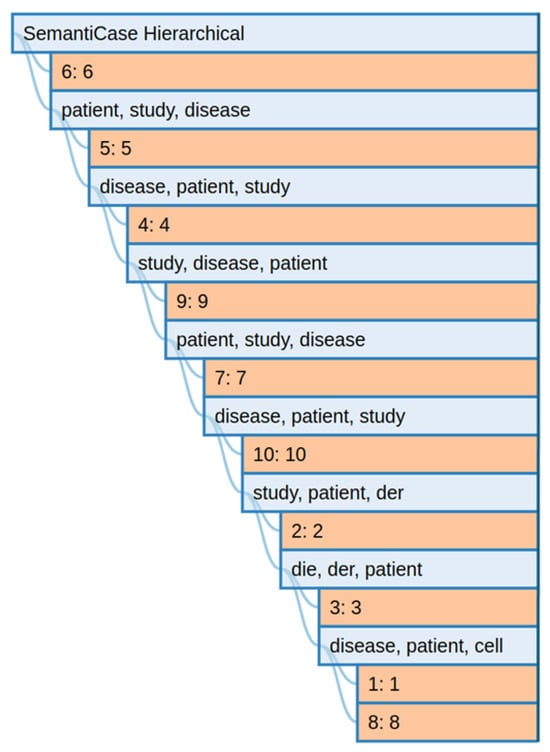
Unveiling the Impacts of Glyphosate, Deltamethrin, Propamocarb and Tebuconazole on Gut Health -
Development of Biodegradable Bioplastic from Banana Pseudostem Cellulose -
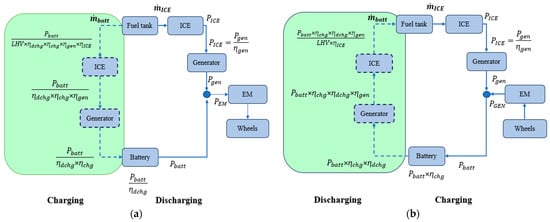
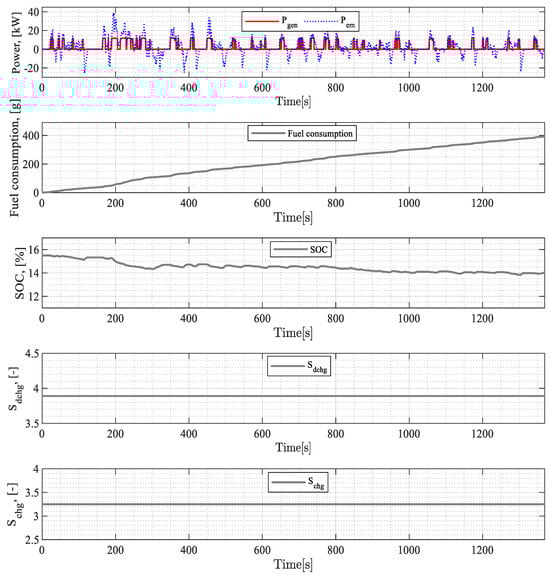
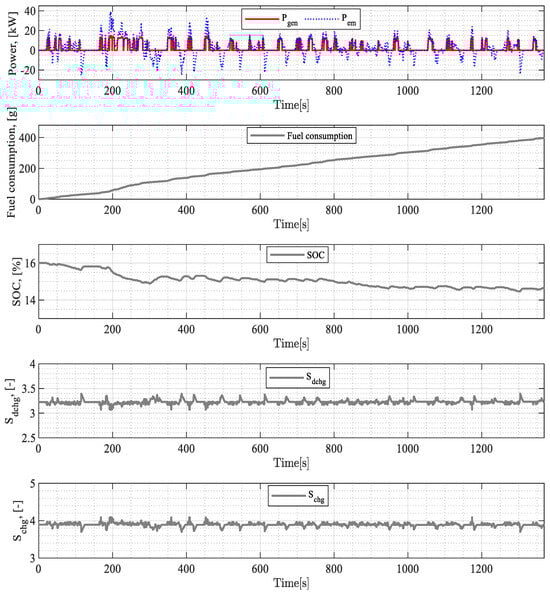
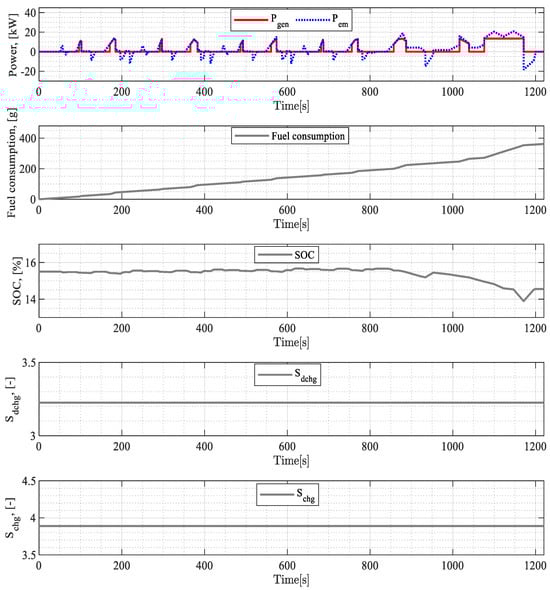
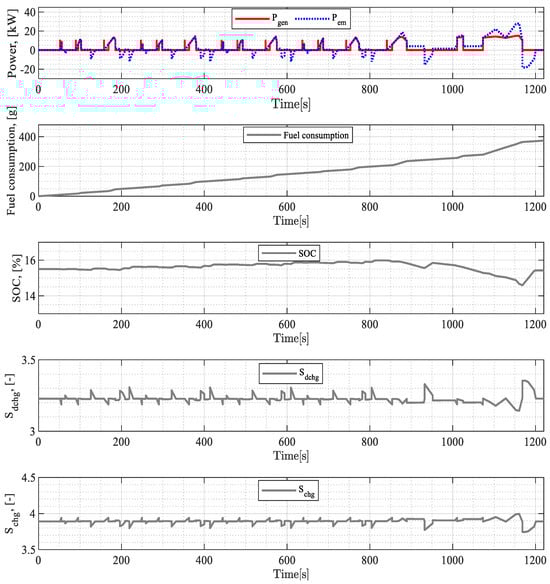
The Impact of Penalty Function and Equivalence Factor on the Performance of ECMS Controller in Range Extended Electric Vehicles
Journal Description
J — Multidisciplinary Scientific Journal
J
— Multidisciplinary Scientific Journal is an international, peer-reviewed, open access journal on all natural and applied sciences, published quarterly online by MDPI. Our goal is to improve fast dissemination of new research results and ideas, and to allow research groups to build new studies, innovations and knowledge without delay.
- Open Access— free for readers, with article processing charges (APC) paid by authors or their institutions.
- High Visibility: indexed within FSTA, CAPlus / SciFinder, RePEc, and other databases.
- Rapid Publication: manuscripts are peer-reviewed and a first decision is provided to authors approximately 24.1 days after submission; acceptance to publication is undertaken in 5.3 days (median values for papers published in this journal in the second half of 2025).
- Recognition of Reviewers: reviewers who provide timely, thorough peer-review reports receive vouchers entitling them to a discount on the APC of their next publication in any MDPI journal, in appreciation of the work done.
Latest Articles
A Simple Method to Minimize Humidity Measurement Error in Psychrometers
J 2026, 9(1), 7; https://doi.org/10.3390/j9010007 - 17 Feb 2026
Abstract
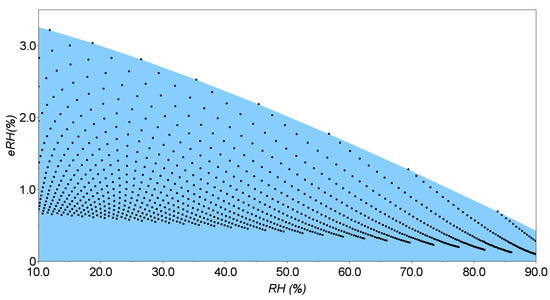
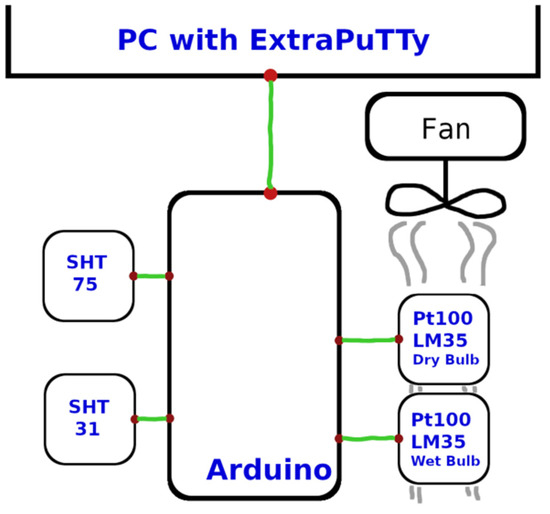
This work demonstrates that simple calibration procedures can reduce the errors in determining relative humidity with a psychrometer by up to 75 times. The psychrometer uses two temperature transducers to measure relative humidity. The calibration consists of comparing both transducers before assembling the
[...] Read more.
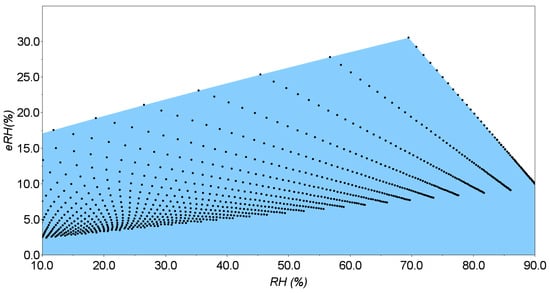
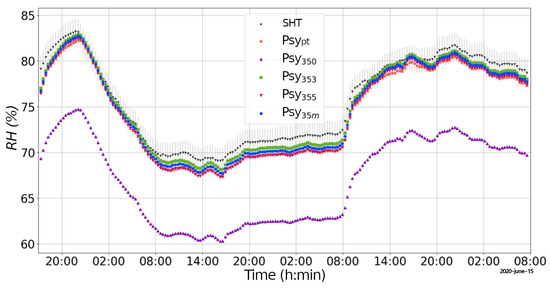
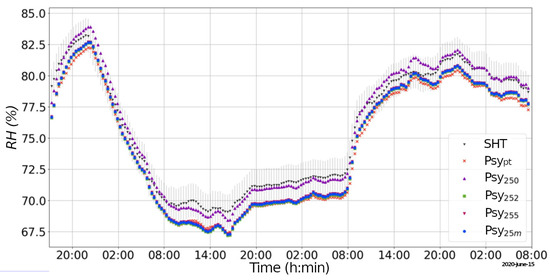
This work demonstrates that simple calibration procedures can reduce the errors in determining relative humidity with a psychrometer by up to 75 times. The psychrometer uses two temperature transducers to measure relative humidity. The calibration consists of comparing both transducers before assembling the psychrometer. A psychrometer assembly is presented, built from readily available parts, which provides temperature data for comparison with a theoretical model. The results are compared against a reference psychrometer to assess errors with and without calibration. A twenty-two-fold decrease in error was observed for a relative humidity of 62%.
Full article
(This article belongs to the Section Engineering)
►
Show Figures
Open AccessArticle
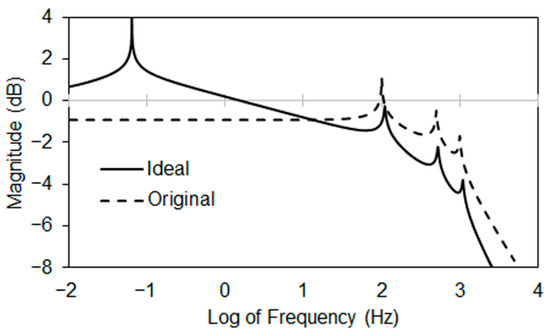
Robust Passive Mechanical Filter for Sub-Hertz Seismic Detection on Venus
by
Cheng-fu Chen, Mike Ophoff and Nick Samuel
J 2026, 9(1), 6; https://doi.org/10.3390/j9010006 - 13 Feb 2026
Abstract
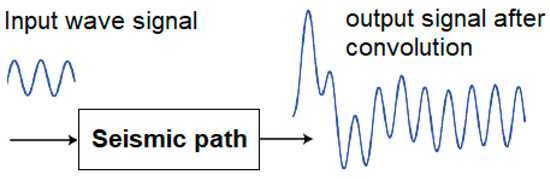
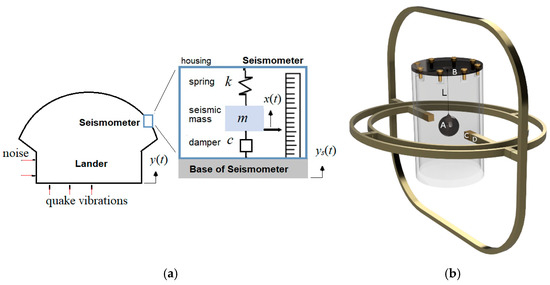
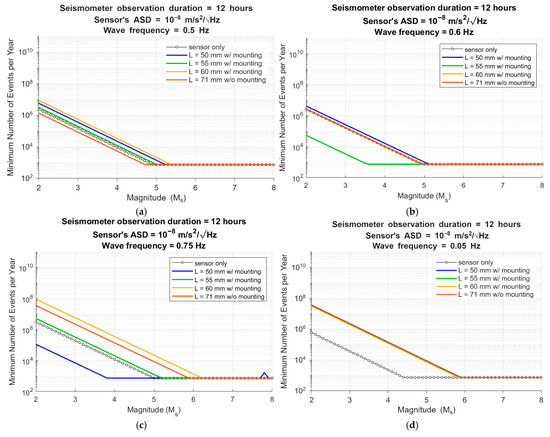
This study presents a passive mechanical filter designed to enhance sub-Hertz Venusquake detection by shaping the seismic transfer path. The mechanism uses a tunable, high-Q pendulum mounted inside a cylindrical enclosure on a three-ring gimbal to ensure self-leveling and alignment in gravity on
[...] Read more.
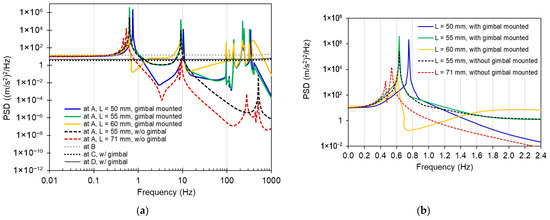
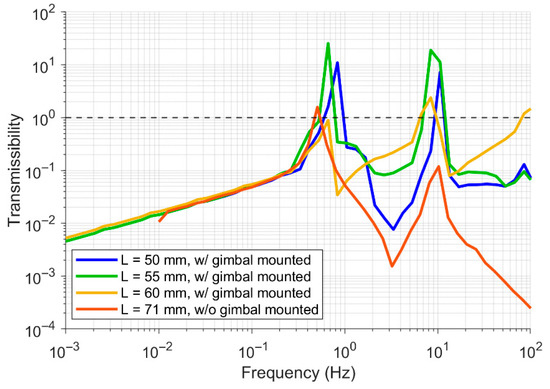
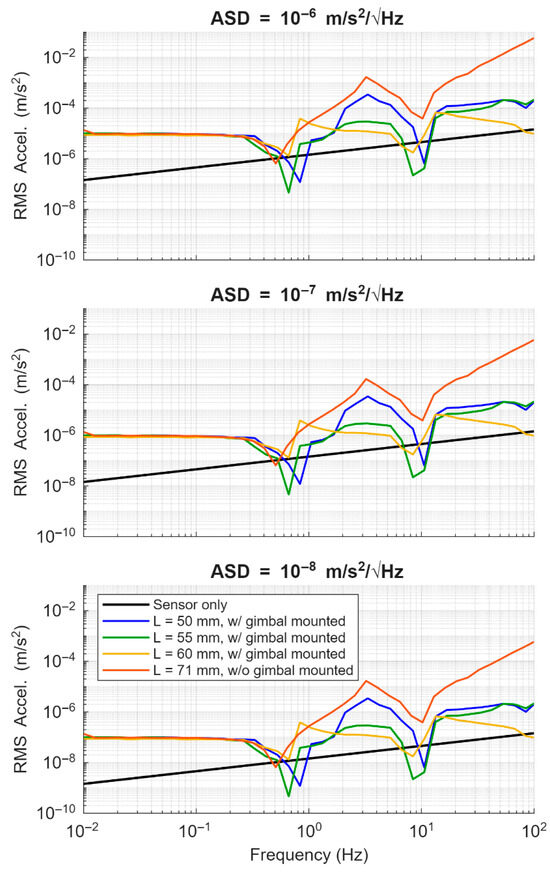
This study presents a passive mechanical filter designed to enhance sub-Hertz Venusquake detection by shaping the seismic transfer path. The mechanism uses a tunable, high-Q pendulum mounted inside a cylindrical enclosure on a three-ring gimbal to ensure self-leveling and alignment in gravity on uneven terrain. Unlike approaches that rely on broadband digitization and require active control and a stable power supply, this housing–gimbal mechanism performs mechanical filtering for sub-Hz signal amplification and higher frequency attenuation without power. Response spectrum analysis shows that the transmissibility can be tuned to achieve peak sensitivities in the 0.5–0.8 Hz range. When tuned to 50–55 mm pendulum length and under assumed undamping, the pendulum-mounted mechanism improves detectability at best by 10–100× relative to a bare sensor for moderate magnitude ( = 3–6) in a 12 h observation window, with signal-to-noise (SNR) ratio of 3, and amplitude spectrum density (ASD) of 10−8 m/s2/√Hz. Furthermore, we extrapolate that the predicted minimum detectable event rates follow , where is the quake wave frequency. The damping ratio, considering both structural damping and viscous drag, is estimated to be in the order of 10−3 to 10−2. A probabilistic sensitivity analysis is performed to account for the inherent uncertainty in the spectral mismatch between the narrowband sub-Hz resonance of the designed mechanical filter and the peak frequencies of seismic events; the derived probability model suggests strategies for improving the detection probability in the 0.01–1 Hz range.
Full article
(This article belongs to the Section Engineering)
►▼
Show Figures

Figure 1
Open AccessArticle
Unified Physical Modeling of Optical Synaptic Transistors Based on Trap and Ionic Dynamics in Polymer Dielectrics
by
Jun Huang and Yuheng Wang
J 2026, 9(1), 5; https://doi.org/10.3390/j9010005 - 3 Feb 2026
Abstract
►▼
Show Figures
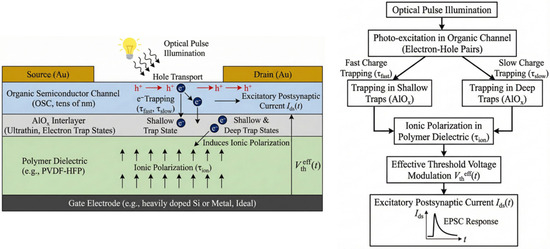
Optical synaptic transistors employing polymer dielectrics have emerged as promising building blocks for neuromorphic computing due to their low power consumption and rich photo-induced memory behaviors. While extensive experimental studies have demonstrated various synaptic functions, a unified physical understanding of the coupled charge
[...] Read more.
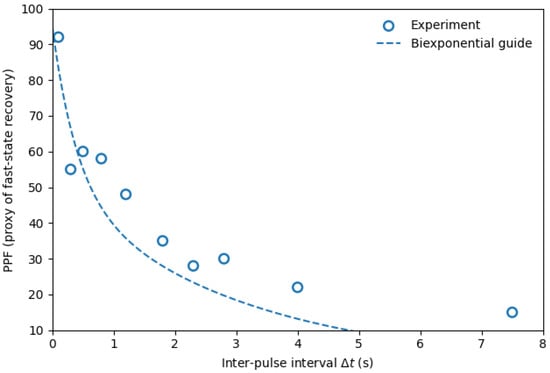
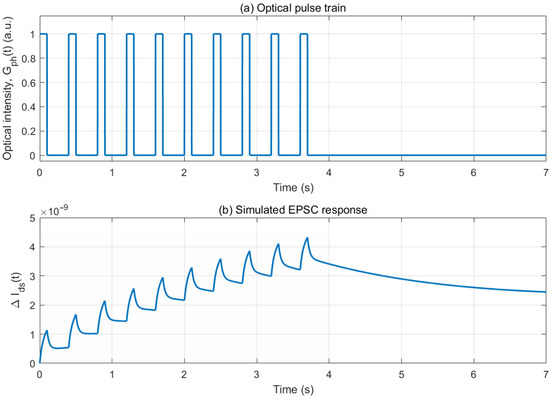
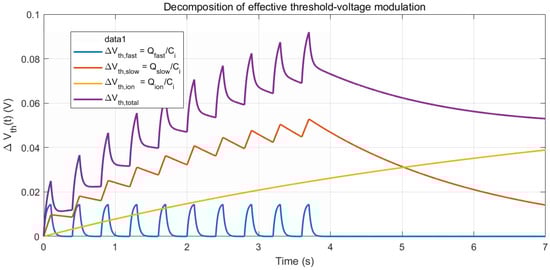
Optical synaptic transistors employing polymer dielectrics have emerged as promising building blocks for neuromorphic computing due to their low power consumption and rich photo-induced memory behaviors. While extensive experimental studies have demonstrated various synaptic functions, a unified physical understanding of the coupled charge trapping and ionic polarization processes governing device dynamics remains incomplete. In this work, we develop a unified physical model to investigate optical synaptic behaviors in polymer-based transistors with oxide interlayers. The model explicitly describes the time-dependent evolution of photo-induced charge trapping at the semiconductor–dielectric interface and ionic polarization within the polymer dielectric, which jointly modulate the effective threshold voltage of the transistor channel. Based on this framework, key synaptic functions including excitatory postsynaptic current (EPSC), paired-pulse facilitation (PPF), and pulse-dependent potentiation are quantitatively reproduced. The model further reveals how dielectric structure and trapping strength govern the transition between short-term and long-term plasticity. This study provides a physically intuitive and experimentally relevant modeling framework for understanding optical synaptic transistors, offering guidance for the rational design and optimization of polymer-based neuromorphic devices. Although simplified, the proposed model captures the essential physics governing optical synaptic behaviors and provides a general framework applicable to a wide class of ion–electronic neuromorphic devices. Experimental measurements are used as physically motivated proxies to validate the multi-timescale structure of the model rather than direct numerical fitting.
Full article

Figure 1
Open AccessReview
Vortices and Turbulence in Incompressible Fluids: An Introductory Review
by
Koichi Takahashi
J 2026, 9(1), 4; https://doi.org/10.3390/j9010004 - 28 Jan 2026
Abstract
Since Reynolds’ work, turbulence has been one of the most important subjects in fluid dynamics. Although its complete understanding seems still out of reach, there is at least one established physical basis that turbulence is a phenomenon of a random but non-trivially correlated
[...] Read more.
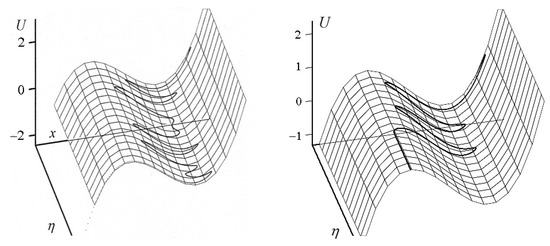
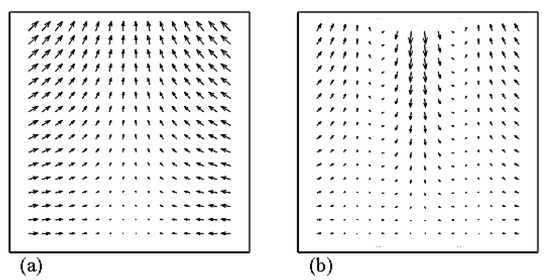
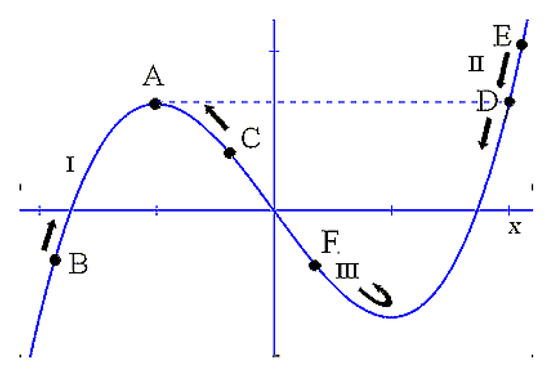
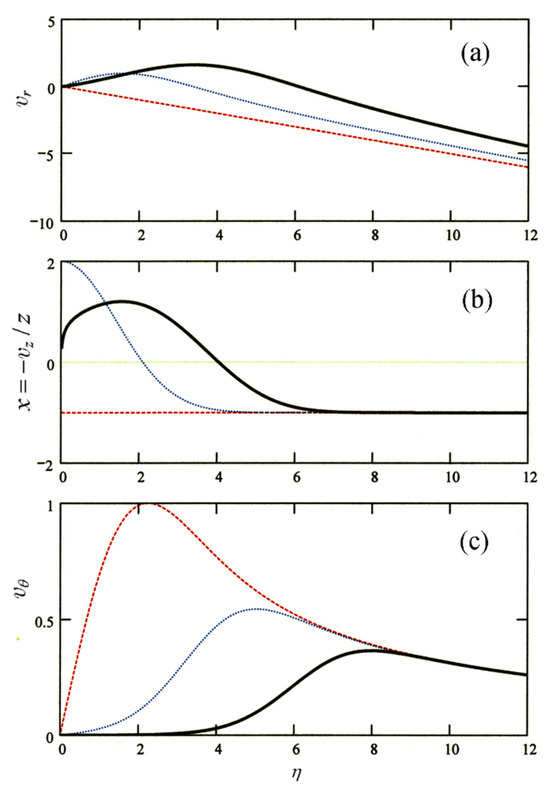
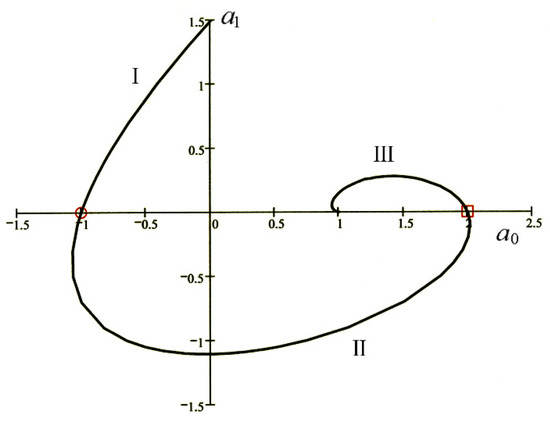
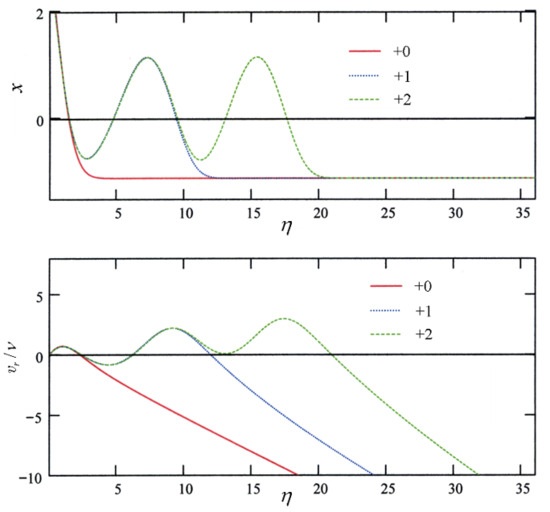
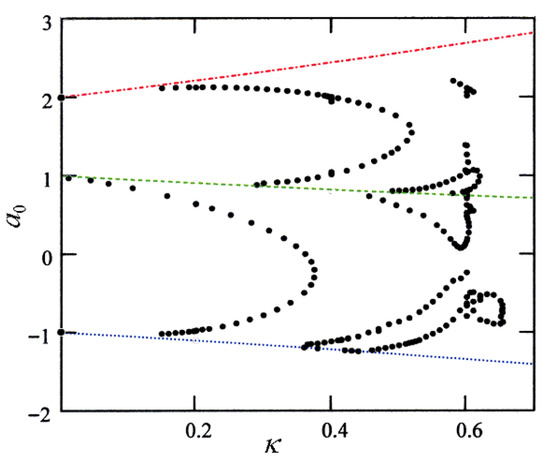
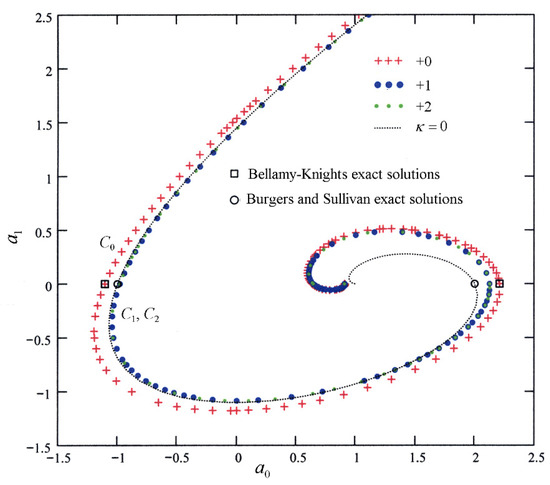
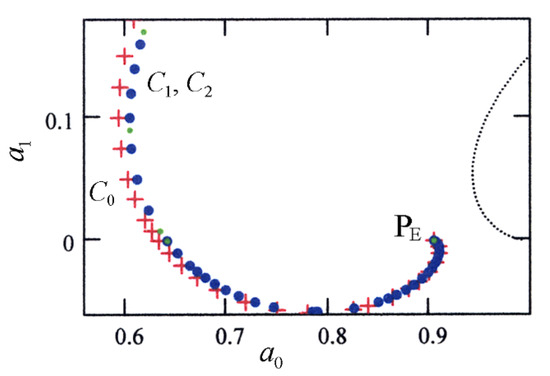
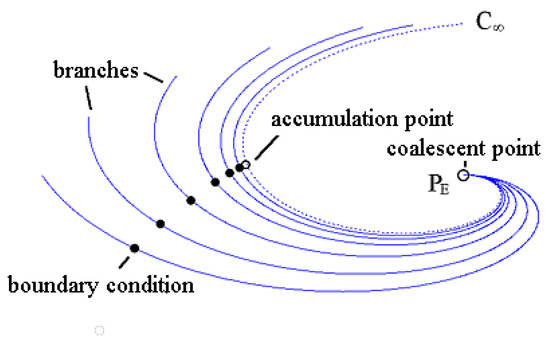
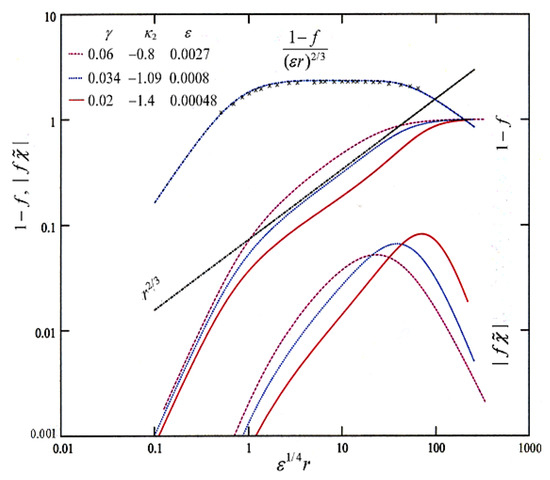
Since Reynolds’ work, turbulence has been one of the most important subjects in fluid dynamics. Although its complete understanding seems still out of reach, there is at least one established physical basis that turbulence is a phenomenon of a random but non-trivially correlated assembly of vortices. The knowledge of vortices has thus become a prerequisite for promoting our understanding of the nature of turbulence. In this article, we first review the simple, compact vortex solutions to the Navier–Stokes equations for incompressible viscous fluids and a unified view of a certain type of vortices including Burgers, Sullivan and Bellamy-Knights solutions. The non-equivalence of the inviscid limit of the Navier–Stokes equations and the Euler equations is emphasized. Introducing the notion of observational non-uniqueness, which differs from the non-uniqueness in a certain class of differential equations, of solutions to the Navier–Stokes equations, the observation problem associated with the dense distribution of non-equivalent solutions is argued. The origin of the extreme sensitivity of the solutions to the boundary conditions is clarified. A few examples of vortex phenomena in the real world are also surveyed. We next review the works of constructing turbulence as a random assembly of simple, compact vortices. An attempt to combine the vortex model of turbulence with the Kármán–Howarth equation for the velocity correlation functions of anisotropic turbulence is presented. It is pointed out that the studies in this direction suggested that Kolmogorov’s 2/3 scaling law was generally compatible with anisotropy. A few quantities are proposed as candidates to measure anisotropy in turbulence experiments.
Full article
(This article belongs to the Section Physical Sciences)
►▼
Show Figures

Figure 1
Open AccessArticle
Dual-Optimized Genetic Algorithm for Edge-Ready IoT Intrusion Detection on Raspberry Pi
by
Khawlah Harasheh, Satinder Gill, Kendra Brinkley, Salah Garada, Dindin Aro Roque, Hayat MacHrouhi, Janera Manning-Kuzmanovski, Jesus Marin-Leal, Melissa Isabelle Arganda-Villapando and Sayed Ahmad Shah Sekandary
J 2026, 9(1), 3; https://doi.org/10.3390/j9010003 - 25 Jan 2026
Abstract
►▼
Show Figures
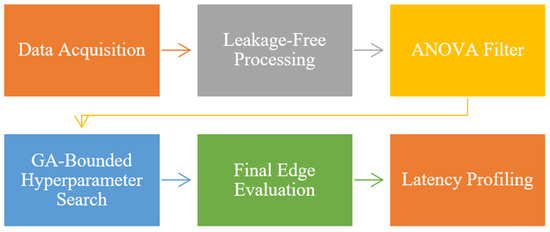
The Internet of Things (IoT) is increasingly deployed at the edge under resource and environmental constraints, which limits the practicality of traditional intrusion detection systems (IDSs) on IoT hardware. This paper presents two IDS configurations. First, we develop a baseline IDS with fixed
[...] Read more.
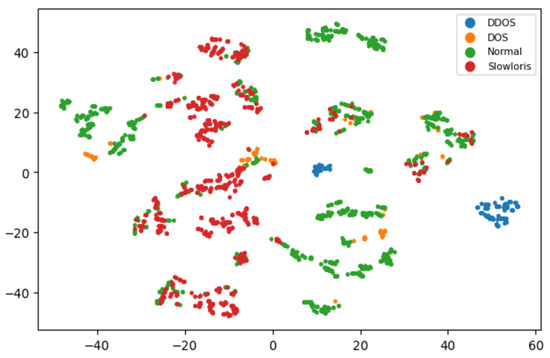
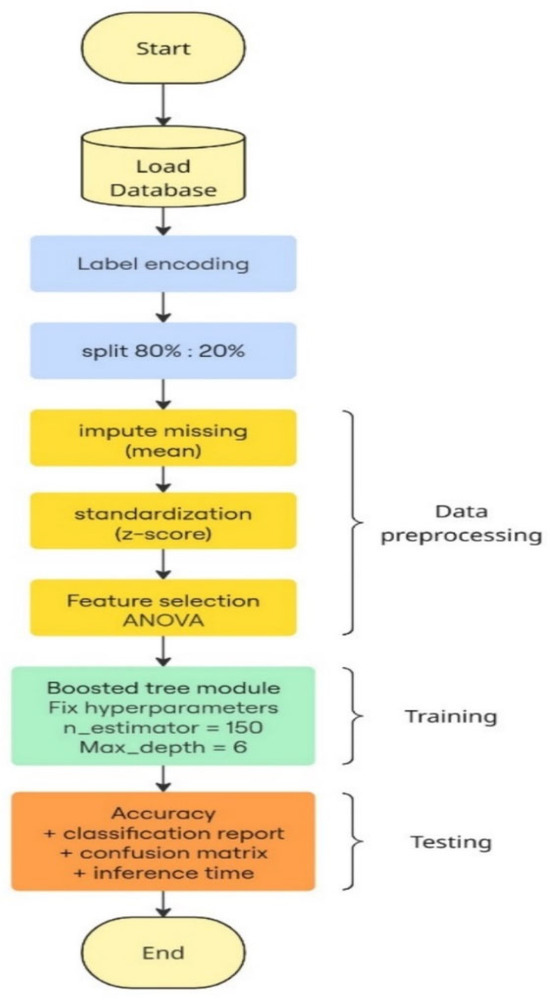
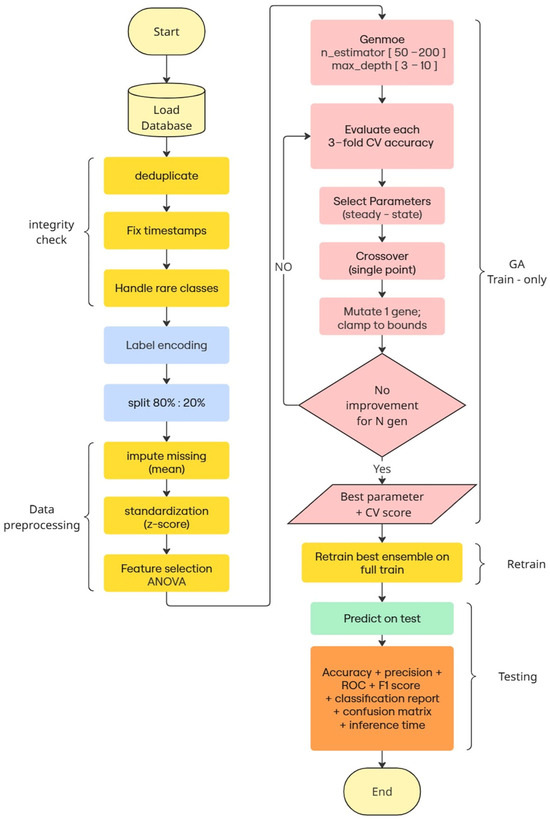
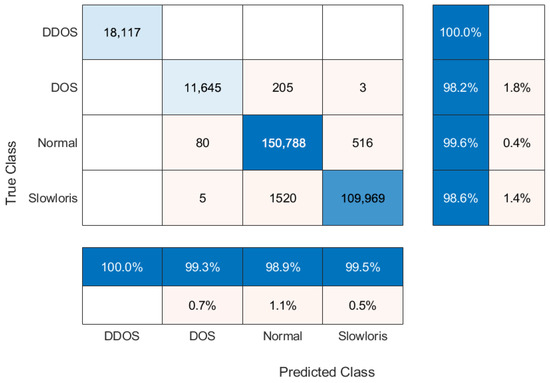
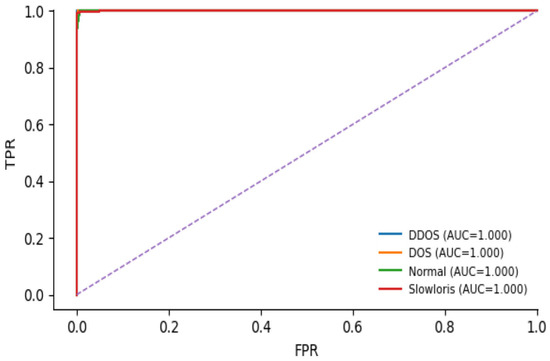
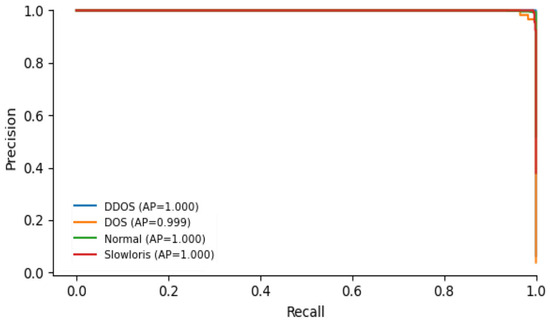
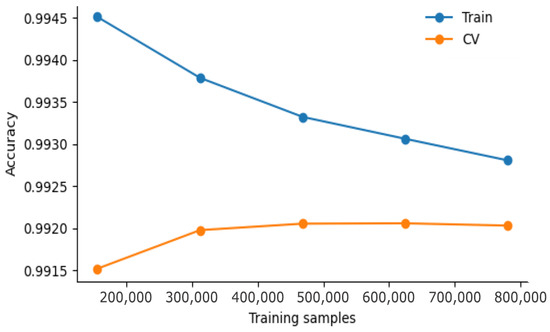
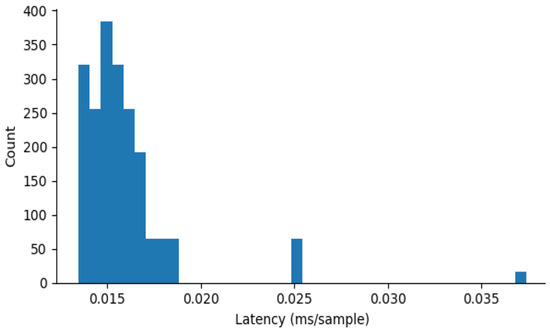
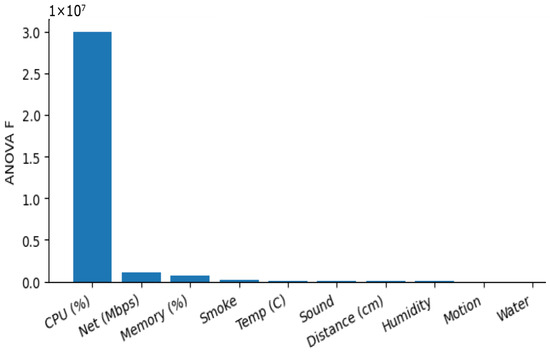
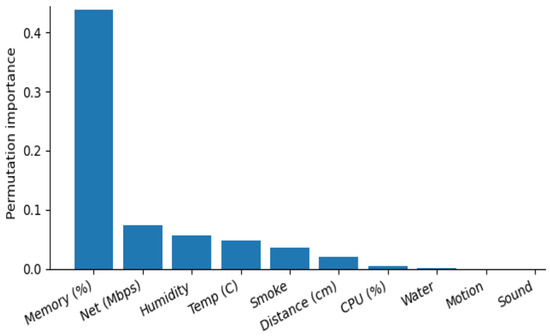
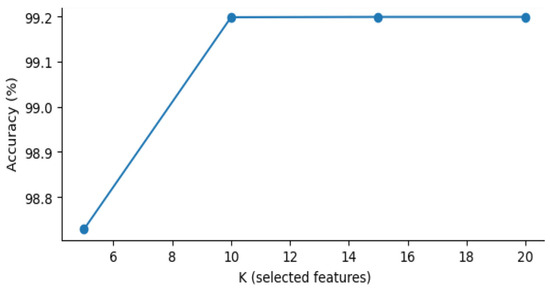
The Internet of Things (IoT) is increasingly deployed at the edge under resource and environmental constraints, which limits the practicality of traditional intrusion detection systems (IDSs) on IoT hardware. This paper presents two IDS configurations. First, we develop a baseline IDS with fixed hyperparameters, achieving 99.20% accuracy and ~0.002 ms/sample inference latency on a desktop machine; this configuration is suitable for high-performance platforms but is not intended for constrained IoT deployment. Second, we propose a lightweight, edge-oriented IDS that applies ANOVA-based filter feature selection and uses a genetic algorithm (GA) for the bounded hyperparameter tuning of the classifier under stratified cross-validation, enabling efficient execution on Raspberry Pi-class devices. The lightweight IDS achieves 98.95% accuracy with ~4.3 ms/sample end-to-end inference latency on Raspberry Pi while detecting both low-volume and high-volume (DoS/DDoS) attacks. Experiments are conducted in a Raspberry Pi-based real lab using an up-to-date mixed-modal dataset combining system/network telemetry and heterogeneous physical sensors. Overall, the proposed framework demonstrates a practical, hardware-aware, and reproducible way to balance detection performance and edge-level latency using established techniques for real-world IoT IDS deployment.
Full article

Figure 1
Open AccessSystematic Review
Natural Antimicrobial Peptides in the Control of Oral Biofilms: A Systematic Review of In Vitro Studies
by
Ana Carolina Cambuí Pereira, Thalya Fernanda Horsth Maltarollo, Ana Carolina Brito Pereira, Mary Caroline Skelton-Macedo and Ericka Tavares Pinheiro
J 2026, 9(1), 2; https://doi.org/10.3390/j9010002 - 22 Jan 2026
Abstract
►▼
Show Figures
Due to the limitations of conventional antibiotics, antimicrobial peptides (AMPs) have emerged as promising therapeutic alternatives for the prevention and treatment of oral infections. This study systematically evaluated in vitro evidence regarding the antimicrobial and anti-biofilm activity of natural AMPs against oral pathogens.
[...] Read more.
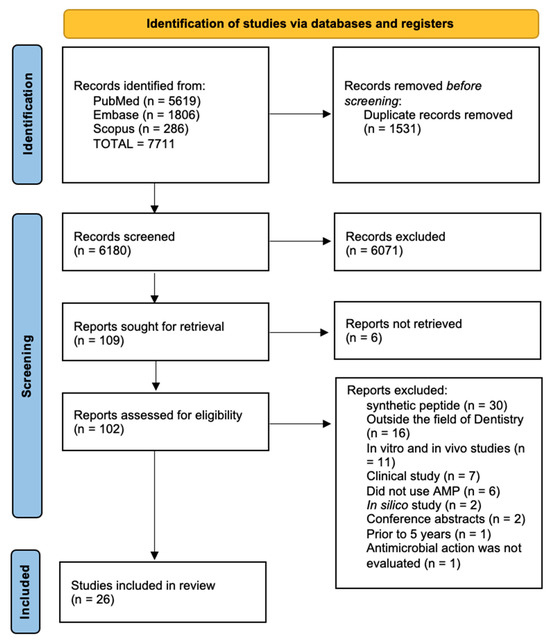
Due to the limitations of conventional antibiotics, antimicrobial peptides (AMPs) have emerged as promising therapeutic alternatives for the prevention and treatment of oral infections. This study systematically evaluated in vitro evidence regarding the antimicrobial and anti-biofilm activity of natural AMPs against oral pathogens. A systematic search using the PICOT strategy was conducted in PubMed, EMBASE, and Scopus, retrieving 7711 articles. After title and abstract screening, 109 studies were selected for full-text analysis, resulting in 26 articles that met the eligibility criteria. Among the AMPs evaluated, nisin (n = 15) and LL-37 (n = 5) were the most frequently investigated, while other peptides included lactoferrin, lactoferricin, melittin, lysozyme, histatin-5, cystatin C, chromogranin A, parasin-1, protamine, AmyI-1-18, and DCD-1L. Natural AMPs of human and animal origin demonstrated antimicrobial activity against bacteria associated with oral infections, particularly Streptococcus mutans and Enterococcus faecalis. These peptides were tested in different formulations, including solutions, incorporation into dental materials and polymers, and application in sonodynamic antimicrobial therapy. Overall, the findings indicate that natural AMPs represent a promising class of biomolecules for controlling oral biofilms; however, further clinical studies are required to validate their long-term efficacy and safety.
Full article

Figure 1
Open AccessArticle
Spider Test Modified for Pickleball: Reliable, but Do Not Use It
by
Margaret J. Falknor, Eric A. Martin and Steven B. Kim
J 2026, 9(1), 1; https://doi.org/10.3390/j9010001 - 24 Dec 2025
Abstract
Change in direction ability (COD) is a fitness component that may be related to safe and effective participation in pickleball. The general aim of the research was to examine a COD test that may be specific to the movement demands of the sport.
[...] Read more.
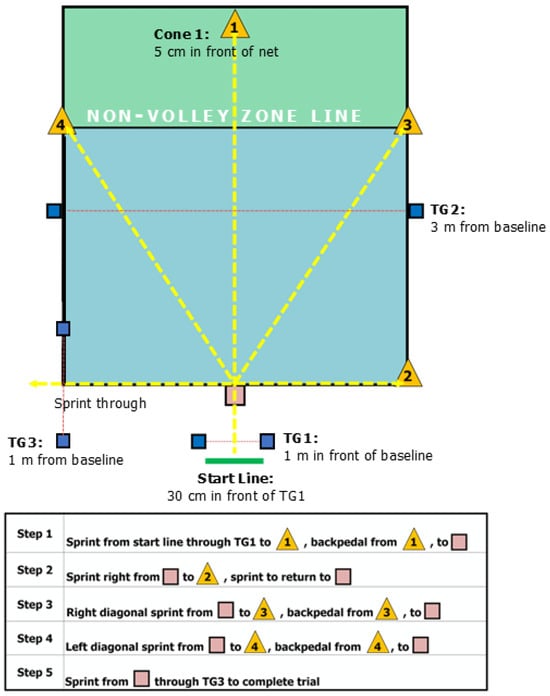
Change in direction ability (COD) is a fitness component that may be related to safe and effective participation in pickleball. The general aim of the research was to examine a COD test that may be specific to the movement demands of the sport. Therefore, we tested the inter-trial reliability of the modified spider test for pickleball, compared learning effects between younger and older adults, and examined the reliability and validity of hand timing compared to timing gates. In this cross-sectional study, 36 participants (ages 19–78) were grouped as adults (ages 18–49) or seniors (ages 50+) according to the USA Pickleball age groupings. Participants completed a standard warm-up, one practice trial, and five full-effort trials with 4–6 min of rest between trials. Intraclass correlation coefficient (ICC) was used to determine reliability across five trials. Inter-rater reliability and validity of hand timing were also examined with ICCs. Pairwise comparison t-tests of individual trials were performed using the Hochberg method to determine learning effect. Linear regression analyses were used to determine if any segment could predict total trial time. During participation, older players provided unsolicited feedback that they were concerned about the safety of the backpedaling in the spider test. We observed that one person fell while backpedaling, though suffered no injury. Results indicate that the spider test was reliable across all five trials (ICC = 0.977). A learning effect was detected between the first and second trial (p = 0.001), and the magnitude of the effect was significantly different between age groups (p = 0.009). Hand timing demonstrated excellent inter-rater reliability (ICC = 0.993) and validity (ICC = 0.990). Splits 2, 3, and 4 significantly predicted total test time (R2 = 0.973, 0.973, and 0.986, respectively). The test demonstrated reliability, but older players expressed concern about backpedaling. This raises questions about backpedaling safety in pickleball. Therefore, we do not recommend this test. Future research needs to determine appropriate tests to screen for fall risk in the dynamic movements relevant to pickleball.
Full article
(This article belongs to the Section Public Health & Healthcare)
►▼
Show Figures

Figure 1

Open AccessTechnical Note
Development and Validation of Nanoedw 1.0: An Integrated Computational Tool for Drug Delivery Research and Nanotechnology Applications
by
Edwar D. Montenegro, Marcia S. Rizzo, Heurison de Sousa e Silva and Marcília Pinheiro da Costa
J 2025, 8(4), 47; https://doi.org/10.3390/j8040047 - 11 Dec 2025
Abstract
Quantitative analyses in drug-delivery research are frequently distributed across multiple tools, which increases manual handling and the risk of transcription errors. NanoEDW 1.0 is an open source Python application that integrates calibration-curve generation, encapsulation-efficiency (EE%) calculation, and release kinetics modeling in a single,
[...] Read more.
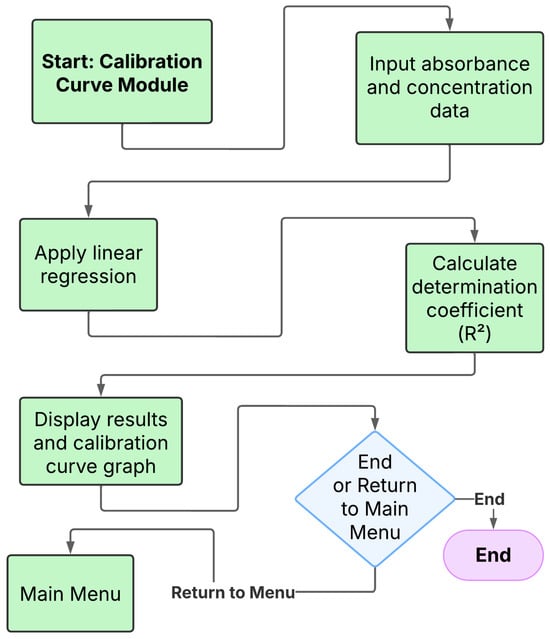
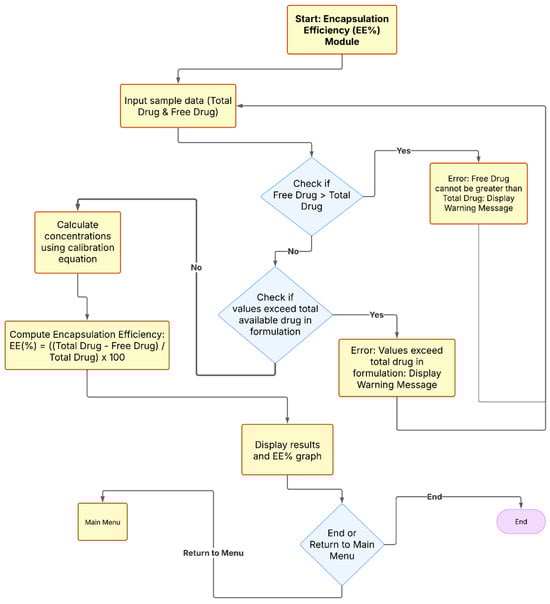
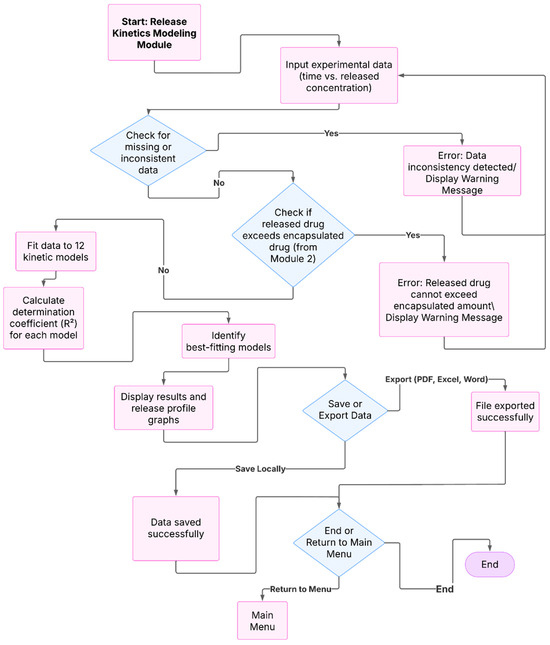
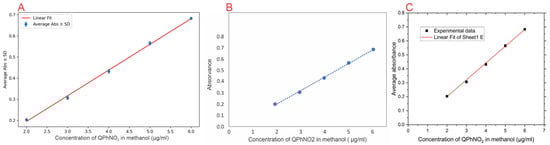
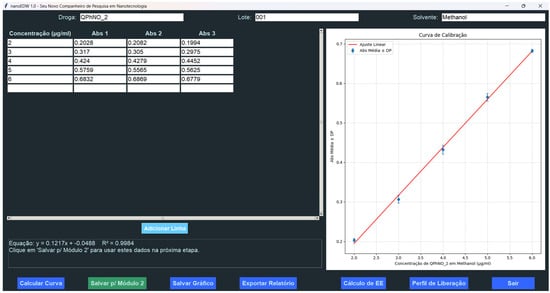
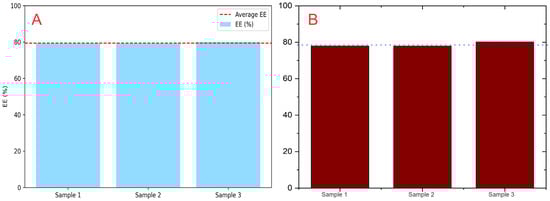
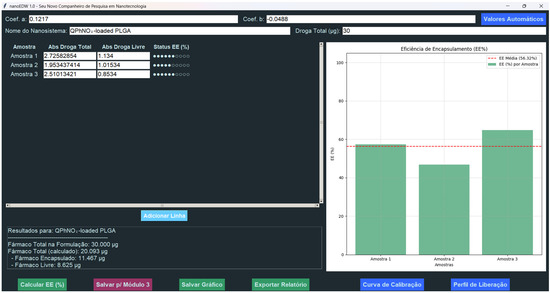
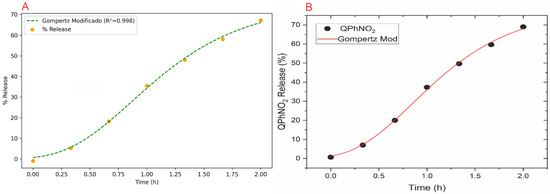
Quantitative analyses in drug-delivery research are frequently distributed across multiple tools, which increases manual handling and the risk of transcription errors. NanoEDW 1.0 is an open source Python application that integrates calibration-curve generation, encapsulation-efficiency (EE%) calculation, and release kinetics modeling in a single, streamlined workflow. This study aims to validate the performance of NanoEDW 1.0 by benchmarking it against spreadsheet/OriginLab® OriginPro 2025 analyses on experimental datasets from polymeric nanocarrier systems commonly used in drug encapsulation. The software performs linear regression to convert absorbance into concentration, computes EE% from raw experimental values, and fits drug-release profiles to classical models (including zero/first-order, Higuchi, Korsmeyer–Peppas, Weibull, and Modified Gompertz) using non-linear least squares with standard goodness-of-fit metrics (R2, RMSE). Results show close agreement with reference workflows for calibration parameters and EE%, as well as statistically comparable release-model fits, while reducing manual steps and analysis time. In conclusion, the validation confirms that NanoEDW 1.0 can streamline routine analyses and enhance reproducibility and accessibility in nanopharmaceutical research; source code and example datasets are provided to foster adoption.
Full article
(This article belongs to the Special Issue Feature Papers of J—Multidisciplinary Scientific Journal in 2025)
►▼
Show Figures

Figure 1
Open AccessArticle
Development of Biodegradable Bioplastic from Banana Pseudostem Cellulose
by
David A. Servellón, Fabrizzio R. Pérez, Enrique Posada-Granados, Marlon Enrique López and Marvin J. Núñez
J 2025, 8(4), 46; https://doi.org/10.3390/j8040046 - 2 Dec 2025
Abstract
►▼
Show Figures
Banana pseudostem is an abundant lignocellulosic residue with potential for value-added applications. This study evaluated five banana varieties to determine their suitability for bioplastic production, with Williams showing the highest cellulose yield (26.99% ± 0.23). Cellulose extracted from this variety was combined with
[...] Read more.
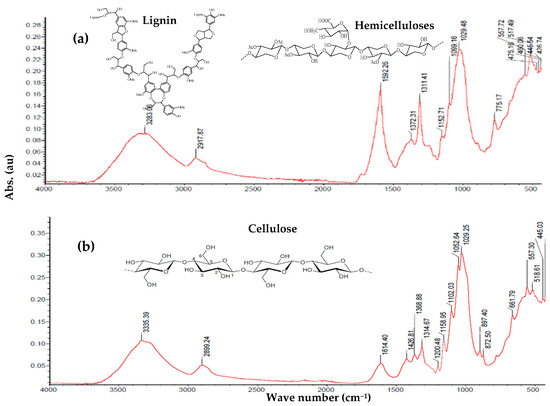
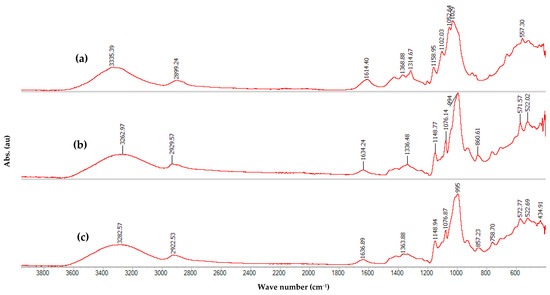
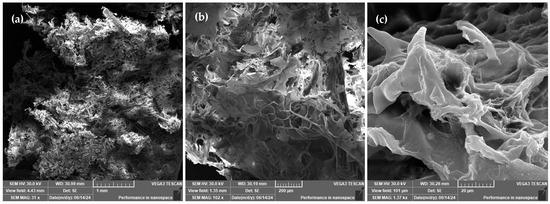
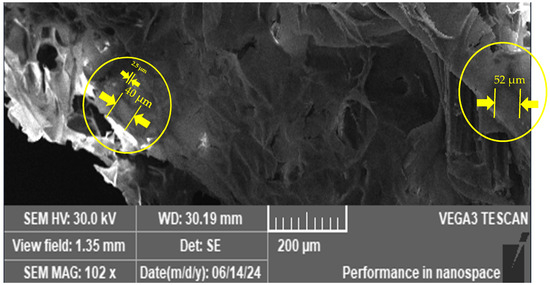
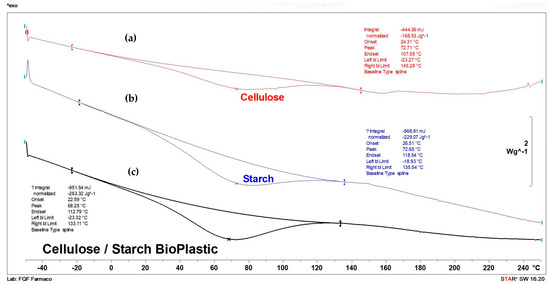
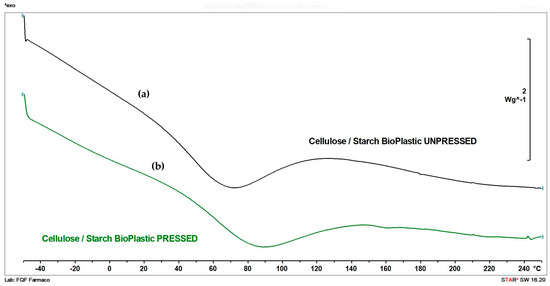
Banana pseudostem is an abundant lignocellulosic residue with potential for value-added applications. This study evaluated five banana varieties to determine their suitability for bioplastic production, with Williams showing the highest cellulose yield (26.99% ± 0.23). Cellulose extracted from this variety was combined with corn-starch (1:1 w/w) to synthesize a bioplastic through gelatinization and lyophilization. FTIR confirmed effective removal of lignin and hemicellulose from the pseudostem and evidenced new hydrogen-bond interactions between cellulose and starch through O–H band shifts (3335 → 3282 cm−1). SEM revealed a porous laminar morphology with cellulose particles (40–52 µm) embedded within the starch matrix. DSC analysis showed that the bioplastic exhibits an intermediate thermal profile between its components, while mechanical compression increased the endothermic transition temperature (from 69 °C to 85 °C) and reduced molecular mobility. Tensile testing demonstrated that compression markedly improved mechanical performance, increasing tensile strength from 0.094 MPa to 0.69 MPa and density from 110 to 638.7 kg/m3. These findings indicate that cellulose–starch bioplastics derived from banana pseudostem possess favorable structural, thermal, and mechanical characteristics for short-use applications. The approach also contributes to the valorization of agricultural waste through biodegradable material development.
Full article

Figure 1
Open AccessArticle
Large-Scale Analysis of the Medical Discourse on Rheumatoid Arthritis: Complementing with AI a Socio-Anthropologic Analysis
by
Mario Santoro and Christine Nardini
J 2025, 8(4), 45; https://doi.org/10.3390/j8040045 - 23 Nov 2025
Abstract
The medical discourse entails the analysis of the modalities, which are far from unbiased, by which hypotheses and results are laid out in the dissemination of findings in scientific publications. This gives different emphases on the background, relevance, robustness, and assumptions that the
[...] Read more.
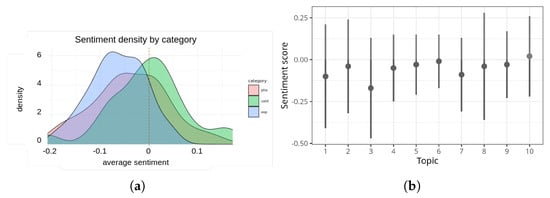
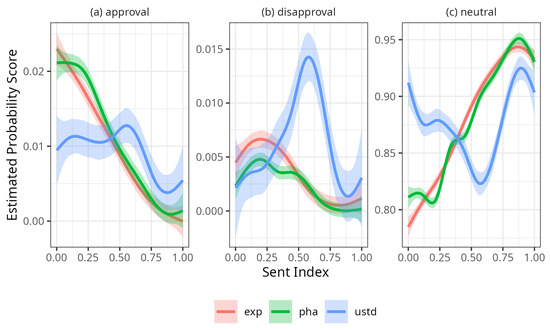
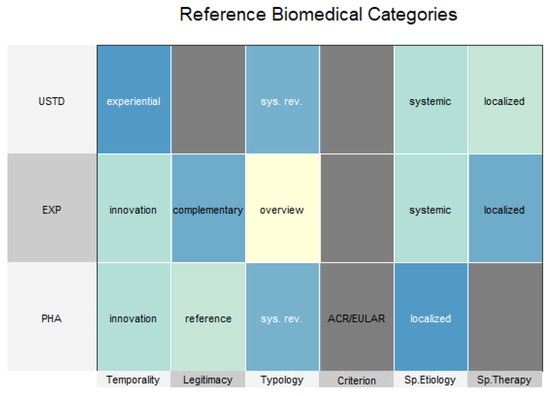
The medical discourse entails the analysis of the modalities, which are far from unbiased, by which hypotheses and results are laid out in the dissemination of findings in scientific publications. This gives different emphases on the background, relevance, robustness, and assumptions that the audience takes for granted. This concept is extensively studied in socio-anthropology. However, it remains generally overlooked within the scientific community conducting the research. Yet, analyzing the discourse is crucial for several reasons: to frame policies that take into account an appropriately large screen of medical opportunities; to avoid overseeing promising but less walked paths; to grasp different types of representations of diseases, therapies, patients, and other stakeholders; to understand how these terms are conditioned by time and culture. While socio-anthropologists traditionally use manual curation methods–limited by the lengthy process–machine learning and AI may offer complementary tools to explore the vastness of an ever-growing body of medical literature. In this work, we propose a pipeline for the analysis of the medical discourse on the therapeutic approaches to rheumatoid arthritis using topic modeling and transformer-based emotion and sentiment analysis, overall offering complementary insights to previous curation.
Full article
(This article belongs to the Section Computer Science & Mathematics)
►▼
Show Figures

Figure 1
Open AccessArticle
The Impact of Penalty Function and Equivalence Factor on the Performance of ECMS Controller in Range Extended Electric Vehicles
by
Malika Keldiyarova, Umidjon Usmanov, Sanjarbek Ruzimov and Akmal Mukhitdinov
J 2025, 8(4), 44; https://doi.org/10.3390/j8040044 - 19 Nov 2025
Abstract
This study discusses the role of the equivalence factor and penalty function in improving the performance of energy consumption minimization strategies in Range Extended Electric Vehicles (REEVs). In conventional ECMS, equivalence factors are typically derived from constant efficiency assumptions for simplicity or adaptively
[...] Read more.
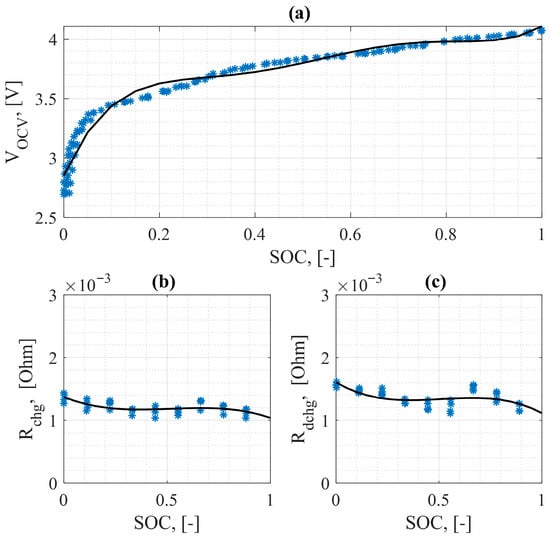
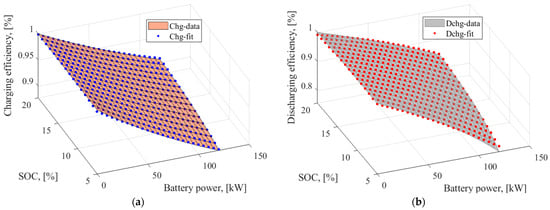
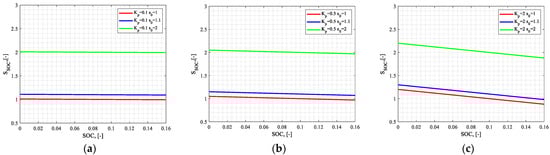
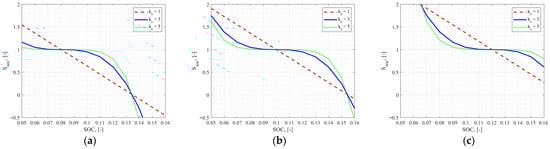
This study discusses the role of the equivalence factor and penalty function in improving the performance of energy consumption minimization strategies in Range Extended Electric Vehicles (REEVs). In conventional ECMS, equivalence factors are typically derived from constant efficiency assumptions for simplicity or adaptively adjusted according to driving conditions in adaptive ECMS. In REEVs, however, the battery efficiency exhibits nonlinear behavior in the low SOC range, which directly leads to variability in the equivalence factor within conventional ECMS. This study investigates the influence of the variable equivalence factor on the overall fuel economy. The equivalence factors are usually considered constant or vary adaptively depending on driving cycles. However, the variation in battery efficiency is often neglected. The present study compares the results obtained for both constant and variable battery efficiencies in deriving the equivalence factors. The simulation results show that an improvement of approximately 3% in fuel economy was obtained for UDDS, NEDC, and WLTC driving cycles as a result of applying the variable equivalence factor. Additionally, through an analysis of various penalty function designs, the study highlights their crucial role in optimizing fuel consumption across different driving cycles.
Full article
(This article belongs to the Section Engineering)
►▼
Show Figures

Figure 1

Open AccessArticle
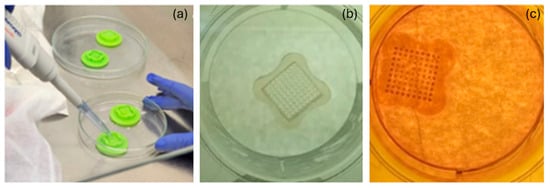
Evaluation of Photodynamic Therapy Using AuNPs@Ce6 in 3D Cultures of Triple-Negative Breast Cancer
by
Aveline Ventura, Giulia Capizzani Gonçalves, Cristina Pacheco Soares, Luciana Barros Sant’anna, Vitor Luca Moura Marmo, Sônia Khouri Sibelino and Leandro Raniero
J 2025, 8(4), 43; https://doi.org/10.3390/j8040043 - 17 Nov 2025
Abstract
Conventional cancer treatments have limited efficacy for aggressive subtypes such as triple-negative breast cancer (TNBC), which points to the importance of new therapeutic strategies. Functionalized nanoparticles in conjunction with photodynamic therapy (PDT) represent a promising alternative. Additionally, 3D cell culture emerges as a
[...] Read more.
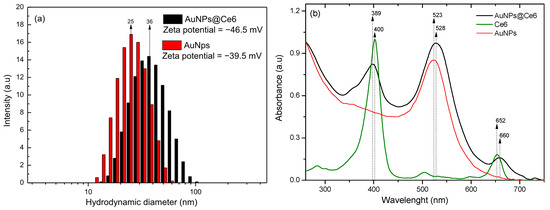
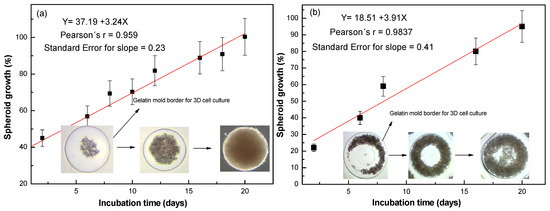
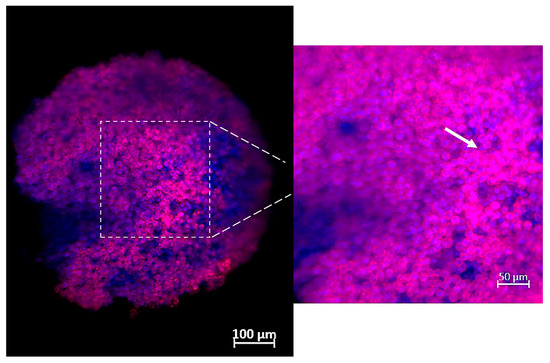
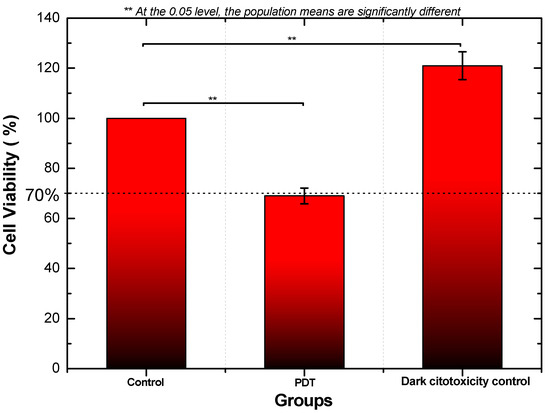
Conventional cancer treatments have limited efficacy for aggressive subtypes such as triple-negative breast cancer (TNBC), which points to the importance of new therapeutic strategies. Functionalized nanoparticles in conjunction with photodynamic therapy (PDT) represent a promising alternative. Additionally, 3D cell culture emerges as a more effective model, as it better replicates the structural and functional characteristics of the tumor microenvironment. In this study, 3D microtumors of TNBC were cultivated and treated with PDT using gold nanoparticles functionalized with Chlorin e6 (AuNPs@Ce6). Cell viability was assessed using the MTT colorimetric assay, combined with histological analysis using hematoxylin-eosin staining. The MTT assay and histological evaluation of the 3D spheroids demonstrated that PDT with AuNPs@Ce6 effectively reduced cell viability and induced necrotic morphological changes, while maintaining biocompatibility with the non-irradiated control group. These findings reinforce the potential of this approach for further investigation in TNBC models and underscore the value of 3D cultures as physiologically relevant and ethical alternatives to animal testing.
Full article
(This article belongs to the Special Issue Feature Papers of J—Multidisciplinary Scientific Journal in 2025)
►▼
Show Figures

Figure 1

Open AccessArticle
Tagging Fluorescent Reporter to Epinecidin-1 Antimicrobial Peptide
by
Sivakumar Jeyarajan, Harini Priya Ramesh, Atchyasri Anbarasu, Jayasudha Jayachandran and Anbarasu Kumarasamy
J 2025, 8(4), 42; https://doi.org/10.3390/j8040042 - 2 Nov 2025
Abstract
In this study, we successfully cloned the fluorescent proteins eGFP and DsRed in-frame with the antimicrobial peptide epinecidin-1 (FIFHIIKGLFHAGKMIHGLV) at the N-terminal. The cloning strategy involved inserting the fluorescent reporters into the expression vector, followed by screening for positive clones through visual fluorescence
[...] Read more.
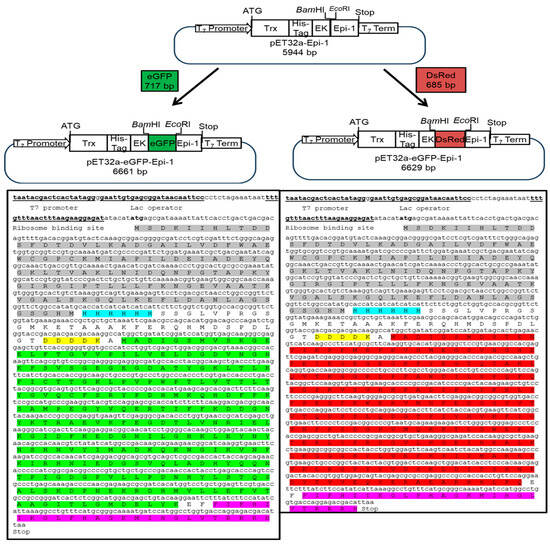
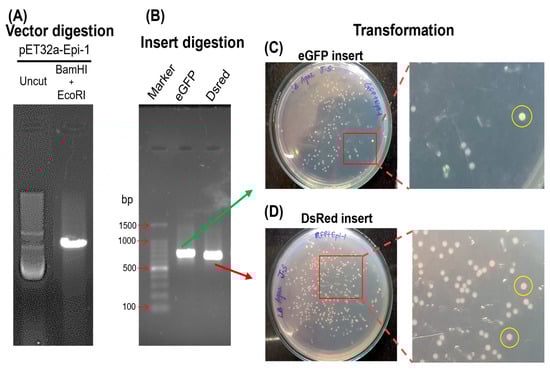
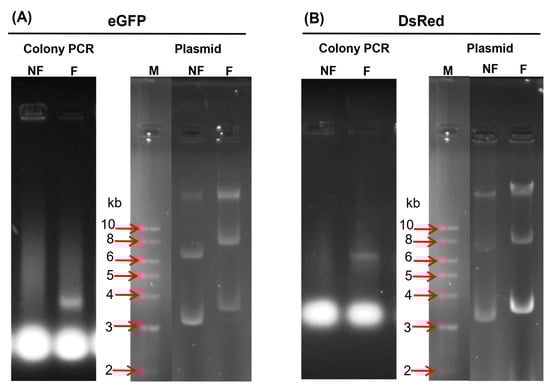
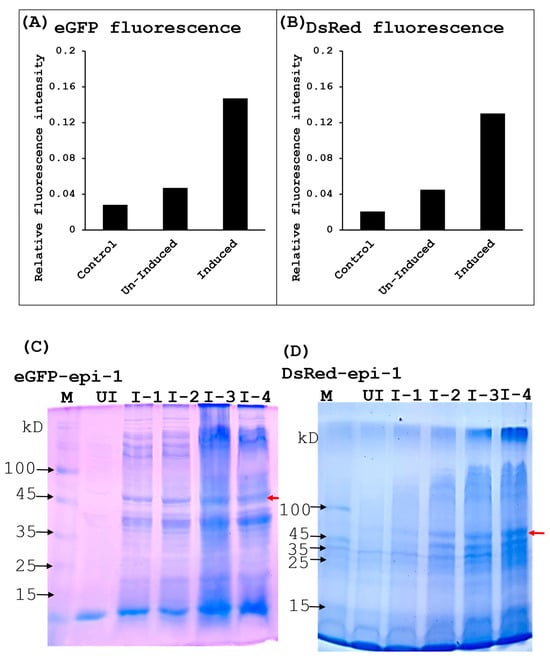
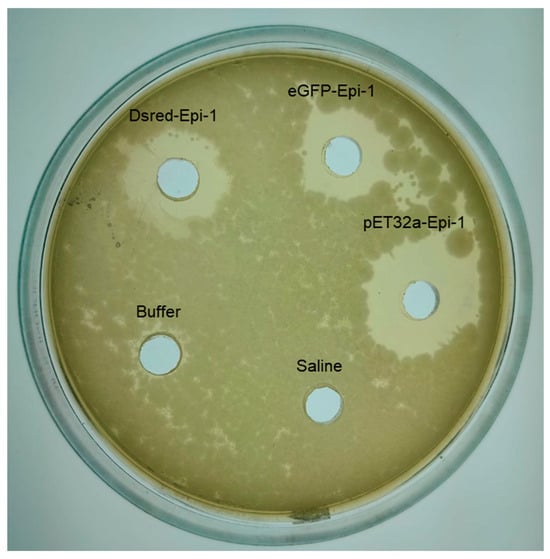
In this study, we successfully cloned the fluorescent proteins eGFP and DsRed in-frame with the antimicrobial peptide epinecidin-1 (FIFHIIKGLFHAGKMIHGLV) at the N-terminal. The cloning strategy involved inserting the fluorescent reporters into the expression vector, followed by screening for positive clones through visual fluorescence detection and molecular validation. The visually identified fluorescent colonies were confirmed as positive by PCR and plasmid migration assays, indicating successful cloning. This fusion of fluorescent reporters with a short antimicrobial peptide enables real-time visualization and monitoring of the peptide’s mechanism of action on membranes and within cells, both in vivo and in vitro. The fusion of eGFP and DsRed to epinecidin-1 did not impair the expression or fluorescence of the reporter protein.
Full article
(This article belongs to the Special Issue Feature Papers of J—Multidisciplinary Scientific Journal in 2025)
►▼
Show Figures

Figure 1
Open AccessReview
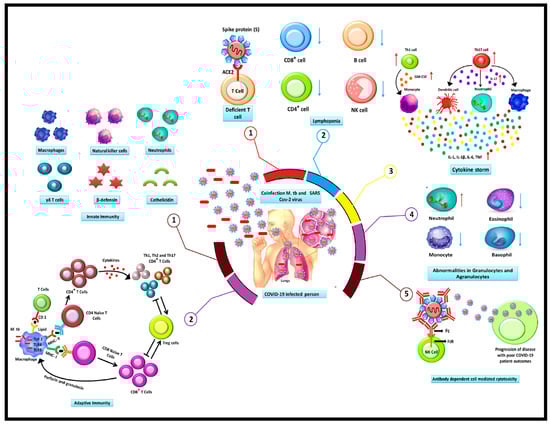
Insights into Molecular Interplay in Tuberculosis–COVID-19 Co-Infection via Integrated Multi-Omics Strategies
by
Megha Chaudhari, Sunita Verma and Sushanta Deb
J 2025, 8(4), 41; https://doi.org/10.3390/j8040041 - 22 Oct 2025
Abstract
The simultaneous occurrence of tuberculosis (TB) and COVID-19 posed a major public health challenge, particularly in regions heavily impacted by both diseases, due to their shared effects on the lungs, immune system dysfunction, and the possibility of more severe clinical outcomes. The role
[...] Read more.
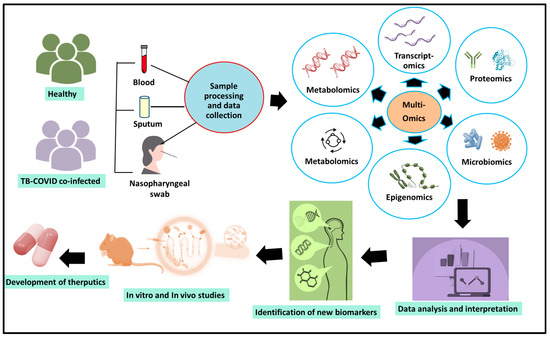
The simultaneous occurrence of tuberculosis (TB) and COVID-19 posed a major public health challenge, particularly in regions heavily impacted by both diseases, due to their shared effects on the lungs, immune system dysfunction, and the possibility of more severe clinical outcomes. The role of immunopathogenesis is crucial in influencing the progression of co-infection, which is marked by heightened inflammation, immune exhaustion, weakened T-cell responses, and unregulated cytokine production. To better understand the intricate interactions between host and pathogen and the immune disruptions associated with this dual epidemic, multi-omics approaches such as genomics, transcriptomics, proteomics, metabolomics, epigenomics, and microbiomics have proven to be effective methods. These comprehensive strategies provide detailed insights into the mechanisms of disease, help identify potential biomarkers, and aid in the identification of therapeutic targets. This review emphasizes the importance of immune responses and systems biology in comprehending the TB-COVID-19 syndemic and highlights the promise of multi-omics in advancing precision medicine and enhancing disease management.
Full article
(This article belongs to the Special Issue Feature Papers of J—Multidisciplinary Scientific Journal in 2025)
►▼
Show Figures

Figure 1

Open AccessArticle
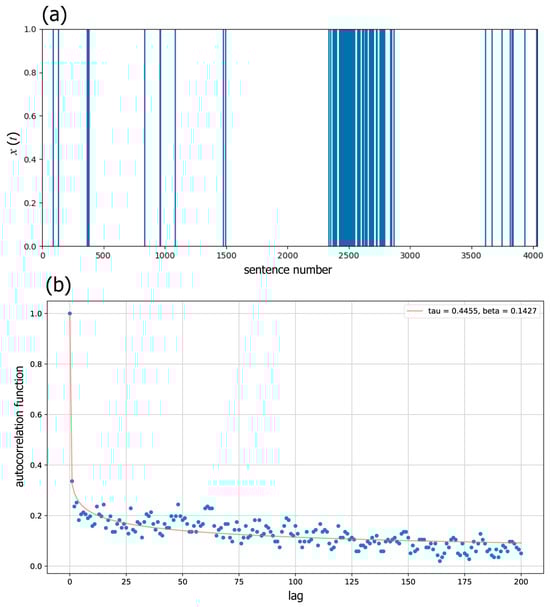
Modeling the Mutual Dynamic Correlations of Words in Written Texts Using Multivariate Hawkes Processes
by
Hiroshi Ogura, Yasutaka Hanada, Keitaro Osakabe and Masato Kondo
J 2025, 8(4), 40; https://doi.org/10.3390/j8040040 - 14 Oct 2025
Abstract
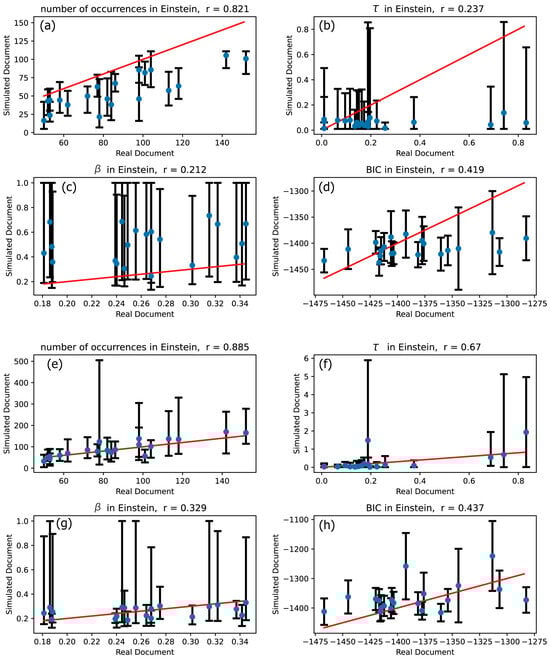
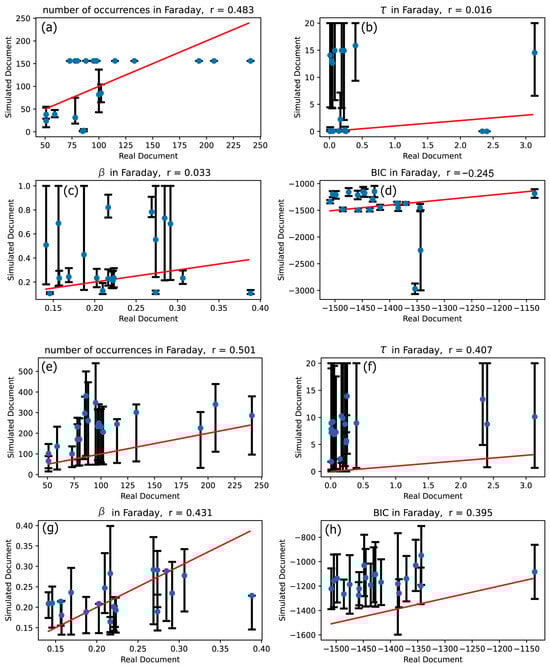
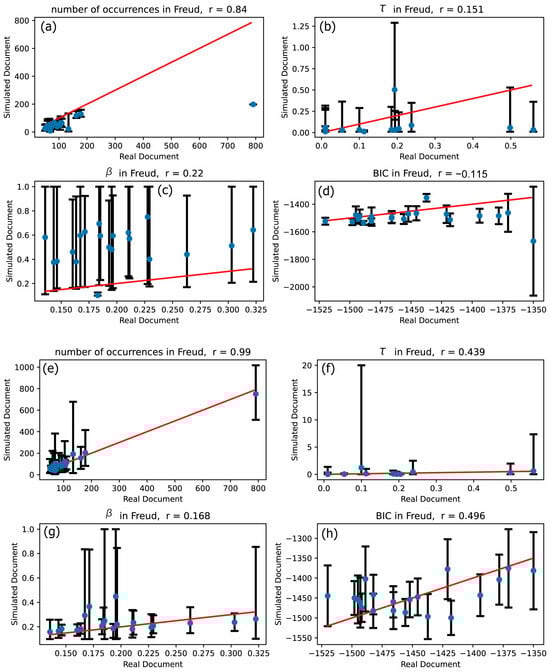
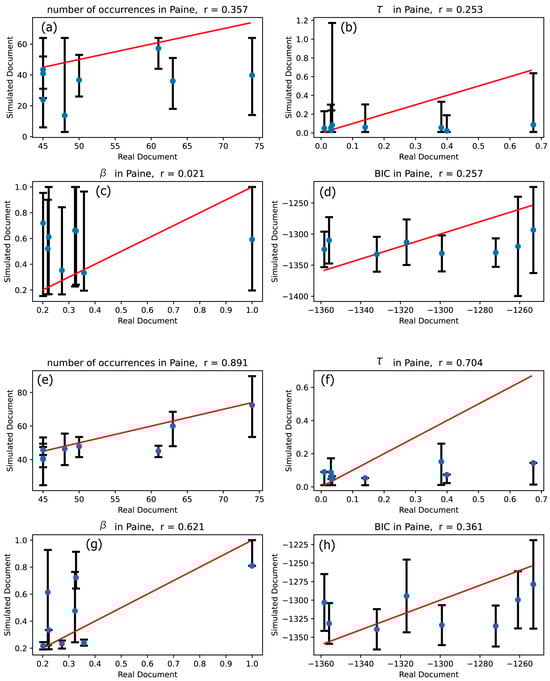
The occurrence patterns of important words found in six texts (one historical pamphlet and five renowned academic books) are analyzed using both univariate and multivariate Hawkes processes. By treating the occurrence patterns as binary time-series data along the texts, we investigate how effectively
[...] Read more.
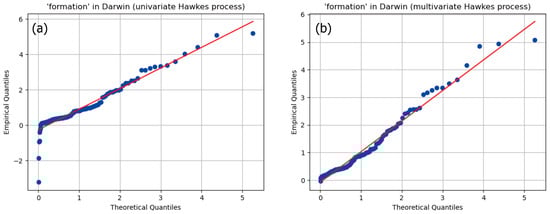
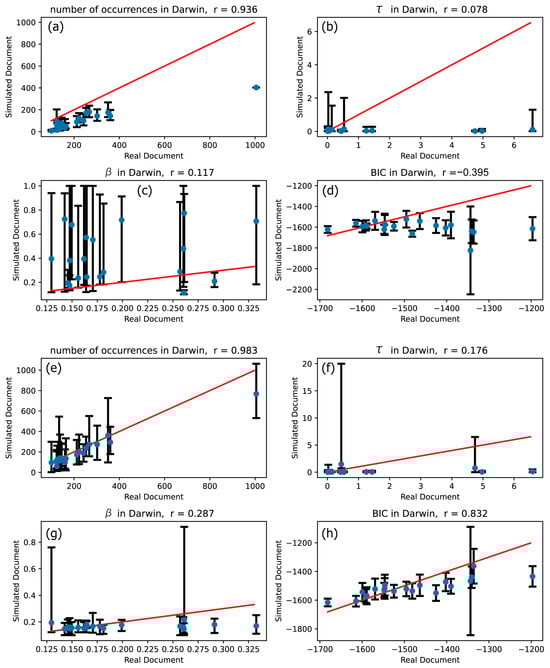
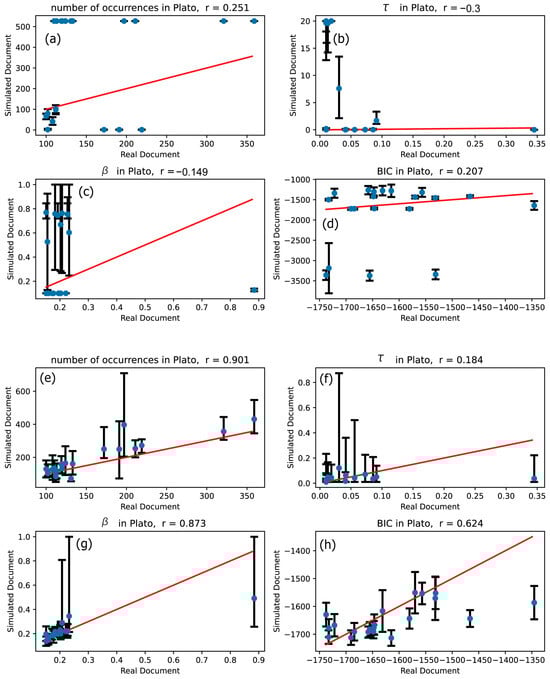
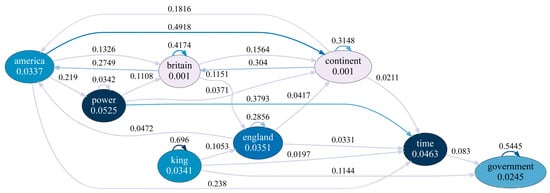
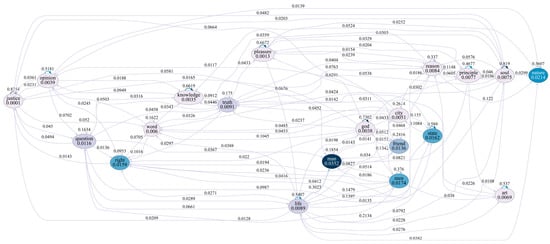
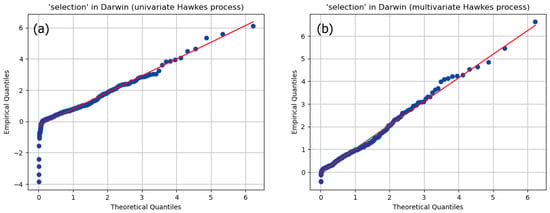
The occurrence patterns of important words found in six texts (one historical pamphlet and five renowned academic books) are analyzed using both univariate and multivariate Hawkes processes. By treating the occurrence patterns as binary time-series data along the texts, we investigate how effectively univariate and multivariate Hawkes processes capture the characteristics of these word occurrence signals. Through maximum likelihood estimation and subsequent simulations, we found that the multivariate Hawkes process clearly outperforms the univariate Hawkes process in modeling word occurrence signals. Moreover, we found that the multivariate Hawkes process can provide a Hawkes graph, which serves as an intuitive representation of the relationships between concepts appearing in the analyzed text. Furthermore, our study demonstrates that the importance of concepts within a given text can be quantitatively estimated based on the optimized parameter values of the multivariate Hawkes process.
Full article
(This article belongs to the Special Issue Feature Papers of J—Multidisciplinary Scientific Journal in 2025)
►▼
Show Figures

Figure 1
Open AccessReview
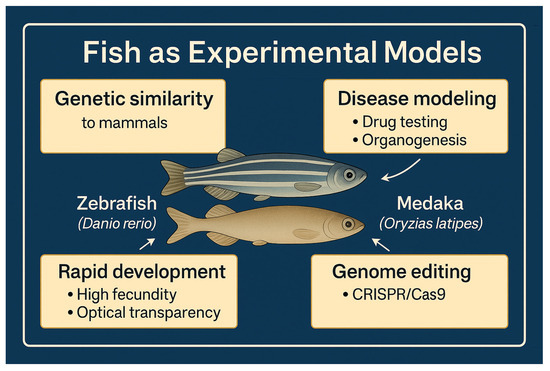
Experimental Fish Models in the Post-Genomic Era: Tools for Multidisciplinary Science
by
Camila Carlino-Costa and Marco Antonio de Andrade Belo
J 2025, 8(4), 39; https://doi.org/10.3390/j8040039 - 2 Oct 2025
Abstract
Fish have become increasingly prominent as experimental models due to their unique capacity to bridge basic biological research with translational applications across diverse scientific disciplines. Their biological traits, such as external fertilization, high fecundity, rapid embryonic development, and optical transparency, facilitate in vivo
[...] Read more.
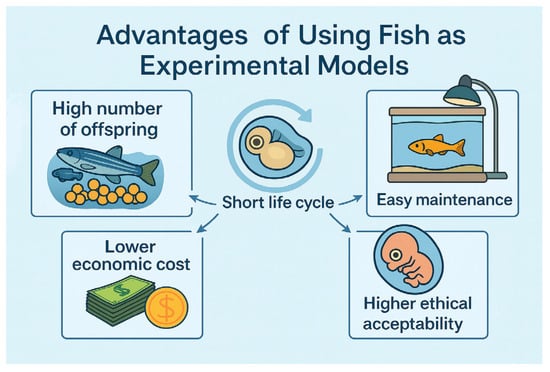
Fish have become increasingly prominent as experimental models due to their unique capacity to bridge basic biological research with translational applications across diverse scientific disciplines. Their biological traits, such as external fertilization, high fecundity, rapid embryonic development, and optical transparency, facilitate in vivo experimentation and real-time observation, making them ideal for integrative research. Species like zebrafish (Danio rerio) and medaka (Oryzias latipes) have been extensively validated in genetics, toxicology, neuroscience, immunology, and pharmacology, offering robust platforms for modeling human diseases, screening therapeutic compounds, and evaluating environmental risks. This review explores the multidisciplinary utility of fish models, emphasizing their role in connecting molecular mechanisms to clinical and environmental outcomes. We address the main species used, highlight their methodological advantages, and discuss the regulatory and ethical frameworks guiding their use. Additionally, we examine current limitations and future directions, particularly the incorporation of high-throughput omics approaches and real-time imaging technologies. The growing scientific relevance of fish models reinforces their strategic value in advancing cross-disciplinary knowledge and fostering innovation in translational science.
Full article
(This article belongs to the Special Issue Feature Papers of J—Multidisciplinary Scientific Journal in 2025)
►▼
Show Figures

Figure 1
Open AccessArticle
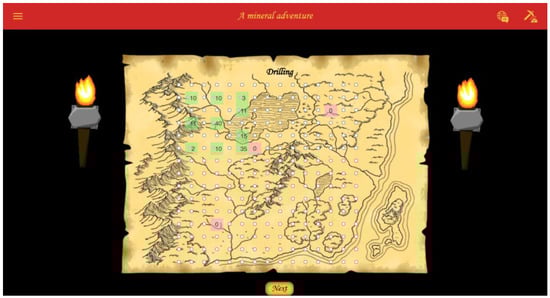
A Simulation Game in Mineral Exploration: A Mineral Adventure from Exploration to Exploitation
by
George Valakas, Daphne Sideri and Konstantinos Modis
J 2025, 8(4), 38; https://doi.org/10.3390/j8040038 - 1 Oct 2025
Abstract
In recent decades, simulation has emerged as a pivotal educational tool, bolstering scientific knowledge and honing decision-making skills across diverse disciplines. Surgery and flight simulators are well-known tools used to practice and train safely in surgeries and piloting. Meanwhile, the development of simulation
[...] Read more.
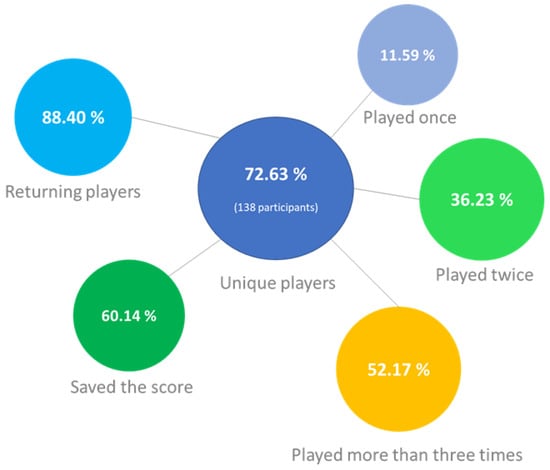
In recent decades, simulation has emerged as a pivotal educational tool, bolstering scientific knowledge and honing decision-making skills across diverse disciplines. Surgery and flight simulators are well-known tools used to practice and train safely in surgeries and piloting. Meanwhile, the development of simulation games advances in other scientific fields, such as economics, management, engineering, and mathematics. These simulations offer learners a risk-free virtual platform to apply and refine their knowledge, leveraging animations, graphics, and interactive environments to enrich the learning experience. In engineering, while simulation is widely utilized as a powerful training tool for heavy equipment and process handling, the creation of strategy games for educational purposes is less frequent. This gap primarily stems from the challenge of converting complex engineering concepts and theories into a user-friendly yet comprehensive setup that preserves the more difficult aspects. This study adopts a design-based research approach to develop and evaluate an educational simulation game aimed at enhancing probabilistic and spatial reasoning in mineral exploration. The application generates random scenarios, within which users deploy strategies based on their knowledge, while accommodating the randomness of physical phenomena. The simulation game is adopted as an educational tool in the course “Introduction to Mineral Exploration” in the School of Mining and Metallurgical Engineering of the National Technical University of Athens. Additionally, we present the outcomes of game analytics and a qualitative evaluation derived from three workshops at higher education institutions in Greece.
Full article
(This article belongs to the Special Issue Feature Papers of J—Multidisciplinary Scientific Journal in 2025)
►▼
Show Figures

Figure 1
Open AccessEditorial
Advancing a Rigorous and Multidisciplinary Tradition of Nature and Applied Science in J
by
Pietro Cipresso
J 2025, 8(3), 37; https://doi.org/10.3390/j8030037 - 19 Sep 2025
Abstract
In an era marked by powerful AI content generators and the rapid spread of information on social media, the role of a scientific journal as a bastion of trustworthy knowledge has never been more critical [...]
Full article
Open AccessReview
Unveiling the Impacts of Glyphosate, Deltamethrin, Propamocarb and Tebuconazole on Gut Health
by
Kimberly Fenech and Byron Baron
J 2025, 8(3), 36; https://doi.org/10.3390/j8030036 - 15 Sep 2025
Abstract
►▼
Show Figures
Pesticides are used in agriculture to protect crops from disease. Among these, the herbicide glyphosate, the insecticide deltamethrin, and the fungicides propamocarb and tebuconazole are approved for use in Europe. These pesticides, along with their metabolites, have been detected in the environment including
[...] Read more.
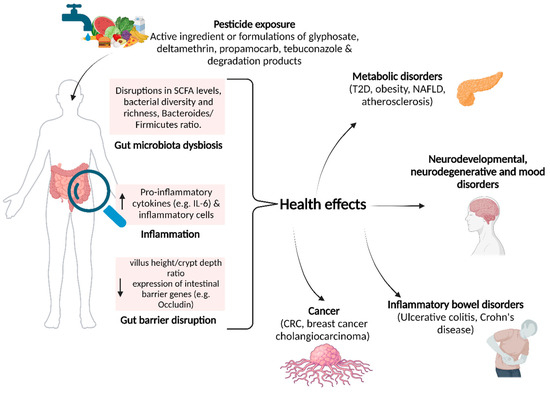
Pesticides are used in agriculture to protect crops from disease. Among these, the herbicide glyphosate, the insecticide deltamethrin, and the fungicides propamocarb and tebuconazole are approved for use in Europe. These pesticides, along with their metabolites, have been detected in the environment including in food and water sources. Human biomonitoring studies have confirmed the presence of these compounds in biological samples, indicating persistent exposure even among the general population, unrelated to agricultural occupations. Consequently, numerous studies have investigated the health effects of these four pesticides and their metabolites. This review focuses on their impacts on gut health primarily the gut microbiota, inflammation, metabolism, cancer and gut–brain axis. Epidemiological studies were included to assess health risks among various groups including adults, children and pregnant women. Animal and in vitro models have been employed to explore in a more controlled and targeted way the physiological and biochemical effects observed in epidemiological studies. Despite some controversy, pesticides and their metabolites have been linked to gut dysbiosis, inflammatory bowel disease (IBD), metabolic disorders, cancer and neurodevelopmental disorders. Mechanistically, these pesticides influence gut microbiome composition, sugar and lipid metabolism, oxidative stress, inflammatory pathways, cell death, oncogenic signalling pathways, endocrine disruption, and epigenetics. However, further studies are needed to confirm these risks and health impacts, particularly concerning low-dose, long-term exposure as experienced by the general population. A comprehensive investigation of these effects is essential, incorporating dietary factors, age, sex, health status, and the cumulative impact of multiple pesticides, to develop a thorough risk assessment.
Full article

Figure 1
Open AccessArticle
Trends in Global Trade of Red Meats from 1986 to 2023: A Complex Network Analysis with Implications for Public Health
by
Amanda Dias Assoni Scartezini and Flavia Mori Sarti
J 2025, 8(3), 35; https://doi.org/10.3390/j8030035 - 9 Sep 2025
Abstract
During the last decades, there have been increasing concerns in public health debates regarding the production and consumption of red meat, considering connections between the occurrence of nutrition transition and an increase in the prevalence of chronic noncommunicable diseases. The consumption of red
[...] Read more.
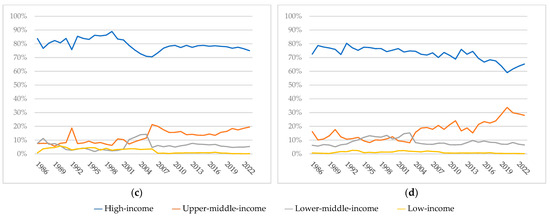
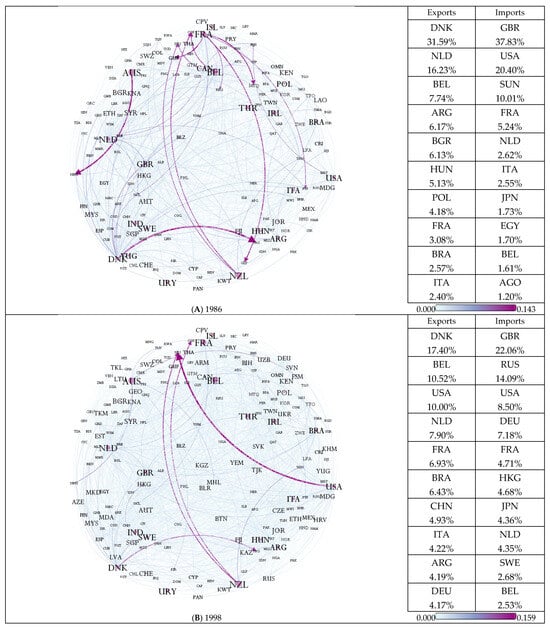
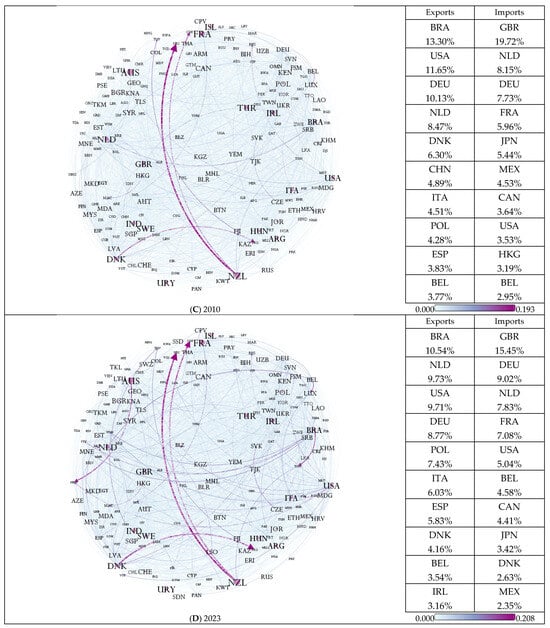
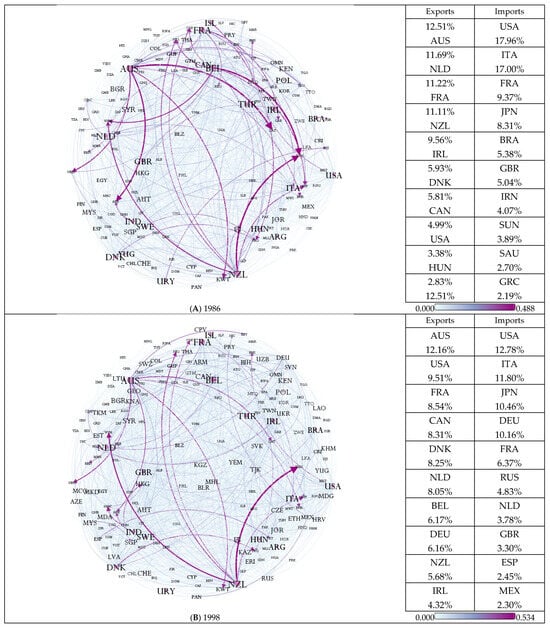
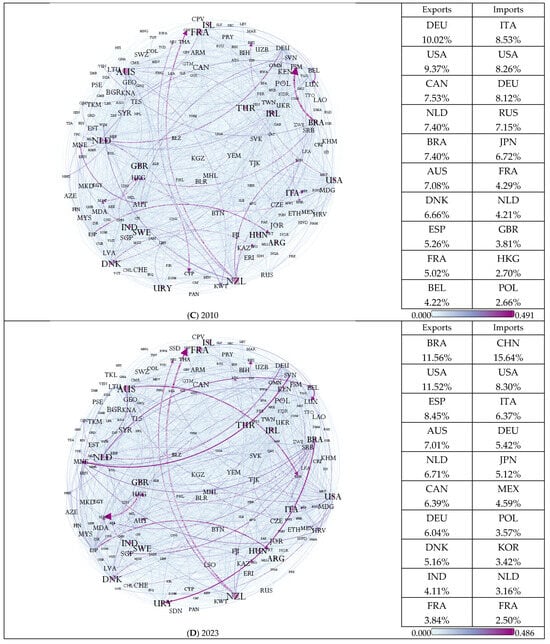
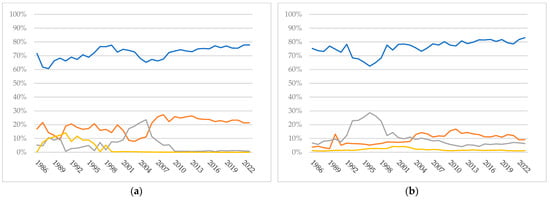
During the last decades, there have been increasing concerns in public health debates regarding the production and consumption of red meat, considering connections between the occurrence of nutrition transition and an increase in the prevalence of chronic noncommunicable diseases. The consumption of red meat has been linked to adverse health outcomes; however, current evidence reveals controversies regarding the intake of diverse red meats. In addition, barriers to meat consumption include sanitary legislation linked to foodborne diseases connected to livestock, whilst governments of diverse countries provide incentives for its production and export worldwide. Thus, the objective of the present study was to investigate the evolution in the global trade of processed and unprocessed red meat from 1986 to 2023, using network analysis. Data on the trade of red meat between pairs of 216 countries were obtained from the Food and Agriculture Organization Database (FAOSTAT). The dataset, comprising the mean annual volume of processed and unprocessed red meat exchanged from reporting countries (origin) to partner countries (destination), was used to map global trade networks of red meats and identify global trends in red meat consumption according to country income level. The results indicate substantial intensification in the global trade of processed (0.202 in 1986 to 0.453 kg per capita in 2023) and unprocessed red meat (1.415 in 1986 to 3.315 Kg per capita in 2023). The volume of trade of unprocessed red meat remains greater than the volume processed red meat; yet, the findings indicate a threefold increase in the average weighted degree of processed red meat trade (0.002 to 0.006) from 1986 until 2023, whilst unprocessed red meat showed a twofold increase (0.009 to 0.019). The results raise public health concerns regarding the long-term consequences of consuming processed foods with high sodium and fat content. Additionally, the global trade of red meat showed fluctuations in periods of major foodborne outbreaks related to meat consumption, particularly during the 1990s. The findings of the study highlight strategies at the national level to advance food system transformations towards improvements in public health, nutrition, and sustainability.
Full article
(This article belongs to the Section Public Health & Healthcare)
►▼
Show Figures

Figure 1
Highly Accessed Articles
Latest Books
E-Mail Alert
News
Topics
Topic in
Biomedicines, Metabolites, Proteomes, Genes, J
Multi-Omics in Precision Medicine
Topic Editors: Michele Costanzo, Armando CeveniniDeadline: 31 December 2026
Special Issues
Special Issue in
J
Bioinspired Locomotion: Multidisciplinary Approaches and Data-Driven Insights
Guest Editors: Mostafa Sayahkarajy, Hartmut WitteDeadline: 31 March 2026
Special Issue in
J
Feature Papers of J—Multidisciplinary Scientific Journal in 2026
Guest Editor: Pietro CipressoDeadline: 31 December 2026