


Abstract
The aim of this study was to analyze hotel brand loyalty (HBL) based on a systematic literature review conducted according to the preferred reporting items for systematic reviews and meta-analysis (PRISMA) statements. Following these statements, we searched two databases (Scopus and Web of Science) for studies containing the term ‘hotel brand loyalty’. Additionally, the backward and forward snowballing methods were applied. Only empirical studies concerning loyalty towards brand hotels were included, resulting in 26 studies in the final review. The quality of the various studies was evaluated according to the Joanna Briggs Institute critical appraisal checklist. The studies included in the systematic review were analyzed in three areas: general details and study design (authorship, year of publication, type of study, research country or location, characteristic of the sample population, the purpose of stay or travel, type of hotels, hotel brands), research specifications (factors/variables, hypotheses, measurement items, data analysis), and general findings (findings related to HBL and managerial recommendations). To summarize the results, word cloud visualization was applied. For studies included in the systematic review, HBL was analyzed on two levels: in the context of factors determining the guest/tourist loyalty to the hotel brands (such as frequently mentioned brand awareness, brand image, and perceived quality) as well as those pertaining to models of brand equity. This highlighted the need for managers to perform activities in terms of brand experience and shape long-term relationships in order to strengthen loyalty to hotel brands.
1. Introduction
1.1. Brand Loyalty
Brand loyalty is an important element of business strategy [1,2,3] to achieve long-term success in the hospitality industry [4]. The largest global hotel corporations focus on the development of the brand-based competitive advantage [5] and place considerable emphasis on brand marketing [6] and brand management [7]. This is due to the growing customer demand for branded experiences and diversification of customer needs [8]. Moreover, the development of the global hotel industry and increasing competition [9] determine the opening of new hotels under existing brands, the extension of hotel brands, and the introduction of new ones [10].
In literature, brand loyalty is analyzed in behavioral [11], attitudinal [12,13], and multidimensional approachs [13,14,15]. In a behavioral approach, brand loyalty is related to repeat transactions [11], while attitudinal loyalty is connected with preferences, commitment, or purchase intentions of the consumer [12]. In this aspect, a brand-loyal consumer is likely to prefer a certain brand, and has the intention to buy that brand on future purchase occasions [13]. In a multidimensional approach, brand loyalty should be distinguished from simple repetition of purchasing behavior. It is conceptually defined in terms of six necessary and sufficient cumulative conditions [14], listing a nonrandom behavioral reaction, expressed over time, by the decision maker regarding one or more brands from a set of alternative brands using psychological (decision-making, evaluation) processes [16]. Brand loyalty is also defined as a positively biased emotive, evaluative, and/or behavioral response tendency toward a branded, labelled, or graded alternative or choice by an individual in his capacity as the user, the choice maker, and/or the purchasing agent [15]. In this respect, loyalty should be indicated as “a deeply held psychological commitment to re-buy or re-patronise a preferred product/service consistently in the future, thereby causing repetitive same-brand or same brand-set purchasing, despite situational influences and marketing efforts having the potential to cause switching behaviour” [17].
For our study, the definition of brand loyalty proposed by Aaker was relevant, indicating the measure of attachment that a consumer has towards a brand. It reflects how likely a consumer will change brands when that brand makes a product change either in product price or product features [18]. Brand loyalty can be presented as a pyramid of five levels. The bottom represents disloyal consumers who saw each brand as suitable. The second level is those who are satisfied with the product or at least not dissatisfied. The next level is satisfied buyers who do not want to risk a product change. The fourth level is loyal buyers who treat the brand as a friend. On the fifth level there are committed buyers who are extremely loyal to the brand. They are proud users and will recommend the product to others [18].
Brand loyalty is also analyzed as an element of brand equity. In the literature, two models are crucial: the brand equity model by Aaker [18] and the consumer-based brand equity model by Keller [19]. Aaker [18] indicated that brand equity consists of four major components: brand loyalty, brand awareness, perceived quality, brand associations, and other proprietary brand assets. In these aspects, brand equity provides value to customers (satisfaction, confidence in the purchase decision, interpretation and processing of information) and to the company (i.e., efficiency and effectiveness of marketing programs, trade leverage, competitive advantage, and brand extensions) [18]. In turn, Keller [19] defined consumer-based brand equity (CBBE) as the differential effect that brand knowledge has on consumer response to the marketing of that brand [19]. Brand knowledge, including brand awareness and brand associations, is the basis and the source of CBBE. He presented a model in the form of a pyramid, comprising: (1) brand identity with special attention given to brand salience and deep, broad brand awareness; (2) brand meaning, including brand performance and brand imagery, related to strong, favorable, and unique brand associations; (3) brand responses with consumer feeling and judgments; and (4) relationships as a consumer brand resonance, including brand loyalty [19]. Both models of brand equity differ in their approach to brand loyalty, which is important for HBL. In Keller’s model, brand loyalty is the result of the pyramid [19]. In Aaker’s model, brand loyalty is one of the equivalent elements that are part of the brand equity and shape it [18]. Both models were tested in different markets and modified for brands of products [20,21,22,23], retailing [24,25], services [26,27,28,29], and destinations [30,31,32].
1.2. Importance of Loyalty
Loyalty, as a comprehensive concept [7,33,34,35,36], is a link between the relative attitude of the individual and the repeatability of the purchase [37]. This relationship is seen through the prism of social norms and situational factors [37,38], and can be perceived as consumer word of mouth reactions, intention to support, and satisfaction [39]. It should be also underlined that loyal customers are less price-sensitive [40], and in this respect, loyalty can lead to certain marketing benefits, such as lower financial expenditure on the marketing campaign, a greater number of new customers, and a stronger market position [41]. Other marketing benefits include positive word of mouth messages and reduced susceptibility to a competitive offer [38]. Moreover, recommendations from a loyal customer, especially those that help to attract new customers, increase the value that the customer brings to the company. A loyal customer contributes significantly to the company’s revenue growth, given reasonably predictable sales and a stable source of revenue [42]. The basis for gaining loyal customers is a quick response to customer requests and suggestions, maintaining high-quality products and services signed by the company brand, and striving to provide exceptional and unique customer service [43]. In this term, loyalty is used to indicate the relationship between the company and the consumer in the long term [38,44,45,46,47,48] and can be perceived as a basis of strategic planning and an element of the company’s competitive advantage [49].
Customer loyalty is particularly important for service companies because services provide greater opportunities for interpersonal interactions [41]. The scientific literature has analyzed this issue in relation to hospitality, indicating the importance of quality [50,51,52,53,54], customer satisfaction [54,55,56], brand image [52,55,56,57], price [51,52], and corporate social responsibility [9,58,59]. Hotel loyalty was also analyzed in the context of loyalty programs [46,60,61]; range of services [62]; promotion [54]; brand relationship [63]; relationship marketing [64,65]; and reputation, innovation, and brand extension [54]. The relationship with the brand based on a triangle of three elements is important in building loyalty: process, database management/communication, and value creation [63]. It also refers to emotions in the context of relationship quality [65].
1.3. Hotels Brands
Hotel companies manage their brands by the extension of existing brands and the creation of new ones [66]. Such a strategy allows hotels to operate in a variety of quality and price segments [67], ensuring long-term stability [5]. This enables hotels to meet the increasing customer expectations, growing demand for branded experience, and diversification of consumer needs [8]. This is part of the understanding of ‘brand’ as “a distinguishing name and/or symbol intended to identify the goods or services of either one seller or a group of sellers, and to differentiate those goods or services from those of competitors” [18].
The largest hotel chains (such as InterContinental Hotels, Wyndham Hotel Group, Marriott International, Hilton Hotels, Accor Group, Choice Hotels International, and Best Western Hotels and Resorts [68]) offer a diverse range of hotel services for different quality and price segments. This is related to the ownership of many brands of hotel chains that form the brand architecture. For example, the largest hotel chain, InterContinental, has 15 hotel brands in three segments: luxury (e.g., InterContinental), upscale (e.g., Indigo), and mainstream (e.g., Holiday Inn) [8]. Wyndham Hotels and Resorts has 20 hotel brands in 5 segments: upscale (e.g., Wyndham), lifestyle (e.g., Dazzler), midscale (e.g., Ramada), economy (e.g., Microtel), and extended-stay (e.g., Hawthorn) [69]. In turn, Marriott International offers a range of 30 brands, with two overall styles of hotels: classic, offering time-honored hospitality for the modern traveler; and distinctive, offering memorable experiences. There are three segments in each of these groups, which allow for appropriate brand positioning strategies: luxury (e.g., The Ritz-Carlton, ST Regis in the classic segment and W Hotels in the distinctive one), premium (e.g., Marriott, Sheraton in the classic segment and Westin, Le Meridien in the distinctive one), and select (e.g., Courtyard in the classic segment and Alotf and Moxy as distinctive hotels) [70].
At the same time, the largest hotel chains introduce new hotel brands, e.g., InterContinental has added Even Hotels (wellness brand), Hualuxe (a brand tailored to the Chinese consumer), and Kimpton (luxury brand) [8]. In turn, since 2011, Hilton Worldwide Holdings has introduced nine new brands, including Curio Collection by Hilton, Canopy by Hilton, and Tru by Hilton [71].
1.4. Study Description
Therefore, the aim of this study was to analyze hotel brand loyalty based on a systematic literature review conducted in accordance with the preferred reporting items for systematic reviews and meta-analysis (PRISMA) statements. Our study refers, on the one hand, to the factors and variables determining HBL, and on the other hand, it also points to HBL in the context of hotel brand equity. We posed the following research questions:
- What influences hotel brand loyalty?
- What is the relationship between hotel brand loyalty and hotel brand equity?
The contribution of this study to the literature is that it deepens knowledge of HBL, which is valuable to scientists. This analysis is also important to practitioners due to the effectiveness of activities aimed at increasing loyalty to hotel brands. This study fills a research gap by comparing different studies on the variables determining HBL and presenting HBL in the context of hotel brand equity.
The outline of this study is as follows:
- Section 2 ‘Materials and Methods’ describes the method used in the literature review based on PRISMA statements; it is divided into six subsections: Section 2.1—Study Design; Section 2.2—Information Sources; Section 2.3—Inclusion/Exclusion Criteria; Section 2.4—Search Strategy; Section 2.5—Quality Assessment; and Section 2.6—Data Presentation;
- Section 3 ‘Results’ presents the results of a systematic literature review, including three subsections: Section 3.1—General Details and Study Design, Section 3.2—Research Specifications and Hypotheses, and Section 3.3—General Findings and Managerial Implications;
- Section 4 ‘Discussion’ describes the results in six subsections: Section 4.1—General Remarks; Section 4.2—HBL vs. Brand Equity; Section 4.3—HBL vs. Brand Awareness; Section 4.4—HBL vs. Brand Image; Section 4.5—HBL vs. Perceived Quality; Section 4.6—Managerial Recommendations;
- Section 5 ‘Conclusions’ presents conclusions, limitations, and directions for future research.
2. Materials and Methods
2.1. Study Design
A systematic review of scientific literature is an important research method for many academic studies [72,73,74,75,76,77]. This systematic review, including 26 studies, was based on the preferred reporting items for systematic reviews and meta-analysis (PRISMA) statement [78], a well-established guideline applied in many systematic reviews of various scientific areas [76,77,79,80,81].
2.2. Information Sources
Two databases were selected for the systematic review of the HBL: Scopus and Web of Science. Scopus was chosen due to its extensive coverage of over 25,100 titles, including over 23,452 peer-reviewed journals, 294 trade publications, over 852 book series from more than 5000 international publishers, and over 9.8 million conference papers from over 120,000 global events [82]. Web of Science (Clarivate Analytics) provides access to multiple databases, including over 21,294 journals, books, and conference proceedings [83].
The databases were searched between 15 and 30 March, 2020. After deleting duplicates and applying inclusion and exclusion criteria (Section 2.3), the snowballing method was applied (Section 2.4).
2.3. Inclusion/Exclusion Criteria
In the database search following inclusion and exclusion criteria were applied:
Inclusion criteria included:
- Studies based on empirical research;
- Studies describing HBL;
- Studies describing brand loyalty in the hospitality and accommodation sector;
- Peer-reviewed papers;
- Any population;
- Any date;
- Papers written in English.
Exclusion criteria included:
- Studies not based on empirical research;
- Papers published as “short papers”;
- Workshop papers;
- Work-in-progress papers;
- Studies describing loyalty not related to hotel brands;
- Studies describing loyalty related to the brands of other tourist companies;
- Book chapters.
2.4. Search Strategy
Two databases were selected for the systematic review: Scopus and Web of Science. The search terms for the database searches were constructed to fulfil the scope related to HBL. The first search criterion was to cover ‘hotel brand loyalty’, the second was related to ‘brand loyalty’ and ‘hotel’. As for the term ‘hotel’, we have adopted the vocabulary used in each article. This is due to the fact that there is no uniform definition and standards in the global hotel industry. If the word “hotel” was used in an article, we took it into consideration in our search process. The strategy applied for electronic search was as follows:
- Scopus: TITLE-ABS-KEY (hotel AND brand AND loyalty), and (TITLE-ABS-KEY (brand AND loyalty) AND hotel))
- Web of Science: ALL FIELDS: (hotel) AND ALL FIELDS: (brand) AND ALL FIELDS: (loyalty)
Studies were searched by 2 researchers and screened using the inclusion and exclusion criteria. More than 1350 records were selected from two databases; after deleting duplicates, 931 records were obtained. The snowballing methods were used to obtain 185 records. The backward snowballing consisted of checking the reference lists in studies being examined. The forward snowballing entailed identifying new studies citing the papers being examined in the systematic review [84]. In the first stage, records were screened by title based on the inclusion and exclusion criteria, and in the second stage, records were screened based on an abstract.
The flow diagram related to identification, screening, assessment of eligibility, and inclusion is presented in Figure 1.
Figure 1.
Flow diagram of studies included in the systematic review. Preferred reporting items for systematic reviews and meta-analysis (PRISMA). Source: [78,85].
2.5. Quality Assessment
The quality of the collected studies was evaluated according to Joanna Briggs Institute critical appraisal checklist for critical and interpretive research (Table 1). The Joanna Briggs Institute is an international, membership-based research and development organization within the Faculty of Health Sciences at the University of Adelaide. JBI critical appraisal tool enabled the quality assessment of a study selected for inclusion in the systematic review [86]. For this systematic review, the quality of the studies was assessed by asking 10 questions with the following possible answers: yes, no, unclear, or not applicable [87,88]. Also, explanations for each question have been included to allow a proper assessment of the study [86].
Table 1.
Quality of the studies included in the systematic survey.
2.6. Data Presentation
The list of all 26 studies included in the systematic review is presented in the Supplementary Table S1. For analysis of the studies, three areas were identified: general details and study design (authorship, year of publication, type of study, research country or location, characteristics of the sample population, purpose of stay or travel, type of hotels, hotel brands) (Table 2), research specifications (factors/variables, hypotheses, measurement items, data analysis) (Table 3), and general findings (findings related to hotel brand loyalty and managerial recommendations) (Table 4). In all these tables the papers are presented according to the year of their publication.
Table 2.
General details and study design for the studies included in the systematic survey.
Table 3.
Research specifications for the studies included in the systematic survey.
Table 4.
General findings and managerial implications for the studies included in the systematic survey.
We used word cloud visualization to present factors and variables related to the HBL (Figure 2, Section 4.1). Word clouds, known as ‘tag clouds’, ‘term clouds’ [116], or ‘content clouds’ [117], are a useful analytical tool that provide a summary of text data and provide meaningful interpretations [116]. Word clouds enable a direct visual representation of the content being measured [117] by depicting the words that appear most often in larger, darker type within the cloud [118]. The general interpretation of the word cloud is based on the size of frequently repeated words [119,120]. The context that creates the word cloud is important because the same sentence can be interpreted depending on the nature of the character of the research [119]. The statistical overview is achieved by positively correlating the font size of the depicted tags with the word frequency [120]. Word clouds allow for combining elements of qualitative research analysis, content, and visualization [118]. It is a useful analytical tool that helps to summarize different text data [119,121] during academic lessons and analyses of research results [119]. We created our word cloud visualization with factors and/or variables analyzed in studies included in our systematic review. These were factors/variables tested in research hypotheses mainly using confirmation factor analysis (CFA) and a structural equation model (SEM).
Figure 2.
Hotel brand loyalty—word cloud visualization. Source: based on Wordle [121].
3. Results
The list of all 26 studies included in the systematic review is presented in the Supplementary Table S1. This section, presenting the studies included in the systematic review, consists of three parts:
- General details and study design—Section 3.1.
- Research specifications and verified research hypotheses—Section 3.2.
- General findings and managerial implications—Section 3.3.
3.1. General Details and Study Design
General details and study design for the studies included in the systematic review are presented in Table 2. The reviewed studies were published between 2005 and 2020, and the most (six studies) in 2015. Only three studies were published between 2005–2007. In most of the studies, a survey was used as a research method (22 studies). Questionnaires were distributed to hotel guests (17 studies), travelers at the airports (two studies), hotel managers (one study), customers using hotel Facebook profiles (one study), or respondents in consumer panel (one study). Surveys were carried out on samples from 180 to 1346 respondents, with the sample size distribution as follows: up to 200 respondents (one study), 200–300 respondents (four studies), 300–400 respondents (seven studies), 400–500 respondents (three studies), 500–1000 respondents (three studies), and over 1000 respondents (two studies). In four studies, another research method was used: one-on-one semistructured interviews with hotel guests and hotel managers (two studies), and the analysis of opinions and assessments made by tourists and obtained as a TripAdvisor dataset (two studies).
Empirical research on studies included in the systematic surveys was conducted in many countries, including China (four studies), India (three), US (two), Cyprus (two), Malaysia (two), Jordan, Italy, England, Indonesia, Taiwan, Australia, Egypt, Turkey, Syria, Iran, and Korea. The population to be surveyed was international (11 studies). In nine studies, the structure of the surveyed population in terms of nationality was specified in detail. In the case of analysis of opinions and assessments based on TripAdvisor datasets, the location was defined as global.
In 15 studies, the purpose of travel was defined precisely as a business, leisure, adventure, religious, sightseeing, or recreation/entertainment (11 studies); described by the phrase “different purposes” (two studies); or participation in a conference (one study).
The type of hotels was given in different ways: as five- and four-star hotels (seven studies), five-star hotels (four studies), luxury and super luxury hotels (five), upscale and upper upscale hotels (five), middle- and upper-middle-class hotels (one), first hotels (one), well-known hotels (one), urban and holiday/beach hotels (one), and hotels in most popular destinations (2). In 14 studies, the number of hotels was specified, and about 3 to 232 hotels were examined. On the other hand, hotel brands were specified in 10 studies, ranging from 3 to 10 hotel brands. It was also indicated that these were brand name hotels and domestic vs. foreign hotel brands.
3.2. Research Specifications and Hypothesis
In all the studies included in the systematic survey, research hypotheses related to variables and factors influencing the HBL were formulated (Table 3). The number of research hypotheses was between 3 and 13. These included factors/variables influencing HBL directly or indirectly, as well as those related to consumer-based brand equity based on the Aaker and Keller concept. To verify the hypotheses, Likert scales were used (24 studies), such as 5-point Likert scales (seven studies) or 7-point Likert scales (17 studies). The number of items tested ranged from 14 to 46. In two other studies, semantic differential scales were applied. Taking into account statistical methods, in 23 studies confirmatory factor analysis (CFA) and a structural equation model (SEM) was used.
3.3. General Findings
In the table below, general findings were collected and separated: on the one hand, findings related to HBL, and, on the other hand, managerial implications. Among the main conclusions, there were the factors influencing hotel brand loyalty, as well as the factors that were part of the consumer-based hotel equity and thus, are directly related to the HBL.
4. Discussion
4.1. General Remarks
In this paper, we present results from a systematic literature review focused on the HBL. We included 26 studies presenting the results of empirical research on loyalty to hotel brands belonging to different hotel types and located in different parts of the world. The subjects of the research were brands of five-star hotels [91,92,95,112]; four- and five-star hotels [93,96,100,102,106,110]; three- and four-star hotels [104]; hotels classified as luxury [89,107,108,114], upscale [90,103,106,108], or middle-class [97,108]; and hotels described as well-known [111] or located in the most popular tourist destinations [94,109]. They belonged to well-known hotel chains such as Marriott [97,105,108,109,111], Hilton [97,108,109,111], Crown Plaza [89], Westin [89], Sheraton [89,95,103,108], InterContinental [89,109], Mercure [108], Holiday Inn [93,108,113], Best Western [93,108,109,113], Radisson Blue [93], Accor [109], Carlson [109], Starwood [109], Sofitel [95,108], Conrad [95], and Hyatt [95,97,103,109].
To better present the diversity of factors and variables associated with HBL, we drew up a word cloud visualization identifying all analyzed factors and variables from studies included in our systematic literature review (Figure 2). These factors/variables were tested in research hypotheses mainly using confirmation factor analysis and a structural equation model, presented in Table 3. The interpretation of the word cloud was based on the size of frequently repeated words [119]. Additionally, a numerical list of factors/variables is given in Table S2 in Supplementary Materials.
To summarize, in studies included in our systematic literature review on HBL, the most common brand loyalty was analyzed in the context of brand equity, brand awareness, brand image, and perceived quality related to the brand. Therefore, we discussed the results in the following areas:
- HBL vs. brand equity;
- HBL vs. brand awareness;
- HBL vs. brand image;
- HBL vs. perceived quality related to the brand;
- HBL vs. managerial implications.
4.2. HBL vs. Brand Equity
In studies included in our systematic survey, HBL was analyzed on two levels: in the context of factors/variables determining the HBL, as well as concerning models of brand equity and consumer-based brand equity.
The first level of research in studies included in our systematic review was focused on identifying the factors/variables involved in directly and indirectly determining the HBL. Among the factors directly influencing the HBL were: service quality [104,108], brand satisfaction [97,99,101,104,110], customer–brand engagement [90,93], consumer–brand identification [90,93,99,100], brand commitment [93,99], brand image [101,104], price fairness [101], brand trust [108], and perceived value [104,108]. Single studies have suggested that brand loyalty was influenced by brand experience [98], brand knowledge [98], brand love [100], and integrated marketing communications [107]. Indirectly, brand loyalty was determined by the value of the congruity [93], consumer brand value congruity [90], social media marketing activities [92], and self-image [97].
In the literature on the subject, brand loyalty has been analyzed based on various areas of tourism. For example, loyalty was analyzed with destinations, not always identifying the destination name with the brand. The research included the impact of the different sources of information on behavioral and attitudinal loyalty in terms of destination-loyal and horizontal-loyal tourists [122], the impact of destination brand authenticity and destination brand self-congruence on tourist loyalty [123], and the relationships between four concepts (involvement, commitment, loyalty, and habit) and consistency in behavior across leisure and tourism [124]. The tourist loyalty index is being set up [125]. In the scientific literature, loyalty has also been analyzed more broadly, without any indication of brand loyalty. Factors such as quality [50,51,52,53,54], customer satisfaction [54,55,56], range of services [62], price [51,52], corporate social responsibility [9,58,59], and promotion [54] should be mentioned. Important areas of loyalty research in the hospitality industry are loyalty programs [46,60,61]; brand relationship [63]; relationship marketing [64,65]; and reputation, innovation, and brand extension [54].
The second area of analysis of the HBL in our systematic review was brand equity. In the literature, two models have been subjected to numerous research and modifications: the brand equity model by Aaker [18] and the consumer-based brand equity model by Keller [19]. Both models of brand equity differ in their approach to brand loyalty, which is important for HBL. In the Keller model, brand loyalty is the result of the pyramid. In Aaker’s model, brand loyalty is one of the equivalent elements that are part of the brand equity and that shape it.
In studies included in our systematic review, brand loyalty was analyzed by adapting the Keller or Aaker model. Research based on Keller’s concept (six studies) identified factors influencing brand loyalty directly and indirectly, indicating physical quality [91,111], perceived quality [89,106], staff behavior [91,111], brand identification [111], ideal self-congruence [111], lifestyle congruence [111], brand awareness [89,91,106] brand image [89,91,106], management trust [106], and brand reliability [106]. The indirect impact on brand loyalty was related to the fact that brand equity elements had an impact on consumer satisfaction, which was found in relation to 32 hotels belonging to the Marriott, Hilton, and Travelodge in the southeast of England [111], 11 luxury hotels in China (InterContinental and Sheraton) [89], and 39 five- and four-star hotels in Turkey [91]. The brand equity of luxury hotels was influenced by intellectual capital, comprising organizational capital, human capital, and relational capital, followed by brand loyalty and social capital [89]. The trust that directly determined brand loyalty [91,106] also proved to be important. At the same time, CBBE and customer satisfaction together had a significant effect on customer trust.
In the HBL’s research based on the Aaker model (5 studies), brand loyalty was analyzed as one of the elements of brand equity, alongside brand awareness [95,96,113,114], perceived quality [95,96,113,114], brand image [95,114], brand association [96,113], influencing consumer satisfaction [96], brand attitude [95], firms’ performance [114], and overall hotel brand equity [95,96,113,114].
An interesting approach presenting brand loyalty as an element of brand assets/brand equity can be found in the study conducted among 46 hotel managers from the Marriott group. The five elements of brand equity (brand loyalty, brand awareness, brand associations, perceived quality, and other proprietary brand assets) determined desired organizational outcomes. Among them, the managers have identified adding value to the organization and customers, brand protection, enhanced brand extension opportunities, enhanced brand reputation, improved marketing communication effectiveness, increased market share, and increased profitability. This, in turn, led to the desired market position [105].
The literature on the subject analyzed the brand equity for tourist destinations i.e., San Antonio, Puerto Rico, New Zealand, and Spain [126]; Slovenia [127]; islands of Madeira [31]; Australia [128]; and Sarajevo city [129]. The research took into consideration consumer-based destination brand equity, assuming that positioning is the main source of competitive advantage for the organization, combined with an effective communication strategy for this positioning [130]. This general relationship was confirmed by a study based on a consumer survey in Malaysia measuring the brand dimensions of Korea, identifying the relational linkages between four brand equity dimensions (brand awareness, brand image, brand associations, and brand loyalty), and overall customer-based brand equity [131].
In the city branding studies in five European capitals—London, Paris, Berlin, Rome, and Madrid—it was found that the brand equity of the European capitals consist of the awareness and perceived quality of a city as a destination with the influence of attitude on brand and brand image [132]. Another study concerning airlines indicated that an airline brand equity model from the customer’s perspective operationalized the airline brand equity with four dimensions: brand awareness, brand image, perceived quality, and brand loyalty [133].
An interesting area of research is the analysis of brand equity in relation to restaurants. Brand equity for quick-service restaurants included four elements: brand awareness, brand image, brand loyalty, and perceived quality [134]. The modified set of elements of customer-based brand equity included brand association instead of brand image [135]. For consumer-based chain restaurant brand equity, four dimensions—food and service quality, brand effect, brand awareness, and brand association—were found to have positive effects on brand reputation [136].
In summary of this part of the discussion, the following conclusions should be draw:
- HBL is considered on two levels: in the context of factors determining brand loyalty, as well as in relation to the hotel brand equity.
- HBL is directly influenced by quality, brand satisfaction, brand identification, brand engagement, brand commitment, and perceived value.
- In the Aaker’s model of brand equity, HBL is analyzed as an element of brand equity alongside brand awareness, perceived quality, brand image, brand association, influencing customer satisfaction, brand attitude, firm performance, and overall brand equity.
- In the Keller’s model of consumer-based brand equity, HBL is influenced by brand image, perceived quality, staff behavior, brand identification, management trust, brand awareness, and brand reliability.
4.3. HBL vs. Brand Awareness
In studies included in our systematic review, brand awareness was found to be an important element related to the HBL [91,103,105,106,109,110,112,113,114]. It determined brand equity [91,96,106,113,114] and influenced firm performance [114], organizational outcomes [105], consumer satisfaction [96], brand loyalty [106,112], and brand attitude [95]. This applied to luxury hotels [114], four- and five-star hotels [91,96,106], and well-known hotel brands [105,113]. Brand awareness turned out to be important for tourists and hotel managers [105]. For example, studies conducted among guests of five-star hotels in Turkey indicated that brand awareness influenced consumer-based brand equity and then consumer loyalty. It also determined brand satisfaction and trust, and thus brand loyalty [91]. The importance of brand awareness as an element of brand assets/brand equity influencing organizational outcomes was also confirmed by hotel managers from the Marriott group [105]. However, not all studies have confirmed the impact of brand awareness on loyalty. One study did not confirm the hypothesis that awareness mediates the positive relationship between perceived quality over brand loyalty [89].
In the literature, brand awareness has been defined as the knowledge of a specific brand by an individual, and is not limited to the knowledge of the brand name by the customer and their previous exposure to the brand. It consists of linking the brand and its name, logo, and symbol with specific memory associations [137]. From this perspective, brand awareness refers to whether consumers are able to remember, recognize, or are aware of a brand [42]. In addition, it reflects the presence of the brand in the mind of the customer [138]. Brand awareness consists of two main elements: ‘brand recognition’ and ‘brand recall’. Brand recognition means the ability of the customer to confirm previous exposure to a given brand, while recall means recovering the brand from memory on its own [19].
Brand awareness is also important in other areas of tourism. Research of brand equity of tourist destinations conducted among Chinese tourists visiting Seoul suggested that price and word of mouth have beneficial effects on perceived quality, publicity, and brand awareness. At the same time, brand awareness and perceived quality were found to have impacts on brand image, and brand image is related to brand loyalty [127]. The importance of brand awareness in shaping destination brand equity has also been achieved for the Slovenia tourism industry from the perspective of German tourists [139], for Rome from the perspective of international tourists [140], and for Korea’s brand based on a consumer survey in Malaysia [131]. The brand equity of the five European capitals (London, Paris, Berlin, Rome, and Madrid) was found to consist of the awareness and perceived quality of a city as a destination and the influence of attitude on the brand and brand image [132]. Research conducted in Macau indicated that better-performing casino brands were associated with greater customer-based brand equity, which comprises brand loyalty, brand image, and brand awareness [2].
Brand awareness is also important for the development of restaurant brand equity. With regard to chain restaurants’ brand equity, brand awareness influences brand loyalty, and its impact is mediated by the effects of brand image and perceived quality. Furthermore, brand awareness is a prerequisite for brand loyalty, brand image, and perceived quality in order to have a greater impact on brand loyalty [29]. Other studies indicated four dimensions of customer-based brand equity—brand loyalty, perceived quality, brand awareness, and brand association—in determining the customer-based brand equity ratings [134,135]. In turn, in research on consumer-based chain restaurant brand equity, food and service quality, brand awareness, and brand association were found to have positive effects on brand reputation, and then on brand trust [136].
To sum up this part of the discussion, it should be indicated that brand awareness is an important element of HBL-determining brand equity. It was mainly observed in luxury, four- and five-star hotels and operating under well-known brands.
4.4. HBL vs. Brand Image
In studies included in the systematic review, brand image was an important element related to the HBL [89,91,94,95,101,103,104,106,107,109,112,114], influencing the brand loyalty directly and indirectly, as well as being a part of the CBBE. The direct impact of brand image on brand loyalty was found in studies conducted among hotel guests in Rome [107], Syria [101], and Indonesia [104]. Brand image—as shown by the research of selected hotels in Indonesia—also determines customer satisfaction, service quality, and perceived value, and these, in turn, influence the attitudinal loyalty and then behavioral loyalty [104]. The TripAdvisor dataset analysis showed that brand equity determines brand loyalty, indirectly influencing brand awareness and brand value [94,109].
In our systematic review, brand image was also analyzed as an element of the CBBE, determining brand loyalty directly [89,91,106] and indirectly through its impact on customer satisfaction and consumer trust [91]. These conclusions were drawn from a survey of 39 five-star urban and holiday/beach hotels in Turkey [91], 29 upscale four- and five-star hotels in China [106], and 622 hotel managers of 11 luxury star-rated hotels in China [89].
In the scientific literature, brand image has been defined as an overall perception of the brand, based on the information about the brand and past experience [141]. There is also a brand image term, referring to the set of beliefs, ideas, and impression that a person holds regarding an object [142]. The term brand image should also be indicated as a set of perceptions about a brand as reflected by brand associations in a consumer’s memory [19], as well as a set of associations, usually organized in some meaningful way [18]. Brand image is also identified with the corporate image and defined as the general impression of the public toward a firm or its brand [143].
The importance of the brand image for other areas of the tourism industry has been confirmed by the results of empirical research. They refer, among others, to tourist destinations [31,127,129] and airlines [133]. In destination research, brand image is an important element of brand equity and was referred to as image awareness for Slovenian destinations [127], destination brand image for islands of Madeira [31], brand image for Korea’s brand [131], tourist destination brand image for the Southland region of New Zealand [144], and city brand image for Sarajevo [129]. In addition, a unique image can be treated as a new component of destination brand associations. At the same time, the overall destination image (i.e., brand image) is a mediator between its brand associations (i.e., cognitive, affective, and unique image components) and tourists’ future behaviors (i.e., intentions to revisit and recommend) [145]. Other studies referred to the airline brand equity model from the customer’s perspective. They operationalize the airline brand equity, where brand image is one of the elements [133]. In the scientific literature, the brand image was also analyzed in a broader context relating to loyalty in the hospitality industry [52,55,56,57].
The conclusions of this part of the discussion should indicate that:
- Brand image directly or indirectly influences the brand loyalty;
- Brand image as an element of brand equity influences loyalty to brands of luxury and upscale four- and five-star hotels.
4.5. HBL vs. Perceived Quality Related to Hotel Brands
Brand quality is an important parameter of the HBL and in our systematic review, it was described as perceived quality [89,95,105,106,107,112,113,114], perceived service quality [90], physical quality [91,111], brand quality [94], perceived brand quality [96], quality of experience [102], service quality [103,104,108], and quality of commodities [103]. Brand quality also included internal quality and location quality [109].
In studies included in our systematic review, perceived brand quality was treated as determining brand loyalty directly [104,107,108,110] or indirectly through consumer–brand engagement with consumer–brand identification [90], customer satisfaction [104], and brand image [107]. It was also an element of brand equity both in studies based on the Keller model [89,91,106] and in relation to the Aaker model [95,96,105,113,114]. Studies carried out in five-star hotels in North Cyprus [112] took into account the quality in the five elements of the brand (tangibility, reliability, responsiveness, assurance and empathy), as compatible with the SERVQUAL model [146].
In the scientific literature, it has been indicated that the brand should represent a credible guarantee of quality to the consumers [18]. At the same time, service quality means the consumer’s judgment about a service’s overall excellence or superiority [147]. The quality dimensions are important in this respect, for example, Keller [148] identified seven dimensions of product quality: performance, features, conformation quality, reliability, durability, serviceability, style, and design. This multidimensional approach to quality also determines how it is measured, including the SERVQUAL model [146], the SERVPERF service quality model [149], customer value and customer satisfaction model [150], and the INTSERVQUAL internal service quality model [151].
In relation to tourism, different quality dimensions were analyzed [152], for example in the consumer-based brand equity for tourism destination model, perceived quality refers to how tourists perceive the quality of the environment surrounding the destination. Specifically, it relates to the quality of accommodations, food, atmosphere, and personal safety, among others [127]. Other studies indicated that quality plays the most important role in tourists’ evaluation of a destination, regardless of whether they are first-time visitors or repeaters. [132,139,140]. Perceived quality is an element of consumer-based restaurant brand equity [134,135,136], being a factor differentiating between high-performing and low-performing groups restaurants [134].
In conclusion to this part of the discussion, it should be indicated that:
- Perceived quality related to the hotel brands has been described as perceived quality, perceived brand quality, quality of experience, physical quality, perceived service quality, or service quality;
- Perceived quality determines brand loyalty directly or indirectly;
- Perceived quality is an element of hotel brand equity, both according to the Aaker model and the Keller model.
4.6. Managerial Implications
The findings of 25 out of 26 studies included in our systematic review provided some practical implications for hotel managers. Top managers should understand the significance of customer loyalty and make an effort to improve brand loyalty [93,113]. This may be done by establishing the correct values of brand equity covering brand image, brand awareness, brand loyalty [89,112], and perceived quality [112], as well as developing a valid and reliable measure to assess customer-based brand equity [93,113]. This will allow systematic monitoring of current and potential consumers’ lifestyles to understand their needs, interests, and developing suitable services in order to enhance brand equity [111]. It will contribute to gathering additional information about customer loyalty, perceived service quality, brand awareness, and brand associations [93].
The results of empirical research published in studies included in our systematic survey suggest that hotel managers should offer personalized services to meet customer needs [99], to reflect the different lifestyles of their guests [100], and to satisfy customers, stimulating loyalty toward the hotel brand [90,95]. This applies to brand experience, which should be personalized to support the individuality, uniqueness, and distinctiveness of guests. Hotel brands could create engagement-based symbolic consumption by changing the layout, furnishings, style, and interior decoration of hotel rooms to create certain types of ambience that match those of the target audience [100]. Effective branding tactics should be based on the four dimensions of brand experience, including sensory, affective, behavioral, and intellectual experience. For example, sensory experiences for guests can be developed through sight, sound, touch, and smell. Hotels can be ‘packaged’ as places for disseminating cultural and historical knowledge, launch green inspiration programs, and work with eco-friendly initiatives dedicated to protect the environment [98].
The other findings suggest that the brand experience should be customized to support a customer’s individualism and distinctiveness to stimulate brand loyalty. To achieve this goal, brand managers should use tangible cues such as colors, designs, music, celebrities, or words as symbols for the development of distinct brand images to support brand loyalty. It is also recommended to ensure that existing facilities and physical surroundings maintain or upgrade visual appeal to develop a strong brand image and brand loyalty [111].
The brand experience is related to quality assurance. Recommendations in this respect, formulated in the studies included in our systematic literature review, refer to investing in improving staff behavior. This could be done with the proper recruitment of passionate team members, employee empowerment, motivation, and training [91]. In addition, the hotels’ provision of the service quality and brand experience ought to meet and exceed their guests’ expectations to satisfy their self-enhancement needs and their sense of well-being [90].
To ensure satisfactory loyalty to hotel brands, there is need to establish a continuous dialogue with the customer [109] and create long-lasting relationships with them [90]. This can be achieved by ensuring a high level of tangible and intangible service quality to valued guests [90]. Hotels should also strengthen relationship marketing strategies in areas such as emotional connections (e.g., use of the guest’s name by hotel staff at check), experiential connections (e.g., providing additional services), functional connections (e.g., providing additional facilities), financial connections (e.g., or fixed price room rates for a year), and customized connections (e.g., introducing preferential offers tailored to the customer’s needs) [103].
In summary, top managers should understand the importance of brand loyalty and take action to offer personalized services to increase customers’ branded experiences. Dialogue with consumers should be conducted and strengthened in order to build long-lasting relationships, which will result in long-term brand loyalty.
5. Conclusions
On the basis of the systematic literature review on the HBL, we can conclude that there are many factors influencing the loyalty of guests/consumers to hotel brands. The group of factors directly influencing the HBL includes, among others, perceived/service quality, brand satisfaction, customer–brand engagement, brand identification, brand image, and brand trust. This indicates the importance of brand management and marketing activities in creating brand image. In individual studies, brand loyalty was influenced by brand experience, brand knowledge, and integrated marketing communications.
An important area of the systematic review concerning HBL was the inclusion of brand equity. In studies based on two models of brand equity, loyalty was considered—on the one hand—as an element equivalent to perceived quality, brand awareness, and brand associations, and on the other hand, brand loyalty was the result of brand image, brand knowledge, and other elements such as perceived quality, staff behavior, brand identification, lifestyle congruence, brand awareness, management trust, and brand reliability.
Despite the importance of our systematic review for scientists and practitioners, there are certain limitations resulting from the techniques applied in this review. First, the search was conducted in scientific journals, excluding books, conference papers, commercial journals, or practical reports. Second, the study search was limited to two scientific databases (Scopus and Web of Science), while other sources of information may contain information about the studied subject. Third, the study search was limited to publications in English.
The future directions of systematic reviews could be a detailed recognition of the determinants of the city brand loyalty, destination brand loyalty, and brand loyalty relating to airlines, restaurants, travel agencies, and other companies providing accommodation services. It would also be important to indicate what factors determine city brand equity, tourist destination brand equity, restaurant brand equity, and airline brand equity, as well as brand equity of other companies providing services to tourists. Research should also be undertaken in areas such as green brand equity, smart brand equity, sustainable tourist brand equity, and relationship marketing. An interesting research area would also be loyalty analysis in a wider area than brand, with the following research questions: To what extent does the number of stars awarded to a hotel, the range of services provided, or the type of tourist facility (hotels, motels, hostels, inns, resorts, and others) affect tourists’ loyalty? Future research should also take into account doctoral theses, tourism publications, studies of national and international tourism organizations, etc. as a source of information.
Supplementary Materials
The following are available online at https://www.mdpi.com/2071-1050/12/12/4810/s1, Table S1: List of studies included in the systematic literature review (in alphabetic order), Table S2: Factors/variables used in word cloud visualization.
Author Contributions
Study conception and design, H.G.-W. and O.K.; methodology, H.G.-W.; research H.G.-W. and O.K.; data analysis H.G.-W. and O.K.; writing—original draft preparation, H.G.-W. and O.K.; writing—review and editing, H.G.-W. and O.K.; visualization, O.K.; supervision, H.G.-W. All authors have read and agreed to the published version of the manuscript.
Funding
The Article Processing Charge was financed by the Polish Ministry of Science and Higher Education for maintaining research potential and for scientific research for the Institute of Human Nutrition, Warsaw University of Life Sciences and the University of Social Sciences (Information No. 67/E-697/S/2018).
Conflicts of Interest
The author declares no conflict of interest.
References
- Jamaluddin, M.R.; Hanafiah, M.H.; Zulkifly, M.I. Customer-based Psychology Branding. Procedia Soc. Behav. Sci. 2013, 105, 772–780. [Google Scholar] [CrossRef] [Scilit]
- Tsai, H.; Cheung, C.; Lo, A. An exploratory study of the relationship between customer-based casino brand equity and firm performance. Int. J. Hosp. Manag. 2010, 29, 754–757. [Google Scholar] [CrossRef] [Scilit]
- Hartmann, M.-W. Strategic Perspectives for the Hotel Industry; Springer: Berlin, Germany, 2005; ISBN 9783540219958. [Google Scholar]
- Sadat, H.R.; Zainal, A. Hotel customer-based experience, brand image and loyalty in Iran. In Hospitality and Tourism: Synergizing Creativity and Innovation in Research, Sumarjan; Zahari, N., Radzi, M.S.M., Mohi, S.M., Hanafiah, Z., Bakhtiar, M.H.M., Zainal, M.F.S., Eds.; Taylor & Francis Group: London, UK, 2014; pp. 239–241. [Google Scholar]
- Krisnawati, N.; Sule, E.T.; Febrian, E.; Hassan, M. Do the brand image and customer loyalty determine the competitive strategy of chain hotels. Acad. Strateg. Manag. J. 2016, 15, 114–125. [Google Scholar]
- Osman, H.; Hemmington, N.; Bowie, D. A transactional approach to customer loyalty in the hotel industry. Int. J. Contemp. Hosp. Manag. 2009, 21, 239–250. [Google Scholar] [CrossRef] [Scilit]
- Rather, R.A. Investigating the Impact of Customer Brand Identification on Hospitality Brand Loyalty: A Social Identity Perspective. J. Hosp. Mark. Manag. 2018, 27, 487–513. [Google Scholar]
- InterContinental Hotels Group PLC. Annual Report and Form 20-F 2019. 2019. Available online: https://www.ihgplc.com/-/media/ihg/annualreports/2019/pdf/ar-report-2019/ihg_2019ar.pdf?la=en&hash=9F491366E66A68491D6C545E1692F43F (accessed on 26 April 2020).
- Shahril, A.M.; Ashaari, N.A.; Hamid, R.; Bachok, S.; Baba, N. The effect of perceived corporate social responsibility initiatives towards loyalty intention among four and five star hotels in Malaysia: The mediating effect of brand preference. Adv. Sci. Lett. 2017, 23, 10761–10764. [Google Scholar] [CrossRef] [Scilit]
- Mahasuweerachai, P.; Qu, H. The effect of multiple hotel brand extensions. Tour. Hosp. Res. 2015, 15, 27–38. [Google Scholar] [CrossRef] [Scilit]
- Ehrenberg, A.S.C.; Uncles, M.D.; Goodhardt, G.J. Understanding brand performance measures: Using Dirichlet benchmarks. J. Bus. Res. 2004, 57, 1307–1325. [Google Scholar] [CrossRef] [Scilit]
- Bennett, R.; Rundle-Thiele, S. A comparison of attitudinal loyalty measurement approaches. J. Brand Manag. 2002, 9, 193–209. [Google Scholar] [CrossRef] [Scilit]
- Mallens, M.; Dekimpe, M.G.; Steenkamp, J.-B.E. A review of brand loyalty measures in marketing. Tijdschr. Voor Econ. Manag. 1996, XLI, 507–533. [Google Scholar]
- Jacoby, J.; Kyner, D.B. Brand Loyalty Vs. Repeat Purchasing Behavior. J. Mark. Res. 1973, 10, 1–9. [Google Scholar] [CrossRef] [Scilit]
- Sheth, J.N.; Park, C.W. A Theory of Multidimensional Brand Loyalty. ACR North Am. Adv. 1974, 1. [Google Scholar]
- Jacoby, J. Brand loyalty: A conceptual definition. Proc. Annu. Conv. Am. Psychol. Assoc. 1971, 6, 55–656. [Google Scholar]
- Oliver, R.L. Whence Consumer Loyalty. J. Mark. 1999, 63, 33–44. [Google Scholar] [CrossRef] [Scilit]
- Aaker, D.A. Managing Brand Equity: Capitalizing on the Value of a Brand Name; Free Press: New York, NY, USA; Maxwell Macmillan: Toronto, ON, Canada, 1991. [Google Scholar]
- Keller, K.L. Conceptualizing, measuring, and managing customer-based brand equity. J. Mark. 1993, 57, 1. [Google Scholar] [CrossRef] [Scilit]
- Jalilvand, M.; Jalilvand, M.R.; Samiei, N.; Mahdavinia, S.H. The effect of brand equity components on purchase intention: An application of Aaker’s Model in the automobile industry. Int. Bus. Manag. 2011, 2, 149–158. [Google Scholar]
- Juga, J.; Juntunen, J.; Paananen, M. Impact of value-adding services on quality, loyalty and brand equity in the brewing industry. Int. J. Qual. Serv. Sci. 2018, 10, 61–71. [Google Scholar] [CrossRef] [Scilit]
- Tong, X.; Hawley, J.M. Measuring customer-based brand equity: Empirical evidence from the sportswear market in China. J. Prod. Brand Manag. 2009, 18, 262–271. [Google Scholar] [CrossRef] [Scilit]
- Ulfat, S.; Muzaffar, A.; Shoaib, M. To Examine the Application and Practicality of Aakers’ Brand Equity Model in Relation with Recurrent Purchases Decision for Imported Beauty Care products (A Study of Female Customers’ of Pakistan). Ecomics 2014, 6. Available online: https://pdfs.semanticscholar.org/a6ac/39d89559cad6a4c72c320b3e0dd4c79a35a3.pdf (accessed on 11 June 2020).
- Dwivedi, A.; Merrilees, B. Retail brand extensions: Unpacking the link between brand extension attitude and change in parent brand equity. Australas. Mark. J. 2013, 21, 75–84. [Google Scholar] [CrossRef] [Scilit]
- Çifci, S.; Ekinci, Y.; Whyatt, G.; Japutra, A.; Molinillo, S.; Siala, H. A cross validation of Consumer-Based Brand Equity models: Driving customer equity in retail brands. J. Bus. Res. 2016, 69, 3740–3747. [Google Scholar] [CrossRef] [Scilit]
- Raiya Umar, T.; Nik Kamariah Nik Mat, P.; Alfa Tahir, F.; Mohammed Alekam, J. The Practicality and application of Aaker’s customer based brand equity model in the nigerian banking sector. Am. J. Econ. 2012, 2, 149–152. [Google Scholar] [CrossRef] [Scilit]
- Kimpakorn, N.; Tocquer, G. Service brand equity and employee brand commitment. J. Serv. Mark. 2010, 24, 378–388. [Google Scholar] [CrossRef] [Scilit]
- Nyadzayo, M.W.; Matanda, M.J.; Ewing, M.T. Franchisee-based brand equity: The role of brand relationship quality and brand citizenship behavior. Ind. Mark. Manag. 2016, 52, 163–174. [Google Scholar] [CrossRef] [Scilit]
- Hyun, S.S.; Kim, W. Dimensions of brand equity in the chain restaurant industry. CORNELL Hosp. Q. 2011, 52, 429–437. [Google Scholar] [CrossRef] [Scilit]
- Ferns, B.H.; Walls, A. Enduring travel involvement, destination brand equity, and travelers’ visit intentions: A structural model analysis. J. Destin. Mark. Manag. 2012, 1, 27–35. [Google Scholar] [CrossRef] [Scilit]
- Cristovao Verissimo, J.M.; Borges Tiago, M.T.; Tiago, F.G.; Jardim, J.S. Tourism destination brand dimensions: An exploratory approach. Tour. Manag. Stud. 2017, 13, 1–8. [Google Scholar] [CrossRef] [Scilit]
- Kim, H.-K.; Lee, T.J. Brand equity of a tourist destination. Sustainability 2018, 10, 431. [Google Scholar] [CrossRef] [Scilit]
- Unurlu, C.; Uca, S. The effect of culture on brand loyalty through brand performance and brand personality. Int. J. Tour. Res. 2017, 19, 672–681. [Google Scholar] [CrossRef] [Scilit]
- Huang, M.-H.; Cheng, Z.-H.; Chen, I.-C. The importance of CSR in forming customer–company identification and long-term loyalty. J. Serv. Mark. 2017, 31, 63–72. [Google Scholar] [CrossRef] [Scilit]
- Nastasoiu, A.; Vandenbosch, M. Competing with loyalty: How to design successful customer loyalty reward programs. Bus. Horiz. 2019, 62, 207–214. [Google Scholar] [CrossRef] [Scilit]
- Zakir Hossain, M.; Kibria, H.; Farhana, S. Do Customer loyalty programs really work in airlines business?—A study on air berlin. J. Serv. Sci. Manag. 2017, 10, 360–375. [Google Scholar] [CrossRef]
- Noyan, F.; Şimşek, G. The antecedents of customer loyalty Selection and peer review under responsibility of Organizing Committee of BEM 2013. Procedia Soc. Behav. Sci. 2014, 109, 1220–1224. [Google Scholar] [CrossRef] [Scilit]
- Dick, A.S.; Basu, K. Customer loyalty: Toward an integrated conceptual framework. J. Acad. Mark. Sci. 1994, 22, 99–113. [Google Scholar] [CrossRef] [Scilit]
- Kang, J.; Hustvedt, G. Building trust between consumers and corporations: The Role of consumer perceptions of transparency and social responsibility. J. Bus. Ethics 2014, 125, 253–265. [Google Scholar] [CrossRef] [Scilit]
- Zakaria, I.; Rahman, B.A.; Othman, A.K.; Yunus, N.A.M.; Dzulkipli, M.R.; Osman, M.A.F. The Relationship between Loyalty Program, Customer Satisfaction and Customer Loyalty in Retail Industry: A Case Study. Procedia Soc. Behav. Sci. 2014, 129, 23–30. [Google Scholar] [CrossRef] [Scilit]
- Gremler, D.D.; Brown, S.W. The loyalty ripple effect: Appreciating the full value of customers. Int. J. Serv. Ind. Manag. 1999, 10, 271–291. [Google Scholar] [CrossRef] [Scilit]
- Huang, R.; Sarigöllü, E. How brand awareness relates to market outcome, brand equity, and the marketing mix. J. Bus. Res. 2012, 65, 92–99. [Google Scholar] [CrossRef] [Scilit]
- Orth, U.R.; Green, M.T. Consumer loyalty to family versus non-family business: The roles of store image, trust and satisfaction. J. Retail. Consum. Serv. 2009, 16, 248–259. [Google Scholar] [CrossRef] [Scilit]
- Hochgraefe, C.; Faulk, S.; Vieregge, M. Links between swiss hotel Guests’ product involvement and brand loyalty. J. Hosp. Mark. Manag. 2012, 21, 20–39. [Google Scholar] [CrossRef] [Scilit]
- Rather, R.A.; Hollebeek, L.D. Exploring and validating social identification and social exchange-based drivers of hospitality customer loyalty. Int. J. Contemp. Hosp. Manag. 2019, 31, 1432–1451. [Google Scholar] [CrossRef] [Scilit]
- Xie, L.; Chen, C.-C. Hotel loyalty programs: How valuable is valuable enough? Int. J. Contemp. Hosp. Manag. 2014, 26, 107–129. [Google Scholar]
- Koo, B.; Yu, J.; Han, H. The role of loyalty programs in boosting hotel guest loyalty: Impact of switching barriers. Int. J. Hosp. Manag. 2020, 84, 1–10. [Google Scholar] [CrossRef] [Scilit]
- Sánchez-Casado, N.; Artal-Tur, A.; Tomaseti-Solano, E. Social media, customers’ experience, and hotel loyalty programs. Tour. Anal. 2019, 24, 27–41. [Google Scholar] [CrossRef] [Scilit]
- Kotler, P.; Keller, K.L. Marketing Management; Pearson Education Limited: New York, NY, USA, 2016; ISBN 9781292092737. [Google Scholar]
- Poku, K.; Zakari, M.; Soali, A. Impact of service quality on customer loyalty in the hotel industry: An empirical study from ghana. Business 2013, 2, 600–609. [Google Scholar]
- Trongsakul, R. Hotel customers’ loyalty: A case study of hotels’ international customers in Bangkok, Thailand. Actual Probl. Econ. 2016, 182, 169–171. [Google Scholar]
- Shamsudin, M.F.; Esa, S.A.; Ali, A.M. Determinants of customer loyalty towards the hotel industry in Malaysia. Int. J. Innov. Creat. Chang. 2019, 6, 21–29. [Google Scholar]
- Hemsley-Brown, J.; Alnawas, I. Service quality and brand loyalty. Int. J. Contemp. Hosp. Manag. 2016, 28, 2771–2794. [Google Scholar] [CrossRef] [Scilit]
- Tepeci, M. Increasing brand loyalty in the hospitality industry. Int. J. Contemp. Hosp. Manag. 1999, 11, 223–230. [Google Scholar] [CrossRef] [Scilit]
- Kandampully, J.; Suhartanto, D. Customer loyalty in the hotel industry: The role of customer satisfaction and image. Int. J. Contemp. Hosp. Manag. 2000, 12, 346–351. [Google Scholar] [CrossRef] [Scilit]
- Kandampully, J.; Suhartanto, D. The role of customer satisfaction and image in gaining customer loyalty in the hotel industry. J. Hosp. Leis. Mark. 2003, 10, 3–25. [Google Scholar] [CrossRef] [Scilit]
- Jana, A.; Chandra, B. Role of brand image and switching cost on customer satisfaction-loyalty dyadic in the mid-market hotel sector. Indian J. Mark. 2016, 46, 35–52. [Google Scholar] [CrossRef] [Scilit]
- de Leaniz, P.M.; Del Bosque Rodriguez, I.R. Exploring the antecedents of hotel customer loyalty: A social identity perspective. J. Hosp. Mark. Manag. 2015, 24, 1–23. [Google Scholar]
- Liu, M.T.; Liu, Y.; Mo, Z.; Zhao, Z.; Zhu, Z. How CSR influences customer behavioural loyalty in the Chinese hotel industry. Asia Pac. J. Mark. Logist. 2019, 32, 1–22. [Google Scholar] [CrossRef] [Scilit]
- Tanford, S. The impact of tier level on attitudinal and behavioral loyalty of hotel reward program members. Int. J. Hosp. Manag. 2013, 34, 285–294. [Google Scholar] [CrossRef] [Scilit]
- Yoo, M.M.; Berezan, O.; Krishen, A.S. Do members want the bells and whistles? Understanding the effect of direct and partner benefits in hotel loyalty programs. J. Travel Tour. Mark. 2018, 35, 1058–1070. [Google Scholar] [CrossRef] [Scilit]
- Tanford, S.; Raab, C.; Kim, Y.-S. Determinants of customer loyalty and purchasing behavior for full-service and limited-service hotels. Int. J. Hosp. Manag. 2012, 31, 319–328. [Google Scholar] [CrossRef] [Scilit]
- Shoemaker, S.; Lewis, R.C. Customer loyalty: The future of hospitality marketing. Int. J. Hosp. Manag. 1999, 18, 345–370. [Google Scholar] [CrossRef] [Scilit]
- Narteh, B.; Agbemabiese, G.C.; Kodua, P.; Braimah, M. Relationship marketing and customer loyalty: Evidence from the ghanaian luxury hotel industry. J. Hosp. Mark. Manag. 2013, 22, 407–436. [Google Scholar] [CrossRef] [Scilit]
- Sarwari, S. Relationship marketing model: The effect of emotion on relationship between hoteliers and customers of five star hotels in Bangladesh. Int. J. Cust. Relatsh. Mark. Manag. 2018, 9, 16–32. [Google Scholar] [CrossRef] [Scilit]
- Świątkowski, M.; Górska-Warsewicz, H.; Ozimek, I. Zarządzanie promocją i marką w przedsiębiorstwie hotelarskim—Problemy Zarządzania—Tom 8, Numer nr 3 (29) Zarządzanie w turystyce (2010)—Biblioteka Nauki—Yadda. Probl. Zarządzania 2010, 8, 89–107. [Google Scholar]
- Górska-Warsewicz, H. Zarządzanie Finansami Przedsiębiorstw Hotelarskich I Gastronomicznych; Wydawnictwo SGGW: Warsaw, Poland, 2017; ISBN 9788375837438. [Google Scholar]
- TourismReview. TOP 10 Largest Hotel Chains in the World. Available online: https://www.tourism-review.com/top-10-world-largest-hotel-groups-news1988 (accessed on 26 April 2020).
- Wyndham Hotels & Resorts Inc. Annual Report 10-K; Wyndham Hotels & Resorts Inc.: Parsippany Troy Hills, NJ, USA, 2019; Available online: https://d18rn0p25nwr6d.cloudfront.net/CIK-0001722684/a90c131e-fd37-4559-8565-71bba955072c.pdf (accessed on 26 April 2020).
- Marriott International Inc. Annual Report 10-K; Marriott Intercontinental Inc.: Washington, DE, USA, 2019; Available online: https://marriott.gcs-web.com/static-files/178683c9-c9d9-47b0-b115-726588f43130 (accessed on 26 April 2020).
- Hilton Worldwide Holdings Inc. Annual Report 10-K; Hilton Worldwide Holdings Inc.: McLean, VA, USA, 2019; Available online: https://sec.report/Document/0001585689-20-000013/ (accessed on 6 June 2020).
- Gough, D.; Oliver, S.; Thomas, J. Learning from Research: Systematic Reviews for Informing Policy Decisions: A Quick Guide. A Paper for the Alliance for Useful Evidence; EPPI-Centre, Social Science Research Unit, Institute of EducationUniversity of London: London, UK, 2013; Volume 38. [Google Scholar]
- Balogh, J.M.; Jámbor, A. The environmental impacts of agricultural trade: A systematic literature review. Sustainability 2020, 12, 1152. [Google Scholar] [CrossRef] [Scilit]
- Niñerola, A.; Sánchez-Rebull, M.V.; Hernández-Lara, A.B. Tourism research on sustainability: A bibliometric analysis. Sustainability 2019, 11, 1377. [Google Scholar] [CrossRef] [Scilit]
- Gregorio, V.F.; Pié, L.; Terceño, A. A systematic literature review of bio, green and circular economy trends in publications in the field of economics and business management. Sustainability 2018, 10, 4232. [Google Scholar] [CrossRef] [Scilit]
- Yoopetch, C.; Nimsai, S. Science mapping the knowledge base on sustainable tourism development, 1990–2018. Sustainability 2019, 11, 3631. [Google Scholar] [CrossRef] [Scilit]
- Hedin, B.; Katzeff, C.; Eriksson, E.; Pargman, D. A systematic review of digital behaviour change interventions for more sustainable food consumption. Sustainability 2019, 11, 2638. [Google Scholar] [CrossRef] [Scilit]
- Liberati, A.; Altman, D.G.; Tetzlaff, J.; Mulrow, C.; Gøtzsche, P.C.; Ioannidis, J.P.A.; Clarke, M.; Devereaux, P.J.; Kleijnen, J.; Moher, D. The PRISMA statement for reporting systematic reviews and meta-analyses of studies that evaluate health care interventions: Explanation and elaboration. J. Clin. Epidemiol. 2009, 6, e1–e34. [Google Scholar] [CrossRef] [Scilit]
- Lemus-Aguilar, I.; Morales-Alonso, G.; Ramirez-Portilla, A.; Hidalgo, A. Sustainable business models through the lens of organizational design: A systematic literature review. Sustainability 2019, 11, 5379. [Google Scholar] [CrossRef] [Scilit]
- Głąbska, D.; Guzek, D.; Groele, B.; Gutkowska, K. Fruit and vegetable intake and mental health in adults: A systematic review. Nutrients 2020, 12, 115. [Google Scholar] [CrossRef] [Scilit]
- García-Feijoo, M.; Eizaguirre, A.; Rica-Aspiunza, A. Systematic review of sustainable-development-goal deployment in business schools. Sustainability 2020, 12, 440. [Google Scholar] [CrossRef] [Scilit]
- Elsevier. Content Coverage Guide; Elsevier: Amsterdam, The Netherlands, 2010; pp. 1–24. Available online: https://www.elsevier.com/__data/assets/pdf_file/0007/69451/Scopus_ContentCoverage_Guide_WEB.pdf (accessed on 10 June 2020).
- Matthews, T. LibGuides: Web of Science platform: Web of Science: Summary of Coverage. Available online: https://clarivate.libguides.com/webofscienceplatform/coverage (accessed on 12 February 2020).
- Wohlin, C. Guidelines for snowballing in systematic literature studies and a replication in software engineering. In Proceedings of the 18th International Conference on Evaluation and Assessment in Software Engineering, New York, NY, USA, 13 May 2014. [Google Scholar]
- Moher, D.; Liberati, A.; Tetzlaff, J.A.D. PRISMA 2009 flow diagram. Prism. Statement 2009, 6, 1000097. [Google Scholar]
- Joanna Briggs Institute. The Joanna Briggs Institute Checklist for Qualitative Research; Joanna Briggs Institute: Adelaide, Australia, 2016; Volume 6. [Google Scholar]
- Hannes, K.; Lockwood, C.; Pearson, A. A comparative analysis of three online appraisal instruments’ ability to assess validity in qualitative research. Qual. Health Res. 2010, 20, 1736–1743. [Google Scholar] [CrossRef] [Scilit] [PubMed]
- Lockwood, C.; Munn, Z.; Porritt, K. Qualitative research synthesis: Methodological guidance for systematic reviewers utilizing meta-aggregation. Int. J. Evid. Based Healthc. 2015, 13, 179–187. [Google Scholar] [CrossRef] [Scilit] [PubMed]
- Liu, C.-H.; Jiang, J.-F. Assessing the moderating roles of brand equity, intellectual capital and social capital in Chinese luxury hotels. J. Hosp. Tour. Manag. 2020, 43, 139–148. [Google Scholar] [CrossRef] [Scilit]
- Rather, R.A.; Camilleri, M.A. The effects of service quality and consumer-brand value congruity on hospitality brand loyalty. Anatolia 2019, 30, 547–559. [Google Scholar] [CrossRef] [Scilit]
- Surucu, O.; Ozturk, Y.; Okumus, F.; Bilgihan, A. Brand awareness, image, physical quality and employee behavior as building blocks of customer-based brand equity: Consequences in the hotel context. J. Hosp. Tour. Manag. 2019, 40, 114–124. [Google Scholar] [CrossRef] [Scilit]
- Ibrahim, B.; Aljarah, A. Dataset of relationships among social media marketing activities, brand loyalty, revisit intention. Evidence from the hospitality industry in Northern Cyprus. Data Br. 2018, 21, 1823–1828. [Google Scholar] [CrossRef] [Scilit]
- Rather, R.A.; Tehseen, S.; Parrey, S.H. Promoting customer brand engagement and brand loyalty through customer brand identification and value congruity. Span. J. Mark. ESIC 2018, 22, 321–341. [Google Scholar] [CrossRef] [Scilit]
- Ko, C.-H. Exploring the relationship of different components of brand equity in hotel industry through social. Int. J. Organ. Innov. 2017, 9, 47–56. [Google Scholar]
- Liu, M.T.; Wong, I.A.; Tseng, T.-H.; Chang, A.W.-Y.; Phau, I. Applying consumer-based brand equity in luxury hotel branding. J. Bus. Res. 2017, 81, 192–202. [Google Scholar] [CrossRef] [Scilit]
- Mohamed, A. Nassar Customer Satisfaction and Hotel Brand Equity: A Structural Equation Modelling Study. J. Tour. Hosp. Manag. 2017, 5, 144–162. [Google Scholar]
- Back, K.-J. The Effects of image congruence on customers’ brand loyalty in the upper middle-class hotel industry. J. Hosp. Tour. Res. 2005, 29, 448–467. [Google Scholar] [CrossRef] [Scilit]
- Manthiou, A.; Kang, J.; Sumarjan, N.; Tang, L. The incorporation of consumer experience into the branding process: An investigation of name-brand hotels. Int. J. Tour. Res. 2016, 18, 105–115. [Google Scholar] [CrossRef] [Scilit]
- Rather, R.A.; Sharma, J. Brand loyalty with hospitality brands: The role of customer brand identification, brand satisfaction and brand commitment. Pac. Bus. Rev. Int. 2016, 1, 11. [Google Scholar]
- Alnawas, I.; Altarifi, S. Exploring the role of brand identification and brand love in generating higher levels of brand loyalty. J. Vacat. Mark. 2015, 22, 111–128. [Google Scholar] [CrossRef] [Scilit]
- Al-Msallam, S. Customer satisfaction and brand loyalty in the hotel industry. Int. J. Manag. Sci. Bus. Res. 2015, 4, 1857–7881. [Google Scholar]
- Hosseini, R.S.; Zainal, A.; Sumarjan, N. The effects of service performance of hotel customers on quality of experience and brand loyalty in Iran. Procedia Soc. Behav. Sci. 2015, 201, 156–164. [Google Scholar] [CrossRef] [Scilit]
- Liu, C.-R.; Wu, T.-C.; Yeh, P.-H.; Chen, S.-P. Equity-based customer loyalty mode for the upscale hotels-Alternative models for leisure and business travels. Tour. Manag. Perspect. 2015, 16, 139–147. [Google Scholar] [CrossRef] [Scilit]
- Suhartanto, D.; Clemes, M.; Dean, D. Analyzing the complex and dynamic nature of brand loyalty in the hotel industry. Tour. Rev. Int. 2013, 17, 47–61. [Google Scholar] [CrossRef] [Scilit]
- Wong, T.; Wickham, M. An examination of Marriott’s entry into the Chinese hospitality industry: A Brand Equity perspective. Tour. Manag. 2015, 48, 439–454. [Google Scholar] [CrossRef] [Scilit]
- Oh, H.; Hsu, C.H.C. Assessing equivalence of hotel brand equity measures in cross-cultural contexts. Int. J. Hosp. Manag. 2014, 36, 156–166. [Google Scholar] [CrossRef] [Scilit]
- Šerić, M.; Gil-Saura, I.; Ruiz-Molina, M.E. How can integrated marketing communications and advanced technology influence the creation of customer-based brand equity? Evidence from the hospitality industry. Int. J. Hosp. Manag. 2014, 39, 144–156. [Google Scholar] [CrossRef] [Scilit]
- So, K.K.F.; King, C.; Sparks, B.; Wang, Y. The influence of customer brand identification on hotel brand evaluation and loyalty development. Int. J. Hosp. Manag. 2013, 34, 31–41. [Google Scholar] [CrossRef] [Scilit]
- Callarisa, L.; García, J.S.; Cardiff, J.; Roshchina, A. Harnessing social media platforms to measure customer-based hotel brand equity. Tour. Manag. Perspect. 2012, 4, 73–79. [Google Scholar] [CrossRef] [Scilit]
- Ahmad, Z.; Hashim, R. Customer’s Brand equity and customer loyalty: A study on Hotel’s Conference Market. World Appl. Sci. J. 2011, 12, 44–49. [Google Scholar]
- Nam, J.; Ekinci, Y.; Whyatt, G. Brand equity, brand loyalty and consumer satisfaction. Ann. Tour. Res. 2011, 38, 1009–1030. [Google Scholar] [CrossRef] [Scilit]
- Kayaman, R.; Arasli, H. Customer based brand equity: Evidence from the hotel industry. Manag. Serv. Qual. 2007, 17, 92–109. [Google Scholar] [CrossRef] [Scilit]
- Kim, W.; Kim, H. Determinants of mid-scale hotel brand equity. Hosp. Rev. 2007, 25, 61–70. [Google Scholar]
- Kim, H.-B.; Kim, W.G. The relationship between brand equity and firms’ performance in luxury hotels and chain restaurants. Tour. Manag. 2005, 26, 549–560. [Google Scholar] [CrossRef] [Scilit]
- Wilkins, H.; Merrilees, B.; Herington, C. The determinants of loyalty in hotels. J. Hosp. Mark. Manag. 2010, 19, 1–21. [Google Scholar] [CrossRef] [Scilit]
- Sen, B.A. Evaluating tagclouds for health-related information research. In Proceedings of the 13th International Symposium on Health Information Management Research, Auckland, New Zealand, 20–22 October 2008; Available online: https://ir.shef.ac.uk/cloughie/papers/ISHIMR-2008-cameraready.pdf (accessed on 22 October 2008).
- Chuang, J.; Ramage, D.; Manning, C.D.; Heer, J. Interpretation and Trust: Designing Model-Driven Visualizations for Text Analysis; ACM SIGCHI: New York, NY, USA, 2012; ISBN 9781450310154. [Google Scholar]
- Cidell, J. Content clouds as exploratory qualitative data analysis. Area 2010, 42, 514–523. [Google Scholar] [CrossRef] [Scilit]
- Brooks, B.J.; Gilbuena, D.M.; Krause, S.J.; Koretsky, M.D. Using word clouds for fast, formative assessment of students’ short written responses. Chem. Eng. Educ. 2014, 48, 190–198. [Google Scholar]
- Heimerl, F.; Lohmann, S.; Lange, S.; Ertl, T. Word cloud explorer: Text analytics based on word clouds. In Proceedings of the 47th Hawaii International Conferenceon System Science (HICSS 2014), Washington, DC, USA, 6–9 January 2014; pp. 1833–1842. [Google Scholar]
- McNaught, C.; Lam, P. Using wordle as a supplementary research tool. Qual. Rep. 2010, 15, 630–643. [Google Scholar]
- Almeida-Santana, A.; Moreno-Gil, S. New trends in information search and their influence on destination loyalty: Digital destinations and relationship marketing. J. Destin. Mark. Manag. 2017, 6, 150–161. [Google Scholar] [CrossRef] [Scilit]
- Chen, R.; Zhou, Z.; Zhan, G.; Zhou, N. The impact of destination brand authenticity and destination brand self-congruence on tourist loyalty: The mediating role of destination brand engagement. J. Destin. Mark. Manag. 2020, 15, 100402. [Google Scholar] [CrossRef] [Scilit]
- Chang, S.; Gibson, H.J. The relationships between four concepts (involvement, commitment, loyalty, and habit) and consistency in behavior across leisure and tourism. Tour. Manag. Perspect. 2015, 13, 41–50. [Google Scholar] [CrossRef] [Scilit]
- Cossío-Silva, F.-J.; Revilla-Camacho, M.-Á.; Vega-Vázquez, M. The tourist loyalty index: A new indicator for measuring tourist destination loyalty? J. Innov. Knowl. 2019, 4, 71–77. [Google Scholar] [CrossRef] [Scilit]
- Kotsi, F.; Balakrishnan, M.S.; Michael, I.; Ramsøy, T.Z. Place branding: Aligning multiple stakeholder perception of visual and auditory communication elements. J. Destin. Mark. Manag. 2018, 7, 112–130. [Google Scholar] [CrossRef] [Scilit]
- Konecnik, M.; Gartner, W.C. Customer-based brand equity for a destination. Ann. Tour. Res. 2007, 34, 400–421. [Google Scholar] [CrossRef] [Scilit]
- Pike, S.; Page, S.J. Destination Marketing Organizations and destination marketing: A narrative analysis of the literature. Tour. Manag. 2014, 41, 202–227. [Google Scholar] [CrossRef] [Scilit]
- Duman, T.; Ozbal, O.; Duerod, M. The role of affective factors on brand resonance: Measuring customer-based brand equity for the Sarajevo brand. J. Destin. Mark. Manag. 2018, 8, 359–372. [Google Scholar] [CrossRef] [Scilit]
- Rodríguez-Molina, M.A.; Frías-Jamilena, D.M.; Del Barrio-García, S.; Castañeda-García, J.A. Destination brand equity-formation: Positioning by tourism type and message consistency. J. Destin. Mark. Manag. 2019, 12, 114–124. [Google Scholar] [CrossRef] [Scilit]
- Im, H.H.; Kim, S.S.; Elliot, S.; Han, H. Conceptualizing destination brand equity dimensions from a consumer-based brand equity perspective. J. Travel Tour. Mark. 2012, 29, 385–403. [Google Scholar] [CrossRef] [Scilit]
- Gómez, M.; Fernández, A.C.; Molina, A.; Aranda, E. City branding in European capitals: An analysis from the visitor perspective. J. Destin. Mark. Manag. 2018, 7, 190–201. [Google Scholar] [CrossRef] [Scilit]
- Chen, C.-F.; Tseng, W.-S. Exploring customer-based airline brand equity: Evidence from Taiwan. Transp. J. 2010. [Google Scholar] [CrossRef] [Scilit]
- Kim, W.G.; Kim, H.B. Measuring customer-based restaurant brand equity: Investigating the relationship between brand equity and firms’ performance. Cornell Hosp. Q. 2004, 45, 115–131. [Google Scholar] [CrossRef] [Scilit]
- Majid, M.A.A.; Alias, M.A.M.; Samsudin, A.; Chik, C.T. Assessing customer-based brand equity ratings in family restaurant. Procedia Econ. Financ. 2016, 37, 183–189. [Google Scholar] [CrossRef] [Scilit]
- Han, S.H.; Nguyen, B.; Lee, T.J. Consumer-based chain restaurant brand equity, brand reputation, and brand trust. Int. J. Hosp. Manag. 2015, 50, 84–93. [Google Scholar] [CrossRef] [Scilit]
- Hoeffler, S.; Keller, K.L. The marketing advantages of strong brands. J. Brand Manag. 2003, 10, 421–445. [Google Scholar] [CrossRef] [Scilit]
- David, A.A. Building Strong Brands. Available online: https://books.google.pl/books?hl=pl&lr=&id=OLa_9LePJlYC&oi=fnd&pg=PT11&ots=sCRePScGd8&sig=AWpyVXbDon9IRnyPoBzywCmt2po&redir_esc=y#v=onepage&q&f=false (accessed on 26 April 2020).
- Gartner, W.C.; Ruzzier, M.K. Tourism destination brand equity dimensions. J. Travel Res. 2011, 50, 471–481. [Google Scholar] [CrossRef] [Scilit]
- Kladou, S.; Kehagias, J. Assessing destination brand equity: An integrated approach. J. Destin. Mark. Manag. 2014, 3, 2–10. [Google Scholar] [CrossRef] [Scilit]
- Assael, H. Consumer Behavior and Marketing Action; Kent Pub. Co.: Ashford, UK, 1987; ISBN 0534075304. [Google Scholar]
- Kotler, P. A FRAMEWORK for Marketing Management; Prentice Hall: Upper Saddle River, NJ, USA, 2001; ISBN 0130185256. [Google Scholar]
- Wang, C.-Y. Service quality, perceived value, corporate image, and customer loyalty in the context of varying levels of switching costs. Psychol. Mark. 2010, 27, 252–262. [Google Scholar] [CrossRef] [Scilit]
- Ashton, A.S. Tourist destination brand image development—An analysis based on stakeholders’ perception. J. Vacat. Mark. 2014, 20, 279–292. [Google Scholar] [CrossRef] [Scilit]
- Qu, H.; Kim, L.H.; Im, H.H. A model of destination branding: Integrating the concepts of the branding and destination image. Tour. Manag. 2011, 32, 465–476. [Google Scholar] [CrossRef] [Scilit]
- Parasuraman, A.; Zeithaml, V.A.; Berry, L.L. A conceptual model of service quality and its implications for future research. J. Mark. 1985, 49, 41. [Google Scholar] [CrossRef] [Scilit]
- Zeithaml, V.A. Consumer perceptions of price, quality, and value: A means-end model and synthesis of evidence. J. Mark. 1988, 52, 2. [Google Scholar] [CrossRef] [Scilit]
- Keller, K.L. Strategic Brand Management: Building, Measuring, and Managing Brand Equity; Pearson/Prentice Hall: London, UK, 2008; ISBN 0131888595. [Google Scholar]
- Cronin, J.J.; Taylor, S.A. Measuring service quality: A reexamination and extension. J. Mark. 1992, 56, 55. [Google Scholar] [CrossRef] [Scilit]
- Haemoon, O. Diners’ perceptions of quality, value, and satisfaction: A practical viewpoint. Cornell Hotel Restaur. Adm. Q. 2000, 41, 58–66. [Google Scholar] [CrossRef]
- Frost, F.A.; Kumar, M. INTSERVQUAL—An internal adaptation of the GAP model in a large service organisation. J. Serv. Mark. 2000, 14, 358–377. [Google Scholar] [CrossRef] [Scilit]
- Almeyda-Ibáñez, M.; George, B. Place branding in tourism: A review of theoretical approaches and management practices. Tour. Manag. Stud. 2017, 13, 10–19. [Google Scholar] [CrossRef] [Scilit]
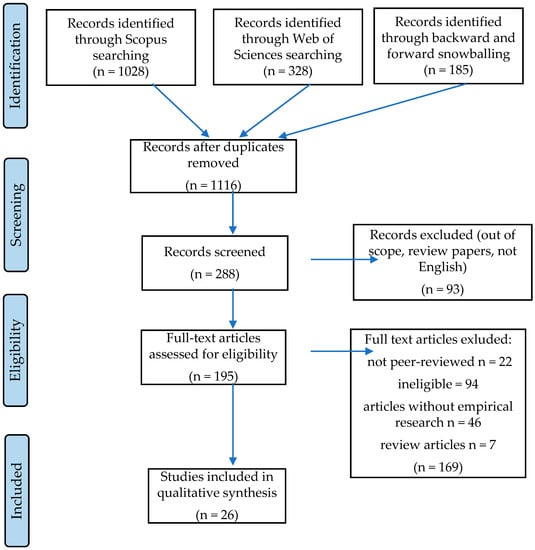
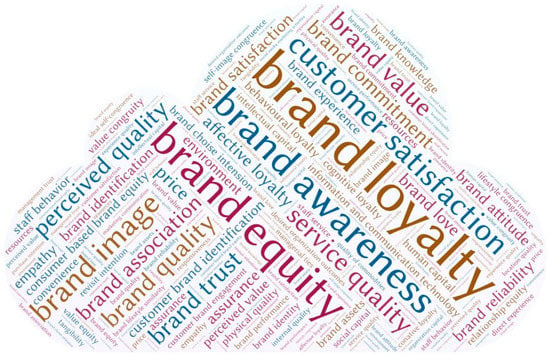
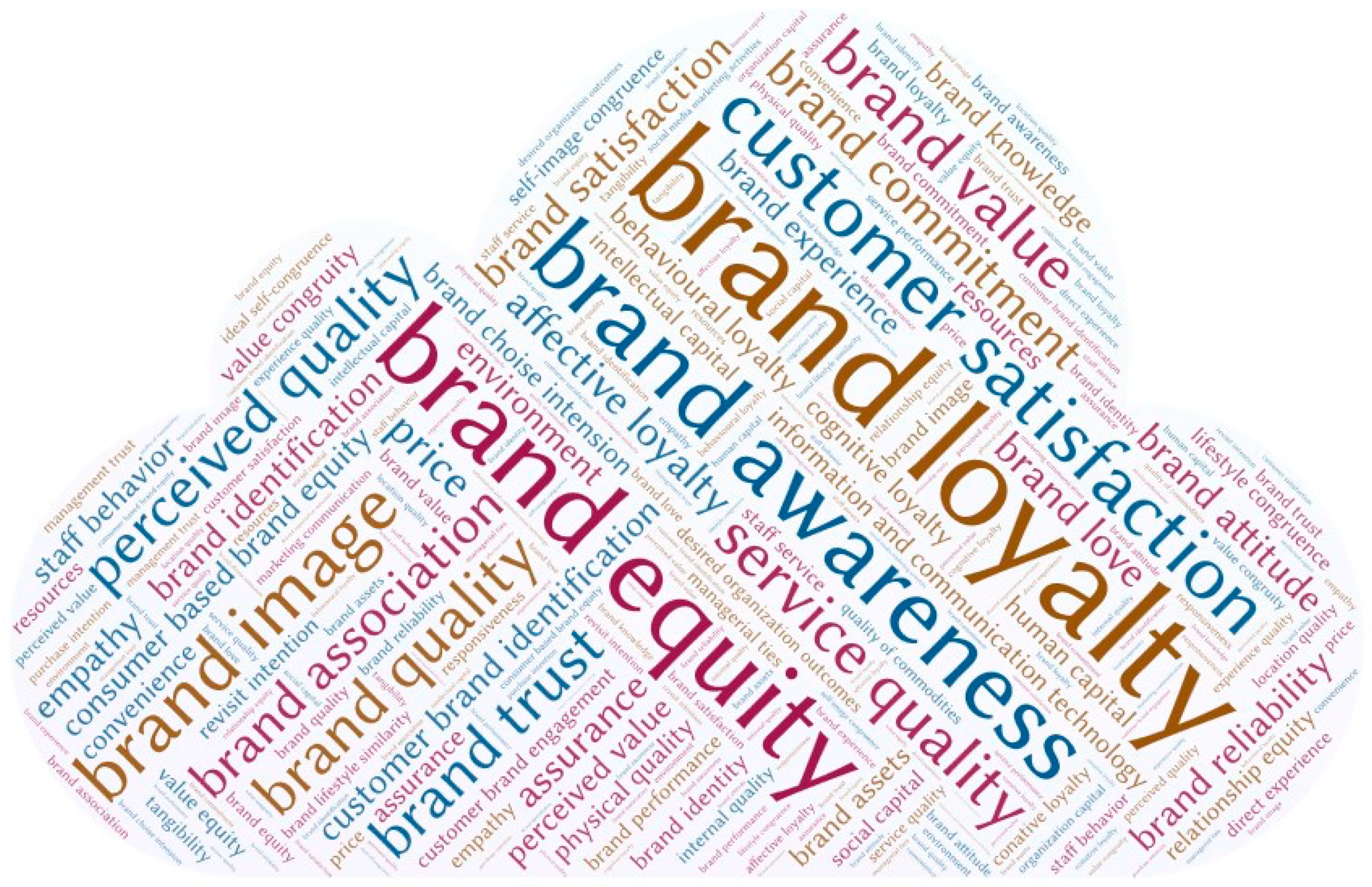

© 2020 by the authors. Licensee MDPI, Basel, Switzerland. This article is an open access article distributed under the terms and conditions of the Creative Commons Attribution (CC BY) license (http://creativecommons.org/licenses/by/4.0/).