


Abstract
The rapid adoption of generative artificial intelligence tools, particularly ChatGPT, is transforming teaching and learning in higher education. This study proposes an explainable artificial intelligence (XAI) framework that integrates the Unified Theory of Acceptance and Use of Technology (UTAUT2), machine learning, and explainability techniques to examine students’ intentions to use ChatGPT in academic contexts. Survey data were analyzed using Ordinary Least Squares regression, Random Forest, SHAP, Necessary Condition Analysis (NCA), Importance–Performance Map Analysis (IPMA), and K-Means clustering. The results indicate that Habit, Performance Expectancy, Hedonic Motivation, Social Influence, and Facilitating Conditions significantly influence behavioral intention, explaining 67.6% of the variance. Habit emerged as the strongest predictor, whereas Price Value had negligible influence. XAI analyses revealed that Effort Expectancy acts as a necessary condition for high adoption levels despite its limited direct effect. Four distinct student profiles were identified, highlighting heterogeneous patterns of AI integration and informing strategies for responsible and effective educational adoption. These findings provide evidence-based guidance for integrating AI literacy, responsible AI practices, and pedagogically meaningful ChatGPT use in higher education curricula.
1. Introduction
Generative artificial intelligence (GAI) is transforming educational environments, particularly in higher education, where tools like ChatGPT are increasingly integrated into teaching, learning, research, and academic support activities.
These technologies offer opportunities to personalize learning, improve academic productivity, and facilitate access to knowledge; however, they also generate challenges related to algorithmic transparency, trust, academic integrity, and the ethical use of intelligent systems (Singh & Sharma, 2025).
Several studies have shown that technological, personal, and institutional factors influence the adoption of ChatGPT. Key determinants include perceived usefulness, ease of use, user motivation, and institutional support (Subhani et al., 2025).
These factors have been extensively analyzed using technology acceptance models, especially the Technology Acceptance Model (TAM) and the Unified Theory of Technology Acceptance and Use (UTAUT), which explain how users’ perceptions influence their intention to use new technologies (Remegio & Asahid-Cheng, 2024).
In this context, Explainable Artificial Intelligence (XAI) emerges as a promising approach for understanding the factors driving ChatGPT adoption by providing mechanisms that increase transparency, interpretability, and trust in AI-based systems (Nguyen et al., 2025). Therefore, this paper proposes a conceptual framework that integrates technological, psychosocial, institutional, and ethical factors to explain ChatGPT adoption in higher education.
1.1. Key Factors in ChatGPT Adoption
The recent literature indicates that perceived usefulness and ease of use remain the primary predictors of intention to use ChatGPT (Ojubanire et al., 2025). Students are more willing to use this tool when they perceive it improves their academic performance, optimizes time spent on complex tasks, and facilitates access to relevant information (Subhani et al., 2025).
Likewise, individual variables such as digital self-efficacy, artificial intelligence literacy, and positive attitudes toward technology significantly influence adoption intention (Torres-Peralta et al., 2026). Users with greater digital skills and AI knowledge have a more favorable perception of generative tools and a greater predisposition to use them consistently (Wang et al., 2025).
Consequently, contextual factors such as social influence, peer and faculty recommendations, institutional support, and the availability of technological resources significantly contribute to strengthening the adoption and continued use of ChatGPT in university settings (Athanassopoulos et al., 2026).
Likewise, the Diffusion of Innovation Theory (DIT) explains that awareness, knowledge, and perceptions of ChatGPT’s relative advantages directly influence the speed and breadth of its adoption in higher education institutions (Mosha et al., 2026).
1.2. Explainable Artificial Intelligence and Trust in Adoption
The increasing use of artificial intelligence-based tools has created a need to ensure that their decisions and recommendations are understandable to users. In this sense, Explainable Artificial Intelligence (XAI) constitutes a fundamental approach to improving the transparency and interpretability of AI systems (Nguyen et al., 2025).
The application of explainability techniques allows us to understand how models generate their responses, reducing uncertainty and strengthening the trust of students and teachers. Evidence shows that trust is one of the most relevant factors for the sustainable adoption of artificial intelligence-based technologies, especially in educational contexts where the quality and reliability of information are essential (Zhang & Reusch, 2025).
Additionally, explainability tools such as SHAP (Shapley Additive Explanations) and LIME (Local Interpretable Model-Agnostic Explanations) facilitate the interpretation of results generated by complex models, promoting more transparent, auditable, and ethically responsible educational processes (Nguyen et al., 2025). As a result, explainability can act as a mediating variable between perceived usefulness and trust in the technology.
1.3. Ethical Dimensions and Academic Integrity
The incorporation of ChatGPT into higher education raises ethical challenges related to academic authorship, plagiarism, data privacy, and over-reliance on automated systems. For this reason, academic integrity has been identified as one of the most relevant moderating factors in the adoption of generative technologies (Subhani et al., 2025).
Several studies indicate that responsible use of ChatGPT requires clear institutional policies that govern its use in teaching, assessment, and research. These policies should promote transparency in the use of generative tools and foster ethical academic practices (Singh & Sharma, 2025).
Furthermore, the increasing use of generative AI systems has spurred debates over the redefinition of traditional concepts such as authorship, originality, and knowledge production, thereby necessitating the establishment of new standards for research and higher education (Mazumder & Malik, 2026). Consequently, digital literacy, ethical training, and institutional governance of AI become fundamental components for ensuring the responsible and sustainable use of ChatGPT in university ecosystems (Bischof et al., 2025).
2. Literature Review
2.1. ChatGPT Adoption in Higher Education
The rapid diffusion of generative artificial intelligence (GenAI), particularly ChatGPT, has transformed higher education by expanding opportunities for personalized learning, academic writing support, formative feedback, and knowledge acquisition. Previous studies consistently report that ChatGPT enhances students’ productivity, supports self-directed learning, and facilitates the development of higher-order competencies such as critical thinking, digital literacy, and problem-solving (Comerio, 2026; Naznin et al., 2025).
Despite these educational benefits, the adoption of ChatGPT remains a complex process influenced by technological, pedagogical, and institutional factors. Universities continue to face important challenges regarding academic integrity, over-reliance on AI- generated content, algorithmic bias, data privacy, and the preservation of collaborative learning practices (Athanassopoulos et al., 2026; Rajamäki & Postolache, 2025). Consequently, successful integration requires not only access to AI technologies but also institutional governance, faculty preparedness, and pedagogical strategies that promote responsible and meaningful educational use.
These challenges indicate that understanding why students adopt ChatGPT extends beyond describing its benefits. Instead, it requires theoretical models capable of explaining the multiple factors that shape technology acceptance within educational environments.
2.2. Technology Acceptance Models for ChatGPT Adoption
Technology acceptance models have become the dominant theoretical approach for explaining students’ intention to adopt educational technologies. Among these models, the Unified Theory of Acceptance and Use of Technology 2 (UTAUT2) has demonstrated strong explanatory power by integrating technological, motivational, and social determinants of behavioral intention.
Previous research consistently identifies Performance Expectancy as one of the strongest predictors of ChatGPT adoption, while Effort Expectancy, Social Influence, Facilitating Conditions, Hedonic Motivation, and Habit also contribute to students’ acceptance decisions (Athanassopoulos et al., 2026; Comerio, 2026; Naznin et al., 2025).
Consequently, UTAUT2 has been successfully applied to learning management systems, immersive technologies, and AI-supported educational environments.
However, recent studies also recognize important limitations. Most investigations rely on traditional linear statistical techniques that estimate direct relationships between constructs but provide limited insight into nonlinear interactions, heterogeneous adoption behaviors, or the relative importance of predictors across different student profiles (Subhani et al., 2025).
Therefore, although UTAUT2 effectively explains technology acceptance, complementary analytical approaches are needed to better understand the complexity of ChatGPT adoption in higher education.
2.3. Explainable Artificial Intelligence for Educational Research
Recent advances in Explainable Artificial Intelligence (XAI) offer an opportunity to overcome several limitations of traditional technology acceptance analyses. Rather than replacing established behavioral models, XAI complements them by improving the interpretability of predictive models and identifying how different factors contribute to technology adoption.
Educational applications of XAI have demonstrated its value for interpreting adaptive learning systems, identifying factors associated with academic performance, detecting students at risk of dropout, and supporting fairer and more transparent educational decision- making (Nguyen et al., 2025; Torres-Peralta et al., 2026). Techniques such as SHAP and LIME provide interpretable explanations of machine learning predictions, allowing researchers to move beyond statistical significance toward a deeper understanding of variable importance and interaction effects (Subhani et al., 2025).
Nevertheless, XAI has rarely been integrated with established educational technology acceptance frameworks such as UTAUT2. Consequently, there remains limited evidence regarding how explainability techniques can complement traditional educational research by providing richer interpretations of students’ adoption behavior.
2.4. AI Literacy and Responsible Educational AI
The increasing adoption of ChatGPT has also shifted attention from technology acceptance toward responsible educational implementation. AI literacy is now recognized as a core educational competence encompassing the knowledge, skills, critical thinking, ethical reasoning, and responsible behaviors required to interact effectively with AI systems (Zhang & Reusch, 2025).
Recent frameworks, including the ED-AI Literacy Framework and the AI Literacy Onion Model, emphasize competencies related to prompt engineering, critical evaluation of AI-generated information, human-AI collaboration, and ethical decision-making (Gorowara et al., 2026; Naznin et al., 2025). These competencies are increasingly viewed as prerequisites for responsible AI use rather than optional digital skills.
Similarly, responsible AI frameworks highlight the importance of transparency, explainability, fairness, accountability, and institutional governance in educational settings (Bischof et al., 2025; Comerio, 2026; Funa & Gabay, 2025). Universities are encouraged to establish policies that promote ethical AI use while redesigning assessment strategies and strengthening students’ capacity to critically evaluate AI-generated content.
Taken together, AI literacy and Responsible AI provide the educational context within which technology adoption should be interpreted. Understanding why students adopt ChatGPT therefore has practical implications that extend beyond prediction toward curriculum design, educational policy, and responsible digital transformation.
2.5. Research Gap
Although research on ChatGPT adoption has expanded rapidly, several important limitations remain. First, most studies continue to rely on conventional statistical approaches that primarily estimate linear relationships among technology acceptance constructs, providing limited understanding of nonlinear interactions, predictor importance, necessary conditions, and heterogeneous student adoption profiles. Second, relatively few studies integrate explainable artificial intelligence techniques with established educational technology acceptance models such as UTAUT2, despite their potential to generate more transparent and educationally meaningful interpretations.
Moreover, while AI literacy and Responsible AI have emerged as central educational priorities, empirical studies rarely connect technology adoption findings with actionable recommendations for curriculum design, institutional governance, and responsible educational practice. This disconnect limits the practical contribution of existing research on technology acceptance.
To address these limitations, this study proposes an Explainable Artificial Intelligence framework that integrates UTAUT2 with complementary analytical techniques, including Ordinary Least Squares regression, Random Forest, SHAP, Necessary Condition Analysis, Importance-Performance Map Analysis, and K-Means clustering. Rather than relying exclusively on traditional statistical inference, the proposed framework combines explanatory, predictive, and interpretative analyses to generate evidence that supports both theoretical understanding of ChatGPT adoption and practical decision-making for AI literacy and responsible AI implementation in higher education.
3. Methodology
3.1. Research Design
This study employed a quantitative, cross-sectional research design to investigate the determinants of university students’ behavioral intention to use ChatGPT in higher education. The study integrates the Unified Theory of Acceptance and Use of Technology (UTAUT2) with Explainable Artificial Intelligence (XAI) techniques to provide both explanatory and predictive insights into technology adoption.
This research combines statistical modeling, machine learning, explainability techniques, necessary condition analysis, and clustering to obtain complementary perspectives on the factors influencing ChatGPT adoption.
3.2. Proposed Explainable Artificial Intelligence Framework
Figure 1 illustrates the proposed analytical framework. The framework integrates the theoretical constructs of UTAUT2 with multiple complementary analytical techniques. Initially, data were gathered using a four-point Likert scale (ranging from strongly disagree to agree strongly). The neutral midpoint was intentionally omitted to compel a definitive response from the participants. These categorical responses were converted into numerical values from 1 to 4, and a global score for each construct was calculated as the arithmetic mean of its corresponding individual items.
Figure 1.
Integrated analytical framework for technology acceptance.
Then, an Ordinary Least Squares (OLS) regression was conducted to evaluate the direct effects and establish a baseline of the linear relationships between the independent constructs and BI. To move beyond traditional linear constraints and capture more complex data patterns, machine learning techniques were subsequently applied. A Random Forest model was trained to identify non-linear predictive relationships among the variables. Feature importance metrics and SHAP (SHapley Additive exPlanations) values were then extracted to determine whether the hierarchy of construct importance aligned with or diverged from the linear coefficients previously established via OLS.
After that, a Necessary Condition Analysis (NCA) was performed to determine the minimum thresholds that each construct must meet to allow for high levels of BI. Also, an Importance-Performance Map Analysis (IPMA) was used to compare the predictive importance of each construct with its actual performance score. This step identified specific areas and constructs that present the greatest opportunity to achieve higher levels of BI, thereby establishing clear strategic priorities for future interventions. Finally, K-Means clustering was employed to segment the respondents and identify distinct adoption profiles based on these evaluated dimensions.
3.3. Model Consistency
To assess the consistency, validity, and stability of the UAT2 model, the Variance Inflation Factor (VIF), factorial loadings (λ), and Cronbach’s alpha (α) were utilized. First, the VIF is used to detect the presence and severity of multicollinearity among independent variables by quantifying how much the variance of an estimated coefficient is inflated, with a threshold of VIF < 3.3 adopted to indicate the absence of problematic multicollinearity (Kock & Lynn, 2012).
Second, factorial loadings (λ) show the degree to which each item contributes to the definition of its underlying latent factor, where a threshold of λ > 0.70 ensures robust convergent validity by guaranteeing that the construct accounts for more than half of the variance in the observed indicator. Lastly, Cronbach’s alpha (α) estimates the reliability of the instrument by assessing the degree of inter-item correlation within a specific construct, establishing a threshold of α > 0.70 as the widely accepted standard to confirm that the items sufficiently represent the latent variable (Hair, 2019; Nunnally, 1994).
3.4. Research Questions
This study seeks to answer the following research questions: RQ1. Which UTAUT2 constructs significantly influence university students’ behavioral intention to use ChatGPT? RQ2. How do machine learning explainability techniques complement traditional statistical analyses in understanding ChatGPT adoption? RQ3. Which factors constitute necessary conditions for achieving high behavioral intention? RQ4. Can distinct student adoption profiles be identified through unsupervised learning techniques?
3.5. Study Design, Participants, and Sampling
This study was conducted at the University of Alicante during the first academic semester of 2026. A cross-sectional quantitative survey design was used to investigate university students’ behavioral intentions regarding the adoption of ChatGPT for academic purposes.
Participants were recruited through an institutional invitation distributed via the university’s official communication channels. Participation was voluntary and anonymous, and all respondents provided informed consent before completing the survey.
A non-probability convenience sampling strategy was adopted, targeting undergraduate and graduate students from a wide range of academic disciplines who had prior experience using ChatGPT in educational contexts.
To be eligible for participation, respondents were required to (i) be currently enrolled in a university degree program, (ii) have previous experience using ChatGPT, and (iii) provide informed consent.
A total of 615 students were invited to participate, of whom 540 completed the questionnaire, yielding a response rate of 87.8%.
After data screening and quality control procedures, 522 valid responses were retained for the statistical analyses. The anonymized dataset supporting the findings of this study has been deposited in the Mendeley Data repository to facilitate transparency and reproducibility (Acosta-Vargas, 2026).
3.6. Questionnaire Development
The instrument used in this study was an adaptation of the UTAUT2 (Unified Theory of Acceptance and Use of Technology) scale proposed by Venkatesh et al. (2003), specifically adapted to assess the perceived acceptance and educational usefulness of ChatGPT in higher education contexts (Venkatesh et al., 2012). The questionnaire consists of 29 items, organized into eight constructs, enabling analysis of factors influencing university students’ adoption and educational use of ChatGPT. Responses are recorded using a four-point Likert scale (1 = Strongly Disagree, 2 = Disagree, 3 = Agree, and 4 = Strongly Agree). The instrument demonstrated excellent internal consistency, with a Cronbach’s alpha of 0.89, indicating high reliability in measuring acceptance of ChatGPT in educational settings.
3.7. Questionnaire Focus on ChatGPT in Educational Contexts
The questionnaire explicitly contextualizes every construct around the educational use of ChatGPT, replacing the generic “technology” terminology of the original UTAUT2 model with references to ChatGPT. The items assess students’ perceptions regarding: ChatGPT’s usefulness for completing university assignments. Its effectiveness in obtaining academic information. Ease of interacting with ChatGPT and writing prompts. Social acceptance of ChatGPT use among teachers, classmates, friends, and family. Availability of resources and digital competencies required to use ChatGPT. Enjoyment derived from using ChatGPT. Perceived value of the paid version (ChatGPT Plus). Habitual use of ChatGPT in academic activities. Future intention to use ChatGPT for learning, coursework, and daily academic support.
3.8. Ordinary Least Squares (OLS) Regression
This mathematical procedure calculates the optimal weights that minimize the sum of squared residual errors between the observed responses and the predicted values, yielding the standardized path coefficients denoted as β (Hair, 2019).
The general form of the OLS model for a dependent variable Y is expressed as:
where represents the intercept, are the partial regression coefficients for each independent variable , and ϵ denotes the stochastic error term.
3.9. Coefficient of Determination ()
The Coefficient of Determination, denoted as , is a key metric used to evaluate the explanatory power of the structural model. It quantifies the proportion of variance in the dependent variable explained by the independent constructs of the model (Hair, 2019).
The value is calculated as:
where is the sum of squared residuals and is the total sum of squares.
3.10. Cohen’s Effect Size
This measure assesses the impact of an exogenous construct on the value of the dependent variable by comparing the variance explained when the construct is included versus when it is omitted (Cohen, 1988).
The effect size is calculated using the following formula:
where and represent the coefficients of determination of the dependent variable when the predictor is present or removed from the regression.
The interpretation of these values follows the thresholds established in the literature (Chin, 1998; Cohen, 1988; Hair, 2019):
- 0.02 ≤ < 0.15: Small effect size.
- 0.15 ≤ < 0.35: Medium effect size.
- ≥ 0.35: Large effect size.
3.11. Random Forest (RF)
The RF model is an ensemble learning algorithm that constructs a multitude of decision trees during the training phase. It utilizes the principle of bootstrap aggregating, or bagging, to improve predictive accuracy and control over-fitting (Breiman, 2001).
For a regression task with B trees, the final prediction for a given input x is calculated as the average of the individual tree outputs:
where represents the prediction of the -th decision tree.
3.12. SHAP (Shapley Additive exPlanations) Analysis
SHAP is a game-theoretic approach used to explain the output of complex machine learning models. It assigns each feature an importance value for a specific prediction by calculating the contribution of each variable to the final result (Lundberg & Lee, 2017). This method ensures that the model explanations are consistent and locally accurate by utilizing classical Shapley values from game theory.
The Shapley value ϕi for a feature i is defined as:
where is the set of all input features, is a subset of features excluding i, and () represents the model’s expected output given the features in .
3.13. Necessary Condition Analysis (NCA)
Necessary Condition Analysis (NCA) is a research method used to identify factors that are indispensable for an outcome to occur. It determines the minimum levels of an antecedent required for a specific level of a dependent variable (Lundberg & Lee, 2017).
The relationship is characterized by a ceiling line that separates the space with observations from the space where the outcome is impossible. The mathematical representation of the ceiling line is expressed as:
where is the outcome and () is the ceiling function.
A bottleneck is defined as the specific level of an antecedent X that must be met to reach a target level of the outcome Y. If the antecedent does not meet this critical value, the desired outcome cannot be achieved regardless of the performance of other variables (Dul, 2019).
3.14. K-Means Clustering
K-Means is an unsupervised machine learning algorithm used to partition a dataset into k distinct and non-overlapping clusters. The algorithm assigns each observation to the cluster with the nearest mean, which serves as a prototype of the group (MacQueen, 1967).
The objective of the algorithm is to minimize the Within-Cluster Sum of Squares, (WCSS), defined by the following function:
where k is the number of clusters, n is the number of observations, x(j)I is a specific data point, and μj represents the centroid of cluster j.
3.15. Data Preparation
Following the data collection process described in the previous sections, the responses obtained from the 540 participating students were subjected to a systematic preprocessing stage prior to statistical analysis.
The purpose of this stage was to ensure data quality, measurement consistency, and compatibility with the analytical techniques employed in this study. Specifically, the preprocessing involved reviewing response scales, coding demographic variables, handling inconsistent items, and preparing the dataset for the subsequent statistical, machine learning, and explainable AI analyses.
This analysis revealed that one item within the Social Influence (SI) construct used a frequency-based response scale incompatible with the rest of the instrument. Mixing different response formats within a single latent construct can create systematic measurement error, as participants process frequency and agreement scales differently. Consequently, this item was excluded, and the construct was reduced from 4 to 3 items.
The remaining questions followed a four-point Likert scale ranging from strongly disagree to strongly agree.
This employed a forced-choice format, and these qualitative responses were subsequently transformed into numerical values ranging from 1 to 4 for further quantitative analysis.
Demographic data was transformed using ordinal and dummy coding techniques. Age and education were treated as ordinal variables to preserve their natural hierarchy.
For the gender variable, although 3 options were initially provided, the category labeled as “other” included only 2 respondents. These observations were excluded because conducting statistical analyses on a sample of this size (n = 2) would fail to yield reliable conclusions and risk misrepresenting this group. After that, a dummy variable was generated for the remaining sample, assigning 1 to women and 0 to men.
Table 1 shows the mapping of each label to its corresponding numerical value used in the subsequent statistical procedures.
Table 1.
Mapping of Demographic Categories to Numerical and Dummy Values.
4. Results
4.1. Measurement Model Assessment
Table 2 provides a comprehensive overview of the relationship between individual items and their respective latent constructs. The mean values and standard deviations reflect the general sentiment of the participants. Regarding multicollinearity, the Variance Inflation Factor (VIF) scores remain below the conservative threshold of 3.3, indicating that the items remain sufficiently independent.
Table 2.
Measurement Model: Items, Descriptive Statistics, and Validity Metrics.
In terms of Factorial Loadings, which indicate how well each item represents its as- signed construct, most values surpassed the required threshold of 0.70. Item FC4 exhibited a low loading of 0.354, suggesting that it introduces significant noise into the model and fails to contribute to the convergent validity of the construct; therefore, this item was excluded from subsequent analyses. In contrast, although items SI3 and BI1 did not reach the 0.70 threshold, they exceeded the value of 0.60, which is acceptable since their respective constructs demonstrated high internal consistency with a Cronbach’s alpha value exceeding 0.80 for both cases (Table 3).
Table 3.
Cronbach’s Alpha Reliability Analysis for the Eight Dimensions of the UTAUT2 Model.
4.2. Macro-View of Responses
Figure 2 illustrates the overall distribution of student responses. While most dimensions reflect a positive perception regarding the use of ChatGPT, HT stands out as a clear exception. This construct shows a predominantly negative trend, with one specific item reaching an 80% negative perception and a significant concentration of “Strongly disagree” responses.
Figure 2.
Distribution of participant responses across the UTAUT2 constructs.
4.3. Internal Consistency of the Instrument
To ensure that the questions within each dimension measure the same construct, Cronbach’s Alpha was calculated. As shown in Table 3, all coefficients exceeded the 0.70 threshold, indicating that the items are consistent and each dimension is appropriately measured.
4.4. Quantifying Construct Influence
To determine the predictive power of each Latent construct on BI, an Ordinary Least Squares regression model was fitted to the data. First, latent scores for each construct were calculated as the mean of their respective item scores.
Then, the five key model assumptions were systematically evaluated: (1) the absence of multicollinearity using VIF, (2) homoscedasticity via the Breusch–Pagan test, (3) the normality of residuals through the D’Agostino–Pearson test, (4) the independence of residuals utilizing the Durbin–Watson statistic, and (5) linearity utilizing the Rainbow test.
All diagnostic criteria were successfully satisfied, with the exception of two deviations. First, the D’Agostino–Pearson test indicated a departure from residual normality, but the Central Limit Theorem justifies reliance on the consistency of the estimators given the large sample size (n = 522). And second, the detection of heteroscedasticity led to the implementation of Davidson–MacKinnon robust standard errors (HC3), ensuring the validity of the statistical significance tests (p-values) for hypothesis evaluation. With these underlying assumptions satisfied or properly addressed, the analysis proceeded to the estimation of the model coefficients.
As detailed in Table 4, the evaluation of the coefficients reveals that HT constitutes the strongest determinant of BI with a β of 0.199, displaying a high degree of precision due to its low standard error (SE = 0.034) and a well-defined confidence interval (95% CI [0.133, 0.265]). This construct is closely followed by PE, yielding a β of 0.194 (SE = 0.049, 95% CI [0.099, 0.290]), and HM with a β of 0.163 (SE = 0.046, 95% CI [0.074, 0.253]). The statistical significance of these relationships was directly assessed through their respective p-values, where figures below the 0.05 threshold confirm that these structural weights are robust and not attributable to random variance in the sample.
Table 4.
Hypothesis Testing Results: Path Coefficients, Standard Errors, and Significance.
However, the analysis also shows that EE and PV did not reach statistical significance, with p-values of 0.612 and 0.122, respectively. Consequently, their associated path coefficients of 0.028 (SE = 0.055) and 0.050 (SE = 0.032) cannot be considered reliable predictors. This statistical insignificance is corroborated by their 95% confidence intervals, [−0.080, 0.137] for EE and [−0.013, 0.113] for PV, which cross zero, indicating that a null effect is plausible. This empirical rejection suggests that neither the technical complexity of the tool nor its perceived financial cost represent meaningful decision factors for the students.
Following the estimation of the linear model, the coefficient of determination was computed to assess the overall predictive power of the framework. The analysis yielded an R2 value of 0.676, signifying that the proposed constructs collectively explain nearly 67.6% of the variance observed in BI.
Subsequently, effect sizes were calculated to evaluate the magnitude of the contribution of each predictor, determining the reduction in the explained variance when a specific construct is removed from the model. The assessment revealed small effect sizes for the primary determinants, where HT emerged as the most influential predictor, yielding a value of 0.080. This was followed closely by PE reaching an effect size of 0.046, HM contributing a value of 0.042, and SI generating a value of 0.036. Conversely, the remaining constructs failed to meaningfully enhance the model’s predictive capacity, as none exceeded the recommended minimum threshold of 0.02 required to establish a substantive impact. Table 5 shows the scores for each dimension of the model.
Table 5.
Effect Sizes for Predicting BI.
4.5. Demographic Moderators
To evaluate whether the predictive power of the structural model varies across different user segments, demographic variables, including gender, age, and education level, were introduced into the regression equation as moderating factors.
The assessment focused exclusively on the interactions between these demographic characteristics and the primary constructs that previously demonstrated theoretical relevance. Table 6 delineates the results of these interaction terms. The analysis reveals that none of the moderating effects achieved statistical significance, as all p-values comfortably exceeded the standard threshold of 0.05.
Table 6.
Moderating Effects of Demographic Variables on BI.
This indicates that the intention to use the technology is fundamentally driven by HT, PE, HM, and SI, and remains completely independent of users’ demographic profiles.
4.6. Machine Learning Approach
To complement the statistical analysis, a machine learning technique was employed to assess the predictive capability of the construct set and identify non-linear patterns. A Random Forest (RF) model was trained, utilizing the seven UTAUT2 constructs (HM, EE, HT, FC, PE, SI, and PV) as predictive features and Intention (BI) as the target variable. To evaluate the predictive performance of this approach, the dataset was partitioned into an 80% training set and a 20% testing set for evaluation. Then, the model was configured with an ensemble of 500 estimators to guarantee convergence. Finally, the model was evaluated using the coefficient of determination (R2) and the mean absolute error (MAE), achieving satisfactory scores of 0.716 and 0.261, respectively.
With these predictive results, a feature importance analysis can be confidently conducted to examine how each construct impacts BI. The RF algorithm ranks these predictors based on their average contribution to reducing model variance.
Figure 3 illustrates that HM emerged as the most critical predictor, exhibiting a considerable gap that separates it from the subsequent group of variables. Following this primary driver, a secondary cluster of influential features comprises EE, HT, FC, and PE. Conversely, SI and PV are presented as the least important dimensions within the predictive structure.
Figure 3.
Feature Importance for Predicting BI.
The negligible predictive value assigned to PV strongly aligns with the results obtained from the linear model, where this construct yielded an insignificant coefficient and a correspondingly high p-value. However, a notable analytical contradiction arises regarding EE. While its direct influence on BI was rejected during the linear regression evaluation, the non-linear machine learning algorithm identifies it as the second most relevant feature. This discrepancy suggests that a complex non-linear combination may exist where EE becomes a critical determinant for predicting BI under specific conditions not captured by traditional linear estimations.
To attain greater explicability regarding the predictions generated by the random forest model, a SHAP value analysis was conducted. Figure 4 delineates how each dimension influences the predictive output, where every data point represents an individual observation and the color gradient indicates whether the registered value for the construct is high or low. A clear separation where high individual values (red) cluster on the positive side of the SHAP axis, while low values (blue) position themselves on the negative side, indicates that higher values in the UTAUT2 constructs lead to a higher predicted Behavioral Intention (BI).
Figure 4.
SHAP Summary Plot for BI Prediction.
The distribution reveals that HT presents the widest dispersion, showing that high values in this dimension strongly drive an elevated score in BI, whereas low values correspondingly lead to a reduced intention. Additionally, PE, HM, and EE show a similar asymmetrical pattern, having a limited impact when their values are high but a strong negative effect when their scores are low. This indicates that these dimensions act as baseline requirements. While their absence represents a critical barrier that severely discourages usage, their presence is taken for granted and does not trigger a proportional increase in adoption intention.
SI displays a similar pattern, but with a lower overall impact. While it follows the same tendency, its points do not extend as far along the axis, showing a less severe effect.
In the case of FC, a significant concentration of observations is clustered around the central line of zero impact, implying an almost nonexistent influence on the prediction, with the exception of a few isolated cases that negatively affect BI. This suggests that FC has a negligible overall impact on BI, except in specific cases of low values where a lack of necessary conditions logically prevents usage. Finally, PV presents a distribution where all data points are densely compacted in the exact middle, reinforcing the prior conclusion that its predictive importance is practically negligible when estimating BI. Monetary or cost–benefit considerations appear neutral across the entire sample, neither motivating nor inhibiting adoption intentions in this context.
4.7. Necessary Condition Analysis
A NCA was performed to identify the essential thresholds required for the manifestation of BI. To establish the boundary of these necessary conditions, a pure Ceiling Envelopment with Free Disposal Hull (CE-FDH) approach was implemented. This technique constructs a step-like ceiling line that wraps tightly around the dataset’s outermost observations. Then, the statistical significance of the resulting ceiling zones was assessed using a Monte Carlo permutation test with 5000 permutations, in which the predictor variable (X) was randomly shuffled to estimate the probability (p-value) of obtaining an effect size equal to or greater than the observed empirical effect size (d).
As shown in Table 7, all analyzed constructs emerged as statistically significant necessary conditions for BI (p < 0.05). FC presented the largest effect (d = 0.197), followed by HM (d = 0.150), EE (d = 0.148), SI (d = 0.130), and HT (d = 0.103), all representing medium-sized effects. On the other hand, PE (d = 0.085) and PV (d = 0.038) exhibited small but statistically significant necessary effect sizes.
Table 7.
NCA Effect Sizes and Significance Testing.
The analysis of specific bottlenecks, detailed in Table 8, reveals that low levels of BI, specifically those reaching the twenty percent mark, do not impose any significant constraints on the predictors. This absence of requirements suggests that initial or marginal adoption can occur even when the perceptions of HT, PE, or FC are minimal. However, as the target level for BI increases toward the upper quintiles, the model identifies critical bottlenecks that act as restrictive ceilings.
Table 8.
Bottleneck Table for Necessary Levels of BI.
To achieve maximum adoption, characterized by a 100% level of BI, the system imposes mandatory minimum requirements across nearly all dimensions. The most demanding constraints are SI and FC, both of which reached the required threshold of 55.6% of their respective ranges. These primary bottlenecks are followed closely by EE, which required a minimum value of 50% to allow for total adoption. This finding provides a resolution to the earlier discrepancy regarding EE, where the linear OLS model suggested that this construct was insignificant, while the RF model identified it as highly important. The NCA shows that a baseline level of EE is necessary to enable high levels of BI. Consequently, this construct does not drive adoption in a steady, incremental manner, which explains why the OLS model failed to capture its relevance.
A secondary set of necessary conditions is formed by HM and HT, both yielding a requirement of 44.4%, alongside PE, which presented a prerequisite of 25%. Conversely, PV remained the least restrictive factor, requiring a threshold of only 11.1% to sustain the highest level of BI, a finding that consistently points to its negligible role across all analytical stages of the research.
4.8. Strategic Priorities for Enhancing BI
An Importance-Performance Map Analysis (IPMA) was conducted to contrast the constructs’ structural importance against their empirical performance. This method extends the findings of the structural model by placing the total effects of each predictor on the horizontal axis while representing the rescaled mean scores of the participants on the vertical axis, using a standardized scale from zero to one hundred. Figure 5 illustrates this relationship, allowing for the identification of specific dimensions where interventions would be most effective in increasing BI. The strategic categorization of the determinants into distinct quadrants provides a clear roadmap for enhancing the adoption of ChatGPT within the student population.
Figure 5.
Importance and Performance Scores for BI Determinants.
The results suggest that HT represents a key strategic priority, as it is positioned within the quadrant characterized by high structural importance but relatively lower empirical performance. This placement suggests that while habituation appears to be a major determinant of BI, students may not have fully integrated the tool into their daily academic routines yet.
On the other hand, PE and HM occupy the quadrant of high importance and high performance, suggesting that the perceived utility and enjoyment of the technology are already actively supporting adoption intention and should be maintained to sustain current levels of BI. Similarly, FC and SI are situated within the moderate-to-high importance and performance sectors, pointing to the supportive foundation provided by the technical infrastructure and social environment.
In contrast, EE resides in the quadrant of low importance and high performance. This positioning supports the interpretation that while ChatGPT is perceived as highly accessible and easy to operate, this ease of use may act as an already satisfied prerequisite rather than an active driver of further adoption. Finally, PV is positioned in the low-priority quadrant, exhibiting both low importance and low performance, indicating its relatively minor role in the formation of BI within this specific academic setting.
4.9. User Profile Segmentation Through K-Means Clustering
To identify distinct user segments based on their perceptions of the technology, a K-Means clustering analysis was performed utilizing the seven latent determinants of the framework.
The optimal number of clusters was determined through the elbow method, which evaluates the reduction in the within-cluster sum of squares as the number of centroids increases. This technique indicated that a four-cluster solution provided the most robust fit for the data.
Each group was subsequently profiled by extracting the mean values of each construct, revealing a clear hierarchy of adoption levels, with each subsequent cluster showing a higher overall perception of the technology than the previous one.
Figure 6 illustrates the mean values of each latent construct across the identified segments through a radar plot, providing a multivariate visualization of the profile characteristics.
Figure 6.
Radar plot of constructs’ mean values for each cluster.
The diagram reveals that the geometric area encompassed by each cluster expands progressively, demonstrating that the studied population possesses distinct and hierarchical perceptions of the technology.
A notable observation is the internal consistency of these profiles, as students tend to report similar scores across all constructs within their assigned group.
This suggests an absence of significant user segments with divergent perceptions, such as profiles in which high scores in EE are contrasted with low values in SI. Instead, the results indicate that the evaluative dimensions scale proportionally, confirming that the transition from a resistant to an enthusiastic profile involves a simultaneous and cohesive increase in the perception of all UTAUT2 drivers.
The influence of these profiles on BI is illustrated in Figure 7, which displays the distribution of scores across the identified profiles through a boxplot.
Figure 7.
Boxplot representation of BI for each user profile.
Cluster 0, identified as the Resistant Adopters, represents 8.8% of the student population and exhibits the lowest adoption intensity, where 50% of users’ scores fall below 2.
The subsequent segment, categorized as Late Adopters, encompasses 27% of the sample and shows a higher concentration of BI around a value of 2.5, although the distribution whiskers indicate a significant variance that reaches values as low as 1.5.
The largest segment in the study, the Pragmatic Adopters, accounts for 50% of the total population and presents a more concentrated distribution that consistently surpasses the scores of the previous clusters. The shorter whiskers in this group indicate a stable, positive perception of BI.
Finally, the group representing the Technology Enthusiasts constitutes 14.2% of the students and displays the highest adoption profile. This cluster is characterized by scores that frequently reach the maximum value of 4, with its minimum observations maintaining a level equivalent to the pragmatic segment’s scores, thereby confirming the existence of a highly committed user base.
5. Discussion
The present study proposed and validated an Explainable Artificial Intelligence (XAI) framework that integrates the Unified Theory of Acceptance and Use of Technology 2 (UTAUT2) with complementary analytical techniques, including Random Forest, SHAP, Necessary Condition Analysis (NCA), Importance–Performance Map Analysis (IPMA), and K-Means clustering, to explain university students’ behavioral intention to adopt ChatGPT.
Unlike previous studies that primarily rely on conventional linear statistical models, the proposed framework combines explanatory, predictive, and interpretative analyses to provide a more comprehensive understanding of technology adoption. This approach responds directly to the research gap identified in the literature by demonstrating how explainable machine learning can complement traditional technology acceptance research while generating educationally meaningful evidence for AI literacy, responsible AI, and institutional decision-making.
The discussion is organized according to the four research questions guiding this study. Rather than describing individual statistical results, each section interprets the findings within the broader context of educational technology adoption and discusses their implications for higher education.
5.1. RQ1. Determinants of ChatGPT Adoption in Higher Education
The first research question sought to identify which UTAUT2 constructs significantly influence university students’ behavioral intention to adopt ChatGPT. The findings indicate that Habit, Performance Expectancy, Hedonic Motivation, Social Influence, and Facilitating Conditions significantly predict behavioral intention, whereas Effort Expectancy and Price Value do not exert a statistically significant direct effect. These findings reinforce the explanatory capacity of UTAUT2 while simultaneously illustrating that the relative importance of its constructs varies according to the educational context in which generative AI is adopted.
Among all predictors, Habit emerged as the strongest determinant of behavioral intention. This result suggests that students are more likely to integrate ChatGPT into their academic activities once its use becomes embedded within their daily learning routines. Similar findings have been reported in technology acceptance research, where repeated positive experiences progressively transform intentional behavior into automatic behavior, reducing cognitive effort and strengthening continued technology use (Subhani et al., 2025; Venkatesh et al., 2012). In the context of generative AI, habitual use may reflect students’ increasing confidence in using ChatGPT for information retrieval, idea generation, academic writing, and problem-solving.
However, the educational interpretation of this finding deserves careful consideration. Although habitual interaction promotes technology adoption, universities should avoid interpreting habit as an objective in itself. Excessive dependence on generative AI may inadvertently reduce opportunities for independent reasoning, critical reflection, and knowledge construction if students begin to substitute AI-generated responses for their own cognitive processes.
Recent studies have warned that overreliance on ChatGPT may undermine critical thinking, self-regulated learning, and academic integrity when it is not accompanied by appropriate pedagogical guidance (Gorowara et al., 2026; Rajamäki & Postolache, 2025). Consequently, the educational challenge is not to maximize habitual AI use, but to cultivate reflective habits in which ChatGPT serves as a complementary learning partner, not a replacement for students’ intellectual engagement.
The second strongest determinant was Performance Expectancy, confirming one of the central assumptions of UTAUT2. Students appear willing to adopt ChatGPT primarily because they perceive it as improving academic productivity, facilitating access to information, accelerating task completion, and enhancing learning efficiency.
These findings are consistent with previous investigations demonstrating that perceived usefulness remains one of the strongest predictors of ChatGPT adoption across educational contexts (Comerio, 2026; Naznin et al., 2025; Subhani et al., 2025). Rather than adopting ChatGPT because it represents an innovative technology, students appear motivated by the tangible educational value that they associate with its use.
From a pedagogical perspective, this finding suggests that successful institutional adoption should focus on demonstrating authentic educational benefits rather than promoting ChatGPT solely as a technological innovation. Integrating generative AI into learning activities where students experience measurable improvements in problem solving, critical analysis, and knowledge construction is likely to strengthen both acceptance and meaning full educational use. Therefore, instructional design should emphasize learning outcomes supported by AI rather than technology-centered implementation.
The significant influence of Hedonic Motivation also deserves attention. Consistent with previous research on educational technologies, students tend to engage more readily with digital tools that provide enjoyable, interactive, and motivating learning experiences (Comerio, 2026).
ChatGPT’s conversational interface, immediate feedback, and natural language interaction may reduce psychological barriers typically associated with more complex educational software, thereby increasing students’ willingness to incorporate AI into their academic routines. This finding reinforces the importance of considering affective dimensions of technology adoption in addition to purely cognitive evaluations of usefulness.
Similarly, Social Influence significantly contributed to behavioral intention, indicating that students’ decisions are shaped not only by their personal perceptions but also by the attitudes of instructors, classmates, and the broader institutional environment. This finding aligns with previous studies emphasizing that faculty endorsement and peer acceptance strongly influence students’ willingness to adopt emerging educational technologies (Athanassopoulos et al., 2026; Bischof et al., 2025).
The educational implications are particularly important because they position instructors as key mediators of responsible AI adoption. Faculty members not only legitimize the educational use of ChatGPT but also establish the ethical and pedagogical norms that guide students’ interactions with generative AI.
Likewise, Facilitating Conditions remained a significant predictor, highlighting that successful adoption depends on students having adequate technological infrastructure, digital competencies, and institutional support. This finding supports previous research suggesting that access to technological resources alone is insufficient without training opportunities and institutional guidance (Funa & Gabay, 2025; Zhang & Reusch, 2025).
Consequently, universities should view AI adoption as an organizational challenge requiring investment in digital infrastructure, faculty development, and student support services.
An interesting finding concerns the negligible contribution of Price Value. Across all analytical techniques, economic considerations exhibited minimal influence on students’ behavioral intention. One possible explanation is that the free version of ChatGPT already satisfies most academic needs, reducing the perceived relevance of premium subscription costs within university settings.
This interpretation differs from studies investigating broader commercial AI ecosystems, where subscription costs represent a more influential determinant of adoption decisions (Sergeeva et al., 2025). In higher education, educational usefulness appears to be considerably more influential than economic value when students evaluate generative AI technologies.
5.2. RQ2. Explainable Artificial Intelligence Provides Complementary Insights Beyond Traditional Statistical Models
The second research question examined how Explainable Artificial Intelligence (XAI) complements traditional statistical analyses in explaining students’ behavioral intention to adopt ChatGPT. One of the principal contributions of this study is to demonstrate that explainable machine learning techniques do not replace established educational technology acceptance models such as UTAUT2 but rather enrich their explanatory power by uncovering complex relationships that remain hidden under conventional linear assumptions.
Technology acceptance studies have traditionally relied on regression-based techniques or structural equation modeling to estimate direct relationships among latent con-Structs (Subhani et al., 2025; Venkatesh et al., 2012).
Although these approaches provide robust statistical evidence regarding significant predictors, they generally assume linearity and homogeneity among observations. Consequently, they may overlook nonlinear interactions, threshold effects, heterogeneous behavioral patterns, and differences in predictor importance across individuals.
The integration of Random Forest and SHAP analysis addresses these limitations by providing complementary perspectives on technology adoption. While the OLS regression identified the statistically significant determinants of behavioral intention, the machine learning model revealed the relative predictive contribution of each construct without imposing linear assumptions. This distinction is particularly important in educational research, where learning behaviors frequently emerge through complex interactions among cognitive, motivational, social, and contextual variables rather than through isolated linear relationships.
The most illustrative example concerns Effort Expectancy. Within the linear regression model, this construct did not significantly predict behavioral intention. However, Random Forest ranked it among the most influential predictors, while SHAP demonstrated that ease of use substantially contributes to prediction accuracy across different participant profiles. Similarly, Necessary Condition Analysis revealed that minimum levels of Effort Expectancy are indispensable before students develop high levels of behavioral intention.
Rather than representing contradictory findings, these results illustrate the complementary nature of the analytical framework. Linear regression evaluates whether increases in one predictor produce proportional changes in the dependent variable.
Conversely, explainable machine learning identifies variables that contribute to pre-diction regardless of whether their relationships are linear, while NCA determines whether minimum thresholds must be satisfied before a desired outcome becomes achievable (Naznin et al., 2025). Together, these techniques provide a substantially richer understanding of technology adoption than any individual method alone.
From an educational perspective, this finding has important implications. The statistical insignificance of Effort Expectancy does not imply that usability is irrelevant. Instead, the results suggest that students already perceive ChatGPT as sufficiently easy to use, meaning that additional improvements in usability contribute little to increasing behavioral intention.
Nevertheless, if the system becomes difficult to use or if students lack basic prompting skills, adoption may decline considerably. Therefore, ease of use functions as a foundational enabling condition rather than as a continuous motivational driver.
This interpretation aligns with recent research suggesting that generative AI systems differ from many previous educational technologies because their conversational interfaces substantially reduce technical barriers to adoption (Naznin et al., 2025).
Natural language interaction allows students to engage with AI systems without extensive technical expertise, making usability less of a motivational factor once a mini- mum threshold has been reached. However, introductory AI literacy initiatives remain essential because students must still develop competencies related to prompt formulation, information verification, and critical evaluation of AI-generated responses.
Beyond improving prediction accuracy, SHAP contributes to educational research by increasing model transparency and interpretability. One of the major criticisms of machine learning in educational settings concerns the opacity of so-called “black-box” models, which often produce highly accurate predictions without explaining the reasons underlying their decisions (Nguyen et al., 2025).
Explainability techniques overcome this limitation by identifying how individual variables contribute to each prediction, thereby allowing researchers, educators, and institutional decision-makers to better understand students’ adoption behaviors.
This increased interpretability is particularly relevant within higher education, where educational decisions should be supported not only by predictive accuracy but also by transparent evidence capable of informing curriculum design, institutional policy, and teaching practice.
Universities require interpretable analytical models that explain why students adopt educational technologies rather than simply predicting whether adoption will occur. In this sense, XAI contributes directly to evidence-based educational decision-making by transforming predictive analytics into actionable educational knowledge.
The present findings therefore support recent calls advocating the integration of Explainable Artificial Intelligence into educational research (Nguyen et al., 2025; Subhani et al., 2025).
Rather than viewing machine learning and behavioral theories as competing paradigms, this study demonstrates that both approaches are highly complementary.
UTAUT2 provides the theoretical foundation for explaining technology acceptance, whereas XAI expands that explanation by identifying nonlinear relationships, hidden interactions, variable importance, and necessary conditions that would otherwise go undetected.
5.3. RQ3–RQ4: Necessary Conditions and Student Adoption Profiles
The third and fourth research questions aimed to determine whether minimum conditions are required for successful ChatGPT adoption and whether university students exhibit distinct technology adoption profiles.
Addressing these questions is particularly relevant because educational technology adoption rarely occurs uniformly across student populations. Instead, adoption reflects a dynamic interaction between individual characteristics, institutional environments, and learning experiences, resulting in heterogeneous patterns of acceptance and use.
The Necessary Condition Analysis (NCA) provides an important perspective that complements conventional regression models by identifying variables that function as prerequisites for achieving high levels of behavioral intention. Unlike regression analysis, which estimates the average contribution of each predictor, NCA assesses whether insufficient levels of specific variables preclude the desired outcome, regardless of other factors (Dul, 2016, 2019).
This distinction is particularly valuable in educational research because universities often seek to identify the minimum institutional conditions required before implementing large-scale educational innovations.
The present findings indicate that Facilitating Conditions, Social Influence, and Effort Expectancy are necessary for successful adoption of ChatGPT. Although increasing these variables beyond certain levels may not proportionally increase behavioral intention, insufficient levels effectively constrain students’ willingness to integrate ChatGPT into their academic activities.
Among these conditions, the role of Facilitating Conditions deserves particular attention. The results suggest that adequate technological infrastructure, institutional support, and students’ digital competencies constitute foundational requirements for AI adoption. This finding reinforces previous research demonstrating that educational technologies cannot generate meaningful learning improvements unless institutions provide sufficient technological resources, technical support, and opportunities for digital skills development (Funa & Gabay, 2025; Zhang & Reusch, 2025).
Consequently, successful AI implementation should be viewed as an institutional responsibility rather than solely an individual student decision.
Similarly, Social Influence emerged as a necessary condition, underscoring the critical role of instructors, classmates, and institutional culture in legitimizing the use of educational AI.
This result extends previous UTAUT2 studies by suggesting that faculty members influence adoption not only through direct instruction but also by shaping students’ perceptions regarding the legitimacy, usefulness, and ethical acceptability of ChatGPT within academic environments (Athanassopoulos et al., 2026; Bischof et al., 2025).
In practice, this finding highlights that institutional silence on generative AI can create uncertainty, whereas explicit guidance and responsible-use policies can substantially facilitate adoption.
The identification of Effort Expectancy as a necessary condition also provides important educational insights. Although usability did not significantly predict behavioral intention in the regression model, NCA indicates that minimum levels of perceived ease of use must be achieved before students fully engage with ChatGPT.
This finding illustrates the complementary nature of the proposed analytical frame- work and reinforces the conclusion that usability should be considered a prerequisite rather than a primary motivational driver.
Complementing these findings, the Importance–Performance Map Analysis (IPMA) provides valuable guidance for institutional decision-making by simultaneously considering the relative importance of each construct and its current performance.
While Performance Expectancy and Habit exhibited both high importance and relatively favorable performance, constructs such as Facilitating Conditions and Social In- fluence still present opportunities for institutional improvement. These findings suggest that universities may achieve greater educational benefits by strengthening organizational support, faculty engagement, and AI literacy initiatives rather than focusing exclusively on technological improvements.
Perhaps one of the most educationally significant findings of this study is the identification of four distinct student adoption profiles through K-Means clustering. These results demonstrate that university students cannot be considered a homogeneous population with respect to their attitudes toward generative AI. Instead, they exhibit substantially different patterns of motivation, readiness, and technology acceptance.
The largest cluster, identified as Pragmatic Adopters, represents students who recognize the educational value of ChatGPT and integrate it into their academic activities in a balanced and purposeful manner. Their adoption appears primarily driven by perceived usefulness and practical benefits rather than enthusiasm for technology itself. This profile may represent the most sustainable model for educational AI adoption because students use ChatGPT as a complementary learning resource while maintaining active engagement in their own learning.
A second group, referred to as Technology Enthusiasts, exhibits consistently high levels across nearly all UTAUT2 constructs. These students demonstrate strong confidence in generative AI and appear highly motivated to incorporate ChatGPT into a range of academic activities.
Although this profile reflects positive attitudes toward educational innovation, universities should also encourage critical evaluation of AI-generated content to avoid excessive technological dependence.
Conversely, students belonging to lower-adoption clusters require considerably greater institutional support. Their relatively lower confidence, weaker facilitating conditions, and reduced social endorsement suggest that generalized institutional policies may fail to address their specific needs.
Instead, targeted interventions including introductory AI literacy workshops, scaffolded learning activities, peer mentoring, and instructor guidance may help these students progressively develop confidence and competence in using generative AI responsibly.
Taken together, the clustering results reinforce growing evidence that educational technology adoption is inherently heterogeneous (Subhani et al., 2025).
5.4. Educational Implications for AI Literacy and Responsible AI
Beyond explaining students’ behavioral intention to adopt ChatGPT, the present findings have important implications for curriculum design, teaching practice, institutional governance, and educational policy.
The results suggest that successful integration of generative artificial intelligence in higher education should not be understood merely as a technological innovation but as a pedagogical transformation requiring new competencies, teaching strategies, and institutional support mechanisms.
One of the most significant implications concerns the development of AI literacy. Although students demonstrated a generally positive disposition toward ChatGPT, the predominance of Performance Expectancy and Habit suggests that adoption is driven primarily by perceived educational value rather than by a comprehensive understanding of the technology itself.
Consequently, universities should avoid equating frequent AI use with AI competence. Instead, AI literacy should be conceived as a multidimensional educational competency encompassing technical knowledge, critical thinking, ethical reasoning, information verification, prompt design, and informed decision-making when interacting with intelligent systems (Bischof et al., 2025; Sergeeva et al., 2025).
Recent AI literacy frameworks argue that students should develop the ability to critically evaluate AI-generated content, recognize algorithmic bias, understand the limitations of large language models, and appropriately integrate AI into collaborative knowledge construction rather than simply learning how to formulate effective prompts (Funa & Gabay, 2025).
The present findings reinforce these recommendations by demonstrating that behavioral intention increases when students perceive educational benefits, making it essential that universities simultaneously cultivate critical awareness regarding the appropriate use of generative AI. Consequently, AI literacy should become a transversal competency integrated across higher education curricula rather than an isolated digital skills initiative.
The significant influence of Social Influence further emphasizes the central role of faculty members in shaping responsible AI adoption.
Instructors do considerably more than authorize or restrict the use of ChatGPT; they establish the pedagogical norms that shape students’ perceptions of the legitimacy, use- fulness, and ethical acceptability of generative AI in academic environments. Previous research has consistently shown that instructors’ attitudes toward educational technologies strongly influence students’ adoption decisions, particularly when emerging technologies challenge traditional assessment practices and academic conventions (Comerio, 2026; Funa & Gabay, 2025).
Accordingly, faculty development becomes a critical component of institutional AI strategies. Professional development initiatives should not focus exclusively on technical training but should also support instructors in redesigning learning activities, integrating AI into authentic assessment, promoting collaborative human–AI learning, and encouraging students to critically compare AI-generated responses with reliable academic sources.
In this context, educators transition from transmitters of knowledge to facilitators of reflective learning experiences, in which AI serves as an educational partner rather than a substitute for intellectual effort.
The strong influence of Habit also deserves careful pedagogical interpretation. Although habitual use contributes positively to behavioral intention, institutions should avoid promoting frequent AI interaction without educational purpose.
Instead, repeated use of AI should be accompanied by structured opportunities for reflection, metacognition, and critical evaluation. Excessive dependence on generative AI has recently been associated with reduced self-regulated learning, diminished analytical reasoning, and increased risks to academic integrity when educational guidance is insufficient (Gorowara et al., 2026; Rajamäki & Postolache, 2025).
Therefore, universities should encourage purposeful habits that integrate AI into broader learning strategies while preserving students’ autonomy and responsibility for knowledge construction.
The identification of heterogeneous student adoption profiles further suggests that institutional AI strategies should move beyond uniform implementation models. Students exhibiting high levels of readiness may benefit from advanced activities that involve collaborative problem-solving, research support, interdisciplinary projects, and creative knowledge generation with AI.
Conversely, students with lower readiness require structured support to develop confidence, digital competencies, and responsible use practices before engaging in more sophisticated AI-assisted learning activities. Differentiated instructional strategies are therefore more likely to promote equitable educational opportunities than one-size-fits-all institutional policies.
Collectively, these findings reinforce the growing consensus that successful AI integration depends on aligning technological innovation with sound pedagogical principles.
Universities should therefore prioritize educational objectives when designing AI initiatives rather than viewing generative AI primarily as a productivity tool. Such an approach positions AI literacy as an essential component of twenty-first-century education and promotes educational practices that strengthen critical thinking, ethical reasoning, and lifelong learning.
5.5. Implications for Educational Policy and Future Research
From an institutional perspective, the present findings provide empirical evidence supporting the development of comprehensive governance frameworks for generative artificial intelligence in higher education.
Rather than concentrating exclusively on restricting inappropriate AI use or detecting academic misconduct, universities should establish policies that encourage the transparent, equitable, and pedagogically meaningful integration of generative AI across teaching, learning, assessment, and research.
Responsible AI frameworks consistently emphasize transparency, accountability, fairness, explainability, human oversight, and ethical governance as essential principles for educational AI implementation (Mazumder & Malik, 2026; Rajamäki & Postolache, 2025; Wang et al., 2025).
The present study reinforces these recommendations by demonstrating that students’ behavioral intention is strongly influenced by institutional support and social acceptance.
Consequently, governance policies should not merely define prohibited practices but also provide explicit guidance on acceptable educational uses of generative AI, disclosure of AI assistance in academic work, protection of students’ data privacy, and mechanisms to ensure equitable access to AI technologies.
Another important implication concerns assessment redesign. The increasing integration of ChatGPT challenges traditional assessment models that prioritize content reproduction and individual written production.
Instead, higher education institutions should progressively adopt assessment approaches that emphasize authentic problem-solving, critical evaluation of AI-generated content, collaborative knowledge construction, and reflective learning processes.
Such assessment strategies better align with the competencies required in AI-enhanced educational environments and reduce incentives for inappropriate reliance on automated content generation.
The findings also highlight the importance of institutional investment in faculty development. Educational transformation cannot be achieved solely through technological infrastructure; instructors require continuous professional learning opportunities to integrate AI into curriculum design, classroom practice, formative assessment, and student mentoring.
Faculty preparedness therefore represents a strategic institutional priority for achieving sustainable and responsible AI adoption.
Despite the contributions of this study, several limitations should be acknowledged. First, the cross-sectional design limits the ability to establish causal relationships or examine changes in students’ perceptions over time.
As generative AI technologies continue to evolve rapidly, students’ behavioral intentions and adoption patterns may also change in response to technological developments, institutional policies, and increased experience using AI-supported learning environments.
Second, the study was conducted within a single higher education context. Although the sample size was substantial and included students from different academic programs, future investigations should validate the proposed analytical framework across multiple universities, countries, and cultural contexts to evaluate its generalizability.
Cross-cultural comparisons may provide valuable insights into how institutional environments and educational systems influence AI adoption.
Third, this investigation focused exclusively on students’ perspectives. Future studies should incorporate instructors, educational administrators, and policymakers to obtain a more comprehensive understanding of institutional AI adoption.
Examining the interaction between faculty AI literacy, institutional governance, and students’ behavioral intention may generate richer explanations of responsible AI implementation within higher education ecosystems.
Future research should also extend the proposed Explainable Artificial Intelligence framework by incorporating longitudinal research designs to examine how technology acceptance evolves throughout students’ academic trajectories.
Such studies could determine whether the adoption profiles identified through clustering remain stable over time or whether educational interventions promote transitions between different levels of AI readiness.
Additionally, future investigations should evaluate the effectiveness of AI literacy programs, faculty development initiatives, and institutional governance strategies in promoting responsible AI adoption.
Integrating explainability techniques with learning analytics, educational data mining, and adaptive learning systems may further contribute to the development of transparent and evidence-based educational decision-making.
In conclusion, the present study demonstrates that understanding ChatGPT adoption requires moving beyond traditional linear technology acceptance models toward more comprehensive analytical frameworks that integrate behavioral theory, machine learning, and explainable artificial intelligence.
By combining UTAUT2 with complementary XAI techniques, this research provides a richer interpretation of students’ adoption behavior while generating actionable evidence for AI literacy, responsible AI, curriculum design, and institutional governance. Ultimately, these findings contribute to the growing body of knowledge supporting the responsible, transparent, and pedagogically meaningful integration of generative artificial intelligence in higher education.
6. Conclusions
This study proposed and evaluated a multi-analytical framework integrating UTAUT2 with complementary Explainable Artificial Intelligence (XAI) techniques to investigate the factors associated with university students’ behavioral intention to adopt ChatGPT in higher education. By combining Ordinary Least Squares regression, Random Forest, SHAP, Necessary Condition Analysis (NCA), Importance–Performance Map Analysis (IPMA), and K-Means clustering, the framework provided explanatory, predictive, and interpretative perspectives on technology adoption.
The findings indicate that Habit (HT), Performance Expectancy (PE), Hedonic Motivation (HM), Social Influence (SI), and Facilitating Conditions (FC) are the principal determinants of students’ behavioral intention to use ChatGPT within the educational context examined. Among these constructs, Habit emerged as the strongest predictor, suggesting that the routine integration of ChatGPT into academic activities is more strongly associated with students’ intention to continue using the technology than its perceived novelty or technical characteristics. In contrast, Price Value (PV) did not show a statistically significant contribution, indicating that economic considerations were not a relevant determinant of behavioral intention in this study.
The complementary XAI analyses extended the interpretation of the traditional UTAUT2 model. The IPMA identified Habit as the construct with the greatest potential for improvement, suggesting that educational interventions aimed at fostering consistent and purposeful use of ChatGPT may have greater influence on behavioral intention than initiatives focused exclusively on technological functionality. Furthermore, the combination of Random Forest, SHAP, NCA, and clustering analyses revealed heterogeneous adoption patterns and complementary relationships among the determinants, demonstrating the value of integrating explainable machine learning techniques with conventional technology acceptance models.
The clustering analysis assessed whether the technology effectively enhanced students’ behavioral intention and perceptions toward ChatGPT. These findings highlight that students do not constitute a homogeneous population and suggest that institutional strategies for AI integration should consider different adoption profiles when designing educational support, faculty development initiatives, and AI literacy programs.
Overall, this study contributes to the literature by demonstrating that integrating XAI techniques with UTAUT2 provides a richer understanding of the factors associated with students’ behavioral intention to adopt generative AI technologies. Rather than focusing solely on statistically significant relationships, the proposed framework offers complementary evidence that can support more informed educational decision-making regarding AI literacy, responsible AI implementation, and the pedagogically meaningful integration of ChatGPT in higher education. However, the findings should be interpreted within the scope of the study, as they explain students’ behavioral intention to use ChatGPT rather than actual usage behavior or educational outcomes.
Future Work
Future research should extend the proposed framework by incorporating measures of actual ChatGPT usage to examine the relationship between behavioral intention and sustained technology adoption over time. Longitudinal studies would provide additional insights into how students’ perceptions evolve as generative AI becomes increasingly integrated into higher education.
Comparative studies across different academic disciplines, educational levels, and institutional contexts would also help determine whether the determinants of ChatGPT adoption vary according to disciplinary cultures, pedagogical practices, or institutional policies. Such investigations would contribute to assessing the generalizability of the proposed framework.
It is also important to address the limited representation of gender-diverse and non-binary students in the present study. Although an additional gender option was included in the questionnaire, the number of responses in this category was insufficient for meaningful statistical analysis. Future studies should employ more inclusive recruitment strategies to ensure adequate representation of diverse gender identities and enable more comprehensive analyses of AI adoption across different student populations.
Another promising direction is incorporating educational variables beyond behavioral intention, such as actual learning behaviors, academic engagement, digital competencies, AI literacy, and academic performance. Examining these variables would allow researchers to evaluate whether higher levels of ChatGPT adoption are associated with measurable educational outcomes rather than behavioral intention alone.
Finally, future research should investigate students’ awareness of ethical issues associated with generative AI, including transparency, privacy, data protection, algorithmic bias, and academic integrity. Understanding these dimensions would contribute to the development of evidence-based institutional policies and educational strategies that promote responsible and ethical AI use in higher education.
Author Contributions
Conceptualization, S.J.-V., P.A.-V. and R.R.-V.; methodology, S.J.-V., P.A.-V. and R.R.-V.; software, S.J.-V., M.G.-R., P.A.-V. and D.D.-B.; validation, S.J.-V., P.A.-V., D.D.-B., M.G.-R. and R.R.-V.; formal analysis, S.J.-V., P.A.-V., D.D.-B., M.G.-R. and R.R.-V.; investigation, S.J.-V., P.A.-V., D.D.-B., M.G.-R. and R.R.-V.; resources, S.J.-V., P.A.-V., D.D.-B., M.G.-R. and R.R.-V.; data curation, S.J.-V., P.A.-V., D.D.-B., M.G.-R. and R.R.-V.; writing—original draft preparation, S.J.-V., P.A.-V., D.D.-B., M.G.-R. and R.R.-V.; writing—review and editing, S.J.-V., P.A.-V., D.D.-B., M.G.-R. and R.R.-V.; visualization, S.J.-V., P.A.-V., D.D.-B., M.G.-R. and R.R.-V.; supervision, P.A.-V. and R.R.-V.; project administration, S.J.-V. and P.A.-V.; funding acquisition, P.A.-V. All authors have read and agreed to the published version of the manuscript.
Funding
This research was funded by Universidad de Las Américas-Ecuador as part of the internal research project 518.A.XV.24.
Institutional Review Board Statement
The study was conducted in accordance with the Declaration of Helsinki and approved by the Ethics Committee of the University of Alicante (protocol code UA-2022-1112).
Informed Consent Statement
Informed consent was obtained electronically from all participants before they completed the questionnaire. Participation was voluntary and anonymous, and participants could withdraw from the study at any time without any consequences.
Data Availability Statement
The anonymized dataset supporting the findings of this study is openly available in the Mendeley Data repository at (Acosta-Vargas, 2026). Before publication, all records were fully anonymized and checked to ensure that no personally identifiable information was included. Participants were informed during the consent process that anonymized research data could be shared in a public repository for scientific and reproducibility purposes.
Acknowledgments
The authors used ChatGPT (OpenAI, version 5.5) and Grammarly version 6.8.263 exclusively to support grammar correction, language editing, readability enhancement, and proofreading of the manuscript. These tools were not used to generate scientific content, conduct analyses, interpret results, formulate conclusions, or make research decisions. All aspects of the research, including the conceptualization, methodology, data collection, data analysis, interpretation of findings, and preparation of the final manuscript, were performed and validated by the authors. The authors carefully reviewed and edited all AI-assisted suggestions and take full responsibility for the accuracy, originality, and integrity of the content presented in this work.
Conflicts of Interest
The authors declare no conflicts of interest.
References
- Acosta-Vargas, P. (2026). Higher education ChatGPT usage dataset (V1). Mendeley Data. Available online: https://data.mendeley.com/datasets/d6fnzyvjcc/1 (accessed on 10 August 2026). [CrossRef]
- Athanassopoulos, S., Tzavara, A., Aravantinos, S., Lavidas, K., Komis, V., & Papadakis, S. (2026). Teacher education students’ practices, benefits, and challenges in the use of generative AI tools in higher education. Education Sciences, 16, 228. [Google Scholar] [CrossRef] [Scilit]
- Bischof, L., Schön, E.-M., Rauschenberger, M., & Neumann, M. (2025). “We need to analyze students GenAI use”: Towards an AI adoption framework for higher education. In Proceedings of the 21st international conference on web information systems and technologies (pp. 429–438). SCITEPRESS—Science and Technology Publications. [Google Scholar]
- Breiman, L. (2001). Random forests. Machine Learning, 45, 5–32. [Google Scholar] [CrossRef] [Scilit]
- Chin, W. W. (1998). The partial least squares approach to structural equation modeling. In Modern methods for business research (pp. 295–336). Lawrence Erlbaum Associates. [Google Scholar]
- Cohen, J. (1988). Statistical power analysis for the behavioral sciences (2nd ed.). Routledge. [Google Scholar]
- Comerio, G. (2026). Graduate attributes in the age of AI: Suggestions for purposeful uses of ChatGPT in higher education. The International Journal of Information and Learning Technology, 43, 141–154. [Google Scholar] [CrossRef] [Scilit]
- Dul, J. (2016). Necessary condition analysis (NCA). Organizational Research Methods, 19, 10–52. [Google Scholar] [CrossRef] [Scilit]
- Dul, J. (2019). Conducting necessary condition analysis for business and management students. SAGE Publications Ltd. [Google Scholar]
- Funa, A. A., & Gabay, R. A. E. (2025). Policy guidelines and recommendations on AI use in teaching and learning: A meta-synthesis study. Social Sciences & Humanities Open, 11, 101221. [Google Scholar] [CrossRef] [Scilit]
- Gorowara, N., Chhura, B., Yadav, N., & Al-Said, K. (2026). Bridging education and industry: Ethical implications and opportunities of generative AI. In Generative AI and sustainability in higher education (pp. 1–11). CRC Press. [Google Scholar]
- Hair, J. (2019). Multivariate data analysis (8th ed.). Cengage Learning. [Google Scholar]
- Kock, N., & Lynn, G. (2012). Lateral collinearity and misleading results in variance-based SEM: An illustration and recommendations. Journal of the Association for Information Systems, 13, 546–580. [Google Scholar] [CrossRef] [Scilit]
- Lundberg, S. M., & Lee, S. I. (2017). A unified approach to interpreting model predictions. In Advances in neural information processing systems (Vol. 30, pp. 4765–4774). NeurIPS Proceedings. [Google Scholar]
- MacQueen, J. (1967). Some methods for classification and analysis of multivariate observations. In L. M. N. J. Le Cam (Ed.), Proceedings of the fifth berkeley symposium on mathematical statistics and probability (pp. 281–297). University of California Press. [Google Scholar]
- Mazumder, P., & Malik, K. (2026). Generative artificial intelligence and academic integrity (pp. 179–208). Southern Cross University. [Google Scholar]
- Mosha, N. F. V., Chigwada, J., Ketchiwou, G. F., & Ngulube, P. (2026). A systematic review of artificial intelligence in higher education institutions (HEIS): Functionalities, challenges, and best practices. Education Sciences, 16, 185. [Google Scholar] [CrossRef] [Scilit]
- Naznin, K., Al Mahmud, A., Nguyen, M. T., & Chua, C. (2025). ChatGPT integration in higher education for personalized learning, academic writing, and coding tasks: A systematic review. Computers, 14, 53. [Google Scholar] [CrossRef] [Scilit]
- Nguyen, L. S. T., Vo, K. H. N., Nguyen, T. H. A., Bui, T. C., Nguyen, D. Q., Tran, T. T., Nguyen, A. D., Nguyen, M. L., Baldacci, F., Bui, T. H., Di Nardo, E., Ciaramella, A., Le, S. H., Ullah, I., Di Rocco, L., & Quan, T. T. (2025). Bridging LLMs and symbolic reasoning in educational QA systems: Insights from the XAI challenge at IJCNN 2025. In CEUR workshop proceedings (Vol. 4152). CEUR-WS. [Google Scholar]
- Nunnally, J. C. (1994). Psychometric theory (3rd ed.). McGraw-Hill. [Google Scholar]
- Ojubanire, O. A., Olaleye, S. A., Marhraoui, M. A., Kamihanda, M. W., Oke, O. I., & Ojubanire, O. A. (2025). Awareness, perception, and adoption of ChatGPT in African HEIS: A multi-dimensional analysis. The Internet and Higher Education, 65, 100999. [Google Scholar] [CrossRef] [Scilit]
- Rajamäki, J., & Postolache, O. A. (2025). Considering the ethics of AI-based technologies in biomedical and health informatics (BMHI) education (pp. 176–184). Springer Nature. [Google Scholar]
- Remegio, F. M. C., & Asahid-Cheng, R. (2024). Decoding acceptance through technology acceptance model: A descriptive study of ChatGPT usage across academic disciplines. In 2024 4th international conference on educational technology (ICET) (pp. 398–402). IEEE. [Google Scholar]
- Sergeeva, O. V., Zheltukhina, M. R., Shoustikova, T., Tukhvatullina, L. R., Dobrokhotov, D. A., & Kondrashev, S. V. (2025). Understanding higher education students’ adoption of generative AI technologies: An empirical investigation using UTAUT2. Contemporary Educational Technology, 17, ep571. [Google Scholar] [CrossRef] [Scilit] [PubMed]
- Singh, B., & Sharma, D. K. (2025). Reimagining higher education with ChatGPT: Ethical integration and practical use in teaching, learning, and research. In 2025 7th international conference on information systems and computer networks (ISCON) (pp. 1–13). IEEE. [Google Scholar]
- Subhani, F., Khan, S. A., Sandhu, M. A., & Shahzad, M. F. (2025). What factors affect the adoption intention and actual use of ChatGPT in higher education? The moderating role of academic integrity. TechTrends, 69, 1056–1071. [Google Scholar] [CrossRef] [Scilit]
- Torres-Peralta, R., Cirett-Galán, F., Heras-Sanchez, M. D. C., Lerma-Molina, K., & Espinoza-Flores, I. (2026). Perceived learning vs. Engagement in AI-assisted homework: A comparative study of ChatGPT use across high school, university, and teachers in sonora, Mexico (2024–2025). Future Internet, 18, 122. [Google Scholar] [CrossRef] [Scilit]
- Venkatesh, V., Morris, M. G., Davis, G. B., & Davis, F. D. (2003). User acceptance of information technology: Toward a unified view. MIS Quarterly, 27, 425–478. [Google Scholar] [CrossRef] [Scilit]
- Venkatesh, V., Thong, J. Y. L., & Xu, X. (2012). Consumer acceptance and use of information technology: Extending the unified theory of acceptance and use of technology. MIS Quarterly, 36, 157–178. [Google Scholar] [CrossRef] [Scilit]
- Wang, C., Chen, X., Hu, Z., Jin, S., & Gu, X. (2025). Deconstructing university learners’ adoption intention towards AIGC technology: A mixed-methods study using ChatGPT as an example. Journal of Computer Assisted Learning, 41, e13117. [Google Scholar] [CrossRef] [Scilit]
- Zhang, Y., & Reusch, P. (2025). Trust in and adoption of generative AI in university education: Opportunities, challenges, and implications. In 2025 IEEE global engineering education conference (EDUCON) (pp. 1–10). IEEE. [Google Scholar]
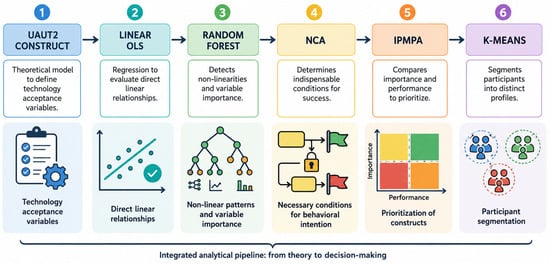
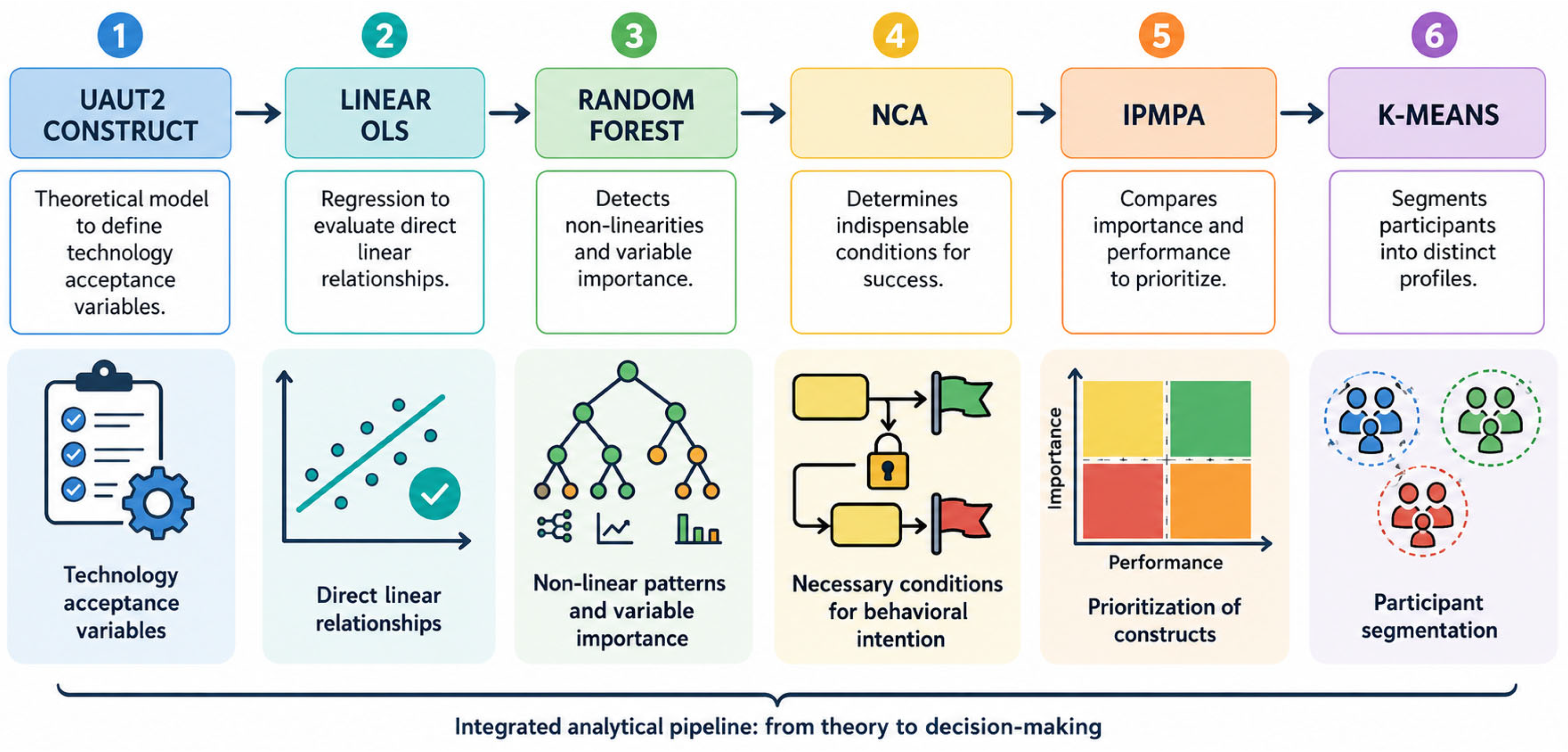
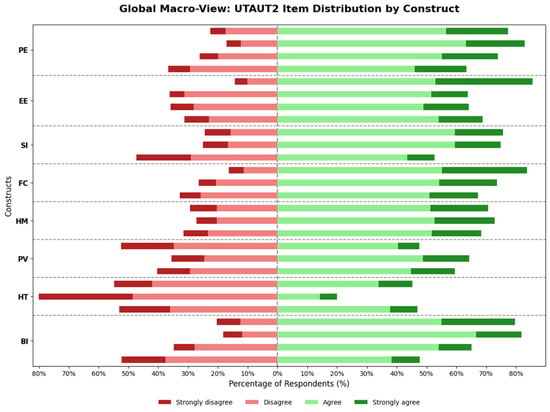
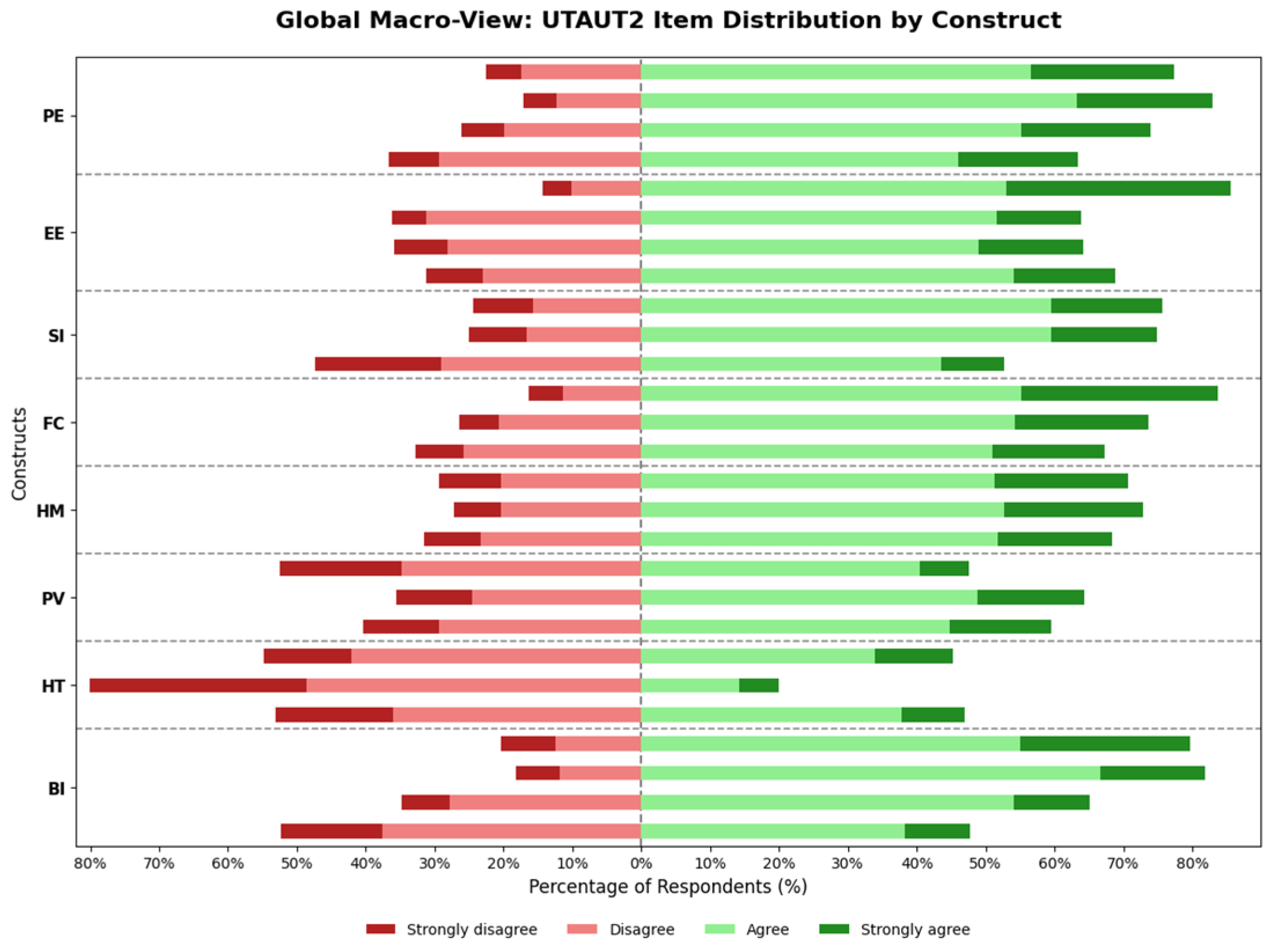
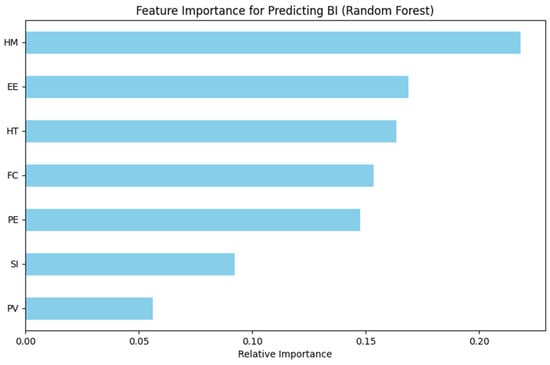
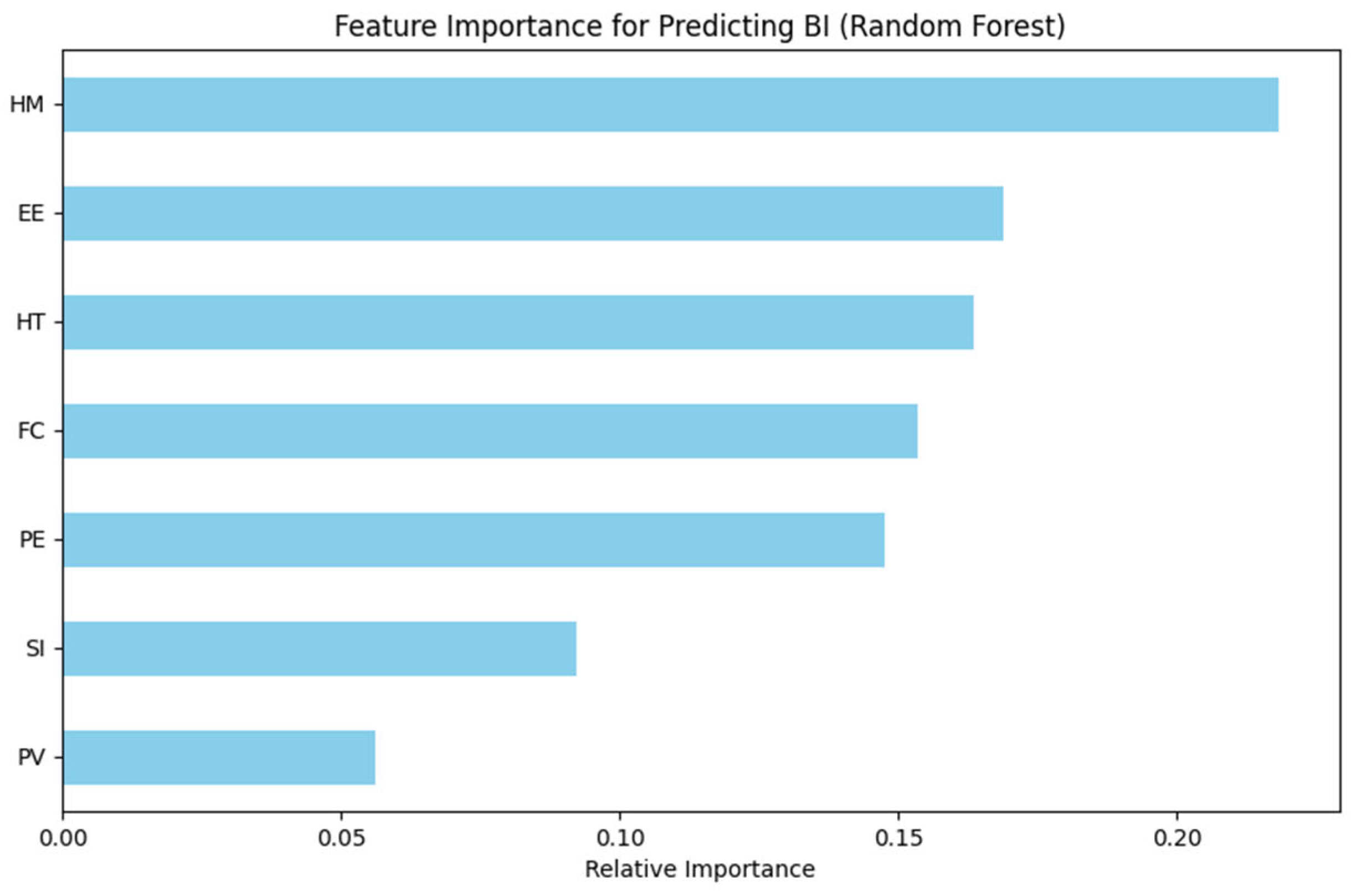
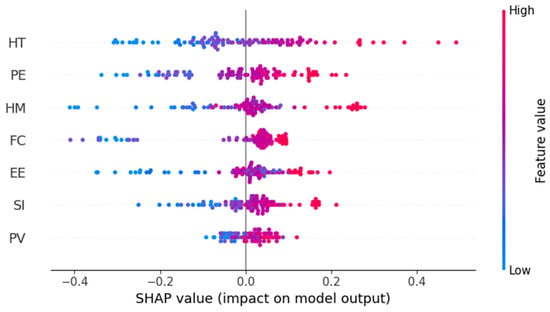
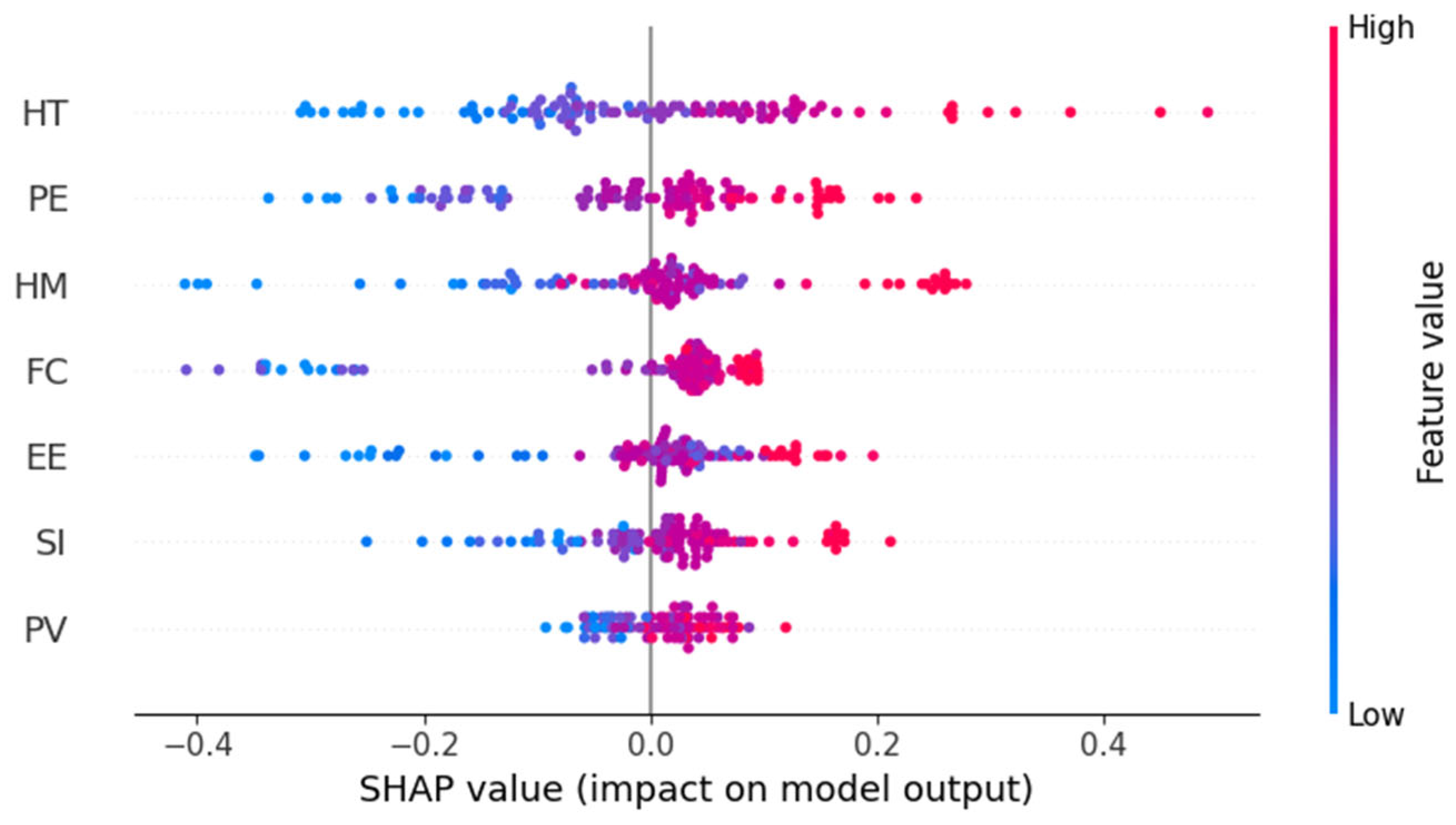
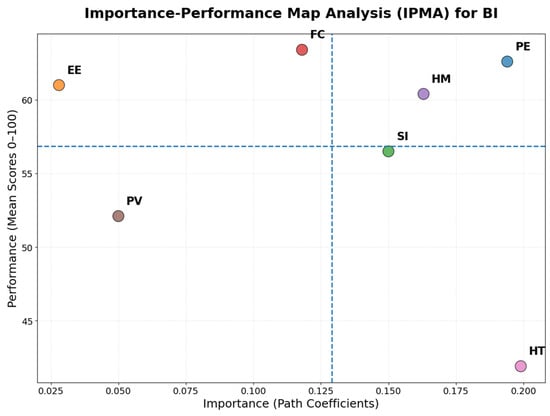
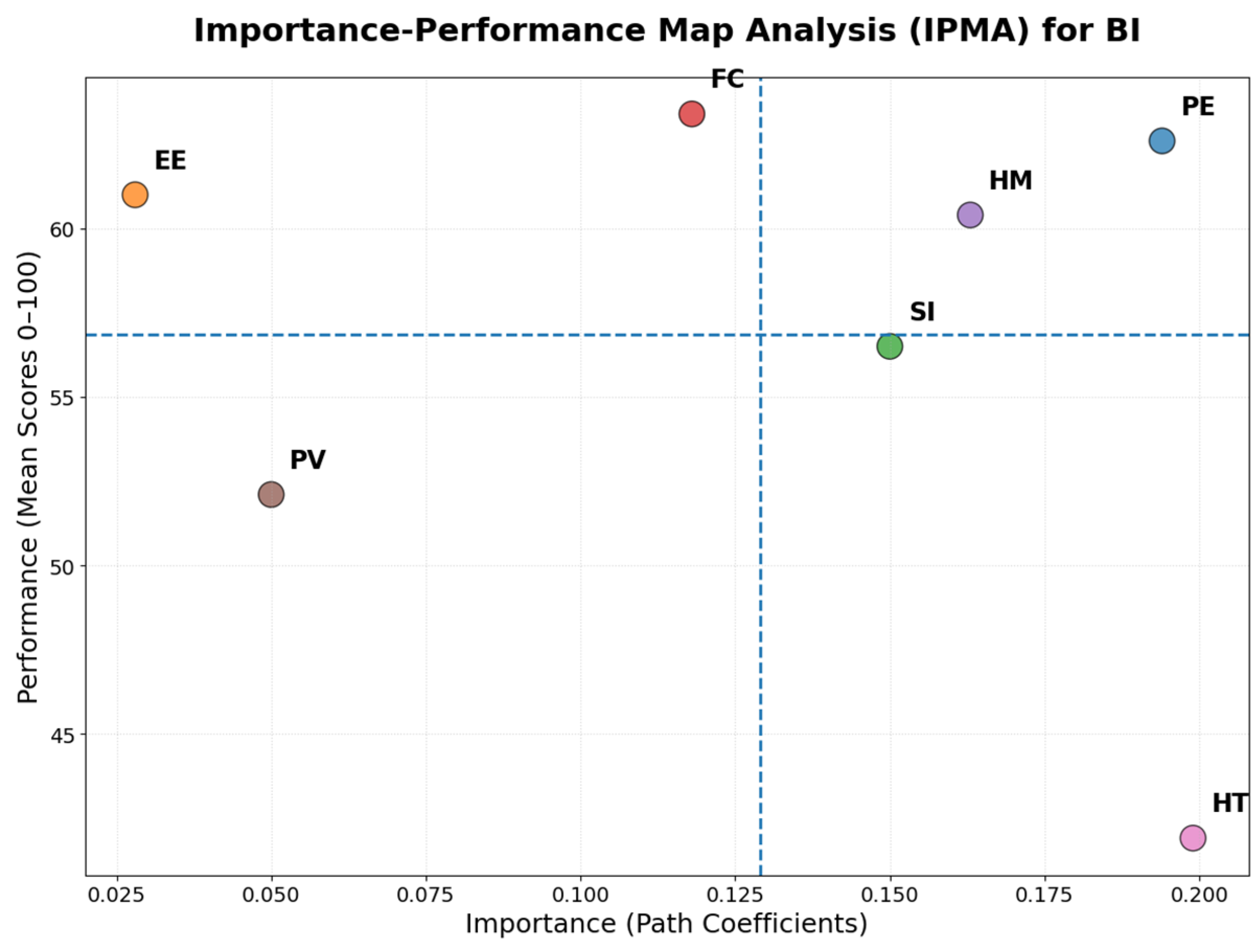
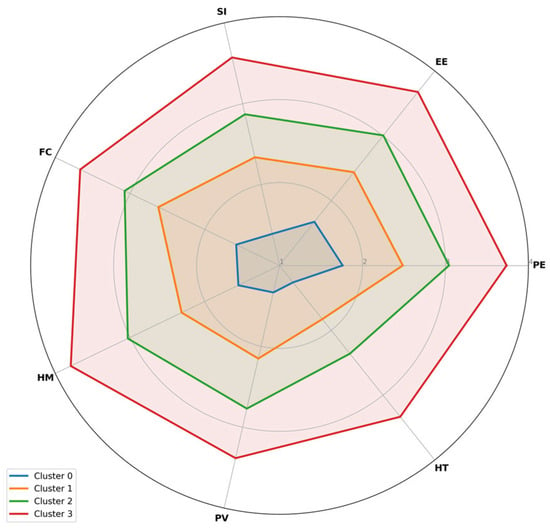
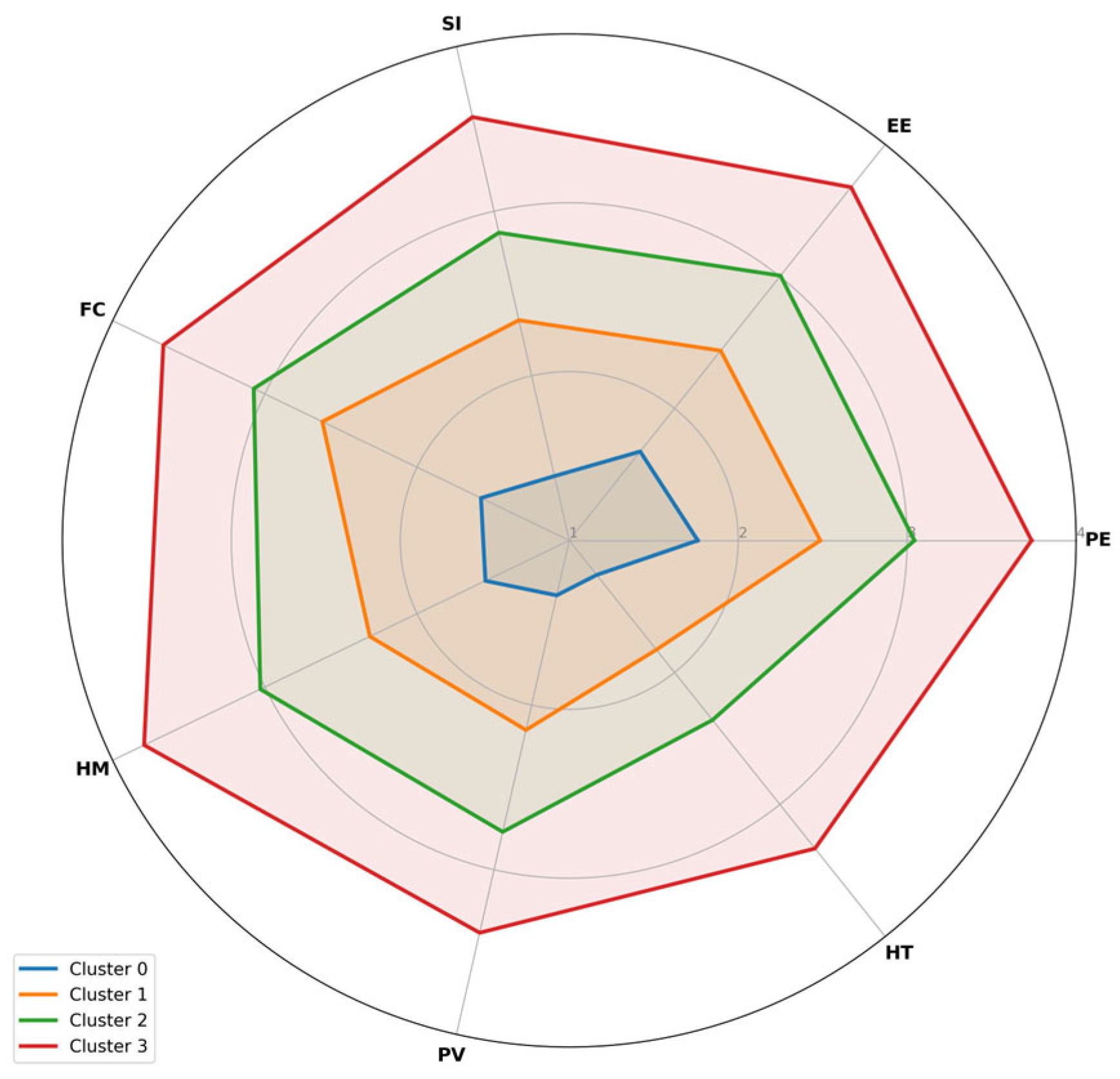
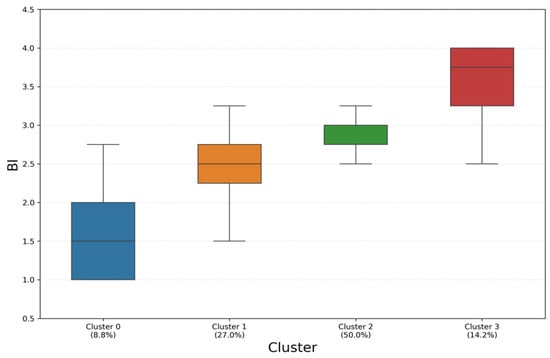
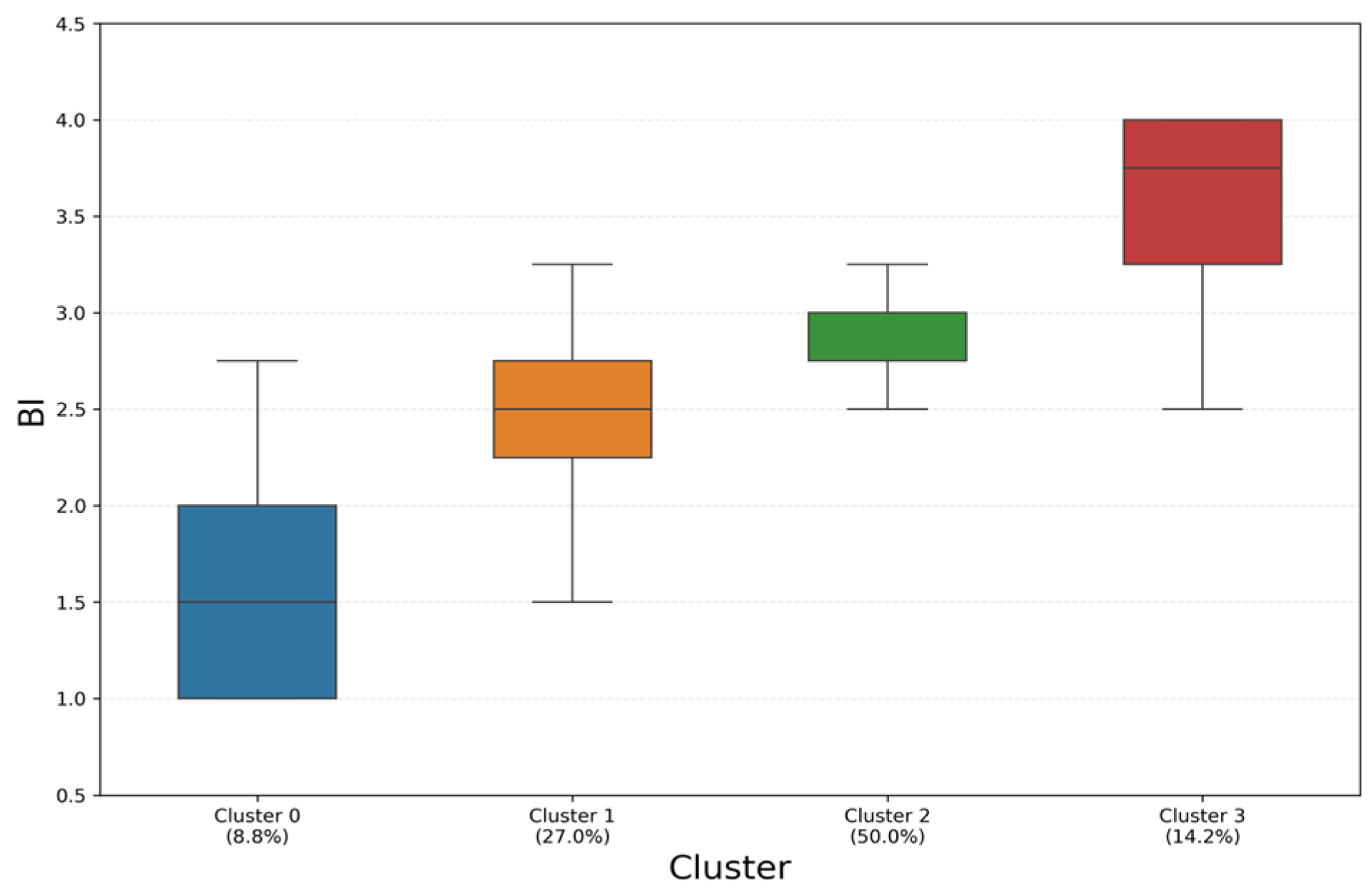

Disclaimer/Publisher’s Note: The statements, opinions and data contained in all publications are solely those of the individual author(s) and contributor(s) and not of MDPI and/or the editor(s). MDPI and/or the editor(s) disclaim responsibility for any injury to people or property resulting from any ideas, methods, instructions or products referred to in the content. |
© 2026 by the authors. Licensee MDPI, Basel, Switzerland. This article is an open access article distributed under the terms and conditions of the Creative Commons Attribution (CC BY) license.