


Abstract
Frailty reduces resilience to surgical stress, increasing vulnerability to adverse outcomes. While recovery efforts traditionally focus on the postoperative phase, the preoperative period offers better opportunities for lifestyle interventions. Prehabilitation aims to increase functional reserve and surgical tolerance, especially in frail older adults. This systematic review and meta-analysis of randomized controlled trials (RCTs) evaluated the effectiveness of multimodal prehabilitation on aerobic capacity—measured by the 6 min walk test (6MWT)—and the length of hospital stay (LOS). A literature search was conducted up to August 2025. Eligible RCTs reported the effects of prehabilitation on functional capacity and LOS. A pairwise meta-analysis was used to calculate pooled mean differences (p-MDs) with 95% confidence intervals (CIs). The risk of bias was assessed via the Cochrane RoB tool, and evidence quality was assessed via the GRADE system. Five studies involving 400 participants were included. The p-MD for the 6MWT showed no significant improvement at any time point: (T1–T2) 9.71 (CI: −38.92; 58.36), (T2–T3) −3.27 (CI: −71.21; 64.65), and (T1–T3) 15.01 (CI: −22.05; 52.07). The LOS was also not significantly reduced (p-MD: −0.464, CI: −0.960; 0.031). Prehabilitation did not significantly improve aerobic capacity or reduce hospital stay. Future research should explore long-term benefits and adherence.
1. Introduction
In general, frailty is a multidimensional clinical syndrome characterized by a reduced reserve and function due to the dysregulation of physiological and molecular pathways, which can lead to vulnerability in multiple systems and organs [1]. Various general assessment tools have been used to measure the term “frailty” due to the lack of uniform consensus on its definition or on the best way to measure it [2]. Although aging does not necessarily imply frailty, older adults are more likely to be frail, increasing their susceptibility to negative health outcomes [3]. Frail patients are generally more susceptible to stressors, and even mild illnesses in this age group can cause a significant deterioration in their well-being [4].
When undergoing surgery, frail older adults have limited physiological reserves to withstand the impending surgical stress response, making them particularly vulnerable to negative effects, including postoperative complications and prolonged hospital stays [5,6]. Even in the absence of complications, the postoperative period is associated with a 20–40% reduction in physiological and functional capacity, which, particularly in older adults with comorbidities, may not return to presurgical levels for several months, if at all [7]. Therefore, surgery presents a significant challenge for frail patients and is a better predictor of adverse surgical outcomes than age is [8].
Traditionally, efforts to improve health recovery have focused on the postoperative period (rehabilitation). However, this may not be the most suitable time to initiate lifestyle changes, as patients are often fatigued, are concerned about affecting the healing process, or are anxious while awaiting further treatment for the underlying disease [9]. Therefore, the preoperative period may represent a more appropriate time than the postoperative period to implement an intervention [10]. Prehabilitation, defined as a multidisciplinary preoperative intervention to prevent or minimize functional decline after surgery and improve postoperative outcomes, has been implemented as a strategy [11]. Preoperative multimodal prehabilitation, which includes moderate-intensity aerobic and resistance exercise, dietary counseling, and anxiety reduction strategies, has been shown to improve preoperative functional capacity and accelerate postoperative recovery [12].
Emerging evidence indicates that a multimodal prehabilitation program improves the preoperative functional reserve and subsequently helps patients better tolerate the side effects of surgery [13]. As a low preoperative physical performance increases the risk of mortality [14] and the number of postoperative complications [15] and prolongs functional recovery [16], prehabilitation could reduce medical costs and increase hospital bed turnover by shortening the length of stay (LOS) [17]. However, conflicting results exist regarding the effects of prehabilitation on postoperative mortality and the incidence of complications in older surgical patients [18]. The evidence on specific interventions to improve outcomes in frail older adults or frail surgical patients is limited, with some studies showing no significant changes with prehabilitation in these groups [19] or failing to demonstrate an improvement in preoperative functional capacity in patients with colorectal cancer [20].
Identifying strategies to improve physiological reserve and function before surgery, as well as maintaining it afterwards, could benefit the frail and vulnerable population. Therefore, the aim of this systematic review and meta-analysis of randomized controlled trials (RCTs) was to determine the effectiveness of prehabilitation on aerobic capacity and the LOS in frail older adults undergoing surgery.
2. Materials and Methods
This systematic review and meta-analysis were conducted in accordance with the Cochrane Collaboration Handbook [21] and were reported in accordance with the preferred reporting elements for systematic review (PRISMA) [22] (Table A1). In addition, the study protocol was preregistered in PROSPERO (registration number ID: CRD42025642272).
2.1. Search Strategy and Selection Criteria
Two reviewers (M.L.-G. and C.A.-B.) independently searched the PubMed, Web of Science (WoS), Cochrane Central Register of Controlled Trials, and Cochrane Database of Systematic Reviews databases from their inception to August 2025.
This study aimed to identify RCTs to determine the effectiveness of prehabilitation on aerobic capacity measured through the 6-MWT and LOS among frail surgical patients. The search strategy included the following free terms: (“home-based” OR “preoperative prehabilitation” OR “preoperative exercise” OR “preoperative therapeutic”) AND (“comorbidities” OR “postoperative complications” OR mortality) AND (trial). The full search strategy for all the databases is available in the (Table A2). No language limitations were applied. In addition, reference lists of studies and references included in previous systematic reviews and meta-analyses were examined for potentially relevant studies.
The inclusion criteria for the studies were as follows: (1) the type of study was an RCT; (2) the population included people with frailty; (3) the type of intervention included prehabilitation interventions aimed at improving the preoperative aerobic capacity of patients and recovery after surgery; (4) the type of comparison included a control group; and (5) the outcome included aerobic capacity measured through the 6-MWT and LOS.
2.2. Study Identification and Data Extraction
Two reviewers (M.L.-G. and C.A.-B.) independently extracted and summarized the following data from each included study in an ad hoc table: (1) study characteristics (author, year of publication, and country); (2) sample characteristics (sample size, mean age, and type of surgery); (3) intervention characteristics (intervention duration and intervention classification); and (4) outcome measurements: 6-MWT and LOS. Disagreements with the selection process and data extraction were resolved by consensus or by discussion with a third reviewer (S.P.-J.).
2.3. Risk of Bias
Risk of bias assessment (RoB) was performed by two independent investigators (M.L.-G. and C.A.-B.) via the Cochrane Collaboration’s tool for assessing RoB (RoB2) [23]. Disagreements were resolved by consensus or discussion with a third reviewer (S.P.-J.). This tool assesses the RoB based on five domains. The first domain includes a randomization process; the second, third, fourth and fifth domains include deviations from intended interventions, missing outcome data, outcome measurement, and selection of reported results. The overall RoB was considered ‘low risk’ when the study scored ‘low risk’ in all domains, ‘some concerns’ if at least one of the domains scored ‘some concerns’, and ‘high risk’ if at least one of the domains scored ‘high risk’ or several domains scored ‘some concerns’.
2.4. Data Analysis
The mean difference (MD) and 95% confidence intervals (95% CI) for the effect of prehabilitation on the 6-MWT and LOS were calculated via Cohen’s d-index. A pooled MD (p-MD) was estimated via a random-effects model based on Der Simonian and Laird’s method [24] in meters for the 6-MWT and in days for the LOS. Heterogeneity between studies was assessed via the I2 statistic [25], whose values were considered as follows: not important (0–30%), moderate (30–50%), substantial (50–75%), and considerable (75–100%). In addition, the corresponding p value was also considered [21].
Two subgroup analyses were developed on the basis of (i) the type of prehabilitation performed, distinguishing between unimodal prehabilitation (considering prehabilitation as a single intervention), bimodal prehabilitation (if it includes two interventions), or trimodal prehabilitation (if it includes three interventions), and (ii) the period when the prehabilitation program was performed: the start of prehabilitation (T1), the period prior to surgery (T2), and post-surgery (T3) [26]. The grouping of the time points T1 (start of prehabilitation—baseline level), T2 (period prior to surgery), and T3 (post-surgery) was defined on the basis of key clinical and temporal phases in the prehabilitation and surgical recovery process. T1 represents the initiation of the prehabilitation intervention, allowing for the assessment of its baseline level; T2 corresponds to the period immediately before surgery, crucial for measuring changes and preparations just prior to the procedure; and T3 covers the postoperative phase, where recovery and the short- to mid-term effects of the intervention are evaluated.
To define the effect of individual studies on the overall MD, a sensitivity analysis was performed. Finally, the effect of small studies was assessed graphically via a funnel plot; in addition, an Egger’s test was performed. All analyses were conducted with Stata/IC software, version 16.1, for Windows.
2.5. Grading of Recommendations Assessment, Development, and Evaluation (GRADE)
The Grading of Recommendations Assessment, Development, and Evaluation (GRADE) framework was used to evaluate the certainty of evidence for each outcome of this meta-analysis on the different outcomes and provide recommendations [27]. It can be rated as having a high, moderate, low, or very low evidence value, depending on the study design, risk of bias, inconsistency, indirect evidence, imprecision, and publication bias.
3. Results
3.1. Study Identification
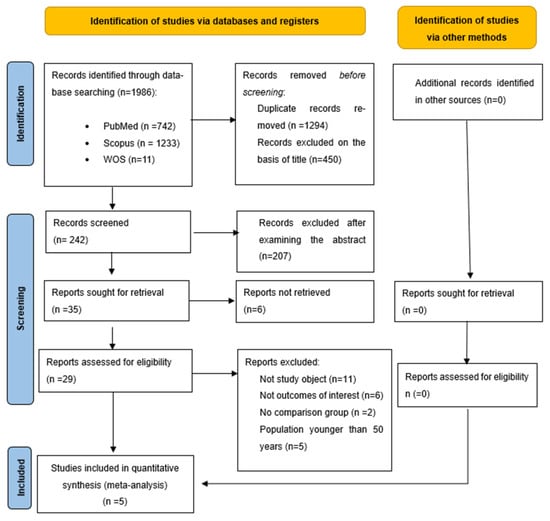
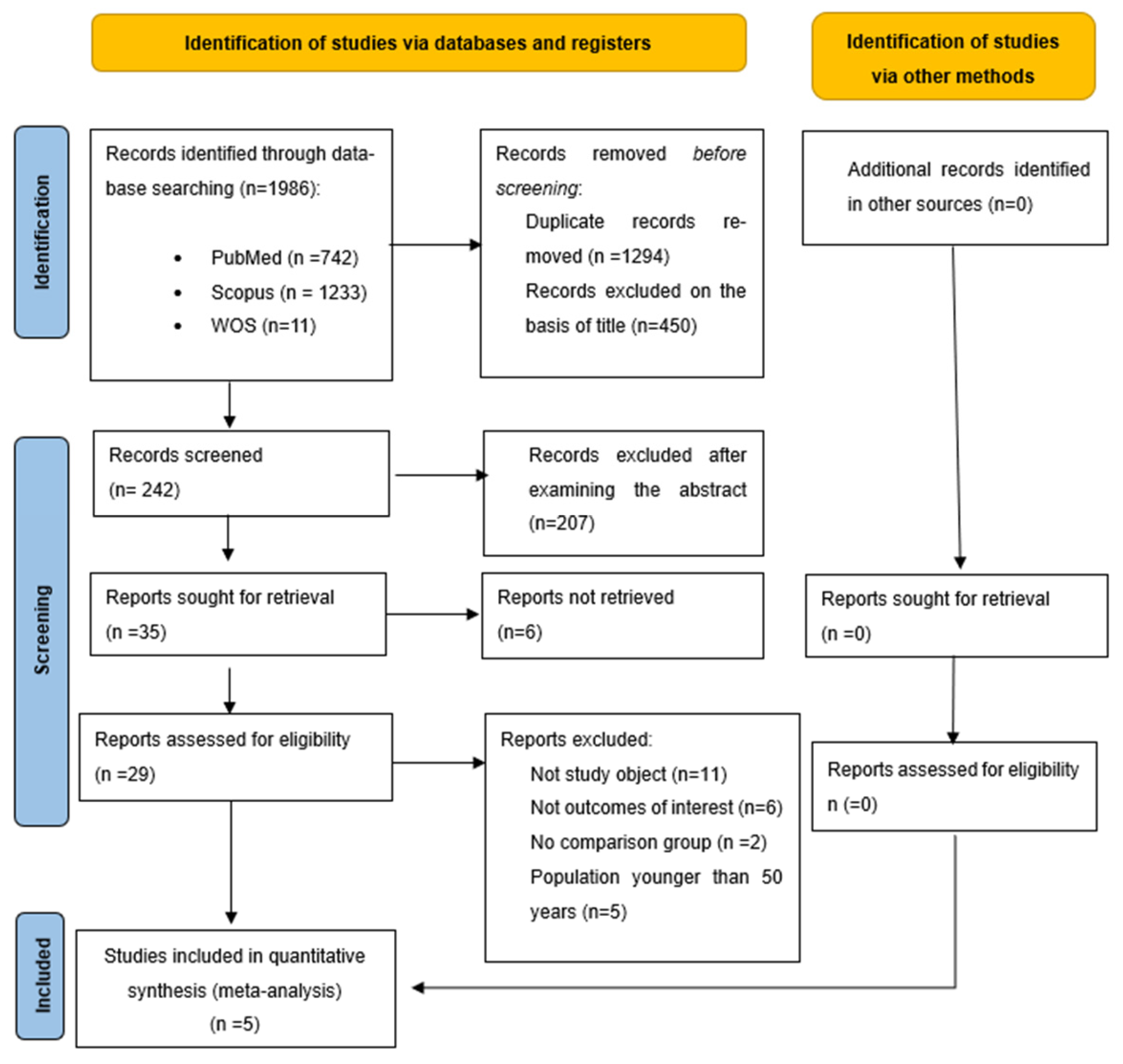
Following the search strategy, 1987 records were found. After removing duplicates and reviewing the title and abstract, 30 relevant articles were selected for full-text reading. Finally, only 5 RCTs met the inclusion criteria (Figure 1).
Figure 1.
PRISMA 2020 flow diagram for new systematic reviews that include searches of databases, registers, and other sources.
3.2. Characteristics of the Included Studies
Five studies [26,28,29,30,31] assessing the postoperative effectiveness of prehabilitation via the 6-MWT and the reduction in LOS were included in the review. The studies included participants from two countries, the Netherlands [26,28,30] and Canada [29,31]. The studies included participants with ages ranging from 73.6 (SD: 6.1) to 78 (SD:18.9) and 73 (SD:6) to 82 (SD:17.01) in the intervention and control groups, respectively, with women representing 54.34%. (Table 1). All studies included participants who were older adults with frailty, defined via the Groningen Frailty Indicator (GFI), Clinical Frailty Scale (CFS), Fried Frailty Index (FFI), and Frailty Index Identification of Seniors at Risk (ISAR) (Table A3). The duration of the interventions ranged from 2.5 to 6 weeks.
Table 1.
Characteristics of the population described in the included studies.
The studies included the following surgical interventions: colon surgery [28,29], intra-abdominal or thoracic cancer [31], and total hip arthroplasty [26,30]. With respect to prehabilitation interventions, all studies included physical exercise [26,28], two included nutrition [29,31], and one study included the psychological component [29] within the three dimensions that prehabilitation addresses. Table 2 provides a complete description of the intervention characteristics.
Table 2.
Characteristics of the interventions described in the included studies.
3.3. Risk of Bias
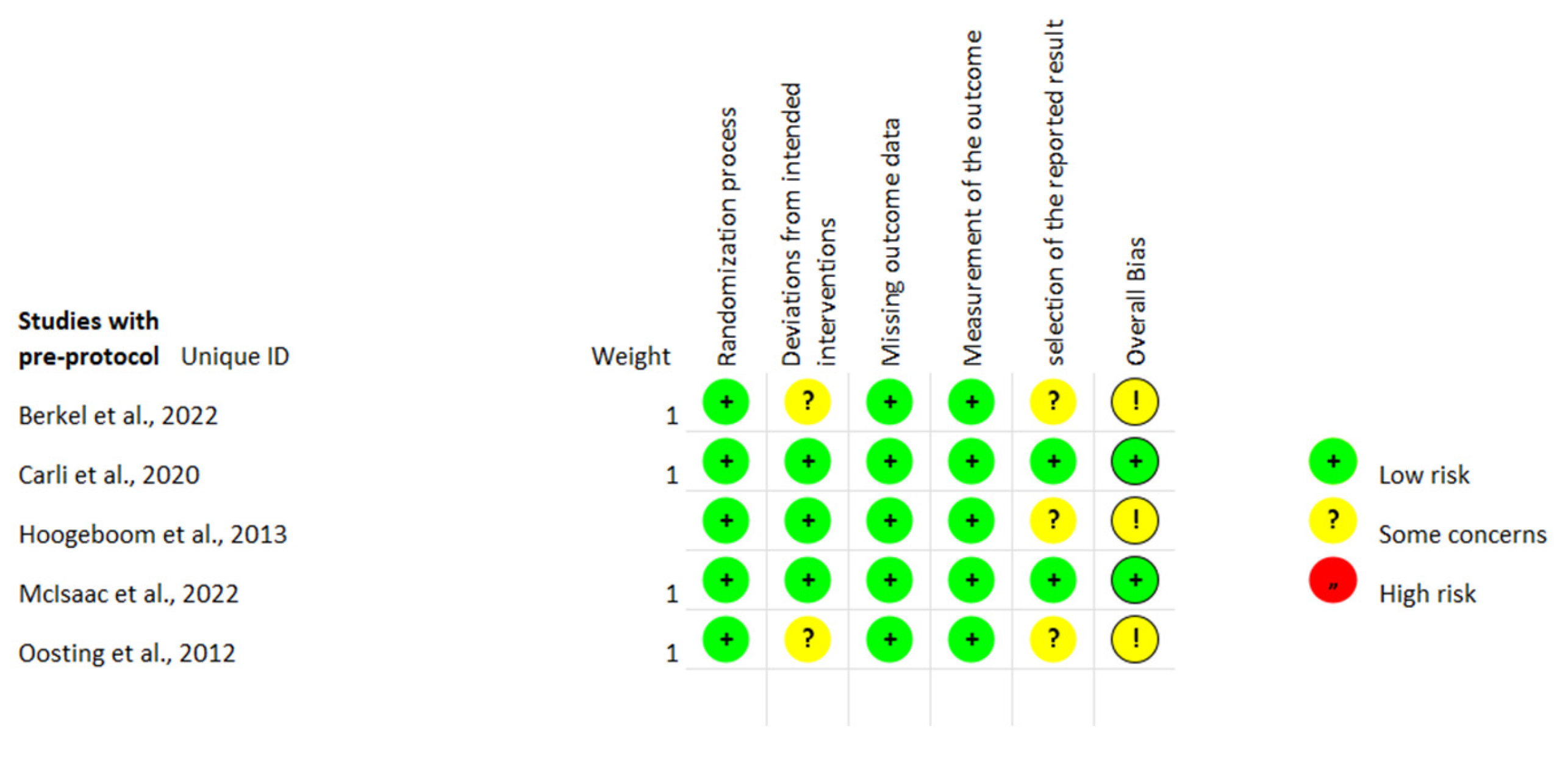
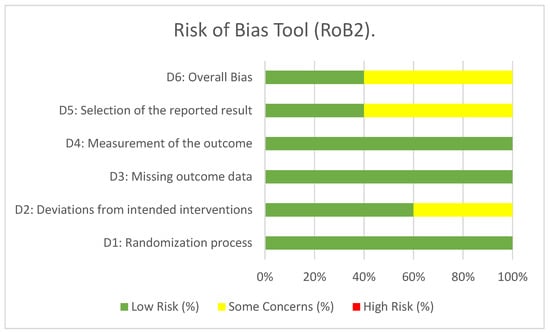
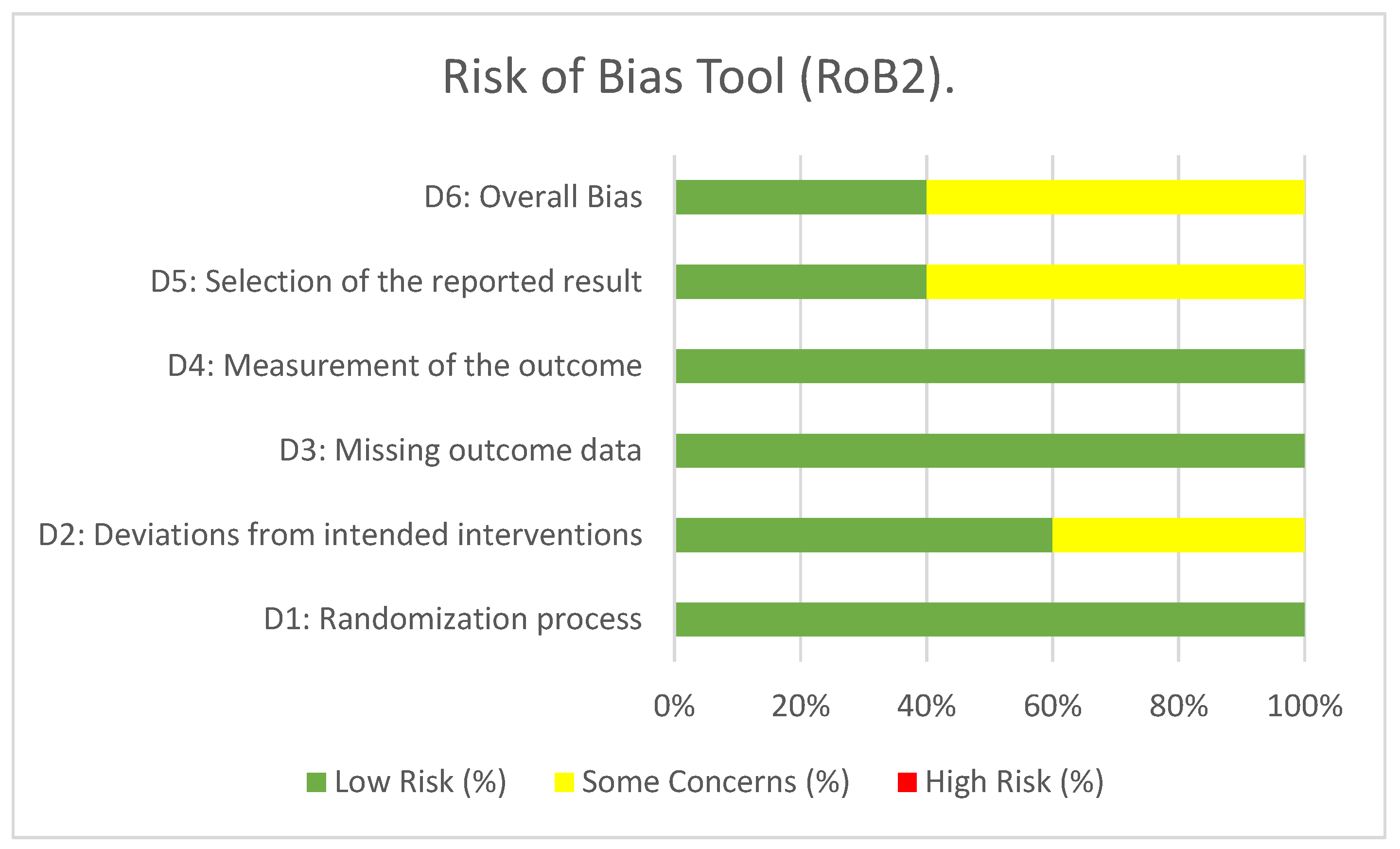
After the RoB was assessed via the Cochrane Collaboration risk of bias (RoB2) tool [23], two studies were evaluated as having a low RoB [29,31], and three studies had some concerns regarding bias [26,28,30].
In the randomization process, 100% of the studies were classified as having a low risk of bias; deviations from the intended interventions were classified as having a low risk of bias in 60% of the studies; loss of data on outcomes was classified as having a low risk of bias in 100% of the studies; outcome measurement was classified as having a low risk of bias in 100% of the studies; and selection of reported outcomes was classified as having a low risk of bias in 40% of the studies (Figure 2) (Figure A1).
Figure 2.
Percentage risk of bias of included studies assessed with the risk of bias tool (RoB2).
3.4. Grading of the Quality of Evidence
Additionally, the GRADE results are available in Table 3 and Table 4, and Table A4 and Table A5. For the 6-MWT, the GRADE assessment was rated as important for T1 and T3 and critical for T2; for the LOS, the GRADE assessment was rated as important.
Table 3.
Grading of Recommendations Assessment, Development, and Evaluation (GRADE) for the 6 min walk test (6-MWT).
Table 4.
Grading of Recommendations Assessment, Development, and Evaluation (GRADE) for length of hospital stay (LOS).
3.5. Data Synthesis
Meta-Analysis
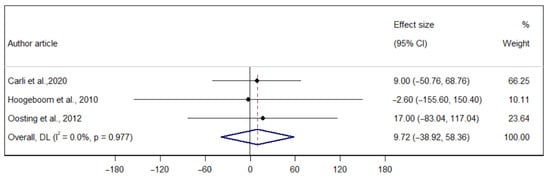
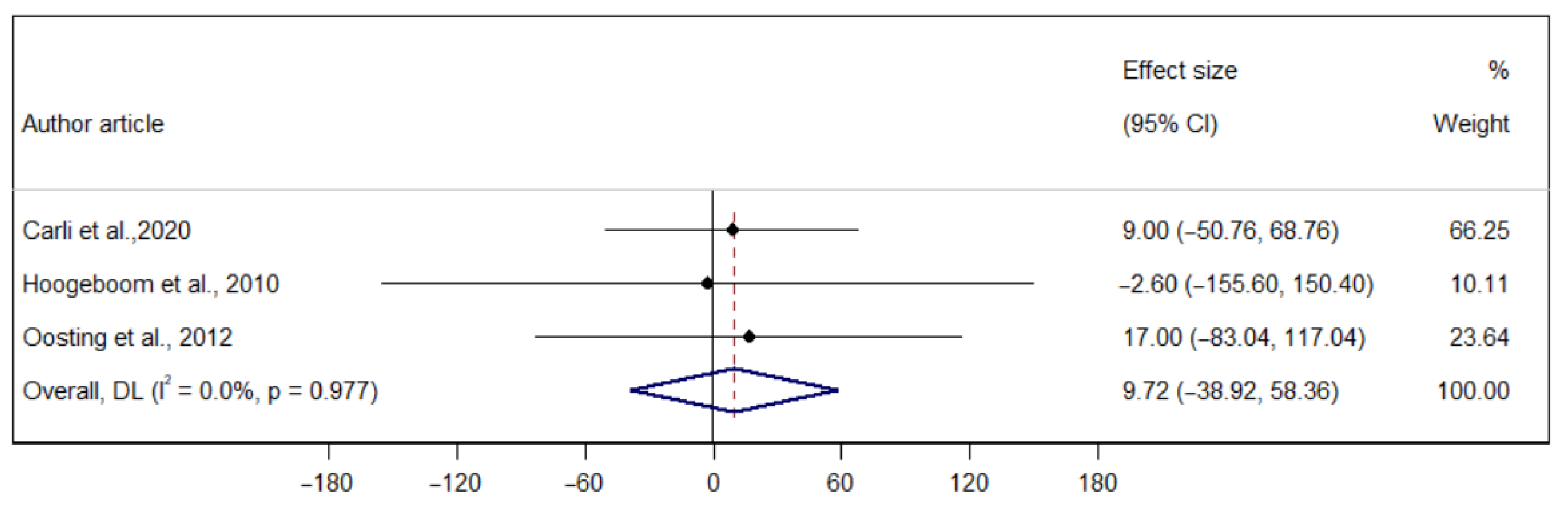
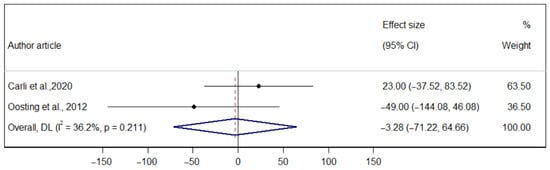
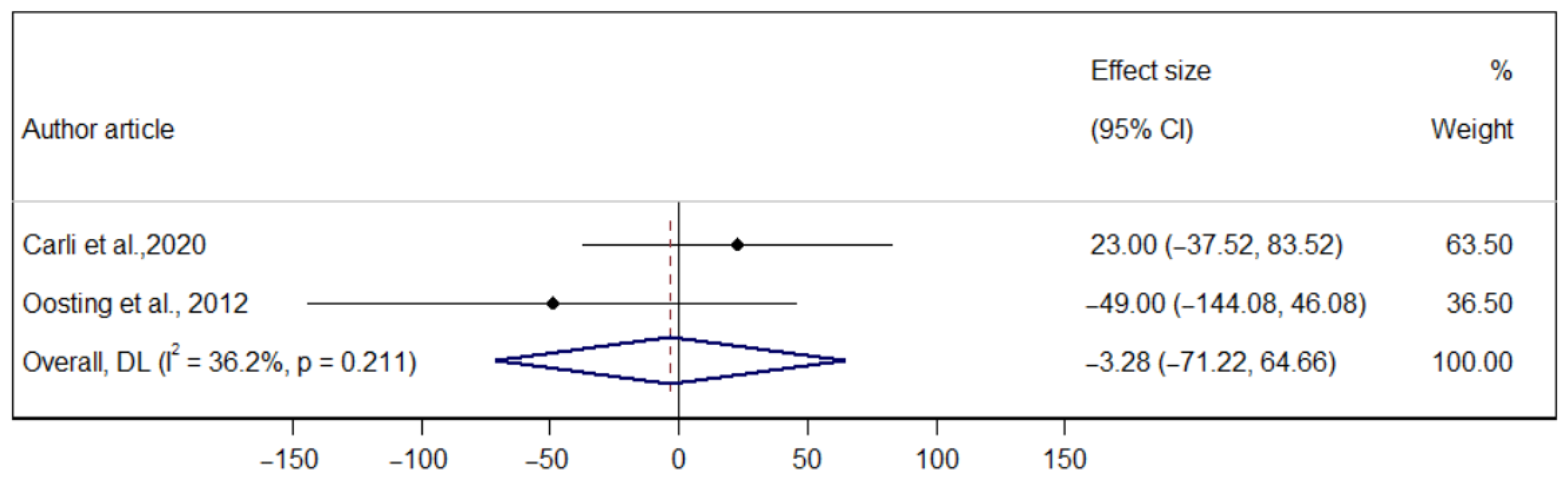
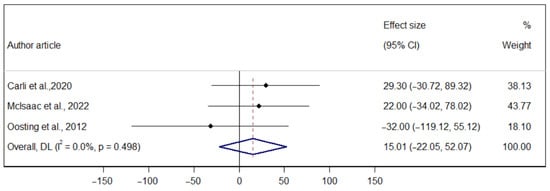
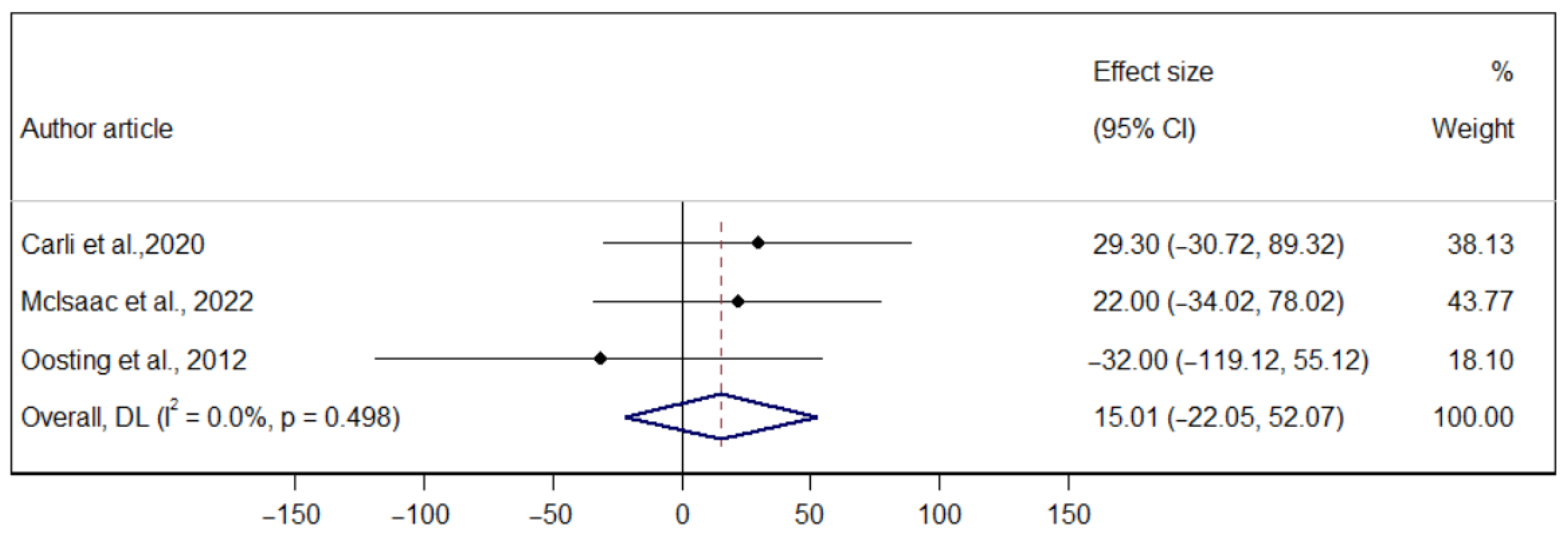
The p-MD of prehabilitation on aerobic capacity measured through the 6-MWT (T1–T2) was 9.71 m (95% CI −38.92; 58.36), indicating no significant heterogeneity (I2 = 0.00%). The p-MD of prehabilitation on the 6-MWT (T2–T3) was −3.27 m (95%: IC −71.21; 64.65), indicating considerable heterogeneity (I2 = 36.2%). Finally, the p-MD of prehabilitation on the 6-MWT (T1–T3) was 15.01 m (95% CI: −22.05; 52.07), indicating considerable heterogeneity (I2 = 0.00%) (Figure 3, Figure 4 and Figure 5).
Figure 3.
Forest plot of the direct effect of prehabilitation on the 6-MWT (T1–T2) in older adults [26,29,30].
Figure 4.
Forest plot of the direct effect of prehabilitation on the 6-MWT (T2–T3) in older adults [26,29].
Figure 5.
Forest plot of the direct effect of prehabilitation on the 6-MWT (T1–T3) in older adults [26,29,31].
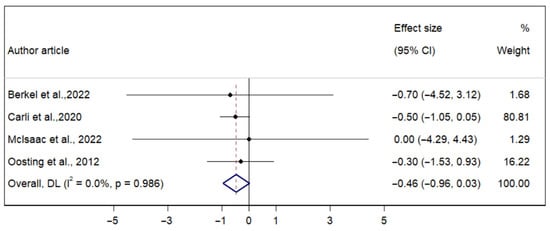
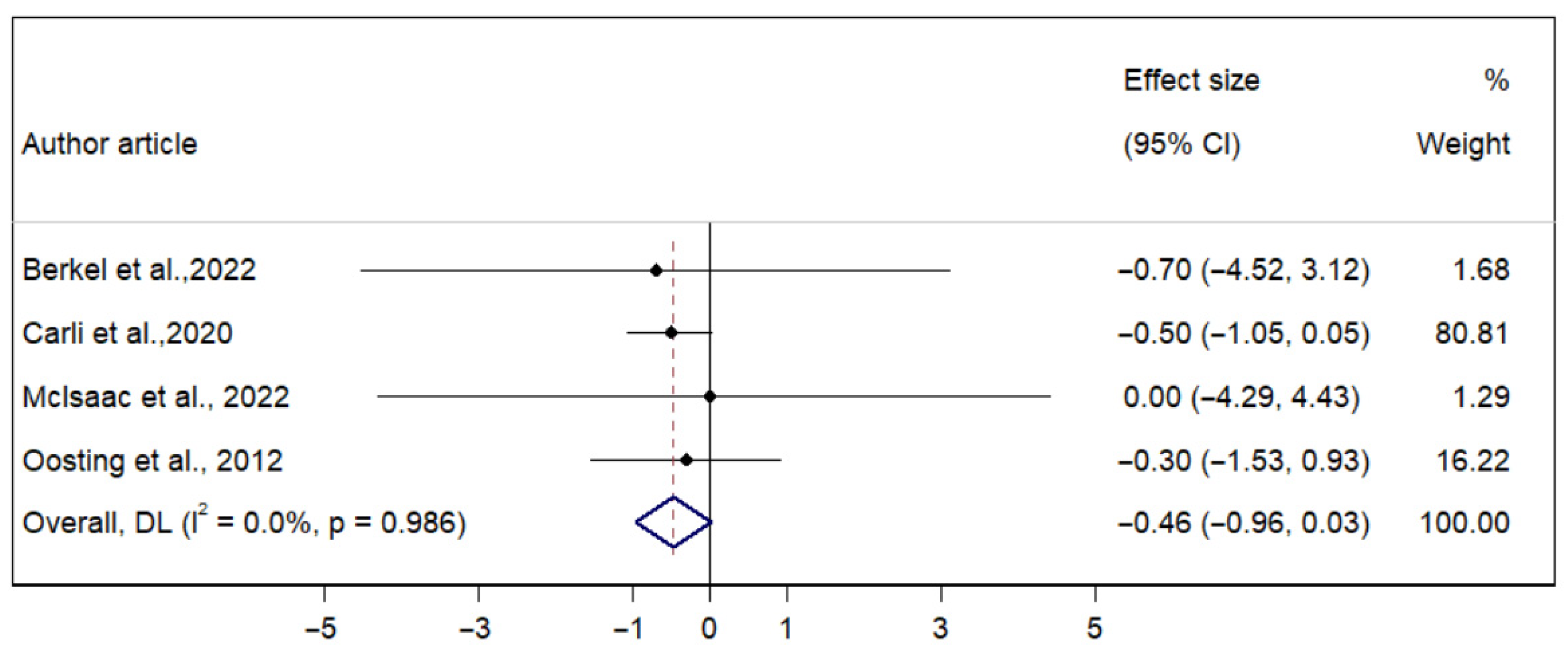
On the other hand, the p-MD of prehabilitation for LOS was −0.464 days (95% CI: −0.960; 0.031), with no significant heterogeneity (I2 = 0.00%) (Figure 6).
Figure 6.
Forest plot of the direct effect of prehabilitation on the LOS in older adults [26,28,29,31].
3.6. Sensitivity Analysis
The sensitivity analysis could only be performed on the aerobic capacity measured through the 6-MWT results at the time points T1–T2 and T1–T3 and for the LOS. After each study was individually removed from the pooled MD, none of the studies substantially altered the pooled MD estimate for the 6-MWT (Table A6) or for the LOS (Table A7).
However, a sensitivity analysis for the 6-MWT at T2–T3 was not possible because of the limited number of reported data.
3.7. Publication Bias
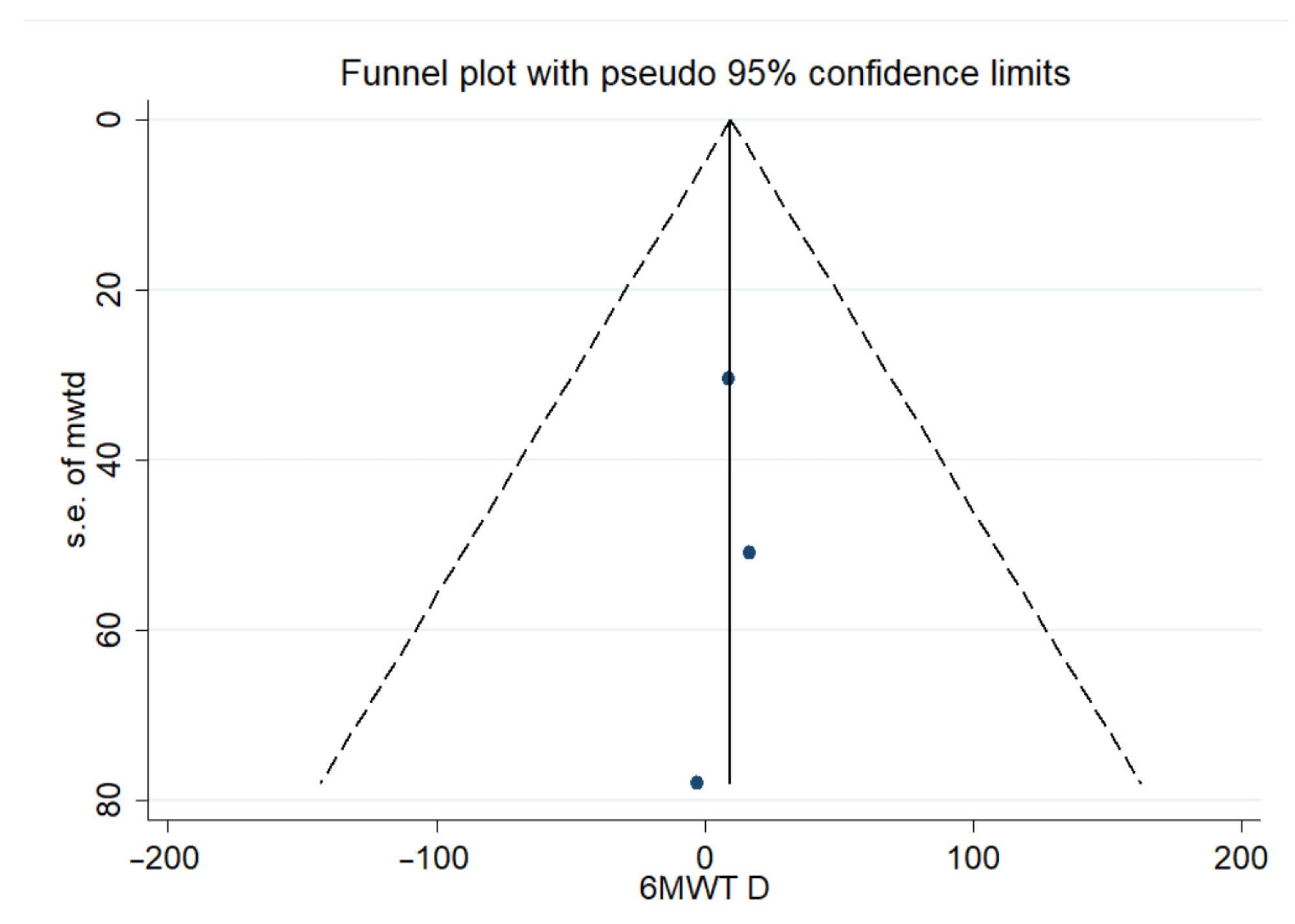
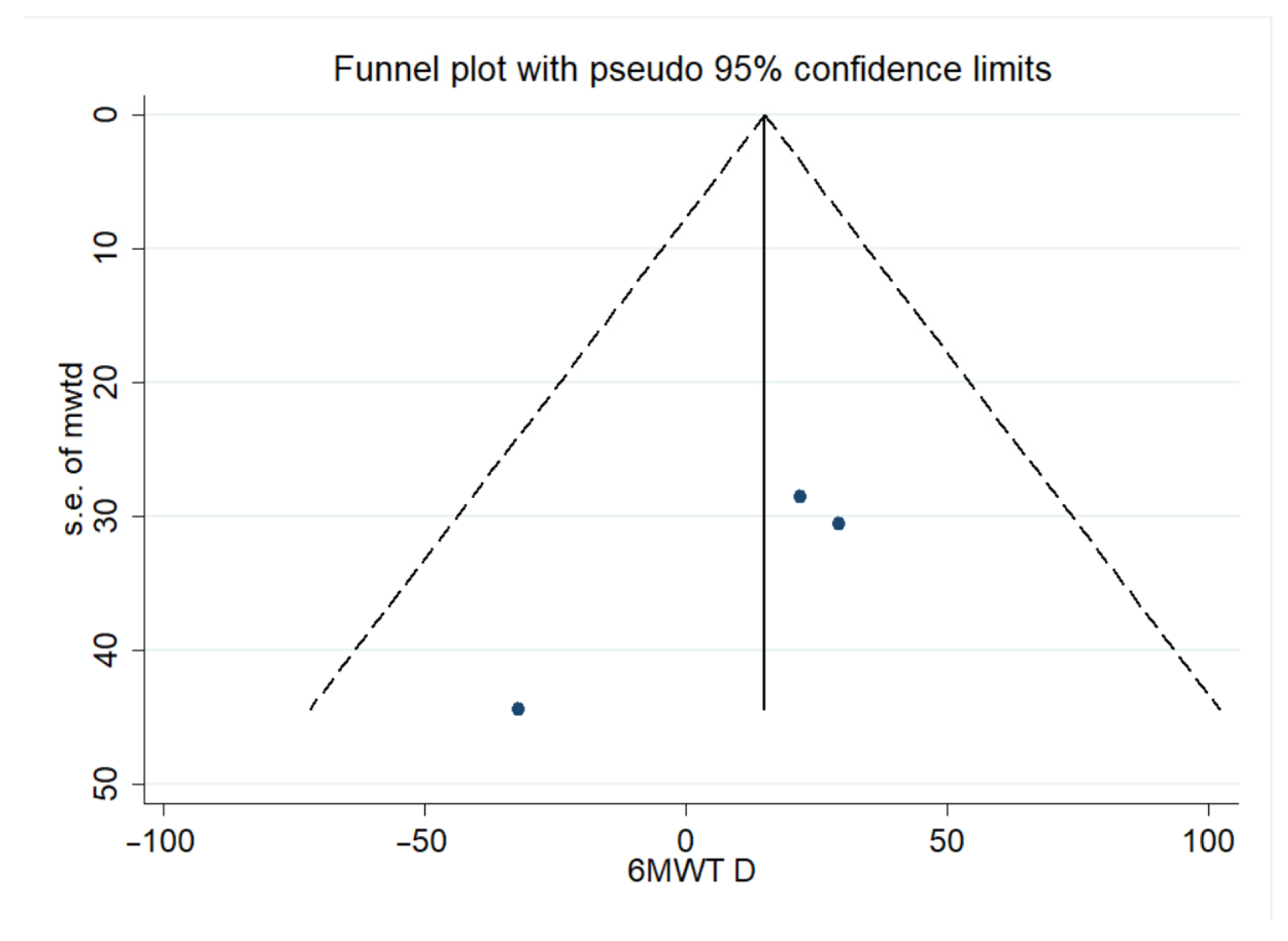
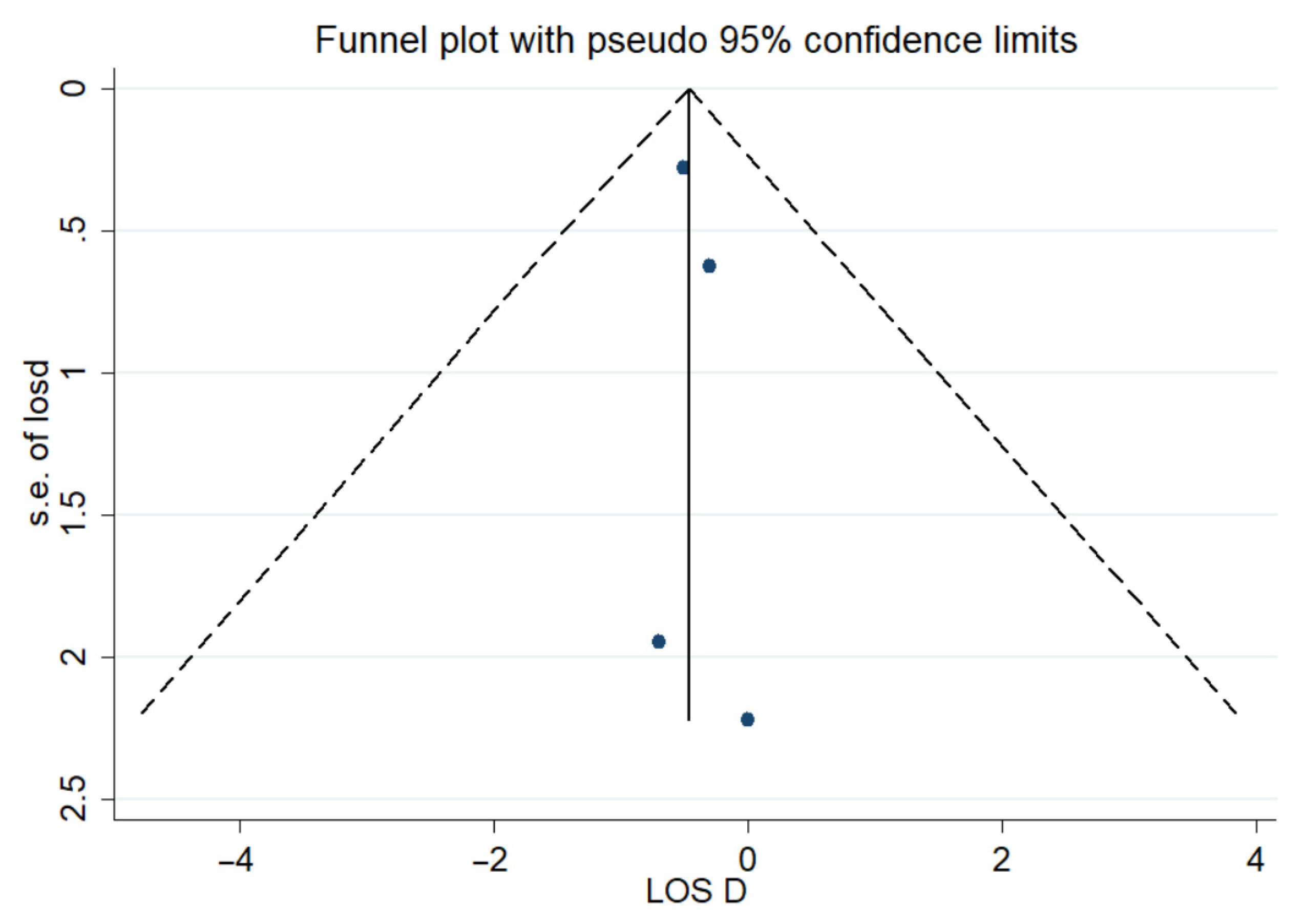
The Egger’s test for the 6-MWT revealed no publication bias at the time points T1–T2 (p = 0.811) and T1–T3 (p = 0.198) (Figure A2 and Figure A3). The Egger’s test also revealed no publication bias for the LOS results (p = 0.534) (Figure A4).
However, for the 6-MWT (T2–T3), this was not possible because of the limited number of reported data.
4. Discussion
This systematic review and meta-analysis aimed to determine the effectiveness of prehabilitation on the aerobic capacity and hospital LOS in older frail adults undergoing surgical intervention. This meta-analysis, which included five RCTs with data from 400 participants, suggested that prehabilitation could be a clinically relevant therapeutic strategy to improve exercise capacity both before and after surgery, as well as to reduce the LOS, although the results did not reach statistical significance. On the other hand, when the pre-surgery period was compared with the postoperative period, no significant effect was observed according to the results of the 6-MWT.
To our knowledge, this is the first systematic review and meta-analysis that evaluated the impact of prehabilitation interventions on pre-surgery and post-surgery exercise capacity, as measured by the 6-MWT test and LOS, in frail older adults undergoing various surgical interventions. It has been shown that preoperative frailty is associated with a greater risk of postoperative complications [32]. The analysis of the available data suggests that prehabilitation is beneficial for improving exercise capacity before surgery. However, it does not appear to have a significant impact when comparing the period prior to surgery with the postoperative period. This could be due to several factors, among which the patients included in this analysis primarily had oncological and orthopedic diseases, which negatively affected their exercise [33].
Therefore, when evaluating outcomes, maintaining patients’ functional capacity could represent a clinically relevant improvement. Consequently, the lack of a significant change in our postsurgical outcomes may be explained by this maintenance approach, rather than a substantial improvement objective encompassing prehabilitation, since participants with total hip and knee prostheses may have been influenced by orthopedic factors, limiting the functionality of our results. Additionally, oncology patients often experience loss of appetite, which can also reduce muscle mass, strength, and functional capacity [34].
Second, the intervention protocol was not clearly defined in the included studies, indicating a lack of a comprehensive approach to prehabilitation interventions. The detailed components of prehabilitation are still in the exploratory phase, without uniform standards, and there is notable heterogeneity in terms of interventions, duration, and intensity, which vary considerably [35]. The short intervention periods in prehabilitation programs may limit their effectiveness, as a minimum number of weeks is required to observe significant improvements in physical and nutritional status. Otherwise, it is difficult to achieve relevant changes within such a short period [36]. Significant increases in functional capacity and muscle strength have been observed in older patients after 12 weeks of prehabilitation, suggesting that longer interventions are needed to demonstrate the benefits of prehabilitation in long-term outcome indicators [37].
Most patients aim to recover their presurgical condition and quickly reinsert themselves into social life to avoid compromising their quality of life [38]. Therefore, prehabilitation should be considered a comprehensive and promising tool for optimizing health before surgery and reducing the LOS [39]. Future research should focus on designing strategies that promote patient adherence to treatment, optimize interventions, and assess the associated costs. This will allow for proper investment and make such strategies a key tool for public health policies directed at patients undergoing different types of surgery.
This study has several limitations that should be considered. First, the results should be interpreted with caution because of the relatively small number of studies included in the systematic review. This limitation may affect both the comprehensiveness of the analysis and the generalizability of the findings. The primary reason for this restriction was the limited available evidence on prehabilitation programs specifically targeting older adults with clinically defined frailty. Second, there was notable heterogeneity among the included studies regarding the type, duration, and intensity of the prehabilitation programs. Interventions ranged from unimodal to trimodal approaches, lasting between 2.5 and 6 weeks, and involved different surgical populations, such as orthopedic and oncologic patients. This lack of standardization complicates the combined interpretation of the results and may obscure the specific benefits of certain types of interventions. Third, the variability of surgical procedures and the significant heterogeneity in the duration and intensity of prehabilitation interventions prevent generalizations about the optimal dosing of these interventions. Fourth, standard indicators such as the 6MWT and LOS were reported in this review, but other patient-centered outcomes, such as quality of life or postoperative complications, were not evaluated due to the lack of consistent data in the included studies; therefore, future research is needed to incorporate these more patient-centered outcomes. Fifth, patient adherence to prehabilitation programs was not thoroughly explored because of the lack of detailed information in the included studies. This absence of data on compliance and adherence monitoring makes it difficult to assess the impact of patient engagement on outcomes. Sixth, it was not possible to determine which type of intervention (unimodal, bimodal, or multimodal) was most effective, as there were insufficient data to conduct subgroup or network analyses. Finally, patient adherence is generally low, making it difficult to generalize findings, as each frail older adult presents a wide range of individual complications.
On the basis of our findings, future research should focus on standardizing prehabilitation protocols, extending the duration of interventions, and broadening outcome measures to include more patient-centered end points. Improving adherence monitoring and enhancing the methodological quality of primary clinical trials are also essential to strengthen the existing evidence base and facilitate the effective integration of prehabilitation into surgical care. Furthermore, future research should incorporate subgroup analyses on the basis of etiology to identify which types of patients may benefit most from specific and personalized interventions.
5. Conclusions
The results of this systematic review suggest that prehabilitation had no effect on presurgical exercise capacity, although no effects were observed on the postsurgical exercise capacity or LOS. Relevant studies in the field of frailty remain limited, making it difficult to reach definitive conclusions. Therefore, although prehabilitation may be a valuable tool for improving exercise capacity in older adults undergoing surgical intervention, claims regarding its effectiveness should be considered with caution.
Author Contributions
Conceptualization, M.L.-G., and C.Á.-B.; methodology, M.L.-G., S.P.-J. and P.L.-G.; formal analysis, B.R.-M., M.C.R.-G. and M.L.-G.; data curation, M.L.-G. and C.Á.-B.; writing—original draft preparation, M.L.-G. and P.L.-G.; writing—review and editing, M.L.-G., S.P.-J., M.C.R.-G., C.Á.-B. and B.R.-M. All authors have read and agreed to the published version of the manuscript.
Funding
The funding agents played no role in this study. The author(s) declare that financial support was received for the research, authorship, and/or publication of this article. This study was funded by the Science and Innovation Ministry, the Carlos Health Institute III (ISCIII), through project PI22/00878 and co-funded by the European Union (FEDER Funds). In addition, this study was co-funded by the European Union (ERDF/ESF) and by the Age-ABC Research Group from the University of Castilla-La Mancha (2022--GRIN-34426). In addition, María López González received a fellowship from the Ministry of Science, Innovation, and Universities, co-funded by the European Union (FI23/00093). In addition, CIF is also funded by UCLM (UCLM ESQ1368009E).
Institutional Review Board Statement
Not applicable.
Informed Consent Statement
Not applicable.
Data Availability Statement
All the data used in this study were derived from publicly available institutional documents, news reports, and official statements. A list of sources and document references is available upon reasonable request from the corresponding author. No new datasets were generated or proprietary data were used during this study.
Conflicts of Interest
The authors declare that they have no conflicts of interest.
Abbreviations
The following abbreviations are used in this manuscript:
| ES | Effect size |
| LOS | Length of hospital stay |
| 6-MWT | 6 min walk test |
| SUCRA | Surface under the cumulative ranking |
Appendix A
Appendix A.1
Table A1.
Reporting elements for systematic reviews that incorporate network meta-analysis (PRISMA-N).
Appendix A.2
Table A2.
Full search strategy for all the databases.
Appendix A.3
Table A3.
The inclusion criterion was the use of these scales to assess frailty.
Appendix A.4
Table A4.
Grading of Recommendations Assessment, Development, and Evaluation (GRADE) for the 6 min walk test (6-MWT).
Appendix A.5
Table A5.
Grading of Recommendations Assessment, Development, and Evaluation (GRADE) for length of hospital stay (LOS).
Appendix A.6
Table A6.
Sensitivity analysis by comparison groups for the 6MWT.
Appendix A.7
Table A7.
Sensitivity analysis by comparison groups for length of hospital stay (LOS).
Appendix B
Appendix B.1
Figure A1.
Risk of bias of studies included as assessed with the RoB2 tool [26,28,29,30,31].
Appendix B.2
Figure A2.
Funnel plot for comparison-specific pooled mean differences on the 6 min walk test. (T1–T2).
Appendix B.3
Figure A3.
Funnel plot for comparison-specific pooled mean differences on the 6 min walk test. (T1–T3).
Appendix B.4
Figure A4.
Funnel plot for comparison-specific pooled mean differences on length of hospital stay (LOS).
References
- Bergman, H.; Ferrucci, L.; Guralnik, J.; Hogan, D.B.; Hummel, S.; Karunananthan, S.; Wolfson, C. Frailty: An emerging research and clinical paradigm–issues and controversies. J. Gerontol. A Biol. Sci. Med. Sci. 2007, 62, 731–737. [Google Scholar] [CrossRef] [Scilit] [PubMed]
- Rodríguez-Mañas, L.; Féart, C.; Mann, G.; Viña, J.; Chatterji, S.; Chodzko-Zajko, W.; Gonzalez-Colaço Harmand, M.; Bergman, H.; Carcaillon, L.; Nicholson, C.; et al. Searching for an operational definition of frailty: A Delphi method based consensus statement: The frailty operative definition-consensus conference project. J. Gerontol. A Biol. Sci. Med. Sci. 2013, 68, 62–67. [Google Scholar] [CrossRef] [Scilit] [PubMed]
- Cancer Society. Canadian Cancer Society’s Advisory Committee on Cancer Statistics: Canadian Cancer Statistics 2013; Cancer Society: Toronto, ON, Canada, 2013; p. 15. [Google Scholar]
- Carter, B.; Law, J.; Hewitt, J.; Parmar, K.L.; Boyle, J.M.; Casey, P.; Maitra, I.; Pearce, L.; Moug, S.J.; Ross, B.; et al. Association between preadmission frailty and care level at discharge in older adults undergoing emergency laparotomy. Br. J. Surg. 2020, 107, 218–226. [Google Scholar] [CrossRef] [Scilit] [PubMed]
- Takeda, T.; Sasaki, T.; Suzumori, C.; Mie, T.; Furukawa, T.; Yamada, Y.; Kasuga, A.; Matsuyama, M.; Ozaka, M.; Sasahira, N. The impact of cachexia and sarcopenia in elderly pancreatic cancer patients receiving palliative chemotherapy. Int. J. Clin. Oncol. 2021, 26, 1293–1303. [Google Scholar] [CrossRef] [Scilit]
- Silver, J.K.; Baima, J. Cancer prehabilitation: An opportunity to decrease treatment-related morbidity, increase cancer treatment options, and improve physical and psychological health outcomes. Am. J. Phys. Med. Rehabil. 2013, 92, 715–727. [Google Scholar] [CrossRef] [Scilit]
- Christensen, T.; Bendix, T.; Kehlet, H. Fatigue and cardiorespiratory function following abdominal surgery. Br. J. Surg. 1982, 69, 417–419. [Google Scholar] [CrossRef] [Scilit]
- Anic, K.; Flohr, F.; Schmidt, M.W.; Krajnak, S.; Schwab, R.; Schmidt, M.; Westphalen, C.; Eichelsbacher, C.; Ruckes, C.; Brenner, W.; et al. Frailty assessment tools predict perioperative outcome in elderly patients with endometrial cancer better than age or BMI alone: A retrospective observational cohort study. J. Cancer Res. Clin. Oncol. 2022, 149, 1551–1560. [Google Scholar] [CrossRef] [Scilit]
- Cheema, F.N.; Abraham, N.S.; Berger, D.H.; Albo, D.; Taffet, G.E.; Naik, A.D. Novel approaches to perioperative assessment and Intervention may improve long-term outcomes after colorectal cancer resection in older adults. Ann. Surg. 2011, 253, 867–874. [Google Scholar] [CrossRef] [Scilit]
- Garcia, M.V.; Agar, M.R.; Soo, W.K.; To, T.; Phillips, J.L. Screening tools for identifying older adults with cancer who may benefit from a geriatric assessment: A systematic review. JAMA Oncol. 2021, 7, 616–627. [Google Scholar] [CrossRef] [Scilit]
- Carli, F.; Baldini, G. From preoperative assessment to preoperative optimization of frail older patients. Eur. J. Surg. Oncol. 2021, 47, 519–523. [Google Scholar] [CrossRef] [Scilit]
- Li, C.; Carli, F.; Lee, L.; Charlebois, P.; Stein, B.; Liberman, A.S.; Kaneva, P.; Augustin, B.; Wongyingsinn, M.; Gamsa, A.; et al. Impact of a trimodal prehabilitation program on functional recovery after colorectal cancer surgery: A pilot study. Surg. Endosc. 2013, 27, 1072–1082. [Google Scholar] [CrossRef] [Scilit]
- Gillis, C.; Li, C.; Lee, L.; Awasthi, R.; Augustin, B.; Gamsa, A.; Liberman, A.S.; Stein, B.; Charlebois, P.; Feldman, L.S.; et al. Prehabilitation versus rehabilitation: A randomized control trial in patients undergoing colorectal resection for cancer. Anesthesiology 2014, 121, 937–947. [Google Scholar] [CrossRef] [Scilit] [PubMed]
- Wilson, R.J.; Davies, S.; Yates, D.; Redman, J.; Stone, M. Impaired functional capacity is associated with all-cause mortality after major elective intra-abdominal surgery. Br. J. Anaesth. 2010, 105, 297–303. [Google Scholar] [CrossRef] [Scilit] [PubMed]
- Robinson, N.; Daniel, W.; Pointer, L.; Dunn, C.; Cleveland, J.; Moss, M. Simple frailty score predicts postoperative complications across surgical specialities. Am. J. Surg. 2013, 206, 544–550. [Google Scholar]
- Lawson, E.H.; Wang, X.; Cohen, M.E.; Hall, B.L.; Tanzman, H.; Ko, C.Y. Morbidity mortality after colorectal procedures: Comparison of data from the American College of Surgeons case log system the, ACS NSQIP. J. Am. Coll. Surg. 2011, 212, 1077–1085. [Google Scholar]
- Mouch, C.A.; Kenney, B.C.; Lorch, S.; Montgomery, J.R.; Gonzalez-Walker, M.; Bishop, K.; Palazzolo, W.C.; Sullivan, J.A.; Wang, S.C.; Englesbe, M.J. Statewide Prehabilitation Program and Epi-so de Payment in Medicare Beneficiaries. J. Am. Coll. Surg. 2020, 230, 306–313.e306. [Google Scholar] [CrossRef] [Scilit]
- Wang, B.; Shelat, V.G.; Chow, J.J.L.; Huey, T.C.W.; Low, J.K.; Woon, W.W.L.; Junnarkar, S.P. Prehabilitation Program Improves Outcomes of Patients Undergoing Elective Liver Resection. J. Surg. Res. 2020, 251, 119–125. [Google Scholar] [CrossRef] [Scilit]
- Nakajima, H.; Yokoyama, Y.; Inoue, T.; Nagaya, M.; Mizuno, Y.; Kadono, I.; Nishiwaki, K.; Nishida, Y.; Nagino, M. Clinical benefit of preoperative exercise and nutritional therapy for patients undergoing hepato-pancreato-biliary surgeries for malignancy. Ann. Surg. Oncol. 2019, 26, 264–272. [Google Scholar] [CrossRef] [Scilit]
- Bousquet-Dion, G.; Awasthi, R.; Loiselle, S.E.; Minnella, E.M.; Agnihotram, R.V.; Bergdahl, A.; Carli, F.; Scheede-Bergdahl, C. Evaluation of supervised multimodal prehabilitation programme in cancer patients undergoing colorectal resection: A randomized control trial. Acta Oncol. 2018, 57, 849–859. [Google Scholar] [CrossRef] [Scilit]
- Higgins, J.P.T.; Thomas, J.; Chandler, J.; Cumpston, M.; Li, T.; Page, M.J.; Welch, V.A. (Eds.) Cochrane Handbook for Systematic Reviews of Interventions Version 6.1; Cochrane: Singapore, 2020. [Google Scholar]
- Moher, D.; Liberati, A.; Tetzlaff, J.; Altman, D.G.; Prisma Group. Preferred reporting items for systematic reviews and meta-analyses: The PRISMA statement. PLoS Med. 2009, 6, e1000097. [Google Scholar] [CrossRef] [Scilit]
- Sterne, J.A.C.; Savović, J.; Page, M.J.; Elbers, R.G.; Blencowe, N.S.; Boutron, I.; Cates, C.J.; Cheng, H.Y.; Corbett, M.S.; Eldridge, S.M.; et al. RoB 2: A revised tool for assessing risk of bias in randomized trials. BMJ 2019, 366, l4898. [Google Scholar] [CrossRef] [Scilit] [PubMed]
- DerSimonian, R.; Laird, N. Meta-analysis in clinical trials revisited. Contemp. Clin. Trials. 2015, 45 Pt A, 139–145. [Google Scholar] [CrossRef] [Scilit] [PubMed]
- Cohen, J. Statistical Power Analysis for the Behavioral Sciences, 2nd ed.; Lawrence Erlbaum Associates: Mahwah, NJ, USA, 1988. [Google Scholar]
- Oosting, E.; Jans, M.P.; Dronkers, J.J.; Naber, R.H.; Dronkers-Landman, C.M.; Appelman-de Vries, S.M.; van Meeteren, N.L. Preoperative home-based physical therapy versus usual care to improve functional health of frail older adults scheduled for elective total hip arthroplasty: A pilot randomized controlled trial. Arch. Phys. Med. Rehabil. 2012, 93, 610–616. [Google Scholar] [CrossRef] [Scilit] [PubMed]
- Guyatt, G.; Oxman, A.D.; Akl, E.A.; Kunz, R.; Vist, G.; Brozek, J.; Norris, S.; Falck-Ytter, Y.; Glasziou, P.; DeBeer, H.; et al. GRADE guidelines: 1. Introduction-GRADE evidence profiles and summary of findings tables. J. Clin. Epidemiol. 2011, 64, 383–394. [Google Scholar] [CrossRef] [Scilit]
- Berkel, A.E.M.; Bongers, B.C.; Kotte, H.; Weltevreden, P.; de Jongh, F.H.C.; Eijsvogel, M.M.M.; Wymenga, M.; Bigirwamungu-Bargeman, M.; Van Der Palen, J.; Van Det, M.J.; et al. Effects of community-based exercise prehabilitation for patients scheduled for colorectal surgery with high risk for postoperative complications: Results of a randomized clinical trial. Ann. Surg. 2022, 275, e299–e306. [Google Scholar] [CrossRef] [Scilit]
- Carli, F.; Bousquet-Dion, G.; Awasthi, R.; Elsherbini, N.; Liberman, S.; Boutros, M.; Stein, B.; Charlebois, P.; Ghitulescu, G.; Morin, N.; et al. Effect of multimodal prehabilitation vs postoperative rehabilitation on 30-day post-operative complications for frail patients undergoing resection of colorectal cancer: A randomized clinical trial. JAMA Surg. 2020, 155, 233–242. [Google Scholar] [CrossRef] [Scilit]
- Hoogeboom, T.J.; Dronkers, J.J.; van den Ende, C.H.M.; Oosting, E.; van Meeteren, N.L.U. Preoperative therapeutic exercise in frail elderly scheduled for total hip replacement: A randomized pilot trial. Clin. Rehabil. 2010, 24, 901–910. [Google Scholar] [CrossRef] [Scilit]
- McIsaac, D.I.; Hladkowicz, E.; Bryson, G.L.; Forster, A.J.; Gagne, S.; Huang, A.; Lalu, M.; Lavallée, L.T.; Moloo, H.; Nantel, J.; et al. Home-based prehabilitation with exercise to improve postoperative recovery for older adults with frailty having cancer surgery: The PREHAB randomized clinical trial. Br. J. Anaesth. 2022, 129, 41–48. [Google Scholar] [CrossRef] [Scilit]
- Makary, M.A.; Segev, D.L.; Pronovost, P.J.; Syin, D.; Bandeen-Roche, K.; Patel, P.; Takenaga, R.; Devgan, L.; Holzmueller, C.G.; Tian, J.; et al. Frailty as a predictor of surgical outcomes in older patients. J. Am. Coll. Surg. 2010, 210, 901–908. [Google Scholar] [CrossRef] [Scilit]
- Halliday, L.J.; Doganay, E.; Wynter-Blyth, V.A.; Hanna, G.B.; Moorthy, K. The impact of prehabilitation on postoperative outcomes in esophageal cancer surgery: A propensity score matched comparison. J. Gastrointest. Surg. 2021, 25, 2733–2741. [Google Scholar] [CrossRef] [Scilit]
- Ommundsen, N.; Wyller, T.B.; Nesbakken, A.; Bakka, A.O.; Jordhøy, M.S.; Skovlund, E.; Rostoft, S. Preoperative geriatric assessment and tailored interventions in frail older patients with colorectal cancer: A randomized controlled trial. Colorectal Dis. 2018, 20, 16–25. [Google Scholar] [CrossRef] [Scilit]
- Baimas-George, M.; Watson, M.; Elhage, S.; Parala-Metz, A.; Vrochides, D.; Davis, B.R. Prehabilitation in frail surgical patients: A systematic review. World J. Surg. 2020, 44, 3668–3678. [Google Scholar] [CrossRef] [Scilit] [PubMed]
- Ausania, F.; Senra, P.; Meléndez, R.; Caballeiro, R.; Ouviña, R.; Casal-Núñez, E. Prehabilitation in patients undergoing pancreaticoduodenectomy: A randomized controlled trial. Rev. Esp. Enferm. Dig. 2019, 111, 603–608. [Google Scholar] [CrossRef] [Scilit]
- Karelis, A.D.; Messier, V.; Suppere, C.; Briand, P.; Rabasa-Lhoret, R. Effect of cysteinerich whey protein (immunocalR) supplementation in combination with resistance training on muscle strength and lean body mass in nonfrail elderly subjects: A randomized, double-blind controlled study. J. Nutr. Health Aging. 2015, 19, 531–536. [Google Scholar] [CrossRef] [Scilit] [PubMed]
- Paltrinieri, S.; Fugazzaro, S.; Bertozzi, L.; Bassi, M.C.; Pellegrini, M.; Vicentini, M.; Mazzini, E.; Costi, S. Return to work in European Cancer survivors: A systematic review. Support. Care Cancer 2018, 26, 2983–2994. [Google Scholar] [CrossRef] [Scilit] [PubMed]
- Mazzola, M.; Bertoglio, C.; Boniardi, M.; Magistro, C.; De Martini, P.; Carnevali, P.; Morini, L.; Ferrari, G. Frailty in major oncologic surgery of upper gastrointestinal tract: How to improve postoperative outcomes. Eur. J. Surg. Oncol. 2017, 43, 1566–1571. [Google Scholar] [CrossRef] [Scilit]

Disclaimer/Publisher’s Note: The statements, opinions and data contained in all publications are solely those of the individual author(s) and contributor(s) and not of MDPI and/or the editor(s). MDPI and/or the editor(s) disclaim responsibility for any injury to people or property resulting from any ideas, methods, instructions or products referred to in the content. |
© 2025 by the authors. Licensee MDPI, Basel, Switzerland. This article is an open access article distributed under the terms and conditions of the Creative Commons Attribution (CC BY) license (https://creativecommons.org/licenses/by/4.0/).