


Abstract
Machine learning has emerged as a promising approach to improve the efficiency of plant breeding by enabling the analysis of complex relationships among phenotypic, genotypic, and environmental variables. This review synthesizes the application of supervised machine learning methods in legume breeding, with emphasis on plant selection, trait prediction, genotype classification, phenotyping, and genotype-by-environment interactions. The applications reported in common bean, soybean, faba bean, lentil, field pea, and chickpea demonstrate the increasing integration of machine learning with high-throughput phenotyping, remote sensing, genomic information, and environmental data. Common bean represents a particularly diverse case, with applications ranging from seed characterization and flowering prediction to yield prediction, phenotyping based on unmanned aerial vehicles, and genomic characterization. Regression and classification algorithms, including Random Forest, Support Vector Machines, artificial neural networks, linear models, and deep learning, have demonstrated potential to support breeding decisions. However, predictive performance depends on data quality, sample size, validation strategy, and environmental representativeness, while model complexity does not necessarily guarantee greater accuracy. Overall, machine learning should be considered a complementary tool rather than a replacement for conventional breeding approaches, with its greatest potential arising from the integration of data-driven breeding as a decision-support approach.
1. Introduction
Legumes occupy a strategic position in sustainable agriculture because they contribute to food security, provide dietary protein, improve soil fertility by fixing nitrogen in the soil, and diversify production systems. Among the main cultivated legumes are soybean (Glycine max L.), common bean (Phaseolus vulgaris L.), chickpea (Cicer arietinum L.), lentil (Lens culinaris Medik.), pea (Pisum sativum L.), cowpea (Vigna unguiculata L.), and faba bean (Vicia faba L.). Their importance is accompanied by a complex breeding agenda, in which breeders must increase yield and yield stability, improve resistance to diseases and pests, increase tolerance to abiotic stresses, and optimize nutritional and technological quality under increasingly variable production environments [1,2,3,4].
Most of these objectives involve quantitative traits controlled by many loci and strongly influenced by environmental conditions. Phenotypic expression may therefore result from complex interactions among genotype, environment, management practices, and developmental stage. Consequently, the phenotype represents an integrated outcome of genetic and nongenetic factors rather than a direct measure of genetic merit. Classical quantitative genetics and breeding theory remain indispensable because they provide the conceptual and statistical foundations for understanding genetic variation, inheritance, selection, and relationships among traits [5,6,7,8,9,10]. Genomic selection further expands this framework by using molecular markers distributed throughout the genome to predict genetic merit [11].
At the same time, breeding programs are increasingly generating data at scales and dimensionalities that challenge conventional analytical workflows. High-throughput phenotyping, images acquired by unmanned aerial vehicles, hyperspectral sensing, automated image analysis, genotyping, and environmental monitoring can generate thousands to millions of observations during a breeding cycle. These data sources differ substantially in resolution, structure, missing data, noise, and biological meaning. Machine learning provides methods for extracting predictive patterns from heterogeneous information and has consequently become increasingly relevant to plant science, genetics, genomics, and plant breeding [12,13,14,15].
However, the growing number of machine learning applications does not imply that more complex models are automatically better for breeding. A model may achieve high predictive performance under an internal validation scheme and nevertheless fail when applied to new genotypes, a new location, a new growing season, or a different management system. Conversely, a simpler model may provide more stable predictions, easier interpretation, and lower computational costs. The practical value of machine learning therefore depends not only on predictive accuracy but also on the characteristics of the training data, the validation strategy, computational requirements, interpretability, and the extent to which its predictions can support biologically relevant breeding decisions [13,15,16].
Recent reviews have expanded the discussion of machine learning in plant science and breeding, covering deep learning, big data, and integrated computational workflows [13,14,15]. These contributions have established important methodological foundations and demonstrated the growing role of data-driven approaches in modern breeding. However, the increasing number of applications also creates a need for a more critical assessment of how different machine learning approaches perform under distinct breeding scenarios and how their predictions can be translated into practical selection decisions.
The present review addresses this gap by considering machine learning primarily as a decision-support technology throughout the legume-breeding process. Rather than organizing the literature exclusively according to individual algorithms, we examine machine learning according to the breeding problems these methods seek to solve, including genomic prediction and selection, phenotypic prediction, high-throughput phenotyping, disease and stress assessment, genotype × environment interaction, and trait classification. Within these applications, different machine learning approaches are compared in terms of predictive performance, data requirements, computational demands, interpretability, validation strategies, and practical utility for breeding decisions.
Common bean is retained as a central and recurring case study because recent research has explored the application of machine learning and related data-driven approaches to several important breeding problems in this crop, including yield prediction, flowering traits, seed characterization, phenomics, genomic prediction, disease-related assessment, and phenotyping based on unmanned aerial vehicles [17,18,19,20,21,22,23]. These studies provide an informative framework for examining how different types of data and machine learning strategies can contribute to selection decisions in a food legume characterized by complex quantitative traits and considerable environmental variation.
Soybean provides a complementary example in the context of legume breeding, as recent studies have combined high-throughput phenotyping, spectral information, images acquired by unmanned aerial vehicles, and machine learning or deep learning approaches to evaluate agronomically important traits [24,25,26]. Including soybean and other legumes enables comparisons across different breeding contexts while maintaining common bean as the central case study. This broader perspective is particularly relevant because the availability of resources, phenotyping platforms, population sizes, and environmental data differs substantially among legume species.
An important consideration is that the usefulness of a machine learning model cannot be determined exclusively by comparing its numerical predictive accuracy with that of other algorithms. The same algorithm may perform differently depending on population size, trait architecture, degree of genetic relatedness, environmental structure, data modality, and definition of the validation population. In addition, a small improvement in statistical accuracy may have limited practical value if it does not change selection decisions, whereas a moderately accurate model may be highly valuable if it enables earlier, less costly, or more objective selection. The evaluation of machine learning in breeding should therefore consider the entire process, from data acquisition and model development to validation, interpretation, and selection.
Explainable artificial intelligence represents an important component of this process. Methods for assessing variable importance and model behavior can help connect predictive models with biological interpretation and breeding decisions, particularly when models integrate genomic, phenotypic, environmental, and spectral information. This perspective is especially relevant because breeders require not only accurate predictions but also information that can support the biological plausibility and practical use of those predictions [16,27].
Emerging advances in artificial intelligence further expand the potential of data-driven breeding approaches. Deep learning, multimodal data integration, and increasingly complex predictive models are expanding the capacity to analyze heterogeneous biological datasets [14,28,29]. At the same time, recent developments in genomic prediction and machine learning highlight the potential of integrating large genomic, environmental, and phenotypic datasets into increasingly sophisticated breeding workflows [30]. Nevertheless, the practical implementation of these technologies in legume breeding remains dependent on data availability, computational infrastructure, model transferability, validation, interpretability, and the ability to integrate new approaches into already established breeding workflows.
In this context, this review aims to provide an integrated assessment of machine learning in legume breeding, using common bean as the central case study. We synthesize empirical evidence across different legume species, compare machine learning approaches according to breeding objectives and data types, examine the importance of model validation and interpretability, and identify biological, methodological, and computational constraints that currently limit the translation of machine learning predictions into routine breeding decisions. Finally, we discuss emerging directions for integrating machine learning with conventional breeding strategies, emphasizing its potential to accelerate selection, improve prediction, and support breeding decisions in legumes.
2. Selection in Plant Breeding
Selection is one of the fundamental processes underlying plant breeding. Its effectiveness depends on the existence of genetic variation and on the ability to identify individuals that carry superior genetic combinations and transmit desirable characteristics to subsequent generations. The basic principle is that differences among individuals can be exploited when a proportion of the population is selected to contribute to the next generation, thereby progressively changing the genetic composition of the breeding population [5]. The effectiveness of selection is therefore intrinsically associated with the presence of heritable variation, the accuracy with which superior individuals are identified, and the intensity and timing of selection.
The distinction between heritable and non-heritable variation became particularly important with the development of quantitative genetics. Johannsen demonstrated the importance of distinguishing genotype from phenotype and established the conceptual basis for understanding the limitations of phenotypic selection when environmental variation obscures genetic differences [6]. Subsequently, the theoretical contributions of Fisher and Wright established fundamental principles for understanding the genetic architecture of quantitative traits, including the contributions of different genetic effects and the relationships among traits [7,8]. These developments provided the theoretical foundation for modern plant breeding and contributed to the development of selection strategies based on the estimation of genetic values and the partitioning of phenotypic variation [9,10].
In practical breeding programs, however, selection is not performed under controlled genetic conditions alone. Breeders evaluate individuals under field or controlled environments in which phenotype results from the combined effects of genotype, environment, and experimental variation. This is particularly relevant for complex traits such as grain yield, maturity, plant architecture, stress tolerance, disease resistance, and nutritional or technological quality. Consequently, selection decisions require reliable phenotypic information and, increasingly, statistical models capable of separating genetic signals from environmental and residual variation.
The development of statistical and quantitative genetic methods substantially increased the accuracy with which genetic values could be estimated. Mixed models, best linear unbiased prediction (BLUP), and genomic prediction allow breeders to incorporate experimental structure, relatedness among individuals, unbalanced datasets, and information from multiple environments into the estimation or prediction of genetic merit. Genomic selection further extends this framework by using genome-wide molecular markers to predict the genetic performance of individuals that have not yet been fully phenotyped, creating opportunities to increase selection intensity and reduce the time required for conventional phenotypic evaluation [17].
Despite these advances, conventional selection remains strongly dependent on phenotyping. In many breeding programs, candidate genotypes must be evaluated over multiple years, locations, or developmental stages before sufficiently reliable decisions can be made. This requirement is particularly important for quantitative traits with strong environmental effects and genotype × environment interaction. Although repeated evaluation increases the reliability of selection, it also increases the demand for field space, labor, resources, and time. Therefore, one of the major challenges in modern breeding is to identify superior genotypes as early and accurately as possible.
The timing of selection is particularly important because genetic gain per unit of time depends not only on the response to selection but also on the length of the breeding cycle. If reliable predictions of final performance can be obtained before the target trait is fully expressed, selection can potentially be performed earlier in the plant growth cycle. Similarly, if promising genotypes can be identified during early segregating generations, resources can be concentrated on the most promising individuals before advancing them through subsequent generations. The value of early prediction is therefore not restricted to reducing the amount of phenotyping. It can also increase the number of selection cycles that can be completed within a given period and consequently contribute to greater genetic progress over time.
This concept can be illustrated at two complementary levels. First, prediction can occur within the plant growth cycle, in which information collected at early developmental stages is used to predict traits that would normally be evaluated at later stages. For example, if early measurements can reliably predict final grain yield, maturity, biomass, or other breeding targets, selection may be performed before the complete expression of the trait. Second, prediction can occur across breeding generations, in which information obtained from early generations is used to anticipate the performance or breeding value of individuals that would otherwise require additional generations of evaluation. In both situations, the central objective is to move the selection decision closer to the beginning of the breeding process without compromising its reliability (Figure 1).
Figure 1.
Conceptual framework for early prediction and selection using machine learning in plant breeding. The framework illustrates two complementary opportunities for using machine learning to anticipate selection decisions and potentially accelerate breeding progress. (a) Prediction throughout the plant growth cycle: information collected at progressively earlier developmental stages can be used to predict traits or final plant performance that would normally be evaluated at later stages. The earlier reliable predictions can be obtained, the earlier inferior or superior individuals can potentially be identified, reducing the time and resources required for complete phenotypic evaluation. (b) Prediction across breeding generations: predictive information obtained from early segregating generations can be used to anticipate the performance or genetic potential of individuals before they undergo extensive advancement and evaluation in subsequent generations. In the example illustrated, individuals derived from the parental cross (P1 × P2) progress from F1 to F2, F3, F4, and F5 generations, while machine learning-based prediction can potentially support earlier identification of promising genotypes during this progression. In both contexts, the potential contribution of machine learning is associated with shifting selection decisions toward earlier stages of plant development or breeding generations while maintaining sufficient prediction accuracy to avoid the premature elimination of valuable genetic material. Thus, the practical benefit of early prediction depends on the balance among prediction accuracy, selection intensity, population size, phenotyping costs, and the time required to complete successive breeding cycles.
3. Early Prediction and Selection
Machine learning can contribute to this process by modeling complex relationships between early available information and traits that are expressed later in development or generations. Depending on the application, predictors may include genomic markers, phenotypic measurements, environmental variables, spectral information, image-derived traits, or combinations of these data sources. The objective is not simply to replace conventional phenotyping but to determine whether information available earlier in the breeding pipeline contains sufficient predictive signal to support reliable selection.
If ML models can generate accurate predictions during early developmental stages, breeders may be able to discard inferior individuals before resources are invested in complete evaluation (Figure 1). Similarly, accurate prediction in early segregating generations such as F2 and F3 could facilitate earlier identification of promising individuals and reduce the number of candidates advanced to subsequent generations. This strategy could reduce experimental area, labor, phenotyping costs, and the time required to reach advanced generations.
The potential benefit becomes particularly relevant when early predictions are integrated with conventional breeding methods rather than used independently. A predictive model can serve as an initial screening tool, while subsequent generations and environments can provide increasingly accurate phenotypic and genetic information. In this framework, ML becomes a component of a sequential selection strategy in which the amount and type of information collected can change according to the stage of the breeding cycle.
However, early prediction introduces an important trade-off between selection timing and prediction reliability. Predictions obtained at very early stages may be based on limited information and may therefore contain greater uncertainty than predictions generated after additional phenotypic or environmental information becomes available. The objective should consequently not be to select as early as possible at any cost, but to identify the earliest point at which prediction accuracy is sufficiently high to justify a breeding decision. This distinction is critical when evaluating the practical contribution of ML to breeding programs.
The same principle applies across breeding generations. Early selection can substantially increase breeding efficiency when predictive information is sufficiently reliable, but inaccurate predictions may result in the premature elimination of valuable genetic material. Therefore, the usefulness of ML for accelerating breeding cycles depends on the balance between prediction accuracy, selection intensity, population size, phenotyping costs, and the consequences of incorrect selection decisions.
For legume breeding, this perspective is particularly relevant because many target traits are strongly influenced by environmental conditions and may require extensive field evaluation. In common bean, for example, yield, flowering, maturity, seed characteristics, disease response, and other agronomic traits can be influenced by genotype × environment interaction and developmental stage. Recent studies have demonstrated the use of machine learning and related predictive approaches for several of these traits, providing evidence that predictive modeling can complement conventional selection strategies in this crop [18,19,21,22,23,31].
4. Use of Machine Learning to Support Plant Selection
Genetic variation among individuals is the fundamental basis of plant breeding and results in differences in physiological, biochemical, morphological, and agronomic characteristics. These differences are expressed through phenotypes that emerge from the combined effects of genetic constitution and environmental conditions. Consequently, the prediction of agronomically relevant traits requires the integration of information describing both the genetic potential of individuals and the environments in which they are evaluated. This challenge becomes particularly important in modern breeding programs, where large populations are evaluated across multiple environments and where breeders increasingly have access to genomic, phenotypic, physiological, spectral, imaging, and environmental data.
The expansion of high-throughput genotyping and phenotyping technologies has substantially increased both the volume and dimensionality of information available to breeding programs. Genomic datasets may contain thousands or millions of molecular markers, whereas phenotyping platforms can generate large numbers of measurements for individual plants over time. Similarly, environmental characterization may involve climatic variables, soil properties, management information, and remotely sensed data. The integration of these heterogeneous sources creates analytical challenges because breeding datasets frequently contain high dimensionality, multicollinearity, nonlinear relationships, missing observations, and complex interactions among predictors.
Machine learning (ML) has emerged as a complementary analytical framework capable of identifying predictive relationships within complex and high-dimensional datasets [13,15,16]. Rather than requiring all relationships among variables to be specified in advance, many ML algorithms learn patterns from observed data and can represent nonlinear associations and interactions among predictors. These characteristics have increased interest in ML applications involving genomic prediction, phenotypic prediction, high-throughput phenotyping, disease assessment, and environmental prediction in plant breeding [13,15].
Importantly, ML should not be considered a replacement for quantitative genetics or conventional statistical methods. Classical approaches remain essential for estimating genetic parameters, accounting for experimental structure, modeling genetic effects, and providing interpretable measures of genetic variation. The main contribution of ML is instead its capacity to complement these approaches when the relationships among predictors and target traits are highly complex, nonlinear, multidimensional, or difficult to specify using conventional models. The appropriate choice between, or integration of, statistical and ML approaches should therefore depend on the breeding objective, data structure, prediction target, and intended selection decision.
From a breeding perspective, the usefulness of ML is ultimately determined by its ability to generate information that improves selection. High predictive accuracy alone is not sufficient if predictions are poorly transferable to new genotypes or environments, or if they do not change breeding decisions. Conversely, a model with moderate predictive accuracy may have considerable practical value when it enables earlier selection, reduces phenotyping requirements, identifies promising individuals, or allows resources to be concentrated on the most promising genetic material. Therefore, ML applications in breeding should be evaluated according to both statistical performance and their potential contribution to the breeding pipeline.
Among the different ML strategies, supervised learning is particularly relevant to plant selection because it establishes predictive relationships between previously observed input variables and known target traits. Depending on the nature of the target variable, supervised ML can be divided broadly into classification and regression approaches (Figure 2). Classification models predict discrete categories, whereas regression models predict continuous quantitative values.
Figure 2.
Main applications of supervised machine learning in plant breeding. Classification models are used to predict discrete categories and can support the identification of genotypes according to predefined classes, such as resistant and susceptible, tolerant and sensitive, or superior and inferior individuals. Regression models are used to predict continuous quantitative traits, such as plant height, grain yield, biomass, maturity, and other agronomic or physiological characteristics. Both approaches establish relationships between predictor variables and target traits and can generate information to support genotype evaluation, prioritization, and selection. The practical value of these predictions depends on model accuracy, validation, transferability to independent genotypes and environments, and their ability to improve breeding decisions.
The following sections discuss major applications of ML for supporting plant selection, with emphasis on yield prediction, prediction across contrasting environments, high-throughput phenotyping, genotype classification, and the prediction of complex physiological and agronomic traits. Particular attention is given to evidence from legume breeding, especially common bean and soybean, to illustrate how these approaches can be incorporated into practical breeding workflows.
4.1. Yield Performance Prediction
Grain yield is one of the most important and challenging traits in plant breeding because it is highly quantitative, influenced by numerous genetic factors, and strongly affected by environmental conditions. The complexity of yield is further increased by genotype × environment interaction, which can cause the relative performance of genotypes to change across locations, years, and management conditions. Consequently, reliable yield prediction represents an important opportunity for improving selection efficiency and reducing the resources required for extensive field evaluation.
Machine learning approaches have been increasingly investigated for yield prediction because they can incorporate large numbers of genomic, phenotypic, environmental, and remotely sensed predictors. Random Forest, support vector methods, gradient boosting algorithms, and artificial neural networks can represent nonlinear relationships and interactions that may be difficult to capture using simple linear models [12,13,14,31]. Deep learning approaches have also been investigated for genomic-enabled prediction of quantitative traits, including models capable of incorporating multiple traits and environments simultaneously [14,31].
The potential advantage of ML does not necessarily result from the algorithm itself, but from its ability to exploit complex information structures. For example, genomic predictors may contain large numbers of correlated markers, while environmental predictors may include multiple interacting climatic and soil variables. ML algorithms can potentially identify combinations of predictors associated with yield variation without requiring all relationships to be explicitly specified in advance.
In common bean, recent research has demonstrated the application of artificial neural networks and other ML approaches to yield-related prediction and genotype evaluation [19,20,23]. These studies illustrate the potential of data-driven approaches to complement conventional evaluation of common bean genotypes. The application of ML to yield prediction is particularly relevant for common bean because grain yield is strongly affected by environmental conditions and disease pressure, making prediction across environments an important component of selection.
Recent developments in genomic prediction further expand this potential by integrating genomic and environmental information into predictive models. Large-scale genomic datasets, environmental variables, and phenotypic records can be jointly analyzed to improve predictions of genetic performance, particularly when genotypes are evaluated across multiple environments [11,30,32,33].
However, comparisons among ML models should not be based exclusively on the highest coefficient of determination or lowest prediction error obtained within a particular dataset. The reliability of yield prediction depends strongly on the validation strategy, population structure, genetic relatedness between training and validation sets, and environmental similarity between observed and predicted conditions. Therefore, validation using independent genotypes, environments, years, or combinations thereof is particularly important when the objective is to assess the practical value of ML for breeding.
4.2. Prediction of Genotype Performance Across Contrasting Environments
Genotype × environment (G × E) interaction represents one of the major challenges in plant breeding because the performance of a genotype may vary substantially among environments. For breeders, this variation creates two complementary objectives: identifying genotypes with broad adaptation and identifying genotypes specifically adapted to particular environmental conditions.
Traditional approaches for analyzing G × E interaction provide important estimates of stability, adaptability, and genotype performance. However, the increasing availability of environmental information creates opportunities to move from descriptive analyses toward predictive models. Machine learning can integrate genotype, environmental, genomic, and phenotypic information to estimate genotype performance under environments that were not directly evaluated.
Reaction norm models represent an important development in this context because they allow genetic effects to be modeled as functions of environmental conditions [32]. The incorporation of high-dimensional environmental information into prediction models can therefore provide a framework for estimating genotype performance across environmental gradients. Recent advances in genomic prediction and ML have further expanded the possibility of integrating genomic and environmental datasets within the same predictive framework [30,34].
For legume breeding, this application is particularly relevant because major cultivated legumes are grown across diverse environmental conditions. In common bean, environmental effects can influence grain yield, flowering, maturity, disease expression, and seed characteristics. Consequently, prediction across environments may allow breeders to identify genotypes with greater expected performance under specific environmental conditions rather than relying exclusively on average performance across test environments.
Environmental prediction can also incorporate information derived from remote sensing and other high-throughput technologies. Climatic variables, soil characteristics, canopy measurements, spectral information, and temporal environmental records can be combined with genotype information to generate predictions of genotype performance. Such approaches have the potential to improve the allocation of field testing resources by identifying environments or genotype combinations that are particularly informative for selection.
Nevertheless, prediction across environments represents a demanding test of model transferability. A model trained using environments that are highly similar to the prediction environment may produce apparently high accuracy without demonstrating genuine generalization. Therefore, validation should reproduce the intended breeding scenario, including prediction of new environments, new years, or combinations of new genotypes and environments. This distinction is essential when assessing whether ML can genuinely support decisions about genotype adaptability and stability.
4.3. High-Throughput Phenotyping and Automated Selection
Phenotyping is one of the major bottlenecks in modern plant breeding because the evaluation of large populations requires substantial labor, time, experimental area, and technical expertise [35]. High-throughput phenotyping technologies have emerged as a strategy to increase the quantity, frequency, and objectivity of phenotypic measurements. These technologies include digital imaging, multispectral and hyperspectral sensors, thermal cameras, UAV platforms, and automated field systems [35,36,37].
The large datasets generated by these platforms have created a natural opportunity for ML applications. Computer vision and deep learning models can extract information from images and transform complex visual features into quantitative variables that can subsequently be used for selection. Convolutional neural networks, for example, have been widely investigated for image recognition, segmentation, classification, and trait estimation in agricultural systems [28].
In breeding programs, automated phenotyping can be used to estimate plant architecture, biomass, canopy development, maturity, disease symptoms, stand establishment, and other traits. Remote sensing can also enable repeated measurements throughout the plant growth cycle, generating temporal information that would be difficult to obtain through conventional manual evaluations [19,38].
These applications are particularly relevant to legume breeding. In common bean, UAV-based digital phenotyping has been used to evaluate traits such as relative maturity, stand count, and plant height [22]. Phenomics approaches have also been investigated for identifying and integrating traits associated with common bean performance [34]. Similarly, machine learning has been used to analyze seed characteristics and genotype-related variation in common bean [18,19].
Soybean provides another relevant example. High-throughput phenotyping based on visible and near-infrared spectroscopy has been investigated for genotype classification and prediction of grain yield and industrial traits [24]. UAV remote sensing combined with deep learning has also been used for soybean biomass phenotyping, including the extraction of latent features that may complement conventional trait estimation [25]. Machine learning applied to aerial images has further been investigated for maturity prediction in soybean breeding [26].
The major advantage of automated phenotyping is therefore not restricted to replacing manual measurements. Its greater contribution may arise from the possibility of collecting more frequent, objective, multidimensional, and spatially explicit measurements. When integrated with predictive models, these data can provide information about plant performance before the final expression of the target trait, potentially supporting earlier selection decisions.
However, image-based prediction requires careful consideration of data quality, environmental conditions, image acquisition protocols, population structure, and model transferability. Differences in illumination, sensor characteristics, growth stage, soil background, genotype architecture, and field conditions can affect model performance. Consequently, robust validation across independent environments and populations is necessary before automated phenotyping models can be reliably incorporated into routine breeding programs.
4.4. Genotype Classification and Breeding Decision Support
Classification represents another important application of supervised ML in plant breeding. Unlike regression models, which predict continuous values, classification models assign individuals to predefined categories. These categories may represent disease resistance classes, maturity groups, stress tolerance classes, seed quality categories, or groups of genotypes with different expected breeding values.
In common bean, classification approaches can be particularly useful for traits that are routinely evaluated using discrete or ordinal scales. Disease response is an important example because breeders frequently classify genotypes according to resistance or susceptibility. ML can integrate image-based information, spectral measurements, environmental variables, or molecular markers to assist in the classification of genotypes according to their response to pathogens.
Machine learning has also been investigated for seed characterization and classification in common bean. Ozaktan et al. [19], for example, evaluated ML approaches for predicting mass and discriminating common bean genotypes. Sadohara et al. [18] investigated seed coat color genetics and genotype × environment effects in yellow beans using ML and genome-wide association approaches. These studies illustrate how ML can be used to transform complex phenotypic or genomic information into categorical predictions that can support breeding decisions.
Classification can also be extended to the organization of germplasm collections and the identification of genetically or phenotypically distinct groups. Unsupervised approaches such as clustering can help identify latent structures in datasets without requiring predefined categories. However, it is important to distinguish this application from supervised classification. In supervised learning, the target classes are known during model development, whereas unsupervised methods seek to identify patterns or groups directly from the available data.
From a breeding perspective, the main value of classification models is their potential to facilitate early screening. If a model can reliably classify large numbers of individuals using inexpensive or rapidly acquired information, breeders can prioritize promising genotypes for subsequent and more expensive evaluation. This can be particularly useful when the initial breeding population is large and resources are insufficient to evaluate all individuals intensively.
Nevertheless, classification errors may have different biological consequences depending on the breeding objective. Misclassifying a susceptible genotype as resistant, for example, may be more consequential than incorrectly excluding a moderately susceptible genotype. Therefore, evaluation of classification models should consider not only overall accuracy but also sensitivity, specificity, class imbalance, and the consequences of different types of prediction errors.
4.5. Prediction of Complex Physiological and Agronomic Traits
Many traits relevant to plant breeding arise from the interaction of multiple physiological processes and may therefore exhibit complex relationships with genetic and environmental predictors. Traits associated with stress response, nutrient use efficiency, biomass accumulation, photosynthetic activity, maturity, and physiological status may involve multiple pathways and can be influenced by environmental conditions at different stages of development.
Machine learning provides an opportunity to integrate multiple sources of information to model these complex phenotypes. Spectral measurements, thermal imaging, physiological variables, environmental data, genomic information, and conventional phenotypic measurements can potentially be analyzed jointly. Deep learning and other nonlinear approaches are particularly attractive when the relationship between predictors and target traits is complex or when relevant information is distributed across multiple dimensions [14,28,29].
High-throughput phenotyping further increases the potential of these approaches because physiological responses can be monitored repeatedly throughout plant development. Instead of relying on a single measurement, predictive models can incorporate temporal trajectories and identify patterns associated with later agronomic performance. This possibility connects directly with the early prediction framework discussed previously and illustrated in Figure 1.
For legume breeding, the integration of physiological and phenotypic information may be particularly useful for identifying genotypes with superior responses to abiotic stresses or other environmental constraints. Soybean and common bean, for example, are frequently evaluated under environments that differ in temperature, water availability, and other environmental factors. The integration of sensor-derived information with ML models may therefore provide additional indicators of stress response and adaptation.
However, complex physiological prediction also presents important challenges. Models may achieve high predictive performance without providing a clear biological explanation of the relationships identified. Furthermore, physiological datasets are often smaller than genomic datasets, which increases the risk of overfitting when highly flexible models are applied to limited populations. Consequently, independent validation and careful control of model complexity are essential.
4.6. From Prediction to Selection
The applications described above share a common objective: transforming large and heterogeneous datasets into information that can support selection. This distinction is fundamental because prediction accuracy and breeding utility are related but not equivalent concepts.
A model may accurately predict a trait while providing little practical benefit if the prediction is obtained only after conventional phenotyping has already been completed. In contrast, a model with somewhat lower predictive accuracy may provide greater value if it allows selection to occur earlier, reduces the number of individuals requiring expensive phenotyping, or enables prediction in environments that would otherwise require additional field testing.
Therefore, the evaluation of ML in plant breeding should extend beyond comparisons of algorithms and statistical metrics. Relevant questions include whether the model predicts new genotypes, whether it generalizes to new environments or years, whether it reduces phenotyping requirements, whether it changes the ranking of selected genotypes, and whether its use increases genetic gain per unit of time or resource.
This perspective is particularly important for legume breeding, where breeding programs may operate with limited resources while simultaneously targeting multiple traits and environments. The integration of ML with conventional quantitative genetics, genomic selection, and high-throughput phenotyping may provide a framework in which different sources of information are used at different stages of the breeding cycle. In such a framework, ML functions not as an isolated analytical technique but as a component of a broader decision support system.
For common bean, the studies reviewed above demonstrate that ML is already being applied across several stages of the breeding process, including prediction of flowering and yield-related traits, seed characterization, phenomics, disease-related evaluation, genomic prediction, and UAV-based phenotyping [17,18,19,20,21,22,23]. These applications illustrate the breadth of possibilities but also highlight the need for systematic evaluation of prediction accuracy, biological relevance, transferability, and practical selection gains.
Ultimately, the contribution of ML to plant breeding should be assessed according to whether predictive information improves the efficiency and quality of genetic selection. The most promising applications are therefore those that combine reliable prediction with an identifiable breeding advantage, such as earlier selection, reduced phenotyping costs, improved prediction across environments, or more effective prioritization of genetic resources.
5. Machine Learning Applications in Legume Breeding
The application of machine learning (ML) in legume breeding has expanded from isolated prediction tasks toward increasingly integrated approaches involving phenomics, genomics, remote sensing, and environmental information (Table 1). Although the intensity and scope of ML adoption differ among legume species, the number of available studies is markedly uneven across crops. Common bean and soybean have received considerably greater attention, whereas faba bean, lentil, field pea, and chickpea remain comparatively less explored. Recent studies demonstrate applications ranging from seed characterization and genotype classification to yield and maturity prediction, high-throughput phenotyping, genomic prediction, and the identification of genomic features potentially relevant to breeding.
Among cultivated legumes, common bean (Phaseolus vulgaris) provides an informative case study because ML has been applied to several traits and stages of the breeding process. Reported applications include seed phenotyping and image-based characterization, seed coat color analysis, flowering prediction, grain yield prediction, UAV-based phenotyping, genomic prediction, and the identification of potentially deleterious genetic variants [12,17,18,19,20,21,22,39,40]. This broad range illustrates how ML can be incorporated into conventional breeding pipelines rather than being restricted to a single analytical task.
Soybean (Glycine max) represents another important example, with applications encompassing UAV-based phenotyping, vegetation indices, maturity and biomass assessment, yield and seed trait prediction, genomic prediction, crop growth modeling, and optimal cross design [25,26,41,42,43]. In faba bean (Vicia faba), applications have primarily focused on UAV-based phenotyping and the prediction of yield, SPAD, plant height, and biomass using RGB, multispectral, and thermal imagery [44,45]. Lentil (Lens culinaris) studies have addressed yield and maturity prediction using hybrid ML models, aerial imagery, spectral indices, and deep learning [46,47]. In field pea (Pisum sativum), ML has supported cultivar classification based on root traits and UAS-based maturity prediction [48,49]. Finally, chickpea (Cicer arietinum) has been investigated through artificial neural networks for yield prediction combined with explainable artificial intelligence [50].
Collectively, these studies demonstrate increasing diversity in ML applications across legumes. However, the unequal number of studies among species should be considered when comparing their adoption and application breadth. The greater representation of common bean and soybean may reflect differences in breeding intensity, data availability, genomic resources, phenotyping infrastructure, and research investment rather than intrinsically greater suitability for ML.
Table 1.
Machine learning applications across major legume crops and their main breeding applications.
5.1. Common Bean as a Central Case Study
In common bean, one of the early applications of ML to breeding-related phenotyping involved the characterization of seed coat color. Sadohara et al. [18] evaluated 295 yellow bean genotypes grown in two environments and developed a machine learning-based image analysis procedure to efficiently extract L*, a*, and b* color values from seed images. The approach allowed the exclusion of the hilum ring, corona, background, and light reflections, improving the automated characterization of seed coat color. Importantly, the study combined image-based ML with genome-wide association analysis and detected genotype × environment effects for seed color traits, illustrating how ML can function as an intermediate step between image acquisition and genetic analysis.
ML has also been applied to the classification and characterization of common bean seeds. Ozaktan et al. [19] evaluated 20 bean genotypes using image-derived morphological and color characteristics and compared multilayer perceptron, Random Forest, Support Vector Regression, and k-nearest neighbor algorithms for seed mass prediction. Random Forest provided the best performance for mass estimation, while multivariate analyses revealed substantial differentiation among genotypes based on seed morphology and color. Although the study was partly directed toward seed processing, its results demonstrate the potential of image-based ML for rapid genotype characterization and selection based on seed-related traits [19].
Another important application concerns flowering and genetic merit prediction. Rosado et al. [21] investigated artificial neural networks for predicting genetic merit for flowering traits in common bean cultivars. This application is particularly relevant because flowering time is strongly associated with adaptation and can influence the performance of genotypes across environments. The use of neural networks therefore represents an early example of how predictive modeling can be incorporated into the estimation of breeding-relevant genetic information [21].
More recently, ML has been integrated with high-throughput phenotyping in common bean. Rodriguez et al. [17] demonstrated the use of phenomics to characterize and integrate multiple traits in common bean germplasm, highlighting the potential of image-based phenotypic information for identifying trait combinations associated with superior performance. Similarly, UAV-based digital phenotyping has been used to evaluate relative maturity, stand count, and plant height in dry beans [22]. These applications demonstrate a transition from conventional point measurements toward spatially and temporally resolved phenotypic information.
The integration of ML with genomic information represents another important development. Chiaravallotti et al. [39] investigated environment ensemble models for genomic prediction in common bean, demonstrating the growing interest in incorporating environmental information into prediction frameworks. This direction is particularly relevant because the prediction of genetic merit in common bean cannot be completely separated from environmental conditions, especially for traits such as grain yield, maturity, disease response, and adaptation.
A recent study further expanded the application of ML to common bean genomics by using Random Forest models to predict potentially deleterious mutations based on conservation and protein information. Cordoba-Novoa et al. [40] analyzed 36 legume genomes to identify signatures of selection and subsequently applied ML to common bean populations, including a multiparent advanced generation intercrossed population. The predicted genetic load was associated with agronomic traits including flowering time, maturity, and yield. This study illustrates a different role for ML in breeding, in which the objective is not directly to predict a phenotype from genomic markers but to identify genomic variation that may affect the genetic quality of breeding populations.
Yield prediction provides another direct application. Carbonari et al. [12] demonstrated the application of neural networks to predict grain yield in common bean genotypes. This type of application is particularly relevant to breeding because grain yield is highly quantitative and strongly influenced by environmental conditions. Rather than replacing conventional multi-environment evaluation, ML-based yield prediction can potentially be used to prioritize genotypes for subsequent testing, identify promising combinations of predictors, and reduce the number of individuals requiring complete evaluation.
Collectively, the evidence from common bean indicates that ML applications are not concentrated in a single stage of breeding. Instead, they extend from phenotype acquisition and image processing to prediction, classification, genomic analysis, and decision support. This progression is important because it suggests that the greatest potential of ML may arise from integrating several applications within the same breeding pipeline.
5.2. Machine Learning Applications in Soybean Breeding
Soybean (Glycine max L.) represents one of the most advanced legume systems for the integration of genomics, phenomics, remote sensing, and ML. The large availability of genomic resources, extensive breeding programs, and increasing adoption of UAV-based phenotyping have created favorable conditions for developing predictive models.
High-throughput phenotyping based on aerial imagery has been used to predict agronomic traits in soybean breeding populations. Miranda et al. [41] evaluated 275 soybean genotypes across environments and management conditions using vegetation indices and canopy images. Several ML algorithms, including Support Vector Machine, Random Forest, multilayer perceptron, and AdaBoost, were evaluated, together with convolutional neural networks based on transfer learning. ResNet 50 was particularly useful for extracting image features, and its combination with Random Forest and multilayer perceptron improved prediction of traits such as days to the R7 growth stage and plant height. These results demonstrate how deep learning can be used not only as a final prediction model but also as a feature extraction strategy for conventional ML algorithms.
Another study integrated genomic and phenomic prediction for soybean seed yield, protein, and oil content. In this case, ML models based on vegetation indices and canopy traits were compared with genomic prediction. Phenomic prediction based on Random Forest showed higher rank correlation than genomic prediction for seed yield, whereas genomic prediction performed better for protein and oil contents. Importantly, the integration of selected vegetation indices or GWAS-derived markers did not necessarily improve the original prediction models. This finding is particularly relevant because it demonstrates that combining more data sources does not automatically result in better predictions.
ML has also been applied to soybean maturity prediction using aerial imagery. Pérez et al. [26] used Random Forest with aerial images to predict maturity, illustrating the potential of remote sensing to replace or complement conventional field evaluation. Similarly, Okada et al. [25] integrated UAV remote sensing and deep learning for soybean biomass phenotyping, demonstrating the potential of latent image features to complement conventional phenotypic measurements.
Recent developments have moved beyond phenotypic prediction toward the integration of genetic effects into crop growth models. Liang et al. [42] developed a soybean phenology prediction framework combining genotype-specific parameters from process-based crop models with genomic information through machine learning. Four algorithms were evaluated, including rrBLUP, LASSO, Random Forest, and XGBoost. The integration of genetic information allowed phenological prediction while maintaining the mechanistic structure of process-based models, illustrating an emerging approach that combines physiological modeling, genomics, and ML.
An even more recent development involves using ML to support parental selection and optimal cross design. Feng et al. [43] proposed an ensemble machine learning framework for genomic prediction and optimal cross design in soybean. The approach first predicted genotype-to-phenotype relationships and subsequently integrated these predictions with genome simulations to identify promising crosses. Across 14 soybean traits, the framework achieved prediction correlations of up to 0.92 and, in the reported comparisons, improved prediction accuracy over GBLUP by up to 35.85%. Importantly, the application was extended from predicting existing genotypes to predicting the potential of future progeny, representing a shift from selection of individuals to prediction of breeding decisions themselves.
These studies demonstrate that soybean is moving toward increasingly integrated ML-based breeding workflows involving genomic data, UAV imagery, vegetation indices, deep learning, process-based models, and optimal cross prediction. However, the results also reinforce the importance of comparing ML models against appropriate statistical and genomic prediction baselines rather than assuming that greater algorithmic complexity necessarily produces superior breeding outcomes.
5.3. Machine Learning Applications in Faba Bean
Faba bean (Vicia faba L.) provides another relevant example of the integration of ML with high-throughput phenotyping. Mohammadi et al. [44] evaluated 38 faba bean cultivars using RGB and multispectral UAV imagery collected throughout the growing cycle. Support Vector Regression and Random Forest were used to predict yield and SPAD values, while UAV-based measurements were compared with conventional plant height measurements.
The study demonstrated a strong correspondence between UAV and manually measured plant height, with an overall R2 of 0.97. For yield prediction, spectral information collected at the flowering stage produced particularly promising results, with an R2 of 0.83 and RMSE of 0.53 t ha−1. These results indicate that specific developmental stages may provide more informative phenotypic signals than others, reinforcing the concept that the timing of data acquisition is an important component of ML-based selection.
Ji et al. [45] further demonstrated the potential of multimodal UAV phenotyping in faba bean. RGB, multispectral, and thermal infrared information were integrated to estimate plant height, fresh weight, dry weight, and yield. Among the evaluated algorithms, XGBoost showed the best performance, while combining information from multiple sensors improved prediction compared with individual sensor sources. These results emphasize the potential value of multimodal phenotyping, particularly when different sensors capture complementary aspects of plant growth and physiological status.
More recently, ML has been used to evaluate faba bean varietal performance under contrasting planting seasons. The study compared Linear Regression, Random Forest, and multilayer perceptron models for yield prediction and used Logistic Regression and Random Forest for yield classification. Model performance differed between spring and fall plantings, with Linear Regression performing well for spring yield prediction and Random Forest showing particularly strong classification performance under fall conditions. This result provides an important reminder that model performance can depend strongly on environmental context and that the best algorithm in one breeding scenario may not be the best in another.
5.4. Machine Learning Applications in Lentil and Pea Breeding
Lentil (Lens culinaris Medik.) has also benefited from ML-based approaches for yield and maturity prediction. Das et al. [46] evaluated 518 lentil genotypes for grain yield using hybrid models combining multivariate adaptive regression splines with Support Vector Regression and artificial neural networks. The hybrid MARS ANN and MARS SVR approaches outperformed the individual models, demonstrating the potential of combining feature selection and nonlinear prediction for complex quantitative traits.
More recently, aerial phenotyping has been used to predict lentil maturity. Bazrafkan et al. [47] compared RGB and multispectral UAS imagery with Random Forest, Support Vector Machine, XGBoost, and deep learning models across three environments and two growing seasons. Multispectral information consistently performed better than RGB information, while Random Forest produced the highest predictive performance among the evaluated models. Notably, the Random Forest model maintained an accuracy of approximately 72% to 76% across different years and locations, providing evidence of model transferability across environments.
Field pea (Pisum sativum L.) provides another example in which ML has been integrated with root phenotyping and aerial imaging. Zhao et al. [48] used Random Forest and Support Vector Machine models to classify 16 pea cultivars based on 36 root traits. The models identified the most discriminative root characteristics and achieved pairwise classification rates of up to 86% using the five most important traits. This study illustrates an important advantage of ML beyond prediction itself, namely the identification of informative phenotypic variables that can simplify subsequent evaluation.
More recently, Navasca et al. [49] developed a low-cost UAS-based phenotyping framework for estimating days to maturity in field pea. The study evaluated 300 genetically diverse accessions and found that vegetation indices obtained 71 days after planting were strongly associated with manually measured maturity. The eXtreme Gradient Boosting model identified the visible atmospherically resistant index, modified green-red vegetation index, and redness index as important predictors. The vegetation indices also exhibited higher heritability than conventional maturity scores, indicating that image-derived variables may provide useful intermediate phenotypes for breeding and genetic analysis.
5.5. Emerging Applications in Chickpea and Other Legumes
Chickpea (Cicer arietinum L.) is another major food legume in which predictive modeling is beginning to be explored more extensively. Karakoy et al. [43] recently evaluated artificial neural networks for chickpea yield prediction and incorporated explainable artificial intelligence to identify the contribution of predictor variables. This approach is particularly relevant for breeding because prediction alone provides limited biological value if the variables responsible for the prediction cannot be interpreted. The integration of explainability therefore represents a potential bridge between predictive performance and biological interpretation.
The available evidence across legumes indicates that ML applications are expanding beyond traditional yield prediction. Current applications include image-based seed characterization, root phenotyping, disease and stress classification, maturity prediction, yield prediction, genomic prediction, environmental prediction, and optimization of parental crosses. However, the distribution of studies remains uneven among species. Common bean and soybean currently provide comparatively broad examples of integration among genomic, phenomic, and environmental datasets, whereas evidence for crops such as chickpea, lentil, pea, and faba bean is more concentrated in specific phenotyping or prediction tasks.
5.6. Cross-Species Synthesis and Implications for Breeding
The evidence across legume species reveals several recurring patterns. First, ML is increasingly being used to transform measurements that are difficult or expensive to obtain manually into scalable phenotypic variables. UAV imagery, multispectral information, seed images, and root phenotyping are examples of data sources that can be processed through ML to generate quantitative information for breeding [17,18,22,25,41,44,47,49].
Second, ML is increasingly being integrated with genomic information. In soybean, this integration has progressed from genomic prediction toward the prediction of optimal crosses [43], whereas in common bean, ML has also been used to investigate deleterious mutations and genetic load [40]. These developments suggest that the role of ML may progressively shift from predicting phenotypes of existing genotypes toward anticipating the genetic consequences of future breeding decisions.
Third, model complexity does not consistently determine predictive superiority. The examples from soybean, faba bean, and lentil demonstrate situations in which relatively conventional algorithms such as Random Forest, Linear Regression, or rrBLUP performed competitively or better than more complex deep learning models [26,42,44,47]. This observation reinforces the importance of selecting algorithms according to data structure and breeding objective rather than assuming that deep learning will always provide superior predictions.
Fourth, validation across environments and years remains one of the most important challenges. Results obtained from a single environment or randomly divided dataset may overestimate the practical performance of a model. Evidence from lentil and soybean demonstrates the importance of evaluating prediction across environments and management conditions [41,47]. Similarly, the different performance of ML algorithms between planting seasons in faba bean illustrates the context dependency of predictive models [44].
Finally, the most promising role of ML in legume breeding may be as a component of an integrated decision support system. In such a system, ML could be used to process high-throughput phenotypic data, predict performance, identify important variables, estimate genotype performance under new environments, and prioritize individuals or crosses for further evaluation. The final selection decision, however, should remain connected to genetic principles, breeding objectives, experimental design, and the consequences of prediction errors.
Thus, the current literature supports a transition from viewing ML as simply another statistical prediction technique toward viewing it as a component of an integrated breeding pipeline. Common bean provides a particularly useful example of this transition because applications already span seed phenotyping, flowering, yield, UAV-based phenotyping, genomic prediction, and genomic characterization [12,17,18,19,20,22,39,40]. Soybean extends this framework toward multimodal phenotyping, genomic prediction, process-based modeling, and optimal cross design [25,26,41,42,43]. Evidence from faba bean, lentil, pea, and chickpea further demonstrates that these concepts are transferable across legume species, although the maturity of their applications and the availability of large training populations differ considerably.
6. Use of Classification Algorithms for Plant Selection
Supervised learning algorithms are defined as classification algorithms when they are used to predict qualitative or categorical response variables. The primary objective of this class of algorithms is to fit a mathematical model, based on a set of covariates (x1, x2, …, xn), capable of predicting the category (y) to which an observation belongs, ultimately generating a classifier. The fitting process of this type of algorithm is illustrated in a simplified manner in Figure 3. Model training is performed by minimizing the classification error rate while assigning each observation to a specific class. Support Vector Machines (SVM), Logistic Regression, Decision Trees, Random Forest, Neural Networks, Softmax Regression, SGDClassifier, and K-Nearest Neighbors (KNN) are examples of algorithms commonly used in classification tasks [51,52].
Figure 3.
General workflow for the development, training, and evaluation of classification models. The training dataset, composed of previously evaluated phenotypic, genotypic, and environmental variables together with the qualitative response variable of interest, is used as input for classification algorithms, which fit the model and generate a classifier. This classifier is subsequently applied to the test dataset to obtain predictions. Model performance is quantified through a confusion matrix, which discriminates true positives, true negatives, false positives, and false negatives. Metrics derived from this matrix guide the optimization of hyperparameters and the selection of the most suitable model.
The use of these algorithms is highly relevant when breeders seek to develop decision-support tools for the selection of superior genotypes. One such scenario was explored through the application of the Support Vector Machine (SVM) algorithm to identify candidate proteins associated with resistance to scab (Elsinoë phaseoli) in common bean [32]. The classification model achieved an accuracy of 93.5% in biological prediction, identifying the Enhancer of Polycomb-like 1 (EPL1) gene on chromosome 1, which was associated with a single-nucleotide polymorphism (SNP) explaining 45.6% of the phenotypic variance for resistance. The integration of this model with genome-wide association studies (GWAS) revealed a non-synonymous substitution (M662V) in the EPL1 gene, enabling the development of ARMS-PCR molecular markers for marker-assisted selection and facilitating the identification of resistant breeding lines [53].
Similar applications have also been reported in other crop species. The use of leaf reflectance data (VIS/NIR) to classify soybean genotypes according to grain protein and fiber content demonstrated superior performance of the SVM algorithm compared with Neural Networks and Logistic Regression models [24]. The authors reported greater reliability and lower variability in validation results when handling data obtained from hyperspectral sensors. Consequently, the application of SVM in soybean breeding enables the classification of lines for industrial quality traits without the need for destructive and costly laboratory analyses [24].
In addition to genomic applications, classification algorithms have also been employed to integrate phenotypic information. The use of the Random Forest algorithm to classify and quantify the phenotypic similarity of an interspecific hybrid (line INB 47) relative to its parental species (P. vulgaris, P. acutifolius, and P. parvifolius) enabled the integration of high-throughput phenotyping variables, including seed and pod morphometric traits obtained through image analysis, physiological measurements, and yield components [17]. Model validation was conducted using the Out-of-Bag (OOB) error rate, demonstrating high accuracy in class discrimination, with error values ranging from 5.68% for seed morphometry to 36.76% for physiological descriptors. The model also enabled the identification of relevant phenotypic variables for assessing the contribution of wild species to genotypes derived from interspecific crosses [17].
The accuracy of phenotypic characterization can be further improved through automated image segmentation for the identification of specific morphological structures. The application of Convolutional Neural Networks (CNNs) for binary pixel classification enabled the distinction of seed coat tissues from elements that could interfere with visual analyses, such as the hilum ring, corona, and light reflections in yellow bean seeds [18]. The model achieved an average classification accuracy of 0.95, enabling the automated extraction of color values in the CIE Lab* system from more than 1800 images. This methodology reduced the subjectivity inherent to traditional visual evaluations and provided valuable information for genome-wide association studies aimed at identifying genomic regions associated with seed coat color on chromosomes Pv07 and Pv10 [18].
Beyond the identification of morphological structures, classification algorithms also enable the integration of data collected across multiple environments for the prediction of agronomic performance. The use of a Multilayer Perceptron (MLP) architecture to classify common bean genotypes into four discrete yield categories (poor, average, good, and excellent), using multi-environment data, crop cycle information, and disease severity as predictor variables, resulted in an overall classification accuracy of 70% [12]. The model demonstrated strong discriminative ability for the extreme classes, with area under the curve (AUC) values exceeding 0.90 for the “excellent” and “poor” groups. These findings indicated the potential application of Artificial Neural Networks as auxiliary tools for decision-making during advanced stages of genotype evaluation and recommendation of agronomically superior cultivars [12].
The studies presented above support the ability of machine learning models to assist breeders at different stages of breeding programs. The advancement of segregating populations until the development of lines with superior agronomic performance is a lengthy process associated with substantial experimental costs. In this context, techniques that enable the early identification of productive genotypes, the elimination of inferior materials, and the discovery of genes of interest have considerable potential to increase the efficiency of plant breeding programs.
7. Use of Regression Algorithms for Plant Selection
Similar to classification algorithms, regression algorithms have considerable potential to assist breeders in the selection process. However, the distinction in approach is fundamental for defining the objective of the prediction. In regression tasks, algorithms are used to predict quantitative variables of interest. This class of methods is based on fitting a model capable of estimating the value of the response variable (y) for new observations (Figure 4). Model fitting is performed by minimizing the distance between predicted and observed values, which is frequently quantified through the sum of squared errors. Algorithms such as Random Forest, Neural Networks, k-Nearest Neighbors, and Support Vector Machines can be adapted for regression tasks and are applicable in both classification and regression contexts. In addition, Regression Trees, Multiple Regression, Ridge Regression, and Gradient Boosting Regressor are also widely employed [38].
Figure 4.
General workflow for the development, training, and evaluation of regression models. The training dataset, composed of explanatory variables (x) and previously evaluated observed values of the response variable (y), is used as input for regression algorithms, which learn functional relationships within the data and generate a predictive model (regressor). The trained model is subsequently applied to a test dataset to generate predictions.
Regression algorithms are used to estimate traits of interest, such as yield, based on their relationships with other variables relevant to plant breeders. In the context of phenotypic characterization and automated phenotyping, the potential of machine learning algorithms for genotype discrimination and seed mass prediction in common bean was investigated using image-processing techniques to extract 24 morphometric and color descriptors that served as predictor variables [19]. Among the evaluated algorithms, Random Forest exhibited the best overall performance for seed mass estimation, demonstrating the potential of integrating computer vision and machine learning for automated phenotyping applications [19].
Similarly, advances have also been reported in soybean breeding through the application of Convolutional Neural Networks (CNNs) for the prediction of phenotypic traits [25]. The developed model enabled the accurate estimation of five agronomic characteristics, namely dry weight, plant height, stem length, number of nodes, and number of branches. In addition, phenotypes extracted from the latent space showed evidence of genetic control, suggesting the potential use of these digital descriptors as auxiliary criteria in selection programs [25]. These findings indicate that the integration of computer vision and machine learning can reduce dependence on manual evaluation methods, increasing phenotyping efficiency and supporting decision-making in breeding programs.
In general, regression algorithms have substantial potential for application in breeding programs because of their ability to integrate multiple predictor variables for the estimation of quantitative traits. The possibility of predicting complex characteristics, combined with advances in automated phenotyping and computer vision technologies, expands the opportunities for employing these methodologies as decision-support tools in the selection process, contributing to greater experimental efficiency and optimization of genotype evaluation stages.
In biotechnology applied to common bean breeding, the optimization of in vitro regeneration protocols represents an important step for the implementation of genetic transformation and genome editing techniques. Within this context, machine learning models have been used to predict morphogenic responses and support tissue culture processes. The application of algorithms such as Support Vector Regression, Gaussian Process Regression, XGBoost, Random Forest, and Multilayer Perceptron (MLP) to predict regenerative responses in common bean demonstrated considerable potential for modeling traits associated with plant micropropagation [40]. Using benzylaminopurine (BAP) concentrations as predictor variables in plumular apices, different algorithms were compared according to their predictive performance, with the MLP architecture achieving the best overall results. Validation based on the coefficient of determination (R2) and mean squared error (MSE) yielded R2 values of up to 0.58 for regeneration frequency and 0.48 for shoot length, suggesting that these approaches may assist in defining more suitable combinations of plant growth regulators for regeneration protocols [20].
Beyond biotechnology applications, regression algorithms have also been employed for the prediction of complex agronomic traits. The integration of genomic and phenomic information through machine learning has demonstrated advances in predicting crop developmental traits, overcoming limitations commonly observed in traditional linear models [21]. In common bean, Multilayer Perceptron (MLP) Artificial Neural Networks were used to predict flowering-related traits, achieving predictive abilities of 0.96 for days to first flowering (DFF) and 0.98 for days to flowering (DTF), outperforming the Ridge Regression BLUP method [21]. These results suggest that neural network architectures may offer advantages for modeling complex genetic relationships associated with flowering control.
Applications focused on temporal monitoring have also been developed to support crop cycle evaluation. The use of Random Forest to predict the physiological maturity stage (R8) in soybean from time-series aerial imagery demonstrated high predictive capacity, with coefficients ranging from 0.91 to 0.94 when the Excess Green (ExG) vegetation index was used as the primary explanatory variable [26]. These findings reinforce the potential of integrating machine learning and remote sensing technologies to support the temporal characterization of genotypes and assist selection strategies related to earliness.
The advancement of high-throughput phenotyping has further expanded the application of deep learning algorithms in plant breeding. The use of imagery acquired by unmanned aerial vehicles (UAVs) combined with deep learning models enabled the evaluation of traits such as relative maturity, plant stand, and plant height in common bean [22]. These results demonstrate that deep learning approaches can help overcome limitations associated with visual assessments while improving phenotyping efficiency.
The integration of data from multiple environments also represents an important strategy for increasing the predictive ability of models used in genomic selection. Different approaches involving Linear Regression, Ridge Regression, and Neural Networks were compared using collaborative data from the Cooperative Dry Bean Nursery (CDBN), considering single models, ensemble models, and optimized ensemble models [44]. Predictive abilities reached values of 0.70 for flowering and 0.67 for grain yield, highlighting the potential of data sharing among breeding programs to improve selection efficiency under specific scenarios [39].
Although predictive models can improve experimental efficiency, limitations related to the definition of predictor variables must also be considered. The application of Multiple Linear Regression to evaluate the effects of foliar and pod disease severity on grain yield in 67 common bean genotypes revealed low predictive ability (R2 = 0.05), indicating that the evaluated factors explained only a small proportion of the observed variation in yield [23]. The limited predictive contribution was attributed, in part, to the high frequency of tolerant genotypes. These results also highlighted limitations in identifying productive genotypes and emphasized the need to incorporate additional genetic and environmental variables to improve the quality of agronomic predictions [23].
Regression-based approaches for predicting continuous variables have broad applicability in plant breeding because of the quantitative nature of many agronomic traits. However, the appropriate selection of analytical strategies and the correct definition of the biological problem are critical factors for obtaining robust and interpretable models. Furthermore, the assessment of predictive quality should rely on metrics that are compatible with the task being performed, thereby avoiding misleading interpretations resulting from the indiscriminate use of statistical performance indicators [54].
8. Evaluation of Machine Learning Models
The development of machine learning models represents only one stage within the broader analytical workflow of data science. After model training, it becomes essential to determine whether the learned patterns genuinely reflect relationships present in the biological phenomena under study or whether the learning process has merely captured specific characteristics of the dataset used during model fitting. In this context, model evaluation plays a central role by quantifying the generalization ability of predictive models and their applicability to future situations.
In plant breeding, this stage is of strategic importance because decisions related to genotype selection, cross recommendations, and agronomic performance prediction depend directly on the reliability of the developed models. Models with high predictive ability can accelerate selection cycles, reduce experimental costs, and increase the efficiency of breeding programs. However, models that are excessively fitted to the training dataset (overfitting) often exhibit poor performance when applied to new data, compromising their practical usefulness. For this reason, validation techniques such as training and testing dataset partitioning, k-fold cross-validation, and Leave-One-Out Cross-Validation have become fundamental components in the development of robust predictive systems.
The choice of performance metrics depends directly on the nature of the problem being studied. In classification problems, the primary objective is to assign observations to previously defined categories. In contrast, regression models aim to estimate continuous values, frequently associated with the prediction of quantitative traits. Beyond predictive performance, modern data science approaches also require model interpretability, particularly in biological applications, where understanding the factors underlying model predictions is often as important as the prediction process itself.
8.1. Evaluation of Classification Models
Supervised classification models aim to assign individuals to previously defined categories based on a set of predictor variables. In plant breeding, these approaches can be used to classify genotypes according to yield potential, disease resistance, environmental adaptation, grain technological quality, stress tolerance, or other agronomically relevant attributes. Unlike regression models, which estimate continuous phenotypic values, classification models seek to correctly discriminate among predefined classes and therefore require evaluation metrics that are directly related to the consequences of classification decisions [13,15,52,55].
The main framework for evaluating classification models is the confusion matrix, which compares the observed class of each individual with the class predicted by the model (Figure 5). This framework allows the identification of correct and incorrect classifications and provides the basis for calculating several performance metrics, including accuracy, precision, recall, specificity, and the F1 score [52,55]. In plant breeding applications, however, the confusion matrix has a particularly important interpretation because classification errors are not necessarily equivalent from a biological or operational perspective. A prediction that leads to the discard of a superior genotype may have a substantially greater consequence than the additional evaluation of an inferior genotype. Thus, classification performance should be evaluated not only from a statistical perspective but also according to the stage of the breeding program and the objective of selection [5,9,10].
Figure 5.
Consequences of classification outcomes for genotype selection in plant breeding. The confusion matrix illustrates the relationship between actual genotypic performance and the breeder’s decision based on machine learning classification. True negative (TN): an inferior genotype is correctly classified (✓) and discarded. False positive (FP), Type I error: an inferior genotype is incorrectly classified as superior and selected for further evaluation. False negative (FN), Type II error: a superior genotype is incorrectly classified as inferior and discarded, potentially resulting in the irreversible loss of valuable genetic material. True positive (TP): a superior genotype is correctly classified (✓) and selected for advancement in the breeding program. The relative importance of these outcomes depends on the breeding stage, selection intensity, available resources, and the biological cost associated with retaining inferior genotypes or discarding superior genetic material.
In the context of genotype selection, the true positive (TP) represents one of the most desirable outcomes. It occurs when the model correctly identifies a superior genotype and the breeder retains that individual for subsequent evaluation or advancement. Conversely, a true negative (TN) occurs when the model correctly identifies an inferior genotype and recommends its discard. Both outcomes contribute to selection efficiency, but their consequences differ in terms of breeding strategy. Correct identification of superior genotypes contributes directly to genetic gain, whereas correct elimination of inferior genotypes reduces the resources required for subsequent evaluations [5,9,10].
The two types of incorrect classification require particular attention. A false positive (FP) occurs when an inferior genotype is predicted to be superior. From a breeding perspective, this error leads to unnecessary investment in material with low genetic merit. The consequences may include additional field evaluations, greater labor requirements, increased use of experimental area, and an increase in the number of genotypes carried to subsequent stages. Therefore, false positives are directly associated with the efficiency of resource allocation within breeding programs [5,9].
A false negative (FN) occurs when a genuinely superior genotype is classified as inferior and discarded. This error can be particularly critical in plant breeding because the loss of a superior genotype may be irreversible, especially when the discarded individual carries a favorable combination of alleles that is not represented elsewhere in the population. The importance of preserving genetic variability and selecting superior individuals across successive generations has been a fundamental principle of plant breeding since its establishment as a scientific discipline [5,9]. Consequently, although both FP and FN represent incorrect predictions, their biological and operational costs may be substantially different.
The distinction between these errors is particularly important when machine learning is used to support early generation selection. In populations such as F2, F3, and F4, breeders commonly work with large numbers of genetically heterogeneous individuals. At these stages, phenotypic evaluation can be strongly influenced by environmental variation, while the genetic value of individual plants is still uncertain. The ability of machine learning to identify complex relationships among predictors and phenotypic outcomes may therefore provide an opportunity to support earlier selection decisions [13,15]. In this situation, a model with high sensitivity may be preferable because it minimizes the probability of prematurely discarding potentially superior genotypes.
As generations advance, however, the number of individuals that can be maintained generally decreases and selection intensity increases. The breeder consequently becomes increasingly concerned with allocating resources to a smaller group of individuals with a high probability of superior genetic merit. Under these circumstances, precision and specificity may become more relevant because they help reduce the advancement of individuals that are unlikely to contribute substantially to genetic progress [5,9,10]. This dynamic is consistent with the general principle of plant breeding in which selection intensity, genetic variability, and the expected response to selection change throughout the breeding cycle [9,10].
This relationship illustrates an important principle for the application of machine learning in plant breeding: the best classification model is not necessarily the model with the highest overall accuracy. Rather, the most appropriate model is the one whose errors are consistent with the biological objective and operational constraints of the breeding stage. Machine learning methods provide a broad range of predictive approaches for extracting relationships from complex and high-dimensional datasets but their practical usefulness depends on how their predictions are incorporated into the breeding decision process [10,13,15]. This perspective is particularly relevant when the classes are unbalanced, when the proportion of superior genotypes is small, or when the cost of discarding a superior genotype is considerably greater than the cost of retaining an inferior one.
From the confusion matrix, several metrics can be calculated to quantify different dimensions of classification performance [52,55]. Accuracy represents the overall proportion of individuals correctly classified:
Although accuracy provides an intuitive measure of overall predictive performance, it can be misleading when the classes are unbalanced [52,55]. For example, if only a small proportion of genotypes are truly superior, a model that predominantly predicts the inferior class may achieve high accuracy while failing to identify the genotypes of greatest breeding interest. Therefore, accuracy should not be interpreted independently of the distribution of classes and the biological objective of the classification problem.
Precision, also called positive predictive value, measures the proportion of genotypes predicted as superior that are actually superior:
High precision indicates that most genotypes selected by the model are genuinely superior. In breeding terms, this reduces the number of inferior individuals unnecessarily advanced through the breeding pipeline. Precision may therefore be particularly relevant in advanced generations, when the number of individuals that can be evaluated is limited and selection intensity is high [9,10].
Recall, also referred to as sensitivity or true positive rate, measures the proportion of genuinely superior genotypes that are correctly identified:
Recall is especially important when the principal concern is avoiding the loss of superior genetic material. A model with high recall minimizes false negatives and consequently increases the probability that promising genotypes remain available for subsequent selection. This characteristic can be particularly desirable during early generations, when the objective is often to retain genetic variability and avoid premature elimination of potentially valuable individuals [5,9,10].
The relationship between precision and recall can be summarized using the F1 score, defined as their harmonic mean:
The F1 score is useful when both types of error are important and when the distribution of classes is unbalanced [52,55]. Nevertheless, in plant breeding, a high F1 score should not automatically be interpreted as evidence that a model is optimal for selection. Two models may have similar F1 scores but very different consequences for the preservation of superior genotypes. Therefore, the individual values of precision and recall should also be reported and interpreted according to the breeding objective.
An additional useful metric is specificity, which quantifies the ability of the model to correctly identify inferior genotypes:
High specificity indicates that the model is effective at avoiding the unnecessary advancement of inferior genotypes. This characteristic may become increasingly important in advanced stages of breeding, when the number of individuals that can be maintained is restricted and the objective is to concentrate resources on a smaller group of promising genotypes [9,10].
The Receiver Operating Characteristic (ROC) curve provides an additional approach for evaluating classification performance by representing the relationship between sensitivity and the false positive rate across different classification thresholds. The Area Under the ROC Curve (AUC) summarizes the discriminative ability of the model, with higher values indicating greater capacity to distinguish between classes [52,55]. However, ROC-based evaluation should be interpreted carefully in highly unbalanced breeding datasets, where precision–recall analysis may provide a more informative representation of the model’s ability to identify the relatively small group of superior genotypes.
An additional advantage of classification models is that they can generate probabilities of class membership, rather than only categorical predictions. This information can be particularly useful for breeding decisions because it allows the breeder to establish different selection thresholds according to the stage of the program. A lower probability threshold, for example, may be adopted in early generations to increase recall and preserve potentially superior genotypes, whereas a higher threshold may be adopted in advanced generations to increase precision and reduce the number of inferior genotypes retained. Consequently, the classification threshold itself can become a component of the breeding strategy.
From this perspective, machine learning transforms classification from a simple prediction problem into a decision support framework. The model estimates the probability that an individual belongs to a target class, while the breeder determines how that information should be used according to the genetic material available, selection intensity, breeding stage, experimental resources, and relative costs of FP and FN errors. This distinction is fundamental because the ultimate objective of machine learning in breeding is not merely to maximize predictive metrics, but to improve the efficiency and accuracy of genetic selection [13,15].
Therefore, evaluation of classification models should integrate accuracy, precision, recall, specificity, F1 score, AUC, and the confusion matrix, rather than relying on a single performance metric [52,55]. More importantly, these metrics should be connected to the biological consequences of selection errors. In early segregating populations, greater emphasis may be placed on recall to minimize the loss of superior genotypes, whereas in advanced generations, greater emphasis may be placed on precision and specificity to optimize the allocation of limited breeding resources. This stage-dependent interpretation provides a direct connection between machine learning performance and the fundamental objective of plant breeding: identifying and retaining superior genetic combinations while progressively eliminating individuals with lower genetic merit [5,9,10].
8.2. Evaluation of Regression Models
Supervised regression models are primarily designed to predict continuous variables from a set of explanatory features. In the context of plant breeding, these approaches have broad applicability for predicting quantitatively inherited traits of major agronomic importance, including grain yield, plant height, disease severity, protein content, bioactive compounds, and traits associated with environmental adaptation. Unlike classification models, which focus on assigning individuals to discrete categories, regression models aim to estimate phenotypic magnitudes, enabling the prediction of genotype performance even before complete experimental evaluations are conducted [13,15,55].
The evaluation of these models should consider not only their ability to fit the training data but, more importantly, their capacity to generalize to new observations. Models that are excessively fitted to the training dataset may exhibit high explanatory power during model development but poor performance when applied to independent datasets, a phenomenon commonly referred to as overfitting [52,55]. Consequently, validation procedures such as training and testing dataset partitioning and cross-validation have become indispensable components for obtaining robust estimates of predictive performance and evaluating the generalization ability of predictive models [52,55].
One of the most commonly used metrics for evaluating regression models is the coefficient of determination (R2), which represents the proportion of observed variability explained by the fitted model:
Higher R2 values indicate a greater capacity to explain phenotypic variability. However, despite its widespread use, this parameter has important limitations when considered in isolation. Models may exhibit high coefficients of determination while still producing substantial prediction errors for new observations, particularly in situations involving nonlinear relationships that are frequently observed in quantitative traits controlled by multiple genes [13,55]. Therefore, predictive performance should be evaluated using complementary measures that quantify the magnitude of prediction errors.
In this context, metrics based on residual errors play a central role in model evaluation. The Root Mean Squared Error (RMSE) is among the most widely used measures:
This statistic quantifies the average magnitude of prediction errors while assigning greater penalties to large deviations between observed and predicted values [52,55]. In plant breeding programs, lower RMSE values indicate a greater ability of the algorithm to accurately reproduce the phenotypic behavior of the evaluated genotypes. This characteristic is particularly relevant when prediction errors associated with extreme phenotypic deviations may lead to inappropriate selection decisions.
Another frequently used measure is the Mean Absolute Error (MAE):
MAE offers a more direct interpretation because it expresses the average prediction error in the same biological unit as the analyzed variable and is less sensitive to the influence of extreme observations than RMSE [52,55]. For traits subject to substantial experimental variability, this metric may provide a more stable estimate of predictive performance and facilitate the interpretation of prediction errors from a biological perspective.
Additionally, the correlation between observed and predicted values represents an important indicator of the algorithm’s ability to rank individuals correctly. In plant breeding, this characteristic is particularly relevant because the objective is often not only to predict absolute values but also to accurately identify superior genotypes for advancement to subsequent stages of the breeding program. The use of predictive models for genetic evaluation has increasingly emphasized the importance of prediction quality and ranking ability when selecting individuals with superior genetic potential [28,34].
In applications involving phenotypic prediction and plant selection, high correlations between observed and predicted values indicate greater operational potential for model implementation, enabling earlier selection decisions, reducing experimental cycles, and optimizing financial and operational resources [16,28,34]. However, correlation should not be interpreted as a direct measure of prediction accuracy because a model may maintain a strong association between observed and predicted values while exhibiting systematic bias or considerable differences in magnitude. Consequently, correlation should preferably be interpreted together with error-based metrics and measures of explained variation [46,52,55].
Therefore, the combined evaluation of R2, RMSE, MAE, and observed versus predicted correlations provides a more comprehensive assessment of the predictive quality of the algorithms employed. The simultaneous consideration of these measures allows the researcher to distinguish models that explain phenotypic variation from those that produce predictions with smaller errors and more reliable genotype rankings. This multidimensional evaluation is particularly important in breeding applications because prediction quality must ultimately be translated into decisions concerning the advancement or discard of genotypes [11,30].
Nevertheless, regardless of the metric used, the interpretation of results should always consider the biological context of the trait under study. Traits strongly influenced by environmental factors or controlled by complex genetic architectures are often more difficult to predict, requiring caution when interpreting performance indicators and incorporating predictive models into breeding programs [11,30]. In particular, prediction across environments requires consideration of genotype × environment interactions and environmental information because the predictive performance observed under one set of conditions may not necessarily be maintained in new environments [32]. Thus, the ultimate value of a regression model in plant breeding depends not only on statistical performance but also on its ability to provide reliable predictions under the conditions in which selection decisions will actually be made [11,13,30].
8.3. Model Interpretation Metrics
Although predictive performance is essential for assessing the usefulness of machine learning models, predictive accuracy alone does not indicate whether the relationships learned by an algorithm are biologically meaningful or useful for breeding decisions. This limitation is particularly relevant for complex models, including Artificial Neural Networks, Random Forest, Gradient Boosting, and deep learning architectures, whose internal structures may be difficult to interpret. Consequently, explainable artificial intelligence (XAI) has emerged as an important component of machine learning workflows, providing approaches to investigate how predictor variables contribute to model predictions and to assess whether the learned patterns are consistent with biological expectations [56,57,58]. In plant breeding, this interpretability is particularly relevant because the ultimate objective of prediction is not merely to minimize statistical error but to support the identification and advancement of genetically superior individuals.
One of the simplest approaches for interpreting machine learning models is variable importance analysis. This approach ranks predictors according to their contribution to model performance or prediction. In tree-based algorithms, such as Random Forest and Gradient Boosting, importance measures can be obtained from the contribution of variables to reductions in node impurity or prediction error throughout the ensemble [59]. Although these measures provide a useful overview of the predictors most strongly associated with model performance, they should not be interpreted directly as causal effects. Rather, they indicate which variables contain information that is useful to the predictive model, and their interpretation may be affected by correlations among predictors and by the structure of the fitted algorithm.
For plant breeding, variable importance can nevertheless provide valuable information for prioritizing traits, phenotyping strategies, and experimental resources. For example, when predicting grain yield, variables related to phenology, plant architecture, disease response, or physiological performance may exhibit different levels of predictive importance. Identifying these variables can help breeders determine which measurements provide the greatest information for early selection and which traits may be prioritized in subsequent experiments. Recent applications of machine learning and explainable approaches have demonstrated the potential of combining predictive models with feature-importance analyses to identify relevant phenotypic and genomic information for genotype-to-phenotype prediction [58,59,60].
Among post hoc interpretation methods, SHapley Additive exPlanations (SHAP) has become particularly relevant because it provides a unified framework for quantifying the contribution of individual predictors to model predictions [56]. Derived from Shapley values in cooperative game theory, SHAP decomposes a prediction into additive contributions associated with the predictor variables. Positive SHAP values indicate that a predictor contributes toward increasing the model prediction, whereas negative values indicate a contribution toward decreasing it. The magnitude of the SHAP value represents the strength of the contribution for a particular observation [56,57].
An important advantage of SHAP for plant breeding is its ability to provide both global and local interpretations. Global interpretation can be obtained by summarizing the absolute SHAP values across observations, allowing the identification of predictors with the greatest overall contribution to model predictions. Local interpretation, in contrast, describes the contribution of each predictor for an individual genotype or observation. This distinction is particularly relevant for breeding because selection decisions are ultimately made at the individual-genotype level. Thus, SHAP can help determine not only which variables are generally important for predicting a trait but also why a particular genotype received a favorable or unfavorable prediction [56,57].
Recent studies illustrate the potential of this approach in plant breeding. In an almond germplasm collection, explainable machine learning combined with SHAP identified genomic regions contributing to the prediction of shelling percentage, including a region associated with a gene potentially involved in seed development [60]. Similarly, recent work on genotype-to-phenotype prediction has emphasized the potential of XAI to connect predictive performance with biologically interpretable genetic and phenotypic information [58]. These applications are particularly important because they transform machine learning from a purely predictive framework into a tool capable of generating hypotheses about the biological factors associated with trait expression.
SHAP interpretation can also be extended to genotype × environment analyses. In this context, predictor contributions can be separated into genetic, environmental, and management-related information, allowing the breeder to investigate which factors contribute most strongly to predicted performance. Recent explainable machine learning frameworks for G × E prediction have used SHAP to quantify the relative contributions of genotype, soil, and weather variables to yield prediction, providing an additional layer of interpretation for complex environmental responses [61]. Such analyses may help identify environmental factors associated with genotype performance and, consequently, support the identification of genotypes with broad adaptation or specific adaptation to target environments.
Partial Dependence Plots (PDPs) provide another complementary approach by describing the average relationship between a predictor and the model response while marginalizing over the other predictors. These plots can reveal approximately linear relationships, nonlinear responses, thresholds, and regions in which changes in a predictor produce relatively large changes in predicted performance [59]. In plant breeding, this information can be particularly useful for understanding complex relationships between phenotypic or environmental variables and quantitative traits. However, when predictors are strongly correlated, PDPs should be interpreted cautiously because the method may evaluate combinations of predictor values that are poorly represented in the original dataset.
Local Interpretable Model-Agnostic Explanations (LIME) provide a different strategy for interpreting individual predictions. LIME approximates the behavior of a complex model around a specific observation using a simpler and locally interpretable model [62]. In breeding applications, this approach can be used to investigate why an individual genotype received a particular prediction or classification. Such local explanations may be useful when a model identifies an unexpected genotype as promising, allowing the breeder to investigate which variables contributed to that decision. Nevertheless, because LIME relies on local approximations, its results may depend on the sampling and perturbation strategy used to construct the explanation [63].
More recent developments in XAI emphasize that model interpretation should not be considered merely an additional visualization step, but rather an integral component of model validation and biological interpretation. Danilevicz et al. [58] highlighted that XAI can be used not only to identify influential features but also to assess model reliability, detect potential dataset biases, and investigate whether the variables driving predictions are biologically plausible. Similarly, recent interpretable deep learning frameworks have sought to combine predictive modeling with mechanisms capable of identifying relevant genomic or phenotypic features, addressing one of the principal limitations of black-box approaches in genomic selection [27].
Therefore, model interpretation in plant breeding should be based on the complementary use of predictive and explanatory metrics rather than on a single measure of variable importance. Variable importance provides a general ranking of predictors, SHAP quantifies their contribution at both global and individual levels, PDPs describe marginal response patterns, and LIME provides local approximations of individual predictions. Together, these approaches can transform machine learning models from black-box predictive tools into analytical frameworks that provide information relevant to biological interpretation and selection decisions [56,57,62].
Importantly, interpretation metrics should not be confused with evidence of causality. A variable with a high importance or SHAP value is not necessarily a causal determinant of the trait; it may instead act as a proxy for another biological or environmental factor. Therefore, explanations generated by machine learning should be integrated with knowledge of quantitative genetics, experimental design, physiology, and genotype × environment interaction. Under this framework, explainable machine learning can contribute not only to predicting which genotypes are likely to perform well but also to understanding the information underlying those predictions, thereby increasing the transparency, biological relevance, and practical value of machine learning-assisted selection.
9. Conclusions
Machine learning has emerged as a valuable complementary approach to plant breeding, expanding the capacity to integrate phenotypic, genotypic, physiological, environmental, and imaging information. In legume breeding, its applications encompass genomic prediction, yield prediction, genotype classification, parent selection, disease assessment, high-throughput phenotyping, and prediction of genotype performance across contrasting environments. These applications can strengthen conventional selection by improving predictive capacity, increasing phenotyping efficiency, and supporting earlier and more informed decisions throughout breeding cycles. However, machine learning should not replace quantitative genetics or experimental evaluation. Its effectiveness depends on data quality, appropriate experimental designs, rigorous validation, model interpretability, and biological relevance. For common bean and other legumes, the greatest potential lies in integrating predictive models with established breeding strategies, allowing complex sources of variation to be explored while maintaining meaningful selection criteria. Such integration may contribute to efficient resource use and accelerated development of cultivars with improved yield, adaptation, nutritional quality, and resilience.
Author Contributions
Conceptualization, L.T.d.S.C. and J.L.M.C.; methodology, L.T.d.S.C., C.Z.J.J. and J.L.M.C.; software, L.T.d.S.C.; validation, L.T.d.S.C., C.Z.J.J., M.B.d.S., C.L.D., H.d.S.A. and J.L.M.C.; formal analysis, L.T.d.S.C.; investigation, L.T.d.S.C., C.Z.J.J., M.B.d.S., C.L.D. and H.d.S.A.; resources, J.L.M.C.; data curation, L.T.d.S.C.; writing—original draft preparation, L.T.d.S.C.; writing—review and editing, L.T.d.S.C., C.Z.J.J., M.B.d.S., C.L.D., H.d.S.A. and J.L.M.C.; visualization, L.T.d.S.C.; supervision, J.L.M.C.; project administration, J.L.M.C.; funding acquisition, J.L.M.C. All authors have read and agreed to the published version of the manuscript.
Funding
This research was funded by the Coordenação de Aperfeiçoamento de Pessoal de Nível Superior (CAPES), the Fundação de Amparo à Pesquisa e Inovação do Estado de Santa Catarina (FAPESC), and the Universidade do Estado de Santa Catarina (UDESC). No external funding was received for the article processing charge (APC).
Data Availability Statement
No new data were created or analyzed in this study. Data sharing is not applicable to this article.
Acknowledgments
The authors gratefully acknowledge the support provided by the Coordenação de Aperfeiçoamento de Pessoal de Nível Superior (CAPES), the Fundação de Amparo à Pesquisa e Inovação do Estado de Santa Catarina (FAPESC), and the Universidade do Estado de Santa Catarina (UDESC) during the development of this research. During the preparation of this manuscript, the authors used ChatGPT (OpenAI, GPT-5.5) for language editing, translation assistance, and improvement of text clarity. The authors reviewed and edited all generated content and take full responsibility for the content of this publication.
Conflicts of Interest
The authors declare no conflicts of interest.
Abbreviations
The following abbreviations are used in this manuscript:
| ANN | Artificial Neural Network |
| ANNs | Artificial Neural Networks |
| ARMS PCR | Amplification Refractory Mutation System Polymerase Chain Reaction |
| AUC | Area Under the Curve |
| BAP | Benzylaminopurine |
| BLUP | Best Linear Unbiased Prediction |
| CDBN | Cooperative Dry Bean Nursery |
| CNN | Convolutional Neural Network |
| CNNs | Convolutional Neural Networks |
| DBSCAN | Density-Based Spatial Clustering of Applications with Noise |
| DFF | Days to First Flowering |
| DTF | Days to Flowering |
| EPL1 | Enhancer of Polycomb-Like 1 |
| ExG | Excess Green |
| FN | False Negative |
| FP | False Positive |
| GBLUP | Genomic Best Linear Unbiased Prediction |
| GBM | Gradient Boosting Machine |
| GPR | Gaussian Process Regression |
| GWAS | Genome-Wide Association Study |
| G × E | Genotype × Environment Interaction |
| KNN | K-Nearest Neighbors |
| LIME | Local Interpretable Model-Agnostic Explanations |
| MAE | Mean Absolute Error |
| ML | Machine Learning |
| MLP | Multilayer Perceptron |
| MSE | Mean Squared Error |
| OOB | Out-of-Bag |
| PDP | Partial Dependence Plot |
| RF | Random Forest |
| RMSE | Root Mean Squared Error |
| ROC | Receiver Operating Characteristic |
| R2 | Coefficient of Determination |
| SGD | Stochastic Gradient Descent |
| SHAP | SHapley Additive exPlanations |
| SNP | Single-Nucleotide Polymorphism |
| SVM | Support Vector Machine |
| SVR | Support Vector Regression |
| TN | True Negative |
| TP | True Positive |
| UAV | Unmanned Aerial Vehicle |
| VIS NIR | Visible Near Infrared |
| XAI | Explainable Artificial Intelligence |
References
- Uebersax, M.A.; Cichy, K.A.; Gomez, F.E.; Porch, T.G.; Heitholt, J.; Osorno, J.M.; Bales, S. Dry beans (Phaseolus vulgaris L.) as a vital component of sustainable agriculture and food security: A review. Legume Sci. 2023, 5, e155. [Google Scholar] [CrossRef] [Scilit]
- Cortés, D.L.; Villalobos, K.A.; Ledezma, D.B.; Mata, A.I.; Barrantes, N.C.; Viñas, M. Anti-aflatoxin potential of phenolic compounds from common beans (Phaseolus vulgaris L.). Food Chem. 2025, 469, 142597. [Google Scholar] [CrossRef] [Scilit] [PubMed]
- Foyer, C.H.; Lam, H.M.; Nguyen, H.T.; Siddique, K.H.M.; Varshney, R.K.; Colmer, T.D.; Cowling, W.; Bramley, H.; Mori, T.A.; Hodgson, J.M.; et al. Neglecting legumes has compromised human health and sustainable food production. Nat. Plants 2016, 2, 16112. [Google Scholar] [CrossRef] [Scilit] [PubMed]
- Melo, R.C.; Coimbra, J.L.M.; Silva, J.G.C.; Cerutti, P.H.; Carbonari, L.T.S.; Guidolin, A.F. Implications of additive × additive epistasis for common bean breeding. Euphytica 2024, 220, 1. [Google Scholar] [CrossRef] [Scilit]
- Fehr, W.R. Principles of Cultivar Development: Theory and Technique; Macmillan Publishing Company: New York, NY, USA, 1987. [Google Scholar]
- Johannsen, W. Über Erblichkeit in Populationen und in Reinen Linien; Gustav Fischer: Jena, Germany, 1903. [Google Scholar]
- Fisher, R.A. The correlation between relatives on the supposition of Mendelian inheritance. Trans. R. Soc. Edinb. 1918, 52, 399–433. [Google Scholar] [CrossRef] [Scilit]
- Wright, S. The method of path coefficients. Ann. Math. Stat. 1934, 5, 161–215. [Google Scholar] [CrossRef] [Scilit]
- Allard, R.W. Principles of Plant Breeding; John Wiley & Sons: New York, NY, USA, 1960. [Google Scholar]
- Falconer, D.S.; Mackay, T.F.C. Introduction to Quantitative Genetics, 4th ed.; Longman: Harlow, UK, 1996. [Google Scholar]
- Crossa, J.; Pérez-Rodríguez, P.; Cuevas, J.; Montesinos-López, O.; Jarquín, D.; de Los Campos, G.; Burgueño, J.; González-Camacho, J.M.; Pérez-Elizalde, S.; Beyene, Y.; et al. Genomic selection in plant breeding: Methods, models, and perspectives. Trends Plant Sci. 2017, 22, 961–975. [Google Scholar] [CrossRef] [Scilit] [PubMed]
- Carbonari, L.T.S.; Joaquim Júnior, C.Z.; Souza, M.P.; Bussolaro, C.B.; Djadjo, C.L.; Guidolin, A.F.; Kavalco, S.A.F.; Coimbra, J.L.M. Neural networks applied to plant breeding for predicting grain yield in common bean genotypes. Indian J. Genet. Plant Breed. 2026, 86, 54–64. [Google Scholar] [CrossRef] [Scilit]
- van Dijk, A.D.J.; Kootstra, G.; Kruijer, W.; de Ridder, D. Machine learning in plant science and plant breeding. iScience 2021, 24, 101890. [Google Scholar] [CrossRef] [Scilit] [PubMed]
- Montesinos-López, O.A.; Montesinos-López, A.; Crossa, J.; Gianola, D.; Hernández-Suárez, C.M.; Martín-Vallejo, J. Multi-trait, multi-environment deep learning modeling for genomic-enabled prediction of plant traits. G3 Genes Genomes Genet. 2018, 8, 3829–3840. [Google Scholar] [CrossRef] [Scilit] [PubMed]
- Niazian, M.; Niedbała, G. Machine learning for plant breeding and biotechnology. Agriculture 2020, 10, 436. [Google Scholar] [CrossRef] [Scilit]
- Libbrecht, M.W.; Noble, W.S. Machine learning applications in genetics and genomics. Nat. Rev. Genet. 2015, 16, 321–332. [Google Scholar] [CrossRef] [Scilit] [PubMed]
- Rodriguez, D.F.C.; Urban, M.O.; Santaella, M.; Gereda, J.M.; Contreras, A.D.; Wenzl, P. Using phenomics to identify and integrate traits of interest for better-performing common beans: A validation study on an interspecific hybrid and its Acutifolii parents. Front. Plant Sci. 2022, 13, 1008666. [Google Scholar] [CrossRef] [Scilit] [PubMed]
- Sadohara, R.; Long, Y.; Izquierdo, P.; Urrea, C.A.; Morris, D.; Cichy, K. Seed coat color genetics and genotype × environment effects in yellow beans via machine learning and genome-wide association. Plant Genome 2021, 15, e20173. [Google Scholar] [CrossRef] [Scilit] [PubMed]
- Ozaktan, H.; Çetin, N.; Uzun, S.; Uzun, O.; Ciftci, C.Y. Prediction of mass and discrimination of common bean by machine learning approaches. Environ. Dev. Sustain. 2023, 26, 18139–18160. [Google Scholar] [CrossRef] [Scilit]
- Aasim, M.; Katirci, R.; Baloch, F.S.; Mustafa, Z.; Bakhsh, A.; Nadeem, M.A.; Ali, S.A.; Hatipoğlu, R.; Çiftçi, V.; Habyarimana, E.; et al. Innovation in the breeding of common bean through a combined approach of in vitro regeneration and machine learning algorithms. Front. Genet. 2022, 13, 897696. [Google Scholar] [CrossRef] [Scilit] [PubMed]
- Rosado, R.D.S.; Cruz, C.D.; Barili, L.D.; Carneiro, J.E.S.; Carneiro, P.C.S.; Carneiro, V.Q.; Silva, J.T.; Nascimento, M. Artificial neural networks in the prediction of genetic merit to flowering traits in bean cultivars. Agriculture 2020, 10, 638. [Google Scholar] [CrossRef] [Scilit]
- Volpato, L.; Wright, E.M.; Gomez, F.E. Drone-based digital phenotyping to evaluating relative maturity, stand count, and plant height in dry beans (Phaseolus vulgaris L.). Plant Phenomics 2024, 6, 0278. [Google Scholar] [CrossRef] [Scilit] [PubMed]
- Carbonari, L.T.S.; Cerutti, P.H.; Joaquim Júnior, C.Z.; Vanzella, C.; Guidolin, A.F.; Kavalco, S.A.F.; Coimbra, J.L.M. Contribution of bacterial blight, anthracnose, and angular leaf spot diseases to the grain yield of common bean genotypes. Int. J. Plant Prod. 2025, 19, 409–419. [Google Scholar] [CrossRef] [Scilit]
- Santana, D.C.; Oliveira, I.C.; Oliveira, J.L.G.; Baio, F.H.R.; Teodoro, L.P.R.; Silva Junior, C.A.; Seron, A.C.C.; Ítavo, L.C.V.; Coradi, P.C.; Teodoro, P.E. High-throughput phenotyping using VIS/NIR spectroscopy in the classification of soybean genotypes for grain yield and industrial traits. Spectrochim. Acta Part A Mol. Biomol. Spectrosc. 2024, 310, 123963. [Google Scholar] [CrossRef] [Scilit] [PubMed]
- Okada, M.; Barras, C.; Toda, Y.; Hamazaki, K.; Ohmori, Y.; Yamasaki, Y.; Takahashi, H.; Takanashi, H.; Tsuda, M.; Hirai, M.Y.; et al. High-throughput phenotyping of soybean biomass: Conventional trait estimation and novel latent feature extraction using UAV remote sensing and deep learning models. Plant Phenomics 2024, 6, 0244. [Google Scholar] [CrossRef] [Scilit] [PubMed]
- Pérez, O.; Diers, B.; Martin, N. Maturity prediction in soybean breeding using aerial images and the Random Forest machine learning algorithm. Remote Sens. 2024, 16, 4343. [Google Scholar] [CrossRef] [Scilit]
- Wang, H.; Yan, S.; Wang, W.; Chen, Y.; Hong, J.; He, Q.; Diao, X.; Lin, Y.; Chen, Y.; Cao, Y.; et al. Cropformer: An interpretable deep learning framework for crop genomic prediction. Plant Commun. 2025, 6, 101223. [Google Scholar] [CrossRef] [Scilit] [PubMed]
- Kamilaris, A.; Prenafeta-Boldú, F.X. Deep learning in agriculture: A survey. Comput. Electron. Agric. 2018, 147, 70–90. [Google Scholar] [CrossRef] [Scilit]
- Zhang, J.; Huang, Y.; Pu, R.; Gonzalez-Moreno, P.; Yuan, L.; Wu, K.; Huang, W. Monitoring plant diseases and pests through remote sensing technology: A review. Comput. Electron. Agric. 2019, 165, 104943. [Google Scholar] [CrossRef] [Scilit]
- Crossa, J.; Martini, J.W.R.; Vitale, P.; Pérez-Rodríguez, P.; Costa-Neto, G.; Fritsche-Neto, R.; Runcie, D.; Cuevas, J.; Toledo, F.; Li, H.; et al. Expanding genomic prediction in plant breeding: Harnessing big data, machine learning, and advanced software. Trends Plant Sci. 2025, 30, 756–774. [Google Scholar] [CrossRef] [Scilit] [PubMed]
- González-Camacho, J.M.; de los Campos, G.; Pérez, P.; Gianola, D.; Cairns, J.E.; Mahuku, G.; Babu, R.; Crossa, J. Genome-enabled prediction of genetic values using radial basis function neural networks. Theor. Appl. Genet. 2012, 125, 759–771. [Google Scholar] [CrossRef] [Scilit] [PubMed]
- Jarquín, D.; Crossa, J.; Lacaze, X.; Du Cheyron, P.; Daucourt, J.; Lorgeou, J.; Piraux, F.; Guerreiro, L.; Pérez, P.; Calus, M.; et al. A reaction norm model for genomic selection using high-dimensional genomic and environmental data. Theor. Appl. Genet. 2014, 127, 595–607. [Google Scholar] [CrossRef] [Scilit] [PubMed]
- Sandhu, K.S.; Lozada, D.N.; Zhang, Z.; Pumphrey, M.O.; Carter, A.H. Deep learning for predicting complex traits in spring wheat breeding programs. Front. Plant Sci. 2021, 11, 613325. [Google Scholar] [CrossRef] [Scilit] [PubMed]
- Beyene, Y.; Gowda, M.; Olsen, M.; Robbins, K.R.; Pérez-Rodríguez, P.; Alvarado, G.; Sonder, K.; Hidalgo, J.; Crossa, J.; Prasanna, B.M. Empirical comparison of tropical maize hybrids selected through genomic and phenotypic selection. Front. Plant Sci. 2019, 10, 1502. [Google Scholar] [CrossRef] [Scilit] [PubMed]
- Araus, J.L.; Cairns, J.E. Field high-throughput phenotyping: The new crop breeding frontier. Trends Plant Sci. 2014, 19, 52–61. [Google Scholar] [CrossRef] [Scilit] [PubMed]
- Sankaran, S.; Khot, L.R.; Espinoza, C.Z.; Jarolmasjed, S.; Sathuvalli, V.R.; Vandemark, G.J.; Miklas, P.N.; Carter, A.H.; Pumphrey, M.O.; Knowles, N.R.; et al. Low-altitude, high-resolution aerial imaging systems for row and field crop phenotyping: A review. Eur. J. Agron. 2015, 70, 112–123. [Google Scholar] [CrossRef] [Scilit]
- Pieruschka, R.; Schurr, U. Plant phenotyping: Past, present, and future. Plant Phenomics 2019, 2019, 7507131. [Google Scholar] [CrossRef] [PubMed]
- Murphy, K.P. Machine Learning: A Probabilistic Perspective; MIT Press: Cambridge, MA, USA, 2012. [Google Scholar]
- Chiaravallotti, I.; Pauptit, O.; Hoyos-Villegas, V. Environment ensemble models for genomic prediction in common bean (Phaseolus vulgaris L.). Plant Genome 2025, 18, e70057. [Google Scholar] [CrossRef] [Scilit] [PubMed]
- Cordoba-Novoa, H.; Buckler, E.S.; Romay, C.M.; Berthel, A.; Johnson, L.; Balasubramanian, P.; Hoyos-Villegas, V. Phylogenetic analysis and machine learning identify signatures of selection and predict deleterious mutations in common bean (Phaseolus vulgaris L.). BMC Biol. 2026. [Google Scholar] [CrossRef] [Scilit] [PubMed]
- Miranda, M.C.C.; Aono, A.H.; Fagundes, T.G.; Arduini, G.M.; Pinheiro, J.B. High-throughput phenotyping and machine learning techniques in soybean breeding: Exploring the potential of aerial imaging and vegetation indices. Agron. J. 2025, 117, e70012. [Google Scholar] [CrossRef] [Scilit]
- Liang, X.; Liao, Z.; He, J.; Yan, W.; Huang, S.; Qiu, X.; Zhu, Y.; Liu, B.; Tang, L.; Xiao, L.; et al. A genetic effects-integrated phenology prediction model: A case study on soybean phenology. Inf. Process. Agric. 2026. [Google Scholar] [CrossRef] [Scilit]
- Feng, W.; Tai, S.; Liu, F.; Nie, Y.; Zhang, J.; Liu, G.; Wang, W.; Yue, Z.; Li, Y.; Yang, S.; et al. An efficient machine-learning framework for genomic selection of optimal crosses in soybean germplasm population. Crop. J. 2026, 14, 1388–1398. [Google Scholar] [CrossRef] [Scilit]
- Mohammadi, S.; Uhlen, A.K.; Lillemo, M.; Ergon, Å.; Shafiee, S. Enhancing phenotyping efficiency in faba bean breeding: Integrating UAV imaging and machine learning. Precis. Agric. 2024, 25, 1502–1528. [Google Scholar] [CrossRef] [Scilit]
- Ji, Y.; Liu, Z.; Liu, R.; Wang, Z.; Zong, X.; Yang, T. High-throughput phenotypic traits estimation of faba bean based on machine learning and drone-based multimodal data. Comput. Electron. Agric. 2024, 227, 109584. [Google Scholar] [CrossRef] [Scilit]
- Das, P.; Jha, G.K.; Lama, A.; Parsad, R. Crop yield prediction using hybrid machine learning approach: A case study of lentil (Lens culinaris Medik.). Agriculture 2023, 13, 596. [Google Scholar] [CrossRef] [Scilit]
- Bazrafkan, A.; Worral, H.; Bandillo, N.; Flores, J.P. Multispectral data and random forest model outperform deep learning in predicting lentil maturity using UAS imagery. J. Agric. Food Res. 2025, 23, 102202. [Google Scholar] [CrossRef] [Scilit]
- Zhao, J.; Bodner, G.; Rewald, B. Phenotyping: Using machine learning for improved pairwise genotype classification based on root traits. Front. Plant Sci. 2016, 7, 1864. [Google Scholar] [CrossRef] [Scilit] [PubMed]
- Navasca, H.; Bazrafkan, A.; Dariva, F.D.; Kim, J.H.; Worral, H.; Johnson, J.P.; Acharya, S.R.; Piche, L.; Ross, A.; Raymon, G.; et al. Improving estimation of days to maturity in field pea using RGB aerial imagery and machine learning. Plant Phenome J. 2025, 8, e70038. [Google Scholar] [CrossRef] [Scilit]
- Karakoy, T.; Yelmen, I.; Zontul, M.; Yildirim, F. Predicting chickpea yield using artificial neural networks with explainable AI. Agronomy 2026, 16, 768. [Google Scholar] [CrossRef] [Scilit]
- Cortés, C.; Vapnik, V. Support-vector networks. Mach. Learn. 1995, 20, 273–297. [Google Scholar] [CrossRef] [Scilit]
- James, G.; Witten, D.; Hastie, T.; Tibshirani, R.; Taylor, J. An Introduction to Statistical Learning: With Applications in R, 2nd ed.; Springer Nature: Cham, Switzerland, 2023. [Google Scholar]
- Oriama, S.O.; Kulohoma, B.W.; Nyaboga, E.; Masheti, Y.O.; Otsyula, R. Genetic analysis of scab disease resistance in common bean (Phaseolus vulgaris) varieties using GWAS and functional genomics approaches. CABI Agric. Biosci. 2024, 5, 35. [Google Scholar] [CrossRef] [Scilit]
- Gneiting, T. Making and evaluating point forecasts. J. Am. Stat. Assoc. 2011, 106, 746–762. [Google Scholar] [CrossRef] [Scilit]
- Hastie, T.; Tibshirani, R.; Friedman, J. The Elements of Statistical Learning: Data Mining, Inference, and Prediction, 2nd ed.; Springer: New York, NY, USA, 2009. [Google Scholar]
- Lundberg, S.M.; Lee, S.-I. A unified approach to interpreting model predictions. Adv. Neural Inf. Process. Syst. 2017, 30, 4765–4774. [Google Scholar]
- Lundberg, S.M.; Erion, G.; Chen, H.; DeGrave, A.; Prutkin, J.M.; Nair, B.; Katz, R.; Himmelfarb, J.; Bansal, N.; Lee, S.-I. From local explanations to global understanding with explainable AI for trees. Nat. Mach. Intell. 2020, 2, 56–67. [Google Scholar] [CrossRef] [Scilit] [PubMed]
- Danilevicz, M.F.; Upadhyaya, S.R.; Batley, J.; Bennamoun, M.; Bayer, P.E.; Edwards, D. Understanding plant phenotypes in crop breeding through explainable AI. Plant Biotechnol. J. 2025, 23, 4200–4213. [Google Scholar] [CrossRef] [Scilit] [PubMed]
- Friedman, J.H. Greedy function approximation: A gradient boosting machine. Ann. Stat. 2001, 29, 1189–1232. [Google Scholar] [CrossRef] [Scilit]
- Novielli, P.; Romano, D.; Pavan, S.; Losciale, P.; Stellacci, A.M.; Diacono, D.; Bellotti, R.; Tangaro, S. Explainable artificial intelligence for genotype-to-phenotype prediction in plant breeding: A case study with a dataset from an almond germplasm collection. Front. Plant Sci. 2024, 15, 1434229. [Google Scholar] [CrossRef] [Scilit] [PubMed]
- Yu, T.; Zhang, H.; Chen, S.; Gao, S.; Liu, Z.; Wang, J.; Crossa, J.; Montesinos-López, O.A.; Hearne, S.; Li, H. EXGEP: A framework for predicting genotype-by-environment interactions using ensembles of explainable machine-learning models. Brief. Bioinform. 2025, 26, bbaf414. [Google Scholar] [CrossRef] [Scilit] [PubMed]
- Molnar, C. Interpretable Machine Learning: A Guide for Making Black Box Models Explainable; Christoph Molnar: Munich, Germany, 2022. [Google Scholar]
- Ribeiro, M.T.; Singh, S.; Guestrin, C. “Why should I trust you?”: Explaining the predictions of any classifier. In Proceedings of the 22nd ACM SIGKDD International Conference on Knowledge Discovery and Data Mining, San Francisco, CA, USA, 13–17 August 2016; pp. 1135–1144. [Google Scholar] [CrossRef] [Scilit]
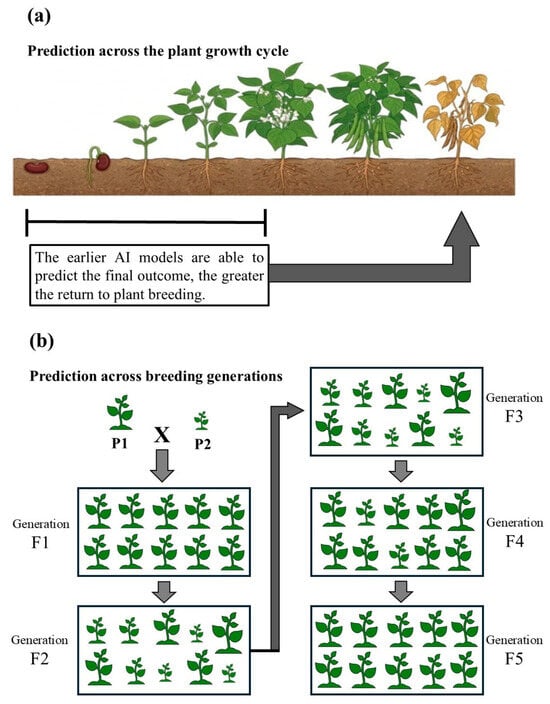
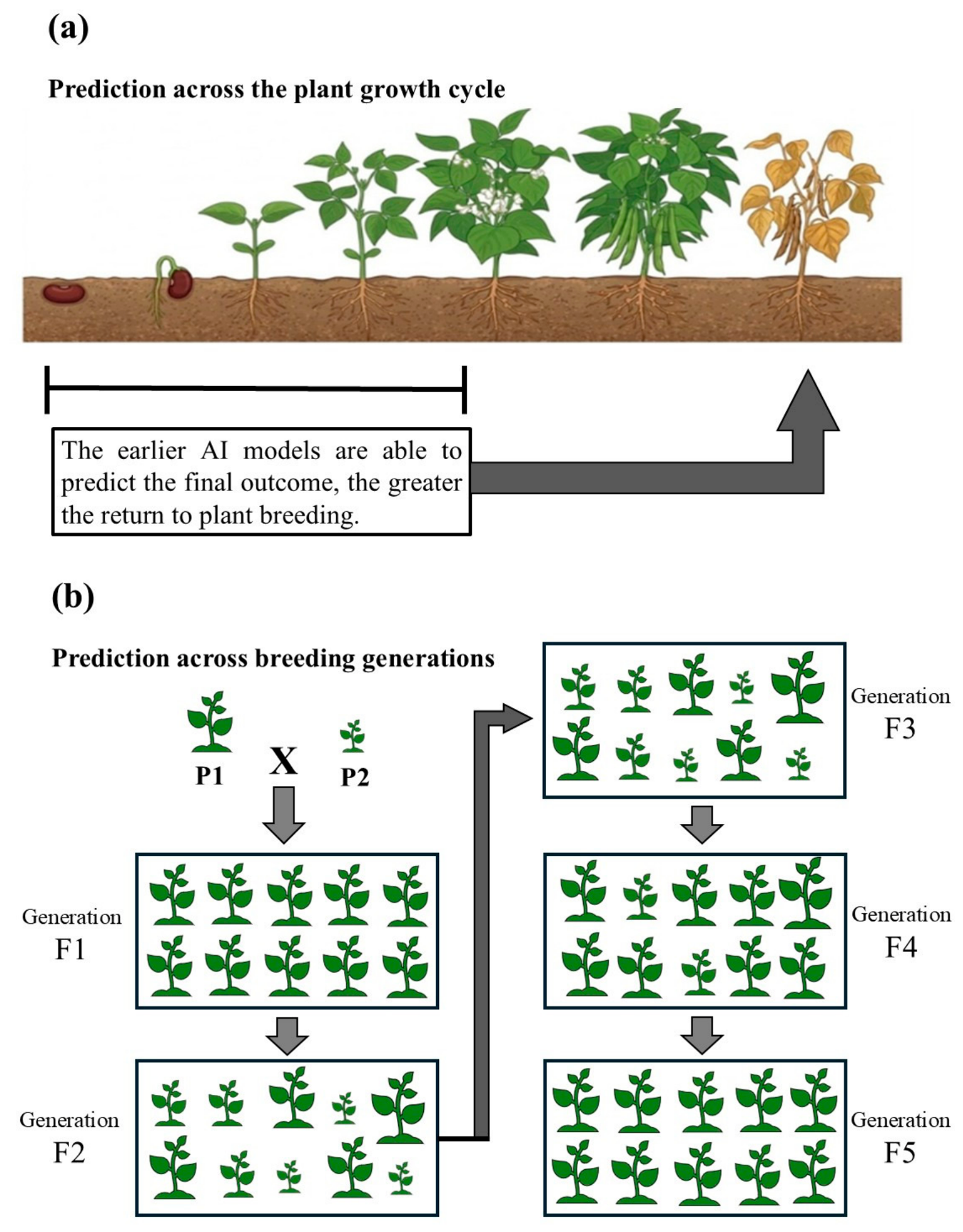
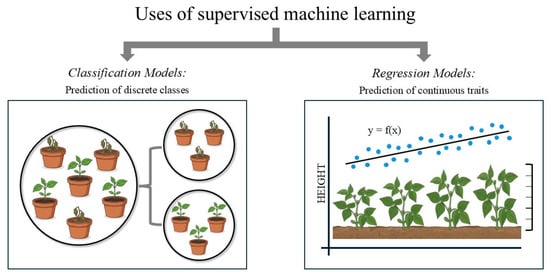
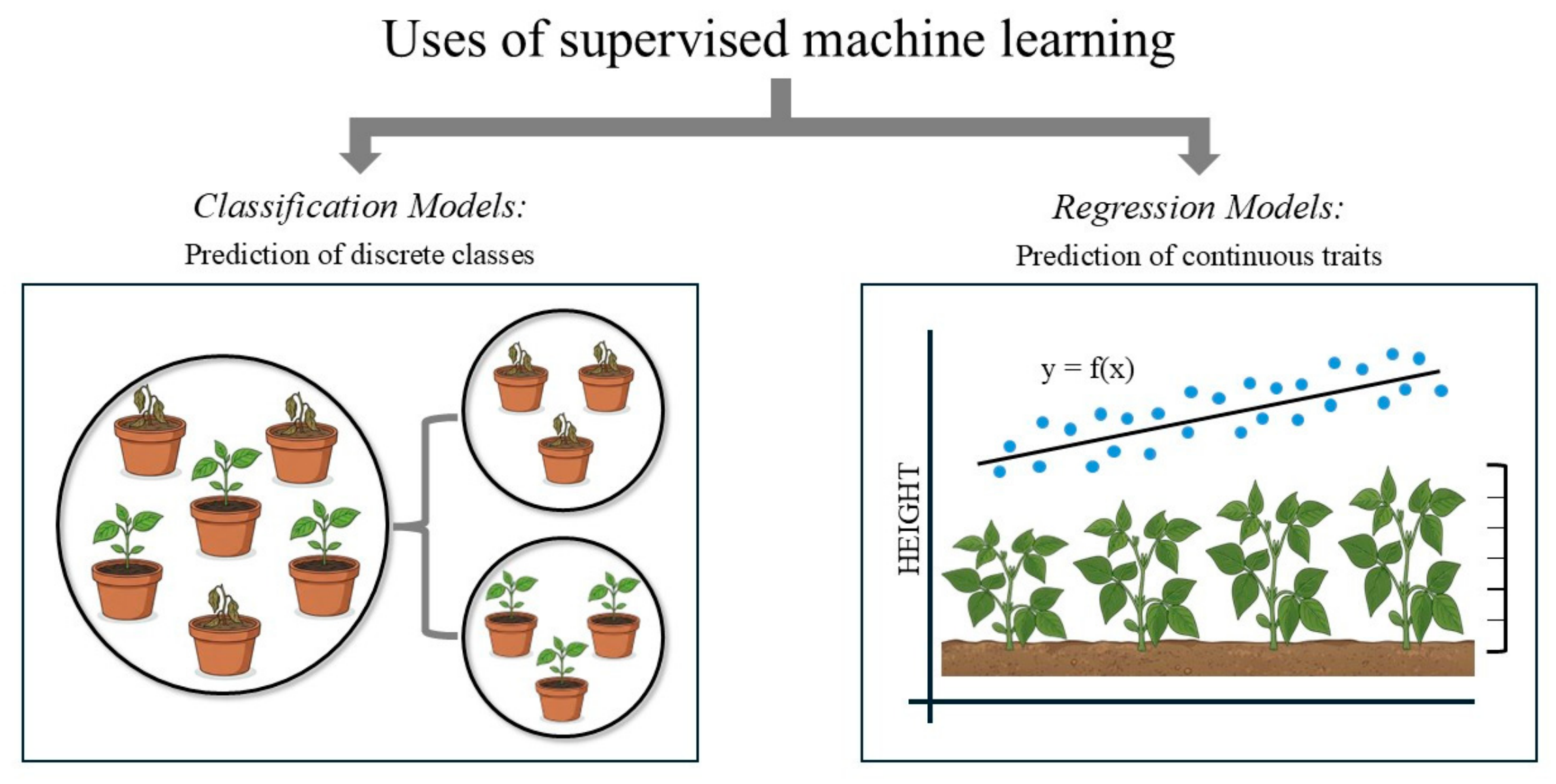
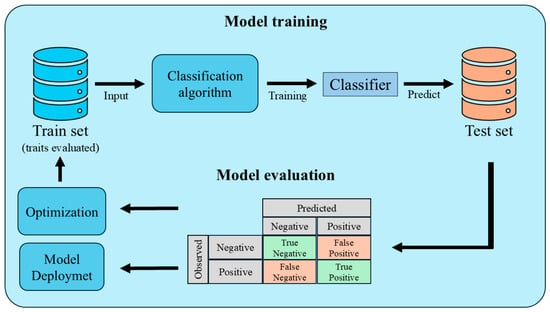
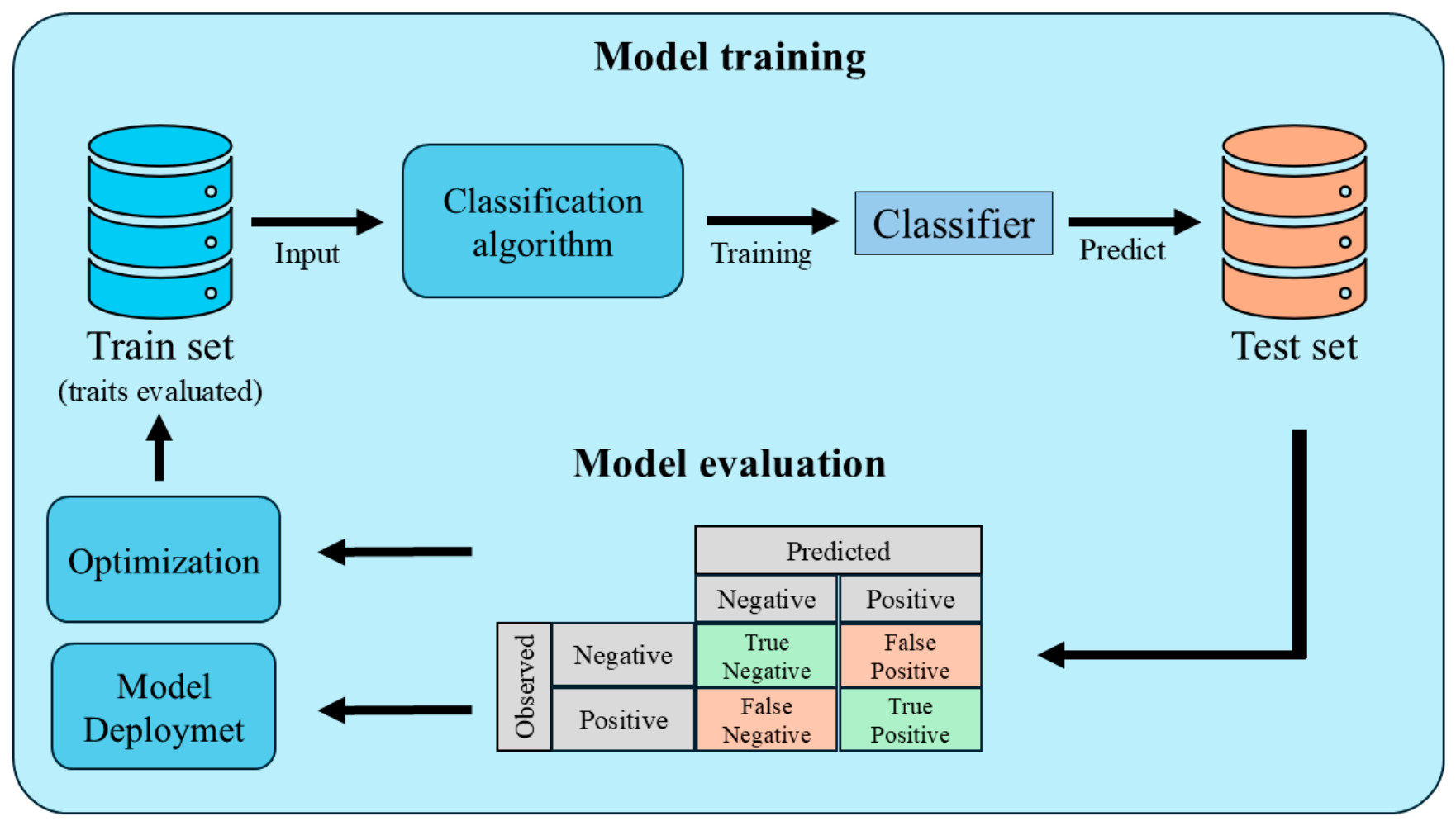
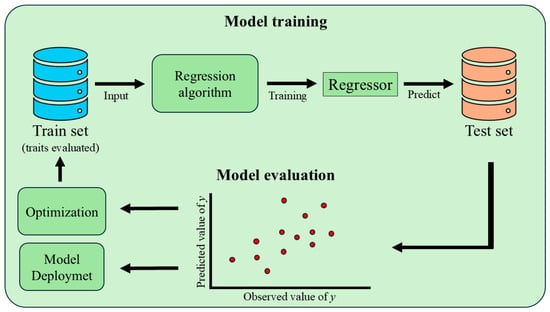
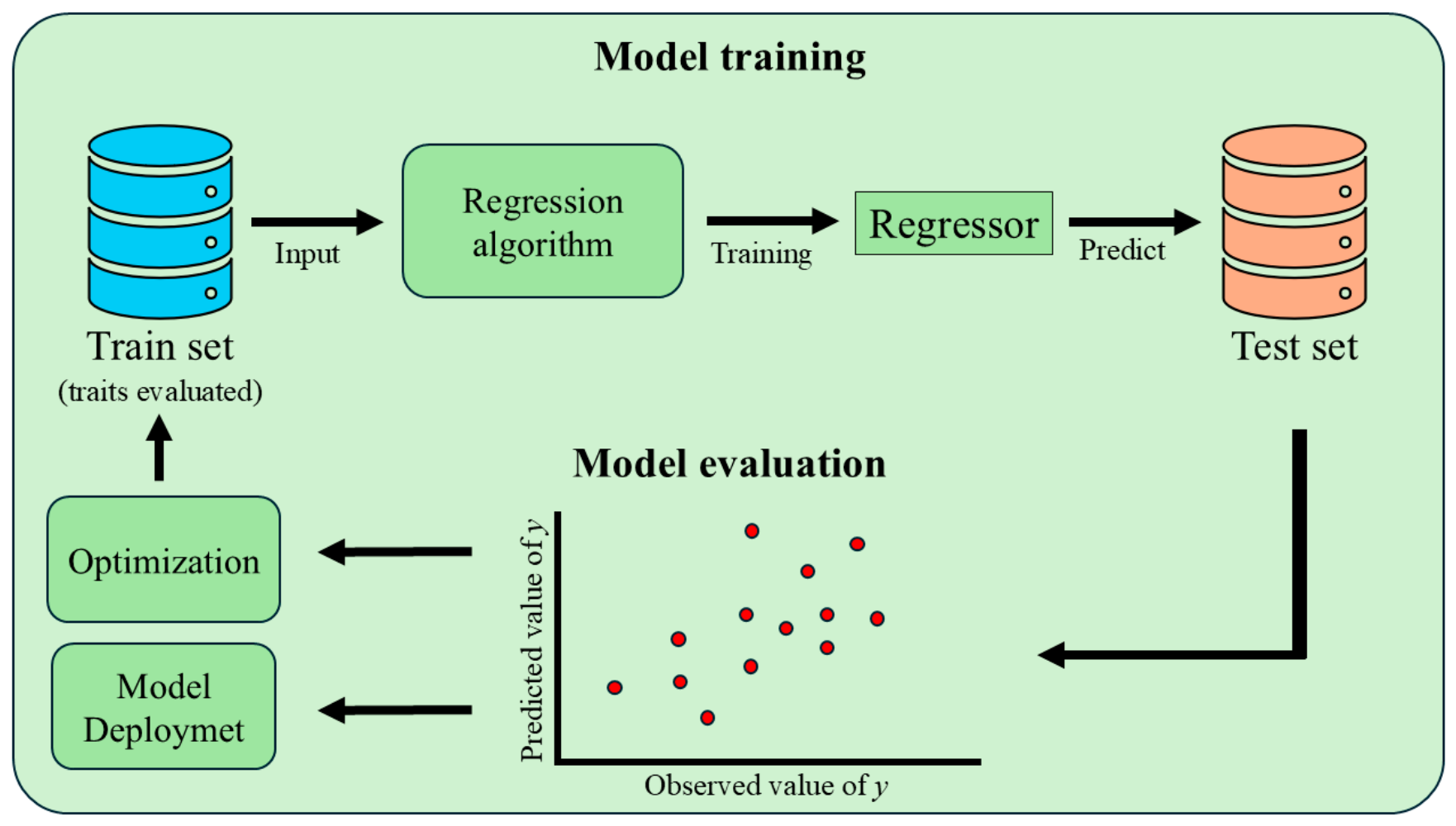
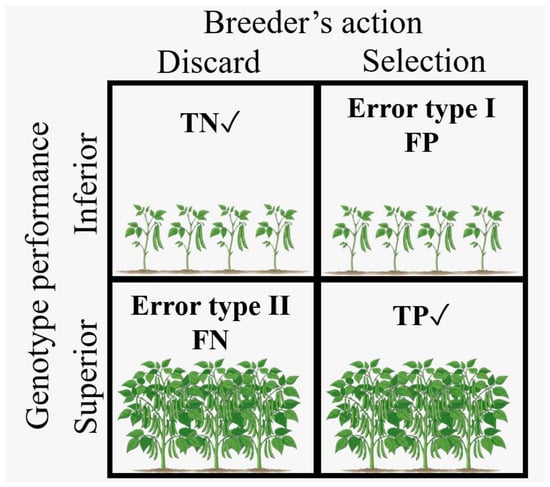
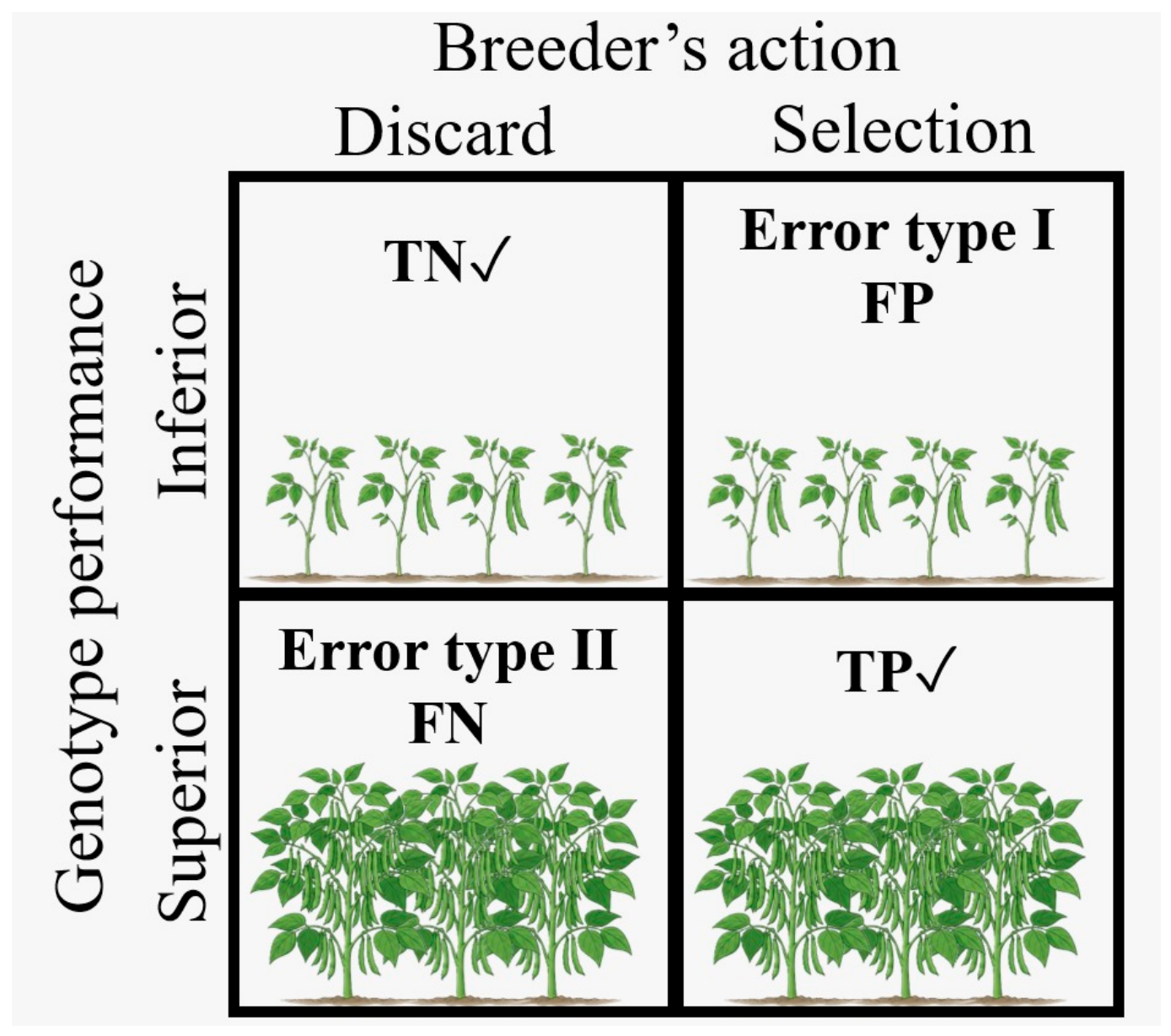
Disclaimer/Publisher’s Note: The statements, opinions and data contained in all publications are solely those of the individual author(s) and contributor(s) and not of MDPI and/or the editor(s). MDPI and/or the editor(s) disclaim responsibility for any injury to people or property resulting from any ideas, methods, instructions or products referred to in the content. |
© 2026 by the authors. Licensee MDPI, Basel, Switzerland. This article is an open access article distributed under the terms and conditions of the Creative Commons Attribution (CC BY) license.