


Abstract
Hericium erinaceus (lion’s mane) is among the most widely marketed natural product preparations for cognitive health and has a long-documented history of use in East Asian traditional medicine alongside botanical drugs. Its principal bioactive constituents, the cyathane diterpenoids, meroterpenoids and structural polysaccharides, belong to the same natural product chemistry, pharmacokinetic and quality control framework applied to plant-derived phytomedicines. Therefore, H. erinaceus faces the same translational questions of batch consistency, bioavailability and mechanistic definition. Scientific evidence remains complicated by the variations in fruiting body and mycelium biochemistry, extraction procedures and pharmacokinetic data. The current work addresses this gap by compiling natural product chemistry, structure–activity relationships, mechanisms of action, preclinical and human studies, along with analytical quality control of H. erinaceus metabolites. It proposes a matrix-specific quality control approach supported by authentication, biochemical makeup and markers for the starting material (fruiting body/mycelium), in addition to critically evaluating the relevant current studies for strengths and weaknesses. Using bioanalytics, mass spectrometry and metabolomics, we also highlight methodologies for compound quantification and novel biomolecule discovery. By linking chemical standardisation to the clinical evidence base, this review provides a quality assessment framework of the kind required for herbal and other natural product remedies. It also identifies the pharmacokinetic and trial design gaps that currently limit integration of these preparations into evidence-based practice.
1. Introduction
The transmission of adaptive memory across generations underpins cultural, scientific, and technological progress [1]. Dementia is projected to affect 153 million people by 2050 and is emerging as the seventh leading cause of death worldwide, intensifying interest in safe, diet-based strategies for protecting brain health [2,3]. This trend urges global research efforts across academia, non-profits and industry to prioritise brain health. Studies highlighting the significance of dietary patterns and micronutrient supplementation on cognitive function and neuroprotection are gaining traction for the same reason [4,5,6]. As the global dietary supplements market is expected to grow to a value of USD 300 billion by 2028, it is essential to have a basic understanding of the biochemistry of the dietary supplements consumed on a regular basis [7]. In this review, we highlight the neuroprotective and neurotrophic bioactive compounds found in the culinary mushroom Hericium erinaceus (lion’s mane (LM)), which is widely consumed in Asian countries such as China, India, Japan, and Korea. LM produces a remarkably diverse metabolome, including >250 secondary metabolites such as polysaccharides, cyathane-type diterpenoids, meroterpenoids, isoindolinone derivatives and other small molecules with neurotrophic, neuroprotective, antioxidant, anti-inflammatory, immunomodulatory, and cytotoxic activities [8]. In parallel, the rapid growth of the LM supplement market is outpacing the development of robust quality standards, as fruiting-body versus mycelium products, extraction conditions and storage all profoundly influence metabolite profiles and stability. This review provides an overview of the neuroprotective and neurotrophic constituents that are abundant in LM and their relevant bioactive roles in neuronal health. The identity of these molecules in LM can be used for quality control, variety selection and cultivation. This review encompasses current knowledge on LM biochemistry, neuroactive mechanisms and preclinical and clinical evidence, identifies critical translational gaps and highlights how LC-HRMS/MS-based untargeted and targeted metabolomics can be used to authenticate LM materials, benchmark neurotrophic metabolites and establish metabolomics-driven quality control frameworks for LM-based functional foods and nutraceuticals targeting brain health.
Earlier reviews established hericenones and erinacines as candidate neuroactive metabolites and summarised the initial NGF studies [9]. Subsequent reviews have broadened our knowledge about the chemical complexity of the fungi, and preclinical research has provided insight into their mechanism of action. Although H. erinaceus is a macrofungus, its therapeutic evaluation shares core challenges with plant-derived phytomedicines, including chemical variability, uncertain bioavailability and limited clinical validation. This review advances research relevant to phytomedicine by integrating the chemistry and proposed mechanisms of its neuroactive constituents with evidence from preclinical and human studies. Attention is given to distinguishing fruiting body and mycelium preparations, selecting appropriate analytical markers and separating chemical standardisation from demonstrated biological potency. This integrated view helps in improving experimental reproducibility, interpreting differences between preparations and designing studies that relate administered bioactive levels to exposure and clinical outcomes. By identifying priorities for analytical validation, pharmacokinetic investigation and adequately powered clinical trials, the review supports the development and evaluation of H. erinaceus-derived preparations for potential neuroprotective applications [10,11,12].
2. Growth Habits and Culinary History of Hericium erinaceus
Hericium erinaceus (Bull.) Persoon, commonly known as yamabushitake, lion’s mane (LM), or monkey’s head mushroom, is a saprophytic fungus in the class Basidiomycetes, subclass Holobasidiomycetidae, order Russulales, and family Hericiaceae. It mainly grows on hardwood species such as Quercus, Acer, and Betula [13,14]. Widely consumed in East Asia, especially China, it is appreciated both as a culinary delicacy and for its medicinal properties [15]. Historical records, such as the History of the Three Kingdoms (280 AD), document its medicinal use, particularly for supporting the health of the five internal organs liver, lung, spleen, heart, kidney, improving digestion, vitality, and strength [16]. More recently, scientific interest has focused on its neuroprotective properties, as the fruiting body and mycelia of LM have been identified as promising materials for neural development and brain health [15,17,18,19]. This dual role in traditional and modern contexts underscores its importance as both a functional food and a potential therapeutic agent.
3. Unique Biochemistry of Hericium erinaceus
Recent studies report more than 250 distinct secondary metabolites from Hericium species, covering a broad range of chemical classes including cyathane diterpenes, alkaloids, benzofurans, chromenes, phenols, pyrones and steroids [20]. Among the cyathane diterpenes, the erinacines represent a particularly significant group, with biosynthetic investigations indicating that these structurally complex metabolites arise through specialised fungal terpene pathways. Recent genomic and transcriptomic analysis have further begun to elucidate the key enzymatic steps involved in their synthesis, providing a clearer framework for understanding their metabolic origin [21]. Recent isolation studies further expand this chemical space through the discovery of cyathane diterpene glycosides like hericinosides A–M with significant α-glucosidase-inhibitory activity [22]. Recently, new alkaloids erinacenone A–L were isolated from LM cultures, with their structures elucidated by spectroscopic techniques, expanding the structural diversity of Hericium metabolites [23]. Similarly, the discovery of a novel isoindolinone derivative, erinacerin W, from mycelia, along with other known erinacines, demonstrates that mycelium culture conditions (e.g., pH, aeration, growth medium) can influence production of bioactive compounds.
Functionally, many of these metabolites show biological activities consistent with neuroprotection, neurotrophic stimulation, immunomodulation, anti-inflammatory, antioxidant and cytotoxic/anticancer effects [8,24,25]. Some of the newly described erinacenones displayed cytotoxicity against MCF-7 cancer cells in vitro, while unusual cyathane and neoverrucosane diterpenoids from LM cultures have been shown to exert anti-neuroinflammatory effects [23,26]. This wide structural and functional diversity highlights the therapeutic and nutraceutical promise of LM metabolites. However, substantial differences between fruiting-body and mycelium metabolite profiles coupled with variability arising from culture and processing conditions indicate that the biochemical composition of supplements made from LM can differ considerably.
The neuroprotective and neurotrophic properties of LM have been linked to a diverse array of over 70 unique secondary metabolites found in its mycelium and fruiting bodies. These neuroactive compounds are broadly categorised into polysaccharides and terpenoids. Advanced analytical techniques, such as liquid chromatography-mass spectrometry (LC-MS) and two-dimensional nuclear magnetic resonance (2D-NMR), have been instrumental in identifying and characterising these metabolites [14,27,28,29]. This section highlights key biomolecules in LM that contribute to brain health and examines their potential applications as therapeutic agents for a variety of medical conditions associated with brain health. By leveraging their neuroactive properties, these compounds offer promising avenues for advancing both neurological health and broader pharmacological therapies.
3.1. Polysaccharides
Polysaccharides are major structural molecules in fungal cell walls and account for roughly 20% of the total biomass of Hericium erinaceus fruiting bodies and mycelium. They have reported antioxidant, immunomodulatory, hypolipidaemic, anticancer and neuroprotective activities [28,30]. However, LM polysaccharides should not be considered as a single pharmacological class. Separation studies coupled with bioanalytics have shown substantial differences in molecular mass, monosaccharide composition, glycosidic linkage, branching and dispersity. All of which influence solubility, gastrointestinal stability, microbial fermentation, receptor recognition and biological activity [31,32].
A recently identified neuroprotective fraction, HEPS, contained two high molecular weight polysaccharides of masses 1.7 × 10⁵ and 1.1 × 10⁵ Da. HEPS at 250 μg/mL improved cell viability, reduced reactive oxygen species (ROS) and mitochondrial damage, enhanced cellular radical scavenging activity and reduced apoptosis in amyloid β-exposed PC12 cells [31,33]. These findings demonstrate efficient neuroprotective activity under in vitro conditions but fail to include oral bioavailability and transport of these molecules across the blood–brain barrier. Similarly, WEP-1 is a 4.01 × 10³ Da water-soluble oligosaccharide in LM composed of mannose, glucose and galactose in a molar ratio of 1.2:16.9:1. Its reported structure includes an α-D-Glc-(1→3) and β-D-Gal-(1→3) backbone with β-D-Glc branches at C-4 and terminal β-D-Man. WEP-1 protected LPS-induced inflammation of intestinal cells by suppressing TLR4/NF-κB signalling and apoptosis [34]. Although TLR4-mediated inflammation is relevant to neurodegeneration, these data primarily support intestinal and peripheral anti-inflammatory activity rather than a direct effect on the central nervous system. HEP-W is another LM polysaccharide with a mass of 15.9 × 10³ Da. This heteropolysaccharide containing rhamnose, fucose, mannose, glucose and galactose activates macrophages through TLR2 and PI3K/Akt/MAPK signalling pathways [35]. This illustrates how linkage and branching patterns influence receptor binding but again supports immunomodulatory effects rather than direct neuronal mechanisms.
Neurotrophic effects have also been reported for an extracellular biopolymer from LM mycelium that has a mass of over 1.0 MDa. Composed of glucose, galactose, xylose, mannose and fructose, this polymer enhanced PC12 cell growth and neurite extension at 0.8 mg/L [36]. However, its direct application to cultured neuronal cells can be questioned without evidence from oral administration and pharmacokinetic studies. In peripheral nerve injury models, oral aqueous extracts and partially purified polysaccharide fractions accelerated sensory recovery, promoting axon regeneration and increased Akt and p38 MAPK signalling after peroneal nerve damage [37]. Nevertheless, the chemical complexity of the administered extracts and dose reporting limits pinpointing these effects to specific polysaccharides [38]. Furthermore, in rat models, an extract containing 20.66% β-(1→3,1→6) glucans from LM preserved cerebellar Purkinje cell integrity and enhanced the ERK-CREB-PSD95 signalling pathway, which is critical for neuronal function and protection [38]. However, since the extract was not pure, it is not possible to pinpoint the bioactivity to a single metabolite.
Overall, LM polysaccharides exhibit antioxidant, immunomodulatory, gut protective and neuroprotective activities, but these effects strongly depend on molecular composition and experimental framework. Direct brain uptake of intact high molecular weight fractions has not been demonstrated. Their neuroprotective activity after oral consumption is therefore more plausibly mediated through intestinal, immune and gut–brain-axis mechanisms. Future studies are needed to provide detailed structural characterisation, standardised dosing, pharmacokinetic data and clear differentiation between direct neuronal and peripheral mechanisms.
3.2. Terpenoids
Terpenes, the largest class of natural products, are another type of secondary metabolites of mushrooms which consist of isoprene repeating units, and many terpenes such as cyathane diterpenoids, triterpenoids, and sesquiterpenes have been identified or isolated from various genera of mushrooms including LM [39,40]. Hericenones (meroterpenoids) and erinacines (cyathane diterpenoids) are the two important classes of compounds isolated from LM, proven to induce the biosynthesis of nerve growth factor (NGF) in nerve cells in vitro.
3.2.1. Hericenes, Hericenones and Hericerins
Arnone et al. reported the isolation and characterisation of three geranyl-resorcinols—hericene A, B, and C—from the fruiting bodies of LM [41]. These molecules feature a resorcinol core attached to a geranyl unit along with three distinct fatty acid moieties. Additionally, the fruiting bodies of LM are rich in unique meroterpenes called hericenones (A–J), which are likely oxidation products derived from the geranyl side chains of hericenes via oxidative metabolic pathways. The hericenone content in the fruiting bodies has been reported to be approximately 2.36 mg per gram of dry weight [42,43]. This class of aromatic molecules with an isobenzofuranone skeleton are abundant in Hericium species and is known for their remarkable biological activities [8]. For instance, hericenones A and B have been shown to inhibit the proliferation of HeLa cervical cancer cells at minimum concentrations of 100 μg/mL and 6.3 μg/mL, respectively [44,45].
Structurally, hericenones C–H are benzyl alcohol derivatives featuring simple fatty acid chains. Cyclisation involving the phenolic hydroxyl group and the side chains of hericenones C–E likely results in the formation of hericenones F–H, which exist as racemic mixtures [32]. The biological activity of individual hericenones is influenced by variations in the length and degree of unsaturation of their fatty acid side chains [32]. Another significant class of natural products isolated from LM is the hericerins, which also belong to the geranyl resorcylate family. The chemical structure of hericerin was first elucidated by Kimura and their team, who demonstrated its ability to inhibit pollen germination [46]. In recent decades, these molecules have garnered significant interest in their neurotrophic and neuroprotective properties, with potential applications in managing dementia and related neurological disorders.
Tropomyosin receptor kinase B (TrkB) serves as the receptor for brain-derived neurotrophic factor (BDNF), a critical growth factor involved in neuronal survival, development, proliferation, and synaptic plasticity [47,48]. Recent findings highlight the influence of LM extract and hericerin A on TrkB signalling and neuronal morphology in hippocampal neurons [49]. The study demonstrated that mice orally administered crude LM extract and hericerin A exhibited increased expression of neurotrophins and activation of downstream signalling pathways. This enhancement was associated with significantly improved hippocampal memory, underscoring the therapeutic potential of these compounds for memory improvement and the mitigation of cognitive decline associated with ageing and neurodegenerative disorders [43,49]. Hericenones C–E have been reported to induce nerve growth factor (NGF) biosynthesis, with early studies from the 1990s documenting their activity. These studies also showed that hericenones C–E stimulated NGF synthesis in vitro in mouse astroglial cells at a dose of 33 μg/mL, with bioactivity comparable to that of the mammalian hormone epinephrine [50]. These molecules were among the first compounds of their class to be isolated from a non-animal source [45,50]. In a related study, oral supplementation with LM extracts containing hericenones C and D, along with other natural products in LM, improved recognition memory, hippocampal and cerebellar neurogenesis, and locomotor performance in frail aged mice [51,52].
An intriguing study by Tamrakar and team demonstrated that deacylhericenone, a derivative of hericenone C produced via lipase enzyme treatment, exhibited enhanced neuroprotective properties [53]. This compound showed greater stimulation of BDNF mRNA expression and reduction in oxidative stress, suggesting that the core structure of hericenones may be crucial for neuroprotective activity. Additionally, studies show that hericenone H stimulated NGF synthesis at a dose of 33 μg/mL, achieving a concentration of 45.1 ± 1.1 pg/mL in vitro in mouse astroglial cells [54]. Hericenones F and G also exhibited significant NGF-stimulating activity, though their effects varied based on the batch of cultured cells and cell density used in experiments. In 2008, three additional hericenones were identified, namely 3-hydroxyhericenone F, hericenone I and hericenone J [55]. Among these, 3-hydroxyhericenone F demonstrated significant protective activity against tunicamycin- and thapsigargin (TG)-induced toxicity in a dose-dependent manner, suggesting its potential to mitigate endoplasmic reticulum (ER) stress and prevent apoptosis.
Natural hericenes from LM, specifically hericene B and C, exhibited moderate protective activity against thapsigargin (TG)-induced endoplasmic reticulum (ER) stress at concentrations above 30 μM [56]. However, their protective effects were less pronounced than those of 3-hydroxyhericenone F, which showed significant protection against TG-induced toxicity at concentrations as low as 1.7 μg/mL. Notably, the study also highlighted that regioisomers of hericene B and C demonstrated significant protective activity against tunicamycin (TM)-induced ER stress at a concentration of 10 μM. These findings underscore the importance of the fatty acid chain in determining biological activity; specifically, the binding position of the fatty ester chain plays a critical role in modulating protective effects. This structure–activity relationship (SAR) data provides valuable insights into the molecular determinants of ER stress mitigation by hericenes. Collectively, these studies indicate that geranyl-resorcinols and their derivatives possess significant potential to counteract neuronal apoptosis, a pathological feature detrimental to brain health. The detailed molecular information of hericenes, hericenones and hericerins can be found in Figure 1.
Figure 1.
Name, molecular formula, mono-isotopic mass and PubChem IDs of bioactive hericenones, hericerin and hericene isolated from fruit bodies and/or mycelia of H. erinaceus.
3.2.2. Erinacines and Erinacerins
The mycelium of LM mushrooms contains a class of cyathane-type diterpenoids known as erinacines, characterised by a unique five-to-six-seven tricyclic carbon scaffold. These compounds, considered the primary bioactive agents derived from the mycelium, exhibit distinct structural features, including the presence of a β-configured D-xylose moiety in their scaffold, which makes them detectable using UV detection at 340 nm [57]. A range of erinacines, including A, B, C [58]; D, E, F, G [59]; H, I [60]; P [61]; Q [62]; J, K [63]; R [64]; and erinacol [65] have been isolated from LM mycelium and shown to stimulate NGF biosynthesis. To date, more than 30 erinacines have been identified [43].
Another prominent class of secondary metabolites in the fruiting bodies of the Hericium genus includes isoindoline-1-one derivatives known as erinacerins. Wang et al. [66], during a study of LM from the Tibetan Plateau, isolated ten isoindoline-1-ones and characterised their structural and bioactive properties, including α-glucosidase inhibitory activity. Their work documented the physical and spectroscopic data for erinacerins C–L, demonstrating the potential of solid-state fermentation to enhance secondary metabolite biosynthesis in edible and medicinal mushrooms. Other notable erinacerins include W [67]; A, M and N [68]; as well as Q, S, and T [66]. Erinacerins have been widely recognised for their α-glucosidase inhibitory activity, suggesting their potential as antidiabetic agents [67,68,69,70], while erinacerins M and N have exhibited cytotoxic effects against various human cancer cell lines, including SH-SY5Y, 1321N1, HCT-116, Caco-2, OVK18, and HeLa [68].
In a bioassay using mouse astroglial cells, the amounts of NGF secreted into the medium in the presence of erinacine A–C at 1.0 mM were 250.1 ± 36.2, 129.7 ± 6.5, and 299.1 ± 59.6 pg/mL, respectively. These activities were much stronger than those (69.2 ± 17.2 pg/mL at 1.0 mM) of a known potent stimulator, epinephrine, used as a positive control compound in this assay [58]. In similar studies, the same team reported the NGF synthesis activity of erinacine D (at 1.67 mM NGF secretion was 141.5 ± 18.2 pg/mL), E and F (at 5 mM NGF secretion was 105 ± 5.2 and 175 ± 52 pg/mL, respectively) [59,70]. Lee and team successfully isolated and characterised erinacines H and I from the mycelia of LM [60]. Among these, erinacine H induced NGF secretion, achieving a concentration of 31.5 pg/mL in the culture medium at a treatment concentration of 33.3 µg/mL. In a subsequent study, Chen and team identified erinacine S, a sesterterpene isolated from LM mycelia, which, along with erinacine A, significantly reduced amyloid-beta (Aβ) plaque deposition in the brains of APP/PS1 transgenic mice, a widely used model of AD [71]. More recently, three additional novel cyathane diterpenes, erinacines T, U, and V, were isolated from liquid cultures of LM [72]. These compounds demonstrated pronounced neurite outgrowth-promoting activity in PC12 cells at concentrations ranging from 2.5 to 10 μM. The detailed molecular information of erinacines and erinacerins can be found in Figure 2 and Figure 3, respectively.
Figure 2.
Name, molecular formula, mono-isotopic mass and PubChem IDs of bioactive erinacines isolated from fruit bodies and/or mycelia of H. erinaceus.
Figure 3.
Name, molecular formula, mono-isotopic mass and PubChem IDs of bioactive erinacerins isolated from fruit bodies and/or mycelia of H. erinaceus.
4. Hericium erinaceus and Brain Health
In vitro studies have demonstrated that bioactive compounds extracted from LM (both fruiting body and mycelia), notably erinacines A and S, promote the development of cerebellar neurons and enhance the process of myelination [73]. These compounds facilitate the maturation of oligodendrocytes and upregulate myelin basic protein (MBP) expression, which is essential for effective axonal conduction [74]. Complementary in vivo studies have shown that oral administration of LM increases neurogenesis in the hippocampus and cerebellum of ageing murine models. This effect is evidenced by elevated expression of doublecortin (DCX), a marker for neuronal precursor cells, and is correlated with improved recognition memory, suggesting potential cognitive benefits [51]. LM extracts demonstrate immunomodulatory properties through the regulation of microglial activity. Erinacines have been reported to promote a neuroprotective microglial phenotype, characterised by decreased pro-inflammatory signalling and enhanced support for neuronal integrity [75].
While preclinical studies are promising, clinical research is still emerging. A pilot study involving patients with mild AD reported that supplementation with erinacine A-enriched LM mycelia led to improvements in cognitive function without significant side effects [76]. The study provided preliminary clinical evidence consistent with a potential cognitive benefit of an erinacine A-enriched preparation, although confirmation requires studies with larger sample sizes. A double-blind, placebo-controlled, parallel-group clinical trial conducted by Mori and team evaluated the efficacy of oral administration of LM in Japanese adults aged 50 to 80 years diagnosed with mild cognitive impairment and attributed the property tentatively to hericenones [77].
Given the pivotal roles of oxidative stress and neuroinflammation in declining brain health, LM has been noted for its robust antioxidant capacity, likely due to its rich content of phenolic and flavonoid compounds. These bioactive compounds enhance endogenous antioxidant defences, thereby reducing the levels of reactive oxygen species (ROS) and inhibiting lipid peroxidation [78]. In addition, LM extracts exert anti-inflammatory effects through the downregulation of the NF-κB signalling pathway, leading to a reduction in the synthesis of pro-inflammatory cytokines. Collectively, these antioxidant and anti-inflammatory properties contribute to the preservation of neuronal integrity. LM has shown antidepressant-like effects by regulating monoamine neurotransmitters and enhancing BDNF expression in the hippocampus. Chronic administration of LM extracts has been found to activate the BDNF/TrkB/PI3K/Akt/GSK-3β signalling pathway, leading to improved neuroplasticity and mood regulation. These effects are further supported by the modulation of inflammatory pathways, including the inhibition of NF-κB signalling, which is often upregulated in depressive states [79].
Among LM biomolecules, extracts enriched in erinacine A appear especially potent and are noted for having favourable properties regarding transportability across biological barriers. This implies better likelihood that the molecule reaches the brain and exerts neuroprotective/neurotrophic effects [80]. Erinacine A, further enhanced neuroprotection by downregulating the expression of inducible nitric oxide synthase (iNOS), reducing nitrotyrosine accumulation, and suppressing the phosphorylation of p38 mitogen-activated protein kinase (MAPK) as well as the expression of C/EBP homologous protein (CHOP). These findings indicate that erinacine A exerts its neuroprotective effects by modulating the iNOS/p38 MAPK/CHOP signalling axis, thereby attenuating neuronal apoptosis and neuroinflammation [81].
The principal mechanisms proposed from predominantly cellular and preclinical studies can be summarised into four categories (Figure 4):
Figure 4.
Four major mechanistic pathways through which LM metabolites induce neuroprotective effects.
- Stimulating the synthesis of innate neurotrophins: Many erinacines and some hericenones have been shown to increase synthesis and release of neurotrophins, particularly NGF and, in some studies, BDNF and neurotrophin-3 (NT-3) [51]. These neurotrophins help neurons survive, differentiate, extend axons and dendrites and improve synaptic plasticity through receptor binding processes, which are vital for learning, memory, mood regulation and recovery from injury. Research also shows that hericenones and erinacines stimulate neurite outgrowth in neuronal cell models (often under low NGF levels), suggesting an overall increase in neurotrophic support [82].
- Reduction in oxidative stress: Extracts and isolated molecules from LM relieve oxidative damage through reduction in ROS levels, lipid peroxidation and oxidative damage in neural and glial cells. These molecules also enhance cellular resilience to oxidative stress by upregulating endogenous antioxidant defence pathways through the transcription factor Nrf2, which controls expression of antioxidant enzymes like superoxide dismutase, glutathione peroxidase, etc. [83].
- Activation of anti-apoptotic signalling: LM biomolecules modulate intracellular signalling cascades including p38 MAPK, JNK1/2 and ER-stress response via IRE1α/TRAF2 that regulate apoptosis, cell survival and endoplasmic reticulum (ER) stress responses. This way, LM-derived biomolecules protect neurons against damage arising from oxidative stress, ischemia, neurotoxins, etc., reducing cell death and improving neuronal lifespan [32].
- Modulation of neuroinflammation and neurotrophic homeostasis: Both polysaccharides and low-mass biomolecules from LM suppress inflammatory signalling by downregulating pro-inflammatory cytokines like IL-1β, IL-6, TNF-α and inhibiting iNOS and COX-2 expression, leading to lower nitric oxide (NO) and prostaglandin E2 (PGE2) production [83]. Some studies show that LM bioactives may influence metabolic pathways such as insulin-degrading enzyme expression and neurosteroidogenesis pathways. These activities contribute to neuroprotection via regulation of cellular metabolism, neuronal maintenance and myelination [84].
For interpretation of the evidence, in vitro findings were considered primarily hypothesis-generating, animal studies as preclinical evidence of possibility, and controlled human intervention studies as the highest level of evidence considered here. Preclinical studies were interpreted with attention to model relevance, chemical characterisation of the administered material, dose and exposure, controls, replication and correspondence between molecular and behavioural endpoints. Human studies were additionally considered in relation to sample size, blinding/control design, duration, endpoint consistency and chemical standardisation of the intervention. A bibliometric analysis of 839 publications on LM mushrooms published between 1992 and 2023 showed that clinical research represents only a small proportion of the available literature [85]. Consistent with this, the present review identified only eight published human intervention studies relevant to cognitive functions, mood, sleep, stress and/or related neurobiological activity between 2009 and 2025 (Table 1). Table 1 summarises published human intervention studies evaluating the effects of LM on cognition, mood, sleep, stress, and related neurobiological outcomes, while Table 2 presents the major gaps revealed by comparing the in vitro and in vivo evidence and highlights the principal challenges that currently limit the translation of these findings into clinical applications.
Table 1.
Critical interpretation of human clinical studies investigating the neuroprotective effects of LM.
Table 2.
Summary of the key research gaps in clinical trials of LM metabolites identified through comparative analysis of reported in vitro and in vivo findings.
Bioavailability and Gut–Brain Interactions of LM Metabolites
In rats, oral administration of an erinacine A-containing mycelium extract at 2.381 g/kg (roughly 50 mg/kg erinacine A) resulted in bioavailability of 24.39% [95]. Erinacine S has likewise shown measurable BBB permeability in rats, with an estimated oral bioavailability of 15.13% following an equivalent 50 mg/kg exposure [12]. These findings support in vivo blood–brain barrier penetration of selected erinacines in rodents, although corresponding human pharmacokinetic data and therapeutically relevant brain concentrations remain to be established, particularly for lower-dose and commercial preparations. Similar in vivo evidence for individual hericenones and hericerins remains limited, while gastrointestinal absorption and CNS penetration of polysaccharides has not been documented.
For poorly absorbed macromolecules such as polysaccharides, an indirect mechanism of neurobiological action seems more plausible than direct CNS BBB permeability. Following oral consumption, these molecules may interact with the intestinal epithelium and respective receptors, modulating gut-barrier and peripheral immune responses. Microbial fermentation in the gut could also generate bio-transformed products capable of signalling the brain through circulatory, endocrine, immune or vagal pathways. This concept is supported by studies on mice administered standardised LM extract, resulting in reduced hippocampal inflammatory and cellular-senescence markers without reshaping the gut microbiome [11]. Additionally, a human pilot study using erinacine A-enriched supplement increased gut microbial diversity that correlated with circulating neuropeptide Y [90]. Collectively, these findings support the gut–brain interaction as a plausible pathway through which poorly absorbed LM constituents may influence neuronal health. However, direct links to this mediation and causality are yet to be established through studies.
5. Hericium erinaceus as Food and Dietary Supplements
The use of LM as a natural product remedy draws on its history as an edible mushroom and its chemically diverse composition. Mushrooms are recognised as dietary sources of nutrients [96,97], and LM contains protein, dietary fibre, vitamins and minerals [98], with alanine and leucine among the abundant amino acids reported in its fruiting body [99]. Glutathione and ergothioneine have also been reported [29], having antioxidant and anti-inflammatory properties [100]. These constituents provide a compositional chemical profile, although their presence alone does not establish the neuroprotective activity of an LM preparation [101,102,103,104].
Human studies have evaluated LM in several formulations. A pilot trial in healthy young adults receiving 1.8 g/day of a proprietary LM blend reported preliminary benefits in performance speed and stress-related outcomes [89]. Supplementation with 3.2 g/day of powdered fruiting body for 12 weeks was associated with improved cognitive function in another study [87]. A four-week trial using LM-containing cookies, providing 2 g/day of fruiting body powder, reported reductions in depression and anxiety scores [86]. Improvements in depression, anxiety and sleep-related scores were also reported in overweight and obese adults receiving a mycelium/fruiting body preparation alongside a low-calorie diet for eight weeks [88].
These findings remain preliminary and arise from preparations that differ in fungal material, processing and administered dose. The contribution of specific neuroactive constituents therefore remains difficult to resolve. Larger studies using chemically characterised preparations are needed to establish reproducibility and support meaningful comparisons between experimental findings and commercial products. Quality assurance is consequently central to evaluating LM as a natural product remedy with potential neuroprotective applications.
5.1. Biochemical Markers, Quality Control and Bioactivity
Quality assurance of LM preparations should distinguish species authentication, chemical standardisation and assessment of biological activity. Authentication should draw on voucher-verified reference material, supported by documentation of fruiting body or mycelial origin, strain, cultivation substrate, production conditions and processing history. Internal transcribed spacer (ITS) barcoding can support species identification but should be interpreted alongside morphological and chemical evidence and, where necessary, additional molecular markers (Figure 1, Figure 2 and Figure 3).
Chemical standardisation should reflect the production matrix, since fruiting body powders, extracts, mycelial biomass and fermented or mixed products are not analytically interchangeable. Selected hericenones and hericenes can be used to assess fruiting body preparations, whereas erinacine A and additional erinacines can be used for mycelial products. Mixed formulations require markers representing both components and documentation of their dry-weight contributions. Ergosterol can indicate fungal biomass but is neither specific to LM nor a measure of neuroactive potency. Marker presence and abundance should therefore be established analytically and interpreted against authenticated materials representing the same production matrix.
A single-laboratory validated UHPLC–UV method provides a practical basis for simultaneous quantification of selected hericenones, hericenes, erinacine A and ergosterol [10]. Where UV response or co-elution limits selectivity, complementary detection methods can strengthen confidence in marker assignment and quantification. Such measurements support compositional specifications, while their relationship to biological potency requires separate evaluation.
This distinction is reinforced by the incompletely defined structure–activity relationships of LM metabolites. Purified hericenones C–E did not consistently reproduce the NGF-inducing activity observed with crude extracts in a human astrocytoma model [105]. In another cellular study, deacylhericenone, a lipase-derived metabolite of hericenone C, showed greater BDNF mRNA induction and protection against oxidative stress than the parent compound [53]. These observations highlight the importance of evaluating individual compounds and extract composition when interpreting reported neuroactivity.
For erinacines, structural variation around the cyathane diterpenoid scaffold likewise warrants systematic evaluation under comparable assay conditions. Studies using purified, stereochemically verified compounds at relevant concentrations would strengthen relationships between chemical structure and neurobiological activity. This helps determine whether selected quality control markers predict biological effects in the long run.
5.2. Mass Spectrometric Approaches to Ensure Quality of LM Supplements
As public health nutrition increasingly emphasises strategies for promoting healthier eating patterns without compromising the enjoyment of food, mushrooms have emerged as a promising component for enhancing dietary quality [106]. In a market offering foods and drinks containing LM as well as products containing 100% unprocessed LM, it is essential to implement measures that preserve the mushroom’s biochemistry, which underlies its bioactivity. Critical factors such as strain selection, optimal growth conditions, and appropriate harvest timing must be carefully considered to maintain the functional properties of the mushroom. Advanced bioanalytical techniques, particularly LC-HRMS/MS metabolomics-based high-throughput screening, can serve as valuable tools to monitor and ensure the stability and integrity of bioactive compounds throughout the production, processing, and distribution stages [107,108,109,110]. This approach is crucial for delivering consistent and effective fungal-based nutritional products. Figure 5 provides an overview of the proposed metabolomic workflow for the evaluation of bioactives in LM and its supplements.
Figure 5.
LC-HRMS/MS-based metabolomics workflow for the biochemical evaluation of neuroprotective and neurotrophic molecules in LM and its dietary supplements.
5.2.1. Extraction and Stability of LM Neuroactives
Reliable assessment of LM preparations depends on the recovery and preservation of constituents associated with their reported neurotrophic and neuroprotective activities. Polysaccharides, proteins, lipids and other components of LM supplement matrices can interfere with the detection and quantification of these constituents [111,112,113]. Consequently, extraction and analytical procedures should be validated within the relevant product matrix.
Given the lipophilic to moderately polar nature of many LM terpenoids, ultrasound-assisted extraction with aqueous ethanol, commonly at 60–80%, has been employed to recover these constituents [114,115,116]. Further purification by counter-current or silica chromatography can support the isolation of neuroactive diterpenoids for characterisation and reference standard preparation [113,115]. For routine quality control, the priority is reproducible analyte recovery with sufficient removal of interfering matrix components.
The chemical stability of hericenones and erinacines remains incompletely characterised in finished LM products. Studies on whole fruiting bodies have demonstrated losses of selected bioactive compounds under elevated temperature and humidity [117], whereas systematic stability and shelf-life data for capsules, powders and extracts remain limited [118]. Accordingly, drying, extraction and storage conditions require evaluation for their effects on the retention of neuroactive constituents. Controlled processing, protective packaging and stability testing should therefore form part of product quality assurance [20]. Matrix-specific validation of recovery, accuracy, precision and analyte stability is essential to distinguish genuine compositional variation from analytical losses.
5.2.2. Untargeted LC-HRMS/MS for Authentication
The accurate mass and fragmentation data provided by LC–HRMS/MS [119] can support quality assurance by comparing the chemical profiles of LM preparations with those of taxonomically authenticated reference materials. Comparisons should account for the fungal material used, processing conditions and matrix effects [113]. Appropriate blanks, pooled quality control samples and internal standards are therefore needed to distinguish reproducible product differences from analytical variation.
Statistical comparisons can prioritise differences in metabolite signals for further investigation [120,121], while multivariate analysis can identify constituents contributing to variation between preparations and reference materials [122,123,124]. Such differences may channel investigations into depleted neuroactive constituents or unexpected components that require chemical confirmation before being attributed to adulteration or poor product quality.
Feature-based molecular networking and ion-identity molecular networking can further support the grouping of structurally related metabolites and the association of different adducts with the same constituent [125,126]. Applied to LM, these approaches can guide the selection of compounds for confirmatory analysis and assessment of batch consistency. Their principal value is therefore to support authentication and compositional assessment, as chemical similarity does not always demonstrate neuroprotective efficacy.
5.2.3. Targeted Analysis for Standardisation of LM Preparations
Targeted LC–HRMS/MS complements chemical fingerprinting by selectively measuring predefined LM constituents associated with reported neurotrophic and neuroprotective activities, including hericenones and erinacines [116,127]. Isolation followed by NMR characterisation can support structural confirmation [83,128,129], and compounds with known identity and purity can serve as reference standards for absolute quantification [127,130].
Matrix-matched calibration can help address ion suppression or enhancement [131], while extraction recovery requires separate evaluation [132,133,134]. Expected molecular formulae and adducts can guide precursor selection [135,136,137,138], with retention time and diagnostic tandem mass spectra providing complementary evidence for the identification of structurally related LM metabolites [116,139]. For example, fragments associated with fatty acid side chains in hericenone-related compounds can provide supporting structural information [20,42,50,57]. These features are most useful when incorporated into validated methods for defined quality control markers.
Targeted acquisition methods, including parallel reaction monitoring or selected/multiple reaction monitoring on suitable instruments, can support selective measurement of these markers [140,141,142]. Software such as Skyline assists in data processing and quantitative evaluation [143]. Following matrix-specific validation, these measurements can support batch specifications, verification of declared constituent content and monitoring changes during storage. Marker selection should reflect the preparation and the compounds implicated for reported biological activity.
Together, authenticated reference materials, reproducible chemical profiles and validated marker measurements provide a foundation for standardising LM preparations. Reporting measured constituent content alongside the administered dose would strengthen comparisons between experimental studies and commercial products, while keeping chemical quality assurance distinct from the biological evidence required to establish neuroprotection.
6. Conclusions
Hericium erinaceus (LM) occupies a distinctive position at the intersection of nutrition, ethnomedicine and neuropharmacology. Preclinical evidence supports biologically plausible neuroprotective effects through modulation of neurotrophin signalling, neurite growth, oxidative and ER stress, inflammatory pathways and microglial activity. However, these effects vary between extracts and isolated compounds. Moreover, activity seen in crude preparations cannot always be attributed to individual metabolites.
Human evidence remains limited. The eight intervention studies reviewed between 2009 and 2025 used chemically different preparations, including fruiting body, erinacine-enriched mycelium and mixed fruiting body/mycelium formulations. These materials should not be treated the same chemically, particularly because many earlier trials lacked quantitative characterisation of proposed neuroactive molecule/molecules. Pharmacokinetic evidence from humans is also limited: oral bioavailability and BBB permeability have been demonstrated mainly for erinacines A and S in rodents, while comparable human CNS permeability data are unavailable. High molecular weight polysaccharides are more plausibly associated with intestinal, immune and gut–brain mechanisms unless direct systemic or brain uptake is observed.
Expanding LM supplement market further highlights the need for robust quality standards. Variability arising from strain, cultivation, material type, extraction, processing and storage can substantially alter product chemistry. Quality control should therefore distinguish authentication from potency and apply matrix-specific markers for fruiting body and mycelium products, supported by appropriate polysaccharide characterisation and stability assessment. LC-HRMS/MS-based targeted and untargeted metabolomics provide useful tools for authentication, chemical profiling and quantitative assessment of key metabolites. Future research should prioritise standardised preparations, NMR-purified reference standards, validated analytical methods, reliable human pharmacokinetic studies and adequately powered clinical trials. Overall, current evidence supports the biological plausibility of neuroactive effects from selected LM constituents but does not yet completely establish their mechanisms or clinical efficacy in humans. Addressing the analytical, pharmacokinetic and clinical evidence gaps identified here will be essential for reliable translation into its untapped use in modern phytomedicine.
Author Contributions
G.P.S.: Conceptualisation, Methodology, Writing—Original Draft, Writing—Review and Editing, Investigation; O.H.R.: Formal Analysis, Data Curation, Software, Visualisation; M.S.J.S.: Supervision, Project Administration, Writing—Review and Editing, Investigation, Resources. All authors have read and agreed to the published version of the manuscript.
Funding
This research did not receive any specific grant from funding agencies in the public, commercial, or not-for-profit sectors.
Institutional Review Board Statement
Not applicable. This article is a review of previously published literature and did not involve studies with human participants or animals.
Informed Consent Statement
Not applicable. This article is a review of previously published literature and did not involve human participants.
Data Availability Statement
No new data were created or analyzed in this study. Data sharing is not applicable to this article.
Acknowledgments
The authors would like to express their sincere gratitude to Claudia González-Toral, Ganesh Padmakumar Sarala, Gabin Bitchagno, Rui Fang, Esther Grosskopf, Amorita Correia, James Venison, Geoffrey Kite, Clare Bryant and Akshobhya Chand Mull for their assistance in preparing different aspects of this manuscript.
Conflicts of Interest
The authors declare no conflicts of interest.
Abbreviations
| APP/PS1 | Amyloid precursor protein/presenilin-1 |
| BBB | Blood–brain barrier |
| CHOP | C/EBP homologous protein |
| CNS | Central nervous system |
| COX-2 | Cyclooxygenase-2 |
| DDA | Data-dependent acquisition |
| DCX | Doublecortin |
| ER | Endoplasmic reticulum |
| HO-1 | Heme oxygenase-1 |
| HPLC | High-performance liquid chromatography |
| HRMS | High-resolution mass spectrometry |
| HRMS/MS | High-resolution tandem mass spectrometry |
| HSCCC | High-speed counter-current chromatography |
| IL-1β | Interleukin-1 beta |
| IL-6 | Interleukin-6 |
| IRE1α | Inositol-requiring enzyme 1 alpha |
| ITS | Internal transcribed spacer |
| JNK1/2 | c-Jun N-terminal kinase 1/2 |
| KW | Kruskal–Wallis |
| LPS | Lipopolysaccharide |
| MBP | Myelin basic protein |
| MCI | Mild cognitive impairment |
| MMSE | Mini-Mental State Examination |
| MRM | Multiple Reaction Monitoring |
| mRNA | Messenger RNA |
| MS | Mass spectrometry |
| MS1 | First-stage mass spectrometry |
| MS2 | Second-stage/tandem mass spectrometry |
| MS3 | Third-stage mass spectrometry |
| NO | Nitric oxide |
| NPY | Neuropeptide Y |
| Nrf2/NRF2 | Nuclear factor erythroid 2-related factor 2 |
| NT-3 | Neurotrophin-3 |
| PGE2 | Prostaglandin E2 |
| PRM | Parallel reaction monitoring |
| pro-BDNF | Pro-brain-derived neurotrophic factor |
| RCT | Randomised controlled trial |
| Rt | Retention time |
| SAR | Structure–activity relationship |
| SPE | Solid-phase extraction |
| SRM | Selected reaction monitoring |
| TG | Thapsigargin |
| TLR2 | Toll-like receptor 2 |
| TLR4 | Toll-like receptor 4 |
| TM | Tunicamycin |
| TNF-α | Tumour necrosis factor alpha |
| TRAF2 | TNF receptor-associated factor 2 |
| TrkB | Tropomyosin receptor kinase B |
| UHPLC | Ultra-high-performance liquid chromatography |
| UV | Ultraviolet light |
| VIP | Variable importance in projection |
References
- Nairne, J.S.; Pandeirada, J.N.S. Adaptive Memory: The Evolutionary Significance of Survival Processing. Perspect. Psychol. Sci. 2016, 11, 496–511. [Google Scholar] [CrossRef] [Scilit] [PubMed]
- Gammon, K. Neurodegenerative Disease: Brain Windfall. Nature 2014, 515, 299–300. [Google Scholar] [CrossRef] [Scilit] [PubMed]
- Tampi, R.R.; Jeste, D.V. Dementia Is More Than Memory Loss: Neuropsychiatric Symptoms of Dementia and Their Nonpharmacological and Pharmacological Management. AJP 2022, 179, 528–543. [Google Scholar] [CrossRef] [Scilit] [PubMed]
- Jais, A.; Solas, M.; Backes, H.; Chaurasia, B.; Kleinridders, A.; Theurich, S.; Mauer, J.; Steculorum, S.M.; Hampel, B.; Goldau, J.; et al. Myeloid-Cell-Derived VEGF Maintains Brain Glucose Uptake and Limits Cognitive Impairment in Obesity. Cell 2016, 165, 882–895, Erratum in Cell 2016, 166, 1338–1340. https://doi.org/10.1016/j.cell.2016.08.010. [Google Scholar] [CrossRef] [Scilit] [PubMed]
- Muth, A.-K.; Park, S.Q. The Impact of Dietary Macronutrient Intake on Cognitive Function and the Brain. Clin. Nutr. 2021, 40, 3999–4010. [Google Scholar] [CrossRef] [Scilit] [PubMed]
- Zhang, R.; Zhang, B.; Shen, C.; Sahakian, B.J.; Li, Z.; Zhang, W.; Zhao, Y.; Li, Y.; Feng, J.; Cheng, W. Associations of Dietary Patterns with Brain Health from Behavioral, Neuroimaging, Biochemical and Genetic Analyses. Nat. Ment. Health 2024, 2, 535–552. [Google Scholar] [CrossRef] [Scilit]
- Djaoudene, O.; Romano, A.; Bradai, Y.D.; Zebiri, F.; Ouchene, A.; Yousfi, Y.; Amrane-Abider, M.; Sahraoui-Remini, Y.; Madani, K. A Global Overview of Dietary Supplements: Regulation, Market Trends, Usage during the COVID-19 Pandemic, and Health Effects. Nutrients 2023, 15, 3320. [Google Scholar] [CrossRef] [Scilit] [PubMed]
- Qi, J.; Wu, J.; Kang, S.; Gao, J.; Hirokazu, K.; Liu, H.; Liu, C. The Chemical Structures, Biosynthesis, and Biological Activities of Secondary Metabolites from the Culinary-Medicinal Mushrooms of the Genus Hericium: A Review. Chin. J. Nat. Med. 2024, 22, 676–698. [Google Scholar] [CrossRef] [Scilit] [PubMed]
- Kawagishi, H.; Zhuang, C. Compounds for Dementia from Hericium erinaceum. Drugs Future 2008, 33, 0149. [Google Scholar] [CrossRef] [Scilit]
- Tang, Y.; Kahraman, O.; Goos, A.J.; Fields, C. Simultaneous UHPLC-UV Determination of Hericenones, Hericenes, Erinacines and Ergosterol in Hericium erinaceus Raw Materials or Products. Molecules 2026, 31, 569. [Google Scholar] [CrossRef] [Scilit] [PubMed]
- Priori, E.C.; Ratto, D.; De Luca, F.; Sandionigi, A.; Savino, E.; Giammello, F.; Romeo, M.; Brandalise, F.; Roda, E.; Rossi, P. Hericium erinaceus Extract Exerts Beneficial Effects on Gut–Neuroinflammaging–Cognitive Axis in Elderly Mice. Biology 2024, 13, 18. [Google Scholar] [CrossRef] [Scilit] [PubMed]
- Hu, J.-H.; Li, I.-C.; Lin, T.-W.; Chen, W.-P.; Lee, L.-Y.; Chen, C.-C.; Kuo, C.-F. Absolute Bioavailability, Tissue Distribution, and Excretion of Erinacine S in Hericium erinaceus Mycelia. Molecules 2019, 24, 1624. [Google Scholar] [CrossRef] [Scilit] [PubMed]
- Boddy, L.; Crockatt, M.E.; Ainsworth, A.M. Ecology of Hericium Cirrhatum, H. Coralloides and H. Erinaceus in the UK. Fungal Ecol. 2011, 4, 163–173. [Google Scholar] [CrossRef] [Scilit]
- Thongbai, B.; Rapior, S.; Hyde, K.D.; Wittstein, K.; Stadler, M. Hericium erinaceus, an Amazing Medicinal Mushroom. Mycol. Prog. 2015, 14, 91. [Google Scholar] [CrossRef] [Scilit]
- Yanshree; Yu, W.S.; Fung, M.L.; Lee, C.W.; Lim, L.W.; Wong, K.H. The Monkey Head Mushroom and Memory Enhancement in Alzheimer’s Disease. Cells 2022, 11, 2284. [Google Scholar] [CrossRef] [Scilit] [PubMed]
- Lu, D. Ancient Chinese People’s Knowledge of Macrofungi as Medicinal Material during the Period from 581 to 979 AD. Int. J. Med. Mushrooms 2014, 16, 189–204. [Google Scholar] [CrossRef] [Scilit] [PubMed]
- Spelman, K.; Sutherland, E.; Bagade, A. Neurological Activity of Lion’s Mane (Hericium erinaceus). J. Restorat. Med. 2017, 6, 19–26. [Google Scholar] [CrossRef] [Scilit]
- Bell, V.; Silva, C.R.P.G.; Guina, J.; Fernandes, T.H. Mushrooms as Future Generation Healthy Foods. Front. Nutr. 2022, 9, 1050099. [Google Scholar] [CrossRef] [Scilit]
- Lin, Y.-T.; We, Y.-L.; Kao, Y.-M.; Tseng, S.-H.; Wang, D.-Y.; Chen, S.-Y. Authentication of Coffee Blends by 16-O-Methylcafestol Quantification Using NMR Spectroscopy. Processes 2023, 11, 871. [Google Scholar] [CrossRef] [Scilit]
- Qiu, Y.; Lin, G.; Liu, W.; Zhang, F.; Linhardt, R.J.; Wang, X.; Zhang, A. Bioactive Compounds in Hericium erinaceus and Their Biological Properties: A Review. Food Sci. Hum. Wellness 2024, 13, 1825–1844. [Google Scholar] [CrossRef] [Scilit]
- Wei, J.; Cheng, M.; Zhu, J.; Zhang, Y.; Cui, K.; Wang, X.; Qi, J. Comparative Genomic Analysis and Metabolic Potential Profiling of a Novel Culinary-Medicinal Mushroom, Hericium Rajendrae (Basidiomycota). J. Fungi 2023, 9, 1018. [Google Scholar] [CrossRef] [Scilit] [PubMed]
- Yuan, L.-L.; Liu, J.-K. Hericinosides A–M, Cyathane Diterpene Glycosides with α-Glucosidase Inhibitory Activity from the Medicinal Fungus Hericium erinaceus. J. Agric. Food Chem. 2025, 73, 1389–1402. [Google Scholar] [CrossRef] [Scilit] [PubMed]
- Yuan, L.-L.; Liu, J.-K. Erinacenones A–L: Twelve New Isoindolinone Alkaloids from the Edible and Medicinal Mushroom Hericium erinaceus. Molecules 2024, 29, 4901. [Google Scholar] [CrossRef] [Scilit] [PubMed]
- Qi, J.-Z. Hericium erinaceus: The Enchanting Medicinal-Culinary Mushroom of East Asian Tradition. Integr. Med. Discov. 2024, 8, e24013. [Google Scholar] [CrossRef] [Scilit]
- Wei, J.; Lin, C.; Wang, Z.-X.; Zhang, Y.-L.; Li, S.-X.; Hu, X.-S.; Hui, H.-P.; Wang, Z.; Zhao, Y.-Q.; Wang, X.-J.; et al. Metabolites of Culinary-Medicinal Mushroom Hericium erinaceus Showed Anti-Neuroinflammatory Activity in BV2 Cells and Anti-H 2 O 2 -Induced Oxidative Stress Activity in SH-SY5Y Cells. Nat. Prod. J. 2024, 15, e030624230635. [Google Scholar] [CrossRef] [Scilit]
- Wei, J.; Li, J.; Feng, X.; Zhang, Y.; Hu, X.; Hui, H.; Xue, X.; Qi, J. Unprecedented Neoverrucosane and Cyathane Diterpenoids with Anti-Neuroinflammatory Activity from Cultures of the Culinary-Medicinal Mushroom Hericium erinaceus. Molecules 2023, 28, 6380. [Google Scholar] [CrossRef] [Scilit] [PubMed]
- Teng, F.; Bito, T.; Takenaka, S.; Yabuta, Y.; Watanabe, F. Vitamin B12[c-Lactone], a Biologically Inactive Corrinoid Compound, Occurs in Cultured and Dried Lion’s Mane Mushroom (Hericium erinaceus) Fruiting Bodies. J. Agric. Food Chem. 2014, 62, 1726–1732. [Google Scholar] [CrossRef] [Scilit] [PubMed]
- Jiang, X.; Li, S.; Feng, X.; Li, L.; Hao, J.; Wang, D.; Wang, Q. Mushroom Polysaccharides as Potential Candidates for Alleviating Neurodegenerative Diseases. Nutrients 2022, 14, 4833. [Google Scholar] [CrossRef] [Scilit] [PubMed]
- Uffelman, C.N.; Doenges, K.A.; Armstrong, M.L.; Quinn, K.; Reisdorph, R.M.; Tang, M.; Krebs, N.F.; Reisdorph, N.A.; Campbell, W.W. Metabolomics Profiling of White Button, Crimini, Portabella, Lion’s Mane, Maitake, Oyster, and Shiitake Mushrooms Using Untargeted Metabolomics and Targeted Amino Acid Analysis. Foods 2023, 12, 2985. [Google Scholar] [CrossRef] [Scilit]
- Xu, X.-L.; Li, S.; Zhang, R.; Le, W.-D. Neuroprotective Effects of Naturally Sourced Bioactive Polysaccharides: An Update. Neural Regen. Res. 2022, 17, 1907. [Google Scholar] [CrossRef] [Scilit] [PubMed]
- Cheng, J.-H.; Tsai, C.-L.; Lien, Y.-Y.; Lee, M.-S.; Sheu, S.-C. High Molecular Weight of Polysaccharides from Hericium erinaceus against Amyloid Beta-Induced Neurotoxicity. BMC Complement. Altern. Med. 2016, 16, 170. [Google Scholar] [CrossRef] [Scilit] [PubMed]
- Szućko-Kociuba, I.; Trzeciak-Ryczek, A.; Kupnicka, P.; Chlubek, D. Neurotrophic and Neuroprotective Effects of Hericium erinaceus. Int. J. Mol. Sci. 2023, 24, 15960. [Google Scholar] [CrossRef] [Scilit] [PubMed]
- Zhang, J.; An, S.; Hu, W.; Teng, M.; Wang, X.; Qu, Y.; Liu, Y.; Yuan, Y.; Wang, D. The Neuroprotective Properties of Hericium erinaceus in Glutamate-Damaged Differentiated PC12 Cells and an Alzheimer’s Disease Mouse Model. Int. J. Mol. Sci. 2016, 17, 1810. [Google Scholar] [CrossRef] [Scilit]
- Wang, D.; Xu, D.; Zhang, Y.; Zhao, D.; Wang, M. A Novel Oligosaccharide Isolated from Hericium erinaceus and Its Protection against LPS-Induced Caco-2 Cells via the TLR4/NF-κB Pathway. J. Food Biochem. 2020, 44, e13135. [Google Scholar] [CrossRef] [Scilit] [PubMed]
- Wu, F.; Zhou, C.; Zhou, D.; Ou, S.; Zhang, X.; Huang, H. Structure Characterization of a Novel Polysaccharide from Hericium erinaceus Fruiting Bodies and Its Immunomodulatory Activities. Food Funct. 2018, 9, 294–306. [Google Scholar] [CrossRef] [Scilit] [PubMed]
- Park, Y.S.; Lee, H.S.; Won, M.H.; Lee, J.H.; Lee, S.Y.; Lee, H.Y. Effect of an Exo-Polysaccharide from the Culture Broth of Hericium erinaceus on Enhancement of Growth and Differentiation of Rat Adrenal Nerve Cells. Cytotechnology 2002, 39, 155–162. [Google Scholar] [CrossRef] [Scilit] [PubMed]
- Wong, K.-H.; Kanagasabapathy, G.; Bakar, R.; Phan, C.-W.; Sabaratnam, V. Restoration of Sensory Dysfunction Following Peripheral Nerve Injury by the Polysaccharide from Culinary and Medicinal Mushroom, Hericium erinaceus (Bull.: Fr.) Pers. through Its Neuroregenerative Action. Food Sci. Technol. 2015, 35, 712–721. [Google Scholar] [CrossRef] [Scilit]
- Chong, P.S.; Khairuddin, S.; Tse, A.C.K.; Hiew, L.F.; Lau, C.L.; Tipoe, G.L.; Fung, M.-L.; Wong, K.H.; Lim, L.W. Hericium erinaceus Potentially Rescues Behavioural Motor Deficits through ERK-CREB-PSD95 Neuroprotective Mechanisms in Rat Model of 3-Acetylpyridine-Induced Cerebellar Ataxia. Sci. Rep. 2020, 10, 14945. [Google Scholar] [CrossRef] [Scilit] [PubMed]
- Gershenzon, J.; Dudareva, N. The Function of Terpene Natural Products in the Natural World. Nat. Chem. Biol. 2007, 3, 408–414. [Google Scholar] [CrossRef] [Scilit] [PubMed]
- Tong, Z.; Chu, G.; Wan, C.; Wang, Q.; Yang, J.; Meng, Z.; Du, L.; Yang, J.; Ma, H. Multiple Metabolites Derived from Mushrooms and Their Beneficial Effect on Alzheimer’s Diseases. Nutrients 2023, 15, 2758. [Google Scholar] [CrossRef] [Scilit] [PubMed]
- Arnone, A.; Cardillo, R.; Nasini, G.; de Pava, O.V. Secondary Mold Metabolites: Part 46. Hericenes A-C and Erinapyrone C, New Metabolites Produced by the Fungus Hericium erinaceus. J. Nat. Prod. 1994, 57, 602–606. [Google Scholar] [CrossRef] [Scilit]
- Lee, D.G.; Kang, H.-W.; Park, C.-G.; Ahn, Y.-S.; Shin, Y. Isolation and Identification of Phytochemicals and Biological Activities of Hericium Ernaceus and Their Contents in Hericium Strains Using HPLC/UV Analysis. J. Ethnopharmacol. 2016, 184, 219–225. [Google Scholar] [CrossRef] [Scilit] [PubMed]
- Kostanda, E.; Musa, S.; Pereman, I. Unveiling the Chemical Composition and Biofunctionality of Hericium Spp. Fungi: A Comprehensive Overview. Int. J. Mol. Sci. 2024, 25, 5949. [Google Scholar] [CrossRef] [Scilit] [PubMed]
- Kawagishi, H.; Ando, M.; Mizuno, T. Hericenone A and B as Cytotoxic Principles from the Mushroom Hericium erinaceum. Tetrahedron Lett. 1990, 31, 373–376. [Google Scholar] [CrossRef] [Scilit]
- Ma, B.-J.; Shen, J.-W.; Yu, H.-Y.; Ruan, Y.; Wu, T.-T.; Zhao, X. Hericenones and Erinacines: Stimulators of Nerve Growth Factor (NGF) Biosynthesis in Hericium erinaceus. Mycology 2010, 1, 92–98. [Google Scholar] [CrossRef] [Scilit]
- Kimura, Y.; Nishibe, M.; Nakajima, H.; Hamasaki, T.; Shimada, A.; Tsuneda, A.; Shigematsu, N. Hericerin, a New Pollen Growth Inhibitor from the Mushroom Hericium erinaceum. Agric. Biol. Chem. 1991, 55, 2673–2674. [Google Scholar] [CrossRef] [Scilit]
- Ip, N.Y.; Li, Y.; Yancopoulos, G.D.; Lindsay, R.M. Cultured Hippocampal Neurons Show Responses to BDNF, NT-3, and NT-4, but Not NGF. J. Neurosci. 1993, 13, 3394–3405. [Google Scholar] [CrossRef] [Scilit] [PubMed]
- Kaplan, D.R.; Miller, F.D. Neurotrophin Signal Transduction in the Nervous System. Curr. Opin. Neurobiol. 2000, 10, 381–391. [Google Scholar] [CrossRef] [Scilit] [PubMed]
- Martínez-Mármol, R.; Chai, Y.; Conroy, J.N.; Khan, Z.; Hong, S.-M.; Kim, S.B.; Gormal, R.S.; Lee, D.H.; Lee, J.K.; Coulson, E.J.; et al. Hericerin Derivatives Activates a Pan-Neurotrophic Pathway in Central Hippocampal Neurons Converging to ERK1/2 Signaling Enhancing Spatial Memory. J. Neurochem. 2023, 165, 791–808. [Google Scholar] [CrossRef] [Scilit] [PubMed]
- Kawagishi, H.; Ando, M.; Sakamoto, H.; Yoshida, S.; Ojima, F.; Ishiguro, Y.; Ukai, N.; Furukawa, S. Hericenones C, D and E, Stimulators of Nerve Growth Factor (NGF)-Synthesis, from the Mushroom Hericium erinaceum. Tetrahedron Lett. 1991, 32, 4561–4564. [Google Scholar] [CrossRef] [Scilit]
- Ratto, D.; Corana, F.; Mannucci, B.; Priori, E.C.; Cobelli, F.; Roda, E.; Ferrari, B.; Occhinegro, A.; Di Iorio, C.; De Luca, F.; et al. Hericium erinaceus Improves Recognition Memory and Induces Hippocampal and Cerebellar Neurogenesis in Frail Mice during Aging. Nutrients 2019, 11, 715. [Google Scholar] [CrossRef] [Scilit] [PubMed]
- Roda, E.; Priori, E.C.; Ratto, D.; De Luca, F.; Di Iorio, C.; Angelone, P.; Locatelli, C.A.; Desiderio, A.; Goppa, L.; Savino, E.; et al. Neuroprotective Metabolites of Hericium erinaceus Promote Neuro-Healthy Aging. Int. J. Mol. Sci. 2021, 22, 6379. [Google Scholar] [CrossRef] [Scilit] [PubMed]
- Tamrakar, S.; Wang, D.; Hiraki, E.; Han, C.; Ruan, Y.; Allam, A.E.; Amen, Y.; Katakura, Y.; Shimizu, K. Deacylated Derivative of Hericenone C Treated by Lipase Shows Enhanced Neuroprotective Properties Compared to Its Parent Compound. Molecules 2023, 28, 4549. [Google Scholar] [CrossRef] [Scilit] [PubMed]
- Kawagishi, H.; Ando, M.; Shinba, K.; Sakamoto, H.; Yoshida, S.; Ojima, F.; Ishiguro, Y.; Ukai, N.; Furukawa, S. Chromans, Hericenones F, G and H from the Mushroom Hericium erinaceum. Phytochemistry 1992, 32, 175–178. [Google Scholar] [CrossRef] [Scilit]
- Ueda, K.; Tsujimori, M.; Kodani, S.; Chiba, A.; Kubo, M.; Masuno, K.; Sekiya, A.; Nagai, K.; Kawagishi, H. An Endoplasmic Reticulum (ER) Stress-Suppressive Compound and Its Analogues from the Mushroom Hericium erinaceum. Bioorganic Med. Chem. 2008, 16, 9467–9470. [Google Scholar] [CrossRef] [Scilit] [PubMed]
- Kobayashi, S.; Hamada, Y.; Yasumoto, T.; Hashino, Y.; Masuyama, A.; Nagai, K. Total Syntheses and Endoplasmic Reticulum Stress Suppressive Activities of Hericenes A−C and Their Derivatives. Tetrahedron Lett. 2018, 59, 1733–1736. [Google Scholar] [CrossRef] [Scilit]
- Friedman, M. Chemistry, Nutrition, and Health-Promoting Properties of Hericium erinaceus (Lion’s Mane) Mushroom Fruiting Bodies and Mycelia and Their Bioactive Compounds. J. Agric. Food Chem. 2015, 63, 7108–7123. [Google Scholar] [CrossRef] [Scilit] [PubMed]
- Kawagishi, H.; Shimada, A.; Shirai, R.; Okamoto, K.; Ojima, F.; Sakamoto, H.; Ishiguro, Y.; Furukawa, S. Erinacines A, B and C, Strong Stimulators of Nerve Growth Factor (NGF)-Synthesis, from the Mycelia of Hericium erinaceum. Tetrahedron Lett. 1994, 35, 1569–1572. [Google Scholar] [CrossRef] [Scilit]
- Kawagishi, H.; Shimada, A.; Hosokawa, S.; Mori, H.; Sakamoto, H.; Ishiguro, Y.; Sakemi, S.; Bordner, J.; Kojima, N.; Furukawa, S. Erinacines E, F, and G, Stimulators of Nerve Growth Factor (NGF)-Synthesis, from the Mycelia of Hericium erinaceum. Tetrahedron Lett. 1996, 37, 7399–7402. [Google Scholar] [CrossRef] [Scilit]
- Lee, E.W.; Shizuki, K.; Hosokawa, S.; Suzuki, M.; Suganuma, H.; Inakuma, T.; Li, J.; Ohnishi-Kameyama, M.; Nagata, T.; Furukawa, S.; et al. Two Novel Diterpenoids, Erinacines H and I from the Mycelia of Hericium erinaceum. Biosci. Biotechnol. Biochem. 2000, 64, 2402–2405. [Google Scholar] [CrossRef] [Scilit] [PubMed]
- Kenmoku, H.; Sassa, T.; Kato, N. Isolation of Erinacine P, a New Parental Metabolite of Cyathane-Xylosides, from Hericium erinaceum and Its Biomimetic Conversion into Erinacines A and B. Tetrahedron Lett. 2000, 41, 4389–4393. [Google Scholar] [CrossRef] [Scilit]
- Kenmoku, H.; Shimai, T.; Toyomasu, T.; Kato, N.; Sassa, T. Erinacine Q, a New Erinacine from Hericium erinaceum, and Its Biosynthetic Route to Erinacine C in the Basidiomycete. Biosci. Biotechnol. Biochem. 2002, 66, 571–575. [Google Scholar] [CrossRef] [Scilit] [PubMed]
- Kawagishi, H.; Masui, A.; Tokuyama, S.; Nakamura, T. Erinacines J and K from the Mycelia of Hericium erinaceum. Tetrahedron 2006, 62, 8463–8466. [Google Scholar] [CrossRef] [Scilit]
- Ma, B.-J.; Zhou, Y.; Li, L.-Z.; Li, H.-M.; Gao, Z.-M.; Ruan, Y. A New Cyathane-Xyloside from the Mycelia of Hericium erinaceum. Z. Für Naturforschung B 2008, 63, 1241–1242. [Google Scholar] [CrossRef] [Scilit]
- Kenmoku, H.; Tanaka, K.; Okada, K.; Kato, N.; Sassa, T. Erinacol (Cyatha-3,12-Dien-14beta-Ol) and 11-O-Acetylcyathin A3, New Cyathane Metabolites from an Erinacine Q-Producing Hericium erinaceum. Biosci. Biotechnol. Biochem. 2004, 68, 1786–1789. [Google Scholar] [CrossRef] [Scilit] [PubMed]
- Wang, K.; Bao, L.; Qi, Q.; Zhao, F.; Ma, K.; Pei, Y.; Liu, H. Erinacerins C–L, Isoindolin-1-Ones with α-Glucosidase Inhibitory Activity from Cultures of the Medicinal Mushroom Hericium erinaceus. J. Nat. Prod. 2015, 78, 146–154. [Google Scholar] [CrossRef] [Scilit] [PubMed]
- Lin, J.-Y.; Chen, Y.-P.; Lin, T.-W.; Li, T.-J.; Chen, Y.-W.; Li, I.-C.; Chen, C.-C. Discovery of a New Compound, Erinacerin W, from the Mycelia of Hericium erinaceus, with Immunomodulatory and Neuroprotective Effects. Molecules 2024, 29, 812. [Google Scholar] [CrossRef] [Scilit] [PubMed]
- Ashour, A.; Amen, Y.; Allam, A.E.; Kudo, T.; Nagata, M.; Ohnuki, K.; Shimizu, K. New Isoindolinones from the Fruiting Bodies of the Fungus Hericium erinaceus. Phytochem. Lett. 2019, 32, 10–14. [Google Scholar] [CrossRef] [Scilit]
- Bailly, C. Discovery and Current Developments of Isoindolinone-Based Fungal Natural Products. Eur. J. Med. Chem. Rep. 2023, 9, 100112. [Google Scholar] [CrossRef] [Scilit]
- Kawagishi, H.; Simada, A.; Shizuki, K.; Ojima, F.; Mori, H.; Okamoto, K.; Sakamoto, H.; Furukawa, S. ERINACINE D, A STIMULATOR OF NGF-SYNTHESIS, FROM THE MYCELIA OF HERICIUM ERINACEUM. Heterocycl. Commun. 1996, 2, 51–54. [Google Scholar] [CrossRef] [Scilit]
- Chen, C.-C.; Tzeng, T.-T.; Chen, C.-C.; Ni, C.-L.; Lee, L.-Y.; Chen, W.-P.; Shiao, Y.-J.; Shen, C.-C. Erinacine S, a Rare Sesterterpene from the Mycelia of Hericium erinaceus. J. Nat. Prod. 2016, 79, 438–441. [Google Scholar] [CrossRef] [Scilit] [PubMed]
- Zhang, Y.; Liu, L.; Bao, L.; Yang, Y.; Ma, K.; Liu, H. Three New Cyathane Diterpenes with Neurotrophic Activity from the Liquid Cultures of Hericium erinaceus. J. Antibiot. 2018, 71, 818–821. [Google Scholar] [CrossRef] [Scilit] [PubMed]
- Kolotushkina, E.V.; Moldavan, M.G.; Voronin, K.; Skibo, G. The Influence of Hericium erinaceus Extract on Myelination Process in Vitro. Fiziolohichnyi Zh 2003, 49, 38–45. [Google Scholar]
- Raja-Razali, R.B.; Zahia-Azizan, N.A.; Yee, C.S.; Ushidee-Radzi, M.A.; Ilham, Z.; Hamid, N.; Klaus, A.; Wan-Mohtar, W.A.A.Q.I. Lion’s Mane Mushroom: Nutritional Profile, Bioactive Compounds, Functional Properties, and Applications in Functional Food Systems. J. Food Sci. 2026, 91, e71026. [Google Scholar] [CrossRef] [Scilit] [PubMed]
- Bui, V.T.; Wu, K.; Chen, C.; Nguyen, A.T.; Huang, W.; Lee, L.; Chen, W.; Huang, C.; Shiao, Y. Exploring the Synergistic Effects of Erinacines on Microglial Regulation and Alzheimer’s Pathology Under Metabolic Stress. CNS Neurosci. Ther. 2024, 30, e70137. [Google Scholar] [CrossRef] [Scilit] [PubMed]
- Li, I.-C.; Chang, H.-H.; Lin, C.-H.; Chen, W.-P.; Lu, T.-H.; Lee, L.-Y.; Chen, Y.-W.; Chen, Y.-P.; Chen, C.-C.; Lin, D.P.-C. Prevention of Early Alzheimer’s Disease by Erinacine A-Enriched Hericium erinaceus Mycelia Pilot Double-Blind Placebo-Controlled Study. Front. Aging Neurosci. 2020, 12, 155. [Google Scholar] [CrossRef] [Scilit] [PubMed]
- Mori, K.; Inatomi, S.; Ouchi, K.; Azumi, Y.; Tuchida, T. Improving Effects of the Mushroom Yamabushitake (Hericium erinaceus) on Mild Cognitive Impairment: A Double-Blind Placebo-Controlled Clinical Trial. Phytother. Res. 2009, 23, 367–372. [Google Scholar] [CrossRef] [Scilit] [PubMed]
- Lew, S.Y.; Lim, S.H.; Lim, L.W.; Wong, K.H. Neuroprotective Effects of Hericium erinaceus (Bull.: Fr.) Pers. against High-Dose Corticosterone-Induced Oxidative Stress in PC-12 Cells. BMC Complement. Med. Ther. 2020, 20, 340. [Google Scholar] [CrossRef] [Scilit] [PubMed]
- Chong, P.S.; Fung, M.-L.; Wong, K.H.; Lim, L.W. Therapeutic Potential of Hericium erinaceus for Depressive Disorder. Int. J. Mol. Sci. 2019, 21, 163. [Google Scholar] [CrossRef] [Scilit] [PubMed]
- Cornford, N.; Charnley, M. Hericium erinaceus: A Possible Future Therapeutic Treatment for the Prevention and Delayed Progression of Alzheimer’s Disease?—A Narrative Review. Nutr. Res. Rev. 2025, 38, 613–627. [Google Scholar] [CrossRef] [Scilit] [PubMed]
- Lee, K.-F.; Chen, J.-H.; Teng, C.-C.; Shen, C.-H.; Hsieh, M.-C.; Lu, C.-C.; Lee, K.-C.; Lee, L.-Y.; Chen, W.-P.; Chen, C.-C.; et al. Protective Effects of Hericium erinaceus Mycelium and Its Isolated Erinacine A against Ischemia-Injury-Induced Neuronal Cell Death via the Inhibition of iNOS/P38 MAPK and Nitrotyrosine. Int. J. Mol. Sci. 2014, 15, 15073–15089. [Google Scholar] [CrossRef] [Scilit] [PubMed]
- Spangenberg, E.T.; Moneypenny, A.; Bozzo, G.G.; Perreault, M.L. Unveiling the Role of Erinacines in the Neuroprotective Effects of Hericium erinaceus: A Systematic Review in Preclinical Models. Front. Pharmacol. 2025, 16, 1582081. [Google Scholar] [CrossRef] [Scilit] [PubMed]
- Contato, A.G.; Conte-Junior, C.A. Lion’s Mane Mushroom (Hericium erinaceus): A Neuroprotective Fungus with Antioxidant, Anti-Inflammatory, and Antimicrobial Potential—A Narrative Review. Nutrients 2025, 17, 1307. [Google Scholar] [CrossRef] [Scilit] [PubMed]
- Chen, Z.; Bishop, K.S.; Zhang, J.; Quek, S.Y. Neuroprotective and Anticarcinogenic Properties of Hericium Mushrooms and the Active Constituents Associated with These Effects: A Review. Food Sci. Eng. 2022, 3, 69–90. [Google Scholar] [CrossRef] [Scilit]
- Qi, J.; Liu, Y.; Wu, J.; Kawagishi, H.; Liu, C. Bibliometric Analysis of Hericium Mushrooms for Medicinal and Food Purposes: 1992−2023. J. Future Foods 2025, 5, 317–330. [Google Scholar] [CrossRef] [Scilit]
- Nagano, M.; Shimizu, K.; Kondo, R.; Hayashi, C.; Sato, D.; Kitagawa, K.; Ohnuki, K. Reduction of Depression and Anxiety by 4 Weeks Hericium erinaceus Intake. Biomed. Res. 2010, 31, 231–237. [Google Scholar] [CrossRef] [Scilit] [PubMed]
- Saitsu, Y.; Nishide, A.; Kikushima, K.; Shimizu, K.; Ohnuki, K. Improvement of Cognitive Functions by Oral Intake of Hericium erinaceus. Biomed. Res. 2019, 40, 125–131. [Google Scholar] [CrossRef] [Scilit] [PubMed]
- Vigna, L.; Morelli, F.; Agnelli, G.M.; Napolitano, F.; Ratto, D.; Occhinegro, A.; Di Iorio, C.; Savino, E.; Girometta, C.; Brandalise, F.; et al. Hericium erinaceus Improves Mood and Sleep Disorders in Patients Affected by Overweight or Obesity: Could Circulating Pro-BDNF and BDNF Be Potential Biomarkers? Evid.-Based Complement Altern. Med. 2019, 2019, 7861297. [Google Scholar] [CrossRef] [Scilit] [PubMed]
- Docherty, S.; Doughty, F.L.; Smith, E.F. The Acute and Chronic Effects of Lion’s Mane Mushroom Supplementation on Cognitive Function, Stress and Mood in Young Adults: A Double-Blind, Parallel Groups, Pilot Study. Nutrients 2023, 15, 4842. [Google Scholar] [CrossRef] [Scilit] [PubMed]
- Bizjak, M.; Jenko Pražnikar, Z.; Kenig, S.; Hladnik, M.; Bandelj, D.; Gregori, A.; Kranjc, K. Effect of Erinacine A-Enriched Hericium erinaceus Supplementation on Cognition: A Randomized, Double-Blind, Placebo-Controlled Pilot Study. J. Funct. Foods 2024, 115, 106120. [Google Scholar] [CrossRef] [Scilit]
- Surendran, G.; Saye, J.; Binti Mohd Jalil, S.; Spreadborough, J.; Duong, K.; Shatwan, I.M.; Lilley, D.; Heinrich, M.; Dodd, G.F.; Surendran, S. Acute Effects of a Standardised Extract of Hericium erinaceus (Lion’s Mane Mushroom) on Cognition and Mood in Healthy Younger Adults: A Double-Blind Randomised Placebo-Controlled Study. Front. Nutr. 2025, 12, 1405796. [Google Scholar] [CrossRef] [Scilit] [PubMed]
- Hsu, C.-L.; Wen, Y.-T.; Hsu, T.-C.; Chen, C.-C.; Lee, L.-Y.; Chen, W.-P.; Tsai, R.-K. Neuroprotective Effects of Erinacine A on an Experimental Model of Traumatic Optic Neuropathy. Int. J. Mol. Sci. 2023, 24, 1504. [Google Scholar] [CrossRef] [Scilit] [PubMed]
- Brandalise, F.; Roda, E.; Ratto, D.; Goppa, L.; Gargano, M.L.; Cirlincione, F.; Priori, E.C.; Venuti, M.T.; Pastorelli, E.; Savino, E.; et al. Hericium erinaceus in Neurodegenerative Diseases: From Bench to Bedside and Beyond, How Far from the Shoreline? J. Fungi 2023, 9, 551. [Google Scholar] [CrossRef] [Scilit] [PubMed]
- Li, I.-C.; Lee, L.-Y.; Tzeng, T.-T.; Chen, W.-P.; Chen, Y.-P.; Shiao, Y.-J.; Chen, C.-C. Neurohealth Properties of Hericium erinaceus Mycelia Enriched with Erinacines. Behav. Neurol. 2018, 2018, 5802634. [Google Scholar] [CrossRef] [Scilit] [PubMed]
- Tsai, P.-C.; Wu, Y.-K.; Hu, J.-H.; Li, I.-C.; Lin, T.-W.; Chen, C.-C.; Kuo, C.-F. Preclinical Bioavailability, Tissue Distribution, and Protein Binding Studies of Erinacine A, a Bioactive Compound from Hericium erinaceus Mycelia Using Validated LC-MS/MS Method. Molecules 2021, 26, 4510. [Google Scholar] [CrossRef] [Scilit] [PubMed]
- Weaver, C.; Marr, E.T. White Vegetables: A Forgotten Source of Nutrients: Purdue Roundtable Executive Summary. Adv. Nutr. 2013, 4, 318S–326S. [Google Scholar] [CrossRef] [Scilit] [PubMed]
- Feeney, M.J.; Miller, A.M.; Roupas, P. Mushrooms—Biologically Distinct and Nutritionally Unique. Nutr. Today 2014, 49, 301–307. [Google Scholar] [CrossRef] [Scilit] [PubMed]
- Chou, M.-Y.; Ho, J.-H.; Huang, M.-J.; Chen, Y.-J.; Yang, M.-D.; Lin, L.-H.; Chi, C.-H.; Yeh, C.-H.; Tsao, T.-Y.; Tzeng, J.-K.; et al. Potential Antidepressant Effects of a Dietary Supplement from the Chlorella and Lion’s Mane Mushroom Complex in Aged SAMP8 Mice. Front. Nutr. 2022, 9, 977287. [Google Scholar] [CrossRef] [Scilit] [PubMed]
- Mau, J.-L.; Lin, H.-C.; Ma, J.-T.; Song, S.-F. Non-Volatile Taste Components of Several Speciality Mushrooms. Food Chem. 2001, 73, 461–466. [Google Scholar] [CrossRef] [Scilit]
- Borodina, I.; Kenny, L.C.; McCarthy, C.M.; Paramasivan, K.; Pretorius, E.; Roberts, T.J.; van der Hoek, S.A.; Kell, D.B. The Biology of Ergothioneine, an Antioxidant Nutraceutical. Nutr. Res. Rev. 2020, 33, 190–217. [Google Scholar] [CrossRef] [Scilit] [PubMed]
- Chaturvedi, V.K.; Agarwal, S.; Gupta, K.K.; Ramteke, P.W.; Singh, M.P. Medicinal Mushroom: Boon for Therapeutic Applications. 3 Biotech 2018, 8, 334. [Google Scholar] [CrossRef] [Scilit] [PubMed]
- Dimopoulou, M.; Kolonas, A.; Mourtakos, S.; Androutsos, O.; Gortzi, O. Nutritional Composition and Biological Properties of Sixteen Edible Mushroom Species. Appl. Sci. 2022, 12, 8074. [Google Scholar] [CrossRef] [Scilit]
- Łysakowska, P.; Sobota, A.; Wirkijowska, A. Medicinal Mushrooms: Their Bioactive Components, Nutritional Value and Application in Functional Food Production—A Review. Molecules 2023, 28, 5393. [Google Scholar] [CrossRef] [Scilit] [PubMed]
- Cohen, N.; Cohen, J.; Asatiani, M.D.; Varshney, V.K.; Yu, H.-T.; Yang, Y.-C.; Li, Y.-H.; Mau, J.-L.; Wasser, S.P. Chemical Composition and Nutritional and Medicinal Value of Fruit Bodies and Submerged Cultured Mycelia of Culinary-Medicinal Higher Basidiomycetes Mushrooms. Int. J. Med. Mushrooms 2014, 16, 273–291. [Google Scholar] [CrossRef] [Scilit] [PubMed]
- Mori, K.; Obara, Y.; Hirota, M.; Azumi, Y.; Kinugasa, S.; Inatomi, S.; Nakahata, N. Nerve Growth Factor-Inducing Activity of Hericium erinaceus in 1321N1 Human Astrocytoma Cells. Biol. Pharm. Bull. 2008, 31, 1727–1732. [Google Scholar] [CrossRef] [Scilit] [PubMed]
- Feeney, M.J.; Dwyer, J.; Hasler-Lewis, C.M.; Milner, J.A.; Noakes, M.; Rowe, S.; Wach, M.; Beelman, R.B.; Caldwell, J.; Cantorna, M.T.; et al. Mushrooms and Health Summit Proceedings. J. Nutr. 2014, 144, 1128S–1136S. [Google Scholar] [CrossRef] [Scilit] [PubMed]
- Yuliana, N.D.; Saraswati, H.; Regiyana, Y.; Nora, A.; Hutabarat, D.J.C.; Lioe, H.N. Advances in Metabolomics to Optimize Quality Parameters of Culinary Mushrooms. Trends Food Sci. Technol. 2024, 145, 104378. [Google Scholar] [CrossRef] [Scilit]
- Caballero, B. Encyclopedia of Food Sciences and Nutrition, 2nd ed.; 10 Volume Set; Academic Press: Cambridge, MA, USA, 2003. [Google Scholar]
- Keller, N.P.; Turner, G.; Bennett, J.W. Fungal Secondary Metabolism—From Biochemistry to Genomics. Nat. Rev. Microbiol. 2005, 3, 937–947. [Google Scholar] [CrossRef] [Scilit] [PubMed]
- Keller, N.P. Fungal Secondary Metabolism: Regulation, Function and Drug Discovery. Nat. Rev. Microbiol. 2019, 17, 167–180. [Google Scholar] [CrossRef] [Scilit] [PubMed]
- Shankar, A.; Sharma, K.K. Fungal Secondary Metabolites in Food and Pharmaceuticals in the Era of Multi-Omics. Appl. Microbiol. Biotechnol. 2022, 106, 3465–3488. [Google Scholar] [CrossRef] [Scilit] [PubMed]
- Joradon, P.; Rungsardthong, V.; Ruktanonchai, U.; Suttisintong, K.; Thumthanaruk, B.; Vatanyoopaisarn, S.; Uttapap, D.; Mendes, A.C. Extraction of Bioactive Compounds from Lion’s Mane Mushroom by-Product Using Supercritical CO2 Extraction. J. Supercrit. Fluids 2024, 206, 106162. [Google Scholar] [CrossRef] [Scilit]
- Naumoska, K.; Gregori, A.; Albreht, A. Two-Dimensional Chromatographic Isolation of High Purity Erinacine A from Hericium erinaceus. J. Fungi 2025, 11, 150. [Google Scholar] [CrossRef] [Scilit] [PubMed]
- Krzyczkowski, W.; Malinowska, E.; Herold, F. Erinacine A Biosynthesis in Submerged Cultivation of Hericium erinaceum: Quantification and Improved Cultivation. Eng. Life Sci. 2010, 10, 446–457. [Google Scholar] [CrossRef] [Scilit]
- Valu, M.-V.; Soare, L.C.; Sutan, N.A.; Ducu, C.; Moga, S.; Hritcu, L.; Boiangiu, R.S.; Carradori, S. Optimization of Ultrasonic Extraction to Obtain Erinacine A and Polyphenols with Antioxidant Activity from the Fungal Biomass of Hericium erinaceus. Foods 2020, 9, 1889. [Google Scholar] [CrossRef] [Scilit] [PubMed]
- Yang, F.; Wang, H.; Feng, G.; Zhang, S.; Wang, J.; Cui, L. Rapid Identification of Chemical Constituents in Hericium erinaceus Based on LC-MS/MS Metabolomics. J. Food Qual. 2021, 2021, 5560626. [Google Scholar] [CrossRef] [Scilit]
- Wang, J.; Wu, J.; Yamaguchi, R.; Nagai, K.; Liu, C.; Choi, J.-H.; Hirai, H.; Xie, X.; Kobayashi, S.; Kawagishi, H. Uncovering Hericenones from the Fruiting Bodies of Hericium erinaceus through Interdisciplinary Collaboration. J. Nat. Prod. 2025, 88, 80–85. [Google Scholar] [CrossRef] [Scilit] [PubMed]
- Silva, M.; Vida, M.; Ramos, A.C.; Lidon, F.J.; Reboredo, F.H.; Gonçalves, E.M. Storage Temperature Effect on Quality and Shelf-Life of Hericium erinaceus Mushroom. Horticulturae 2025, 11, 158. [Google Scholar] [CrossRef] [Scilit]
- Marshall, A.G.; Hendrickson, C.L. High-Resolution Mass Spectrometers. Annu. Rev. Anal. Chem. 2008, 1, 579–599. [Google Scholar] [CrossRef] [Scilit] [PubMed]
- Pang, Z.; Xu, L.; Viau, C.; Lu, Y.; Salavati, R.; Basu, N.; Xia, J. MetaboAnalystR 4.0: A Unified LC-MS Workflow for Global Metabolomics. Nat. Commun. 2024, 15, 3675. [Google Scholar] [CrossRef] [Scilit] [PubMed]
- Pakkir Shah, A.K.; Walter, A.; Ottosson, F.; Russo, F.; Navarro-Diaz, M.; Boldt, J.; Kalinski, J.-C.J.; Kontou, E.E.; Elofson, J.; Polyzois, A.; et al. Statistical Analysis of Feature-Based Molecular Networking Results from Non-Targeted Metabolomics Data. Nat. Protoc. 2025, 20, 92–162. [Google Scholar] [CrossRef] [Scilit] [PubMed]
- Barker, M.; Rayens, W. Partial Least Squares for Discrimination. J. Chemom. 2003, 17, 166–173. [Google Scholar] [CrossRef] [Scilit]
- Wold, S.; Sjöström, M.; Eriksson, L. PLS-Regression: A Basic Tool of Chemometrics. Chemom. Intell. Lab. Syst. 2001, 58, 109–130. [Google Scholar] [CrossRef] [Scilit]
- Lê Cao, K.-A.; Boitard, S.; Besse, P. Sparse PLS Discriminant Analysis: Biologically Relevant Feature Selection and Graphical Displays for Multiclass Problems. BMC Bioinform. 2011, 12, 253. [Google Scholar] [CrossRef] [Scilit] [PubMed]
- Nothias, L.-F.; Petras, D.; Schmid, R.; Dührkop, K.; Rainer, J.; Sarvepalli, A.; Protsyuk, I.; Ernst, M.; Tsugawa, H.; Fleischauer, M.; et al. Feature-Based Molecular Networking in the GNPS Analysis Environment. Nat. Methods 2020, 17, 905–908. [Google Scholar] [CrossRef] [Scilit] [PubMed]
- Schmid, R.; Petras, D.; Nothias, L.-F.; Wang, M.; Aron, A.T.; Jagels, A.; Tsugawa, H.; Rainer, J.; Garcia-Aloy, M.; Dührkop, K.; et al. Ion Identity Molecular Networking for Mass Spectrometry-Based Metabolomics in the GNPS Environment. Nat. Commun. 2021, 12, 3832. [Google Scholar] [CrossRef] [Scilit] [PubMed]
- Iacovelli, R.; Poon, F.; Haslinger, K. Identification and Reconstitution of the First Two Enzymatic Steps for the Biosynthesis of Bioactive Meroterpenoids from Hericium erinaceus (Lion’s Mane Mushroom). Molecules 2024, 29, 5576. [Google Scholar] [CrossRef] [Scilit] [PubMed]
- Li, W.; Zhou, W.; Kim, E.-J.; Shim, S.H.; Kang, H.K.; Kim, Y.H. Isolation and Identification of Aromatic Compounds in Lion’s Mane Mushroom and Their Anticancer Activities. Food Chem. 2015, 170, 336–342. [Google Scholar] [CrossRef] [Scilit] [PubMed]
- Tachabenjarong, N.; Rungsardthong, V.; Ruktanonchi, U.; Poodchakarn, S.; Thumthanaruk, B.; Vatanyoopaisarn, S.; Suttisintong, K.; Iempridee, T.; Uttapap, D. Bioactive Compounds and Antioxidant Activity of Lion’s Mane Mushroom (Hericium erinaceus) from Different Growth Periods. E3S Web Conf. 2022, 355, 02016. [Google Scholar] [CrossRef] [Scilit]
- Letot, E.; Koch, G.; Falchetto, R.; Bovermann, G.; Oberer, L.; Roth, H.-J. Quality Control in Combinatorial Chemistry: Determinations of Amounts and Comparison of the “Purity” of LC−MS-Purified Samples by NMR, LC−UV and CLND. J. Comb. Chem. 2005, 7, 364–371. [Google Scholar] [CrossRef] [Scilit] [PubMed]
- Van Hassel, W.H.R.; Ahn, A.-C.; Huybrechts, B.; Masquelier, J.; Wilmotte, A.; Andjelkovic, M. LC-MS/MS Validation and Quantification of Cyanotoxins in Algal Food Supplements from the Belgium Market and Their Molecular Origins. Toxins 2022, 14, 513. [Google Scholar] [CrossRef] [Scilit] [PubMed]
- Gaspari, M.; Verhoeckx, K.C.M.; Verheij, E.R.; van der Greef, J. Integration of Two-Dimensional LC-MS with Multivariate Statistics for Comparative Analysis of Proteomic Samples. Anal. Chem. 2006, 78, 2286–2296. [Google Scholar] [CrossRef] [Scilit] [PubMed]
- Hoffmann, T.; Krug, D.; Hüttel, S.; Müller, R. Improving Natural Products Identification through Targeted LC-MS/MS in an Untargeted Secondary Metabolomics Workflow. Anal. Chem. 2014, 86, 10780–10788. [Google Scholar] [CrossRef] [Scilit] [PubMed]
- Klepacki, J.; Klawitter, J.; Klawitter, J.; Karimpour-fard, A.; Thurman, J.; Ingle, G.; Patel, D.; Christians, U. Amino Acids in a Targeted versus a Non-Targeted Metabolomics LC-MS/MS Assay. Are the Results Consistent? Clin. Biochem. 2016, 49, 955–961. [Google Scholar] [CrossRef] [Scilit] [PubMed]
- Xie, H.; Wang, X.; Zhang, L.; Wang, T.; Zhang, W.; Jiang, J.; Chang, P.-K.; Chen, Z.-Y.; Bhatnagar, D.; Zhang, Q.; et al. Monitoring Metabolite Production of Aflatoxin Biosynthesis by Orbitrap Fusion Mass Spectrometry and a D-Optimal Mixture Design Method. Anal. Chem. 2018, 90, 14331–14338. [Google Scholar] [CrossRef] [Scilit] [PubMed]
- Zhang, P.; Li, S.; Li, J.; Wei, F.; Cheng, X.; Zhang, G.; Ma, S.; Liu, B. Identification of Ophiocordyceps Sinensis and Its Artificially Cultured Ophiocordyceps Mycelia by Ultra-Performance Liquid Chromatography/Orbitrap Fusion Mass Spectrometry and Chemometrics. Molecules 2018, 23, 1013. [Google Scholar] [CrossRef] [Scilit] [PubMed]
- Lu, W.; McBride, M.J.; Lee, W.D.; Xing, X.; Xu, X.; Li, X.; Oschmann, A.M.; Shen, Y.; Bartman, C.; Rabinowitz, J.D. Selected Ion Monitoring for Orbitrap-Based Metabolomics. Metabolites 2024, 14, 184. [Google Scholar] [CrossRef] [Scilit] [PubMed]
- Xu, X.; Wang, Y.; Wang, L.; Li, X.; Wang, M.; Wang, H.; Yu, F.; Zou, Y.; Jiang, M.; Wang, Y.; et al. Screening, Identification and Detection of the Regulated and Emerging Mycotoxins in Edible and Medicinal Products by Integrating Diversiform Liquid Chromatography/Mass Spectrometry Systems and High-Throughput Sequencing of Contaminated Fungi. J. Adv. Res. 2025, 79, 891–903. [Google Scholar] [CrossRef] [Scilit] [PubMed]
- Kuo, Y.-H.; Lin, T.-W.; Lin, J.-Y.; Chen, Y.-W.; Li, T.-J.; Chen, C.-C. Identification of Common Liver Metabolites of the Natural Bioactive Compound Erinacine A, Purified from Hericium erinaceus Mycelium. Appl. Sci. 2022, 12, 1201. [Google Scholar] [CrossRef] [Scilit]
- Li, H.; Park, S.; Moon, B.; Yoo, Y.-B.; Lee, Y.-W.; Lee, C. Targeted Phenolic Analysis in Hericium erinaceum and Its Antioxidant Activities. Food Sci. Biotechnol. 2012, 21, 881–888. [Google Scholar] [CrossRef] [Scilit]
- Lu, W.; Bennett, B.D.; Rabinowitz, J.D. Analytical Strategies for LC–MS-Based Targeted Metabolomics. J. Chromatogr. B 2008, 871, 236–242. [Google Scholar] [CrossRef] [Scilit] [PubMed]
- Oesterle, I.; Pretzler, M.; Rompel, A.; Warth, B. Comprehensive Polyphenolic Profiling of Nine Distinct Plants and Edible Mushrooms by Targeted and Untargeted LC-(HR)MS(/MS). Microchem. J. 2024, 200, 110358. [Google Scholar] [CrossRef] [Scilit]
- Adams, K.J.; Pratt, B.; Bose, N.; Dubois, L.G.; John-Williams, L.S.; Perrott, K.M.; Ky, K.; Kapahi, P.; Sharma, V.; MacCoss, M.J.; et al. Skyline for Small Molecules: A Unifying Software Package for Quantitative Metabolomics. J. Proteome Res. 2020, 19, 1447–1458. [Google Scholar] [CrossRef] [Scilit] [PubMed]
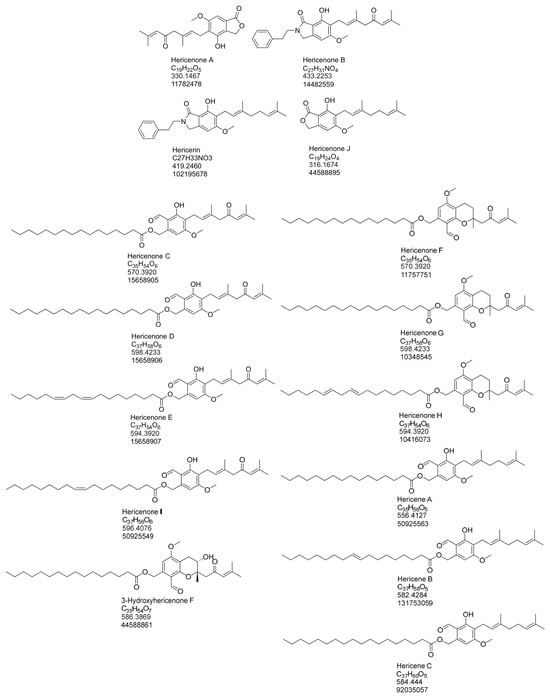
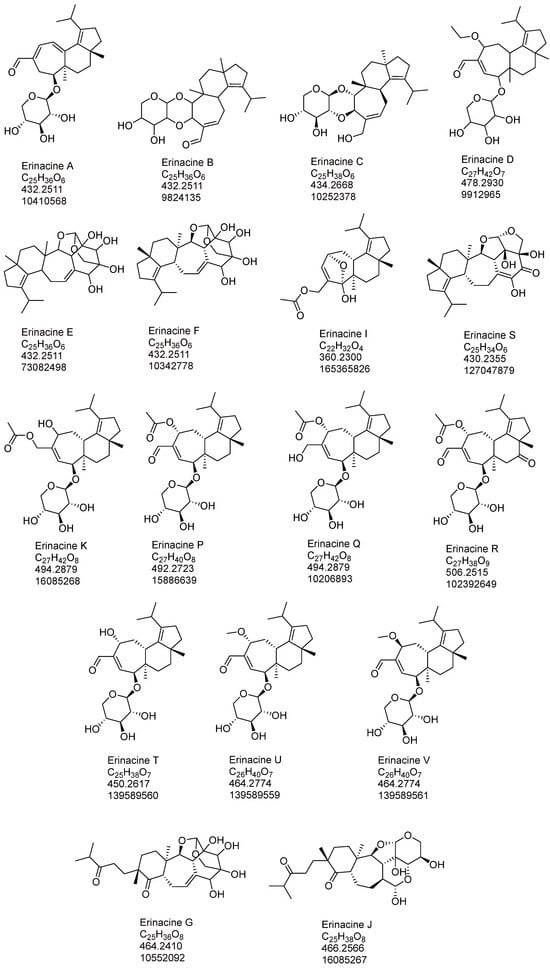
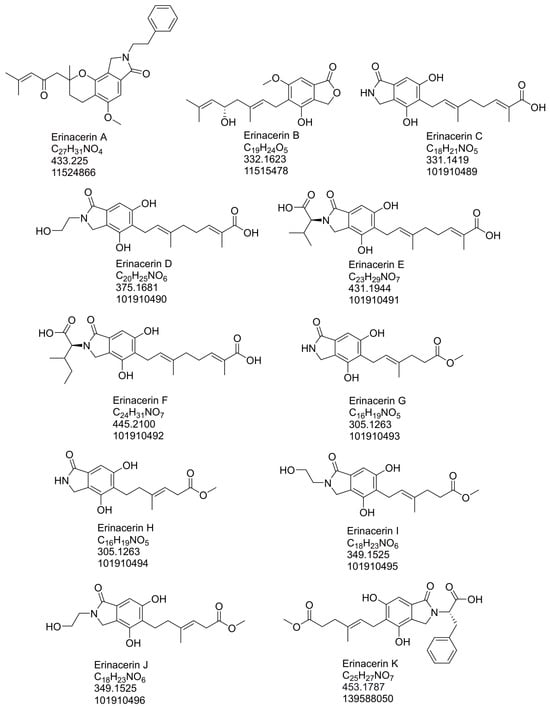
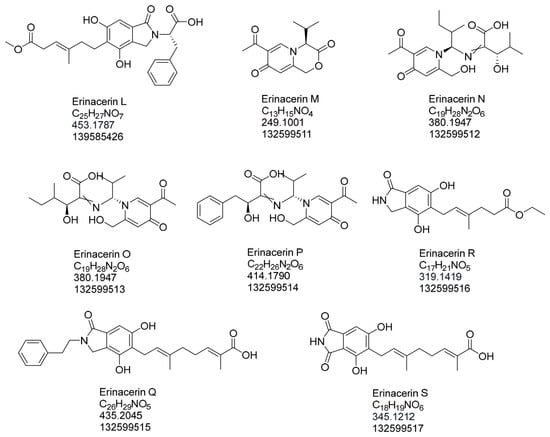
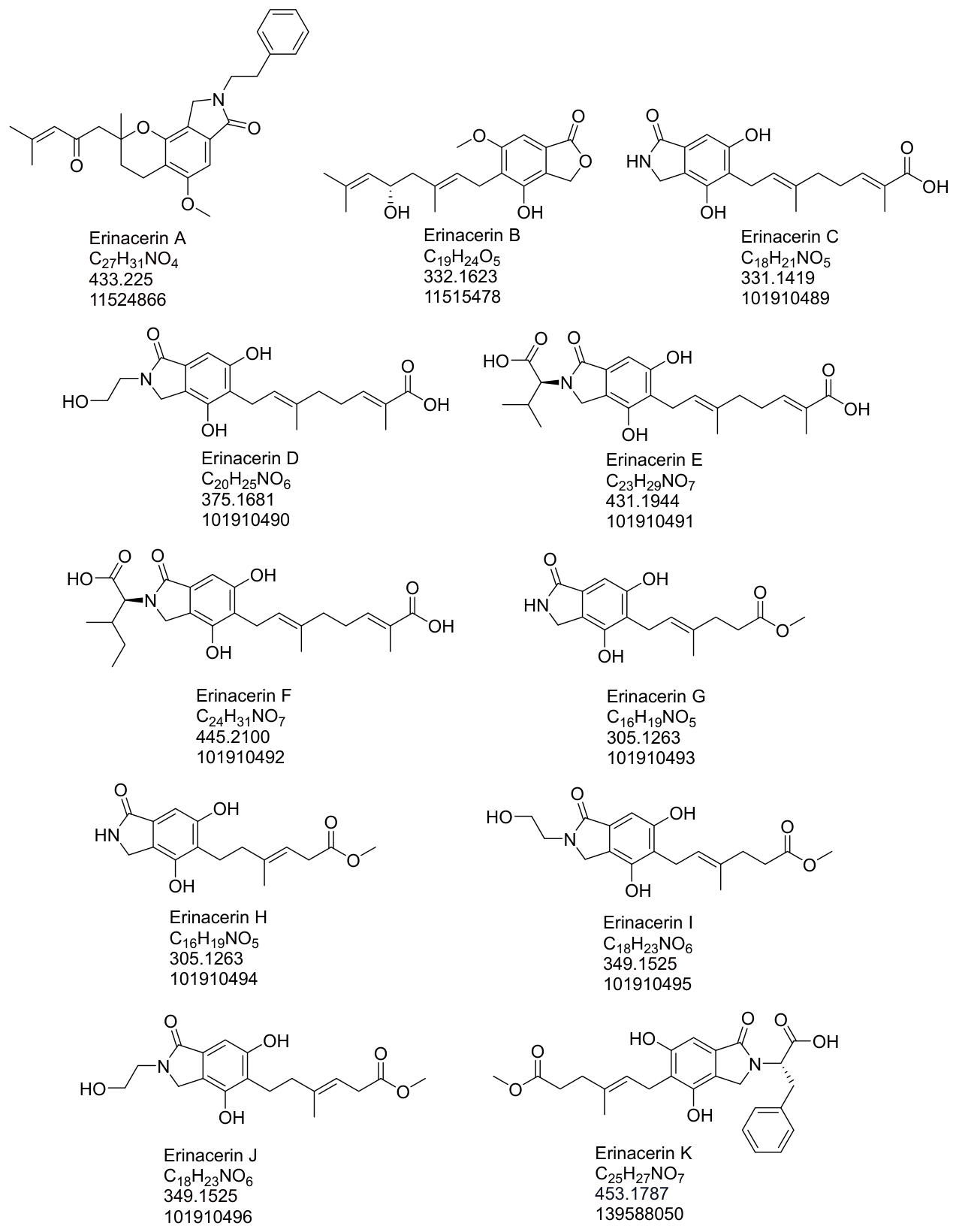
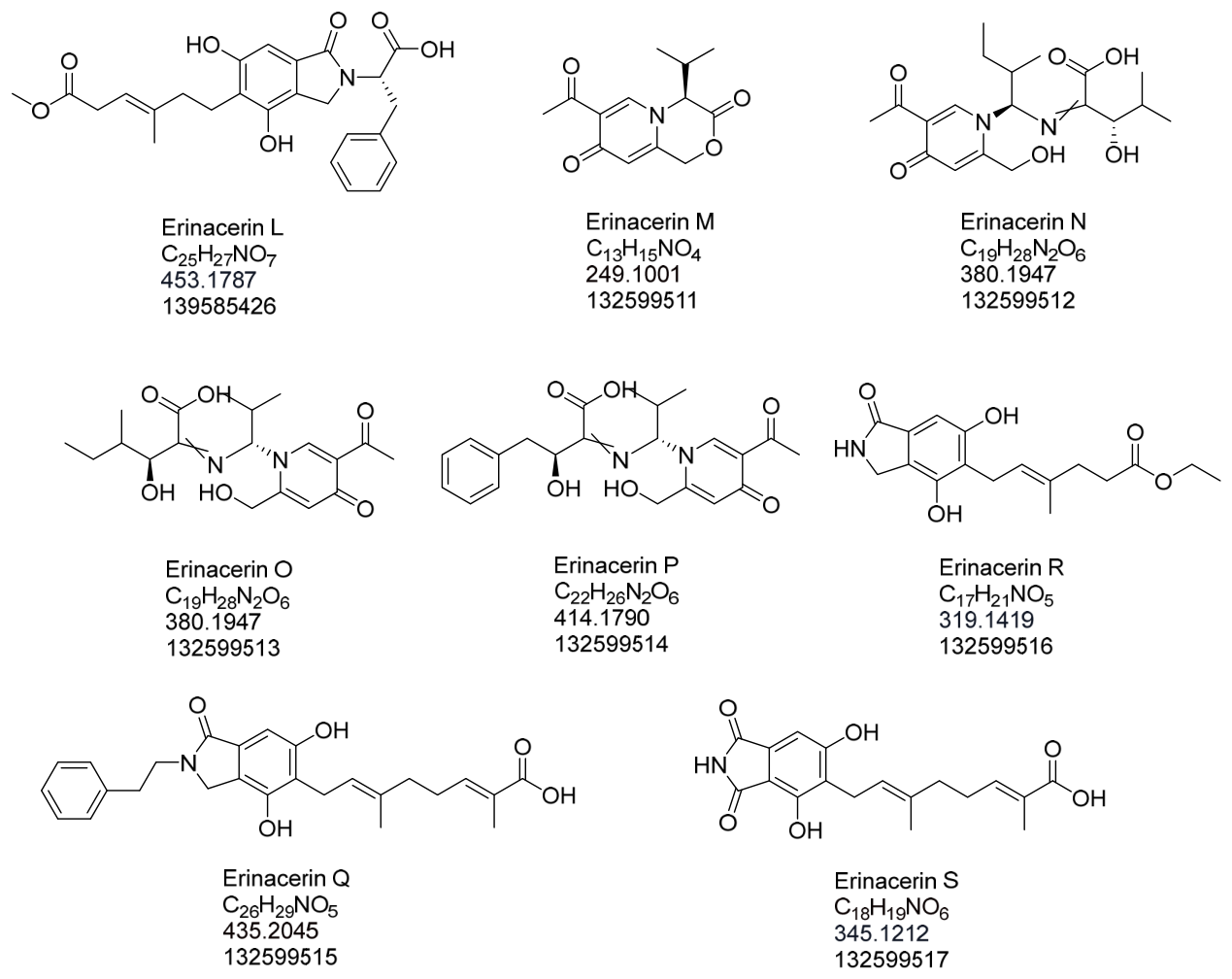
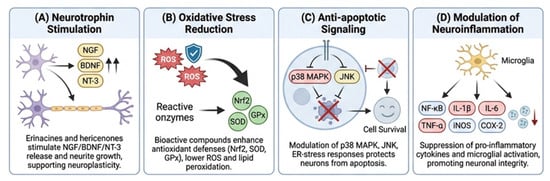
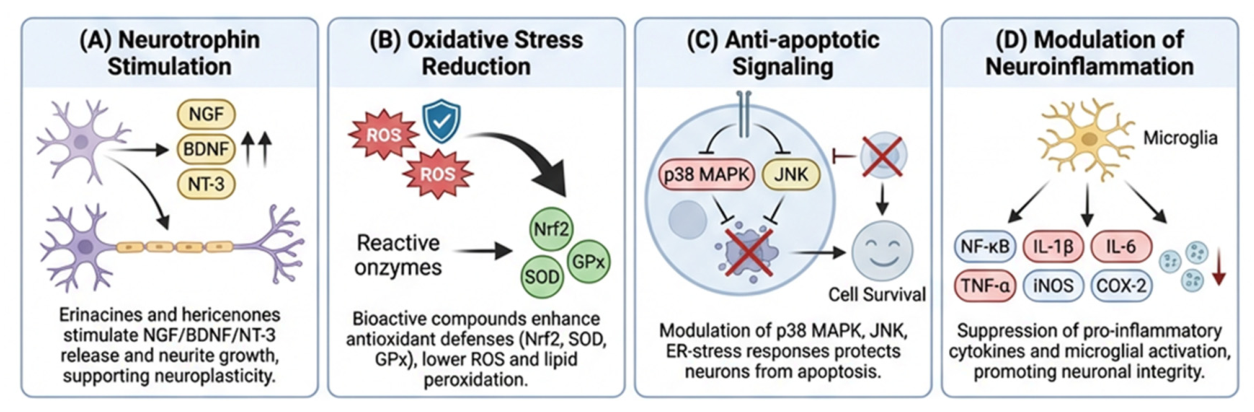
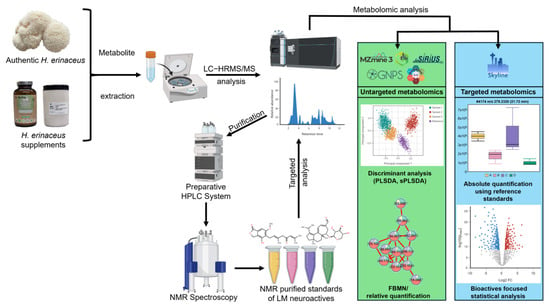
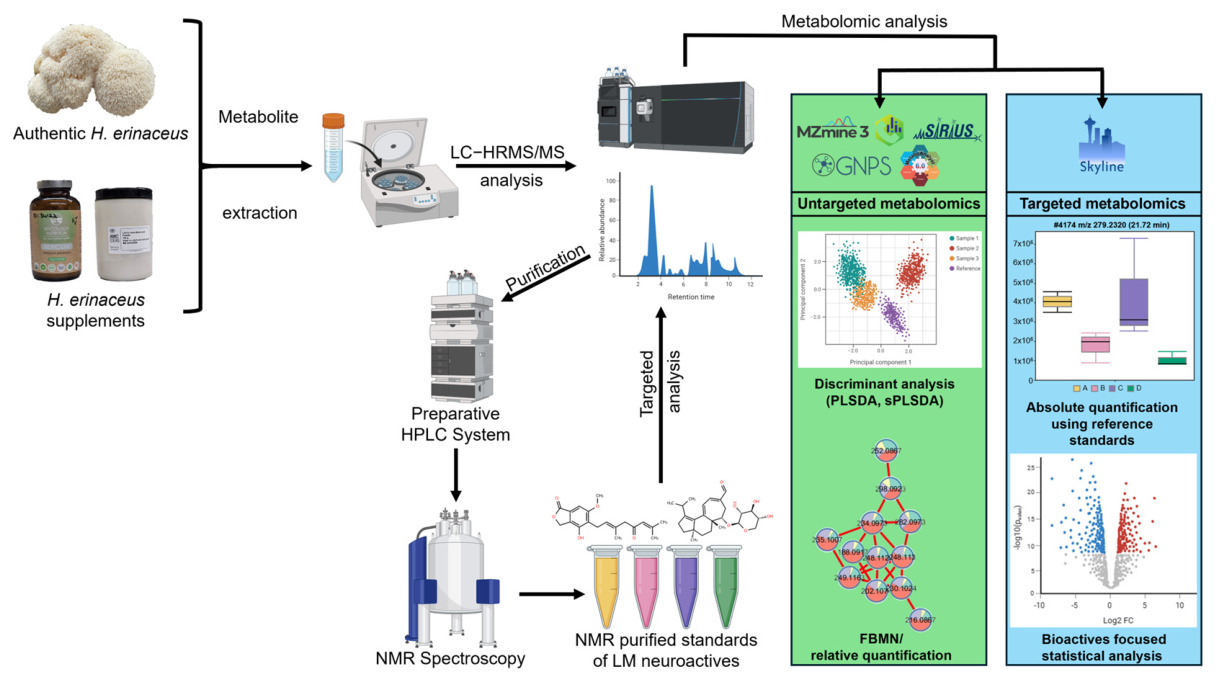

Disclaimer/Publisher’s Note: The statements, opinions and data contained in all publications are solely those of the individual author(s) and contributor(s) and not of MDPI and/or the editor(s). MDPI and/or the editor(s) disclaim responsibility for any injury to people or property resulting from any ideas, methods, instructions or products referred to in the content. |
© 2026 by the authors. Licensee MDPI, Basel, Switzerland. This article is an open access article distributed under the terms and conditions of the Creative Commons Attribution (CC BY) license.