


Abstract
Beekeepers frequently experience Musculoskeletal Disorders (MSDs). While corrective measures can help mitigate these problems, comprehensive ergonomic and interactional guidelines are needed to support the design of effective and safe assistive devices. This study aims to propose ergonomic design guidelines for a beekeeper-focused supportive brace (SB) that addresses both physical and interactional needs. Accordingly, a concept SB is presented as a case study to demonstrate the application of these guidelines. Based on a two-section procedure, Section I developed an explanatory framework to identify awkward postures and propose mitigation strategies. This was followed by six group discussions, guided by the Ergo-design framework and involving six experts and five beekeepers, who identified ergonomic, human, and machine dysfunctions, as well as aesthetic and feasibility considerations. In Section II (Case Study), brainstorming sessions advanced ideation through four stages—generating, evaluating, refining, and detailing concepts. The concepts were analyzed using the Analytic Hierarchy Process (AHP). A total of 35 issues were classified into 17 requirement sub-categories, forming guidelines that capture beekeeper–SB interactions and emphasize ergonomic considerations, aesthetic qualities to support user acceptance, and implementation feasibility. Among the three screened concepts, the PneuFlex Brace, selected based on its 45% AHP score, was developed as the leading concept for detailing. Although the proposed guidelines and concept design establish a structured foundation for SB development, future prototyping and evaluation are expected to further refine usability, functionality, and safety. Key design considerations include minimizing bulk, ensuring durability, and integrating the device with beekeeping suits through lightweight and adaptable solutions.
1. Introduction
Beekeeping, as a sector of agriculture, presents potential risk factors that may impact the health of beekeepers [1]. Various beekeeping tasks, particularly those involving repetitive movements, physical exertion, and awkward or static postures, can negatively affect joints and musculoskeletal structures in different areas of the body [2,3], potentially leading to Work-Related Musculoskeletal Disorders (WRMSDs) [4]. These WRMSDs impact various body regions, including the neck, back, shoulders, wrists, hips, and knees [5]. In agriculture, the prevalence of Musculoskeletal Disorders (MSDs) ranges from 0.5 to 16.6 per hundred workers, exceeding the rate of high-risk industries such as healthcare—with 6.8 per hundred [6,7]. Despite advancements in tools and equipment aimed at minimizing labour and associated risks, earlier investigations have identified various hazards associated with WRMSDs in each phase of honey production [8,9]. Beekeepers perform specific task cycles that frequently involve awkward postures [6], placing their musculoskeletal system at continuous risk of disorders [6].
Previous studies primarily focus on analyzing beekeepers’ postures [8], the effects of beehive stand height and hive types on honey harvesting [10], and other risks among beekeepers [11]. However, while the necessity of a dedicated assistive device (AD) has been emphasized [8], there has been no specific design proposed to address beekeepers’ musculoskeletal issues and mitigate MSD risks while considering the interactional design aspects. ADs can include exoskeletons, powered suits, wearable robotics, and supportive braces (SBs). Furthermore, additive manufacturing (AM), particularly 3D printing, offers opportunities for customized AD development through tailored geometries and rapid prototyping, highlighting the importance of integrating user requirements to ensure usability and acceptance [12]. Regarding their functional characteristics, exoskeletons and powered suits are commonly used to reduce MSD risks by improving safety, physical capacity, and mobility, with studies reporting 30–50% reductions in muscle activity during selected agricultural tasks [13,14]. When equipped with sensors, actuators, and motors, these systems are classified as wearable robots [15,16]. In contrast, SBs are passive devices that provide stability and reduce strain on targeted body regions without active actuation [17]. This simplicity makes SBs more suitable for tasks requiring mobility, flexibility, and use under clothing or in confined spaces, such as beekeeping [15]. Unlike rigid exoskeletons or powered suits, SBs do not require motors or actuators, which may enhance comfort, usability, and user acceptance. Similarly, other passive or soft alternatives, such as soft exosuits, can provide assistance while preserving flexibility and minimizing interference with natural movements.
Neglecting the design of AD in beekeeping could lead to significant medical costs. In this context, as the initial step, it is imperative to identify the ergonomic and interaction design considerations for ADs tailored to beekeepers. While exoskeletons offer superior load mitigation [16], beekeepers require an AD that can be worn under their working suits. Therefore, SBs represent a practical approach for addressing WRMSDs by balancing cost, comfort, and effectiveness while minimizing movement restrictions commonly associated with bulkier or rigid exoskeletons [18]. Moreover, to promote adoption, SBs should incorporate user-centered features that enhance usability and provide a comfortable experience during beekeeping tasks. While ergonomic research often emphasizes physical adjustability, the social and psychological dimensions of AD design are frequently overlooked [19,20,21]. For instance, some of the studies showed that workers reject new technologies, such as exoskeletons, due to the stigma associated with their use [21]. It is recommended that experts balance social factors with other work system elements to design effective environments and ADs [22]. Recent research on industrial exoskeletons shows that, despite their potential to reduce WMSDs, organizations often lack systematic adoption frameworks [23]. The study proposes a framework, outlining stages and tasks for evaluation, adoption, and gap identification [8]. However, despite these insights, the current literature provides limited frameworks for translating physical, psychological, and social considerations into concrete design practices for specialized contexts such as beekeeping. Addressing this gap requires comprehensive, ergonomics-informed design guidelines that account for users’ physical, psychological, social, and interactional needs. Such holistic considerations are critical for effectively meeting the unique requirements of beekeepers and ensuring the acceptance and success of ADs in this context. Yet, although diverse ADs are tailored for agricultural use [14,24,25,26,27,28,29] and may be applicable in beekeeping, to the best of our knowledge, no studies have specifically proposed a framework for ADs that addresses MSDs in this field while also considering interactional, social, and psychological dimensions. This gap is noteworthy given beekeepers’ substantial manual involvement and their large population (115,000 to 125,000 in the United States alone) in honey production [8]. Building on this need and using an exploratory approach, this study proposes a comprehensive design guideline encompassing design requirements, human challenges, cost considerations, interactional factors, and practical constraints for developing SBs tailored to beekeepers. A case study procedure is presented to illustrate how these guidelines can be applied in the design process; evaluation of effectiveness was limited in this study and will be addressed in future steps.
This study emphasizes not only ergonomic considerations but also incorporates interactional factors such as aesthetics and feasibility concerns, ensuring a holistic and user-centered approach. Accordingly, this research tries to address two key inquiries: What are the key ergonomic and interaction design considerations and guidelines for an SB intended for beekeepers? And how these guidelines can be applied in a case study for developing an SB.
To answer this, the study follows a two-phase approach. First, it employs the results of research on the posture analysis of beekeepers as the foundation of an ergonomic framework [8]. Second, the Ergo-design approach [30] is applied as a method for identifying design considerations and priorities, and designing the product. The proposed guidelines offer valuable insights for design engineers and manufacturers by addressing physical and ergonomic considerations alongside interactional and experiential aspects, including the potential to mitigate stigma associated with the use of ADs, from a human factors perspective. Also, the case study on SB concept design demonstrates how relevant factors can be effectively integrated into the design process. Among several possible concepts, we ultimately identify one for potential prototype development in future studies. This effort aligns with the UN Sustainable Development Goals (SDGs) on sustainable economic growth in agriculture, highlighting the importance of empowering small farmers and other related factors [31]. The contributions of this study include:
- The findings provide transferable insights for designing ADs in agricultural contexts, contributing to knowledge in ergonomics, interaction design, and assistive technology. In particular, the proposed framework supports the development of supportive braces and exoskeleton-type devices by reducing interaction “noise” that may influence perceptual acceptance, improve usability, and promote consistent adoption.
- These findings, supported by comparisons with existing literature, provide a foundational reference for future studies and design interventions aimed at improving occupational health in beekeeping and similar agricultural practices. By linking human factors, ergonomics, and socio-psychological considerations with the practical development and deployment of supportive braces and exoskeletons, this study advances current knowledge and guides designers in creating devices that are functionally effective, user-accepted, and socially appropriate.
The remaining sections are structured as follows: Section 2 presents the methodology, including the ergonomic framework and Ergo-design steps. Section 3 reports the results, including design requirements, problem formulation, a concept design case study, and SB assessment. Section 4 discusses design criteria, issues, and requirements; the significance and contributions of the study; the selected concept’s features and properties; and implications for ergo-design and safety guidelines in future agricultural AD development. Finally, Section 5 concludes the paper and outlines limitations and future research directions. Key Features and Properties of the Selected Concept.
2. Materials and Methods
The research design is organized into two main sections, outlined as follows:
Section I—Framework Review and Driving Ergo-Design Guidelines: This section focuses on shaping ergonomic and interaction considerations, identifying design criteria, issues, and requirements, and establishing guidelines through two steps. Step 1 draws on existing literature to present an ergonomic framework based on a beekeeper posture study, identifying awkward postures and their impacts on the body. These insights inform the identification of SB design requirements aimed at reducing physical strain, enhancing stability, and improving overall comfort. Step 2 outlines the procedure for the discussion group sessions, which employed the Ergo-design method developed by Marcelo M. Soares. This method integrates ergonomics principles with user-centered design to address functionality, comfort, and safety [30]. The method follows six stages: Preliminary Strategic Planning, Approaching Users and Stakeholders, Investigating the Problem, Product Planning, Concept Creation, and Prototyping. Accordingly, the issues previously discussed in the Introduction and Step 1 (ergonomic framework) are addressed here as part of problem recognition, which informs the detailed delimitation of dysfunction sub-categories. To further define the problem, the analysis focused on dysfunctions at the product–user interface, categorized as ergonomic dysfunctions, human dysfunctions, and machine dysfunctions. Ergonomic dysfunctions include interface layout, control, and usability requirements. Human dysfunctions refer to limitations or challenges arising from the user, such as postural constraints, cognitive load, and social interaction requirements. Machine dysfunctions encompass technological, structural, movement, and material limitations or failures in the device. While ergonomics-related considerations primarily address users’ physical and interactional needs, user acceptance and the practical viability of the proposed concepts also require attention to aesthetic qualities and implementation feasibility [19,32]. Aesthetics entails grasping both visual and non-visual elements’ intricacies [33] and plays a significant role in user acceptance and satisfaction. Feasibility involves assessing the legal, technical, and economic viability of a proposed concept [34]. These two criteria were added in the step of Investigating the Problem by consensus among the authors. Together, these steps establish the key design criteria, interactional issues, requirements, and guidelines that inform the case study phase (Figure 1).
Figure 1.
Research procedure and phases. Arrows indicate the sequence and progression of the steps. © Authors.
Section II—Case Study: This section focuses on the application of the established framework and guidelines through a case study (Figure 1). Building on the ergonomic posture analysis and the discussion group insights, ideation sessions were organized to explore potential solutions. These sessions followed the structured stages of the Ergo-design procedure, progressing systematically from problem investigation to concept creation. Accordingly, brainstorming advanced ideation through four stages: generating, evaluating, refining, and detailing concepts. Participants, including beekeepers and design stakeholders, contributed ideas that were evaluated against the predefined ergonomic and interactional criteria. The outcome of this stage was a set of preliminary design concepts aimed at reducing awkward postures, minimizing strain, and improving usability in real working conditions. While the current study concludes at the concept creation stage, subsequent steps—such as detailed prototyping, field testing, and iterative evaluation—are planned for future research to validate and refine the proposed solutions.
2.1. Section I: Step 1. Ergonomic Framework
Although small deviations from neutral postures may not initially be perceived as a serious source of pain, their frequency over time, particularly during tasks such as pouring or stirring solutions that require beekeepers to maintain awkward postures, can lead to WRMSDs. The Ovako Working Posture Analysis System (OWAS) is a tool that assesses the harmfulness of postures and determines the necessary corrective actions [35], helping our expert panels evaluate the ergonomic conditions of beekeepers. Previous research applied OWAS to a posture analysis involving 33 beekeepers, identifying the prevalence of pain and classifying postural codes into four levels of corrective action [8]. OWAS was considered appropriate for our initial assessment because it provides a practical approach to identifying and classifying awkward postures and prioritizing corrective actions. Although other methods offer more detailed assessments of specific ergonomic risk factors, OWAS was suitable for identifying the most problematic postures and informing subsequent design requirements. Results revealed that corrective measures were urgently needed (Action Level [AL] III) for the back in bent and twisted postures (36.75%) and for arms positioned at or above shoulder level (21.08%), while the back with twisted or side-bent postures (26.47%) and legs in a posture of standing with both knees bent (14.70%) fell under the category of corrective measures needed in the near future (AL II). Combined postural analysis results also indicated that 28.43% of postures were classified as AL II, 37.73% as AL III, and 0.98% as AL IV, where immediate action is necessary to prevent further deterioration of physical health. Accordingly, the riskiest postures based on the AL include back-twisted or side-bent and bent-and-twisted postures. These, along with arm postures at or above the shoulder and standing with both knees bent or weight on one bent knee while handling a load, shape awkward postures and contribute to disorders. The findings also indicate that the most commonly affected areas were the back (51.5%) and waist (45.4%) [8].
In light of these findings, we can posit that, for addressing overused muscles, deviating from neutral postures (back, arms, legs) with an SB requires considering factors like range of motion, repetition frequency, and muscle load. To tackle the AL groups, we must also prioritize minimizing unnecessary deviations from the neutral trunk-hip angle, thereby reducing strain on muscles. Subsequently, adjustments should be made to other areas such as the shoulders, knees, and hips, while maintaining essential task performance. For the trunk, the lumbosacral (L5/S1) region typically experiences significant mechanical loading, especially with high spine compression forces. This leads to Lower Back Pain (LBP) and shoulder pain, which are significant risk factors for LBP [36], aligning with our posture analysis results. Therefore, the designed SB should primarily support the back.
In designing a back-SB, the lumbar spine’s degrees of freedom are often overlooked or combined with those of the hip [37,38,39]. However, we can reduce the pressure on the lumbar spine during bending in the sagittal plane and twisting in the horizontal plane. The shoulder’s trapezius muscles are influenced by trunk and waist muscles, which we can prevent from bending by providing adequate back support. Additionally, to address pressure on the knees, we can consider using a knee strap or extensor, and a lever extending from the hip (Gluteus Medius) to the biceps femoris longus and semitendinosus to prevent awkward knee bending. The adjustability of the SB is important since misalignment can cause unwanted forces, affecting the user-AD interaction [40]. A certain amount of misalignment is acceptable if we provide an additional degree of freedom to compensate for it, instead of completely adjusting the AD to each user, which in turn increases comfort [40,41].
In line with these findings, to address the primary pressure points in the trunk and waist, we prioritize two ergonomic design goals: ensuring kinematic compatibility and preventing awkward deviations from neutral posture. Additionally, we also try to reduce strain on the shoulders, knee joints, and quadriceps muscles. These form the foundation and framework, discussed in detail during group sessions, for designing an SB to mitigate WRMSDs while promoting comfort and usability for the wearer.
2.2. Section I: Step 2. Discussion Sessions Using the Ergo-Design
2.2.1. Participants
We formed an interdisciplinary discussion panel consisting of professionals and practitioners selected based on their expertise and relevance to the study objectives, ensuring diverse perspectives on ergonomics, design, and beekeeping practices [42]. The panel included an ergonomist, an industrial designer with expertise in inclusive design, a designer specializing in sustainability and health, a physiotherapist, and a mechanical engineer. To complement these professional perspectives, five experienced beekeepers were included as advisors to provide practical, field-based knowledge and highlight day-to-day operational challenges (Table 1). All participants attended three discussion sessions together. Each professional was invited based on demonstrated expertise and their ability to contribute unique insights into design, ergonomics, and human interaction. The physiotherapist, in particular, had extensive experience working with farmers and beekeepers, offering valuable perspectives on physical strain, health-related challenges, and psychosocial concerns. To ensure complementary contributions, participants with overlapping expertise were identified in advance, and their roles were clearly defined. In total, eleven participants engaged actively and consistently throughout the three sessions, providing both depth and continuity to the discussions.
Table 1.
Participant demographics and roles in the SB design study (N = 11).
2.2.2. Section I: Data Collection in Discussion Sessions
In this study, we conducted three discussion group sessions [43] over a three-week period in February 2024. The sessions were designed to create a comfortable, judgment-free environment that encouraged open participation. During the sessions, the first author guided conversations based on the study’s objectives and the Ergo-design procedure, while the second author facilitated and organized discussions, documenting key insights. Initially, the authors refined the ergonomic framework and requirements by compiling and reviewing a list of ADs developed for farmers, assessing their ergonomic suitability for beekeeping tasks, effectiveness, and availability of relevant information. Since these ADs were designed for other agricultural activities, the focus was on their potential adaptation for beekeeping. Discussions also addressed issues related to ergonomics, human and machine dysfunctions, as well as aesthetic and feasibility considerations. Participants raised concerns about working posture, social and interactional aspects of using an SB, and broader design requirements such as problems, costs, and potential solutions. Key insights were documented textually and, in some cases, visually (e.g., photographs). Scenarios spanning different stages of beekeeping—from preparation to active work and completion—were examined to capture a comprehensive range of perspectives. These discussions generated the primary data, which were analyzed to extract, refine, and present the main themes, ultimately informing the problem formulation based on the established design criteria. Three participants—the mechanical engineer/designer, the physiotherapist, and two beekeepers—joined remotely from Iran via virtual meetings, while the remaining participants attended in person in Montreal, Canada. Each session lasted two to three hours, totaling approximately eight hours.
2.2.3. Section I: Data Analysis
Given that this study applied the Ergo-design framework, the discussion group content was not analyzed through traditional thematic analysis [44], but rather classified according to each step of the Ergo-design procedure [30]. This ensured alignment between the data collected and the design-oriented objectives of the study. The analysis process involved mapping participant contributions—ranging from ergonomic concerns and human–machine dysfunctions to social and interactional issues—onto the stages of the Ergo-design method (e.g., problem investigation, product planning, and concept creation). Both verbal and visual inputs (e.g., photographs, sketches, and annotated notes) were documented in detail, and key insights were consolidated only after reaching consensus among participants. To enhance credibility, these consolidated ideas were cross-checked and reviewed with the authors to confirm their accuracy and completeness. Finally, based on this structured analysis for problem formulation, we generated a set of design requirements linked to the identified human problems, ergonomic challenges, and cost considerations. After reaching consensus among the authors, suggestions and design constraints were recorded, along with potential restrictions that might limit the adoption of the new design. The resulting table of problem formulation provides a practical lens for concept creation. While the ergonomic framework outlined the technical considerations, the table of formulated problems serves as a strategic guideline, helping designers prioritize critical factors and make informed decisions in the development of SB concepts.
2.3. Section II. Case Study for SB Concept Development
2.3.1. Data Collection
Based on the established design criteria—issues and requirements—together with the table of problem formulation, three additional ideation sessions were conducted with the same participants (N = 11). Since participants were already familiar with the study’s objectives and content, the authors began by clarifying any potentially ambiguous aspects of the extracted insights and considerations from the previous section (Steps 1 and 2). During the ideation phase, sketching and brainstorming techniques were applied to collect ideas as primary data. From these, the main themes were extracted, refined, and ultimately presented as finalized concepts. In subsequent brainstorming sessions, ideations were structured around four critical stages of a beekeeper’s workflow:
- Periods of rest, donning, and doffing the SB;
- Initiation and completion of task cycles;
- Instances of maximum physical strain and awkward postures;
- Maintenance activities.
This focus enabled a deeper understanding of beekeeper–SB interactions across different stages of activity. The ideation sessions adhered to the Ergo-design procedure up to the concept creation phase. Each ideation and discussion session lasted approximately two to three hours, with a total of 7.5 h of engagement across all sessions.
2.3.2. Section II. Concept Evaluation
After generating, collecting, and categorizing exploratory sketches, initial screening was conducted. The finalized ideas and concepts were then illustrated by two authors using 2D and 3D software for further analysis. To evaluate and compare the proposed concepts, the Analytic Hierarchy Process (AHP) was used. This decision-making method aids in prioritizing and selecting among complex, multi-criteria options [45]. The AHP involves six steps: defining the problem and criteria, defining alternatives, prioritizing criteria and alternatives via pairwise comparison, checking consistency amongst the pairwise comparisons, evaluating weights, calculating overall priorities, and performing sensitivity analysis [46]. The Consistency Ratio (CR) in AHP ensures the reliability of pairwise comparisons. A CR below 0.1 (10%) is typically considered acceptable; if it exceeds this threshold, judgments may require revision [47]. To establish the criteria weights, the authors collaborated with two experienced beekeepers as advisors to distribute importance scores for the criteria. The weighted distribution was determined to be 67.3% for ergonomic aspects, 22.6% for feasibility, and 10.1% for aesthetics, with a CR of 9%, indicating acceptable consistency (Appendix A.1 shows the detailed pairwise comparisons and assigned scores). The AHP model comprised a two-level decision hierarchy, with the overall objective of selecting the most suitable supportive brace at the first level and three independent evaluation criteria—Ergonomic Aspects, Feasibility, and Aesthetics—at the second level. No third-level sub-criteria were defined, as these three criteria were treated as independent dimensions in the evaluation. Although their underlying considerations are discussed in the preceding sections, they were not separately weighted in the AHP calculations. The proposed design concepts were defined as the alternatives in the AHP analysis. Nine participants—including the authors and the three beekeepers, and the physiotherapist—recorded their pairwise comparison scores for each alternative, and the average of these scores was calculated to produce the final AHP ranking. The alternatives were compared pairwise under each of the three evaluation criteria, and the resulting local priorities were combined with the corresponding criteria weights to determine their overall rankings. The detailed pairwise comparison matrices and assigned scores are provided in Appendix A.2. Following this evaluation, the highest-ranked design concepts were further refined, with detailed attention to their mechanisms, ergonomic features, aesthetic qualities, and feasibility considerations.
3. Results
This section brings together the results from Section I, which outlines the framework and guidelines, and Section II, which details the case study, to highlight the study’s main findings.
3.1. Section I. Framework and Guidelines
During the discussion sessions, a total of 35 issues were identified and categorized into 17 sub-categories of requirements (Table 2). While many of the issues are interconnected, the table reveals that the majority fall under the category of ergonomic dysfunctions (13 issues), followed by machine dysfunctions (8 issues), aesthetics (6 issues), and both human dysfunctions and feasibility (4 issues each), indicating their relative prevalence. Next, regarding Table 2, the Design Criteria: Issues and Requirements, the key guidelines for developing an SB for beekeepers were discussed during sessions, shaping the formulation of problems (Table 3).
Table 2.
Design criteria, identified issues (N = 35), and requirements (N = 17) for the development of an assistive device (AD) for beekeepers.
Table 3.
Formulation of Problems based on the design criteria (requirements and issues).
3.2. Section II. Case Study
3.2.1. Generating Concepts and Screening
Initially, a total of 58 exploratory sketches were generated and then classified into 12 primary themes (see Figure 2). Then, a three-step screening process was conducted to select the initial concepts for the AHP systematic evaluation, involving: (1) prioritizing the promotion of a straight-back posture and minimizing waist bending across all mechanisms, (2) evaluating each concept for its unique mechanism and potential to enhance ergonomic outcomes in demanding work environments, and (3) assessing the designs for their ability to meet key criteria, including ergonomics, aesthetics, and feasibility, in line with the core guidelines. Accordingly, three concepts—StretchGuard Brace, SpringStabil Brace, and PneuFlex Brace—were chosen. The following section provides descriptions of these concepts.
Figure 2.
Sample sketches from the brainstorming process. © Authors.
Concept 1. StretchGuard Brace: employs a stretching and support-based mechanism for standing in a straight position of the back, offering adjustable cache elasticity for varied improvement levels. This idea was chosen for its cost-effectiveness, simplicity, and proven functionality in orthosis applications, such as for foot drop disorder [19]. By employing a stretching and support-based mechanism, the StretchGuard Brace focuses on maintaining a straight-back posture through adjustable elasticity, targeting the waist and shoulders. The concept aligns with the goal of reducing bending at the waist, a common issue among beekeepers and other professionals engaged in prolonged standing tasks.
Concept 2. SpringStabil Brace: was selected due to its innovative use of a damper/spring mechanism, which provides dynamic stabilization while reducing pressure on the trunk, waist, and shoulders. This mechanism is particularly effective in mitigating discomfort caused by awkward postures, a common challenge in beekeeping tasks. Previous studies on similar mechanisms in ADs have demonstrated their efficacy in managing spinal forces and reducing back pain, making this concept well-suited for addressing musculoskeletal strain [48]. The SpringStabil Brace also offers a higher level of customization, which is important for different users with varying needs for support and comfort.
Concept 3. PneuFlex Brace: uses pneumatic artificial muscles (PAMs) located on the back and waist to compensate for muscle expansion and promote contractions in the back muscles (opposing the flexor muscles (attached to the front of the spine; these muscles include the abdominal muscles—they allow us to flex, bend forward, lift and arch the lower back) and aiding the extensor muscles (attached to the back of the spine; these muscles allow us to stand and lift objects—they include the large muscles in the lower back (erector spinae), which help hold up the spine, and gluteal muscles.)) [49] and shoulders. PAMs, also known as McKibben Artificial Muscles, are soft actuators that contract or extend by using pressurized air to fill a pneumatic bladder, simulating human skeletal muscles. PAMs are easy to fabricate, low-cost, compliant, and lightweight due to their thin membrane construction [50,51], allowing direct connection to the powered structure, which helps reduce muscle pressure. When the back, waist, and shoulder muscles are in flexion, the PAMs provide an opposing force. Varying the arrangement, number, and position of these PAMs reduces forces and pressure in risky postures while maintaining flexibility. However, due to space limitations and cost, alternative supports like rubberized compression levers (RCL) can be used for knee extension and stabilization.
3.2.2. Evaluation and Refining: Concept Selection
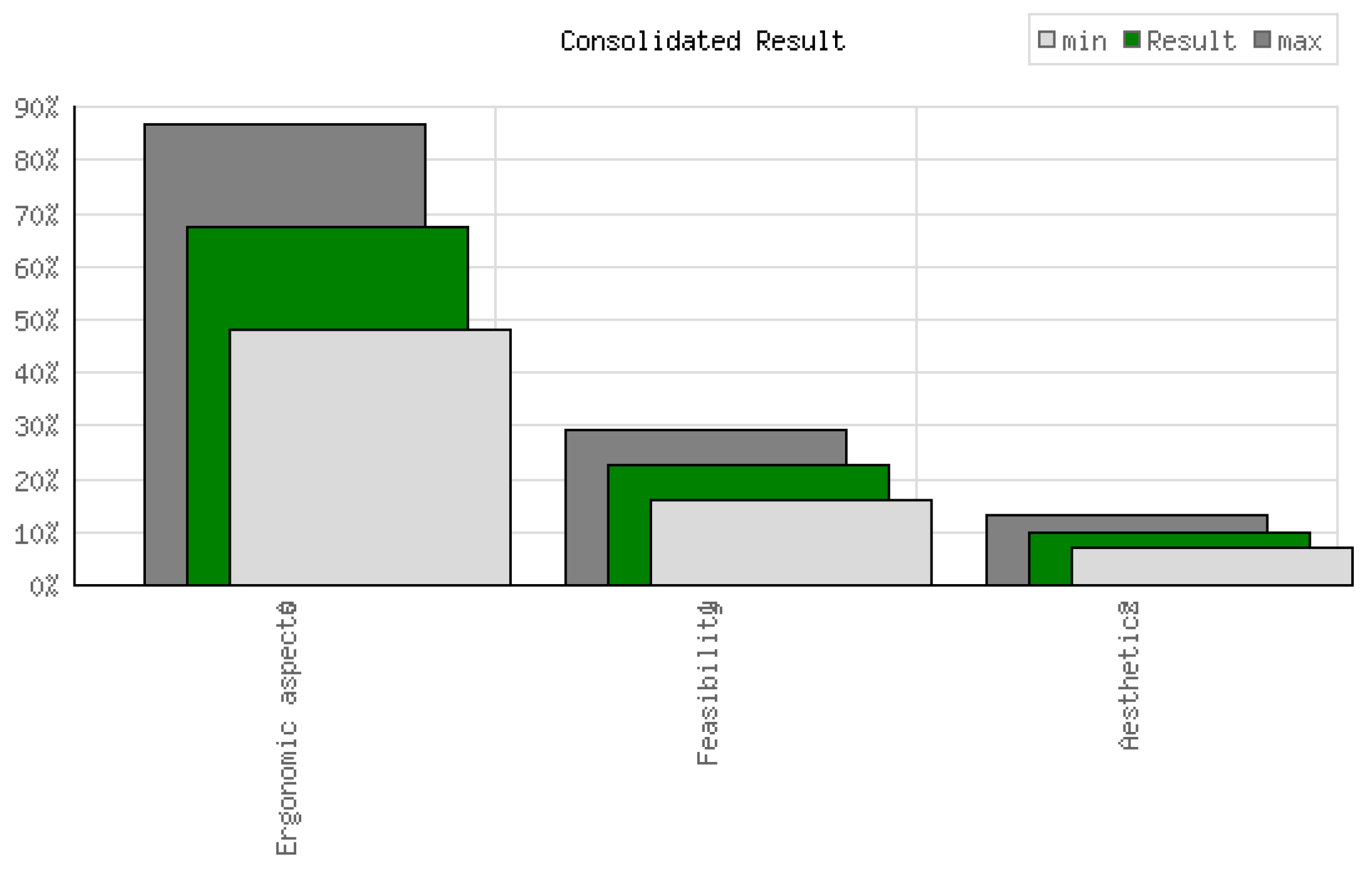
According to the AHP analysis, the PneuFlex Brace achieved the highest overall priority, accounting for 45% of the total. The StretchGuard Brace ranked second, at 28.1%, while the SpringStabil Brace ranked third, at 26.9%. Details of the AHP analysis in each category of criteria are presented in Figure 3 (Appendix A.2 shows the assigned score for the comparison of concepts). Modifications are expected during the detailed design and prototyping phases to refine and advance development. Therefore, after carefully evaluating the options, the PneuFlex Brace is preferred over the StretchGuard Brace and the SpringStabil Brace and selected for further development in the next stages of design and prototyping.
Figure 3.
AHP analysis for comparison of the three presented concepts. In all criteria groups, CR < 10%.
The PneuFlex Brace ranks higher than the other two concepts in terms of the ergonomic aspects, offering greater flexibility and adaptability to different body postures. This is primarily attributable to the weighting assigned to ergonomic aspects, which accounted for 67.3% of the overall assessment. However, PneuFlex Brace scores lower in feasibility and aesthetics than the other concepts, likely due to its complex mechanism, which may impact cost and appearance. As shown by StretchGuard Brace, a simpler mechanism can enhance both appearance and feasibility. Nonetheless, PneuFlex Brace still addresses the criteria of feasibility and aesthetics to meet users’ needs. StretchGuard Brace ranks second, with high scores in feasibility and aesthetics, while SpringStabil Brace, despite having a higher ergonomic score than StretchGuard Brace, ranks last due to lower scores in feasibility and aesthetics.
3.2.3. Detailing the Selected Concept
The key components of PneuFlex Brace include: (1) The main body of the brace and thigh supporters are made of a breathable, moisture-wicking polyester mesh to enhance breathability and comfort [52]; (2) shoulder supports are composed of elastic fabric located beneath three PAMs on each side; (3) A pneumatic board body surface made of Acrylonitrile Butadiene Styrene (ABS) for adjusting air pressure based on the sensed trunk-hip angle; (4) Angle decoders and sensors placed on the sides of the pelvis; (5) RCL on the sides of the knee to stabilize knees during activity; (6) Elbow supporters made of polyester mesh with elastic strings for stabilization; and (7) The knee brace, made of moisture-wicking polyester mesh consists two RCLs with adjustable screws, to facilitate knee extension (Figure 4). All parts, except for parts 3 and 4, are adjustable to fit different users’ bodies. A more detailed description is presented in Figure 4A.
Figure 4.
(A): Supportive brace (SB) with pneumatic muscles on the spine and shoulders, rubberized compression levers on knees, and an elbow pad. An artificial pneumatic muscle in the back for flexibility, with passive elastic support at the hip; (B): back view; (C): external interface design. © Authors.
4. Discussion
The section begins by reviewing the design criteria identified in Section I, highlighting the issues and requirements, and discussing how they respond to key considerations in developing a beekeeper-focused SB. It then elaborates on properties of the selected concept in Section II (Case Study).
4.1. Design Criteria: Issues and Requirements
I. Ergonomic Dysfunctions: The group discussions identified several practical issues beyond those captured in the initial ergonomic framework. Participants noted that the SB interface may be difficult to use because of its complexity, consistent with previous research [53]. Such complexity can increase cognitive load, frustrate users, slow adaptation, and ultimately reduce device effectiveness [54]. These findings support the importance of simplicity and clarity in design, as proposed by Lidwell et al. [55] and reflected in our findings (Table 2). Participants also highlighted control-related issues, including poor hand positioning due to posture changes, inappropriately sized controls causing pressure points, insufficient leg support [56], handles beyond the user’s dynamic reach [57], and overly sensitive or unresponsive controls [54]. Collectively, these issues contribute to discomfort, repetitive strain, reduced precision, and lower efficiency, reinforcing the need for proper fit, intuitive controls, and calibrated sensitivity that support natural user movements [57]. Another major challenge was the poor comprehensibility of graphic symbols and codes, which can confuse users and increase errors [58]. This highlights the need for standardized, intuitive symbols and clear instructional materials to reduce cognitive load and improve usability [59]. Regarding the AB’s physical attributes, excessive size, weight, limited flexibility, and poor compatibility [60] with the user’s body or beekeeping suit hinder mobility, increase physical strain, and reduce productivity, consistent with previous studies [61]. Accordingly, the SB should be lightweight, adjustable, and ergonomically compatible with users and their equipment to improve comfort and functionality. Participants also noted that insufficient protection against rain, dust, and pollen can reduce device performance, suggesting the integration of lightweight weather-resistant covers. Finally, Table 1 indicates that fear of improper use may create psychological and cognitive barriers. This underscores the importance of intuitive design grounded in affordance theory, whereby objects communicate their intended use [55]. Clear instructions, simplified user guides, and training resources can further improve user confidence and minimize misuse.
II. Human Dysfunctions: Postural issues caused by poorly positioned controls and SB components may increase physical strain. These design flaws, often resulting from poor design or limited adjustability, can increase discomfort, fatigue, and the risk of MSDs [62]. To address this, the AD design should include adjustable components, support neutral body alignment, and reduce repetitive movements to improve posture, comfort, and efficiency [63]. Social issues identified during the group discussions indicated that the perceived unfriendliness and stigmatization of ADs can impact a beekeeper’s confidence and willingness to adopt the device. A similar finding among nurses highlights the importance of balancing social and contextual factors with work system elements to design effective exoskeletons and work environments that support successful adoption [22]. Likewise, if the SB is perceived as unattractive, awkward, or difficult to use, beekeepers may feel embarrassed and reluctant to adopt it, as stigma can negatively affect self-image and acceptance [63,64]. Therefore, beyond functionality, ADs should also be designed for aesthetic appeal and social acceptance [19,65,66]. Designing a small, lightweight [65], and compact device that aligns with the beekeeper’s professional image while incorporating user feedback can further enhance usability, acceptance, and confidence.
III. Machine Dysfunctions: Technological challenges in adopting ADs include unfamiliarity, complex maintenance, and physical discomfort. Specifically, limited familiarity with the technology and maintenance requirements may increase anxiety, reduce adoption, and cause downtime and additional costs [67,68]. In beekeeping, where time efficiency is essential, these challenges highlight the importance of accessible documentation, user-friendly guides, and simplified maintenance procedures to improve usability and ease of upkeep. Moreover, structural and movement-related issues, such as instability and poor adjustability of SBs, may force beekeepers into awkward postures, resulting in discomfort and physical strain [40]. Therefore, ADs should incorporate stable, adjustable, and customizable components to improve comfort, mobility, posture, repairability, and longevity. Additionally, design flaws such as sharp edges, stiff components, and heavy materials can further contribute to discomfort, fatigue, and reduced effectiveness [69]. To mitigate these issues, ADs should integrate smooth edges, flexible mechanisms, lightweight materials, and skin-friendly components to support easier operation, reduce fatigue, and ensure compatibility with beekeeping suits while preventing irritation and snagging.
IV. Aesthetics aspects: Addressing the psychological aspects of ADs, the aesthetics of SBs, including color and finish, can influence beekeeper comfort and safety. Certain colors, such as red or orange [70], may attract bees due to their ability to distinguish light reflectance patterns, particularly within the 550–650 nm range [71]. However, bright colors may also cause distraction, while shiny finishes can create glare, reducing visibility and increasing eye strain [72]. Therefore, ADs should incorporate neutral colors and matte or non-reflective finishes to minimize visual discomfort and support user focus. Moreover, poor aesthetic integration with beekeeping suits may reduce acceptance; thus, SBs should maintain visual and functional compatibility with users’ protective equipment, including accessible controls with appropriate size and placement. Additionally, bulky designs may negatively affect initial perceptions and increase physical strain during repetitive bending and reaching tasks [73,74]. Therefore, ADs should adopt visually lightweight, compact, and functional designs to enhance mobility, reduce fatigue, and support proper posture. Finally, unclear warning symbols and instructions can hinder interaction and reduce task consistency. Accordingly, SBs should include high-contrast, large, and legible graphics with intuitive warnings [55,75], to improve safety and usability under varying lighting conditions.
V. Feasibility aspects: The discussion of feasibility issues highlights key challenges including material durability, production scalability, and regulatory compliance. One notable concern was the use of low-strength and wear-prone materials, which may increase maintenance needs, reduce device longevity [76], and compromise stability, fit, and comfort over time. Therefore, durable and wear-resistant materials should be prioritized to maintain functionality and ergonomic performance under harsh working conditions. Furthermore, limited suitability for mass production may result in inconsistent quality, increased costs, and reduced affordability, which are recognized barriers to AD adoption [77,78,79]. Therefore, manufacturers should adopt scalable and cost-efficient production methods [80] while ensuring quality control, ergonomic standards, and user comfort. Finally, regulatory compliance remains essential, particularly regarding health and safety standards for protective equipment. SBs for beekeepers should meet relevant standards, such as those established by the ASTM International Technical Committee on Exoskeletons and Exosuits (ASTM F48) [81], to support workplace adoption and ensure user protection. Compliance through proper testing and certification can prevent issues related to discomfort, improper fit, instability, and increased risk of MSDs.
4.2. Design Criteria: Significance of Guidelines
Based on insights from group discussions, Table 2 presents a comprehensive guideline for designing an SB for beekeepers. The guidelines emphasize balancing comfort, functionality, environmental compatibility, cost-effectiveness, and durability while ensuring integration with existing beekeeping gear. A notable strength of this approach is its multi-dimensional perspective, addressing ergonomic, functional, psychological, and social considerations through a holistic framework. By integrating these factors, the framework aims to reduce stigma, enhance user confidence, and promote broader acceptance of the device [64]. It adopts a user-centered approach by considering both physical factors (e.g., posture and movement) and cognitive-emotional responses (e.g., technophobia and concerns about improper use). For example, the design should simplify human–product interaction through intuitive controls and easy attachment/removal mechanisms. To address postural issues, the brace should be adjustable to different body types, reduce repetitive motions, and provide adequate support to minimize fatigue and MSD risks. Cognitive demands can be reduced through clear symbols and accessible training materials, while aesthetic considerations can improve acceptance by reducing stigma. The design should integrate seamlessly with beekeeping suits through lightweight, durable materials and modular components that support adjustment, stability, and comfort. Additionally, cost-effective production, regulatory compliance, and long-term functionality should be considered during development. While these findings provide valuable guidelines for industrial design and human factors researchers, not all criteria need to be applied simultaneously; rather, they should be adapted based on design feasibility and specific beekeeping tasks. Table 2 can also be further expanded according to the objectives and requirements of future studies.
4.3. Section II. Key Features and Properties of the Selected Concept
In the PneuFlex Brace, we addressed whole-body loading, including stresses on the shoulders, back, waist, and knees, through the integration of PAMs and bands. This approach aims to reduce unintended effects, such as balance disturbances, while maintaining user mobility and flexibility, as supported by previous research [82].
For the back, the PAM mechanism consists of two support systems. Two small PAMs positioned on both sides of the trunk maintain shoulder alignment and stabilization during hive lifting, reducing postural deviations and potential balance issues [83,84]. This also helps the trapezius muscles during pouring solutions by beekeepers, as prolonged overactivity of the upper trapezius muscle with myofascial trigger points might cause muscle fatigue [85]. The main PAM is positioned along the thoracic vertebrae of the spine. These support PAMs on the spine, and the shoulder works together to generate contractions in the back, maintaining a straight posture when the waist and trunk are subjected to bending forces. This not only reduces awkward postures and eases lifting, but also avoids complicating carrying [86]. To attain the desired contraction for PAMs on spines, an independent variable referred to as trunk-hip angle shows us the bending postures detected in AL II, III, and IV [8]. This angle information is captured by angle encoders positioned on both sides of the pelvis, transmitting data to the electric board via Bluetooth. The trunk-hip angle serves as a pivotal determinant in adjusting the extent of artificial muscle contraction during operation, with the adjustment ranges calibrated to individual needs [87]. Subsequently, the electric board computes the optimized contraction based on the decoded trunk-hip angle and transmits the necessary data to the air pressure box. This regulates the contraction or expansion of the PAMs through narrow pipes. The adjustment of air pressure and the precision can be determined by various PAM models. An advanced approach involves a parallel controller structure that integrates a neural network (NN) controller and a proportional controller, ensuring a rapid and precise response to track soft pneumatic robot systems [88], offering potential applicability within this design.
For the knee, the RCL positioned along the thigh and shin provides extension assistance, strengthens the quadriceps [89,90], and improves knee stability during physical activities [91]. Moreover, users can adjust the level of extension support through the knee band according to their needs [92]. Similarly, an elbow band supporter made of elastic materials was incorporated as an accessory to enhance safety and comfort during hive lifting and related tasks. Its flexible elbow pad design facilitates use while reducing discomfort and supporting arm movements [93]. Finally, anthropomorphic forms, graphics [55], and intuitive signs were incorporated to improve product appearance, user acceptance, and ease of wearing [19]. These design elements support the adoption of exoskeleton technologies among farmers by improving perceived usability and comfort [13,14]. Other notable features of the PneuFlex Brace include:
- Simplified Elements: The SB’s simplicity enhances its comprehensibility, making it easier for users to understand its components.
- Adaptive Capability: The SB is designed to adapt to varying levels of muscle capability across different body areas, including the waist, trunk, shoulder, and thigh muscles.
- User Convenience: The SB is designed for user convenience, ensuring ease of use and a seamless experience.
- Enhanced Interaction: The use of flexible materials, such as rubber and fabric, and components connected via Bluetooth and narrowed pipes in the SB’s soft platform can significantly enhance the interaction between the body and the SB, contrasting with current rigid devices.
- Custom Fit: The main wearable parts—or any other component—of the SB can be custom-molded to fit the specific user’s body, ensuring better compatibility [94,95].
- Visual appeal: The SB’s visual appeal encourages regular use.
- Practicality and Cost-Effectiveness: The SB design incorporates readily available materials and technologies, making it practical and cost-effective to produce and maintain.
PneuFlex Brace primarily aims to reduce awkward postures. However, integrating a soft exoskeleton mechanism capable of load mitigation and force transmission while maintaining flexibility and compatibility with beekeeper suits could further enhance safety and prevent WRMSDs. Assessment tools, such as Exo-LiFFT, evaluate the potential benefits of back exoskeletons in reducing injury risks [96]. For example, an exoskeleton providing 30 Nm of lumbar support under lifting conditions of 50 repetitions, a 50 cm lever arm, and a 15 kg load is projected to reduce low back disorders by approximately 34.2% and cumulative back damage by 68%.
5. Conclusions
In this study, we developed ergonomic and design guidelines for developing SBs in agriculture, specifically for beekeepers. The process began with discussing and establishing an explanatory ergonomic framework. The Ergo-design method was then employed to define design criteria and target values by considering ergonomic, human, and machine dysfunctions, along with two additional categories—Aesthetic and Feasibility—to formulate the design problem. The results provide a comprehensive set of ergonomic and design guidelines for developing SBs for beekeepers. Beyond ergonomic aspects and considerations, the findings highlight the importance of aesthetic and feasibility factors in SB design, mass production, and user acceptance. Integrating physical ergonomics, functional requirements, aesthetics, and feasibility represent the key contribution of this study, addressing existing gaps in SB development for beekeepers and broader agricultural applications. While this study provides comprehensive guidelines for developing SBs for beekeepers, these guidelines can be extended to similar agricultural activities. These guidelines are not rigid rules; future research can refine them by incorporating additional considerations and applying them to new concepts using emerging technologies while addressing feasibility constraints. Based on these criteria and guidelines, a case study was conducted, and among the three screened concepts, the PneuFlex Brace, utilizing a PAM mechanism, emerged as the top-priority concept for prototype development through AHP analysis. Key characteristics such as smart functionality, adaptability to different postures, adherence to the proposed design guidelines, aesthetic appeal, and user-friendliness were significant factors contributing to the high ranking of the selected concept. The AHP results provided a structured basis for prioritizing the proposed alternatives; however, this ranking represents a preliminary concept evaluation rather than empirical validation of the selected brace’s ergonomic performance. The PneuFlex Brace should therefore be developed into a physical prototype and evaluated in practice, which constitutes the next stage of this research.
Limitations and Future Studies
The detailed analysis of human and SB dysfunctions in the introduced guidelines, combined with actionable solutions, enhances their reliability. However, balancing critical design constraints—such as minimizing bulkiness while ensuring durability, comfort, and ease of use—remains a significant challenge. Integrating the brace seamlessly with beekeeping suits while preserving protective functions and maintaining a lightweight design adds to these complexities that need to be addressed during prototyping. While the proposed guidelines are practical, achieving an optimal balance between usability, comfort, and functionality requires further consideration. These challenges may emerge more prominently during mass production and standardization, extending beyond the scope of a single concept design or prototype. A key limitation of this study is the absence of motion-laboratory assessments and field-based ergonomic evaluations. Furthermore, although AHP provided a structured approach to comparing and prioritizing the proposed concepts, its reliance on participants’ pairwise judgments introduce an inherent degree of subjectivity. The acceptable consistency ratio (CR = 9%) supports the internal consistency of these judgments but does not establish the objective ergonomic effectiveness of the selected concept. Accordingly, the AHP results should be interpreted as preliminary concept prioritization rather than ergonomic validation. Nevertheless, the systematic identification and categorization of issues presented in Table 2, informed by beekeepers and design experts, provide a grounded basis for the proposed design criteria and requirements. User feedback on aesthetics and social stigma further contributes to understanding preferences and potential barriers to acceptance. Future research should focus on fabricating and iteratively refining the selected PneuFlex Brace prototype, incorporating ergonomic simulation and objective assessments of posture, joint loading, movement flexibility, and muscle activity, where applicable. Laboratory-based testing and field evaluations involving beekeepers are also needed to assess ergonomic performance, usability, comfort, and acceptability during actual beekeeping tasks. Such evaluations would help identify design limitations and guide modifications. Furthermore, longitudinal studies comparing the refined concept with existing ADs in real-life beekeeping environments could provide insights into its long-term effectiveness and practical applicability. These investigations would also support the validation and refinement of the proposed guidelines through iterative design and user feedback.
Author Contributions
Conceptualization, M.R. (Mohsen Rasoulivalajoozi); methodology, M.R. (Mohsen Rasoulivalajoozi), M.F., M.R. (Mojtaba Rasouli) and T.H.K.; software, M.R. (Mohsen Rasoulivalajoozi) and M.F.; validation, M.R. (Mohsen Rasoulivalajoozi), M.F., T.H.K., M.R. (Mojtaba Rasouli) and C.C.; formal analysis, M.R. (Mohsen Rasoulivalajoozi), M.F. and M.R. (Mojtaba Rasouli); investigation, M.R. (Mohsen Rasoulivalajoozi), M.F. and T.H.K.; resources, M.R. (Mohsen Rasoulivalajoozi), M.F. and M.R. (Mojtaba Rasouli); data curation, M.R. (Mohsen Rasoulivalajoozi) and M.R. (Mojtaba Rasouli); writing—original draft preparation, M.R. (Mohsen Rasoulivalajoozi), M.F.; writing—review and editing, M.R. (Mohsen Rasoulivalajoozi), M.F., T.H.K., M.R. (Mojtaba Rasouli) and C.C.; visualization, M.R. (Mohsen Rasoulivalajoozi) and M.F.; supervision, M.R. (Mohsen Rasoulivalajoozi) and T.H.K.; project administration, M.R. (Mohsen Rasoulivalajoozi) and M.R. (Mojtaba Rasouli). All authors have read and agreed to the published version of the manuscript.
Funding
This research received no external funding.
Institutional Review Board Statement
This study was conducted in accordance with the ethical principles outlined in the WMA Declaration of Helsinki. Ethical approval was reviewed and officially granted by the Concordia University Human Research Ethics Committee under Certification Number 30016767, which covered the data collection for this first phase. Informed consent was obtained from all individual participants included in this previous step.
Informed Consent Statement
Informed consent was obtained from all subjects involved in the study.
Data Availability Statement
The authors are not allowed to share the data publicly due to privacy restrictions and ethical considerations outlined in the participant informed consent and institutional ethical approval.
Acknowledgments
We sincerely thank all panel and group discussion participants for voluntarily sharing their valuable insights and ideas. During the preparation of this manuscript, the authors used OpenAI and Grammarly for the purposes of grammar checking and text correction. The authors have reviewed and edited the output and take full responsibility for the final content of this publication.
Conflicts of Interest
The authors declare no conflicts of interest.
Abbreviations
The following abbreviations are used in this manuscript:
| MSD | Musculoskeletal Disorders |
| SB | Supportive Brace |
| WMSD | Work-Related Musculoskeletal Disorders |
| AD | Assistive Device |
| SDGs | Sustainable Development Goals |
| OWAS | Ovako Working Posture Analysis System |
| AL | Action Level |
| LBP | Lower Back Pain |
| AHP | Analytic Hierarchy Process |
| CR | Consistency Ratio |
| PAMs | Pneumatic Artificial Muscles |
| RCL | Rubberized Compression Levers |
| ABS | Acrylonitrile Butadiene Styrene |
| ASTM | International Technical Committee on Exoskeletons and Exosuits (ASTM F48) |
| NN | Neural Network |
Appendix A
This appendix contains additional information that complements the multi-criteria decision analysis described in the main text.
Appendix A.1
Appendix A.1 outlines the complete set of weights calculated via the Analytic Hierarchy Process (AHP), which were derived using systematic pairwise comparisons. This section presents the formal Decision Matrix alongside the final criteria weights, computed from the matrix’s principal eigenvector to ensure mathematical consistency.
Weights for the criteria based on pairwise comparisons.
| Criteria | Priority | Rank | (+) | (-) |
| Ergonomic aspects | 67.3% | 1 | 19.5% | 19.5% |
| Feasibility | 22.6% | 2 | 6.5% | 6.5% |
| Aesthetics | 10.1% | 3 | 2.9% | 2.9% |
Decision Matrix: The resulting weights are based on the principal eigenvector of the decision matrix:
| 1 | 2 | 3 | |
| 1 | 1 | 4.00 | 5.00 |
| 2 | 0.25 | 1 | 3.00 |
| 3 | 0.20 | 0.33 | 1 |
Number of comparisons = 3; consistency Ratio CR = 9.0%; principal eigenvalue = 3.086; eigenvector solution: 4 iterations, delta = 8.3 × 10⁻⁸.
Appendix A.2
Appendix A.2 compiles the individual assigned scores used for the comprehensive comparison of the proposed concepts.
The assigned score for the comparison of concepts.
| Criteria | Ergonomic Aspects | Feasibility | Aesthetics |
| Ergonomic Aspects | 1 | 4 | 5 |
| Feasibility | 1/4 | 1 | 3 |
| Aesthetics | 1/5 | 1/3 | 1 |
| Ergonomics | StretchGuard Brace | SpringStabil Brace | PneuFlex Brace |
| StretchGuard Brace | 1 | 1/2 | 1/3 |
| SpringStabil Brace | 2 | 1 | 1/3 |
| PneuFlex Brace | 3 | 3 | 1 |
| Feasibility | StretchGuard Brace | SpringStabil Brace | PneuFlex Brace |
| StretchGuard Brace | 1 | 2 | 3 |
| SpringStabil Brace | 1/2 | 1 | 2 |
| PneuFlex Brace | 1/3 | 1/2 | 1 |
| Aesthetics | StretchGuard Brace | SpringStabil Brace | PneuFlex Brace |
| StretchGuard Brace | 1 | 2 | 2 |
| SpringStabil Brace | 1/2 | 1 | 2 |
| PneuFlex Brace | 1/2 | 1/2 | 1 |
| Note: Bold text in the left-hand column identifies the main evaluation criteria used in the pairwise comparison of the proposed brace concepts. | |||
| Concept | Weighted Criteria (Ergonomics) | Weighted Criteria (Feasibility) | Weighted Criteria (Aesthetics) | Total Weighted Score |
| StretchGuard Brace | 0.69 | 1.36 | 2.00 | 4.05 |
| SpringStabil Brace | 2.23 | 1.36 | 2.00 | 5.59 |
| PneuFlex Brace | 3.08 | 2.05 | 2.75 | 7.88 |
| Note: The weighted scores are based on the provided pairwise comparisons. | ||||
References
- Hurst, P.; Kirby, P. Health, Safety and Environment: A Series of Trade Union Education Manuals for Agricultural Workers; International Labour Organization: Geneva, Switzerland, 2004; p. 327. [Google Scholar]
- Caselli, U.; Compagnoni, R.; Nappi, F.; Schneider Graziosi, A.; Vallerga, R. Musculoskeletal Disorders in the Agriculture Sector: From Identifying the Risks to Adopting Preventive Measures. In SHP—Health and Safety News, Legislation, PPE, CPD and Resources; European Agency for Safety and Health at Work (EU-OSHA): Bilbao, Spain, 2020; Available online: https://osha.europa.eu/sites/default/files/INAIL_MSD_agriculture.pdf (accessed on 17 November 2026).
- Naeini, H.S.; Dala, K. Ergonomics in Agriculture: An Approach in Prevention of Work-Related Musculoskeletal Disorders (WMSDs). J. Agric. Environ. Sci. 2014, 3, 33–51. [Google Scholar]
- Dianat, I.; Afshari, D.; Sarmasti, N.; Sangdeh, M.S.; Azaddel, R. Work Posture, Working Conditions and Musculoskeletal Outcomes in Agricultural Workers. Int. J. Ind. Ergon. 2020, 77, 102941. [Google Scholar] [CrossRef] [Scilit]
- Fathallah, F.A.; Miller, B.J.; Miles, J.A. Low Back Disorders in Agriculture and the Role of Stooped Work: Scope, Potential Interventions, and Research Needs. J. Agric. Saf. Health 2008, 14, 221–245. [Google Scholar] [CrossRef] [Scilit] [PubMed]
- Fels, D.I.; Blackler, A.; Cook, D.; Foth, M. Ergonomics in Apiculture: A Case Study Based on Inspecting Movable Frame Hives for Healthy Bee Activities. Heliyon 2019, 5, e01973. [Google Scholar] [CrossRef] [Scilit] [PubMed]
- Rautiainen, R.H.; Reynolds, S.J. Mortality and Morbidity in Agriculture in the United States. J. Agric. Saf. Health 2002, 8, 259–276. [Google Scholar] [CrossRef] [Scilit] [PubMed]
- Rasoulivalajoozi, M.; Rasouli, M.; Cucuzzella, C.; Kwok, T.H. Prevalence of Musculoskeletal Disorders and Postural Analysis of Beekeepers. Int. J. Ind. Ergon. 2023, 98, 103504. [Google Scholar] [CrossRef] [Scilit]
- Topal, E.; Atayoğlu, A.; Kösoğlu, M.; Atayoğlu, A. Occupational Health and Safety Risk Factors in Beekeeping. In Proceedings of the 8th International Conference on Occupational Health and Safety, Istanbul, Turkey, 8–11 May 2016. [Google Scholar]
- Aiyeloja, A.A.; Adedeji, G.A.; Emerhi, E.A. Impacts of Beehive Stands’ Heights and Hives’ Types on the Ergonomics of Honey Harvesting in Port Harcourt, Nigeria. N. Y. Sci. J. 2015, 08, 23–27. [Google Scholar]
- Maina, G.; Rossi, F.; Baracco, A. How to Assess the Biomechanical Risk Levels in Beekeeping. J. Agromed. 2016, 21, 209–214. [Google Scholar] [CrossRef] [Scilit] [PubMed]
- Coelho, V.; Soares, B.; Quaresma, C.; Gabriel, A.T. User-Centred Development of 3D Printed Assistive Devices: A Literature Review. In Occupational and Environmental Safety and Health VI: Volume 2: Biomechanics, Occupational Psychosociology and New Trends; Baptista, J.S., Melo, R.B., Carneiro, P., Branco, J.C., Costa, N., Duarte, J., Guedes, J.C., Perestrelo, G., Eds.; Springer Nature Switzerland: Cham, Switzerland, 2026; pp. 439–450. ISBN 978-3-031-82291-9. [Google Scholar]
- Omoniyi, A.; Trask, C.; Milosavljevic, S.; Thamsuwan, O. Farmers’ Perceptions of Exoskeleton Use on Farms: Finding the Right Tool for the Work(Er). Int. J. Ind. Ergon. 2020, 80, 103036. [Google Scholar] [CrossRef] [Scilit]
- Harith, H.H.; Mohd, M.F.; Sowat, S.N. A Preliminary Investigation on Upper Limb Exoskeleton Assistance for Simulated Agricultural Tasks. Appl. Ergon. 2021, 95, 103455. [Google Scholar] [CrossRef] [Scilit] [PubMed]
- Bosch, T.; van Eck, J.; Knitel, K.; de Looze, M. The Effects of a Passive Exoskeleton on Muscle Activity, Discomfort and Endurance Time in Forward Bending Work. Appl. Ergon. 2016, 54, 212–217. [Google Scholar] [CrossRef] [Scilit] [PubMed]
- de Looze, M.P.; Bosch, T.; Krause, F.; Stadler, K.S.; O’Sullivan, L.W. Exoskeletons for Industrial Application and Their Potential Effects on Physical Work Load. Ergonomics 2016, 59, 671–681. [Google Scholar] [CrossRef] [Scilit] [PubMed]
- Tymińska-Wójcik, P. Biomechaniczne podstawy i zalety aktywnych ortez w terapii skoliozy idiopatycznej. Informatyka, Automatyka, Pomiary w Gospodarce i Ochronie Środowiska 2025, 15, 50–54. [Google Scholar] [CrossRef] [Scilit]
- Morris, L.; Diteesawat, R.S.; Rahman, N.; Turton, A.; Cramp, M.; Rossiter, J. The-State-of-the-Art of Soft Robotics to Assist Mobility: A Review of Physiotherapist and Patient Identified Limitations of Current Lower-Limb Exoskeletons and the Potential Soft-Robotic Solutions. J. Neuroeng. Rehabil. 2023, 20, 18. [Google Scholar] [CrossRef] [Scilit] [PubMed]
- Faraji, A.; Valajoozi, M.R. Interactive Foot Orthosis (IFO) for People with Drop Foot. Appl. Mech. Mater. 2014, 464, 129–134. [Google Scholar] [CrossRef] [Scilit]
- Greenbaum, D. Ethical, Legal and Social Concerns Relating to Exoskeletons. ACM SIGCAS Comput. Soc. 2016, 45, 234–239. [Google Scholar] [CrossRef] [Scilit]
- Mahmud, D.; Bennett, S.T.; Zhu, Z.; Adamczyk, P.G.; Wehner, M.; Veeramani, D.; Dai, F. Identifying Facilitators, Barriers, and Potential Solutions of Adopting Exoskeletons and Exosuits in Construction Workplaces. Sensors 2022, 22, 9987. [Google Scholar] [CrossRef] [Scilit] [PubMed]
- Scheer, E.R.; Atweh, J.A.; Arora, J.; Thompson, E.; Murray, J.; Sellers, E.; Srinivasan, D.; Valdez, R.S. Exploring the Social Contexts of Exoskeleton Design and Implementation in Long-Term Care: A Study of Nurses and Nurse Managers with Musculoskeletal Disorders. Proc. Hum. Factors Ergon. Soc. Annu. Meet. 2024, 68, 535–541. [Google Scholar] [CrossRef] [Scilit]
- Golabchi, A.; Riahi, N.; Fix, M.; Miller, L.; Rouhani, H.; Tavakoli, M. A Framework for Evaluation and Adoption of Industrial Exoskeletons. Appl. Ergon. 2023, 113, 104103. [Google Scholar] [CrossRef] [Scilit] [PubMed]
- De Luca, A.; Bellitto, A.; Mandraccia, S.; Marchesi, G.; Pellegrino, L.; Coscia, M.; Leoncini, C.; Rossi, L.; Gamba, S.; Massone, A.; et al. Exoskeleton for Gait Rehabilitation: Effects of Assistance, Mechanical Structure, and Walking Aids on Muscle Activations. Appl. Sci. 2019, 9, 2868. [Google Scholar] [CrossRef] [Scilit]
- Hota, S.; Tewari, V.K.; Dhruw, L.K.; Chandel, A.K. A Sensor-Based Assistive Technology for Lower-Limb-Disabled Agricultural Workers and Abled Female Workers for Tractor Clutch and Brake Operation. J. Field Robot. 2024, 41, 2082–2099. [Google Scholar] [CrossRef] [Scilit]
- Pires, A.; dos Santos, F.N.; Tinoco, V. Review on Upper-Limb Exoskeletons. Machines 2025, 13, 642. [Google Scholar] [CrossRef] [Scilit]
- Smilnak, D.; Mason, G.; Franco, R.; Niewolny, K.; Leonessa, A. What Is an Agricultural Exoskeleton? Available online: https://pubs.ext.vt.edu/content/pubs_ext_vt_edu/en/ALCE/alce-303/alce-303.html (accessed on 8 September 2025).
- Stanly Exoskeletons for the Agriculture Industry | Arrange Trial. Available online: https://stanleyhandling.co.uk/discover/ergonomic-safety-tech/exoskeleton/agriculture/ (accessed on 8 September 2025).
- Umanistic. The Advantages of Using Exoskeletons in the Agriculture Sector. In Umanistic—“Canada’s Largest Choice of Exoskeletons”; Umanistic: Montreal, QC, Canada, 2024. [Google Scholar]
- Soares, M.M. Ergodesign Methodology for Product Design: A Human-Centered Approach; CRC Press: Boca Raton, FL, USA, 2021; ISBN 978-1-003-21479-3. [Google Scholar]
- United Nations (UN). Food Security and Nutrition and Sustainable Agriculture | Department of Economic and Social Affairs. Available online: https://sdgs.un.org/topics/food-security-and-nutrition-and-sustainable-agriculture (accessed on 24 January 2024).
- Rasouli Valajoozi, M.; Zangi, N.O. A Review on Visual Criteria of Pure Milk Packaging for Parents and Their Children (Case Study: Tehran, Iran). Br. Food J. 2016, 118, 83–99. [Google Scholar] [CrossRef] [Scilit]
- Hekkert, P.; Leder, H. 10—PRODUCT AESTHETICS. In Product Experience; Schifferstein, H.N.J., Hekkert, P., Eds.; Elsevier: San Diego, CA, USA, 2008; pp. 259–285. ISBN 978-0-08-045089-6. [Google Scholar]
- Simplilearn Feasibility Study and Its Importance in Project Management. Available online: https://www.simplilearn.com/feasibility-study-article (accessed on 1 August 2023).
- Gomez-Galan, M.; Perez-Alonso, J.; Callejon-Ferre, Á.-J.; Lopez-Martinez, J. Musculoskeletal Disorders: OWAS Review. Ind. Health 2017, 55, 314–337. [Google Scholar] [CrossRef] [Scilit] [PubMed]
- Coenen, P.; Gouttebarge, V.; van der Burght, A.S.A.M.; van Dieën, J.H.; Frings-Dresen, M.H.W.; van der Beek, A.J.; Burdorf, A. The Effect of Lifting During Work on Low Back Pain: A Health Impact Assessment Based on a Meta-Analysis. Occup. Environ. Med. 2014, 71, 871–877. [Google Scholar] [CrossRef] [Scilit] [PubMed]
- Madinei, S.; Alemi, M.M.; Kim, S.; Srinivasan, D.; Nussbaum, M.A. Biomechanical Evaluation of Passive Back-Support Exoskeletons in a Precision Manual Assembly Task: “Expected” Effects on Trunk Muscle Activity, Perceived Exertion, and Task Performance. Hum. Factors 2020, 62, 441–457. [Google Scholar] [CrossRef] [Scilit] [PubMed]
- Näf, M.B.; Koopman, A.S.; Baltrusch, S.; Rodriguez-Guerrero, C.; Vanderborght, B.; Lefeber, D. Passive Back Support Exoskeleton Improves Range of Motion Using Flexible Beams. Front. Robot. AI 2018, 5, 72. [Google Scholar] [CrossRef] [Scilit] [PubMed]
- Ulrey, B.L.; Fathallah, F.A. Effect of a Personal Weight Transfer Device on Muscle Activities and Joint Flexions in the Stooped Posture. J. Electromyogr. Kinesiol. 2013, 23, 195–205. [Google Scholar] [CrossRef] [Scilit] [PubMed]
- Schiele, A.; van der Helm, F.C.T. Kinematic Design to Improve Ergonomics in Human Machine Interaction. IEEE Trans. Neural Syst. Rehabil. Eng. 2006, 14, 456–469. [Google Scholar] [CrossRef] [Scilit] [PubMed]
- Junius, K.; Degelaen, M.; Lefeber, N.; Swinnen, E.; Vanderborght, B.; Lefeber, D. Bilateral, Misalignment-Compensating, Full-DOF Hip Exoskeleton: Design and Kinematic Validation. Appl. Bionics Biomech. 2017, 2017, e5813154. [Google Scholar] [CrossRef] [Scilit] [PubMed]
- Coulter, I.; Elfenbaum, P.; Jain, S.; Jonas, W. SEaRCH™ Expert Panel Process: Streamlining the Link between Evidence and Practice. BMC Res. Notes 2016, 9, 16. [Google Scholar] [CrossRef] [Scilit] [PubMed]
- Ritter, S.M.; Mostert, N.M. How to Facilitate a Brainstorming Session: The Effect of Idea Generation Techniques and of Group Brainstorm After Individual Brainstorm. Creat. Ind. J. 2018, 11, 263–277. [Google Scholar] [CrossRef] [Scilit]
- Braun, V.; Clarke, V. Conceptual and Design Thinking for Thematic Analysis. Qual. Psychol. 2022, 9, 3–26. [Google Scholar] [CrossRef] [Scilit]
- Vaidya, O.S.; Kumar, S. Analytic Hierarchy Process: An Overview of Applications. Eur. J. Oper. Res. 2006, 169, 1–29. [Google Scholar] [CrossRef] [Scilit]
- Spicelogic. Analytic Hierarchy Process Step by Step Approach and Example. Available online: https://www.spicelogic.com/docs/ahpsoftware (accessed on 8 July 2024).
- Malczewski, J. GIS and Multicriteria Decision Analysis; John Wiley & Sons: Hoboken, NJ, USA, 1999; ISBN 978-0-471-32944-2. [Google Scholar]
- Yang, X.; Huang, T.-H.; Hu, H.; Yu, S.; Zhang, S.; Zhou, X.; Carriero, A.; Yue, G.; Su, H. Spine-Inspired Continuum Soft Exoskeleton for Stoop Lifting Assistance. IEEE Robot. Autom. Lett. 2019, 4, 4547–4554. [Google Scholar] [CrossRef] [Scilit]
- Cedars-Sinai Articles. Available online: https://www.cedars-sinai.org/health-library/articles.html (accessed on 16 April 2022).
- Daerden, F.; Lefeber, D. Pneumatic Artificial Muscles: Actuators for Robotics and Automation. Eur. J. Mech. Environ. Eng. 2002, 47, 11–21. [Google Scholar]
- Scaff, W.; Horikawa, O.; de Sales Guerra Tsuzuki, M. Pneumatic Artificial Muscle Optimal Control with Simulated Annealing ** This Work Is Supported by the National Council for Scientific and Technological Development (CNPq). IFAC-PapersOnLine 2018, 51, 333–338. [Google Scholar] [CrossRef] [Scilit]
- O’Dwyer, P.J.; Chew, C.; Qandeel, H. Long Term Outcome and Elasticity of a Polyester Mesh Used for Laparoscopic Ventral Hernia Repair. Hernia 2022, 26, 489–493. [Google Scholar] [CrossRef] [Scilit] [PubMed]
- Zhang, B.; Wang, Z.; Li, Z. Mobility Aid Design for the Elderly (MADE): A Design Thinking Approach Using a Smart Walker as a Case Study. Humanit. Soc. Sci. Commun. 2024, 11, 1469. [Google Scholar] [CrossRef] [Scilit]
- Leibman, D.; Choi, H. Exoskeleton Use During Lifting Tasks May Impair Physical and Cognitive Performances Among Novice Users. Proc. Hum. Factors Ergon. Soc. Annu. Meet. 2024, 68, 1483–1484. [Google Scholar] [CrossRef] [Scilit]
- Lidwell, W.; Holden, K.; Butler, J. Universal Principles of Design, Revised and Updated: 125 Ways to Enhance Usability, Influence Perception, Increase Appeal, Make Better Design Decisions, and Teach Through Design; Rockport: Beverly, MA, USA, 2010; ISBN 978-1-59253-587-3. [Google Scholar]
- Halim, I.; Mahadzir, M.N.I.; Abdullah, Z.; Abidin, M.Z.Z.; Muhammad, M.N.; Saptari, A. A Review on Ergonomics Factors Determining Working in Harmony with Exoskeletons. Malays. J. Med. Health Sci. 2023, 19, 311–327. [Google Scholar] [CrossRef] [Scilit]
- Chakrabarti, D. Ergonomics Design Issues: Innovation and Ethics. Indian J. Physiol. Allied Sci. 2022, 74, 5–8. [Google Scholar] [CrossRef] [Scilit]
- Fairbanks, R.J.; Caplan, S. Poor Interface Design and Lack of Usability Testing Facilitate Medical Error. Jt. Comm. J. Qual. Saf. 2004, 30, 579–584. [Google Scholar] [CrossRef] [Scilit] [PubMed]
- Lemmon, H.; Hyman, W. Pictowhat?: Problems With the Use of Pictograms on Medical Devices. J. Clin. Eng. 2006, 31, 202. [Google Scholar]
- Botti, L.; Melloni, R. Occupational Exoskeletons: Understanding the Impact on Workers and Suggesting Guidelines for Practitioners and Future Research Needs. Appl. Sci. 2024, 14, 84. [Google Scholar] [CrossRef] [Scilit]
- Bengler, K.; Harbauer, C.M.; Fleischer, M. Exoskeletons: A Challenge for Development. Wearable Technol. 2023, 4, e1. [Google Scholar] [CrossRef] [Scilit] [PubMed]
- Arockia Doss, A.S.; Lingampally, P.K.; Nguyen, G.M.T.; Schilberg, D. A Comprehensive Review of Wearable Assistive Robotic Devices Used for Head and Neck Rehabilitation. Results Eng. 2023, 19, 101306. [Google Scholar] [CrossRef] [Scilit]
- Vallée, A. Exoskeleton Technology in Nursing Practice: Assessing Effectiveness, Usability, and Impact on Nurses’ Quality of Work Life, a Narrative Review. BMC Nurs. 2024, 23, 156. [Google Scholar] [CrossRef] [Scilit] [PubMed]
- Rasoulivalajoozi, M.; Farhoudi, M. An Integrated External Communication Framework (ECF) for Wheelchair Design: Linking Primary User Requirements with Perceptual Dimensions. Disabil. Rehabil. Assist. Technol. 2026, 1–19. [Google Scholar] [CrossRef] [Scilit] [PubMed]
- van Dijsseldonk, R.B.; Vriezekolk, J.E.; Keijsers, N.L.W.; Geurts, A.C.H.; van Nes, I.J.W. Needs and Wishes for the Future Lower Limb Exoskeleton: An Interview Study among People with Spinal Cord Injury with Community-Based Exoskeleton Experience. Disabil. Rehabil. 2023, 45, 1139–1146. [Google Scholar] [CrossRef] [Scilit] [PubMed]
- Rasoulivalajoozi, M.; Farhoudi, M. Advancing eHMI for Powered Wheelchairs Beyond Safety and Communication: A Pilot Study on Enriching Social Interaction Through a Co-Design Approach. Transp. Res. Part F Traffic Psychol. Behav. 2025, 114, 200–215. [Google Scholar] [CrossRef] [Scilit]
- Bennett, R.; Vijaygopal, R. Adoption of New Transportation Assistive Technologies by People with Mild Intellectual Disabilities. Disabil. Rehabil. Assist. Technol. 2024, 19, 2330–2340. [Google Scholar] [CrossRef] [Scilit]
- Tsai, T.-H.; Lin, W.-Y.; Chang, Y.-S.; Chang, P.-C.; Lee, M.-Y. Technology Anxiety and Resistance to Change Behavioral Study of a Wearable Cardiac Warming System Using an Extended TAM for Older Adults. PLoS ONE 2020, 15, e0227270. [Google Scholar] [CrossRef] [Scilit] [PubMed]
- Ralfs, L.; Hoffmann, N.; Glitsch, U.; Heinrich, K.; Johns, J.; Weidner, R. Insights into Evaluating and Using Industrial Exoskeletons: Summary Report, Guideline, and Lessons Learned from the Interdisciplinary Project “Exo@Work”. Int. J. Ind. Ergon. 2023, 97, 103494. [Google Scholar] [CrossRef] [Scilit]
- Westreich, S. What Colors of Clothing Will Most Attract Bees? Sharing Science: San Francisco, CA, USA, 2021. [Google Scholar]
- Chittka, L.; Waser, N.M. Why Red Flowers Are Not Invisible to Bees; Brill Academic Publishers: Leiden, The Netherlands, 1997. [Google Scholar]
- Canadian Centre for Occupational Health and Safety (CCOHS). Lighting Ergonomics—Survey and Solutions. Available online: https://www.ccohs.ca/oshanswers/ergonomics/lighting/lighting_survey.html (accessed on 30 November 2024).
- Rayssiguie, E.; Erden, M.S. A Review of Exoskeletons Considering Nurses. Sensors 2022, 22, 7035. [Google Scholar] [CrossRef] [Scilit] [PubMed]
- Zhang, T.; Huang, H. A Lower-Back Robotic Exoskeleton: Industrial Handling Augmentation Used to Provide Spinal Support. IEEE Robot. Autom. Mag. 2018, 25, 95–106. [Google Scholar] [CrossRef] [Scilit]
- Schifferstein, H.N.J.; Hekkert, P. (Eds.) Product Experience, 1st ed.; Elsevier Science: San Diego, CA, USA, 2007; ISBN 978-0-08-045089-6. [Google Scholar]
- Ang, B.W.K.; Yeow, C.-H.; Lim, J.H. A Critical Review on Factors Affecting the User Adoption of Wearable and Soft Robotics. Sensors 2023, 23, 3263. [Google Scholar] [CrossRef] [Scilit] [PubMed]
- Aliman, N.; Ramli, R.; Haris, S.M. Design and Development of Lower Limb Exoskeletons: A Survey. Robot. Auton. Syst. 2017, 95, 102–116. [Google Scholar] [CrossRef] [Scilit]
- Halim, I.; Saptari, A.; Abdullah, Z.; Perumal, P.; Abidin, M.Z.Z.; Muhammad, M.N.; Abdullah, S.; Melaka, U.T.M. Critical Factors Influencing User Experience on Passive Exoskeleton Application: A Review. Int. J. Integr. Eng. 2022, 14, 89–115. [Google Scholar] [CrossRef] [Scilit]
- Matthews, J.T.; Beach, S.R.; Downs, J.; de Bruin, W.B.; Mecca, L.P.; Schulz, L.P. Preferences and Concerns for Quality of Life Technology Among Older Adults and Persons with Disabilities: National Survey Results. Technol. Disabil. 2010, 22, 5–15. [Google Scholar] [CrossRef] [Scilit]
- AurelienCECIMS. The Key to Streamlining Manufacturing and Reducing Costs; Innovative Manufacturing Source: Calgary, AB, Canada, 2023. [Google Scholar]
- Lowe, B.D.; Billotte, W.G.; Peterson, D.R. ASTM F48 Formation and Standards for Industrial Exoskeletons and Exosuits. IISE Trans. Occup. Ergon. Hum. Factors 2019, 7, 230–236. [Google Scholar] [CrossRef] [Scilit] [PubMed]
- Huysamen, K.; Power, V.; O’Sullivan, L. Elongation of the Surface of the Spine During Lifting and Lowering, and Implications for Design of an Upper Body Industrial Exoskeleton. Appl. Ergon. 2018, 72, 10–16. [Google Scholar] [CrossRef] [Scilit] [PubMed]
- Kim, S.; Nussbaum, M.A.; Esfahani, M.I.M.; Alemi, M.M.; Alabdulkarim, S.; Rashedi, E. Assessing the Influence of a Passive, Upper Extremity Exoskeletal Vest for Tasks Requiring Arm Elevation: Part I—“Expected” Effects on Discomfort, Shoulder Muscle Activity, and Work Task Performance. Appl. Ergon. 2018, 70, 315–322. [Google Scholar] [CrossRef] [Scilit] [PubMed]
- Kim, S.; Nussbaum, M.A.; Esfahani, M.I.M.; Alemi, M.M.; Jia, B.; Rashedi, E. Assessing the Influence of a Passive, Upper Extremity Exoskeletal Vest for Tasks Requiring Arm Elevation: Part II—“Unexpected” Effects on Shoulder Motion, Balance, and Spine Loading. Appl. Ergon. 2018, 70, 323–330. [Google Scholar] [CrossRef] [Scilit] [PubMed]
- Huang, L.-L.; Huang, T.-S.; Lin, Y.-H.; Huang, C.-Y.; Yang, J.-L.; Lin, J.-J. Effects of Upper Trapezius Myofascial Trigger Points on Scapular Kinematics and Muscle Activation in Overhead Athletes. J. Hum. Kinet. 2022, 84, 32–42. [Google Scholar] [CrossRef] [Scilit] [PubMed]
- Baltrusch, S.J.; van Dieën, J.H.; van Bennekom, C.A.M.; Houdijk, H. The Effect of a Passive Trunk Exoskeleton on Functional Performance in Healthy Individuals. Appl. Ergon. 2018, 72, 94–106. [Google Scholar] [CrossRef] [Scilit] [PubMed]
- Gong, H.; Sun, L.; Yang, R.; Pang, J.; Chen, B.; Qi, R.; Gu, X.; Zhang, Y.; Zhang, T. Changes of Upright Body Posture in the Sagittal Plane of Men and Women Occurring with Aging—A Cross Sectional Study. BMC Geriatr. 2019, 19, 71. [Google Scholar] [CrossRef] [Scilit] [PubMed]
- Al-Ibadi, A.; Nefti-Meziani, S.; Davis, S. Controlling of Pneumatic Muscle Actuator Systems by Parallel Structure of Neural Network and Proportional Controllers (PNNP). Front. Robot. AI 2020, 7, 115. [Google Scholar] [CrossRef] [Scilit] [PubMed]
- Hinghealth. Knee Extension Exercises for Strong, Healthy Knees. Available online: https://www.hingehealth.com/resources/articles/knee-extension (accessed on 17 May 2024).
- Mizner, R.L.; Petterson, S.C.; Stevens, J.E.; Axe, M.J.; Snyder-Mackler, L. Preoperative Quadriceps Strength Predicts Functional Ability One Year After Total Knee Arthroplasty. J. Rheumatol. 2005, 32, 1533–1539. [Google Scholar] [PubMed]
- Accettura, A.J.; Brenneman, E.C.; Stratford, P.W.; Maly, M.R. Knee Extensor Power Relates to Mobility Performance in People with Knee Osteoarthritis: Cross-Sectional Analysis. Phys. Ther. 2015, 95, 989–995. [Google Scholar] [CrossRef] [Scilit] [PubMed]
- Zeng, C.-Y.; Zhang, Z.-R.; Tang, Z.-M.; Hua, F.-Z. Benefits and Mechanisms of Exercise Training for Knee Osteoarthritis. Front. Physiol. 2021, 12, 794062. [Google Scholar] [CrossRef] [Scilit] [PubMed]
- Cavalcanti, A.M.G.; Filho, R.S.D.O.; Gomes, H.C.; Martins, A.B.D.S.; Garcia, E.B.; Ferreira, L.M. Review of Articulated Elbow Orthotics for Joint Stiffness Rehabilitation. Acta Ortop. Bras. 2022, 30, e254358. [Google Scholar] [CrossRef] [Scilit] [PubMed]
- Spada, S.; Ghibaudo, L.; Gilotta, S.; Gastaldi, L.; Cavatorta, M.P. Analysis of Exoskeleton Introduction in Industrial Reality: Main Issues and EAWS Risk Assessment. In Proceedings of the Advances in Physical Ergonomics and Human Factors; Goonetilleke, R.S., Karwowski, W., Eds.; Springer International Publishing: Cham, Switzerland, 2018; pp. 236–244. [Google Scholar]
- Toxiri, S.; Ortiz, J.; Masood, J.; Fernández, J.; Mateos, L.A.; Caldwell, D.G. A Powered Low-Back Exoskeleton for Industrial Handling: Considerations on Controls. In Proceedings of the Wearable Robotics: Challenges and Trends; González-Vargas, J., Ibáñez, J., Contreras-Vidal, J.L., van der Kooij, H., Pons, J.L., Eds.; Springer International Publishing: Cham, Switzerland, 2017; pp. 287–291. [Google Scholar]
- Zelik, K.E.; Nurse, C.A.; Schall, M.C.; Sesek, R.F.; Marino, M.C.; Gallagher, S. An Ergonomic Assessment Tool for Evaluating the Effect of Back Exoskeletons on Injury Risk. Appl. Ergon. 2022, 99, 103619. [Google Scholar] [CrossRef] [Scilit] [PubMed]
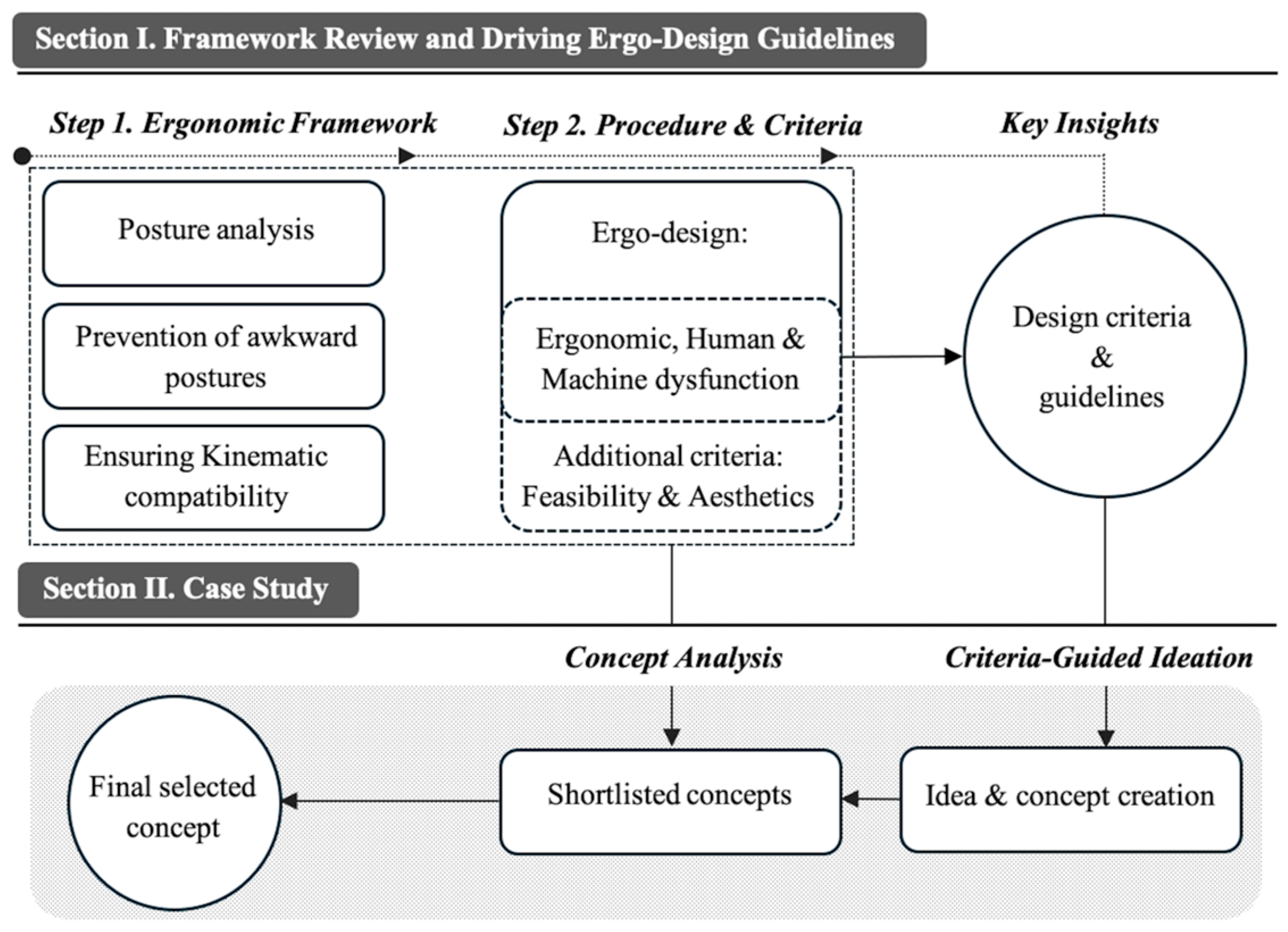
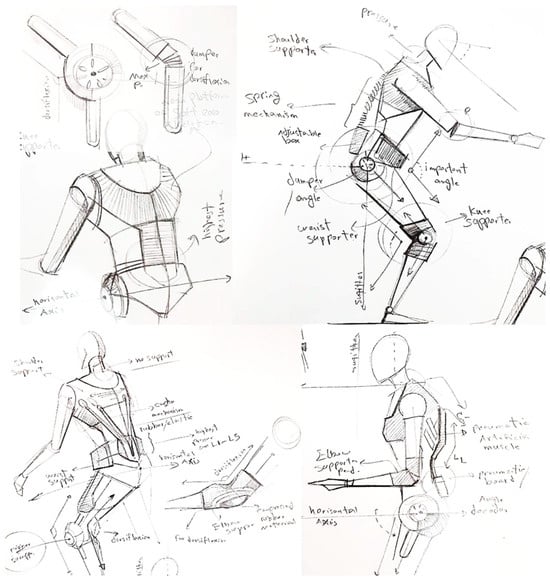
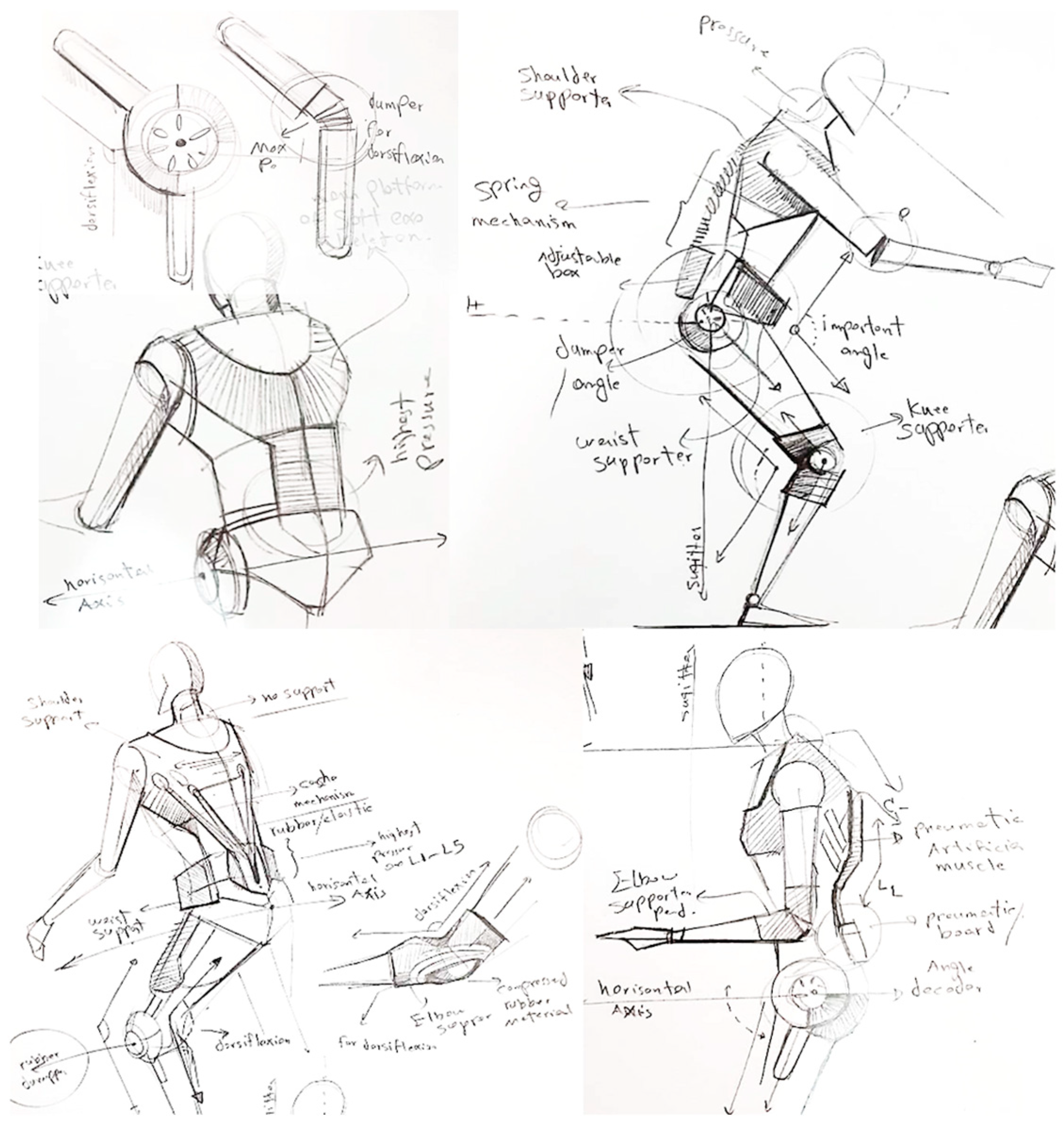
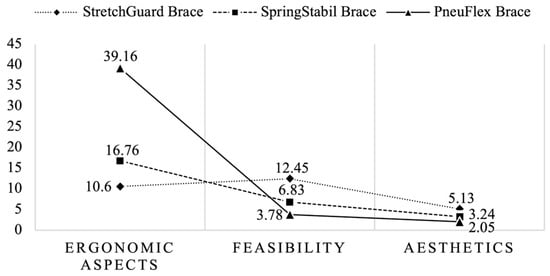
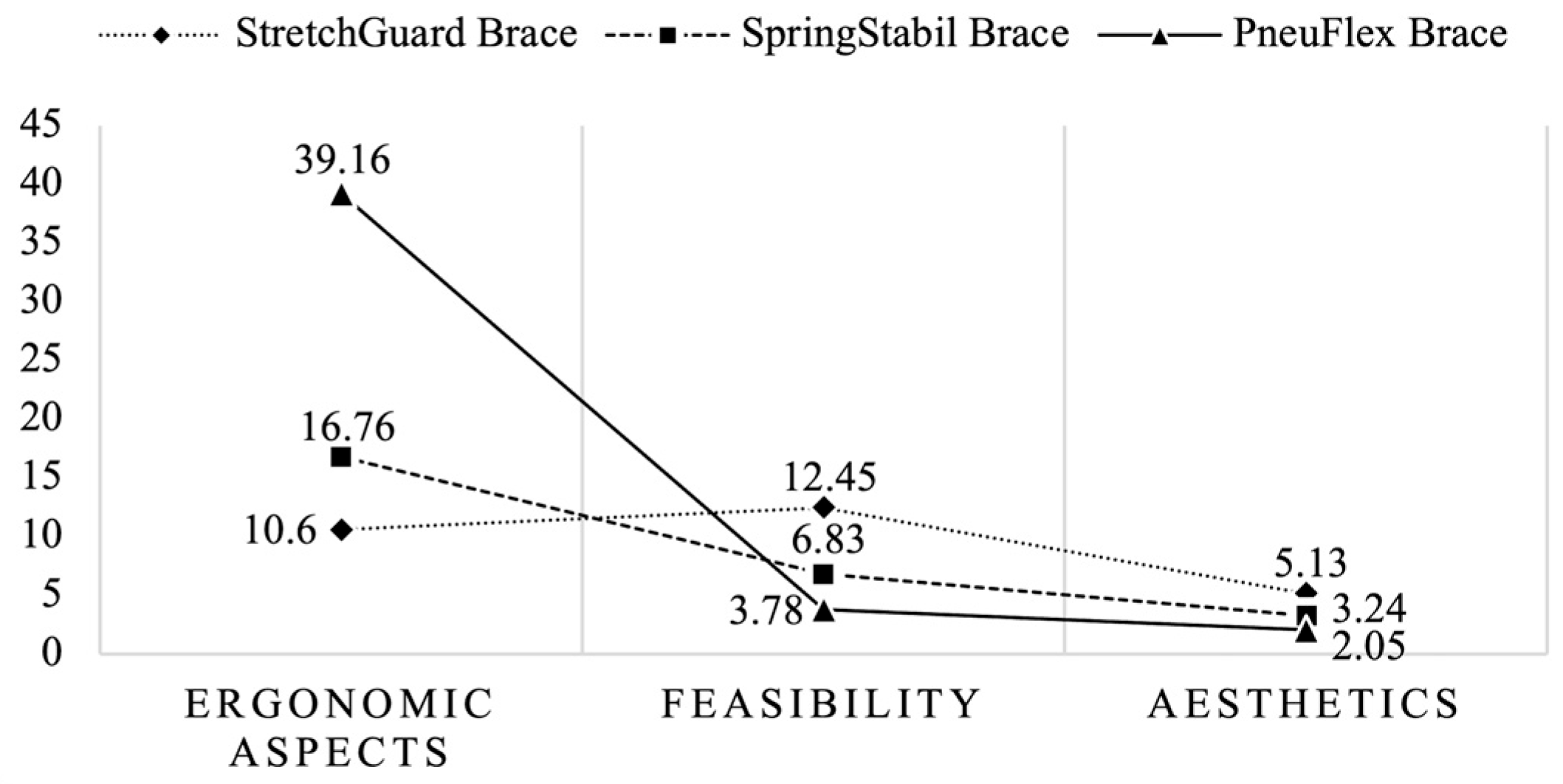
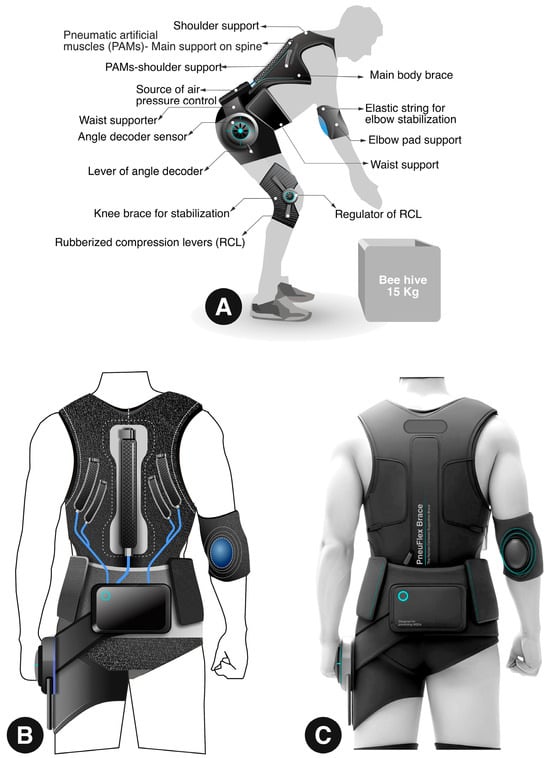
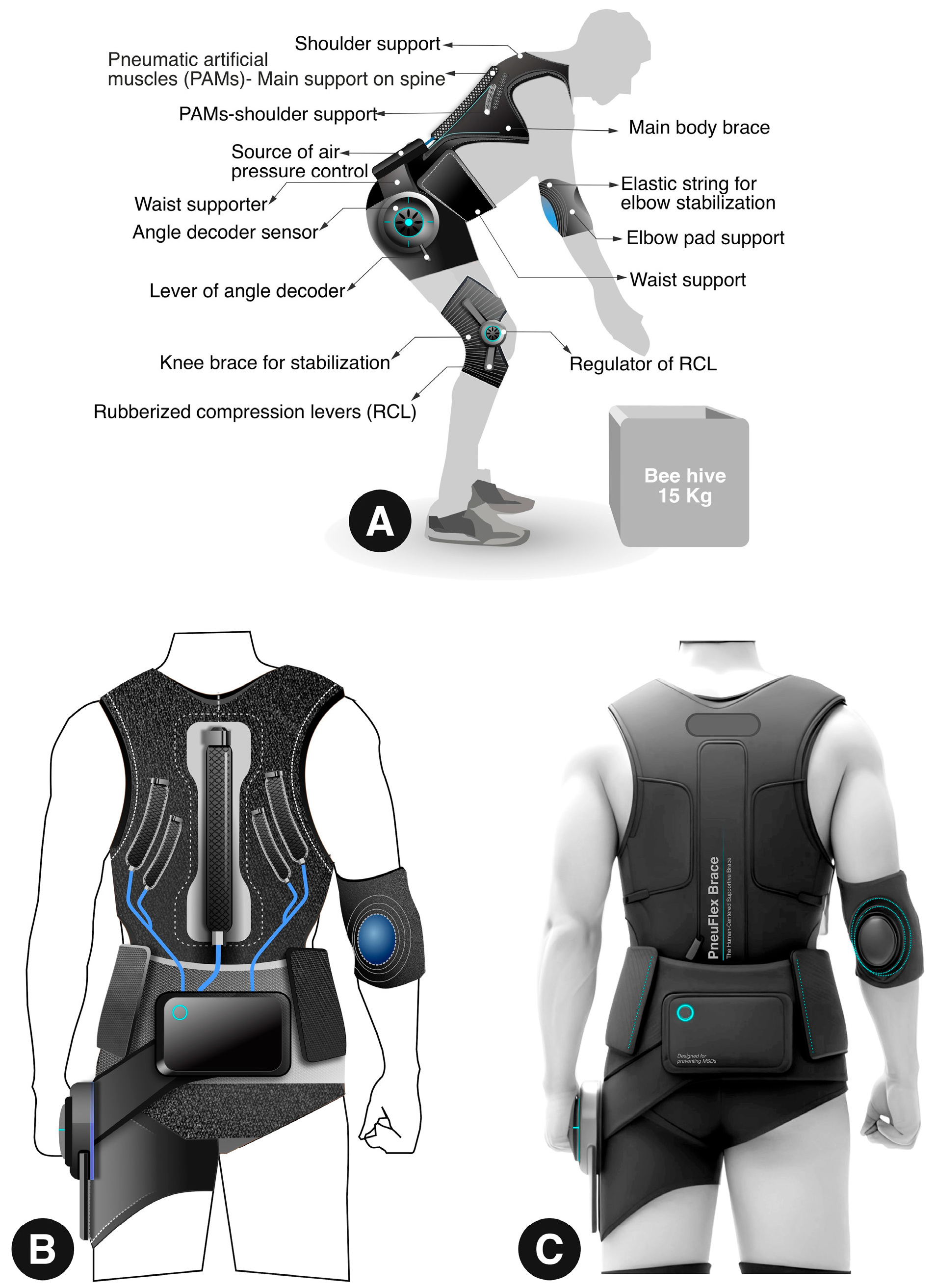

Disclaimer/Publisher’s Note: The statements, opinions and data contained in all publications are solely those of the individual author(s) and contributor(s) and not of MDPI and/or the editor(s). MDPI and/or the editor(s) disclaim responsibility for any injury to people or property resulting from any ideas, methods, instructions or products referred to in the content. |
© 2026 by the authors. Licensee MDPI, Basel, Switzerland. This article is an open access article distributed under the terms and conditions of the Creative Commons Attribution (CC BY) license.