Journal Description
Theoretical and Applied Ergonomics
is an international, peer-reviewed, open access journal on all aspects of ergonomics sciences published quarterly online by MDPI.
- Open Access— free for readers, with article processing charges (APC) paid by authors or their institutions.
- Rapid Publication: first decisions in 19 days; acceptance to publication in 8 days (median values for MDPI journals in the second half of 2025).
- Recognition of Reviewers: APC discount vouchers, optional signed peer review, and reviewer names are published annually in the journal.
Latest Articles
Impact of AI Transparency Levels on Human Performance, Trust, and Workload in Collaborative Tasks
Theor. Appl. Ergon. 2026, 2(2), 9; https://doi.org/10.3390/tae2020009 (registering DOI) - 10 May 2026
Abstract
This study investigates how varying levels of display transparency in an AI system affect human performance, cognitive workload, and trust in a collaborative human–AI task. (1) Background: As AI-assisted systems become increasingly prevalent, understanding how transparency shapes human cognition and trust is critical
[...] Read more.
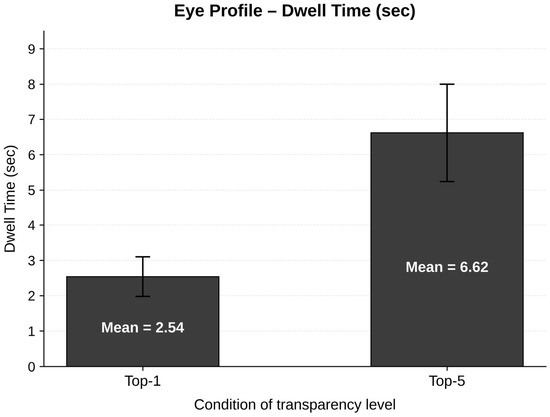
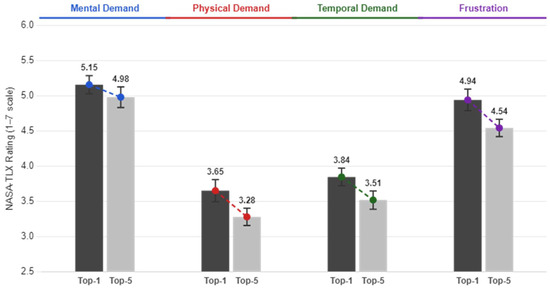
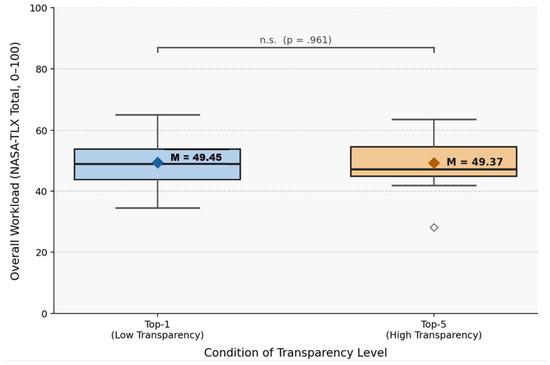
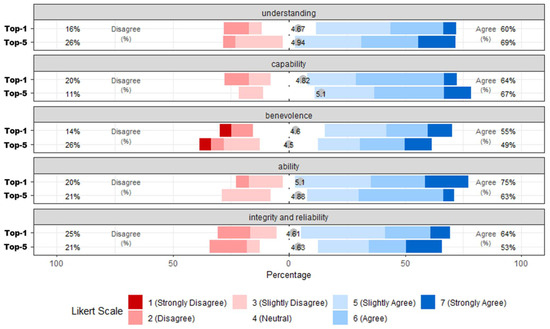
This study investigates how varying levels of display transparency in an AI system affect human performance, cognitive workload, and trust in a collaborative human–AI task. (1) Background: As AI-assisted systems become increasingly prevalent, understanding how transparency shapes human cognition and trust is critical for effective ergonomic design. The literature presents conflicting findings regarding whether greater AI transparency reduces or redistributes cognitive demand and whether it consistently enhances trust. (2) Methods: Twenty participants completed a Pictionary-style drawing task under two counterbalanced display transparency conditions—low transparency (Top-1 AI prediction) and high transparency (Top-5 predictions with similarity scores). Objective performance, eye-movement data, NASA-TLX workload ratings, and multi-dimensional trust questionnaires were collected. Condition-level measures were analyzed using a mixed ANOVA framework with non-parametric confirmatory tests where normality assumptions were violated. (3) Results: Increased transparency significantly enhanced visual attention to AI information. However, neither subjective workload nor trust showed statistically significant differences between conditions. Task completion time and error rates were likewise unaffected. Directional trends favored higher transparency for competence-related trust dimensions, though these did not reach significance. (4) Conclusions: Rather than simply reducing cognitive burden, display transparency may redistribute cognitive effort—replacing interpretive uncertainty with integrative processing demands. These findings suggest that display transparency alone is insufficient to produce measurable improvements in workload or trust, and that richer forms of explanatory transparency are needed to meaningfully support human–AI collaboration. Design implications for collaborative AI interfaces are discussed.
Full article
(This article belongs to the Special Issue Ergonomics Studies for the Application of AI)
Open AccessArticle
Home Sweet Home Office? Job Satisfaction in Home Office Versus Traditional Office Settings
by
Michelle Hillmann, Johannes Pfeifer and Nicki Marquardt
Theor. Appl. Ergon. 2026, 2(2), 8; https://doi.org/10.3390/tae2020008 - 8 May 2026
Abstract
During the COVID-19 pandemic, working from home became widespread, substantially altering work arrangements. This study investigates whether employees working predominantly from home report higher job satisfaction than those working primarily in traditional office settings. In addition, it examines which contextual factors in the
[...] Read more.
During the COVID-19 pandemic, working from home became widespread, substantially altering work arrangements. This study investigates whether employees working predominantly from home report higher job satisfaction than those working primarily in traditional office settings. In addition, it examines which contextual factors in the home office environment are associated with job satisfaction. A cross-sectional online survey was conducted among 201 employees in Germany. Job satisfaction was measured using the Arbeitsbeschreibungsbogen (ABB), and personality traits were assessed with the Big Five Inventory (BFI-10) as a control variable. Group differences were analyzed using independent-samples t-tests and analysis of covariance (ANCOVA). Results indicate that employees working predominantly from home reported significantly higher overall job satisfaction than those working mainly in traditional office settings (F(1, 193) = 69.79, p < 0.001, partial η2 = 0.27). This effect remained stable after controlling for personality traits and age and was evident across all job satisfaction subdimensions. Furthermore, effective communication tools, adequate technical equipment, a quiet workspace, and prior experience with working from home were positively associated with job satisfaction. The presence of children or other household co-workers did not significantly reduce job satisfaction, whereas sufficient childcare arrangements showed a strong positive association. Women working from home reported lower job satisfaction than men. Overall, the findings highlight the importance of supportive home office conditions for sustaining job satisfaction beyond the pandemic.
Full article
Open AccessArticle
Navigating Expert Opinions on Best Practices During Manual Handling for Patient Positioning in Long-Term Care Settings
by
Stephen Sunday Ede, Jonathan Kenneth Sinclair, Jessica Macbeth, Matthew Dickinson and Ambreen Chohan
Theor. Appl. Ergon. 2026, 2(2), 7; https://doi.org/10.3390/tae2020007 - 7 May 2026
Abstract
Patient manual handling during positioning is widely recognised to have a sparse evidence base, exposing healthcare practitioners (HCPs) to a high risk of work-related musculoskeletal disorders (WRMSDs). This study aimed to provide in-depth insight into the challenges of manual patient bed positioning in
[...] Read more.
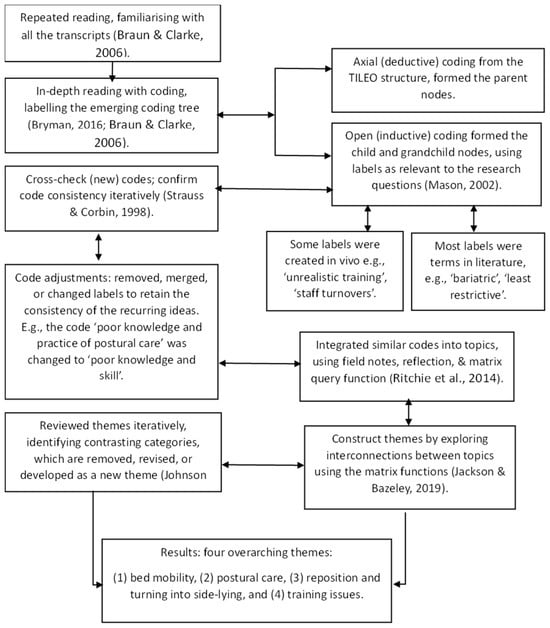
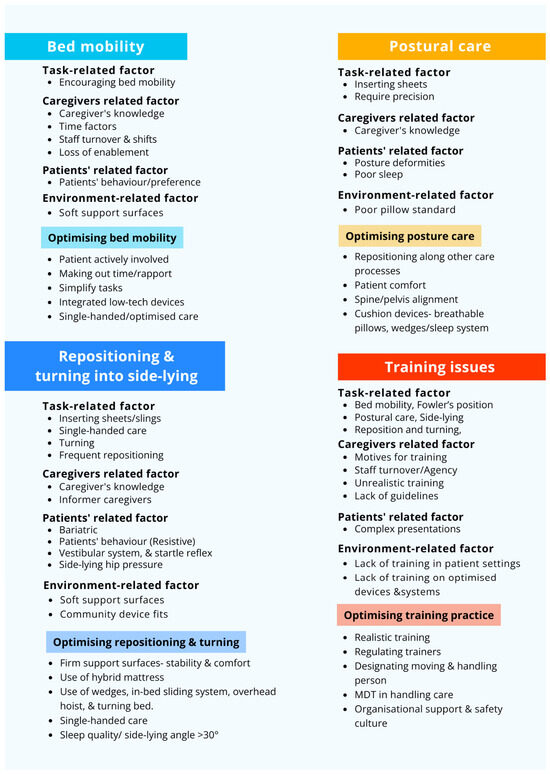
Patient manual handling during positioning is widely recognised to have a sparse evidence base, exposing healthcare practitioners (HCPs) to a high risk of work-related musculoskeletal disorders (WRMSDs). This study aimed to provide in-depth insight into the challenges of manual patient bed positioning in long-term care settings to identify best practices for optimising care. Semi-structured interviews were conducted with purposively recruited subject experts in the UK (n = 9; aged 30–62 years). Interviews focused on challenges, best practices, and solutions to patient manual handling positioning. Data were explored using thematic and framework analysis. Major gaps were evident in HCP training and in key aspects of positioning, including patient bed mobility, postural management, and turning patients into the side-lying position. Experts identified a need for realistic, comprehensive training for HCPs on the integrated, optimised use of low-tech equipment (e.g., wedges, breathable pillows, sliding systems, and sleep systems) for safe, single-handed patient positioning. This study provided novel recommendations for optimising practices in patient bed mobility, posture care, repositioning, and turning into side-lying, aimed at improving patient outcomes and mitigating occupational risks.
Full article
(This article belongs to the Special Issue Advances in Work-Related Musculoskeletal Disorders Research: Towards Improving Health, Quality of Life and Safety)
►▼
Show Figures

Figure 1
Open AccessArticle
Comparison of Pedobarographic Profiles of Young Males While Walking Barefoot and in Different Footwear
by
Filip Bolčević and Dalibor Kiseljak
Theor. Appl. Ergon. 2026, 2(2), 6; https://doi.org/10.3390/tae2020006 - 27 Apr 2026
Abstract
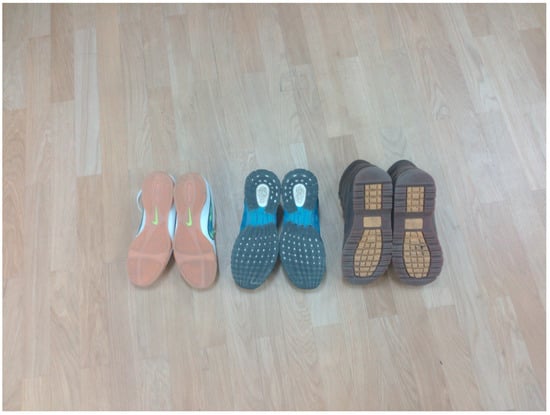
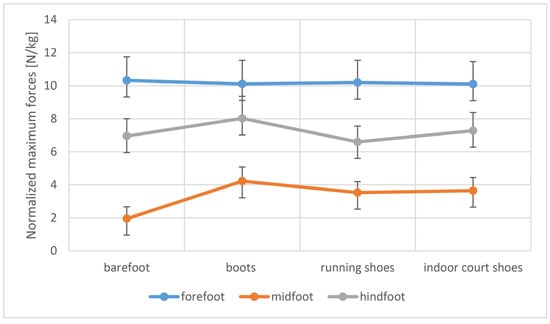
Walking, a fundamental human activity, has significant implications for health. This study aimed to determine the influence of different types of footwear (boots, running shoes, and indoor court shoes) on maximum plantar force and pressure. The sample included 19 healthy male students. Plantar
[...] Read more.
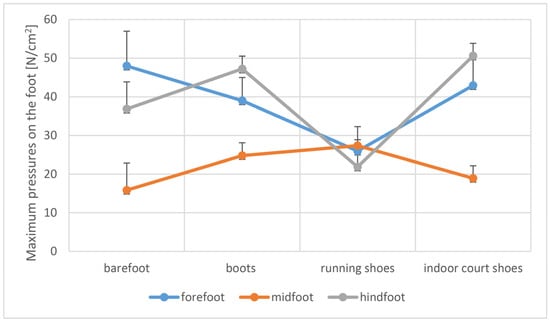
Walking, a fundamental human activity, has significant implications for health. This study aimed to determine the influence of different types of footwear (boots, running shoes, and indoor court shoes) on maximum plantar force and pressure. The sample included 19 healthy male students. Plantar pressures and forces were measured with a pedobarographic device. The maximum forces on the forefoot were highest when walking barefoot and lowest when wearing boots (p < 0.05). For the midfoot, a significant difference (p < 0.01) was found between the barefoot condition and the other three conditions; forces were lowest when walking barefoot. Compared with the other conditions, the maximum forces on the hindfoot were highest when participants wore boots (p < 0.01). The maximum pressure on the forefoot was highest when participants walked barefoot compared with the footwear conditions (p < 0.01). For the midfoot, wearing running shoes resulted in the highest values, which were significantly different (p < 0.01) from those obtained when wearing indoor court shoes or walking barefoot. Compared with the other three conditions, wearing running shoes resulted in the lowest maximum pressure on the hindfoot (p < 0.01). The plantar force and pressure gait parameters indicate that cushioning has biomechanical significance during movement.
Full article
(This article belongs to the Special Issue Advances in Work-Related Musculoskeletal Disorders Research: Towards Improving Health, Quality of Life and Safety)
►▼
Show Figures

Figure 1
Open AccessArticle
Eye-Tracking for Human Performance Assessment in Industry 5.0 Research
by
Dana Hamarsheh, Caden Edwards and Mary Fendley
Theor. Appl. Ergon. 2026, 2(2), 5; https://doi.org/10.3390/tae2020005 - 10 Apr 2026
Abstract
►▼
Show Figures
In the new industrial revolution 5.0 era, manufacturing facilities with manual assembly have higher expectations, higher mass customization, and more human involvement, as well as including new digital technologies in smart workstations. Given these expectations, the cognitive load of manual assembly workers is
[...] Read more.
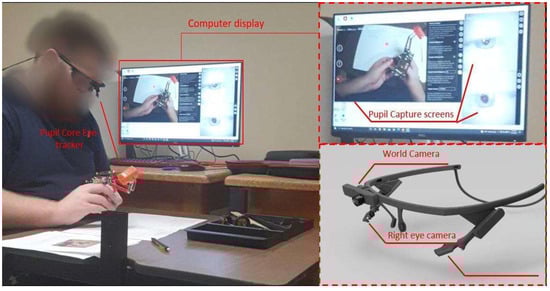
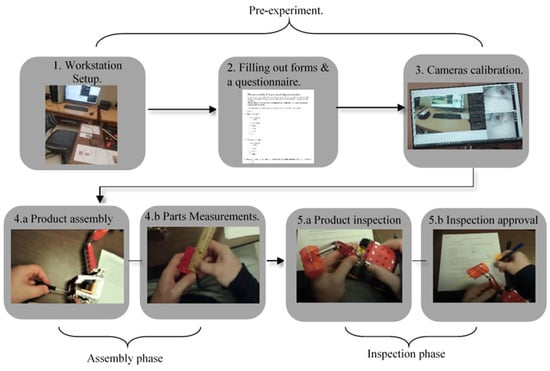
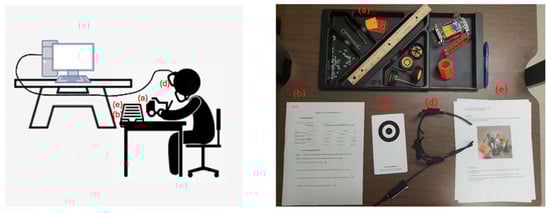
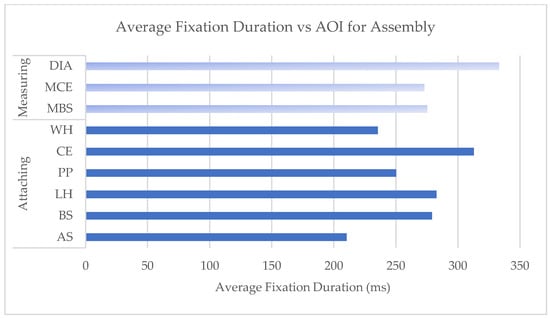
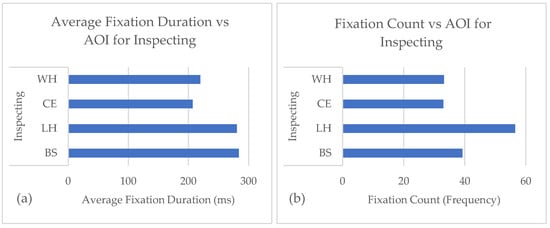
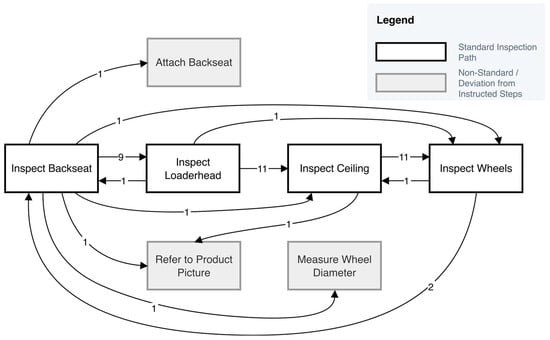
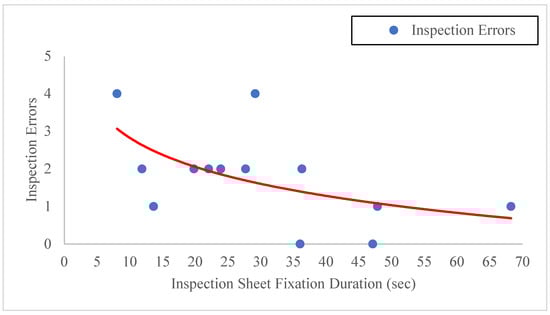
In the new industrial revolution 5.0 era, manufacturing facilities with manual assembly have higher expectations, higher mass customization, and more human involvement, as well as including new digital technologies in smart workstations. Given these expectations, the cognitive load of manual assembly workers is increasing. Cognitive assessment systems are being added to manufacturing facilities to work in parallel with physical and sensory assistance systems to establish better work conditions for workers and better overall system performance. This paper presents an exploratory study using eye-tracking as an assessment system to identify potential locations of increased cognitive workload and errors to better understand where and how to employ assistance for workers to improve the manual assembly and inspection process. The results of this study indicate that the highest workload occurs with measuring and inspection tasks, and most errors occur during the assembly of parts, where their geometry impacts placement. It also demonstrates the feasibility of eye-tracking as a low-cost, integral part of the human–computer system in the assembly environment.
Full article

Figure 1
Open AccessArticle
Supporting Novice Creativity in Design Education Through Human-Centred Explainable AI
by
Ahmed Al-sa’di and Dave Miller
Theor. Appl. Ergon. 2026, 2(2), 4; https://doi.org/10.3390/tae2020004 - 24 Mar 2026
Abstract
►▼
Show Figures
Generative artificial intelligence tools are reshaping design by enabling novice designers to produce professional-quality user interfaces rapidly. However, for novice designers, exposure to AI-generated outputs that are far beyond their capabilities can inhibit creative growth. In this work, we investigate AI overperformance, when
[...] Read more.
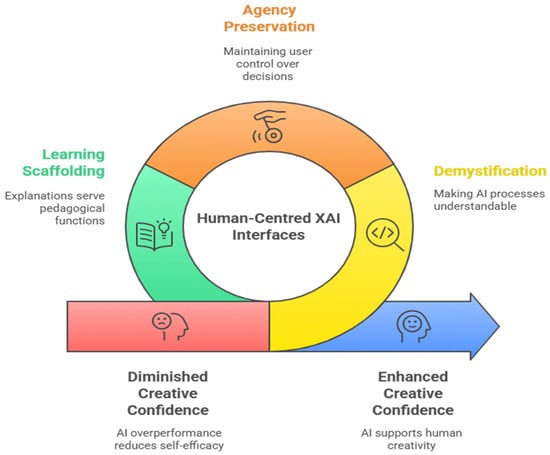
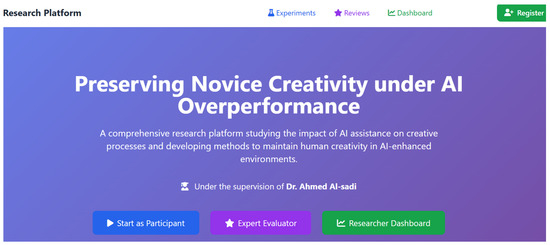
Generative artificial intelligence tools are reshaping design by enabling novice designers to produce professional-quality user interfaces rapidly. However, for novice designers, exposure to AI-generated outputs that are far beyond their capabilities can inhibit creative growth. In this work, we investigate AI overperformance, when superior AI outputs lower the creative confidence of novices, and explore whether human-centred and explainable AI interfaces can mitigate such effects while sustaining creative agency. We conducted a within-subjects experiment with 75 novice designers using a web-based research platform. Participants completed mobile app design tasks under three conditions: Human-Only (baseline), AI Overmatch (exposure to superior AI outputs), and XAI-Enhanced (exposure to AI outputs with an embedded explainable interface). A repeated-measures ANOVA indicated that creative self-efficacy varied significantly, F = 24.67, p < 0.001, η2 = 0.18. While creative self-efficacy was significantly decreased in the AI Overmatch condition, M = −1.18, SD = 0.32, when compared to the Human-Only conditions, M = 0.08, SD = 0.15, this was significantly increased in the XAI-Enhanced condition, M U= 0.42, SD = 0.18. This also led to a rise in creative performance across both ideation and output quality. The results showed that the AI Overmatch condition significantly reduced creative self-efficacy and originality; however, this negative effect was mitigated by the XAI-Enhanced interface, which enhanced confidence and idea quality. Mediation analysis demonstrated that expectancy disconfirmation explains the negative impact of AI overperformance on human creativity. These findings provide constructive design principles for educational AI tools and contribute to HCI theory by demonstrating that pedagogically oriented, transparent AI supports human–AI collaboration without diminishing human agency.
Full article

Figure 1
Open AccessArticle
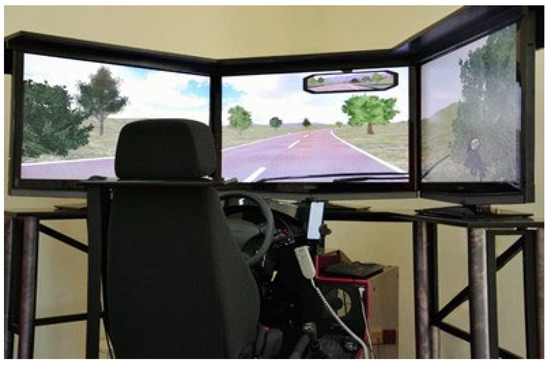
The Potential of Napping in Automated Driving and User Preferences for Wake-Up Concepts—An Online Study
by
Markus Tomzig, Aaron Edelmann, Lena Rittger and Thomas Brand
Theor. Appl. Ergon. 2026, 2(1), 3; https://doi.org/10.3390/tae2010003 - 14 Feb 2026
Abstract
►▼
Show Figures
In automated driving, drivers may sleep during rides, making it important to study napping preferences and wake-up scenarios for human-centered system design. We conducted an online study with 280 participants, balanced by age and gender, examining how often, when, and how long individuals
[...] Read more.
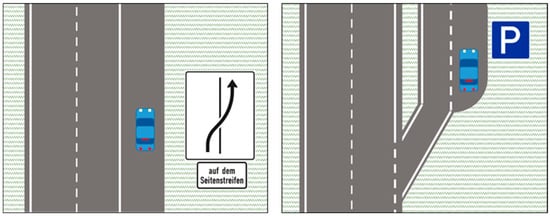
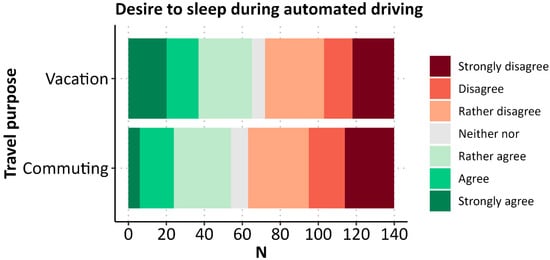
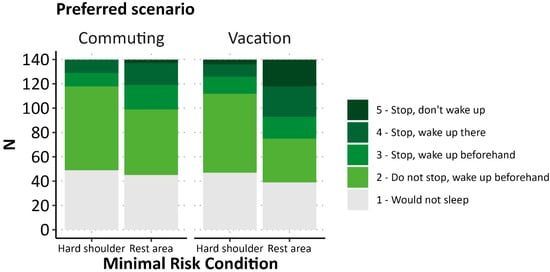
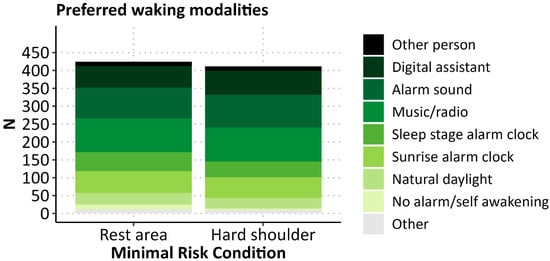
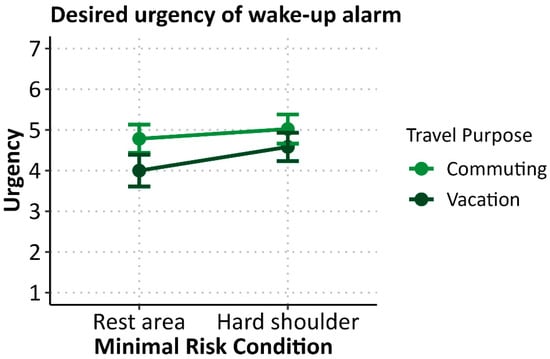
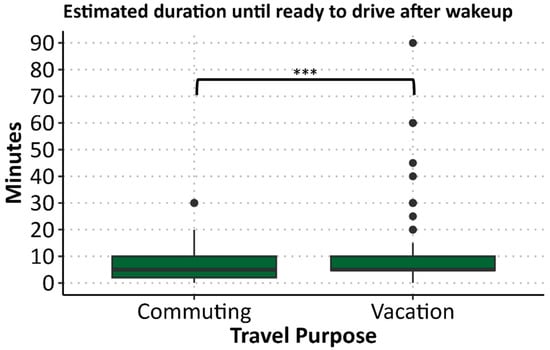
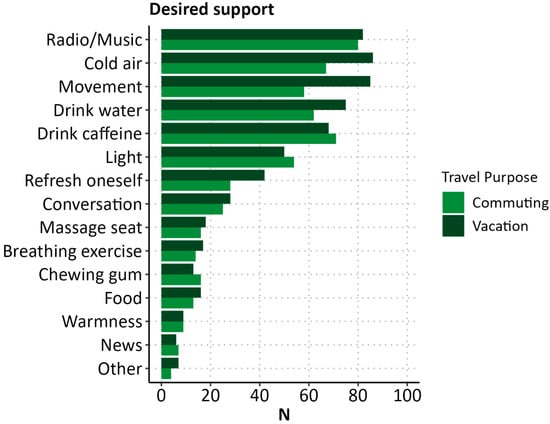
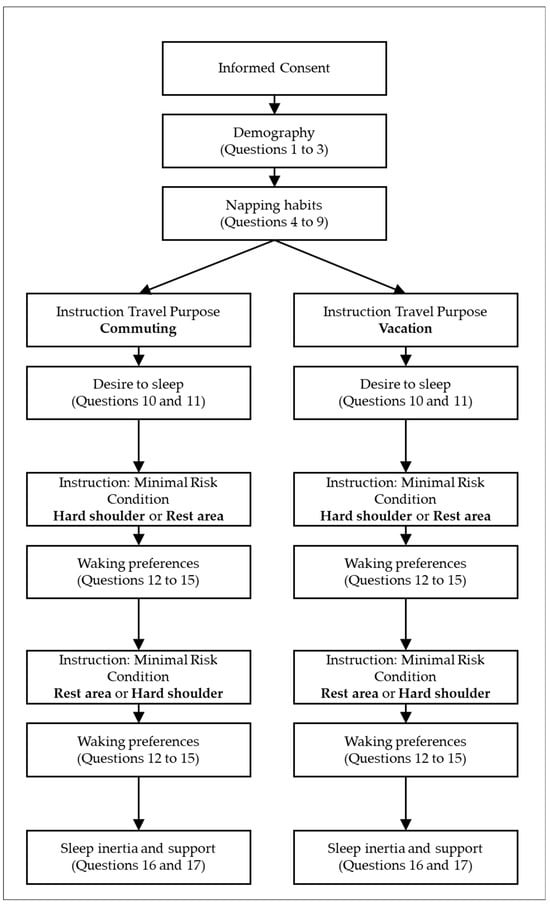
In automated driving, drivers may sleep during rides, making it important to study napping preferences and wake-up scenarios for human-centered system design. We conducted an online study with 280 participants, balanced by age and gender, examining how often, when, and how long individuals would nap if given the opportunity. The study also explored preferred wake-up methods when the vehicle nears the end of its operational design domain. Using a mixed 2 × 2 design, participants were assigned to one of two travel purposes (“commuting” vs. “holiday trip”) and two minimal risk conditions (rest area vs. hard shoulder). The results showed that 40% intended to sleep during automated driving, highlighting a strong interest in in-car sleeping. Wake-up preferences varied by travel purpose and minimal risk condition, with many favoring awakening before the drive ended. Participants also anticipated sleep inertia and desired post-wake-up support. The findings allow suggestions for designing wake-up concepts that mitigate sleep inertia.
Full article

Figure 1
Open AccessArticle
From Walking to Climbing: Electromyography Analysis of Locomotion Transition Demands for Prioritizing Exoskeleton Assistance in Construction
by
Ehsan Shourangiz, Chao Wang and Fereydoun Aghazadeh
Theor. Appl. Ergon. 2026, 2(1), 2; https://doi.org/10.3390/tae2010002 - 31 Jan 2026
Abstract
►▼
Show Figures
Exoskeletons are increasingly used in industrial settings, yet most are designed for structured, repetitive tasks, limiting adaptability to dynamic movements. In construction, frequent locomotion tasks demand continuous lower-limb engagement, and ladder climbing places substantial loads on coordination and flexibility. This study aimed to
[...] Read more.
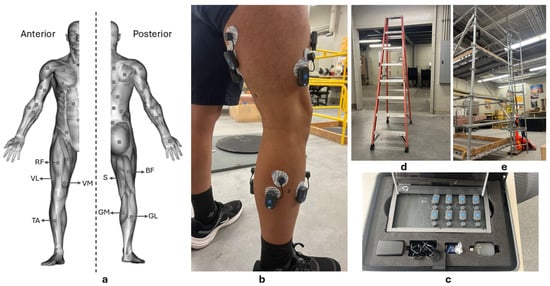
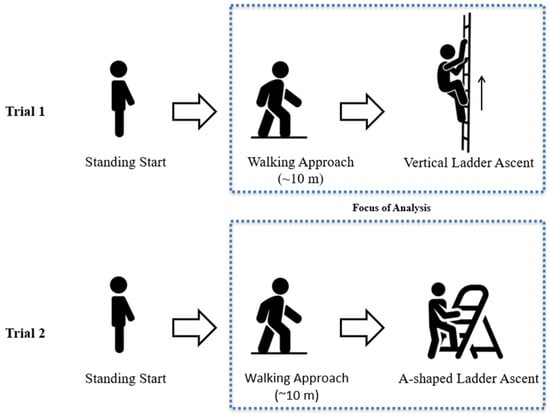
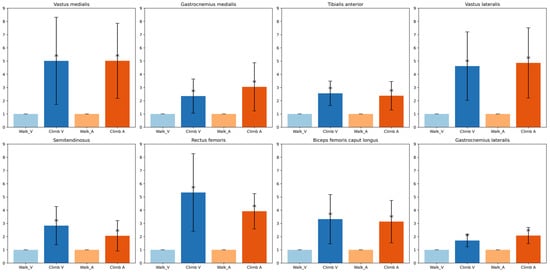
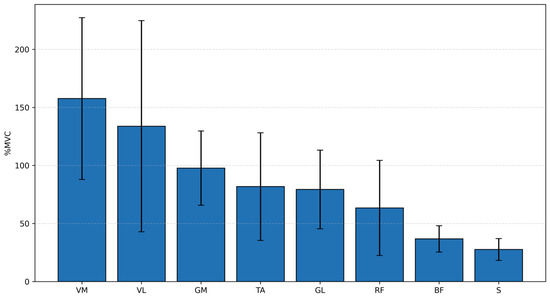
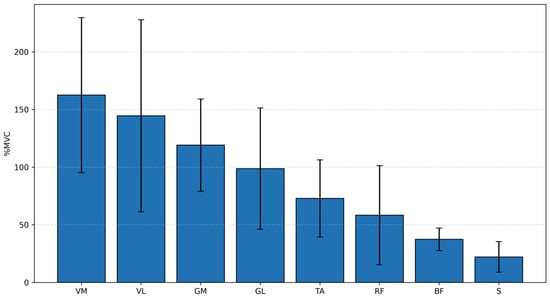
Exoskeletons are increasingly used in industrial settings, yet most are designed for structured, repetitive tasks, limiting adaptability to dynamic movements. In construction, frequent locomotion tasks demand continuous lower-limb engagement, and ladder climbing places substantial loads on coordination and flexibility. This study aimed to identify key muscles involved in climbing to support the development of adaptive exoskeletons. Ten healthy male participants (33.8 ± 3.4 years; 178.7 ± 5.0 cm; 87.4 ± 16.1 kg) performed vertical and A-frame ladder ascents in a controlled laboratory setting. Surface electromyography was recorded from eight right-leg muscles and processed using band-pass filtering, rectification, and root mean square smoothing. Two normalization strategies were applied: walking normalization, expressing climbing activity relative to level walking, and maximum voluntary contraction normalization, with amplitudes expressed as a percentage of maximum voluntary contraction. Our results showed that all muscles were more active in climbing than walking, with quadriceps (vastus medialis, vastus lateralis, rectus femoris) exhibiting the greatest increases. Gastrocnemius also approached or exceeded 100%MVC, tibialis anterior averaged 70–80%MVC, and hamstrings contributed 20–40%MVC mainly for stabilization. Vertical and A-frame ladders followed similar patterns with subtle posture-related variations. These findings highlight knee extensors as primary targets for adaptive exoskeleton assistance during ladder climbing tasks commonly performed on construction sites.
Full article

Figure 1
Open AccessArticle
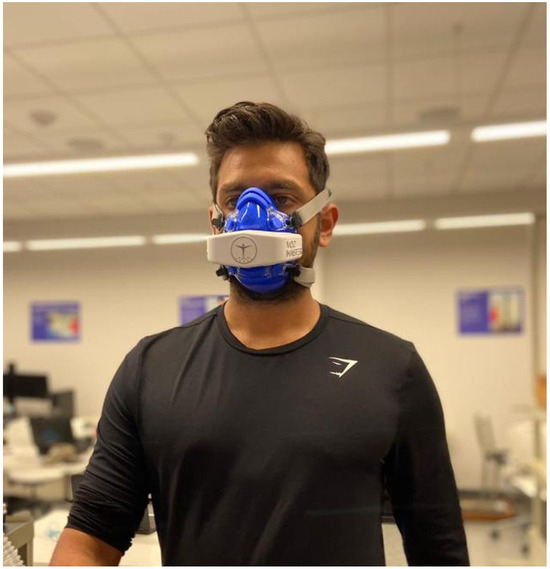
Activity-Specific Maximum Aerobic Capacity Identification for Construction Workers Using Submaximal Exercise Tests and Wearable Sensors
by
Srikanth Sagar Bangaru, Chao Wang and Fereydoun Aghazadeh
Theor. Appl. Ergon. 2026, 2(1), 1; https://doi.org/10.3390/tae2010001 - 23 Jan 2026
Abstract
►▼
Show Figures
Maximum aerobic capacity (MAC) helps in physical work capacity evaluation. In practice, the construction jobs are designed using the standard treadmill or ergometer MAC value, which is inappropriate and leads to injuries. According to NIOSH, the average oxygen consumption during an 8 h
[...] Read more.
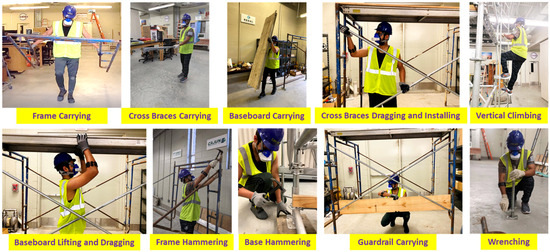
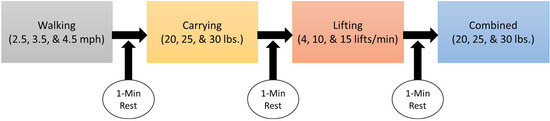
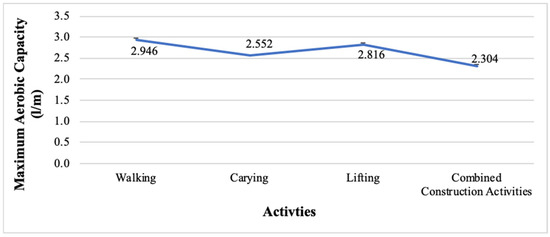
Maximum aerobic capacity (MAC) helps in physical work capacity evaluation. In practice, the construction jobs are designed using the standard treadmill or ergometer MAC value, which is inappropriate and leads to injuries. According to NIOSH, the average oxygen consumption during an 8 h day is recommended to be no more than 33% of the exercise-specific MAC. Therefore, there is a necessity for construction activity-specific MAC exercise protocols and estimation models. The aim of the study is to develop MAC estimation models for common construction activities such as walking, carrying, lifting, and combined (carrying, dragging, hammering, lifting, and wrenching) using the submaximal exercise test mode. Ten male participants performed all four activities at three different intensities for five minutes each. The oxygen uptake and heart rate were recorded for each trial. This study shows that the average MAC value for walking, carrying, lifting, and combined activities is 0.779 gpm (2.95 L/m), 0.674 gpm (2.55 L/m), 0.745 gpm (2.82 L/m), and 0.608 gpm (2.30 L/m), respectively. The MAC value of combined construction activities is significantly lower than walking (28%), carrying (11%), and lifting (22%). The study recommends using a construction activity-specific exercise protocol for evaluating jobs or workers to prevent a mismatch between job demands and worker capabilities.
Full article

Figure 1
Open AccessSystematic Review
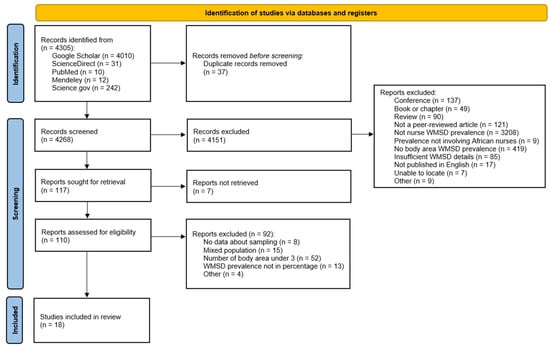
Do Demographic, Economic, and Quality-of-Life Indicators Have an Effect on the Prevalence of WMSDs Among African Nurses? A Systematic Review and Meta-Analysis
by
Julien Jacquier-Bret and Philippe Gorce
Theor. Appl. Ergon. 2025, 1(2), 13; https://doi.org/10.3390/tae1020013 - 7 Dec 2025
Cited by 2
Abstract
►▼
Show Figures
Nurses in Africa are exposed to musculoskeletal disorders at work (WMSDs). They are multifactorial and may be related to demographic, economic, and quality-of-life factors. The aim of this study was to investigate the effect of nurses’ age, experience, body mass index (BMI), and
[...] Read more.
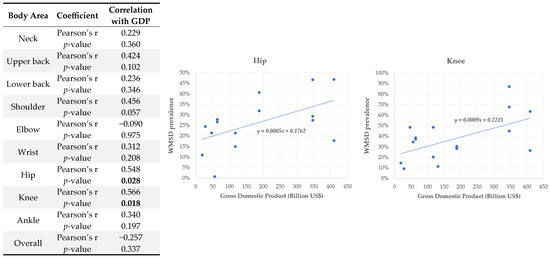
Nurses in Africa are exposed to musculoskeletal disorders at work (WMSDs). They are multifactorial and may be related to demographic, economic, and quality-of-life factors. The aim of this study was to investigate the effect of nurses’ age, experience, body mass index (BMI), and macroscopic indices such as nurse-to-bed ratio, Human Development Index (HDI), and Gross Domestic Product (GDP) on the overall prevalence and prevalence by body area. A systematic review and a meta-analysis were conducted during September 2025. ScienceDirect, PubMed/Medline, Google Scholar, Science.gov, and Mendeley were scanned without a date limit. The article selection, review, critical appraisal, and data extraction were performed by two authors independently. Preferred Reporting Items for Systematic Reviews and Meta-Analyses (PRISMA) was used for reporting the search results. Among the 4305 identified records, 18 studies included for a total of 4266. The overall prevalence was pooled at 77.4%. Subgroup analyses demonstrated a decrease in WMSDs with age, and nurse-to-bed ratio, and an increase in lower limb WMSDs with experience, BMI, GDP, and HDI (for most of body areas). Future work could examine the effect of the nurse-to-bed ratio by considering the resources of a facility and conducting more in-depth analyses by subgroup. The development of ergonomic programs remains essential to the well-being at work of African nurses.
Full article

Figure 1
Open AccessReview
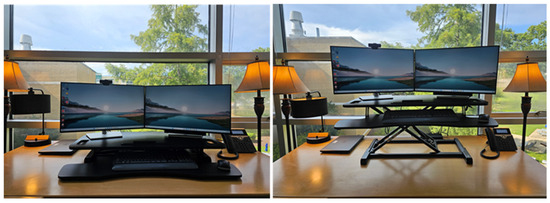
Uplifting Workspaces: A Brief Review of Sit-to-Stand Workstations Among Different Occupations
by
Steven J. Cialone, Kayla C. Abraham, Kimberly L. Holt, Kristy D. Cole, Joy C. Kuebler, Renee Wilkins and Harish Chander
Theor. Appl. Ergon. 2025, 1(2), 12; https://doi.org/10.3390/tae1020012 - 6 Dec 2025
Abstract
►▼
Show Figures
Adults, on average, spend between 55% and 70% of their waking hours primarily in prolonged sitting, and such sedentary behavior has been associated with several health problems. Prolonged sitting postures during work hours are often mandated by the nature of the work task
[...] Read more.
Adults, on average, spend between 55% and 70% of their waking hours primarily in prolonged sitting, and such sedentary behavior has been associated with several health problems. Prolonged sitting postures during work hours are often mandated by the nature of the work task performed. Sit-to-stand workstations offer the benefit of transitioning from and between sitting to standing postures. However, most of the literature on sit-to-stand workstations is focused on generalized office workers, but different occupations have a whole different set of work-specific tasks that can inhibit the appropriate use of sit-to-stand workstations. Therefore, this narrative review aims to summarize various occupations that utilize or can utilize sit-to-stand workstations, including their nature of work tasks, the associated needs, benefits, pitfalls, and recommendations for improved workplace ergonomics. This narrative review summarizes important but less researched occupations such as emergency dispatchers, architects, customer support representatives, general practitioners, engineers, pharmacists, and laboratory research scientists, along with generalized office workers. The review will be of benefit to different health care professionals, work safety and ergonomic professionals, and individuals in each of the occupations discussed to better understand sit-to-stand workstations and their use to promote health and safety in the workplace.
Full article

Figure 1
Open AccessArticle
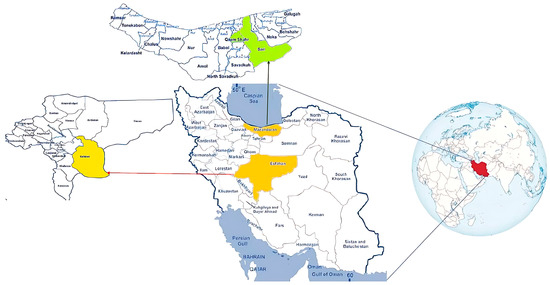
Application of Ergonomic Lighting Indicator in Workplaces: A Comparative Study in Two Different Climates
by
Seyed Abolfazl Zakerian, Maryam Rostami Aghdam Shendi, Elahe Amouzadeh, Saeedeh Mosaferchi and Alireza Mortezapour
Theor. Appl. Ergon. 2025, 1(2), 11; https://doi.org/10.3390/tae1020011 - 27 Nov 2025
Abstract
►▼
Show Figures
Background: Light is essential to many facets of human endeavors and is not only required for vision. The prevailing climate in the areas where workplaces are situated might moderate good lighting conditions, which are described as those that balance human needs. This study
[...] Read more.
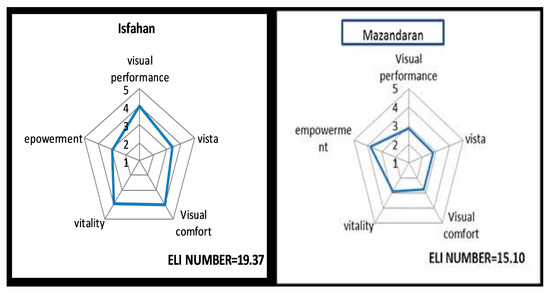
Background: Light is essential to many facets of human endeavors and is not only required for vision. The prevailing climate in the areas where workplaces are situated might moderate good lighting conditions, which are described as those that balance human needs. This study aimed to clarify how the Ergonomic Lighting Indicator should be used in workplaces while considering two distinct climates. Methods: Utilizing the Ergonomic Lighting Indicator questionnaire, the current investigation was conducted. A total of 140 volunteers who worked in indoor environments (70 in each climate condition) took part. Spider charts and descriptive analysis were employed. Results: In Isfahan City, practically every employee expressed complete satisfaction with the natural lighting’s quality. There was more visual comfort, according to workers in the province of Isfahan (p = 0.03). Except for the empowerment rating (p = 0.03; Mazandaran > Isfahan), Isfahan had greater scores on the Ergonomic Lighting Indicator than Mazandaran (visual performance: p = 0.02; vista: p = 0.01; vitality: p = 0.04). Conclusions: Based on this study, the use of Ergonomic Lighting Indicators to evaluate light quality is acceptable. In addition, this instrument can be applied in a variety of nations with diverse climates.
Full article

Figure 1
Open AccessArticle
Analyzing Employee Job Satisfaction Through Sentiment Analysis for Enhanced Workplace Improvement and Business Success
by
Christos Emexidis, Panagiotis Gkonis and Anastasios Liapakis
Theor. Appl. Ergon. 2025, 1(2), 10; https://doi.org/10.3390/tae1020010 - 31 Oct 2025
Abstract
►▼
Show Figures
Employee satisfaction is a crucial factor affecting organizational performance, productivity, and overall workplace efficiency. This study investigates employment satisfaction within the Greek technology sector through sentiment analysis, focusing on employees’ responses through the Employee Experience-Satisfaction (EmEx-Sa) questionnaire. The study employs natural language processing
[...] Read more.
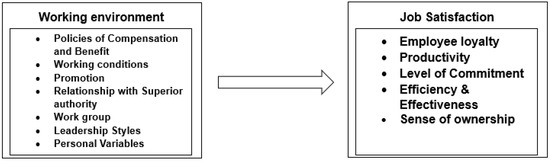
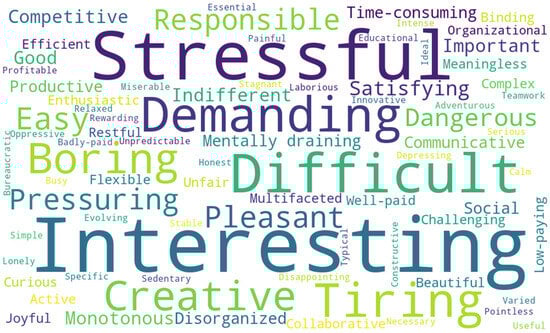
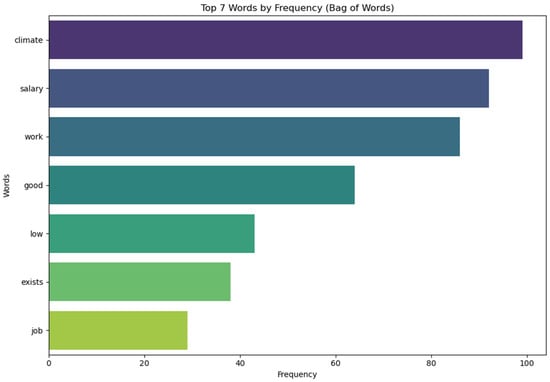
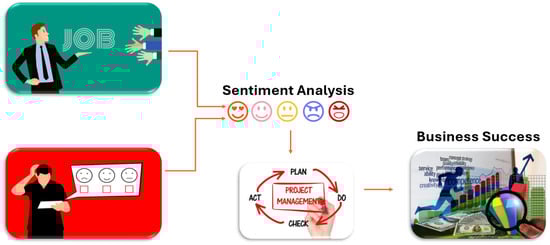
Employee satisfaction is a crucial factor affecting organizational performance, productivity, and overall workplace efficiency. This study investigates employment satisfaction within the Greek technology sector through sentiment analysis, focusing on employees’ responses through the Employee Experience-Satisfaction (EmEx-Sa) questionnaire. The study employs natural language processing (NLP) and, in particular, the lexicon-based sentiment analysis methodology to analyze data from 208 employees across the entirety of Greece, obtained from open and semi-open questions, multiple-choice alternatives, and demographic questions. The objective is to utilize data from sources such as the Michigan Organizational Assessment Questionnaire (MOAQ), Minnesota Satisfaction Questionnaire (MSQ) and Job Descriptive Index (JDI) to determine the primary elements that impact job satisfaction and, by applying principles of organizational ergonomics, gain insight into the attitudes and emotions of employees. Results reveal that the working environment (total sentiment score: 21.50) is the primary driver of positive sentiment, while salary (total sentiment score: −18.72) is the main source of dissatisfaction. Sentiment regarding superiors is more balanced, leaning slightly positive (total sentiment score: 0.02), but the analysis indicates opinions lack significant polarization. The findings delineate critical factors influencing job satisfaction, encompassing the work environment, leadership quality, salary, and opportunities for professional advancement. The research underscores the significance of internal marketing tactics in fostering engagement, trust, and transparency between management and employees and provides actionable suggestions for boosting working conditions, fostering employee well-being, and improving organizational performance, underscoring the strategic imperative of prioritizing job satisfaction.
Full article
Figure 1
Open AccessArticle
Direct and Indirect Effects of Organizational Support on Stress Levels: A Study Within the Car Industry
by
Iara Teixeira, Guilherme Welter Wendt and Felipe Alckmin-Carvalho
Theor. Appl. Ergon. 2025, 1(2), 9; https://doi.org/10.3390/tae1020009 - 14 Oct 2025
Abstract
►▼
Show Figures
This research explored the connections between Work Support, Satisfaction with Life, and experienced stress among workers from the automotive sector, with a focus on the indirect influence of job support in the relationship between satisfaction with life and perceived stress using a cross-sectional
[...] Read more.
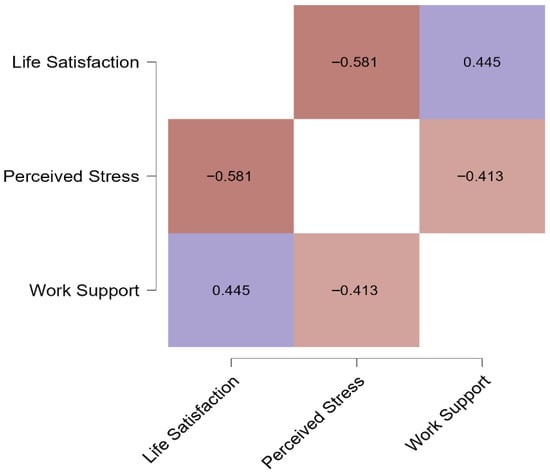
This research explored the connections between Work Support, Satisfaction with Life, and experienced stress among workers from the automotive sector, with a focus on the indirect influence of job support in the relationship between satisfaction with life and perceived stress using a cross-sectional design. The sample comprised 672 employees (52.98% females). Most participants were aged between 30 and 39 years old (33.48%) or between 40 and 49 years old (29.46%). The primary analysis indicated that Work Support had a partial effect on the connection between Satisfaction with Life and Perceived Stress. Satisfaction with Life was found to directly predict Perceived Stress (B = −0.210, p < 0.001), and there was also a significant indirect effect of Work Support (B = −0.036, 95% CI: −0.051, −0.020). Taken in combination, these results provide several contributions to our comprehension of the mechanisms connecting these constructs, particularly in the car industry. Although Satisfaction with Life showed direct links on Perceived Stress, a significant indirect association via Work Support indicates that a portion of these links are influenced by this route, with potential implications for occupational health.
Full article

Figure 1
Open AccessArticle
The Effects of Vibrotactile Stimulation of the Upper Extremity on Sensation and Perception: A Study for Enhanced Ergonomic Design
by
Abeer Abdel Khaleq, Yash More, Brody Skaufel and Mazen Al Borno
Theor. Appl. Ergon. 2025, 1(2), 8; https://doi.org/10.3390/tae1020008 - 29 Sep 2025
Abstract
►▼
Show Figures
Vibrotactile stimulation has applications in a variety of fields, including medicine, virtual reality, and human–computer interaction. Eccentric Rotating Mass (ERM) vibrating motors are widely used in wearable haptic devices owing to their small size, low cost, and low-energy features. User experience with vibrotactile
[...] Read more.
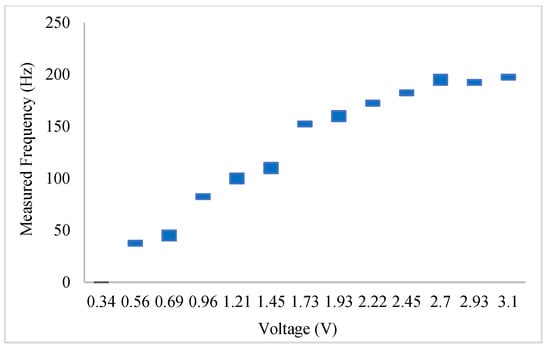
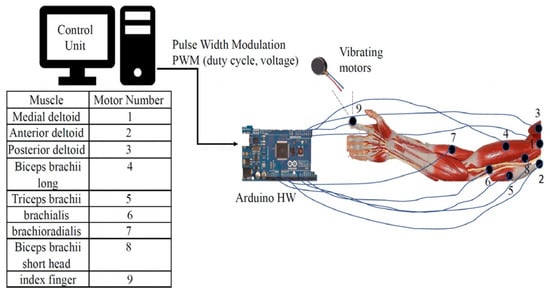
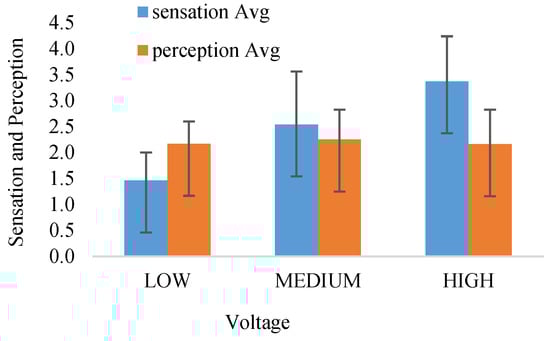
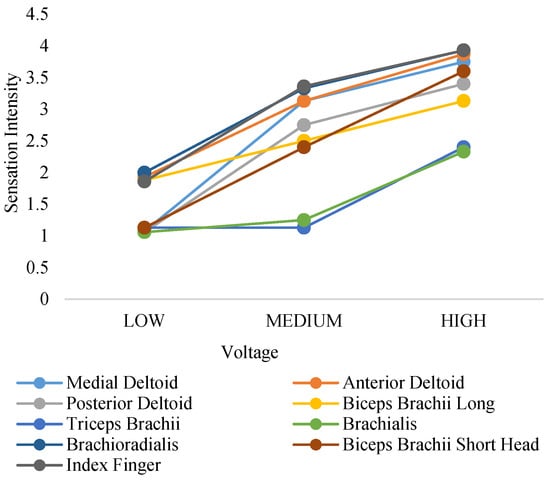
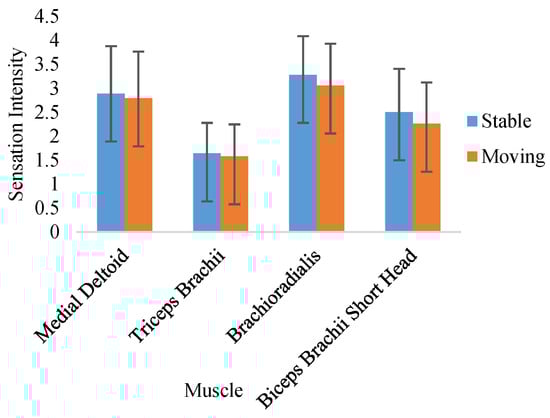
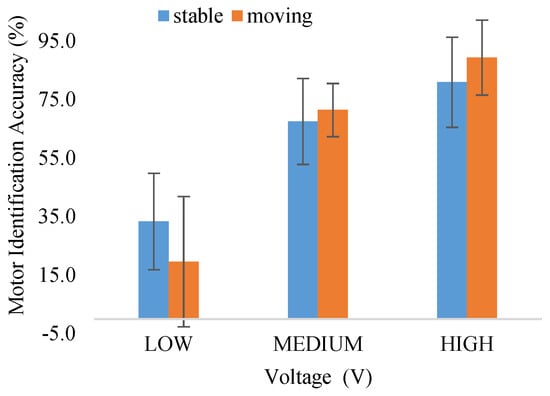
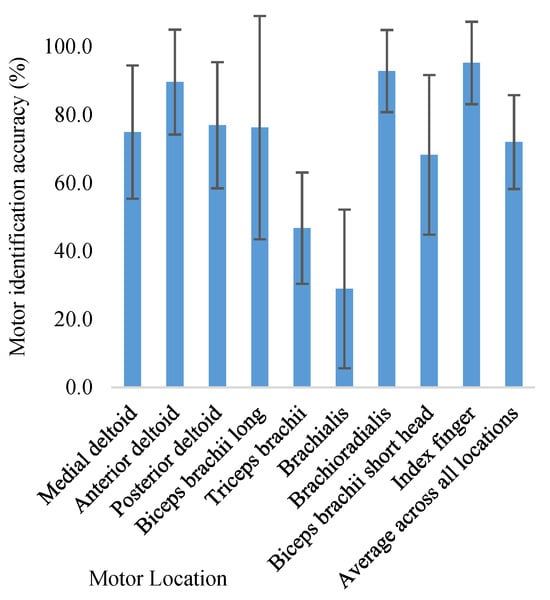
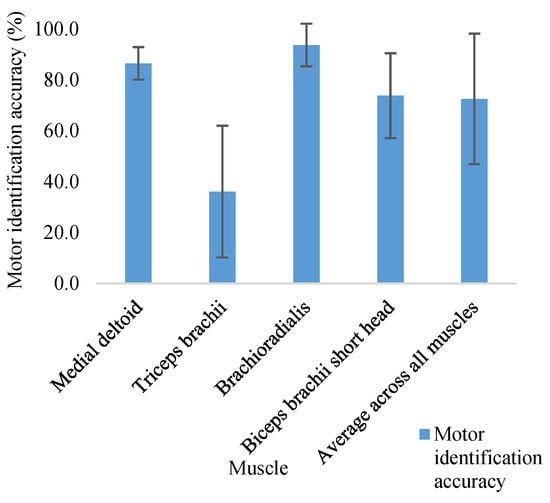
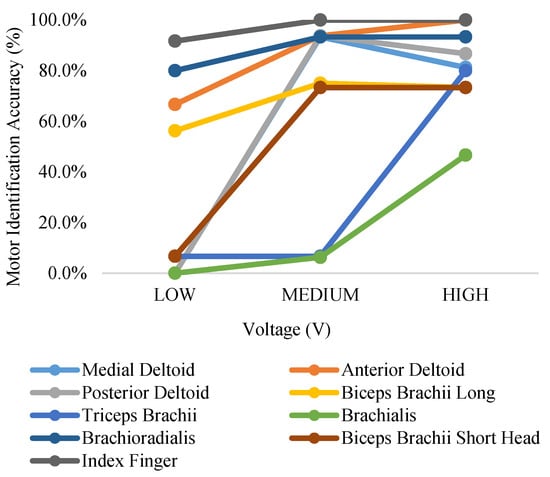
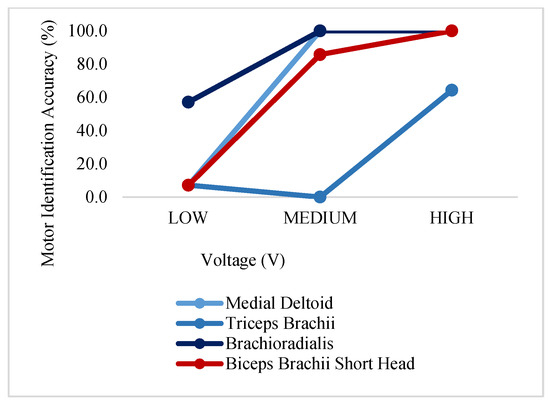
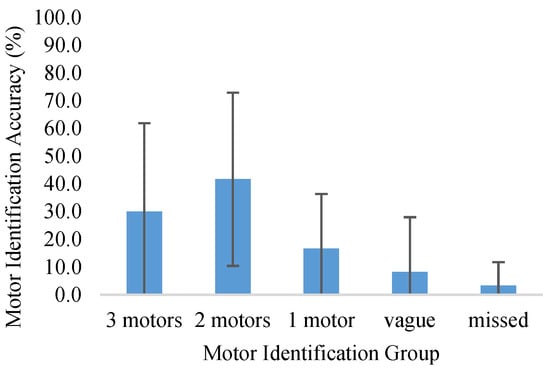
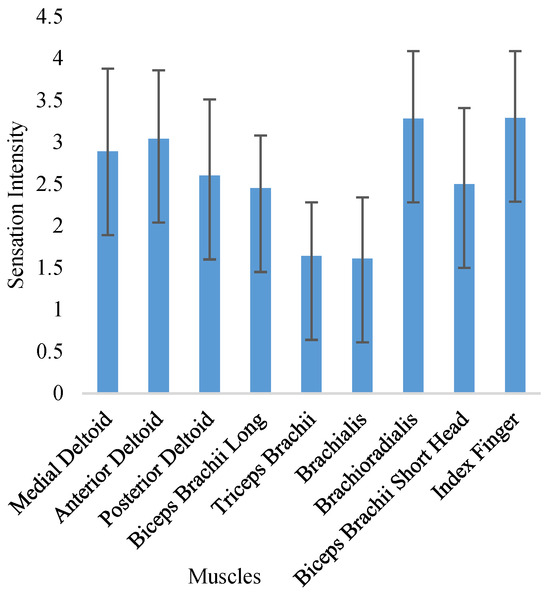
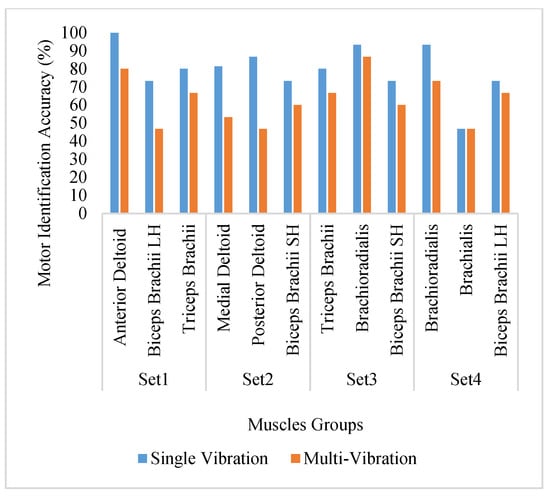
Vibrotactile stimulation has applications in a variety of fields, including medicine, virtual reality, and human–computer interaction. Eccentric Rotating Mass (ERM) vibrating motors are widely used in wearable haptic devices owing to their small size, low cost, and low-energy features. User experience with vibrotactile stimulation is an important factor in ergonomic design for these applications. The effects of ERM motor vibrations on upper-extremity sensation and perception, which are important in the design of better wearable haptic devices, have not been thoroughly studied previously. Our study focuses on the relationship between user sensation and perception and on different vibration parameters, including frequency, location, and number of motors. We conducted experiments with vibrotactile stimulation on 15 healthy participants while the subjects were both at rest and in motion to capture different use cases of haptic devices. Eight motors were placed on a consistent set of muscles in the subjects’ upper extremities, and one motor was placed on their index fingers. We found a significant correlation between voltage and sensation intensity (r = 0.39). This finding is important in the design and safety of customized haptic devices. However, we did not find a significant aggregate-level correlation with the perceived pleasantness of the simulation. The sensation intensity varied based on the location of the vibration on the upper extremities (with the lowest intensities on the triceps brachii and brachialis) and slightly decreased (5.9 ± 2.9%) when the participants performed reaching movements. When a single motor was vibrating, the participants’ accuracy in identifying the motor without visual feedback increased as the voltage increased, reaching up to 81.4 ± 14.2%. When we stimulated three muscles simultaneously, we found that most participants were able to identify only two out of three vibrating motors (41.7 ± 32.3%). Our findings can help identify stimulation parameters for the ergonomic design of haptic devices.
Full article

Figure 1
Open AccessSystematic Review
Continental Umbrella Review and Meta-Analysis of Work-Related Musculoskeletal Disorders Prevalence Among Healthcare Professionals
by
Philippe Gorce and Julien Jacquier-Bret
Theor. Appl. Ergon. 2025, 1(1), 7; https://doi.org/10.3390/tae1010007 - 28 Aug 2025
Cited by 4
Abstract
Work-related musculoskeletal disorders (WMSDs) have a significant impact on healthcare professionals. The aim of this study was to conduct an umbrella review and meta-analysis to examine the overall body area prevalence of WMSDs by continents, according to the Preferred Reporting Items for Systematic
[...] Read more.
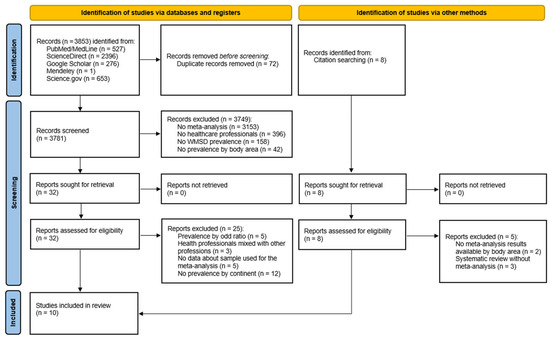
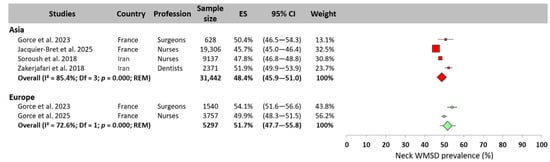
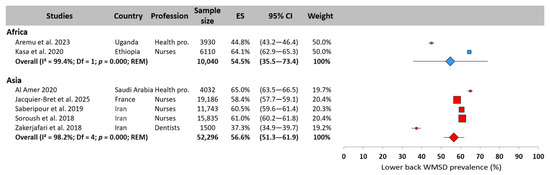
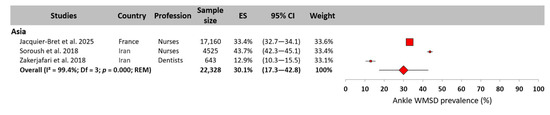
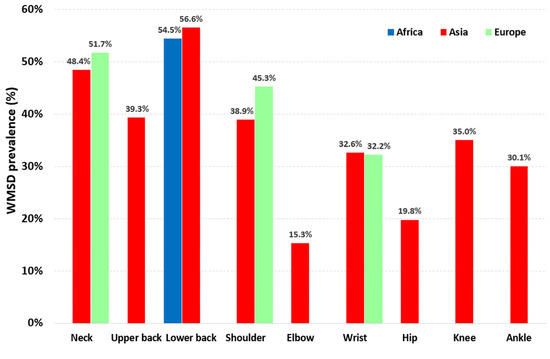
Work-related musculoskeletal disorders (WMSDs) have a significant impact on healthcare professionals. The aim of this study was to conduct an umbrella review and meta-analysis to examine the overall body area prevalence of WMSDs by continents, according to the Preferred Reporting Items for Systematic Reviews and Meta-Analyses (PRISMA) guidelines. Mendeley, PubMed/Medline, Science.gov, ScienceDirect, and Google Scholar were screened without date limitation to identify relevant meta-analyses. The selection, quality appraisal, and data extraction process were performed independently by two reviewers. Ten meta-analyses were included from the 3853 unique records, for a total of 100,211 participants, including dentists, nurses, surgeons, and mixed healthcare professionals. High heterogeneity (Cochran’s Q test and I2 statistic) was observed. The largest number of meta-analyses was performed among nurses. Subgroup analysis by continent revealed an imbalance in the number of works, with Asia being the most documented. The analysis of prevalence rates was complete in Asia (overall and nine body areas), and partial in Europe (neck, shoulder, wrist) and Africa (lower back only). A ranking of the most exposed areas by continent was proposed. The lower back was the most exposed area (Africa: 54.5%; Asia: 56.6%). It would be relevant in future work to consider the numerous cross-sectional studies in order to improve subgroup analyses by continent and, thus, complete and strengthen the initial results presented in this first umbrella review.
Full article
(This article belongs to the Special Issue Advances in Work-Related Musculoskeletal Disorders Research: Towards Improving Health, Quality of Life and Safety)
►▼
Show Figures

Figure 1
Open AccessArticle
A Systematic Approach to Characterizing Smartphone Icon-Touching Performance
by
Lin Wang and Thomas Mathew
Theor. Appl. Ergon. 2025, 1(1), 6; https://doi.org/10.3390/tae1010006 - 25 Aug 2025
Abstract
►▼
Show Figures
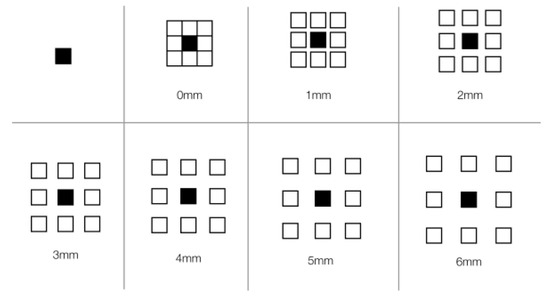
The size of a touch icon is a critical factor affecting smartphone use performance. The existing literature recommends a 10-mm icon side/diameter for a successful touch. Though this can be applicable in routine use, there are circumstances where smaller icons are required. Two
[...] Read more.
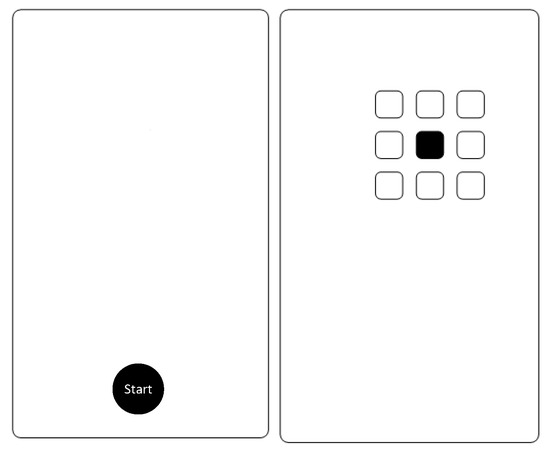
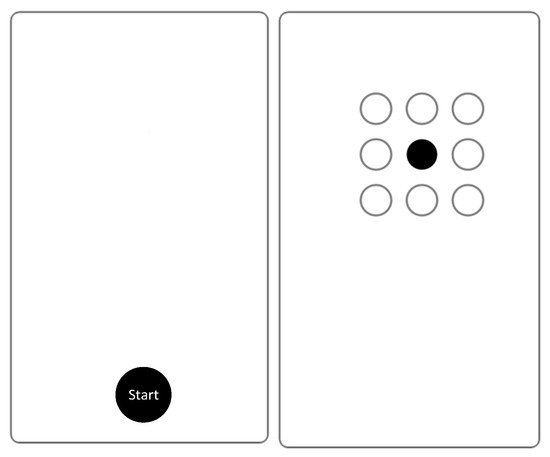
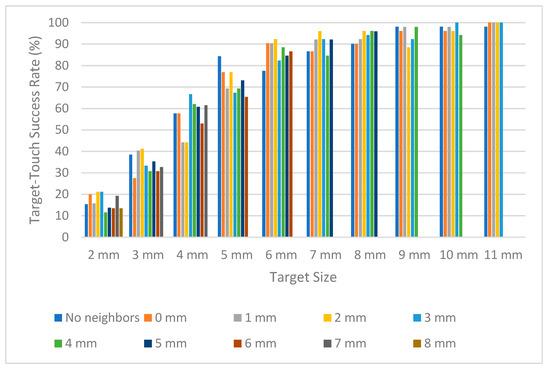
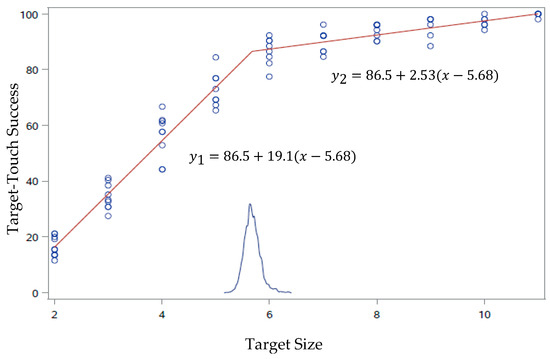
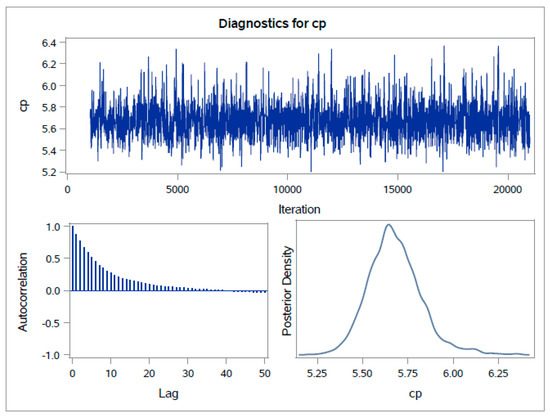
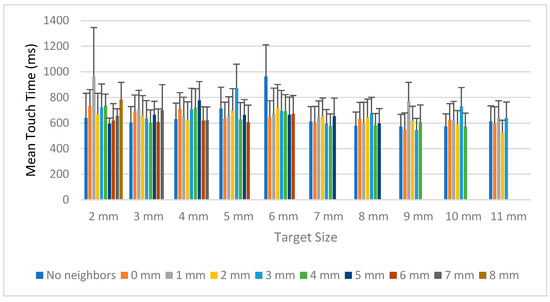
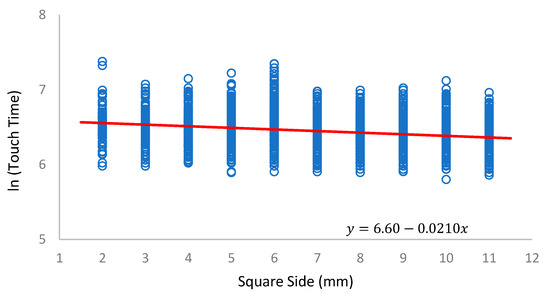
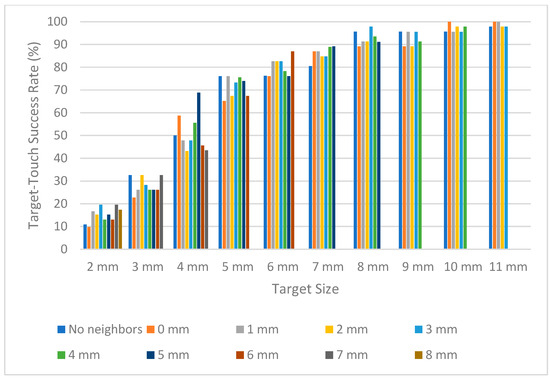
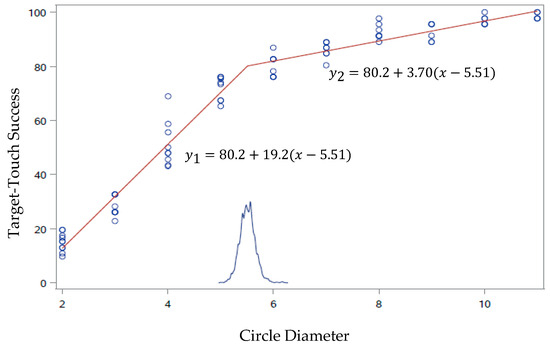
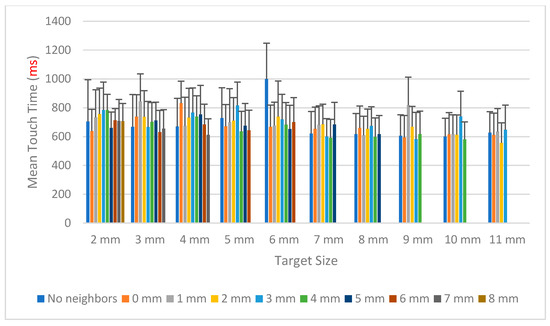
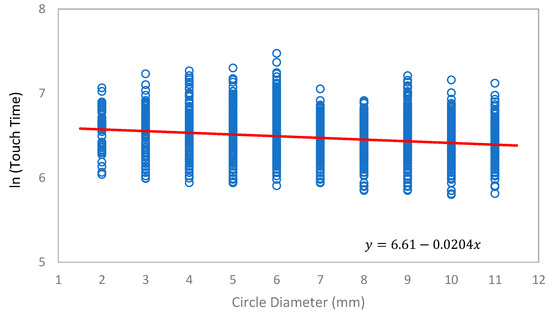
The size of a touch icon is a critical factor affecting smartphone use performance. The existing literature recommends a 10-mm icon side/diameter for a successful touch. Though this can be applicable in routine use, there are circumstances where smaller icons are required. Two experiments were conducted to systematically investigate the effects of icon size and spacing on touch performance: one experiment for square icons and the other for circular icons. The icon size ranged from 2 to 11 mm, while spacing ranged from 0 to 8 mm, depending on icon size. Seventy-five combinations of icon size and spacing were randomly presented on a smartphone. The subjects’ task was to touch an icon as soon as it occurred. Performance was measured with a hit rate for icons and with icon-touch time. A change-point detection algorithm was developed to characterize the icon-touch performance. The results show that icon hit rate increased and icon-touch time decreased with an increase in icon size; a change point in the icon hit rate was identified around the icon size of 6 mm; icon spacing had no significant effect on icon hit rate or icon-touch time. To conclude, smartphone icon-touching performance can be comprehensively characterized using the systematic approach developed in the present study.
Full article

Figure 1
Open AccessArticle
Using Socio-Technical Systems Analysis to Understand the Enablers of Resilience in Clinical Handover in Acute Hospital Settings
by
Mahnaz Sharafkhani, Una Geary, Cormac Kennedy, Mary Browne, Margaret Codd, Angela O’Dea, Darragh Shields, Arthur Hennessy, Louise McDonagh, Sharon O’Hara, Barry Kennedy, Ciarán McCullagh, Martin O’Reilly and Marie E. Ward
Theor. Appl. Ergon. 2025, 1(1), 5; https://doi.org/10.3390/tae1010005 - 20 Aug 2025
Cited by 1
Abstract
►▼
Show Figures
Handover of patient care is the most common form of communication across hospitals. Enabling effective handover has been identified as a key priority for patient safety. This Human Factors Ergonomics socio-technical systems study aims to understand the current system of handover within departments,
[...] Read more.
Handover of patient care is the most common form of communication across hospitals. Enabling effective handover has been identified as a key priority for patient safety. This Human Factors Ergonomics socio-technical systems study aims to understand the current system of handover within departments, across departments, and at the interface of provider services, and then use this knowledge to co-design recommendations to enable resilience in clinical handover. The Systems Engineering Initiative for Patient Safety 3.0 (SEIPS3.0) framework is used to take a systems approach to observing clinical handover. Over 26 h of handover, involving 218 healthcare professionals handing over patient care across an acute hospital setting and at the interface of two external ambulance service systems, was observed. From these observations of clinical handovers, we co-designed—with the input of 41 medical, nursing, health, and social care professionals, quality and safety professionals, and patient partners—70 recommendations for enabling resilience in handover using two socio-technical systems analysis frameworks: SEIPS3.0 and the Cube. These 70 recommendations were inductively coded, and ten emergent properties that can support resilience in handover were identified, including person-centred care, multi-disciplinary team working, culture, communication, evidence-based practice, operations management, education, digitally enabled care, evidence-based design, and understanding context. This study contributes important knowledge for healthcare professionals and Human Factors Ergonomics practitioners on the systemic enablers of resilience in clinical handover in acute hospital settings.
Full article

Figure 1
Open AccessArticle
Emotional and Psychophysiological Reactions While Performing a Collaborative Task with an Industrial Robot in Real and Virtual Working Settings
by
Dennis Schöner, Jonas Birkle and Verena Wagner-Hartl
Theor. Appl. Ergon. 2025, 1(1), 4; https://doi.org/10.3390/tae1010004 - 30 Jul 2025
Abstract
►▼
Show Figures
Increasing automation and the rapidly growing use of robots in industrial as well as social areas result in a greater need for research regarding collaboration between humans and robots. Key factors for a safe and successful combination of human and robot abilities include
[...] Read more.
Increasing automation and the rapidly growing use of robots in industrial as well as social areas result in a greater need for research regarding collaboration between humans and robots. Key factors for a safe and successful combination of human and robot abilities include acceptance and trust in the robot. In order to prevent physical and psychological harm to humans, reducing these negative emotions and increasing trust and acceptance are essential. One way to achieve this is through the use of virtual training methods and environments. However, current research scarcely covers this approach. Therefore, this research focusses on an experimental approach to investigate emotional and psychophysiological (ECG, EDA) reactions while performing a collaborative assembly task (screwing) with an industrial robot in a real and a virtual setting, respectively. The study sample consisted of 46 participants (23 female) with an age range from 20 to 58 years. The results of the analyzed subjective and objective psychophysiological (cardiovascular and electrodermal responses) measures provide more information regarding the suitability of virtual trainings for human–robot collaboration. Differences in task complexity were measurable in both virtual and real environments. Furthermore, gender differences were also shown.
Full article

Figure 1
Open AccessReview
Enhancing Physical Education Through Gamification and Ergonomics: A Literature Review
by
Carlos Merino-Campos
Theor. Appl. Ergon. 2025, 1(1), 3; https://doi.org/10.3390/tae1010003 - 29 May 2025
Cited by 1
Abstract
►▼
Show Figures
Gamification, defined as the application of game-like elements in non-game contexts to enhance motivation and engagement, has emerged as a promising strategy in physical education, enhancing student motivation, engagement, and physical activity through the integration of game-like elements into educational practices. However, the
[...] Read more.
Gamification, defined as the application of game-like elements in non-game contexts to enhance motivation and engagement, has emerged as a promising strategy in physical education, enhancing student motivation, engagement, and physical activity through the integration of game-like elements into educational practices. However, the design and implementation of these platforms often overlook crucial ergonomic principles, which could have affected both the learning experience and the physical and cognitive well-being of users. This literature review aimed to examine the application of ergonomic principles in gamified physical education platforms, assess their impact on motivation and learning outcomes, and offer recommendations for improving future designs. Following a comprehensive literature search, eight peer-reviewed articles published between 2013 and 2024 were reviewed. The findings emphasized the importance of accessibility, cognitive load management, and visual design in creating effective gamified learning environments. Although the potential of gamification in physical education was evident, several gaps, including the lack of longitudinal studies and limited attention to diverse and disadvantaged contexts, needed to be addressed to create more inclusive, safe, and effective platforms. This review identified key gaps in ergonomic design within gamified PE platforms and highlighted the need for future research to standardize ergonomic frameworks and expand inclusivity in educational game-based environments. Specific recommendations included integrating accessibility features, managing cognitive load, and designing user-centered platforms for diverse contexts.
Full article
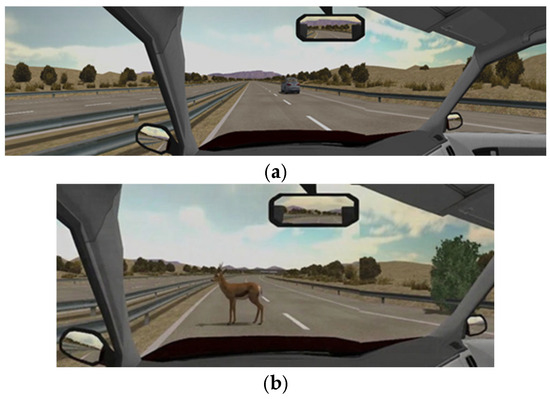
Figure 1
Highly Accessed Articles
Latest Books
E-Mail Alert
News
Topics
Special Issues
Special Issue in
Theoretical and Applied Ergonomics
Ergonomics Studies for the Application of AI
Guest Editors: Hsin-Chieh Wu, Chihlong LinDeadline: 20 October 2026
Special Issue in
Theoretical and Applied Ergonomics
Advances in Work-Related Musculoskeletal Disorders Research: Towards Improving Health, Quality of Life and Safety
Guest Editor: Philippe GorceDeadline: 25 December 2026
Special Issue in
Theoretical and Applied Ergonomics
Prevention Approaches for WBV and HAVS in Relation to ISO/TS 19276 and ISO/TS 22270
Guest Editors: Setsuo Maeda, Marco TarabiniDeadline: 30 June 2027