


Abstract
Synthetic biology, an evolving interdisciplinary field encompassing revolutionary technologies, requires a comprehensive consideration of bioethics, and biosafety risks to drive scientific and technological advancements. To address these concerns, it is crucial to pay attention to synthetic biology governance, ethics principles, and legal regulations, and develop appropriate biosafety risk assessment frameworks. This study endeavors to delve into the strategies of biosafety as well as the governance of risk assessment to foster innovation in the field of synthetic biology. It provides proposals to facilitate the healthy progression of synthetic biology and enhance biosafety management infrastructure. Emphasizing the critical facets of bio-risk assessment in synthetic biology, this work particularly underscores the biosafety risks associated with various factors and methods of the biosafety risk assessment. Within this context, the assessment of biosafety risk in the implementation of synthetic biology technology requires a comprehensive evaluation. Professional technical capabilities, the accessibility of the required resources and organizational scope should be considered when it comes to the actors of synthetic biology.
1. Introduction
Synthetic biology is a cutting-edge interdisciplinary emerging discipline that encompasses disruptive enabling technologies. Notably, recent advancements in this domain have marked significant milestones, including the development of synthetic genomes, CRISPR-based gene editing, and the creation of biosynthetic pathways, garnering international recognition as key scientific breakthroughs. Synthetic biology can not only improve the production of industrial or pharmaceutical compounds and increase agricultural productivity but also assist in the diagnosis and treatment of diseases and create renewable energy [1,2]. Synthetic biology has brought benefits to various domains, concurrently encountering bio-risks, which mainly include issues of bioethics, biosafety and biosecurity. Biosafety is the safe working practices associated with the handling of biological materials to prevent unintentional exposure to pathogens and toxins, or their accidental release [3]. Biosecurity is mainly about protecting biological agents from theft, loss, or misuse [4]. The biosecurity risk of synthetic biology primarily concerns the misuse of biological agents, knowledge, or techniques [5].
The study focuses on evaluating biosafety risks in synthetic biology through analysis of its enabling technology and proposes a framework for bio-risk assessment. By analyzing biosafety hazards inherent in synthetic biology as well as relevant governance frameworks and management systems of international synthetic biology research and application, this study develops biosafety risk assessment and management measures for synthetic biology-related activities, including biosafety risk assessment, frameworks and management. The proposed biosafety risk assessment framework was developed based on a systematic literature search strategy, case analysis, and comparative analysis of regulatory policies. Relevant literature was mainly obtained from databases including Web of Science and PubMed, as well as official websites of international organizations. The literature search covered the period from 2002 to 2025. Literature selection was based on its relevance to the keywords “synthetic biology,” “risk assessment,” and “risk management,” as well as the related research topics. Furthermore, existing governance systems from different countries (regions) and organizations were comprehensively analyzed to ultimately establish a more comprehensive risk assessment framework.
2. Synthetic Biology Enabling Technology
In the realm of biosafety, national or expert authorities can pinpoint biosafety risks, analyze factors, categorize and assess bio-risks, and propose policies for bio-risks control.
The “Design-Build-Test-Learn” (DBTL) cycle is a framework for exploring the concepts, methods and tools of synthetic biology, which can effectively screen and optimize the functions of the required biosynthetic devices and systems [6]. Some technologies or methods may have an impact across multiple stages. The National Academy of Sciences (NAS), in its publication “Biodefense in the Age of Synthetic Biology,” underscores the capacity of synthetic biology to give rise to biosafety risks, categorizing these risks into three distinct domains: those associated with pathogens, the synthesis of chemicals or biochemicals, and the potential for modifications within the human host [7]. Such kind of highly concerned synthetic biology capabilities will be discussed below.
2.1. Synthesize Known Genomic Sequences
Synthetic biology’s swift progress allows the creation of pathogens by assembling them from known genome sequences. Utilizing sequencing and a known gene pool, we can accurately sequence genes of known viruses, synthesize DNA, and construct and express viruses, endowing them with virulence. During the same year, researchers synthesized DNA through chemical methods and assembled infectious particles of the horsepox virus [8,9].
2.2. Gene Editing
Gene editing, using engineered endonucleases (such as Zinc Finger Nucleases, Meganucleases) induces DNA double-strand breaks at specific genome sites, activating internal repair pathways for targeted insertion or deletion. Emerging gene editing technologies show promise in disease treatment, genetic breeding, and bioengineering [10,11]. For known viruses, gene editing can adjust toxicity while preserving immunogenic traits, ensuring vaccines maintain consistent expression, robust proliferation, weakened virulence, and heightened safety standards. A well-designed gene transduction system enhances safety in applying lentivirus vectors and cell products [12,13]. In 2017, Science published a report that made xenotransplantation possible by inactivating porcine endogenous retroviruses (PERVs) using CRISPR-Cas9 [14]. This case demonstrates that genome-editing technologies can overcome certain species barriers in xenotransplantation and provide new opportunities for cross-species organ transplantation. However, such applications may also introduce potential biosafety risks. Therefore, risks associated with xenotransplantation and cross-species pathogen transmission should be considered as important factors within the biosafety risk assessment framework for synthetic biology.
2.3. Synthetic Biology and Phage Design Applications
Synthetic biology swiftly assembles and programs gene expression elements, creating organisms with specific functions, such as engineered bacteria that produce biofuels, synthetic yeast strains that biosynthesize pharmaceuticals, and modified E. coli that detects environmental pollutants [15]. In synthetic biology, bacterial quorum-sensing gene circuits, like the “toggle switch,” dynamically regulate cell communication, enhancing bacterial growth and optimizing product production [16]. Advances in synthetic biology diversify gene circuit construction, including biosensors and logic gates [17]. These applications mainly belong to conventional synthetic gene circuit engineering. In contrast, modularizing bacteriophage design extends their applications, such as controlling drug-resistant bacteria, pathogen detection, and drug development. Bacteriophages offer rich elements for synthetic biology; display systems like T7, T4, Fd, and λ are developed and optimizable [18]. Studies suggest a strategy for personalized phage therapy, combining inactive antibiotics and bacteriophages (NABS) [19]. These engineered microbial systems share a common design basis with traditional synthetic gene circuit engineering; however, due to their involvement in more complex interactions between phages and host microorganisms as well as their application environments, they may introduce additional biosafety considerations and therefore require more systematic risk assessments prior to practical application.
2.4. Synthesis of Chemicals and Biochemical Substances
The development of synthetic biology technology has greatly improved the efficiency of producing natural compounds, such as monoterpenoids, which are widely used in daily life and play an important role in some fields such as medicine, spices, and cosmetics [20]. With the surge in demand, there are problems of low efficiency and high cost in extracting directly from plants, which can no longer meet the needs of modern life. At present, the main synthetic biology method for the synthesis of a large number of monoterpenes is to transform microbes and produce engineered bacteria [21]. This includes overexpressing key enzyme genes involved in the mevalonate (MVA) pathway in the strain, modifying key enzymes, selecting fungi with their own MVA synthesis pathway, and modifying the fungi themselves [22]. Through metabolic engineering and heterologous expression strategies, researchers have reconstructed natural product biosynthesis pathways in microbial chassis cells, enabling efficient and sustainable production of four major classes of psychoactive natural products: hallucinogens, stimulants, cannabinoids, and opioids.
2.5. Modify Human Microbiota
The human microbial system’s significance in health and disease is widely acknowledged. Dysbacteriosis plays a crucial role in disease development, leading to the emergence of microbial therapy as a novel treatment. Microbes show promising potential in treating inflammatory diseases and infections in the body. The imbalance in gut microbiota is linked to various diseases. Current microbial therapy includes microbiota transplantation, single bacterial drugs, formula bacterial drugs, and engineered bacteria, especially notable in cancer treatment. Modified Escherichia coli Nissle 1917 (EcN) can target cancer cells and produce anticancer substances after binding to heparan sulfate proteoglycan (HSPG) [23]. Salmonella typhimurium expresses heterologous vibrio flagellin as a Toll-like receptor ligand artificially, which can trigger host anti-tumor immune response [24,25]. Reconstruction of gut microbiota is explored as a disease treatment avenue. RNA-directed nucleases (RGNs) designed for precise DNA targeting can efficiently be transmitted to microbial populations, offering a theoretical basis for gut microbiota reconstruction [26].
3. Biosafety Risk Assessments of Synthetic Biology
3.1. Reconstruction of Known Pathogenic Microbes
In recent years, many biological laboratories around the world have broken through the operational bottlenecks of cutting-edge biotechnology, making it possible to design and synthesize highly pathogenic bacteria and viruses. From the perspective of biosafety, technological advancements have increased the likelihood of subjective intentional misuse causing biosafety threats, while also placing higher demands on the safety of technology to avoid serious consequences of laboratory safety accidents on social safety and human health [27,28]. The de novo synthesis of the extinct horsepox virus indicates that the reconstruction of other known extinct viruses may become technically feasible and provides an actionable pathway for the artificial construction of related viruses, such as variola virus. Due to the involvement of private-sector funding in some research activities and the limitations of relevant policies, such as the U.S. DURC policy, which only covers a specific list of pathogens, regulatory gaps may emerge in research oversight, thereby raising concerns regarding the dual-use potential of synthetic biology [29]. It is essential to assess the potential of actors to construct known pathogenic microbes using synthetic biology techniques.
3.2. Pathogenicity Alteration of Known Microorganisms
The modification of a known virus or bacterium results in changes in one or more biological properties of the modified microorganism, increasing the biosafety risk and prevention level of the microorganism. Firstly, the safety of technology still need to be proven through practice. Secondly, gene editing technology is short-acting and convenient, increasing the difficulty of identifying, managing, and preserving edited organisms [30]. In addition, the toxicity and variability of gene editing technology products require researchers to strengthen monitoring [31]. Altering the pathogenicity of known microorganisms would require experienced molecular biology skills and advanced corresponding tools, for which biosafety risk prevention and control must be improved and strengthened and specific assessment and preventive measures will be discussed in the subsequent text [32,33].
3.3. Pathogenic Microbes Related to Synthetic Technology
As biology and engineering continue to converge, new synthetic biology tools are constantly emerging. In this case, the disunity and incompatibility of components are aggravated. The complexity of devices and the variability of systems bring unpredictability to the artificial design of synthetic microorganisms. Among them, the complication of synthetic biology in terms of components is more manifested in the requirement of sophisticated technologies for components such as genetic regulation, signal transduction, metabolic pathways, and signal output, as well as the cumbersome steps in the component design process, which can easily induce uncontrollable and uncertain events. Pathogenic microorganisms composed of different biological components can be synthesized through biosynthesis and artificial design to synthesize similar or unknown organisms compared with known viruses, bacteria, and other microorganisms [34]. Improving safety supervision during microbes’ synthesis is essential. Considering biosafety concerns, the swift advancements in synthetic biology research have led to the creation of diverse life systems enhanced through genetic technology. These applications in industry, agriculture, health, and the environment are growing rapidly. The leakage or uncontrolled reproduction of these artificially modified lifeforms may cause significant harm to the environment, and even environmental escape and gene transfer of artificial lifeforms may occur. Consequently, genetic biocontainment strategies are needed to prevent the unintended proliferation of artificial lifeforms in natural ecosystems such as redesigning essential enzymes. It is imperative to enhance the prerequisites for risk analysis and encourage experimental exploration toward risk mitigation [35].
3.4. Synthesis of Harmful Chemicals
Synthetic biology provides new ideas for the preparation of some substances with insufficient natural production, but it may also be used by outlaws, bringing potential risks and biosafety problems. When large quantities of beneficial substances are produced, potential safety hazards also follow, such as 1,4-butanediol, a common industrial chemical also used as a recreational drug [36]. The genetic modification of microorganisms entails alterations in genetic material, the consequences of which are frequently unforeseen [37]. Vigilance is crucial regarding the safety risks stemming from potential leakages of these unfamiliar modifications. In 2019, scientists transformed the mevalonic acid metabolic pathway of Saccharomyces cerevisiae. They realized the complete biosynthesis of artificial synthesis of major Cannabinoid acid, Tetrahydrocannabinol acid, Cannabidiol acid, and Tetrahydro Cannabidiol acid from Galactose in yeast. Cannabidiol acid has many potential medical values, which provides convenience for more extensive research on Cannabinoids in the future. However, as some states in the United States and Canada legalize cannabis substances and reduction in the operation difficulty, many companies are trying to use microbial substances to achieve the biological manufacture of cannabis chemical molecules. If strict supervision is absent, the abuse of psychoactive drugs will be aggravated undoubtedly. Synthesis of harmful chemicals is relatively accessible to be carried out with basic molecular and microbiology expertise and thus has a high potential to become a biological agent that could potentially lead to adverse health effects to human [38].
3.5. Human Microbial Transformation
The safety of targeting therapy of genetically edited engineered bacteria remains unclear, and safety risks still exist [39]. For example, does this ‘targeting’ cause serious and inevitable non-specific damage to normal cells. Will genetically edited engineered bacteria escape into the environment through various metabolic pathways after entering the human body, causing biological pollution and threats. Whether the engineered bacteria transplanted into the body will affect the gene expression of the host, and pass the mutant gene to offspring, affecting human genome. Given the limited capacity for mitigation, such technologies merit heightened attention, and it is critical to monitor whether technological breakthroughs will exacerbate trends in misuse. As synthesized from the five subsections above, the key biosafety risks of high-concern synthetic biology capabilities are outlined in Table 1.
Table 1.
Biosafety risks of high-concern synthetic biology capabilities.
4. Framework for Biosafety Risk Assessments
The difficulty and application obstacles of the technology used in synthetic biology affect its popularity, while the pace of technological advancement and the emergence of novel research domains through cross-integration influence the intricacy and manageability of biosafety risks. The evaluation of technology aims to preset the path of bio-risk occurrence and then set protective measures, paying attention to objective factors. The subjective factors of the main actors are also important aspects that cause biosafety risks, and it is necessary to evaluate their professional technical capabilities, permissions, resources, and organizational scope. The laboratory serves as a distinct setting for the implementation of synthetic biotechnology, wherein a scientific management framework is established, encompassing laboratory biosafety, risk assessment, analysis, control, and oversight. Furthermore, potential bio-risks are categorized based on the nature of laboratory activities, enabling a hierarchical management approach aimed at mitigating these bio-risks to an attainable level.
4.1. Application of Synthetic Technology
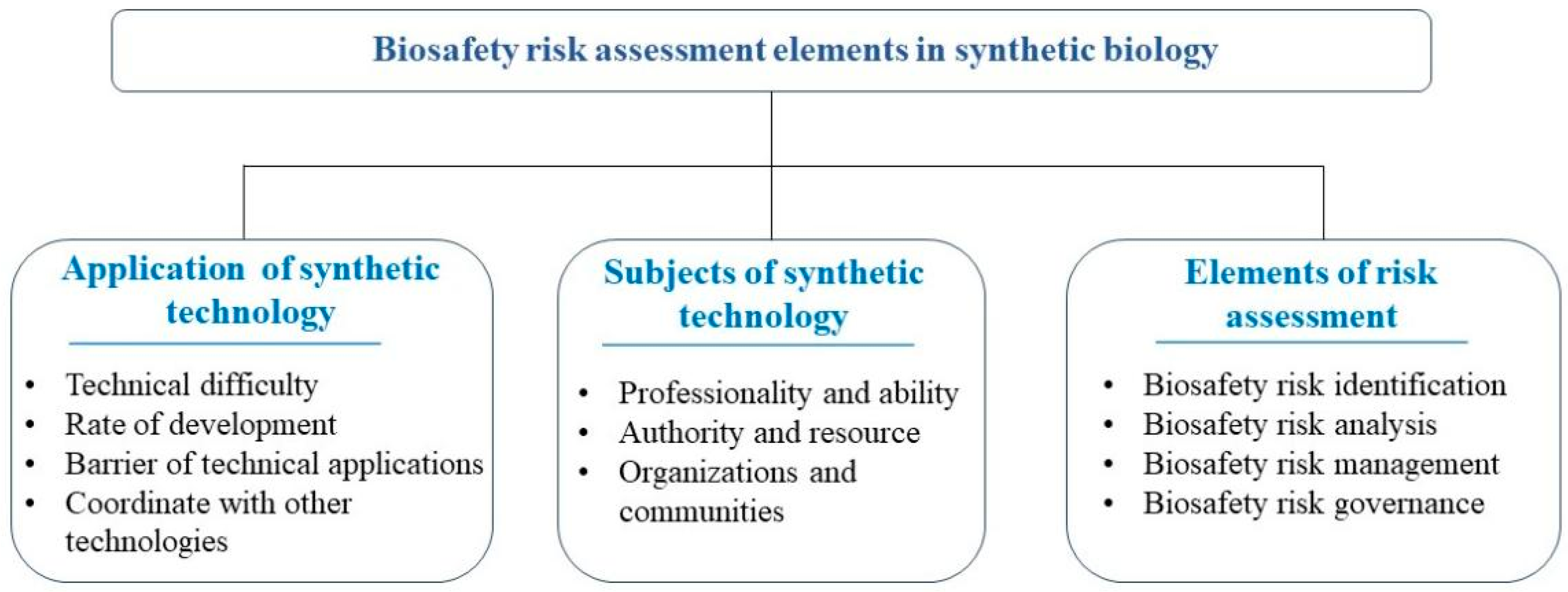
Synthetic biology has accelerated and expanded the application of biotechnology. Factors such as its possible impact and application consequences are reflected in the application of technology. Four aspects involved in bio-risk assessment are technology difficulty, technology development speed, technology application obstacles, and technology synergy.
Technical difficulty: The difficulty of using synthetic biology technology is closely related to the frequency of technology use. The easier a technology is mastered and applied, the more it is acquired or used which may lead to technology abuse. The resulting bio-risk will be difficult to control or eliminate, and the important content of bio-risk assessment should be determined according to the degree of difficulty and concern of synthetic biology technology.
Rate of technology development: Emerging biotechnology in the rapid development stage is more likely to attract attention. With the rapid development of synthetic biology technology, the application fields and coverage connotation of new technology will expand accordingly. In the assessment of bio-risks, it is crucial to account for the pace of technological advancement and to proactively monitor the implications of its application in various fields, taking prompt cognizance of potential bio-risks.
Technical application barrier: Technical application obstacles of synthetic biology include the ability to master technology, technical application conditions, technical key links, and other contents. The ability to master technology reflects the ability of users to systematically master the application of technology. In the technical application conditions, core technologies or special facilities will be involved. The pivotal technical junctures serve as constraints for technical applications and can also facilitate the design of specialized components or circuits for synthetic biology. Assessing application obstacles should be a paramount aspect of biosafety evaluation.
Technological coordination: Synthetic biology is not only a convergent emerging discipline, but also breeds enabling technologies. Based on systems biology, it integrates the principles of engineering science, adopts a bottom-up strategy, reproduces and transforms natural biological systems or designs, and synthesizes new ones, to reveal the law of life and build a new generation of bioengineering systems. The convergence of different fields of expertise, while stimulating innovation and breakthroughs, can also pose threats and challenges to biosafety risk assessment in the process. Different fields have not yet formed a unified standard for the application of emerging technologies, and convergence can happen through gradual advances over time or occur suddenly.
4.2. Subject of Synthetic Biology
The actors involved in synthetic biology may include individuals, institutions, organizations, or groups, encompassing a spectrum of contributors such as amateurs, engineering and technical experts, scholars, and other individuals with specialized expertise. When analyzing the biosafety risk assessments related to actors of synthetic biology, professional technical capabilities, the accessibility of the required resources, and organizational scope should be considered.
Professionality and ability: Synthetic biology technology actors need to have professional knowledge in biotechnology and related fields, which puts forward requirements for the actor’s knowledge background, as well as the ability to grasp technology cognition. Assessing the required professional knowledgeability and the risk level of possible professional knowledge is an important identification factor of bio-risk in synthetic biology, and serves as an important reference basis for the safety assessment of individual requirements. In some cases, the harm caused by synthetic biology applications may require actors to communicate with research groups to obtain goods, services or expertise. If other team members remain vigilant, malicious use may be detected earlier.
Authority and resource: The development and application of modern science and technology is a systematic project. The resources required for the development of synthetic biology technology include many contents, such as time cycle, capital investment, equipment and facilities, experimental materials, quality control, etc. Generally, professional institutions and units can meet all necessary conditions at the same time. Gaining access to these resources and wielding authority could entail issues of ownership between individuals and institutions, or the administration and functioning of a departmental team within an organization. Conducting a biosafety risk assessment becomes essential, contingent on the requisite resources and permissions. For example, there are multiple ways for actors to obtain resources. Obtaining DNA synthesizers through without proper authorization or biosafety assessments, may pose potential threats concerning biosafety.
Organizations and communities: Beyond the scope of individuals and institutions, some organizations or communities behave with clear purposes, and also have the requirements of synthetic biology bio-risk assessment. Although they do not have professional knowledge and skills, or cannot meet the requirements of resources and authority, reach the purposive behavior by organizing related activities, it is not easy to assess such bio-risk factors directly. It is imperative to distinctly identify the pertinent requirements for individuals and institutions, followed by the development of a comprehensive plan for assessing potential bio-risk factors and establishing a responsive mechanism.
4.3. Elements of Biosafety Risk Assessment
Laboratory biosafety risk management is a management system based on assessment elements. The assessment mainly considers four aspects of biosafety risk identification, analysis, control, and governance. According to the contents of laboratory activities, potential biosafety risks are defined and graded management is carried out to reduce biosafety risk factors to a controllable level.
Biosafety risk identification: Define the concept of the biosafety risk factor involved in the laboratory’s synthetic biology experimental activities, including the research background and background investigation in synthetic biology experiments, possible related situations in the process of experimental activities, and possible results of experimental activities. For known possible bio-risk factors, the existing relevant laboratory safety management measures should be referred to. For unknown possible biosafety risk factors, laboratory biosafety management plans and emergency response measures should be formulated.
Biosafety risk analysis: According to the types, occurrence probability, and severity of bio-risk factors involved in the activities of synthetic biology laboratories, classified management should be implemented for different types of bio-risk factors. By identifying bio-risk factors and comparing them with the analysis of biosafety management measures, based on the occurrence concept and severity of bio-risk factors in a synthetic biology laboratory, research and develop bio-risk levels and risk control parameters. Respectively correspond to the possibility and consequence severity of corresponding risk factors, and laboratory data can be used as a reference for bio-risk level assessment.
Biosafety risk management: Risk factors are inevitable in biosafety management. Acceptable risk refers to the risk control carried out according to specific laboratory activities when risk factors reach acceptable risk levels within the established risk control management scope. In the experimental activities of identifying and analyzing synthetic bio-risk factors and evaluating the bio-risk level, if the bio-risk exceeds the acceptable level, the occurrence possibility and severity should be reduced. Given the characteristics of synthetic biotechnology, advanced methods are constantly emerging: such as using algorithms to predict de novo synthesis gene sequences, gene knockouts creating auxotrophies, de-repression of suicide genes, control of essential genes, creating orthogonal synthetic biological elements, using DNA watermarks or barcodes, and completing synthetic biology research on virulent infectious bacteria or viruses in high-level biosafety laboratories (BSL laboratories) to improve the controllability of technology and prevent the transfer of genetic information and environmental adaptation of artificially modified organisms [40]. Biocontainment technologies are directly correlated with safe working practices and preventing accidental release in laboratory settings, which are extremely relevant to building frameworks for biosafety risk management. However, synthetic biology risk management relies not only on laboratory-level technical controls but also requires integration with institutional regulatory systems. In 2017, in order to standardize biotechnology research and development activities, promote and ensure the healthy and orderly development of biotechnology research and development activities, and effectively maintain national biosafety at the level of regulatory governance, the Ministry of Science and Technology (China) formulated the “Measures for the Safety Management of Biotechnology Research and Development”, Article 4 of which stipulates that the safety management of biotechnology research and development is subject to hierarchical management. The main grading standards refer to the danger of the pathogens studied in the List of Pathogenic Microorganisms Infecting Human Beings, the List of Classified Animal Pathogenic Microorganisms, the List of Quarantine Epidemics of Entry Animals of China and the Convention on the Prohibition of the Development, Production, and Stockpiling of Bacteriological (Biological) and Toxin Weapons and on Their Destruction, and whether it is a genetic engineering research and development activity involving newly developed highly pathogenic microorganisms, artificial synthesis activities of various microorganisms with infectious activity, human gene editing with significant risks, or other biotechnology research and development activities with the same potential risk level. Other countries have similar policies, such as Australia’s Gene Technology Act 2000, Canada’s Human Pathogens and Toxins Act (HPTA), and Japan’s Biosafety Guidelines for Biotechnology. Therefore, synthetic biology risk management requires multi-stakeholder collaboration to achieve a balance between risk reduction and technological development.
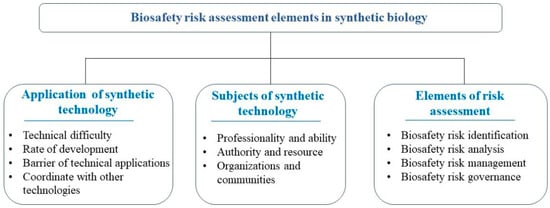
Biosafety risk governance: Synthetic biology has been a well-established field for approximately 25 years and is characterized as a frontier area of interdisciplinary science. Biosafety risk assessment technologies and methods need to adapt to new technologies and methods of synthetic biology and experimental management systems. Simultaneously, there is a need to optimize and promptly upgrade the identification, analysis, and control of risk factors. For the unknown and uncertain biosafety risk factors, corresponding plans, communication mechanisms and management recommendations should be proposed. The governance strategy includes the establishment of an ethical censorship mechanism, a robust legal framework, and the improvement of the safety review system and supervision mechanism. In addition, it also entails the development of safety protection measures, the refinement of laboratory safety management and training, as well as effective guidance for DIY practitioners. Indeed, it is imperative to foster a culture of corporate responsibility that encompasses social and global perspectives. Furthermore, enhancing international cooperation is crucial in establishing a cohesive global community. A rigorous review of the practical application of governance strategies at different levels should also be carried out, which not only helps to understand the general environment in which the entire synthetic biology laboratory is located but also facilitates the necessary risk assessment. Additionally, continuous monitoring of the efficacy of governance strategies at different levels, such as 2016 Strategic Plan (UK), should be kept under review, which is helpful to understand the general environment of the whole Synthetic Biology laboratory, and it is also an important aspect of risk assessment [41]. Laboratory biosafety risk assessment for synthetic biology needs to be based on a management system and framework with well-developed assessment elements, which are also closely related to the management of laboratory biosafety activities, technology development, and application management. In addition, concerted efforts should be made to foster the governance of ethical considerations in science and technology within the realm of synthetic biology while establishing mechanisms for intellectual property rights. Figure 1 summarizes the elements of biosafety risk assessment in synthetic biology.
Figure 1.
Elements of biosafety risk assessment in synthetic biology.
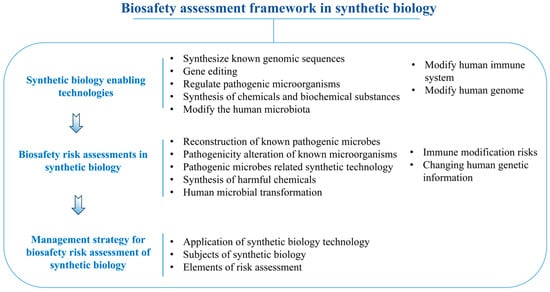
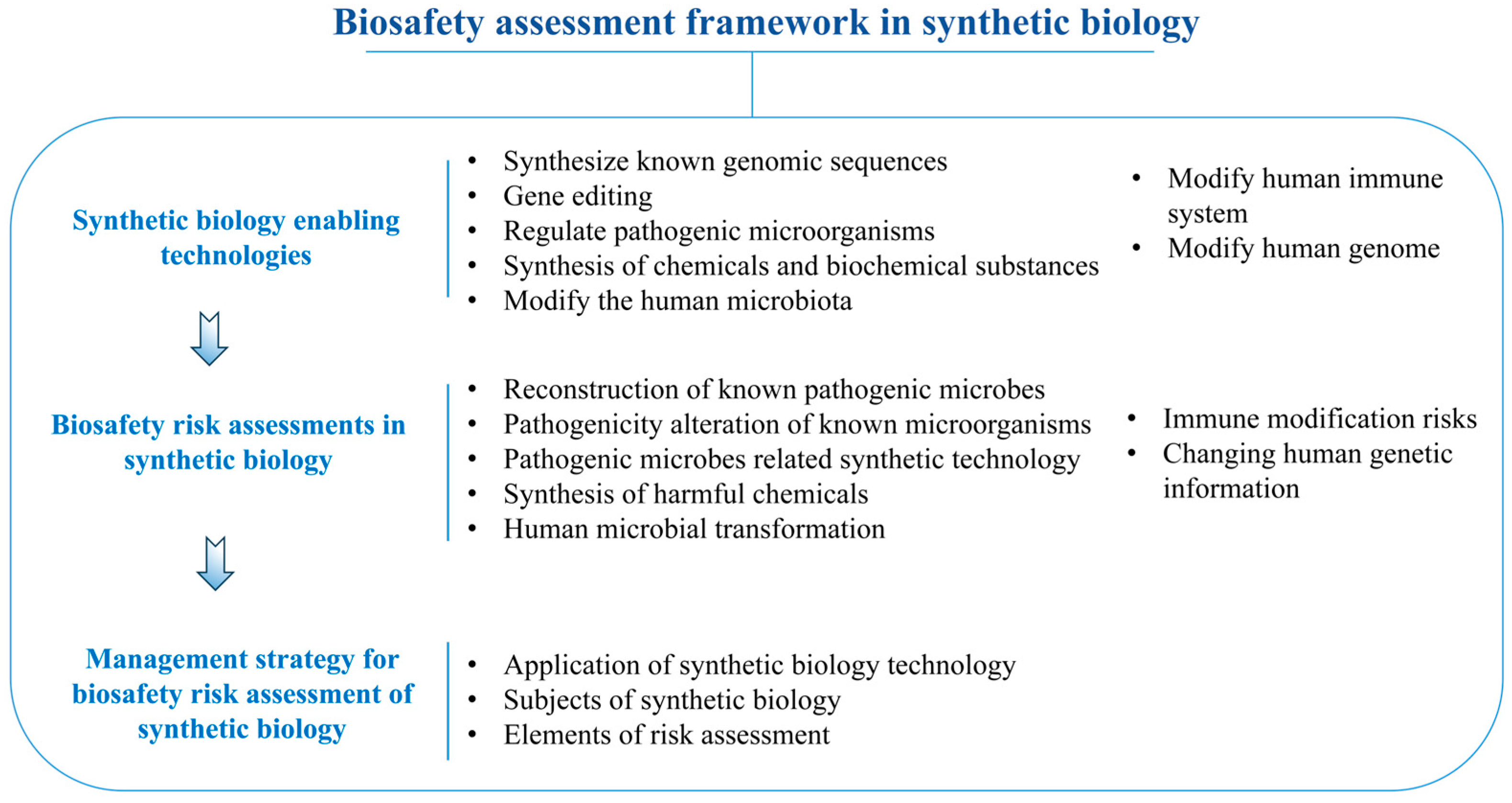
Due to differences in national conditions and technological development, countries adhere to different ethics and governance principles. The precautionary principle is one of the essential management approaches in the governance of bio-risks in synthetic biology, which defines the process that decision-makers should follow when making risky decisions and helps them choose the best course of action when making such decisions [41,42]. In terms of genetically modified organisms regulation, the EU adopted a framework mainly based on three principles: pre-market authorization based on prior risk assessment, traceability and labeling [43]. The United States adheres to a relatively loose policy and encourages technological innovation under the principle of prudence and vigilance, conducting risk assessment and process supervision of biological research activities [44]. Considering the societal demand for biotechnology and its vast potential applications, excessively stringent policies might encourage the relocation of synthetic biology activities to clandestine laboratories, thereby complicating regulatory oversight. Striking a balance between fostering innovation in synthetic biotechnology and ensuring biological safety becomes imperative. Figure 2 illustrates the biosafety assessment framework in synthetic biology. It follows a progressive logic: synthetic biology enabling technologies serve as the foundation, from which biosafety risk assessments are conducted, ultimately informing the development of management strategies for such risks.
Figure 2.
Biosafety assessment framework in synthetic biology.
Combining structured risk assessment processes with artificial intelligence (AI) algorithms can help systematically evaluate the risks and roles of AI applications in synthetic biology. In recent years, the development of biological large language models has provided new computational foundations for analyzing complex biological information. In the paper large language models transform biological research: from architecture to utilization, Tao Wang and Ze Yu Luo systematically reviewed various specialized biological large language models applicable to genomics, transcriptomics, proteomics, and single-cell multi-omics. Among these models, the Evoformer-Pairformer -Diffusion Base model represents a typical model applied in synthetic biology research and provides important computational support for establishing and implementing AI-assisted biological analysis frameworks [45].
Based on these technological advances, AI algorithms can analyze large-scale biological datasets to support synthetic biology research and risk assessment. For example, AI technologies can assist in predicting CRISPR-based gene-editing outcomes, forecasting potential off-target effects, and optimizing guide RNA design. However, it should be emphasized that AI technologies currently serve as supportive tools for risk identification, prediction, and analysis in synthetic biology. Their predictive results still require comprehensive evaluation through experimental validation, expert assessment, and existing biosafety management frameworks [46,47].
5. Discussion
In 2017, the National Academies of Sciences, Engineering, and Medicine (USA) released the research report “Preparing for Future Biotechnology Products” to discuss the policy of synthetic biology. Various countries and global entities, including the International Union for Conservation of Nature (IUCN), have formulated pertinent ethical principles and legal frameworks to govern the safety aspects of synthetic biology. The ‘‘Responsible Life Science Research for Global Health Security” project of WHO promotes investing in the three pillars that support public health, including excellence in research, ethics, biosafety, and laboratory biosecurity [48]. In 2022, the 15th session of the United Nations Conference of the Parties to Biodiversity was held in Montreal, Canada, which emphasized the need for a coordinated, complementary, and non-repetitive approach to issues related to synthetic biology. It is necessary to establish a biosafety management framework to promote the healthy development of synthetic biology.
5.1. Laws and Regulations on Bio-Risk Management Need to Be Improved
With the emergence of synthetic biology, many existing regulations and laws have exposed increasing loopholes and weaknesses, such as increased adversarial legalism, lack of explicit regulatory instruments and coordinating efforts by stakeholders [49]. Strengthening the management of biotechnology research and application requires a comprehensive assessment of its potential risks, which provides the basis for developing appropriate policies and regulations in response.
At the international level, many international organizations have issued a series of guiding documents to address the ethical and biosafety concerns associated with the dual-use of biotechnology. For example, the World Health Organization (WHO) has published the Laboratory Biosafety Manual, 4th edition and its supporting documents, including Risk Assessment and Biosafety Programme Management. Although these documents were not specifically developed for synthetic biology, their risk-based, evidence-informed, and adaptive assessment principles provide important references for synthetic biology research. In particular, the principles related to dual-use research management described in Biosafety Programme Management provide valuable guidance for synthetic biology governance [50].
At the national level, countries such as the United States, the United Kingdom, Germany, France, and Australia have established national biosafety regulatory agencies, and have made preliminary layouts and completed corresponding policy and regulatory construction for synthetic biology [51]. For example, the United States has enacted “Biosafety Guidelines for Recombinant DNA Research,” Germany has published “Synthetic Biology—Opportunities and Risks,” and Australia issued the “Australian Synthetic Biology Outlook 2030” and other regulations and policies. In South Korea, the “Biotechnology Support Act” will promote legislation related to synthetic biology. With the rapid development of synthetic biology, regulating bio-risks through legislation is often hysteretic, some international scientific organizations have begun to establish ethical guidelines related to biosafety and biosecurity. For example, The Code of Ethics of the International Union of Microbiological Societies (IUMS) promotes responsible research practices, biosafety and biosecurity training, etc. In March 2022, the Food and Drug Administration (FDA) of the United States issued a draft guidance on gene therapy products involving human genome editing, guiding new drug research applications for human somatic cell genome editing products, and there are still many regulations need to be established to supervise such industrial organizations. Law of the People’s Republic of China on Biosecurity came into effect in 2021, which contains the key elements of biosafety and biosecurity. The relationship of the new law with the existing laws, and cross-ministry coordination and collaboration should be paid more attention, as each of the ministries is in charge of biosecurity governance in different areas. China’s regulation of risks in synthetic biology is in the phase of rapidly developing. In general, collaborative policy networks integrate viewpoints of government, industry, academia, and non-governmental institutions to derive policy priorities and regulatory needs moving forward.
5.2. Development of Scientific Management Systems for Biological Risks
In addition to the legislative framework governing biosafety, the implementation of a scientific management system strengthens the infrastructure for ensuring biotechnology safety. In the United States, a complex management mechanism is implemented, which involves multiple governance responsible for monitoring research institutions, personnel, activities, and other aspects [52,53]. Russia has established the Federal Consumer Protection and Welfare Supervision Bureau (Rospotrebnadzor) to formulate and approve national public health activities.
The UK has established a specialized agency known as the Health and Safety Executive (HSE), which is responsible for pathogen supervision, research, laboratory testing, and providing consultancy services for biosafety policies. The International Genetically Engineered Machine competition (IGEM) also has a small internal team called the Safety and Security Program to review all of the projects and parts used in the competition to ensure hazards are being identified and risks appropriately managed [54].
In conclusion, while strengthening the legislative system, coordination would be enhanced and a scientific management model to avoid unclear division of labor and inconsistent standards among departments would be adopted. In addition, addressing issues of social perception, such as public engagement, is vital for fostering societal awareness and communication regarding emerging bio-risks [55]. In terms of specific measures, containment and prevention can be achieved through methods such as governance on pathogen research which is rated as high risk under this framework. Researchers engaged in synthetic biology and related technologies should obey additional supervision when conducting experiments with pathogens or toxins.
5.3. Bio-Risk Management Technology Needs to Keep Pace with the Times
With speedy advances in synthetic biology, continuous investigation of biosafety management strategies and mechanisms should be established, including the adoption of flexible and efficient methods, and assessments related to the possible presence of biological risk factors. Given the characteristics of synthetic biology technology, there is no method available to monitor all synthetic pathogens, nor can specific drugs be prepared in advance for each synthetic pathogen.
The biosafety assessment should focus on the relevant facilities and equipment involved in the development of synthetic biology technology. Risk assessment should be carried out at crucial stages of activities related to synthetic biology, such as access to resources and permissions.
Biosafety risk assessment in synthetic biology should also be closely integrated with the development of synthetic biology. Firstly, it is important to promote the informatization of the biosafety risk assessment framework, develop new-generation bioinformatics methods based on information data processing, expand and upgrade the technologies and capabilities for detecting unknown potential biological risk factors, and establish an information sharing and biological monitoring system. Soon, conducting biosafety risk assessments and identifying the causes of biological threats, such as searching for molecular characteristics and related intelligence, may largely rely on computer-based methods.
Secondly, the biosafety risk assessment framework should consider the utilization of synthetic biology for the development and technological breakthroughs in vaccines, drugs, and other areas. To prevent the potential spread of emerging bio-risks that may be related to synthetic biology, it is necessary to accelerate the development of timely identification techniques for biological agents and efficient vaccine development technologies. As indicated by the EFSA Scientific Committee in its publication, “Evaluation of existing guidelines for their adequacy for the food and feed risk assessment of microorganisms obtained through synthetic biology,” the safety assessment of existing synthetic biology-derived microbial products—including product safety, production processes, and manufacturing procedures—can generally be conducted based on current EFSA guidelines. However, with the rapid advancement of synthetic biology technologies, existing risk assessment frameworks still require further refinement to address emerging risks associated with xenobionts and phage-related applications, such as the potential generation of virulence factors and toxin-transducing strains, thereby continuously improving the biosafety risk assessment framework [56].
6. Summary
This research explores the biosafety risks and challenges of synthetic biology, including modification of the human microbial system and immune system, changes in the pathogenicity of known microorganisms, synthesis of harmful chemicals, and transformation of microorganisms. The framework encompasses four key aspects: identification, analysis, control, and governance of biosafety risks. It involves assessing technical difficulty, rate of technology development, technical application barrier, as well as technological coordination. Additionally, it considers the professionality and ability of the subjects, organizations and communities. The establishment of a risk assessment framework for synthetic biology aims to foster healthy and innovative development within this field by providing safe and reliable scientific guidelines and codes of conduct for individuals involved in related experimental activities. Furthermore, it serves as a basis for guidance and reference when establishing an evaluation methodology system. This study employs a comprehensive approach, considering commonalities and interrelationships among diverse cases, as well as the cross-impacts within different synthetic biology technologies and applications. It also focuses on various stakeholders in this field, including researchers, laboratories, and institutions. The framework’s design is rooted in a profound understanding of these real-world cases, extending beyond specific contextual instances.
Biological threats posed by synthetic biology may be unknown and lack suitable surveillance systems for diagnosis and detection, adding to the complexity of the counter responses. Currently available countermeasures, such as vaccines and drugs, may not be effective and existing systems are insufficient to contain their spread, resulting in a wider range of casualties [57]. As a result, to establish synthetic biology biosafety risk assessment management framework, to strengthen and improve laws and regulations, and to construct a scientific risk management system, as well as utilization of advanced technology to build a biological risk governance system are of great significance to deal with the threat of synthetic biology bio-risks, also, specific quantitative metrics, grading criteria and risk-ranking tools require further research, as do investigations into synthetic biology-related biosecurity and other biological risks.
Author Contributions
K.Z.: Conceptualization, investigation, writing. Q.L.: Conceptualization, investigation, writing. J.L.: Information collection. S.Y.: Investigation, writing. Q.X.: Investigation. L.Z.: Investigation. R.L.: Supervision, reviewing and editing. H.L.: Supervision, reviewing and editing. All authors have read and agreed to the published version of the manuscript.
Funding
This work was supported by the National Key R&D project granted by the Ministry of Science and Technology (2024YFA0917200), Chinese Center for Disease Control and Prevention research project (BB2110240093), University of Science and Technology of China research project (ZKHQ-250201).
Data Availability Statement
The original contributions presented in the study are included in the article, further inquiries can be directed to the corresponding author.
Conflicts of Interest
The authors declare no conflict of interest.
References
- Liu, Z.; Wang, J.; Nielsen, J. Yeast synthetic biology advances biofuel production. Curr. Opin. Microbiol. 2022, 65, 33–39. [Google Scholar] [CrossRef] [Scilit] [PubMed]
- Zhao, N.; Song, Y.; Xie, X.; Zhu, Z.; Duan, C.; Nong, C.; Wang, H.; Bao, R. Synthetic biology-inspired cell engineering in diagnosis, treatment and drug development. Signal Transduct. Target. Ther. 2023, 8, 112. [Google Scholar] [CrossRef] [Scilit] [PubMed]
- Nordmann, B.D. Issues in biosecurity and biosafety. Int. J. Antimicrob. Agents 2010, 36, S66–S69. [Google Scholar] [CrossRef] [Scilit] [PubMed]
- Meyerson, L.A.; Reaser, J.K. A unified definition of biosecurity. Science 2002, 295, 44. [Google Scholar] [CrossRef] [Scilit] [PubMed]
- Gutmann, A. The ethics of synthetic biology: Guiding principles for emerging technologies. Hastings Cent. Rep. 2011, 41, 17–22. [Google Scholar] [CrossRef] [Scilit] [PubMed]
- Carbonell, P.; Jervis, A.J.; Robinson, C.J.; Yan, C.; Dunstan, M.; Swainston, N.; Vinaixa, M.; Hollywood, K.A.; Currin, A.; Rattray, N.J.W.; et al. An automated Design-Build-Test-Learn pipeline for enhanced microbial production of fine chemicals. Commun. Biol. 2018, 1, 66. [Google Scholar] [CrossRef] [Scilit] [PubMed]
- National Academies of Sciences, Engineering, and Medicine. Biodefense in the Age of Synthetic Biology; National Academies Press: Washington, DC, USA, 2018.
- Koblentz, G.D. A Critical Analysis of the Scientific and Commercial Rationales for the De Novo Synthesis of Horsepox Virus. mSphere 2018, 3, e00040-18. [Google Scholar] [CrossRef] [Scilit] [PubMed]
- National Research Council. Sequence-Based Classification of Select Agents: A Brighter Line; National Academies Press: Washington, DC, USA, 2010.
- Li, X.; Gao, Y.; Zhang, Z.; Deng, W.; Cao, W.; Wei, X.; Gao, Z.; Yao, L.; Wang, S.; Xie, Y.; et al. Biosafety considerations triggered by genome-editing technologies. Biosaf. Health 2025, 7, 141–151. [Google Scholar] [CrossRef] [Scilit] [PubMed]
- Wang, Y.; Shen, Y.; Gu, Y.; Zhu, S.; Yin, Y. Genome Writing: Current Progress and Related Applications. Genom. Proteom. Bioinform. 2018, 16, 10–16. [Google Scholar] [CrossRef] [Scilit] [PubMed]
- Charlton Hume, H.K.; Vidigal, J.; Carrondo, M.J.T.; Middelberg, A.P.J.; Roldão, A.; Lua, L.H.L. Synthetic biology for bioengineering virus-like particle vaccines. Biotechnol. Bioeng. 2019, 116, 919–935. [Google Scholar] [CrossRef] [Scilit] [PubMed]
- Pauwels, K.; Gijsbers, R.; Toelen, J.; Schambach, A.; Willard-Gallo, K.; Verheust, C.; Debyser, Z.; Herman, P. State-of-the-art lentiviral vectors for research use: Risk assessment and biosafety recommendations. Curr. Gene Ther. 2009, 9, 459–474. [Google Scholar] [CrossRef] [Scilit] [PubMed]
- Niu, D.; Wei, H.J.; Lin, L.; George, H.; Wang, T.; Lee, I.H.; Zhao, H.Y.; Wang, Y.; Kan, Y.; Shrock, E.; et al. Inactivation of porcine endogenous retrovirus in pigs using CRISPR-Cas9. Science 2017, 357, 1303–1307. [Google Scholar] [CrossRef] [Scilit] [PubMed]
- Kwok, R. Five hard truths for synthetic biology. Nature 2010, 463, 288–290. [Google Scholar] [CrossRef] [Scilit] [PubMed]
- Soma, Y.; Hanai, T. Self-induced metabolic state switching by a tunable cell density sensor for microbial isopropanol production. Metab. Eng. 2015, 30, 7–15. [Google Scholar] [CrossRef] [Scilit] [PubMed]
- Cui, S.; Lv, X.; Wu, Y.; Li, J.; Du, G.; Ledesma-Amaro, R.; Liu, L. Engineering a Bifunctional Phr60-Rap60-Spo0A Quorum-Sensing Molecular Switch for Dynamic Fine-Tuning of Menaquinone-7 Synthesis in Bacillus subtilis. ACS Synth. Biol. 2019, 8, 1826–1837. [Google Scholar] [CrossRef] [Scilit] [PubMed]
- Lemire, S.; Yehl, K.M.; Lu, T.K. Phage-Based Applications in Synthetic Biology. Annu. Rev. Virol. 2018, 5, 453–476. [Google Scholar] [CrossRef] [Scilit] [PubMed]
- Bao, J.; Wu, N.; Zeng, Y.; Chen, L.; Li, L.; Yang, L.; Zhang, Y.; Guo, M.; Li, L.; Li, J.; et al. Non-active antibiotic and bacteriophage synergism to successfully treat recurrent urinary tract infection caused by extensively drug-resistant Klebsiella pneumoniae. Emerg. Microbes Infect. 2020, 9, 771–774. [Google Scholar] [CrossRef] [Scilit] [PubMed]
- Kitaoka, N.; Lu, X.; Yang, B.; Peters, R.J. The Application of Synthetic Biology to Elucidation of Plant Mono-, Sesqui-, and Diterpenoid Metabolism. Mol. Plant 2015, 8, 6–16. [Google Scholar] [CrossRef] [Scilit] [PubMed]
- Jiang, H.; Wang, X. Biosynthesis of monoterpenoid and sesquiterpenoid as natural flavors and fragrances. Biotechnol. Adv. 2023, 65, 108151. [Google Scholar] [CrossRef] [Scilit] [PubMed]
- Yadav, V.G.; De Mey, M.; Giaw Lim, C.; Kumaran Ajikumar, P.; Stephanopoulos, G. The future of metabolic en-gineering and synthetic biology: Towards a systematic practice. Metab. Eng. 2012, 14, 233–241. [Google Scholar] [CrossRef] [Scilit] [PubMed]
- Ozdemir, T.; Fedorec, A.J.H.; Danino, T.; Barnes, C.P. Synthetic Biology and Engineered Live Biotherapeutics: Toward Increasing System Complexity. Cell Syst. 2018, 7, 5–16. [Google Scholar] [CrossRef] [Scilit] [PubMed]
- Ho, C.L.; Tan, H.Q.; Chua, K.J.; Kang, A.; Lim, K.H.; Ling, K.L.; Yew, W.S.; Lee, Y.S.; Thiery, J.P.; Chang, M.W. Engineered commensal microbes for diet-mediated colorectal-cancer chemoprevention. Nat. Biomed. Eng. 2018, 2, 27–37. [Google Scholar] [CrossRef] [Scilit] [PubMed]
- Zheng, J.H.; Nguyen, V.H.; Jiang, S.N.; Park, S.H.; Tan, W.; Hong, S.H.; Shin, M.G.; Chung, I.J.; Hong, Y.; Bom, H.S.; et al. Two-step enhanced cancer immunotherapy with engineered Salmonella typhimurium secreting heterologous flagellin. Sci. Transl. Med. 2017, 9, eaaK9537. [Google Scholar] [CrossRef] [Scilit] [PubMed]
- Citorik, R.J.; Mimee, M.; Lu, T.K. Sequence-specific antimicrobials using efficiently delivered RNA-guided nucleases. Nat. Biotechnol. 2014, 32, 1141–1145. [Google Scholar] [CrossRef] [Scilit] [PubMed]
- Liu, J.; Gao, F.G.; Yuen, K.Y.; Poon, L.M.; Song, N. Time is now: Preparing for the next pandemic. hLife 2025, 3, 113–117. [Google Scholar] [CrossRef] [Scilit]
- Shao, Y.; Lu, N.; Wu, Z.; Cai, C.; Wang, S.; Zhang, L.L.; Zhou, F.; Xiao, S.; Liu, L.; Zeng, X.; et al. Creating a functional single-chromosome yeast. Nature 2018, 560, 331–335. [Google Scholar] [CrossRef] [Scilit] [PubMed]
- Sandbrink, J.B.; Koblentz, G.D. Biosecurity risks associated with vaccine platform technologies. Vaccine 2022, 40, 2514–2523. [Google Scholar] [CrossRef] [Scilit] [PubMed]
- Janik, E.; Niemcewicz, M.; Ceremuga, M.; Krzowski, L.; Saluk-Bijak, J.; Bijak, M. Various Aspects of a Gene Editing System-CRISPR-Cas9. Int. J. Mol. Sci. 2020, 21, 9604. [Google Scholar] [CrossRef] [Scilit] [PubMed]
- Kalidasan, V.; Theva Das, K. Is Malaysia Ready for Human Gene Editing: A Regulatory, Biosafety and Biosecurity Perspective. Front. Bioeng. Biotechnol. 2021, 9, 649203. [Google Scholar] [CrossRef] [Scilit] [PubMed]
- Hammond, A.; Galizi, R.; Kyrou, K.; Simoni, A.; Siniscalchi, C.; Katsanos, D.; Gribble, M.; Baker, D.; Marois, E.; Russell, S.; et al. A CRISPR-Cas9 gene drive system targeting female reproduction in the malaria mosquito vector Anopheles gambiae. Nat. Biotechnol. 2016, 34, 78–83. [Google Scholar] [CrossRef] [Scilit] [PubMed]
- North, A.R.; Burt, A.; Godfray, H.C.J. Modelling the suppression of a malaria vector using a CRISPR-Cas9 gene drive to reduce female fertility. BMC Biol. 2020, 18, 98. [Google Scholar] [CrossRef] [Scilit] [PubMed]
- Zhou, X.; Zhu, Q.; Zheng, A.; Xue, B.; Wang, Q.; Chin, L.K.; Jiang, J.; He, M. De novo design of covalent bonding peptides for target protein. hLife 2024, 2, 641–652. [Google Scholar] [CrossRef] [Scilit]
- Mandell, D.J.; Lajoie, M.J.; Mee, M.T.; Takeuchi, R.; Kuznetsov, G.; Norville, J.E.; Gregg, C.J.; Stoddard, B.L.; Church, G.M. Biocontainment of genetically modified organisms by synthetic protein design. Nature 2015, 518, 55–60. [Google Scholar] [CrossRef] [Scilit] [PubMed]
- Yim, H.; Haselbeck, R.; Niu, W.; Pujol-Baxley, C.; Burgard, A.; Boldt, J.; Khandurina, J.; Trawick, J.D.; Osterhout, R.E.; Stephen, R.; et al. Metabolic engineering of Escherichia coli for direct production of 1,4-butanediol. Nat. Chem. Biol. 2011, 7, 445–452. [Google Scholar] [CrossRef] [Scilit] [PubMed]
- Pei, L.; Garfinkel, M.; Schmidt, M. Bottlenecks and opportunities for synthetic biology biosafety standards. Nat. Commun. 2022, 13, 2175. [Google Scholar] [CrossRef] [Scilit] [PubMed]
- Luo, X.; Reiter, M.A.; d’Espaux, L.; Wong, J.; Denby, C.M.; Lechner, A.; Zhang, Y.; Grzybowski, A.T.; Harth, S.; Lin, W.; et al. Complete biosynthesis of cannabinoids and their unnatural analogues in yeast. Nature 2019, 567, 123–126. [Google Scholar] [CrossRef] [Scilit] [PubMed]
- Wu, J.; Ye, W.; Yu, J.; Zhou, T.; Zhou, N.; Ng, D.K.P.; Li, Z. Engineered bacteria and bacterial derivatives as advanced therapeutics for inflammatory bowel disease. Essays Biochem. 2025, 69, 169–179. [Google Scholar] [CrossRef] [Scilit] [PubMed]
- Hoffmann, S.A.; Diggans, J.; Densmore, D.; Dai, J.; Knight, T.; Leproust, E.; Boeke, J.D.; Wheeler, N.; Cai, Y. Safety by design: Biosafety and biosecurity in the age of synthetic genomics. iScience 2023, 26, 106165. [Google Scholar] [CrossRef] [Scilit] [PubMed]
- Aronson, J.K. When I use a word …. The Precautionary Principle: A definition. BMJ 2021, 375, n3111. [Google Scholar] [CrossRef] [Scilit] [PubMed]
- Melin, A. Overstatements and Understatements in the Debate on Synthetic Biology, Bioterrorism and Ethics. Front. Bioeng. Biotechnol. 2021, 9, 703735. [Google Scholar] [CrossRef] [Scilit] [PubMed]
- Bruetschy, C. The EU regulatory framework on genetically modified organisms (GMOs). Transgenic Res. 2019, 28, 169–174. [Google Scholar] [CrossRef] [Scilit] [PubMed]
- Trump, B.D. Synthetic biology regulation and governance: Lessons from TAPIC for the United States, European Union, and Singapore. Health Policy 2017, 121, 1139–1146. [Google Scholar] [CrossRef] [Scilit] [PubMed]
- Wang, T.; Luo, Z. Large language models transform biological research: From architecture to utilization. Sci. China Inf. Sci. 2025, 68, 170101. [Google Scholar] [CrossRef] [Scilit]
- De Haro, L.P. Biosecurity risk assessment for the use of artificial intelligence in synthetic biology. Appl. Biosafe 2024, 29, 96–107. [Google Scholar] [CrossRef] [Scilit] [PubMed]
- Liu, H.; Chen, Q.; Liu, Y. Artificial intelligence is transforming the study of proteins: Structures and beyond. hLife 2025, 3, 162–163. [Google Scholar] [CrossRef] [Scilit]
- Sun, T.; Song, J.; Wang, M.; Zhao, C.; Zhang, W. Challenges and recent progress in the governance of biosecurity risks in the era of synthetic biology. J. Biosaf. Biosecur. 2022, 4, 59–67. [Google Scholar] [CrossRef] [Scilit]
- Sundaram, L.S.; Ajioka, J.W.; Molloy, J.C. Synthetic biology regulation in Europe: Containment, release and beyond. Synth. Biol. 2023, 8, ysad009. [Google Scholar] [CrossRef] [Scilit] [PubMed]
- World Health Organization. Laboratory Biosafety Manual, 4th ed.; World Health Organization: Geneva, Switzerland, 2020. [Google Scholar]
- Trump, B. A Comparative Analysis of Variations in Synthetic Biology Regulation. Doctoral Dissertation, University of Michigan, Ann Arbor, MI, USA, 2016. [Google Scholar] [CrossRef]
- Li, J.; Zhao, H.; Zheng, L.; An, W. Advances in Synthetic Biology and Biosafety Governance. Front. Bioeng. Biotechnol. 2021, 9, 598087. [Google Scholar] [CrossRef] [Scilit] [PubMed]
- Gao, W.; Wu, Z.; Zuo, K.; Xiang, Q.; Chen, X.; Zhang, L.; Liu, H. Biosafety concept: Origins, Evolution and Prospects. Biosaf. Health 2025, 7, 209–217. [Google Scholar] [CrossRef] [Scilit] [PubMed]
- Millett, P.; Isaac, C.; Rais, I.; Rutten, P. The synthetic-biology challenges for biosecurity: Examples from iGEM. Nonproliferation Rev. 2021, 27, 22–30. [Google Scholar] [CrossRef] [Scilit]
- Carter, L.; Mankad, A.; Hobman, E.V.; Porter, N.B. Playing God and tampering with nature: Popular labels for real concerns in synthetic biology. Transgenic Res. 2021, 30, 155–167. [Google Scholar] [CrossRef] [Scilit] [PubMed]
- EFSA Scientific Committee. Evaluation of existing guidelines for their adequacy for the food and feed risk assessment of microorganisms obtained through synthetic biology. EFSA J. 2022, 20, e07479. [Google Scholar] [CrossRef] [Scilit] [PubMed]
- Li, W.; Meng, J.; Ma, X.; Lin, J.; Lu, X. Advanced materials for the delivery of vaccines for infectious diseases. Biosaf. Health 2022, 4, 95–104. [Google Scholar] [CrossRef] [Scilit]

Disclaimer/Publisher’s Note: The statements, opinions and data contained in all publications are solely those of the individual author(s) and contributor(s) and not of MDPI and/or the editor(s). MDPI and/or the editor(s) disclaim responsibility for any injury to people or property resulting from any ideas, methods, instructions or products referred to in the content. |
© 2026 by the authors. Licensee MDPI, Basel, Switzerland. This article is an open access article distributed under the terms and conditions of the Creative Commons Attribution (CC BY) license.